Top News

Industry Briefing

A single destination for timely, editor-curated robotics news from around the world.
Why robotics can’t advance without physical AI

Why robotics can’t advance without physical AI

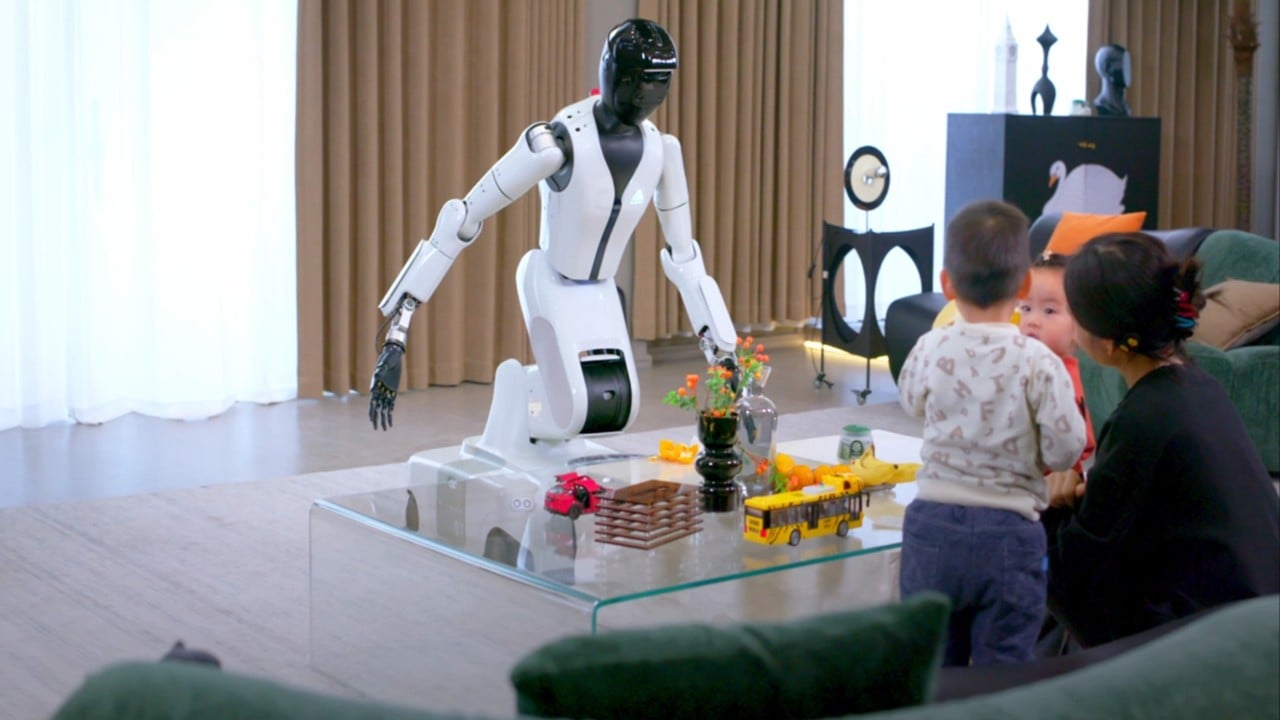
Recent advancements in robotics are shifting focus from enhancing processors and mechanical designs to improving data quality, particularly through realistic training environments. This emerging field, known as Physical AI, emphasizes the creation of 3D assets and simulation environments that incorporate genuine physical properties. By accurately mimicking real-world behaviors, these simulations aim to enhance the training of robotic systems, enabling them to perform more effectively in various applications. As researchers and developers prioritize realistic data over traditional methods, the potential for breakthroughs in robotic capabilities is becoming increasingly evident. This evolution in robotics is expected to redefine how machines interact with their environments, paving the way for more sophisticated and adaptable technologies.

Artificial Intelligence Robotics ai robotics automation news Autonomous robots digital twins
Industrial Software Leaders Build Secure, Autonomous AI Engineers With NVIDIA NemoClaw

Industrial Software Leaders Build Secure, Autonomous AI Engineers With NVIDIA NemoClaw

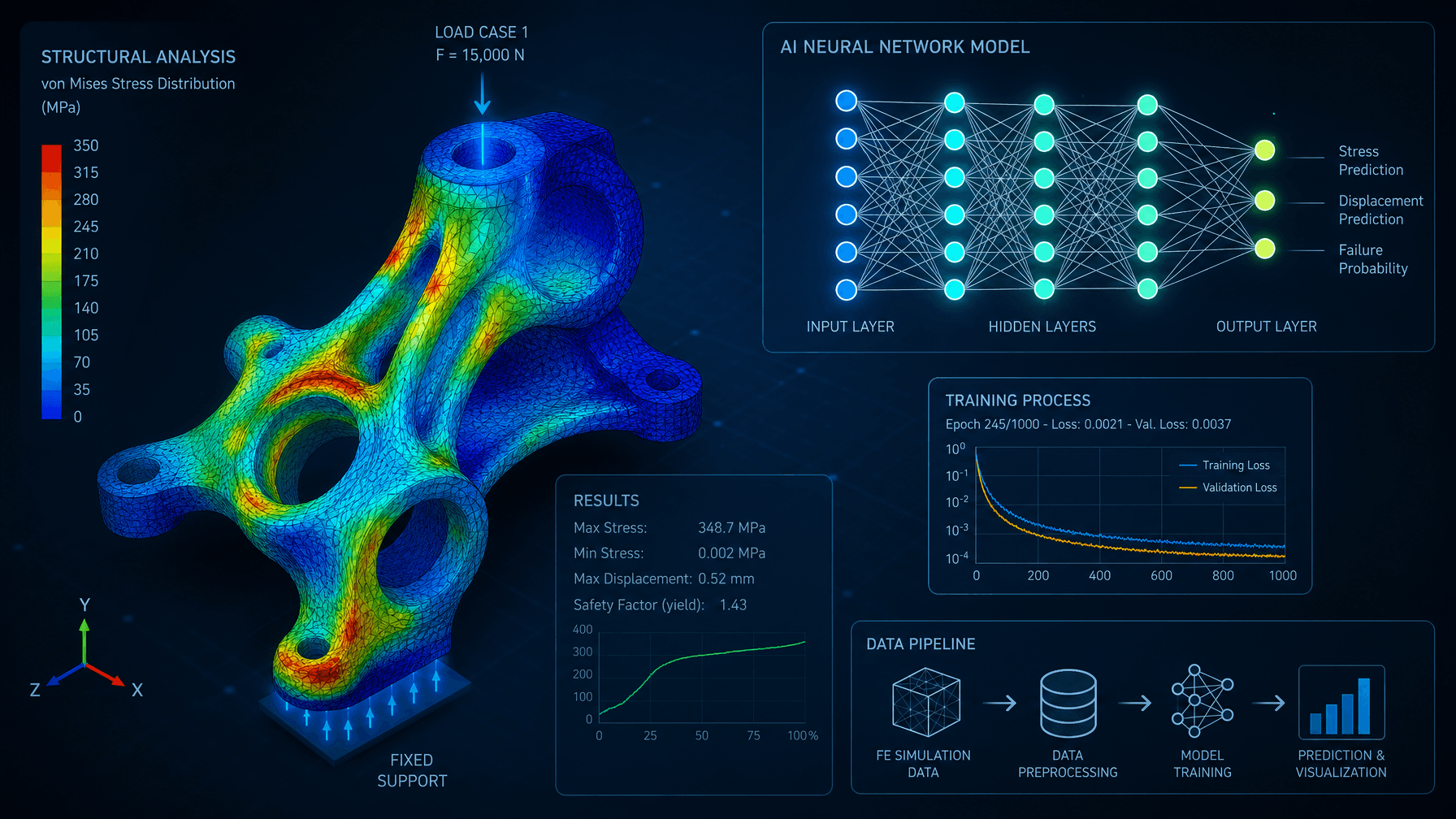
Accelerated computing has transformed the field of industrial engineering by significantly reducing simulation times from weeks to mere hours. Despite these advancements, experts indicate that challenges persist in the end-to-end workflow associated with simulations, which includes critical processes such as computer-aided design, meshing, and the simulations themselves. As industries continue to adopt these technologies, addressing these workflow issues is essential for maximizing efficiency and effectiveness in engineering practices. The ongoing developments in accelerated computing are expected to further streamline these processes, enhancing productivity and innovation in the sector.

China establishes a venture capital fund in Hangzhou with 1 billion yuan; Tianjin opens AI sensor industrial park; Zhejiang plans

China establishes a venture capital fund in Hangzhou with 1 billion yuan; Tianjin opens AI sensor industrial park; Zhejiang plans

ZTO Express has established a new logistics company, Guangzhou Zhongjing Logistics Co., Ltd., in Guangzhou with a registered capital of 500 million RMB. The company, wholly owned by ZTO Express, will engage in domestic freight transportation, equipment leasing, and computer system services. OpenAI has announced its entry into the robotics sector, focusing on developing assistive robots. CEO Sam Altman stated the company is looking for engineers to create robots that can aid in building future infrastructure. The initiative, which has evolved from a world simulation research project, aims to integrate hardware and machine learning for practical applications. Nan Er, Vice President of Zhejiang Chint Electric, has been recognized as a "2026 Zhejiang Youth Technology Entrepreneur" as part of a program to support technology entrepreneurs in the region. Foxconn and French company Bull will collaborate to manufacture AI and cloud infrastructure, with an initial investment of over 120 million euros. The project will utilize facilities in both France and the Czech Republic. On June 1, new regulations for online food delivery were implemented, with Taobao Flash collaborating with various local regulatory bodies to label the first batch of "no dine-in" merchants, enhancing compliance among 60,000 restaurants this year. Muyu Group has partnered with Alibaba Cloud to develop an AI model for the livestock industry, significantly improving the efficiency of health checks for pigs. In investment news, a new venture capital fund, Guoxin Qianjiang, has been established in Hangzhou with a capital of 1 billion RMB, while Zhi Mi has opened a financing window with a pre-IPO valuation of approximately 70 billion RMB. In product developments, a new automotive brand resulting from a collaboration between Sairus and ByteDance is set to launch a hybrid vehicle this year, while Sharpa has introduced a humanoid robot equipped with advanced tactile capabilities in partnership with NVIDIA. Lastly, the Tianjin AI Sensor Industrial Park has officially opened, with ten companies signing contracts, and Shanghai is focusing on advancing core software technologies as part of its development plan. Zhejiang Province is also seeking to implement the "Spark Plan" to accelerate the application of quantum technology products.

Why Electric Vehicle NVH Testing Demands a Different Approach than ICE Validation

Why Electric Vehicle NVH Testing Demands a Different Approach than ICE Validation

In a recent development within the automotive industry, transmission engineers have encountered unexpected challenges when testing new electric vehicle (EV) drivetrains on test benches originally designed for internal combustion engine (ICE) components. During these tests, while the data appears to be accurate, engineers have noted an unusual high-pitched whine at 3,200 rpm, indicating a harmonic issue not accounted for in initial simulations. This phenomenon raises concerns about the compatibility of existing testing equipment with the unique characteristics of EV drivetrains. The findings highlight the need for updated testing protocols and equipment that can adequately address the distinct sound signatures and performance metrics of electric vehicles. As the industry shifts towards electrification, understanding and resolving these discrepancies will be crucial for ensuring the reliability and efficiency of EV technology.

Engineering Technology automation news automotive automation automotive engineering automotive R&D
OpenAI announces entry into robotics, focusing on developing assistive robots in the short term.

OpenAI announces entry into robotics, focusing on developing assistive robots in the short term.

OpenAI CEO Sam Altman announced via social media that the company is seeking talented full-stack hardware, operations, systems, and machine learning engineers to collaborate on developing socially beneficial robots. He emphasized that artificial intelligence should assist humans in the real world. In the short term, OpenAI aims to create robots that can help technical workers build future infrastructure, while in the long term, the company envisions a future where everyone has a personal robot capable of fulfilling various needs. Altman revealed that OpenAI's world simulation research project has rapidly evolved over the past year into OpenAI Robotics, led by Aditya Ramesh. The project is making significant strides, grounded in the deep integration and collaborative design of robotics hardware and machine learning research.

How Physical AI Is Closing the Gap Between Simulation and the Shop Floor

How Physical AI Is Closing the Gap Between Simulation and the Shop Floor

A new generation of systems is emerging that not only simulates the physical world but also engages in real-time reasoning and actions. This advancement is driven by a sophisticated spatial computing stack that integrates foundation models, AI-generated software, and high-fidelity 3D sensing technologies. These systems aim to enhance interactions with the environment, providing more intuitive and responsive experiences. The development is part of a broader trend in technology aimed at creating smarter, more adaptive solutions across various industries, including gaming, robotics, and virtual reality. As these innovations continue to evolve, they promise to transform how users interact with digital and physical spaces, paving the way for more immersive and effective applications.

NVIDIA Launches Alpamayo 2 Super Open Reasoning Model for Robotaxis

NVIDIA Launches Alpamayo 2 Super Open Reasoning Model for Robotaxis

NVIDIA has unveiled its latest advancement in artificial intelligence, the Alpamayo 2 Super, a sophisticated vision language action model featuring 32 billion parameters. This new model is part of the expanding Alpamayo family, which includes a range of open AI models, simulation frameworks, and physical AI datasets designed to enhance safety in level 4 autonomous systems. The announcement was made today, showcasing NVIDIA's commitment to pushing the boundaries of AI technology. The Alpamayo 2 Super aims to improve the capabilities of AI in understanding and interacting with complex visual and linguistic inputs, thereby facilitating more advanced applications in various industries. This development reflects NVIDIA's ongoing efforts to lead in the AI space by providing robust tools for researchers and developers.

Robotic suit simulates weightlessness on Earth to improve astronaut motor skills

Robotic suit simulates weightlessness on Earth to improve astronaut motor skills

Researchers from the German Research Center for Artificial Intelligence (DFKI) and the University of Duisburg-Essen have unveiled a groundbreaking study that explores the potential of artificial intelligence in enhancing urban planning. This research, published on October 15, 2023, aims to address the growing challenges of urbanization by integrating AI technologies into city development strategies. The study focuses on how AI can analyze vast amounts of data related to traffic patterns, environmental impacts, and population growth to create more efficient and sustainable urban environments. By employing advanced algorithms, the researchers demonstrate that AI can predict future urban needs and optimize resource allocation, ultimately leading to improved quality of life for residents. The motivation behind this initiative stems from the increasing pressure on cities worldwide to adapt to rapid population growth and climate change. As urban areas expand, traditional planning methods often fall short, necessitating innovative solutions that AI can provide. Through a series of simulations and case studies, the researchers illustrate the practical applications of their findings, showcasing how AI-driven insights can inform decision-making processes for city planners and policymakers. This collaborative effort highlights the importance of interdisciplinary approaches in tackling complex urban issues, paving the way for smarter, more resilient cities in the future.

The Roboteon Difference

The Roboteon Difference

Roboteon is making significant strides in the warehouse automation market with its innovative solutions that emphasize interoperability across various Warehouse Management Systems (WMS) and robotic platforms. The company has developed a comprehensive and functionally-rich platform that encompasses everything from core integration to advanced execution, optimization, and orchestration of tasks. By leveraging artificial intelligence and advanced simulation techniques, Roboteon enhances decision-making and operational efficiency within warehouses. Their deep domain expertise, particularly in integrating robots with existing WMS and automation systems, positions them as a leader in this rapidly evolving sector.

AGIBOT’s Genie Envisioner

AGIBOT’s Genie Envisioner

AGIBOT's Genie Envisioner-Sim 2.0 has secured the top position on the WorldArena Track 1 leaderboard, highlighting its cutting-edge capabilities in embodied artificial intelligence. This innovative model marks a significant leap in world simulation technology, facilitating the efficient testing and refinement of robotic policies prior to their deployment in real-world scenarios. The advancements offered by Genie Envisioner-Sim 2.0 are expected to greatly enhance the adaptability and intelligence of humanoid robots, ultimately improving their performance in dynamic environments.

Embodied AI World Models Humanoid Robotics Simulation Technology Artificial Intelligence
NVIDIA research shows robots trained in simulation can handle real-world tasks

NVIDIA research shows robots trained in simulation can handle real-world tasks

Recent advancements in robotics have led to significant improvements in the reliability of robots trained entirely in simulation. Researchers have found that these simulated robots are now capable of performing tasks with greater accuracy and efficiency in real-world environments. This development comes as a response to the growing demand for automation across various industries, where the ability to seamlessly transition from virtual training to practical application is crucial. The breakthrough was reported in October 2023, highlighting the successful application of simulation-based training methods that allow robots to learn complex tasks without the risks and limitations associated with physical training. By utilizing advanced algorithms and machine learning techniques, these robots can adapt to unpredictable conditions and execute tasks that were once considered too challenging for automated systems. As industries increasingly seek to integrate robotic solutions to enhance productivity and reduce labor costs, the ability of these robots to operate reliably in the real world marks a significant milestone in the field of robotics. The ongoing research aims to refine these training methods further, ensuring that robots can meet the diverse needs of various sectors, from manufacturing to healthcare.

South Korea backs autonomous military robots with digital twin battlefield simulator

South Korea backs autonomous military robots with digital twin battlefield simulator

South Korea has chosen NC AI, a gaming and artificial intelligence company, along with defense manufacturer Hyundai Rotem, to develop advanced military training systems. This initiative, announced recently, aims to enhance the country's defense capabilities through innovative technology. The collaboration will focus on creating realistic simulations and training environments for military personnel, leveraging NC AI's expertise in AI and gaming technology. The project is part of South Korea's broader strategy to modernize its military and improve operational readiness in response to evolving security challenges in the region. The development is expected to take place over the next few years, with the goal of integrating cutting-edge technology into military training programs.

NVIDIA Research Advances Robotics From Simulation to the Real World

NVIDIA Research Advances Robotics From Simulation to the Real World

At the International Conference on Robotics and Automation (ICRA), NVIDIA Research showcased advancements in robotics that signal a significant shift towards achieving reliable embodied autonomy in real-world applications. This transition marks a departure from traditional controlled demonstrations and scripted automation, emphasizing the need for robots to operate effectively in unpredictable environments. The event, held recently, highlighted eight innovative projects that illustrate how robotics can adapt and function autonomously outside of laboratory settings. This evolution is driven by the increasing demand for robots to perform complex tasks in diverse scenarios, enhancing their utility across various industries. By leveraging cutting-edge technology and research, NVIDIA aims to pave the way for a future where robots can seamlessly integrate into everyday life, improving efficiency and productivity.

Lightwheel AI Raises New Round to Build Physical AI Data and Simulation Infrastructure

Lightwheel AI Raises New Round to Build Physical AI Data and Simulation Infrastructure

A Beijing-based startup has successfully secured new funding to enhance its data and evaluation infrastructure focused on physical artificial intelligence, embodied intelligence, and world models. This investment aims to bolster the company's capabilities in developing advanced technologies that integrate AI with real-world applications. The funding round, which took place recently, reflects growing interest in the potential of AI to transform various industries. By improving its infrastructure, the startup seeks to position itself as a leader in the evolving landscape of intelligent systems, ultimately contributing to more sophisticated and effective AI solutions.

AI
US Marines test low-cost FPV drone attacks coordinated from Venom helicopters

US Marines test low-cost FPV drone attacks coordinated from Venom helicopters

The U.S. Marine Corps is currently testing a novel battlefield tactic that integrates traditional military strategies with advanced technology. This initiative, which began in October 2023, aims to enhance operational effectiveness in diverse combat scenarios. The Marines are conducting these experiments at various training facilities across the United States, focusing on improving coordination and communication among units. The motivation behind this approach stems from the evolving nature of warfare, where rapid technological advancements necessitate a reevaluation of conventional tactics. By blending established military practices with cutting-edge tools, the Marine Corps seeks to adapt to modern threats and maintain a strategic advantage. Through a series of simulations and live exercises, the Marines are assessing the effectiveness of this hybrid strategy. The goal is to refine their tactics, ensuring that they can respond swiftly and effectively in dynamic environments. As these trials progress, the Marine Corps aims to gather valuable insights that will inform future operational planning and training protocols.

Simulation vs. digital twin: A strategic lens on virtual manufacturing

Simulation vs. digital twin: A strategic lens on virtual manufacturing

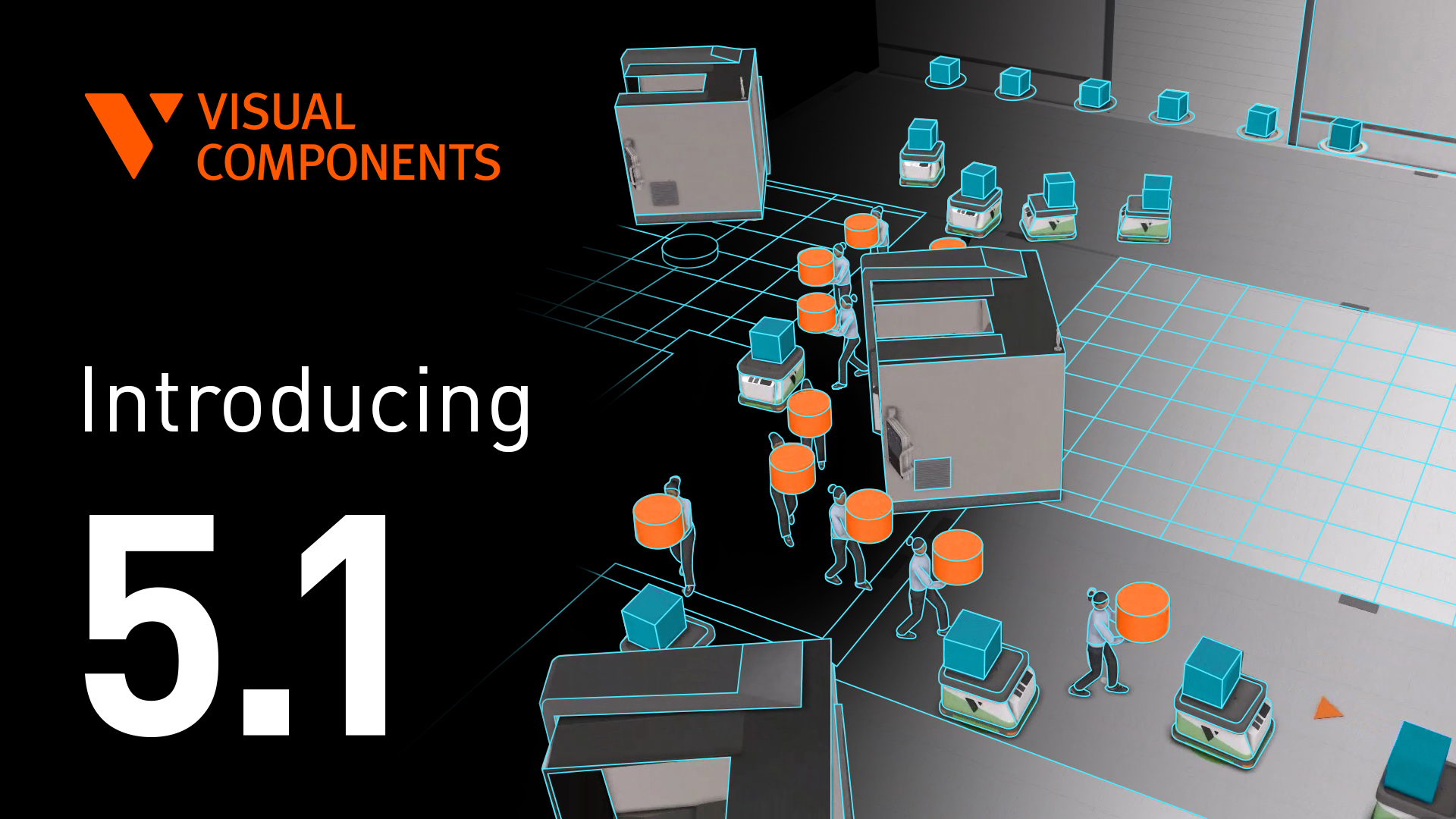
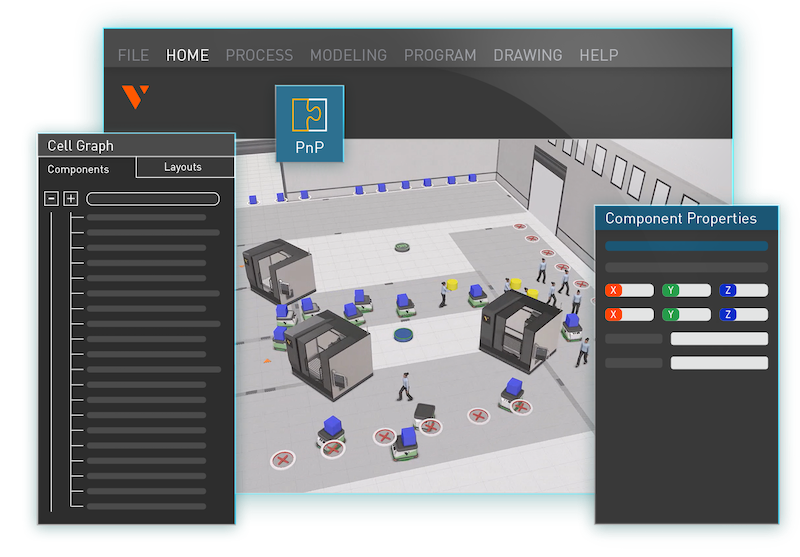
Visual Components has highlighted the advantages of digital twins and simulation technologies for manufacturers involved in system design and integration, particularly in automation. The discussion, featured in a recent post titled "Simulation vs. Digital Twin: A Strategic Lens on Virtual Manufacturing," emphasizes how these tools can enhance efficiency and accuracy in manufacturing processes. By leveraging virtual models, companies can optimize their operations, reduce costs, and improve overall productivity. The insights shared aim to guide manufacturers in making informed decisions about adopting these technologies to stay competitive in the evolving landscape of virtual manufacturing.

Manufacturing News Opinion Software / Simulation Visual Components
First Defense Critical Infrastructure summit aims to develop repeatable playbook

First Defense Critical Infrastructure summit aims to develop repeatable playbook

The U.S. Army, in collaboration with 14 external partners, conducted a tabletop exercise to simulate responses to a coordinated and simultaneous attack on a military installation during troop deployments. This event took place recently as part of ongoing efforts to enhance readiness and improve strategic responses to potential threats. The exercise aimed to evaluate and refine operational protocols, ensuring that all participating entities are prepared to effectively manage crises in real-time scenarios. By engaging in this comprehensive simulation, the Army and its partners sought to strengthen inter-agency coordination and response capabilities, ultimately enhancing national security.

Land Warfare Networks & Digital Warfare Army Brandon Pugh cyber security Drones
Open-Source Software Is Starting to Help Robots Think

Open-Source Software Is Starting to Help Robots Think

A new wave of open-source robotics is transforming the field, enabling a broader range of individuals to develop advanced robotic systems. This movement, which gained momentum in the last two years, has seen major companies like Hugging Face, Nvidia, and Alibaba invest in tools and models aimed at enhancing robots' cognitive abilities. The initiative builds on the success of the Robot Operating System (ROS), introduced in 2007, which standardized robotics software and significantly reduced the time researchers needed to focus on their core projects. Nvidia has developed a comprehensive open-source robotics stack that includes simulation tools and pre-trained models, making it easier for developers to create sophisticated robots without needing extensive expertise. Hugging Face has furthered this effort with its LeRobot platform, which has rapidly expanded its dataset offerings, now boasting over 58,000 robotics datasets. While the open-source approach democratizes access to robotics technology, concerns arise regarding the influence of commercial interests in shaping the field. Experts warn that as companies drive the movement, there is a risk of duplicating existing solutions rather than innovating. Nevertheless, the growing community of contributors—from industry leaders to hobbyists—signals a promising future for open-source robotics, fostering collaboration and creativity in a field that is becoming increasingly accessible.

Open-robotics Robot-ai Huggingface Ros Nvidia
High-precision laser spectroscopy confirms proton is smaller than expected, at 0.84 fm

High-precision laser spectroscopy confirms proton is smaller than expected, at 0.84 fm

Physicists at the Max Planck Institute of Quantum Optics (MPQ) have successfully reinforced a critical measurement related to quantum mechanics, enhancing our understanding of the fundamental principles governing the behavior of particles at the quantum level. This significant advancement was achieved through a series of precise experiments conducted over the past year at the institute's facilities in Garching, Germany. The researchers aimed to address longstanding questions in the field, specifically focusing on the interactions between light and matter. By employing advanced techniques in quantum optics, they were able to achieve unprecedented accuracy in their measurements, which could have far-reaching implications for future technologies, including quantum computing and secure communication systems. The findings, which were published recently in a leading scientific journal, underscore the importance of continued research in quantum physics and its potential to revolutionize various industries.

‘Like a flowing material’: Robot swarm uses physics, not commands to self-organize

‘Like a flowing material’: Robot swarm uses physics, not commands to self-organize

Engineers at Cornell University have unveiled an innovative robotic system that mimics the behavior of flowing liquids. This groundbreaking development, announced in October 2023, aims to enhance the versatility and adaptability of robots in various applications. By incorporating principles of fluid dynamics, the team has created a robot capable of navigating complex environments with unprecedented ease. The motivation behind this project stems from the desire to improve robotic mobility and functionality, particularly in scenarios where traditional rigid robots struggle. The researchers utilized advanced algorithms and soft materials to enable the robot to change shape and move fluidly, allowing it to overcome obstacles and traverse challenging terrains. This new robotic system has the potential to revolutionize fields such as search and rescue, environmental monitoring, and even medical applications, where flexibility and adaptability are crucial. The team's findings highlight the importance of interdisciplinary approaches in robotics, merging concepts from engineering, biology, and physics to create more efficient and capable machines.

Google’s Genie world model can now simulate real streets with Street View

Google’s Genie world model can now simulate real streets with Street View

Google DeepMind is set to enhance its Project Genie by integrating it with Street View, aiming to develop immersive and interactive world simulations. This innovative initiative will enable users to explore diverse environments, experience dynamic weather changes, and encounter rare scenarios. The integration is part of DeepMind's broader effort to advance applications in robotics, gaming, and travel, providing a more engaging and realistic experience for users. The project is expected to leverage the extensive data from Street View to create detailed and responsive virtual landscapes, making it easier for developers and users alike to engage with these simulations in meaningful ways.

AI Robotics genie 3 Google Google I/O google io 2026
Boston Dynamics reveals how Atlas robot lifts 100-pound industrial loads at scale

Boston Dynamics reveals how Atlas robot lifts 100-pound industrial loads at scale

Boston Dynamics has unveiled the training process behind its Atlas humanoid robot, showcasing its ability to lift and carry heavy objects. This development was announced in a recent demonstration, highlighting the robot's advanced capabilities in handling various tasks. The event took place in October 2023, where engineers detailed the methods used to enhance Atlas's physical skills. The motivation behind this innovation stems from the growing demand for robots that can assist in labor-intensive environments, such as warehouses and construction sites. By equipping Atlas with the ability to perform complex lifting and carrying tasks, Boston Dynamics aims to address labor shortages and improve efficiency in these sectors. The training involved a combination of machine learning techniques and physical simulations, allowing the robot to understand and adapt to different weights and shapes of objects. This iterative process enabled Atlas to refine its movements and improve its stability while handling heavy loads. As a result, the robot is now capable of executing tasks that require both strength and precision, marking a significant advancement in robotics technology.

Forget electrons, this breakthrough uses light-matter particles to power AI

Forget electrons, this breakthrough uses light-matter particles to power AI

Researchers at the University of Pennsylvania have developed a groundbreaking hybrid light-matter particle that has the potential to significantly enhance artificial intelligence computing efficiency while reducing energy consumption. This innovative advancement could pave the way for the replacement of traditional electronic computing methods with more efficient light-based technologies. The research, which highlights the intersection of physics and computer science, aims to address the growing demand for faster and more sustainable computing solutions, particularly in the field of AI. By harnessing the unique properties of light and matter, the team believes this new approach could transform how data is processed, leading to faster and more energy-efficient systems.

FANUC strengthens robot integration with NVIDIA Isaac Sim

FANUC strengthens robot integration with NVIDIA Isaac Sim

FANUC is enhancing its robotics technology by integrating its robots and teach pendant with NVIDIA's simulation and artificial intelligence capabilities. This collaboration aims to improve the efficiency and intelligence of robotic operations, allowing for smoother and more adaptive actions in various applications. The integration leverages NVIDIA's Isaac Sim, a platform designed to facilitate advanced simulation and AI training for robots. This development marks a significant step forward in the robotics industry, as it combines FANUC's expertise in automation with NVIDIA's cutting-edge technology to create smarter, more responsive robotic systems.

6-Axis Arms / Manipulators Artificial Intelligence Artificial Intelligence / Cognition Cobot Arms Collaborative Robots
Agentic AI for Robot Teams

Agentic AI for Robot Teams

Researchers at the Johns Hopkins Applied Physics Laboratory are making strides in the development of agentic artificial intelligence aimed at enhancing collaborative robotic teams. During a recent presentation, they outlined the significant challenges associated with achieving autonomy, coordination, and adaptability among diverse robotic systems. To address these issues, the team introduced a scalable architecture designed to facilitate agentic behaviors in multi-robot environments. The presentation also featured demonstrations of this innovative approach, showcasing its application in hardware with a varied group of robots. Additionally, the researchers shared valuable insights gained from their ongoing research and development efforts, highlighting key challenges faced and lessons learned throughout the process. This work not only advances the field of robotics but also sets the stage for future developments in agentic AI technology.

Type-webinar Agentic-ai Robotics Llms
AI reveals the invisible magnetic chaos wasting energy inside electric motors

AI reveals the invisible magnetic chaos wasting energy inside electric motors

Researchers in Japan have made significant strides in addressing a critical issue affecting electric vehicles: magnetic energy loss within electric motors. This hidden energy drain has become a focal point for scientists as the demand for electric vehicles continues to grow. Utilizing an advanced AI-driven physics model, the team has gained insights into the complex and chaotic magnetic patterns found in motor materials. Their innovative approach allows them to analyze how heat and microscopic magnetic structures contribute to energy waste. This breakthrough could lead to more efficient electric motors, enhancing the performance and sustainability of electric vehicles in the future.

China’s near-silent wave-powered drones could redefine maritime patrols

China’s near-silent wave-powered drones could redefine maritime patrols

Chinese researchers have announced a significant advancement in maritime technology, revealing that artificial intelligence (AI) can effectively control unmanned surface vehicles (USVs). This development was shared during a recent conference held in Beijing, where experts discussed the potential applications of AI in enhancing naval operations. The researchers emphasized that the integration of AI into USVs could improve decision-making processes, increase operational efficiency, and reduce human error in various maritime missions. This innovation is driven by the need for safer and more efficient maritime navigation, particularly in challenging environments. The researchers demonstrated the capabilities of AI-controlled USVs through a series of simulations, showcasing their ability to autonomously navigate, avoid obstacles, and perform complex tasks. This breakthrough could pave the way for the future of naval warfare and maritime research, as countries seek to leverage technology for strategic advantages.

FANUC and NVIDIA build robots that act identically in simulation and reality

FANUC and NVIDIA build robots that act identically in simulation and reality

Japanese robotics company FANUC has announced an expansion of its partnership with NVIDIA to develop advanced factory robots. This collaboration aims to integrate NVIDIA's artificial intelligence technology into FANUC's robotics systems, enhancing automation capabilities in manufacturing. The announcement was made on October 10, 2023, during a technology conference in Tokyo. The partnership is driven by the increasing demand for smarter and more efficient manufacturing solutions, as industries seek to improve productivity and reduce operational costs. By leveraging NVIDIA's expertise in AI and machine learning, FANUC intends to create robots that can adapt to various tasks and environments, ultimately transforming the landscape of factory automation. The integration process will involve combining FANUC's robotics hardware with NVIDIA's AI software, enabling real-time data processing and decision-making. This innovative approach is expected to lead to significant advancements in the efficiency and versatility of factory robots, positioning both companies at the forefront of the rapidly evolving automation market.

The Future of Welding Cobot Technology: AI Path Planning and Simulation

The Future of Welding Cobot Technology: AI Path Planning and Simulation

The welding industry is experiencing a significant digital transformation in response to a global shortage of skilled welders and an increasing demand for high-precision manufacturing. This shift is marked by the introduction of collaborative robots, or welding cobots, which are evolving from traditional automated tools into intelligent partners capable of executing complex welding tasks. These advancements allow small-to-medium enterprises to achieve high-quality welding standards with reduced setup times. Key innovations include AI-driven path planning and vision integration, which address the challenges posed by variability in workpieces. By employing technologies such as "Through-the-Arc" sensing and laser vision systems, these cobots can analyze seams in real-time and adjust their movements to compensate for any misalignments. Additionally, "Lead-through" programming enables human welders to guide the robotic arm, which the AI then refines into a precise trajectory. The use of simulation and digital twin technology further enhances the welding process. Engineers can create virtual models of welding cells to optimize operations without interrupting production. This capability allows for the prediction of thermal effects and minimizes heat distortion, significantly reducing the time required to deploy welding cobots from days to hours. At the forefront of this innovation is JAKA, which is integrating these intelligent features into its collaborative platforms. Their welding cobots, equipped with advanced sensors and motion control, are designed for various welding applications. JAKA also offers a user-friendly software package that simplifies complex path planning, enabling operators to monitor and adjust weld parameters remotely, thereby enhancing craftsmanship while ensuring precision.

Moore Threads and Guangyun Intelligence Partner to Build Domestic Physical AI Foundation with Sovereign Compute and Simulation

Moore Threads and Guangyun Intelligence Partner to Build Domestic Physical AI Foundation with Sovereign Compute and Simulation

Moore Threads and Guangyun Intelligence have announced a strategic partnership aimed at developing a high-confidence synthetic data solution tailored for embodied artificial intelligence. This collaboration will leverage Moore Threads' advanced domestic GPU computing capabilities alongside Guangyun's proprietary simulation platform. The initiative is expected to enhance the effectiveness and reliability of AI systems by providing robust synthetic data, which is crucial for training and improving AI models. The partnership marks a significant step in the evolution of AI technology, reflecting the growing importance of synthetic data in the field.

AI
The $500 Delivery Robot Is Coming — and It Will Reshape the Industry

The $500 Delivery Robot Is Coming — and It Will Reshape the Industry

Recent advancements in affordable AI accelerators and simulation-trained neural policies are set to significantly reduce the costs associated with autonomous delivery systems. This development is poised to transform the logistics and delivery industry, presenting substantial business opportunities that extend beyond mere technological improvements. As companies increasingly adopt these innovations, the implications for operational efficiency and market competitiveness are expected to be profound. The shift is anticipated to take place in the coming months, as businesses leverage these cost-effective solutions to enhance their delivery capabilities and streamline operations.

JUPITER supercomputer breaks world record with 50-qubit quantum simulation

JUPITER supercomputer breaks world record with 50-qubit quantum simulation

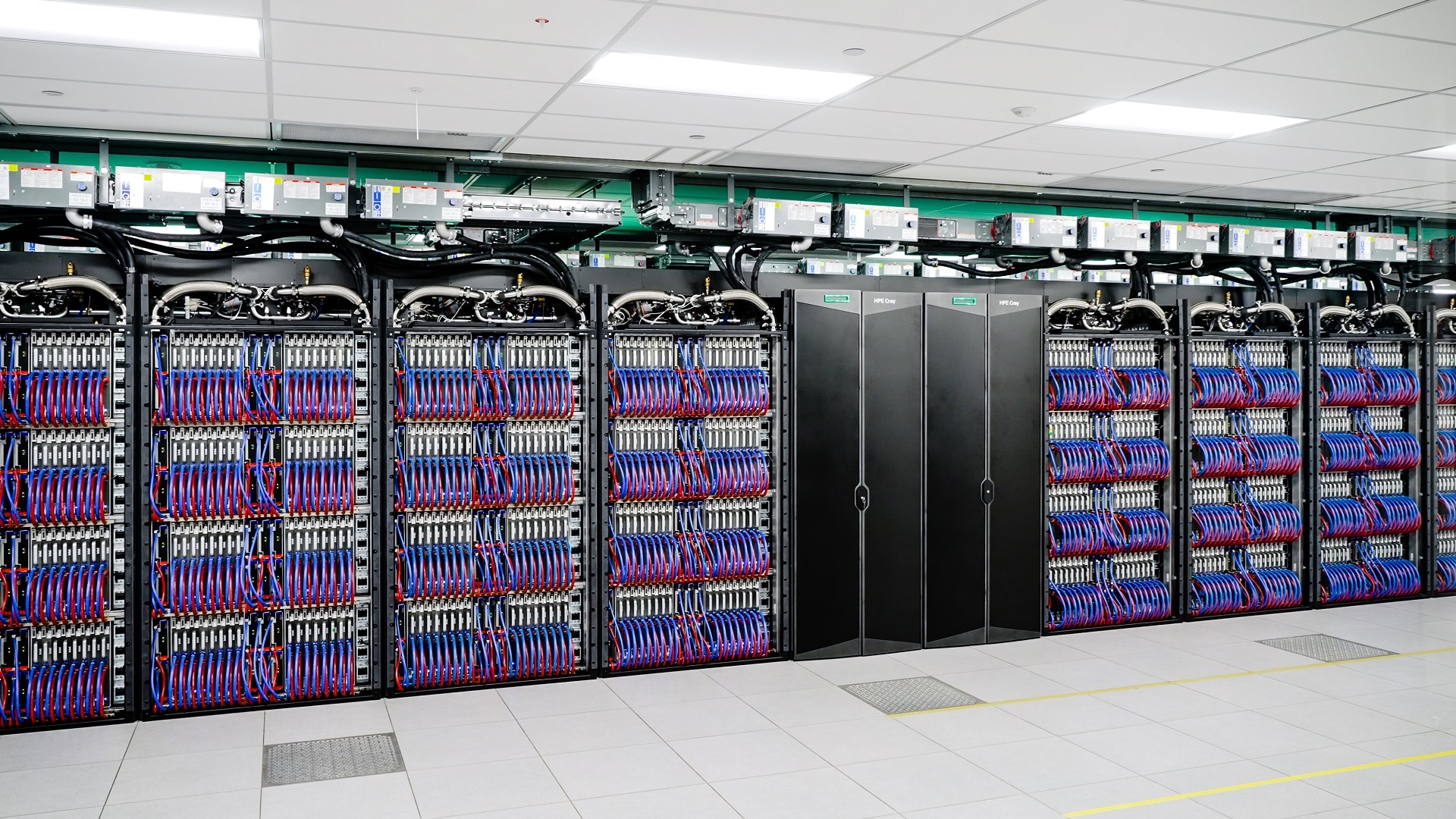
In a groundbreaking achievement, scientists in Germany have successfully simulated a 50-qubit quantum computer, marking the first time this has been accomplished. This significant milestone was made possible through the use of Europe’s advanced exascale supercomputer, JUPITER. The simulation surpasses the previous record of 48 qubits, showcasing the remarkable capabilities of next-generation supercomputers. This development not only demonstrates the progress in quantum computing research but also emphasizes the potential of supercomputing technology in tackling complex computational problems.

Simulation Platforms for Underwater Robotic Applications: Architectures, Capabilities, and Research Directions

Simulation Platforms for Underwater Robotic Applications: Architectures, Capabilities, and Research Directions

A recent study published in the Journal of Field Robotics highlights advancements in autonomous robotic navigation. Researchers from a leading university conducted experiments to improve the efficiency and accuracy of robots in complex environments. The study, released in early October 2023, focused on various terrains, including urban settings and natural landscapes, to assess how robots can better adapt to their surroundings. The motivation behind this research stems from the increasing demand for autonomous systems in industries such as agriculture, logistics, and disaster response. By enhancing the navigation capabilities of robots, the researchers aim to facilitate their deployment in real-world applications, ultimately improving operational efficiency and safety. The team utilized a combination of machine learning algorithms and sensor technologies to develop a new navigation framework. This innovative approach allows robots to process environmental data in real-time, enabling them to make informed decisions and navigate obstacles more effectively. The findings suggest that these advancements could significantly reduce the time and resources required for robots to complete tasks in unpredictable environments. As the field of robotics continues to evolve, this research represents a crucial step towards more reliable and versatile autonomous systems, paving the way for broader applications in various sectors.

SURVEY ARTICLE
Genesis AI Releases GENE-26.5: Humanoid Robot Finally Takes On Tomato and Egg Stir-Fry

Genesis AI Releases GENE-26.5: Humanoid Robot Finally Takes On Tomato and Egg Stir-Fry

Genesis AI, a French robotics startup, has unveiled its inaugural foundation model, GENE-26.5. This advanced robot is designed to perform a variety of tasks autonomously, including cracking eggs, cutting tomatoes, making smoothies, solving Rubik's cubes, and organizing cables. The launch took place recently as the company aims to revolutionize robotic manipulation through a novel training approach that combines extensive human operation data with simulation-based closed-loop evaluation. This innovative methodology is intended to enhance the capabilities of robots, moving them closer to a comprehensive foundation model training paradigm.

Robotics
LG CNS enters physical AI race to coordinate rival robots

LG CNS enters physical AI race to coordinate rival robots

LG CNS, the IT services division of LG Group and a leading systems integrator in South Korea, has introduced a groundbreaking software platform designed to manage fleets of robots from various manufacturers under a unified control system. This launch took place on Thursday and addresses a longstanding challenge in the robotics industry that typically required extensive custom engineering for coordination. The new platform, named PhysicalWorks, consists of two key components: one module focuses on training robots utilizing simulation and video data, while the other facilitates real-time task assignment and reassignment across diverse robot fleets. This innovative solution aims to streamline operations and enhance efficiency in environments where multiple robotic systems operate concurrently.

All News
How to Avoid Programming Errors When Using the JAKA Lumi Training Platform

How to Avoid Programming Errors When Using the JAKA Lumi Training Platform

The transition to no-code automation is transforming the landscape of collaborative robot (cobot) implementation, making it more accessible for manufacturers. JAKA, a leader in this field, has introduced the JAKA Lumi platform, designed to facilitate the rapid deployment of cobots while emphasizing the importance of understanding coordinate systems and command structures to avoid programming errors. Common pitfalls in programming JAKA cobots include mismanaging the order of operations for non-immediate commands and improper handling of coordinate systems. For instance, failing to place digital output commands correctly during movement can lead to synchronization issues, while neglecting to verify the active coordinate system can cause the robot to drift off course. Additionally, incorrect input values for motion commands can trigger errors in the robot's motion planner. To enhance programming efficiency, JAKA advocates for a structured approach through its "Smart, Simple, Small" philosophy. Best practices include establishing a homing sequence to ensure safety before high-speed movements, utilizing subprograms for complex commands, and validating tasks through simulation to prevent collisions. The JAKA Lumi series also incorporates advanced safety features, such as "Floating Jogging" mode and "One-Key Align," to minimize manual teaching errors. With a user-friendly wireless teaching app, operators can visually manage automation logic, ensuring a seamless integration of education and industrial application. By adhering to these guidelines, manufacturers can optimize their production processes while ensuring safety and reliability in their cobot operations.

Cornell’s insect-inspired 3D model could allow flapping-wing robots to fly stably

Cornell’s insect-inspired 3D model could allow flapping-wing robots to fly stably

Researchers at Cornell University have unveiled a groundbreaking 3D computational model designed to decode complex physical phenomena. This innovative model, which was developed over the past year, aims to enhance our understanding of various scientific processes by simulating intricate interactions within physical systems. The research team, led by a group of physicists and engineers, conducted extensive experiments and simulations to refine the model's accuracy and applicability. The development of this model is particularly significant as it addresses longstanding challenges in the field of physics, providing a tool that can potentially revolutionize how scientists approach problem-solving in areas such as material science, fluid dynamics, and even climate modeling. By leveraging advanced algorithms and high-performance computing, the researchers were able to create a more precise representation of physical interactions, which could lead to new discoveries and innovations. This work not only showcases the capabilities of modern computational techniques but also underscores the importance of interdisciplinary collaboration in advancing scientific knowledge. The findings of this research are expected to be published in a leading scientific journal, contributing to ongoing discussions and developments in the field.

KUKA and Visual Components Drive Next Era of Simulation-driven Automation

KUKA and Visual Components Drive Next Era of Simulation-driven Automation

KUKA Group, in collaboration with Visual Components, is enhancing the development of simulation-driven solutions aimed at streamlining automation processes. This initiative focuses on improving planning and virtual commissioning, ultimately facilitating smoother operations. By leveraging these advanced solutions, the companies aim to optimize processes from the outset, mitigate risks, and expedite the execution of intricate automation projects. The partnership reflects a commitment to innovation in the automation sector, addressing the growing demand for efficient and reliable automation systems.

AI Discovery Pipeline Identifies Tuberculosis Drug Targets

AI Discovery Pipeline Identifies Tuberculosis Drug Targets

Researchers have identified five novel inhibitors of the MenT3 toxin, a significant breakthrough in the fight against tuberculosis. This discovery was made possible through an innovative machine learning and simulations pipeline, which allowed scientists to analyze potential treatments more efficiently. The findings, announced in October 2023, highlight the potential for these inhibitors to provide new therapeutic options for tuberculosis, a disease that continues to pose a global health challenge. By leveraging advanced computational techniques, the research team was able to pinpoint compounds that could effectively target the MenT3 toxin, which plays a crucial role in the bacterium's pathogenicity. This development not only opens new avenues for treatment but also underscores the importance of integrating technology in drug discovery efforts.

The Era of Eka: New Startup Unveils Vision-Force-Action Model to Crack Dexterity

The Era of Eka: New Startup Unveils Vision-Force-Action Model to Crack Dexterity

A team of former researchers from MIT and DeepMind has established Eka Robotics, unveiling a groundbreaking "Vision-Force-Action" (VFA) foundation model. This innovative technology harnesses the power of simulation and tactile sensing to enable robots to perform tasks with superhuman speed and remarkable physical intelligence. The launch marks a significant advancement in robotics, aiming to enhance the capabilities of machines in various applications. By integrating advanced sensory data with real-time decision-making, Eka Robotics seeks to revolutionize how robots interact with their environments. The initiative reflects a growing trend in the tech industry to develop more sophisticated and responsive robotic systems, addressing the increasing demand for automation across multiple sectors.

US Eka Robotics
Into the Omniverse: Manufacturing’s Simulation-First Era Has Arrived

Into the Omniverse: Manufacturing’s Simulation-First Era Has Arrived

In a significant shift for the manufacturing industry, experts are challenging the long-standing reliance on real-world testing as the sole reliable method for product validation. Traditionally, the design-build-test cycle has been anchored in the belief that only through physical testing can products be adequately assessed for performance and safety. However, with advancements in technology and data analytics, industry leaders are advocating for a more integrated approach that incorporates virtual simulations and predictive modeling. This evolution aims to enhance efficiency, reduce costs, and accelerate the development process. As manufacturers increasingly adopt these innovative methodologies, the landscape of product testing is poised for transformation, potentially leading to safer and more reliable products reaching the market faster than ever before. This paradigm shift is gaining momentum as companies seek to adapt to the demands of a rapidly changing market and consumer expectations.

Menlo Research Open-Sources Asimov v1, Releasing CAD and Simulation Files for "The Rest of Us"

Menlo Research Open-Sources Asimov v1, Releasing CAD and Simulation Files for "The Rest of Us"

Menlo Research has unveiled the complete open-source repository for the Asimov v1 humanoid robot, coinciding with the launch of their "Here Be Dragons" kit. This comprehensive release includes detailed mechanical designs, electrical wiring schematics, and a MuJoCo simulation model, aimed at fostering innovation and collaboration within the robotics community. The initiative, announced recently, seeks to empower developers and researchers by providing them with the necessary resources to advance humanoid robotics. By making these materials publicly accessible, Menlo Research hopes to stimulate further research and development in the field, encouraging a collaborative approach to technological advancement.

open-source Asimov
Modeling and Simulation Approaches for Modern Power System Studies

Modeling and Simulation Approaches for Modern Power System Studies

A free webinar focused on power system modeling and simulation will take place soon, offering insights into various analytical techniques for energy professionals. Participants will learn to construct power system networks programmatically using standard data formats and configure models for specific engineering objectives. The session will cover workflows for quasi-static 8760-hour simulations on an IEEE 123-node distribution feeder, as well as electromagnetic transient (EMT) simulations on transmission system benchmarks, including generator trip dynamics. Attendees will also gain an understanding of comprehensive fault studies, learning how to systematically inject faults into a distribution system and utilize the resulting data to train machine-learning algorithms for automated fault detection and classification. Additionally, the webinar will address the integration of inverter-based resources (IBRs) into the grid, including techniques for frequency scanning and compliance testing for grid-forming converters against established interconnection standards. This event aims to equip energy professionals with the necessary skills and knowledge to enhance their modeling and simulation capabilities in the evolving landscape of power systems. Interested individuals are encouraged to register for the webinar to secure their participation.

Type-webinar Energy Power-system Emt
AI just discovered new physics in the fourth state of matter

AI just discovered new physics in the fourth state of matter

Physicists have made significant progress in harnessing artificial intelligence to not only analyze data but also to discover new laws of nature. This breakthrough was achieved by a research team that integrated a specially designed neural network with advanced 3D tracking of particles within a dusty plasma, a unique state of matter observed in various environments, from outer space to wildfires. The study, conducted recently, demonstrated the model's ability to identify hidden patterns in particle interactions, successfully capturing complex, one-way (non-reciprocal) forces with over 99% accuracy. This innovative approach has challenged and overturned long-standing assumptions regarding the behavior of these forces, potentially reshaping our understanding of fundamental physical interactions.

Dassault Systèmes vs Siemens vs PTC : qui gagne la bataille du digital twin ?

Dassault Systèmes vs Siemens vs PTC : qui gagne la bataille du digital twin ?

The digital twin technology is emerging as a cornerstone of the future industry, aiming to create accurate virtual representations of products, processes, or entire systems. This innovation enables real-time simulation, optimization, and prediction of behaviors. In this competitive landscape, three major players—Dassault Systèmes, Siemens, and PTC—are leading the charge in the battle for dominance in the digital twin market. The ongoing rivalry among these companies highlights the strategic importance of digital twins in enhancing operational efficiency and driving technological advancement. The article originally appeared in Robot Magazine, exploring the competitive dynamics shaping this transformative field.

À la une Actualités IA Industriel Robotique automatisation industrielle.
AI Agent Designs a RISC-V CPU Core From Scratch

AI Agent Designs a RISC-V CPU Core From Scratch

In a significant advancement for AI-driven chip design, Verkor.io, an AI chip design startup, has successfully created a RISC-V CPU core entirely through an autonomous AI system named Design Conductor. This milestone was achieved in December 2025, with the resulting CPU, dubbed VerCore, boasting a clock speed of 1.5 GHz and performance comparable to a 2011 laptop CPU. Suresh Krishna, co-founder of Verkor.io, emphasized that their approach, which allows the AI to tackle the entire design process rather than just specialized tasks, is more effective. Design Conductor operates as a structured harness for large language models (LLMs), guiding the AI through a series of steps akin to those followed by human engineers, from design to testing. The system autonomously generated the VerCore design in just 12 hours based on a 219-word specification. While VerCore has not yet been physically produced, it has been verified through simulation, achieving a score of 3,261 on the CoreMark benchmark. Verkor.io plans to release the design files for VerCore and other projects by the end of April and will showcase an FPGA implementation at the upcoming DAC conference. Despite the potential of AI in chip design, experts caution that human intuition remains crucial, as AI systems can struggle with complex design challenges. While Design Conductor may streamline the design process, it is not yet capable of replacing human engineers entirely, requiring a team of experts to achieve production-ready designs.

Eda Chip-design Agentic-ai Risc-v Cpu
Import AI 454: Automating alignment research; safety study of a Chinese model; HiFloat4

Import AI 454: Automating alignment research; safety study of a Chinese model; HiFloat4

Financial analysts are increasingly questioning when the markets will begin to factor in the potential impact of technological singularity, a point at which artificial intelligence surpasses human intelligence. As advancements in AI continue to accelerate, experts are examining the implications for various sectors and the economy as a whole. This discussion has gained traction in recent months, particularly following significant breakthroughs in AI capabilities reported in late 2023. Analysts are gathering insights from a range of industries, including technology, finance, and healthcare, to assess how these developments might reshape market dynamics. The urgency of this inquiry stems from the transformative potential of AI, which could lead to unprecedented changes in productivity, labor markets, and economic structures. Investors and stakeholders are keen to understand how soon these changes might manifest and what strategies they should adopt to mitigate risks or capitalize on emerging opportunities. As the conversation evolves, experts are employing various forecasting models and market simulations to predict the timing and extent of the singularity's influence on financial markets. The outcome of these analyses could significantly impact investment strategies and economic policies moving forward.

Siemens and KION partner to shape the supply chains of the future

Siemens and KION partner to shape the supply chains of the future

Siemens and KION have announced a strategic partnership aimed at improving supply chain resilience and warehouse efficiency by utilizing advanced artificial intelligence, automation, and simulation technologies. The collaboration will harness Siemens' Digital Twin Composer software to develop digital twins of logistics processes, enabling real-time simulations and optimizations. This initiative is designed to address the growing demand for more efficient and adaptable supply chain solutions in today's dynamic market environment. By integrating these cutting-edge technologies, the partnership seeks to enhance operational performance and responsiveness in logistics operations.

intralogistics supply chain solutions industrial trucks forklift trucks warehouse trucks automation technology
Virtual Worlds Teach AI To Think Like a Physicist

Virtual Worlds Teach AI To Think Like a Physicist

Researchers at Carnegie Mellon University’s School of Computer Science have developed a groundbreaking approach to training artificial intelligence by utilizing simulated physics environments instead of relying on traditional static text data. This innovative system, known as Breakdown Sim2Reason, generates an unlimited supply of high-quality training data from virtual worlds, significantly enhancing the AI's ability to reason in real-world scenarios. The advancements achieved through this method have shown promise in solving complex physics problems, demonstrating the potential for AI to think more like a physicist. This research aims to transform the way AI learns and interacts with physical concepts, paving the way for more sophisticated applications in various fields.

Research
Beyond the Kit: Asimov Details the 100-Hour Path to a Walking Humanoid

Beyond the Kit: Asimov Details the 100-Hour Path to a Walking Humanoid

Menlo Research has unveiled a detailed guide to accompany its recently launched "Here Be Dragons" DIY kit, aimed at enthusiasts looking to construct a 1.2-meter humanoid robot at home. This guide addresses the mechanical, electronic, and simulation challenges that builders may encounter during the assembly process. The initiative, which seeks to empower hobbyists and aspiring engineers, provides step-by-step instructions and troubleshooting tips to facilitate the creation of the humanoid. By offering this resource, Menlo Research hopes to enhance the accessibility of advanced robotics projects, encouraging innovation and hands-on learning in the field.

US open-source Asimov