Industry Briefing
A single destination for timely, editor-curated robotics news from around the world.

NVIDIA's Acquisition of Hugging Face: Impact on Robotics and AI Development
On September 3, NVIDIA announced its acquisition of Hugging Face for $11.9 billion, with up to $1 billion allocated for talent retention. Hugging Face, known for its extensive open-source AI resources, has 18 million developers, 3 million models, and 500,000 datasets. This acquisition marks a significant shift in the AI landscape, particularly for the robotics sector, which heavily relies on Hugging Face's resources. The acquisition is crucial as Hugging Face has developed a robust data infrastructure for embodied intelligence, including the LeRobot framework and 181 standardized robot datasets. Many robotics companies utilize Hugging Face for their training processes. Despite previous refusals of NVIDIA's investment offers, Hugging Face's leadership recognized the challenges of remaining independent in a competitive market dominated by major tech players. Looking ahead, the acquisition raises questions about Hugging Face's future direction under NVIDIA's ownership. As the robotics industry evolves, stakeholders will be keen to observe how this integration affects the availability and development of AI models and datasets critical for robotics applications. No further timeline was disclosed at the time of publication.
AI Robotics Machine Learning Data Management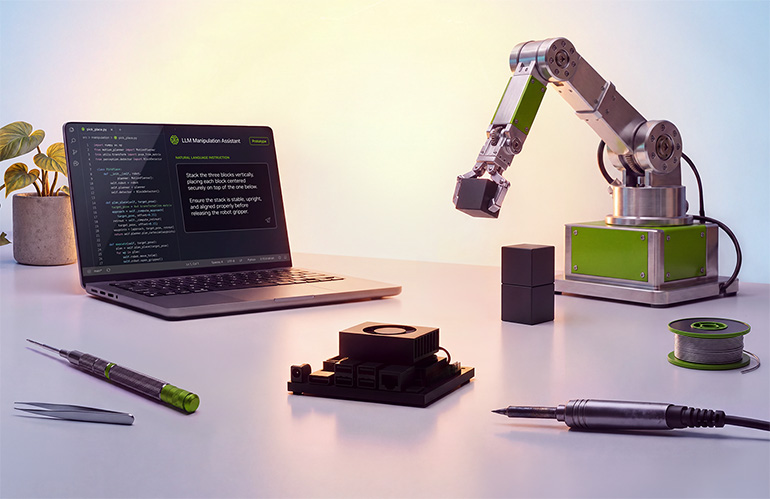
NVIDIA Launches Jetson Orin Nano 2, Enhancing Edge AI for Robotics with Improved Performance
NVIDIA Corp has unveiled the Jetson Orin Nano 2, an entry-level computer designed for edge AI applications. This new system offers doubled inference performance compared to its predecessor while consuming 40% less power in 15-watt mode. With 78 trillion operations per second of AI compute and 8GB of memory, it is tailored for real-time reasoning in smart drones, robots, and vision AI systems. The introduction of the Jetson Orin Nano 2 is significant as it allows developers to leverage advanced AI models that were previously limited to larger systems. According to Deepu Talla, NVIDIA's vice president of robotics and edge AI, the new model brings frontier-level accuracy to entry-level products, enhancing the capabilities of physical AI applications. This development is expected to accelerate the integration of AI into various autonomous devices. Looking ahead, NVIDIA's Jetson Orin Nano 2 is positioned as a key component in the company's comprehensive robotics strategy, which includes simulation and training solutions. The existing software stack is compatible with the new model, enabling developers to utilize large language models and vision language models optimized for edge inference. No further timeline was disclosed at the time of publication.
Artificial Intelligence Artificial Intelligence / Cognition Development Tools / SDKs / Libraries Microprocessors / SoC Microprocessors / SoCs News
NVIDIA Unveils Jetson Orin Nano 2 Robotics Computer for Entry-Level Edge AI
NVIDIA has introduced the Jetson Orin Nano™ 2, a robotics computer designed to enhance entry-level edge AI capabilities. This new device offers frontier-class generative AI performance, enabling developers to create autonomous systems that can understand context and act in real time. With its compact and energy-efficient design, the Jetson Orin Nano 2 is poised to revolutionize robotics applications across various sectors. The significance of the Jetson Orin Nano 2 lies in its impressive specifications, including 78 trillion operations per second of AI compute and 8GB of memory. It delivers double the inference performance of its predecessor while consuming 40% less power. This advancement allows developers to implement real-time reasoning in edge devices, making it a crucial tool for industries utilizing robotics, drones, and vision AI systems. Looking ahead, NVIDIA's Jetson Orin Nano 2 is expected to be adopted by numerous developers and companies, including Cognex, Doosan Bobcat, and Matic. These partnerships will facilitate the development of innovative edge AI applications, such as home robots and delivery drones, enhancing their performance and efficiency. No further timeline was disclosed at the time of publication.

LG Electronics Enhances Robotics Partnership with NVIDIA at New Data Factory
LG Electronics has announced an acceleration of its robotics collaboration with NVIDIA. This announcement was made during a visit by senior NVIDIA officials to LG's Data Factory, which is currently under construction at the Yangjae R&D Campus in Seoul. The collaboration is significant as it combines LG's extensive manufacturing expertise with NVIDIA's advanced robotics technology. This partnership aims to explore new synergies that could enhance both companies' capabilities in the robotics sector. Looking ahead, the focus will be on how the collaboration can evolve and what new developments may arise from this partnership. No further timeline was disclosed at the time of publication.

Nvidia's Madison Huang to Discuss Robotics Collaboration at LG's Seoul Factory
Madison Huang, daughter of Nvidia CEO Jensen Huang, will visit LG Electronics' humanoid robot data factory in Seoul for discussions on robotics cooperation. The meeting is set to take place at LG's research and development campus, where the company is training humanoid robots in environments that mimic real-world settings. This visit is significant as it follows a recent meeting between Jensen Huang and LG Group Chairman Koo Kwang-mo, where they signed a memorandum of understanding to enhance strategic business cooperation. The collaboration aims to advance physical artificial intelligence and robotics, with LG developing a bipedal humanoid robot utilizing Nvidia's robotics platform, expected to be unveiled in the first quarter of 2027. As the partnership progresses, industry observers will be keen to see how the discussions unfold, particularly regarding the integration of Nvidia's Jetson Thor computing module and Isaac GR00T model into LG's robotics initiatives. No further timeline was disclosed at the time of publication.
All News
Nvidia Expands Into Robotics Market Amid Weaker Retail Sales Impacting Stock Indices
The Dow Jones Industrial Average closed lower on Friday, reflecting a decline in major indexes as Wall Street reacted to disappointing retail sales and consumer sentiment data. The Dow fell by 0.2%, while the tech-focused Nasdaq also experienced a downturn. This decline in stock indices is significant as it highlights the ongoing challenges in the retail sector, which may impact consumer spending and overall economic growth. Nvidia, however, remains resilient, maintaining its position in a buy zone as it explores opportunities in the robotics market. Investors should keep an eye on Nvidia's developments in robotics, as this could signal a strategic shift for the company. No further timeline was disclosed at the time of publication.

AMD Establishes Comprehensive AI Solutions for Robotics to Compete with NVIDIA Jetson
AMD has laid a solid foundation for robotics, introducing a complete ecosystem from silicon to systems. At the Advancing AI 2026 conference in late July, AMD showcased 'Physical AI,' highlighting embedded products like the Ryzen AI Embedded X100, Kria AI SOM, and the Kria robotics development platform. This initiative marks AMD's first comprehensive approach to robotics, integrating chips, modules, development platforms, software, and an ecosystem. The X100 series, featuring the Strix Halo chip, is designed for industrial applications with enhanced temperature resilience and low latency firmware, making it suitable for demanding robotics tasks. AMD's strategy includes a ten-year lifecycle commitment for the X100, ensuring stable supply for industrial clients. The Kria AI SOM module represents a significant leap to high-performance x86 processors, aiming to rival NVIDIA Jetson products. The Kria AI Robotics platform further enhances this offering, providing developers with a ready-to-use solution, while AMD maintains control over design and standards through certified partners.
Robotics AI Solutions Embedded Systems High-Performance Computing
LG Group and Nvidia CEOs to Meet for AI Infrastructure and Robotics Collaboration
LG Group Chairman Koo Kwang-mo is set to meet Nvidia CEO Jensen Huang in Silicon Valley next week to enhance their collaboration in artificial intelligence infrastructure and robotics. This meeting follows their previous discussion in Seoul in early June, where they outlined plans for partnerships in humanoid robots and next-generation data centers. The significance of this meeting lies in the potential for substantial investments and advancements in technology development between the two companies. During their June meeting, Huang emphasized the importance of this partnership, which aims to leverage Nvidia's expertise in AI and LG's capabilities in robotics to create innovative solutions for the market. As both companies prepare for this crucial discussion, stakeholders will be watching closely for updates on investment sizes and timelines for technology development. No further timeline was disclosed at the time of publication.
All News
NVIDIA's CEO Jensen Huang Discusses AI and Robotics Market Evolution
During a nearly hour-long conversation at YC Startup School, NVIDIA CEO Jensen Huang discussed entrepreneurship, AI transformation, and management philosophy. He made a surprising assertion that the 'ChatGPT moment' for robotics occurred several years ago, recalling the first time NVIDIA generated a video of finger movements, realizing that AI in the physical world was on the verge of a breakthrough. Huang revealed that NVIDIA's physical AI business, which includes autonomous driving, is nearing a valuation of $10 billion. He predicts this sector will become one of the largest industries globally, with a target of reaching $100 billion in the near future. Huang emphasized that NVIDIA has even open-sourced its autonomous driving stack to support various applications, including agriculture and logistics. Addressing concerns about AI replacing human jobs, Huang countered that while AI may automate specific tasks, it will not eliminate jobs. He cited data showing that while programming tasks are being automated, software engineering positions are growing at a rate of 10% annually. Huang encouraged young people to focus on foundational sciences and develop system thinking skills, which he believes will be essential in the future job market.
Physical AI Robotics AI Transformation Entrepreneurship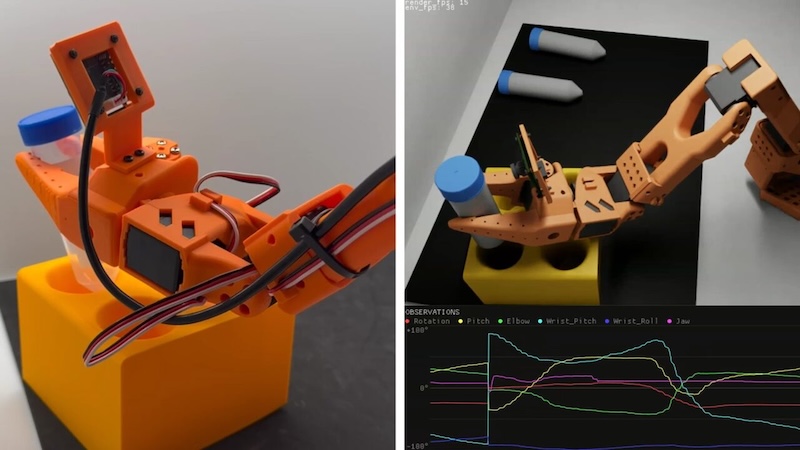
Nvidia and Hugging Face Enhance LeRobot with Advanced Open Robotics AI Tools
Nvidia and Hugging Face have expanded their partnership to introduce new AI models and robotics frameworks to the LeRobot platform, enhancing accessibility for developers. The integration of Nvidia Isaac GR00T 1.7, a vision-language-action foundation model, and the Isaac Teleop framework aims to streamline the development process for AI-powered robots. This collaboration is significant as it combines Nvidia's community of over three million robotics developers with Hugging Face's 16 million AI developers, fostering a broader access to physical AI technologies. The new tools will enable standardized workflows for data collection, model training, and performance evaluation, making it easier for developers to create and deploy robotic solutions. Looking ahead, the planned support for Nvidia Cosmos 3 will further empower developers by allowing the generation of synthetic data and simulation of environments. No further timeline was disclosed at the time of publication.
Artificial Intelligence Computing ai Hugging Face humanoid robots Isaac GR00T 1.7
Japan Allocates $2.4 Billion for 27,500 NVIDIA Rubin Chips to Establish National Robotics Initiative
On July 16, the Japanese government announced a plan to purchase 27,500 next-generation Rubin architecture AI chips from NVIDIA, totaling approximately $2.4 billion. This initiative aims to build a national AI data center and develop domestic robotics foundational models, marking one of the largest national GPU procurements globally. The project is coordinated by Noetra Corp., a policy-driven AI company set to launch in January 2026, with participation from major Japanese firms like Sony, SoftBank, NEC, and Honda. The Rubin chips will be deployed in a large data center in Sakai City, Osaka, with operations expected to begin in June 2028. Noetra aims to release its first general AI model by March 2027, followed by specialized AI models for robotics applications. Japan's investment reflects its response to ongoing demographic challenges and labor shortages. NVIDIA's CEO emphasized the potential for automation and AI to revitalize the economy. The Japanese government has set a goal to capture over 30% of the global robotics market by 2040, with the Rubin order being part of a broader strategy to reduce reliance on foreign technology and enhance national security.
AI Chips Robotics National AI Strategy Data Centers
Fujitsu Leads Initiative to Integrate Nvidia Technology in Japanese Robotics and AI
Fujitsu, a prominent Japanese communications company, is spearheading an initiative to integrate Nvidia's technology into artificial intelligence applications. This collaboration aims to merge Japan's advanced manufacturing capabilities in robotics with cutting-edge AI solutions. The significance of this initiative lies in its potential to enhance the efficiency and effectiveness of robotics in various sectors. By leveraging Nvidia's technology, Fujitsu seeks to position Japan at the forefront of the global AI and robotics landscape, showcasing the country's strengths in innovation and manufacturing. Looking ahead, industry stakeholders will be keen to observe the developments stemming from this collaboration. No further timeline was disclosed at the time of publication, but the integration of Nvidia's technology could lead to significant advancements in physical AI applications within Japan's robotics sector.
Robotics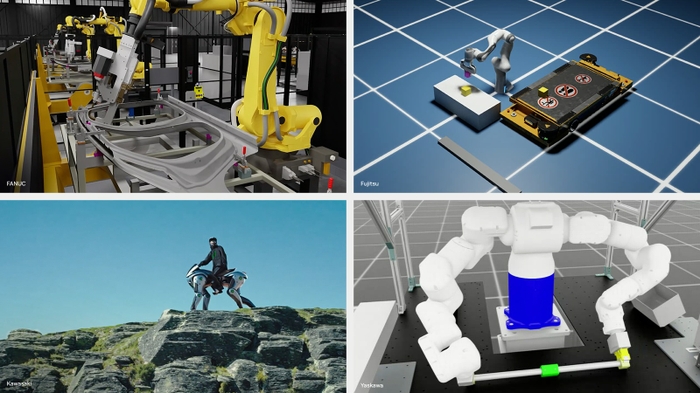
Japan's Leaders in Robotics and Manufacturing Leverage NVIDIA Cosmos for Physical AI Advancements
NVIDIA has announced that Japan's leaders in physical AI are utilizing the NVIDIA Cosmos™, Isaac™, Metropolis, and Jetson™ platforms to enhance the deployment of intelligent machines across various sectors including manufacturing and robotics. The introduction of Cosmos 3 Edge aims to provide advanced capabilities for real-time reasoning and action prediction in robots, marking a significant step in integrating intelligence into physical systems. This initiative is crucial as Japan's established strengths in robotics and manufacturing position it to lead in the next wave of AI development. Jensen Huang, NVIDIA's CEO, emphasized the unique opportunity for Japan to reinvent modern manufacturing through intelligent technologies, combining its heritage in precision engineering with NVIDIA's advanced platforms. Looking ahead, NVIDIA is expanding the Cosmos Coalition to include Japan's physical AI leaders, enabling collaboration on open world models. This coalition will facilitate the testing and optimization of physical AI systems, potentially transforming operations across various industries such as logistics, healthcare, and construction. No further timeline was disclosed at the time of publication.

NVIDIA and SEGA Showcase Full-Stack AI and Robotics Innovations in Japan
NVIDIA and its partners in Japan are demonstrating advancements in AI and robotics, highlighting the country's role as a global technology hub. The collaboration with SEGA marks over 30 years of partnership, bringing the new VIRTUA FIGHTER CROSSROADS to NVIDIA's RTX Spark superchip, enhancing gaming experiences on Windows PCs. This collaboration is significant as it showcases how NVIDIA's technologies are integrated into gaming, emphasizing the evolution of graphics and AI capabilities. The RTX Spark superchip aims to provide gamers with innovative experiences while maintaining the legacy of SEGA's iconic franchises, illustrating the synergy between AI and gaming. Looking ahead, the NVIDIA RTX Spark ecosystem is expected to expand further, offering new opportunities for gamers and developers alike. No further timeline was disclosed at the time of publication.
NVIDIA Launches Jetson Thor Modules to Enhance Robotics and Edge AI Applications
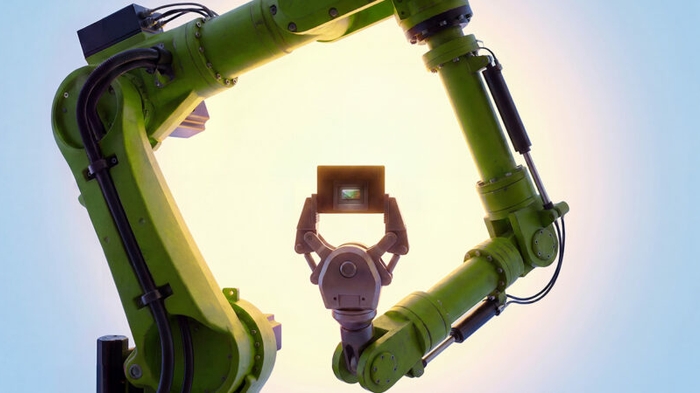
NVIDIA has unveiled the T3000 and T2000 modules based on the Thor architecture, designed to meet the growing demand for compact AI supercomputers in robotics and edge AI. These modules enable mass-market deployment of advanced humanoid and robotic systems, with notable adoption from leading companies such as Amazon Robotics and Boston Dynamics. The introduction of the Jetson T3000 and T2000 modules is significant as they provide high-performance AI compute capabilities in a smaller form factor, achieving up to 865 FP4 teraflops for the T3000. This advancement allows developers to optimize their systems while reducing costs, particularly in light of rising memory prices. The T2000 serves as an entry point for a wider range of edge AI applications, further expanding NVIDIA's scalable edge AI platform. Looking ahead, the new Jetson modules are expected to facilitate faster deployment and lower system costs across various industries. Companies like UBTech and Agile Robots have already reported substantial memory savings, indicating a trend towards more efficient development processes in robotics. No further timeline was disclosed at the time of publication.
FORT Robotics Enhances AI Safety with Nvidia Halos at Automate Conference
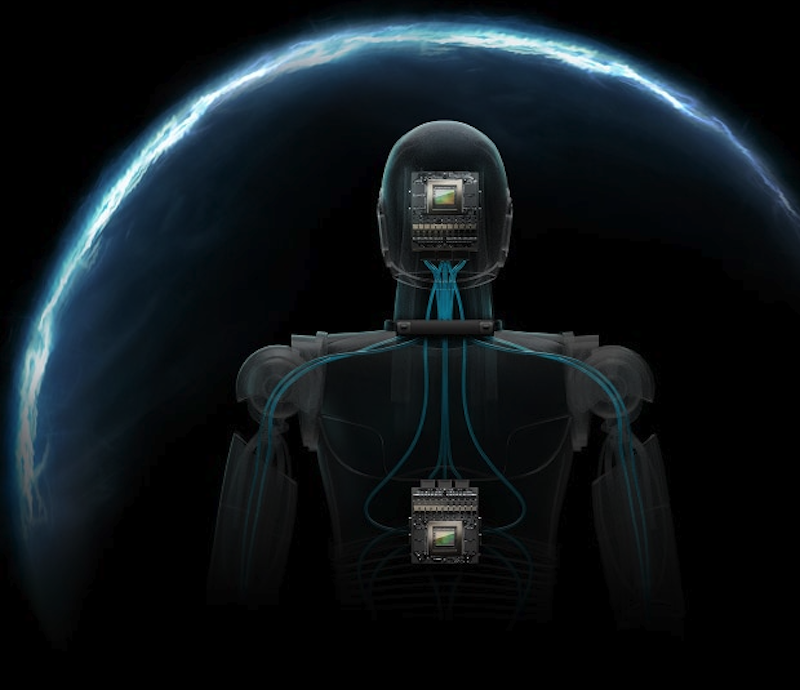
FORT Robotics has joined the Nvidia Halos for Robotics ecosystem to enhance safety for autonomous robots. The company will showcase its agentic safety application, developed using the Nvidia Halos Outside-In Safety Blueprint, at the Automate conference in Chicago. This innovative solution utilizes external infrastructure sensors and visual AI agents to provide real-time, safety-certifiable functional safety, significantly improving operational efficiency in dynamic environments. The collaboration is significant as it addresses the limitations of traditional inside-out functional safety systems, which rely solely on onboard sensors. By integrating Nvidia's IGX Thor and Holoscan Sensor Bridge, FORT's solution allows robots to operate safely alongside human workers in high-efficiency modes. This adaptability is crucial for modern warehouses and factories, where environments are constantly changing, and safety frameworks must evolve to protect workers effectively. Looking ahead, FORT's integration with Nvidia Halos is expected to provide substantial value to customers in warehousing, manufacturing, and other automated sectors. The Outside-In Safety framework aims to prevent safety incidents in mixed human-robot environments, optimizing processes like inventory replenishment and product assembly. No further timeline was disclosed at the time of publication.
Artificial Intelligence Industry ai automation Autonomous robots fort robotics
NVIDIA Halos for Robotics: A New Era for Industrial Robot Safety
Recent advancements in industrial robotics have marked a significant milestone in the integration of physical artificial intelligence. Over the past few years, the field has experienced unprecedented growth, evolving beyond mere data analysis and text generation. Now, AI technology is enabling machines to perceive their surroundings, make real-time decisions, and interact directly with their environment. This evolution is exemplified by NVIDIA's latest innovations, which are set to enhance the safety and functionality of industrial robots. As these developments unfold, the landscape of robotics is transforming, paving the way for smarter and more autonomous machines in various industries.
À la une IA Industrie Robotique automatisation industrielle. cobot industriel
NVIDIA's Halos for Robotics: A New Era for Industrial Robot Safety
Recent advancements in industrial robotics have marked a significant milestone in the integration of physical artificial intelligence. Over the past few years, the field has experienced unprecedented growth, with AI evolving beyond mere data analysis and text generation. Now, machines equipped with this technology can perceive their surroundings, make real-time decisions, and interact directly with their environment. This transformation is highlighted in a recent article discussing NVIDIA's Halos for Robotics, which emphasizes the new era of safety in industrial robots. The developments signal a shift in how robots operate, enhancing their capabilities and effectiveness in various industrial applications.
À la une IA Industrie Robotique automatisation industrielle. cobot industriel
TechCrunch Disrupt 2026 Introduces Real World AI Stage Featuring Nvidia and Robotics
TechCrunch Disrupt 2026 is set to feature a new Real World AI Stage, expanding the focus on AI's intersection with the physical world. This stage will highlight advancements in autonomous hardware, including robotics and their applications in various sectors, from public spaces to conservation efforts. The significance of this new stage lies in addressing the challenges faced by general-purpose robotic intelligence, particularly the data gap that hinders progress. Experts believe that closing this gap is essential for achieving breakthroughs similar to those seen with large language models, making this discussion crucial for the future of robotics and AI. Attendees can expect engaging sessions with industry leaders from companies like Nvidia and Colossal Biosciences, who will explore safety in AI deployment and the ethical implications of reviving extinct species. The event will take place from October 13 to 15 at Moscone West in San Francisco, with further details on the lineup to be announced.
AI Colossal Biosciences nvidia TechCrunch Disrupt
Chinese Start-up Spirit AI Briefly Surpasses Nvidia in Robotics Benchmark Before Controversy
Spirit AI's Spirit v1.6 temporarily surpassed Nvidia on the RoboArena robotics benchmark, highlighting the fierce competition between the US and China in AI development. However, this achievement was short-lived as the benchmark's creators revised their methodology and subsequently removed Spirit's model from the official rankings due to allegations of 'benchmark hacking'. The incident emphasizes the ongoing challenges in evaluating autonomous systems and the scrutiny surrounding performance claims in the AI sector. Spirit AI's momentary lead in the rankings, which it referred to as the 'Olympics' of embodied intelligence in North America, drew significant attention, despite the benchmark's inherent issues. Looking ahead, the focus will be on how the RoboArena benchmark evolves and whether it can establish a more reliable evaluation process for AI models. No further timeline was disclosed at the time of publication.

NVIDIA Jetson Platform Empowers Developers with Compact AI Solutions for Robotics
Sarah Guo, founder of Conviction, recently showcased the NVIDIA Jetson platform, emphasizing its blend of power and portability for edge AI and robotics. The platform, compact enough to fit in a handbag, enables developers to tackle complex problems across various industries, from classrooms to labs. The NVIDIA Jetson modules and developer kits, including the Jetson Orin Nano Super, Jetson AGX Orin, and Jetson AGX Thor, provide the necessary tools for students, professors, and researchers to innovate in intelligent robotics. With 67 trillion operations per second, the Jetson Orin Nano Super offers a practical entry point for first-time builders to explore AI and computer vision. As Guo highlighted, the Jetson platform supports real-world AI applications without needing cloud connectivity, making it ideal for autonomous systems. Developers can look forward to a series of examples demonstrating the capabilities of Jetson Orin Nano Super, showcasing its potential to inspire the next generation of robotics projects.
NVIDIA Launches Open Source GPU-Accelerated Medical Physics Simulation Framework for Healthcare Robotics
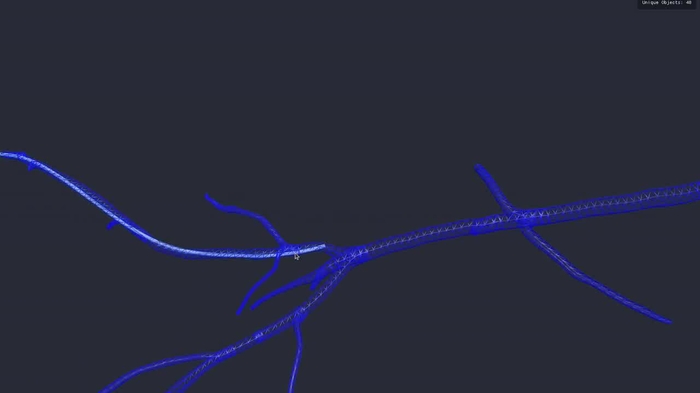
NVIDIA has introduced the Medical Physics Simulation framework, an open-source, GPU-accelerated tool designed to aid healthcare robotics developers. This framework allows for the modeling of anatomy-device interactions and the generation of complex scenarios that are difficult to capture in real-world settings. By facilitating in silico testing and training, it aims to streamline the development process and enhance robot behavior. The significance of this framework lies in its ability to provide healthcare robotics developers with a reusable simulation environment, reducing the time needed for custom scene creation. With the integration of anatomy and medical device behavior, along with sensor simulation, developers can more efficiently train and evaluate robot policies. The open-source nature of the framework ensures transparency, enabling teams to adapt it to their specific needs and contribute to its evolution. Looking ahead, the Medical Physics Simulation framework is expected to extend its capabilities to various devices and healthcare robotics domains. The framework's ability to run hundreds of parallel simulations significantly accelerates training times, allowing developers to explore a wider range of scenarios and identify potential failure modes earlier in the development cycle. No further timeline was disclosed at the time of publication.
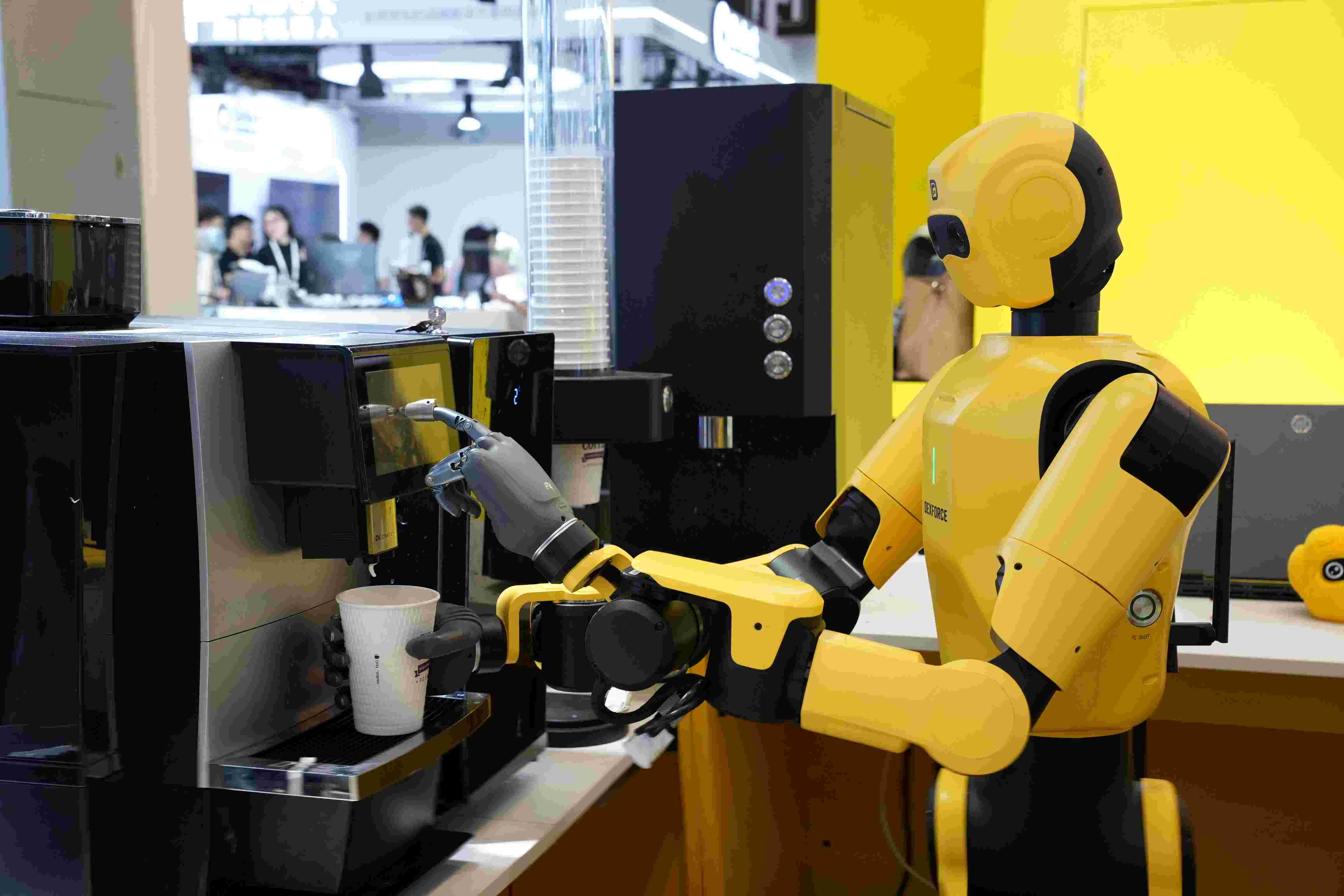
Exploring China's Equivalent of NVIDIA at WAIC: Advancements in Robotics
At this year's WAIC, the spotlight in the robotics exhibition was on humanoid robots capable of complex movements, such as walking, dancing, and conversing. However, the real challenge lies in how these robots handle unpredictable real-world scenarios, such as identifying and scanning barcodes from randomly placed products. This capability is crucial for robots to transition from theoretical demonstrations to practical applications. The significance of these advancements is profound, as they reflect a shift in the robotics industry from rigid programming to adaptive learning. Robots must now operate in dynamic environments, requiring them to understand physical laws and continuously learn from their experiences. This evolution indicates a competitive transition where the focus is not just on the robots themselves but on the infrastructure that enables ongoing learning and adaptation. Looking ahead, the industry is poised for a transformation similar to that seen in AI, where NVIDIA played a pivotal role. The next phase of robotics will depend on establishing foundational systems that allow robots to learn from real-world data and simulations. As companies like Kuawei develop datasets and simulation engines, they aim to become the driving force behind the physical AI era, ensuring that robots can evolve and adapt effectively in various environments.
Humanoid Robots AI Infrastructure Robotics Learning Data Collection Simulation Technology
Japan Plans Acquisition of 27,500 Nvidia Rubin Chips for Domestic AI Robotics Development
Japan is set to purchase 27,500 next-generation Rubin chips from Nvidia Corp. to develop a foundational AI model tailored for robotics. This initiative aims to enhance Japan's capabilities in creating sovereign AI systems that can be integrated into various robotic applications. The acquisition of these chips is significant as it represents Japan's commitment to advancing its technological independence in the field of artificial intelligence. By building a homegrown AI model, Japan seeks to strengthen its position in the global robotics market and reduce reliance on foreign technologies. Looking ahead, the focus will be on how effectively Japan can leverage these Rubin chips to create a robust AI framework for robots. No further timeline was disclosed at the time of publication.

Actuate 26 Robotics Developer Conference Reveals Speaker Lineup with Industry Leaders
Foxglove has announced the speaker lineup for Actuate 26, its annual robotics developer conference, featuring leaders from Wayve, Aurora, Physical Intelligence, and more. The event will take place on August 18-19, 2026, at Fort Mason in San Francisco, showcasing technical talks, keynotes, and hands-on programming. This conference is significant as it aims to gather over 1,000 attendees from various sectors deploying robots, including autonomous vehicles, drones, and industrial automation. The participation of industry leaders highlights the growing interest and advancements in robotics and AI technologies. As the event approaches, attendees should look forward to insights from top experts in the field and opportunities for networking and collaboration. No further timeline was disclosed at the time of publication.
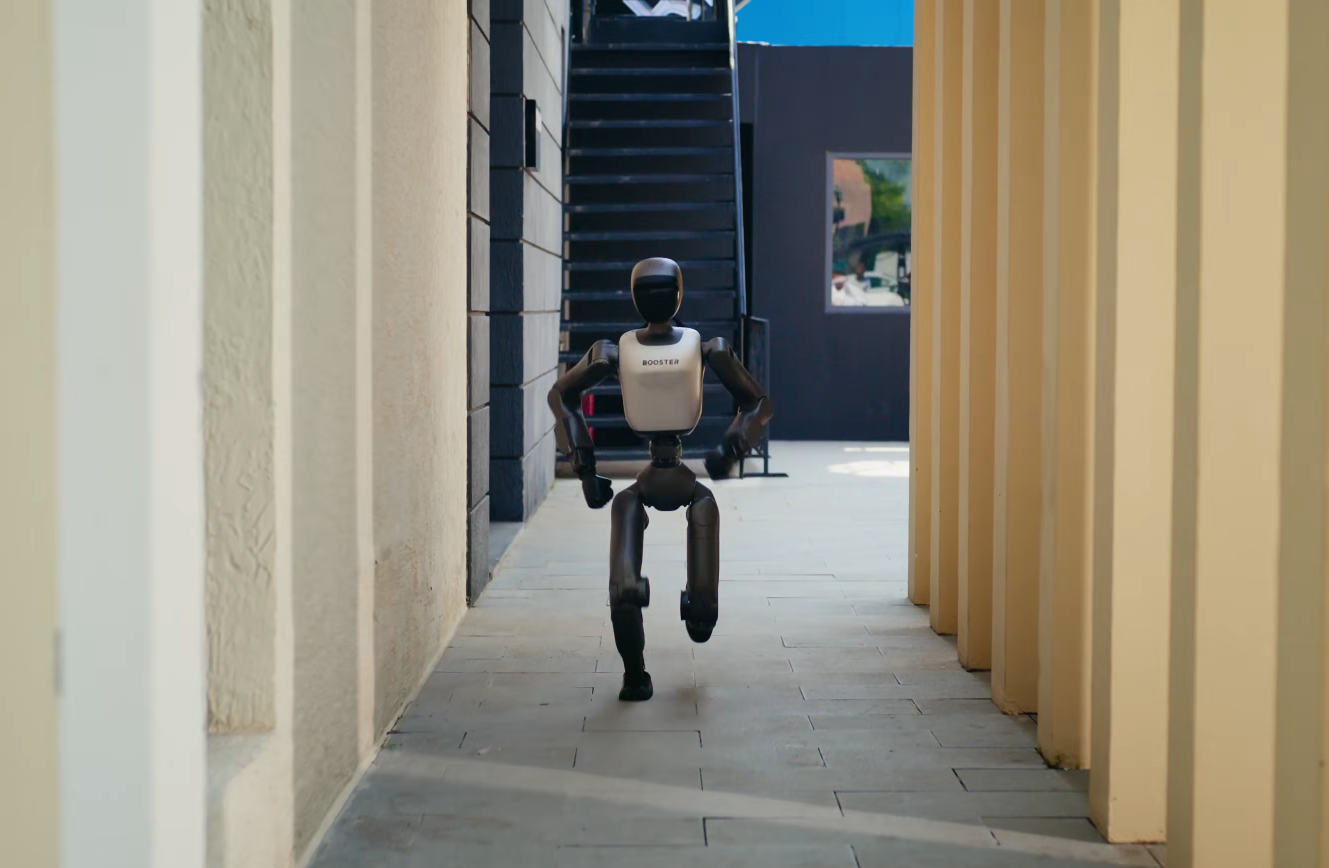
Booster Robotics Launches Booster T2 Humanoid Robot with NVIDIA Thor Computing Power
Booster Robotics has introduced the Booster T2, a humanoid robot platform aimed at real-world applications and embodied AI research. The T2 Pro version utilizes NVIDIA’s Thor chip, delivering up to 2,070 TFLOPS for real-time perception and control. The robot is designed for tasks requiring mobility and manipulation, showcasing advanced capabilities such as walking, dynamic balance, and athletic movements. The significance of the Booster T2 lies in its integration of cutting-edge technology and open development. With features like whole-body coordination and onboard AI computing, it supports a wide range of applications in robotics. The introduction of Booster Studio, an open software platform, further enhances its utility by allowing developers to simulate and deploy AI models effectively. Looking ahead, the Booster T2 is positioned to advance research in embodied AI and robotics. Its robust design, including 31 degrees of freedom and multiple hardware configurations, makes it suitable for various manipulation tasks. No further timeline was disclosed at the time of publication.
AI and Robotics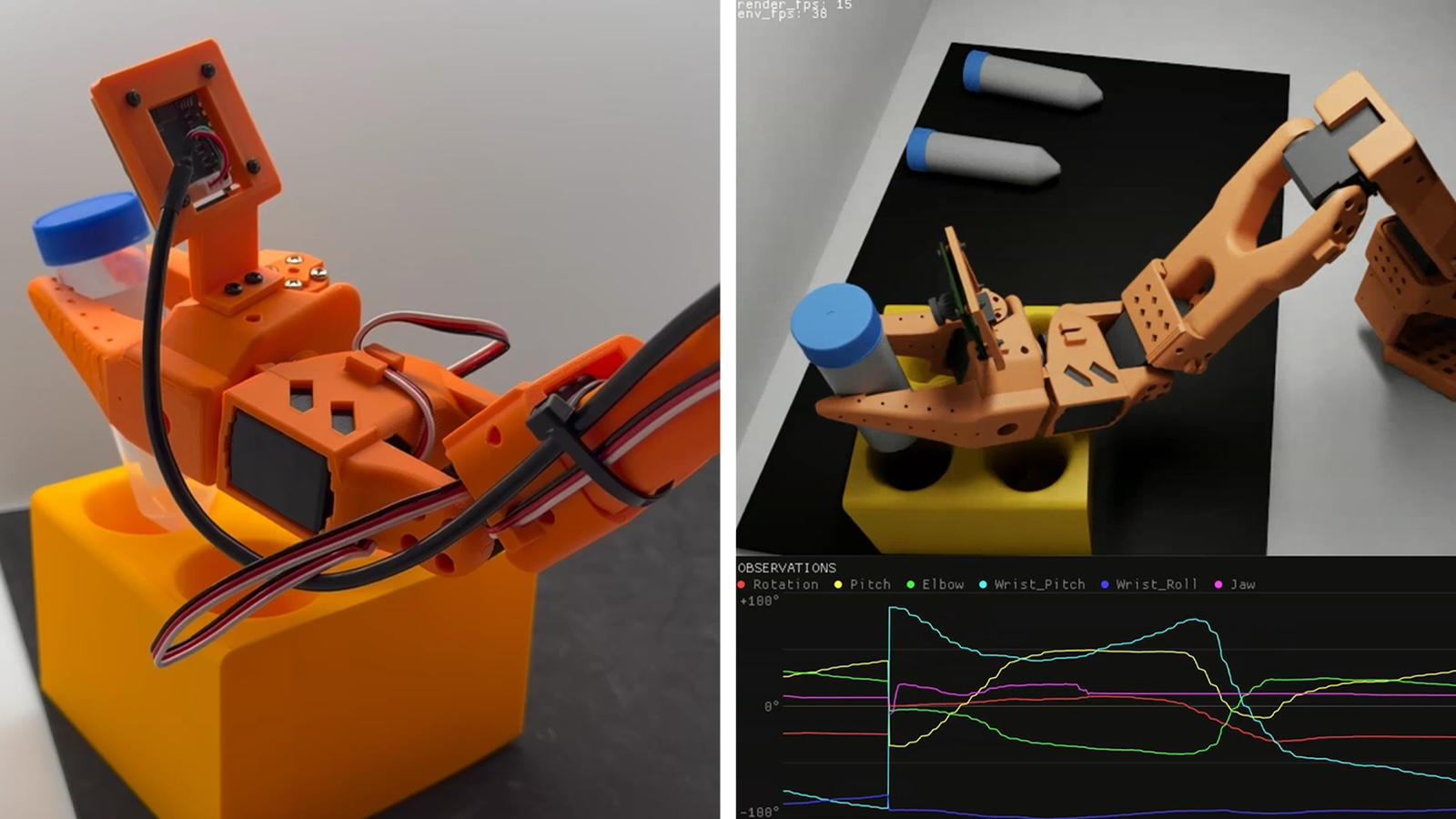
NVIDIA Open Sources Embodied Intelligence Toolchain to Enhance Robotics Development
On July 6, NVIDIA integrated three key components into Hugging Face's open-source robotics library, LeRobot: the GR00T N1.7 model, Isaac Teleop framework, and the upcoming Cosmos 3. This collaboration connects NVIDIA's 3 million robot developers with Hugging Face's 16 million AI builders, facilitating access to pre-trained models and data. This initiative is significant as it shifts NVIDIA's focus from merely creating models to building an ecosystem that addresses data bottlenecks in embodied intelligence development. The Isaac Teleop framework standardizes data collection, allowing for easier sharing and reuse within the community, which is crucial for advancing robotics. Looking ahead, the integration of GR00T N1.7 and Isaac Teleop into the LeRobot workflow marks a pivotal moment for robotics developers. No further timeline was disclosed at the time of publication.
Robotics Open Source AI Development Data Collection Machine Learning
NVIDIA and DeepMind Lead Robotics Simulation Debate with New Industrial Applications
The field of embodied intelligence is witnessing a fierce debate over the best approach to training robots for industrial applications. One faction advocates for simulation-based training, leveraging structured environments to generate synthetic data, while the opposing view emphasizes the necessity of real-world data to handle complex physical interactions and unpredictable scenarios. Key players include NVIDIA, DeepMind, and Intrinsic, each with unique strategies and technologies. NVIDIA's Omniverse platform and Isaac Sim engine exemplify the simulation approach, enabling comprehensive digital twins of factories for training and optimization. Their collaboration with BMW on a digital twin project in Hungary showcases the potential of synthetic data in logistics and robotic movements. However, challenges remain in achieving the necessary fidelity for force control and physical interactions, prompting NVIDIA to seek partnerships with companies like Hexagon Robotics. Conversely, DeepMind's use of the MuJoCo physics engine has demonstrated that pure simulation can achieve industrial-grade precision in specific tasks, such as sorting with known rigid models. Yet, this method's effectiveness is limited to scenarios with minimal contact and force control. Intrinsic aims to transform simulation into a comprehensive development tool for industrial robots, focusing on lowering barriers for small manufacturers. The ongoing challenge of the SIM2REAL gap remains a critical factor in the success of these approaches.
Robotics Industrial Automation Simulation Technology AI
German robotics firm Neura Robotics secures $1.4 billion in funding with support from Amazon and Nvidia.
On June 10, Neura Robotics, a German robotics company, announced the successful completion of a record-breaking Series C funding round, which could reach up to $1.4 billion. This significant investment aims to accelerate the development of a leading global platform in physical artificial intelligence. The funding round received backing from notable investors, including Amazon, NVIDIA, and the European Investment Bank, highlighting strong confidence in the company's vision and potential in the robotics sector.
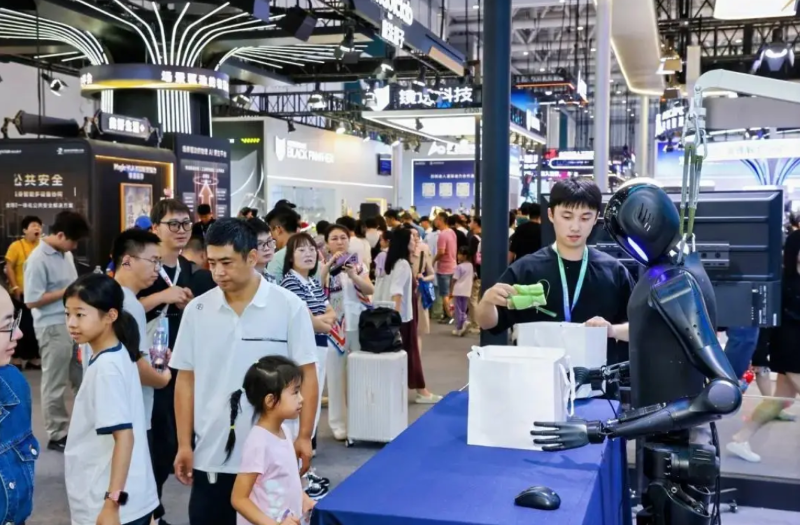
2026 WRC Highlights Robotics Industry's Shift Towards Data-Driven Intelligence
The 2026 World Robot Conference (WRC) opened in Beijing on August 19, showcasing over 2,000 exhibits from more than 300 companies, including 150 new products. Notable demonstrations included TianGong Omni's pole walking and Yaskawa's cable assembly robots. However, the event highlighted a critical shortage of high-quality training data for robots, with only 22 types of embodiments and over one million real trajectories available publicly. The significance of this shortage lies in the growing demand for robots to prove their capabilities through real-world experience rather than mere demonstrations. The conference emphasized the importance of data-driven embodied intelligence, marking 2026 as a pivotal year for this sector. Companies are increasingly focusing on gathering extensive human behavior data, with Lightwheel Intelligent and JD.com leading efforts to collect millions of hours of data to enhance robotic training. Looking ahead, the robotics industry is witnessing a shift towards creating a robust data ecosystem to support robotic learning. The emergence of companies like Mifeng Technology, which showcased its MEgo Gripper and MEgo View, reflects a trend towards data collection without traditional robotic embodiments. No further timeline was disclosed at the time of publication.
Robotics Data-Driven Intelligence AI Training Industrial Automation
NVIDIA and Hugging Face Bring New Models and Frameworks to LeRobot for the Open Robotics Community
New LeRobot integrations give developers open access to NVIDIA Isaac GR00T 1.7, Isaac Teleop, datasets and robotics workflows, with NVIDIA Cosmos 3 integration planned to bring frontier world models to open robotics development.
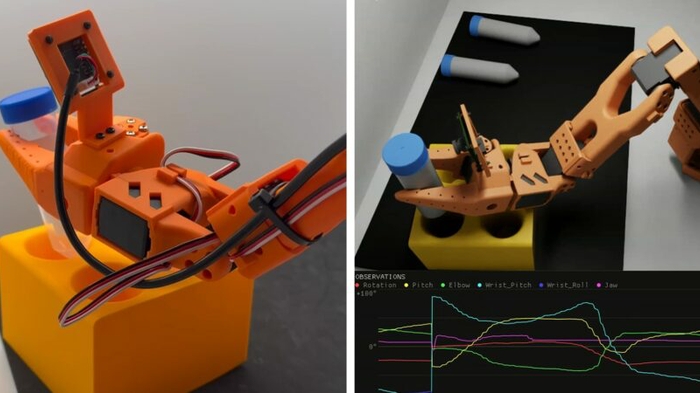
NVIDIA and Hugging Face Bring New Models and Frameworks to LeRobot for the Open Robotics Community
Open source AI has shown how quickly developers can innovate when models, data and tools are shared. Robotics has the same opportunity, but advancements in physical AI development can still be gated by costly and fragmented resources, from large ...
Weeks after Huang visit, Nvidia expands Korea hiring into robotics, HPC
Nvidia is expanding its engineering presence in South Korea, nearly a month after CEO Jensen Huang announced the company's plans to establish a research and development center in the country. Recent job postings on Nvidia's official careers website indicate a focus on key areas such as robotics simulation, high-performance computing, and automotive software, which are closely linked to South Korea's manufacturing, semiconductor, and automotive industries. This strategic move aims to strengthen Nvidia's involvement in these critical sectors, reflecting the company's commitment to innovation and collaboration within the region. The latest job listings, discovered by the Korea Herald, highlight Nvidia's intent to tap into local expertise and resources as it seeks to enhance its technological capabilities in Korea.
All News
NVIDIA expands robotics hiring in China, opens roles in Beijing, Shanghai, and Shenzhen
NVIDIA, the prominent US chipmaker, has launched an extensive recruitment campaign aimed at expanding its robotics team. The company is seeking talent in four key areas: embodied AI, simulation, deployment, and solution architecture. Job openings are available in major Chinese cities, including Beijing, Shanghai, and Shenzhen. This initiative reflects NVIDIA's commitment to advancing technologies related to embodied AI, with a focus on applications such as dexterous manipulation and human body modeling. The recruitment drive underscores the company's strategy to enhance its capabilities in robotics and artificial intelligence, responding to the growing demand for innovative solutions in these fields.
News Feed
Nvidia to boost its China robotics team amid emergence of physical AI
Nvidia, the prominent US chip manufacturer, is intensifying its recruitment efforts for its robotics team in China, a crucial market that dominates global shipments. On Monday, the Silicon Valley-based company announced via its official WeChat account that it is seeking to fill over a dozen positions in major cities including Beijing, Shanghai, and Shenzhen. The available roles cover four essential areas: embodied intelligence, simulation, implementation, and solutions. Nvidia aims to establish a leading robotics platform, reflecting its commitment to expanding its influence in the rapidly growing robotics sector in China.
Nvidia (NVDA) Remains a Key Humanoid Robotics Play, Bernstein Says
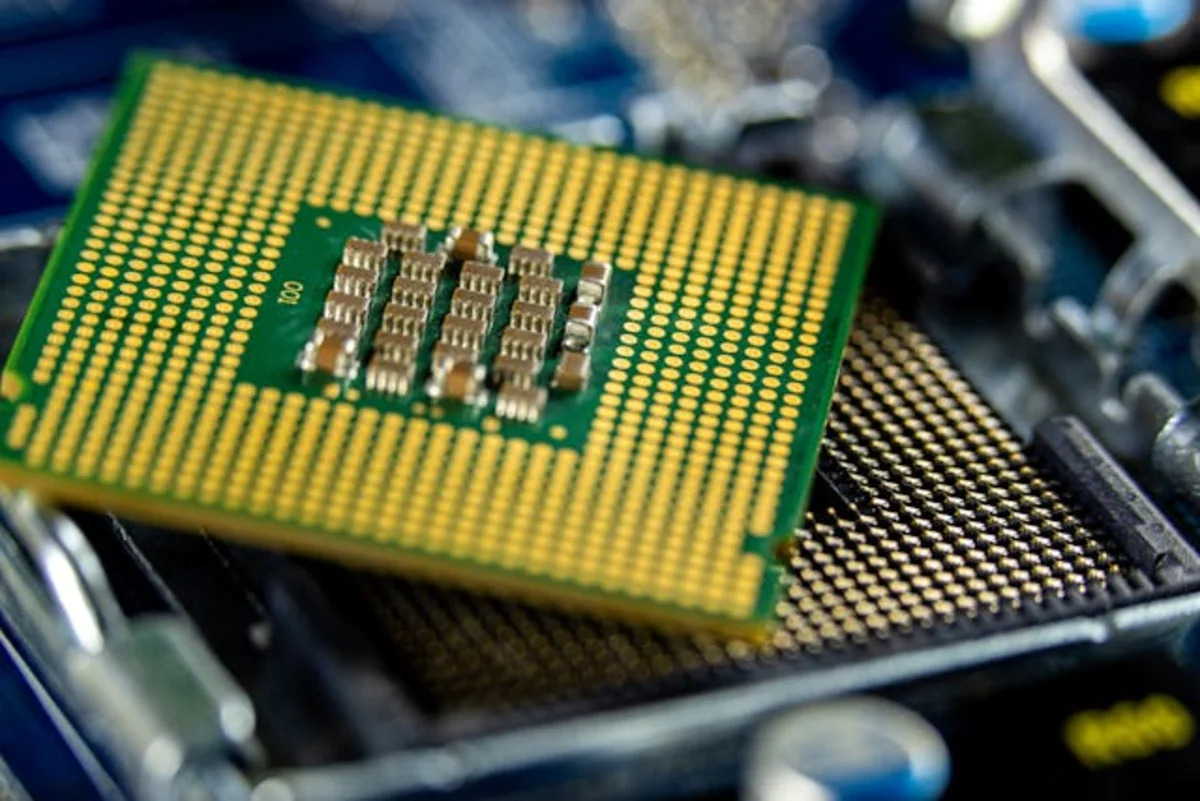
On June 29, 2026, Bernstein reaffirmed its "Outperform" rating for Nvidia Corporation (NASDAQ: NVDA), emphasizing the company's pivotal role in the humanoid robotics sector. The investment firm noted that Nvidia, alongside Qualcomm, is leading the development of advanced processors that serve as the central processing units for robotics. These processors enable robots to efficiently process sensor data, reason, plan, and execute actions. While Bernstein recognizes Nvidia's potential as an investment, it suggests that other AI stocks may present greater upside with less risk. The analysis comes amid a broader discussion on the evolving landscape of AI-driven solutions, with Nvidia's offerings spanning data centers, self-driving vehicles, and cloud services.
NVIDIA, Amazon, and Qualcomm Invest $1.4 Billion in NEURA Robotics
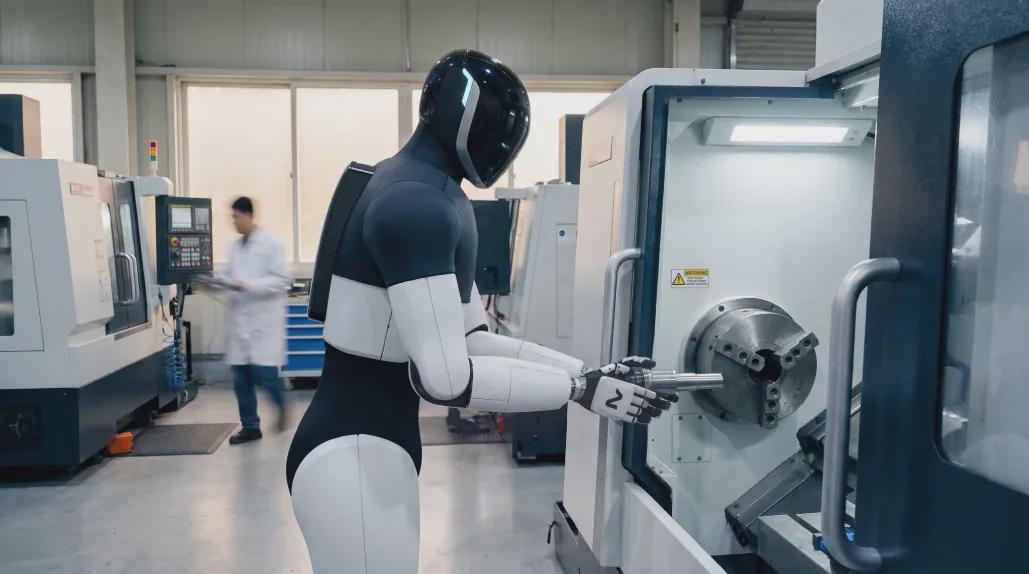
NEURA Robotics, a German company specializing in cognitive robotics, has successfully raised $1.4 billion in a Series C funding round, attracting investments from major players such as NVIDIA, Amazon, and Qualcomm. This substantial financial backing underscores a strategic pivot towards developing infrastructure that enables robots to learn and adapt in real-world settings, moving beyond the traditional emphasis on improving humanoid aesthetics. The funding will likely accelerate NEURA's efforts to innovate in the robotics sector, positioning the company at the forefront of technological advancements in automation and intelligent systems.
Cognitive Robotics AI Infrastructure Investment Humanoid Robots Physical AI
NVIDIA releases Halos, a full-stack safety system for robotics
NVIDIA has launched Halos, a comprehensive safety system designed for robotic applications. This innovative platform integrates artificial intelligence computing, system software, sensor data, and safety applications to enhance the functionality and reliability of robotic systems. The release of Halos aims to address the growing demand for advanced safety measures in robotics, ensuring that these systems can operate effectively and securely in various environments. By streamlining the connection between essential components, NVIDIA seeks to improve the overall performance and safety of robotic technologies.
Artificial Intelligence Artificial Intelligence / Cognition Design / Development News Safety & Security Advantech
FORT Robotics extends its Trust Layer for Physical AI by adding Outside-In Safety in collaboration with NVIDIA Halos for Robotics
Researchers have developed a groundbreaking approach to enhance robot perception by integrating external sensors with traditional on-board systems. This innovative method allows robots to dynamically adjust their behavior, significantly improving their operational efficiency. The advancements were made public in October 2023, showcasing the potential for robots to better navigate and interact with their environments. By utilizing additional sensory data, these robots can respond more effectively to changing conditions, ultimately leading to more reliable and versatile applications in various fields. This development represents a significant step forward in robotics, promising to transform how machines operate in complex settings.

NVIDIA Announces Halos for Robotics, the Industry’s First Full-Stack Safety System for Physical AI
NVIDIA has unveiled NVIDIA Halos for Robotics, marking a significant advancement as the first comprehensive safety system designed specifically for robotics and physical AI. This innovative system integrates AI computing capabilities with safety measures, aiming to enhance the operational reliability of robotic systems. The announcement was made today, reflecting NVIDIA's commitment to advancing technology in the robotics sector. By providing a unified solution, NVIDIA Halos seeks to address the growing need for safe and efficient robotic applications across various industries. This development is expected to facilitate the deployment of robotics in environments that require stringent safety protocols, thereby expanding the potential for AI-driven automation.

LG executives to meet Nvidia officials in US for AI, robotics talks
Senior executives from LG Group are set to visit Nvidia's headquarters in Santa Clara, California, this Monday to engage in discussions focused on physical AI and robotics. This meeting follows a recent encounter between LG Chairman Koo Kwang-mo and Nvidia CEO Jensen Huang. The delegation will feature key figures from LG's major affiliates, including LG CNS CEO Hyun Shin-gyoon and LG Sciencepark President Chung S. The talks aim to strengthen collaboration between the two companies in the rapidly evolving fields of artificial intelligence and robotics, reflecting LG's commitment to advancing its technological capabilities.
All News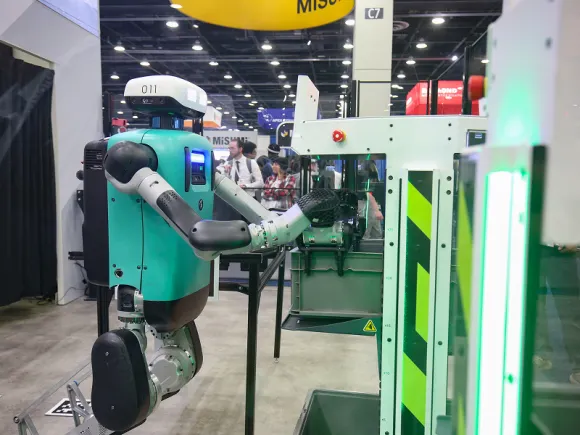
Nvidia and ABB Robotics advance partnerships, Standard Bots raises $200M
Ahead of the upcoming Automate trade show, robotics companies are showcasing their latest innovations in Chicago. The event, scheduled for next week, serves as a platform for these firms to present cutting-edge technologies and advancements in automation. With the industry rapidly evolving, the previews aim to attract attention from potential buyers and industry professionals eager to explore new solutions that enhance productivity and efficiency. The demonstrations will highlight various applications of robotics across different sectors, emphasizing the growing importance of automation in modern manufacturing and logistics. As companies prepare for the trade show, the anticipation builds for what promises to be a significant gathering in the robotics sector.
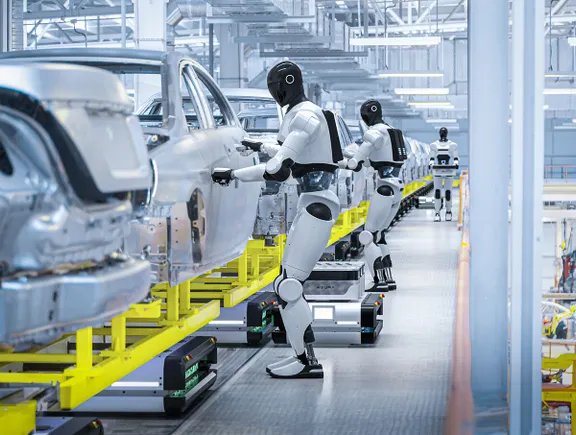
Robotics startup backed by Nvidia, Amazon and others raises $1.4B
Neura has announced plans to utilize new capital to enhance its robot production and deployment across various industries. The initiative aims to expand the company's training and intelligence infrastructure, allowing for more advanced and efficient robotic solutions. This strategic move comes as Neura seeks to strengthen its position in the rapidly evolving robotics market, responding to growing demand for automation and intelligent systems. By increasing production capabilities and improving training resources, Neura intends to meet the needs of diverse sectors and drive innovation in robotic technology.

NVIDIA Corporation (NVDA) Partners with Nebius to Support AI Robotics Startup in Europe
NVIDIA Corporation has announced a strategic partnership with Nebius to bolster the development of robotics startups across Europe. On June 9, the two companies reaffirmed their collaboration aimed at creating a cloud platform specifically for robotics and physical artificial intelligence. As part of this initiative, Nebius has launched the Physical AI Living Lab, which will provide UK and European robotics startups with access to NVIDIA's advanced development tools and Nebius AI's cloud infrastructure. This six-month program is designed to help early-stage robotics firms overcome challenges related to large-scale simulation, synthetic data, and accelerated computing resources. Startups participating in the program will utilize NVIDIA technologies, including OSMO for workload orchestration and Cosmos World Foundation models. The goal of the Physical AI Living Lab is to connect UK robotics innovation with market-ready physical AI solutions by offering affordable cloud-scale training. NVIDIA, a leading provider of specialized computer chips and a key player in the global AI revolution, continues to expand its influence beyond gaming graphics into comprehensive infrastructure for artificial intelligence.
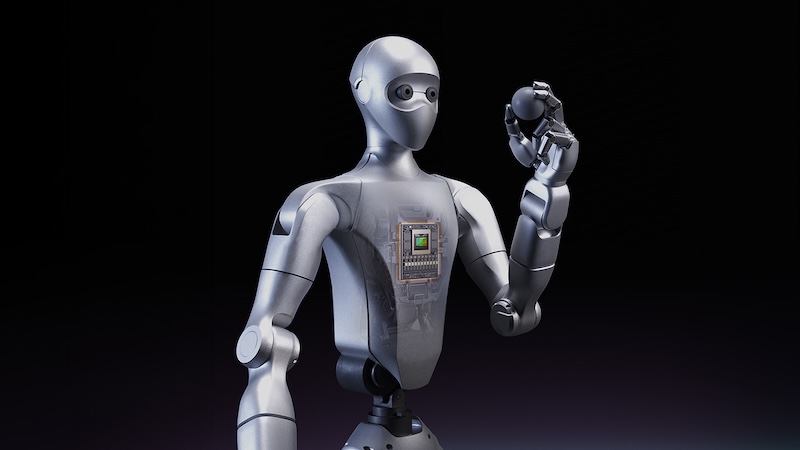
Nvidia unveils open humanoid robot platform for robotics research
Nvidia has introduced the Nvidia Isaac GR00T Reference Humanoid Robot, an innovative open platform aimed at advancing research and development in physical artificial intelligence and general-purpose robotics. The announcement was made during the Nvidia GTC event in Taipei. This new platform integrates several cutting-edge technologies, including the Unitree H2 Plus humanoid robot, Sharpa Wave tactile five-finger hands, and the Nvidia Jetson Thor onboard computing system. The initiative is part of Nvidia's broader strategy to enhance capabilities in robotics, providing researchers and developers with a versatile tool to explore and innovate in the field of robotics and AI.
Computing Humanoids News automation news embodied ai humanoid robots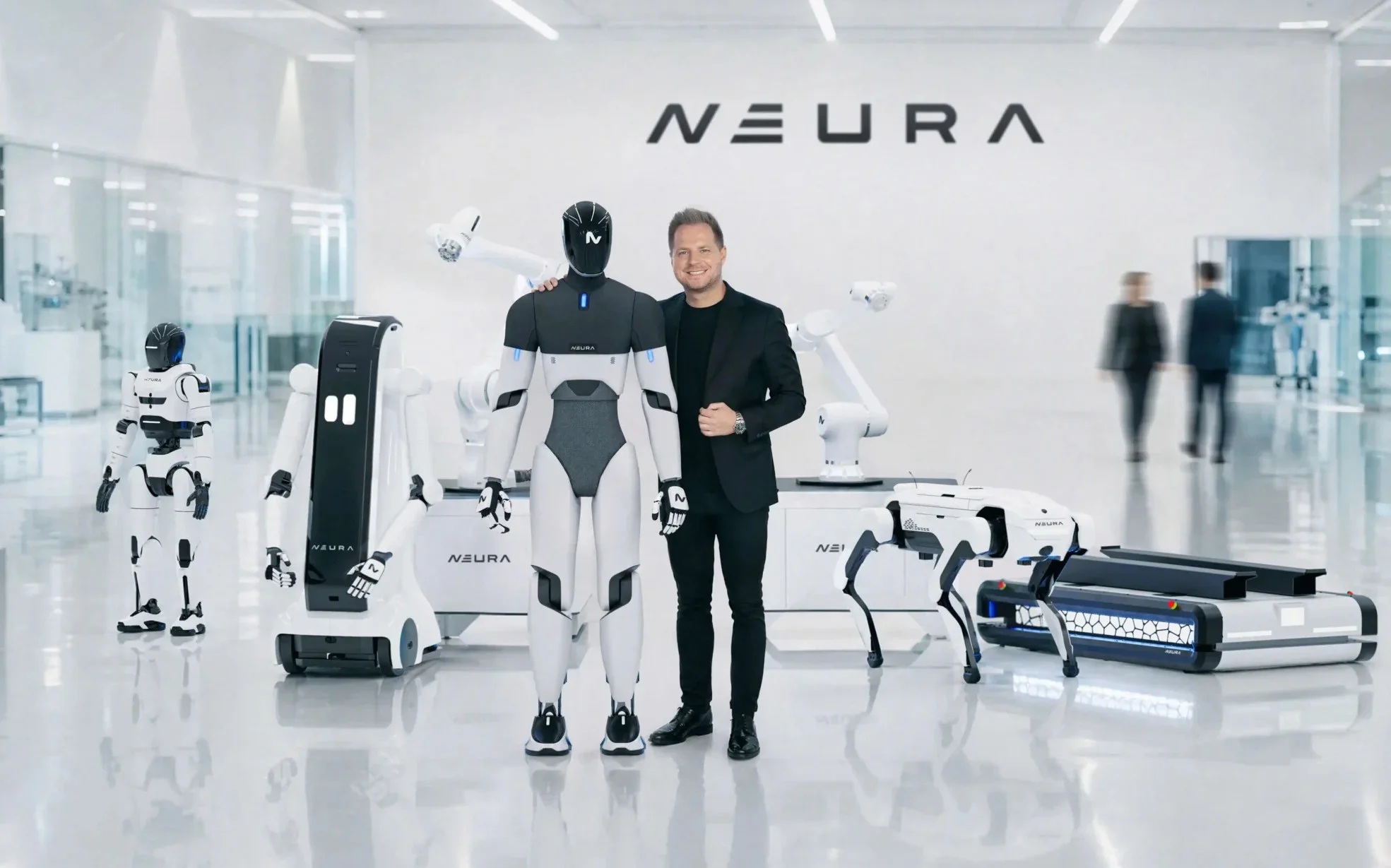
Neura Robotics Announces $1.4B Series C Including Nvidia, Amazon, Tether and Qualcomm
Neura Robotics, a German robotics firm, has successfully completed a Series C funding round, raising up to $1.4 billion. This significant investment aims to facilitate the expansion of the company's cognitive robots and enhance its Physical AI platform. The funding round attracted support from a consortium of prominent technology, industrial, and financial investors, underscoring the growing interest in advanced robotics and AI solutions. The company plans to leverage these funds to accelerate its deployment efforts and further innovate within the robotics sector.
AI AI Funding & Investment Robotics Amazon Bosch funding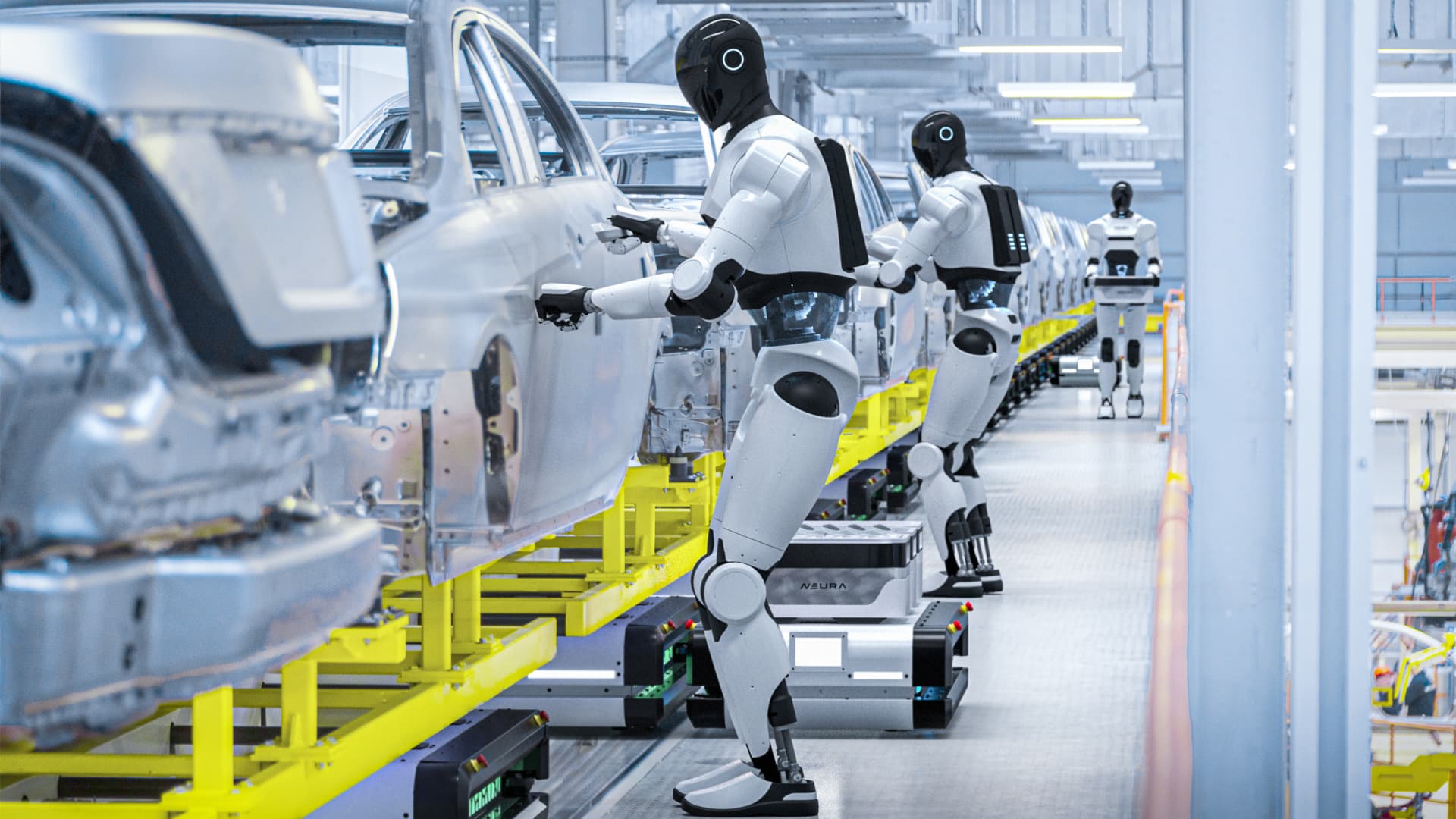
Humaniod robotics company raises up to $1.4 billion from Nvidia, Amazon and others
In recent months, investors have increasingly turned their attention to companies specializing in physical artificial intelligence (AI), signaling a growing confidence in the sector's potential. This surge in investment comes as advancements in AI technology continue to reshape various industries, from robotics to automation. The trend has been particularly pronounced since early 2023, with venture capital firms and private investors seeking to capitalize on the transformative capabilities of physical AI solutions. The influx of funding is driven by the recognition of AI's ability to enhance operational efficiency and reduce costs across sectors such as manufacturing, logistics, and healthcare. As businesses look to innovate and stay competitive, the demand for physical AI applications is expected to rise, prompting investors to support startups and established companies in this field. This investment wave is taking place primarily in technology hubs across North America and Europe, where many of these companies are based. As the physical AI market continues to evolve, it is likely to attract even more attention from investors eager to be part of a rapidly growing industry that promises to redefine the future of work and productivity.
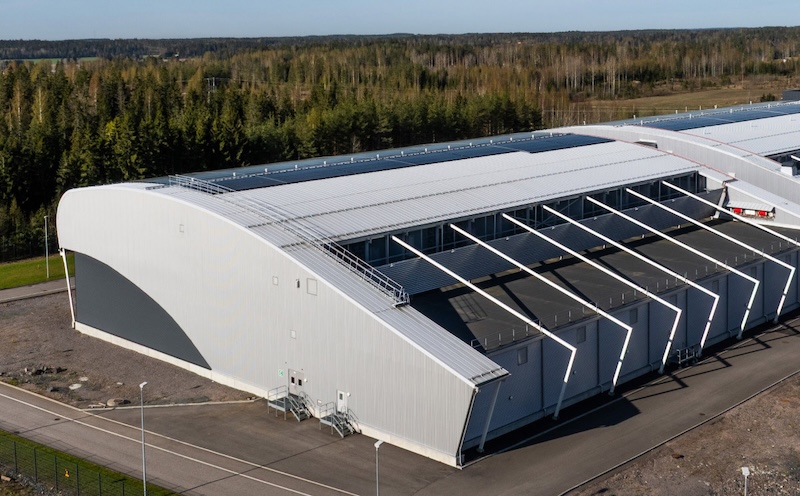
Nebius and Nvidia launch Physical AI Living Lab for European robotics startups
Nebius, a prominent AI cloud company, has launched the Physical AI Living Lab, a six-month initiative aimed at supporting robotics startups across Britain and Europe. This program provides participants with access to Nvidia’s advanced physical AI development tools alongside Nebius’s robust AI cloud infrastructure. The initiative addresses a significant challenge faced by early-stage robotics companies, which often lack the resources to create large-scale simulations, generate synthetic data, and utilize accelerated computing necessary for their development. By offering these essential tools and support, Nebius aims to foster innovation and growth within the robotics sector, ultimately enhancing the capabilities of emerging technologies in the field.
Artificial Intelligence Computing AI cloud computing AI infrastructure automation news nebius
Nvidia Announces Partnerships with Doosan, LG Focused on Physical AI, Robotics
Nvidia is enhancing its presence in South Korea by forming strategic partnerships with Doosan Group and LG Group. This initiative aims to advance the development of industrial robots, autonomous equipment, robotics training data, and AI-powered manufacturing systems. The collaborations, announced recently, seek to transcend conventional factory automation by emphasizing the creation of software, simulation, and other innovative technologies. These efforts reflect Nvidia's commitment to driving AI integration in manufacturing processes, positioning the company as a key player in the rapidly evolving industrial landscape of South Korea.
AI AI Funding & Investment Robotics Doosan Group LG Group Partnership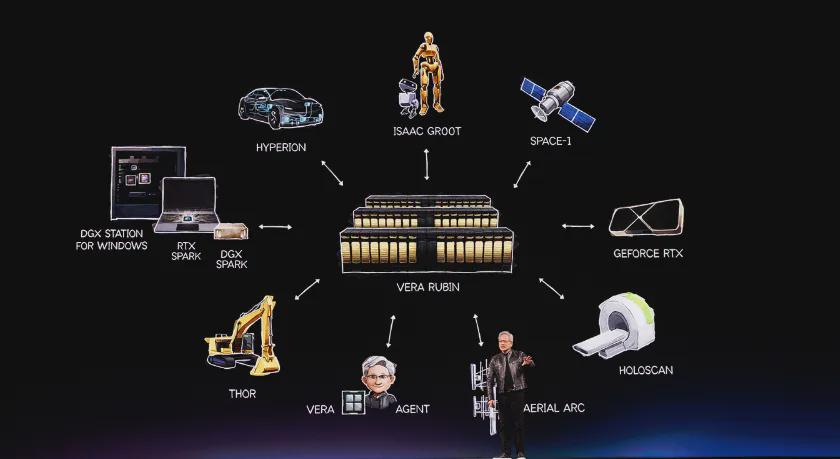
NVIDIA's Cosmos Ecosystem: A Paradigm Shift in Physical AI and Robotics
NVIDIA has unveiled its latest innovation, Cosmos 3, which represents a major leap forward in physical AI technology. This new system redefines computational infrastructure's role in the fields of robotics and autonomous driving. By utilizing a hybrid Transformer architecture, Cosmos 3 enhances capabilities in world modeling and action generation, effectively tackling issues related to data gaps and simulation accuracy. This advancement positions NVIDIA as a pivotal force in shaping the future of robotics, underscoring its commitment to driving innovation in this rapidly evolving sector.
Physical AI Robotics Simulation NVIDIA Machine LearningRobotics needs a service framework.
RSF defines a common language for robot service capability, lifecycle operations, certification pathways, and service-provider networks.
Join the RobotToday community on LinkedIn
Daily robotics news, in-depth analysis, conference highlights, and discussions with professionals worldwide.