Industry Briefing
A single destination for timely, editor-curated robotics news from around the world.

AI Robots and Drones to Aid in Fukushima Nuclear Plant Cleanup Efforts
The Japanese government and Tokyo Electric Power Co. Holdings are set to launch a consortium to deploy AI robots and drones for the cleanup of radioactive debris at the Fukushima Daiichi nuclear plant. This initiative aims to address the significant challenge posed by the 880 tons of debris remaining in three reactors. This development is crucial as it marks a significant step in the ongoing decommissioning process of the Fukushima plant, which has been a focal point of concern since the nuclear disaster. The use of advanced technologies like AI robots and drones is expected to enhance safety and efficiency in handling hazardous materials. Looking ahead, the consortium is anticipated to commence its operations within the current fiscal year. Stakeholders will be keen to monitor the progress of this initiative, particularly in terms of its impact on the decommissioning timeline and the effectiveness of AI technologies in such complex environments. No further timeline was disclosed at the time of publication.
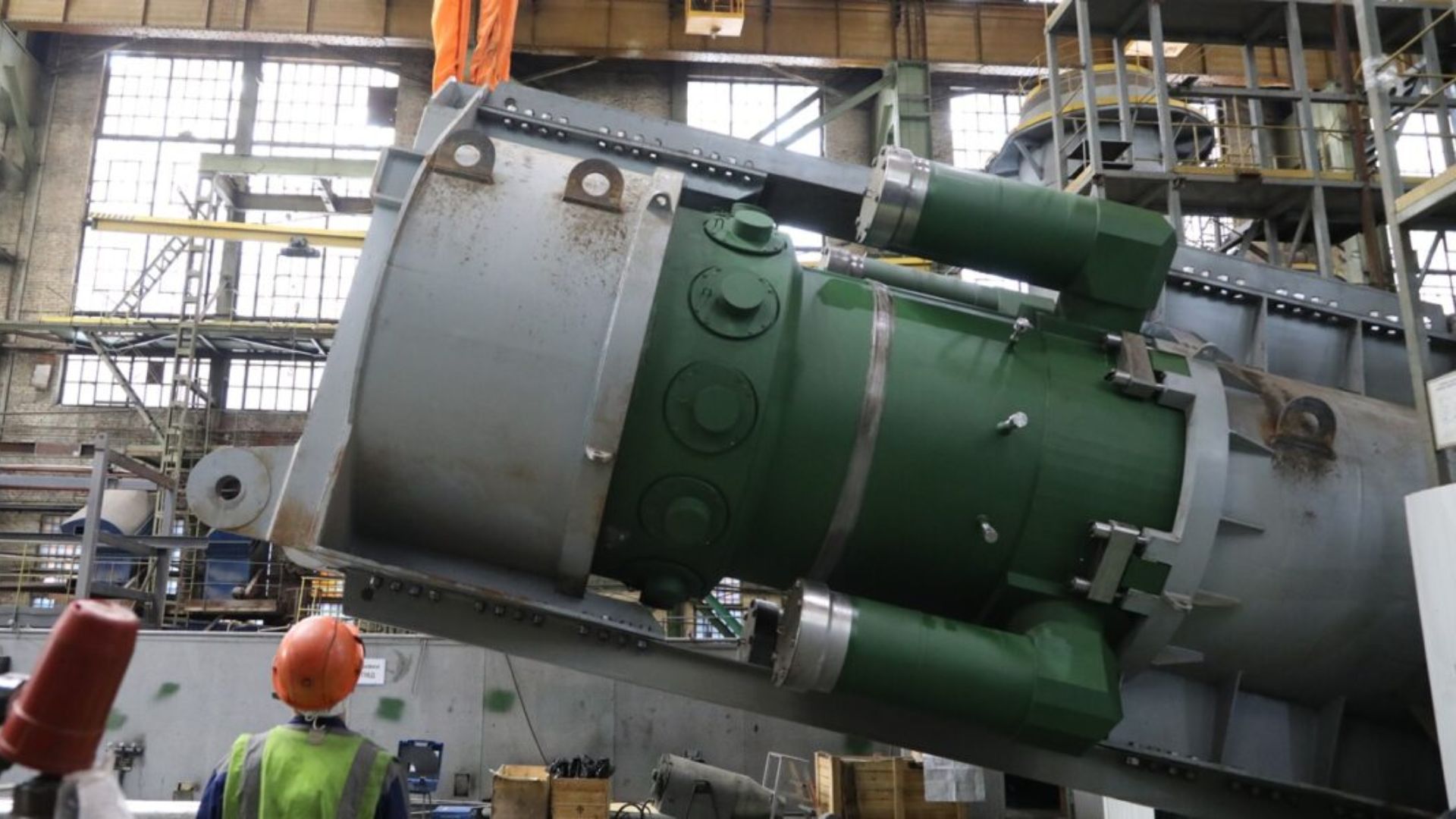
Russia's Rosatom Develops 15 RITM-200 Marine Nuclear Reactors for Icebreakers
Russia has successfully constructed 15 RITM-200 reactor units, with plans for 13 more, as reported by Rosatom chief Alexey Likhachev. These small-scale reactors, each with a thermal power output of 175 megawatts and a lifespan of at least 40 years, are designed for use in hard-to-reach areas, particularly for icebreakers operating in icy waters. The RITM-200's innovative design integrates the core and steam generators within a single pressure vessel, reducing the system's footprint by approximately one-third compared to traditional marine reactors. This compact design allows for enhanced operational capabilities, enabling Project 22220 icebreakers to adapt their buoyancy for navigating both deep ocean and shallow river environments. Looking ahead, Rosatom is adapting the RITM-200 for civilian energy applications, including the RITM-200N for land-based power generation in Yakutia and the RITM-200S for floating power stations. The company is also exploring micro-reactor technologies for remote areas, with projects like the Shelf micro-reactor and the Elena thermoelectric unit. No further timeline was disclosed at the time of publication.
Energy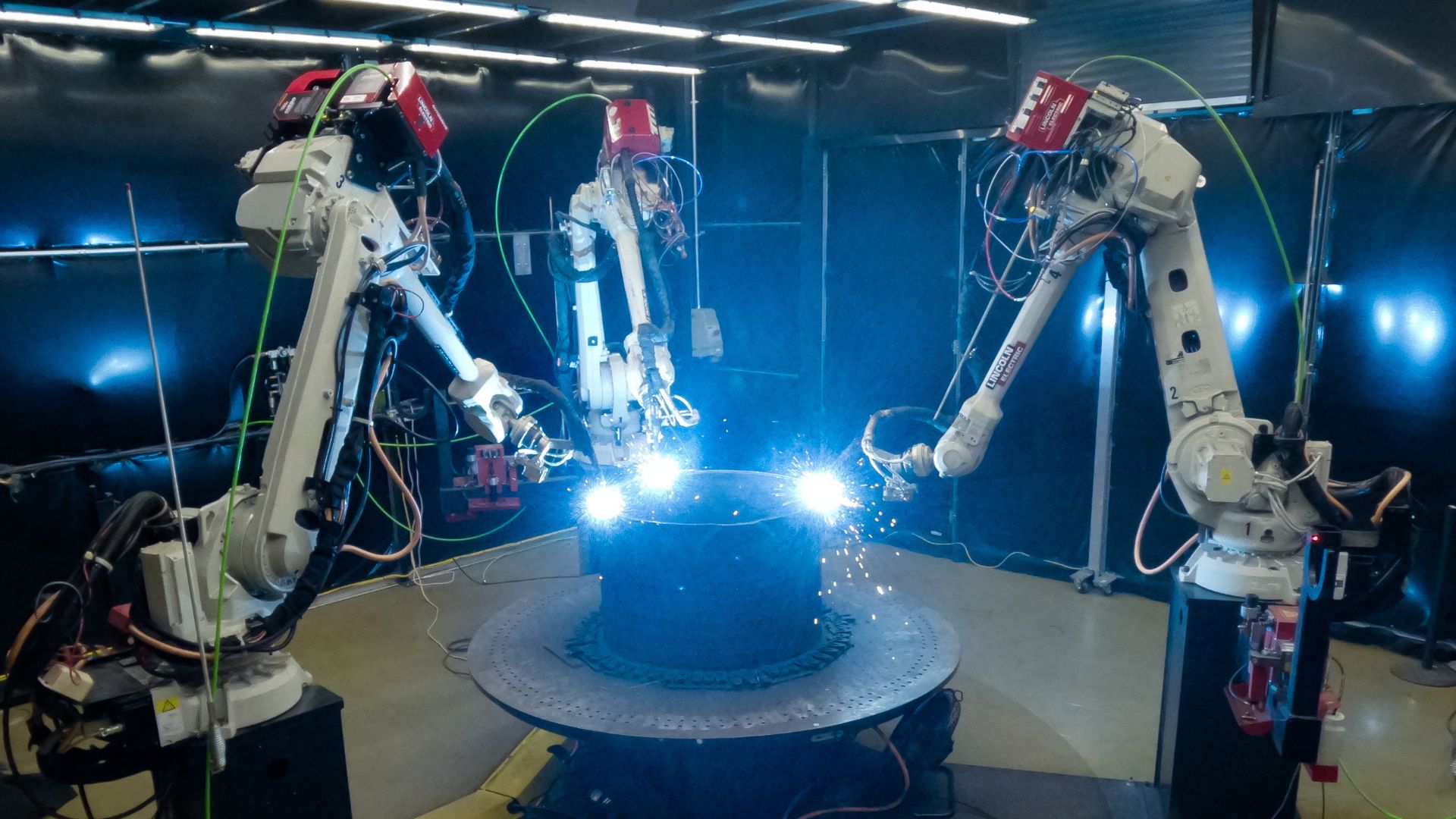
Oak Ridge and Idaho National Labs 3D Print Nuclear Pressure Vessel for US Reactor Expansion
The United States is leveraging large-scale metal 3D printing to overcome manufacturing challenges in its nuclear expansion efforts. Oak Ridge National Laboratory (ORNL) and Idaho National Laboratory (INL) are collaborating to develop wire arc additive manufacturing for industrial pressure vessels, which are essential for withstanding extreme conditions in nuclear applications. This innovative technology addresses the limited domestic forging capacity that could hinder the country's nuclear projects. ORNL recently showcased the process by successfully printing a nuclear-relevant pressure vessel using the MedUSA platform, which coordinates three robotic arms to create complex metal structures. The collaboration aims to ensure that these components meet stringent nuclear requirements while reducing qualification timelines through real-time monitoring and data analysis. Looking ahead, ORNL and INL are focused on integrating large-scale additive manufacturing with digital engineering to produce high-integrity pressure vessels. This approach could not only support the nuclear sector but also have implications for aerospace, defense, and other industries requiring robust components. No further timeline was disclosed at the time of publication.
AI and Robotics Energy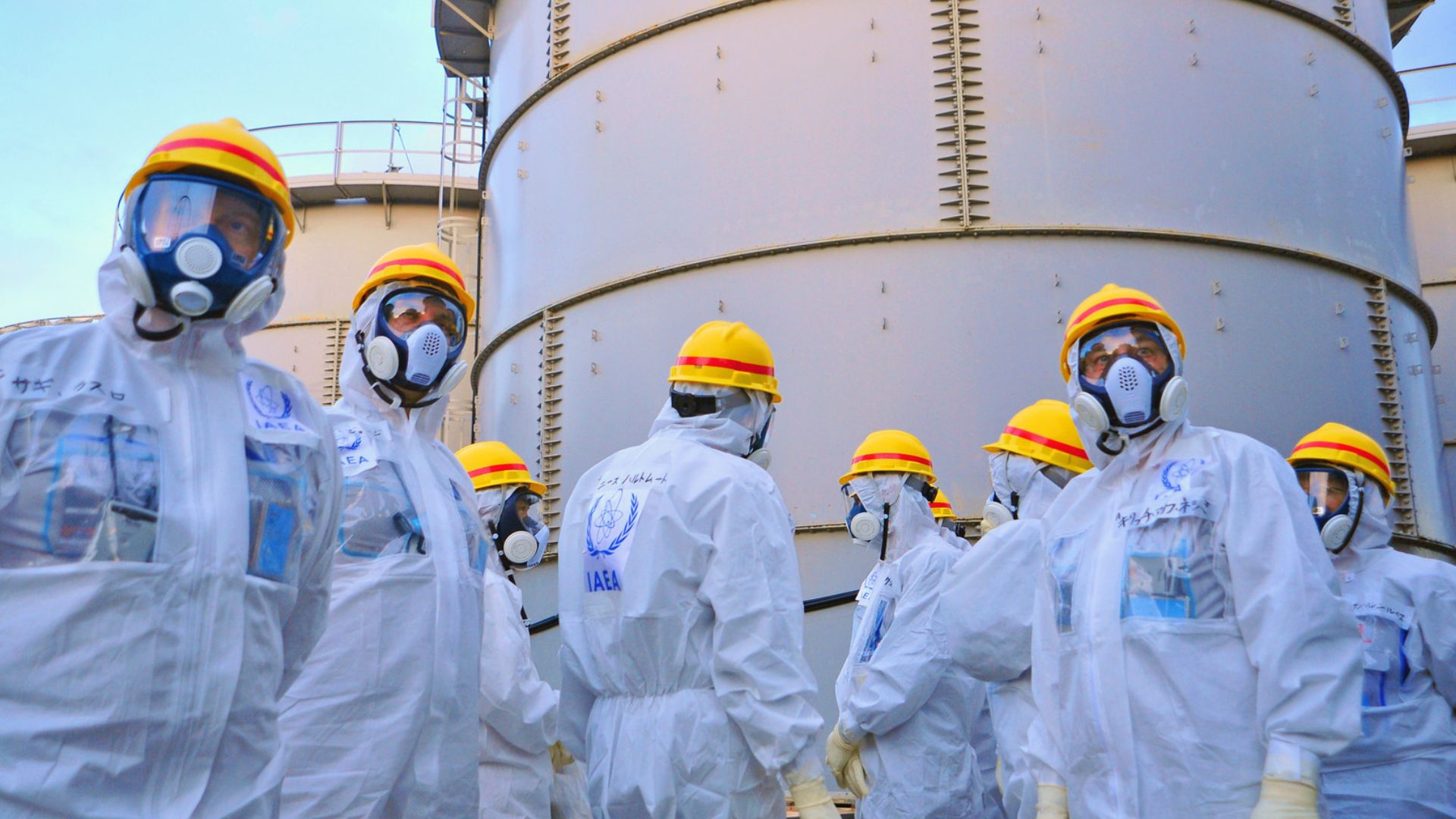
Kairos Power Initiates NuCAMP to Develop Advanced Nuclear Workforce in America
Kairos Power has launched the Nuclear Center for Advanced Manufacturing and Precast (NuCAMP) to address the workforce challenges in advanced nuclear reactor construction. This initiative is in collaboration with several institutions, including Oak Ridge National Laboratory and the University of Tennessee–Knoxville, and will be based at Kairos Power's Reactor Demonstration Campus in Oak Ridge, Tennessee. The establishment of NuCAMP is crucial as the U.S. aims to deploy advanced nuclear reactors, which necessitate a skilled workforce capable of adhering to stringent manufacturing and construction standards. The center will focus on workforce training, manufacturing development, and collaboration, with an initial exploratory phase lasting 12 months to identify necessary technologies and training programs. Looking ahead, NuCAMP will explore advanced manufacturing technologies such as precast concrete construction and additive manufacturing to enhance nuclear construction processes. The initiative aims to bridge the gap between innovative techniques and regulatory standards, ensuring the successful integration of these technologies into the nuclear industry. No further timeline was disclosed at the time of publication.
Energy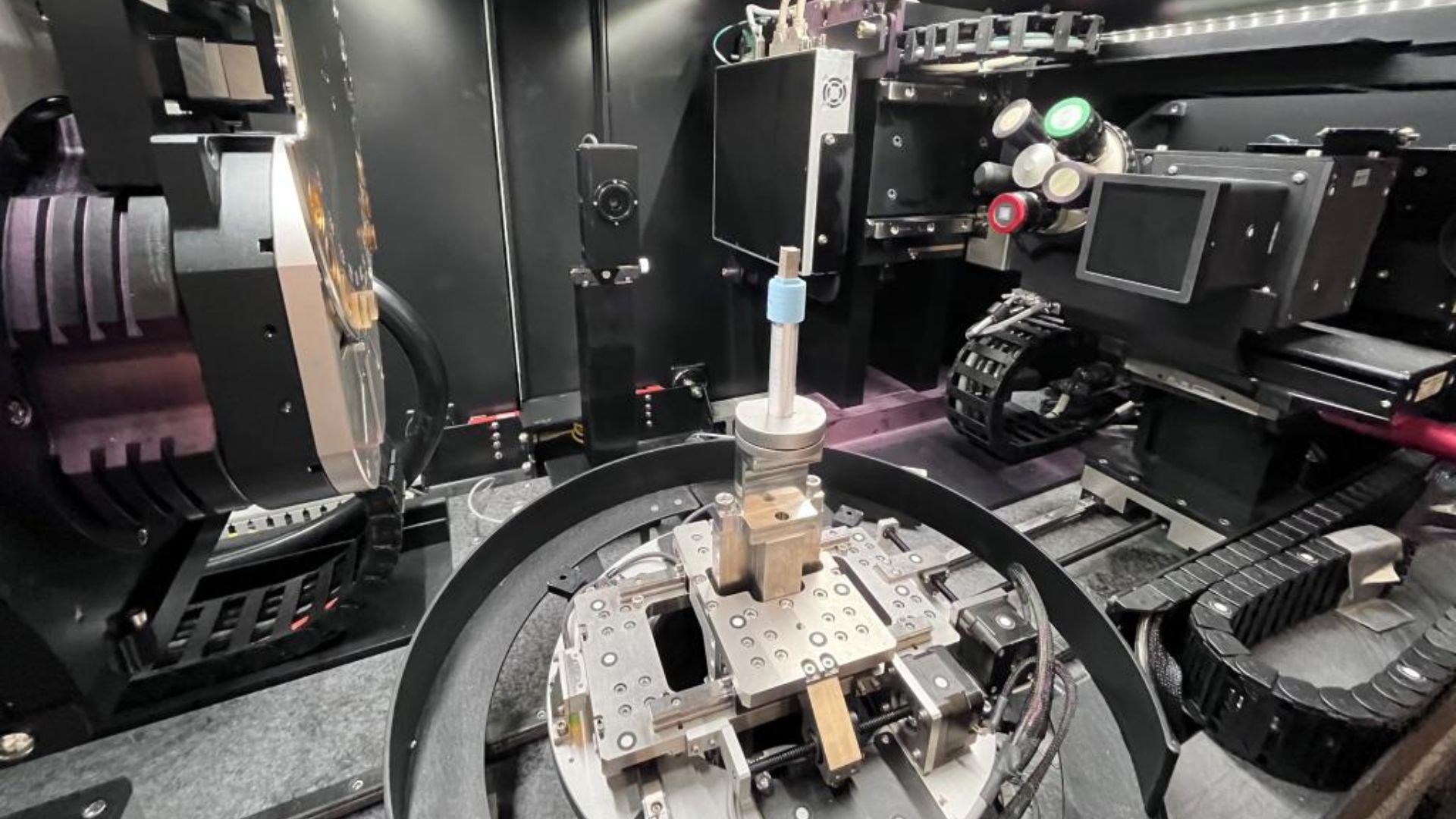
NIVA: A New AI Tool for Nuclear Reactor Data Search Powered by Supercomputing
Nuclear power stations in North America have started utilizing a new virtual system named NIVA, developed by Atomic Canyon in partnership with several industry organizations. This software enables engineers and technicians to efficiently query extensive archives of technical and regulatory records, addressing the challenge of accessing critical knowledge quickly. The significance of NIVA lies in its ability to leverage AI technology to enhance operational efficiency within the U.S. nuclear sector. Trey Lauderdale, Founder & CEO of Atomic Canyon, emphasized that the nuclear industry possesses a wealth of knowledge that has been difficult to access, and NIVA represents a step towards making this information readily available for modern deployments. Looking ahead, NIVA currently offers two functional modules, with a third tool in development for diagnostic tasks. The rollout follows a successful pilot program involving Constellation Energy and other utilities. No further timeline was disclosed at the time of publication.
Energy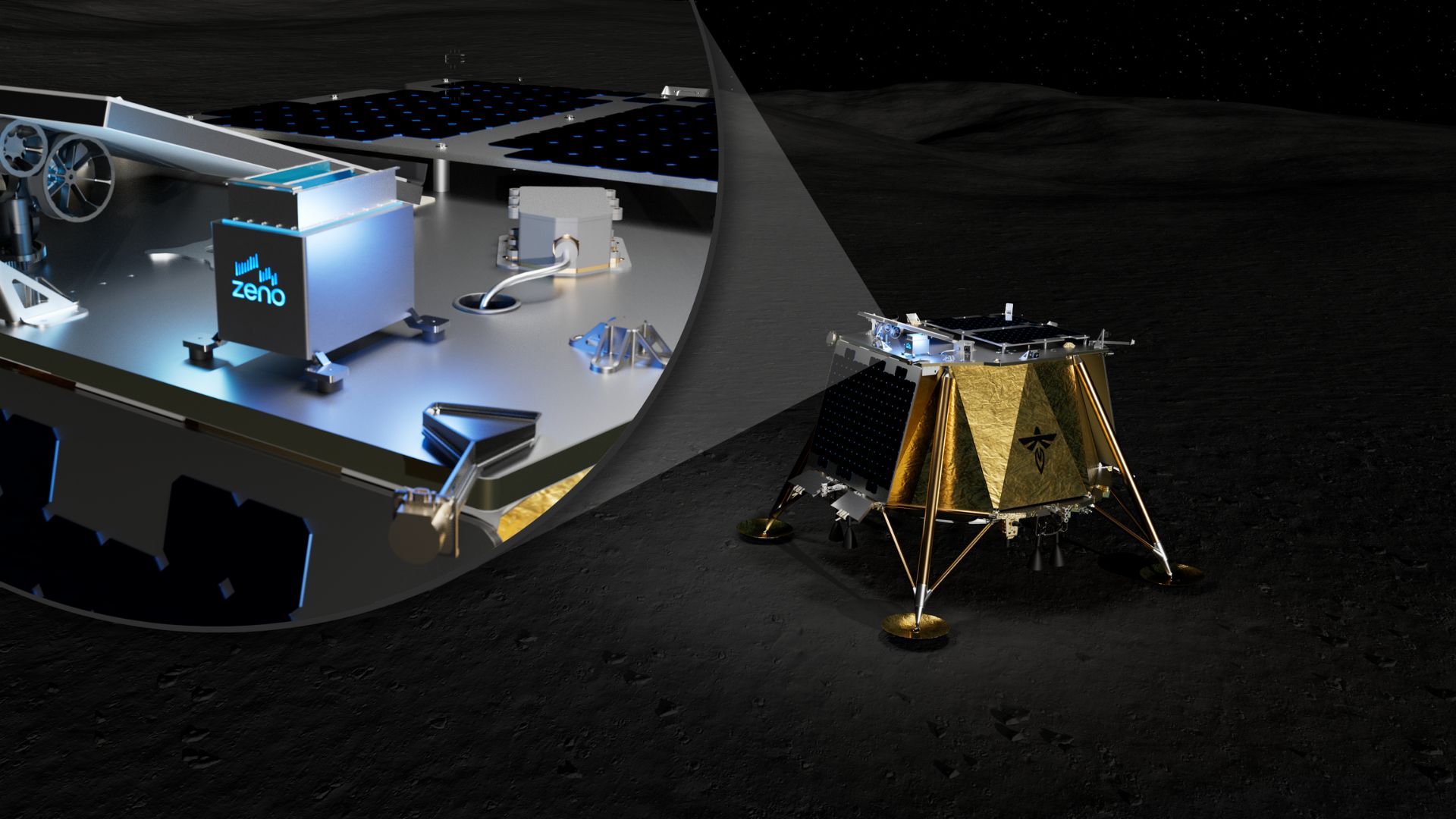
Firefly Aerospace to Test Nuclear-Powered Heating Technology on Moon by 2028
Firefly Aerospace plans to send a nuclear-powered heating technology to the Moon in 2028, aiming to test spacecraft survival during the lunar night’s extreme cold. This initiative involves Zeno Power Systems' Survive-the-Night Package, which will be launched aboard the Blue Ghost mission, addressing a significant challenge for lunar exploration. The importance of this experiment lies in its potential to ensure spacecraft can operate beyond the lunar day, where temperatures can plummet below minus 275°F. As solar-powered systems face limitations after sunset, the nuclear heating solution could be crucial for sustaining operations during the two-week lunar night, especially in permanently shadowed regions that never receive sunlight. Looking ahead, the demonstration will provide valuable data on the performance of nuclear heating technology in harsh lunar conditions. This information is vital as NASA and commercial entities aim to establish long-term lunar infrastructure and conduct missions in areas with extreme thermal environments. No further timeline was disclosed at the time of publication.
Space
TerraPower Secures Deals for Eight 345-MW Natrium Reactors in US Nuclear Initiative
TerraPower, a nuclear firm backed by Bill Gates, has announced two significant agreements to advance the deployment of its Natrium reactors. On August 14, the company revealed partnerships with South Korean firms Hyundai Engineering & Construction and SK Innovation, aimed at facilitating the construction of up to eight Natrium reactors. This move follows discussions with key government and industry leaders in South Korea. The importance of these agreements lies in their potential to enhance international collaboration and financing for advanced nuclear technology. TerraPower's Natrium reactors, which combine sodium-cooled fast reactors with molten salt energy storage, are designed to operate continuously and provide reliable power. The first Natrium plant is currently under development in Wyoming, with completion expected in 2030, marking a significant milestone in the US nuclear landscape. Looking ahead, TerraPower's collaboration with SK Innovation may lead to the establishment of South Korea's first commercial Natrium plant and further international expansion. The companies plan to explore the integration of digital technologies, such as AI and digital twins, to optimize nuclear operations. No further timeline was disclosed at the time of publication.
Energy
Hiroshima Commemorates 81 Years Since Atomic Bombing with Calls for Nuclear Disarmament
Japan commemorated the 81st anniversary of the Hiroshima atomic bombing with renewed calls for a nuclear-free world. Leaders and survivors emphasized the ongoing relevance of the lessons from 1945 amid rising geopolitical tensions and debates over nuclear deterrence. Thousands gathered at Hiroshima Peace Memorial Park, observing a moment of silence at 8:15 a.m., the exact time the atomic bomb was dropped. The ceremony highlighted the humanitarian consequences of nuclear war, with an updated register of 353,639 atomic bomb victims placed in the park's cenotaph. Hiroshima Mayor Kazumi Matsui warned against justifying nuclear weapons as security instruments, stressing that such views could lead to repeating past tragedies. He urged younger generations to learn from history and advocate for peace. Prime Minister Sanae Takaichi reaffirmed Japan's commitment to non-nuclear principles while calling for global disarmament. However, domestic debates regarding Japan's nuclear policy continue, particularly concerning the Three Non-Nuclear Principles. No further timeline was disclosed at the time of publication.
Culture
Crusoe and Aalo Atomics Collaborate to Build Nuclear-Powered AI Data Center
Crusoe, a Colorado-based company, has partnered with Aalo Atomics to develop the first nuclear-powered AI factory data center. This initiative aims to validate the effectiveness of nuclear power for AI workloads, with plans to power a Crusoe Spark modular data center at Idaho National Laboratory in 2027. The collaboration is significant as it addresses the growing demand for reliable, clean, and scalable energy sources for AI infrastructure. Cully Cavness, co-founder of Crusoe, emphasized the importance of sustainable energy solutions, while Aalo Atomics aims to position itself as a leading power provider for modern data centers with its modular nuclear reactors. Looking ahead, Aalo and Crusoe plan to deploy Aalo Pods and 50 MWe XMR power plants at Crusoe data centers by the end of 2029. This partnership not only highlights the potential of nuclear energy in powering AI but also reflects a broader trend of integrating advanced energy technologies with digital infrastructure, paving the way for future AI factories worldwide.
AI and Robotics Energy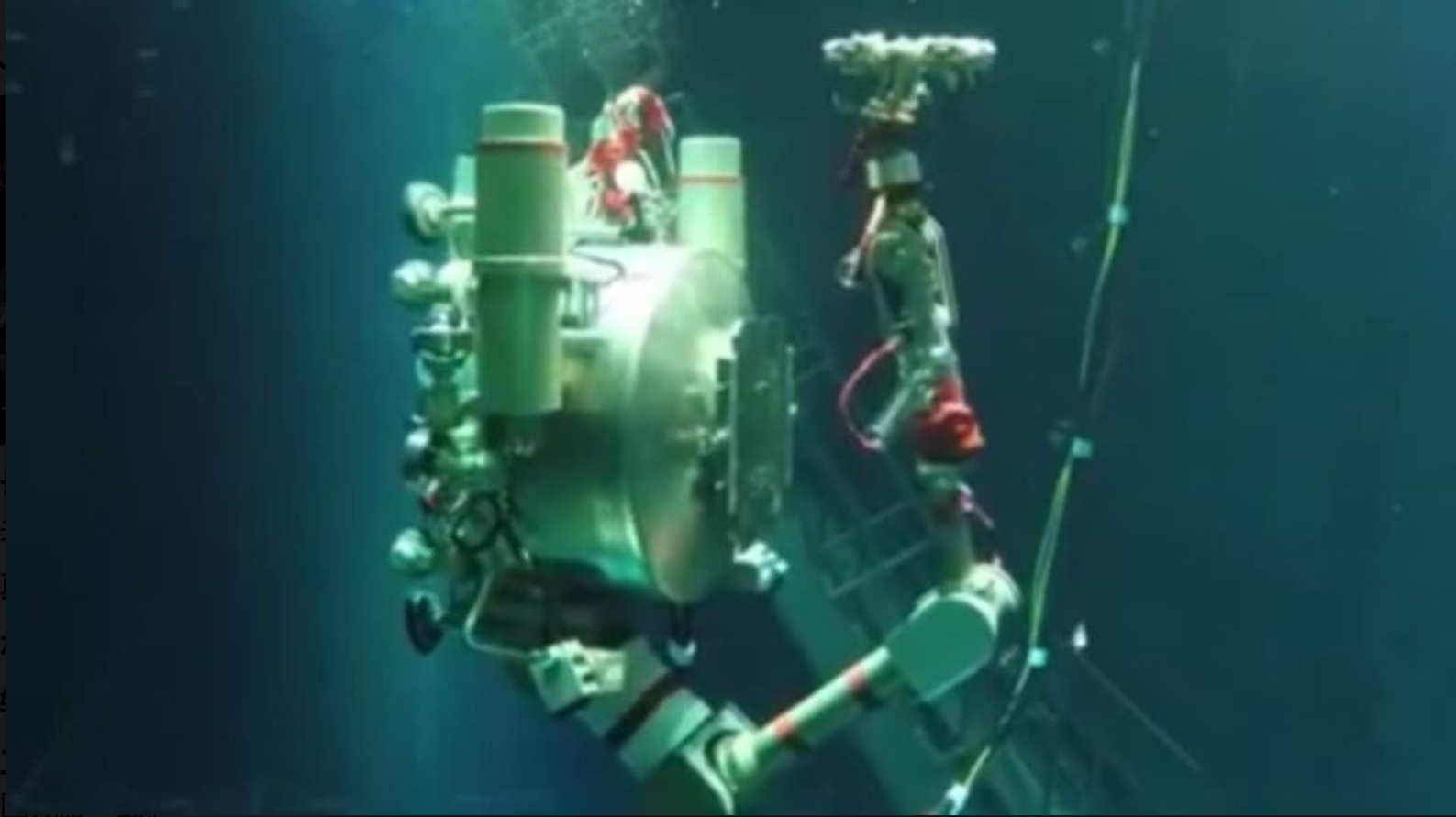
A-UT Robot: 30 Years of Underwater Inspections in Nuclear Reactors
The A-UT robot, resembling a giraffe, has been operational in Japan's nuclear power plants for 30 years. Developed by Mitsubishi Heavy Industries, it performs critical inspections inside reactor pressure vessels using ultrasonic probes, where human access is impossible due to radiation. This robot is essential for ensuring the integrity of reactor components that contain high-pressure, high-temperature water and nuclear fuel. Its ability to operate in hazardous conditions makes it an invaluable tool for maintaining safety in nuclear energy production, especially as Japan's nuclear sector begins to revive. Looking ahead, the A-UT's role is expected to grow as more nuclear reactors restart operations, including the Kashiwazaki-Kariwa Unit 6 in February 2026. The continued use of such robots highlights their importance in energy strategy, ensuring the safety of welds in environments that are too dangerous for humans.
Nuclear Robotics Underwater Inspection Industrial Automation Radiation Protection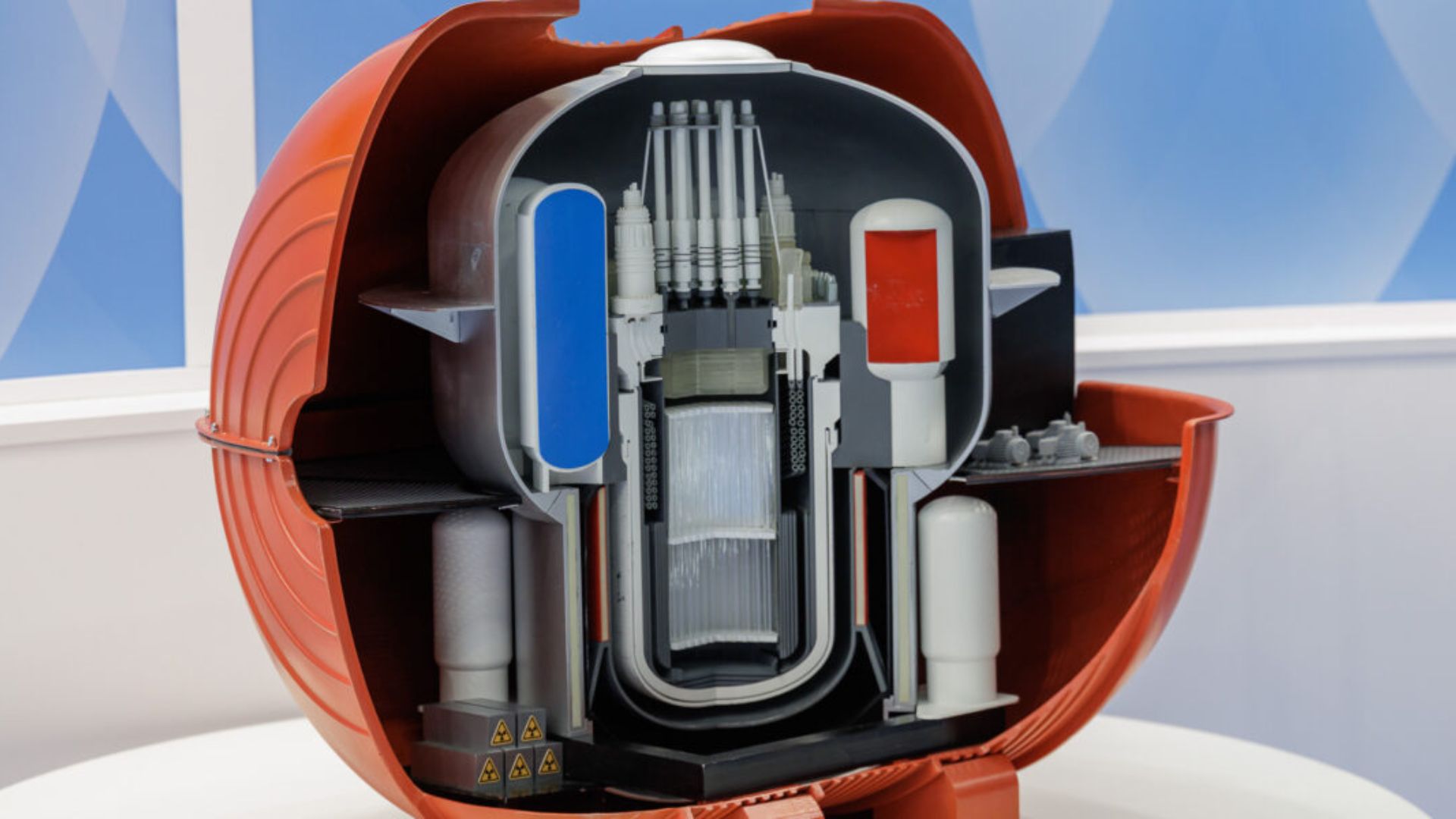
Rosatom's 370-ton Shelf-M Nuclear Reactor Achieves Investment Justification Milestone
Rosatom has completed the investment justification phase for its first land-based small modular reactor at the Sovinoye gold deposit. This milestone finalizes the technical-economic review and sets the regulatory framework for manufacturing and deployment in the Far East region. Local site surveys are currently in progress, and the nuclear fuel has successfully passed its operational endurance testing. The significance of this development lies in the Shelf-M reactor's capabilities, which include generating 10 MW of electrical power and 35 MW of thermal power for a lifespan of 60 years. Construction is slated to commence in 2027, with the reactor expected to start operations in 2030 and achieve full commercial operation by 2032. The reactor's design allows for centralized manufacturing, enhancing efficiency and transportability across Arctic environments. Looking ahead, the Shelf-M microreactor's innovative design features a channel-type core architecture and a unique cross-shaped fuel rod configuration, which improves thermal transfer efficiency. The reactor's passive cooling system ensures safe heat dissipation, allowing it to operate effectively without reliance on backup power sources. No further timeline was disclosed at the time of publication.
Energy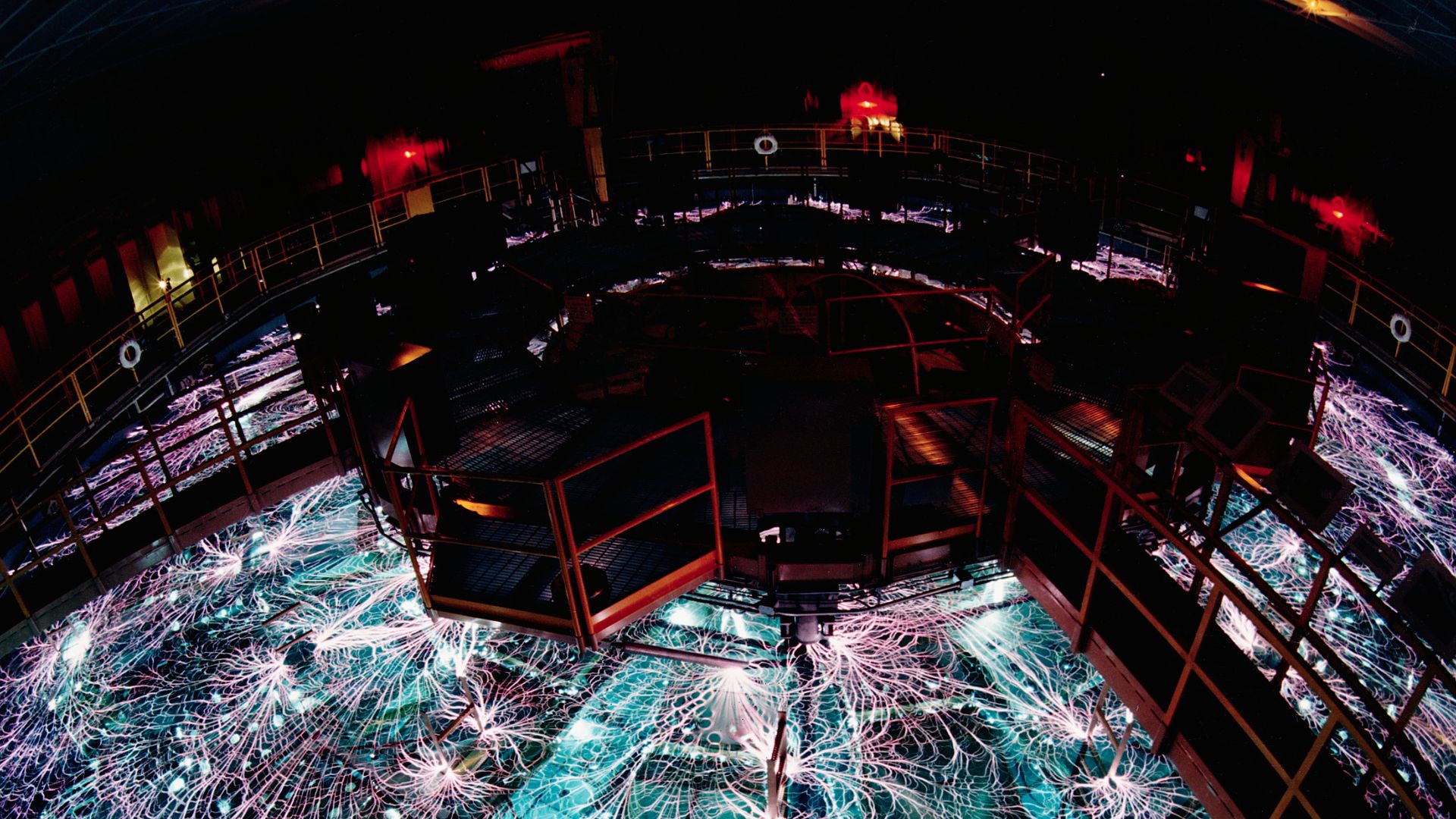
Penn State Scientists Discover Cause of Corrosion Highways in Advanced Nuclear Reactors
Researchers at Penn State University have identified the reasons behind the formation of 'corrosion highways' in advanced nuclear reactors. By adjusting the atomic arrangement of structural metals, they can influence the corrosion rate and extent, which is critical as nuclear energy gains traction in the quest for low-carbon energy solutions. The significance of this research lies in its potential to enhance the safety and efficiency of molten salt reactors, which operate at much higher temperatures than conventional fission reactors. With temperatures reaching 1,500 degrees Fahrenheit (800 degrees Celsius), understanding corrosion mechanisms is vital to prevent safety risks associated with reactor vessel integrity. Looking ahead, the team aims to develop a high-length-scale model to predict how different alloy materials behave when exposed to molten salt. This advancement could lead to the design of safer vessels for molten salt reactors, addressing the corrosion challenges identified in their studies. No further timeline was disclosed at the time of publication.
Science
Lemer Pax Aims for €100 Million Revenue, Targeting Nuclear Sector Recovery
Lemer Pax, a family-owned company based in Nantes, has set an ambitious revenue target of €100 million as it seeks to capitalize on the resurgence of the nuclear industry. The company specializes in radiation protection, which is its primary focus and expertise. This strategic move is significant as the nuclear sector is experiencing a revival, driven by increasing energy demands and a shift towards sustainable energy sources. Lemer Pax's commitment to enhancing its revenue reflects the growing opportunities within the nuclear industry, particularly in radiation safety and protection solutions. Looking ahead, industry observers should monitor Lemer Pax's progress towards its revenue goal and any developments in the nuclear sector that may impact its operations. No further timeline was disclosed at the time of publication.
Énergie
US Air Force to Acquire DJI Drones for Counter-Drone Training at F.E. Warren Base
The US Air Force is set to purchase refurbished DJI drones for counter-drone training at F.E. Warren Air Force Base in Wyoming. This initiative aims to enhance the preparedness of security personnel against potential drone threats, particularly as DJI dominates the global drone market with an estimated 80% to 85% share. The decision to utilize DJI drones, rather than American-made alternatives, stems from the unique capabilities and characteristics of DJI aircraft that cannot be replicated by US manufacturers. The Air Force's procurement documents highlight the operational necessity of training with the technology most likely to be encountered in real-world scenarios, as evidenced by a significant rise in drone incursions at military installations. Looking ahead, the Air Force's acquisition of these drones is part of a broader strategy to address the evolving landscape of drone threats. The training will incorporate US-made RIZER software to ensure cybersecurity, aligning with Defense Secretary Pete Hegseth’s memorandum that permits limited foreign drone purchases for military training and electronic warfare testing. No further timeline was disclosed at the time of publication.
News
Russian Navy Implements Netting for Submarine Protection Against Drone Threats
Recent satellite imagery reveals that the Russian Navy has begun using nets to shield submarines from drone attacks at its strategic base in Kamchatka. This development highlights Russia's growing concerns about drone threats, extending to critical facilities beyond the Ukraine conflict. Additionally, similar protective measures are being observed at a Black Sea base, indicating a broader trend in enhancing naval defenses against uncrewed aerial systems. The use of nets at the Rybachiy base, home to most of Russia's Borei and Borei-A class nuclear ballistic missile submarines, signifies a tactical shift in response to perceived threats. The imagery shows various submarines covered by nets, consistent with countermeasures previously employed in Ukraine against drone attacks. The introduction of floating booms further enhances protection against surface threats, reflecting a comprehensive approach to naval security. Looking ahead, the Russian Navy's adaptations to counter uncrewed aerial systems and surface vessels will likely continue to evolve. The recent imagery from both Kamchatka and Novorossiysk raises questions about the operational readiness of these submarines and the effectiveness of the new defensive measures. No further timeline was disclosed at the time of publication.
News & Features Air Around The Globe Drones Europe Russia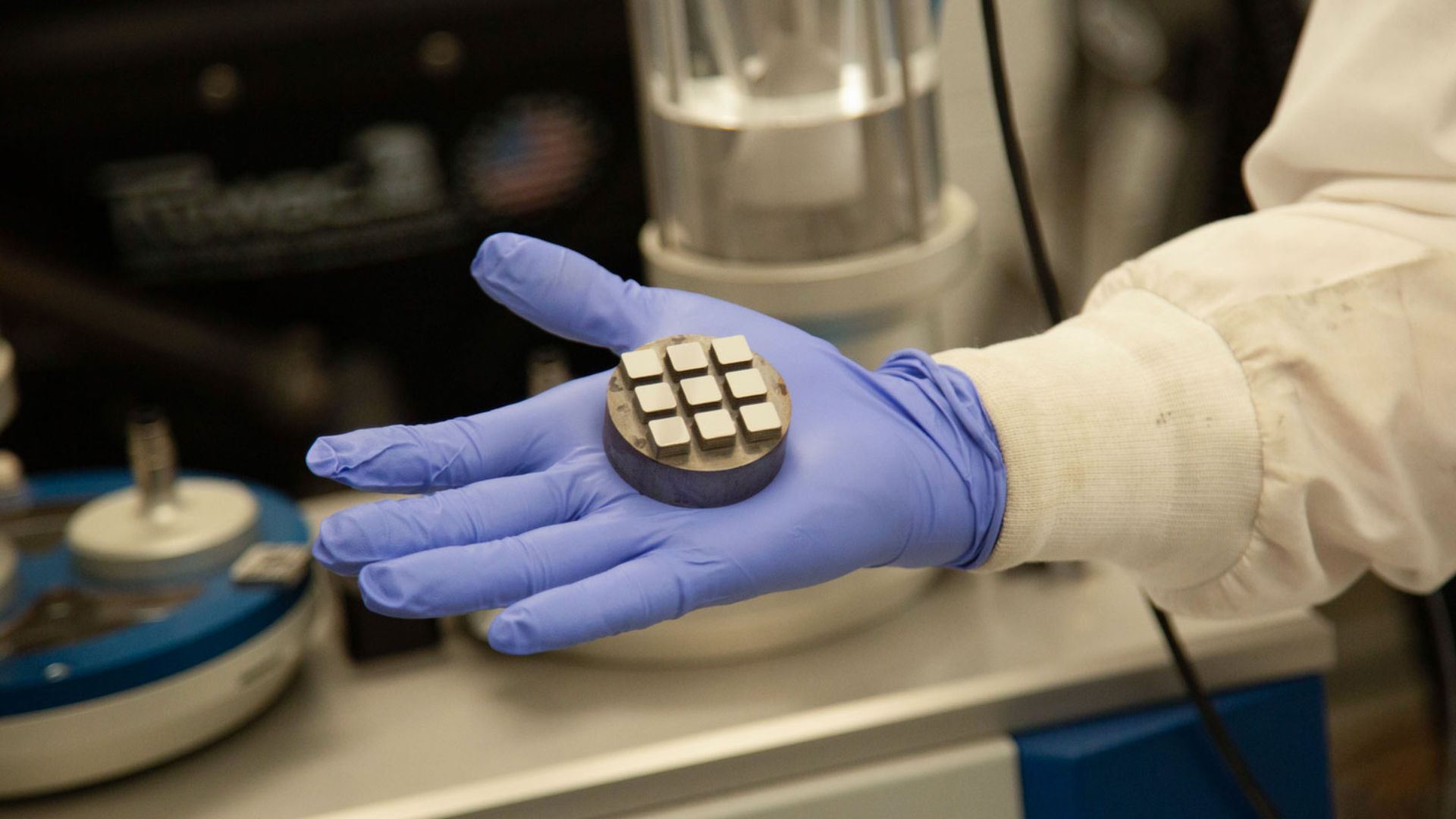
University of Toronto Engineers Develop Six New Metal Alloys for Extreme Environments
Researchers at the University of Toronto Engineering have created six innovative metal alloys using an AI-driven discovery platform. These alloys are designed to enhance the durability of components in jet engines and nuclear reactors, capable of withstanding temperatures exceeding 1,832°F. The AI-assisted approach significantly accelerates the identification of high-performance materials, demonstrating the potential for rapid advancements in material science. The significance of this development lies in the growing demand for materials that can endure extreme temperature and pressure fluctuations, which are common in applications like jet engines and nuclear power plants. Yu Zou, the project leader, emphasized the need for materials that can be produced through 3D metal printing, allowing for the creation of complex components that traditional manufacturing methods cannot achieve. Looking ahead, the researchers aim to further refine their AI-driven system to explore additional material compositions. No further timeline was disclosed at the time of publication, but the initial success in identifying six new alloy formulations suggests a promising future for advanced materials in extreme environments.
AI and Robotics Energy Innovation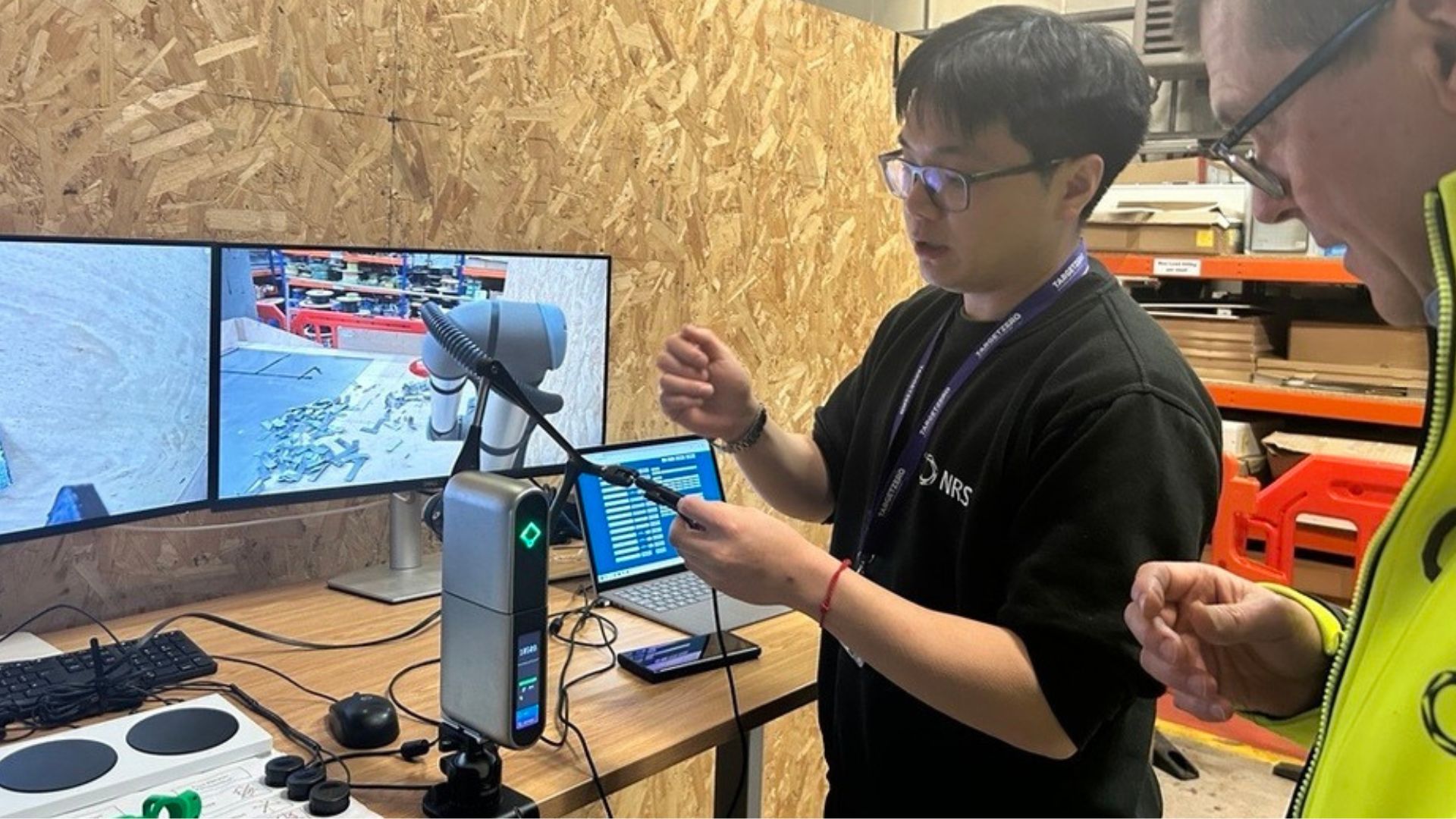
UK’s nuclear waste decommissioning could be handled by teleoperated robots
Innovative robotic technologies are being trialed in the UK to improve the safe management of...
AI and Robotics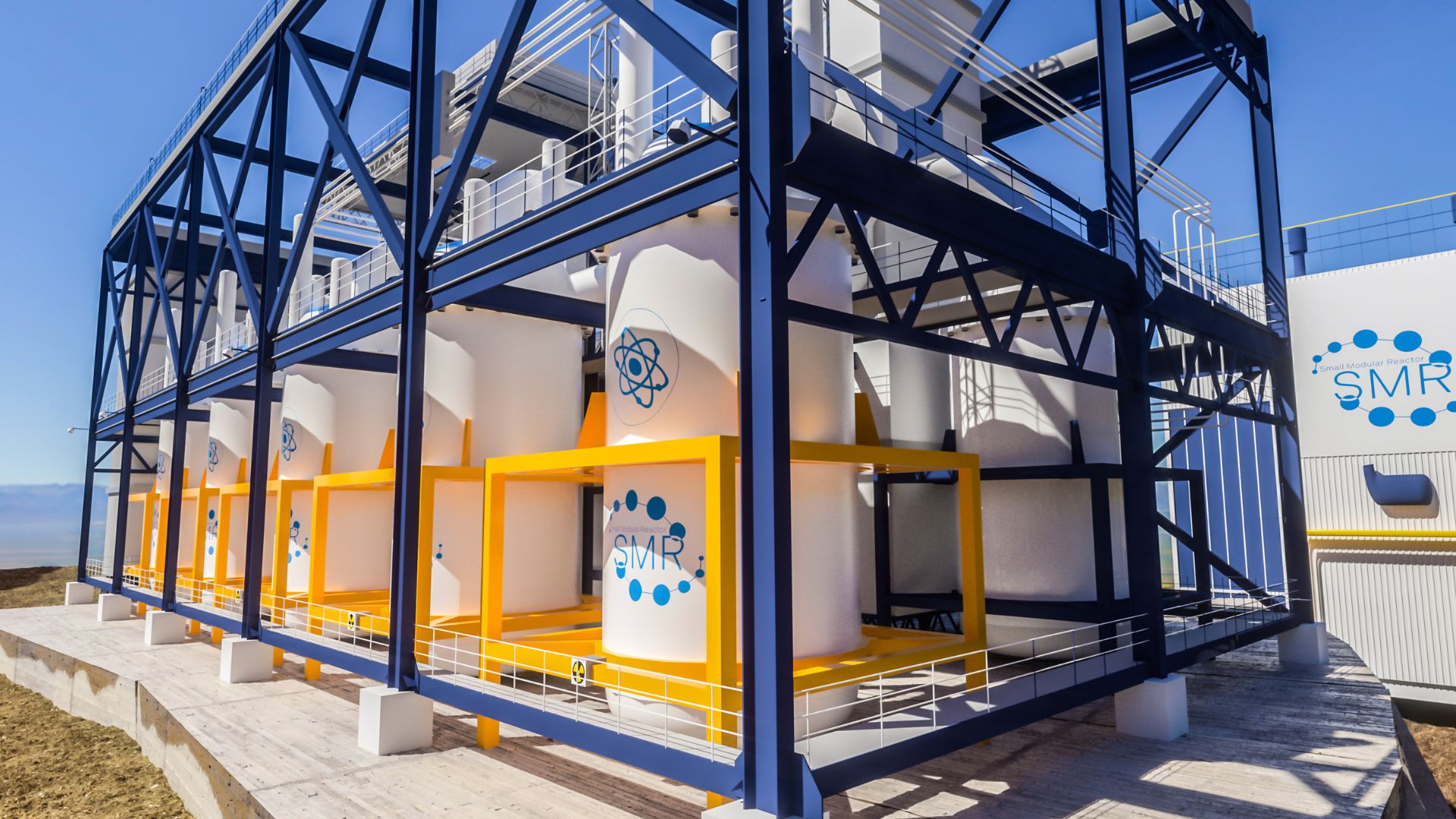
UK set for private 14 nuclear SMRs delivering 4.2 GW to meet 11% of power demand
A private consortium has announced its intention to construct 14 small modular nuclear reactors (SMRs) across various locations in the United States. This initiative, revealed on Tuesday, aims to enhance the country's energy infrastructure and contribute to its transition towards cleaner energy sources. The consortium, comprising several energy companies and technology firms, believes that SMRs can provide a safer and more efficient alternative to traditional nuclear power plants, addressing growing energy demands while minimizing environmental impact. The project is expected to create thousands of jobs during the construction phase and support local economies. The timeline for the reactors' completion is projected to span over the next decade, with the first units anticipated to be operational by 2030. The consortium plans to collaborate closely with regulatory bodies to ensure compliance with safety standards and to engage with communities to address any concerns regarding nuclear energy. This development marks a significant step in the ongoing efforts to diversify the energy portfolio and reduce reliance on fossil fuels.
Energy
Major Italian shipbuilder Fincantieri exploring nuclear-powered vessels, CEO says
During a recent closed-door roundtable, Fincantieri CEO Pierroberto Folgiero discussed key insights gained from the ongoing conflict in Ukraine, particularly in relation to the use of naval drones. He emphasized the importance of adapting military strategies and technologies in light of the lessons learned from the war. Additionally, Folgiero addressed the future development of a common European patrol corvette, highlighting the need for collaborative efforts among European nations to enhance maritime security. The discussions aimed to foster innovation and cooperation in defense capabilities, reflecting the evolving geopolitical landscape.
Global Naval Warfare corvette Europe Fincantieri NATO
Robots that can identify materials and map unknown environments could aid nuclear and defense sectors
Researchers at the University of Surrey are developing advanced robots capable of surpassing human vision, creating live 3D maps of unfamiliar environments, and determining the composition of various objects. This innovative technology, which is currently in development, has the potential to revolutionize several fields, including nuclear inspection, rail and building safety, and search and rescue operations in combat zones. By enhancing robotic capabilities, the team aims to improve safety and efficiency in critical situations where human intervention may be risky or impractical. The project highlights the university's commitment to pioneering research that addresses real-world challenges through cutting-edge technology.
Robotics
Macron’s nuclear pact expands across Scandinavia as global forces surges
Norway has joined a growing list of allies engaging in discussions with France regarding the country's extended nuclear deterrence initiative. This dialogue underscores the strategic importance of nuclear security in Europe, particularly amid rising geopolitical tensions. The conversations aim to strengthen defense cooperation and ensure that allied nations are aligned in their security strategies. As European countries reassess their defense postures, Norway's involvement highlights a commitment to collective security and the necessity of robust deterrent capabilities in the face of evolving threats. The discussions are part of a broader effort by France to reinforce its role as a key player in European defense and security matters.
Global China Europe Finland france NATO
Russia builds first RITM-200 reactor unit for floating nuclear power plant fleet
The Machine Building division of Rosatom, Russia's state-owned nuclear energy company, has successfully completed the construction of a new nuclear reactor. This significant milestone was achieved in late October 2023 at the company's facility in the Moscow region. The reactor is part of Rosatom's ongoing efforts to enhance the country's nuclear energy capabilities and support its energy independence. The project, which involved advanced engineering techniques and a focus on safety and efficiency, is expected to contribute to a more sustainable energy future for Russia. The completion of the reactor marks a key step in Rosatom's broader strategy to expand its influence in the global nuclear energy market.
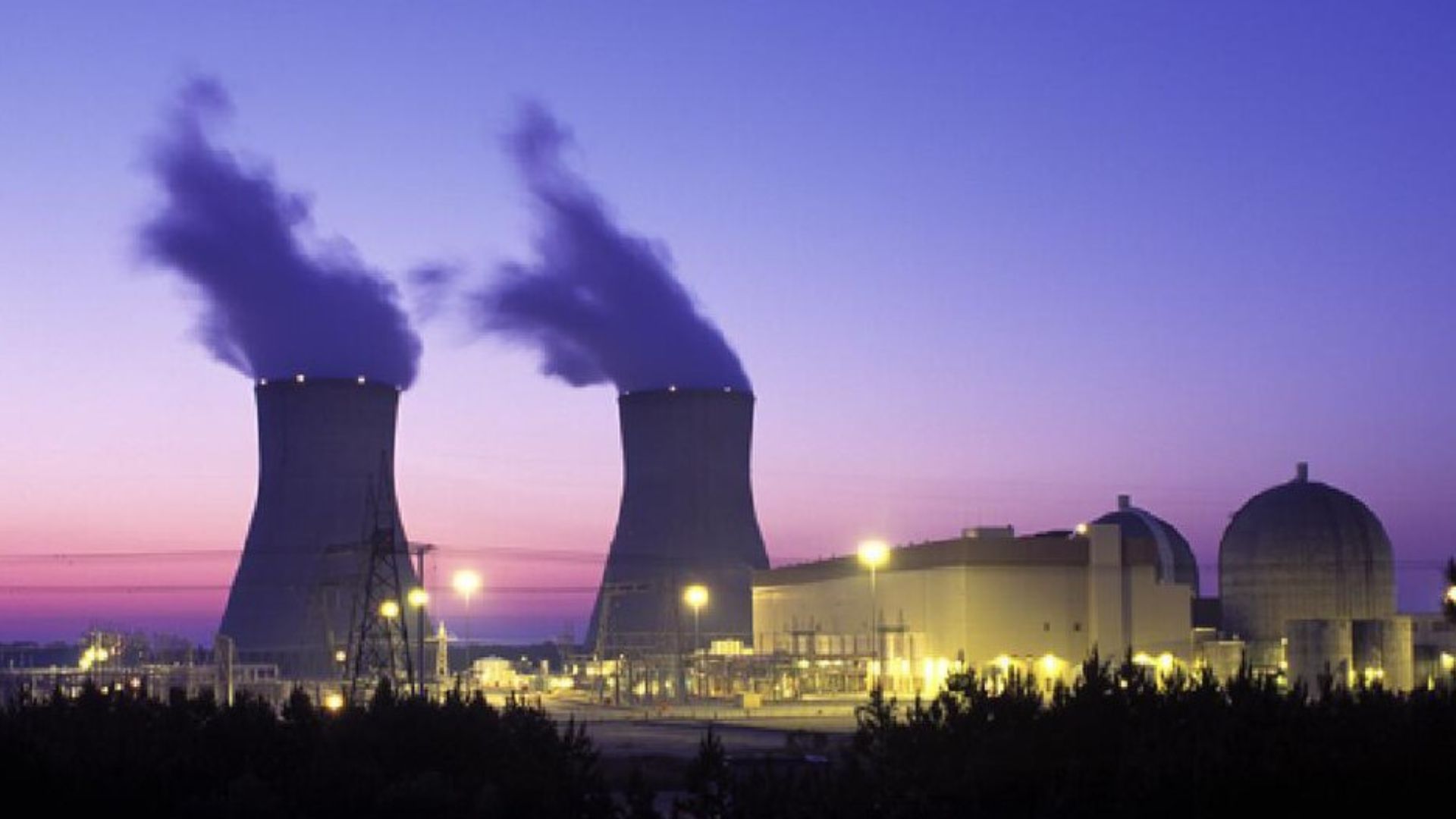
US firm’s NOS Security combines drones, robots, cyber defense for nuclear plant safety
Nuclear energy infrastructure is increasingly recognized as a vital asset for nations worldwide, prompting heightened concerns regarding its security. In recent discussions among global leaders, the importance of safeguarding nuclear facilities has been underscored, particularly in light of rising geopolitical tensions and the potential for sabotage or terrorist attacks. As countries strive to enhance their energy independence and reduce carbon emissions, the reliance on nuclear power is expected to grow. This shift necessitates robust security measures to protect against both physical threats and cyberattacks. Experts emphasize the need for international cooperation and the sharing of best practices to ensure the resilience of nuclear infrastructure. Recent incidents in various regions have highlighted vulnerabilities in existing security protocols, prompting calls for immediate action. National governments are urged to invest in advanced security technologies and to conduct regular assessments of their nuclear facilities. The discussions took place during a summit held in Geneva, where representatives from over 30 countries convened to address these pressing issues. The summit aimed to foster collaboration and develop a unified approach to nuclear security, recognizing that the safety of nuclear energy is paramount for global stability and environmental sustainability. As nations navigate the complexities of energy production and security, the commitment to protecting nuclear assets will be crucial in maintaining public trust and ensuring a safe energy future.

UAE blames Iran for drone strike that caused fire at nuclear plant in Abu Dhabi
A recent drone strike near the United Arab Emirates' sole nuclear power facility has heightened regional tensions. The incident, which occurred on October 30, 2023, is believed to be linked to ongoing conflicts involving various militant groups in the region. The attack raised alarms about the security of critical infrastructure and the potential for escalation in hostilities. Authorities are investigating the origins of the drone and assessing the implications for national security. This strike underscores the vulnerabilities faced by the UAE, particularly as it continues to develop its nuclear energy capabilities amidst a complex geopolitical landscape. The UAE government has condemned the attack and called for increased vigilance and cooperation among regional partners to prevent future incidents.
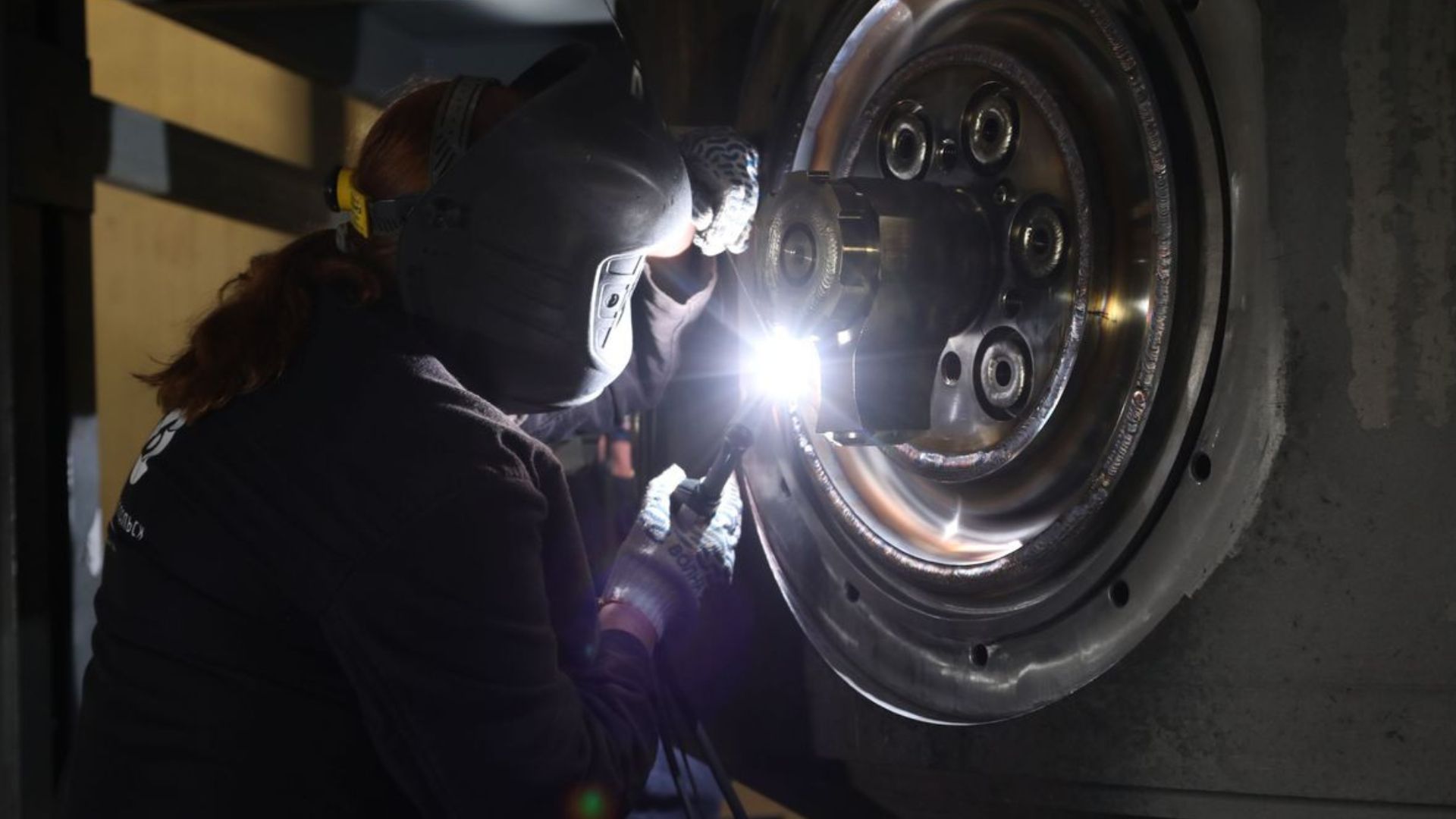
Russia makes first 175 MW output reactor unit to power Leningrad nuclear icebreaker
Russia's Rosatom State Nuclear Energy Corporation has successfully completed the manufacturing of the first batch of nuclear fuel for the Akkuyu Nuclear Power Plant in Turkey. This significant milestone was announced on October 23, 2023, marking a crucial step in the development of Turkey's first nuclear power facility, located in Mersin Province. The completion of the fuel manufacturing process is pivotal for the project, which aims to enhance Turkey's energy independence and reduce reliance on fossil fuels. The Akkuyu plant is expected to play a vital role in meeting the country's growing energy demands while contributing to its commitment to cleaner energy sources. Rosatom's achievement underscores its expertise in nuclear technology and its ongoing collaboration with Turkey in advancing energy infrastructure.
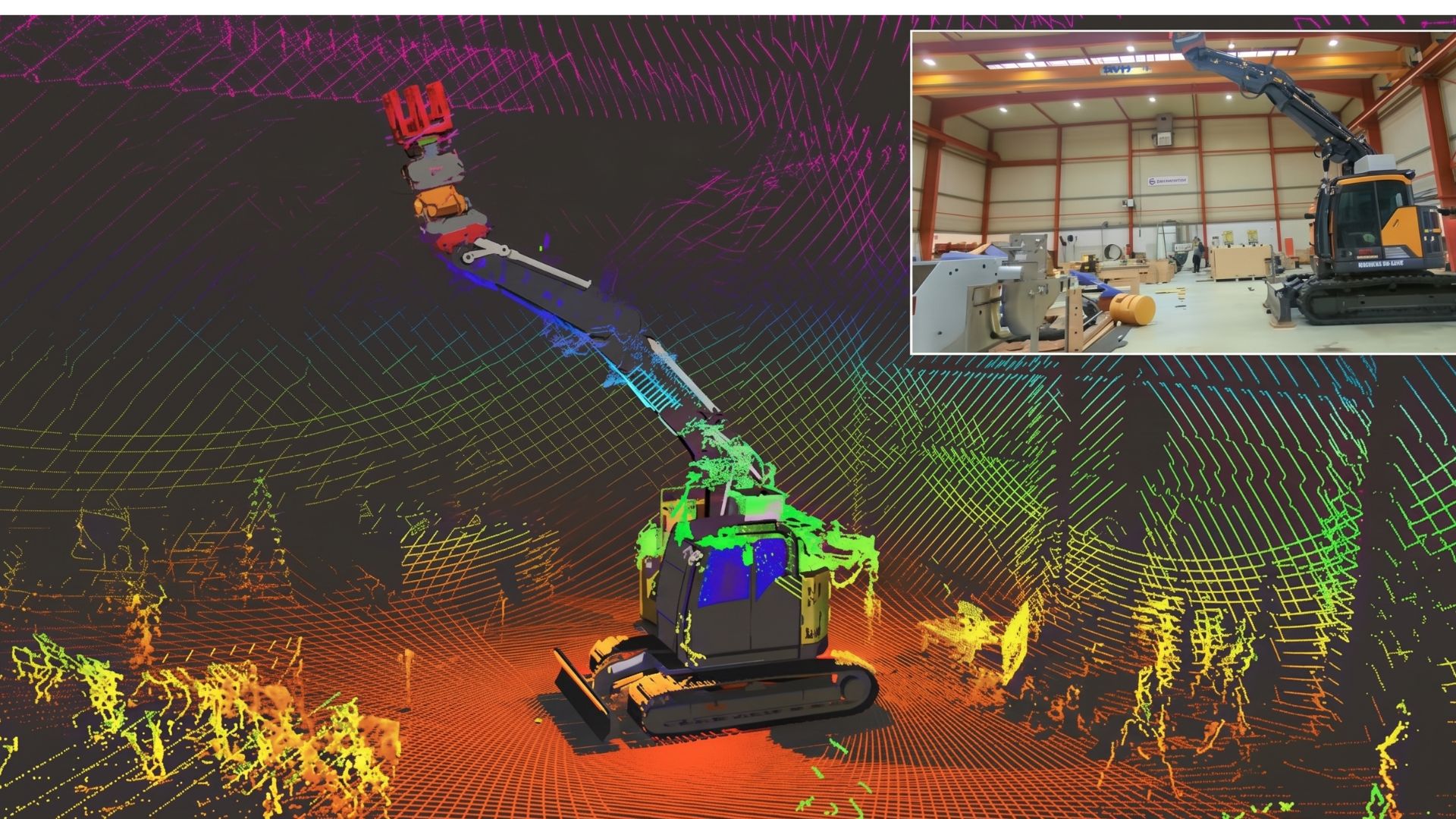
Germany plans robotic arms to retrieve 126,000 nuclear waste barrels in salt mine site
German engineering firm Bilfinger, in collaboration with the Fraunhofer IOSB research institute, is advancing the development of a tele-operated system aimed at enhancing industrial processes. This innovative technology is designed to improve efficiency and safety in various sectors by allowing remote operation of machinery and equipment. The project, which commenced recently, is set to take place at Bilfinger's facilities in Germany, where both organizations will leverage their expertise in engineering and research. The motivation behind this initiative is to address the growing demand for automation and remote management solutions in the wake of the COVID-19 pandemic, which has accelerated the need for safer working environments. By integrating cutting-edge technology and research, Bilfinger and Fraunhofer IOSB aim to create a robust system that can be deployed across multiple industries, ultimately transforming how operations are conducted in challenging environments.
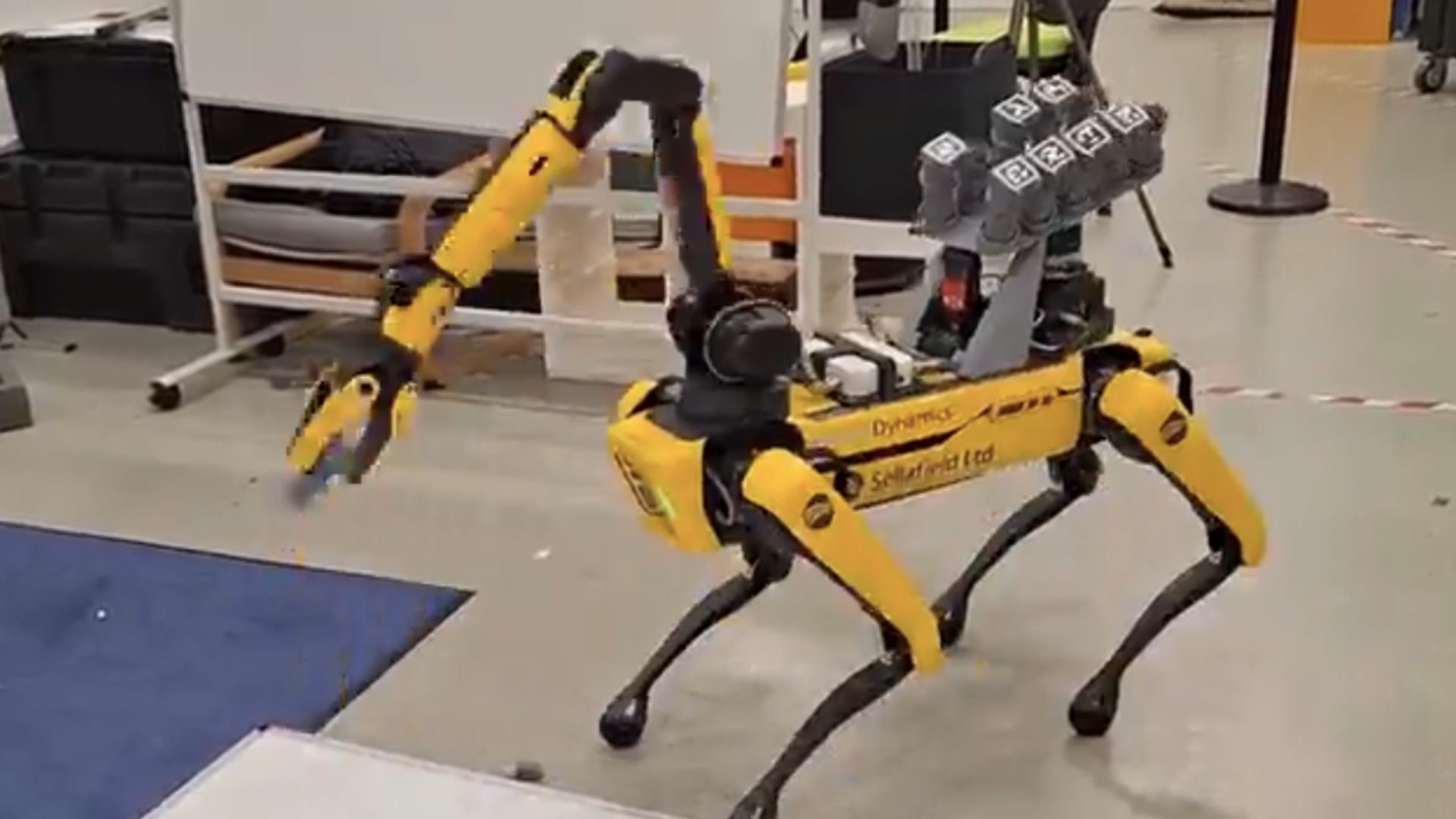
Oxford to build next-gen robotic solutions for nuclear energy sites with AtkinsRéalis
In the evolving landscape of nuclear energy, industry experts are highlighting the increasing importance of skilled workers who can navigate the complexities and risks associated with this sector. As the demand for clean energy sources rises, the nuclear industry is facing a critical shortage of qualified personnel, particularly in safety and operational roles. This trend is becoming more pronounced as older workers retire and fewer new professionals enter the field. The urgency of this situation has prompted nuclear energy companies to invest in training programs and partnerships with educational institutions to cultivate a new generation of experts. These initiatives aim to equip workers with the necessary skills to manage advanced technologies and ensure safety protocols are rigorously followed. The focus on workforce development is particularly relevant as countries strive to meet climate goals and reduce reliance on fossil fuels. With nuclear energy poised to play a significant role in achieving these objectives, the sector is recognizing that its most valuable asset may soon be its workforce. As a result, efforts to attract and retain talent are becoming paramount, with companies offering competitive salaries and benefits to entice new recruits. In summary, the nuclear energy sector is at a pivotal moment, emphasizing the need for skilled professionals to sustain its growth and safety. As the industry adapts to meet future energy demands, the commitment to workforce development will be crucial in ensuring a reliable and secure energy supply.

President Trump should secure America’s nuclear future by taking weapons out of DoE
In a recent commentary, Franklin C. Miller and Frank A. Rose assert that the management of America’s nuclear weapons arsenal should not be relegated to the Department of Energy. They argue that the arsenal plays a crucial role in national defense and should instead be overseen by the Department of Defense to ensure its strategic importance is recognized and prioritized. The discussion highlights concerns about the current organizational structure and its implications for national security. By advocating for a shift in oversight, Miller and Rose emphasize the need for a more robust and focused approach to nuclear deterrence, particularly in light of evolving global threats. Their position calls for a reevaluation of how the United States manages its nuclear capabilities to better align with its defense strategy.
Congress Opinion Department of Energy National Nuclear Security Administration (NNSA) nuclear nuclear weapons
Wi-Fi That Can Withstand a Nuclear Reactor
Researchers at the Institute of Science Tokyo have developed a robust Wi-Fi receiver capable of functioning within the extreme conditions of a nuclear reactor, a breakthrough presented by graduate student Yasuto Narukiyo at the IEEE International Solid-State Circuits Conference in San Francisco this February. The receiver can withstand radiation doses of up to 500 kilograys, significantly exceeding the tolerance levels of typical electronics used in space. This innovation aims to enhance wireless communication for robots tasked with decommissioning nuclear reactors, a process that has become increasingly vital since the Fukushima Daiichi disaster in 2011. Currently, many robotic systems rely on cumbersome LAN cables, which can complicate operations in hazardous environments. With over 200 reactors expected to reach the end of their operational lives in the next two decades, the need for effective decommissioning solutions is pressing. To achieve radiation hardening, Narukiyo and his team modified the receiver's components, reduced the number of transistors, and adjusted their design to minimize vulnerability to radiation damage. They focused on optimizing the performance of PMOS and NMOS transistors, leading to a receiver that maintained comparable performance to standard Wi-Fi devices even after exposure to high radiation levels. Looking ahead, Narukiyo plans to enhance the receiver's capabilities and develop a transmitter for two-way communication, which presents additional challenges due to the high current requirements for Wi-Fi signal generation. The team is also investigating alternative semiconductor materials, such as diamond, to improve the transmitter's resilience.
Wi-fi Nuclear-reactors Isscc Decommissioning Industrial-robots Radiation-hardening
Import AI 446: Nuclear LLMs; China's big AI benchmark; measurement and AI policy
As artificial intelligence continues to evolve, questions arise about the potential for AIs to experience emotions such as jealousy. Researchers in the field of AI and cognitive science are exploring the implications of advanced machine learning systems, particularly those trained on vast datasets, to understand whether these systems could develop complex emotional responses similar to humans. This inquiry has gained traction in recent months, with discussions intensifying around the ethical and philosophical ramifications of AI emotions. The investigation into AI jealousy is particularly relevant as developers strive to create more sophisticated and autonomous systems. Experts argue that while current AI lacks the capacity for genuine emotions, the rapid advancements in technology could lead to scenarios where AIs exhibit behaviors that mimic jealousy, particularly in competitive environments or when they perceive threats to their operational efficiency. This exploration is taking place in various research institutions and tech companies worldwide, with findings expected to influence future AI design and implementation. The motivation behind this research stems from a desire to ensure that as AI systems become more integrated into daily life, they do not inadvertently develop harmful behaviors or biases. By understanding the potential for emotional responses in AIs, researchers aim to create guidelines that promote ethical AI development and usage. As the conversation around AI emotions evolves, it raises critical questions about the nature of intelligence and the ethical considerations of creating machines that could potentially experience feelings akin to jealousy.
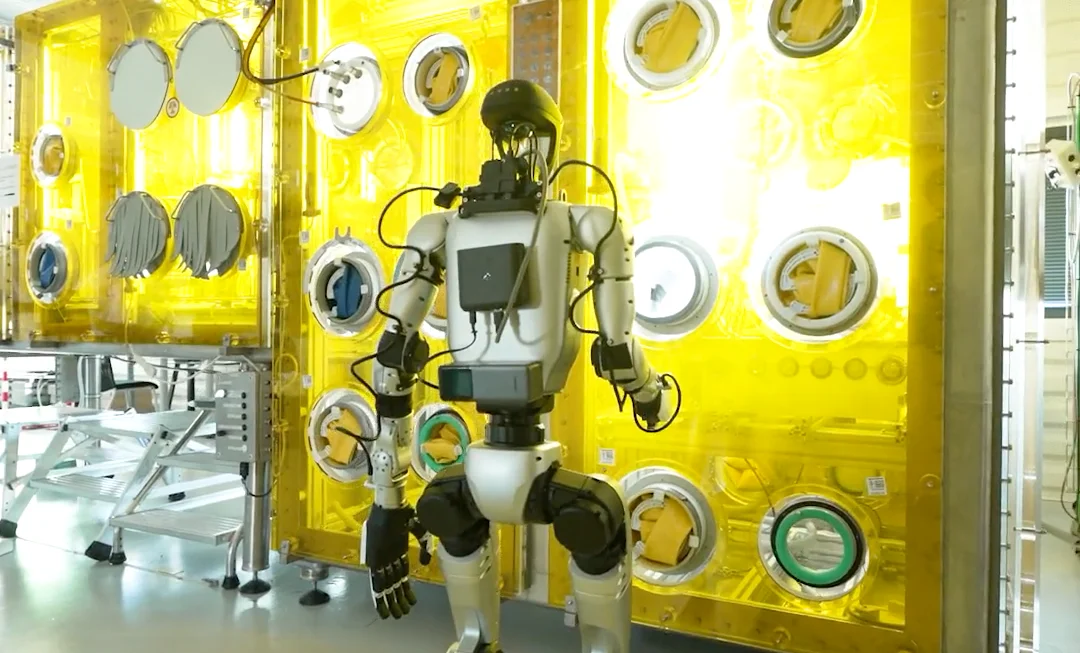
Capgemini and Orano Deploy Humanoid Robot ''Hoxo'' for Nuclear Operations
Nuclear materials company Orano, in collaboration with technology partner Capgemini, is currently testing a humanoid robot named Hoxo at a facility in France. This innovative project utilizes a Unitree G1 robot to improve safety and operational efficiency in sensitive industrial settings. The initiative reflects a growing trend in the integration of robotics within the nuclear sector, aimed at minimizing human risk and enhancing performance in challenging environments.
G1 Unitree RoboticsRobotics needs a service framework.
RSF defines a common language for robot service capability, lifecycle operations, certification pathways, and service-provider networks.
Join the RobotToday community on LinkedIn
Daily robotics news, in-depth analysis, conference highlights, and discussions with professionals worldwide.