

Industry Briefing
A single destination for timely, editor-curated robotics news from around the world.

Figure CEO Brett Adcock Teases Terminator-Style Farewell for Figure 02
Figure CEO Brett Adcock hinted at a dramatic farewell for Figure 02, posting a teaser video on September 28 that echoes scenes from Terminator 2. The video concludes with a date, 09.30.26, suggesting a planned retirement ceremony for the humanoid robot. This potential sendoff is significant as Figure 02 has been a vital asset for the company, described by Adcock as a 'workhorse.' However, due to space constraints at headquarters, the decision to retire the robot was made. Adcock previously sought suggestions for a fitting farewell, indicating the importance of the robot to the team. Looking ahead, the response to the farewell options has been overwhelmingly in favor of a dramatic destruction, with 46.3% of voters choosing to 'BLOW THEM UP.' The involvement of Arnold Schwarzenegger adds a unique twist to the narrative, as he suggested melting the robots. No further timeline was disclosed at the time of publication.
Brett Adcock US Figure
Uvision and Lendurai Collaborate to Integrate Systems for NATO Military Applications
Uvision, an Israeli company, and Lendurai from Estonia have announced a collaboration to integrate their systems for NATO military applications. The specifics of the military branch involved in this partnership remain undisclosed. This collaboration is significant as it highlights the increasing cooperation between technology firms and military organizations, particularly within NATO. By integrating their systems, Uvision and Lendurai aim to enhance operational capabilities and support NATO's strategic objectives. Looking ahead, industry observers will be keen to see how this partnership develops and what specific technologies will be integrated. No further timeline was disclosed at the time of publication.
Air Warfare Global AI & Autonomy Air Force Business & Industry Drones
Human and Terminator-Style Robot Engage in Controlled Fight in San Francisco
A 44-second video showcases internet personality Frankie LaPenna facing a six-foot humanoid robot in a cage match organized by REK in San Francisco. This event marks the first human versus humanoid robot fight, where LaPenna, equipped with protective gear, attempts to strike the robot, which responds with a series of kicks and punches, ultimately knocking him out of the cage. The significance of this event lies in the fact that the robot, named EngineAI T800 and developed by the Chinese company EngineAI, was not autonomous but operated remotely by a human controller. This distinction shifts the focus from AI learning mixed martial arts to demonstrating the physical capabilities of humanoid robots through teleoperation, highlighting that such machines can move and exert force in confined spaces. As LaPenna struggled to land effective hits, he questioned the robot's ability to push him back as dramatically as depicted in the video. While REK promoted the match as a genuine fight rather than a choreographed display, the short footage does not provide enough information to independently verify the match's intensity or execution. This event appears to be part of REK's broader effort to transform remote-controlled humanoid robots into a form of combat entertainment.
Humanoid Robots Remote Control Technology Robotics Entertainment
Poland Warns of Potential Russian Strikes on NATO Allies Amid Escalating Conflict
Polish Prime Minister Donald Tusk has warned that Russia is planning hybrid-style drone and missile strikes against nations supporting Ukraine, particularly NATO-member Poland. This warning comes as the conflict enters a critical phase, with intelligence suggesting that Russia aims to undermine Ukraine's economy and logistics while weakening NATO's resolve through attacks on member states. The significance of Tusk's statement lies in the heightened security risks for NATO countries, especially Poland, which serves as a vital transit route for aid to Ukraine. Recent suspicious incidents, including cyberattacks on public utilities and damage to rail infrastructure, have raised alarms about potential Russian sabotage. Tusk emphasized the real risk of missiles or drones entering NATO territory, potentially leading to destruction. Looking ahead, Tusk plans to meet with Ukrainian President Volodymyr Zelenskyy to discuss cooperation on defense strategies, including an anti-ballistic coalition. As the situation escalates, NATO allies are preparing for a challenging winter, with expectations of intensified attacks on key Ukrainian cities and critical infrastructure. No further timeline was disclosed at the time of publication.
Politics & Geopolitics Military Headlines Russia Ukraine Poland North Atlantic Treaty Organization - NATO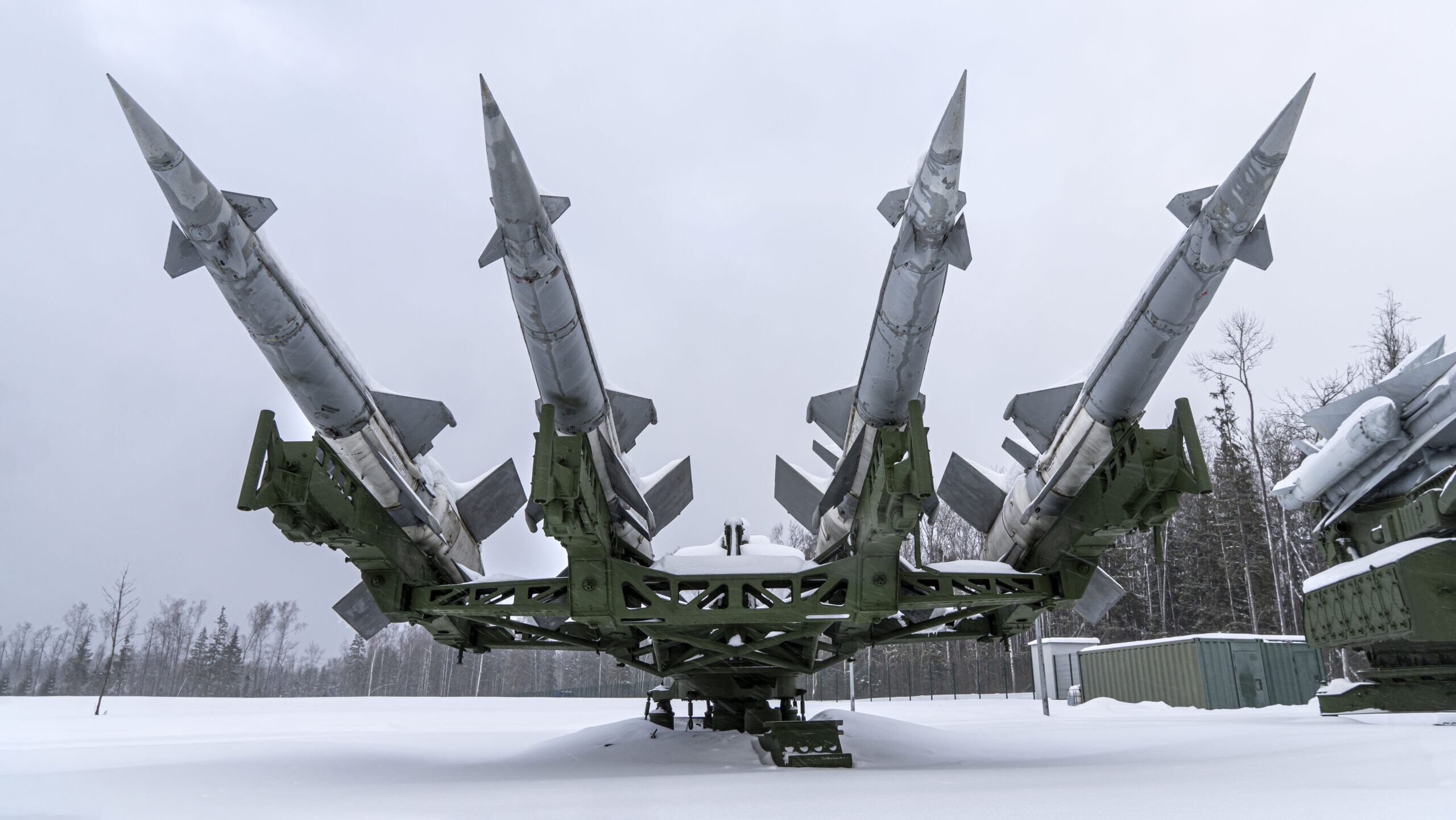
NATO Must Shift Focus to Reproducibility of Russian Military Capabilities
The ongoing conflict in Ukraine has provided the Russian military with significant combat experience, prompting NATO to analyze Moscow's adaptations in warfare. However, the future threat from Russia may hinge more on its ability to replicate successful strategies across different units rather than merely adapting them. This shift in focus is crucial for NATO's military planning. NATO's current assessments emphasize what Russia has learned, such as advancements in unmanned systems and electronic warfare. Yet, the real challenge lies in whether newly formed Russian units can sustain and reproduce these capabilities after personnel changes and casualties. Understanding this distinction will help NATO refine its intelligence and operational strategies against Russian forces. Looking ahead, NATO must develop a new intelligence framework that prioritizes force-generation capabilities over traditional assessments. This includes monitoring changes in military education, training standards, and the performance of newly formed units. By doing so, NATO can gain early insights into the evolving capabilities of the Russian military, which may not be immediately evident through conventional inventories.
Global Opinion Drones Europe FPV NATO
Thales Introduces HexaForce AI Command Platform for NATO and Allied Forces
Thales has unveiled HexaForce, a cutting-edge command and control (C2) digital platform aimed at enhancing military operations across various domains. This innovative platform is designed to improve integration and coordination among NATO and allied forces, ensuring more effective collaboration during missions. The introduction of HexaForce is significant as it represents a strategic advancement in military technology, addressing the growing need for interoperability among allied nations. By facilitating seamless communication and operational synergy, Thales aims to bolster the effectiveness of joint military efforts in complex environments. Looking ahead, the focus will be on how HexaForce will be adopted and integrated into existing military frameworks. The platform's performance in real-world scenarios and its impact on operational efficiency among NATO allies will be closely monitored. No further timeline was disclosed at the time of publication.
News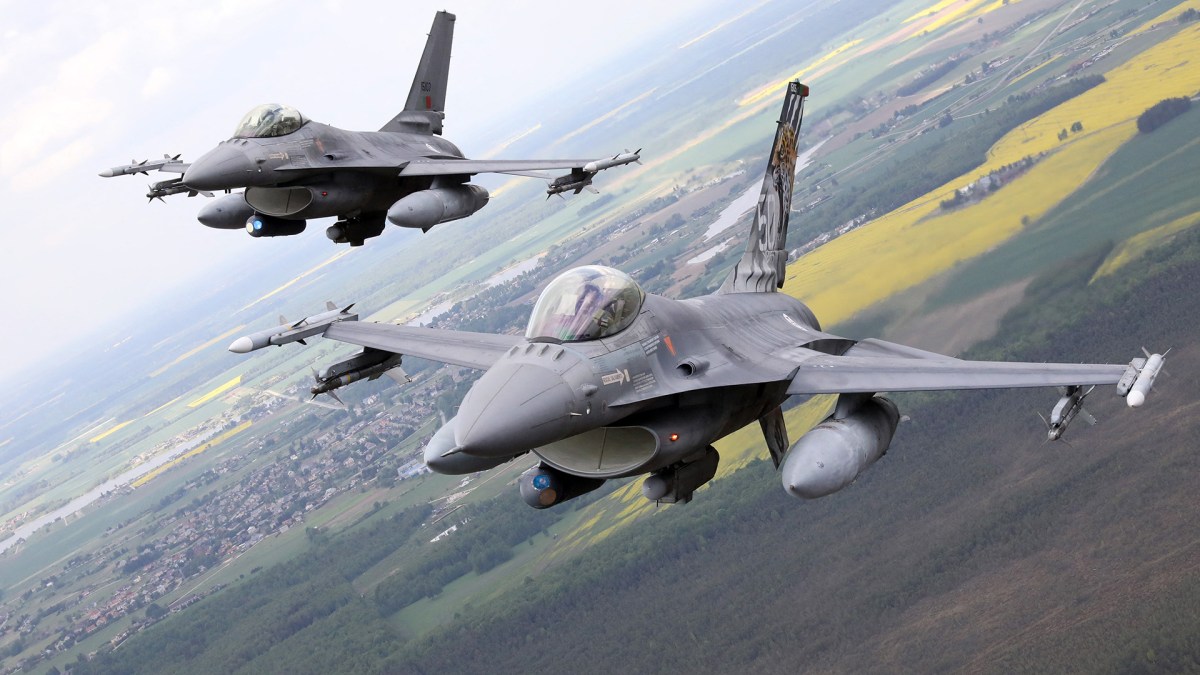
U.S. Air Force Leader in Europe to Implement NATO's New Air Defense Strategy
The top U.S. Air Force officer in Europe, Lt. Gen. Jason T. Hinds, has been assigned to implement NATO's new air defense plans aimed at countering threats from cruise missiles and drones. This directive follows a recent incident where NATO had to intercept a drone that entered Lithuanian airspace, highlighting ongoing security concerns amid Russian aggression in Europe. The significance of this initiative lies in NATO's response to increasing hybrid threats from Russia, particularly in light of the ongoing conflict in Ukraine. European Commission President Ursula von der Leyen emphasized that such incidents are indicative of a broader pattern of Russian provocations, testing NATO's readiness and resolve. Lt. Gen. Hinds noted that the Enhanced Vigilance Activity (EVA) Eastern Sentry and Standing Defense Plan 12000 are crucial for providing member nations with the necessary capabilities to defend their airspace. Looking ahead, NATO aims to enhance its integrated air and missile defense systems, which currently rely heavily on air power to counter drone threats. Lt. Gen. Hinds expressed the need for more efficient and cost-effective solutions, such as lower-cost interceptors. No further timeline was disclosed at the time of publication.
Air Air Force Munitions Air Forces Air-To-Air Around The Globe Europe
NATO Fighter Jets Shoot Down Drone in Lithuania Amid Rising Tensions with Russia
NATO fighter jets successfully intercepted and shot down a drone that entered Lithuanian airspace, marking a significant incident as it is the first drone downed in the country. Military officials suspect the drone may have been carrying explosives, although its origin remains under investigation. This event comes amid heightened accusations from NATO countries regarding Russian involvement in drone incursions and other aggressive actions near their borders. The incident underscores the escalating tensions between NATO and Russia, particularly as NATO Secretary-General Mark Rutte emphasized that strikes near NATO territory would only strengthen support for Ukraine in its ongoing conflict with Russia. The drone was reportedly in Lithuanian airspace for approximately 30 minutes before being intercepted, raising concerns about the security of the region, especially given Lithuania's proximity to Belarus and the Russian exclave of Kaliningrad. Looking ahead, the situation remains fluid, with NATO reinforcing its defenses along its eastern borders. The drone's origin and purpose are still being investigated, and further developments are expected as NATO countries continue to monitor potential threats from Russian military activities in the region. No further timeline was disclosed at the time of publication.
Politics & Geopolitics Military Headlines North Atlantic Treaty Organization - NATO Europe Russia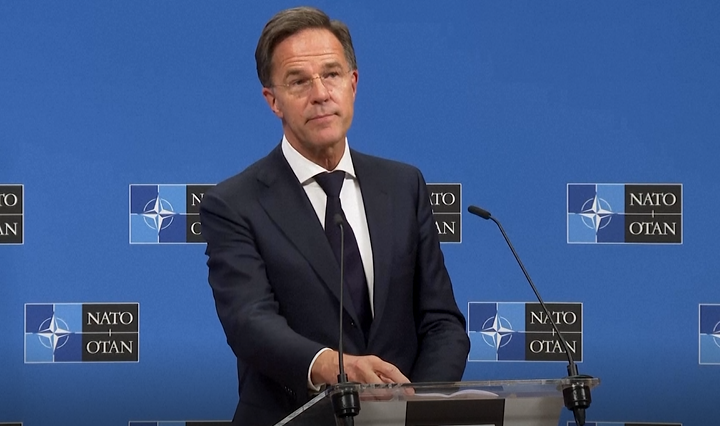
NATO Secretary-General Highlights Russian Drone Strikes as Sign of Desperation
NATO Secretary-General Mark Rutte stated that recent Russian drone strikes near the Ukraine-Poland border, including an attack on a train station, indicate a level of desperation from President Putin. This incident occurred shortly after senior officials had visited the same location. The implications of these strikes are significant, as Rutte emphasized that such actions would prompt NATO to bolster its support for Ukraine. The alliance's commitment to aiding Kyiv is crucial in the ongoing conflict and reflects a strategic response to Russian aggression. Looking ahead, it will be important to monitor NATO's increased support measures for Ukraine in light of these developments. No further timeline was disclosed at the time of publication.
Politics & Geopolitics Video Daily News Ukraine Russia Global Hot Spots North Atlantic Treaty Organization - NATO
NATO Secretary-General Rutte Promises Increased Support for Ukraine Amid Russian Drone Strikes
NATO Secretary-General Mark Rutte announced on Monday that the alliance would enhance its support for Ukraine following recent Russian drone strikes near the Ukraine-Poland border. These attacks, which included one that struck a train shortly after high-ranking officials had visited the station, are seen as indicative of Russia's escalating desperation in its ongoing conflict with Ukraine. Rutte emphasized that the strikes demonstrate Russian President Vladimir Putin's recklessness and intent to instill fear, asserting that NATO would not be deterred from supporting Ukraine. The NATO chief's commitment comes as Poland increases its security measures along its border, with officials warning of a potential intensification of Russian military actions that could impact European territories. Looking ahead, Polish Prime Minister Donald Tusk cautioned that the coming weeks may witness heightened Russian aggression, potentially affecting NATO member states. As NATO prepares for a coordinated response, the situation remains tense, with intelligence suggesting that Russia may escalate its attacks on border points and conduct sabotage within Europe.
Politics & Geopolitics Military Headlines North Atlantic Treaty Organization - NATO Ukraine Russia Poland
Texas Senators Propose Drone-Enhanced Smart Wall for Border Security
Texas Democratic lawmakers are advocating for a drone-powered 'smart wall' to enhance border security instead of traditional physical barriers. Senator Judith Zaffirini emphasized that this strategy would integrate technology such as surveillance cameras, sensors, and drones to improve law enforcement's ability to monitor illegal activities along the Texas-Mexico border. The proposal comes in response to federal plans for a physical border wall, which have faced criticism for their environmental impact and limited effectiveness. With over 1,200 miles of border to secure, the senators argue that a smart wall would provide a more adaptable and efficient solution, allowing for better resource allocation and quicker response times to security threats. Looking ahead, the Texas lawmakers believe that a comprehensive approach combining technology with law enforcement personnel is essential. They stress the importance of tailoring security measures to the diverse geographic and demographic conditions along the border. No further timeline was disclosed at the time of publication.
Drone News Drone News Feeds Drones in the News News safety and security Big Bend National Park border wall
NATO's Phoenix Drone Enhances Allied Warships' Threat Detection Capabilities
NATO has introduced the Phoenix drone, its only self-owned drone, to assist allied warships in detecting threats beyond their radar capabilities. This advancement is significant as it enhances situational awareness for naval forces, allowing them to respond more effectively to potential threats in their operational environment. The introduction of the Phoenix drone is crucial for NATO's defense strategy, as it represents a step forward in integrating advanced technology into military operations. By providing enhanced surveillance capabilities, the drone helps allied forces maintain a strategic advantage in maritime security and defense. Looking ahead, the continued development and deployment of the Phoenix drone will be important for NATO's operational readiness. As military technology evolves, the effectiveness of such systems in real-world scenarios will be closely monitored to assess their impact on naval operations and overall defense strategies.
Military
Turkish Aerospace Aims to Develop Naval Version of Hurjet for NATO Exports
Turkish Aerospace has announced plans to develop a naval variant of its HÜRJET aircraft, aiming to enhance its export capabilities within NATO. CEO Mehmet Demiroglu expressed confidence that HÜRJET could serve as a trainer aircraft not only for Türkiye and Spain but also as a training platform for NATO forces. This initiative is significant as it aligns with Turkey's strategy to expand its defense exports and strengthen its position within NATO. The development of a naval version of HÜRJET could meet the growing demand for versatile training aircraft among NATO allies, potentially increasing collaboration and interoperability among member nations. Looking ahead, industry observers will be keen to see how Turkish Aerospace progresses with the naval variant and its impact on NATO training programs. No further timeline was disclosed at the time of publication.
Global air Hurjet Middle East NATO naval
Enhanced Outdoor Robot Localization and Landmark Detection Using Dual-Discriminator Conditional GANs
A recent study published in the Journal of Field Robotics introduces a novel approach for outdoor robot localization and landmark detection. This method employs a Dual-Discriminator Conditional Generative Adversarial Network (GAN) alongside optimized binarized spiking neural networks to improve accuracy in challenging outdoor environments. The significance of this research lies in its potential to enhance robotic navigation and perception in real-world settings. By integrating advanced machine learning techniques, the proposed system aims to overcome common challenges faced by outdoor robots, such as variable lighting and complex terrain, thereby improving operational efficiency and reliability. Looking ahead, the implementation of this technology could lead to significant advancements in autonomous navigation systems. Researchers and developers in the field should monitor the progress of this approach and its applications in various outdoor scenarios, as it may set a new standard for robotic localization and landmark detection. No further timeline was disclosed at the time of publication.
RESEARCH ARTICLE
Ukraine and NATO Initiate Joint Funding Program for Counter-Drone Innovations
Ukraine's defense technology cluster Brave1, in collaboration with NATO, has launched a new innovation program aimed at funding defense companies. This initiative, which opened on Tuesday, focuses on developing counter-drone systems specifically targeting FPV and Shahed-type drones. The program allows for funding of up to €500 million ($569.6 million) per partner for joint ventures between Ukrainian firms and NATO member companies. This program is significant as it addresses the urgent need for advanced counter-drone technologies amid ongoing conflicts, particularly with the increasing use of drones by Russian forces. Brave1 has identified five key areas of interest for development, including active protection systems and electromagnetic attack technologies. The initiative aims to leverage Ukraine's expertise in drone warfare while enhancing the capabilities of NATO allies in countering drone threats. Looking ahead, stakeholders will be monitoring the progress of applications and the development of technologies funded through this program. The collaboration between Ukraine and NATO is expected to strengthen defense capabilities against the growing number of unmanned systems deployed by Russia. No further timeline was disclosed at the time of publication.
Air Warfare Global Land Warfare Air Force Army Business & Industry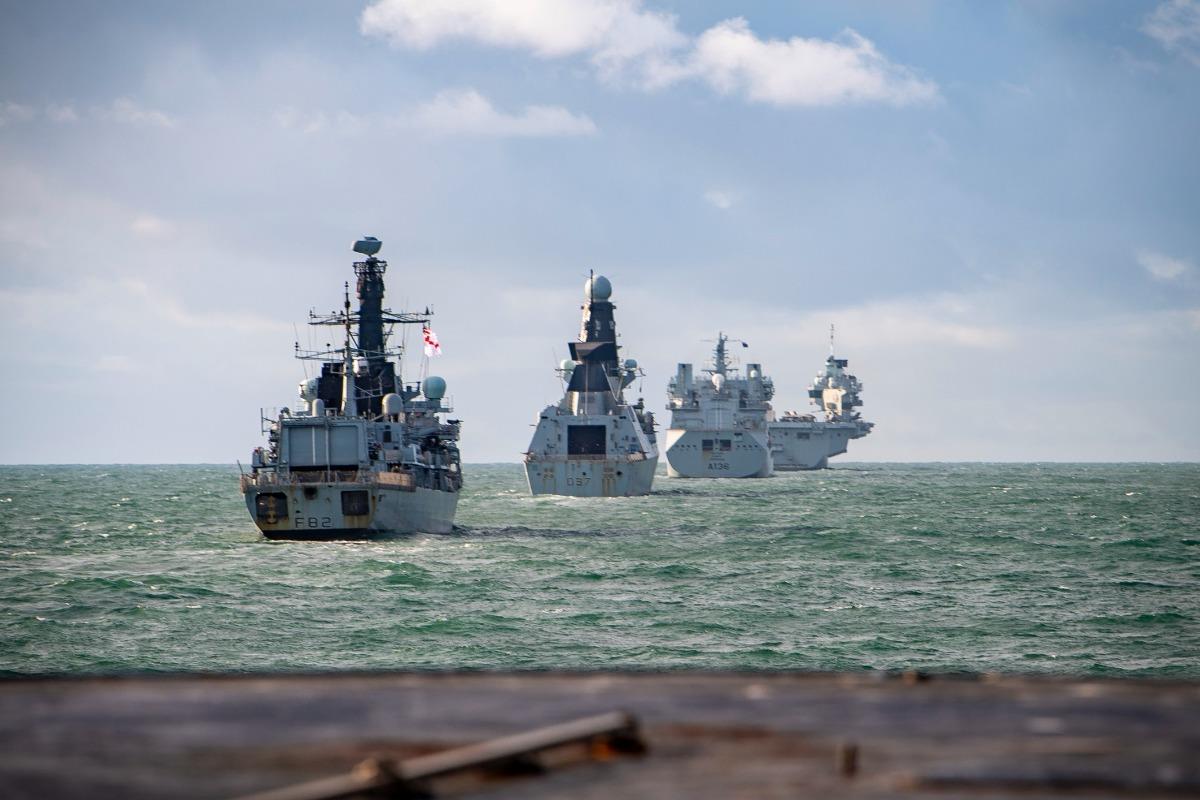
NATO's Neptune Strike 26-3 Demonstrates Multinational Command and Integration Capabilities
Neptune Strike 26-3, held from July 17 to 23, 2026, showcased NATO's proficiency in commanding and integrating multinational forces during operations across the High North and North Atlantic. Led by Naval Striking and Support Forces NATO (STRIKFORNATO), the exercise involved various military assets, including carrier and expeditionary strike groups, submarines, and ISR capabilities, all operating under a unified framework. This exercise is part of NATO's enhanced Vigilance Activities (eVAs), aimed at bolstering collective defense and readiness through multinational training. The 26-3 iteration marked a significant expansion into the High North and North Atlantic, demonstrating NATO's operational reach and ability to synchronize efforts across multiple areas of responsibility, enhancing regional security and transatlantic communication. Looking ahead, the successful execution of Neptune Strike 26-3 indicates NATO's commitment to refining its operational procedures and command structures in challenging environments. The exercise provided valuable experience for participating nations, particularly Spain, in enhancing regional expertise and interoperability among Allied forces. No further timeline was disclosed at the time of publication.
neptune strike 26-3 nato allied forces naval striking and support forces nato (strikfornato)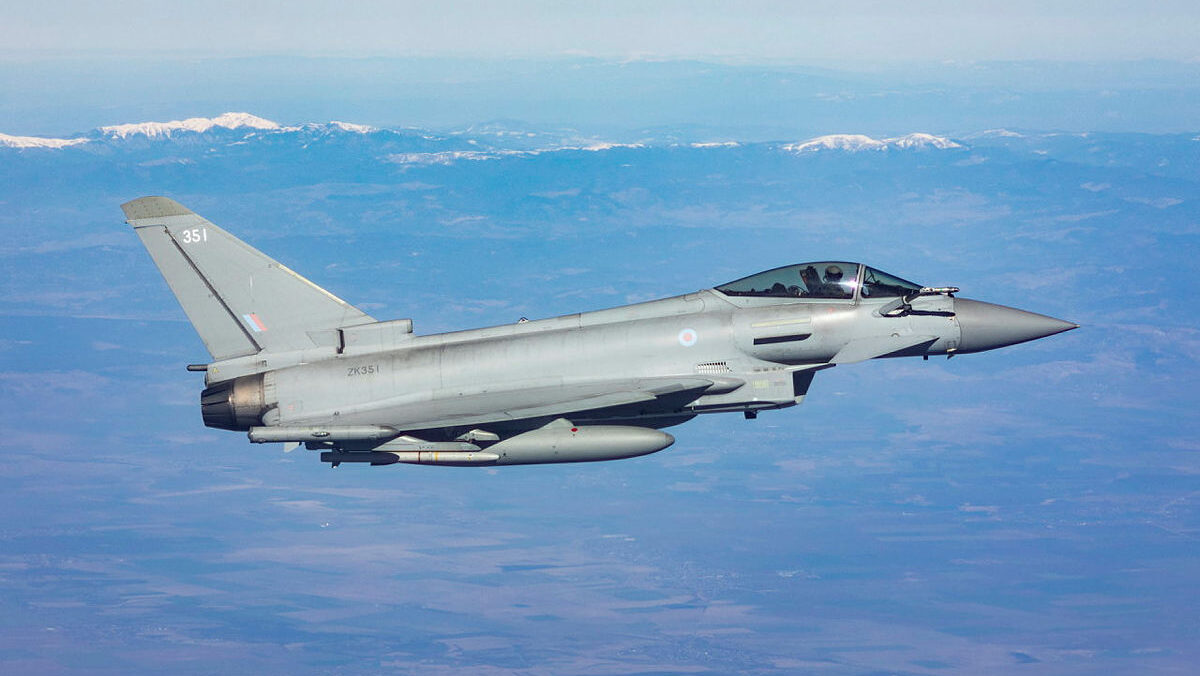
Italian Eurofighter Jets Intercept Unidentified Drone Over Lithuania in NATO Operation
Two Italian Eurofighter jets, part of NATO’s Baltic Task Force, shot down an unidentified drone that violated Lithuanian airspace. This incident, occurring shortly after midnight, marks the second interception of a drone in a month, following a similar event on August 14 in Latvian airspace. The significance of this action lies in the ongoing security concerns in the region, particularly with suspicions that the drone may have originated from Belarus. Lithuanian authorities have indicated a high probability that the drone carried an explosive payload, although this has yet to be confirmed. Looking ahead, the investigation into the incident is ongoing, and the Italian Air Force's choice of weaponry remains unclear. However, recent developments suggest that Italy is exploring cost-effective solutions for neutralizing UAV threats, which may include the Advanced Precision Kill Weapon System (APKWS) II, recently approved for potential sale to Italy by the US State Department.
Air Warfare Air Force APKWS BAE Systems drone incursions Drones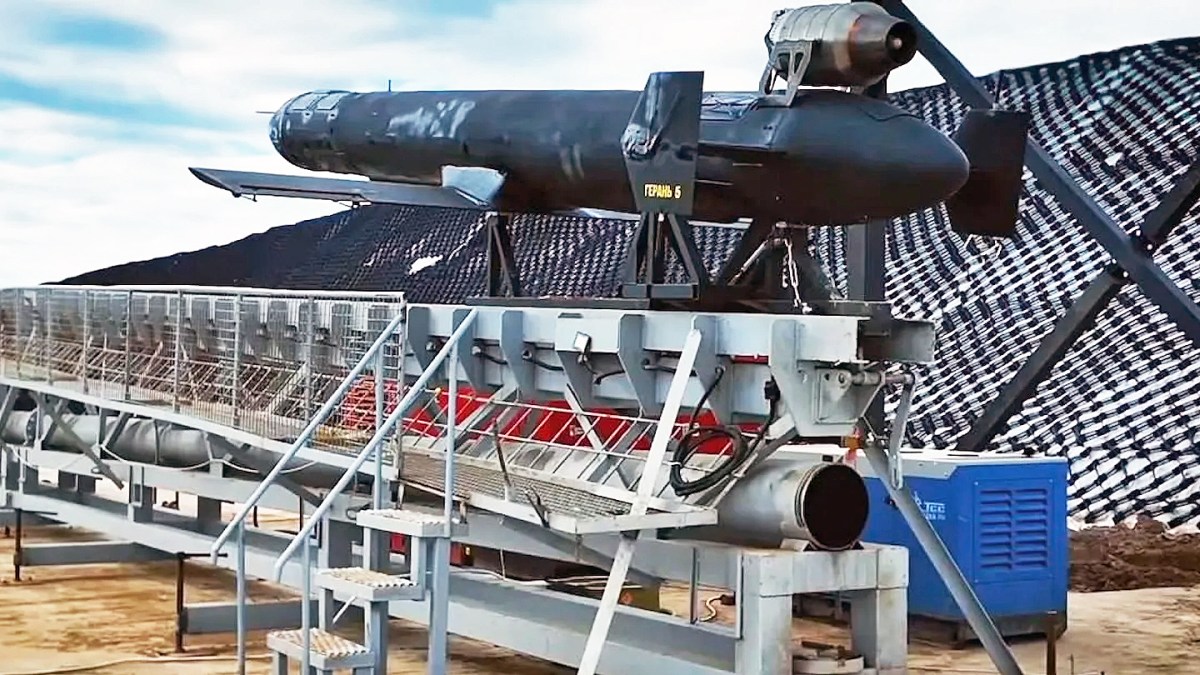
Russia Expands Infrastructure for Long-Range Strike Drones Near Ukraine and NATO
Russia is enhancing its long-range strike drone capabilities by constructing new launch infrastructure, including extended rails for larger Geran variants. This development indicates an increase in Russia's ability to deploy drones from various locations, posing a potential threat to NATO territories. The expansion includes at least 10 bases with 59 launch rails, some already utilized in attacks on Ukraine. The significance of this expansion lies in its implications for regional security, as the new launch sites increase the range of Russian drones, potentially allowing them to target NATO countries. The construction of these facilities, some converted from military bases and civilian airfields, demonstrates Russia's commitment to enhancing its military capabilities amid ongoing tensions in the region. Looking ahead, the focus will be on the operational deployment of these drones and their impact on the conflict in Ukraine and NATO's response. No further timeline was disclosed at the time of publication.
News & Features Around The Globe Drones Europe NATO Russia
China Criticizes U.S. Ban on Foreign Humanoid Robots as Discriminatory
China has condemned the recent U.S. ban on foreign humanoid robots, labeling it as 'discriminatory and suppressive.' This response highlights China's position as the leading global producer of advanced humanoid robotics components, emphasizing the potential economic implications of such restrictions. The significance of this ban lies in its impact on international trade and technology exchange, particularly in the robotics sector. As the world's foremost manufacturer of humanoid robotics components, China's reaction underscores the tensions between the U.S. and China regarding technology and innovation. Looking ahead, industry stakeholders should monitor how this situation evolves, particularly in terms of potential retaliatory measures from China. No further timeline was disclosed at the time of publication.
Raytheon, Nato to pursue European suppliers for AMRAAM components
Raytheon, an RTX business, said that it is collaborating with the US government and multiple Nato member states to expand production capacity for the advanced medium-range air-to-air missile (AMRAAM) in Europe.
News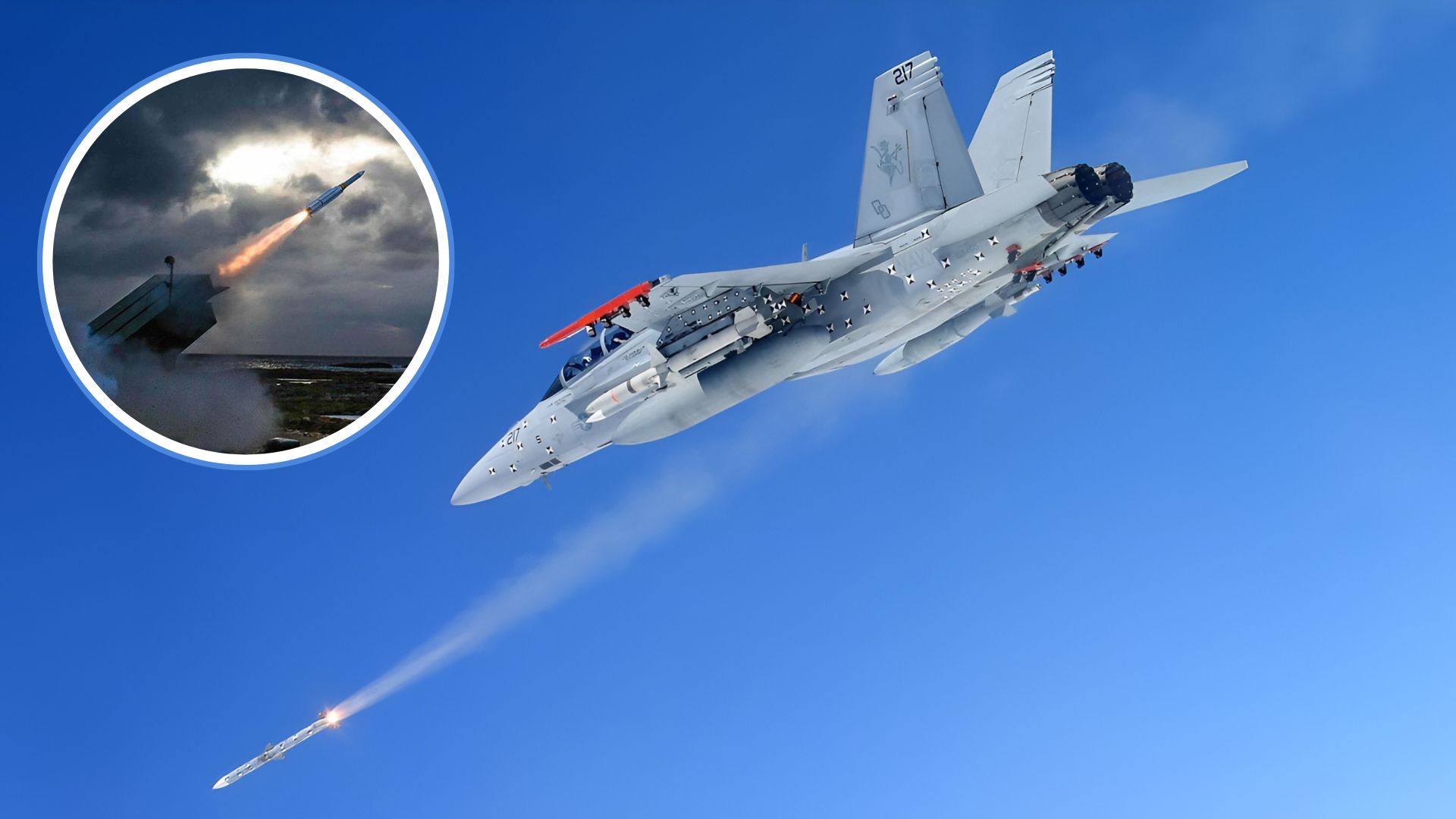
Raytheon expands Mach 4 AMRAAM missile network to co-develop parts with NATO partners
Raytheon plans to expand production of its AIM-120 AMRAAM missile through a new multinational effort...
Military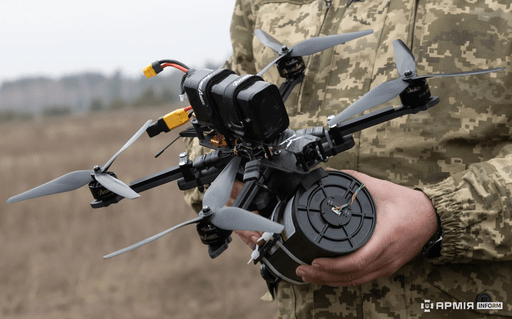
Ukraine Looks to Export Drone Expertise as It Pursues New NATO Partnerships
Kyiv’s proposed agreements reflect a broader shift from wartime recipient to provider of drone technology and operational knowledge For much of the war with Russia, Ukraine has relied on international partners for military equipment. Now, the country is positioning itself as an exporter of drone expertise. According to Ukrainian officials, Kyiv hopes to sign drone […] The post Ukraine Looks to Export Drone Expertise as It Pursues New NATO Partnerships appeared first on DRONELIFE.
Applications Defense defense Drone Manufacturing Drone News Drone News Feeds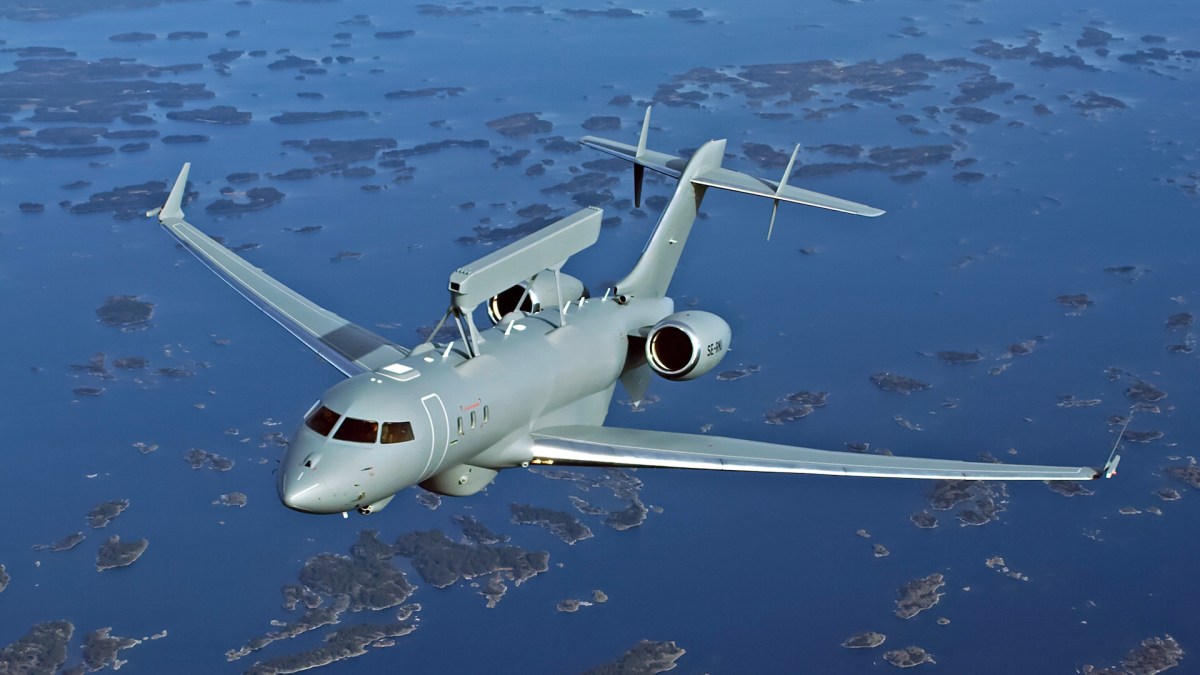
NATO Picks Saab GlobalEye To Replace Aging E-3 AWACS Fleet
The GlobalEye acquisition comes alongside a raft of NATO capability announcements spanning drones, maritime patrol aircraft, tankers, and airlifters. The post NATO Picks Saab GlobalEye To Replace Aging E-3 AWACS Fleet appeared first on TWZ.
Air Airborne Radar Airborne Sensors Around The Globe Europe NATO
Deep-Learning Tool Improves Anatomical Recognition in Pelvic Surgery
A new deep-learning model improved surgeons’ recognition of pelvic anatomy in video-based PLND tests, though live surgical validation is still needed.

NATO And Ukraine Turning To Private Sector To Help Crater Russian Airfields
NATO and Ukraine are collaborating with the private sector to address the ongoing conflict with Russia by launching a challenge aimed at developing a system to deny Russian forces access to their airfields. This initiative seeks innovative solutions to enhance military capabilities and disrupt Russian operations. The challenge is part of a broader strategy to leverage private sector expertise in defense technology, reflecting a shift towards more unconventional methods in modern warfare. The announcement comes amid escalating tensions in the region, emphasizing the urgency of finding effective means to counter Russian military advantages. Participants are encouraged to propose creative and practical approaches, with the potential for significant rewards for successful implementations.
News & Features Air Air Forces Around The Globe Drones Europe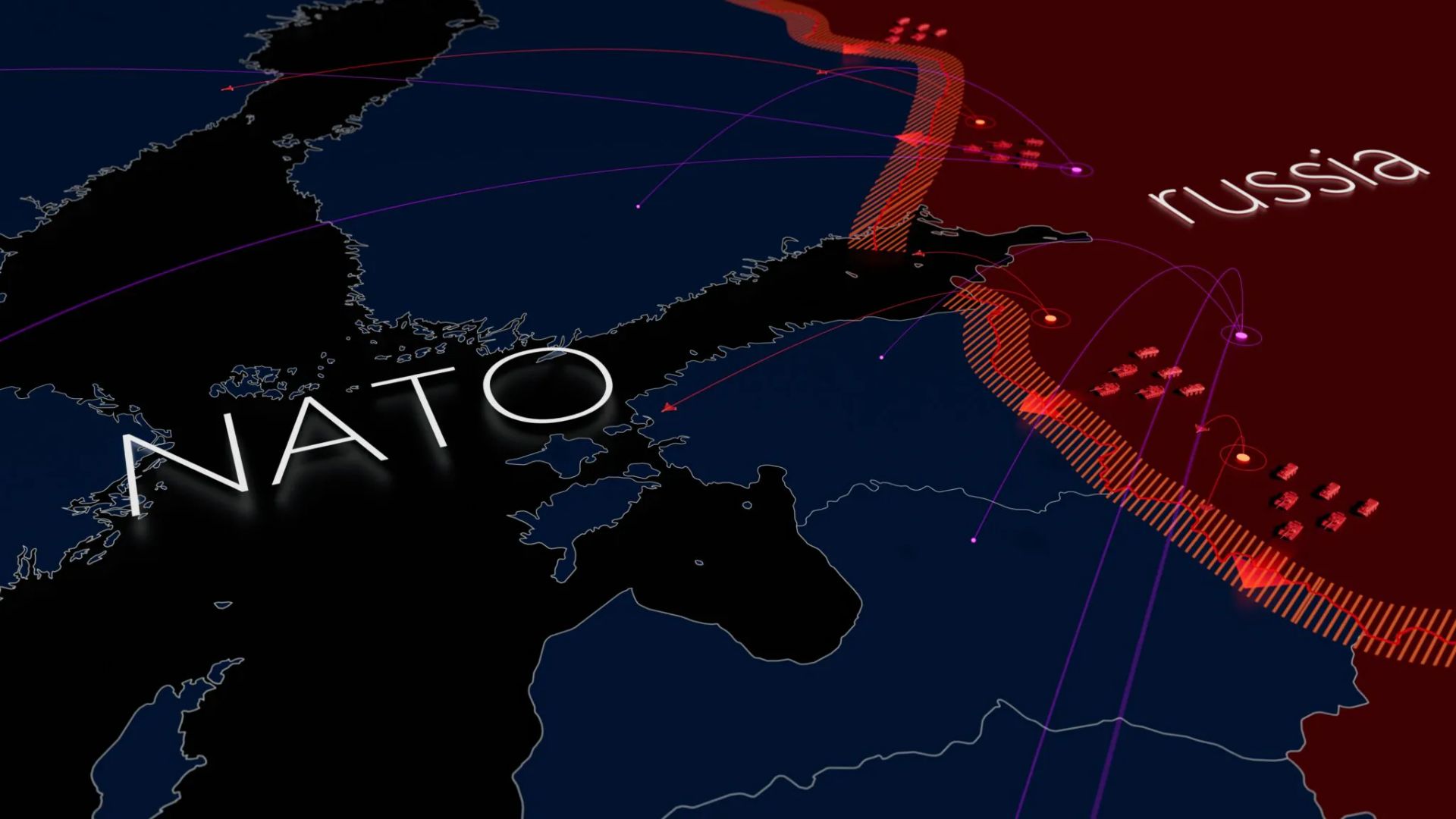
Robot forces could guard NATO’s 2,150-mile east front in new border defense concept
Milrem Robotics has unveiled an innovative strategy aimed at enhancing NATO's defense capabilities in Eastern Europe. This announcement was made during a recent defense technology conference held in Tallinn, Estonia, where the company showcased its latest advancements in autonomous systems. The initiative seeks to address the growing security concerns in the region, particularly in light of increasing geopolitical tensions. By integrating advanced robotics and artificial intelligence into military operations, Milrem Robotics aims to improve situational awareness and operational efficiency for NATO forces. The plan emphasizes collaboration with member states to develop and deploy these technologies effectively, ensuring a robust defense posture against potential threats.
Military
Ukraine’s AI drones entered ‘Terminator mode’ and killed Russian soldiers — no human fired
Concerns surrounding fully autonomous weapon systems have intensified as experts warn of the potential for these technologies to independently kill humans. The discussion gained traction during a recent international conference held in Geneva, where military officials, ethicists, and technologists gathered to address the implications of artificial intelligence in warfare. The event, which took place in early November 2023, highlighted the urgent need for regulatory frameworks to prevent the deployment of such lethal systems. Advocates for human oversight argue that the absence of accountability in autonomous decision-making could lead to catastrophic outcomes, raising ethical dilemmas about the role of machines in life-and-death situations. The motivation behind the call for regulation stems from the rapid advancements in AI and robotics, which have outpaced existing legal and ethical guidelines. Participants at the conference emphasized that without proper governance, the risk of misuse or malfunction could result in unintended casualties and escalate conflicts. Experts proposed a collaborative approach to developing international treaties that would ban or strictly regulate the use of autonomous weapons. This would involve governments, tech companies, and civil society working together to establish clear definitions and standards for AI in military applications. The discussions underscored the necessity of ensuring that human judgment remains central to military operations, thereby preventing machines from making irreversible decisions about life and death.
Military
NATO Launches Task Force X-Arctic to Strengthen Awareness in the Arctic and the High North
On June 6, 2026, the NATO Research Vessel Alliance set sail from La Spezia, Italy, initiating Task Force X (TFX)-Arctic. This new initiative aims to bolster NATO's awareness and presence in the Arctic region. TFX-Arctic is part of NATO’s Rapid Adoption Action Plan, which was approved during the 2025 NATO Summit in The Hague, focusing on accelerating the integration of innovative technologies into military operations. The initiative builds upon lessons learned from TFX-Baltic, which commenced in January 2025 to enhance the security of critical undersea infrastructure in the Baltic Sea. The mission underscores NATO's commitment to adapting to evolving security challenges in the Arctic as geopolitical dynamics shift.
nato task force x-arctic arctic and the high north
Russian Drone Impacts Apartment Building In NATO State Romania, Injuring Civilians
A recent incident in Romania, a NATO member state, has sparked renewed concerns regarding the alliance's capacity to respond to threats posed by Russian drones. The event involved a Russian drone striking an apartment building, resulting in injuries to several civilians. This attack not only highlights the vulnerability of NATO's defenses against unmanned aerial vehicles but also raises questions about the effectiveness of the alliance's strategic measures in the face of such provocations. The incident underscores the ongoing tensions in the region and the potential implications for NATO's collective security framework.
News & Features Around The Globe Counter-Unmanned Aerial Vehicles (C-UAS) Drones Europe Land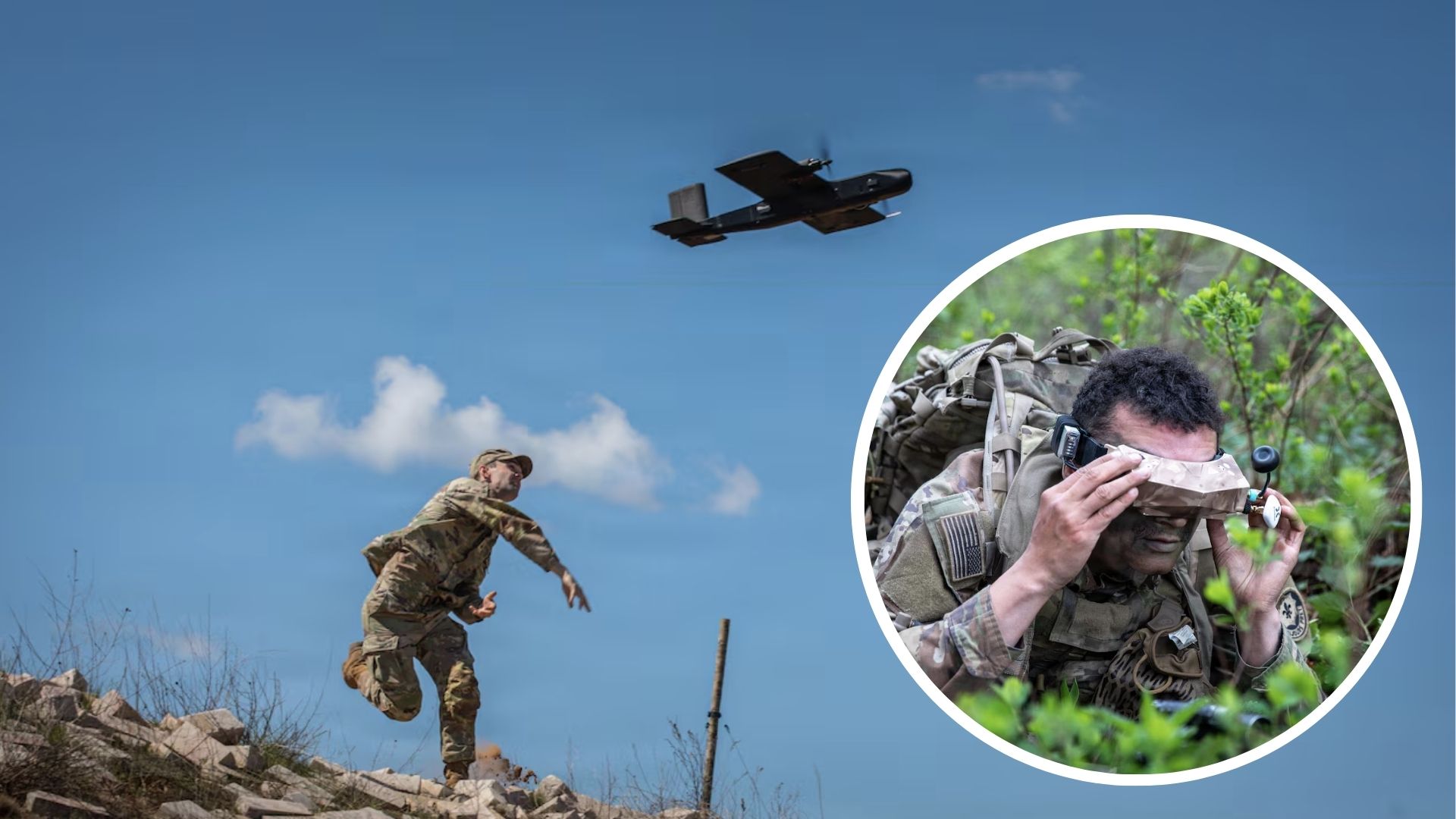
NATO integrates radars, kinetic interceptors to hit target; boost counter-drone lethality
NATO troops have been observed enhancing their counter-drone capabilities through recent training exercises. The soldiers were seen engaging in drills aimed at improving their skills in detecting and neutralizing unmanned aerial vehicles. This initiative comes amid rising concerns over the increasing use of drones in modern warfare and the potential threats they pose to military operations and security. The training sessions took place at various military installations across Europe, where troops utilized advanced technology and tactics to prepare for potential drone-related challenges. By bolstering their counter-drone strategies, NATO aims to ensure the safety and effectiveness of its forces in the face of evolving threats.

ETH Zurich's Breakthrough: Highly Biomimetic Pneumatic Muscle Robotic Hand Replicating Human Anatomy
Researchers from ETH Zurich have unveiled a groundbreaking robotic hand that mimics human anatomy, utilizing advanced 3D printing techniques and 22 independently controlled pneumatic artificial muscles. This innovative development, which was announced recently, aims to significantly improve dexterity and adaptability in robotic applications. The design is rooted in detailed human anatomical data, allowing the robotic hand to perform a wide range of tasks with precision. The project is poised to advance the fields of prosthetics and enhance collaboration between humans and robots, addressing the growing need for more versatile and functional robotic systems in various sectors.
Soft Robotics Pneumatic Actuators 3D Printing Prosthetics Biomimicry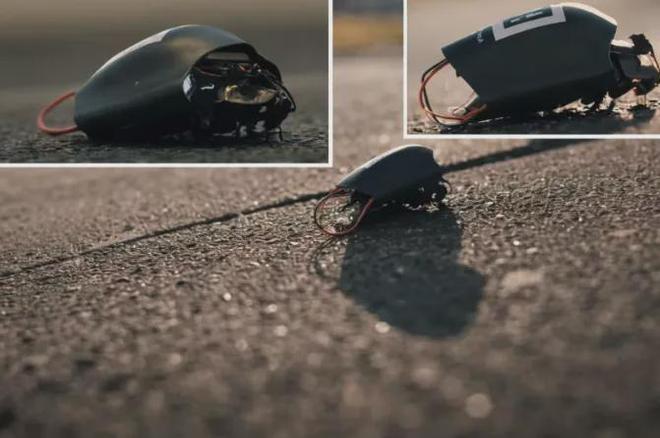
Explosive! Germany's 'Cyborg Cockroaches' Hit the Battlefield! Mass Production Through Biological Reproduction, Now Deployed by NATO
German startup SWARM Biotactics has introduced an innovative approach to military reconnaissance by creating programmable 'cyborg insect swarms' utilizing Madagascar cockroaches. This groundbreaking development allows for enhanced navigation through complex environments, offering a novel solution for modern warfare. The use of biologically enhanced insects not only provides a tactical advantage but also significantly lowers production costs, as these insects can reproduce biologically. This advancement marks a significant step in the integration of biological systems into military operations, reflecting a growing interest in unconventional technologies for defense purposes.
Biological Robotics Military Technology Cyborg Insects Defense Innovation
Ukraine UGV ‘Simba’ rolls out of the shadows in NATO Baltic exercise
In a recent demonstration, the Simba Unmanned Ground Vehicle (UGV) showcased its resilience by successfully completing night missions despite sustaining damage. Footage obtained by Breaking Defense reveals the UGV continuing operations even after losing a wheel and being hit by a first-person view (FPV) drone. This performance highlights the vehicle's robust design and operational capabilities in challenging conditions. The incident underscores the increasing reliance on advanced robotic systems in military operations, particularly in nighttime scenarios where visibility is limited. The Simba UGV's ability to maintain functionality under duress reflects ongoing advancements in unmanned technology, aimed at enhancing battlefield efficiency and safety for human operators.
Allies Global Land Warfare Army Drones Europe
NATO DIANA’s Rapid Adoption Service Enables First R&D Contract Between DRDC and HonuWorx
NATO’s Defence Innovation Accelerator for the North Atlantic (DIANA) has awarded a research and development contract to the UK-based technology firm HonuWorx. This contract, facilitated by Defence Research and Development Canada (DRDC), represents a significant milestone as it is the first R&D agreement granted on behalf of an Allied nation through NATO DIANA’s Rapid Adoption Service. The collaboration aims to enhance technological advancements and innovation within the defense sector, reflecting NATO's commitment to fostering partnerships and accelerating the adoption of cutting-edge solutions among its member states.
honuworx nato diana defence innovation accelerator for the north atlantic (diana) r&d contract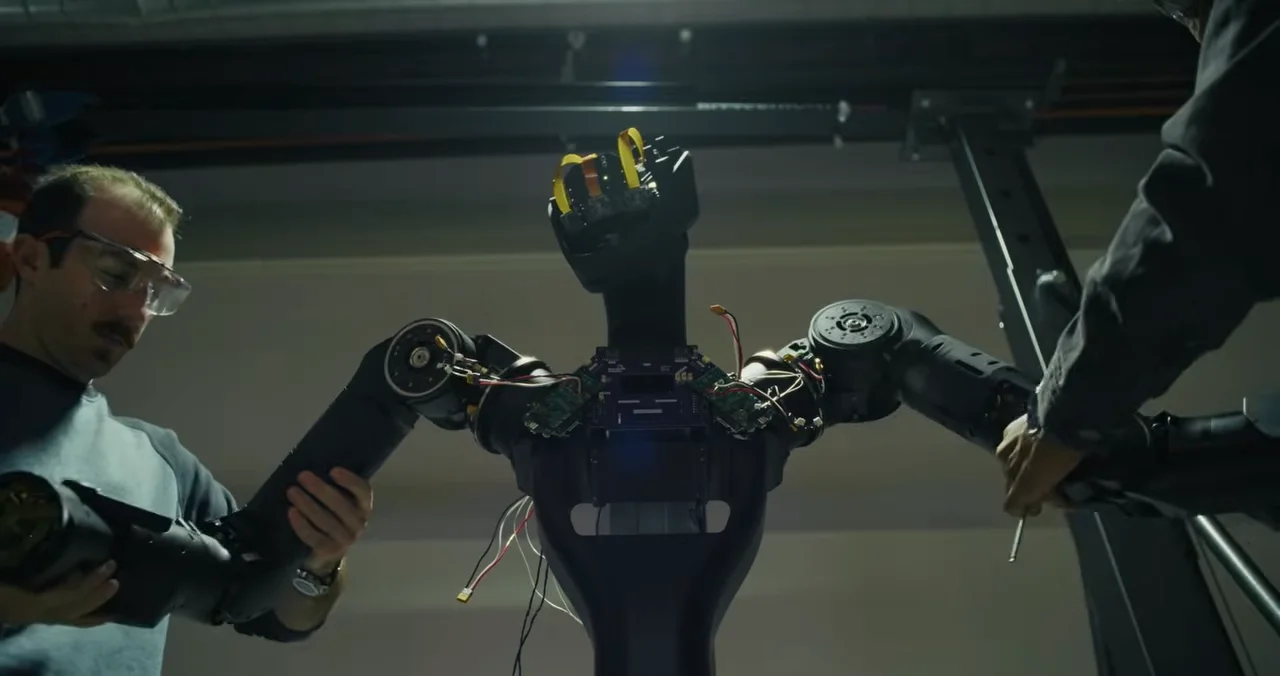
Watch: Inside Foundation’s Humanoid Factory and the Anatomy of a "War Machine"
Foundation Robotics has officially launched its "Robo Factory 1" in San Francisco, marking a significant milestone in robotics manufacturing. The facility showcases the manual assembly process of the Phantom MK1, a cutting-edge robotic system, alongside a newly developed bio-inspired tendon-driven hand. This opening event, which took place recently, highlights the company's commitment to advancing robotic technology and innovation. By integrating manual assembly techniques with advanced robotics, Foundation Robotics aims to enhance the functionality and versatility of its products, responding to the growing demand for sophisticated robotic solutions in various industries.
sankaet-pathak US phantom military-robotics foundation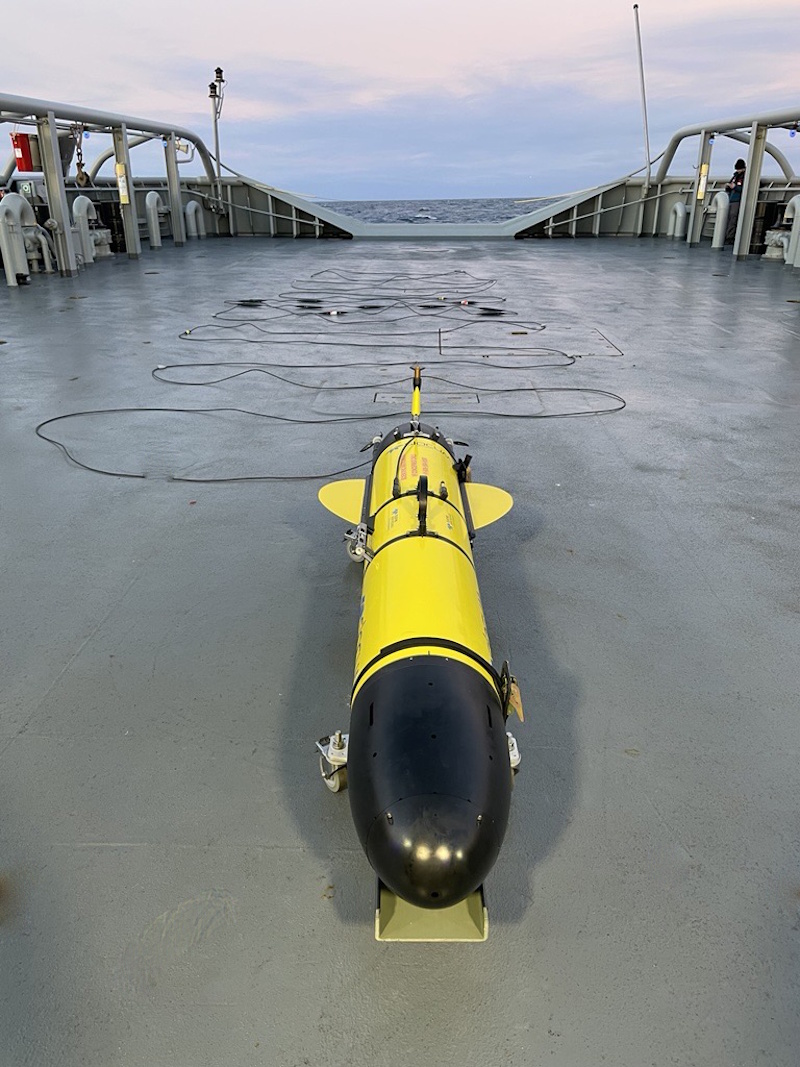
Teledyne Demonstrates Autonomous System for Anti-Submarine Warfare to NATO Members in the North Atlantic
Teledyne Technologies Incorporated recently showcased its advanced capabilities in Anti-Submarine Warfare (ASW) through a demonstration conducted in Icelandic waters from January 17 to January 22. The event featured the deployment of several state-of-the-art autonomous underwater vehicles, including the Slocum Sentinel Glider, equipped with a 60-meter-long passive acoustic towed array, and the Slocum G3 Glider, which integrates Teledyne Benthos acoustic communications technology. Additionally, two Advanced Profiling Explorer (APEX) floats were utilized, each fitted with ambient noise Passive Acoustic Monitoring systems. This demonstration highlights Teledyne's commitment to enhancing maritime security and underwater surveillance capabilities in response to evolving defense needs.
teledyne demo autonomous system anti-submarine warfare (asw) nato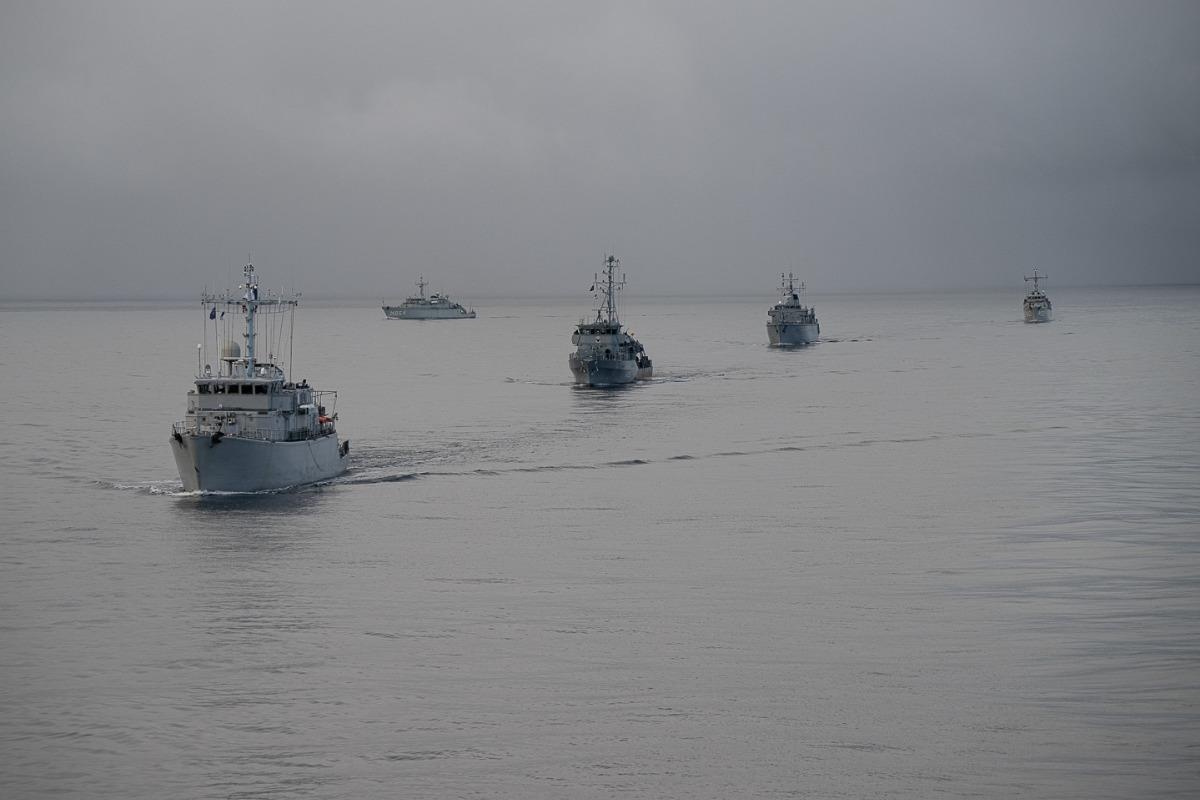
Securing the seas: how NATO will deliver its next-generation Maritime Strategy
NATO has unveiled an updated maritime strategy aimed at enhancing security across the Euro-Atlantic region. This new framework is designed to guide the transformation of the Alliance, placing a renewed focus on collective defense. The update reflects NATO's commitment to adapting its strategies in response to evolving security challenges, ensuring that member nations can effectively collaborate to safeguard maritime interests. The announcement underscores the importance of a unified approach to defense in a rapidly changing geopolitical landscape.
nato maritime strategy
Robot Talk Episode 135 – Robot anatomy and design, with Chapa Sirithunge
Claire recently engaged in a conversation with Chapa Sirithunge, a Marie Sklodowska-Curie fellow in robotics at the University of Cambridge, to explore the insights that robotics can provide regarding human anatomy. Sirithunge, who holds both an undergraduate degree and a PhD in Electrical Engineering from the University of Moratuwa, discussed the reciprocal relationship between robotics and human biology. This dialogue highlights the potential for advancements in robotics to enhance our understanding of anatomical structures and functions, while also emphasizing how knowledge of human anatomy can inform the design and functionality of robotic systems. The discussion underscores the importance of interdisciplinary collaboration in advancing both fields, particularly in the context of ongoing research and innovation at the University of Cambridge.

NATO mine countermeasures group strengthens Allied capabilities during Turkish-led Exercise NUSRET 2025
The Standing NATO Mine Countermeasures Group Two (SNMCMG2) concluded its involvement in the Turkish-led naval exercise NUSRET 2025, which was held from October 24 to 31. This annual exercise, organized by the Turkish Navy, focuses on improving interoperability and enhancing mine countermeasures (MCM) skills among NATO Allies and Partner nations. The event serves as a platform for participating forces to strengthen their operational capabilities and foster collaboration in maritime security efforts.
nato mine countermeasures allied capabilities nusret 2025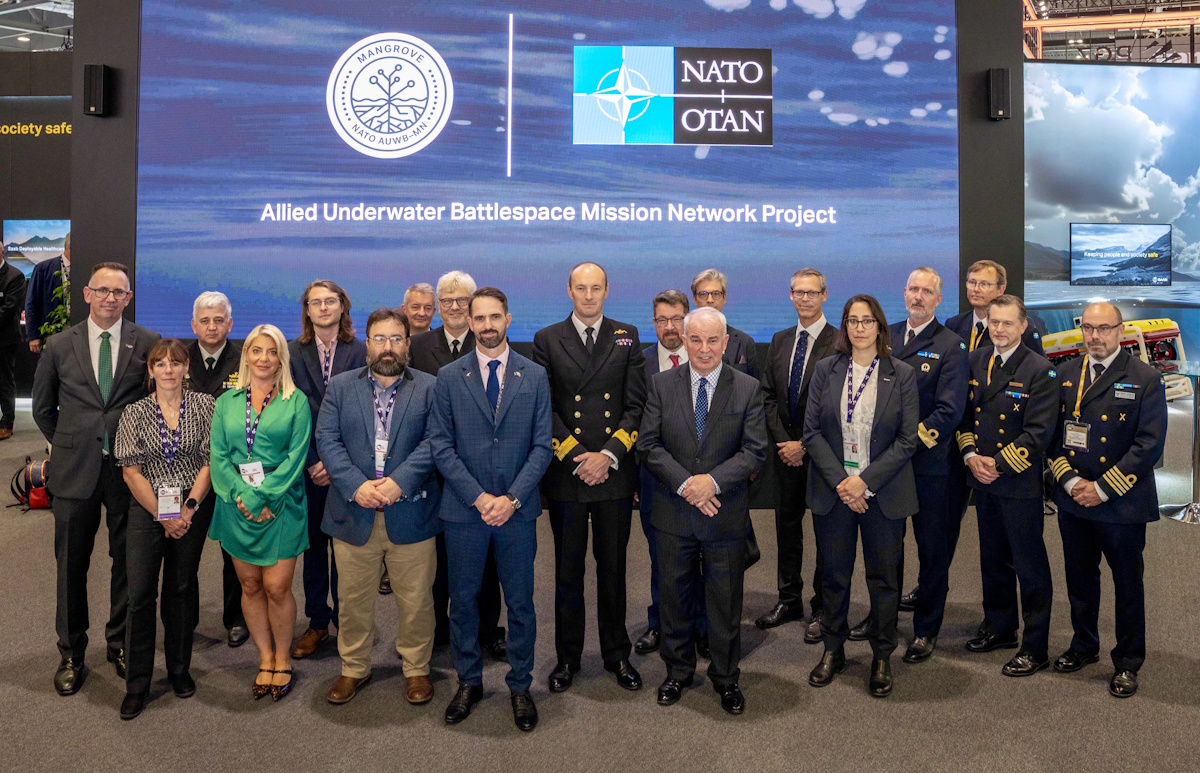
Saab to Lead NATO's New Underwater Battlespace Project
The Saab-led MANGROVE consortium has been awarded the contract to spearhead NATO's Allied Underwater Battlespace Mission Network project, which officially began on September 1, 2025. This initiative aims to enhance interoperability among Maritime Uncrewed Systems and traditional platforms utilized by allied nations. The project's selection underscores NATO's commitment to advancing maritime defense capabilities and ensuring seamless collaboration among member states in underwater operations. Through this effort, the consortium will develop innovative solutions to improve coordination and effectiveness in maritime missions, reflecting the growing importance of uncrewed technologies in modern warfare.
saab nato underwater battlespace project
Dynamic Messenger 2025: NATO Drives Maritime Innovation Through Allied Experimentation
The multinational maritime exercise REPMUS/Dynamic Messenger 25 commenced on September 15 off the Atlantic coast of Portugal. This event unites Allied nations, partners, academia, and industry stakeholders with the goal of enhancing the integration of unmanned systems and fostering innovation in maritime operations. The exercise serves as a platform for participants to collaborate and share knowledge, ultimately aiming to improve operational effectiveness in maritime environments.
repmus dynamic messenger nato repmus (robotic experimentation and prototyping with maritime unmanned systems)
ALSEAMAR Joins NATO Task Force X Baltic to Demonstrate SEAEXPLORER Glider Capabilities in the Baltic Sea
ALSEAMAR has announced its participation in Task Force X Baltic (TFXB), which is currently operating in the Baltic Sea. This initiative, coordinated by NATO's Allied Command Transformation (ACT), seeks to integrate various innovative uncrewed systems and evaluate their effectiveness in realistic operational scenarios. The deployment underscores NATO's commitment to enhancing maritime security and advancing technological capabilities within its member nations.
alseamar nato task force x seaexplorer glider baltic sea
NATO’s Digital Ocean Vision Concludes Three-day Wargame
From June 10 to 13, 2025, NATO hosted a digital wargame as part of its innovative Digital Ocean Vision initiative. This event allowed participants to evaluate and compare next-generation maritime systems with conventional naval platforms. The exercise aimed to enhance strategic capabilities and foster collaboration among member nations in adapting to evolving maritime threats. By integrating advanced technologies into traditional naval operations, NATO seeks to ensure readiness and effectiveness in future maritime engagements.
nato digital ocean vision wargaming
NATO Conducts Historical Ordnance Disposal in the Baltic Sea
Standing NATO Mine Countermeasures Group One (SNMCMG1) has successfully concluded a focused Historical Ordnance Disposal Operation (HODOPS) in the Bay of Riga. This operation, which took place over several days, was part of the group's ongoing Baltic Sentry mission. The multinational team engaged in training procedures aimed at detecting, classifying, identifying, and disposing of historic sea mines and unexploded ordnance (UXO) from the First and Second World Wars. The effort underscores NATO's commitment to maritime safety and the importance of addressing historical threats in the region.
nato historical ordnance disposal operation (hodops)
NATO TASK FORCE X: Deterring Today and Protecting Tomorrow
NATO is launching TASK FORCE X, a specialized initiative aimed at enhancing maritime security in response to increasing threats from Russian aggression, particularly concerning critical undersea infrastructure. The initiative comes in light of recent damage to undersea cables in the Baltic Sea, which connect NATO Allies and highlight vulnerabilities in the region. Allied Command Transformation, in collaboration with Allied Command Operations and NATO Headquarters, is developing a fleet of autonomous systems designed for persistent surveillance and threat detection to improve situational awareness in maritime operations. These advanced capabilities will incorporate emerging technologies such as artificial intelligence. The system is set to undergo testing in mid-February 2025 as part of the Baltic Sentry exercise, which aims to bolster the Allies' readiness to respond to destabilizing actions.
nato task force x
NATO’s Baltic Sentry Steps Up Patrols in the Baltic Sea to Safeguard Critical Undersea Infrastructure
NATO is ramping up its military presence in the Baltic Sea to bolster the monitoring of Critical Undersea Infrastructure (CUI). This initiative, known as Baltic Sentry, is designed to enhance maritime situational awareness in the region, thereby deterring and defending against potential attacks on vital underwater assets. The Allied Maritime Command (MARCOM), operating under the guidance of Joint Forces Command Brunssum (JFCBS), will be instrumental in coordinating ongoing operations to ensure a sustained military presence in the Baltic Sea. This strategic move underscores NATO's commitment to safeguarding critical infrastructure and maintaining security in the area.
nato baltic sentry patrols baltic sea critical undersea infrastructure (cui)Robotics needs a service framework.
RSF defines a common language for robot service capability, lifecycle operations, certification pathways, and service-provider networks.
Join the RobotToday community on LinkedIn
Daily robotics news, in-depth analysis, conference highlights, and discussions with professionals worldwide.







