Industry Briefing
A single destination for timely, editor-curated robotics news from around the world.

Flytrex and Nash Collaborate on Autonomous-First Multi-Modal Delivery Platform
Flytrex, an autonomous drone food delivery service, has partnered with Nash, an autonomic logistics platform, to create an autonomous-first, multi-modal delivery platform. This integration is now operational across all of Flytrex's Dallas-Fort Worth locations, combining Flytrex's autonomous fleet with Nash's orchestration layer to ensure that customer orders are fulfilled in the fastest and most reliable manner. This partnership is significant as it represents an evolving approach to scaling autonomous delivery. While drones enhance speed, cost, and reliability for most last-mile deliveries, not every order can be fulfilled by drones alone. Factors such as weather and order specifics influence the optimal delivery method. Flytrex and Nash's collaboration allows for a seamless decision-making process that determines the best delivery mode for each order, ensuring efficiency and customer satisfaction. Looking ahead, the integration of Flytrex's autonomous fleet with Nash's decision-making capabilities could set a new standard in the delivery industry. As the demand for efficient delivery solutions grows, the ability to intelligently route orders based on real-time conditions will be crucial. No further timeline was disclosed at the time of publication.
Drones Logistics News autonomous delivery autonomous logistics delivery orchestration
ACE Robotics and NTU S-Lab Release Open-Source Puffin-World Multimodal Model
ACE Robotics and NTU S-Lab have announced the open-source release of Puffin-World, a multimodal world model that integrates physics, geometry, and appearance. This model utilizes the Puffin-16M dataset and achieves state-of-the-art camera absolute pose errors, reporting sub-degree accuracy across four public benchmarks. The significance of this release lies in its potential to enhance various applications in robotics and computer vision by providing a unified framework for understanding complex environments. By achieving such high accuracy in pose estimation, Puffin-World could facilitate advancements in autonomous navigation and scene understanding. Looking ahead, the impact of Puffin-World on the robotics community will be closely monitored, particularly in how it influences future research and development in multimodal models. No further timeline was disclosed at the time of publication.

Variable Impedance and QP-CBF Control for Damage-Free Grasping Using Multimodal Oxidation Prior
The article discusses a novel approach to damage-free grasping through the implementation of variable impedance and Quadratic Programming-Collision Barrier Function (QP-CBF) control. This method leverages multimodal oxidation prior to enhance the grasping capabilities of robotic systems. This advancement is significant as it addresses the challenges of ensuring safe and effective interactions between robots and delicate objects. By utilizing variable impedance control, robots can adapt their grip strength based on the object's properties, minimizing the risk of damage during handling. Looking ahead, the research highlights the potential for further developments in robotic grasping techniques that incorporate advanced control strategies. No further timeline was disclosed at the time of publication.
RESEARCH ARTICLE
Human Pose Estimation Approach for Multi-Modal Perception in Dynamic Occlusion Scenarios
A recent study published in the Journal of Field Robotics explores a human pose estimation approach aimed at enhancing multi-modal perception in dynamic occlusion scenarios. This research is particularly relevant for improving human-robot collaboration, as it addresses the challenges posed by occlusions in real-time environments. The significance of this study lies in its potential to advance the capabilities of robots in collaborative settings, enabling them to better understand and interact with human counterparts. By focusing on dynamic occlusion scenarios, the research highlights the importance of robust perception systems that can adapt to changing environments, which is crucial for effective human-robot teamwork. Looking ahead, the implications of this research could lead to more sophisticated robotic systems capable of navigating complex environments while maintaining high levels of interaction with humans. No further timeline was disclosed at the time of publication.
RESEARCH ARTICLE
MobileViT-Based Multimodal Perception Enhances UAV Obstacle-Avoidance Path Planning
A recent study published in the Journal of Field Robotics explores a novel approach to obstacle-avoidance path planning for unmanned aerial vehicles (UAVs). This method utilizes MobileViT-based multimodal perception combined with deep reinforcement learning to improve navigation capabilities in complex environments. The significance of this research lies in its potential to enhance UAV operational efficiency and safety. By integrating advanced perception techniques with reinforcement learning, UAVs can better adapt to dynamic obstacles, making them more reliable for various applications, including delivery services and surveillance. Looking ahead, the ongoing development of this technology could lead to more sophisticated UAV systems capable of autonomous navigation in challenging scenarios. No further timeline was disclosed at the time of publication.
RESEARCH ARTICLE
WITA-Omni Preview Achieves Top Ranking in DailyOmni's Global Multimodal Understanding Assessment
Recently, DailyOmni announced its latest evaluation results, revealing that WITA-Omni Preview, developed by Zhiyuan, topped the rankings with a score of 85.21. This model surpassed leading competitors such as Qianwen, Gemini, Doubao, and NVIDIA, achieving first place in six out of eight sub-indicators. DailyOmni is recognized as an authoritative third-party ranking for assessing audio-video temporal alignment and cross-modal reasoning capabilities. The significance of this achievement lies in WITA-Omni's advanced ability to integrate audio and visual information, which is crucial for humanoid robots interacting in dynamic physical environments. Unlike traditional multimodal models that primarily focus on digital content, WITA-Omni excels in real-time judgment of sound attribution and event sequencing, addressing a key bottleneck in human-robot interaction. Looking ahead, Zhiyuan aims to enhance the WITA-Omni model further, focusing on its application in various commercial and public service scenarios. No further timeline was disclosed at the time of publication.
Multimodal AI Embodied Intelligence Robotics Audio-Visual Processing
Multimodal Robotics Inspired by Biological Systems Explored in Science Robotics
The latest issue of Science Robotics, Volume 11, Issue 116, published in July 2026, delves into the advancements in bioinspired multimodal robotics. This research highlights how biological systems can inform the design and functionality of robotic systems, leading to more versatile and adaptive technologies. The significance of this research lies in its potential to enhance robotic capabilities by mimicking the diverse modalities found in nature. By studying biological organisms, engineers can develop robots that are not only more efficient but also capable of performing complex tasks across various environments, which is crucial for applications in fields such as search and rescue, agriculture, and environmental monitoring. Looking ahead, the ongoing exploration of bioinspired designs in robotics will likely lead to innovative solutions that address current limitations in robotic performance. No further timeline was disclosed at the time of publication.
Review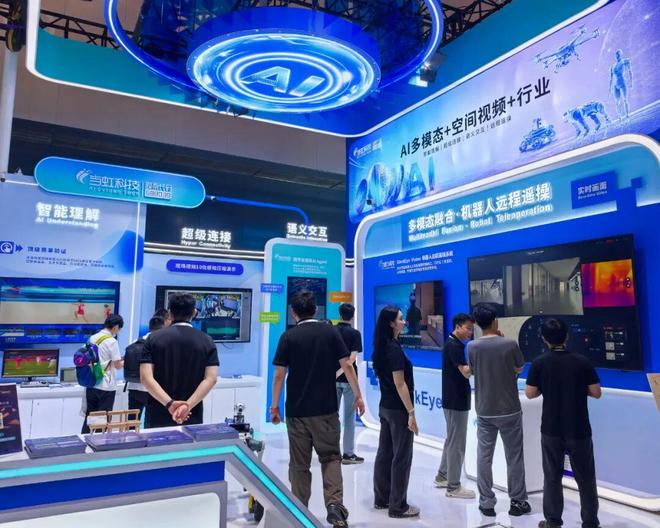
Dahuang Technology Showcases Advanced AI Multimodal Capabilities at WAIC 2026
On July 17, 2026, the World Artificial Intelligence Conference (WAIC) commenced in Shanghai, focusing on the theme 'Intelligent Partners, Co-Creating the Future.' Dahuang Technology presented its AI multimodal capabilities, showcasing a comprehensive system that includes understanding, connecting, interacting, and controlling complex data. The demonstration highlighted the company's transition from video-centric solutions to a broader AI multimodal framework. Dahuang Technology's Sports AI system, based on the BlackEye multimodal spatial model, was a key feature, providing real-time analysis of sports events. This system can automatically label players, track movements, and generate slow-motion replays, demonstrating the AI's ability to comprehend complex video scenarios. The technology has already been validated in high-profile events like the 2026 World Cup and the Paris Olympics. The company also introduced its AI multimodal perception compression technology, achieving over tenfold compression efficiency while maintaining video quality. This capability is crucial for applications in drone inspections, remote communications, and robotic operations, addressing the growing demands for bandwidth and data transmission efficiency in various sectors. No further timeline was disclosed at the time of publication.
AI Multimodal Technology Video AI Data Compression Sports AI Human-AI Interaction
Noetra Initiates Development of Japan's Multimodal AI Foundation Model for Robotics
Noetra, in collaboration with key partners including Sony, SoftBank, NEC, and Honda Motor, has launched extensive R&D for a multimodal foundation model aimed at enhancing AI-enabled robotics in Japan. This initiative is part of a broader effort to develop sovereign AI technologies within the country, supported by investments from 44 companies across various sectors, primarily manufacturing. The significance of this development lies in its potential to position Japan as a leader in physical AI. By creating a robust multimodal foundation model, Noetra aims to improve industrial competitiveness and address societal challenges through advanced AI capabilities, including natural language processing and multimodal data understanding. Looking ahead, Noetra plans to construct AI computing infrastructure with Nvidia's advanced GPUs, with operations expected to commence in June 2028. The phased development will culminate in a comprehensive omni-modal foundation model by fiscal 2028, ultimately striving for a “Real-world Native AI” by fiscal 2030, which will be capable of understanding physical properties in real-world applications.
Artificial Intelligence News Robot simulation ai agents AI infrastructure artificial intelligence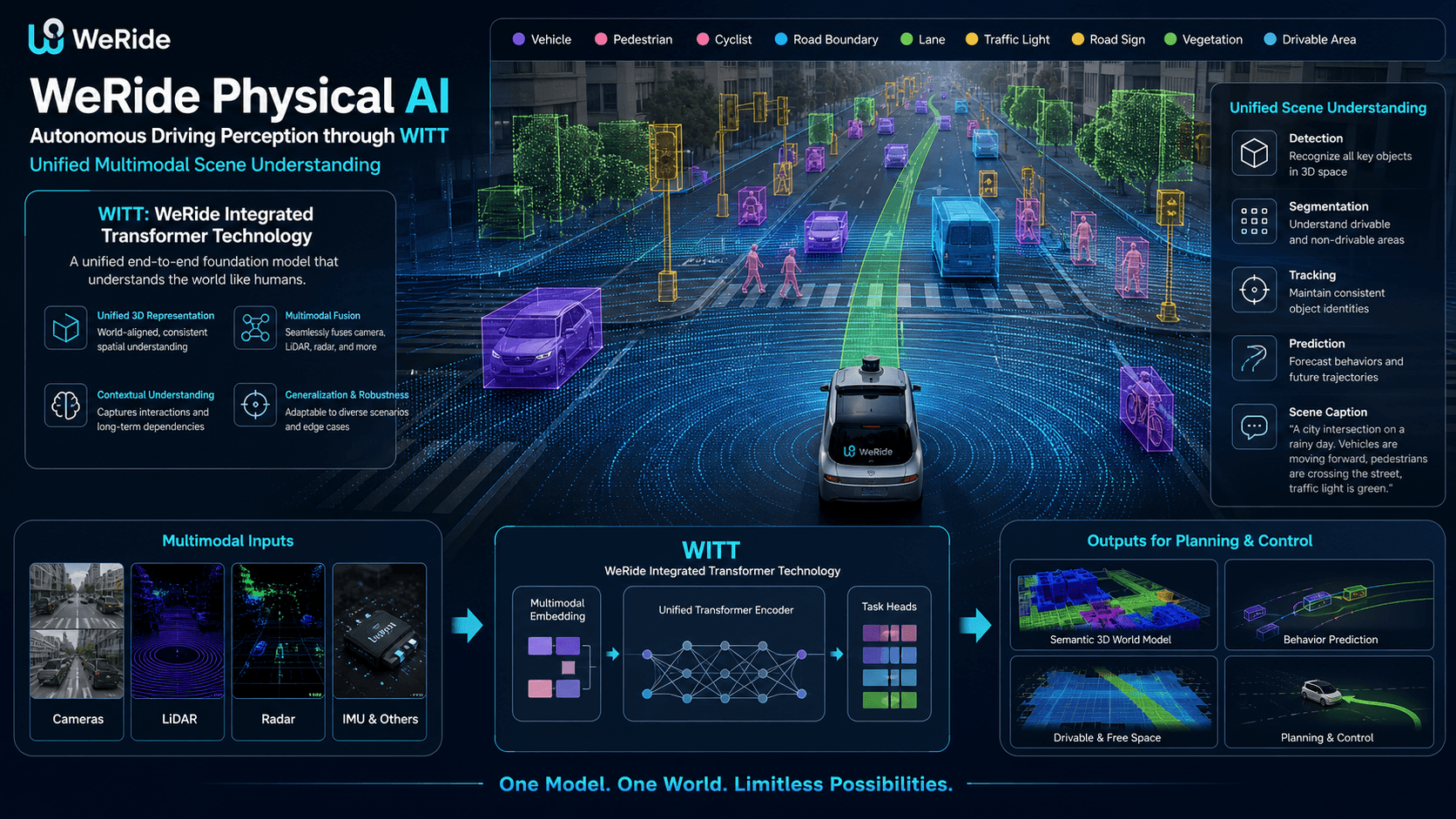
WeRide Launches WITT: A Physical AI Foundation Model for Multimodal Scene Understanding
WeRide has introduced WITT, a groundbreaking physical AI foundation model designed to enhance multimodal scene understanding. This model utilizes minimal physical fact units, which are crucial for applications in autonomous driving and robotics. The launch of WITT is significant as it aims to streamline the integration of various data types, improving the efficiency and effectiveness of AI systems in interpreting complex environments. This advancement could lead to more reliable autonomous systems that can better navigate real-world scenarios. Looking ahead, the implications of WITT's capabilities in the fields of autonomous driving and robotics will be closely monitored. No further timeline was disclosed at the time of publication.
Technology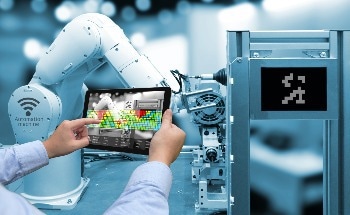
Atomica Launches Physical AI Sensor Platform for Diverse Intelligent Systems Applications
Atomica, a microfabrication foundry based in the U.S., has introduced its Physical AI Sensor Platform. This platform is designed to assist customers in creating sensors tailored for various applications, including robotics, autonomy, industrial automation, medical systems, defense, smart infrastructure, and edge intelligence. The launch of the Physical AI Sensor Platform is significant as it addresses the growing demand for advanced sensor technologies across multiple sectors. By providing a streamlined solution for sensor fabrication, Atomica aims to enhance the development of intelligent systems that rely on accurate and efficient sensor data. Looking ahead, industry stakeholders should monitor how Atomica's platform influences sensor development in key sectors. The effectiveness of this platform in facilitating the creation of sophisticated sensors will be crucial for advancements in robotics and other intelligent systems. No further timeline was disclosed at the time of publication.

Datatang Launches Multimodal Ego-Centric Dataset for Physical AI Model Development
On August 26, 2026, Datatang Inc. announced the launch of a large-scale multimodal dataset focused on Ego-centric perspectives to accelerate research and development for physical AI models. This dataset, under the Nexdata brand, synchronizes video, IMU, SLAM, depth information, hand keypoints, and semantic annotations, making it readily integrable into research pipelines. The significance of this dataset lies in its ability to provide not just video data but also multisensory information and precise operational data essential for robots to operate autonomously in real environments. Nexdata emphasizes that constructing a 'data recipe' combining various data layers is an effective means for training versatile algorithms, despite challenges in synchronizing Ego-centric data across multiple sensors and integrating UMI and real machine data into development pipelines. Datatang offers several datasets, including a '1,000-hour PICO collection dataset' and a '1,000-piece 6-camera Ego-centric dataset,' among others. The company also operates a dedicated data collection facility with over 300 robots, capable of collecting around 5,000 hours of data monthly. No further timeline was disclosed at the time of publication.

SenseTime Launches SenseNova U1.5-Lite-Preview Featuring Native 4K Output and Enhanced Editing Capabilities
SenseTime has introduced the SenseNova U1.5-Lite-Preview, which utilizes the NEO-Unify architecture to provide native 4K generation and advanced editing features. This new model is designed to replicate design frameworks effectively across various types of infographics and creative content. The release of SenseNova U1.5-Lite-Preview is significant as it enhances the capabilities of content creators by offering precise image editing tools and a lightweight unified multimodal model. This innovation is expected to streamline the design process and improve the quality of visual content produced by users. Looking ahead, industry professionals will be keen to observe how the SenseNova U1.5-Lite-Preview is adopted in creative sectors and its impact on the efficiency of design workflows. No further timeline was disclosed at the time of publication.

HiDream.ai Raises $2.1 Billion in Series C Funding for Multimodal World Model Technology
On July 23, HiDream.ai announced the completion of a Series C funding round, raising 1.5 billion RMB, equivalent to approximately $2.1 billion. This funding was led by the Sichuan Revitalization Science and Technology Innovation Fund, ICBC Capital, and other notable investors. With this round, HiDream.ai has surpassed a total funding of 2.1 billion RMB, officially entering the unicorn status. The significance of this funding lies in the diverse capital structure, which includes national and local state-owned funds, banking capital, and leading industry players. This rare combination in the domestic AI sector underscores the long-term value and industrial potential of HiDream.ai's technology roadmap. The involvement of the Sichuan Revitalization Fund signals a maturation of the multimodal world model sector, while ICBC Capital's participation opens new avenues for bank-led investments in AI. Looking ahead, HiDream.ai's rapid growth can be attributed to its founder and CEO, Mei Tao, whose extensive background in visual AI and industry experience has shaped the company's innovative approach. No further timeline was disclosed at the time of publication.
Embodied Intelligence AI Technology Multimodal Models Robotics Training Investment in AI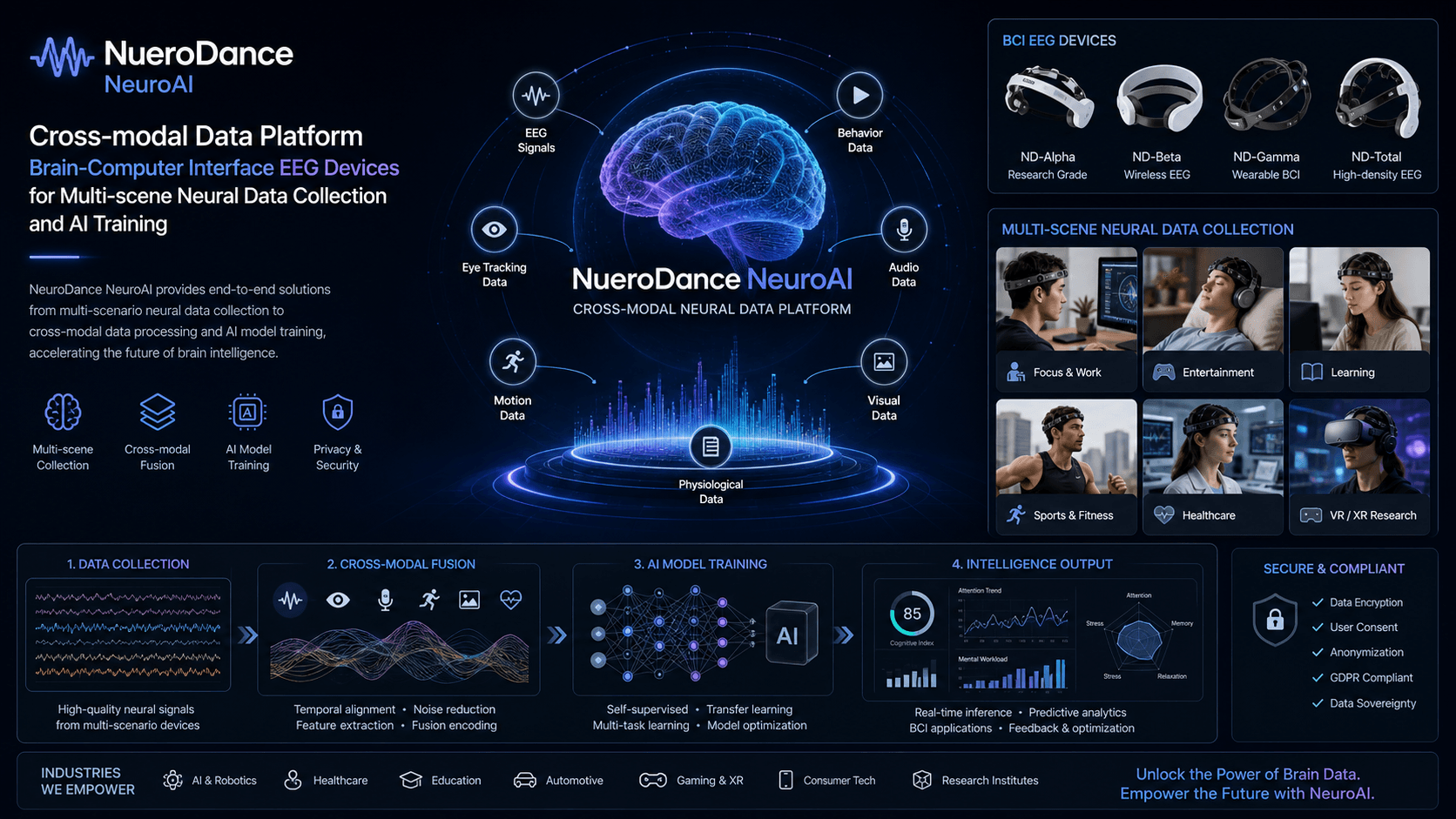
NueroDance Introduces ND1000 and ND8 EEG Devices Alongside NeuroAI Data Platform
NueroDance has launched its ND1000 and ND8 series EEG devices, along with the NeuroAI group cross-modal data platform, during an event in Beijing. This initiative aims to establish a neural data infrastructure that extends the capabilities of AI beyond traditional text and image processing. The introduction of these EEG devices and the NeuroAI platform signifies a strategic move by NueroDance to position itself at the forefront of the evolving AI landscape. By focusing on cross-modal data, the company seeks to unlock new applications and insights from neural data, potentially transforming how AI systems interact with human cognitive processes. As the demand for advanced AI solutions grows, the development of a robust neural data infrastructure will be crucial. Observers should watch for how NueroDance's offerings will influence the AI sector and whether they can successfully integrate brain-computer hardware with multi-scene neural data applications. No further timeline was disclosed at the time of publication.
Technology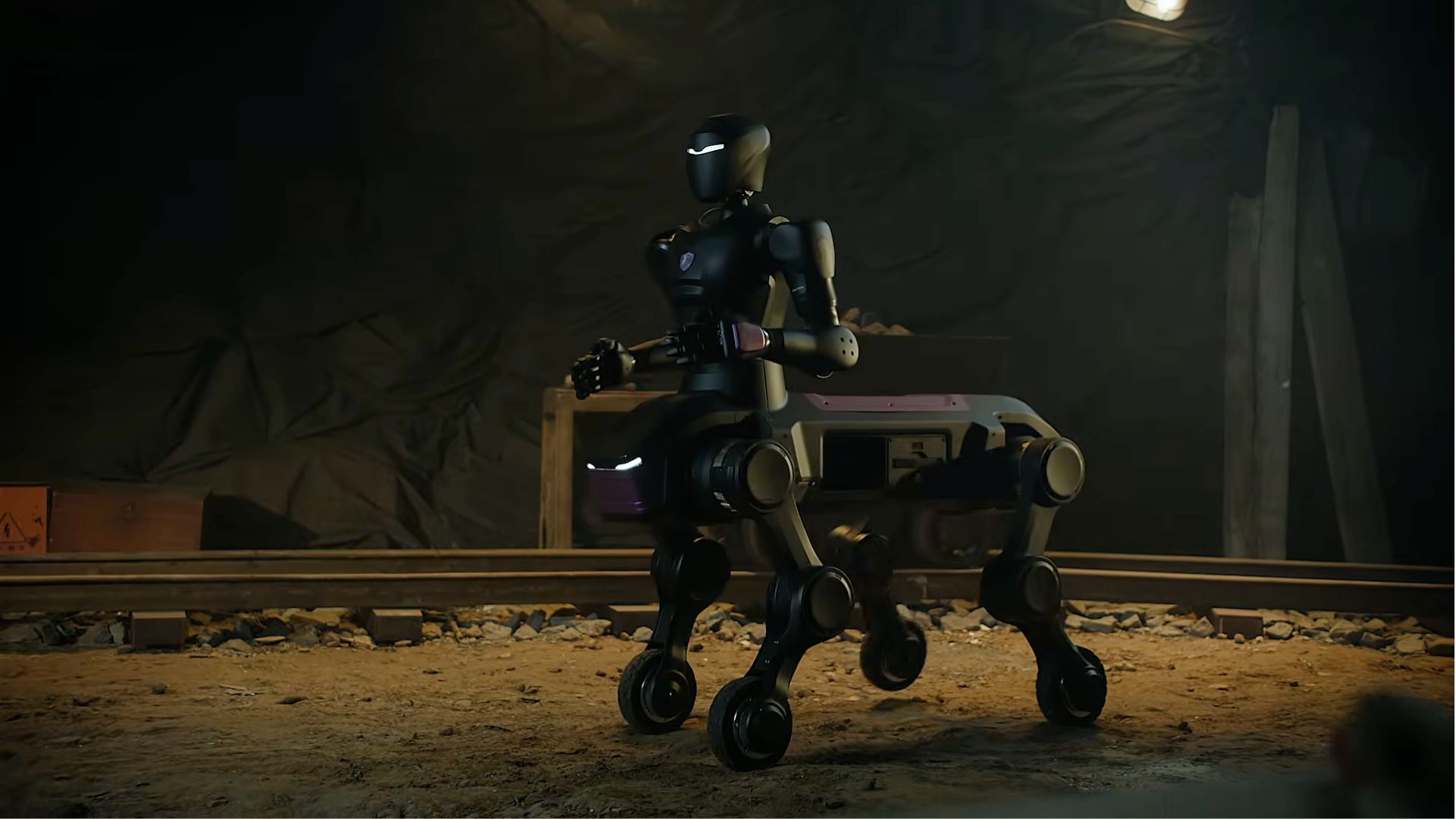
Advancements in Bioinspired Multimodal Robotics for Versatile Movement Capabilities
Bioinspired multimodal robots are advancing rapidly, aiming to match the versatility of animal movement by integrating flying, walking, swimming, and climbing capabilities. Researchers from Beihang University, Dalian University of Technology, and EPFL are addressing engineering challenges such as limited onboard space and the need for body transformations to facilitate seamless movement. The significance of this research lies in its potential to enhance robot adaptability in diverse environments, allowing for applications like search-and-rescue operations and environmental monitoring. The study proposes five performance metrics to evaluate these robots, focusing on improving overall performance rather than merely adding movement options. Looking ahead, the development of soft materials, flexible structures, and multirobot architectures may enhance future robots' capabilities. The researchers emphasize the importance of advanced algorithms for planning and control to enable effective transitions between movement modes, which is crucial for autonomous decision-making in complex scenarios. No further timeline was disclosed at the time of publication.
AI and Robotics
Design and Motion Control of a Propeller–Leg Hybrid Multimodal Underwater Adhesion Robot
The Journal of Field Robotics has published an early view article that explores advancements in robotic technology and its applications in various fields. This publication, released in October 2023, highlights the innovative research conducted by a team of engineers and scientists aiming to enhance the efficiency and capabilities of robotic systems. The study focuses on the integration of artificial intelligence and machine learning to improve navigation and decision-making processes in autonomous robots. Researchers conducted extensive field tests to evaluate the performance of these systems in real-world environments, demonstrating significant improvements over previous models. The findings are expected to impact industries such as agriculture, manufacturing, and disaster response, where robotic assistance can lead to increased productivity and safety. This research underscores the growing importance of robotics in addressing complex challenges and advancing technological solutions across multiple sectors.
RESEARCH ARTICLE
Flytrex and Wing Report Zero Airspace Conflicts for Multi-Operator Drone Delivery
Flytrex has reported a significant milestone in drone delivery operations, revealing that its automated Unmanned Traffic Management (UTM) coordination with Wing has successfully eliminated airspace conflicts in the Dallas–Fort Worth area. This achievement comes less than a year after the two companies initiated the first commercial drone delivery service in the U.S. The partnership has enabled thousands of flights per month, all of which have been automatically deconflicted, ensuring a safe and efficient operation in shared airspace. The collaboration aims to enhance the scalability of drone delivery services while maintaining safety standards, demonstrating the effectiveness of advanced UTM systems in managing multiple operators in busy urban environments.
Advanced Air Mobility Delivery Drone News Drone News Feeds fleet management News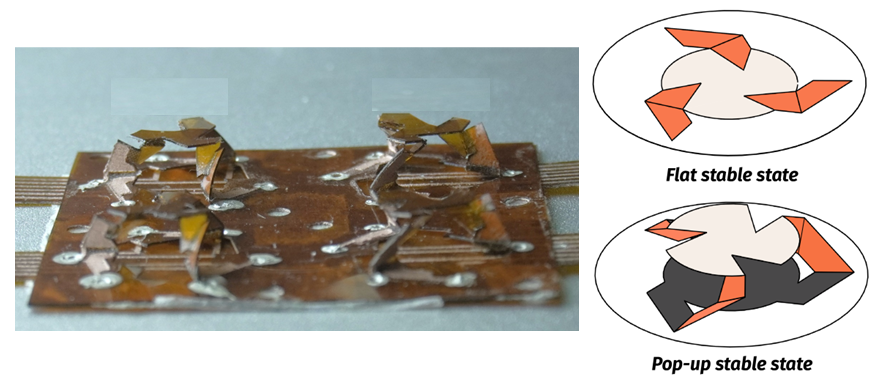
New Method for 3D Microstructure Fabrication Simplifies Mass Production of Multimodal Sensors
A research team at Wuhan University has developed an innovative method for creating complex three-dimensional structures by utilizing straightforward two-dimensional processing techniques. This breakthrough enables the efficient mass production of programmable and reconfigurable 3D sensors, addressing the challenges posed by conventional manufacturing processes. The study emphasizes the advantages of pop-up kirigami structures, which not only enhance the functionality of sensors but also streamline their production. This advancement could significantly impact the field of sensor technology, making it more accessible and versatile for various applications.
3D Microstructures Sensor Technology Manufacturing Innovation Pop-up Kirigami Flexible Electronics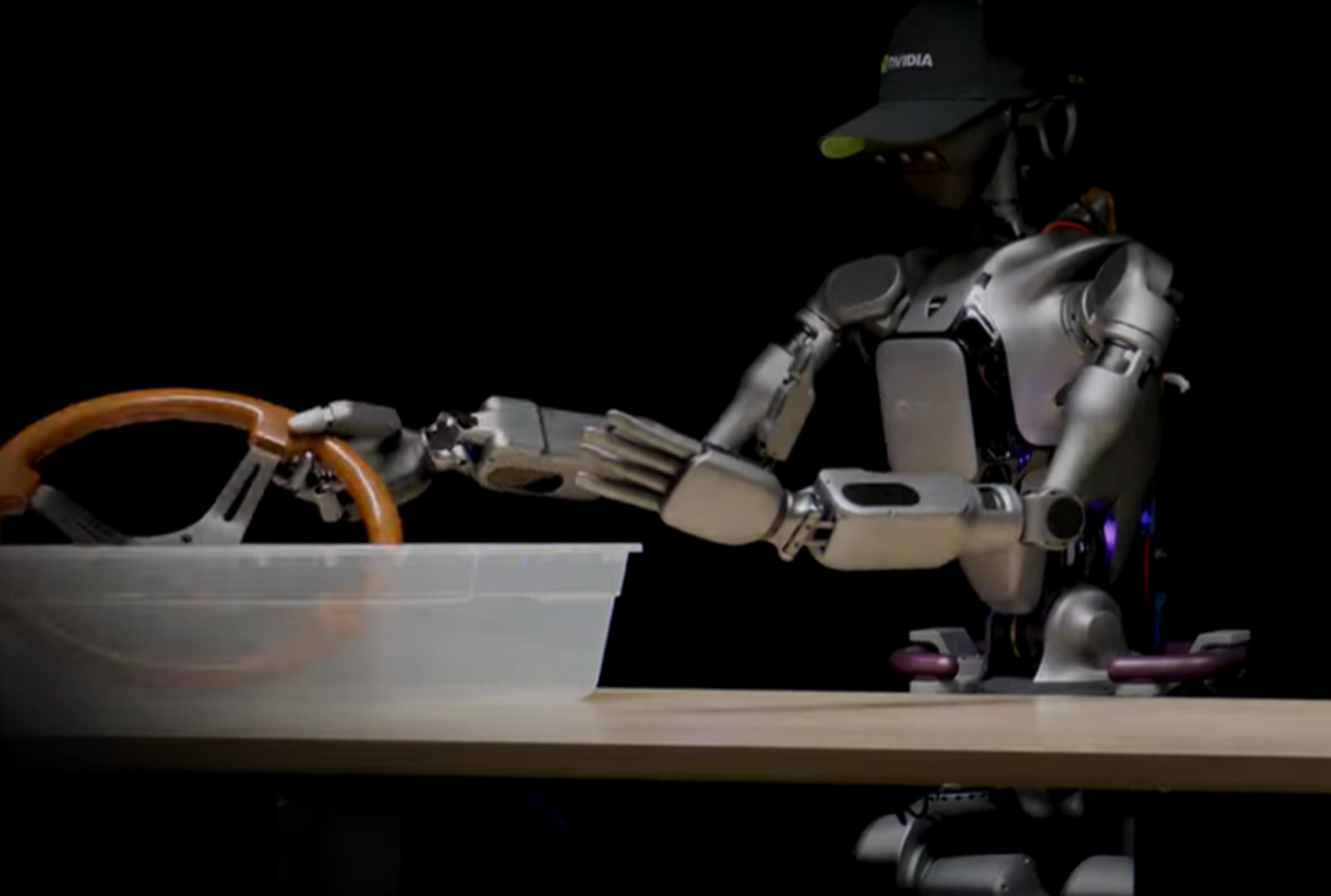
Cross‐Modal Synergistic Optimization Multi‐Task Segmentation Network for Autonomous Ground Intelligent Agents in Field Environments
A recent study published in the Journal of Field Robotics highlights the advancements in autonomous robotic systems designed for agricultural applications. Researchers from various institutions collaborated to explore innovative technologies that enhance efficiency and sustainability in farming practices. The findings, released in early October 2023, emphasize the growing importance of robotics in addressing labor shortages and increasing productivity in the agricultural sector. The study showcases several case studies where autonomous robots successfully performed tasks such as planting, harvesting, and monitoring crops, demonstrating their potential to revolutionize traditional farming methods. By integrating artificial intelligence and machine learning, these robots can adapt to varying environmental conditions and optimize resource use, ultimately contributing to more sustainable agricultural practices. The motivation behind this research stems from the pressing challenges faced by the agricultural industry, including the need for increased food production to meet global demand and the impact of climate change on farming. The researchers advocate for the adoption of robotic technologies as a viable solution to enhance food security and reduce the environmental footprint of agriculture. Through rigorous testing and evaluation, the study provides insights into the operational capabilities of these autonomous systems, paving the way for further innovations in the field. As the agricultural sector continues to evolve, the integration of robotics is expected to play a crucial role in shaping the future of food production.
RESEARCH ARTICLE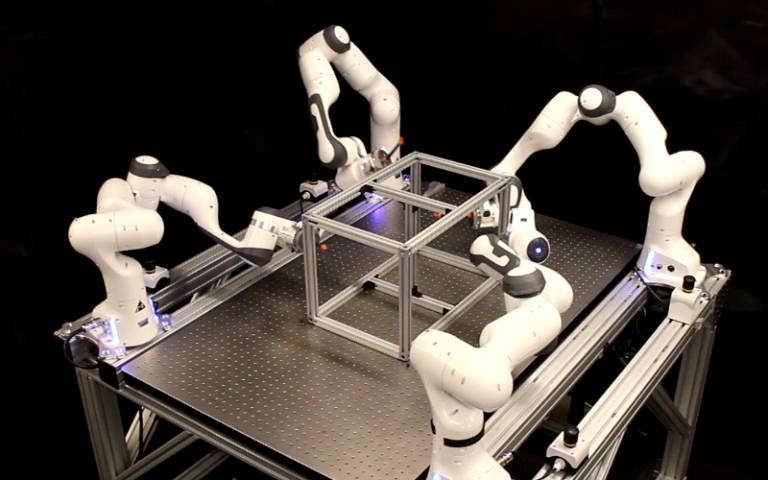
Autonomous seeking and mapping coral reef biodiversity hotspots with a multimodal AUV
In a groundbreaking study published in the May 2026 issue of Science Robotics, researchers have unveiled a new robotic system designed to assist in complex surgical procedures. This innovative technology, developed by a team of engineers and medical professionals, aims to enhance precision and reduce recovery times for patients undergoing surgery. The research was conducted at a leading medical institution, where the team tested the robotic system in a series of simulated surgeries. The results demonstrated significant improvements in accuracy compared to traditional surgical methods, showcasing the potential for robots to play a crucial role in the operating room. The motivation behind this development stems from the increasing demand for minimally invasive surgical techniques that can lead to quicker patient recovery and lower risk of complications. By integrating advanced robotics with surgical practices, the team hopes to address these challenges and improve overall patient outcomes. The robotic system operates through a combination of artificial intelligence and real-time data analysis, allowing it to adapt to the unique requirements of each surgical procedure. This adaptability is expected to empower surgeons, providing them with enhanced tools to perform intricate tasks with greater confidence. As the medical community continues to explore the integration of robotics in healthcare, this study represents a significant step forward in the evolution of surgical practices, potentially transforming the landscape of modern medicine.
Research Article
SynapX Launches SYNData: Multimodal Data Collection System for Embodied AI Era
SynapX has unveiled SYNData, an innovative multimodal data collection system designed to enhance dexterous manipulation capabilities in robotics. This cutting-edge system integrates ego vision, electromyography (EMG) signals, and data from exoskeleton gloves, facilitating the scalable collection of human manipulation data essential for advancing robot learning. The launch of SYNData aims to bridge the gap between human dexterity and robotic functionality, providing researchers and developers with comprehensive tools to improve robotic performance. This development is particularly significant as it addresses the growing demand for more sophisticated and adaptable robotic systems in various applications.
Robotics
SynapX Launches SYNData: Multimodal Data Collection System for Embodied AI Era
SynapX has introduced SYNData, an innovative multimodal data collection system designed to enhance dexterous manipulation capabilities. Launched recently, this system integrates ego vision, electromyography (EMG) signals, and data from exoskeleton gloves, facilitating the scalable collection of human manipulation data essential for advancing robot learning. The development aims to improve the interaction between humans and robots, ultimately contributing to more sophisticated robotic applications in various fields. By harnessing diverse data sources, SYNData promises to provide valuable insights that can drive the evolution of robotic dexterity and functionality.
Robotics
New pet robot uses local multimodal AI to learn and adapt to human behavior
A groundbreaking development in robotics is underway, as researchers unveil a new type of robot designed for applications beyond traditional factory settings. This innovative robot, which is being developed by a team of engineers and scientists, aims to enhance human interaction and assist in various everyday tasks. The project, initiated in late 2023, is based in a state-of-the-art research facility that focuses on advanced robotics and artificial intelligence. The motivation behind this initiative stems from the growing demand for robots that can seamlessly integrate into daily life, providing support in areas such as healthcare, education, and home assistance. Unlike conventional industrial robots, this new design emphasizes adaptability and user-friendliness, allowing it to engage with people in a more natural manner. To achieve this, the team is employing cutting-edge technologies, including machine learning algorithms and advanced sensory systems, to enable the robot to understand and respond to human emotions and commands. The development process involves extensive testing and feedback from potential users to ensure that the final product meets the needs of diverse populations. As this project progresses, it holds the potential to revolutionize the way robots are perceived and utilized in society, moving them from the confines of factories into the heart of everyday life.

Coco Robotics Unveils Largest Multi-Brand Campaign on Autonomous Miami Delivery Fleet Across F1 Window
Coco, a company specializing in autonomous deliveries, has deployed over 100 robots in Miami, showcasing brand wraps that transform everyday deliveries into a prominent advertising platform. This initiative coincides with one of the year's major cultural events, leveraging the high visibility of the robots to enhance brand exposure. By integrating advertising into their delivery service, Coco aims to capitalize on the increased foot traffic and attention generated by the event. The robots navigate the city, providing a unique blend of convenience and marketing, thereby creating a new out-of-home advertising channel that engages consumers in a dynamic way.
VISTA‐Campus Dataset: VersatIle Slam DaTAset With Multimodal Sensor for Campus Environments
A recent study published in the Journal of Field Robotics highlights the advancements in robotic technology aimed at enhancing agricultural efficiency. Researchers from various institutions collaborated to develop innovative robotic systems designed to assist farmers in crop monitoring and management. The study, released in early October 2023, emphasizes the growing need for sustainable farming practices in response to increasing global food demands and environmental challenges. The research team conducted extensive field trials in multiple agricultural settings, demonstrating how these robots can autonomously navigate fields, collect data on crop health, and optimize resource usage. By integrating artificial intelligence and machine learning, the robots can analyze real-time data to provide actionable insights for farmers, ultimately leading to improved yields and reduced waste. This initiative is driven by the urgent need to address food security and environmental sustainability, as traditional farming methods face limitations in efficiency and scalability. The findings suggest that adopting robotic technology could significantly transform agricultural practices, making them more resilient and productive in the face of future challenges.
RESEARCH ARTICLE
DiDi Autonomous Driving launches Voyager Labs for multimodal end-to-end driving research
DiDi Autonomous Driving has launched DiDi Voyager Labs, a new research initiative aimed at advancing end-to-end autonomous driving through the development of multimodal large models, world models, and reinforcement learning. This initiative, announced recently, will collaborate with a research team led by Professor Li Shengbo from Tsinghua University. The partnership is designed to leverage a joint framework that combines specialized expertise and resources to enhance the capabilities of autonomous driving technologies. This strategic move underscores DiDi's commitment to innovation in the autonomous vehicle sector and its efforts to stay at the forefront of technological advancements in this rapidly evolving field.
News Feed
PaVSF: A Multimodal Fusion Power Consumption Prediction Model for Autonomous Wheeled Vehicles in Off‐Road Environments
A recent study published in the Journal of Field Robotics highlights advancements in robotic technology aimed at improving agricultural efficiency. Researchers from various universities collaborated to develop autonomous systems capable of performing tasks such as planting, monitoring crop health, and harvesting. The findings, released in early October 2023, emphasize the potential of these innovations to address labor shortages and enhance productivity in the agricultural sector. The research was conducted in diverse agricultural settings, allowing for a comprehensive evaluation of the robots' performance in real-world conditions. By integrating artificial intelligence and machine learning, the robots can adapt to varying environmental factors and optimize their operations accordingly. This adaptability is crucial as farmers face increasing pressures from climate change and the need for sustainable practices. The motivation behind this initiative stems from the growing demand for food production and the challenges posed by a declining workforce in agriculture. By deploying autonomous robots, the study suggests that farmers can not only increase efficiency but also reduce reliance on manual labor, ultimately leading to more sustainable farming practices. The researchers conducted extensive field tests to validate the robots' capabilities, demonstrating their effectiveness in various agricultural tasks. The promising results indicate a significant step forward in the integration of robotics into farming, potentially transforming the industry and paving the way for future innovations.
RESEARCH ARTICLE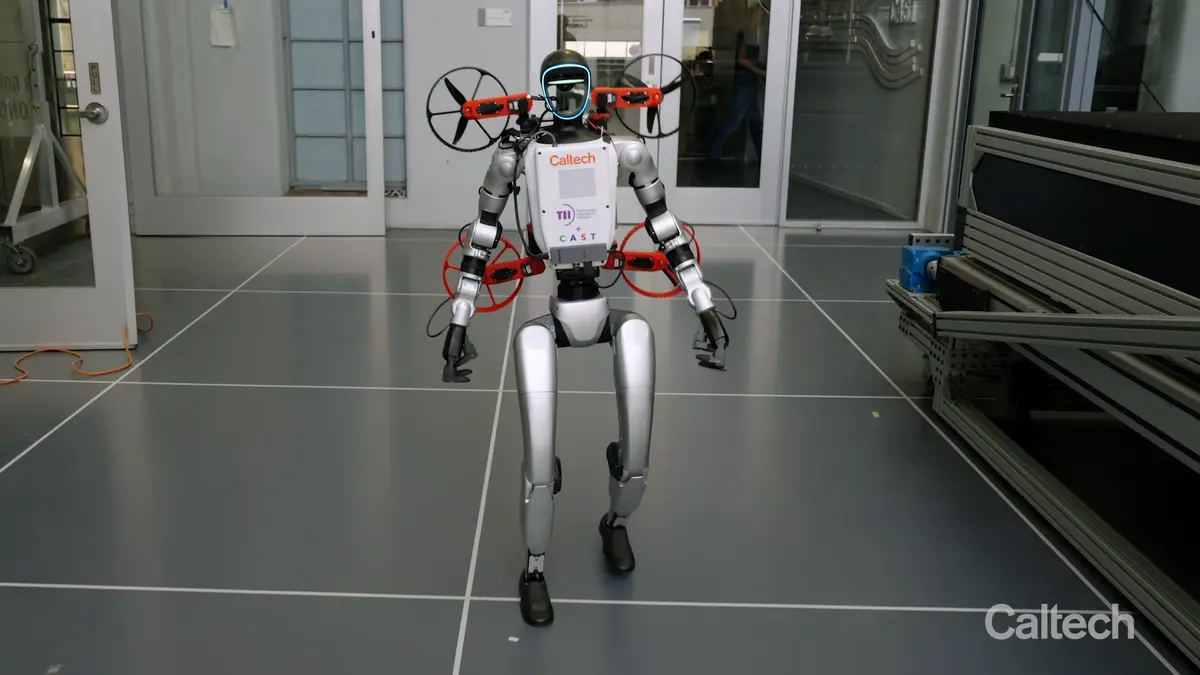
Caltech and TII Debut X1: A Humanoid-Drone Team for Multimodal Robotics
A team of researchers from Caltech and the Technology Innovation Institute in Abu Dhabi has introduced an innovative multirobot system known as X1. This advanced system integrates a walking humanoid robot with a transforming drone capable of driving. The initiative seeks to enhance the versatility and resilience of autonomous systems by merging various modes of locomotion. The unveiling of X1 marks a significant step forward in robotics, showcasing the potential for more adaptable and robust robotic applications in diverse environments.
autonomous systems TII Caltech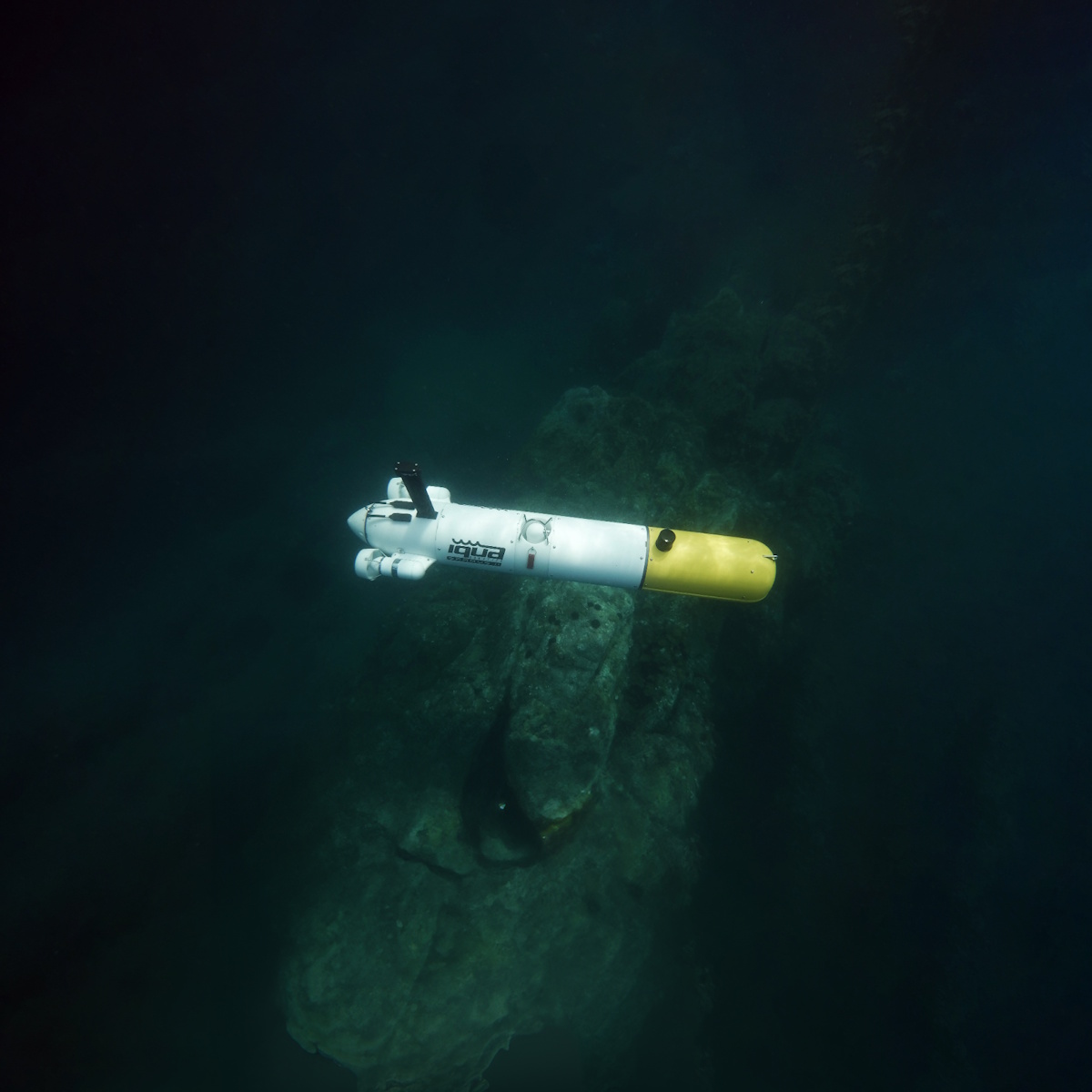
Multimodal Mapping for Exploration and Inspection with the SPARUS II AUV
Micro and small autonomous underwater vehicles (AUVs) are increasingly recognized for their ability to integrate various sensors and navigation systems, making them particularly suitable for operations in coastal waters. Their deployment and operation are straightforward, which enhances their appeal for marine exploration. However, successful exploration and mapping of survey targets often necessitate the use of multiple sensing techniques. Furthermore, there is a growing demand for close-range, high-resolution inspections, a task that has traditionally been handled by remotely operated vehicles (ROVs). This shift highlights the evolving capabilities of AUVs in marine applications, as they seek to meet the complex requirements of underwater surveying and inspection.
multimodal mapping exploration inspection sparus ii auv iqua robotics
AgiBot unveils Lingxi X2, an advanced humanoid robot with multimodal intelligence
Peng Zhihui, the founder of AgiBot, unveiled a video today featuring the Lingxi X2, an advanced bipedal humanoid robot. This innovative robot is equipped with a sophisticated computing engine that enables it to perform a variety of tasks, including walking, running, dancing, riding a bicycle, balancing on a hoverboard, and even reading medication instructions. The Lingxi X2 was developed by AgiBot's X-Lab, highlighting the company's commitment to advancing robotics technology. This release marks a significant step in the integration of motion, interaction, and task execution intelligence in humanoid robots, showcasing the potential for practical applications in everyday life.
News FeedRobotics needs a service framework.
RSF defines a common language for robot service capability, lifecycle operations, certification pathways, and service-provider networks.
Join the RobotToday community on LinkedIn
Daily robotics news, in-depth analysis, conference highlights, and discussions with professionals worldwide.