Industry Briefing
A single destination for timely, editor-curated robotics news from around the world.
mimic Robotics Launches Comprehensive Platform for Advanced Dexterous Robot Manipulation
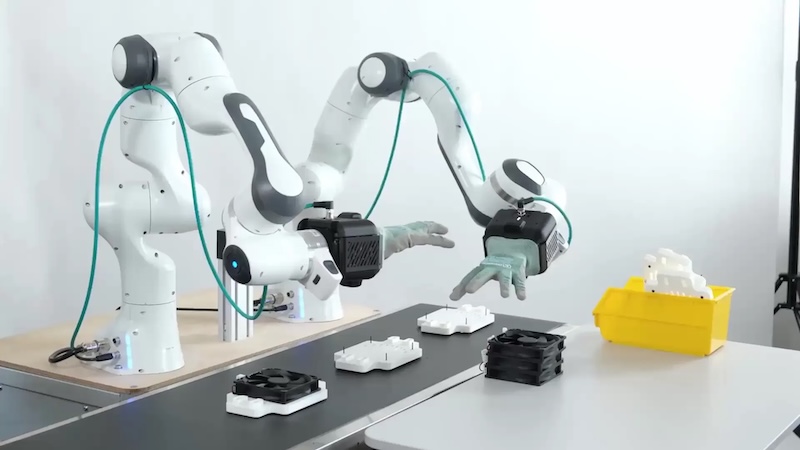
mimic Robotics has unveiled a new robotic hand, the mimic hand M1, along with the mimic wearable U1 exoskeleton and a proprietary software platform. This integrated system aims to enhance general-purpose dexterous manipulation in industrial robots by addressing the challenge of collecting high-quality training data for AI models that perform human-like tasks. The significance of this launch lies in mimic Robotics' approach to design, which focuses on human hand morphology rather than traditional two-finger grippers. The mimic hand M1 features 15 actuated degrees of freedom and is capable of handling payloads over 25 kg, while the mimic wearable U1 allows human operators to demonstrate tasks in real-time, improving data collection for AI training. Looking ahead, the company’s innovative middleware and teleoperation software are expected to enhance robot control and AI inference speed. No further timeline was disclosed at the time of publication.
Components Computing News ai automation dexterous manipulation
Yuequan Bionics Launches Innovative 299.7g Y-Hand M1 with Unique Biomechanical Technology
On July 3, Yuequan Bionics unveiled the Y-Hand M1, a dexterous robotic hand weighing 299.7 grams. Unlike competitors that focus on increasing degrees of freedom, the Y-Hand M1 employs a unique bionic tension-compression technology, achieving significant dexterity with only 26 degrees of freedom. This innovation is crucial as the robotics industry grapples with the challenge of balancing performance, cost, and reliability in dexterous hands. The Y-Hand M1 represents a paradigm shift, addressing the industry's 'impossible triangle' where high performance often leads to increased costs and reduced reliability. Looking ahead, the dexterous hand market in China is projected to grow significantly, with sales expected to reach 70,200 units in 2026. As investment in this sector surges, the Y-Hand M1's unique approach may set a new standard for future developments in robotic manipulation technology. No further timeline was disclosed at the time of publication.
Dexterous Hands Bionic Technology Robotics Innovation Embodied Intelligence
1X Unveils NEO Robot Hand with Unmatched Precision for Household Tasks
1X has introduced the NEO robot hand, showcasing its ability to perform intricate tasks with remarkable precision. The hand features 25 degrees of freedom and utilizes a tendon-driven structure, mimicking human muscle and tendon systems, allowing for smooth and natural movements. The NEO hand can perform tasks such as separating grapes, twisting light bulbs, and pulling zippers, demonstrating capabilities that closely resemble human dexterity. The significance of the NEO robot hand lies in its potential applications as a household assistant, capable of performing chores, caring for the elderly, and aiding in rehabilitation. Its design incorporates numerous sensors that enable it to not only grasp objects but also assess how to grip them without causing damage. This advancement marks a critical step towards creating robots that can seamlessly integrate into daily life. Looking ahead, the NEO hand's uncanny resemblance to human hands raises questions about the 'uncanny valley' effect, where human-like robots elicit discomfort. As 1X aims to position the NEO as a versatile home assistant, the balance between functionality and human likeness will be crucial in its acceptance. No further timeline was disclosed at the time of publication.
Robotics Dexterous Manipulation AI Technology Human-Robot Interaction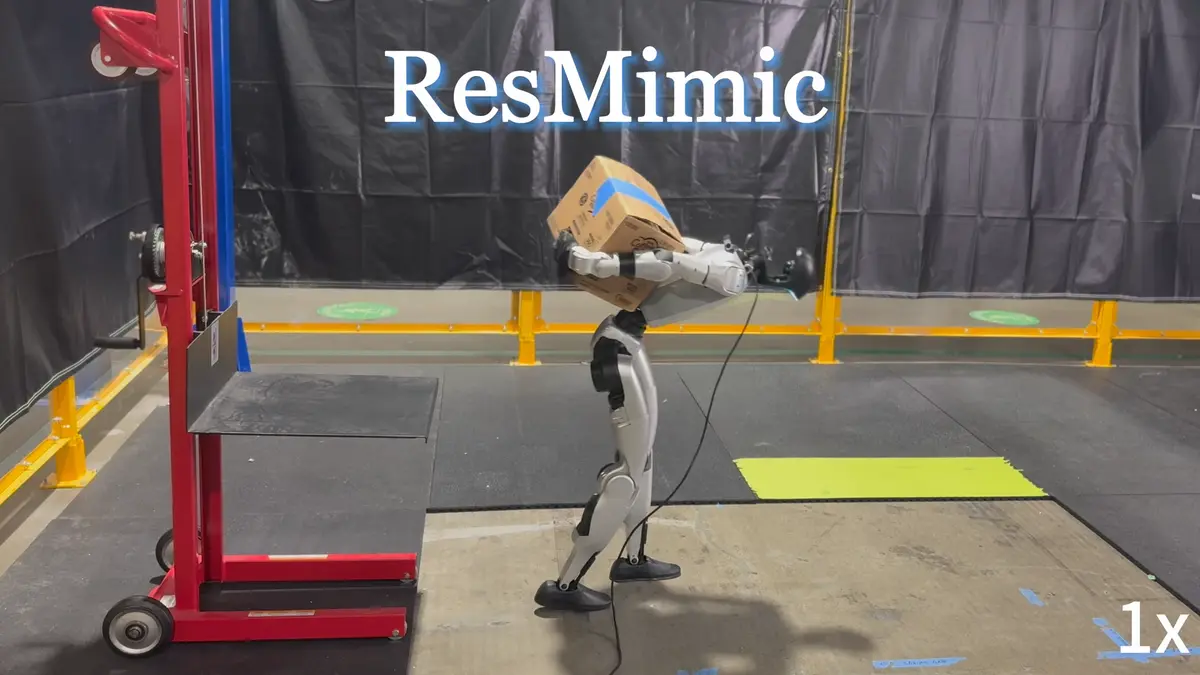
Amazon's ResMimic Teaches Humanoids to Handle Objects by Adding Precision to General Motion
Amazon has unveiled its latest robotics initiative, ResMimic, which aims to enhance the capabilities of humanoid robots in performing complex loco-manipulation tasks. This innovative project employs a two-stage residual learning framework that allows for the efficient teaching of these skills. By refining a general motion policy with specific corrections tailored to individual tasks, the system empowers a Unitree G1 robot to adeptly manage heavy and irregular objects with remarkable precision. This development is part of Amazon's ongoing efforts to advance robotics technology and improve automation processes in various applications.
reinforcement-learning Unitree Robotics AI Amazon robotics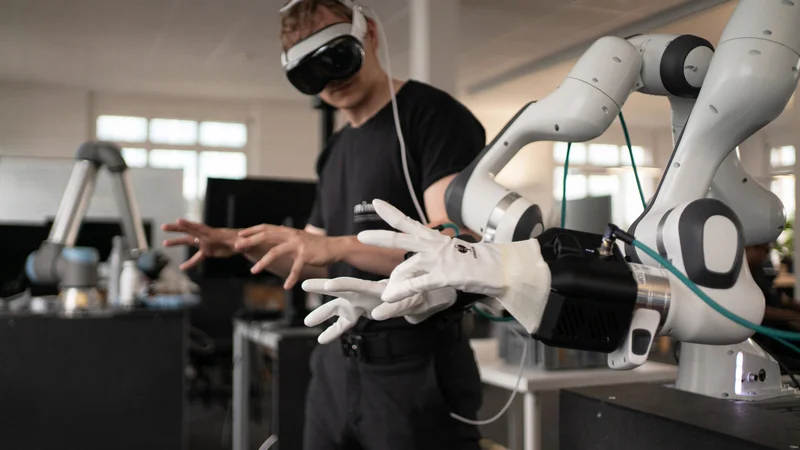
Mimic Robotics Raises $16M to Pair Dexterous AI Hands With Standard Robot Arms
A Zurich-based ETH spin-off is advocating for a practical and swiftly implementable solution to industrial automation, challenging the notion that full-body humanoid robots are the optimal choice for most tasks. Instead, the company emphasizes the development of a robust AI foundation model, which is designed to be trained and operated by human workers. This approach aims to enhance efficiency and effectiveness in various industrial applications, reflecting a shift towards more adaptable and user-friendly technologies in the sector.
Mimic Robotics hand hands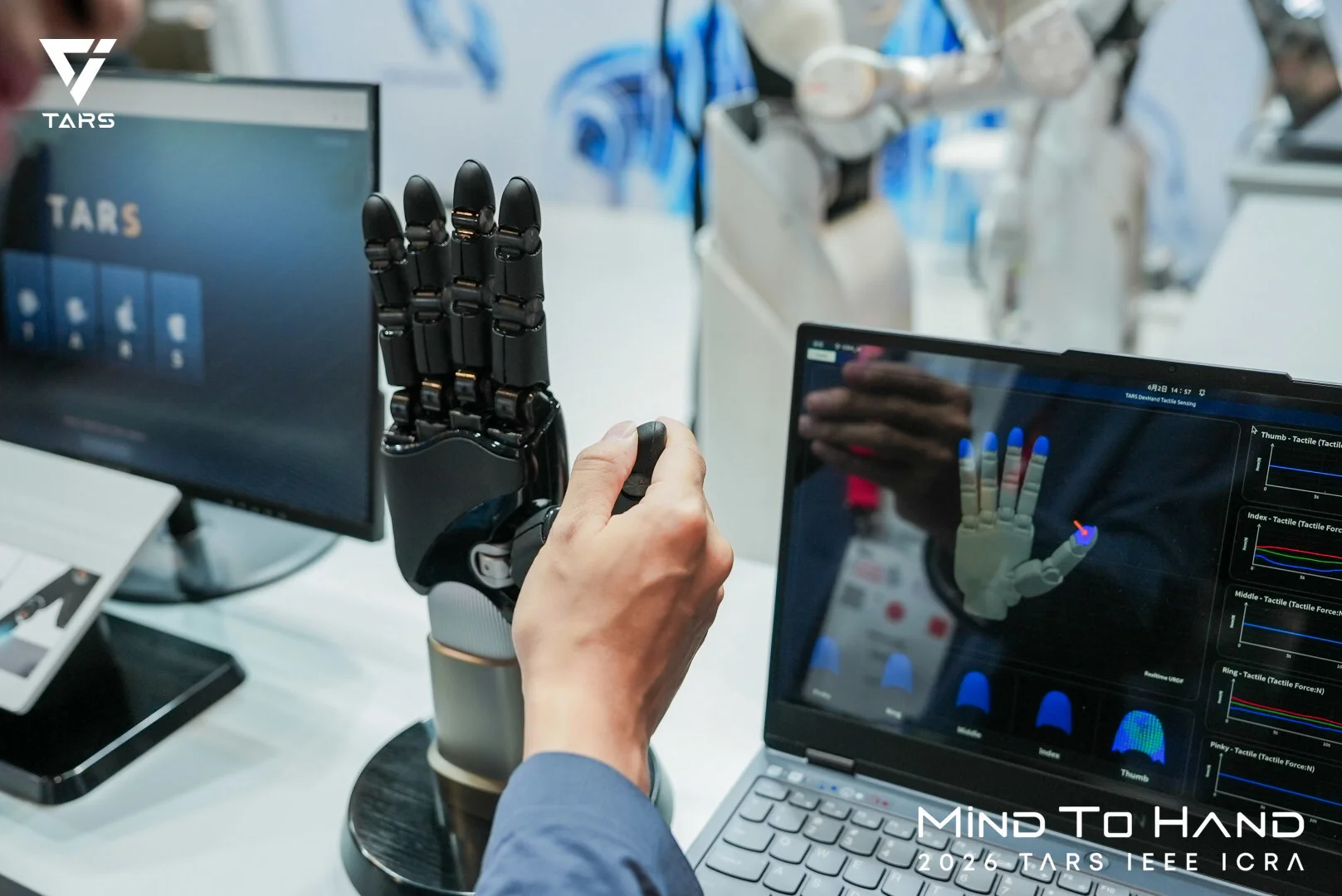
China’s TARS Debuts Humanoid Robotic ‘DexHand’
TARS, a Chinese humanoid robotics company, has unveiled its latest innovation, the DexHand robotic hand, during a demonstration at the ICRA 2026 conference held in Vienna last week. This advanced system aims to closely mimic the structure and movement of the human hand, showcasing its capabilities through real-time sign-language gestures and mirror-control interactions. The demonstration highlighted the platform's dexterity, emphasizing TARS's commitment to advancing human-robot interaction and enhancing the functionality of robotic systems.
AI AI Use Cases Robotics Uncategorized China DexHand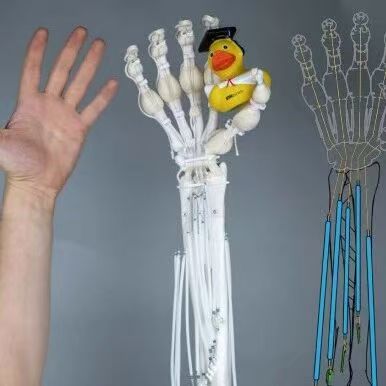
ETH Zurich's Breakthrough: Highly Biomimetic Pneumatic Muscle Robotic Hand Replicating Human Anatomy
Researchers from ETH Zurich have unveiled a groundbreaking robotic hand that mimics human anatomy, utilizing advanced 3D printing techniques and 22 independently controlled pneumatic artificial muscles. This innovative development, which was announced recently, aims to significantly improve dexterity and adaptability in robotic applications. The design is rooted in detailed human anatomical data, allowing the robotic hand to perform a wide range of tasks with precision. The project is poised to advance the fields of prosthetics and enhance collaboration between humans and robots, addressing the growing need for more versatile and functional robotic systems in various sectors.
Soft Robotics Pneumatic Actuators 3D Printing Prosthetics Biomimicry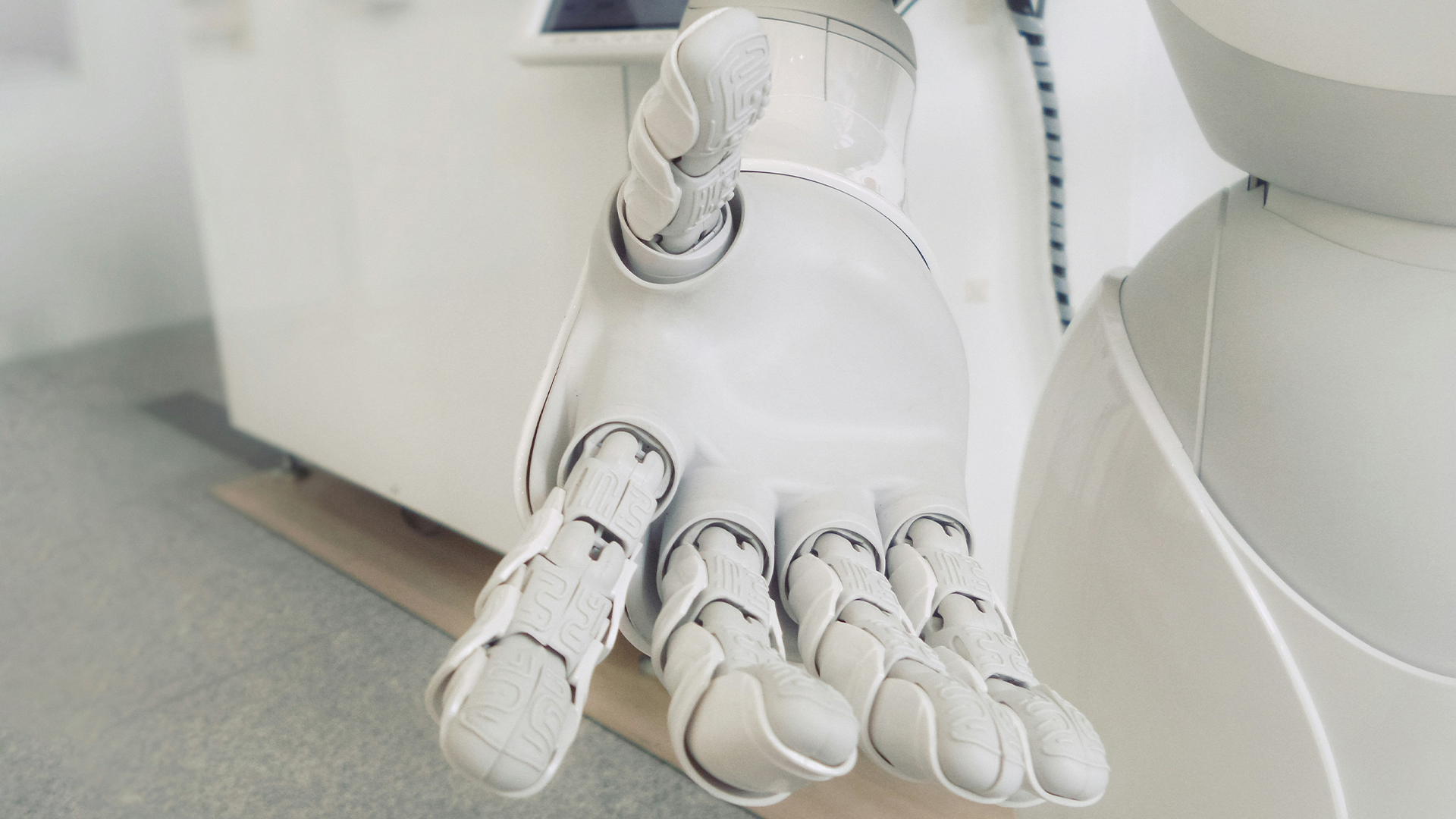
MIT’s ultrasound wristband could teach humanoid robots human hand skills
Researchers have developed an innovative wearable device aimed at enhancing the dexterity of humanoid robots, potentially allowing them to perform tasks with greater human-like precision. This breakthrough was announced in October 2023, as scientists continue to explore ways to improve robotic functionality and interaction in various settings. The device integrates advanced sensors and actuators, enabling robots to mimic the intricate movements of human hands. The motivation behind this development stems from the increasing demand for robots in industries such as healthcare and manufacturing, where fine motor skills are essential for tasks like surgery or assembly. By equipping robots with this new technology, researchers hope to bridge the gap between human and robotic capabilities, leading to more effective collaboration in the workplace. The project highlights the ongoing advancements in robotics and the potential for these machines to take on more complex roles in society.
AI and Robotics
MIT researchers channel AI to turn hand gestures into robot training data
Researchers have developed an innovative method to enhance the capabilities of humanoid robots, particularly in tasks such as grasping objects. This advancement involves the use of a specialized ultrasound wristband worn by a human instructor, which captures the intricate movements of muscles, tendons, and ligaments beneath the skin. By analyzing this data, the robots can learn to replicate these movements more effectively. The initiative, which began in late 2023, aims to improve the dexterity and functionality of robots in various applications, from manufacturing to personal assistance. The ultrasound technology provides real-time feedback, allowing the robots to adjust their movements based on the instructor's actions. This approach not only enhances the robots' ability to perform complex tasks but also opens new avenues for human-robot interaction. The research is being conducted at a leading robotics lab, where experts are focused on bridging the gap between human-like movement and robotic precision. By mimicking the natural motion of human hands, the robots are expected to achieve greater efficiency and adaptability in their operations. This breakthrough could significantly impact industries that rely on automation, making robots more versatile and capable of handling delicate tasks that require a human touch.
Robotics
TARS DexHand Makes Global Debut at ICRA: Redefining Dexterous Operations with Mind-Hand Integration
At the ICRA conference held in Vienna, TARS DexHand was unveiled, showcasing an innovative 'mind-hand' integration system designed to mimic human hand movements with 21 degrees of freedom. This advanced technology enhances task execution by utilizing sophisticated data alignment and modeling capabilities. During the demonstration, the system performed real-time interactions and complex tasks, underscoring its significant potential for industrial applications and the advancement of embodied intelligence. The event highlighted the ongoing evolution in robotics and its implications for various sectors.
Dexterous Robotics Embodied Intelligence Robotics Automation AI Technology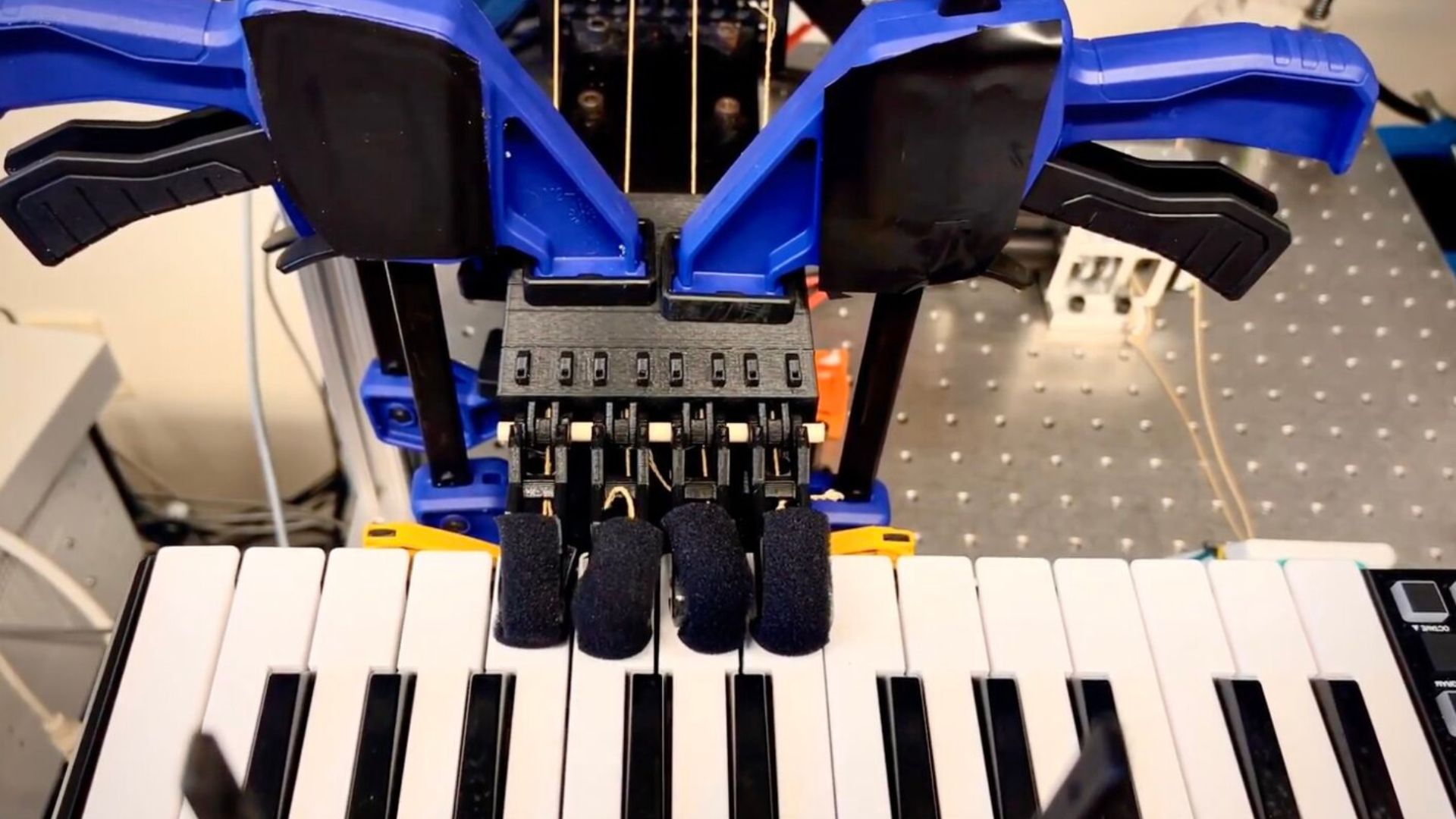
New piano-playing robotic hand learns notes after just two minutes of practice
A team of researchers has introduced an innovative robotic system known as the “Musician Hand,” capable of listening to and interpreting music in real-time. This groundbreaking technology was revealed during a recent conference focused on advancements in robotics and artificial intelligence. The unveiling took place in October 2023, showcasing the system's ability to analyze musical compositions and respond with precise movements that mimic human musicians. The motivation behind developing the “Musician Hand” stems from a desire to enhance the interaction between humans and machines in creative fields, particularly in music. By integrating advanced auditory processing capabilities, the robotic hand can not only play instruments but also adapt its performance based on the nuances of the music it hears. This innovation aims to bridge the gap between technology and artistry, providing new opportunities for collaboration between musicians and robots. The researchers demonstrated the system's functionality by having it perform alongside live musicians, illustrating its potential to revolutionize music education and performance. The “Musician Hand” represents a significant step forward in the field of robotics, highlighting the increasing role of artificial intelligence in creative endeavors. As the technology continues to evolve, it may pave the way for more sophisticated applications in various artistic domains, fostering a deeper connection between human creativity and robotic assistance.
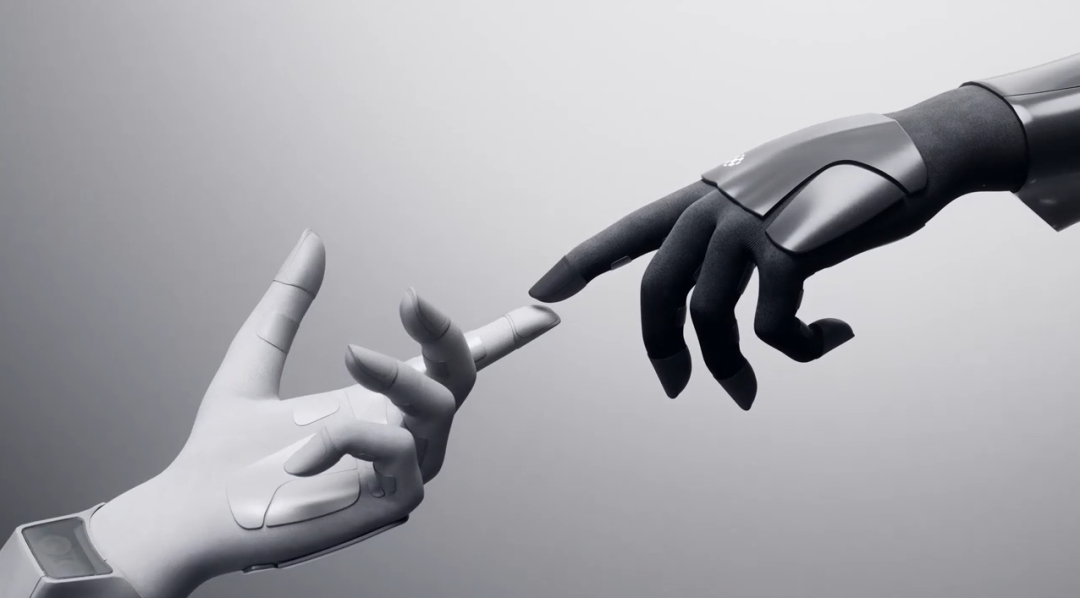
A New Hybrid-Driven Dexterous Hand Learns to Perform Tasks Done by Human Hands
The Xynova Flex 2, an innovative bionic dexterous hand, has been unveiled to enhance manufacturing processes, especially within the 3C consumer electronics industry. This next-generation device employs a hybrid tendon-motor drive system, enabling it to perform complex tasks with remarkable precision and adaptability. By mimicking human dexterity, the Xynova Flex 2 aims to improve automation in manufacturing settings, addressing the growing demand for efficiency and accuracy in production. This development represents a significant advancement in robotics, showcasing how technology can bridge the gap between human skills and automated processes.
Dexterous Hands Automation Technology Robotics Manufacturing 3C Electronics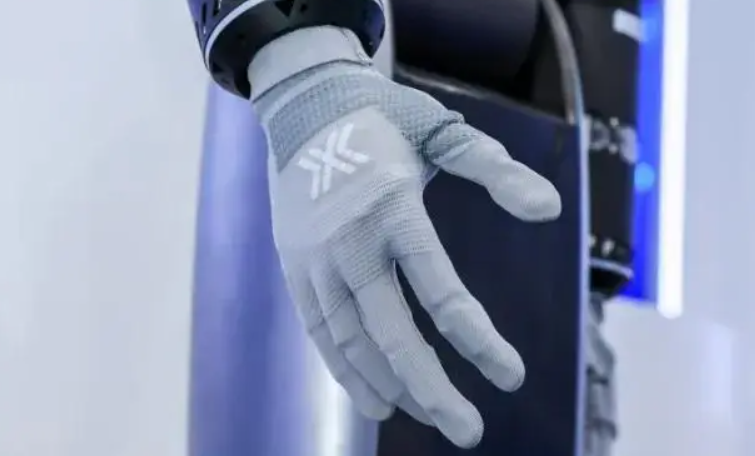
Interview with Yuquan Biomimetic's Hu Zheqi: Deeply Engaging in the Dexterous Hand Sector to Reshape the Humanoid Robot Industry with Core Technology
In a significant development for the humanoid robot industry, Hu Zheqi of Yuquan Biomimetic has unveiled advancements in dexterous hand technology, which are crucial for the commercial success of robotic systems. During a recent presentation, he highlighted the capabilities of the Y-Hand M2 and W-Bot 2.0, both of which feature cutting-edge designs that closely mimic human biomechanics. These innovations aim to improve the performance and reliability of robots in practical applications, addressing a key challenge in the field. The breakthroughs are expected to enhance the functionality of humanoid robots, making them more adaptable for various tasks in everyday environments.
Humanoid Robots Dexterous Hands Biomimetic Technology Robotics Innovation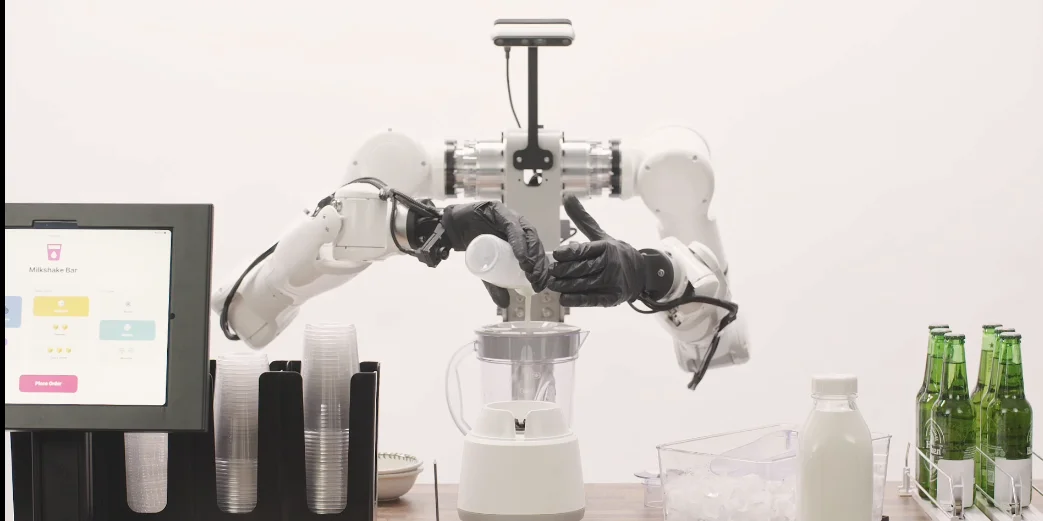
Genesis AI Unveils Foundation Model, Hand & Data Collection System to Develop Human-Level Physical Manipulation for Robotics
Genesis AI has introduced a groundbreaking robotics foundation model named GENE-26.5, accompanied by a proprietary robotic hand and a data collection system aimed at enhancing the ability of robots to learn complex physical tasks by observing human behavior. This innovative system seeks to tackle the challenges associated with gathering substantial amounts of usable training data necessary for teaching robots to perform intricate tasks effectively. The unveiling of GENE-26.5 marks a significant advancement in the field of robotics, as it promises to streamline the learning process for robots, making them more adept at mimicking human actions.
AI AI Use Cases Robotics Eclipse Eric Schmidt Foundation AI Model for Robotics
Exploring physical AI: Linkerbot works on giving robots human-like hands to act in the real world
Linkerbot, a robotics company, is advancing the integration of artificial intelligence into the physical realm by developing robotic hands that mimic human dexterity. This initiative comes as AI technology continues to evolve, moving beyond digital applications to interact with the real world. The company's focus on creating hands that can perform tasks with human-like precision aims to enhance the functionality of robots in various industries. NVIDIA CEO Jensen Huang has highlighted the significance of such innovations, emphasizing the potential for these advancements to revolutionize how machines operate in everyday environments. As Linkerbot pushes the boundaries of robotics, the implications for automation and human-robot collaboration are becoming increasingly profound.
On the Cusp AI Highlight News Robotics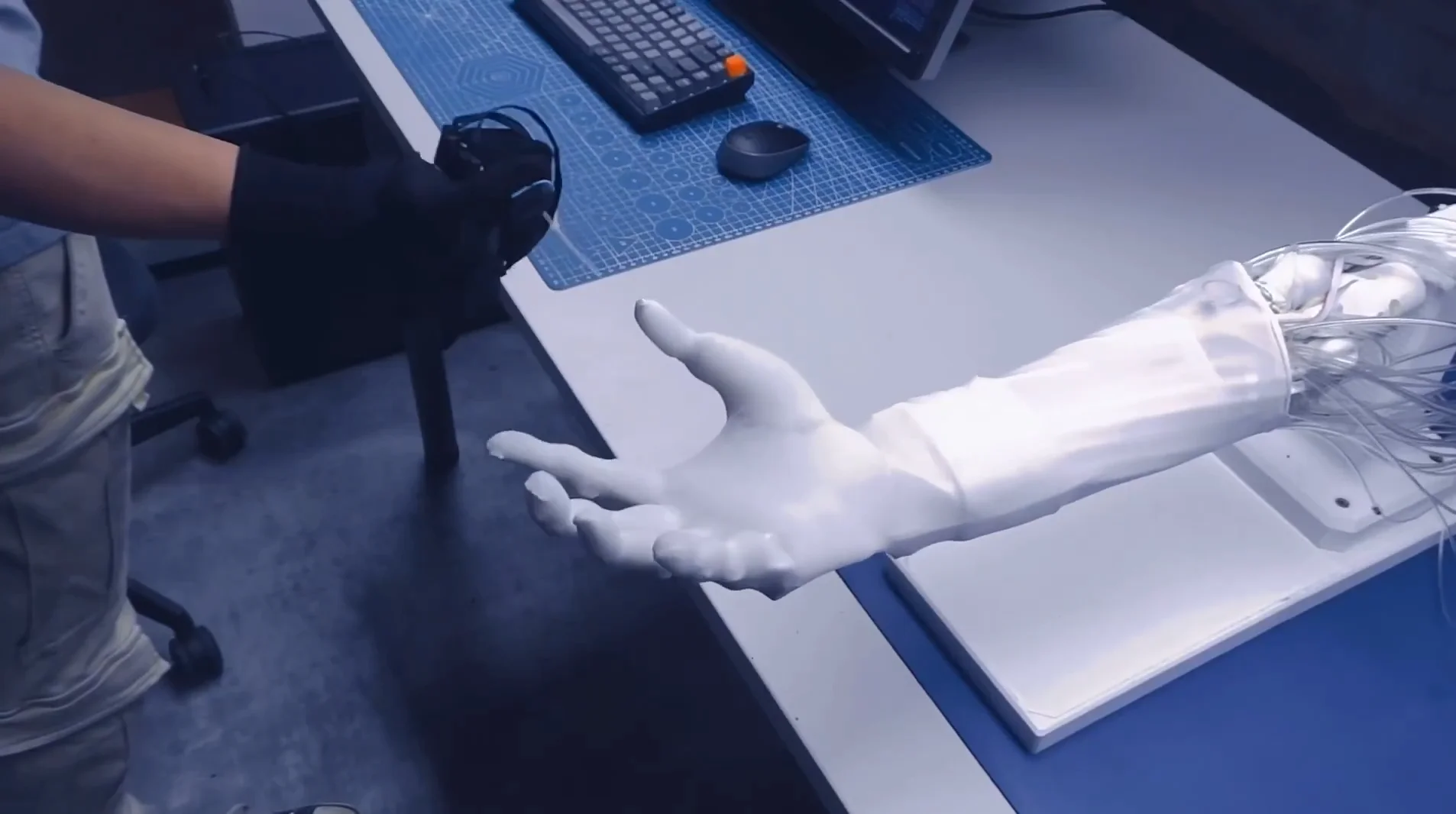
Clone Robotics Demos Startlingly Fast Robotic Hand, Touts Neural Controller
Clone Robotics has released a new video showcasing its advanced 27-degree-of-freedom (DoF) biomimetic hand, which accurately mimics human movements with remarkable speed. This demonstration highlights the company's innovative "neural joint controller," a significant development in their ongoing Clone Alpha project. The video serves as a tangible update on the project's progress, emphasizing the potential applications of this technology in fields such as robotics and prosthetics. By integrating sophisticated control systems, Clone Robotics aims to enhance the functionality and responsiveness of robotic hands, paving the way for more lifelike interactions in various environments.
clone robotics Europe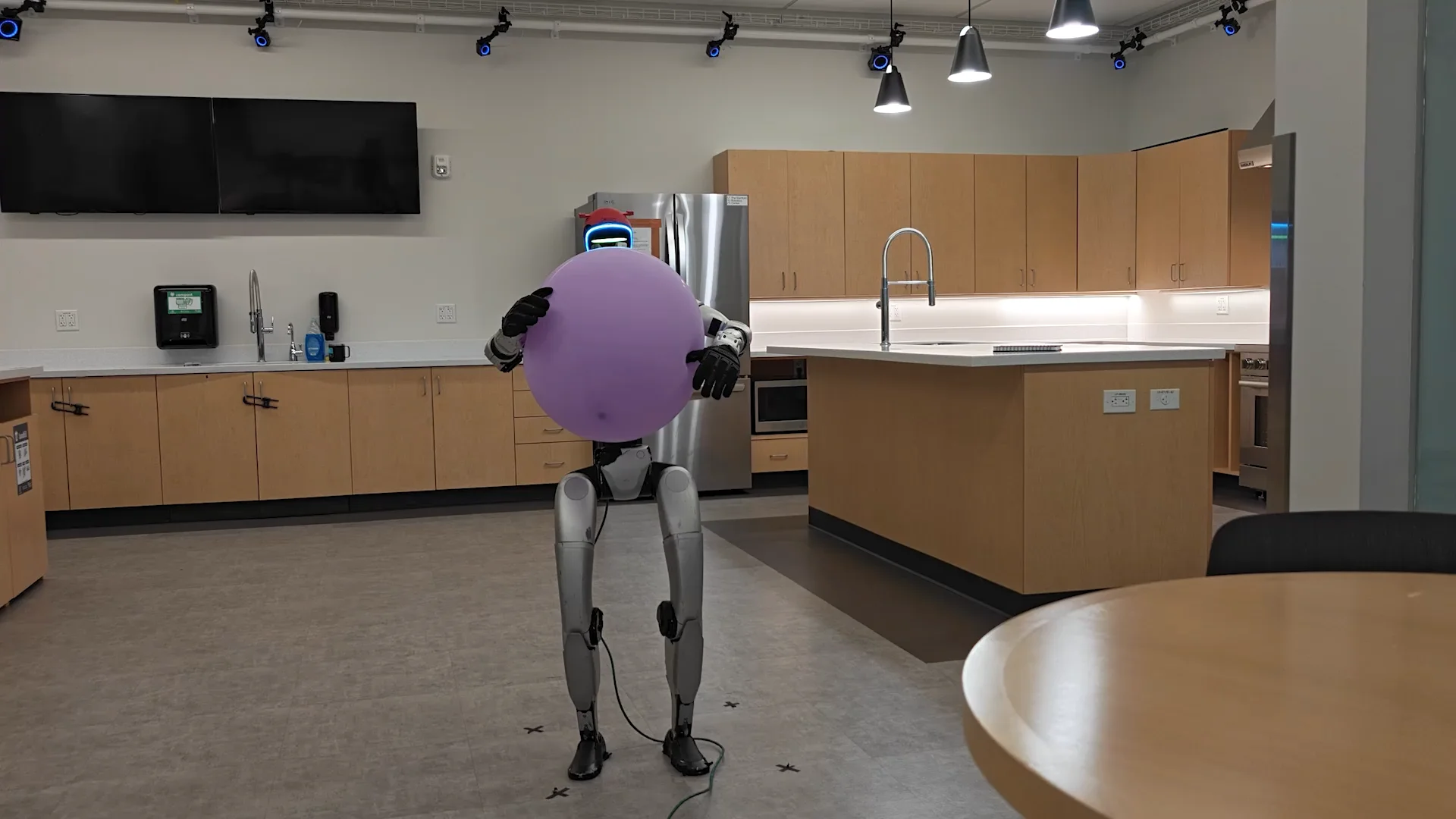
Stanford’s ‘GentleHumanoid’ Teaches Robots to Hug, Shake Hands, and Handle Balloons
Researchers at Stanford University have developed a groundbreaking reinforcement learning framework that enhances the upper-body compliance of humanoid robots. This innovative approach builds on the recent advancements made by MIT's SoftMimic project. The new technology allows robots to perform delicate tasks such as safely hugging, providing support, and handling fragile objects. The research aims to improve human-robot interaction and expand the practical applications of robotics in everyday life. By enabling robots to exhibit more human-like movements and responses, this development could significantly enhance their functionality in various settings, from caregiving to manufacturing. The findings underscore the potential for robots to integrate more seamlessly into human environments, promoting safety and efficiency in their interactions.
G1 Unitree Robotics Stanford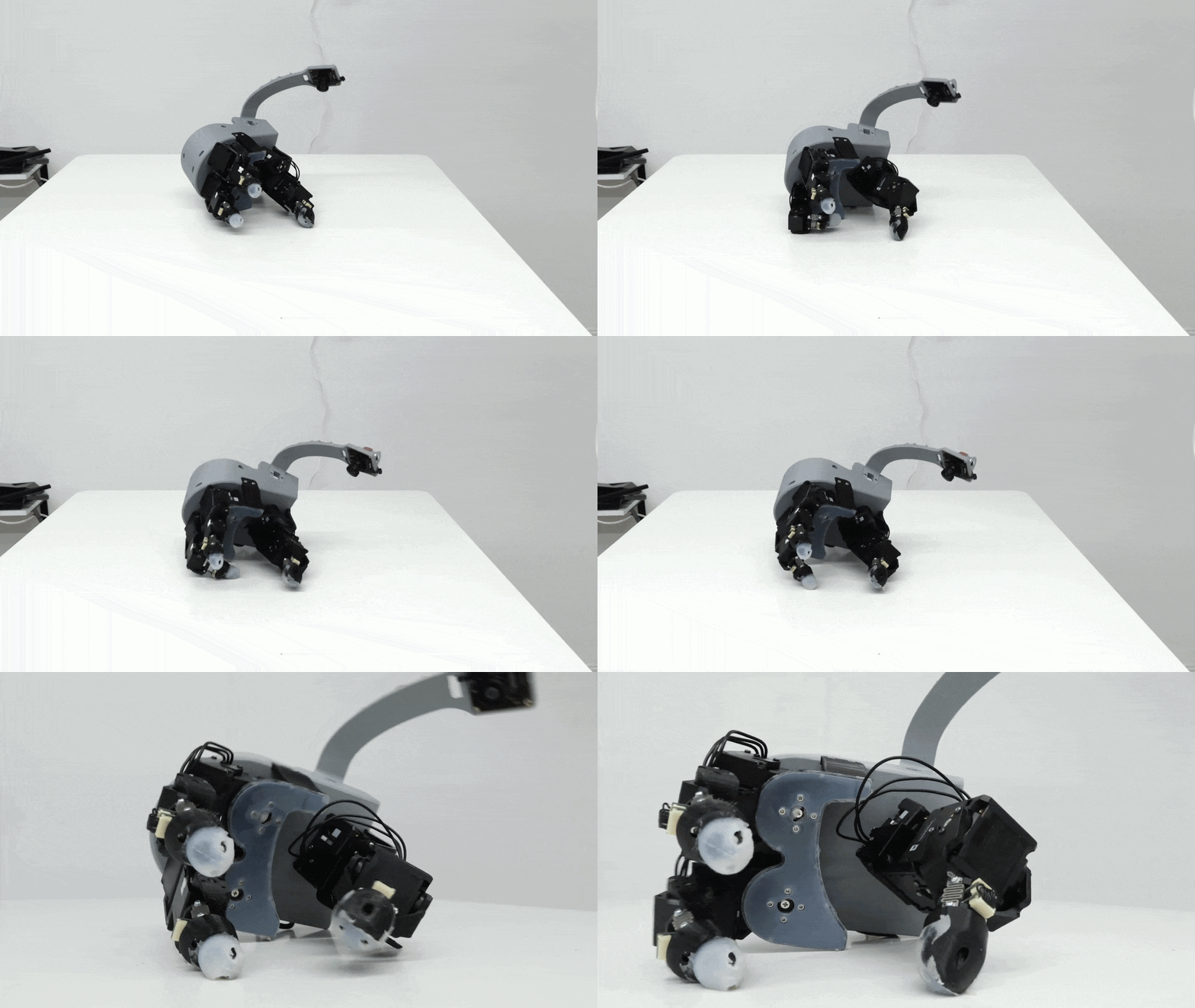
Video Friday: Give Robots a Hand
IEEE Spectrum robotics has released its latest edition of "Video Friday," showcasing a collection of innovative robotics videos along with a calendar of upcoming robotics events scheduled for 2026. The events include the RSS conference in Sydney from July 13-17, the Summer School on Multi-Robot Systems in Prague from July 29 to August 4, Actuate in San Francisco on August 18-19, and IROS in Pittsburgh from September 27 to October 1. Among the featured videos, Pulkit Agrawal from MIT CSAIL discusses his "SoftMimic" approach to enhancing robot safety around humans. The DARPA Lift Challenge, taking place from August 6-9 at the National Museum of the US Air Force, invites public participation. Notable demonstrations include Agility Robotics' Digit, which showcases advanced footstep planning to navigate obstacles, and DEEP Robotics' aggressive firefighting robot. Additionally, the potential for AI-driven robots to understand whale behavior and communication is explored by Harvard SEAS Professor Stephanie Gil. The edition also highlights discussions with Rodney Brooks, the creator of the Roomba, about the future of robotics. The content aims to engage the robotics community and stimulate interest in technological advancements and their applications.
Humanoid-robots Video-friday Robot-hands Quadruped-robots Robot-videos Firefighting-robots
'Touch dreaming' helps humanoid robots handle five tricky tasks with 90.9% higher success
Humanoid robots, designed to mimic human body structures, are on the verge of becoming valuable assistants in diverse environments such as homes, factories, and hospitals. While existing models have demonstrated proficiency in basic manual tasks, they face challenges when it comes to executing more complex operations or manipulating objects effectively while navigating their surroundings. As advancements in robotics continue, researchers aim to enhance the capabilities of these robots, enabling them to perform a wider range of tasks and improve their reliability in dynamic settings. This evolution in robotic technology could significantly transform how humans interact with machines in everyday life and various industries.
Robotics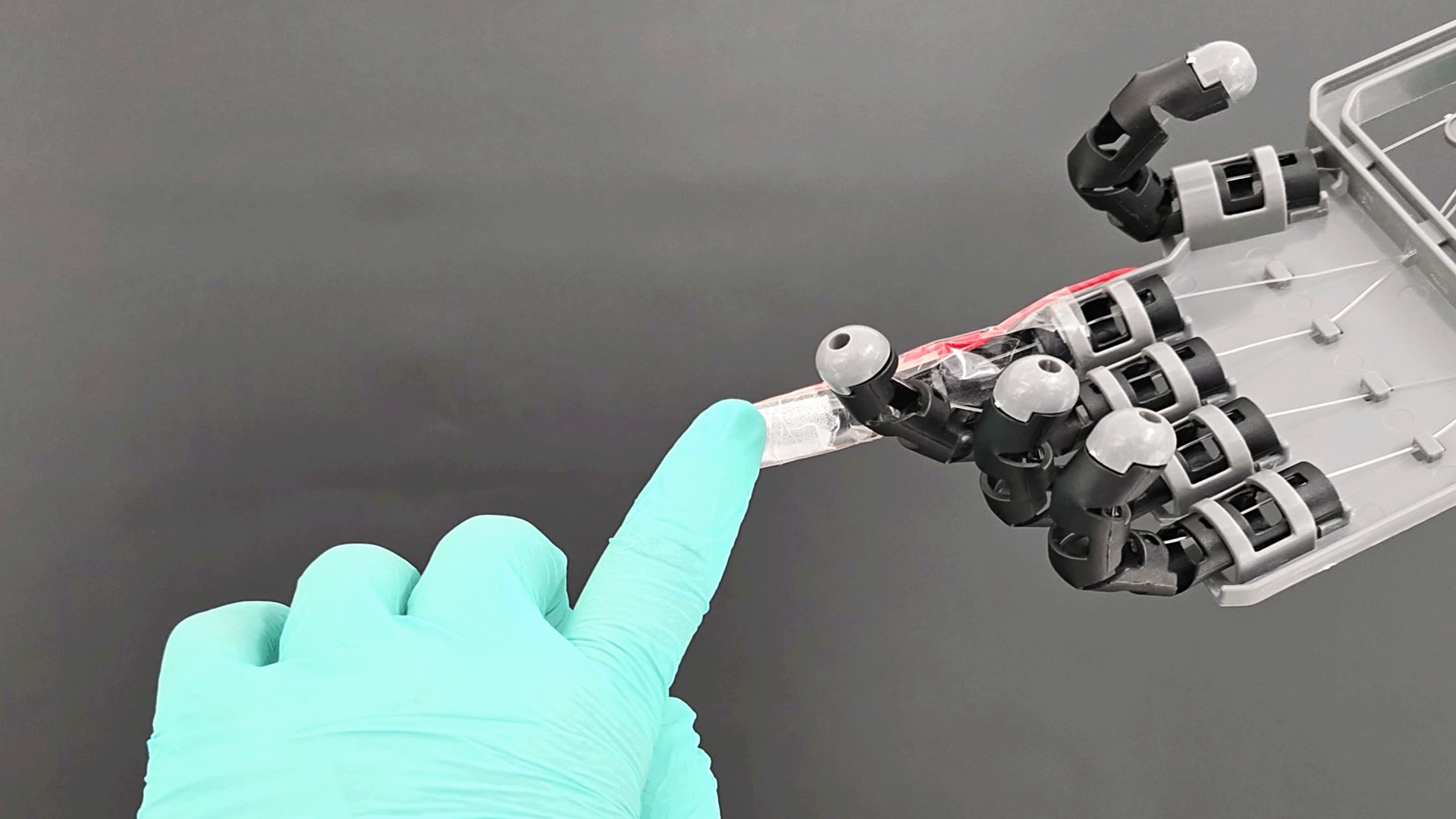
Stretchable electronic skin lets robotic hand feel touch and pressure signals
Researchers are making significant strides in the development of stretchable, transparent electronics capable of bending, rolling, and mimicking human skin. This advancement, which has been gaining momentum in recent months, aims to revolutionize various applications, including wearable technology and medical devices. The ongoing research is taking place in laboratories across the globe, with scientists collaborating to enhance the functionality and durability of these innovative materials. The motivation behind this work stems from the increasing demand for flexible electronics that can seamlessly integrate with the human body and adapt to various environments. Through a combination of advanced materials science and engineering techniques, researchers are exploring new methods to create these electronics, which could lead to breakthroughs in health monitoring and interactive devices. As this technology continues to evolve, it holds the potential to transform industries and improve the quality of life for many individuals.
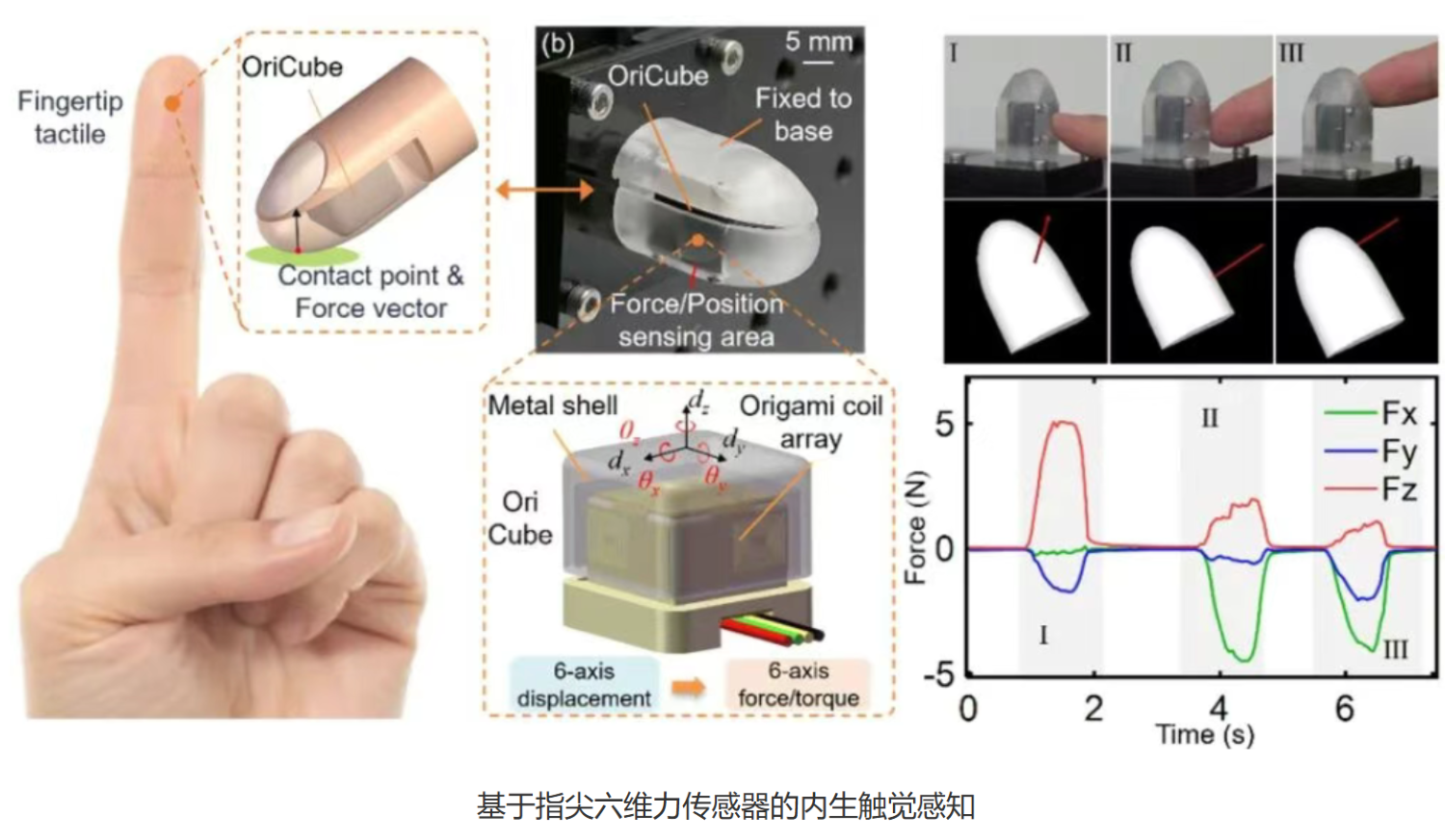
Chinese University Develops OriCube Sensor to Enhance Robot Tactile Sensitivity
Researchers from the University of Science and Technology of China have developed the OriCube, a compact six-dimensional force/moment sensor that mimics human fingertip sensitivity. Measuring just 14×14×12 mm and weighing 4 grams, it achieves a remarkable resolution of 3 millinewtons within a 23-newton range, allowing it to detect even the lightest touch, such as a feather. This innovation is significant as it addresses the limitations of current robotic tactile solutions, which often rely on electronic skin or array sensors that face challenges like complex wiring and data processing. By embedding the OriCube directly into the fingertips of robotic hands, the sensor captures minute force changes and calculates precise contact points and force vectors, offering a new approach to tactile perception in robotics. The OriCube has demonstrated low power consumption of 45 milliwatts, minimal crosstalk, and high measurement accuracy. Its ability to sense both delicate touches and withstand impacts positions it as a robust solution for enhancing robotic dexterity in uncertain environments. No further timeline was disclosed at the time of publication.
Robotics Tactile Sensors Force Sensing Artificial Intelligence
Small-AI Models Gain Traction Around the World
One morning in 2019, Adebayo Alonge was in a Cape Town hotel room, preparing to demonstrate his startup’s AI answer to a serious problem in African health care: counterfeit medication, which kills thousands of people across the continent every year.The RxScanner is a handheld spectrometer that scans a pill with infrared light, then sends the item’s molecular profile to an AI model equipped with a pharmaceutical database. In seconds, the AI identifies the medication from its molecular profile—or reports that it’s phony.Pharmacies were using the system in more than a dozen countries, including Ghana, Kenya, Myanmar, and Alonge’s native Nigeria. But that morning in South Africa, it didn’t work. “I was shocked,” Alonge says.The spectrometer connected to the AI model—but the data center was 14,000 kilometers away and bandwidth was limited. “Our server was in the United States, and just to get the result of a single scan was taking me over 5 minutes.”So Alonge immediately asked his engineers to shrink the AI model down to a smaller, low-power, unconnected version that could run entirely on his Android phone. They produced it 2 hours later, and that saved the demo.More importantly, the work birthed a new version of his device, which can authenticate a pill in places without broadband, computers, or even reliable electricity. It also turned Alonge into an advocate for this kind of “small AI.”Small AI for Global Health Care AccessSmall AI is a far cry from wealthy nations’ colossal large language models (LLMs), hyperscale data centers, multibillion-dollar investments, and debates about AI consciousness. But for millions of people around the world, the only AI that matters, and often the only kind available, is small. (According to a World Bank Report issued in November, only 0.7 percent of internet users in the world’s poorest countries have used ChatGPT, compared to a quarter of all internet users in the most developed nations.)“Most people are discussing AI from the LLM/generative side. But that needs a lot of computing power, electricity, massive data, and skilled people to manage it,” Ajay Banga, president of the World Bank, said last January at the World Economic Forum, in Davos. “Outside the developed world, other than maybe India and China, very few countries have that combination.”By contrast, small AI can deliver useful, even life-saving services to people in areas that have none of those things, Banga said. In India, where the government’s AI plans call for more development of small AI, many such systems are working for farmers.For example, a drone-based system developed by Bala Murugan and colleagues at the Vellore Institute of Technology, in India, takes photos of cashew plants and quickly identifies those with splotches that indicate disease. All the processing takes place on the drone itself, so there’s no need for a computer on-site, nor for a connection to a central server.Using small language models trained for a specific problem, and sometimes running on cheap, low-power devices, other small-AI implementations have been developed to identify ant infestations in a Uruguayan vineyard, detect the presence of malaria-carrying mosquitoes in a number of nations, and run electrocardiograms from an Arduino device in parts of Brazil that lack access to more complex equipment.“This is the most important area in AI nowadays,” says Marcelo José Rovai, a professor at the Institute of Engineering and Information Systems at the Federal University of Itajubá, in Brazil, who was involved in all three projects. “It’s growing very fast.”Low-Power, Small-AI Models on Devices Small AI models can run on a variety of low-power devices, including [from left to right] an Arduino Nano 33 BLE Sense, a Seeed Wio Terminal, and an Arduino Portenta.Moez AltayebFor Alonge, Rovai, and other advocates, small AI is not just “a promising trend,” as that November World Bank report calls it. It may be, in the long term, the form of AI that will touch the most lives and remain sustainable after some of the giant models become too costly for most users.“I think the future of AI is not like one giant model, at a center. I think it’s millions of small, precise models deployed at the edge, each one solving like a specific problem, a specific context,” Alonge says. This is partly because much of humanity—including people in parts of rich countries as well as the developing world—lives without access to cutting-edge frontier models. But, he says, it’s also because those models are not sustainable.“If someone is not subsidizing it, most people will not be able to afford those models. So those of us who are said to be small-AI developers are the ones who will have to build for the majority of the world,” Alonge says.There is no strict definition of “small AI,” but people often use the term for language models with at most a few billion parameters. (Compare that to cutting-edge models, which can include more than a trillion.) That’s small enough to run directly on a phone or a Raspberry Pi. That’s what allows these applications to run on devices without a connection to a data center and use only a few watts of power, often supplied by a battery or a solar panel.Despite their small footprint, these models aren’t fundamentally different technology from that of gigantic AI models, Rovai says. Many instances of small language models were created the same way the phone-based version of Alonge’s pharmaceuticals scanner was—by “pruning” large models, or removing the parameters that weren’t involved in the task. The result is a system that’s less capable generally but still very good at the specific job it was pruned for, Rovai says. A lighter version of RxAll’s RxScanner spectrometer sends its results to an AI model run locally on a phone to check that a drug’s molecular signature is genuine.RxAllOther small models are created by “distillation.” They are trained to mimic a large model, until their performance approaches that of their “teacher,” Rovai says. In other cases, a larger model’s precision is reduced, for example, so that a model run on 32-bit architecture can run on 8-bit designs. In situations where the machine learning application is being used to classify data or predict patterns (like an ant infestation), it’s trained from the beginning on a small device, not derived from a larger model at all. Running all these small, specialized systems is becoming easier, Rovai says, for two reasons.The first reason is that hardware is getting better and more capable while using less power, he says. This means more and more phones can run small AI—especially those equipped with neural processing units, which are specialized chips that handle AI tasks like facial recognition and changing the brightness, shadows, or contrast in a photo.In 2025, slightly more than a third of all smartphones shipped worldwide were capable of running generative AI, and that figure will reach 45 percent by the end of this year, according to the technology research firm Counterpoint. By the end of next year, slightly more than half of all smartphones will be able to run a small AI model.The second reason Rovai cites is the shrinking footprint of language models. Both Google DeepMind’s Gemma 4 (released in April) and Alibaba’s Qwen 3.5 are “fantastic” for small AI, Rovai says. Both models are “open weight,” meaning users can adjust the connections between parameters to suit their needs. This makes it easy, for example, “to take a lot of data from, say, the milk industry and retrain the model specifically on that,” Rovai says.Rovai illustrated these reasons on a Zoom call, using one of his most recent experiments. Holding up a device, he says, “This is the new Arduino UNO Q—a US $50 device with a Qualcomm chipset. I’m running a language model here, which collects data from sensors and analyzes that data to detect tiny pools of water where mosquitoes might be breeding. It takes 3 watts to run it.”Support for Small-AI DevelopmentConvinced that millions of people are already benefiting from these kinds of applications, the World Bank now actively promotes small AI with grants, mentorship programs, financing, technical advice, and models of government policies that are friendly for small-AI development. For example, in Rwanda, the World Bank is backing a government program to help low-income households get devices that can run AI.All that said, no one claims that large language models are going away entirely. To create a generative AI that can run on a phone or other small device requires the architectural insights, data processing, and results of a larger model, Rovai says. “We need the big models to create these smaller models.” And for all that small AI can benefit people without access to big AI, the technology can’t solve the larger problems of development and digital inequality, Alonge says. Implementing small AI won’t allow nations to escape the challenge of creating an ecosystem to support AI: reliable power, a supply chain that works, and an educational system that develops the talents needed to create AI tools.Though his drug-scanning system can run for days on a phone with no connection, “you still want to be able to enable periodic syncing for updates with new signatures for the medications and analytics,” Alonge says. “And even when you are using batteries, reliable power is important. That phone battery is not going to last forever.”In many parts of the world, the future of small AI isn’t assured, he says. “It works, and many places will eventually need to use it. The question is whether or not the political actors are wise enough to invest in infrastructure to support it long term.”
Small-language-models Artificial-intelligence Llms
Revolutionizing Robotics with Artificial Tendons: A New Era of Embodied Intelligence
Suzhou Zhixingjian Robot Technology Co., Ltd. has unveiled a groundbreaking development in robotics with its creation of artificial tendons designed to replace conventional motor systems. This innovative technology, which mimics biological tendons, significantly improves the weight, precision, and energy efficiency of robotic hands. By integrating these biomimetic tendons, the company aims to usher in a new era of lightweight and highly functional robotics, enhancing the capabilities of embodied intelligence. The advancements are expected to broaden the applications of robotic systems across various industries, marking a pivotal shift in the field of robotics.
Artificial Tendons Robotics Embodied Intelligence Biomimetic Technology Actuation Systems
HKU professor's startup Yisheng Technology secures hundreds of millions in angel funding to develop memory systems for robots.
TranscEngram, a robotics startup focused on developing autonomous intelligence, has successfully secured hundreds of millions in angel funding. The investment round saw participation from a diverse group of industry and state-owned enterprises, including Charoen Pokphand Group’s China National Pharmaceutical, Pudong Venture Capital, and several others. Founded in September 2023 by leading AI experts, including Professor Ma Yi from the University of Hong Kong, TranscEngram aims to create a unified system for robots that mimics human cognitive processes through a "brain + cerebellum" architecture. This innovative approach seeks to advance the field of explainable embodied intelligence by enabling robots to learn through a closed-loop of perception, prediction, and interaction. The newly acquired funds will primarily support the development of advanced models for embodied control and physical world modeling, as well as the establishment of research and industrial bases in Shenzhen and Shanghai. The company’s technology promises to enhance robots' capabilities in self-correction and continuous evolution, moving towards commercial applications. TranscEngram's unique memory system allows robots to learn from vast amounts of data without relying on fixed programming, significantly improving their performance in multi-tasking scenarios. The startup is currently focusing on high-end service sectors, such as hotel operations and flexible manufacturing in aerospace, aiming to automate and optimize these industries. With research and data centers established in major cities, TranscEngram is collaborating with leading robotics firms to integrate its innovative solutions into existing production processes, enhancing efficiency and adaptability in real-world applications.

What lessons is Ideal learning to catch up with FSD V14?
The competitive landscape of the intelligent driving industry has undergone significant changes in recent years, shifting from hardware specifications to advanced model development. Companies are increasingly recognizing that merely having larger models is insufficient for achieving generational advantages; instead, the integration of models, data, computing power, and chips into a continuous iterative loop is becoming crucial. This realization has prompted many automakers to invest in in-house research and development. Tesla has established a comprehensive ecosystem that spans data collection, training infrastructure, and self-developed chips, while Chinese companies like Li Auto, Xpeng, and NIO are also deepening their technological foundations. Li Auto has introduced its self-developed Mach M100 chip in its L8 and L9 models, which it views as a significant advancement in AI technology. In a recent discussion with Li Auto's autonomous driving and chip leaders, they emphasized that the industry should focus on the practical problems these investments aim to solve rather than merely the existence of in-house development. They outlined their strategies to achieve performance comparable to Tesla's Full Self-Driving (FSD) system, highlighting the importance of safety, efficiency, and comfort in user experience. As the industry moves towards higher levels of autonomy, the integration of vision and language models is seen as essential for developing systems that can handle complex, unforeseen scenarios. The executives noted that achieving higher levels of autonomy (L3 and L4) requires models that can reason and think like humans, underscoring the growing significance of language in AI systems. Overall, the conversation revealed the industry's focus on enhancing AI capabilities through innovative chip design and data utilization, aiming for a future where autonomous driving technology can meet the challenges of real-world driving conditions.
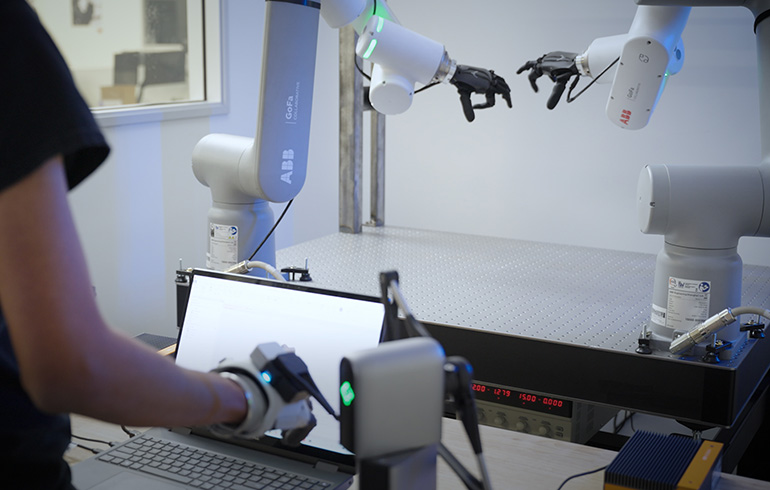
PSYONIC partners with ABB Robotics to apply human touch to robot dexterity
PSYONIC has announced a collaboration with ABB Robotics to enhance robotic dexterity by integrating its Ability Hand prosthetic with ABB's GoFa collaborative robot arm. This partnership aims to leverage data collected from prosthetic users to improve the robot's grasping capabilities, effectively mimicking human touch. The initiative underscores the growing intersection of robotics and prosthetics, with the goal of creating more intuitive and responsive robotic systems. The collaboration reflects a commitment to advancing technology that not only aids individuals with disabilities but also enhances the functionality of robotic devices in various applications.
Arms / Manipulators Artificial Intelligence Automotive Cobot Arms Collaborative Robots End Effectors / Grippers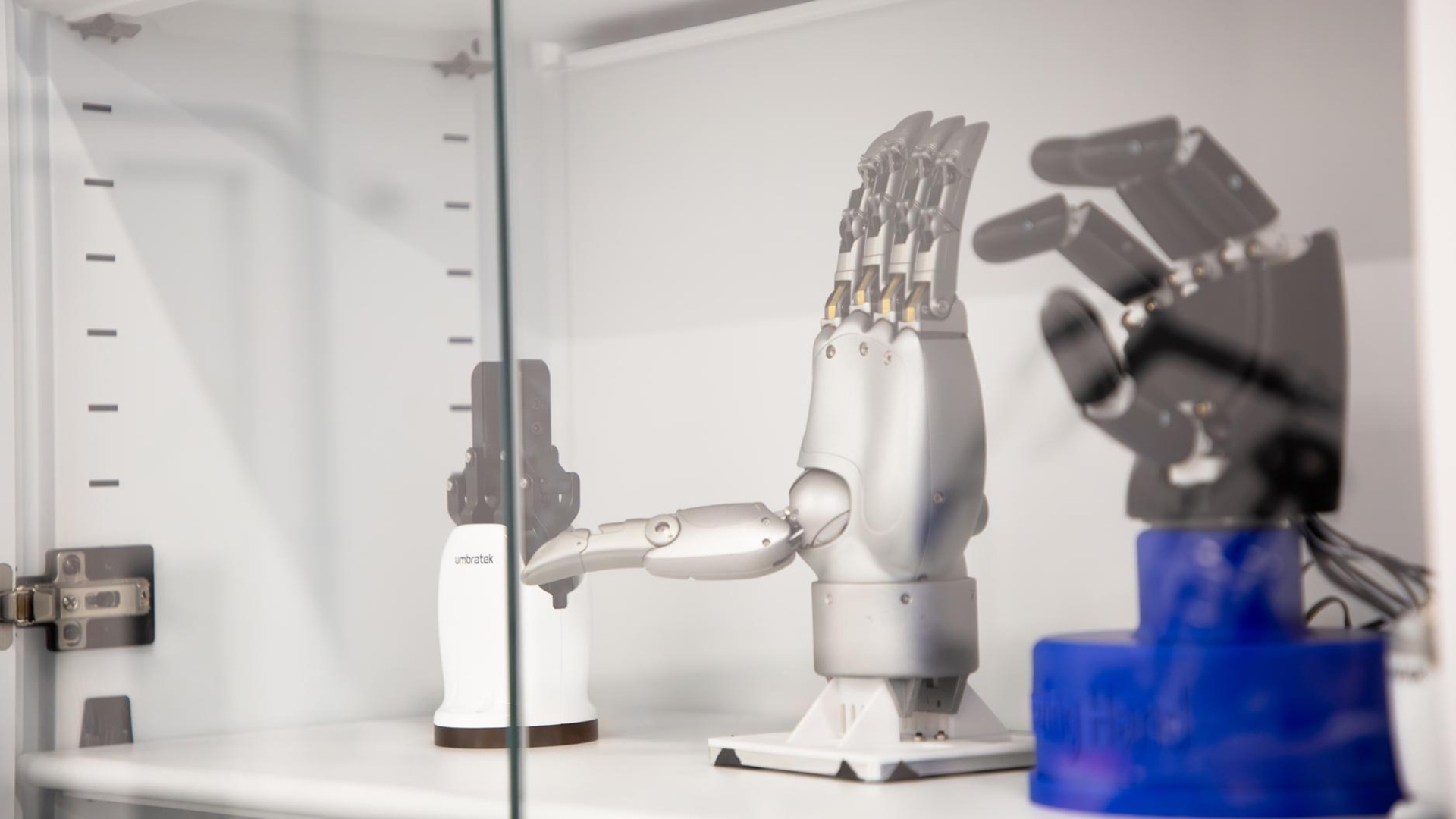
Scientists show predictable training can outperform complex robot learning data
Researchers are making significant strides in developing robots capable of manipulating objects with human-like dexterity, a challenge that has long posed difficulties in the field of robotics. This advancement is crucial as it could enhance the ability of robots to perform complex tasks in various settings, including homes, hospitals, and manufacturing plants. The ongoing work, which has gained momentum in recent months, is taking place in laboratories across the globe, where teams are experimenting with advanced algorithms and machine learning techniques. The motivation behind this research stems from the increasing demand for robots that can assist in everyday tasks, improve efficiency in industrial processes, and provide support in healthcare environments. By mimicking the intricate movements of the human hand, researchers aim to create robots that can handle delicate objects and perform tasks that require precision and adaptability. To achieve this, scientists are employing a combination of innovative hardware designs and sophisticated software programming. They are utilizing sensors and artificial intelligence to enable robots to learn from their interactions with various objects, refining their skills over time. This iterative learning process is essential for developing robots that can operate effectively in unpredictable environments. As the field progresses, the implications of these advancements could revolutionize how robots are integrated into daily life, making them more versatile and capable of performing a wider range of functions. The ongoing research highlights the potential for robots to not only assist but also enhance human capabilities in numerous domains.
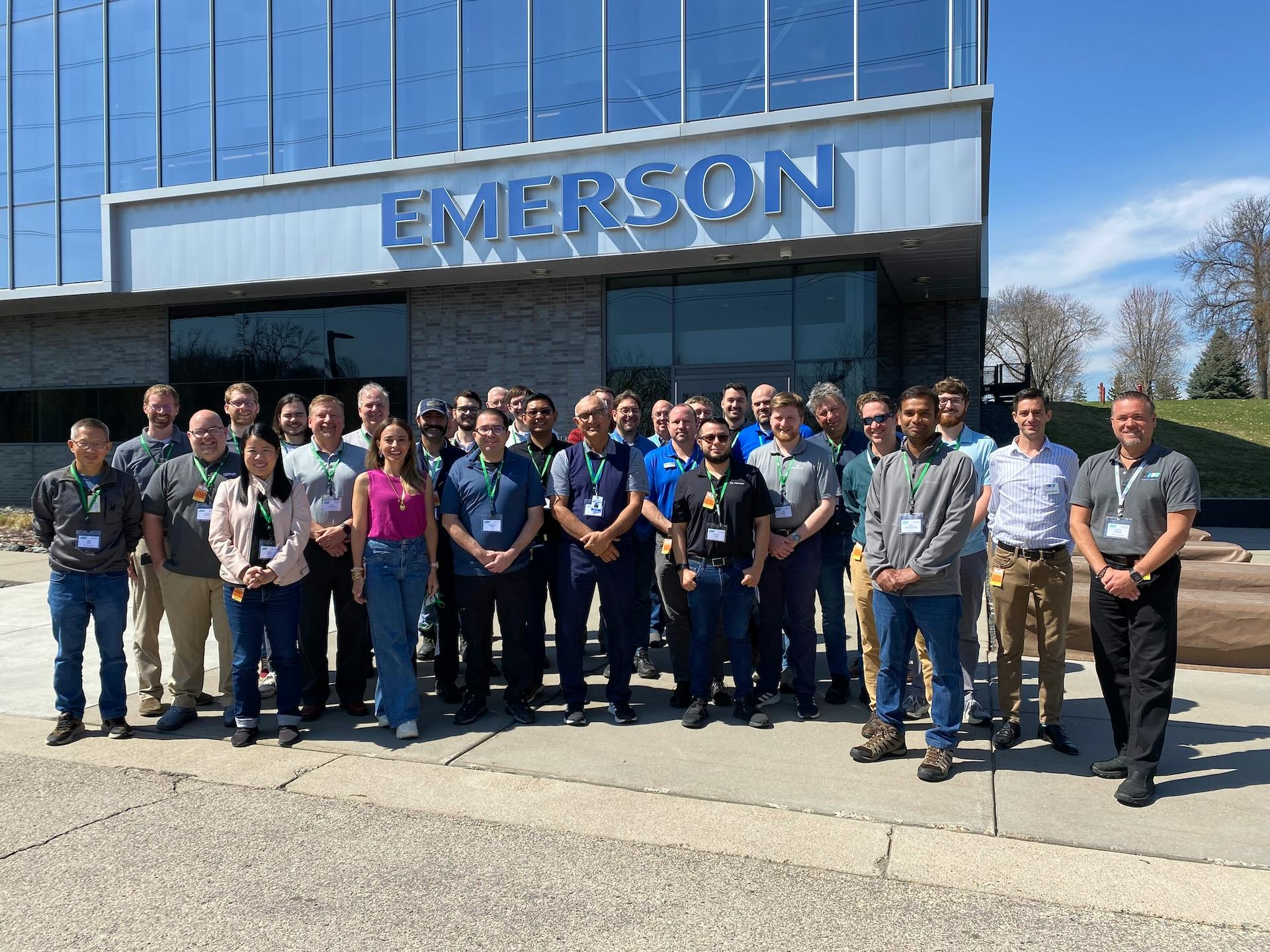
plugfest Features over 30 Engineers Across Companies to Test Devices
Engineers from 13 companies gathered to demonstrate their latest devices and controllers in a setting designed to mimic real-world automation environments. This event, held recently, aimed to highlight advancements in automation technology and foster collaboration among industry professionals. By creating a realistic backdrop, participants were able to showcase the practical applications of their innovations, emphasizing the importance of hands-on experience in understanding automation solutions. The initiative not only aimed to promote technological advancements but also to facilitate networking and knowledge sharing among engineers and stakeholders in the automation sector.
Factory / Communication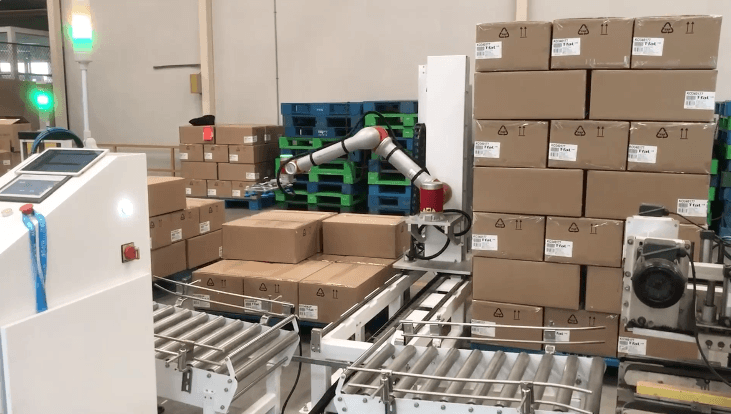
Manipulator Robot Arm Kinematics: Understanding the Degrees of Freedom (DoF)
In the rapidly evolving field of robotics, the JAKA Pro16 cobot stands out for its advanced kinematic design, which emulates the human arm's functionality. This industrial robot, equipped with six degrees of freedom (DoF), offers unparalleled agility and precision, allowing it to navigate complex environments and perform intricate tasks. With a reach of 1713mm and a payload capacity of 16kg, the JAKA Pro16 is particularly suited for heavy-duty applications, such as palletizing and CNC part handling. The robot's kinematic structure is divided into two functional groups: positioning axes that mimic the shoulder and elbow for spatial movement, and orientation axes that enable precise tool manipulation. This design helps the cobot overcome potential movement restrictions, known as singularities, ensuring continuous production flow in crowded factory settings. JAKA has optimized the Pro16 for high-precision environments, incorporating IP68-rated joints to protect internal components from dust, water, and oil. The robot maintains sub-millimeter repeatability and operates effectively in extreme temperatures, making it reliable for various industrial applications. Controlled wirelessly through the JAKA App, the Pro16 simplifies complex kinematic operations, enhancing productivity and efficiency in manufacturing processes. By integrating this cutting-edge technology, businesses can significantly improve their operational capabilities and maintain a competitive edge in the market.

Redefining Flexible Assembly: Fairplus Reveals YIMU Technology's Tactile Innovations
YIMU Technology is revolutionizing the industrial automation sector with its groundbreaking visuotactile sensing technology, which empowers robots to handle flexible assembly tasks more effectively. This innovative approach mimics human tactile feedback, enabling robots to adapt to varying production needs rather than relying solely on absolute precision. By enhancing the adaptability and efficiency of manufacturing processes, YIMU Technology is paving the way for a new era in automation, where flexibility becomes as crucial as accuracy. The development is poised to significantly impact production lines, allowing for a more dynamic response to changing assembly requirements.
Tactile Sensors Flexible Manufacturing Robotics Industrial Automation
Chef Robotics Advances Bi-Manual Physical AI System for Prep Table Food Assembly Powered by a Food Foundation Model
Chef Robotics has announced the development of a bi-manual physical AI system aimed at enhancing food assembly tasks on prep tables, such as burger and burrito preparation. This innovative system, which is set to launch on May 19, 2026, will cater to various sectors including ghost kitchens, fast-casual restaurants, and catering services, focusing on lower-volume yet more complex meal assembly compared to traditional food manufacturing processes. The new AI system utilizes two robotic arms for coordinated and dexterous manipulation, mimicking human-like capabilities to handle a variety of food items and utensils. It is powered by Chef's Food Foundation Model (FFM), which employs imitation learning to adapt quickly to diverse tasks and environments, overcoming the limitations of existing robotic systems that struggle with the variability of food materials. Chef Robotics aims to automate manual prep table assembly, a critical area in the food industry that has remained largely reliant on human labor. By leveraging the FFM, the system is designed to learn from demonstrations, allowing it to generalize across different tasks and robotic platforms. This advancement is expected to improve operational efficiency, yield, and consistency in food preparation, ultimately transforming how food assembly is approached in various culinary settings.
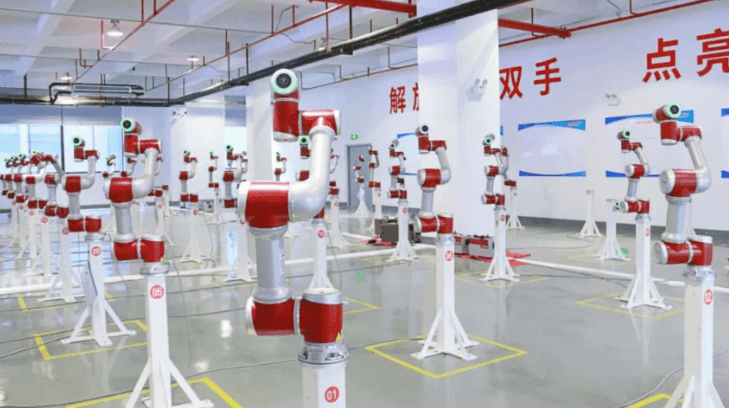
What Are 6 Axis Robot Arms, and How Does Their Versatility Work?
In the realm of industrial automation, the 6-axis robot arm has emerged as a pivotal innovation, offering unparalleled flexibility in manufacturing processes. These advanced machines, designed to mimic human arm movements, have transformed factory operations by enabling complex tasks with ease. The versatility of these robots stems from their unique kinematic structure, which features a series of rotating joints that allow them to access virtually any point in their workspace from various angles. The term "6-axis" signifies the six independent joints that provide the robot with multiple degrees of freedom. The major axes facilitate overall reach, while the minor axes function as a mechanical wrist, granting the robot the ability to pitch, roll, and yaw. This capability allows for diverse applications, from precision medical assembly to heavy-duty palletizing, setting them apart from traditional 4-axis robots. The adaptability of 6-axis robots is particularly beneficial in high-mix production environments, where they can seamlessly switch between tasks throughout the day, such as CNC machine tending and complex surface finishing. This flexibility minimizes the need for specialized machinery, optimizing floor space and reducing capital costs. JAKA has capitalized on this versatility with its Zu series of collaborative robots, which are lightweight and easily redeployable across production lines. The JAKA Zu18 model, capable of handling an 18kg payload with a reach of 1073mm, exemplifies strength combined with agility. Enhanced by user-friendly wireless control through the JAKA App, these robots are positioned to meet the evolving demands of both small workshops and large assembly plants, ensuring efficiency and adaptability in modern manufacturing.
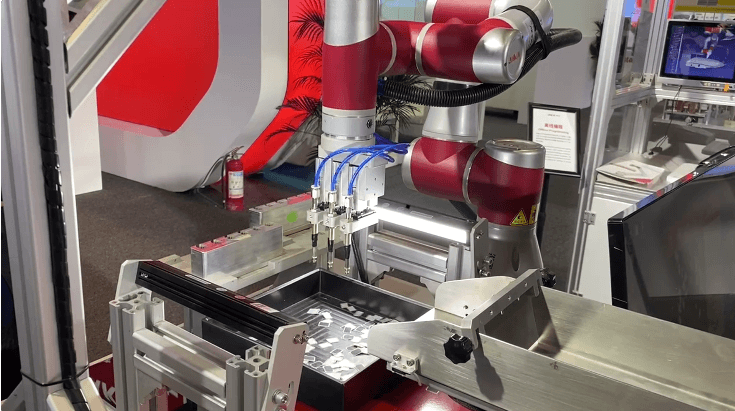
Understanding the Different Robot Arm Types (6-Axis, SCARA, Delta): A Comparison Guide
In the evolving field of automation, selecting the right type of robotic arm is crucial for optimizing production strategies. Different robotic configurations, including 6-axis, SCARA, and Delta robots, offer unique mechanical strengths and capabilities tailored to specific manufacturing tasks. The 6-axis articulated robot, commonly found in factories, mimics human arm movements and excels in complex processes like welding and assembly due to its six degrees of freedom and flexible work envelope. In contrast, SCARA robots, known for their rigidity in the vertical axis and compliance in horizontal movements, are ideal for high-speed tasks such as pick-and-place and electronics assembly, achieving remarkable precision and faster cycle times. Delta robots, characterized by their lightweight, spider-like design, are engineered for high-speed sorting and packaging in industries like food and pharmaceuticals, making them suitable for handling lightweight items quickly. JAKA Robotics has focused on enhancing 6-axis collaborative industrial robots, offering models like the JAKA Zu and Pro series that combine power and agility for various applications, from precision assembly to heavy-duty palletizing. JAKA emphasizes "Embodied Intelligence," ensuring their robots provide precise repeatability and user-friendly operation through wireless control and intuitive programming, catering to the needs of modern smart factories.

Inchworm-inspired robot uses 10 MeV-tolerant muscles to navigate Mars-like terrain
Researchers at the University of Gothenburg have developed an innovative soft robot inspired by the movement of inchworms. This breakthrough was announced on October 15, 2023, during a presentation at an international robotics conference in Gothenburg, Sweden. The team aims to create a versatile robotic system capable of navigating complex environments, which could have significant applications in fields such as search and rescue, environmental monitoring, and medical assistance. The motivation behind this project stems from the need for robots that can maneuver through tight spaces and uneven terrain, where traditional rigid robots often struggle. By mimicking the inchworm's unique locomotion, the researchers designed a soft robot that uses a series of flexible segments to propel itself forward, allowing for greater adaptability and safety in various settings. The development process involved extensive experimentation with materials and designs to achieve the desired flexibility and efficiency. The team utilized advanced engineering techniques to ensure the robot can perform tasks that require delicate handling, making it suitable for operations in sensitive environments. This innovative approach not only showcases the potential of bio-inspired robotics but also opens new avenues for future research in soft robotics, emphasizing the importance of nature as a source of inspiration for technological advancements.
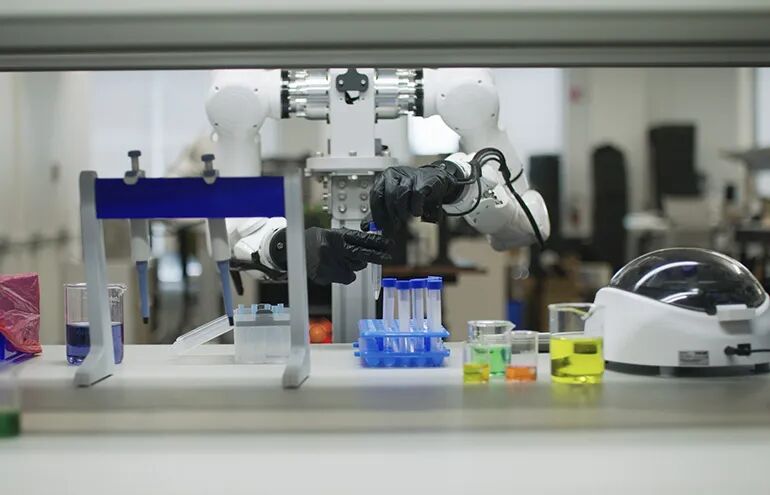
Genesis AI Unveils GENE-26.5 Robot Foundation Model: Achieving Human-Level Tasks from Cooking to Piano Playing
Genesis AI has unveiled its inaugural robot foundation model, GENE-26.5, which demonstrates advanced capabilities in performing intricate tasks such as cooking, lab pipetting, and playing the piano with remarkable human-like dexterity. This launch, occurring in October 2023, aims to address the 'embodiment gap' in robotics by closely mimicking the structure of the human hand. The model employs cutting-edge data collection techniques to enhance its functionality and adaptability, marking a significant advancement in the field of robotics.
Robotics AI Human-Robot Interaction Data Collection Simulation Systems
Sixth sense: Robot uses human-like touch awareness for camera-free navigation
Researchers at the National University of Singapore have unveiled an innovative soft robot system designed to enhance human-robot interaction. This groundbreaking development, announced on October 15, 2023, aims to improve the safety and effectiveness of collaborative tasks in various environments, including healthcare and manufacturing. The motivation behind this project stems from the growing need for robots that can work alongside humans without posing risks. Traditional robots often lack the flexibility and adaptability required for close collaboration, which can lead to accidents or inefficiencies. The new soft robot system addresses these challenges by utilizing advanced materials and design techniques that allow for greater dexterity and a more human-like touch. The research team achieved this by integrating soft actuators that mimic the movements of human muscles, enabling the robot to perform delicate tasks with precision. This technology not only enhances the robot's ability to interact safely with humans but also opens up new possibilities for applications in fields such as rehabilitation, where gentle handling is crucial. As the demand for collaborative robots continues to rise, this development represents a significant step forward in creating machines that can seamlessly integrate into human environments, ultimately improving productivity and safety. The researchers are optimistic that their soft robot system will pave the way for more advanced human-robot partnerships in the future.
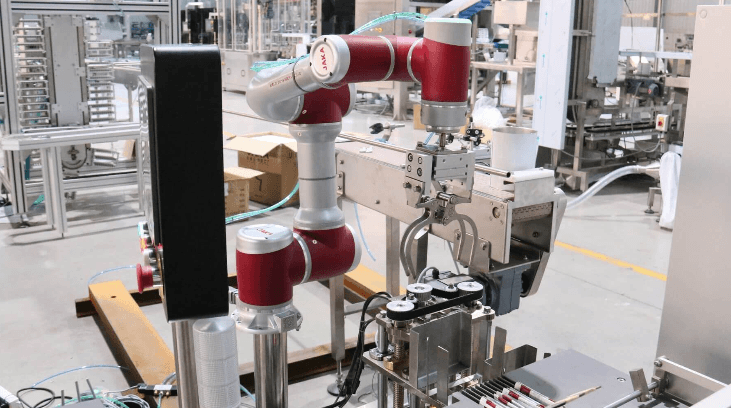
6-Axis Articulated Robot vs. SCARA Robot: Which is Best for Assembly?
In the evolving landscape of industrial automation, the choice of mechanical architecture is crucial for optimizing production lines. Key players in this field are exploring two primary configurations: SCARA (Selective Compliance Assembly Robot Arm) and articulated robots, alongside the emerging collaborative robots that offer enhanced flexibility and safe interaction with human workers. The SCARA robot, designed for high-speed, linear assembly tasks, excels in pick-and-place and packaging operations but lacks the flexibility to handle complex movements. Conversely, the 6-axis articulated robot mimics human joint movements, enabling it to perform intricate tasks such as inserting screws at angles and navigating tight spaces, making it essential for complex assembly processes. As factories increasingly shift towards high-mix production, the demand for collaborative robots has surged. These systems combine the agility of articulated robots with the safety of human interaction, allowing for complex movements without compromising worker safety. JAKA, a leader in automation solutions, emphasizes the importance of adaptability in modern assembly. Their JAKA A series robots offer the precision of traditional articulated systems while ensuring ease of use and safety. With a repeatability of ±0.02mm, these robots are suited for high-speed assembly and testing. For larger applications, the JAKA Zu series provides diverse payload options, catering to various assembly needs. JAKA's collaborative robots come equipped with an intuitive wireless teaching system, enabling teams to program complex paths quickly, thus enhancing efficiency and flexibility in smart manufacturing.
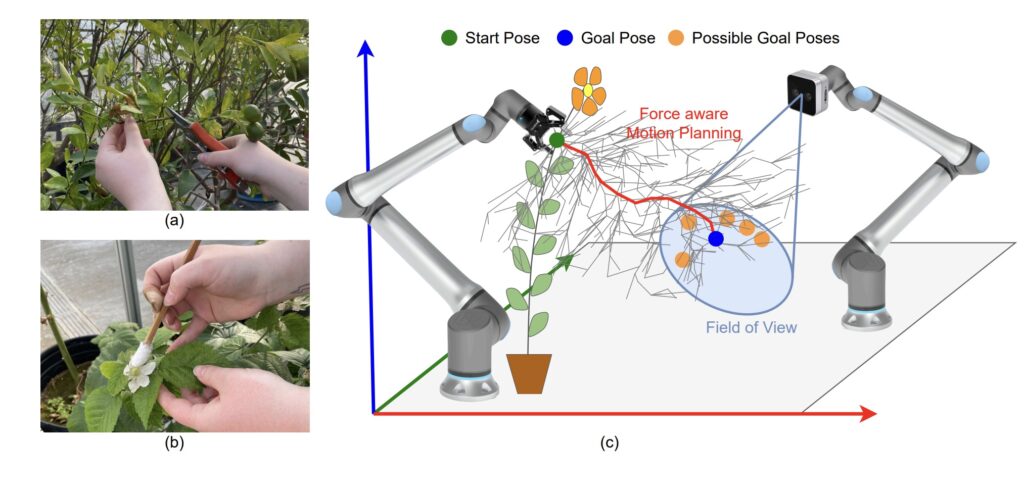
A multi-armed robot for assisting with agricultural tasks
Researchers led by Madhav have developed a robotic system designed to assist in agricultural tasks such as branch pruning and hand pollination. This innovative approach allows one robot to manipulate branches, facilitating easier access to flowers for effective pollination. The system aims to enhance productivity in farming by mimicking the way humans use one hand to stabilize a branch while the other performs essential tasks. The project highlights the potential of robotics in improving agricultural efficiency and addressing labor shortages in the sector.

ChatGPT as a therapist? New study reveals serious ethical risks
Recent research from Brown University highlights significant ethical concerns surrounding the use of AI chatbots, such as ChatGPT, for therapy-style advice. As millions increasingly rely on these digital platforms for mental health support, the study reveals that even when programmed to emulate trained therapists, these systems frequently violate essential ethical standards in mental health care. In comparisons with peer counselors and licensed psychologists, researchers identified 15 distinct ethical risks, including inadequate handling of crisis situations, reinforcement of harmful beliefs, biased responses, and the provision of "deceptive empathy," which mimics genuine care without true understanding. This study raises urgent questions about the safety and effectiveness of AI in sensitive mental health contexts, prompting a reevaluation of their role in providing support to vulnerable individuals.
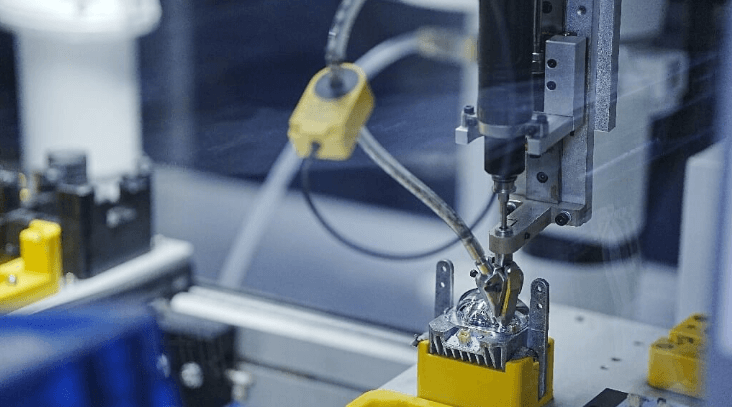
Key Features and Benefits of 6-Axis Cobot Arms (Reach, Payload, Safety)
In response to the evolving demands of modern manufacturing, JAKA has developed a versatile 6 axis collaborative robot arm designed to enhance production processes. These robotic units, known as cobots, feature an articulated design that mimics human arm movement, allowing them to navigate tight spaces and perform tasks such as assembly and inspection with precision. JAKA's Zu series exemplifies this design philosophy, offering a substantial working radius while maintaining a compact footprint, making them suitable for dense production environments. The robots are engineered to manage significant payloads while ensuring movement accuracy, thanks to advanced precision control technology. This capability enables them to handle tasks requiring fine movements, such as detailed inspections, without compromising quality. A key advantage of JAKA's cobots is their integrated safety features, which allow them to operate alongside human workers without the need for extensive external safeguards. These safety mechanisms include force and speed monitoring, collision detection, and a design that minimizes risks, facilitating direct human-robot collaboration. By optimizing reach, payload management, and safety, JAKA's 6 axis robot arms are positioned as reliable and adaptable solutions for repetitive or ergonomically challenging tasks within dynamic manufacturing environments. The company emphasizes that their collaborative robots are designed to seamlessly integrate into operational teams from the moment of installation, enhancing productivity and efficiency in modern manufacturing settings.
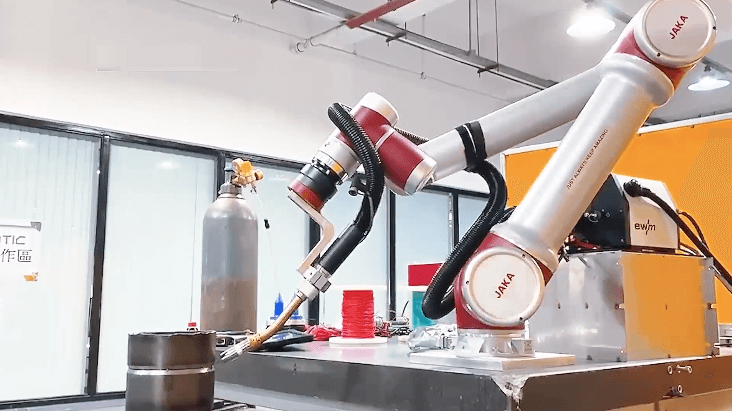
Why Are 6-Axis Robot Arms Important for Precision Automation Users?
JAKA, a specialist in collaborative robotics, has emphasized the critical role of six-axis robot arms in precision automation. These advanced robotic arms, designed to mimic the full range of motion of a human arm, offer unparalleled dexterity and flexibility necessary for complex tasks such as assembly and machine tending. By utilizing six points of rotation, these robots can position tools at precise angles, ensuring accuracy in operations like component insertion and sealant application. The company highlights that the efficiency of six-axis robots significantly enhances processes in machine tending and logistics. For instance, these robots can seamlessly handle tasks such as retrieving raw parts from conveyors, operating machinery, and managing finished components, thereby maximizing equipment uptime. Their compact design and user-friendly programming capabilities allow for quick deployment across multiple production lines, effectively addressing manual labor challenges. Moreover, JAKA prioritizes accessibility in automation, offering intuitive programming tools that enable users to leverage the full capabilities of the six-axis design without requiring extensive coding knowledge. This approach not only facilitates the replacement of manual labor but also allows teams to focus on higher-value tasks, making advanced precision automation more attainable. In summary, JAKA's six-axis robot arms are essential for precision users seeking to enhance production efficiency and product quality, providing the necessary dexterity to transform intricate operations into reliable automated processes.

What Is the Most Common Robot Arm?
JAKA Robotics, a leading supplier of robotic arms, highlights the growing dominance of articulated robot arms across various industries due to their versatility and reliability. These arms, designed with multiple rotary joints that mimic human movement, are essential tools in modern automation, capable of performing tasks such as welding, material handling, and assembly. The popularity of articulated arms is attributed to their reach and dexterity, allowing them to service multiple machines and navigate complex angles within confined spaces. JAKA has developed its own collaborative models, like the Zu series, which feature a compact design and intuitive operation, making them suitable for environments where traditional robots may be too cumbersome. As the technology matures, JAKA focuses on enhancing the reliability of these arms by integrating precision control and robust anti-interference features, ensuring consistent performance in high-volume manufacturing settings. The company is also pioneering the evolution of collaborative articulated arms, such as the S series, which incorporate advanced safety mechanisms and force control technology, enabling safe interaction with human workers in shared workspaces. This shift towards collaborative robotics signifies a major advancement in automation, as JAKA Robotics continues to provide solutions that combine the trusted capabilities of articulated arms with the adaptability required for the future of work. Businesses seeking effective automation solutions are encouraged to understand this evolution to implement sustainable practices in their operations.
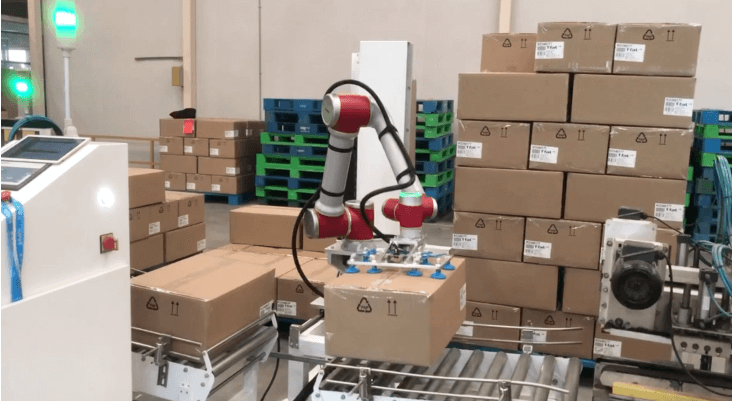
How Articulated Robots Enhance Efficiency in Complex Machine Tending Tasks
JAKA, a robotics company, is revolutionizing the machine tending process in factories by introducing advanced articulated robots designed to handle the repetitive and physically demanding tasks of loading and unloading parts from CNC mills and other machinery. This innovation is particularly timely as manufacturers seek to enhance operational efficiency and adapt to changing production needs. The articulated robots mimic human arm movements, allowing them to service multiple machines and navigate confined spaces with precision. JAKA's technology ensures that these robots maintain a high level of accuracy, achieving a precision of 0.2mm, which is crucial for delicate part handling. By eliminating fatigue, these robots provide consistent performance, maximizing machine utilization and minimizing idle time between cycles. Equipped with collaborative features, JAKA's robots can operate safely alongside human workers and valuable machinery, reducing the need for extensive safety barriers and enabling more efficient workcell layouts. The compact design of the Zu series robots allows for easy integration into existing factory setups, facilitating a smooth transition to automated processes. Moreover, JAKA's robots are designed for adaptability, enabling quick reprogramming for new production batches without significant downtime. This flexibility supports manufacturers in shifting towards high-mix, low-volume production, ultimately enhancing resilience and productivity in the manufacturing sector. By automating repetitive tasks, JAKA aims to free human workers to focus on more complex problem-solving, thereby improving overall operational efficiency.
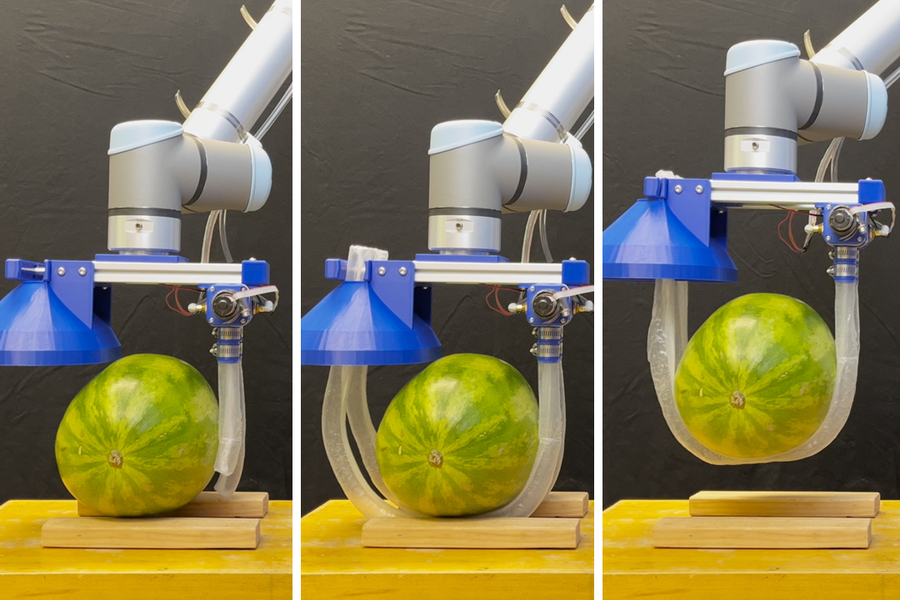
Vine-inspired robotic gripper gently lifts heavy and fragile objects
Researchers have developed an innovative vine robot capable of safely and stably lifting various heavy and fragile objects, including watermelons. This advancement, highlighted by Jennifer Chu, showcases the robot's ability to mimic the gripping mechanism of natural vines, which can wrap around obstacles with significant force. The project aims to enhance efficiency in horticulture by providing a reliable solution for handling delicate produce. The demonstration of the vine robot's capabilities marks a significant step forward in agricultural technology, potentially transforming how farmers manage and transport crops.
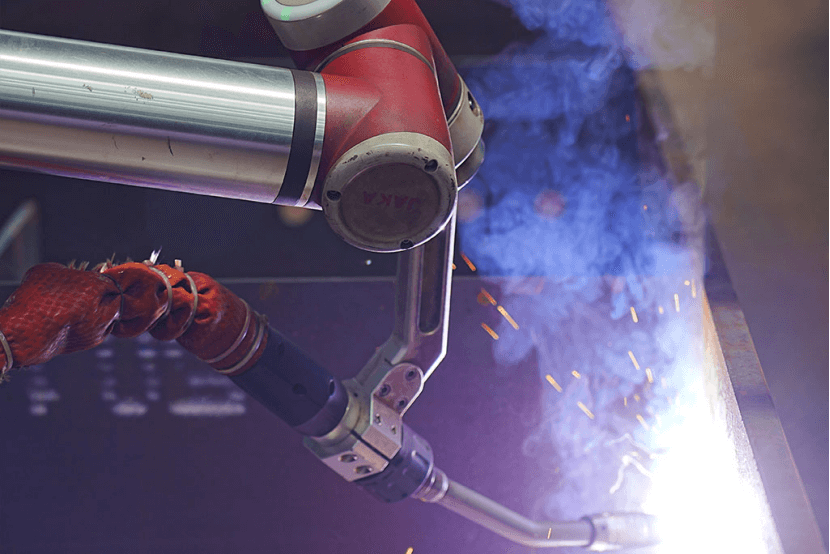
The Ultimate Guide to Understanding 6 Axis Robot Arms (Definition, Types, Uses)
JAKA, a leader in industrial automation, is advancing manufacturing technology with its innovative 6-axis robot arms, designed to mimic the dexterity of human arms. These jointed arm robots feature six independent axes of motion, allowing for intricate maneuvers essential for complex tasks. The robots are engineered to optimize movement synergy, resulting in smooth and repeatable actions that enhance efficiency on the production floor. Available in various configurations, JAKA's 6-axis robots cater to different operational needs, including payload capacity and reach. Lighter models are ideal for precise assembly and sensitive handling, while heavier versions are suited for tasks like palletizing. This versatility makes them applicable across multiple industries, from welding and electronics assembly to material removal processes such as polishing and grinding. The deployment of these robotic arms offers significant benefits, including improved product quality, reduced waste, and enhanced process consistency. JAKA emphasizes the importance of integrating these advanced tools into production lines, addressing complex automation challenges and positioning businesses for success in an evolving industrial landscape.
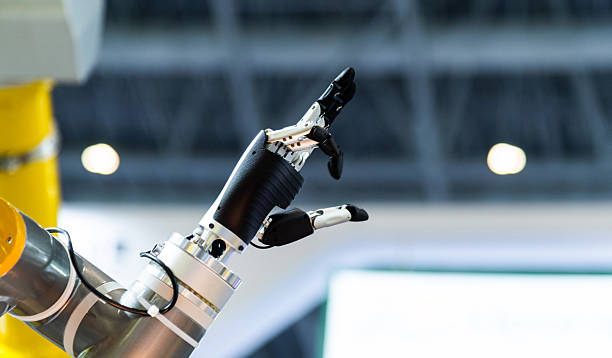
XPeng unveils new IRON humanoid robot with full-solid-state battery and AI brain
At the 2025 XPeng Tech Day, Chinese electric vehicle manufacturer XPeng introduced its latest innovation, the IRON humanoid robot, which it claims to be the most human-like robot to date. The IRON robot is designed with an advanced bionic structure that mimics human anatomy, featuring a flexible spine, synthetic muscles, and soft full-body skin. Its hands boast 22 degrees of freedom, allowing for intricate movements. This unveiling marks a significant step in robotics, showcasing XPeng's commitment to integrating advanced technology into everyday life. The event highlights the company's vision to enhance human-robot interaction and push the boundaries of artificial intelligence and robotics.
News Feed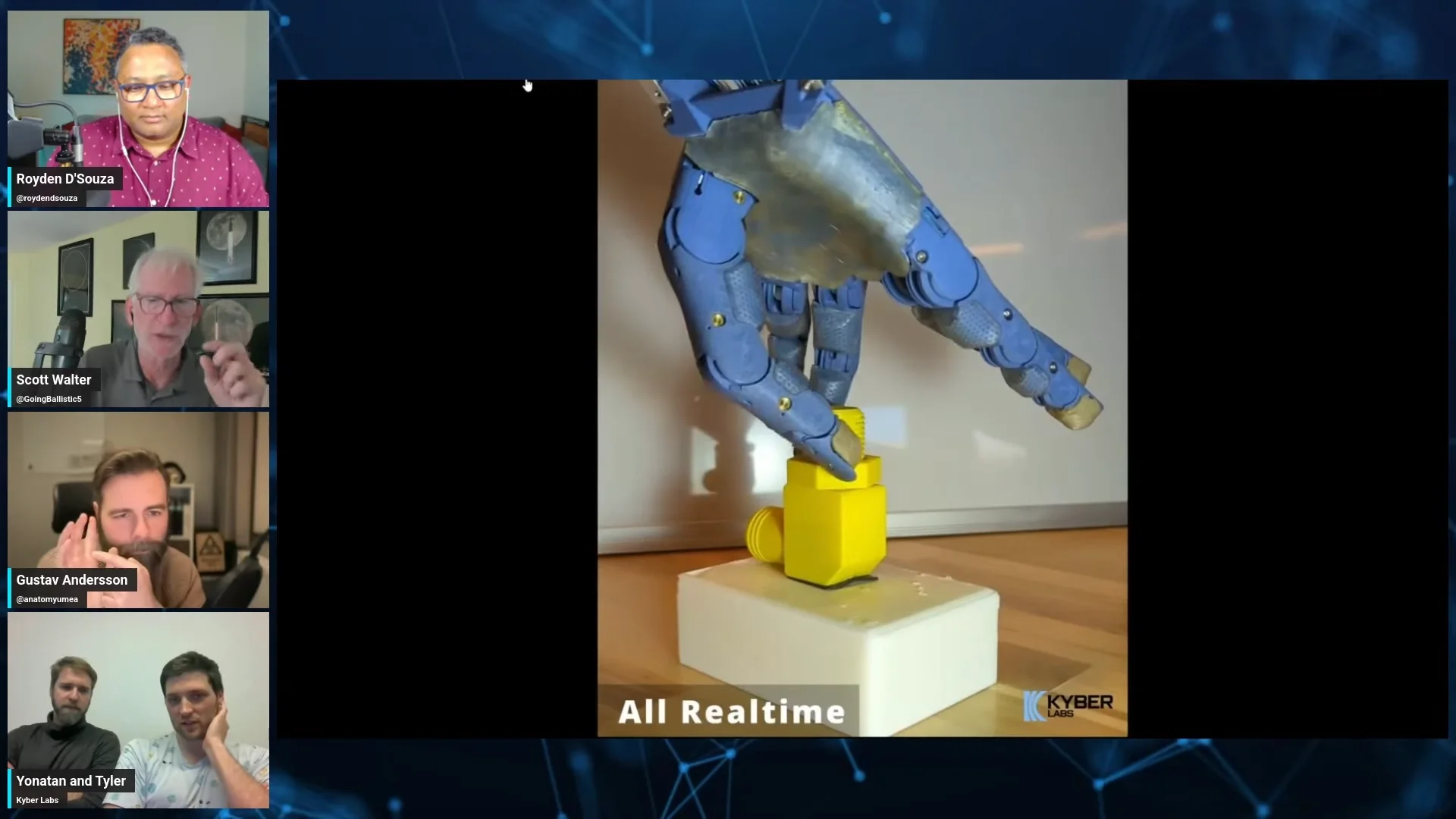
Kyber Labs Founders Crash the "Over the Horizon" Podcast for a Technical Deep Dive
The founders of Kyber Labs, Scott Walter and Gustav Andersson, recently made a surprise appearance on Royden D’Souza’s podcast, where they engaged in an in-depth discussion about their innovative approaches to tendon actuation and heat management. The podcast, which gained significant attention following the viral reveal of Kyber Labs' latest technologies, provided a platform for the founders to elaborate on their unique "anti-humanoid" strategy. This strategy aims to differentiate their products in a competitive market by focusing on functionality and efficiency rather than mimicking human form. The conversation highlighted the challenges and breakthroughs in their research and development process, offering insights into the future of robotics and artificial intelligence.
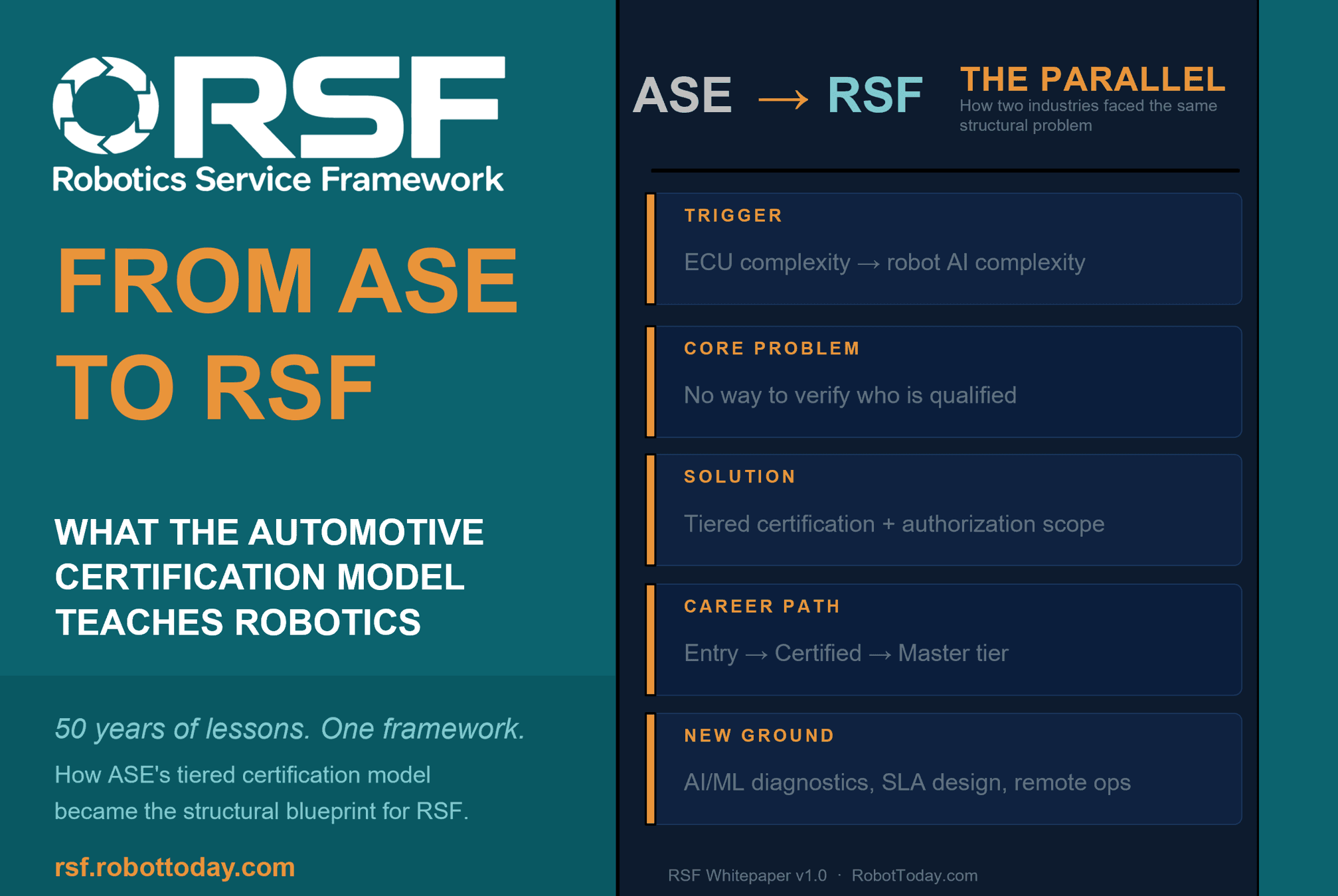
hand Kyber LabsRobotics needs a service framework.
RSF defines a common language for robot service capability, lifecycle operations, certification pathways, and service-provider networks.