Industry Briefing
A single destination for timely, editor-curated robotics news from around the world.
mimic Robotics Launches Comprehensive Platform for Advanced Dexterous Robot Manipulation
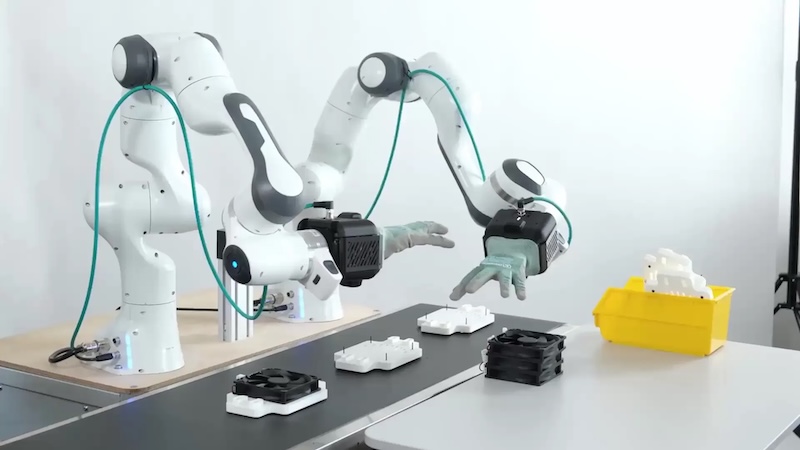
mimic Robotics has unveiled a new robotic hand, the mimic hand M1, along with the mimic wearable U1 exoskeleton and a proprietary software platform. This integrated system aims to enhance general-purpose dexterous manipulation in industrial robots by addressing the challenge of collecting high-quality training data for AI models that perform human-like tasks. The significance of this launch lies in mimic Robotics' approach to design, which focuses on human hand morphology rather than traditional two-finger grippers. The mimic hand M1 features 15 actuated degrees of freedom and is capable of handling payloads over 25 kg, while the mimic wearable U1 allows human operators to demonstrate tasks in real-time, improving data collection for AI training. Looking ahead, the company’s innovative middleware and teleoperation software are expected to enhance robot control and AI inference speed. No further timeline was disclosed at the time of publication.
Components Computing News ai automation dexterous manipulation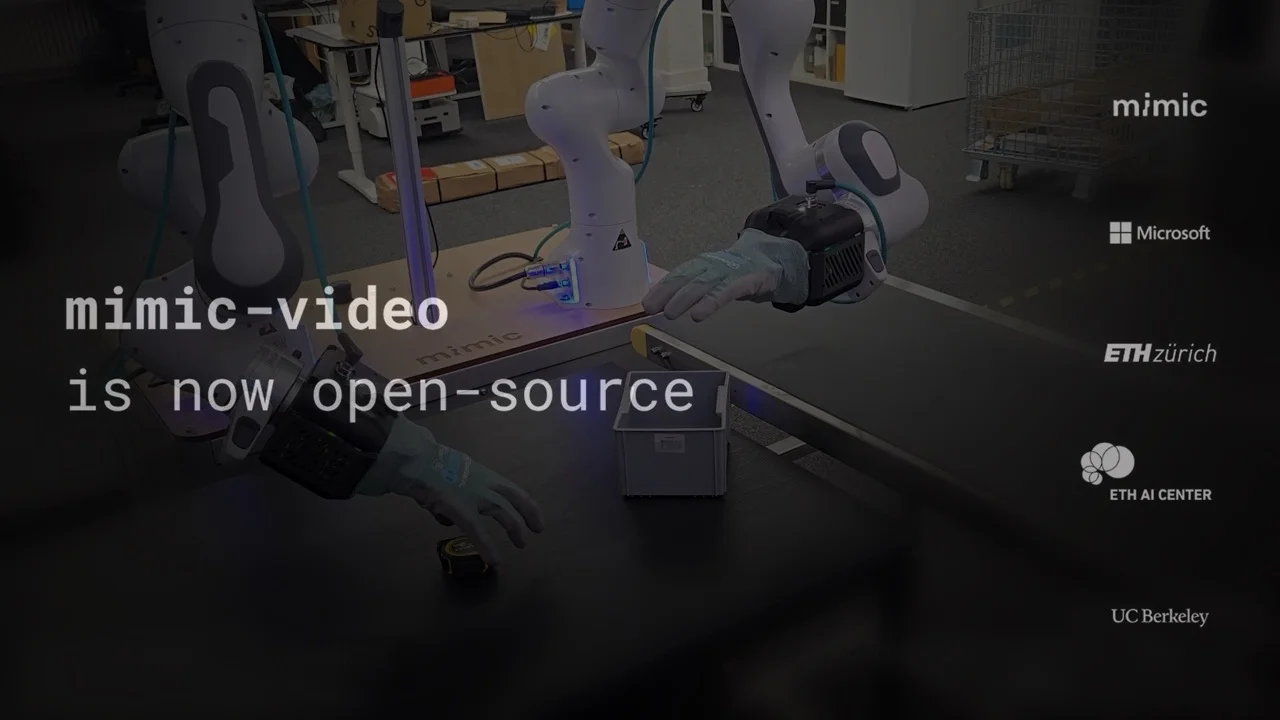
Mimic Robotics Open-Sources "mimic-video" Recipe to Accelerate Video-Action Models
Mimic Robotics, a company based in Zurich, has unveiled its innovative "pixel-to-action" architecture, which is designed to transform the current landscape of artificial intelligence by moving away from traditional static vision-language models. This release, which includes both the code and accompanying research, marks a significant shift towards utilizing dynamic video-based foundations. The initiative aims to enhance the capabilities of AI systems, enabling them to better interpret and respond to visual information in real-time. By sharing this technology, Mimic Robotics seeks to foster advancements in the field and encourage further exploration of video-based AI applications.
Mimic Robotics Europe open-source ETH Zurich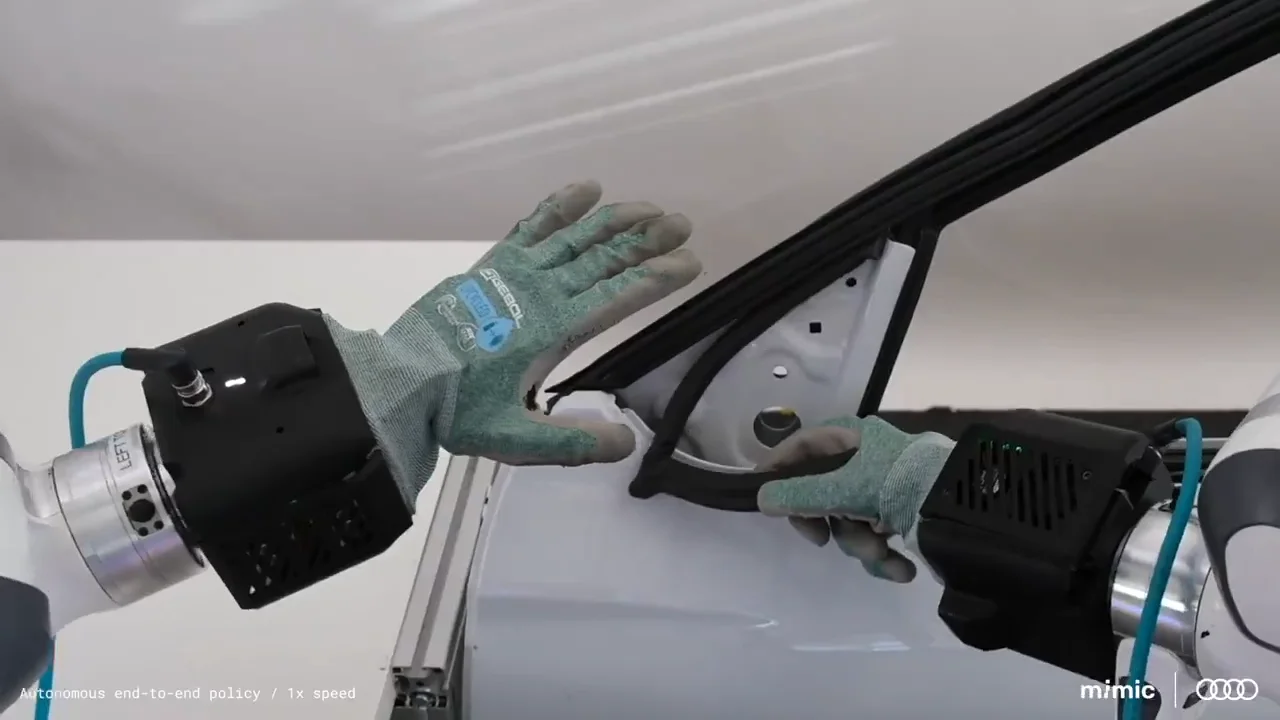
Audi Partners with Mimic Robotics for AI-Driven Automotive Assembly
Audi has announced a partnership with Zurich-based startup Mimic Robotics to enhance its manufacturing processes by incorporating learning-based, end-to-end robotic systems. This collaboration signifies a significant transition from traditional rigid programming methods to a more adaptable approach known as "Physical AI." By leveraging advanced robotics, Audi aims to improve efficiency and flexibility in its production lines, responding to the evolving demands of the automotive industry. The integration of these innovative technologies is expected to streamline operations and foster a more responsive manufacturing environment.
Mimic Robotics Europe Audi ETH Zurich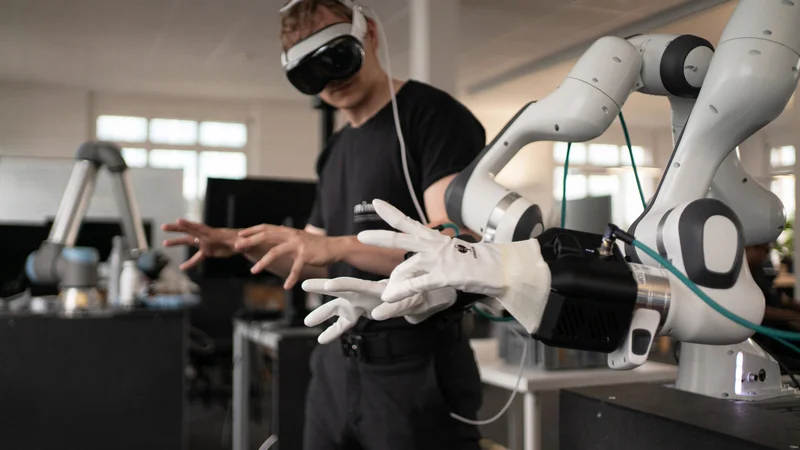
Mimic Robotics Raises $16M to Pair Dexterous AI Hands With Standard Robot Arms
A Zurich-based ETH spin-off is advocating for a practical and swiftly implementable solution to industrial automation, challenging the notion that full-body humanoid robots are the optimal choice for most tasks. Instead, the company emphasizes the development of a robust AI foundation model, which is designed to be trained and operated by human workers. This approach aims to enhance efficiency and effectiveness in various industrial applications, reflecting a shift towards more adaptable and user-friendly technologies in the sector.
Mimic Robotics hand hands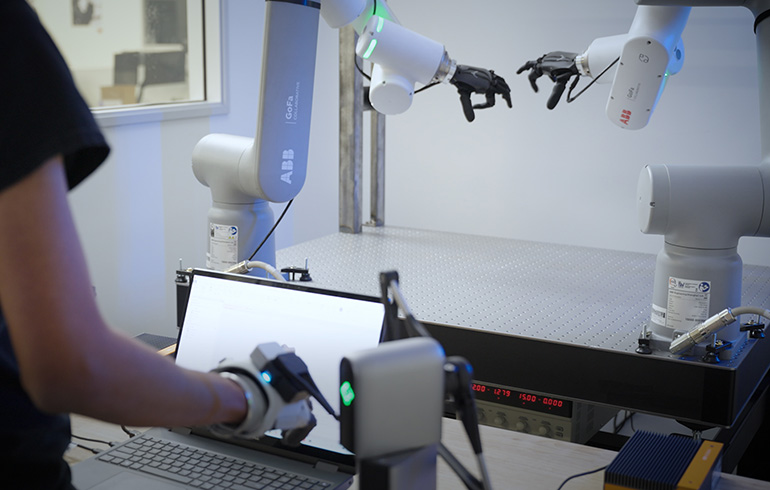
PSYONIC partners with ABB Robotics to apply human touch to robot dexterity
PSYONIC has announced a collaboration with ABB Robotics to enhance robotic dexterity by integrating its Ability Hand prosthetic with ABB's GoFa collaborative robot arm. This partnership aims to leverage data collected from prosthetic users to improve the robot's grasping capabilities, effectively mimicking human touch. The initiative underscores the growing intersection of robotics and prosthetics, with the goal of creating more intuitive and responsive robotic systems. The collaboration reflects a commitment to advancing technology that not only aids individuals with disabilities but also enhances the functionality of robotic devices in various applications.
Arms / Manipulators Artificial Intelligence Automotive Cobot Arms Collaborative Robots End Effectors / Grippers
Why robotics can’t advance without physical AI
Recent advancements in robotics are shifting focus from enhancing processors and mechanical designs to improving data quality, particularly through realistic training environments. This emerging field, known as Physical AI, emphasizes the creation of 3D assets and simulation environments that incorporate genuine physical properties. By accurately mimicking real-world behaviors, these simulations aim to enhance the training of robotic systems, enabling them to perform more effectively in various applications. As researchers and developers prioritize realistic data over traditional methods, the potential for breakthroughs in robotic capabilities is becoming increasingly evident. This evolution in robotics is expected to redefine how machines interact with their environments, paving the way for more sophisticated and adaptable technologies.
Artificial Intelligence Robotics ai robotics automation news Autonomous robots digital twins
Biomimicry: The 'Final Piece' for Humanoid Robots?
Chinese companies are increasingly turning to biomimicry to advance the development of humanoid robots, with the goal of creating machines that can not only look like humans but also possess the ability to feel and respond in a human-like manner. This innovative approach marks a significant shift in the robotics industry, moving beyond mere visual resemblance to incorporating sensory and mechanical efficiencies that mimic human capabilities. As this trend gains momentum, it has the potential to redefine the future of robotics, enhancing the interaction between humans and machines. The push for more advanced humanoid robots reflects a broader ambition within the technology sector to integrate more sophisticated functionalities into robotic systems, ultimately aiming for a seamless coexistence with human users.
Humanoid Robots Biomimicry Robotics Materials AI Technology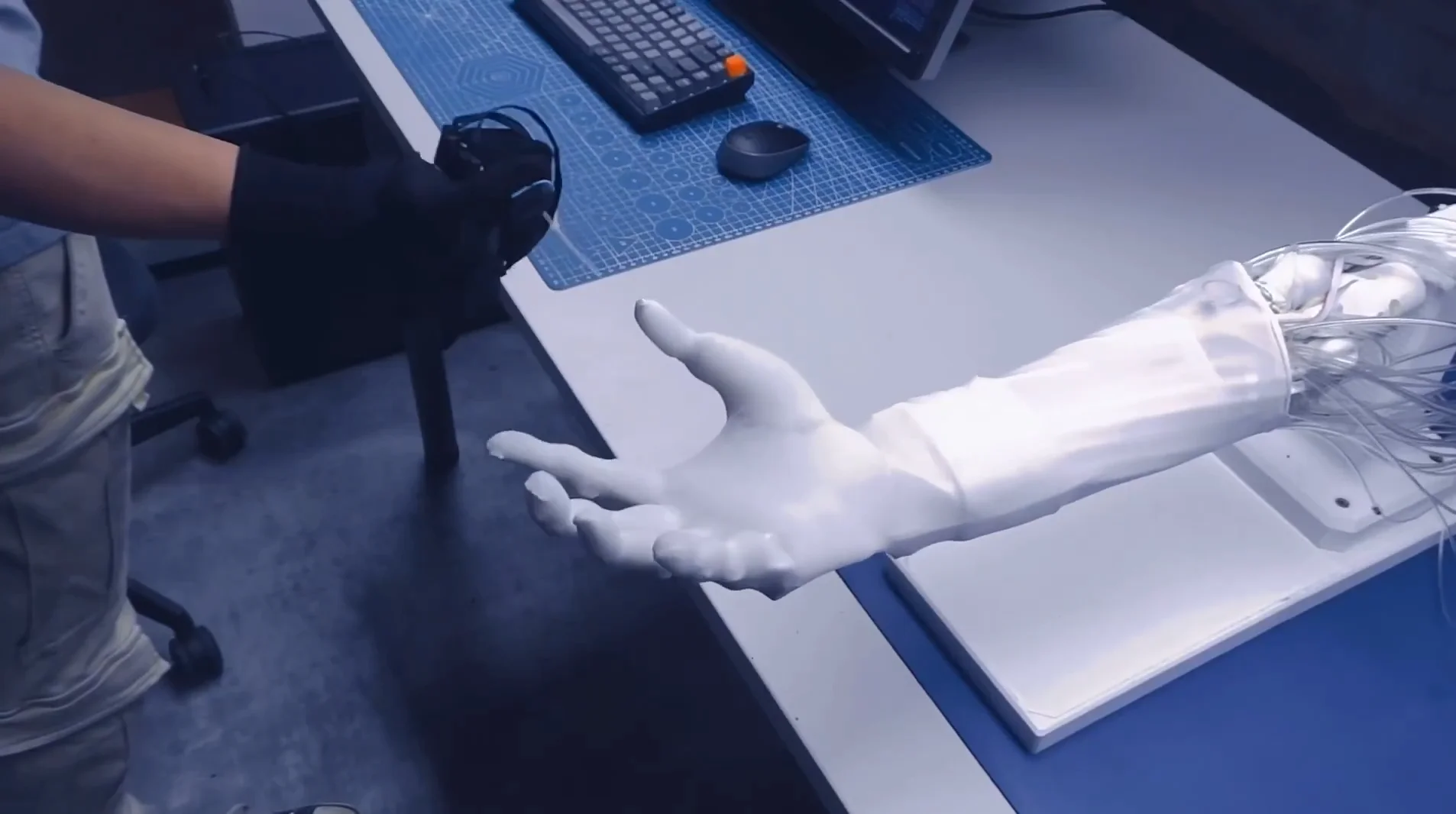
Clone Robotics Demos Startlingly Fast Robotic Hand, Touts Neural Controller
Clone Robotics has released a new video showcasing its advanced 27-degree-of-freedom (DoF) biomimetic hand, which accurately mimics human movements with remarkable speed. This demonstration highlights the company's innovative "neural joint controller," a significant development in their ongoing Clone Alpha project. The video serves as a tangible update on the project's progress, emphasizing the potential applications of this technology in fields such as robotics and prosthetics. By integrating sophisticated control systems, Clone Robotics aims to enhance the functionality and responsiveness of robotic hands, paving the way for more lifelike interactions in various environments.
clone robotics Europe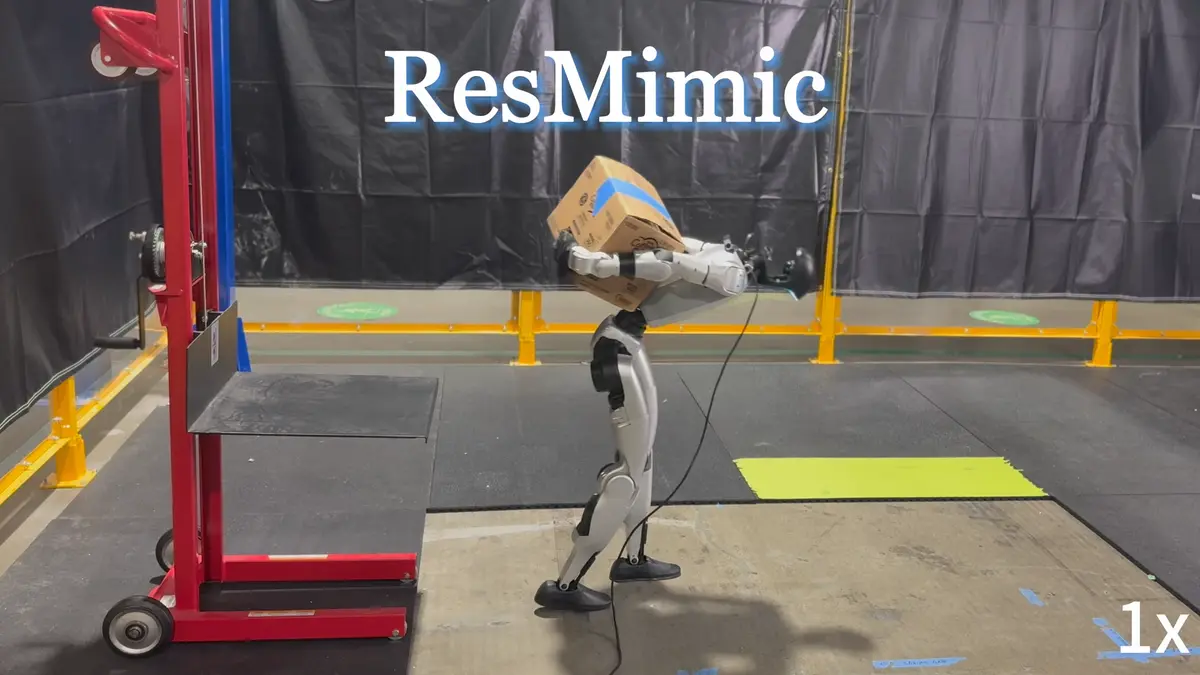
Amazon's ResMimic Teaches Humanoids to Handle Objects by Adding Precision to General Motion
Amazon has unveiled its latest robotics initiative, ResMimic, which aims to enhance the capabilities of humanoid robots in performing complex loco-manipulation tasks. This innovative project employs a two-stage residual learning framework that allows for the efficient teaching of these skills. By refining a general motion policy with specific corrections tailored to individual tasks, the system empowers a Unitree G1 robot to adeptly manage heavy and irregular objects with remarkable precision. This development is part of Amazon's ongoing efforts to advance robotics technology and improve automation processes in various applications.
reinforcement-learning Unitree Robotics AI Amazon robotics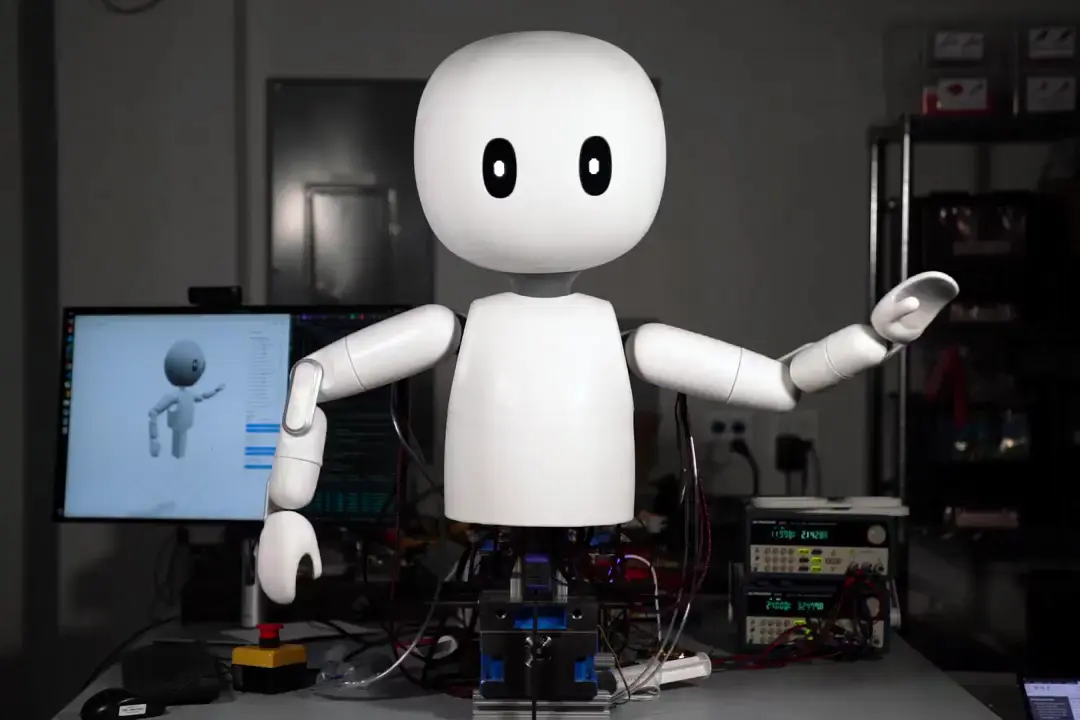
Cartwheel Robotics Shows Off Eerily Smooth, AI-Generated Robot Motion
Scott LaValley, founder of Cartwheel Robotics, has released a new video demonstrating the impressive capabilities of the company's humanoid torso, named 'Yogi.' This innovative technology utilizes a generative AI model that converts text into fluid, lifelike movements, showcasing a significant advancement in robotics. The video highlights Yogi's ability to perform motions that closely mimic human expression and movement, emphasizing the potential applications of such technology in various fields, including entertainment and education. This development marks a notable step forward in the integration of artificial intelligence with robotics, reflecting ongoing efforts to enhance human-robot interaction.
Cartwheel Robotics humanoid-robots generative-ai robotics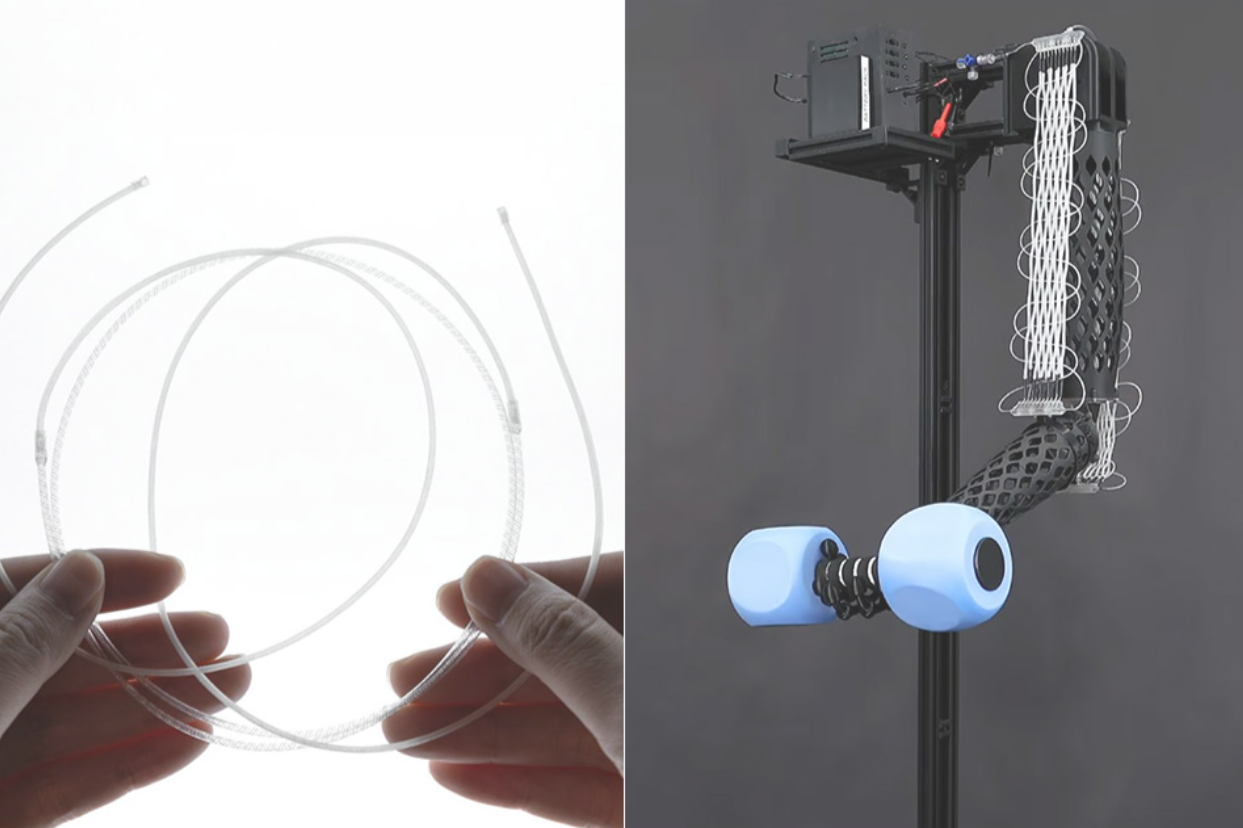
MIT Develops Innovative 'Fiber Muscles' for Robots to Imitate Natural Muscle Movement
Researchers from MIT Media Lab and Bari Polytechnic University have unveiled a groundbreaking technology in soft robotics, detailed in the journal Science Robotics. They have developed 'fiber muscles' that operate silently and efficiently, eliminating the need for external pumps and bulky components traditionally used in robotic joints. This innovation is significant as it addresses the limitations of current robotic systems, which rely on motors and gearboxes that generate noise and require heavy parts, impacting flexibility and energy efficiency. The new system integrates miniature pumps within the muscle fibers, allowing for a self-contained, lightweight, and quiet operation that mimics human muscle movement. Looking ahead, this technology could revolutionize the design of soft robots, enabling them to be embedded in robotic arms, wearable exoskeletons, or prosthetics. The potential for these fiber muscles to enhance human-robot interaction and create more adaptable robotic systems is promising, suggesting a future where the physical boundaries of human-robot coexistence may become more fluid.
Soft Robotics Robotic Actuators Bio-inspired Technology Wearable Robotics
New Birdlike Robot Mimics Diving Birds with Swimming and Flying Capabilities
A new birdlike robot has been developed that can swim underwater and transition into flight without the need for paddling. This innovative design mimics the natural behaviors of various diving birds, such as loons and gulls, which are known for their dual capabilities. The robot's ability to seamlessly switch between swimming and flying represents a significant advancement in biomimetic robotics. This technology is significant as it opens up new possibilities for aerial and aquatic exploration, potentially enhancing search and rescue operations, environmental monitoring, and wildlife observation. By emulating the mechanics of birds that can both swim and fly, the robot could improve efficiency in navigating diverse terrains and conditions. The integration of these functionalities could lead to more versatile robotic applications in various industries. Future developments to watch include enhancements in the robot's propulsion systems and control mechanisms to improve its performance in both environments. No further timeline was disclosed at the time of publication, but ongoing research in biomimetic designs may yield additional breakthroughs in the near future.
Robotics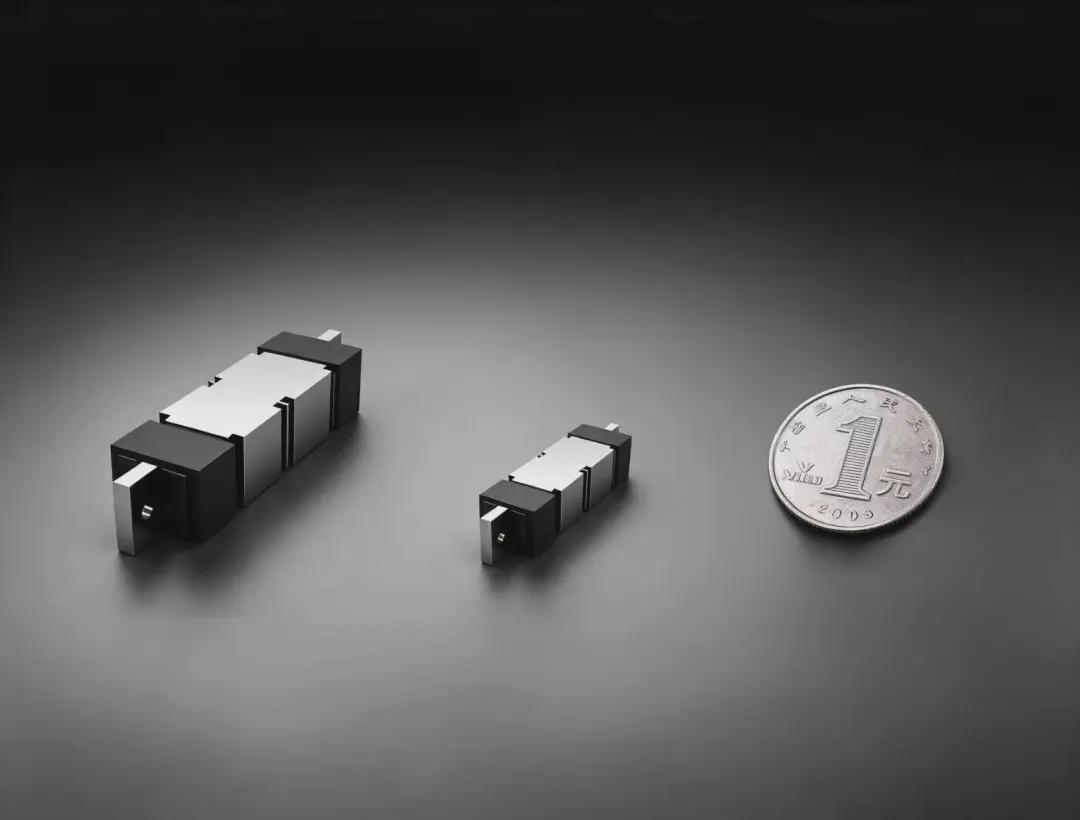
Revolutionizing Robotics with Artificial Tendons: A New Era of Embodied Intelligence
Suzhou Zhixingjian Robot Technology Co., Ltd. has unveiled a groundbreaking development in robotics with its creation of artificial tendons designed to replace conventional motor systems. This innovative technology, which mimics biological tendons, significantly improves the weight, precision, and energy efficiency of robotic hands. By integrating these biomimetic tendons, the company aims to usher in a new era of lightweight and highly functional robotics, enhancing the capabilities of embodied intelligence. The advancements are expected to broaden the applications of robotic systems across various industries, marking a pivotal shift in the field of robotics.
Artificial Tendons Robotics Embodied Intelligence Biomimetic Technology Actuation Systems
Elephant trunk skin reveals design that could reshape soft robotics
Researchers from Zurich University have conducted a study on the unique properties of an elephant's trunk, which is known for its strength and dexterity. The team, led by Lucia Beccai, examined the skin of the trunk to gain insights that could inform the development of advanced soft robotics. This investigation was made possible by the acquisition of a trunk from an adult Asian elephant, which had died of natural causes at the Zurich Zoo in 2020. The study aims to explore how the trunk's muscular and boneless structure allows for both heavy lifting and delicate movements, potentially leading to innovations in robotic design that mimic these capabilities.
Robotics
Jumping spider’s layered retina drives design of low-power 3D camera for AR and robotics
A team of engineers has conducted an in-depth study of the vision capabilities of jumping spiders, leveraging this unique biological model to inspire innovative technological advancements. This research, which took place over several months, aims to enhance the design of visual systems in robotics and artificial intelligence. By examining the spiders' exceptional ability to perceive depth and motion, the engineers have developed new algorithms that could significantly improve the performance of machines in complex environments. The findings were presented at a recent conference focused on biomimicry and robotics, highlighting the potential for nature-inspired solutions to address modern technological challenges. This interdisciplinary approach not only showcases the intricate relationship between biology and engineering but also opens new avenues for creating smarter, more adaptive robotic systems.
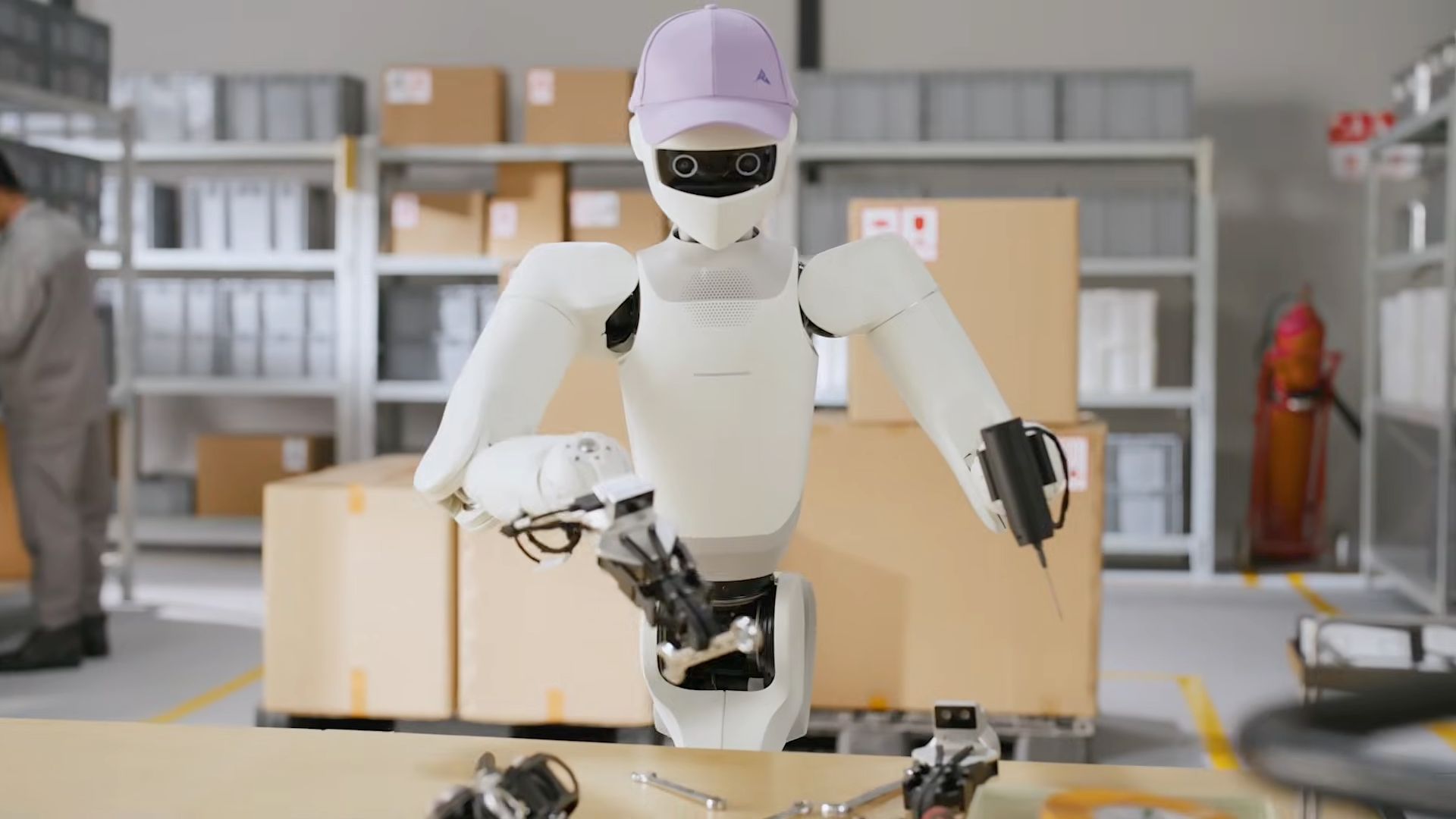
Video: New $13K humanoid from China aims to widen access to advanced robotics
Chinese robotics startup Astribot, also known as Stardust Intelligence, has recently introduced one of the country’s most advanced humanoid robots. The unveiling took place during a technology expo in Beijing on October 15, 2023. This innovative robot, designed for various applications including healthcare and customer service, aims to enhance efficiency and support human workers in multiple sectors. Astribot's motivation behind this development stems from the growing demand for automation and intelligent solutions in China’s rapidly evolving economy. The company has invested significant resources in research and development to create a robot that not only mimics human movements but also integrates artificial intelligence for improved interaction and problem-solving capabilities. The launch event showcased the robot’s features, including its ability to recognize faces, respond to voice commands, and perform complex tasks. Demonstrations highlighted its potential to assist in environments such as hospitals and retail spaces, where it can alleviate workloads and improve service delivery. As the robotics industry continues to expand, Astribot aims to position itself as a leader in the field, contributing to the broader trend of integrating advanced technology into everyday life. The introduction of this humanoid robot marks a significant milestone in China's pursuit of innovation and technological advancement.

Revolutionizing Robotics: Self-Variable Launches the World's First 'World Unified Model'
Self-Variable Robotics has introduced WALL-B, a revolutionary World Unified Model (WUM) that transforms the concept of embodied intelligence in robotics. This innovative robot distinguishes itself from conventional models by not only mimicking actions but also by integrating various modalities to achieve genuine understanding and interaction with its surroundings. This advancement represents a significant progression in the capabilities of robotic technology, showcasing the potential for more sophisticated and responsive machines. The unveiling of WALL-B marks a pivotal moment in the field of robotics, promising to enhance how robots engage with the world around them.
Embodied Intelligence Robotics AI Machine Learning Automation
Chef Robotics Advances Bi-Manual Physical AI System for Prep Table Food Assembly Powered by a Food Foundation Model
Chef Robotics has announced the development of a bi-manual physical AI system aimed at enhancing food assembly tasks on prep tables, such as burger and burrito preparation. This innovative system, which is set to launch on May 19, 2026, will cater to various sectors including ghost kitchens, fast-casual restaurants, and catering services, focusing on lower-volume yet more complex meal assembly compared to traditional food manufacturing processes. The new AI system utilizes two robotic arms for coordinated and dexterous manipulation, mimicking human-like capabilities to handle a variety of food items and utensils. It is powered by Chef's Food Foundation Model (FFM), which employs imitation learning to adapt quickly to diverse tasks and environments, overcoming the limitations of existing robotic systems that struggle with the variability of food materials. Chef Robotics aims to automate manual prep table assembly, a critical area in the food industry that has remained largely reliant on human labor. By leveraging the FFM, the system is designed to learn from demonstrations, allowing it to generalize across different tasks and robotic platforms. This advancement is expected to improve operational efficiency, yield, and consistency in food preparation, ultimately transforming how food assembly is approached in various culinary settings.
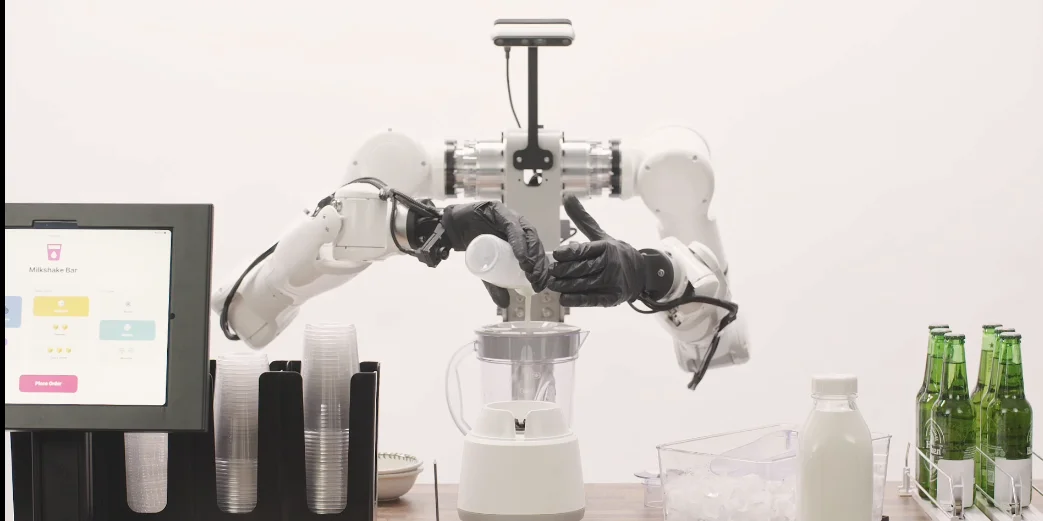
Genesis AI Unveils Foundation Model, Hand & Data Collection System to Develop Human-Level Physical Manipulation for Robotics
Genesis AI has introduced a groundbreaking robotics foundation model named GENE-26.5, accompanied by a proprietary robotic hand and a data collection system aimed at enhancing the ability of robots to learn complex physical tasks by observing human behavior. This innovative system seeks to tackle the challenges associated with gathering substantial amounts of usable training data necessary for teaching robots to perform intricate tasks effectively. The unveiling of GENE-26.5 marks a significant advancement in the field of robotics, as it promises to streamline the learning process for robots, making them more adept at mimicking human actions.
AI AI Use Cases Robotics Eclipse Eric Schmidt Foundation AI Model for Robotics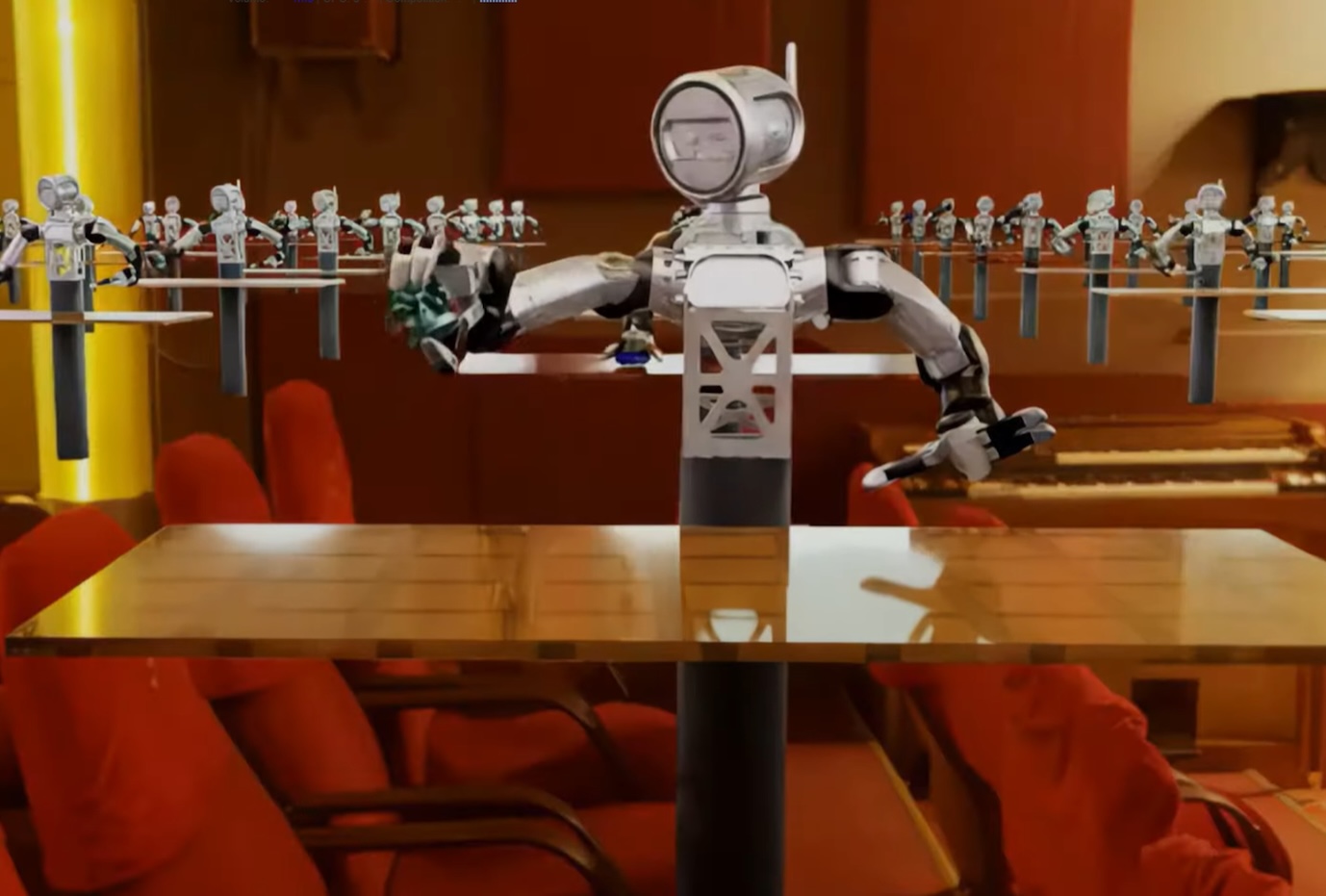
Westlake Robotics launches Titan o1 humanoid with real-time motion imitation
Westlake Robotics, a company developed by Westlake University, has officially launched Titan o1, a humanoid robot capable of mimicking human movements in real time. This innovative robot is being introduced as a market-ready product, moving beyond its initial prototype phase. Westlake University announced that Titan o1 will offer extensive customization options, catering to various applications. The launch marks a significant step in the integration of advanced robotics into everyday use, showcasing the company's commitment to pushing the boundaries of technology in human-robot interaction.
News Feed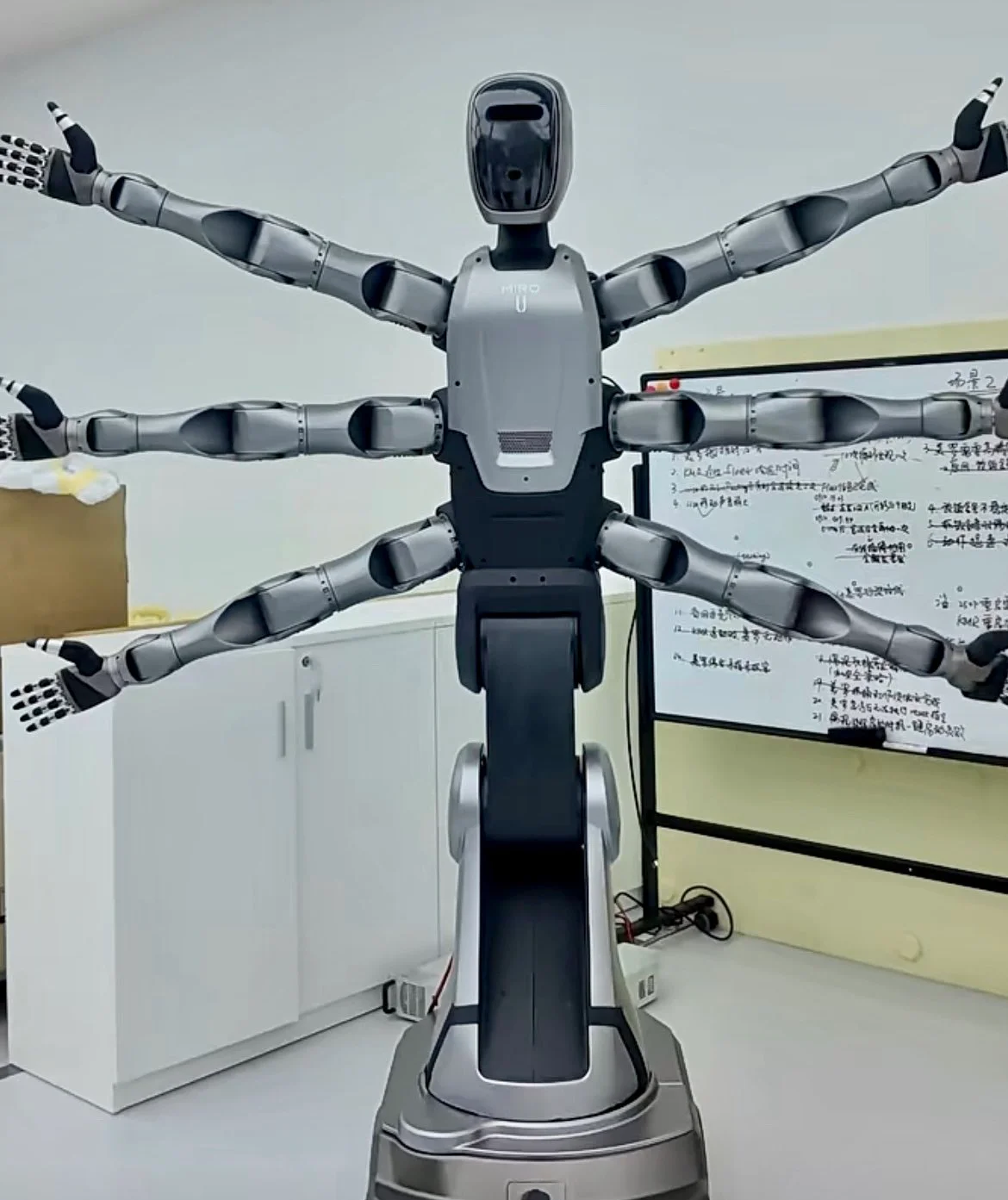
Midea’s ‘Super Humanoid’ MIRO U Has Six Arms and Wheels, Challenges 1:1 Human Mimicry
Midea Group has introduced the MIRO U, an innovative six-armed, wheeled "super humanoid" robot aimed at enhancing industrial efficiency by surpassing human physical capabilities. This advanced machine is scheduled to begin operations on factory lines this month, emphasizing its practical applications in industrial settings rather than strictly mimicking human form and function. The development of MIRO U reflects Midea's commitment to pushing the boundaries of automation and robotics in manufacturing environments.
Midea China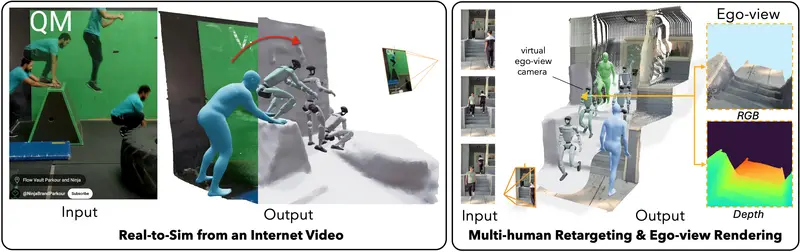
VideoMimic: Humanoid Robots Learn Complex Skills by Watching Casual Smartphone Videos
Researchers at UC Berkeley have introduced VideoMimic, an innovative system that allows humanoid robots to acquire context-aware skills, such as stair climbing and sitting, by learning from everyday videos. This breakthrough represents a significant advancement in robot training methodologies, potentially streamlining the process of teaching robots complex tasks. The development has garnered attention for its similarities to initiatives by tech giants like Tesla and NVIDIA, which are also exploring advanced machine learning techniques. By leveraging existing video content, VideoMimic offers a more accessible and efficient approach to robotic skill acquisition, marking a promising step forward in the field of robotics.
Optimus NVIDIA Tesla
Noetix Robotics unveils new generation bionic robot featuring female persona Xiao Nuo
On Sunday, Noetix Robotics, a humanoid robotics startup, introduced its latest innovation, a bionic robot named Xiao Nuo, designed with a female persona. This advanced robot boasts 32 degrees of freedom and features multimodal embodied interaction capabilities, allowing it to exhibit facial expressions that closely mimic those of humans. Additionally, Xiao Nuo offers open character customization, enabling users to personalize its attributes. The unveiling of this cutting-edge technology highlights Noetix Robotics' commitment to advancing human-robot interaction and expanding the potential applications of robotics in everyday life.
News Feed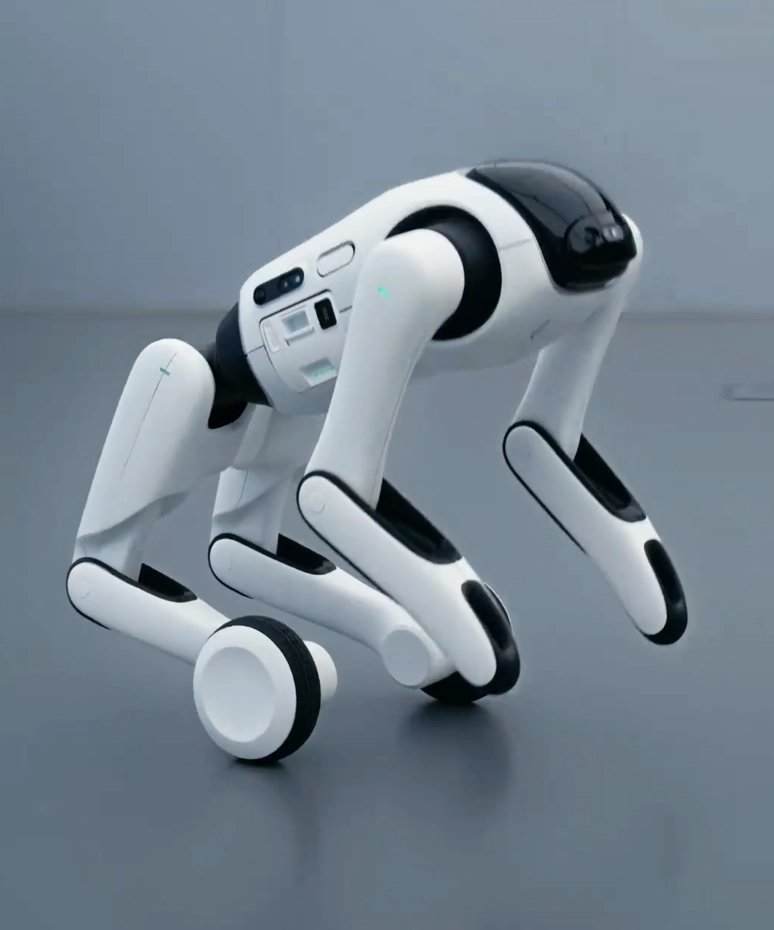
Swancor Qiyuan T1 to Showcase Transformative Personal Robot at WAIC 2026
Swancor Qiyuan's T1, touted as the world's first 'transformable personal robot,' will be publicly demonstrated on July 17, 2026, at the World Artificial Intelligence Conference (WAIC 2026). This robot features a unique Transformer architecture that allows seamless switching between humanoid and quadruped modes, enhancing its interaction and mobility capabilities in various home environments. The significance of the T1 lies in its ability to autonomously select its form based on terrain and tasks, moving beyond traditional manual controls. This innovation is expected to expand the scenarios in which personal robots can operate, addressing common household obstacles while reducing the overall ownership cost for users by eliminating the need for multiple devices. Looking ahead, Swancor's strategy focuses on content creation, education, and companionship rather than general household chores. With offline experience stores already established in major Chinese cities, the T1's success will depend on its pricing and acceptance in the market, potentially proving that adaptable robots hold greater commercial value than those merely mimicking human form.
Transformable Robots Home Robotics AI Technology Robotic Innovation
Dissecting UBTECH's U1: The Challenges of Biomimicry
At UBTECH's annual global launch event, the company unveiled its latest U1 humanoid robots, which are designed to enhance emotional interaction and promote coexistence between humans and robots. The event highlighted the advanced capabilities of the U1 series, which includes three distinct models, each equipped with innovative technical solutions that enable them to move and interact in a human-like manner. The launch generated significant interest, resulting in over 13,000 pre-orders, underscoring the growing demand for sophisticated robotic technology. This initiative reflects UBTECH's commitment to pushing the boundaries of robotics and addressing the complexities involved in creating machines that can effectively engage with people.
Humanoid Robots Robotics Technology AI Interaction
Researchers develop armadillo-inspired protective shell module for soft robotics
In a groundbreaking development, materials scientists have successfully replicated the unique armor of the armadillo, an armored mammal that has evolved over millions of years. This innovative achievement was announced in a study published recently, showcasing the potential applications of the armadillo's natural design in creating advanced protective materials. The research, conducted by a team at a leading university, aims to harness the armadillo's exceptional defensive capabilities to enhance safety in various fields, including personal protective equipment and military gear. By analyzing the structure and composition of the armadillo's armor, the scientists were able to develop synthetic materials that mimic its protective features. This advancement not only highlights the importance of biomimicry in materials science but also opens new avenues for creating lightweight, durable, and effective protective solutions.
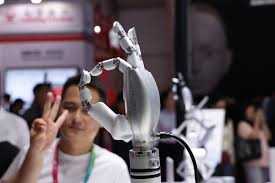
Mimic Grasping: A Modular and Flexible Programming‐by‐Demonstration Robotic Grasping Solution
The Journal of Field Robotics has recently published an early view article highlighting advancements in robotic technology. This publication, released in October 2023, showcases innovative research aimed at enhancing the capabilities of field robots in various applications. The article emphasizes the importance of improving robotic systems to meet the growing demands of industries such as agriculture, construction, and disaster response. Researchers from leading institutions contributed to this study, focusing on the integration of artificial intelligence and machine learning to enable robots to perform complex tasks autonomously. The findings suggest that these technological improvements could significantly increase efficiency and safety in environments that are challenging for human workers. The motivation behind this research stems from the need for more effective solutions in sectors where human intervention is limited or hazardous. By advancing robotic technology, the authors aim to address labor shortages and improve operational outcomes in critical situations. This publication is expected to influence future developments in robotics, paving the way for more sophisticated and reliable machines that can operate in diverse and demanding environments. The ongoing research in this field underscores the potential for robotics to transform industries and enhance productivity in the years to come.
RESEARCH ARTICLE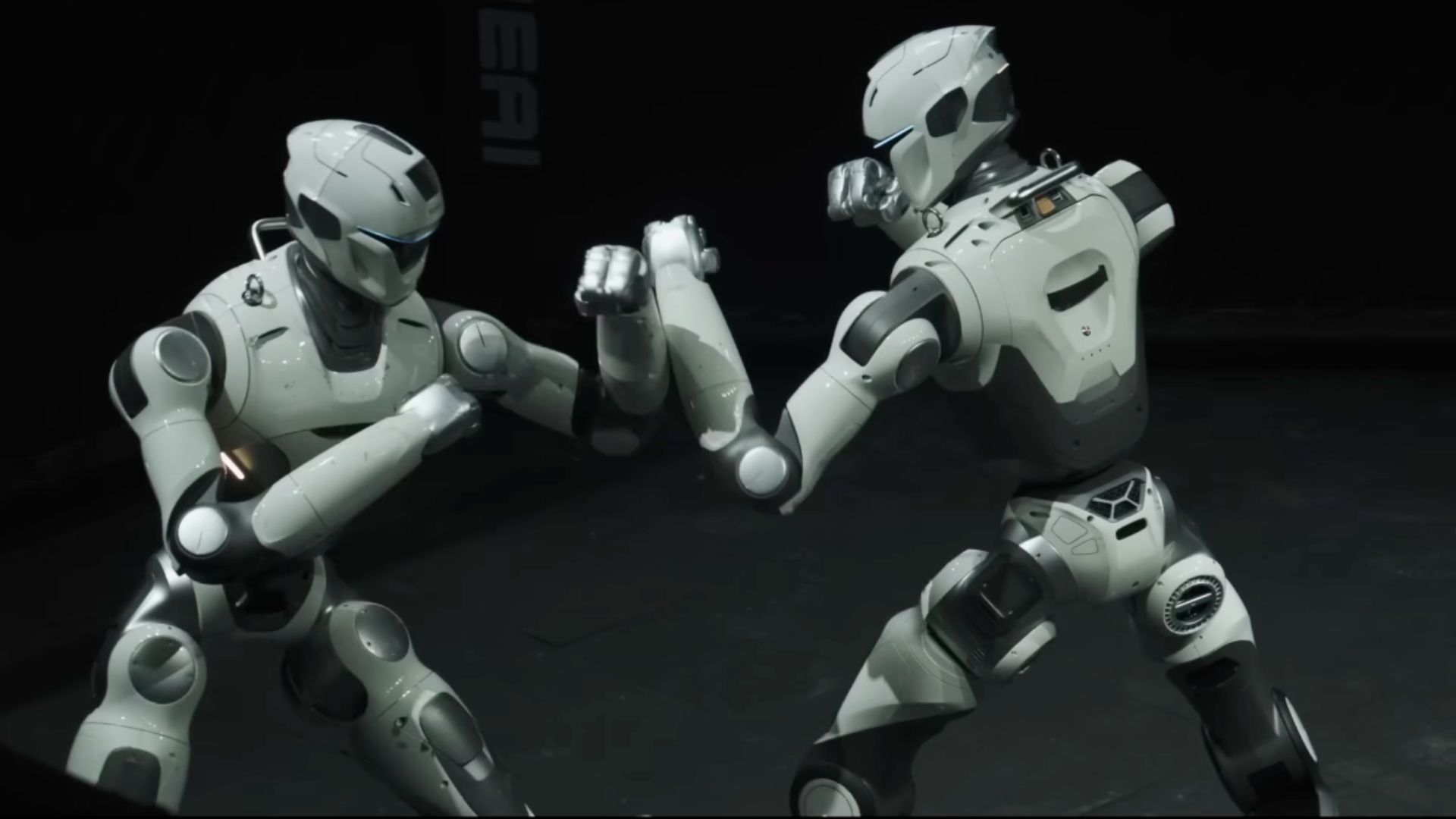
Humanoid Robot Achieves Head-High Kick in World’s First Freestyle Fighting Tournament in China
A humanoid robot successfully executed a head-high kick to win its match at the inaugural Ultimate Robot Knock-out Legend (URKL) tournament in China. This event, organized by Shenzhen-based EngineAI, showcased full-sized humanoid robots engaging in freestyle combat, demonstrating significant advancements in humanoid mobility and resilience under competitive conditions. The URKL featured 32 teams from around the globe, all utilizing EngineAI's T800 humanoid robot platform, which is designed to mimic the size and weight of an adult human. The competition evaluated various robotic capabilities, including striking accuracy and durability, rather than solely focusing on knockouts, highlighting the robots' ability to perform complex movements even after sustaining damage. Looking ahead, EngineAI's T800 humanoid robot, unveiled in December 2025, is positioned for future controlled fighting demonstrations. The tournament's success indicates a growing interest in humanoid robotics and its potential applications in various sectors, including logistics and human-robot collaboration. No further timeline was disclosed at the time of publication.
AI and Robotics
Engineers Create Autonomous Four-Legged Robot That Adapts Gait to Environment
Engineers have developed a groundbreaking four-legged robot capable of autonomously determining its walking strategy based on its environment. This innovative robot can adjust its gait when navigating stairs, leap over gaps, and maintain balance on uneven forest trails. The significance of this development lies in its potential applications across various fields, including search and rescue operations, outdoor exploration, and even entertainment. By mimicking the adaptive movement of animals and humans, this robot represents a significant advancement in robotics, enhancing mobility and versatility in challenging terrains. Looking ahead, the focus will be on further refining the robot's capabilities and exploring its deployment in real-world scenarios. No further timeline was disclosed at the time of publication.
Robotics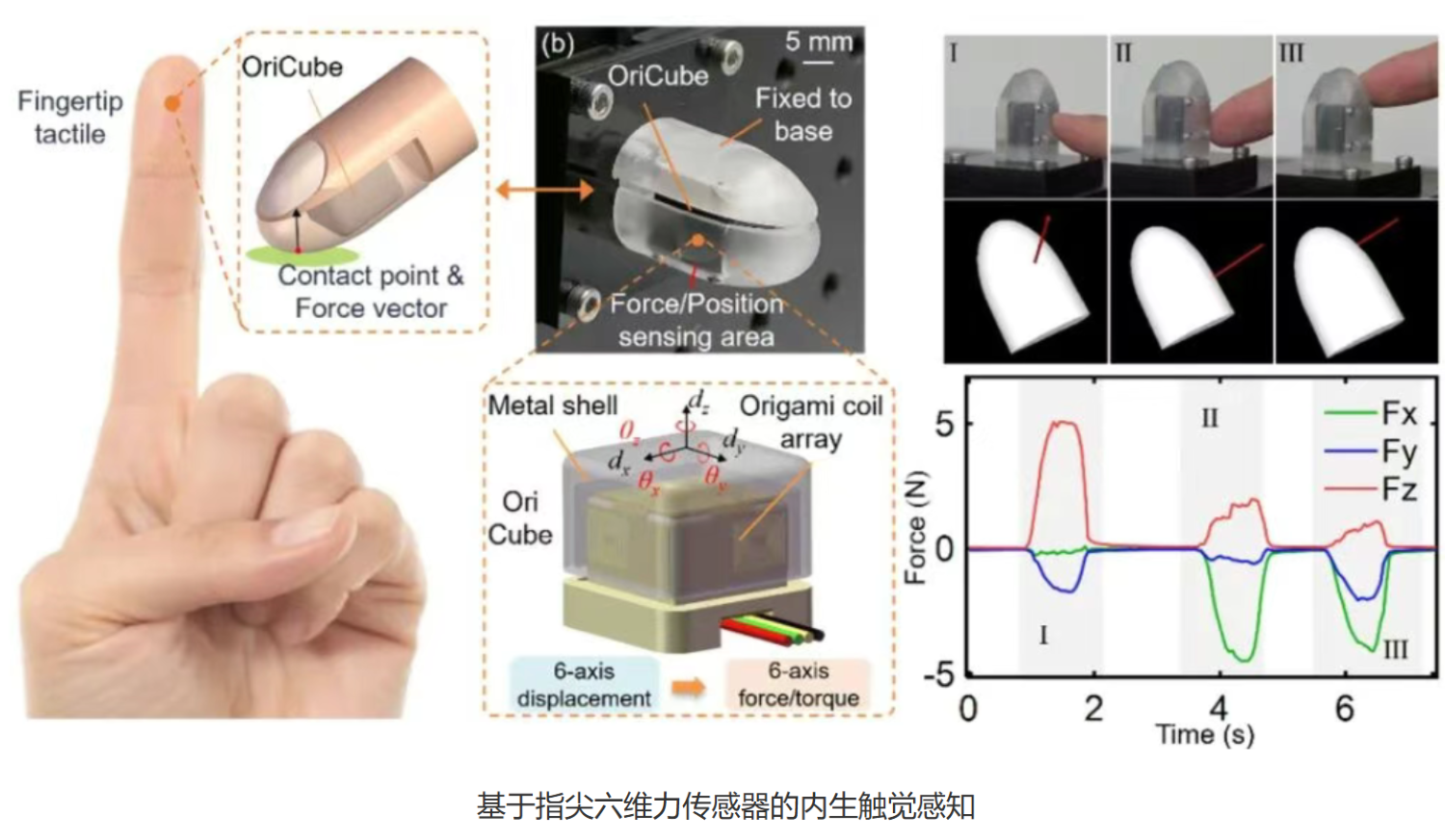
Chinese University Develops OriCube Sensor to Enhance Robot Tactile Sensitivity
Researchers from the University of Science and Technology of China have developed the OriCube, a compact six-dimensional force/moment sensor that mimics human fingertip sensitivity. Measuring just 14×14×12 mm and weighing 4 grams, it achieves a remarkable resolution of 3 millinewtons within a 23-newton range, allowing it to detect even the lightest touch, such as a feather. This innovation is significant as it addresses the limitations of current robotic tactile solutions, which often rely on electronic skin or array sensors that face challenges like complex wiring and data processing. By embedding the OriCube directly into the fingertips of robotic hands, the sensor captures minute force changes and calculates precise contact points and force vectors, offering a new approach to tactile perception in robotics. The OriCube has demonstrated low power consumption of 45 milliwatts, minimal crosstalk, and high measurement accuracy. Its ability to sense both delicate touches and withstand impacts positions it as a robust solution for enhancing robotic dexterity in uncertain environments. No further timeline was disclosed at the time of publication.
Robotics Tactile Sensors Force Sensing Artificial Intelligence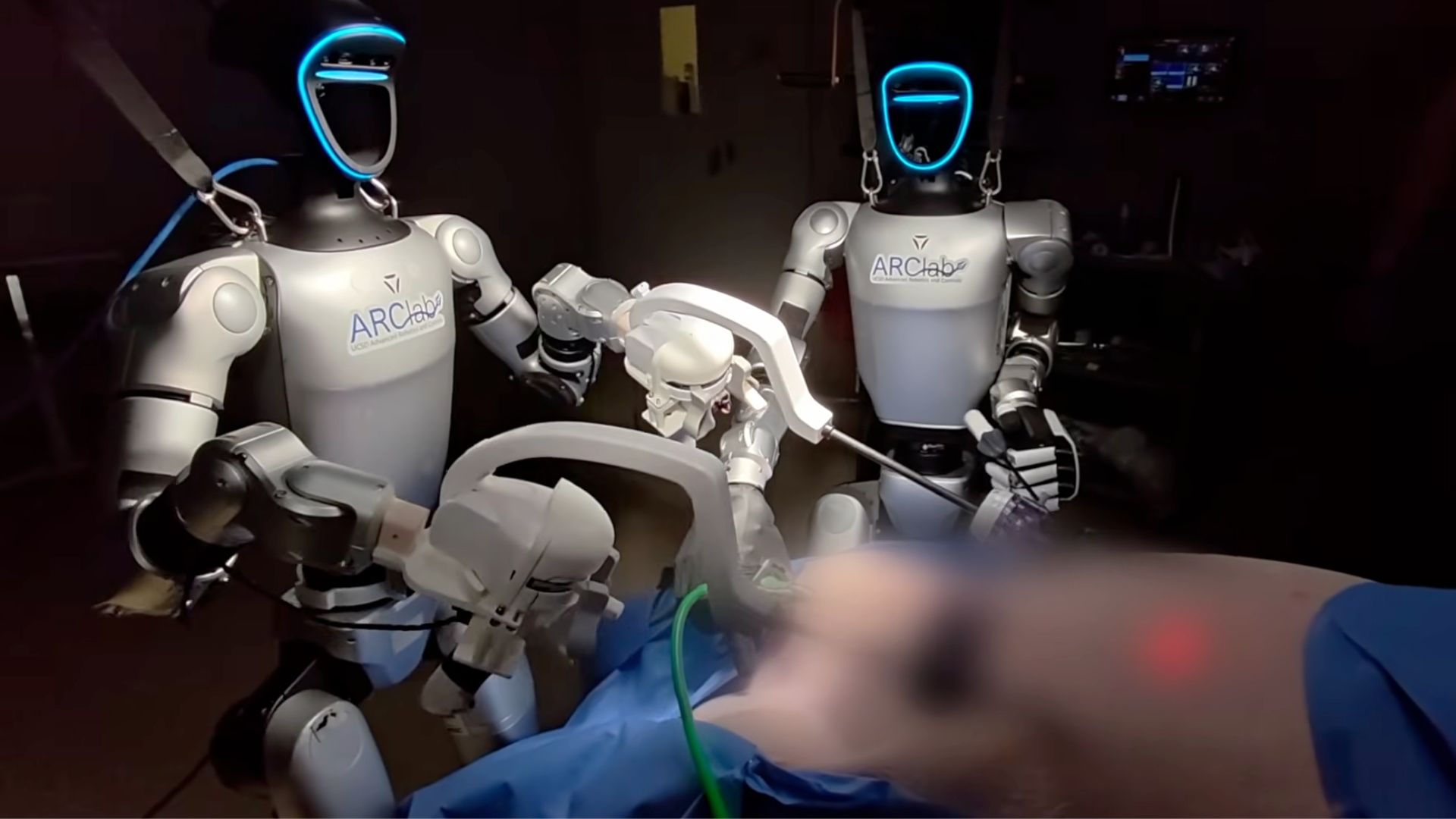
World’s first surgery using teleoperated humanoid robots conducted by US team
A team of researchers has made a groundbreaking advancement by successfully employing teleoperated humanoid robots to carry out two complex tasks. This achievement marks a significant milestone in robotics, showcasing the potential for remote-controlled machines to perform intricate functions that were previously thought to be the domain of human operators. The experiments took place in a controlled environment, allowing the researchers to meticulously assess the robots' capabilities and refine their performance. The motivation behind this innovative project stems from the desire to enhance efficiency and safety in various industries, particularly in situations where human presence may be risky or impractical. By leveraging advanced teleoperation technology, the researchers demonstrated that humanoid robots could effectively mimic human movements and decision-making processes, paving the way for future applications in fields such as disaster response, healthcare, and manufacturing. The successful execution of these tasks not only highlights the progress in robotic technology but also opens new avenues for research and development, potentially transforming how we approach complex operations in challenging environments. As the team continues to refine their methods, the implications of this work could lead to widespread adoption of teleoperated robots in various sectors, ultimately improving productivity and safety for human workers.
AI and Robotics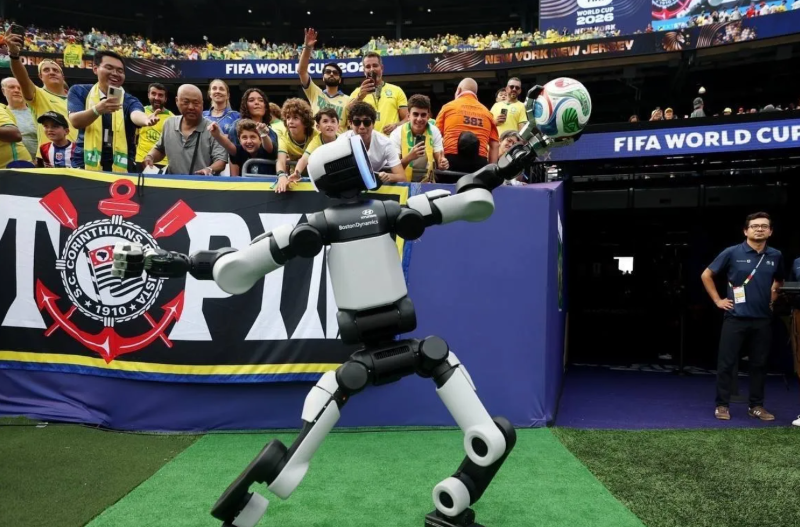
Boston Dynamics' Atlas Makes Historic Debut at the World Cup
This past weekend, Boston Dynamics' humanoid robot Atlas made headlines by delivering the match ball at the World Cup, impressively mimicking the celebrations of iconic players. The event took place during the highly anticipated tournament, demonstrating Atlas's remarkable ability to learn complex human movements within just 24 hours through advanced training techniques. This achievement not only signifies a breakthrough in robotics but also underscores the potential for such technology to be applied in various industrial settings.
Humanoid Robots Robotics Technology AI Training Industrial Automation
HKU professor's startup Yisheng Technology secures hundreds of millions in angel funding to develop memory systems for robots.
TranscEngram, a robotics startup focused on developing autonomous intelligence, has successfully secured hundreds of millions in angel funding. The investment round saw participation from a diverse group of industry and state-owned enterprises, including Charoen Pokphand Group’s China National Pharmaceutical, Pudong Venture Capital, and several others. Founded in September 2023 by leading AI experts, including Professor Ma Yi from the University of Hong Kong, TranscEngram aims to create a unified system for robots that mimics human cognitive processes through a "brain + cerebellum" architecture. This innovative approach seeks to advance the field of explainable embodied intelligence by enabling robots to learn through a closed-loop of perception, prediction, and interaction. The newly acquired funds will primarily support the development of advanced models for embodied control and physical world modeling, as well as the establishment of research and industrial bases in Shenzhen and Shanghai. The company’s technology promises to enhance robots' capabilities in self-correction and continuous evolution, moving towards commercial applications. TranscEngram's unique memory system allows robots to learn from vast amounts of data without relying on fixed programming, significantly improving their performance in multi-tasking scenarios. The startup is currently focusing on high-end service sectors, such as hotel operations and flexible manufacturing in aerospace, aiming to automate and optimize these industries. With research and data centers established in major cities, TranscEngram is collaborating with leading robotics firms to integrate its innovative solutions into existing production processes, enhancing efficiency and adaptability in real-world applications.
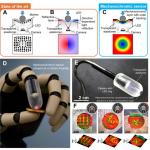
New color-changing tactile sensor gives robots a real-time sense of touch
Researchers have developed an innovative color-changing tactile sensor that enables machines to perceive and respond to their surroundings in real-time. This groundbreaking technology was unveiled in October 2023 and represents a significant advancement in the field of robotics and artificial intelligence. The sensor mimics the way humans and animals sense touch and texture, providing machines with the ability to "see" and interpret the materials they come into contact with. The motivation behind this development lies in enhancing the interaction between machines and their environment, allowing for more sophisticated and responsive robotic systems. By integrating this tactile sensor, robots can better understand the properties of objects, leading to improved performance in various applications, such as manufacturing, healthcare, and service industries. The process involves a combination of advanced materials and engineering techniques that allow the sensor to change color based on the pressure and texture of the surfaces it touches. This visual feedback not only aids in object recognition but also enhances the machine's ability to make informed decisions based on tactile information. As this technology continues to evolve, it holds the potential to revolutionize how machines interact with the world, paving the way for smarter, more adaptable robotic systems that can operate effectively in diverse environments.
AI and Robotics
Video Friday: Give Robots a Hand
IEEE Spectrum robotics has released its latest edition of "Video Friday," showcasing a collection of innovative robotics videos along with a calendar of upcoming robotics events scheduled for 2026. The events include the RSS conference in Sydney from July 13-17, the Summer School on Multi-Robot Systems in Prague from July 29 to August 4, Actuate in San Francisco on August 18-19, and IROS in Pittsburgh from September 27 to October 1. Among the featured videos, Pulkit Agrawal from MIT CSAIL discusses his "SoftMimic" approach to enhancing robot safety around humans. The DARPA Lift Challenge, taking place from August 6-9 at the National Museum of the US Air Force, invites public participation. Notable demonstrations include Agility Robotics' Digit, which showcases advanced footstep planning to navigate obstacles, and DEEP Robotics' aggressive firefighting robot. Additionally, the potential for AI-driven robots to understand whale behavior and communication is explored by Harvard SEAS Professor Stephanie Gil. The edition also highlights discussions with Rodney Brooks, the creator of the Roomba, about the future of robotics. The content aims to engage the robotics community and stimulate interest in technological advancements and their applications.
Humanoid-robots Video-friday Robot-hands Quadruped-robots Robot-videos Firefighting-robots
"Featured in Science, a New Biomimetic Approach! Soft Actuators for Minimally Invasive Autonomous Tumor Removal"
Researchers have introduced a groundbreaking biomimetic approach for minimally invasive tumor removal, as detailed in a recent publication in the journal Science. This innovative method utilizes soft actuators designed to autonomously navigate and eliminate tumors with precision. The study, conducted by a team of scientists, aims to enhance surgical techniques and reduce recovery times for patients undergoing cancer treatment. By mimicking natural movements found in certain organisms, the soft actuators can adapt to various tissue types, ensuring minimal damage to surrounding healthy cells. This advancement represents a significant step forward in the field of medical robotics and could revolutionize how tumors are treated in clinical settings. The research highlights the potential for these soft actuators to transform surgical practices, making them safer and more efficient for patients in need of tumor removal.
Robotics Automation AI
Swarm robots inspired by bees and ants could transform the future of mining
A team of researchers at Adelaide University has unveiled an innovative robotic system designed to enhance safety, efficiency, and sustainability in the mining industry. Drawing inspiration from the collaborative behaviors of bees and ants, this new technology aims to transform traditional mining practices. The development comes at a crucial time when the industry faces increasing pressure to adopt more environmentally friendly methods and improve worker safety. By mimicking the social structures and collective decision-making processes of these insects, the robotic system is expected to optimize resource extraction while minimizing environmental impact. This advancement not only highlights the potential for robotics in industrial applications but also underscores the importance of interdisciplinary research in addressing contemporary challenges in mining.
Robotics
Inchworm-inspired robot that crawls without rigid parts could enable remote exploration
Researchers at the University of Gothenburg have developed a groundbreaking robot inspired by the movement of an inchworm, which operates without any rigid components. This innovative design allows the robot to mimic the flexing motion of muscles, making it suitable for various applications, including inspecting sewer pipes and exploring Mars. The findings of this research have been shared on the arXiv preprint server, highlighting the potential of soft robotics in diverse environments. The project aims to enhance exploration and inspection capabilities in challenging and confined spaces, showcasing the versatility and adaptability of this new robotic technology.
Robotics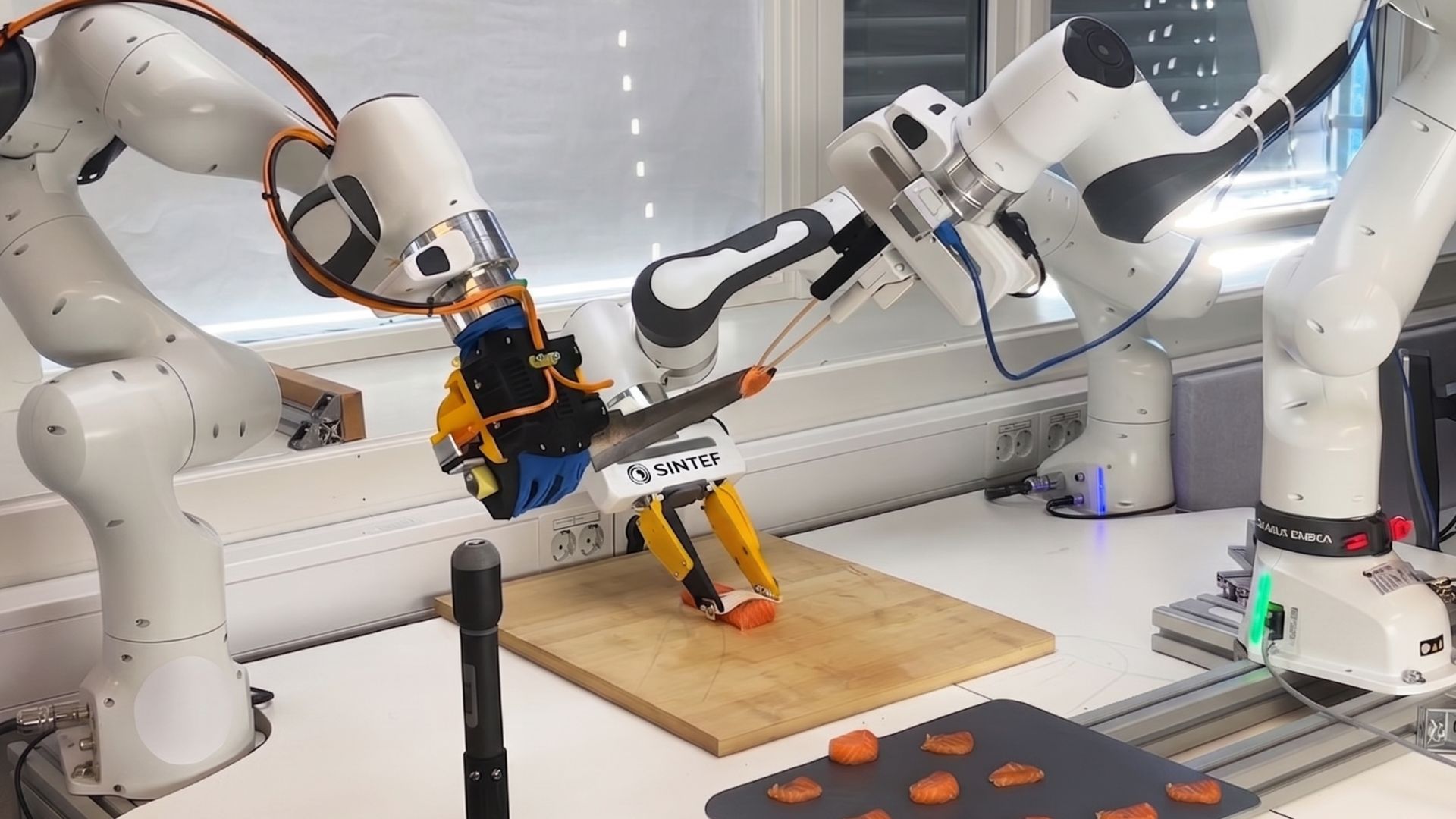
Three-armed kitchen robot cuts raw salmon with 95% touch-sensing accuracy
In a notable development within the robotics industry, researchers and engineers are grappling with the complexities of programming industrial robots to prepare sashimi, a task that has proven to be unexpectedly challenging. Despite advancements in automation and robotics, the intricate nature of slicing raw fish with precision and artistry has eluded machines, highlighting the limitations of current technology in replicating skilled human techniques. This ongoing effort reflects a broader trend in the food industry, where automation is increasingly sought after to enhance efficiency and consistency. As of October 2023, experts are exploring innovative approaches to overcome these hurdles, aiming to integrate advanced sensory feedback and machine learning algorithms that could enable robots to mimic the nuanced movements of experienced chefs. The pursuit of automating sashimi preparation not only underscores the demand for robotics in culinary applications but also raises questions about the future of traditional food preparation methods in an era of rapid technological advancement.
AI and Robotics
Zhi Ping Fang launches NeuroVLA, a brain-like embodied intelligence system.
Recently, Zhi Ping Fang unveiled NeuroVLA, an innovative brain-inspired embodied intelligence system, marking a significant advancement in robotics. This system features a unique three-tier architecture that mimics the human brain, comprising the cortex for semantic understanding and task planning, the cerebellum for high-frequency motion coordination and dynamic correction, and the spinal cord for rapid motion execution and safety reflexes. Experimental results indicate that NeuroVLA can reduce robotic motion jitter by over 75% and achieve reflex responses within 20 milliseconds following a collision, all while significantly lowering system power consumption. This breakthrough aims to enhance the efficiency and safety of robotic operations, positioning NeuroVLA at the forefront of intelligent robotics technology.
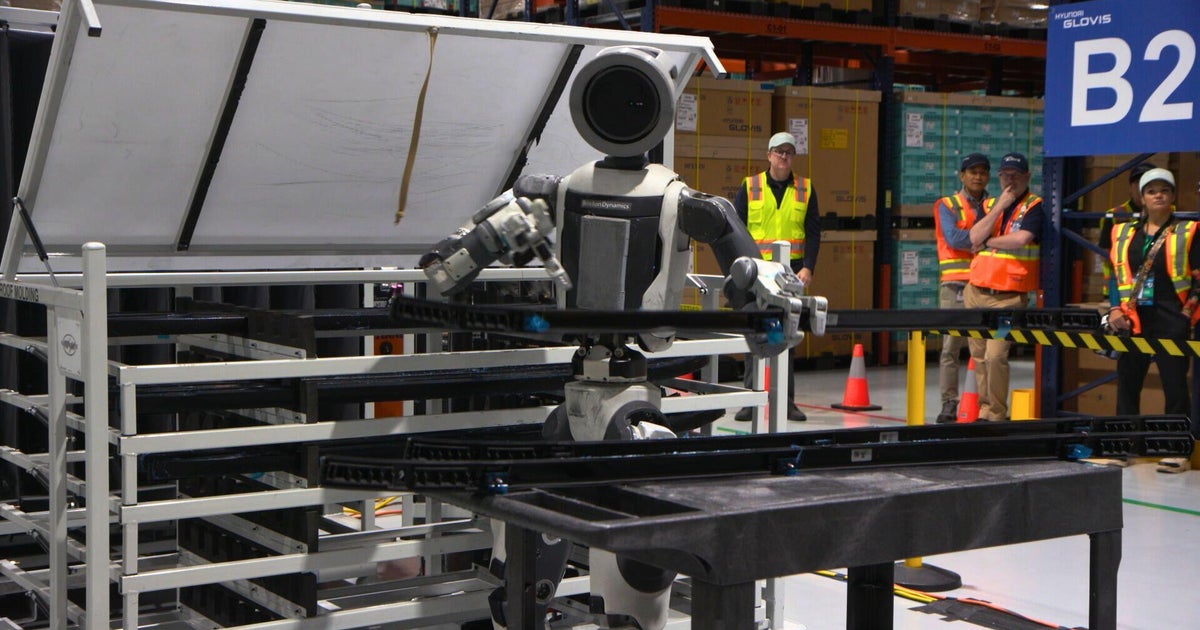
Could humanoid robots go from the lab to the factory floor?
Engineers and computer scientists are advancing the development of AI-powered humanoid robots, with Boston Dynamics recently showcasing its Atlas robot in a demonstration for 60 Minutes. The event highlighted Atlas's ability to learn and perform tasks within a Hyundai factory setting. This initiative aims to enhance automation in manufacturing processes, reflecting a growing trend towards integrating robotics in various industries. By leveraging artificial intelligence, these robots are designed to mimic human actions, potentially improving efficiency and productivity in factory operations. The collaboration between Boston Dynamics and Hyundai underscores the increasing importance of robotics in modern manufacturing, as companies seek innovative solutions to meet evolving production demands.

Will AI-powered humanoid robots someday work alongside us? | 60 Minutes
Engineers and computer scientists at Boston Dynamics are advancing the development of AI-powered humanoid robots, exemplified by their robot Atlas, which is designed to mimic human behavior. In a recent demonstration, the company invited the CBS news program 60 Minutes to observe Atlas as it learned to perform tasks within a Hyundai factory setting. This initiative showcases the potential of robotics to enhance efficiency and productivity in industrial environments. The collaboration between Boston Dynamics and Hyundai reflects a growing trend in the integration of artificial intelligence and robotics in manufacturing processes, aiming to address labor shortages and improve operational capabilities. The demonstration highlights the ongoing efforts to refine the technology, enabling robots to adapt to complex tasks and work alongside human employees effectively.
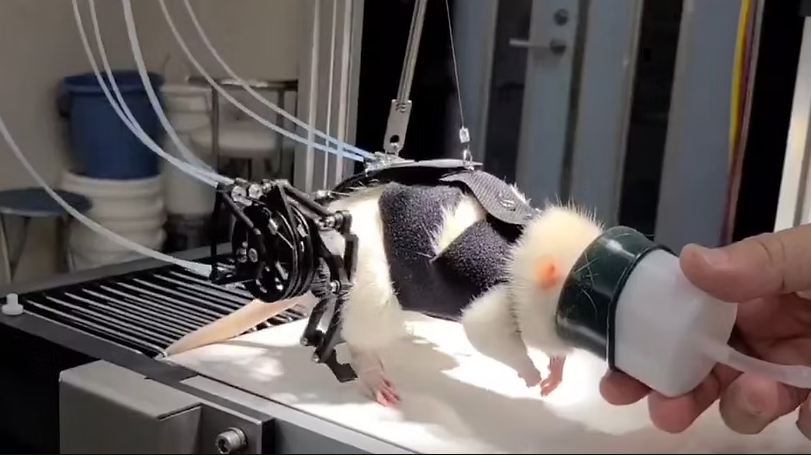
Innovative Rat Exoskeleton Aids Neural Rehabilitation Research
A research team at Tsukuba University has unveiled a groundbreaking lightweight exoskeleton designed for rats, which weighs just 80 grams and effectively mimics natural walking by synchronously activating the hip, knee, and ankle joints. This innovative device represents a significant advancement in rehabilitation robotics, with the potential to help paralyzed patients regain mobility. The development is rooted in insights gained from animal studies, addressing ethical concerns that often arise in human trials. By leveraging these findings, the team aims to pave the way for future applications that could enhance the quality of life for individuals with mobility impairments.
Rehabilitation Robotics Exoskeleton Technology Neural Rehabilitation Biomechanics
MIT’s ultrasound wristband could teach humanoid robots human hand skills
Researchers have developed an innovative wearable device aimed at enhancing the dexterity of humanoid robots, potentially allowing them to perform tasks with greater human-like precision. This breakthrough was announced in October 2023, as scientists continue to explore ways to improve robotic functionality and interaction in various settings. The device integrates advanced sensors and actuators, enabling robots to mimic the intricate movements of human hands. The motivation behind this development stems from the increasing demand for robots in industries such as healthcare and manufacturing, where fine motor skills are essential for tasks like surgery or assembly. By equipping robots with this new technology, researchers hope to bridge the gap between human and robotic capabilities, leading to more effective collaboration in the workplace. The project highlights the ongoing advancements in robotics and the potential for these machines to take on more complex roles in society.
AI and Robotics
World’s first: Rider-Bot sets record as first bike robot to perform unassisted front flip
In a groundbreaking development for robotics, researchers at the University of California have unveiled a bicycle-riding robot that has successfully completed the world's first unassisted ride. This remarkable feat took place on October 15, 2023, in a controlled environment at the university's robotics lab. The team aimed to demonstrate advancements in autonomous mobility and artificial intelligence, showcasing the robot's ability to balance, steer, and navigate without human intervention. The robot, equipped with sophisticated sensors and algorithms, mimics human cycling techniques, allowing it to adapt to varying terrains and obstacles. This achievement not only highlights the potential for robotics in everyday applications but also paves the way for future innovations in autonomous transportation. Researchers believe that this technology could eventually lead to safer and more efficient modes of travel, addressing challenges in urban mobility and logistics. The successful demonstration marks a significant milestone in the quest for fully autonomous machines capable of performing complex tasks in real-world environments.
AI and Robotics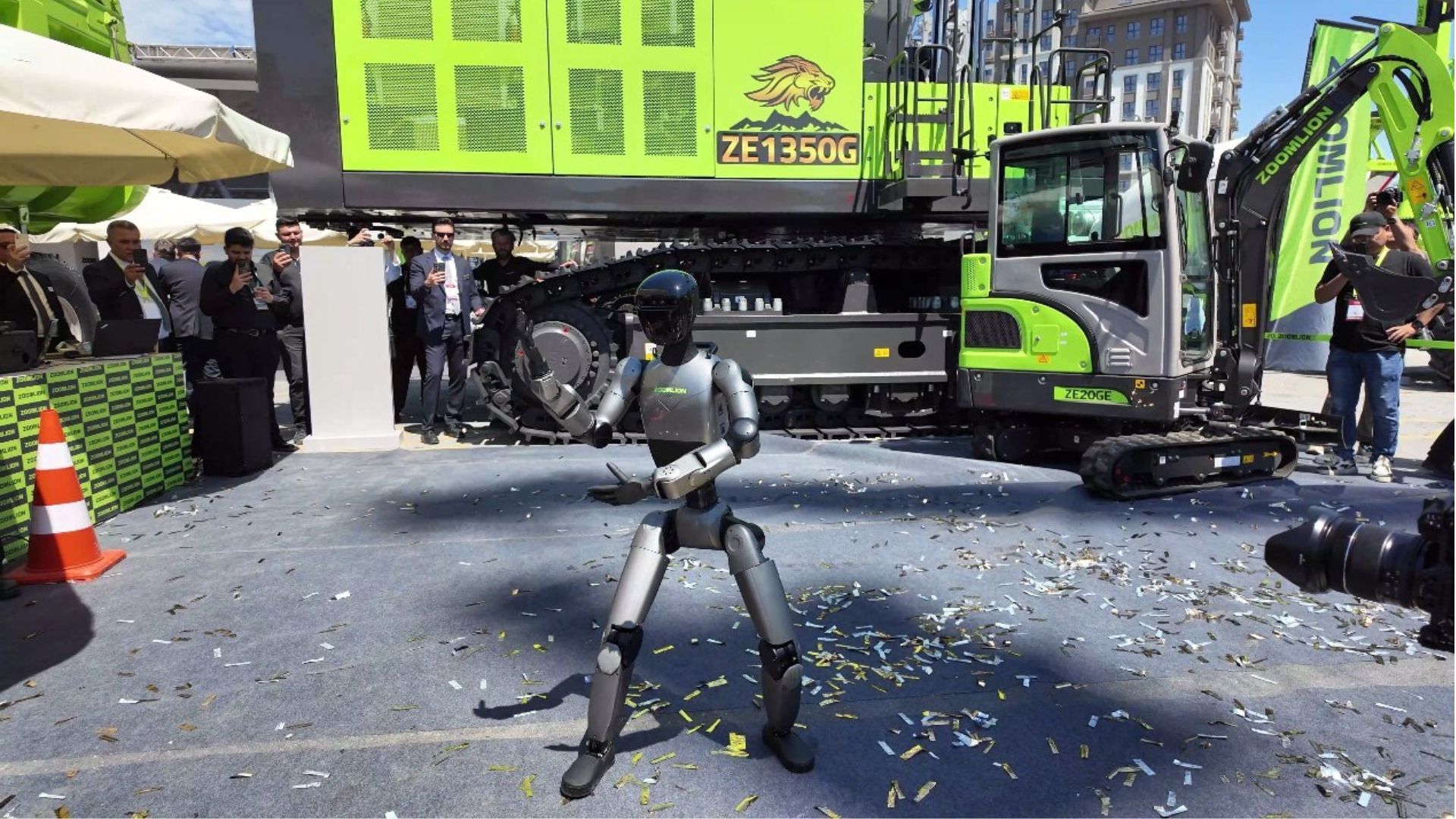
China’s Z01 humanoid robot masters Tai Chi moves with human-like balance and control
A new humanoid robot from China has emerged as a highlight at a prominent technology exhibition held in Shanghai this week. The robot, designed to mimic human movements and interactions, showcases advanced artificial intelligence capabilities that have captivated attendees and industry experts alike. This development reflects China's growing investment in robotics and AI technology, aiming to position itself as a leader in the global tech landscape. Demonstrations of the robot's abilities, including its capacity for conversation and physical tasks, have sparked discussions about the future of automation and human-robot collaboration. The exhibition serves as a platform for innovation, drawing significant attention to the potential applications of such technology in various sectors, including healthcare, education, and entertainment. As interest in robotics continues to rise, this humanoid robot stands as a testament to the rapid advancements being made in the field.
AI and Robotics
Octopus-inspired robotic arm uses distributed tactile sensors for adaptive grip
Engineers have successfully created a robotic arm inspired by the sensory capabilities of the octopus. This innovative development aims to enhance robotic dexterity and adaptability in various applications, including medical procedures and complex manufacturing tasks. The project, which has been in the works for several years, showcases the potential of biomimicry in advancing technology. Researchers conducted extensive studies on the octopus's unique nervous system and flexible limbs to replicate its remarkable ability to manipulate objects with precision. The robotic arm is designed to mimic these characteristics, allowing for greater flexibility and sensitivity compared to traditional robotic systems. This breakthrough, unveiled at a technology conference earlier this month, represents a significant step forward in robotics, potentially transforming how machines interact with their environment and perform intricate tasks.

MIT researchers channel AI to turn hand gestures into robot training data
Researchers have developed an innovative method to enhance the capabilities of humanoid robots, particularly in tasks such as grasping objects. This advancement involves the use of a specialized ultrasound wristband worn by a human instructor, which captures the intricate movements of muscles, tendons, and ligaments beneath the skin. By analyzing this data, the robots can learn to replicate these movements more effectively. The initiative, which began in late 2023, aims to improve the dexterity and functionality of robots in various applications, from manufacturing to personal assistance. The ultrasound technology provides real-time feedback, allowing the robots to adjust their movements based on the instructor's actions. This approach not only enhances the robots' ability to perform complex tasks but also opens new avenues for human-robot interaction. The research is being conducted at a leading robotics lab, where experts are focused on bridging the gap between human-like movement and robotic precision. By mimicking the natural motion of human hands, the robots are expected to achieve greater efficiency and adaptability in their operations. This breakthrough could significantly impact industries that rely on automation, making robots more versatile and capable of handling delicate tasks that require a human touch.
Robotics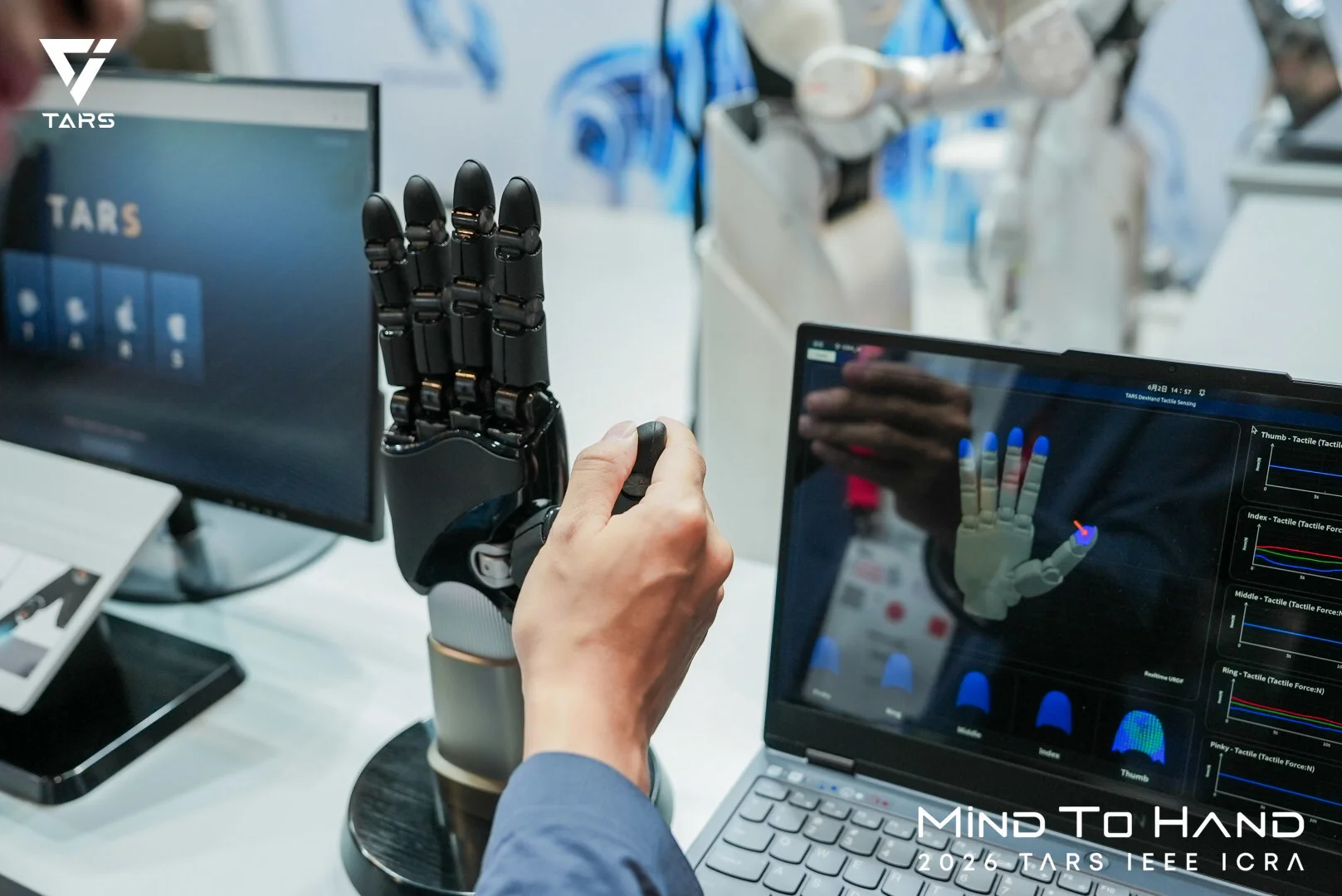
China’s TARS Debuts Humanoid Robotic ‘DexHand’
TARS, a Chinese humanoid robotics company, has unveiled its latest innovation, the DexHand robotic hand, during a demonstration at the ICRA 2026 conference held in Vienna last week. This advanced system aims to closely mimic the structure and movement of the human hand, showcasing its capabilities through real-time sign-language gestures and mirror-control interactions. The demonstration highlighted the platform's dexterity, emphasizing TARS's commitment to advancing human-robot interaction and enhancing the functionality of robotic systems.
AI AI Use Cases Robotics Uncategorized China DexHand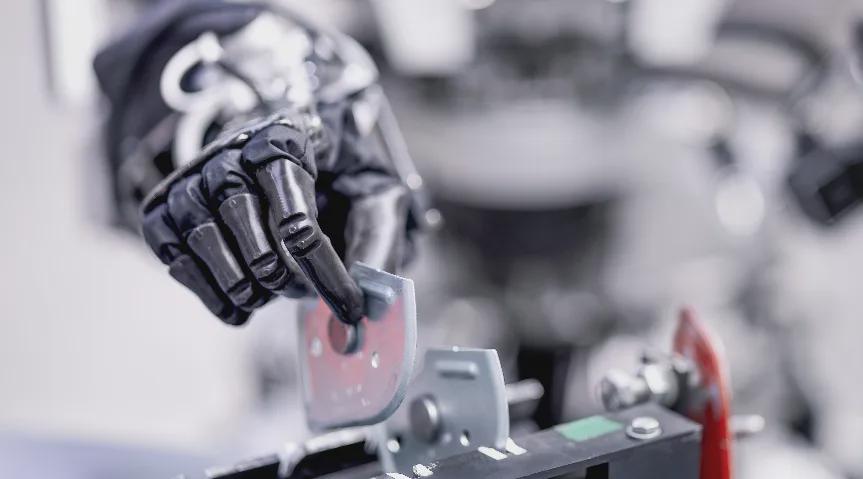
Who Will Lead the Next Generation of Humanoid Robot Components?
The Chinese robotics industry is making significant strides in the development of core components, especially six-dimensional force sensors, which are vital for improving robotic functionality. Major companies, including Foxconn and Tianqi, are heavily investing in this technology, driven by the increasing demand for sensors that allow robots to mimic the delicate touch of skilled human workers. This advancement is particularly important for precision assembly in diverse manufacturing sectors, highlighting the industry's commitment to enhancing automation capabilities. As these investments continue, the potential for robots to perform complex tasks with greater accuracy and efficiency is set to transform the landscape of manufacturing in China.
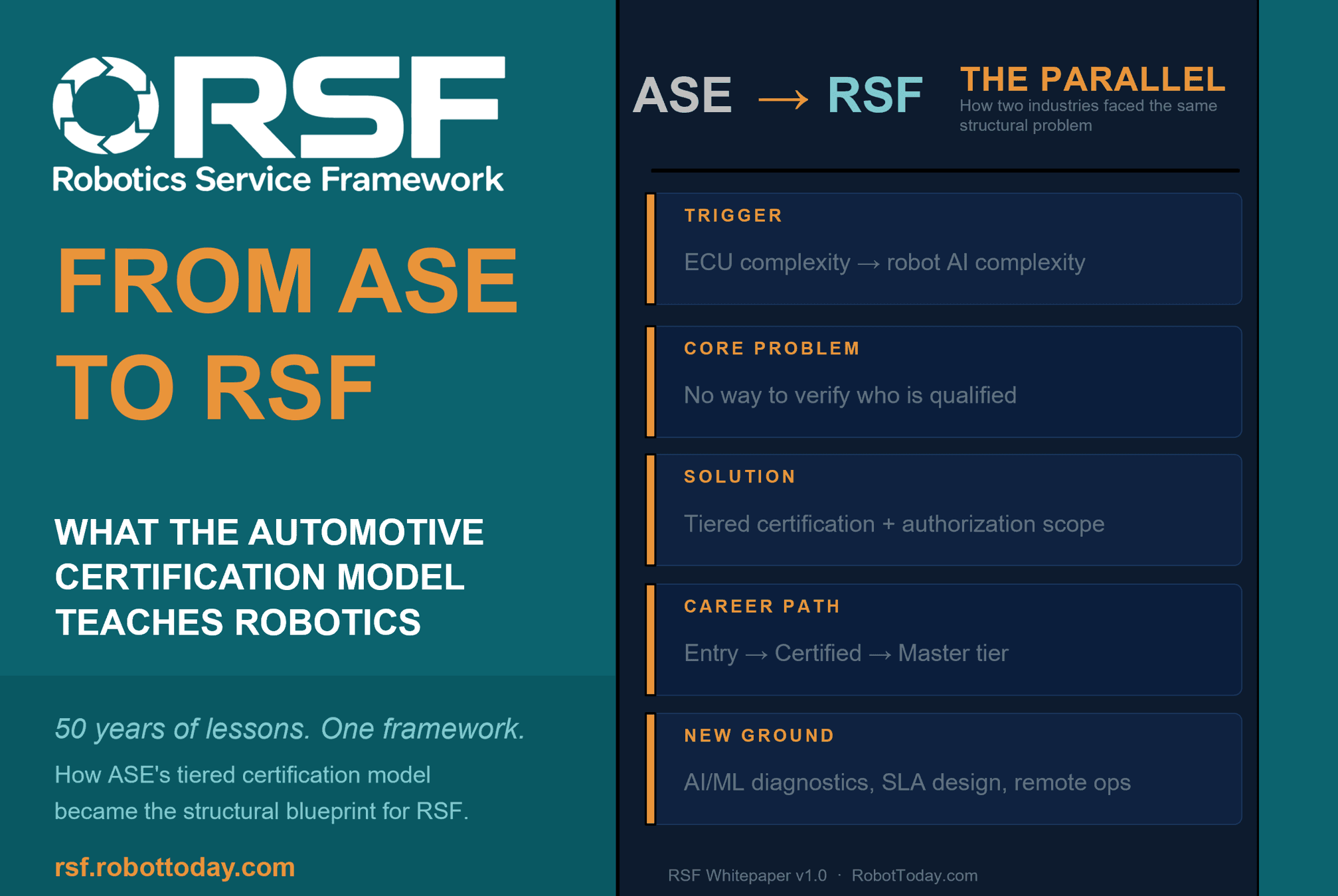
Humanoid Robots Six-Dimensional Force Sensors Robotics Components Manufacturing AutomationRobotics needs a service framework.
RSF defines a common language for robot service capability, lifecycle operations, certification pathways, and service-provider networks.