

Industry Briefing
A single destination for timely, editor-curated robotics news from around the world.
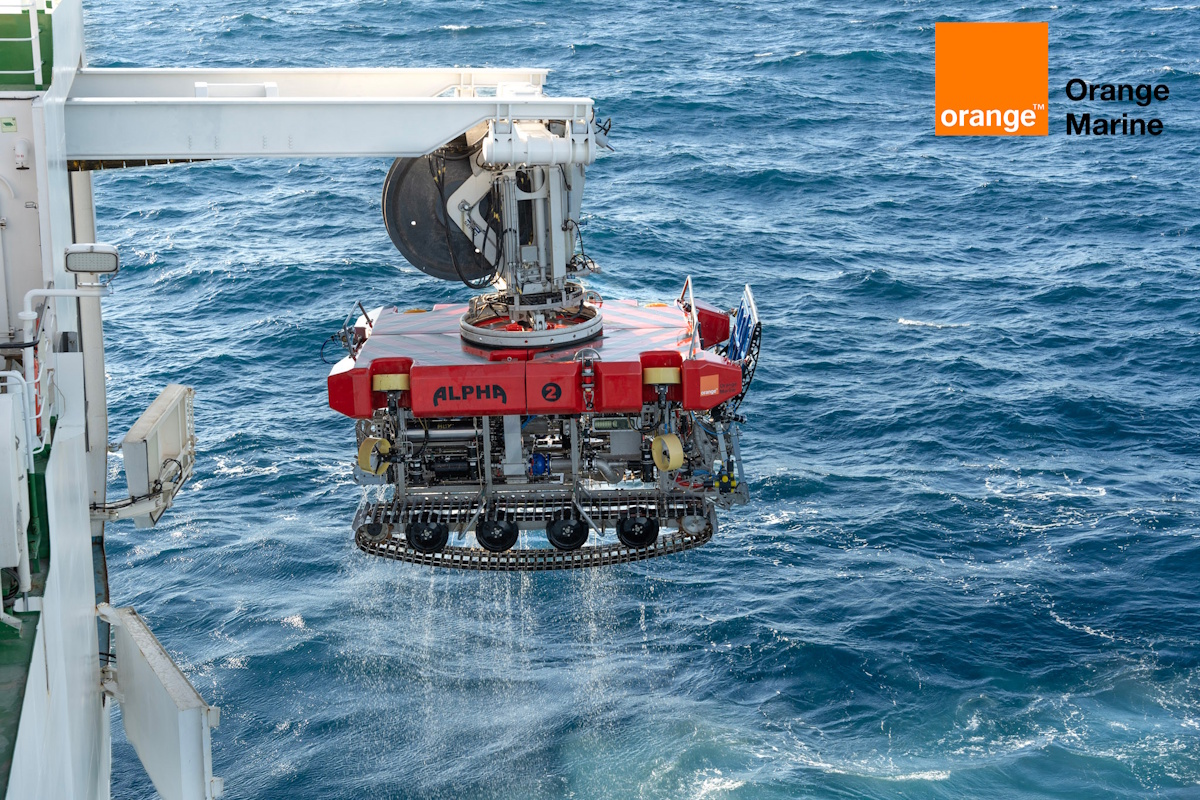
Global Marine Collaborates with Orange Marine for Advanced Alpha ROV on New Vessel
Global Marine has partnered with Orange Marine to supply a next-generation Alpha Remotely Operated Vehicle (ROV) for its new cable maintenance vessel, currently under construction. This collaboration merges Global Marine's extensive subsea cable maintenance experience with Orange Marine's specialized vehicle manufacturing expertise. The Alpha ROV is designed to meet the rigorous demands of telecommunications and power subsea cable operations, featuring 450 kW of power and the capability to operate at depths of 3,000 meters. This advanced vehicle will enhance Global Marine's operational flexibility and efficiency in subsea cable inspection, maintenance, and repair tasks. The new ROV will be deployed on a hybrid-powered cable maintenance vessel, set for delivery in Q4 2029, which signifies a substantial investment in fleet modernization. This initiative positions Global Marine to better support long-term maintenance agreements and capitalize on the growing subsea cable market, as noted by CEO Simon Hibberd.
global marine partnership orange marine alpha rov cable maintenance vessel
Submarine Networks World and Subsea Security World Set for Singapore on September 23-24, 2026
The Submarine Networks World 2026, the largest annual gathering of the subsea telecommunications industry, will take place in Singapore on September 23-24, 2026. This event is expected to attract over 1,000 leaders in subsea communications and feature more than 130 industry speakers. The introduction of Subsea Security World (SSW) at this year's event highlights the growing importance of cable security and protection. This new segment will bring together specialists, government entities, and academics to discuss critical issues affecting the subsea telecommunications sector. As the event approaches, attendees can look forward to inspirational keynotes and engaging debates. No further timeline was disclosed at the time of publication.
submarine networks world subsea security world 2026 events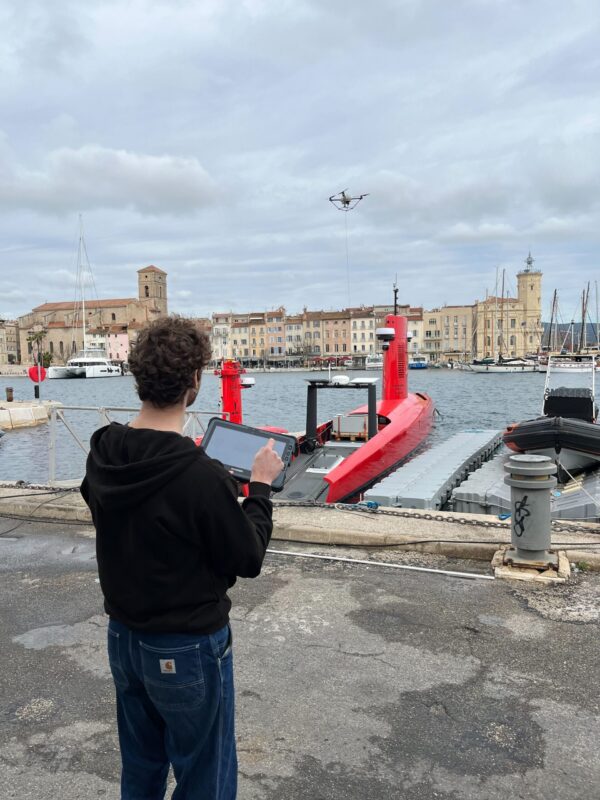
Elistair and Exail Collaborate on Tethered Drone Maritime Surveillance for Autonomous Vessels
Elistair has partnered with Exail to integrate its Khronos DroneBox with Exail's DriX unmanned surface vessel, enabling tethered drone maritime surveillance. This collaboration allows operators to maintain a persistent aerial view from shore, enhancing capabilities for naval, coast guard, and port security operations. The integration of the Khronos DroneBox with the DriX vessel marks a significant advancement in maritime surveillance technology. The tethered drone can operate for up to 24 hours at a height of 60 meters, providing real-time, encrypted video feeds even in challenging environments. This capability extends surveillance beyond traditional surface radar limits, making it ideal for various applications including coastal surveillance and search and rescue missions. Looking ahead, the partnership between Elistair and Exail is expected to evolve as they explore further applications of the Khronos system in maritime contexts. No further timeline was disclosed at the time of publication.
Drone News Drone News Feeds News safety and security seadrones Security
Elistair and Exail Collaborate to Enhance Unmanned Surface Vessels with Aerial Surveillance
Elistair and Exail have announced a partnership to integrate the Khronos automated tethered DroneBox with Exail’s DriX unmanned surface vessel (USV). This integration allows maritime operators to achieve persistent aerial surveillance directly from the vessel, significantly extending the range of surface sensors while ensuring personnel safety on shore. The Khronos drone, launched from the DriX, provides continuous aerial surveillance with a flight duration of up to 24 hours at a height of 60 meters. It streams live, encrypted video, enabling real-time imagery even in challenging environments. This enhancement is particularly beneficial for coastal surveillance, port protection, counter-trafficking operations, and search and rescue missions. The integration of the Khronos drone represents a significant advancement in maritime surveillance capabilities. As noted by Elistair's CEO, Guilhem de Marliave, this technology allows for wider coverage and earlier detection without risking crew safety at sea. No further timeline was disclosed at the time of publication.
elistair exail aerial surveillance uav unmanned surface vessels usv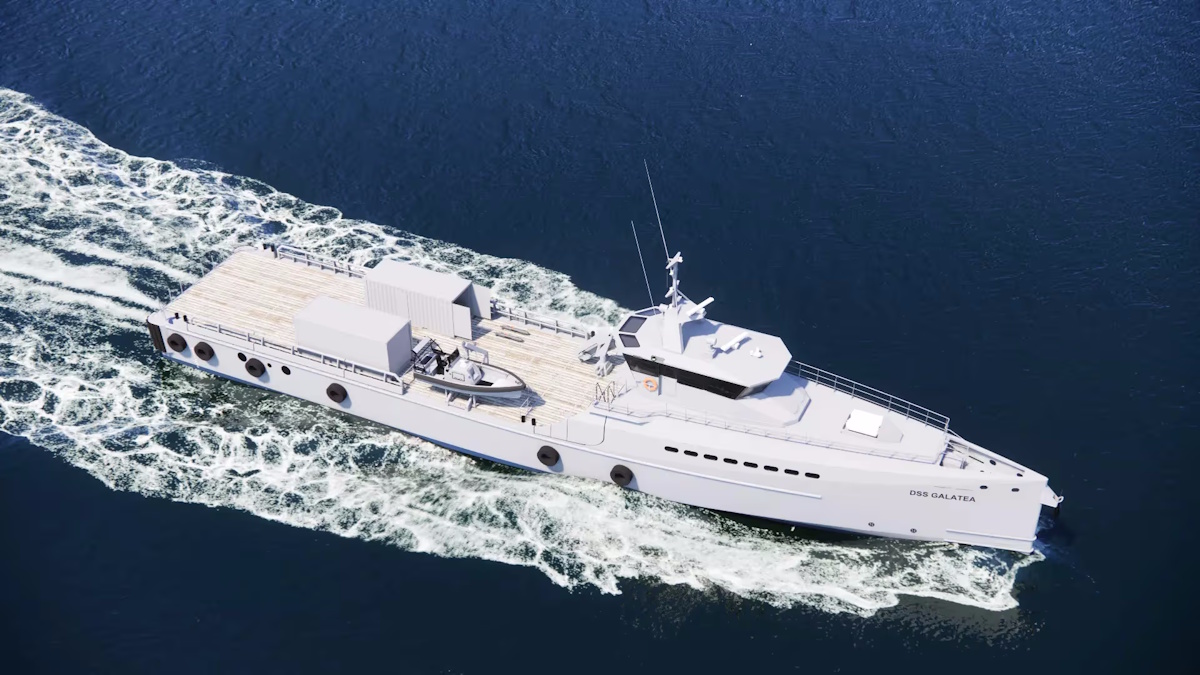
Fugro and Damen Partner to Support the Royal Netherlands Navy with Marine Security and Surveillance Vessel
Fugro and Damen have formed a partnership to supply the Royal Netherlands Navy (RNLN) with a state-of-the-art surveillance vessel and an operational crew. This collaboration, contracted by the Dutch Ministry of Defence, aims to bolster the nation's marine security and surveillance capabilities. The RNLN plans to deploy the vessel within the North Sea exclusive economic zone (EEZ) to conduct comprehensive security operations, monitoring both surface and underwater activities. Equipped with advanced technology, including uncrewed vehicles, the vessel will facilitate the RNLN's efforts to oversee vessel movements and inspect vital underwater infrastructure, such as cables and pipelines.
fugro damen royal netherlands navy marine security and surveillance vessel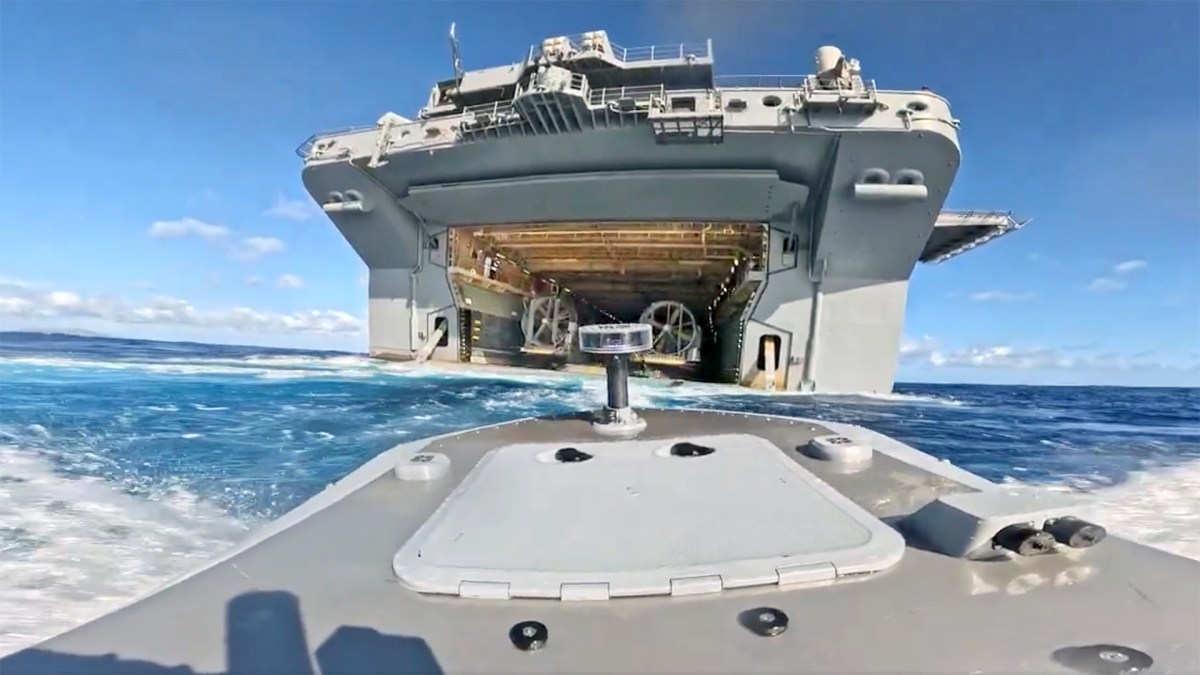
Marine Colonel Advocates for Uncrewed Surface Vessels in Future Deployments
Colonel Chris P. Niedziocha, who led the 31st Marine Expeditionary Unit during its recent Middle East deployment, emphasized the need for uncrewed surface vessels (USVs) in future operations. He noted that the Marines are currently lagging in operationalizing USVs, which are crucial for reconnaissance of contested beach landing areas, a task traditionally handled by the Navy. The increasing global military use of USVs highlights their importance, as demonstrated by Ukraine's effective use of sea drones against Russian naval forces. The U.S. has also employed USVs in combat, including during Operation Epic Fury, where they were used for various missions, including surveillance and search and rescue operations. Niedziocha pointed out that the integration of robotics and autonomy in combat is essential for future military strategies. Looking ahead, Niedziocha sees significant potential for USVs in amphibious operations, particularly for assessing underwater conditions before deploying Marines. The Marines are actively working on developing their own USV capabilities, including counter-mine systems, to enhance their operational effectiveness and safety in contested environments. No further timeline was disclosed at the time of publication.
Sea U.S. Marine Corps Unmanned Surface Vessels (USVs)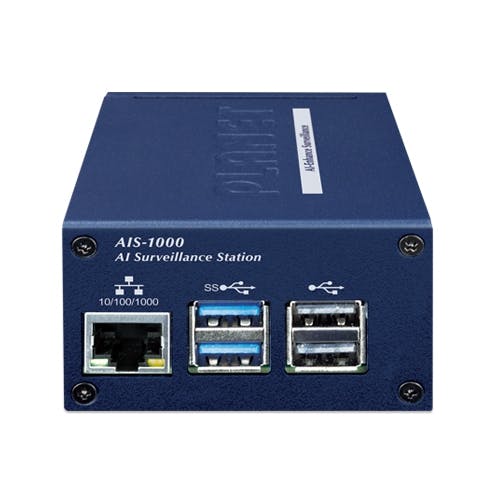
Planet Technology Launches AIS-1000 AI Surveillance Station for Enhanced Security
Planet Technology has unveiled its AIS-1000 AI Surveillance Station, which processes data at the collection point to enhance threat detection. This innovation aims to address the growing demand for intelligent security solutions in commercial and industrial sectors, where security teams often struggle with overwhelming amounts of data. The AIS-1000 is designed to surpass traditional security systems by utilizing edge computing and localized AI analytics. This shift allows for proactive threat detection and intervention, preventing incidents from escalating. Key features include an intuitive dashboard for monitoring live video streams and managing alerts, making it suitable for various environments, including retail, industrial, and healthcare facilities. As organizations face increasingly sophisticated security challenges, the AIS-1000 represents a significant advancement in AI surveillance technology. Joe Williams, director of distributed sales at Planet Technology, emphasized the importance of transitioning from passive video recording to active edge intelligence. No further timeline was disclosed at the time of publication.
Factory / Analytics
Ranger Autonomous Vessel Successfully Completes Sea Trials from Submarine Torpedo Tube
An innovative autonomous surface vessel, the Ranger, has successfully completed its Sea Acceptance Test (SAT) in Germany, demonstrating its ability to be launched from a submarine's torpedo tube. Developed by Gabler and Flanq, the Ranger is designed for intelligence, surveillance, and reconnaissance missions with minimal human intervention. The successful completion of the SAT marks a significant milestone for the program, confirming the vessel's seaworthiness and the integration of its core technologies. The Ranger, measuring approximately 15 feet long, features a folding keel and collapsible sensor mast, allowing it to fit within a standard 21-inch torpedo tube. Looking ahead, Gabler will manage the commercialization and integration of the Ranger with submarines, while Flanq will provide advanced maritime technologies and mission software. The companies are also developing a one-way attack variant called Strike, expanding the platform's capabilities for future naval operations.
Military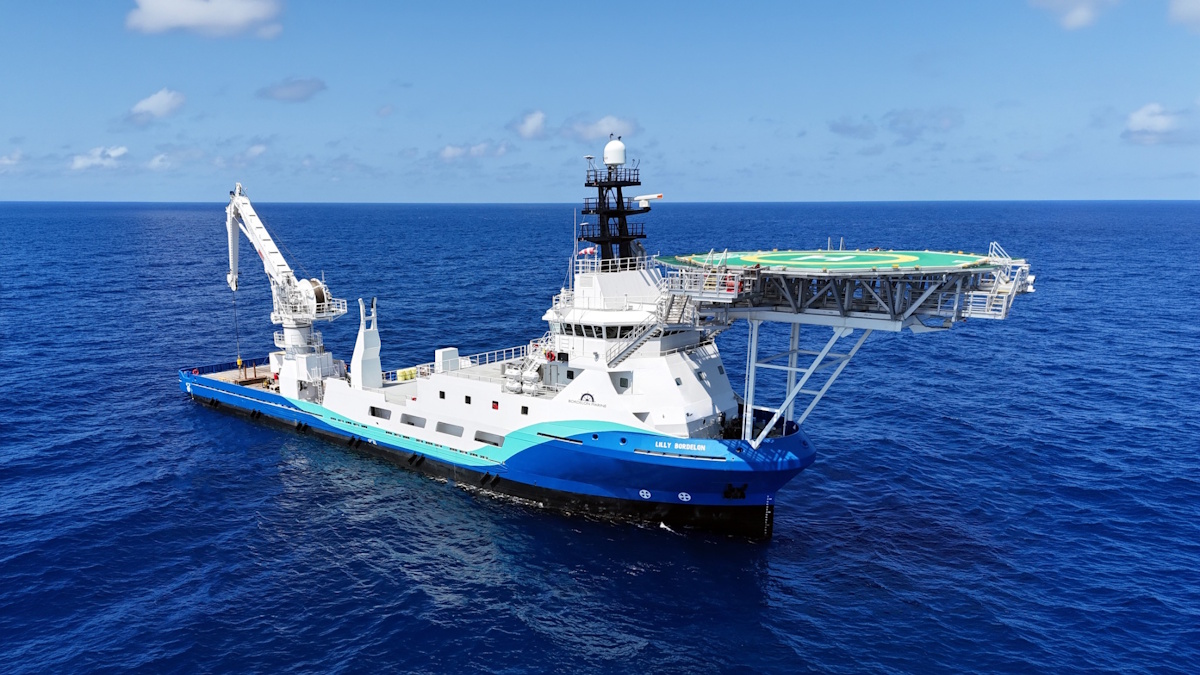
Bordelon Marine Completes Conversion and Delivery of MV Lilly Bordelon Vessel
Bordelon Marine has successfully completed the conversion and redelivery of the MV Lilly Bordelon, a Stingray Series 260 Class DP-2 Ultra-Light Intervention Vessel. This modern subsea intervention vessel has been repurposed from an existing platform to provide cost-efficient and flexible solutions for offshore operations. The MV Lilly Bordelon boasts over 5,500 square feet of clear deck space and features a mezzanine deck that supports two work-class ROVs, along with an integrated ROV control room. It is equipped with a 60-ton active heave-compensated crane and a 17-meter USCG/ABS-certified helideck, making it suitable for a variety of subsea inspection, maintenance, repair, and light construction tasks. Wes Bordelon, President and CEO, expressed pride in adding the MV Lilly Bordelon to their fleet, emphasizing its role in enhancing the company's ability to deliver high-capability, cost-effective subsea solutions to clients. No further timeline was disclosed at the time of publication.
bordelon marine mv lilly bordelon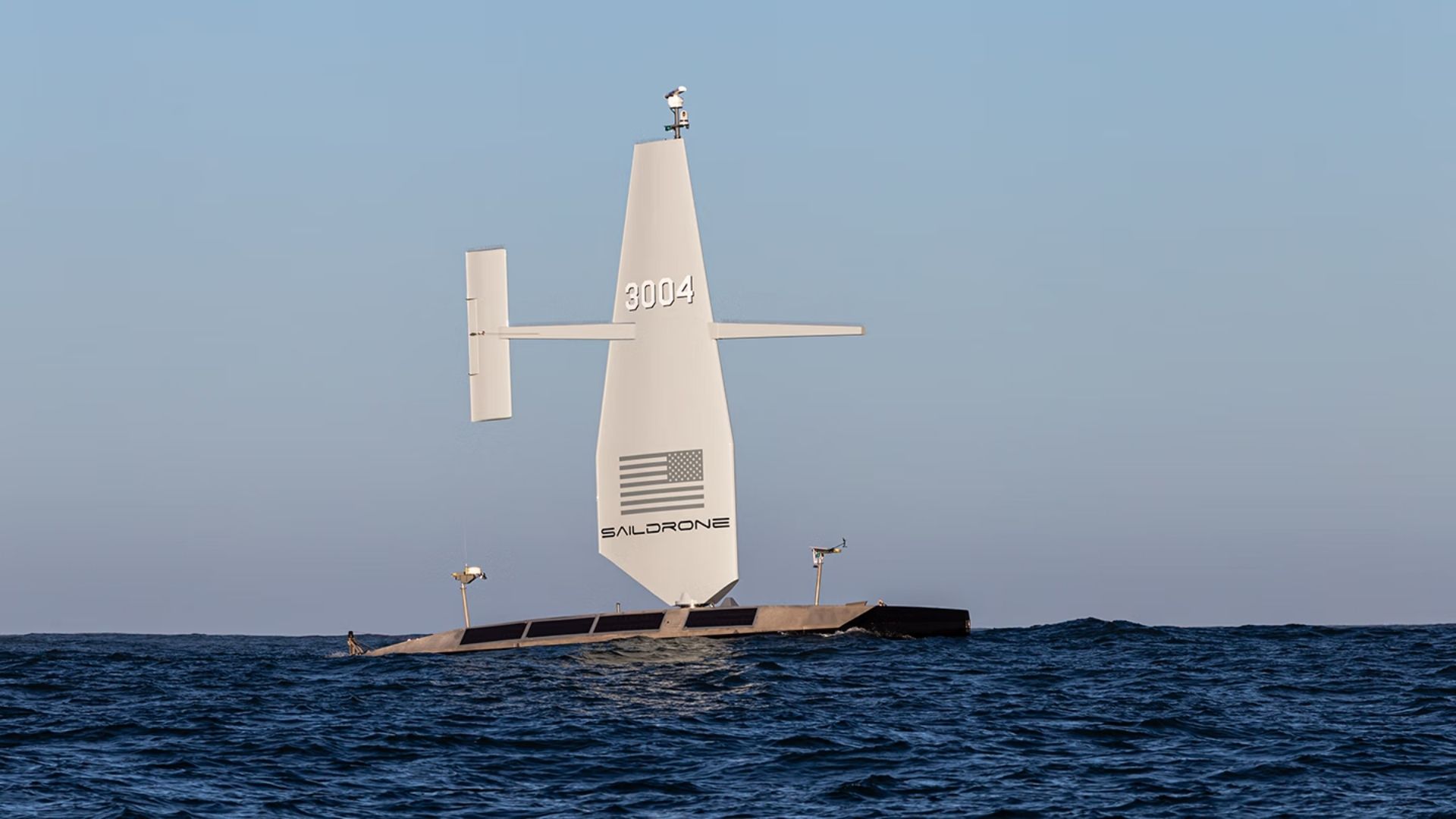
US Navy Awards $10 Million to Saildrone for Atlantic Seabed Mapping with USVs
The US Navy has awarded a $10 million contract to Saildrone to utilize autonomous vessels for mapping the Atlantic Ocean floor. This initiative, assigned by the Naval Oceanographic Office, is set to commence in 2026 and will continue through most of 2027, enhancing military knowledge of critical underwater terrain. This project is significant as it aims to improve safe navigation and support submarine missions, anti-submarine warfare, and critical infrastructure protection. Currently, only 28.7 percent of the world's oceans have been mapped to modern standards, leaving substantial knowledge gaps that can pose operational risks for naval operations. Looking ahead, the deployment of Saildrone's Surveyor unmanned surface vessels will not only provide high-resolution bathymetric data but also measure ocean currents, aiding search-and-recovery operations. No further timeline was disclosed at the time of publication.
Military
Ultra Maritime Showcases New Underwater Surveillance System at U.S. Navy's 2026 Exercise
Ultra Maritime demonstrated a new underwater surveillance system during the U.S. Navy’s 2026 Lanternfish exercise. The system integrates the Sea Spear passive sonar with the SSQ-125B active sonobuoy to enhance detection capabilities for unmanned underwater vehicles (UUVs). This combination allows for continuous monitoring and precise localization of underwater threats. The significance of this demonstration lies in its potential to improve naval operations against UUVs and submarines. By utilizing both passive and active sonar technologies, Ultra Maritime aims to provide naval forces with a comprehensive understanding of underwater activity across extensive maritime areas. The Sea Spear's passive capabilities enable persistent surveillance, while the SSQ-125B enhances target localization. Looking ahead, Ultra Maritime's system is part of the broader “Ocean of Things” initiative, which envisions a network of underwater sensors deployed from various platforms. This approach could revolutionize maritime security by enabling long-term monitoring of critical areas such as ports and busy sea routes. No further timeline was disclosed at the time of publication.
Military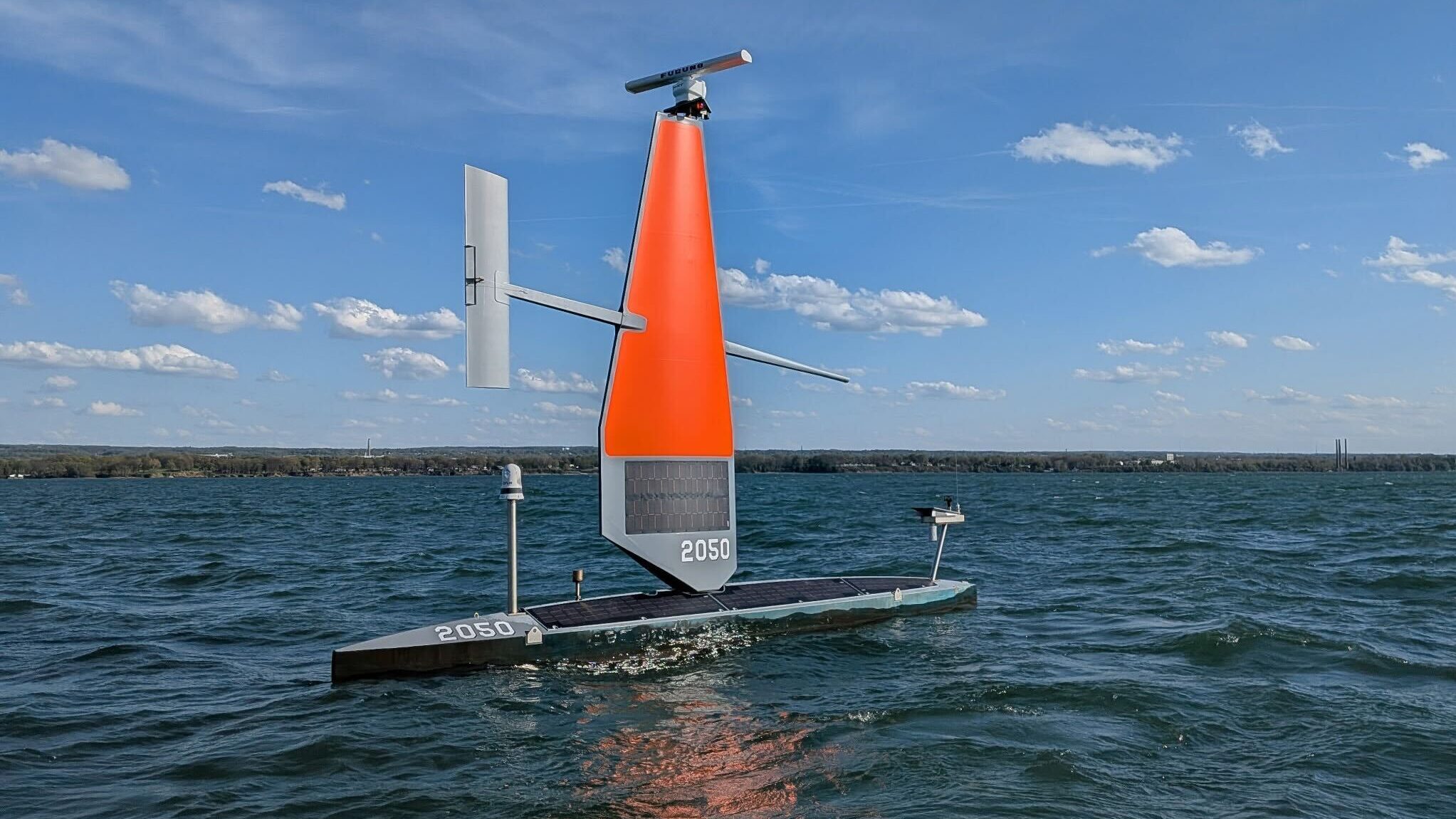
Coast Guard, Saildrone team up in northern waters to boost border security, surveillance
The Voyager, a state-of-the-art surveillance vessel, has been designed to carry out continuous coastal monitoring and nearshore mapping operations. This advanced ship can remain deployed at sea for approximately 100 days, enhancing its capability to gather critical data over extended periods. The implementation of the Voyager is expected to significantly improve maritime security and environmental monitoring efforts, providing valuable insights into coastal ecosystems and aiding in the management of marine resources. With its advanced technology and extended operational range, the Voyager represents a significant advancement in maritime surveillance capabilities.
Naval Warfare border security coast guard Drones Navy Saildrone
GE propulsion selected for US Navy’s next-generation ocean surveillance vessels
GE Aerospace has announced a significant contract to supply propulsion systems for the U.S. Navy's next-generation aircraft. This order, which underscores the company's commitment to advancing military aviation technology, was finalized recently and marks a pivotal step in enhancing the Navy's operational capabilities. The propulsion systems are expected to improve performance and efficiency for the upcoming fleet of aircraft, contributing to national defense objectives. GE Aerospace will leverage its advanced engineering and manufacturing expertise to fulfill this contract, ensuring timely delivery and adherence to the Navy's stringent requirements. This partnership highlights the ongoing collaboration between the defense sector and aerospace manufacturers, aimed at modernizing military assets and maintaining technological superiority.
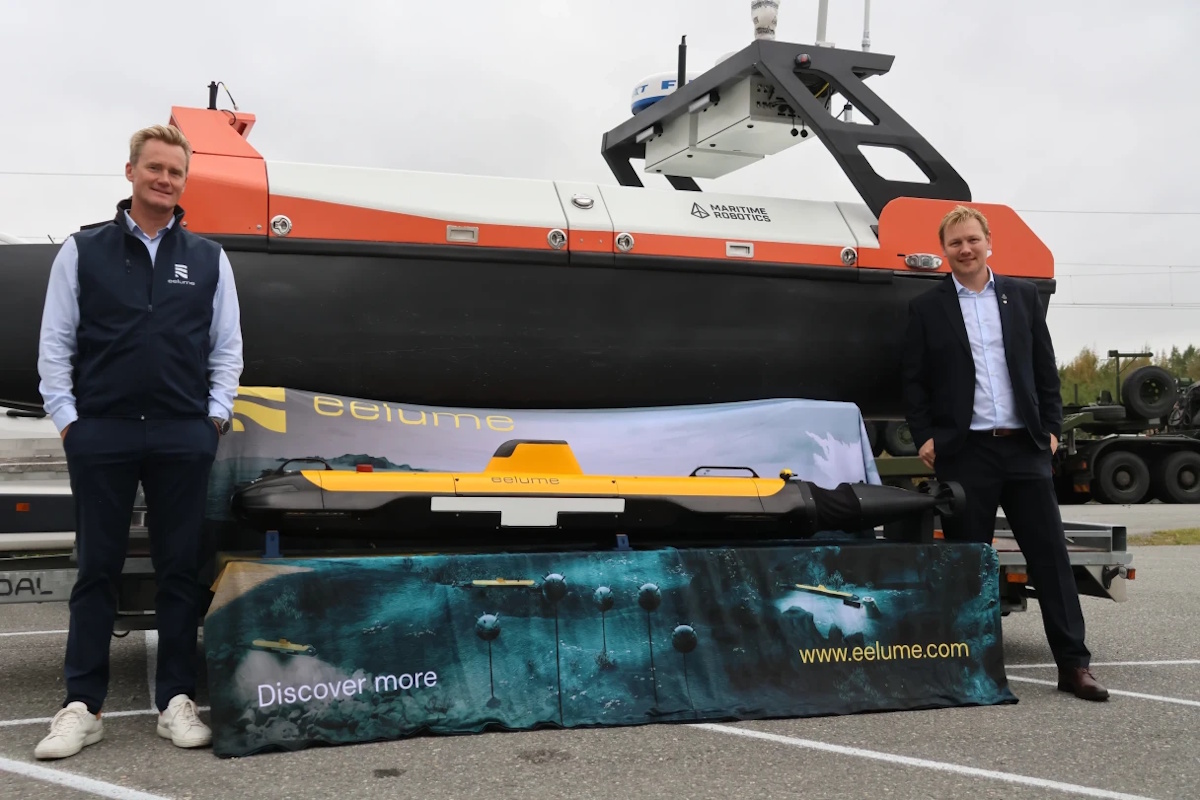
Maritime Robotics and Eelume Enter into Partnership for Ocean Surveillance and Security
Norway's Maritime Robotics and Eelume, two prominent companies in autonomous systems technology, have announced a strategic partnership aimed at enhancing maritime operations. This collaboration focuses on integrating unmanned surface vessels (USVs) with agile underwater vehicles (AUVs) to improve the efficiency and sustainability of exploration, surveillance, and security activities at sea. The partnership reflects a growing trend in the maritime industry to leverage advanced technologies for better operational outcomes.
maritime robotics eelume partnership ocean surveillance and security
Green Marine UK Expands Business with Acquisition of Roving Eye’s Contracts, Equipment & Vessel
Green Marine (UK) Ltd, a prominent player in integrated marine services for the renewable energy and offshore industries, has successfully acquired a range of assets from Orkney-based Roving Eye Enterprises Ltd. This acquisition, announced recently, includes Remotely Operated Vehicles (ROVs), survey equipment, a vessel, personnel, and existing contract agreements. The move aims to enhance Green Marine's capabilities and offerings in the growing renewable energy sector, reflecting the company's commitment to expanding its operational reach and service portfolio. The transaction underscores the strategic importance of acquiring specialized resources to meet increasing demand in marine services.
green marine uk acquisition roving eye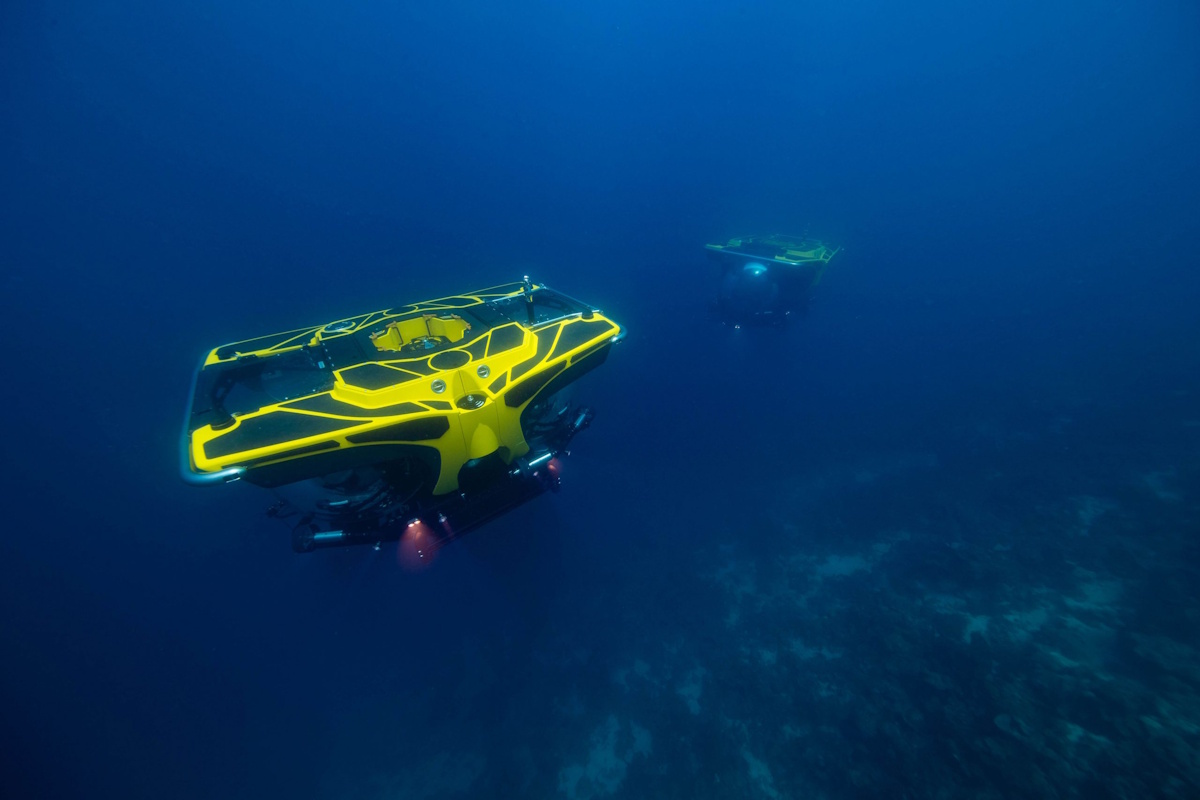
U-Boat Worx Submarines Unlock New Frontiers in Marine Exploration Aboard Expedition Cruise Vessels
A new era of marine exploration and scientific discovery is emerging as Viking and Seabourn expedition vessels incorporate advanced U-Boat Worx Cruise Sub submarines. These state-of-the-art submersibles provide guests with an extraordinary opportunity to explore the depths of the world's oceans while also serving as essential instruments for oceanographic research. This innovative approach is facilitating groundbreaking studies that enhance our understanding of marine ecosystems, highlighting the dual purpose of adventure and scientific inquiry in ocean exploration.
u-boat worx submarines marine exploration expedition cruise vesselsRobotics needs a service framework.
RSF defines a common language for robot service capability, lifecycle operations, certification pathways, and service-provider networks.
Join the RobotToday community on LinkedIn
Daily robotics news, in-depth analysis, conference highlights, and discussions with professionals worldwide.







