

Industry Briefing
A single destination for timely, editor-curated robotics news from around the world.
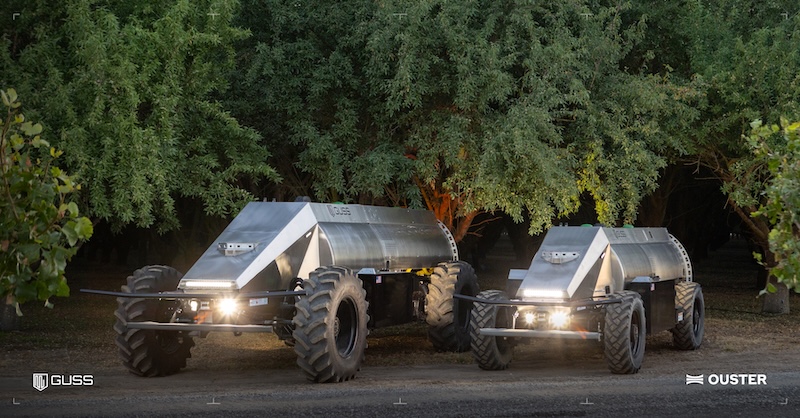
GUSS Automation to Integrate Ouster Lidar in Next-Gen Autonomous Orchard Machines
GUSS Automation, a subsidiary of John Deere, is set to integrate Ouster's Rev8 OS0 lidar sensors into its Autonomous Orchard Machine Fleet. This integration aims to enhance the capabilities of autonomous machines in navigating complex outdoor environments, particularly in high-value crop operations. The significance of this development lies in addressing the navigation challenges faced in dense orchards and vineyards, where traditional GPS systems fall short. By incorporating Ouster's advanced lidar technology, GUSS Automation is enhancing perception capabilities, enabling driverless sprayers to effectively map tree trunks and crop rows with precision. Looking ahead, the integration of Ouster's lidar technology is expected to improve operational reliability in challenging conditions, such as dust and dense vegetation. No further timeline was disclosed at the time of publication.
Agriculture Components News agricultural robots autonomous agriculture autonomous sprayers
Enhancing Robot Automation: The Need for Advanced Machine Vision Beyond Object Detection
In modern manufacturing, a significant gap exists between object detection and robotic action. While artificial vision software can identify components with high accuracy, robotic arms often remain inactive due to insufficient spatial information. This highlights the necessity for engineering teams to focus on spatial calibration and deep sensor integration to enhance automation efficiency. The demand for streamlined production processes drives the need for machines that can handle parts with minimal pre-sorting. This requirement emphasizes the importance of transforming raw camera data into actionable commands through a multi-stage process, which includes classifying, locating, and estimating the position of objects in 3D space. The integration of Six Degrees of Freedom (6DoF) tracking is crucial for accurate robotic movements. Looking ahead, the industry must adopt a dynamic approach to calibration, treating it as an ongoing process rather than a one-time task. By utilizing automated calibration routines, manufacturers can ensure the reliability of their robotic systems over time, particularly in complex environments where traditional 2D vision systems fall short. No further timeline was disclosed at the time of publication.
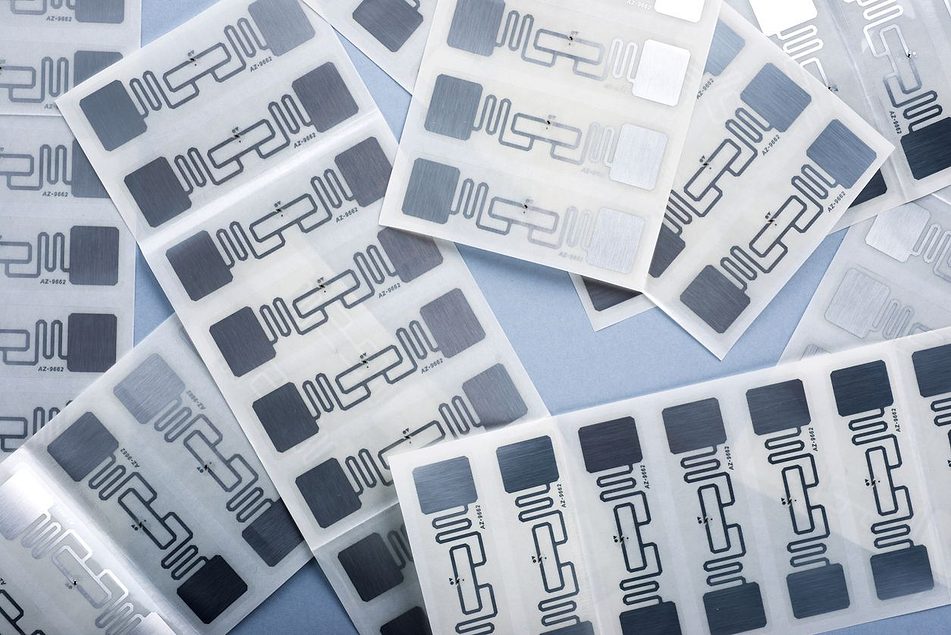
Integrating RFID and Machine Vision Enhances Automation Efficiency
The integration of RFID and machine vision with robotics is driving significant operational improvements in automation. This coordinated approach allows for enhanced tracking and monitoring of assets, leading to more efficient processes and reduced errors in operations. The importance of this integration lies in its ability to streamline workflows and improve data accuracy, which are critical for modern manufacturing and logistics. By leveraging these technologies, companies can achieve greater visibility and control over their operations, ultimately leading to cost savings and increased productivity. Looking ahead, the continued adoption of RFID and machine vision in automation will be crucial for businesses aiming to stay competitive. No further timeline was disclosed at the time of publication.
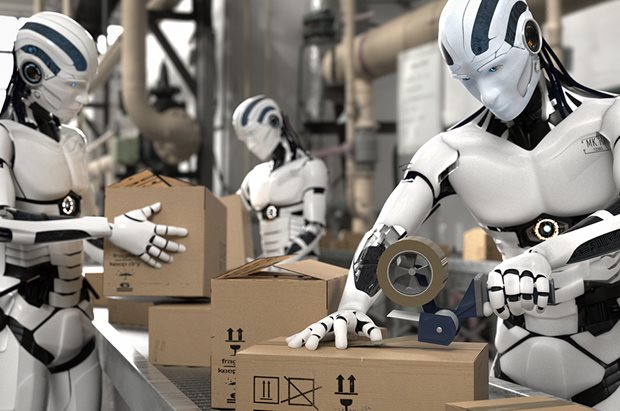
Schunk Introduces New Vise Automation for Streamlined Machine Loading and Unloading
Schunk has unveiled a new vise automation solution aimed at simplifying the automated loading and unloading of machines. This innovation is designed to enhance operational efficiency and reduce manual intervention in manufacturing processes. The introduction of this vise automation is significant as it provides manufacturers with an accessible entry point into automation, which is increasingly vital for maintaining competitiveness in the industry. By facilitating easier integration of automated systems, Schunk's solution could lead to improved productivity and cost savings. Looking ahead, industry stakeholders should monitor the adoption rates of this new technology and its impact on manufacturing workflows. No further timeline was disclosed at the time of publication.
Allgemein Greifer & Werkzeuge Robotik
RFID and Machine Vision Technologies Gain Traction in Automation Solutions
RFID and machine vision technologies are increasingly being adopted as effective solutions for automation. These technologies provide a more practical and cost-efficient alternative to traditional large-scale robotics projects, which often necessitate extensive facility redesigns and substantial capital investments. The significance of RFID and machine vision lies in their ability to seamlessly integrate into existing warehouse and manufacturing operations. This integration allows businesses to enhance their operational efficiency without the need for disruptive changes, making automation more accessible to a wider range of industries. Looking ahead, the continued growth of RFID and machine vision technologies is expected as companies seek to optimize their processes. No further timeline was disclosed at the time of publication.

AlgaeBarn Develops $1,000 Automated Cap Labeling Cell Using Robotics and Machine Vision
AlgaeBarn, a Colorado-based producer of live aquaculture products, has implemented a $1,000 automated cap labeling cell that integrates robotics, machine vision, and controls. This innovation has significantly improved quality, uptime, and productivity by eliminating the manual process of applying thousands of labels by hand, which previously required employees to gather for lengthy 'sticker parties.' The automation system, designed by AlgaeBarn's Robotics & Automation Engineer Akash Chinthamanipeta, labels 450 caps per hour while inspecting each label's placement. The system was built in-house using SOLIDWORKS, allowing for customization and control over the labeling process, which is crucial for maintaining production efficiency. Looking ahead, AlgaeBarn's approach to automation could serve as a model for other companies facing similar manual labeling challenges. The successful implementation of this system demonstrates the potential for cost-effective automation solutions in the aquaculture industry. No further timeline was disclosed at the time of publication.
Factory / Design
Arnold Machinery Company Partners With Prime Robotics to Deliver Warehouse Automation Consulting Solutions Across Colorado
Arnold Machinery Company has formed an exclusive distribution partnership with Prime Robotics, aimed at enhancing warehouse automation in Colorado. This collaboration will introduce advanced autonomous mobile robot technology to local businesses, positioning Arnold Machinery as a leading consultant in the state's warehouse automation and robotics sector. The partnership is expected to significantly improve operational efficiency for companies looking to modernize their logistics and warehousing processes.

Mitsubishi Electric Automation, Inc. Brings CNC and Robotics Expertise to Machine Tending
Mitsubishi Electric Automation, Inc. is set to demonstrate the benefits of robotic machine tending at the upcoming IMTS 2026, addressing the challenges faced by manufacturers, including skilled labor shortages and increasing operational costs. The event, scheduled for September 2026 in Chicago, aims to highlight how integrating robotic solutions can enhance productivity and provide quick returns on investment. By showcasing advanced automation technologies, Mitsubishi Electric Automation seeks to help manufacturers optimize machine utilization and navigate the pressures of a competitive market.
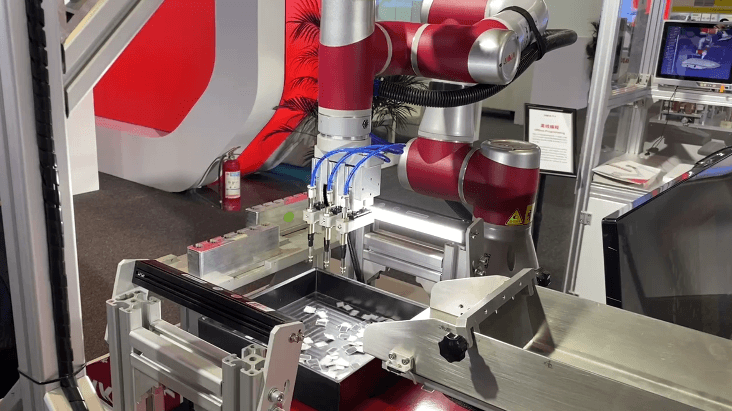
Are Industrial Cobots Better Than Custom-Built Automation Machinery?
JAKA, a leader in industrial automation, is actively comparing its collaborative robot solutions to traditional custom-built machinery amid the rapid evolution of the industry. Many manufacturers are grappling with issues related to flexibility, scalability, and overall costs associated with bespoke automation. In contrast, JAKA's industrial collaborative robots, such as the JAKA Pro16, offer significant adaptability, allowing for quick transitions between tasks like palletizing, machine tending, and welding with minimal reconfiguration. The JAKA Pro16 is designed to thrive in demanding environments, boasting an IP68 rating that protects it from dust and liquids, making it a robust choice for dynamic industrial settings. This flexibility not only reduces downtime but also enables manufacturers to respond swiftly to production changes. Moreover, JAKA's collaborative robots present a lower total cost of ownership compared to traditional machinery, requiring less specialized installation and engineering time. The JAKA Pro16 can be deployed in weeks rather than months, facilitating easier scaling and adjustments in operations. Its high payload capacity and precision, even in harsh conditions, contribute to consistent performance and reduced quality variations. Overall, JAKA's experience suggests that industrial cobots provide greater flexibility, faster deployment, and enhanced reliability compared to custom-built solutions. While bespoke machinery may still be necessary for highly specialized tasks, JAKA believes that collaborative robots offer a practical and cost-effective solution for many industries facing modern automation challenges.
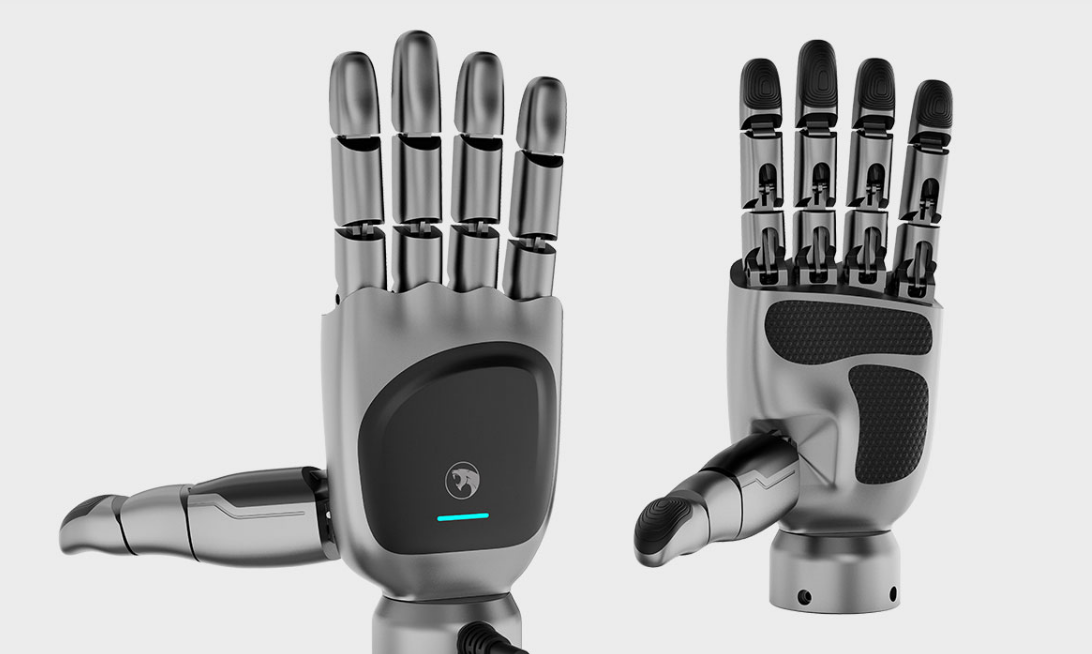
HITBOT advances human–machine collaboration, drives automation with a universal embodied intelligence platform
HITBOT has unveiled a groundbreaking “operating system + hardware matrix” framework this year, signaling a significant advancement in the field of intelligent robotics. As a member of the Xiaomi ecosystem and established in 2015, the company showcased three major innovations, including the HITBOT OS, a universal operating system designed for embodied intelligence, and the eHand-6, an affordable robotic hand. This launch represents a pivotal moment for HITBOT, as it aims to enhance the large-scale application of embodied intelligence in robotics. The introduction of these technologies is expected to drive further developments in the industry, positioning HITBOT as a key player in the evolving landscape of intelligent robotics.
On the Cusp Content and entertainment E-commerce and New Retail Highlight NewsRobotics needs a service framework.
RSF defines a common language for robot service capability, lifecycle operations, certification pathways, and service-provider networks.
Join the RobotToday community on LinkedIn
Daily robotics news, in-depth analysis, conference highlights, and discussions with professionals worldwide.







