Industry Briefing
A single destination for timely, editor-curated robotics news from around the world.
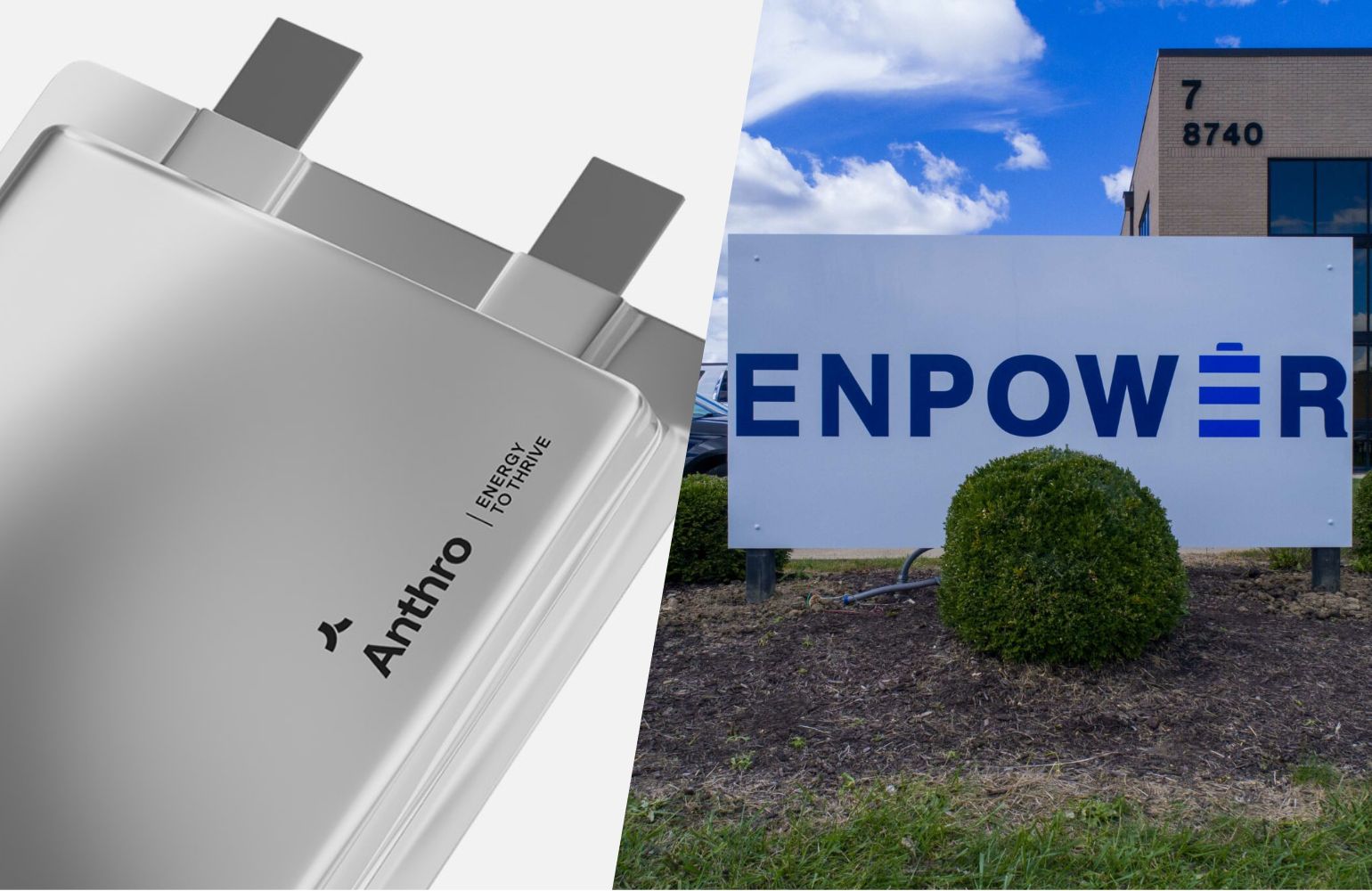
Anthro Energy partners with EnPower to develop lithium-ion cells in the U.S.
EnPower and Anthro Energy have announced a strategic partnership aimed at advancing lithium-ion cell development in the United States. This collaboration will leverage EnPower's expertise in electrode and pouch cell manufacturing alongside Anthro Energy's innovative Proteus electrolyte platform. By combining their respective technologies, the companies seek to enhance the performance and efficiency of lithium-ion batteries, addressing the growing demand for sustainable energy solutions. The partnership marks a significant step forward in the U.S. battery manufacturing landscape, reflecting a commitment to innovation and competitiveness in the energy sector.
Aerospace Batteries / Power Supplies Defense / Security Drones Maritime Mobility / Navigation
Sion Power Launches Two High Energy Density Batteries for Military Drones
Sion Power has unveiled two advanced lithium-metal battery cells, the Licerion Strike and Licerion Echo, designed specifically for military drones. These new cells boast an impressive energy density of over 500 Wh/kg, significantly enhancing the operational capabilities of unmanned defense systems. With this technology, combat drones can achieve flight durations two to three times longer than those powered by traditional lithium-ion batteries. The launch of these high energy density batteries marks a significant advancement in drone technology, aimed at improving the effectiveness and endurance of military operations.
battery technology Defense defense Drone News Drone News Feeds Military
Buffalo’s Natrion Rolls Out NDAA-Compliant Drone Battery Cells
Natrion, a battery materials company based in Buffalo, New York, has introduced a new line of NDAA-compliant pouch cells that offer up to 80% more energy density than conventional lithium-ion batteries. Announced on May 14, 2026, these defense-optimized battery cells are designed for use in uncrewed systems, including drones, surface and underwater vessels, ground vehicles, and humanoid robots. The launch aims to enhance the performance and efficiency of military and defense applications, addressing the growing demand for advanced energy solutions in various unmanned technologies.
battery technology Defense Drone News Drone News Feeds Military NDAA Compliant
China’s new 800-cycle lithium-sulfur battery could nearly double drone flight time
Chinese researchers have unveiled a groundbreaking lithium-sulfur battery design that has the potential to dramatically enhance drone flight durations. This innovative development, announced in October 2023, aims to address the limitations of current battery technologies, which often restrict the operational time of drones. By utilizing lithium-sulfur chemistry, the researchers believe they can achieve higher energy densities compared to traditional lithium-ion batteries, making it possible for drones to fly longer distances without the need for frequent recharging. The research was conducted at a leading university in China, where scientists focused on optimizing the battery's performance and stability. This advancement not only promises to improve commercial drone applications but could also have significant implications for various industries, including logistics, agriculture, and surveillance, where extended flight times are crucial. The researchers are now looking to further refine the technology and explore its practical applications in real-world scenarios.

New ceramic solid-state battery for military, aerospace tech survives 302°F heat
A research team from Tsinghua University in China has successfully developed a compact, all-ceramic solid-state lithium-ion battery. This innovative battery design aims to enhance safety and efficiency in energy storage solutions. The announcement was made recently, highlighting the potential of this technology to address common issues associated with traditional lithium-ion batteries, such as flammability and limited lifespan. By utilizing an all-ceramic structure, the researchers believe they can significantly improve the performance and stability of batteries, making them more suitable for various applications, including electric vehicles and portable electronics. The team's work represents a significant advancement in battery technology, driven by the growing demand for safer and more efficient energy storage options in an increasingly electrified world.
Energy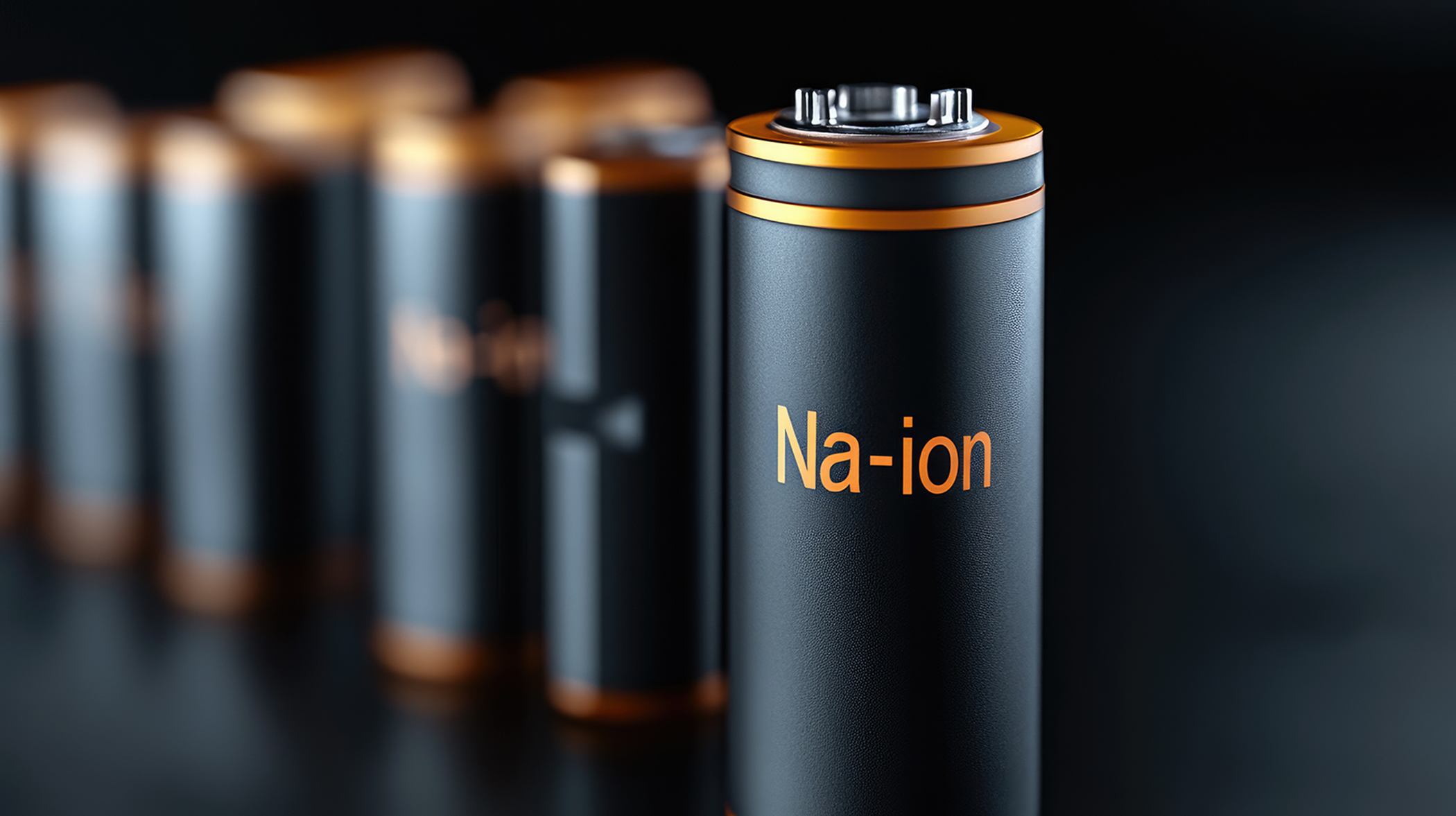
Sodium-ion Battery Field Trial for Trucks
Jungheinrich has announced the initiation of field trials for sodium-ion batteries in industrial trucks at select customer locations, marking a significant advancement in sustainable energy storage solutions. This initiative, which underscores the company's commitment to innovation in material handling, aims to explore the potential of these cutting-edge batteries in enhancing operational efficiency and reducing environmental impact. The trials are part of Jungheinrich's ongoing efforts to lead the industry in developing advanced battery technologies that align with sustainability goals.
AMR and AGV Components and Parts Electrification and Decarbonisation Forklifts and Warehouse Vehicles Materials Handling batteries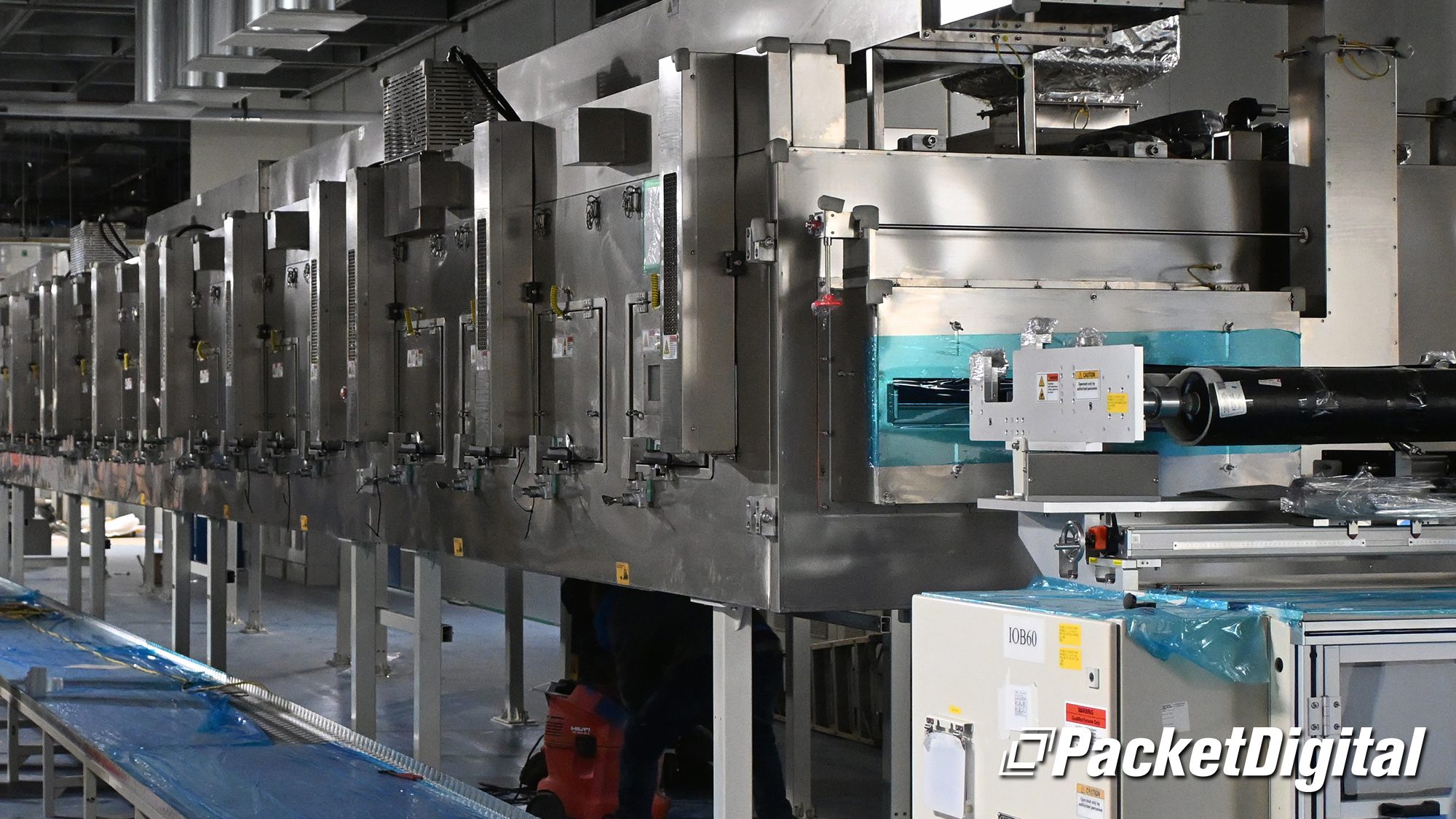
U.S. Navy Awards Packet Digital $9.8 Million to Scale Drone Battery Production in North Dakota
Packet Digital and its subsidiary, Badland Batteries, have secured $9.8 million from the U.S. Navy as part of Phase 3 of a contract aimed at developing advanced battery cells compliant with the National Defense Authorization Act (NDAA). This funding will facilitate the manufacturing of these battery cells in North Dakota, specifically designed for logistics drones and unmanned systems. The initiative reflects the Navy's commitment to enhancing the capabilities of its drone technology and defense systems. The investment is expected to boost production capacity and support the growing demand for reliable energy sources in military applications.
battery technology Drone News Drone News Feeds drone technology Dual Use News
Factorial Energy and Tulip Tech Achieve 30% Flight Range Increase with Solid-State Batteries
Factorial Energy, based in Boston, and Tulip Tech from the Netherlands have transitioned from flight testing to the commercialization of lithium-metal UAV battery packs. Announced on July 13, 2026, their strategic partnership aims to expedite the deployment of solid-state and lithium-metal batteries for advanced drones, with initial tests showing over a 30% increase in flight range without engineering optimizations. This collaboration is significant as it addresses the growing demand for high-endurance UAVs across commercial, industrial, and defense sectors, with the global UAV market projected to exceed $160 billion by 2034. Factorial emphasizes that energy storage is a critical bottleneck affecting mission radius, payload, and fleet economics, making their advancements crucial for future drone capabilities. Looking ahead, the partnership establishes a framework for joint customer engagement and a roadmap for volume production. No further timeline was disclosed at the time of publication, but the companies are moving swiftly from testing to commercialization, indicating a strong potential for future developments in UAV battery technology.
battery technology Drone News Drone News Feeds drone parts News $160 billion UAV market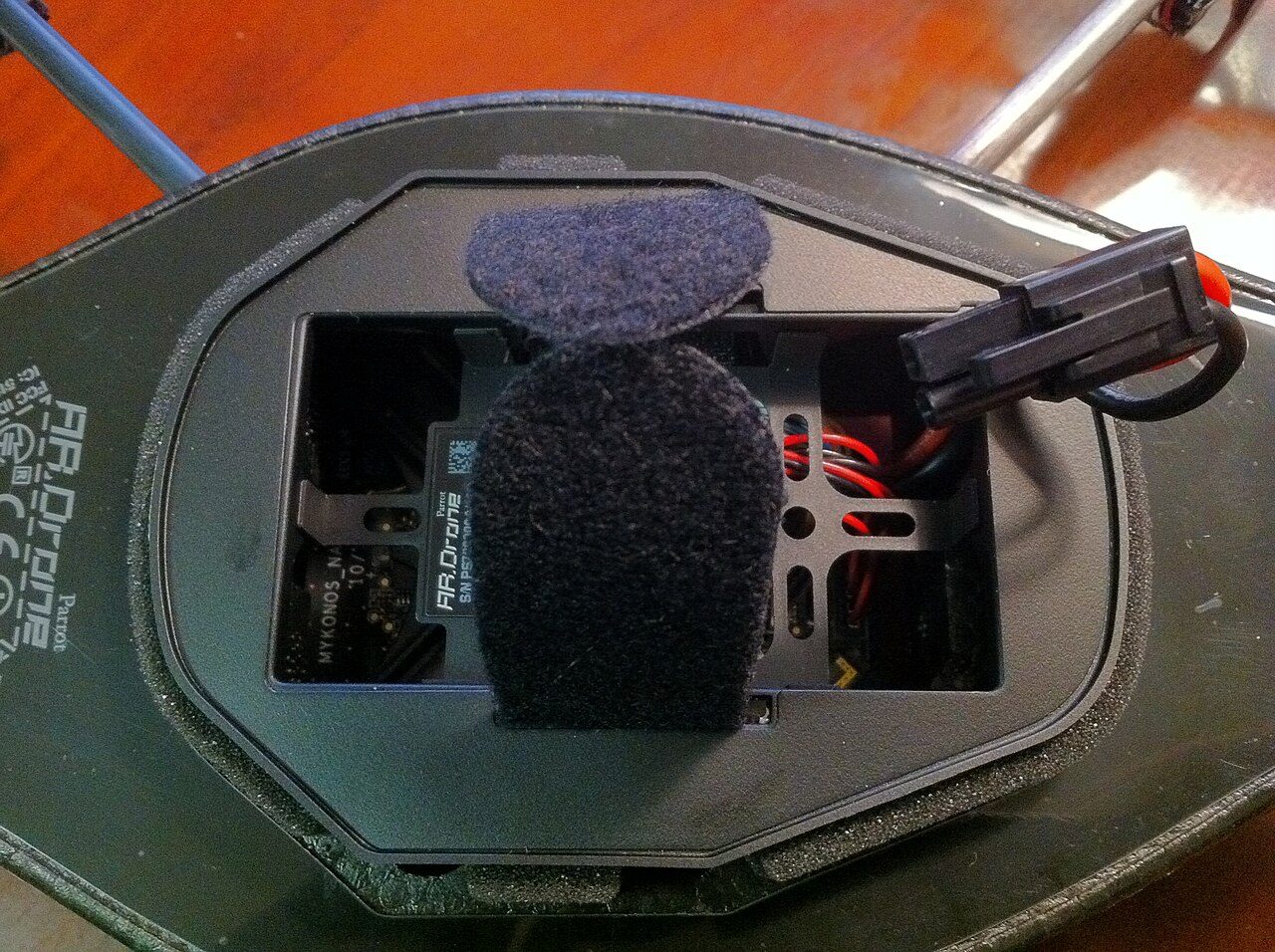
Guest Post: America’s Drone Future Depends on Battery Independence
In this guest post, Micantis co-founder and CEO Howard Alt argues that batteries, not aircraft, may be the defining factor in the future of the U.S. drone industry. As demand for drones grows across commercial, public safety, and defense applications, he contends that battery manufacturing and supply chain resilience have become strategic issues for both […] The post Guest Post: America’s Drone Future Depends on Battery Independence appeared first on DRONELIFE.
battery technology Drone Manufacturing Drone News Drone News Feeds Drones in the News News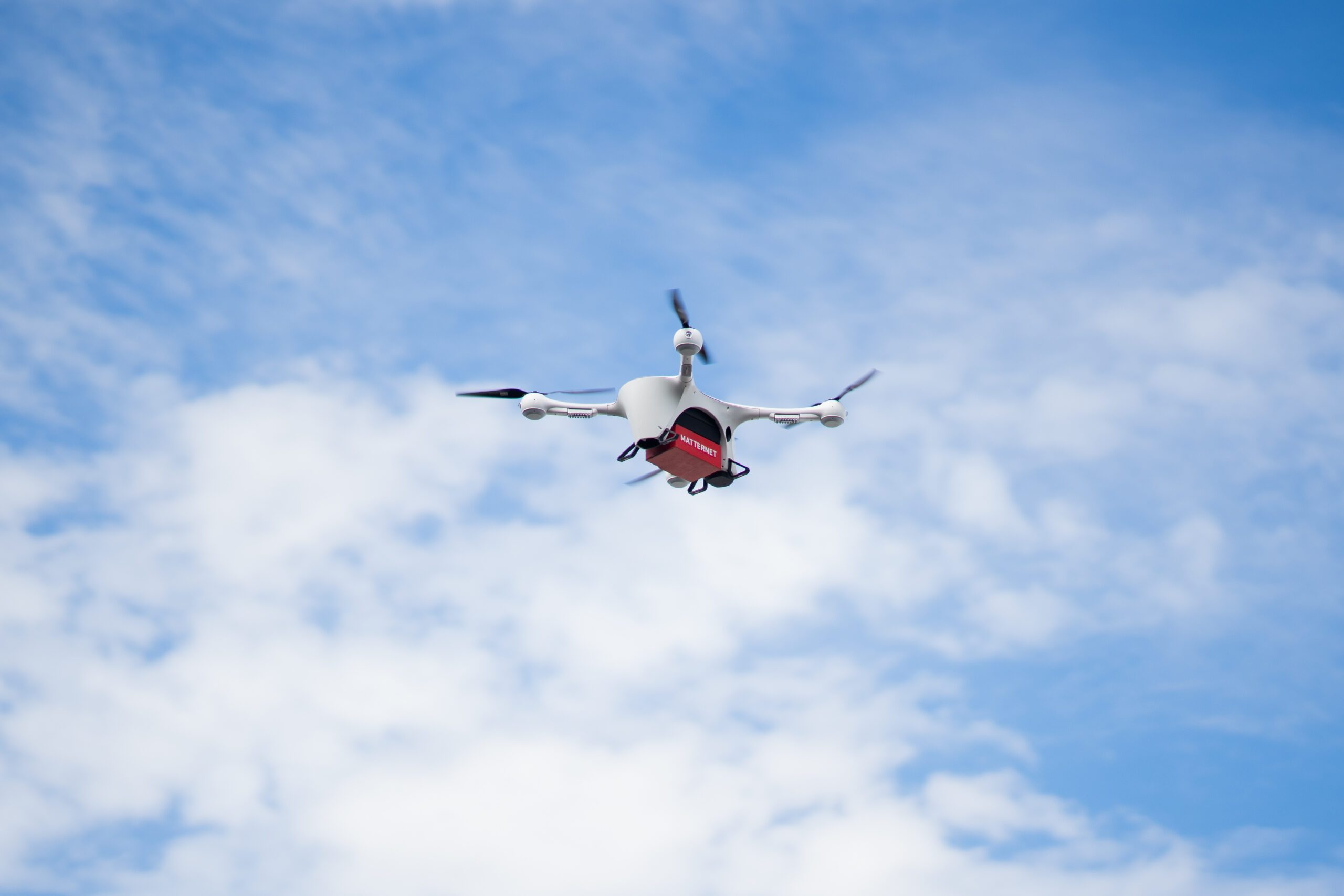
Amprius and Matternet Expand Drone Delivery Battery Partnership
Amprius Technologies, a battery manufacturer, has partnered with drone delivery company Matternet to enhance the performance of commercial drone operations. This collaboration focuses on utilizing Amprius's advanced silicon anode lithium-ion cells, which are designed to improve the range, charging time, and overall delivery efficiency of drones. The partnership aims to address the growing demand for more efficient and reliable drone delivery systems, reflecting the increasing significance of drone technology in logistics and transportation. The announcement was made recently, highlighting the companies' commitment to advancing battery technology for the future of commercial drone services.
Applications Delivery News Amprius autonomous delivery battery energy density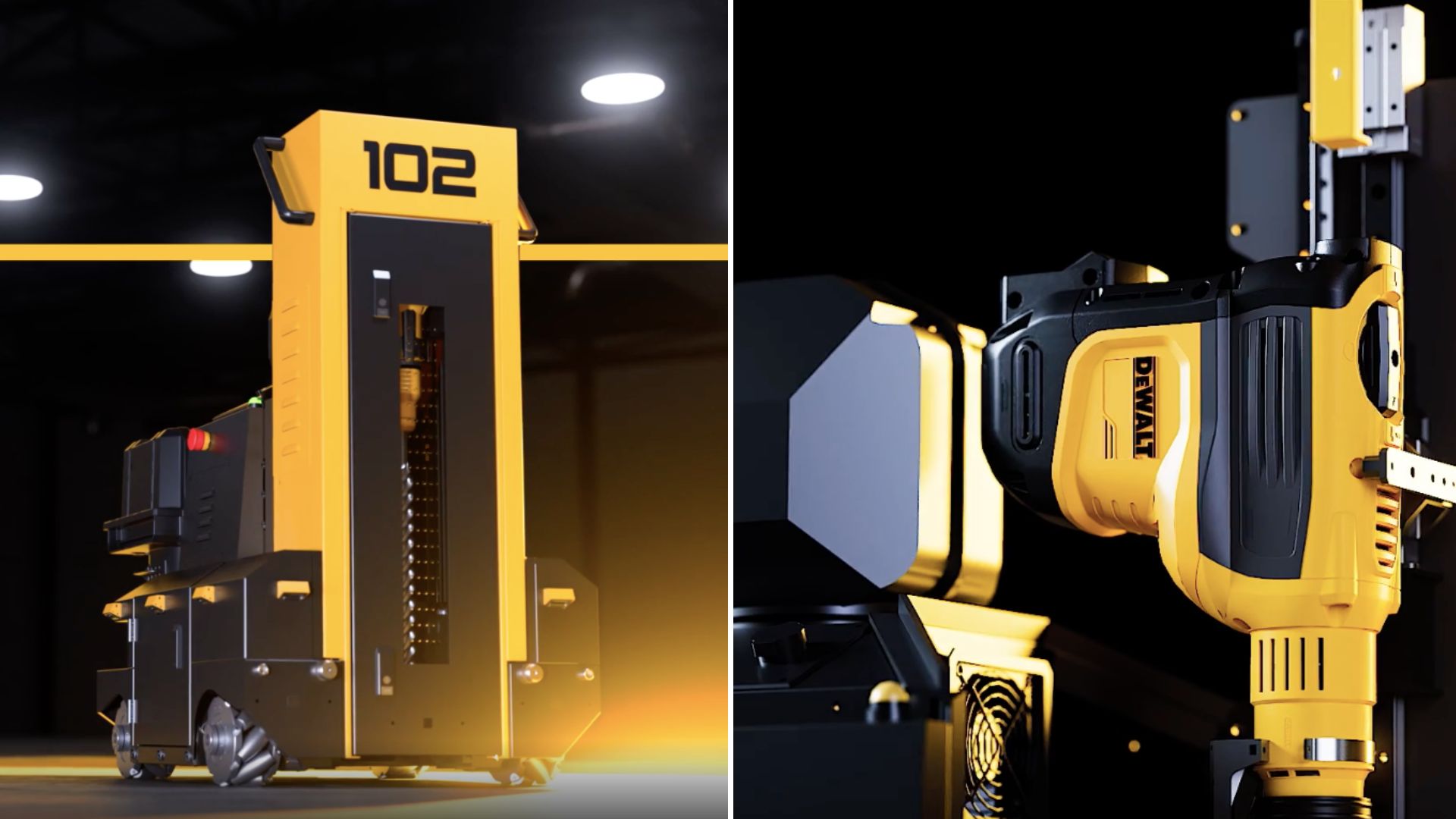
Dewalt Launches DALE Downward-Drilling Robot for Data Center Construction
Dewalt, in collaboration with August Robotics, has launched DALE, the world's first fleet-capable downward-drilling robot, at the World of Concrete event. This innovative robot is designed to enhance efficiency in data center construction, achieving drilling speeds up to ten times faster than traditional methods. During a year-long pilot, DALE drilled over 230,000 holes with 99.97% accuracy, significantly reducing project timelines by 190 weeks across 26 phases. The introduction of DALE is significant for the construction industry, particularly in the rapidly growing data center sector. Dewalt's robot not only accelerates drilling processes but also integrates advanced features such as fast-swap batteries, remote monitoring, and automatic dust extraction. These capabilities allow for enhanced safety and precision, making it a valuable asset for construction teams facing tight deadlines and labor challenges. Looking ahead, DALE is now available for commercial orders, marking a pivotal moment for construction automation. The robot's ability to operate in fleets and drill through rebar positions it as a versatile tool for various construction applications. No further timeline was disclosed at the time of publication regarding additional features or expansions in its deployment.
AI and Robotics
Thermal Runaway Limits in Embodied AI Batteries: The Electrically Debondable Tape Solution
In the evolving landscape of power battery and Embodied AI development, the industry is witnessing a significant shift from purely data-driven approaches to a hybrid model that combines physical modeling with data optimization. This transition is driven by the limitations encountered in existing Battery AI technologies, which have struggled to deliver optimal performance solely through data analysis. By integrating established electrochemical theories, such as solid electrolyte interphase (SEI) layer growth and lithium plating, researchers and developers are laying a robust foundation for future advancements. This hybrid approach aims to enhance the efficiency and effectiveness of battery technologies, addressing the growing demand for improved energy storage solutions. The move towards this innovative paradigm reflects the industry's commitment to overcoming current challenges and fostering sustainable energy advancements.
Energy Engineering Manufacturing
Kraken Robotics Announces $12 Million in Orders for Synthetic Aperture Sonar and Subsea Batteries
Kraken Robotics has secured purchase orders worth approximately $12 million for its synthetic aperture sonar (SAS) and battery products. The orders, which include Kraken's KATFISH™ towed SAS spares and SeaPower™ batteries, have been placed by various organizations, notably Teledyne Marine, Terradepth, and two NATO member navies. This significant acquisition underscores the growing demand for advanced underwater technology and highlights Kraken's position in the marine robotics sector. The company aims to enhance its product offerings and support military and commercial applications with these new contracts.
kraken robotics synthetic aperture sonar subsea batteries
Chinese startup releases solid-state lithium-metal batteries for flying cars
Chinese battery startup Inx has unveiled a groundbreaking solid-state lithium-metal battery that boasts an impressive energy density of 480 watt-hours per kilogram (Wh/kg). This innovative battery technology is being positioned for potential use in electric aircraft. Inx has also secured a supply agreement with EHang, a prominent Chinese drone manufacturer, to integrate this advanced battery into their products. The collaboration aims to enhance the performance and efficiency of electric flying vehicles, signaling a significant advancement in the aviation and drone sectors. This development comes at a time when the demand for sustainable and efficient energy solutions in transportation is rapidly increasing, driven by the need for greener alternatives in the face of climate change.
News Feed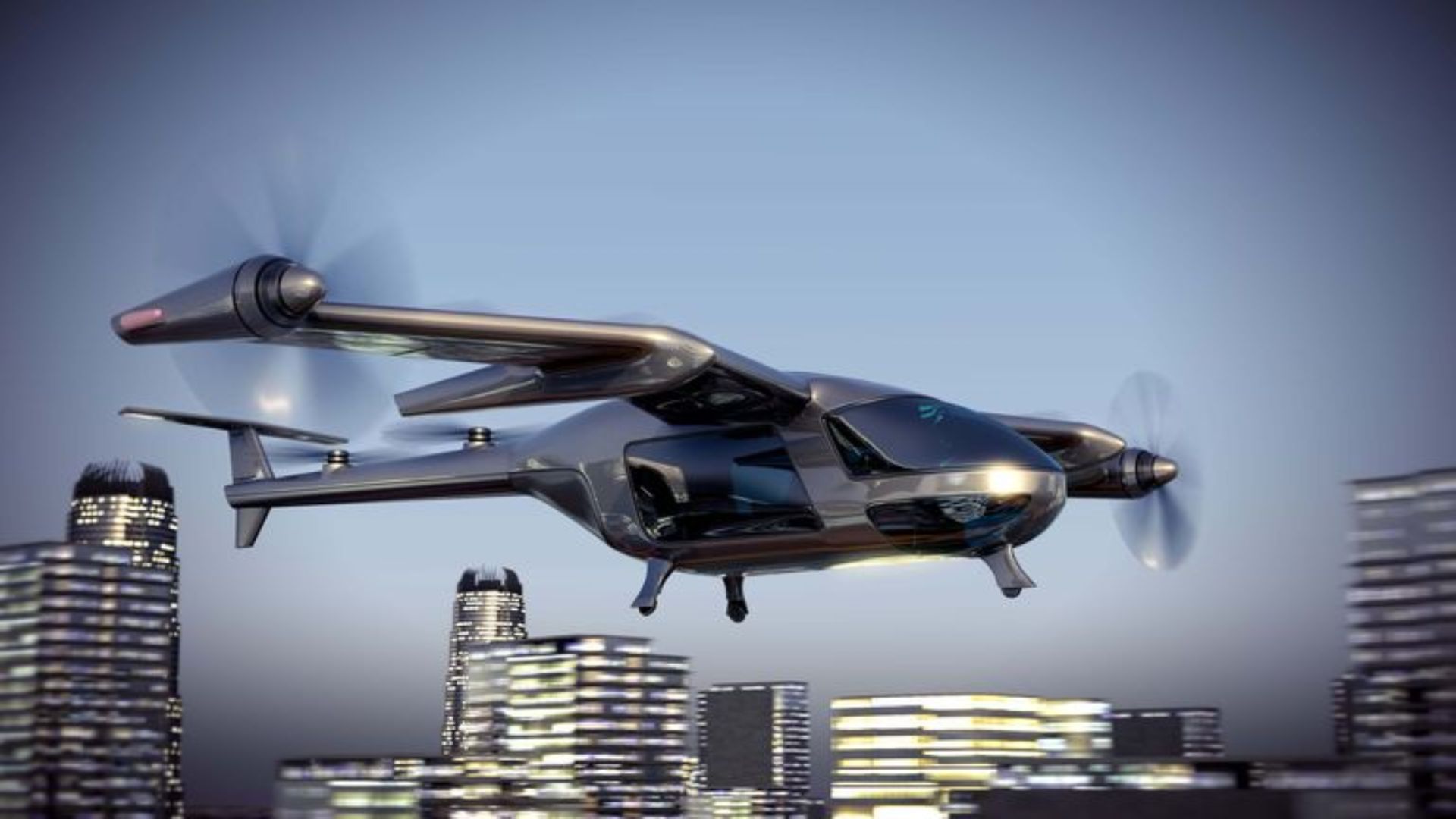
Syensqo Expands Havre de Grace Facility to Boost Aerospace Material Production by 30%
Syensqo, a global aerospace company, is expanding its Havre de Grace facility to enhance its manufacturing capabilities by over 30%. This multi-million-dollar investment aims to strengthen the company's U.S. manufacturing footprint and support the growing demand for advanced material solutions in aerospace, defense, and automotive sectors. The expansion focuses on producing high-performance structural adhesives and surfacing products, crucial for commercial aerospace and space exploration applications. The significance of this expansion lies in Syensqo's commitment to supplying high-performance materials that contribute to safer and more sustainable products across various industries. By reinforcing its global manufacturing network, the company aims to improve supply reliability and efficiency, addressing the increasing customer demand for adhesive and bonding materials. This move is part of Syensqo's broader strategy to lead in advanced materials and sustainable specialty chemicals, particularly in the aerospace sector, which is its largest market. Looking ahead, Syensqo's expansion at the Havre de Grace site marks a pivotal milestone in its growth trajectory. The company is expected to accelerate its efforts in supporting customers as they scale production, particularly in high-performance materials. No further timeline was disclosed at the time of publication, but the investment aligns with Syensqo's ongoing initiatives in electric vehicle batteries and clean energy technologies.
Science
LiTime Powers Smart Agriculture and Robotics in Agriculture with Extended Runtime and System Integration
Automation is transforming the landscape of modern agriculture, with technologies such as lawn mowers, irrigation control systems, automated transporters, and robotics becoming increasingly prevalent on farms, plantations, and in greenhouses. These advanced tools are designed to operate efficiently over extended periods, requiring intelligent management and minimal maintenance in challenging outdoor conditions. In response to these demands, LiTime, a prominent manufacturer of lithium batteries, is stepping up to provide innovative energy solutions tailored for agricultural automation. Their products aim to enhance the performance and reliability of these automated systems, ensuring that farmers can maximize productivity while minimizing operational challenges.
Agriculture Automation agricultural automation agricultural machinery agricultural robots amrs
Titan Batteries Opens European Drone Battery Plant in Tilburg
Titan Batteries, a drone battery manufacturer based in Pocatello, Idaho, has made a significant move in the industry by launching its first full-scale production facility in Europe. The new plant, located in Tilburg, Netherlands, was officially opened on May 2, 2026, coinciding with International Drone Day. This expansion marks Titan Batteries as the first major drone battery maker to operate production on two continents, reflecting the company’s commitment to meeting the growing demand for UAV power solutions. The Tilburg facility is situated on the Energy Conversion Campus, positioning Titan to leverage advanced technologies and resources in the region.
battery technology Drone News Drone News Feeds European Union News Bosch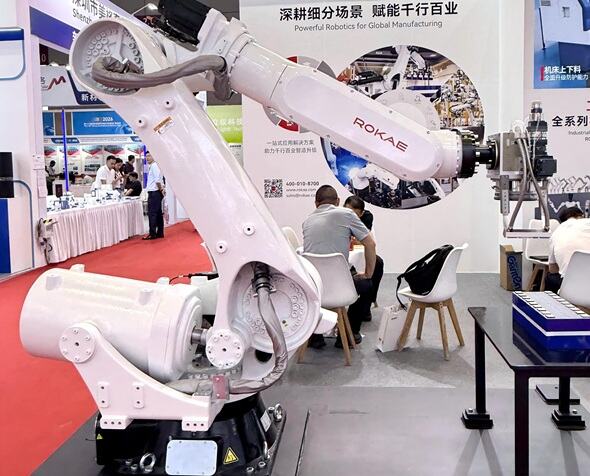
ROKAE Robotics at CIBF 2026: Force-Controlled Welding Solutions for Battery Manufacturing
ROKAE Robotics showcased its advanced automation solutions for lithium battery manufacturing at the 2026 China International Battery Fair (CIBF), held at the Shenzhen World Exhibition & Convention Center. The company highlighted its innovative technologies focused on force-controlled assembly and robot-integrated laser welding, aimed at enhancing efficiency and precision in battery production. This exhibition provided ROKAE Robotics with a platform to demonstrate its commitment to advancing the battery manufacturing industry, responding to the growing demand for high-quality and reliable lithium batteries in various applications.
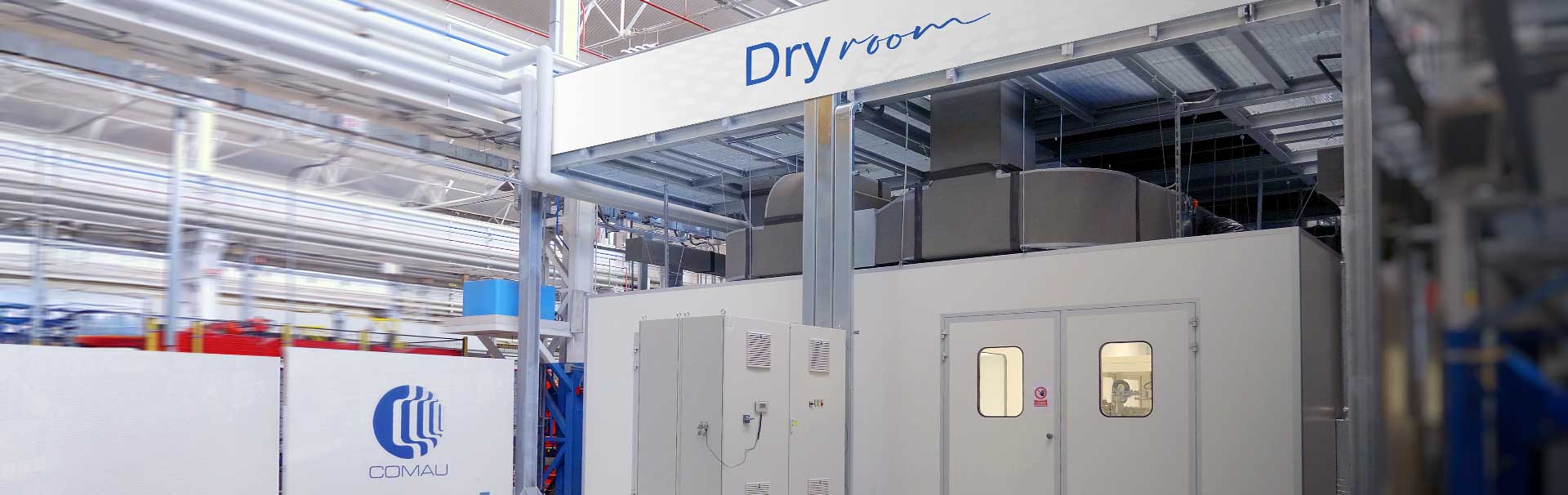
Comau has built an in-house dry room to develop cell manufacturing solutions at an international level
Comau has unveiled a new 500-square-meter dry room designed specifically for the development and validation of production processes for lithium-ion and solid-state batteries. This facility, which aims to enhance the efficiency and effectiveness of battery manufacturing, is part of the company's ongoing commitment to advancing battery technology. The dry room will enable researchers and engineers to conduct critical tests and refine production methods in a controlled environment, ensuring higher quality and performance of the batteries. This initiative is particularly timely as the demand for advanced battery solutions continues to rise, driven by the growing electric vehicle market and the need for sustainable energy storage options. The facility is located at Comau's headquarters, where it will play a crucial role in supporting the company's innovation efforts in the rapidly evolving energy sector.

How Roomba started a robot revolution
In the early days of robotic vacuum technology, the Roomba was characterized by its simplicity and limited functionality. These devices navigated homes by randomly bumping into obstacles while attempting to clean, often ceasing operation once their batteries depleted or their dust containers filled. Despite these shortcomings, the Roomba gained popularity among consumers for its convenience, marking a significant step in the evolution of home cleaning appliances. As technology has advanced, newer models have incorporated sophisticated navigation systems and improved suction capabilities, reflecting the growing demand for more efficient and user-friendly cleaning solutions.
Gadgets Podcasts Smart Home Tech Version History
Can America Build a Fully Domestic Drone? Lithium Discovery Moves the Needle
A recent study by the U.S. Geological Survey has revealed that lithium deposits located in the eastern United States have the potential to satisfy domestic demand for generations, particularly in the energy and electric vehicle sectors. This finding underscores the importance of developing a robust domestic lithium supply chain, which is crucial for advancing technologies such as electric vehicles and drones. However, despite this promising discovery, significant gaps remain in the overall battery supply chain, raising concerns about the ability to fully capitalize on these resources. The implications of this study could influence future policies and investments aimed at bolstering the U.S. lithium industry and enhancing energy independence.
Drone Manufacturing Drone News Drone News Feeds News Battery Technology defense drones
Waymo to turn retired robotaxi batteries into solar power storage systems
Waymo is repurposing the batteries from its autonomous vehicles to support energy storage solutions. This innovative approach, announced recently, aims to enhance sustainability by utilizing the batteries for grid storage, thereby contributing to renewable energy efforts. The initiative comes as part of Waymo's broader commitment to environmental responsibility and efficient resource management. By integrating these batteries into energy systems, the company hopes to extend their lifecycle and reduce waste, aligning with growing demands for sustainable practices in the tech industry. This development not only underscores Waymo's leadership in autonomous technology but also highlights its proactive stance in addressing climate change challenges.

Scaling Battery Disassembly: Why the Real Challenge Is Not Automation
The rise of the circular economy is presenting unique challenges and opportunities for automation, particularly in the field of electric vehicle (EV) battery disassembly. As of October 2023, this sector faces significant hurdles due to the lack of stable geometries, consistent designs, and reliable data, which are typically found in traditional industrial settings. The need for effective automation solutions in this area is driven by the increasing demand for sustainable practices and the efficient recycling of EV batteries. As companies strive to adapt to these new requirements, innovative technologies and methodologies are being explored to streamline the disassembly process, ensuring that valuable materials can be recovered and reused.

European researchers developed energy-efficient machine vision inspired by human eyesight and the brain
Researchers have developed advanced technology that empowers intelligent robots and drones to function autonomously during rescue missions, particularly in the aftermath of earthquakes. This innovation is significant as it allows these machines to operate without the need for constant network connectivity or reliance on heavy batteries, which can hinder their effectiveness in emergency situations. The breakthrough, achieved through extensive data training up to October 2023, aims to enhance the efficiency and reliability of search and rescue operations in disaster-stricken areas. By equipping these devices with the ability to navigate and make decisions independently, the technology promises to improve response times and increase the chances of saving lives when traditional communication methods may be compromised.

UBTECH’s Walker series humanoid robot orders exceed 630 million yuan in 2025
UBTECH Robotics, a prominent Chinese robotics company, has announced a significant contract worth RMB 126 million (approximately $17.3 million) for a project focused on the procurement and installation of equipment for the “Embodied Intelligence Data Collection and Testing Center.” This initiative is set to take place in Guangxi province, China. The contract highlights the company's latest innovation, the Walker S2 humanoid robot, which boasts full autonomy and the ability to swap batteries. The delivery of the equipment is anticipated to be completed in the near future, marking a notable advancement in robotics technology and research capabilities in the region.
News Feed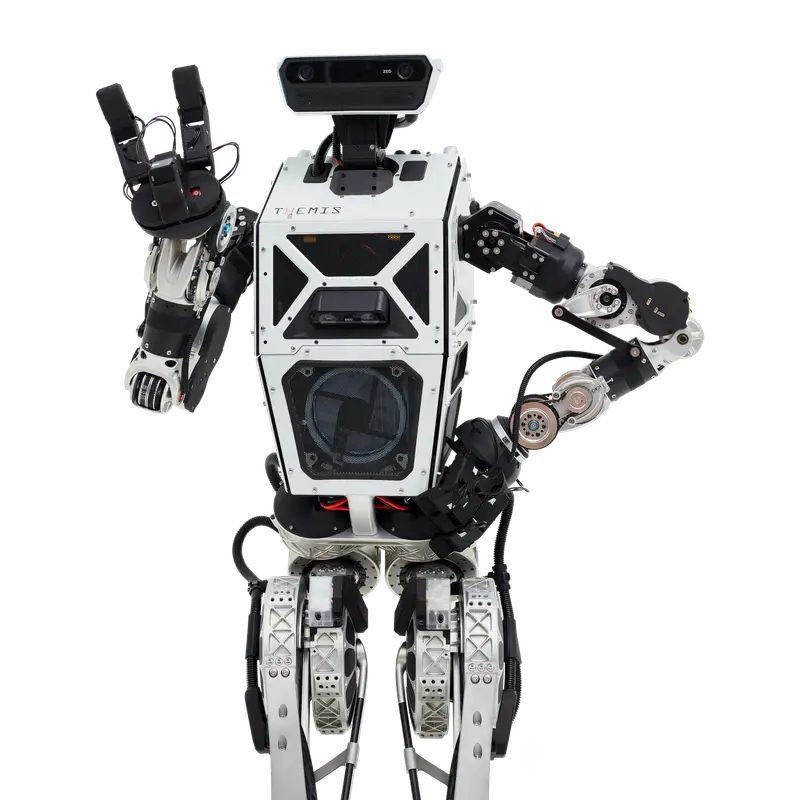
Westwood Robotics Details Agile THEMIS V2 Humanoid with Advanced Manipulation
Westwood Robotics has unveiled its latest humanoid robot, the THEMIS V2, designed to operate in challenging work environments. Standing at 1.6 meters tall, the robot boasts 40 degrees of freedom (DoF) and is equipped with proprietary BEAR actuators that enable agile and compliant movements. The upgraded model features enhanced 6-DoF arms and 7-DoF hands, allowing for greater dexterity and functionality. Incorporating advanced artificial intelligence processing and stereo vision capabilities, THEMIS V2 is engineered to perform complex tasks efficiently. Additionally, the robot is designed with hot-swappable batteries, ensuring minimal downtime during operation. This innovative technology aims to meet the increasing demand for versatile robotic solutions in various industries, highlighting Westwood Robotics' commitment to pushing the boundaries of robotic capabilities.
themis-v2 westwood-robotics
Small-AI Models Gain Traction Around the World
One morning in 2019, Adebayo Alonge was in a Cape Town hotel room, preparing to demonstrate his startup’s AI answer to a serious problem in African health care: counterfeit medication, which kills thousands of people across the continent every year.The RxScanner is a handheld spectrometer that scans a pill with infrared light, then sends the item’s molecular profile to an AI model equipped with a pharmaceutical database. In seconds, the AI identifies the medication from its molecular profile—or reports that it’s phony.Pharmacies were using the system in more than a dozen countries, including Ghana, Kenya, Myanmar, and Alonge’s native Nigeria. But that morning in South Africa, it didn’t work. “I was shocked,” Alonge says.The spectrometer connected to the AI model—but the data center was 14,000 kilometers away and bandwidth was limited. “Our server was in the United States, and just to get the result of a single scan was taking me over 5 minutes.”So Alonge immediately asked his engineers to shrink the AI model down to a smaller, low-power, unconnected version that could run entirely on his Android phone. They produced it 2 hours later, and that saved the demo.More importantly, the work birthed a new version of his device, which can authenticate a pill in places without broadband, computers, or even reliable electricity. It also turned Alonge into an advocate for this kind of “small AI.”Small AI for Global Health Care AccessSmall AI is a far cry from wealthy nations’ colossal large language models (LLMs), hyperscale data centers, multibillion-dollar investments, and debates about AI consciousness. But for millions of people around the world, the only AI that matters, and often the only kind available, is small. (According to a World Bank Report issued in November, only 0.7 percent of internet users in the world’s poorest countries have used ChatGPT, compared to a quarter of all internet users in the most developed nations.)“Most people are discussing AI from the LLM/generative side. But that needs a lot of computing power, electricity, massive data, and skilled people to manage it,” Ajay Banga, president of the World Bank, said last January at the World Economic Forum, in Davos. “Outside the developed world, other than maybe India and China, very few countries have that combination.”By contrast, small AI can deliver useful, even life-saving services to people in areas that have none of those things, Banga said. In India, where the government’s AI plans call for more development of small AI, many such systems are working for farmers.For example, a drone-based system developed by Bala Murugan and colleagues at the Vellore Institute of Technology, in India, takes photos of cashew plants and quickly identifies those with splotches that indicate disease. All the processing takes place on the drone itself, so there’s no need for a computer on-site, nor for a connection to a central server.Using small language models trained for a specific problem, and sometimes running on cheap, low-power devices, other small-AI implementations have been developed to identify ant infestations in a Uruguayan vineyard, detect the presence of malaria-carrying mosquitoes in a number of nations, and run electrocardiograms from an Arduino device in parts of Brazil that lack access to more complex equipment.“This is the most important area in AI nowadays,” says Marcelo José Rovai, a professor at the Institute of Engineering and Information Systems at the Federal University of Itajubá, in Brazil, who was involved in all three projects. “It’s growing very fast.”Low-Power, Small-AI Models on Devices Small AI models can run on a variety of low-power devices, including [from left to right] an Arduino Nano 33 BLE Sense, a Seeed Wio Terminal, and an Arduino Portenta.Moez AltayebFor Alonge, Rovai, and other advocates, small AI is not just “a promising trend,” as that November World Bank report calls it. It may be, in the long term, the form of AI that will touch the most lives and remain sustainable after some of the giant models become too costly for most users.“I think the future of AI is not like one giant model, at a center. I think it’s millions of small, precise models deployed at the edge, each one solving like a specific problem, a specific context,” Alonge says. This is partly because much of humanity—including people in parts of rich countries as well as the developing world—lives without access to cutting-edge frontier models. But, he says, it’s also because those models are not sustainable.“If someone is not subsidizing it, most people will not be able to afford those models. So those of us who are said to be small-AI developers are the ones who will have to build for the majority of the world,” Alonge says.There is no strict definition of “small AI,” but people often use the term for language models with at most a few billion parameters. (Compare that to cutting-edge models, which can include more than a trillion.) That’s small enough to run directly on a phone or a Raspberry Pi. That’s what allows these applications to run on devices without a connection to a data center and use only a few watts of power, often supplied by a battery or a solar panel.Despite their small footprint, these models aren’t fundamentally different technology from that of gigantic AI models, Rovai says. Many instances of small language models were created the same way the phone-based version of Alonge’s pharmaceuticals scanner was—by “pruning” large models, or removing the parameters that weren’t involved in the task. The result is a system that’s less capable generally but still very good at the specific job it was pruned for, Rovai says. A lighter version of RxAll’s RxScanner spectrometer sends its results to an AI model run locally on a phone to check that a drug’s molecular signature is genuine.RxAllOther small models are created by “distillation.” They are trained to mimic a large model, until their performance approaches that of their “teacher,” Rovai says. In other cases, a larger model’s precision is reduced, for example, so that a model run on 32-bit architecture can run on 8-bit designs. In situations where the machine learning application is being used to classify data or predict patterns (like an ant infestation), it’s trained from the beginning on a small device, not derived from a larger model at all. Running all these small, specialized systems is becoming easier, Rovai says, for two reasons.The first reason is that hardware is getting better and more capable while using less power, he says. This means more and more phones can run small AI—especially those equipped with neural processing units, which are specialized chips that handle AI tasks like facial recognition and changing the brightness, shadows, or contrast in a photo.In 2025, slightly more than a third of all smartphones shipped worldwide were capable of running generative AI, and that figure will reach 45 percent by the end of this year, according to the technology research firm Counterpoint. By the end of next year, slightly more than half of all smartphones will be able to run a small AI model.The second reason Rovai cites is the shrinking footprint of language models. Both Google DeepMind’s Gemma 4 (released in April) and Alibaba’s Qwen 3.5 are “fantastic” for small AI, Rovai says. Both models are “open weight,” meaning users can adjust the connections between parameters to suit their needs. This makes it easy, for example, “to take a lot of data from, say, the milk industry and retrain the model specifically on that,” Rovai says.Rovai illustrated these reasons on a Zoom call, using one of his most recent experiments. Holding up a device, he says, “This is the new Arduino UNO Q—a US $50 device with a Qualcomm chipset. I’m running a language model here, which collects data from sensors and analyzes that data to detect tiny pools of water where mosquitoes might be breeding. It takes 3 watts to run it.”Support for Small-AI DevelopmentConvinced that millions of people are already benefiting from these kinds of applications, the World Bank now actively promotes small AI with grants, mentorship programs, financing, technical advice, and models of government policies that are friendly for small-AI development. For example, in Rwanda, the World Bank is backing a government program to help low-income households get devices that can run AI.All that said, no one claims that large language models are going away entirely. To create a generative AI that can run on a phone or other small device requires the architectural insights, data processing, and results of a larger model, Rovai says. “We need the big models to create these smaller models.” And for all that small AI can benefit people without access to big AI, the technology can’t solve the larger problems of development and digital inequality, Alonge says. Implementing small AI won’t allow nations to escape the challenge of creating an ecosystem to support AI: reliable power, a supply chain that works, and an educational system that develops the talents needed to create AI tools.Though his drug-scanning system can run for days on a phone with no connection, “you still want to be able to enable periodic syncing for updates with new signatures for the medications and analytics,” Alonge says. “And even when you are using batteries, reliable power is important. That phone battery is not going to last forever.”In many parts of the world, the future of small AI isn’t assured, he says. “It works, and many places will eventually need to use it. The question is whether or not the political actors are wise enough to invest in infrastructure to support it long term.”
Small-language-models Artificial-intelligence Llms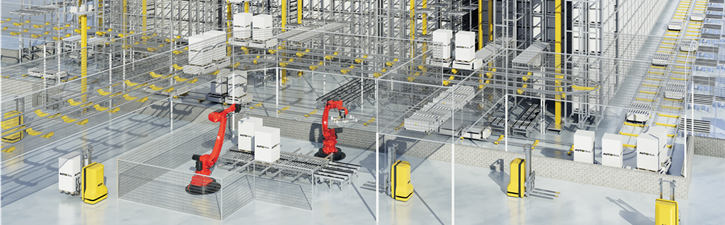
Automha and Comau highlight end-to-end advanced logistics solutions at the german exhibition Logimat 2026
Comau has announced the renewal of its collaboration with Intecells, aiming to enhance the application of cold plasma technology in industrial cell manufacturing processes. This partnership, which focuses on optimizing production efficiency and quality, reflects a growing trend in the industry to integrate advanced technologies for improved performance. The renewed collaboration is expected to leverage Intecells' expertise in cold plasma applications, which can significantly impact the manufacturing of batteries and other energy storage solutions. By combining resources and knowledge, both companies seek to drive innovation and maintain competitiveness in the rapidly evolving market. The initiative is part of a broader strategy to adopt cutting-edge technologies that can streamline operations and reduce costs in the manufacturing sector.

Next-gen ceramic aircraft batteries could enable 621-mile electric flights
Taiwanese battery manufacturer ProLogium has partnered with Dutch aerospace firm Elysian Aircraft by signing a Memorandum of Understanding aimed at developing advanced battery technology for electric aircraft. The agreement, finalized recently, marks a significant step towards enhancing the sustainability and efficiency of air travel. By combining ProLogium's expertise in solid-state battery technology with Elysian's innovative aircraft designs, the collaboration seeks to address the growing demand for eco-friendly aviation solutions. This initiative is part of a broader effort to reduce carbon emissions in the aerospace industry, aligning with global sustainability goals. The partnership is expected to leverage both companies' strengths to create safer, lighter, and more efficient battery systems that could revolutionize the electric aviation sector.
Energy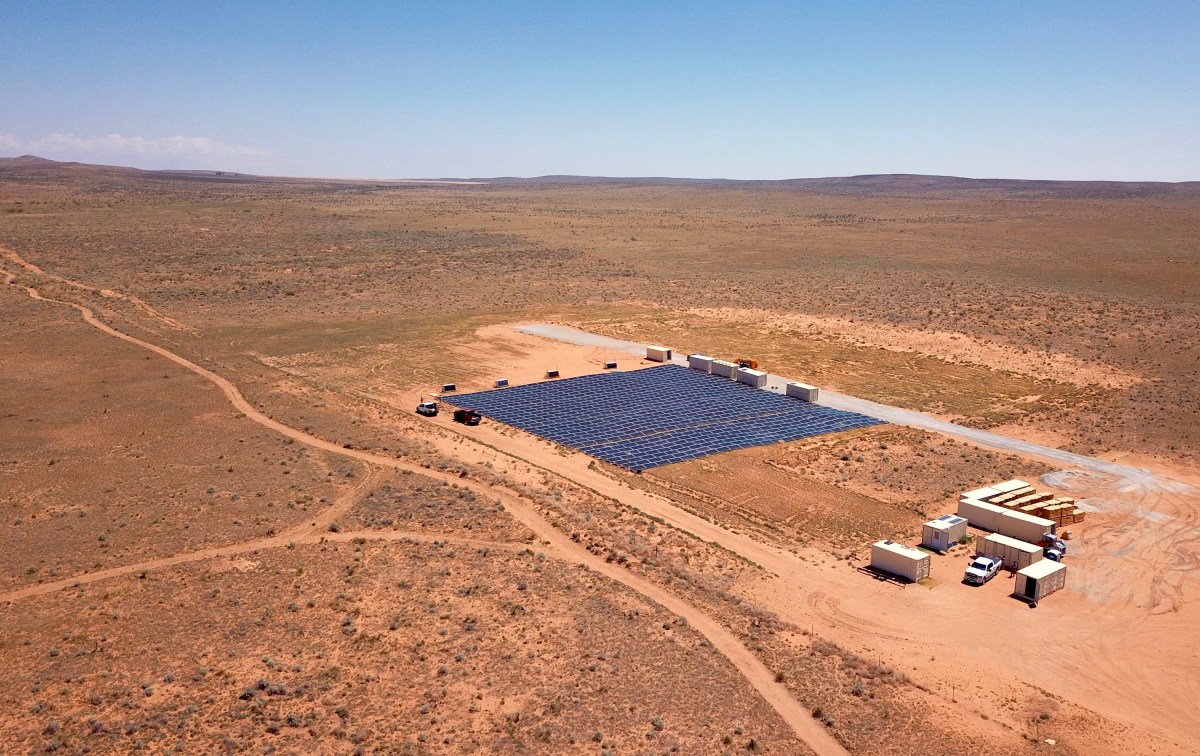
Why two SpaceX alumni are betting on solar and batteries to power the AI craze
Ambrosia Energy is planning to construct power plants within the next year, aiming to provide energy at a lower cost than natural gas. The company has set an ambitious goal to develop gigawatts of energy capacity by 2030. This initiative reflects a growing trend towards renewable energy solutions as the demand for sustainable power sources increases. By leveraging innovative technologies and efficient construction methods, Ambrosia Energy seeks to position itself as a competitive player in the energy market, responding to both economic and environmental pressures.
Climate Fundraising Ambrosia Energy energy storage Exclusive Solar Power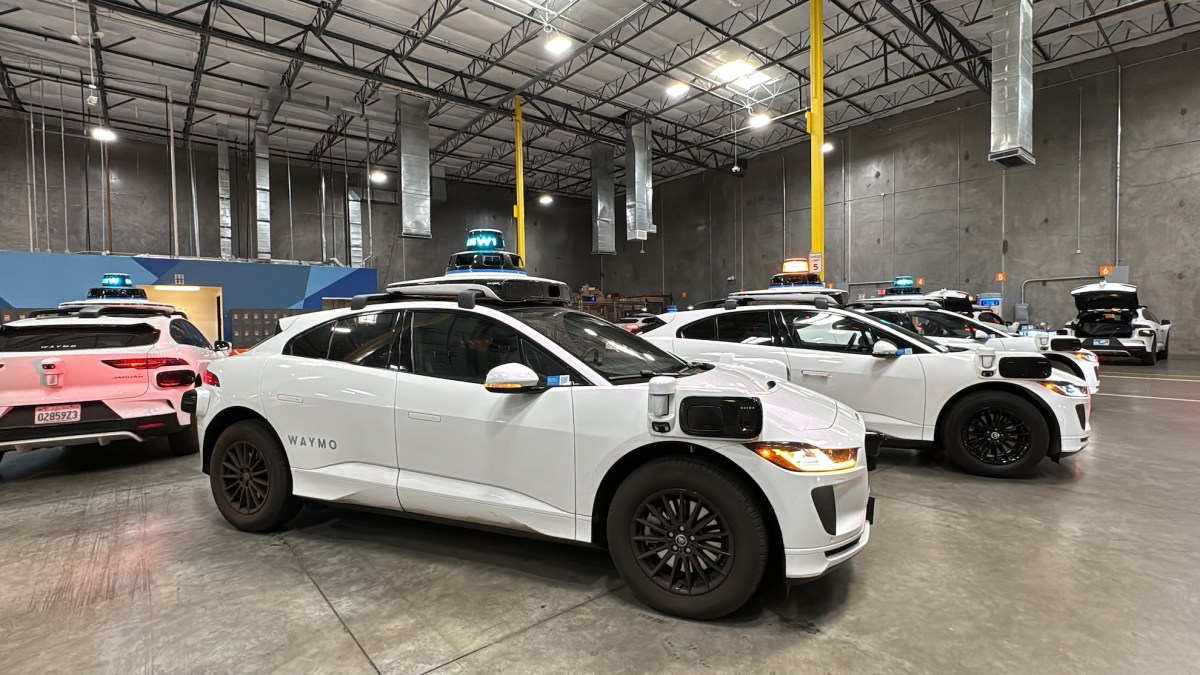
Waymo’s spent robotaxi batteries will be used as grid storage
Waymo has entered into a partnership with B2U Storage Solutions to repurpose battery packs that are being removed from its autonomous vehicles. This initiative reflects Waymo's commitment to sustainability and innovation in the face of evolving technology demands. The deal aims to ensure that the decommissioned battery packs are utilized effectively, contributing to a circular economy and reducing waste. By collaborating with B2U Storage Solutions, Waymo seeks to enhance the lifecycle of its battery technology while addressing environmental concerns associated with battery disposal. The announcement comes as the company continues to refine its fleet and adapt to changing operational needs, signaling a proactive approach to resource management in the rapidly advancing field of autonomous transportation.
Transportation electric vehicles EVs Waymo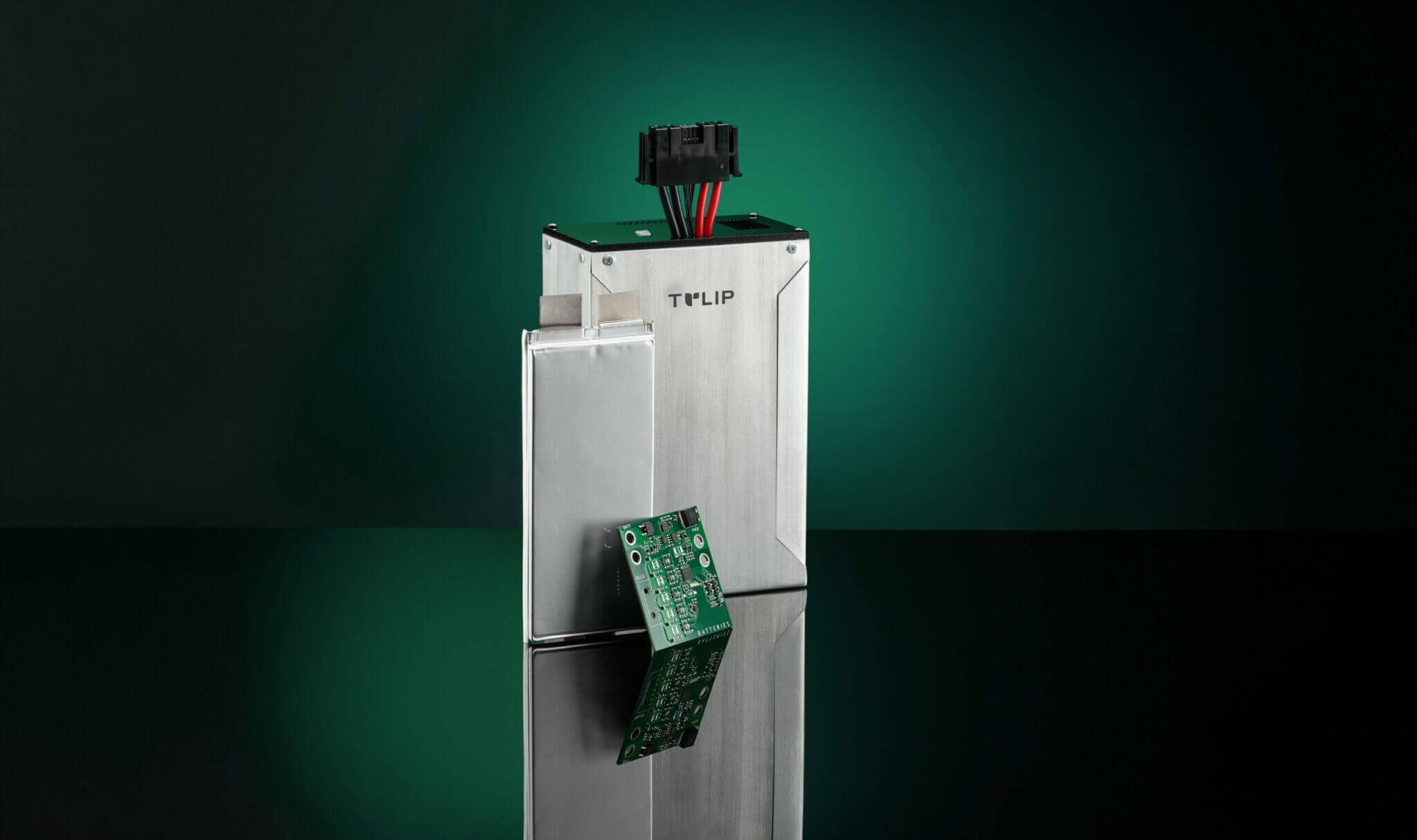
Tulip Tech Expands European UAV Battery Production with New Investment
Tulip Tech, a Dutch battery manufacturer, has announced a strategic investment aimed at enhancing the supply chains for drones and increasing their operational endurance. This announcement comes amid a rising demand for non-Chinese drone components and the need for more robust regional supply chains. The investment is backed by Parcom and Keen Venture Partners, reflecting a growing interest in strengthening European production capabilities for unmanned aerial vehicles (UAVs). Tulip Tech intends to utilize these funds to expand its battery production, positioning itself to meet the increasing market demands effectively.
battery technology Drone Manufacturing Drone News Drone News Feeds News battery manufacturing
Nyobolt Closes $60 M Series C Funding Round at $1B Valuation, to Power Autonomous Machines, Physical AI Applications and AI Data Centers
Nyobolt, a company specializing in ultra-fast charging and high-power battery systems, has successfully secured $60 million in Series C funding, pushing its valuation beyond $1 billion. The funding round, which took place recently, was led by Symbotic and included contributions from notable investors such as IQ Capital, Latitude, Scania Invest, and CBMM. This financial boost aims to facilitate the expansion of Nyobolt's technology, particularly for applications in autonomous robots and AI infrastructure. The company has reported a remarkable fivefold increase in revenue over the past year, highlighting its growth potential in the rapidly evolving battery market.
AI AI Funding & Investment Robotics autonomous batteries CBMM
Researchers build a robotic swarm with no electronics, no batteries and no brains
Researchers at Georgia Tech have developed innovative swarms of tiny robotic particles that operate without any electronic components, such as sensors or processors. Led by Bolei Deng, an assistant professor in the Daniel Guggenheim School of Aerospace Engineering, and Ph.D. student Xinyi Yang, the team has drawn inspiration from the simplicity of LEGO bricks, which fit together seamlessly without the need for complex technology. This groundbreaking work showcases how these robotic particles can latch, release, and reorganize autonomously, opening new possibilities for applications in various fields. The research highlights a novel approach to robotics that emphasizes mechanical interaction over electronic intelligence, potentially leading to more resilient and adaptable systems.
Robotics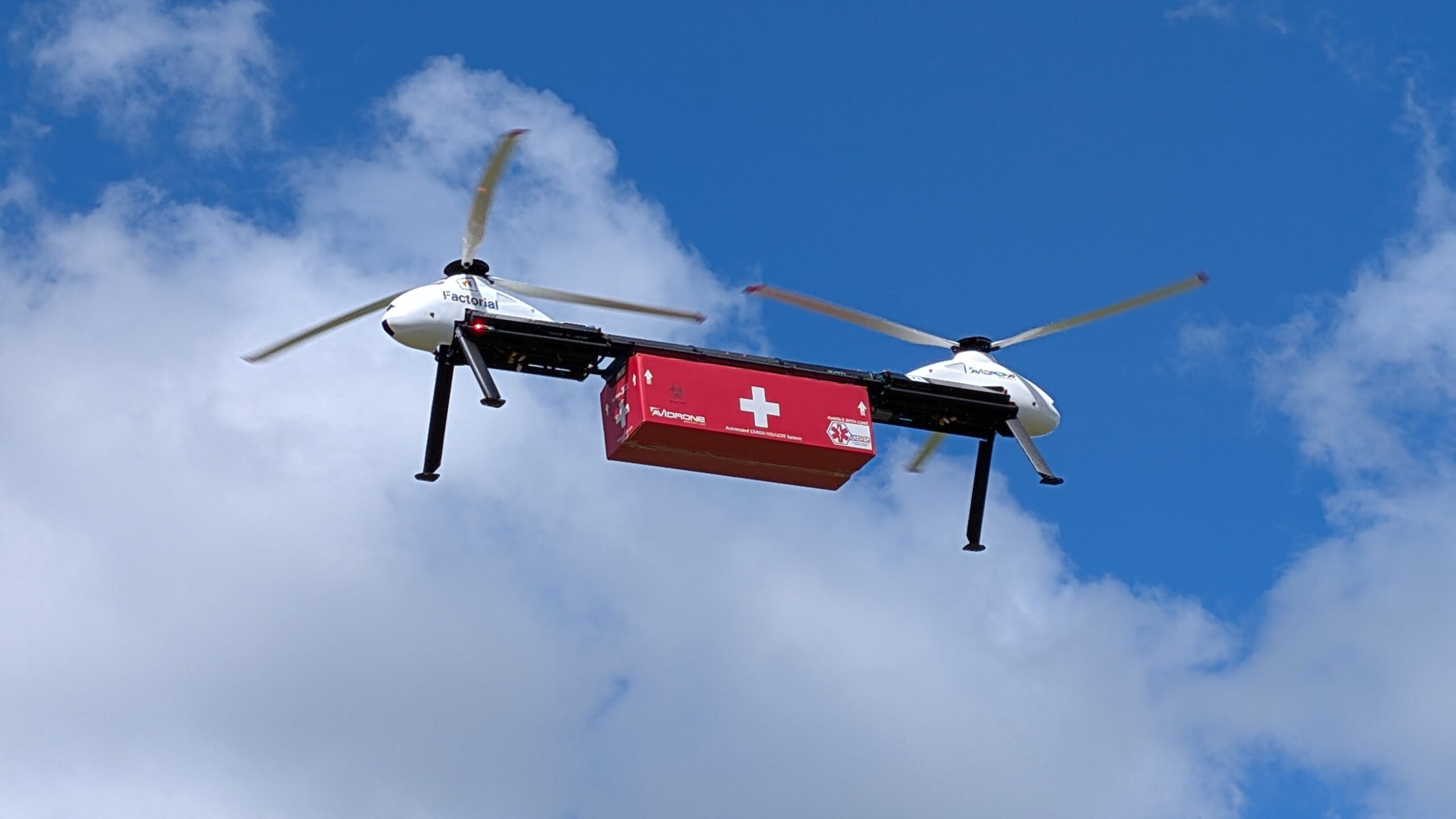
The Drone Industry’s Battery Problem Has a New Challenger
Factorial Energy, a battery technology company, has announced new partnerships aimed at enhancing drone performance through the integration of next-generation solid-state batteries. These collaborations span across the United States, Europe, and the Asia-Pacific region, focusing on improving drone endurance, power, and cold-weather capabilities for both commercial and defense applications. By leveraging advanced battery technology, Factorial seeks to address the ongoing challenges faced by the drone industry, particularly in terms of battery efficiency and reliability. The initiative reflects a growing recognition of the importance of innovative battery solutions in advancing drone technology and expanding its potential uses in various sectors.
Applications battery technology Defense Drone News Drone News Feeds News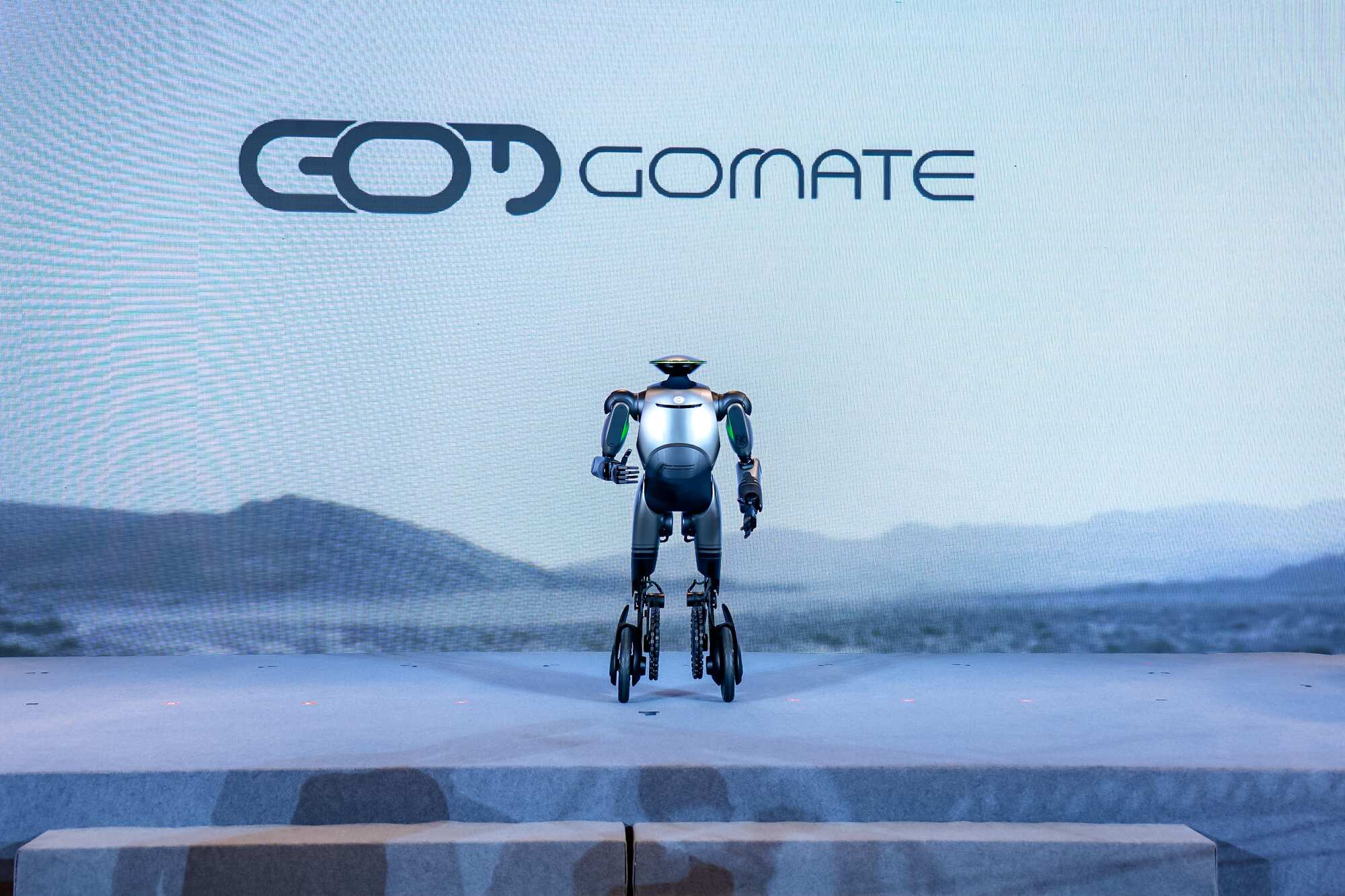
Chinese car maker GAC to use humanoid robots powered by solid-state batteries
Chinese automaker GAC has unveiled plans to trial humanoid robots in its car factories, aiming to enhance production efficiency. The announcement was made on Thursday, with the company set to begin producing components for these robots in-house at scale starting next year. This initiative is part of GAC's broader strategy to facilitate small-scale production of the robots for internal use by 2026. The latest version of the GoMate robot was showcased during the announcement, highlighting GAC's commitment to integrating advanced technology into its manufacturing processes.
News Feed
China Reports 68.7% Surge in Electric Vehicle Exports for H1 2026
In the first half of 2026, China's electric vehicle exports surged by 68.7% year-on-year, as reported by customs data on July 14. This remarkable growth reflects a broader increase in various sectors, including electric motorcycles and bicycles, which rose by 31.5%, and electric locomotives, which saw a 45.1% increase. Additionally, lithium batteries and wind turbines experienced growth rates of 37.6% and 35.6%, respectively. The significant rise in electric vehicle exports is crucial for China's position in the global electric vehicle market, showcasing its manufacturing capabilities and technological advancements. The data also highlighted that exports of AI-integrated intelligent bionic robots surpassed 10,000 units, reaching over 90 countries and regions, indicating a growing demand for advanced robotics in international markets. Looking ahead, it will be important to monitor how these export trends evolve and whether they will continue to bolster China's economy. No further timeline was disclosed at the time of publication.
News Feed
Krypton Evening News: Token prices drop to a few dollars; OpenAI may significantly reduce product prices; discounted train tickets for
Christian Stein has been appointed as the new CEO of Renault Group Spain, effective July 1, succeeding Josep María Recasens, who is leaving the company for new career opportunities. Stein will also continue in his role as Chief Communications Officer and report to Renault Group CEO François Provost. In a significant shift, General Motors is considering abandoning the use of lithium iron phosphate (LFP) batteries for electric vehicles, despite plans to produce them by the end of 2027 at a joint factory in Tennessee. This decision comes as the company reassesses its battery technology strategy amidst a competitive market. Global prediction markets Polymarket and Kalshi have reported that contracts for the upcoming World Cup champion have surpassed $2 billion, potentially setting a new record for single-event prediction market transactions. In the tech sector, OpenAI is contemplating substantial price reductions for its products to compete with rival Anthropic, as rising costs for AI services have become a concern for executives. Meanwhile, J&T Express has responded to an investigation by China's State Post Bureau, emphasizing its commitment to cooperate fully and improve safety management practices in light of the inquiry. AliExpress, Alibaba's cross-border e-commerce platform, has launched official local delivery services in five countries, including the U.S. and Spain, aiming to enhance logistics efficiency for merchants. In product news, Insta360 has unveiled the Luna Ultra, the world's first 8K dual-camera gimbal, which sold out shortly after its launch on June 10. Lastly, Neura Robotics, a German robotics firm, has secured $1.4 billion in funding to accelerate its development of a leading physical AI platform, with backing from major investors like Amazon and NVIDIA.
Chamsen Debuts at CIBF 2026 with All-Pole Tech for High-Performance Battery Track
Chamsen, a lithium battery startup established in 2024 in Changzhou, is making its debut at the China International Battery Fair (CIBF) 2026. The company aims to address the structural supply-demand mismatch in all-pole lithium batteries, which are essential for applications in drones, humanoid robots, and data center battery backup units (BBUs). By showcasing its innovative solutions at this prominent industry event, Chamsen seeks to position itself as a key player in the rapidly evolving battery technology market.
Technology
Amprius Taps Intralink for South Korea Drone Battery Push
Amprius Technologies, a Silicon Valley-based battery manufacturer, has appointed the Seoul-based consultancy Intralink to enhance its business development efforts in South Korea. Announced on May 11, 2026, this strategic move aims to secure partnerships with original equipment manufacturers (OEMs) and battery pack makers in the rapidly growing sectors of drones, robotics, and mobility. By leveraging Intralink's local expertise, Amprius seeks to strengthen its market presence and capitalize on the increasing demand for advanced battery solutions in these innovative industries.
battery technology Drone News Drone News Feeds drone technology News advanced mobility
Hanwha, Hyundai unveil W97tr investment plan for southeastern Korea
On Friday, major South Korean conglomerates revealed ambitious investment plans totaling 312 trillion won (approximately $204 billion) aimed at developing the Yeongnam region in southeastern Korea. This initiative is part of the country's broader strategy to establish regional hubs for AI-driven industries. Among the key players, Hanwha Group and Hyundai Motor Group committed to investing a combined 97 trillion won over the next decade, focusing on sectors such as aerospace, defense, future mobility, and advanced manufacturing. Additionally, Samsung Group announced a significant 60 trillion won investment plan dedicated to AI transformation, robotics, batteries, and shipbuilding. This concerted effort reflects the conglomerates' commitment to enhancing technological capabilities and fostering economic growth in the region.
All News
Tesla Finally Built Enough Cars, but Wall Street Wants Robots Now
Tesla has achieved a significant milestone by delivering 480,126 vehicles in the second quarter of 2026, surpassing analysts' expectations of approximately 406,600 units. This marks a 25% increase compared to the same period last year and a 34% rise from a lackluster first quarter. The success was largely driven by the popularity of the Model 3 and Model Y, which accounted for 97% of the deliveries. Additionally, Tesla's energy sector reported the deployment of 13.5 GWh of batteries, exceeding projections as well. Despite these impressive figures, Tesla's stock fell by 8%, highlighting a disconnect between the company’s operational success and investor sentiment. This decline is attributed to ongoing concerns among buyers regarding CEO Elon Musk's political views and the recent expiration of the federal electric vehicle tax credit, which has affected consumer interest. As Tesla emerges from two years of declining sales, this quarter is seen as a pivotal comeback, yet Wall Street's focus has shifted towards the company's potential in robotics, indicating a desire for innovation beyond vehicle production.
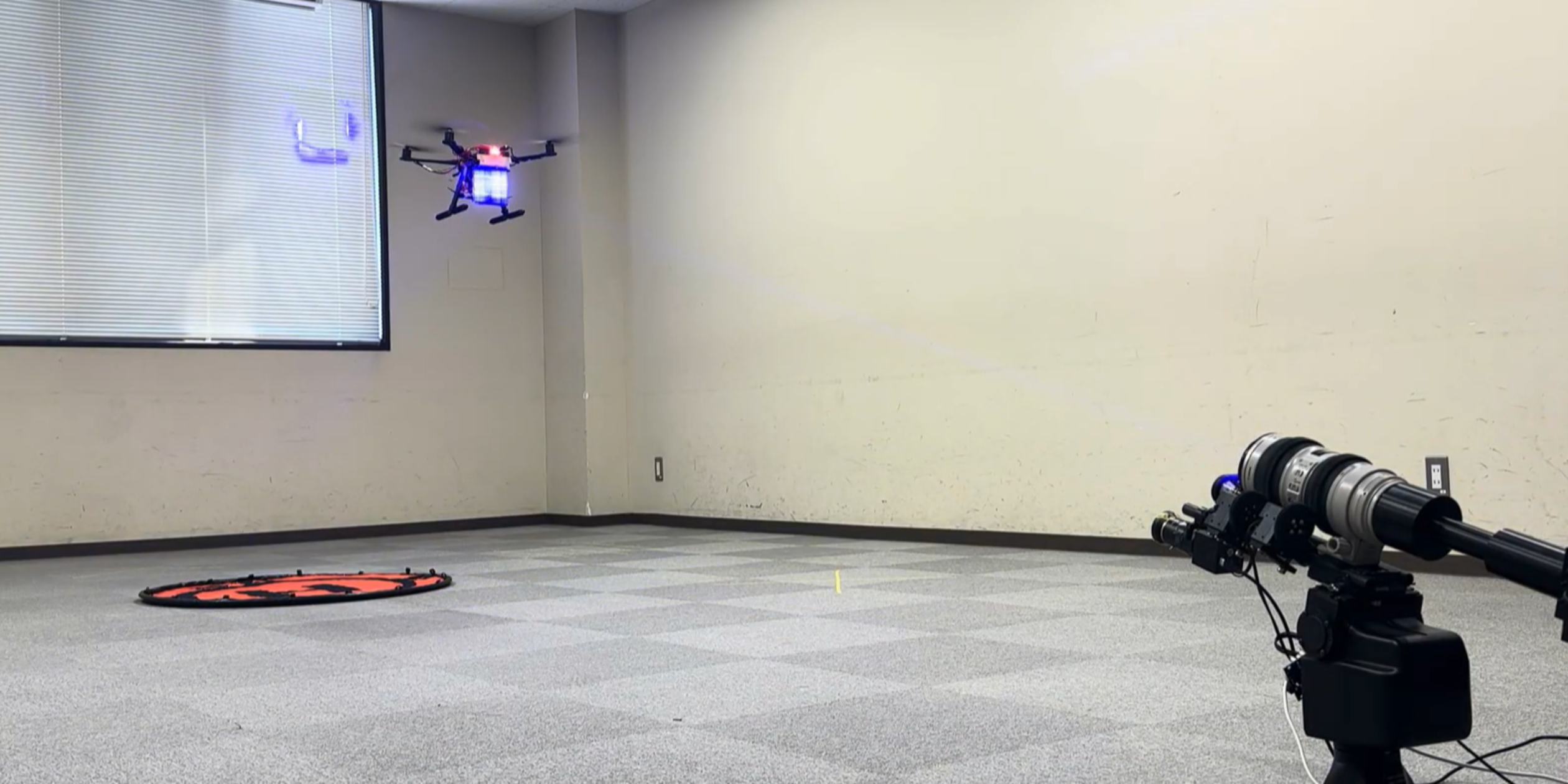
Japan startup SolaNika to test tech for charging drones with lasers
Japanese startup SolaNika is set to commence trials this year for an innovative technology that utilizes lasers to wirelessly charge drones, with the goal of extending flight durations beyond 12 hours. The tests, which will take place indoors, aim to demonstrate the feasibility of power beaming as a means to reduce the size of drone batteries while enhancing their operational capabilities. This development is part of a broader trend in the aerospace and defense industries, where advancements in drone technology are increasingly being explored for various applications.

New to drone flying? Our expert thinks this five-star drone gives you 'everything you could possibly need' and it's $133 off
A DJI Mini 4K drone has received a five-star rating from experts, highlighting its suitability for beginners due to its user-friendly features. Currently, during Prime Day, the drone is available at a nearly 35% discount, making it an attractive purchase option. The drone comes with two batteries, providing extended flight time, and is designed to withstand windy conditions, further enhancing its appeal for novice users looking to explore aerial photography and videography.
Drones Technology![[Man-ki Kim] Foster dual-use defense tech](/uploads/2026/06/2669837006758506.jpg)
[Man-ki Kim] Foster dual-use defense tech
For much of the 20th century, defense technology evolved within a tightly controlled military-industrial framework, where governments dictated needs, contractors created solutions, and civilian sectors reaped the benefits later. However, this paradigm is shifting. In the contemporary landscape, advancements in technologies such as artificial intelligence, semiconductors, robotics, batteries, cloud computing, autonomous systems, synthetic-aperture radar satellites, and commercial drones are increasingly emerging from the civilian economy. This transformation is reshaping how defense capabilities are developed and integrated, highlighting the growing interdependence between civilian innovations and military applications. As a result, the defense sector is now leveraging these civilian technologies to enhance its operational effectiveness and adaptability in a rapidly changing global environment.
All News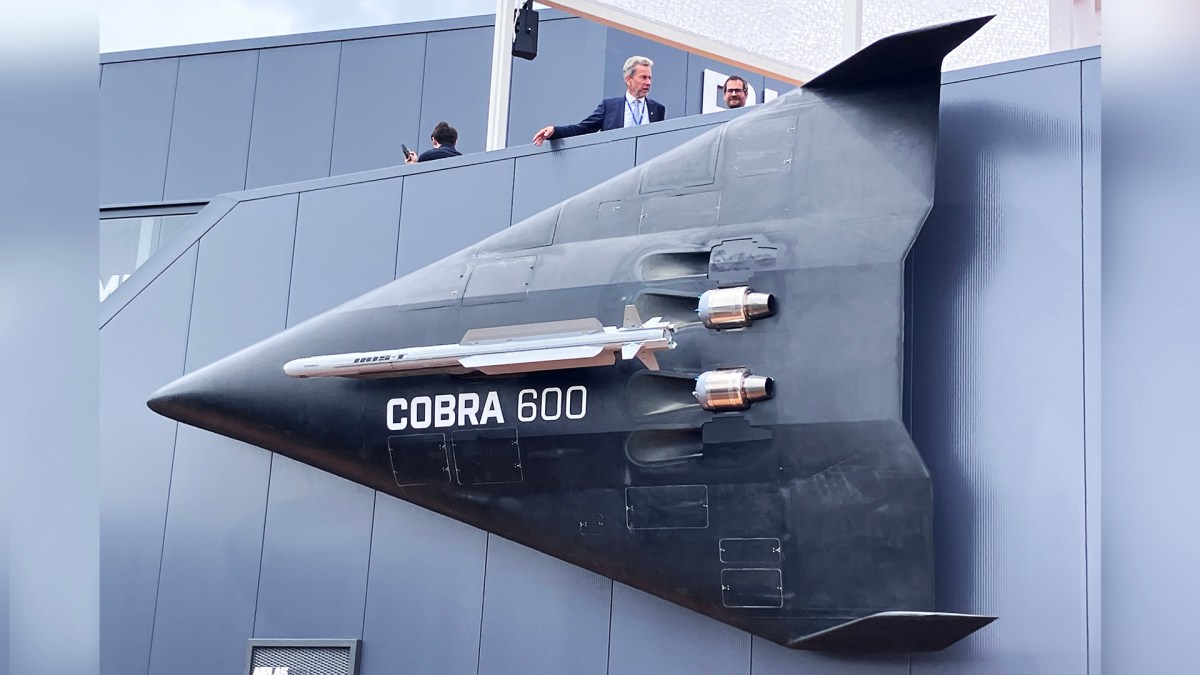
Germany’s Cobra 600 Is A Jet Powered Interceptor Drone That Slings An IRIS-T Missile
Germany has unveiled the Cobra 600, a jet-powered interceptor drone designed to enhance the capabilities of its surface-to-air missile systems. This innovative drone can transport the IRIS-T missile over hundreds of miles from its launch point, significantly extending the operational range of missile batteries. The development of the Cobra 600 reflects Germany's commitment to modernizing its defense technology and improving its aerial defense strategies. The introduction of this advanced drone is expected to bolster the country's military readiness and response capabilities in an increasingly complex security environment.
Air Around The Globe Drones Europe Germany Land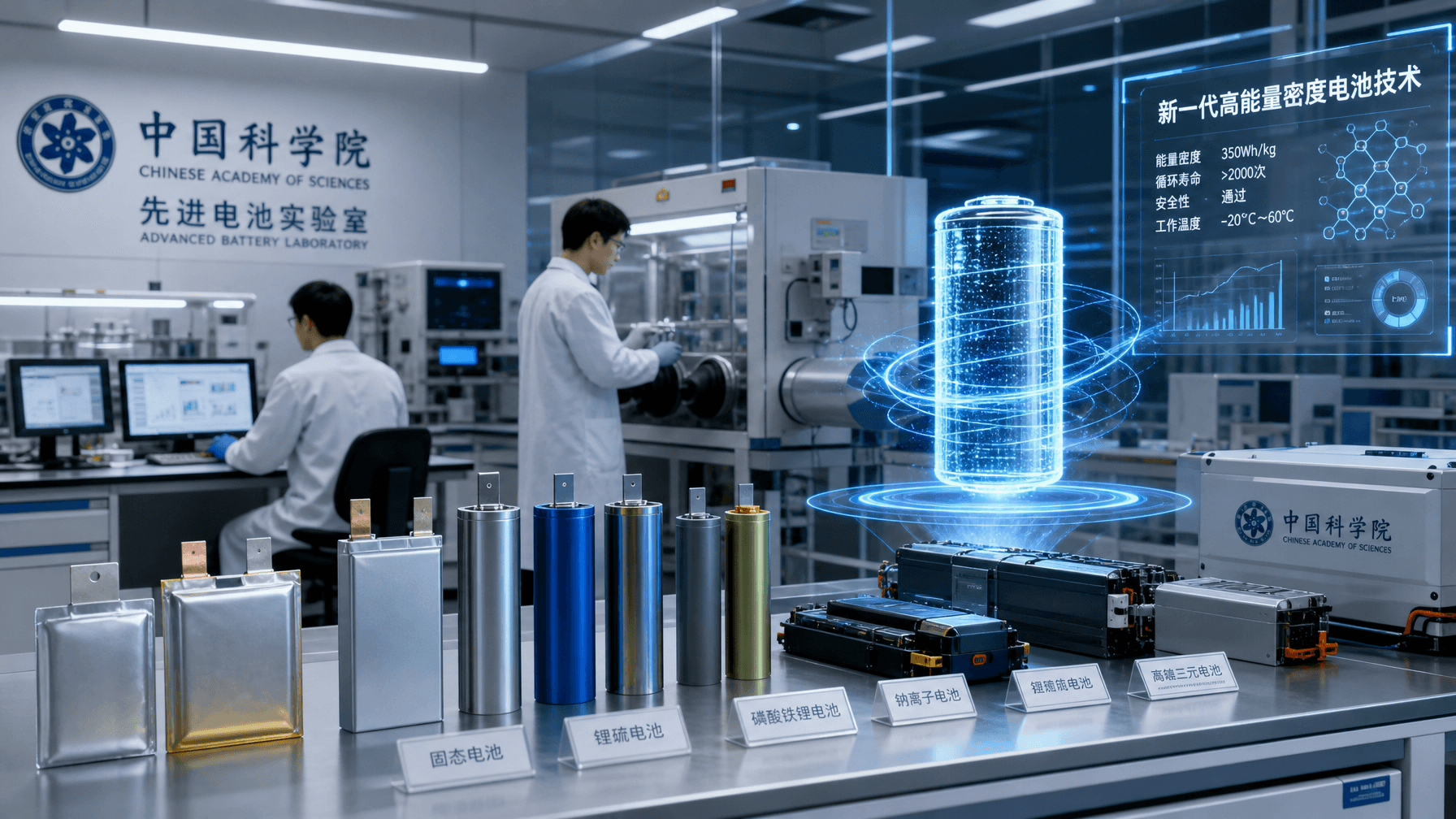
Beyond the Solid-State Battery Myth: CAS Breaks Through on Multiple Fronts in 2026
In spring 2026, the Chinese Academy of Sciences announced significant advancements in battery technology, showcasing breakthroughs in several areas including black phosphorus fast-charging, safe sodium-ion batteries, solid-state batteries, and hydrogen storage systems. These innovations aim to enhance energy storage solutions, addressing the growing demand for efficient and safe battery technologies in various applications. The developments reflect ongoing research efforts to improve energy efficiency and sustainability, positioning China at the forefront of battery technology advancements. The academy's work is expected to have a substantial impact on industries reliant on advanced energy storage, potentially transforming the landscape of electric vehicles and renewable energy systems.
Technology
Terra Drone's Indonesia CEO sentenced to 16 months for deadly fire
The CEO of Terra Drone's Indonesian subsidiary has been sentenced to 16 months in prison by an Indonesian court for negligent homicide following a tragic fire that occurred in December 2025. The blaze, which erupted at the company's office in Jakarta, resulted in the deaths of 22 employees and left 15 others injured. The court found the CEO guilty of negligence, specifically related to the improper storage of batteries, which was identified as the cause of the fire. This incident represents a significant setback for the Japanese startup as it seeks to expand its operations in the region. The ruling was delivered on May 22, 2026, highlighting the serious consequences of workplace safety violations.
Germany develops new robotic system to recover and repurpose EV battery cells
German researchers are advancing the development of a robot-assisted system aimed at repurposing old electric vehicle (EV) batteries. This innovative project, which is currently underway, seeks to address the growing challenge of battery waste as the demand for electric vehicles continues to rise. By creating a more efficient method for recycling and reusing these batteries, the researchers hope to contribute to sustainability efforts and reduce environmental impact. The system utilizes robotic technology to streamline the disassembly and refurbishment processes, ensuring that valuable materials can be extracted and reused effectively. This initiative not only aims to extend the life cycle of EV batteries but also to promote a circular economy within the automotive industry. The project is part of a broader effort in Germany to lead in green technology and sustainable practices, reflecting the country’s commitment to environmental innovation.

New 3D-printed battery electrodes double storage capacity across 7,500 charge cycles
Researchers at Lawrence Livermore National Laboratory (LLNL) have unveiled an innovative 3D-printed electrode design aimed at enhancing electrochemical processes. This breakthrough, announced recently, promises to improve the efficiency and performance of energy storage systems, such as batteries and fuel cells. The development comes in response to the growing demand for advanced energy solutions that can support sustainable technologies and reduce reliance on fossil fuels. By leveraging 3D printing techniques, the team has created a more intricate and optimized electrode structure that allows for better ion flow and increased surface area, ultimately leading to higher energy density and faster charging times. This advancement could play a crucial role in the transition to cleaner energy sources, addressing both environmental concerns and the need for more efficient energy storage solutions in various applications.
Robotics needs a service framework.
RSF defines a common language for robot service capability, lifecycle operations, certification pathways, and service-provider networks.