Industry Briefing
A single destination for timely, editor-curated robotics news from around the world.
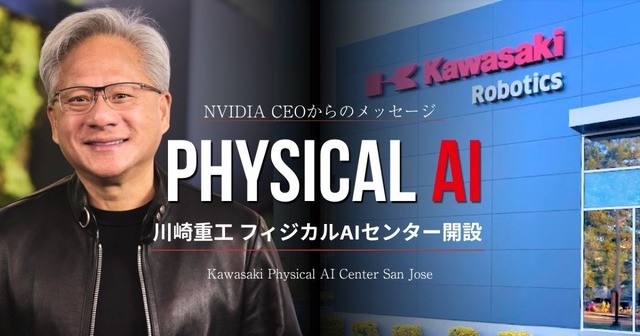
Kawasaki Heavy Industries opens Physical AI Center in San Jose, California, with a congratulatory message from NVIDIA's Jensen Huang.
Kawasaki Heavy Industries, Ltd. announced the opening of its Kawasaki Physical AI Center, scheduled for June 15, 2026. To mark this occasion, the company released a video message from NVIDIA's CEO, Jensen Huang, on YouTube. The establishment of the center aims to enhance research and development in artificial intelligence and robotics, reflecting Kawasaki's commitment to innovation in these fields. The collaboration with NVIDIA underscores the importance of integrating advanced AI technologies into Kawasaki's operations, positioning the company at the forefront of technological advancements in the industry.
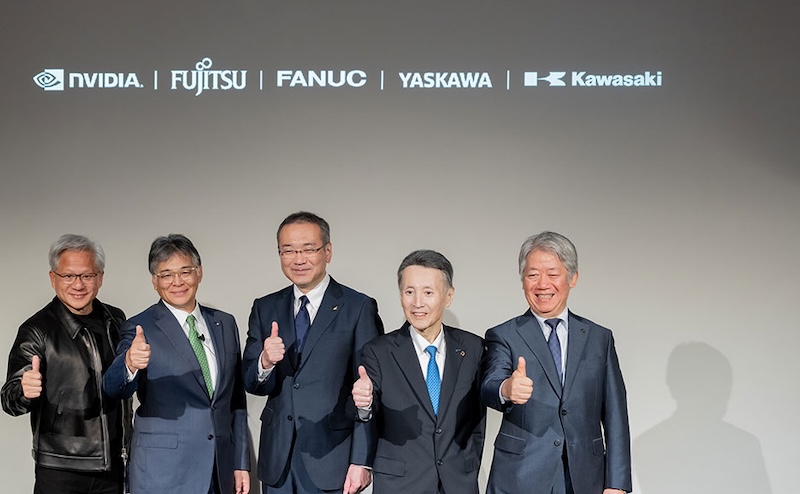
Fujitsu Collaborates with Fanuc, Yaskawa, and Kawasaki to Enhance Physical AI with Nvidia
Fujitsu has initiated a partnership with Japanese robotics firms Fanuc, Yaskawa Electric, and Kawasaki Heavy Industries to advance the development and deployment of physical AI in sectors such as manufacturing, logistics, and healthcare. This collaboration will leverage Nvidia's physical AI technologies to create a collaborative control platform that connects digital systems with robots and physical equipment. The initiative aims to accelerate the adoption of physical AI, addressing challenges like labor shortages and an aging workforce while enhancing global competitiveness. The platform will optimize production planning in manufacturing, automate material handling in logistics, and improve healthcare operations by automating the transport of medical supplies and assisting with patient interactions. Fujitsu plans to develop an open collaborative control platform that integrates AI, robotics, and data analysis technologies, ensuring interoperability and addressing cybersecurity concerns. No further timeline was disclosed at the time of publication.
Artificial Intelligence Industry News ai factory automation fanuc
Kawasaki Heavy and Nvidia Collaborate on AI-Driven Shipyard in Japan
Kawasaki Heavy Industries and Nvidia have announced a partnership to create a cutting-edge shipyard in Japan that will utilize artificial intelligence. This initiative aims to enhance productivity and address labor shortages in the shipbuilding sector by leveraging Nvidia's digital twin technology. The collaboration is significant as it represents a strategic move by Kawasaki Heavy to modernize its operations and improve efficiency through advanced technology. By integrating AI and robotics, the shipyard is expected to streamline processes such as welding, which is critical in ship construction, thereby mitigating the impact of the ongoing labor crunch in the industry. Looking ahead, the development of autonomous robots capable of performing essential tasks at shipyards will be a key focus of this partnership. No further timeline was disclosed at the time of publication.
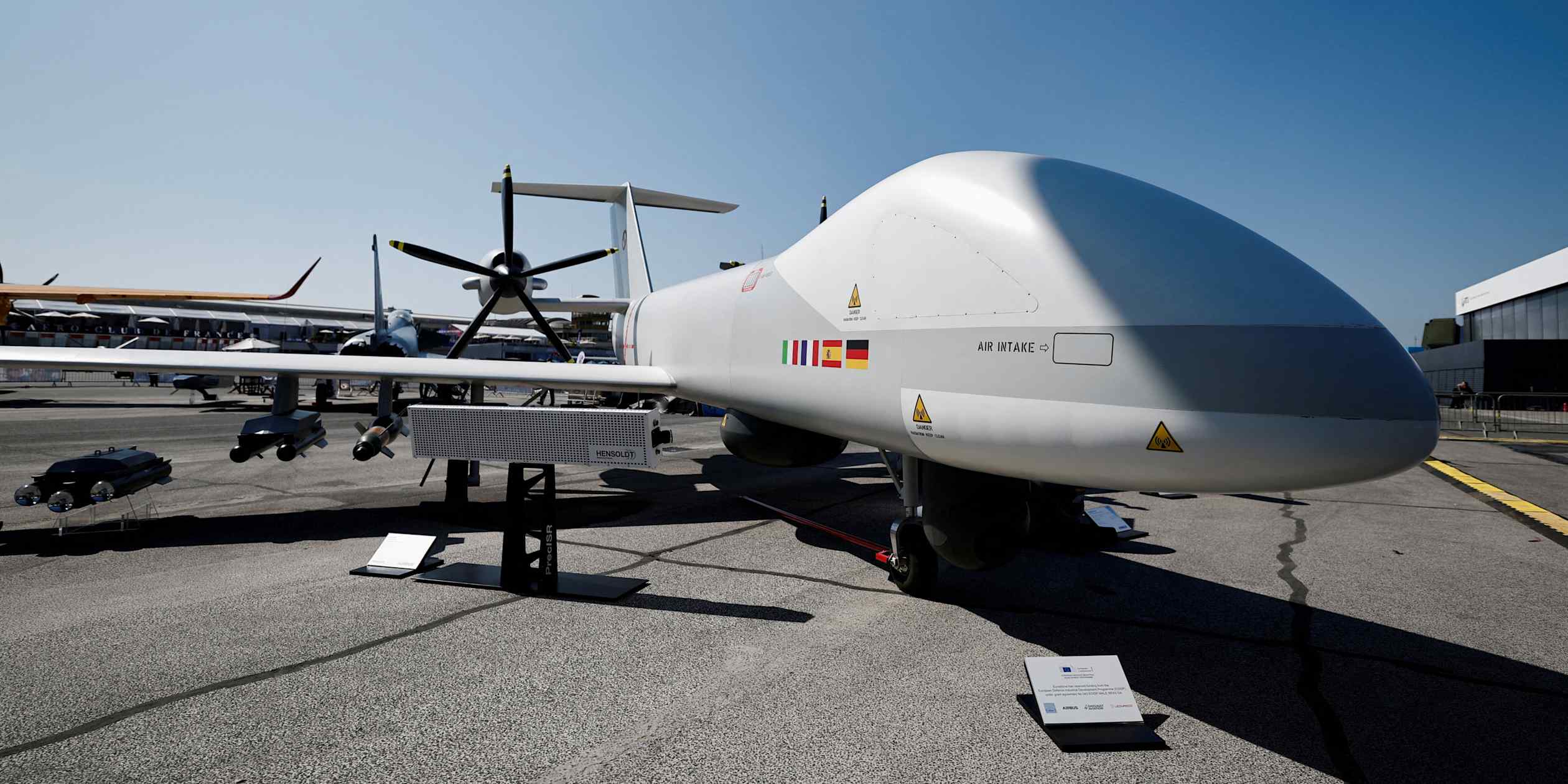
Kawasaki Heavy and Airbus to team up on anti-submarine drone for Japan
Kawasaki Heavy Industries is collaborating with Airbus to develop anti-submarine drones, aimed at enhancing Japan's maritime defense capabilities. This partnership, announced on June 26, 2026, will focus on equipping the existing Eurodrone with advanced maritime surveillance technology provided by Kawasaki. The initiative is intended to bolster Japan's defense strategy and will be proposed to the country's defense ministry for consideration. The collaboration reflects a growing emphasis on integrating advanced technology into national defense systems, particularly in response to regional security challenges.
Kawasaki Heavy to partner with Nvidia on physical AI, open US robot center
Kawasaki Heavy Industries is collaborating with Nvidia to develop innovative solutions that merge robotics with physical artificial intelligence. This partnership, which includes contributions from Microsoft and Fujitsu, will establish a joint development center in Silicon Valley. The initiative aims to enhance Kawasaki's robotics applications by integrating Nvidia's advanced AI technology. This strategic move comes as the demand for AI-driven solutions in various industries continues to grow, with expectations that physical AI will significantly impact a large portion of companies in the coming years. The collaboration reflects a broader trend of Japanese and U.S. firms working together to advance AI technologies, particularly in sectors such as manufacturing and healthcare.
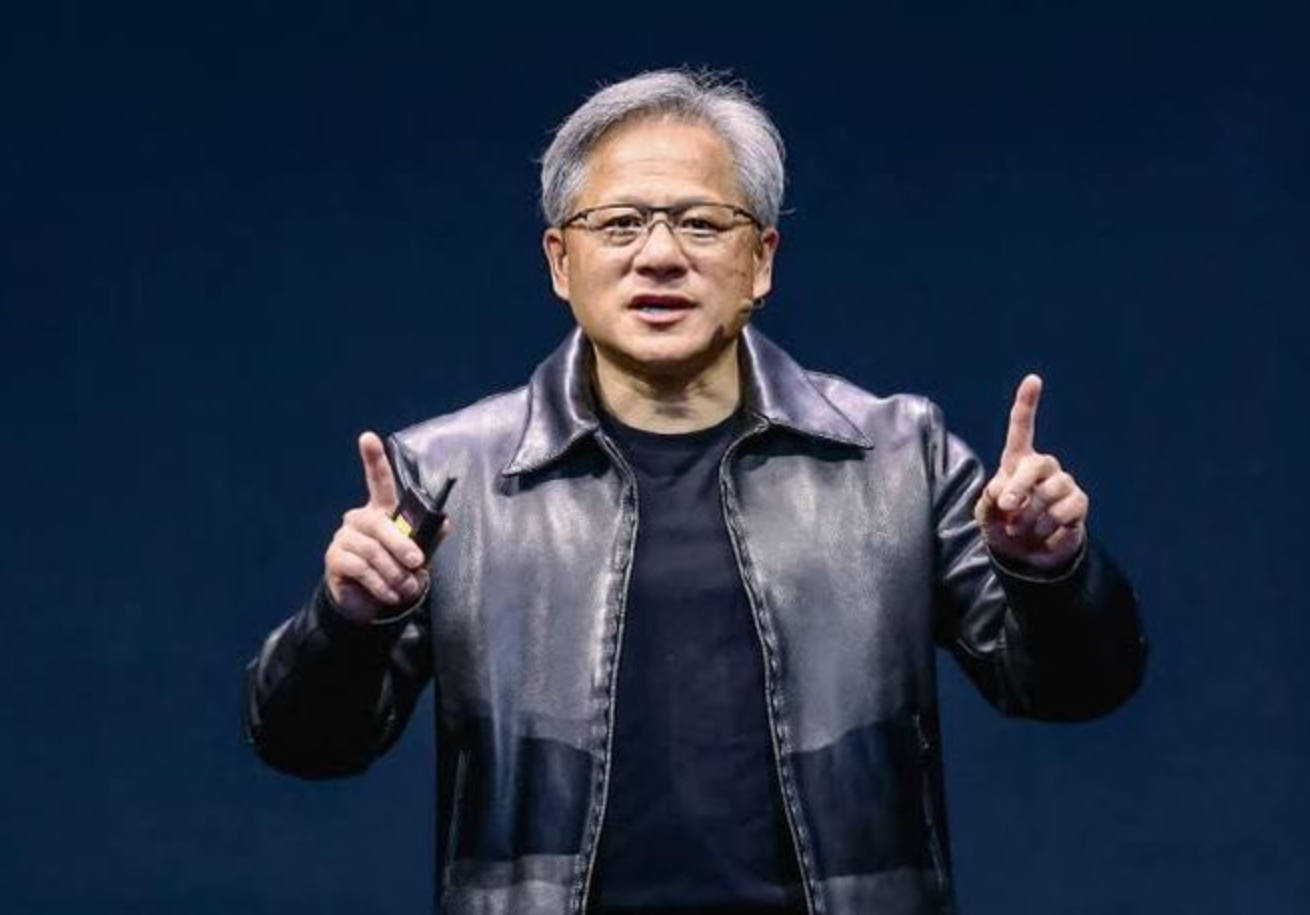
NVIDIA's CEO Jensen Huang Announces Expansion of Physical AI Collaboration in Japan
On July 16, NVIDIA CEO Jensen Huang announced an expansion of collaboration with Japanese companies in the field of 'physical AI' during an event in Tokyo. This initiative marks a strategic move to integrate NVIDIA's technology into Japan's manufacturing sector, particularly through a partnership with Toyota to develop AI models for the Woven City traffic control system. The collaboration with Toyota is central to NVIDIA's strategy, as the company will provide GPUs and development tools to Toyota's subsidiary, Woven by Toyota. This partnership aims to embed NVIDIA's technology into the city's digital twin platform, Omniverse, enhancing factory production and driving manufacturing robots with the Isaac platform. Additionally, Huang revealed plans to deepen cooperation with major Japanese industrial automation firms, including Fujitsu, Fanuc, Yaskawa Electric, and Kawasaki Heavy Industries, as part of the Cosmos Coalition. This initiative aims to strengthen Japan's position in the global AI robotics market, with a government goal of achieving a 30% market share by 2040. No further timeline was disclosed at the time of publication.
Physical AI Robotics Industrial Automation AI Technology
Nvidia Launches Cosmos 3 Edge AI Model and Expands Physical AI Ecosystem in Japan
Nvidia has introduced its new AI model, Cosmos 3 Edge, aimed at enhancing physical AI applications in Japan. This model is designed to help systems perceive and navigate real-world environments, marking a significant step in Nvidia's strategy to penetrate the physical AI market. The expansion is part of CEO Jensen Huang's visit to Japan, where Nvidia is forming partnerships with local industrial leaders such as Fujitsu, Hitachi, and Kawasaki Heavy Industries. Huang emphasized the potential for Japan to reinvent its manufacturing sector for intelligent industries, highlighting the country's historical significance in modern manufacturing. Looking ahead, Nvidia is also targeting Japan's healthcare and biotechnology sectors, collaborating on initiatives like the Tokyo-1 AI drug discovery consortium. With Japan's AI market projected to reach $27.9 billion by 2029, Nvidia's efforts could significantly influence the landscape of AI adoption in the region. No further timeline was disclosed at the time of publication.
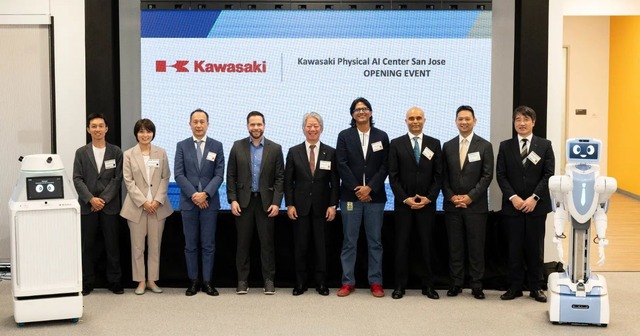
川崎重工、シリコンバレーにフィジカルAI拠点を開設 NVIDIA・Microsoft・富士通・Analog Devicesと協業へ
Kawasaki Heavy Industries announced the opening of the Kawasaki Physical AI Center San Jose in San Jose, California, on May 22, 2026. This new facility aims to accelerate collaboration between Japan and the United States in the fields of artificial intelligence and semiconductors. The center will work closely with major technology companies, including NVIDIA, Analog Devices, Microsoft, and Fujitsu, to promote advancements in physical AI implementation. This initiative reflects Kawasaki's commitment to fostering international partnerships and driving innovation in cutting-edge technology sectors.
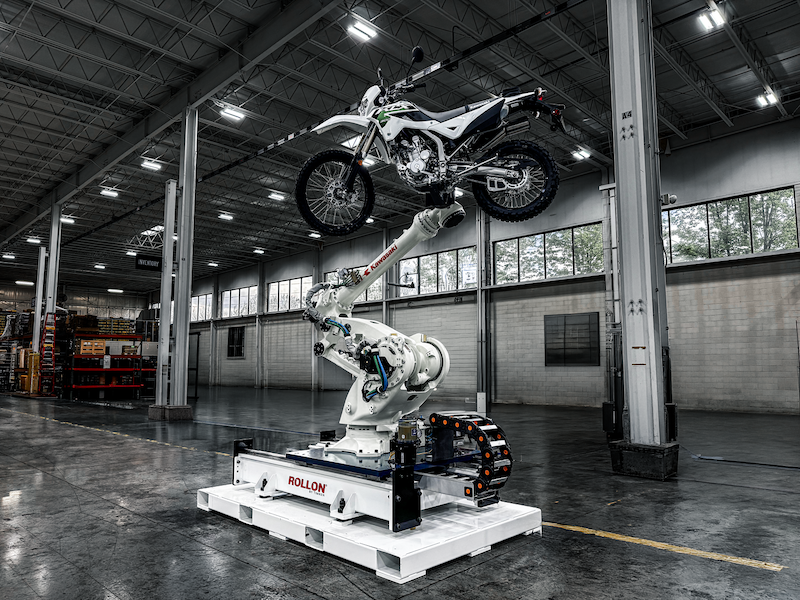
Kawasaki Robotics showcases 8-axis Physical AI robot and intelligent automation technologies at Automate 2026
Kawasaki Robotics unveiled its latest advancements in automation technology at the Automate 2026 trade show held in Chicago. The event, which took place recently, highlighted the transformative impact of robotics, artificial intelligence, machine learning, vision systems, and real-time control on industrial automation. A key feature of the showcase was the introduction of the new “RL030N” robot platform, which boasts eight degrees of freedom and is specifically designed for Physical AI applications. This innovation reflects Kawasaki Robotics' commitment to pushing the boundaries of automation and enhancing operational efficiency across various industries.
Industrial robots News Robotics 8-axis robot Automate 2026 BA013L
Kawasaki Robotics and Dexterity Expand Collaboration to Scale Physical AI for Warehouse Logistics
Kawasaki Robotics has unveiled the RL030N, an advanced 8 DoF (degrees of freedom) robot arm platform that integrates cutting-edge industrial robot engineering with Dexterity's Mech hardware and Foresight World Model technology. This innovative platform aims to enhance automation capabilities across various industries by providing greater flexibility and precision in robotic tasks. The announcement was made during a recent technology expo held in Tokyo, showcasing the latest advancements in robotics and automation. By combining expertise from multiple sectors, the RL030N is designed to meet the growing demand for sophisticated robotic solutions that can adapt to complex environments and tasks. The collaboration between these industry leaders highlights a commitment to pushing the boundaries of what robotic systems can achieve, ultimately aiming to improve efficiency and productivity in manufacturing and other applications.
Kawasaki Robotics to debut RL030N physical AI platform at Automate
Kawasaki Robotics is set to unveil its RL030N physical AI platform, along with its 8-DoF robot and Pulseboard inspection technology, at the upcoming Automate event. This showcase, scheduled for later this month, aims to demonstrate the company's vision for intelligent automation solutions. By integrating advanced robotics with AI capabilities, Kawasaki Robotics seeks to enhance operational efficiency and precision in various industries. The introduction of these innovative systems reflects the growing demand for automation technologies that can adapt to complex tasks and improve productivity in manufacturing and beyond.
Arms / Manipulators Artificial Intelligence Automotive Cobot Arms Controllers Events
From Vienna to Industry: The Journey of LingSi Intelligent's Heavy-Duty Robotic Dog
At the ICRA 2026 conference in Vienna, LingSi Intelligent unveiled its cutting-edge four-legged robot designed for heavy load transportation. Established in 2023, the company has rapidly made a name for itself in the robotics sector by prioritizing practical applications and responding to customer demands, resulting in notable sales across multiple industries. The showcased models, D50 and D50WS, exemplify the company's commitment to enhancing heavy-duty performance in difficult environments, showcasing remarkable load-bearing capabilities and operational efficiency.
Heavy-Duty Robots Robotics Industrial Automation Four-Legged Robots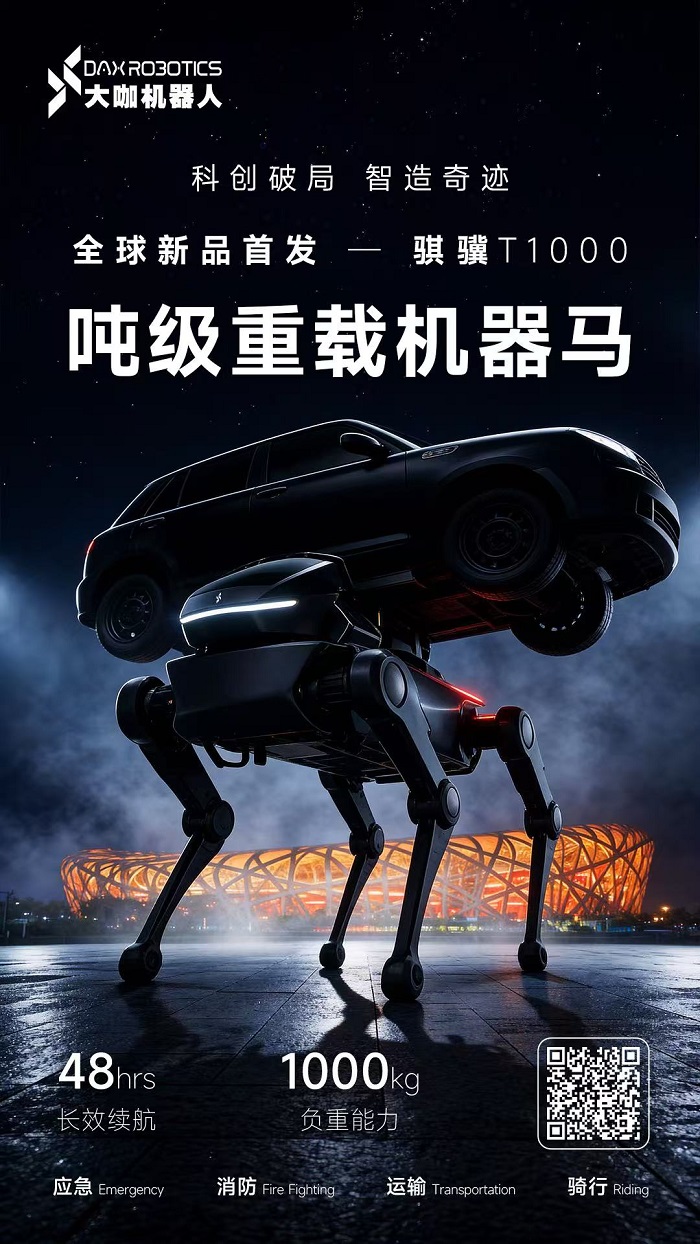
A New Era of Ton-Class Heavy Load Begins | The Global Debut of "Ton-Class Heavy Load Robot Horse" by Daka Robotics
Daka Robotics has unveiled its groundbreaking "Ton-Class Heavy Load Robot Horse," marking a significant advancement in heavy load transportation technology. The global debut took place at an industry conference held in Shanghai on October 15, 2023. This innovative robot horse is designed to efficiently transport heavy materials across various terrains, addressing the growing demand for robust logistics solutions in sectors such as construction and agriculture. The introduction of this technology comes in response to the increasing challenges faced by industries that require reliable and powerful transportation methods for heavy loads. Daka Robotics aims to enhance operational efficiency and reduce labor costs with this autonomous solution, which can navigate complex environments with ease. The robot horse is equipped with advanced sensors and AI-driven navigation systems, allowing it to operate safely and effectively in diverse conditions. This debut not only showcases Daka Robotics' commitment to innovation but also sets a new standard in the field of heavy load transportation, promising to transform how industries manage logistics in the future.
Robotics Automation AI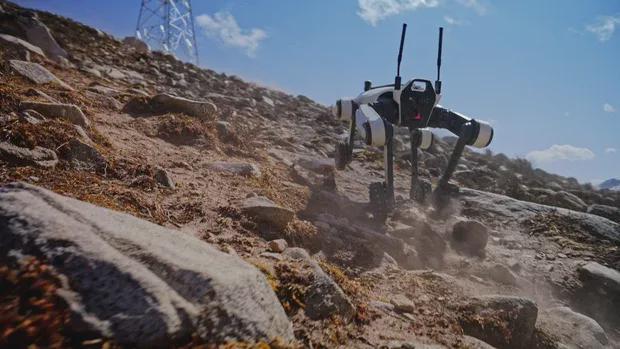
DJI-Backed Robotics Company 'Xuanji Power' Secures Hundreds of Millions in Financing, Attracting Industry Funds for 'Heavy-Duty Robot Dogs'
Xuanji Power, a robotics company specializing in intelligent platforms and core components, has successfully secured hundreds of millions in Pre-A funding. This significant investment aims to bolster the company's product development and mass production capabilities, particularly for its advanced heavy-duty robot dog, the Hypertron T01. The robot is poised for widespread deployment across various industries, enhancing operational efficiency and automation. The funding will enable Xuanji Power to accelerate its innovation and meet the growing demand for robotic solutions in diverse sectors.
Robotics Heavy-Duty Robots AI Manufacturing Automation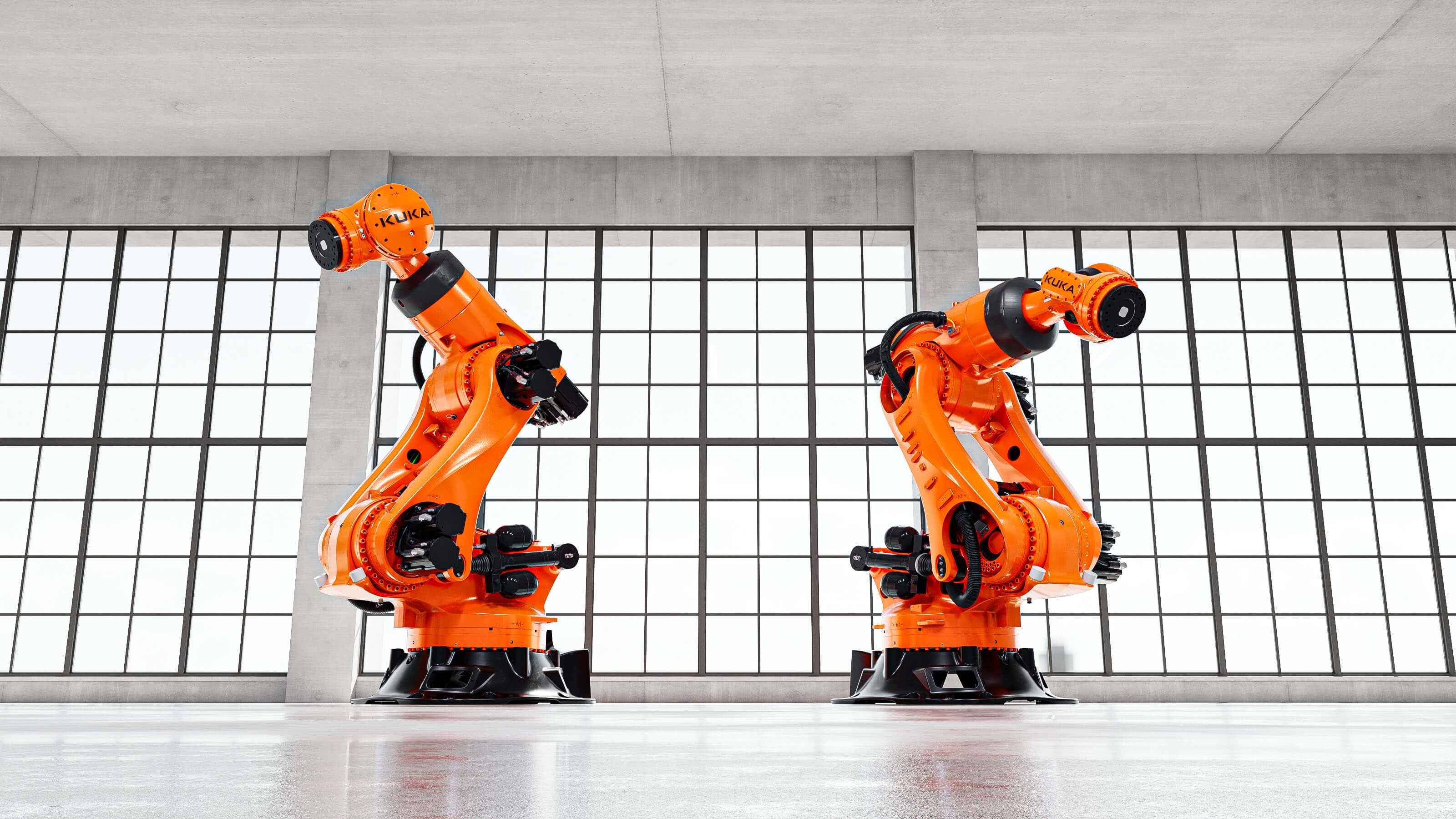
KR TITAN ultra: KUKA sets new standards in heavy-duty automation
KUKA has introduced the KR TITAN ultra, a new robot designed for heavy-duty applications, enhancing its offerings in the automation sector. This advanced robot features an impressive reach and precise dynamics, making it suitable for various industries, including automotive manufacturing, battery handling, and large component logistics. Shortly after its launch, the KR TITAN ultra was delivered to PIA Automation for integration at an automotive client, showcasing its immediate applicability in real-world settings. This development reflects KUKA's commitment to meeting the growing demands of the industry for robust and efficient automation solutions.

New membranes strip 99.8% of heavy hydrocarbons from crude oil to save refining energy
Researchers have developed a groundbreaking class of ultrathin polymer membranes known as Polymers of Locked Intrinsic Microporosity (PLIMs). This innovative material, which emerged from a collaborative effort among scientists, aims to enhance gas separation processes. The announcement was made during a recent conference held in October 2023, where experts gathered to discuss advancements in materials science. The motivation behind creating PLIMs stems from the increasing demand for efficient and sustainable methods in gas separation, which is crucial for various industries, including energy and environmental sectors. The unique structure of these membranes allows for superior performance compared to traditional materials, potentially leading to significant reductions in energy consumption and operational costs. The development process involved extensive research and experimentation to optimize the polymer's properties, resulting in membranes that are not only ultrathin but also exhibit remarkable selectivity for specific gases. This advancement could revolutionize applications such as carbon capture and hydrogen purification, addressing pressing global challenges related to climate change and resource management. As the scientific community continues to explore the potential of PLIMs, the implications for industrial applications and environmental sustainability are becoming increasingly clear, paving the way for a new era in membrane technology.
Innovation
Tattu Launches 5.0 Smart Battery Platform as Heavy-Lift Drones Demand Faster Charging and Smarter Fleet Power Management
A new platform has been developed for 100kg-class agricultural and logistics unmanned aerial vehicles (UAVs), showcasing advanced technological features aimed at enhancing operational efficiency. This innovative system integrates high-discharge performance capabilities, enabling rapid energy release during flight. Additionally, it supports 6C fast charging, significantly reducing downtime for UAVs between missions. The platform also incorporates an intelligent Battery Management System (BMS) that optimizes battery performance and longevity, while providing access to lifecycle data for better maintenance and operational planning. This development is expected to revolutionize the agricultural and logistics sectors by improving the reliability and efficiency of UAV operations, ultimately contributing to increased productivity in these industries.
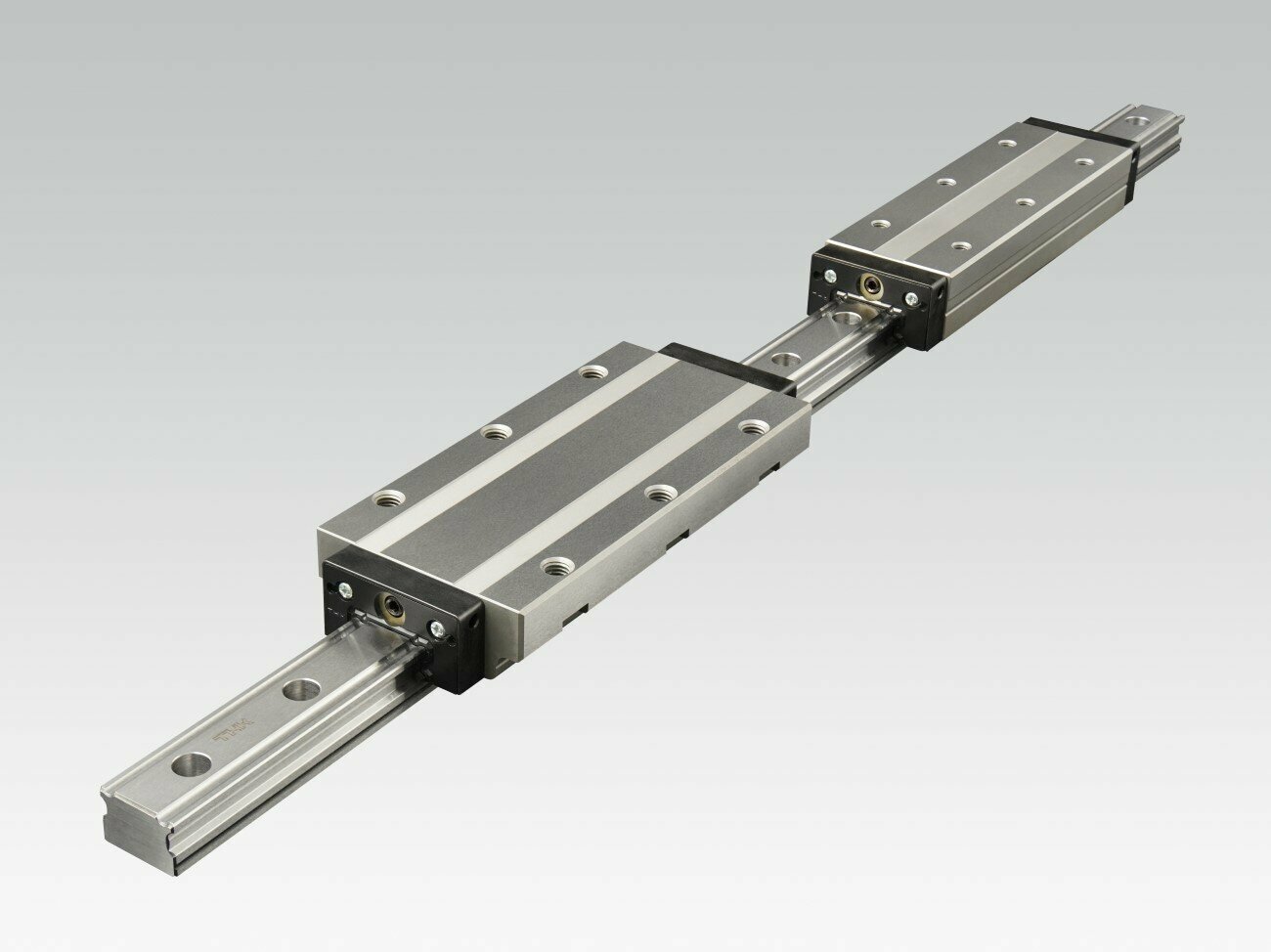
Expanded Lineup of Super-Heavy Load LM Guide Model NR-X/NRS-X for Machine Tools: 24 Super-Long Block Model Types Added
THK, a leading manufacturer of mechanical components, has announced its ongoing commitment to innovation and quality in the production of essential technologies. The company specializes in the development and manufacturing of a wide range of products, including Linear Motion systems, LM Guides, Ball Splines, Ball Screws, and electric actuators. With a global client base, THK also focuses on mechatronics products, automotive parts, and seismic isolation systems. This strategic expansion aims to meet the growing demand for advanced mechanical solutions across various industries. By leveraging cutting-edge technology and engineering expertise, THK continues to enhance its product offerings, ensuring they remain at the forefront of the mechanical components market.
THK Linear Motion LM Guides Linear bearing Linear Guide Ball Splines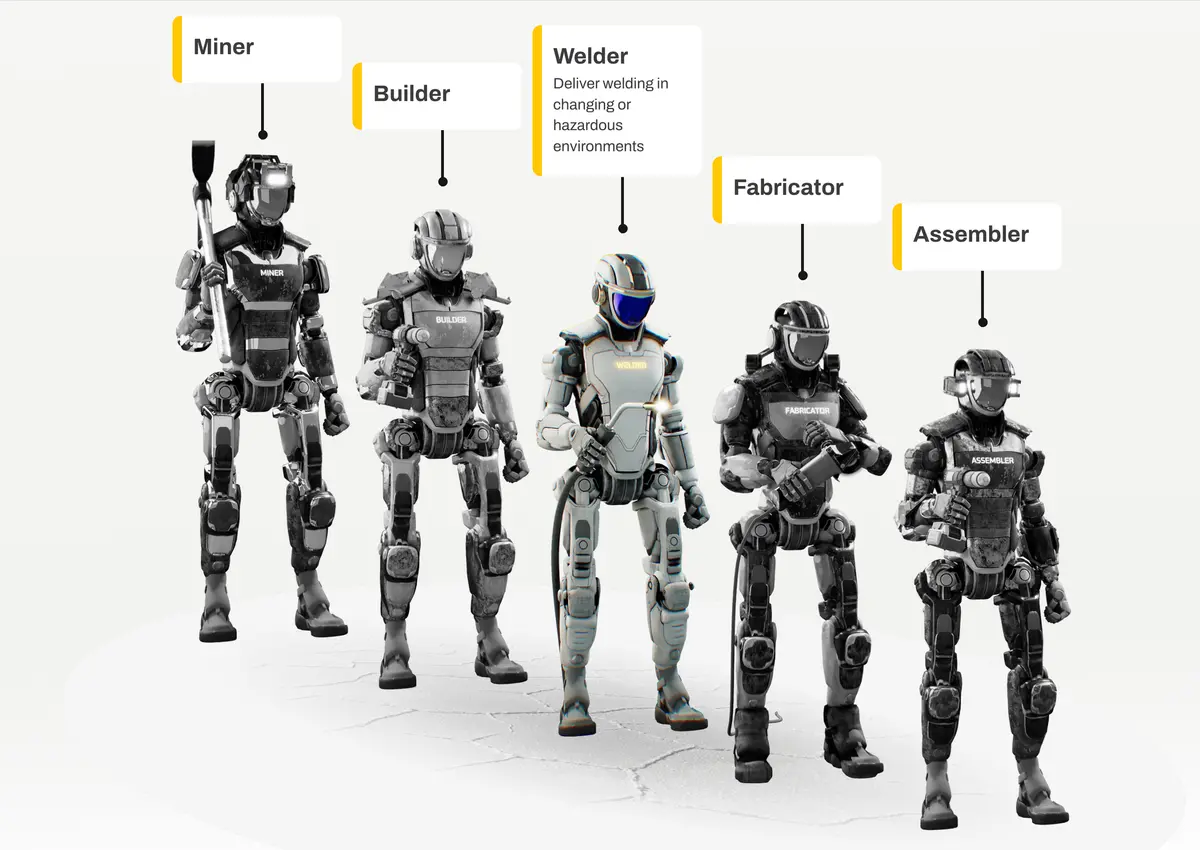
Persona AI Lands $27M Pre-Seed to Fast-Track Humanoid Robots for Heavy Industry
Persona AI, a robotics startup established in 2024, has successfully secured $27 million in an oversubscribed pre-seed funding round. This investment will enable the company to expedite the development of its humanoid robots designed specifically for the shipbuilding and industrial manufacturing sectors. The startup has set an ambitious timeline, aiming to deliver its first robots to partner HD Hyundai within the next 18 months. This funding marks a significant step for Persona AI as it seeks to innovate and enhance automation in these critical industries.
Persona AI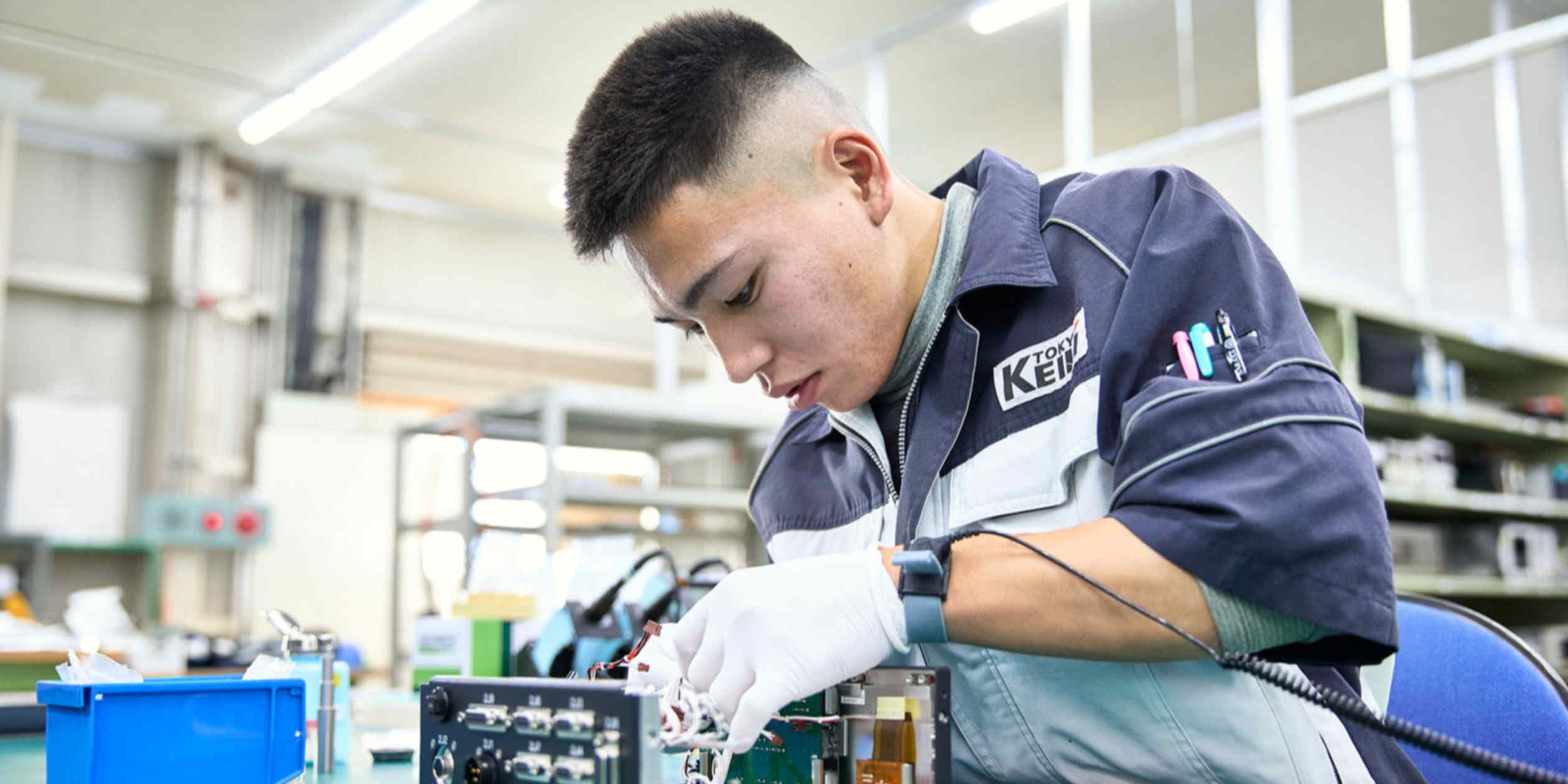
130-year-old Japan firm flies under the radar to develop antidrone tech
Aerospace & Defense Industries130-year-old Japan firm flies under the radar to develop antidrone techTokyo Keiki sees share price spike in last 3 yearsTokyo Keiki's precision equipment requires advanced technical expertise to assemble. (Tokyo Keiki)FUMIHITO ISHIZUKAJuly 7, 2026 07:15 JSTTOKYO -- A 130-year-old midsize navigation instrument company appears to hold the key to innovating in counterdrone technology.Read NextAerospace & Defense IndustriesUkraine pushes civil drone drive with Japan and TaiwanInterviewDrone industry leader urges Japan and Taiwan to get on same regulatory pageStartupsJapan startup SolaNika to test tech for charging drones with lasersChina techBeijing plane crash sharpens scrutiny of nascent 'low-altitude economy'Aerospace & Defense IndustriesKawasaki Heavy and Airbus to team up on anti-submarine drone for JapanPolicy AsiaUS defense spending demand leaves Asian allies in limboAerospace & Defense IndustriesEuropean startup to make defense drones in Japan, export across AsiaAerospace & Defense IndustriesA European nation wants to buy Japan's defense equipment, Koizumi saysBusiness dealsJapan's Terra Drone buys 2 Ukrainian drone makers in global pushAerospace & Defense IndustriesUS attack drone maker taps into Taiwan controller demandLatest on Aerospace & Defense IndustriesAerospace & Defense IndustriesUkraine pushes civil drone drive with Japan and TaiwanAerospace & Defense IndustriesJapan, UK and Italy award $6bn contract to advance next-gen fighter jetAerospace & Defense IndustriesJapan, UK, Italy to consider Canada as observer in fighter jet programSponsored ContentAbout Sponsored ContentThis content was commissioned by Nikkei's Global Business Bureau.
Jining Transforms into a Robotics Hub, Redefining Its Industrial Identity
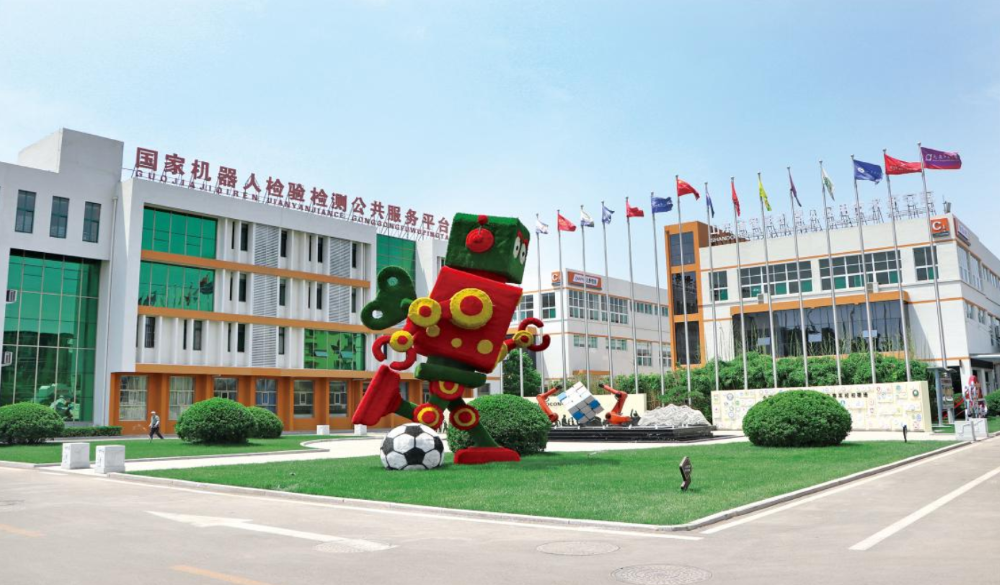
Jining, a historic city known as the hometown of Confucius and Mencius, is redefining its industrial identity through robotics. In July, the 2026 'Robot+' Innovation Development Conference took place in Jining, attracting 165 upstream and downstream robotics companies and showcasing ten practical application scenarios. The city, one of Shandong's four major robotics industry hubs, is drawing national capital with its unique approach. As a top 100 city for advanced manufacturing in China, Jining encompasses 38 of the 41 major industrial categories, including engineering machinery and biomedicine. Thousands of enterprises are advancing digital transformation and automation upgrades. The demand for robotics is particularly strong in heavy industries, coal mining, and logistics, with significant opportunities for mining robots and warehouse automation. Jining's development strategy involves differentiated growth across its districts, focusing on core components, drones, and service robots. The city has established a 500 million yuan investment fund for robotics and is prioritizing projects in key areas such as industrial robots and special-purpose mining robots. As Jining embraces robotics, it illustrates the synergy between its rich cultural heritage and intelligent manufacturing.
Robotics Industrial Automation Smart Manufacturing AI Technology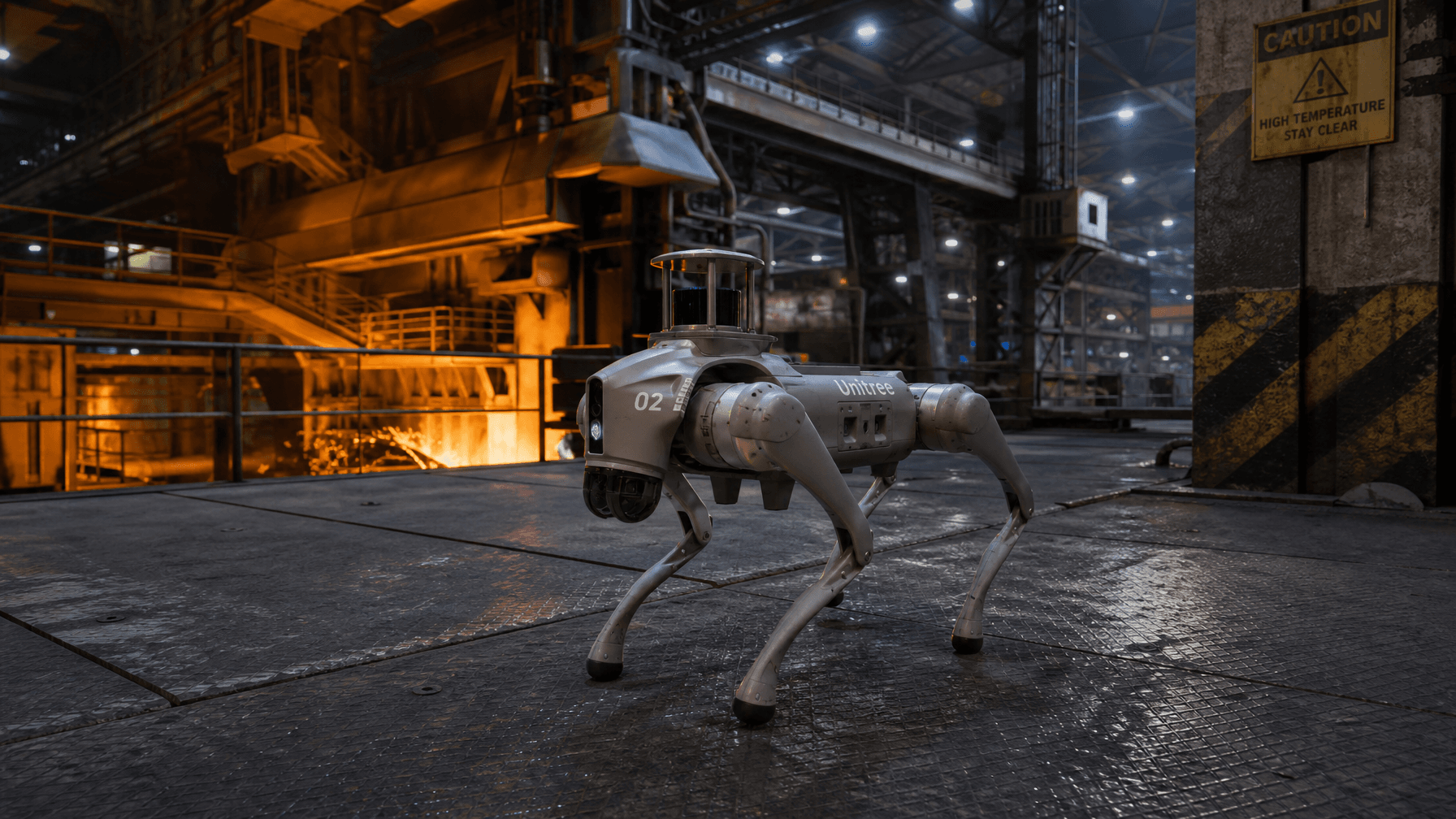
Unitree Robotics, Hunan Steel, and Looper Robotics Form Alliance for Steel Plant Inspections
Unitree Robotics has partnered with Hunan Steel and Looper Robotics to create a tripartite alliance aimed at deploying legged robots for inspections in steel plants. This collaboration signifies a notable entry of embodied AI technology into the heavy industry sector. The partnership is significant as it highlights the increasing integration of advanced robotics and AI in traditional industries such as steel manufacturing. By utilizing legged robots, the alliance aims to enhance inspection processes, improve safety, and increase operational efficiency within the steel plant environment. Looking ahead, the deployment of these legged robots could set a precedent for further advancements in industrial automation. No further timeline was disclosed at the time of publication.
Technology
Humanoid Robots Enhance Performance in Real-World Applications with New Testing Metrics
Recent advancements in humanoid robotics have led to the development of new testing methods that evaluate how effectively these robots can handle real-world forces. This shift is significant as humanoid robots transition from novelty items to practical tools in various industries, including manufacturing and logistics, where they perform tasks such as lifting heavy boxes and moving furniture. The importance of this testing lies in its ability to measure the robots' capabilities in dynamic environments, ensuring they can operate safely and efficiently alongside human workers. As these robots take on more demanding roles, understanding their physical interactions with the environment becomes crucial for their integration into workplaces, enhancing productivity and safety. Looking ahead, the continued evolution of testing methodologies will be essential for the deployment of humanoid robots in more complex scenarios. No further timeline was disclosed at the time of publication, but ongoing research is expected to yield more robust performance metrics that will guide future developments in this field.
Robotics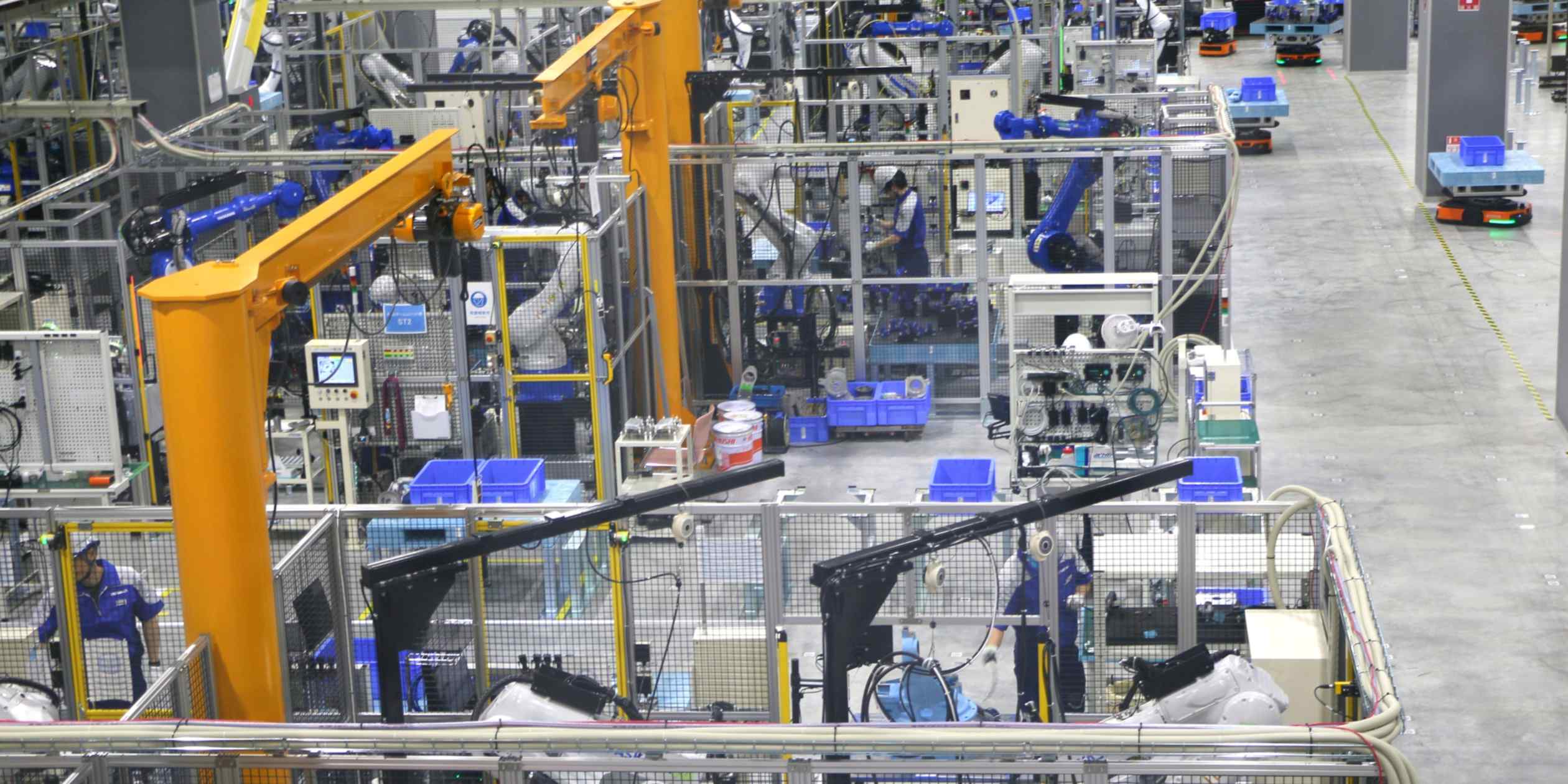
Japan eyes AI-powered comeback in factory robot race with China, Europe
Japanese industrial robot manufacturers are focusing on artificial intelligence and collaborative efforts to reclaim their previously dominant position in the global market, which has seen their market share decline to 40%. This strategic shift comes as companies like Yaskawa Electric integrate AI-powered machines into their production processes, with approximately one-third of the robots in their new factory utilizing this technology. The initiative is part of a broader effort to enhance competitiveness against rivals in China and Europe. As of July 3, 2026, in Tokyo, the push for innovation includes significant investments in AI, with plans for a public-private partnership targeting $65 billion in physical AI investment by 2040. Additionally, major players like Kawasaki Heavy are raising over $1 billion to support AI advancements, while collaborations with tech giants such as Nvidia are being established to further bolster Japan's manufacturing capabilities.
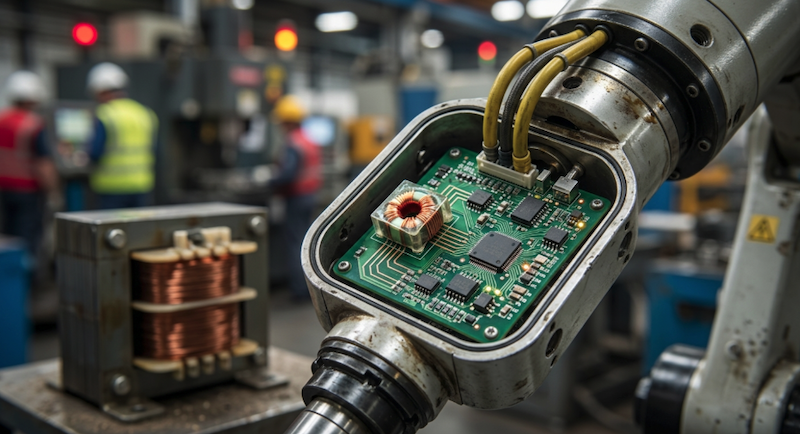
The Small Component Problem Behind More Reliable Industrial Robots
In a groundbreaking development for the manufacturing industry, advanced automation technology is transforming assembly lines and semiconductor packaging facilities. A robotic arm, capable of executing movements with sub-millimeter precision at an impressive rate of 300 cycles per minute, is at the forefront of this innovation. These robotic systems are enhanced by machine vision technology, remote input/output blocks, and sensitive microcontrollers, allowing for seamless coordination and efficiency in production processes. This technological advancement is taking place in various industrial settings, where multiple machines share a common power source through an industrial rail system. The integration of heavy CNC machines into this grid further exemplifies the collaborative nature of modern manufacturing, where precision and speed are paramount. The motivation behind this shift towards automation is to increase productivity and reduce human error in manufacturing processes. By leveraging sophisticated robotics and interconnected systems, companies aim to streamline operations and enhance overall output. As industries continue to adopt these cutting-edge technologies, the future of manufacturing looks increasingly automated and efficient, promising significant advancements in production capabilities.
Components Design Engineering Industrial robots amrs automation news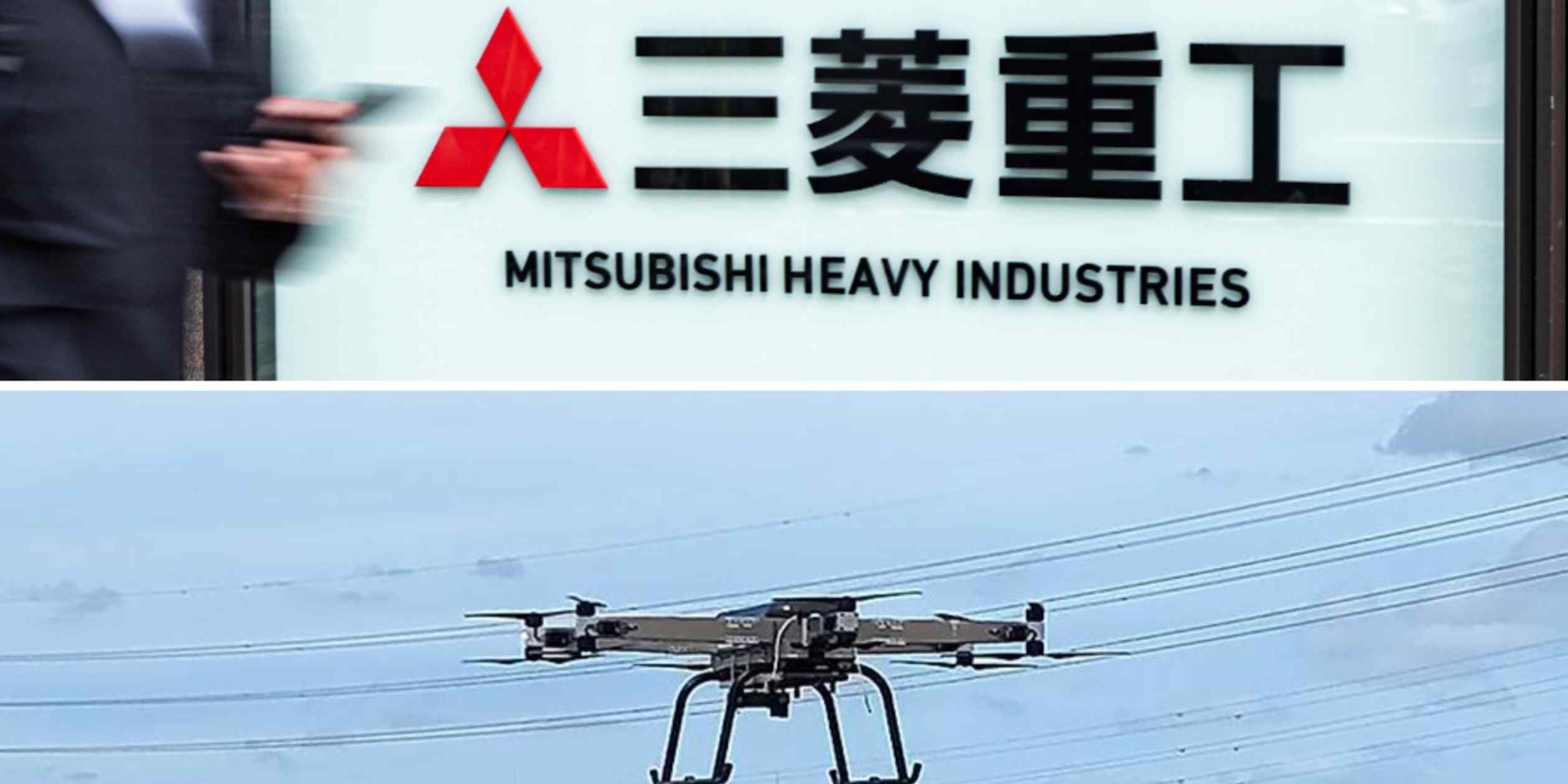
Japan's top defense contractor branches out into small interceptor drones
Mitsubishi Heavy Industries, Japan's leading defense contractor, is shifting its focus towards the development of small interceptor drones in response to the growing significance of low-cost aerial technology amid ongoing conflicts in Ukraine and the Middle East. This strategic move, announced on June 18, 2026, in Tokyo, aligns with Japan's broader initiative to bolster its domestic defense capabilities and establish a self-sufficient drone industry. The company, traditionally known for manufacturing destroyers and missiles, is investing substantial resources into this new sector, reflecting a commitment to adapt to evolving military needs and enhance national security.
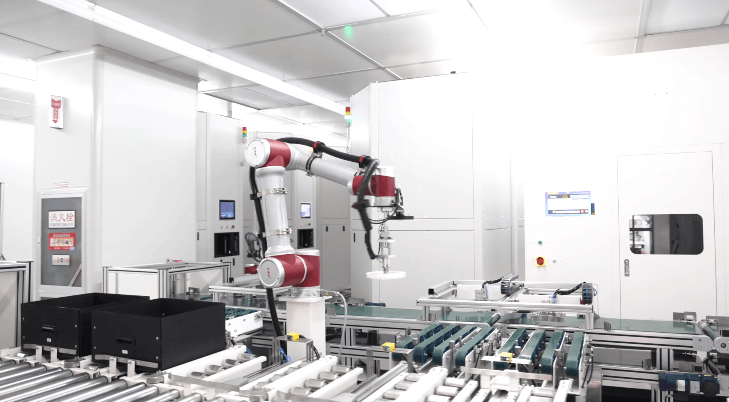
How Robotic Arms Improve Worker Ergonomics and Reduce Injury Risk
In the realm of modern manufacturing, JAKA, a leading provider of intelligent robotic solutions, is revolutionizing workplace safety and ergonomics through its advanced robotic arms, particularly the JAKA Pro16. These collaborative robots are designed to alleviate the physical strain on workers by taking over repetitive and physically demanding tasks, such as polishing, grinding, and material handling. By doing so, they significantly reduce the risk of musculoskeletal disorders and work-related injuries that often arise from prolonged repetitive motions and heavy lifting. The JAKA Pro16, notable for its high payload capacity and IP68 protection, is engineered to operate efficiently in harsh environments, lifting heavy loads with precision while minimizing the potential for strains and sprains associated with manual labor. Its robust design ensures stable operation, enhancing safety during heavy-duty tasks. Moreover, JAKA's commitment to ergonomic design allows for flexible deployment and easy programming, enabling manufacturers to adapt their workflows to better suit workers' needs. This adaptability not only improves worker comfort but also fosters a safer working environment. As industries increasingly prioritize worker well-being, JAKA's innovative approach illustrates how integrating collaborative robots into manufacturing processes can lead to safer, more efficient workplaces. By investing in such technologies, companies can protect their workforce while promoting sustainable production growth.
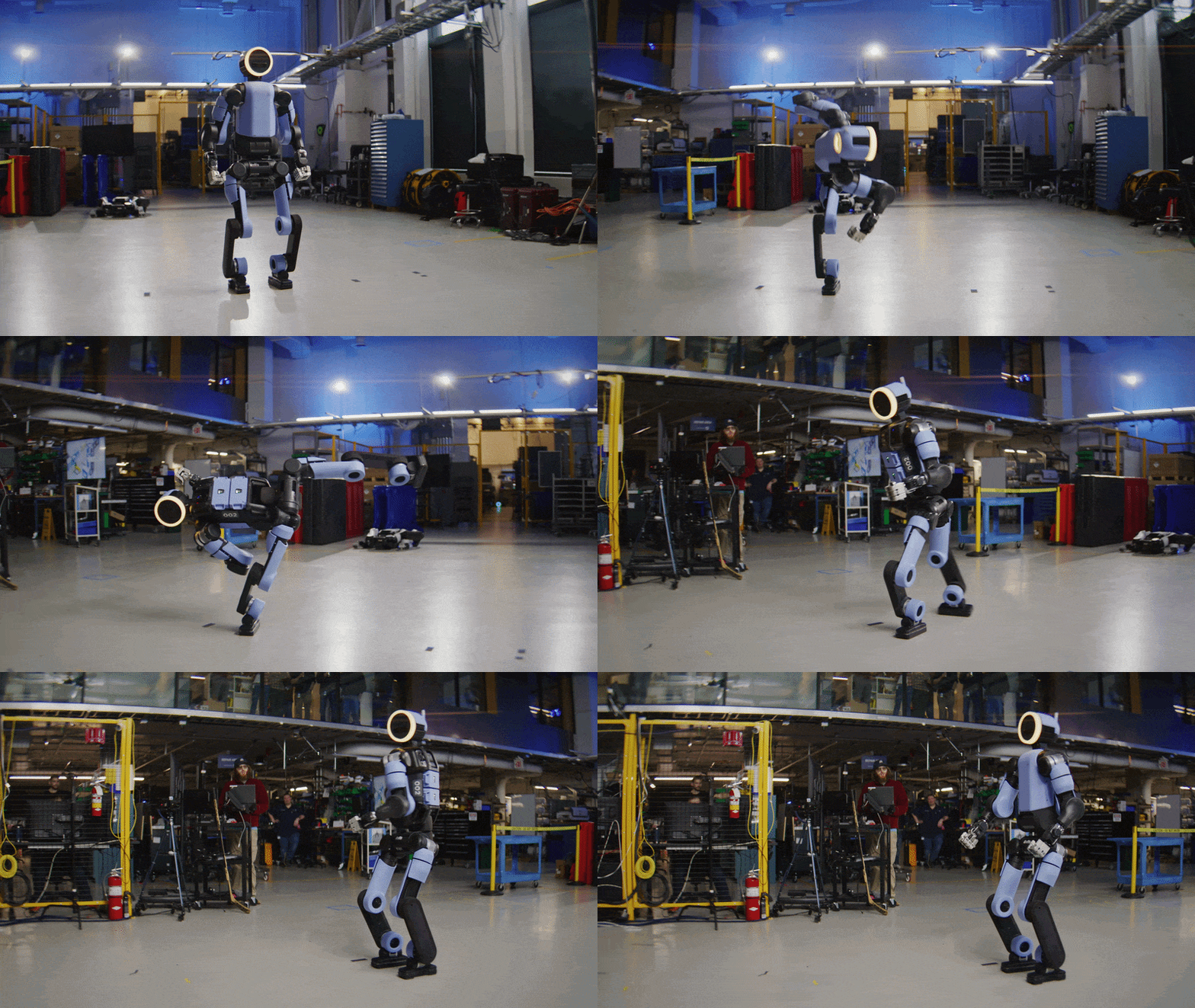
Video Friday: Atlas Versus a Fridge
IEEE Spectrum robotics has released its latest edition of "Video Friday," showcasing a variety of innovative robotics videos and announcing upcoming robotics events scheduled for 2026. Notable events include ICRA 2026 in Vienna from June 1-5, and the Summer School on Multi-Robot Systems in Prague from July 29 to August 4. Among the highlights, Boston Dynamics' Atlas robot demonstrates significant advancements in strength and adaptability, showcasing its ability to lift heavy objects and navigate complex environments using advanced reinforcement learning and control systems. This marks a pivotal moment for humanoid robots as they transition from laboratory settings to dynamic industrial applications. Additionally, the SpikerBot, a robot designed to be programmed by wiring neurons instead of traditional coding, has successfully reached its funding goal on Kickstarter. Other innovations include wheeled-legged robots that enhance mobility and a biomimetic robotic hummingbird developed at the Advanced Vertical Flight Laboratory, which mimics natural flight dynamics. The release also features advancements in construction technology, with Dusty Robotics introducing the FieldPrinter 2, a more efficient and intelligent version of its predecessor, and Noble Machines showcasing their autonomous robots designed for hazardous industrial tasks at NVIDIA GTC 2026. These developments reflect a broader trend in robotics, where technology is increasingly integrated into real-world applications, enhancing efficiency and safety across various industries.
Humanoid-robots Video-friday Robot-videos Educational-robots Biomimetics Quadruped-robots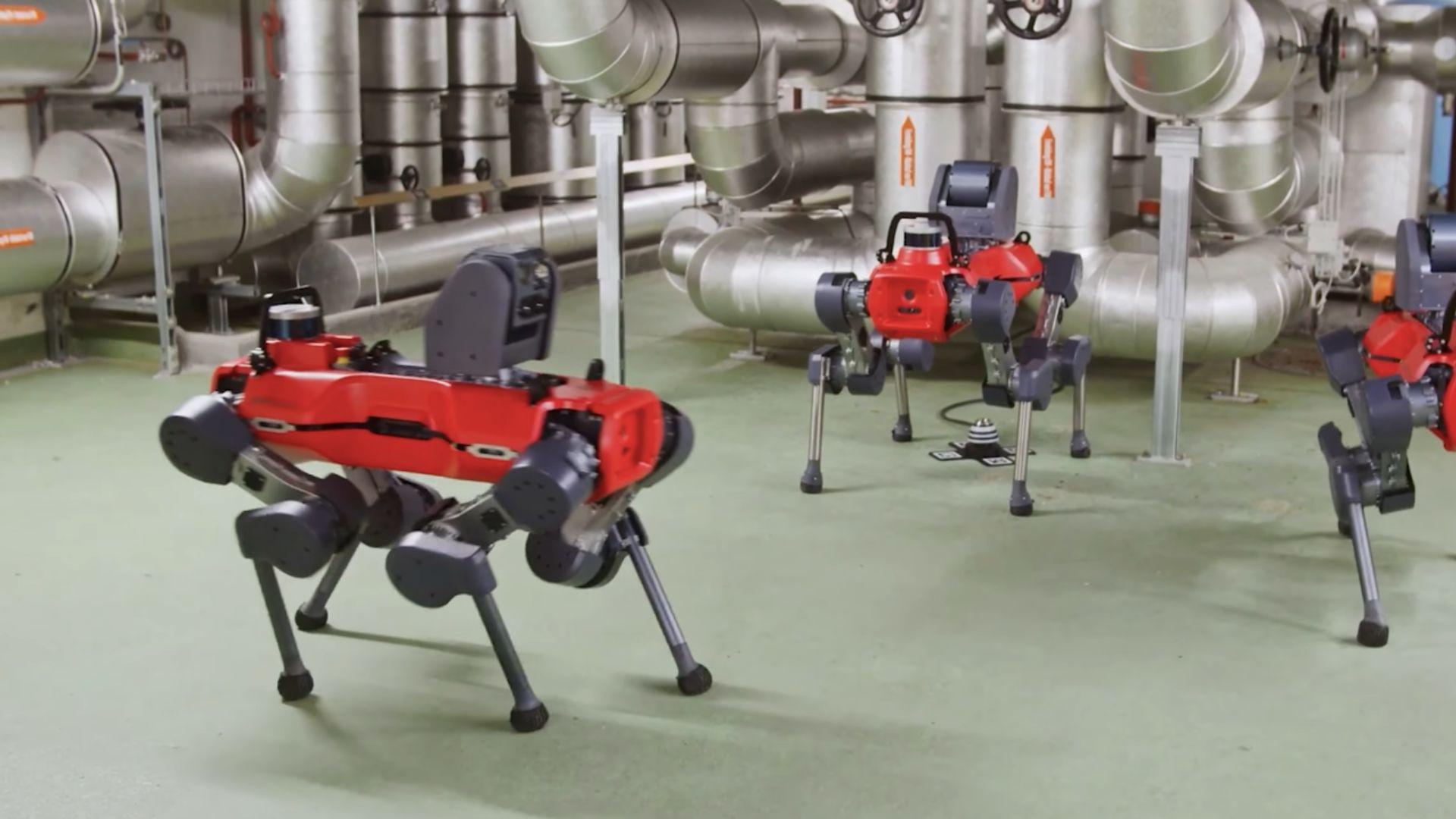
Video: New robot dog hunts tiny gas leaks at Norway’s massive carbon storage hub
In a significant shift, heavy industry is evolving to prioritize worker safety in hazardous environments. For decades, industries such as manufacturing and construction have focused on training employees to navigate dangerous conditions. However, recent advancements in technology and a growing emphasis on workplace safety are prompting companies to redesign their operations and environments to reduce risks. This transformation is gaining momentum as industries recognize the importance of protecting their workforce while maintaining productivity. Innovations such as automation, improved safety gear, and enhanced training programs are being implemented to create safer working conditions. The push for these changes is fueled by increasing regulatory pressures and a societal demand for better labor practices. As companies invest in these new safety measures, the landscape of heavy industry is set to change, potentially leading to a reduction in workplace accidents and injuries. This proactive approach not only benefits employees but also enhances overall operational efficiency, showcasing a commitment to both human and economic factors in the industrial sector.
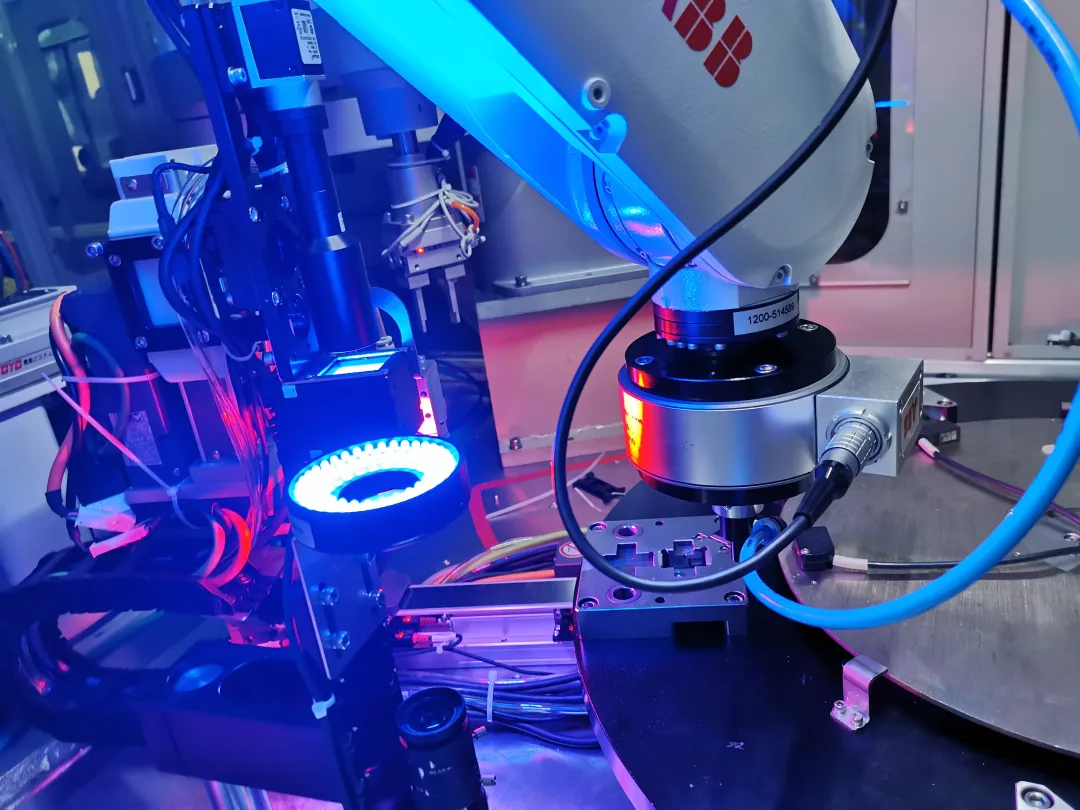
Achieving UL Certification and Supplying ABB for 15 Years: A Sensor Company's Globalization Efforts
Yuli Instruments has solidified its position as a frontrunner in the sensor industry by obtaining UL certification for several of its models. This achievement underscores the reliability and safety of their sensors, which are designed to perform exceptionally well under heavy overload conditions, making them suitable for challenging industrial applications. In addition to this certification, Yuli Instruments has also entered into long-term supply agreements with ABB, a significant player in the global technology sector. These contracts not only enhance Yuli's market presence but also reflect the growing demand for high-performance sensors in various industries. The combination of certification and strategic partnerships positions Yuli Instruments for continued growth and innovation in the sensor market.
Sensors Industrial Automation UL Certification ABB Global Supply Chain
Understanding the Different Robot Arm Types (6-Axis, SCARA, Delta): A Comparison Guide
In the evolving field of automation, selecting the right type of robotic arm is crucial for optimizing production strategies. Different robotic configurations, including 6-axis, SCARA, and Delta robots, offer unique mechanical strengths and capabilities tailored to specific manufacturing tasks. The 6-axis articulated robot, commonly found in factories, mimics human arm movements and excels in complex processes like welding and assembly due to its six degrees of freedom and flexible work envelope. In contrast, SCARA robots, known for their rigidity in the vertical axis and compliance in horizontal movements, are ideal for high-speed tasks such as pick-and-place and electronics assembly, achieving remarkable precision and faster cycle times. Delta robots, characterized by their lightweight, spider-like design, are engineered for high-speed sorting and packaging in industries like food and pharmaceuticals, making them suitable for handling lightweight items quickly. JAKA Robotics has focused on enhancing 6-axis collaborative industrial robots, offering models like the JAKA Zu and Pro series that combine power and agility for various applications, from precision assembly to heavy-duty palletizing. JAKA emphasizes "Embodied Intelligence," ensuring their robots provide precise repeatability and user-friendly operation through wireless control and intuitive programming, catering to the needs of modern smart factories.

Honeybees teach drones how to navigate
Recent advancements in drone technology are transforming various industries, with applications ranging from agricultural inspections to package delivery and industrial site monitoring. As drones become increasingly prevalent, their operational efficiency remains a challenge due to the significant computing power and memory required for navigation. This complexity results in drones that are often heavy, costly, and energy-intensive. The rapid development of drone swarms highlights the potential for these devices to revolutionize tasks, yet the need for improved navigation systems persists. As of October 2023, researchers and engineers are actively seeking solutions to enhance the performance of drones, aiming to reduce their weight and energy consumption while maintaining functionality.
Robotics
Cobot Arms vs. Traditional Industrial Robot Arms: Which Is Better?
The ongoing debate between collaborative robots (cobots) and traditional industrial automation is reshaping manufacturing strategies as companies assess their specific production needs. While traditional robots excel in high-speed, heavy-duty tasks, they require safety barriers and specialized programming, leading to higher integration costs and a larger factory footprint. In contrast, cobots are designed for flexibility and safety, allowing them to work alongside human operators without the need for fencing. They operate at lower speeds but offer a significantly lower Total Cost of Ownership (TCO) and can be easily reprogrammed and relocated, making them ideal for dynamic production environments. JAKA Robotics is at the forefront of this evolution, promoting the integration of human creativity with robotic precision through their JAKA Zu and Pro series. These systems provide high repeatability comparable to traditional robots while maintaining a safe, fence-free workspace. With an open software ecosystem and user-friendly programming interfaces, JAKA's cobots enable existing staff to manage automation without needing external consultants, thereby accelerating return on investment. Their solutions cater to various industries, including automotive, electronics, and food service, emphasizing safety and efficiency in modern manufacturing.
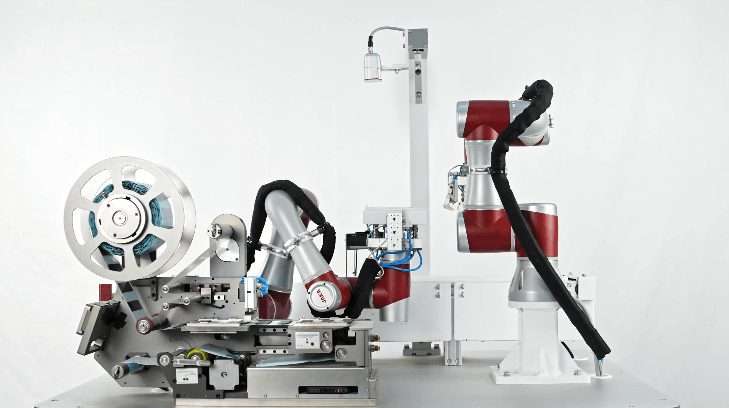
Industrial Cobots vs. Traditional Industrial Robot Systems: Which Is Better?
In recent years, manufacturing industries have increasingly turned to industrial collaborative robots, or cobots, as a more flexible alternative to traditional robotic systems. JAKA, a leader in this field, has noted a significant shift in automation strategies, with companies opting for cobots that facilitate close human interaction without the need for extensive safety measures or programming. The JAKA Pro12 exemplifies the advantages of industrial cobots, showcasing enhanced environmental adaptability with its IP68 protection, allowing it to function reliably in challenging industrial conditions. Its maintenance-free design ensures high precision while occupying minimal space, which helps reduce downtime and simplifies operations compared to traditional robots. While traditional robots are effective for high-speed and heavy-load tasks, they require more space and safety precautions. In contrast, the JAKA Pro12 can work alongside human operators, making it ideal for dynamic tasks and environments where collaboration is key. This flexibility enables companies to swiftly adapt to changing production demands, a capability often lacking in conventional setups. Cost considerations for implementing cobots involve various factors, including integration complexity and required peripherals. JAKA assists clients in navigating these elements, demonstrating how cobots can lead to lower long-term operational costs through reduced maintenance and quicker deployment times. Ultimately, the decision between industrial cobots and traditional robots hinges on the specific needs of each manufacturing operation. JAKA's cobots offer a compelling blend of safety, flexibility, and precision, making them an attractive option for companies seeking versatile automation solutions.

Path Robotics Launches Rove, Bringing Mobility to Welding Automation Powered by Physical AI
Path Robotics has unveiled Rove™, a mobile robotic welding system that integrates its advanced Obsidian™ physical AI model with a quadruped robot, marking a significant advancement in welding automation. Announced on April 16, 2026, this innovative system allows for intelligent welding directly at the workpiece, rather than requiring the part to be moved to a fixed welding cell. This development comes at a crucial time as industries face skilled welder shortages and the challenges of large-scale fabrication environments, such as shipbuilding and heavy construction. Rove is designed to operate effectively in high-variability settings, overcoming the traditional limitations of legged robots in precision welding. Early adopter Saronic Technologies, a leader in autonomous maritime vessels, is set to evaluate Rove's capabilities in its shipbuilding operations in Franklin, Louisiana. John Morgan, Head of Manufacturing at Saronic, emphasized the importance of adaptable tooling in modernizing shipyard operations. The Rove system will be showcased at the Sea-Air-Space 2026 maritime expo in National Harbor, Maryland, from April 19 to 22, where attendees can witness its capabilities firsthand. Path Robotics aims to revolutionize manufacturing processes by combining artificial intelligence, machine learning, and computer vision to enhance production quality and efficiency. For more information, interested companies can visit Path Robotics' website.
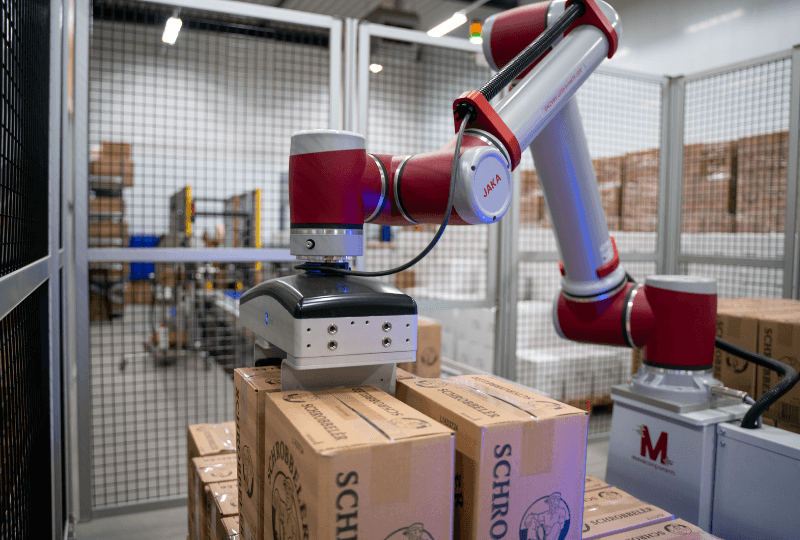
Palettiseur cobot pour l'automatisation à grande vitesse
In the modern manufacturing sector, repetitive tasks like palletizing can drain valuable human resources and hinder production efficiency. To address this challenge, Just Automate has partnered with JAKA Robotics to introduce the MoveComponents® palletizing solution, designed to enable businesses to automate palletizing quickly, safely, and effectively. This innovative system integrates the precision and flexibility of the JAKA Pro 16 collaborative robot with the robust MoveComponents palletizing base, making it suitable for various industries, including food production and logistics. Enhanced by OnRobot's intuitive D:PLOY automation platform, the solution simplifies implementation and operation, benefiting end-users. The MoveComponents palletizer features a stable and flexible base designed for the JAKA cobot, equipped with LED lighting for better visibility and sensors for accurate pallet detection. Its mobile design allows manufacturers to reposition the system as needed, while intuitive programming and collaborative capabilities facilitate rapid automation without complex planning or custom integration. The MoveComponents solution has already proven effective for companies across Europe. For instance, a Dutch distillery faced challenges with manual stacking of heavy crates. With the MoveComponents palletizer, the system became operational in just one day, significantly reducing operator workload and increasing productivity. Similarly, a German road safety equipment manufacturer optimized its production flow by automating repetitive tasks, enhancing both productivity and employee safety. What sets this cobot palletizer apart is its robust design, collaborative flexibility, and ready-to-use automation, making it an ideal solution for manufacturers seeking to reduce manual labor and streamline operations, particularly in mixed and low-volume production environments. This accessible and cost-effective system offers immediate availability and transparent pricing, making automation attainable for small and medium-sized enterprises.

StepUp NEO: Advancing Field-Oriented Passive Exoskeleton Design
Workers in various industries face significant risks to their musculoskeletal health due to repetitive bending, lifting, prolonged standing, and heavy material handling. These activities contribute to injuries, diminished productivity, and increased turnover rates among the workforce. In response to these challenges, advancements in automation and innovative designs are being explored to mitigate these issues. One notable development is the StepUp NEO, a field-oriented passive exoskeleton designed to alleviate the physical strain on workers. This initiative aims to enhance worker safety and efficiency by providing support during demanding tasks. As industries continue to evolve, the integration of such technologies is crucial for promoting a healthier and more sustainable workforce.

How Kollmorgen Motion System Powers a Cable Robot to Triple Throughput
A new robotic system, the ROCAP, has been introduced to enhance operational efficiency in large-scale work environments. This innovative technology is capable of covering an area of up to 900 square meters and can lift payloads weighing as much as 250 kilograms. Designed to accommodate various end effectors, the ROCAP is anchored to the existing structure of the facility, which allows it to operate without the need for cumbersome gantries and rails. This development aims to streamline workflows and improve productivity in industries that require handling of heavy materials. The implementation of the ROCAP is expected to significantly reduce space constraints and enhance flexibility in work processes.
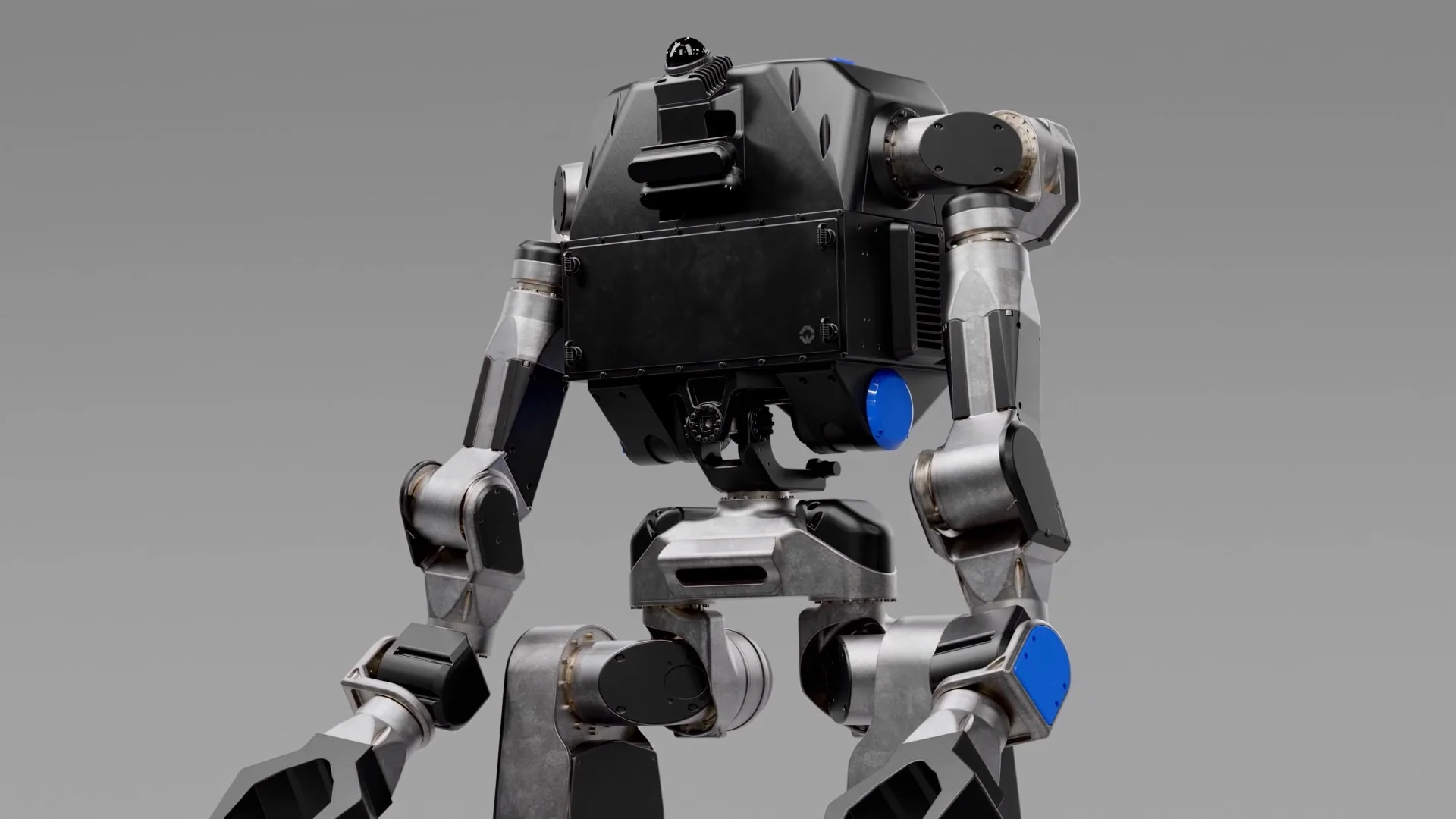
Noble Machines Exits Stealth: The "Anti-Human" Approach to Industrial Humanoids
Noble Machines, a Sunnyvale-based company formerly known as Under Control Robotics (UCR), has officially launched its operations, marking a significant shift in the industrial robotics sector. The company is set to specialize in heavy-duty, general-purpose robots designed to prioritize payload capacity and durability, distinguishing itself from competitors that focus on biomimetic designs. This strategic pivot aims to meet the growing demand for robust industrial solutions that can withstand the rigors of various manufacturing environments. With this launch, Noble Machines seeks to establish itself as a leader in the industrial robotics market, addressing the needs of industries that require reliable and powerful robotic solutions.
US Noble Machines Schaeffler product-launch
Solving Real-World Problems with Robotics That Actually Work
In a recent discussion on the future of the workforce, experts emphasized the potential of robots to take over heavy and repetitive tasks that often lead to employee burnout. By automating these behind-the-scenes operations, businesses can enable their staff to focus more on enhancing customer service and communication, ultimately improving the overall guest experience. This shift is seen as a necessary evolution in the workplace, allowing human workers to engage in more meaningful and fulfilling roles. The conversation highlights the growing trend of integrating technology into various industries, aiming to create a more efficient and satisfying work environment for employees while simultaneously elevating customer satisfaction.
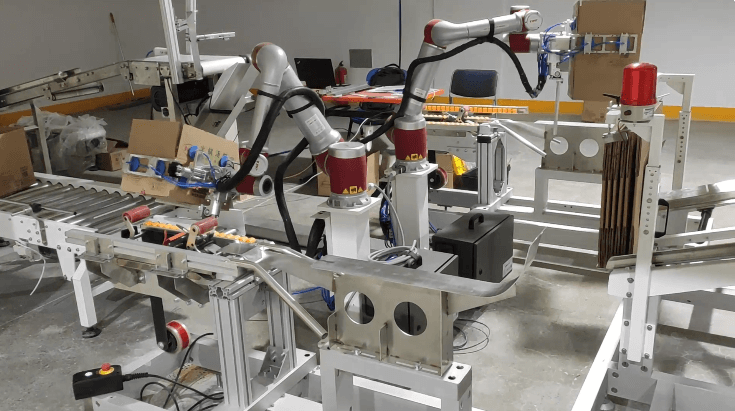
Key Features and Benefits of Cobot Arms vs. Traditional Industrial Arms
In a recent evaluation of automation technologies for production environments, JAKA highlighted the advantages of collaborative robots, or cobots, over traditional industrial robot arms. This assessment comes as businesses seek to enhance efficiency and safety in their operations. Unlike conventional robots that require fixed guarding and operate in isolated cells, cobots are designed for close human interaction, featuring safety mechanisms such as force-limiting designs and collision detection algorithms. JAKA's cobots, particularly the lightweight Zu series, offer flexibility in deployment, allowing them to be easily moved and adapted for various tasks without extensive safety barriers. This adaptability is complemented by their user-friendly programming, which enables operators to teach the robots through intuitive drag-and-drop methods, significantly reducing setup time compared to traditional robots that demand complex programming skills. Economically, JAKA's cobots present a more accessible option, as they incur lower upfront costs and installation expenses. Their versatility allows a single cobot to handle multiple tasks throughout a shift, promoting a quicker return on investment and enabling businesses to automate incrementally. While cobots may not replace all traditional robots, especially for high-speed, heavy-load applications, they represent a significant shift towards collaborative work environments, making automation more attainable for a broader range of industries. JAKA aims to refine these collaborative features, enhancing the practicality of robotic solutions for diverse production workflows.
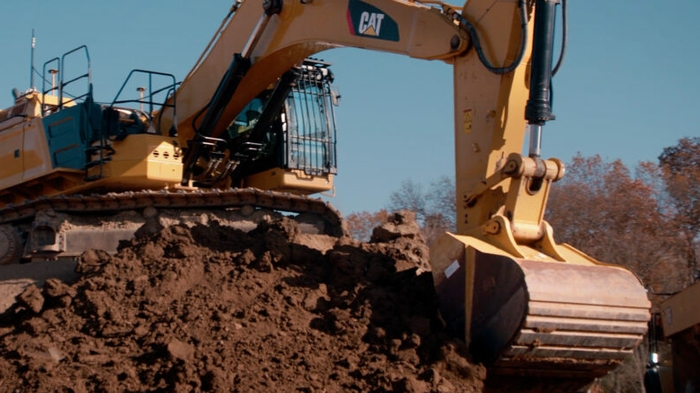
Steel, Sensors and Silicon: How Caterpillar Is Bringing Edge AI to the Jobsite
At the Consumer Electronics Show (CES), Caterpillar announced its plans to integrate NVIDIA technologies, including the advanced NVIDIA Jetson Thor and innovative speech models, to revolutionize heavy industries. This strategic move, unveiled during the event, aims to enhance operational efficiency and safety in sectors such as construction and mining. By leveraging cutting-edge AI and machine learning capabilities, Caterpillar seeks to streamline processes and improve decision-making in challenging environments. The collaboration with NVIDIA reflects Caterpillar's commitment to embracing digital transformation and staying at the forefront of technological advancements in the industry.

Japan Enters the Alliance War: ''KyoHA'' Taps Industrial Giants to Reclaim Humanoid Glory
A coalition of prominent Japanese companies, including Sumitomo Heavy Industries, Renesas, and JAE, has been established in Kyoto to create a comprehensive supply chain for humanoid hardware. This initiative aims to strengthen Japan's position in the global robotics market, reflecting similar national strategies adopted by South Korea and China. The coalition seeks to enhance collaboration among domestic manufacturers and streamline production processes, ultimately fostering innovation and competitiveness in the rapidly evolving field of humanoid robotics. By leveraging local expertise and resources, the partners intend to address the growing demand for advanced robotic solutions, positioning Japan as a leader in this technology sector.
Business Japan
Stealth Startups Emerge With Over $300 Million to Join Crowded Humanoid Robot Field
A recent report highlights that two stealth companies, Rhoda AI and Genesis AI, have successfully secured substantial early-stage funding to advance their initiatives in humanoid robotics. Rhoda AI is focusing on developing technologies for heavy lifting, while Genesis AI is concentrating on software-driven control systems. This influx of investment indicates a growing competitive landscape in the humanoid robotics sector, as these companies aim to innovate and enhance capabilities in this rapidly evolving field. The funding rounds, which have attracted significant attention, underscore the increasing interest and potential in robotics technology, particularly in applications that could transform various industries.
venture capital rhoda-ai AI genesis-ai stealth startup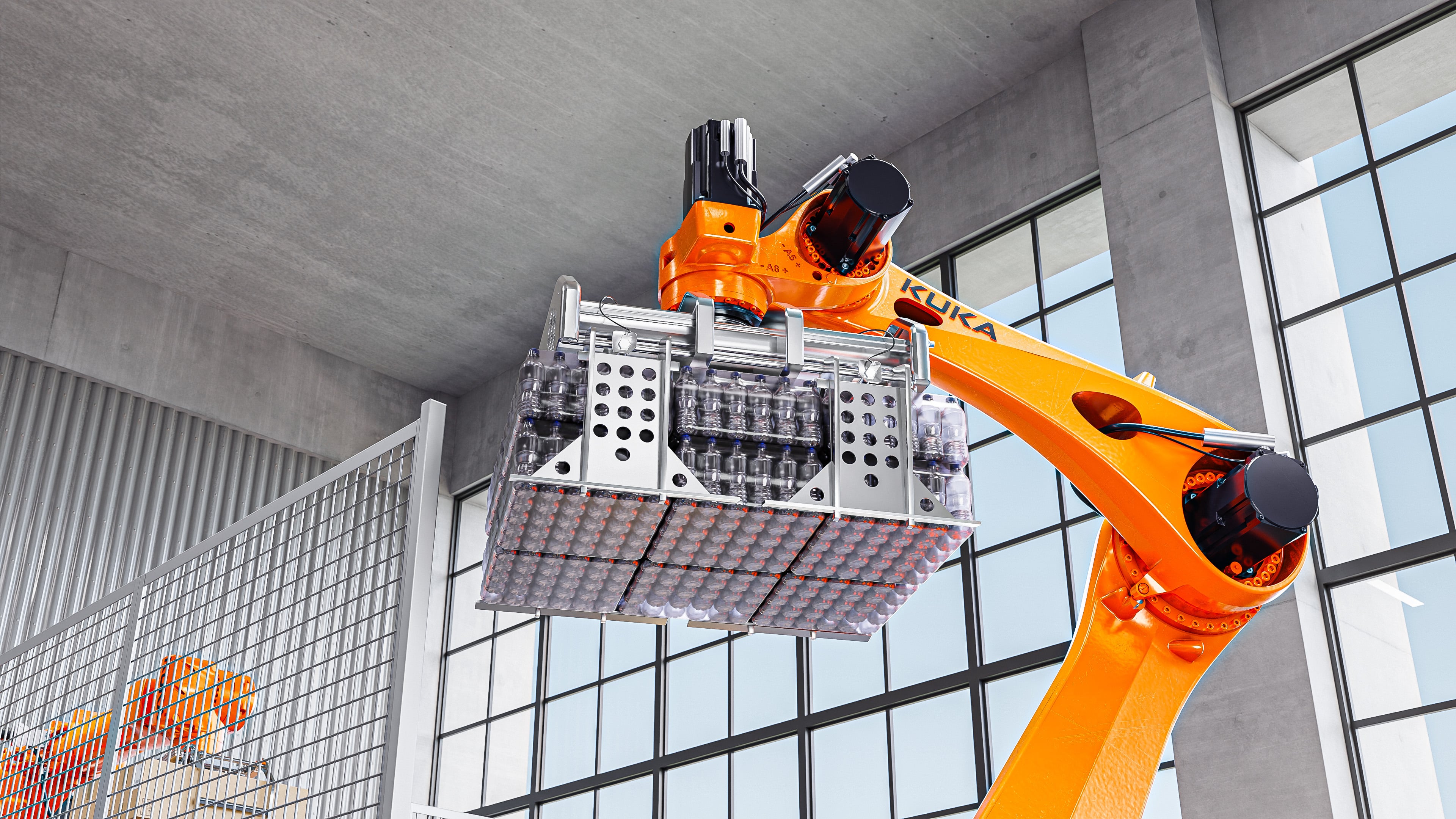
Flexible power packs for all cases: The new palletizing robot from KUKA
KUKA has expanded its heavy-duty robotics lineup with the introduction of four new palletizing robots, the KR FORTEC PA and KR FORTEC ultra PA family. These advanced robots are designed to execute a variety of palletizing tasks with remarkable speed and efficiency. Their modular design not only enhances performance but also simplifies maintenance, making it a cost-effective solution for businesses. This launch reflects KUKA's commitment to innovation in automation technology, catering to the growing demand for reliable and efficient palletizing solutions in various industries.

Japan promotes Osaka as a gateway for robotics and technology investment
Japan is intensifying its campaign to draw foreign technology firms and investors to Osaka, aiming to establish the city as a viable entry point to the Japanese market and a center for innovation in key industries, including robotics, artificial intelligence, semiconductors, and advanced manufacturing. This initiative, spearheaded by the Japan External Trade Organization (JETRO), seeks to leverage Osaka's strategic location and existing infrastructure to foster a vibrant tech ecosystem. By promoting the city as an attractive destination for international businesses, Japan hopes to enhance its competitive edge in the global technology landscape. The push comes as part of broader economic strategies to stimulate growth and diversify the country's industrial base, particularly in response to increasing global competition in technology sectors.
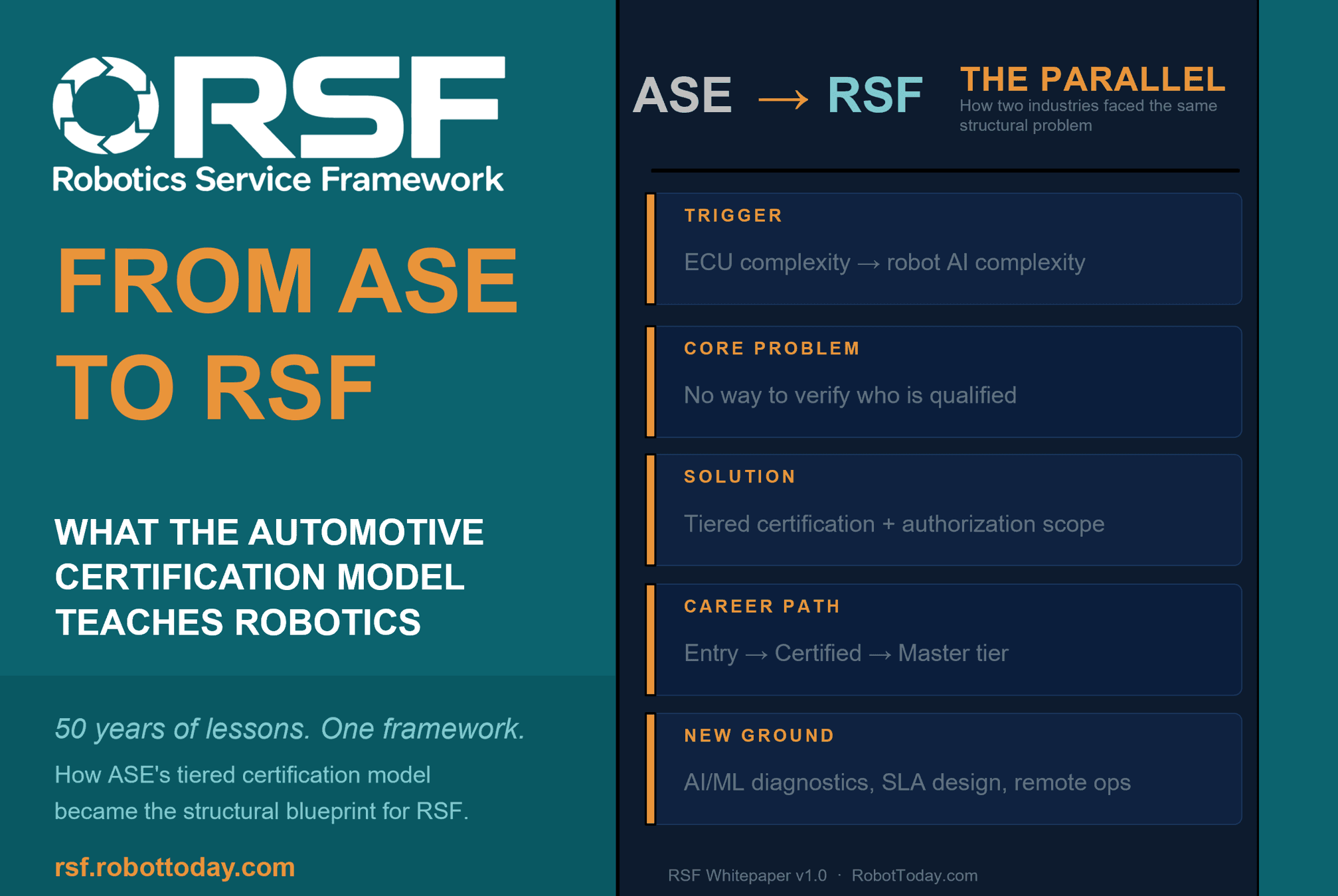
Business Economy Features advanced manufacturing ai startups artificial intelligenceRobotics needs a service framework.
RSF defines a common language for robot service capability, lifecycle operations, certification pathways, and service-provider networks.