Industry Briefing
A single destination for timely, editor-curated robotics news from around the world.

U.S. Forces Target Iranian Oil Tankers in New Retaliatory Strikes
The U.S. military has conducted strikes on two Iranian oil tankers in response to attacks by Tehran on vessels in the Strait of Hormuz. This new 'tanker-for-tanker' strategy marks a shift from previous U.S. actions, which primarily focused on enforcing a naval blockade against Iran. The strikes were carried out by U.S. Central Command (CENTCOM) as part of a broader effort to deter Iranian aggression against commercial shipping and U.S. personnel. This escalation in hostilities comes after a month-long pause in military actions between the U.S. and Iran. The Iranian government has claimed civilian casualties from the strikes, leading to retaliatory missile and drone attacks on U.S. facilities in Bahrain, Iraq, Jordan, and Kuwait. The U.S. strategy, reportedly approved by former President Trump, aims to prevent Iran from enhancing its military capabilities that threaten maritime safety in the region. Looking ahead, the effectiveness of the U.S. strikes in reducing Iranian threats to shipping in the Strait of Hormuz will be crucial. CENTCOM indicated that the recent actions have temporarily lowered the threat levels for commercial vessels. No further timeline was disclosed at the time of publication.
News & Features Around The Globe Iran Middle East Persian Gulf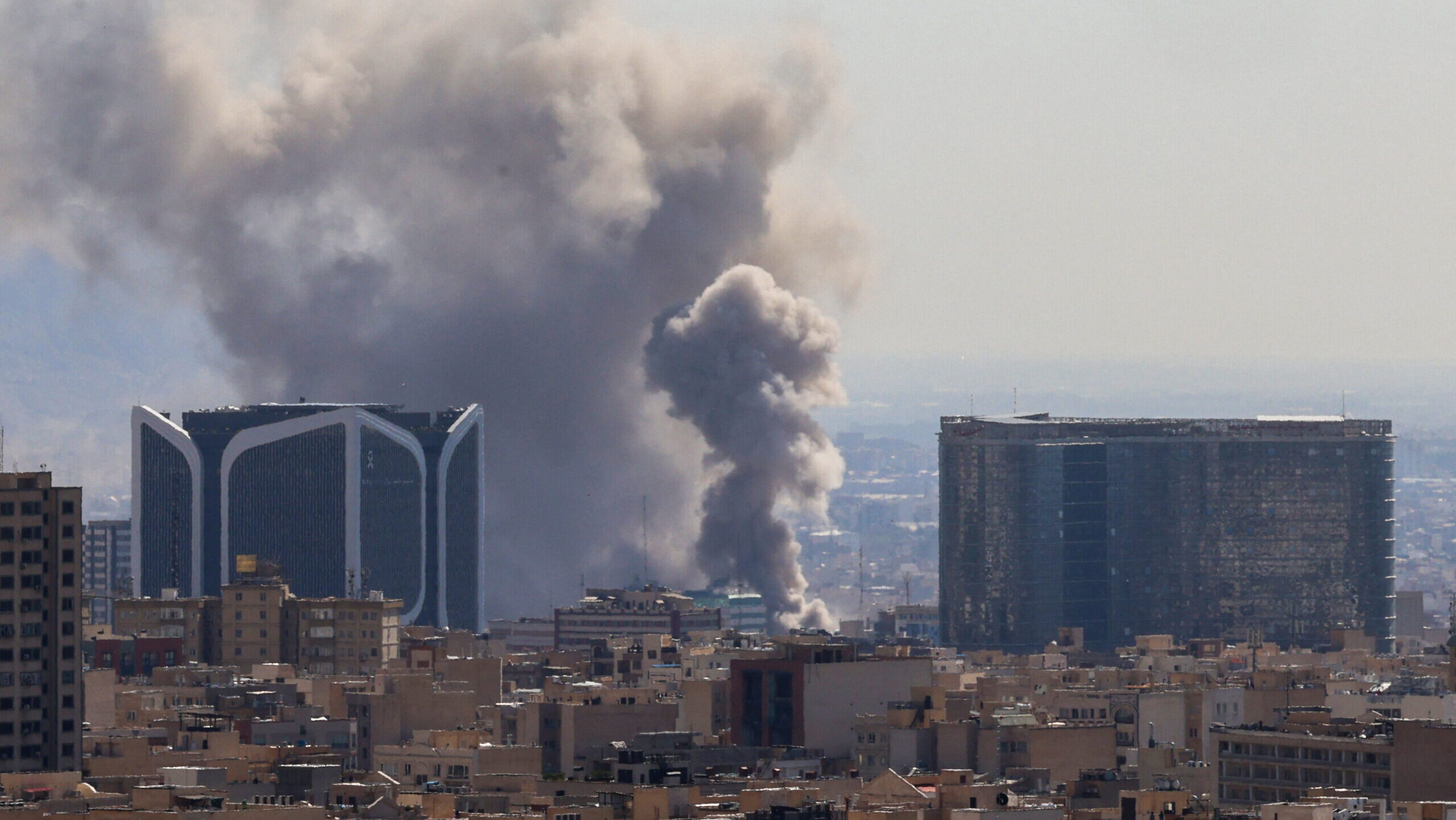
China's PLA Analyzes Lessons from the Iran Conflict for Military Modernization
China's People's Liberation Army (PLA) is studying the Iran conflict to evaluate its modernization concepts, which have not been tested in major combat for nearly five decades. The PLA believes that the conflict reinforces its focus on 'intelligentized' and systems-oriented warfare, emphasizing the importance of interconnected systems over individual platforms. The insights gained from the Iran war highlight the shift towards 'systems competition' and the need for resilience and cost efficiency in military operations. PLA scholars argue that future military advantages will depend on disrupting enemy networks rather than direct confrontations, with artificial intelligence playing a crucial role in enhancing operational effectiveness. Looking ahead, the PLA aims to integrate lessons from the Iran conflict into its military strategies, particularly in air and missile defense economics. The focus will be on balancing advanced systems with low-cost weapons and ensuring robust intelligence preparation to support AI-driven operations. No further timeline was disclosed at the time of publication.
Air Warfare Global Opinion A2/AD Air Force AMS War Research Institute
Reports Suggest Iranian Drones May Have Tracked US F-15E Before Shootdown
A recent report indicates that Iranian drones may have played a crucial role in tracking a U.S. Air Force F-15E Strike Eagle before its shootdown in April. According to a U.S. military official, these drones provided vital information regarding the aircraft's location, speed, and direction, aiding Iranian forces in targeting the fighter jet. This claim, reported by The New York Times, has not been independently confirmed by the Pentagon. The significance of this development lies in demonstrating how cost-effective unmanned systems can enhance a compromised air-defense network. Even basic drones equipped with cameras can detect aircraft and relay their positions, allowing for improved situational awareness. The report raises questions about the sensors used by Iranian drones and how tracking data was communicated to missile units, highlighting the potential for simpler drone networks to provide effective air-defense capabilities. Looking ahead, analysts are keen to understand the implications of this incident for military strategies involving drone technology. The concept of using inexpensive drones as disposable sensors could reshape air-defense tactics, as evidenced by their successful application in Ukraine. No further timeline was disclosed at the time of publication.
Military
Iran Considers Joining BRICS Development Bank for Infrastructure Financing
Iran is exploring the possibility of joining the New Development Bank (NDB) associated with BRICS. If successful, this membership would allow Iran to access funding for various infrastructure projects, including those in transportation, sanitation, and urban development. The potential membership is significant as it would provide Iran with financial resources to enhance its infrastructure capabilities. This move could help address pressing needs in urban development and public services, which are crucial for the country's economic growth and sustainability. As Iran pursues this opportunity, stakeholders will be watching closely to see how this membership could impact its infrastructure projects and overall economic strategy. No further timeline was disclosed at the time of publication.

Iranian Drones Allegedly Assisted in Targeting Downed F-15E Strike Eagle
A recent report indicates that Iranian drones played a crucial role in targeting the U.S. Air Force F-15E Strike Eagle, which was shot down in April. An unnamed senior U.S. military official revealed that these drones provided vital information, including the jet's GPS location, speed, and direction, to Iranian commanders. This incident highlights the evolving tactics in modern warfare, particularly the use of drone technology inspired by Ukraine's strategies against Russia. The loss of the F-15E not only underscores the vulnerabilities of advanced military aircraft but also the potential effectiveness of drone-based surveillance and targeting systems. Looking ahead, the implications of this event could influence military strategies and drone technology development. The ongoing analysis of the incident may reveal further insights into the capabilities of Iranian drone operations and their impact on air combat dynamics. No further timeline was disclosed at the time of publication.
Air Air Forces Around The Globe F-15 Fighters Iran
U.S. Predicts Iran War Will Cause Oil Supply Disruptions Until 2027
The ongoing conflict in Iran has now reached its sixth month, leading to renewed concerns over global oil supply disruptions. As a result, consumers worldwide are bracing for potential increases in fuel prices and inflation. This situation is significant as it highlights the interconnectedness of geopolitical events and their impact on the global economy. The anticipated disruptions in oil supply could exacerbate existing inflationary pressures, affecting both consumers and businesses alike. Looking ahead, stakeholders should monitor developments in the conflict and any potential resolutions that may influence oil supply stability. No further timeline was disclosed at the time of publication.

U.S. Army Intercepts Over 1,400 Iranian Missiles and Drones During Recent Conflicts
The U.S. Army successfully intercepted more than 1,400 Iranian missiles and drones during two recent Middle East conflicts, as reported by Lt. Gen. John Rafferty, commander of the U.S. Army Space and Missile Defense Command. This significant achievement highlights the Army's role in air and missile defense, particularly during the 12-day war between Iran and Israel, where 125 ballistic missiles were engaged. This operation underscores the importance of U.S. military capabilities in the region, especially as concerns grow over the depletion of interceptor stocks. The Army's 32nd Air and Missile Defense Command adapted to counter advanced threats, utilizing systems like THAAD and Patriot, which are regarded as leading technologies globally. The collaborative defense efforts with partner nations further emphasize the strategic significance of integrated air defense systems. Looking ahead, the U.S. military's ongoing challenges with interceptor inventory and the need for replenishment will be critical to monitor. As the region continues to face missile threats, the effectiveness of the U.S. and allied air defense systems will be pivotal in maintaining security and operational readiness. No further timeline was disclosed at the time of publication.
Land Armies Around The Globe Iran Israel Land-Based Ballistic Missile Defense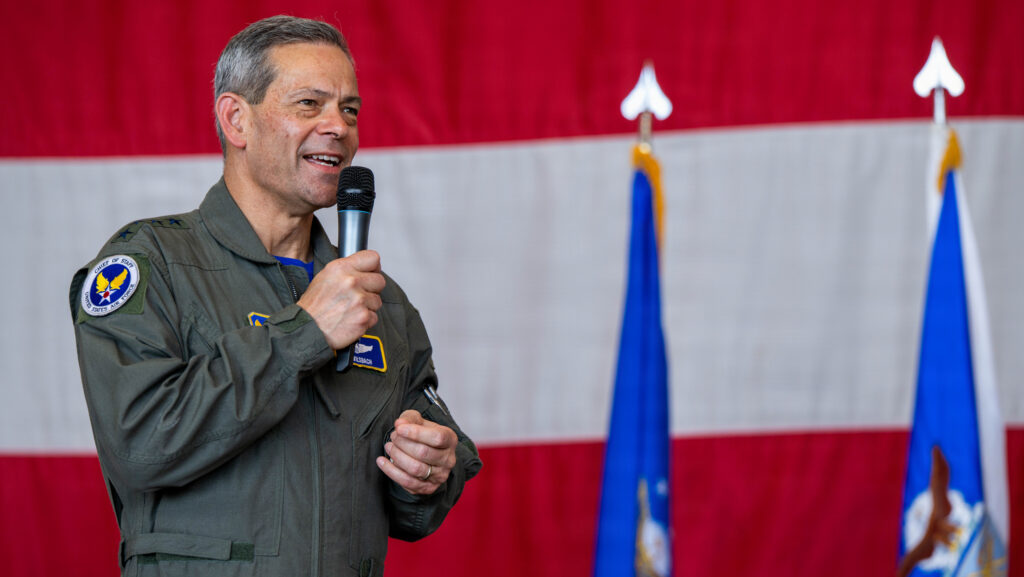
USAF Chief Wilsbach Discusses Iran Conflict, T-7 Red Hawk, and F-35 Delays
US Air Force Chief of Staff Gen. Kenneth Wilsbach has addressed significant issues during his brief tenure, including the ongoing conflict with Iran and its implications for U.S. military operations. He emphasized the need for enhanced base defense strategies, particularly in light of recent threats that have emerged from the region. Wilsbach highlighted the importance of the T-7 Red Hawk training jet, built by Boeing, amidst concerns regarding its development and operational readiness. He also discussed the F-35 program, noting delays that have rendered some jets non-combat capable due to upgrade issues and missing components. Looking ahead, Wilsbach indicated a shift towards establishing a new career field focused on point defense to better protect airfields from various threats, including drones and missiles. No further timeline was disclosed at the time of publication.
Air Warfare Air Force Boeing collaborative combat aircraft Drones F-35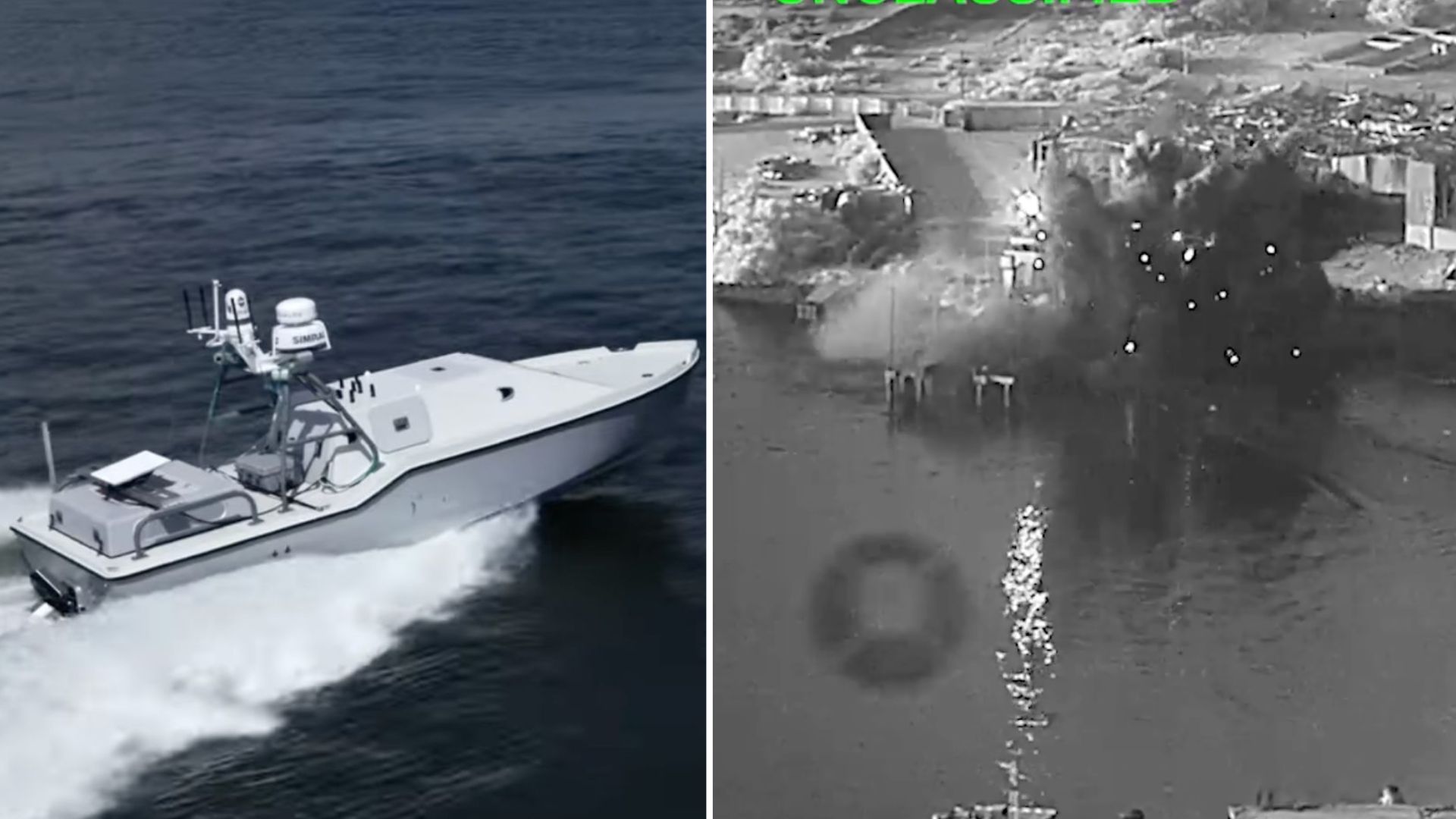
U.S. Military Executes First Offensive Strike with Autonomous Drone Boats on Iran's Naval Base
On July 12, 2026, the U.S. Central Command announced a significant advancement in naval warfare with a coordinated attack by three autonomous surface vessels on Iran's Bandar Abbas Naval Base. This operation, executed by the U.S. Navy's 5th Fleet through Task Force 59, marks the first offensive mission by a major navy using unmanned attack boats. The strike is pivotal as it demonstrates a shift toward utilizing autonomous platforms for combat missions, allowing militaries to conduct operations without risking crewed vessels. The Saronic Corsair vessels targeted a raised dock at the naval base, showcasing advanced capabilities in stealth and artificial intelligence for precise operations. Looking ahead, the success of this operation indicates a potential evolution in naval tactics, with autonomous vessels taking on more offensive roles. As militaries invest in unmanned systems, coordinated strikes like the one at Bandar Abbas may become increasingly prevalent in future naval engagements. No further timeline was disclosed at the time of publication.
Military
U.S. Missile Defense Agency Seeks New Mobile Radar to Enhance Defense Capabilities
The U.S. Missile Defense Agency (MDA) is initiating plans for a new radar system to replace the AN/TPY-2, which is integral to the THAAD missile defense system. This move follows recent vulnerabilities exposed by Iran's successful targeting of static missile defense radars, highlighting the need for a more mobile solution. The MDA's call for innovative prototype concepts for the Forward-Based Mode (FBM) Radar Next aims to develop a system that can be rapidly deployed and relocated, addressing the increasing sophistication of adversarial missile capabilities. The agency's budget request for the 2027 Fiscal Year includes funding for next-generation radar prototypes to enhance emerging technologies for the FBM Radar fleet. As the MDA progresses with this initiative, the focus will be on creating a radar system capable of high-sensitivity detection and rapid deployment, ensuring interoperability with existing command and control networks. No further timeline was disclosed at the time of publication.
Land Land-Based Ballistic Missile Defense News & Features
Drone Strike at Egypt's Damietta Port Raises Concerns Over Escalating Regional Conflict
Egyptian officials confirmed that Damietta Port was struck by a drone, marking the first acknowledgment of direct attacks in the ongoing conflict. While the assailant remains unidentified, this incident heightens fears of broader regional hostilities, particularly concerning energy supply routes. The attack coincides with the Houthis' consideration of tolls on shipping through the Bab al-Mandeb Strait, where they have already imposed a blockade on Saudi vessels. Iran's ongoing missile and drone strikes further complicate the situation, as tensions escalate following a brief lull in hostilities. No further timeline was disclosed at the time of publication. Investigations are underway to ascertain the circumstances of the drone strike, with the Egyptian government emphasizing the need to protect national security and interests amid rising threats in the region.
News & Features Air Around The Globe Drones Egypt Iran
Brent Crude Surges Above $91 Amid US-Iran Tensions, Bitcoin Declines
Brent crude oil prices increased to over $91 per barrel following heightened tensions between the US and Iran regarding the Strait of Hormuz. This rise in oil prices coincided with a 1.3% decline in Bitcoin, reflecting the interconnectedness of global markets. Investors should monitor the ongoing geopolitical situation, as further developments could impact both oil and cryptocurrency markets significantly.
Artificial Intelligence Crypto News bitcoin iran semiconductor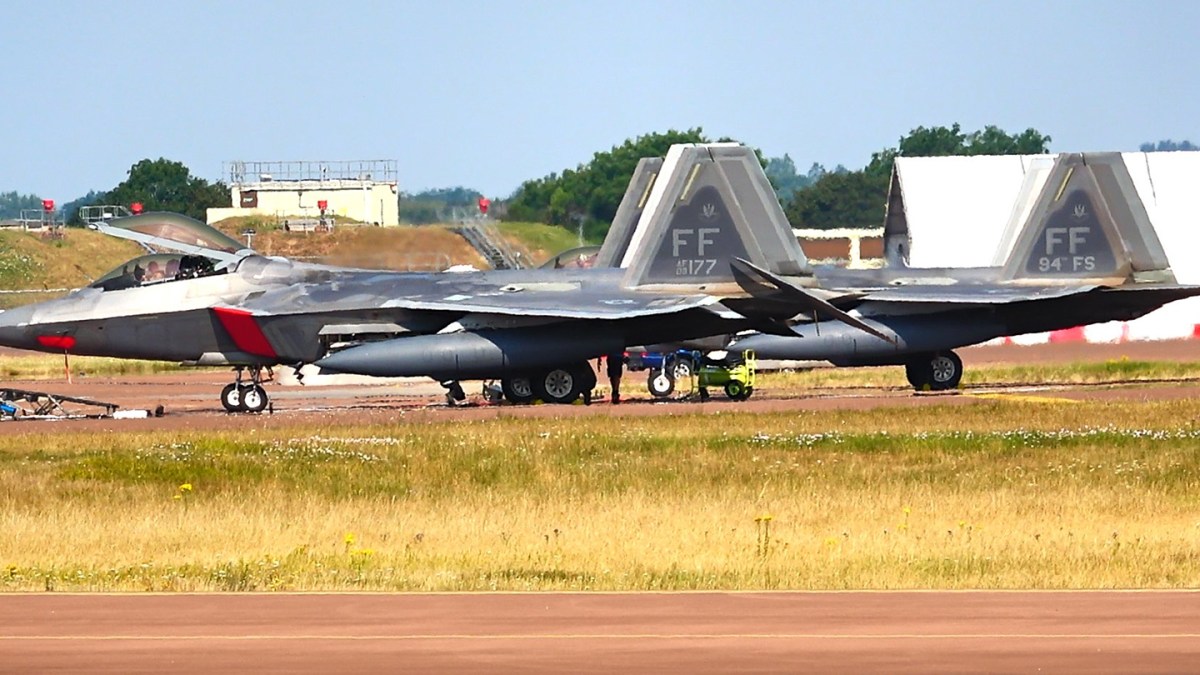
U.S. Air Force F-22 Raptors Return to UK After Combat Missions in Israel
Ten F-22 Raptors from the U.S. Air Force arrived at RAF Fairford in the UK on Friday after a deployment at Ovda Air Base in Israel. The jets, part of the 1st Fighter Wing from Langley Air Force Base, participated in operations against Iranian targets, including air defenses and nuclear facilities, from late February to early March 2023. During this period, they executed over 200 combat sorties while remaining undetected by Iranian radar systems. The significance of this deployment lies in the F-22 Raptors' advanced capabilities, which allowed them to penetrate defended airspace and deliver precision strikes on strategic Iranian infrastructure. U.S. Central Command reported that the Raptors utilized GBU-39/B Small Diameter Bombs and GBU-32 Joint Direct Attack Munitions, coordinating with B-2 Spirit bombers and EA-18G Growler jets to effectively overwhelm Iran's air defenses. This operation reflects the ongoing tensions in the Middle East and the U.S. military's strategic response. Looking ahead, the U.S. military's movements in the region indicate a continued focus on countering Iranian threats. The recent increase in hostilities between the U.S. and Iran, including attacks on multiple fronts, suggests that further military actions may be anticipated. No further timeline was disclosed at the time of publication regarding future deployments or operations involving the F-22 Raptors.
Air Air Forces Around The Globe Europe F-22 Fighters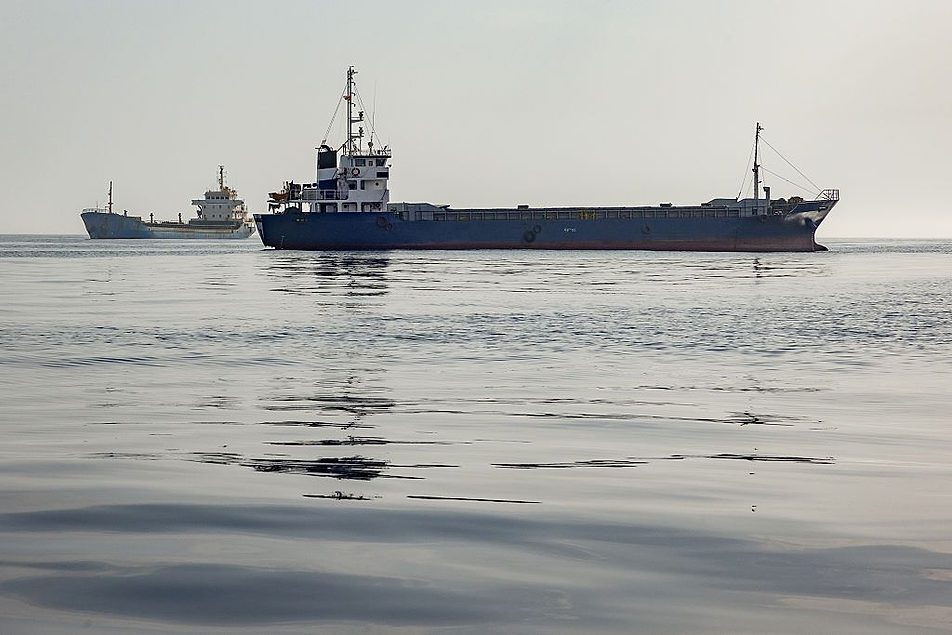
Hormuz Sees Biggest Day of Attacks Since U.S.-Iran Peace Deal
The spate of incidents is a reminder of the continued risks to ships crossing through Hormuz, even with military forces protecting vessels crossing by a route near Oman’s coastline.

What Was The “Jellyfish-Like” Drone Swarm The Downed F-15E Pilot Reportedly Saw Over Iran?
A pilot of an F-15E Strike Eagle reported encountering a “minefield of drones” in the skies over Iran shortly before their aircraft crashed. The incident has raised questions about the nature of the drone swarm, described as “jellyfish-like,” and its implications for aerial operations in the region. The circumstances surrounding the crash remain under investigation, with experts analyzing the potential threats posed by such drone formations. This event highlights the evolving challenges faced by military pilots in environments increasingly populated by unmanned aerial vehicles.
Air Air Forces Around The Globe Drones F-15 Fighters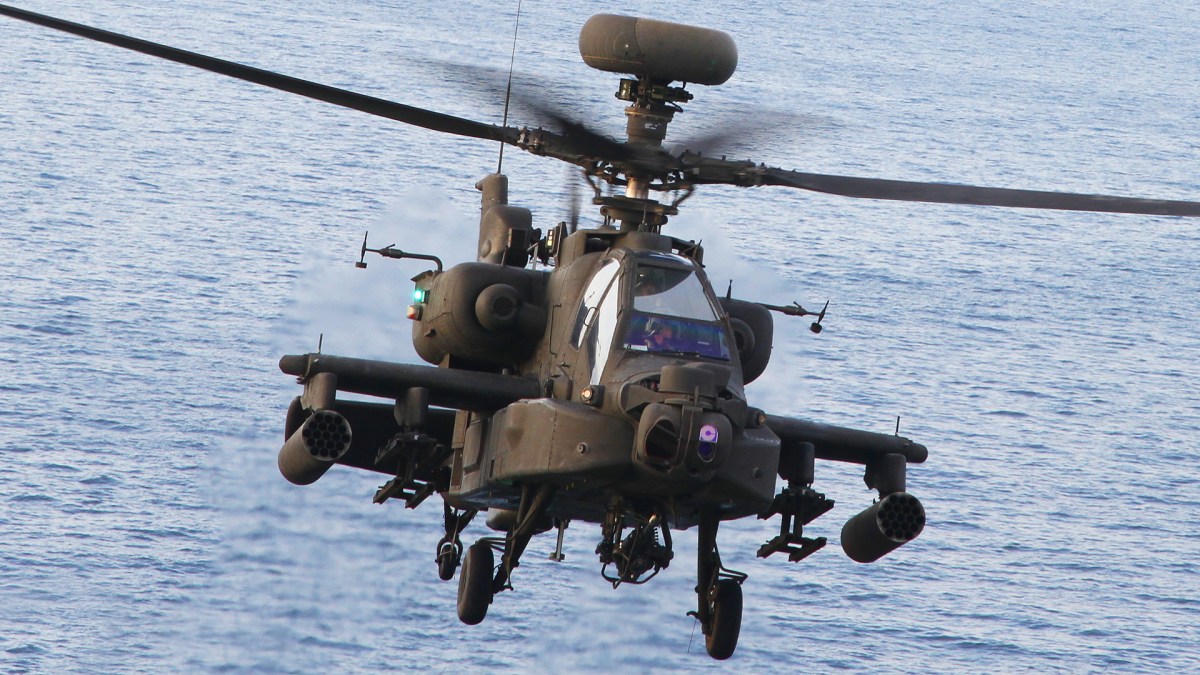
AH-64 Apache Shot Down By Iran, U.S. Will Retaliate: Trump
An AH-64 Apache helicopter crashed into the Gulf of Oman, prompting a rescue operation by a drone boat that successfully retrieved its crew. Former President Donald Trump has attributed the incident to enemy action, specifically implicating Iran in the downing of the aircraft. This assertion raises concerns about escalating tensions in the region, as Trump indicated that the United States would consider retaliatory measures in response to the attack. The incident underscores the ongoing volatility in U.S.-Iran relations and highlights the risks faced by military operations in contested areas.
News & Features AH-64 Air Around The Globe Helicopters Iran
Iran Launches Ballistic Missile Attacks On Israel (Updated)
Tensions between Iran and Israel escalated following a series of ballistic missile attacks launched by Tehran in retaliation for an Israeli Defense Forces (IDF) bombing in Beirut on Sunday. This military action marks a significant increase in hostilities between the two nations, raising concerns about the potential for open conflict. The strikes from Iran come amid ongoing regional tensions and highlight the fragile security situation in the Middle East. As both countries remain on high alert, analysts warn that further escalations could lead to a broader confrontation in the region.
News & Features Around The Globe Iran Middle East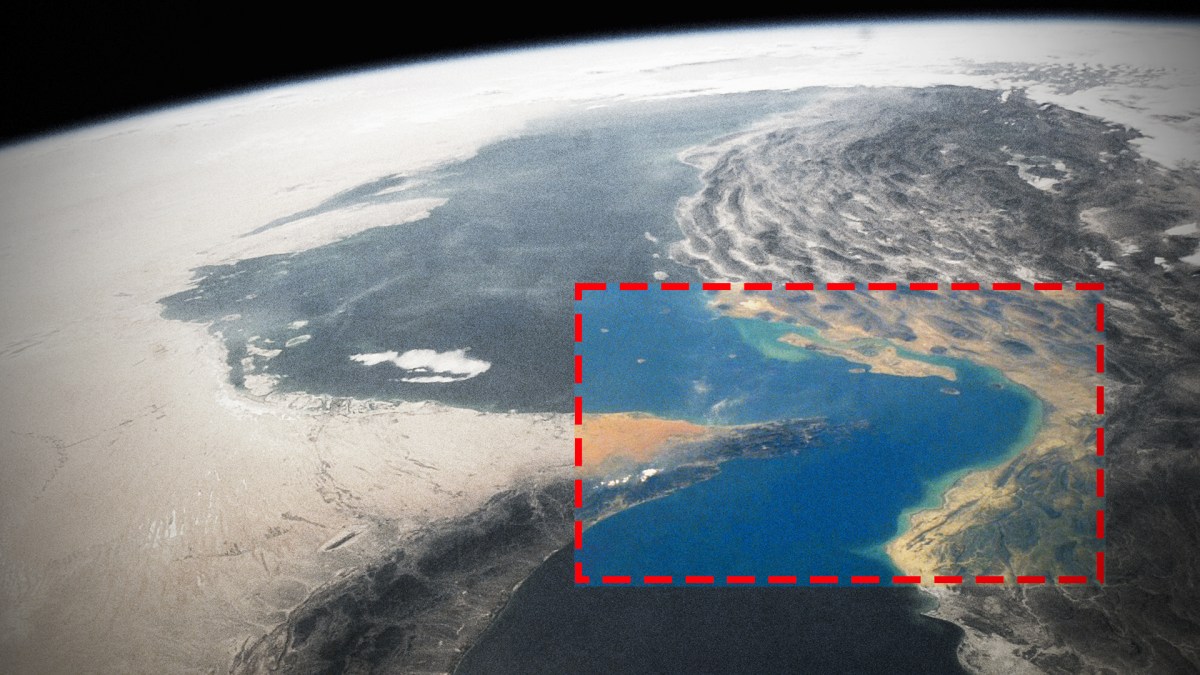
U.S. Shoots Down Iranian Drones Launched At Strait Of Hormuz: Official (Updated)
Tensions between Iran and the United States escalated once again as U.S. forces shot down Iranian drones that were launched towards the strategic Strait of Hormuz. This incident marks the latest confrontation in a series of hostilities that have persisted since the cessation of active conflict nearly two months ago. The U.S. military's decisive action underscores ongoing concerns over regional security and the potential for further escalation in the already volatile area. The situation continues to develop as both nations navigate the complexities of their fraught relationship.
News & Features Around The Globe Drones Iran Middle East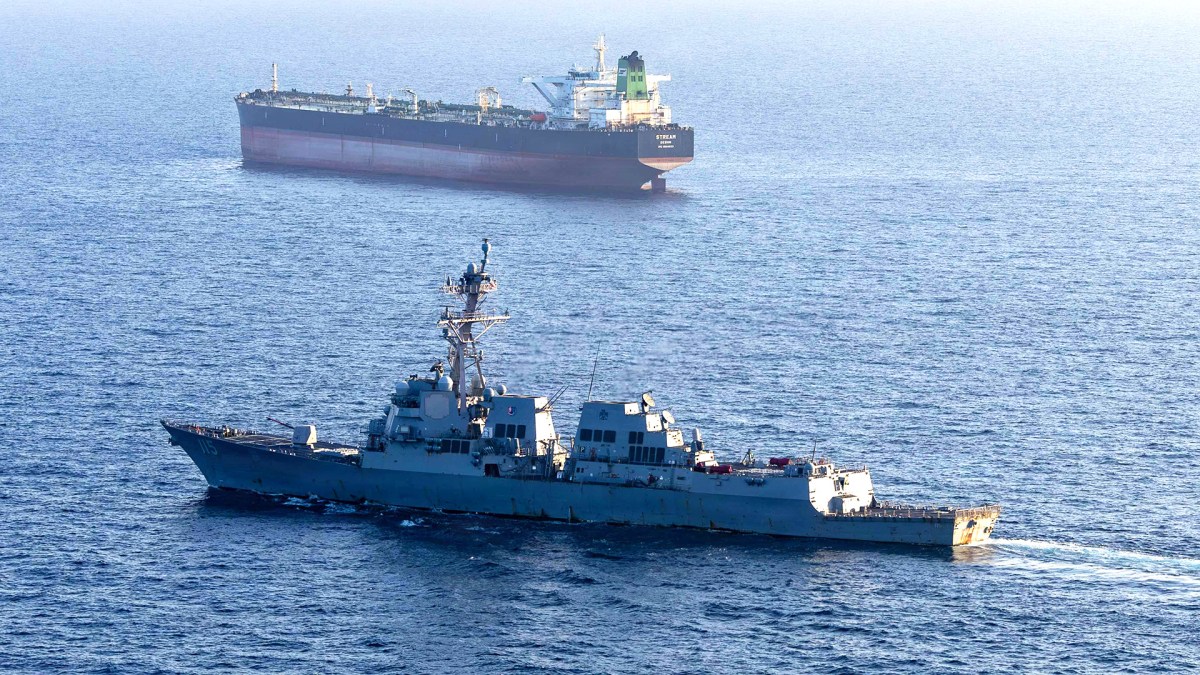
Trump Declares He Is Lifting The Naval Blockade On Iran (Updated)
In a surprising announcement, former President Donald Trump declared the lifting of the naval blockade on Iran, although the specifics of this decision remain unclear. The timing of this declaration has raised questions, particularly as it comes amidst ongoing tensions between the U.S. and Iran. Iranian media outlets have expressed skepticism regarding Trump's claims, indicating a pushback against the narrative that the blockade would be lifted without a formal agreement in place. The motivations behind this sudden shift in policy are not fully understood, leading to speculation about the implications for U.S.-Iran relations. As the situation develops, the international community is closely monitoring the potential impact of this decision on regional stability and diplomatic efforts.
News & Features Around The Globe Drones Iran Middle East Navies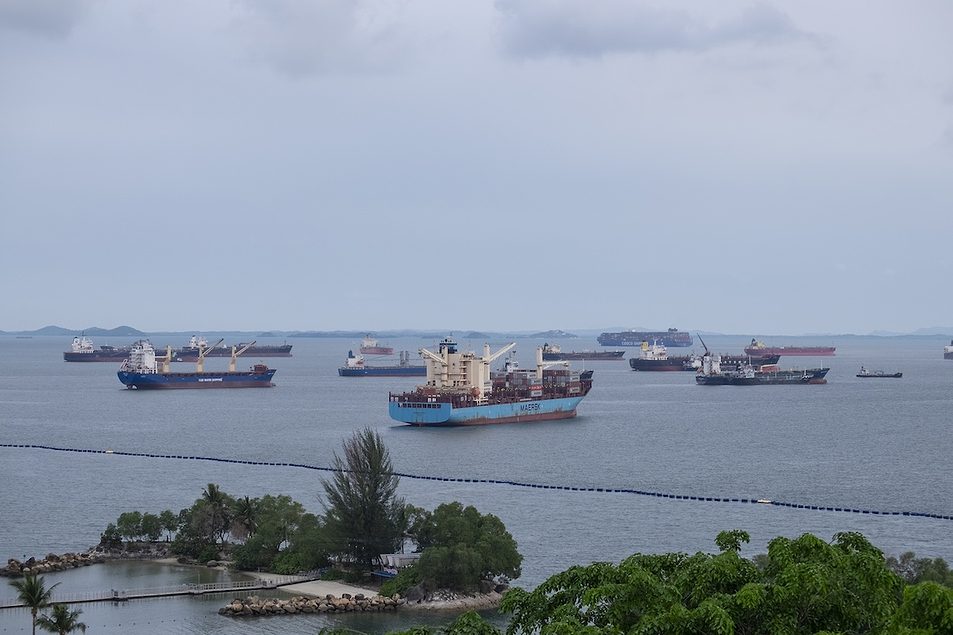
Malaysia Reports Fallout From Iran War as Industries Get Hit
In April, the number of job losses in the country increased significantly, rising by 21% to reach 7,057 compared to March. This alarming statistic was revealed by Economy Minister Akmal Nasrullah Mohd Nasir during a recent briefing. The surge in unemployment highlights ongoing economic challenges, prompting concerns about job security and the overall health of the labor market. The government is expected to address these issues as it seeks to implement measures aimed at stabilizing employment and supporting affected workers.
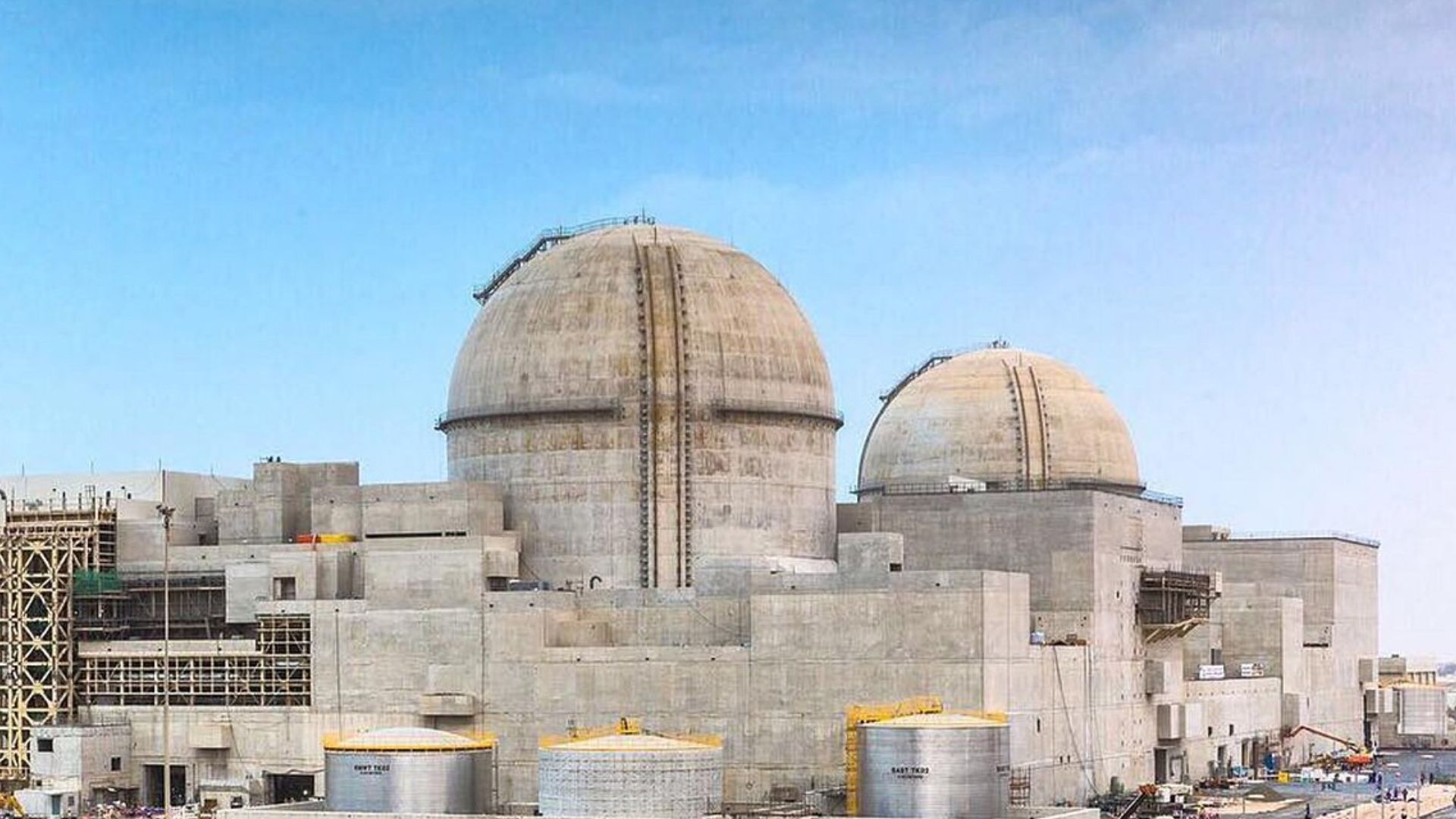
UAE blames Iran for drone strike that caused fire at nuclear plant in Abu Dhabi
A recent drone strike near the United Arab Emirates' sole nuclear power facility has heightened regional tensions. The incident, which occurred on October 30, 2023, is believed to be linked to ongoing conflicts involving various militant groups in the region. The attack raised alarms about the security of critical infrastructure and the potential for escalation in hostilities. Authorities are investigating the origins of the drone and assessing the implications for national security. This strike underscores the vulnerabilities faced by the UAE, particularly as it continues to develop its nuclear energy capabilities amidst a complex geopolitical landscape. The UAE government has condemned the attack and called for increased vigilance and cooperation among regional partners to prevent future incidents.

Iran could target hidden submarine cables crossing Hormuz to control data routes: Report
Iran is contemplating the implementation of charges on submarine fibre-optic cables that traverse the strategically significant Strait of Hormuz. This potential move comes amid ongoing tensions in the region and is seen as a way for Iran to exert control over critical maritime infrastructure. The Strait of Hormuz is a vital waterway for global oil transport and telecommunications, making any changes to access fees a matter of international concern. Discussions regarding this initiative are reportedly taking place as Iran seeks to bolster its economic leverage and assert its influence over the region's communication networks. The outcome of these considerations could have significant implications for international shipping and telecommunications, particularly for countries reliant on the cables that connect Europe, Asia, and beyond.
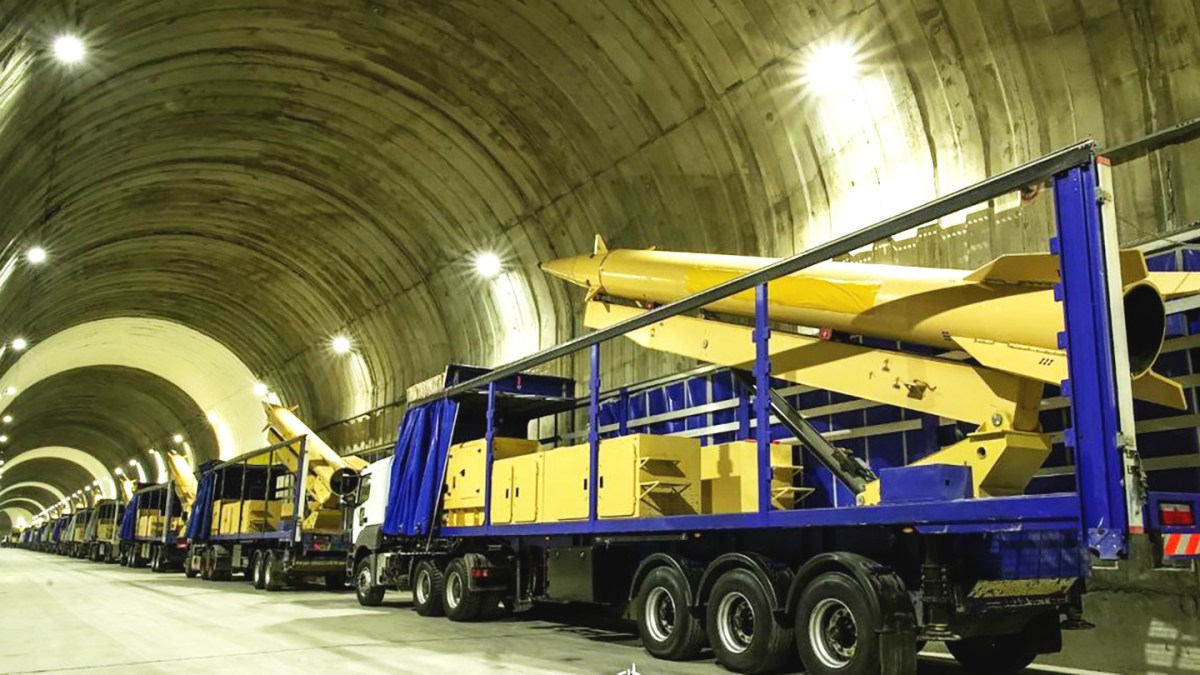
CENTCOM Commander Dismisses Reports That Iran Retains Most Of Its Missile And Drone Arsenal
Admiral Brad Cooper, the commander of U.S. Central Command (CENTCOM), has challenged the accuracy of recent reports suggesting that Iran has retained a significant portion of its missile and drone arsenal. In a statement, Cooper emphasized that the figures circulating in open sources do not reflect the true state of Iran's military capabilities. This assertion comes amid ongoing scrutiny of Iran's military resources and their potential implications for regional security. The remarks were made during a briefing, highlighting the complexities of assessing Iran's military strength in the context of geopolitical tensions.
News & Features Around The Globe China Indo-Pacific Iran Israel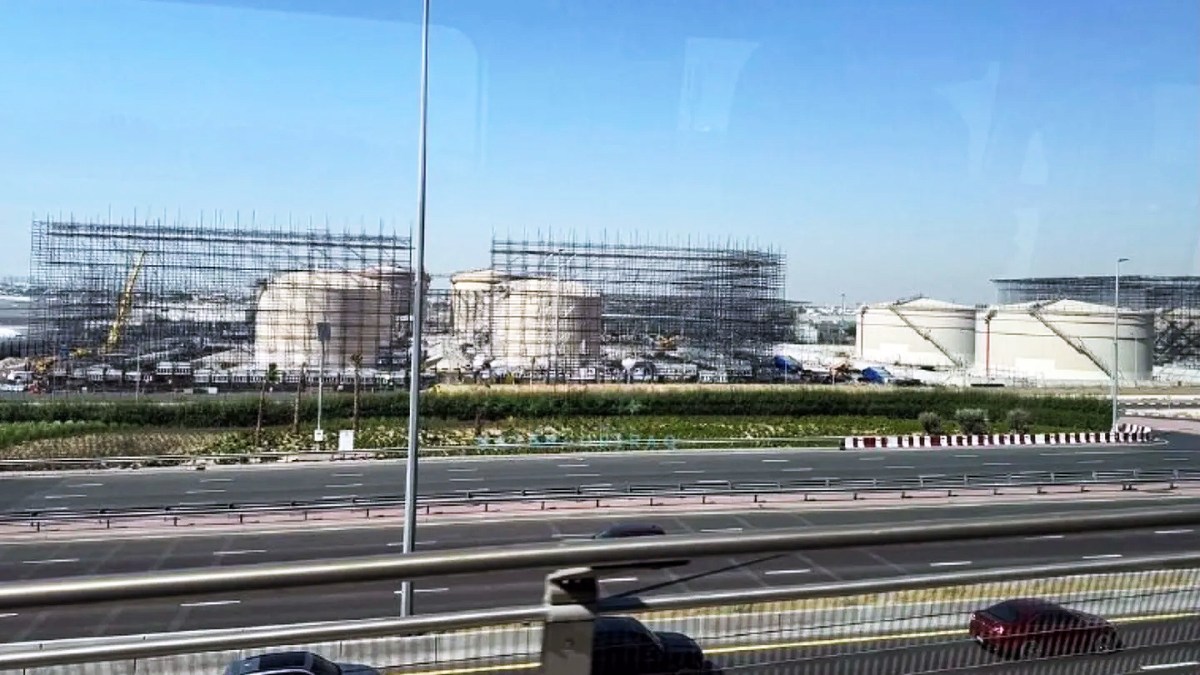
UAE Building Massive ‘Cope Cages’ To Protect Energy Facilities From Iranian Drone Attacks
In response to a series of Iranian missile and drone attacks that have significantly damaged its oil and gas infrastructure, the United Arab Emirates is undertaking a major initiative to enhance the security of its energy facilities. The UAE is constructing large protective structures known as "cope cages" to safeguard these critical sites from future assaults. This proactive measure aims to bolster the resilience of the country's energy sector amid escalating tensions in the region. The decision reflects the UAE's commitment to ensuring the safety and stability of its vital resources in the face of ongoing threats.
News & Features Around The Globe Drones Iran Land Middle East
US Consumer Inflation Hits Three-Year High Fueled by Iran War
In April, the U.S. Bureau of Labor Statistics reported a significant increase in the energy price index, which surged by 17.9% compared to the same month last year. This marked the largest price increase among all categories tracked by the agency. The rise in energy prices is attributed to various factors, including supply chain disruptions and heightened demand, which have been exacerbated by ongoing geopolitical tensions and economic recovery efforts. The sharp increase in energy costs is likely to impact consumers and businesses alike, raising concerns about inflation and its broader implications for the economy.
The Economy
EDGE CEO talks company’s role in Iran conflict, plus future partnerships
Hamad Al Marar, the Managing Director and CEO of EDGE, recently engaged in an interview with Breaking Defense, where he shared insights on the advancements in UAV technology and outlined the company’s future initiatives. During the discussion, Al Marar emphasized the strategic importance of unmanned aerial vehicles in modern defense systems and highlighted EDGE's commitment to innovation in this rapidly evolving sector. The conversation took place in October 2023, reflecting the company's ongoing efforts to position itself at the forefront of defense technology development. By focusing on cutting-edge UAV solutions, EDGE aims to enhance operational capabilities and address emerging security challenges in the region and beyond.
Air Warfare Global Land Warfare air defense Air Force Army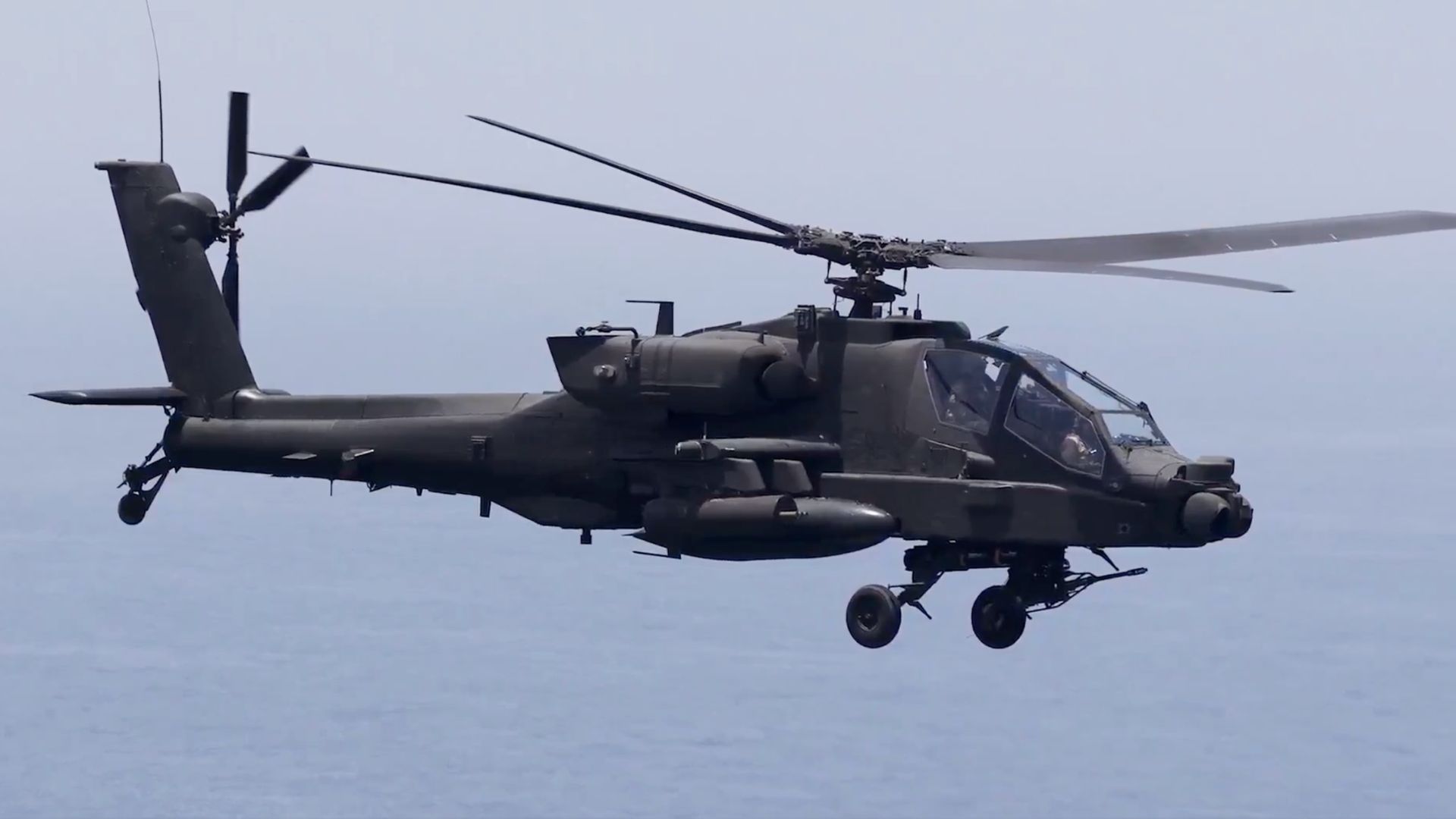
US attack helicopters sink 6 Iranian boats in Hormuz, shoot down missiles and drones
On May 4, 2026, the U.S. military conducted a targeted strike in the Strait of Hormuz, a strategic waterway crucial for global oil transportation. This operation was part of an ongoing effort to counter escalating threats from regional adversaries, particularly amid rising tensions in the Middle East. The strike aimed to neutralize specific military assets believed to be involved in hostile activities against U.S. interests and allies in the region. The decision to launch the strike followed a series of provocations, including attacks on commercial vessels and threats to shipping lanes, which prompted U.S. officials to act decisively to ensure maritime security. The operation involved precision airstrikes, utilizing advanced technology to minimize collateral damage while effectively targeting the identified threats. Military analysts noted that this action underscores the U.S. commitment to maintaining freedom of navigation in international waters and deterring aggression from hostile forces. As the situation continues to evolve, the U.S. military remains on high alert, prepared to respond to any further escalations in the region.
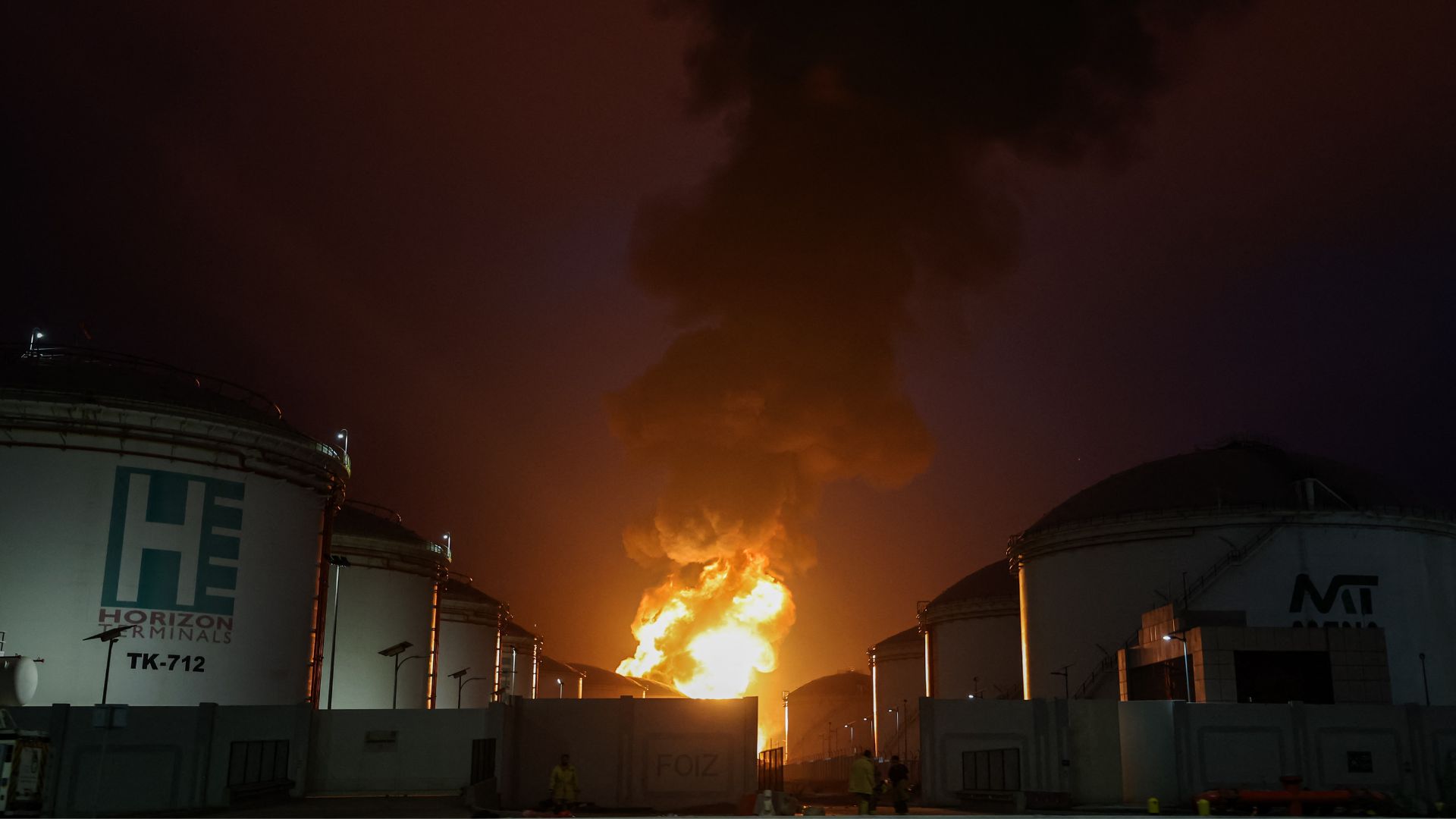
UAE reports intercepting Iranian missiles and drones as Hormuz tensions escalate
On Monday, air defense systems in the United Arab Emirates successfully intercepted multiple aerial threats, including missiles. The incidents occurred amid heightened tensions in the region, prompting the UAE to bolster its defense capabilities. The attacks, which were reportedly launched from neighboring territories, aimed to target key infrastructure within the UAE. In response, the country's military forces activated their defense protocols, effectively neutralizing the threats before any damage could be inflicted. This proactive measure underscores the UAE's commitment to safeguarding its national security and maintaining stability in a volatile geopolitical landscape. The situation remains under close monitoring as authorities assess the implications of these aerial assaults.

Iran Foreign Minister to Meet Putin With US Talks at Stalemate
Iran's Foreign Minister Abbas Araghchi visited Russia on Monday to engage in discussions with President Vladimir Putin. This meeting comes amid stalled negotiations with the United States aimed at resolving an ongoing eight-week conflict. The talks, which have yet to yield any progress, highlight the complexities of international diplomacy surrounding the situation. Araghchi's visit underscores Iran's efforts to seek support and potentially explore alternative avenues for conflict resolution as tensions remain high.

Despite a New Proposal From Iran, Ceasefire Negotiations With US Are in Flux
Iran's Foreign Minister engaged in shuttle diplomacy, arriving in St. Petersburg on Monday for discussions with Russian President Vladimir Putin. This visit follows a weekend of diplomatic meetings in Pakistan and Oman, highlighting Iran's efforts to strengthen ties with key regional allies. The talks are expected to focus on various geopolitical issues, including regional security and economic cooperation, as Iran seeks to bolster its international relationships amid ongoing tensions. The meetings in St. Petersburg represent a strategic move by Iran to enhance its influence and collaboration in the region, particularly in light of shifting global dynamics.
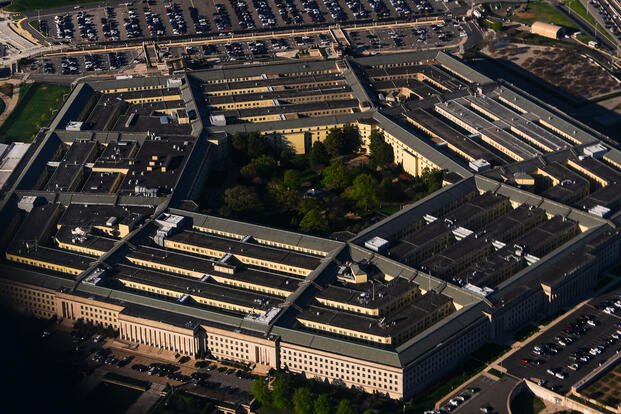
US Military Pushes for Boost in 2027 Spending on Drones and Air Defenses Used in Iran War
U.S. military officials are advocating for a significant budget increase in the upcoming fiscal year, proposing an allocation of tens of billions of dollars for advanced military technology. This funding is aimed at enhancing capabilities in drones, air defense systems, and fighter jets, which have played a crucial role in ongoing operations related to the conflict with Iran. The push for increased spending reflects a strategic response to evolving threats and the need to maintain military readiness. As tensions in the region continue, these investments are seen as essential for ensuring national security and supporting U.S. interests abroad. The proposal is expected to be a focal point in budget discussions as lawmakers assess the military's funding priorities for the coming year.
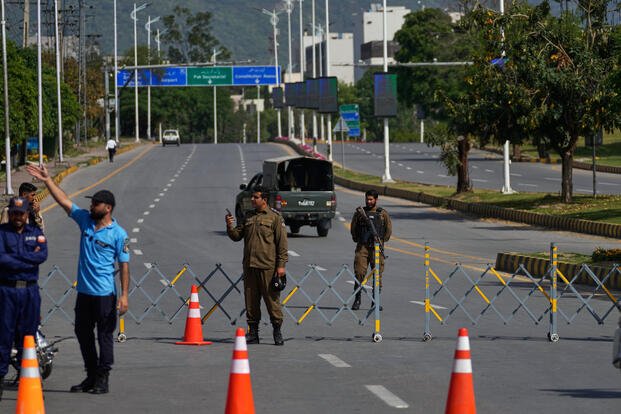
US and Iran Signal New Ceasefire Talks in Islamabad as Truce Nears End
Regional officials have announced that the United States and Iran are set to engage in new ceasefire discussions in Islamabad. This development comes amid ongoing tensions in the region, highlighting the need for diplomatic efforts to address conflicts. The talks are expected to focus on establishing a lasting peace and reducing hostilities, reflecting both nations' interests in stabilizing the situation. The timing of these discussions is crucial, as they aim to build on previous negotiations and foster a more secure environment in the area.
Robotics needs a service framework.
RSF defines a common language for robot service capability, lifecycle operations, certification pathways, and service-provider networks.
Join the RobotToday community on LinkedIn
Daily robotics news, in-depth analysis, conference highlights, and discussions with professionals worldwide.