

Industry Briefing
A single destination for timely, editor-curated robotics news from around the world.

UK Ministry of Defence Awards £3.16m Contracts for Low-Cost Drone Interceptors
The UK Ministry of Defence has allocated £3.16 million in contracts to three British SMEs for the development and testing of new low-cost drone interceptors. This initiative aims to enhance the UK's capabilities in countering drone threats effectively and affordably. The significance of this funding lies in its potential to bolster national security by enabling rapid development of innovative solutions to address emerging aerial threats. By engaging SMEs, the MoD is fostering a competitive environment that encourages technological advancements in drone interception. Looking ahead, the success of these trials could lead to further investments in drone defense technologies. No further timeline was disclosed at the time of publication.
News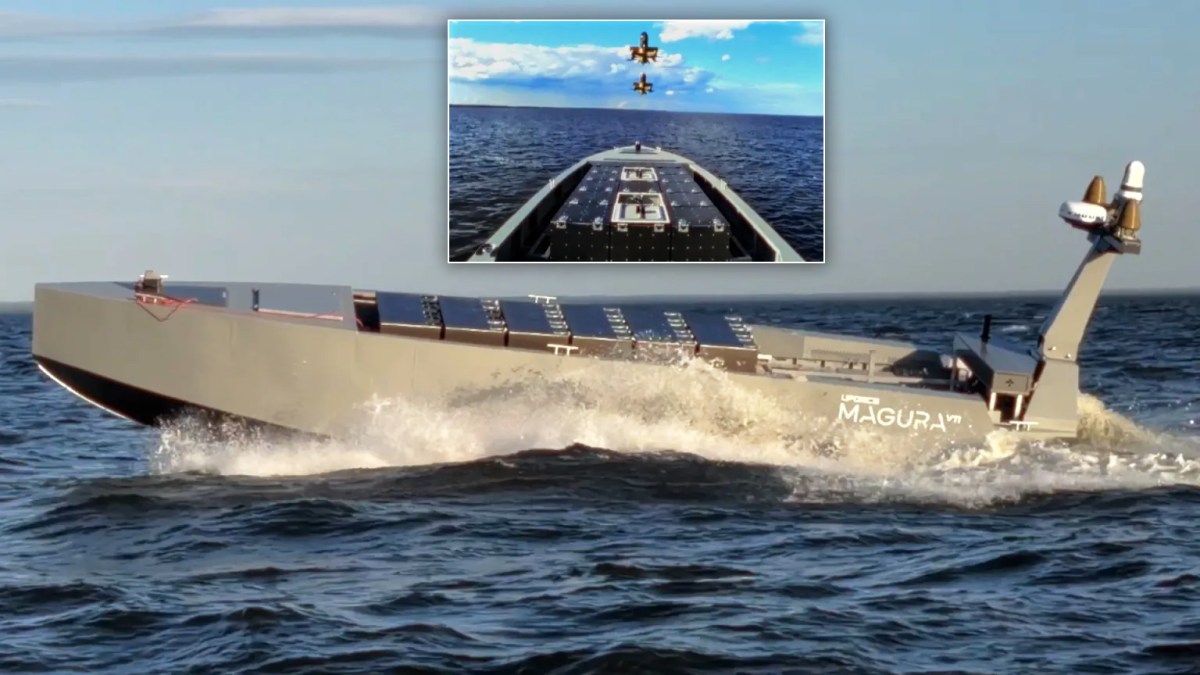
Ukraine Unveils MV11: A Large Uncrewed Surface Vessel with Anti-Drone Capabilities
Ukraine has introduced the MV11, the largest member of its Magura family of uncrewed surface vessels (USV), designed for open-ocean operations. This vessel can carry payloads up to 4,850 pounds and has been showcased with 18 Sting interceptors, enhancing its role as a counter-drone platform. The MV11's capabilities are significant for Ukraine's military strategy, allowing for multi-domain operations and the launch of unmanned systems from a distance. Its debut at Ukraine's Independence Day parade highlights the increasing importance of uncrewed systems in the Ukrainian armed forces. Looking ahead, the MV11's operational effectiveness and integration with existing systems will be crucial. The specifics of its target detection and tracking capabilities remain unclear, but its design suggests potential for advanced operational roles in future missions. No further timeline was disclosed at the time of publication.
Sea Around The Globe Europe News & Features Ukraine Unmanned Surface Vessels (USVs)
Terra Drone Secures Order from Japan's Self-Defense Forces for Interceptor Drones
Terra Drone, a Japanese manufacturer, has received an order from the Self-Defense Forces for interceptor drones, with deliveries expected to commence in September. This order marks a significant step for Terra Drone in expanding its presence in the defense sector. The importance of this development lies in Japan's ongoing efforts to enhance its domestic drone capabilities, particularly in defense applications. By securing this contract, Terra Drone is positioned to contribute to the country's strategic initiatives in bolstering national security through advanced drone technology. Looking ahead, industry observers will be keen to see how Terra Drone's B1 interceptor drones perform in operational settings and the potential for further contracts within Japan's growing defense drone market. No further timeline was disclosed at the time of publication.

L3Harris, Turkish firm Skydagger to establish US co-production of FPV interceptors
L3Harris has announced a significant advancement in its counter-unmanned aerial systems (c-UAS) capabilities by integrating a small interceptor drone into its Vampire platform. This development marks the first time the Vampire system will feature this technology, enhancing its operational effectiveness against potential aerial threats. The integration aims to bolster defense measures in various environments, reflecting L3Harris's commitment to innovation in military and security applications. The deal underscores the growing need for advanced solutions in countering drone threats, as the use of unmanned aerial vehicles continues to rise globally.
Air Warfare Global Land Warfare Air Force Army Business & Industry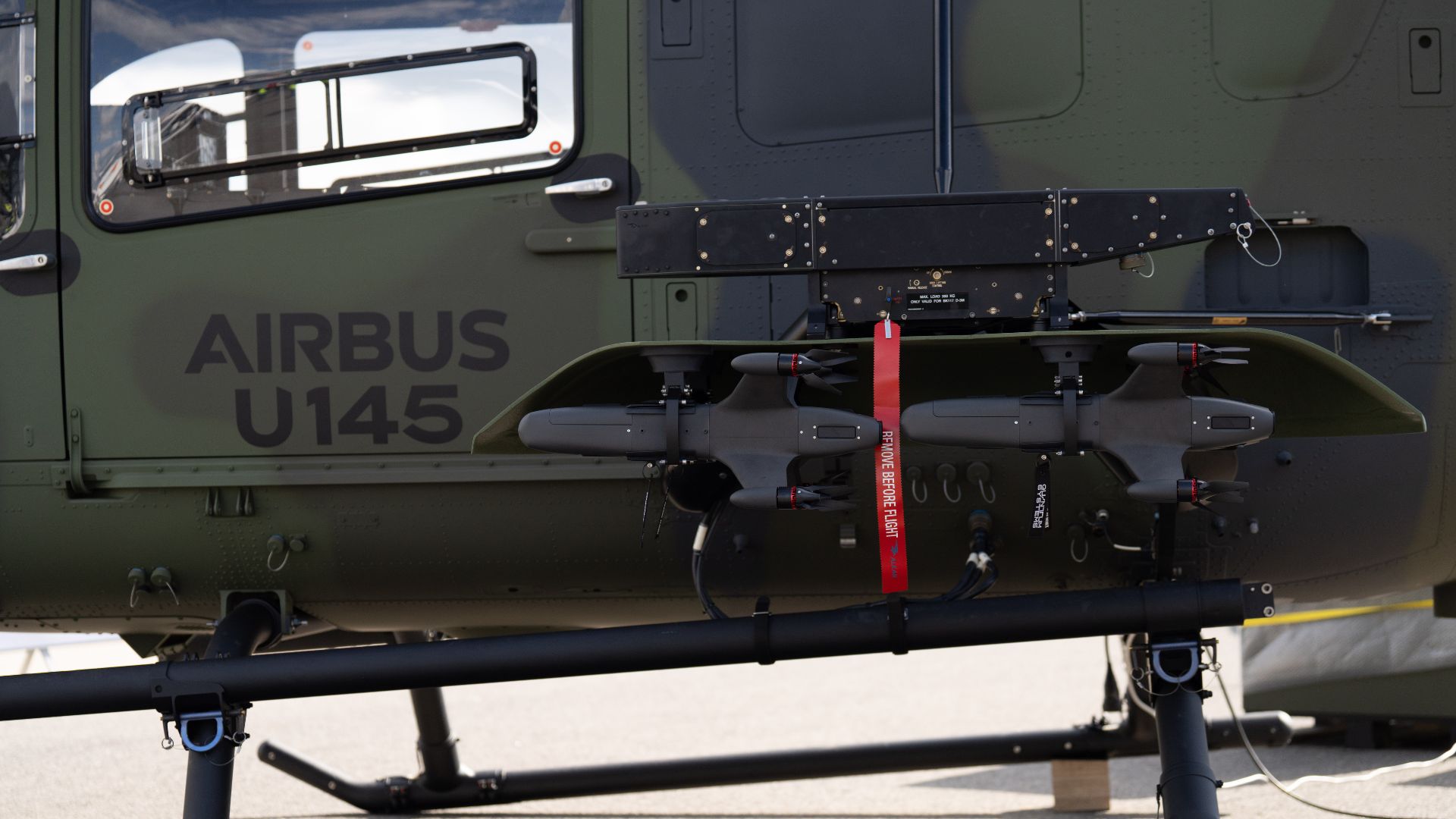
Airbus modifies H145M helicopter to deploy interceptors against tactical drone swarms
Airbus Helicopters, in collaboration with German defense officials, is responding to the increasing threats posed by small attack drones to military helicopters. This initiative comes amid heightened concerns regarding the vulnerability of aerial vehicles in modern combat scenarios. The partnership aims to enhance the defensive capabilities of helicopters, ensuring they can effectively counteract the risks associated with drone warfare. By integrating advanced technologies and innovative strategies, the companies seek to bolster the safety and operational effectiveness of military aviation. This development is particularly timely given the evolving landscape of aerial threats, which has prompted defense sectors worldwide to reassess their strategies and equipment. The collaboration highlights a proactive approach to addressing emerging challenges in military operations.
Military
US Army tests DZYNE’s IonStrike interceptors for drone defence roles
The US Army's 52d Air Defense Artillery Brigade is currently conducting tests and evaluations of IonStrike, a kinetic interceptor created by DZYNE Technologies. This initiative is part of the Army's broader strategy to enhance its defenses against uncrewed aircraft systems (UAS). The testing aims to assess the effectiveness and reliability of IonStrike in real-world scenarios, addressing the growing threat posed by UAS in modern warfare. The evaluations are taking place as military forces adapt to evolving aerial threats, underscoring the importance of advanced interception technologies in maintaining national security.
News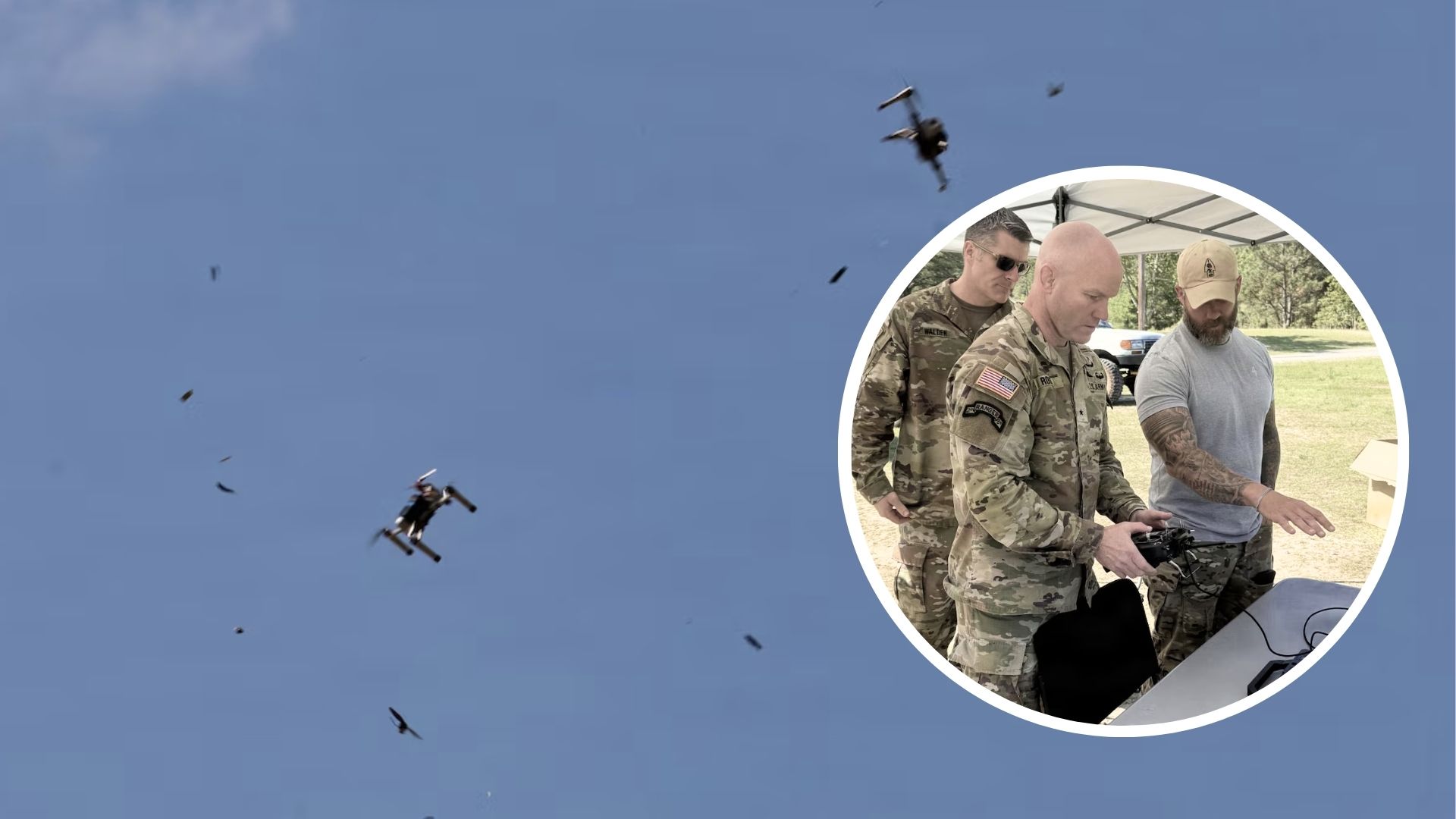
US advances drone warfare, new interceptors, low-cost weapons to tackle aerial threat
The United States government has awarded a new contract to a California-based company, aimed at enhancing various defense capabilities. This contract, announced on October 15, 2023, is part of a broader initiative to strengthen national security and modernize military operations. The decision to engage this specific company was driven by its proven track record in delivering innovative solutions and advanced technologies. The contract will facilitate the development and deployment of cutting-edge systems that are expected to improve operational efficiency and effectiveness within the armed forces. This strategic move underscores the government's commitment to investing in domestic industries while ensuring that the military remains equipped to address emerging threats.
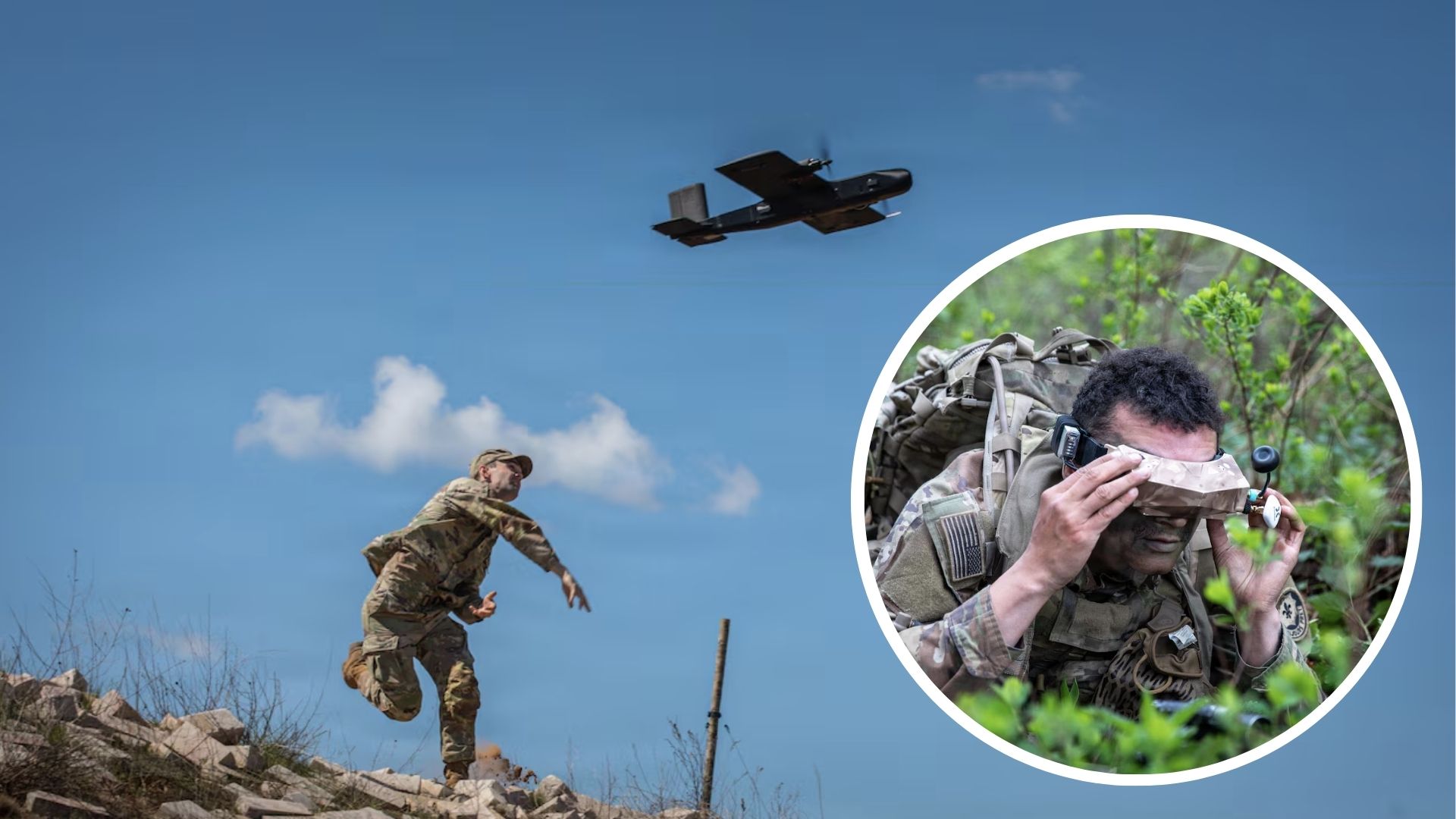
NATO integrates radars, kinetic interceptors to hit target; boost counter-drone lethality
NATO troops have been observed enhancing their counter-drone capabilities through recent training exercises. The soldiers were seen engaging in drills aimed at improving their skills in detecting and neutralizing unmanned aerial vehicles. This initiative comes amid rising concerns over the increasing use of drones in modern warfare and the potential threats they pose to military operations and security. The training sessions took place at various military installations across Europe, where troops utilized advanced technology and tactics to prepare for potential drone-related challenges. By bolstering their counter-drone strategies, NATO aims to ensure the safety and effectiveness of its forces in the face of evolving threats.
Robotics needs a service framework.
RSF defines a common language for robot service capability, lifecycle operations, certification pathways, and service-provider networks.
Join the RobotToday community on LinkedIn
Daily robotics news, in-depth analysis, conference highlights, and discussions with professionals worldwide.







