

Industry Briefing
A single destination for timely, editor-curated robotics news from around the world.

A3 Reports Increased Robotics Demand in Q2 2026 Across Various Industries
In Q2 2026, the Association for Advancing Automation (A3) reported a rise in North American robot orders, with 8,940 units valued at $622 million, marking a 4.3% increase in units and a 21.3% increase in revenue compared to Q2 2025. This growth highlights a diversification in robotics demand across industries, despite a 25% decline in automotive OEM orders. Significant gains were observed in sectors such as semiconductors, electronics, and automotive components, which saw increases of 38% and 20%, respectively. Looking ahead, the trend of increasing robot adoption across various industries is expected to continue. Non-automotive customers accounted for 56% of units ordered, and collaborative robots, particularly in healthcare and electronics, are gaining traction, representing a notable portion of automation investments.
Analysis Automotive Cobot Arms Collaborative Robots Food / Beverage Industrial Robots
Persona AI Partners with HD Hyundai and Posco to Deploy Humanoids in Heavy Industries
Persona AI is focusing on deploying humanoid robots in South Korea's heavy industries, particularly shipbuilding and steelmaking, through collaborations with HD Hyundai and Posco. Michael Perry, the company's head of commercial strategy, emphasizes that these robots can address labor shortages and enhance productivity in hazardous environments. The significance of this initiative lies in Korea's unique combination of labor shortages and advanced technological capabilities, making it an ideal testing ground for humanoid robots. Persona AI aims to demonstrate that its bipedal humanoid can navigate shipyards and perform welding tasks to meet production standards, with field testing planned for 2027. Looking ahead, Persona AI's collaboration with Posco, which includes a $3 million investment, will explore the use of humanoids in steel manufacturing logistics. The company is also interested in expanding its partnerships with other industrial players in Korea and Louisiana, where it has already begun testing robots with a local steel fabricator.
All News
The Importance of Safety in Scaling Physical AI Deployment Across Industries
Physical AI is transitioning from research to widespread deployment, with projections indicating an installed base of 49 million level 3-5 autonomous vehicles (AVs) by 2035 and 60 million industrial robots deployed between 2026 and 2035. As these technologies integrate into environments shared with humans, ensuring safety at every layer becomes critical. The significance of safety in physical AI lies in the need for AI-driven machines, including AVs and industrial robots, to operate safely as they make decisions that result in physical actions. This necessitates a comprehensive approach to safety that encompasses hardware, software, AI behavior, and the entire deployment lifecycle, rather than a one-off assessment. Looking ahead, the industry must focus on operationalizing safety across design, deployment, and validation. NVIDIA's Halos system exemplifies this approach, providing a full-stack safety solution that connects various stakeholders in the physical AI ecosystem. No further timeline was disclosed at the time of publication.
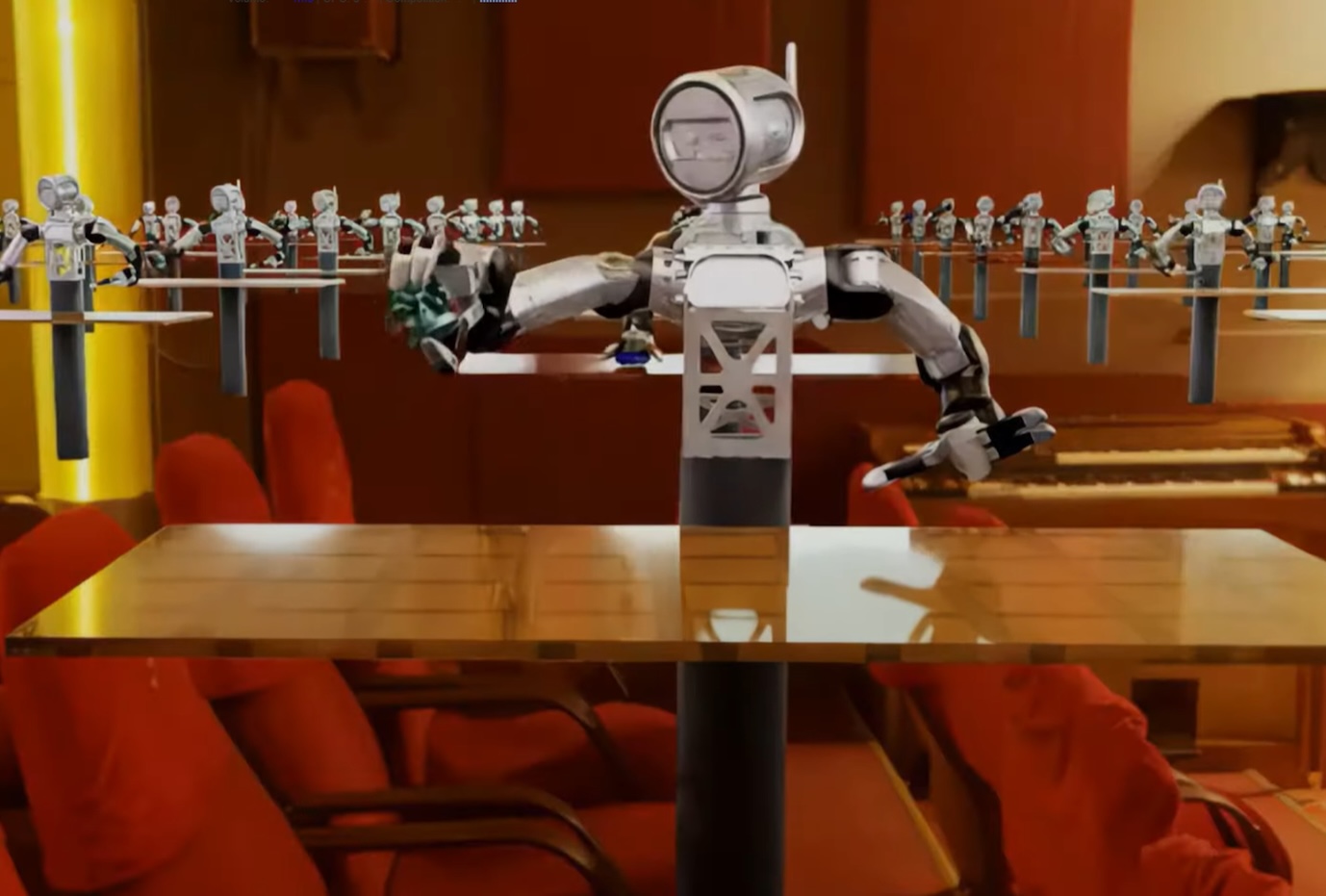
Fraunhofer IWU Develops Orcha-3 Platform for Production Technology Using Agentic AI
Fraunhofer IWU has developed the Orcha-3 platform, which adapts the approach of popular chatbots like ChatGPT to production technology. This innovation aims to enhance industrial processes by integrating advanced AI capabilities into manufacturing environments. The significance of the Orcha-3 platform lies in its potential to streamline operations and improve efficiency in production settings. By leveraging agentic AI, the platform can facilitate better decision-making and automation, which are crucial for modern manufacturing competitiveness. Looking ahead, the impact of Orcha-3 on the industry will be closely monitored as companies seek to adopt AI-driven solutions. No further timeline was disclosed at the time of publication.
Allgemein Künstliche Intelligenz & maschinelles Lernen Lösungen
Wandercraft Secures 12 Enterprise Clients for Calvin-40 Humanoid Platform Across Multiple Industries
Wandercraft, a robotics company based in Paris, has announced the acquisition of 12 enterprise customers for its Calvin-40 humanoid platform. This customer base spans various sectors, including automotive, retail, healthcare, logistics, and defense, indicating a significant step for the company as it transitions from proof-of-concept testing to enterprise trials. The recent influx of contracts highlights Wandercraft's strategy to scale hardware production while demonstrating the commercial viability of its heavy-payload design philosophy. The Calvin-40, originally designed for material handling tasks, is now being tested for finer manipulation skills, with future deployments planned for unstructured environments like agriculture and construction. Looking ahead, Wandercraft aims to leverage its task-focused approach to generate proprietary operational data, enhancing the capabilities of Calvin-40. The diverse environments provided by its new clients will allow for extensive validation of the humanoid's performance, addressing ergonomic and labor challenges across multiple sectors. No further timeline was disclosed at the time of publication.
Europe Market Wandercraft
North American Robot Orders Reach $622 Million in Q2 2026 Amid Diverse Automation Demand
According to new data from the Association for Advancing Automation (A3), North American companies ordered 8,940 robots worth $622 million in the second quarter of 2026. This marks a 4.3 percent increase in units ordered and a 21.3 percent rise in revenue compared to the same period in 2025. The first half of 2026 saw total orders of 17,995 units valued at $1.166 billion, reflecting a 2 percent growth in units and a 6.6 percent increase in order value over the first half of 2025. The growth in robot orders indicates a broadening demand for automation across various sectors, despite a 25 percent decline in Automotive OEM orders compared to the first half of 2025. Notably, several industries, including Automotive Component and general sectors, experienced double-digit year-over-year gains in robot orders during Q2. Collaborative robots played a significant role, with 2,774 units ordered in the first half, valued at $114 million, representing 15.4 percent of all units ordered. Looking ahead, the strong adoption of collaborative robots in sectors like Life Sciences and Semi & Electronics suggests a continued evolution in the robotics market. As companies adapt to changing demands, it will be crucial to monitor how these trends develop in the latter half of 2026. No further timeline was disclosed at the time of publication.
Business Industry News Robotics Robotics and Automation Robotics News
North American Robot Orders Rise in Q2 2026 as Automation Demand Expands
In the second quarter of 2026, North American companies placed orders for 8,940 robots worth $622 million, as reported by the Association for Advancing Automation (A3). This marks a 4.3% increase in units ordered and a 21.3% rise in revenue compared to the same period in 2025. The growth in robot orders reflects a broadening demand for automation across various sectors, including semiconductors, automotive components, food and consumer goods, metals, and life sciences. The first half of 2026 saw total orders reach 17,995 units valued at $1.166 billion, indicating a 2.0% increase in units and a 6.6% increase in order value over the first half of 2025. Looking ahead, the continued expansion in robot orders suggests a sustained interest in automation technologies across diverse industries. No further timeline was disclosed at the time of publication.

Foundation Future Industries Deploys 'Phantom MK-1' Robotic Soldiers in Ukraine for U.S. Military
Foundation Future Industries has deployed two 'Phantom MK-1' humanoid robots to the front lines in Ukraine, marking a significant step in military robotics. These robots, standing 1.8 meters tall and weighing 80 kilograms, are designed for combat, capable of operating firearms such as handguns and M-16 rifles. They have already been utilized for reconnaissance and logistics tasks since their arrival in February. This development is crucial as it highlights a shift in military technology, with Foundation Future Industries taking a path contrary to many robotics firms that have pledged against weaponizing their products. The company has secured a $24 million research contract with the U.S. military to explore the feasibility of robotic operations across various branches, including the Army, Navy, and Air Force. Looking ahead, Foundation plans to introduce an upgraded version, the 'Phantom MK-2', which is expected to have double the payload capacity of its predecessor. As debates around autonomous weapons and ethical implications continue, the actions of Foundation Future Industries raise significant questions about the future of warfare and the role of robotics in combat scenarios.
Humanoid Robots Military Robotics AI Technology Defense Innovation
No Future in Industrial Leadership Without Women
In the manufacturing sector, women remain underrepresented in leadership roles, prompting an organizational consultant to launch an internal leadership program aimed at preparing female talent for operational management positions. Research indicates that diverse leadership teams in production not only contribute a wider range of perspectives but also enhance companies' resilience to global market demands and cultural complexities. The pharmaceutical company Dr. Kade Health Care exemplifies successful implementation of work-life balance and female leadership in practice. This initiative highlights the critical need for gender diversity in industrial leadership to ensure a sustainable future for the industry.
Allgemein
VA Imaging Launches New Industrial UVC Cameras for Robotics and Embedded Vision
VA Imaging has introduced a new line of industrial UVC cameras designed for applications requiring rapid integration, reliable hardware, and industrial usability. Assembled in the Netherlands, these cameras are specifically tailored for use in OEM systems, embedded vision, robotics, and industrial imaging. The strength of this product line lies in its use of the USB Video Class (UVC) standard, allowing for easy integration into systems running on Windows, Linux, and Android without the need for complex drivers. This feature makes the cameras particularly appealing to engineers and development teams looking to prototype quickly or expand existing systems without extensive software integration. Currently, the UVC cameras are available in two variants: a 3MP version for high-speed applications and a 12MP version for scenarios where resolution is critical. This differentiation enables users to select the appropriate camera based on specific application requirements, addressing the growing demand for flexible and quickly deployable vision solutions in industries increasingly reliant on automation and robotics.
Nieuws algemeen Technologie Automatisering
Germany Accounts for 41% of All Industrial Robots Installed in the EU
Germany's economy is at the forefront of robotics automation in Europe, having installed 24,800 new industrial robots in the manufacturing sector. This significant contribution highlights Germany's leadership role in the adoption of advanced automation technologies. The installation of these robots represents 41% of all industrial robots deployed across the European Union, underscoring the importance of Germany in the regional robotics landscape. This trend reflects a growing commitment to enhancing productivity and efficiency within the manufacturing industry. Looking ahead, it will be crucial to monitor how Germany continues to leverage robotics technology to maintain its competitive edge in the EU market. No further timeline was disclosed at the time of publication.
Allgemein Newsarchiv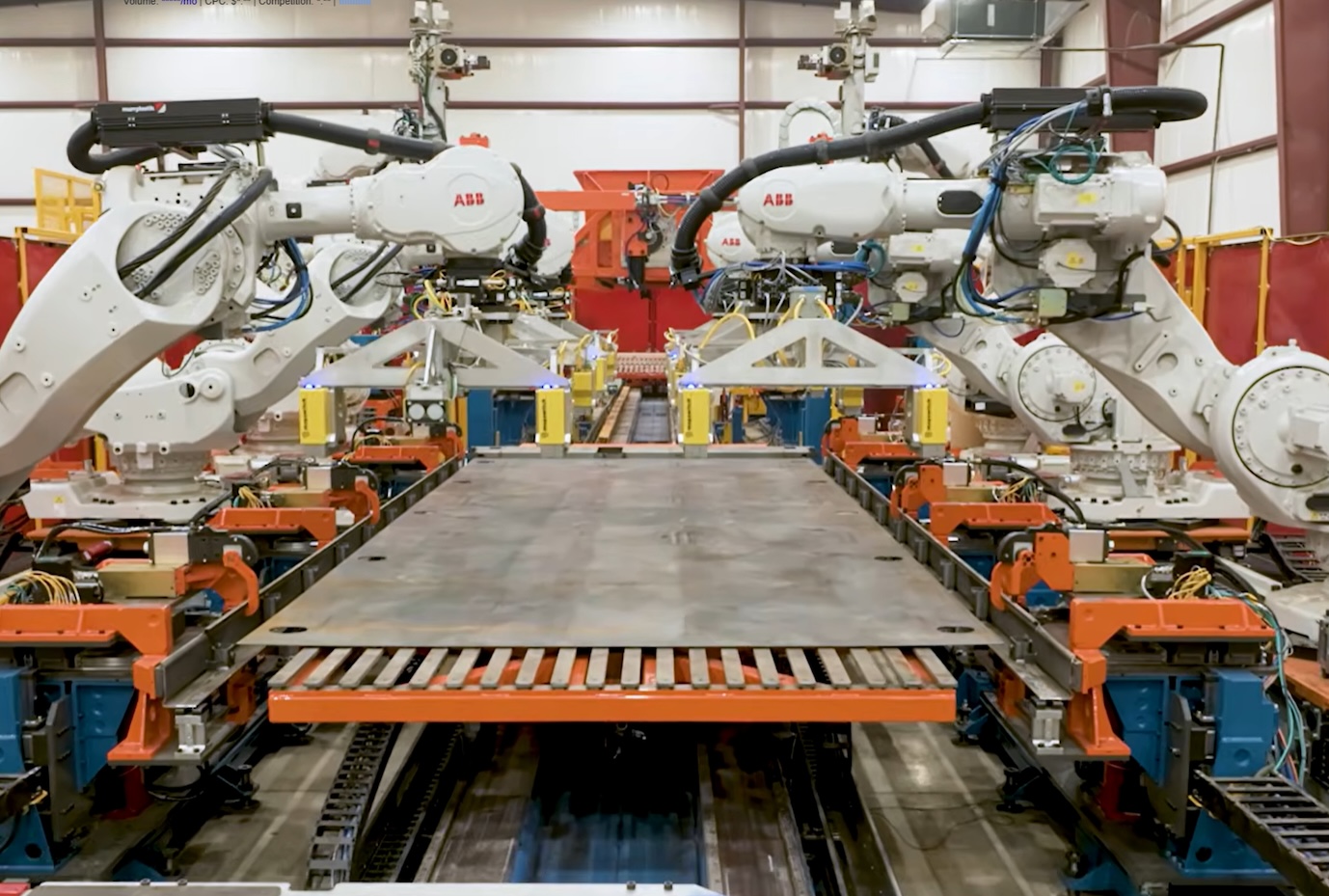
Exploring the Future Role of 3D Sensing in AMRs, Humanoids, and Industrial Robotics
Sonair's 3D ultrasonic sensor, Adar One, meets SIL2 and Pld requirements and is certified under the European Machinery Directive. In an interview with ROBOTIK UND PRODUKTION, CEO Knut Sandven discusses the advantages of 3D ultrasonic sensors and how Sonair's technology can address the challenges of real-time processing of 3D sensor data in humanoid robots. The development of 3D sensing technology is crucial for advancing autonomous mobile robots (AMRs), humanoid robots, and industrial robotics. By enhancing real-time data processing capabilities, these sensors can significantly improve the operational efficiency and safety of robotic systems. The certification of Adar One under the European Machinery Directive further underscores its reliability and compliance with industry standards. Looking ahead, the integration of 3D sensing technology in robotics will likely lead to more sophisticated and capable robotic systems. As the demand for automation continues to grow across various sectors, the role of advanced sensors like Sonair's Adar One will be pivotal in shaping the future of robotics. No further timeline was disclosed at the time of publication.
Allgemein Anwendungen & Lösungen Humanoide Robotik Menschen & Meinungen
O-ID Secures $1.2M to Develop Modular Humanoid Robots Amid Worker Shortages
Tokyo-based robotics company O-ID has raised $1.2 million to develop fully modular humanoid robots. These robots are designed to integrate seamlessly into existing factory lines and can be repaired on-site, addressing the anticipated worker shortages in Japan and the United States. The significance of this initiative is underscored by projections indicating a potential shortage of 11 million workers in Japan by 2040 and 1.9 million in U.S. manufacturing by 2033. O-ID's approach aims to mitigate these challenges by providing a flexible robotic solution that can adapt to various manufacturing environments. As industries prepare for these workforce deficits, the development of O-ID's humanoid robots will be closely monitored. The company's innovative design could set a precedent in the robotics sector, potentially influencing how factories operate in the future. No further timeline was disclosed at the time of publication.

Timac Agro Engages Citizens to Combat Odors from Its Saint-Malo Facility
For many years, residents of Saint-Malo, Ille-et-Vilaine, have faced challenges due to unpleasant odors emanating from Timac Agro's facility. The company, which specializes in plant nutrition and animal production, is now seeking solutions to improve relations with the local community. Addressing these odor issues is crucial for Timac Agro as it aims to maintain a positive relationship with residents and enhance its operational reputation. The initiative to involve citizens as 'olfactors' highlights the company's commitment to transparency and community engagement in resolving environmental concerns. Looking ahead, it will be important to monitor the effectiveness of this citizen involvement strategy and any subsequent actions taken by Timac Agro to mitigate odor problems. No further timeline was disclosed at the time of publication.
Ille-et- Vilaine
Mitsubishi Electric Utilizes Industrial Robots for Precision Camera Movements in Film Production
Mitsubishi Electric is collaborating with the Italian production company Moviechrome to implement its robotic solutions for high-precision camera movements in film, advertising, and special effects productions. This partnership highlights the growing integration of robotics in the film industry, enhancing the quality and efficiency of production processes. The use of Mitsubishi Electric's robots allows for greater precision and consistency in camera movements, which is crucial for achieving the desired visual effects in film and advertising. This development signifies a shift towards more automated solutions in creative industries, where technology can complement artistic vision. As the film industry continues to evolve, the adoption of robotic technology is expected to increase. Stakeholders should monitor how this collaboration influences production techniques and whether other companies will follow suit in integrating robotics into their workflows. No further timeline was disclosed at the time of publication.
Allgemein
Teledyne Introduces New Industrial-Grade 3D Time-of-Flight Camera, Perciva ToF
Teledyne has launched the Perciva ToF, a new industrial-grade 3D Time-of-Flight camera designed for various applications. This innovative camera aims to enhance depth perception capabilities in industrial settings, providing precise measurements and improved operational efficiency. The introduction of the Perciva ToF is significant as it addresses the growing demand for advanced imaging solutions in industries that require accurate depth sensing. This technology is expected to play a crucial role in automating processes and improving quality control in manufacturing environments. Looking ahead, industry professionals should monitor the adoption of the Perciva ToF in various sectors and its impact on operational workflows. No further timeline was disclosed at the time of publication.
Allgemein Lösungen Robot Vision & Inspection
Humanoid Robots Showcase Improved Capabilities at Beijing Half Marathon in April 2026
In April 2026, approximately 300 humanoid robots participated in a half marathon in Beijing. Despite some falls and collisions, the event highlighted the significant advancements in the capabilities of these human-like machines. The participation of humanoid robots in such events underscores the growing integration of robotics in various sectors. Their improved performance indicates a shift towards more sophisticated applications, potentially transforming industries that rely on automation and robotics. Looking ahead, the continued development of humanoid robots will be crucial to watch. As their capabilities expand, they may play increasingly vital roles in sectors such as logistics, healthcare, and customer service. No further timeline was disclosed at the time of publication.
Allgemein Humanoide Robotik Menschen & Meinungen Newsarchiv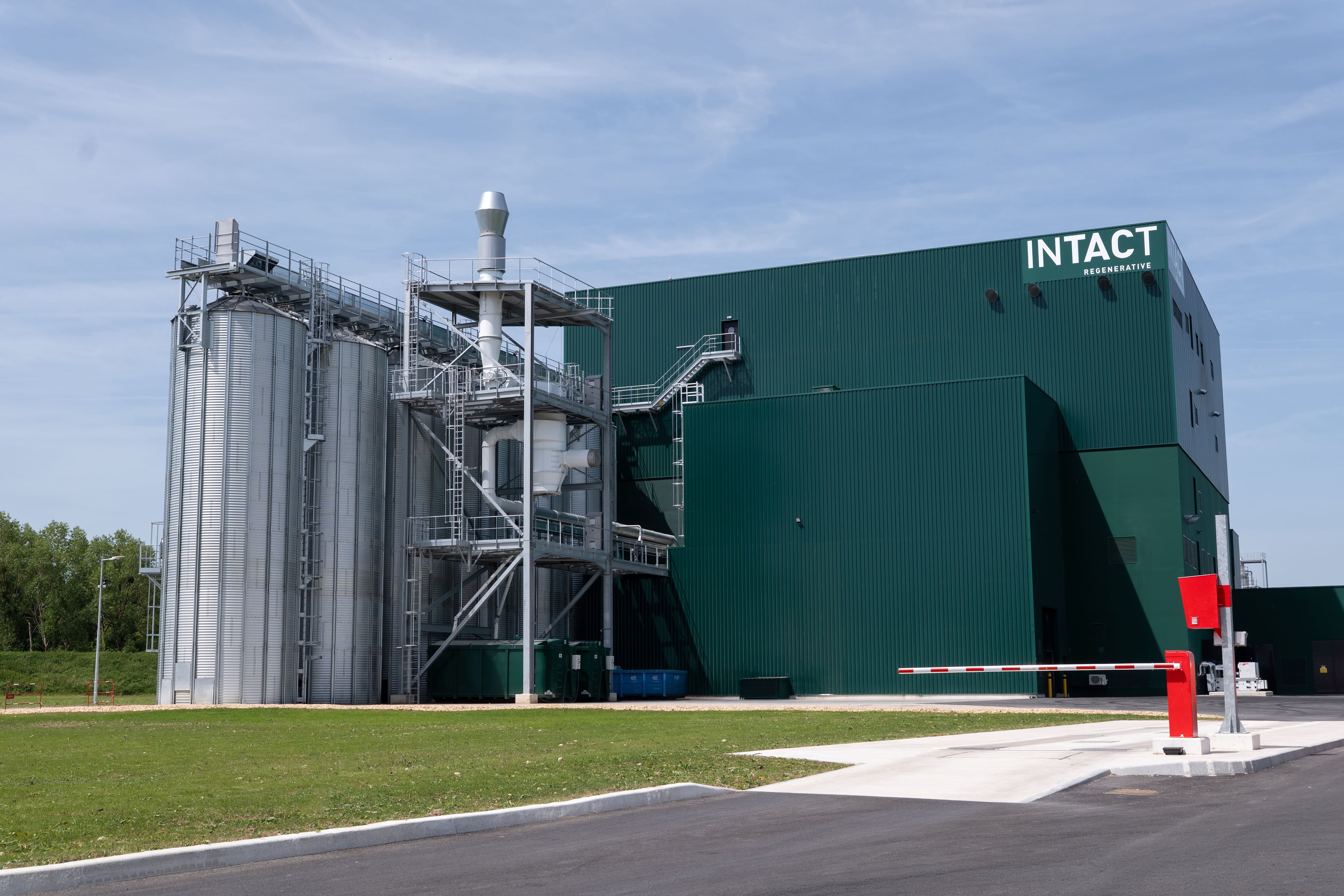
Intact Regenerative Launches First Legume Processing Plant in Baule with €75 Million Investment
Intact Regenerative, a startup focused on sustainable practices, inaugurated its first plant for processing legumes into flour and alcohol on May 29 in Baule, Loiret. This facility represents a significant investment of €75 million and marks a milestone in the company's journey since its inception four years ago. The establishment of this plant is crucial as it aligns with the growing demand for sustainable food sources and innovative processing methods. By focusing on legumes, Intact Regenerative aims to contribute to a lower carbon footprint in food production, which is increasingly important in today's environmentally conscious market. Looking ahead, stakeholders will be keen to observe how this facility impacts the local economy and the broader food industry. No further timeline was disclosed at the time of publication.
Produits alimentaires
Korea Aerospace Industries and Hyundai Rotem Collaborate on KF-21 Air-to-Air Missiles
Korea Aerospace Industries (KAI) and Hyundai Rotem have entered into a memorandum of understanding (MoU) to collaborate on the development and integration of advanced airborne weaponry, specifically focusing on air-to-air missiles for the KF-21 fighter jet. This partnership is significant as it underscores the growing emphasis on enhancing the capabilities of the KF-21, which is a key component of South Korea's defense strategy. The collaboration aims to leverage both companies' expertise in aerospace and defense technology to create more effective and advanced weapon systems. Looking ahead, industry stakeholders will be keen to observe the progress of this collaboration and its impact on the KF-21 program. No further timeline was disclosed at the time of publication.
News
SAIRA Establishes Collaborative Network for Space AI Robotics Across Industries and Academia
The Space AI Robotics Association (SAIRA) aims to create a collaborative network that integrates diverse technologies such as AI, robotics, data science, and space engineering to advance space exploration and infrastructure. The organization promotes research exchanges and joint studies in areas like physical AI and digital twins, connecting universities, research institutions, companies, and government agencies. This initiative is significant as it fosters partnerships across various sectors, enhancing innovation in space AI robotics. SAIRA's activities include hosting symposiums, conducting research and demonstrations, and organizing the RoboCup@Space robotics competition, which is set to expand the field of robotics through collaborative efforts. Looking ahead, SAIRA is actively inviting researchers, companies, and students to participate as members or partners. The organization is focused on promoting research exchanges and collaboration in space AI robotics, with plans for future events and initiatives to further its mission. No further timeline was disclosed at the time of publication.

Open Secure AI Alliance Formed to Enhance AI Safety and Security Across Industries
The Open Secure AI Alliance has been established to address vulnerabilities in AI technologies by leveraging open-source principles. This initiative, which builds on the Linux Foundation’s Akrites initiative and OpenSSF community efforts, aims to democratize cybersecurity defenses and enhance transparency for defenders. The alliance includes major players in cloud computing and cybersecurity, such as NVIDIA, Adobe, and IBM, who recognize the need for both open and closed models in AI security. The significance of this alliance lies in its potential to create a more resilient cybersecurity framework that allows companies and countries to build robust security systems across diverse vendor ecosystems. By utilizing open-source technologies, the alliance seeks to provide defenders with tools that can be inspected, adapted, and deployed effectively, especially in critical situations where speed is essential. The recent security incident involving Hugging Face underscores the necessity for open models that enable rapid forensic analysis and response. Looking ahead, the Open Secure AI Alliance will focus on developing and sharing open technologies and techniques to safeguard AI systems. As the landscape of AI security evolves, it will be crucial to monitor how this alliance balances the benefits of openness with the need for strong safeguards against misuse. No further timeline was disclosed at the time of publication.
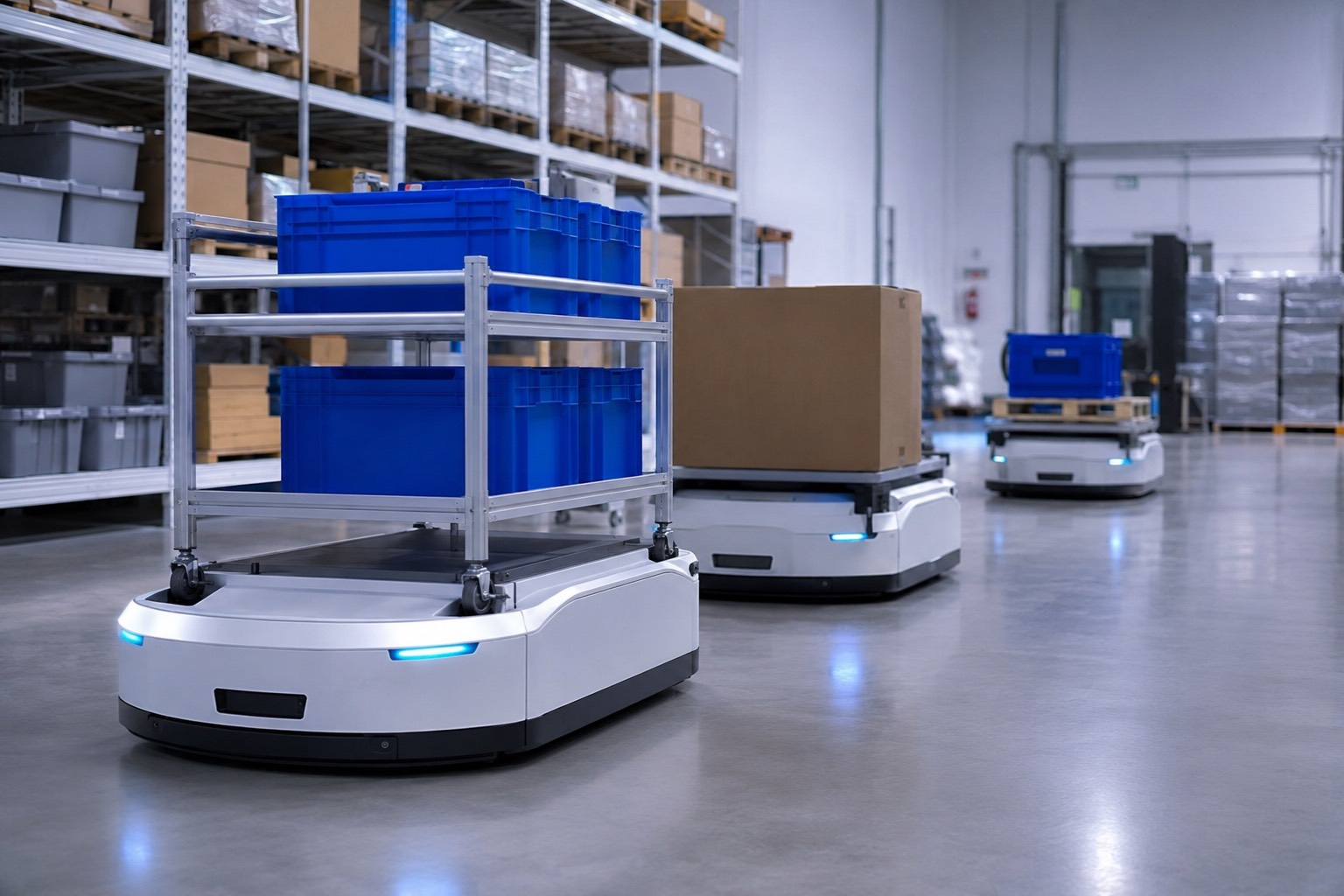
The Rise of Autonomous Mobile Robots in Industrial Automation
Autonomous Mobile Robots (AMRs) are rapidly transforming industrial automation, moving beyond traditional fixed conveyors and AGVs. Their flexibility meets the evolving demands of logistics driven by e-commerce growth, product customization, and labor shortages. AMRs utilize advanced technologies like sensors, cameras, LiDAR, and AI to navigate dynamically without fixed infrastructure. This adaptability is crucial as industries face fluctuating volumes and changing processes, making AMRs a vital component of modern supply chains. According to the International Federation of Robotics, AMRs are among the fastest-growing segments in professional robotics. As deployments increase in logistics centers, fleet management software is becoming as critical as the robots themselves, indicating a shift towards integrated automated solutions.
À la une IA Industrie Robotique AMR automatisation des entrepôts
OpenHarmony Achieves Major Milestones in Operating System Development and Ecosystem Growth
OpenHarmony has reached significant milestones, surpassing 13,000 contributors and 140 million lines of code, while powering 1.3 billion devices in its ecosystem. This growth is pivotal for driving digital transformation across various sectors, including mining, power, healthcare, and government services. The expansion of OpenHarmony's ecosystem highlights its role in facilitating technological advancements and improving operational efficiencies in industries that are critical to modern society. With its extensive codebase and contributor network, OpenHarmony is positioned to influence the future of digital infrastructure. Looking ahead, stakeholders should monitor how OpenHarmony continues to evolve and adapt to the needs of diverse industries. No further timeline was disclosed at the time of publication.
Technology
NVIDIA Halos for Robotics: A New Era for Industrial Robot Safety
Recent advancements in industrial robotics have marked a significant milestone in the integration of physical artificial intelligence. Over the past few years, the field has experienced unprecedented growth, evolving beyond mere data analysis and text generation. Now, AI technology is enabling machines to perceive their surroundings, make real-time decisions, and interact directly with their environment. This evolution is exemplified by NVIDIA's latest innovations, which are set to enhance the safety and functionality of industrial robots. As these developments unfold, the landscape of robotics is transforming, paving the way for smarter and more autonomous machines in various industries.
À la une IA Industrie Robotique automatisation industrielle. cobot industriel
NVIDIA's Halos for Robotics: A New Era for Industrial Robot Safety
Recent advancements in industrial robotics have marked a significant milestone in the integration of physical artificial intelligence. Over the past few years, the field has experienced unprecedented growth, with AI evolving beyond mere data analysis and text generation. Now, machines equipped with this technology can perceive their surroundings, make real-time decisions, and interact directly with their environment. This transformation is highlighted in a recent article discussing NVIDIA's Halos for Robotics, which emphasizes the new era of safety in industrial robots. The developments signal a shift in how robots operate, enhancing their capabilities and effectiveness in various industrial applications.
À la une IA Industrie Robotique automatisation industrielle. cobot industriel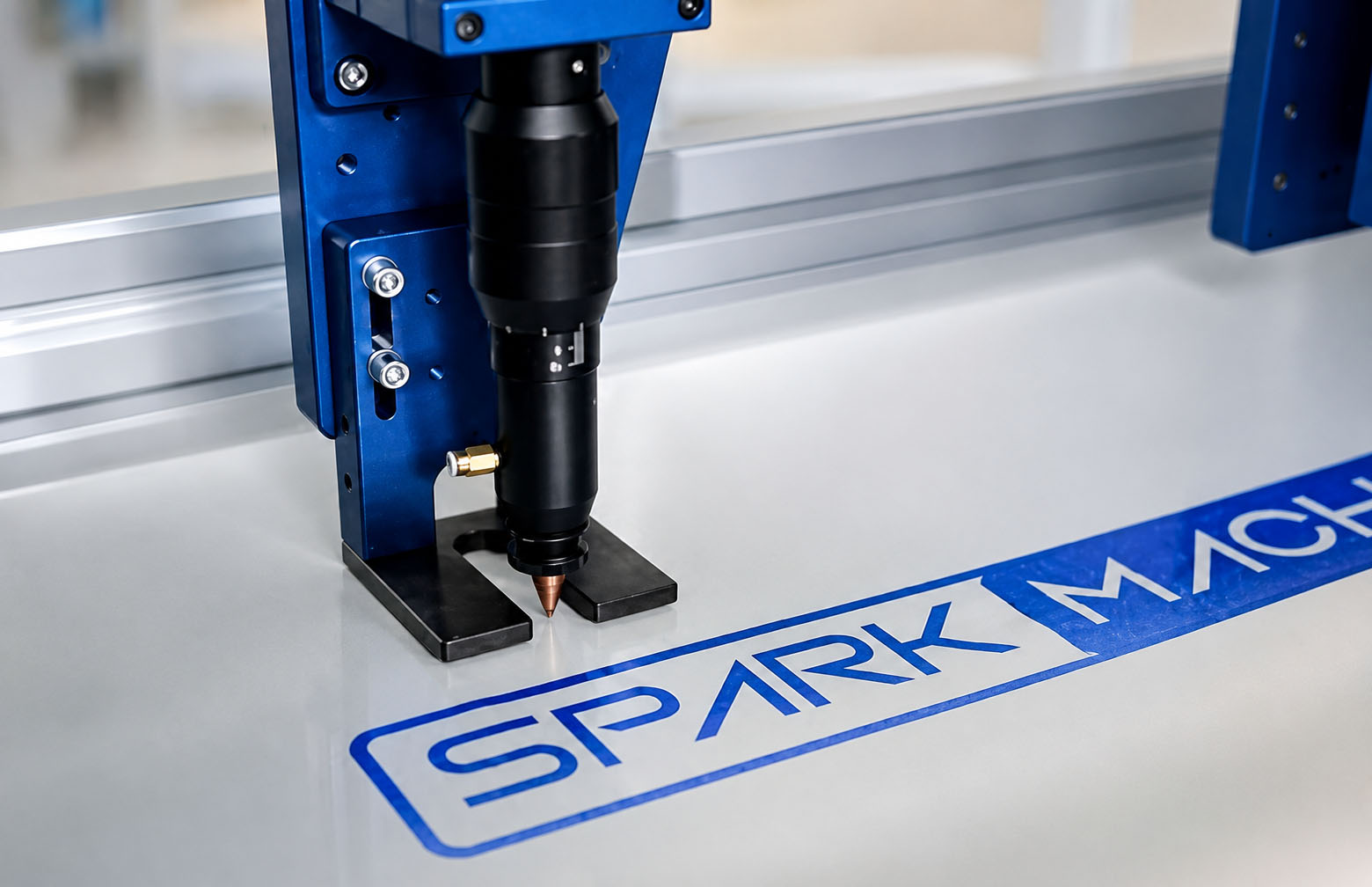
Laser micro-perforation with camera: enhancing reliability in packaging films through industrial vision.
In the contemporary flexible packaging industry, achieving excellence extends beyond aesthetics to become a critical functional requirement. The optimization of permeability has emerged as a fundamental pillar in preserving the freshness of products, where every technical detail plays a vital role in extending shelf life and minimizing food waste. Recent advancements in laser micro-perforation technology, combined with industrial vision systems, are enhancing the reliability of packaging films. This innovative approach not only improves product preservation but also addresses the growing demand for sustainable packaging solutions. The integration of these technologies is transforming how the industry approaches packaging efficiency and effectiveness.
À la une IA Industrie Robotique conservation des aliments contrôle qualité automatisé
Interview with Clearpath Robotics co-founder Ryan Gariepy: ‘Most industries in Canada are under-automated’
Canada is acknowledged for its significant contributions to robotics research, boasting prestigious universities, groundbreaking startups, and advanced technologies utilized in various sectors such as manufacturing, logistics, agriculture, mining, and defense. However, despite this robust technical foundation, experts suggest that the country has struggled to effectively translate its research capabilities into widespread industrial applications. This gap raises concerns about the potential for Canada to fully leverage its innovations in the competitive global robotics landscape.
Automation Economy Features Industry amrs automation news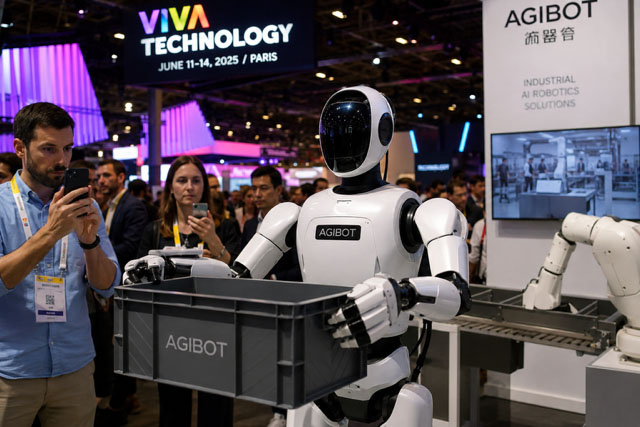
VivaTech 2026: The Year Humanoid Robots Became an Industrial Reality
VivaTech 2026, held at Porte de Versailles in Paris on June 17 and 18, marked its tenth anniversary by highlighting significant advancements in artificial intelligence and the maturation of robotics. The event showcased the growing trend of humanoid robots transitioning into industrial applications, reflecting a global shift in technology. Attendees had the opportunity to witness firsthand the innovations that are shaping the future of robotics, underscoring the industry's evolution and its increasing relevance in various sectors.
À la une IA Industrie Robotique automatisation industrielle. CNRS robotique
Israel Aerospace Industries completes Kfir fighter upgrade for Sri Lanka
Israel Aerospace Industries (IAI) has successfully completed the upgrade of the Sri Lanka Air Force’s Kfir fighter jets. The modernised aircraft conducted its inaugural flight test on June 14, 2026. This upgrade aims to enhance the operational capabilities of the Sri Lankan military, reflecting the country's commitment to modernising its air force and improving national defense. The collaboration between IAI and the Sri Lanka Air Force underscores the growing defense ties between Israel and Sri Lanka, as both nations seek to bolster their military capabilities in an evolving geopolitical landscape.
News
Hitachi and Intel Collaborating to Develop Physical AI, Quantum Computing Across Key Industries
Hitachi and Intel have announced a strategic partnership aimed at advancing technologies in physical AI, quantum computing, and digital infrastructure. This collaboration, which was revealed recently, seeks to leverage Hitachi’s strengths in information technology, operational technology, and industrial systems alongside Intel’s capabilities in semiconductor manufacturing and computing. The two companies intend to focus their efforts on developing innovative solutions for various sectors, including manufacturing, energy, and mobility. By combining their expertise, Hitachi and Intel aim to enhance industrial processes and drive technological progress across these critical industries.
AI AI Funding & Investment Robotics Foundry Hitachi Intel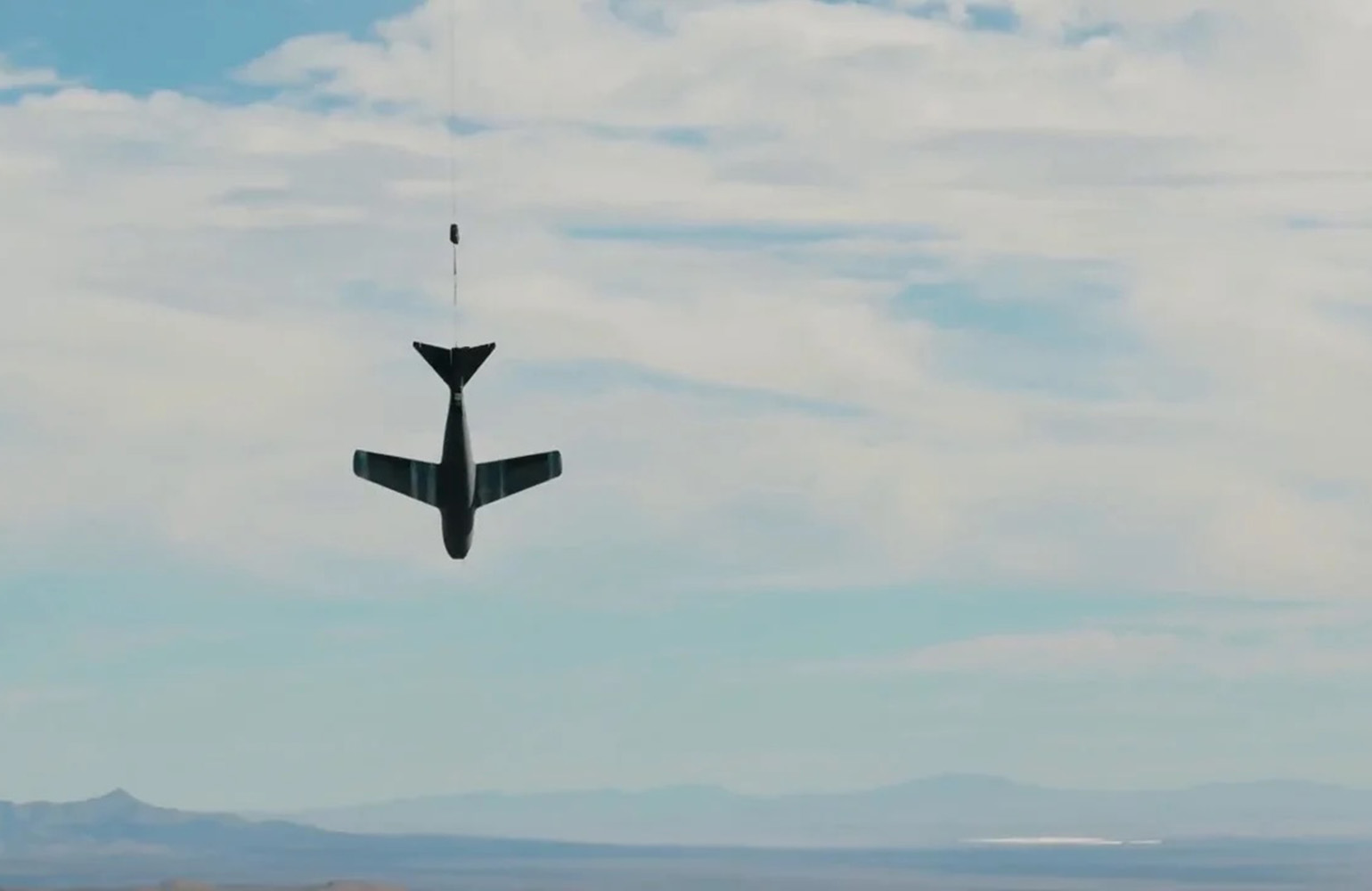
Autonomous defense manufacturer Mach Industries raises $300M
Mach Industries, an autonomous defense manufacturer, has successfully raised $300 million in funding. This significant financial boost will enable the company to expedite the execution of government contracts, enhance its talent acquisition efforts, develop new products, and broaden its operational network. The funding is expected to play a crucial role in advancing Mach Industries' capabilities and expanding its presence in the defense sector.
Defense / Security Drones Financial Investments Manufacturing Markets / Industries
Mach Industries just spent $50M to solve a major defense tech problem
Mach has announced that its recent acquisition significantly enhances the unit economics of its five vehicle programs, coinciding with the company's scaling efforts. This strategic move is expected to optimize financial performance and operational efficiency as Mach expands its production capabilities. The timing of the acquisition aligns with the company's growth trajectory, allowing it to capitalize on improved economic metrics at a crucial juncture. By integrating the new assets, Mach aims to strengthen its market position and drive profitability in an increasingly competitive landscape.
Hardware defense tech Ethan Thornton mach industries
Robot Orders Hold Steady in Q1 2026 as Demand Broadens Across Non-Automotive Industries
Recent data from A3 indicates significant growth in sectors such as life sciences, electronics, food, and collaborative robots, even as the automotive original equipment manufacturer (OEM) market experiences a cyclical downturn. This trend highlights the resilience and adaptability of these industries amid challenges faced by the automotive sector. The report, released in October 2023, underscores the ongoing demand for innovation and automation in various fields, suggesting that companies are increasingly investing in technology to enhance productivity and efficiency. The findings reflect a broader shift in market dynamics, where certain sectors continue to thrive despite fluctuations in others, pointing to a diversified economic landscape.

Dutch Industry Anticipates Rapid Automation, Yet Fully Autonomous Factories Remain Elusive
The Dutch industry is increasingly focusing on robotics to address structural challenges such as labor shortages and rising production pressures. However, recent research indicates that the reality of automation lags behind expectations. While 79% of companies utilize robots, 71% automate less than 40% of their processes, with only 6% automating over 60%. Despite these figures, 58% of companies expect their production processes to be fully automated within five years, highlighting a significant gap between ambition and current practice. Malte Janßen from reichelt elektronik emphasizes that automation is becoming a necessity due to the shortage of skilled labor, yet the current level of automation shows that the industry has a long way to go. The Dutch industry is on the brink of a new phase in automation, with a clear intent to invest. However, practical challenges and technological limitations mean that fully autonomous factories remain out of reach for now. The coming years will focus on gradual advancements, balancing innovation, costs, and practical applicability, with humanoid robots and AI-driven systems offering promising prospects.
Nieuws algemeen Technologie Automatisering AI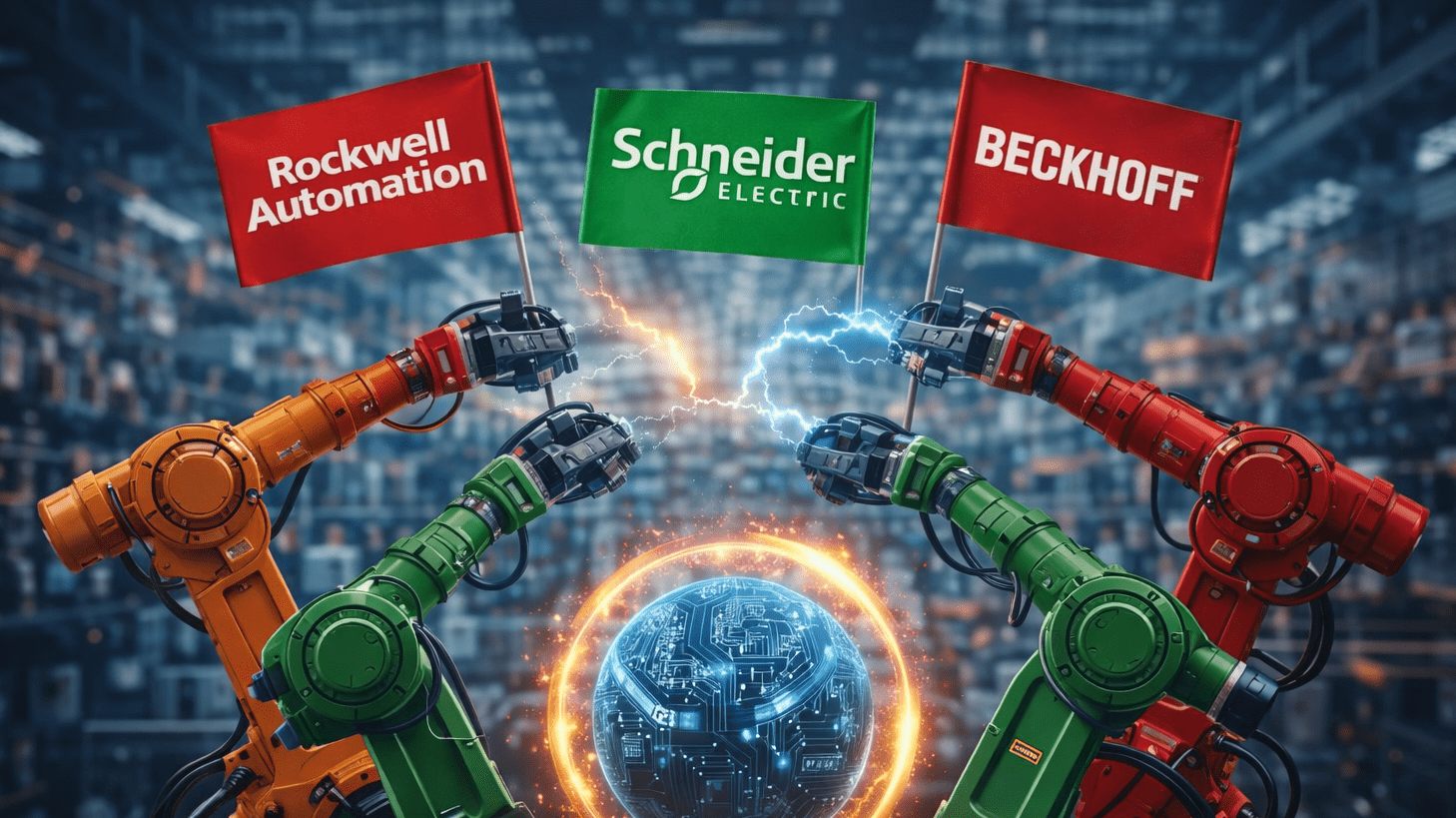
Rockwell, Schneider, Beckhoff : La Guerre des architectures industrielles
In the context of Industry 4.0, the selection of an automation architecture has evolved into a strategic decision that will impact the scalability, cybersecurity, and software agility of manufacturing plants for the next two decades. Rockwell Automation represents the pragmatic strength of the North American approach, while Schneider Electric emphasizes software openness. This shift highlights the growing importance of architecture choices in the industrial sector, as companies navigate the complexities of modern manufacturing environments. The discussion surrounding these architectural strategies underscores the competitive landscape among industry leaders.
À la une Actualités IA Industriel Robotique Architecture Industrielle
Global Industrie : les exposants qui redéfinissent l’usine du futur
In less than a week, the Global Industrie 2026 trade show will commence, reaffirming its status as a key event for industrial innovation in Europe. This year's edition is set to highlight not only advanced machinery and impressive demonstrations but also the pivotal role of exhibitors in shaping the future of manufacturing. As industry leaders gather to showcase their latest technologies and solutions, the event aims to drive discussions on the transformation of industrial practices and the evolution of factories. The focus will be on how these innovations can enhance efficiency and sustainability in the manufacturing sector. The trade show, taking place in France, is expected to attract a diverse range of participants, all eager to explore the latest trends and developments in the industry.
À la une Actualités IA Industriel Robotique automatisation usine
Into the Omniverse: How Industrial AI and Digital Twins Accelerate Design, Engineering and Manufacturing Across Industries
Companies across various industries are increasingly leveraging industrial AI, digital twins, AI physics, and accelerated AI infrastructure to enhance their design, simulation, and optimization processes. This technological shift allows organizations to refine products, processes, and facilities in a virtual environment before actual construction begins. By adopting these advanced tools, businesses aim to improve efficiency, reduce costs, and accelerate time-to-market for new innovations. The integration of these technologies is seen as a crucial step in staying competitive in a rapidly evolving market, enabling firms to make data-driven decisions and optimize their operations effectively.

2025 Top Article - Redefining industries with robotics and AI
Robotics, traditionally a cornerstone of the automotive manufacturing sector, are now transforming a wide array of industries, including agriculture, healthcare, and services. This expansion reflects a growing trend in automation, driven by advancements in technology and the increasing need for efficiency and precision across various sectors. As industries seek to enhance productivity and reduce labor costs, the integration of robotic systems is becoming more prevalent. The shift is evident as companies adopt these technologies to streamline operations, improve safety, and meet the demands of modern consumers. This evolution in robotics is expected to continue reshaping the landscape of multiple industries well into the future.

From vision to reality: how to deploy foundation models across industries
The recent deployment of foundation models across various industries marks a significant transformation in the application of artificial intelligence. This shift is not merely about introducing a singular, powerful solution to replace existing workflows; rather, it emphasizes a complex and iterative process of aligning advanced technology with engineering practices and market demands. On Thursday, the founders of two prominent Chinese AI unicorns discussed these developments, highlighting the importance of adapting AI agents to meet specific industry needs. Their insights reflect a broader trend in the tech landscape, where the focus is on integrating AI solutions that enhance rather than disrupt current operational frameworks. This evolution is expected to drive innovation and efficiency, as businesses seek to leverage AI in a way that complements their existing systems.
Events AI Ant GroupRobotics needs a service framework.
RSF defines a common language for robot service capability, lifecycle operations, certification pathways, and service-provider networks.
Join the RobotToday community on LinkedIn
Daily robotics news, in-depth analysis, conference highlights, and discussions with professionals worldwide.







