Industry Briefing
A single destination for timely, editor-curated robotics news from around the world.
Optimizing High Voltage Motion Systems in Industrial Facilities for Efficiency
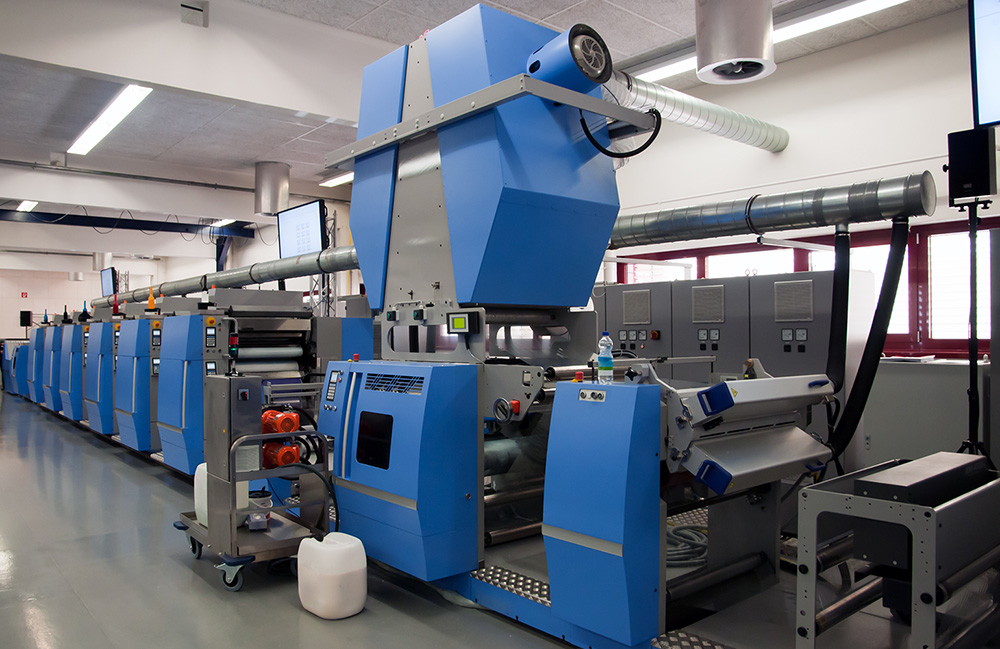
Industrial facilities, such as manufacturing plants and automotive production lines, often operate on 400–480V three-phase power. Kollmorgen emphasizes that the challenge lies not in adopting high voltage but in effectively utilizing it without unnecessary complexity. Many machine builders mistakenly assume that high-voltage environments require complex motion systems, but not every axis needs to meet the highest specifications. The importance of this approach is underscored by the potential for increased costs and integration difficulties when over-specifying systems. Kollmorgen points out that many tasks in large industrial settings, such as positioning and material handling, do not require top-tier performance. By focusing on 'right-sizing' solutions, machine builders can enhance usability and reduce commissioning time, ultimately leading to more efficient operations. Looking ahead, the industry is shifting towards evaluating motion systems based on a broader set of criteria, including ease of integration and long-term usability. As machine builders adopt this measured approach, they will likely prioritize solutions that align with application needs while minimizing complexity. No further timeline was disclosed at the time of publication.
Batteries / Power Supplies Controllers Mechanical Motion Control News Robot Components
Mouser Launches Resource Hubs for Industrial Edge AI and Power Management Solutions
Mouser Electronics has introduced dedicated resource hubs aimed at addressing the complete design challenges associated with industrial edge AI. These hubs provide practical guidance on critical aspects such as workload characterization, energy harvesting, and the development of production-grade power architecture. The significance of these resources lies in their ability to streamline the design process for engineers, enabling them to efficiently tackle the complexities of integrating AI at the edge. By offering direct access to technical insights and stocked components, Mouser facilitates a smoother transition from concept to implementation in edge AI projects. Looking ahead, engineers and decision-makers should monitor how these resource hubs influence the adoption of edge AI technologies and power management solutions in various industrial applications. No further timeline was disclosed at the time of publication.

easyh2power Secures Funding for Scalable Hydrogen Fuel Cell Systems for Aviation
easyh2power has successfully completed an angel+ funding round worth tens of millions, focusing on the development of hydrogen fuel cell systems. These systems range from 30kW to 110kW and are designed for aviation applications, including a liquid-cooled variant suitable for larger aircraft. The significance of this development lies in easyh2power's role as a supplier for Comac, contributing to the advancement of hydrogen propulsion technologies. Additionally, the company is working on an air-cooled variant aimed at drones, which boasts an impressive endurance of up to 30 hours of flight time. Looking ahead, easyh2power's scalable hydrogen fuel cell systems could play a crucial role in the future of sustainable aviation. No further timeline was disclosed at the time of publication.
Technology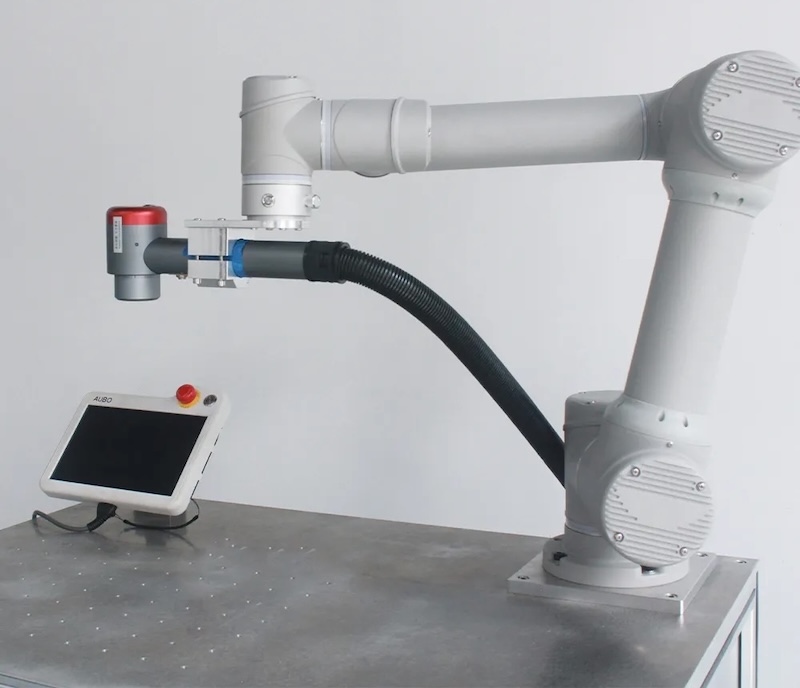
Integrating Industrial Robots with Laser Cleaning Systems Enhances Production Efficiency
Recent advancements in technology are transforming factory operations, with companies striving to reduce cycle times, cut costs, and ensure quality. The integration of industrial robots with laser cleaning systems is emerging as a solution to automate the removal of burrs from metal components, significantly enhancing productivity and efficiency in production lines. This combination of technologies is crucial as it addresses the need for cleaner surfaces before processes like painting, coating, or welding, which are essential for maintaining product quality. Laser cleaning, a modern technique that utilizes powerful laser beams to eliminate unwanted materials without damaging the underlying metal, offers a more environmentally friendly alternative to traditional cleaning methods that often rely on harsh chemicals. As more companies explore the benefits of industrial laser cleaning machines, the focus will be on how these systems can further optimize production lines. The automation of the cleaning process not only saves time but also improves overall manufacturing efficiency. No further timeline was disclosed at the time of publication.
Engineering Robotics Technology factory automation industrial automation industrial robots
Caterpillar Partners with FieldAI to Enhance AI-Driven Industrial Operations
Caterpillar Inc. is collaborating with FieldAI to advance AI, autonomy, and robotics in industrial settings. This partnership aims to address labor shortages and productivity challenges by leveraging technologies such as robotics, digital twins, and NVIDIA solutions. The collaboration focuses on utilizing physical AI to transform real-time observations into actionable insights, thereby improving decision-making and enhancing safety on jobsites and in factories. This initiative is crucial as industries increasingly demand smarter and more efficient operations to cope with workforce constraints. Looking ahead, the partnership between Caterpillar and FieldAI is expected to drive innovations that maximize the effectiveness of workers and machines. No further timeline was disclosed at the time of publication.
Reframe Systems Secures $40 Million to Expand Microfactory Network for Homebuilding
Reframe Systems has successfully raised $40 million in venture-backed equity financing aimed at scaling its microfactory network throughout North America. This funding will enable the company to enhance its capacity to deliver homes to customers more efficiently. The significance of this financing lies in Reframe Systems' mission to industrialize home construction, leveraging physical AI technology to streamline the building process. The investment, led by Energy Impact Partners, with contributions from various venture firms, underscores the growing interest in innovative solutions for the housing sector. Looking ahead, Reframe Systems is poised to make substantial advancements in homebuilding efficiency and accessibility. No further timeline was disclosed at the time of publication.
Construction News automated construction construction robotics construction technology energy impact partners
EnPower and Echion Collaborate to Manufacture Ultra-High-Power Battery Cells for Robotics
EnPower, Inc. and Echion Technologies Ltd have announced a partnership to develop ultra-high-power battery cells in the U.S. for the North American industrial robotics market. This collaboration aims to combine Echion's XNO® niobium-based anode technology with EnPower's manufacturing expertise to create advanced battery solutions for automated guided vehicles and industrial robots. This partnership is significant as it aligns with Washington's efforts to secure the robotics supply chain and enhance domestic manufacturing capabilities. By producing these battery cells in the U.S., the companies aim to support critical infrastructure and autonomous systems, which are increasingly vital in various sectors, including AI datacenter power. Looking ahead, the agreement establishes EnPower as a key manufacturing partner for XNO® cells in North America. The companies plan to deepen their collaboration as their joint programs progress, indicating a strong commitment to advancing battery technology for industrial applications. No further timeline was disclosed at the time of publication.

Tacta Systems Launches AI-Driven Robotic Hand for Advanced Manufacturing Applications
Tacta Systems has introduced a new robotics platform aimed at enhancing industrial automation with human-like dexterity. The TactaBot, the company's inaugural product, integrates a robotic hand, a wearable skill capture system, and an AI engine to perform intricate manufacturing tasks that demand precision and tactile feedback. This innovation is significant as it addresses critical challenges in robotics, such as creating a robotic hand for industrial performance and enabling robots to possess a sense of touch. Tacta's platform, featuring the proprietary Fluidic Tendon actuation technology, is designed to automate complex tasks in sectors like electronics and automotive manufacturing, with initial deployments expected in early 2027. Looking ahead, Tacta plans to expand its technology into additional industries, including medical devices and aerospace. The company aims to revolutionize the way robots interact with their environment, potentially transforming manufacturing processes across various sectors. No further timeline was disclosed at the time of publication.
Components News ai robotics Dexterous Intelligence dexterous robotics industrial robotics
Palladyne AI to Engage with Investors at Needham Virtual Industrial Tech Conference
Palladyne AI, a U.S.-based aerospace and defense technology company, announced its participation in the Needham Virtual Industrial Tech, Robotics, & Power 1x1 Conference. CEO Ben Wolff and CFO Trevor Thatcher will hold one-on-one meetings with institutional investors on August 17 and 18, 2026. This engagement is significant as it provides Palladyne AI an opportunity to showcase its embodied AI-powered collaborative autonomy solutions and advanced aerospace engineering services to potential investors. The conference is a platform for companies in the industrial tech and robotics sectors to connect with institutional investors, which can lead to increased funding and support for innovative technologies. Looking ahead, stakeholders should monitor the outcomes of these meetings and any potential partnerships or investments that may arise from the conference. No further timeline was disclosed at the time of publication.

XTI Aerospace to Join Needham's 15th Annual Virtual Industrial Tech Conference in 2026
XTI Aerospace, Inc. will participate in the 15th Annual Needham Virtual Industrial Tech, Robotics & Power Conference scheduled for August 17-18, 2026. The company's executive leadership team is set to discuss its second quarter results, strategic direction, and growth opportunities with institutional investors. This participation is significant as it highlights XTI Aerospace's commitment to engaging with investors and stakeholders in the aerospace and technology sectors. By sharing insights on its performance and future strategies, the company aims to strengthen its position in the market and attract potential investment. Looking ahead, industry observers should monitor XTI Aerospace's discussions during the conference for insights into its growth trajectory and strategic initiatives. No further timeline was disclosed at the time of publication.
Unbounded Power Launches K15 Robot with Full CE Certification for Global Markets
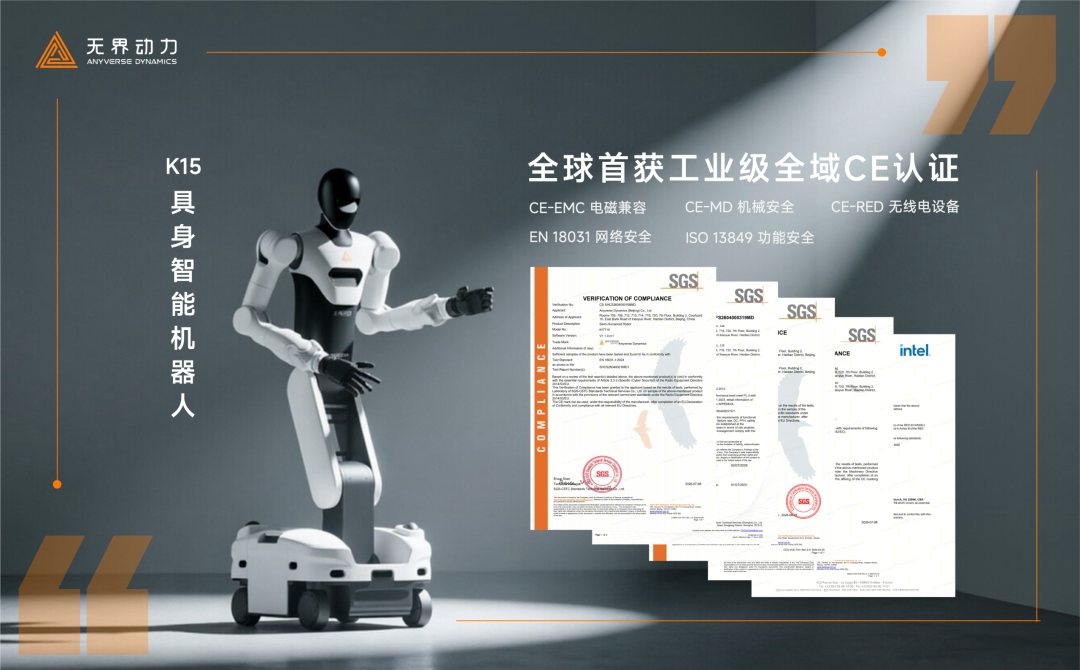
On July 9, 2026, Unbounded Power announced that its second-generation K15 robot has achieved full industrial-grade CE certification, making it the world's first embodied intelligent robot to do so. The K15 has passed multiple EU standards, including CE-MD for machinery safety and EN ISO 13849 for functional safety, confirming its compliance with the highest global safety standards. This certification is significant as it allows the K15 to enter the European industrial manufacturing chain, enhancing its marketability in regions like the UK. The K15's compliance with stringent safety and electromagnetic compatibility standards ensures reliable operation in complex industrial environments, addressing potential risks associated with physical interactions and electromagnetic interference. With nearly $100 million in global orders now in the delivery phase, the first batch of K15 robots is being shipped to Europe. This marks a critical step in Unbounded Power's strategy to expand its global footprint and enhance the value chain of Chinese manufacturing, transitioning from hardware exports to integrated intelligent infrastructure solutions. No further timeline was disclosed at the time of publication.
Embodied Intelligence Industrial Robotics CE Certification Global Supply Chain Smart Manufacturing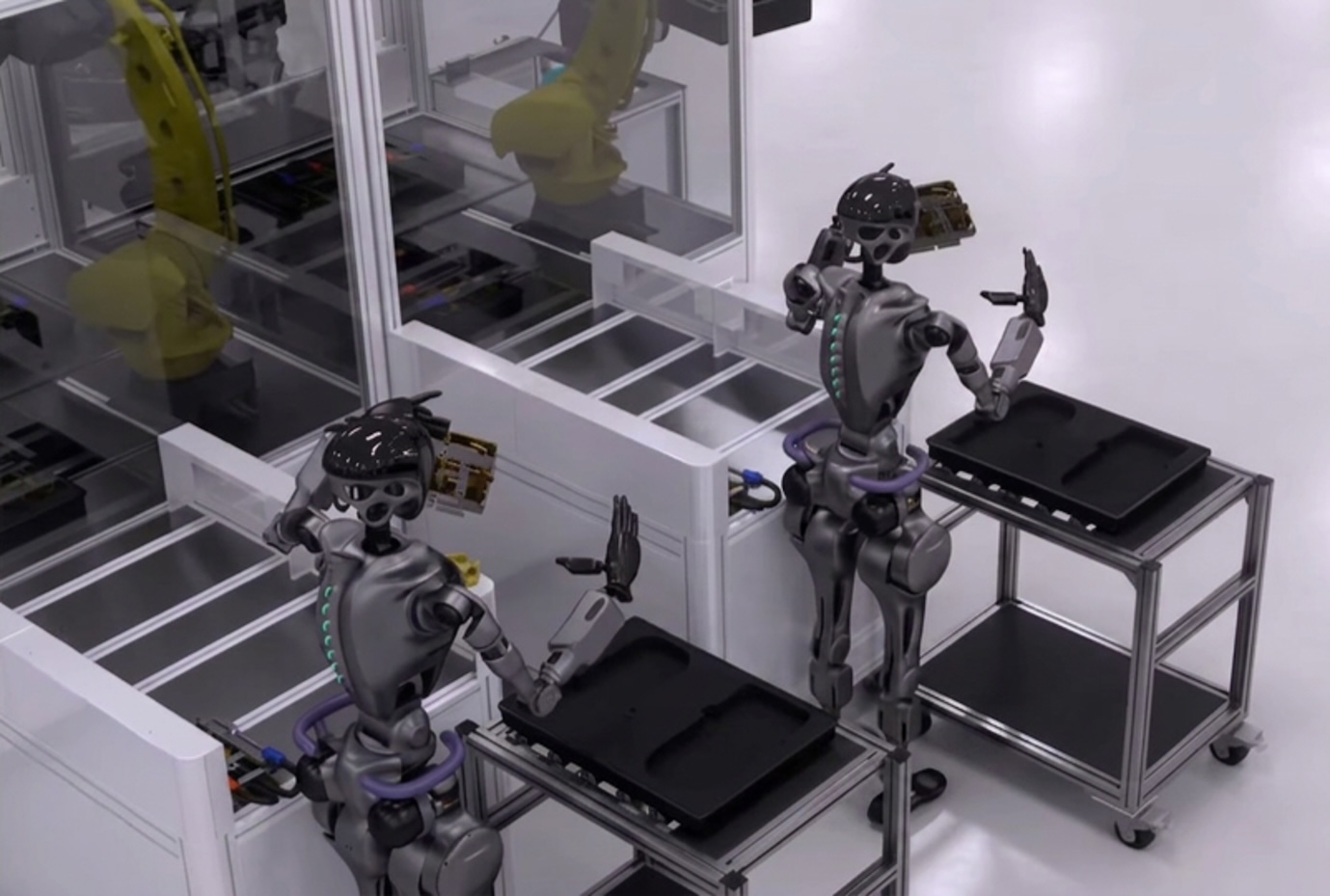
SpaceX Proposes 1 Million AI Satellites to Address Ground Data Center Constraints
On January 30, 2026, SpaceX filed with the FCC to launch up to 1 million AI compute satellites, positioning orbital data centers as a solution to the increasing demand for AI computing power. Ground data centers are facing significant challenges, with energy consumption projected to reach approximately 1,050 TWh in 2026, making them the fifth-largest electricity consumer globally. The demand for new data center capacity is outpacing the growth of power generation infrastructure, leading to a critical bottleneck in the grid system. The significance of this initiative lies in the structural constraints faced by ground data centers, including power delivery limitations, high water consumption, and local opposition to new projects. The Uptime Institute's 2026 outlook identifies power as the primary constraint on data center growth, with capacity clearing prices in the PJM grid skyrocketing to $329.17/MW, driven by data center expansion. Additionally, cooling requirements are becoming increasingly unsustainable, with facilities consuming vast amounts of water, further complicating their operational viability. Looking ahead, SpaceX's orbital AI compute initiative aims to circumvent these challenges by leveraging the advantages of space, such as continuous solar power and minimal local opposition. The first AI prototypes are expected to launch in early 2027, with operational deployments planned for 2028. No further timeline was disclosed at the time of publication.
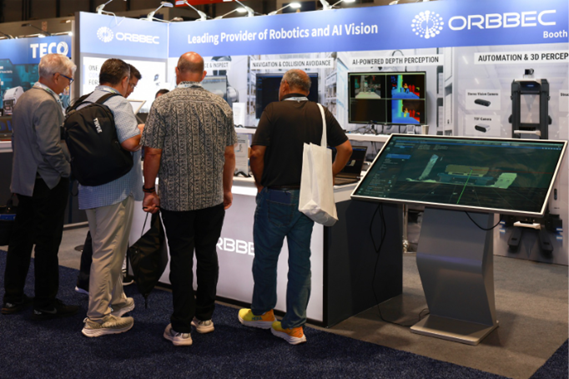
Orbbec shows AI-powered vision systems at Automate 2026
Orbbec showcased its latest industrial-grade 3D cameras designed for demanding automation environments during the Automate 2026 event. The company emphasized the integration of artificial intelligence to improve robotic perception, highlighting advancements that enable more sophisticated automation solutions. This presentation reflects Orbbec's commitment to addressing the complexities of modern industrial applications, aiming to enhance efficiency and accuracy in robotic systems. The event, which gathered industry leaders and innovators, provided a platform for Orbbec to demonstrate how its technology can meet the evolving needs of automation in various sectors.
Artificial Intelligence Artificial Intelligence / Cognition Automation Autonomous Mobile Robots (AMRs) Cameras / Imaging / Vision Collaborative Robots
Mouser Expands Industrial Automation Portfolio with New Manufacturer Additions to Support Next-Gen Systems
A recent expansion initiative aims to enhance access to essential technologies in artificial intelligence, connectivity, power, control, and sensing. This development is crucial for fostering the integration of industrial environments, which are becoming increasingly interconnected. By broadening the availability of these key technological components, the initiative seeks to support industries in adapting to modern demands and improving operational efficiency. The move is expected to facilitate innovation and growth across various sectors, positioning them to better meet the challenges of a rapidly evolving technological landscape.
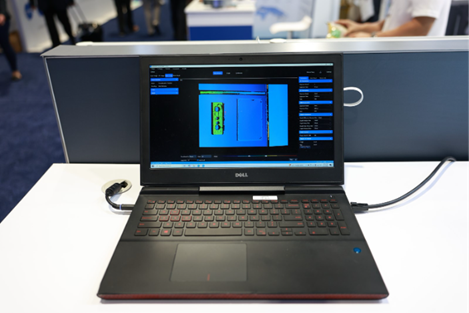
Automate 2026: Orbbec Brings AI-Powered Vision Solutions to Address Industrial Automation Challenges
Orbbec, a prominent player in robotics and 3D vision technology, is presenting its innovative 3D vision products and solutions aimed at enhancing industrial automation during the Automate 2026 event. The exhibition is taking place at Booth 14045 in the North Building. This showcase highlights Orbbec's commitment to advancing automation processes in various industries, reflecting the growing demand for efficient and intelligent manufacturing solutions. By leveraging cutting-edge technology, Orbbec aims to demonstrate how its products can streamline operations and improve productivity in the industrial sector.

Why Reliable Backup Power is Becoming Essential for Modern Robotics Systems
Modern robotics systems are revolutionizing various industries by enhancing efficiency, accuracy, and productivity. Organizations across sectors, including manufacturing and logistics, are increasingly relying on automated systems to ensure seamless operations around the clock. As businesses seek reliable backup power solutions for their robotics infrastructure, Nite & Day Power emerges as a key resource, offering specialized information on uninterruptible power systems. This shift towards automation and the need for dependable power sources highlight the growing importance of technology in maintaining operational continuity in today's fast-paced industrial environment.
Energy Robotics Technology automation news backup power industrial automation
indie Launches Edge AI SoC to Power Smarter Perception Systems for Automotive and Humanoids
indie, an automotive solutions innovator based in Aliso Viejo, CA, has announced the launch of its next-generation edge AI system-on-chip (SoC), the iND881, designed to enhance smart camera technology for automotive and robotic applications. Unveiled on June 10, 2026, the iND881 integrates an AI compute engine with indie’s advanced low-latency multi-camera image signal processor (ISP), providing an efficient solution for developers. The iND881 is engineered for low power consumption and real-time responsiveness, featuring a Neural Processing Unit (NPU), a versatile Digital Signal Processor (DSP), and a quad-core ARM Cortex-A53 CPU. This architecture is tailored for demanding edge perception tasks, making it particularly beneficial for advanced driver assistance systems, including driver and occupant monitoring and smart mirrors with blind-spot detection. In addition to automotive applications, the iND881 supports robotics and physical AI automation, facilitating accurate sensing and navigation for autonomous mobile robots. The device's capabilities include multi-channel video compression, high-dynamic-range ISP, and compatibility with various sensor modalities such as infrared and LiDAR, ensuring robust performance in complex environments. The iND881 is ASIL-B compliant and automotive qualified, currently available for sampling. It will be showcased at the upcoming AutoSens and InCabin USA 2026 events. Fred Jarrar, indie's senior vice president, emphasized that the launch not only expands their product portfolio but also positions indie as a comprehensive solutions provider in the edge AI market.

NautiGEN Launches Hydrogen Power Solutions for Maritime Operations, Autonomous Systems and Subsea Applications
On World Oceans Day, NautiGEN, Inc. officially launched as a new player in the maritime hydrogen power sector. The company, a collaboration between Cellula Robotics and Infinity Fuel Cell and Hydrogen, Inc., aims to revolutionize maritime operations, autonomous systems, and subsea applications by providing high-density fuel cell power solutions. This initiative is driven by the need for sustainable energy alternatives in the maritime industry, addressing both environmental concerns and the demand for efficient power sources. NautiGEN's innovative approach is expected to enhance the performance and sustainability of various maritime technologies, marking a significant step forward in the transition to cleaner energy solutions at sea.
cellula robotics nautigen hydrogen power maritime operations autonomous systems subsea applications
'All in AI' Gets a Major Upgrade: Shenzhen Longgang, China's No.1 Industrial District, Aims to Become an 'AI Power District'
Shenzhen's Longgang District is intensifying its commitment to artificial intelligence with the announcement of an enhanced "All in AI" strategy during the second AI and Robot Development Conference. This initiative, revealed on [insert date], outlines two primary focuses: "AI-Native" and "AI-Driven" technologies. The district aims to position itself as a leader in the AI sector, responding to the growing demand for innovative solutions and technological advancements. By fostering a robust ecosystem for AI development, Longgang seeks to attract investment and talent, ultimately driving economic growth and enhancing its competitive edge in the global market. The conference served as a platform for industry leaders and experts to discuss the future of AI, emphasizing collaboration and the integration of AI into various sectors.
AI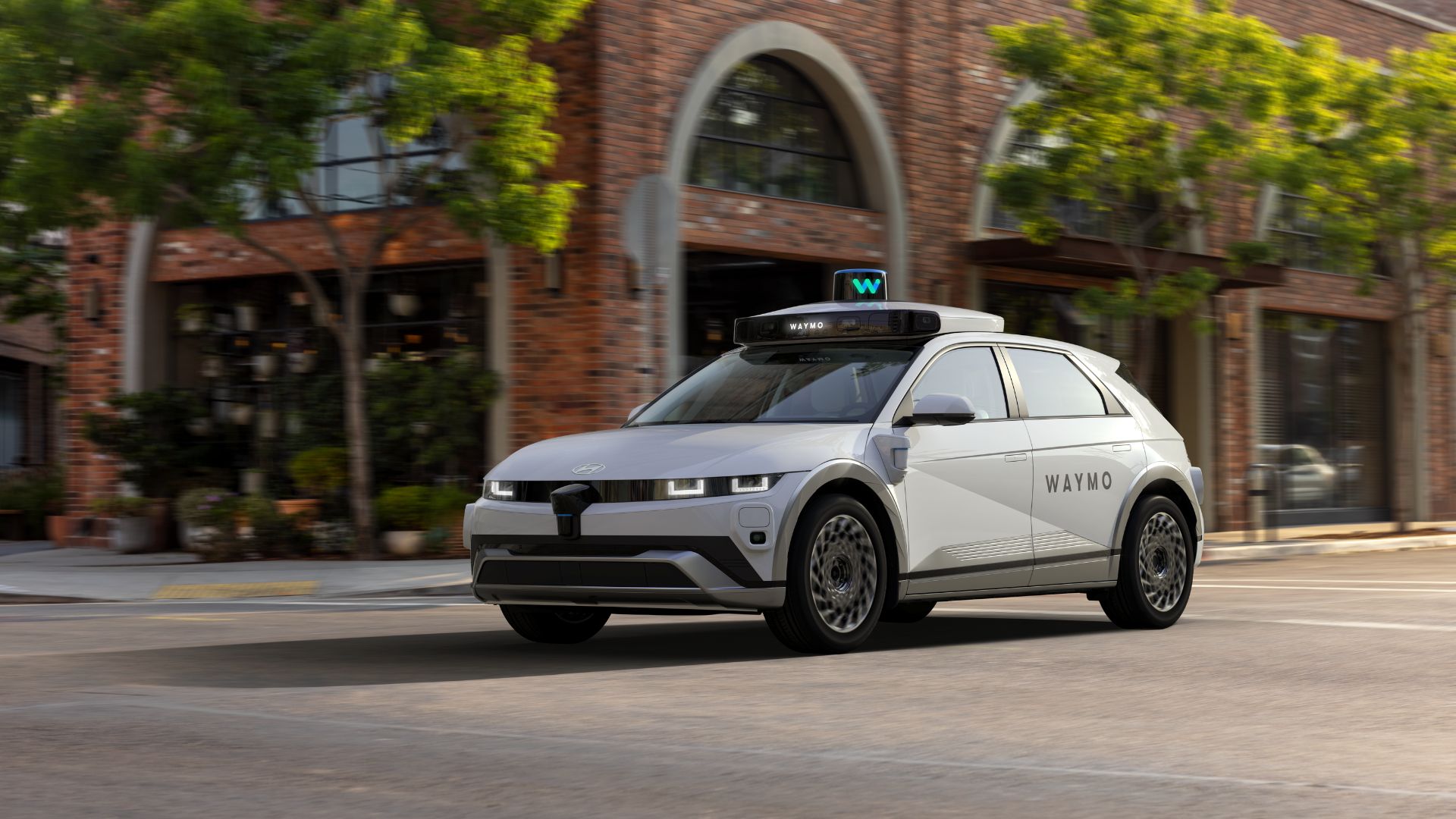
Waymo to turn retired robotaxi batteries into solar power storage systems
Waymo is repurposing the batteries from its autonomous vehicles to support energy storage solutions. This innovative approach, announced recently, aims to enhance sustainability by utilizing the batteries for grid storage, thereby contributing to renewable energy efforts. The initiative comes as part of Waymo's broader commitment to environmental responsibility and efficient resource management. By integrating these batteries into energy systems, the company hopes to extend their lifecycle and reduce waste, aligning with growing demands for sustainable practices in the tech industry. This development not only underscores Waymo's leadership in autonomous technology but also highlights its proactive stance in addressing climate change challenges.
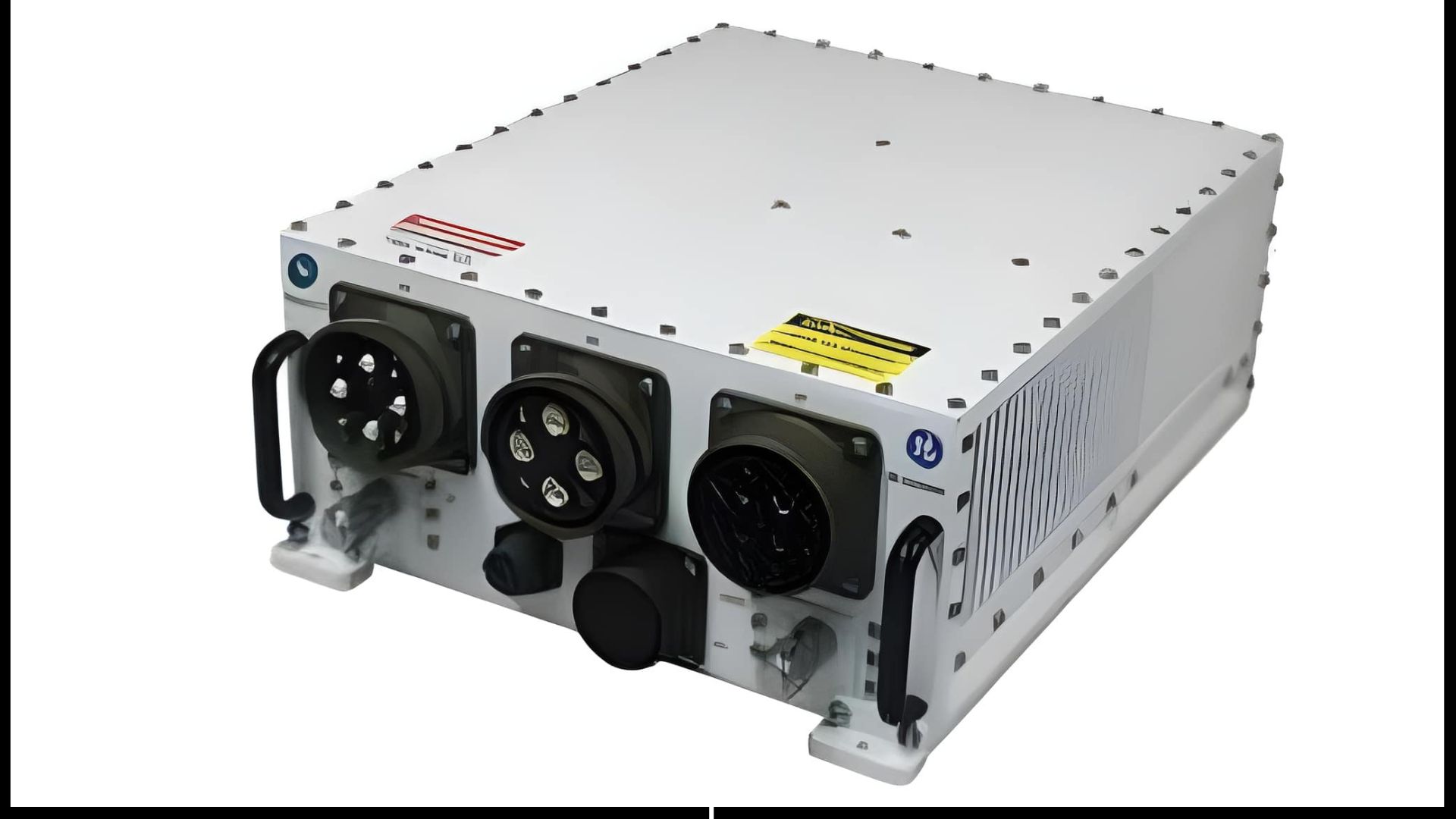
GE Aerospace qualifies 600-volt power systems for next-generation US Army vehicles
GE Aerospace has successfully qualified two high-voltage power electronics systems intended to enhance the capabilities of the U.S. Army. This significant development was announced recently, marking a crucial step in advancing military technology. The systems are designed to improve power management and efficiency for various applications within the Army's operations. By integrating these advanced power electronics, GE Aerospace aims to support the Army's mission to modernize its equipment and enhance operational readiness. The qualification process involved rigorous testing to ensure reliability and performance standards were met, demonstrating GE Aerospace's commitment to delivering innovative solutions for defense applications.

Why Reliable Backup Power is Becoming Essential for Modern Robotics Systems
Modern robotics systems are revolutionizing various industries by enhancing efficiency, accuracy, and productivity. Organizations across manufacturing and logistics sectors are increasingly relying on automated systems to ensure continuous operations. In this context, businesses seeking reliable backup power solutions for their robotics infrastructure can access essential resources from Nite & Day Power, a company that specializes in uninterruptible power systems. This development underscores the growing importance of robust power solutions in supporting the seamless functioning of automated technologies.
Energy Robotics automation infrastructure automation news autonomous systems backup power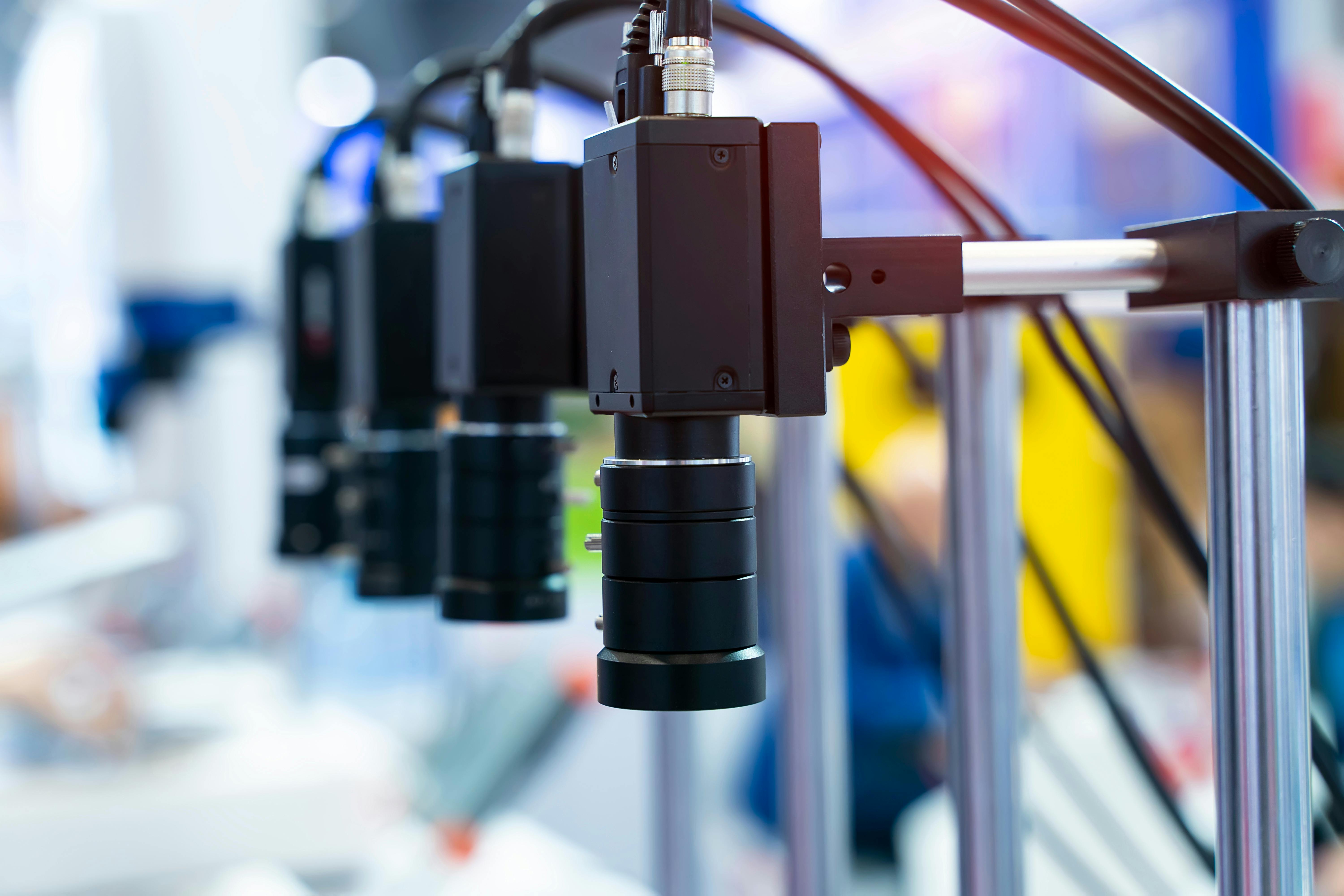
How Industrial Vision Systems Beat Dust, Heat and Vibration to Stay Sharp on the Factory Floor
Engineers and operators in the manufacturing sector are addressing environmental threats to machine vision cameras, which can compromise system accuracy and lead to operational downtime. To mitigate these risks, experts are implementing protective measures and maintenance strategies designed to enhance the durability and reliability of these critical systems. By focusing on proactive maintenance and environmental safeguards, teams can ensure that machine vision technology continues to function effectively, even in challenging conditions. This approach not only helps maintain productivity but also extends the lifespan of the equipment, ultimately supporting the efficiency of manufacturing processes.
Factory / Sensors
TECO Debuts High-Payload Commercial UAV Powertrain Systems and Robotic Joint Modules in North America Expanding into North America's UAV and Robotics Markets
TECO is making significant strides in the burgeoning commercial UAV and intelligent robotics sectors. By utilizing the localized service capabilities of its Texas-based subsidiary, TECO-Westinghouse, the company is able to offer customers a complete range of solutions, from initial development to after-sales support. This strategic expansion reflects TECO's commitment to meeting the increasing demand for advanced technology in these rapidly evolving markets.
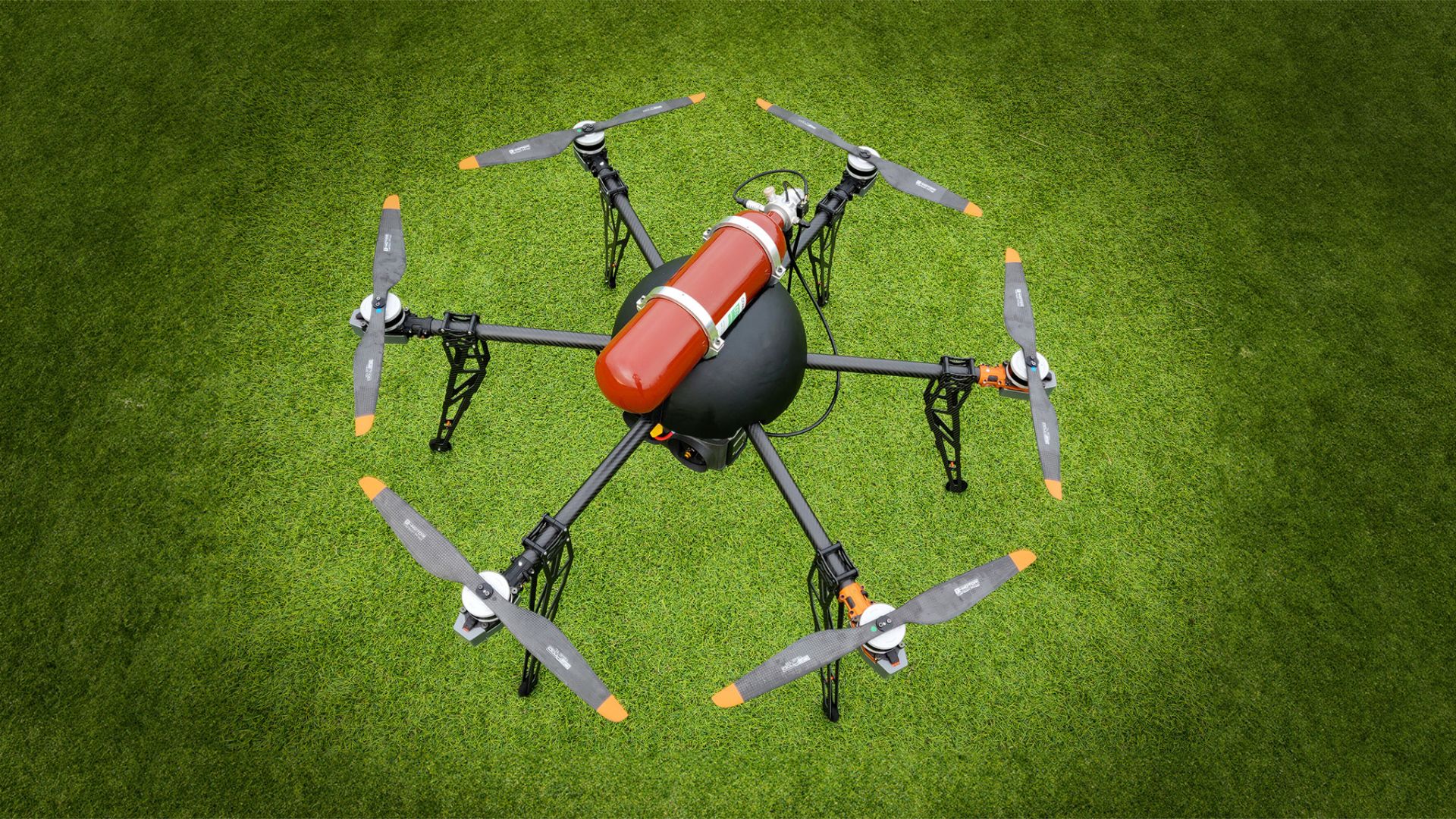
China unveils hydrogen-powered fuel cell stack for long-range industrial drones
China is advancing its hydrogen fuel cell technology for drones, moving closer to commercial deployment. This initiative aims to enhance the efficiency and sustainability of drone operations, addressing growing environmental concerns and the demand for cleaner energy sources. The development comes as part of China's broader strategy to lead in green technology and reduce reliance on fossil fuels. Recent tests have demonstrated the system's potential, showcasing its ability to extend flight times and improve performance compared to traditional battery-powered drones. The government and various tech companies are collaborating to refine the technology and prepare for market introduction, signaling a significant step forward in the integration of hydrogen energy into the aviation sector.

US turns to AI-powered target recognition systems to destroy drones faster than human operators
The Department of Defense is advancing its efforts to implement artificial intelligence-driven target recognition systems aimed at enhancing the capabilities of military troops and vehicles. This initiative, announced in October 2023, seeks to improve operational efficiency and decision-making on the battlefield. By leveraging AI technology, the Defense Department aims to streamline the identification and engagement of potential threats, thereby increasing the safety and effectiveness of military operations. The move comes in response to the growing complexity of modern warfare, where rapid and accurate target recognition is crucial for mission success. The integration of these advanced systems is expected to transform how military personnel interact with their environments, ultimately leading to more strategic and informed actions in combat scenarios.

Aptiv and Comau to Co-Develop Next-Generation Solutions for Robotics, Autonomous Systems, and Industrial Logistics
In a significant move towards enhancing industrial automation, leading technology firms have announced a collaborative initiative aimed at delivering safer, smarter, and more cost-effective solutions for the sector. This partnership, which includes major players in automation technology, was unveiled during a recent industry conference held in San Francisco on October 15, 2023. The collaboration seeks to address the growing demand for advanced automation systems that not only improve operational efficiency but also prioritize safety and sustainability. By pooling resources and expertise, the companies aim to develop innovative technologies that leverage artificial intelligence and machine learning, ultimately transforming the landscape of industrial operations. Industry experts emphasize that this initiative is crucial in responding to the challenges posed by increasing production demands and the need for more resilient supply chains. The collaborative effort will focus on integrating cutting-edge technologies into existing systems, thereby enhancing productivity while reducing costs. Through a series of joint research projects and pilot programs, the partners plan to test and implement new automation solutions across various sectors, including manufacturing, logistics, and energy. This strategic alliance represents a proactive approach to fostering innovation and ensuring that industrial automation keeps pace with the evolving needs of the market.

Aptiv and Comau to Co-Develop Next-Generation Solutions for Robotics, Autonomous Systems, and Industrial Logistics
Comau and Aptiv have announced their collaboration to co-develop next-generation intelligent automation solutions aimed at enhancing efficiency for industrial customers. This partnership, which seeks to leverage both companies' expertise in automation and advanced technologies, is expected to pave the way for innovative solutions that address the evolving needs of the manufacturing sector. The initiative comes at a time when industries are increasingly focusing on automation to improve productivity and reduce operational costs. By combining Comau's extensive experience in industrial automation with Aptiv's cutting-edge technology capabilities, the two companies aim to create systems that not only streamline processes but also integrate advanced data analytics and artificial intelligence. The collaboration is set to take place in various locations where both firms operate, with the goal of delivering impactful solutions to clients in the near future.
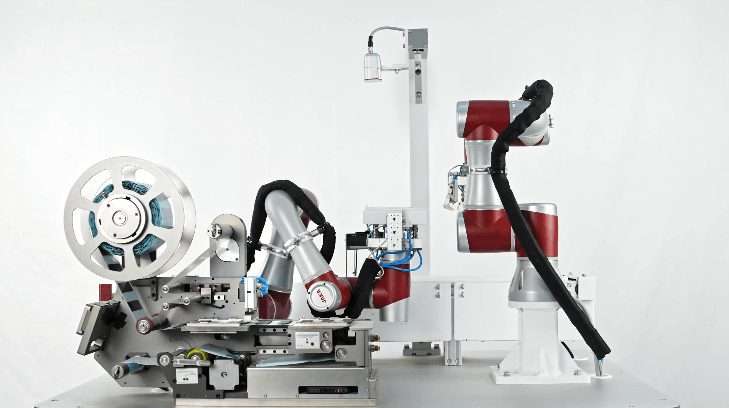
Industrial Cobots vs. Traditional Industrial Robot Systems: Which Is Better?
In recent years, manufacturing industries have increasingly turned to industrial collaborative robots, or cobots, as a more flexible alternative to traditional robotic systems. JAKA, a leader in this field, has noted a significant shift in automation strategies, with companies opting for cobots that facilitate close human interaction without the need for extensive safety measures or programming. The JAKA Pro12 exemplifies the advantages of industrial cobots, showcasing enhanced environmental adaptability with its IP68 protection, allowing it to function reliably in challenging industrial conditions. Its maintenance-free design ensures high precision while occupying minimal space, which helps reduce downtime and simplifies operations compared to traditional robots. While traditional robots are effective for high-speed and heavy-load tasks, they require more space and safety precautions. In contrast, the JAKA Pro12 can work alongside human operators, making it ideal for dynamic tasks and environments where collaboration is key. This flexibility enables companies to swiftly adapt to changing production demands, a capability often lacking in conventional setups. Cost considerations for implementing cobots involve various factors, including integration complexity and required peripherals. JAKA assists clients in navigating these elements, demonstrating how cobots can lead to lower long-term operational costs through reduced maintenance and quicker deployment times. Ultimately, the decision between industrial cobots and traditional robots hinges on the specific needs of each manufacturing operation. JAKA's cobots offer a compelling blend of safety, flexibility, and precision, making them an attractive option for companies seeking versatile automation solutions.

DroneDash and GEODNET Launch GEODASH Aerosystems to Bring Map-Free, AI-Driven Precision Spraying to Industrial Agriculture
A new joint venture has been established to focus on oil palm, sugarcane, and broad-acre agricultural operations across Southeast Asia, the United States, and South America. The initiative aims to enhance agricultural productivity and sustainability in these regions. Commercial deployment of the venture's projects is scheduled for the third quarter of 2026, marking a significant step forward in agricultural innovation and resource management. The collaboration seeks to leverage advanced technologies and sustainable practices to meet the growing demand for these crops while addressing environmental concerns.

How a PaaS Platform Can Bridge Classical Robotics and AI to Build the Next Generation of Industrial Systems
In a recent development within the field of robotics and artificial intelligence, engineers are facing challenges in integrating these technologies effectively within projects. As design choices are often finalized before the connection of robotics and AI, engineers find themselves in a position where they must simultaneously adjust both software code and hardware components. This parallel modification process aims to ensure that the systems operate consistently, despite the constraints imposed by pre-determined design decisions. The ongoing evolution of these technologies underscores the need for a more cohesive approach in the design phase to facilitate smoother integration and functionality.
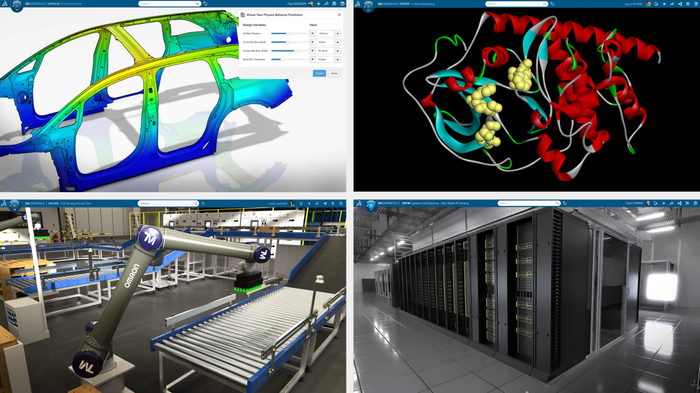
Dassault Systèmes and NVIDIA Partner to Build Industrial AI Platform Powering Virtual Twins
Dassault Systèmes and NVIDIA have entered into a long-term strategic partnership aimed at creating a unified industrial architecture for mission-critical artificial intelligence applications across various industries. This collaboration, announced recently, seeks to leverage both companies' expertise to enhance the integration and deployment of AI technologies in industrial settings. By combining Dassault Systèmes' advanced simulation and modeling capabilities with NVIDIA's powerful computing platforms, the partnership aims to drive innovation and efficiency in sectors that rely heavily on AI. The initiative reflects a growing trend among technology firms to collaborate in order to address the increasing demand for sophisticated AI solutions that can operate reliably in critical environments.

Import AI 435: 100k training runs; AI systems absorb human power; intelligence per watt
As artificial intelligence continues to evolve, experts are increasingly discussing its potential impact on daily life. With advancements in AI technology projected to accelerate, individuals may soon experience significant changes in their routines and interactions. These developments are anticipated to unfold over the next few years, particularly as AI systems become more integrated into various sectors, including healthcare, education, and transportation. The motivation behind this shift is rooted in the desire to enhance efficiency and improve quality of life. AI has the potential to automate mundane tasks, provide personalized recommendations, and facilitate better decision-making processes. As a result, people may find themselves relying more on AI-driven tools for everything from managing schedules to accessing information. This transformation is expected to occur through the gradual implementation of AI solutions in everyday applications. As businesses and organizations adopt these technologies, consumers will likely see an increase in AI-powered services and products, leading to a more interconnected and streamlined experience. In summary, the ongoing advancements in AI technology are set to reshape daily life in the coming years, driven by the need for greater efficiency and improved living standards. As these changes unfold, individuals will need to adapt to a new reality where AI plays an increasingly prominent role in their everyday activities.
Robotics needs a service framework.
RSF defines a common language for robot service capability, lifecycle operations, certification pathways, and service-provider networks.
Join the RobotToday community on LinkedIn
Daily robotics news, in-depth analysis, conference highlights, and discussions with professionals worldwide.