

Industry Briefing
A single destination for timely, editor-curated robotics news from around the world.

Kinetic Blocks Introduces Beta Marketplace for Humanoid Robot Training Data
Kinetic Blocks, a startup based in Oslo, has launched a beta version of a marketplace dedicated to the buying and selling of training data for humanoid robots. This platform became available on September 1, following months of development in collaboration with a select group of data suppliers and early users. The introduction of this marketplace is significant as it aims to streamline the acquisition of training data, which is crucial for the development and enhancement of humanoid robots. By facilitating transactions between data providers and developers, Kinetic Blocks is addressing a vital need in the robotics industry, potentially accelerating advancements in humanoid robot capabilities. Looking ahead, Kinetic Blocks has not disclosed any further timeline for expanding access to the marketplace or additional features. Stakeholders in the robotics sector should monitor this development closely, as it may influence the landscape of humanoid robot training and data utilization.
Computing Humanoids News 1x technologies artificial intelligence egocentric video
Humanoid Robots Achieve Success in International Rental Market with G1 Model
The Yushu G1 humanoid robot has successfully entered the overseas rental market, commanding a rental fee of $3,000 per day. With a base price of $16,000 for the standard version and $30,000 for the advanced version, the economic model shows that renting the G1 just ten times can cover hardware costs, leading to substantial profit thereafter. This rental approach is particularly appealing as it lowers the barriers for companies lacking technical expertise and operational experience. The daily rental pricing significantly reduces ownership and trial costs, allowing clients to experience the latest robot versions while transferring maintenance risks to the rental platform. While the rental market is thriving, founder Wang Xingxing acknowledges that humanoid robots are still far from being widely adopted in industrial settings. Despite fluctuations in the stock market, the G1's strong performance capabilities and open architecture have established a clear commercialization path for humanoid robots in entertainment and event sectors.
Humanoid Robots Robot Rental RaaS Entertainment Technology
China Secures Over 97% Market Share in Global Humanoid Robot Shipments
China has established a commanding lead in the humanoid robot market, with over 97% of global shipments in the first half of 2026, according to Smart Analytics Global (SAG). This marks a significant increase from 5,100 units in the same period last year, totaling approximately 19,100 units shipped globally. The dominance of Chinese manufacturers, particularly Shanghai-based Zhiyuan Robotics and Hangzhou-based Yushu Technology, is evident as they collectively account for nearly 75% of the global market. This early advantage positions China ahead of American competitors like Tesla and Agility Robotics, who are lagging behind in shipment volumes. Looking ahead, SAG forecasts that global humanoid robot shipments will rise to around 60,000 units by 2026 and reach 500,000 units by 2030. However, potential regulatory uncertainties and geopolitical risks could impact future growth. The key question remains whether Chinese robots can penetrate more markets amid increasing global regulatory barriers.
Humanoid Robots Robotics Industry Market Analysis Automation Technology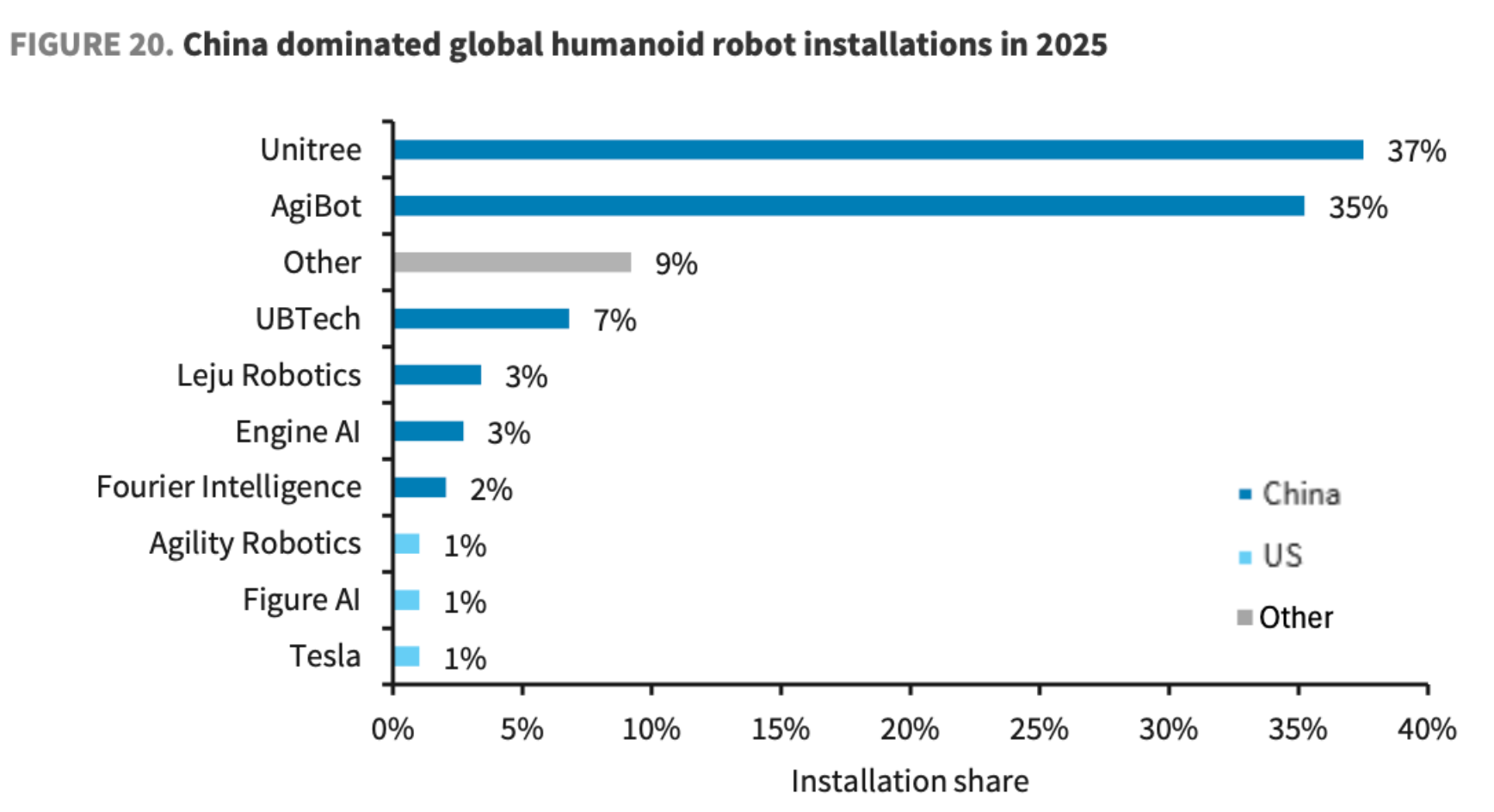
Barclays Predicts Humanoid Robot Market Could Reach $200 Billion by 2035, with China Leading
Barclays' latest report forecasts that the humanoid robot market could grow to a staggering $200 billion by 2035, contributing to a trillion-dollar physical AI ecosystem. This evolution marks the transition to 'Automation 3.0', where robots adapt to human environments rather than the other way around. The report highlights that the most significant breakthrough in the robotics industry is not merely replacing factory workers but entering the service sector, which has long resisted automation. Humanoid robots, with their versatile mobility and human-like operational capabilities, are poised to tackle tasks in hospitality, elder care, and household cleaning, tapping into a lucrative market that constitutes 60%-80% of GDP in major economies. Currently, China is projected to account for approximately 85% of global humanoid robot deployments by 2025, with companies like Zhiyuan and Yuzhu leading the way. The average cost of a humanoid robot in China is about $50,000, significantly lower than in Western countries. No further timeline was disclosed at the time of publication.
Humanoid Robots AI Service Automation Robotics Industry
Barclays Report Predicts $200 Billion Market for Humanoid Robots by 2036
Barclays has released an in-depth report forecasting that the humanoid robot market could reach $200 billion by 2036. This projection highlights the optimistic expectations for future human-robot collaboration and underscores the significant potential of humanoid robots as the next generation of intelligent terminals. The report emphasizes that the core feature of Automation 3.0 is the transition from 'programmatic automation' to 'cognitive automation,' with humanoid robots being key enablers of this shift. Unlike previous automation generations that focused on repetitive tasks, the third phase addresses complex tasks in unstructured environments, where humanoid robots excel due to their human-like form and advanced perception capabilities. Key factors driving market growth include declining costs and enhanced perception abilities. The localization and mass production of core components like motors and sensors are rapidly reducing overall costs, making humanoid robots transition from 'high-end toys' to 'practical tools.' The report also notes a gradual market penetration path, starting with large-scale deployment in manufacturing and logistics before moving into retail and consumer applications. No further timeline was disclosed at the time of publication.
Humanoid Robots Automation 3.0 AI Market Trends Robotics Technology
Unitree and AgiBot Launch Retail Stores: Humanoid Robots Enter Physical Market
Two leading Chinese humanoid robot companies, Unitree Technology and AgiBot, announced the opening of retail stores in shopping malls on the same day. This move signals a shift in competition from technical specifications to real-world user engagement, as both companies aim to showcase their robots to consumers. The significance of this development lies in several factors. First, the cost of humanoid robots is decreasing, with projected BOM costs dropping from 250,000-400,000 RMB in 2025 to 150,000-250,000 RMB in 2026, making them more affordable for retail environments. Second, the retail stores provide a unique opportunity for consumer education, allowing the public to experience humanoid robots up close, which is crucial for market acceptance. Looking ahead, the success of these retail initiatives will depend on consumer interaction within the stores. The next steps for visitors—whether they engage in experiences, trials, or purchases—will ultimately shape the retail model for humanoid robots. As competition evolves, the focus will shift from technological superiority to user perception and acceptance in everyday life.
Humanoid Robots Retail Technology Consumer Experience B2B Solutions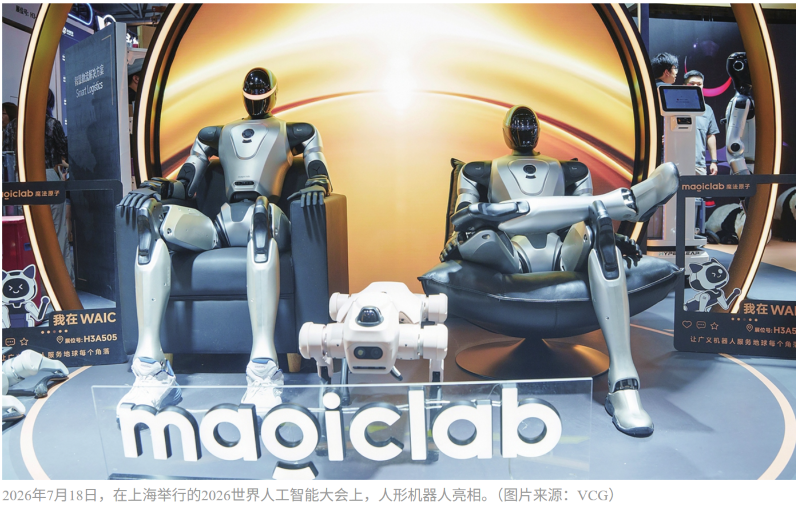
China Leads Global Humanoid Robot Market with Over 400 Unique Models Developed
As of July 20, the Ministry of Industry and Information Technology reported that China has developed over 400 humanoid robot models, accounting for more than half of the global total. Additionally, autonomous quadruped robots represent nearly 70% of global sales. The penetration rate of AI technology in large-scale enterprises has surpassed 30%, with global downloads of open-source AI models exceeding 10 billion. The humanoid robots range from models like the G1 and H1 from Yushu Technology to the Expedition series from Zhiyuan, covering various applications in industrial, research, service, and domestic settings. In the quadruped robot sector, Chinese companies hold a global market share close to 70%, with products from Yushu Technology, Yundongchu, and Xiaomi widely used in inspection, surveying, logistics, and consumer markets. As of June 30, China has established 5.102 million 5G base stations, accelerating the commercial deployment of 5G-A networks. The Ministry has approved experimental frequency licenses in the 6GHz band, and the second phase of 6G technology trials is advancing rapidly. The demand for AI and green low-carbon industrial products remains strong globally, positioning China to transform AI innovations into mass production swiftly.
Humanoid Robots Quadruped Robots AI Technology Industrial Automation
Chinese Humanoid Robots Experience Over 400% Growth in European Market by Mid-2026
The Chinese humanoid robot industry is rapidly reshaping the competitive landscape in Europe, with shipments to the region projected to grow over 400% year-on-year by mid-2026. This surge has positioned Europe as the largest overseas market for Chinese humanoid robots, surpassing North America. This growth is significant as it highlights the systemic advantages Chinese companies have in hardware cost control, mass production capabilities, and product iteration speed. European humanoid robot firms face challenges such as long R&D cycles and high production costs, with prices often exceeding $200,000 per unit. In contrast, Chinese companies leverage a complete supply chain ecosystem to offer similar products at one-third the price or lower, maintaining performance without compromise. The acceptance of Chinese humanoid robots in Europe is expected to continue growing, driven by labor shortages and rising employment costs in the region. Several European automotive and electronics firms are already testing Chinese humanoid robots on production lines, aiming to automate high-risk and repetitive tasks within three years. No further timeline was disclosed at the time of publication.
Humanoid Robots Automation Manufacturing Robotics
Humanoid Robot Industry Growth: Profitability and Market Dynamics Explored
The humanoid robot industry is projected to experience significant growth, with global shipments reaching approximately 19,000 units in the first half of 2026, a nearly threefold increase year-on-year. Goldman Sachs has raised its 2035 market forecast from $38 billion to $138 billion, predicting sales of 6.48 million units, a 4.7-fold increase from previous estimates. However, a closer look at the financial reports reveals that the profits of leading companies in the sector are primarily derived from traditional industrial robotics and automotive components, with humanoid robot business contributions often below 5%. Despite the promising growth figures, the financial health of several leading firms in the humanoid robotics sector raises concerns. In the first half of 2026, these companies reported a combined net profit of approximately 900 million yuan, while their market capitalization stood at around 140 billion yuan, resulting in a median static price-to-earnings ratio of 90 times. The losses reported by these companies are not solely attributed to research and development but also include significant financial expenses, highlighting the challenges faced by firms heavily invested in the humanoid robotics space. As the industry approaches 2027, the risk of cash flow disruptions looms large, particularly for companies relying on high-leverage balance sheets. While China accounted for 97% of global humanoid robot shipments in August, translating to only 20,000 to 30,000 units annually, the actual profitability remains elusive. The current focus on showcasing capabilities rather than delivering cost-saving solutions for factories indicates a disconnect between market share and financial viability, emphasizing the need for a shift towards sustainable revenue generation in the humanoid robotics sector.
Humanoid Robots Industrial Automation Market Analysis Robotics Industry
14 Automakers Announce Timelines for Humanoid Robot Production and Development
On September 12, Xpeng Motors and GAC Group announced their timelines for humanoid robot production. Xpeng's humanoid robot is set to enter mass production by the end of this year, targeting real-world applications in stores and parks. GAC's GoMate Mini has already secured nearly 10 million yuan in orders and plans to achieve large-scale production next year. The entry of 14 automakers, including Xpeng, GAC, and Chery, into the humanoid robot market highlights a significant trend in the automotive industry. Chery has already delivered over 3,000 units of its Moja humanoid robot, with plans to deliver 10,000 units next year. The shared technological foundations between smart vehicles and humanoid robots provide a competitive edge, as over 60% of the supply chain can be reused. Challenges remain, as the market for humanoid robots is still in its infancy, with most products in pilot stages. The distinct customer bases and business models between automotive and robotics sectors complicate the transition. While production timelines are set, the industry's maturity will depend on the ability to meet real customer needs and generate positive commercial returns.
Humanoid Robots Automotive Technology AI Robotics Manufacturing
Goldman Sachs Projects 6.5 Million Humanoid Robots by 2035, Driving Market Growth
Goldman Sachs has projected that 6.5 million humanoid robots will be shipped globally by 2035, marking a significant increase from previous estimates. The firm anticipates a phased ramp-up, with 75,000 units expected in 2026 and 890,000 by 2030, representing a $138 billion market opportunity primarily in logistics, warehousing, and automotive sectors. This projection highlights the growing demand for humanoid robots and the necessary infrastructure to support their production, including dedicated production lines and factory-floor automation. The anticipated growth is also linked to a broader AI capital expenditure cycle, which is expected to influence various industries and technologies. Investors should monitor the developments in this sector, particularly the impact of potential AI regulation as flagged by leaders at Anthropic and OpenAI. No further timeline was disclosed at the time of publication.

Chinese Humanoid Robots Gain Traction in Japan's Automation Sector
During a recent event, 80-year-old Hiroyuki Nakamura watched as two humanoid robots from China performed a mechanical dance and presented a gift to him. This moment highlights the evolving industrial relationship between China and Japan. By the first half of 2026, Chinese manufacturers are expected to account for 97% of global humanoid robot shipments, totaling approximately 18,500 units, marking Japan as a key battleground for Chinese robotics firms. Japan's need for automation is driven by a labor shortage, transforming automation from an option to a necessity. McKinsey predicts a reduction of about 1.5 million in Japan's available workforce over the next 20 years. A survey in May 2026 revealed that 34% of 220 Japanese companies are considering the introduction of AI robots. The Japanese robotics industry is projected to reach an order value of 10.456 trillion yen in 2025, reflecting a 25.7% year-on-year increase, with a clear demand for solutions that address specific challenges. Chinese companies are gradually penetrating various sectors in Japan, from logistics to dining and manufacturing. In June 2026, UTree Technology signed an agreement with GMO Internet Group to introduce the G1 humanoid robot in Japan. However, entering the Japanese market requires time and a focus on building long-term relationships and after-sales support, as Japanese clients prioritize stability over speed. Observers suggest that for Chinese robotics firms, expanding into Japan should be viewed as a long-term strategic initiative rather than a short-term tactic.
Humanoid Robots Automation Japanese Market Robotics Industry
Yushu Technology Debuts on Stock Market, Lei Jun Gains 15.2 Billion in Humanoid Robotics
On August 19, Yushu Technology, recognized as the first publicly traded humanoid robotics company in China, officially listed on the STAR Market. The stock opened at 1,100 CNY per share, surging 629% from its issue price, with a market capitalization briefly exceeding 444.9 billion CNY before closing at 341.8 billion CNY, marking a 460% increase. This significant rise has resulted in a floating profit of over 15.2 billion CNY for Lei Jun, who invested early through Shunwei Capital. Yushu Technology has achieved a remarkable 90% self-research rate for core components within less than a decade and is projected to deliver 5,500 humanoid robots by 2025 with a gross margin of 63.2%. Unlike many competitors relying on financing, Yushu has already turned a profit through robot sales. As Yushu's stock debut revitalizes the humanoid robotics sector, it also highlights the risks involved. The company's valuation is largely supported by its status as the first publicly listed humanoid robotics firm. The next two to three years will be critical for validating performance, as a mismatch between growth and valuation could lead to inevitable corrections. Yushu's projected revenue for 2025 is 1.699 billion CNY, with a net profit of 278 million CNY, resulting in a price-to-sales ratio exceeding 200 times at closing price.
Humanoid Robots Investment Robotics Industry AI Technology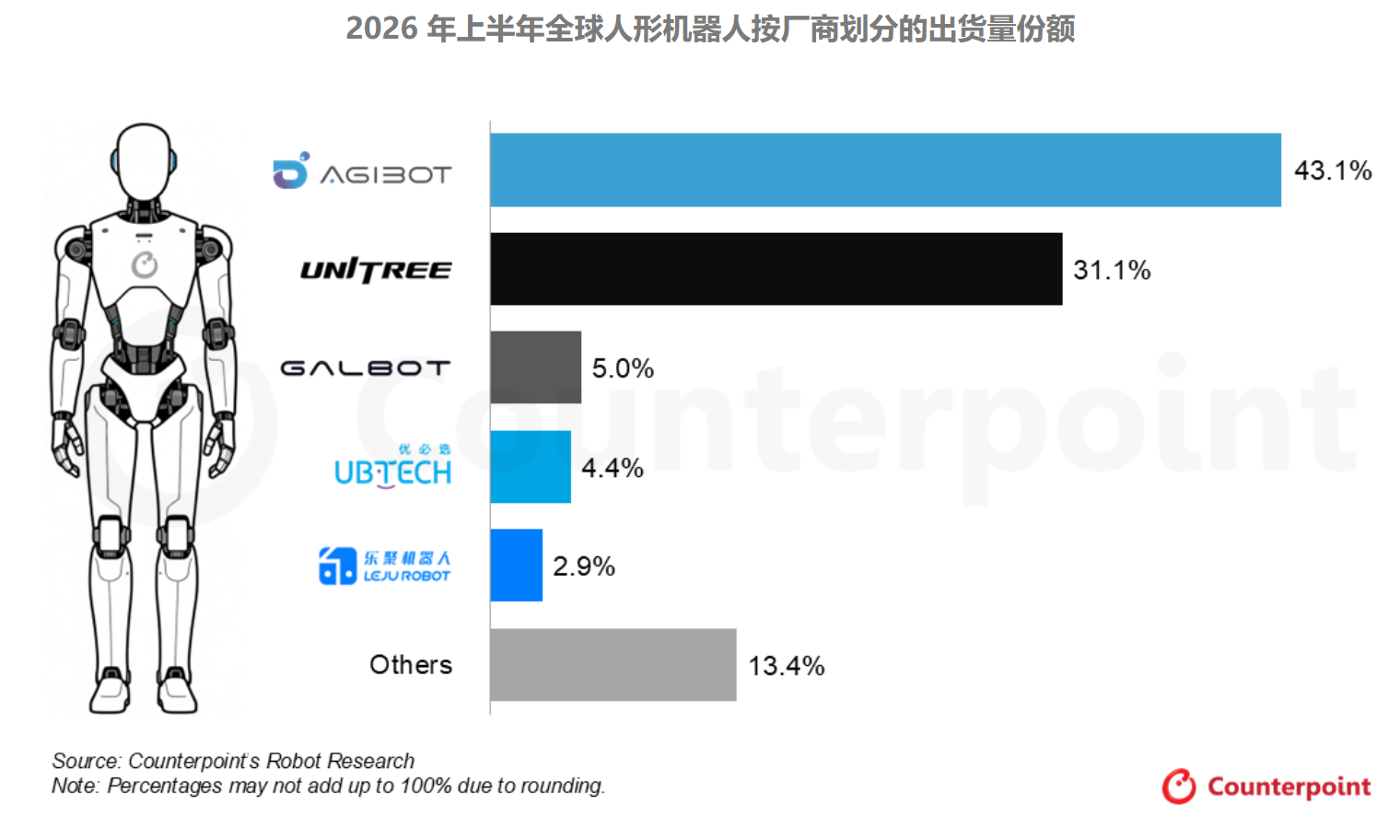
Humanoid Robots Shift from Exhibits to Market Products with 22,000 Units Shipped in Six Months
In the first half of 2026, global shipments of humanoid robots exceeded 22,000 units, marking a nearly 300% year-on-year increase, according to Counterpoint Research. This significant growth indicates a shift in the industry, as humanoid robots transition from being mere exhibits to actual products utilized in factories, shopping malls, pharmacies, and transportation hubs. The leading company, Jiyuan, shipped approximately 9,700 units, capturing over 43% of the market share. Its product lines, including the Qiangzhan, Jingling, and Lingxi, are seeing balanced development, with the Jingling G2 cluster already operational in consumer electronics and automotive parts manufacturing. Following Jiyuan, Yushu shipped over 7,000 units, primarily of the G1 series, while Galaxy General and UBTECH also made notable contributions to the market. Looking ahead, Counterpoint Research forecasts that global humanoid robot shipments will surpass 50,000 units in 2026, representing a 210% increase. The industry is expected to evolve, focusing on advanced models and vertical applications, as humanoid robots prove their ability to operate sustainably and at scale, marking a pivotal transition in their role in productivity scenarios.
Humanoid Robots Robotics Industry Automation AI Technology
Unitree Robotics Founder Predicts Humanoid Robots Will Achieve Mass Market Status in Ten Years
The founder of Unitree Robotics stated that humanoid robots are expected to achieve mass market popularity within the next decade. This prediction hinges on manufacturers addressing existing challenges that currently limit the functionality and practicality of these robots. The significance of this forecast lies in the potential transformation of various sectors through the widespread adoption of humanoid robots. As manufacturers work to overcome technical hurdles, the integration of these robots could enhance efficiency and productivity across multiple industries. Looking ahead, stakeholders should monitor advancements in humanoid robotics technology and the strategies employed by manufacturers to resolve current limitations. No further timeline was disclosed at the time of publication.
Unitree Robotics Achieves 460% IPO Surge, Impacting Humanoid Robot Market
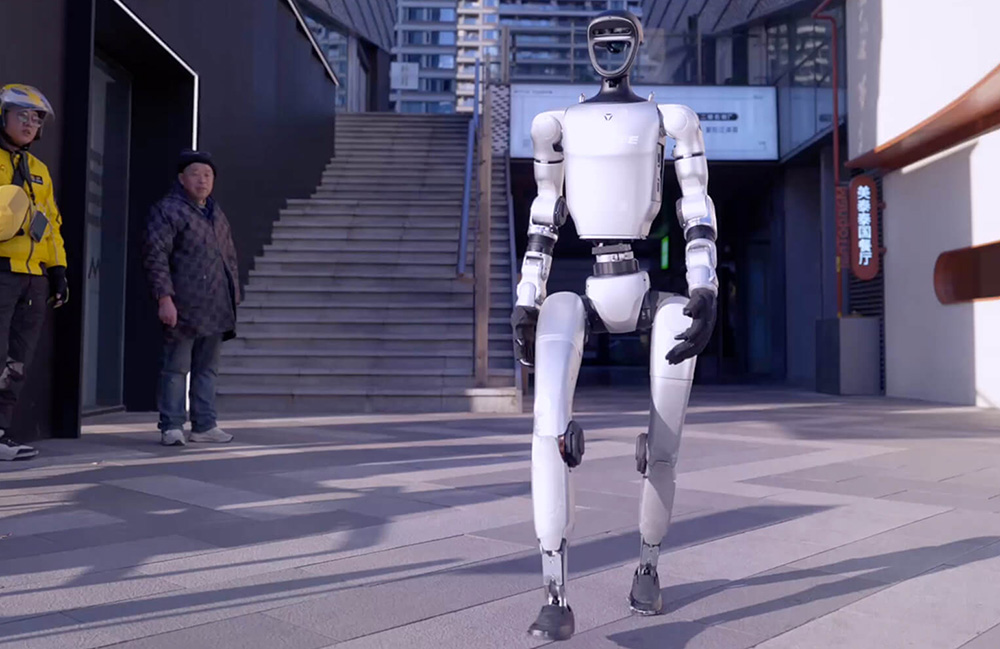
Unitree Robotics made a significant entrance on Shanghai’s STAR Market, closing its first trading day with a remarkable 460% increase. The company raised approximately $905 million through its initial public offering, marking it as the first major legged robotics firm to go public. Founded in 2016, Unitree is renowned for its affordable quadruped and humanoid robots, which are predominantly utilized in research labs worldwide. The IPO represents a pivotal moment for Unitree, which has rapidly expanded its sales from five humanoid robots in 2023 to an impressive 5,215 projected for 2025. Despite this growth, approximately 70% of these sales are directed towards universities and research institutions, raising concerns about the robots' viability in industrial applications. Industry experts emphasize the need for Unitree to prove the operational durability of its robots in challenging environments to sustain its market position. Looking ahead, Unitree faces hurdles in the U.S. market due to recent FCC restrictions on imports of foreign-produced robots, including humanoids. This regulatory challenge could hinder the company's ability to sell future models in the U.S. Investors are now tasked with assessing whether Unitree can transition from one-off sales to a sustainable business model amidst these obstacles. No further timeline was disclosed at the time of publication.
Earnings Financial Humanoids Investments News Robots / Platforms
Aiqiao Launches Humanoid Robot Starting at 98,000 Yuan to Transform Market Dynamics
On August 19, Aiqiao officially launched its humanoid robot, showcasing its ability to switch between 59 facial expressions in just one second. The robot, resembling a teenager in height and featuring a soft-shell design, was presented at the World Robot Conference, with a starting price of 98,000 Yuan. This launch marks a significant step in demonstrating that a humanoid robot can effectively understand and interact with humans, moving beyond mere technical concepts. The importance of this launch lies in its timing and the broader industry context. As the humanoid robot sector sees substantial investments—over 390 billion Yuan in the past year and a half—Aiqiao's product aims to address the pressing question of market viability. With the industry projected to enter a delivery phase by 2026, Aiqiao's robot has already been employed in various roles, from bank service personnel to interactive teachers, indicating its practical applications. Looking ahead, the industry is shifting focus from technical specifications to actual deliveries, with goals set for significant production milestones. Aiqiao's approach emphasizes the need for robots to generate income independently, rather than relying on investor support. As the market evolves, the challenge remains: ensuring that the cost of robotic solutions is competitive with human labor to secure customer orders.
Humanoid Robots Interactive Intelligence Service Robotics AI Technology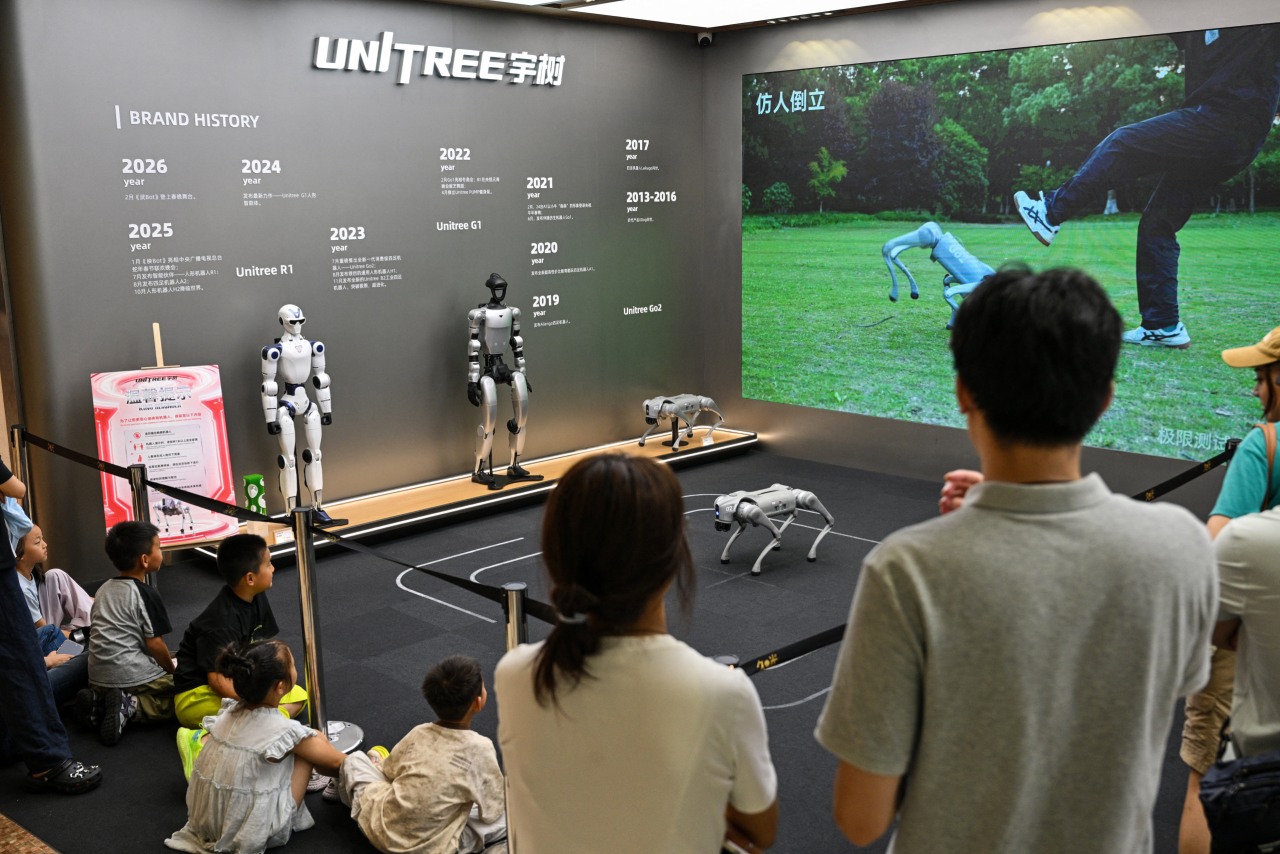
Unitree Robotics Achieves Milestone as First Humanoid Robot Maker Listed in Mainland China
Unitree Robotics has made history by becoming the first humanoid robot manufacturer to be publicly listed in mainland China. This significant milestone marks a new chapter for the company as it navigates the competitive landscape of robotics amidst various challenges. The listing is particularly noteworthy given the current geopolitical climate, including restrictions imposed by the U.S. on certain technologies. Unitree's successful market debut highlights the growing interest and investment in robotics within China, positioning the company as a leader in the sector. Looking ahead, it will be essential to monitor how Unitree Robotics capitalizes on this listing and navigates the challenges posed by international regulations. No further timeline was disclosed at the time of publication.
Investors Show Strong Interest in Unitree's Humanoid Robots Amid Global Market Growth
Unitree, a company focused on developing humanoid robots, is attracting significant investor interest as the global robotics market is projected to reach $5 trillion by 2050. This growth underscores the importance of robotics in the ongoing technological competition between China and the United States. The potential of humanoid robots to perform tasks similar to humans positions them as a key player in various industries, making them a focal point for investors looking to capitalize on emerging technologies. The anticipated market expansion highlights the strategic significance of robotics in achieving technological leadership. As the robotics sector evolves, stakeholders should monitor Unitree's developments and the broader implications for the China-US tech rivalry. No further timeline was disclosed at the time of publication.

Schaeffler Introduces Formed Strain Wave Gearboxes for Humanoid Robotics Market
Schaeffler, a motion technology company, is launching formed strain wave gearboxes aimed at enhancing its humanoid robotics product line. These gearboxes are crucial components in actuators, which account for nearly half of the manufacturing costs of humanoid robots. They are designed to deliver precise motion transmission with high torque capacity in compact spaces, meeting the essential requirements for humanoid robot joints. The introduction of formed strain wave gearboxes is significant as it addresses the limitations of traditional precision machining methods, which are time-consuming and costly. Schaeffler's innovative forming technology allows for the production of key components in seconds, reducing manufacturing costs by over 25% and material usage by more than 75%. This advancement is expected to facilitate the scaling of humanoid robot production, with mass production slated to begin in Germany in 2027. Looking ahead, Schaeffler's successful validation testing of these gearboxes positions the company to lead in the humanoid robotics market. With over 2 million formed strain wave gearboxes supplied to the automotive sector in the past decade, Schaeffler is leveraging its manufacturing expertise to meet the growing demands of humanoid robotics. No further timeline was disclosed at the time of publication.
Components Humanoids News forming technology gear manufacturing high-volume manufacturing
ModuTech Secures Pre-A Funding to Advance Touch Perception in Robotics Market
ModuTech, a Shenzhen-based company, has completed a Pre-A funding round worth several million yuan, led by Falcon Investment and Yihua Capital. This funding will support the expansion of their research and development team, production lines, and global business outreach. ModuTech aims to address the challenges of touch perception in robotics, which is crucial for tasks requiring fine manipulation. The touch perception market for humanoid robots is projected to exceed $320 million by 2026, with a growth rate of over 160%. This segment is recognized as the fastest-growing within humanoid robot components. ModuTech differentiates itself by integrating sensor technology with data collection and tactile modeling, creating a comprehensive system that enhances robotic capabilities in precision tasks. As the industry faces challenges with fragmented tactile data, ModuTech's approach includes a multi-modal data system that aligns tactile, visual, and robotic state data. This innovation transforms physical interactions into high-quality, task-level data, enabling sensors to evolve from mere hardware to valuable data sources that inform decision-making in robotics.
Touch Perception Humanoid Robots Industrial Robotics Sensor Technology
Siemens Xcelerator Aims to Transform Humanoid Robotics Design for $370 Billion Market
Siemens is addressing the complexities of humanoid robotics design with its Xcelerator platform, which integrates mechanical design, simulation, and manufacturing processes. This innovation is crucial as the humanoid robotics market is projected to grow to $370 billion by 2040, according to McKinsey. Overcoming design inefficiencies will be essential for manufacturers to capture market share and create adaptable robots capable of transforming various industries. The potential of humanoid robots lies in their ability to navigate complex environments and perform diverse tasks, unlike traditional industrial robots. However, significant technical challenges remain, including the need for precise coordination of articulated joints and the integration of design and simulation workflows. Siemens Xcelerator aims to streamline these processes, enabling manufacturers to validate designs earlier and reduce reliance on physical prototypes. As competition intensifies in the humanoid robotics sector, manufacturers must adopt advanced solutions like Siemens Xcelerator to remain competitive. The platform's capabilities in connecting design and simulation workflows could be pivotal in accelerating the development of humanoid robots, ultimately reshaping manufacturing and logistics operations in the coming years.
Sponsored Content Siemens Industry
Demark Secures 420 Million Yuan Series C Funding for Humanoid Robot Skeleton Development
In August 2026, Demark (Zhejiang) Precision Technology Co., Ltd. announced the completion of 420 million yuan in Series C funding. This round was led by Fuyong Investment, with participation from Changxing Industrial Group, Nanhu Equity Fund, and others. The funds will primarily be used for research and development of key hardware for robots, capacity expansion, and market development. This funding is significant as it highlights the often-overlooked segment of structural component manufacturing within the robotics industry. Demark is not a typical robotics company; its past performance has been rooted in precision metal component processing for the semiconductor, photovoltaic, and wind power sectors. The company aims to leverage its proven precision manufacturing capabilities in these fields to address the challenges of producing high-precision, lightweight, and consistent structural components for humanoid robots. Looking ahead, Demark has established partnerships with leading robotics firms such as Yushu Technology and UBTECH, with expectations of doubling related shipments in the first half of 2026. The funding structure indicates a focus on enhancing physical production capacity, contrasting with the trend of investing in algorithms and cutting-edge technologies in the robotics sector.
Humanoid Robots Precision Manufacturing Semiconductor Industry Robotics Structural Components
Chinese Humanoid Robot Brands Expand Presence in European Market
In the past year, Chinese humanoid robot brands have made notable strides in the European market. Several companies have established offices in EU countries and engaged in localized operations, becoming key players at various exhibitions and events. This surge in activity signifies a crucial milestone for Chinese robotics firms and injects new vitality into the global robotics industry landscape. The success of these companies stems from a dual alignment of technology and market needs. Europe has a strong demand for green energy, smart manufacturing, and elder care services, areas where Chinese humanoid robot firms excel in cost control, rapid iteration, and local adaptation. For instance, humanoid robot solutions tailored for elder care have received positive feedback due to their alignment with local aging population needs. However, the journey to international markets is not without challenges. Cultural differences, regulatory standards, and the establishment of after-sales service systems are hurdles that Chinese companies must navigate. Many are overcoming these obstacles by collaborating with local partners, with some establishing R&D centers in Munich and local service teams in Spain. Looking ahead, as China and Europe deepen their collaboration in robotics technology, a more open and diverse global humanoid robot ecosystem is emerging, marking just the beginning of the 'European story' for Chinese humanoid robots.
Humanoid Robots Robotics Market Elder Care Solutions Smart Manufacturing International Business
First Batch of Humanoid Robots from Henan Officially Launched for Global Markets
On July 24, EngineAI's T800 humanoid robots were officially launched from the Zhengzhou High-tech Zone for distribution to North America, Europe, and Southeast Asia. This marks the first time 'Henan-made' is associated with humanoid robots, following the initial production in Shenzhen earlier this year. The significance of this launch lies in EngineAI's strategic expansion, with a focus on enhancing production capabilities across its facilities in Zhengzhou and Shenzhen. The Zhengzhou base features an 8,000 square meter facility that implements a closed-loop manufacturing process, improving production efficiency by 40% through automation and digital management systems. Looking ahead, EngineAI aims to leverage Zhengzhou's industrial strengths to establish a robust market presence for its humanoid robots. The T800, equipped with advanced sensory systems, is designed for various applications, including smart traffic management and educational services. No further timeline was disclosed at the time of publication.
Humanoid Robots Smart Manufacturing AI Technology Robotics Industry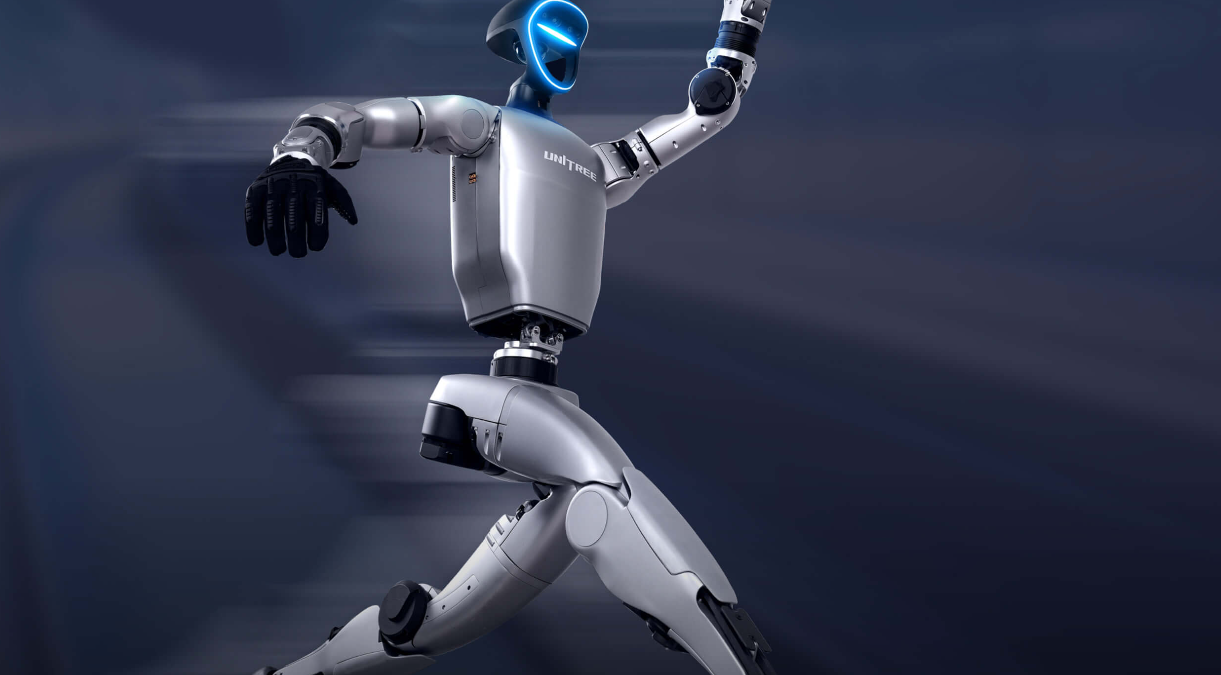
China Achieves Over 400 Humanoid Robot Products, Dominating Global Market Share
China has successfully developed over 400 humanoid robot products, representing more than half of the global total, as reported by the Ministry of Industry and Information Technology on July 20. This significant achievement highlights China's growing capabilities in robotics and its competitive position in the global market. The development of humanoid robots is crucial as it reflects advancements in technology and innovation within the country. Additionally, the ministry noted that Chinese quadruped robots make up nearly 70% of global sales, further emphasizing China's leadership in the robotics sector. Looking ahead, it will be important to monitor how these developments influence global robotics trends and competition. No further timeline was disclosed at the time of publication.
News Feed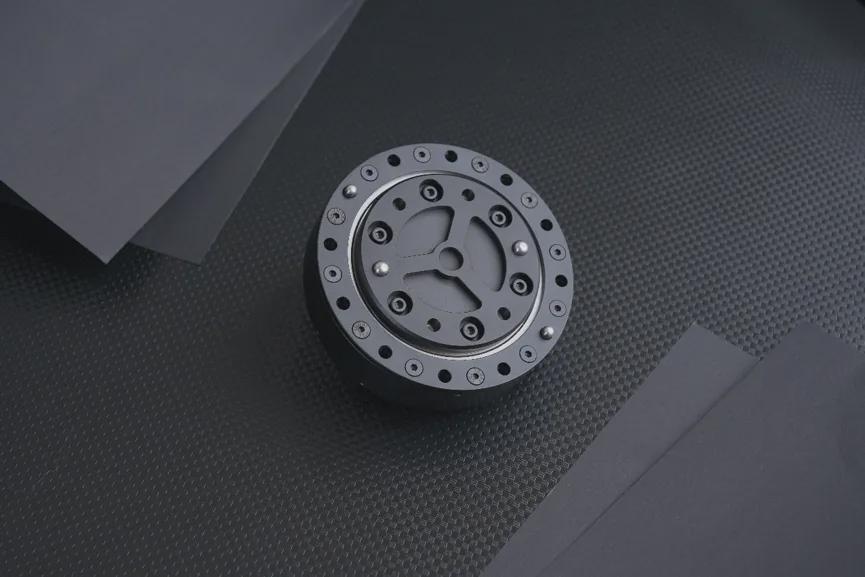
BYD Advances Humanoid Robot Production, Targeting 40 Million Vehicle Market
At the 2025 Shanghai Auto Show, BYD showcased its humanoid robot, marking a significant step in its production phase. This move signals BYD's ambition to enter a new trillion-yuan market, leveraging its extensive dealership network for customer service roles. The strategy is noteworthy as it reflects BYD's ability to integrate manufacturing capabilities across various sectors, including electric vehicles and robotics. With over 4,000 sales outlets, the company aims to replace rising labor costs with humanoid robots, enhancing customer engagement while controlling operational expenses. Looking ahead, BYD's humanoid robots will compete directly with Tesla's Optimus, highlighting two distinct approaches to robotics development. As competition intensifies, particularly with the entry of Hyundai's Kia brand, the landscape of global manufacturing and robotics is set for significant transformation in the coming years.
Humanoid Robots Automotive Technology Manufacturing Innovation AI Integration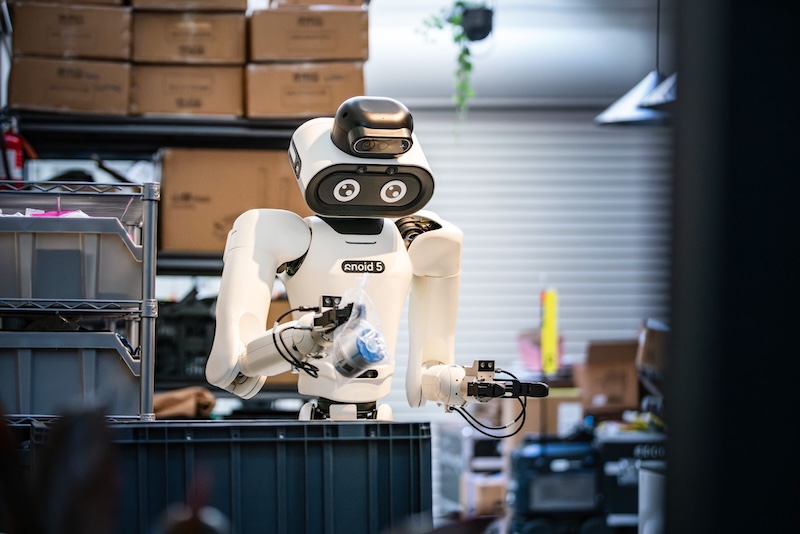
Robot.com Introduces R-noid Humanoid Robot for Challenging Labor Markets
Robot.com has officially launched R-noid, a humanoid robot designed to tackle repetitive and hard-to-fill jobs across various industries. Deployed under a Robot-as-a-Service model, R-noid can achieve autonomous operation within eight to twelve weeks, addressing significant staffing challenges in sectors like healthcare and food services. The introduction of R-noid is crucial as industries face high turnover rates, with quick-service restaurants experiencing over 130 percent staff turnover and hotel operators reporting critical staffing gaps. R-noid aims to alleviate these issues by taking on roles that are difficult to staff, allowing human workers to focus on more skilled tasks. Looking ahead, Robot.com is collaborating with FieldAI to integrate advanced AI capabilities into R-noid, enhancing its operational efficiency in dynamic environments. No further timeline was disclosed at the time of publication.
Humanoids News automation fieldai formic hospitality automation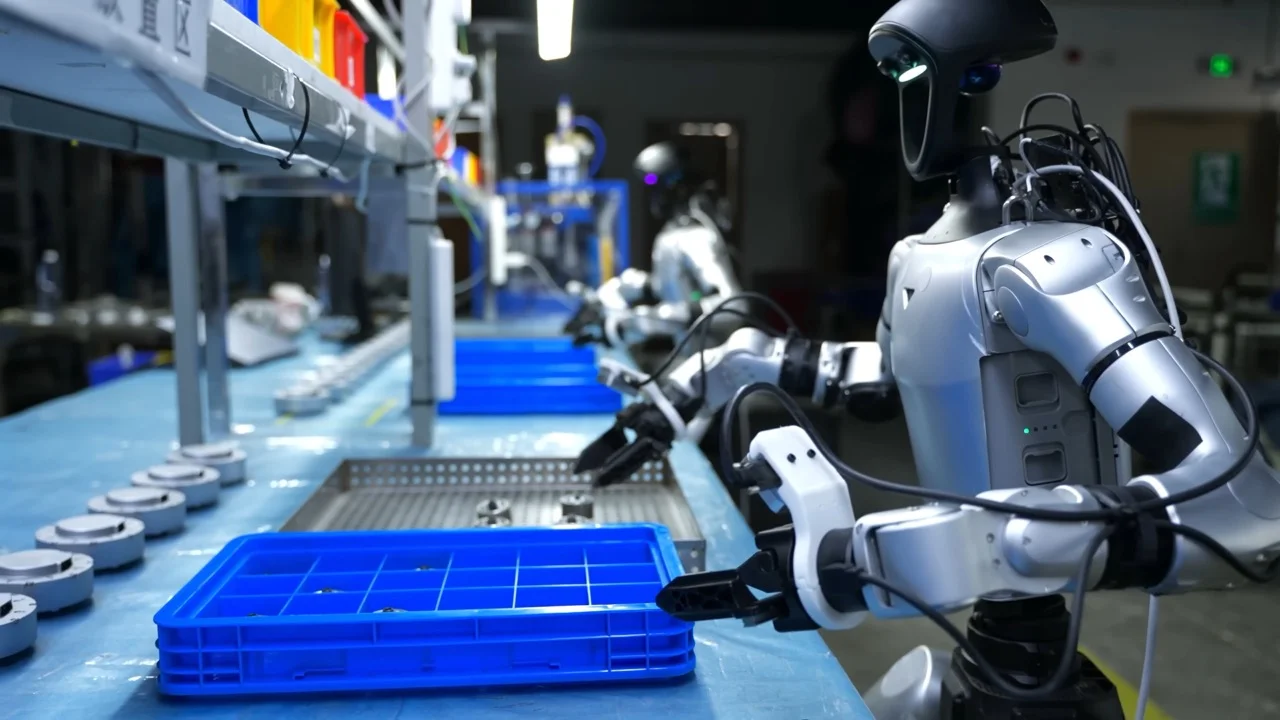
Unitree Robotics Implements Aggressive Strategies to Dominate the Humanoid Market
Unitree Robotics is evolving from a research platform provider to a significant player in the humanoid market, as detailed in a report by SemiAnalysis. The company is employing aggressive strategies similar to those of industry giants like BYD and DJI, focusing on vertical integration and cost efficiency to enhance its market share. The importance of Unitree's approach lies in its ability to bring humanoid robots into practical applications faster than Western competitors. By utilizing quasi-direct-drive actuators, Unitree has significantly reduced production costs, allowing the G1 robot to be priced competitively while maintaining high gross margins. This pricing strategy aligns with market expectations in China, making it accessible for enterprise adoption. Looking ahead, Unitree's rapid development cycles and innovative solutions have positioned it to potentially lead in the commercial labor sector. With approximately 250 humanoids already deployed in industry pilots by 2025, the company is on track to redefine the capabilities and applications of humanoid robots in real-world settings. No further timeline was disclosed at the time of publication.
Unitree Robotics SemiAnalysis Market China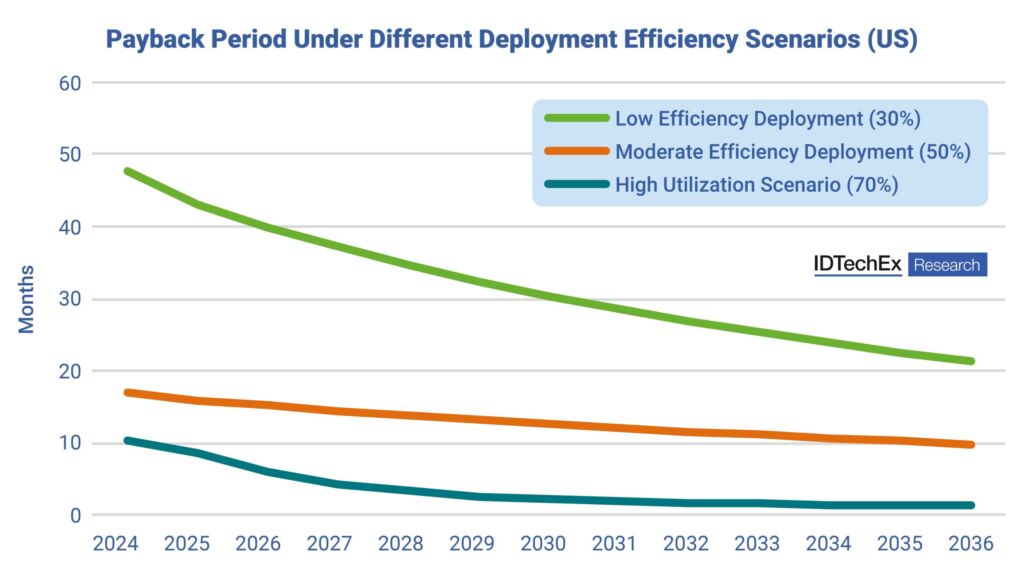
Humanoid robot market is rapidly growing.
According to a report by IDTechEx, the market for humanoid robots is projected to experience rapid growth in the automotive, logistics, and home usage sectors over the coming years. By the early 2030s, this market is expected to reach approximately $25 billion. However, growth is anticipated to slow down as the market matures around 2036. This surge in demand for humanoid robots is driven by advancements in technology and increasing applications across various industries. The findings highlight a significant shift in the robotics landscape, indicating a promising future for humanoid robots in enhancing efficiency and productivity.
Allgemein Humanoide Robotik Newsarchiv
T-Robotics Selected to Lead KRW 4.5 Billion Humanoid Project for Display Manufacturing
T-Robotics has been chosen to spearhead a government-supported humanoid project focused on display manufacturing, collaborating with KAIST and a major Korean display manufacturer. This initiative is part of KEIT's humanoid robot AI transformation program, aiming to integrate environmental perception and decision-making with coordinated robotic movements in production processes. The significance of this project lies in its potential to enhance adaptability in automation within the display manufacturing sector. T-Robotics' existing product line, which includes vacuum and autonomous mobile robots, positions it well to innovate in this area. The project aligns with South Korea's broader KRW 2.3 trillion humanoid ecosystem plan, which seeks to establish humanoid production systems across ten industries by 2030. Looking ahead, the success of T-Robotics' trials will depend on the robot's ability to handle specific manufacturing processes effectively. Key metrics will include the frequency of human intervention and the robot's performance in meeting production requirements. The project's outcome could serve as a benchmark for future humanoid applications in various industrial settings.
South Korea T-Robotics KAIST
Maijie Technology Addresses Humanoid Robot Developments and Collaborates with Guangming Laboratory
On September 28, Maijie Technology responded to investor inquiries regarding humanoid robots. The company announced a partnership with Guangming Laboratory to establish a joint laboratory focused on micro-drive joints and bionic dexterous hands by 2025. This collaboration aims to leverage their respective technological expertise and industrial advantages to accelerate the application of related technologies. This partnership is significant as it combines Maijie's experience in electronic components with Guangming Laboratory's research capabilities in artificial intelligence and robotics. The micro-drive joints are crucial components in the dexterous hand industry, impacting finger movement precision and force output. Currently, the project is in the research and commercial incubation stage, and it has not yet contributed significantly to the company's performance. Looking ahead, it will be important to monitor whether the joint laboratory can achieve mass production levels for micro-drive joints and whether any dexterous hand manufacturers will adopt Maijie's components. No further timeline was disclosed at the time of publication.
Humanoid Robots Biomimetic Technology Robotics R&D Micro-Drive Joints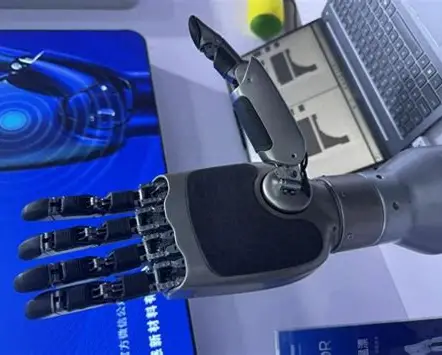
Pan-Asia Micro-Permeable Introduces New Products for Humanoid Robots in North America
On September 28, Pan-Asia Micro-Permeable addressed investor inquiries regarding developments in humanoid robots. The company is actively exploring investment opportunities in high-end sectors like embodied intelligence, leveraging its ePTFE core material platform to develop electronic skin substrates and high-flexibility robot cables. They have begun small-scale deliveries of high-flexibility cables to a leading North American humanoid robot client. This initiative is significant as it marks Pan-Asia Micro-Permeable's entry into the North American market, showcasing their commitment to innovation in robotics. The high-flexibility cables address reliability issues faced by traditional cables, which can break after millions of bends. Additionally, the electronic skin substrates are crucial for flexible sensors used in robotic hands, indicating a growing demand for advanced materials in robotics. Looking ahead, it will be important to monitor whether the North American client's orders can scale beyond the initial 100 units of dexterous gloves and if the high-flexibility cables can penetrate the supply chains of more robot manufacturers. No further timeline was disclosed at the time of publication.
Humanoid Robots Electronic Skin Durable Cables Embodied Intelligence
First Domestic Humanoid Robot Showcases Fully Localized Electronic Architecture
On September 28, the first humanoid robot featuring a fully localized electronic architecture was unveiled in Yichang, Hubei. This innovative architecture, developed by Dongtu Technology, serves as the robot's intelligent nervous system, integrating an operating system, network, software tools, and AI computing chips. The localized architecture is designed to enhance performance and security, offering advantages over traditional foreign solutions. The significance of this development lies in its potential to ensure data transmission and control security within robotics. The fully localized architecture aims to provide a robust safety framework for autonomous robot behavior, preventing disruptions in production and ensuring personnel safety. This initiative reflects a broader industry trend towards self-sufficiency and sovereignty in technology. Looking ahead, the key focus will be on the architecture's adaptability across various robotic platforms and its ability to meet commercial performance, power consumption, and development toolchain requirements. No further timeline was disclosed at the time of publication.
Humanoid Robots AI Robotics Safety Industrial Automation
Zhuji Power and Dongtu Technology Unveil China's First Humanoid Robot with Domestic Electronics
On September 28, 2026, Zhuji Power and Dongtu Technology launched China's first humanoid robot equipped with domestic electronic architecture in Yichang, Hubei. This robot marks a significant advancement in integrating domestic industrial-grade real-time communication capabilities within complex humanoid robotic systems. The importance of this development lies in its potential to enhance the robot's ability to operate autonomously in complex real-world scenarios. Effective communication within the robot's system is crucial for processing the vast amounts of information generated by perception, decision-making, and motion control, directly impacting control precision and task safety. Looking ahead, the focus will be on whether this domestic electronic architecture can be effectively implemented across more robotic platforms, and whether its performance, power consumption, and development toolchain can meet commercial requirements. No further timeline was disclosed at the time of publication.
Humanoid Robots Domestic Electronic Architecture Industrial Automation AI Technology
Surge in Humanoid Robot Sales Driven by High-Performance Models, Reports Frost & Sullivan
Sales of humanoid robots are experiencing a significant surge, primarily driven by high-performance models, according to a recent report by Frost & Sullivan. The report, released on September 28, indicates a shift in the industry from technology validation and small-scale deliveries to large-scale production and commercialization. Notably, revenue is increasingly concentrated among a few high-intelligence, high-priced models. The report forecasts that global humanoid robot sales will reach 35,000 units in 2025, generating $500 million in revenue, with sales in the first half of 2026 expected to surpass 36,000 units and $540 million in revenue. The data reveals that embodied intelligent humanoid robots will account for 8,800 units sold in 2025, representing about 25% of total sales but generating 75% of revenue, highlighting the growing demand for advanced models. Looking ahead, the report emphasizes the importance of production operations transitioning from pilot validation to paid deployment, which could significantly impact revenue generation. As the market expands, the speed of delivery from leading manufacturers like UBTECH is being outpaced by market growth, indicating a potential shift in competitive dynamics. No further timeline was disclosed at the time of publication.
Humanoid Robots Market Trends AI Robotics Industry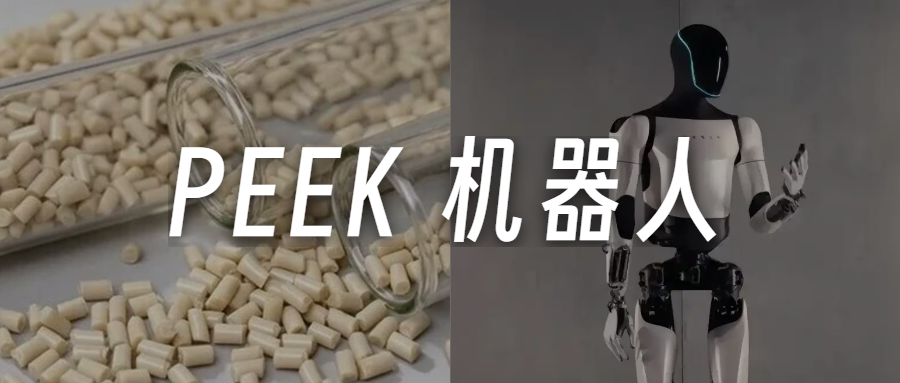
PEEK Demand Projections Amid Humanoid Robot Development Raise Industry Questions
On September 24, Barclays analyst Katie Richards projected that by 2030, the demand for PEEK could increase by approximately 10,000 tons due to the anticipated production of one million humanoid robots, with each robot consuming around 10 kilograms of PEEK. This projection has put European PEEK leaders Victrex, Evonik, and Syensqo in the spotlight. However, a contrasting view was presented by Yu Fei, General Manager of Robotics at Jinfa Technology, who claimed that much of the current application of PEEK in embodied intelligence is exaggerated. The divergence in perspectives highlights a significant trend in the humanoid robot materials narrative, where capital market expectations appear to outpace actual industry developments. Barclays' estimate of 10,000 tons of PEEK demand is based on optimistic assumptions, while Yu Fei's remarks suggest a more cautious approach, indicating that the actual usage of PEEK in humanoid robots may be overstated. Looking ahead, the industry must reconcile these differing forecasts. Barclays' projection relies on a highly optimistic shipment estimate of one million humanoid robots, while more neutral estimates suggest a range of 250,000 to 350,000 units by 2030. No further timeline was disclosed at the time of publication.
Humanoid Robots PEEK Materials Robotics Technology Material Science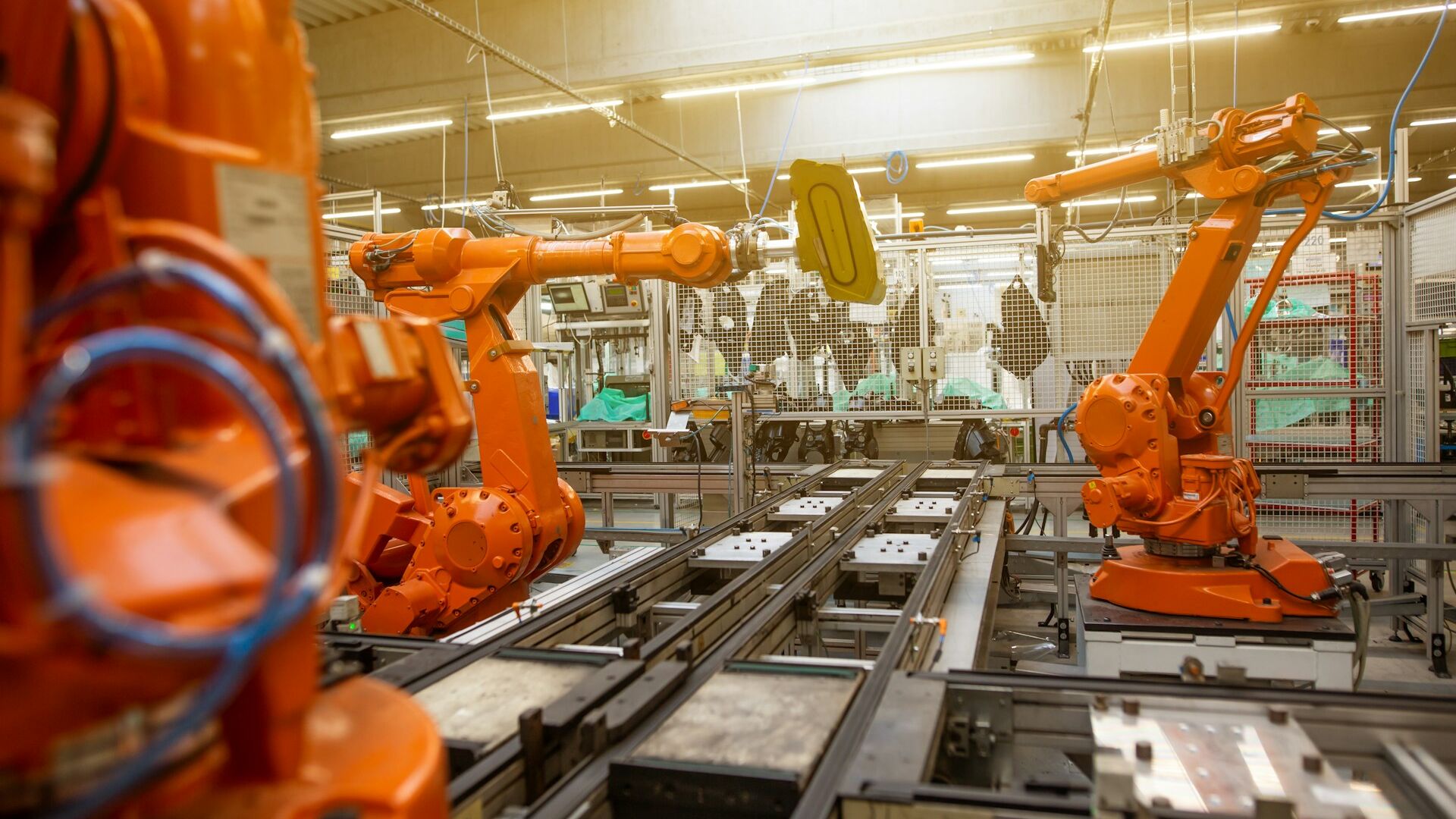
China Dominates Global Humanoid Robot Shipments with 77.9% Share in H1 2026
In the first half of 2026, China shipped over 19,000 humanoid robots, representing 77.9% of the global total of nearly 25,000 units. This marks a significant increase of 432.1% year over year in global shipments, highlighting China's leading role in the humanoid robotics market. The surge in shipments underscores the growing demand for humanoid robots, with China at the forefront of this trend. IDC's data indicates a robust market expansion, reflecting advancements in technology and increased adoption across various sectors. Looking ahead, IDC has revised its forecast for global humanoid robot shipments, projecting over 750,000 units by 2030. This anticipated growth signals a continued evolution in the robotics industry, with China likely maintaining its dominant position in the market.
News Feed
DYNA Robotics Introduces DYNA 2.1 Semi-humanoid Robot for Complete Workflow Automation
DYNA Robotics has launched the DYNA 2.1, a semi-humanoid robot designed to complete full workflows, including tasks typical of a commercial laundry shift. This innovative robot features a proprietary upper torso with two arms that can be equipped with either parallel-jaw grippers or dextrous hands, allowing it to effectively reach and manipulate various objects. The significance of the DYNA 2.1 lies in its advanced design, which incorporates four steerable wheels that enable stable movement without the risk of toppling over. This capability enhances its operational efficiency, making it suitable for various automated tasks in commercial settings, particularly in the laundry industry. Looking ahead, the deployment of the DYNA 2.1 could signal a shift in how automation is integrated into workflow processes. As industries increasingly adopt robotic solutions for efficiency, the performance and adaptability of the DYNA 2.1 will be crucial to watch in the evolving landscape of commercial automation. No further timeline was disclosed at the time of publication.

ETRI's Medical Humanoid Robot Interface NAMI.I Receives IDEA Design Award in 2023
The Electronics and Telecommunications Research Institute (ETRI) of South Korea announced that its medical humanoid robot interface, NAMI.I, has won the prestigious IDEA Design Award. This recognition highlights ETRI's commitment to developing user-centered robotic interfaces, following its previous accolades for the MOBY collaborative robot. NAMI.I allows healthcare professionals to assign tasks to the NAMI humanoid robot without needing to learn complex programming or specialized operation methods. This user-friendly interface is expected to lower the barriers for healthcare workers, enhancing the deployment of humanoid robots in real medical environments rather than just in labs. ETRI plans to demonstrate NAMI.I at Kyung Hee University Dongshan Hospital, where healthcare staff will use the robot directly. Researchers will analyze its convenience and gather feedback to improve usability and stability, paving the way for the commercialization of medical humanoid robots. No further timeline was disclosed at the time of publication.
Humanoid Robots Medical Robotics User Interface Design Healthcare Technology
Shenzhen Luohu District Launches Integrated Humanoid Robot Football Competition and Training Initiative
On September 28, the Luohu District of Shenzhen announced the launch of the first Luohu Cup, an integrated program for humanoid robot football competitions and training, held at Cuiyuan Middle School. This initiative, organized by the Luohu District Education Bureau and supported by Zhiyin Technology and Beijing Accelerated Evolution Technology, aims to enhance AI education in primary and secondary schools through a hands-on, competitive approach. The program emphasizes the importance of embodied intelligence in education, moving beyond theoretical learning to practical applications. By utilizing humanoid robots in football, students will engage in real-world challenges that foster skills in perception, decision-making, and teamwork. The initiative will establish 20 pilot schools, focusing on training over competition, with a goal of developing over 100 certified personnel to support the event. The inaugural Luohu Cup is scheduled to commence in December 2026, with finals and awards in January 2027, leading to the national robotics competition in May 2027. The Luohu District Education Bureau believes that mastering the integration of competition, training, and evaluation will set a new standard for experiential learning in the region.
Humanoid Robots AI Education Robotics Competitions STEM Education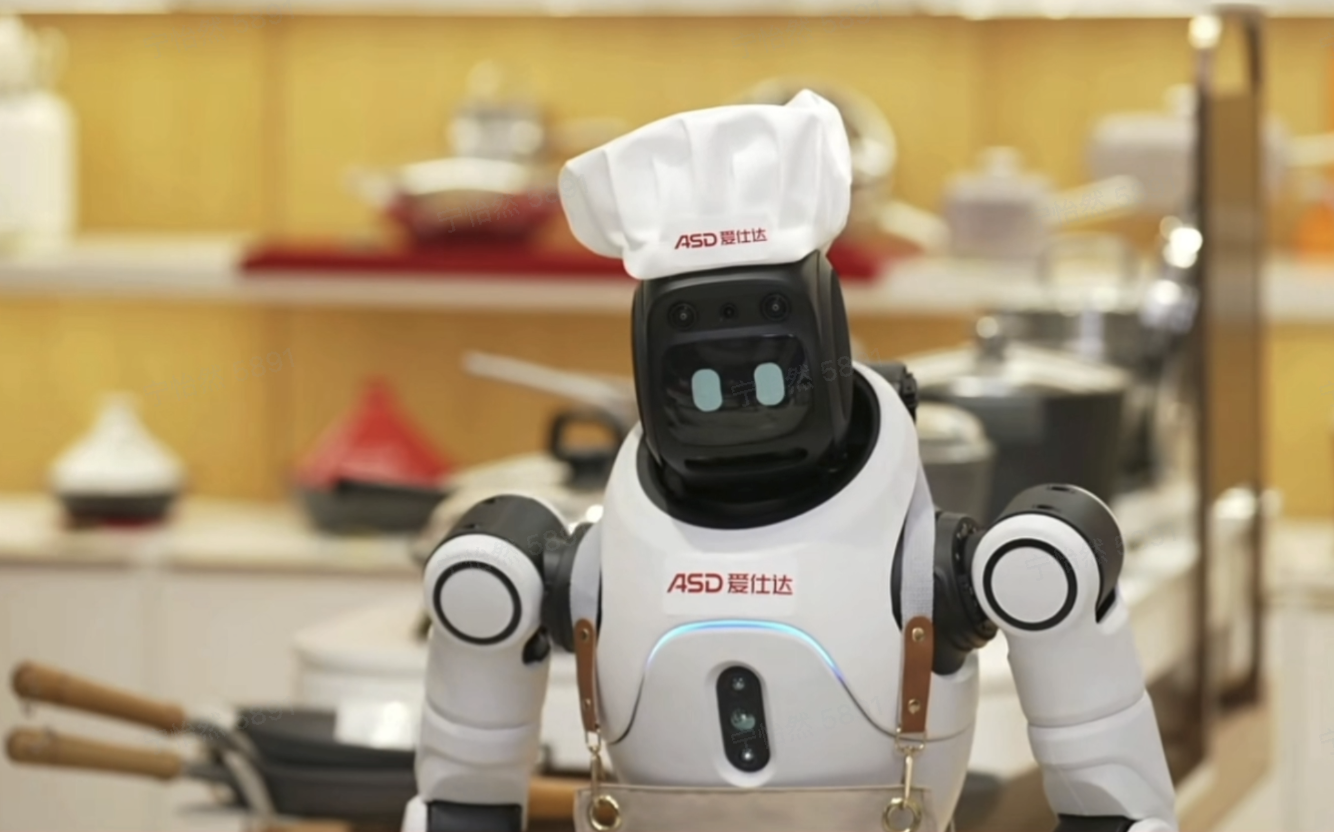
AGIBOT Partners with ASD to Deploy 100 AGIBOT X2 Humanoid Robots in China
AGIBOT has teamed up with ASD to roll out 100 AGIBOT X2 humanoid robots in retail stores across China. These robots serve as in-store sales assistants, engaging with customers by greeting them, understanding their needs, and offering product suggestions. The deployment was highlighted through a three-day livestream event showcasing the robots' functionalities. This initiative is significant as it represents a growing trend of integrating humanoid robots into retail environments, enhancing customer interaction and support. By collaborating with human staff, the AGIBOT X2 robots not only assist in transactions but also promote products, potentially transforming the shopping experience in these locations. Looking ahead, the deployment of AGIBOT X2 robots could pave the way for further advancements in retail automation and customer service. No further timeline was disclosed at the time of publication.
Humanoid Robots Retail Technology AI Robotics Customer Service E-commerce
ULTRA Enables Humanoid Robots to Move Boxes with Target Guidance: IROS 2026 Best Paper Candidate
The IROS 2026 conference has nominated a paper highlighting ULTRA, a system that allows humanoid robots to move boxes simply by providing a target. This innovation showcases advancements in robotic mobility and task execution. The significance of ULTRA lies in its potential to enhance the efficiency of humanoid robots in various applications, particularly in logistics and warehousing. By simplifying the interaction process, it reduces the complexity of robotic operations, making them more accessible for real-world applications. Looking ahead, the robotics community will be keen to observe further developments and potential implementations of ULTRA. No further timeline was disclosed at the time of publication.
Robotics Automation AI
Humanoid Robots May Lead the Way for Solid-State Battery Applications
Recent developments suggest that humanoid robots could be the first large-scale commercial application of solid-state batteries, rather than electric vehicles. This shift highlights the potential for advanced battery technology to enhance robotic capabilities, making them more efficient and versatile in various applications. The significance of this trend lies in the growing demand for improved energy storage solutions in robotics, which can lead to enhanced performance and longer operational times. As companies like Fangqi Technology and Tiangong Robotics explore these innovations, the integration of solid-state batteries could revolutionize the robotics industry, providing a competitive edge in the market. Looking ahead, stakeholders should monitor the advancements in solid-state battery technology and its adoption in humanoid robots. No further timeline was disclosed at the time of publication, but the ongoing research and development in this area could pave the way for new applications and partnerships in the robotics sector.
Robotics Automation AI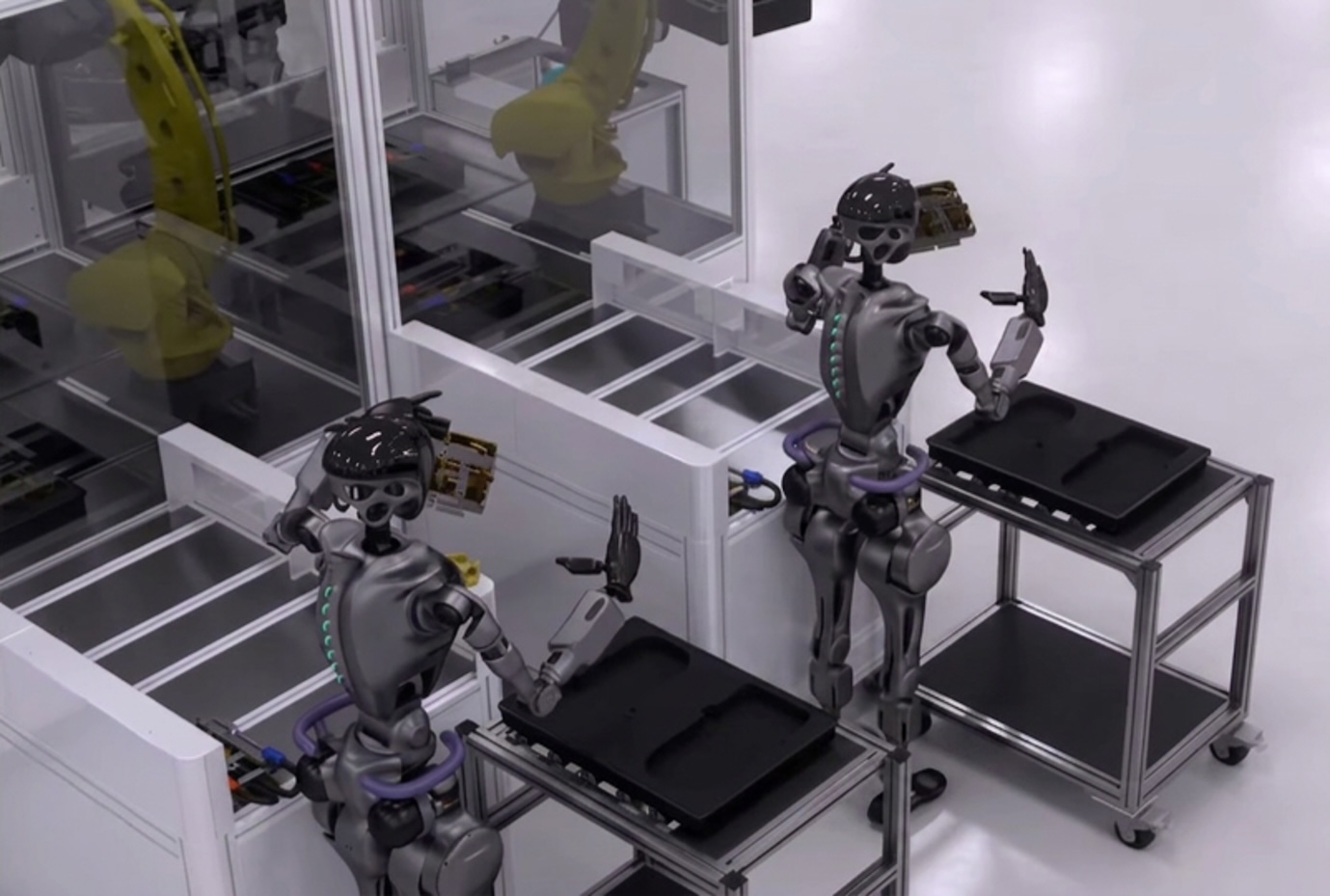
IBM Develops Patent for Autonomous Wireless Charging via Humanoid Robots' Feet
IBM has filed a patent application for a system that allows humanoid robots to autonomously recharge by standing on specially designed floor tiles. This innovative approach combines wireless power transmission, RFID positioning, and electromagnets in the robot's boots and the floor, enabling robots to recharge without manual intervention or docking stations. The significance of this technology lies in its potential to enhance the operational efficiency of humanoid robots in industrial settings. As companies increasingly deploy these robots in factories and warehouses, the ability to autonomously recharge addresses the critical issue of battery capacity, allowing robots to transition seamlessly between work and charging. Looking ahead, the implementation of this technology could revolutionize how humanoid robots are utilized in various sectors. The patent highlights the importance of precise alignment for effective wireless power transfer, suggesting that future developments will focus on refining this system to ensure reliability and efficiency in autonomous charging operations. No further timeline was disclosed at the time of publication.
Exploring the Role of Humanoid Robots in Addressing Elder Care Challenges
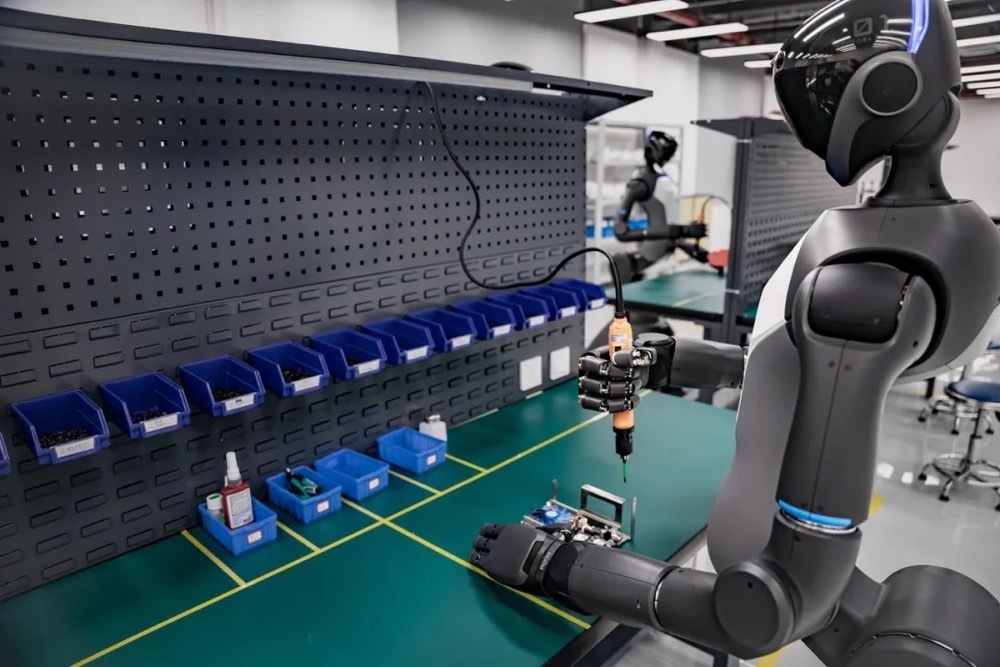
The United States allocates approximately $400 billion annually for long-term care, facing a significant shortage of formal caregivers, with only four available for every 100 individuals over 65. Humanoid robots, such as Abi developed by Andromeda, are being introduced to provide emotional support for dementia patients, representing a potential solution to this growing issue. The introduction of humanoid robots in elder care is crucial as the demand for caregiving services continues to rise, highlighting the need for innovative solutions. Experts like Andromeda COO Jennifer Haroon and Brookings researcher Gopi Goda are evaluating whether these robots can effectively alleviate the pressures of elder care or if advancements in technology are still necessary. As the conversation around the capabilities of humanoid robots evolves, stakeholders should monitor developments in this field. The ongoing discussions among industry leaders and researchers will determine the future role of robots in elder care and whether they can significantly contribute to addressing the existing caregiver shortage. No further timeline was disclosed at the time of publication.
Robotic Bin Picking Fuels Significant Growth in Warehouse Automation Market
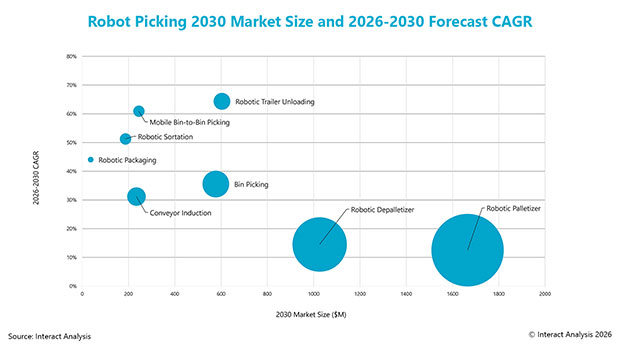
The warehouse automation sector is witnessing rapid advancements, particularly in the use of stationary robots equipped with robotic arms for various picking and handling tasks. According to the report 'Robotic Picking 2026' by Interact Analysis, the market for robotic picking is projected to grow from $1.7 billion in 2025 to $4.6 billion by 2030, with a compound annual growth rate (CAGR) of 21.7% during the forecast period. This growth is largely driven by the increasing adoption of robotic bin picking and trailer unloading technologies, which are expected to see CAGRs of 36% and 64%, respectively, from 2026 to 2030. The integration of robotic bin picking into modular solutions has simplified deployment, while the urgent need for automation in trailer unloading is prompting significant investments from major logistics companies like DHL and UPS. As the market evolves, traditional applications such as palletising are also adapting to new demands, particularly in inbound processes. The competitive landscape is shifting, with emerging companies gaining market share in robotic bin picking, indicating a broader acceptance of robotic solutions in warehouse automation. No further timeline was disclosed at the time of publication.
Industry News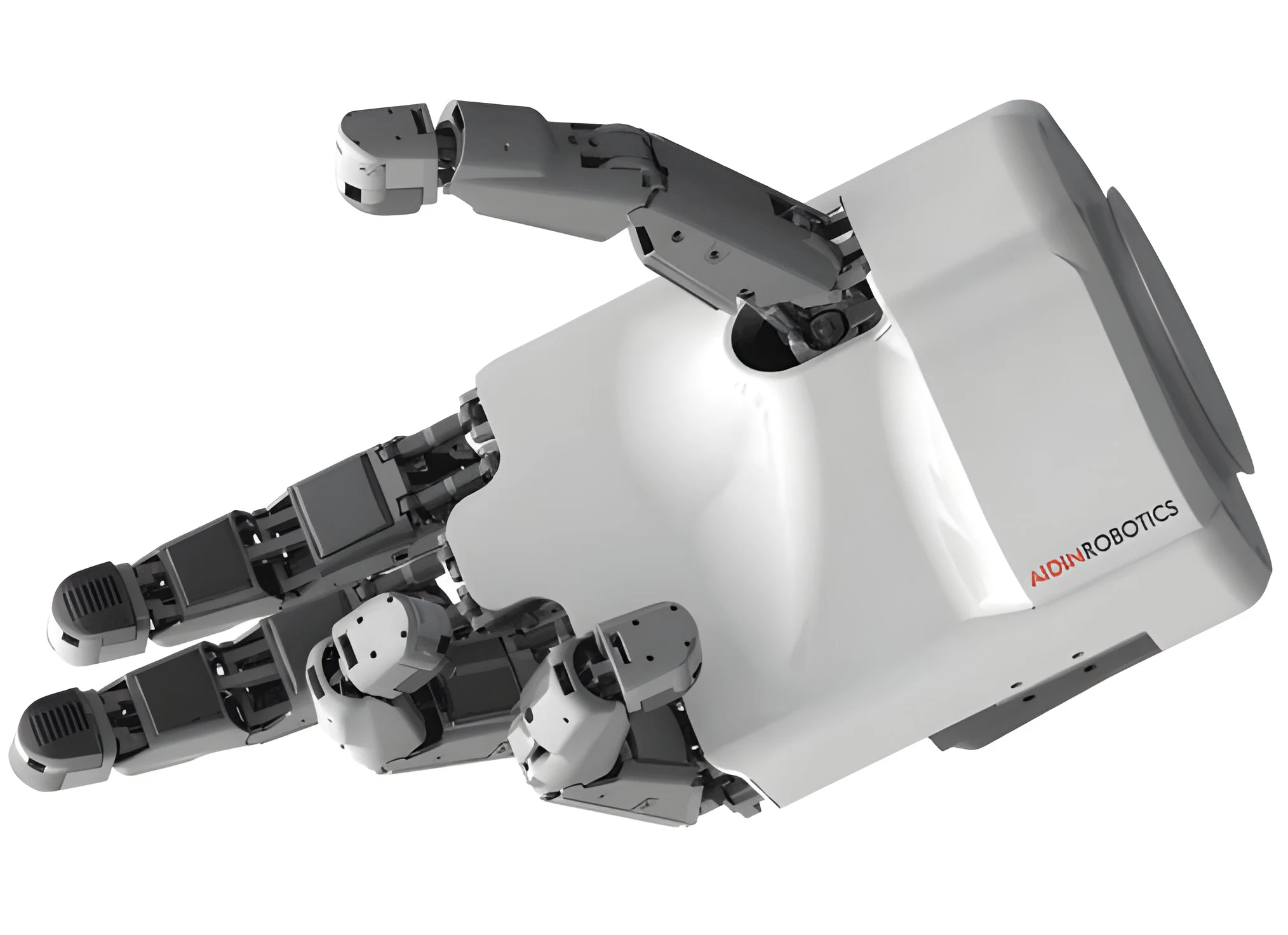
HD Hyundai Robotics Develops Humanoid AI to Enhance Existing Factory Robots
HD Hyundai Robotics is advancing its humanoid robot project, aiming to integrate AI capabilities into its existing industrial and collaborative robots. CTO Ahn Sung-hwan revealed plans to enhance perception, manipulation, and task-planning abilities in a recent interview, although no specific launch date for the humanoid was provided. This initiative is significant as it seeks to create a unified platform that connects industrial robots, cobots, and humanoids, leveraging data from manufacturing processes. The company has also invested ₩13 billion in AIDIN Robotics to develop a specialized five-finger hand for applications in shipbuilding, which will be utilized in both humanoids and existing robots. Looking ahead, HD Hyundai Robotics is also collaborating with Persona AI to integrate humanoids into shipyards, following initial demonstrations of teleoperated welding. Future developments will be closely monitored, particularly regarding the progress of humanoid capabilities and their application in industrial settings. No further timeline was disclosed at the time of publication.
South Korea manufacturing Persona AI
Bionic Humanoid Robot Priced at 26,800 Yuan Mimics Human Appearance and Feel
A bionic humanoid robot, priced at 26,800 yuan, has been developed to closely resemble and replicate human characteristics. This innovation highlights advancements in robotics technology that aim to bridge the gap between physical and semantic knowledge through a semantic world model. The significance of this development lies in its potential to revolutionize the robotics industry by providing a more human-like interaction experience. This could lead to broader applications in various sectors, including entertainment and education, where human-robot collaboration is essential. Looking ahead, the focus will be on how this bionic humanoid robot can be integrated into real-world scenarios and its reception among users. No further timeline was disclosed at the time of publication.
Robotics Automation AI
IndexBox Forecasts 7.7% Growth in Delta Robot Market by 2035, Driven by Food and Electronics
IndexBox has projected that the Delta robot market will experience a growth rate of 7.7% by the year 2035. This growth is primarily attributed to increasing demand in the food and beverage and electronics sectors, which are expected to drive significant investments in automation technologies. The anticipated growth in the Delta robot market is crucial as it highlights the ongoing trend towards automation in various industries. As companies seek to enhance efficiency and reduce operational costs, the adoption of Delta robots is likely to become more prevalent, particularly in sectors that require precision and speed. Looking ahead, stakeholders should monitor advancements in Delta robot technology and their applications in different industries. The focus on food and beverage and electronics sectors will be particularly important, as these areas are poised for substantial growth and innovation in automation solutions. No further timeline was disclosed at the time of publication.
Robotics Automation AIRobotics needs a service framework.
RSF defines a common language for robot service capability, lifecycle operations, certification pathways, and service-provider networks.
Join the RobotToday community on LinkedIn
Daily robotics news, in-depth analysis, conference highlights, and discussions with professionals worldwide.







