Industry Briefing
A single destination for timely, editor-curated robotics news from around the world.
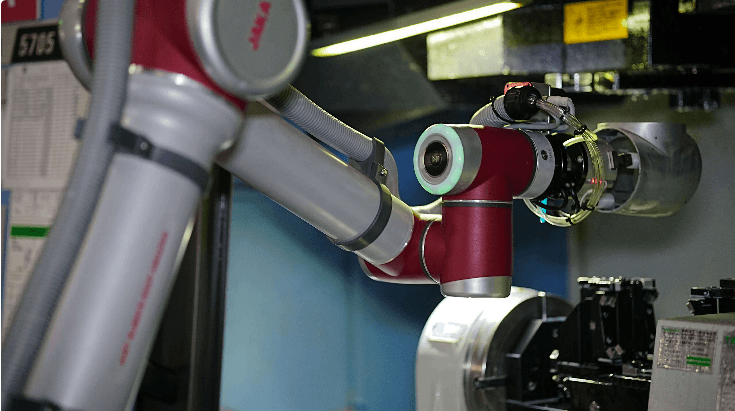
Advanced Robotics Technology in Collaborative Workspaces: Force Limiting and Sensing
In a significant advancement for manufacturing, JAKA is revolutionizing collaborative workspaces through the integration of advanced robotics technology. The company’s focus on industrial collaborative robots (cobots) allows for safe and efficient interaction between machines and human operators, essential in today’s fast-paced production environments. By employing force limiting and sensing capabilities, JAKA's robots can detect unexpected interactions and adjust their movements accordingly, enhancing workplace safety and productivity. The JAKA Pro5 model exemplifies this innovation, specifically designed for loading and unloading tasks. It minimizes reliance on manual labor while ensuring consistent quality through simple programming interfaces that enable rapid setup for various production line tasks. This flexibility allows teams to adapt the robots quickly, optimizing efficiency and precision in machine tending. JAKA recognizes that the successful adoption of robotics hinges on factors such as production complexity and workspace layout. Their cobots are engineered to address these challenges, providing scalable operations that accommodate delicate handling requirements and reduce product damage risks. By integrating these intelligent systems, JAKA not only improves operational standards but also frees up human resources for more strategic roles, fostering a collaborative environment that enhances overall productivity. As industries increasingly embrace advanced robotics, JAKA’s commitment to safety, adaptability, and efficiency positions it at the forefront of transforming manufacturing practices, ultimately driving sustainable productivity improvements.
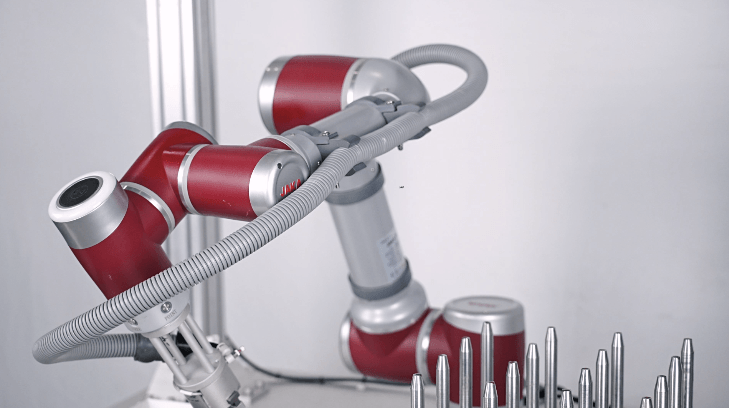
Implementing Vision Systems in Advanced Robotics Technology for Adaptive Tasks
A company specializing in advanced robotics is enhancing production efficiency by integrating vision systems into its industrial cobot solutions. This innovative approach allows robots, such as the JAKA Pro16, to perceive and adapt to changing conditions on the production line, enabling them to identify parts, detect orientation, and adjust movements in real time. The implementation of these vision systems minimizes the risk of misplacement and reduces human error during loading and unloading tasks. The company’s cobot platforms are designed for flexibility, allowing them to efficiently respond to diverse production requirements. By detecting subtle variations and unexpected obstacles, these robots enhance the resilience of production lines. The JAKA Pro16 features simple programming capabilities that facilitate quick adjustments to production setups, thereby minimizing downtime and improving overall efficiency and product quality. Additionally, the company emphasizes user-friendly programming interfaces, enabling operators with minimal training to manage complex tasks effectively. The drag-and-drop teaching and graphical interfaces of the JAKA Pro16 maximize robot utilization while allowing human resources to focus on strategic activities. This combination of visual perception and intelligent control algorithms ensures high precision and adaptability in various manufacturing scenarios. In summary, the integration of vision systems into robotics technology is pivotal for creating flexible manufacturing solutions. The company remains committed to developing adaptive robotics that enhance task accuracy, optimize workforce allocation, and support high-quality production outcomes.
Beijing launches China’s first professional title system for robotics talent
Beijing's Municipal Human Resources and Social Security Bureau has launched the Trial Measures for Robotics Professional Title Evaluation, establishing a specialized evaluation system for professionals in the engineering and technical sectors. This initiative, announced recently, is designed to better align talent assessment with the evolving demands of the robotics industry. By implementing this framework, the city aims to bolster its position as a leading center for robotics innovation, addressing the growing need for skilled professionals in this rapidly advancing field. The new measures are expected to enhance the development of the robotics sector in Beijing, facilitating the recruitment and recognition of qualified individuals who can contribute to the industry’s growth.
News Feed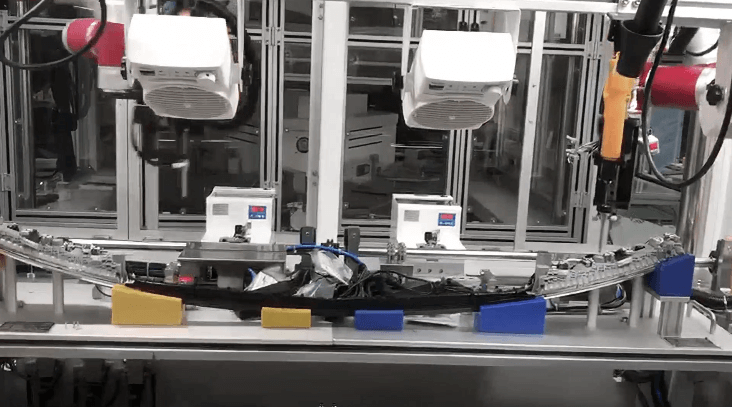
Screwdriving Robot vs. Manual Assembly: Speed, Consistency, and Ergonomics
JAKA is pioneering the integration of screwdriving robots into assembly lines, marking a significant shift in manufacturing operations aimed at enhancing productivity and workplace safety. This transition, which is currently being evaluated, focuses on three key performance metrics: operational pace, output consistency, and the physical impact on workers. The introduction of robotic screwdrivers allows for uninterrupted operation at a steady pace, eliminating the fluctuations associated with human labor due to fatigue or distractions. This consistent rhythm facilitates reliable production scheduling and output predictions, akin to the performance of polishing robots that require precision in repetitive tasks. Moreover, the automation of screwdriving significantly improves output uniformity by applying consistent torque and placement, reducing common fastening defects that arise from human error. This enhancement not only boosts product quality but also minimizes waste and ensures compliance with stringent production standards. From an ergonomic perspective, the deployment of screwdriving robots alleviates the physical strain on workers, particularly in challenging environments that can lead to repetitive strain injuries. By removing operators from these demanding tasks, companies can reassign them to roles that involve supervision and quality inspection, thereby fostering a safer and more efficient workplace. As businesses consider this technological shift, JAKA emphasizes that the evaluation process should encompass not just the replacement of manual labor but also a comprehensive redesign of systems and the redeployment of human resources. The company’s expertise in robotic technology supports this transition, enabling manufacturers to focus on more complex, value-added activities while ensuring a sustainable operational framework.
Palettiseur cobot pour l'automatisation à grande vitesse
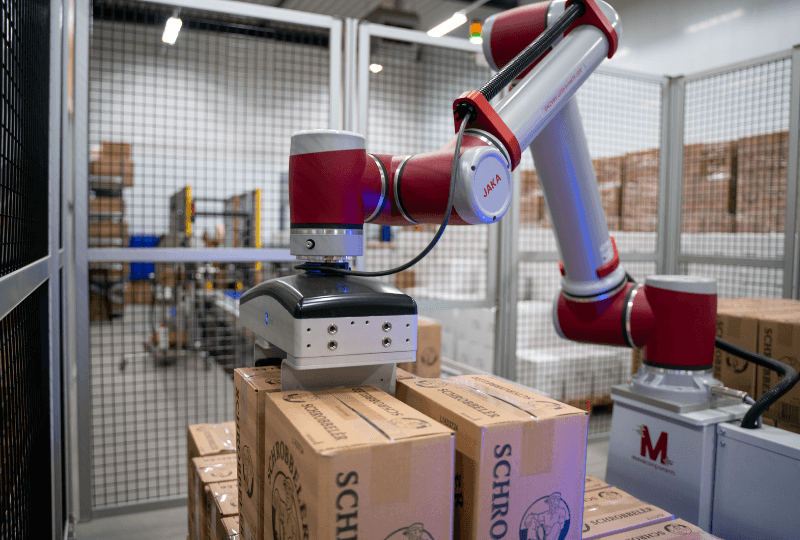
In the modern manufacturing sector, repetitive tasks like palletizing can drain valuable human resources and hinder production efficiency. To address this challenge, Just Automate has partnered with JAKA Robotics to introduce the MoveComponents® palletizing solution, designed to enable businesses to automate palletizing quickly, safely, and effectively. This innovative system integrates the precision and flexibility of the JAKA Pro 16 collaborative robot with the robust MoveComponents palletizing base, making it suitable for various industries, including food production and logistics. Enhanced by OnRobot's intuitive D:PLOY automation platform, the solution simplifies implementation and operation, benefiting end-users. The MoveComponents palletizer features a stable and flexible base designed for the JAKA cobot, equipped with LED lighting for better visibility and sensors for accurate pallet detection. Its mobile design allows manufacturers to reposition the system as needed, while intuitive programming and collaborative capabilities facilitate rapid automation without complex planning or custom integration. The MoveComponents solution has already proven effective for companies across Europe. For instance, a Dutch distillery faced challenges with manual stacking of heavy crates. With the MoveComponents palletizer, the system became operational in just one day, significantly reducing operator workload and increasing productivity. Similarly, a German road safety equipment manufacturer optimized its production flow by automating repetitive tasks, enhancing both productivity and employee safety. What sets this cobot palletizer apart is its robust design, collaborative flexibility, and ready-to-use automation, making it an ideal solution for manufacturers seeking to reduce manual labor and streamline operations, particularly in mixed and low-volume production environments. This accessible and cost-effective system offers immediate availability and transparent pricing, making automation attainable for small and medium-sized enterprises.
Cobot Palletizer for High-Speed Automation
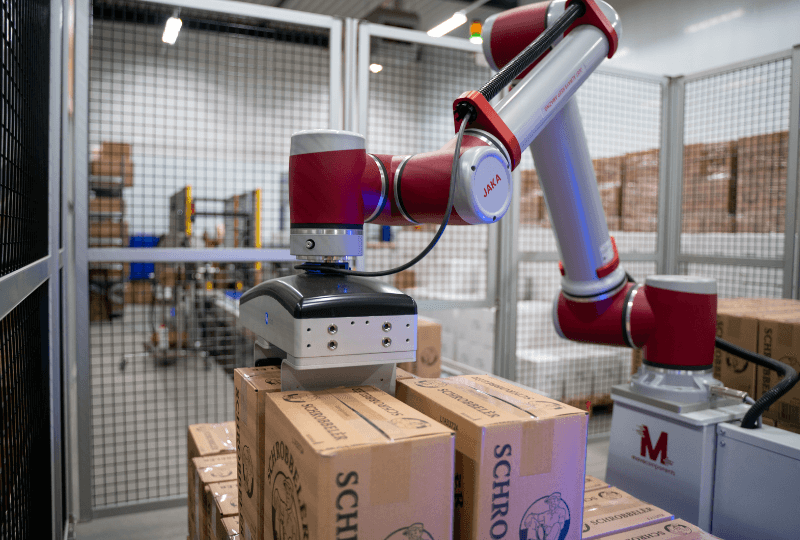
Just Automate, in collaboration with JAKA Robotics, has introduced a new cobot palletizing solution branded as MoveComponents®. This innovative system aims to streamline the palletizing process in various industries, including food and beverages, manufacturing, and logistics, by automating repetitive tasks that traditionally consume valuable human resources and slow production. Launched recently, the MoveComponents® combines the precision of the JAKA Pro 16 collaborative robot with a sturdy palletizing base, designed for quick and safe implementation. Built on the user-friendly D:PLOY automation platform from OnRobot, the system allows for easy operation and setup, making it accessible for manufacturers looking to enhance efficiency without extensive planning. The MoveComponents® palletizer features a compact design, a stacking height of up to 2,400 mm, and a maximum payload of 16 kg, capable of handling various product types. Its mobile base allows for repositioning, and the intuitive programming ensures that operators can automate palletizing tasks swiftly. Real-world applications have already demonstrated the solution's effectiveness. A Dutch distillery successfully reduced operator workload and increased productivity by implementing the system within a day. Similarly, a German road safety equipment manufacturer improved workflow efficiency and employee safety by automating their palletizing processes. This turnkey solution stands out for its robust engineering, collaborative flexibility, and straightforward implementation, making it a cost-effective option for small and medium-sized enterprises looking to embrace automation.

Temu preparing to enter South Korean market, build logistics system
Temu, the cross-border platform of Chinese e-commerce giant PDD, is set to launch operations in South Korea, as reported by Yonhap News Agency. The company has been actively recruiting South Korean professionals for essential positions in human resources, general affairs, marketing, and logistics since late 2022. This strategic move aims to strengthen Temu's presence in the competitive South Korean market, which is known for its robust e-commerce landscape. By hiring local talent, Temu seeks to enhance its operational efficiency and better cater to the preferences of South Korean consumers. The establishment of a local office is also part of the company's plans to facilitate its entry and ensure a smooth rollout of services.
News Feed
Employee Handbook Translation Services Are No Longer Optional for Modern Workplaces
In an effort to enhance workplace communication and ensure compliance with safety standards, a mid-sized manufacturing company has updated its employee handbook to include translated versions for its multilingual workforce. The initiative, spearheaded by the HR manager, aims to clarify workplace expectations and policies, thereby fostering a more inclusive environment for all employees. Recognizing that automated translation tools often produce inaccuracies, the company prioritized the use of professional translation services to ensure that the wording in the handbooks is precise and accessible. This strategic move not only supports better understanding among employees but also reinforces the company's commitment to safety and compliance. The updated handbooks are expected to improve employee engagement by making essential information readily available in multiple languages. By maintaining consistency across teams, the company hopes to create a cohesive workplace culture that values clear communication and inclusivity. This proactive approach reflects a growing trend among businesses to address the needs of diverse workforces and enhance overall operational efficiency.
Business Technology automation news business communication compliance training construction workforce
The Hiring Philosophy Behind Soltaros OÜ: Why Culture Fit Matters as Much as Skill
Soltaros OÜ, a company known for its innovative hiring practices, emphasizes the importance of culture fit over traditional qualifications like polished résumés. This approach stems from years of experience in building cross-functional teams across various markets. By prioritizing cultural alignment, Soltaros aims to create a cohesive work environment that enhances collaboration and productivity. The company’s unique hiring philosophy reflects a commitment to fostering a strong organizational culture, which they believe is crucial for long-term success. This focus on culture fit not only differentiates Soltaros in a competitive job market but also aligns with their strategic goals of maintaining a dynamic and engaged workforce.
Business Culture Technology automation news business operations collaboration
How Alisira OÜ Approaches Leadership Development From Within
Alisira OÜ is redefining leadership succession by emphasizing design over traditional recruitment methods. This innovative approach influences various organizational practices, including meeting management and the assignment of challenging tasks. The company aims to shape its future leadership team by prioritizing internal development rather than relying on external hires. This strategic focus is expected to foster a more cohesive and capable leadership structure over the next three years. Alisira's commitment to this design-centric philosophy reflects a broader trend in organizational management, as companies increasingly recognize the importance of nurturing talent from within to ensure sustainable growth and adaptability in a competitive landscape.
Business Computing Technology Alisira OÜ automation news Business Management
NVIDIA and Hugging Face Enhance LeRobot with New AI Models and Frameworks
NVIDIA has expanded its collaboration with Hugging Face to enhance the LeRobot open-source robotics platform with new AI models and frameworks. This integration includes the NVIDIA Isaac GR00T 1.7 vision-language-action model and the Isaac Teleop framework, aimed at streamlining robot development. The partnership seeks to make advanced robotics tools more accessible to developers and researchers, with plans to incorporate NVIDIA Cosmos 3 in the future. This collaboration is significant as it addresses the fragmented nature of robotics development by providing standardized workflows for data collection, model training, and robot deployment. The introduction of the Isaac Teleop framework allows for high-quality training data collection through human demonstrations, which can be shared within the LeRobot ecosystem. By lowering barriers to entry, NVIDIA and Hugging Face aim to foster broader collaboration in the robotics community. Looking ahead, NVIDIA plans to integrate the Cosmos 3 model into LeRobot, which will generate synthetic robotics data and assist in policy development. The collaboration builds on existing resources, including a dataset with over 350,000 robot trajectories and 57 million grasp examples. No further timeline was disclosed at the time of publication.
AI and Robotics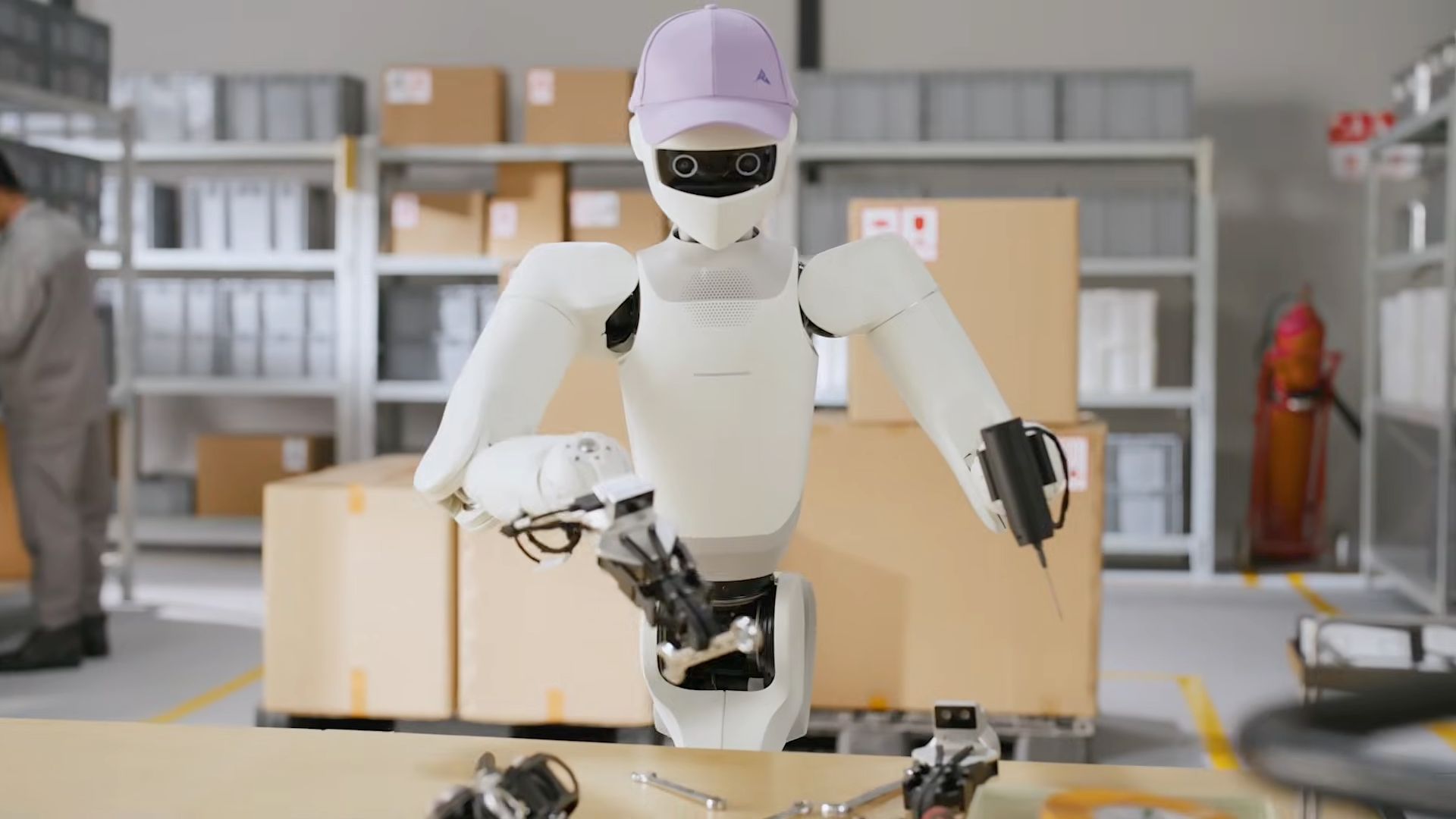
Video: New $13K humanoid from China aims to widen access to advanced robotics
Chinese robotics startup Astribot, also known as Stardust Intelligence, has recently introduced one of the country’s most advanced humanoid robots. The unveiling took place during a technology expo in Beijing on October 15, 2023. This innovative robot, designed for various applications including healthcare and customer service, aims to enhance efficiency and support human workers in multiple sectors. Astribot's motivation behind this development stems from the growing demand for automation and intelligent solutions in China’s rapidly evolving economy. The company has invested significant resources in research and development to create a robot that not only mimics human movements but also integrates artificial intelligence for improved interaction and problem-solving capabilities. The launch event showcased the robot’s features, including its ability to recognize faces, respond to voice commands, and perform complex tasks. Demonstrations highlighted its potential to assist in environments such as hospitals and retail spaces, where it can alleviate workloads and improve service delivery. As the robotics industry continues to expand, Astribot aims to position itself as a leader in the field, contributing to the broader trend of integrating advanced technology into everyday life. The introduction of this humanoid robot marks a significant milestone in China's pursuit of innovation and technological advancement.
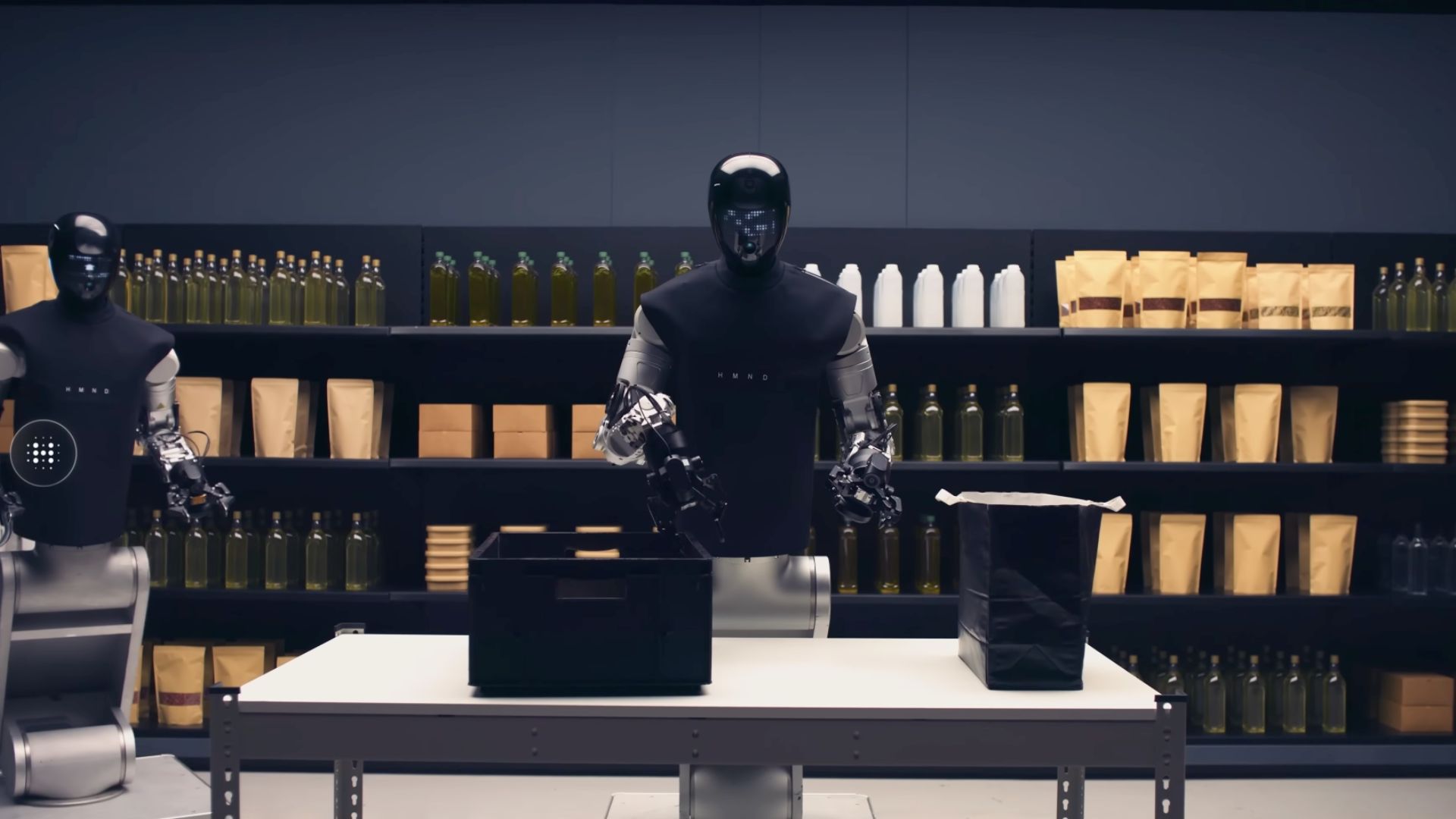
UK’s Humanoid partners with Bosch to mass-produce HMND robots for industries
London-based robotics company Humanoid has announced a strategic partnership with German engineering giant Bosch to enhance the production capabilities of its innovative humanoid robots. This collaboration aims to meet the growing demand for advanced robotics solutions across various sectors. The partnership was unveiled on October 5, 2023, during a technology conference in Berlin, where both companies showcased their commitment to advancing robotics technology. The alliance is driven by the increasing interest in automation and artificial intelligence, as businesses seek to improve efficiency and productivity through robotic solutions. By leveraging Bosch's extensive manufacturing expertise and resources, Humanoid plans to scale its production processes, ensuring that it can deliver high-quality humanoid robots to a broader market. The partnership is expected to facilitate the integration of Bosch's cutting-edge technology into Humanoid's designs, enhancing the functionality and performance of their robots. This collaboration marks a significant step forward in the robotics industry, as both companies aim to push the boundaries of what humanoid robots can achieve in real-world applications.
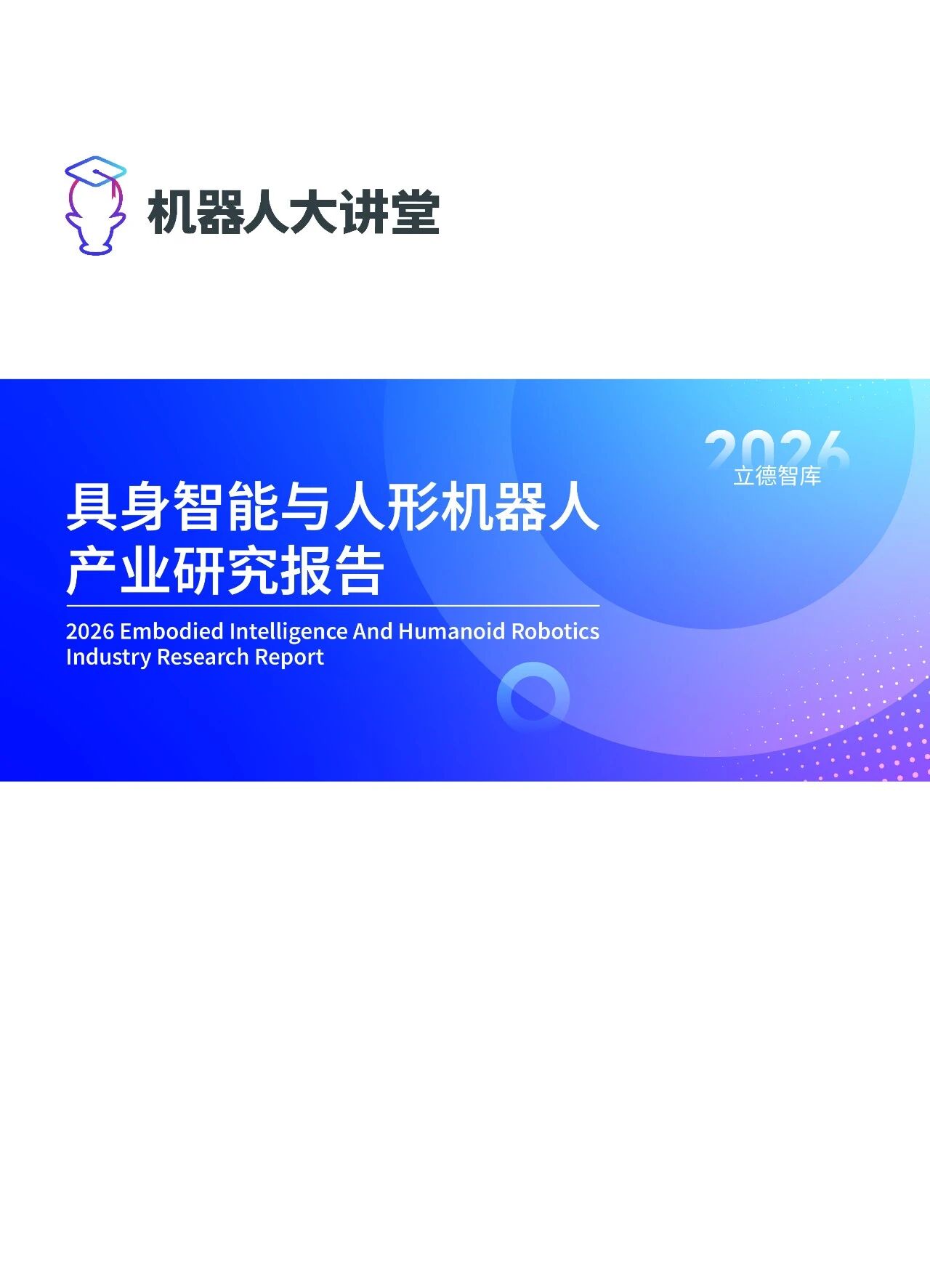
Multi-Dimensional Brand Exposure: Invitation to Contribute to the 'Embodied Intelligence and Humanoid Robot Industry Research Report'
A comprehensive report titled the '2026 Embodied Intelligence and Humanoid Robot Industry Research Report' is set to be released at a major conference in April 2026. This initiative seeks to systematically analyze the current landscape of the humanoid robot industry, providing valuable insights to inform policy-making. Companies operating within this sector are encouraged to participate in the research process, which will not only enhance their brand visibility but also grant them access to critical resources. By contributing to this extensive report, these organizations can play a pivotal role in shaping the future of the industry while benefiting from the collaborative effort to understand emerging trends and challenges.
Embodied Intelligence Humanoid Robots Industry Research Brand Development
Feikuo Technology Receives Strategic Investment from Zhongqing Robotics to Accelerate Humanoid Robot Implementation
On May 16, Zhongqing Robotics announced the completion of a strategic investment in Hangzhou Feikuo Technology, marking a significant step in their partnership aimed at advancing the integration of humanoid robots across multiple industries. This collaboration seeks to address the challenges of transitioning technology into practical applications, ultimately facilitating the large-scale deployment of humanoid robots in various sectors. By combining resources and expertise, both companies aim to enhance the capabilities and accessibility of robotic solutions, driving innovation in the field.
Humanoid Robots Robotics Investment AI Solutions Industry Applications
Invitation to Contribute to the 2026 Research Report on Embodied Intelligence and Humanoid Robotics Industry
The 2026 Research Report on Embodied Intelligence and Humanoid Robotics is set to offer an in-depth analysis of the industry, focusing on significant trends and notable case studies. Scheduled for release next year, the report aims to serve as a valuable resource for companies operating in this rapidly evolving field. By participating in the report, businesses can increase their brand visibility and forge connections with critical industry resources. This initiative underscores the growing importance of embodied intelligence and humanoid robotics as key drivers of technological advancement and innovation.
Embodied Intelligence Humanoid Robotics Industry Research Technology Trends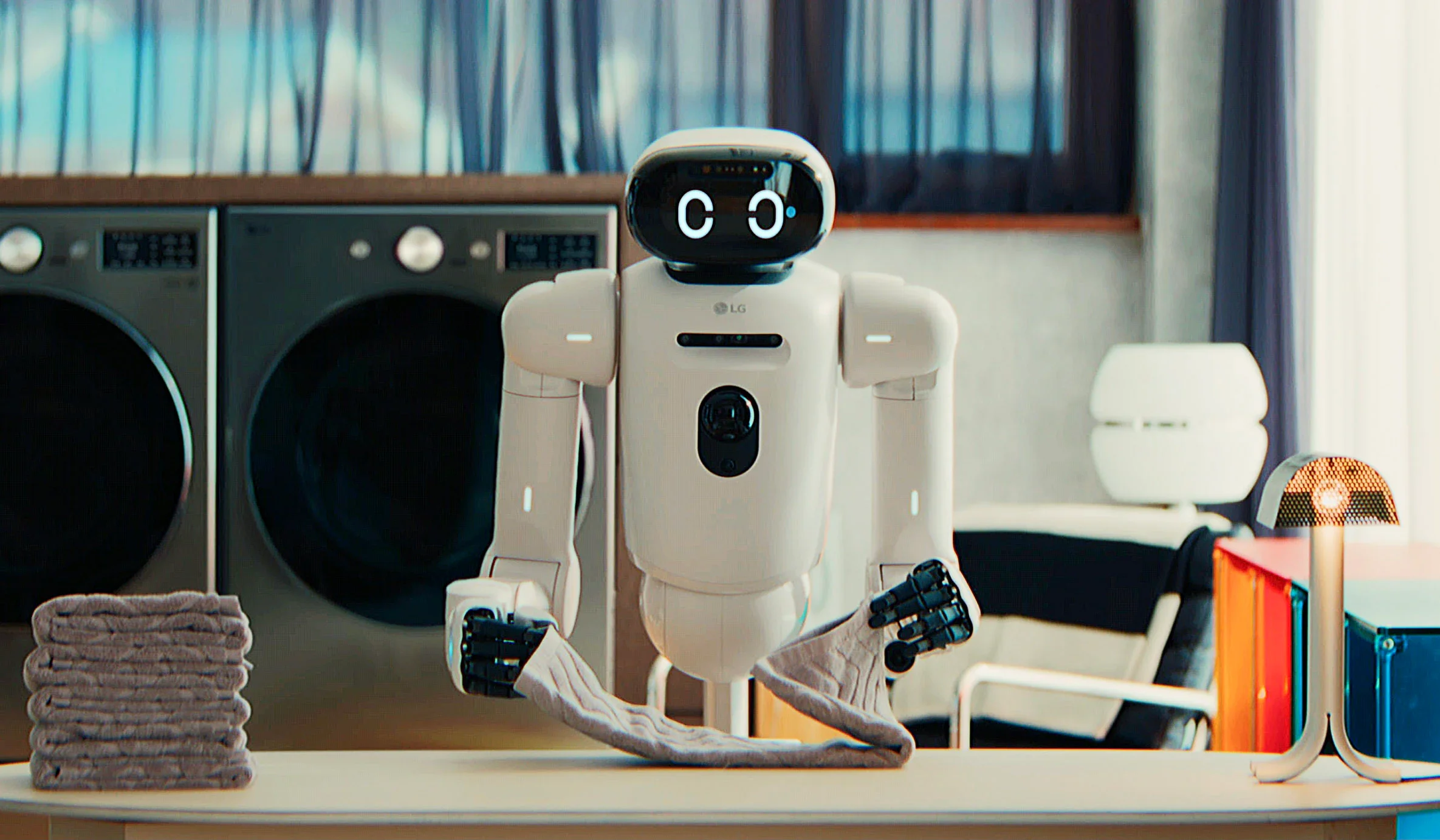
The "One LG" Play: How the Korean Giant is Engineering a Humanoid Supply Chain
LG Group is taking significant steps to strengthen its position in the robotics component market by mobilizing five of its major affiliates. The company aims to offer bundled humanoid subsystems, capitalizing on its extensive manufacturing capabilities in appliances and automotive parts. This strategic move is designed to enhance LG's competitiveness in the rapidly evolving robotics industry, where demand for advanced technology is on the rise. By leveraging its existing resources and expertise, LG Group seeks to establish itself as a leader in providing innovative solutions for robotics applications.
CLOiD South Korea kapex lg-electronics LG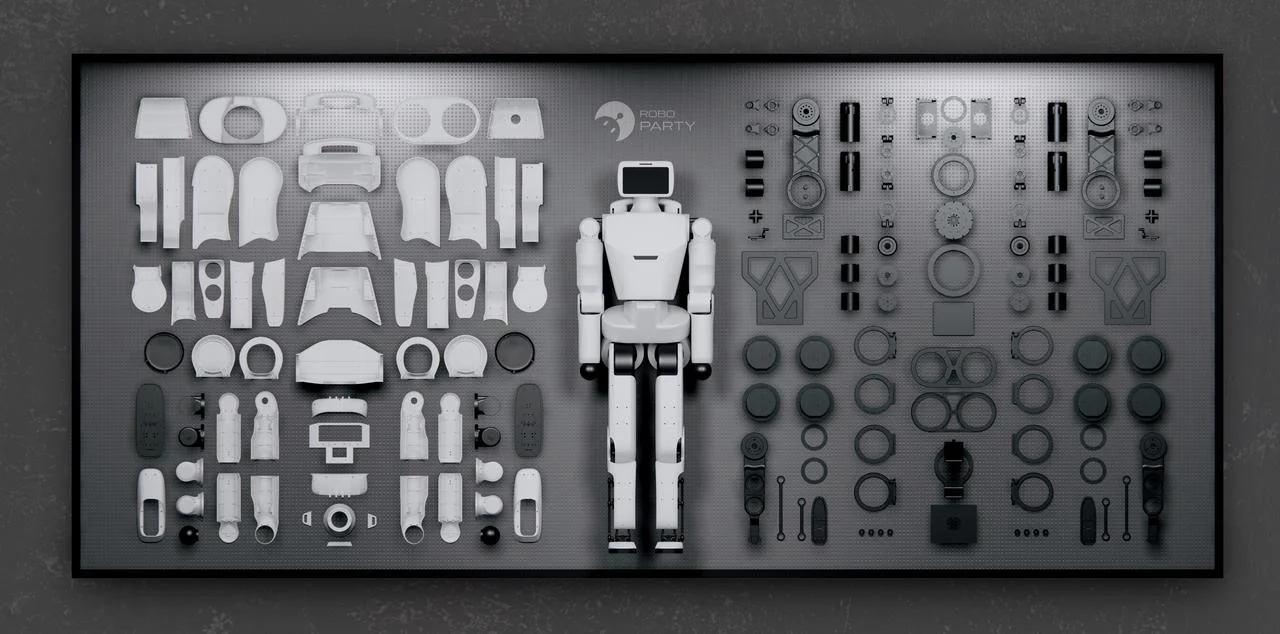
120 Days to a Run: RoboParty Open-Sources Its "ROBOTO ORIGIN" Humanoid Baseline
RoboParty has unveiled the complete designs and software for its inaugural bipedal humanoid robot, marking a significant advancement in open-source robotics. This initiative aims to create a new era of "reproducible" robotics, addressing the financial challenges that have historically hindered similar projects. By providing accessible resources, RoboParty hopes to democratize the development of humanoid robots, enabling a broader range of innovators to participate in this field. The release is expected to foster collaboration and innovation, potentially accelerating advancements in robotics technology.
open-source China ROBOTO ORIGIN RoboParty
Japan Enters the Alliance War: ''KyoHA'' Taps Industrial Giants to Reclaim Humanoid Glory
A coalition of prominent Japanese companies, including Sumitomo Heavy Industries, Renesas, and JAE, has been established in Kyoto to create a comprehensive supply chain for humanoid hardware. This initiative aims to strengthen Japan's position in the global robotics market, reflecting similar national strategies adopted by South Korea and China. The coalition seeks to enhance collaboration among domestic manufacturers and streamline production processes, ultimately fostering innovation and competitiveness in the rapidly evolving field of humanoid robotics. By leveraging local expertise and resources, the partners intend to address the growing demand for advanced robotic solutions, positioning Japan as a leader in this technology sector.
Business Japan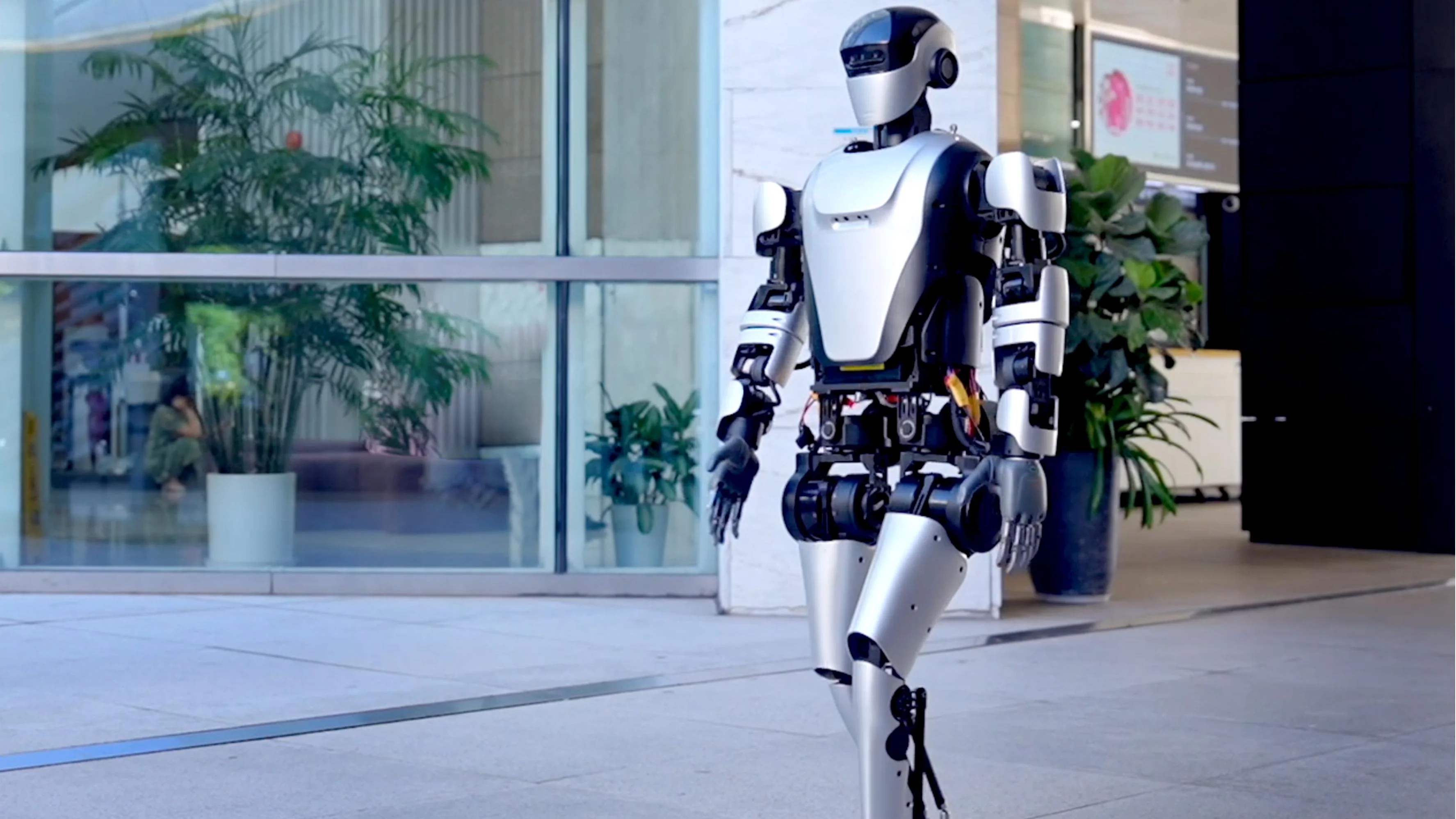
China’s Humanoid Sector Sees IPO Rush as Unitree, Aelos, and AgiBot Vie for Market Lead
Three leading humanoid robotics companies in China—Unitree, Aelos Robotics (also known as Leju), and Zhiyuan Robotics (AgiBot)—are preparing to go public, marking a pivotal moment in the capital-intensive competition within the robotics sector. This strategic move comes as the demand for advanced robotics technology continues to rise, driving these companies to seek additional funding to enhance their research and development capabilities. By entering the public market, they aim to attract investors and secure the necessary resources to innovate and expand their operations. The push for an initial public offering (IPO) reflects the growing importance of humanoid robotics in various industries and highlights the competitive landscape as these firms strive to establish themselves as leaders in the field.
Unitree Robotics Leju Robot AGIBOT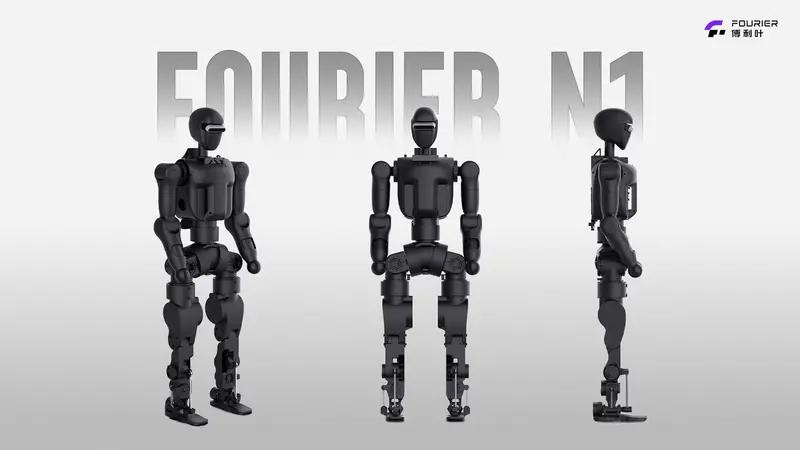
Fourier Intelligence Launches N1 Humanoid Robot with Open-Source Strategy
Fourier Intelligence has unveiled the N1, a 1.3-meter tall humanoid robot designed specifically for developers and researchers. The launch, which took place recently, emphasizes an open-source model that allows users to access blueprints, software code, and build instructions. This initiative aims to cultivate a community ecosystem that encourages collaboration and accelerates advancements in motion control and artificial intelligence integration. By providing these resources, Fourier Intelligence hopes to inspire innovation and facilitate the development of new applications in robotics.
open-source fourier-n1 Fourier Intelligence fourier
Japan Pioneered Humanoid Robots—Can It Now Catch China?
“In the future, the relationship between humans and robots will deepen, and the distinction between them will probably disappear.” This prediction, from one of the attendees at the recent Humanoids Summit in Tokyo, might have been unremarkable had it not come directly from an android that was first introduced to the world 20 years ago. Geminoid HI-6 is the sixth-generation of a robot originally designed in 2006. The mechanical twin of Osaka University professor Hiroshi Ishiguro, Geminoid HI-6 is now equipped with a large language model trained on Ishiguro’s own writings and interviews. It has advanced conversational skills and can even have a chat with its creator, an eerie spectacle. But at the Humanoids Summit, Geminoid was one of the few humanoid robots from Japan, the country that pioneered the form factor.While the event in Tokyo only had about 40 robots on display, Chinese systems outnumbered Japanese by roughly three to one. Some Japanese robotics firms were even using Chinese robots in their own technology demonstrations, something that would have been unthinkable in the recent past—one Japanese engineer described the situation as “sad.” The conference was a stark reminder of how Japan has ceded its early lead in humanoid robot development to overseas competitors, and the challenge it now faces to secure a place in an ecosystem increasingly dominated by general-purpose robots powered by AI. Twenty-five years ago, Japan was turning out groundbreaking humanoids that were showstopping in their abilities, but they were not commercialized as practical machines in any meaningful way. Heavily influenced by science fiction and lacking practical applications, they were mostly expensive technology demonstrations that were eventually mothballed. What Japan retains, however, is robotics design and know-how, which it must leverage to be a key player in the rapidly evolving humanoid ecosystem. Learning to Walk—Then Standing StillTo anyone who has seen recent videos of Chinese humanoids doing kung-fu and synchronized acrobatics, as well as half-marathon races, China’s remarkable progress in the field is nothing new. At the Humanoids Summit, Toyota showed a video of its latest basketball-playing robot, and Honda exhibited its latest robot hand, but the full-scale humanoids on the floor were mostly Chinese–the kid-size K1 machines from Booster Robotics of Beijing were dancing to Michael Jackson tunes. The full-scale G1 humanoid from Unitree Robotics of Hangzhou was also doing demos. “You cannot sell these bipedal systems in Japan for safety and compliance reasons,” says Shuichi Nagao, a frequent visitor to China as CTO of Omakase Robotics, a division of Zeals, a Japanese humanoid robot developer. Omakase was exhibiting a G1 modified with an external PC controller, a dextrous hand, a suction-cup manipulator and a sensor “hat” with an extra speaker, mic and camera. “In China, the government is pushing humanoid development. They didn’t have an industry 20 years ago. The people pushing it are young, in their 20s and 30s. It’s a really different mentality out there,” says Nagao. “Big players in Japan are still looking for use cases for humanoids. In China, they’re already doing mass production and reducing the cost, so other countries can’t compete with them anymore.”Another Japanese company showing off G1 bots was summit sponsor GMO AI & Robotics, a subsidiary of Japanese internet company GMO. It’s using the robots in partnership with Japan Airlines to load and unload cargo containers at Tokyo’s Haneda airport. The cargo project is a trial—like many other humanoid experiments—but the fact that Chinese machines have penetrated so far into Japan’s ecosystem upends a long history. In 1973, scientists at Waseda University in Tokyo built WABOT-1, considered the first full-scale humanoid robot and capable of slow bipedal locomotion, grasping objects and simple communication. It inspired Honda’s groundbreaking Asimo humanoid, but it was never commercialized. Asimo was eventually retired in 2022, the year ChatGPT was released. Two years later, Unitree’s G1 went on sale for US $16,000. China’s High Torque Technology Co. showed off its Mini Pi biped, customized with an anime-inspired head, at Humanoids Summit in Tokyo. The regular version is priced at $3,500. Tim HornyakSupply and DemandJapan’s development of humanoids happened before practical applications or widespread demand were in place, but bad timing is only part of the story—Japan also has a history of developing technologies that might appeal to domestic consumers but not necessarily those overseas. For example, decades after they first appeared, its highly engineered, multifunction toilets have only recently found a following abroad. Japan’s humanoid prowess was partly built on the back of its legendary industrial automation, yet even that stronghold has eroded. Ani Kelkar, a partner from McKinsey & Company in Boston who produces analytical reports about the robotics industry, told the summit audience that while Japan occupied the top spot in the world in manufacturing robot density (the number of multipurpose industrial robots in operation per 10,000 employees) from at least 1994 to 2009, it then slipped to second in 2014, third in 2019 and fifth in 2024. In that year, South Korea was at the top of the leaderboard with a robot density of 1,220 compared to Japan’s 446. The International Federation of Robotics estimates China now has the most operational industrial robots in the world, with around 2 million total units, approximately 4.5 times more than Japan. “The annual installation numbers are impressive too: 54 percent of all robots installed worldwide in 2024 were deployed in China,” the IFR said in a release in April 2026. “I think the loss of Japanese leadership is more to do with the rise of China as a manufacturing powerhouse including for sectors that Japan had high export levels,” Kelkar said in an email interview. “The recovery has not yet happened as Japan ‘missed’ the rapid acceleration in AI for robotics and is now playing catchup.”How Japan Can Adapt Kelkar believes Japan has a US $100 billion opportunity in general-purpose robotics, which are machines that can perform a wide variety of tasks, and it cannot rely on the slower-growing industrial robot market, which is centered on factory machines that do one simple and predictable task like welding car parts. He points to a McKinsey white paper suggesting that while Japan has much of the hardware and technology experience needed to support general purpose robot development, it must change its strategy to capture more share in AI, software, data collection and robotics platforms.Tetsuya Ogata is a professor of engineering and director of the Institute for AI and Robotics at Waseda University, the birthplace of humanoids in Japan. He briefed the summit on how a nonprofit he chairs, the AI Robot Association (AIRoA), is working with Toyota and other members to develop foundational technologies for collaborative use. For instance, AIRoA has collected some 80,000 hours of data on remote operation of mobile manipulators, and Ogata believes it’s the largest dataset of its kind. Using the data, it built and verified Vision-Language-Action (VLA) models, and it has also started data collection for dual-arm mobile manipulation. In an interview, Ogata acknowledged Japan’s struggle to find its place in the changing landscape. “The world of AI is inherently a game of scale,” says Ogata. “Therefore, Japan’s absolute prerequisite is to secure a competitive baseline of scale—in data, computing resources, and talent. Beyond that, what I consider most critical is a mindset shift: rather than trying to hoard scale within a single nation or company, we must grow stronger by collaborating with a diverse ecosystem of domestic and international players.” Specifically, this means creating a ‘collaborative domain’ to address data—the single biggest bottleneck—through industry-wide cooperation rather than data-siloing. By collectively nurturing a pre-competitive, shared data infrastructure and foundation model, individual companies can then compete on top of it with their own applications. “By offering this open ‘data ecosystem’ to the world, we can engage global players and establish a ‘third pole’ alongside the US and China,” says Ogata. “I believe this is how Japan can reclaim its global presence.”In 1999, Japan introduced the world’s first mobile internet services platform. But being first didn’t turn Japan into a smartphone manufacturing or design center—it’s now merely a supplier of parts to other countries who are leading the smartphone industry. If Japan can avoid a repeat of that experience and successfully deregulate, diversity, and commercialize its original humanoid dreams, it stands a better chance of influencing the direction of the industry and reaping billions in value. As automobiles and electronics were pillars of Japan’s industrial strategy in the last century, Japan could make humanoid robots one of its key value generators in the 21st century, an approach that would not only deliver economic benefits but give Japan greater clout in how the industry will evolve. Just like Japanese cars, electronics, and even toilets, Japanese humanoids could stand for craftsmanship and reliability. It’s a legacy that Japan can’t afford to give up.
Japan Robotics Humanoids Humanoid-robots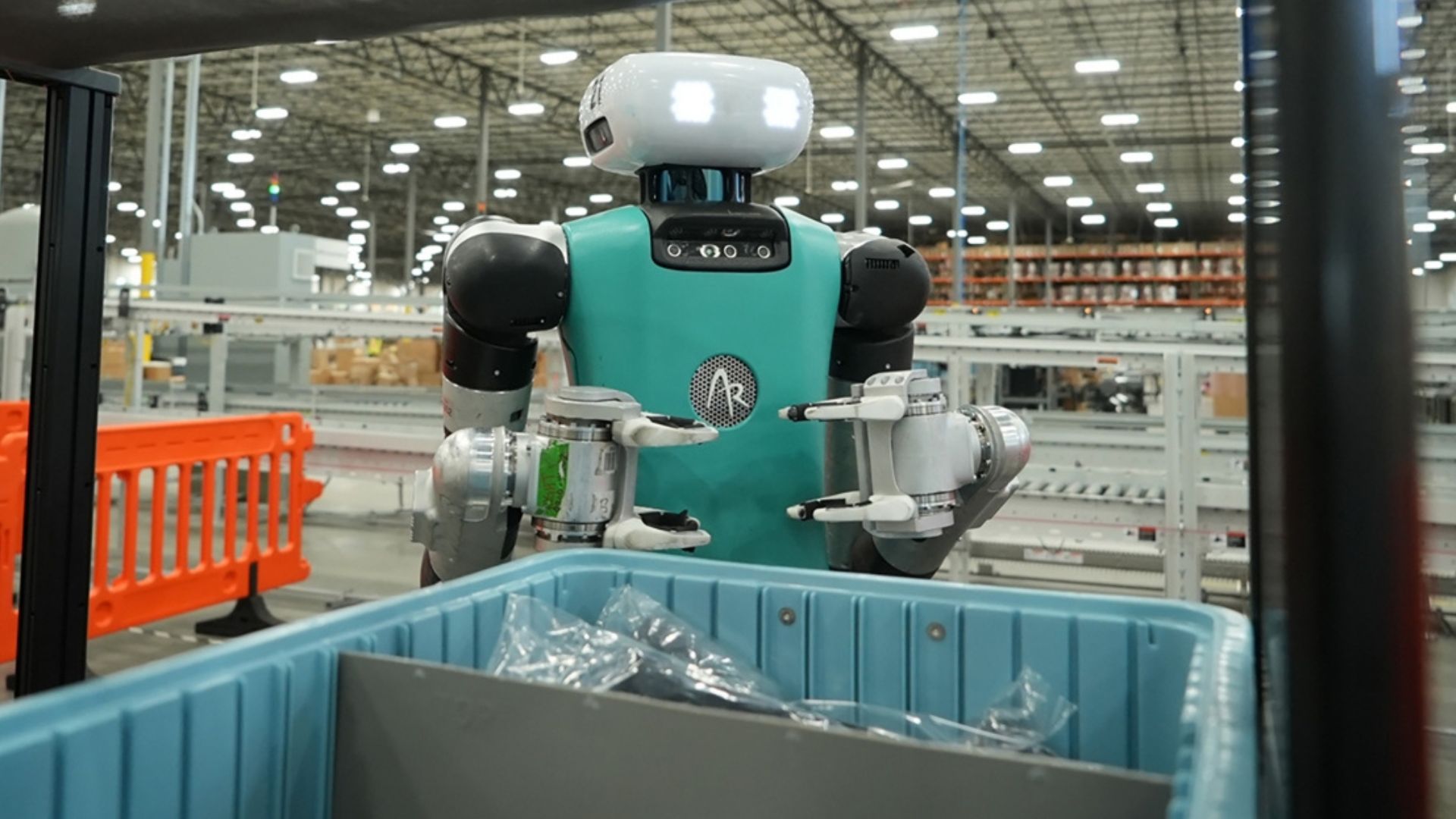
Side by side: NVIDIA Halos brings full-stack safety to robots working with humans
NVIDIA has launched an innovative safety platform aimed at assisting developers in the creation and deployment of autonomous systems. This announcement was made in October 2023, highlighting the company's commitment to enhancing safety measures in the rapidly evolving field of automation. The platform is designed to provide developers with the necessary tools and resources to ensure that autonomous technologies operate reliably and securely. By addressing safety concerns, NVIDIA seeks to foster greater trust and adoption of autonomous solutions across various industries. The initiative reflects the growing demand for robust safety protocols as companies increasingly integrate autonomous systems into their operations.
AI and Robotics
Rivian CEO taking different approach than Elon Musk for humanoid robotics company
RJ Scaringe, the CEO of electric vehicle manufacturer Rivian, has launched a new robotics venture named Mind Robotics, which has successfully secured over $1 billion in funding. The company was established in late 2022, reflecting Scaringe's ambition to expand beyond the automotive sector into the rapidly evolving field of robotics. This significant financial backing underscores investor confidence in the potential of Mind Robotics to innovate and contribute to advancements in automation technology. As the robotics industry continues to grow, Scaringe aims to leverage his expertise and resources to position Mind Robotics as a key player in this competitive market.

‘World-first’ robot theme park with humanoid K-pop dancers for wooing audience
Galaxy Corporation, a leading entertainment technology firm known for managing prominent artists including G-Dragon, has officially launched its new headquarters in Seoul. The opening ceremony took place on October 15, 2023, and was attended by industry leaders, media representatives, and fans. This strategic move aims to enhance the company’s operations and expand its influence in the entertainment sector, particularly in music and digital content. The new facility is designed to foster creativity and innovation, providing state-of-the-art resources for artists and production teams. By establishing a central hub in Seoul, Galaxy Corporation seeks to strengthen its position in the competitive entertainment landscape and better support its roster of talent. The decision to open this headquarters reflects the company’s commitment to advancing the industry through cutting-edge technology and collaborative opportunities. In addition to serving as a workspace, the headquarters will host various events and initiatives aimed at engaging fans and promoting new projects. Galaxy Corporation's leadership expressed optimism about the potential for growth and the ability to create more impactful experiences for both artists and audiences.

Connecting Industry Resources and Supply-Demand Chains: Registration Open for the April Robotics Supply-Demand Matching Conference in Beijing
A robotics supply-demand matching conference is set to take place in Beijing, focusing on addressing the growing needs of the humanoid robotics industry. Scheduled for later this month, the event aims to foster direct interactions between technology providers and end-users, facilitating discussions that could lead to accelerated deployment and collaboration in the sector. As real-world applications for humanoid robotics continue to emerge, the conference seeks to create a platform for stakeholders to connect and explore innovative solutions to meet market demands.
Humanoid Robots Supply Chain Industrial Automation Robotics AI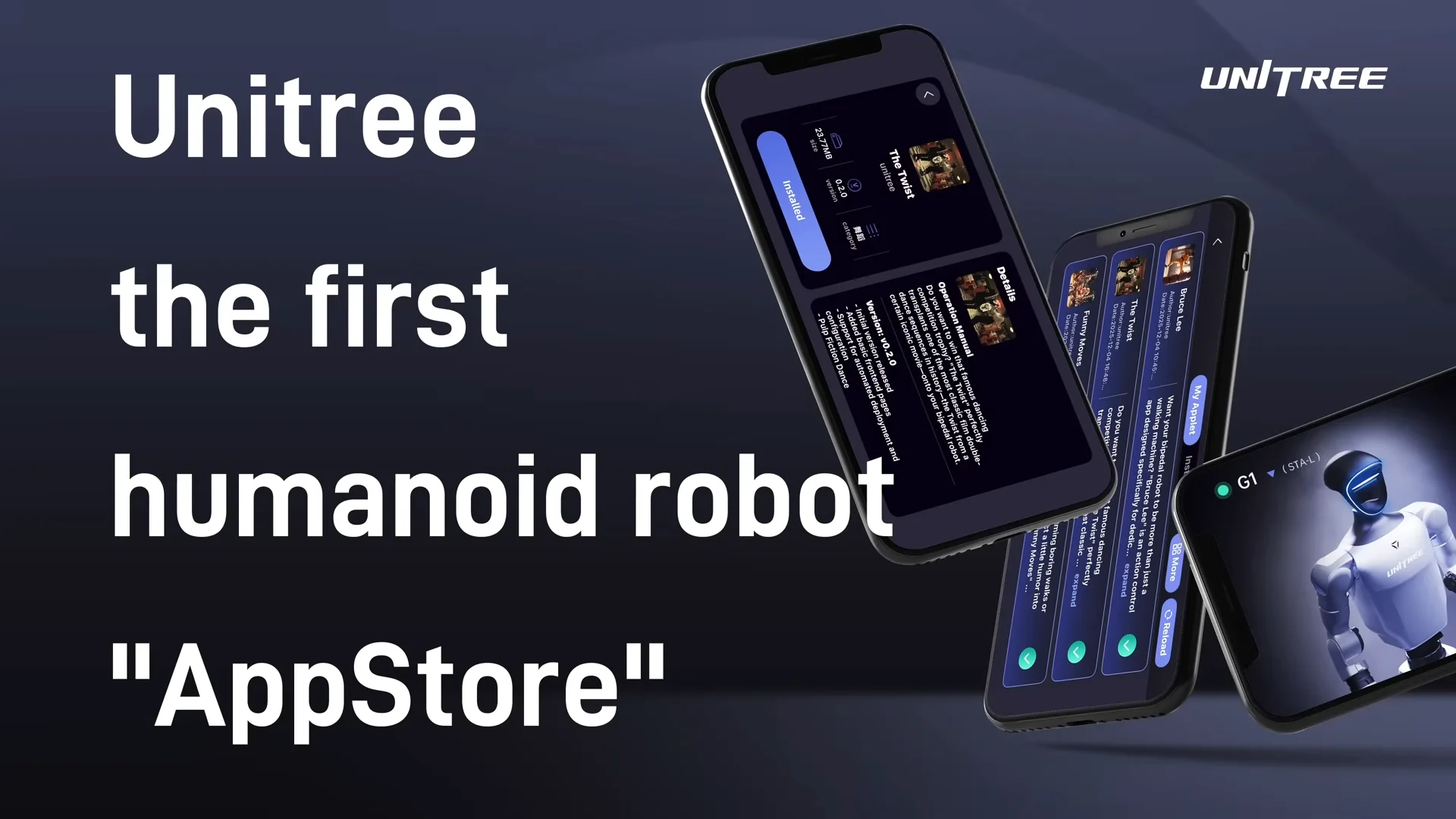
Unitree Teases an "App Store" for Humanoids to Crowdsource Robot Skills
A leading Chinese robotics company has launched a centralized hub designed to facilitate the sharing of robot actions and training datasets. This initiative aims to establish an ecosystem akin to that of the iPhone for its G1 and H1 robotic platforms. The unveiling of this hub marks a significant step in the company’s efforts to enhance collaboration and innovation within the robotics sector, enabling developers and users to access and contribute to a collective pool of resources. By fostering a more interconnected environment, the company seeks to streamline the development process and improve the functionality of its robotic systems. This move reflects a broader trend in the technology industry towards creating integrated platforms that encourage user engagement and shared advancements.
Unitree Robotics China embodied-ai
AI Agents Develop Virtual Environments for Essential Robot Training Data
Robots are becoming more visible in public spaces, captivating onlookers. However, they still lack the versatility needed for tasks in kitchens or factories, primarily due to a significant data bottleneck. Similar to human learning, robots acquire skills through experience, but the process of physically training them in various environments is labor-intensive and time-consuming. This challenge highlights the need for innovative solutions to streamline robot training. By utilizing AI agents to create virtual playgrounds, developers can simulate diverse scenarios, allowing robots to learn efficiently without the constraints of physical environments. This approach could significantly reduce the time and resources required for training, ultimately accelerating the deployment of robots in practical applications. Looking ahead, the development of these virtual training environments may pave the way for more capable robots in various industries. As AI technology continues to evolve, it will be essential to monitor advancements in virtual training methodologies and their impact on robot performance and adaptability. No further timeline was disclosed at the time of publication.
Robotics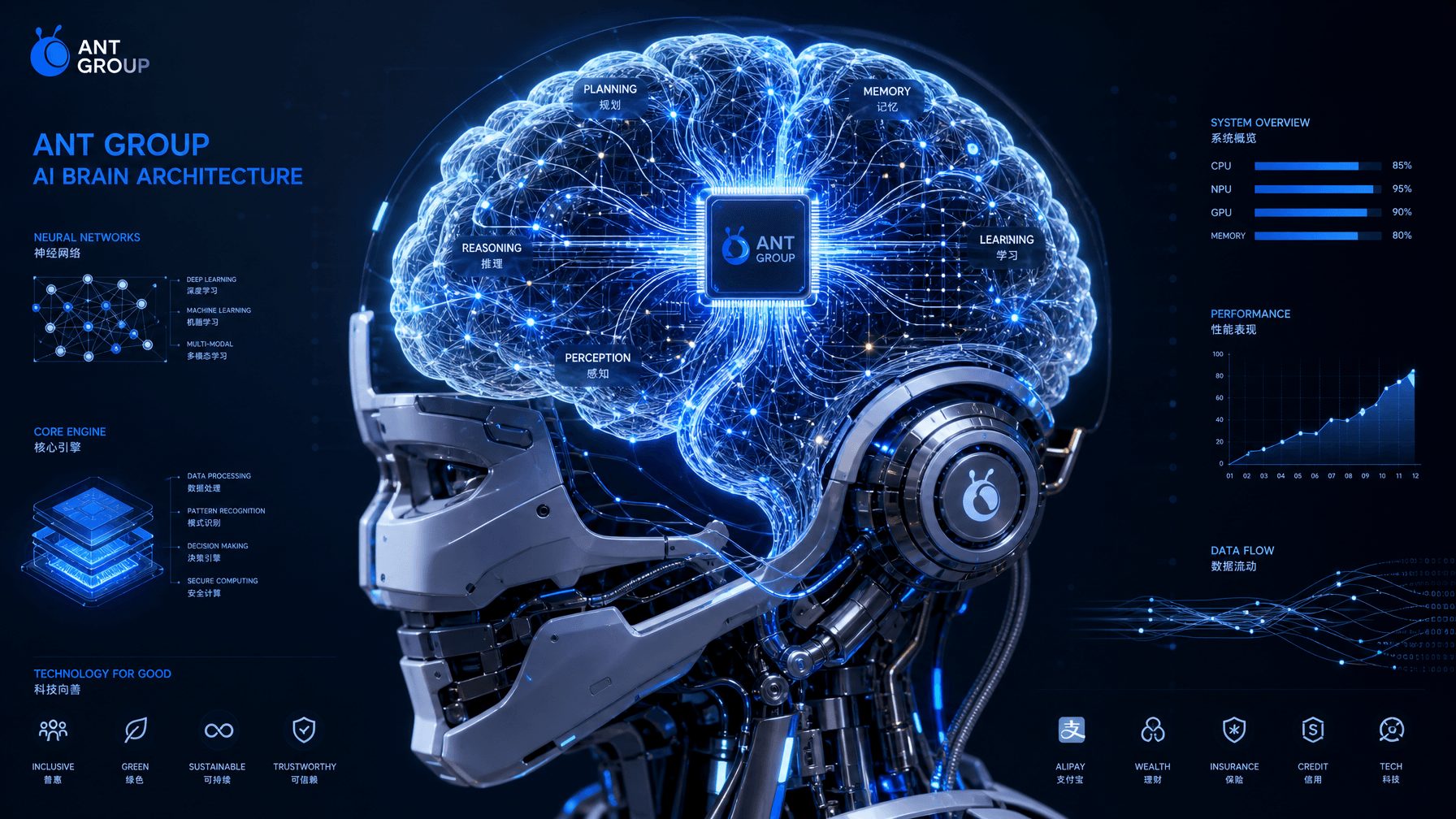
Lingbo Develops Unique Robot Intelligence Platform Using Ant Group's Payment Ecosystem Data
Lingbo, a robotics subsidiary of Ant Group, has announced the development of a novel robot intelligence platform that utilizes data from Ant's extensive payment ecosystem. This initiative aims to enhance embodied AI capabilities and was unveiled recently, marking a significant step in the integration of financial data into robotics technology. The significance of this development lies in its unconventional approach to AI, which leverages real-time transaction data to inform and improve robot decision-making processes. By tapping into Ant Group's vast data resources, Lingbo aims to create more adaptive and intelligent robotic systems that can better understand and respond to human interactions in various environments. Looking ahead, Lingbo's next steps in this project remain unclear, as no further timeline was disclosed at the time of publication. Industry observers will be keen to see how this integration of financial data into robotics will influence the market and the potential applications that may arise from this innovative approach.
Technology
Boston Dynamics taps Korean suppliers for Atlas rollout
Boston Dynamics, a robotics subsidiary of Hyundai Motor Group, is preparing for the commercial launch of its Atlas humanoid robot by exploring the robotics parts value chain in South Korea. Over the past month, a team of approximately 10 engineers from the company has been visiting more than 10 auto parts factories linked to Hyundai, including notable firms like Hyundai Mobis, Hwashin Precision Co., and SOS Lab. This initiative aims to evaluate potential collaborations and resources necessary for the successful rollout of the Atlas robot, highlighting Boston Dynamics' strategic focus on integrating advanced robotics with the automotive industry.
All News
Oversonic Robotics: STMicroelectronics, Fondazione ENEA Tech Biomedical and SpotInvest acquire a stake in the Company
A group of new shareholders has committed to advancing the industrial development of RoBee, a cognitive humanoid robot. This initiative aims to broaden the robot's applications within the manufacturing and healthcare sectors. The shareholders also plan to enhance RoBee's market presence in the United States. This strategic move reflects a growing interest in integrating advanced robotics into various industries, driven by the potential for increased efficiency and innovation. The shareholders are expected to leverage their resources and expertise to facilitate RoBee's expansion and adoption in these critical markets.
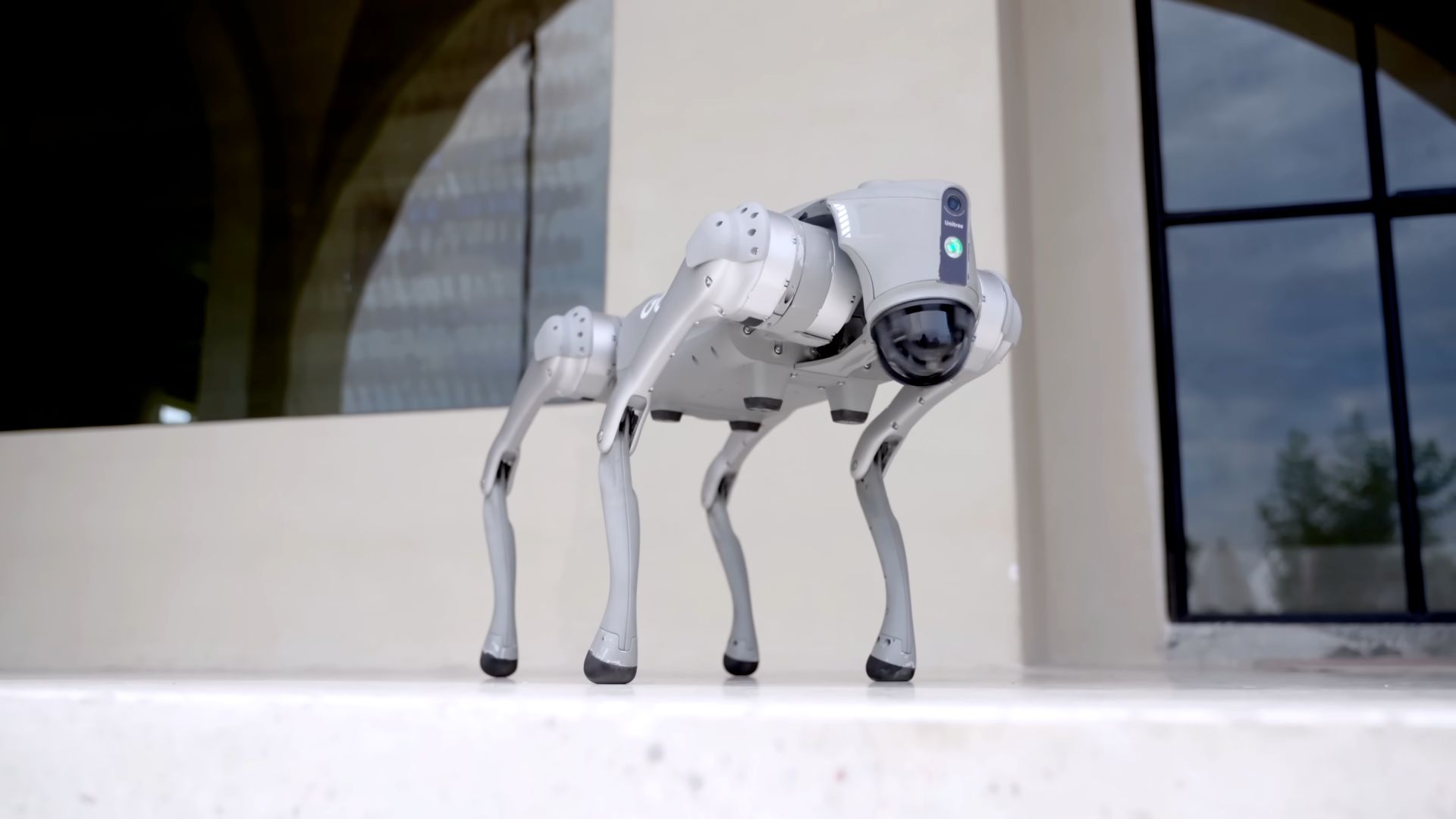
China’s Alibaba unveils AI brains designed to power the next generation of robots
Alibaba, the Chinese technology giant, has unveiled its inaugural family of embodied AI models, marking a significant advancement in artificial intelligence technology. This launch, which took place recently, aims to enhance the interaction between humans and machines by integrating large language models with physical embodiments. The initiative is part of Alibaba's broader strategy to innovate and lead in the AI sector, responding to the growing demand for more intuitive and responsive AI systems. By leveraging its extensive data resources and expertise in machine learning, Alibaba seeks to revolutionize user experiences across various applications, from customer service to entertainment. The company plans to continue developing these models to further improve their capabilities and expand their use cases in the coming months.
AI and Robotics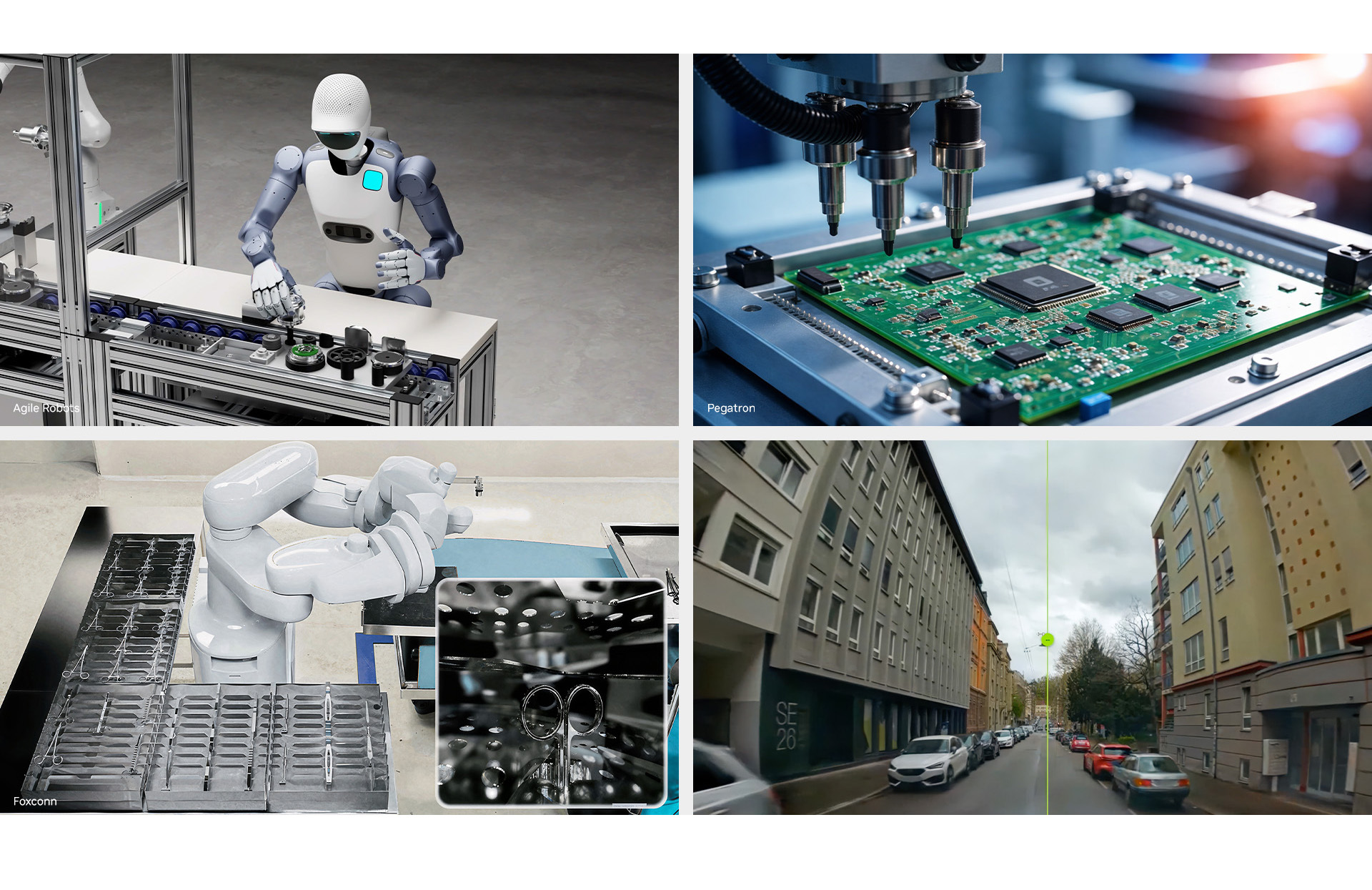
NVIDIA releases new and updated tools for physical AI developers
NVIDIA has unveiled a suite of open-source tools and skills designed for developers working with physical AI agents, alongside the introduction of the Isaac GR00T humanoid reference robot. This announcement, aimed at enhancing the capabilities of AI in real-world applications, reflects NVIDIA's commitment to advancing robotics and AI technology. The release is part of the company's ongoing efforts to foster innovation within the AI community, providing developers with the resources necessary to create more sophisticated and capable physical AI systems. The tools and the humanoid robot were made available recently, signaling a significant step forward in the integration of AI into practical robotics.
Artificial Intelligence Artificial Intelligence / Cognition Automotive Autonomous Mobile Robots (AMRs) Development Tools / SDKs / Libraries Healthcare Robotics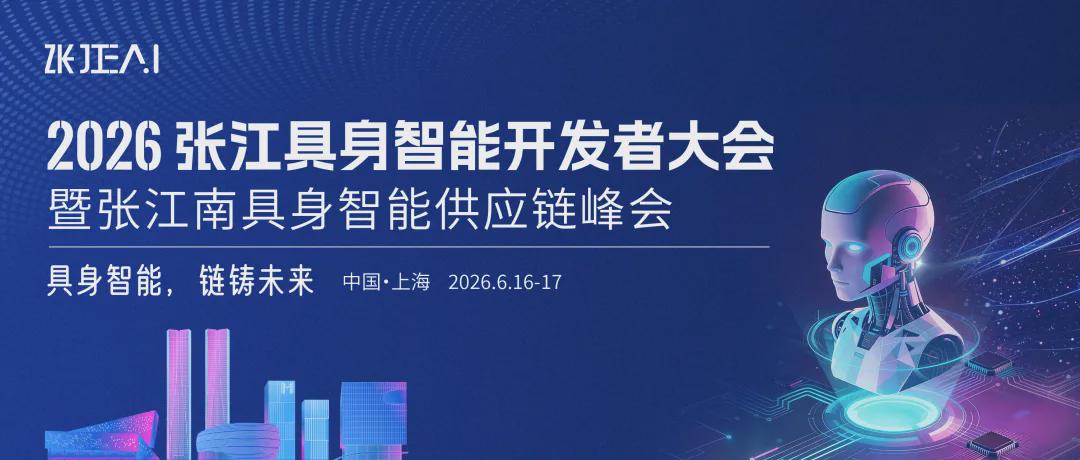
Zhangjiang's Embodied Intelligence Supply Chain Platform Joins Ahead of 2026 Developer Conference
The Zhangjiang South Embodied Intelligence Supply Chain Platform is set to debut at the 2026 Zhangjiang Embodied Intelligence Developer Conference in Shanghai. This initiative seeks to improve collaboration within the supply chain, specifically targeting the challenges faced in the design, prototyping, and manufacturing of humanoid and embodied robots. By fostering efficient connections between high-quality enterprises and industry resources, the platform aims to streamline processes and enhance innovation in the rapidly evolving field of robotics.
Embodied Intelligence Supply Chain Collaboration Humanoid Robots Manufacturing Technology Robotics Innovation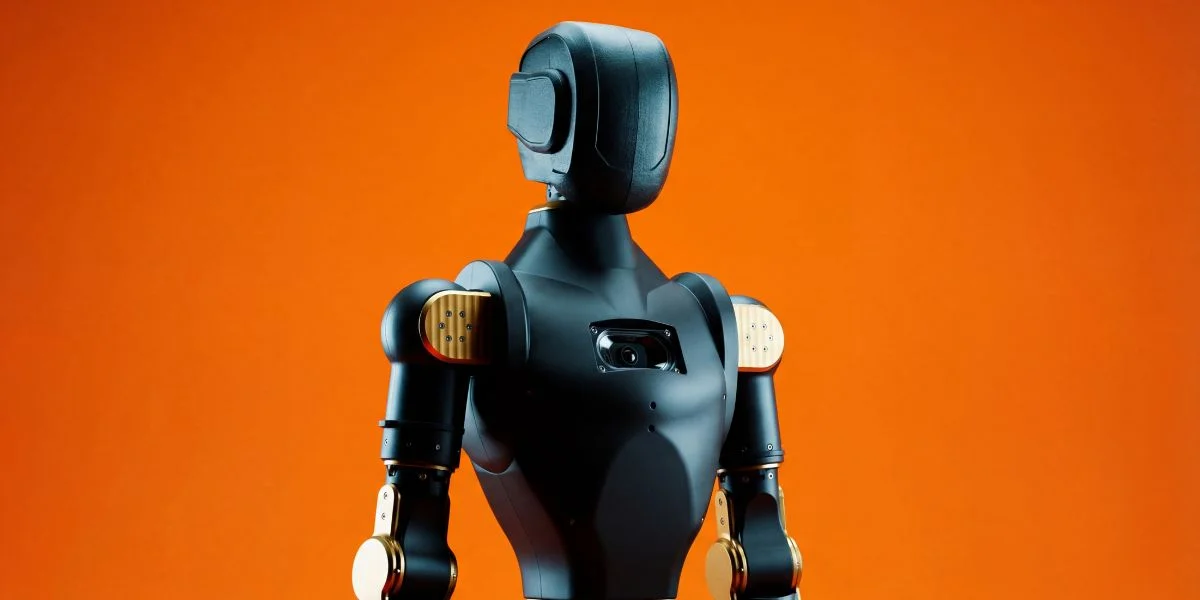
Menlo Research Open-Sources Asimov v1, Releasing CAD and Simulation Files for "The Rest of Us"
Menlo Research has unveiled the complete open-source repository for the Asimov v1 humanoid robot, coinciding with the launch of their "Here Be Dragons" kit. This comprehensive release includes detailed mechanical designs, electrical wiring schematics, and a MuJoCo simulation model, aimed at fostering innovation and collaboration within the robotics community. The initiative, announced recently, seeks to empower developers and researchers by providing them with the necessary resources to advance humanoid robotics. By making these materials publicly accessible, Menlo Research hopes to stimulate further research and development in the field, encouraging a collaborative approach to technological advancement.
open-source Asimov
LuoStone Robotics and Schaeffler Forge Strategic Partnership to Build a New Ecosystem for Embodied Intelligence Industry
LuoStone Robotics has entered into a strategic cooperation agreement with Schaeffler to advance the development and application of humanoid robots. This partnership, announced recently, seeks to combine the technological expertise and resources of both companies, with a particular emphasis on core components such as joint modules. The collaboration aims to expedite the commercialization of embodied intelligence, reflecting a growing interest in the integration of robotics into various sectors. By leveraging each other's strengths, LuoStone Robotics and Schaeffler are positioning themselves to lead in the rapidly evolving field of humanoid robotics.
Humanoid Robots Embodied Intelligence Robotics Technology Industrial Automation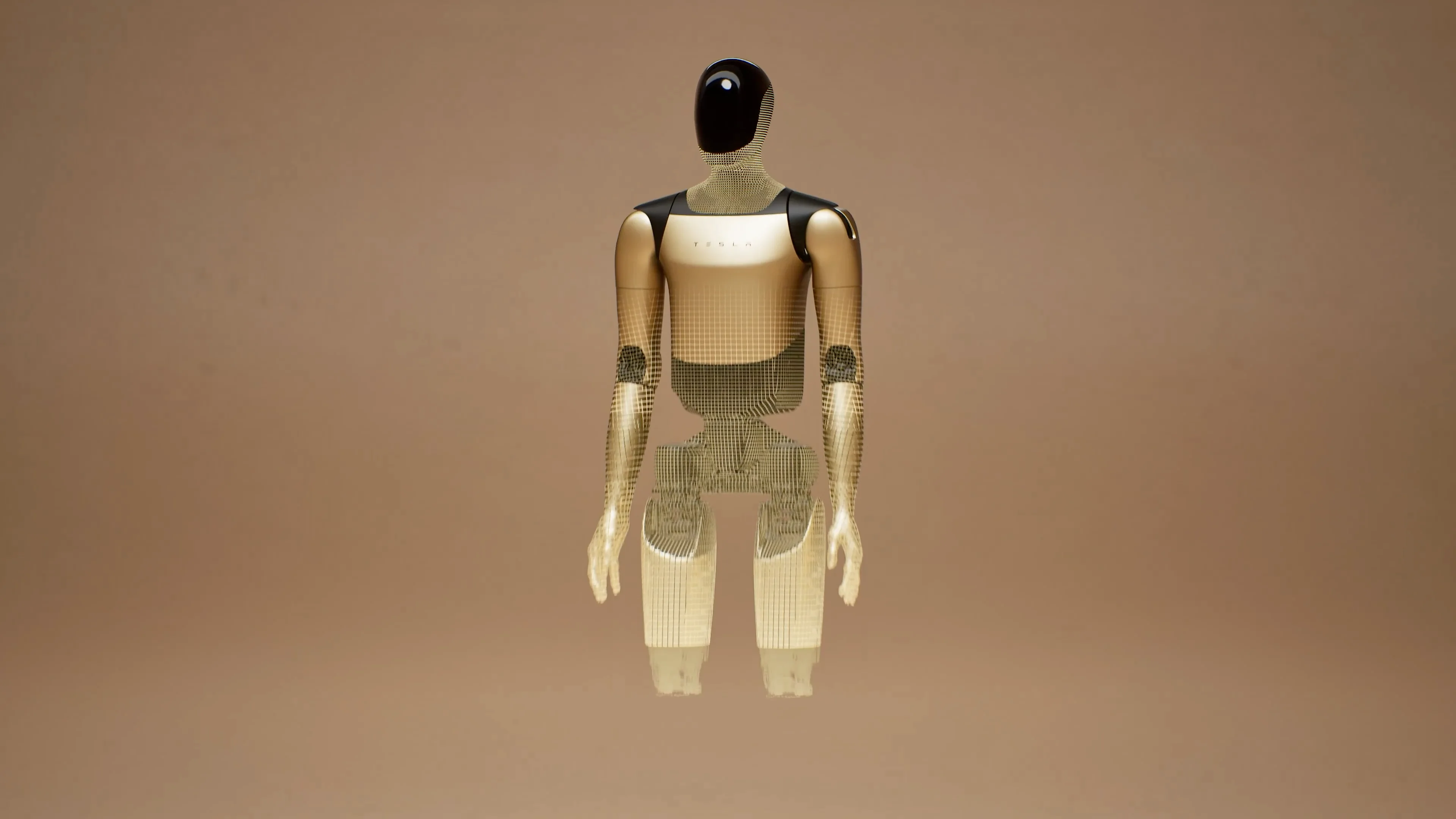
‘China is Next Level’: Elon Musk’s Bold Dismissal of Boston Dynamics, Figure, and the U.S. Robotics Scene
During Tesla's fourth-quarter earnings call for 2025, CEO Elon Musk revealed a significant shift in the company's strategy, announcing the discontinuation of the Model S and Model X programs. This decision comes as part of a broader initiative to redirect resources towards an ambitious $20 billion capital expenditure plan aimed at advancing humanoid production and achieving what Musk described as "amazing abundance." The announcement marks a pivotal moment for Tesla as it seeks to innovate beyond its traditional electric vehicle offerings and invest heavily in new technologies.
Optimus Tesla US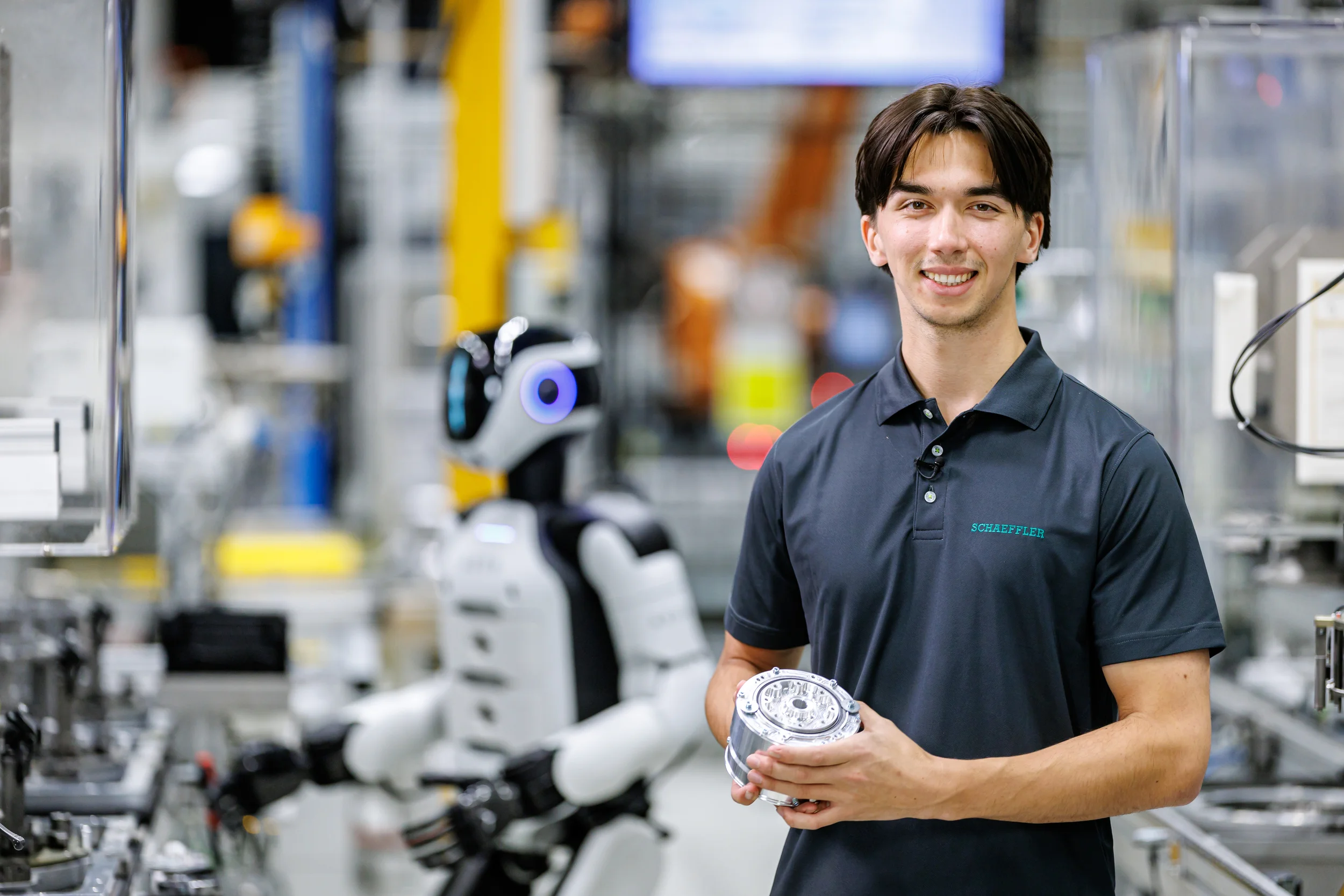
Schaeffler Deepens R&D Ties in Singapore with New Robotics and AI Lab
The German motion technology leader has inaugurated a new 900 square meter facility at Nanyang Technological University, reinforcing its commitment to the humanoid robotics sector. This strategic move aims to position the company as both a significant user and a key supplier of components in this rapidly evolving field. The facility is expected to enhance research and development efforts, fostering innovation and collaboration within the robotics community. By establishing a presence at a prominent educational institution, the company seeks to leverage academic expertise and resources to advance its technological capabilities and product offerings.
Schaeffler Singapore
Figure Assembles New 'Capital Formation' Team to Raise 'Tens of Billions'
Brett Adcock, the CEO of a leading robotics company, has announced the establishment of a new internal team focused on large-scale fundraising efforts. This initiative is designed to secure the necessary capital for the global production and deployment of humanoid robots. The announcement comes as the company aims to expand its operations and meet increasing demand for advanced robotic solutions. By mobilizing resources and expertise within the organization, the team will work strategically to attract investments that will facilitate the scaling of production capabilities. This move underscores the company's commitment to innovation and its vision for the future of robotics on a worldwide scale.
Brett Adcock Figure fundraising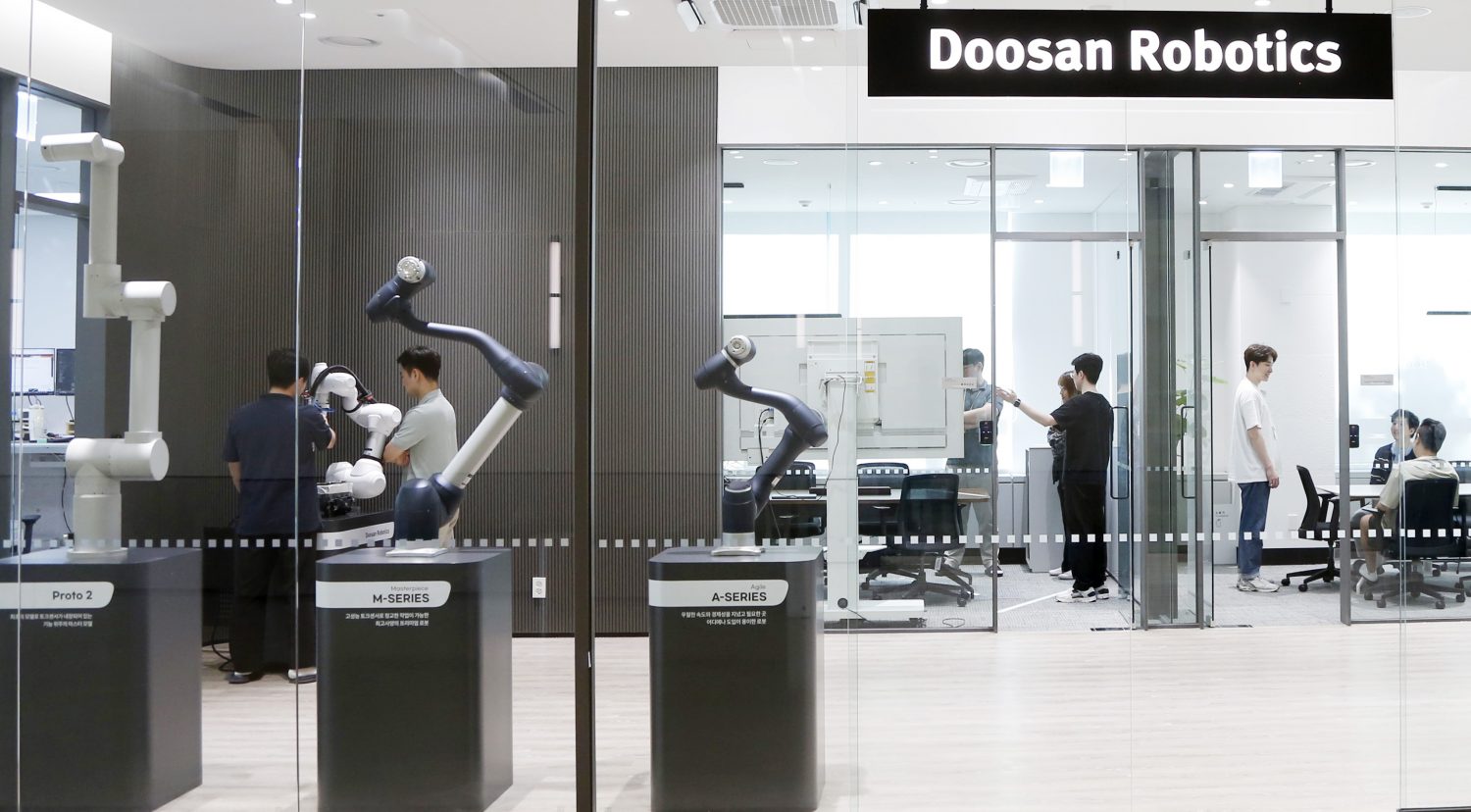
Doosan Robotics Maximizes Synergy Through Integrated R&D Capabilities, Accelerating Technology and Product Innovation
Doosan Robotics has officially opened the Doosan Robotics Innovation Center on October 15, a state-of-the-art facility aimed at enhancing collaboration in robot research and development. Situated in Gumi-dong, Bundang-gu, Seongnam, Gyeonggi Province, the center spans approximately 6,600 square meters, making it the largest robotics research facility in South Korea. The center will house around 80 researchers, representing 40% of the company's workforce, who will work together to innovate intelligent robot solutions and humanoid technologies. This facility consolidates essential R&D resources, focusing on the development of core robot components, AI-based motion research, and quality testing. The center features rigorous testing areas where robots undergo extensive trials, including power cycling and movement tests, as well as temperature and humidity chambers to ensure reliability in extreme conditions. Specialized workspaces are also equipped to prioritize worker safety during tasks like sanding and welding. In a strategic move to enhance AI and software development, Doosan Robotics has appointed Oh Chang-hoon, former CTO of Toss Securities, as Executive Vice President. Oh's expertise in software architecture will support the advancement of intelligent robot solutions. CEO Keven Kim emphasized the company's commitment to becoming a leader in intelligent robotics, following their AI innovation declaration in April. The Innovation Center is expected to accelerate the development of new technologies, setting new industry standards in intelligent automation.
MIT's JARVIS Challenge Explores AI's Role in Jet Engine Engineering
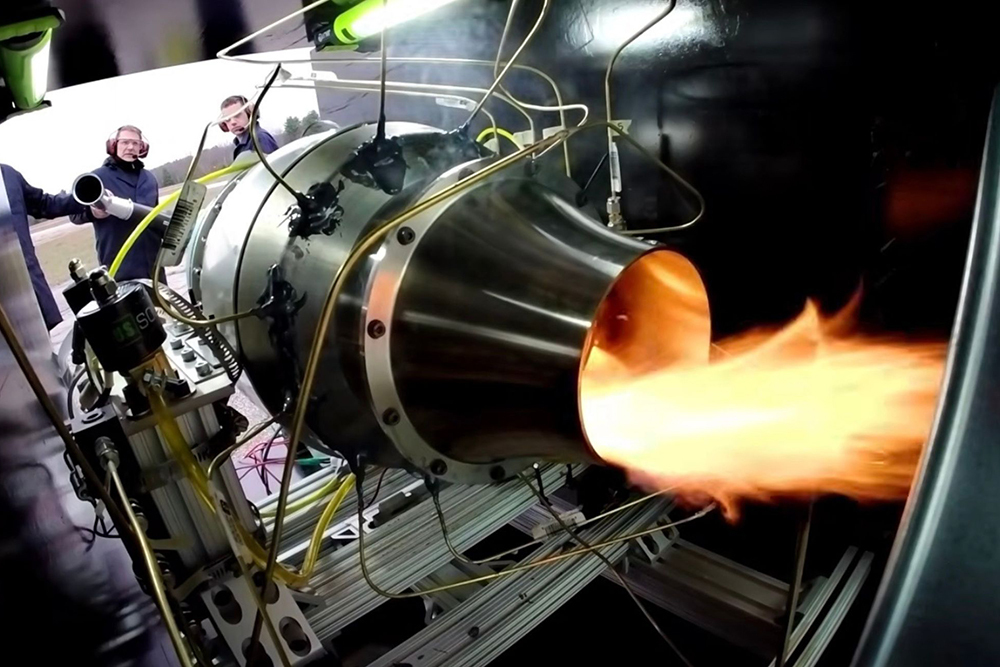
The JARVIS Challenge, held at MIT, investigated the potential of AI in designing and building jet engines. Over four weeks, undergraduate teams utilized AI tools to create a small gas turbine engine, aiming for a thrust of 50-100 pounds. Professor Zolti Spakovszky emphasized that while AI can enhance hardware engineering, human engineering judgment remains crucial. This initiative is significant as it highlights the evolving relationship between AI and engineering, particularly in safety-critical domains. With support from MIT Lincoln Laboratory and corporate sponsors like Safran and Voyager Technologies, students had unprecedented access to AI resources, fostering an environment of innovation and exploration. Looking ahead, the challenge showcased the importance of integrating AI into engineering workflows. As students learned to navigate AI's capabilities and limitations, it raises questions about the future of engineering education and the skills required in a rapidly changing technological landscape. No further timeline was disclosed at the time of publication.
Classes and programs Contests and academic competitions Students Undergraduate STEM education Artificial intelligence
ABB Robotics completes its AI-powered Visual SLAM AMR portfolio with new autonomous forklift
ABB Robotics completes its AI-powered Visual SLAM AMR portfolio with new autonomous forklift Visit http://go.abb/robotics for further information -The new Flexley Stack F712 extends ABB Robotics’ AI-powered Visual SLAM technology to autonomous forklifts, enabling pallet transport and high-density storage. -Customers can now deploy mixed fleets of Visual SLAM-powered tugs, movers and forklifts on a common navigation, fleet management and software platform. -Powered by ABB Robotics' AMR Studio, the portfolio enables up to 20% faster commissioning while ensuring seamless interoperability and safe, reliable operation. 07/07/26, 07:10 AM | Industrial Robotics, Mobile Robots | ABB Inc. ABB Robotics is expanding its Autonomous Mobile Robotics (AMR) portfolio with the launch of the Flexley® Stack F712, creating a complete interoperable ecosystem across all major Visual SLAM AMR types. Combining autonomous forklifts, tugs and movers on one platform, ABB Robotics enables customers to automate a broader range of material-handling and intralogistics processes. Offering market-leading accuracy, the F712 is designed for demanding material handling, end-of-line storage and warehouse operations across industries including automotive manufacturing, helping increase efficiency, flexibility and scalability. More Headlines A3's Automate 2026 Breaks Records as Demand for Robotics, AI and Automation Grows NVIDIA and Hugging Face Bring New Models and Frameworks to LeRobot for the Open Robotics Community Palladyne AI Executes $4.2 Million U.S. Air Force Contract to Advance Swarming Capabilities for Integrated Cross-Domain Operations UMA Unveils Its Vision for the Next Generation of Humanoid Robots Robbyant Unveils LingBot-Depth 2.0 and LingBot-Vision to Redefine Robotic Spatial Perception Articles Unleash AI Innovation: The Power of NVIDIA RTX PRO 6000 Blackwell Workstation Edition Fueled by PNY-Supplied GPUs Automate 2026 Q&A with DESTACO Automate 2026 Q&A with Roboteon Advances in Robots to See & Interpret within Warehouse Environments Building Resilient Fulfillment Networks with Robotics and Real-Time Logistics Data "Across intralogistics operations, businesses are being asked to process greater volumes in less time, while working with increasingly limited resources," said Marc Segura, President, ABB Robotics. "They are under pressure to move goods faster and with greater flexibility, while labour availability is becoming a critical constraint. As part of our journey to more autonomous and versatile robotics (AVRTM), we have combined advanced vision, mobility and intelligence in the Flexley Stack F712 forklift AMR, completing our scalable, AI-powered AMR portfolio." F712 is versatile, capable of handling multiple load types and sizes - including open and closed pallets, containers or racks- up to 2,000 kg and reaching heights of 8.5 meters. The Flexley Stack AMR F712 joins the Flexley Tug and Flexley Mover in ABB Robotics' growing Visual SLAM AMR portfolio. Applications include intralogistics tasks such as warehouse storage and retrieval, as well as line supply, end-of-line handling, body- and press-shop and drive-in and light buffer in the automotive and industries sector. Unlike conventional AMR forklifts on the market, F712 uses Visual SLAM to map and navigate its environment, eliminating the need for pre-installed infrastructure like markers or reflectors. The AI-enabled Visual SLAM supports the autonomous decisions required to operate in complex, dynamic warehouse operations with a market-leading positional accuracy of ±10 mm. Together with AMR Studio®, this shortens commissioning times by up to 20 percent and creates a versatile and reliable system that can adapt instantly when a warehouse or production floor layout changes. Certified to the latest ISO and ANSI safety standards, Flexley Stack F712 can safely operate at class-leading speeds of up to 1.7 m/s while loaded. F712 is fully integrated with AMR Studio and is VDA5050 compatible, enabling seamless integration with ABB Robotics' Visual SLAM AMRs and existing systems within a unified project. This makes it easy to manage complex projects and integrate different types of mobile robots. The no-code, drag-and-drop software suite supports rapid setup, fleet coordination, traffic management and real-time visualization, allowing ABB Robotics' tugs, movers and forklifts to operate together in the same layout for scalable turnkey automation projects. ABB Robotics as one of the world's leading robotics companies, is the only company with a comprehensive and integrated AI-powered portfolio covering robots, cobots and Autonomous Mobile Robots (AMRs), designed and orchestrated by our value-creating software. We help companies of all sizes and sectors - from automotive to electronics and logistics - to outperform by becoming more resilient, flexible and efficient. ABB Robotics is at the forefront of developing and commercializing a new generation of Autonomous Versatile Robotics

US’ new 180-foot drone ship could launch hypersonic missiles, demo set for 2027
Saronic and Castelion, two prominent defense technology firms, have unveiled their intention to merge efforts in developing an autonomous warship. This strategic collaboration aims to enhance maritime security capabilities and address emerging threats in naval warfare. The announcement was made on October 15, 2023, during a defense technology conference held in Athens, Greece. The motivation behind this partnership stems from the increasing demand for advanced naval solutions that can operate independently in complex environments. By pooling their expertise and resources, Saronic and Castelion seek to accelerate the innovation process and deliver cutting-edge technology to military clients worldwide. The proposed autonomous warship is expected to incorporate advanced artificial intelligence and machine learning systems, enabling it to perform a variety of missions, including reconnaissance, surveillance, and combat operations, without direct human intervention. This development reflects a broader trend in the defense industry towards automation and smart technologies, aimed at enhancing operational efficiency and reducing risks to personnel. As the defense sector continues to evolve, the collaboration between Saronic and Castelion positions them at the forefront of the autonomous naval warfare market, potentially reshaping the future of maritime defense strategies.
Military
China shakes up its space programs to land astronauts on the moon by 2030: 'We will spare no effort'
China is integrating its robotic Chang'e lunar probe initiatives with its human spaceflight program, aiming to achieve a manned moon landing by 2030. This strategic move reflects the country's commitment to advancing its space exploration capabilities and establishing a more comprehensive approach to lunar missions. By combining robotic and human efforts, China seeks to enhance the efficiency and safety of its lunar exploration endeavors, paving the way for future scientific research and potential long-term lunar habitation. The initiative underscores China's ambition to become a leading player in space exploration, following a series of successful robotic missions that have already gathered valuable data about the moon's surface and resources.
Space Exploration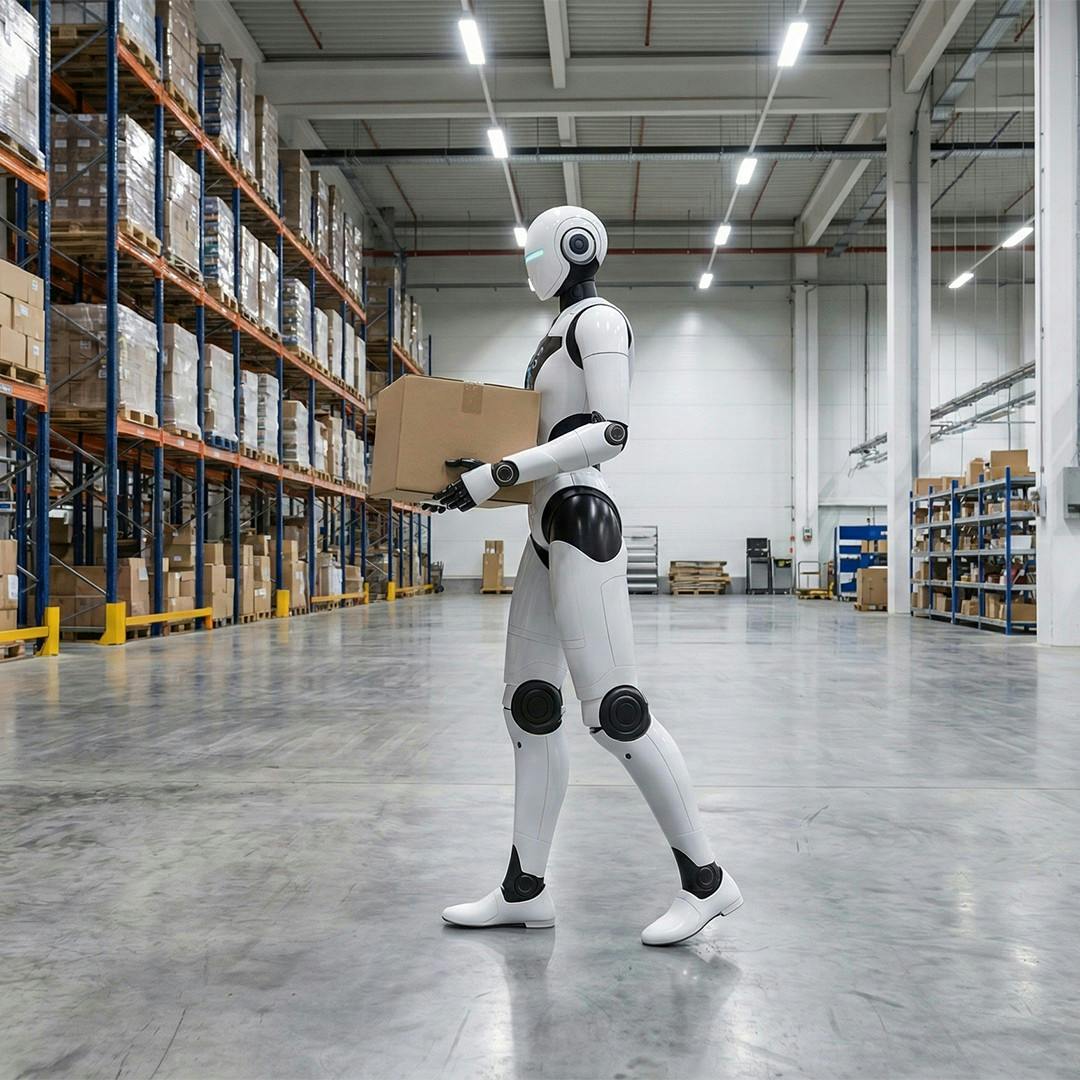
Physical AI Company Announces Expansion in Global Markets with Platform
A new approach to factory automation is transforming how businesses manage production demands by allowing customers to adjust the scale of humanoids and robots. This innovative system enables manufacturers to shift from traditional heavy capital expenditures to a more flexible operational service model. By leveraging this technology, companies can efficiently respond to varying production needs, optimizing their resources and reducing costs. This development is set to enhance operational efficiency in manufacturing environments, providing a scalable solution that aligns with the dynamic nature of market demands.
Factory / Analytics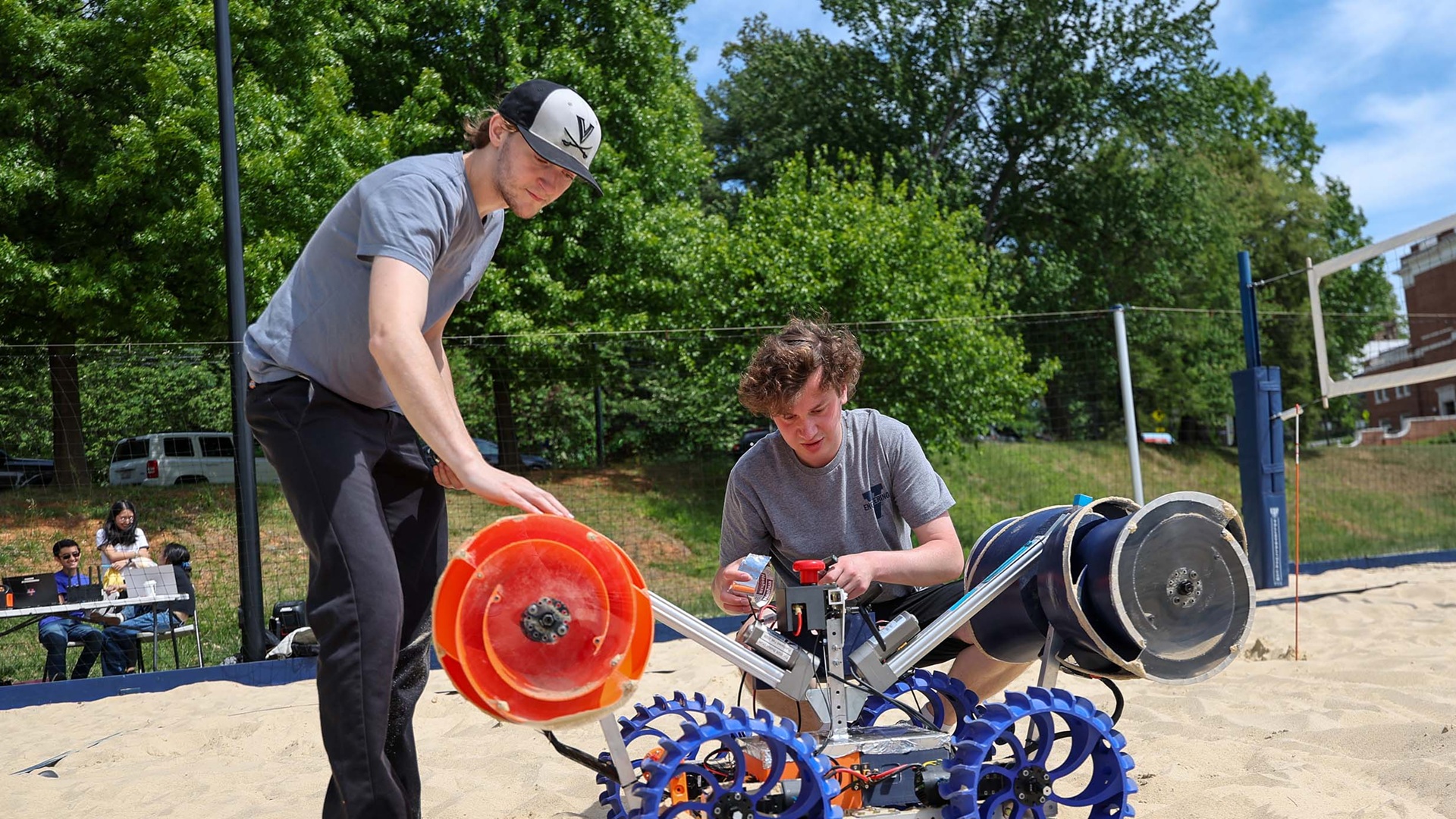
NASA tests 80-pound student-built robot designed to mine soil for Artemis moon bases
Students at the University of Virginia are developing innovative robots aimed at mining lunar soil and constructing habitats on the Moon. This ambitious project, which began in early 2023, is part of a broader initiative to explore sustainable living on extraterrestrial bodies. The students are motivated by the potential for lunar resources to support future space missions and the possibility of establishing a human presence beyond Earth. The team is utilizing advanced engineering techniques and collaborating with experts in robotics and space exploration to create machines capable of operating in the harsh lunar environment. Their work includes designing robots that can autonomously navigate the Moon's surface, extract regolith, and assemble structures using the mined materials. This initiative not only enhances the students' practical skills in engineering and robotics but also contributes to the growing field of space exploration, as NASA and other space agencies look to the Moon as a stepping stone for future missions to Mars and beyond. The project is expected to culminate in a demonstration of the robots' capabilities in simulated lunar conditions later this year.

The Evolution of Autonomous Systems for Planetary Cave Exploration: A Review
A recent study published in the Journal of Field Robotics highlights advancements in autonomous robotic systems designed for agricultural applications. Researchers from various institutions collaborated to develop innovative technologies aimed at improving efficiency in farming practices. The study, released in early October 2023, emphasizes the growing need for sustainable agricultural solutions in response to increasing global food demands and environmental challenges. The team conducted extensive field tests to evaluate the performance of these robotic systems in real-world farming environments. By integrating advanced sensors and artificial intelligence, the robots are capable of performing tasks such as planting, harvesting, and monitoring crop health with minimal human intervention. This approach not only aims to enhance productivity but also seeks to reduce the environmental impact of traditional farming methods. The motivation behind this research stems from the urgent need to address food security while minimizing resource usage. As climate change and population growth continue to strain agricultural resources, the development of autonomous robots presents a promising solution to meet future demands. Overall, the findings underscore the potential of robotics in transforming the agricultural sector, paving the way for more sustainable and efficient farming practices in the years to come.
SURVEY ARTICLE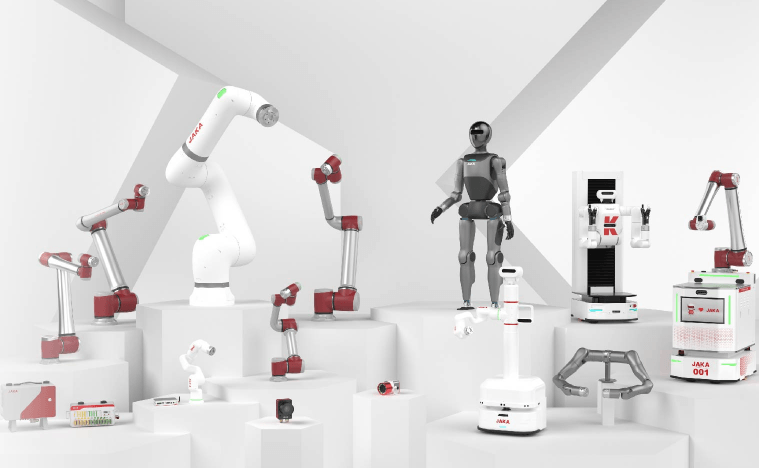
Why Are Collaborative Robots Crucial for SMEs and Industry Giants?
As global manufacturing evolves, the line between manual labor and automation is increasingly blurred. In 2026, a pivotal shift occurs as general industries—including food, consumer goods, and logistics—emerge as the leading sectors driving automation growth, previously dominated by industrial robotics in automotive plants. This transformation is largely attributed to the rise of collaborative robots (cobots), designed to work safely alongside human workers without the need for traditional safety barriers. Small and Medium Enterprises (SMEs) often struggle with the "automation paradox," needing efficiency to compete but lacking the resources for conventional robots. Cobots address this challenge with their compact design and user-friendly, no-code programming, enabling smaller businesses to automate repetitive and hazardous tasks with minimal investment. Meanwhile, larger manufacturers benefit from cobots' flexibility in high-mix, low-volume production environments, where they can efficiently handle tasks like precision dispensing and palletizing. JAKA, a leader in collaborative robotics, emphasizes the importance of robots as reliable partners rather than mere tools. Their JAKA Mini series, weighing under 10kg, is tailored for SMEs, while the JAKA Pro series is built for larger enterprises, offering durability in harsh conditions. Advanced AI and vision systems enhance the robots' ability to interact with their environment, earning the trust of industry giants like Toyota and Schneider Electric. JAKA's solutions aim to facilitate the transition from manual labor to intelligent automation, providing the necessary flexibility and value for the future of Industry 4.0.

AI Models Map the Colorado River’s Hard Choices
As the Colorado River faces a critical water crisis, projections indicate that 2026 could be its worst year on record, with flows down 20% from 2000 levels. This alarming situation has prompted negotiations among seven U.S. states over water-sharing agreements to collapse twice, leading the federal government to consider imposing its own plan. The U.S. Bureau of Reclamation, responsible for managing the river's operations, is utilizing advanced machine learning tools and millions of simulations to forecast streamflow and assess reservoir strategies. These technologies are enhancing decision-making processes by providing clearer insights into the consequences of various water management strategies. In addition to Reclamation's efforts, researchers from institutions like Metropolitan State University of Denver and Utah State University are developing forecasting systems that leverage satellite data and deep learning to issue drought warnings and analyze the river's interdependencies. However, despite these advancements, the models are limited by historical data that may not accurately reflect the current and future conditions of the river, particularly during droughts. While improved forecasting tools are fostering discussions among stakeholders, the fundamental challenge remains: determining how to allocate the diminishing water resources fairly. Experts warn that the impending cuts will significantly impact agriculture and communities reliant on the river, underscoring the need for human judgment in navigating the complex moral and economic implications of the crisis. Despite the challenges, there is cautious optimism that these tools are facilitating dialogue among the parties involved.
Colorado-river Drought Environmental-policy Climate-change Simulations Evolutionary-algorithm
Efficient Inverse Kinematics Solution for Industrial Robotic Arms: NR Iterative Based on IDBO‐BPNN Prediction
In May 2026, the Journal of Field Robotics published a significant study examining advancements in robotic technology, particularly focusing on autonomous navigation systems. The research, conducted by a team of engineers and scientists, highlights innovative algorithms that enhance the ability of robots to navigate complex environments without human intervention. This study was carried out at various testing sites, including urban landscapes and rugged terrains, to assess the robots' performance in real-world scenarios. The motivation behind this research stems from the growing demand for autonomous systems in various industries, such as agriculture, construction, and disaster response. By improving navigation capabilities, the team aims to increase the efficiency and safety of robotic operations in challenging conditions. The findings indicate that these new algorithms can significantly reduce the time and resources required for robots to complete tasks, thereby offering potential cost savings and improved outcomes for businesses. The study's implications are far-reaching, suggesting that enhanced autonomous navigation could lead to broader adoption of robotic technologies across multiple sectors. As industries continue to seek innovative solutions to improve productivity and reduce risks, this research represents a crucial step forward in the integration of robotics into everyday applications.
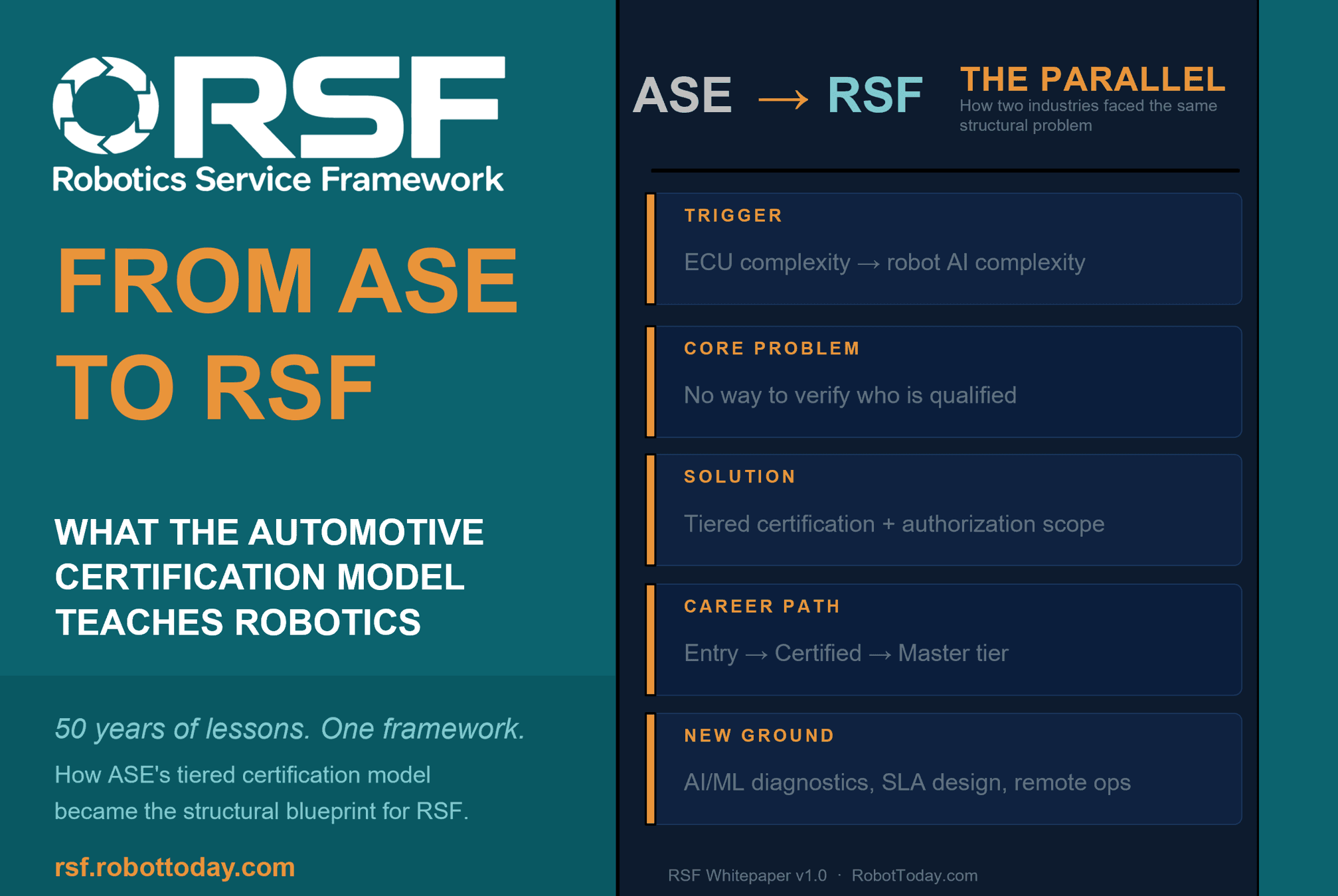
RESEARCH ARTICLERobotics needs a service framework.
RSF defines a common language for robot service capability, lifecycle operations, certification pathways, and service-provider networks.