Industry Briefing
A single destination for timely, editor-curated robotics news from around the world.
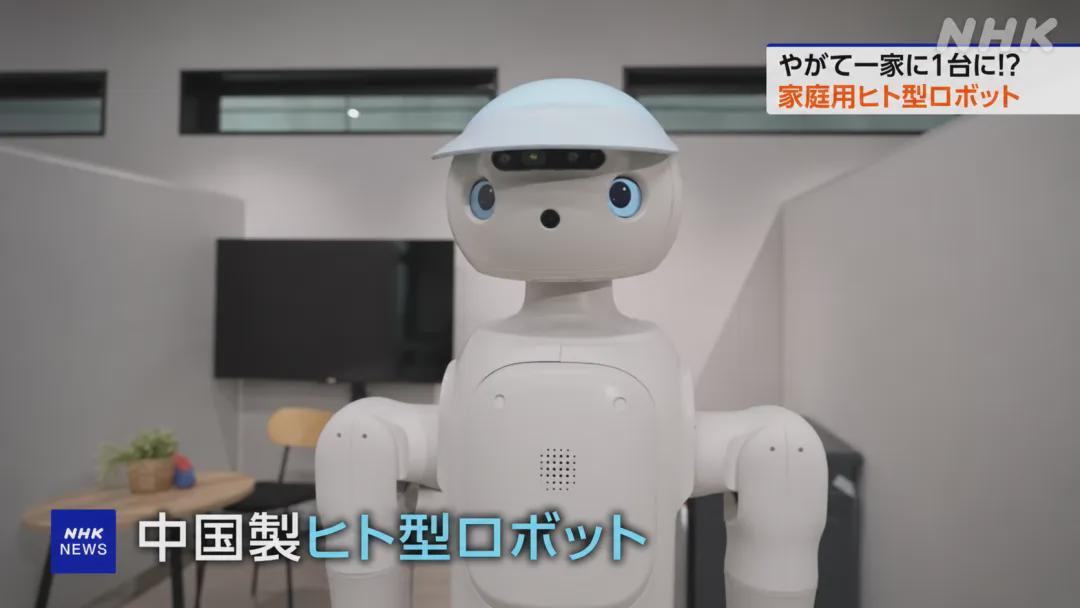
Is a Chinese Version of Figure Coming? Woan Robotics Brings Household Robots to Real-World Overseas Scenarios
Woan Robotics is advancing its international efforts to commercialize household robots, recently demonstrating the capabilities of its onero H1 model in real family settings. This initiative comes in response to the increasing demand for domestic automation solutions in developed markets, particularly due to aging populations and a shortage of available labor. The company's focus on practical applications for their technology reflects a broader trend in the robotics industry, where the integration of robots into everyday life is becoming more prevalent.
Household Robots AI Robotics Global Market Expansion Smart Home Technology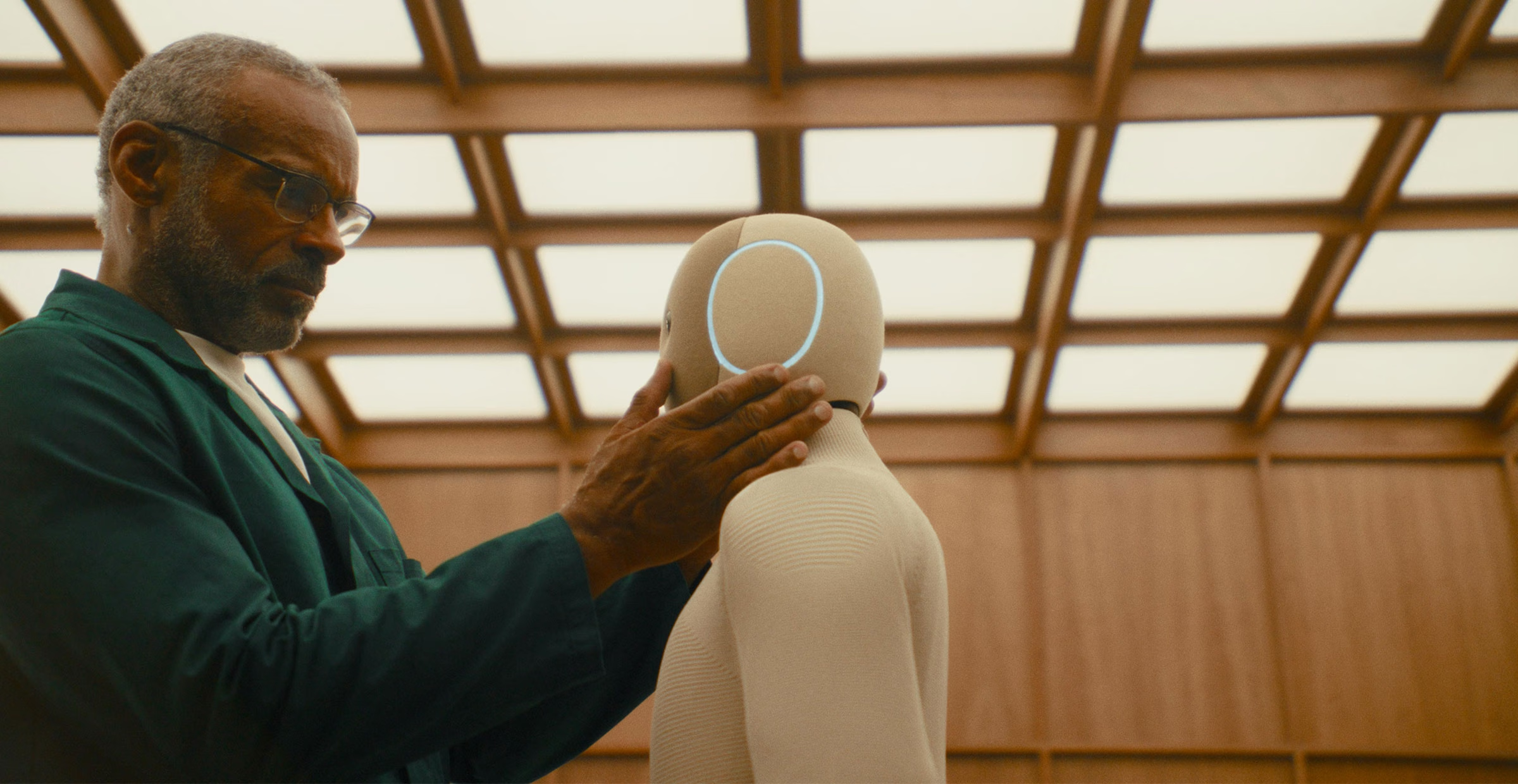
1X Says It Has Capacity to Build 10K of its Humanoid Household Robot Neo Annually
Humanoid robotics company 1X has revealed its ability to manufacture up to 10,000 units of its household Neo robot each year. This announcement follows the overwhelming demand for the Neo, which sold out its entire first-year production within just five days of opening preorders last October. The rapid sellout highlights the growing interest in home robotics and positions 1X as a key player in this emerging market. The company aims to meet the high demand by ramping up production capabilities, ensuring that consumers can access the innovative technology in the near future.
AI AI Use Cases Robotics California household robot humanoid robotics
Chinese researchers claim breakthrough in training household robots with AI-generated homes
A team of researchers from Ace Robotics, a start-up supported by a Hong Kong-listed artificial intelligence firm, has announced a significant advancement in the training of robots for real-world home environments. This development addresses a persistent data bottleneck in robotics, potentially speeding up the integration of robots into everyday household settings. The researchers introduced Kairos-HomeWorld, the first unified framework designed to create coherent, accurate, and simulation-ready home environments using simple text prompts. This innovation marks a pivotal step forward in making robotic assistance more accessible and practical for consumers.
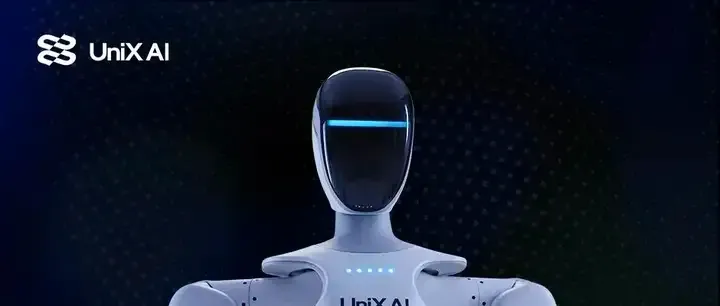
UniX AI Advances Household Robotics Strategy with Growing Global Attention
Chinese robotics startup UniX AI is capturing international interest with the launch of its Wanda 2.0 humanoid robot, which is priced starting at approximately $12,000. This innovative robot is specifically designed for household and service applications, showcasing the company's commitment to advancing robotics technology for everyday use. The introduction of Wanda 2.0 comes at a time when there is a growing demand for automation in domestic settings, reflecting a broader trend in the robotics industry aimed at enhancing convenience and efficiency in daily tasks. As UniX AI continues to develop its offerings, the Wanda 2.0 is positioned to play a significant role in the evolving landscape of smart home technology.
News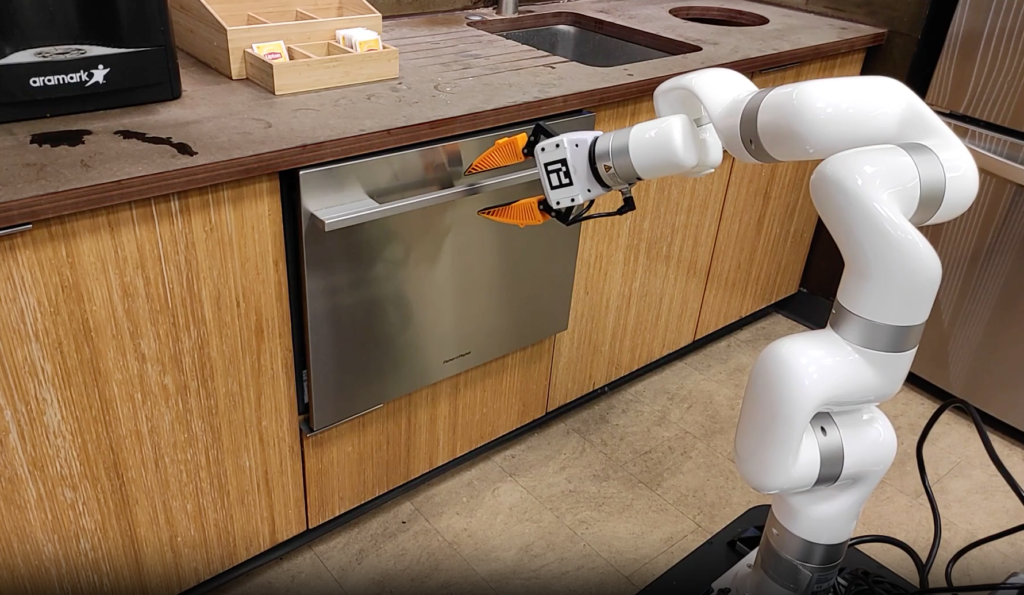
Opening New Doors for Household Robotics
Researchers at Carnegie Mellon University's Robotics Institute have developed ArticuBot, an innovative robotic system designed to assist with household chores, such as unloading dishwashers. This advancement aims to enhance the capabilities of domestic robots, enabling them to perform tasks that require more complex interactions, like opening drawers. The initiative reflects a growing interest in integrating robots into everyday home life, addressing the need for machines that can effectively navigate and manipulate household environments. As technology progresses, the potential for robots to become valuable household companions appears increasingly feasible.
Uncategorized
Unitrees Strategic Focus on Industrial Robots Amid Household Safety Concerns
Unitree, a Chinese robotics company, is shifting its focus from household robots to industrial applications, citing safety concerns as a primary reason for this strategic change. The company aims to enhance the safety features of its humanoid robots, with the intention of making them suitable for domestic environments in the future. This decision reflects a growing emphasis on ensuring that robotic technology can be safely integrated into everyday life, while still addressing the demands of industrial sectors. By refining its designs and functionalities, Unitree is positioning itself to meet both current market needs and future consumer expectations.
G1 Unitree Robotics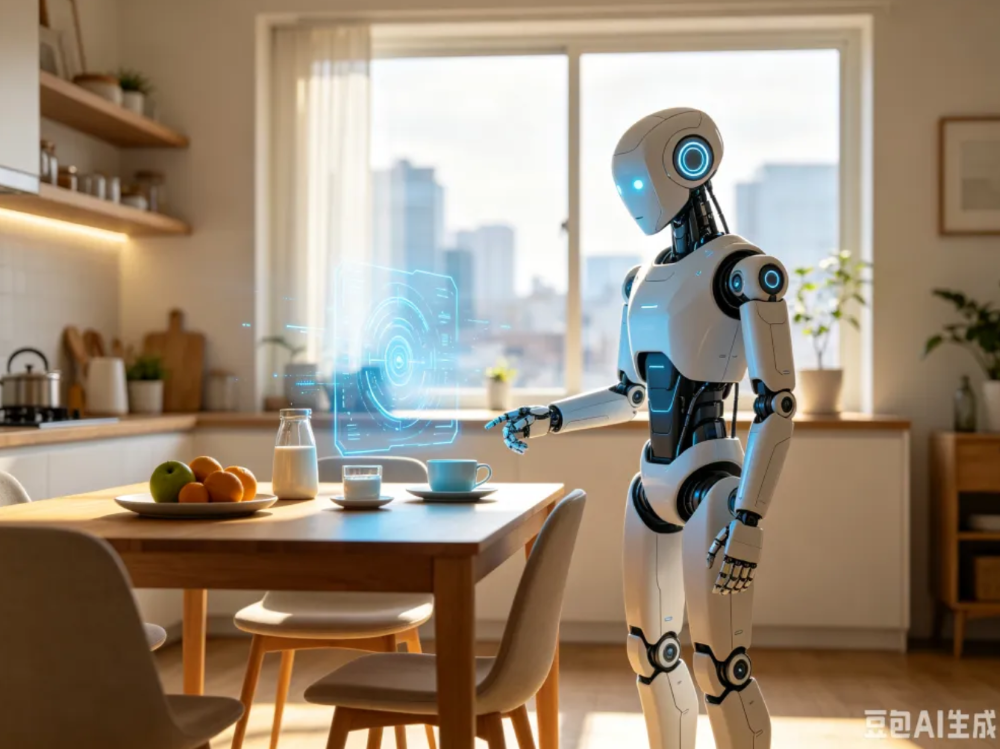
Former Huawei Executive Leads Morphi in Embodied Intelligence with Over $1.4 Billion in Funding
Morphi, a rising company in the field of embodied intelligence, has successfully secured over 1 billion yuan in angel funding, achieving a post-investment valuation of over 7 billion yuan. The startup, which counts tech giants Alibaba and Tencent among its backers, is focused on creating a versatile, multimodal robotic brain. Initially, Morphi will concentrate on commercial applications, with plans to later venture into the household robotics sector. Founded by former leaders from Huawei, the company is preparing to launch its first consumer service robot in July.
Embodied Intelligence Robotics AI Funding Startups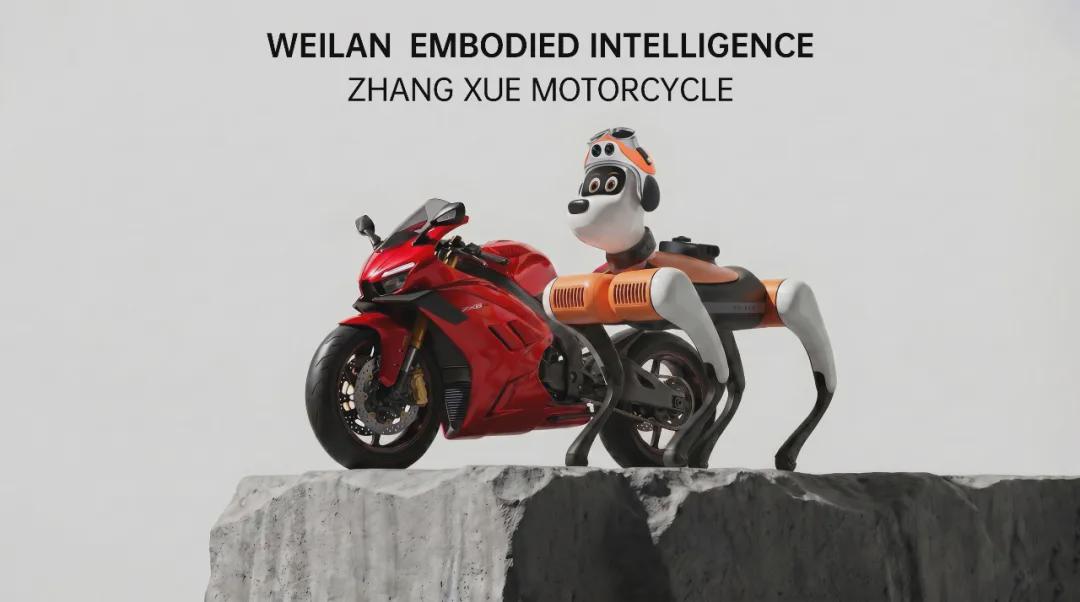
Zhang Xue Motorcycle's Breakthrough in Embodied Intelligence
Zhang Xue Motorcycle, a rising Chinese brand, has made headlines by clinching five championships within a remarkable span of 50 days, effectively breaking a 37-year stronghold held by European and Japanese motorcycle manufacturers. This achievement underscores a significant shift in the industry, emphasizing the growing importance of consumer markets and the integration of real user feedback into product development. The success of Zhang Xue Motorcycle mirrors broader trends in technology, particularly in the embodied intelligence sector, where companies like Weilan Technology are at the forefront of innovation in household robotics. This shift not only marks a pivotal moment for the motorcycle industry but also signals a changing landscape in consumer-driven technological advancements.
Motorcycle Industry Consumer Robotics Embodied Intelligence AI Technology
Would You Let Tesla Optimus Into Your Home? Privacy & Surveillance Study (2026)
A recent survey reveals that 55% of respondents are opposed to the idea of having a robot in their bedroom, highlighting a significant hesitance towards the integration of robotics in personal spaces. The study, which examined acceptance levels of robots in various household settings, found that concerns about privacy and surveillance play a crucial role in shaping public opinion. Conducted in October 2023, the research compared the acceptance of household robots like Roomba vacuums to more intimate robotic companions, indicating that while some automation is welcomed, the idea of a robot in the bedroom raises alarm for many. The findings suggest that to change minds, manufacturers may need to address these privacy concerns directly and demonstrate how such technology can enhance rather than invade personal spaces. As the conversation around robotics continues to evolve, understanding public sentiment is essential for developers aiming to create products that align with consumer comfort levels. The study underscores the need for transparency and education about the capabilities and limitations of robots in intimate environments.
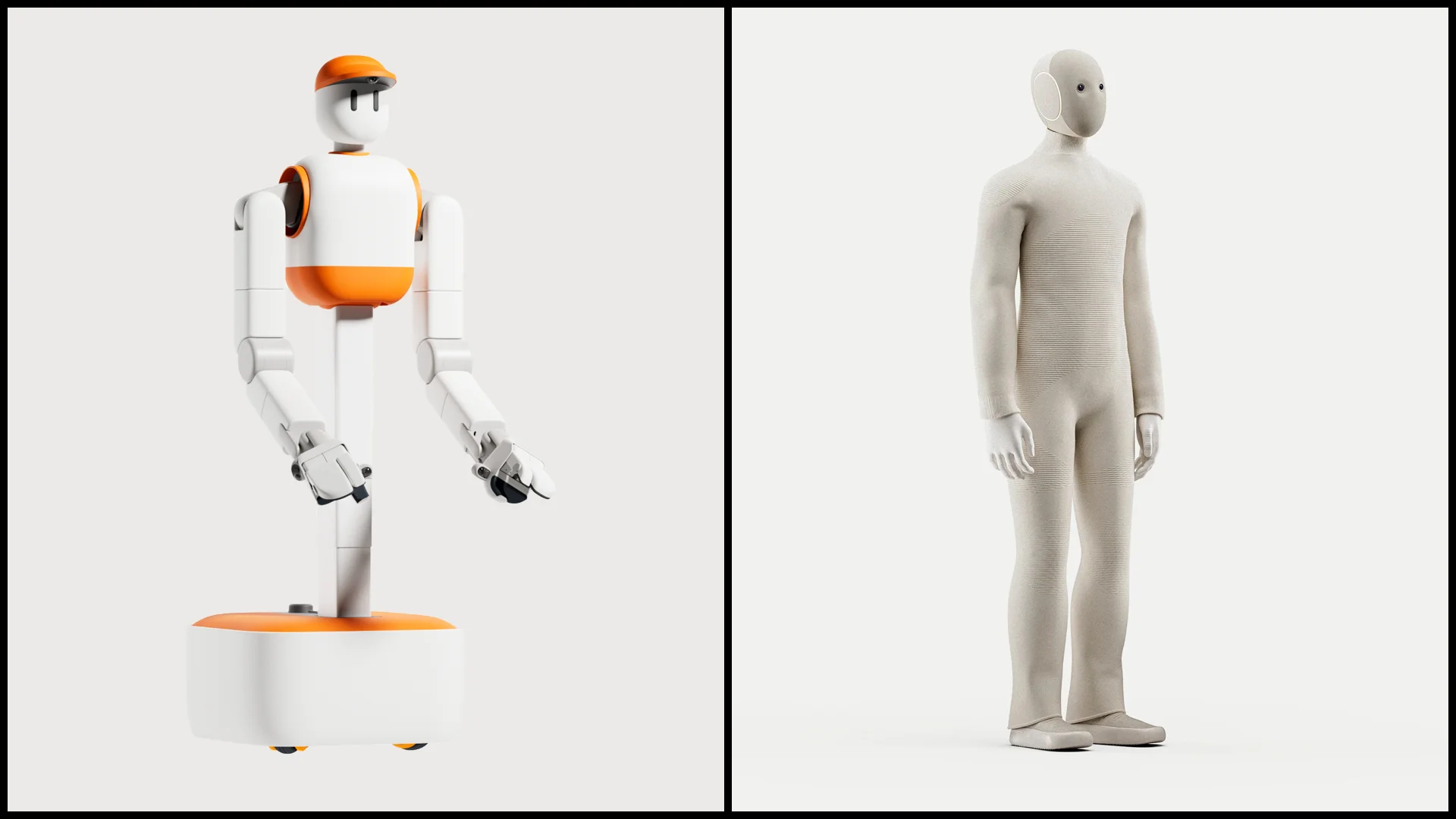
The Appliance vs. The Android: Sunday and 1X Bet on Opposing Futures
Two California startups, Sunday Robotics and 1X Technologies, are competing to develop the next generation of household robots, each taking a distinctly different approach. Sunday Robotics is focusing on a practical design with its robot named "Memo," which aims to perform everyday tasks efficiently. In contrast, 1X Technologies is developing "Neo," a humanoid robot that emphasizes a more interactive and lifelike experience for users. This competition highlights the divergent paths being taken in the robotics industry as companies seek to meet the growing demand for home automation solutions. The race is indicative of broader trends in technology, where functionality and user experience are both critical factors driving innovation. As these startups push forward, the outcome may significantly influence the future of household robotics and how they integrate into daily life.
1X-technologies Sunday Robotics NEO Memo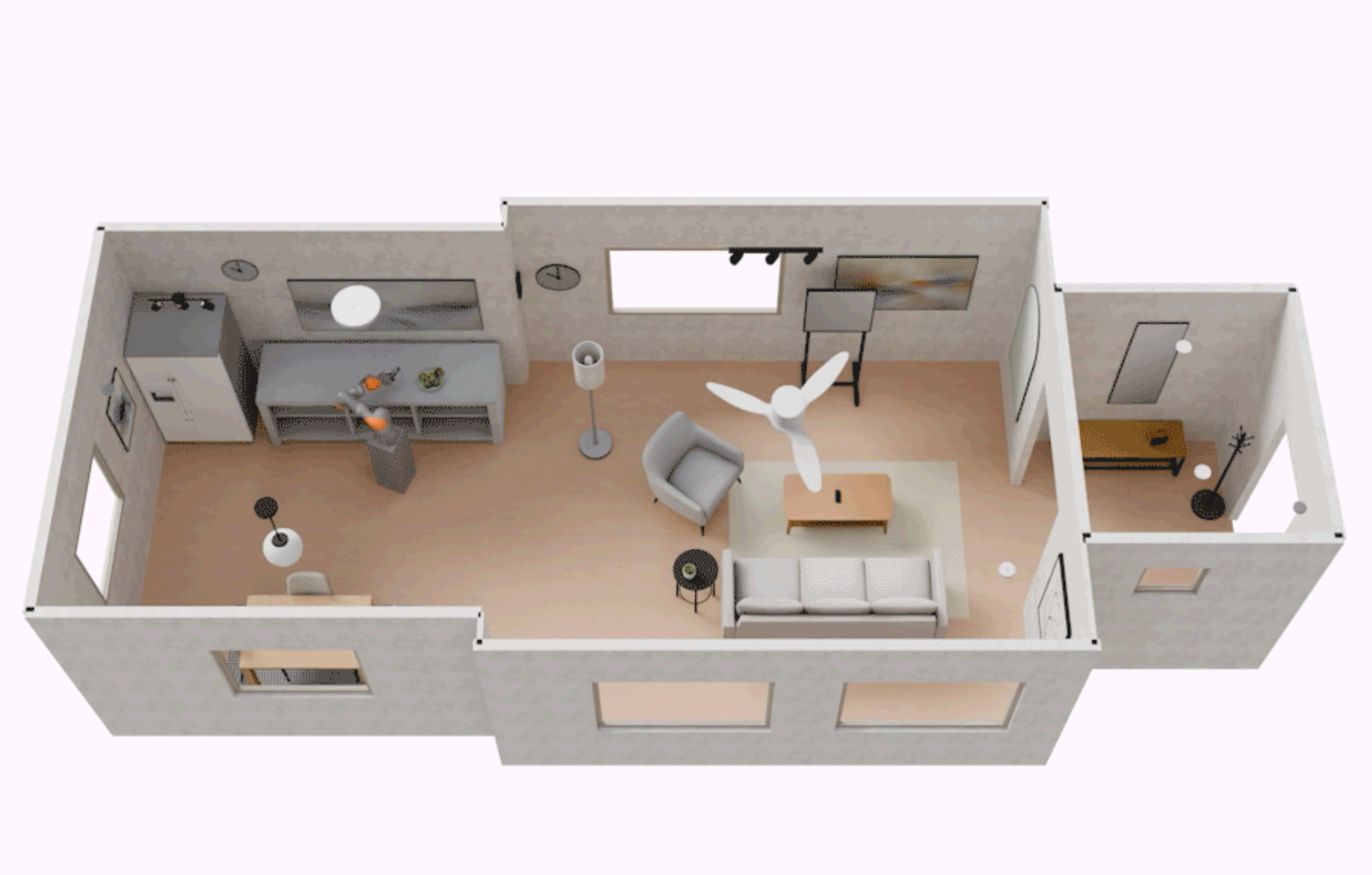
MIT and Toyota Research Institute Unveil SceneSmith for Robot Household Training
MIT's Computer Science and Artificial Intelligence Laboratory (CSAIL) and the Toyota Research Institute have developed SceneSmith, an AI-powered system that allows robots to practice household tasks in a virtual environment. This system utilizes three visual language models to collaboratively create realistic 3D scenes, enabling robots to learn complex skills through extensive simulation. SceneSmith not only generates lifelike environments but also incorporates physical properties like mass, friction, and inertia, allowing robots to interact meaningfully within these spaces. The research team tested over 100 unique action plans in the digital world, revealing flaws in the robots' planning that were validated by human consensus over 99% of the time, helping to refine their strategies before real-world application. The effectiveness of SceneSmith was highlighted at a recent international machine learning conference, where it received positive feedback from over 200 testers, with more than 90% rating its visual realism highly. As robots learn to perform tasks like moving objects in a kitchen, the prospect of robots handling household chores may soon become a reality.
AI Robotics Virtual Reality Machine Learning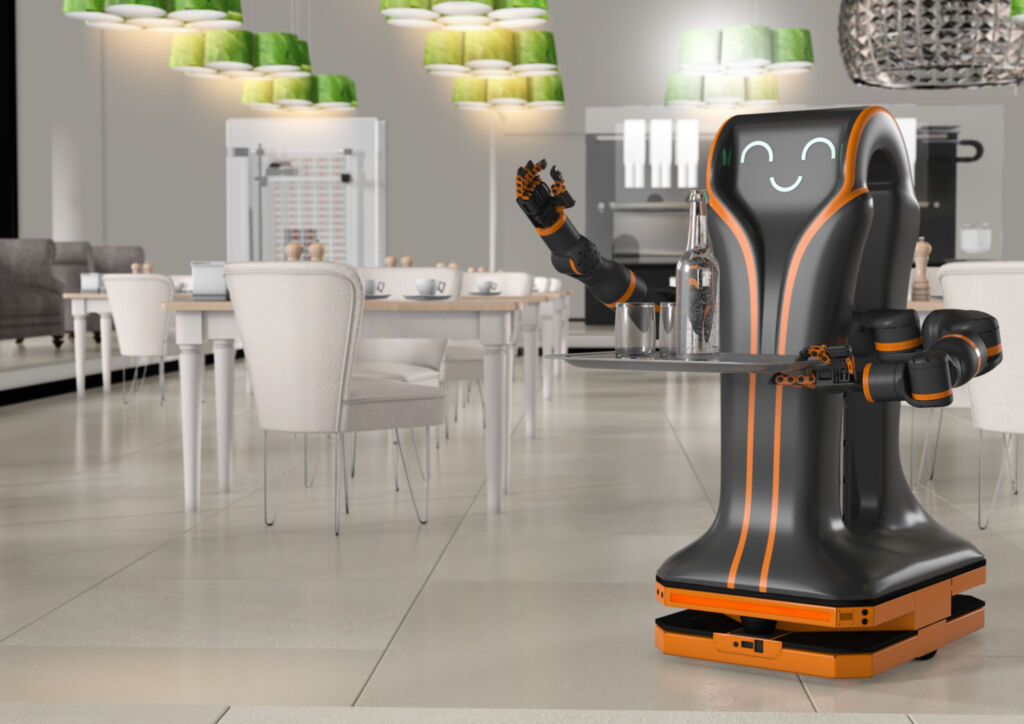
Humanoid service robots for household use
Igus has expanded its product lineup with the introduction of the Iggy Rob Home, a new humanoid service robot designed for household use. This latest addition aims to enhance domestic life by providing assistance in various tasks, reflecting the company's commitment to innovation in robotics. The announcement was made recently, highlighting Igus's ongoing efforts to integrate advanced technology into everyday environments. The Iggy Rob Home is expected to cater to the growing demand for smart home solutions, offering users a convenient and efficient way to manage household chores.
Allgemein Humanoide Robotik Robotik Servicerobotik
Stardust AI Launches Lumo-2: Innovative Robot Action Model for Home Automation
On July 15, Stardust AI introduced its second-generation embodied base model, Lumo-2, which is the industry's first household latent world-action model. This launch includes the physical AI symbiotic agent, Agent Philia, enhancing their full-stack architecture of AI models, embodied operating systems, and rope-driven entities. The company will showcase its 'trinity' multi-scenario implementation solutions at the World Artificial Intelligence Conference in Shanghai from July 17 to 20. Lumo-2 autonomously performs 22 complex household tasks, demonstrating industry-leading capabilities in task range and complexity. This model addresses the challenges faced by robots in open environments, such as the inability to explain actions and the high costs of training complex skills. By predicting future scenarios before generating actions, Lumo-2 aims to overcome these bottlenecks and improve the practical execution of robotic tasks. Looking ahead, Stardust AI plans to enhance the scalability of Lumo-2 by expanding training data diversity and exploring efficient data engineering paradigms. The team is also focused on advancing real-world interactive learning to enable robots to adapt and evolve autonomously in dynamic environments. No further timeline was disclosed at the time of publication.
Household Robotics Physical AI AI Models Robotic Automation
1X Unveils NEO Robot Hand with Unmatched Precision for Household Tasks
1X has introduced the NEO robot hand, showcasing its ability to perform intricate tasks with remarkable precision. The hand features 25 degrees of freedom and utilizes a tendon-driven structure, mimicking human muscle and tendon systems, allowing for smooth and natural movements. The NEO hand can perform tasks such as separating grapes, twisting light bulbs, and pulling zippers, demonstrating capabilities that closely resemble human dexterity. The significance of the NEO robot hand lies in its potential applications as a household assistant, capable of performing chores, caring for the elderly, and aiding in rehabilitation. Its design incorporates numerous sensors that enable it to not only grasp objects but also assess how to grip them without causing damage. This advancement marks a critical step towards creating robots that can seamlessly integrate into daily life. Looking ahead, the NEO hand's uncanny resemblance to human hands raises questions about the 'uncanny valley' effect, where human-like robots elicit discomfort. As 1X aims to position the NEO as a versatile home assistant, the balance between functionality and human likeness will be crucial in its acceptance. No further timeline was disclosed at the time of publication.
Robotics Dexterous Manipulation AI Technology Human-Robot Interaction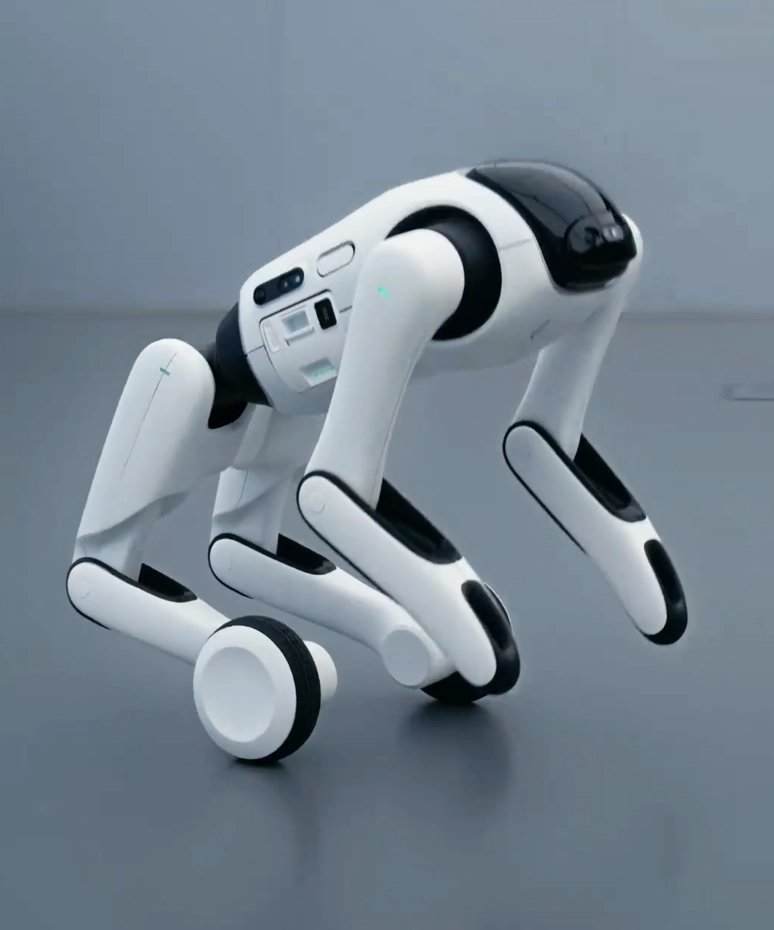
Swancor Qiyuan T1 to Showcase Transformative Personal Robot at WAIC 2026
Swancor Qiyuan's T1, touted as the world's first 'transformable personal robot,' will be publicly demonstrated on July 17, 2026, at the World Artificial Intelligence Conference (WAIC 2026). This robot features a unique Transformer architecture that allows seamless switching between humanoid and quadruped modes, enhancing its interaction and mobility capabilities in various home environments. The significance of the T1 lies in its ability to autonomously select its form based on terrain and tasks, moving beyond traditional manual controls. This innovation is expected to expand the scenarios in which personal robots can operate, addressing common household obstacles while reducing the overall ownership cost for users by eliminating the need for multiple devices. Looking ahead, Swancor's strategy focuses on content creation, education, and companionship rather than general household chores. With offline experience stores already established in major Chinese cities, the T1's success will depend on its pricing and acceptance in the market, potentially proving that adaptable robots hold greater commercial value than those merely mimicking human form.
Transformable Robots Home Robotics AI Technology Robotic Innovation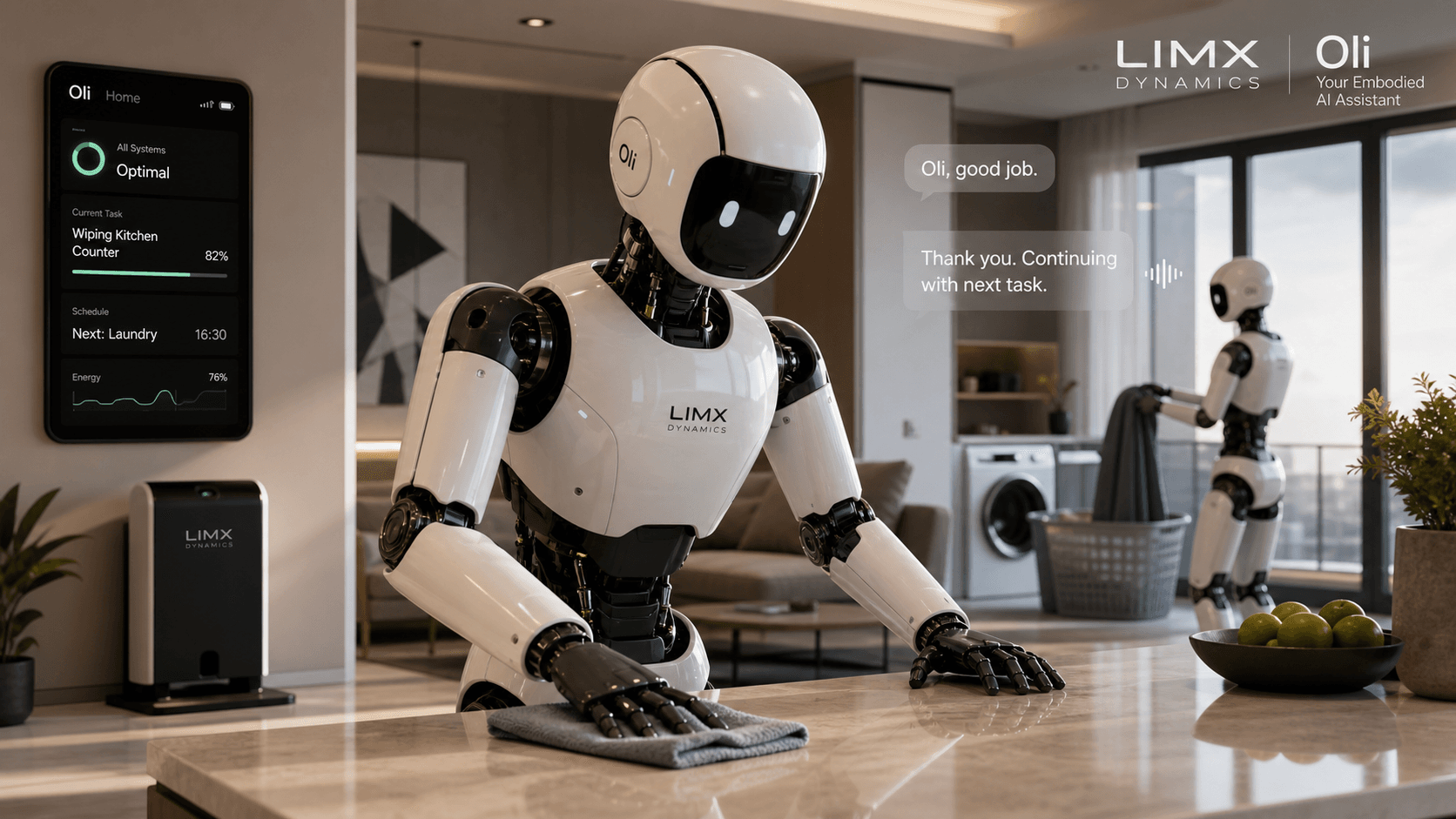
LimX Dynamics Unveils New Demo Showcasing Oli Robot's Household Chores Skills
LimX Dynamics has released a demonstration video featuring its Oli robot performing household chores for three minutes without interruption. This achievement follows a significant funding round of $200 million, which enhances the company's position in the humanoid robotics sector. The demonstration highlights the capabilities of the Oli robot, positioning it as a competitor to Silicon Valley's Figure. This development is crucial as it signifies the advancements in China's humanoid robotics, showcasing that they can rival established players in the market. Looking ahead, industry observers will be keen to see how LimX Dynamics leverages this funding and demonstration to further enhance the capabilities of the Oli robot. No further timeline was disclosed at the time of publication.
Technology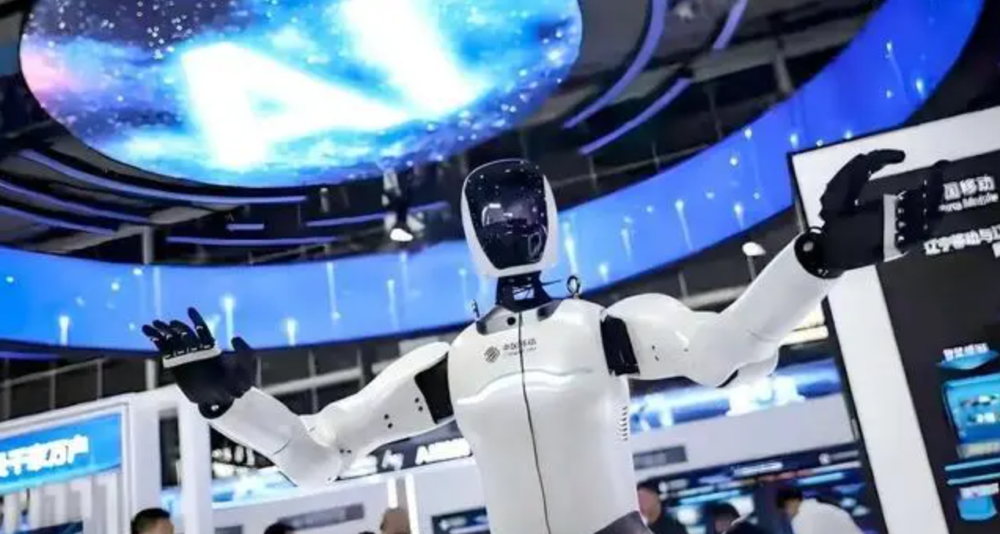
Investors Focus on Emerging Robotics Innovators Amid Rapid Industry Growth
In the spring of 2025, Yushu Technology gained significant attention with its humanoid robot, 'Yang BOT,' igniting interest in the embodied intelligence sector. This industry is not just about Yushu but encompasses numerous potential innovators. According to IT Juzi data, funding in China's embodied intelligence sector surpassed 10 billion yuan in 2024, rising to 45.3 billion yuan in 2025, and reaching 93.5 billion yuan in the first half of 2026. Despite the surge in investment, the industry has yet to achieve stable profitability. For instance, UBTECH's revenue grew from 1.047 billion yuan in 2023 to 1.981 billion yuan in 2025, but it faced cumulative losses exceeding 3 billion yuan due to high R&D expenditures. Yushu Technology itself acknowledged that its humanoid robots are primarily used for research and education rather than as productivity tools. The path to real industrial applications remains challenging. As competition intensifies, many companies are shifting focus to consumer markets. UBTECH's 'U World U1' series, launched in June, aims to provide emotional companionship, with over 13,000 orders. However, consumer feedback highlights issues like poor battery life and weight. To transition from labs to households, the sector must overcome hurdles related to technology, cost, and user experience. With Yushu Technology's upcoming IPO and others like Zhiyuan and Qianxun also pursuing public offerings, the race for sustainable business models is accelerating.
Embodied Intelligence Robotics Startup Investment Commercialization IPO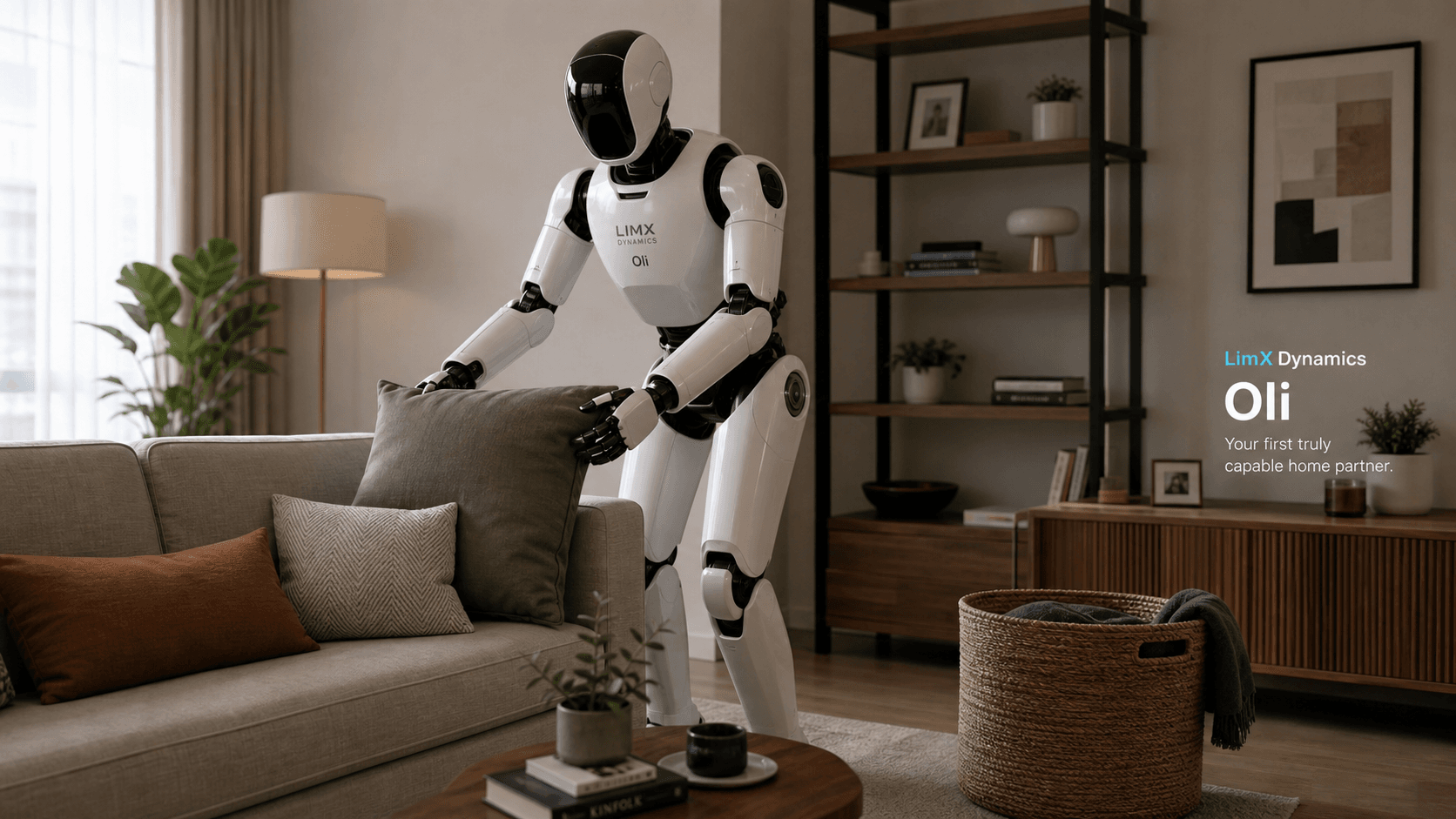
LimX Dynamics' Oli Humanoid Completes Household Tasks with Advanced COSA 0.5 Brain System
LimX Dynamics has announced that its Oli humanoid robot has successfully autonomously completed a range of household chores. This achievement utilizes the COSA 0.5 brain system, which features a three-tier S2-S1-S0 architecture, marking a significant advancement in humanoid robotics. This development is noteworthy as it positions LimX Dynamics' Oli as the second humanoid robot globally to achieve Figure-level capability in performing end-to-end household tasks. The ability to autonomously manage household chores represents a leap forward in the application of robotics in everyday life, potentially transforming how domestic tasks are approached. Looking ahead, the implications of this technology could lead to broader adoption of humanoid robots in various settings, including homes and service industries. No further timeline was disclosed at the time of publication.
Technology
1X Enhances NEO Humanoid Robot with Advanced 25-DOF Hands for Versatile Tasks
Norwegian robotics firm 1X has introduced new 25-degree-of-freedom (DOF) tendon-driven hands for its NEO humanoid robot, marking a significant advancement in robotic dexterity. These hands feature 22 actuated joints across the fingers and palm, along with three at the wrist, enabling NEO to perform tasks such as assembling LEGO models and catching balls with precision and strength. The redesigned hands allow for force sensing and durability, overcoming previous hardware limitations in robotic manipulation. With a unique tendon-drive system and low gear ratios, the hands can detect contact forces and provide continuous proprioception, enhancing the robot's ability to manipulate objects safely and effectively. The hands' human-like joint distribution, particularly the opposable thumb, facilitates a wide range of fine manipulation tasks, making NEO suitable for various household applications. 1X has commenced mass production of the NEO robot at its new California facility, aiming to commercialize home robots for daily assistance. The company emphasizes the hands' combination of precision, strength, and safety features, including IP68 waterproofing and self-cleaning capabilities. No further timeline was disclosed at the time of publication.
AI and Robotics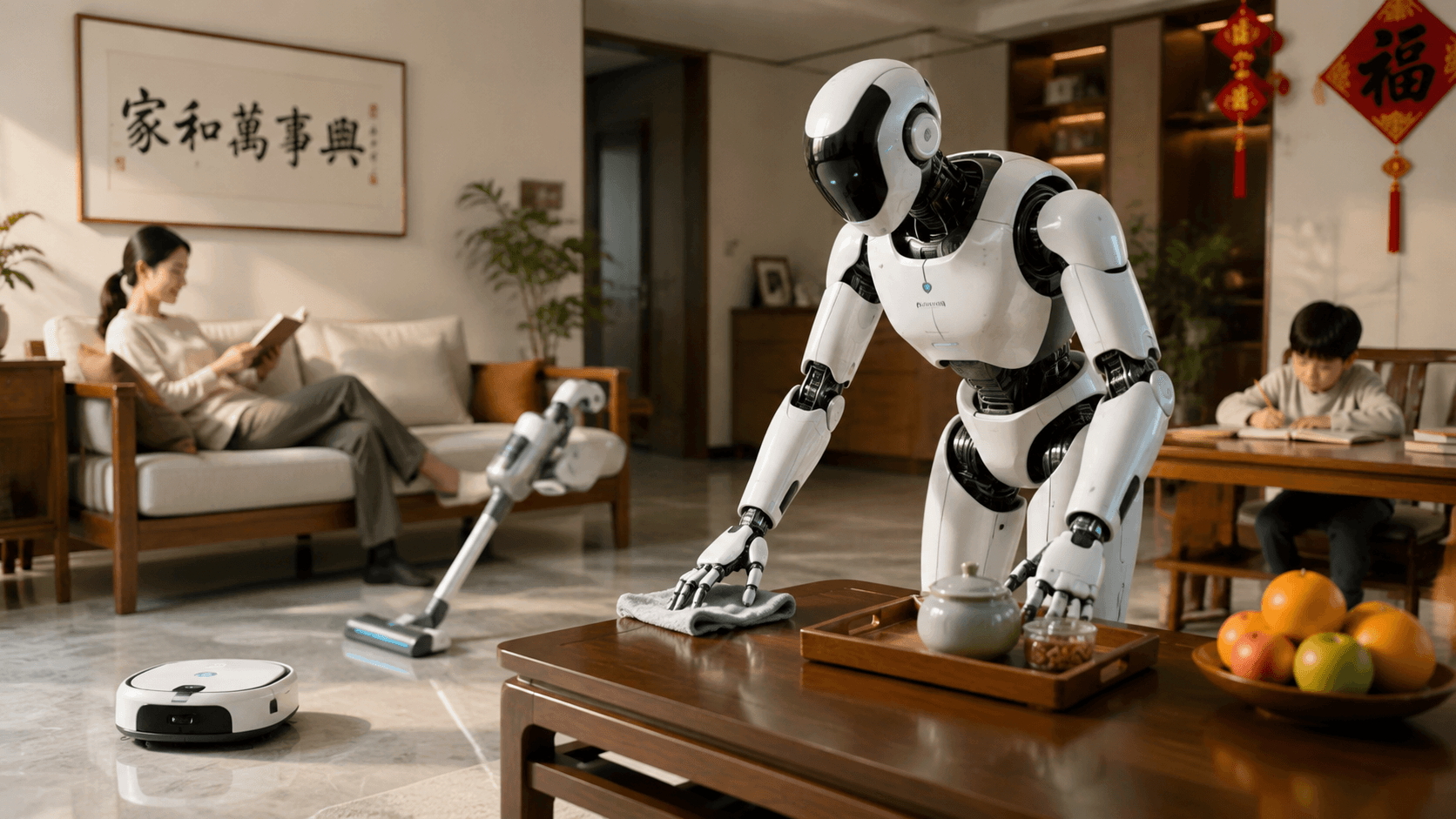
74 Yuan for 3 Hours: Embodied AI Robots Begin Entering Chinese Homes for Household Chores
China has introduced a new service offering embodied AI robots for home hire, with rates starting at just 74 yuan for a three-hour period. This development has ignited discussions regarding the true value of the substantial investments made in embodied AI technologies, which amount to billions of dollars. The initiative reflects a growing trend in the integration of advanced robotics into everyday life, as consumers seek innovative solutions for various household tasks. The availability of these robots marks a significant step in the commercialization of AI, raising questions about the balance between cost and the benefits provided by such technology. As the market evolves, stakeholders are closely examining the implications of this service on both the economy and society at large.
Industry AI
Chinese firm to deploy 100 humanoid robots to households for daily chores
A Chinese robotics company has initiated the deployment of its humanoid robots in private residences, signaling a significant advancement in domestic automation. This initiative commenced recently as part of the company's broader strategy to integrate advanced robotics into everyday life. The robots are designed to assist with various household tasks, enhancing convenience and efficiency for homeowners. By introducing these humanoid robots into real homes, the company aims to showcase their capabilities and gather user feedback to refine their technology further. This move reflects the growing trend of incorporating artificial intelligence and robotics into personal living spaces, driven by the increasing demand for smart home solutions. The deployment is expected to pave the way for more widespread acceptance and utilization of humanoid robots in domestic settings.

Anker Eufy Robot Vacuum Omni E25 with wide roller mop now 33% off at ¥99,900.
Amazon.co.jp is currently offering a time-limited sale on Anker's advanced robotic vacuum cleaner, which features a fully automatic cleaning station. This high-end model, known for its powerful floor cleaning capabilities and automatic debris collection, is available at a discounted price of 99,900 yen, reflecting a 33% reduction. The promotion highlights the growing demand for efficient home cleaning solutions, particularly as consumers seek convenience and enhanced functionality in household appliances.
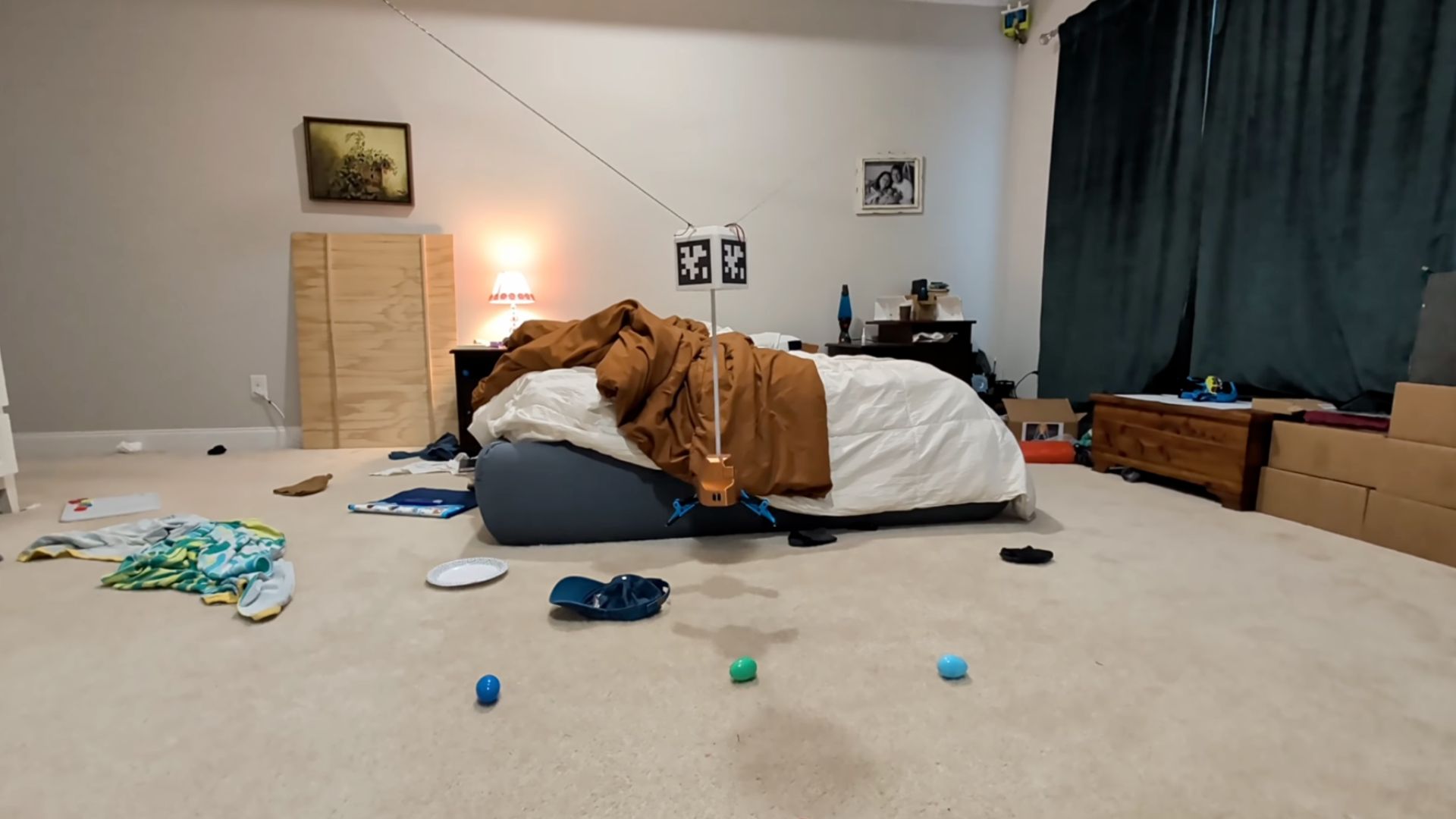
Video: Ceiling-mounted DIY robot picks up toys, clothes, and household clutter
An engineer has created an innovative open-source robotic claw that mounts on ceilings, aimed at addressing challenges in various industries. This development, which was unveiled recently, is designed to assist in tasks such as inventory management and warehouse automation. The engineer, motivated by the need for cost-effective and versatile solutions in the automation sector, has made the design freely available to encourage collaboration and further enhancements from the global engineering community. By utilizing readily available materials and components, the project promotes sustainability and accessibility in robotics. The claw's operation involves a series of precise movements controlled by a user-friendly interface, allowing for efficient handling of objects in hard-to-reach spaces. This initiative not only showcases advancements in robotics but also highlights the potential for open-source technology to drive innovation and improve operational efficiency across various fields.
AI and Robotics
Watch: Vietnam’s first humanoid robot Dyno targets security and household roles
Vietnamese technology company VinDynamics has introduced its inaugural humanoid robot, Dyno, signaling the nation's foray into advanced robotics. The unveiling took place during a press event in Hanoi, where the company showcased Dyno's capabilities, including interactive communication and assistance in various tasks. This launch is part of VinDynamics' broader strategy to innovate and contribute to the technological landscape in Vietnam, aiming to enhance productivity and improve quality of life through automation. The development of Dyno reflects the company's commitment to leveraging cutting-edge technology to meet the growing demands of the modern workforce and to position Vietnam as a competitive player in the global robotics market.

UniX AI introduces Panther, the world's first service humanoid robot to enter real household deployment, powered by its differentiated wheeled dual-arm architecture
A groundbreaking advancement in robotics has been unveiled with the introduction of the Panther, a wheeled dual-arm humanoid robot. This innovative machine is equipped with the world's first mass-produced eight-degree-of-freedom (8-DoF) bionic arms, enhancing its dexterity and functionality. Additionally, the Panther features an adaptive intelligent gripper mounted on a high-degree-of-freedom joint platform, allowing for versatile handling of various objects. The robot's design includes an omnidirectional four-wheel steering and four-wheel drive (4WS+4WD) chassis, enabling it to navigate complex environments with ease. This development marks a significant step forward in robotic technology, aimed at improving automation and efficiency in various industries. The Panther was revealed to the public in October 2023, showcasing its capabilities at a technology expo. The motivation behind its creation stems from the growing demand for advanced robotic solutions that can perform tasks traditionally handled by humans, particularly in sectors such as manufacturing, logistics, and healthcare. By integrating cutting-edge engineering with adaptive technology, the Panther is set to redefine the role of robots in everyday operations, paving the way for a future where humans and machines work side by side more effectively.
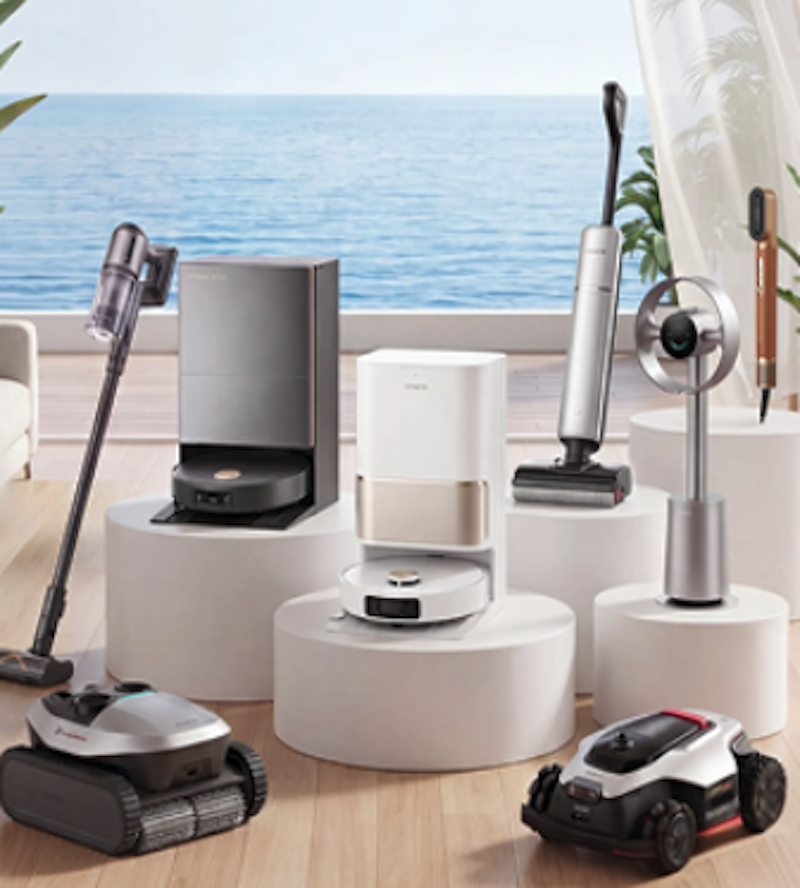
How to Choose a Robot Vacuum and Mop That Actually Fits Your Home
In the evolving landscape of home cleaning technology, combination robots that vacuum and mop have transitioned from novelty items to essential household tools. However, the market is saturated with options, making it challenging for consumers to discern which models truly deliver on their promises. As two machines priced similarly can yield vastly different performances in actual home environments, potential buyers must navigate a plethora of marketing claims that often emphasize specifications not necessarily relevant to effective cleaning on various floor types. This complexity highlights the need for informed decision-making when selecting a cleaning robot that best suits individual home needs.
Cleaning robots best robot vacuum and mop floor cleaning hardwood floor cleaning home automation home technology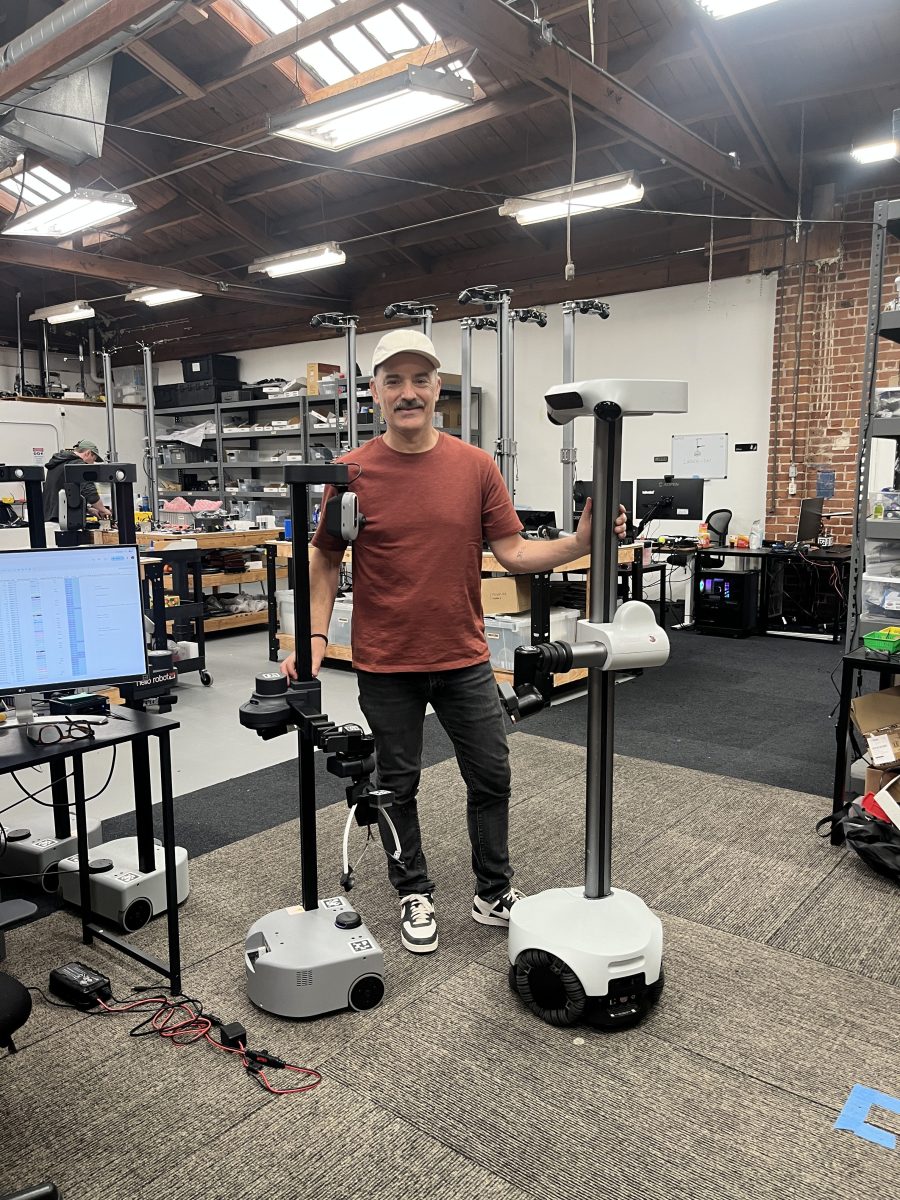
Is Silicon Valley ready to put robots in people’s homes? Hello Robot is.
A California-based startup has unveiled the fourth generation of its home assistance robot, Stretch. This latest model was introduced to the public in October 2023, showcasing advancements in technology aimed at enhancing household efficiency. The robot is designed to assist with various tasks around the home, reflecting the company's commitment to improving daily living through innovative automation solutions. The launch event highlighted the robot's upgraded features, which include improved mobility and enhanced user interaction capabilities, making it a more effective tool for homeowners. The development of Stretch is part of a broader trend in the tech industry, where companies are increasingly focusing on smart home devices to meet the growing demand for convenience and support in everyday life.
AI Robotics Startups Exclusive hello robot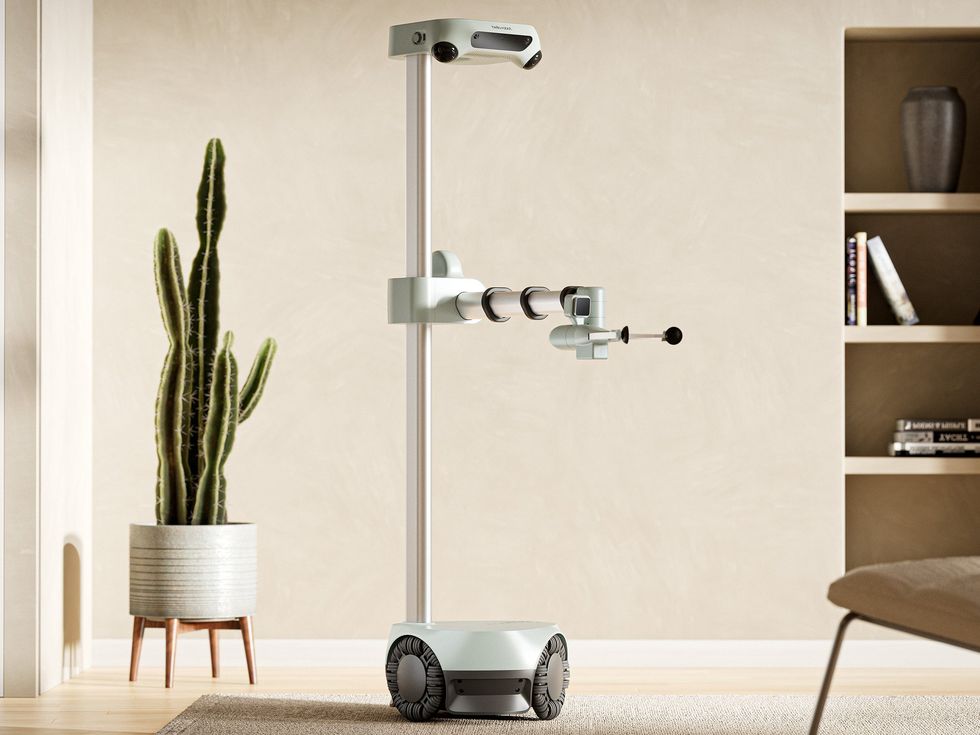
Hello Robot Sets the Standard for Practical, Safe Home Robots
Hello Robot has announced the launch of Stretch 4, a new version of its mobile robot designed for practical household tasks. This announcement comes as the company aims to transition from research-focused robotics to a deployable solution for home use, particularly for individuals with severe mobility impairments. The unveiling took place today, with the robot's design emphasizing mobility and manipulation over humanoid features. Stretch 4 features an advanced omnidirectional base allowing it to move in any direction, enhancing user control. The robot is equipped with a sophisticated sensor suite for improved navigation and autonomy, including cameras and lidar technology. Co-founders Aaron Edsinger and Charlie Kemp highlighted the challenges faced during the design process, aiming to avoid overcomplicating the robot while ensuring it meets real-world needs. The robot is intended for pilot deployments in homes, with the goal of gathering data to refine its capabilities for everyday use. Unlike humanoid robots, which may not effectively serve individuals with disabilities, Stretch 4's wheeled design is seen as more practical and safer for home environments. Priced at $29,950, Stretch 4 is positioned as an affordable option in the mobile manipulation market, with plans for further development leading to a commercially viable assistive robot in the near future.
Hello-robot Home-robots Humanoid-robots Mobile-manipulator Mobility-impaired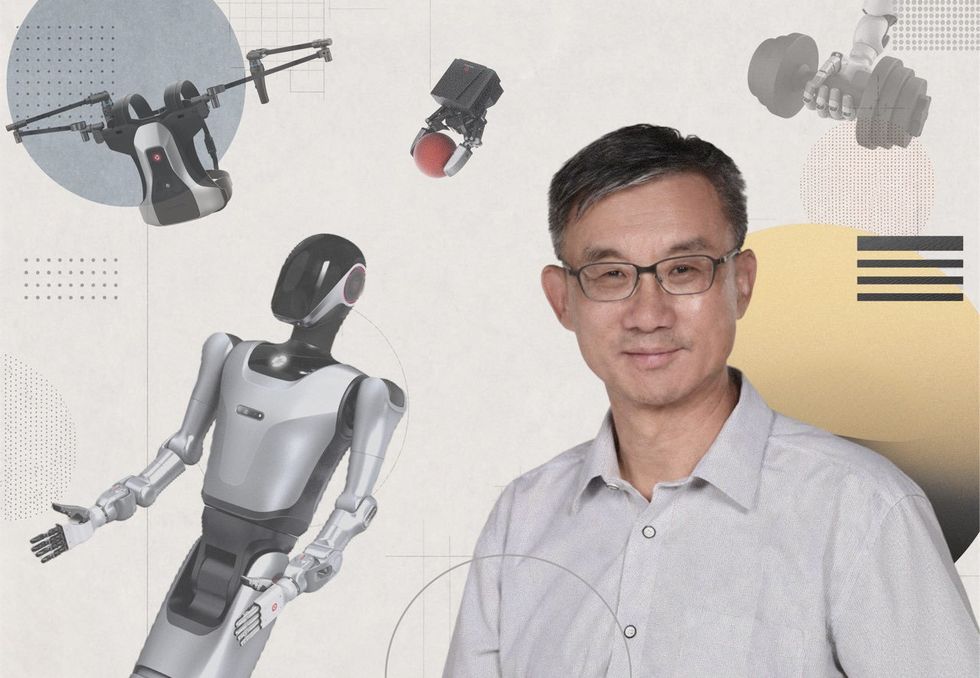
DAIMON Robotics Wants to Give Robot Hands a Sense of Touch
In April 2023, DAIMON Robotics, a Hong Kong-based company, launched Daimon-Infinity, touted as the world's largest omni-modal robotic dataset for physical AI. This extensive dataset, which includes high-resolution tactile sensing data from over 80 real-world scenarios and 2,000 human skills, aims to enhance robot manipulation capabilities across various tasks, from household chores to industrial assembly lines. The initiative is backed by collaborations with prominent partners, including Google DeepMind, Northwestern University, and the National University of Singapore. Prof. Michael Yu Wang, co-founder and chief scientist of DAIMON, emphasized the importance of tactile feedback in improving robotic dexterity, advocating for a shift from the traditional Vision-Language-Action (VLA) model to a more integrated Vision-Tactile-Language-Action (VTLA) framework. This transition is crucial for enabling robots to perform complex manipulation tasks effectively, especially in environments where visual data alone is insufficient. Recognizing a significant data gap in the robotics industry, DAIMON has committed to open-sourcing 10,000 hours of its dataset to support broader research and development efforts. The company aims to accelerate the deployment of embodied AI by providing high-quality tactile data, which is essential for training robots to interact with their surroundings more naturally and effectively. As the robotics landscape evolves, DAIMON's innovative approach positions it as a key player in advancing the capabilities of humanoid robots in real-world applications.
Type-sponsored Factory-robots Tactile-sensing Ai-models Embodied-intelligence
The "Synthetic Human" Roadmap: Clone Robotics Eyes Silicon Valley and $20,000 Price Points
At the 2026 Abundance Summit, Dhanush Radhakrishnan, co-founder of Clone Robotics, announced the company's strategic expansion to Mountain View. This move is supported by a new funding round of $50 million, aimed at accelerating the development of their innovative "Robo Butlers." Radhakrishnan outlined an ambitious goal to bring these advanced robotic assistants to the mass market by 2028, reflecting the company's commitment to revolutionizing household automation and enhancing everyday life through technology.
clone robotics US clone Europe
Inside Colin Angle’s bid to build companion robots with Familiar Machines & Magic
Colin Angle, a prominent figure in robotics, has launched a new startup called Familiar Machines & Magic, which is focused on creating a quadruped robot designed to serve as a companion. This initiative aims to address the growing demand for advanced robotic companions in a competitive market. The startup is currently in the development phase, working on innovative technologies to enhance the functionality and appeal of these robots. Angle's vision is to combine cutting-edge engineering with user-friendly design to ensure that the robots can effectively meet the needs of potential users. As the project progresses, Familiar Machines & Magic seeks to carve out a niche in the evolving landscape of robotics, where the integration of companionship and technology is becoming increasingly significant.
Artificial Intelligence Consumer Robotics Human Robot Interaction / Haptics News Startups Familiar Machines & Magic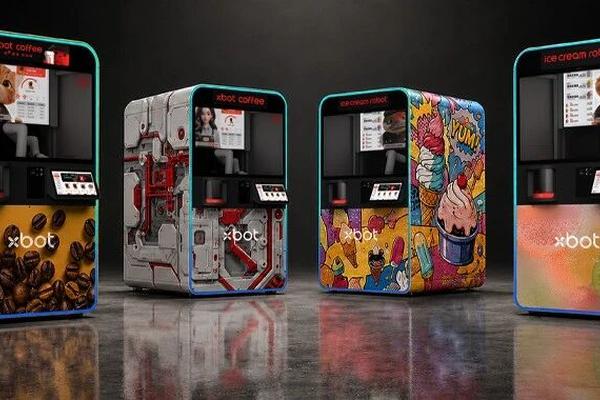
Xiaomi's former executive Tang Mu raises hundreds of millions for coffee robot startup, backed by Lin Bin and Li Wanqiang.
The robotics company Yingshi XBOT has successfully secured hundreds of millions in funding through two rounds of financing, with the Series A round raising 200 million yuan from Hong Kong's Jian Kun Capital and the Series B round expected to bring in 300 to 500 million yuan from various government and industry investors. This marks one of the largest investments in the restaurant-focused robotics sector to date. Founded in 2022 by Tang Mu, a former product manager with extensive experience in tech firms like Tencent and Xiaomi, Yingshi XBOT aims to revolutionize the food service industry by deploying robots for tasks such as coffee making in commercial spaces. The company’s technology is built around a specialized operating system, XOS 3.0, designed for the restaurant sector. This system features a multi-layered architecture that optimizes performance and efficiency while addressing common challenges in the industry. Yingshi XBOT has launched several product lines, including coffee and ice cream robots, which have already been deployed in over 1,000 locations worldwide, producing more than 4 million cups of coffee. With a focus on commercial applications rather than household or industrial settings, Yingshi XBOT has adopted a "Robot as a Service" (RaaS) model, allowing businesses to benefit from robotic solutions without the burden of ownership. The company has established partnerships with various brands and is exploring international markets, projecting significant revenue growth in the coming years.
Will the next Messi be a robot?
As the FIFA World Cup captures global attention, a unique soccer tournament featuring robots has commenced in Incheon, South Korea. RoboCup 2026 kicked off on Thursday at the Songdo Convensia, highlighting advancements in artificial intelligence with robots designed to perform complex tasks, including playing soccer and managing household chores. Known as the "World Cup of Robotics," this annual event has been celebrated since its inception in Nagoya, Japan, in 1997, attracting thousands of competitors who showcase their innovative robotic creations. The tournament not only entertains but also aims to promote research and development in robotics and AI, pushing the boundaries of technology in various fields.
All News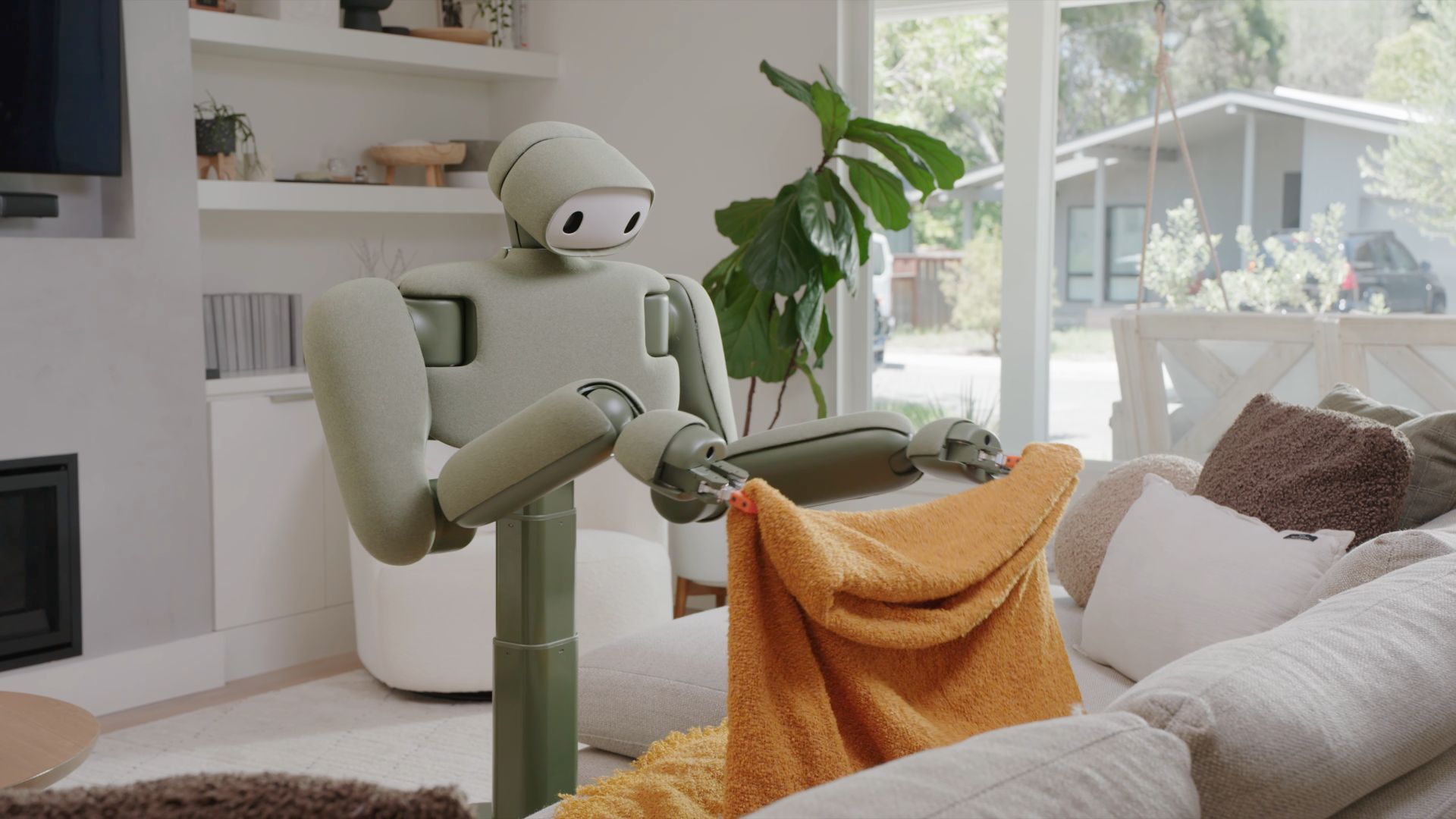
Watch: From laundry to making your bed, Isaac 1 humanoid robot is ready for house chores
Weave Robotics, a company based in the United States, has introduced Isaac 1, an innovative wheeled mobile home robot aimed at automating various household tasks. The unveiling took place recently, showcasing the robot's capabilities to enhance efficiency in daily chores. Designed with advanced technology, Isaac 1 is intended to assist homeowners by performing tasks that typically require manual effort, thereby allowing individuals to focus on more important activities. The launch reflects a growing trend in robotics aimed at improving quality of life through automation in domestic settings.
AI and Robotics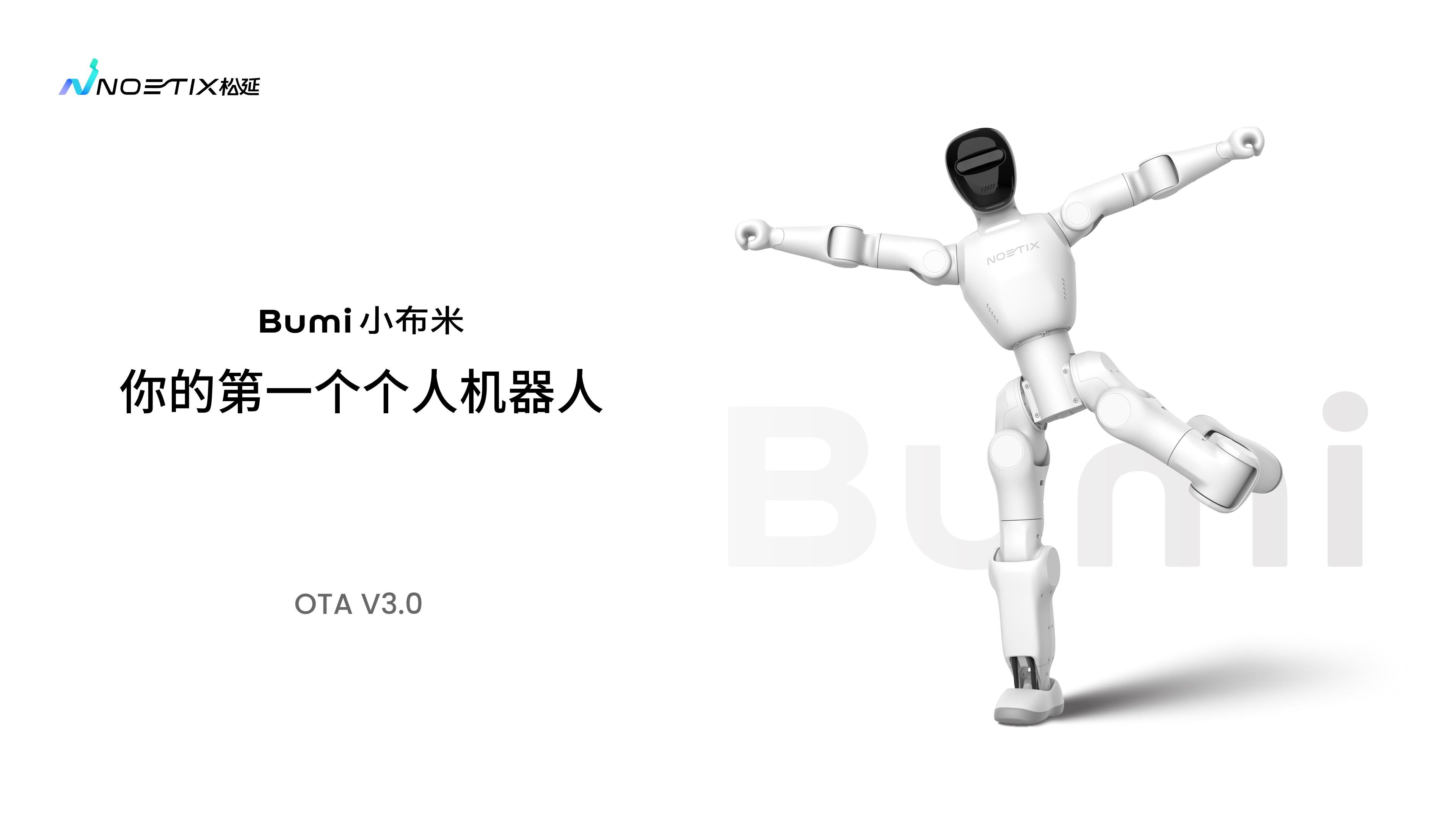
OTA Upgrade Redefines Your First Personal Robot
The Bumi robot, measuring 98 cm in height, is poised to become a staple in many households with its scheduled over-the-air (OTA) upgrade on July 15. This update aims to enhance user interaction and connectivity, making it simpler for families to incorporate Bumi into their daily routines. Key improvements include a redesigned application, voice control capabilities, and a safety stop button, all designed to foster a more engaging and reliable experience for users. The enhancements reflect a growing trend in personal robotics, as manufacturers seek to make technology more accessible and user-friendly for families.
Personal Robots Consumer Robotics AI Interaction Smart Home Technology
TUYA Partners with Zeroth on Smart Home Robots
Tuya Inc., a prominent player in the AI and IoT sector, has announced a strategic partnership with Zeroth on June 12, 2026, to enhance the capabilities of smart home robots. This collaboration aims to merge Tuya's advanced AI+IoT ecosystem with Zeroth's robotics expertise, creating intelligent household companions that can adapt to user needs. Traditionally, home service robots have functioned as isolated devices, limiting their integration with other smart home systems. The partnership seeks to overcome this challenge by enabling robots to serve as integrated hubs within connected homes, effectively managing various devices such as lighting, climate control, and security systems. Utilizing Tuya's proprietary Physical AI Engine (PAE), the robots will transform into proactive household managers, enhancing the overall smart living experience. This initiative reflects Tuya's commitment to delivering innovative solutions in the smart device market while addressing the growing demand for more sophisticated home automation.
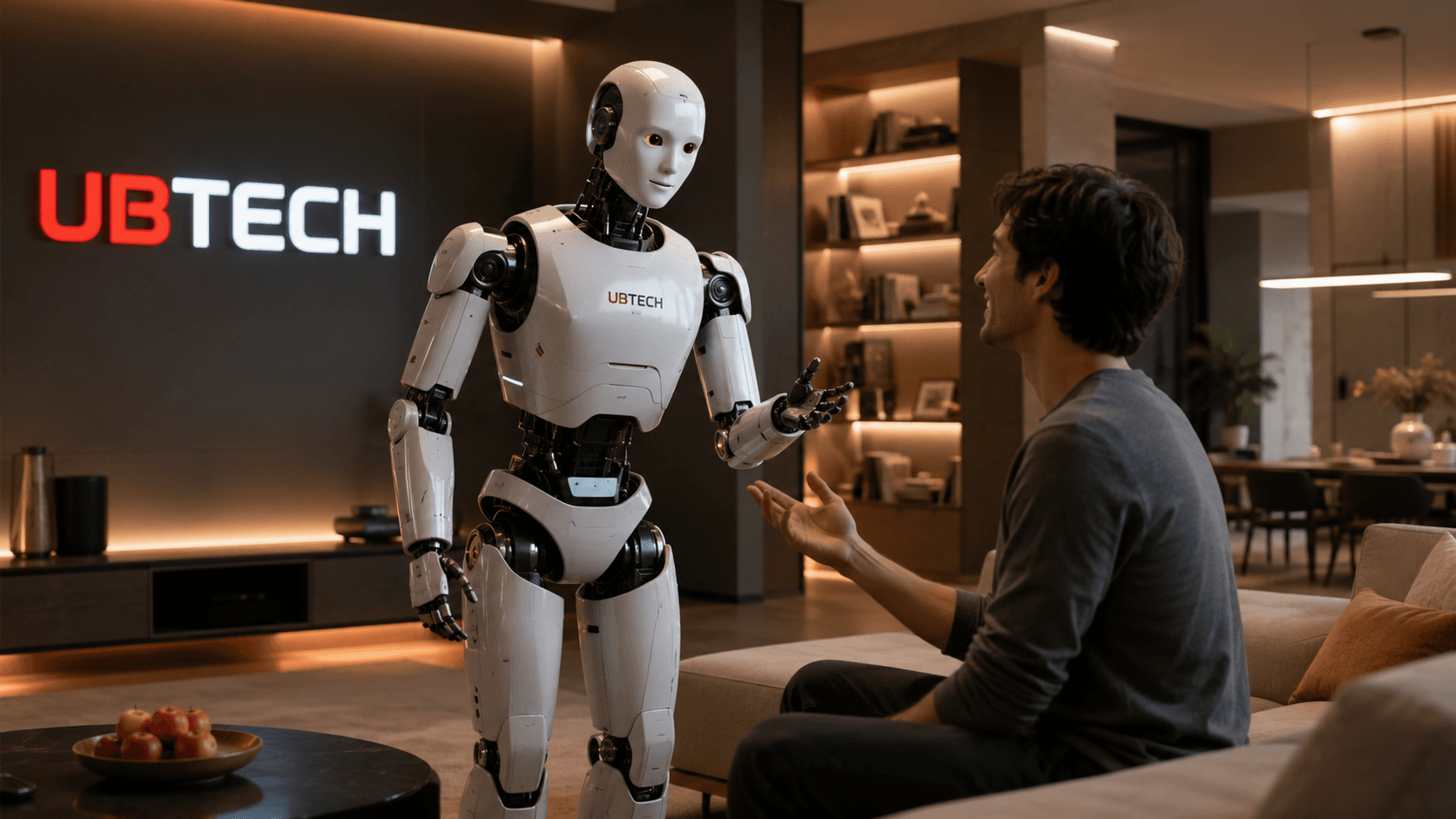
UBTECH U1 Series Presales Near 5,000 Units in 17 Days: A Milestone for Consumer Humanoid Robots
UBTECH has reached a significant milestone in consumer-grade robotics by securing nearly 5,000 pre-orders for its U1 companion humanoid robot within just 17 days of its launch. This impressive demand highlights the growing interest in humanoid technology among consumers. The U1, designed to assist with various tasks and enhance daily life, is being positioned as a versatile companion for households. The surge in pre-orders reflects not only the innovative features of the robot but also the increasing acceptance of humanoid robots in everyday settings. As the company continues to develop and market its products, this early success may pave the way for further advancements in the field of robotics.
News Robotics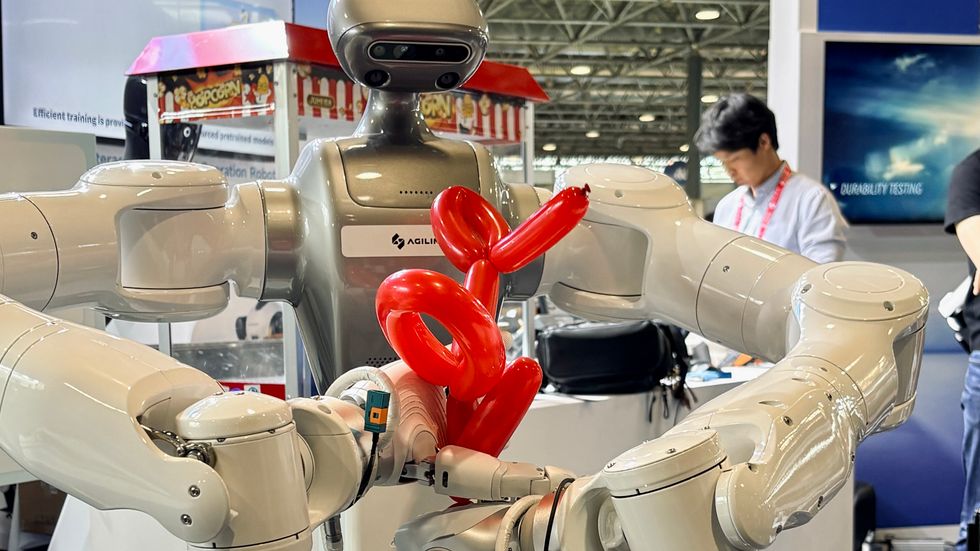
Beyond Dexterity: Why Contact May Define the Next Era of Robotics
At the 2026 IEEE International Conference on Robotics (ICRA) in Vienna, AGILINK showcased a captivating demonstration of robotic dexterity by creating a balloon dog, which drew significant attention from attendees. This seemingly playful task is recognized in the robotics community as a complex manipulation challenge due to the balloon's lightweight and highly deformable nature. The demonstration highlighted the intricate balance between motion and contact intelligence, essential for successful robotic manipulation. AGILINK's approach involved mapping the actions of professional balloon artists to robotic hands, allowing the robot to learn both successful manipulation sequences and recovery strategies during failures. This dual focus on motion and contact intelligence is crucial, as maintaining stable interaction with the balloon is as important as executing the correct sequence of actions. In conjunction with the balloon dog demonstration, AGILINK introduced the OmniHand 3 Ultra-M, a dexterous robotic hand designed to enhance contact intelligence through advanced sensing and faster response capabilities. The hand features 20 active degrees of freedom and a direct-drive architecture, enabling precise force regulation and tactile sensing across its surface. The significance of these advancements extends beyond balloon animals, addressing broader challenges in robotics related to unstable and deformable interactions, such as delicate assembly and household tasks. As robotics research increasingly prioritizes interaction dynamics, AGILINK's innovations may pave the way for more effective manipulation in unpredictable real-world environments.
Humanoid-robots Physical-ai Dexterous-hands Direct-drive-actuation Robotic-manipulation Reinforcement-learning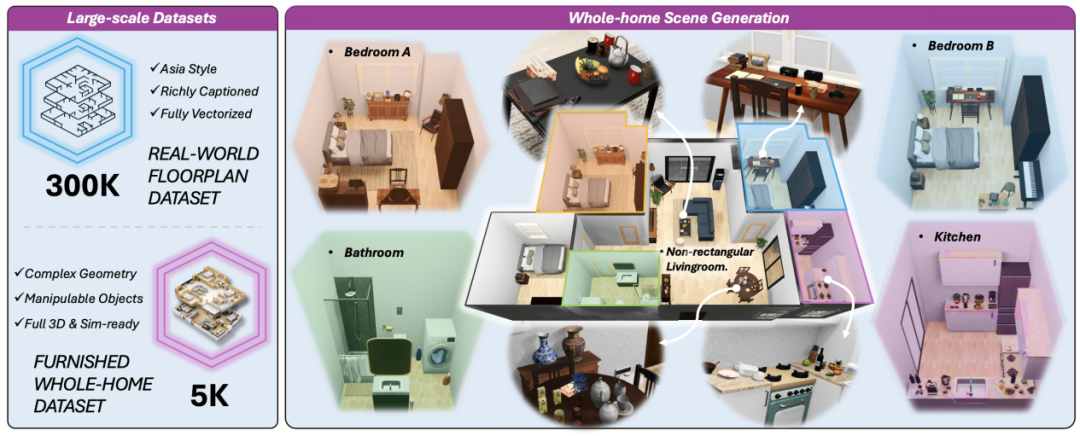
Daxiao Robotics Releases Open Source 3D Dataset for Chinese Home Designs, Challenging Figure AI
Daxiao Robotics, in partnership with the Chinese University of Hong Kong and Shenzhen He Tao College, has unveiled the world's first extensive 3D dataset specifically designed for Chinese households. This groundbreaking resource includes 300,000 authentic floor plans and 5,000 interactive simulation scenes, marking a significant advancement in the field of robotics. Launched recently, the dataset aims to improve the training of robots for various household tasks, thereby contributing to the evolution of embodied AI within the Chinese market. By providing this comprehensive data, the collaboration seeks to enhance the capabilities of robots in domestic environments, ultimately fostering innovation in the sector.
3D Data Sets Embodied AI Home Robotics Simulation Technology
Former Baidu VP Invests in Embodied Intelligence, Secures $6 Million Funding for Home Robots
Liyang Shenzhou Intelligent Technology has successfully secured over 40 million yuan in Series A funding to advance its development of home service robots. The funding comes in response to China's growing aging population and the increasing shortage of caregivers, prompting the company to focus on integrating robotic solutions into everyday household tasks, particularly in cleaning and elderly care. By prioritizing practical training in real-life environments, Liyang Shenzhou aims to improve the performance and effectiveness of its robots, addressing the pressing needs of families and caregivers across the nation.
Home Service Robots Elderly Care Embodied Intelligence AI Technology
This AI startup will clean your home for free to train future robots
AI training startup Shift has launched an unconventional initiative, offering free home cleaning services in exchange for the opportunity to record the cleaning process. The company aims to capture footage of cleaners as they perform various tasks such as scrubbing, vacuuming, dusting, tidying, and washing, which will be utilized to enhance the training of robots. This unique offer was announced on social media, sparking interest and curiosity among potential participants. Shift's motivation behind this initiative is to gather real-world data that can improve robotic cleaning technology, ultimately aiming to create more efficient and effective automated solutions for household chores.
AI News Robot Tech
Chinese firm eyes 2027 home robot launch with Wuhan pilot and sub-$15K pricing
Chinese tech company GigaAI has launched what it claims to be the first commercial robotic butler, marking a significant advancement in home automation technology. The unveiling took place at a technology expo in Beijing on October 15, 2023. This innovative device aims to enhance everyday living by performing various household tasks, such as cleaning, cooking, and providing companionship, thereby addressing the growing demand for smart home solutions. The motivation behind GigaAI's development of the robotic butler stems from the increasing interest in automation and artificial intelligence among consumers, who seek convenience and efficiency in their daily routines. The company has integrated advanced AI algorithms and machine learning capabilities into the device, allowing it to adapt to individual household needs and preferences. During the launch event, GigaAI demonstrated the butler's functionalities, showcasing its ability to navigate complex home environments and interact with family members. The company plans to begin commercial sales in early 2024, with the goal of making this technology accessible to a broader audience. As the market for smart home devices continues to expand, GigaAI's robotic butler could potentially revolutionize the way people manage their households, setting a new standard in the industry.
Robots could learn to predict, plan navigation with new ‘bio-inspired’ framework
A recent study highlights the advanced capabilities of robot vacuums in home cleaning. Researchers observed that when placed in a living room, these devices effectively create detailed maps of their surroundings, allowing them to navigate and clean efficiently. This development comes as more households adopt smart home technology, seeking convenience and improved cleaning solutions. The study, conducted in various residential settings, demonstrates how robot vacuums utilize sensors and algorithms to optimize their cleaning paths. As the demand for automated home care increases, manufacturers are focusing on enhancing these technologies to meet consumer expectations for efficiency and thoroughness.
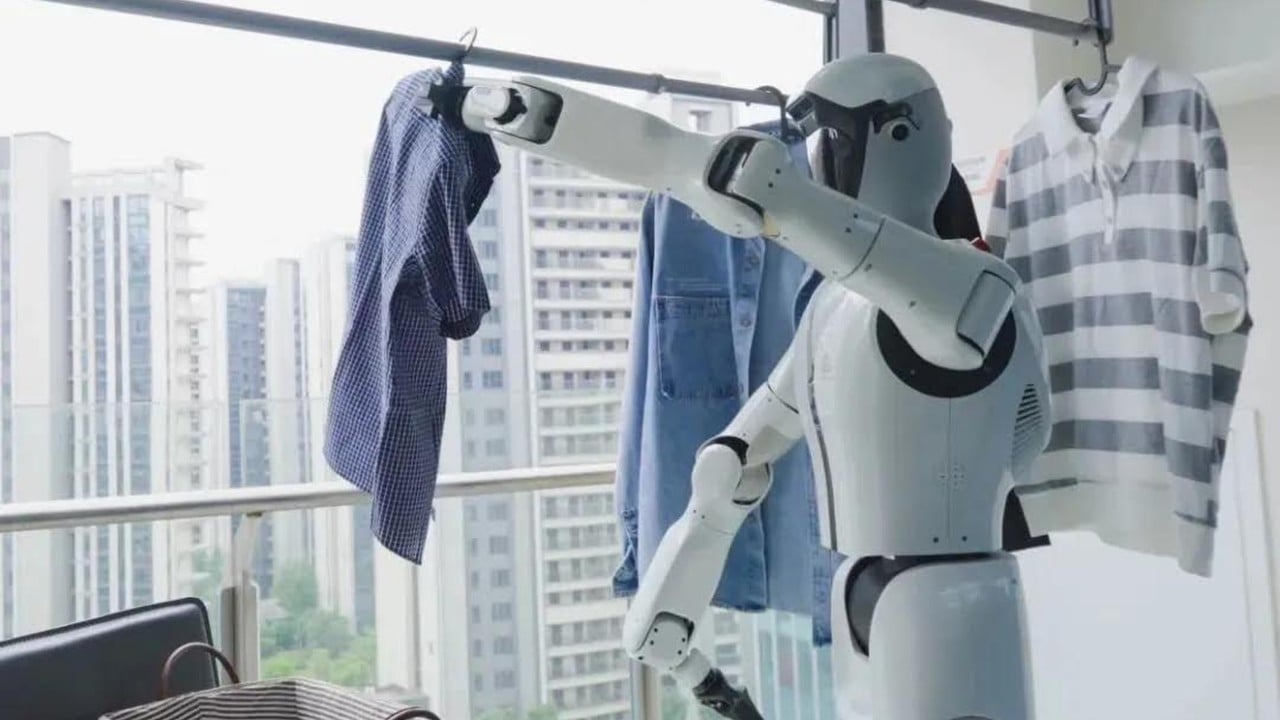
Commercial humanoid robots in China may soon do laundry, make beds, care for elders
China's robotics industry is making significant strides as GigaAI, in collaboration with the Hubei Humanoid Robot Innovation Centre and the Hubei Humanoid Robotics Industry Alliance, introduced the SeeLight S1, the country's first general-purpose household humanoid robot. This unveiling took place on Wednesday in Wuhan, the capital of Hubei province. The initiative aims to explore the potential of robots in managing domestic chores, venturing beyond traditional factory settings into the complexities of home environments. To encourage public engagement and gather feedback, GigaAI plans to provide the SeeLight S1 to families in Wuhan for free testing. This move reflects a growing interest in integrating advanced robotics into everyday life, addressing the increasing demand for automation in household tasks.
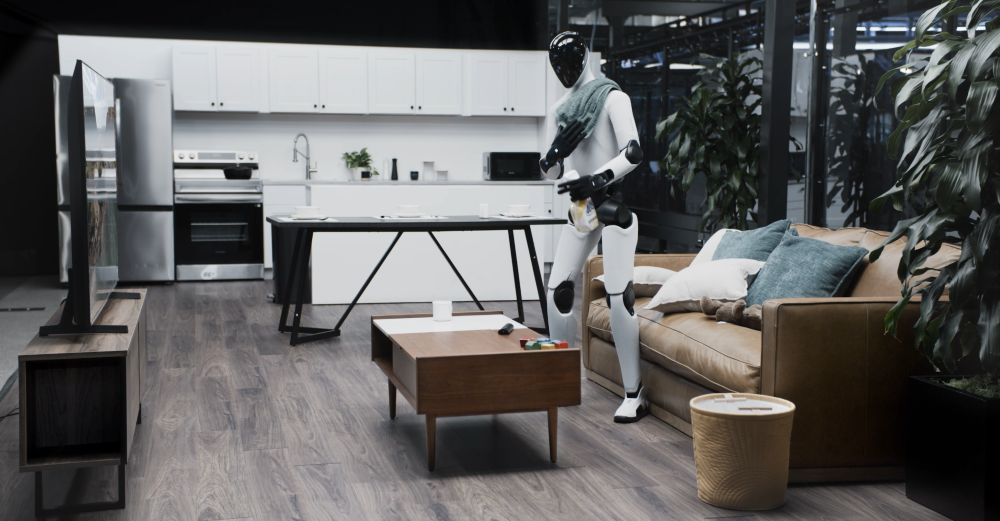
Debut of Humanoid Robots in the Living Room
A recent video highlights the advanced capabilities of the American humanoid robot, Figure 03, as it autonomously performs various tasks in a living room environment. The robot, equipped with the Helix 02 system, showcases its ability to disinfect surfaces and organize items, reflecting significant progress in robotic learning and coordination. This demonstration underscores the growing potential of humanoid robots in everyday household tasks, marking a notable step forward in the integration of robotics into daily life.
Humanoid Robots Robotic Automation AI Technology Home Robotics
Established for 90 days, three rounds of financing, hundreds of millions in revenue, is humanoid robot leasing really a trend?
The Beijing Humanoid Robot Innovation Center, designated as China's "national team" for embodied intelligent robots, is spearheading advancements in core technologies and establishing a self-sustaining industrial ecosystem. Since its inception, the center has focused on fulfilling national strategic objectives. Recently, it launched an embodied intelligent robot data and training base, marking a significant enhancement in the country’s capabilities in this field. This facility not only provides a robust data infrastructure but also leads the development of the nation’s first data collection standards for embodied intelligence. By offering specialized services and generating high-quality data, the center aims to facilitate the integration of humanoid robots into various sectors and households. This initiative is part of China's broader strategy to foster new productive forces and achieve technological self-reliance during a pivotal shift from "perceptual intelligence" to "embodied intelligence."
Robotics Automation AI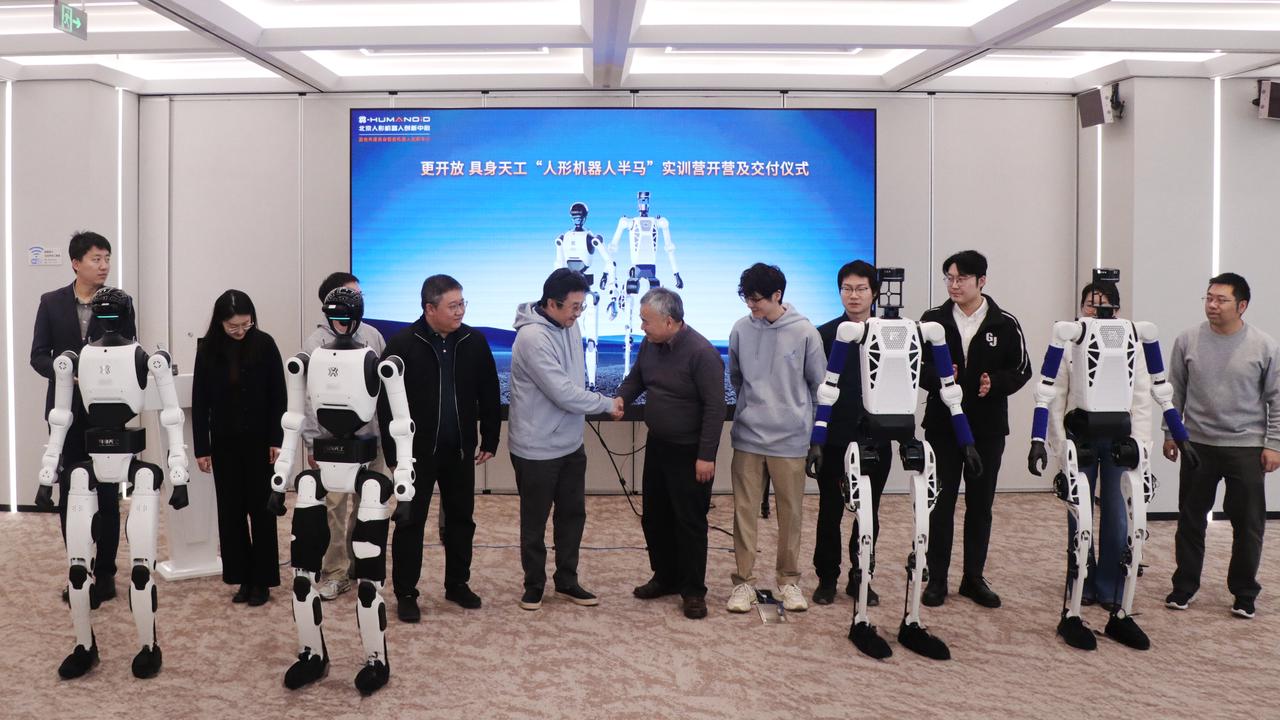
Beijing Humanoid Holds Robot Half Marathon Cooperation Delivery Ceremony to Explore the Limits of Embodied Intelligent Technology with Open Source Ecology
The Beijing Humanoid Robot Innovation Center, designated as China's "national team" for embodied intelligent robots, is spearheading advancements in core technologies and developing an independent industrial ecosystem. Since its establishment, the center has focused on aligning with national strategies to enhance China's global competitiveness. Recently, it inaugurated a data and training base for embodied intelligent robots, marking a pivotal step beyond physical capabilities. This initiative aims to position China as a leader in data strategy within the emerging field of embodied intelligence. The center is set to provide extensive, high-quality data infrastructure essential for the industry, while also leading the creation of China's first standards for data collection in this domain. By offering specialized services and generating valuable data, the center is poised to facilitate the integration of humanoid robots into various sectors and households. This effort is expected to accelerate the development of new productive forces and foster technological self-reliance in China. As the landscape of artificial intelligence evolves from "perceptual intelligence" to "embodied intelligence," the demand for high-quality data becomes increasingly critical to drive innovation and growth in the sector.
Robotics Automation AI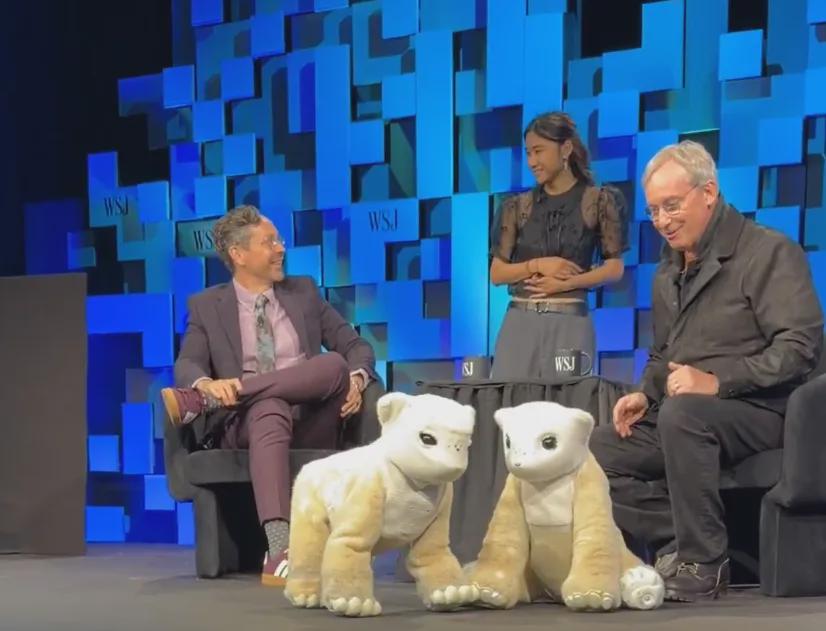
Colin Angle's Second Startup: This Time, Robots Don't Do Housework
Colin Angle, the founder of iRobot and the mind behind the Roomba, has unveiled his latest innovation, a robot named Familiar, which is designed to provide companionship rather than perform household tasks. This launch comes at a time when the demand for emotional support robots is increasing, driven by a growing awareness of loneliness in society. Familiar seeks to address this emotional need by offering a non-judgmental presence, distinguishing itself from traditional pets that often come with specific care expectations. The introduction of Familiar marks a significant shift in the robotics market, as it embraces the role of a supportive companion in an era where social isolation is becoming more prevalent.
Companion Robots AI Emotional Support Technology Robotics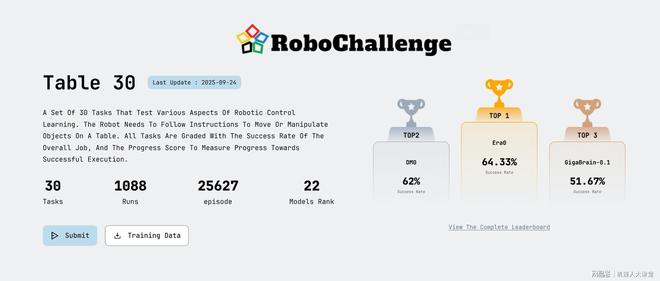
"Star Motion Era Wins RoboChallenge Championship! First Place in 17 Household Chores"
Star Motion Era has emerged victorious at the RoboChallenge Championship, clinching first place in a competitive field by excelling in 17 different household chores. The event took place recently, showcasing innovative robotic technologies designed to assist with everyday tasks. This achievement highlights the advancements in automation and artificial intelligence, demonstrating how robots can effectively perform various chores, thereby enhancing convenience in domestic settings. The team's success reflects their commitment to pushing the boundaries of robotics and their potential impact on daily life.
Robotics Automation AI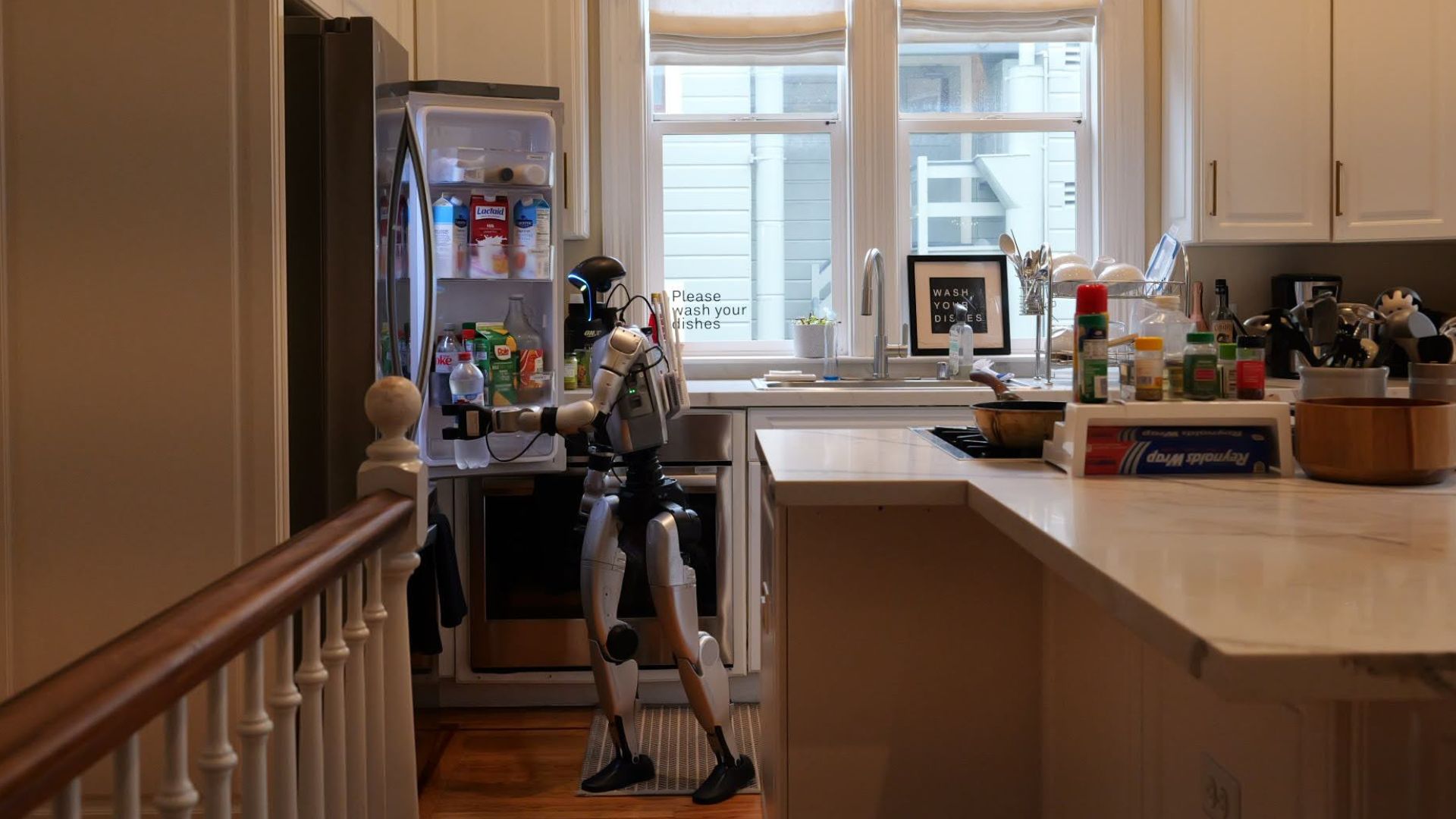
First-in-US: Gatsby’s humanoid robot performs home cleaning service for client
A groundbreaking innovation in household chores has emerged with the introduction of a new robotic assistant designed to streamline daily cleaning tasks. This advanced device, crafted from brushed aluminum, is equipped with iOS compatibility, allowing users to control it seamlessly through their smartphones. The launch of this technology is set for November 2023, with demonstrations taking place at a prominent tech expo in San Francisco. The motivation behind this development stems from the increasing demand for smart home solutions that enhance convenience and efficiency in busy households. By integrating artificial intelligence and machine learning, the robotic assistant learns user preferences and adapts its cleaning routines accordingly, promising a personalized experience for each home. The creators of this innovative product aim to alleviate the burden of housework, freeing up valuable time for individuals and families. As the trend towards automation in everyday life continues to grow, this robotic assistant represents a significant step forward in the evolution of home management technology.
Robotics needs a service framework.
RSF defines a common language for robot service capability, lifecycle operations, certification pathways, and service-provider networks.