

Industry Briefing
A single destination for timely, editor-curated robotics news from around the world.
Korben for People Develops Professional Robotics Solutions Amid Labor Shortages
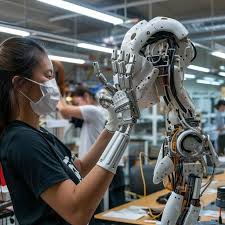
Korben for People, based in Perpignan and Paris, is developing software solutions for service robotics. Founded in late 2024 by Lucas Goumarre, the company addresses sectors facing labor shortages and currently has 250 establishments in France equipped with its solutions. The platform facilitates communication between different brands of robots and coordinates their operations. The significance of Korben for People lies in its innovative approach to assist employees without replacing them, which is crucial in a labor market increasingly challenged by shortages. The company reported a revenue of 5 million euros with an EBITDA of 10% in its last fiscal year. A funding round of 10 million euros is underway to support its development and expansion into Europe and North America, with a revenue target of 15 million euros by 2027. Looking ahead, Korben for People plans to expand its platform to international markets, including potential commercialization to Chinese industries. No further timeline was disclosed at the time of publication.
Pyrénées-Orientales
Europe's Robotics Challenge: Should It Develop Its Own 'Airbus of Robots'?
Europe has established itself with leaders like Airbus in aerospace and has a strong presence in various industries. However, as robotics evolves, the question arises: who will manufacture the robots that will work in factories, warehouses, hospitals, and potentially homes in the future? With advancements in AI, computer vision, and sensors, robots are becoming more versatile, moving beyond strictly industrial applications. This shift is significant as robots are transitioning from being solely industrial investments to becoming a new form of workforce. The U.S. is heavily investing in AI and robotics, particularly in humanoids and Physical AI, while China leverages its robust supply chain to dominate the industrial robotics landscape. The competition is not just about showcasing impressive humanoids but mastering the entire value chain, including components, manufacturing, software, and maintenance. Europe is not absent from the robotics scene, boasting recognized manufacturers, excellent laboratories, and specialized companies. Its substantial industrial base across sectors like automotive, aerospace, logistics, energy, healthcare, and food can serve as real-world testing grounds for the next generation of robots. No further timeline was disclosed at the time of publication.
À la une Humanoide IA Robotique Airbus des robots AMR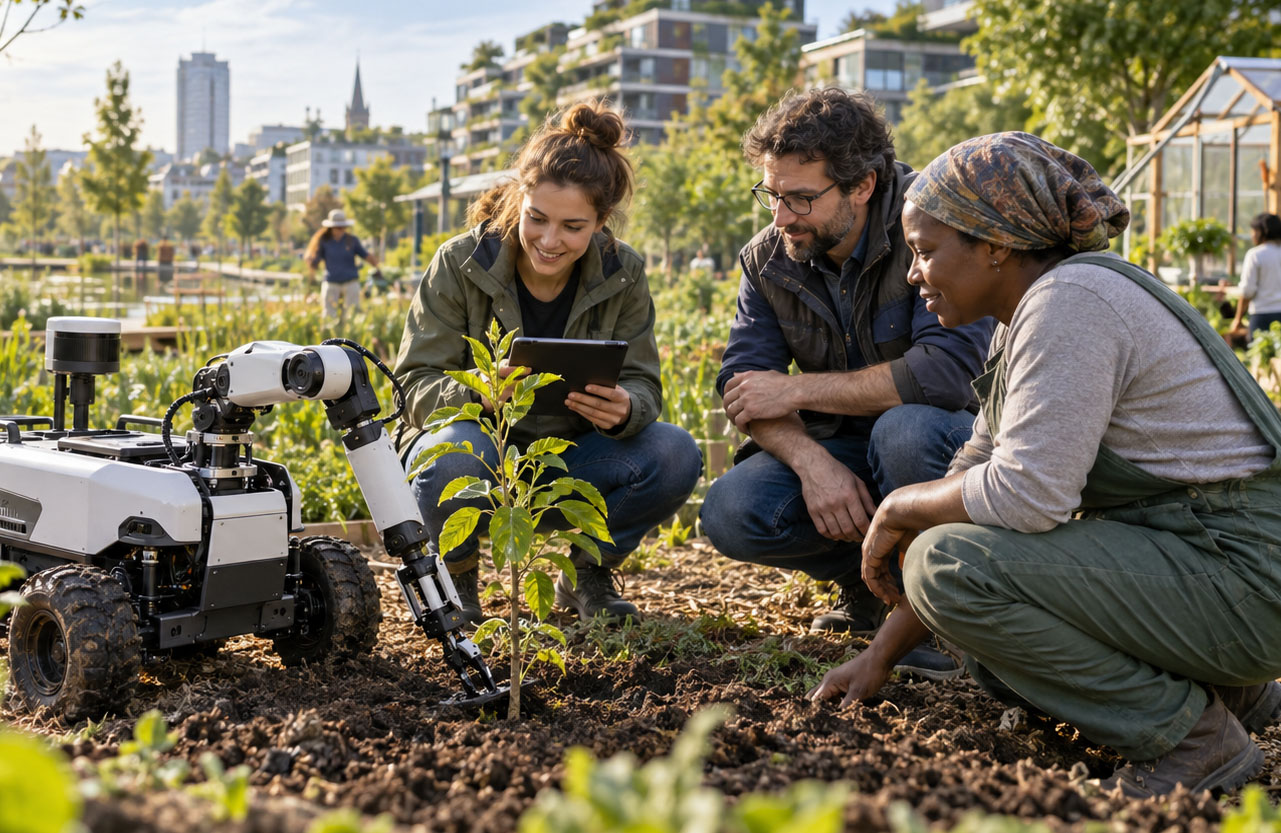
Robotics Must Address Major Ecological and Societal Challenges, Says Catherine Simon
Catherine Simon, an Industrial Digital Advisor at the General Secretariat for Investment, discusses the significant transformations in the robotics industry, from the era of Innorobo to the rise of Physical AI. She emphasizes the potential of service robotics across various sectors, including healthcare, logistics, and agriculture, highlighting its evolution from specialized industrial tools to a General Purpose Technology. The rapid advancement of generative AI and Physical AI is fundamentally changing robotics, moving it beyond niche applications and technological demonstrations. Simon argues that France and Europe have the potential to become global leaders in robotics by adopting a demand-driven strategy that focuses on addressing urgent economic and environmental needs, rather than merely pushing technological advancements. Looking ahead, Simon suggests that identifying promising markets where the demand for robotics is both urgent and substantial will be crucial. France and Europe can leverage a robust industrial ecosystem that includes international corporations, innovative SMEs, and top-tier research laboratories to ensure a seamless transition from innovation to practical applications in the robotics sector.
À la une Humanoide IA Interview Robotique Santé
Hebbian Robotics Releases HFlow 0.2.4 for Robotic Data Quality Control
Hebbian Robotics has launched HFlow 0.2.4, a preliminary version of its open-source tool aimed at robotic data quality control. The software organizes videos, joint states, actions, and timestamps used for training models, while tracking transformations applied to each episode. Robotic teams often accumulate recordings from cameras, sensors, and commands that do not share the same clock, which can degrade learning without visible errors. HFlow aims to replace scattered scripts with a reproducible, observable, and queryable pipeline. It uses MCAP as the primary input and output format, which is natively utilized by ROS 2, and can integrate images, states, actions, and other time series. The latest version also adds support for importing datasets in LeRobot v3 format. Each processing step can execute transformations, checks, annotations, or enrichments written in Python, allowing teams to trace the code that produced an episode and compare versions of checks. The project’s success will depend on its adoption by teams already using ROS 2, MCAP, or LeRobot. HFlow addresses a significant issue: a robotic model cannot sustainably compensate for desynchronized, incomplete, or irreproducible data. By making these defects measurable and auditable, HFlow seeks to shift quality control earlier in the learning pipeline.
Robots
Study Highlights Physical Risks from AI Errors in Human-Robot Interactions
A study published in 2025 examined 303 accidents related to human-robot interactions, revealing unexpected activations and sensor errors. As Physical AI evolves, AI errors are transitioning from digital to physical realms, posing significant risks. Unlike previous AI mistakes, which were largely confined to digital outputs, errors in robotic systems can lead to real-world consequences, where a minor miscalculation can result in serious incidents. This research, featured in the journal Safety Science, categorized incidents into seven major types, with a focus on unexpected robot activations and sensor inaccuracies. These findings underscore the urgent need for advancements in Physical AI to enhance robots' environmental perception and decision-making capabilities. As robots increasingly operate in physical spaces, ensuring their reliability and safety becomes paramount. Looking ahead, the development of Physical AI will be critical in addressing these challenges. The integration of cameras, proximity sensors, vision systems, contextual data, and AI models is essential for enabling robots to accurately perceive their surroundings before taking action. No further timeline was disclosed at the time of publication.
À la une Humanoide IA Robotique Accidents robotiques Capteurs robotiques
INNOROBO by SIDO: A Key Event for Augmented Robotics and Physical AI
INNOROBO, integrated into the SIDO Lyon exhibition since 2023, has become a significant event focused on augmented robotics, autonomous systems, and physical AI technologies. Acquired by SIDO in 2018, the event aims to showcase the potential of robotics in various sectors, driven by advancements in generative AI and deep learning. The importance of INNOROBO lies in its ability to unite key players in the robotics value chain, addressing the technological convergence of smart sensors, 2D/3D vision, voice recognition, Edge AI, and SLAM navigation. The event attracts a diverse audience, including decision-makers, industry professionals, and executives, reflecting the growing adoption of robotics beyond traditional manufacturing. Scheduled for September 16-17, 2026, at the Centre de Congrès de Lyon, INNOROBO will feature a strategic conference cycle led by experts discussing current technological shifts. Attendees can expect insights into the role of generative AI in transforming robots into intelligent agents, practical use cases of cobotics, and challenges related to cybersecurity and ethical integration in enterprises. No further timeline was disclosed at the time of publication.
À la une Humanoide IA Industrie Robotique AGV
Robotics Revolutionizes Precision in Cataract Surgery with Advanced Technologies
Cataract surgery, long regarded as one of the most mastered surgical procedures, is entering a new phase with the introduction of robotics and high-precision lasers. Innovative platforms like the Polaris robot and solutions developed by Keranova assist surgeons with unmatched precision, enhancing the safety of the procedure. Robotic systems can achieve movements as precise as 5 microns, significantly improving surgical accuracy on delicate ocular structures. The integration of robotics in cataract surgery exemplifies the convergence of artificial intelligence, medical robotics, and high-precision imaging. While these technologies are still being deployed in many facilities, they herald a new generation of safer, more reproducible, and personalized ophthalmic surgery. With cataract surgery being the most performed surgical procedure globally, the demand for improved surgical productivity is critical, especially as the aging population increases the number of required interventions. As robotic platforms and next-generation lasers become more mature and accessible, they have the potential to transform the management of millions of cataract patients worldwide. The World Health Organization reports that cataracts affect over 94 million people, making advancements in surgical technology vital for addressing disparities in access to care, particularly in regions like sub-Saharan Africa.
À la une IA Industrie Robotique Santé automatisation médicale
Samsung's Strategic Approach to Next-Generation Robotics Unveiled
Samsung is methodically preparing for its entry into next-generation robotics, focusing on a structured strategy rather than flashy demonstrations. The South Korean conglomerate views robotics as the culmination of decades of investments in electronics, semiconductors, AI, and IoT, positioning itself as a potential leader in the upcoming industrial revolution. The company's extensive background in autonomous mobility, sensors, computer vision, and intelligent assistants highlights its commitment to creating an ecosystem where robots seamlessly integrate into the existing digital environment. Samsung's vertical integration allows it to produce essential components for modern robotics, giving it a strategic advantage in a sector reliant on external suppliers. Samsung's approach emphasizes enhancing user experiences through existing applications rather than developing robots first. The introduction of Ballie, a mobile assistant designed to interact with smart home devices, exemplifies this philosophy. The partnership with Rainbow Robotics further accelerates Samsung's robotics capabilities, leveraging expertise in bipedal locomotion and autonomous mobile robots, signaling a significant shift in the company's technological landscape.
À la une IA Industrie Robotique AMR Ballie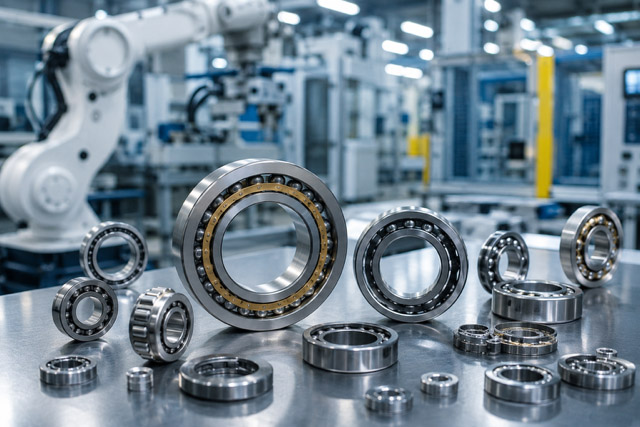
Will Component Suppliers Be the True Winners in Robotics Industry?
As attention focuses on companies like Tesla and Agility Robotics, a crucial battle is unfolding in the robotics sector: the competition for components. This less visible yet significant struggle highlights that the ultimate beneficiaries may not only be the manufacturers of final products but also the suppliers of essential technologies that power robots across various designs and applications. Morgan Stanley emphasizes this perspective, suggesting that the companies providing critical components for robots will play a pivotal role in the industry's future. Historical economic trends indicate that technological revolutions often favor infrastructure suppliers, as seen during the gold rush and the rise of AI, where companies like NVIDIA and TSMC emerged as key players. Among the vital components, precision bearings are particularly important, as they are necessary for every joint, motor, and rotating mechanism in robots. Advanced humanoid robots can incorporate over 70 bearings, which are essential for ensuring precision, durability, and reduced friction in their movements. No further timeline was disclosed at the time of publication.
À la une IA Industrie Robotique actionneurs robotiques caméras industrielles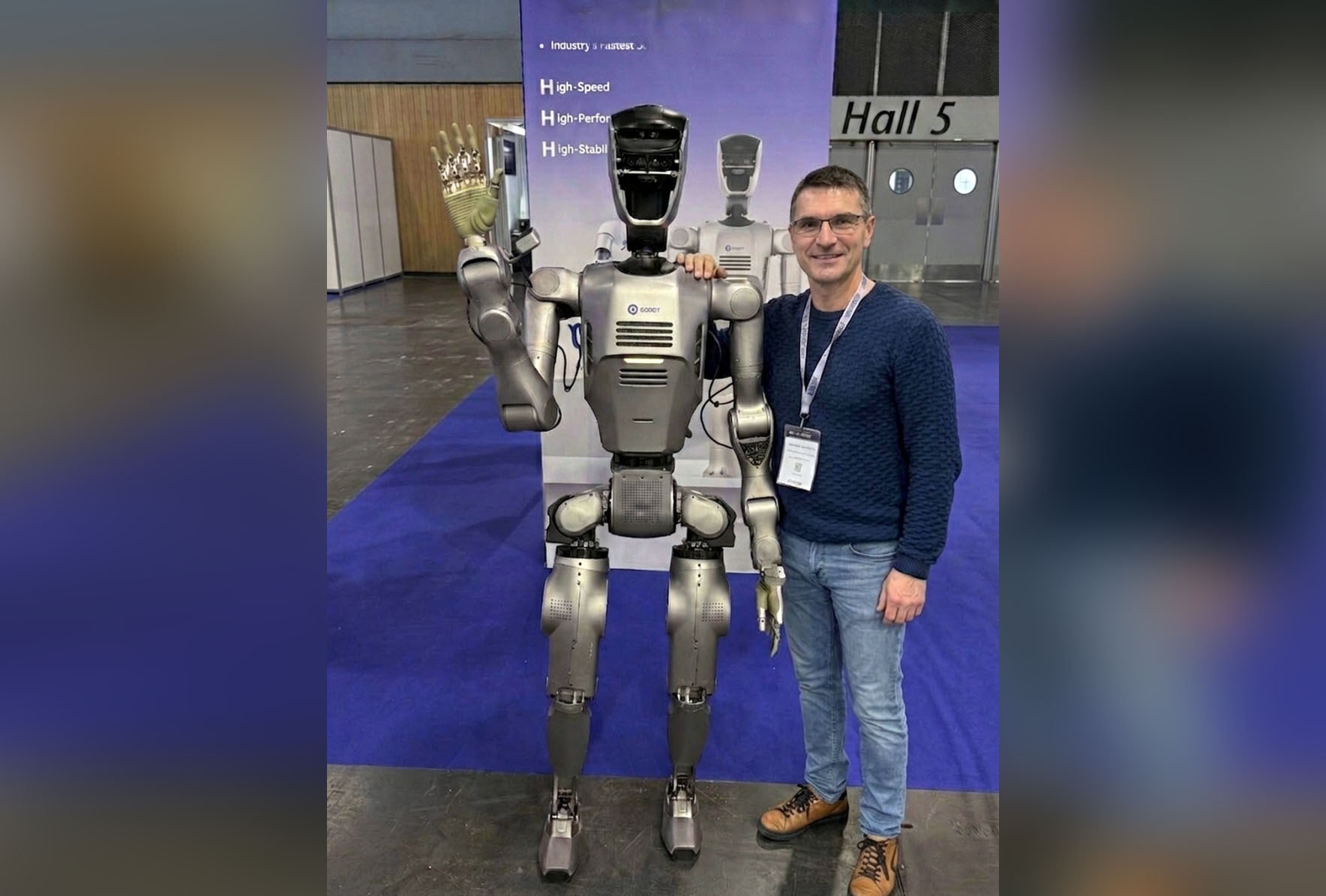
Le vrai défi de la robotique n’est pas technique
On April 16, 2026, Dominique Carricart, a field expert, highlighted the critical challenge facing industries amid the rapid advancement of industrial robotics and the rise of humanoid robots. While companies often prioritize technological performance, Carricart emphasizes that the real issue lies in human acceptance and the integration of teams. His insights suggest that successful implementation of robotics goes beyond technical capabilities, requiring a focus on how workers adapt to and collaborate with these new technologies. This perspective sheds light on the importance of fostering a supportive environment for both employees and robots in the evolving workplace. The article, titled "The Real Challenge of Robotics is Not Technical," was featured in Robot Magazine.
À la une Industriel Robotique Accompagnement au changement cobotique compétences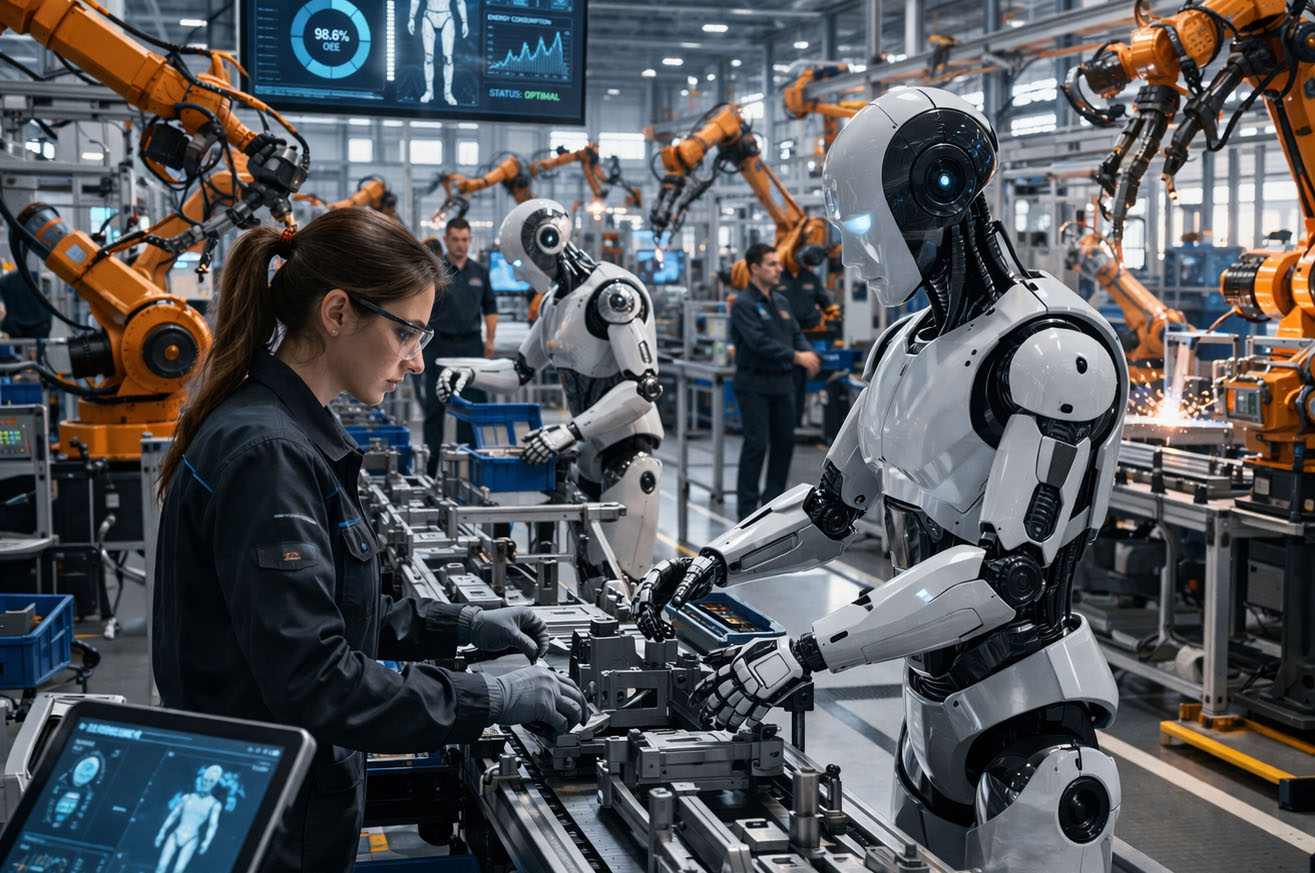
Robotique humanoïde : Le vrai défi n’est plus la technologie, mais le passage à l’échelle
For years, humanoid robotics was viewed primarily as a technological challenge, focusing on the development of machines capable of walking, manipulating objects, and interacting with their surroundings. However, by 2026, this perspective has shifted significantly. The main bottleneck in the market is no longer the mechanical or software capabilities of these robots, but rather the transition to scaling their production and integration into various sectors. This evolution highlights a critical change in the robotics landscape, indicating that the future of humanoid robots will depend more on their widespread adoption and practical application than on further technological advancements. The insights were shared in an article by Robot Magazine, emphasizing the need for the industry to adapt to this new reality.
À la une Alimentation Industriel Robotique automatisation Déploiement Industriel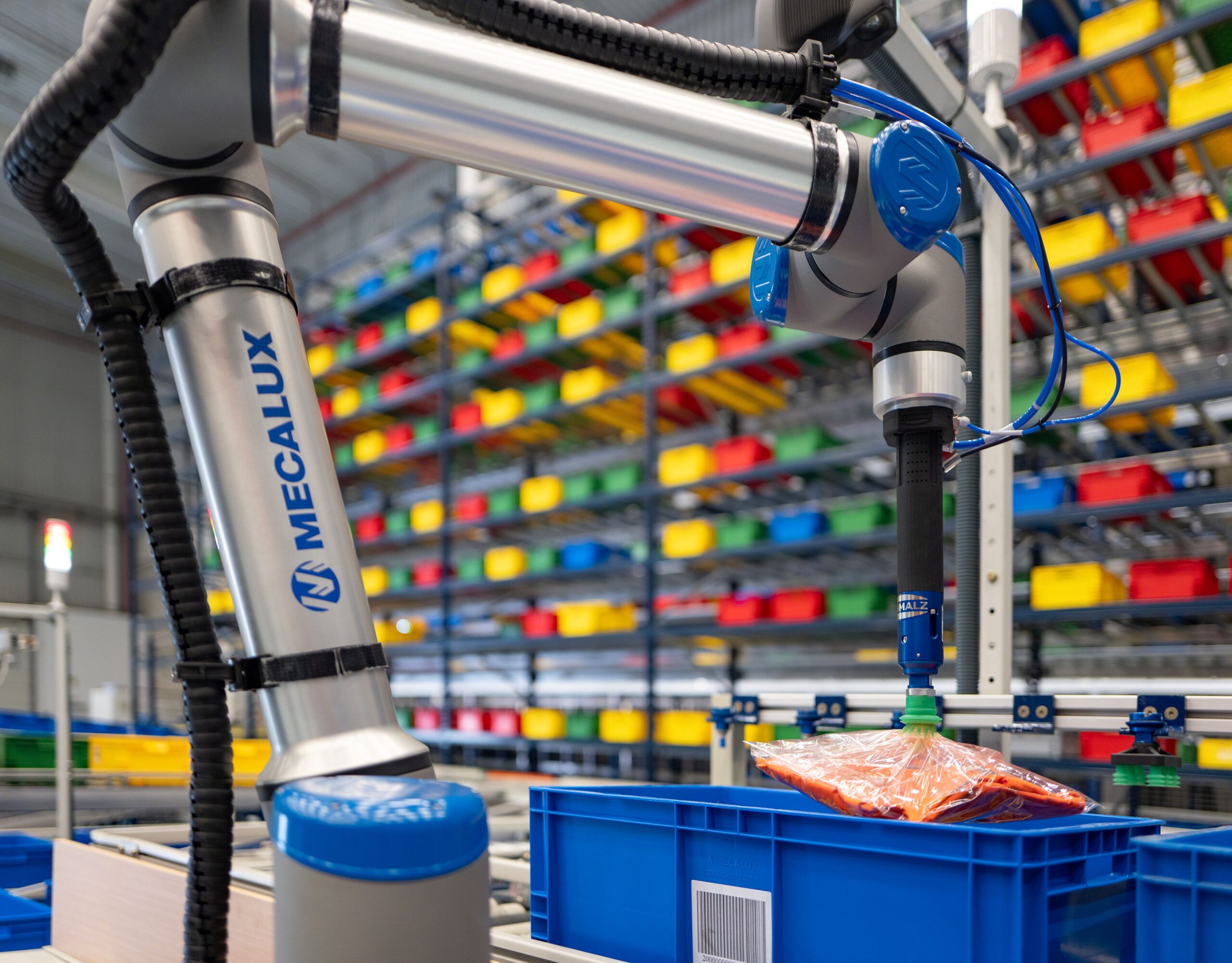
Siemens et la robotique : comment le géant allemand redéfinit l’usine intelligente
Siemens, the German conglomerate established in 1847, is playing a crucial yet often overlooked role in the transformation of industrial factories, particularly in the realm of robotics. While companies like ABB, FANUC, and KUKA are well-known for manufacturing industrial robots, Siemens focuses on redefining smart factories through its innovative technologies. The company does not produce robots directly but contributes significantly to the automation and efficiency of manufacturing processes. This shift towards smarter, more integrated factory systems is reshaping the landscape of industrial robotics, highlighting Siemens' influence in an area typically dominated by traditional robot manufacturers. The insights into Siemens' impact on industrial robotics were discussed in a recent article featured in Robot Magazine.
À la une Actualités IA Industriel Robotique automatisation industrielle.Robotics needs a service framework.
RSF defines a common language for robot service capability, lifecycle operations, certification pathways, and service-provider networks.
Join the RobotToday community on LinkedIn
Daily robotics news, in-depth analysis, conference highlights, and discussions with professionals worldwide.







