Industry Briefing
A single destination for timely, editor-curated robotics news from around the world.
OpenAI's Robotics Evolution: From Early Innovations to Future Humanoid Developments
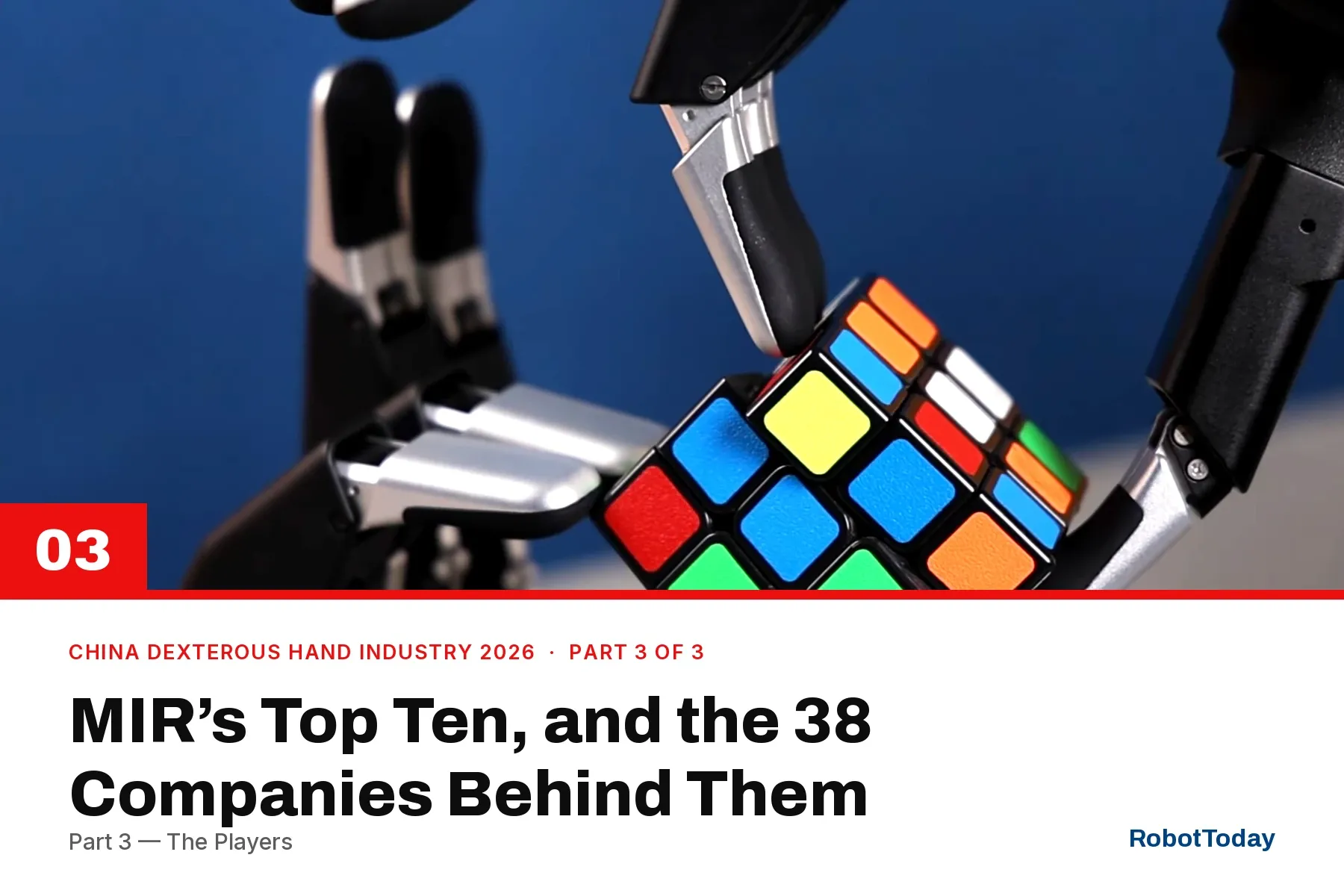
In 2019, OpenAI released a video showcasing a robotic hand solving a Rubik's Cube. On September 2, 2026, CEO Sam Altman confirmed in a podcast that the company will develop humanoid robots, alongside other forms. Over nine years, OpenAI has revisited robotics three times: initially building robots, then investing in them, and now returning to hands-on development. The significance of humanoid robots lies in their ability to adapt to a world designed for humans, as Altman noted. While OpenAI is optimistic about the home market, it is not an immediate priority. The company has recently made headlines with a $122 billion funding round and plans for an IPO, alongside the establishment of the OpenAI Robotics team, which aims to build a complete hardware team from scratch. Looking ahead, OpenAI's recent hiring efforts indicate a commitment to developing robotics capabilities, with positions covering various technical areas. The company’s advancements in AI, particularly with the release of GPT-6 Astra, are seen as crucial for the future of robotics. No further timeline was disclosed at the time of publication.
Humanoid Robots Robotics Development AI Technology Reinforcement Learning
Advancements in Robotics for Crop Pollination and Future Directions
Recent developments in robotics for crop pollination have been highlighted in the Journal of Field Robotics. These advancements aim to address the declining bee populations and ensure effective pollination in agricultural practices. The significance of these robotic solutions lies in their potential to enhance crop yields and maintain food security. As traditional pollinators face threats, the integration of robotics into agriculture could provide a sustainable alternative for pollination. Looking ahead, it will be crucial to monitor the ongoing research and deployment of these robotic systems in various agricultural settings. No further timeline was disclosed at the time of publication.
SURVEY ARTICLE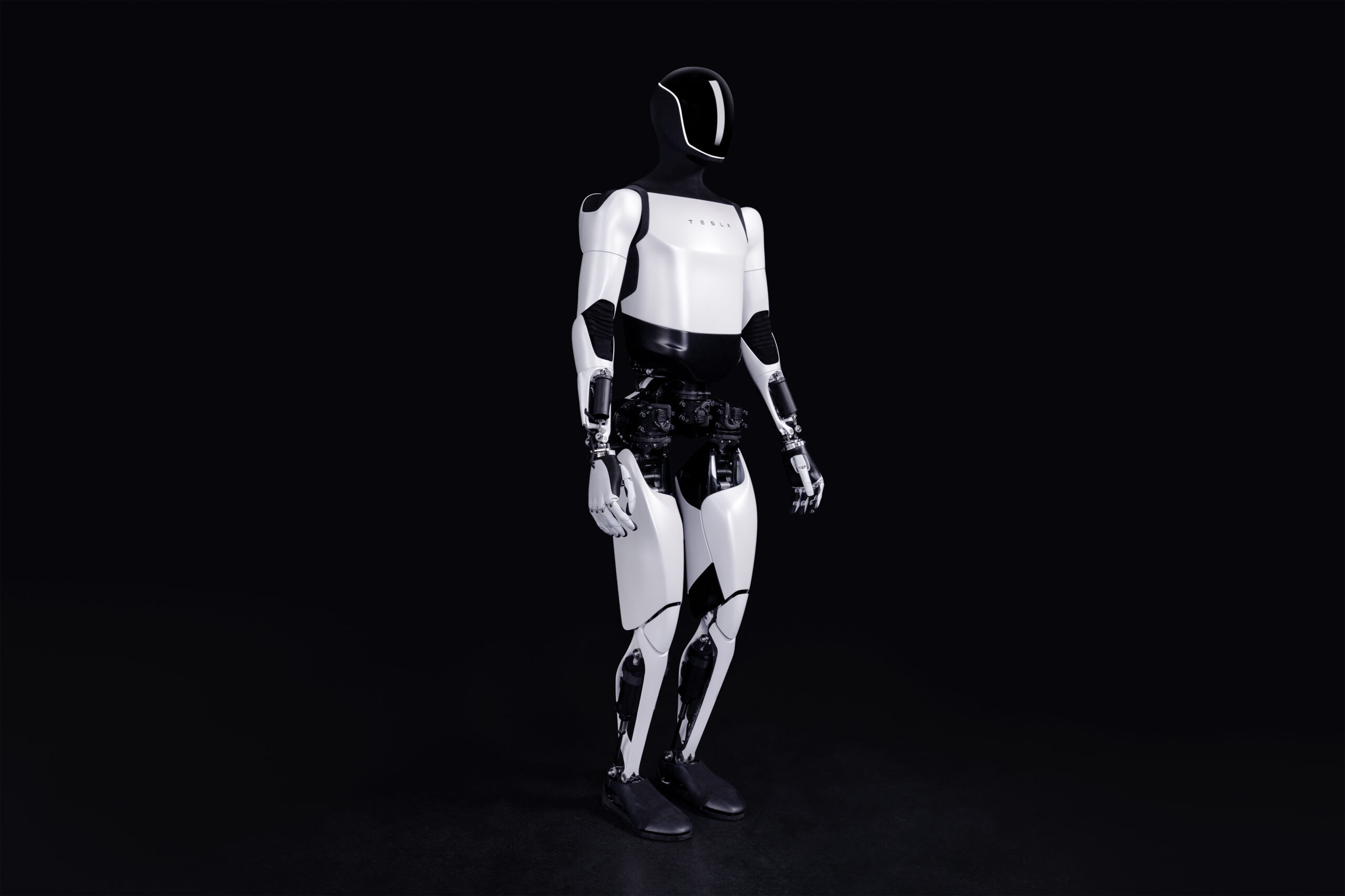
Exploring the Role of Humanoid Robotics in Future Warehouse Operations
As of August 2026, the potential for humanoid robots in UK and European warehouses is being scrutinized. Despite the excitement surrounding humanoid automation, experts like Russell Hutchinson from Daifuku express skepticism about its immediate practicality in warehouse settings. The challenges of increasing order complexity and unpredictable customer behavior highlight the need for adaptable solutions. The historical context of automation failures, such as General Motors' costly robotics experiment in the 1980s, serves as a cautionary tale. While humanoid robots like Tesla's Optimus 3 attract attention, their high costs and unproven effectiveness in warehouses raise concerns. Human labor remains the most flexible resource, capable of adapting to sudden changes in order patterns, although it has its limitations in scalability and consistency. Looking ahead, the focus should shift from merely adopting new technologies to enhancing operational elasticity. Daifuku's SOTR-S system exemplifies the need for dynamic capacity adjustment in fulfillment operations. As the industry evolves, it will be crucial to balance innovation with proven technologies to meet the demands of modern warehousing.
Automation Systems and Shuttles Jobs and Training Magazine Features Materials Handling Packaging and Ecommerce Robotic Picking
Investor Insights on the Future of Consumer Robotics: Embracing Specialization Over Generalization
Amber Atherton, an early-stage investor and partner at Patron, argues that the future of consumer robotics will not revolve around a single humanoid robot. Instead, she believes that the market will favor specialized devices that excel at specific tasks, similar to how consumers prefer dedicated appliances for cooking or cleaning. Atherton highlights the success of products like the Roomba, which has thrived by focusing on a singular function. She envisions a future where homes are filled with beautifully designed robots, each responsible for a particular daily ritual, rather than one all-encompassing machine. This shift reflects a broader trend in consumer preferences towards specialization in home technology. Looking ahead, Atherton anticipates the emergence of numerous embodied AI products that will seamlessly integrate into daily life. She emphasizes that consumers may not identify these devices as robots, but rather as essential tools that enhance their routines, thereby transforming the perception of robotics in the home environment. No further timeline was disclosed at the time of publication.
Design Features Investments AI robots amber atherton consumer robotics
Faraday Future Secures Independent Financing for Robotics Division Amid Market Challenges
Faraday Future (FF) has announced a strategy to independently finance its robotics business, aiming to restore its market value to levels seen at its 2021 Nasdaq listing. The company has locked the minimum conversion price of existing convertible notes at no less than $5 per share, signaling its intent to prevent further stock dilution. This move is crucial as FF addresses long-standing concerns about its capital structure's transparency by committing to weekly updates on the status of convertible debt conversions. The company anticipates that as it gradually manages its convertible debt, its capital structure will improve. The most significant aspect of this strategy involves exploring independent financing and a future public listing for its robotics division. FF aims to reduce its total debt from $230 million to below $100 million over the next three to four quarters, with new financing primarily directed towards the robotics sector. The success of this initiative is vital for FF's goal of increasing its market value from under $200 million back to $4.5 billion by 2025, contingent on the robotics business's performance.
Robotics Capital Financing Market Valuation Debt Reduction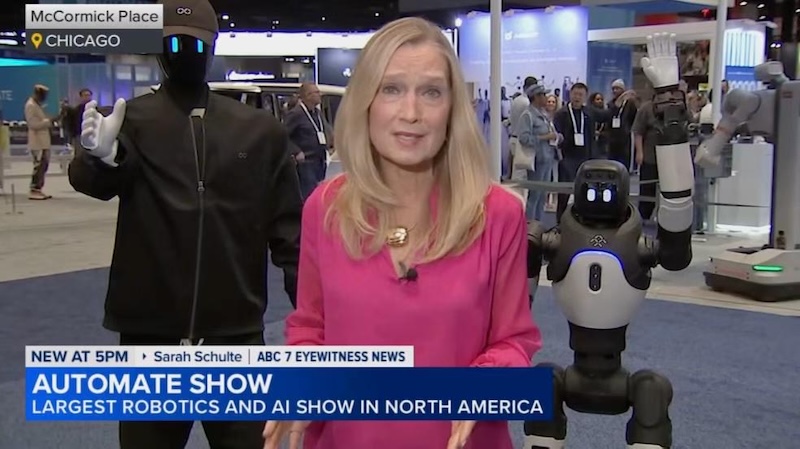
Faraday Future's FFAI Accelerates Robotics Expansion and Exceeds Shipment Goals at Automate 2026
Faraday Future's AI subsidiary, FFAI, announced its accelerated expansion into commercial robotics at Automate 2026 in Chicago. The company showcased its 'one brain, multiple forms' robotics platform and revealed that June robot shipments are expected to exceed 100 units, bringing total first-half deliveries to over 220 units, surpassing its initial target ahead of schedule. This milestone is significant as it marks FFAI's transition from an education-focused robotics business to industrial automation, targeting commercial deployments across manufacturing, logistics, and research. The company presented a range of robotics products, including the All-New Futurist humanoid robot and the FF Faber mobile manipulator series, highlighting its commitment to integrating advanced AI technologies into various applications. Looking ahead, FFAI outlined a broader strategy focused on an open embodied AI ecosystem, which includes its EAI Brain software platform and an EAI Data Factory for operational data collection. No further timeline was disclosed at the time of publication.
Artificial Intelligence Events News ai All-New Futurist Automate 2026
Beijing Humanoid Robotics Showcases 3D Solutions at WAIC to Enhance Future Productivity
On July 17, the 2026 World Artificial Intelligence Conference (WAIC) commenced in Shanghai, focusing on embodied intelligence and digital industrialization. Beijing Humanoid Robotics unveiled its 3D solutions, emphasizing a new industry standard of 'technology with warmth, rapid deployment, and broad industry application.' The company aims to transition humanoid robots from experimental settings to real-world applications, addressing industry challenges such as high customization costs and lengthy development cycles. The introduction of these 3D solutions is significant as it targets core operational needs in commercial, industrial, energy, inspection, and logistics sectors. By focusing on three specific areas—Dirty, Dangerous, and Dull tasks—Beijing Humanoid Robotics aims to replace manual labor in high-risk and repetitive jobs, thereby enhancing productivity across various fields. This marks a shift towards a more systematic and standardized approach in the embodied intelligence industry. Looking ahead, the company plans to continue developing its technology and solutions, inviting global partners to collaborate in building a new ecosystem for embodied intelligence. No further timeline was disclosed at the time of publication.
Humanoid Robots Industrial Automation AI Solutions Robotics Technology
Regional Round of National Robotics Awards at RoboUnity Selects Three Finalists for FuturePulse 2026
The regional round of the National Robotics Awards took place at RoboUnity in Theater De Omval, showcasing the collaboration between education, research, business, and society in robotics and AI. The event highlighted the growing strength of regional cooperation within the Dutch robotics ecosystem, attracting numerous visitors and inspiring demonstrations. Three projects were selected by an expert jury to represent their regions in the national finals of the National Robotics Awards, set to occur during FuturePulse 2026 at the Evoluon. The finalists will compete for the top honor in the Dutch robotics sector, where the overall winner will be announced on the main stage. The winners of the regional round include Stormcatch BV for their innovative digital robot passport, Project ECHO from RSA Delft for an open-source humanoid robotics platform, and the RoboSub team from Hogeschool Utrecht for their autonomous underwater robots. The national finals will bring together these innovators to present their work to a diverse audience of professionals, researchers, investors, policymakers, and students.
Nieuws algemeen Future Pulse Humanoids Automatisering
Leading Research Institutions Unite to Advance Soft Robotics and Physical AI
In recent years, advancements in large models have enhanced machines' language, visual, and reasoning capabilities. Concurrently, robotics is transitioning from traditional rigid systems to more flexible, perceptive forms. A significant intersection is emerging between Physical AI and Soft Robotics, prompting a shift in focus towards integrating materials, structures, mechanics, and perception systems into robotic intelligence. In 2026, the prestigious journal ACS Nano will publish a collaborative article by 37 scientists from 28 global research institutions, including Nanyang Technological University, Hebrew University of Jerusalem, MIT, ETH Zurich, Tsinghua University, Cornell University, and Northwestern University. The article, titled "Emerging Frontiers and Technological Challenges in Soft Robotics," will explore the paradigm shift in soft robotics and outline key scientific questions and technological challenges for the future. This article not only serves as a roadmap for soft robotics technology but also points towards a broader future of Embodied Physical Intelligence, where the body itself becomes part of the intelligence. The research framework connects fundamental scientific questions with cutting-edge studies in soft robotics, focusing on issues related to intelligence, perception, functionality, and adaptability, which are crucial for overcoming key technical challenges in deployment and integration.
Soft Robotics Physical AI Adaptive Systems Machine Learning Biomimicry
Faraday Future's Jia Yueting Announces Independent IPO Plans for FF Robotics Amid Financial Challenges
On August 17, Jia Yueting, founder of Faraday Future (FF), announced that the company's robotics division has entered a new phase of rapid revenue growth. FF is actively exploring independent financing and an IPO for its robotics business to alleviate the burdens of historical debts from its automotive sector. The urgency for this separation is underscored by stark financial contrasts. FF's financial report for the first half of fiscal year 2026 revealed total revenues of only $134.8 million, a staggering 99.93% decline year-over-year, with a net loss of $74.9 million. In contrast, the robotics division has shown promising performance, with an average gross margin exceeding 30% and 220 EAI robots delivered in the second quarter, generating $836,000 in revenue, a year-over-year increase of over 1400%. Looking ahead, FF Robotics aims to expand its market presence in California, Texas, New York, and the East Coast, targeting a total of 2,000 units shipped by year-end. The company is also focused on enhancing its technology integration with Nvidia and developing industry solutions across education, industrial, and security sectors. No further timeline was disclosed at the time of publication.
Robotics Automotive IPO Financial Strategy
Emerging Trends in Humanoid Robotics and Mobile Manipulators
Over the past year, humanoid robotics and software startups have gained significant attention, attracting billions in investments. While some humanoid robots are undergoing commercial trials, semi-humanoid and non-humanoid mobile manipulators are already being deployed in factories and warehouses, showcasing advancements in locomotion and manual dexterity. The importance of this development lies in the ongoing improvements in power management, perception capabilities, and AI data processing. Industry experts have emphasized the need for reliable and secure humanoid robots, especially in public-facing roles, as highlighted by Lattice Semiconductor's recommendations for developers. Looking ahead, the 2026 Robotics Summit & Expo will address the challenges of advancing these technologies. Discussions will include insights from leaders like Jan Zizka of Brightpick, who is exploring the integration of autonomous mobile robots with manipulator arms. No further timeline was disclosed at the time of publication.
Arms / Manipulators eBooks Humanoids
Global Robotics Roadmaps: Shaping the Future of Automation and AI
The IEEE Robotics and Automation Society has highlighted the importance of robotics roadmaps in shaping the future of automation and artificial intelligence. These roadmaps are essential for guiding innovation and investment in robotics across various sectors, including manufacturing, healthcare, and agriculture. As societies increasingly rely on robots, the development of adaptable machines capable of learning and interacting with their environments is crucial. National priorities in robotics investment reflect a global race to enhance the capabilities of robots, which will significantly impact labor markets and various industries. Future editions of this series will explore the unique robotics agendas of different countries, examining their priorities, target audiences, and the influence of geopolitical factors on their strategies. No further timeline was disclosed at the time of publication.

Challenges Ahead for RV Reducers in Industrial Robotics Market
Recently, Zhang Yueming, Chief Scientist at Beijing Zhihong Precision Transmission Technology and a professor at Beijing University of Technology, stated that the first phase of domestic replacement for core components of industrial robots has concluded. In the medium and small load sector, represented by RV reducers, domestic alternatives have largely been achieved. However, in high-load scenarios such as automotive manufacturing, foreign brands still hold 80% to 90% of the market share. This shift is significant as it marks a transition from merely having domestic products to focusing on the strength of these products. The ability to define independent technological routes will determine the competitive outcome. According to the Ministry of Industry and Information Technology, revenue from China's robot manufacturing enterprises is projected to exceed 90 billion yuan from January to May 2026, reflecting a 26.9% year-on-year growth, maintaining its status as the world's largest industrial robot market for 13 consecutive years. Zhang revealed that Zhihong Technology has been collaborating with Beijing University of Technology for nearly a decade to pursue forward development, moving away from imitation. Their products have achieved benchmarks against international giants like Nabtesco in key performance indicators. Notably, Zhihong is developing a gear transmission joint module with complete independent intellectual property rights, aiming to create a new category not previously seen overseas. Analysts believe that as domestic brands surpass 50% market share, core component companies must innovate and validate under heavy load conditions to transition from being merely usable to leading the market.
RV Reducers Industrial Robotics Automation Technology Manufacturing Innovation
Arduino's Marcello Majonchi Discusses Qualcomm Acquisition and Future of Robotics
Arduino has transitioned into a new era following its acquisition by Qualcomm, which aims to integrate advanced AI and computing technologies with Arduino's open-source tools. This partnership is expected to enhance the development of intelligent machines, particularly in robotics and edge AI applications. The significance of this acquisition lies in its potential to lower barriers for developers in creating innovative robotics solutions. Marcello Majonchi, Arduino’s chief product officer, emphasizes that this collaboration marks a pivotal moment for robotics, akin to the early days of the Internet of Things, and aims to accelerate the journey from prototype to production. Looking forward, Majonchi identifies robotics, industrial automation, and building and home automation as key growth opportunities for Arduino. He reaffirms the company's commitment to open standards and making advanced technology accessible to a broader community of developers, ensuring that Arduino continues to play a vital role in the evolution of technology.
Computing Design Engineering Features arduino automation
NVIDIA's CEO Jensen Huang Discusses AI and Robotics Market Evolution
During a nearly hour-long conversation at YC Startup School, NVIDIA CEO Jensen Huang discussed entrepreneurship, AI transformation, and management philosophy. He made a surprising assertion that the 'ChatGPT moment' for robotics occurred several years ago, recalling the first time NVIDIA generated a video of finger movements, realizing that AI in the physical world was on the verge of a breakthrough. Huang revealed that NVIDIA's physical AI business, which includes autonomous driving, is nearing a valuation of $10 billion. He predicts this sector will become one of the largest industries globally, with a target of reaching $100 billion in the near future. Huang emphasized that NVIDIA has even open-sourced its autonomous driving stack to support various applications, including agriculture and logistics. Addressing concerns about AI replacing human jobs, Huang countered that while AI may automate specific tasks, it will not eliminate jobs. He cited data showing that while programming tasks are being automated, software engineering positions are growing at a rate of 10% annually. Huang encouraged young people to focus on foundational sciences and develop system thinking skills, which he believes will be essential in the future job market.
Physical AI Robotics AI Transformation Entrepreneurship
DGIST Professor Proposes 'Sustainability Robotics' as a New Academic Field
Professor Sukho Song from DGIST's Department of Robotics and Mechatronics Engineering has introduced the concept of 'Sustainability Robotics.' This new academic field aims to assess robots based on their technical performance as well as their impact on environmental, social, and economic sustainability. The significance of this initiative lies in its holistic approach to robotics, emphasizing the importance of sustainable practices in technology development. By integrating sustainability into the evaluation of robotic systems, the field seeks to foster innovations that contribute positively to society and the environment. Looking ahead, the establishment of 'Sustainability Robotics' could influence future research and development priorities in the robotics sector. No further timeline was disclosed at the time of publication.
Robotics
Advancements in Bioinspired Multimodal Robotics for Versatile Movement Capabilities
Bioinspired multimodal robots are advancing rapidly, aiming to match the versatility of animal movement by integrating flying, walking, swimming, and climbing capabilities. Researchers from Beihang University, Dalian University of Technology, and EPFL are addressing engineering challenges such as limited onboard space and the need for body transformations to facilitate seamless movement. The significance of this research lies in its potential to enhance robot adaptability in diverse environments, allowing for applications like search-and-rescue operations and environmental monitoring. The study proposes five performance metrics to evaluate these robots, focusing on improving overall performance rather than merely adding movement options. Looking ahead, the development of soft materials, flexible structures, and multirobot architectures may enhance future robots' capabilities. The researchers emphasize the importance of advanced algorithms for planning and control to enable effective transitions between movement modes, which is crucial for autonomous decision-making in complex scenarios. No further timeline was disclosed at the time of publication.
AI and Robotics
Microagi Partners with Google Cloud to Advance AI Robotics Development
Microagi, a Munich-based AI startup, has announced a collaboration with Google Cloud to enhance the development of robotics that can understand and interact with physical environments. This partnership will leverage Google Cloud's AI infrastructure alongside the NVIDIA Blackwell platform to process extensive physical datasets and train specialized 'embodied AI' models. This collaboration is significant as it aims to accelerate the capabilities of robotics in real-world applications, enabling them to better navigate and respond to their surroundings. By utilizing advanced AI technologies, Microagi seeks to push the boundaries of what embodied AI can achieve in various sectors. Looking ahead, it will be important to monitor the progress of Microagi's model training efforts and the practical applications of their robotics solutions. No further timeline was disclosed at the time of publication.

LG Electronics Reviews H2 Strategy Focused on AI, Robotics, and Future Growth
LG Electronics held a significant meeting with around 300 executives to discuss its strategy for the second half of the year, emphasizing growth in robotics and AI data center cooling. The meeting, chaired by CEO Lyu Jae-cheol, followed a record first half, with preliminary second-quarter revenue reaching 23.8 trillion won ($16 billion) and an operating profit of 1.58 trillion won. The focus on robotics is particularly notable as LG has established a Robotics Business Center and initiated production of its proprietary Axium robot actuator. The company aims to leverage synergies in robotics, AI data center cooling, smart factories, and AI-powered homes, which Lyu identified as key growth areas that align with the rise of artificial intelligence. Looking ahead, analysts predict that LG's cooling systems for AI data centers could start contributing to earnings within six to nine months. The collaboration with Nvidia is expected to enhance LG's robotics platform, while advancements in robotics may positively impact earnings estimates for 2027. No further timeline was disclosed at the time of publication.
All News
LA High School Students Engage with Real Robotics at Faraday Future Headquarters This Summer
A group of K-12 students in Los Angeles has been hands-on with real humanoid robots and industrial-grade robotic dogs at Faraday Future's headquarters this summer. On July 15, Faraday Future announced that its EAI Robotics Summer Camp, in collaboration with the Lynwood and El Segundo school districts, has entered its second week, alongside a partnership with Triple I, a full-cycle education organization in the U.S. The summer camp is notable for using actual robotics equipment rather than toy kits or computer simulators. Students have worked with Faraday Future's own robots, including the Navi, an educational four-legged robot priced under $2,000, the industrial-grade Aegis, and the humanoid robot Master. The camp employs a five-day progressive learning structure, culminating in students programming and debugging real hardware. Participants have transformed from beginners to capable of autonomous system demonstrations within just one week. Faraday Future's Co-CEO Chen Zhe emphasized the importance of immersive engineering experiences for students and how their feedback aids product iteration and course design. He believes education will be a key application area for scaling consumer robotics in its early stages, as Faraday Future aims to bridge classroom learning with practical experience and home education.
Robotics Education Hands-on Learning Consumer Robotics Programming STEM
Monumental's CEO Discusses Robotics Potential in Construction Industry
In a recent episode of Lexicon, Salar al Khafaji, founder and CEO of Monumental, highlighted the overlooked potential of robotics in the construction industry. He emphasized the challenges of deploying autonomous robots on unpredictable building sites and the need for specialized machines to address rising construction costs and housing shortages. Al Khafaji pointed out that construction has not received the technological attention it deserves, despite its significant economic and social impact. He believes that the industry is vast and underappreciated by tech founders, which is why he pivoted from data visualization to focus on tangible impacts in construction. Monumental has developed autonomous robots capable of transporting materials and constructing brick walls on commercial sites. However, al Khafaji noted that real-world deployment presents unique challenges, such as varying environmental conditions that affect sensors and computer vision systems. No further timeline was disclosed at the time of publication.
AI and Robotics Innovation
Apprenticeships in Logistics: Addressing the Skills Gap for Future Robotics
The logistics sector faces a critical skills gap as the BBC reduces its apprenticeship scheme, highlighting the need for skilled workers in automation and robotics. In England, apprenticeship starts rose by 4.1% in 2024/25, reaching 353,500, with higher-level apprenticeships growing significantly. However, traditional Level 2 apprenticeships are declining, which is concerning for industries requiring hands-on skills. Engineering and technology apprenticeships saw over 100,000 starts in England, yet they remain 9% below 2014/15 levels. The IET reports that 76% of engineering employers struggle to find candidates with essential skills. As the logistics industry evolves, future technicians must be adept in areas like electronics and software to maintain advanced equipment, emphasizing the importance of practical training. Germany's dual vocational training system contrasts with the UK, as it continues to produce skilled workers despite demographic challenges. Companies like STILL are successfully integrating apprentices into their workforce, demonstrating effective workforce planning. As automation advances, ensuring young people have access to practical training in robotics and logistics is vital for the industry's future.
Jobs and Training Apprentice apprenticeships IT logistics maintenance
China's Robotics Evolution: Unitree's Progress and Future Challenges
Unitree, a prominent player in China's robotics sector, is advancing humanoid robots with significant capabilities in locomotion and motion control. Founder Wang Xingxing has acknowledged the ongoing software challenges that need to be addressed for robots to effectively navigate unfamiliar environments and tasks. The importance of this development lies in its potential to reshape the global robotics landscape. While electric vehicles typically export as finished products, the evolution of Chinese robotics may follow a different trajectory, emphasizing the need for robust software solutions alongside hardware advancements. Looking ahead, Wang has projected that a breakthrough in software could occur within two to three years under optimistic conditions, but it may also take up to a decade. This timeline highlights the critical nature of software development in the robotics industry, making it a key area to monitor in the coming years.
Libiao Robotics Enhances Arvato's Fashion Ecommerce Fulfillment with Advanced Sorting System
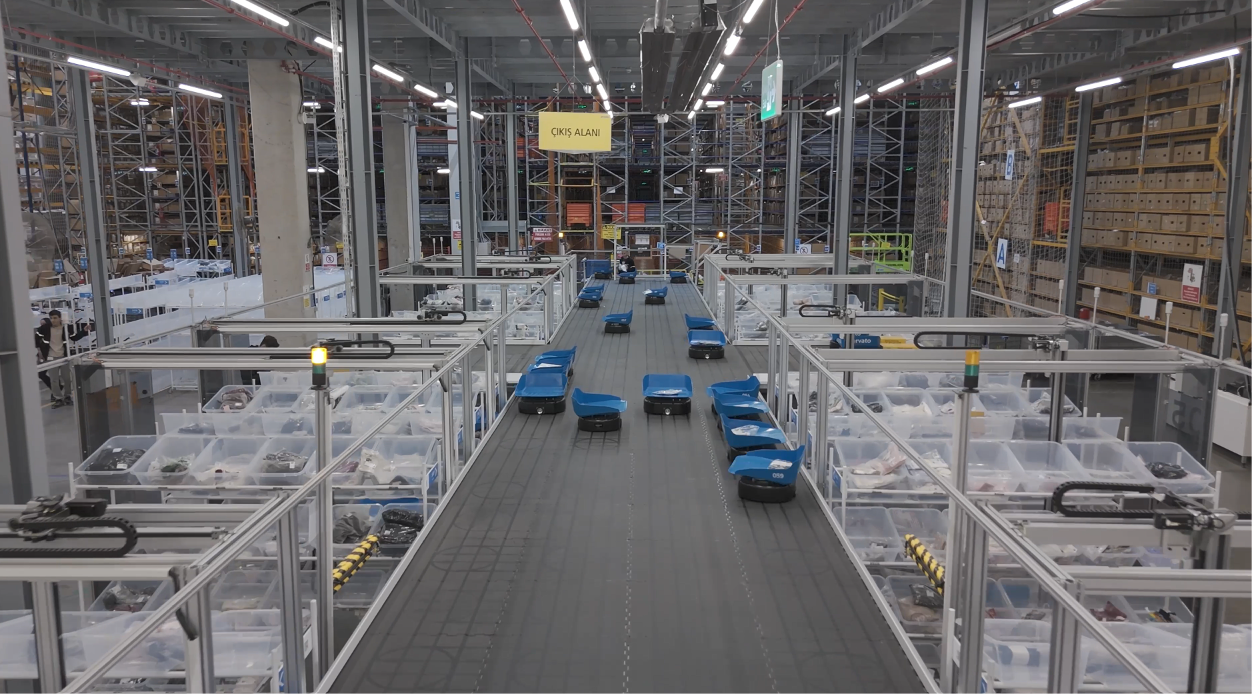
Libiao Robotics has implemented a flexible robotic sorting system for Arvato Türkiye, enhancing its ecommerce fulfillment capabilities at the Platform S distribution center in Istanbul. This investment aims to address the challenges of high SKU counts and fluctuating order volumes in the fashion retail sector. The new modular 3D Sorter features 66 autonomous robots and 14 shuttle induction stations, capable of processing up to 3,700 items per hour. This system not only increases sorting capacity but also allows for greater agility in responding to customer demands, reducing the need for traditional conveyor systems. Looking ahead, the successful deployment of this robotic solution within six months highlights the potential for rapid automation in logistics. As ecommerce continues to grow, Arvato's investment in Libiao's technology positions it to adapt to future demands and maintain competitive advantages in the market.
AMR and AGV Automation Systems and Shuttles Conveying and Sortation eFulfilment Magazine Features Materials Handling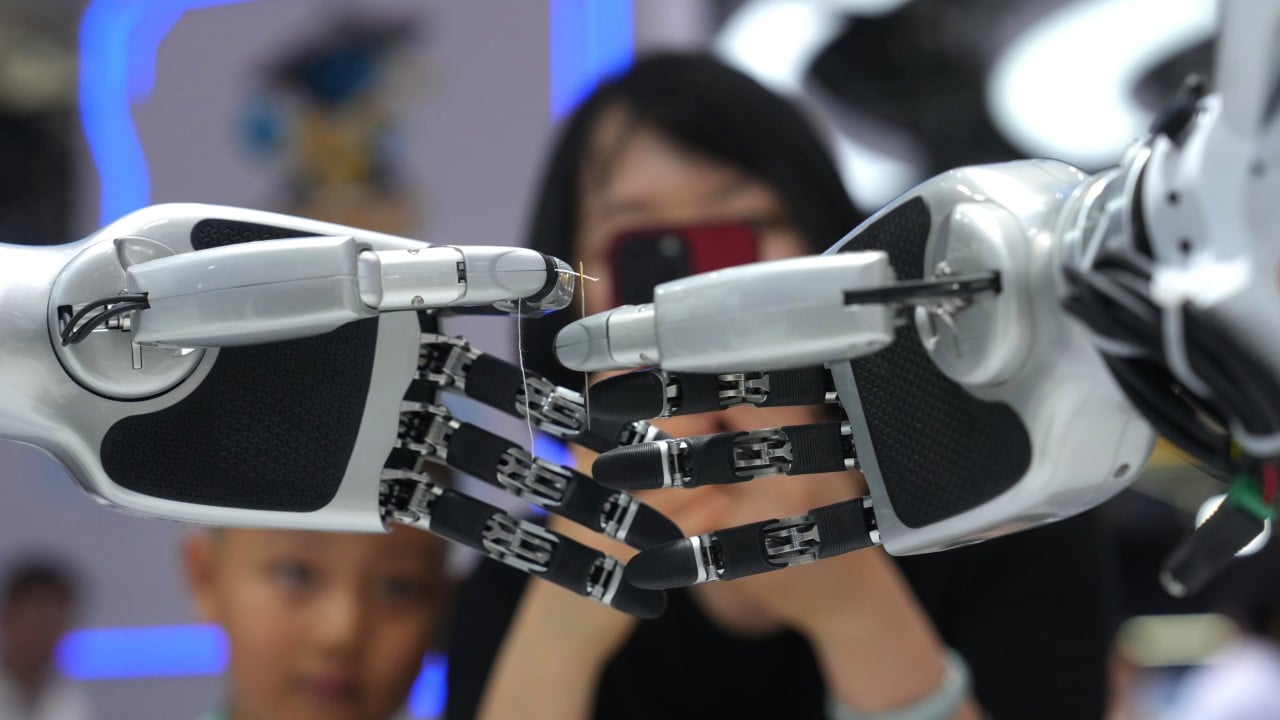
Chinese Robotics Industry Shifts Focus from Humanoid Designs to Practical Applications
The robotics industry is witnessing a transition from showcasing humanoid robots to practical deployments. At Unitree Robotics' booth, bipedal robots demonstrated impressive skills in activities like table tennis and combat, showcasing advancements in speed and balance. However, other exhibitors highlighted robots that efficiently sorted parcels and moved materials, emphasizing functionality over form. This shift is significant as it reflects a growing preference for robots that can perform specific tasks effectively. Yang Li, a senior engineer at X Square Robot, questioned the necessity of bipedal designs, noting that their two-armed WALL-B model sorted 1,816 packages in a controlled test, outperforming the bipedal Figure 03 robot from Figure AI, which managed 1,248 parcels per hour. This trend indicates a move towards more practical robotic solutions in various industries. Looking ahead, the focus on efficiency and task-oriented designs is likely to continue shaping the robotics landscape. With companies like AI2 Robotics showcasing versatile wheeled robots capable of making coffee and ice cream, the industry may prioritize robots that can adapt to different functions over traditional humanoid forms. No further timeline was disclosed at the time of publication.

Xianglu Robotics and Haier Collaborate to Launch CR3, a Fully Automated Home AI Cooking Robot
On July 29, 2026, Xianglu Robotics and Haier Robotics signed a strategic cooperation agreement to jointly launch the CR3, the world's first fully automated home AI cooking robot. This collaboration marks a significant step into the consumer market for AI cooking robots, transitioning from commercial kitchens to home kitchens. The introduction of the CR3 is crucial as it addresses the long-standing barriers that have kept AI cooking robots confined to commercial settings. These barriers include technological advancements, user perception, and cost control. With rapid breakthroughs in AI technology and the robotics industry, Xianglu Robotics aims to evolve the role of cooking robots from assistants to replacements in home kitchens. Looking ahead, the partnership between Xianglu and Haier will focus on enhancing the cooking robot ecosystem, leveraging their respective strengths in technology and market reach. As consumer awareness grows and production costs decrease, the CR3 could become a leading product in the home appliance market, potentially transforming how cooking is approached in households across China.
AI Cooking Robots Home Appliances Robotics Automation Technology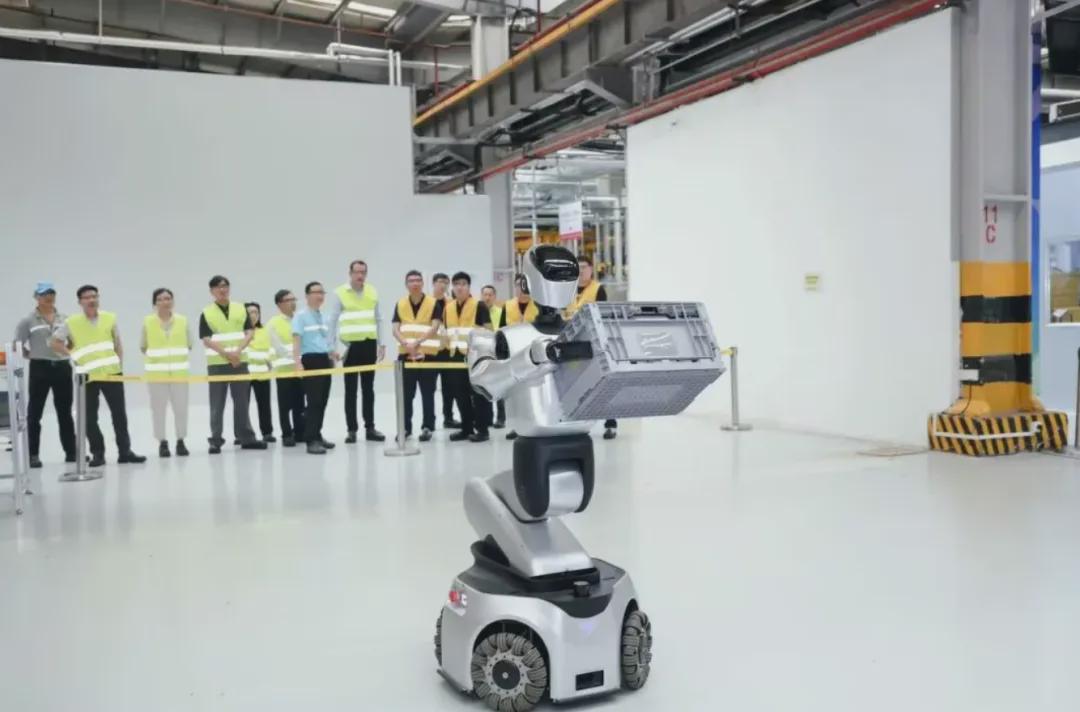
Schaeffler and Hutchinson Forge Partnerships with Robotics Firm Lajuj to Enhance Manufacturing Capabilities
In recent months, French industrial giant Hutchinson has entered into a strategic partnership with Lajuj Robotics, following Schaeffler's similar collaboration. This trend among leading global manufacturers highlights a shift towards embodied intelligence in manufacturing. Despite the proliferation of humanoid prototypes, few have successfully integrated into standard factory operations, making Lajuj's partnerships significant milestones. The importance of these collaborations extends beyond mere agreements; they signify a recognition of humanoid robots as integral to future manufacturing systems. As companies like Schaeffler and Hutchinson align with Lajuj, they are not just validating its technology but also indicating a broader acceptance of humanoid robots in industrial applications. This shift reflects a re-evaluation of production capabilities, moving from traditional automation to more flexible solutions. Looking ahead, the manufacturing sector faces challenges that require adaptability rather than just automation. While traditional robots excel in stable environments, they struggle with the dynamic nature of modern production lines. The ability of humanoid robots to respond to changing conditions will be crucial as manufacturers seek to enhance flexibility and efficiency in their operations. No further timeline was disclosed at the time of publication.
Humanoid Robots Manufacturing Automation Embodied Intelligence Industrial Robotics
Nominations from Overijssel and Gelderland Prepare for National Robotics Awards 2026
Overijssel and Gelderland have announced their nominations for the National Robotics Awards 2026. At FuturePulse 2026, selected nominees will showcase their innovations to a diverse audience of professionals, researchers, investors, policymakers, and students. Following the presentations, the national winners of the National Robotics Awards 2026 will be revealed. Among the nominees is BREiNN from Breman Groep, recognized for its ReBot project, which aims to integrate humanoid robotics into existing production processes. This initiative emphasizes not only technological innovation but also safety and collaboration between humans and robots, allowing skilled workers to focus on tasks that require human expertise. PhD student Camille Buschman from Saxion University is nominated for her research on autonomous security drones and risk-aware path planning. Her work contributes to safe and socially relevant robotic applications, enhancing security inspections and incident detection. As FuturePulse 2026 approaches, the nominations highlight the innovative companies and promising talents in the region, underscoring their contributions to the future of robotics and AI in the Netherlands.
Nieuws algemeen Humanoids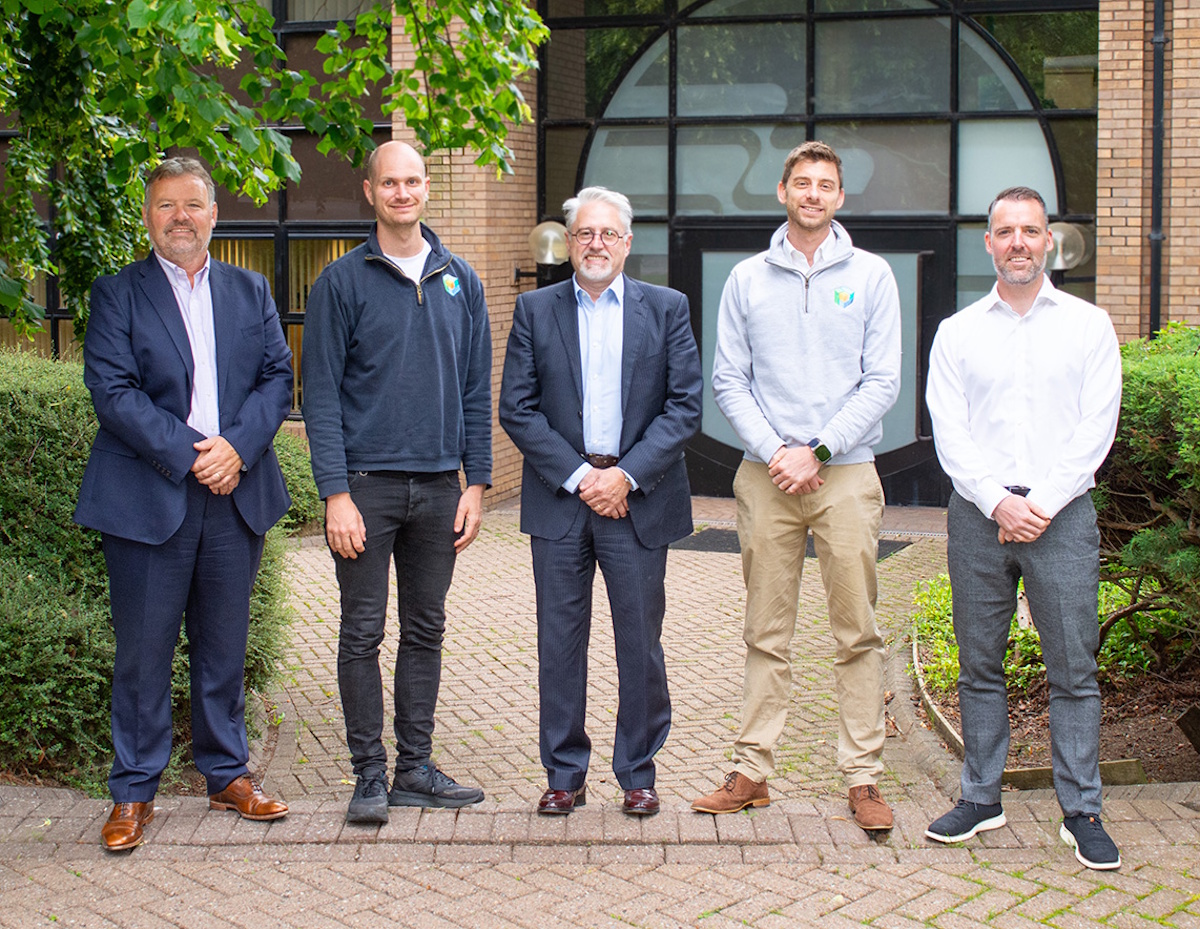
Imenco Future Technologies Makes Strategic Investment in Frontier Robotics
Imenco Future Technologies, a prominent player in remotely operated vehicle (ROV) technology, has announced a strategic investment in Frontier Robotics, a company renowned for its advanced subsea robotics innovations. This investment, revealed today, is part of Imenco's long-term strategy to enhance its innovation and growth in the subsea technology sector. By partnering with Frontier Robotics, Imenco aims to bolster its capabilities and expand its offerings in the rapidly evolving field of underwater robotics.
imenco future technologies strategic investment frontier robotics
Cognex CEO to Join AI and Robotics Leaders at Automate 2026 Opening Keynote on the Future of Automation
On Monday, June 22, at 9:00 a.m. CT, industry leaders from FANUC America, Schneider Electric, and Intrinsic will gather in the Grand Ballroom at McCormick Place for a session led by Moschner. The discussion will focus on the transformative forces currently reshaping the manufacturing sector, particularly advancements in artificial intelligence, robotics, and industrial connectivity. Participants will explore the implications of these developments on the workforce, supply chains, and the overall global competitiveness of the industry. This session aims to provide insights into how these technological changes are influencing the future landscape of manufacturing.
AI, Robotics and Automated Mining: The Future of Excavators and Mining Machinery Parts
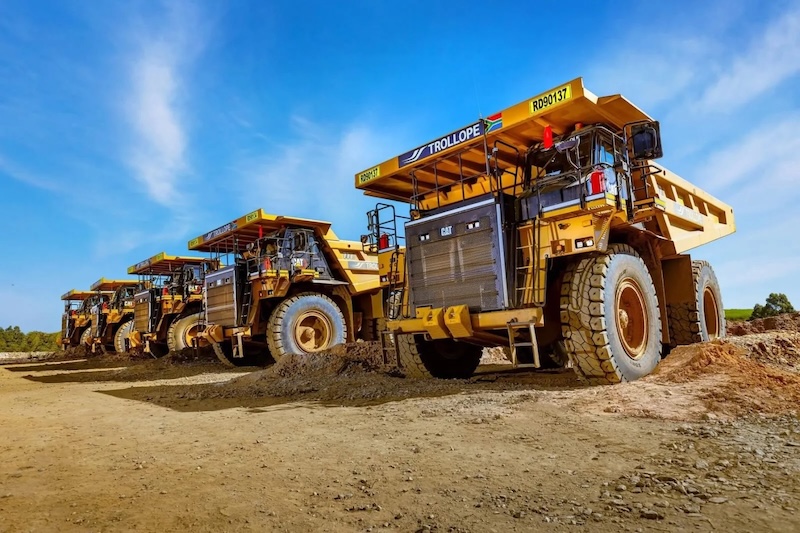
The global mining industry is undergoing a significant transformation as it increasingly integrates artificial intelligence, robotics, and full automation into its operations. This shift has led to the widespread adoption of intelligent excavators and driverless mining trucks, which are now considered standard equipment in modern mining practices. These advancements are not only improving operational safety but also significantly boosting production efficiency. As mining machinery evolves, there is a corresponding rise in the standards and demands for high-quality professional mining machinery parts, reflecting the industry's commitment to enhancing performance and reliability in the face of technological change.
Engineering Mining ai in mining automation news autonomous haul trucks autonomous mining equipment
Why Precision Swiss Machining is Critical to the Future of Robotics and Automation
The industrial production landscape is undergoing a significant transformation due to the rapid advancements in robotics, factory automation, and intelligent manufacturing systems. This shift is characterized by an increasing reliance on highly precise mechanical systems that can operate continuously with minimal deviation. As automation technologies evolve and become more interconnected, modern manufacturing environments are integrating collaborative robots, automated assembly systems, and sensor-driven equipment. These innovations are not only enhancing efficiency but also improving the accuracy and reliability of production processes. The ongoing evolution in this sector reflects a broader trend towards smarter, more automated manufacturing practices that aim to meet the growing demands of global markets.
Automation Engineering Factories automated manufacturing automation hardware automation news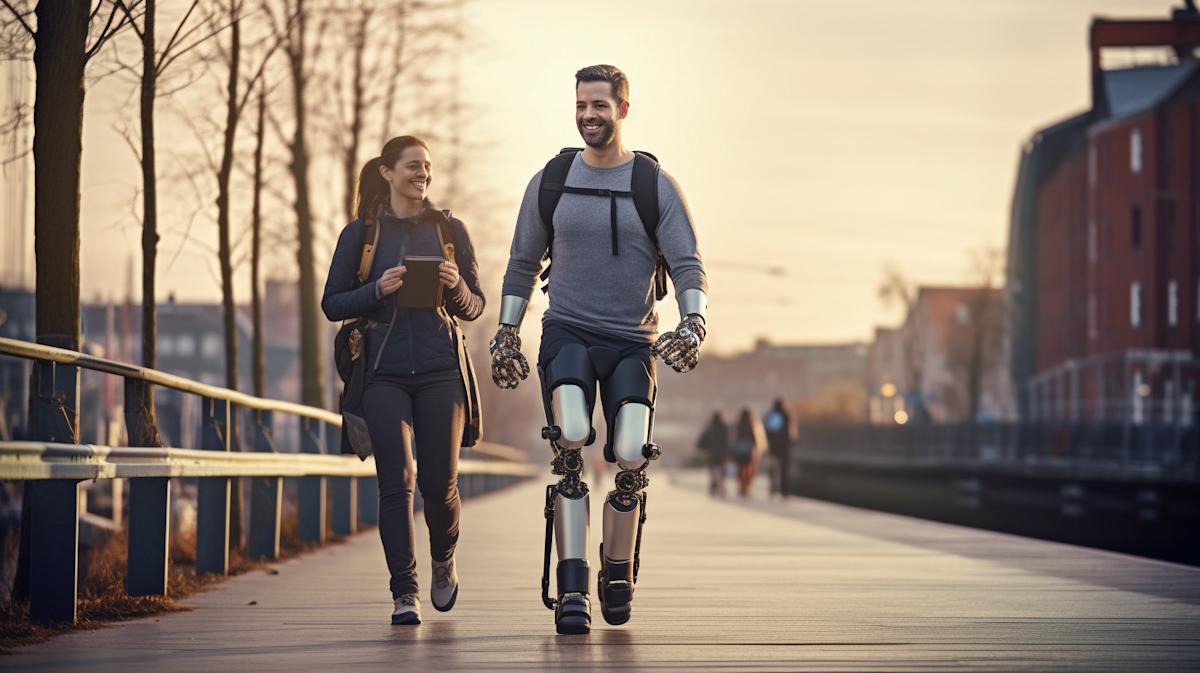
Is Faraday Future Intelligent Electric Inc. (FFAI) Emerging as an AI Robotics Stock to Watch in 2026?
Faraday Future Intelligent Electric Inc. (FFAI), a California-based company specializing in AI-driven mobility and robotics, has emerged as a notable penny stock under $1, according to a recent report by TheFly. The company announced its Q1 2026 results on May 14, revealing initial sales revenue from its Embodied AI robotics division, which generated $512,000, nearly matching its total revenue for all of 2025. As of April 30, 2026, FFAI shipped 68 EAI robots and aims to deliver 200 units in the first quarter and over 1,500 throughout the year. Despite a net loss from operations of $35.9 million, the company reported a significant increase in stockholders’ equity by 148% to $19.2 million. In a strategic move to bolster its AI robotics initiatives, FFAI signed a memorandum of understanding on May 8 with Boston International Business School to establish the BIBS–FF AI Robotics Institute. This partnership, announced during the Berkshire Hathaway annual shareholders meeting in Omaha, aims to enhance education and development in the fields of robotics and artificial intelligence. While the agreement is currently non-binding and pending board approval, it reflects FFAI's commitment to expanding its technological ecosystem through academic collaborations. As the company continues to scale its operations, it remains to be seen how these developments will impact its market position and investment potential in the competitive AI landscape.
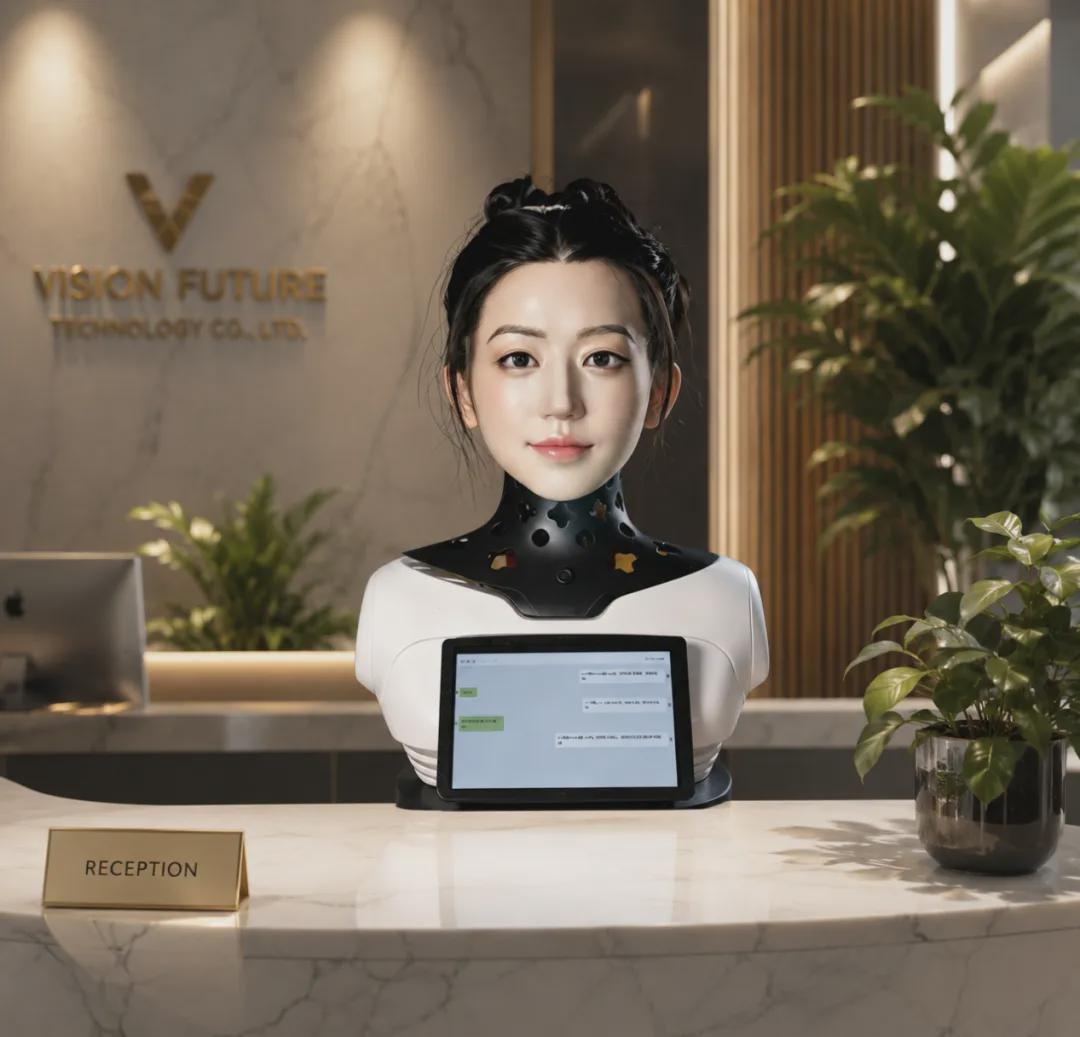
29,900 Half-Body Robots! Qingbao Robotics Redefines the Future with 41 Degrees of Freedom and 200+ Micro-Expressions
Qingbao Robotics, a company spearheaded by Tsinghua University PhD Wang Lei, is making significant strides in the half-body humanoid robot sector by integrating advanced technology that facilitates emotional interaction and various commercial applications. The robots developed by Qingbao are equipped with 41 degrees of freedom, allowing for nuanced micro-expressions that enhance empathy and interaction between humans and robots. This innovation aims to transform the way robots engage with people, making them more relatable and effective in diverse settings. As the demand for emotionally intelligent robots grows, Qingbao Robotics is positioning itself at the forefront of this emerging industry, potentially reshaping the future of human-robot relationships.
Humanoid Robots Emotional AI Robotics Technology AI Interaction
Faraday Future Strategically Launches Its Embodied AI Developer Platform Purpose-Built for AI Natives, Marking 2026 as the Inaugural Year of EAI Robotics Education
A new platform has been launched, showcasing six developer tools and four core infrastructure layers aimed at enhancing software development. This initiative, which is set to recruit developers from diverse backgrounds, including K-12 students and professional engineers, seeks to foster a collaborative environment where contributions are matched with extensive developer support. The recruitment process is designed to engage a wide range of talent, ensuring that individuals at various skill levels can participate and benefit from the resources available. The platform aims to bridge the gap between novice and experienced developers, promoting innovation and skill development in the tech industry.

Flexiv to Showcase the Future of Adaptive Robotics at Hannover Messe 2026
At Hall 27 Booth G81, the Mello massage platform is making its European debut, featuring six interactive exhibits that showcase its adaptive advantages. This event aims to highlight the innovative technology behind the Mello platform, which is designed to enhance user experience through personalized massage solutions. Attendees will have the opportunity to engage with the exhibits, gaining insights into how the platform adapts to individual needs. The exclusive preview is set to attract industry professionals and potential customers, emphasizing the growing interest in advanced wellness technologies.

The Gearbox Trap: Origami Robotics and 1X Clash Over the Future of Manipulation
Origami Robotics has released a technical critique highlighting that high-ratio gearboxes are a significant barrier to achieving greater dexterity in robotics. This assertion has led to an unusual hardware disclosure from Bernt Børnich, the CEO of 1X, who responded to the critique. The discussion surrounding this issue is particularly timely, as advancements in robotics are increasingly sought after in various industries. The critique emphasizes the need for innovation in gearbox technology to enhance robotic performance and functionality, suggesting that overcoming this bottleneck could lead to substantial improvements in robotic applications. Børnich's hardware reveal aims to address these concerns and showcase potential solutions to the challenges identified by Origami Robotics.
Origami Robotics 1X-technologies Scott Walter hand hands Bernt Børnich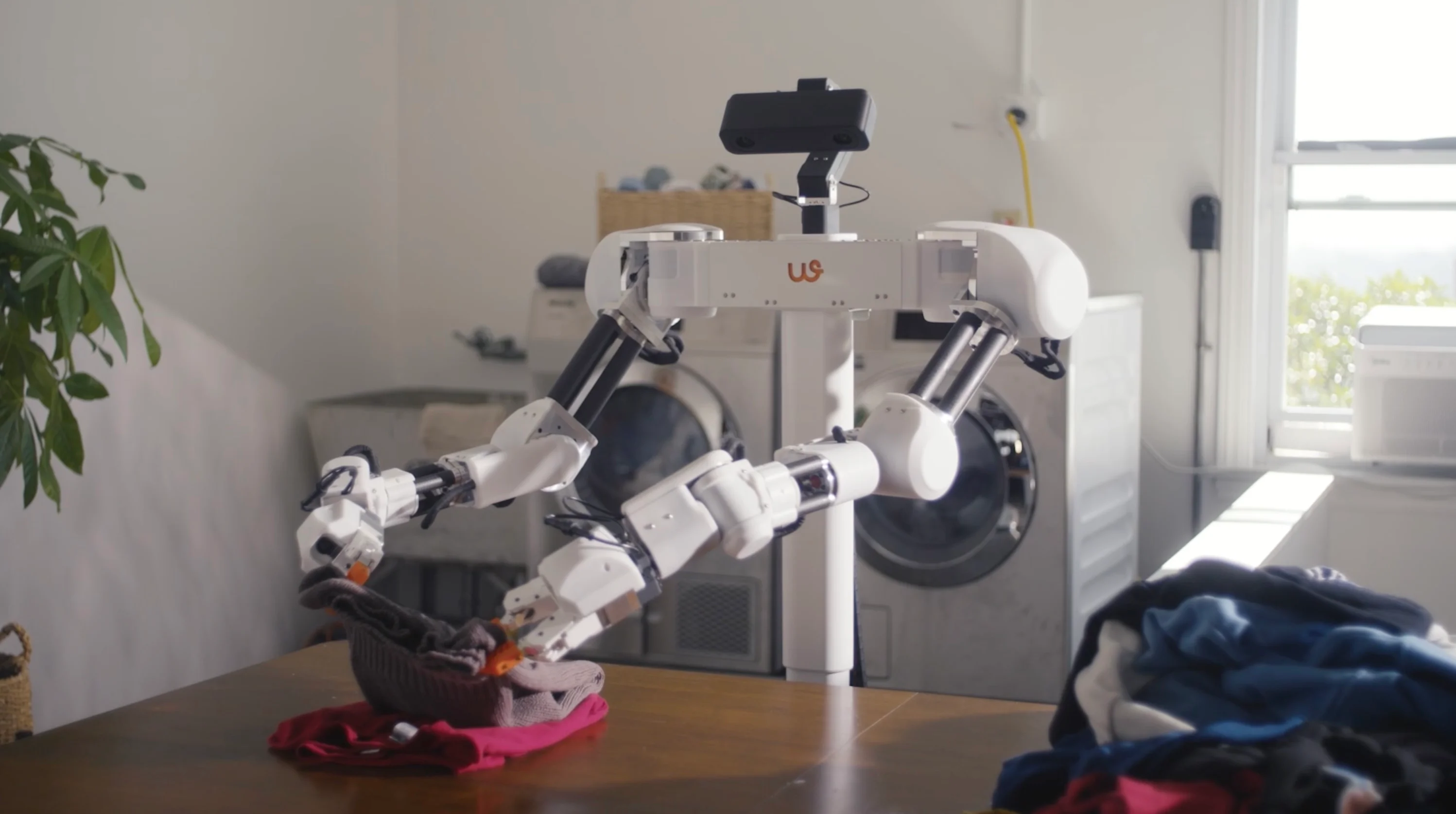
Weave Robotics Launches "Isaac 0": A $9,999 Stationary Bet on the Future of Laundry
Weave Robotics is working on a groundbreaking home laundry robot, aiming to deliver a functional prototype by February 2026. The company is differentiating itself from mobile competitors by eliminating traditional legs and wheels, focusing instead on a design that enhances usability in domestic environments. This innovative approach is intended to position Weave Robotics as a leader in the emerging market for household automation, targeting the growing demand for efficient home solutions. By streamlining the robot's design, the company hopes to create a more accessible and effective laundry assistant for consumers.
US Isaac 0 Weave Robotics product-launch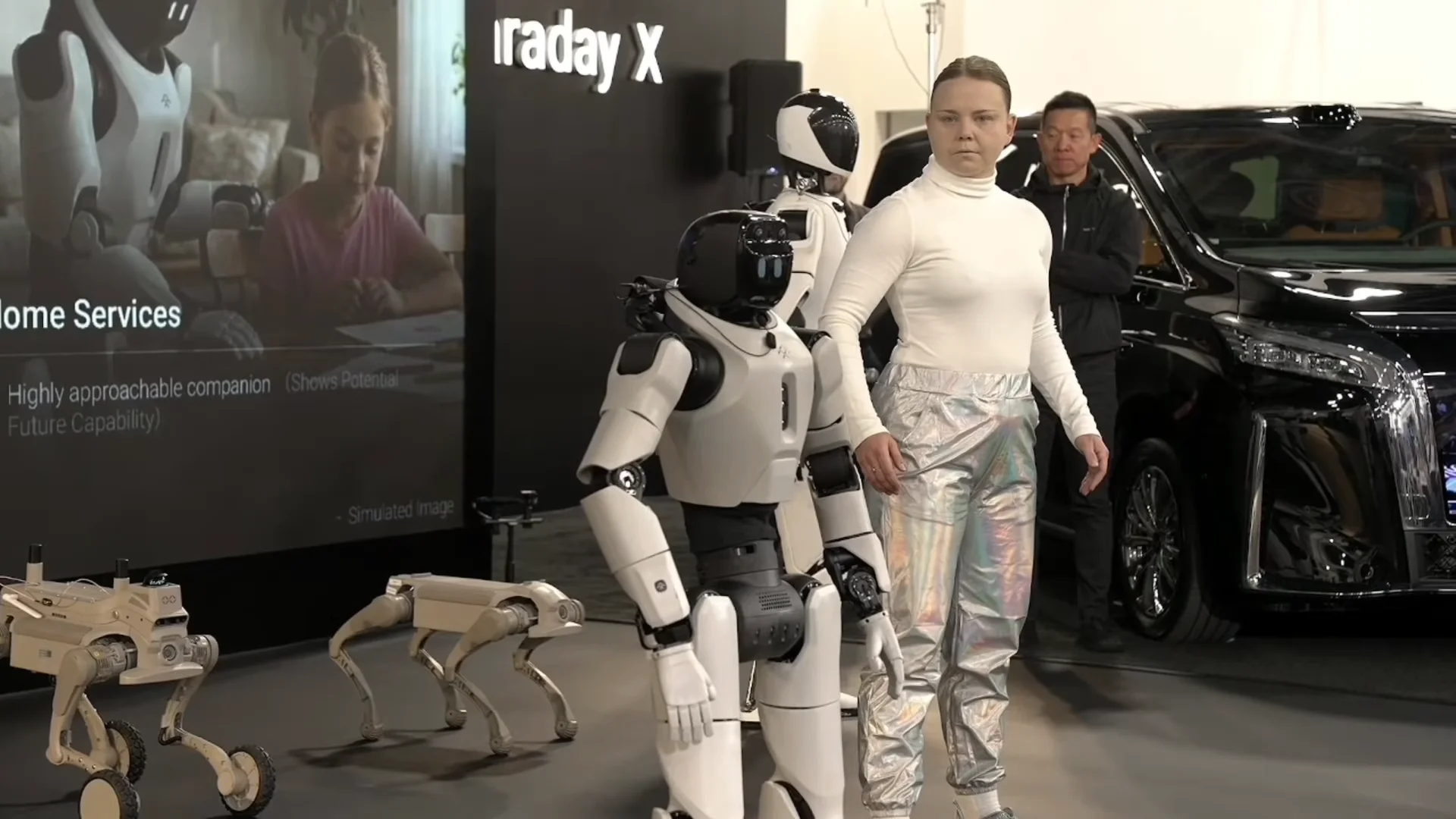
Faraday Future Pivots to Robotics with White-Labeled AgiBot Fleet
At the NADA 2026 event, electric vehicle manufacturer Faraday Future unveiled three robotic products, which were quickly recognized by market analysts as rebranded models of AgiBot technology. This announcement highlights Faraday Future's ongoing efforts to diversify its product offerings beyond electric vehicles. The introduction of these robotic products aims to enhance the company's technological portfolio and appeal to a broader market segment. However, the revelation that the hardware is not entirely new has raised questions about the company's innovation strategy and transparency.
Faraday Future AGIBOT
ROKAE Robotics Partners with Digital China to Drive the Future of AI-Enhanced Robotics in Smart Manufacturing
ROKAE Robotics and Digital China have entered into a strategic partnership to enhance the integration of robotics and artificial intelligence (AI) across critical sectors such as smart manufacturing and logistics. Announced recently, this collaboration aims to drive technological innovation, broaden industry-specific applications, and promote ecosystem development. By focusing on these areas, the partnership seeks to expedite the practical implementation of AI-driven solutions in intelligent manufacturing, positioning both companies at the forefront of advancements in these rapidly evolving industries.
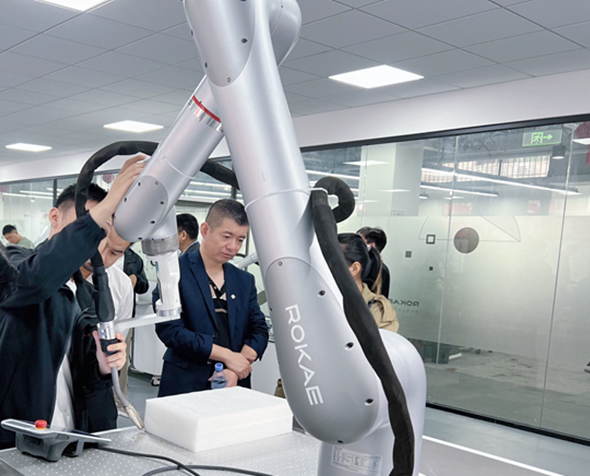
Guangdong Welding Industry Association Visits ROKAE Robotics to Explore the Future of Intelligent Welding
A delegation from the Guangdong Welding Industry Association, featuring representatives from more than 50 prominent member enterprises, recently visited the Shenzhen branch of ROKAE Robotics. This visit, which took place to facilitate an in-depth exchange and exploration, focused on promoting the integration of welding robotics within the broader manufacturing sector. The initiative aims to identify viable pathways for technological innovation and to invigorate the intelligent transformation of Guangdong’s welding industry. By fostering collaboration and sharing insights, the delegation seeks to enhance the region's competitiveness in the evolving landscape of manufacturing technology.

Global Underwater Hub conference to dive into future of subsea robotics
The Global Underwater Hub (GUH) is set to host its annual Underwater Robotics Conference in Aberdeen, inviting companies to contribute their insights and expertise in the advancement of subsea robotic technologies. This year's event aims to foster collaboration and innovation within the industry, highlighting the importance of cutting-edge robotics in underwater exploration and operations. The conference will take place in the coming months, providing a platform for industry leaders and experts to discuss the latest developments and challenges in the field. By bringing together key stakeholders, GUH seeks to enhance the capabilities of underwater robotics and promote sustainable practices in subsea environments.
global underwater hub conference events subsea robotics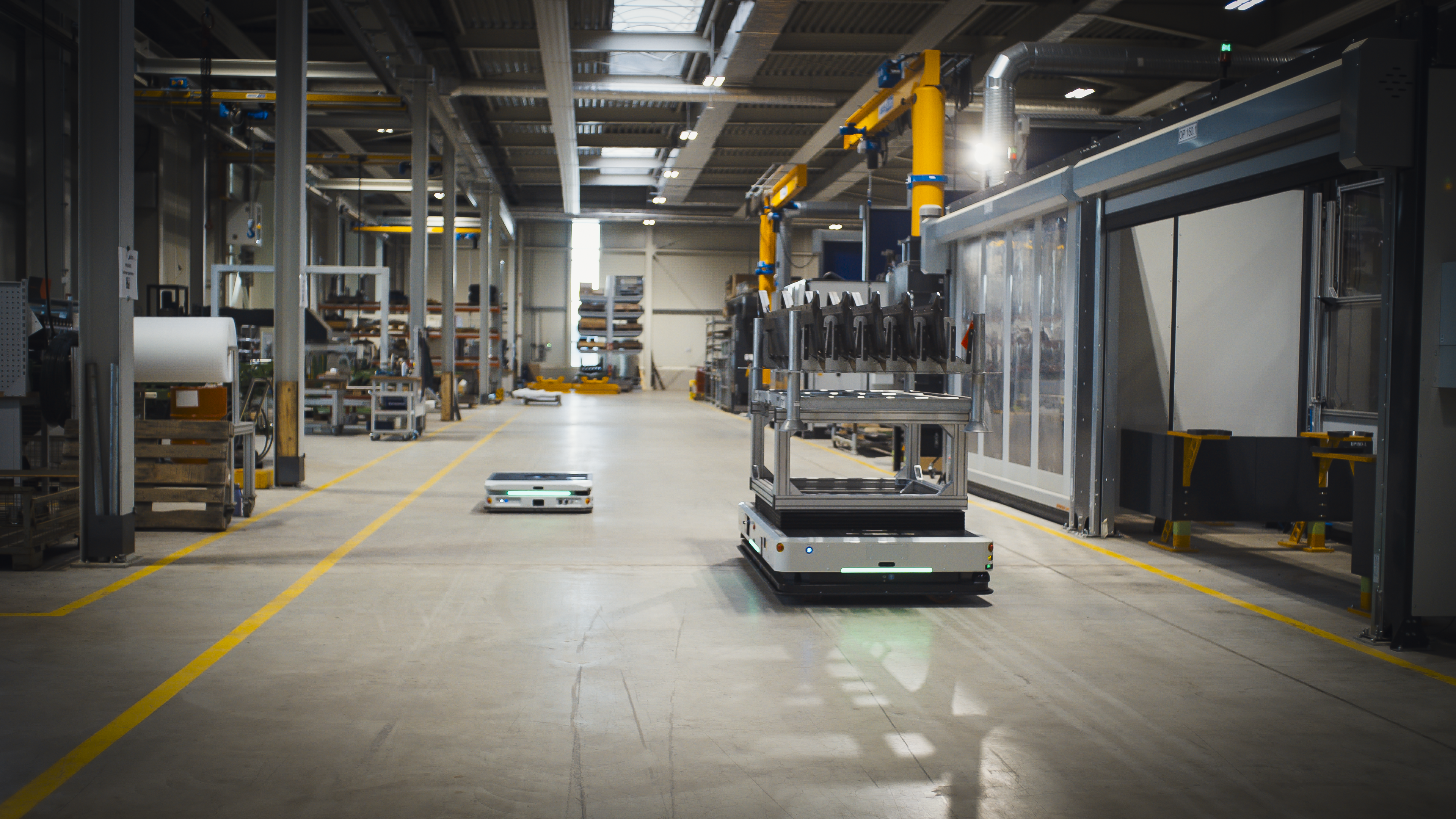
Innovative concepts for the production of the future:Mobile robotics at KRONE
KRONE, a company based in Werlte, is embracing mobile robotics to enhance production efficiency in both established factories and new ventures. The integration of stationary and autonomous mobile robots (AMRs) is streamlining processes at their existing facility, while a state-of-the-art smart factory is being developed on a greenfield site in Ibbenbüren. This initiative aims to modernize manufacturing practices and adapt to the evolving demands of the industry, showcasing KRONE's commitment to innovation and sustainability in production.
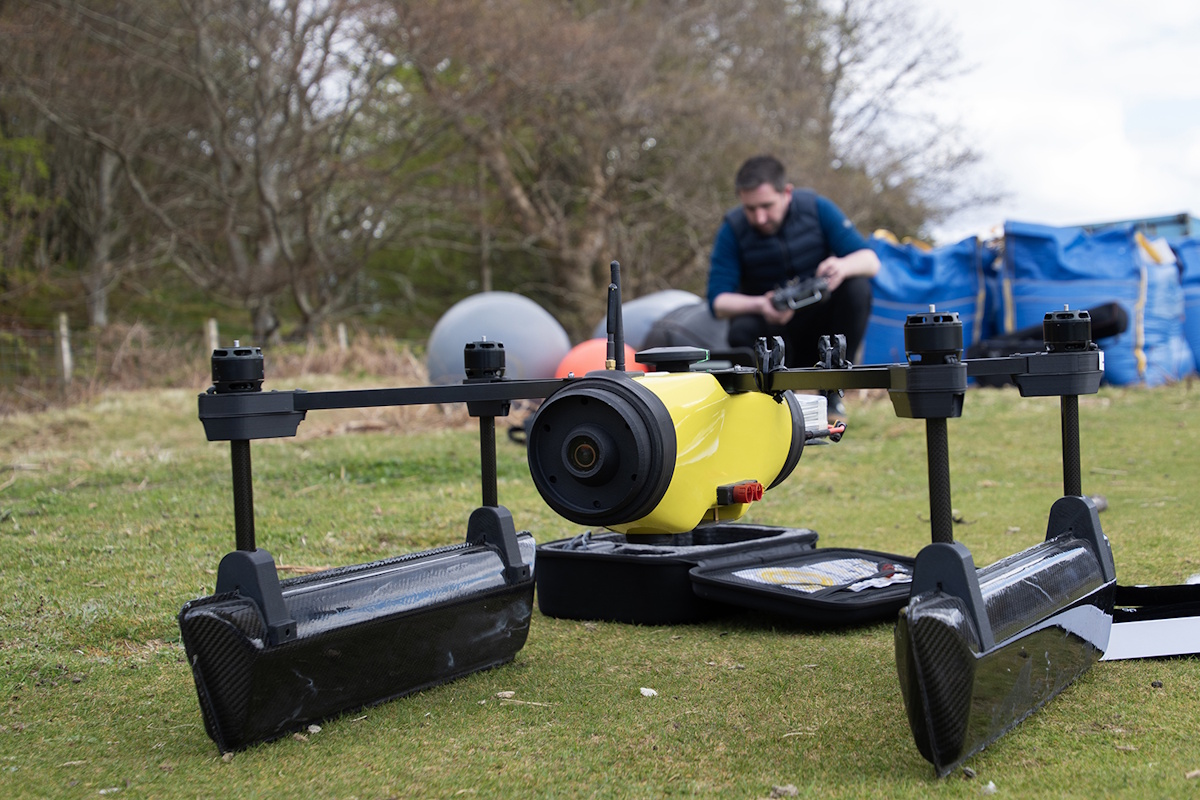
Master the Future of Technology with this Cutting-edge Course from the Scientific Robotics Academy
The Scientific Robotics Academy, located at the Scottish Association for Marine Science (SAMS) in Oban, is set to showcase various robotics systems during a training course scheduled for September 3rd to 5th. This initiative is partially funded by the UK government through the UK Shared Prosperity Fund, highlighting the government's commitment to advancing technological education and innovation. The event aims to enhance participants' understanding of robotics applications in marine science, providing hands-on experience with cutting-edge technology.
course scientific robotics academy scottish association for marine science (sams)
The Decentralized Future of Physical AI: Can DAOs Democratize Robotics?
Decentralized Physical AI (DePAI) is gaining attention as a transformative approach that integrates robotics with blockchain technology and decentralized autonomous organizations (DAOs). This innovative paradigm seeks to transfer the control and ownership of intelligent machines from large corporations to local communities, potentially revolutionizing the landscape of automation. As interest in DePAI grows, experts are examining its operational mechanisms and the implications it may have for the future of technology and labor. By empowering communities to manage and utilize robotic systems, DePAI could democratize access to advanced automation tools, fostering greater equity and participation in technological advancements. This shift not only aims to enhance local economies but also to redefine the relationship between humans and machines in an increasingly automated world.
DePAI XMAQUINA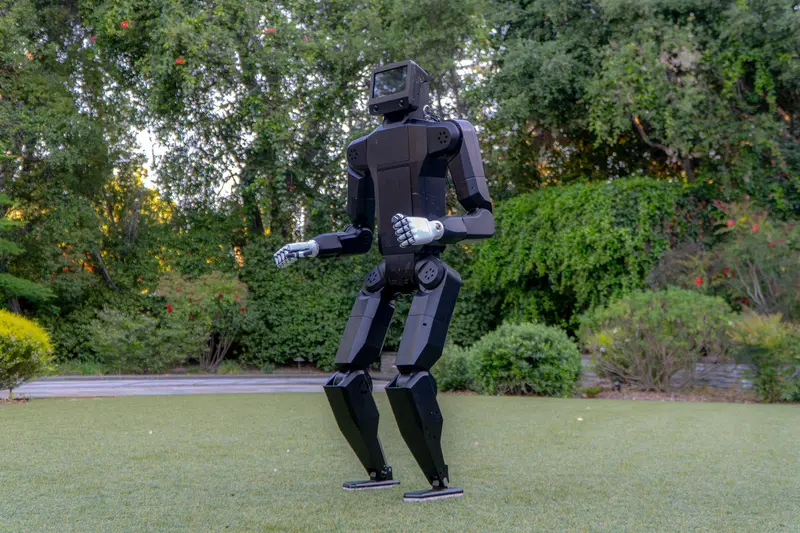
K-Scale Labs: Betting on Open Source for the Future of Humanoid Robotics
K-Scale Labs, a startup based in Palo Alto, is generating significant attention in the tech community by open-sourcing its humanoid robot hardware and software. This bold move has ignited discussions regarding the future development of general-purpose robots. The company's strategy emphasizes collaboration and innovation, allowing developers and researchers to build upon their foundational work. By making their technology accessible, K-Scale Labs aims to accelerate advancements in robotics and foster a more inclusive environment for creators in the field. The implications of this open approach could reshape the landscape of robotics, encouraging a diverse range of applications and solutions. As the industry watches closely, K-Scale Labs is positioning itself as a key player in the evolution of humanoid robotics.
k-scale
Cobot Giant Doosan Robotics Sets Sights on 'Practical Humanoid' Future
Doosan Robotics, a South Korean manufacturer known for collaborative robots, has declared its strategic move into the humanoid robot sector. This initiative, announced recently, aims to create 'practical humanoids' that prioritize task efficiency. The company plans to utilize its established expertise in multi-arm coordination and collision avoidance to enhance the functionality of these robots. To support this ambitious project, Doosan Robotics intends to significantly expand its workforce and establish new research and development divisions. This entry into the humanoid market reflects the company's commitment to innovation and its vision for the future of robotics.
Doosan Robotics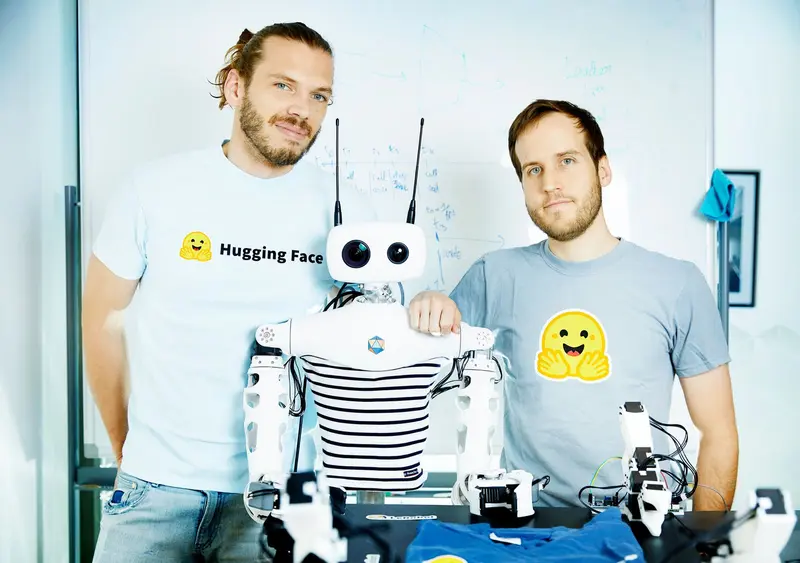
Hugging Face Acquires Pollen Robotics, Eyes Open Source Future for Humanoid Hardware
AI platform Hugging Face has made its inaugural foray into hardware by acquiring French startup Pollen Robotics. This acquisition, announced recently, includes Pollen's open-source humanoid robot, Reachy, along with its development team. The move reflects Hugging Face's strategic expansion into the robotics sector, reinforcing its commitment to open-source principles that have traditionally guided its AI software initiatives. By integrating Pollen's technology and expertise, Hugging Face aims to enhance its offerings and innovate within the robotics field.
open-source pollen-robotics hugging-face
Racing for the Future: The Complex Dynamics of Humanoid Robotics
As the competition in humanoid robotics intensifies, major U.S. companies, particularly Tesla, are encountering formidable challenges from Chinese manufacturers like Unitree. Analysts express concerns that China's advanced manufacturing capabilities, coupled with favorable government policies, may position the country to take a leading role in this rapidly evolving industry. The ongoing race highlights the strategic importance of robotics technology, prompting both nations to accelerate their innovations and investments in this transformative sector.
Optimus G1 Tesla Unitree Robotics ChinaRobotics needs a service framework.
RSF defines a common language for robot service capability, lifecycle operations, certification pathways, and service-provider networks.
Join the RobotToday community on LinkedIn
Daily robotics news, in-depth analysis, conference highlights, and discussions with professionals worldwide.