

Industry Briefing
A single destination for timely, editor-curated robotics news from around the world.
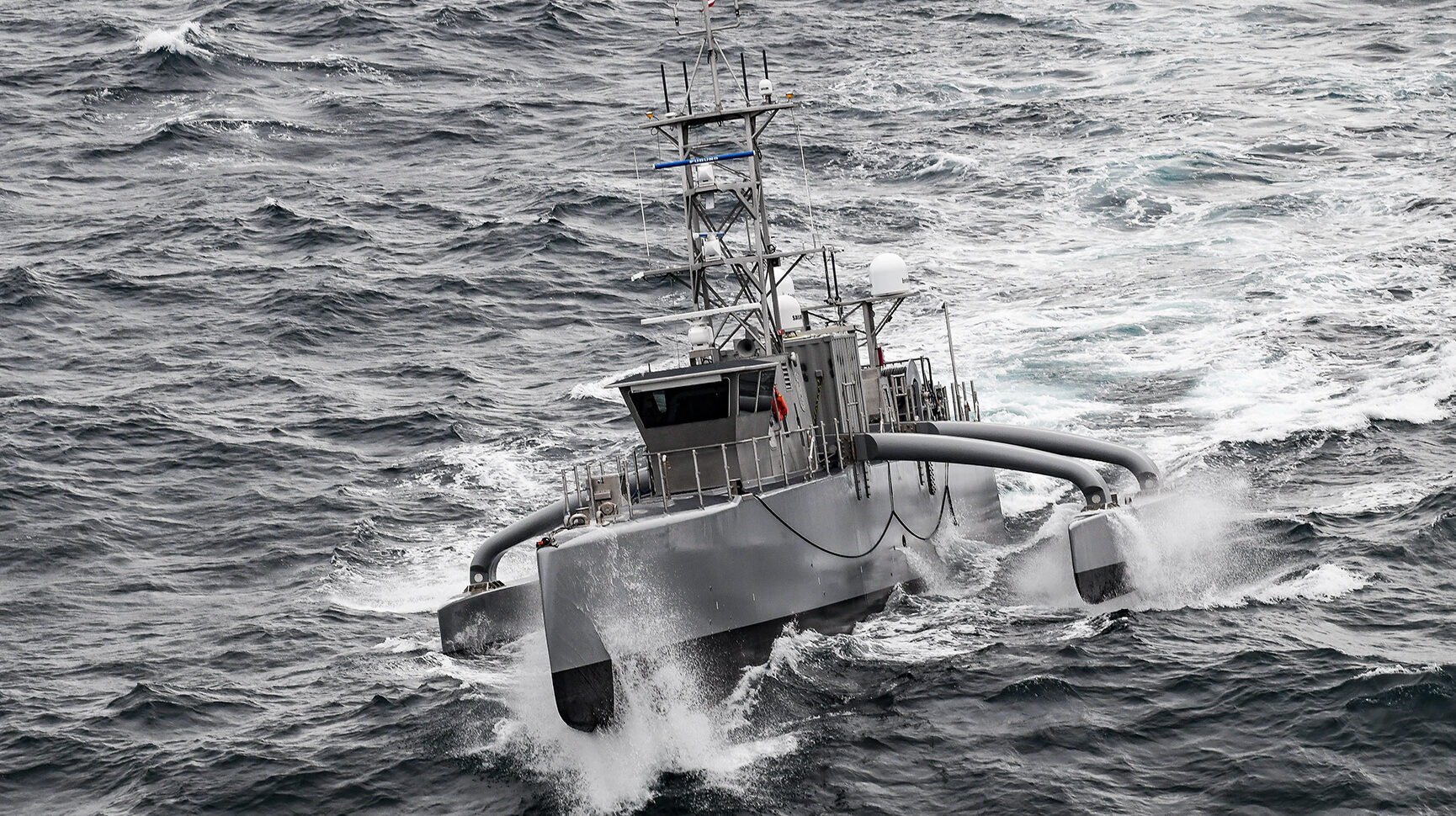
Navy Establishes Robotics and Autonomous Systems Warfighting Development Center in Virginia
The Navy has launched the Robotics and Autonomous Systems Warfighting Development Center (RASWDC) to develop tactics and procedures for unmanned systems. Headquartered at Joint Expeditionary Base Little Creek-Fort Story in Virginia, RASWDC aims to unify efforts across the Navy to enhance operational coherence in unmanned capabilities. This initiative is significant as it aligns with the Navy's broader strategy to integrate robotic and autonomous systems into its operations, as emphasized by Chief of Naval Operations Adm. Daryl Caudle. The RASWDC will work closely with the Direct Reporting Portfolio Manager for Robotic and Autonomous Systems to facilitate the acquisition and deployment of these technologies. Looking ahead, the RASWDC is expected to play a crucial role in ensuring that sailors are equipped with the necessary training and doctrine to effectively utilize unmanned systems. No further timeline was disclosed at the time of publication.
Naval Warfare Adm. Daryl Caudle Drones Navy robotics Unmanned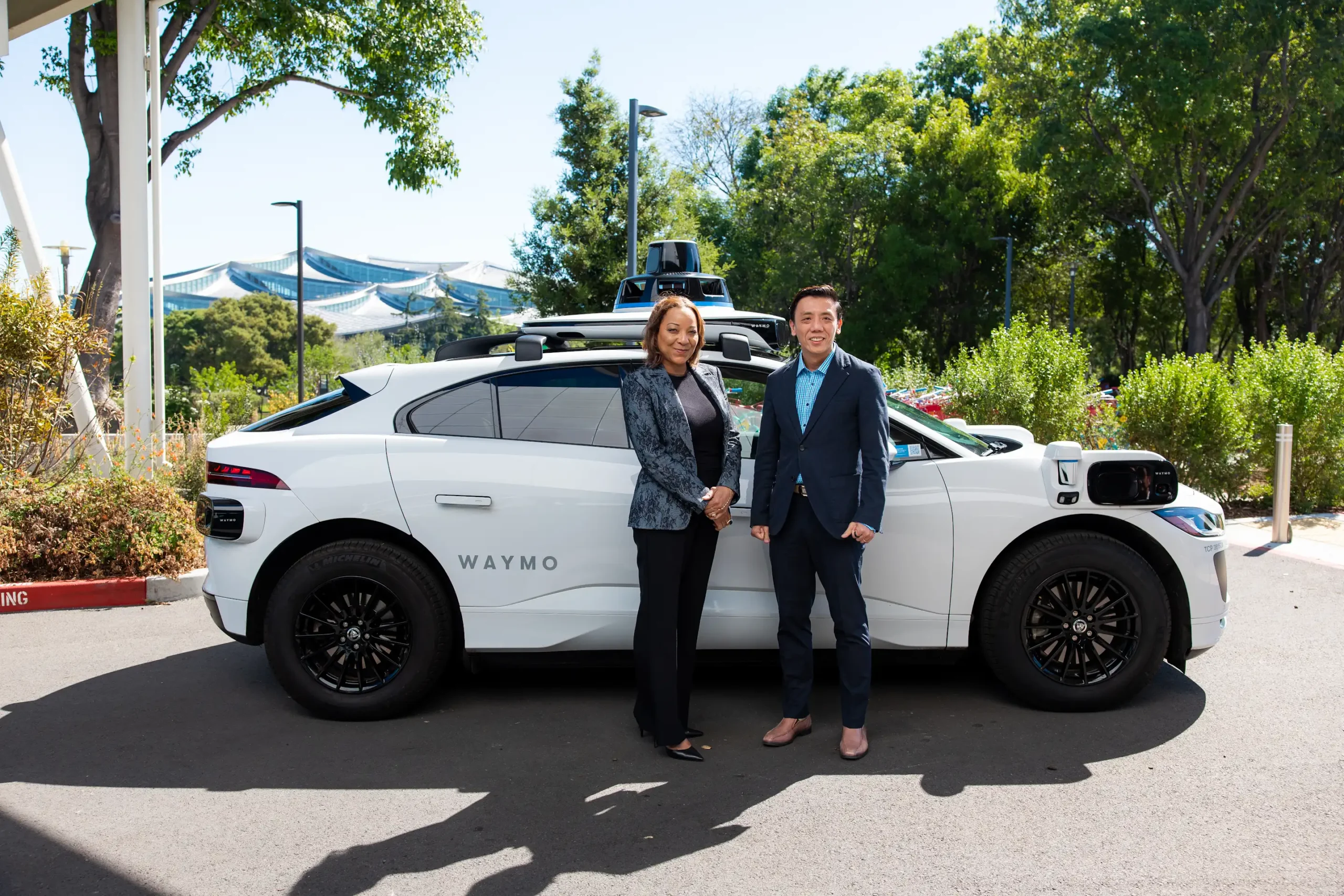
Waymo to Launch Fully Autonomous Ride-Hailing Service in Singapore by 2028
Waymo has announced its intention to introduce a fully autonomous, all-electric ride-hailing service in Singapore by 2028. This initiative marks the company's expansion into international markets, alongside planned launches in Tokyo, London, and Munich. Collaborating with Singapore’s Ministry of Transport and Land Transport Authority, Waymo aims to ensure compliance with safety and regulatory standards while enhancing the country’s autonomous mobility options. The introduction of Waymo's service is significant as it aligns with Singapore's vision of a safe and efficient transportation ecosystem. The government plans to support drivers affected by this transition through retraining programs, emphasizing the importance of community engagement and job creation. Waymo's co-CEO highlighted the company's commitment to complementing Singapore’s public transit network while maintaining a focus on sustainability and reliability. Looking ahead, Waymo will begin deploying an initial fleet of electric Jaguar I-PACE vehicles in the coming months, with trained specialists manually driving them to adapt to local conditions. The company aims to provide fully autonomous rides to the public in 2028, pending regulatory approvals. No further timeline was disclosed at the time of publication.
AI Capital Markets Robotics autonomous driving autonomous vehicles Robotaxi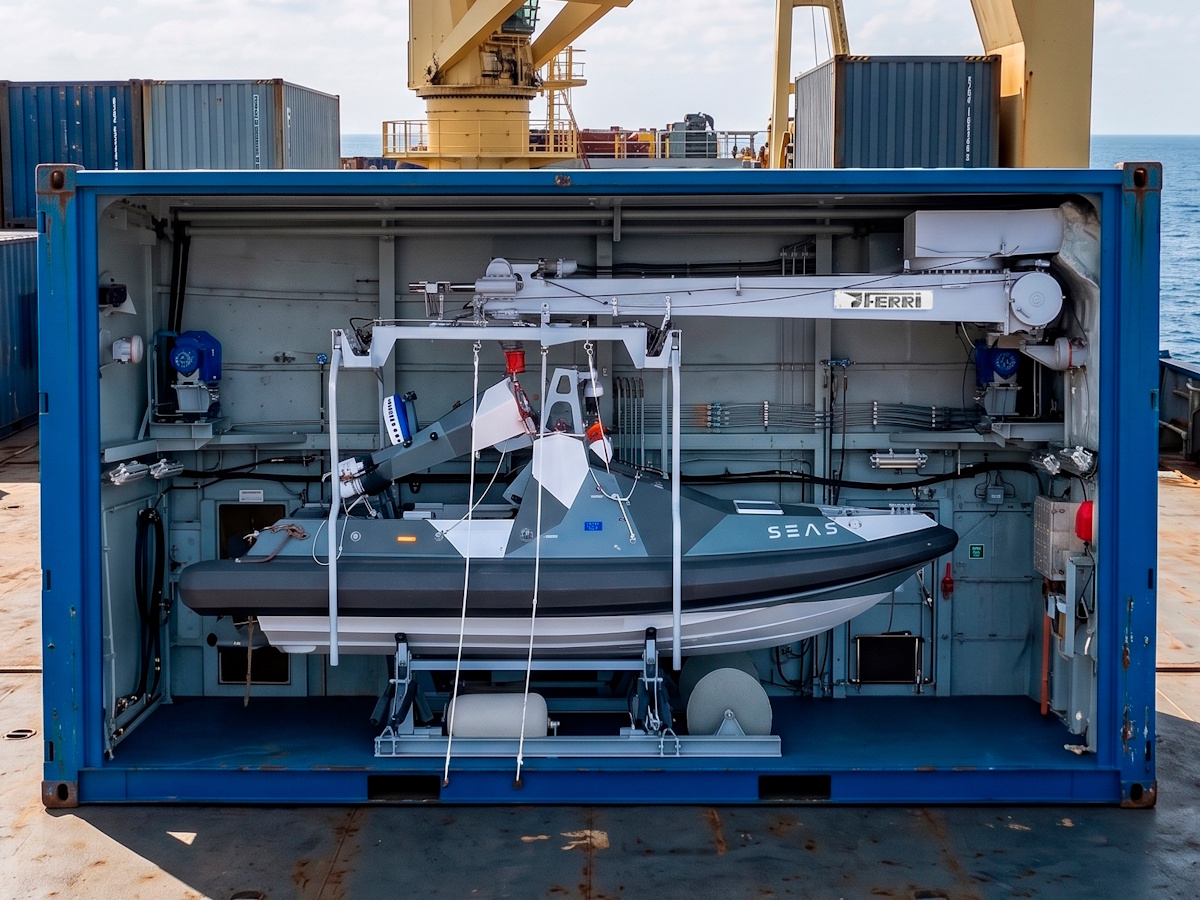
Cellula Robotics and FERRI Establish Nautical Reach Systems for Autonomous Marine Handling
Cellula Robotics Ltd. and Industrias FERRI S.A. have launched Nautical Reach Systems Ltd., a joint venture based in East Coast Canada. This new entity will focus on designing and manufacturing marine motion, lift, and handling systems tailored for autonomous maritime operations, including smart launch and recovery solutions for uncrewed vehicles. The collaboration aims to enhance the safety and reliability of autonomous platforms operating in challenging maritime environments, such as remote and Arctic conditions. Neil Manning, CEO of Cellula Robotics, emphasized the importance of integrating vehicle design with handling equipment to optimize performance at sea, highlighting the joint venture's potential to revolutionize marine operations. Looking ahead, Nautical Reach Systems plans to leverage the combined expertise of both companies to create innovative solutions for naval and coast guard operators. FERRI's significant investment in the venture will foster job creation and intellectual property development in Canada, while Cellula contributes its autonomous handling technology. No further timeline was disclosed at the time of publication.
cellula robotics ferri nautical reach systems autonomous marine handling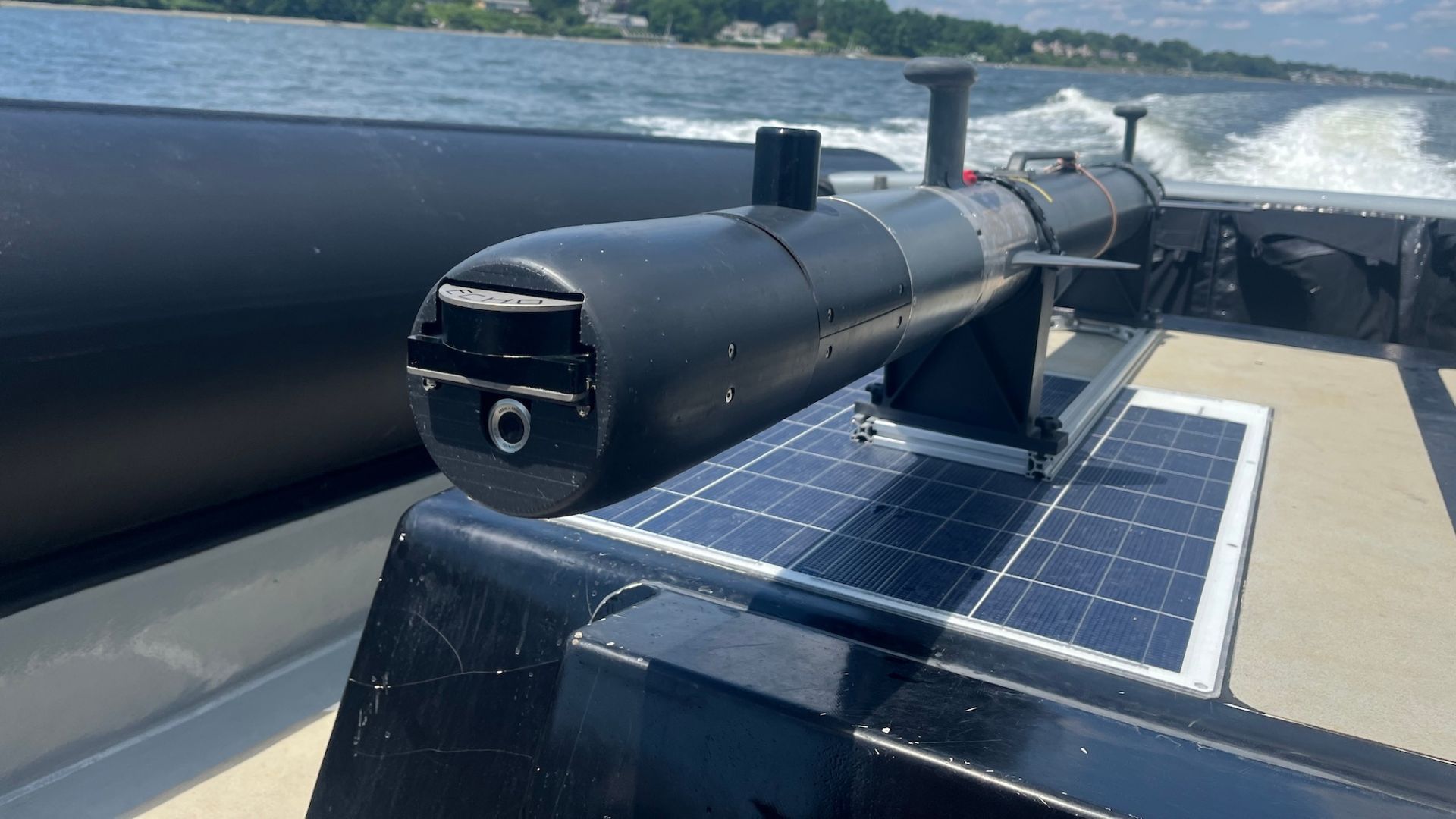
Vatn Systems Launches SIGURD Autonomous System for Naval Mine Detection and Neutralization
U.S. defense startup Vatn Systems has unveiled SIGURD, a compact autonomous system designed to detect and neutralize naval mines. This innovative platform allows military operators to locate underwater mines without the need for large mine warfare vessels, addressing a critical challenge in naval operations. SIGURD is currently being tested by government customers, with deployment expected later this year. The introduction of SIGURD is significant as naval mines remain a cost-effective threat in maritime conflict, capable of disrupting shipping and delaying naval operations. Traditional mine countermeasure missions are resource-intensive, often requiring specialized ships and trained personnel. Vatn's autonomous underwater vehicle aims to streamline this process, enabling quicker responses to mine threats in contested waters. Looking ahead, Vatn Systems is preparing to support U.S. military and allied nations in expanding their autonomous mine warfare capabilities. The demand for such systems is rising, particularly in light of increasing tensions in strategic maritime regions. The successful testing of SIGURD against inert naval mines suggests a promising future for autonomous solutions in mine countermeasures.
Military
MARTAC and Sealartec Introduce Fully Autonomous Launch and Recovery System for USV
Maritime Tactical Systems (MARTAC) and Sealartec have announced the launch of a groundbreaking Autonomous Launch & Recovery System designed for unmanned surface vessels (USVs). This innovative system enables the autonomous deployment and retrieval of MARTAC’s MANTAS T8 and T12 models from the Devil Ray T38 platform. The unveiling took place recently, highlighting the importance of such technology in enhancing swarming missions and maximizing the capabilities of unmanned marine systems. The development aims to operate effectively in various sea conditions with minimal human intervention, ensuring both speed and reliability in operations. This advancement is expected to significantly impact maritime operations, paving the way for more efficient and effective use of USVs in the field.
martac sealartec fully autonomous launch and recovery system usv
Impossible Metals' Eureka II Achieves Autonomous Recovery from Ocean Surface
Impossible Metals has released new footage demonstrating its underwater vehicle, Eureka II, autonomously locating and recovering its surface vessel from beneath the ocean waves. This significant achievement showcases the vehicle's ability to align, attach, and return to the deck without any human intervention, marking a crucial step towards scalable ocean robotics. The successful autonomous recovery of Eureka II is important as it addresses one of the major challenges in ocean technology, paving the way for more advanced and efficient underwater operations. This capability could enhance various applications, including marine research, resource recovery, and environmental monitoring, by reducing the need for human oversight. Looking ahead, industry observers will be keen to see how Impossible Metals continues to develop its ocean robotics technology and what further advancements will be made in autonomous underwater operations. No further timeline was disclosed at the time of publication.
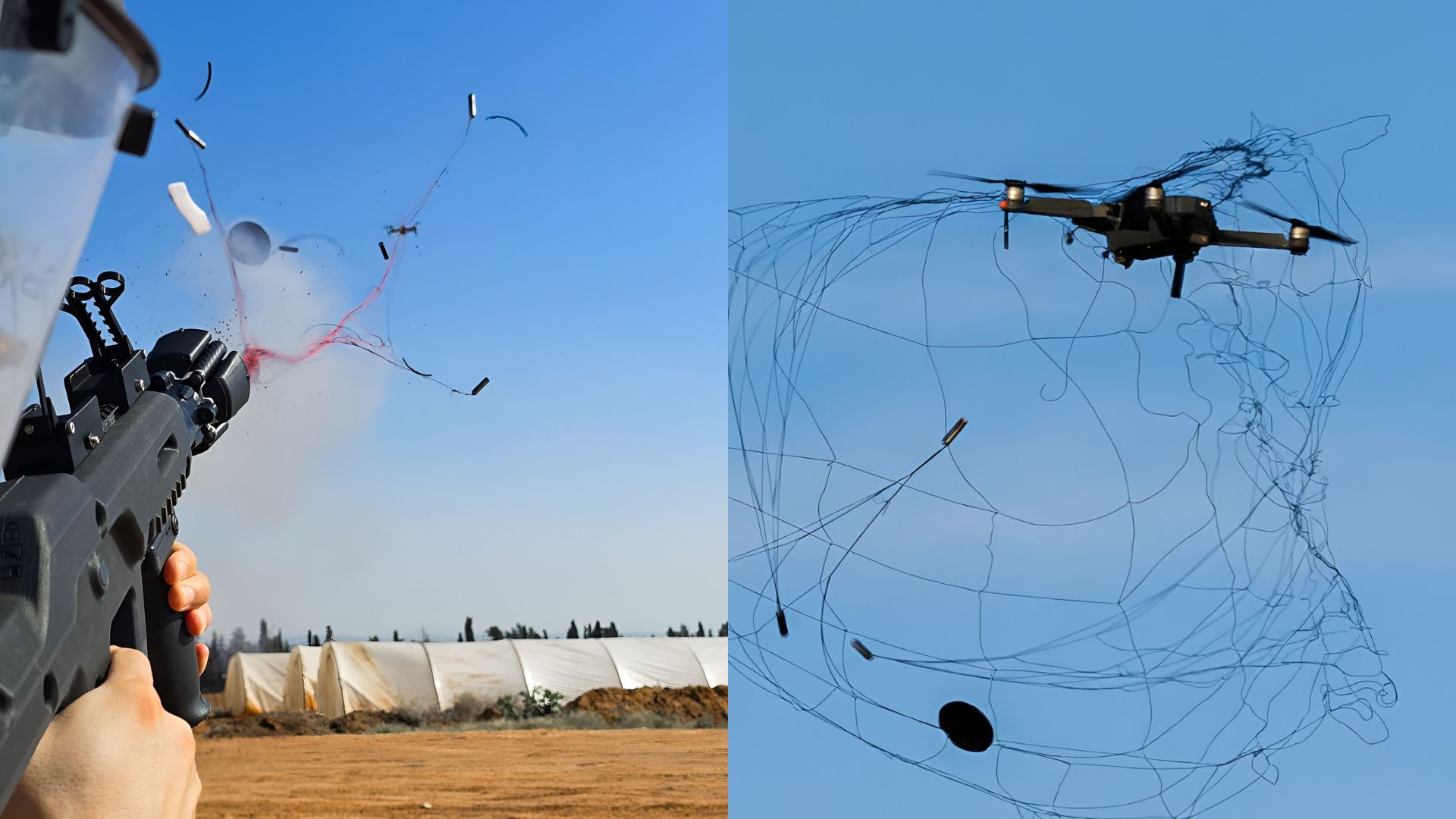
ParaZero Technologies Launches DefendAir for Autonomous Drone Interception in Military Applications
ParaZero Technologies has introduced its DefendAir platform, designed to intercept first-person view (FPV) drones autonomously before they can strike military vehicles. This system utilizes a non-explosive net-based interception method, creating a 360-degree defensive envelope around assets. The platform aims to enhance protection for both moving and stationary high-value military targets without the weight penalties of traditional armor. The rise of low-cost FPV drones has prompted militaries to seek effective countermeasures, as these drones have proven capable of damaging expensive military equipment. ParaZero's DefendAir addresses the limitations of conventional protective measures, such as steel cages, by offering a more agile and responsive solution. The system's ability to detect and neutralize threats rapidly is crucial for modern battlefield scenarios, where speed and precision are paramount. ParaZero is currently collaborating with Tier-1 defense companies to refine the DefendAir technology for operational requirements. While the company has not disclosed specific partners or a timeline for deployment, the focus on active counter-drone systems reflects a broader trend in military strategy, emphasizing the need for innovative solutions to counter evolving aerial threats. No further timeline was disclosed at the time of publication.
Military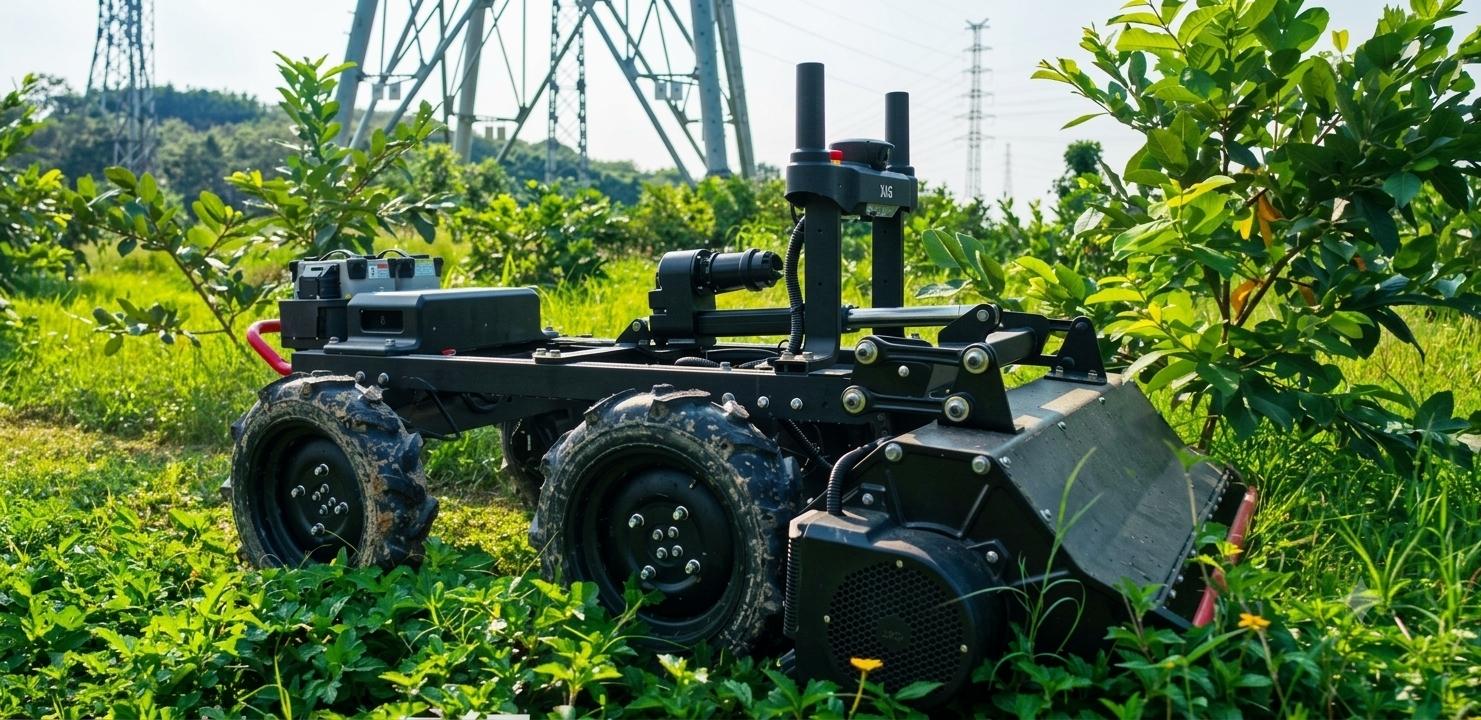
XAG Introduces RM80 Electric Mower and X Series Drone System for Autonomous Farming
XAG has launched the RM80, a 143 kg all-electric unmanned mower, at the Agricultural Robot Conference in Guangzhou, China. Designed for orchard management and land reclamation, the RM80 operates for up to 40 minutes per charge and can autonomously cover 0.33 to 0.53 hectares per hour. It features advanced navigation through the SuperX 5 Ultra control system and can also perform stubble removal for effective weed control. The introduction of the RM80 coincides with the unveiling of XAG's new X Series drone system, aimed at creating a fully autonomous farming workflow. This system includes the X Series drone, XA1 docking station, and LM1 chemical mixing unit, enhancing automation in tasks like charging and chemical refilling. The drone boasts improved computing power and perception capabilities, allowing it to survey up to 300 hectares in a single mission, while the docking station ensures precise automatic charging and refilling. XAG has not disclosed pricing details for the RM80 or the X Series system, with market packages expected to vary based on local dealer offerings. The company's strategy emphasizes integrating various robotic functions into a coordinated workflow, positioning its equipment as essential components of modern smart farming rather than standalone tools. No further timeline was disclosed at the time of publication.
Smart farming agricultural robots autonomous technology drone technology electric tractors robotic harvesting
HII Successfully Demonstrates Sea Launcher, Ship-Based Automated Launch and Recovery of REMUS Autonomous Underwater Vehicle
HII, a leading manufacturer of autonomous underwater unmanned vehicles, announced the successful shipboard deployment and recovery of a REMUS autonomous underwater vehicle. This achievement was made possible through the use of the company’s automated launch and recovery system, known as Sea Launcher. The event highlights HII's advancements in underwater technology and its commitment to enhancing operational capabilities in marine environments.
hii sea launcher ship-based automated launch and recovery remus autonomous underwater vehicle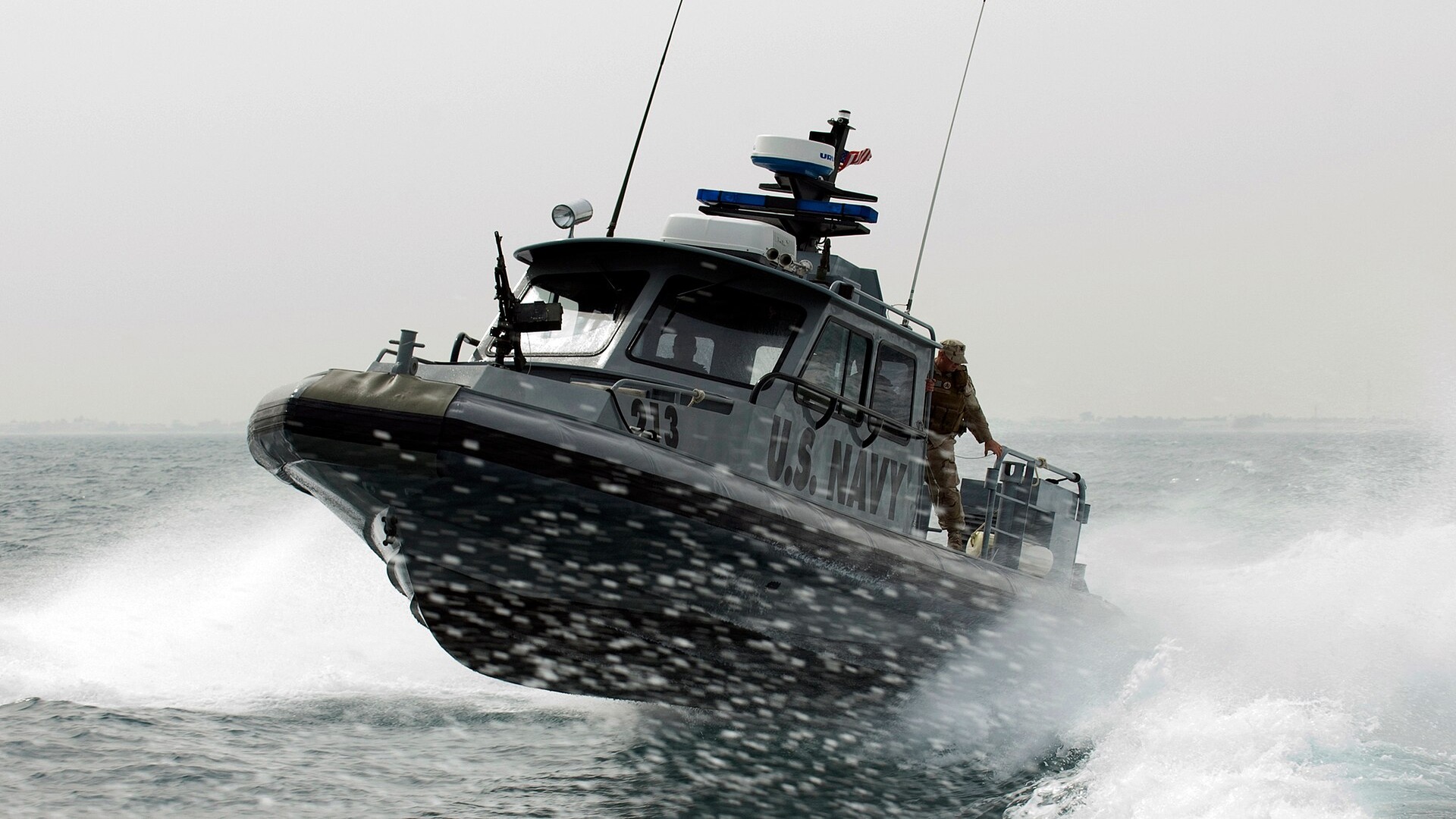
U.S. Navy Establishes RASWDC to Enhance Robotic Warfare Capabilities
The U.S. Navy has launched the Robotic and Autonomous Systems Warfighting Development Center (RASWDC) on September 24, aimed at integrating robotic and autonomous systems into naval operations. Led by Rear Admiral Melvin Smith, the center is headquartered at Joint Expeditionary Base Little Creek-Fort Story in Virginia and will serve as the Navy's primary hub for operational integration of these technologies. This initiative is crucial for maintaining the Navy's maritime advantage, as emphasized by Chief of Naval Operations Adm. Daryl Caudle. The RASWDC will provide sailors with advanced training and specialized doctrine necessary for high-end combat scenarios, reflecting the Navy's commitment to modernizing its operational capabilities through technology. Looking ahead, the RASWDC will focus on developing warfighting concepts, training personnel, and testing new technologies under realistic conditions. The Navy's approach includes evaluating unmanned aerial systems, uncrewed surface vessels, and unmanned underwater vehicles, with a clear intent to advance systems that prove effective while reassessing those that do not meet operational standards. No further timeline was disclosed at the time of publication.
Military
DJI Osmo Action 6 Cameras Successfully Document Rocket Launch and Recovery
DJI showcased the resilience of its Osmo Action 6 cameras by sending 12 units aboard LandSpace's Zhuque-3 rocket during China's first successful land-based orbital booster recovery on August 19. Remarkably, one camera captured the entire mission in a single, uninterrupted video, providing a unique first-person perspective from liftoff to landing. This demonstration highlights the durability of the Osmo Action 6, which withstood extreme temperatures of 400°C to 500°C and intense vibrations during the flight. The footage serves as a valuable engineering tool for LandSpace, allowing engineers to analyze the rocket's recovery sequence and performance throughout the mission. The cameras recorded continuously, even during a communications blackout, ensuring that all critical moments were preserved. DJI's advanced stabilization technology contributed to the high-quality video, making it a significant achievement in showcasing the capabilities of consumer-grade action cameras in extreme conditions.
News
Rheinmetall Successfully Demonstrates FV-014 Loitering Munition System with New Launcher
Rheinmetall has successfully demonstrated its FV-014 loitering munition system, which is integrated with a modular Containerised Missile Launcher. This development marks a significant advancement in drone strike technology, showcasing Rheinmetall's commitment to enhancing military capabilities. The integration of the FV-014 with the Containerised Missile Launcher is crucial as it allows for flexible deployment and operational efficiency. This innovation is expected to improve strike capabilities in various combat scenarios, making it a vital asset for modern military operations. Looking ahead, the military applications of the FV-014 system will be closely monitored, particularly how it enhances operational readiness and effectiveness in real-world situations. No further timeline was disclosed at the time of publication.
News
Tesseract Ventures Selected for Pentagon's Autonomous Drone Delivery System Prototype Program
Tesseract Ventures, a Kansas City-based robotics and drone company, has been chosen by the Defense Innovation Unit (DIU) to participate in a prototype program aimed at enhancing the U.S. military's use of autonomous drones. This initiative, known as the Containerized Autonomous Drone Delivery System (CADDS), focuses on deploying unmanned aerial systems in challenging environments with limited infrastructure. The CADDS project represents a significant advancement for Tesseract Ventures, as it seeks to transition from single-operator drone control to a system where one individual can manage multiple drones simultaneously. This approach aims to improve operational efficiency and reduce the personnel required for drone missions, aligning with the Pentagon's goal of utilizing unmanned systems more extensively in military operations. Looking ahead, Tesseract Ventures will demonstrate its NOMAD modular autonomous platform as part of the prototype project. This platform is designed to facilitate the deployment, launch, recovery, and management of multiple drones from transportable containers. No further timeline was disclosed at the time of publication.
Military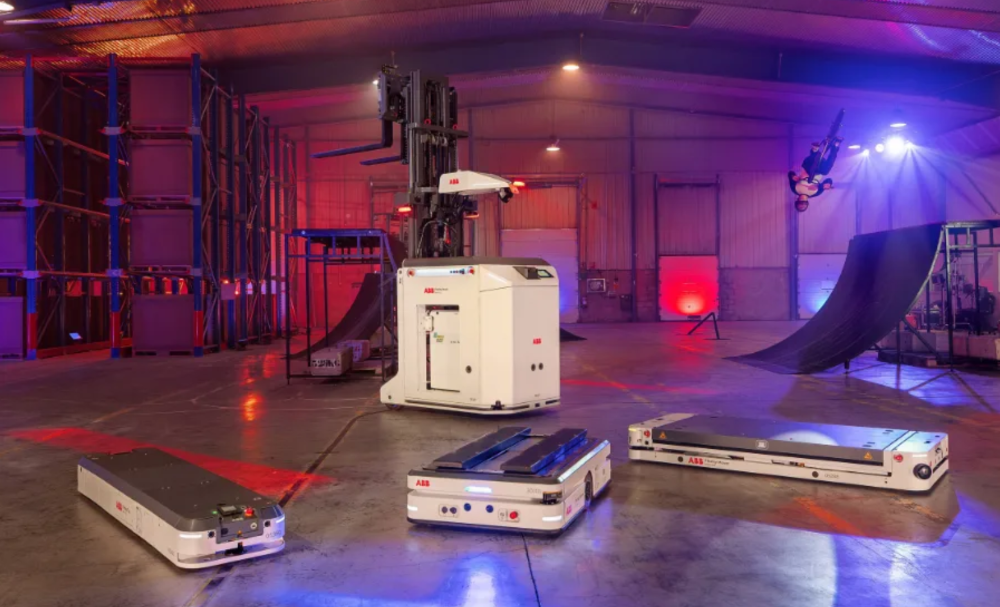
ABB Introduces Flexley Stack F712 AI-Powered Forklift with Visual SLAM Technology
On July 8, ABB Robotics launched the Flexley Stack F712, an AI-driven autonomous forklift utilizing visual SLAM technology. This product completes ABB's lineup of autonomous mobile robots (AMRs), which now includes forklifts, tuggers, and transport vehicles. The F712 can handle various load types, with a maximum capacity of 2000 kg and a lifting height of 8.5 meters, achieving a top speed of 1.7 meters per second under full load. The significance of the F712 lies in its advanced navigation capabilities, which eliminate the need for traditional infrastructure like reflective markers or magnetic strips. With a positioning accuracy of ±10 mm, the F712 can autonomously navigate complex warehouse environments. It integrates seamlessly with the AMR Studio software, allowing for rapid deployment and fleet coordination, reducing debugging time by 20% compared to traditional systems. Looking ahead, the F712 is designed to support various internal logistics tasks, including warehousing and production line operations, and is compliant with the latest ISO and ANSI safety standards. No further timeline was disclosed at the time of publication, but the F712 represents a significant step towards more autonomous and capable robotic solutions in smart manufacturing environments.
Autonomous Forklifts AI Robotics Warehouse Automation Visual SLAM Logistics Technology
SpaceX Proposes 1 Million AI Satellites to Address Ground Data Center Constraints
On January 30, 2026, SpaceX filed with the FCC to launch up to 1 million AI compute satellites, positioning orbital data centers as a solution to the increasing demand for AI computing power. Ground data centers are facing significant challenges, with energy consumption projected to reach approximately 1,050 TWh in 2026, making them the fifth-largest electricity consumer globally. The demand for new data center capacity is outpacing the growth of power generation infrastructure, leading to a critical bottleneck in the grid system. The significance of this initiative lies in the structural constraints faced by ground data centers, including power delivery limitations, high water consumption, and local opposition to new projects. The Uptime Institute's 2026 outlook identifies power as the primary constraint on data center growth, with capacity clearing prices in the PJM grid skyrocketing to $329.17/MW, driven by data center expansion. Additionally, cooling requirements are becoming increasingly unsustainable, with facilities consuming vast amounts of water, further complicating their operational viability. Looking ahead, SpaceX's orbital AI compute initiative aims to circumvent these challenges by leveraging the advantages of space, such as continuous solar power and minimal local opposition. The first AI prototypes are expected to launch in early 2027, with operational deployments planned for 2028. No further timeline was disclosed at the time of publication.

NautiGEN Launches Hydrogen Power Solutions for Maritime Operations, Autonomous Systems and Subsea Applications
On World Oceans Day, NautiGEN, Inc. officially launched as a new player in the maritime hydrogen power sector. The company, a collaboration between Cellula Robotics and Infinity Fuel Cell and Hydrogen, Inc., aims to revolutionize maritime operations, autonomous systems, and subsea applications by providing high-density fuel cell power solutions. This initiative is driven by the need for sustainable energy alternatives in the maritime industry, addressing both environmental concerns and the demand for efficient power sources. NautiGEN's innovative approach is expected to enhance the performance and sustainability of various maritime technologies, marking a significant step forward in the transition to cleaner energy solutions at sea.
cellula robotics nautigen hydrogen power maritime operations autonomous systems subsea applications
Massimo Group Launches AI Intelligent Patrol Platform Initiative Integrating Autonomous Patrol Vehicles, Spherical Security Robots and Drone Systems
Massimo Group has officially launched the prototype development of autonomous patrol electric vehicles, aiming to penetrate the $50.4 billion U.S. security services industry. This initiative, which began in October 2023, focuses on integrating artificial intelligence into patrol and intelligent security mobility systems. By leveraging advanced technology, the company seeks to enhance security operations and improve efficiency in monitoring and response capabilities. The move is part of Massimo Group's broader strategy to innovate within the security sector, addressing growing demands for smarter and more effective security solutions.
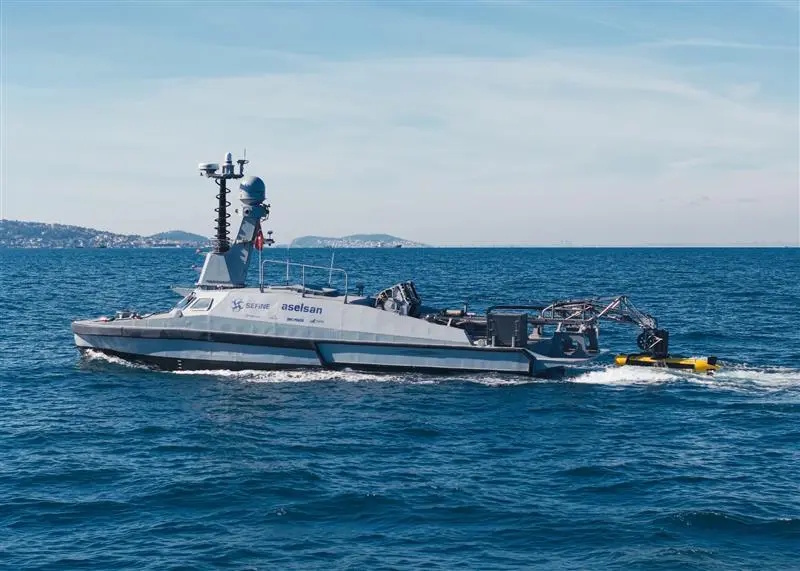
Kraken Robotics Demonstrates KATFISH Autonomous Launch and Recovery from SEFINE USV
Kraken Robotics has successfully integrated and demonstrated its KATFISH towed synthetic aperture sonar system along with an autonomous launch and recovery system (LARS) aboard SEFINE’s RD-22 unmanned surface vessel (USV). This significant event occurred in the first quarter of 2026 off the coast of İstanbul, Türkiye. The collaboration with SEFINE SISAM, the Strategic Unmanned Systems Research Center, highlights the advancements in maritime technology and aims to enhance operational capabilities in underwater exploration and surveillance. The integration of these systems marks a notable achievement in the field of unmanned maritime operations, showcasing Kraken Robotics' commitment to innovation and collaboration in the industry.
kraken robotics katfish autonomous launch and recovery sefine usv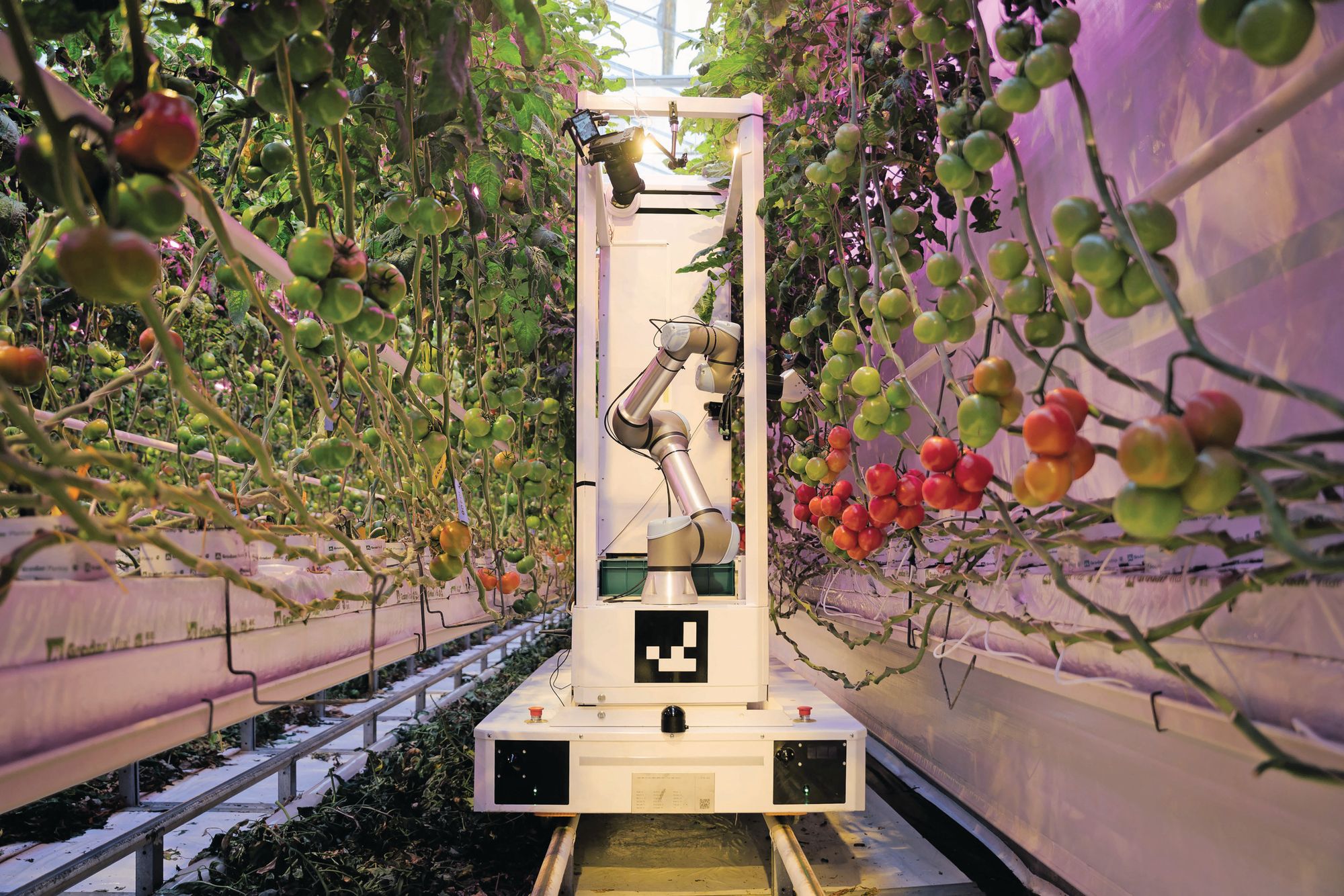
Eternal.ag launches Harvester: a fully autonomous tomato harvesting robot
Eternal.ag, a technology company specializing in agricultural automation, has unveiled its inaugural commercial product: a fully autonomous harvesting robot designed specifically for truss cocktail tomatoes. This innovative solution aims to revolutionize the harvesting process by eliminating the need for human operators, a significant advancement compared to existing robotic systems that typically require one operator for every five to six machines. Co-founder and CEO Renji John highlighted the efficiency of the new robot, stating that it can operate effectively with just one unit per hectare, making it suitable for larger farming operations. The launch of this robot marks a pivotal step in addressing labor shortages in agriculture and enhancing productivity in tomato harvesting.
Field robots field robots harvesting robots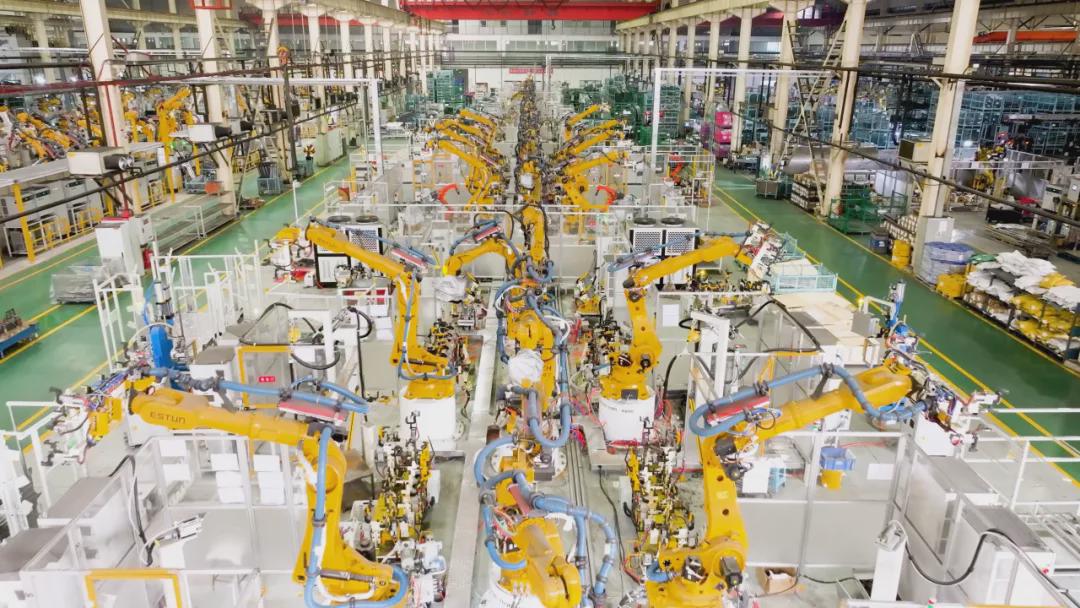
Over 200 Estun Robots Deployed in a Single Line! Large-Scale Production of Fully Autonomous Automotive Parts Welding Line Launched
Estun has marked a significant achievement in the automotive manufacturing sector by successfully installing and commissioning over 200 robots in a fully autonomous production line. This milestone, reached recently, demonstrates an impressive 90% automation level, highlighting Estun's advanced technology and expertise in high-end automotive manufacturing. The successful implementation not only showcases the company's capabilities but also sets a new benchmark for the industry, potentially influencing future manufacturing processes and standards.
Industrial Robots Automotive Manufacturing Automation Technology Robotic Welding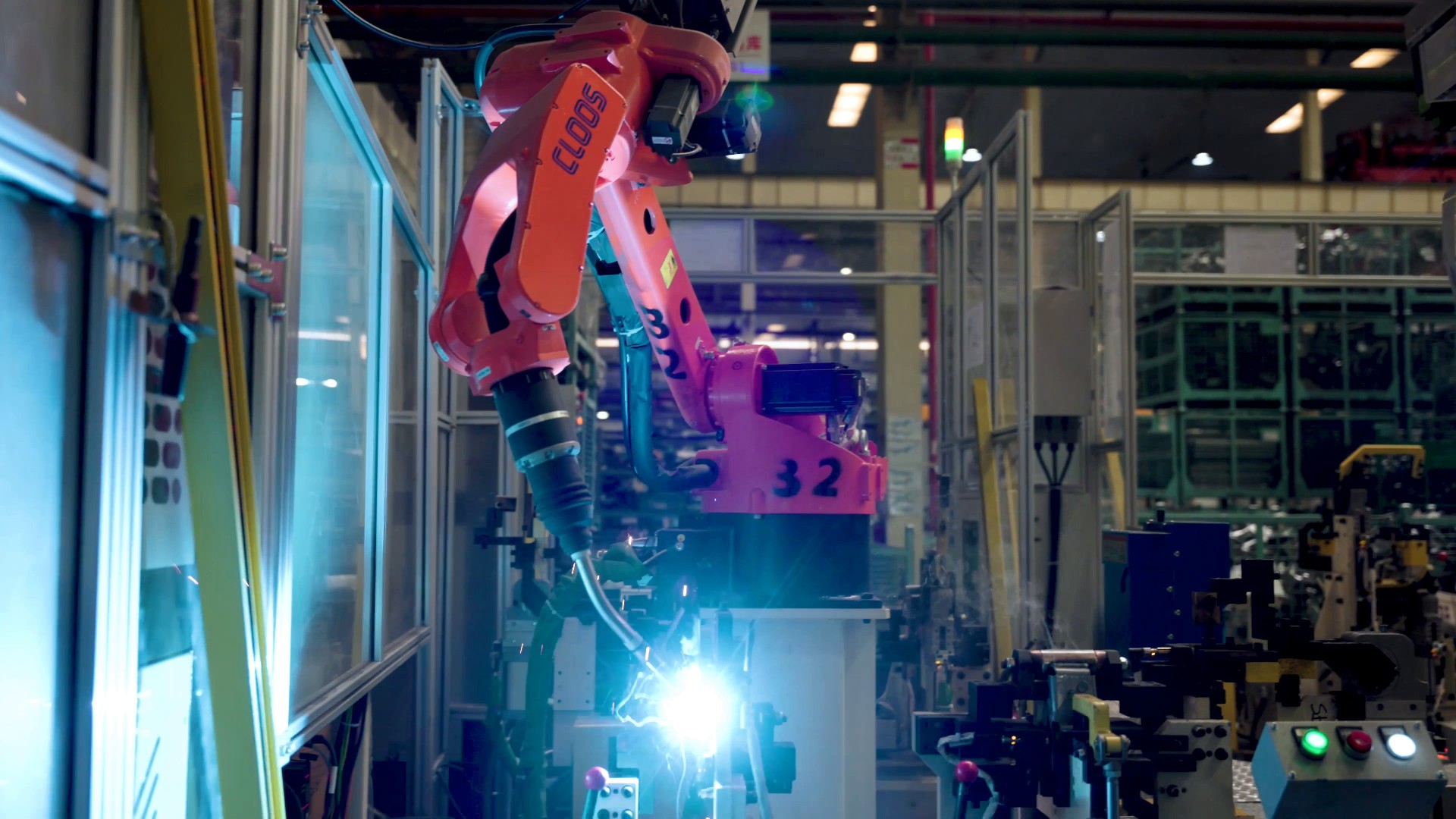
Over 200 Estun Robots Deployed on a Single Production Line: Fully Autonomous Robotic Automotive Parts Welding Line Officially Launched at Scale
In 2025, China solidified its position as a global leader in the new energy vehicle (NEV) industry by producing 16.626 million NEVs, which represented around 74.5% of the world's total NEV output. This remarkable achievement was fueled by advancements in indigenous technologies, exceptional manufacturing efficiency, and a robust automotive equipment sector. The surge in NEV production underscores China's commitment to transitioning towards sustainable transportation solutions and reducing carbon emissions, aligning with global efforts to combat climate change. The country's strategic investments and innovations in the automotive sector have not only bolstered its domestic market but also positioned it as a key player in the international NEV landscape.
ESTUN AUTOMATION ROBOTICS SERVO SYSTEMS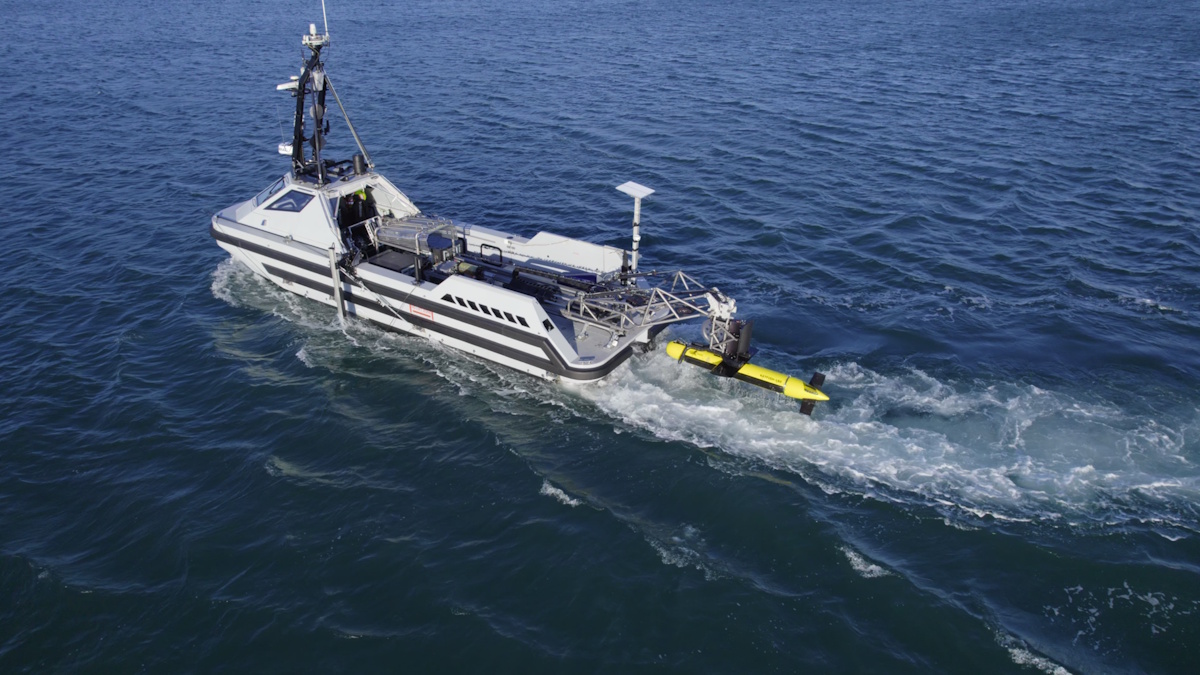
Kraken Robotics and TKMS ATLAS UK Demonstrate KATFISH USV Launch and Recovery System on an in-service UK Royal Navy ARCIMS USV
Kraken Robotics has successfully demonstrated its KATFISH Unmanned Surface Vessel Launch and Recovery System (USV-LARS) aboard TKMS ATLAS UK's 11-meter ARCIMS Unmanned Surface Vehicle (USV). This demonstration highlights a significant advancement in maritime security technology, as the integrated systems deliver a comprehensive autonomous survey solution tailored for mine countermeasure operations and the inspection of critical underwater infrastructure. Notably, the collaboration between ARCIMS and KATFISH USV-LARS marks the introduction of the industry's first air-deployable, 300-meter depth-rated autonomous towed Synthetic Aperture Sonar (SAS) survey system. This innovation aims to enhance operational efficiency and safety in maritime missions.
kraken robotics tkms atlas uk katfish usv launch and recovery system uk royal navy arcims usv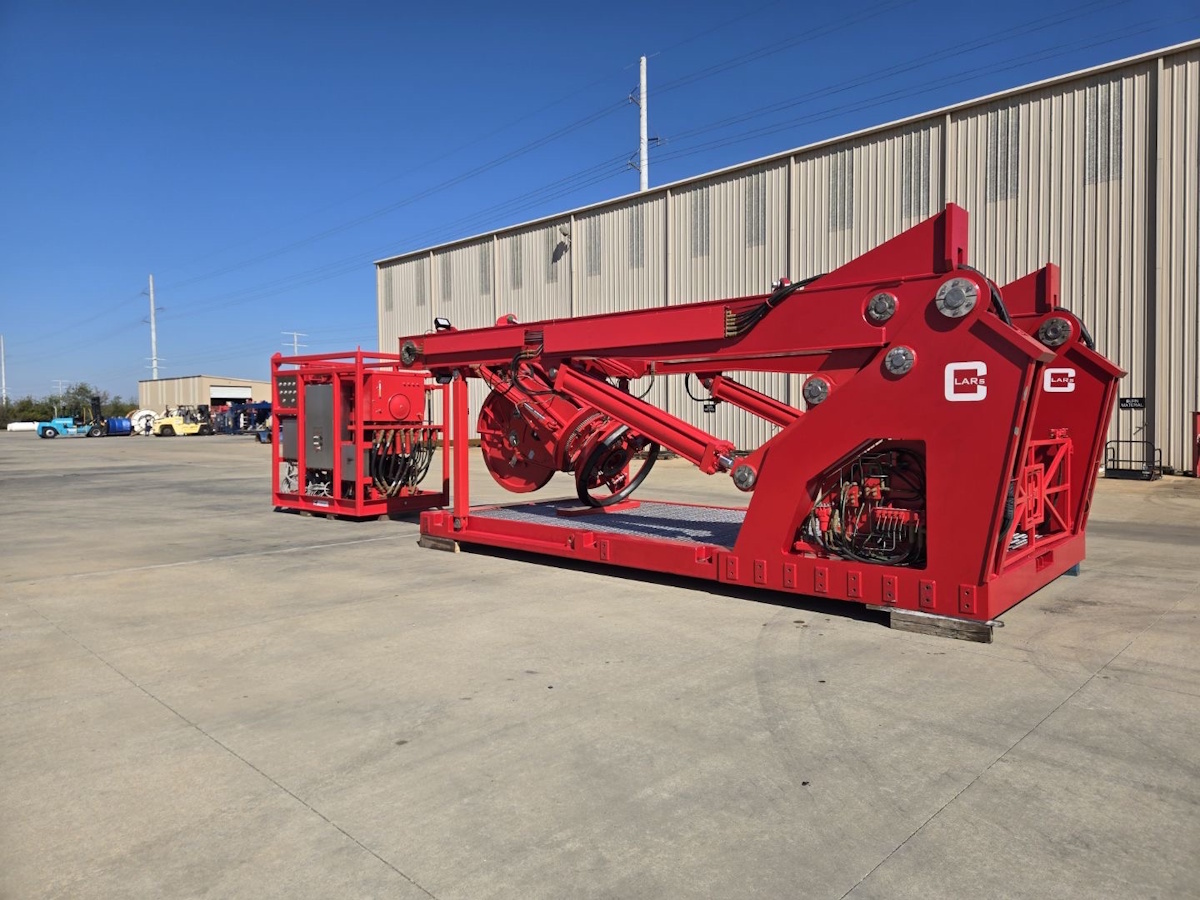
C-LARS Delivers New State of the Art Launch and Recovery System
C-LARS has successfully delivered its advanced Launch and Recovery System to Helix Robotics Solutions in the United States, enhancing the capabilities of their existing fleet. This cutting-edge hydraulic system includes a multiple drive winch system (CTW513) equipped with a Scantrol mTrack Active Heave Package, a powerful 300 horsepower electro-hydraulic power unit (CTH2300), and a self-erecting LARS (CTA620). The delivery marks a significant upgrade for Helix Robotics, aimed at improving operational efficiency and performance in underwater robotics applications.
c-lars launch and recovery systemRobotics needs a service framework.
RSF defines a common language for robot service capability, lifecycle operations, certification pathways, and service-provider networks.
Join the RobotToday community on LinkedIn
Daily robotics news, in-depth analysis, conference highlights, and discussions with professionals worldwide.







