Industry Briefing
A single destination for timely, editor-curated robotics news from around the world.
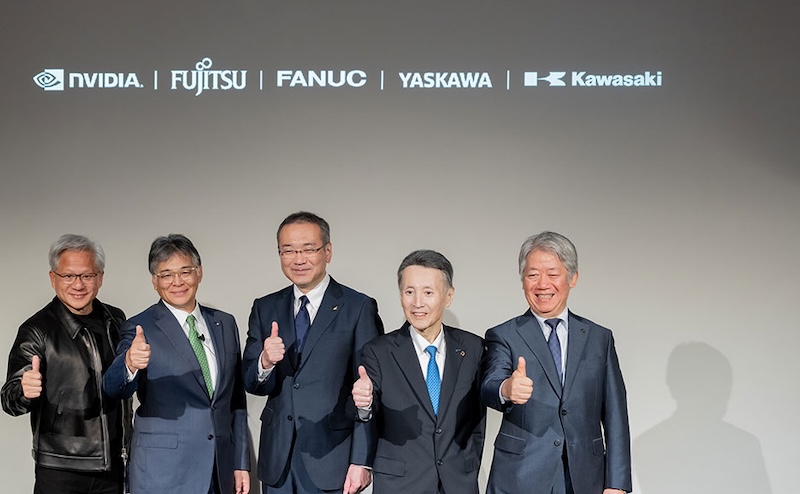
Fujitsu Collaborates with Fanuc, Yaskawa, and Kawasaki to Enhance Physical AI with Nvidia
Fujitsu has initiated a partnership with Japanese robotics firms Fanuc, Yaskawa Electric, and Kawasaki Heavy Industries to advance the development and deployment of physical AI in sectors such as manufacturing, logistics, and healthcare. This collaboration will leverage Nvidia's physical AI technologies to create a collaborative control platform that connects digital systems with robots and physical equipment. The initiative aims to accelerate the adoption of physical AI, addressing challenges like labor shortages and an aging workforce while enhancing global competitiveness. The platform will optimize production planning in manufacturing, automate material handling in logistics, and improve healthcare operations by automating the transport of medical supplies and assisting with patient interactions. Fujitsu plans to develop an open collaborative control platform that integrates AI, robotics, and data analysis technologies, ensuring interoperability and addressing cybersecurity concerns. No further timeline was disclosed at the time of publication.
Artificial Intelligence Industry News ai factory automation fanuc
Fujitsu Leads Initiative to Integrate Nvidia Technology in Japanese Robotics and AI
Fujitsu, a prominent Japanese communications company, is spearheading an initiative to integrate Nvidia's technology into artificial intelligence applications. This collaboration aims to merge Japan's advanced manufacturing capabilities in robotics with cutting-edge AI solutions. The significance of this initiative lies in its potential to enhance the efficiency and effectiveness of robotics in various sectors. By leveraging Nvidia's technology, Fujitsu seeks to position Japan at the forefront of the global AI and robotics landscape, showcasing the country's strengths in innovation and manufacturing. Looking ahead, industry stakeholders will be keen to observe the developments stemming from this collaboration. No further timeline was disclosed at the time of publication, but the integration of Nvidia's technology could lead to significant advancements in physical AI applications within Japan's robotics sector.
Robotics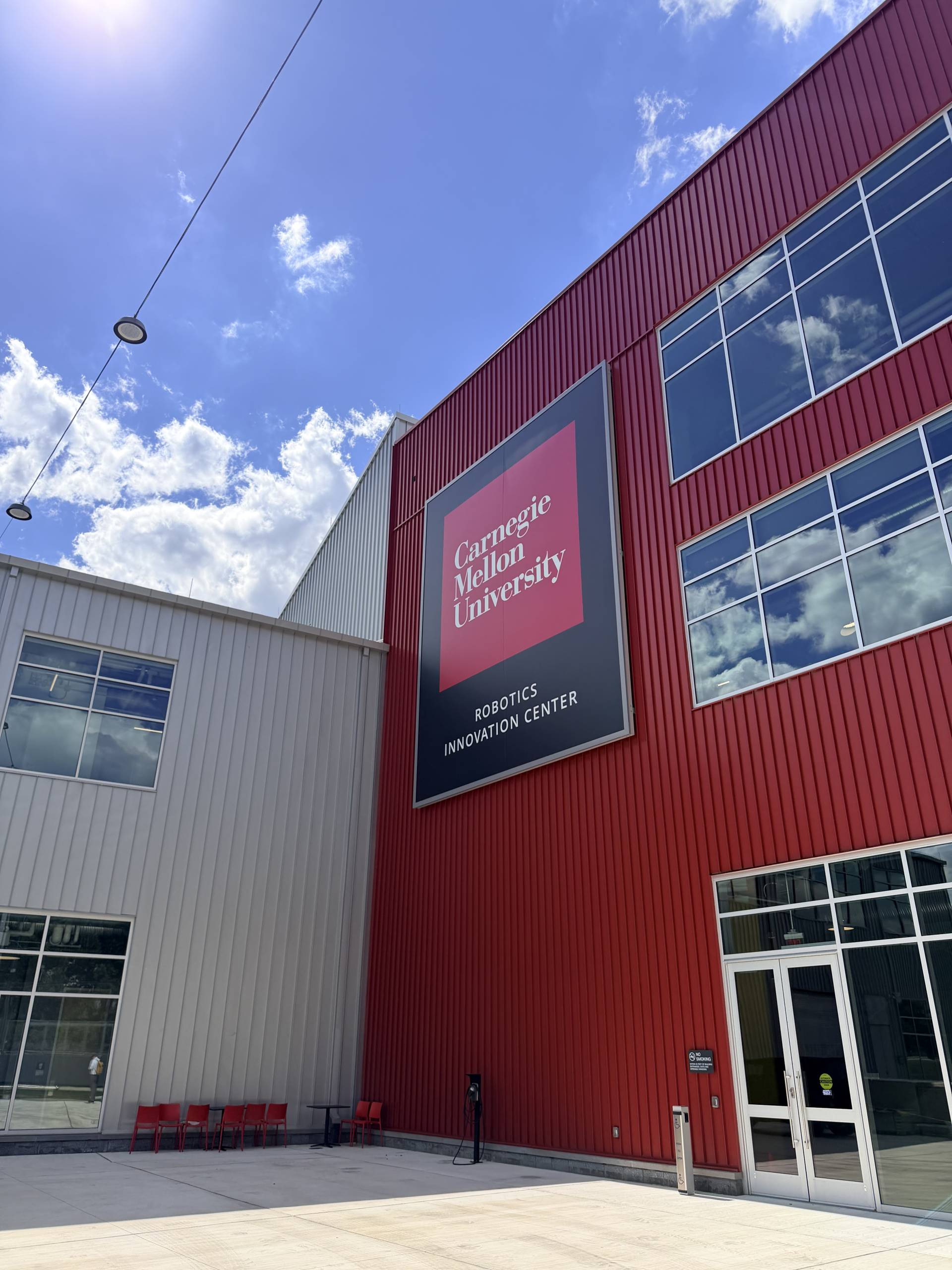
Fujitsu Joins CMU Robotics Innovation Center
Carnegie Mellon University's Robotics Innovation Center (RIC) has announced the addition of Fujitsu Limited as its newest corporate tenant. This partnership will take place within the university's state-of-the-art robotics and artificial intelligence research facility located at Hazelwood Green. The collaboration aims to enhance research and development efforts in the field of robotics, leveraging Fujitsu's technological expertise to foster innovation.
Announcements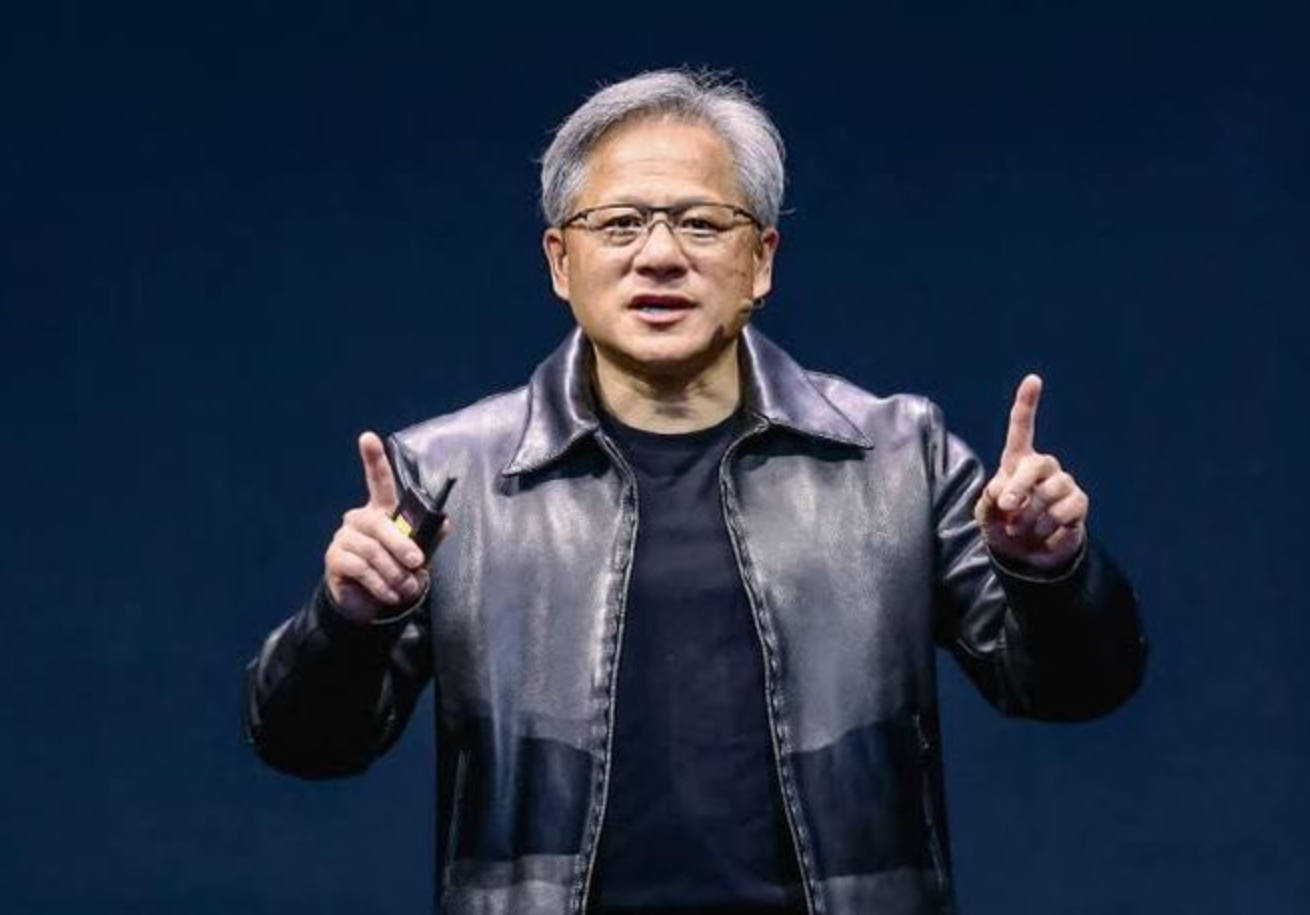
NVIDIA's CEO Jensen Huang Announces Expansion of Physical AI Collaboration in Japan
On July 16, NVIDIA CEO Jensen Huang announced an expansion of collaboration with Japanese companies in the field of 'physical AI' during an event in Tokyo. This initiative marks a strategic move to integrate NVIDIA's technology into Japan's manufacturing sector, particularly through a partnership with Toyota to develop AI models for the Woven City traffic control system. The collaboration with Toyota is central to NVIDIA's strategy, as the company will provide GPUs and development tools to Toyota's subsidiary, Woven by Toyota. This partnership aims to embed NVIDIA's technology into the city's digital twin platform, Omniverse, enhancing factory production and driving manufacturing robots with the Isaac platform. Additionally, Huang revealed plans to deepen cooperation with major Japanese industrial automation firms, including Fujitsu, Fanuc, Yaskawa Electric, and Kawasaki Heavy Industries, as part of the Cosmos Coalition. This initiative aims to strengthen Japan's position in the global AI robotics market, with a government goal of achieving a 30% market share by 2040. No further timeline was disclosed at the time of publication.
Physical AI Robotics Industrial Automation AI Technology
Nvidia Launches Cosmos 3 Edge AI Model and Expands Physical AI Ecosystem in Japan
Nvidia has introduced its new AI model, Cosmos 3 Edge, aimed at enhancing physical AI applications in Japan. This model is designed to help systems perceive and navigate real-world environments, marking a significant step in Nvidia's strategy to penetrate the physical AI market. The expansion is part of CEO Jensen Huang's visit to Japan, where Nvidia is forming partnerships with local industrial leaders such as Fujitsu, Hitachi, and Kawasaki Heavy Industries. Huang emphasized the potential for Japan to reinvent its manufacturing sector for intelligent industries, highlighting the country's historical significance in modern manufacturing. Looking ahead, Nvidia is also targeting Japan's healthcare and biotechnology sectors, collaborating on initiatives like the Tokyo-1 AI drug discovery consortium. With Japan's AI market projected to reach $27.9 billion by 2029, Nvidia's efforts could significantly influence the landscape of AI adoption in the region. No further timeline was disclosed at the time of publication.
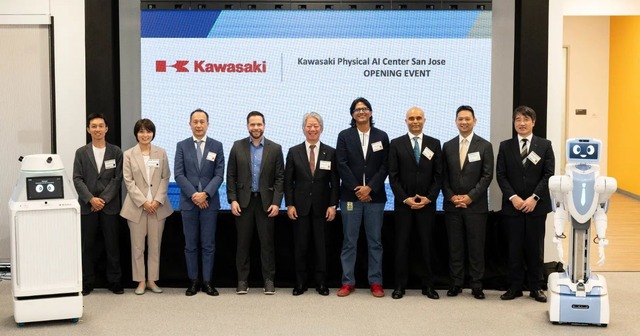
川崎重工、シリコンバレーにフィジカルAI拠点を開設 NVIDIA・Microsoft・富士通・Analog Devicesと協業へ
Kawasaki Heavy Industries announced the opening of the Kawasaki Physical AI Center San Jose in San Jose, California, on May 22, 2026. This new facility aims to accelerate collaboration between Japan and the United States in the fields of artificial intelligence and semiconductors. The center will work closely with major technology companies, including NVIDIA, Analog Devices, Microsoft, and Fujitsu, to promote advancements in physical AI implementation. This initiative reflects Kawasaki's commitment to fostering international partnerships and driving innovation in cutting-edge technology sectors.
Kawasaki Heavy to partner with Nvidia on physical AI, open US robot center
Kawasaki Heavy Industries is collaborating with Nvidia to develop innovative solutions that merge robotics with physical artificial intelligence. This partnership, which includes contributions from Microsoft and Fujitsu, will establish a joint development center in Silicon Valley. The initiative aims to enhance Kawasaki's robotics applications by integrating Nvidia's advanced AI technology. This strategic move comes as the demand for AI-driven solutions in various industries continues to grow, with expectations that physical AI will significantly impact a large portion of companies in the coming years. The collaboration reflects a broader trend of Japanese and U.S. firms working together to advance AI technologies, particularly in sectors such as manufacturing and healthcare.
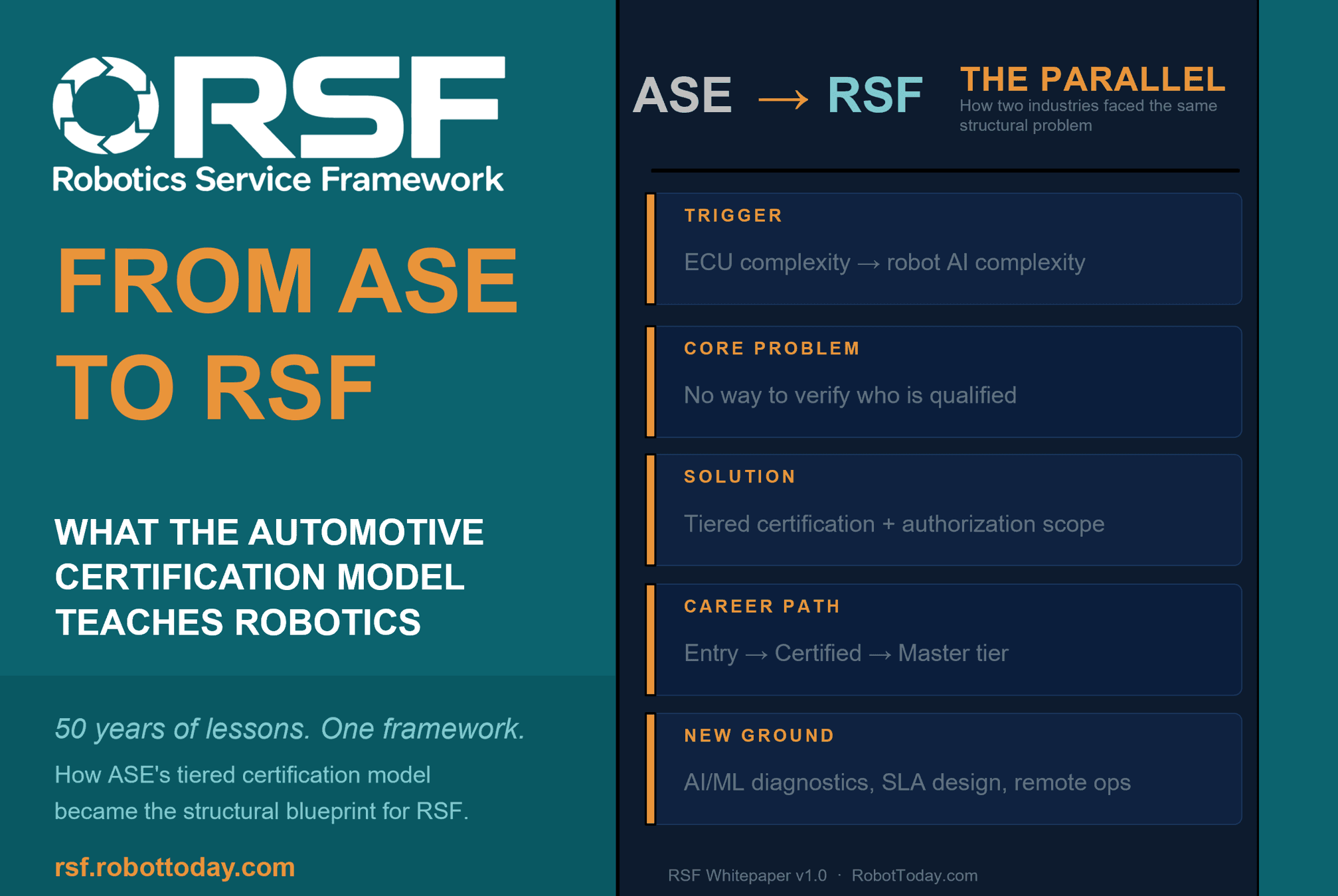
Robotics needs a service framework.
RSF defines a common language for robot service capability, lifecycle operations, certification pathways, and service-provider networks.