Industry Briefing
A single destination for timely, editor-curated robotics news from around the world.
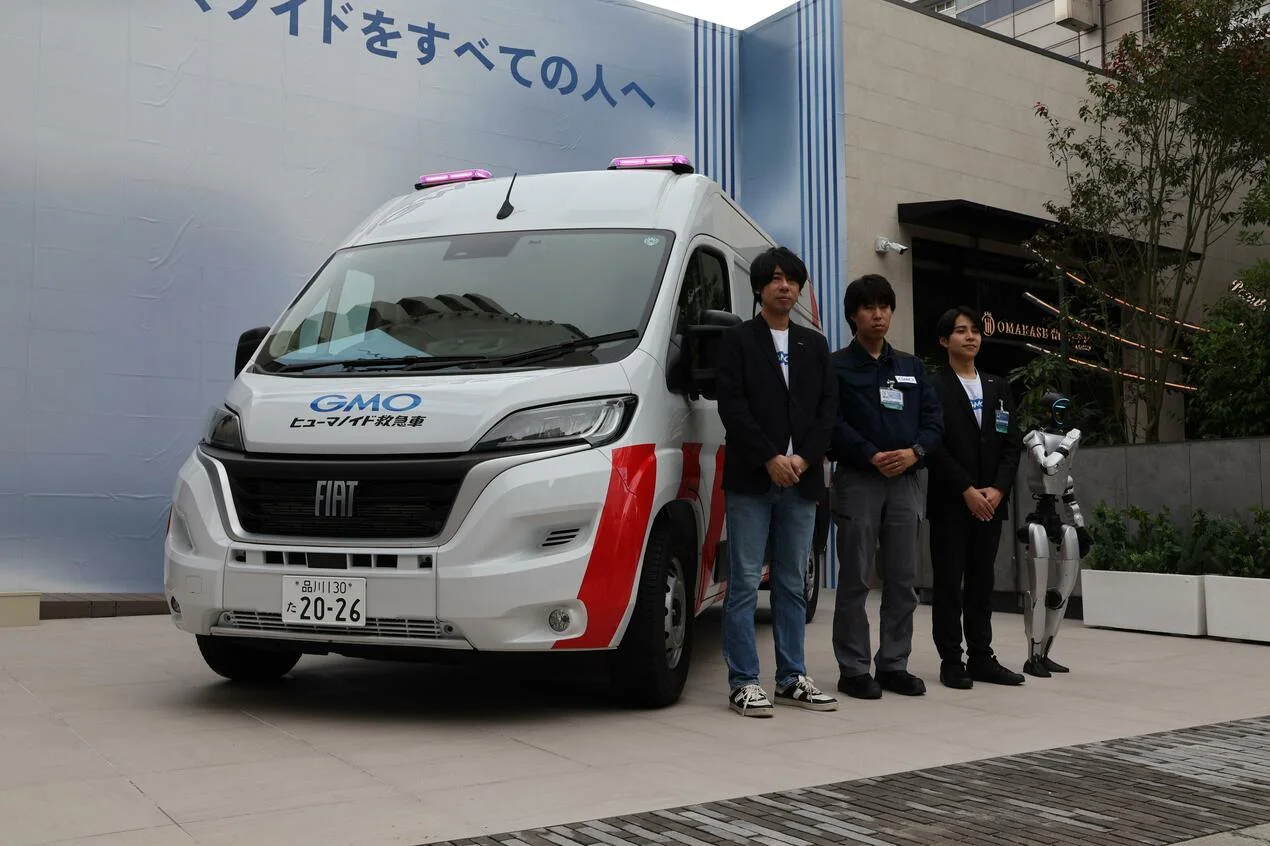
Tokyo Introduces Emergency 911 Service for Malfunctioning Humanoid Robots
Tokyo has launched the GMO Humanoid Ambulance, an emergency service for malfunctioning humanoid robots. This innovative service aims to address the challenges of robot breakdowns in public spaces, particularly in busy environments like Haneda Airport. The introduction of the Humanoid Ambulance is significant as it provides immediate roadside assistance to malfunctioning robots, reducing downtime and preventing lost productivity. With a dedicated robotics engineer on board, the service ensures that repairs can be conducted swiftly, transforming potential failures into manageable situations. Looking ahead, the development of this service highlights the need for robust infrastructure to support the deployment of humanoid robots in everyday environments. No further timeline was disclosed at the time of publication.
Japan
Beijing Robotics Expo Features Robots Sorting Packages and Serving Fast Food
At a robotics expo in Beijing, robots demonstrated their capabilities by sorting parcels and serving fried chicken, captivating attendees. This event showcased the potential of robotics and artificial intelligence in reshaping the labor market, with hundreds of companies presenting their innovations. The significance of this expo lies in its focus on how automation can transform various sectors, particularly in logistics and food service. As artificial intelligence continues to advance, the integration of robots in everyday tasks could lead to increased efficiency and changes in workforce dynamics. Looking ahead, industry observers will monitor the ongoing developments in robotics and AI technologies. The expo serves as a platform for companies to highlight their contributions to a future where automation plays a crucial role in labor markets. No further timeline was disclosed at the time of publication.
Robotics
Concerns Arise Over High Repair Costs and Limited Service for Consumer Robots
Recent discussions have highlighted the high repair costs and limited service options for consumer robots, particularly in the case of humanoid robots and robotic dogs. Users have reported significant expenses for repairs, such as a $30,000 bill for a humanoid robot that suffered a minor fall, leading to a complex repair process involving precision adjustments and recalibration. This situation is concerning as it underscores the challenges faced by consumers in maintaining their robotic investments. With warranty periods typically ranging from one to one and a half years, many repairs fall outside of warranty coverage, especially when deemed as user-induced damage. The high costs associated with repairs can deter potential buyers and raise questions about the long-term viability of consumer robotics. Looking ahead, the industry must address these repair and service challenges to enhance consumer confidence. As more users engage with robotic technology, the demand for affordable and accessible repair services will likely increase. No further timeline was disclosed at the time of publication.
Consumer Robots Robot Repair Services Maintenance Costs Third-Party Services
72 Robots Transform Park Services in Beijing: Cleaning, Patrolling, Guiding, and More
In Beijing, 72 robots are now operational across 14 municipal parks, enhancing services such as cleaning, patrolling, and guiding visitors. These robots address critical tasks in park management, including waste collection and ecological monitoring, significantly easing the workload of human staff, especially during challenging weather conditions. The introduction of these robots is significant as it marks a shift towards automation in public services, improving efficiency and visitor experience. Equipped with advanced technologies like laser radar and AI models, the robots can adapt their cleaning intensity based on detected waste and provide real-time guidance to park visitors, contributing to a cleaner and more organized environment. Looking ahead, the Beijing Municipal Bureau of Economy and Information Technology plans to evaluate the performance of these robots across different parks to enhance their operational effectiveness. This initiative reflects a broader trend of integrating technology into urban management, promising a more efficient and intelligent approach to public service delivery in the future.
Robotics Park Management AI Technology Urban Automation
Chinese Robots Enter UK Home Service Market with Dual Certification Initiative
From July 20 to 22, a roundtable dialogue on Sino-British home service policies was held in Beijing, organized by the National Development and Reform Commission's International Cooperation Center. Key stakeholders from both countries discussed the industry's development, highlighting the entry of a unique robot named Liyang Xiaodangjia, which is set to meet UK service standards. This initiative is significant as it marks a step towards establishing internationally recognized service standards, crucial for the expansion of Chinese service robots into the UK home market. With China's robot exports reaching 10.37 million units valued at 19.99 billion yuan in the first five months of 2026, the focus is on overcoming cultural differences in service expectations between China and the UK. Looking ahead, the collaboration between Yangguang Dajie Group and TQUK aims to create a dual certification pathway for service workers, enhancing the credibility of service robots in domestic settings. The training of Liyang Xiaodangjia in real-life scenarios is a critical aspect of this initiative, as it seeks to align with both Chinese and UK service standards to facilitate smoother market entry.
Service Robots Home Automation AI International Standards
Study Shows Autonomous Service Robots Influence Social Behavior at Public Events
A recent study by ethologists at ELTE revealed that visitors at public events were more likely to notice an autonomous service robot than a human server. The experiment found that candy offered by the robot was taken more quickly, indicating a higher level of curiosity and engagement with the robotic server. This research highlights the potential impact of autonomous service robots on social interactions in public settings. The findings suggest that the presence of robots can alter human behavior, making them more receptive to engaging with technology in social contexts. Looking ahead, it will be important to monitor how the integration of autonomous service robots in various environments continues to shape social behaviors. No further timeline was disclosed at the time of publication.
Consumer & Gadgets
Humanoid Robots Poised to Revolutionize Service Sector, Not Manufacturing Lines
The humanoid robot industry is shifting focus towards service applications by 2026, as evidenced by Robot.com's R-noid robot, which can be deployed in just 8 to 12 weeks. This rapid deployment is particularly suited for commercial kitchens, warehousing logistics, and chain hotels, rather than traditional manufacturing environments. This shift is crucial due to the high turnover rates in the service industry, with the restaurant sector experiencing over 300% annual turnover and hotel housekeeping positions facing similar challenges. Traditional industrial robots cannot address these issues, as they require extensive planning and facility modifications, which are not feasible for service businesses. The R-noid robot's ability to integrate into existing workflows without requiring renovations makes it an attractive solution for service operators. As deployment times decrease, the return on investment for businesses facing high turnover becomes more appealing, making humanoid robots a viable option for addressing the pressing needs of the service industry.
Humanoid Robots Service Automation Restaurant Technology Warehouse Logistics
AgriFood Signals: Farmland LP Secures $126 Million for New Fund Amid Industry Developments
AgFunderNews highlights significant developments in agtech and foodtech, including Farmland LP's successful fundraising of $126 million for its third fund. This capital will support investments in sustainable agriculture and food production technologies, reflecting a growing interest in the sector. The importance of this funding is underscored by the increasing demand for innovative solutions in agriculture, particularly as the industry faces challenges related to sustainability and efficiency. Farmland LP's new fund aims to capitalize on these trends, positioning itself as a key player in the evolving agtech landscape. Looking ahead, stakeholders should monitor how Farmland LP deploys its new capital and the impact of other recent funding rounds, such as Sharpa's $670 million for robotics at Dairy Queen. No further timeline was disclosed at the time of publication.
Agtech FoodTech
World Humanoid Robot Games Showcase Hotel Service Robots in 30-Minute Challenges
The second World Humanoid Robot Games took place on August 16-17 at the Beijing Wuzhou Hotel, featuring a hotel guest service competition. During the event, robots were tasked with moving luggage, restocking rooms, and tidying bedding within a strict 30-minute timeframe, demonstrating their capabilities in a real hotel environment. This competition is significant as it tests various robotic skills, including weight-bearing balance, dexterous grasping, navigation, and long-chain task planning. Robots were evaluated based on their autonomy, with a full autonomous performance scoring a weight of 1.0, while remote control operations received a score of 0.5. Looking ahead, the outcomes of this competition may influence future developments in hotel automation and service robotics. The results could provide insights into the effectiveness of robotic systems in hospitality settings, although no further timeline was disclosed at the time of publication.

Service Robots Sales Surge: 34% in Cleaning and 91% in Medical Applications
In 2025, nearly 200,000 professional service robots were sold globally, marking a 9% increase. Notably, the cleaning robots segment saw a significant rise of 34%, while medical robots experienced an impressive growth of 91%. These statistics indicate a shift from experimental use to economically viable applications in sectors such as logistics, healthcare, and agriculture. The data, derived from the World Robotics 2025 – Service Robots report by the International Federation of Robotics (IFR), highlights the growing maturity of service robotics in various industries. With over 199,000 units sold in 2024, the figures reveal that while some categories like hospitality robots are declining, others are rapidly advancing, particularly in logistics, which surpassed 100,000 units sold. Looking ahead, the service robotics market is expected to continue its strong growth trajectory into 2026 and beyond. The IFR's report underscores the importance of identifying sectors where automation is achieving economic viability, suggesting a promising future for service robots in diverse applications.
À la une Humanoide IA Industrie Robotique AMR
NoTip Initiates Public Beta for Robotic Food Delivery Service in Mason, Ohio
NoTip has commenced public beta testing of its robotic food delivery platform in Mason, Ohio, allowing residents to access an innovative autonomous delivery service. This service integrates electric vehicles with delivery robots, utilizing a patent-pending dual-stage delivery system to enhance food delivery in suburban areas where traditional sidewalk robots face challenges. The significance of this initiative lies in NoTip's aim to make food delivery more affordable and reliable, independent of restaurants and gig workers. Customers can download the NoTip app to place orders, track deliveries in real-time, and enjoy a flat $6 delivery fee without tipping or price mark-ups. John Vo emphasized the importance of this beta testing phase in refining the delivery experience through customer feedback. Looking ahead, NoTip plans to leverage insights gained during the beta program to inform future enhancements and expansion strategies for its robotic delivery platform. The response from customers during this trial will be crucial in shaping the service's commercial viability and operational scope.
Logistics News autonomous delivery platform autonomous food delivery delivery robotics delivery robots
Tesla's Optimus Robots to Support Starmind Satellite Production, Not Maintenance
Tesla's Optimus robots will not be used to repair Starmind satellites in orbit, as confirmed by recent statements from Elon Musk. Instead, these robots are intended to assist in the construction and operation of the Terafab chip manufacturing facility in Texas. The AI1 satellites, designed to disintegrate upon reentry, highlight the company's swap-and-replace strategy rather than traditional maintenance practices. This approach is significant as it reflects a broader trend in satellite management, where mass-produced satellites are replaced rather than repaired. The economics of servicing missions are prohibitive, with the cost of launching a replacement satellite being significantly lower than conducting a repair mission. This model aligns with SpaceX's operational history, where rapid replacement of satellites is more efficient than attempting to maintain them in orbit. Looking ahead, the focus will remain on the production capabilities of the Gigasat factory, which is expected to support the continuous replacement of satellites. No further timeline was disclosed at the time of publication, but the demand for rapid satellite turnover suggests a robust future for Optimus robots in terrestrial manufacturing rather than in-space servicing.
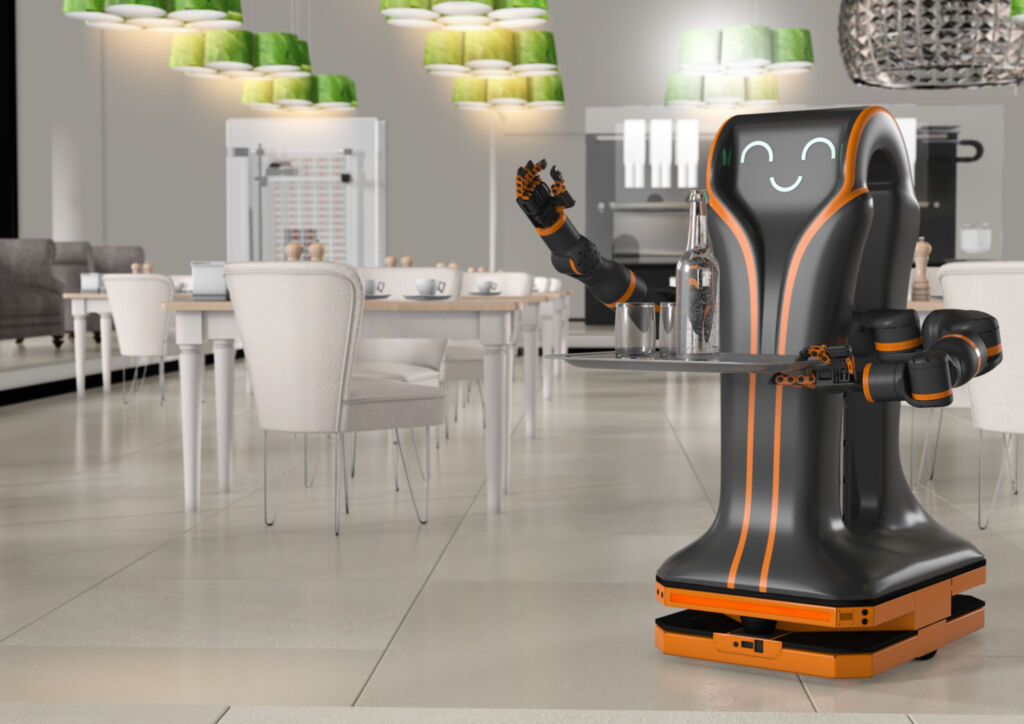
Humanoid service robots for household use
Igus has expanded its product lineup with the introduction of the Iggy Rob Home, a new humanoid service robot designed for household use. This latest addition aims to enhance domestic life by providing assistance in various tasks, reflecting the company's commitment to innovation in robotics. The announcement was made recently, highlighting Igus's ongoing efforts to integrate advanced technology into everyday environments. The Iggy Rob Home is expected to cater to the growing demand for smart home solutions, offering users a convenient and efficient way to manage household chores.
Allgemein Humanoide Robotik Robotik Servicerobotik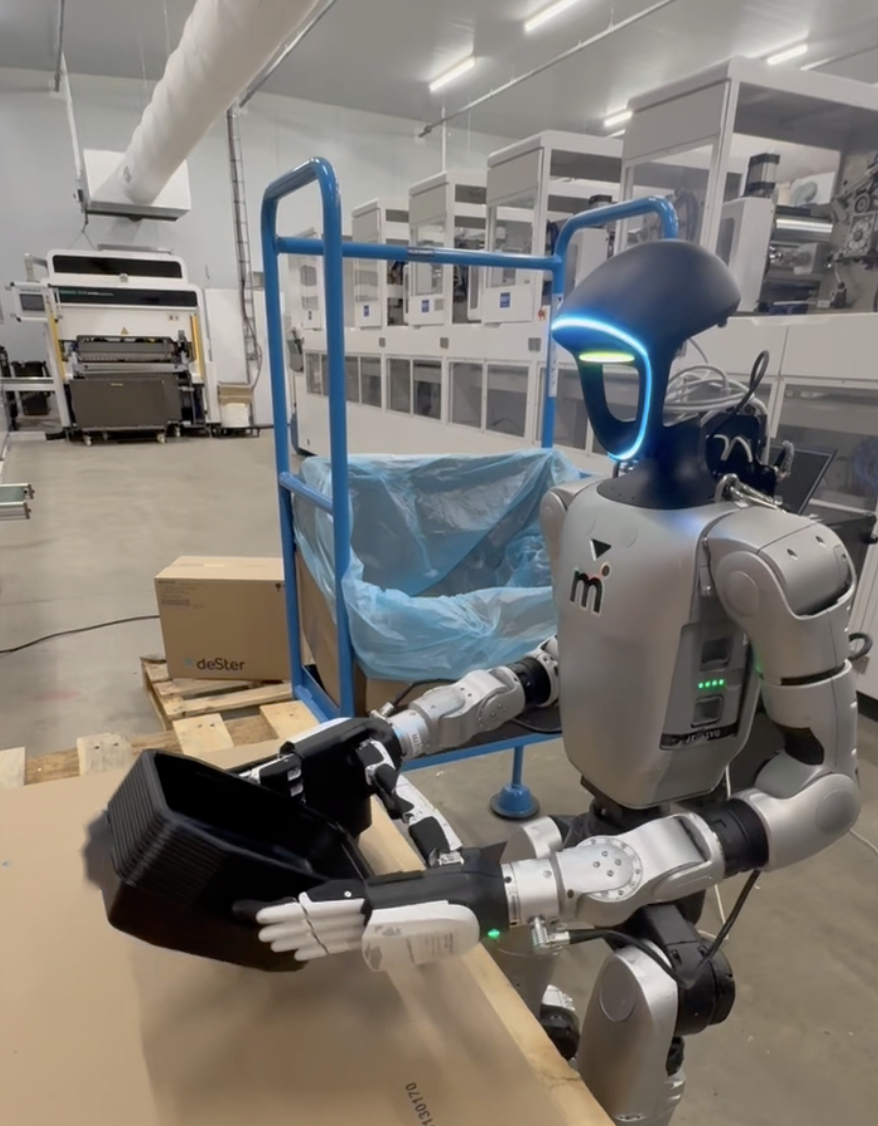
Motion Secures $2 Million to Launch Humanoids-as-a-Service in European Factories
Motion, a pioneer in Humanoids-as-a-Service (HaaS) in Europe, has successfully raised $2 million in a pre-seed funding round led by Extantia Capital. This investment will enable Motion to transition its five pilot projects with Belgian industrial and logistics companies into full-scale production, expand its workforce, and enhance its fleet of humanoid robots, starting in the Benelux region. The significance of this funding is underscored by the pressing labor shortages in European factories, where 72 percent of manufacturers reported challenges in filling roles, particularly for machine and plant operators, according to a ManpowerGroup survey. The deployment of humanoid robots is crucial for addressing these workforce gaps and supporting Europe’s industrial ambitions, especially as competition from countries like China intensifies. Looking ahead, Motion aims to simplify the adoption of humanoid robots by offering a comprehensive service model that includes financing, compliance, and maintenance under a single monthly fee. No further timeline was disclosed at the time of publication.
Humanoids News european manufacturing extantia capital factory automation humanoid robots
IFDA 2026 Solutions Conference to Address Foodservice Distribution Challenges
The IFDA 2026 Solutions Conference is set to take place from September 13-15 in San Antonio, gathering foodservice distribution professionals, suppliers, and solution providers. The event aims to explore operational challenges within the industry and discuss strategies that can be implemented across various distribution businesses. This conference is significant as it provides a platform for industry stakeholders to collaborate and share insights on pressing issues affecting foodservice distribution. By focusing on operational solutions, participants can enhance their business practices and improve overall efficiency in the sector. Looking ahead, attendees can expect valuable discussions and networking opportunities that may lead to innovative solutions for the foodservice distribution industry. No further timeline was disclosed at the time of publication.

Tau Robotics Launches Humanoid Robot Cleaning Service in San Francisco Pilot Program
Tau Robotics has introduced a pilot program allowing San Francisco residents to hire humanoid robots for cleaning tasks at $30 per hour. The robots, named Chelsea and Elon, are designed to perform chores such as vacuuming and cleaning kitchen counters, with each unit costing $50,000 to produce. The company aims to scale operations to 1,000 cleanings weekly by 2027 and expand to other cities by 2028. This initiative is significant as it represents a step towards integrating humanoid robots into everyday household tasks, although experts caution that these robots are not yet fully autonomous. Currently, human technicians remotely supervise the robots, using VR technology to assist them in real-time. The robots are still in development, and their capabilities are limited, requiring human intervention for various tasks. Looking ahead, the future of humanoid robots in domestic settings remains uncertain. Experts predict it may take five to ten years for these robots to perform household chores effectively and safely. As the technology evolves, it will be essential to monitor advancements and the potential for broader adoption in the coming years.

Dogtooth Secures £14M Investment for AI Robotics in Agriculture
Cambridge-based AI robotics company Dogtooth has successfully raised £14 million in funding to enhance its agricultural technology solutions. This investment aims to accelerate the development of advanced robotics designed for precision farming, addressing the growing demand for automation in the agtech sector. The funding round highlights the increasing interest in AI-driven solutions within the agricultural industry, particularly in the UK market. The significance of this funding lies in its potential to transform agricultural practices through the integration of AI and robotics. As the global agricultural sector faces challenges such as labor shortages and the need for sustainable practices, innovations like those from Dogtooth are crucial. The investment reflects a broader trend of increasing capital flow into agtech, with investors recognizing the importance of technology in enhancing productivity and sustainability. Looking ahead, Dogtooth's next steps will likely focus on scaling its technology and expanding its market presence. No further timeline was disclosed at the time of publication, but the company’s advancements in AI robotics could set new benchmarks in the agricultural sector, paving the way for future innovations and partnerships in agtech.
Agtech FoodTech
SpaceX's Starmind Project: Supplier Strategy and Chip Manufacturing Plans for 2026
SpaceX's Starmind project, aimed at deploying up to 1 million AI satellites, was filed with the FCC on January 30, 2026. The initiative is designed to minimize reliance on external suppliers, with CEO Elon Musk stating that current chip production capabilities only meet 2% of the projected needs. The first satellite, AI1, is set for prototype launches in early 2027, featuring a 70-meter wingspan and a modular payload system that allows for interchangeable chips from various suppliers. The significance of Starmind lies in its ambitious supply chain strategy, which seeks to transition from external hardware suppliers to a fully integrated Musk-owned facility by 2028. The Gigasat manufacturing site in Bastrop, Texas, is expected to be operational by the end of 2027, with plans for high-volume production of the D3 chip, specifically designed for space applications. This approach aims to consolidate chip manufacturing processes under the Terafab joint venture, which has an estimated initial investment of $55 billion. Looking ahead, the next milestone for Starmind is the launch of AI1 prototypes in early 2027, while the full-scale chip production at Terafab is projected to ramp up significantly thereafter. However, analysts express skepticism regarding the feasibility of achieving Musk's ambitious compute goals, which may require substantial investment and time to establish the necessary manufacturing capabilities.

Japan Unveils National Robot Strategy: 10 Million Robots by 2040 for Care and Food Manufacturing
The Japanese government has unveiled an ambitious national robot strategy, targeting the deployment of around 10 million robots across 18 sectors, such as healthcare and food manufacturing, by the year 2040. This initiative, announced recently, aims to tackle labor shortages and boost productivity through the integration of advanced AI technology. The strategy also emphasizes the importance of international collaborations to facilitate both the development and deployment of these robotic systems.
Robotics Healthcare Automation Food Manufacturing AI Technology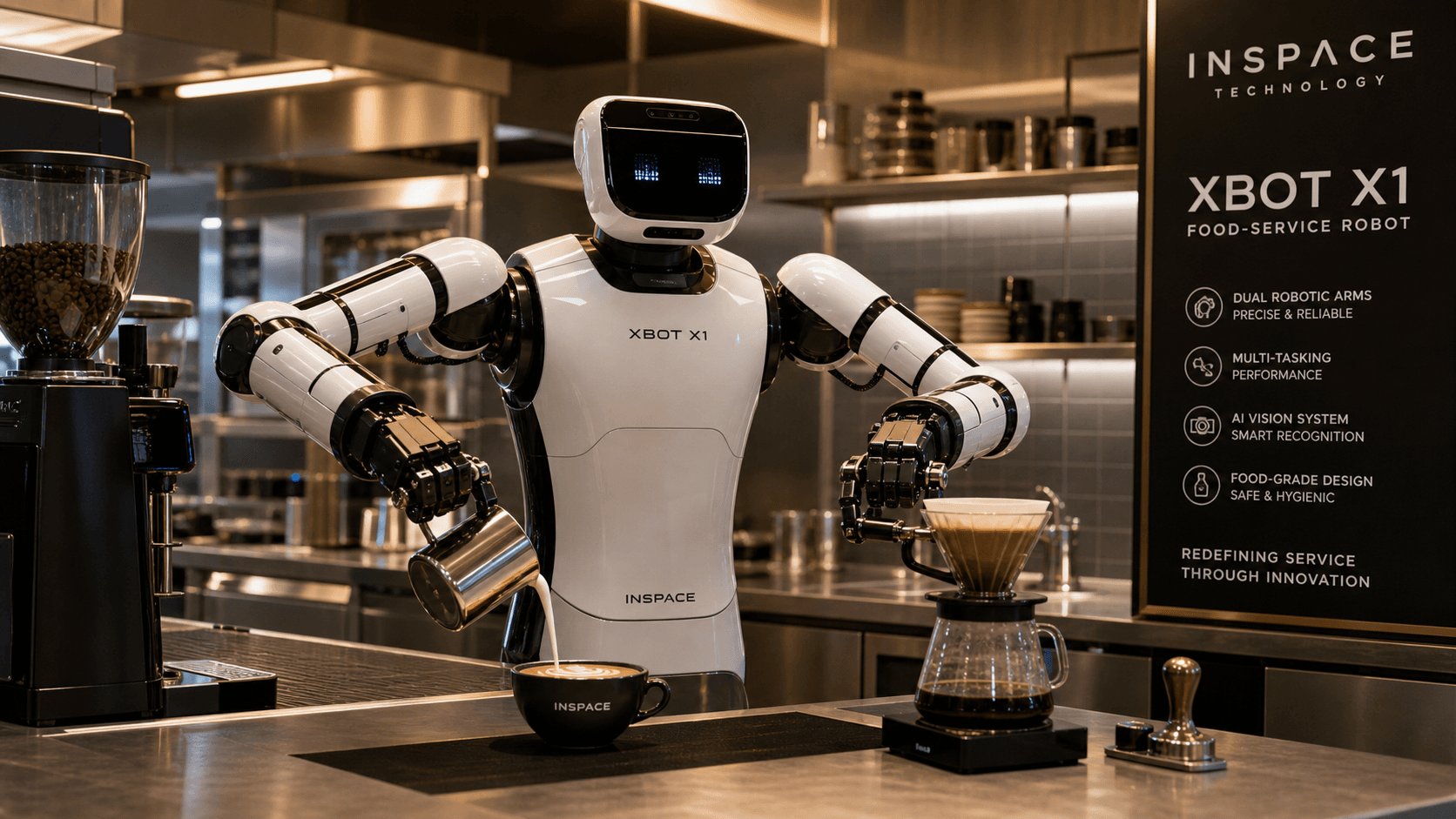
Ex-Xiaomi Executive Tang Mu Launches Food Service Humanoid Robot, Targets Year-End Production
InSpace Technology, a robotics company established by former Xiaomi executive Tang Mu, introduced three innovative food-service robots during a product launch event held on June 30. The unveiling took place in a bid to enhance efficiency in the food service industry, addressing the growing demand for automation in restaurants and catering services. These robots are designed to streamline operations, reduce labor costs, and improve customer service by delivering food and beverages directly to tables. The launch event showcased the robots' advanced features and capabilities, highlighting their potential to revolutionize the way food service is conducted.
Robotics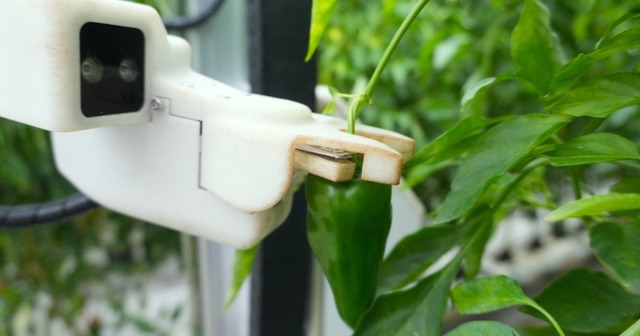
AGRIST partners with Microsoft to tackle global food challenges using AI harvesting robots in advanced agricultural applications.
AGRIST Corporation, based in Shintomi Town, Miyazaki Prefecture, showcased its innovative use of physical AI in smart agriculture at the Microsoft AI Co-Innovation Lab KOBE annual event. The event took place on June 10, 2026, at the Kobe Asahi Hall. AGRIST's presentation highlighted advanced examples of how artificial intelligence can enhance agricultural practices, demonstrating the company's commitment to integrating cutting-edge technology into farming. This initiative aims to improve efficiency and productivity in the agricultural sector, reflecting a broader trend towards modernization in farming techniques.

Serve Robotics expands beyond food delivery with autonomous laundry service
Serve Robotics has entered into a partnership with NoScrubs, an emerging on-demand laundry service, to expand its delivery offerings beyond prepared food. This collaboration, which marks Serve's inaugural venture into urban delivery for laundry, will kick off this week in select neighborhoods across Los Angeles. Utilizing Serve's fleet of autonomous sidewalk robots, the pilot program aims to deliver laundry orders directly to customers' doorsteps, enhancing convenience and efficiency in urban logistics.
Logistics News ai robotics automation news autonomous commerce autonomous delivery
Appetronix acquires Cibotica to expand robotic foodservice automation beyond pizza
Appetronix, a developer specializing in robotic kitchen systems, has acquired Cibotica, a company focused on food robotics, to enhance its automation platform by incorporating a wider range of food categories beyond pizza. The financial details of the acquisition remain undisclosed. This strategic move allows Appetronix to integrate Cibotica’s advanced automated ingredient dispensing and portioning technology into its existing offerings, including the Remy robotic system. The acquisition is part of Appetronix's ongoing efforts to innovate and expand its capabilities in the food service industry.
Engineering AI in foodservice appetronix automation news autonomous kitchens Cibotica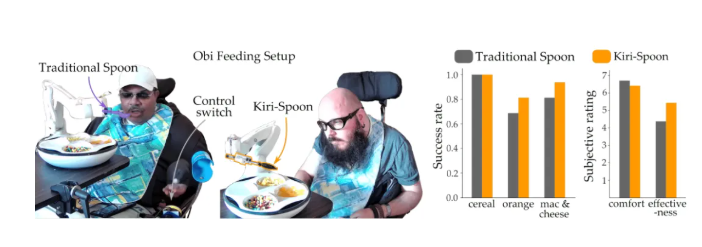
Top Journal IJRR | Scientists Create a Spoon That 'Embraces' Food to Assist Eating Robots
Researchers from Virginia Tech and Cornell University have unveiled the Kiri-Spoon, a groundbreaking eating utensil tailored for assistive robots. This innovative spoon, inspired by the intricate art of Kirigami, features a unique design that allows it to change shape, enabling it to securely grasp various types of food. The development aims to enhance the feeding experience for individuals with mobility challenges, making mealtime more accessible and manageable. The Kiri-Spoon represents a significant advancement in assistive technology, addressing the needs of those who require support during meals.
Assistive Robotics Eating Assistance Robotic Utensils Healthcare Technology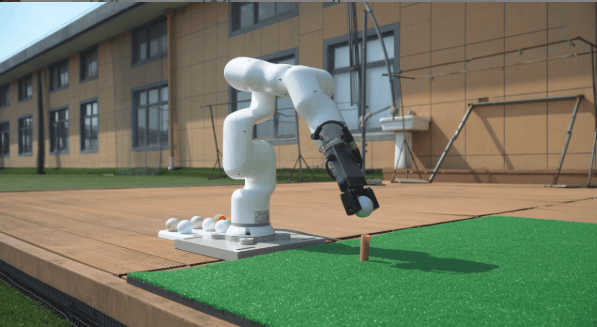
Top 8 Applications of Commercial Robotic Arms in Food and Retail Service
As the food and retail sectors evolve, JAKA is observing a rising interest in the use of commercial robotic arms to enhance operational efficiency without disrupting existing workflows. These robotic solutions, particularly compact mini arms, are designed for environments where space, safety, and cost are critical factors. In beverage shops and cafés, robotic arms are streamlining repetitive tasks like cup handling and liquid dispensing, ensuring consistent portioning during busy hours. Similarly, in fast-casual dining, these arms assist with ingredient placement and tray handling, promoting quality consistency while allowing for safe collaboration with human staff. Retail environments benefit from robotic arms as well, which can sort and restock products during off-peak hours, making them ideal for smaller stores with limited space. In takeaway and retail fulfillment, these arms facilitate packing and sealing operations, fitting seamlessly into compact back-of-house areas. Additionally, vision-assisted inspection applications are on the rise, with robotic arms enhancing the consistency of food quality checks. In retail showrooms, they engage customers through interactive demonstrations, while in back-of-house logistics, they streamline material handling tasks. For chain stores, the ability to standardize operations across multiple locations is a significant advantage, with mini robotic arms simplifying installation and training. JAKA's innovations, such as the MiniCobo, balance lightweight design with commercial usability, allowing businesses to gradually adopt automation while maintaining stable operations.
How to Measure the Long-Term Value of Cobot Robots in Service and Hospitality
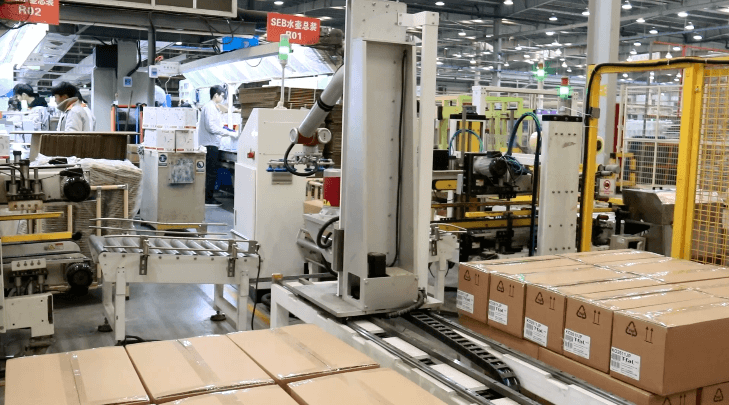
In a bid to enhance efficiency and employee well-being in the service and hospitality sectors, a company is integrating cobot robots into its operations. These robots assist with repetitive and physically demanding tasks, allowing staff to prioritize guest interactions and improve service quality. The JAKA Zu20 Palletizing robot, for instance, automates processes like palletizing and inventory replenishment, significantly boosting production efficiency while creating a safer working environment. The implementation of these industrial robot arms involves systematic evaluation of key performance metrics, such as cycle times and energy consumption, over extended periods. This data helps the company assess the reduction in manual labor demands and project long-term cost savings and operational improvements. Moreover, the adaptability of cobot robots to fluctuating service demands is a crucial factor in their effectiveness. Their compact design allows for quick redeployment in high-traffic hospitality spaces, ensuring minimal disruption to workflows. This flexibility not only enhances operational efficiency but also strengthens the return on investment. By combining quantitative metrics with qualitative observations, the company aims to measure the long-term value of its robotic systems. The JAKA Zu20 exemplifies how advanced automation can reduce labor costs and support employee satisfaction, ultimately ensuring that service operations remain competitive and responsive to evolving customer needs.
Bio-hybrid robots turn food waste into functional machines
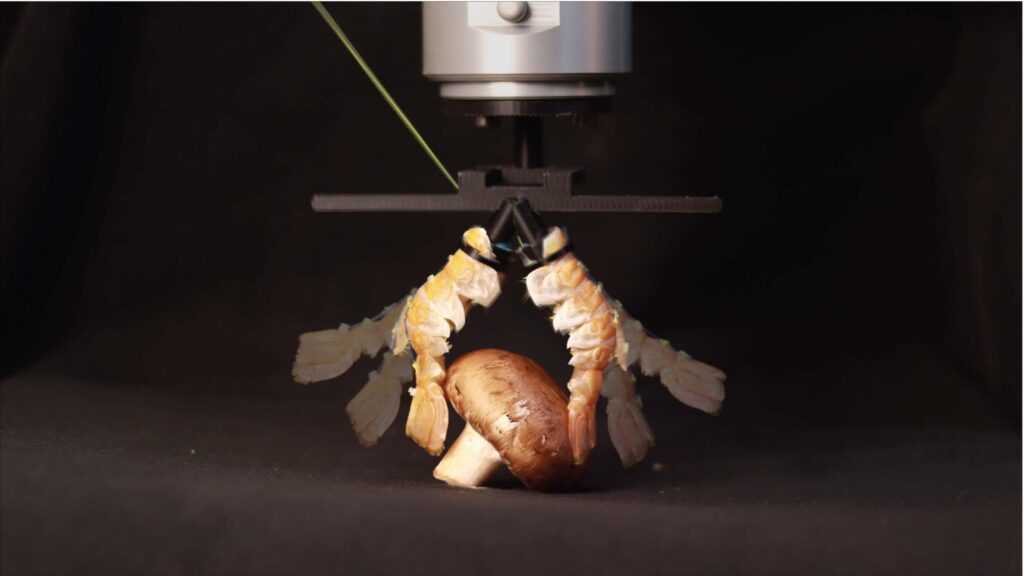
Researchers at the CREATE Lab of the École Polytechnique Fédérale de Lausanne (EPFL) have unveiled a groundbreaking robotic gripper crafted from langoustine tails. This innovative design, showcased in 2025, marks a significant departure from traditional robotic components typically made from metals and plastics. By drawing inspiration from nature, the team aims to enhance the functionality and adaptability of robotic systems. The use of organic materials not only aligns with sustainable practices but also offers unique advantages in terms of flexibility and grip. This development highlights a growing trend in robotics, where natural elements are increasingly influencing technological advancements.
1200 cans per minute: KUKA robots palletize pet food cans in Poland
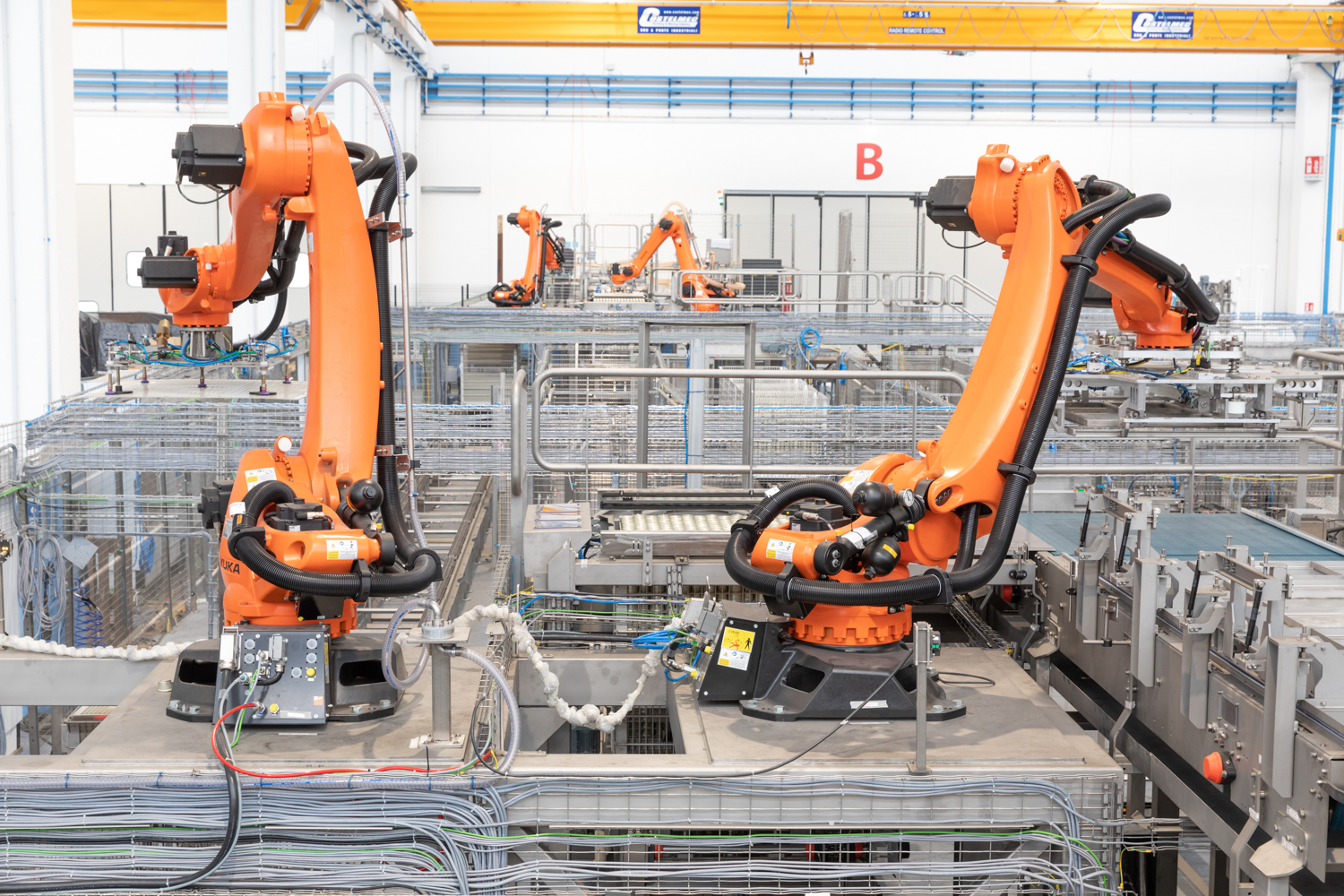
As the demand for pet food continues to surge, manufacturers are responding by expanding their production capacity and automating processes. A notable example is a Polish pet food manufacturer that has integrated KUKA robots into its operations. These advanced robots efficiently place pet food cans on conveyor belts before and after the sterilization process, significantly enhancing the production line's efficiency. This automation allows the facility to process an impressive 1,200 cans per minute, ensuring that the growing market needs are met swiftly and effectively.

Goldman Sachs: China's Humanoid Strategy Pivots to "Dedicated" Service Robots and Entertainment
Goldman Sachs analyst Jacqueline Du has forecasted a transitional phase in the robotics industry characterized by the emergence of specialized robots, such as tour guides and entertainers, before the advent of general-purpose autonomous machines. This prediction highlights the current trend where Chinese manufacturers are rapidly expanding their production capabilities, even as they remain dependent on U.S. silicon for their technology needs. Du's insights suggest that while the future of robotics is promising, the immediate focus will be on developing robots tailored for specific tasks, paving the way for more versatile solutions in the years to come.
market analysis China
JD.com’s food delivery service faces backlash after system crash amid 618 surge
On May 14, JD.com’s food delivery service faced significant disruptions, leading to widespread user complaints about delayed and unassigned orders. The incident prompted a surge of online discussion, with the hashtag #JD_Food_Delivery_Crashed_Again trending across various social media platforms. In light of the situation, JD.com issued an apology, explaining that the service interruptions were caused by an unexpected increase in order volume linked to its ongoing 618 promotional campaign. The company is currently working to address the issues and restore normal service for its customers.
News FeedRobotics needs a service framework.
RSF defines a common language for robot service capability, lifecycle operations, certification pathways, and service-provider networks.
Join the RobotToday community on LinkedIn
Daily robotics news, in-depth analysis, conference highlights, and discussions with professionals worldwide.