Industry Briefing
A single destination for timely, editor-curated robotics news from around the world.

Serve Robotics expands beyond food delivery with autonomous laundry service
Serve Robotics has entered into a partnership with NoScrubs, an emerging on-demand laundry service, to expand its delivery offerings beyond prepared food. This collaboration, which marks Serve's inaugural venture into urban delivery for laundry, will kick off this week in select neighborhoods across Los Angeles. Utilizing Serve's fleet of autonomous sidewalk robots, the pilot program aims to deliver laundry orders directly to customers' doorsteps, enhancing convenience and efficiency in urban logistics.
Logistics News ai robotics automation news autonomous commerce autonomous delivery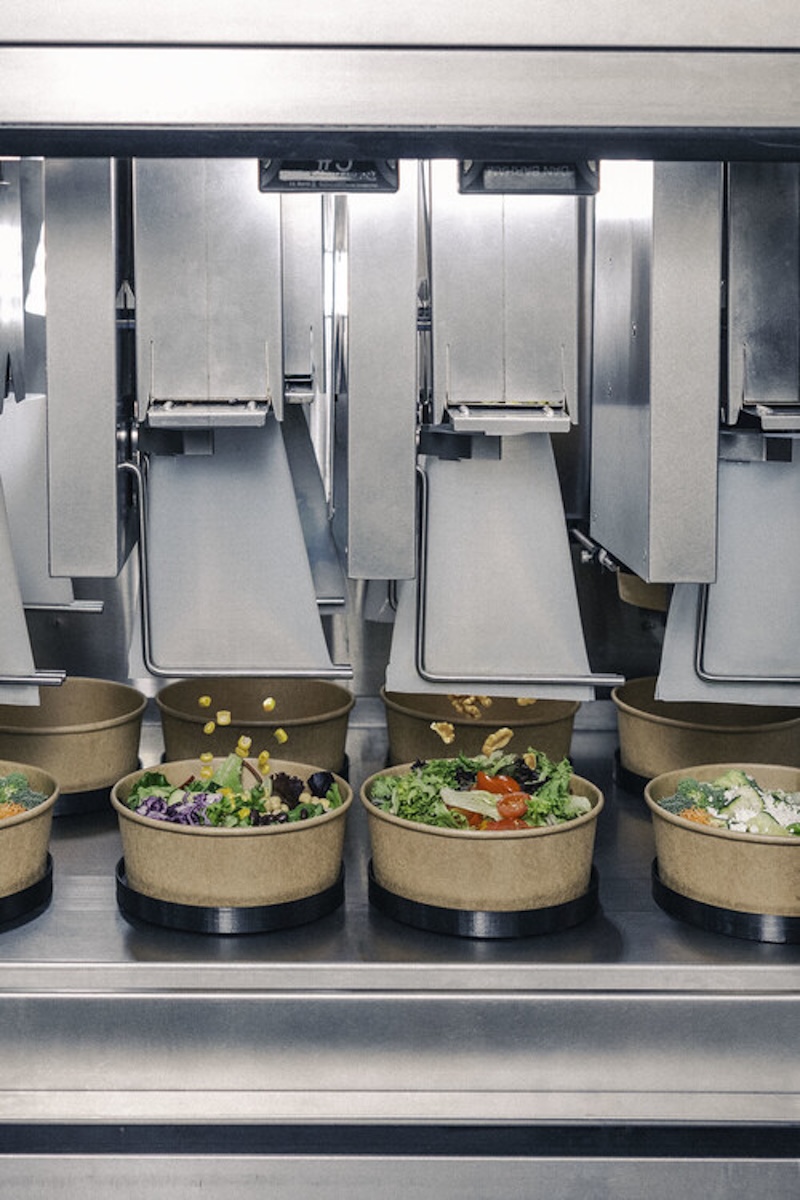
Appetronix acquires Cibotica to expand robotic foodservice automation beyond pizza
Appetronix, a developer specializing in robotic kitchen systems, has acquired Cibotica, a company focused on food robotics, to enhance its automation platform by incorporating a wider range of food categories beyond pizza. The financial details of the acquisition remain undisclosed. This strategic move allows Appetronix to integrate Cibotica’s advanced automated ingredient dispensing and portioning technology into its existing offerings, including the Remy robotic system. The acquisition is part of Appetronix's ongoing efforts to innovate and expand its capabilities in the food service industry.
Engineering AI in foodservice appetronix automation news autonomous kitchens Cibotica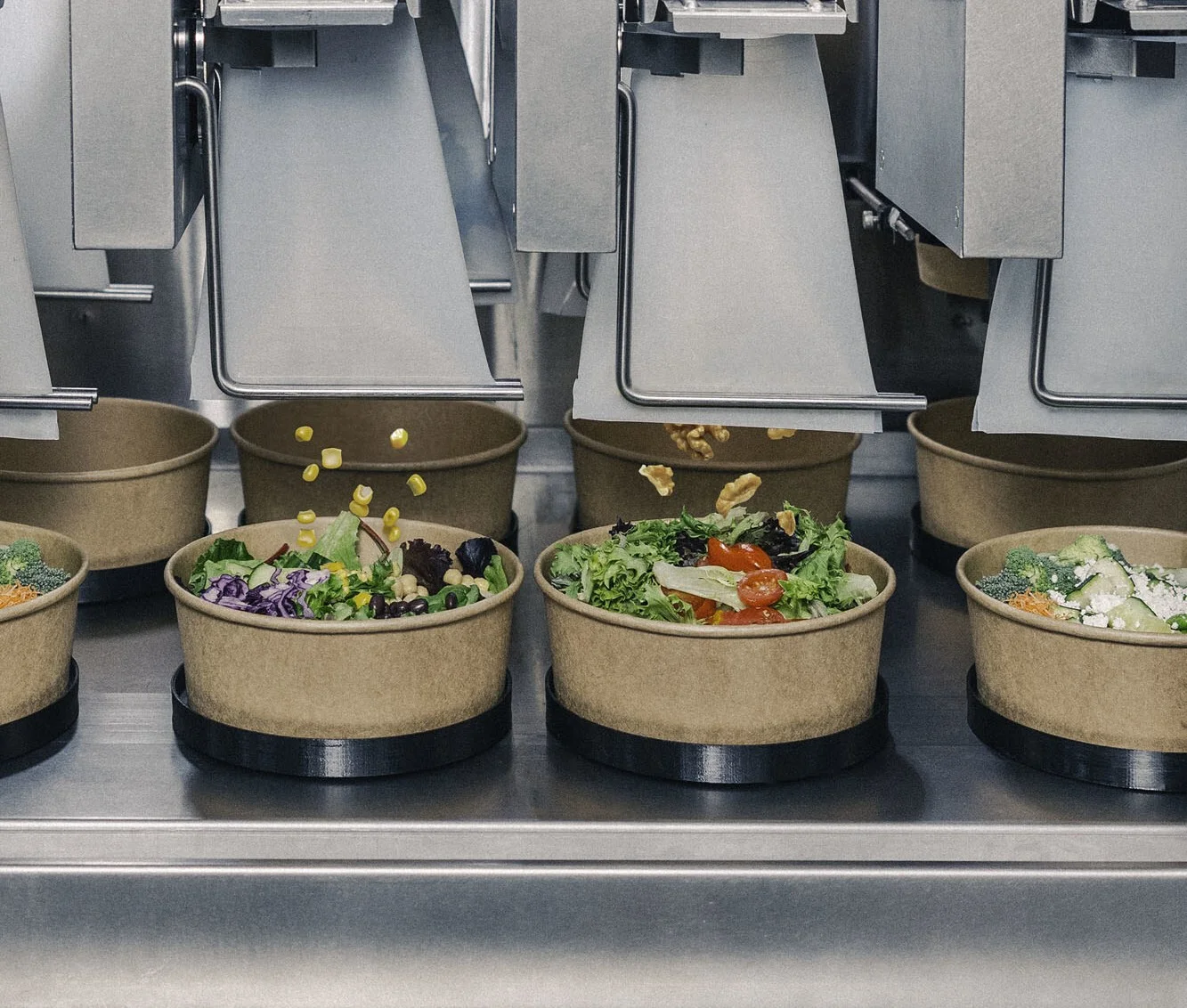
Appetronix Acquires Cibotica to Expand Food Robotics & AI Ecosystem
Appetronix, a leading robotics company specializing in foodservice automation, has announced its acquisition of Cibotica, known for its innovative ingredient dispensing and portioning technology. The transaction, the financial details of which remain undisclosed, will enhance Appetronix's offerings by integrating Cibotica's advanced automated bowl and salad assembly system. This strategic move aims to further Appetronix's mission of revolutionizing the foodservice industry through intelligent automation solutions.
AI Capital Markets Robotics acquisition Appetronix Cibotica
Olam Agri on what it takes to build self-reliant food systems across Africa
Food security relies on not just agricultural production but also on logistics, policy, and private-sector investment. The post Olam Agri on what it takes to build self-reliant food systems across Africa appeared first on AgFunderNews.
Agtech Climate & sustainability Developing markets EMEA Investing
Japan Unveils National Robot Strategy: 10 Million Robots by 2040 for Care and Food Manufacturing
The Japanese government has unveiled an ambitious national robot strategy, targeting the deployment of around 10 million robots across 18 sectors, such as healthcare and food manufacturing, by the year 2040. This initiative, announced recently, aims to tackle labor shortages and boost productivity through the integration of advanced AI technology. The strategy also emphasizes the importance of international collaborations to facilitate both the development and deployment of these robotic systems.
Robotics Healthcare Automation Food Manufacturing AI Technology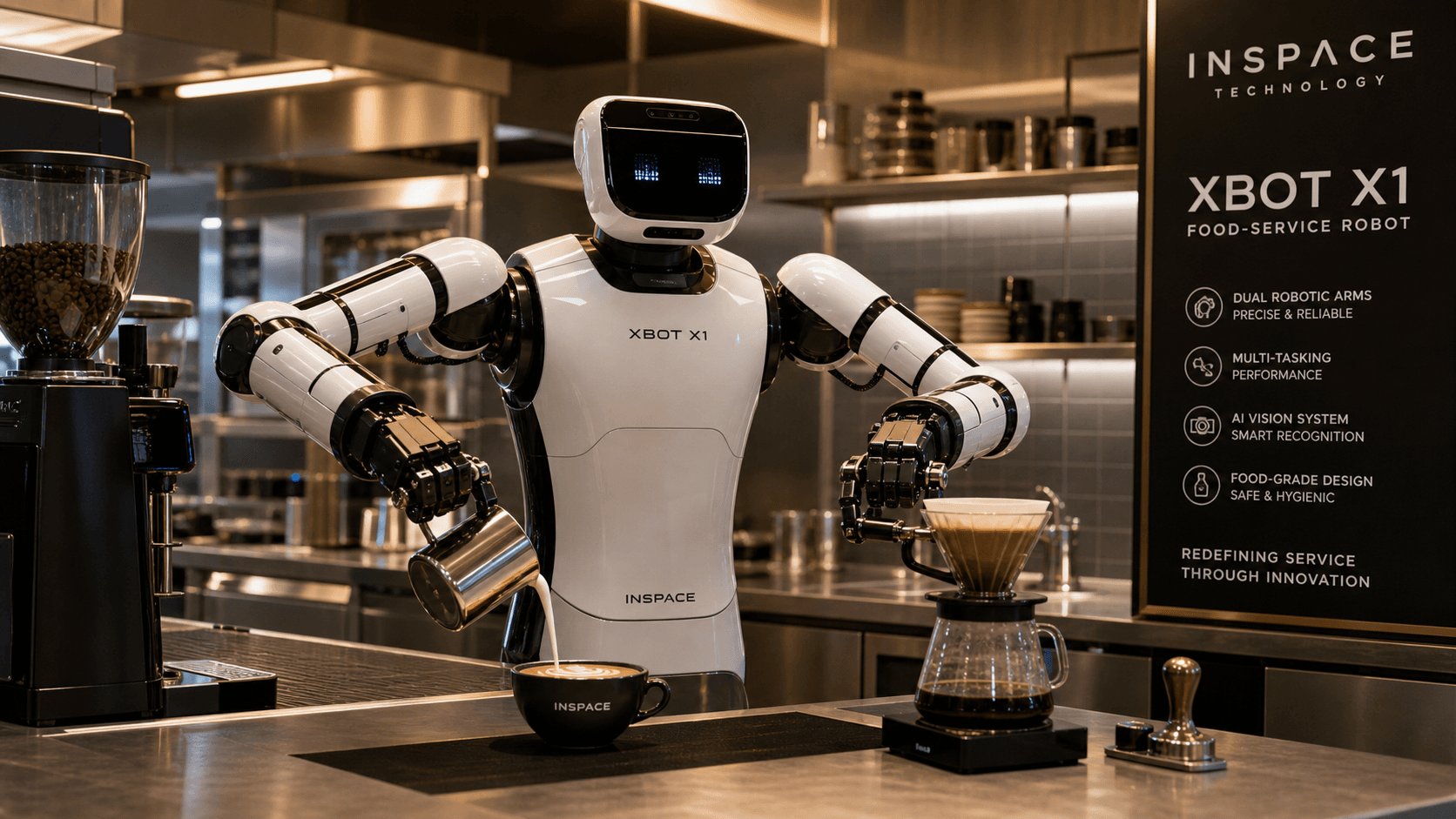
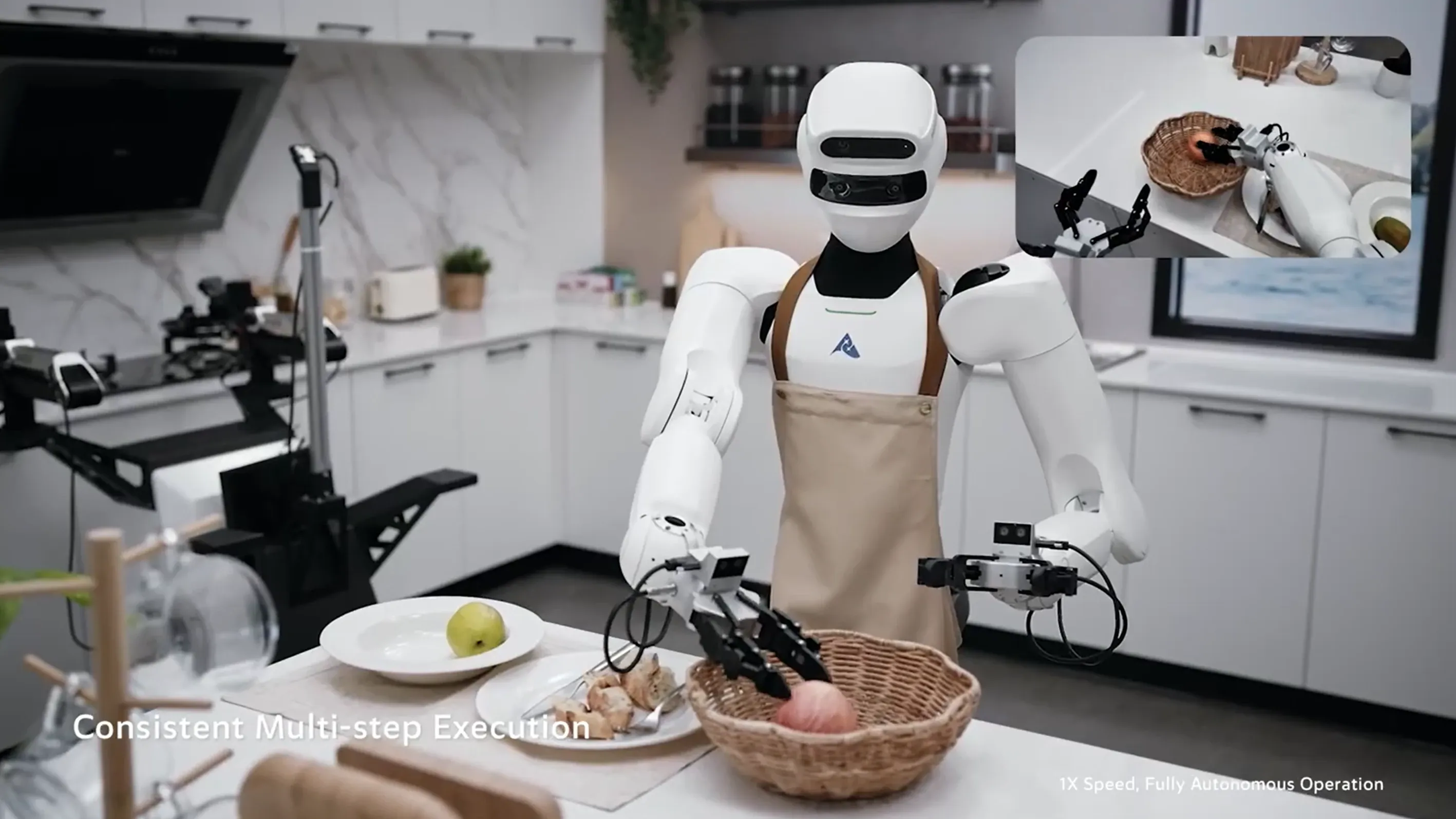
Ex-Xiaomi Executive Tang Mu Launches Food Service Humanoid Robot, Targets Year-End Production
InSpace Technology, a robotics company established by former Xiaomi executive Tang Mu, introduced three innovative food-service robots during a product launch event held on June 30. The unveiling took place in a bid to enhance efficiency in the food service industry, addressing the growing demand for automation in restaurants and catering services. These robots are designed to streamline operations, reduce labor costs, and improve customer service by delivering food and beverages directly to tables. The launch event showcased the robots' advanced features and capabilities, highlighting their potential to revolutionize the way food service is conducted.
Robotics
Exclusive: Bayou Best Foods acquires BettaF!sh to build global presence in plant-based seafood
Bayou Best Foods is set to expand its global presence in the plant-based seafood market by acquiring BettaF!sh. This strategic move will enable Bayou Best Foods to supply its innovative plant-based shrimp to BettaF!sh's foodservice partners throughout Europe in the near future. The acquisition aims to enhance the availability of sustainable seafood alternatives, catering to the growing demand for plant-based options among consumers and businesses alike.
Alternative protein EMEA FoodTech Startups & funding US & Canada
AgriFood Signals: Elbit acquires Bluewhite, more funding for virtual fencing, Anheuser-Busch awards $80k grant
Picnic, a company specializing in pizza-making robots, has officially ceased operations. This closure marks a significant development in the food technology sector, highlighting the challenges faced by innovative startups in a competitive market. The announcement comes amid a broader trend of consolidation and investment within the agri-food industry, as companies seek to enhance efficiency and adapt to changing consumer demands. In related news, Elbit Systems has acquired Bluewhite, a move that underscores the growing interest in advanced agricultural technologies. Additionally, funding for virtual fencing initiatives continues to attract attention, while Anheuser-Busch has awarded an $80,000 grant to support advancements in this area. These developments reflect ongoing efforts to integrate technology into food production and distribution, aiming to improve sustainability and operational effectiveness.
Agtech FoodTech
AI food leaders see sweeping disruptions—at different speeds
Leaders in the application of artificial intelligence within the food system are reporting significant and rapid transformations across the value chain over the past year, with expectations for continued changes ahead. However, there is some divergence among these leaders regarding the speed of these developments. As the industry evolves, stakeholders are closely monitoring how AI will further disrupt traditional processes and practices in food production and distribution. The ongoing advancements highlight the growing importance of technology in addressing challenges within the food sector, signaling a pivotal shift that could reshape the future of food systems.
Artificial intelligence EMEA FoodTech
AgriFood Signals: More Microsoft carbon deals, a $200m greenhouse in Mexico, rubber from dandelions
Steakholder Foods, an innovative food technology company, is preparing for its launch in the United States, aiming to expand its market presence and introduce its sustainable meat alternatives. This strategic move comes as the company seeks to capitalize on the growing demand for plant-based and lab-grown protein options among American consumers. The announcement follows a series of significant developments in the agrifood sector, including new carbon deals from Microsoft and a $200 million investment in a greenhouse project in Mexico, which highlight the increasing focus on sustainability and innovation in food production. As Steakholder Foods gears up for its U.S. debut, it joins a wave of companies striving to reshape the future of food through environmentally friendly practices and cutting-edge technology.
Agtech FoodTech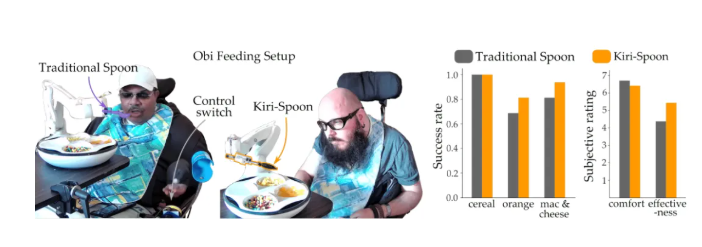
Top Journal IJRR | Scientists Create a Spoon That 'Embraces' Food to Assist Eating Robots
Researchers from Virginia Tech and Cornell University have unveiled the Kiri-Spoon, a groundbreaking eating utensil tailored for assistive robots. This innovative spoon, inspired by the intricate art of Kirigami, features a unique design that allows it to change shape, enabling it to securely grasp various types of food. The development aims to enhance the feeding experience for individuals with mobility challenges, making mealtime more accessible and manageable. The Kiri-Spoon represents a significant advancement in assistive technology, addressing the needs of those who require support during meals.
Assistive Robotics Eating Assistance Robotic Utensils Healthcare Technology
Chef Robotics Advances Bi-Manual Physical AI System for Prep Table Food Assembly Powered by a Food Foundation Model
Chef Robotics has announced the development of a bi-manual physical AI system aimed at enhancing food assembly tasks on prep tables, such as burger and burrito preparation. This innovative system, which is set to launch on May 19, 2026, will cater to various sectors including ghost kitchens, fast-casual restaurants, and catering services, focusing on lower-volume yet more complex meal assembly compared to traditional food manufacturing processes. The new AI system utilizes two robotic arms for coordinated and dexterous manipulation, mimicking human-like capabilities to handle a variety of food items and utensils. It is powered by Chef's Food Foundation Model (FFM), which employs imitation learning to adapt quickly to diverse tasks and environments, overcoming the limitations of existing robotic systems that struggle with the variability of food materials. Chef Robotics aims to automate manual prep table assembly, a critical area in the food industry that has remained largely reliant on human labor. By leveraging the FFM, the system is designed to learn from demonstrations, allowing it to generalize across different tasks and robotic platforms. This advancement is expected to improve operational efficiency, yield, and consistency in food preparation, ultimately transforming how food assembly is approached in various culinary settings.
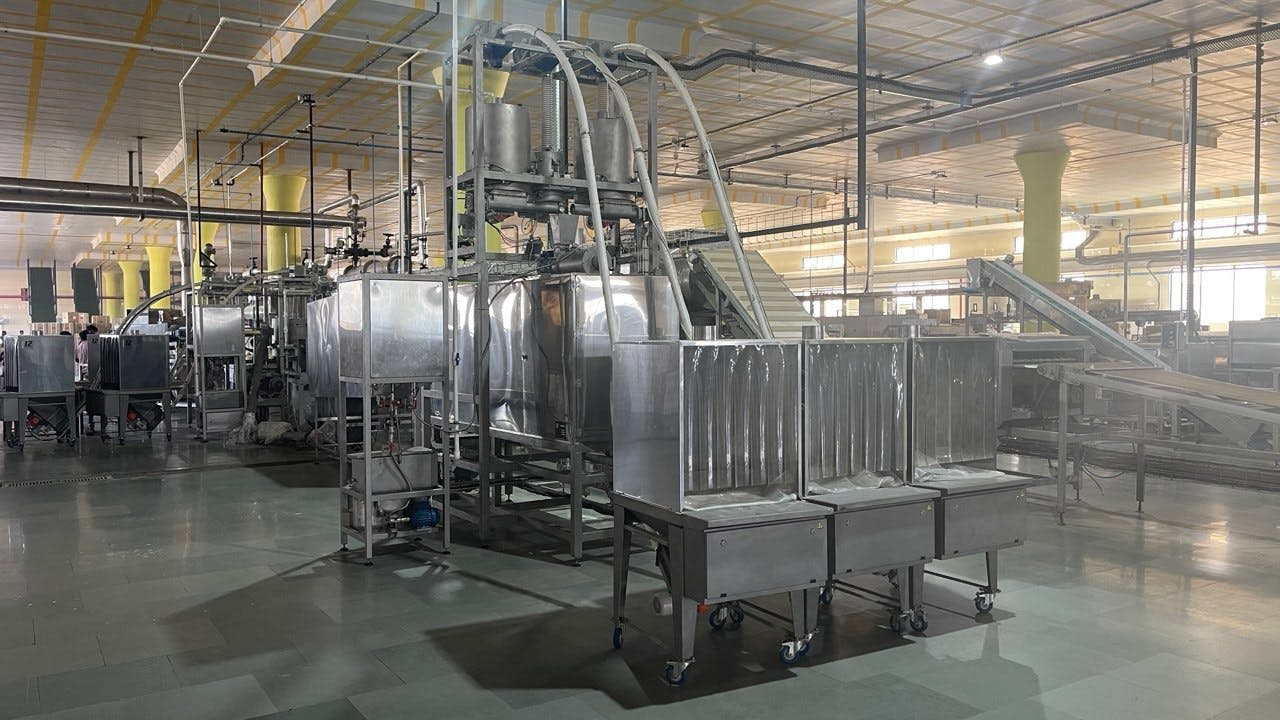
How a Two-Week Maintenance Overhaul Cut Downtime by 10% at a Major Snack Food Manufacturer
Bikaji Foods has successfully implemented a structured, low-cost maintenance framework that has significantly improved reliability without necessitating major capital investments. This initiative, aimed at enhancing operational efficiency, has yielded measurable gains in the company's reliability metrics. The strategic focus on cost-effective maintenance solutions reflects Bikaji Foods' commitment to optimizing performance while managing expenses effectively. By prioritizing this approach, the company has demonstrated that substantial improvements can be achieved through innovative practices rather than extensive financial outlays.
Process / Plant Maintenance
Chinese platforms fined 3.6b yuan for food safety violations amid cutthroat rivalry
China's State Administration for Market Regulation (SAMR) has imposed fines exceeding 3.6 billion yuan (approximately US$527.3 million) on seven prominent e-commerce and food delivery platforms, including Pinduoduo, Meituan, and JD.com. This decision was announced on Friday following an investigation that revealed these companies had inadequately verified the licenses of food vendors and permitted unverified "ghost" catering services to operate on their platforms. The regulatory action underscores the government's commitment to ensuring food safety and compliance within the rapidly growing online food service industry.
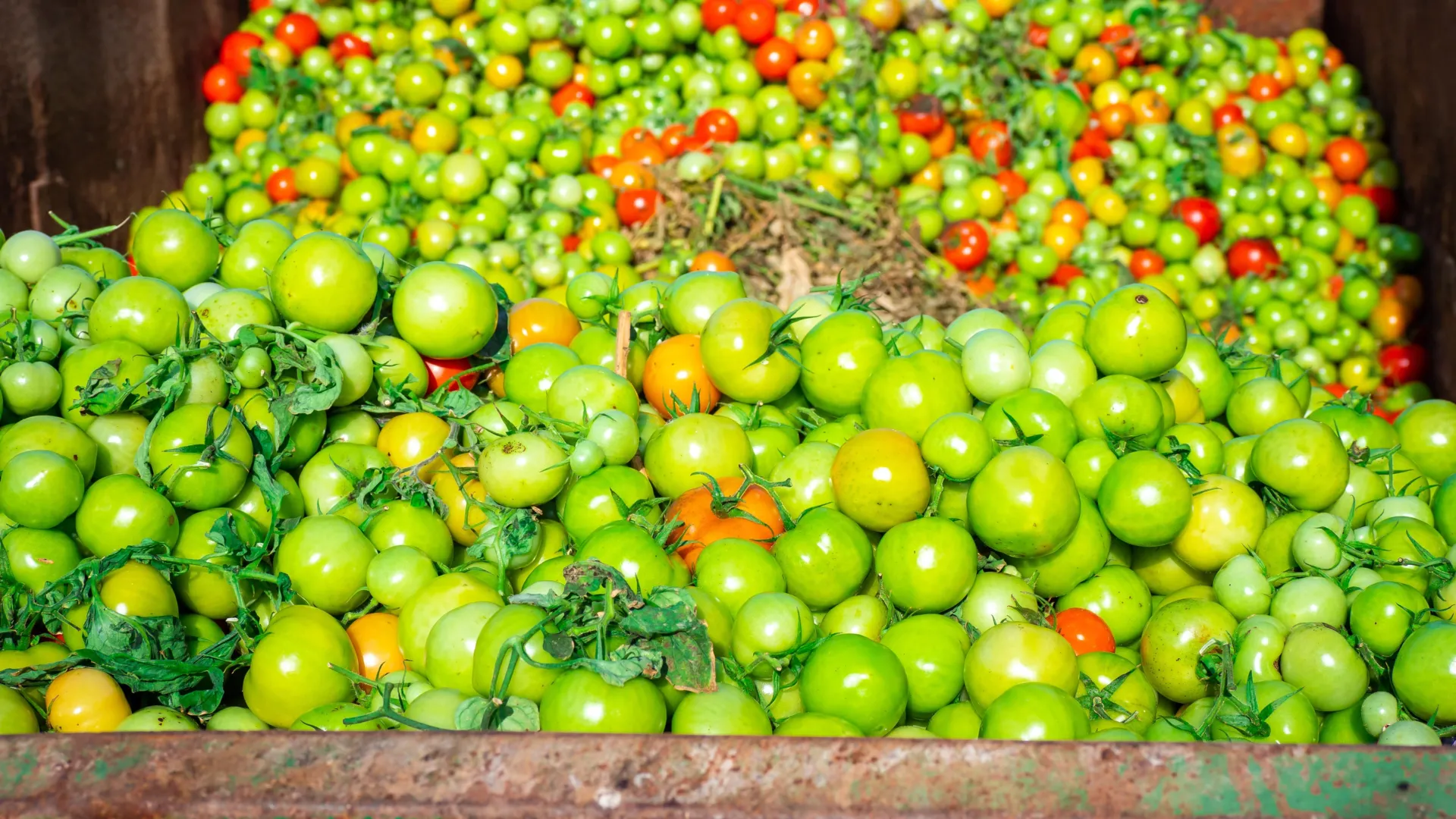
Truckloads of food are being wasted because computers won’t approve them
Modern food systems, while appearing stable, are becoming increasingly reliant on digital infrastructures that pose significant risks. As of October 2023, the functionality of these systems is critical, as food items must be identified by databases and automated platforms for transportation, sale, and distribution. This reliance means that any disruption in these digital systems can render food unusable, despite its physical availability. The growing dependence on technology highlights the vulnerabilities within the food supply chain, raising concerns about food security and the potential consequences of system failures.
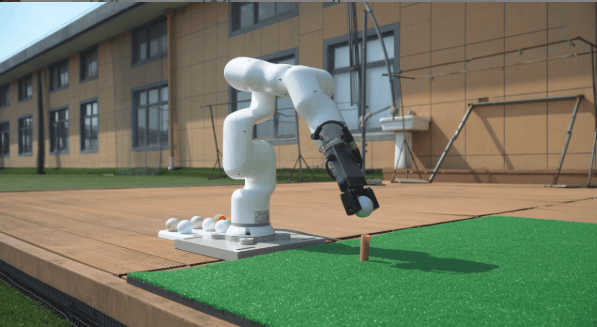
Top 8 Applications of Commercial Robotic Arms in Food and Retail Service
As the food and retail sectors evolve, JAKA is observing a rising interest in the use of commercial robotic arms to enhance operational efficiency without disrupting existing workflows. These robotic solutions, particularly compact mini arms, are designed for environments where space, safety, and cost are critical factors. In beverage shops and cafés, robotic arms are streamlining repetitive tasks like cup handling and liquid dispensing, ensuring consistent portioning during busy hours. Similarly, in fast-casual dining, these arms assist with ingredient placement and tray handling, promoting quality consistency while allowing for safe collaboration with human staff. Retail environments benefit from robotic arms as well, which can sort and restock products during off-peak hours, making them ideal for smaller stores with limited space. In takeaway and retail fulfillment, these arms facilitate packing and sealing operations, fitting seamlessly into compact back-of-house areas. Additionally, vision-assisted inspection applications are on the rise, with robotic arms enhancing the consistency of food quality checks. In retail showrooms, they engage customers through interactive demonstrations, while in back-of-house logistics, they streamline material handling tasks. For chain stores, the ability to standardize operations across multiple locations is a significant advantage, with mini robotic arms simplifying installation and training. JAKA's innovations, such as the MiniCobo, balance lightweight design with commercial usability, allowing businesses to gradually adopt automation while maintaining stable operations.
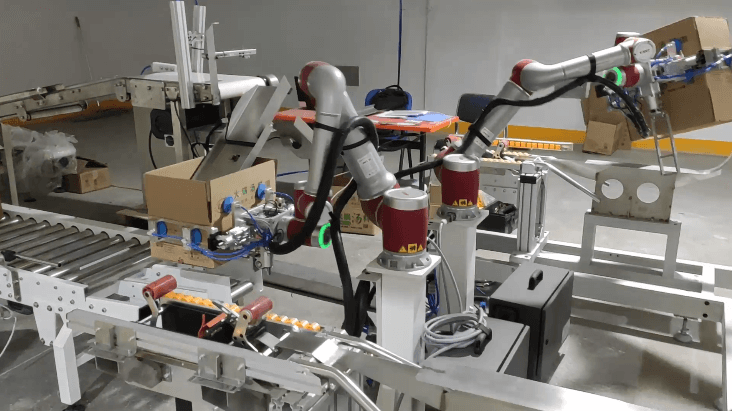
Robot Arms for Food and Beverage Packaging: Three Functional Options
In the food and beverage sector, the unique challenges of packaging automation demand specialized solutions, particularly in hygiene, speed, and gentle handling. JAKA, a provider of industrial robotic arms, emphasizes the importance of selecting the right technology to meet these specific needs. Their robotic arms are designed for precision in handling delicate items such as baked goods and chocolates, achieving accuracy within 0.2mm to minimize product waste and maintain production efficiency. Additionally, JAKA robots are built to withstand demanding environments, featuring an IP54 rating for waterproof and dustproof performance. This durability allows them to operate reliably in cold storage and humid conditions, while their compact design enables installation in tight spaces on busy packaging floors. Moreover, JAKA robotic arms excel in integration, functioning as intelligent nodes within packaging lines. They can communicate with vision systems and conveyors, allowing for real-time adjustments based on data received from cameras. This capability enhances overall equipment effectiveness by ensuring precise placement of products into moving cartons. By aligning their robotic technology with the specific challenges of food and beverage packaging, JAKA aims to enhance hygiene, consistency, and throughput in this fast-paced and regulated industry.
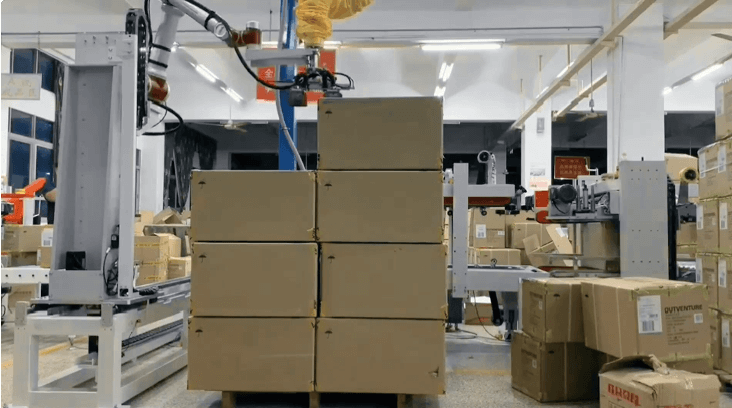
Cobots: Best Practices for Food and Beverage Packaging
JAKA, a leader in robotics and manufacturing, is addressing the challenges of hygiene and flexibility in food and beverage packaging through innovative collaborative robot technology. As the demand for efficient and adaptable production processes grows, JAKA has developed robotic arms designed to withstand rigorous cleaning protocols, featuring an IP54 waterproof and dustproof rating. This design ensures that hygiene standards are met without compromising functionality. The company emphasizes user-friendly operation, allowing packaging line technicians to easily reprogram robots for quick adjustments between multiple product SKUs. JAKA’s intuitive graphical programming interface enables rapid mold changes and adaptations to various package sizes, significantly reducing downtime and making advanced robotics accessible to a wider range of team members. In high-speed production environments, precision is critical. JAKA’s robotic arms are equipped with high-precision hardware and adaptive control algorithms to maintain consistent accuracy throughout long production runs. This capability ensures that every package is handled correctly, preserving product quality and line efficiency. By focusing on hygiene, ease of use, and precision, JAKA aims to integrate collaborative robots seamlessly into packaging processes, enhancing both quality and flexibility on the production floor. The company’s commitment to addressing the unique demands of the food and beverage sector positions it as a key player in advancing robotics and manufacturing solutions.
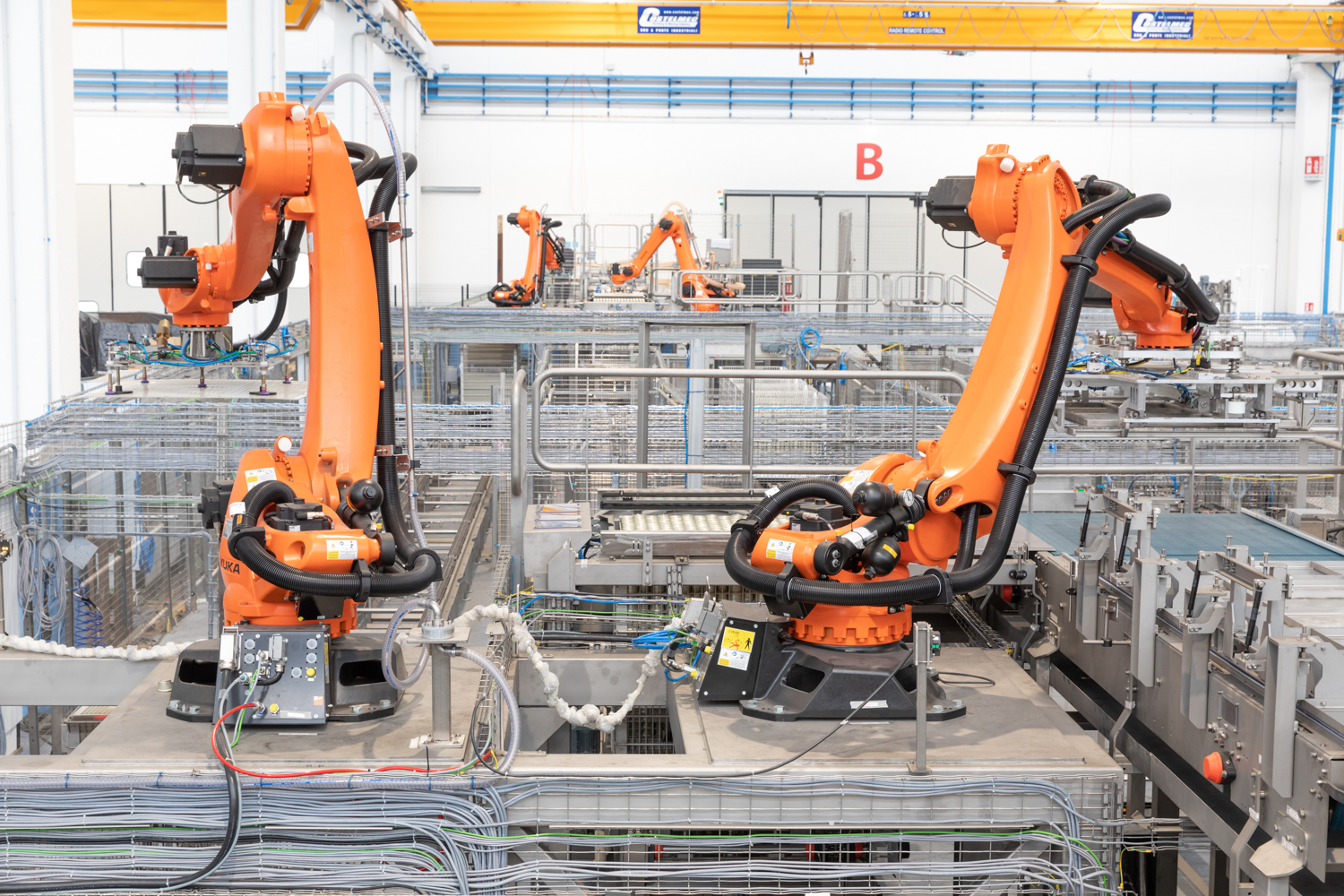
1200 cans per minute: KUKA robots palletize pet food cans in Poland
As the demand for pet food continues to surge, manufacturers are responding by expanding their production capacity and automating processes. A notable example is a Polish pet food manufacturer that has integrated KUKA robots into its operations. These advanced robots efficiently place pet food cans on conveyor belts before and after the sterilization process, significantly enhancing the production line's efficiency. This automation allows the facility to process an impressive 1,200 cans per minute, ensuring that the growing market needs are met swiftly and effectively.

China’s food-delivery price war sees Meituan, Alibaba, JD.com incur $14B in costs across two quarters
In the third quarter of 2025, Meituan reported a staggering operating loss of 19.8 billion yuan ($2.7 billion), marking its largest loss since going public. This significant downturn is attributed to intense competition in China's food delivery sector, which has driven companies to engage in heavy subsidy spending. Meanwhile, Alibaba experienced a sharp decline in its operating profit, plummeting from 35.2 billion yuan to just 5.4 billion yuan ($4.9 billion to $0.75 billion). JD.com also faced challenges, reporting an operating loss of 10.5 billion yuan ($1.4 billion). The ongoing battle for market share among these major players highlights the pressures of maintaining profitability amidst aggressive pricing strategies and consumer incentives.
News Feed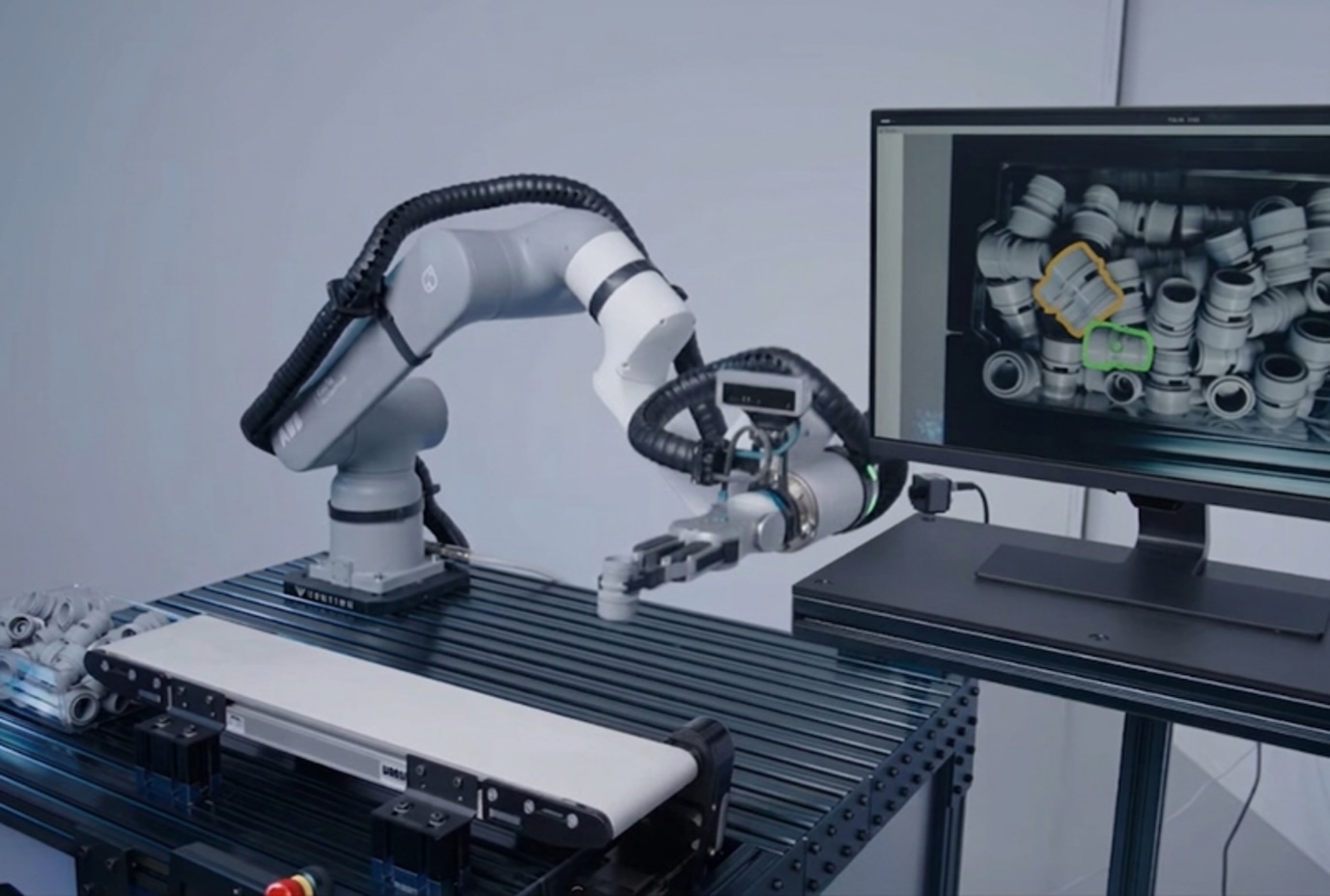
JD.com’s food delivery service faces backlash after system crash amid 618 surge
On May 14, JD.com’s food delivery service faced significant disruptions, leading to widespread user complaints about delayed and unassigned orders. The incident prompted a surge of online discussion, with the hashtag #JD_Food_Delivery_Crashed_Again trending across various social media platforms. In light of the situation, JD.com issued an apology, explaining that the service interruptions were caused by an unexpected increase in order volume linked to its ongoing 618 promotional campaign. The company is currently working to address the issues and restore normal service for its customers.
News Feed
JD.com food delivery hits 1 million daily orders in 40 days
JD.com has reported that its newly launched food delivery service has achieved over 1 million daily orders just 40 days after its debut. The platform collaborates with more than 450,000 dine-in restaurants across 142 cities in China. This impressive growth is largely credited to JD.com’s policy of zero commission fees, which has enabled some partnered restaurants to surpass 2,000 monthly orders. The company’s innovative approach is attracting new merchants, further enhancing its market presence in the competitive food delivery sector.
News Feed
Drone food delivery orders rise in China during Spring Festival
In Shenzhen, a growing number of food delivery orders are now being fulfilled by drones, as reported by state-owned media CCTV Finance. At Yitian Plaza, operator Luo Xikun and his team have streamlined the process, managing to pack, weigh, and swap batteries for drone deliveries in under two minutes. This innovative approach aims to enhance delivery efficiency and meet the increasing demand for quick service in urban areas. The use of drones represents a significant advancement in logistics, allowing for faster and more reliable food delivery options in the bustling city.
News Feed
Beijing issues first food operating license to AI robot company EncoSmart
This week, Beijing's Haidian District granted the city's inaugural food operating license to EncoSmart for its embodied AI robots, marking a significant advancement in the integration of AI technology within the food industry. The state media outlet People’s Daily reported that this license represents a pivotal moment for the application of advanced robotics in food service. EncoSmart intends to launch a pilot program utilizing these AI robots, which are designed to enhance efficiency and innovation in food operations. This development highlights the growing trend of incorporating artificial intelligence into various sectors, aiming to improve service delivery and operational capabilities.
News Feed
Dogtooth Secures £14M Investment for AI Robotics in Agriculture
Cambridge-based AI robotics company Dogtooth has successfully raised £14 million in funding to enhance its agricultural technology solutions. This investment aims to accelerate the development of advanced robotics designed for precision farming, addressing the growing demand for automation in the agtech sector. The funding round highlights the increasing interest in AI-driven solutions within the agricultural industry, particularly in the UK market. The significance of this funding lies in its potential to transform agricultural practices through the integration of AI and robotics. As the global agricultural sector faces challenges such as labor shortages and the need for sustainable practices, innovations like those from Dogtooth are crucial. The investment reflects a broader trend of increasing capital flow into agtech, with investors recognizing the importance of technology in enhancing productivity and sustainability. Looking ahead, Dogtooth's next steps will likely focus on scaling its technology and expanding its market presence. No further timeline was disclosed at the time of publication, but the company’s advancements in AI robotics could set new benchmarks in the agricultural sector, paving the way for future innovations and partnerships in agtech.
Agtech FoodTech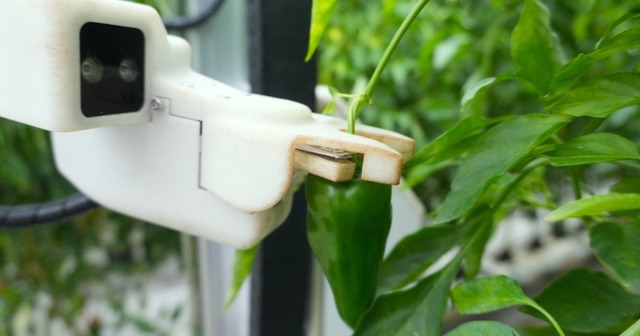
AGRIST partners with Microsoft to tackle global food challenges using AI harvesting robots in advanced agricultural applications.
AGRIST Corporation, based in Shintomi Town, Miyazaki Prefecture, showcased its innovative use of physical AI in smart agriculture at the Microsoft AI Co-Innovation Lab KOBE annual event. The event took place on June 10, 2026, at the Kobe Asahi Hall. AGRIST's presentation highlighted advanced examples of how artificial intelligence can enhance agricultural practices, demonstrating the company's commitment to integrating cutting-edge technology into farming. This initiative aims to improve efficiency and productivity in the agricultural sector, reflecting a broader trend towards modernization in farming techniques.
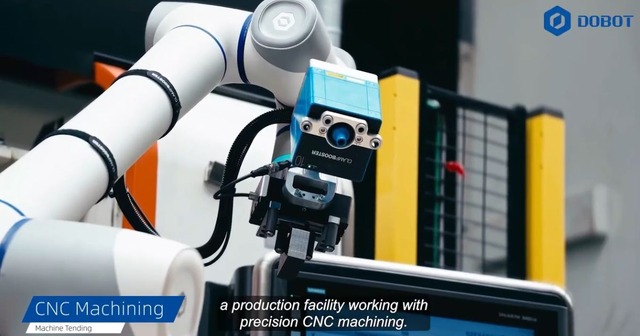
Dobot to showcase collaborative robot use cases in automotive, food, and education at "Automate 2026."
Dobot Robotics has unveiled a promotional video showcasing its products in preparation for the upcoming Automate 2026, one of North America's largest industrial automation trade shows. The video was released on YouTube on June 16, 2026, as part of the company's efforts to highlight its innovations and engage with potential customers ahead of the event. This strategic move aims to enhance visibility and demonstrate the capabilities of Dobot's automation solutions in a competitive market.

Insta360 vs DJI: The Drone Imaging War Is More Brutal Than the Food Delivery Battle
In Shenzhen, two leading companies in the drone camera industry, Insta360 and DJI, are engaged in intense competition that is transforming the landscape of imaging hardware in China. This rivalry has escalated into a series of patent lawsuits, aggressive price reductions, and a battle for top talent. As both firms strive to outmaneuver each other, the ongoing conflict is reshaping market dynamics and influencing consumer choices in the rapidly evolving technology sector. The situation reflects broader trends in innovation and competition within the Chinese tech industry, highlighting the lengths to which companies will go to secure their position in a lucrative market.
Industry Gadgets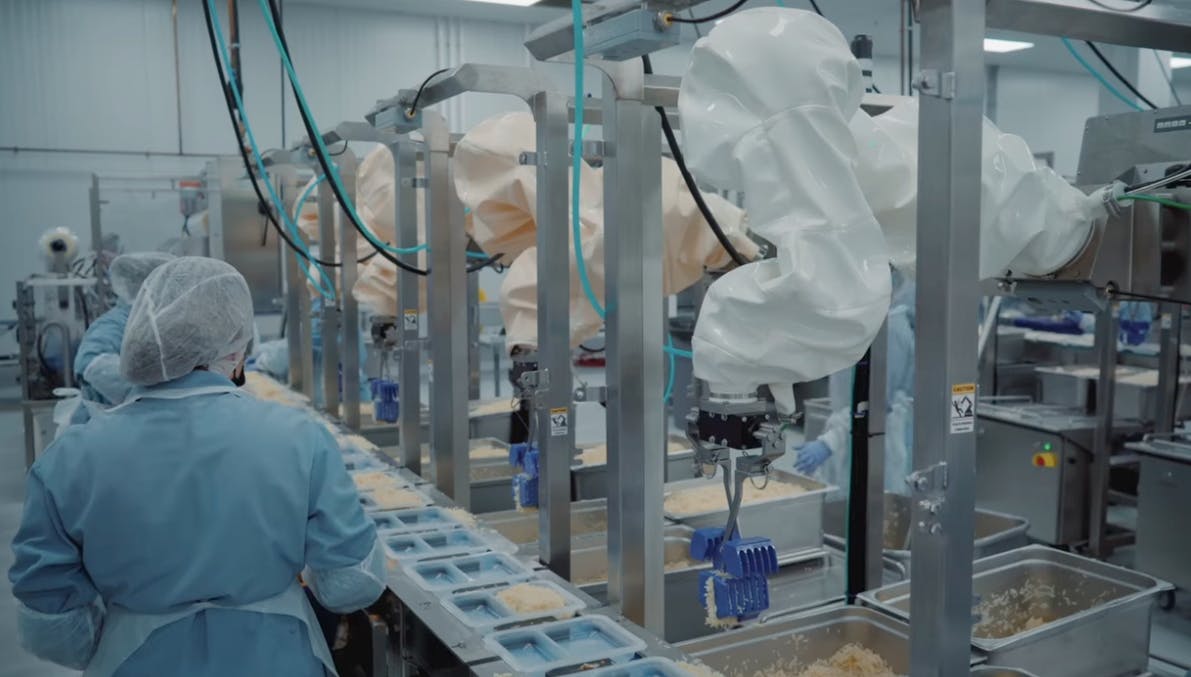
Chef Robotics Successfully Deploys Physical AI in Food Manufacturing
A technology company has developed a system utilizing physical artificial intelligence to automate various tasks. This innovative approach relies on models that have been trained using real-world production data, allowing for enhanced efficiency and accuracy in operations. The initiative aims to streamline processes across different sectors, addressing the growing demand for automation in the workforce. By leveraging data collected up to October 2023, the company is positioned to implement cutting-edge solutions that respond effectively to industry needs. This advancement not only promises to reduce manual labor but also to improve productivity, making it a significant development in the realm of AI-driven automation.
Process / Analytics
Alibaba’s Qwen AI is coming to cars, allowing drivers to order food and book hotels by voice
Alibaba is set to launch its Qwen AI technology across various car brands, enhancing the driving experience with innovative hands-free features. This initiative allows drivers to seamlessly order meals and manage deliveries directly from their vehicles, promoting convenience and safety on the road. The rollout is expected to take place in the coming months, as the company aims to integrate advanced artificial intelligence into everyday driving scenarios. By leveraging its expertise in AI and data analytics, Alibaba seeks to transform how drivers interact with their vehicles, making tasks that typically require manual input more efficient and accessible. This move aligns with the growing trend of smart technology in the automotive industry, as companies increasingly prioritize user-friendly solutions that enhance mobility.
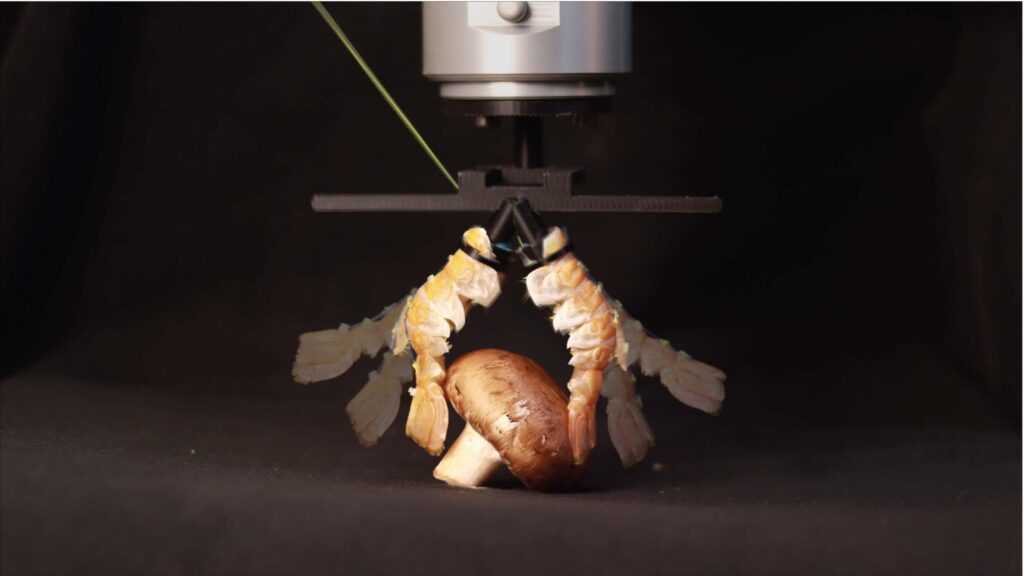
Bio-hybrid robots turn food waste into functional machines
Researchers at the CREATE Lab of the École Polytechnique Fédérale de Lausanne (EPFL) have unveiled a groundbreaking robotic gripper crafted from langoustine tails. This innovative design, showcased in 2025, marks a significant departure from traditional robotic components typically made from metals and plastics. By drawing inspiration from nature, the team aims to enhance the functionality and adaptability of robotic systems. The use of organic materials not only aligns with sustainable practices but also offers unique advantages in terms of flexibility and grip. This development highlights a growing trend in robotics, where natural elements are increasingly influencing technological advancements.

Alibaba expands 88VIP into super membership covering food, travel, and retail
Alibaba is revamping its flagship 88VIP program into a comprehensive cross-platform super membership, effective this month. The enhanced 88VIP will now incorporate services from various Alibaba subsidiaries, including Ele.me, Fliggy, and Freshippo, providing users with a range of benefits that encompass shopping, dining, travel, and everyday activities. To kick off this transformation, Freshippo has initiated a promotional offer allowing 88VIP members to enjoy a complimentary 90-day subscription from August 4 to September 10. This strategic move aims to enhance customer loyalty and engagement by creating a more integrated and rewarding user experience across Alibaba's diverse ecosystem.
News Feed
Zipline Expands U.S. Operations with Cleveland Clinic Home Delivery and Austin Launch
On July 13, 2026, Zipline announced a significant expansion of its U.S. operations, including the launch of a home delivery service in partnership with Cleveland Clinic and an upcoming service in Austin. The company reported a remarkable 13-fold increase in businesses utilizing its delivery app in the first half of 2026, alongside the completion of over 2.5 million commercial deliveries. This expansion is crucial as it enhances Zipline's healthcare delivery capabilities, allowing eligible Cleveland Clinic patients to receive prescription deliveries at home at no extra cost. The service will eventually include lab samples and medical supplies, building on the home delivery platform introduced in 2023. Furthermore, the Austin launch will enable rapid food and retail deliveries, further diversifying Zipline's marketplace. Looking ahead, Zipline's growth trajectory appears promising, with new partnerships and services on the horizon. The company continues to attract top talent from industry leaders like Tesla and Waymo, which may bolster its operational capabilities. No further timeline was disclosed at the time of publication.
Delivery Drone News Drone News Feeds News 135 million autonomous miles 2.5 million deliveries
Another Major Restaurant Platform Turns to Drone Delivery
Wonder, a food technology platform, plans to introduce aerial meal delivery services in Dallas starting in 2027, signaling a significant advancement in the commercial use of drone delivery for food services. The company has partnered with Zipline to facilitate this initiative across various locations in Texas. This collaboration represents a strategic move to transition drone delivery from experimental phases to mainstream food service, allowing customers in select areas to receive their meals via drones. The decision to expand into aerial delivery is driven by the growing demand for innovative and efficient food delivery solutions.
Applications Delivery Drone News Drone News Feeds News autonomous delivery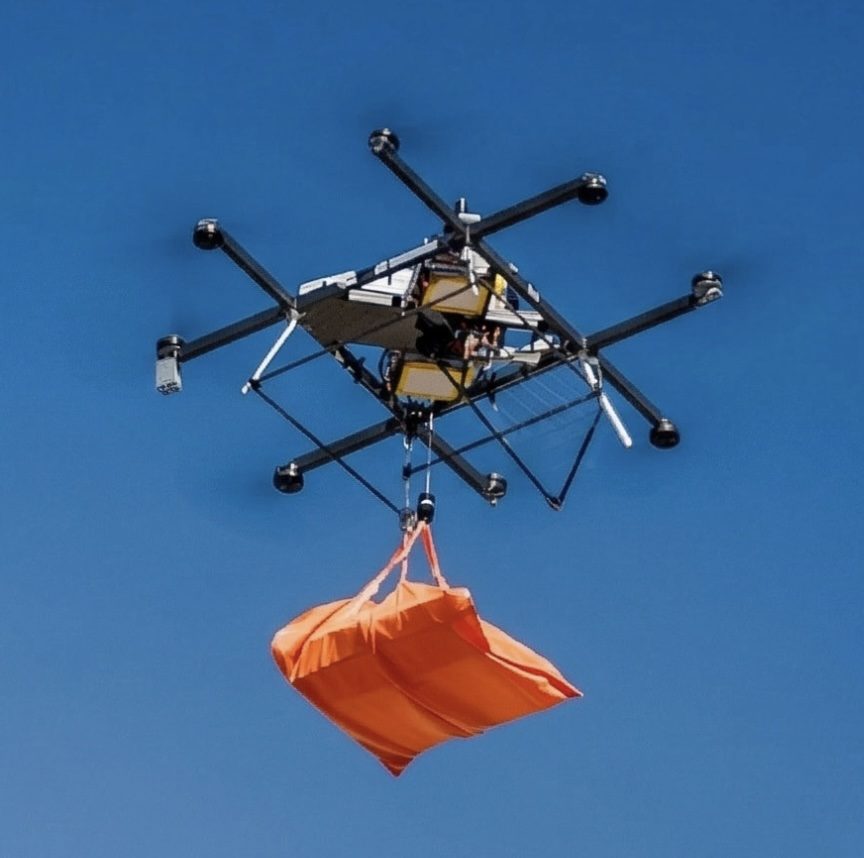
The Challenge of Drone Pizza Delivery: Flytrex Finally Solved It
Flytrex has partnered with Little Caesars to launch a groundbreaking pizza delivery service via drone in the Dallas/Fort Worth (DFW) area. This innovative initiative aims to expand the range of food options available for drone delivery, which has primarily included smaller items in the past. The service is set to begin shortly, catering to the growing demand for convenient food delivery solutions in the region. By leveraging drone technology, Flytrex seeks to enhance the efficiency and speed of pizza delivery, providing customers with a unique dining experience. This collaboration marks a significant step forward in the integration of drones into everyday services, addressing a previously unmet need for hot, freshly delivered pizza.
Applications Delivery Drone News Drone News Feeds News autonomous delivery
Marc Lore says that AI will soon enable anyone open a restaurant
Wonder, a company specializing in robotic kitchens, is set to transform its operations by launching AI-powered “restaurant factories.” This innovative initiative aims to enable individuals to create virtual food brands simply by providing a prompt. The announcement comes as part of Wonder's strategy to leverage artificial intelligence in the culinary space, enhancing accessibility and creativity in food entrepreneurship. By utilizing advanced technology, the company seeks to streamline the food production process, making it easier for aspiring restaurateurs to enter the market. The rollout of these virtual brands is expected to begin in the coming months, with Wonder's facilities serving as the backbone for this new model. This move not only reflects the growing trend of automation in the food industry but also addresses the increasing demand for diverse dining options in a rapidly evolving market.
AI Commerce Startups TC Cooking food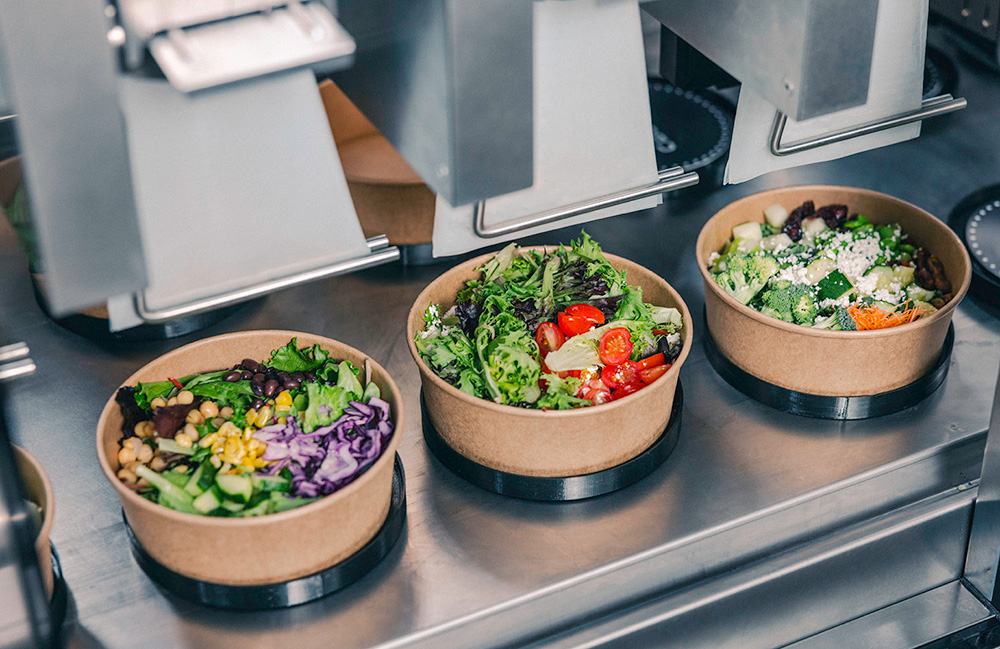
Appetronix acquires Cibotica to automate restaurant kitchens
Appetronix, a company known for developing fully autonomous restaurants, has expanded its capabilities by acquiring Cibotica, a firm specializing in kitchen automation. This strategic move allows Appetronix to retrofit existing restaurant kitchens with advanced automation technology, enhancing operational efficiency and modernizing traditional food service environments. The acquisition marks a significant step for Appetronix, enabling it to diversify its offerings and address a broader market demand for automated solutions in the restaurant industry.
Artificial Intelligence Artificial Intelligence / Cognition Design / Development Financial Food / Beverage Markets / Industries
Dobot Launches the CRA-IP68 Series: The Ultimate Cobots for Harsh Environment Automation
The DOBOT CRA-IP68 Series collaborative robots have been unveiled, specifically designed to operate in challenging environments characterized by high dust, humidity, and oil contamination. These robots boast an impressive repeatability precision of up to ±0.02 mm and are equipped with IP68-rated protection, making them suitable for a variety of industrial applications. Their advanced automation capabilities enhance performance in tasks such as CNC machining, welding, cutting, grinding, and automated food preparation. This innovation aims to improve efficiency and reliability in sectors where traditional machinery may struggle due to environmental factors.
DOBOT CRA-IP68 IP68 collaborative robot high-precision cobot industrial automation CNC automation dustproof robot
Zipline Expands Drone Delivery Services with New Leadership in Austin and Cleveland
Zipline is intensifying its drone delivery efforts in the U.S. by launching services in Austin and Cleveland, supported by new executives from Tesla, Waymo, and Uber. This strategic move comes as demand for Zipline's delivery platform surges, with a 13-fold increase in businesses utilizing the app in the first half of 2026. The significance of this expansion lies in Zipline's milestone of over 2.5 million commercial deliveries globally, with 70% of flights occurring in the U.S. The upcoming launch of a home prescription delivery service in partnership with Cleveland Clinic marks a pivotal moment for healthcare logistics, with plans to broaden the service to include lab samples and medical supplies. Looking ahead, Zipline's entry into Austin will allow customers to order food and retail products with rapid delivery times. The company is experiencing swift growth, with notable partnerships from national chains like Chipotle and Little Caesars. No further timeline was disclosed at the time of publication.
News
Uber Expands Beyond Ride-Hailing with Hotels, Boat Rentals, and Financial Services
Uber has been diversifying its offerings beyond ride-hailing and delivery, introducing hotel bookings through a partnership with Expedia, concierge features, and boat rentals in Europe. This shift aims to enhance the travel experience for users, who often require rides and food during their trips. Uber's Chief Product Officer, Sachin Kansal, emphasized that travel is a crucial addition to their services, complementing rides and food delivery. The expansion into travel and financial services is significant as Uber seeks to strengthen its market position and relationships with autonomous vehicle partners. The company is developing a new business unit, AV Labs, focused on gathering driving data through sensor-equipped vehicles, which could provide leverage against competitors like Waymo. This strategy reflects Uber's ambition to evolve into a comprehensive platform while maintaining a selective approach to its offerings. Looking ahead, Uber's approach to integrating new services will be crucial. The company is exploring partnerships for financial services and may consider deeper integrations based on user traction. No further timeline was disclosed at the time of publication.
TC Transportation AI Uber Sachin Kansal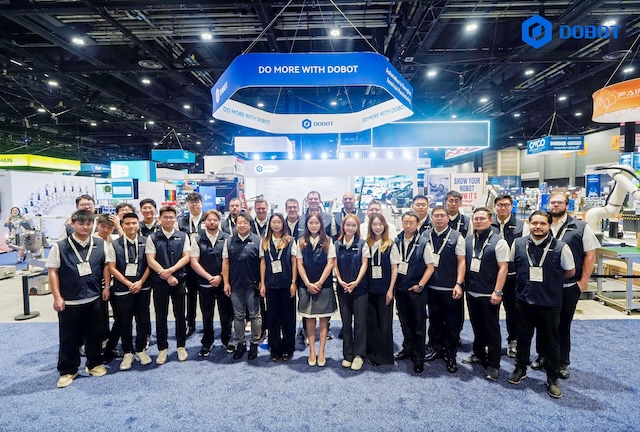
DOBOT Unveils Intelligent Automation Solutions at Automate 2026 to Enhance American Manufacturing
DOBOT showcased its latest intelligent automation solutions at Automate 2026, emphasizing the theme 'DO MORE WITH DOBOT.' The company highlighted how its collaborative robots and AI-powered technologies can enhance efficiency and flexibility in American manufacturing. Key demonstrations included solutions for various industries such as automotive and food & beverage, showcasing the integration of robotics in real-world applications. The significance of DOBOT's presentation lies in its commitment to strengthening American manufacturing through advanced automation. By demonstrating a comprehensive portfolio of application-driven solutions, DOBOT illustrated the potential of intelligent robotics to address industrial challenges and accelerate the transition to smart manufacturing. The showcased technologies aim to improve production processes across sectors, enhancing overall operational efficiency. Looking ahead, DOBOT's focus on integrated automation ecosystems and collaborative robotics indicates a trend towards more accessible and scalable solutions for manufacturers. The company's innovations, including humanoid robots and advanced programming capabilities, suggest a future where human-robot collaboration becomes increasingly seamless. No further timeline was disclosed at the time of publication.
DOBOT Automate 2026 collaborative robots industrial automation automation solutions humanoid robot
WTWH Media Transforms and Rebrands as Arrowfly to Enhance B2B Engagement
WTWH Media, the parent company of The Robot Report, has officially rebranded as Arrowfly. This change reflects its evolution from a specialized trade publisher to a comprehensive B2B media, events, and marketing entity. Arrowfly aims to connect hard-to-reach professional decision-makers with trusted journalism and industry intelligence across three key sectors: Engineering, Healthcare and Life Sciences, and Food, Retail, and Hospitality. The rebranding is significant as it positions Arrowfly to better serve professionals through its extensive portfolio, which includes over 40 vertical media brands and more than 45 industry events. The company emphasizes that while its name and visual identity have changed, its commitment to editorial independence and community engagement remains steadfast. This transformation is designed to strengthen the connections within its professional networks and enhance the overall experience for its audience. Looking ahead, Arrowfly is poised for growth and expansion, with a focus on maintaining the trust it has built over the years. The leadership, including CEO Matt Logan, highlights the importance of editorial authority and community reliance in driving decision-making. No further timeline was disclosed at the time of publication.
Business Resources News Press Release Arrowfly WTWH WTWH Media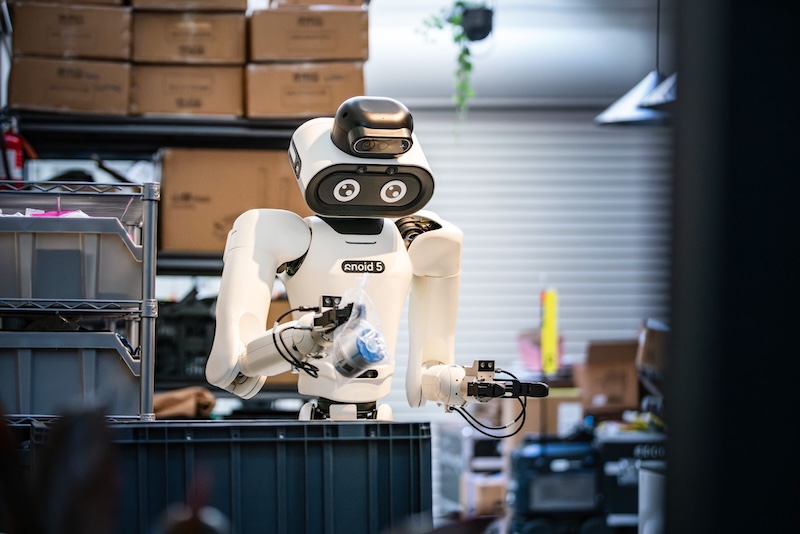
Robot.com Introduces R-noid Humanoid Robot for Challenging Labor Markets
Robot.com has officially launched R-noid, a humanoid robot designed to tackle repetitive and hard-to-fill jobs across various industries. Deployed under a Robot-as-a-Service model, R-noid can achieve autonomous operation within eight to twelve weeks, addressing significant staffing challenges in sectors like healthcare and food services. The introduction of R-noid is crucial as industries face high turnover rates, with quick-service restaurants experiencing over 130 percent staff turnover and hotel operators reporting critical staffing gaps. R-noid aims to alleviate these issues by taking on roles that are difficult to staff, allowing human workers to focus on more skilled tasks. Looking ahead, Robot.com is collaborating with FieldAI to integrate advanced AI capabilities into R-noid, enhancing its operational efficiency in dynamic environments. No further timeline was disclosed at the time of publication.
Humanoids News automation fieldai formic hospitality automation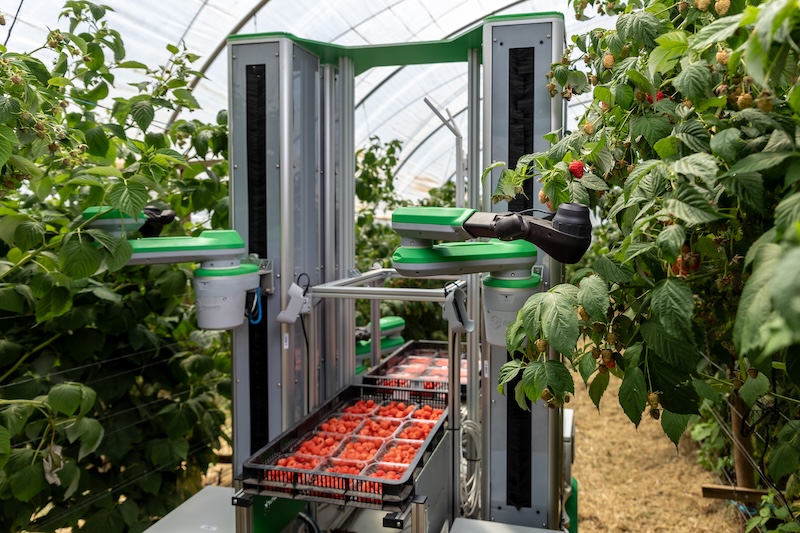
Fieldwork Robotics Receives £2.5 Million Investment for Berry Harvesting Automation
Fieldwork Robotics has secured a £2.5 million investment from SEED Innovations to enhance its selective and modular berry harvesting robots. This funding is part of a Seed+ fundraising initiative announced in April 2026, aimed at addressing labor shortages and rising costs in berry production. The investment will facilitate the transition from technology validation to commercial trials, with production robots already deployed in a two-year program in Norfolk and Stafford. The significance of this investment lies in its potential to alleviate pressing challenges faced by berry growers, including labor shortages and increased harvesting costs. By utilizing autonomous harvesting robots, Fieldwork aims to boost productivity and reduce reliance on seasonal labor, thereby minimizing food waste and stabilizing consumer prices. Jim Mellon, chairman of SEED Innovations, emphasizes the opportunity for robotics and AI to tackle real-world agricultural issues, aligning with Fieldwork's mission to enhance farm efficiency. Looking ahead, Fieldwork Robotics anticipates operating multi-robot fleets on farms by 2027, contingent on the success of ongoing trials. Additionally, the company plans to expand its operations internationally, with trials set to take place in Australia as part of its global growth strategy. No further timeline was disclosed at the time of publication.
Agriculture Financials & Investments agri robotics agricultural robotics agriculture automation
LXJ International Holdings Fails Fifth IPO Attempt Amid Market Shifts
LXJ International Holdings Limited, known as 'Laoxiangji', submitted its IPO application to the Hong Kong Stock Exchange on January 8, 2026, but the application expired on July 8, 2026. This marks the fifth unsuccessful attempt by the company, which is recognized as a leading player in the Chinese fast-food sector, to enter the capital market over the past five years. The repeated failures of Laoxiangji's IPO attempts highlight significant challenges in the Chinese fast-food industry, particularly amid rising competition and changing consumer preferences. The company's struggles reflect broader market dynamics, where traditional dining establishments face increasing pressure from the growing popularity of delivery services and healthier eating trends. Looking ahead, industry observers will be keen to see if Laoxiangji will make another attempt to go public or pivot its strategy in response to market conditions. No further timeline was disclosed at the time of publication regarding the company's future plans or potential restructuring efforts.

A Survey of Dynamic Wireless Power Transfer for Persistent UAV Transportation in Low‐Altitude Economy: The Field–Motion Framework
A recent study published in the Journal of Field Robotics highlights advancements in robotic technology aimed at enhancing agricultural efficiency. Researchers from various universities collaborated to develop an innovative robotic system designed to automate crop monitoring and management tasks. This study, released in early October 2023, emphasizes the growing need for sustainable farming practices amid increasing global food demands. The robotic system utilizes advanced sensors and artificial intelligence to assess crop health, optimize irrigation, and reduce pesticide usage. By integrating these technologies, the researchers aim to support farmers in making data-driven decisions that can lead to higher yields and lower environmental impact. The project was conducted in various agricultural settings, showcasing its adaptability to different crops and farming methods. The motivation behind this initiative stems from the challenges faced by the agricultural sector, including labor shortages and the need for more efficient resource management. By automating routine tasks, the robotic system not only addresses these issues but also promotes sustainable agricultural practices that are essential for future food security. As the agricultural landscape continues to evolve, this research represents a significant step towards the integration of robotics in farming, potentially transforming how crops are cultivated and managed in the years to come.
SURVEY ARTICLE
FLSea: Underwater Visual–Inertial and Stereovision Forward‐Looking Data Sets
A recent study published in the Journal of Field Robotics highlights advancements in autonomous robotic systems designed for agricultural applications. Researchers from various institutions collaborated to develop innovative algorithms that enhance the efficiency and effectiveness of robots in crop monitoring and management. The findings, released in early October 2023, demonstrate how these technologies can significantly reduce labor costs and improve yield predictions, addressing the growing demand for sustainable farming practices. The research was conducted in various agricultural settings, showcasing the robots' adaptability to different environments and crops. By integrating machine learning and real-time data analysis, the team aims to provide farmers with tools that not only optimize their operations but also contribute to environmental sustainability. This study marks a significant step forward in the integration of robotics into agriculture, promising to transform traditional farming methods and support food security in the face of global challenges.
RESEARCH ARTICLE
A Vision‐Guided Docking Method for Autonomous Underwater Vehicle From Ice Hole
A recent study published in the Journal of Field Robotics highlights advancements in autonomous robotic systems designed for agricultural applications. Researchers from a leading university conducted experiments to evaluate the efficiency of these robots in crop monitoring and management. The study, released in early October 2023, took place in various agricultural settings across the Midwest. The motivation behind this research stems from the increasing need for sustainable farming practices amid rising global food demands. By integrating advanced robotics and artificial intelligence, the team aimed to enhance productivity while minimizing environmental impact. The robots utilized cutting-edge sensors and machine learning algorithms to collect and analyze data on crop health, soil conditions, and pest activity. Through a series of field trials, the researchers demonstrated that these autonomous systems could significantly reduce labor costs and improve yield predictions. The findings suggest that the implementation of such technology could revolutionize traditional farming methods, making them more efficient and environmentally friendly. This study not only underscores the potential of robotics in agriculture but also paves the way for further innovations that could address the challenges faced by the agricultural sector in the coming years.
RESEARCH ARTICLE
Pakistan gives foreign banks an edge in shift to Islamic finance
FinancePakistan gives foreign banks an edge in shift to Islamic financeDomestic lenders required to convert to sharia-compliant model from 2028One currency, two banking systems. Pakistan's banks must all offer sharia-compliant services from 2028, but foreign banks will be able to continue offering non-Islamic services alongside -- giving them a possible advantage. © ReutersADNAN AAMIRJuly 7, 2026 14:31 JSTISLAMABAD -- In the run-up to its banking reform toward Islamic banking, the Pakistani government has decided to require domestically owned banks to operate under a fully sharia-compliant model from 2028 to eliminate interest-based finance.Read NextEnergyPakistan approves final link in 1,600-km national oil pipelineFinanceBangladesh bets $3.2bn to avert a banking crisis but reforms elusiveBusiness trendsPakistani gig workers' exports to hit record high but AI threats loomCommoditiesIndian families scale back on gold for weddings as prices hover near highsEnergyBangladesh power cuts deepen as government struggles to pay billsFood & BeverageIndia's sugar industry likely to exit exports and exist for ethanolDefensePakistan unfazed by Afghan-Russian military pact, say officialsTradeChinese firms brace for new EU rules as trade deficit tops $1bn a dayInternational relationsBangladesh courts China to drive infrastructure and trade pushBusiness dealsPakistan offers up 3 state-owned power distributors in privatization pushLatest on FinanceFinanceSingapore's Temasek to raise AI exposure 2.5-fold over 5 yearsFinanceJapan brokerages set sights on US mega-IPOs after strong SpaceX debutFinanceJapan's blockchain-based security tokens to open to foreign investorsSponsored ContentAbout Sponsored ContentThis content was commissioned by Nikkei's Global Business Bureau.

Effectiveness Assessment of Underwater Area Cruise Based on the ADC Method
The Journal of Field Robotics has recently published an article in its EarlyView section, highlighting advancements in robotic technology. Researchers from various institutions collaborated to explore innovative applications of field robotics, focusing on enhancing efficiency in agricultural practices. The study, released in October 2023, emphasizes the growing importance of robotics in addressing global food security challenges. The research team conducted extensive field tests to evaluate the performance of new robotic systems designed for tasks such as planting, harvesting, and monitoring crops. By integrating artificial intelligence and machine learning, these robots aim to optimize resource use and reduce labor costs in farming operations. The findings indicate that implementing these technologies can significantly improve yield and sustainability. This initiative is driven by the urgent need to increase agricultural productivity in the face of a rising global population and climate change impacts. The researchers advocate for further investment in robotic solutions to support farmers and ensure food supply chains remain resilient. The article serves as a call to action for stakeholders in the agricultural sector to embrace technological advancements that can transform traditional farming methods.
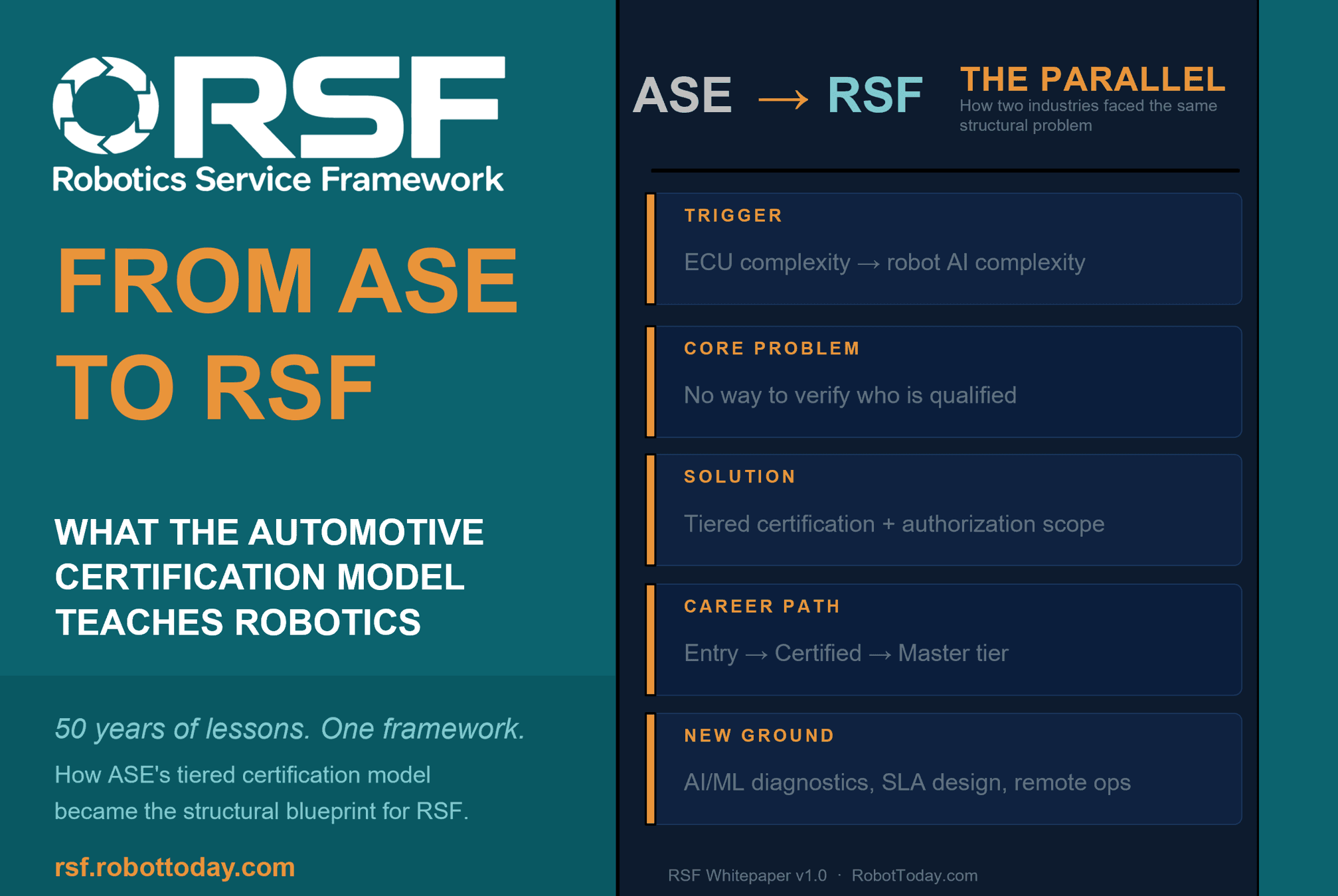
RESEARCH ARTICLERobotics needs a service framework.
RSF defines a common language for robot service capability, lifecycle operations, certification pathways, and service-provider networks.