Industry Briefing
A single destination for timely, editor-curated robotics news from around the world.

Greenfield Robotics Launches Public Share Offering to Raise $18.6 Million
Greenfield Robotics, based in Kansas, has initiated a public share offering aiming to raise up to $18.6 million through a Regulation A+ offering on StartEngine. The company currently operates 82 autonomous robots across 16 states, which mechanically cut weeds to replace herbicides. As of now, over $428,000 has been raised from investors. This offering is significant as it comes amid increasing legal and regulatory pressures on traditional herbicides, which Greenfield's robots are designed to replace. The company has sold out its 2026 season, generating over $1 million in robot sales. With a growing number of shareholders, Greenfield is positioned to expand its autonomous platform to include additional agricultural tasks in the future. Looking ahead, Greenfield plans to enhance its robots' capabilities by adding tasks such as feeding crops at night, seeding, and planting cash crops. The company has also shifted its commercial model from pay-per-use to outright sales, with a lease option expected to be announced soon. No further timeline was disclosed at the time of publication.
Field robots automation autonomous farm equipment investment mechanical weeder robotic harvesting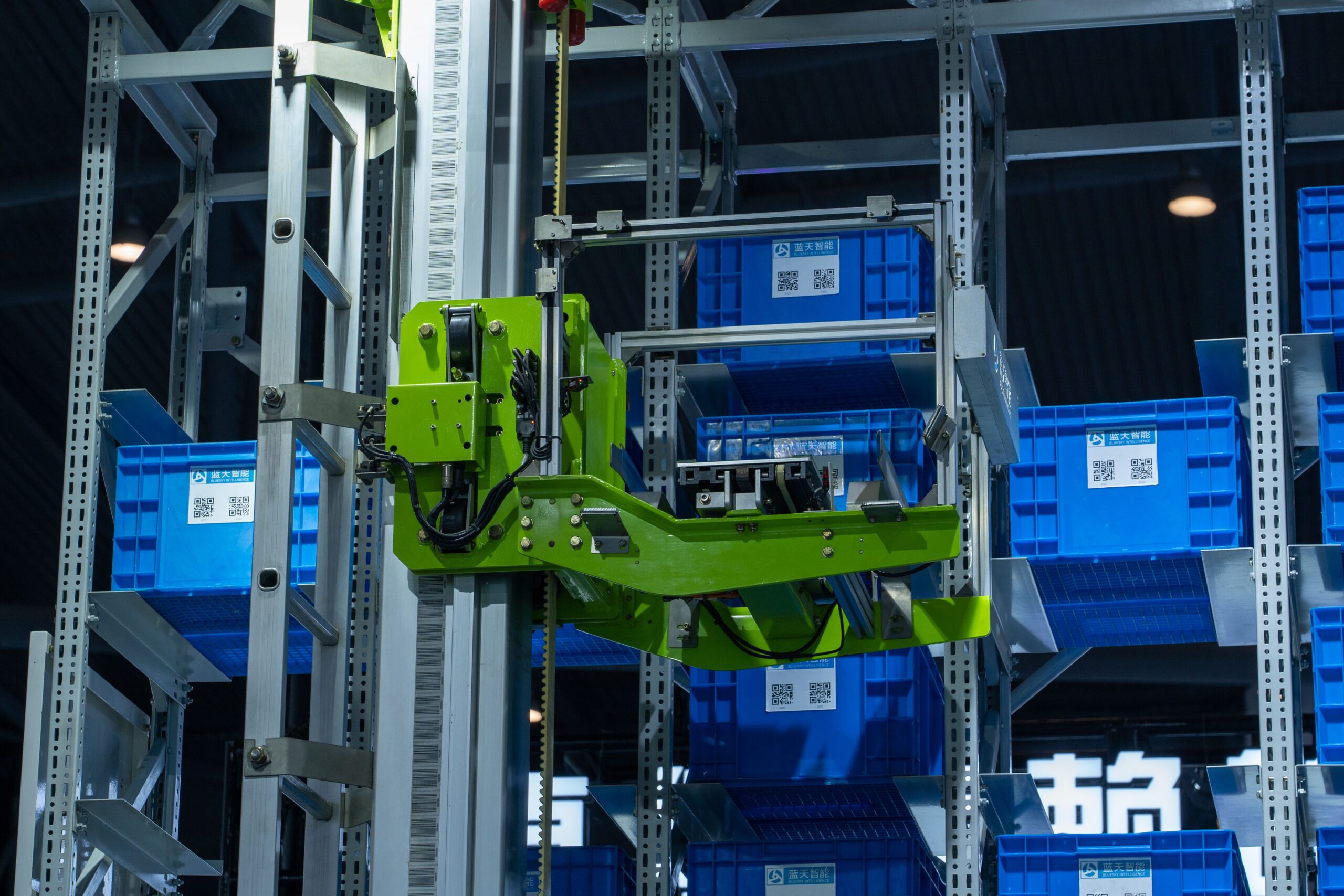
Robot Field Service Becomes Essential for Scalable Automation Success
The robotics industry is increasingly focusing on the post-installation phase as robot field service emerges as a critical challenge for automation scalability. Operational issues can arise when robots experience failures in remote locations, necessitating immediate technician intervention rather than simple software updates. This is particularly crucial in sectors like commercial kitchens, where downtime can severely impact service delivery. For logistics operators, the realization is that the journey of a robot begins with purchase and installation, but ongoing maintenance, spare parts availability, and technician training are vital for operational success. This could lead to changes in how contracts for warehouse robotics are structured, emphasizing service-level agreements that define response times and responsibilities for various types of faults. As the deployment of robots expands, the ability to maintain them effectively in the field will become increasingly important. A robust field-service model could minimize unplanned downtime and enhance confidence in deploying automation across multiple facilities, potentially driving demand for third-party service networks that support diverse robotic systems.
Latest News automation Field Service maintenance robotics warehouse automation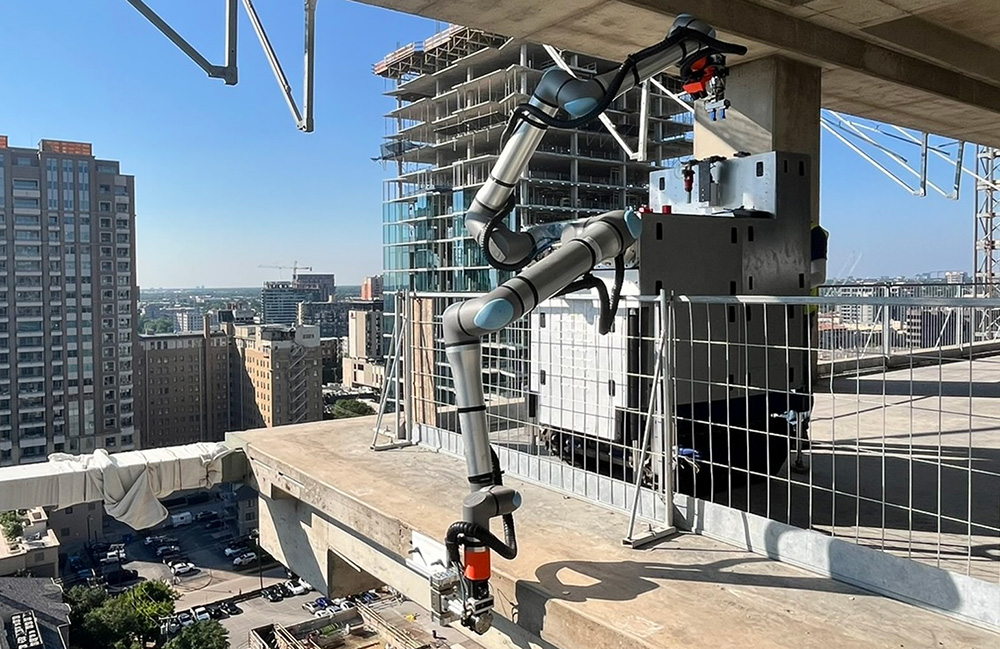
Raise Robotics to Address Scaling Challenges for Field Robots at RoboBusiness 2026
At RoboBusiness 2026, Kenrick Tjandra from Raise Robotics will present on leadership strategies for scaling field robotics. He emphasizes that the gap between current capabilities and customer needs is often a leadership issue rather than a hardware limitation. Raise Robotics, based in San Francisco, has achieved a significant milestone by completing 10 projects across eight states, accumulating over 4,528 robot-hours without safety incidents. Tjandra's framework, peer-reviewed by the Project Production Institute, aims to guide teams in deciding whether to enhance product features or develop operator training. Attendees at the session will learn valuable decision-making tools and insights from Tjandra's experiences, including lessons from past failures. The event, scheduled for October 20-21 in Santa Clara, California, will also provide networking opportunities and insights into the latest trends in robotics and AI across various sectors.
Actuators / Motors / Servos Construction Events Markets / Industries News Technologies
Addressing Field Service Challenges in Robotics Maintenance and Support
The robotics industry is increasingly focused on the deployment and sales of robots, yet there is a significant gap in discussions regarding post-deployment support. Specifically, the challenges of field service are becoming apparent as robots require maintenance and repairs after installation. For instance, when a sensor malfunctions in a remote location, it can lead to operational downtime and increased costs. This issue is critical as the reliance on robots in various sectors grows, making effective field service essential for maintaining productivity and efficiency. The ability to quickly address technical failures, such as a sensor issue occurring 900 miles away from the nearest engineer, is vital for ensuring that robotic systems continue to function optimally. As the industry evolves, the importance of robust support systems will become increasingly evident. Looking ahead, companies must prioritize the development of efficient field service strategies to mitigate potential bottlenecks in robotics maintenance. No further timeline was disclosed at the time of publication.
Caterpillar Collaborates with FieldAI to Enhance Physical AI and Autonomous Robotics
Caterpillar has announced a partnership with FieldAI to advance physical AI and robotics aimed at improving safety and efficiency in jobsites and factories. This collaboration seeks to address labor shortages and productivity demands by transforming real-time observations into actionable insights, enhancing decision-making and maximizing the effectiveness of workers and machines. The significance of this partnership lies in its potential to reshape industries by integrating human expertise with AI-powered machines. Caterpillar's Chief Technology Officer, Jaime Mineart, emphasized the importance of applying AI to improve safety and productivity, thereby delivering greater value to operations. This initiative aligns with Caterpillar's vision for a future where intelligent machines and digital insights create safer and more productive work environments. Looking ahead, Caterpillar's collaboration with FieldAI is expected to accelerate the development of practical solutions that enhance operational efficiency across complex jobsites and manufacturing environments. No further timeline was disclosed at the time of publication.

ASI's Mel Torrie to Discuss Advancements in Field Robotics at RoboBusiness 2026
Autonomous Solutions Inc. (ASI) is enhancing existing field equipment with autonomy, addressing challenges in remote and rugged locations. Mel Torrie, ASI's founder and CEO, predicts significant advancements in mobile robotics for outdoor applications over the next decade. He emphasizes the need for autonomous vehicles to support integration and collaboration among platforms to boost productivity. The intersection of autonomous vehicles and advanced robotics is set to revolutionize field deployments, according to Torrie. At RoboBusiness 2026, he will lead a session titled "Designing the Robotics Ecosystem for Outdoor Autonomy," sharing insights on creating a cooperative ecosystem where robotics and autonomous vehicles work together. This collaboration is expected to enhance operational efficiency and safety in challenging environments. Attendees at RoboBusiness 2026 will gain valuable insights into the evolving landscape of robotics and AI, with a focus on practical applications across various sectors. The event will also provide networking opportunities for professionals in the field, fostering connections that could lead to future collaborations and innovations.
Agriculture Construction Events Markets / Industries News asi
10th ZGC Emerging Fields Quadruped Robot Challenge Set for September 2026
The 10th ZGC Emerging Fields Quadruped Robot Challenge will take place from September to October 2026, focusing on the application of quadruped robots in complex environments. This initiative aims to promote the development of embodied intelligence technologies in line with China's 14th Five-Year Plan, enhancing economic growth through innovation. The challenge will assess quadruped robots on their ability to transport materials and perform tasks in various terrains, including stairs, sand pits, and rubble. It will also evaluate their autonomous capabilities in emergency scenarios, such as navigating confined spaces and conducting search and rescue operations in simulated urban ruins. Participating teams must register before the deadline and will have training opportunities on obstacle courses prior to the competition. Awards will be given to top teams, with opportunities for further support and collaboration in scientific projects and potential partnerships in sectors like emergency response and energy.
Quadruped Robots Emergency Response Robotics Innovation AI Technology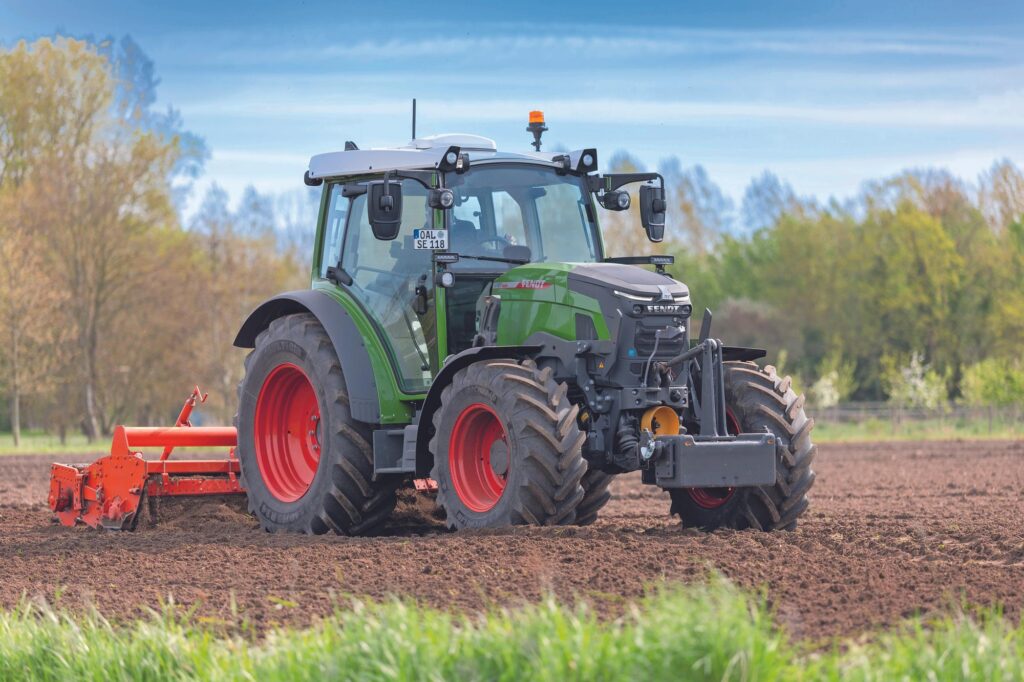
Fendt e107 Vario Electric Tractor Demonstrates Battery Power for Autonomous Field Robots
A recent test compared the Fendt e107 Vario electric tractor with the diesel-powered Fendt 207 Vario in both summer conditions in the Netherlands and winter conditions in Norway. The results indicate that while the electric tractor is advanced, its battery capacity remains a key limitation for heavy-duty tasks. This development is significant for the future of autonomous field robots, as electric drive systems could offer inherent advantages in efficiency and sustainability. The Fendt e107 Vario's performance suggests that battery-electric technology is becoming increasingly viable for agricultural applications. Looking ahead, the evolution of battery technology and electric drivetrains will be crucial for enhancing the capabilities of autonomous field robots. No further timeline was disclosed at the time of publication.
Tech in focus electric fendt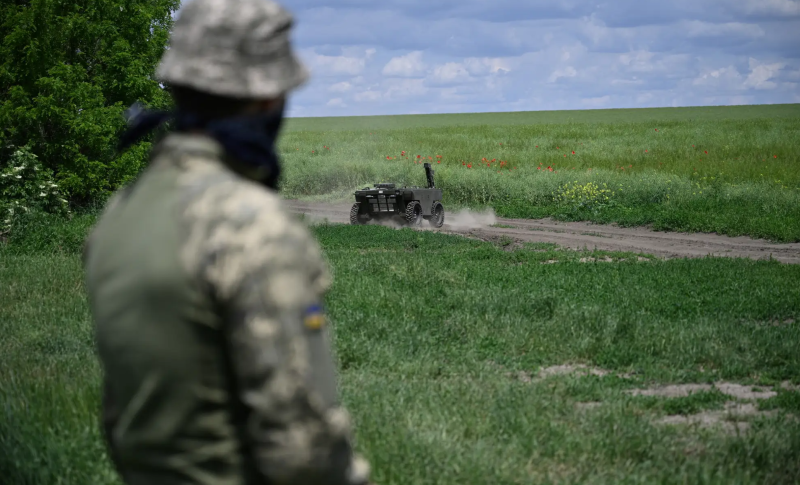
UK Army Commander Highlights Limitations of Ground Robots in Complex Battlefield Exercises
As military forces worldwide seek to learn from the Ukraine conflict, unmanned ground vehicles (UGVs) are being rapidly integrated into operations. However, a former frontline commander of the UK Army recently concluded that these machines are not always the right tools for the job. During a high-intensity exercise called 'Fusion Program Apex 6' at the National Training Center in California, UGVs were put to the test alongside troops from the UK and US. Colonel John Black from the Yorkshire Regiment noted that despite testing various use cases, significant challenges emerged regarding the practical application of ground robots in combat. Heavy logistical burdens were identified, as many mid-sized UGVs require trailers or flatbed trucks for transport, complicating battlefield mobility. Additionally, energy supply issues, including the need for extra batteries or fuel, further complicate operations. The exercise revealed that ideal operational ranges often fall short in complex terrains, with obstacles confusing most UGVs. Furthermore, maintaining stable remote control connections in a battlefield environment poses significant challenges. Black emphasized that while UGVs may address specific battlefield pain points, they are not universal solutions. The core value of such tests lies in understanding how unmanned systems can integrate into existing combat networks, potentially transforming the nature of warfare.
Unmanned Ground Vehicles Military Robotics Logistics Technology Autonomous Systems
Innovative Instance Segmentation Method for Navigation Line Extraction in Paddy-Field Weeding Robots
A novel approach utilizing instance segmentation for navigation line extraction has been developed for paddy-field weeding robots. This method enhances the robot's ability to navigate effectively in agricultural environments, improving efficiency in weed management. The significance of this advancement lies in its potential to optimize agricultural practices by enabling robots to perform precise weeding tasks. By employing advanced segmentation techniques, the weeding robots can better identify and navigate around crops, thereby minimizing damage and maximizing yield. Looking ahead, the agricultural robotics sector may see increased adoption of such technologies, which could lead to more autonomous solutions in farming. No further timeline was disclosed at the time of publication.
RESEARCH ARTICLE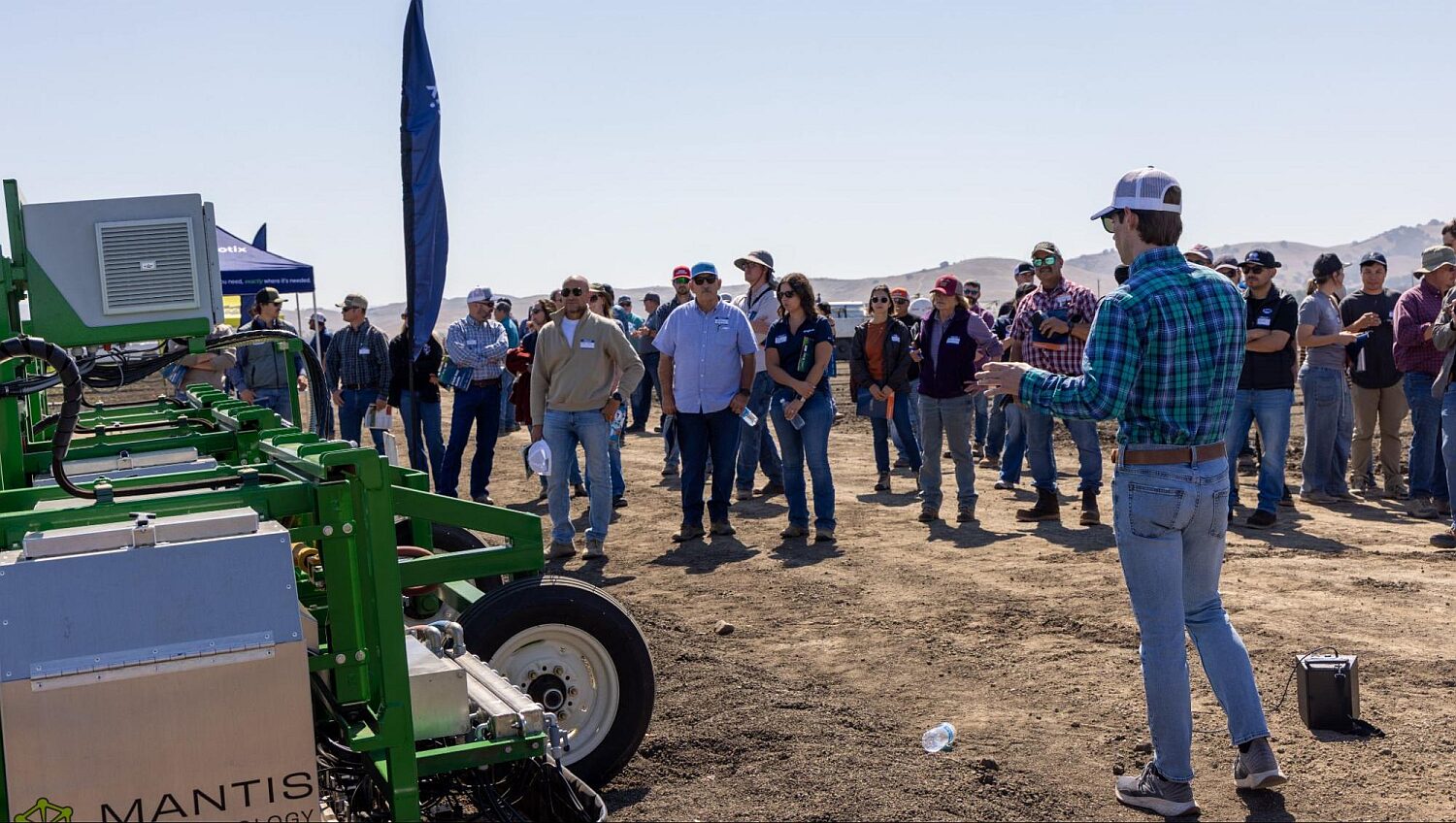
Field Days: A New Approach for Evaluating Ag Robotics Startups in Agriculture
On August 6, over 250 growers, investors, and startup teams from the US, Brazil, and Europe participated in a Connect field day, showcasing advanced AI technology for automating leafy greens. This event, part of the UC ANR Innovate program, highlights the importance of real-world testing in assessing startup viability. The Connect program, developed by Connie Bowen and Hannah Johnson, emphasizes the significance of field days in evaluating startup teams. Investors often struggle to assess teams effectively, but field days provide critical insights into a startup's potential for long-term success. Founders who excel at these events often secure commercial contracts, while those who do not receive constructive feedback for improvement. Looking ahead, the Connect program plans to host more field days through 2027, offering startups opportunities to demonstrate their solutions to California's farming industry. The focus remains on fostering meaningful connections between technology providers and growers, ensuring that innovations genuinely address agricultural challenges.
Agtech Artificial intelligence Precision agriculture US & Canada
New Electric-Field Robot Sensor Enables Touchless Object Detection and Identification
Chinese researchers have developed an innovative robot sensor that can detect and identify objects without physical contact, inspired by the electric eel's hunting mechanism. This sensor utilizes weak electric fields that are altered by nearby objects, allowing machines to sense material and surface conditions before any interaction occurs. The significance of this technology lies in its potential applications in various industries, particularly in factory settings where robots can benefit from enhanced object detection capabilities. By mimicking the electric field generation of electric eels, the sensor can infer an object's electrical conductivity, dielectric properties, and geometric shape, which could revolutionize how robots interact with their environment. Looking ahead, the development of this sensor could lead to more advanced robotic systems that require minimal physical contact with objects. No further timeline was disclosed at the time of publication.
Innovation Science
Humanoid Robots Transforming Brownfield Factories for Industrial Automation
Humanoid robots are emerging as a transformative force in manufacturing, particularly in brownfield factories. Their ability to adapt to existing human-centric environments allows for seamless integration into production workflows, minimizing the need for extensive modifications. This adaptability is crucial as manufacturers seek to modernize facilities without incurring significant capital investment or operational disruption. The significance of humanoid robots lies in their unique design and functionality, which enable them to perform a wide range of tasks in dynamic environments. Unlike traditional automated guided vehicles (AGVs) and autonomous mobile robots (AMRs), humanoids can navigate and adjust to changing conditions, making them well-suited for environments built around human dimensions. This capability positions them as a viable solution for manufacturers looking to enhance automation in legacy systems. Looking ahead, organizations must focus on workforce training and process reevaluation to ensure effective human-robot collaboration. The integration of a robust digital thread and the creation of digital twins will be essential for simulating interactions and validating workflows before deploying humanoids in production. No further timeline was disclosed at the time of publication.
Factory / Robotics
DGIST Professor Proposes 'Sustainability Robotics' as a New Academic Field
Professor Sukho Song from DGIST's Department of Robotics and Mechatronics Engineering has introduced the concept of 'Sustainability Robotics.' This new academic field aims to assess robots based on their technical performance as well as their impact on environmental, social, and economic sustainability. The significance of this initiative lies in its holistic approach to robotics, emphasizing the importance of sustainable practices in technology development. By integrating sustainability into the evaluation of robotic systems, the field seeks to foster innovations that contribute positively to society and the environment. Looking ahead, the establishment of 'Sustainability Robotics' could influence future research and development priorities in the robotics sector. No further timeline was disclosed at the time of publication.
Robotics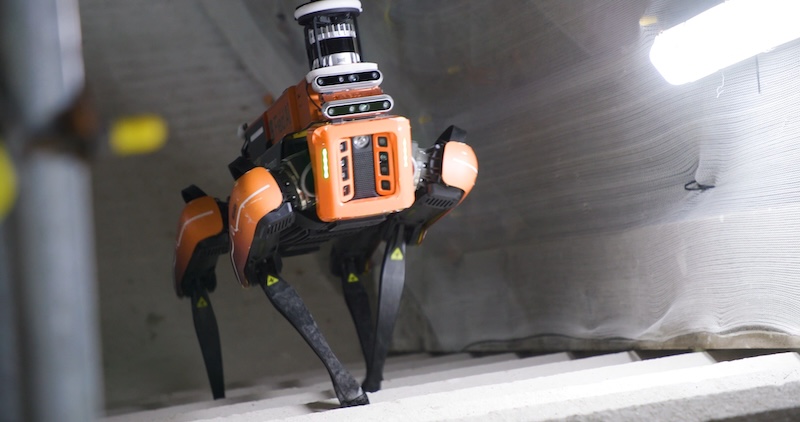
McLaren Construction Partners with FieldAI to Deploy Autonomous Robots Across UK Sites
McLaren Construction has formed a partnership with FieldAI to implement autonomous quadruped robots at its construction sites in the UK. These robots will initially be used for capturing 360° site imagery, generating point cloud data, and assisting with progress verification, safety compliance, and quality assurance. The capabilities of these robots will expand over time, enhancing their utility on-site. This partnership is significant as it marks FieldAI's entry into the UK market and builds upon its existing deployments across Europe, Asia, and North America. The use of AI-enabled deviation analysis will facilitate quicker identification of quality issues, ensuring better installation practices and reducing rework. McLaren aims to enhance project monitoring and compliance through this innovative technology. Looking ahead, McLaren Construction anticipates that the collaboration will yield valuable insights for broader robotic applications within the company. The deployment of FieldAI's Field Foundation Models will enable robots to adapt to complex environments without relying on pre-existing maps, thus enhancing operational efficiency. No further timeline was disclosed at the time of publication.
Construction News artificial intelligence Autonomous robots autonomous systems construction automation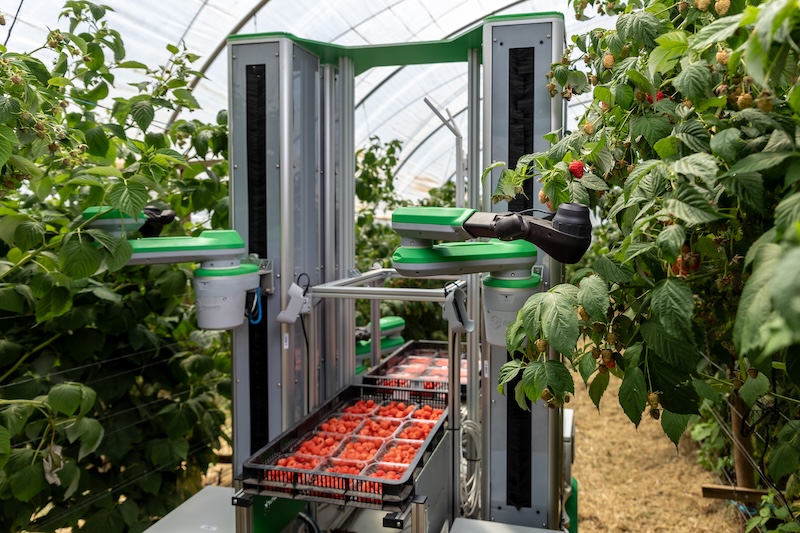
Fieldwork Robotics Receives £2.5 Million Investment for Berry Harvesting Automation
Fieldwork Robotics has secured a £2.5 million investment from SEED Innovations to enhance its selective and modular berry harvesting robots. This funding is part of a Seed+ fundraising initiative announced in April 2026, aimed at addressing labor shortages and rising costs in berry production. The investment will facilitate the transition from technology validation to commercial trials, with production robots already deployed in a two-year program in Norfolk and Stafford. The significance of this investment lies in its potential to alleviate pressing challenges faced by berry growers, including labor shortages and increased harvesting costs. By utilizing autonomous harvesting robots, Fieldwork aims to boost productivity and reduce reliance on seasonal labor, thereby minimizing food waste and stabilizing consumer prices. Jim Mellon, chairman of SEED Innovations, emphasizes the opportunity for robotics and AI to tackle real-world agricultural issues, aligning with Fieldwork's mission to enhance farm efficiency. Looking ahead, Fieldwork Robotics anticipates operating multi-robot fleets on farms by 2027, contingent on the success of ongoing trials. Additionally, the company plans to expand its operations internationally, with trials set to take place in Australia as part of its global growth strategy. No further timeline was disclosed at the time of publication.
Agriculture Financials & Investments agri robotics agricultural robotics agriculture automation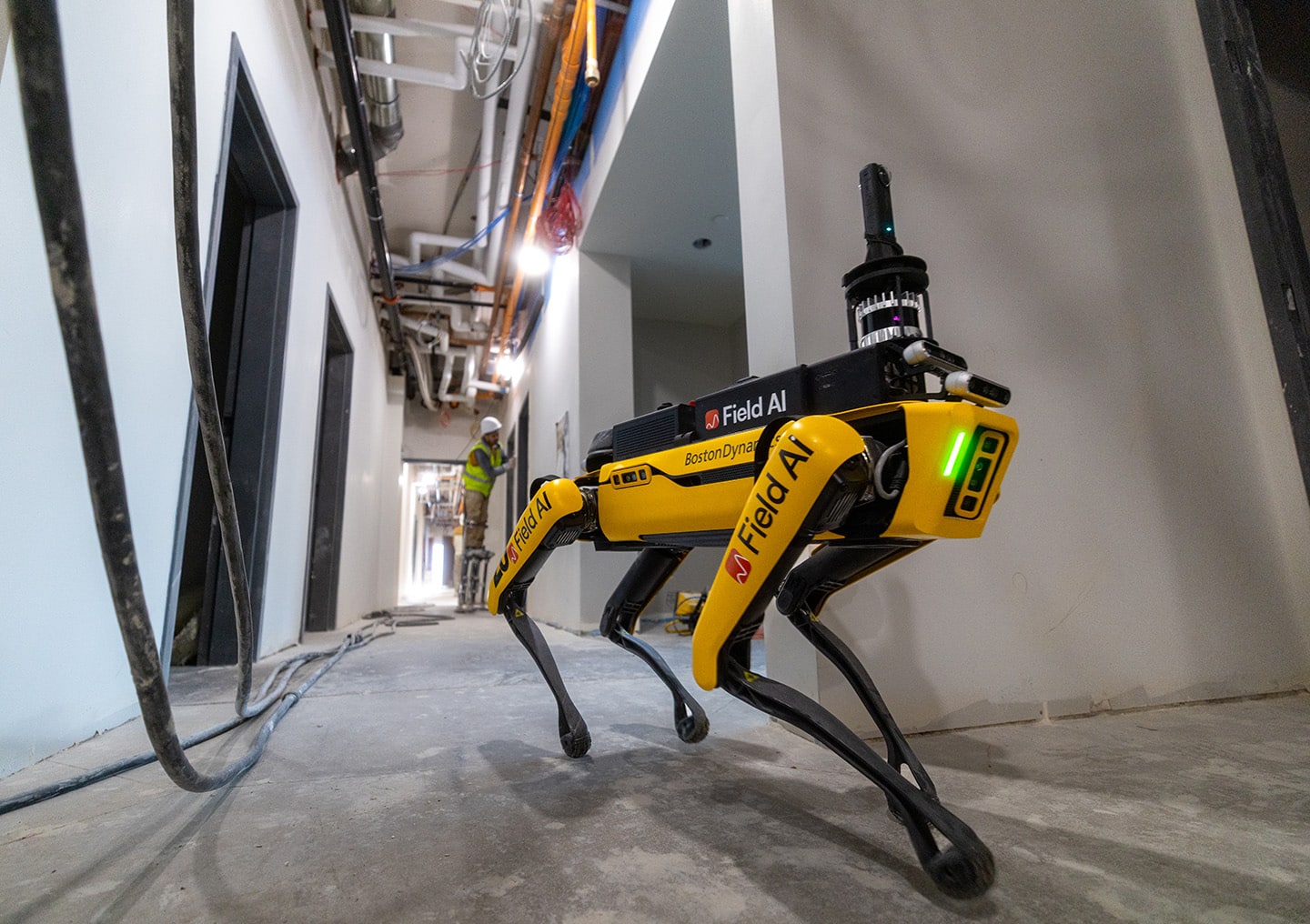
Boston Dynamics and FieldAI Collaborate to Enhance Robotics in Dynamic Construction Environments
Boston Dynamics and FieldAI have announced a partnership aimed at advancing robotics in construction and other complex environments. This collaboration merges Boston Dynamics' robotic platforms with FieldAI's Field Foundation Models™ (FFMs), enabling autonomous operations in unpredictable spaces, such as construction sites where conditions frequently change. The significance of this partnership lies in its potential to revolutionize construction operations, which are often labor-intensive and fraught with safety risks. By integrating FFMs with Boston Dynamics' Spot® robot, the collaboration aims to enhance the ability of robots to navigate dynamic terrains and workflows, ultimately improving efficiency and safety in construction projects. Looking ahead, the integration of FFMs with Spot is expected to enable robots to autonomously operate in uncharted environments, such as underground mines and rapidly evolving construction zones. No further timeline was disclosed at the time of publication.

Humanoid Robots' Emerging Role in Military Operations and Logistics
Humanoid robots are being integrated into military operations, not as replacements for soldiers, but as specialized tools for hazardous tasks in human-designed environments. Their potential lies in performing dangerous physical work that traditional unmanned systems cannot safely or economically accomplish, such as urban breaching and explosive ordnance disposal. The ongoing war in Ukraine has highlighted the increasing reliance on unmanned ground systems, with Ukrainian forces conducting approximately 24,500 missions in early 2026. As the military explores humanoid robots, the focus is on their ability to enhance operational capabilities rather than replace existing systems. The Ukrainian Ministry of Defense plans to contract 25,000 ground robots, indicating a significant shift towards robotic logistics. Future developments to watch include the evaluation of humanoid robots like the Phantom MK-1 in Ukraine and China's teleoperated humanoid demonstrations. The key question remains whether humanoids can perform essential tasks that other robotic systems cannot, particularly in complex environments where human-like dexterity is required.
Land Warfare Opinion Army Brave1 Drones humanoid robots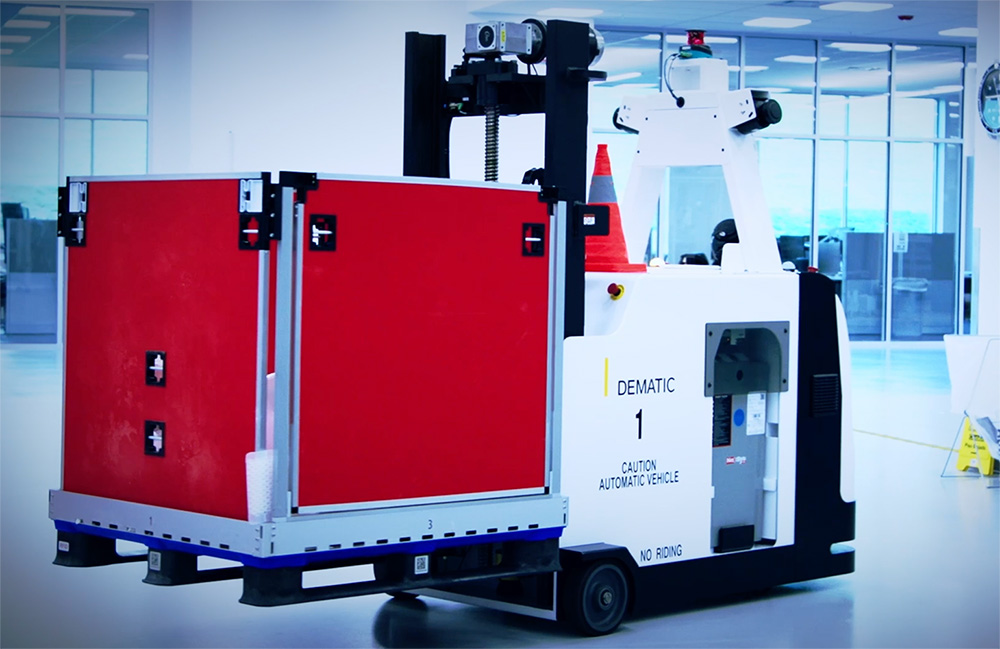
Eli Lilly and Purdue University to Present Human-Robot Interaction Insights at RoboBusiness 2026
At RoboBusiness 2026, Eli Lilly's Faraz Yousuf and Purdue University's Dr. Anastasia Kouvaras Ostrowski will discuss their findings on human-robot interaction (HRI) in manufacturing. Their presentation will focus on the challenges of conducting HRI research in live production environments and the insights gained from working with automated guided vehicles (AGVs). This collaboration is significant as it bridges the gap between academic research and practical applications in industrial settings, addressing the need for effective HRI to enhance safety and efficiency. The insights shared at the event could pave the way for more successful partnerships between academia and industry, fostering innovation in robotics. Attendees can expect to learn about the perceptions of robots on the manufacturing floor and the strategies developed to facilitate ongoing collaboration. The talk is scheduled for October 20 at 11:45 a.m. PT, highlighting the importance of HRI in the future of industrial automation. No further timeline was disclosed at the time of publication.
Artificial Intelligence Design / Development Events Human Robot Interaction / Haptics Logistics Manufacturing
Ecorobotix Achieves 84% Reduction in Spray Volume with ARA Spot Sprayer in Field Trial
Ecorobotix has announced significant results from a field trial of its ARA spot sprayer conducted at Oregon State University’s Hyslop Research Farm. The trial demonstrated an impressive 84% reduction in spray volume compared to traditional broadcast applications, utilizing glyphosate specifically on detected weeds in a tall fescue crop grown for seed. This reduction is particularly crucial for grass seed growers, as the challenge of maintaining varietal purity is heightened by the similarity between crop and unwanted grass species. The ARA effectively targeted 88% of the weeds, achieving an average control rate of 87%, showcasing the potential of precision agriculture in enhancing efficiency and sustainability in weed management. Looking ahead, the performance of the ARA spot sprayer under varying weed densities will be important to monitor, as its effectiveness diminishes with higher weed pressure. No further timeline was disclosed at the time of publication.
Smart farming glyphosate spot spraying weed control systems
Former Ukrainian Defense Minister Unveils 'Robot Legion' to Deploy Humanoid Robots in Six Months
The former Ukrainian Defense Minister has announced the launch of 'Robot Legion,' a project aimed at deploying humanoid robots to the battlefield within six months. This initiative seeks to enhance military capabilities through advanced robotics technology. The significance of this project lies in its potential to revolutionize warfare by integrating humanoid robots into military operations. The deployment of such technology could provide strategic advantages and improve operational efficiency in combat scenarios. Looking ahead, the development timeline indicates that the first humanoid robots could be operational within six months. Stakeholders will be keen to observe the progress of 'Robot Legion' and its impact on military strategies and defense capabilities.
Robotics Automation AI
Milrem Robotics Utilizes Ukraine Battlefield Insights to Enhance Unmanned Systems
Milrem Robotics, based in Tallinn, Estonia, is leveraging battlefield experiences from Ukraine to advance its unmanned ground vehicle technology. The THeMIS platform, which is currently deployed for logistics missions in Ukraine, demonstrates the growing reliance on unmanned systems in high-risk areas, reducing the danger to personnel and providing strategic advantages. The significance of this development lies in the ongoing challenges faced by conventional logistics on the front lines, as highlighted by Milrem's CEO Kuldar Vaarsi. With reconnaissance and attack drones making traditional vehicles vulnerable, Ukrainian forces are increasingly adopting unmanned vehicles for supply transport over distances of 10 to 20 kilometers, with over 200 units expected to be operational by year-end. Looking ahead, Milrem is adapting its designs based on combat feedback, emphasizing simplicity and ease of operation for soldiers with minimal training. The company’s ARCOS software aims to integrate various robotic systems, enhancing interoperability across different platforms, which is crucial for future military operations.
All News
Barbara Mazzolai Advocates for Sustainability in Robotics Through Bioinspired Designs
Roboticist Barbara Mazzolai is pioneering a new field called 'sustainability robotics,' which aims to harmonize technology with environmental stewardship. As the associate director for robotics at the Italian Institute of Technology, she emphasizes the importance of reducing the ecological footprint of robotic technologies. Mazzolai's work draws inspiration from nature, including octopuses and plant roots, to create robots that can interact with their environments responsibly. Mazzolai's vision for sustainability robotics was articulated in a manifesto published in Nature Machine Intelligence, where she calls for a shift in how robots are designed, integrating sustainability as a core principle. This approach not only addresses the environmental impact of robotics but also opens new possibilities for societal applications. Her background in biology and engineering uniquely positions her to lead this innovative research direction. Looking ahead, Mazzolai's exploration of plant-inspired robotics could revolutionize environmental monitoring and precision agriculture. As she continues to advocate for this new paradigm, the robotics community will be watching closely to see how her ideas evolve and influence future developments in the field. No further timeline was disclosed at the time of publication.
Soft-robot Typedepartments Environmental-footprint Biology Italian-institute-of-technology
Robotics Price War Intensifies as Mantis Standard Launches Affordable Wheeled Humanoid
The ongoing price war in robotics reveals a significant challenge: most humanoid robots remain as fixed, one-time purchases. According to Counterpoint Research, global shipments of humanoid robots are expected to exceed 22,000 units in the first half of 2026, marking a nearly 300% year-on-year increase. However, over 60% of these robots are used for entertainment and educational purposes, with only 13% in smart manufacturing and a mere 5% in logistics. Despite some price reductions making humanoid robots more accessible, the distinction between a functional robot and a large toy is not as clear-cut as anticipated. The most valuable capabilities for robots are still their ability to perform tasks effectively, which is rarely achieved by low-cost models. On September 14, the company launched its first modular wheeled humanoid robot, Mantis Standard, priced at 9,800 yuan, featuring an omnidirectional wheel chassis, a 7-degree-of-freedom robotic arm, and a 4K60fps dual-vision system. The design of Mantis Standard emphasizes practicality over performance, as wheeled humanoid robots are deemed more suitable for industrial applications compared to bipedal models. PwC's report supports this view, highlighting wheeled robots' advantages in efficient movement and terrain adaptability for commercial applications. Since 2025, the parallel development of wheeled and bipedal robots has been evident, with many companies incorporating both into their product lines, showcasing wheeled robots' stability and flexibility in service and light industries.
Humanoid Robots Modular Robotics Wheeled Robots Robot Automation
L3Harris and ARX Robotics Test Counter-Drone Sensing on Uncrewed Ground Vehicle
L3Harris Technologies and ARX Robotics have successfully demonstrated a robotic ground vehicle equipped with a counter-drone sensing system during the US Army’s Project Convergence-Capstone 6 experimentation campaign. This innovative approach allows for the deployment of sensors on a remotely controlled robot, reducing the risk to soldiers by keeping them away from potential drone threats. The demonstration utilized L3Harris' CORVUS-RAVEN counter-drone capability mounted on ARX Robotics' GEREON uncrewed ground vehicle. This setup enhances situational awareness by passively detecting signals associated with drone threats and providing critical bearing information. The ability to reposition the robotic vehicle as tactical situations evolve offers commanders a flexible alternative to fixed sensor locations. As small drones pose increasing challenges for modern militaries, the collaboration between L3Harris and ARX Robotics highlights the importance of modularity and adaptability in military technology. No further timeline was disclosed at the time of publication.
Military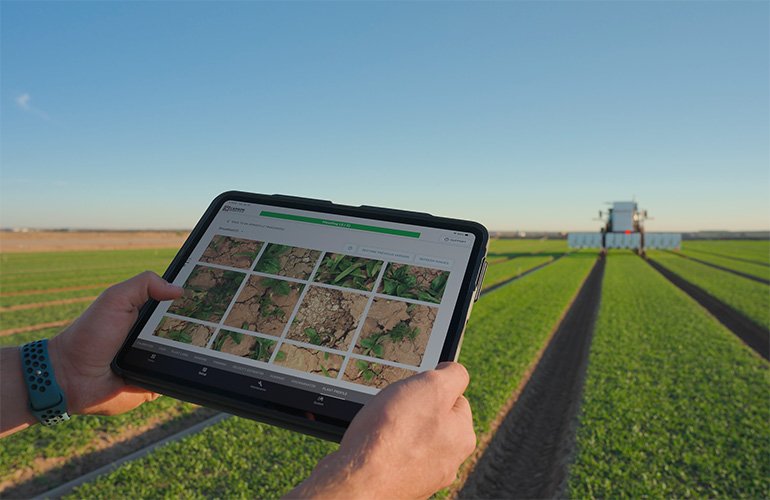
Carbon Robotics Enhances Laser Weeding with iMerit for Instant AI Customization
Carbon Robotics has introduced a large plant model that allows farmers to customize their laser weeder for specific crops and weeds in minutes. This innovation replaces traditional crop-specific AI models, enabling instant adjustments without retraining. Farmers can use an iPad app to tag plants, allowing the weeder to adapt to various crops across different regions. The significance of this development lies in its ability to streamline the weeding process, enhancing efficiency and reducing the time needed for farmers to adapt to new crops or weeds. By leveraging a foundation model trained on 150 million labeled plants, Carbon Robotics empowers farmers to optimize their weeding strategies instantly, improving soil health by returning nutrients from removed weeds. Looking ahead, the partnership with iMerit has proven crucial for the data annotation process, enabling Carbon Robotics to scale its model training effectively. No further timeline was disclosed at the time of publication.
Agriculture Artificial Intelligence Autonomous Mobile Robots (AMRs) News Self-Driving Vehicles Sensors / Sensing Systems
ForwardX Robotics Releases Whitepaper on Scaling AMRs in Existing Manufacturing Facilities
ForwardX Robotics has launched a new whitepaper that explores the engineering capabilities necessary for deploying and scaling autonomous mobile robots (AMRs) in existing manufacturing environments. This initiative comes as manufacturers seek to enhance automation in their facilities while ensuring production continuity. The whitepaper highlights the potential of AMRs to improve internal material flow in brownfield environments, which often require minimal changes to existing factory infrastructure. However, it also addresses the unique challenges posed by these environments, which extend beyond simple robot navigation. As the industry moves towards greater automation, stakeholders should monitor how ForwardX Robotics' insights can influence the adoption of AMRs in brownfield settings. No further timeline was disclosed at the time of publication.
U.S. Army to Evaluate BLADE's Hunter WOLF Robotic Vehicle with 82nd Airborne Division
The U.S. Army is set to conduct field evaluations of BLADE's Hunter WOLF robotic vehicle with the 82nd Airborne Division on August 20 at Fort Polk, Louisiana. This unmanned ground vehicle is designed to assist in support tasks during military operations, boasting a payload capacity of 2,800 pounds to facilitate the movement of equipment and supplies. The significance of this evaluation lies in its potential to enhance operational efficiency for soldiers by reducing their physical burden during demanding missions. Hunter WOLF's capabilities, including casualty evacuation and mobile power support, allow troops to focus more on combat tasks rather than logistics, addressing the needs of light infantry units. Looking ahead, the evaluation will provide 82nd Airborne soldiers with hands-on experience, assessing the vehicle's adaptability in various mission scenarios. BLADE plans to configure Hunter WOLF for roles such as tactical communications and equipment transport, with the aim of validating its flexibility and effectiveness in real-world operations. No further timeline was disclosed at the time of publication.
AI and Robotics Military
Development and Evaluation of a Push-Based Gangue-Sorting Robotic System
A new push-based gangue-sorting robotic system has been designed and developed, with successful integration and field evaluation reported in the Journal of Field Robotics. This innovative system aims to enhance the efficiency of sorting gangue materials in mining operations. The significance of this development lies in its potential to improve resource recovery and reduce waste in mining processes. By effectively sorting gangue materials, the robotic system can contribute to more sustainable mining practices and optimize operational efficiency. Looking ahead, the industry will be keen to observe further advancements in robotic sorting technologies and their applications in various mining environments. No further timeline was disclosed at the time of publication.
RESEARCH ARTICLE
Humanoid Robot Startups and Appliance Giants Target China's Kitchen Market
Capital, home-appliance giants, and humanoid-robot startups are increasingly focusing on the Chinese commercial kitchen sector. Industry projections estimate that the AI cooking-robot market could exceed 109.6 billion yuan by 2030. This convergence of various players highlights the growing significance of automation in food preparation and service. The anticipated growth in the AI cooking-robot market underscores the potential for innovation and investment in this niche, which could transform traditional kitchen operations. As the market develops, stakeholders should monitor advancements in humanoid robotics and AI technologies that enhance cooking efficiency. No further timeline was disclosed at the time of publication.

Innovations in Domestic Surgical Robots Face Industry Challenges Amid Rapid Evolution
Recent advancements in surgical robotics, including ultra-remote 5G-assisted surgeries and single-port minimally invasive robots, are redefining precision in modern surgical medicine. However, as the industry progresses towards large-scale delivery, many research teams face harsh realities in engineering, struggling with the production of critical components like fatigue-resistant screws and high-rigidity cables. The innovation of high-end medical devices is not a solo endeavor, as the Chinese surgical robot industry transitions from prototype validation to deep autonomous innovation. The gap between laboratory success and stable mass production remains significant, with teams encountering structural challenges in achieving the extreme physical requirements for components, which include high tensile strength and stringent biocompatibility. To overcome the difficulties of transitioning from prototype to mass production, collaboration across the entire value chain is essential. This includes integrating core components, high-end materials, surface treatment processes, and complete system engineering, rather than relying solely on individual manufacturers or suppliers to address these complex challenges.
Surgical Robots Medical Devices Supply Chain Collaboration Precision Manufacturing
The Kitchen Robot Market: A Billion-Dollar Opportunity for Automation
The robotics industry is witnessing a significant shift as kitchen robots, particularly cooking robots, emerge as a key area for commercialization. Recent developments include Zhigu Tianchu securing nearly 100 million yuan in strategic funding, and partnerships between Haier Robotics and Xianglu Robotics to create the first fully autonomous AI cooking robot, CR3. Additionally, SoftBank Robotics has formed a strategic alliance with Bujing Technology to enhance their food AI platform. This trend is driven by the restaurant industry's urgent need for efficiency amid a growing shortage of chefs, with the Ministry of Human Resources and Social Security reporting that chefs have topped the list of most in-demand jobs for three consecutive years. A cooking robot capable of working 24/7 and ensuring standardized output aligns perfectly with the industry's challenges, making it a compelling investment once the payback period is reduced to under 12 months. Moreover, advancements in AI and sensor technologies are enabling robots to adapt to the complex kitchen environment, overcoming previous limitations. As consumer acceptance of smart cooking devices increases, particularly following the pre-prepared meal trend, cooking robots are positioned to become a significant breakthrough in the service robotics sector. The Chinese cooking robot market is projected to reach 3.81 billion yuan by 2025 and exceed 12.5 billion yuan by 2030, indicating substantial growth potential.
Cooking Robots AI Technology Restaurant Automation Smart Kitchen Service Robots
Legged Robots Spark Concerns Over Surveillance, Employment, and Military Accountability
Legged robots have evolved from science fiction to practical engineering, now performing tasks such as package delivery and military operations. This shift highlights significant advancements in technology, driven by increased financial investment in the sector. The emergence of these humanoid and quadrupedal machines raises important ethical questions and economic opportunities, as they become more integrated into everyday life. The implications of their use in surveillance and military contexts are particularly pressing, prompting discussions on accountability and regulation. As the technology continues to develop, stakeholders should monitor the evolving landscape of legged robots, particularly regarding their deployment in sensitive areas. No further timeline was disclosed at the time of publication.
Robotics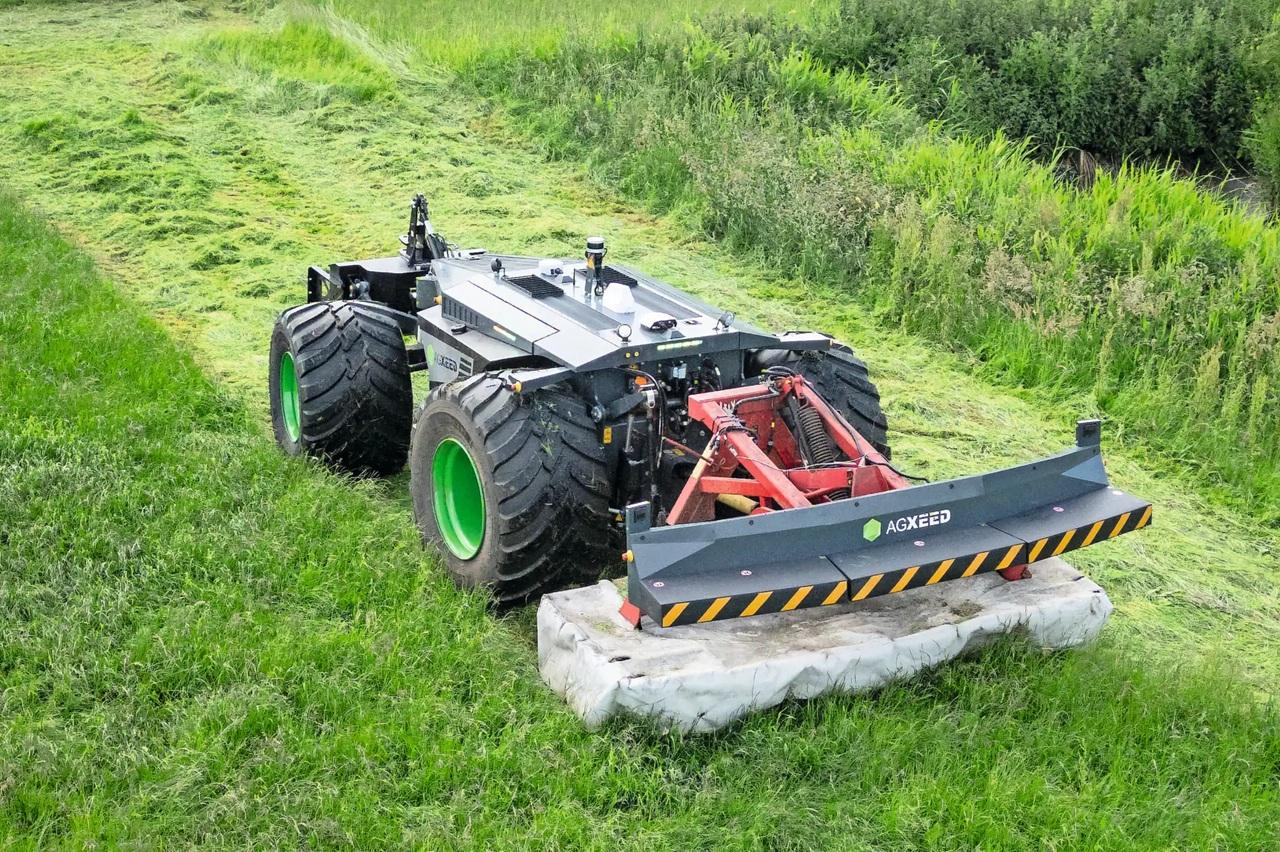
Agxeed W4 Autonomous Robot Enters Dairy Farming Trials in the Netherlands
Dutch dairy farmer Joram Hofman is currently testing the Agxeed W4 autonomous robot for mowing, tedding, and raking grass on his farm. This initiative, in collaboration with NPPL+R and Agxeed, highlights the potential of autonomous field robots in dairy farming, traditionally dominated by arable farming technologies. The integration of the Agxeed W4 into Hofman's highly automated dairy operation, which includes Lely milking robots and feeding systems, demonstrates a shift towards more efficient farming practices. Hofman utilizes data from these robots to optimize cow rations, leading to improved feed efficiency, although he notes that milk yield has not significantly increased. Looking ahead, the ongoing trials of the Agxeed W4 could pave the way for broader adoption of autonomous technologies in dairy farming. As farmers like Hofman seek to enhance productivity while managing labor challenges, the role of such robots in forage production will be crucial. No further timeline was disclosed at the time of publication.
Crop solutions autonomous farm equipment autonomous tractors farm robots field robots gps
HDT Robotics Develops Dire WOLF for U.S. Army's Project Sustainment Logistics
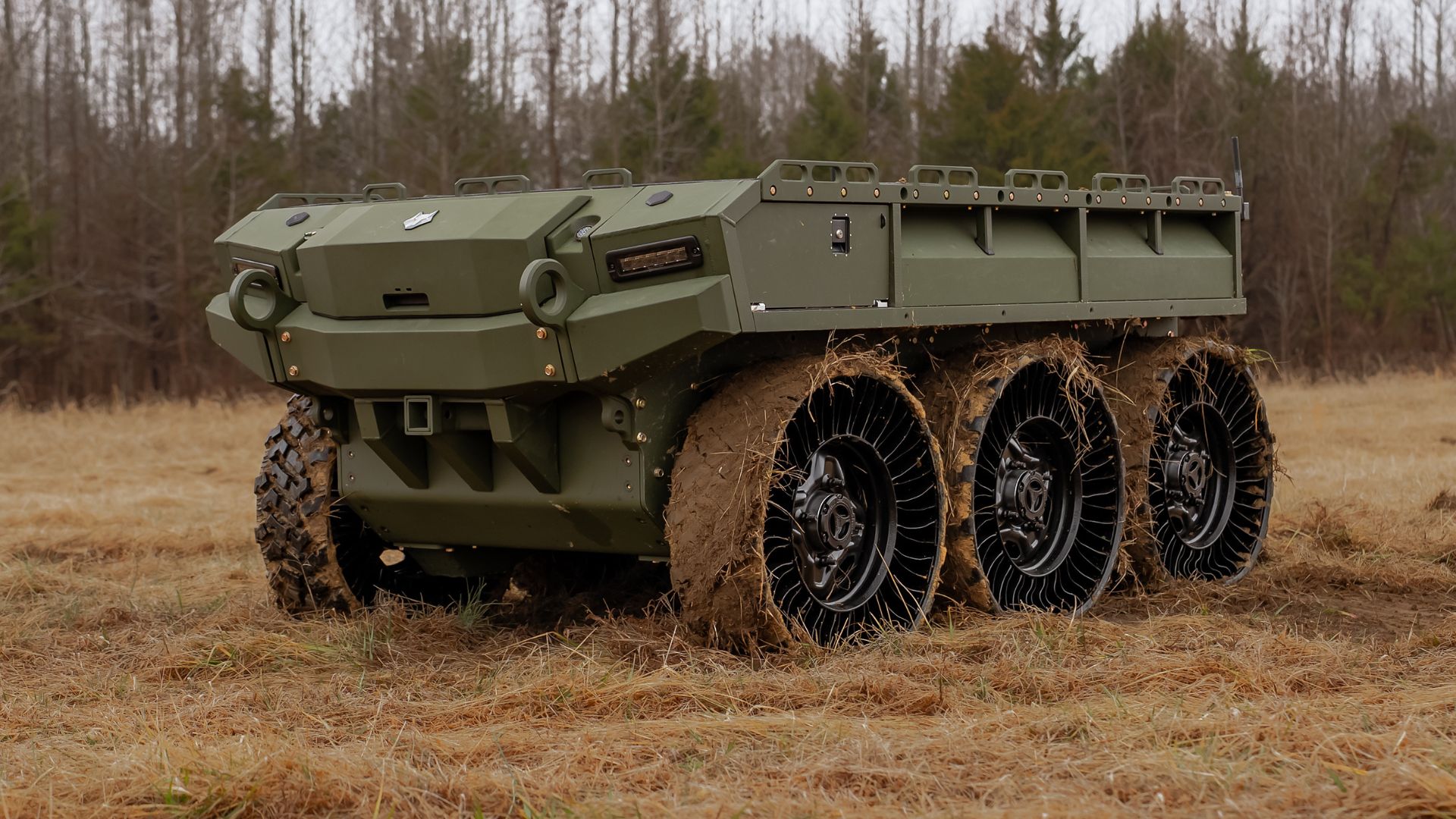
HDT Robotics, also known as BLADE, has been selected as one of five companies to collaborate with the U.S. Army on Project Sustainment. This initiative, managed by the National Advanced Mobility Consortium (NAMC), aims to develop robotic systems capable of delivering supplies in high-risk battlefield environments, enhancing soldier safety near the front lines. The Dire WOLF, a six-wheeled diesel-electric hybrid unmanned ground vehicle (UGV), is designed for logistics missions and can transport thousands of pounds of essential cargo, including ammunition and fuel. Its advanced features, such as a hybrid powertrain and Michelin's non-pneumatic Tweels, enable it to navigate challenging terrains while maintaining operational flexibility, crucial for the Army's resupply efforts in dangerous areas. As the U.S. Army continues to automate battlefield logistics, the Dire WOLF joins BLADE's existing robotic vehicles, including the Hunter WOLF and WOLF-X. This development reflects a significant step towards reducing risks for soldiers by utilizing autonomous ground vehicles to deliver supplies safely and efficiently in contested environments. No further timeline was disclosed at the time of publication.
Military
China and Russia Conduct Large-Scale Military Exercise Incorporating Drones and Unmanned Systems
China has deployed troops alongside Russian forces for the Centre-2026 military exercise, which involved over 47,000 personnel in Chelyabinsk, Russia. This exercise aims to enhance battlefield coordination and test the integration of unmanned systems and precision weapons, reflecting lessons learned from the Ukraine conflict. The significance of this exercise lies in its demonstration of the growing role of drones and electronic warfare in modern military operations. The People's Liberation Army (PLA) had the opportunity to train with Russian forces, gaining insights into large-scale operations and logistical challenges in unfamiliar environments. Looking ahead, the Centre-2026 exercise marks a continuation of military collaboration between China and Russia, with both nations focusing on improving interoperability and joint operational capabilities. No further timeline was disclosed at the time of publication.
Military
Journal of Field Robotics Volume 43, Issue 7 Released in October 2026
The Journal of Field Robotics has published its Volume 43, Issue 7 in October 2026. This edition continues to provide valuable insights and research findings in the field of robotics, particularly focusing on advancements in field applications. The release of this issue is significant as it showcases the latest developments and innovations in robotics, which are crucial for professionals in the industry. It serves as a resource for engineers, researchers, and decision-makers looking to stay updated on current trends and technologies. Looking ahead, readers should keep an eye on future issues of the Journal of Field Robotics for ongoing research and emerging topics in the field. No further timeline was disclosed at the time of publication.
COVER
Journal of Field Robotics Releases Volume 43, Issue 7 in October 2026
The Journal of Field Robotics has published its Volume 43, Issue 7, which spans pages 4277 to 4279. This issue is part of the ongoing contributions to the field of robotics, showcasing the latest research and developments. The release of this issue is significant as it provides insights into advancements in robotics, contributing to the body of knowledge that supports innovation and application in various sectors. Researchers and practitioners can benefit from the findings presented in this volume. Looking ahead, readers should keep an eye on future issues of the Journal of Field Robotics for continued updates and research findings that may influence the robotics landscape. No further timeline was disclosed at the time of publication.
ISSUE INFORMATION
Journal of Field Robotics Volume 43, Issue 6 Released in September 2026
The Journal of Field Robotics has published its Volume 43, Issue 6, which spans pages 3613 to 3616. This issue is set to contribute to the ongoing discourse in the field of robotics, showcasing the latest research and developments. The release of this issue is significant as it highlights advancements and findings that could influence future robotics applications and technologies. Researchers and practitioners in the field will benefit from the insights shared in this publication, which aims to foster innovation and collaboration. Looking ahead, readers should keep an eye on the implications of the research presented in this issue for both academic and practical applications in robotics. No further timeline was disclosed at the time of publication.
ISSUE INFORMATION
Cover Image for Journal of Field Robotics, Volume 43, Issue 6, September 2026
The Journal of Field Robotics has released its Volume 43, Issue 6, in September 2026. This issue continues to showcase advancements and research in the field of robotics, particularly focusing on applications in various environments. The significance of this publication lies in its contribution to the ongoing discourse in robotics, providing insights and findings that can influence future research and development. The journal serves as a platform for researchers and practitioners to share their work and foster collaboration. Looking ahead, readers should anticipate further developments and research findings in upcoming issues. The journal remains a key resource for those interested in the latest trends and innovations in robotics. No further timeline was disclosed at the time of publication.
COVER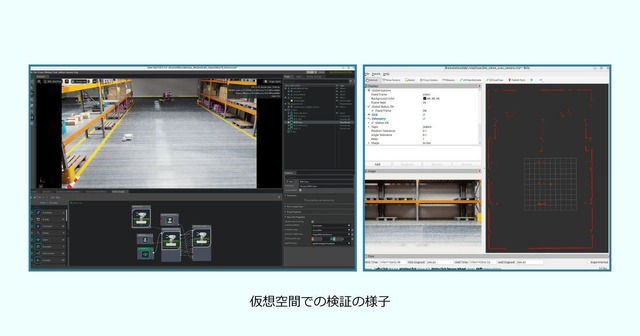
Attract Lab Develops Digital Twin Environment Using NVIDIA Isaac Sim for Field Robot Validation
Attract Lab has established a digital twin development environment utilizing NVIDIA Isaac Sim. This integration allows for high-precision validation of their AI autonomous control system, AT-SYNAPSE, and ROS 2-based control stack for field robots before physical deployment. The field robot, AT-CART8, can be tested in a virtual space without modifying its control stack, leading to reduced prototype iterations, shorter development times, and improved quality. The significance of this development lies in addressing the challenges of testing field robots in real environments, particularly in logistics warehouses and medical facilities where safety and operational constraints limit validation time. Attract Lab aims to replicate real-world environments as digital twins, enabling thorough testing of the AT-CART8's autonomous movement, obstacle avoidance, and safety protocols in a controlled setting. Looking ahead, Attract Lab plans to fully integrate this environment into the development processes for UAVs, UGVs, and USVs, enhancing collaboration with companies and research institutions for joint development. The goal is to create a new development and deployment process that allows for virtual testing before actual implementation in customer facilities, thereby improving lead times and development quality.

Journal of Field Robotics Volume 43, Issue 5 Released in August 2026
The Journal of Field Robotics has published its Volume 43, Issue 5, which spans pages 2993 to 2995. This issue is set to contribute to the ongoing discourse in the field of robotics, particularly in applications that require field-based solutions. The release of this issue is significant as it showcases the latest research and advancements in robotics, providing insights that can influence both academic and practical applications. The journal serves as a platform for researchers and practitioners to share their findings and innovations. Looking ahead, readers should anticipate further developments and discussions emerging from the articles within this issue. No further timeline was disclosed at the time of publication.
ISSUE INFORMATION
A Ground Mobile Robot for Autonomous Terrestrial Laser Scanning‐Based Field Phenotyping
A recent study published in the Journal of Field Robotics highlights advancements in autonomous navigation systems for drones, showcasing their potential applications in various industries. Conducted by a team of researchers from leading universities, the study was released in early October 2023. The research took place in multiple test environments, including urban areas and rural landscapes, to evaluate the drones' performance in diverse conditions. The motivation behind this study stems from the increasing demand for efficient and reliable drone technology in sectors such as agriculture, logistics, and disaster response. By enhancing the drones' ability to navigate complex terrains and avoid obstacles, the researchers aim to improve operational safety and effectiveness. The team employed a combination of machine learning algorithms and real-time data processing to develop a robust navigation framework. This innovative approach allows drones to make autonomous decisions based on their surroundings, significantly reducing the need for human intervention. The findings suggest that these advancements could lead to more widespread adoption of drones, ultimately transforming how various industries operate. As the technology continues to evolve, the researchers emphasize the importance of ongoing testing and refinement to ensure that these autonomous systems can be safely integrated into everyday use. The study not only contributes to the academic field but also sets the stage for practical applications that could enhance efficiency and safety across multiple sectors.
RESEARCH ARTICLE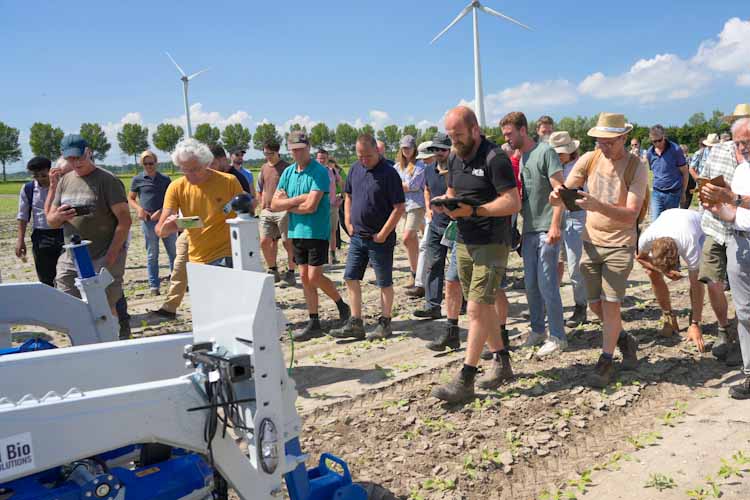
Inside the Dutch organic field day where weeding robots stole the show
Mechanical weeding has entered a new era. At the Dutch Organic FieldDay, visitors no longer questioned whether robots work, but compared how accurately they remove weeds within the crop row. Future Farming visited the demonstrations, where AI-guided hoes, laser weeders and a new hot-water robot highlighted how automation is reshaping organic crop production. Visitors soon […]
Uncategorized
Fieldwork Robotics secures new funding to accelerate raspberry harvesting robot
Fieldwork Robotics, a UK-based company, has received a significant investment from SEED Innovations, led by entrepreneur Jim Mellon. This funding aims to expedite the commercial rollout of the company's innovative autonomous robot designed for raspberry harvesting. The investment comes at a crucial time as the agricultural sector increasingly seeks automation solutions to enhance efficiency and address labor shortages. By leveraging this financial support, Fieldwork Robotics plans to advance the development and deployment of its technology, positioning itself as a leader in agricultural robotics.
Smart farming autonomous technology harvesting technology investment robotics
Design, Development, and Field Testing of a Tomato Bunch Harvesting Robot
The Journal of Field Robotics has recently published an early view article highlighting advancements in robotic technology. This publication, which emerged in October 2023, focuses on the innovative applications of robotics in various fields, including agriculture, search and rescue, and environmental monitoring. Researchers and engineers from leading institutions contributed to the study, aiming to address pressing challenges faced in these sectors. The article emphasizes the importance of integrating advanced algorithms and machine learning techniques to enhance the efficiency and effectiveness of robotic systems. By showcasing real-world applications, the authors illustrate how these technologies can improve productivity and safety, particularly in hazardous environments. The motivation behind this research stems from the increasing demand for automation and precision in industries that require high levels of accuracy and reliability. As global challenges such as climate change and food security become more pronounced, the role of robotics is becoming increasingly vital. Through a combination of theoretical analysis and practical experimentation, the study presents a comprehensive overview of the current state of robotic technology and its potential future developments. This early view article serves as a significant contribution to the ongoing discourse in the field of robotics, paving the way for further innovations that could transform multiple industries.
RESEARCH ARTICLE
Photos | Robots, drones and packed fields at Dutch Arable Farming Day
The Arable Farming Day, organized in Lelystad, Flevoland, on May 28, attracted over 1,000 attendees who engaged in various demonstrations, field tours, presentations, and exhibitor displays. The event, held under sunny skies, showcased a diverse array of agricultural practices, drawing significant interest from visitors. Organizers expressed satisfaction with the turnout and the positive feedback received, highlighting the importance of such events in promoting advancements in arable farming.
Uncategorized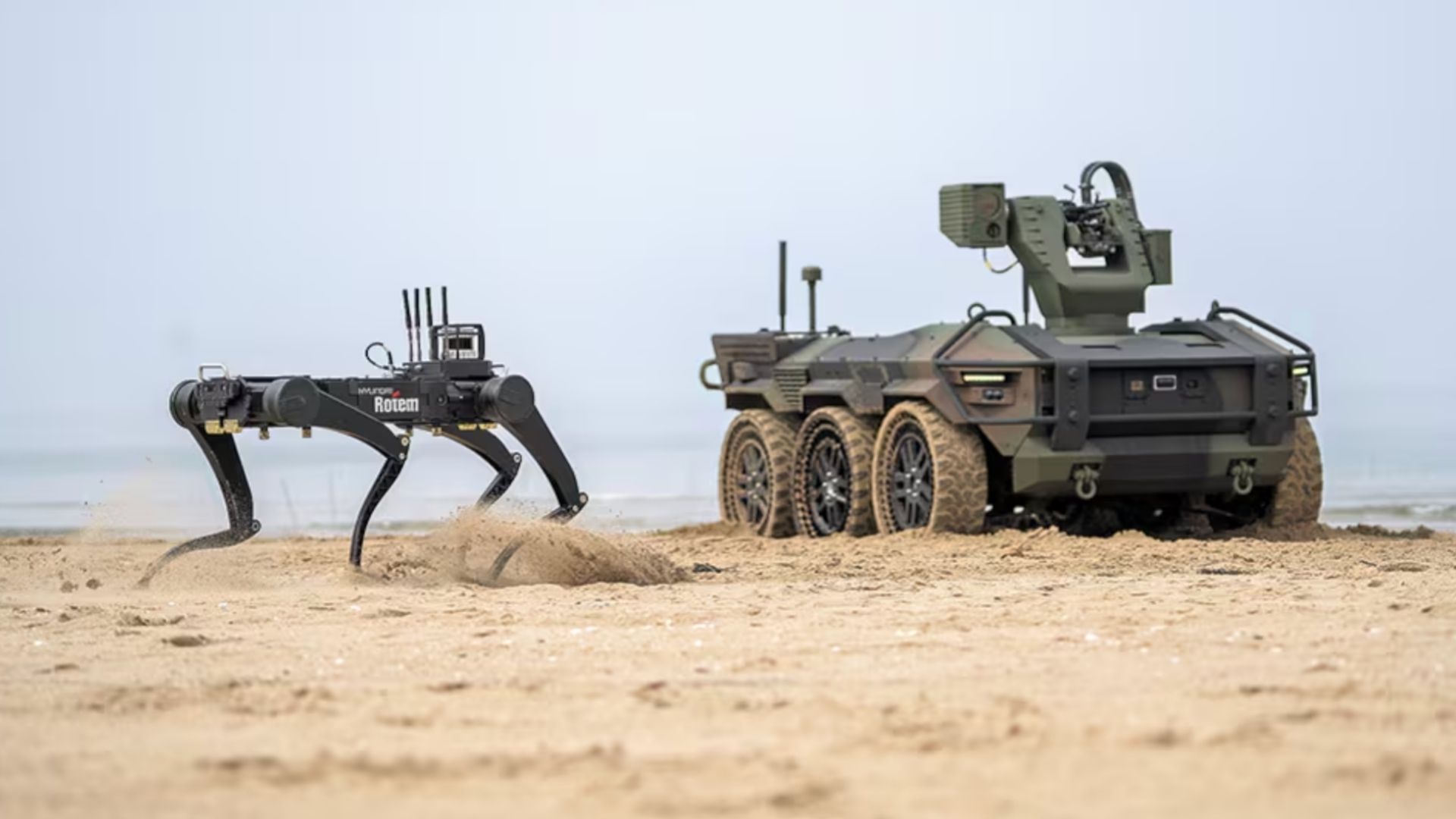
South Korea backs autonomous military robots with digital twin battlefield simulator
South Korea has chosen NC AI, a gaming and artificial intelligence company, along with defense manufacturer Hyundai Rotem, to develop advanced military training systems. This initiative, announced recently, aims to enhance the country's defense capabilities through innovative technology. The collaboration will focus on creating realistic simulations and training environments for military personnel, leveraging NC AI's expertise in AI and gaming technology. The project is part of South Korea's broader strategy to modernize its military and improve operational readiness in response to evolving security challenges in the region. The development is expected to take place over the next few years, with the goal of integrating cutting-edge technology into military training programs.

DARPA solicits swarm-capable, automated robotic medics to treat battlefield casualties
The Defense Advanced Research Projects Agency (DARPA) has initiated a new program aimed at advancing the development of robotic systems designed for complex tasks in various environments. Announced in October 2023, this initiative seeks to enhance the capabilities of robots to operate autonomously in challenging conditions, which could include disaster response scenarios, military operations, and other critical missions. The motivation behind this program is to leverage cutting-edge technology to improve efficiency and safety in situations where human intervention may be risky or impractical. Through a combination of innovative engineering and artificial intelligence, DARPA plans to collaborate with industry leaders and academic institutions to create these advanced robotic systems. The program is expected to unfold over several years, with milestones set for testing and deployment in real-world applications.

Design, Development, and Field Test Analysis of a Multiarm Tomato Harvesting Robot
In June 2026, researchers published a significant study in the Journal of Field Robotics, focusing on advancements in autonomous robotic systems. The study, featured in Volume 43, Issue 4, highlights innovative methodologies for enhancing the navigation and operational efficiency of field robots. Conducted by a team of experts in robotics and artificial intelligence, the research aims to address the growing demand for autonomous technologies in various sectors, including agriculture, construction, and disaster response. The findings reveal novel algorithms that improve the robots' ability to adapt to dynamic environments, thereby increasing their effectiveness in real-world applications. By employing advanced sensor integration and machine learning techniques, the researchers demonstrated how these robots can better interpret their surroundings and make informed decisions in unpredictable situations. This research is particularly timely, as industries increasingly rely on automation to boost productivity and safety. The implications of these advancements could lead to significant improvements in operational capabilities, ultimately transforming how tasks are performed in challenging environments. The study not only contributes to the academic field but also provides practical insights for engineers and developers working on the next generation of autonomous systems.
RESEARCH ARTICLERobotics needs a service framework.
RSF defines a common language for robot service capability, lifecycle operations, certification pathways, and service-provider networks.
Join the RobotToday community on LinkedIn
Daily robotics news, in-depth analysis, conference highlights, and discussions with professionals worldwide.