Industry Briefing
A single destination for timely, editor-curated robotics news from around the world.

From overlap to precision: How a retrofit autosteer system changed life on the farm
Frans van den Borne, an operator at the Dutch agricultural company Van den Borne Voerman based in Hooge Mierde, made a significant investment in agricultural technology three years ago by purchasing a CHCNAV NX510 retrofit autosteer system. Van den Borne had been considering the adoption of such technology for some time but was deterred by the high costs associated with other brands, specifically Trimble. The discovery of the more affordable CHCNAV system ultimately led to his decision to enhance the efficiency of his farming operations.
Autonomous/semi-autosteering systems automated steering systems autosteer farm management fuel retrofit kits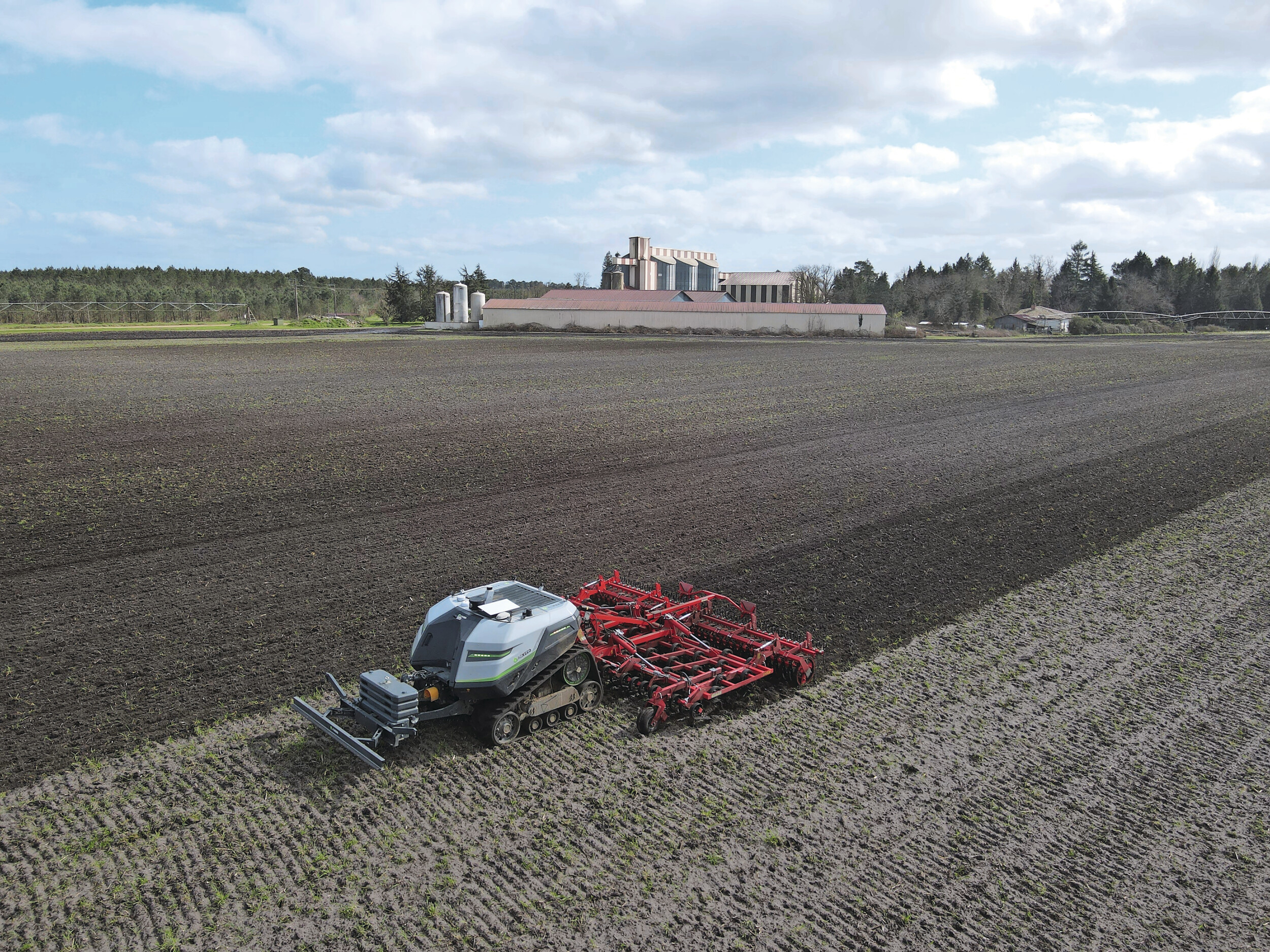
AgXeed Series 7: first field impression on 500 ha farm highlights power and capacity gains
AgXeed has launched its T2 Series 7 autonomous tractor, which boasts enhanced power, increased lift capacity, and extended working hours, all without a price increase. The new model was rigorously tested on a 500-hectare (1,235-acre) farm in southwest France, demonstrating its ability to perform effectively under real field conditions and manage heavier tillage operations. As the agricultural industry seeks innovative solutions, the focus now shifts from the tractor's capabilities to its operational efficiency and longevity in the field.
Field robots automation autonomous tractors farm management machinery precision farming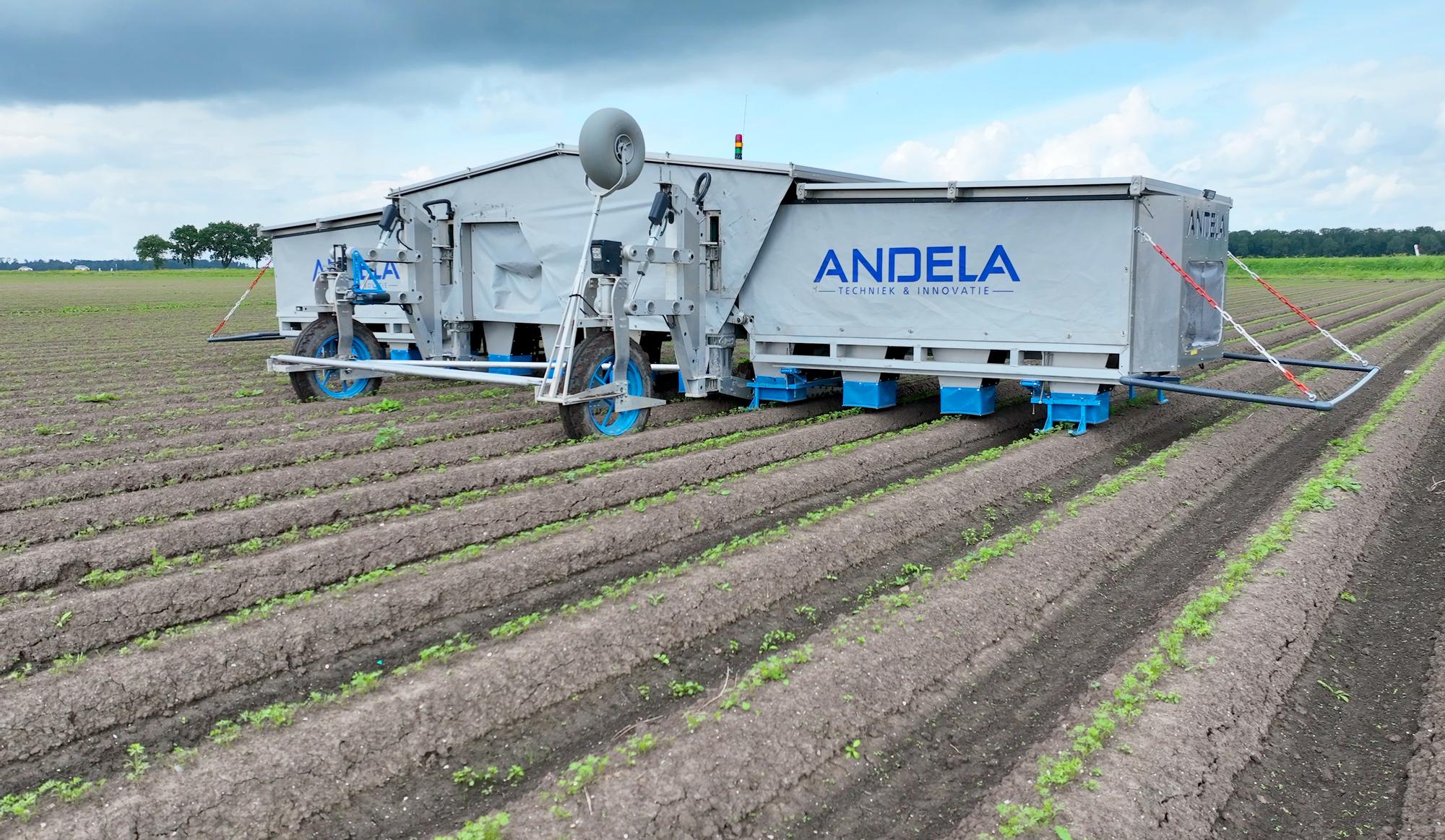
Challenges in Reducing Costs of Agricultural Robots Like the Andela Weeder
The Andela Robot Weeder is priced at approximately €800,000 (US$961,000), raising questions about the factors influencing its cost. Unlike traditional machinery, the price of agricultural robots is increasingly determined by the economic value they provide rather than manufacturing costs. This shift in perspective complicates the business case for growers, as the value derived from labor replacement and efficiency gains becomes paramount. As labor shortages and restrictions on herbicides grow, the competition landscape for agricultural robots may change significantly. Robots may not need to compete solely on price against traditional methods like chemical weed control. Instead, they could emerge as essential tools, altering the pricing dynamics in the market. While advancements in technology will likely enhance the performance of agricultural robots, this does not guarantee a decrease in their prices. The value proposition for farmers will focus more on the economic benefits rather than the cost of production, making the future of pricing in this sector uncertain. No further timeline was disclosed at the time of publication.
Crop solutions autonomous farm farm management mechanical weeder robotics weed control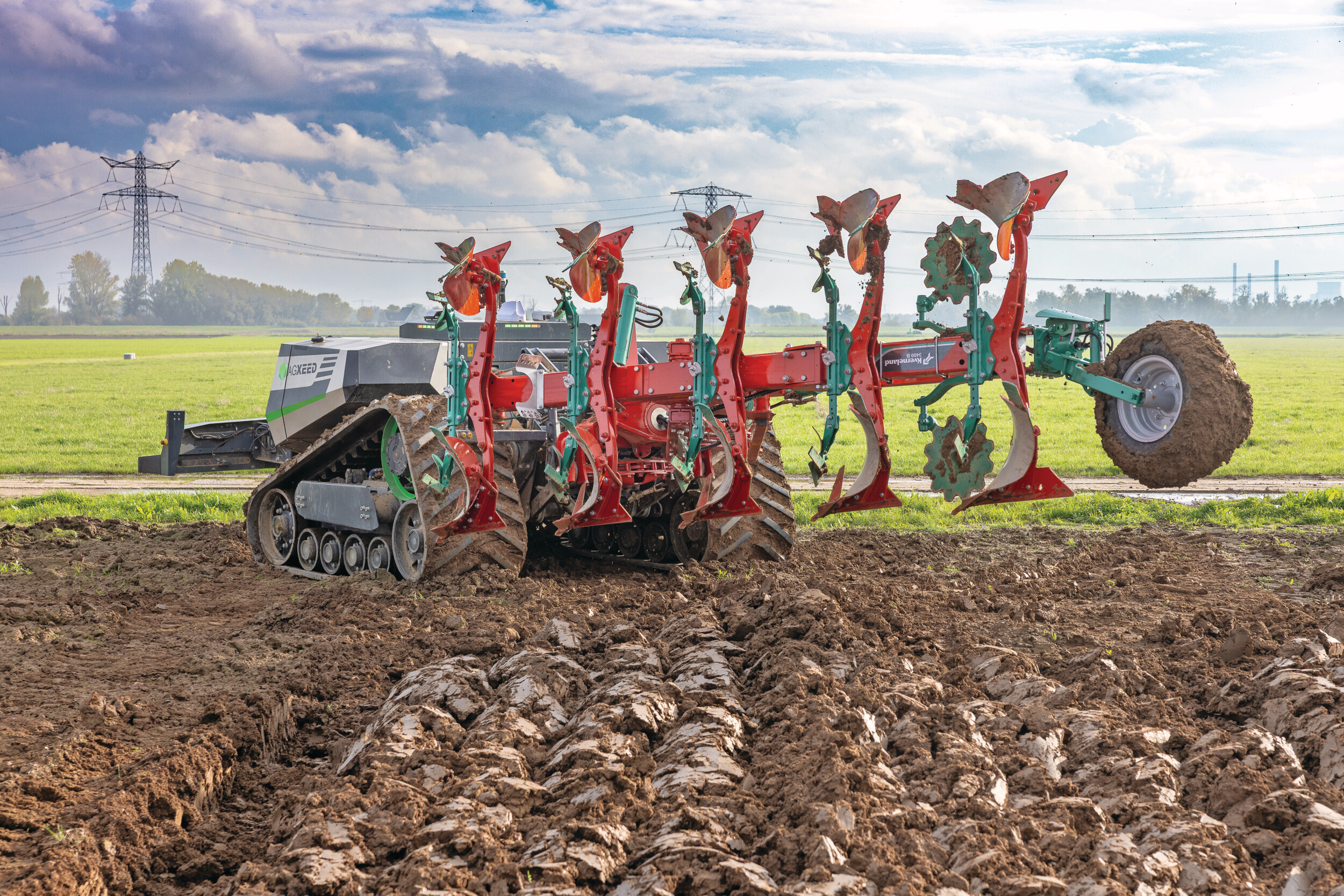
Will robots replace contractors?
As the construction industry evolves, a significant debate has emerged regarding the role of robots in the sector. Experts are exploring whether robots will ultimately replace human contractors or if contractors will begin to integrate robotic technology into their operations. This discussion is gaining traction as advancements in robotics and automation continue to reshape the landscape of construction work. With the potential for increased efficiency and reduced labor costs, many contractors are considering how to adapt to these technological changes. The conversation is particularly relevant as companies seek to enhance productivity and address labor shortages exacerbated by the ongoing challenges in the workforce. As of October 2023, the industry is at a crossroads, with various stakeholders weighing the benefits and drawbacks of robotic integration. The outcome of this debate could significantly impact the future of construction, influencing job roles and operational strategies across the sector. Whether robots will serve as replacements or partners in construction remains to be seen, but the dialogue is crucial as the industry navigates this transformative period.
Autonomous/semi-autosteering systems automation autonomous tractors farm management robotic harvesting
Yamaha expands autonomous farming platform with new weed-control system for orchards and vineyards
Yamaha Agriculture is enhancing its Prospr autonomous farming platform by introducing a new herbicide attachment aimed at automating weed control in orchards and vineyards. This innovative system, developed in collaboration with Croplands Equipment, expands the platform's capabilities to include precision herbicide application. The addition is designed to assist specialty crop growers in minimizing labor demands while improving the consistency of spraying operations. This advancement reflects a growing trend in agricultural technology, focusing on efficiency and sustainability in crop management.
Agriculture News agricultural automation agricultural robots agricultural technology ai agriculture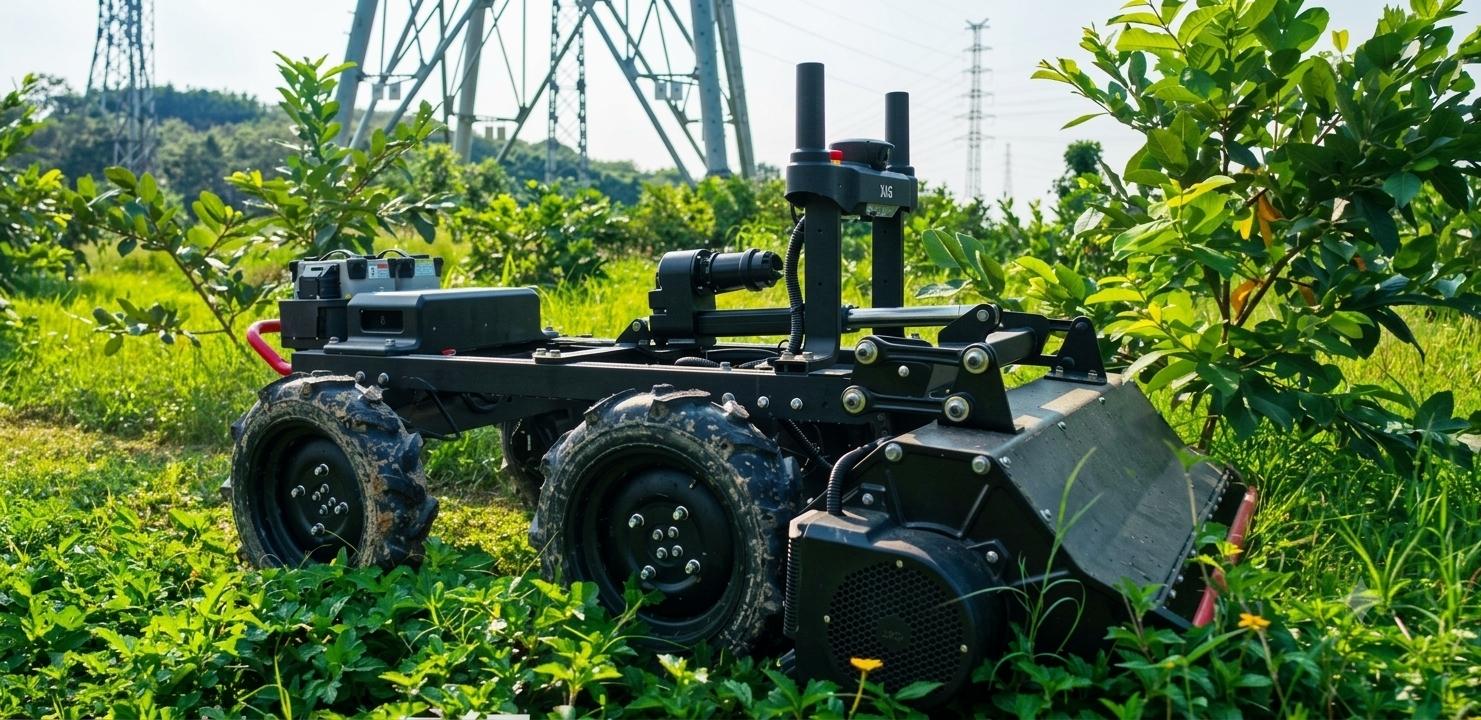
XAG Introduces RM80 Electric Mower and X Series Drone System for Autonomous Farming
XAG has launched the RM80, a 143 kg all-electric unmanned mower, at the Agricultural Robot Conference in Guangzhou, China. Designed for orchard management and land reclamation, the RM80 operates for up to 40 minutes per charge and can autonomously cover 0.33 to 0.53 hectares per hour. It features advanced navigation through the SuperX 5 Ultra control system and can also perform stubble removal for effective weed control. The introduction of the RM80 coincides with the unveiling of XAG's new X Series drone system, aimed at creating a fully autonomous farming workflow. This system includes the X Series drone, XA1 docking station, and LM1 chemical mixing unit, enhancing automation in tasks like charging and chemical refilling. The drone boasts improved computing power and perception capabilities, allowing it to survey up to 300 hectares in a single mission, while the docking station ensures precise automatic charging and refilling. XAG has not disclosed pricing details for the RM80 or the X Series system, with market packages expected to vary based on local dealer offerings. The company's strategy emphasizes integrating various robotic functions into a coordinated workflow, positioning its equipment as essential components of modern smart farming rather than standalone tools. No further timeline was disclosed at the time of publication.
Smart farming agricultural robots autonomous technology drone technology electric tractors robotic harvesting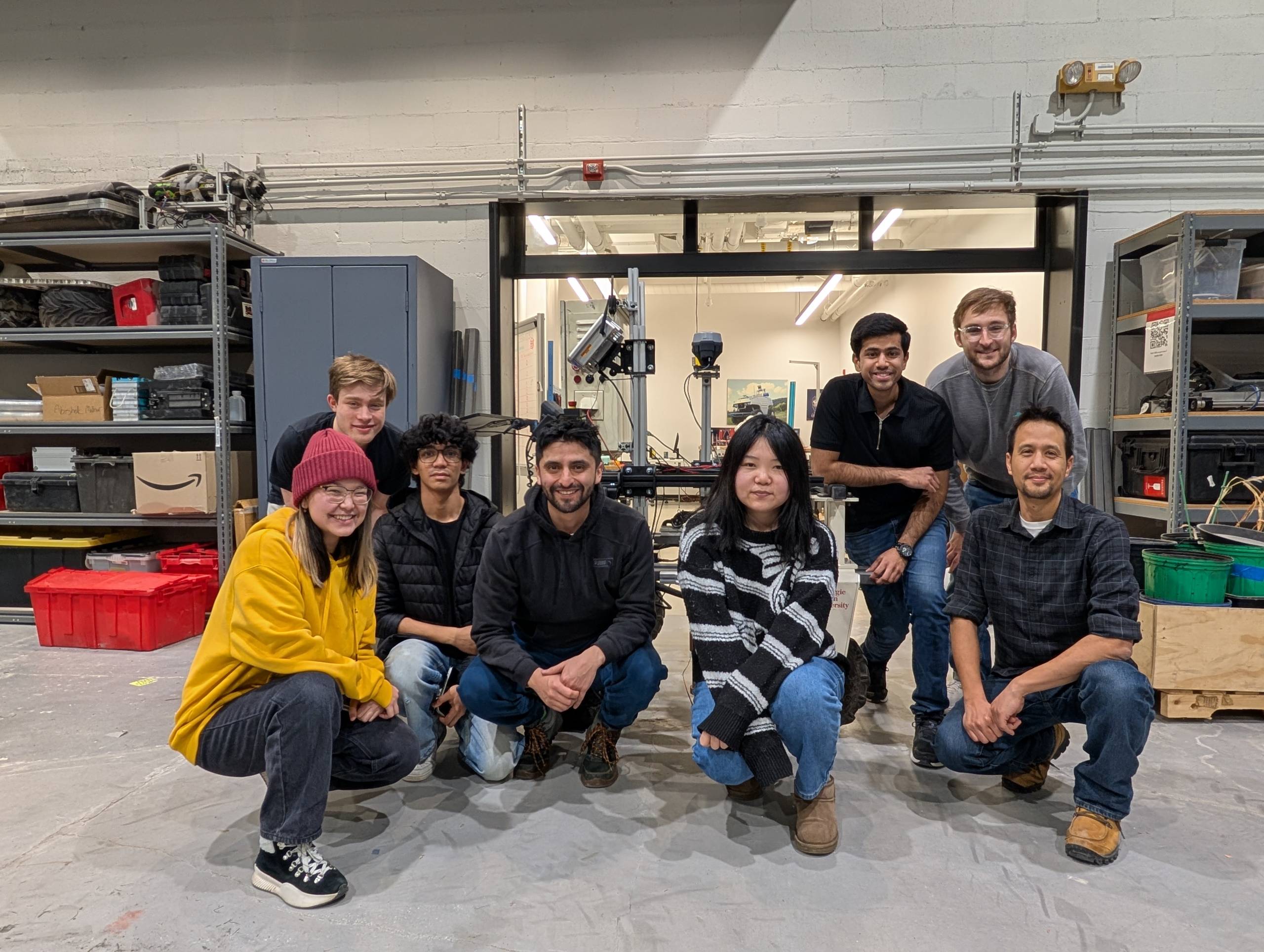
Carnegie Mellon Team Helps Farmers Fight Crop Disease With Robots
A team of students from Carnegie Mellon University's Robotics Institute has developed an innovative robotic solution to combat fire blight, a destructive disease that threatens orchards by killing branches and entire trees, leading to significant economic losses for farmers. This project, known as the Fire Blighters, aims to assist growers in detecting the disease earlier and minimizing its spread. The team's efforts have recently garnered national recognition, highlighting the potential of robotics in agricultural disease management.
Announcements Awards
Storms, Gliders and Seaweed Farms: the Best of Teledyne Marine’s 2025 Photo & Data Contest
Teledyne Marine has announced the winners of its 2025 Photo & Data Contest, recognizing the innovative and technical skills of its customers who utilize Teledyne instruments. The contest showcased a variety of striking marine projects, including images of storms, underwater gliders, lost excavators, and a seaweed farm at sunrise. These winning entries highlight the diverse environments and applications of Teledyne technology, which plays a crucial role in gathering data that influences the management of rivers, ports, coastlines, and offshore scientific research. The contest celebrates the creativity of participants from around the globe, emphasizing the impact of Teledyne's instruments in marine data collection and environmental monitoring.
best of teledyne marine 2025 photo & data contest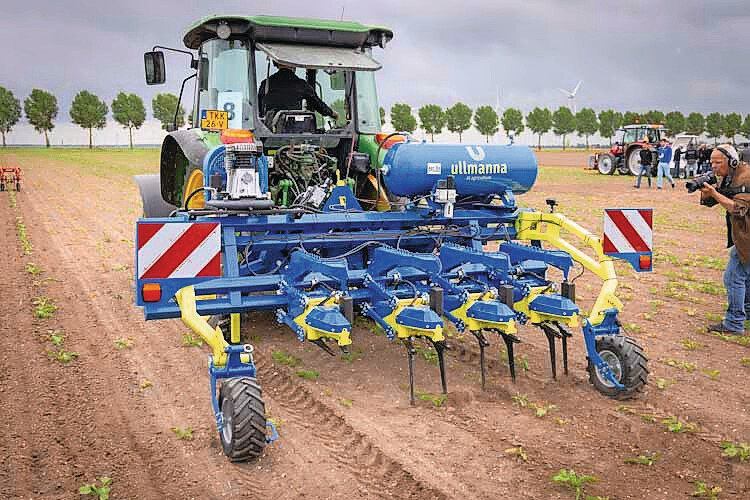
Weeding robot part of integrated weed management
A recent field trial at Wageningen University & Research (WUR) in Valthermond, Netherlands, has highlighted the necessity for growers to adopt additional methods beyond weeding robots to effectively manage weed control. The trial, which draws on practical experiences expected to be implemented by 2025, underscores the challenges faced by agricultural producers in maintaining crop health and productivity. As the agricultural sector increasingly seeks innovative solutions to combat weeds, the findings from WUR suggest that a multifaceted approach will be essential for sustainable farming practices.
Smart farming mechanical weeder precision spraying weeding robots
LiTime Powers Smart Agriculture and Robotics in Agriculture with Extended Runtime and System Integration
Automation is transforming the landscape of modern agriculture, with technologies such as lawn mowers, irrigation control systems, automated transporters, and robotics becoming increasingly prevalent on farms, plantations, and in greenhouses. These advanced tools are designed to operate efficiently over extended periods, requiring intelligent management and minimal maintenance in challenging outdoor conditions. In response to these demands, LiTime, a prominent manufacturer of lithium batteries, is stepping up to provide innovative energy solutions tailored for agricultural automation. Their products aim to enhance the performance and reliability of these automated systems, ensuring that farmers can maximize productivity while minimizing operational challenges.
Agriculture Automation agricultural automation agricultural machinery agricultural robots amrs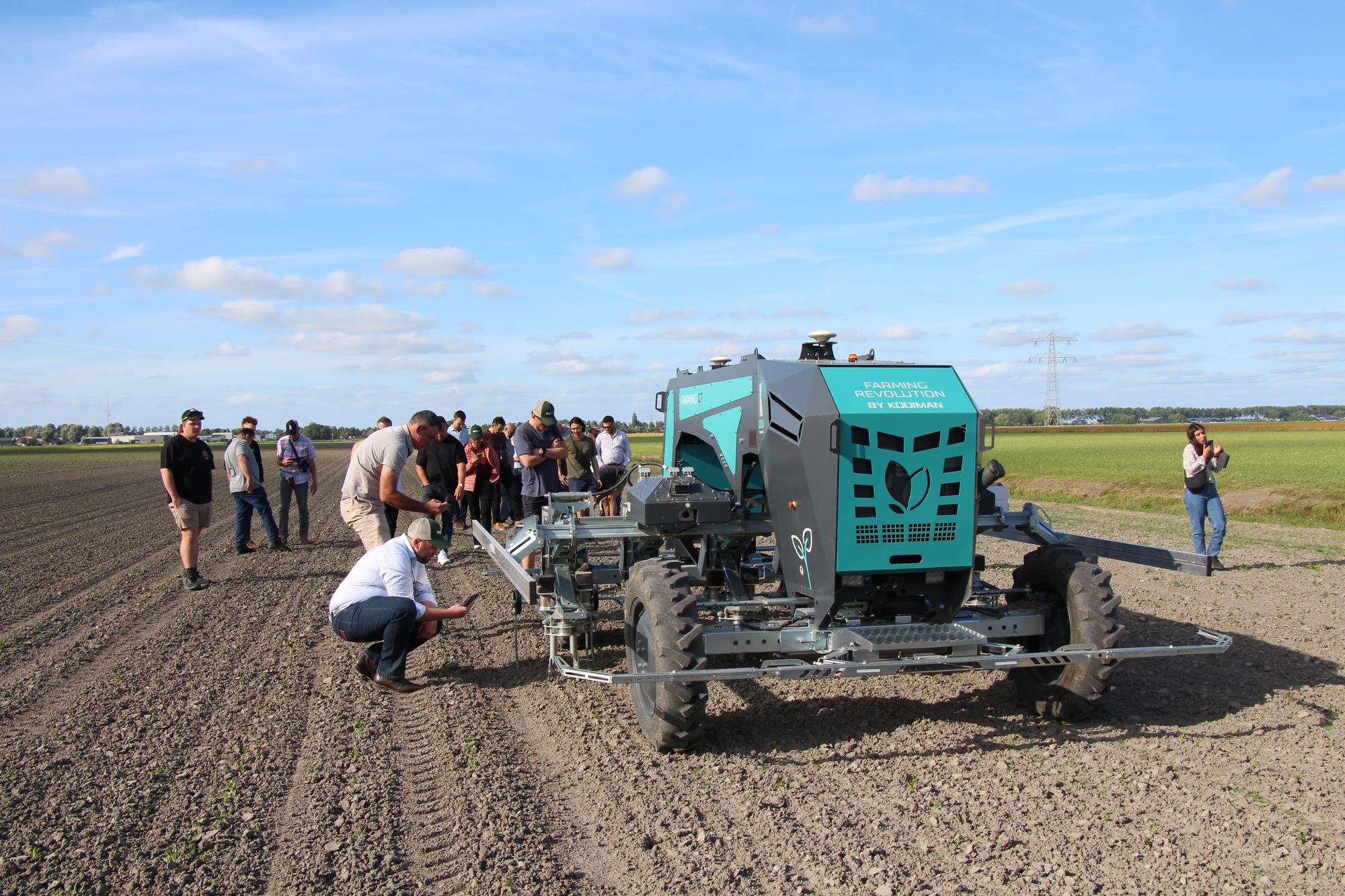
Australian Growers Gain Insights from European Study Tour on Automation and Robotics
Twenty Australian vegetable and onion growers participated in a 10-day study tour across the UK and the Netherlands, organized under the VegMech project. This initiative, led by the Department of Primary Industries (Queensland) and funded by Hort Innovation, aimed to showcase how European farmers are integrating automation and robotics into their agricultural practices. The tour provided firsthand insights into the use of technologies like the Farming GT hoeing robot, which has been effective in managing weeds in crops such as celeriac and pumpkins. With about 40 units sold in Europe, the Farming GT can hoe 8 to 10 hectares daily, addressing labor shortages and promoting sustainable weed management. Looking ahead, Australian growers are keen to explore precision agriculture solutions to enhance crop health while minimizing herbicide use. The interest in technologies like laser weeding indicates a shift towards more sustainable farming practices. No further timeline was disclosed at the time of publication.
Smart farming field robots laser weeding mechanical weeding robotic harvesting sustainable farming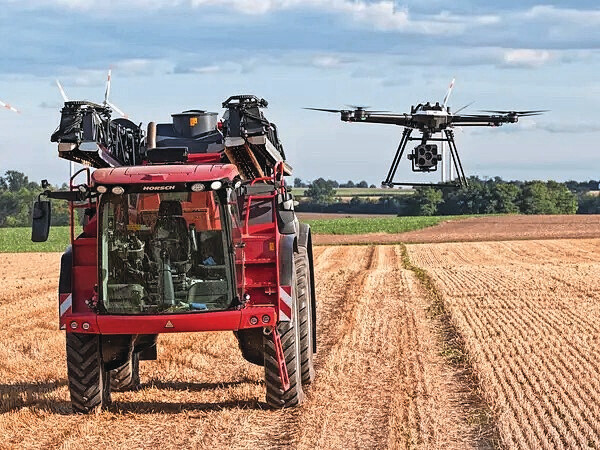
Horsch enters into partnership with application map specialist
Machinery manufacturer Horsch has acquired a strategic stake in German company Sam-Dimension, which specializes in creating application maps for spot spraying against weeds using drone imagery. This partnership, which has been in place since 2019, aims to enhance agricultural efficiency through innovative technology. Sam-Dimension has developed a high-resolution camera capable of capturing images with a precision of 1 millimeter, further advancing the capabilities of precision farming. This investment reflects Horsch's commitment to integrating cutting-edge technology into agricultural practices to improve crop management and sustainability.
Smart farming camera spray technology
The art(s) of laser weeding demystified: laser expert Matthias Lautenschläger explains
Farmers, growers, and contractors worldwide are increasingly turning their attention to laser weeding, a cutting-edge agricultural technique gaining traction in the industry. This innovative method utilizes high-intensity lasers to target and eliminate weeds without harming crops, offering a sustainable alternative to traditional herbicides. As the agricultural sector grapples with rising temperatures and the challenges posed by climate change, the urgency for effective and environmentally friendly solutions has never been greater. Laser weeding not only reduces the reliance on chemical treatments but also minimizes soil disturbance, promoting healthier ecosystems. The growing interest in this technology is evident as more agricultural professionals seek training and information on its implementation. Demonstrations and workshops are being organized globally, showcasing the efficiency and precision of laser weeding systems. As farmers look for ways to enhance productivity while adhering to sustainable practices, laser weeding stands out as a promising solution that addresses both economic and environmental concerns. With the agricultural landscape evolving rapidly, this method could redefine weed management strategies in the years to come.
Smart farming laser weeding machinery precision agriculture weed control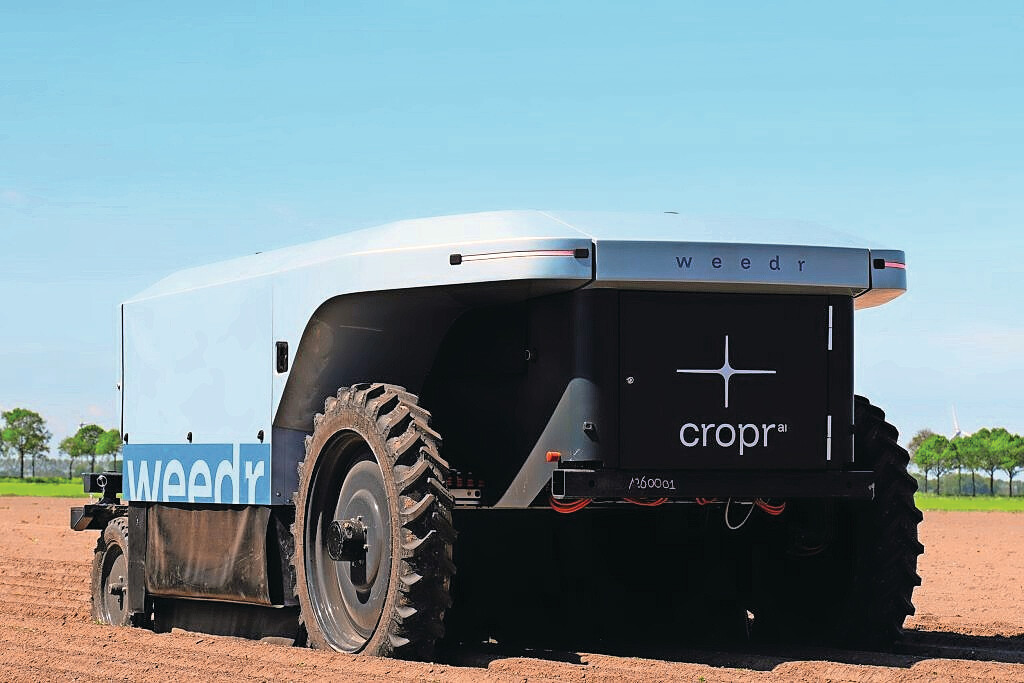
Cropr introduces autonomous laser weeder
Cropr, a robot manufacturer founded in 2025 by the owners of H2L Robotics, has unveiled its latest innovation, the Cropr Weedr, an autonomous laser weeder designed to enhance agricultural efficiency. This cutting-edge technology is set to begin operations at various chicory farms in Flevoland, Netherlands, starting at the end of May. The introduction of the Cropr Weedr aims to address the growing demand for sustainable farming practices by providing an environmentally friendly solution for weed management. By utilizing advanced laser technology, the weeder minimizes the need for chemical herbicides, aligning with the industry’s shift towards more eco-conscious methods.
Smart farming ai autonomous system laser weeding weed control
ARA spot sprayer by Ecorobotix receives new algorithms
Ecorobotix, a Swiss manufacturer, has enhanced its ARA spot sprayer with advanced algorithms, enabling the machine to recognize additional crops, including cauliflower, broccoli, and both red and white cabbage. This upgrade reflects the company's commitment to improving agricultural technology and precision farming. The new capabilities are expected to optimize crop management and pesticide application, ultimately promoting sustainable farming practices. The enhancements were announced in October 2023, showcasing Ecorobotix's ongoing innovation in the agricultural sector.
Smart farming algorithms crop scouting precision agriculture spot spraying weed control
TerraClear launches autonomous TerraScout robot for field scouting
TerraClear has launched the TerraScout, an innovative autonomous robot aimed at enhancing precision farming through advanced technology. This robot is capable of capturing ultra-high-resolution imagery of agricultural fields and transforming that data into actionable insights for farmers. The introduction of the TerraScout comes as the agricultural industry increasingly seeks efficient solutions to optimize crop management and yield. By leveraging cutting-edge imaging technology, TerraClear aims to empower farmers with detailed information about their fields, ultimately improving decision-making processes and productivity. The rollout of the TerraScout marks a significant advancement in agricultural technology, reflecting a growing trend towards automation and data-driven farming practices.
Field robots autonomous farm equipment crop scouting precision agriculture weed control yield optimization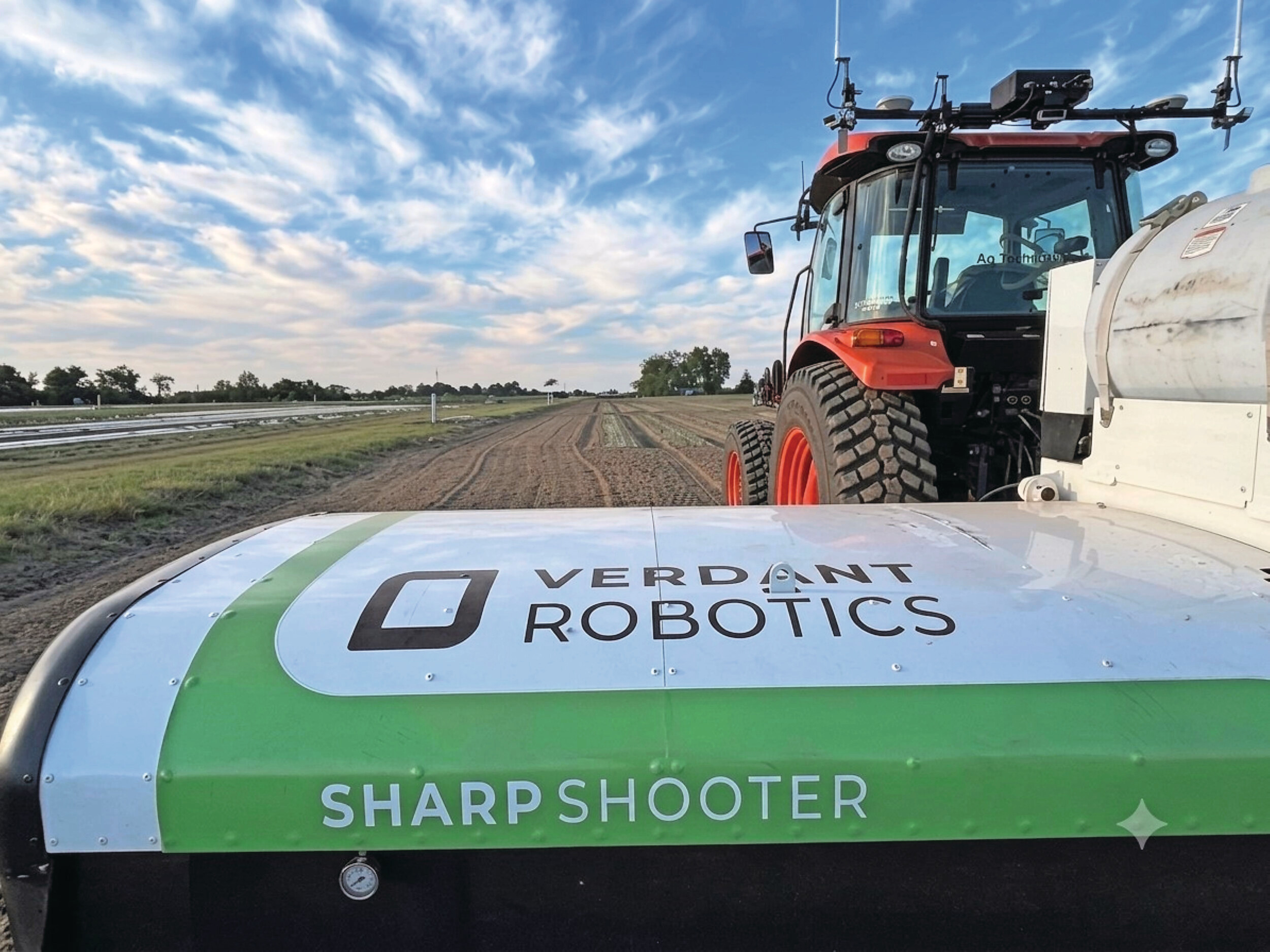
Sabanto and Verdant Robotics integrate autonomy and precision application systems
U.S. companies Sabanto Inc. and Verdant Robotics have announced a groundbreaking integration of their systems, marking a significant advancement in agricultural automation. This collaboration allows producers to automate various fieldwork tasks, including navigation and plant-level input application, without the need for an operator present in the cab. The integration aims to enhance efficiency and productivity in farming operations, responding to the growing demand for innovative agricultural solutions. By leveraging advanced technology, both companies are paving the way for a new era of autonomous farming, which could transform traditional practices and address labor shortages in the industry.
Autonomous/semi-autosteering systems autonomous farm equipment autonomous tractors crop management systems retrofit kits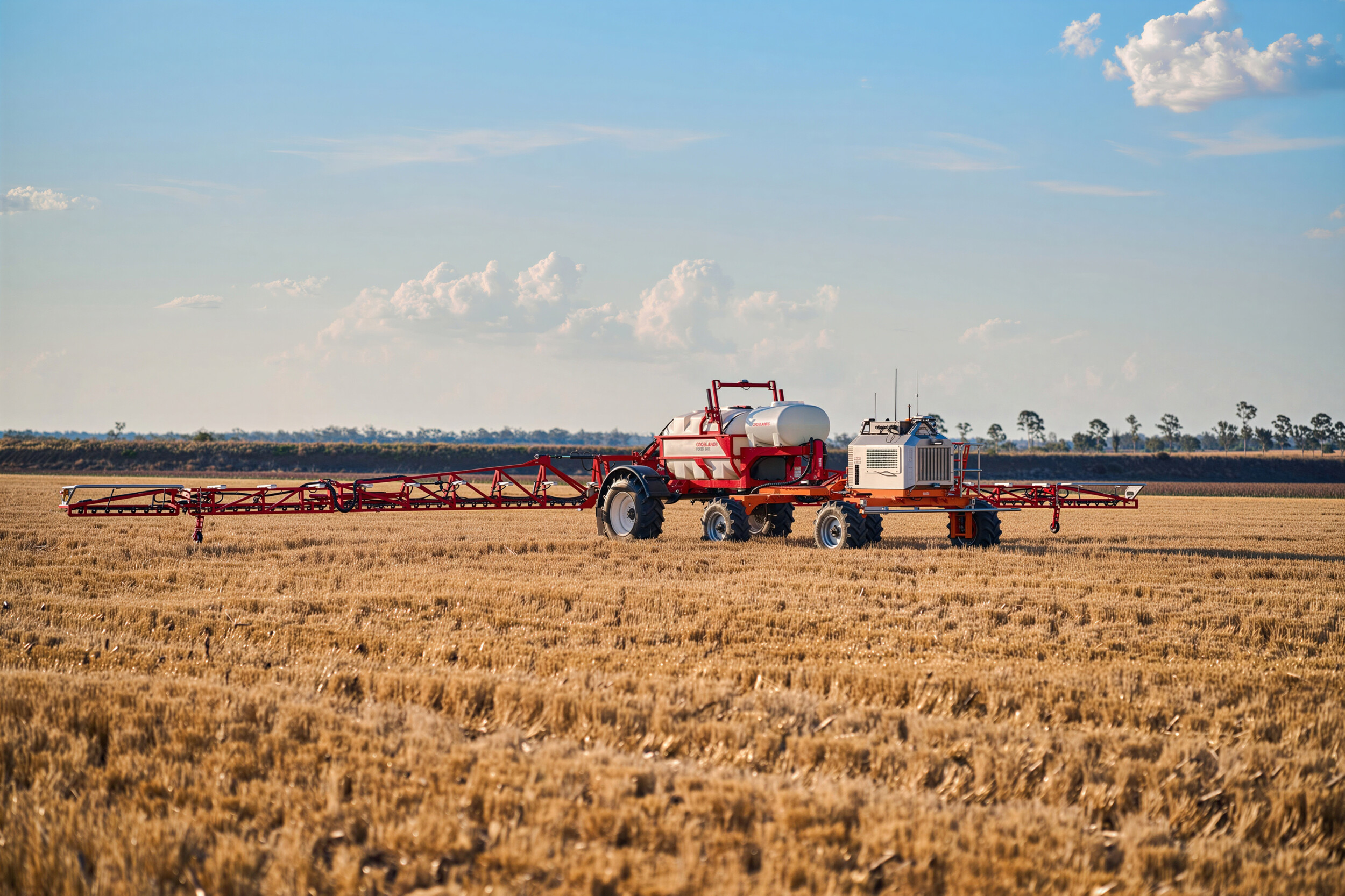
Croplands expands WEED-IT range with new releases, including orchard solution
Australian company Croplands Equipment has introduced a series of innovative technologies in its WEED-IT precision spraying range. The launch features the Series 2 Robot Ready Pinto, along with a large-scale broadacre platform and enhanced retrofit capabilities. Additionally, the company has developed its first optical spot spraying solution specifically designed for orchards. This advancement aims to improve efficiency and precision in agricultural spraying, addressing the growing demand for sustainable farming practices. The new technologies are set to revolutionize the way farmers manage weeds and optimize crop health, reflecting Croplands' commitment to innovation in the agricultural sector.
Smart farming autonomous farm equipment crop management systems precision spraying retrofit kits weed control systems
Designed to Fly Like a Falcon, RoBird Takes Aim at Crop-Damaging Birds
A new application for the RoBird drone, designed to mimic the flight of a falcon, is emerging as a solution for agricultural crop protection in Queensland, Australia. Originally developed to prevent bird strikes at airports, this innovative flapping-wing technology is now being tested by local growers to safeguard their crops from damage caused by birds. The shift in usage highlights the versatility of the RoBird, as it adapts to address challenges in agriculture, demonstrating its potential to enhance farming practices while reducing reliance on traditional pest control methods.
Agriculture Applications Conservation Drone News Drone News Feeds Drones in the News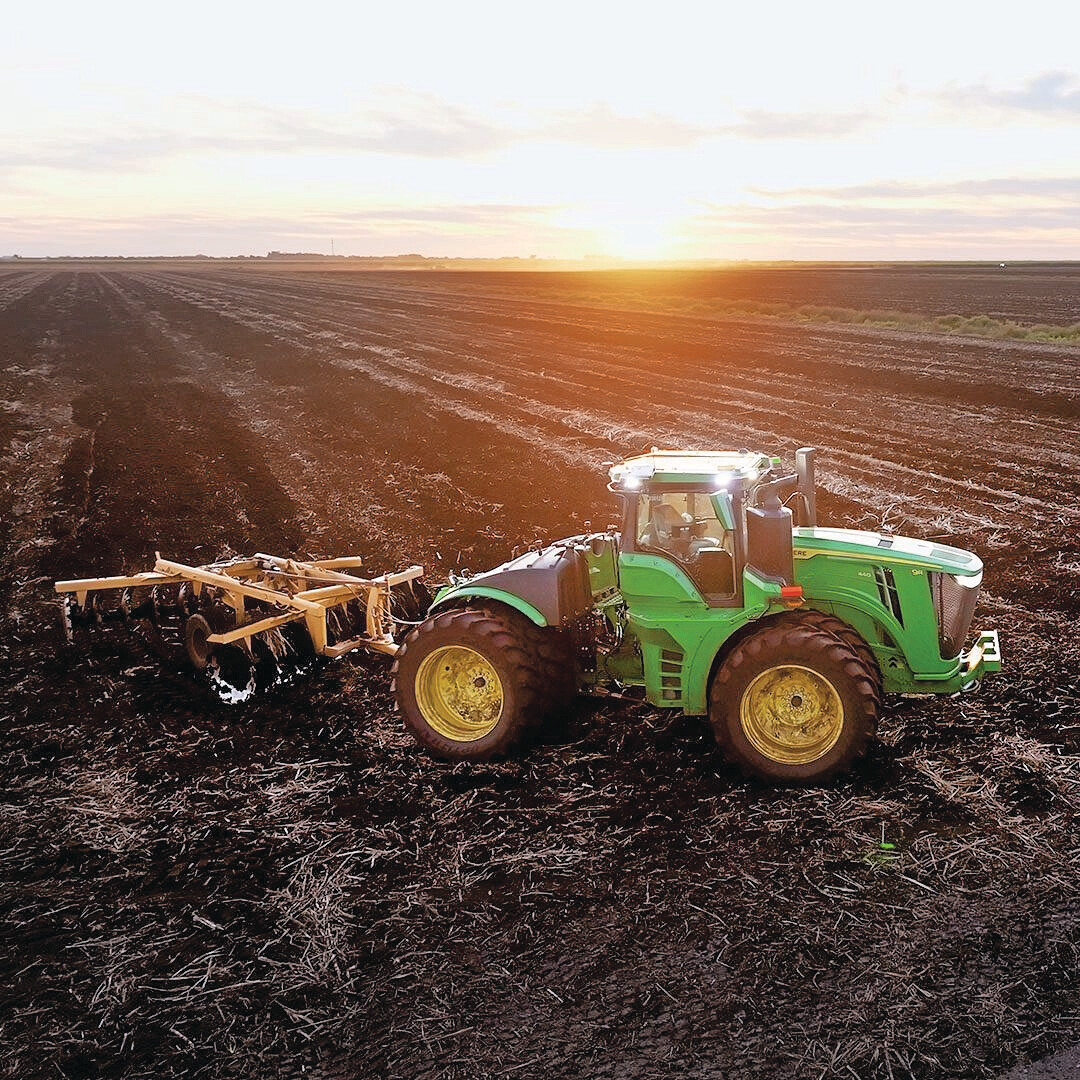
U.S. Sugar deploys autonomous John Deere tractor fleet across 255,000 acres
U.S. Sugar has initiated the largest commercial deployment of autonomous tractors in the American sugar industry, marking a significant advancement in agricultural technology. This initiative involves the use of unmanned John Deere tractors that operate continuously in the sugarcane fields of Florida. The deployment aims to enhance efficiency and productivity in sugarcane farming, reflecting the company's commitment to innovation in agriculture. By utilizing these autonomous machines, U.S. Sugar seeks to streamline operations and reduce labor costs, ultimately improving the overall sustainability of its farming practices. The move comes as the industry increasingly embraces automation to meet growing demands while addressing labor shortages.
Autonomous/semi-autosteering systems autonomous farm equipment autonomous tractors fleet management precision agriculture sugarcane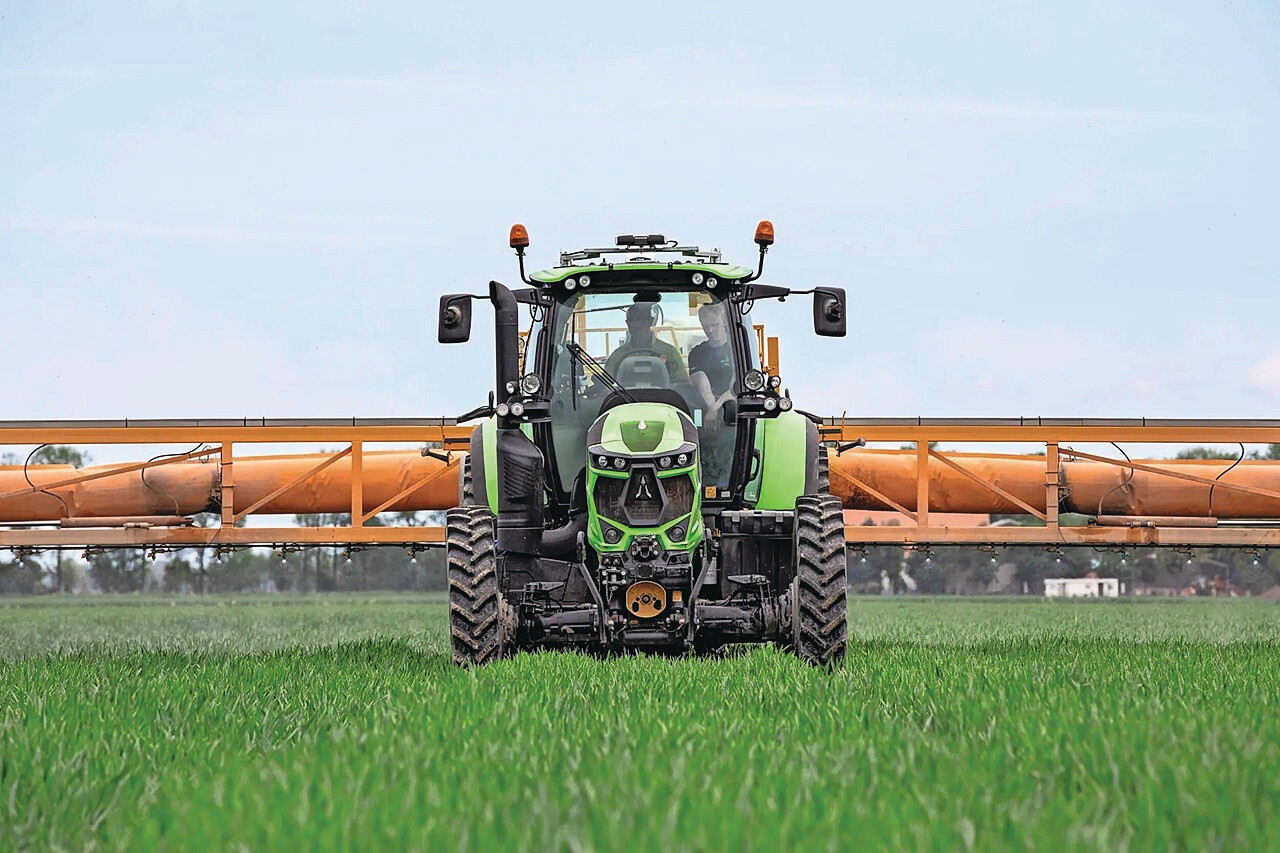
Crop cameras broaden the view on real-time nitrogen application
Recent advancements in crop camera technology are transforming the way farmers apply fertilizers, shifting from a static approach to a dynamic, real-time decision-making process. These innovative camera systems continuously monitor crop growth and biomass across entire fields, enabling immediate adjustments to nitrogen application rates as conditions change. This development not only promotes more precise fertilizer use but also reduces waste and enhances the efficiency of autonomous farming systems. Future Farming is exploring these technological advancements, examining emerging suppliers, and assessing the future trajectory of this impactful agricultural innovation.
Smart farming multispectral sensors nitrogen management precision agriculture variable rate application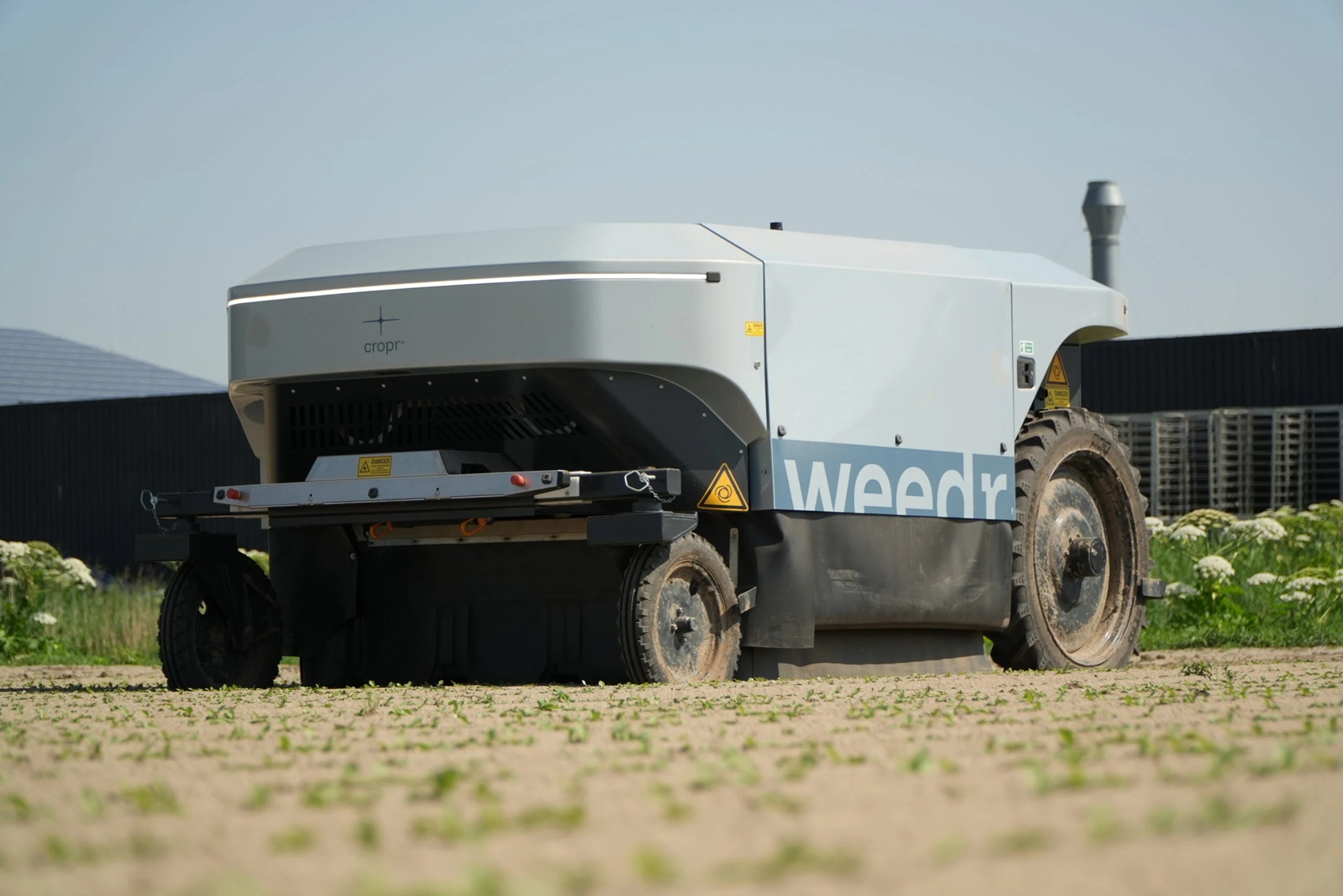
Cropr: laser weeder with potential
A new Dutch manufacturer, Cropr, has launched its innovative laser weeding robots, with five units now actively operating in the fields this season. All of these robots have already been sold to growers, marking a significant step in agricultural technology. Future Farming recently took the opportunity to examine one of these machines in action, noting its distinctive light-blue design as it navigates through a chicory field. This development highlights the growing interest in automated solutions for weed management, reflecting a broader trend towards precision farming aimed at improving crop yields and reducing reliance on chemical herbicides.
Uncategorized
A Survey of Dynamic Wireless Power Transfer for Persistent UAV Transportation in Low‐Altitude Economy: The Field–Motion Framework
A recent study published in the Journal of Field Robotics highlights advancements in robotic technology aimed at enhancing agricultural efficiency. Researchers from various universities collaborated to develop an innovative robotic system designed to automate crop monitoring and management tasks. This study, released in early October 2023, emphasizes the growing need for sustainable farming practices amid increasing global food demands. The robotic system utilizes advanced sensors and artificial intelligence to assess crop health, optimize irrigation, and reduce pesticide usage. By integrating these technologies, the researchers aim to support farmers in making data-driven decisions that can lead to higher yields and lower environmental impact. The project was conducted in various agricultural settings, showcasing its adaptability to different crops and farming methods. The motivation behind this initiative stems from the challenges faced by the agricultural sector, including labor shortages and the need for more efficient resource management. By automating routine tasks, the robotic system not only addresses these issues but also promotes sustainable agricultural practices that are essential for future food security. As the agricultural landscape continues to evolve, this research represents a significant step towards the integration of robotics in farming, potentially transforming how crops are cultivated and managed in the years to come.
SURVEY ARTICLE
FLSea: Underwater Visual–Inertial and Stereovision Forward‐Looking Data Sets
A recent study published in the Journal of Field Robotics highlights advancements in autonomous robotic systems designed for agricultural applications. Researchers from various institutions collaborated to develop innovative algorithms that enhance the efficiency and effectiveness of robots in crop monitoring and management. The findings, released in early October 2023, demonstrate how these technologies can significantly reduce labor costs and improve yield predictions, addressing the growing demand for sustainable farming practices. The research was conducted in various agricultural settings, showcasing the robots' adaptability to different environments and crops. By integrating machine learning and real-time data analysis, the team aims to provide farmers with tools that not only optimize their operations but also contribute to environmental sustainability. This study marks a significant step forward in the integration of robotics into agriculture, promising to transform traditional farming methods and support food security in the face of global challenges.
RESEARCH ARTICLE
A Vision‐Guided Docking Method for Autonomous Underwater Vehicle From Ice Hole
A recent study published in the Journal of Field Robotics highlights advancements in autonomous robotic systems designed for agricultural applications. Researchers from a leading university conducted experiments to evaluate the efficiency of these robots in crop monitoring and management. The study, released in early October 2023, took place in various agricultural settings across the Midwest. The motivation behind this research stems from the increasing need for sustainable farming practices amid rising global food demands. By integrating advanced robotics and artificial intelligence, the team aimed to enhance productivity while minimizing environmental impact. The robots utilized cutting-edge sensors and machine learning algorithms to collect and analyze data on crop health, soil conditions, and pest activity. Through a series of field trials, the researchers demonstrated that these autonomous systems could significantly reduce labor costs and improve yield predictions. The findings suggest that the implementation of such technology could revolutionize traditional farming methods, making them more efficient and environmentally friendly. This study not only underscores the potential of robotics in agriculture but also paves the way for further innovations that could address the challenges faced by the agricultural sector in the coming years.
RESEARCH ARTICLE
Over 10,000 Agricultural Robots Exported to Malaysia by Maima Technology
Maima Technology Group has announced a significant milestone in its expansion into the agricultural sector by securing an order for more than 10,000 agricultural robots in Malaysia. This deal, which underscores the growing influence of China's agricultural AI technology, is set to transform local farming practices through the implementation of intelligent management systems and data-driven decision-making. The deployment of these robots is scheduled to take place over the next one to two years, aiming to enhance productivity and efficiency in Malaysian agriculture.
Agricultural Robots AI Technology Smart Farming Robotics
"When robots learn to write code, how will sweet potatoes rewrite the infrastructure of the industry?"
As advancements in artificial intelligence continue to evolve, the integration of robots capable of writing code is poised to transform various industries. This shift is particularly noteworthy in the agricultural sector, where innovative practices involving sweet potatoes are emerging. Researchers and industry experts are exploring how these developments could enhance agricultural infrastructure and efficiency. The exploration into this intersection of technology and agriculture is gaining momentum, with discussions taking place at conferences and workshops throughout 2023. Experts believe that by leveraging AI-driven coding capabilities, agricultural processes can be optimized, leading to increased productivity and sustainability. The motivation behind this initiative stems from the need to modernize farming practices and address challenges such as food security and resource management. By utilizing robots to automate coding tasks, farmers can focus on strategic decision-making and innovative cultivation methods. This evolution in the industry is expected to unfold through collaborative efforts among technologists, agricultural scientists, and farmers, who are working together to implement AI solutions. As these technologies become more accessible, the potential for sweet potatoes and other crops to play a pivotal role in reshaping agricultural infrastructure is becoming increasingly evident. The ongoing research and development efforts aim to create a more resilient and efficient agricultural system, ultimately benefiting both producers and consumers.
Robotics Automation AI
Path Tracking Control for Crawler Robots With Track Slippage and Signal Time Delay Based on Pure Pursuit and Look‐Ahead Heading Error Compensation
A recent study published in the Journal of Field Robotics highlights advancements in autonomous robotic systems designed for agricultural applications. Conducted by a team of researchers from various institutions, the study was released in early October 2023. The research focuses on the integration of artificial intelligence and machine learning to enhance the efficiency and effectiveness of farming practices. The motivation behind this study stems from the increasing demand for sustainable agricultural solutions amid global food security challenges. By employing innovative robotic technologies, the researchers aim to address labor shortages and improve crop management. The study outlines the development of a prototype robot capable of performing tasks such as planting, monitoring, and harvesting crops with minimal human intervention. Field tests were conducted in diverse agricultural settings to evaluate the robot's performance and adaptability. The findings indicate that the robotic systems can significantly reduce operational costs and increase yield, offering a promising solution for modern farming challenges. This research not only contributes to the field of robotics but also provides valuable insights for farmers seeking to adopt new technologies for enhanced productivity.
RESEARCH ARTICLE
Linear System Identification and Control of a Low‐Cost High‐Performance Omnidirectional Marine Surface Vehicle for Swarming Applications
The Journal of Field Robotics has published an early view article highlighting advancements in robotic technology aimed at enhancing agricultural efficiency. Researchers from various institutions collaborated on this study, which was released in October 2023. The article focuses on the development of autonomous robots designed to optimize crop management and reduce labor costs in farming practices. This initiative is driven by the increasing demand for sustainable agricultural solutions amid a growing global population. The team employed cutting-edge artificial intelligence and machine learning techniques to enable robots to perform tasks such as planting, monitoring crop health, and harvesting with minimal human intervention. Field tests conducted in diverse agricultural settings demonstrated the robots' effectiveness in improving yield while minimizing resource usage. The findings suggest that integrating robotics into farming could significantly address labor shortages and enhance food production efficiency. As the agricultural sector faces mounting pressures from climate change and economic constraints, this research underscores the potential of technology to transform traditional farming methods and promote sustainability.
RESEARCH ARTICLE
Qualcomm vs. Nvidia and drones vs. dogs
Qualcomm has made significant strides in the semiconductor industry, unveiling its ambitious data center chip roadmap during its annual investor day in New York on June 25, 2026. CEO Cristiano Amon highlighted the company's new AI accelerator platform and innovative chip architecture known as high-bandwidth compute (HBC), which aims to enhance AI processing by reducing data travel distances and energy consumption. This announcement comes amid a busy day for the tech sector, where Nvidia's CEO Jensen Huang reaffirmed the long-term demand for AI infrastructure, and Micron reported strong earnings, alleviating investor concerns about a potential "AI bubble." Qualcomm's focus on the China market is particularly noteworthy, as the country accounted for 46% of its revenue in 2025. Amon indicated that the company is designing chips tailored for Chinese customers while adhering to U.S. export controls. This strategic move aims to leverage Qualcomm's existing relationships with Chinese smartphone manufacturers to expand its data center business. Meanwhile, Nvidia's AI chips have seen a dramatic price increase in China's black market, driven by strong demand and U.S. export restrictions. The price of Nvidia's flagship DGX B300 server has surged to over 8 million yuan ($1.1 million), reflecting the ongoing challenges in accessing these sought-after technologies. In a separate development, Australian farmers are increasingly turning to drones and AI technologies for livestock management, potentially replacing traditional herding dogs. This shift highlights the evolving landscape of agricultural practices as new generations of farmers adopt innovative solutions to enhance efficiency in managing livestock.
Research on the Application of SSG‐RRT Path Planning Algorithm Integrated With Dynamic Obstacle Avoidance in Wheeled Picking Robot
A recent study published in the Journal of Field Robotics highlights advancements in robotic technology aimed at improving agricultural efficiency. Researchers from various institutions conducted the study to explore how autonomous robots can enhance crop management and reduce labor costs. The findings, released in early October 2023, indicate that these robots can perform tasks such as planting, monitoring, and harvesting with greater precision than traditional methods. The research was conducted in diverse agricultural settings, showcasing the robots' adaptability to different crops and terrains. By integrating advanced sensors and machine learning algorithms, the robots can analyze soil conditions and plant health, allowing for timely interventions that can lead to increased yields. This initiative is driven by the growing need for sustainable farming practices in response to global food demands and labor shortages in the agricultural sector. The study emphasizes that implementing robotic solutions could not only optimize resource use but also address environmental concerns associated with conventional farming techniques. As the agricultural industry faces mounting challenges, the deployment of these innovative robotic systems represents a significant step forward in modernizing farming practices and ensuring food security for the future.
RESEARCH ARTICLE
Motion Control and Experimental Verification of a Continuum Aerial Manipulator for Power Grid Maintenance Operations
A recent study published in the Journal of Field Robotics highlights advancements in robotic technology aimed at improving agricultural efficiency. Researchers from various institutions collaborated to develop a new robotic system designed to automate the process of crop monitoring and management. This innovative system was tested in fields across California during the summer of 2023, demonstrating its potential to enhance productivity and reduce labor costs for farmers. The motivation behind this research stems from the increasing demand for sustainable agricultural practices and the need to address labor shortages in the farming sector. By integrating advanced sensors and artificial intelligence, the robotic system can analyze crop health, soil conditions, and environmental factors in real-time, providing farmers with actionable insights. The study outlines the methodology used in the field trials, including the deployment of multiple robotic units equipped with cutting-edge technology. These robots were programmed to navigate autonomously, collect data, and deliver precise recommendations for crop management. The findings indicate that the implementation of such robotic systems could lead to significant improvements in yield and resource efficiency. As the agricultural industry faces mounting challenges, this research underscores the importance of innovation in fostering sustainable practices and meeting the needs of a growing population. The successful trials pave the way for further development and potential commercialization of robotic solutions in agriculture, promising a transformative impact on the sector.
RESEARCH ARTICLE
Heavy‐UUV Docking System for a Fixed Seabed Station Based on Differential Optical‐Guidance Beacons
The Journal of Field Robotics has recently published an early view article highlighting advancements in robotic technology. Researchers from various institutions have collaborated to develop a new autonomous navigation system that enhances the efficiency and safety of field operations. This innovative system was tested in agricultural settings in California during the summer of 2023, where it demonstrated significant improvements in crop monitoring and resource management. The motivation behind this research stems from the growing need for precision agriculture, which aims to optimize farming practices and reduce environmental impact. By integrating advanced sensors and machine learning algorithms, the team was able to create a robotic platform capable of navigating complex terrains while collecting valuable data on soil health and crop conditions. The successful implementation of this technology could revolutionize the agricultural sector, providing farmers with tools to make informed decisions and increase productivity. The findings are expected to contribute to ongoing discussions about sustainable farming practices and the role of robotics in addressing global food security challenges.
RESEARCH ARTICLE
DynaSki: A Robust Locomotion Framework for Dynamic Skiing Robot on Challenging Terrains
A recent study published in the Journal of Field Robotics highlights advancements in autonomous robotic systems designed for agricultural applications. Researchers from a leading university conducted the study to address the growing need for efficient farming solutions amid increasing global food demand. The findings, released in early October 2023, provide insights into how these robotic systems can enhance crop monitoring and management. The research was conducted in various agricultural settings, demonstrating the robots' capabilities in navigating complex terrains and performing tasks such as planting, weeding, and harvesting. By employing advanced sensors and machine learning algorithms, the robots can analyze environmental conditions and optimize farming practices, ultimately aiming to increase yield while reducing labor costs. The motivation behind this innovation stems from the challenges faced by farmers due to labor shortages and the need for sustainable farming methods. The study emphasizes the potential of robotics to transform traditional agriculture, making it more resilient and productive in the face of climate change and resource constraints. As the agricultural sector continues to evolve, these findings could pave the way for broader adoption of robotic technologies, enhancing food security and sustainability worldwide.
RESEARCH ARTICLE
A Low‐Drift Legged Robot State‐Estimation System Through Combined Physics‐Informed Contact Estimation Network and Full Joint State
A recent study published in the Journal of Field Robotics highlights advancements in autonomous robotic systems designed for agricultural applications. Researchers from various institutions collaborated to develop innovative algorithms that enhance the efficiency and precision of farming robots. The findings, released in early October 2023, demonstrate how these technologies can significantly improve crop monitoring and management. The study was conducted across multiple farms in the Midwest, where the team tested the robots' capabilities in real-world conditions. By utilizing advanced sensors and machine learning techniques, the robots were able to identify crop health issues and optimize resource usage, such as water and fertilizers. This approach not only aims to increase agricultural productivity but also addresses sustainability concerns in farming practices. The motivation behind this research stems from the growing need for efficient food production methods to meet the demands of a rising global population. As traditional farming faces challenges such as labor shortages and environmental impacts, the integration of autonomous systems presents a viable solution. The researchers emphasized that the successful implementation of these technologies could lead to a transformative shift in how agriculture is practiced, ultimately benefiting both farmers and consumers alike.
RESEARCH ARTICLE
Multi‐Robot Collaborative Navigation Framework Based on 3D Voronoi Partitioning in Uneven and Unstructured Environments
A recent study published in the Journal of Field Robotics highlights advancements in autonomous robotic systems designed for agricultural applications. Researchers from various institutions collaborated to develop innovative algorithms that enhance the efficiency and accuracy of these robots in crop monitoring and management. The study, released in early October 2023, emphasizes the growing need for automation in agriculture due to labor shortages and the increasing demand for food production. The research was conducted across multiple farms in the Midwest, where the team tested the robots' capabilities in real-world conditions. By integrating machine learning techniques, the robots can now analyze crop health, detect pests, and optimize resource usage, significantly reducing the environmental impact of farming practices. This initiative aims to address the challenges faced by farmers, particularly in light of climate change and the need for sustainable agriculture. The findings suggest that implementing these robotic systems can lead to improved yields and reduced operational costs, ultimately benefiting both farmers and consumers. As the agricultural sector continues to evolve, the integration of such technologies is seen as a crucial step toward a more sustainable future.
RESEARCH ARTICLE
From Flybys to Sample Return: A Review of Space Probes and Robotic Sampling Technologies for Small Bodies
A recent study published in the Journal of Field Robotics highlights advancements in robotic technology aimed at enhancing agricultural efficiency. Researchers from various institutions conducted experiments to assess the effectiveness of autonomous robots in crop monitoring and management. The study, released in early October 2023, took place in diverse agricultural settings across the United States. The motivation behind this research stems from the increasing demand for sustainable farming practices and the need to address labor shortages in the agricultural sector. By integrating advanced robotics, the team aims to provide farmers with innovative tools that can optimize crop yields while minimizing environmental impact. The researchers implemented a series of field tests to evaluate the robots' capabilities in tasks such as soil analysis, pest detection, and irrigation management. The findings indicate that these autonomous systems can significantly reduce the time and labor required for traditional farming methods, ultimately leading to more efficient agricultural practices. This groundbreaking work not only showcases the potential of robotics in transforming agriculture but also emphasizes the importance of technological solutions in meeting the challenges posed by a growing global population and climate change. As the agricultural industry continues to evolve, the integration of robotic technology may play a crucial role in shaping the future of food production.
SURVEY ARTICLE
Yamaha Agriculture adds herbicide spraying to Prospr robot
Yamaha Agriculture has unveiled a new herbicide spraying attachment designed for its Prospr autonomous hybrid vehicle platform, enhancing the machine's functionality to facilitate automated weed control in orchards and vineyards. This innovation aims to improve agricultural efficiency and reduce labor costs, addressing the growing need for effective weed management in the farming sector. By integrating this attachment, farmers can leverage advanced technology to streamline their operations and promote sustainable practices in crop production. The introduction of this feature marks a significant step forward in the application of automation within agriculture, reflecting Yamaha's commitment to supporting modern farming techniques.
Autonomous/semi-autosteering systems autonomous technology herbicides hybrid drivetrains robotic harvesting weed control
ePropelled launches new integrated propulsion unit for agricultural drones
The agricultural drone market is experiencing rapid growth, prompting manufacturers to enhance their technology to secure a larger share of this expanding sector. Recently, a new drone unit featuring advanced propulsion and power technology has been introduced, aimed at significantly improving performance in agricultural applications. This innovation is expected to meet the increasing demand for efficient and effective farming solutions, as farmers seek to leverage UAVs for precision agriculture and crop management. The launch of this cutting-edge technology underscores the industry's commitment to advancing aerial capabilities in agriculture, ultimately enhancing productivity and sustainability in farming practices.
Drones autonomous technology drone technology precision agriculture
A Novel Crawling Robot Based on the Hexagonal Mesh Structure and Enhanced PID Control Strategy
A recent study published in the Journal of Field Robotics highlights advancements in robotic technology, specifically focusing on the development of autonomous systems designed for agricultural applications. Conducted by a team of researchers from various universities, the study was released in June 2026 and aims to address the increasing demand for efficient farming practices in response to global food shortages. The research team explored innovative robotic solutions that can enhance crop monitoring and management, ultimately improving yield and reducing labor costs. By integrating advanced sensors and machine learning algorithms, these autonomous robots can navigate complex agricultural environments, collect data, and perform tasks such as planting and harvesting with minimal human intervention. This initiative is driven by the need for sustainable agricultural practices, as traditional farming methods struggle to keep pace with population growth and climate change. The findings suggest that implementing such robotic systems could significantly transform the agricultural landscape, making it more efficient and resilient. The study's implications extend beyond immediate agricultural benefits, as it also addresses broader environmental concerns by promoting precision farming techniques that minimize resource waste. As the agricultural sector continues to evolve, the integration of robotics may play a crucial role in ensuring food security for future generations.
RESEARCH ARTICLE
Precision Error Compensation Algorithm for Automated Drill Pipe Gripping in Underground Coal Mine Drilling Robots
A recent study published in the Journal of Field Robotics highlights advancements in robotic technology, focusing on the development of autonomous systems for agricultural applications. Conducted by a team of researchers from leading universities, the study was released in June 2026 and emphasizes the growing need for efficient farming solutions amid increasing global food demand. The research showcases innovative robotic designs capable of performing tasks such as planting, harvesting, and monitoring crop health with minimal human intervention. By integrating artificial intelligence and machine learning algorithms, these robots can adapt to varying environmental conditions and optimize their performance over time. The motivation behind this initiative stems from the challenges faced by the agricultural sector, including labor shortages and the need for sustainable practices. The researchers aim to address these issues by providing farmers with tools that enhance productivity while reducing the environmental impact of farming activities. Through extensive field trials, the team demonstrated the effectiveness of these autonomous systems in real-world agricultural settings, illustrating their potential to revolutionize farming practices. The findings suggest that widespread adoption of such technologies could significantly improve crop yields and resource management, ultimately contributing to food security in the face of a growing global population.
RESEARCH ARTICLE
D2GNet: Efficient 6‐DoF Grasp Detection in Cluttered Scenes via Density‐Aware Dual‐Dimensional Graph Networks
A recent study published in the Journal of Field Robotics highlights advancements in robotic technology aimed at enhancing agricultural efficiency. Conducted by a team of researchers from various universities, the study was released in June 2026 and focuses on innovative robotic systems designed to optimize crop management and reduce labor costs. The research team utilized a combination of machine learning algorithms and autonomous navigation systems to develop robots capable of performing tasks such as planting, monitoring, and harvesting crops. This initiative was motivated by the increasing demand for sustainable farming practices and the need to address labor shortages in the agricultural sector. Field tests were conducted in diverse agricultural environments, demonstrating the robots' ability to adapt to varying conditions and improve overall productivity. The findings suggest that integrating robotics into farming not only enhances efficiency but also contributes to more sustainable practices by minimizing resource waste. As the agricultural industry faces challenges related to climate change and population growth, the implementation of these robotic systems could play a crucial role in ensuring food security and promoting environmentally friendly farming methods. The research underscores the potential of robotics to transform traditional agricultural practices, paving the way for a more automated and sustainable future in farming.
RESEARCH ARTICLE
A Depth Control Method for Full Ocean Depth AUV
A recent study published in the Journal of Field Robotics highlights advancements in autonomous robotic systems designed for agricultural applications. Researchers from various institutions conducted the study to address the growing need for efficient farming solutions amid increasing global food demands. The findings, released in early October 2023, showcase innovative technologies that enhance crop monitoring and management through the use of drones and ground-based robots. The research, conducted in diverse agricultural settings, demonstrates how these autonomous systems can optimize resource usage, reduce labor costs, and improve yield quality. By integrating artificial intelligence and machine learning, the robots are capable of analyzing vast amounts of data in real-time, allowing farmers to make informed decisions quickly. This initiative is particularly significant as it responds to the challenges posed by climate change and labor shortages in the agricultural sector. The study emphasizes the potential of robotics to transform traditional farming practices, making them more sustainable and efficient. As the global population continues to rise, the implementation of such technologies could play a crucial role in ensuring food security for the future.
RESEARCH ARTICLE
Improved ESO‐LOS Guidance Strategy for AUV: Theory and Experiment Validation
A recent study published in the Journal of Field Robotics highlights advancements in autonomous robotic systems designed for agricultural applications. Researchers from various institutions collaborated to develop innovative algorithms that enhance the efficiency of robots in crop monitoring and management. The findings, released in early October 2023, indicate that these robotic systems can significantly improve yield predictions and reduce labor costs for farmers. Conducted in diverse agricultural settings, the research aimed to address the growing need for sustainable farming practices amid increasing global food demands. By employing cutting-edge technology, the team demonstrated how autonomous robots can collect and analyze data more accurately than traditional methods, enabling farmers to make informed decisions about resource allocation and crop health. The study underscores the potential of robotics to transform the agricultural landscape, offering solutions that not only optimize productivity but also promote environmental sustainability. As the agricultural sector faces challenges such as labor shortages and climate change, these advancements in robotic technology could play a crucial role in ensuring food security for future generations.
RESEARCH ARTICLE
Design and Kinematic Analysis of a Six‐Wheeled Robot With a Passive Suspension for Integrated Terrain Adaptability and Vibration Mitigation
A recent study published in the Journal of Field Robotics highlights advancements in autonomous robotic systems designed for agricultural applications. Researchers from a leading university conducted experiments to assess the effectiveness of these robots in improving crop management and yield. The study, released in early October 2023, took place in various agricultural settings across the Midwest, where the robots were deployed to monitor crop health and optimize resource usage. The motivation behind this research stems from the increasing demand for sustainable farming practices and the need to enhance productivity in the face of climate change challenges. By integrating advanced sensors and machine learning algorithms, the robots are capable of analyzing soil conditions and plant health in real-time, allowing farmers to make informed decisions. The study's findings indicate that the implementation of these autonomous systems can significantly reduce labor costs and increase efficiency in farming operations. As the agricultural sector continues to evolve, this research underscores the potential of robotics to transform traditional farming methods, paving the way for a more sustainable and productive future in agriculture.
RESEARCH ARTICLE
A Critical Review of Reinforcement Learning Algorithms for Mobile Robot Path Planning
The Journal of Field Robotics has published an early view article highlighting recent advancements in robotic technology. Researchers from various institutions have collaborated to explore innovative applications of robotics in diverse fields, including agriculture, healthcare, and disaster response. The findings, released in October 2023, underscore the growing importance of robotics in enhancing efficiency and safety across these sectors. The study emphasizes the integration of artificial intelligence and machine learning to improve the functionality and adaptability of robotic systems. By leveraging these technologies, the researchers aim to address complex challenges faced in real-world scenarios, such as precision farming and emergency management. This publication is part of an ongoing effort to disseminate cutting-edge research that can inform future developments in robotics. The collaborative nature of the research showcases a commitment to interdisciplinary approaches, fostering innovation that can lead to significant societal benefits. As the field continues to evolve, the implications of these advancements are expected to resonate across various industries, driving further investment and interest in robotic solutions.
SURVEY ARTICLE
Biomimetic Multifinger Tactile Sensing and Contact‐Regulated Palpation for Autonomous Breast Tumor Localization
A recent study published in the Journal of Field Robotics highlights advancements in autonomous robotic systems designed for agricultural applications. Researchers from a leading university conducted experiments to evaluate the effectiveness of these robots in optimizing crop management and enhancing productivity. The study took place over the summer of 2023 on various farms across the Midwest, where the robots were deployed to monitor crop health, assess soil conditions, and automate harvesting processes. The motivation behind this research stems from the increasing demand for sustainable farming practices and the need to address labor shortages in the agricultural sector. By integrating advanced robotics and artificial intelligence, the team aimed to demonstrate how these technologies can improve efficiency and reduce the environmental impact of farming. Through a series of field tests, the researchers collected data on the robots' performance, analyzing their ability to navigate complex terrains and make real-time decisions based on environmental inputs. The findings indicate that these autonomous systems not only enhance productivity but also contribute to more precise resource management, ultimately supporting the goal of sustainable agriculture. This study represents a significant step forward in the application of robotics in farming, showcasing the potential for technology to transform traditional agricultural practices and meet the challenges posed by a growing global population.
RESEARCH ARTICLE
Review of Essential Generic Technologies for Visual Perception in Underground Coal Mine Robots
A recent study published in the Journal of Field Robotics highlights advancements in autonomous robotic systems designed for agricultural applications. Researchers from various institutions conducted experiments to evaluate the efficiency and effectiveness of these robots in crop monitoring and management. The study, released in early October 2023, took place in diverse agricultural settings, showcasing the robots' capabilities in real-time data collection and analysis. The motivation behind this research stems from the increasing need for sustainable farming practices and the demand for improved crop yields amidst growing environmental challenges. By integrating advanced sensors and artificial intelligence, the robotic systems demonstrated significant potential in reducing labor costs and enhancing precision in farming operations. Through a series of field tests, the researchers assessed the robots' performance in various tasks, including soil analysis, pest detection, and irrigation management. The findings indicate that these autonomous systems can operate efficiently under different weather conditions and terrains, offering a promising solution for modern agriculture. The study underscores the importance of innovation in addressing food security and environmental sustainability, paving the way for further developments in agricultural robotics.
RESEARCH ARTICLE
Research on Collision Avoidance Methods for Logistics Unmanned Aerial Vehicle Based on Dynamic Controlled Interactive Collaborative Fusion
A recent study published in the Journal of Field Robotics highlights advancements in robotic technology aimed at enhancing agricultural efficiency. Researchers from various institutions collaborated to develop a new autonomous robot designed to optimize crop monitoring and management. The study, released in early October 2023, emphasizes the growing need for innovative solutions in agriculture to address challenges such as labor shortages and increasing food demand. The robot utilizes advanced sensors and machine learning algorithms to gather real-time data on soil conditions, crop health, and environmental factors. This data-driven approach allows farmers to make informed decisions, ultimately leading to improved yields and reduced resource waste. The research team conducted field tests in various agricultural settings, demonstrating the robot's effectiveness in diverse conditions. The motivation behind this initiative stems from the pressing need for sustainable agricultural practices as global populations continue to rise. By integrating robotics into farming, the researchers aim to support farmers in adapting to changing environmental conditions while maximizing productivity. This breakthrough in agricultural robotics represents a significant step toward modernizing farming practices, showcasing how technology can play a crucial role in addressing food security and sustainability challenges. The findings are expected to influence future developments in the field, paving the way for more sophisticated agricultural solutions.
RESEARCH ARTICLE
The Shifting Paradigms of Disaster Robotics Three Decades of Research
A recent study published in the Journal of Field Robotics highlights advancements in robotic technology aimed at improving agricultural efficiency. Researchers from a leading university conducted experiments over the past year, focusing on the integration of autonomous robots in crop monitoring and management. The trials took place in various agricultural settings across the Midwest, where the team sought to address the growing challenges of labor shortages and the need for sustainable farming practices. The motivation behind this research stems from the increasing demand for food production and the necessity to optimize resource use in agriculture. By employing cutting-edge robotics, the researchers aimed to demonstrate how these machines can enhance precision in tasks such as planting, watering, and pest control. The study involved deploying multiple robotic prototypes equipped with advanced sensors and AI algorithms to gather data and perform tasks autonomously. Results from the trials indicate that the use of these robots not only improved operational efficiency but also reduced the environmental impact of farming activities. The findings suggest that integrating robotics into agricultural practices could be a viable solution to meet the demands of a growing population while promoting sustainable farming methods. As the agricultural sector continues to evolve, this research paves the way for further innovations in the use of robotics to support food production and resource management.
RESEARCH ARTICLERobotics needs a service framework.
RSF defines a common language for robot service capability, lifecycle operations, certification pathways, and service-provider networks.