

Industry Briefing
A single destination for timely, editor-curated robotics news from around the world.
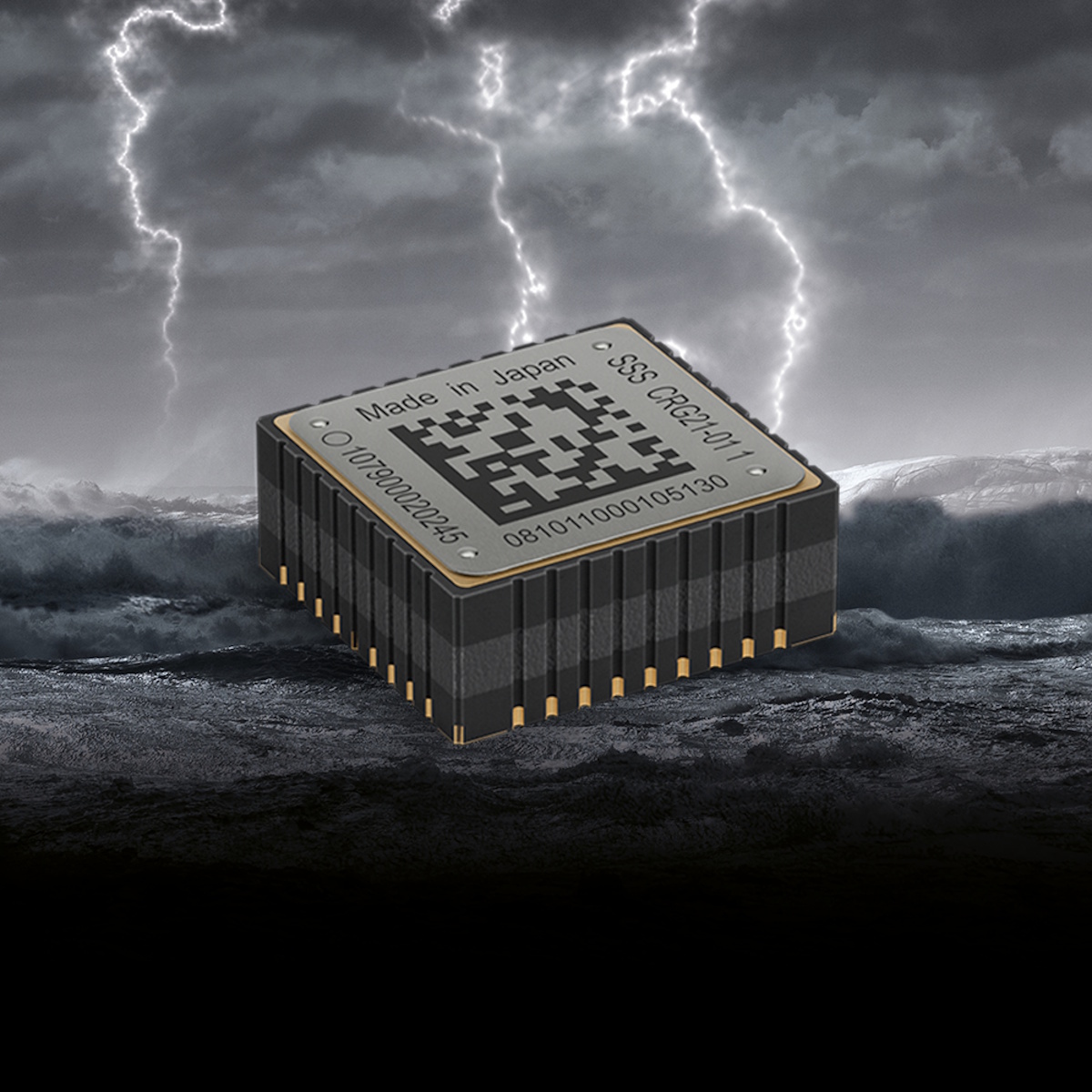
Silicon Sensing Launches CRG21 Gyro for Extreme Shock Environments
Silicon Sensing has introduced the CRG21, a compact MEMS gyroscope designed for extreme-shock environments. This new single-axis rate sensor serves as a direct replacement for the successful CRG20 gyro, enhancing performance in aerospace, defense, industrial, and automotive applications. The CRG21 gyro is engineered to withstand harsh conditions, featuring a fully integrated digital solution that minimizes space and weight, thereby reducing overall inertial system costs. It operates effectively in temperatures ranging from -40°C to +105°C and offers exceptional shock resistance, low noise performance, and improved angular random walk and bias over temperature. With its identical footprint to the CRG20, the CRG21 allows for easy retrofitting in existing systems. It is available in various rate ranges and bandwidths, making it adaptable to a wide range of applications. No further timeline was disclosed at the time of publication.
silicon sensing gyro extreme-shock environments
Specialized Robots Demonstrate Advanced Functions in Extreme Environments
Recently, several domestic specialized robots have gained attention online for their remarkable capabilities. These include a robotic wolf that can withstand temperatures of 500°C and a flying rescue device from Hangzhou police that autonomously reaches water rescue points at a speed of 14 meters per second. Many observers noted that science fiction scenarios have become a reality. On September 20, the first Intelligent Robot Application Skills Exhibition was launched in Yuhang, Hangzhou, showcasing over 300 robots. Among the exhibits were humanoid robots, but a significant number were uniquely designed robots tailored for specific tasks. These robots are engineered to operate in hazardous environments where humans cannot safely go, emphasizing functionality over human-like appearance. The design logic of specialized robots differs from humanoid robots, focusing on performing tasks in extreme conditions such as high temperatures, toxic gases, and complex underwater environments. Capabilities like 500°C heat resistance, 6-ton towing capacity, and 60-meter range are directly linked to operational scenarios. However, the true value of these robots lies in their ability to work reliably in high-risk environments, necessitating continuous optimization based on real-world conditions.
Specialized Robots Firefighting Robots Rescue Technology Industrial Automation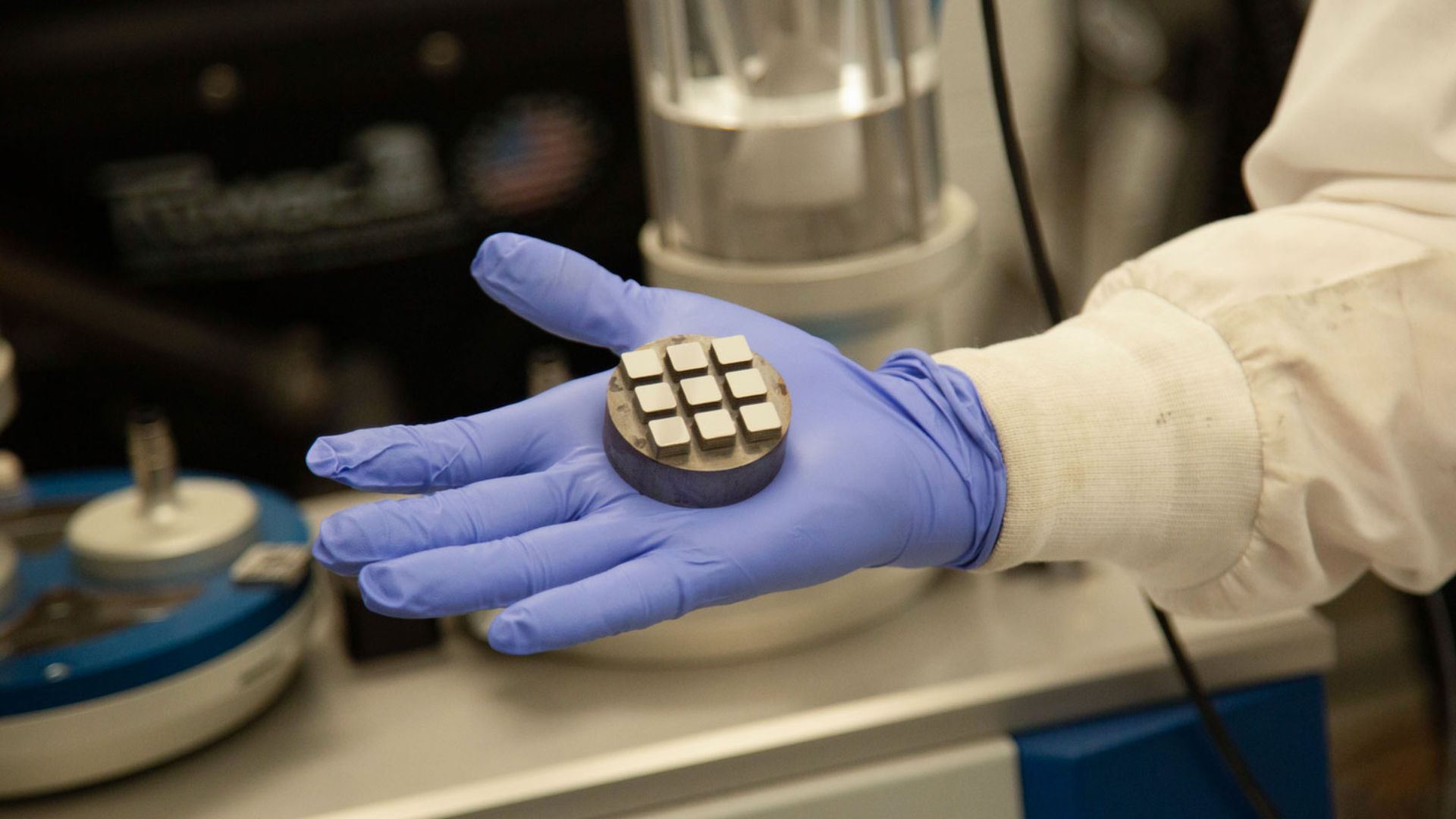
University of Toronto Engineers Develop Six New Metal Alloys for Extreme Environments
Researchers at the University of Toronto Engineering have created six innovative metal alloys using an AI-driven discovery platform. These alloys are designed to enhance the durability of components in jet engines and nuclear reactors, capable of withstanding temperatures exceeding 1,832°F. The AI-assisted approach significantly accelerates the identification of high-performance materials, demonstrating the potential for rapid advancements in material science. The significance of this development lies in the growing demand for materials that can endure extreme temperature and pressure fluctuations, which are common in applications like jet engines and nuclear power plants. Yu Zou, the project leader, emphasized the need for materials that can be produced through 3D metal printing, allowing for the creation of complex components that traditional manufacturing methods cannot achieve. Looking ahead, the researchers aim to further refine their AI-driven system to explore additional material compositions. No further timeline was disclosed at the time of publication, but the initial success in identifying six new alloy formulations suggests a promising future for advanced materials in extreme environments.
AI and Robotics Energy Innovation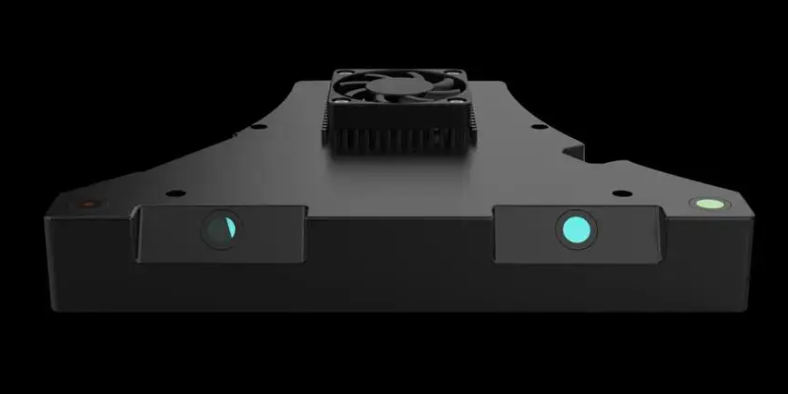
Transforming Embodied Intelligence: Pure Vision Technology Reshapes Navigation in Extreme Environments
Embodied Intelligence is addressing the challenges of navigation in extreme environments where satellite signals are unavailable. The company has introduced a modular pure vision navigation technology that has been successfully validated in 52 real-world scenarios. This innovative solution is set to enhance the operational capabilities of various robotic applications, allowing them to navigate complex terrains more effectively. The development comes at a crucial time as industries increasingly rely on autonomous systems for tasks in remote or signal-deprived locations. By leveraging advanced visual processing techniques, Embodied Intelligence aims to provide reliable navigation solutions that can adapt to diverse operational conditions.
Robotics Navigation Technology AI Autonomous Systems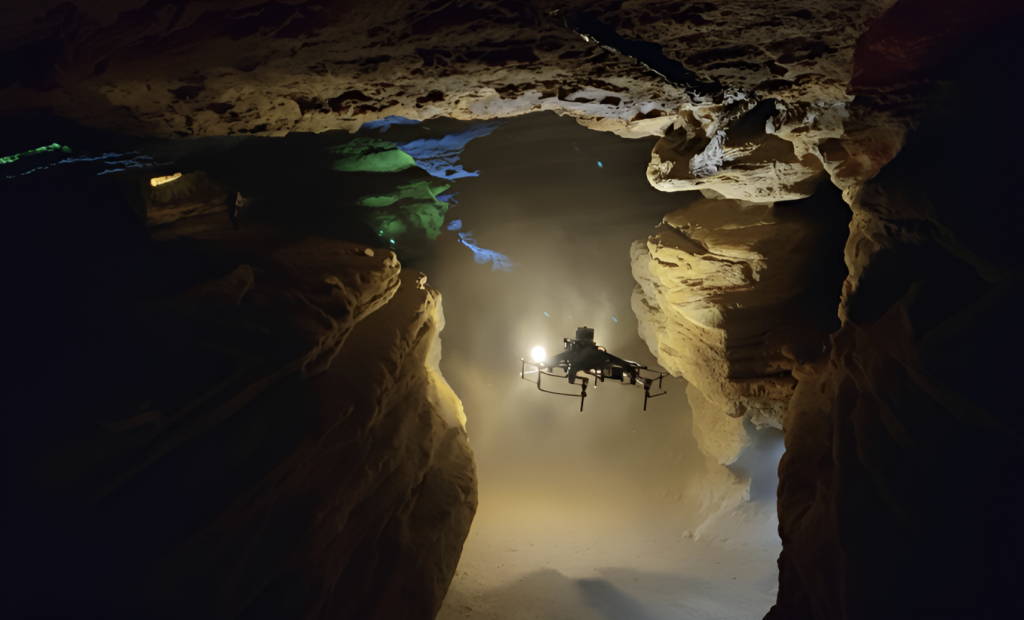
Keeping Robots Moving in Extreme Environments
Researchers at Carnegie Mellon University's Robotics Institute have developed a groundbreaking system known as Super Odometry, designed to enhance the navigational capabilities of robots in challenging environments. This innovative technology enables robots to maintain their sense of direction even when visibility is compromised by smoke, darkness, or dust. In a series of real-world tests, Super Odometry demonstrated its effectiveness by allowing robots to navigate safely through difficult conditions, including stairs and low-light scenarios. The system relies on internal motion sensors, providing a reliable alternative to visual navigation when external conditions hinder camera functionality. This advancement is particularly significant as it addresses the critical need for robots to operate autonomously in extreme environments, ensuring their continued functionality and safety in various applications.
ResearchRobotics needs a service framework.
RSF defines a common language for robot service capability, lifecycle operations, certification pathways, and service-provider networks.
Join the RobotToday community on LinkedIn
Daily robotics news, in-depth analysis, conference highlights, and discussions with professionals worldwide.







