Industry Briefing
A single destination for timely, editor-curated robotics news from around the world.

Europe’s most important industrial lubrication conference celebrates its 10th anniversary in Bilbao
The Euskalduna Convention Centre in Bilbao is set to host the 10th anniversary of LUBMAT, Europe’s premier conference on industrial lubricants, this Wednesday and Thursday. The event will bring together 200 professionals from Europe, Asia, and America, highlighting its significance as a leading international biennial gathering focused on lubricants, tribology, and production equipment monitoring. This milestone edition aims to foster collaboration and knowledge sharing among industry experts, reflecting the growing importance of innovation and sustainability in the lubricants sector.
Events advanced lubricants advanced manufacturing aerospace engineering AI in maintenance asset management
BANNER ENGINEERING - Available now at Mouser: vibration monitoring sensors
Banner Engineering has introduced its Q45x sensors, designed to enhance predictive maintenance for industrial equipment by providing high-resolution, three-axis vibration data. These innovative sensors, which are battery-powered and capable of operating for several years without the need for wiring, facilitate easy installation and scalability across various assets. The Q45x sensors utilize integrated high-frequency enveloping (HFE) technology to detect early-stage faults, such as bearing wear and lubrication issues, thereby improving diagnostic accuracy even in noisy environments. With IP67-rated enclosures and wireless connectivity through Sure Cross networks, these sensors ensure reliable condition monitoring in challenging industrial settings while minimizing downtime and simplifying maintenance processes.

How Equipment Asset Management Practices Must Evolve for Industry 4.0 to Deliver on its Promise
Industry 4.0 is poised to revolutionize manufacturing and supply chain management through the integration of connected sensors and intelligent systems. This technological advancement enables machines to predict failures, production lines to self-optimize based on real-time demand, and supply chains to adapt autonomously without human oversight. Despite the substantial investments and credible case studies showcasing its potential, many companies are hesitant to fully embrace these innovations. The reluctance stems from concerns over implementation challenges, workforce adaptation, and the need for a cultural shift within organizations. As the industry continues to evolve, understanding and addressing these barriers will be crucial for harnessing the full benefits of Industry 4.0.
Engineering Industry ai in manufacturing asset reliability automation news condition monitoring
Top 7 AI Agent Platforms for Industrial Manufacturing in 2026
The manufacturing sector is undergoing a significant digital transformation, marked by substantial investments in Internet of Things (IoT) sensors, Manufacturing Execution Systems (MES), industrial analytics, and predictive maintenance solutions over the past decade. This shift has provided manufacturers with unparalleled operational visibility, enabling real-time monitoring of equipment, production lines, quality metrics, and material flows. Despite these advancements, production managers continue to face challenges in optimizing processes and improving efficiency. The integration of these technologies aims to enhance productivity and streamline operations, ultimately driving the industry towards a more data-driven future.
AI agents Manufacturing ai agents autonomous manufacturing digital manufacturing ERP integration
AI-powered spectrometer chip shrinks lab technology to the size of a grain of sand
Researchers at UC Davis have developed an innovative AI-powered chip capable of analyzing light and chemicals with remarkable precision. This compact device, small enough to fit into various environments, integrates advanced silicon sensors with machine learning technology, enabling it to perform lab-quality spectral analysis without the need for traditional, bulky equipment. The breakthrough aims to enhance accessibility and efficiency in chemical analysis, potentially transforming fields such as environmental monitoring, healthcare, and food safety. By streamlining the analytical process, this new chip could facilitate quicker and more accurate assessments in diverse applications.
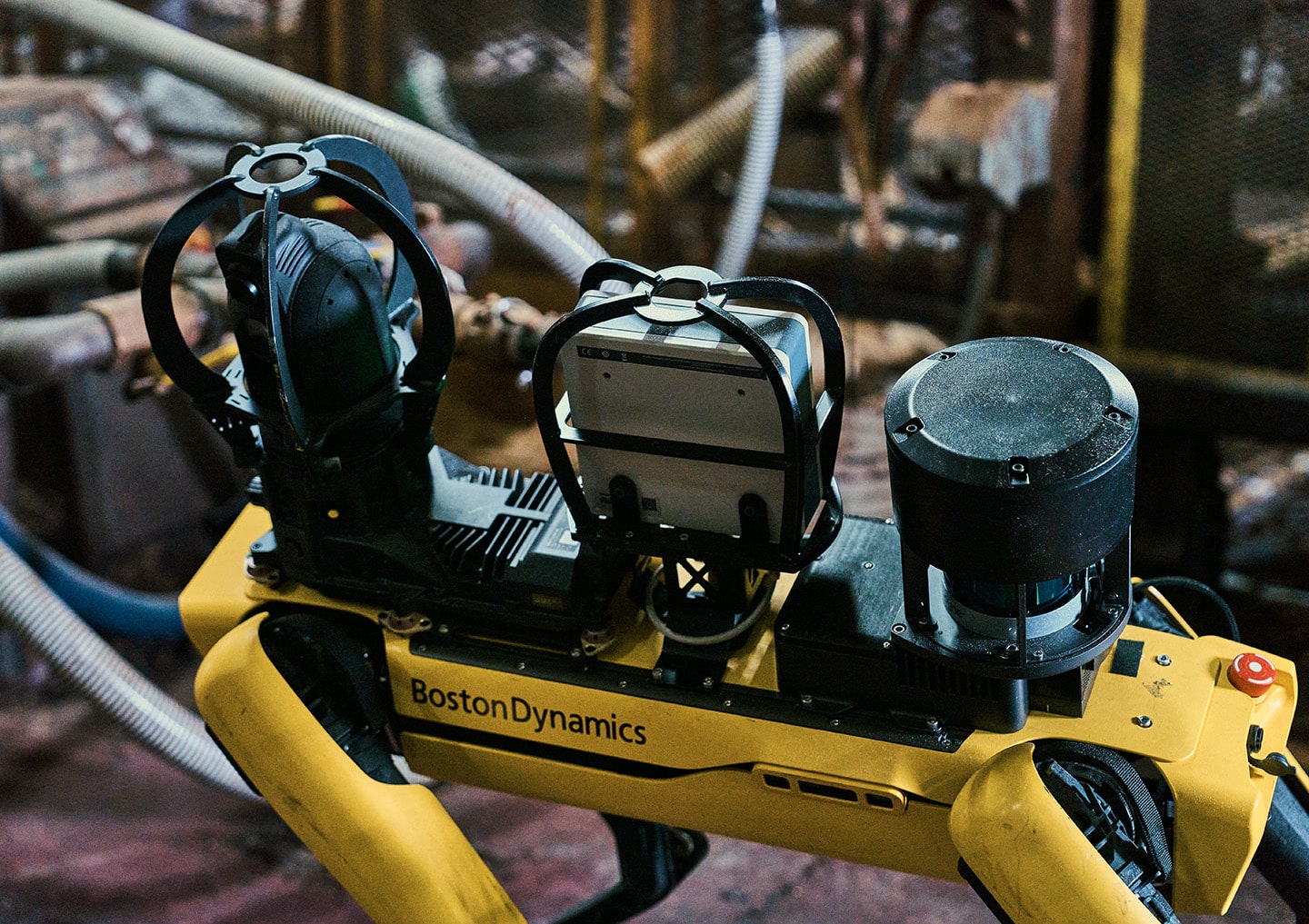
A New Approach to Predictive Maintenance Challenges | Boston Dynamics
A recent report highlights the critical role of AI-based predictive maintenance in enhancing operational efficiency across various industries. This innovative approach relies on timely and accurate data to monitor the condition of assets automatically. By implementing automated asset condition monitoring systems, organizations can anticipate equipment failures before they occur, thus minimizing downtime and reducing maintenance costs. The increasing adoption of these technologies is driven by the need for businesses to optimize their operations and extend the lifespan of their assets. As industries continue to evolve, the integration of AI in maintenance strategies is becoming essential for staying competitive.
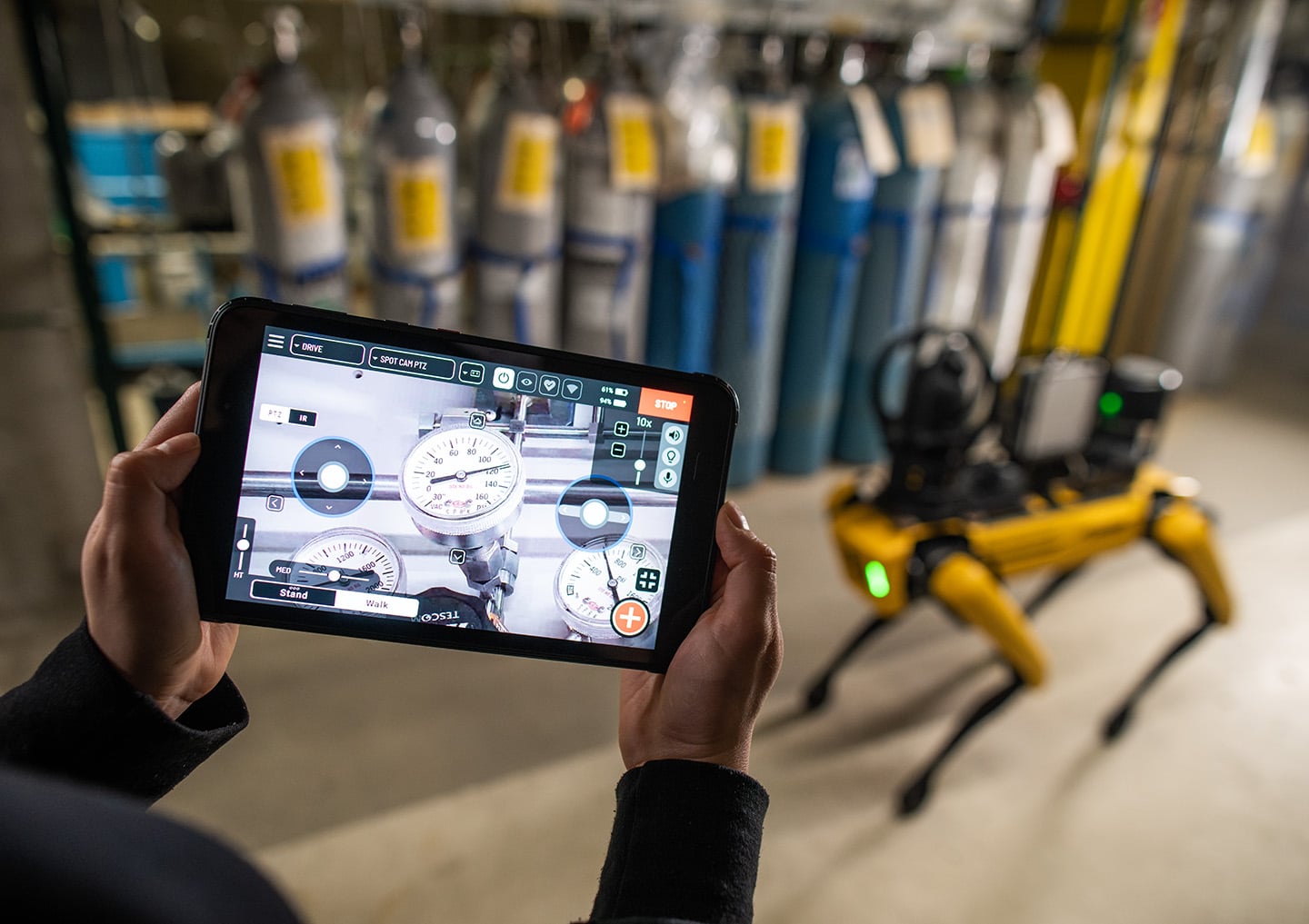
The Data Driving Asset Reliability | Boston Dynamics
Recent advancements in automation and real-time data collection are significantly transforming asset reliability across various industries. This shift, which has gained momentum in recent months, is particularly evident in sectors where operational efficiency is crucial. By leveraging these technologies, companies are effectively reducing instances of unplanned downtime, which can lead to costly interruptions in production. The integration of automated systems allows for continuous monitoring of equipment and processes, enabling organizations to identify potential issues before they escalate into major problems. This proactive approach not only enhances the reliability of assets but also streamlines operations, ultimately leading to improved productivity and cost savings. As industries increasingly adopt these innovative solutions, the focus on data-driven decision-making is becoming paramount. By harnessing real-time insights, businesses can make informed choices that optimize performance and minimize risks associated with equipment failure. This trend underscores the importance of embracing technological advancements to stay competitive in a rapidly evolving marketplace. Overall, the ongoing transformation driven by automation and data analytics is reshaping how companies manage their assets, ensuring a more resilient and efficient operational framework.

Remote Launch and Recovery of ROV in Operational Use with DeepOcean
Evotec has introduced Evotec CORE™ Remote, an innovative solution designed to automate the launch and recovery of remotely operated vehicles (ROVs) from shore. This advancement streamlines operations, allowing these processes to be conducted as a single, cohesive automated task. The launch of this technology marks a significant step forward in enhancing the efficiency and safety of marine operations, particularly in challenging environments. By enabling remote handling of ROVs, Evotec aims to reduce the need for extensive on-site personnel and equipment, ultimately lowering operational costs and minimizing risks associated with traditional methods. This development is expected to have a profound impact on industries reliant on underwater exploration and monitoring, providing a more effective means of conducting marine activities.
remote launch and recovery (rlars) rov deepocean evotec core™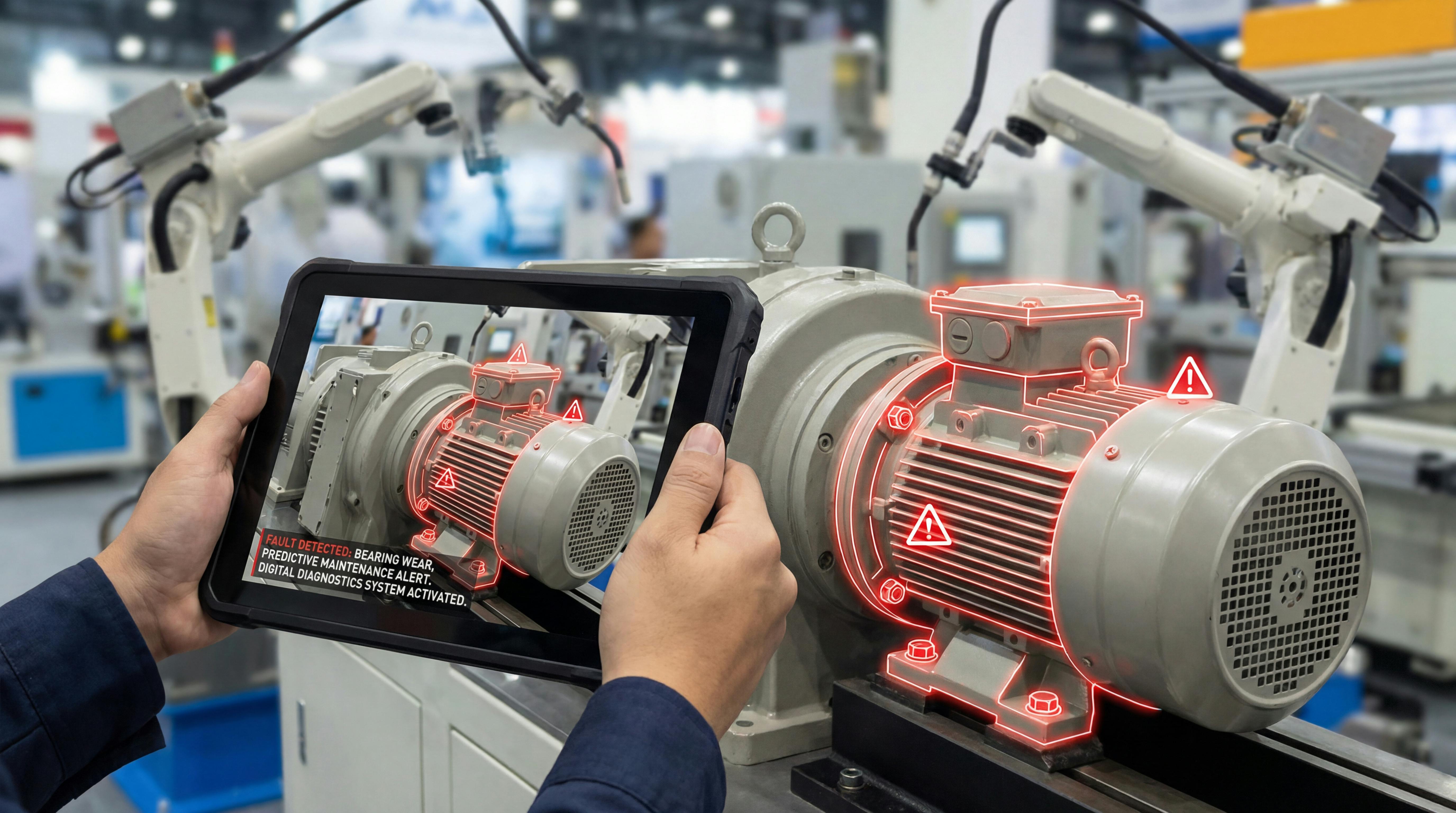
How Modern Drive Technologies Are Solving Industry’s Toughest Precision Challenges
Industry experts from Beckhoff and Siemens have highlighted the significant role of advanced technologies such as smart diagnostics, digital twins, and predictive maintenance in enhancing the accuracy of industrial machinery while minimizing downtime. This discussion took place during a recent industry conference, where the experts shared insights on how these innovations are transforming manufacturing processes. The integration of smart diagnostics allows for real-time monitoring of machinery, enabling operators to identify potential issues before they escalate. Digital twins, which create virtual replicas of physical assets, facilitate better understanding and optimization of machinery performance. Meanwhile, predictive maintenance strategies leverage data analytics to forecast equipment failures, ensuring timely interventions and reducing unexpected breakdowns. These advancements are crucial as industries strive to improve efficiency and reduce operational costs in an increasingly competitive market. By adopting these technologies, companies can not only enhance productivity but also extend the lifespan of their equipment, ultimately leading to significant cost savings. The collaboration between Beckhoff and Siemens exemplifies the industry's commitment to innovation and the continuous improvement of manufacturing practices.
Factory / Motion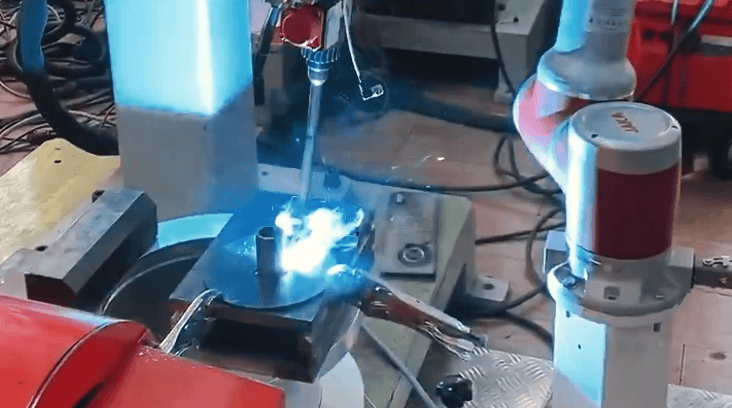
Essential Safety Tips for Operating Collaborative Welding Robots (Arc Flash & Collision)
In modern manufacturing, ensuring the safety of collaborative welding robots is paramount. A company specializing in this field emphasizes the importance of understanding potential hazards, such as arc flash and collision risks, to protect both operators and management. By implementing structured safety protocols, they aim to maintain high productivity while safeguarding their workforce. To mitigate arc flash incidents, which can lead to severe injuries, the company stresses the use of proper personal protective equipment (PPE) like flame-resistant clothing and face shields. Safety zones around the JAKA Zu30 robot are clearly marked to prevent accidental exposure to high-voltage arcs, and regular inspections of electrical systems and welding cables are conducted to ensure reliable operation. Collisions in dynamic production environments present another significant risk. The company designs workspace layouts to minimize interference between robots and human operators. The JAKA Zu30 system facilitates quick loading and unloading, reducing congestion on the production line. Additionally, the robot’s programming capabilities allow for precise movement paths, enhancing safety while optimizing workflow. Collision detection features and predefined safe zones further ensure efficient operation without unintended contact. Best practices for operational safety include training all operators on proper startup and shutdown procedures, emphasizing emergency stops and maintenance schedules. Monitoring environmental factors like ventilation and lighting also helps reduce welding arc hazards. The flexible design of the JAKA Zu30 enables quick adaptations to production lines, ensuring high-quality machine tending while upholding safety standards. By integrating safety measures, thoughtful workspace design, and comprehensive training, the company demonstrates that safety and productivity can coexist in modern industrial environments, enhancing both efficiency and workforce well-being.
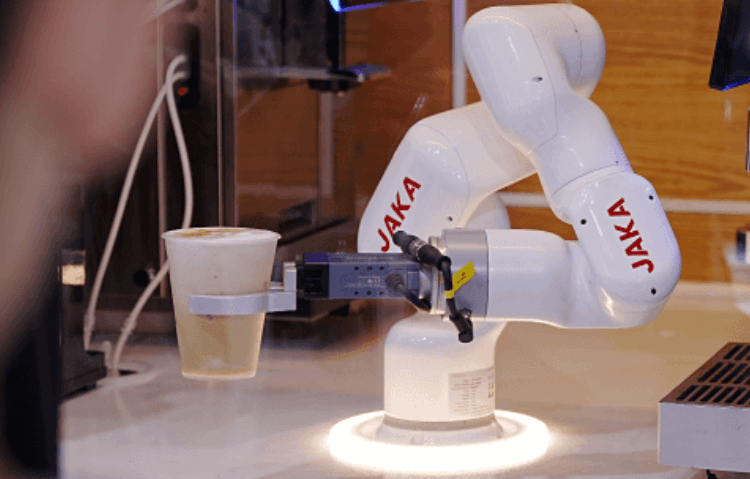
How a Robot Barista System Guarantees Drink Consistency Across Multiple Locations
In the competitive food and beverage sector, JAKA is addressing the challenge of maintaining product consistency across multiple locations with its innovative robot barista solutions. By leveraging precision automation and intelligent control, JAKA ensures that customers receive the same taste and quality in every cup, regardless of the outlet they visit. The JAKA MiniCobo, a versatile mini robot arm, automates the preparation and assembly of drinks, controlling critical variables such as ingredient measurement, temperature, and mixing speed. This technology not only standardizes beverage quality but also integrates with vision systems for automated inspection, minimizing human error and enhancing customer trust. Scalability is a key feature of JAKA's robot barista systems, allowing for quick deployment in new outlets based on demand. Automated inspection tools further streamline operations, ensuring that every component meets strict quality standards. The MiniCobo performs non-destructive testing of equipment, directly impacting beverage consistency and reducing waste. Additionally, the MiniCobo's compatibility with existing equipment enables seamless integration into various shop layouts, allowing for high-precision measurement and monitoring of production data. This adaptability helps store managers maintain uniform quality and swiftly address any discrepancies. Through a combination of intelligent automation, scalable deployment, and thorough inspection, JAKA is committed to delivering consistent drink quality across its locations. The company’s innovative approach not only enhances operational efficiency but also strengthens customer satisfaction and brand reputation, ensuring that every beverage meets the highest standards.
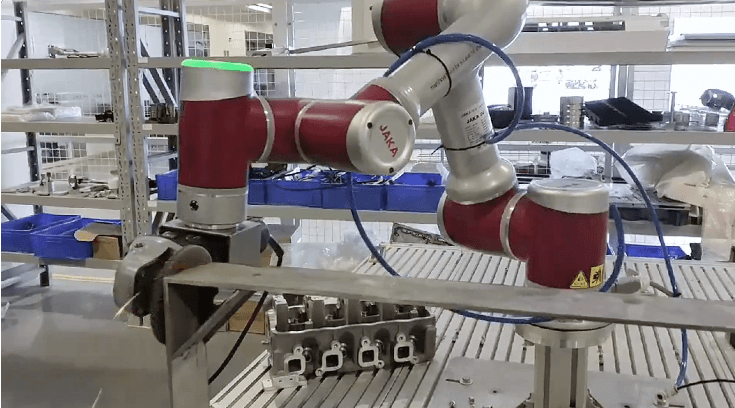
Top 5 Trends of the Industrial Cobot Industry in 2026
The industrial cobot sector is experiencing significant advancements, particularly in 2026, as manufacturers increasingly integrate collaborative robots into their operations. JAKA, a key player in this field, highlights several emerging trends that are shaping the future of robotics and automation. One major trend is the demand for adaptable automation systems. The JAKA Pro5 exemplifies this shift by being highly reprogrammable, allowing manufacturers to efficiently adjust to varying production needs while minimizing downtime and equipment costs. Safety remains paramount, with collaborative robots being deployed to replace human operators in hazardous environments. The JAKA Pro5 enhances workplace safety by performing tasks like polishing and grinding, thereby reducing the risk of accidents and ensuring a safer production environment. Another significant trend is the emphasis on precision and consistent quality. Industrial operators are increasingly relying on cobots to deliver reliable processing outcomes, with the JAKA Pro5 helping to lower defect rates and meet stringent quality standards. Moreover, the integration of smart manufacturing and Industry 4.0 technologies is influencing cobot deployment. The JAKA Pro5 connects seamlessly with production monitoring systems, providing real-time insights that optimize workflows and enhance operational efficiency. Finally, the applications of collaborative robots are expanding across various industries, including electronics, automotive, and food processing. The versatility of the JAKA Pro5 supports this trend, enabling it to perform complex tasks tailored to different production lines. As 2026 unfolds, these trends underscore the evolving role of collaborative robots in enhancing efficiency, safety, and quality within the robotics and automation industry, with JAKA committed to advancing solutions that align with these developments.
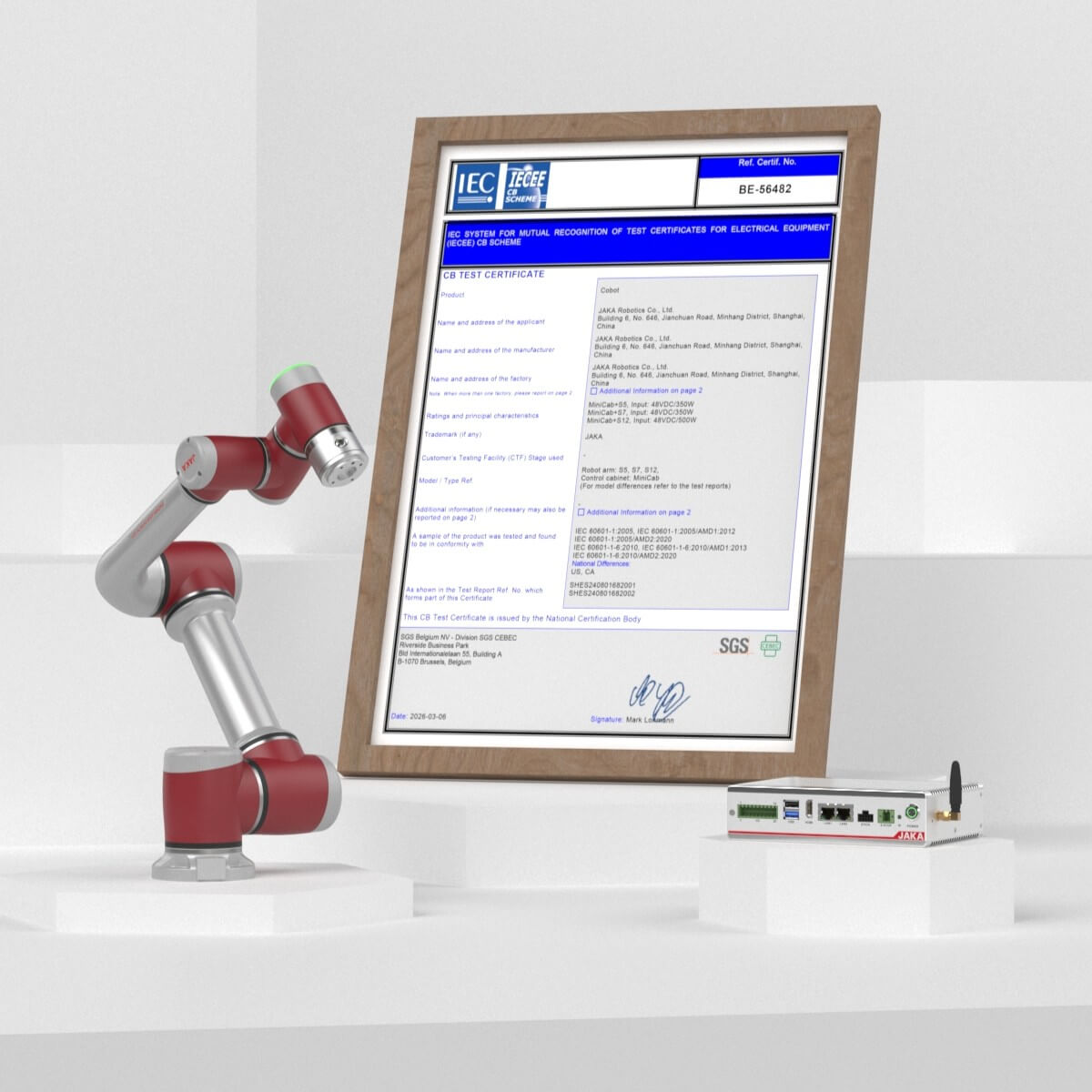
JAKA đạt chứng nhận an toàn y tế IEC 60601
JAKA has achieved a significant milestone by securing the IEC 60601 medical safety certification for its S series collaborative robots (cobots) – the S5, S7, and S12 – along with the MiniCab control cabinet. This certification, awarded recently, establishes these devices as compliant with the stringent safety standards required for medical electrical equipment, surpassing typical industrial and general electrical standards. The IEC 60601-1 series imposes rigorous requirements for both electrical and mechanical safety, ensuring that in medical environments, such as operating rooms, the robots maintain patient and operator safety even in the event of a fault. To meet these standards, JAKA's robots underwent extensive testing for leakage current, dielectric strength, and electromagnetic compatibility (EMC), confirming that they will not disrupt sensitive medical devices like ECG monitors or electrosurgical units. Additionally, the mechanical safety of the robots was thoroughly assessed, focusing on their safety logic, which includes features like collision detection and speed monitoring. This ensures safer interactions between the robots and healthcare personnel or patients. With this certification, JAKA positions itself as a reliable contributor to the global medical device market, ready to provide safe and compliant automation solutions for healthcare settings worldwide.
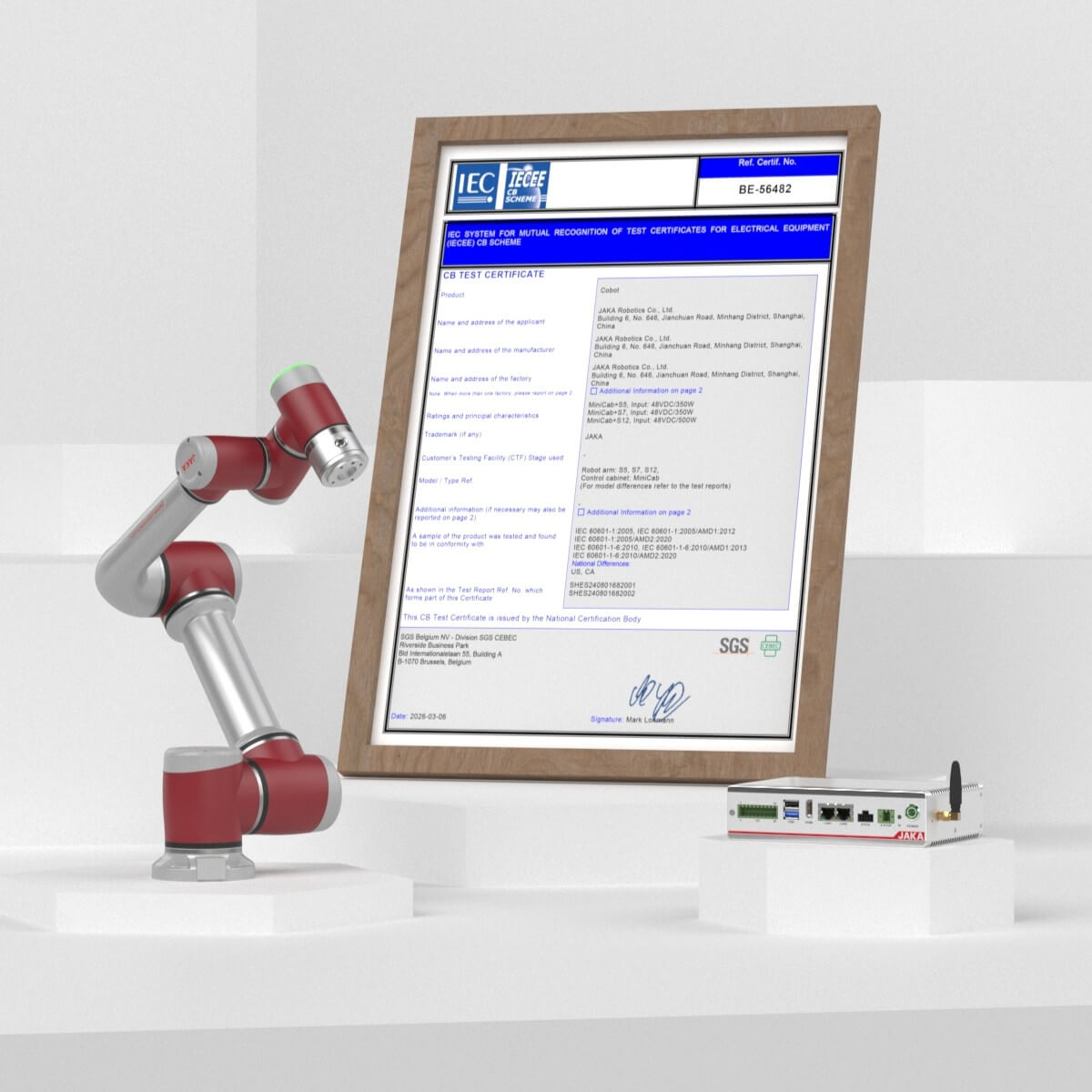
JAKA Achieves IEC 60601 Medical Safety Certification
JAKA Technology has achieved a significant milestone by obtaining IEC 60601 medical safety certification for its S series collaborative robots (cobots) — the S5, S7, and S12, along with the MiniCab control cabinet. This certification, recognized globally as the benchmark for medical electrical equipment safety, was awarded following rigorous testing that adheres to the stringent requirements of the IEC 60601-1 series, which surpasses typical industrial standards. The certification process involved comprehensive evaluations of electrical safety, ensuring that the cobots maintain patient and operator safety even in the event of a single component failure. This is crucial in medical environments where limits on leakage current and electromagnetic interference are strictly enforced. For instance, certified JAKA robots will not disrupt sensitive medical devices such as ECG monitors or electrosurgical units, even in complex electromagnetic settings. Additionally, the robots underwent thorough assessments of their mechanical safety features, including collision detection and safe speed monitoring. These enhancements allow for smoother and safer interactions between the robots and healthcare personnel or patients. With this certification, JAKA solidifies its position as a trusted entity in the global medical device market, ready to provide compliant and safe automation solutions for healthcare systems worldwide.
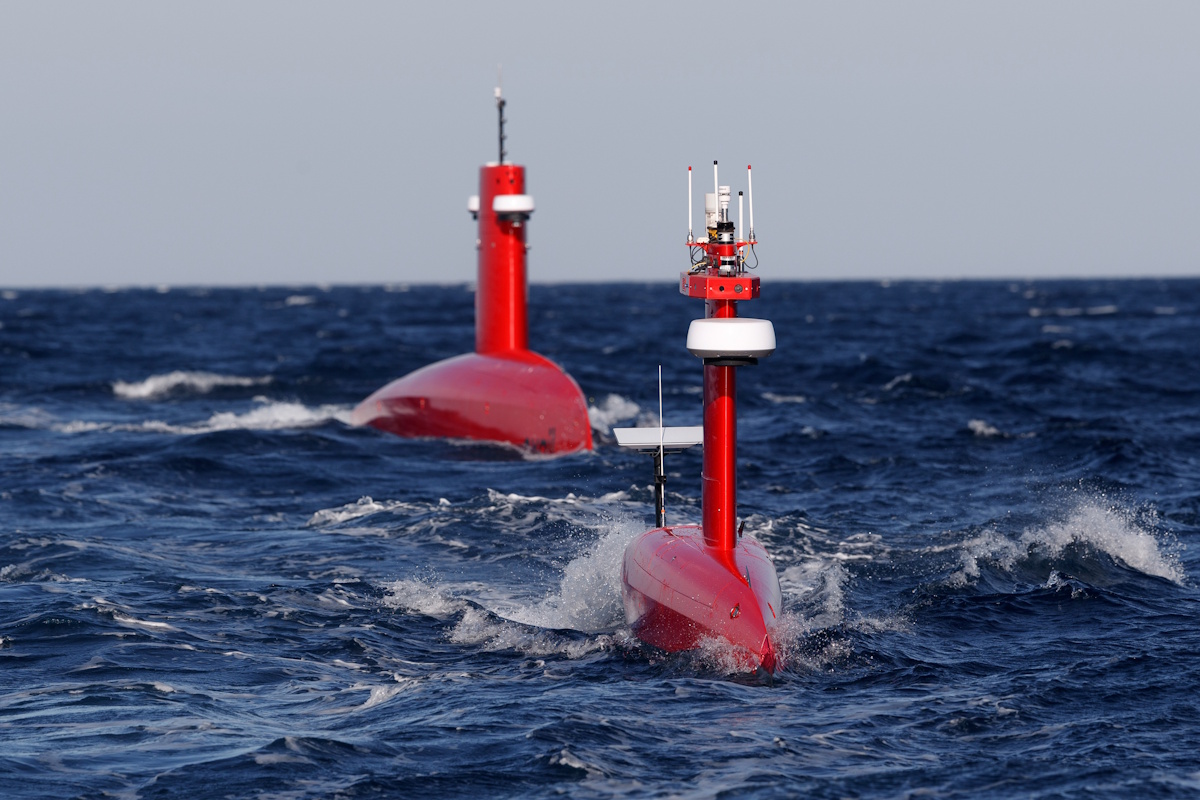
Exail Announces First Sale of DriX H-9 for Civil Offshore Operations to a European Client
Exail, a prominent company in marine robotics technologies, has secured a contract for the sale of its DriX H-9 Uncrewed Surface Vessel (USV) to a European client. This transaction, announced recently, highlights the growing demand for advanced marine survey solutions. The DriX H-9 is outfitted with sophisticated equipment, including a Multibeam Echosounder, Side Scan Sonar, Sub-Bottom Profiler, and magnetometer, making it well-suited for civil offshore operations. The vessel will be utilized for offshore infrastructure survey operations, reflecting Exail's commitment to enhancing capabilities in marine surveying and monitoring.
exail drix h-9 civil offshore operations
Teradyne to Announce Third Quarter 2025 Results
Teradyne, Inc., a leading provider of automation equipment, is set to announce its financial results for the third quarter of 2025 on Tuesday. This anticipated release will provide insights into the company's performance and financial health during the quarter. Investors and analysts will be closely monitoring the results to gauge the impact of market trends and company strategies on Teradyne's growth. The announcement will take place in North Reading, Massachusetts, where the company is headquartered. The results are expected to influence investor sentiment and stock performance, reflecting the company's position in the competitive automation industry.
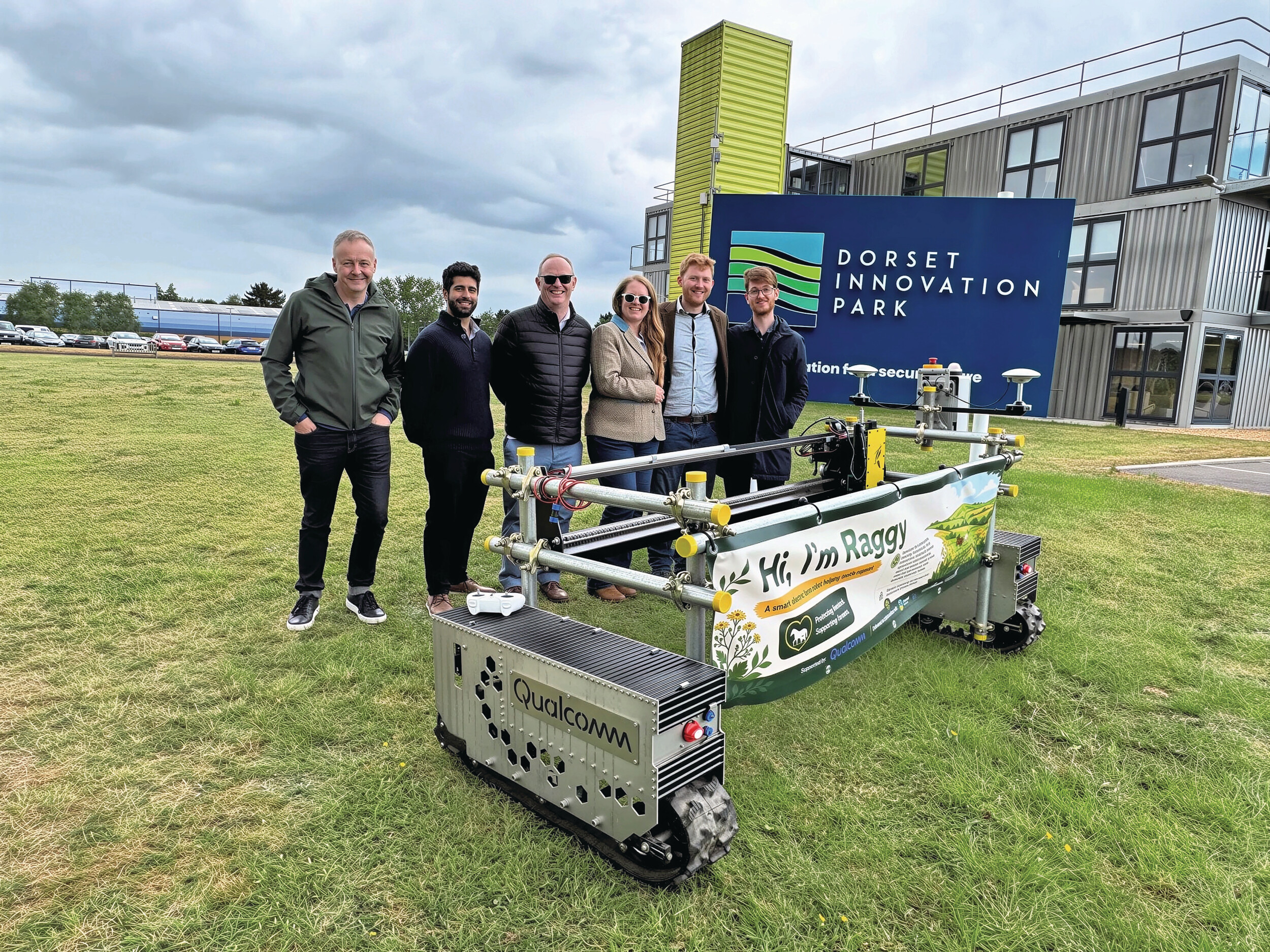
Robot Raggy taking on one of farming’s most persistent weed problems
This summer, farmers in Dorset are closely monitoring the progress of Raggy, a small autonomous robot designed to combat ragwort infestations. Developed by the UK robotics firm Robotriks, Raggy has arrived at Dorset Innovation Park near Wareham for its final testing phase before launching field trials across various farms and land in the region. The introduction of this electrically powered robot is highly anticipated by local farmers and landowners, who are eager for an effective solution to manage the invasive weed that poses a threat to livestock and crops. The ongoing trials aim to demonstrate Raggy's capabilities in tackling this persistent agricultural challenge.
Field robots autonomous farm equipment electric tractors Machine vision robotics weed control systemsRobotics needs a service framework.
RSF defines a common language for robot service capability, lifecycle operations, certification pathways, and service-provider networks.