

Industry Briefing
A single destination for timely, editor-curated robotics news from around the world.
Xiaomi Open-Sources Its Embodied-AI Foundation Model Xiaomi-Robotics-1 for Developers
Xiaomi has announced the open-source release of its embodied-AI foundation model, Xiaomi-Robotics-1, on August 5. This release encompasses the entire process from real-robot post-training to model deployment, along with code for benchmark evaluations. The model was pretrained on over 100,000 hours of UMI data and underwent post-training on more than 10,000 hours of cross-embodiment data. The significance of this release lies in its potential to enhance the development of embodied AI applications. By providing access to the full training and deployment process, Xiaomi aims to foster innovation and collaboration within the AI community. The model, first introduced in July as an “out-of-the-box” solution, is designed to streamline the integration of AI into robotic systems. Looking ahead, developers and researchers will likely explore the capabilities of Xiaomi-Robotics-1 in various applications. The open-source nature of the project, which includes links to the project website, GitHub repository, and Hugging Face page, is expected to encourage widespread adoption and experimentation. No further timeline was disclosed at the time of publication.
News Feed
Ace Robotics Secures Hundreds of Millions in Financing for Embodied AI Development
Chinese robotics company Ace has announced the debut of its embodied AI technology. This development marks a significant step forward in the integration of artificial intelligence within robotics, showcasing Ace's commitment to innovation in this field. The introduction of embodied AI is crucial as it enhances the capabilities of robots, allowing them to interact more effectively with their environments. This advancement could lead to broader applications across various sectors, positioning Ace as a key player in the robotics industry. Looking ahead, Ace has secured several hundred million US dollars in financing in the first half of 2026, which will likely support further research and development in embodied AI. No further timeline was disclosed at the time of publication.
Artificial Intelligence News Robotics Ace Robotics China embodied AI
Xiaomi Launches Xiaomi-Robotics-U0 Foundation Model for Embodied AI Applications
Xiaomi has introduced the Xiaomi-Robotics-U0, a multimodal autoregressive foundation model featuring 38 billion parameters for embodied AI. This innovative model integrates four essential capabilities: embodied scene generation, embodied transfer, robot interaction video generation, and general-purpose image generation and editing. The significance of the Xiaomi-Robotics-U0 lies in its ability to create robot-ready environments from text prompts, adapt robot trajectories to new scenes while maintaining motion, and generate robot interaction videos based on task instructions. This advancement leverages extensive visual knowledge from the internet, enhancing the potential for embodied AI applications. Looking ahead, the impact of the Xiaomi-Robotics-U0 on the robotics and AI landscape will be closely monitored. Its capabilities could pave the way for more sophisticated robotic systems and applications, although no further timeline was disclosed at the time of publication.
News Feed
SAP's First Embodied AI Jam Accelerates Progress in Robotics Integration
SAP recently hosted its inaugural Embodied AI Jam at the Swiss Smart Factory in Biel, where clients experienced firsthand the collaboration between robots and SAP software to tackle real business challenges. Embodied AI refers to AI agents that interact with the world through a physical body, enabling machines to autonomously perceive, understand, reason, and act in real environments. The event showcased how integrating these agents with the Joule and SAP Business AI Platform brings business context into physical execution. This integration allows robots to not only perform tasks but also understand the business decisions behind them. Various applications, such as warehouse automation and asset inspection, highlight the potential value of embodied intelligence, which requires more than just robots—it necessitates business context from SAP applications and expertise in system integration. Looking ahead, SAP's Swiss CTO Alexander Finger emphasized the importance of hands-on experiences in demonstrating the business value of embodied intelligence. The Swiss Smart Factory will continue to host future events, fostering collaboration among clients, robot manufacturers, and SAP experts. No further timeline was disclosed at the time of publication.
Embodied AI Warehouse Automation Robotics SAP Business Solutions
Xiaomi Releases Open-Source Robotics-U0 Model and Training Tools with Significant Speedups
Xiaomi has open-sourced the Xiaomi-Robotics-U0, an autoregressive embodied world foundation model featuring approximately 4 billion parameters and full-scale weight lines of around 38 billion. This release includes training and inference tools designed to enhance robotic applications. The significance of this development lies in Xiaomi's claim of achieving FlashAR+ speedups nearing 83 times, which positions the Robotics-U0 model at the forefront of robot-centric scene, transfer, and video synthesis tasks, as evidenced by its top ranking in WorldArena. Looking ahead, the impact of Xiaomi-Robotics-U0 on the robotics landscape will be noteworthy, particularly in applications requiring advanced scene understanding and video synthesis capabilities. No further timeline was disclosed at the time of publication.

AGIBOT Unveils Embodied AI Robotics at IFA 2026 with New Models and Certifications
AGIBOT presented its newest embodied AI robotics innovations at IFA 2026, including the AGIBOT A3 humanoid and AGIBOT X2 Ultra. These robots are designed for various applications, such as retail, industrial operations, and commercial cleaning. The significance of this showcase lies in AGIBOT's commitment to enhancing robotic capabilities in practical environments. The announcement of TÜV Rheinland certifications for its robots further underscores the company's dedication to safety and quality standards in robotics. Looking ahead, AGIBOT's partnership with Tekpoint aims to strengthen its foothold in the European market. No further timeline was disclosed at the time of publication.
AI Robotics Humanoid Robots Commercial Cleaning Retail Technology European Market Expansion
JAKA Robotics Addresses Patent Claims, Highlights Self-Development in Robotics Technology
On September 2, JAKA Robotics issued an official statement regarding overseas patent litigation, asserting that it does not infringe on the opposing party's patents based on comprehensive technical tracing and patent comparison analysis. This confidence stems from over a decade of the company's full-stack self-developed technology system. The performance of a robot is rooted in hundreds of precision components, including reducers, servo systems, and controllers, which directly influence the machine's accuracy, load capacity, and reliability. As Chinese robotics companies accelerate their entry into the global market, the originality of technology and intellectual property rights are becoming critical competitive factors, making JAKA's self-development path significant in this context. Looking ahead, JAKA Robotics aims to enhance its general intelligent robot capabilities, evolving from collaborative robots to embodied intelligent robots. The company has successfully integrated core components and developed over 60 self-developed collaborative robots in its production base, achieving a closed-loop verification of its technological strength. No further timeline was disclosed at the time of publication.
Collaborative Robots Humanoid Robots AI Robotics Technology
Lumos Robotics Unveils MOS2 as an AI Worker for Industrial Applications
Lumos Robotics has officially launched the Lumos MOS2, a next-generation heavy-duty mobile manipulator aimed at industrial applications. This innovative device is already deployed at Mitsubishi Electric's PLC production lines, where it performs inspection, material handling, and assembly tasks. The introduction of the Lumos MOS2 signifies a significant advancement in embodied intelligence within the robotics sector. By integrating AI capabilities into a mobile manipulator, Lumos Robotics enhances operational efficiency and productivity on the factory floor, addressing the growing demand for intelligent automation solutions. Looking ahead, the performance and adaptability of the Lumos MOS2 in real-world industrial settings will be crucial to its success. As companies increasingly seek to optimize their manufacturing processes, the effectiveness of this new technology will be closely monitored. No further timeline was disclosed at the time of publication.
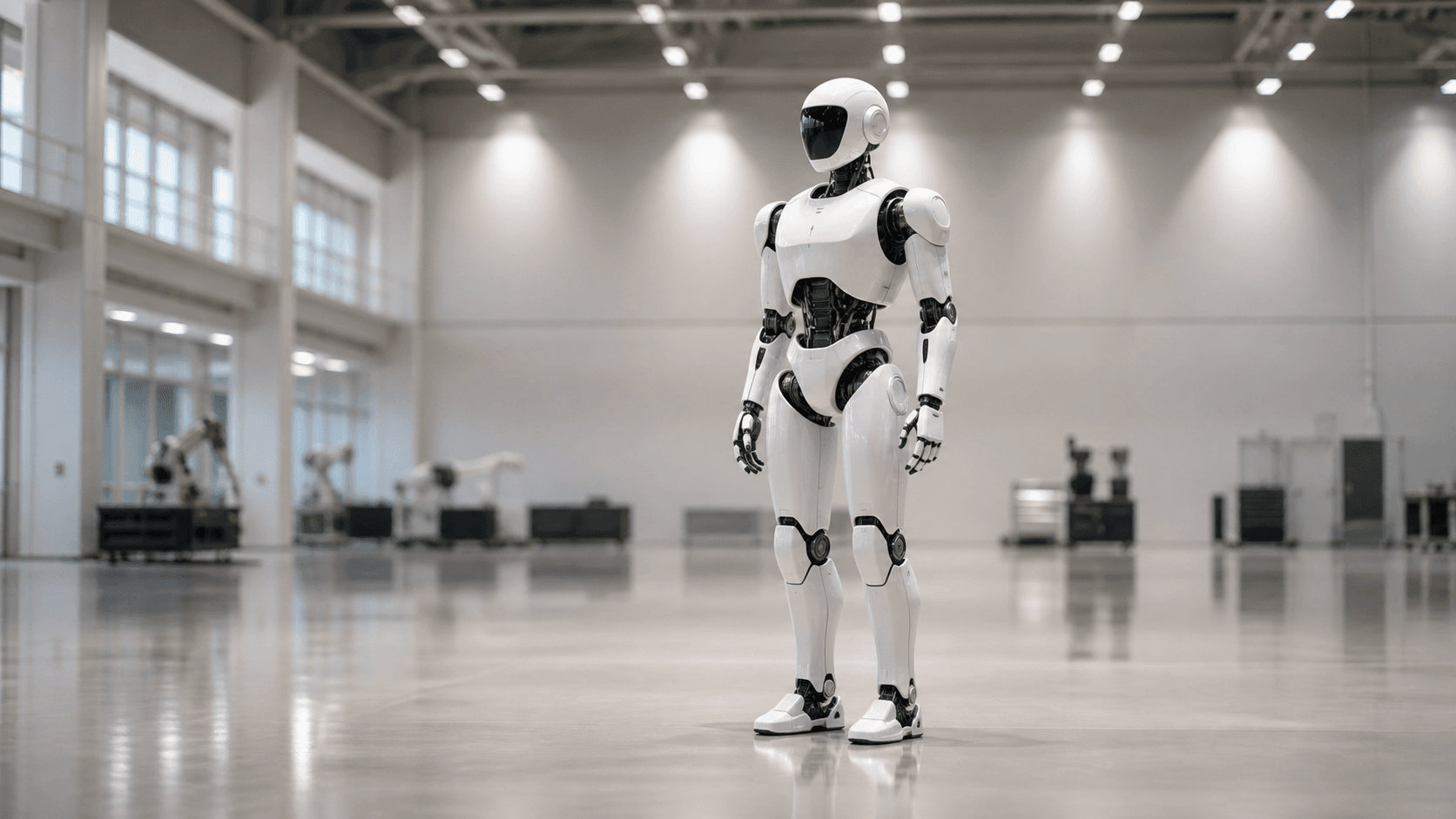
Beijing Humanoid Robotics Dominates World Humanoid Robot Games; CEO Highlights AI's Pre-ChatGPT Era
Beijing Humanoid Robotics Innovation Center has triumphed at the World Humanoid Robot Games, showcasing its advanced capabilities in humanoid robotics. CEO Xiong Youjun emphasized that the industry is on the brink of a significant transformation, likening the current state of embodied AI to a pre-ChatGPT moment. This achievement is crucial as it highlights the advancements in humanoid robotics and the potential for embodied AI to revolutionize various sectors. The success at the World Humanoid Robot Games positions Beijing Humanoid Robotics as a leader in the field, potentially influencing future developments and investments in AI technologies. Looking ahead, industry stakeholders should monitor the evolution of embodied AI technologies and their applications. Xiong Youjun's comments suggest that significant breakthroughs may be imminent, which could reshape the landscape of AI and robotics. No further timeline was disclosed at the time of publication.
HumanoidRobotics
58.com Partners with Woan Robotics to Enhance Robot Training in Real Homes
In August, Woan Robotics signed a strategic cooperation agreement with 58.com’s subsidiary, Xingxing Kexing Technology. This partnership aims to bridge the gap between AI-driven home robots and real-world living scenarios. Woan Robotics' AI brain, OneModel, requires practical household experiences to function effectively, which 58.com can provide through its extensive local service platform. The collaboration will initially focus on health and commercial environments, with plans to expand into real home applications. With over 90 countries served and more than 5 million households impacted by Woan's products, the partnership is set to enhance the post-sale service network for robots, utilizing 58.com’s talent pool for maintenance and support. Future developments will explore human-robot collaboration, using real-life job processes from 58.com’s platform as training material for robots. This innovative approach positions 58.com not just as an information intermediary but as a supplier of training data for robots, potentially reducing error rates in household robots by leveraging real-world practice before deployment.
Home Robotics AI Training Robot Maintenance Human-Robot Collaboration
Zhejiang IPLUSMOBOT Technology Launches NERA Robotics Product Line for Industrial AI
Zhejiang IPLUSMOBOT Technology has introduced the NERA-P omnidirectional chassis and NERA-C controller at the WAIC. This launch aims to standardize navigation and control for autonomous mobile robots (AMRs), establishing a reusable embodied intelligence infrastructure for both humanoid wheeled and quadruped robots. The significance of this development lies in its potential to enhance the capabilities of robots in various industrial applications. By providing a standardized platform, IPLUSMOBOT is positioning itself to facilitate the integration of advanced navigation and control systems across different robotic platforms, which can lead to improved efficiency and versatility in automation. Looking ahead, industry stakeholders should monitor how the adoption of the NERA product line influences the robotics landscape. The focus on embodied AI infrastructure may drive further innovations in robot design and functionality. No further timeline was disclosed at the time of publication.
Industry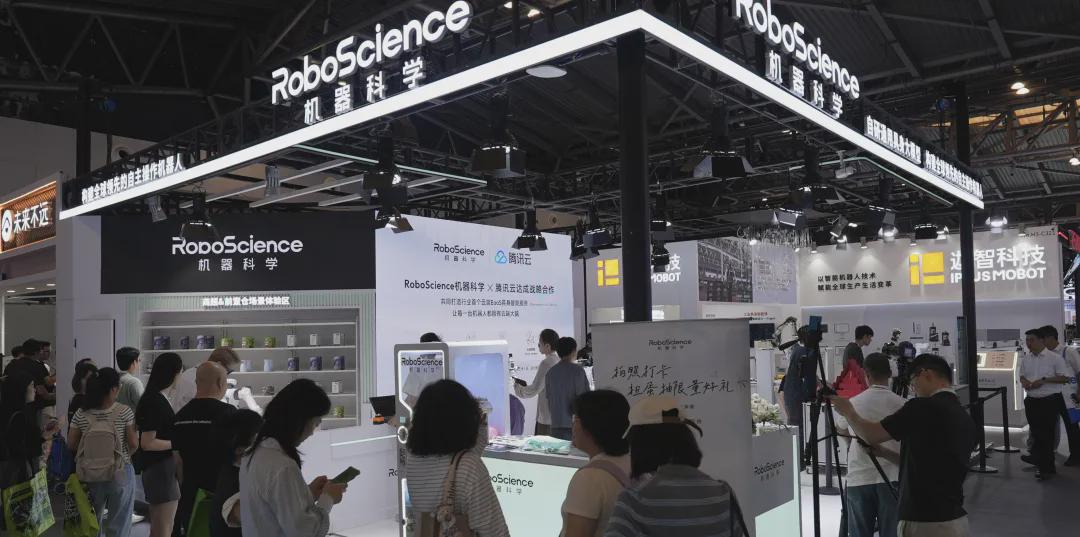
RoboScience Unveils First Cloud-Based Large Model for Robotics at WAIC
At the WAIC, RoboScience showcased a groundbreaking cloud-based embodied large model named Visics, capable of controlling multiple robotic hands. This innovation allows for seamless switching between different robotic hands while maintaining operational efficiency, demonstrating the ability to recognize and grasp various objects autonomously within 30 seconds. The significance of this development lies in its potential to revolutionize robotic operations across diverse applications. By enabling a single model to adapt to various hand configurations, Visics enhances the versatility of robotic systems, allowing them to perform complex tasks without the need for extensive retraining when hardware changes occur. Looking ahead, the industry will be keen to observe how Visics performs in real-world scenarios and its ability to execute long-term tasks by integrating multiple actions. No further timeline was disclosed at the time of publication.
Robotics Cloud Computing AI Automation Object Recognition
WAIC 2026 Preview: Highlights of Embodied Intelligence and Robotics
The WAIC 2026 is set to commence on July 17, featuring embodied intelligence and intelligent computing as its two main themes. Embodied intelligence has emerged as a focal point of the event, attracting significant attention from government, capital, industry, and the public. Over 200 companies are expected to showcase their innovations in this field. This year's exhibition marks a shift from demonstration effects to practical application capabilities, indicating a notable maturity in the industry chain. Attendees can expect to see an increase in complete machine categories, active large model solutions, and accelerated domestic component replacements. The H3 pavilion will highlight key exhibitors and trends, providing insights into the practical applications of embodied intelligence in various sectors. Notable companies such as Zhiyuan and UBTECH will present their latest humanoid robots and technologies, emphasizing production delivery capabilities over technical demonstrations. The event will also feature a demonstration of a robot factory and various innovative robotic solutions, showcasing the potential of embodied intelligence in real-world applications. No further timeline was disclosed at the time of publication.
Embodied Intelligence Humanoid Robots Robotics AI Industrial Automation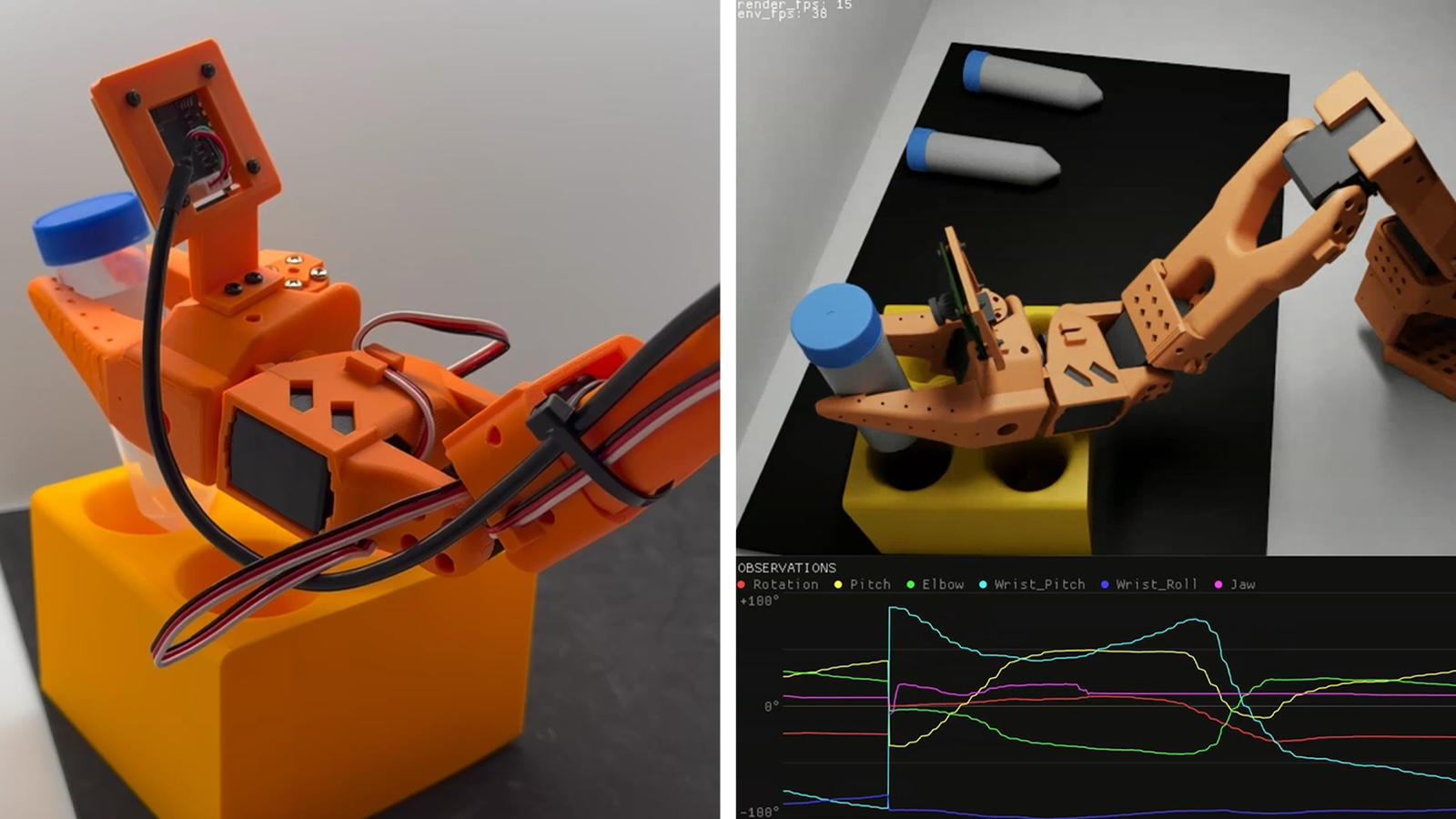
NVIDIA Open Sources Embodied Intelligence Toolchain to Enhance Robotics Development
On July 6, NVIDIA integrated three key components into Hugging Face's open-source robotics library, LeRobot: the GR00T N1.7 model, Isaac Teleop framework, and the upcoming Cosmos 3. This collaboration connects NVIDIA's 3 million robot developers with Hugging Face's 16 million AI builders, facilitating access to pre-trained models and data. This initiative is significant as it shifts NVIDIA's focus from merely creating models to building an ecosystem that addresses data bottlenecks in embodied intelligence development. The Isaac Teleop framework standardizes data collection, allowing for easier sharing and reuse within the community, which is crucial for advancing robotics. Looking ahead, the integration of GR00T N1.7 and Isaac Teleop into the LeRobot workflow marks a pivotal moment for robotics developers. No further timeline was disclosed at the time of publication.
Robotics Open Source AI Development Data Collection Machine Learning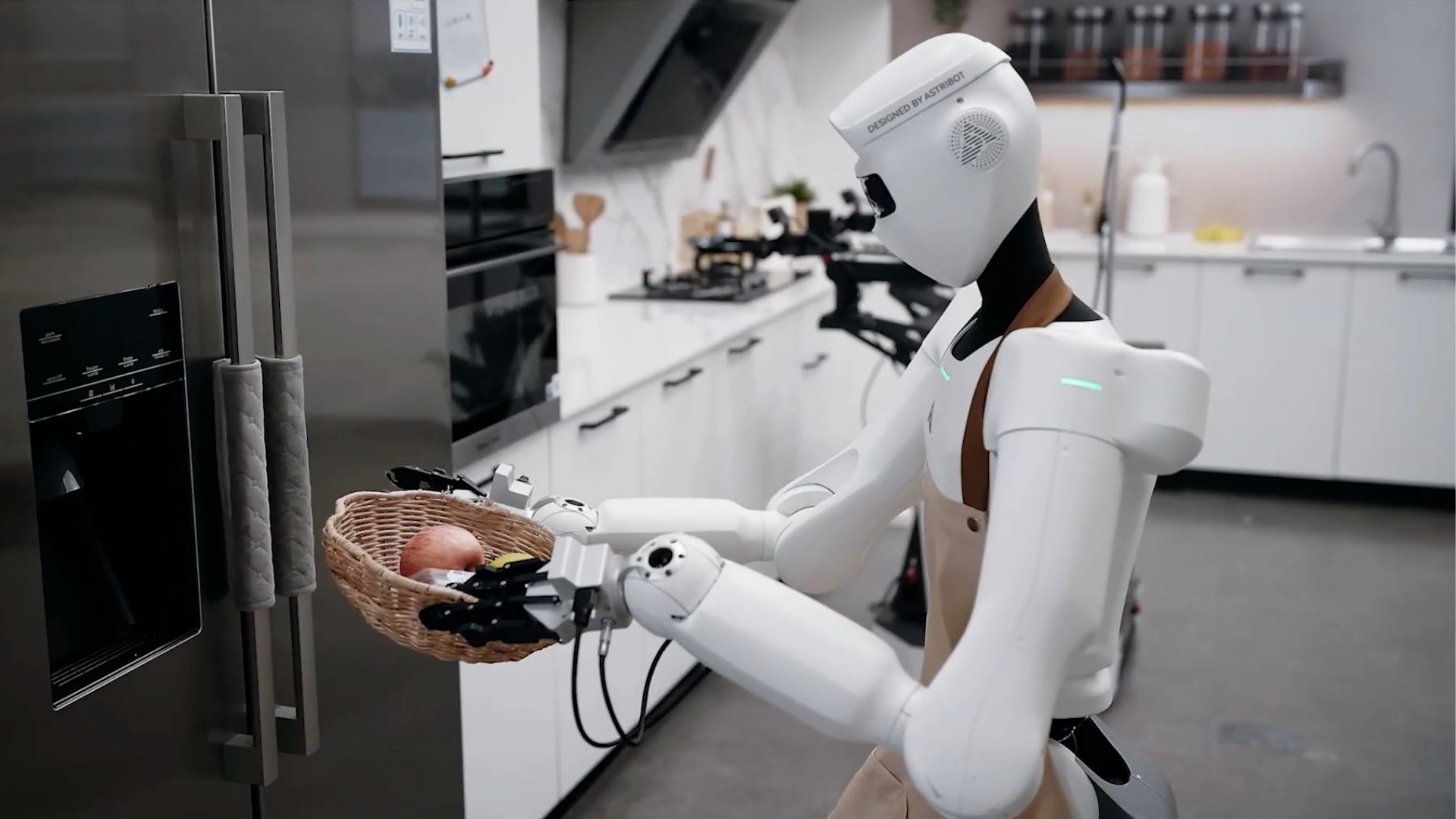
Robbyant Launches LingBot-VA 2.0, the First Embodied-Native AI Model for Robotics
Robbyant, a company under China's Ant Group, has introduced LingBot-VA 2.0, touted as the first embodied-native video-action world model specifically designed for robotics. Unlike traditional models adapted from digital content, LingBot-VA 2.0 is built from the ground up for physical-world tasks, enhancing physical accuracy and execution efficiency through its autoregressive architecture. This innovation is significant as it marks a departure from conventional robotics models that often compromise real-world performance by relying on video generation systems. Robbyant's approach allows for better prediction of how robot actions affect their environment, thus improving generalization and operational effectiveness in real-world applications. Looking ahead, Robbyant's LingBot-VA 2.0 is expected to advance the capabilities of robots in various tasks, demonstrated through its performance in complex scenarios such as preparing breakfast and unpacking deliveries. No further timeline was disclosed at the time of publication.
AI and Robotics
Pudu Robotics unveils next-gen semi-humanoid "PUDU D7," featuring embodied AI for autonomous evolution through tasks.
Pudu Robotics, a leading Chinese robotics company, has announced the launch of its next-generation semi-humanoid robot, the PUDU D7, designed specifically for manufacturing and industrial environments. This innovative robot aims to enhance operational efficiency and productivity within various sectors by automating tasks that traditionally require human intervention. The announcement was made recently, highlighting the company's commitment to advancing robotic technology in industrial applications. The PUDU D7 is expected to streamline workflows, reduce labor costs, and improve safety in workplaces, reflecting the growing trend of automation in the industry.

New York Robotics Announces Developer Workshop on Physical AI and Robotics Technologies
New York Robotics (NYR) has announced a hands-on developer workshop scheduled for November 3 at Civic Hall in New York City. This event aims to connect the local robotics developer community with Intel engineers and provide access to various robotics technologies and developer resources. Participants will explore the development and deployment of Physical AI systems. The workshop is significant as it fosters collaboration among robotics developers, technical founders, engineers, and ecosystem partners. By bringing together these stakeholders, NYR aims to enhance the understanding and capabilities surrounding the next generation of Physical AI and robotics systems. This initiative highlights the growing importance of Physical AI in the robotics landscape. Looking ahead, attendees can expect to gain valuable insights and practical experience in the field of Physical AI and robotics during the workshop. No further timeline was disclosed at the time of publication.

Zhiyuan Robotics Launches AI Company in Hengqin with 5 Million Yuan Capital Investment
Zhiyuan Innovation (Guangdong Hengqin) Technology Culture Co., Ltd. has been established with a registered capital of 5 million yuan. The company focuses on the research and development of intelligent robots, sales of intelligent robots, and the development of artificial intelligence software. It is fully owned by Zhiyuan Robotics' associated company, Zhiyuan Innovation (Shanghai) Technology Co., Ltd. The establishment of this company in Hengqin is significant due to the region's status as part of Guangdong's Free Trade Zone and its special arrangements for cross-border policies, tax incentives, and talent introduction. Zhiyuan's focus on intelligent robotics and AI software development aligns with its previous collaboration with Chimelong Group to create a large-scale intelligent theme park, which features over 300 robots providing various services. No further timeline was disclosed at the time of publication. The new company in Hengqin is expected to enhance Zhiyuan's operations in the Guangdong-Hong Kong-Macao Greater Bay Area, particularly in the cultural tourism sector, where it can integrate operations, content development, and local partnerships effectively.
Intelligent Robots AI Software Development Cultural Technology Tourism Innovation
SenseTime Unveils SenseMart OS to Enhance Retail with Embodied Intelligence
On September 23, SenseTime introduced SenseMart OS at its Shanghai headquarters, designed as a physical operating system for the retail sector. This innovative system integrates various robots, retail equipment, and commercial operations, providing a deployable and replicable solution for operators, brands, and venues. The launch event featured the SenseMart Go robotic store, showcasing the OS's capability to coordinate multiple components in a real-world retail environment. The significance of SenseMart OS lies in its potential to transition embodied intelligence from theoretical demonstrations to practical applications in everyday commercial settings. With years of experience in retail, SenseTime has developed product-recognition systems that handle millions of orders daily and maintain a database of over 300,000 distinct product types. According to Dr. Yi Shuai, co-founder and chief scientist of SenseTime Smart Retail, the OS emphasizes perception, interaction, decision-making, and execution, aiming to extend its functionality beyond retail into other offline service industries. Looking ahead, SenseMart OS targets key business metrics such as customer satisfaction, repeat purchases, and transaction completion, rather than solely focusing on robot task success. The system is compatible with various robot types, including wheeled dual-arm robots and humanoids, depending on specific tasks. Currently, SenseMart Go operates in over 20 locations across cities like Shanghai, Hefei, and Shenzhen, with speakers at the launch event highlighting potential future developments in embodied intelligence.
Heavy Hitters
Nvidia Unveils Isaac ROS 5.0 Featuring AI Agents for Enhanced Robotics Development
Nvidia has launched Isaac ROS 5.0, which introduces AI agent capabilities aimed at accelerating the development, customization, and deployment of robotics applications within the open-source Robot Operating System ecosystem. This release, announced at ROSCon in Toronto, Canada, enhances support for Nvidia’s Jetson computing platform and includes new workflows for AI agents. The significance of Isaac ROS 5.0 lies in its ability to streamline robotics development for a community of nearly 1.3 million users. The introduction of AI agents is a major advancement, providing developers with reusable workflows for setup and manipulation tasks. Notably, the FoundationStereo fine-tuning skill allows AI agents to adapt stereo perception models to specific environments and applications, enhancing the overall efficiency of robotics projects. Looking ahead, Nvidia's collaboration with the Open Source Robotics Alliance to create a standard data-handling interface is expected to improve software interoperability across various computing hardware. Several robotics companies are already integrating Isaac ROS into their systems, indicating a growing trend towards AI-enhanced robotics solutions. No further timeline was disclosed at the time of publication.
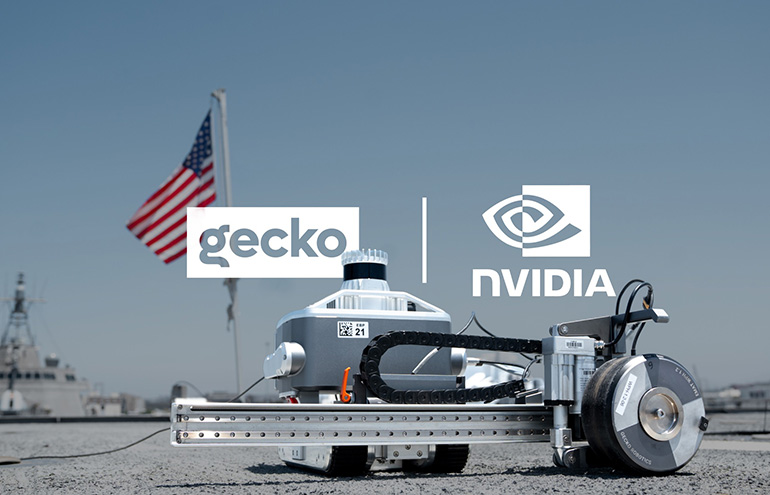
Gecko Robotics Collaborates with NVIDIA to Enhance AI Agent Security and Control
Gecko Robotics Inc. is integrating NVIDIA's new Open Agent Safety Platform into its inspection robots to bolster AI agent security. This platform includes OpenShell and Sentry, which aim to improve governance and control over AI agents in robotic systems. Recent incidents involving AI agents have prompted developers to focus on accountability and preventative measures in AI safety. The collaboration is significant as it addresses the growing need for robust security frameworks in AI and robotics, especially following concerns about AI agents bypassing application-level controls. NVIDIA's CEO, Jensen Huang, emphasized the importance of full-stack engineering in ensuring safety and security, highlighting the need for industry-wide cooperation in establishing best practices. Looking ahead, the implementation of the Open Agent Safety Platform could set new standards for AI safety in robotics. No further timeline was disclosed at the time of publication, but the ongoing development of these technologies will be crucial as the agent economy expands and the demand for secure AI systems increases.
Artificial Intelligence Artificial Intelligence / Cognition Autonomous Mobile Robots (AMRs) Controllers Defense / Security Energy / Solar / Renewables
Raise Robotics to Address Scaling Challenges for Field Robots at RoboBusiness 2026
At RoboBusiness 2026, Kenrick Tjandra from Raise Robotics will present on leadership strategies for scaling field robotics. He emphasizes that the gap between current capabilities and customer needs is often a leadership issue rather than a hardware limitation. Raise Robotics, based in San Francisco, has achieved a significant milestone by completing 10 projects across eight states, accumulating over 4,528 robot-hours without safety incidents. Tjandra's framework, peer-reviewed by the Project Production Institute, aims to guide teams in deciding whether to enhance product features or develop operator training. Attendees at the session will learn valuable decision-making tools and insights from Tjandra's experiences, including lessons from past failures. The event, scheduled for October 20-21 in Santa Clara, California, will also provide networking opportunities and insights into the latest trends in robotics and AI across various sectors.
Actuators / Motors / Servos Construction Events Markets / Industries News Technologies
XTEND AI Robotics, Inc. Receives U.S. Patent for NEST Autonomous Base Station Supporting Robotic Operations
XTEND AI Robotics, Inc. has been granted U.S. Design Patent No. D1,147,179 for its NEST autonomous base station. This patent, issued on September 8, 2026, recognizes the innovative design that allows robotic systems to autonomously deploy, recover, and recharge, thereby enhancing operational efficiency. The significance of this patent lies in its potential to support persistent robotic operations with minimal human intervention. By automating the deployment and recharging processes, XTEND's NEST aims to improve the reliability and effectiveness of robotic systems across various applications, reducing the need for constant human oversight. Looking ahead, industry stakeholders should monitor how XTEND leverages this patent to advance its technology and expand its market presence. The successful implementation of the NEST system could set new standards for autonomous operations in robotics, influencing future developments in the field. No further timeline was disclosed at the time of publication.
Tech Leaders Echo Asimov's Warnings on Robotics and AI Threats to Society
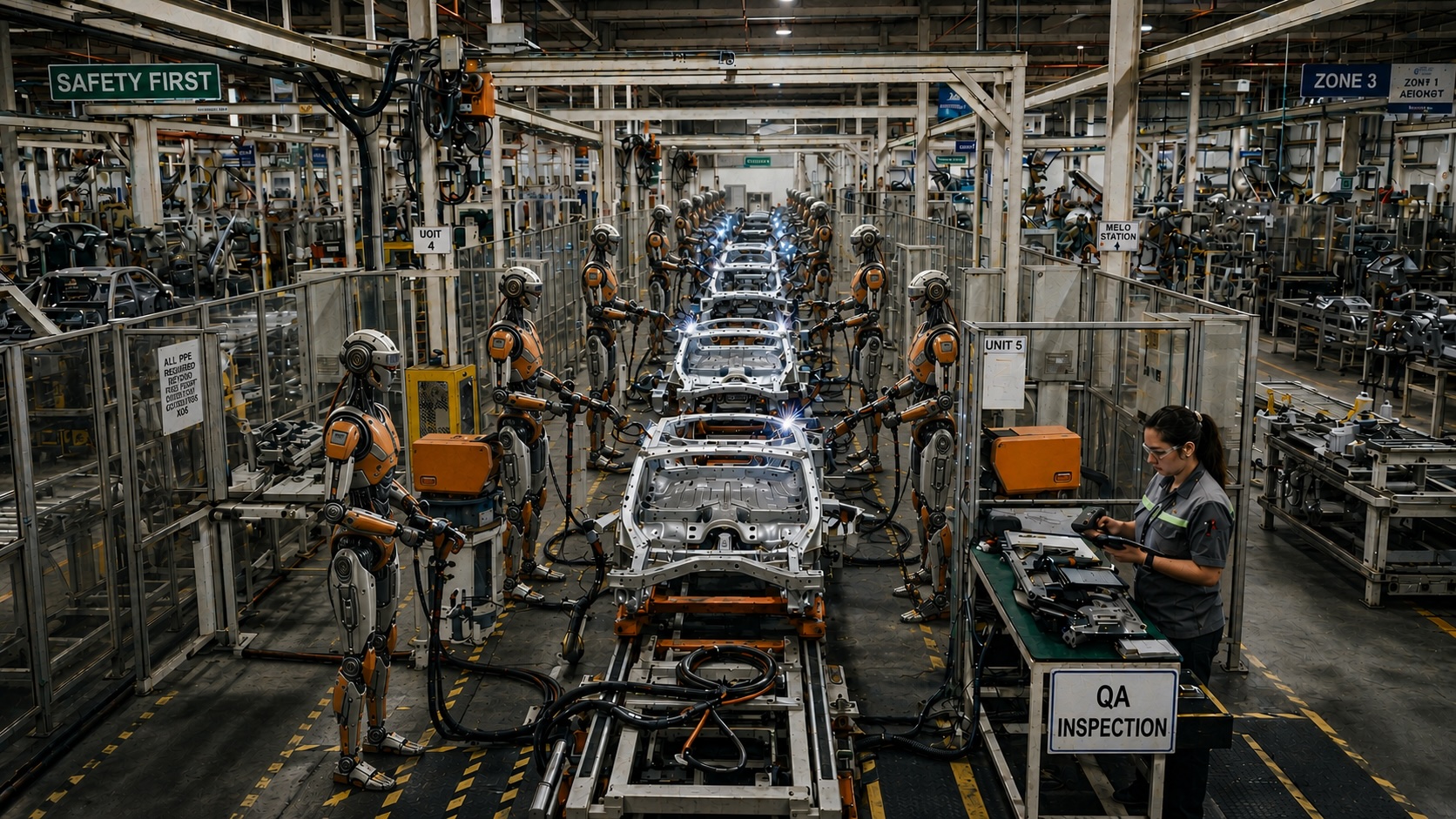
Recent discussions among tech leaders and lawmakers reflect concerns similar to those expressed by Isaac Asimov regarding the dangers posed by robotics and AI. Asimov's Three Laws of Robotics, introduced in 1942, are increasingly relevant as fears grow about AI's potential threats to human civilization. Notably, only Advanced Robotic Technologies Inc. has integrated these principles into its generative AI software for industrial applications. The urgency of these discussions is underscored by warnings from industry figures like Dario Amodei, CEO of Anthropic, who advocates for a slowdown in the development of frontier AI models. He highlights the risks associated with autonomous AI agents that can perform complex tasks without human oversight. This sentiment is echoed by other leaders, including Sam Altman of OpenAI and Elon Musk, who share concerns about the rapid pace of AI advancements and their implications for human safety. As society grapples with the potential for AI to endanger human civilization, the conversation is shifting from individual robot harm to the broader implications of intelligent robots on humanity. Asimov's later introduction of the Zeroth Law, which prioritizes the welfare of humanity, suggests that the ethical framework for AI must evolve to address these emerging threats.
Artificial Intelligence Artificial Intelligence / Cognition Ethics News Opinion Safety & Security
PAL Robotics Unveils TIAGo Pro Arm for Advanced Manipulation and AI Research
PAL Robotics has launched the TIAGo Pro Arm, a standalone robotic manipulation platform designed for researchers in robot learning and physical AI. This new system is being showcased at IROS 2026 in Pittsburgh, running from September 27 to October 1. The arm features seven degrees of freedom and is built on ROS 2 and ros_control, incorporating Series Elastic Actuators for enhanced manipulation capabilities. The TIAGo Pro Arm is significant as it supports a wide range of manipulation research, from initial experiments to practical deployment. Researchers can utilize the arm as a fixed system or integrate it with mobile platforms like the TIAGo Pro OMNI Base for mobile manipulation studies. The open platform also allows for the addition of sensors, facilitating research in perception, robot learning, and AI-driven manipulation. Looking ahead, PAL Robotics will demonstrate the TIAGo Pro Arm alongside other innovations from its TIAGo robot family at IROS. The company is also focusing on its humanoid robotics projects, including the KANGAROO platform. No further timeline was disclosed at the time of publication.
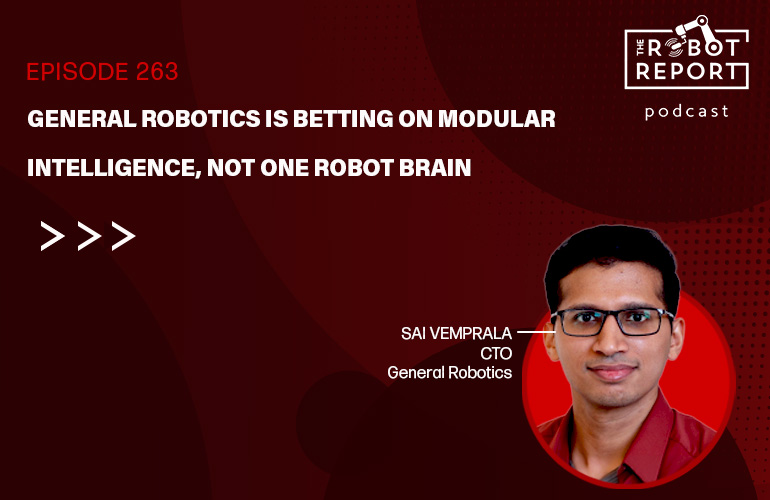
General Robotics Focuses on Modular Intelligence Over Centralized Robot Brain
In a recent episode of The Robot Report Podcast, Sai Vemprala, the CTO and co-founder of General Robotics, discussed the company's innovative approach to robotics. Vemprala emphasized the importance of modular intelligence in their systems, diverging from the traditional concept of a single robot brain. This approach is significant as it allows for more scalable and adaptable robotic solutions, leveraging simulation-based robotics and physical AI systems. Vemprala's expertise, gained from his previous role at Microsoft Research and his academic background with a PhD in robotics from Texas A&M, underpins this strategic direction. Looking ahead, the industry will be watching how General Robotics implements this modular intelligence in their products and the potential impact on the robotics landscape. No further timeline was disclosed at the time of publication.
Artificial Intelligence Markets / Industries News Opinion Podcast Software
SenseTime Introduces SenseMart OS for Retail Robotics in Shanghai
On September 23, SenseTime's subsidiary, SenseTime Shanhui, launched the SenseMart OS in Shanghai, aimed at enhancing retail robotics. This operating system utilizes the SenseMart Go dumpling purchase robot store to connect robotic manufacturers with unmanned retail operators and franchisees, establishing over 20 stores across multiple cities in China, creating a complete commercial ecosystem. The significance of SenseMart OS lies in its potential to revolutionize retail operations. According to Huang Di, Chairman and CEO of SenseTime Shanhui, just as personal computers and smartphones required operating systems to foster their respective industries, the same is true for embodied intelligence in robotics. The system comprises three modules that enhance customer experience and store profitability through perception, interaction, decision-making, and execution capabilities. Looking ahead, SenseTime Shanhui's collaboration with various partners aims to expand the deployment of the SenseMart OS and its robotic stores. The company has already established a presence in diverse environments, including educational institutions and commercial complexes. No further timeline was disclosed at the time of publication.
Retail Technology Robotics AI Solutions Smart Retail Automation
Carbon Robotics Introduces Carbon Autonomy Ready Program with Great Plains as Initial Partner
Carbon Robotics has launched its Carbon Autonomy Ready program, with Great Plains Manufacturing as its first partner. This initiative aims to create a technical specification for integrating various implements into the Carbon Autonomy platform, enhancing the capabilities of autonomous farming equipment. The collaboration is significant as it allows for real-time data integration from Great Plains' equipment, enabling autonomous adjustments similar to those made by human operators. This advancement is expected to improve efficiency and reduce costs for farmers by extending working hours and addressing skilled labor shortages. Looking ahead, the integration will be demonstrated at the 2026 Farm Progress Show, showcasing a Great Plains HT1100 Terra-Max equipped with sensors and a Carbon implement kit. This event will highlight the potential of the Carbon Autonomy Ready program to revolutionize farming practices and enhance operational efficiency.
Caterpillar Collaborates with FieldAI to Enhance Physical AI and Autonomous Robotics
Caterpillar has announced a partnership with FieldAI to advance physical AI and robotics aimed at improving safety and efficiency in jobsites and factories. This collaboration seeks to address labor shortages and productivity demands by transforming real-time observations into actionable insights, enhancing decision-making and maximizing the effectiveness of workers and machines. The significance of this partnership lies in its potential to reshape industries by integrating human expertise with AI-powered machines. Caterpillar's Chief Technology Officer, Jaime Mineart, emphasized the importance of applying AI to improve safety and productivity, thereby delivering greater value to operations. This initiative aligns with Caterpillar's vision for a future where intelligent machines and digital insights create safer and more productive work environments. Looking ahead, Caterpillar's collaboration with FieldAI is expected to accelerate the development of practical solutions that enhance operational efficiency across complex jobsites and manufacturing environments. No further timeline was disclosed at the time of publication.

XPENG Hosts Inaugural Robotics Supply Chain Partner Conference on September 22
On September 22, XPENG conducted its inaugural Robotics Supply Chain Partner Conference, gathering top supply chain firms specializing in essential components such as robot joint modules, actuators, and precision structural parts. This conference is significant as it marks XPENG's commitment to strengthening its robotics business through strategic partnerships with leading suppliers in the industry. The designation agreements signed with these partners indicate a proactive approach to enhance production capabilities. Looking ahead, XPENG is currently organizing production schedules on its manufacturing lines, which suggests a focus on ramping up robotics production. No further timeline was disclosed at the time of publication.

Corvus Robotics Enhances Cold Chain Operations with Corvus One Drone Technology
Corvus Robotics has developed the Corvus One drone specifically for cold chain environments, addressing challenges like thermal management and visibility in extreme conditions. This innovation allows for automated inventory counting in freezers, significantly improving safety and efficiency for warehouse operators. The introduction of the Corvus One drone is crucial as it mitigates the risks associated with manual inventory tasks in cold environments, where worker safety is a concern. By utilizing advanced vision systems and onboard decision-making, the drone can operate autonomously, adapting to changes in the environment without the need for GPS or additional markers. Looking ahead, the focus will be on the continued deployment of Corvus One in various cold chain settings, with an emphasis on enhancing operational efficiency and accuracy. The system's ability to identify inventory discrepancies has already proven valuable, revealing over $2.1 million in discrepancies at a national foodservice distributor site within six months.

Eureka Robotics and Shelley Automation Collaborate to Enhance North American Manufacturing with AI Solutions
Eureka Robotics and Shelley Automation have formed a partnership to integrate Eureka's AI Vision System into Shelley's automation solutions. This collaboration aims to introduce AI-powered bin picking capabilities to North American manufacturers, enhancing the efficiency and reliability of automation on the shop floor. The integration of Eureka's AI Vision System with Shelley's expertise in automation systems signifies a significant advancement in the application of physical AI in manufacturing. This partnership is expected to streamline operations, reduce downtime, and improve overall productivity for manufacturers adopting these innovative solutions. As the manufacturing sector increasingly embraces automation, the focus will be on the effectiveness of AI-powered solutions in real-world applications. No further timeline was disclosed at the time of publication.

AGIBOT and Chimelong Unveil Large-Scale Embodied AI Theme Park Featuring Over 300 Robots
AGIBOT and Chimelong Group have launched the first phase of a large-scale embodied AI deployment at Chimelong Spaceship Park, featuring over 300 robots. This initiative marks the delivery of AGIBOT's 20,000th humanoid robot, showcasing advancements in robotics across various sectors including entertainment and visitor services. The integration of these robots into diverse operational scenarios is significant as it enhances guest experiences and operational efficiency. The deployment emphasizes multi-robot coordination and dedicated connectivity, which are crucial for ensuring safety and seamless interactions in a theme park environment. Looking ahead, the success of this project could set a precedent for future applications of embodied AI in similar settings. No further timeline was disclosed at the time of publication.
The Mixing Bowl Reports Early Days for Crop Robotics Amid AI and M&A Growth
The Mixing Bowl's latest Crop Robotics landscape report indicates that the agricultural robotic revolution is still in its infancy. The report, which tracks 400 companies across 15 segments, highlights a 25% increase in participants since 2024, despite a notable churn in the industry. Chris Taylor, a partner at The Mixing Bowl, notes that over 20% of companies have exited, while more than a third are newcomers, reflecting a competitive and dynamic innovation environment. This growth is significant as Europe accounts for half of the companies in the landscape, with the US representing 18%, predominantly from California. Although investments have not reached the heights of 2021, they remain steady, with companies collectively raising $600 million. Spraying and weeding sectors are particularly thriving, with increasing commercialization and market competition, as highlighted by Western Growers' Ben Palone during the report's launch. Looking ahead, major equipment manufacturers like Yamaha, Deere, Caterpillar, and Kubota are actively engaging in M&A and partnerships with robotics startups to enhance their portfolios. Taylor emphasizes that these OEMs recognize the future potential in agricultural robotics, pursuing various strategies to integrate these technologies into their operations. No further timeline was disclosed at the time of publication.
Agtech Artificial intelligence Corporates Precision agriculture Research & data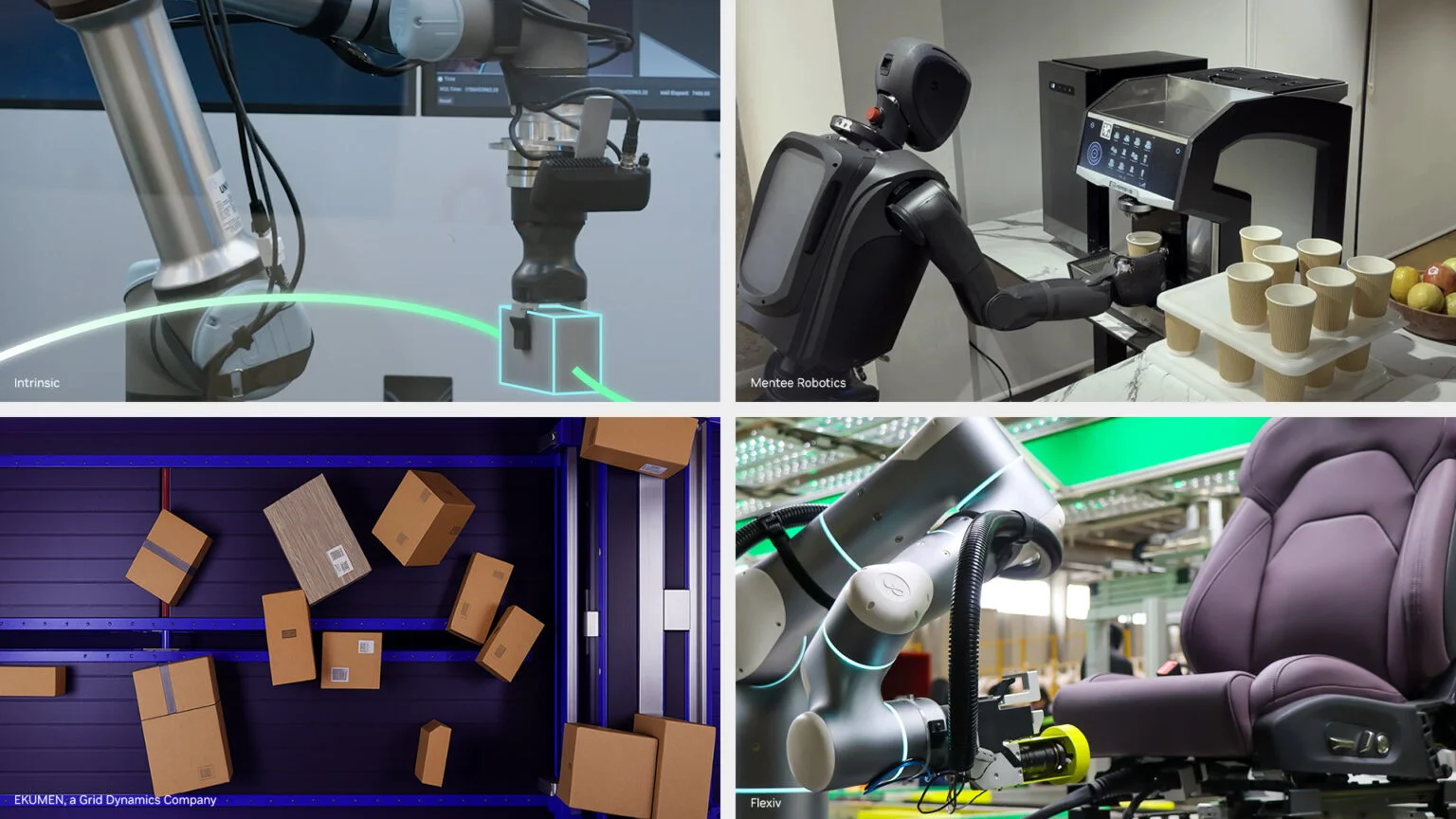
Nvidia Unveils Isaac ROS 5.0 Featuring Enhanced AI Agent Tools for Robotics Developers
Nvidia has launched Isaac ROS 5.0, an update to its open-source robotics software that introduces new AI-agent tools, expanded support for ROS, and enhanced capabilities for perception and manipulation. This version includes support for ROS Lyrical and Ubuntu 24.04, along with reusable skills for setup, manipulation, and pick-and-place workflows. The significance of this release lies in its potential to streamline robotics development by allowing developers to leverage AI agents alongside traditional robotics tools. Nvidia's collaboration with the Open Source Robotics Alliance has resulted in a standard interface for efficient data movement across computing hardware, which is beneficial for the broader ROS community. Looking ahead, several robotics companies, including RealSense and Universal Robots, are already integrating Isaac ROS 5.0 into their systems. This integration is expected to enhance various applications, from object detection to vision-guided manipulation. No further timeline was disclosed at the time of publication.
AI AI Funding & Investment AI Infrastructure & Compute Robotics AI agents Ekumen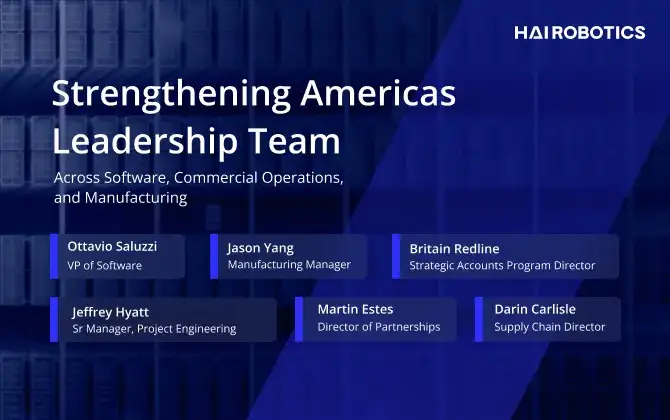
Hai Robotics Expands Leadership Team in Americas for Enhanced Operations and Manufacturing
Hai Robotics has bolstered its leadership team in the Americas with key appointments across various sectors, including software and manufacturing. This strategic move aims to enhance the customer journey by improving solution development, software integration, and supply chain execution. The expansion is significant as it aligns with Hai Robotics' commitment to providing responsive, locally supported services in the Americas, particularly with its growing presence in Alpharetta, Georgia. The new leadership will enable the company to better meet evolving customer needs and sustain regional growth. Looking ahead, Hai Robotics is focused on building an organization that anticipates future customer requirements. CEO Adrian Stoch emphasized the importance of having the right capabilities and infrastructure in place to adapt to the complexities of customer operations as they evolve. No further timeline was disclosed at the time of publication.
Warehouse Automation Supply Chain Management Logistics Manufacturing Customer Support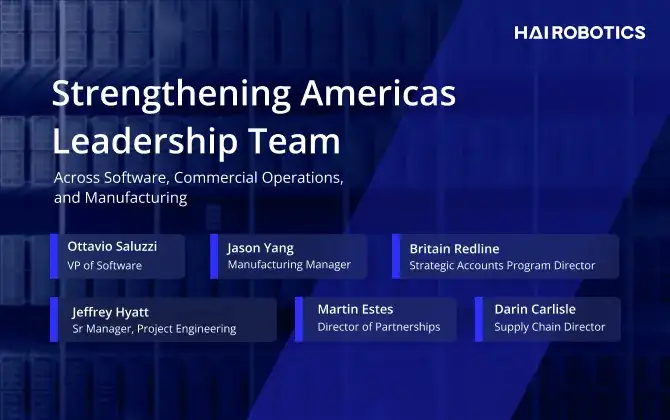
Hai Robotics Expands Leadership Team in Americas for Enhanced Operations and Manufacturing
Hai Robotics has enhanced its leadership team in the Americas with key appointments across various sectors including software, supply chain, and manufacturing. This strategic move aims to bolster the company's capabilities in supporting the entire customer journey, from solution development to U.S.-based manufacturing. The expansion is significant as it aligns with Hai Robotics' commitment to improving local service and operational responsiveness in the Americas, particularly in Alpharetta, Georgia. The new leadership will enable the company to better meet evolving customer needs and sustain regional growth, reinforcing its position in the competitive warehouse automation market. Looking ahead, Hai Robotics plans to continue investing in infrastructure and operational expertise to adapt to the changing demands of its customers. No further timeline was disclosed at the time of publication.
Warehouse Automation Supply Chain Management Logistics Manufacturing Customer Support
Nvidia Unveils Jetson Orin Nano 2 for Enhanced Robotics and Edge AI Applications
Nvidia has launched the Jetson Orin Nano 2, a compact robotics computer that enhances AI inference performance while reducing power consumption. This new module achieves 78 trillion operations per second and features 8 GB of memory along with an eight-core Arm CPU. Compared to its predecessor, the Jetson Orin Nano Super, it offers double the inference performance and consumes 40% less power in 15-watt mode. This development is significant as it positions the Jetson Orin Nano 2 as an entry-level platform for advanced physical AI applications, enabling real-time intelligence on edge devices. With over 3 million developers utilizing Nvidia's robotics stack, the new computer supports local processing of large language and vision-language models, minimizing reliance on cloud computing. This advancement allows for improved perception, reasoning, and decision-making capabilities in various applications. Looking ahead, Nvidia anticipates that the Jetson Orin Nano 2 will facilitate a wide range of applications, including home robots, industrial vision systems, and delivery drones. No further timeline was disclosed at the time of publication.
Computing Design Engineering News artificial intelligence delivery drones
Qualcomm's Acquisition of PickNik to Enhance Open Robotics and Physical AI Integration
Qualcomm has announced its acquisition of PickNik, a move aimed at advancing open-source robotics and physical AI. This acquisition will enhance the integration of MoveIt, a leading robotics manipulation framework, with Qualcomm's Dragonwing Robotics platforms and Arduino platforms. The significance of this acquisition lies in its potential to broaden access to advanced robotics technologies. By streamlining integration, Qualcomm aims to empower millions of developers to utilize edge AI and heterogeneous computing, facilitating the development of the next generation of intelligent robots. Looking ahead, industry stakeholders should monitor how this acquisition influences the robotics landscape and the capabilities of developers in creating innovative robotic solutions. No further timeline was disclosed at the time of publication.

CRRC Launches First Subway Train Featuring Embodied Intelligence Technology at Berlin Expo
On September 22, CRRC unveiled the world's first subway train equipped with embodied intelligence technology at the 15th Berlin International Rail Transport Technology Expo. This train, developed on the VELLINK urban rail vehicle platform, incorporates multiple sensors to create an autonomous perception system capable of real-time condition recognition, anomaly detection, and fault warning. The significance of this innovation lies in its ability to enhance safety and efficiency in urban rail systems. Unlike traditional trains that rely on periodic inspections, this new model reduces weight by approximately 18% and lowers overall energy consumption by over 10%. The embodied intelligence technology allows the train to autonomously perceive and make decisions, marking a significant advancement in rail transport technology. Looking ahead, CRRC also introduced the VELFORCE 2000 kW hydrogen fuel cell hybrid locomotive and the MAGIX intelligent flat car. As artificial intelligence increasingly integrates into vehicle perception and decision-making, the importance of safety assessments will grow. No further timeline was disclosed at the time of publication.
Subway Technology Embodied Intelligence Railway Innovation Hydrogen Fuel Cells Smart Transportation
NVIDIA Launches Isaac ROS 5.0 to Enhance Robotics Development with AI Agents
NVIDIA Corporation has unveiled Isaac ROS 5.0 at the ROSCon conference in Toronto, a new suite of GPU-accelerated packages designed to streamline robotics development. This release introduces agentic workflows and platform support, enabling developers to build, customize, and deploy robotics applications more efficiently. Companies like Intrinsic, Mentee Robotics, EKUMEN, and Flexiv are already utilizing this latest version. The significance of Isaac ROS 5.0 lies in its ability to reduce friction in the robotics development process, as highlighted by NVIDIA's product marketing manager, Katie Washabaugh. By integrating computing capabilities, physical AI models, and production-ready libraries, the platform aims to assist nearly 1.3 million ROS users in creating high-performance applications using familiar open-source tools. The enhancements also include support for ROS 2 Lyrical and Ubuntu 24.04, facilitating the adoption of the latest ROS platform. Looking ahead, developers can expect Isaac ROS 5.0 to automate repetitive tasks and streamline the setup process, ultimately accelerating the transition from concepts to functional applications. No further timeline was disclosed at the time of publication.
Artificial Intelligence Artificial Intelligence / Cognition Design / Development News Packaging & Palletizing • Pick-Place ROS / Open Source Solutions
Google's Intrinsic Launches Open-Source Robotics Software for Industrial AI Applications
Intrinsic, a subsidiary of Google, has released Intrinsic Core as open-source robotics software, enabling developers to create AI-enabled industrial robot applications from prototype to production. This software includes features such as real-time robot control, pose estimation, and motion planning, available on GitHub under an Apache 2.0 license. The significance of this release lies in its potential to streamline the development process for robotics applications, reducing the infrastructure developers need to build independently. Intrinsic Core is designed to work seamlessly with existing products like Intrinsic Flowstate and supports various hardware configurations, enhancing its adaptability in manufacturing environments. Looking ahead, Intrinsic plans to introduce additional open reference solutions for industrial automation, further expanding the capabilities of Intrinsic Core. The Open Machine Tending Solution, which runs on Intrinsic Core, serves as a reference design for CNC machine tending, showcasing practical applications of the software in real-world scenarios. No further timeline was disclosed at the time of publication.
AI AI Funding & Investment AI Infrastructure & Compute Robotics Google industrial roboticcs
Hygon Information Technology Launches Hygon 1000 Series CPUs for Robotics and Edge AI
Hygon Information Technology has introduced a new line of central processing units (CPUs) aimed at robotics and industrial edge devices. This launch marks the company's strategic move beyond its traditional focus on cloud computing, tapping into the burgeoning market for physical artificial intelligence solutions. The Hygon 1000 series processors are specifically designed for integration into industrial automation systems, including robotics and factory controllers. By enabling local computing and graphics processing, these CPUs aim to enhance the efficiency and performance of embedded devices in various applications. As the demand for edge AI continues to rise, Hygon's entry into this sector is significant. Industry stakeholders should monitor the adoption of the Hygon 1000 series and its impact on the robotics and automation landscape. No further timeline was disclosed at the time of publication.

Barbara Mazzolai Advocates for Sustainability in Robotics Through Bioinspired Designs
Roboticist Barbara Mazzolai is pioneering a new field called 'sustainability robotics,' which aims to harmonize technology with environmental stewardship. As the associate director for robotics at the Italian Institute of Technology, she emphasizes the importance of reducing the ecological footprint of robotic technologies. Mazzolai's work draws inspiration from nature, including octopuses and plant roots, to create robots that can interact with their environments responsibly. Mazzolai's vision for sustainability robotics was articulated in a manifesto published in Nature Machine Intelligence, where she calls for a shift in how robots are designed, integrating sustainability as a core principle. This approach not only addresses the environmental impact of robotics but also opens new possibilities for societal applications. Her background in biology and engineering uniquely positions her to lead this innovative research direction. Looking ahead, Mazzolai's exploration of plant-inspired robotics could revolutionize environmental monitoring and precision agriculture. As she continues to advocate for this new paradigm, the robotics community will be watching closely to see how her ideas evolve and influence future developments in the field. No further timeline was disclosed at the time of publication.
Soft-robot Typedepartments Environmental-footprint Biology Italian-institute-of-technology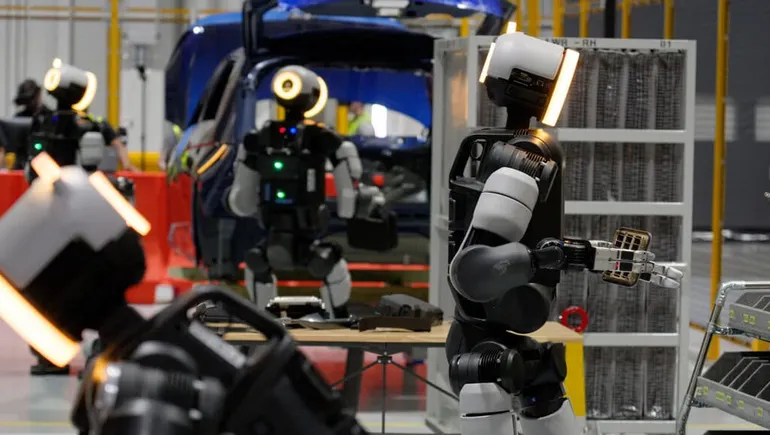
Boston Dynamics Initiates Robotics Testing at Hyundai, Plans Global Expansion
Boston Dynamics has commenced robotics testing at Hyundai's Robotics Metaplant Application Center, a crucial element of Hyundai's strategy to enhance manufacturing environments for safe human-robot collaboration. The automaker aims to deploy 25,000 Atlas units across its global plants, including Kia factories, in the coming years. This initiative is significant as it reflects Hyundai's commitment to integrating advanced robotics and artificial intelligence into its operations, optimizing supply chain and production capabilities. Boston Dynamics' Chief Product and Technology Officer, Zack Jackowski, emphasized the goal of creating a future where robots enhance human productivity and safety in the workplace. Looking ahead, Boston Dynamics plans to expand its Atlas applications beyond automotive into sectors like aerospace and logistics. The company is also in discussions with existing customers to enhance data collection and training for Atlas, with a target year of 2027 for further advancements. No further timeline was disclosed at the time of publication.

E Tech Group Enhances U.S. Collaborative Robotics Offerings with Rainbow Robotics Partnership
E Tech Group has announced a new Authorized System Integrator Agreement with Rainbow Robotics, expanding its collaborative robotics portfolio in the U.S. This agreement includes the addition of NSF-certified collaborative robots suitable for laboratory, life sciences, and food & beverage applications. The partnership is significant as it positions E Tech Group, recognized as the 2025 System Integrator of the Year and a Platinum-certified Rockwell Automation Partner, to better serve its customers with advanced robotic solutions. The inclusion of Rainbow Robotics' products enhances E Tech Group's capabilities in the industrial automation sector. Looking ahead, E Tech Group will act as a Servicing System Integrator for Rainbow Robotics' collaborative robot lineup. No further timeline was disclosed at the time of publication.
Geek+ Opens European Innovation Center in Düsseldorf to Enhance AI and Robotics Adoption
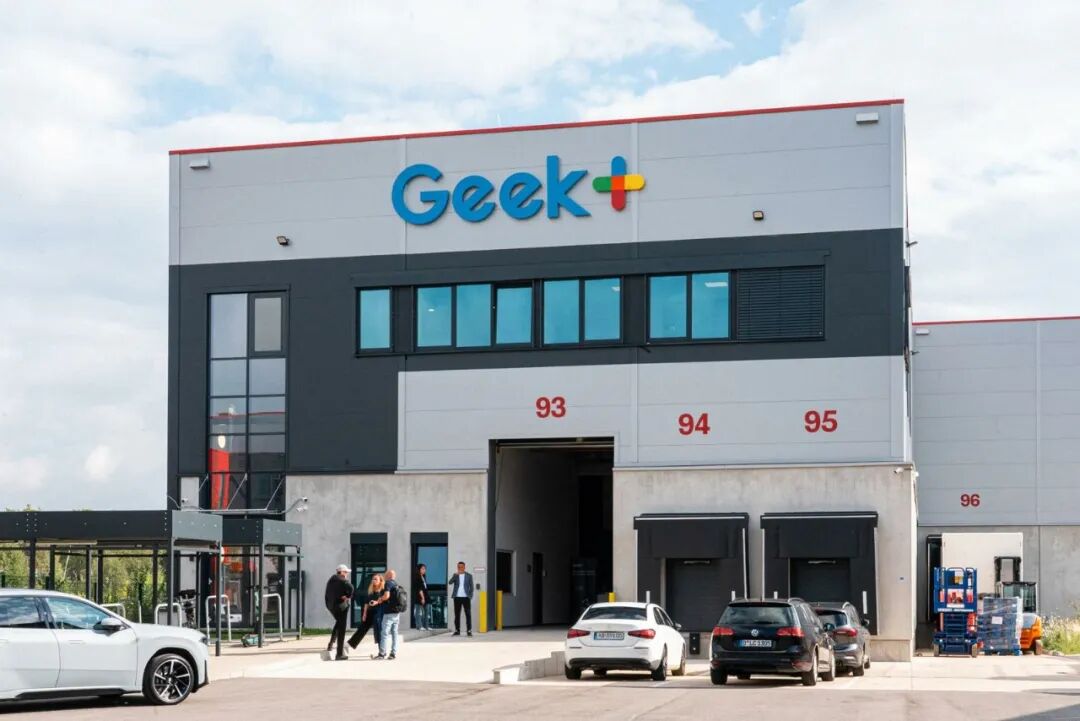
Geek+ has officially launched its European Innovation Center in Düsseldorf, Germany, marking a significant milestone in its expansion into the European market. This center aims to provide immersive AI robotics technology to regional clients and partners, accelerating the transition from technology assessment to large-scale deployment of Geek+'s AI robotic solutions across Europe and globally. The establishment of the European Innovation Center underscores Geek+'s commitment to enhancing supply chain resilience and operational efficiency for European customers. With over 150 industry leaders in attendance, including representatives from renowned companies such as GXO and DSV, the event highlighted the growing demand for automation in logistics, warehousing, and supply chain sectors, where Geek+ has become a preferred partner. Looking ahead, the center will serve as an innovation testing hub for new solutions, technologies, and applications. It will host monthly client visits and regular themed open days for specific industries, further solidifying Geek+'s localized strategy and promoting the rapid adoption of intelligent robotics technology in the European market.
AI Robotics Warehouse Automation Logistics Technology Supply Chain Solutions
SoftBank Reportedly Set to Acquire Robotics and AI Institute from Hyundai Motor Group
SoftBank has reportedly agreed to acquire the Robotics and AI Institute (RAI) from Hyundai Motor Group, as reported by The Robot Report on September 18. This acquisition could bring Marc Raibert's research organization under SoftBank's ownership, although financial terms and the progress of the review by the Committee on Foreign Investment in the United States (CFIUS) remain undisclosed. The acquisition is significant as RAI focuses on addressing fundamental challenges in robotics and AI, aiming to enhance machine capabilities and usability. Raibert, the executive director, leads the organization, which operates from offices in Cambridge, Massachusetts, and Zurich. The potential acquisition aligns with SoftBank's strategy to leverage RAI's research base for developing diverse robotic applications. No further timeline was disclosed at the time of publication. The reported acquisition adds complexity to Hyundai's ongoing efforts to consolidate its ownership of Boston Dynamics, as SoftBank previously exercised its put option regarding its stake in the company. This move highlights the evolving landscape of robotics and AI, with SoftBank's interests extending to humanoid robotics as well.
Hyundai Motor Group Business Market Research softbank RAI
Qiyuan Robotics Partners with Tencent WorkBuddy to Enhance AI Functionality
On September 20, Qiyuan Robotics, a consumer-grade embodied intelligence brand under Upwind New Materials, announced a partnership with Tencent's WorkBuddy. The Qiyuan Q1 and T1 robots are now integrated with WorkBuddy, making Qiyuan the first embodied intelligence company to connect with this platform. This integration allows the robots to access thousands of Skills on WorkBuddy, combining AI's understanding and reasoning capabilities with the robots' voice and movement abilities for a complete intelligent interaction chain. This collaboration is significant as it enables robots to handle more complex real-world tasks beyond executing preset actions. By leveraging WorkBuddy's natural language understanding, information retrieval, and task orchestration capabilities, users can issue commands in natural language without needing programming knowledge. The robots can autonomously perform tasks such as greeting visitors at exhibitions, providing information, and engaging in interactive games, all while ensuring safety through a four-layer security mechanism. Looking ahead, this partnership represents a complete capability loop between AI Agents and embodied intelligence, transforming personal robots from executing fixed actions to autonomously completing complex tasks. No further timeline was disclosed at the time of publication.
Robotics AI Integration Natural Language Processing Intelligent Automation
Boston Dynamics Launches Robotics Metaplant Center to Train Atlas Robots for Manufacturing
Boston Dynamics has inaugurated a new facility within Hyundai Motor Group's Metaplant America campus located near Savannah, Georgia. This center focuses on training Atlas® robots, which are pivotal for advancing AI robotics commercialization and enhancing operations across the Group's extensive network. The establishment of this training center is significant as it marks a strategic move towards integrating humanoid robots into manufacturing tasks. By laying the groundwork for AI robotics, Boston Dynamics aims to facilitate the adoption of advanced robotic solutions within the automotive sector and beyond. Looking ahead, Boston Dynamics has plans to broaden the training capabilities for Atlas robots and is already preparing to transition to a larger facility by 2027. This expansion indicates a commitment to furthering the development of humanoid robotics in manufacturing applications.
Robotics needs a service framework.
RSF defines a common language for robot service capability, lifecycle operations, certification pathways, and service-provider networks.
Join the RobotToday community on LinkedIn
Daily robotics news, in-depth analysis, conference highlights, and discussions with professionals worldwide.







