A single destination for timely, editor-curated robotics news from around the world.
ETCO Incorporated has unveiled a new range of standard and custom electrical connectors and terminals designed specifically for automation systems and robotics. These products are engineered to endure intense operations, constant motion, and vibration, making them suitable for demanding applications. The introduction of these connectors and terminals is significant as they address the growing need for reliable electrical components in automation and robotics. With the increasing complexity of automated systems, the durability and performance of electrical connections are crucial for operational efficiency and safety. Looking ahead, industry stakeholders should monitor the adoption of ETCO's new products in various applications. The effectiveness of these connectors and terminals in real-world scenarios will be key to their success in the market. No further timeline was disclosed at the time of publication.

RoboticsTomorrow.com Jul 14, 2026
Deep tech startup Itera has unveiled its groundbreaking prototype of the world's first fluid circuit board, a technology that enables engineers to rewire and retest physical electronic circuits in under a minute. This significant advancement aims to streamline the design and testing processes in electronics, potentially transforming how engineers approach circuit development. The announcement was made as Itera emerged from stealth mode, highlighting its innovative capabilities. To support its launch and further development, the company secured $12 million in seed funding from notable investors including Upfront Ventures, Costanoa Ventures, and Colle Capital. This funding will facilitate Itera's efforts to bring its revolutionary technology to market, marking a pivotal moment in the evolution of electronic circuit design.
RoboticsAndAutomationNews.com By Sam Francis May 30, 2026 Electronics News automation news deep tech startups electronic design automation electronics design
Oversonic Robotics, an Italian cognitive robotics firm known for RoBee, has announced a strategic investment from STMicroelectronics, Fondazione ENEA Tech Biomedical, and SpotInvest. This investment aims to accelerate Oversonic's industrial, technological, and international growth, particularly in the cognitive humanoid robotics sector. The involvement of STMicroelectronics, a leader in semiconductors, is expected to bolster Oversonic's technological advancements and support its expansion into the U.S. market. The partnership will enhance the development of RoBee, the first certified cognitive humanoid robot designed for complex environments, and facilitate applications in manufacturing and healthcare. Looking ahead, Oversonic plans to focus on expanding its technological platform and applications while strengthening its team and industrial capacity. The company views the U.S. as a key market for its cognitive humanoid robotics, aiming for significant growth in both commercial and industrial sectors. No further timeline was disclosed at the time of publication.
RoboticsAndAutomationNews.com By Sam Francis Jul 13, 2026 Humanoids News artificial intelligence automation cognitive robotics deep tech
A research team from the National University of Singapore has introduced a groundbreaking soft force sensor called ME-SOFS, which converts touch into fluid-driven motion without any electronic components. This innovative sensor features a 3D-printed soft porous structure with a central pillar connected to five fluid-filled chambers. When pressure is applied, the pillar tilts, compressing the corresponding chamber and driving fluid to actuators, enabling the detection of forces in multiple directions. The significance of ME-SOFS lies in its ability to operate without electronic interference, making it ideal for applications in medical training and elderly care. The sensor can generate readable signals through integrated magnets and coils, allowing it to measure force without external power. This technology has been successfully demonstrated in a soft glove that detects grip strength and predicts object weight, as well as in a tactile feedback system that enables operators to control robotic arms through force feedback. Looking ahead, the ME-SOFS sensor demonstrates robust performance under extreme conditions, such as high temperatures and underwater pressures. Its unique design allows it to function effectively in various environments, making it a valuable tool for soft robotics that require safe interaction with humans. No further timeline was disclosed at the time of publication.
leaderobot.com By Leaderobot Jul 13, 2026 Soft Robotics Fluid Sensors Mechanical Systems Robotics Technology
Researchers have developed a new soft sensor that allows soft robots to convert touch into action without relying on traditional electronic components. This innovation addresses a critical limitation in soft robotics, which often depend on bulky electronic sensors and actuators. The sensor is made from flexible materials, enhancing the robot's adaptability for various applications, including minimally invasive surgery and deep-sea exploration. The significance of this development lies in its potential to simplify the design and functionality of soft robots. By eliminating the need for electronic sensors and circuits, the new soft sensor reduces weight and complexity, making robots more efficient and reliable in challenging environments. This advancement could lead to broader applications in sectors where traditional electronics may fail, such as in wet or high-pressure conditions. Looking ahead, the next steps involve further testing and refinement of the soft sensor technology. Researchers aim to explore its integration into existing soft robotic systems and assess its performance in real-world scenarios. No further timeline was disclosed at the time of publication.
TechXplore:Robotics Jul 12, 2026 Robotics
The manufacturing sector is experiencing a surge in artificial intelligence (AI) applications, driven by recent advancements in speech, language, and content generation technologies. Engineers and technology leaders are keenly observing these developments to enhance quality, minimize rework, and increase throughput. However, many organizations face challenges in translating AI demonstrations into tangible business value, revealing the complexities of deploying AI in production environments. Despite significant investments in AI and machine learning (ML), the manufacturing industry is encountering hurdles similar to those faced during the initial wave of data science and ML in the context of Industry 4.0. Many early projects failed to deliver operational value due to the misalignment of algorithms designed for consumer behavior with the deterministic needs of industrial settings. As manufacturers increasingly seek actionable insights from their data, the need for a deeper understanding of AI technology and its application in industrial contexts becomes critical. Looking ahead, the emergence of automation intelligence, which integrates lessons from past experiences with current AI tools, offers a promising framework for addressing complex industrial challenges. As AI technologies like generative AI and foundation models continue to evolve, their successful implementation will depend on ensuring real-time grounding, safety, and regulatory compliance in manufacturing processes. No further timeline was disclosed at the time of publication.
AutomationWorld.com By (Mithun Nagabhairava) Jul 10, 2026 Factory / Workforce
Mouser Electronics has unveiled the latest installment of its technology series, "Empowering Innovation Together" (EIT), titled "Rise of the Robots." This new episode explores the advancements in robotics and their impact on various industries. The release aims to highlight the growing significance of robotics in enhancing efficiency and productivity across sectors. By showcasing innovative technologies and expert insights, Mouser seeks to inform and inspire its audience about the future of automation. The series continues to serve as a platform for discussing cutting-edge developments in technology, reinforcing Mouser's commitment to fostering innovation in the electronics industry.
RobotStart.info Jun 15, 2026
Launchpad Build AI has introduced its Manufacturing Language Model (MLM), aimed at democratizing automation in high-mix, low-volume production environments. This innovative tool allows users to input data through various formats, including photos, videos, or CAD files, streamlining the design process for industrial automation. The launch of MLM represents a significant advancement in making automation accessible to a broader range of manufacturers, enabling them to enhance efficiency and adapt to diverse production needs.
RoboticsBusinessReview.com By Eugene Demaitre Apr 30, 2026 Aerospace Artificial Intelligence Artificial Intelligence / Cognition Assembly Defense / Security Manufacturing
KUKA has launched the LBR iisy, a collaborative robot designed for diverse applications in both industrial and hybrid environments. This robot combines industrial strength with user-friendly features, including integrated sensors and smooth hand-guiding, enhancing operational efficiency. The significance of the LBR iisy lies in its ability to adapt to evolving production needs, offering flexibility through its integration with iiQKA.OS2. This platform allows users to access simulation and virtual commissioning via iiQWorks.Sim, leveraging KUKA's established technology packages. Looking ahead, the LBR iisy is positioned to meet the demands of various collaborative workspaces and industrial settings. No further timeline was disclosed at the time of publication.
kuka.com By KUKA Jul 15, 2026
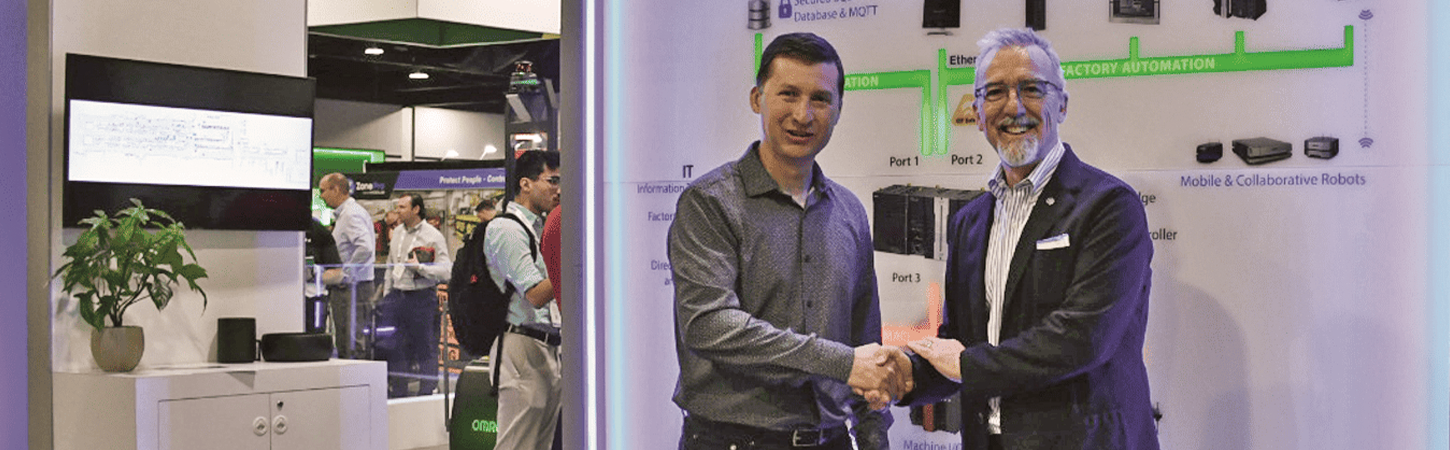
COMAU and OMRON Robotics have entered into a strategic collaboration agreement to enhance the adoption and deployment of advanced industrial automation solutions for manufacturers globally. This partnership, announced recently, aims to leverage both companies' expertise in robotics and automation technology to streamline manufacturing processes and improve operational efficiency. By combining their resources and knowledge, COMAU and OMRON intend to address the growing demand for innovative automation solutions in various industries. The collaboration reflects a commitment to driving technological advancements that support manufacturers in navigating the complexities of modern production environments.
comau.com By Comau May 11, 2026
Recent advancements in artificial intelligence (AI) and cloud infrastructure are significantly altering the requirements for high bandwidth memory (HBM) testing. As AI systems evolve, there is a notable shift in emphasis from mere computational speed to the efficiency of data movement. This transition underscores the growing importance of HBM in supporting the demands of modern AI applications. The changes are driven by the need for faster data processing capabilities, which are essential for optimizing AI performance in various sectors. As organizations increasingly rely on cloud-based solutions, the integration of advanced memory technologies becomes crucial to meet the evolving landscape of AI workloads.
teradyne.com By Teradyne May 18, 2026
In a bid to enhance manufacturing efficiency through "Lean Automation," many producers are turning to small industrial robots, such as the JAKA MiniCobo, which offers a compact solution to traditional bulky systems. These mini robot arms, designed to fit in tight spaces, provide a low-risk entry into automation, allowing manufacturers to maximize productivity while minimizing waste. The JAKA MiniCobo, weighing just 9.4 kg and featuring a 580 mm reach with a 1 kg payload, is particularly suited for delicate tasks in sectors like electronics and medical services. Its integrated intelligent drive module simplifies installation, eliminating the need for bulky control cabinets and enabling a plug-and-play experience. While small robots offer advantages such as energy efficiency, lower total cost of ownership, and safer operation near human workers, they also face limitations. Most can handle payloads under 2 kg and may struggle with high-torque tasks due to their lightweight construction. Additionally, they require careful management in high-temperature environments to prevent overheating. The JAKA MiniCobo exemplifies the principles of Lean Automation by reducing space and complexity while maintaining precision, making it an attractive option for manufacturers looking to streamline operations.
jaka.com By JAKA May 22, 2026
Suzhou Hangkai Microelectronics has introduced the HKVR TG 9801 tactile adaptive gripper, a cutting-edge solution designed to simplify automation and robotics applications. This innovative gripper eliminates the need for complex programming, allowing for flexible grasping of diverse materials and sizes. The device features native support for ROS2 and various industrial communication protocols, facilitating seamless integration and quick deployment in industrial settings. This advancement aims to enhance operational efficiency and adaptability in automation processes, catering to the growing demand for versatile robotic solutions in various sectors.
leaderobot.com By Leaderobot May 18, 2026 Tactile Grippers Robotics Integration Industrial Automation ROS2 Smart Manufacturing
The consumer electronics industry is increasingly adopting specialized assembly robots to address the challenges posed by rapid product life cycles and the need for precision in manufacturing. As smartphones, wearables, and home gadgets evolve, traditional manual assembly methods struggle to keep up with the demand for high-quality production. This shift is driven by the need for accuracy in handling densely packed components, which require sub-millimeter precision and are sensitive to electrostatic discharge. To adapt to frequent design changes and seasonal updates, manufacturers are turning to flexible automation solutions. These advanced robots can be quickly reprogrammed and equipped with modular end-effectors, enabling them to perform various tasks across different product lines. The integration of 2D and 3D vision systems enhances quality control, allowing robots to make real-time adjustments to ensure precise assembly. JAKA, a leader in robotics technology, has developed the JAKA A12L, designed specifically for the electronics sector. This robot offers a long reach and high payload capacity, making it suitable for large-format assembly. With an impressive repeatability of ±0.03mm, JAKA's solutions meet the stringent requirements of consumer electronics manufacturing. The company emphasizes ease of integration and safety, providing an open software ecosystem for seamless communication with vision sensors and factory systems, along with user-friendly wireless control through the JAKA App. This innovation positions manufacturers to turn production challenges into competitive advantages.
jaka.com By JAKA May 12, 2026
The global industrial sector is experiencing a significant transformation as companies increasingly adopt flexible automation, particularly in China, which has emerged as the largest market for industrial robots. This shift is driven by a growing demand for sophisticated robotic arms that not only offer cost-effectiveness but also advanced adaptability and intelligence to seamlessly integrate into existing production lines. Historically associated with mass production, Chinese manufacturing is now recognized for its technical innovation and research and development in robotics. Local manufacturers are enhancing their technologies to meet stringent international standards, resulting in systems that excel in precision, payload capacity, and software integration. International buyers are attracted to these modern Chinese robotic solutions due to their rapid deployment capabilities and versatility, which are designed to simplify complex automation tasks for small and medium-sized enterprises. By focusing on user-friendly interfaces and modular designs, these robots lower the barriers to automation across various industries, including electronics, automotive, and food processing. Leading this collaborative revolution is JAKA, a global frontrunner in intelligent robotics. The company emphasizes a mission to enhance productivity through its innovative solutions, such as the JAKA Zu Series and S Series. These products boast impressive specifications, including high payload capacities and precise positioning accuracy, making them ideal for delicate tasks. JAKA's "plug-and-play" approach allows its collaborative robots to operate safely alongside human workers without traditional safety barriers, further enhancing their appeal. With a global service network and advanced training programs, JAKA positions itself as a comprehensive partner in automation, ensuring that its technology remains at the forefront of the industry.
jaka.com By JAKA May 09, 2026
The electronics industry is undergoing a significant transformation as manufacturers increasingly adopt collaborative robots to enhance quality control and inspection processes. With rapid product lifecycles and the demand for zero-defect production, traditional automation methods often fall short in the high-mix, low-volume production environment typical of modern tech manufacturing. Collaborative robots, or cobots, are now being integrated into precision testing and visual inspection lines, offering the speed and accuracy needed while maintaining the flexibility required for delicate electronic assembly. These robots can perform Automated Optical Inspection (AOI) with sub-millimeter precision, significantly reducing the risk of human error associated with fatigue and perceptual blindness during long shifts. Companies like JAKA are leading this innovation by developing robots equipped with advanced 2D and 3D vision systems. Their JAKA AL series features an integrated vision system that allows the cobot to autonomously identify components and check for assembly errors without the need for external cameras. This capability enables real-time adjustments to the production line, helping to identify quality drifts before they result in defective batches. JAKA’s engineering emphasizes safety and high performance, with models like the JAKA Zu series designed for high-speed testing while ensuring safe human interaction through torque-feedback collision detection. By investing in JAKA collaborative robots, manufacturers can ensure that every device produced meets stringent global standards, thereby maintaining a competitive edge in the electronics market.
jaka.com By JAKA May 06, 2026
Industrial automation has undergone significant transformation over the past few decades, with collaborative robots, or cobots, playing a pivotal role in this evolution. JAKA, a leading company in this field, has highlighted how these robots enhance manufacturing processes by allowing safe and efficient collaboration with human workers. Unlike traditional robots that operate in isolation, cobots are designed to work alongside humans, improving workplace efficiency, reducing exposure to hazardous tasks, and ensuring consistent product quality. The journey of industrial cobots began in the early 1990s when researchers sought to merge automation with human collaboration. Initially, safety concerns limited robots to isolated environments, but advancements in technology have since enabled them to operate safely in shared spaces. JAKA has utilized these innovations to develop the JAKA Pro5, a robot that ensures precise handling while minimizing workplace accidents. Today, cobots are increasingly utilized across various sectors, including electronics, automotive, and logistics. Their ability to take on repetitive or dangerous tasks allows human operators to concentrate on more complex decision-making roles. The JAKA Pro5, for instance, is highly adaptable and can be quickly reprogrammed for different production needs, enhancing operational flexibility and reducing costs associated with equipment changes. Looking ahead, JAKA envisions a future where collaborative robots will continue to advance, incorporating intelligent sensing and adaptive learning. This evolution aims to create smart factories where humans and machines work together seamlessly, ensuring that automation remains both productive and safe.
jaka.com By JAKA Apr 20, 2026
The manufacturing industry is experiencing a transformative shift as automation technologies advance, with JAKA leading the way in the integration of collaborative robots, or cobots. These machines are designed to work alongside human operators, enhancing productivity while prioritizing safety. The adoption of cobots is expanding beyond niche applications to various sectors, including assembly, electronics, automotive, and precision engineering. JAKA's Zu series exemplifies how intelligent automation can optimize complex tasks like screwdriving, ensuring speed, accuracy, and reliability in production processes. A notable trend in modern manufacturing is the increasing use of 6-axis robot arm systems, which provide enhanced flexibility and adaptability. JAKA's robotic solutions can perform multiple functions such as assembly, material handling, and inspection, with the ability to adjust torque independently for different product requirements. This innovation has enabled clients to reduce manual labor and maintain consistent quality across production lines, particularly in high-mix, low-volume environments. The focus on efficiency and safety is driving the adoption of cobots, with JAKA integrating advanced control algorithms and sensors to create collaborative workspaces. The JAKA Zu series facilitates safe and reliable automated screwdriving, reducing repetitive strain injuries and improving production predictability. As the demand for intelligent automation grows, JAKA remains committed to providing flexible and precise solutions that meet the evolving needs of modern factories, positioning cobots as a vital component in the future of manufacturing.
jaka.com By JAKA Mar 18, 2026
JAKA, a leading robotics company, has integrated its collaborative robots (cobots) into various stages of electronics manufacturing to enhance precision and efficiency. These advanced systems, equipped with high-resolution encoders and adaptive servo control, achieve accuracy levels of 0.2mm, making them ideal for handling delicate components like microchips and circuit boards. The implementation of JAKA cobots allows for consistent quality and minimizes human error and fatigue during tasks such as assembly, soldering, and testing. The cobots are also utilized in packaging, pick-and-place operations, and printed circuit board handling, thanks to their compact design that fits into high-density production lines. Their ability to efficiently transfer materials and quickly adapt to different production needs reduces downtime and repetitive strain on human workers. Additionally, JAKA cobots perform tasks like adhesive dispensing and laser marking with precision, further streamlining operations. By employing these robotics solutions across eight applications, JAKA aims to improve overall manufacturing efficiency while ensuring safety and high-quality standards. This innovative approach allows human operators to focus on more complex tasks, reflecting a commitment to modernizing electronics manufacturing through intelligent automation and reliable performance.
jaka.com By JAKA Mar 13, 2026
As warehouses and distribution centres increasingly turn to automation to improve efficiency and address labour shortages, autonomous mobile robots (AMRs) are playing a growing role in material handling and intralogistics. Reflecting this trend, ABB Robotics has expanded its AMR portfolio with the launch of the Flexley® Stack F712, an autonomous forklift designed to support warehouse […] The post Automation to improve efficiency and fix labour shortages appeared first on Logistics Business.
LogisticsBusiness By Will Priestman Jul 08, 2026 AMR and AGV Materials Handling ABB AMR automation efficiency
Kawasaki Robotics unveiled its latest advancements in automation technology at the Automate 2026 trade show held in Chicago. The event, which took place recently, highlighted the transformative impact of robotics, artificial intelligence, machine learning, vision systems, and real-time control on industrial automation. A key feature of the showcase was the introduction of the new “RL030N” robot platform, which boasts eight degrees of freedom and is specifically designed for Physical AI applications. This innovation reflects Kawasaki Robotics' commitment to pushing the boundaries of automation and enhancing operational efficiency across various industries.
RoboticsAndAutomationNews.com By Sam Francis Jun 26, 2026 Industrial robots News Robotics 8-axis robot Automate 2026 BA013L
Flexiv has introduced two innovative adaptive robots aimed at enhancing tactile sensing and physical AI capabilities within the realm of industrial automation. The company unveiled its flagship Enlight robotic arm and the Mico dual-arm robotic platform, marking a notable advancement in force-controlled robotics and embodied intelligence. The Enlight arm features a seven-axis design, allowing for greater flexibility and precision in various applications. This launch, which took place recently, underscores Flexiv's commitment to pushing the boundaries of robotics technology to meet the evolving needs of the manufacturing sector. By integrating advanced sensing and control mechanisms, these robots are expected to improve operational efficiency and adaptability in complex industrial environments.
RoboticsAndAutomationNews.com By Sam Francis Jun 26, 2026 Industrial robots News adaptive robots cobots collaborative robots embodied ai
Building a successful automation company involves challenges that extend beyond technical capabilities, according to industry experts. While teams may excel at designing functional robots or reliable automated systems, the real hurdles often lie in establishing the necessary business infrastructure to support these technologies. This aspect of development is frequently overlooked, yet it is crucial for turning innovative ideas into viable commercial ventures. As the automation sector continues to grow, addressing these foundational business issues will be essential for companies aiming to thrive in a competitive market.
RoboticsAndAutomationNews.com By Sam Francis Jun 25, 2026 Automation Business Technology automation industry automation news automation startup
Automation has become a critical component in various industries, including manufacturing, logistics, energy, and research, as companies increasingly implement robots and intelligent systems to enhance efficiency. This shift is occurring at an unprecedented pace, creating a pressing demand for skilled engineers capable of designing, maintaining, and improving these technologies. However, the rapid deployment of automation presents a significant challenge: the supply of qualified professionals is struggling to keep up with the growing need. As organizations strive to integrate advanced automation into their operations, the gap between the availability of skilled workers and the requirements of modern technology continues to widen, complicating efforts to fully realize the potential of automation in the workforce.
RoboticsAndAutomationNews.com By Sam Francis Jun 09, 2026 Engineering automation careers automation engineers automation news engineering jobs engineering skills shortage
In response to escalating pressures on supply chains, warehouse operators are increasingly turning to advanced automation technologies to meet rising consumer demands for rapid delivery and precise order fulfillment. As expectations for efficiency and accuracy grow, traditional manual processes for picking, packing, and sorting are proving inadequate. The shift towards automation includes the implementation of automated guided vehicles and smart conveyor systems, which are designed to enhance operational efficiency and streamline logistics. This transition is crucial for businesses aiming to remain competitive in a fast-evolving market landscape.
RoboticsAndAutomationNews.com By Sam Francis Jun 02, 2026 Automation Business Infrastructure Warehouse robots agvs automated guided vehicles
In recent years, the evolution of control cabinets in modern factories has significantly transformed, with a notable increase in the complexity of components housed within them. Engineers are now tasked with integrating advanced technologies such as vision systems, sensors, controllers, and networking equipment into increasingly confined spaces. This shift has prompted the adoption of compact industrial computers, which are designed to efficiently manage the growing demands of industrial automation. As manufacturers seek to optimize their operations and streamline processes, these compact solutions are becoming essential for maintaining productivity and enhancing system capabilities. The trend reflects a broader movement towards more sophisticated and space-efficient technologies in the manufacturing sector, driven by the need for innovation and efficiency in an ever-competitive landscape.
RoboticsAndAutomationNews.com By Sam Francis Jun 01, 2026 Automation Computing Factories Industry automation hardware automation news
Robosys Automation, a leader in vessel control systems and advanced maritime autonomy, introduced its latest innovation, the VOYAGER AI SMARTPILOT™ software autopilot, at the Autonomous Ship Expo held in Amsterdam, Netherlands. This unveiling took place during the expo, which showcases cutting-edge technologies in the maritime industry. The development of the VOYAGER AI SMARTPILOT™ aims to enhance the safety and efficiency of maritime navigation, addressing the growing demand for autonomous solutions in shipping. By leveraging advanced artificial intelligence, the software is designed to improve decision-making processes for vessel operations, ultimately contributing to the future of autonomous shipping.
ROVplanet.com By ROV Planet Jun 23, 2025 robosys automation new software autopilot voyager ai smartpilot™
The DOBOT CRA-IP68 Series collaborative robots have been unveiled, specifically designed to operate in challenging environments characterized by high dust, humidity, and oil contamination. These robots boast an impressive repeatability precision of up to ±0.02 mm and are equipped with IP68-rated protection, making them suitable for a variety of industrial applications. Their advanced automation capabilities enhance performance in tasks such as CNC machining, welding, cutting, grinding, and automated food preparation. This innovation aims to improve efficiency and reliability in sectors where traditional machinery may struggle due to environmental factors.
dobot-robots.com By Dobot Feb 19, 2025 DOBOT CRA-IP68 IP68 collaborative robot high-precision cobot industrial automation CNC automation dustproof robot
Logic Robotics has introduced the Logic Pallet, the first mobile robot designed for multifacility logistics automation. This innovative solution aims to enhance the efficiency of logistics and material handling across various industries. The Logic Pallet is engineered to automate the movement of goods both between and within facilities, providing a comprehensive end-to-end automation solution. This advancement supports a fully autonomous, data-driven, and sustainable global supply chain, marking a significant step forward in logistics technology. As the logistics industry continues to evolve, the introduction of the Logic Pallet sets a new standard for automation. Stakeholders should monitor its deployment and impact on supply chain efficiency, as well as its potential to reshape logistics operations in the future. No further timeline was disclosed at the time of publication.
RoboticsTomorrow.com Jul 13, 2026
Researchers from the National University of Singapore have developed a soft mechanical force sensor, named ME-SOFS, which allows robots to detect touch and respond instantly without electronics. This innovation transforms applied force into fluid flow, activating soft robotic actuators and creating a fully mechanical sensing-to-action process. The ME-SOFS sensor, made entirely from flexible materials, eliminates the need for traditional electronic sensors, reducing complexity and potential failure points. Its design is particularly beneficial for soft robots operating in extreme environments, such as underwater or inside the human body, where electronic systems may fail. Future applications of the ME-SOFS sensor include integration into soft robotic systems, such as a glove that measures grasping forces and a haptic pad for touch feedback. This technology could significantly enhance prosthetics and human-machine interfaces. No further timeline was disclosed at the time of publication.
InterestingEngineering.com By Jijo Malayil Jul 13, 2026 AI and Robotics
Rockwell Automation, Inc. (NYSE: ROK) has emerged as a leading player in the robotics sector, particularly after the launch of its FactoryTalk Orchestration software on June 22, 2026. This innovative solution is designed to streamline material flow and production processes, addressing the needs of manufacturers seeking to enhance automation and robotics capabilities. By standardizing connectivity across various systems, the software aims to facilitate a shift from fragmented automation to more cohesive and autonomous operations. The introduction of FactoryTalk Orchestration is expected to significantly improve manufacturing efficiency, allowing companies to increase throughput, minimize bottlenecks, and adapt swiftly to market changes. Notably, Cranswick Plc, a prominent British gourmet food manufacturer, has already adopted Rockwell's Autonox robotics for automated packaging, further illustrating the practical applications of this technology in creating interconnected production lines. As the world's largest company focused solely on industrial automation and digital transformation, Rockwell Automation continues to innovate by providing hardware, software, and services that enhance the efficiency and sustainability of manufacturing processes. While there are discussions about the investment potential of ROK, some analysts suggest that other AI stocks may offer higher returns in a shorter timeframe.
YahooFinance Jul 04, 2026
Honeywell International Inc. has emerged as a leading contender in the robotics sector, particularly in the realm of manufacturing automation. On June 9, 2026, the company introduced Experion Cognition, an AI-enabled control system aimed at enhancing autonomous operations. This innovative platform leverages Honeywell's extensive experience in process automation and incorporates advanced AI models to address anomalies in control room settings, thereby optimizing production efficiency. Experion Cognition is designed to seamlessly integrate into existing control room environments, enabling operators—regardless of their experience level—to manage plant operations effectively. By automating situation management, the platform addresses the ongoing industrial workforce shortage, allowing less experienced personnel to operate complex systems with greater ease. The system's AI features, including an Operations Assistant, can generate predictions within a span of 5 to 10 minutes. Dr. Hasan Karam, Chief Operating Officer of Borouge International, highlighted that this new solution establishes a benchmark for efficiency and innovation, paving the way for the first AI-autonomous operations within the petrochemical industry. As a global technology and manufacturing conglomerate, Honeywell specializes in automation, aerospace systems, and energy transition, providing essential hardware, software, and services that enhance the safety and sustainability of various industries. While investment in Honeywell carries inherent risks, analysts believe that its advancements in AI technology position it favorably for future growth.
YahooFinance Jul 04, 2026
Productive Robotics, based in Santa Barbara, California, is set to showcase its innovative end-to-end automation solutions at the International Manufacturing Technology Show (IMTS) 2026, taking place on July 1. The company will exhibit at two booths, highlighting its 7-axis OB7 collaborative robots, which require no programming and offer a plug-and-play setup. This technology aims to address acute labor shortages, rising costs, and global competition faced by manufacturers. In Booth #339186, the focus will be on automating metal removal processes, while Booth #237138 will emphasize abrasive machining, sawing, and gear production. Zac Bogart, president of Productive Robotics, emphasized the importance of CNC machining for U.S. manufacturers, particularly in defense, aerospace, and automotive sectors, as well as for reshoring efforts to stabilize supply chains. The demonstrations will include automated vision inspection systems, MIG welding, and laser welding applications, showcasing the versatility of the company's robots. With their unique 7-axis design, these collaborative robots offer enhanced dexterity, allowing them to perform a wide range of tasks without the need for workspace redesign. The user-friendly interface enables operators with no robotics experience to quickly teach the robots tasks, significantly boosting productivity and safety in various manufacturing environments. For more information, visit Productive Robotics' website.
RoboticsTomorrow.com Jul 02, 2026
A leading technology company has announced the launch of a groundbreaking sensor, touted as the first of its kind, specifically designed for autonomous mobile robots (AMRs) and industrial automation. This innovative product aims to enhance operational efficiency and precision in various industrial applications. The announcement was made earlier this week, highlighting the company's commitment to advancing automation technology. By integrating this sensor into AMRs, businesses can expect improved navigation and obstacle detection, ultimately streamlining their processes. The development of this sensor reflects the growing demand for advanced automation solutions in the industry, driven by the need for increased productivity and reduced labor costs.
AutomationWorld.com By (undefined) Jul 01, 2026 Factory / Sensors
Hangkai Microelectronics is taking significant steps to advance the adoption of its embodied intelligent end force control technology through a recent capital increase and a strategic price drop. This initiative, announced in October 2023, aims to enhance the accessibility of their innovative solutions in the market. The company is focused on expanding its reach and facilitating the integration of this technology across various industries, addressing the growing demand for intelligent automation. By reducing prices, Hangkai Microelectronics hopes to attract a broader customer base and accelerate the implementation of their cutting-edge technology, ultimately positioning itself as a leader in the field of intelligent control systems.
leaderobot.com By Leaderobot Jun 25, 2026 Robotics Automation AI
Vention is collaborating with industry leaders FANUC and Universal Robots to simplify the design and deployment processes of industrial and collaborative robots for manufacturers. This partnership aims to enhance software-defined automation, making it more accessible and efficient for companies looking to integrate robotic solutions into their operations. By leveraging the expertise of these prominent partners, Vention seeks to streamline automation workflows, ultimately driving productivity and innovation in manufacturing. The initiative is part of a broader trend to modernize manufacturing practices through advanced technology.
TheRobotReport.com By The Robot Report Staff Jun 23, 2026 Arms / Manipulators Artificial Intelligence Assembly Cobot Arms Collaborative Robots Events
Eclipse Automation has unveiled its innovative RealitySync platform, designed to enable manufacturers to visualize and interact with their future factories before construction begins. This launch, announced recently, aims to enhance the planning and design processes for manufacturing facilities by providing a comprehensive simulation experience. By utilizing advanced technology, RealitySync allows companies to identify potential challenges and optimize workflows, ultimately streamlining the transition from concept to reality. This initiative reflects Eclipse's commitment to advancing manufacturing efficiency and innovation in the industry.
RoboticsBusinessReview.com By The Robot Report Staff Jun 22, 2026 Artificial Intelligence Artificial Intelligence / Cognition Automation Design / Development Markets / Industries News
Mantis Robotics has introduced its latest innovation, the MR-X dual-arm robot, at Automate 2026 in Chicago, showcasing advancements in physical AI for industrial and retail automation. This high-performance robot, capable of lifting up to 70 lbs and operating at speeds of 10.6 m/s, is designed to function without safety fences, allowing for flexible deployment in complex environments. The MR-X is inspired by human biomechanics, enabling it to perform demanding tasks that require both strength and dexterity. Its patented SafetyCore platform provides continuous awareness of its surroundings, allowing the robot to autonomously react to nearby humans without interrupting its operations. This feature eliminates the need for traditional safety infrastructure, enhancing efficiency while maintaining safety standards. Mantis Robotics aims to revolutionize automation with the MR-X, which builds on the success of its predecessor, the MR-1, known for its certified fenceless operation. CEO Gerry Vannuffelen emphasized that the MR-X is not just another humanoid robot, but a first-in-class dual-arm system that surpasses both collaborative robots and humanoids in speed and safety. Visitors to Booth 1261 in the South Hall at Automate 2026 can witness the MR-X's capabilities firsthand, interact with the MR-1, and explore the technology that enables rapid deployment without disruption. Mantis Robotics invites attendees to schedule personalized walkthroughs and learn about priority access for early customers.
RoboticsTomorrow.com Jun 22, 2026
The Journal of Field Robotics has recently published an early view article highlighting advancements in robotic technology and its applications in various fields. This publication, which became available in October 2023, showcases innovative research conducted by a team of engineers and scientists from leading universities and research institutions. The article focuses on the development of autonomous robots designed for complex tasks in environments such as agriculture, disaster response, and exploration. The research aims to address the growing need for efficient and reliable robotic systems capable of operating in challenging conditions, driven by the increasing demand for automation in various industries. Through rigorous testing and experimentation, the authors detail the methodologies employed in creating these advanced robotic systems, emphasizing their potential to enhance productivity and safety. The findings presented in this publication are expected to contribute significantly to the ongoing discourse on the future of robotics and its integration into everyday life. As the field of robotics continues to evolve, this early view article serves as a timely reminder of the transformative impact that innovative technologies can have on society, paving the way for further research and development in the coming years.
JournalofFieldRobotics By James M Rand, Alan Hunter, Danielle Wain, Lee D Bryant Jun 21, 2026 RESEARCH ARTICLE
Tech Mahindra has announced a strategic partnership with Viam, enabling its global enterprise clients to leverage advanced robotics and automation capabilities through Viam's innovative physical AI platform. This collaboration, which aims to enhance operational efficiency and streamline processes for businesses, will provide clients with direct access to cutting-edge technology designed to optimize workflows and improve productivity. The partnership is expected to significantly impact various industries by integrating AI-driven solutions into everyday operations. This initiative reflects Tech Mahindra's commitment to driving digital transformation and innovation within its client base, positioning them at the forefront of technological advancements.
RoboticsTomorrow.com Jun 19, 2026
Kawasaki Robotics introduced its latest advancements in automation technology at Automate 2026, held in Chicago on June 17, 2026. The company showcased the new RL030N robot platform, which features eight degrees of freedom specifically designed for Physical AI applications, alongside its patented Pulseboard inspection technology. These innovations highlight Kawasaki's commitment to enhancing industrial automation through the integration of robotics, artificial intelligence, and machine learning. The RL030N robot stands out as the industry's first 8-axis platform, enabling high-speed motion and enhanced dexterity for complex tasks in dynamic environments. This robot is engineered to support AI-driven applications that require adaptive motion and obstacle avoidance, setting it apart from traditional industrial robots optimized for repetitive tasks. Additionally, Kawasaki demonstrated the Pulseboard technology in a robotic weld inspection system developed with Fives DyAG. This system significantly improves inspection efficiency by synchronizing image acquisition with the robot's movements, allowing for up to ten times faster weld inspections without compromising accuracy. Seiji Amazawa, President of Kawasaki Robotics, emphasized the importance of these technologies in shaping the future of automation, stating that they are designed to support emerging Physical AI applications while maintaining the reliability that manufacturers expect. The event marks a pivotal moment for Kawasaki Robotics as it continues to lead in intelligent automation solutions.
RoboticsTomorrow.com Jun 17, 2026
Multiway Robotics has introduced the OT10 Omnidirectional Autonomous Pallet Truck, a cutting-edge solution aimed at enhancing intralogistics operations. Launched on June 5, 2026, the OT10 has been recognized with the prestigious 2026 French Design Award for its innovative design and engineering. This autonomous pallet truck features 360° omnidirectional movement, advanced 3D SLAM navigation, and compatibility with various pallet types, allowing businesses to optimize storage utilization and improve operational flexibility in warehouse and manufacturing settings. The OT10 is designed to navigate tight spaces, making it ideal for environments with narrow aisles, and can operate efficiently where traditional forklifts may struggle. Its infrastructure-free navigation technology enables quick deployment and adaptability to changing layouts, while its autonomous elevator integration facilitates seamless cross-floor material transport. Safety is a priority, with the OT10 equipped with a nine-layer safety protection system that includes obstacle detection and emergency stop functions, ensuring safe operation alongside personnel and equipment. By combining intelligent automation with user-centric design, the OT10 aims to streamline material handling processes, supporting businesses in their digital transformation and efficiency goals.
RoboticsTomorrow.com Jun 05, 2026
Plus Automation Co., Ltd. has implemented a new automated system at ASKUL's East Japan Distribution Center, known as ASKUL Kanto DC. The company introduced a pallet transport autonomous mobile robot (AMR) equipped with advanced 3D sensing technology, designated as the LUC-L1500V, along with an on-load detection camera. This initiative aims to enhance operational efficiency and streamline logistics processes within the distribution center. The deployment of this technology marks a significant step towards modernizing warehouse operations, reflecting the growing trend of automation in the logistics sector.
RobotStart.info Jun 03, 2026
A Shanghai-based robotics company has introduced a new compact humanoid robot, signaling a significant expansion for the firm in the competitive robotics market. The unveiling took place during a technology expo in Shanghai on October 15, 2023. This innovative robot is designed to assist in various tasks, showcasing advanced artificial intelligence and mobility features aimed at enhancing productivity in both domestic and industrial settings. The company aims to address the growing demand for automation solutions, driven by an increasing labor shortage and the need for efficiency in operations. By leveraging cutting-edge technology, the firm hopes to position itself as a leader in the robotics industry, catering to a wide range of applications from personal assistance to complex industrial tasks.
InterestingEngineering.com By Jijo Malayil Jun 03, 2026
A new connector series has been developed to facilitate simultaneous power and data transmission through a single cable connection. This innovative technology is designed to streamline connectivity solutions, making it easier for users to manage their devices without the clutter of multiple cables. The introduction of this connector series comes in response to the growing demand for efficient and versatile connectivity options in various industries, particularly in the realms of consumer electronics and telecommunications. By integrating power and data transfer capabilities, the connector aims to enhance user experience and improve overall device performance. The launch of this series is expected to take place in the coming months, with manufacturers and tech companies eager to adopt this advancement to meet the evolving needs of their customers.
AutomationWorld.com By (undefined) Jun 02, 2026 Factory / Digital Transformation
Chinese robotics company Pudu has introduced a next-generation industrial semi-humanoid robot aimed at enhancing manufacturing processes. The unveiling took place at a technology expo in Shanghai on October 15, 2023. This innovative robot is designed to improve efficiency and productivity in factories, addressing the growing demand for automation in the manufacturing sector. Pudu's latest development incorporates advanced AI and machine learning capabilities, allowing the robot to adapt to various tasks and environments seamlessly. By leveraging cutting-edge technology, the company aims to support manufacturers in overcoming labor shortages and increasing operational efficiency. The introduction of this semi-humanoid robot marks a significant step forward in the integration of robotics within industrial settings, reflecting Pudu's commitment to leading the way in automation solutions.
InterestingEngineering.com By Jijo Malayil Jun 02, 2026
MyBull Robotics U.S. has officially opened its new headquarters in Farmington Hills, Michigan, on May 14, 2026, marking a significant step in the company's expansion into the North American market. The facility aims to enhance the supply of the company's innovative indoor and outdoor automated logistics solutions, which utilize advanced technologies such as lidar and vision cameras for efficient material handling. This strategic move is designed to support local investment and job creation, with plans to grow the current team of 12 employees, focusing on engineering and technical roles. The grand opening event attracted business leaders, partners, and customers, featuring structured sessions that included product demonstrations and a Q&A with the MyBull Robotics team. The new headquarters, located at 37735 Enterprise Ct., includes a showroom and a warehouse for proof-of-concept demonstrations, showcasing the capabilities of MyBull Robotics' autonomous machines in real-world industrial settings. Vinh Tran, Managing Director of MyBull Robotics U.S., emphasized the company's commitment to contributing to the advanced manufacturing and supply chain ecosystem in Michigan and across the U.S. With a focus on improving efficiency and performance for various industrial sectors, MyBull Robotics aims to leverage its technology and customer support to drive innovation in the automation and robotics market.
RoboticsTomorrow.com May 28, 2026
In the rapidly evolving electronics assembly sector, JAKA Robotics is leading the charge in enhancing operational efficiency through its innovative collaborative robots, or cobots. These advanced machines are designed to work alongside human operators, significantly boosting productivity and precision in manufacturing processes. The JAKA ZU series exemplifies high-quality standards and versatility, enabling seamless integration into existing workflows for tasks such as small component handling. Meanwhile, the JAKA S series features intelligent force control, allowing for careful handling of delicate electronic parts, thereby ensuring safety and effectiveness in assembly operations. For challenging environments, the JAKA Pro series offers robust performance with its IP68 protection rating, making it suitable for settings exposed to dust and liquids. The JAKA AL series stands out by integrating intelligent vision systems, facilitating complex operations like precise component placement and inspection, which enhances quality control. Lastly, the JAKA A series provides a flexible solution for various industrial applications, allowing quick reconfiguration to meet changing production demands. By incorporating these cobots, companies can significantly improve their assembly processes, driving growth and maintaining a competitive edge in the electronics industry. JAKA Robotics’ commitment to innovation is redefining the future of work in manufacturing, unlocking new potential for operational excellence.
jaka.com By JAKA May 25, 2026
In a significant development for China's manufacturing automation sector, collaborative welding robots are gaining traction as a promising solution for enhancing productivity and efficiency. These advanced robots, designed to work alongside human operators, are being increasingly adopted by various industries to streamline welding processes. The rise of collaborative welding robots comes at a time when manufacturers are seeking innovative ways to address labor shortages and improve operational efficiency. As companies strive to remain competitive in a rapidly evolving market, the integration of these robots allows for greater precision and consistency in welding tasks, reducing the risk of human error. Manufacturers across China are investing in this technology, recognizing its potential to transform traditional welding practices. By combining human skills with robotic capabilities, businesses can optimize workflows and increase output while maintaining high-quality standards. The growing interest in collaborative welding robots reflects a broader trend towards automation in the manufacturing sector, driven by the need for enhanced productivity and cost-effectiveness. As this technology continues to develop, it is expected to play a crucial role in shaping the future of manufacturing in China.
PanDaily.com By [email protected] (Pandaily) May 22, 2026 Robotics
Leonardo has unveiled a cutting-edge electronic warfare and signals intelligence system designed to enhance the capabilities of military troops. This innovative technology was introduced during a recent defense exhibition held in London, showcasing the company's commitment to advancing military operations. The system aims to provide armed forces with improved situational awareness and the ability to counteract potential threats in real-time. By integrating advanced data processing and analysis features, the new system allows for more effective communication and coordination among units on the battlefield. Leonardo's development of this technology reflects the growing need for enhanced defense solutions in an increasingly complex global security environment.
InterestingEngineering.com By Aamir Khollam May 20, 2026RSF defines a common language for robot service capability, lifecycle operations, certification pathways, and service-provider networks.