

Industry Briefing
A single destination for timely, editor-curated robotics news from around the world.
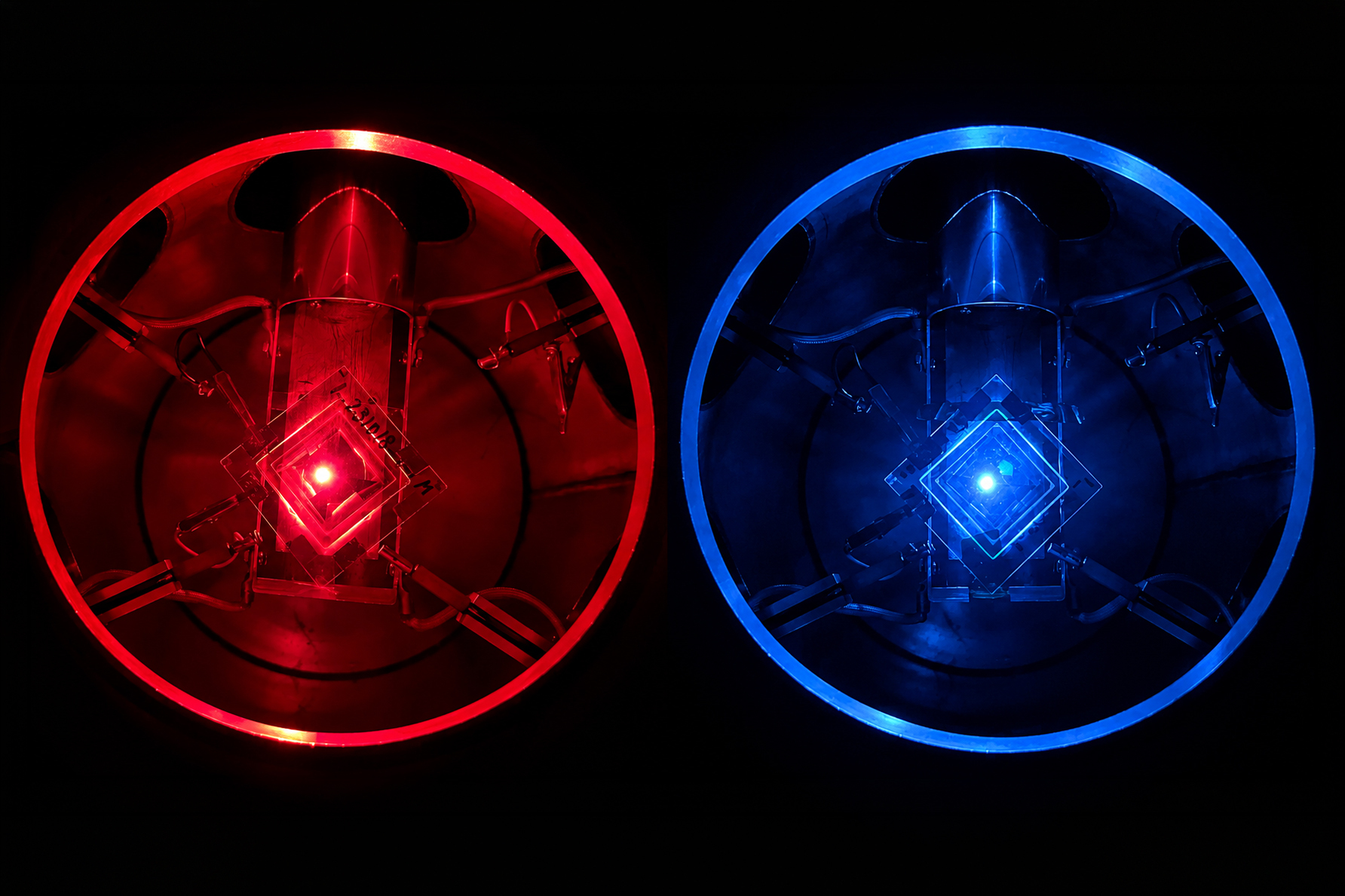
MIT and Samsung Enhance Quantum Dot LED Lifespan for Energy-Efficient Displays
MIT researchers, in collaboration with Samsung, have developed a method to improve the lifespan and efficiency of quantum dot LEDs (QD-LEDs) used in digital displays. By encapsulating QD-LEDs in an acrylate-based resin, the team achieved a remarkable 5,000-fold increase in lifespan, addressing previous limitations that hindered commercial applications. This advancement could significantly impact various devices, including TVs, smartphones, and medical imaging equipment. The significance of this research lies in its potential to transform digital display technology. Quantum dots, known for emitting pure colors, are already utilized in high-quality displays. The new encapsulation technique not only enhances the stability of QD-LEDs but also simplifies their manufacturing process, paving the way for broader adoption in consumer electronics. This could lead to displays that are not only brighter and more energy-efficient but also capable of producing a wider range of colors. Looking ahead, the insights gained from this study may facilitate further innovations in display technology. The researchers aim to address the challenges that have limited the commercialization of QD-LEDs, potentially revolutionizing how displays and ambient lighting are produced. No further timeline was disclosed at the time of publication.
Research Electronics Chemistry Materials science and engineering Nanoscience and nanotechnology Light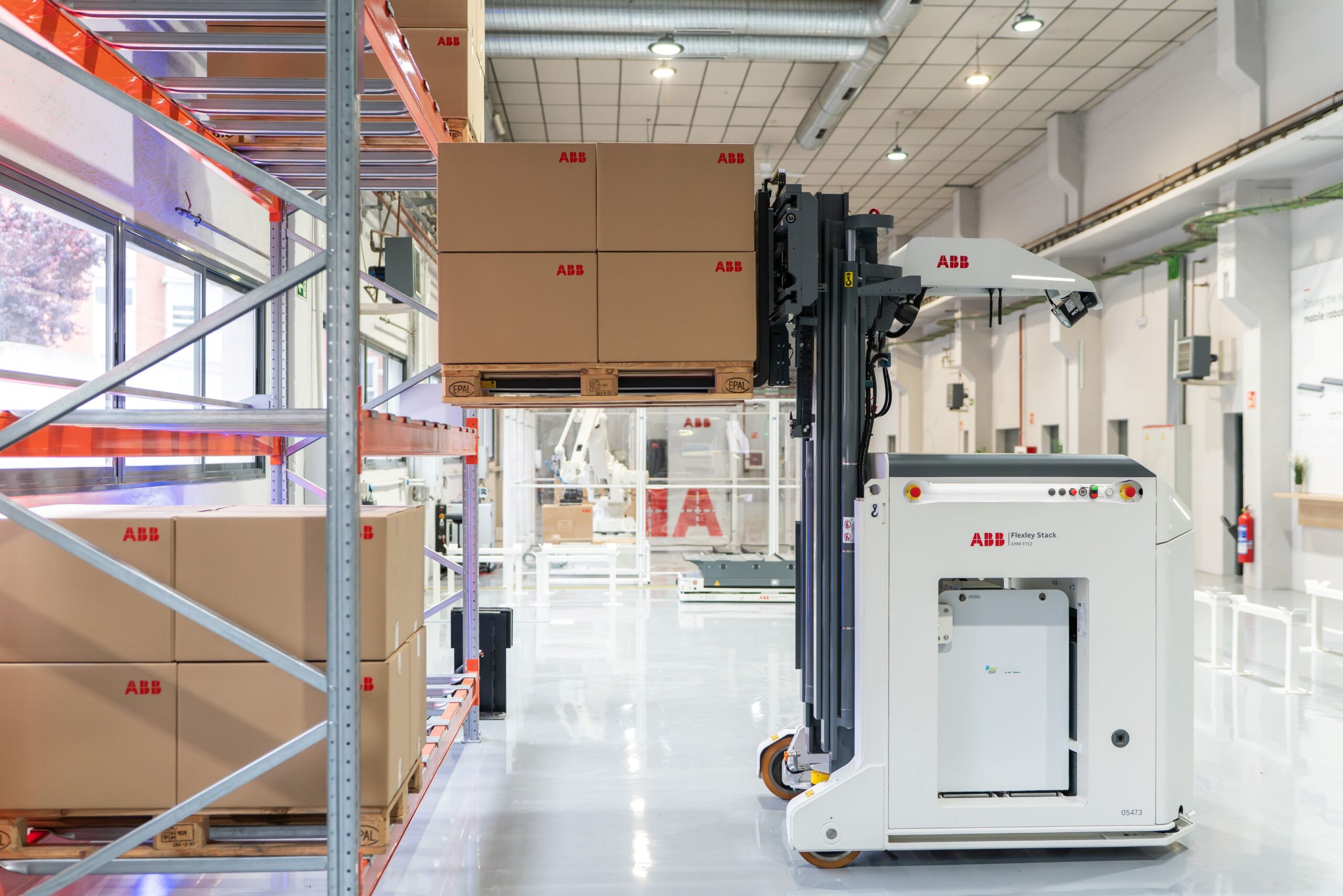
Automation to improve efficiency and fix labour shortages
As warehouses and distribution centres increasingly turn to automation to improve efficiency and address labour shortages, autonomous mobile robots (AMRs) are playing a growing role in material handling and intralogistics. Reflecting this trend, ABB Robotics has expanded its AMR portfolio with the launch of the Flexley® Stack F712, an autonomous forklift designed to support warehouse […] The post Automation to improve efficiency and fix labour shortages appeared first on Logistics Business.
AMR and AGV Materials Handling ABB AMR automation efficiency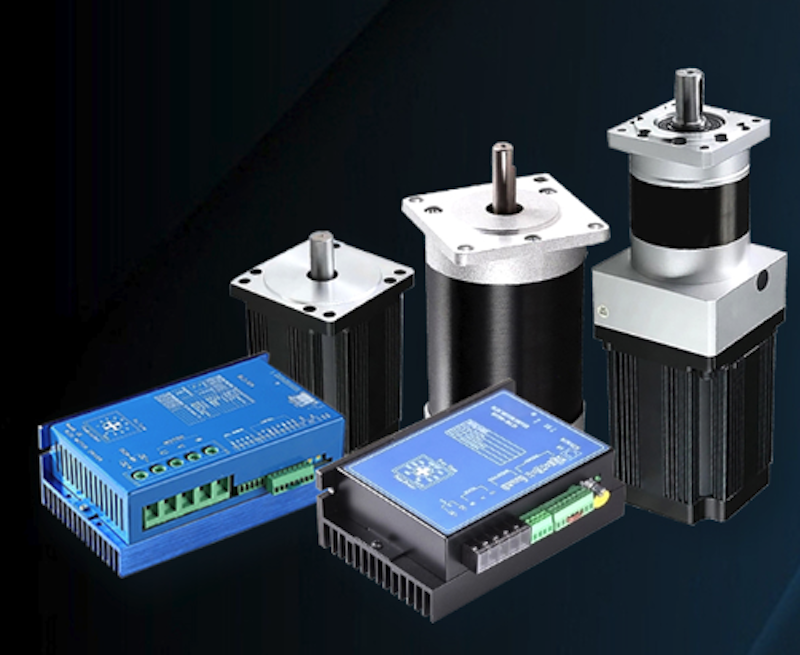
How Motor Controllers Influence Robot Accuracy and Energy Efficiency
As the robotics sector rapidly evolves, industries including manufacturing, healthcare, logistics, and agriculture are increasingly reliant on advanced motion control technologies. This surge in demand is largely driven by the need for precise and energy-efficient solutions to enhance operational efficiency. Central to many of these modern robotic systems are Brushless DC (BLDC) motors, which are celebrated for their high efficiency, reliability, and extended lifespan. However, the optimal performance of these motors is contingent upon effective control strategies and integration within robotic frameworks. As companies seek to leverage the advantages of BLDC motors, ongoing innovations in motion control technology are expected to further enhance the capabilities of robotic systems across various sectors.
Components Engineering amrs autonomous mobile robots BLDC motor controllers BLDC motors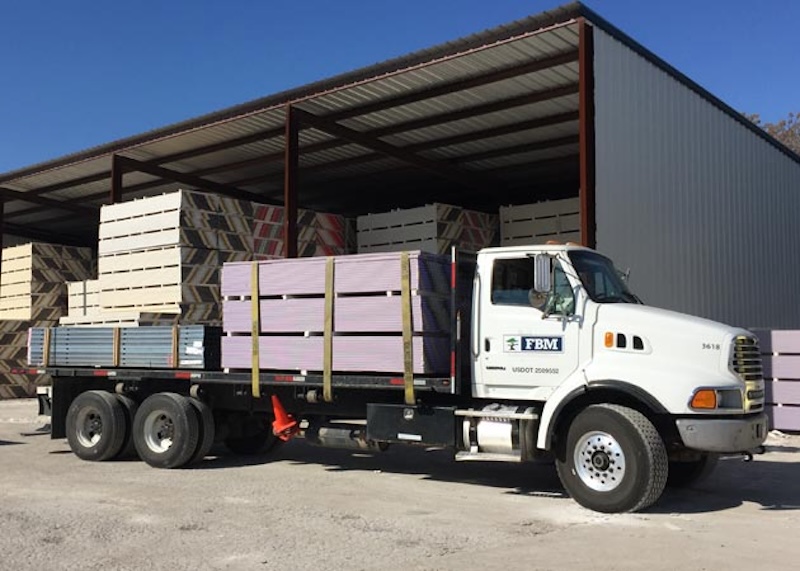
Improving efficiency in modern construction projects
On construction sites, efficiency is crucial, and even minor delays can lead to significant setbacks that disrupt project timelines. Industry professionals have observed that as material costs rise and deadlines tighten, the need for precise time management becomes increasingly important. This shift in focus has prompted workers and managers alike to adopt more strategic approaches to scheduling and resource allocation. By analyzing data and implementing effective planning techniques, construction teams aim to mitigate the impact of unforeseen delays and maintain project momentum. As the industry evolves, the emphasis on optimizing efficiency is expected to play a vital role in meeting the demands of modern construction projects.
Business Construction automation news building industry building materials construction automation
Elemeno Health agrees strategic partnership with Swisslog Healthcare to drive efficiency in healthcare automation
Elemeno Health has formed a strategic partnership with Swisslog Healthcare to enhance automation solutions in hospitals throughout North America. This collaboration aims to integrate Elemeno's just-in-time microlearning platform with Swisslog's robotics and pharmacy automation systems, facilitating streamlined training for frontline staff. By enabling customer self-service capabilities, the partnership seeks to improve operational efficiency and support healthcare providers in delivering better patient care. The initiative underscores the growing importance of pharmacy automation in modern healthcare settings, as hospitals increasingly rely on advanced technology to optimize their services.
Health Logistics News allegro automated pharmacy systems automation news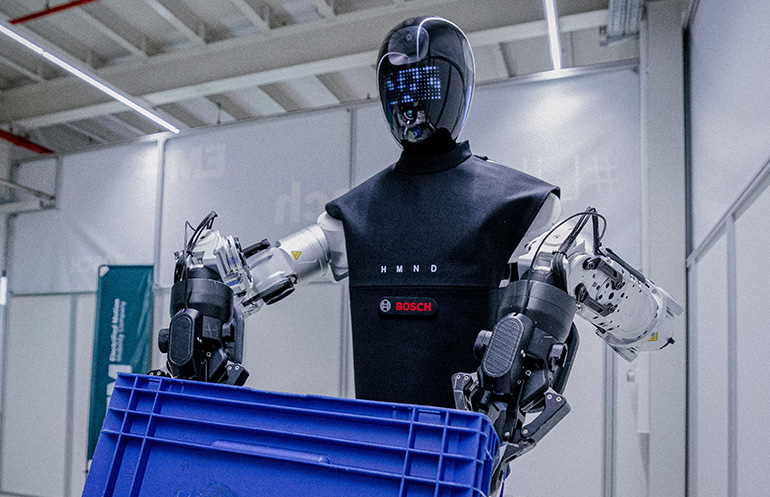
Humanoid partners with Bosch, Schaeffler to scale robot production
Humanoid has announced a collaboration with Bosch to manufacture and distribute its HMND robot across Europe. This partnership follows previous alliances with Siemens and Schaeffler, aimed at scaling up production of the innovative robotic technology. The initiative reflects Humanoid's commitment to expanding its market presence and enhancing the capabilities of its robotic offerings in response to growing demand in the region. The collaboration with Bosch is expected to leverage the latter's expertise in engineering and manufacturing, facilitating a more efficient production process for the HMND robot.
Actuators / Motors / Servos Arms / Manipulators Assembly Autonomous Mobile Robots (AMRs) Humanoids Logistics
Jeff Bezos rep leaves Slate Auto’s board
Melinda Lewison's recent departure from her role has sparked speculation regarding Jeff Bezos' level of support and engagement with the startup. This development comes as the Amazon founder shifts his attention to robotics through his latest venture, Project Prometheus. The timing of Lewison's exit raises concerns about the future direction of the startup and whether Bezos will continue to play an active role in its operations. As he invests his efforts into new technological pursuits, the implications of this transition for the startup's leadership and strategy remain uncertain.
Transportation Exclusive jeff bezos melinda lewison slate auto
Schaeffler plans to deploy 1,000 Hexagon humanoids by 2032
Schaeffler is significantly expanding its investment in humanoid robots for production by forming strategic partnerships with Hexagon and VinDynamics. The company aims to deploy 1,000 humanoid robots developed by Hexagon by the year 2032. This initiative reflects Schaeffler's commitment to enhancing automation and efficiency in its manufacturing processes, leveraging advanced robotics technology to meet growing production demands. The collaboration with Hexagon and VinDynamics is expected to facilitate the integration of these humanoid robots into Schaeffler's operations, marking a notable step forward in the company's technological advancements.
Artificial Intelligence Artificial Intelligence / Cognition Design / Development Humanoids Manufacturing Markets / Industries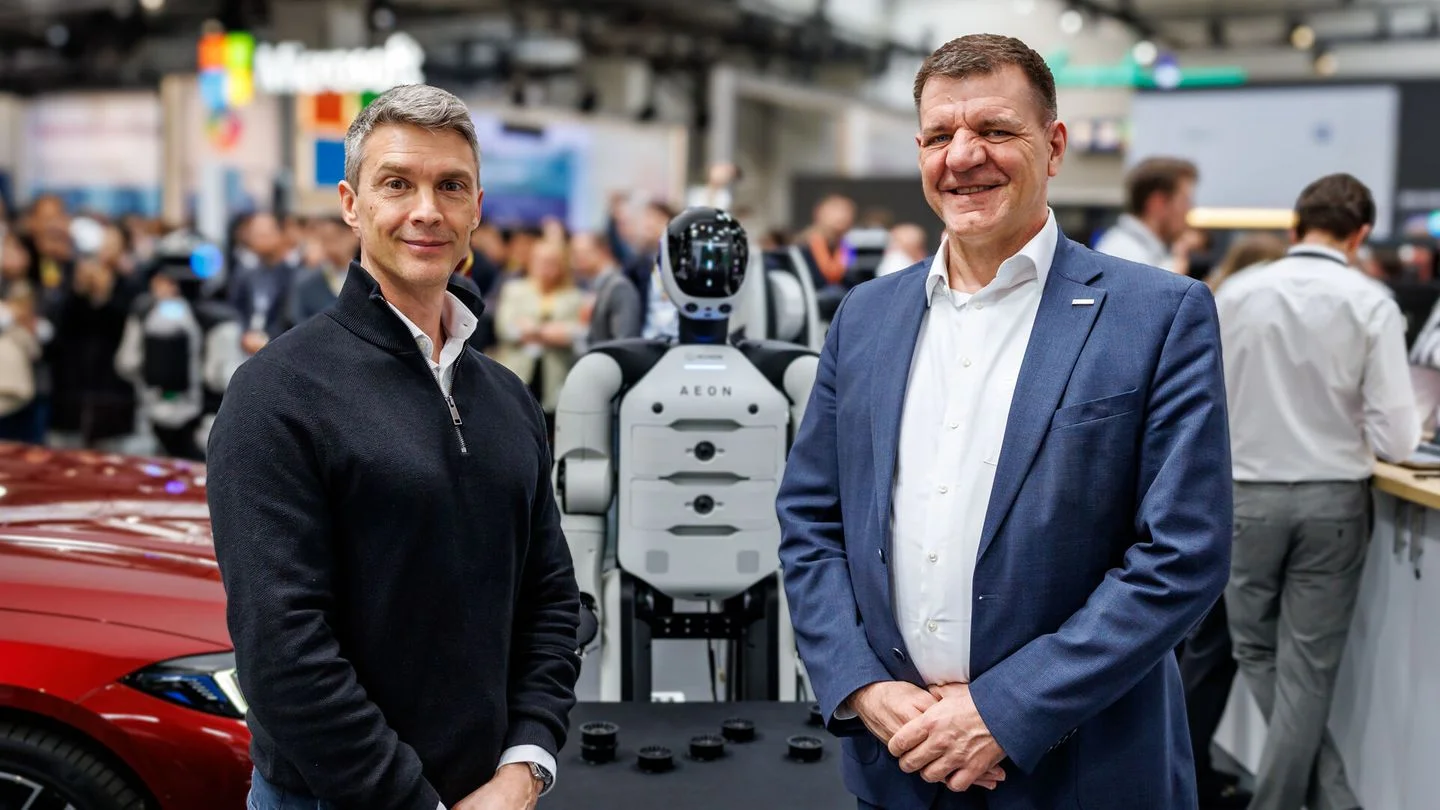
Schaeffler and Hexagon Robotics Partner for Humanoid Robots
Schaeffler is enhancing its commitment to humanoid robotics by partnering with Hexagon Robotics. This collaboration aims to combine Schaeffler's component supply capabilities with the deployment of a significant number of humanoid robots within its manufacturing facilities. The partnership focuses on the development and provision of high-precision rotary actuators, which are essential for the joints of humanoid robots, including shoulders and elbows. This strategic move reflects Schaeffler's intent to innovate and streamline operations through advanced robotics technology.
AI AI Use Cases Robotics actuators AEON Germany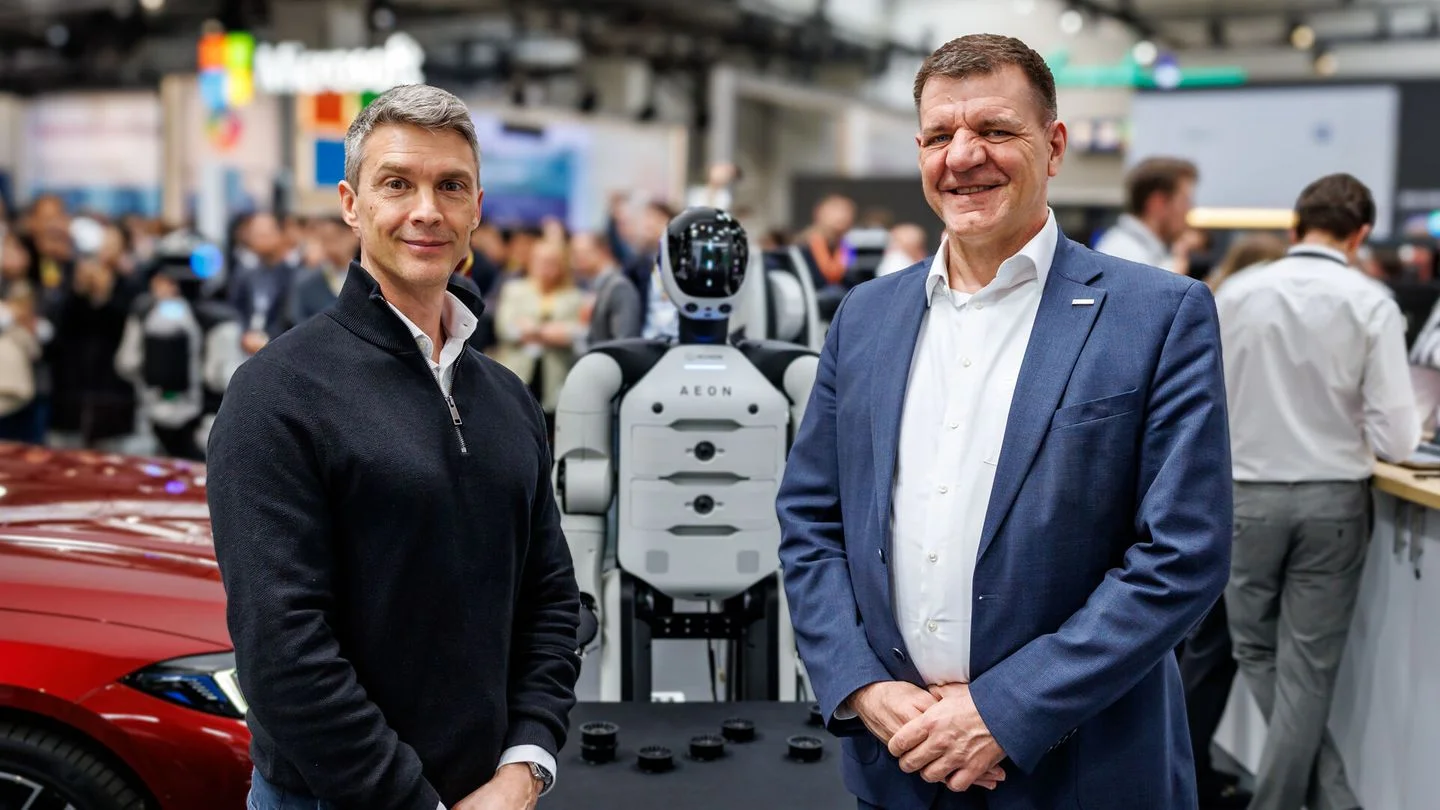
The Tier 1 Play: Schaeffler Commits to 1,000 Hexagon AEON Humanoids in Deep Component Deal
Schaeffler, a leader in motion technology, has entered into a strategic partnership with Hexagon Robotics to enhance robotics capabilities. This collaboration aims to deploy a minimum of 1,000 AEON humanoid robots, which will be powered by Schaeffler's high-precision actuators. The initiative marks a significant step in advancing automation and robotics technology, reflecting both companies' commitment to innovation in the industry. The deployment is expected to take place in the near future, although specific timelines have not been disclosed. This partnership is driven by the growing demand for advanced robotic solutions across various sectors, highlighting the importance of precision engineering in the development of humanoid robots.
aeon Europe Market Schaeffler hexagon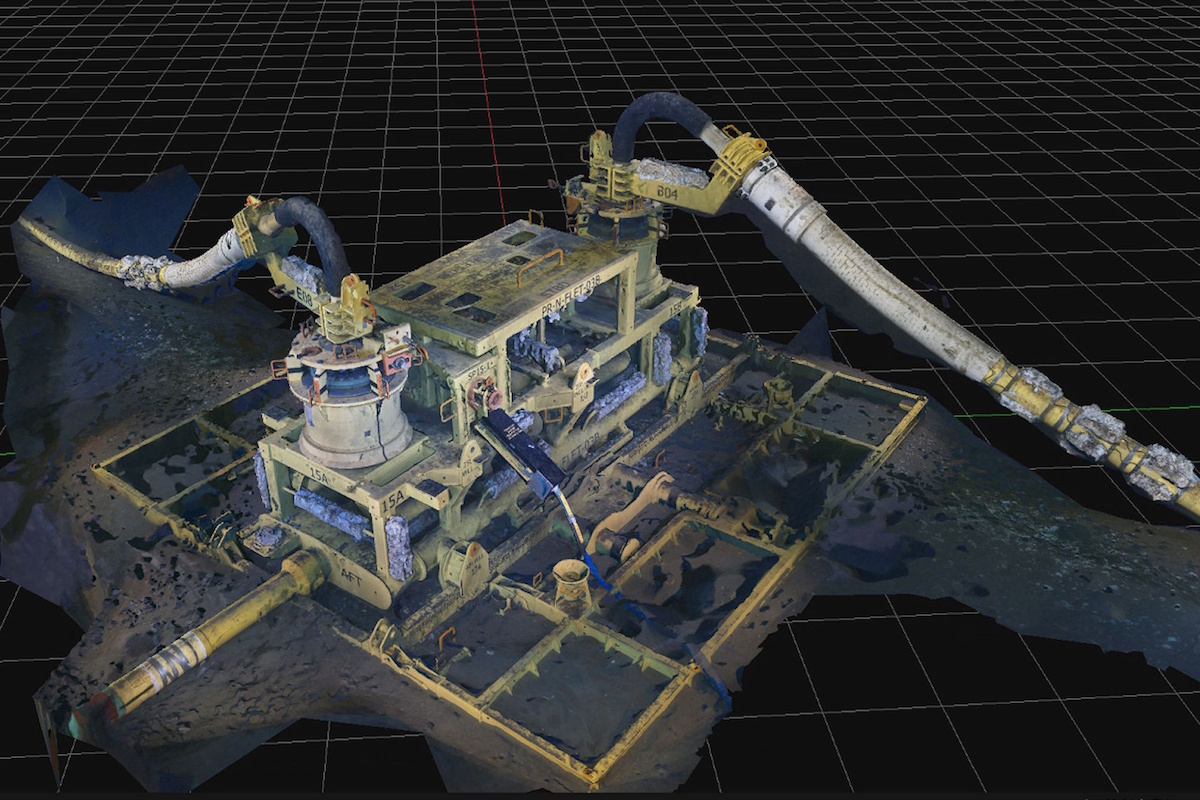
DeepOcean and Woodside Advance Subsea Efficiency Through Dual-scope Approach
DeepOcean, a global ocean services provider, has partnered with Woodside Energy (Senegal) B.V. to conduct simultaneous inspections and 3D scanning of subsea infrastructure at the Sangomar field, located offshore Senegal. This operation, which took place recently, aims to enhance the understanding and management of the subsea assets in the area. By utilizing advanced technology for inspection and scanning, the collaboration seeks to ensure the integrity and safety of the infrastructure, which is crucial for ongoing energy operations. The successful execution of this project underscores the commitment of both companies to leveraging innovative solutions for efficient subsea management in the energy sector.
deepocean woodside subsea efficiency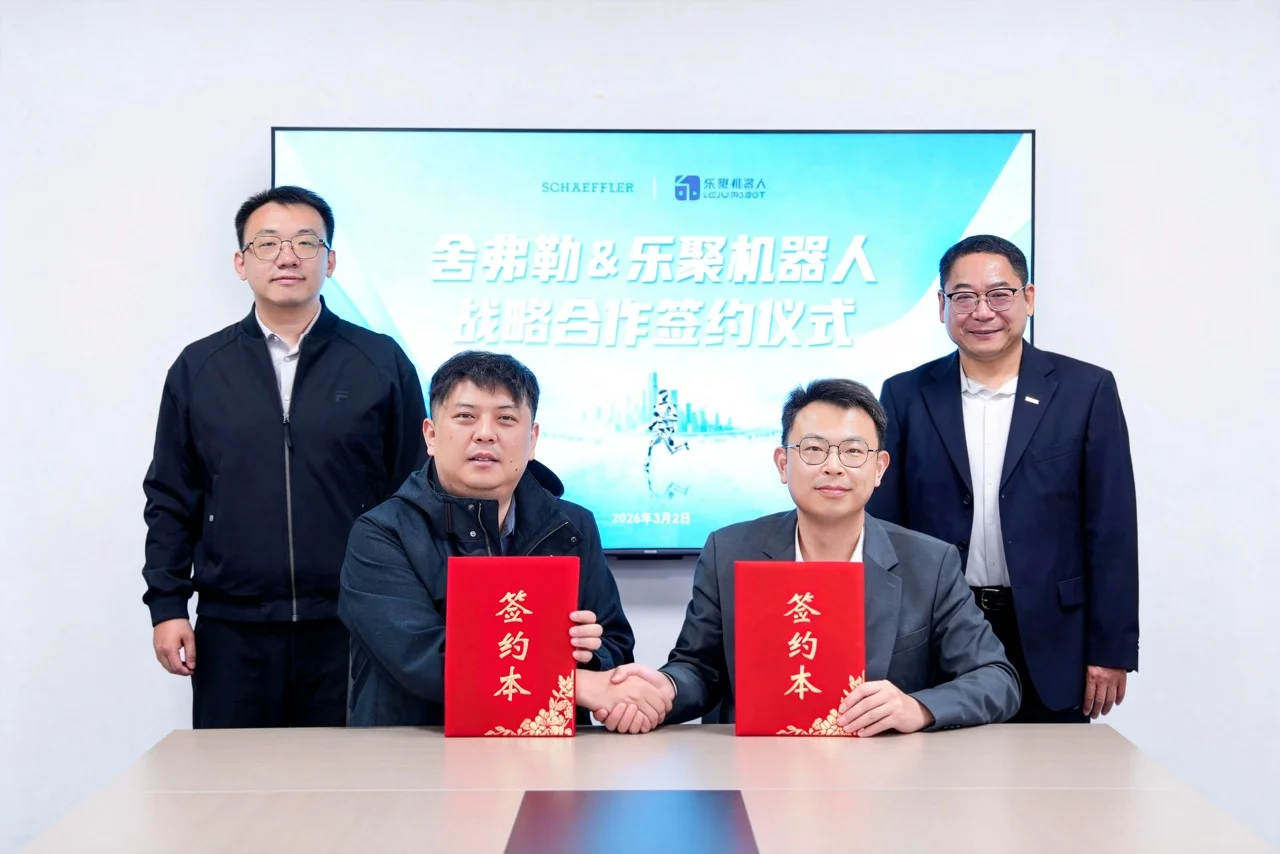
Schaeffler Partners with Leju Robotics as CEO Klaus Rosenfeld Defends "Physical AI" Strategy Amid Cautious Outlook
Schaeffler, a leading industrial company, has entered into its inaugural partnership with Leju Robotics in China, focusing on humanoid robotics. This collaboration coincides with the opening of a specialized innovation factory in Taicang, aimed at advancing technological development in the field. The announcement comes as Schaeffler's leadership prepares investors for a cautious outlook for the 2026 fiscal year, indicating potential challenges ahead. The partnership and new facility are part of Schaeffler's strategy to enhance its capabilities in robotics and automation, reflecting a commitment to innovation despite the anticipated conservative financial landscape.
Leju Robot Europe Market Schaeffler China
The Taicang Nexus: Schaeffler Launches Dedicated Embodied AI Subsidiary in China
Schaeffler, a leading industrial company, has taken a significant step towards advancing its humanoid robotics capabilities by officially launching "Schaeffler Embodied Intelligent Robotics (Taicang) Co., Ltd." This new venture, situated in the prominent German enterprise cluster in Taicang, China, aims to combine hardware manufacturing with a specialized artificial intelligence computing hub. The establishment of this company reflects Schaeffler's commitment to innovation in robotics and AI, positioning it to leverage the growing demand for intelligent robotic solutions in various industries. By integrating advanced technology with manufacturing expertise, Schaeffler seeks to enhance its competitive edge in the rapidly evolving robotics market.
Europe Schaeffler Supply Chain China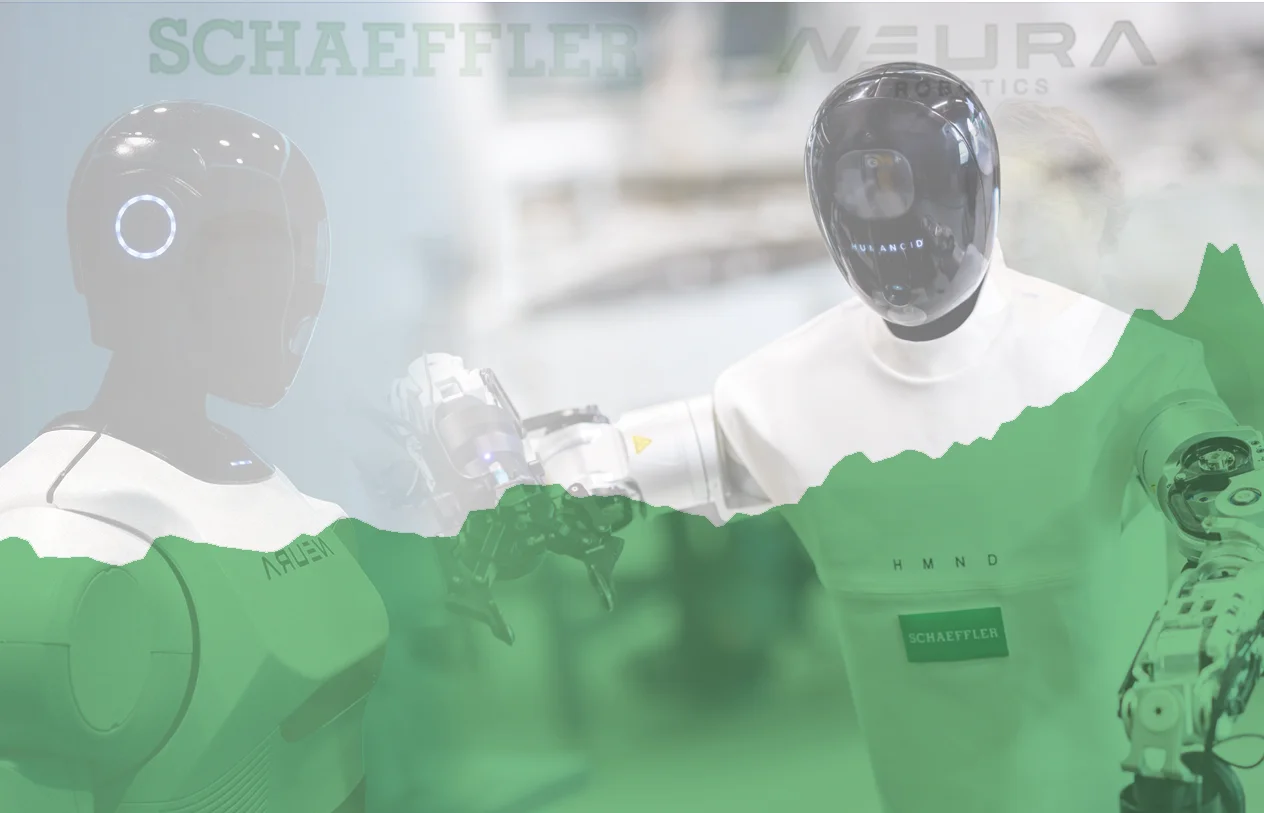
The "Schaeffler Effect": How Humanoid Ambition is Re-Rating Industrial Giants
Investors are increasingly turning their attention to component suppliers in the humanoid robotics sector, particularly Schaeffler, whose stock has surged by 150%. This significant rally reflects a growing enthusiasm for the "Physical AI" market as stakeholders anticipate a series of initial public offerings (IPOs) expected in 2026. The rising interest in humanoid technology, despite the limited number of pure-play humanoid companies, underscores a robust demand for related components and innovations. As the market prepares for these upcoming IPOs, the momentum in stock prices suggests a strong belief in the potential of the Physical AI sector to reshape the future of robotics and automation.
Business Schaeffler IPO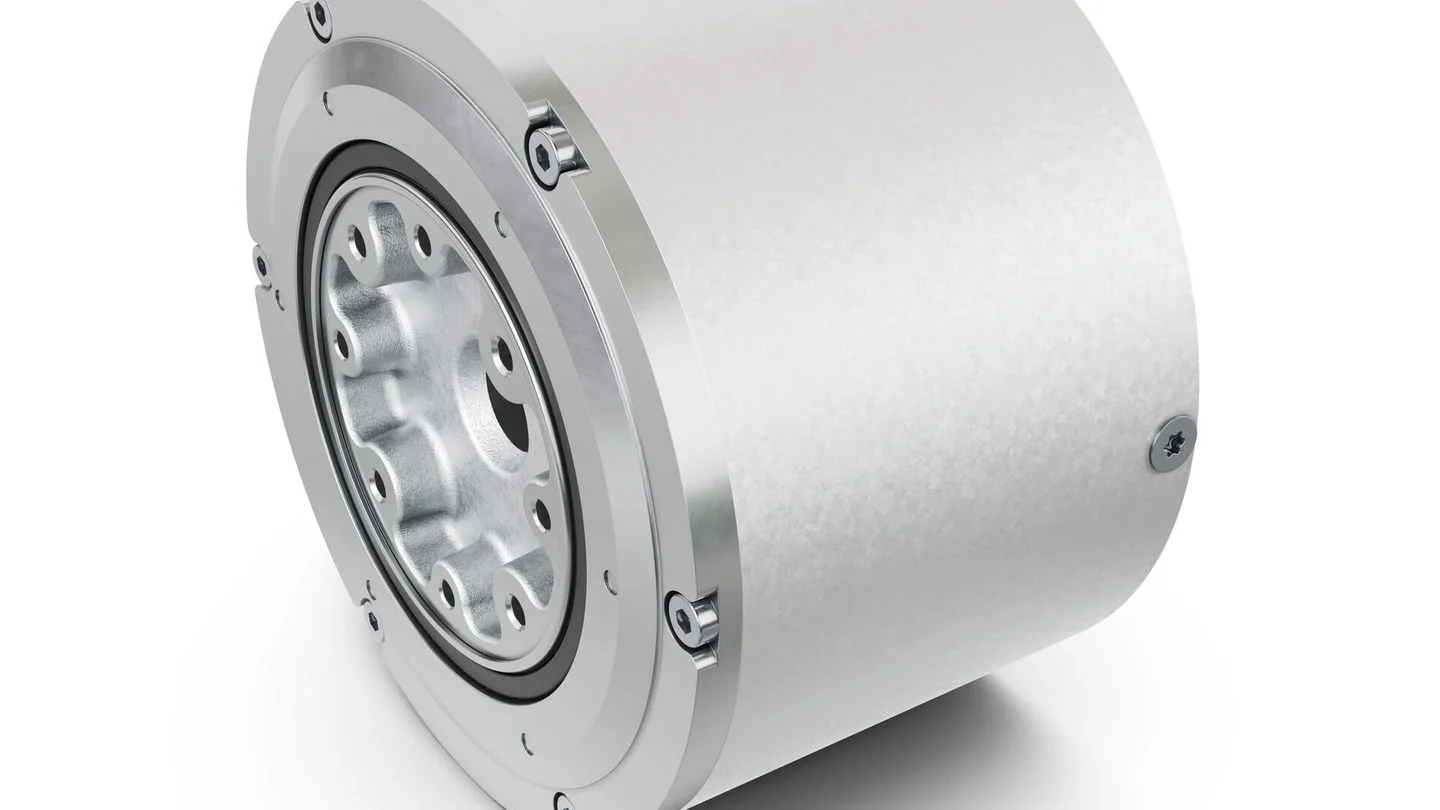
Schaeffler Unveils "All-in-One" Actuator for Humanoids, Targeting the Industry’s Supply Chain Bottleneck
Ahead of CES 2026, a prominent German industrial company has unveiled a fully integrated planetary gear actuator, showcasing its commitment to a dual strategy as both a user and supplier of humanoid hardware. This innovative actuator is expected to enhance the functionality and efficiency of robotic systems, positioning the company at the forefront of advancements in humanoid technology. The announcement highlights the company's ongoing efforts to lead in the robotics sector, emphasizing its role in developing cutting-edge solutions that meet the growing demand for sophisticated automation. With the CES event approaching, the introduction of this technology is likely to attract significant attention from industry leaders and tech enthusiasts alike.
Business Schaeffler Supply Chain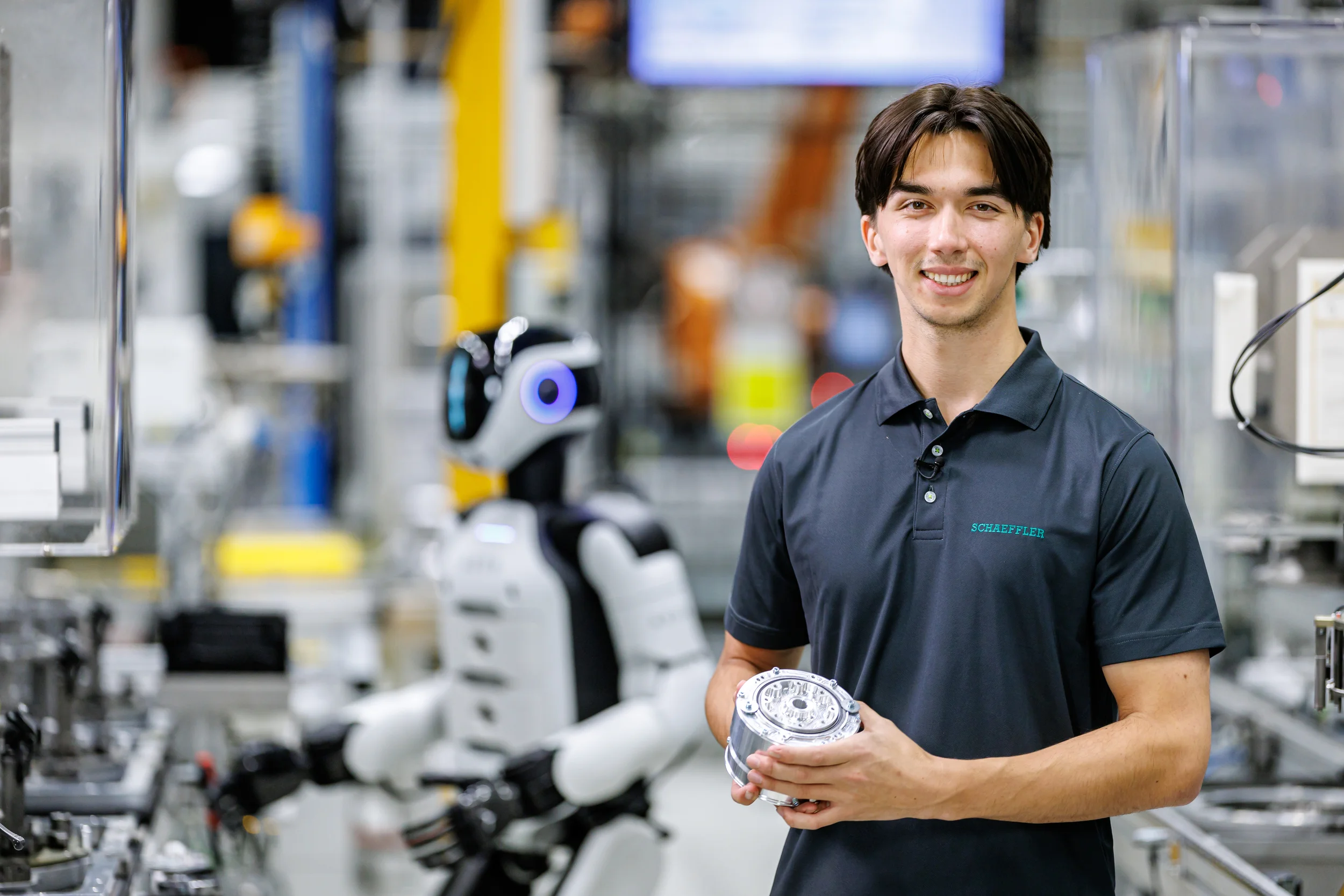
Schaeffler Deepens R&D Ties in Singapore with New Robotics and AI Lab
The German motion technology leader has inaugurated a new 900 square meter facility at Nanyang Technological University, reinforcing its commitment to the humanoid robotics sector. This strategic move aims to position the company as both a significant user and a key supplier of components in this rapidly evolving field. The facility is expected to enhance research and development efforts, fostering innovation and collaboration within the robotics community. By establishing a presence at a prominent educational institution, the company seeks to leverage academic expertise and resources to advance its technological capabilities and product offerings.
Schaeffler Singapore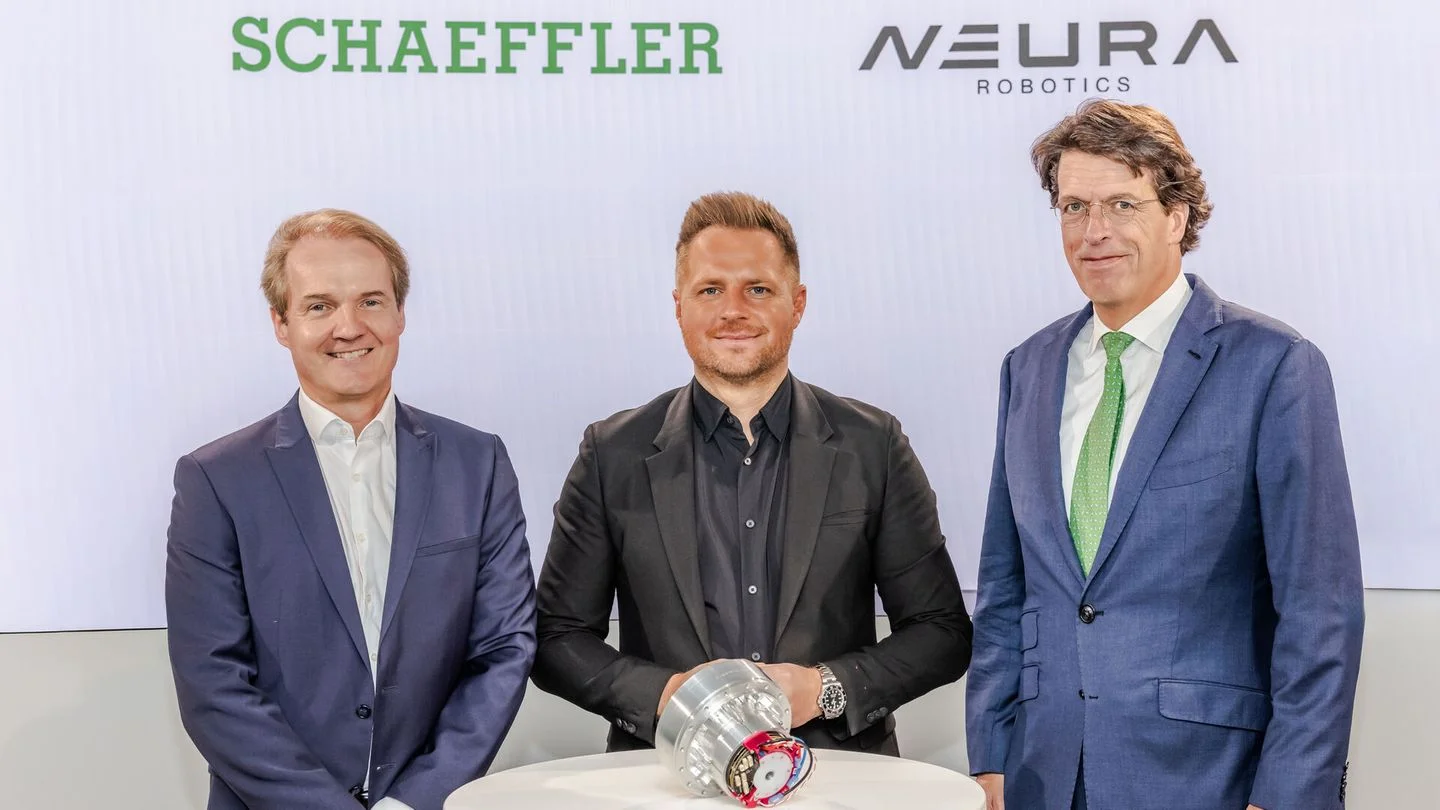
Schaeffler Commits to Thousands of Neura Humanoids in Deep Component and AI Partnership
German industrial giant Schaeffler has announced plans to deploy thousands of Neura's 4NE-1 humanoid robots by the year 2035. In addition to this significant rollout, Schaeffler will collaborate with Neura to co-develop and supply essential actuators for the robots. This partnership aims to enhance Neura's "Neuraverse" AI ecosystem by integrating real-world data collected from the deployed robots. The initiative reflects Schaeffler's commitment to advancing automation and robotics within the industrial sector, positioning itself at the forefront of technological innovation.
4NE-1 Neura Robotics Europe Schaeffler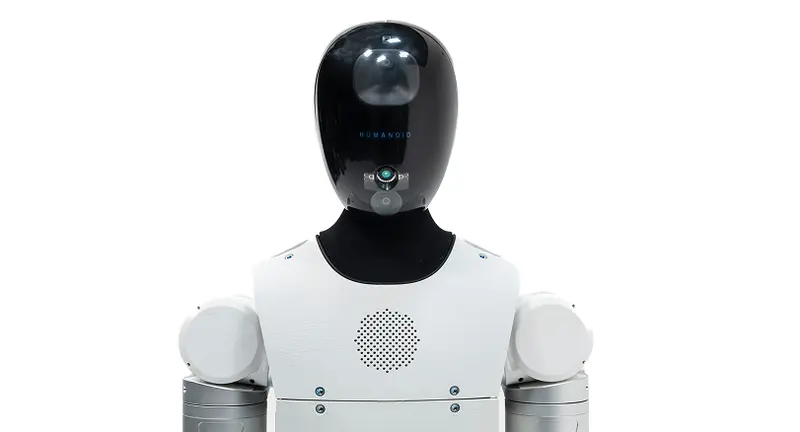
Humanoid's Pre-Alpha Robot Completes Bin-Picking Trial at Schaeffler Factory
UK startup Humanoid has partnered with industrial giant Schaeffler to successfully complete a proof-of-concept for bin picking, a crucial advancement in automation technology. This trial utilized a pre-alpha robot, demonstrating the potential for efficient sorting and handling of items in industrial settings. Following this initial success, the project will advance to a second phase, which will incorporate the new HMND 01 Alpha platform. This collaboration aims to enhance operational efficiency and reduce labor costs in manufacturing processes, reflecting the growing trend towards automation in the industry.
proof-of-concept Schaeffler HMND-01 manufacturing automation Humanoid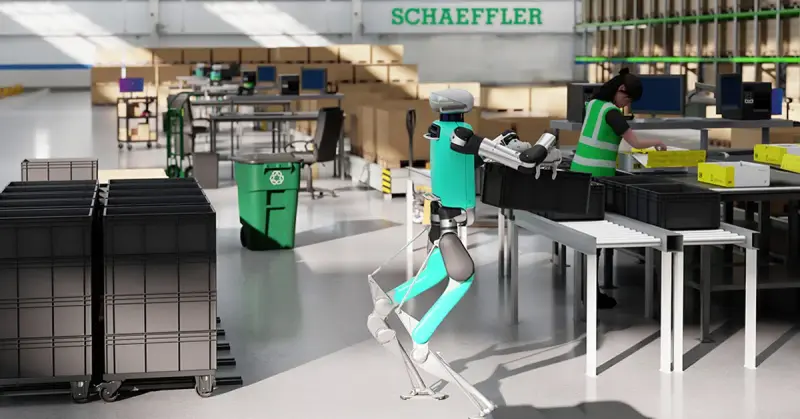
Schaeffler Explores AI-Driven Factories and Humanoid Co-Workers with Accenture, NVIDIA, Microsoft
Schaeffler has announced a strategic partnership with Accenture, NVIDIA, and Microsoft to enhance future factory operations through the implementation of digital twins on the NVIDIA Omniverse platform. This collaboration aims to simulate a range of automation scenarios, incorporating advanced humanoid robots such as Agility's Digit and Sanctuary AI's Phoenix. By utilizing Microsoft Fabric for data analysis, the partners seek to effectively connect virtual testing environments with real-world performance metrics. This initiative reflects a growing trend in the manufacturing sector to leverage cutting-edge technology for improved efficiency and innovation in production processes.
phoenix NVIDIA Microsoft HM25 Schaeffler Digit
Research Reveals Reward Magnitude Enhances Learning Efficiency in Mice
A study published in Science by researchers from the Howard Hughes Medical Institute demonstrates that the magnitude of rewards significantly influences learning speed. Mice receiving larger rewards completed complex tasks, such as navigation and decision-making, in fewer trials compared to those receiving standard rewards. This finding is crucial as it suggests that learning efficiency is not solely dependent on practice quantity but rather on the size of the rewards. The study indicates that larger rewards lead to prolonged dopamine release in the brain, enhancing motivation and retention of learned tasks. Future research may focus on how these insights can be applied to improve learning strategies in various fields, including education and behavioral training. No further timeline was disclosed at the time of publication.
Variable Launches DMuon Optimizer to Improve Distributed Muon Model Infrastructure Efficiency by 30%
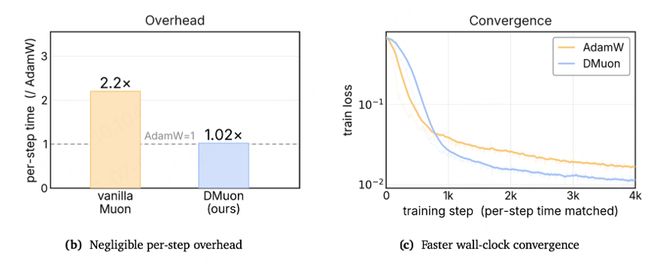
Variable Robotics has introduced the DMuon optimizer, enhancing the distributed Muon model infrastructure's efficiency by approximately 30%. This new optimizer addresses the additional computational and communication costs associated with using Muon in distributed training, which previously resulted in an end-to-end step time 2.2 times longer than AdamW. The significance of DMuon lies in its ability to maintain the faster convergence benefits of the Muon optimizer while reducing the end-to-end step time to just 1.02 times that of AdamW. This improvement is achieved through fine-grained communication optimization, computation-aware load balancing, and a high-performance kernel system, making DMuon a viable option for embodied model training without requiring changes to parameter update rules or training frameworks. Looking ahead, DMuon is expected to become a new default choice for embodied model training, as it effectively mitigates the redundant computations and communication overhead that previously hindered Muon's performance in distributed environments. No further timeline was disclosed at the time of publication.
Neural Network Optimization Distributed Training Machine Learning Infrastructure AI Models
Uber's Opposition to D.C. Robotaxi Bill Pits It Against Waymo's Support
A proposed bill in Washington, D.C. aims to permit autonomous vehicles, becoming a focal point for Uber's robotaxi strategy. Uber opposes the bill, claiming it would favor Waymo and threaten human drivers' jobs. The company advocates for a hybrid model that integrates human drivers with robotaxis, emphasizing consumer choice. This legislative effort is significant as it reflects broader tensions in the autonomous vehicle sector. Uber's stance highlights concerns about congestion and the need for human assistance in transportation, while Waymo argues that the bill promotes safe autonomous vehicle deployment and equitable access to transit. The bill, introduced by Councilmember Charles Allen, seeks to amend the Autonomous Vehicle Act of 2012, allowing for commercial driverless operations. The outcome of this legislation could shape the future of robotaxi operations in D.C. and influence similar discussions nationwide. No further timeline was disclosed at the time of publication.
Government & Policy Transportation Exclusive robotaxis Uber Waymo
Specialized Robots Enhance Efficiency in Solar Farm Construction and Maintenance
A rising number of robotics companies are developing specialized machines aimed at alleviating labor bottlenecks in solar farm construction and maintenance. These innovations are crucial as they address the unique challenges posed by solar farm terrains, optimizing both construction timelines and operational efficiency. The significance of these advancements lies in their potential to streamline processes and reduce reliance on manual labor, which can be both costly and time-consuming. By integrating specialized robots, companies can enhance productivity and improve safety standards on solar farms, making the sector more sustainable and economically viable. Looking ahead, the continued evolution of robotics in this field will be essential to meet the growing demand for renewable energy solutions. Stakeholders should monitor developments in robot capabilities and their impact on solar farm operations. No further timeline was disclosed at the time of publication.
U.S. Department of Defense Launches Massed Modular Aircraft Initiative for Cost-Effective Drones
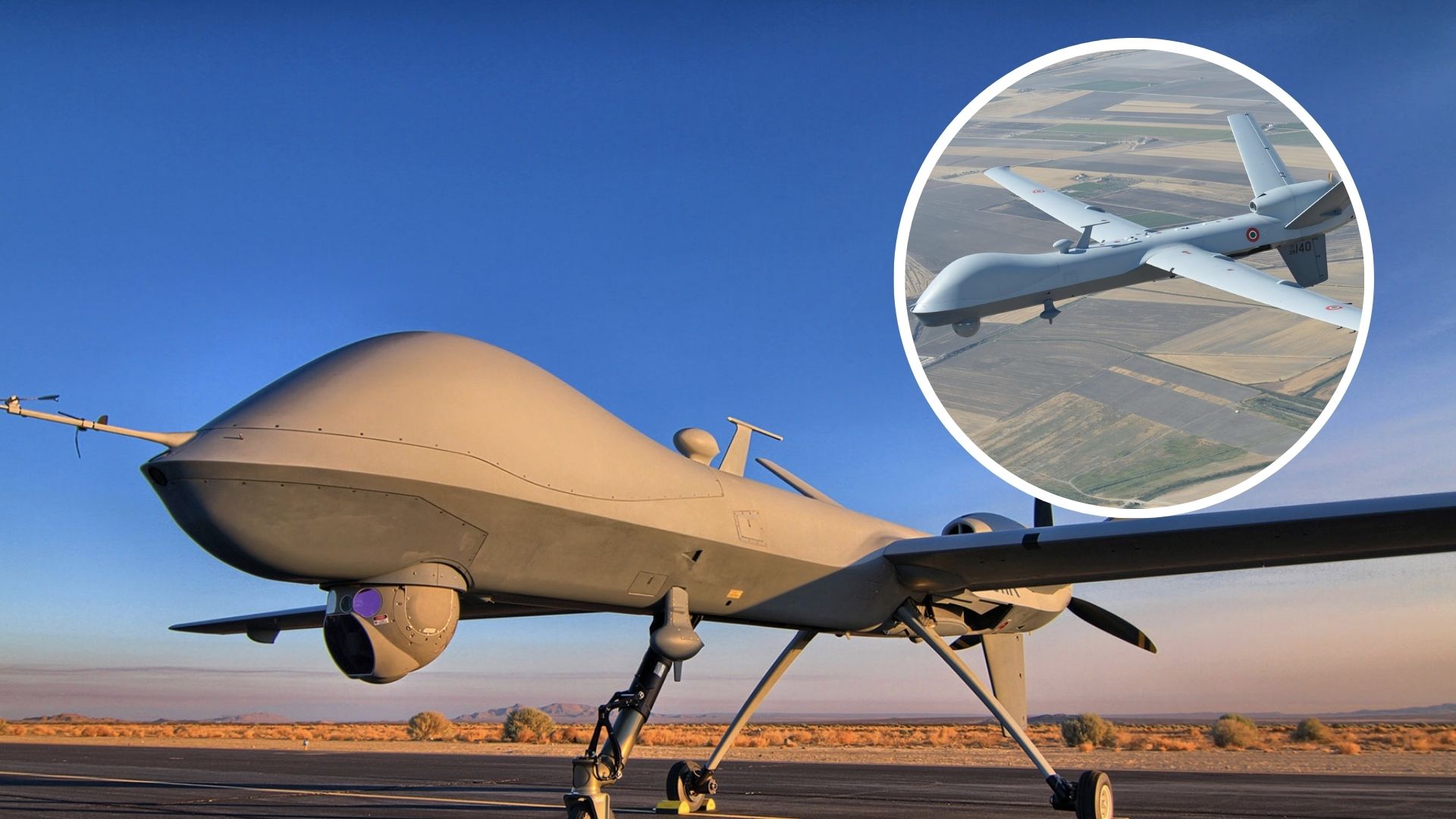
The U.S. Department of Defense is initiating the Massed Modular Aircraft (MMA) program to develop low-cost combat drones capable of performing missions similar to the MQ-9A Reaper. This initiative reflects a strategic shift towards utilizing affordable, expendable drones in modern warfare, particularly in light of recent conflicts that have exposed the vulnerabilities of high-value aircraft in contested airspace. The Pentagon aims to create a fleet of modular, long-range unmanned aircraft that can be rapidly reconfigured for various missions, significantly reducing operational costs while maintaining effectiveness against advanced enemy defenses. This shift is driven by the need for a more sustainable military approach, as the loss of MQ-9 Reapers during operations against Iran has highlighted the financial burden of relying on expensive platforms. With each MQ-9 costing approximately $30 million, military planners recognize that a strategy focused solely on high-value aircraft is increasingly untenable. The MMA initiative seeks to provide a flexible, risk-tolerant option that can deploy large numbers of drones to overwhelm enemy defenses, thereby ensuring operational capability despite potential losses. Looking ahead, the Pentagon's focus on massed modular aircraft indicates a significant evolution in military tactics. The ability to deploy swarms of low-cost drones could complicate enemy air defenses and enhance reconnaissance and strike capabilities. No further timeline was disclosed at the time of publication, but the emphasis on affordability and modularity suggests a proactive response to the changing dynamics of modern warfare and the need for cost-effective solutions in defense operations.
Military
Path Robotics Enhances Welding Efficiency with AI and Boston Dynamics Robots
In a recent episode of The Robot Report Podcast, Andy Lonsberry, co-founder and CEO of Path Robotics, detailed the company's innovative approach to robotic welding. Based in Columbus, Ohio, Path Robotics utilizes AI to optimize the welding process by identifying torch paths and employing real-time vision guidance. This technology aims to streamline operations in manufacturing environments, addressing longstanding challenges in the industry. The significance of Path Robotics' advancements lies in their application of physical AI to enhance robotic systems. By integrating AI-driven solutions, the company is not only improving the efficiency of welding operations but also expanding the capabilities of robots in complex production settings. The deployment of Boston Dynamics' Spot robots for mobile welding applications in shipbuilding further exemplifies the potential of combining AI with robotics to tackle industry-specific challenges. Looking ahead, the focus will be on the continued integration of AI in robotic systems and the potential for further advancements in welding technology. No further timeline was disclosed at the time of publication, but the ongoing development in this area suggests a promising future for AI-enhanced manufacturing solutions.
Artificial Intelligence Assembly Cameras / Imaging / Vision Controllers Humanoids Manufacturing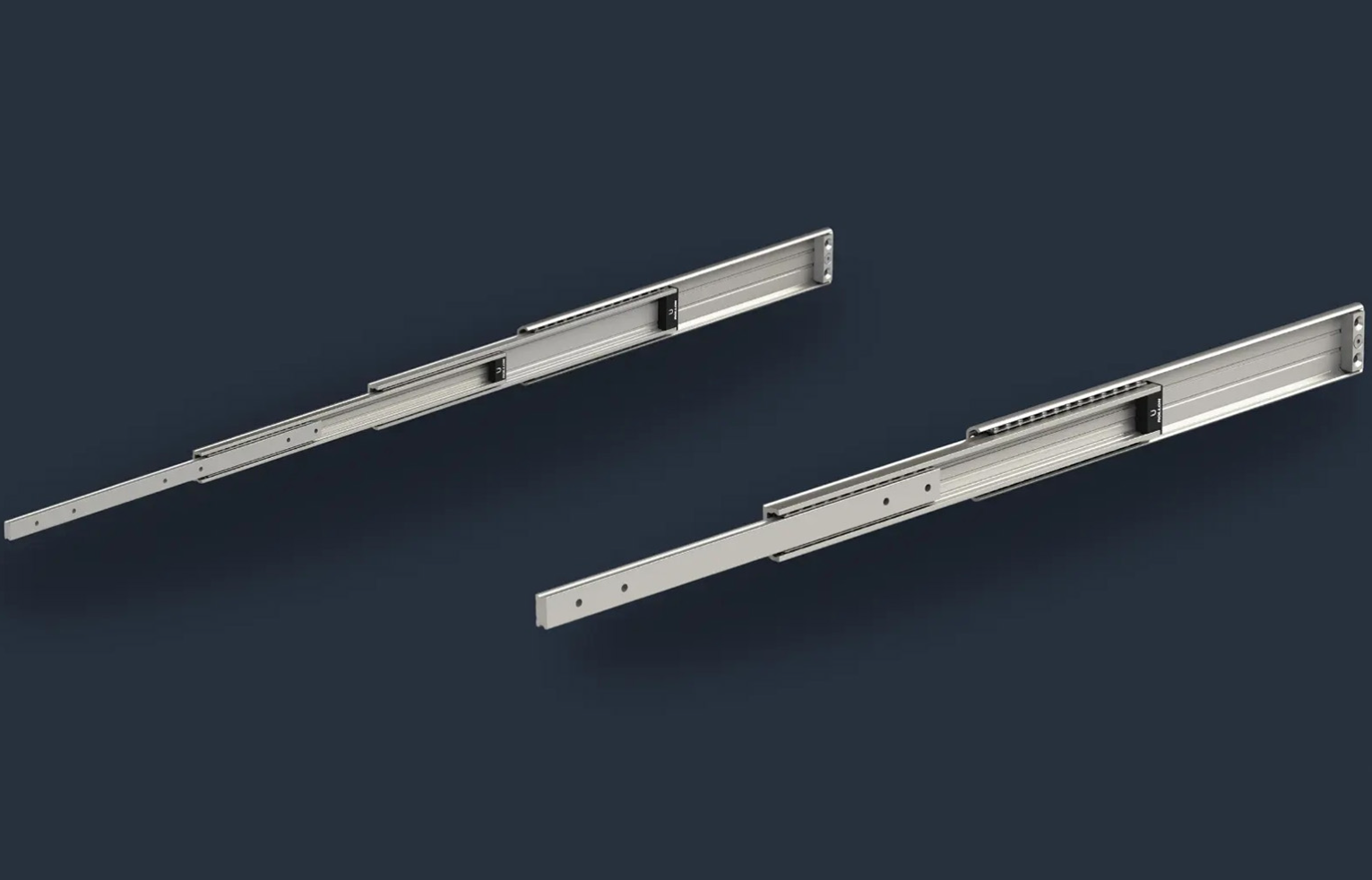
Rollon Launches Magnetic Telescopic Rails to Enhance Railway Maintenance Efficiency
Rollon, a leader in linear motion systems, has introduced the HVC-MG and H1C-MG integrated magnetic telescopic rails. These rails, designed for high-load applications, incorporate magnets into the rail structure to improve control and reduce effort during maintenance tasks. The new technology was unveiled this week and aims to enhance the efficiency and safety of railway maintenance operations by allowing engineers to easily pull out heavy battery compartments weighing hundreds of kilograms. The significance of this innovation lies in its ability to provide a seamless operation under heavy loads, addressing the challenges faced by maintenance personnel in the railway sector. The integrated magnets facilitate a sequential opening of the rail components, which minimizes simultaneous stress and enhances load distribution. This results in smoother operation, reduced manual effort, and extended rail lifespan, making it particularly suitable for the demanding environments of high-speed rail and subway systems. Looking ahead, Rollon plans to expand its magnetic control sequential motion technology across more product lines. The HVC and H1C series rails offer full extension and super extension options, maximizing accessibility while minimizing space usage. No further timeline was disclosed at the time of publication for additional product releases or enhancements.
Railway Maintenance Linear Motion Systems Heavy Equipment Automation Technology
OpenAI introduces GPT-5.6 models with enhanced efficiency and cybersecurity features
OpenAI has launched its latest family of models, GPT-5.6, featuring three variants: Sol, Terra, and Luna. Announced on Thursday, these models promise significant advancements in enterprise applications, coding, and scientific research. Notably, Sol is reported to be 54% more token efficient for coding tasks, positioning it as a leading option in the AI landscape. The introduction of GPT-5.6 is significant as it aims to enhance cybersecurity capabilities, with OpenAI claiming it is their strongest model yet in this area. The model supports various defensive activities such as threat modeling and code review, addressing concerns raised by previous regulatory scrutiny. This launch is strategically timed to compete with offerings from rivals like Anthropic, with OpenAI asserting that its models outperform competitors in key metrics. Looking ahead, OpenAI's new models are now available across platforms including ChatGPT and Codex, with pricing structured per million tokens. The company has not disclosed specific timelines for future updates or enhancements, but the competitive landscape suggests ongoing developments in AI model capabilities and market positioning.
AI ChatGPT gpt-5.6 OpenAI sam altman
ABB Robotics and Roche Partner to Enhance Laboratory Efficiency with Intelligent Robotics
ABB Robotics has entered into a collaboration with Roche to develop digitally connected laboratories utilizing intelligent robotics. This partnership aims to improve laboratory workflows significantly, with initial applications focusing on pathology slide handling and enhancing intralogistics within Core Labs. The deployment will feature a variety of ABB Robotics technologies, including autonomous mobile manipulation and fixed articulating robots. This collaboration is significant as it represents a shift towards integrating advanced robotics in laboratory settings, which can lead to increased efficiency and reduced operational costs. By automating tasks such as slide handling, laboratories can expect to streamline processes, minimize human error, and enhance overall productivity. The use of intelligent robotics in this context is expected to set a new standard for laboratory operations. Looking ahead, the first applications of this collaboration are anticipated to roll out soon, although no specific timeline was disclosed at the time of publication. Stakeholders in the robotics and healthcare sectors should monitor this partnership closely, as it may pave the way for further advancements in laboratory automation and connectivity.

Starmind's Satellite Technology Achieves 880 Billion Liters in Annual Water Savings
Starmind has announced that its satellite technology can save approximately 880 billion liters of cooling water annually at full scale. This figure is equivalent to the annual household water use of around 6.5 million Americans. The technology operates by utilizing a closed-loop liquid cooling system that eliminates the need for water during its operational life, contrasting sharply with traditional ground data centers that consume vast amounts of water for cooling. The significance of this achievement lies in the growing water consumption crisis faced by data centers, particularly as AI expansion drives demand. In 2025, U.S. data centers consumed nearly one trillion liters of water, highlighting the urgent need for sustainable solutions. Starmind's approach not only addresses direct water usage but also avoids indirect water consumption associated with electricity generation, marking a substantial shift in how computing can be conducted in a resource-efficient manner. Looking ahead, Starmind's deployment strategy includes a projected buildout of 100 GW of orbital compute per year, which could displace an additional 735 billion liters of ground water demand annually. The first tranche of 10,000 satellites is already operational, offsetting approximately 8.8 billion liters of water per year. No further timeline was disclosed at the time of publication.

Effectiveness Assessment of Underwater Area Cruise Based on the ADC Method
The Journal of Field Robotics has recently published an article in its EarlyView section, highlighting advancements in robotic technology. Researchers from various institutions collaborated to explore innovative applications of field robotics, focusing on enhancing efficiency in agricultural practices. The study, released in October 2023, emphasizes the growing importance of robotics in addressing global food security challenges. The research team conducted extensive field tests to evaluate the performance of new robotic systems designed for tasks such as planting, harvesting, and monitoring crops. By integrating artificial intelligence and machine learning, these robots aim to optimize resource use and reduce labor costs in farming operations. The findings indicate that implementing these technologies can significantly improve yield and sustainability. This initiative is driven by the urgent need to increase agricultural productivity in the face of a rising global population and climate change impacts. The researchers advocate for further investment in robotic solutions to support farmers and ensure food supply chains remain resilient. The article serves as a call to action for stakeholders in the agricultural sector to embrace technological advancements that can transform traditional farming methods.
RESEARCH ARTICLE
Jane Heffner is New President of International Federation of Robotics
Jane Heffner has been elected as the new President of the International Federation of Robotics (IFR), succeeding Takayuki Ito from Fanuc Corporation. The announcement was made on February 7, 2026. Heffner, who also serves as the Global Vice President of Channel Communication at Teradyne Robotics, emphasized the importance of her new role during a statement, expressing gratitude for Ito's leadership and highlighting the pivotal moment the global robotics industry is experiencing due to advancements in artificial intelligence and automation. Joining her in leadership is Adrien Brouillard, appointed as Vice President. Brouillard, who has over 15 years of experience at Stäubli, will collaborate with Heffner to further the federation's mission amid the growing demand for automation worldwide. The IFR, founded in 1987, represents over 3,000 organizations, including manufacturers, national robotics associations, and academic institutions from more than 30 countries, positioning itself as the voice of the global robotics industry.

EXCLUSIVE: Hegseth creates autonomy czar to manage almost all drone efforts
An internal memo acquired by Breaking Defense reveals that a newly established role within the Department of Defense will oversee all ground vehicles, small air vehicles, and nearly all sea vehicles. This position will report directly to Deputy Defense Secretary Stephen Feinberg. The creation of this role aims to streamline oversight and enhance coordination among various military vehicle operations, reflecting a strategic shift in the Department's approach to managing its diverse fleet. The memo underscores the importance of integrating these vehicle categories to improve efficiency and effectiveness in military logistics and operations.
Pentagon AI & Autonomy Defense Autonomous Working Group - DAWG Director for Major Weapons Program Drones DRPM UxS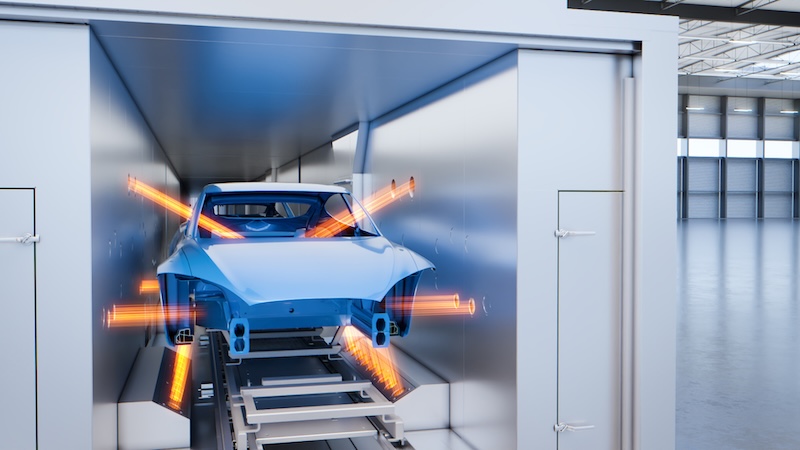
Dürr implementing a CO2-efficient paint shop with cross-plant system integration
Dürr is undertaking a significant project to construct a fully integrated paint shop for Volkswagen Autoeuropa, which includes the deployment of an advanced software solution. This initiative, set to be completed by 2024, aims to enhance efficiency in vehicle production by utilizing cutting-edge application and drying technologies that focus on maximizing CO2 reduction. The project also features an innovative SCADA integration, which will unify three separate paint shops into a single cohesive system. By the end of the project, it is anticipated that the facility will support the production of 236,100 vehicles annually, reflecting a commitment to sustainability and operational excellence in the automotive industry.
Industrial robots News automotive manufacturing automotive production co2 reduction digital manufacturing
UN enforces global safety rules for fully autonomous vehicles, effective January 2027
Major automotive markets worldwide have united to establish a unified set of regulations aimed at enhancing safety and environmental standards in the industry. This collaborative effort, announced recently, involves key players from regions including North America, Europe, and Asia, who recognize the need for a cohesive framework to address the challenges posed by climate change and technological advancements in vehicle manufacturing. The initiative was unveiled during an international automotive summit held in Tokyo, where industry leaders and policymakers gathered to discuss the future of transportation. The decision to create a standardized set of rules stems from the increasing complexity of regulations across different markets, which has led to confusion and inefficiencies for manufacturers and consumers alike. By harmonizing these regulations, stakeholders aim to streamline compliance processes, reduce costs, and promote innovation in electric and autonomous vehicles. The new framework is expected to facilitate smoother trade and enhance consumer confidence in vehicle safety and environmental impact. The collaborative approach signifies a shift towards greater cooperation among nations, reflecting a shared commitment to sustainable development and the advancement of the automotive sector. As the industry evolves, this initiative is seen as a crucial step in ensuring that all markets can adapt to future challenges while maintaining high standards for safety and environmental protection.
AI and Robotics Transportation
Ultraefficient chip could help tiny robots traverse complex environments
Researchers at MIT have developed an innovative chip designed to enhance the navigation capabilities of small, low-power unmanned aerial vehicles (UAVs) as they maneuver through confined spaces, such as industrial HVAC systems, to detect gas leaks. This breakthrough, announced recently, enables these autonomous robots and other battery-operated devices to create detailed three-dimensional maps of their surroundings in real time while consuming minimal energy—approximately the same amount as a single LED light. By utilizing these maps, the robots can effectively plan collision-free routes to their objectives, significantly improving their operational efficiency and safety in complex environments.
Hardware
Sumitomo Corporation and Kyoto City find winning strategy for AI use, resolving the Copilot cost-effectiveness issue.
As the effectiveness of generative AI comes under scrutiny, Sumitomo Corporation has independently verified Microsoft’s projected cost savings associated with the technology. This evaluation highlights the potential benefits of generative AI, particularly through its applications in Kyoto City. By examining these case studies, the analysis aims to uncover successful strategies for investing in generative AI, shedding light on its practical implications and future prospects.

Jeff Bezos’s Physical AI Startup Prometheus Raises $12B at $41B Valuation
Prometheus, a physical AI startup co-founded by Jeff Bezos and Vik Bajaj, has successfully secured $12 billion in funding, achieving a valuation of $41 billion. This latest investment round attracted major financial institutions, including JPMorgan Chase, Goldman Sachs, and BlackRock. Since its inception late last year, Prometheus has raised over $18 billion in total funding. The company aims to advance its innovative technologies in the artificial intelligence sector, positioning itself as a significant player in the industry.
AI Funding & Investment
Effort to establish a National Commission on Robotics advances in Congress
As discussions progress in Congress regarding the establishment of a National Commission on Robotics, industry leaders are advocating for a more cohesive national policy on robotics. The push for this commission reflects a growing recognition of the need for a unified approach to address the challenges and opportunities presented by advancements in robotics technology. Stakeholders emphasize that a coordinated policy framework is essential to foster innovation, ensure safety, and maintain competitiveness in the global market. The ongoing deliberations highlight the importance of aligning various interests within the robotics sector to effectively navigate the complexities of this rapidly evolving field.
Business Resources China Defense / Security Industrial Robots Manufacturing News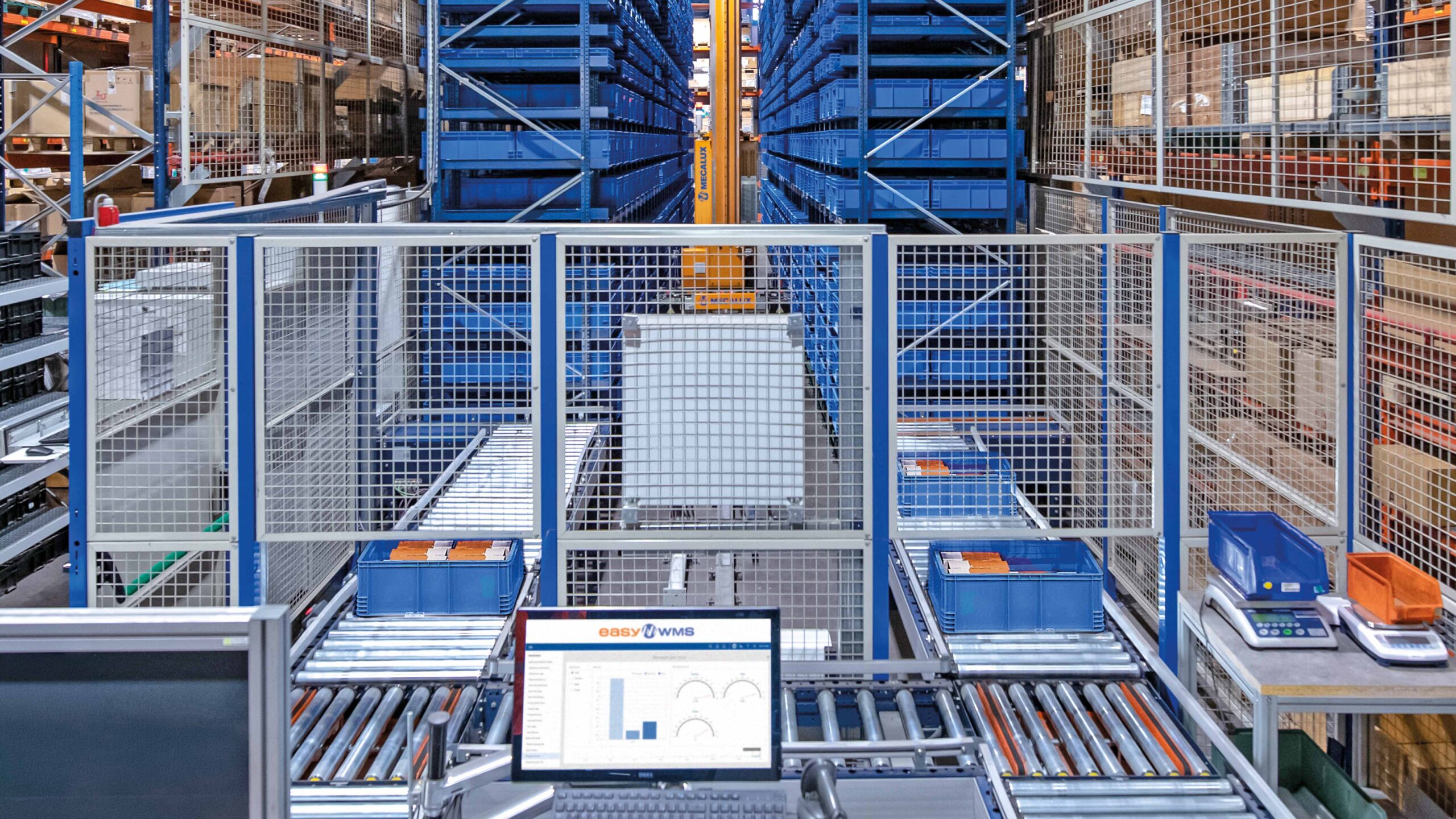
Automation Drives Cold Store Efficiency
Clavo Food Factory has enhanced its operational efficiency by increasing storage capacity and reducing operating times through the implementation of an automated logistics solution from Mecalux. This upgrade took place at the company's production facility in Tordesillas, Spain. Specializing in ready-to-eat chilled and frozen foods, Clavo Food Factory produces 14,000 tonnes annually, catering to over 42,000 restaurants globally. The automation initiative aims to streamline processes and improve overall productivity, reflecting the company's commitment to innovation in the food production industry.
AMR and AGV Automation Systems and Shuttles Cold Chain Logistics Magazine Features Materials Handling Storage & Racking
Windows 11 response improvements are gradually taking effect with the latest update and a shift in Microsoft's AI strategy.
Microsoft has launched a new update for Windows 11, aimed at enhancing performance, particularly in the responsiveness of the Start menu and application launches. This update comes at a pivotal moment for the company, as it faces significant changes within its AI division. Yusuf Mehdi, who has been instrumental in leading Microsoft's AI and operating systems efforts, has announced his departure. Additionally, the company is revising its internal rules regarding the use of AI development tools. These developments indicate a potential shift in Microsoft's AI strategy as it navigates these transitions.

China shakes up its space programs to land astronauts on the moon by 2030: 'We will spare no effort'
China is integrating its robotic Chang'e lunar probe initiatives with its human spaceflight program, aiming to achieve a manned moon landing by 2030. This strategic move reflects the country's commitment to advancing its space exploration capabilities and establishing a more comprehensive approach to lunar missions. By combining robotic and human efforts, China seeks to enhance the efficiency and safety of its lunar exploration endeavors, paving the way for future scientific research and potential long-term lunar habitation. The initiative underscores China's ambition to become a leading player in space exploration, following a series of successful robotic missions that have already gathered valuable data about the moon's surface and resources.
Space Exploration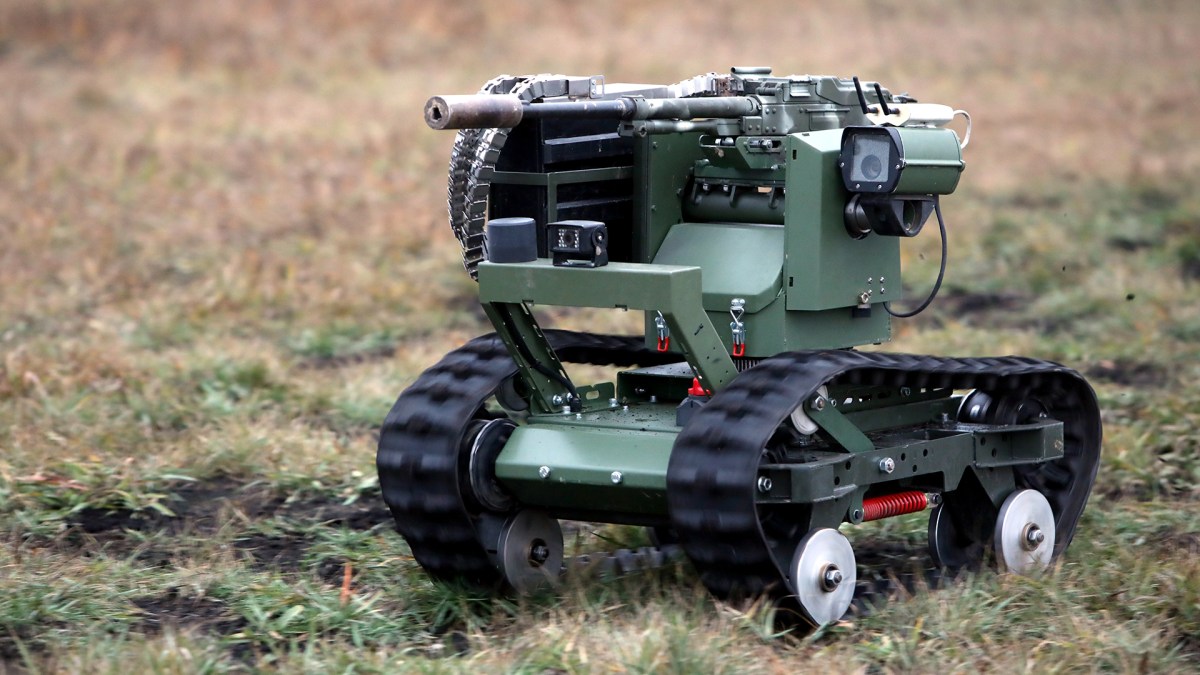
Inside The Effort To Build Ukraine’s Ground Robot Arsenal
Ukraine is experiencing a significant surge in the demand for ground drones, which are becoming essential tools for logistics, rescue missions, and combat operations. This growing reliance on unmanned vehicles reflects the country's ongoing efforts to enhance its military capabilities amid ongoing conflict. The push to develop a robust arsenal of ground robots is driven by the need for more efficient and effective operational strategies in challenging environments. As Ukraine continues to adapt to the realities of modern warfare, the integration of advanced technology, such as ground drones, is seen as a critical component in bolstering its defense and operational effectiveness.
News & Features Around The Globe Drones Europe Land Ukraine
D2GNet: Efficient 6‐DoF Grasp Detection in Cluttered Scenes via Density‐Aware Dual‐Dimensional Graph Networks
A recent study published in the Journal of Field Robotics highlights advancements in robotic technology aimed at enhancing agricultural efficiency. Conducted by a team of researchers from various universities, the study was released in June 2026 and focuses on innovative robotic systems designed to optimize crop management and reduce labor costs. The research team utilized a combination of machine learning algorithms and autonomous navigation systems to develop robots capable of performing tasks such as planting, monitoring, and harvesting crops. This initiative was motivated by the increasing demand for sustainable farming practices and the need to address labor shortages in the agricultural sector. Field tests were conducted in diverse agricultural environments, demonstrating the robots' ability to adapt to varying conditions and improve overall productivity. The findings suggest that integrating robotics into farming not only enhances efficiency but also contributes to more sustainable practices by minimizing resource waste. As the agricultural industry faces challenges related to climate change and population growth, the implementation of these robotic systems could play a crucial role in ensuring food security and promoting environmentally friendly farming methods. The research underscores the potential of robotics to transform traditional agricultural practices, paving the way for a more automated and sustainable future in farming.
RESEARCH ARTICLE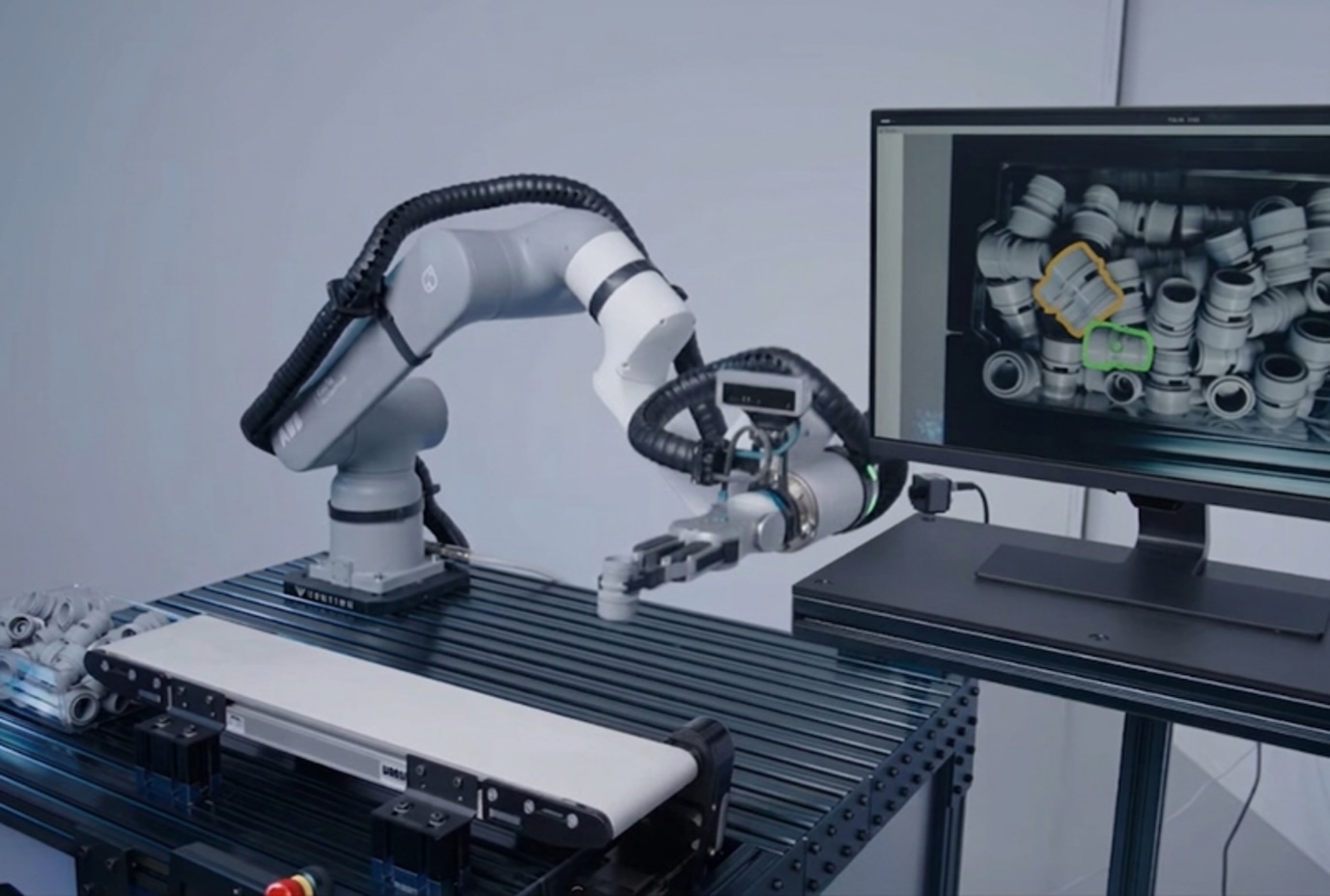
Efficient and Adaptive Autonomous Guidance and Control of Planetary Rover With Improved Traction Controller and Dynamic Cost Map
In June 2026, the Journal of Field Robotics published a significant study highlighting advancements in robotic technology aimed at enhancing agricultural efficiency. Researchers from various institutions collaborated to develop innovative robotic systems capable of performing tasks such as planting, monitoring crop health, and harvesting. This initiative responds to the growing demand for sustainable farming practices and the need to address labor shortages in the agricultural sector. The study, which spans pages 2848 to 2866 in the journal’s fourth issue, showcases how these robots utilize artificial intelligence and machine learning to adapt to diverse farming environments. By integrating advanced sensors and data analytics, the robotic systems can make real-time decisions, optimizing resource use and minimizing environmental impact. The research team conducted extensive field trials across multiple agricultural settings, demonstrating the robots' effectiveness in improving yield and reducing operational costs. The findings are expected to influence future agricultural policies and practices, promoting the adoption of technology in farming to ensure food security in an increasingly challenging climate. This groundbreaking work not only illustrates the potential of robotics in agriculture but also underscores the importance of interdisciplinary collaboration in addressing global challenges.
FIELD REPORT
AI scans 400,000 Reddit posts and finds hidden Ozempic side effects
Researchers have analyzed over 400,000 posts on Reddit to investigate user experiences with GLP-1 weight-loss medications. The study revealed that many users reported unexpected side effects, including menstrual irregularities, chills, and hot flashes. Conducted recently, this analysis highlights the potential of artificial intelligence to transform social media platforms into effective early-warning systems for identifying adverse effects that might not be captured during clinical trials. By leveraging the vast amount of user-generated content, the findings suggest a new avenue for monitoring drug safety and enhancing patient care.

The future of physical AI isn’t humanoid; it’s task-specific and cost-efficient
In a recent discussion, the vice president of physical AI at Hailo emphasized the emerging trend of artificial intelligence operating locally on specialized machines tailored for specific real-world tasks. This shift marks a departure from the traditional humanoid AI models, focusing instead on efficiency and cost-effectiveness. The insights were shared in a post on The Robot Report, highlighting the potential for these task-specific AI systems to revolutionize various industries by enhancing performance and reducing operational costs. As the technology evolves, the emphasis on localized processing is expected to drive innovation and improve the integration of AI into everyday applications.
Artificial Intelligence Artificial Intelligence / Cognition Cameras / Imaging / Vision Humanoids News Opinion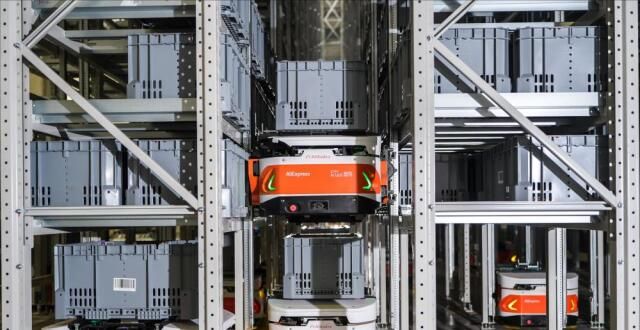
Cainiao Deploys ZeeBot Climbing Robot for Warehousing, 100% Efficiency Gain
Cainiao, the logistics arm of Alibaba, has introduced the ZeeBot climbing robot in its Dongguan warehouse, significantly enhancing operational efficiency. This deployment, which took place recently, has resulted in a remarkable 100% improvement in human productivity within the facility. The ZeeBot is designed to navigate vertical spaces, allowing it to transport goods more effectively and reduce the physical strain on human workers. By integrating this advanced technology, Cainiao aims to streamline its logistics processes and meet the growing demands of e-commerce. The initiative reflects the company's commitment to innovation and efficiency in the fast-paced logistics sector.
Robotics
How to Use Industrial Cobots Effectively to Maximize Production Throughput?
In a bid to enhance production efficiency, JAKA has introduced the JAKA Pro series, an advanced industrial cobot designed to optimize throughput in demanding manufacturing environments. This innovative robot, capable of operating continuously in harsh conditions, aims to eliminate production bottlenecks by automating time-sensitive tasks that typically slow down human workers. The JAKA Pro12, the flagship model, boasts IP68 protection, making it resistant to dust, oil, and water, ensuring consistent performance even in extreme environments. With a payload capacity of 12kg and a reach of 1327mm, it can handle heavy industrial parts and perform secondary operations simultaneously, such as deburring or pre-sorting, while primary machines are in operation. By aligning the robot's speed with the overall production line tempo, manufacturers can maintain a steady workflow and prevent local bottlenecks. The cobot's ability to function around the clock supports "lights-out" manufacturing, allowing for continuous production without the need for human oversight during breaks or overnight shifts. With features like sub-millimeter precision and rapid deployment capabilities through a user-friendly app, the JAKA Pro series is positioned as a transformative solution for high-volume production lines, promising to double or triple daily output without increasing workforce size. JAKA emphasizes that their robots embody intelligence, becoming integral to the operational heartbeat of modern manufacturing facilities.
Schaeffler Partners with Leju: A New Paradigm in the Global Humanoid Robot Industry
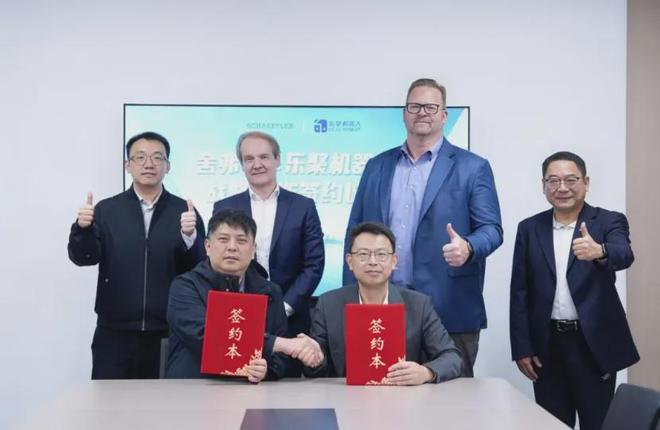
Schaeffler, a prominent German industrial company, has entered into a strategic partnership with Chinese humanoid robot manufacturer Leju, signaling a pivotal development in the global humanoid robotics sector. This collaboration seeks to combine Schaeffler's expertise in precision components with Leju's advanced robotics technology, aiming to improve industrial applications and foster innovation. The partnership is expected to leverage both companies' strengths to enhance productivity and efficiency in various sectors, reflecting a growing trend of cross-border cooperation in the rapidly evolving field of robotics.
Humanoid Robots Industrial Automation Robotics Collaboration Precision Manufacturing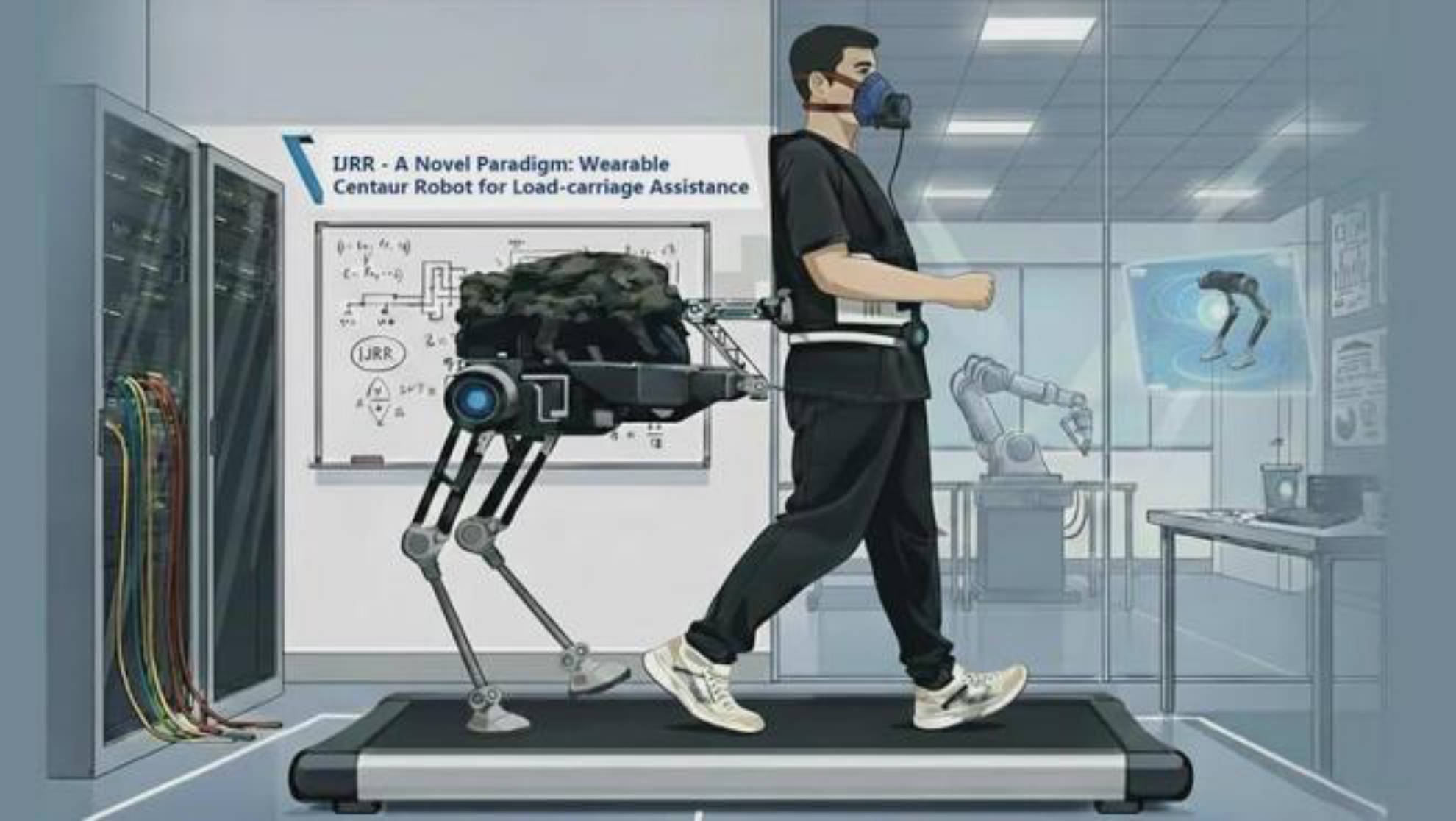
Breakthrough! Chinese Scientists Create 'Centaur' Robot Capable of Carrying 20kg Effortlessly, Featured in IJRR
A team of researchers from China has unveiled a groundbreaking 'Centaur' robot, designed to function as an independent mechanical limb that enables individuals to carry heavy loads with ease. This innovative technology, which enhances mobility and alleviates physical strain, represents a significant leap forward in the field of wearable load-bearing devices. The development aims to improve the quality of life for users by reducing the physical burden associated with lifting and transporting heavy items. The Centaur robot showcases advanced engineering and design, reflecting the ongoing efforts to integrate robotics into everyday human activities.
Wearable Robotics Load-Bearing Technology Robotics Research Exoskeletons Human-Robot CollaborationRobotics needs a service framework.
RSF defines a common language for robot service capability, lifecycle operations, certification pathways, and service-provider networks.







