A single destination for timely, editor-curated robotics news from around the world.
The 'Humanoid Hack Tokyo 2' event took place from July 11 to 12 at the GMO Humanoid Lab in Shibuya, Tokyo, showcasing humanoid robots in practical applications. Participants developed new robot applications using the Unitree G1 humanoid and technologies like Vision-Language-Action and Physical AI. This event is significant as it highlights the rapid growth of the humanoid development community in Japan, with around 230 participants competing, compared to over 100 in the inaugural event. The winning team focused on addressing challenges in disaster response, creating a system that allows robots to enter hazardous areas to locate and communicate with victims. Looking ahead, the success of this event may inspire further innovations in humanoid robotics for disaster relief. The winning team's approach emphasizes the potential of humanoids to not only search for victims but also assist in rescue operations, indicating a shift towards more comprehensive support in emergency situations. No further timeline was disclosed at the time of publication.
RobotStart.info Jul 19, 2026
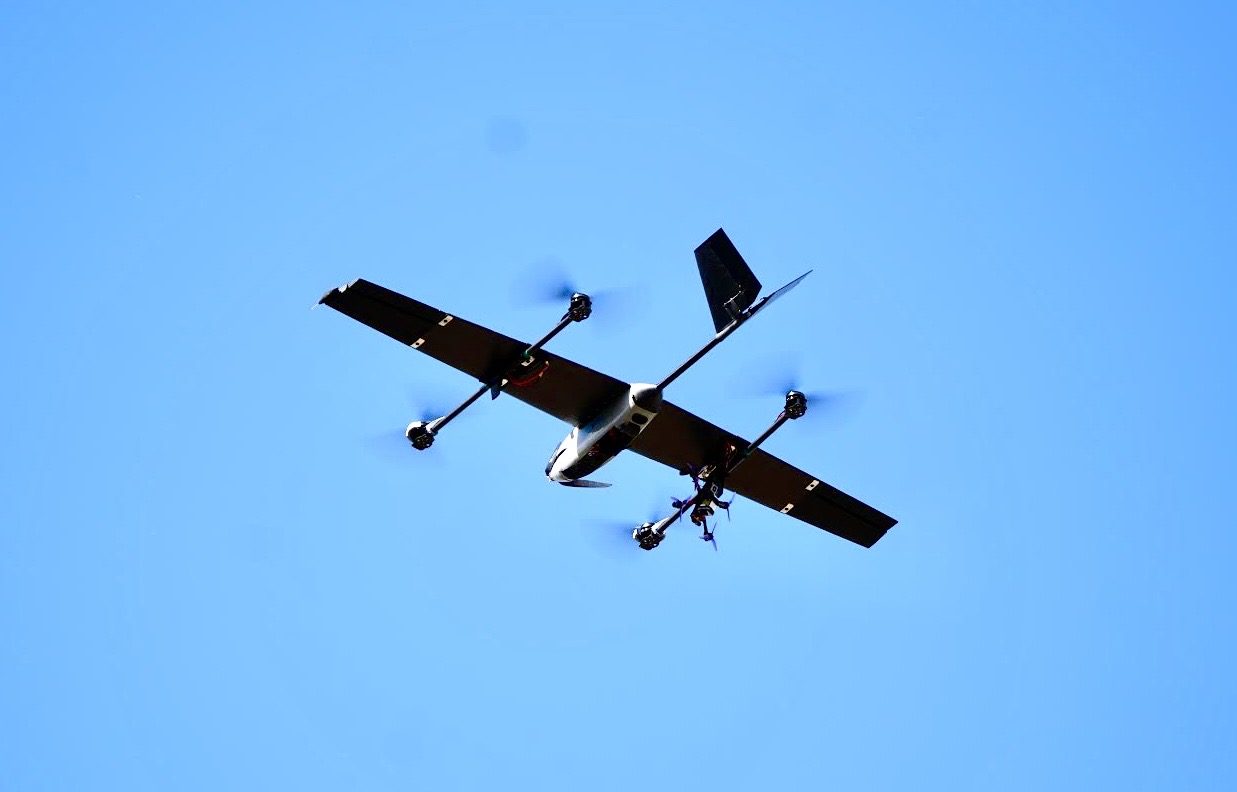
WingXpand, a St. Louis-based company, has announced a collaboration with Verizon Frontline and emergency response teams to investigate innovative tools aimed at enhancing disaster assessment and community resilience. This initiative comes in response to the increasing frequency of severe weather events impacting communities across the United States. By leveraging drone and autonomous aircraft technologies, the partnership seeks to improve emergency response capabilities and support affected areas more effectively. The exploration of these advanced tools is part of a broader effort to address the growing risks associated with natural disasters.
Dronelife.com By Miriam McNabb Jun 11, 2026 Applications Disaster Response Drone News Drone News Feeds Drones in the News emergency response
KAIST's mechanical engineering team, led by Professor Park Hai-won, announced a breakthrough in robotic technology on July 16. They developed a four-legged robot capable of autonomously selecting and switching between various gaits in real-time, enabling it to navigate complex outdoor environments with speed and stability. This innovation is significant as it integrates a new control architecture called APT-RL (Action Pre-training Reinforcement Learning based on Transformers), which allows the robot to learn movement through computer simulations rather than traditional motion capture. The robot, named KAIST HOUND, demonstrated its capabilities by traversing diverse terrains, achieving peak speeds of 6 meters per second, faster than an average cyclist. Future developments to watch include the potential applications of this technology in disaster response, defense tasks, and industrial inspections. The research was published in the July issue of the journal Science Robotics, highlighting its importance in advancing the field of robotic control and physical AI.
leaderobot.com By Leaderobot Jul 16, 2026 Four-Legged Robots Robotics Technology AI Autonomous Navigation
A new control method has been developed for a heavy-duty hexapod robot designed to walk on border terrains, as reported in the Journal of Field Robotics. This method utilizes a simplified model to enhance the robot's navigation capabilities in challenging environments. The significance of this development lies in its potential applications in various sectors, including military and disaster response, where navigating difficult terrains is crucial. The heavy-duty hexapod robot's ability to traverse border terrains effectively could improve operational efficiency and safety in these scenarios. Looking ahead, the implications of this control method could lead to further advancements in robotic mobility and control systems. No further timeline was disclosed at the time of publication.
JournalofFieldRobotics By En‐Bo Cong, Xiao‐Hui Wang, Fu‐sheng Zha, Bo‐Jian Wu, Chang Liu Jul 15, 2026 RESEARCH ARTICLE
A team of researchers has made a groundbreaking advancement by successfully employing teleoperated humanoid robots to carry out two complex tasks. This achievement marks a significant milestone in robotics, showcasing the potential for remote-controlled machines to perform intricate functions that were previously thought to be the domain of human operators. The experiments took place in a controlled environment, allowing the researchers to meticulously assess the robots' capabilities and refine their performance. The motivation behind this innovative project stems from the desire to enhance efficiency and safety in various industries, particularly in situations where human presence may be risky or impractical. By leveraging advanced teleoperation technology, the researchers demonstrated that humanoid robots could effectively mimic human movements and decision-making processes, paving the way for future applications in fields such as disaster response, healthcare, and manufacturing. The successful execution of these tasks not only highlights the progress in robotic technology but also opens new avenues for research and development, potentially transforming how we approach complex operations in challenging environments. As the team continues to refine their methods, the implications of this work could lead to widespread adoption of teleoperated robots in various sectors, ultimately improving productivity and safety for human workers.
InterestingEngineering.com By Jijo Malayil Jul 09, 2026 AI and Robotics
A recent study published in the Journal of Field Robotics highlights advancements in autonomous navigation systems for drones, showcasing their potential applications in various industries. Conducted by a team of researchers from leading universities, the study was released in early October 2023. The research took place in multiple test environments, including urban areas and rural landscapes, to evaluate the drones' performance in diverse conditions. The motivation behind this study stems from the increasing demand for efficient and reliable drone technology in sectors such as agriculture, logistics, and disaster response. By enhancing the drones' ability to navigate complex terrains and avoid obstacles, the researchers aim to improve operational safety and effectiveness. The team employed a combination of machine learning algorithms and real-time data processing to develop a robust navigation framework. This innovative approach allows drones to make autonomous decisions based on their surroundings, significantly reducing the need for human intervention. The findings suggest that these advancements could lead to more widespread adoption of drones, ultimately transforming how various industries operate. As the technology continues to evolve, the researchers emphasize the importance of ongoing testing and refinement to ensure that these autonomous systems can be safely integrated into everyday use. The study not only contributes to the academic field but also sets the stage for practical applications that could enhance efficiency and safety across multiple sectors.
JournalofFieldRobotics By Javier Rodriguez‐Sanchez, Kyle Johnsen, Changying Li Jul 08, 2026 RESEARCH ARTICLE
The Journal of Field Robotics has published an early view article that explores advancements in robotic technology and its applications in various fields. This publication, released in October 2023, highlights the innovative research conducted by a team of engineers and scientists aiming to enhance the efficiency and capabilities of robotic systems. The study focuses on the integration of artificial intelligence and machine learning to improve navigation and decision-making processes in autonomous robots. Researchers conducted extensive field tests to evaluate the performance of these systems in real-world environments, demonstrating significant improvements over previous models. The findings are expected to impact industries such as agriculture, manufacturing, and disaster response, where robotic assistance can lead to increased productivity and safety. This research underscores the growing importance of robotics in addressing complex challenges and advancing technological solutions across multiple sectors.
JournalofFieldRobotics By Chao Wang, Yixian Wang, Zonggang Li, Xiaolong Wang, Desheng Liu, Huifeng Kang, Yanhui Wang Jul 05, 2026 RESEARCH ARTICLE
A recent study published in the Journal of Field Robotics highlights advancements in autonomous robotics technology. Researchers from a leading robotics institute conducted experiments to improve the navigation and decision-making capabilities of robots in complex environments. The study, released in early October 2023, took place in various outdoor settings, including forests and urban areas, to test the robots' adaptability to different terrains. The motivation behind this research stems from the growing demand for autonomous systems in sectors such as agriculture, disaster response, and urban planning. By enhancing the robots' ability to process real-time data and make informed decisions, the team aims to increase their efficiency and reliability in real-world applications. Through a combination of machine learning algorithms and sensor integration, the researchers developed a new framework that allows robots to better interpret their surroundings and respond to dynamic changes. This innovative approach not only improves navigation but also enables robots to collaborate more effectively with human operators. The findings from this study are expected to pave the way for more sophisticated autonomous systems, ultimately contributing to the advancement of robotics technology and its integration into everyday life.
JournalofFieldRobotics By Jin Chen, Huanyu Jiang, Guoqiang Ren Jul 01, 2026 SURVEY ARTICLE
The Journal of Field Robotics has published a new study that explores advancements in autonomous robotic systems. This research, released in early October 2023, highlights innovative techniques that enhance the navigation and operational capabilities of robots in various environments. Conducted by a team of researchers from leading universities, the study aims to address the growing demand for efficient robotic solutions in industries such as agriculture, manufacturing, and disaster response. The motivation behind this research stems from the increasing complexity of tasks that robots are expected to perform, necessitating improved algorithms and sensor technologies. By employing advanced machine learning methods and real-time data processing, the researchers demonstrated significant improvements in the robots' ability to adapt to dynamic surroundings and make autonomous decisions. The findings from this study are expected to have a substantial impact on the future development of robotic systems, paving the way for more reliable and versatile applications. As industries continue to seek automation solutions, this research provides valuable insights into the potential of robotics to enhance productivity and safety across various sectors.
JournalofFieldRobotics By Lionel Lapierre, Hervé Jourde, Frank Vasseur, Pierre Fischer, Benoit Ropars, Luc Rossi, Mathieu Foulquié Jun 29, 2026 FIELD REPORT
Researchers at the Massachusetts Institute of Technology (MIT) have unveiled a groundbreaking low-power chip designed to enhance the capabilities of small drones and robots. This innovative technology, introduced in October 2023, aims to facilitate the construction of complex structures by enabling these machines to work collaboratively and autonomously. The development is driven by the need for more efficient and sustainable solutions in various fields, including construction and disaster response. By equipping drones and robots with this advanced chip, the team has demonstrated how these devices can communicate and coordinate their actions effectively, thereby significantly improving their operational efficiency. The research highlights the potential for such technology to revolutionize the way we approach tasks that require precision and teamwork in environments that are challenging for human workers.
InterestingEngineering.com By Neetika Walter Jun 24, 2026 Innovation
The Journal of Field Robotics has recently published an early view article highlighting advancements in robotic technology and its applications in various fields. This publication, which became available in October 2023, showcases innovative research conducted by a team of engineers and scientists from leading universities and research institutions. The article focuses on the development of autonomous robots designed for complex tasks in environments such as agriculture, disaster response, and exploration. The research aims to address the growing need for efficient and reliable robotic systems capable of operating in challenging conditions, driven by the increasing demand for automation in various industries. Through rigorous testing and experimentation, the authors detail the methodologies employed in creating these advanced robotic systems, emphasizing their potential to enhance productivity and safety. The findings presented in this publication are expected to contribute significantly to the ongoing discourse on the future of robotics and its integration into everyday life. As the field of robotics continues to evolve, this early view article serves as a timely reminder of the transformative impact that innovative technologies can have on society, paving the way for further research and development in the coming years.
JournalofFieldRobotics By James M Rand, Alan Hunter, Danielle Wain, Lee D Bryant Jun 21, 2026 RESEARCH ARTICLE
The Journal of Field Robotics has published an EarlyView article highlighting recent advancements in robotic technology. Researchers from various institutions have collaborated to explore innovative applications of robotics in fields such as agriculture, search and rescue, and environmental monitoring. This study, released in October 2023, emphasizes the growing importance of autonomous systems in enhancing efficiency and safety across these sectors. The research team conducted extensive field tests to demonstrate how robots can perform complex tasks, such as crop monitoring and disaster response, with minimal human intervention. By integrating artificial intelligence and machine learning, the robots are designed to adapt to dynamic environments, showcasing their potential to revolutionize traditional practices. The motivation behind this research stems from the increasing demand for automation in response to labor shortages and the need for more effective solutions to global challenges. The findings underscore the necessity for continued investment in robotic technology to address pressing issues such as food security and disaster management. As the field of robotics continues to evolve, this publication serves as a critical resource for professionals and researchers aiming to leverage these advancements for practical applications. The collaborative effort reflects a commitment to pushing the boundaries of what is possible in robotics, paving the way for future innovations that could significantly impact various industries.
JournalofFieldRobotics By Filipe Rocha, André L. M. Cid, Luiz G. D. Barros, Gustavo M. Freitas, Ramon R. Costa Jun 21, 2026 RESEARCH ARTICLE
A recent study published in the Journal of Field Robotics highlights advancements in autonomous robotic navigation systems. Researchers from a leading robotics institute conducted experiments to improve the efficiency and accuracy of robots in complex environments. The study, released in early October 2023, focuses on the integration of artificial intelligence and machine learning techniques to enhance decision-making processes in real-time. The research took place in various challenging terrains, including urban settings and natural landscapes, to test the robots' adaptability. The motivation behind this work stems from the increasing demand for autonomous systems in industries such as agriculture, logistics, and disaster response. By developing more reliable navigation capabilities, the researchers aim to facilitate safer and more effective deployment of robots in real-world applications. Through a series of trials, the team employed advanced algorithms that enable robots to analyze their surroundings and make informed navigation choices. The findings suggest significant improvements in both the speed and precision of robotic movements, which could lead to broader adoption of these technologies across multiple sectors. This study represents a crucial step towards achieving fully autonomous robotic systems capable of operating in dynamic and unpredictable environments.
JournalofFieldRobotics By Qingkai Meng, Zhifang Ke, Wei Wei, Jianfeng Liu, Yongjie Shu, Shiyi Wei, Ming Zhu, Pengyu Li, Qingdong Yan Jun 21, 2026 RESEARCH ARTICLE
In a groundbreaking study published in the June 2026 issue of Science Robotics, researchers from a leading university have unveiled a new robotic system designed to assist in disaster response efforts. The innovative technology, which combines advanced artificial intelligence with agile mobility, aims to enhance the efficiency and effectiveness of rescue operations in environments that are hazardous or difficult to navigate. The research team conducted extensive field tests in various simulated disaster scenarios, demonstrating the robot's ability to traverse challenging terrains and perform critical tasks such as locating survivors and delivering supplies. These tests were carried out in collaboration with emergency response organizations to ensure real-world applicability. The motivation behind this development stems from the increasing frequency and severity of natural disasters, which necessitate improved response mechanisms to save lives and minimize damage. By integrating cutting-edge robotics with emergency protocols, the researchers hope to provide first responders with a powerful tool that can operate in conditions that are unsafe for human intervention. This advancement in robotic technology represents a significant step forward in disaster management, showcasing how innovation can be harnessed to address pressing global challenges. The study highlights the potential for future enhancements and the importance of ongoing collaboration between scientists and emergency services to refine these systems for practical use in real-world situations.
AAAS:ScienceRobotics By Melisa Yashinski Jun 17, 2026 Editors' Choice
A groundbreaking four-legged robot dog, engineered to identify toxic substances, is poised to serve as a first responder in hazardous situations. Developed by a team of researchers and engineers, this innovative technology aims to enhance safety protocols in environments where chemical exposure poses significant risks. The robot's deployment is anticipated to occur in the coming months, with trials set to take place in various industrial settings and disaster response scenarios. The motivation behind this advancement stems from the increasing need for effective monitoring and rapid response to chemical spills and leaks, which can have dire consequences for both human health and the environment. By utilizing advanced sensors and artificial intelligence, the robot dog can navigate challenging terrains and provide real-time data on toxic substance levels, allowing human responders to make informed decisions. As the project progresses, the team is focused on refining the robot's capabilities and ensuring its reliability in real-world applications. This initiative represents a significant step forward in the integration of robotics into emergency response, potentially revolutionizing how hazardous situations are managed and mitigating risks associated with toxic exposures.
InterestingEngineering.com By Georgina Jedikovska Jun 11, 2026 AI and Robotics
In a groundbreaking study published in the June 2026 issue of Science Robotics, researchers from leading universities have unveiled a new robotic system designed to assist in disaster relief efforts. This innovative technology aims to enhance the efficiency and effectiveness of rescue operations in the aftermath of natural disasters. The research team, comprised of experts in robotics and emergency management, conducted extensive field tests to evaluate the robot's capabilities in various simulated disaster scenarios. These tests demonstrated the robot's ability to navigate challenging terrains, locate survivors, and deliver essential supplies, significantly improving response times compared to traditional methods. The motivation behind this development stems from the increasing frequency and severity of natural disasters worldwide, which necessitates advanced solutions to aid first responders. By integrating artificial intelligence and machine learning, the robotic system can adapt to dynamic environments and make real-time decisions, thereby optimizing rescue strategies. The study's findings highlight the potential for robotics to transform disaster response, offering a promising tool for humanitarian efforts. As the world faces escalating climate-related challenges, this innovative approach could play a crucial role in saving lives and mitigating the impact of future disasters.
AAAS:ScienceRobotics By Liangfang Zhang and Joseph Wang Jun 10, 2026 Focus
Japanese researchers have unveiled an innovative method for controlling cyborg insects, aiming to enhance the understanding of their behavior and capabilities. This groundbreaking development was announced during a recent conference held in Tokyo, where scientists discussed advancements in bioengineering and robotics. The motivation behind this research stems from the potential applications in environmental monitoring and disaster response, where these engineered insects could play a crucial role in collecting data from hard-to-reach areas. The researchers have integrated electronic components into the insects, allowing for remote control and manipulation of their movements. This process involves sophisticated techniques that blend biology with technology, enabling the insects to be guided through various environments. The team believes that by mastering this control, they can create a new class of biohybrid systems that could revolutionize how we interact with the natural world. As the project progresses, the researchers are optimistic about the implications of their work, which could lead to significant advancements in both ecological research and practical applications in urban planning and emergency management. The findings from this study are expected to be published in a leading scientific journal, further contributing to the growing field of cyborg biology.
InterestingEngineering.com By Bojan Stojkovski May 30, 2026
The Defense Advanced Research Projects Agency (DARPA) has initiated a new program aimed at advancing the development of robotic systems designed for complex tasks in various environments. Announced in October 2023, this initiative seeks to enhance the capabilities of robots to operate autonomously in challenging conditions, which could include disaster response scenarios, military operations, and other critical missions. The motivation behind this program is to leverage cutting-edge technology to improve efficiency and safety in situations where human intervention may be risky or impractical. Through a combination of innovative engineering and artificial intelligence, DARPA plans to collaborate with industry leaders and academic institutions to create these advanced robotic systems. The program is expected to unfold over several years, with milestones set for testing and deployment in real-world applications.
InterestingEngineering.com By Munis Raza May 27, 2026
In June 2026, the Journal of Field Robotics published a significant study highlighting advancements in robotic technology. Researchers from leading universities and tech companies collaborated to explore innovative applications of robotics in various fields, including agriculture, healthcare, and disaster response. The study emphasizes the growing importance of robotics in addressing complex challenges and improving efficiency in these sectors. The research was conducted over several years, involving extensive field tests and data analysis to assess the performance and reliability of robotic systems. By showcasing successful case studies, the authors aim to demonstrate the potential of robotics to enhance productivity and safety. The findings are expected to influence future developments in robotic design and implementation, encouraging further investment and research in this rapidly evolving field. This publication marks a pivotal moment in the ongoing discourse surrounding the integration of robotics into everyday life, underscoring the need for continued innovation and ethical considerations as these technologies become increasingly prevalent.
JournalofFieldRobotics May 27, 2026 ISSUE INFORMATION
In a recent study published in the Journal of Field Robotics, researchers explored advancements in robotic navigation systems, highlighting significant developments in autonomous technology. The findings, released in June 2026, reveal innovative algorithms that enhance the ability of robots to navigate complex environments without human intervention. This research was conducted by a team of engineers and computer scientists at a leading robotics institute, aiming to address challenges faced in real-world applications such as disaster response and exploration. The study emphasizes the importance of improving robotic autonomy to increase efficiency and safety in various fields, including search and rescue operations, agricultural automation, and urban planning. By employing cutting-edge machine learning techniques, the researchers demonstrated how robots can better interpret sensory data and adapt to dynamic surroundings. The implications of this research are profound, as it paves the way for more reliable and versatile robotic systems capable of operating in unpredictable conditions. As industries increasingly turn to automation, these advancements could significantly impact the future of robotics, making them indispensable tools in both everyday tasks and critical missions.
JournalofFieldRobotics By Enbo Liu, Wei Tang, Anmin Huang, Zeyu Zhou, Renyuan Zhang May 27, 2026 RESEARCH ARTICLE
In June 2026, the Journal of Field Robotics published a significant study exploring advancements in robotic technology, specifically focusing on autonomous navigation systems. Researchers from leading universities and tech companies collaborated to investigate the effectiveness of these systems in various environments, including urban areas and remote terrains. The study aimed to address the growing demand for efficient and reliable robotic solutions in fields such as agriculture, disaster response, and transportation. By conducting extensive field tests, the team evaluated how these robots adapt to dynamic conditions and obstacles, ultimately enhancing their operational capabilities. The findings highlight the potential for improved safety and efficiency in robotic applications, paving the way for broader adoption in real-world scenarios. This research not only contributes to the academic discourse on robotics but also offers practical insights for industries looking to integrate autonomous systems into their operations.
JournalofFieldRobotics By Lorenzo Cano, Danilo Tardioli, Alejandro R. Mosteo May 27, 2026 RESEARCH ARTICLE
In June 2026, researchers published a significant study in the Journal of Field Robotics, focusing on advancements in autonomous robotic systems. The study, featured in Volume 43, Issue 4, highlights innovative methodologies for enhancing the navigation and operational efficiency of field robots. Conducted by a team of experts in robotics and artificial intelligence, the research aims to address the growing demand for autonomous technologies in various sectors, including agriculture, construction, and disaster response. The findings reveal novel algorithms that improve the robots' ability to adapt to dynamic environments, thereby increasing their effectiveness in real-world applications. By employing advanced sensor integration and machine learning techniques, the researchers demonstrated how these robots can better interpret their surroundings and make informed decisions in unpredictable situations. This research is particularly timely, as industries increasingly rely on automation to boost productivity and safety. The implications of these advancements could lead to significant improvements in operational capabilities, ultimately transforming how tasks are performed in challenging environments. The study not only contributes to the academic field but also provides practical insights for engineers and developers working on the next generation of autonomous systems.
JournalofFieldRobotics By Dong Tiantian, Zhang Yonghong, Luo Xin, Song Xianlu, Qin Xiayang, Liu Yunping, Bai Zongchun May 27, 2026 RESEARCH ARTICLE
In June 2026, researchers published a comprehensive study in the Journal of Field Robotics, focusing on advancements in robotic technologies and their applications in various fields. The study highlights innovative methodologies that enhance the efficiency and effectiveness of robotic systems, particularly in challenging environments such as disaster response and exploration. The research team, comprised of experts in robotics and engineering, conducted extensive field tests to evaluate the performance of these advanced robotic systems. Their findings demonstrate significant improvements in navigation, autonomy, and adaptability, which are crucial for tasks that require precision and reliability. This study aims to address the growing demand for sophisticated robotic solutions in sectors like agriculture, search and rescue, and environmental monitoring. By showcasing the potential of these technologies, the researchers hope to inspire further development and investment in robotics, ultimately contributing to safer and more efficient operations in critical situations. The publication serves as a pivotal resource for industry professionals and academics alike, providing insights into the future of robotics and its role in addressing complex challenges faced by society.
JournalofFieldRobotics By Yang Lei, Jianli Zhao, Bo Jiang, Xiaoli Ju, Qing Zhou, Kai Pan, Xiaolei Zhang, Falin Qi, Feiyu Jia, Tian Tian, Xiaoxiao Liu May 27, 2026 RESEARCH ARTICLE
In a recent study published in the Journal of Field Robotics, researchers have unveiled significant advancements in robotic navigation systems. This groundbreaking research, conducted by a team of engineers and scientists, was published in the June 2026 issue and highlights innovative algorithms that enhance the ability of robots to navigate complex environments. The study focuses on improving the efficiency and accuracy of robotic systems, which are increasingly utilized in various sectors, including agriculture, manufacturing, and disaster response. By employing advanced machine learning techniques, the researchers demonstrated how robots can better interpret sensory data and make real-time decisions, ultimately leading to safer and more effective operations. The research was conducted in various simulated environments, allowing the team to rigorously test the new navigation algorithms under different conditions. This work is particularly timely as industries are seeking to automate processes and improve operational efficiency in response to growing demands for productivity and safety. The findings are expected to have a profound impact on the future development of autonomous systems, paving the way for more sophisticated robots capable of performing tasks in unpredictable settings. As the field of robotics continues to evolve, this study represents a significant step forward in the quest for smarter, more adaptable machines.
JournalofFieldRobotics By Jun Zhong, Hongshan Feng, Xia Lu, Zhichao Wang May 27, 2026 RESEARCH ARTICLE
In June 2026, the Journal of Field Robotics published a comprehensive study examining advancements in robotic technologies and their applications in various fields. This research highlights the contributions of leading experts in robotics, who analyzed the latest innovations and their potential to enhance efficiency and safety in sectors such as agriculture, manufacturing, and disaster response. The study emphasizes the growing importance of integrating artificial intelligence and machine learning into robotic systems to improve their adaptability and functionality. Researchers conducted extensive field tests to evaluate the performance of these robots in real-world scenarios, demonstrating their effectiveness in tasks ranging from precision farming to search and rescue operations. The motivation behind this research stems from the increasing demand for automation and the need for more reliable and intelligent robotic solutions to address complex challenges faced by industries today. By providing empirical data and insights, the study aims to inform policymakers, industry leaders, and researchers about the transformative potential of robotics. As the field continues to evolve, the findings presented in this publication are expected to influence future developments and investments in robotic technologies, ultimately shaping the landscape of automation in the coming years.
JournalofFieldRobotics By Jayashree Pradip Tamkhade, Sumalatha Bandari, Krishna Murthy Inumula May 27, 2026 RESEARCH ARTICLE
In June 2026, the Journal of Field Robotics published a comprehensive study exploring advancements in robotic technologies and their applications in various fields. The research, conducted by a team of experts in robotics and engineering, highlights innovative methodologies that enhance the efficiency and effectiveness of robotic systems. The study focuses on the integration of artificial intelligence and machine learning algorithms, which significantly improve the decision-making capabilities of robots in real-world environments. This advancement is particularly relevant in sectors such as agriculture, manufacturing, and disaster response, where precision and adaptability are crucial. The findings were presented during a conference held in a prominent robotics research hub, attracting attention from industry leaders and academic scholars alike. The motivation behind this research stems from the growing demand for automation and smart technologies in response to global challenges, including labor shortages and the need for increased productivity. By employing rigorous testing and validation processes, the researchers demonstrated the practical applications of their robotic systems, showcasing successful case studies that underline the potential for widespread adoption. The publication aims to inform and inspire further innovations in the field, ultimately contributing to the evolution of robotics as a transformative force in society.
JournalofFieldRobotics By Maciej Quoos, Steven Kay, Julia Wajoras, Robert Field, Evridiki V. Ntagiou, Fakher Mohammad, Yang Gao May 27, 2026 SURVEY ARTICLE
In a recent study published in the Journal of Field Robotics, researchers from a leading robotics institute have unveiled innovative advancements in autonomous navigation systems. This groundbreaking research, conducted in October 2023, aims to enhance the efficiency and safety of robotic applications in various fields, including agriculture and disaster response. The team focused on developing algorithms that enable robots to better interpret their surroundings and make real-time decisions. By integrating advanced sensor technology and machine learning techniques, the researchers demonstrated how these systems could significantly improve the robots' ability to navigate complex environments. The motivation behind this research stems from the increasing demand for autonomous solutions that can operate in unpredictable conditions. As industries seek to leverage robotics for tasks that are hazardous or labor-intensive, the need for reliable navigation systems becomes paramount. The study involved extensive field tests, where the robots were deployed in diverse scenarios to assess their performance. The results indicated a marked improvement in navigation accuracy and obstacle avoidance, showcasing the potential for these technologies to revolutionize how robots are utilized in real-world applications. This research not only contributes to the academic field but also has practical implications for industries looking to adopt autonomous systems. By addressing the challenges of navigation in dynamic environments, the findings pave the way for more effective and safer robotic operations in the future.
JournalofFieldRobotics By Sławomir Romaniuk, Milica Petrović, Adam Wolniakowski, Roman Trochimczuk, Grzegorz Masłowski May 25, 2026 RESEARCH ARTICLE
In the coming decades, billions of AI-powered robots are expected to collaborate with humans across various sectors, including factories, warehouses, elder care, disaster response, and home assistance. By 2025, investments in robotics reached a record $40.7 billion, highlighting the growing interest in this technology. Despite ambitious claims from robotics companies about humanoid robots entering homes soon, significant challenges remain in bridging the gap between current capabilities and the promises made. Experts in AI and robotics, including a professor from Oregon State University and a former Google X executive, emphasize that while AI is revolutionizing robotics, the complexity of real-world environments poses substantial hurdles. Current demonstrations of humanoid robots, such as those showcased at the 2026 Spring Festival Gala in China, often rely on scripted performances rather than genuine autonomy, revealing the limitations of existing technology. The development of general-purpose robots is hindered by the need for vast amounts of high-quality training data and the challenge of creating hardware that can safely interact with humans. As robotics evolves, the focus will shift to practical applications that address real-world needs, with an emphasis on safety and reliability. The path forward involves a series of incremental advancements rather than a single breakthrough, as AI-driven robots gradually begin to deliver tangible benefits across various industries, potentially transforming the economy and improving daily life.
IEEESpectrumRobotics By Hans Peter Brondmo May 20, 2026 Robotics Everyday-robots Agility-robotics Artificial-intelligence
In May 2026, a groundbreaking study published in Science Robotics highlights significant advancements in autonomous robotic systems. Researchers from leading technology institutes have developed a new generation of robots capable of performing complex tasks in unpredictable environments. This innovation aims to enhance efficiency in various sectors, including manufacturing, healthcare, and disaster response. The study reveals that these robots utilize advanced artificial intelligence algorithms, allowing them to adapt to changing conditions and make real-time decisions. This capability is particularly crucial for applications in emergency situations, where human intervention may be limited or dangerous. The research team conducted extensive field tests in diverse settings, demonstrating the robots' ability to navigate obstacles and collaborate with human operators effectively. The findings suggest that the integration of such robotic systems could revolutionize industries by improving productivity and safety. The motivation behind this development stems from the increasing demand for automation and the need for reliable solutions in challenging environments. As industries continue to seek ways to optimize operations and reduce human risk, these autonomous robots represent a significant step forward in robotics technology. Overall, the study underscores the potential of robotics to transform various fields, paving the way for future innovations that could further enhance human-robot collaboration.
AAAS:ScienceRobotics By Hesheng Wang, Michael Wang, Frank Park, Lijun Han, Huichan Zhao, XingXing Wang, Andra Keay, Shigeki Sugano, Yi Guo, Tamim Asfour, Yu Sun, Ken Goldberg May 20, 2026 Viewpoint
In a groundbreaking study published in the May 2026 issue of Science Robotics, researchers from a leading robotics institute have unveiled a new autonomous robotic system designed to assist in disaster response efforts. The innovative technology aims to enhance the efficiency and effectiveness of rescue operations in the aftermath of natural disasters, such as earthquakes and floods. The research team, comprised of experts in robotics and emergency management, conducted extensive field tests in various simulated disaster scenarios to evaluate the robot's capabilities. These tests demonstrated the system's ability to navigate challenging terrains, locate survivors, and deliver essential supplies, significantly reducing response times. The motivation behind this development stems from the increasing frequency and severity of natural disasters worldwide, which necessitate improved response strategies. By integrating advanced artificial intelligence and machine learning algorithms, the robotic system can adapt to dynamic environments and make real-time decisions, ultimately saving lives. The study highlights the potential for collaboration between technology and emergency services, showcasing how robotics can play a crucial role in humanitarian efforts. As the world grapples with the impacts of climate change, this innovation represents a significant step forward in preparing for and responding to future crises.
AAAS:ScienceRobotics By Melisa Yashinski May 20, 2026 Editors' Choice
A team of researchers has reached a significant milestone in the field of artificial intelligence applied to Earth observation. They successfully developed a compressed AI model that operates efficiently within the constraints of satellite hardware. This breakthrough was achieved through innovative techniques that optimize the model's performance while minimizing resource consumption. The advancement is particularly timely, as the demand for effective Earth monitoring solutions continues to grow, driven by climate change and environmental management needs. By enhancing the capabilities of satellite technology, this research aims to improve data collection and analysis for various applications, including disaster response and resource management. The findings were announced recently, highlighting the potential for AI to transform how we observe and understand our planet from space.
AZOrobotics.com May 18, 2026
A recent study published in the Journal of Field Robotics explores advancements in autonomous robotic systems, highlighting their potential applications in various industries. Conducted by a team of researchers from leading universities, the study was released in early October 2023. The research focuses on enhancing the efficiency and safety of robotic operations in environments such as agriculture, manufacturing, and disaster response. The motivation behind this study stems from the growing demand for automation in sectors that require precision and reliability. As industries face labor shortages and increasing operational costs, the integration of autonomous robots offers a viable solution to improve productivity and reduce risks associated with human labor. The researchers employed a combination of machine learning algorithms and real-time data processing techniques to develop robots capable of navigating complex environments. Through extensive field tests, they demonstrated how these systems can adapt to changing conditions and perform tasks with minimal human intervention. This groundbreaking work not only showcases the technological advancements in robotics but also emphasizes the importance of interdisciplinary collaboration in driving innovation. The findings are expected to influence future developments in robotic design and deployment, paving the way for more widespread adoption across various sectors.
JournalofFieldRobotics By Ye Wang, Sihuan Feng, Lingbo Zhang, Jiaqi Chen, Huilong Yu, Junqiang Xi May 18, 2026 RESEARCH ARTICLE
A recent study published in the Journal of Field Robotics highlights advancements in autonomous robotic navigation. Researchers from a leading robotics institute conducted experiments to improve the efficiency and accuracy of robots in complex environments. The study, released in early October 2023, focuses on the application of new algorithms that enable robots to better interpret and respond to their surroundings. The research was carried out in various settings, including urban landscapes and natural terrains, to test the robots' adaptability and performance under different conditions. The motivation behind this work stems from the growing demand for autonomous systems in industries such as agriculture, logistics, and disaster response, where precise navigation is crucial. By employing advanced machine learning techniques, the team was able to enhance the robots' decision-making capabilities, allowing them to navigate obstacles more effectively. The findings are expected to pave the way for more reliable and efficient robotic systems, ultimately contributing to the broader integration of autonomous technology in everyday applications.
JournalofFieldRobotics By Nan Wang, Xiang Li, Shilong Xu, Youkang Zhang, Jixin Wang, Dongxuan Xie May 12, 2026 RESEARCH ARTICLE
The Journal of Field Robotics has published an early view article highlighting recent advancements in robotic technology. Researchers from various institutions have collaborated to explore innovative applications of robotics in diverse fields, including agriculture, healthcare, and disaster response. The findings, released in October 2023, underscore the growing importance of robotics in enhancing efficiency and safety across these sectors. The study emphasizes the integration of artificial intelligence and machine learning to improve the functionality and adaptability of robotic systems. By leveraging these technologies, the researchers aim to address complex challenges faced in real-world scenarios, such as precision farming and emergency management. This publication is part of an ongoing effort to disseminate cutting-edge research that can inform future developments in robotics. The collaborative nature of the research showcases a commitment to interdisciplinary approaches, fostering innovation that can lead to significant societal benefits. As the field continues to evolve, the implications of these advancements are expected to resonate across various industries, driving further investment and interest in robotic solutions.
JournalofFieldRobotics By P. Ramya, P. Natesan, S. Venkatachalam May 12, 2026 SURVEY ARTICLE
A recent study published in the Journal of Field Robotics highlights advancements in autonomous robotic navigation. Researchers from a leading university conducted experiments to improve the efficiency and accuracy of robots in complex environments. The study, released in early October 2023, focused on various terrains, including urban settings and natural landscapes, to assess how robots can better adapt to their surroundings. The motivation behind this research stems from the increasing demand for autonomous systems in industries such as agriculture, logistics, and disaster response. By enhancing the navigation capabilities of robots, the researchers aim to facilitate their deployment in real-world applications, ultimately improving operational efficiency and safety. The team utilized a combination of machine learning algorithms and sensor technologies to develop a new navigation framework. This innovative approach allows robots to process environmental data in real-time, enabling them to make informed decisions and navigate obstacles more effectively. The findings suggest that these advancements could significantly reduce the time and resources required for robots to complete tasks in unpredictable environments. As the field of robotics continues to evolve, this research represents a crucial step towards more reliable and versatile autonomous systems, paving the way for broader applications in various sectors.
JournalofFieldRobotics By Subham Kumar Shaw, Prasanna Muppidwar, Jagadeesh Kadiyam May 10, 2026 SURVEY ARTICLE
Boston Dynamics has unveiled new test footage of its Atlas humanoid robot, demonstrating significant advancements in its capabilities. The footage, released recently, highlights the robot's agility and precision as it navigates complex environments, showcasing its ability to perform tasks such as running, jumping, and even parkour maneuvers. This development comes as part of the company's ongoing efforts to enhance robotic technology for potential applications in various fields, including logistics, disaster response, and personal assistance. The engineers at Boston Dynamics aim to push the boundaries of robotics, making machines that can adapt to dynamic settings and assist humans in challenging situations. The release of this footage not only illustrates the progress made since the robot's initial introduction but also sparks discussions about the future of humanoid robots in everyday life.
InterestingEngineering.com By Jijo Malayil May 06, 2026
The Journal of Field Robotics has published an early view article highlighting recent advancements in autonomous robotic systems. Researchers from leading universities and technology firms presented their findings on October 15, 2023, during a virtual conference focused on robotics innovation. The study emphasizes the growing importance of these systems in various sectors, including agriculture, search and rescue, and environmental monitoring. The motivation behind this research stems from the increasing demand for efficient and reliable robotic solutions capable of operating in complex environments. By integrating advanced artificial intelligence and machine learning algorithms, the researchers demonstrated how these autonomous systems can enhance operational capabilities and decision-making processes. The article details various case studies showcasing successful implementations of robotic technologies, illustrating their potential to revolutionize traditional practices. The findings suggest that as technology continues to evolve, the integration of autonomous robots will become crucial in addressing global challenges, such as food security and disaster response. This publication marks a significant contribution to the field of robotics, providing insights into future trends and encouraging further exploration of autonomous systems' applications. Researchers and industry professionals are urged to collaborate and innovate, ensuring that the benefits of these technologies are realized across multiple domains.
JournalofFieldRobotics By Rui‐Feng Wang, Chang‐Tao Zhao, Yu‐Hao Tu, Zi‐Qiu Chen, Wen‐Hao Su Apr 27, 2026 RESEARCH ARTICLE
A recent study published in the Journal of Field Robotics highlights advancements in autonomous navigation systems for drones, showcasing their potential applications in various industries. Conducted by a team of researchers from leading universities, the study was released in early October 2023. The research took place in multiple test environments, including urban areas and rural landscapes, to evaluate the drones' performance in diverse conditions. The motivation behind this study stems from the increasing demand for efficient and reliable drone technology in sectors such as agriculture, logistics, and disaster response. By improving navigation systems, the researchers aim to enhance the operational capabilities of drones, allowing them to perform complex tasks with greater accuracy and safety. The study utilized a combination of machine learning algorithms and real-time data processing to enable drones to navigate autonomously, avoiding obstacles and adapting to changing environments. The findings suggest that these advancements could significantly reduce the need for human intervention, leading to more efficient operations and expanded use cases for drones in the future.
JournalofFieldRobotics By Hui Zhao, Jiarui Dou, Jianga Shang, Kangping Ji, You Li, Yan Li, Kourosh Khoshelham, Fuqiang Gu Apr 27, 2026 RESEARCH ARTICLE
A recent study published in the Journal of Field Robotics highlights advancements in autonomous robotic navigation systems. Researchers from a leading robotics institute conducted experiments to enhance the efficiency and accuracy of robots in complex environments. The findings, released in early October 2023, demonstrate significant improvements in how robots interpret and navigate their surroundings, particularly in challenging terrains such as forests and urban areas. The motivation behind this research stems from the increasing demand for autonomous systems in various sectors, including agriculture, disaster response, and urban planning. By refining navigation algorithms, the team aims to enable robots to operate more effectively in real-world scenarios, thereby expanding their practical applications. The study involved extensive field tests where robots were subjected to diverse environmental conditions. Through a combination of machine learning techniques and real-time data processing, the researchers were able to enhance the robots' decision-making capabilities, allowing them to adapt to unforeseen obstacles and optimize their routes. This breakthrough not only promises to improve the functionality of robotic systems but also paves the way for future innovations in autonomous technology, potentially transforming industries reliant on robotic assistance. The implications of this research could lead to safer and more efficient operations in environments that are currently challenging for robotic systems to navigate.
JournalofFieldRobotics By Angel Kitone, Mohammed Anteet, Pawandeep S. Matharu, Yara Almubarak Apr 19, 2026 SURVEY ARTICLE
Researchers are developing snake-like robots designed to enhance rescue operations in challenging environments. These innovative machines, characterized by their slender bodies, are capable of maneuvering through narrow spaces, traversing uneven terrain, and even navigating water surfaces. This technology is particularly promising for disaster response in earthquake-prone regions, such as Japan, where traditional rescue methods may be hindered by debris and hazardous conditions. By enabling access to areas that are dangerous for human rescuers, these robots have the potential to significantly improve survival rates and expedite recovery efforts following natural disasters. The ongoing advancements in robotics aim to create more effective tools for emergency responders, ultimately contributing to saving lives in critical situations.
TechXplore:Robotics Apr 15, 2026 Robotics
The Journal of Field Robotics has recently published an article in its EarlyView section, highlighting advancements in robotic technology. Researchers from various institutions have collaborated to explore innovative applications of robotics in field environments. The study, released in October 2023, emphasizes the growing importance of robotics in enhancing efficiency and safety in agriculture, disaster response, and environmental monitoring. The motivation behind this research stems from the increasing need for automation in sectors that face labor shortages and require precise data collection. By integrating advanced sensors and artificial intelligence, the team aims to develop robots capable of performing complex tasks autonomously. This approach not only aims to reduce human intervention but also to improve the accuracy and speed of operations in challenging environments. The findings indicate that these robotic systems can significantly enhance productivity while minimizing risks associated with hazardous conditions. The researchers conducted extensive field tests to validate their designs, demonstrating the robots' capabilities in real-world scenarios. This work represents a significant step forward in the field of robotics, showcasing the potential for these technologies to transform various industries and address pressing global challenges.
JournalofFieldRobotics By Lijie Zhou, Yuan Li, Zhan Duan, Zhentao Zhou, Tiezhu Liu, Jia Zhang Apr 15, 2026 RESEARCH ARTICLE
In the May 2026 issue of the Journal of Field Robotics, researchers present groundbreaking advancements in robotic technology, focusing on the development of autonomous systems designed for complex field operations. This comprehensive study highlights innovations that enhance the efficiency and safety of robots deployed in various environments, including agriculture, disaster response, and exploration. The research team, comprised of leading experts in robotics and artificial intelligence, conducted extensive field tests to evaluate the performance and adaptability of these autonomous systems. Their findings reveal significant improvements in navigation, obstacle avoidance, and decision-making capabilities, which are crucial for real-world applications. The motivation behind this research stems from the increasing demand for reliable robotic solutions that can operate in unpredictable and hazardous conditions. By addressing these challenges, the team aims to pave the way for more widespread adoption of robotics in critical sectors, ultimately improving operational outcomes and reducing human risk. The study's implications are far-reaching, suggesting that these advanced robotic systems could revolutionize industries by providing enhanced support in tasks that are currently labor-intensive or dangerous. As the field of robotics continues to evolve, this research marks a significant step forward in harnessing technology to meet the needs of society.
JournalofFieldRobotics By Kun Liu, Junhao Xiao, Hui Peng, Yizhou Zhang, Shiyou Zhao, Huimin Lu, Kaihong Huang Apr 08, 2026 SURVEY ARTICLE
In May 2026, researchers published a significant study in the Journal of Field Robotics, focusing on advancements in robotic technology. The study highlights innovative developments in autonomous navigation systems, which have the potential to enhance the efficiency and safety of robotic operations in various environments. Conducted by a team of experts in robotics and artificial intelligence, the research aims to address the challenges faced by robots in dynamic and unpredictable settings. The findings were based on extensive field tests conducted in diverse locations, including urban areas and remote terrains, showcasing the robots' adaptability and reliability. The motivation behind this research stems from the increasing demand for autonomous systems in industries such as agriculture, logistics, and disaster response, where precision and real-time decision-making are crucial. By employing advanced algorithms and machine learning techniques, the researchers demonstrated how these robots can effectively navigate complex environments while avoiding obstacles and optimizing their routes. This breakthrough not only promises to improve operational capabilities but also aims to reduce human intervention, thereby enhancing safety and efficiency in various applications. The study's implications are far-reaching, potentially transforming the landscape of robotic applications and paving the way for more sophisticated autonomous systems in the future.
JournalofFieldRobotics By Md Masrul Khan, Sultan Shaharea, Manseeb M. Mannaf, Shihab Ahemed, Fahim Islam Anik, Md Jarir Hossain, Helal An Nahiyan, Sourav Karmaker Apr 08, 2026 RESEARCH ARTICLE
In May 2026, the Journal of Field Robotics published a significant study examining advancements in autonomous robotic systems. The research, conducted by a team of engineers and scientists, highlights innovative algorithms that enhance navigation and decision-making capabilities in complex environments. This study is particularly relevant as industries increasingly adopt robotics for tasks ranging from manufacturing to disaster response. The findings were presented during a conference held in a major city, where experts gathered to discuss the future of robotics technology. The motivation behind this research stems from the growing need for efficient and reliable robotic solutions to address challenges in various sectors, including logistics and emergency services. By employing advanced machine learning techniques, the researchers demonstrated how these algorithms allow robots to better interpret sensory data and adapt to dynamic surroundings. This breakthrough could lead to more effective deployment of robots in real-world scenarios, ultimately improving operational efficiency and safety. The implications of this research are expected to influence future developments in robotics, paving the way for more sophisticated and autonomous systems.
JournalofFieldRobotics By Surekha S S Apr 08, 2026 RESEARCH ARTICLE
In the May 2026 issue of the Journal of Field Robotics, researchers have published a comprehensive study examining advancements in robotic navigation systems. The study, conducted by a team of engineers and scientists, highlights innovative algorithms designed to enhance the efficiency and accuracy of autonomous robots in complex environments. The research was prompted by the growing demand for reliable robotic systems in various sectors, including agriculture, manufacturing, and disaster response. By focusing on the integration of machine learning techniques with traditional navigation methods, the team aims to address challenges faced by robots operating in unpredictable settings. The findings, which are based on extensive field tests conducted in diverse terrains, demonstrate significant improvements in the robots' ability to adapt to changing conditions and obstacles. This work not only contributes to the field of robotics but also paves the way for more effective deployment of autonomous systems in real-world applications. The implications of this research are far-reaching, potentially transforming industries that rely on robotic technology for efficiency and safety. As the field continues to evolve, the study serves as a critical resource for future developments in robotic navigation.
JournalofFieldRobotics By Tzu‐Chieh Hsieh, Ching‐Wen Jeng, Pei‐Jung Wang, Shana Smith Apr 08, 2026 RESEARCH ARTICLE
In May 2026, the Journal of Field Robotics published a comprehensive study examining advancements in robotic technology and its applications in various fields. Researchers from leading institutions collaborated to investigate the integration of artificial intelligence and machine learning in field robotics, aiming to enhance efficiency and adaptability in challenging environments. The study highlights significant breakthroughs in navigation systems and sensor technologies, which are crucial for deploying robots in agriculture, disaster response, and environmental monitoring. The findings underscore the importance of interdisciplinary approaches in advancing robotic capabilities and address the growing demand for automation in sectors facing labor shortages. By showcasing successful case studies and experimental results, the research provides a roadmap for future innovations in the field, emphasizing the potential of robotics to transform industries and improve operational outcomes.
JournalofFieldRobotics By Yuxin Zheng, Lei Zhang, Jiayuan Zhuang, Yixin Cheng, Wenbo Wang Apr 08, 2026 RESEARCH ARTICLE
In May 2026, researchers published a significant study in the Journal of Field Robotics, focusing on advancements in robotic technology. This research, conducted by a team of engineers and scientists, explores innovative methodologies for enhancing the autonomy and efficiency of field robots used in various applications, including agriculture and disaster response. The study highlights the development of new algorithms that enable robots to navigate complex environments more effectively, which is crucial for tasks that require precision and adaptability. The motivation behind this research stems from the increasing demand for automation in sectors where human intervention is limited or hazardous. By employing advanced machine learning techniques, the team demonstrated how these robots could learn from their surroundings and improve their operational capabilities over time. The findings are expected to have a profound impact on the future of robotics, potentially leading to safer and more efficient solutions in critical areas. This publication marks a pivotal moment in the ongoing evolution of robotic systems, showcasing the potential for these technologies to transform industries and enhance human productivity.
JournalofFieldRobotics By Mingyuan Wang, Yujun Xue, Jishun Li, Shuai Li, Yunhua Bai Apr 08, 2026 RESEARCH ARTICLE
In May 2026, the Journal of Field Robotics published a significant study exploring advancements in robotic technology. Researchers from various institutions collaborated to investigate the applications of autonomous robots in diverse fields, including agriculture, disaster response, and environmental monitoring. The study highlights the increasing importance of robotics in enhancing efficiency and safety in these sectors, driven by the need for innovative solutions to complex challenges. By employing cutting-edge algorithms and machine learning techniques, the researchers demonstrated how these robots can operate in unpredictable environments, making them invaluable tools for future operations. The findings aim to inform policymakers and industry leaders about the potential of robotics to transform traditional practices and improve outcomes across multiple domains.
JournalofFieldRobotics By Ke Liu, Xinhu He, Jiakang Zhang, Niangang Cao, Xiang Zheng, Yaonan Dai Apr 08, 2026 RESEARCH ARTICLE
A recent study published in the Journal of Field Robotics highlights advancements in robotic technology, focusing on the development of autonomous systems capable of navigating complex environments. Conducted by a team of researchers from various institutions, the study was released in May 2026 and presents innovative methodologies that enhance the performance and reliability of field robots. The research addresses the growing need for efficient robotic solutions in sectors such as agriculture, disaster response, and environmental monitoring. By employing advanced algorithms and machine learning techniques, the team successfully demonstrated how these robots can adapt to unpredictable terrains and obstacles, significantly improving their operational capabilities. The findings are expected to have a substantial impact on the future of robotics, as they offer insights into how autonomous systems can be better integrated into real-world applications. This work not only paves the way for more sophisticated robotic designs but also emphasizes the importance of interdisciplinary collaboration in advancing technology. The implications of this research could lead to enhanced safety and efficiency in various industries, ultimately transforming the way robots are utilized in everyday tasks.
JournalofFieldRobotics By Eric J. Coyle Apr 08, 2026 RESEARCH ARTICLE
In May 2026, researchers published a significant study in the Journal of Field Robotics, detailing advancements in robotic technology. The study, appearing in Volume 43, Issue 3, pages 1679-1692, highlights innovative methodologies for enhancing robotic navigation and autonomy in complex environments. Conducted by a team of experts in robotics and artificial intelligence, the research aims to address the growing demand for efficient and reliable robotic systems in various industries, including agriculture, manufacturing, and disaster response. The motivation behind this research stems from the increasing reliance on robotics in everyday applications and the need for these systems to operate effectively in unpredictable settings. By employing advanced algorithms and machine learning techniques, the researchers demonstrated how robots can improve their decision-making processes and adapt to changing conditions in real-time. The findings are expected to have a profound impact on the future development of autonomous robots, paving the way for more sophisticated applications that can enhance productivity and safety across multiple sectors. As the field of robotics continues to evolve, this study represents a crucial step toward achieving greater autonomy and efficiency in robotic systems.
JournalofFieldRobotics By Huanyin Zhou, Yiping Li, Kaizhou Liu, Hongli Xu Apr 08, 2026 RESEARCH ARTICLERSF defines a common language for robot service capability, lifecycle operations, certification pathways, and service-provider networks.