

Industry Briefing
A single destination for timely, editor-curated robotics news from around the world.

GE Aerospace to Supply LM2500+G4 Engines for South Korea's KDDX-Class Destroyers
GE Aerospace has announced that it will provide 12 LM2500+G4 marine gas turbine engines for six KDDX-class destroyers being constructed for the Republic of Korea Navy (RoKN). The integration of the LM2500+G4 with the KDDX's full electric propulsion system is expected to enhance operational flexibility, fuel efficiency, and survivability for the vessels. This development is significant as it marks a step towards advanced naval propulsion systems, with GE Aerospace's technology reinforcing its collaboration with South Korea. The RoKN has previously procured 163 GE Aerospace marine gas turbines for 95 ships, indicating a strong track record in the region. Looking ahead, Hanwha Aerospace, GE's local partner, will manufacture engine components and support assembly and testing. The KDDX program is projected to cost 7.8 trillion won ($5.75 billion), with Hanwha Ocean as the preferred bidder for the lead ship's construction. No further timeline was disclosed at the time of publication.
Global Naval Warfare Asia GE Aerospace Hanwha Indo-Pacific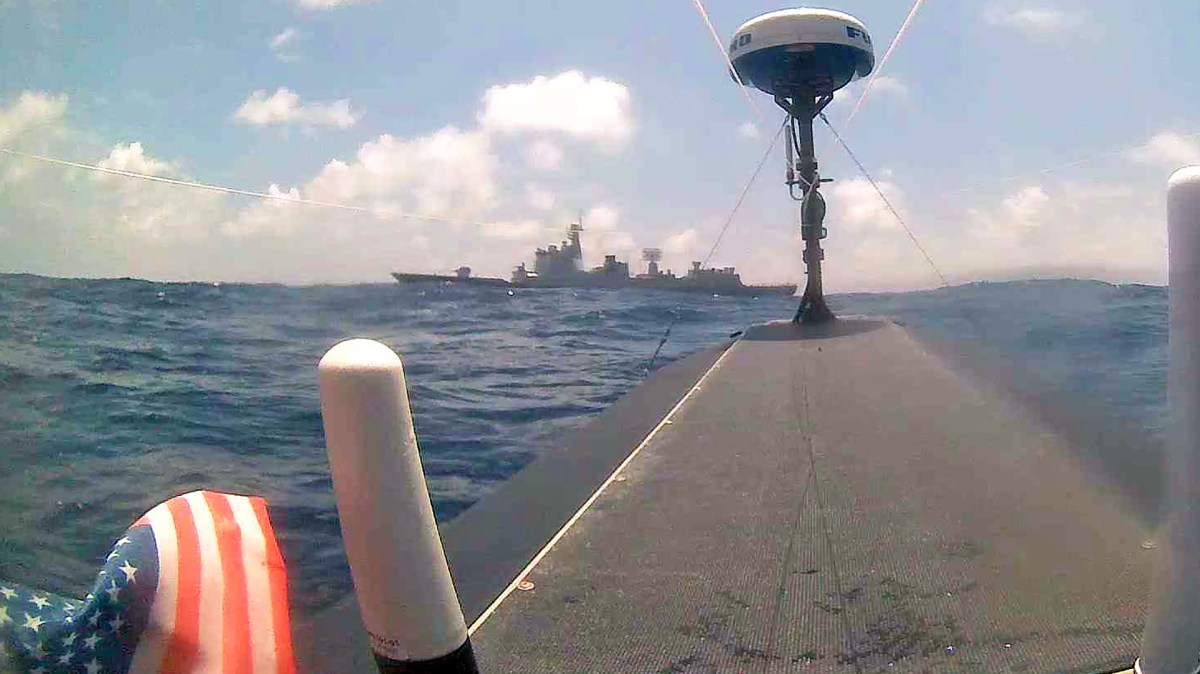
Seasats' Lightfish USV Encounters Chinese Destroyer, Raising Engagement Rule Concerns
A Lightfish uncrewed surface vessel (USV) owned by Seasats had a notable encounter with a Chinese Type 052D guided missile destroyer near the Philippines. The incident, reported by Reuters, occurred approximately 73 miles northeast of Luzon Island, highlighting the increasing presence of USVs in strategic maritime areas. This encounter underscores the potential risks posed by USVs to advanced naval vessels, raising critical questions about the rules of engagement for navies and merchant ships operating in contested regions. The Luzon Strait, a vital waterway, could become a focal point for future conflicts, particularly in the context of tensions surrounding Taiwan. The Lightfish USV, which can operate for extended periods thanks to its solar-powered hybrid system, tracked the Chinese destroyer from a distance of about 10 nautical miles. While the destroyer took evasive action upon noticing the USV, the intent behind the encounter remains unclear. No further timeline was disclosed at the time of publication.
Sea Destroyers Navies People's Liberation Army Navy (China) Unmanned Surface Vessels (USVs)
China Deploys YJ-20 Hypersonic Anti-Ship Missile on Type 052D Destroyers
Recent evidence shows that China's YJ-20 hypersonic anti-ship missile is being deployed on the People's Liberation Army Navy's Type 052D destroyers. This development indicates a strategic shift, allowing the missile to be utilized across a wider range of vessels rather than being limited to the larger Type 055 destroyers. The YJ-20 missile, capable of reaching speeds over Mach 6 and with a range of 1,000–1,500 km, poses a significant threat to large surface combatants, enhancing China's anti-access/area-denial capabilities in the western Pacific. The Type 052D destroyers, of which approximately 35 are operational, are now expected to increase the number of platforms capable of launching hypersonic strikes. While the recent launch footage suggests a move towards broader deployment, it remains uncertain if this will lead to large-scale fielding of the YJ-20 on these destroyers. No further timeline was disclosed at the time of publication.
Sea Destroyers Naval Munitions Navies People's Liberation Army Navy (China) Sea-Launched Hypersonic Missiles
USS Mustin Features Advanced Mk 38 Mod 4 Point Defense System with Dual Guns
The USS Mustin, an Arleigh Burke class destroyer, has been equipped with the Mk 38 Mod 4 Gun Weapon System, which integrates a .50 caliber machine gun atop a 30mm chain gun. This innovative system enhances the ship's firepower and capabilities, particularly in countering drone threats. This upgrade is significant as it addresses previous deficiencies in counter-unmanned aerial systems (C-UAS) and improves performance against surface targets. The Mk 38 Mod 4 is currently unique to the USS Mustin, marking a notable advancement in naval defense technology. Looking ahead, the Navy's continued focus on enhancing point defense systems will be crucial in adapting to evolving threats. No further timeline was disclosed at the time of publication.
Sea Naval Gun Systems Navies News & Features U.S. Navy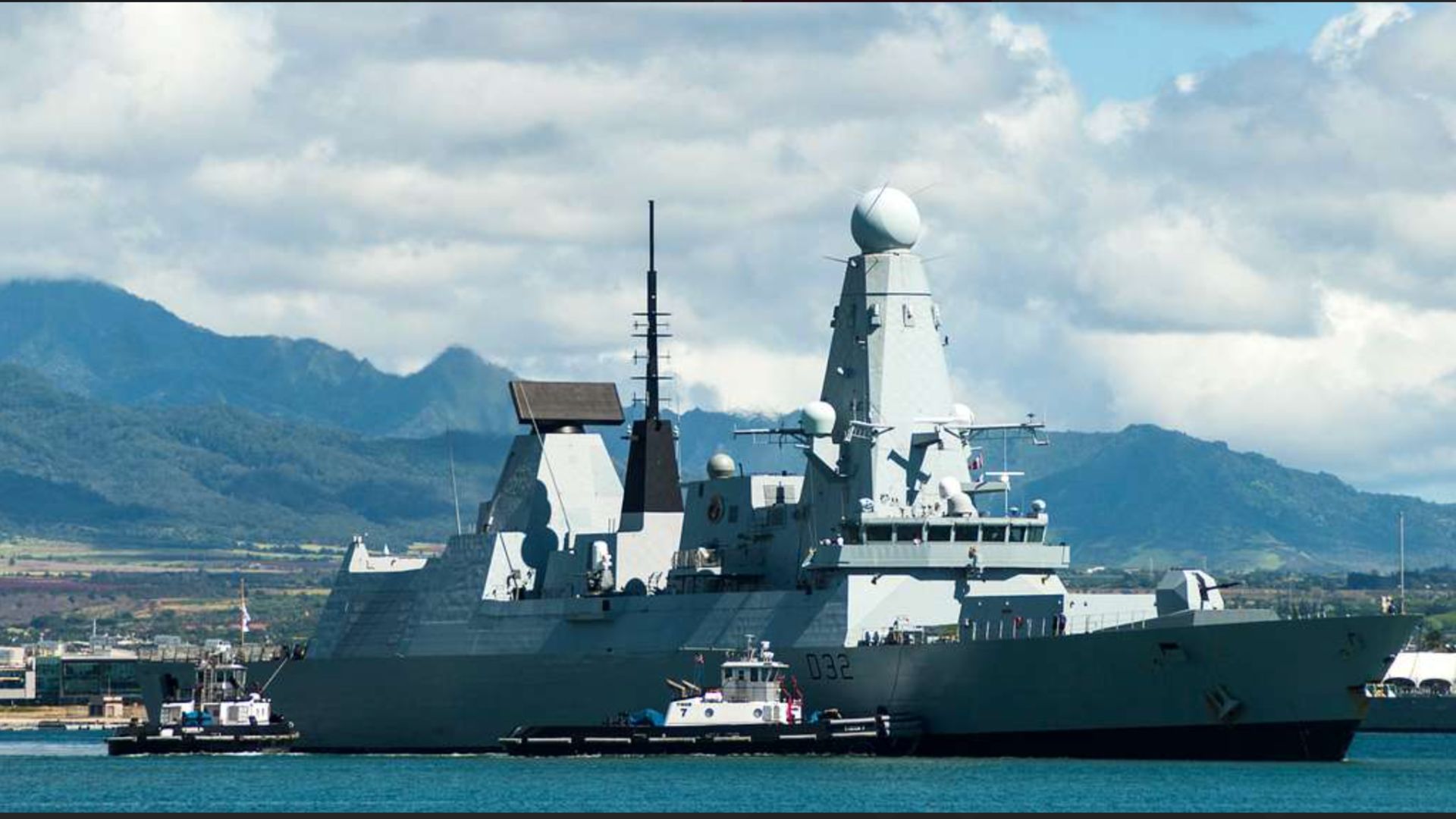
UK abandons Type 83 destroyer plans for aerial and underwater drone motherships
The Royal Navy is poised to implement a significant shift in its defense strategy, aiming to enhance its operational capabilities in response to evolving global threats. This strategic overhaul, announced on October 15, 2023, will focus on modernizing naval forces and integrating advanced technologies to better address challenges in maritime security. The initiative is part of a broader effort to ensure the Royal Navy remains a formidable presence in international waters, particularly amid rising tensions in various regions. The decision comes as defense officials recognize the need for a more agile and responsive naval fleet, capable of countering emerging threats from state and non-state actors alike. By investing in cutting-edge equipment and fostering partnerships with allied nations, the Royal Navy seeks to bolster its deterrence capabilities and maintain strategic advantages. The new strategy will involve a comprehensive review of current assets and a commitment to developing innovative solutions that align with the United Kingdom's defense priorities. This proactive approach is intended to safeguard national interests and enhance the Royal Navy's role in global security operations. As the Royal Navy embarks on this transformative journey, it aims to ensure that it is well-equipped to navigate the complexities of modern warfare and uphold its commitment to protecting the UK's maritime interests.
Military
UK Sacrifices Its Future Destroyer As Part Of Massive Bet On Drones Across Its Forces
The UK government is implementing a significant transformation in its military strategy, prioritizing the integration of uncrewed platforms across land, sea, and air operations. This ambitious overhaul comes at the cost of sacrificing its future destroyer, signaling a strategic shift towards drone technology as a cornerstone of the nation's defense capabilities. The decision reflects a growing recognition of the importance of unmanned systems in modern warfare, aiming to enhance operational efficiency and adaptability. As the UK moves forward with this initiative, it seeks to position its forces at the forefront of technological advancements in military operations.
News & Features Air Air Forces Around The Globe Europe Navies
UK industry team looks to miniaturize DragonFire laser for Type 45 destroyer debut
The United Kingdom is poised to become the first European NATO member to operationally deploy advanced laser directed energy technology by 2027. This initiative reflects the UK's commitment to enhancing its defense capabilities in response to evolving security challenges. The deployment aims to provide a cutting-edge solution for military operations, improving efficiency and effectiveness on the battlefield. The move underscores the UK's leadership role within NATO and its dedication to modernizing its armed forces in line with contemporary technological advancements.
Global Naval Warfare Army DragonFire Drones Europe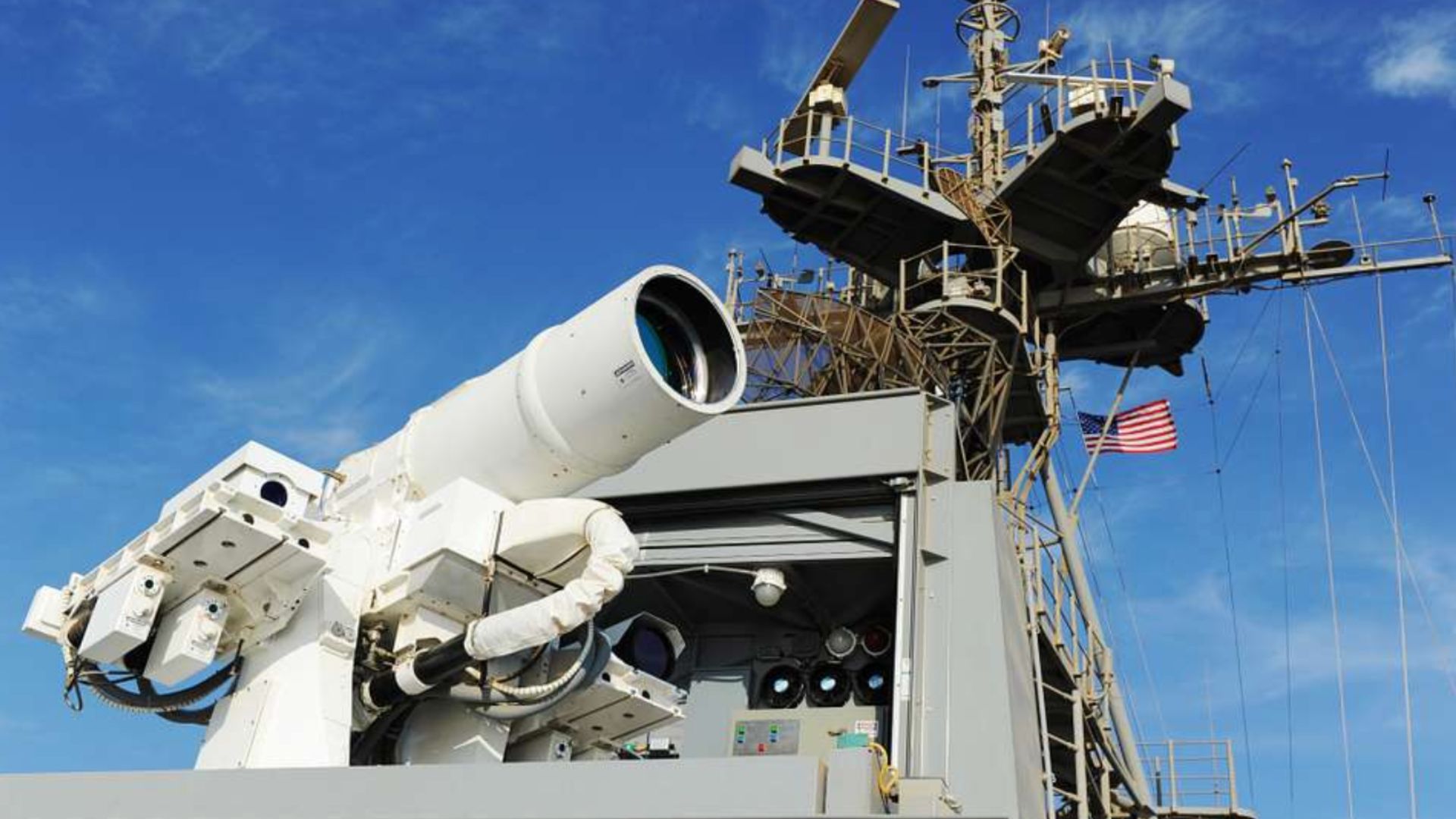
Nine US Navy destroyers that carry laser weapons for drone defense
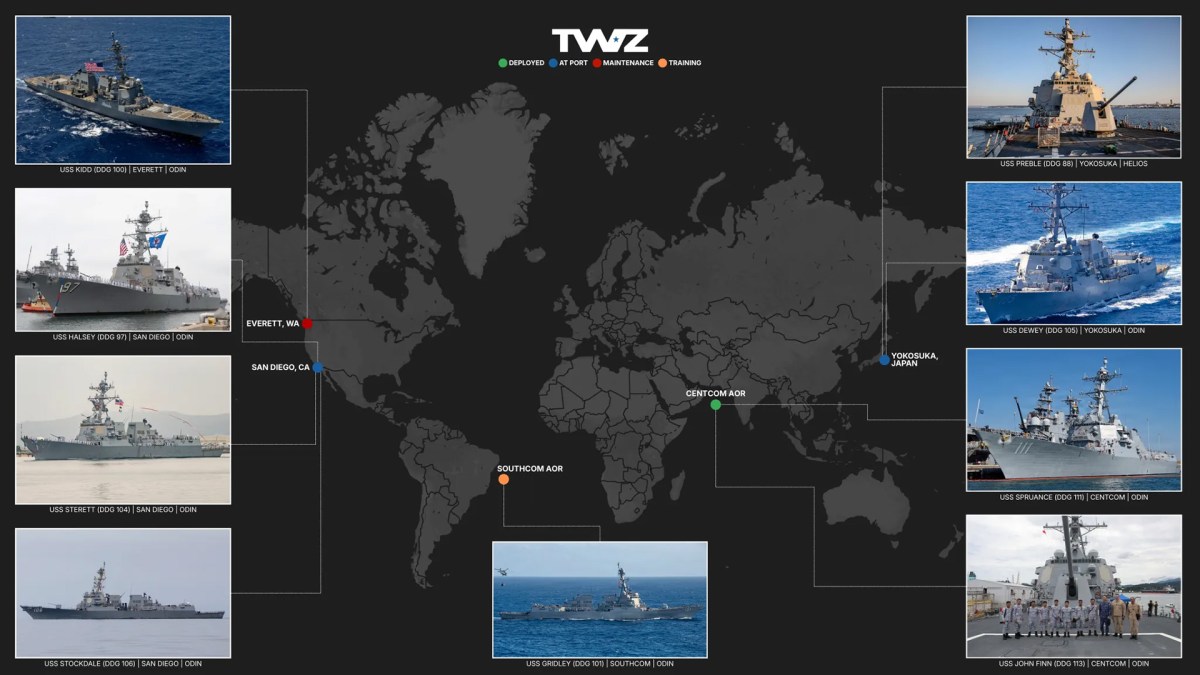
The U.S. Navy has officially deployed laser weapons aboard its destroyers, marking a significant advancement from previous experimental demonstrations. This deployment, which occurred in October 2023, aims to enhance the Navy's defensive capabilities against various threats, including drones and small boats. The integration of laser technology is part of a broader strategy to modernize military assets and improve operational efficiency. By utilizing directed energy systems, the Navy seeks to provide a cost-effective and precise alternative to traditional munitions, thereby reducing logistical burdens and increasing response times in combat situations. The successful implementation of these systems aboard destroyers underscores the Navy's commitment to innovation and maintaining a technological edge in maritime operations.
These American Destroyers Are Equipped With Laser Weapons
The U.S. Navy has equipped nine of its surface combatants with directed energy systems, including advanced laser weapons, as part of an initiative to enhance naval capabilities. This move, aimed at bolstering defense mechanisms against various threats, reflects the Navy's commitment to integrating cutting-edge technology into its fleet. The expansion of testing and potential deployment of these systems is expected to occur in the near future, signaling a strategic shift towards modern warfare tactics. The initiative underscores the Navy's focus on improving operational effectiveness and readiness in an evolving security landscape.
Sea Destroyers Directed Energy Lasers Naval Directed Energy Weapons Navies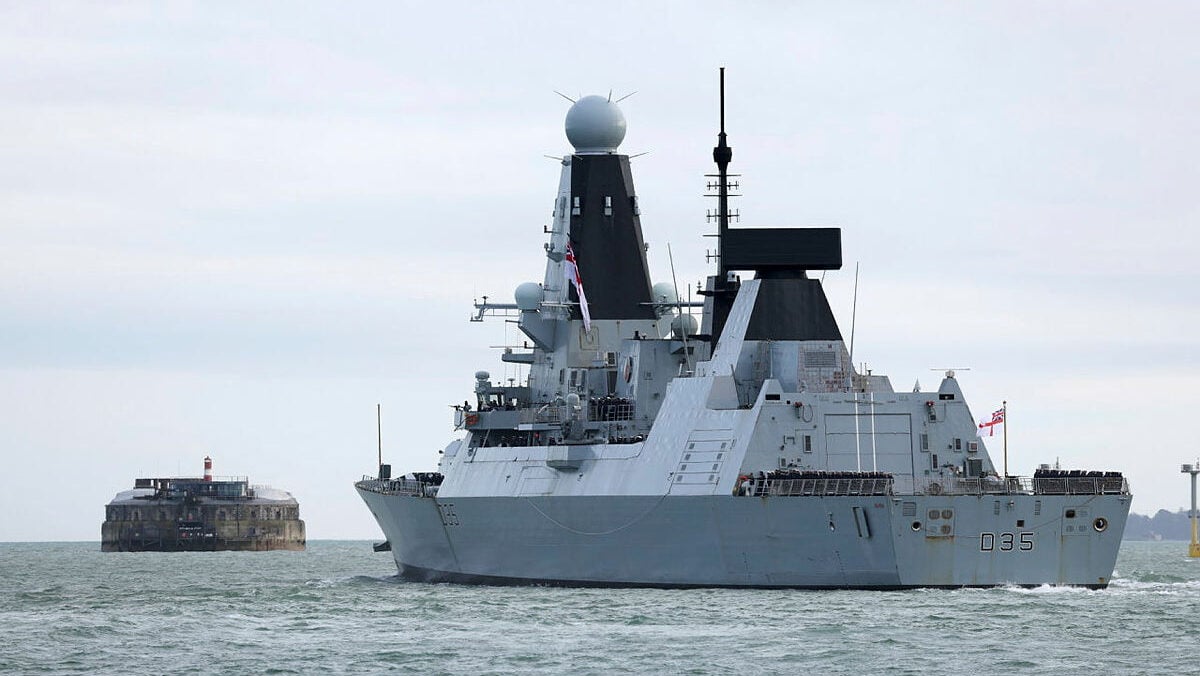
From destroyers to drones, how a Europe-led coalition aims to open the Strait of Hormuz
A new international initiative, spearheaded by the United Kingdom and France, aims to mobilize support from approximately 40 nations in response to ongoing conflicts. This collaborative effort is contingent upon the establishment of a ceasefire, which would serve as the prerequisite for the initiative to commence. The initiative seeks to address the urgent need for peace and stability in the affected regions, reflecting a collective commitment to diplomatic solutions and humanitarian assistance. The timeline for implementation remains uncertain, as it hinges on the successful negotiation of a ceasefire among the conflicting parties.
Air Warfare Global Middle East Naval Warfare Air Force BelgiumRobotics needs a service framework.
RSF defines a common language for robot service capability, lifecycle operations, certification pathways, and service-provider networks.
Join the RobotToday community on LinkedIn
Daily robotics news, in-depth analysis, conference highlights, and discussions with professionals worldwide.






