

Industry Briefing
A single destination for timely, editor-curated robotics news from around the world.

Canada and Ukraine Forge Long-Term Defense Partnership for Uncrewed Technologies
Canada and Ukraine have entered a significant defense agreement to collaboratively produce uncrewed technologies, counter-drone systems, and munitions. This partnership, announced by Canadian Prime Minister Mark Carney during Ukrainian President Volodymyr Zelenskyy's visit to Calgary, aims to enhance Ukraine's defense capabilities amid ongoing Russian aggression. The agreement is part of a broader commitment to a '100-year partnership' between the two nations, combining Ukraine's battlefield experience with Canada's manufacturing and technological expertise. Notably, General Dynamics Mission Systems of Canada and Ukraine's Green Tech Harvest will explore co-producing Ukrainian-designed drones, while Canada plans to invest approximately $350 million in air defense interceptors through the Joint Ukraine Multinational Program. Looking ahead, the partnership is expected to bolster Ukraine's air defense capabilities significantly, with Zelenskyy highlighting the training of 21 Ukrainian pilots in Canada. However, specific operational details regarding the drone cooperation remain limited. No further timeline was disclosed at the time of publication.
Air Warfare Allies Air Force canada Drones Europe
Covenant, Defense Tech Startup, Exits Stealth After Securing Over $250 Million
Covenant, a defense technology startup, has emerged from stealth mode after successfully raising over $250 million through three funding rounds. The company has already secured military contracts in both the US and Europe, positioning itself as a key player in the defense sector by developing cost-effective heavy-payload, long-range cruise missiles. The significance of Covenant's emergence lies in its potential to disrupt the defense technology market with innovative solutions that promise to reduce costs for military applications. Backed by prominent investor Andreessen Horowitz, Covenant's advancements in missile technology could enhance operational capabilities for armed forces in multiple regions, including the US and Europe. Looking ahead, industry observers will be keen to monitor Covenant's progress in fulfilling its military contracts and the impact of its technology on defense procurement strategies. No further timeline was disclosed at the time of publication.

Terra Drone Partners with DEFTECH to Enhance Malaysia's Defense and Develop C-UAS Solutions
On August 31, 2026, Terra Drone Corporation announced a strategic collaboration with DRB-HICOM Defence Technologies (DEFTECH) to bolster defense capabilities in Malaysia. This partnership aims to provide ISR drones for maritime, coastal, and border surveillance, alongside counter-UAS solutions and integrated systems for the Malaysian Armed Forces. The significance of this collaboration lies in Terra Drone's strategic positioning within the ASEAN defense market, following its entry into the defense sector in March 2026. The partnership not only enhances Malaysia's defense infrastructure but also establishes the country as Terra Drone's regional hub, with plans for expansion into Thailand, the Philippines, and Indonesia, supported by Japan's Official Security Assistance program. Additionally, Terra Drone has initiated the development of a counter-unmanned aircraft system targeting civilian critical infrastructure, including oil and gas facilities and airports. This system aims to enhance operational safety and integrate with existing security measures, reflecting the growing need for advanced drone defense solutions in light of recent incidents in Europe. No further timeline was disclosed at the time of publication.
Drone News Drone News Feeds News aerospace news 2026 airport C-UAS ASEAN defense market
Neros Technologies Secures $250 Million to Enhance Defense Drone Production by 2026
Neros Technologies announced the successful completion of a $250 million Series C funding round, elevating its valuation to $2.5 billion. The funding aims to expedite the development and production of its defense drones, including the Archer AI and Bandit models, which are set for deployment by the end of 2026. This funding is crucial as Neros seeks to fulfill its ambitious goal of producing 1 million drones annually, a mission that remains unchanged despite the expanding range of capabilities and mission sets. The company has secured significant contracts with the U.S. Army, Marine Corps, and various allied nations, positioning itself as a key player in the defense drone market amid rising global demand. Looking ahead, Neros Technologies plans to leverage this capital to enhance its drone manufacturing capabilities, particularly in response to the ongoing conflicts in Ukraine, Gaza, and Iran. The company aims to deliver advanced drone solutions that provide credible deterrence and support military operations effectively.
Defense / Security Drones Financial Investments Markets / Industries News
ARM Institute Issues Project Call for U.S. Defense Manufacturing Technology Innovations
The ARM Institute has launched Project Call 27-01, inviting proposals for technologies aimed at enhancing U.S. defense manufacturing capabilities. This initiative seeks innovations in areas such as metalwork, drones, munitions, and shipbuilding, with a focus on dual-use technologies that can benefit both military and civilian sectors. This project call is significant as it aligns with the U.S. Department of War's (DoW) objectives to improve defense manufacturing efficiency and reduce costs. The ARM Institute emphasizes the importance of validated transition plans that include government stakeholders, which can facilitate smoother integration into the DoW's commercial industrial base and organic industrial base. Looking ahead, concept papers must be submitted by September 16, 2026, with a series of deadlines leading up to the final project execution beginning February 1, 2027. The ARM Institute aims to foster collaboration and innovation within its community of over 500 members, addressing funding and engineering challenges in defense technology development.
Artificial Intelligence Autonomous Mobile Robots (AMRs) Collaborative Robots Defense / Security Drones Manufacturing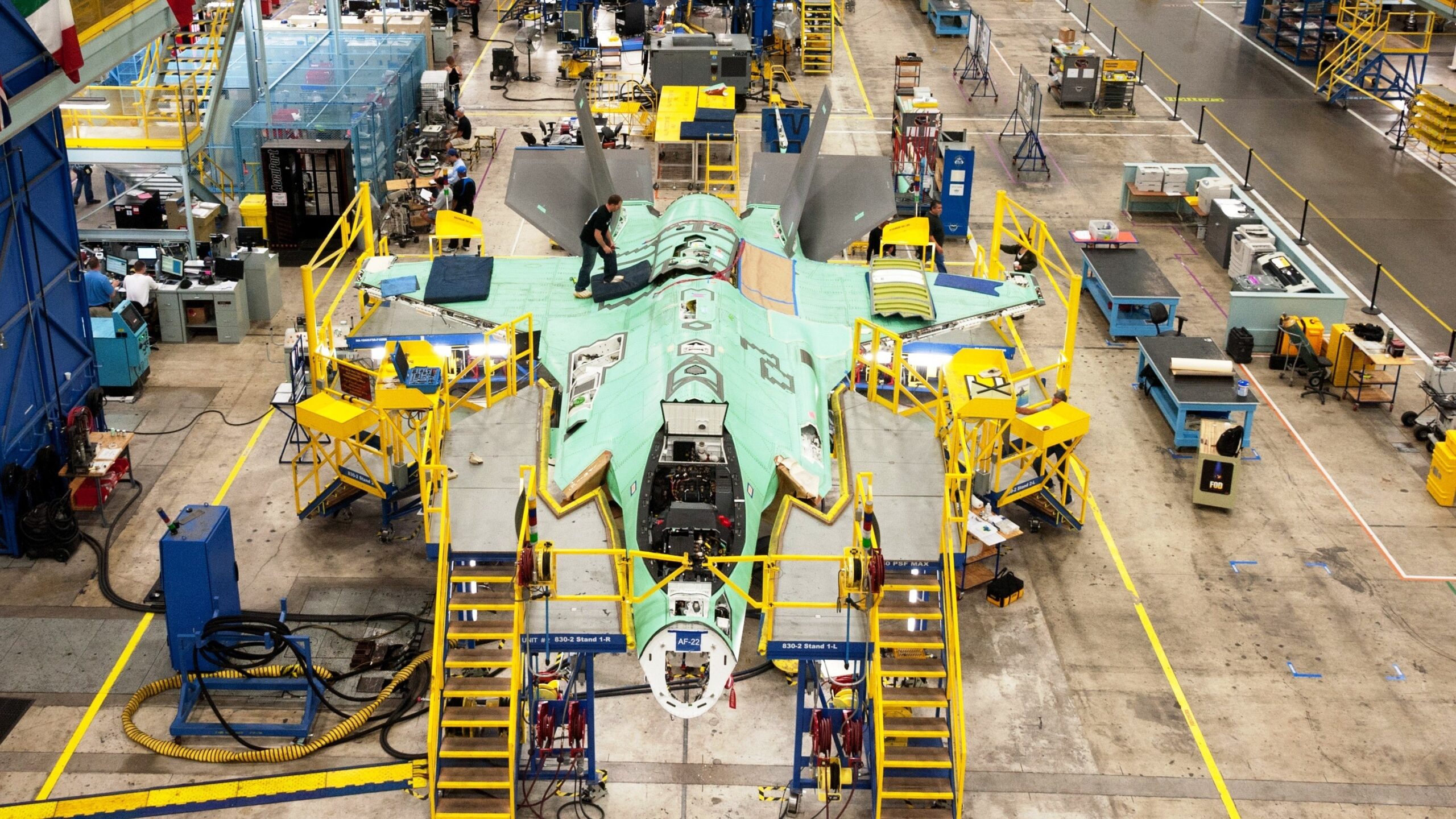
AIA and Bain Report Highlights Funding Gaps in Defense Technology Sector
A recent study by the Aerospace Industries Association (AIA) and Bain & Company reveals significant funding gaps in the defense technology sector, particularly in critical minerals and components like semiconductors and solid rocket motors. Despite a tenfold increase in venture capital funding for defense since 2019, private equity remains largely untapped, indicating barriers to investment in essential areas. The report emphasizes that while there is no shortage of capital in defense, challenges exist in directing this investment towards critical bottleneck areas. AIA President Eric Fanning noted the need for federal decision-makers to understand how to incentivize private investment and address barriers that hinder capital flow to necessary facilities and technologies. Looking ahead, the study suggests that addressing these funding gaps is crucial for strengthening the defense industrial base and enhancing production capacity. No further timeline was disclosed at the time of publication.
Pentagon Aerospace Industries Association Business & Industry defense industrial base private equity venture capital VC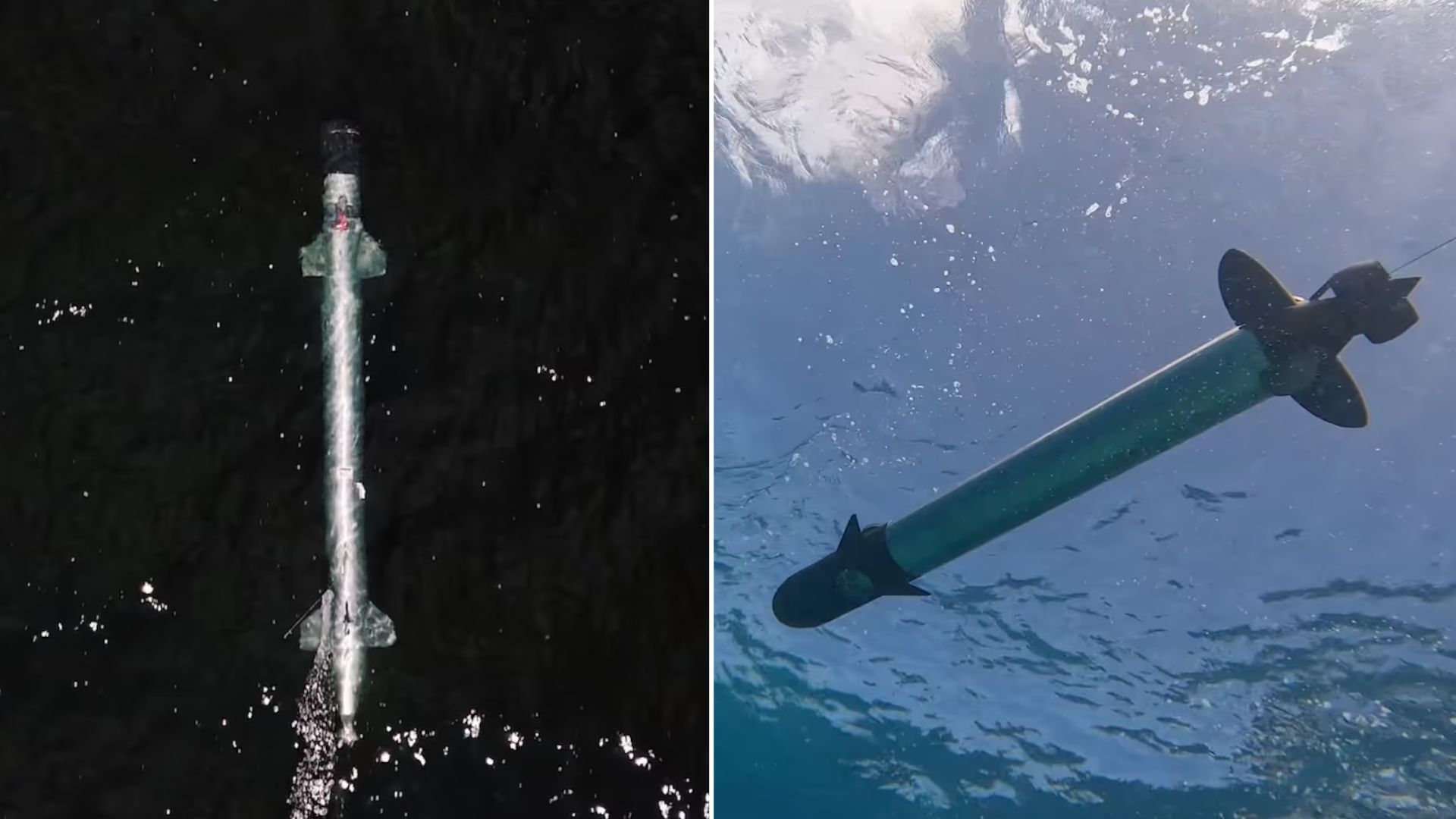
Taiwan Collaborates with U.S. Startup Vatn Systems on 200 nm Submarine Drone Technology
Taiwan has entered into a partnership with U.S. defense startup Vatn Systems to develop autonomous underwater vehicles (AUVs) aimed at enhancing maritime surveillance and defense capabilities. The agreement, signed with the National Chung-Shan Institute of Science and Technology (NCSIST), focuses on AI-enabled command-and-control systems and establishing a local supply chain for AUV technology. This collaboration is significant as it combines Vatn's expertise in undersea autonomy with Taiwan's industrial capabilities, allowing for the development of affordable AUVs like the Skelmir S12. These vehicles can perform various missions, from seabed mapping to mine countermeasures, without the risks associated with manned vessels, thus expanding Taiwan's underwater capabilities. Looking ahead, the partnership not only aims to enhance Taiwan's defense but also supports dual-use applications in critical infrastructure inspection and offshore industries. The initiative is part of a broader strategy by NCSIST to develop indigenous underwater technology while collaborating with foreign firms, including ongoing efforts with Anduril Industries and the Huilong program for local AUV development.
Military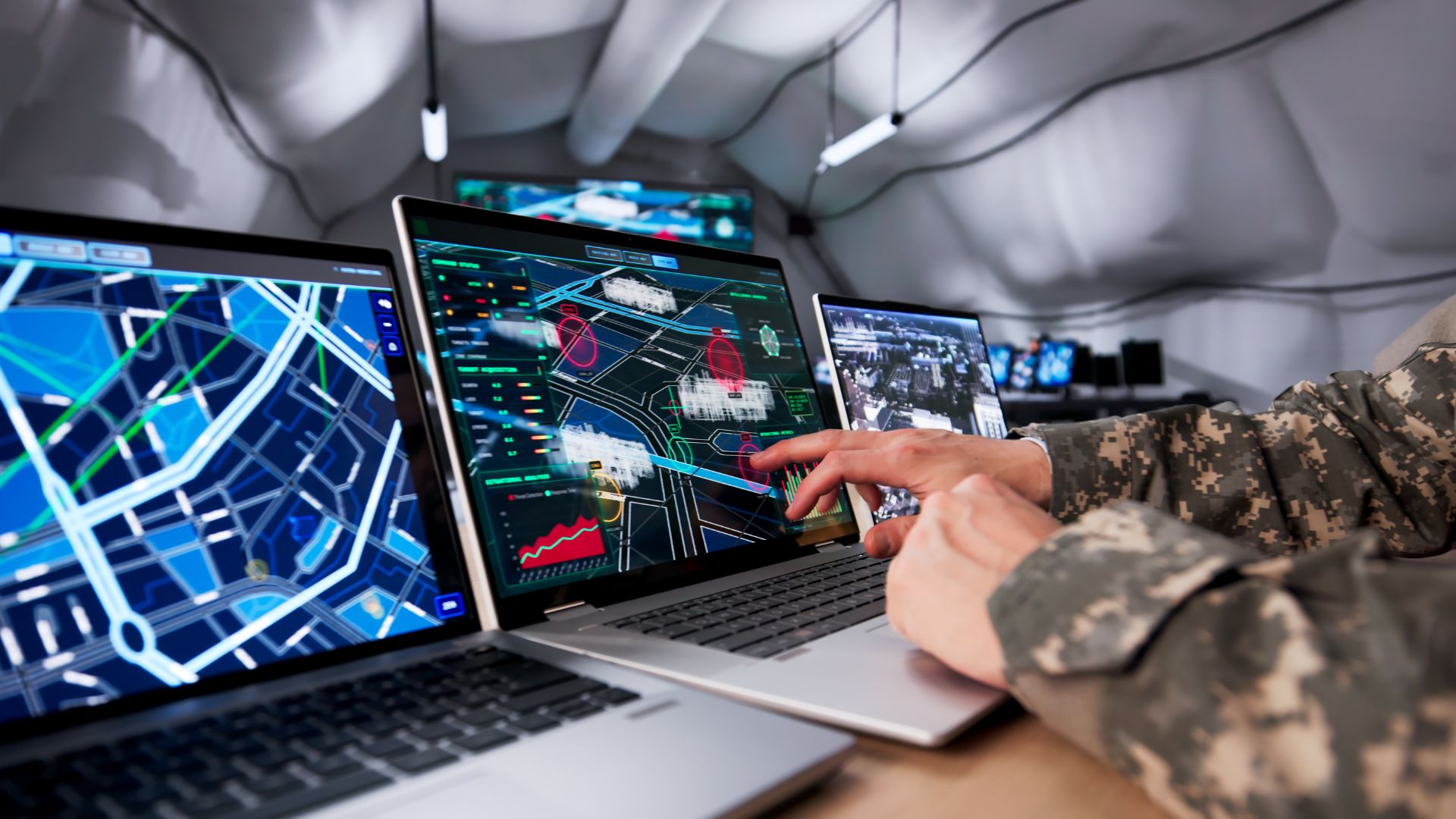
U.S. Central Command and UAE Establish First Joint Defense AI Task Force
The U.S. Central Command (CENTCOM) and the United Arab Emirates are set to launch Task Force Talon Synapse, a pioneering joint military initiative focused on artificial intelligence. This task force aims to develop AI-powered capabilities for military operations, emphasizing intelligence, infrastructure security, and regional threat monitoring. The formal activation is expected in the coming weeks, with a team of about 20 specialists from both nations operating from Abu Dhabi. This initiative is significant as it reflects a growing commitment from Washington to integrate artificial intelligence into defense operations alongside trusted allies. Unlike traditional defense collaborations that often center on equipment purchases, Task Force Talon Synapse will place technical experts from both countries in a unified operational team, enhancing the speed of testing and deployment of AI-driven military applications. Adm. Brad Cooper highlighted this effort as a historic milestone in U.S.-UAE relations. Looking ahead, the task force will initially focus on three key operational areas: developing AI applications for intelligence support, bolstering critical infrastructure protection, and improving regional security monitoring. The success of this model could shape future U.S. AI partnerships with allied nations, as both countries aim to deliver evolving AI capabilities to military personnel more rapidly. No further timeline was disclosed at the time of publication.
AI and Robotics Military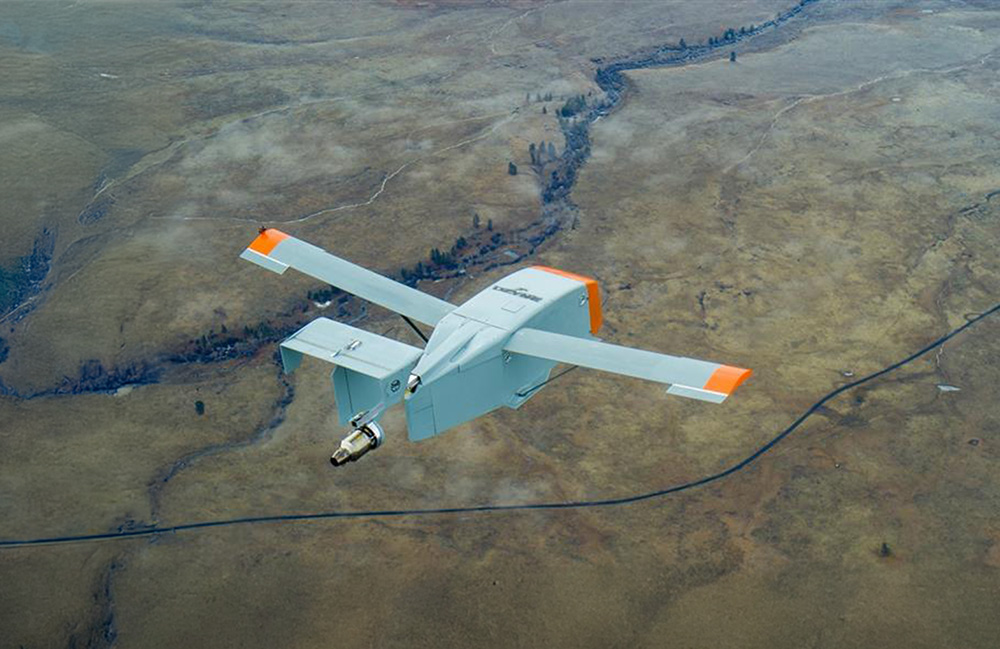
Ondas Acquires DZYNE Technologies for $875.8 Million to Enhance Defense Capabilities
Ondas Inc. has acquired DZYNE Technologies LLC, a defense technology firm based in Irvine, California, for $875.8 million. This acquisition, financed through a cash-and-stock structure, aims to enhance Ondas' capabilities in multi-domain intelligence, surveillance, and reconnaissance (ISR), counter-uncrewed aerial systems (UAS), and autonomous systems to meet the evolving needs of U.S. and allied defense customers. The acquisition is significant as it positions Ondas to leverage DZYNE's advanced technology and engineering talent, which includes long-endurance ISR capabilities and autonomous systems. Eric Brock, chairman and CEO of Ondas, emphasized that the integration of DZYNE's mission-proven technologies will accelerate the development of a next-generation autonomous defense platform, essential for maintaining military advantage in rapidly changing warfare. Looking ahead, Ondas anticipates that DZYNE will generate $191 million in revenue for the full year 2026 and over $300 million in 2027. Ondas is now targeting at least $525 million in revenue for 2026. The integration of DZYNE’s ULTRA and IonStrike systems will expand Ondas' ISR and counter-UAS capabilities, enhancing its portfolio in defense applications.
Aerospace Artificial Intelligence Artificial Intelligence / Cognition Defense / Security Design / Development Drones
Hylenr Technologies Discovers 32 Elements in Nuclear Fusion Experiment for Strategic Applications
Hylenr Technologies, a startup based in Hyderabad, has reported the detection of 32 elements, including rare earths and uranium, through its experimental nuclear fusion system. This finding follows over two years of material analysis linked to their lattice confinement fusion research, suggesting a potential new method for nucleosynthesis. The implications of this discovery are significant, as it could provide an alternative means of producing critical materials that are currently reliant on mining and concentrated supply chains. Hylenr co-founder Siddhartha Durairajan emphasized the potential to engineer the material environment necessary for creating selected elements, which could reshape access to vital resources. Looking ahead, the research team believes that this technology may extend beyond nuclear energy applications, potentially impacting sectors such as electric vehicles, robotics, and defense. No further timeline was disclosed at the time of publication.
Energy
Military Humanoid Robots in Engineering Validation Phase Amid Global Defense Research Trends
The global embodied intelligence industry is increasingly capturing the attention of national defense research, with humanoid robots expected to enhance their mobility, dexterity, and environmental perception by 2025-2026. Chinese manufacturers dominate the global humanoid robot shipment market, providing a substantial hardware foundation for military research. Various military research institutions are exploring potential battlefield applications, including urban warfare and infiltration, with simulations indicating that usable prototype systems may emerge within 5-10 years. However, despite advancements, there is currently no public evidence that armed humanoid robots have been officially deployed in combat units, as most projects remain in laboratory and training validation phases. The battlefield presents complex conditions that impose stringent reliability and endurance standards, far exceeding those of commercial products. Challenges such as high energy consumption and complex repair processes hinder the operational capabilities of humanoid robots in high-intensity combat scenarios. Tactically, humanoid robots are not the sole optimal solution for battlefield unmanned equipment. More mature technologies like wheeled and tracked vehicles are already fulfilling reconnaissance and logistics roles at lower costs. The dual-use technology approach emphasizes the importance of civilian advancements in robotics for military applications, while military requirements can drive improvements in civilian products. The path forward involves addressing environmental adaptability, energy consumption, and cost issues to ensure humanoid robots can reliably operate in harsh conditions and meet tactical and economic demands.
Humanoid Robots Military Robotics Dual-Use Technology Robotics Research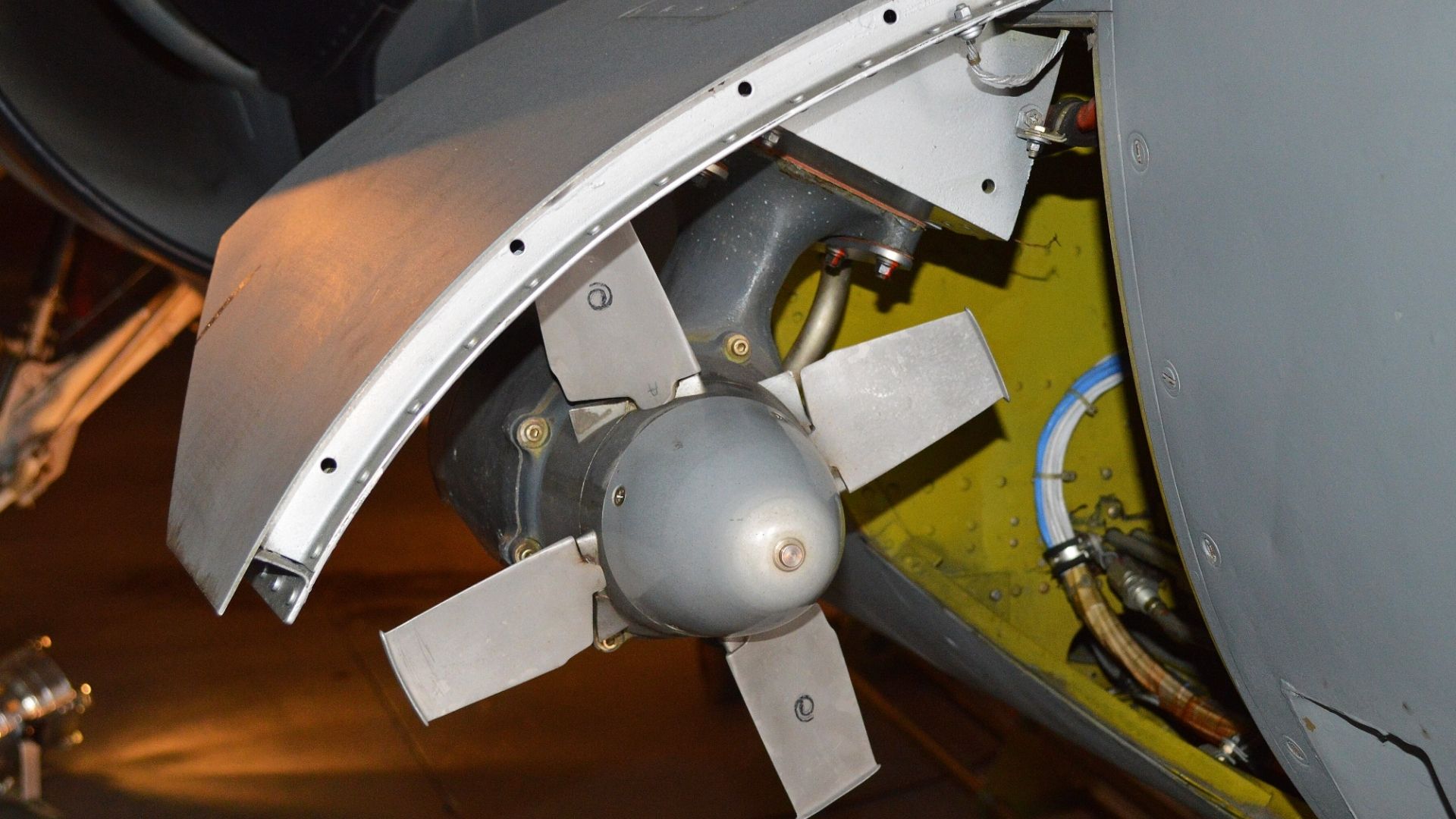
Marotta Controls to Supply Technology for US Navy's Next Generation Jammer Program
Marotta Controls, a US aerospace and defense contractor, has secured contracts to provide technology for two subsystems of the US Navy’s Next Generation Jammer–Low Band (NGJ-LB) program. Announced on September 2, the contracts involve a subcontract with CFD Research Corporation for a ram-air turbine power-generation system and a direct contract from L3Harris Technologies, the prime contractor for the NGJ-LB. The NGJ-LB is designed for the EA-18G Growler, enhancing its electronic warfare capabilities by disrupting enemy air defenses and ground communications. Marotta's involvement marks its entry into the airborne electronic warfare market, supplying equipment for the Turbine Speed Control System, which is crucial for power generation and regulation within the NGJ-LB pod. As the US Navy aims to replace the legacy AN/ALQ-99 Tactical Jamming System, the NGJ-LB program, selected in August 2024 under a $587.4 million contract, is set to deliver operational prototype pods for fleet assessment. No further timeline was disclosed at the time of publication.
Military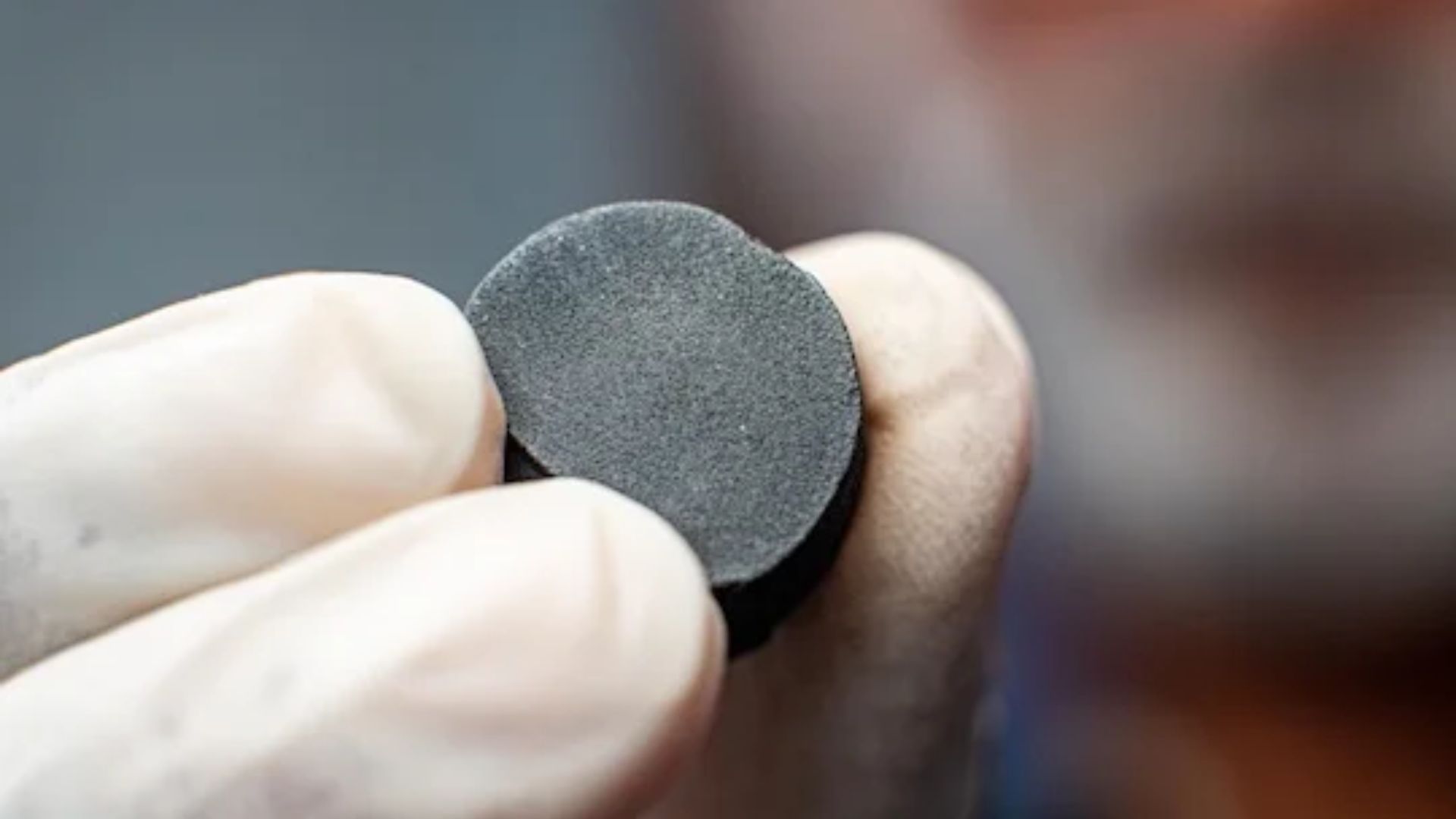
Rice University Develops Technique to Stabilize Diamond During Thermal Processing for Aerospace Applications
Researchers at Rice University have developed a new manufacturing technique that stabilizes diamond during thermal processing at low pressures, resulting in a durable composite material. This advancement, detailed in Materials Today, demonstrates how combining powder materials can overcome previous manufacturing challenges, particularly in creating tougher materials for aerospace and defense applications. The significance of this research lies in its ability to transform diamond into graphite in millionths of a second under hypersonic projectile strikes, a rapid phase change that absorbs kinetic energy. Abhijit Biswas, the study's first author, noted that the resulting composite is nearly nonmachinable and tough, making it suitable for extreme conditions faced in various technologies. Looking ahead, the team utilized spark plasma sintering to create a composite where diamond grains are embedded within a cubic boron nitride structure, offering a practical method for large-scale production of diamond-based parts. Future studies may focus on further evaluating the mechanical limits of this composite and its potential applications in high-performance environments. No further timeline was disclosed at the time of publication.
Innovation
US Military Faces Ban on Humanoid Robots from Chinese Companies Under New Defense Bill
The US has enacted a defense bill prohibiting the military from procuring humanoid robots linked to China and other foreign adversaries. This measure, part of the National Defense Authorization Act (NDAA), reflects heightened concerns over national security and data privacy regarding foreign autonomous systems. This restriction targets humanoid robots associated with nations such as China, Russia, and Iran, marking a significant escalation in the US-China technology rivalry. The NDAA aims to curb the use of Chinese technology in critical sectors, extending beyond semiconductors and telecommunications to include advanced humanoid robotics. Experts indicate that this military restriction highlights growing apprehension in Washington regarding China's advancements in robotics and AI. While the NDAA focuses on military applications, it suggests a phased approach, potentially leading to broader restrictions on civilian use in the future. No further timeline was disclosed at the time of publication.
Military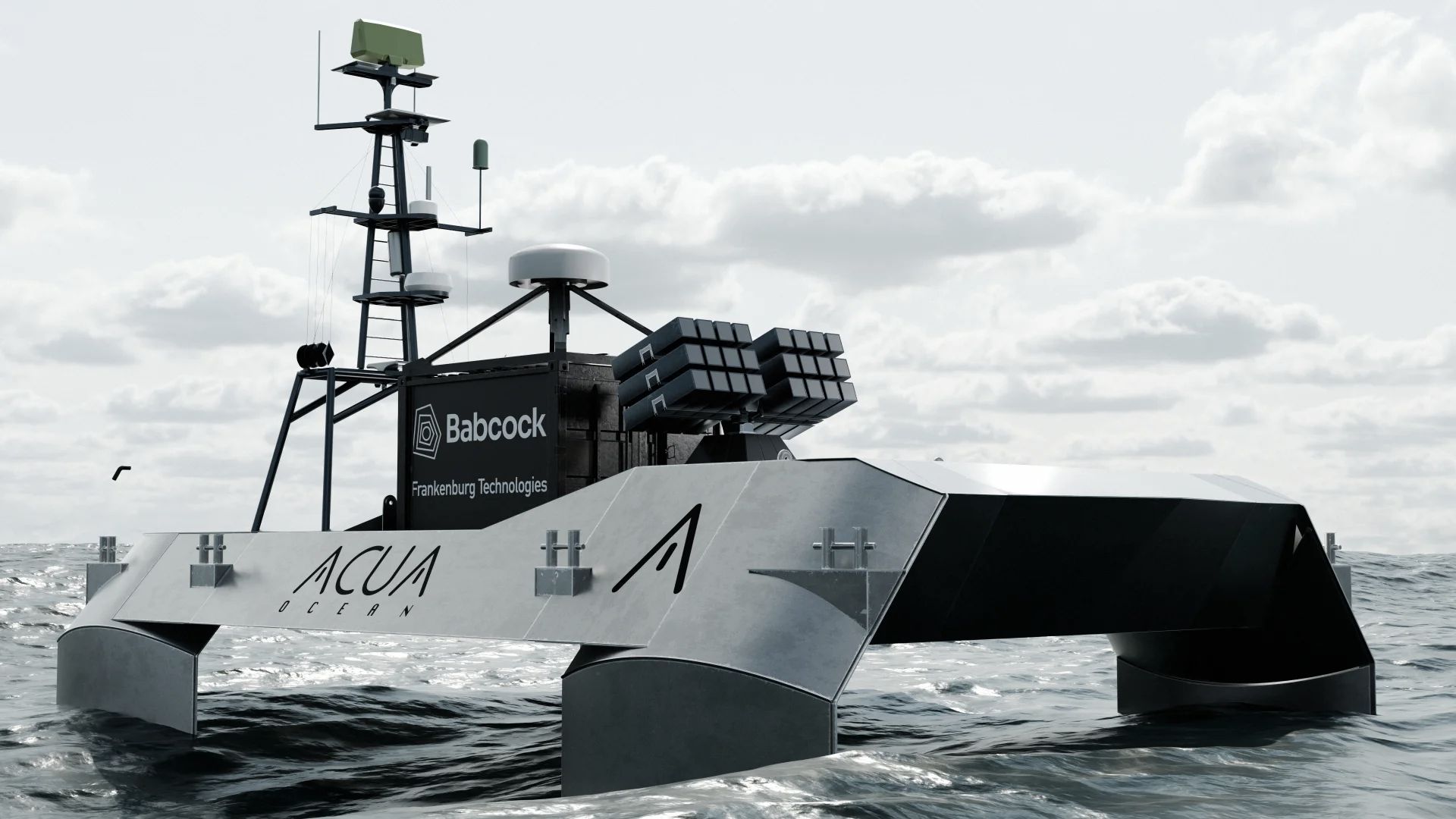
Frankenburg Technologies Partners with Babcock and ACUA to Develop Maritime Counter-Drone Systems
Frankenburg Technologies has signed a Memorandum of Understanding with Babcock International and ACUA Ocean Technologies to develop integrated maritime counter-drone air defense systems. This collaboration aims to address the increasing threat of uncrewed aerial systems in naval environments by combining Frankenburg's low-cost interceptor missile technology, Babcock's defense engineering expertise, and ACUA's autonomous surface vessel platforms. The partnership is significant as it reflects growing concerns among defense organizations regarding the proliferation of low-cost attack drones, which have proven effective in recent conflicts. Traditional air defense systems are often costly, creating a demand for more affordable interception technologies. The integrated solutions being developed will focus on detecting, tracking, and defeating hostile drones in maritime settings, enhancing the protection of naval vessels and critical infrastructure. Looking ahead, the collaboration aims to deliver scalable and cost-effective counter-UAS solutions that can be rapidly deployed and easily integrated into existing defense networks. No further timeline was disclosed at the time of publication.
Military
SpaceX's Starmind Targets AI Labs with $6.3 Billion Compute Contracts
SpaceX's Starmind is designed to provide wholesale AI compute services to businesses, particularly AI labs and cloud customers, rather than individual consumers. The service operates similarly to AWS, where users benefit from applications running on Starmind without direct subscriptions. The compute capacity of a single AI1 satellite is comparable to one NVIDIA GB300 rack, emphasizing its enterprise-grade capabilities. The significance of Starmind lies in its positioning as a potential fourth hyperscaler, joining the ranks of AWS, Microsoft Azure, and Google Cloud. The Reflection AI contract, valued at $150 million per month, exemplifies the enterprise-focused model, with total payments potentially reaching $6.3 billion through 2029. This contract highlights the growing demand for AI compute resources, particularly from AI-native startups and labs. Looking ahead, the focus will remain on securing additional enterprise contracts as Starmind expands its offerings. No consumer-facing products or subscriptions have been announced, and the current strategy is to cater to businesses with substantial AI workloads. No further timeline was disclosed at the time of publication.
![[Man-ki Kim] Foster dual-use defense tech](/uploads/2026/06/2669837006758506.jpg)
[Man-ki Kim] Foster dual-use defense tech
For much of the 20th century, defense technology evolved within a tightly controlled military-industrial framework, where governments dictated needs, contractors created solutions, and civilian sectors reaped the benefits later. However, this paradigm is shifting. In the contemporary landscape, advancements in technologies such as artificial intelligence, semiconductors, robotics, batteries, cloud computing, autonomous systems, synthetic-aperture radar satellites, and commercial drones are increasingly emerging from the civilian economy. This transformation is reshaping how defense capabilities are developed and integrated, highlighting the growing interdependence between civilian innovations and military applications. As a result, the defense sector is now leveraging these civilian technologies to enhance its operational effectiveness and adaptability in a rapidly changing global environment.
All News
Defense tech, AI, and fundraising take center stage at StrictlyVC Los Angeles on June 18
On Thursday, June 18, The Aerospace Corporation Campus will host an evening event bringing together investors, founders, and technology leaders to discuss significant changes in venture capital, defense technology, artificial intelligence, and advanced industries. This gathering aims to foster dialogue and insights into the evolving landscape of these critical sectors, highlighting the motivations behind recent developments and innovations. Attendees are encouraged to secure their spots for this opportunity to engage with industry experts and peers.
AI Fundraising Security Space Startups Venture
Defense tech is flooded with money, but who’s built to last?
The defense technology sector is experiencing significant growth, highlighted by recent valuation increases for companies like Anduril and Mach Industries, which saw their valuations double and quadruple, respectively. This surge comes in conjunction with a proposed 40% increase in the U.S. defense budget, signaling heightened government investment in military innovation. As a result, numerous startups are emerging, eager to secure government contracts. However, venture investor Ross Fubini, who was instrumental in Anduril's early funding, warns that many of these new entrants may struggle to survive the challenging transition from prototype development to securing contracts, a phase often referred to as the "Valley of Death." This dynamic landscape reflects both the urgent demand for advanced defense solutions and the competitive pressures facing emerging companies in the industry.
Government & Policy Venture anduril defense tech Equity Video government contracts
Mach Industries just spent $50M to solve a major defense tech problem
Mach has announced that its recent acquisition significantly enhances the unit economics of its five vehicle programs, coinciding with the company's scaling efforts. This strategic move is expected to optimize financial performance and operational efficiency as Mach expands its production capabilities. The timing of the acquisition aligns with the company's growth trajectory, allowing it to capitalize on improved economic metrics at a crucial juncture. By integrating the new assets, Mach aims to strengthen its market position and drive profitability in an increasingly competitive landscape.
Hardware defense tech Ethan Thornton mach industries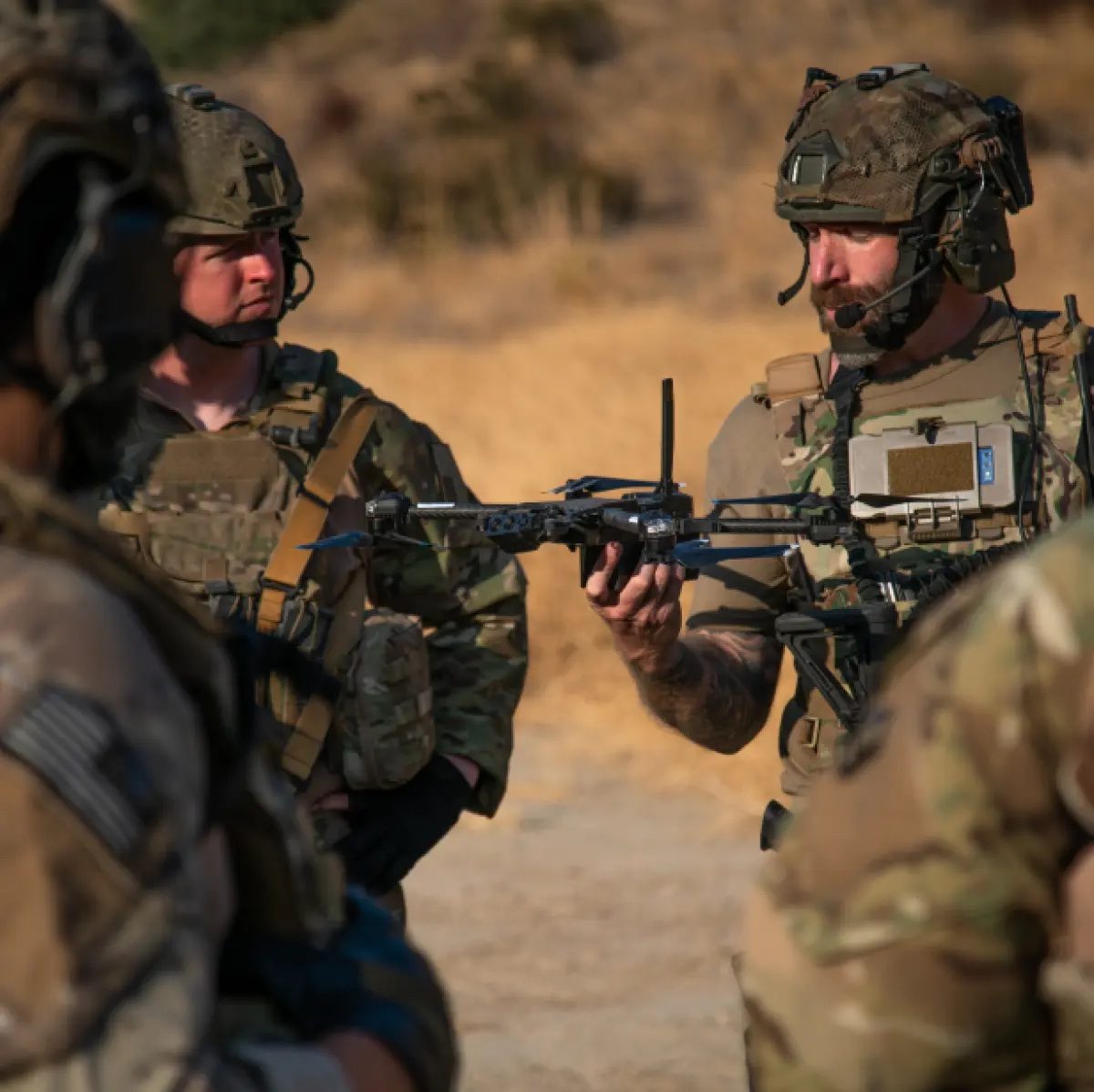
When Commercial Drone Technology Meets Defense: A Closer Look at Civil–Military Integration
A recent report from the Foundation for Defense of Democracies (FDD) underscores the significant convergence of commercial drone technology and military applications, highlighting the evolving landscape of the drone industry. This analysis, titled “China’s War Wolves,” emphasizes how shared innovation pipelines are influencing both commercial markets and defense capabilities. The report draws attention to the implications of civil-military integration, particularly in the context of national security and technological advancement. As the demand for drones continues to rise, understanding the interplay between civilian and military uses becomes increasingly critical. The findings are particularly relevant as nations seek to enhance their defense strategies while leveraging advancements in commercial technology.
Applications Defense defense DL Exclusive Drone News Drone News Feeds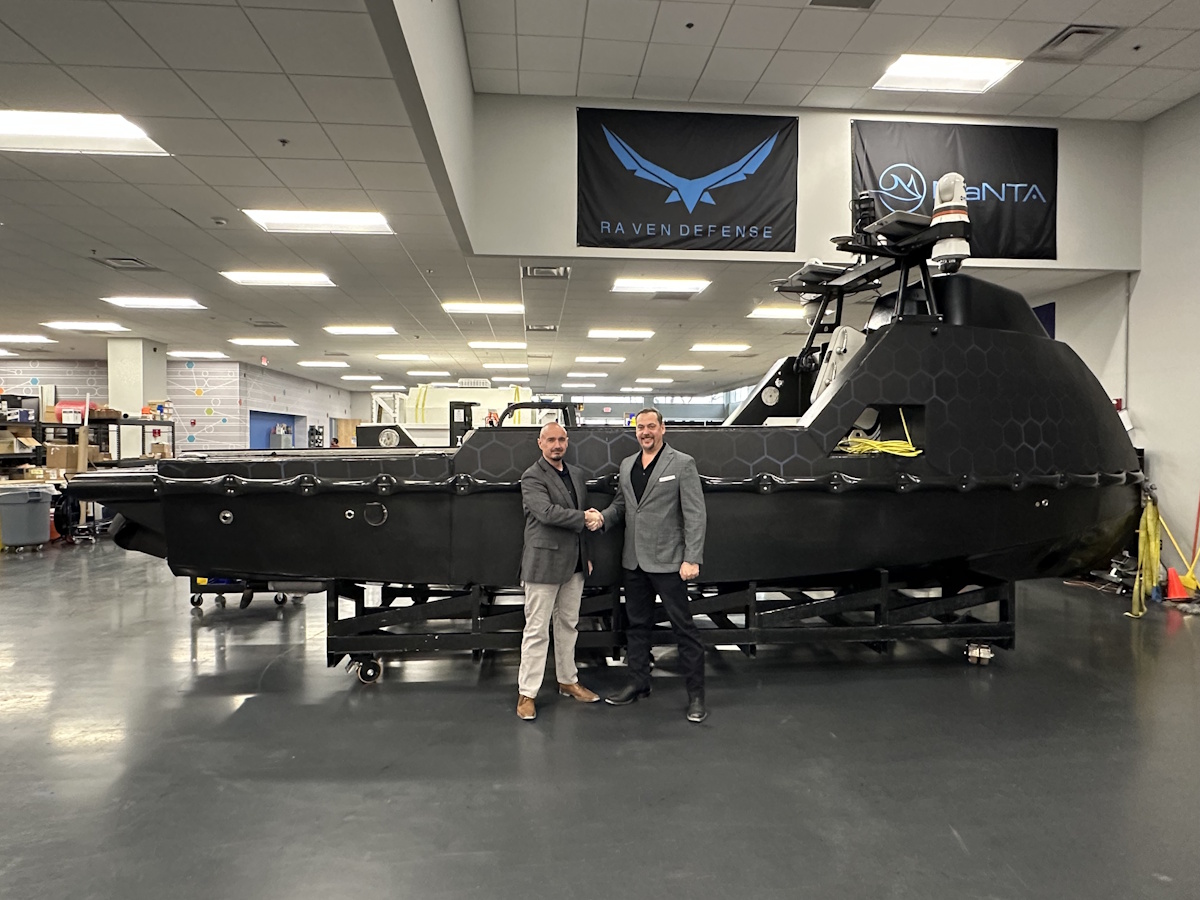
American Defense Companies Strike High-tech Gulf of America Security Partnership
Two prominent American defense companies, Janus Marine & Defense and Raven Defense Corporation, have announced a strategic partnership aimed at enhancing maritime security in the Caribbean and Gulf of America. This collaboration, which brings together Janus Marine, a marine autonomy specialist based in South Carolina, and Raven Defense, a contractor for the US Department of War located in New Mexico, focuses on developing a high-tech 'wall of steel' designed to bolster support for the US Navy, commercial shipping, and offshore operations. The agreement underscores the growing need for advanced defense solutions in response to evolving maritime threats and aims to leverage cutting-edge technology to ensure safer waters for both military and commercial activities.
janus marine & defense llc raven defense corporation ‘wall of steel’
AeroVironment and BlueHalo Complete Transaction — Creating A Global Defense Technology
AeroVironment, Inc. has successfully finalized its transaction with BlueHalo, LLC, as announced today. This strategic move enhances AeroVironment's status as a leading global defense technology company, enabling it to offer integrated capabilities across various domains, including air, land, sea, space, and cyber. The completion of this deal marks a significant step in AeroVironment's efforts to expand its technological offerings and strengthen its competitive position in the defense sector.
aerovironment bluehalo videoray defense technology aquisition m&a
The NavalX Mid-Atlantic Tech Bridge (MATB) and 757 Collab have launched the Defense Technology Accelerator
The NavalX Mid-Atlantic Tech Bridge (MATB) and 757 Collab have announced the launch of the Defense Technology Accelerator, a program aimed at expediting the development of dual-use technologies that can benefit the Department of Defense (DoD). This initiative is part of a broader effort to enhance technological innovation and collaboration within the defense sector. The application window for the inaugural cohort is set to close on April 30, 2025, providing a limited timeframe for interested participants to submit their proposals. The accelerator seeks to foster partnerships between startups and the DoD, ultimately driving advancements that can address national security challenges.
navalx mid-atlantic tech bridge (matb) 757 collab defense technology acceleratorRobotics needs a service framework.
RSF defines a common language for robot service capability, lifecycle operations, certification pathways, and service-provider networks.
Join the RobotToday community on LinkedIn
Daily robotics news, in-depth analysis, conference highlights, and discussions with professionals worldwide.







