Industry Briefing
A single destination for timely, editor-curated robotics news from around the world.
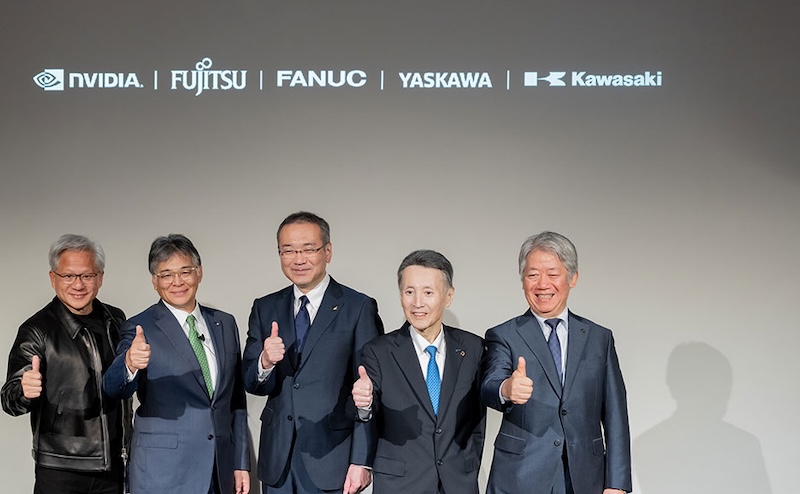
Fujitsu Collaborates with Fanuc, Yaskawa, and Kawasaki to Enhance Physical AI with Nvidia
Fujitsu has initiated a partnership with Japanese robotics firms Fanuc, Yaskawa Electric, and Kawasaki Heavy Industries to advance the development and deployment of physical AI in sectors such as manufacturing, logistics, and healthcare. This collaboration will leverage Nvidia's physical AI technologies to create a collaborative control platform that connects digital systems with robots and physical equipment. The initiative aims to accelerate the adoption of physical AI, addressing challenges like labor shortages and an aging workforce while enhancing global competitiveness. The platform will optimize production planning in manufacturing, automate material handling in logistics, and improve healthcare operations by automating the transport of medical supplies and assisting with patient interactions. Fujitsu plans to develop an open collaborative control platform that integrates AI, robotics, and data analysis technologies, ensuring interoperability and addressing cybersecurity concerns. No further timeline was disclosed at the time of publication.
Artificial Intelligence Industry News ai factory automation fanuc
ABB and Salzburg researchers patent AI system to cut energy use in industrial robots
Salzburg University of Applied Sciences has partnered with ABB’s Machine Automation Division, B&R, to enhance energy efficiency in industrial automation through the application of artificial intelligence. This collaboration is centered at the Josef Ressel Center for Intelligent and Secure Industrial Automation (JRZ ISIA), where the two entities aim to translate cutting-edge research into viable solutions for industrial drive systems. By leveraging AI technologies, the initiative seeks to optimize energy consumption and improve operational efficiency in manufacturing processes, addressing the growing demand for sustainable industrial practices.
Industrial robots News abb ai in manufacturing AI optimization automation news
Yimu Technology Showcases Physical AI's Capabilities at WAIC 2026
At WAIC 2026, Yimu Technology attracted significant attention with its demonstration involving two identical peanuts. The exhibit illustrated the concept that while visual cues may be indistinguishable, tactile feedback reveals critical differences in texture and resilience. This highlights the importance of physical interaction in understanding the physical world. The significance of this demonstration lies in its implications for Physical AI. Traditional robots have struggled to interpret tactile information, often failing in tasks requiring sensitivity, such as handling fragile items. Yimu Technology emphasizes that the key to advancing robotics is not merely increasing model size but ensuring robots receive accurate physical feedback from their environment. Looking ahead, the focus will be on how effectively robots can integrate this tactile feedback into their operations. Yimu Technology's approach, which utilizes optical systems to measure minute deformations, could revolutionize how robots interact with their surroundings. No further timeline was disclosed at the time of publication.
Physical AI Tactile Sensors Robotics Machine Learning
WeRide Launches WITT: A Physical AI Foundation Model for Multimodal Scene Understanding
WeRide has introduced WITT, a groundbreaking physical AI foundation model designed to enhance multimodal scene understanding. This model utilizes minimal physical fact units, which are crucial for applications in autonomous driving and robotics. The launch of WITT is significant as it aims to streamline the integration of various data types, improving the efficiency and effectiveness of AI systems in interpreting complex environments. This advancement could lead to more reliable autonomous systems that can better navigate real-world scenarios. Looking ahead, the implications of WITT's capabilities in the fields of autonomous driving and robotics will be closely monitored. No further timeline was disclosed at the time of publication.
Technology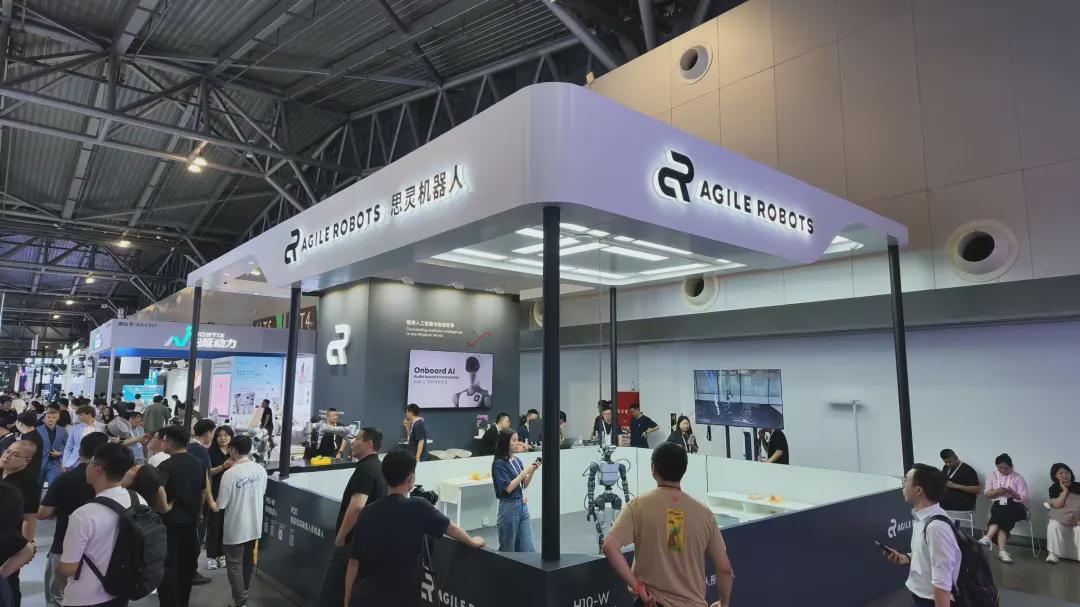
Agile Robots Unveils Advanced Physical AI Solutions at WAIC 2026 in Shanghai
On July 17, 2026, the World Artificial Intelligence Conference (WAIC 2026) commenced in Shanghai, featuring Agile Robots, a leading intelligent robotics company. Agile Robots showcased its H20 lightweight humanoid robot, H10-W assistant robot, AI therapy robot, and high-precision teleoperation data collection system, emphasizing its vision of linking AI with the physical world. The significance of this event lies in the anticipated growth of the humanoid robot market, with projections indicating that China's production could exceed 100,000 units by the end of 2026. This marks a pivotal moment for the global AI industry, transitioning humanoid robots from experimental stages to large-scale production and real-world applications. Looking ahead, Agile Robots is positioned to capitalize on this industry opportunity, having established a strong technological foundation and extensive commercialization experience. The company aims to enhance its AI algorithms and data ecosystems to support the deployment of humanoid robots across various sectors, including healthcare, logistics, and smart agriculture. No further timeline was disclosed at the time of publication.
Humanoid Robots AI Robotics Technology Healthcare Robotics
Nvidia Launches Cosmos 3 Edge AI Model and Expands Physical AI Ecosystem in Japan
Nvidia has introduced its new AI model, Cosmos 3 Edge, aimed at enhancing physical AI applications in Japan. This model is designed to help systems perceive and navigate real-world environments, marking a significant step in Nvidia's strategy to penetrate the physical AI market. The expansion is part of CEO Jensen Huang's visit to Japan, where Nvidia is forming partnerships with local industrial leaders such as Fujitsu, Hitachi, and Kawasaki Heavy Industries. Huang emphasized the potential for Japan to reinvent its manufacturing sector for intelligent industries, highlighting the country's historical significance in modern manufacturing. Looking ahead, Nvidia is also targeting Japan's healthcare and biotechnology sectors, collaborating on initiatives like the Tokyo-1 AI drug discovery consortium. With Japan's AI market projected to reach $27.9 billion by 2029, Nvidia's efforts could significantly influence the landscape of AI adoption in the region. No further timeline was disclosed at the time of publication.
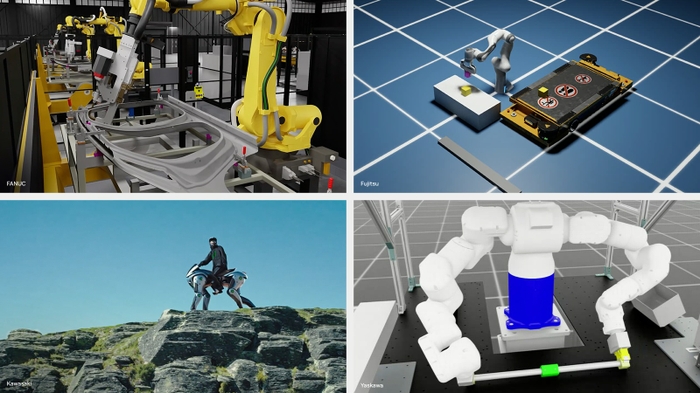
Japan's Leaders in Robotics and Manufacturing Leverage NVIDIA Cosmos for Physical AI Advancements
NVIDIA has announced that Japan's leaders in physical AI are utilizing the NVIDIA Cosmos™, Isaac™, Metropolis, and Jetson™ platforms to enhance the deployment of intelligent machines across various sectors including manufacturing and robotics. The introduction of Cosmos 3 Edge aims to provide advanced capabilities for real-time reasoning and action prediction in robots, marking a significant step in integrating intelligence into physical systems. This initiative is crucial as Japan's established strengths in robotics and manufacturing position it to lead in the next wave of AI development. Jensen Huang, NVIDIA's CEO, emphasized the unique opportunity for Japan to reinvent modern manufacturing through intelligent technologies, combining its heritage in precision engineering with NVIDIA's advanced platforms. Looking ahead, NVIDIA is expanding the Cosmos Coalition to include Japan's physical AI leaders, enabling collaboration on open world models. This coalition will facilitate the testing and optimization of physical AI systems, potentially transforming operations across various industries such as logistics, healthcare, and construction. No further timeline was disclosed at the time of publication.
Xspark AI Raises Nearly $15 Million to Advance Physical AI Technology Development
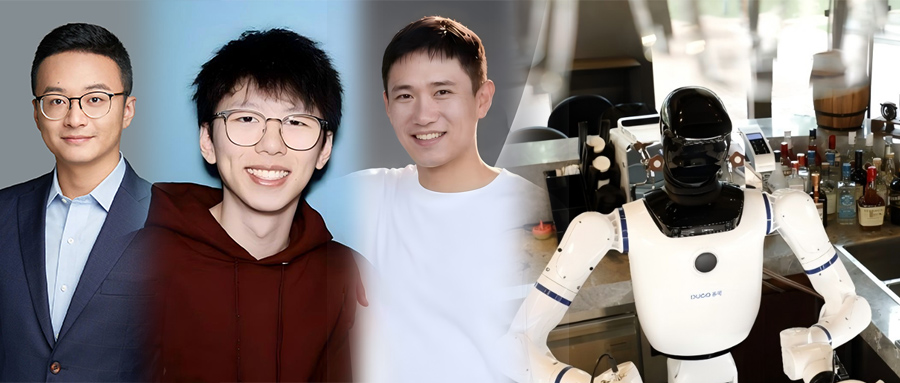
Xspark AI has successfully completed its first round of angel financing, securing nearly 100 million yuan (approximately $15 million). This funding round was led by Dinghui VGC, Chuxin Capital, and the SEE Fund, with participation from several financial investment institutions. The capital will primarily be allocated towards core technology research and development, product iteration, and the large-scale implementation of Physical AI. The significance of this funding lies in addressing the challenges faced by Physical AI in real-world applications. Despite advancements in AI capabilities, many models that perform well in laboratory settings struggle to adapt to dynamic real-world environments. Factors such as lighting changes in factories and the arrangement of objects in homes complicate the deployment of these technologies, highlighting the need for reliable safety mechanisms to prevent equipment failures and accidents. Looking ahead, Xspark AI's CEO, Xiong Qi, emphasizes the importance of accumulating real-world data to enhance the stability and safety of Physical AI systems. As the company aims to overcome existing barriers, the development trajectory of Physical AI is expected to mirror that of the autonomous driving industry, where practical application and data-driven iterations are crucial for achieving commercial success.
Physical AI Robotics Funding Technology Development
Red Sift CEO Discusses AI's Role in Evolving Cyber Threats and Defense Strategies
In a recent episode of Lexicon, Rahul Powar, CEO of Red Sift, highlighted the transformative impact of artificial intelligence (AI) on cyberattacks. He referenced a recent AI-assisted cyber campaign targeting a Mexican water utility, emphasizing that AI is lowering the barrier for launching sophisticated attacks. This trend is expected to escalate over the next 18 months, posing significant challenges for organizations globally. Powar explained that AI democratizes advanced cyber capabilities, allowing less experienced attackers to leverage tools like large language models for reconnaissance and exploit development. This shift is making it easier for attackers to find vulnerabilities in systems, as they can automate processes that previously required extensive expertise. The imbalance in cybersecurity is growing, as defenders must protect numerous devices and applications while attackers only need to exploit one weakness. Despite the challenges, Powar noted that AI can also empower defenders by helping them identify vulnerabilities before they are exploited. The conversation underscored the dual-edged nature of AI in cybersecurity, with both attackers and defenders adapting to the evolving landscape. No further timeline was disclosed at the time of publication.
AI and Robotics Innovation
Stronger Cybersecurity for Today's Connected Automation Systems
Bosch Rexroth is hosting an event focused on the Cyber Resilience Act (CRA) to address the growing challenges of cyber threats and regulatory requirements faced by manufacturers. Scheduled for October 2023, this session aims to provide attendees with practical strategies for securing connected automation systems. The discussion will emphasize the importance of proactive vulnerability management and lifecycle security, highlighting how these measures can transform cybersecurity into a competitive advantage for businesses. By integrating built-in cybersecurity into automation platforms, manufacturers can enhance their operational efficiency while navigating the complexities of modern cyber risks.
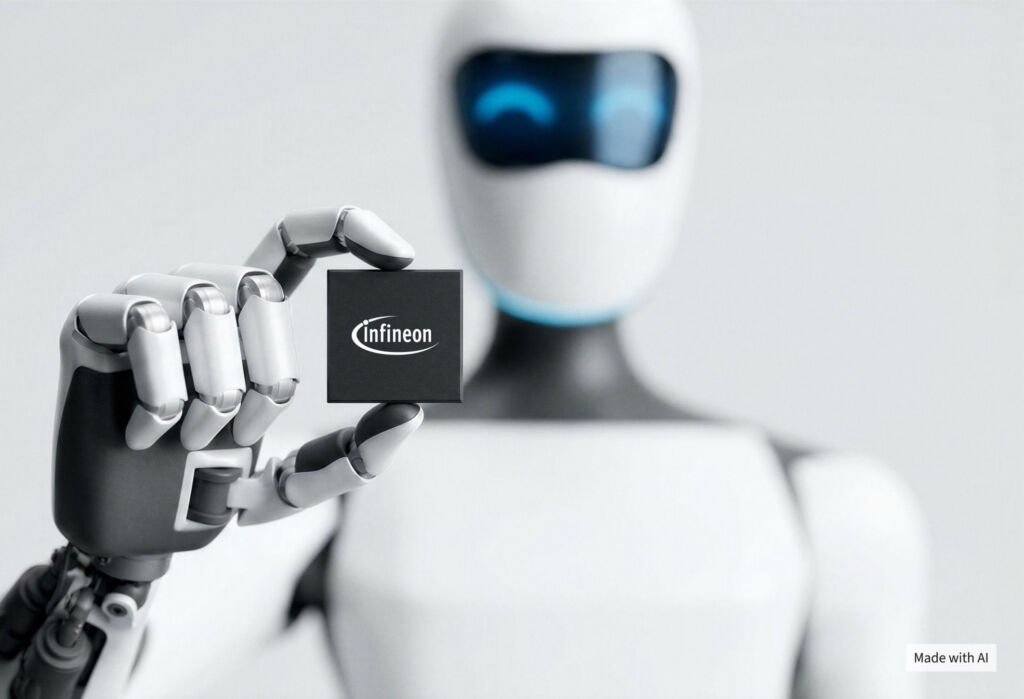
Increased Security for Physical AI
Infineon Technologies has announced the integration of its Optiga TPM SLB 9672 hardware security module into Nvidia's Jetson Thor computing platform, which is designed for robotics and autonomous systems. This collaboration aims to enhance security measures for physical artificial intelligence applications. By incorporating advanced security features, the partnership seeks to address growing concerns regarding data protection and system integrity in increasingly automated environments. The integration is expected to provide developers with robust tools to build secure and reliable robotic solutions.
Allgemein Robotersteuerung & Digital Twin Robotik
Nvidia Collaborates with Toyota's Woven City to Advance Physical AI Technologies
Nvidia has announced a partnership with Toyota's Woven City, a smart city located in Shizuoka prefecture, Japan. This collaboration aims to enhance the implementation of artificial intelligence technologies in traffic management systems within the city. By providing foundational technologies, Nvidia seeks to accelerate the adoption of AI solutions in Japan. This partnership is significant as it aligns with Nvidia's strategy to expand its influence in the AI sector, particularly in Japan, where smart city initiatives are gaining momentum. Woven City serves as a testing ground for innovative technologies, making it an ideal location for Nvidia to showcase its capabilities in AI and traffic management. Looking ahead, the collaboration between Nvidia and Woven City may lead to further advancements in smart city technologies and AI applications. No further timeline was disclosed at the time of publication.
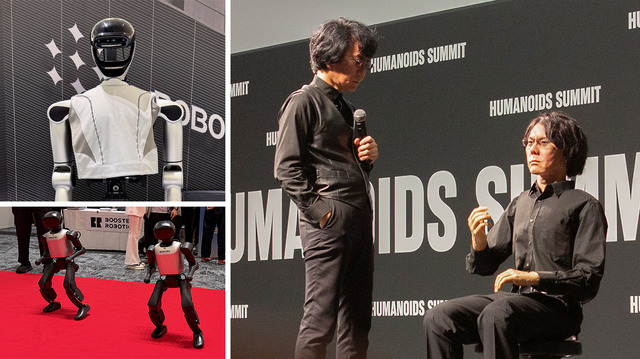
"Humanoids Summit Tokyo Opens with Keynote by Professor Ishiguro on 'Cybernetic Avatar Society in 2050'"
The "Humanoids Summit Tokyo 2026," an international conference focused on humanoid robots and physical AI, commenced on May 28 in Tokyo. This event marks the first time the summit, which originated in Silicon Valley, is being held in Asia. The conference is organized by ALM Ventures, a U.S.-based venture capital firm, with support from the AI Robot Association (AIRoA) in Japan. The summit aims to foster collaboration and innovation in the rapidly evolving field of robotics and artificial intelligence.
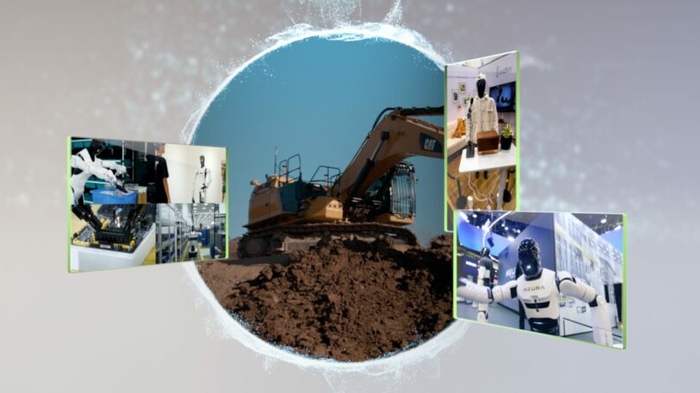
Into the Omniverse: Physical AI Open Models and Frameworks Advance Robots and Autonomous Systems
NVIDIA is playing a pivotal role in advancing innovation in robotics and autonomy through open-source initiatives. By offering access to vital infrastructure, including simulation frameworks and artificial intelligence models, the company is fostering collaborative development among researchers and developers. This approach aims to expedite advancements in the field, ultimately enhancing the capabilities of robotic systems and autonomous technologies. The emphasis on open-source resources is designed to break down barriers to entry, allowing a wider range of contributors to participate in the evolution of these cutting-edge technologies. As a result, NVIDIA is not only positioning itself as a leader in the industry but also promoting a more inclusive and accelerated development environment for robotics and autonomy.
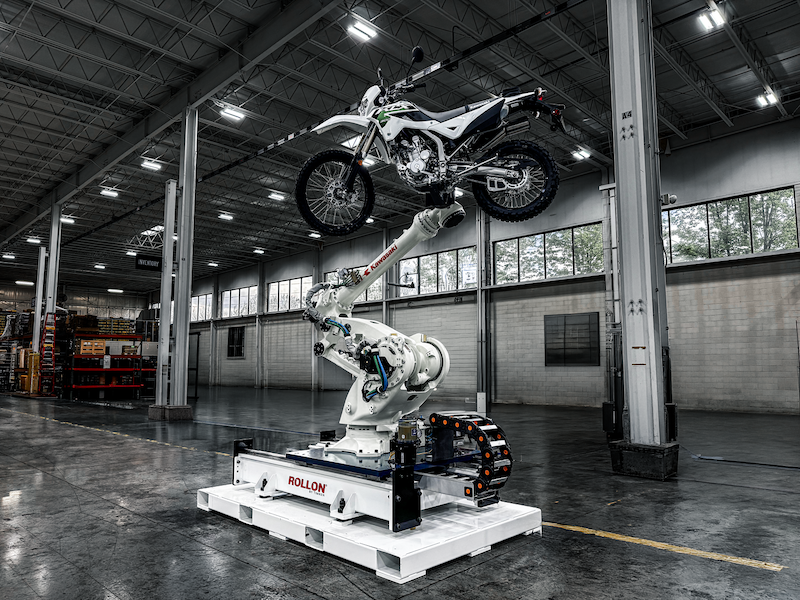
Kawasaki Robotics showcases 8-axis Physical AI robot and intelligent automation technologies at Automate 2026
Kawasaki Robotics unveiled its latest advancements in automation technology at the Automate 2026 trade show held in Chicago. The event, which took place recently, highlighted the transformative impact of robotics, artificial intelligence, machine learning, vision systems, and real-time control on industrial automation. A key feature of the showcase was the introduction of the new “RL030N” robot platform, which boasts eight degrees of freedom and is specifically designed for Physical AI applications. This innovation reflects Kawasaki Robotics' commitment to pushing the boundaries of automation and enhancing operational efficiency across various industries.
Industrial robots News Robotics 8-axis robot Automate 2026 BA013L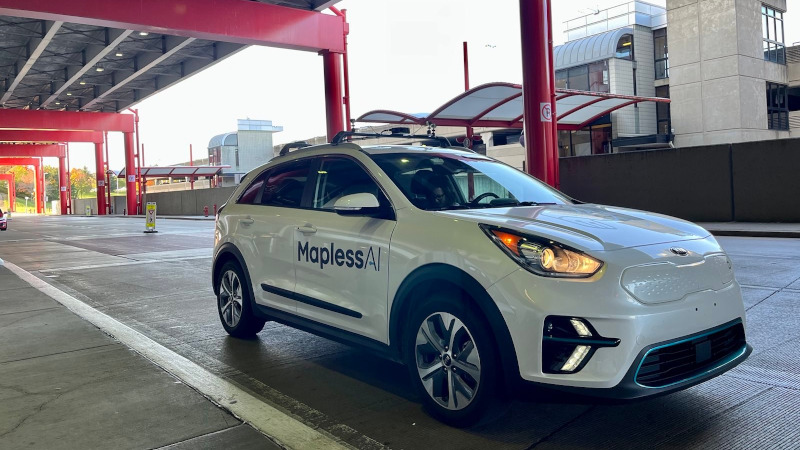
Fort Robotics acquires Mapless AI to expand supervised autonomy and physical AI safety platform
Fort Robotics, a company specializing in trust solutions for physical AI, has acquired Mapless AI, a prominent firm based in Boston and Pittsburgh known for its expertise in vehicle teleoperation and autonomy supervision. This acquisition marks a strategic move for Fort, enhancing its Trust Platform with two essential capabilities: remote human-in-the-loop teleoperation and onboard active safety. By integrating Mapless AI's technologies, Fort aims to broaden its commercial offerings and improve the safety and efficiency of autonomous systems. The deal underscores Fort's commitment to advancing the development of reliable and secure AI-driven solutions in the robotics sector.
Artificial Intelligence Financials & Investments Logistics active safety systems ai robotics automation news
Pegasus Tech Ventures launches $60M fund for physical AI startups
Pegasus Tech Ventures, in collaboration with CYBERDYNE, has announced the launch of a $60 million fund aimed at supporting startups focused on robotics, physical AI, healthcare, automation, and intelligent systems. This initiative, unveiled recently, seeks to foster innovation in these rapidly evolving sectors, driven by the growing demand for advanced technological solutions in various industries. By investing in early-stage companies, Pegasus and CYBERDYNE aim to accelerate the development of cutting-edge technologies that can enhance efficiency and improve quality of life. The fund is expected to play a significant role in shaping the future of physical AI and related fields.
Artificial Intelligence Artificial Intelligence / Cognition Design / Development Financial Healthcare Robotics Investments
SAP SE (SAP), Cyberwave Deploy Autonomous AI Robots in Logistics Warehouse
SAP SE and Cyberwave have successfully deployed fully autonomous, AI-powered robots in SAP's logistics warehouse located in St. Leon-Rot, Germany, as of May 11, 2026. This initiative represents a significant advancement for SAP, transitioning its Physical AI technology from research to practical application. The robots, powered by SAP’s cloud-native Logistics Management solution and the SAP Business Technology Platform, are now capable of performing various tasks including box folding, packaging, and shipping fulfillment. The deployment addresses common challenges in logistics robotics, such as unpredictable environments and diverse object shapes that often hinder traditional systems. Cyberwave's innovative platform utilizes Vision-Language-Action and Reinforcement Learning models, enabling non-expert operators to teach robots new tasks through simple demonstrations. This approach significantly reduces training time from weeks to hours and allows robots to adapt to dynamic conditions in real-time. As a result of this integration, SAP has reported increased warehouse throughput and a decrease in physically demanding tasks for human workers. The project serves as a successful reference implementation, showcasing how a robust digital infrastructure combined with adaptive AI can enhance logistics operations. Both SAP and Cyberwave are now focused on further developing these Embodied AI capabilities to support future large-scale deployments.

Cognizant Launches Sovereign Physical AI Platform-As-A-Service
Cognizant has unveiled a new sovereign Physical AI Platform-as-a-Service aimed at assisting enterprises in the integration and management of autonomous systems, industrial equipment, and AI-driven operations through a unified software layer. This innovative platform, developed on the Cognizant Intelligence Spine architecture, is designed to seamlessly connect various technologies, including sensors, cameras, robots, and digital twins. By providing a comprehensive solution, Cognizant seeks to enhance operational efficiency and streamline the management of complex industrial environments. The launch reflects the company's commitment to advancing AI capabilities within the enterprise sector, enabling businesses to leverage cutting-edge technology for improved performance and productivity.
AI AI Funding & Investment AI Use Cases Robotics Cognizant Energy
Why robotics can’t advance without physical AI
Recent advancements in robotics are shifting focus from enhancing processors and mechanical designs to improving data quality, particularly through realistic training environments. This emerging field, known as Physical AI, emphasizes the creation of 3D assets and simulation environments that incorporate genuine physical properties. By accurately mimicking real-world behaviors, these simulations aim to enhance the training of robotic systems, enabling them to perform more effectively in various applications. As researchers and developers prioritize realistic data over traditional methods, the potential for breakthroughs in robotic capabilities is becoming increasingly evident. This evolution in robotics is expected to redefine how machines interact with their environments, paving the way for more sophisticated and adaptable technologies.
Artificial Intelligence Robotics ai robotics automation news Autonomous robots digital twins
Collective Defence Acquires Asterion in $1 Billion Deal Combining Cybersecurity and Counter-Drone Technology
Collective Defence has successfully acquired counter-drone company Asterion in a deal valued at over $1 billion, marking a significant milestone as Luxembourg's first defense unicorn. This acquisition, announced recently, combines Asterion’s expertise in counter-unmanned aerial systems (UAS) with Collective Defence’s cybersecurity capabilities, positioning the newly formed entity as one of Europe’s largest privately held defense technology firms. The strategic move aims to enhance the region's defense capabilities amid growing concerns over drone-related threats and cybersecurity vulnerabilities.
Applications C-UAS Defense defense Drone News Drone News Feeds
Physical AI’s looming data rights battle: Interview with Kate Shen of Anaxi Labs
As artificial intelligence technology advances and integrates more into everyday life, industry experts are shifting their focus from the capabilities of robots and AI models to the ownership of the data that powers these innovations. This growing concern has emerged as a critical topic among stakeholders, prompting discussions about data rights and the implications for both developers and users. The conversation is gaining momentum as the demand for vast datasets to train AI systems increases, raising questions about privacy, consent, and the ethical use of information. As the AI landscape evolves, understanding data ownership will be essential for shaping future regulations and ensuring fair practices in the burgeoning field of physical AI.
Artificial Intelligence Features AI compliance ai governance AI infrastructure AI regulation
Key Considerations for Robotics Manufacturers Ensure Secure Connected Systems
In a recent discussion among technology experts, the importance of integrating security into the design of modern robotic platforms was emphasized. The experts highlighted that security should be a foundational principle, advocating for the implementation of architectural controls that promote least-privilege execution. This approach ensures that each component of the system operates with the minimum level of access necessary, thereby reducing potential vulnerabilities. Additionally, strong isolation between system components was recommended to prevent breaches from spreading across the platform. The experts also stressed the need for robust fault containment measures to protect against failures that could compromise the system's integrity. This dialogue took place in October 2023, reflecting a growing awareness of the critical role that security plays in the development of advanced robotics. The motivation behind these recommendations is to enhance the resilience of robotic systems against cyber threats and operational failures, ensuring safer and more reliable technology in various applications.

HII Teams with GrayMatter Robotics to Integrate Physical AI into Manned and Unmanned Shipbuilding
HII and GrayMatter Robotics (GMR) have entered into a memorandum of understanding to explore the integration of GMR’s Physical AI technology into shipbuilding operations. The agreement, signed at GMR's headquarters, aims to enhance production efficiency, bolster the maritime industrial base, and support the shipbuilding workforce. Key technologies under consideration include autonomous surface preparation, coating, and inspection processes. The signing ceremony featured Eric Chewning, HII’s executive vice president of maritime systems and corporate strategy, alongside Ariyan Kabir, CEO and co-founder of GrayMatter Robotics. This collaboration seeks to innovate and modernize shipbuilding practices, ultimately improving throughput and operational effectiveness in the industry.
hii graymatter robotics physical ai unmanned shipbuilding
Hai Robotics Achieves IEC 62443-4-1 Certification, Strengthening Cybersecurity for Automated Warehouse Operations
Hai Robotics has successfully obtained the IEC 62443-4-1 certification, a significant milestone that bolsters cybersecurity for its automated warehouse operations. This certification underscores the company's dedication to developing secure automation systems, assuring customers of the robust cybersecurity measures embedded within their robotic solutions. Such enhancements are vital for ensuring operational continuity in increasingly interconnected environments, where the integrity of automated systems is paramount. The certification reflects Hai Robotics' proactive approach to addressing cybersecurity challenges in the logistics sector, reinforcing its position as a leader in safe and reliable automation technology.
Cybersecurity Warehouse Automation Industrial Automation Robotics Supply Chain Management
Hai Robotics Achieves IEC 62443-4-1 Certification, Strengthening Cybersecurity for Automated Warehouse Operations
Hai Robotics has successfully obtained the IEC 62443-4-1 certification, a significant milestone that bolsters the cybersecurity of its automated warehouse operations. This certification underscores the company's dedication to developing secure automation systems, assuring customers that its robotic solutions are equipped with integrated cybersecurity measures. By achieving this certification, Hai Robotics aims to mitigate operational risks associated with interconnected environments, thereby enhancing customer confidence in its technology.
Cybersecurity Warehouse Automation Industrial Automation Robotics Supply Chain Management
Powering Robotics: How Networks Enable the Era of "Physical LLMs"
Physical AI is revolutionizing the way intelligent systems interact with the real world by enabling them to sense, interpret, and act within their environments. This technology is exemplified by self-driving cars that navigate through congested streets, robotic arms that assemble machinery with remarkable accuracy, and smart grids that dynamically adjust to changing energy demands. As advancements in this field continue to evolve, the integration of Physical AI into various sectors promises to enhance efficiency and safety, transforming industries ranging from transportation to manufacturing and energy management. With data training extending up to October 2023, the potential applications and implications of Physical AI are becoming increasingly significant in shaping the future of technology and society.
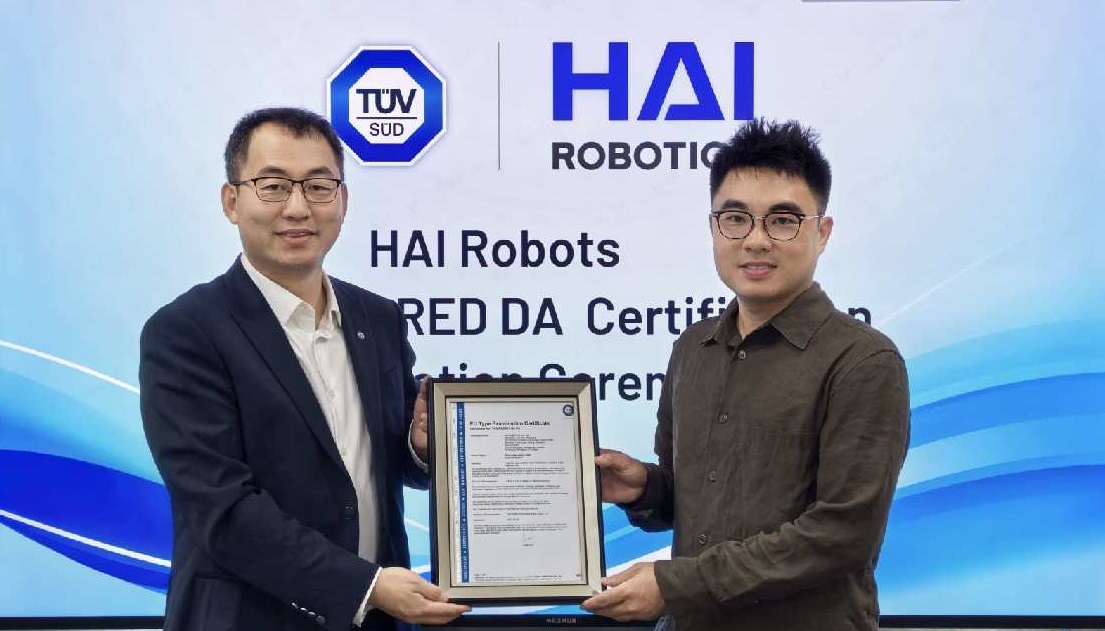
Hai Robotics Secures Radio Equipment Directive (RED) Articles 3.3(d) Compliance, Strengthening Cybersecurity for Automated Warehouses
Hai Robotics has successfully complied with the EU Radio Equipment Directive (RED) Articles 3.3(d), a significant milestone that enhances the cybersecurity of its automated warehouse systems. This certification underscores the company's dedication to adhering to regulatory standards while bolstering the reliability and integrity of its HaiPick Systems. As a result, the systems will ensure secure wireless communications and operational resilience within connected logistics environments, reflecting the growing importance of cybersecurity in the automation sector.
Cybersecurity Warehouse Automation Logistics Industrial Equipment Regulatory Compliance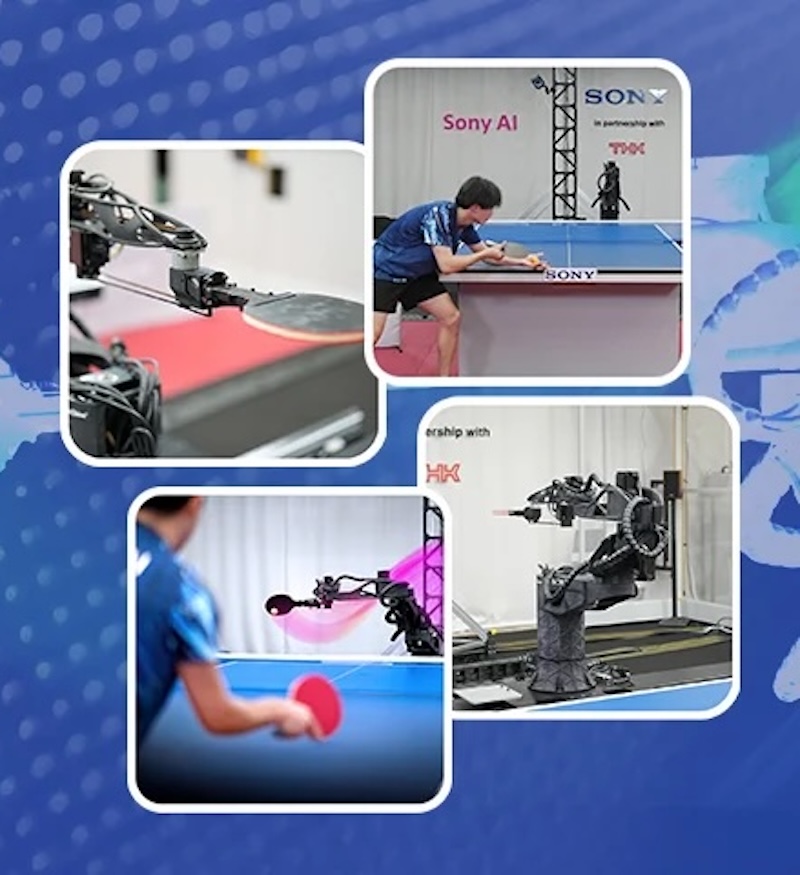
How Sony AI’s table tennis robot is advancing physical AI
Omron and Kuka have showcased their latest advancements in robotics with a table tennis-playing robot, highlighting the innovative potential of industrial robots beyond traditional manufacturing tasks. While these companies have previously demonstrated similar robotic systems, the introduction of a robot capable of playing table tennis captures attention due to its unique application of robotics and artificial intelligence. This development underscores the growing interest among researchers in exploring the capabilities of robots in dynamic environments, where agility and quick decision-making are crucial. The demonstration serves not only as a testament to technological progress but also as a playful reminder of the diverse possibilities that robotics can offer in various fields.
Computing Features Ace robot artificial intelligence automation news Autonomous robots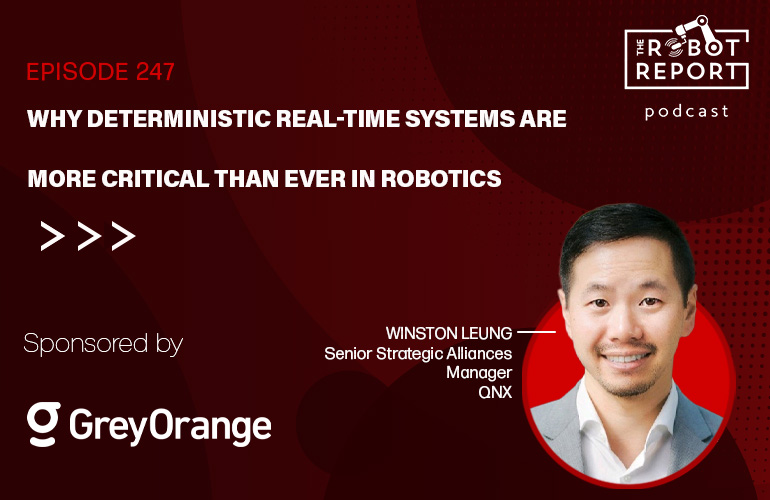
Why deterministic real-time systems are more critical than ever in robotics
Winston Leung recently highlighted the significance of QNX in the fields of robotics and artificial intelligence during a discussion centered on safety, innovation, and emerging industry trends. His insights underscore the increasing importance of deterministic real-time systems in robotics, particularly as the demand for reliable and efficient technology continues to grow. This conversation, featured in a post on The Robot Report, reflects the evolving landscape of robotics and the critical role that advanced operating systems play in ensuring both safety and performance in automated systems. As industries increasingly adopt AI-driven solutions, the need for robust and responsive systems like QNX becomes paramount to meet the challenges of modern robotics.
Artificial Intelligence Business Resources News Opinion Podcast Robots / Platforms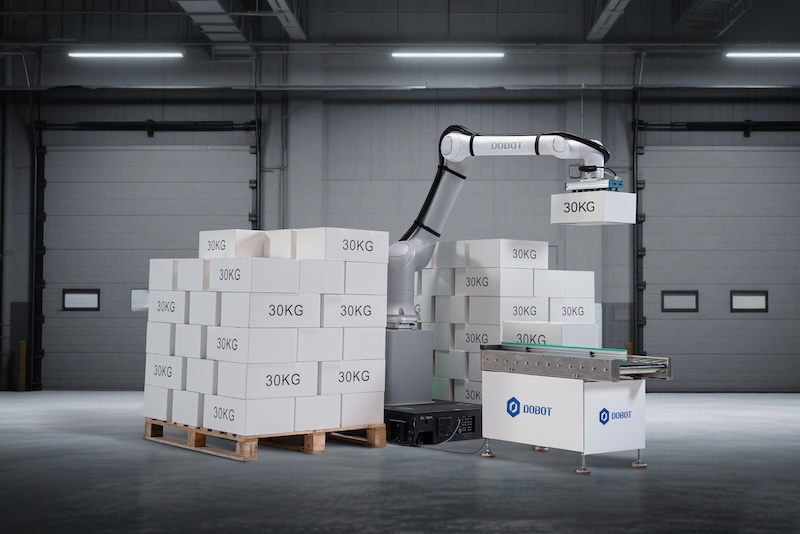
DOBOT CR 30H Series Achieves SGS-Verified Compliance with ISO 10218-1:2025 Cybersecurity Requirements
In February 2026, DOBOT, a prominent robotics manufacturer based in Shenzhen, China, announced that its CR 30H Series collaborative robots have met the cybersecurity compliance standards outlined in ISO 10218-1:2025. This achievement follows an independent verification process conducted by SGS, a leading inspection and certification company. The compliance with this latest international safety standard for industrial robots underscores DOBOT's commitment to ensuring the security and reliability of its technology in an increasingly digital landscape.
DOBOT CR 30H Series SGS ISO 10218-1:2025 cybersecurity
Launch of the 2026 Intelligent Embodiment Forum at WAIC Focuses on Physical AI
On July 19, 2026, the Intelligent Embodiment Forum was successfully launched at the World Artificial Intelligence Conference (WAIC). This event, co-hosted by Zhiyuan and Mifeng Technology, gathered leading experts from top universities and tech companies to discuss the evolution of physical AI and its challenges, including data scarcity and the need for unified physical representation. The forum highlighted the importance of transitioning from digital AI to physical AI, emphasizing the need for a comprehensive understanding of the environment and task execution. Keynote speaker Yao Maoqing outlined the three critical barriers to scaling physical intelligence: data, representation, and feedback loops. He stressed that overcoming these barriers is essential for the development of general embodied intelligent systems. Looking ahead, the forum set the stage for ongoing collaboration between academia and industry to accelerate the evolution of physical AI. No further timeline was disclosed at the time of publication.
Physical AI Robotics Artificial Intelligence Machine Learning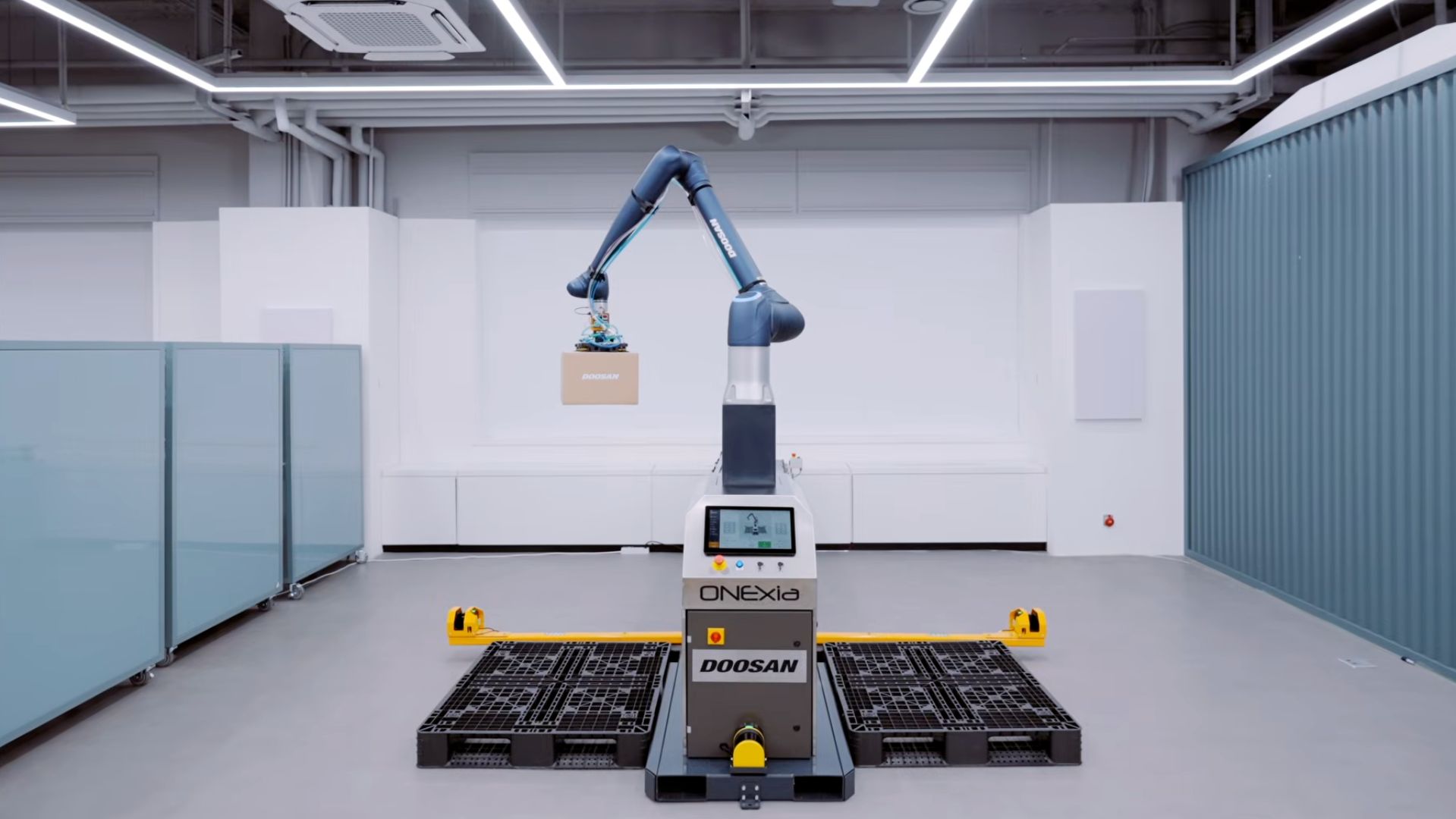
Grid Dynamics Partners with Doosan Robotics to Enhance Physical AI in Manufacturing
A US technology company, Grid Dynamics, has formed a strategic partnership with South Korea's Doosan Robotics to promote the use of Physical AI in manufacturing and logistics. This collaboration will provide Doosan's industrial collaborative robot customers with a comprehensive software stack and integration services, facilitating advanced automation tasks such as complex object inspection and variable component assembly. The significance of this partnership lies in its potential to expedite the deployment of AI-powered robotic systems, thereby broadening the applications of Physical AI within industrial operations. Doosan Robotics, a leading manufacturer of collaborative robots, offers a range of models designed for various tasks, including the lightweight A Series and heavy-duty H Series, which can handle payloads up to 55 pounds. Looking ahead, the integration of Grid Dynamics' GAIN Platform with Doosan's cobots is expected to enhance automation capabilities, particularly for complex tasks that traditional robotics struggle with. No further timeline was disclosed at the time of publication.
AI and Robotics Innovation
Om AI Launches VLX Series for Physical AI with Unique Streamlined Architecture
Om AI has introduced the VLX series, the world's first edge-based streaming multimodal model for physical AI, designed to integrate continuous perception, precise localization, and decision-making. This innovative architecture, which emerged from years of focused development, positions Om AI at the forefront of the physical AI sector, which has seen over $6.4 billion in funding in the first quarter of 2026 alone. The significance of the VLX series lies in its ability to provide a cohesive framework that allows various physical devices, such as robots, drones, and security cameras, to transition from passive execution to active scene adaptation. This shift is crucial as the industry moves from digital AI to physical AI, with a growing emphasis on real-world applications and the need for robust, responsive systems. Looking ahead, the industry is expected to witness further advancements in physical AI, particularly as the demand for edge-based intelligent systems increases. Om AI's commitment to developing the VLX series reflects a strategic response to the evolving landscape, with no further timeline disclosed at the time of publication for upcoming milestones or product releases.

Momenta Launches on Hong Kong Stock Exchange with Strong Market Reception
On July 8, Momenta officially debuted on the Hong Kong Stock Exchange with an initial price of HKD 295.6, rising over 6% on opening day and achieving a market capitalization exceeding HKD 70 billion. The public offering was oversubscribed by approximately 414 times, leading to its designation as the 'first stock of physical AI.' This label has been previously claimed by other companies, indicating a competitive market for the 'physical AI' concept. Momenta's significance lies in its dual approach to autonomous driving, focusing on both L2++ driver assistance and Robotaxi services. As of April 2026, the company reported a 65% market share in the third-party city NOA supplier market. With over 1 million vehicles equipped with Momenta systems and partnerships with nine of the world's top ten automakers, the company demonstrates strong growth potential, with revenue projected to increase from CNY 743 million in 2023 to CNY 2.413 billion by 2025. Looking ahead, Momenta's transition from being labeled a 'city NOA supplier' to the 'first stock of physical AI' could significantly impact its valuation. However, the market will ultimately focus on its financial performance and the practical application of its technologies. No further timeline was disclosed at the time of publication regarding future developments or milestones for the company.
Autonomous Driving Physical AI Market Valuation Technology Startups
Mistral AI Releases Robotics Model to Support Physical AI Push
Mistral AI, a French startup specializing in artificial intelligence, has unveiled a new robotics navigation model aimed at enhancing its capabilities in the burgeoning field of physical AI. This announcement comes as the company seeks to solidify its presence in the market, having recently secured partnerships with several prominent industrial clients across Europe. The development of this navigation model is part of Mistral AI's strategy to meet the increasing demand for advanced robotics solutions in various sectors. By leveraging cutting-edge technology, the startup aims to improve the efficiency and effectiveness of robotic systems in industrial applications.
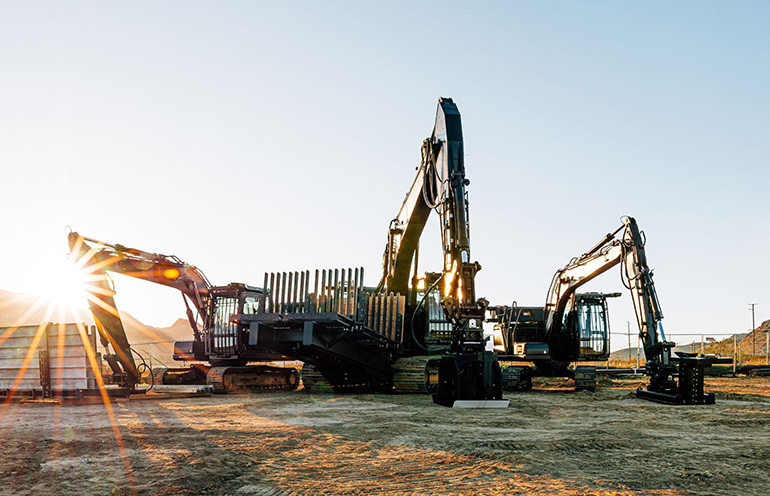
Blattner awards Built Robotics $75M contract for physical AI to help meet energy demand
Blattner has announced an expansion of its partnership with Built Robotics, awarding the company a substantial $75 million contract aimed at enhancing autonomous systems for solar construction projects. This collaboration is part of Blattner's strategy to address the growing energy demand by integrating advanced physical AI technologies into their operations. The partnership underscores the increasing reliance on automation in the renewable energy sector, particularly in solar energy development. By leveraging Built Robotics' expertise, Blattner aims to improve efficiency and scalability in its construction processes, ultimately contributing to a more sustainable energy future.
Artificial Intelligence Construction Energy / Solar / Renewables Mobility / Navigation News Self-Driving Vehicles
Soft, robotic cells from morph embed physical AI into hardware
Morph has introduced an innovative soft robotics platform that focuses on the design and manufacturing of what it terms “soft robotic cells.” This new technology integrates physical artificial intelligence into hardware, enhancing the capabilities of robotic systems. The launch marks a significant advancement in the field of robotics, aiming to improve the functionality and adaptability of robots in various applications. The announcement was made recently, highlighting Morph's commitment to pushing the boundaries of robotics and AI integration. The development of these soft robotic cells is expected to open new avenues for automation and intelligent systems across multiple industries.
Artificial Intelligence Artificial Intelligence / Cognition Design / Development Financial Grippers Investments
Chinese AI company offers a new solution for physical AI in the uncertain trillion-dollar market.
In 2026, the field of physical AI is set to emerge as a transformative force, following a consensus reached by industry leaders at the CES in Las Vegas, where NVIDIA's CEO Jensen Huang heralded the arrival of "physical AI's ChatGPT moment." Over the past two years, significant advancements have been made in five key areas: brain models, imagination engines, training environments, ontology, and commercial ecosystems, laying the groundwork for real-world applications. In the first half of 2026, global investment in physical AI surged, with over $6.4 billion raised in just the first quarter, including notable funding rounds from AMI Labs and World Labs. The industry is witnessing a clear technological divergence, with three primary paths emerging: Visual Language Models (VLM), Visual Language Action (VLA), and world models. The anticipated future architecture for physical AI is expected to integrate VLA's decision-making capabilities with world models' predictive simulations. Despite the rapid growth, the competitive landscape remains uncertain, with various companies pursuing different strategies, including those focusing solely on VLA or world models, and others exploring hybrid approaches. The ultimate goal is to develop AI that can effectively navigate and understand the complexities of the physical world, moving beyond mere reactive capabilities to proactive, autonomous decision-making. As the physical AI market is projected to expand significantly, reaching an estimated $3.26 trillion by 2040, the industry faces the challenge of ensuring that technology translates into tangible business value. Companies like Om AI are pioneering innovative models that prioritize continuous perception and spatial understanding, aiming to redefine how AI interacts with its environment. The ongoing evolution of physical AI emphasizes the importance of real-world applications and the need for AI systems that can adapt and respond to dynamic physical spaces.

Ambi Robotics and Pickle Robot Deliver Integrated Physical AI Solution to Fully Automate Inbound Logistics
A groundbreaking commercial integration has been achieved in the field of Physical AI, marking a significant advancement in automation technology. This innovative system showcases how specialized robotic units can collaborate effectively to automate the processes of truck unloading and palletizing. The integration, which is the first of its kind, demonstrates the potential for enhanced efficiency and productivity in logistics operations. By utilizing advanced robotics, companies can streamline their supply chain processes, reducing labor costs and minimizing human error. This development is set to redefine industry standards and pave the way for further advancements in automated systems.
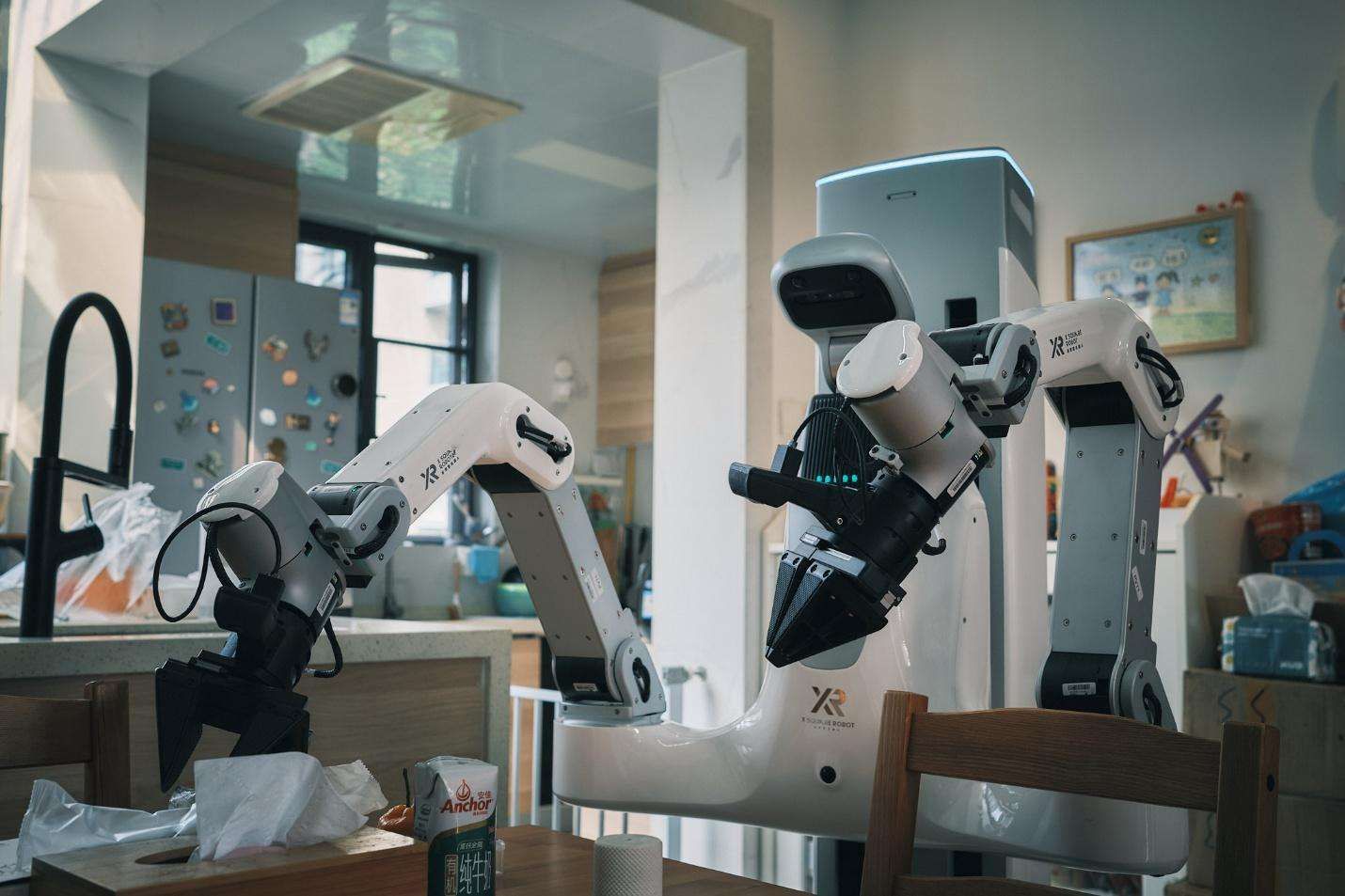
X Square Robot Closes Four Consecutive Rounds, Hits $2.8B Valuation as It Powers Physical-AI Foundation Models
X Square Robot has successfully completed four consecutive funding rounds, culminating in a Series C that has propelled its valuation to $2.8 billion. This achievement marks the company as the sole embodied AI firm in China to receive backing from all four of the country's major internet giants. The funding rounds reflect a growing interest and investment in artificial intelligence technologies, particularly in the realm of embodied AI, which integrates physical presence with intelligent systems. The significant financial support from these leading tech companies underscores the potential they see in X Square Robot's innovative approach and technology.
Startups
X Square Robot Secures Four Consecutive Financing Rounds, Surpasses US$2.8 Billion Valuation in Push for Physical AI Foundation Models
A new funding initiative has been launched to advance the development of embodied AI foundation models, enhance commercial deployments, and establish integrated robotics infrastructure. This initiative marks a significant collaboration as it is the only embodied AI company supported by all four major Chinese internet technology leaders. The funding aims to accelerate innovation in the field of artificial intelligence and robotics, reflecting a growing interest in integrating AI into practical applications. The initiative is expected to facilitate the creation of advanced AI systems that can interact with the physical world, thereby transforming various industries.

Huaqin Technology and Zhengxing Innovation Reach Strategic Cooperation to Build an Industrial Physical Intelligence "Data Foundation and Smart Brain" Together.
Huaqin Technology and Zhengxing Innovation have announced a strategic cooperation aimed at developing a comprehensive industrial physical intelligence framework, which they refer to as a "Data Foundation and Smart Brain." This partnership, revealed on October 10, 2023, is set to take place in China, where both companies will leverage their technological expertise to enhance data-driven decision-making processes within the industrial sector. The collaboration seeks to address the growing demand for advanced data analytics and intelligent systems, enabling businesses to optimize operations and improve efficiency. By integrating their resources and knowledge, Huaqin Technology and Zhengxing Innovation aim to create innovative solutions that will drive the future of industrial intelligence.
Robotics Automation AI
Deep dive into ARM’s physical AI and robotics strategies with Drew Henry
Drew Henry, a representative from ARM, recently shared insights into the evolving landscape of physical AI, robotics, and autonomous systems, emphasizing their development to meet real-world challenges. In a detailed discussion, Henry outlined ARM's strategic approach to integrating advanced technologies in these fields, highlighting the necessity for systems that can operate effectively within the constraints of everyday environments. This conversation comes at a time when the demand for intelligent automation solutions is rapidly increasing, driven by the need for efficiency and innovation across various industries. The dialogue took place in a recent interview featured on The Robot Report, showcasing ARM's commitment to pioneering advancements in robotics and AI.
Artificial Intelligence Business Resources Controllers Development Tools / SDKs / Libraries Logistics Materials
InOrbit.AI Demonstrates the Future of Multi-Vendor Robot Orchestration and Physical AI at Automate 2026
InOrbit.AI is set to showcase a pioneering multi-vendor robotics demonstration at Automate 2026, highlighting the future of the sentient enterprise. This event will take place in 2026, where industry leaders and innovators will gather to explore advancements in automation technology. The demonstration aims to illustrate how seamless interoperability and Physical AI are revolutionizing disparate automation systems, creating a cohesive and resilient operational ecosystem. By integrating various robotic technologies, InOrbit.AI seeks to address the challenges of isolated automation, ultimately enhancing efficiency and productivity across industries. This initiative reflects a growing trend towards unified solutions in the robotics sector, emphasizing the importance of collaboration among vendors to drive innovation and improve operational capabilities.

NVIDIA Announces Halos for Robotics, the Industry’s First Full-Stack Safety System for Physical AI
NVIDIA has unveiled NVIDIA Halos for Robotics, marking a significant advancement as the first comprehensive safety system designed specifically for robotics and physical AI. This innovative system integrates AI computing capabilities with safety measures, aiming to enhance the operational reliability of robotic systems. The announcement was made today, reflecting NVIDIA's commitment to advancing technology in the robotics sector. By providing a unified solution, NVIDIA Halos seeks to address the growing need for safe and efficient robotic applications across various industries. This development is expected to facilitate the deployment of robotics in environments that require stringent safety protocols, thereby expanding the potential for AI-driven automation.
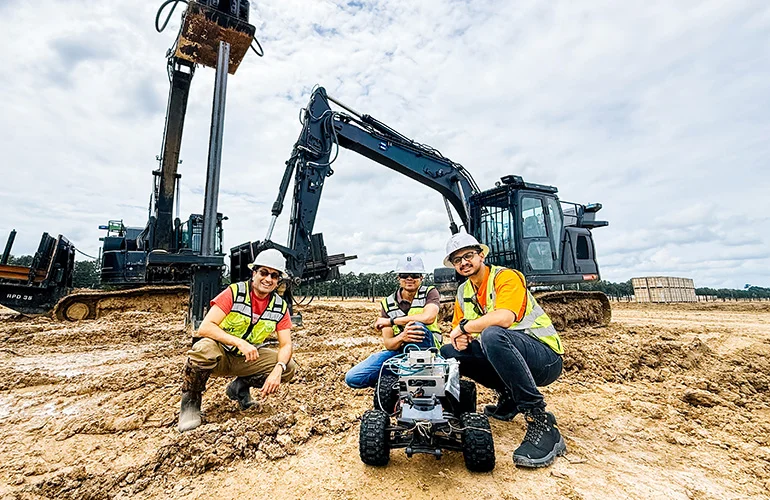
Built Robotics and Penn Engineering’s xLAB Partner for Physical AI in Construction
Built Robotics is partnering with the University of Pennsylvania’s Safe Autonomous Systems Lab, known as xLAB, to advance research in physical AI aimed at creating autonomous construction systems capable of safe operation in real-world environments. This collaboration combines Built Robotics' expertise in deploying autonomous technologies on construction sites with xLAB's cutting-edge research in safety and automation. The initiative seeks to enhance the efficiency and safety of construction processes by leveraging innovative AI solutions.
AI AI Funding & Investment AI Research & Advances Robotics Built Robotics Partnership
ABB Robotics delivers new industry-ready physical AI at Automate 2026
At Automate 2026, ABB Robotics will showcase its latest advancements in physical AI, including the debut of its Physical AI Toolchain, designed to enhance the capabilities of industrial robots. The event, taking place at Booth #1241 on June 17, 2026, will feature demonstrations of the Autonomous Versatile Robotics (AVR™) system, which equips robots with advanced sensory and mobility functions to operate more efficiently across various applications. Marc Segura, President of ABB Robotics, emphasized that physical AI is transforming traditional robotic operations, allowing for faster, safer, and smarter performance. The new toolchain facilitates the training of robots using simulated and real-world data, bridging the gap between simulation and practical application with high precision. This initiative follows ABB's partnership with NVIDIA, which aims to enhance robot training through advanced simulation technologies. Among the highlights will be the introduction of ABB's high-speed PoWa™ cobot family and a collaboration with Aura Sensae, integrating intelligent sensing technology for improved human-robot interaction. Visitors can expect to see demonstrations of AI-powered palletizing systems, intuitive interfaces, and real-time interaction capabilities, showcasing ABB's commitment to human-centric robotics. Additionally, ABB Robotics will host special events focused on automotive and software innovations on June 23 and 24, respectively, further engaging with industry stakeholders.
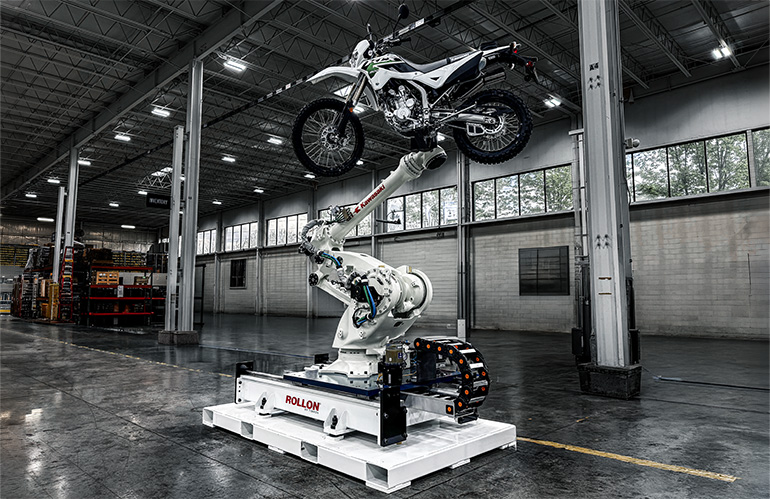
Kawasaki Robotics to debut RL030N physical AI platform at Automate
Kawasaki Robotics is set to unveil its RL030N physical AI platform, along with its 8-DoF robot and Pulseboard inspection technology, at the upcoming Automate event. This showcase, scheduled for later this month, aims to demonstrate the company's vision for intelligent automation solutions. By integrating advanced robotics with AI capabilities, Kawasaki Robotics seeks to enhance operational efficiency and precision in various industries. The introduction of these innovative systems reflects the growing demand for automation technologies that can adapt to complex tasks and improve productivity in manufacturing and beyond.
Arms / Manipulators Artificial Intelligence Automotive Cobot Arms Controllers Events
The Role of RF Connectors in Robotic Vision, Sensor Communication, and Automated Inspection Systems
Recent advancements in robotic vision and automated inspection have highlighted the limitations of software solutions in addressing physical challenges. While fast GPUs, sophisticated models, and user-friendly dashboards are often celebrated as technological triumphs, they falter when confronted with the realities of a compromised physical signal path. For instance, a camera's ability to process images is hindered by a noisy clock, and sensors struggle to deliver accurate readings when interfaces become loose after repeated vibrations. This underscores the importance of considering the physical environment in the development and implementation of automated systems, as reliance solely on software capabilities may lead to significant operational failures.
Design Engineering Technology automated inspection automation news factory automationRobotics needs a service framework.
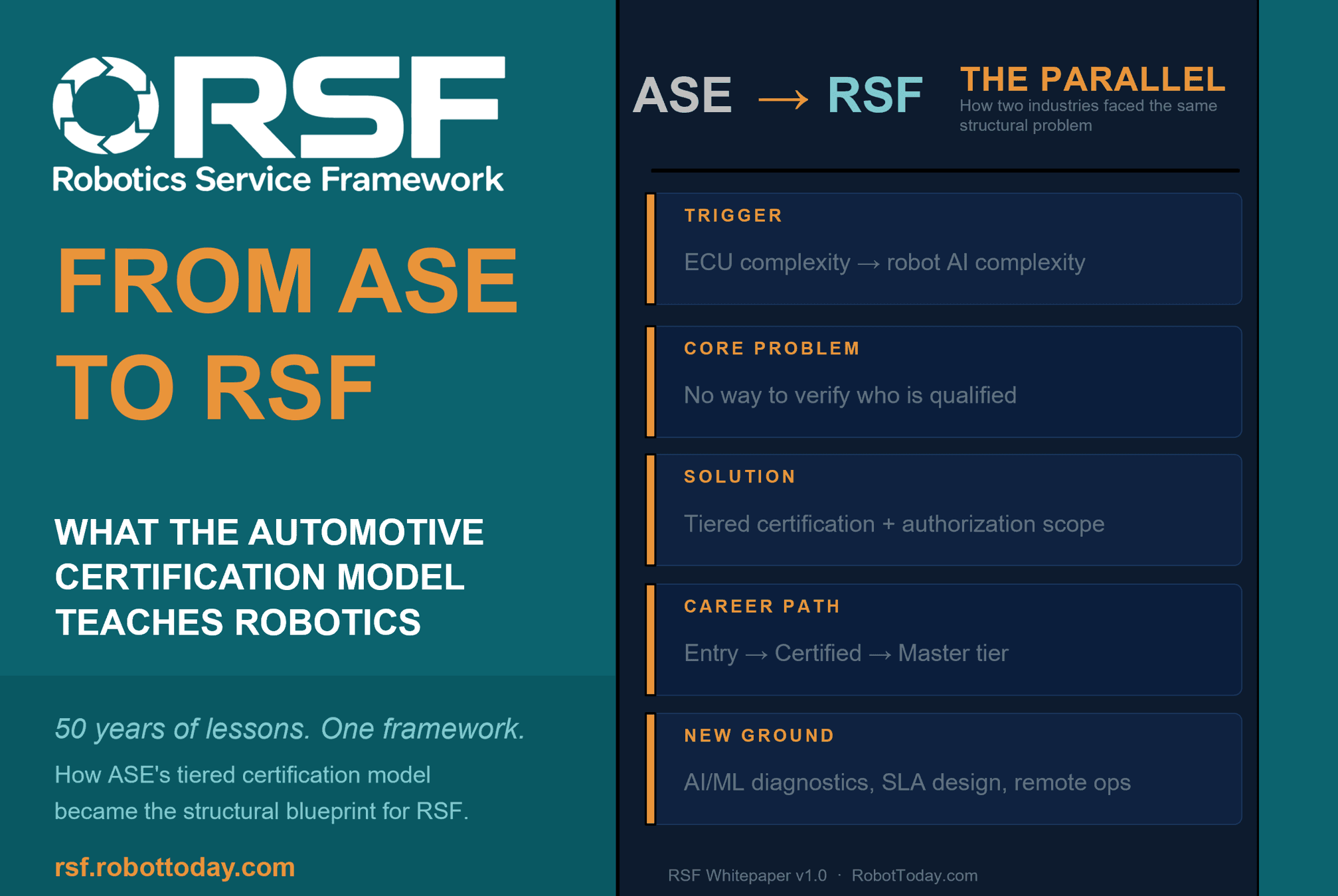
RSF defines a common language for robot service capability, lifecycle operations, certification pathways, and service-provider networks.