Industry Briefing
A single destination for timely, editor-curated robotics news from around the world.
MFE Offshore Partners with Hydromea to Distribute EXRAY Underwater Inspection ROV
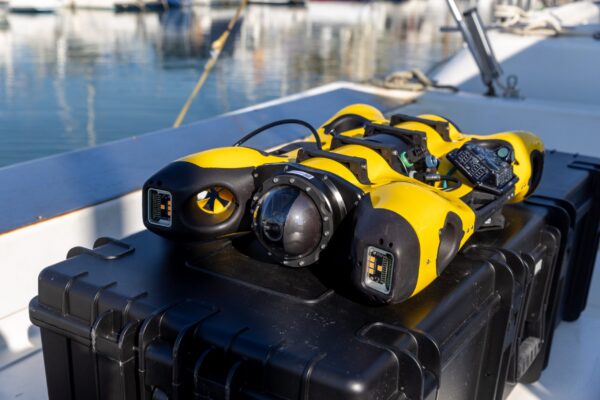
MFE Offshore, based in Houston, has announced its partnership with Swiss robotics developer Hydromea to distribute the Hydromea EXRAY underwater inspection ROV. This agreement, made public on July 9, 2026, enhances MFE Offshore's subsea portfolio, which was launched earlier this year. The EXRAY offers a tetherless alternative for underwater inspections, reducing costs and risks associated with traditional methods. The significance of this partnership lies in the EXRAY's ability to provide efficient and safe data collection in challenging underwater environments. As stated by Wendy Post, general manager of MFE Offshore, the demand for advanced inspection technologies is increasing as operators face more complex underwater challenges. The EXRAY's capabilities, including real-time control and live HD video transmission, position it as a valuable tool for energy operators. Looking ahead, MFE Offshore will showcase the EXRAY during a Demo Day on July 16 at its Houston facility, allowing potential customers to see the ROV in action. This event highlights MFE Offshore's commitment to bringing innovative inspection solutions to the energy sector, with no further timeline disclosed at the time of publication.
Drone News Drone News Feeds Inspection News seadrones underwater drones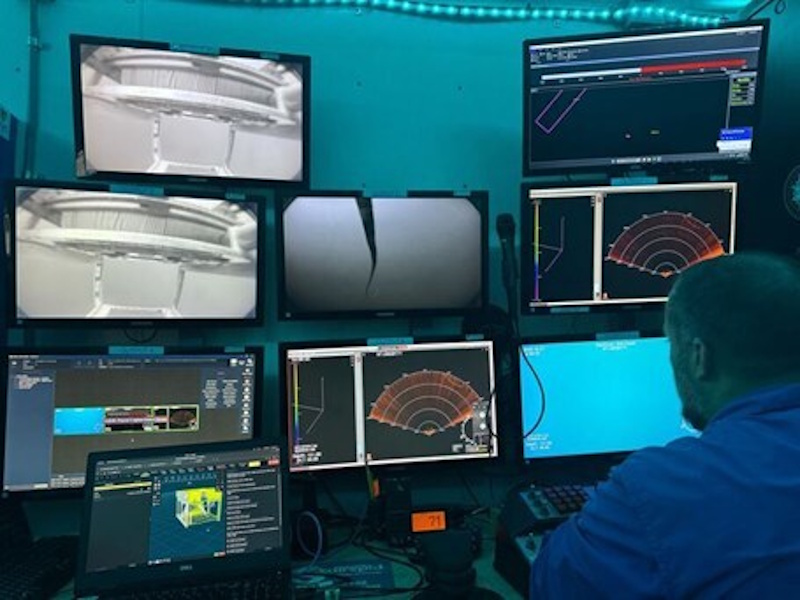
Nauticus Robotics Certifies Nauticus ToolKITT Autonomy Software on Light Work-Class ROVs & Completes First Paid Commercial Operation on a Retrofitted System
Nauticus Robotics, Inc. has successfully certified and deployed its Nauticus ToolKITT™ autonomy software on two light work-class remotely operated vehicles (ROVs) following the acquisition of SeaTrepid International in 2025. This achievement was announced today after the completion of certified pool and open-water testing. The deployment marks a significant milestone for Nauticus, as it represents the company's first paid commercial subsea project utilizing the ToolKITT™ software on a retrofitted ROV platform. This development underscores Nauticus's commitment to advancing its autonomy technology beyond proprietary systems, enhancing its capabilities in the field of autonomous subsea robotics.
nauticus robotics certification nauticus toolkitt autonomy software light work-class rov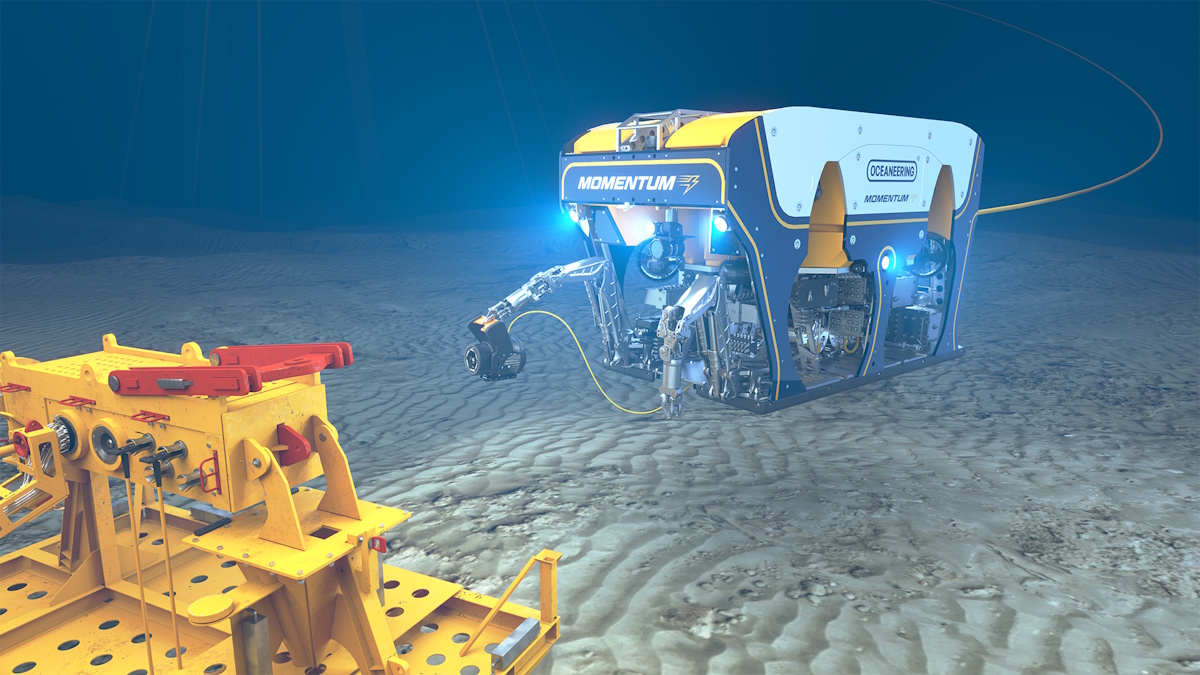
Oceaneering Launches New Electric Propulsion Work Class ROV
Oceaneering International, Inc. has unveiled its latest innovation in subsea technology, the Momentum™ Electric Work Class Remotely Operated Vehicle (ROV), during the Subsea Tieback Forum. This launch marks a significant advancement in the company's Subsea Robotics segment, showcasing their commitment to enhancing underwater operations. The event took place today, highlighting the growing demand for efficient and environmentally friendly solutions in the subsea industry. The Momentum™ ROV is designed to improve operational capabilities and reduce environmental impact, reflecting Oceaneering's dedication to innovation and sustainability in subsea exploration and maintenance.
oceaneering electric propulsion work class rov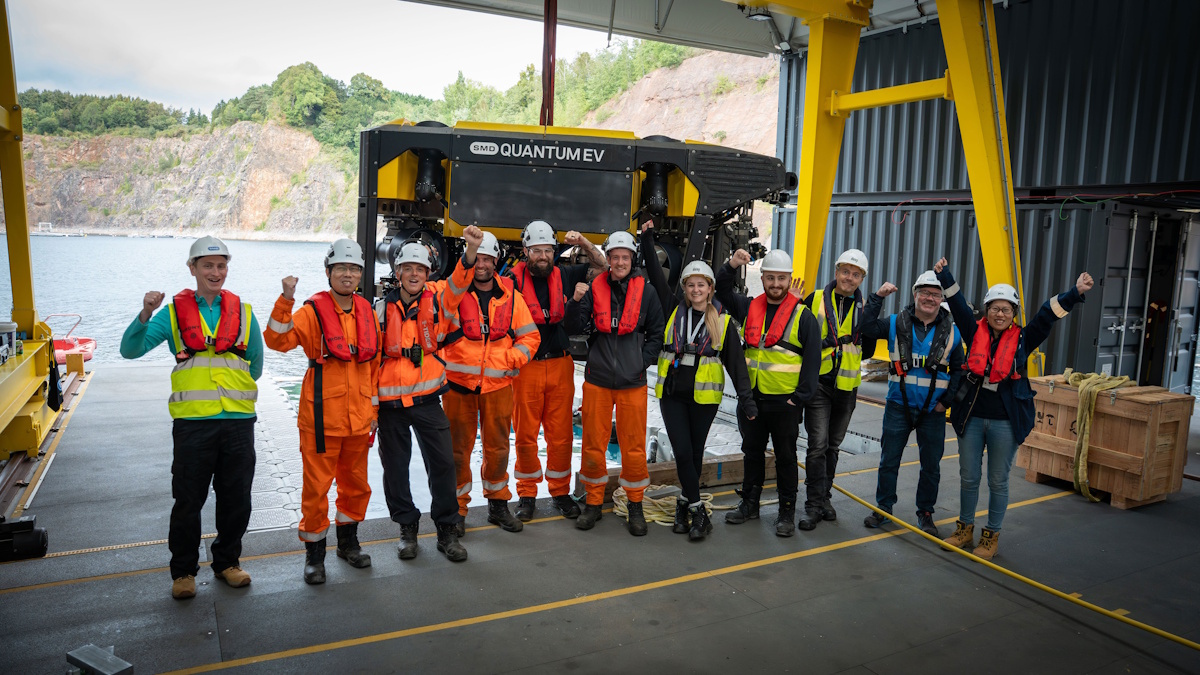
Testing Complete on First SMD Electric Work Class ROV
SMD, a subsea technology and services company, has achieved a significant milestone with the successful completion of Site Acceptance Testing (SAT) for its innovative electric work class remotely operated vehicle (ROV), the SMD Quantum EV. This testing took place at the DEEP Campus located near Bristol. The successful SAT marks a crucial step in the development and deployment of this advanced ROV, which aims to enhance subsea operations while promoting sustainability through its electric design. The completion of this testing phase underscores SMD's commitment to advancing subsea technology and meeting the growing demand for environmentally friendly solutions in the industry.
smd electric work class rov smd quantum ev site acceptance testing (sat) deep campus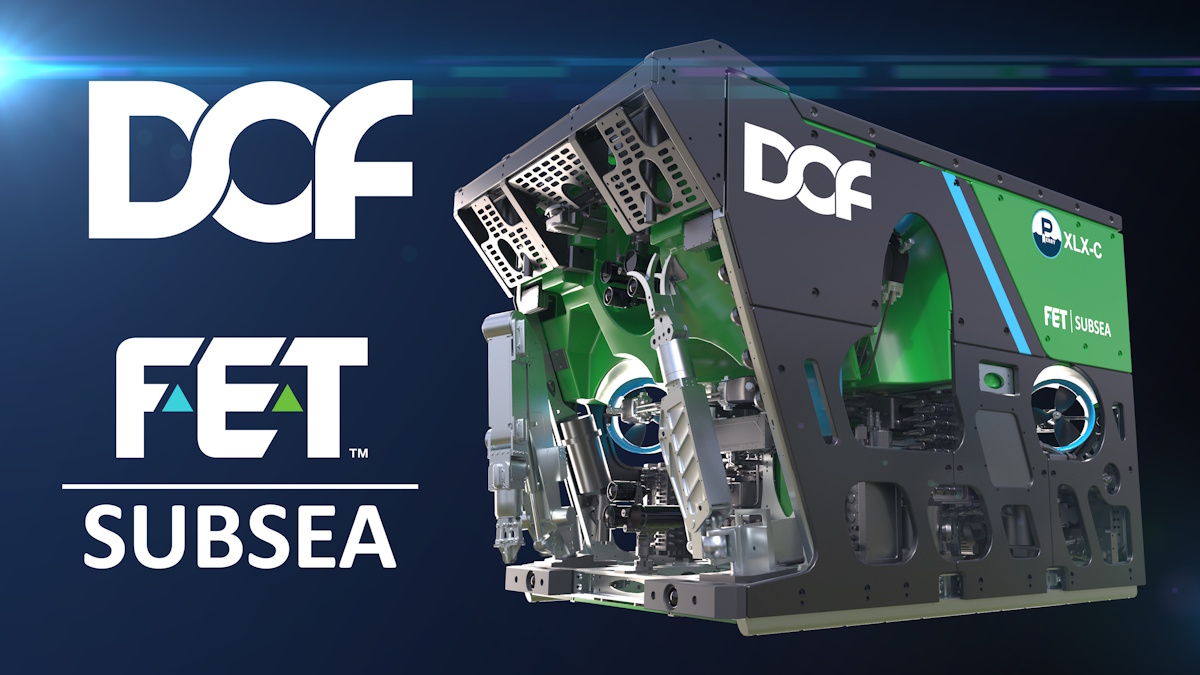
Forum Energy Technologies Secures Work-Class ROV Order
Forum Energy Technologies (FET), a prominent player in subsea robotics, has announced a new contract with its long-term client, DOF. This agreement involves the provision of a work-class remotely operated vehicle (ROV) along with a supporting tether management system. The delivery of this advanced equipment is set for late 2025 and will enhance DOF’s extensive subsea operations in Brazil. This partnership underscores FET's commitment to supporting DOF's operational capabilities in the region.
forum energy technologies (fet) dof xlx-c24 work-class rov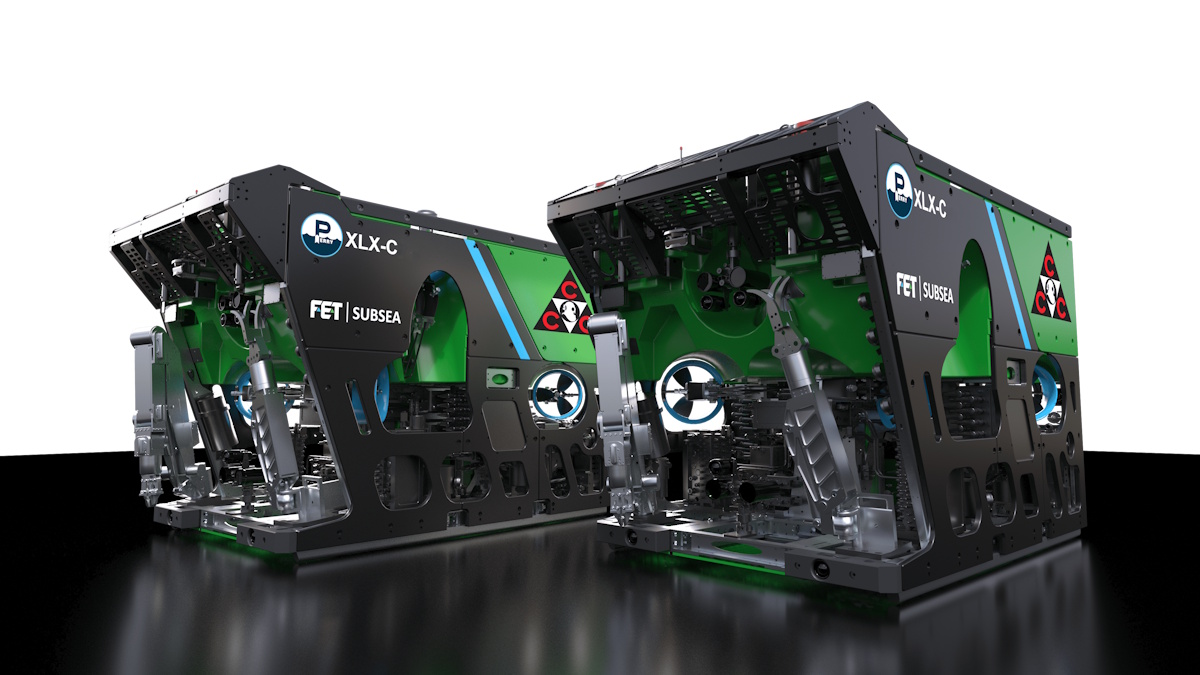
FET to Provide UAE-Based Offshore Construction Firm with Two Work Class Remotely Operated Vehicles
Forum Energy Technologies (FET) has announced that its Subsea product line has been awarded a contract to supply two work class remotely operated vehicles (ROVs) to CCC (Underwater Engineering) S.A.L, a prominent offshore construction company based in the United Arab Emirates. This partnership underscores FET's commitment to enhancing underwater engineering capabilities and supporting CCC (UE) in its ongoing projects. The contract reflects the growing demand for advanced subsea technology in the region, driven by the expanding offshore industry. The ROVs will be utilized for various underwater tasks, showcasing FET's innovative solutions in subsea operations.
fet work class remotely operated vehicles (rov)
FET to Deliver New Model of Work Class ROV to Nigerian Oil and Gas Firm
Forum Energy Technologies (FET) has announced a significant contract with Nigerian oil and gas company Marine Platforms (MPL) to supply two of its advanced XLX EVO III work class remotely operated vehicles (ROVs). This agreement underscores the enduring partnership between the two companies, as MPL has consistently utilized FET's systems in its operations. The deal highlights FET's commitment to enhancing subsea capabilities in the oil and gas sector, particularly in Nigeria, where the demand for innovative technology is growing. The delivery of the ROVs is expected to bolster MPL's operational efficiency and effectiveness in underwater tasks.
forum energy technologies (fet) marine platforms (mpl) xlx evo iii rov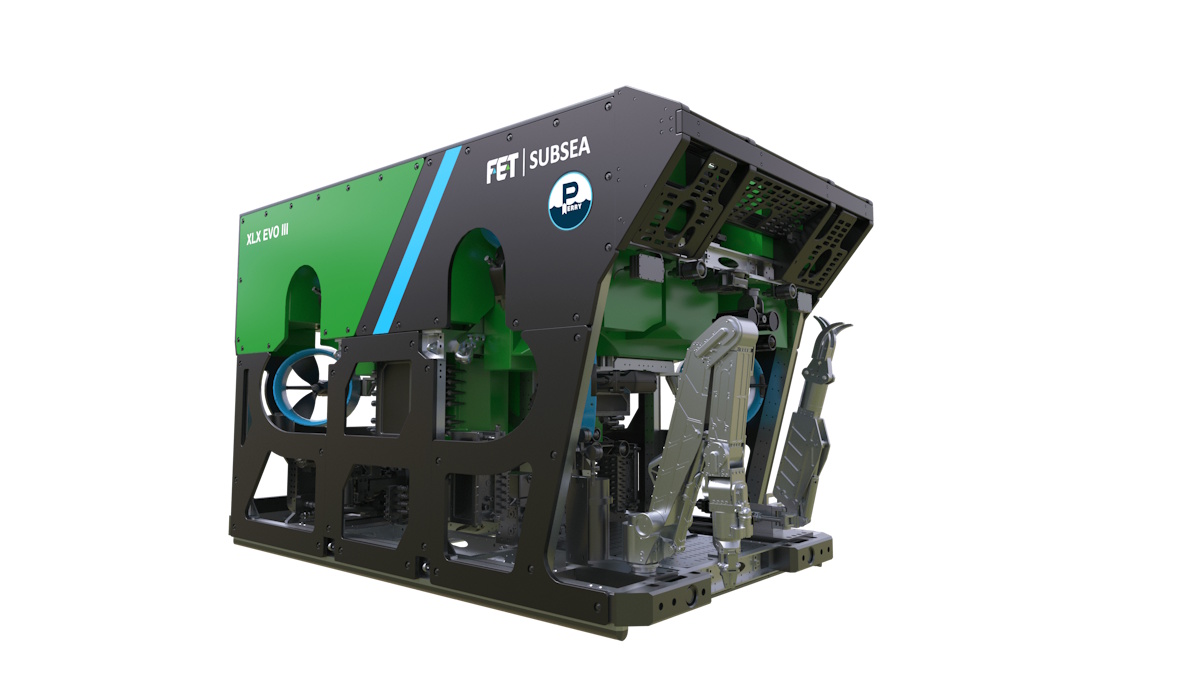
FET Brings New Generation Work Class ROV to Market
Forum Energy Technologies (FET) has unveiled its newest work class Remotely Operated Vehicle (ROV), the XLX EVO III, which represents a significant advancement in Ultra-Heavy-Duty subsea vehicle technology. This launch took place recently, showcasing FET's commitment to innovation in the subsea industry. The XLX EVO III is designed to enhance operational efficiency and safety in challenging underwater environments, addressing the growing demand for robust and reliable ROV solutions. By integrating advanced technology and engineering, FET aims to meet the evolving needs of its clients in sectors such as oil and gas, renewable energy, and underwater construction. The introduction of the XLX EVO III is expected to set new standards in subsea operations, reflecting FET's dedication to pushing the boundaries of underwater exploration and intervention capabilities.
forum energy technologies (fet) rov xlx evo iii ultra-heavy-duty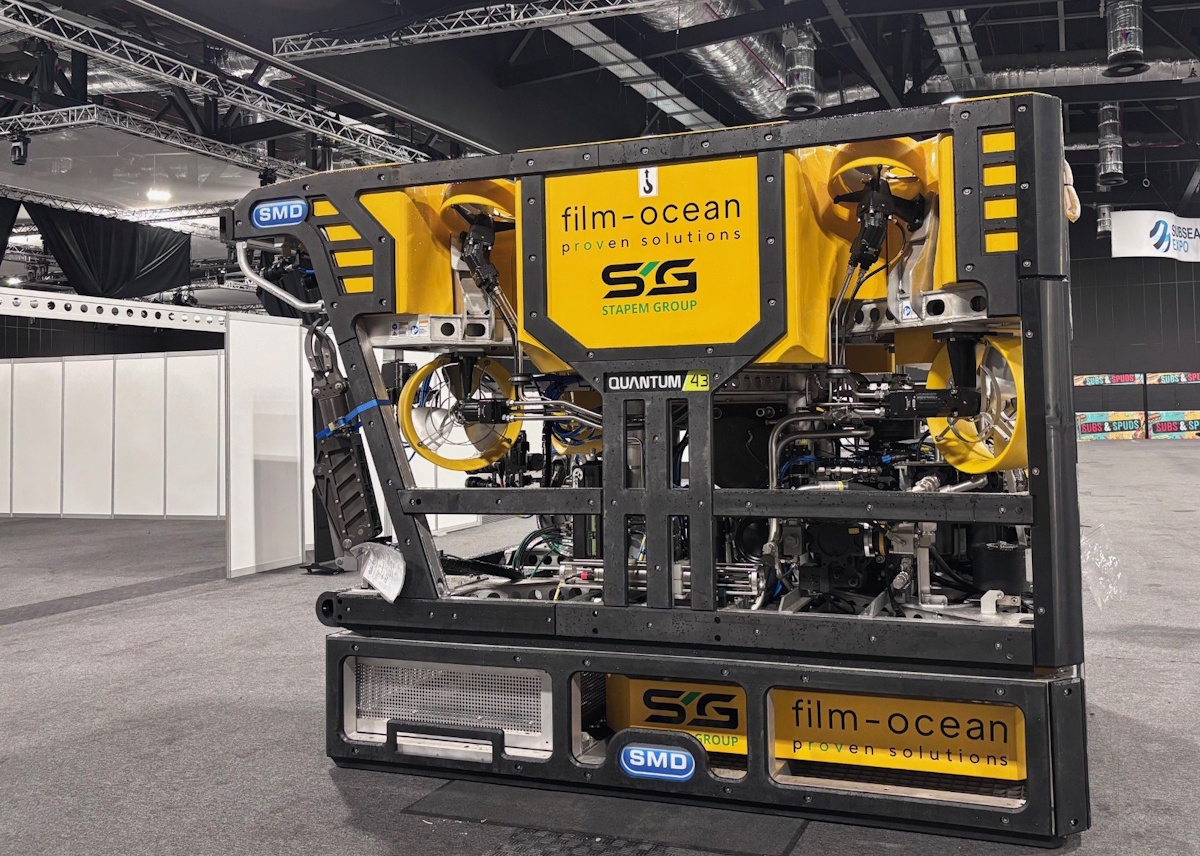
Film-Ocean Showcases New Work Class ROV and Remote Operations Centre at Subsea Expo 2026
Film-Ocean, a leading global subsea services provider and a member of the Stapem Group, is set to unveil its latest Work Class Remotely Operated Vehicle (WROV) and demonstrate its advanced Remote Operations Centre (ROC) at the upcoming Subsea Expo 2026. The event will be held on February 4 and 5, 2026. This showcase aims to highlight the company's innovative technologies and capabilities in subsea operations, reflecting its commitment to enhancing efficiency and safety in the industry. By presenting these cutting-edge solutions, Film-Ocean seeks to engage with industry professionals and stakeholders, emphasizing its role in advancing subsea service offerings.
subsea expo
Mercedes-Benz Unveils New S-Class Built on NVIDIA DRIVE AV, Which Enables an L4-Ready Architecture
Mercedes-Benz is celebrating 140 years of automotive innovation with the introduction of a new S-Class model, specifically designed for the era of artificial intelligence. This latest vehicle integrates advanced safety features with NVIDIA’s cutting-edge autonomous driving platform, creating a Level 4-ready architecture aimed at enhancing driver trust and safety. The launch underscores the company's commitment to pioneering technology in the automotive industry, reflecting its ongoing efforts to adapt to the rapidly evolving landscape of vehicle automation. This initiative not only highlights Mercedes-Benz's legacy of innovation but also positions the brand at the forefront of the future of mobility.
SpaceX's Starmind Plans 1 Million AI Satellites Amid Collision Risks
SpaceX has announced its ambitious Starmind project, which aims to deploy 1 million AI satellites in orbits between 500 and 2,000 km. This initiative, confirmed by Elon Musk on June 23, 2026, follows a merger with xAI, valuing the combined entity at $1.25 trillion. The satellites will function as orbital data centers, processing AI workloads powered by solar arrays and linked by optical lasers. The significance of Starmind lies in its potential to add 100 gigawatts of AI compute capacity annually, contingent on the successful operation of the Starship launch system. However, the project raises concerns regarding space debris, as the current orbital environment is already congested, with a 20% increase in collision risk reported since 2024. The European Space Agency has highlighted that the density of debris in low Earth orbit is now comparable to that of active satellites, complicating the operational landscape for new entrants like Starmind. Looking ahead, the first operational orbital AI deployments are targeted for 2028, with test launches expected in early 2027. However, the project faces scrutiny regarding its impact on space debris, as even a 1% failure rate could significantly increase the number of uncontrollable objects in orbit, exacerbating existing risks. No further timeline was disclosed at the time of publication.

Terrain Classification for Planetary Rovers Using Wireless In‐Wheel Sensor Modules and Machine Learning
In May 2026, researchers published a significant study in the Journal of Field Robotics, focusing on advancements in robotic technology. The study highlights innovative developments in autonomous navigation systems, which have the potential to enhance the efficiency and safety of robotic operations in various environments. Conducted by a team of experts in robotics and artificial intelligence, the research aims to address the challenges faced by robots in dynamic and unpredictable settings. The findings were based on extensive field tests conducted in diverse locations, including urban areas and remote terrains, showcasing the robots' adaptability and reliability. The motivation behind this research stems from the increasing demand for autonomous systems in industries such as agriculture, logistics, and disaster response, where precision and real-time decision-making are crucial. By employing advanced algorithms and machine learning techniques, the researchers demonstrated how these robots can effectively navigate complex environments while avoiding obstacles and optimizing their routes. This breakthrough not only promises to improve operational capabilities but also aims to reduce human intervention, thereby enhancing safety and efficiency in various applications. The study's implications are far-reaching, potentially transforming the landscape of robotic applications and paving the way for more sophisticated autonomous systems in the future.
RESEARCH ARTICLE
SpaceX IPO Provides Indirect Investment Opportunity in Starmind Project
Starmind does not have a standalone stock or ticker; investors can gain exposure through SpaceX (ticker: SPCX), which began trading on Nasdaq after its IPO on June 12, 2026. Starmind is integrated within SpaceX, contributing to the company's AI and space initiatives, and its performance directly influences SPCX shares. The significance of Starmind lies in its role as a division of SpaceX, which encompasses other projects like Starlink and Starship. As of early July 2026, SPCX shares are trading between $149 and $150, significantly lower than their 52-week high of $225.64. The project’s milestones, such as AI1 prototype updates, can impact SpaceX's stock performance, making it essential for investors to monitor these developments closely. Looking ahead, the early 2027 launch of AI1 prototype satellites is a critical milestone that could provide verifiable data affecting Starmind's valuation and, consequently, SPCX stock. No further timeline was disclosed at the time of publication, but the upcoming events will be pivotal for investors tracking the relationship between Starmind and SpaceX's stock performance.

Starmind's Orbital Compute vs. Terrestrial Data Centers: Analyzing Resource Advantages
Starmind's orbital compute technology presents a significant advantage over traditional ground-based data centers by eliminating constraints related to land, water, and grid permitting. While terrestrial data centers are currently cheaper and faster to construct, with U.S. data center spending reaching $85.3 billion in 2026, Starmind's approach focuses on addressing the growing resource limitations faced by hyperscale facilities. The significance of Starmind's technology lies in its ability to sidestep the increasing challenges of land and water usage. For instance, a 100 MW data center can consume approximately 530,000 gallons of water daily for cooling, while Starmind's AI1 utilizes deployable liquid radiators that require no water. This structural advantage could resonate with investors as the demand for AI computing continues to escalate, potentially leading to annual water withdrawals of up to 1.7 trillion gallons by 2027. Looking ahead, Starmind's next milestones include the launch of AI1 prototypes scheduled for early 2027. However, the technology's claims regarding cooling efficiency and operational reliability remain unverified until real flight data is available. As the industry evolves, the competition between orbital and terrestrial solutions will become increasingly relevant, particularly in the context of resource management and sustainability.

Tesla's Optimus Robots to Support Starmind Satellite Production, Not Maintenance
Tesla's Optimus robots will not be used to repair Starmind satellites in orbit, as confirmed by recent statements from Elon Musk. Instead, these robots are intended to assist in the construction and operation of the Terafab chip manufacturing facility in Texas. The AI1 satellites, designed to disintegrate upon reentry, highlight the company's swap-and-replace strategy rather than traditional maintenance practices. This approach is significant as it reflects a broader trend in satellite management, where mass-produced satellites are replaced rather than repaired. The economics of servicing missions are prohibitive, with the cost of launching a replacement satellite being significantly lower than conducting a repair mission. This model aligns with SpaceX's operational history, where rapid replacement of satellites is more efficient than attempting to maintain them in orbit. Looking ahead, the focus will remain on the production capabilities of the Gigasat factory, which is expected to support the continuous replacement of satellites. No further timeline was disclosed at the time of publication, but the demand for rapid satellite turnover suggests a robust future for Optimus robots in terrestrial manufacturing rather than in-space servicing.
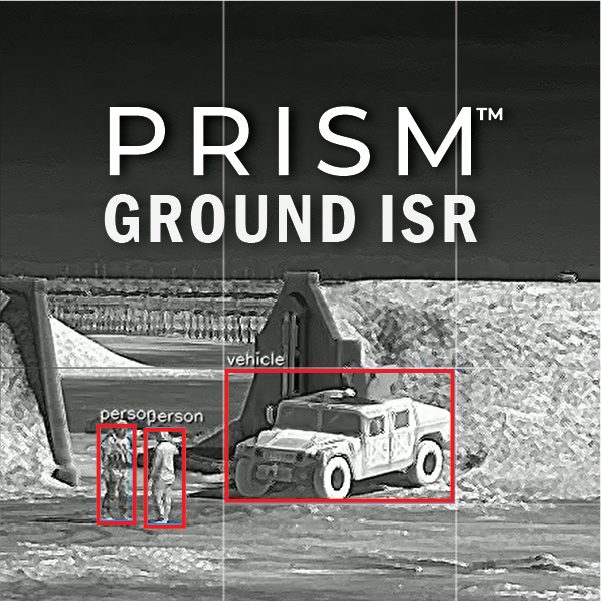
Teledyne FLIR OEM Expands Prism AI Platform with Ground ISR Software for Military Target Classification
Teledyne FLIR OEM has launched Prism™ Ground ISR, an advanced AI-powered software stack aimed at enhancing ground-based intelligence, surveillance, and reconnaissance (ISR) missions. This new software expands the capabilities of the existing Prism software family, which previously focused on counter-drone applications. The introduction of this technology marks a significant development in military target classification, leveraging AI, thermal imaging, and computational imaging to improve operational effectiveness. The announcement was made recently, highlighting the company's commitment to advancing ISR capabilities for military applications.
Applications Data analytics Defense defense Drone News Drone News Feeds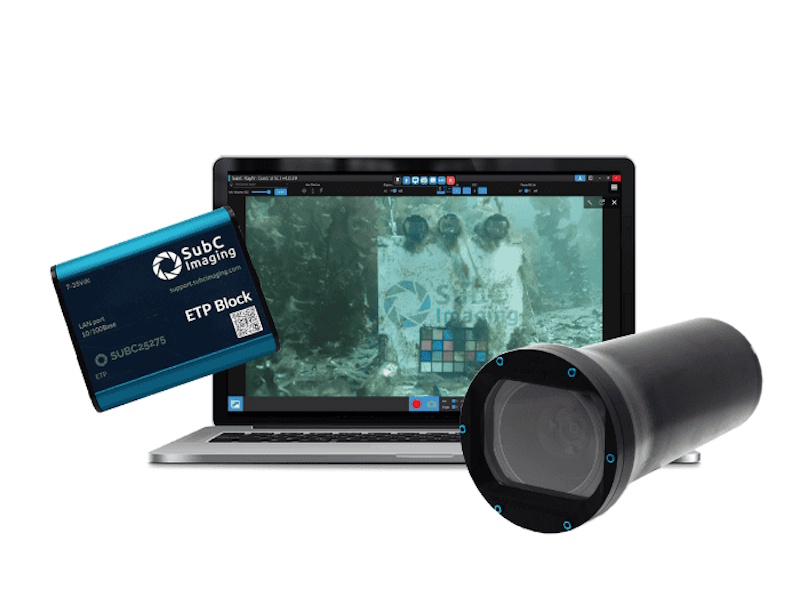
New Rayfin Uplink Camera Unlocks HD & 4K Imaging for Legacy ROVs
SubC Imaging has introduced the Rayfin Uplink, a groundbreaking camera technology designed to enhance the capabilities of remotely operated vehicles (ROVs). This innovative system allows operators to access high-definition and 4K imaging without the need for new equipment, utilizing the ROVs they already possess. Launched recently, the Rayfin Uplink establishes a direct digital connection between the ROV camera and a topside control unit or laptop, streamlining the imaging process. This development aims to improve operational efficiency and image quality for underwater exploration and inspection tasks, making advanced imaging more accessible to users in various industries.
subc imagingrayfin uplink camera hd & 4k imaging legacy rovs
A classic brain test exposed AI's biggest weakness
A recent study conducted by researchers has revealed significant shortcomings in leading artificial intelligence models when subjected to a classic psychological attention test. The investigation found that while these AI systems performed well in identifying colors within short lists, their accuracy plummeted dramatically as the complexity and length of the tasks increased. In some cases, the models' performance dropped from over 90% accuracy to nearly complete failure. This research highlights critical limitations in the current capabilities of AI, raising questions about their reliability in processing more intricate information. The findings, which underscore the need for improvements in AI design, were published in October 2023.

The Classical Advances Needed to Make Quantum Computers Tick
Quantum computers are poised to tackle problems beyond the capabilities of today's most advanced supercomputers, but their operation relies heavily on classical computing infrastructure. As the industry prepares for the anticipated scale of quantum computing, major players like Nvidia, Q-CTRL, IBM Quantum, and Google Quantum AI are developing innovative classical hardware and software solutions to support these machines. In April, Nvidia unveiled AI-based software designed to enhance the classical tasks essential for quantum computing. Sydney-based Q-CTRL has created an automatic calibration algorithm that utilizes Nvidia’s system to streamline the calibration process, which is crucial for maintaining the reliability of qubits—quantum bits that are inherently unstable and require regular adjustments. Calibration involves a meticulous two-stage process that traditionally demands significant time and expertise, prompting a push for automation. Q-CTRL's intelligent software analyzes calibration data in real-time, allowing for dynamic adjustments to improve efficiency. Additionally, quantum error correction is a critical focus, as it enables the detection and compensation of errors in qubits, a process that must occur rapidly to maintain quantum states. While AI is gaining traction in simplifying hardware control, challenges such as latency and computational expense remain. Experts suggest that a hybrid approach combining traditional and AI methods may be necessary to optimize performance. As quantum technology evolves, the demand for robust classical support will grow, necessitating new strategies to manage the increasing complexity of quantum systems.
Quantum-computers Quantum-error-correction Internal-calibration Nvidia Quantum-computing
Aptiv to Deliver Production-Ready Edge AI with Long-Term Support with NVIDIA
NVIDIA and its partner companies are collaborating to advance the NVIDIA Jetson platform, focusing on the development of next-generation systems, including the upcoming Jetson Thor. This initiative aims to create commercially supported, production-ready edge AI platforms designed for the future of intelligent systems. The partnership underscores a commitment to enhancing AI capabilities and ensuring that these technologies are viable for widespread commercial use. The evolution of the Jetson platform is expected to significantly impact various industries by providing robust solutions for edge computing and artificial intelligence applications.

TKMS to Receive DNV Approval for Modifiable Underwater Mothership (MUM)
TKMS has achieved a notable advancement in autonomous unmanned watercraft technology with the recent approval from DNV for its MUM demonstrator. This Approval in Principle (AiP) signifies that the vessel has been designed and developed in compliance with DNV's class rule for underwater technology and the guidelines for autonomous and remotely operated vessels. This milestone underscores TKMS's commitment to innovation in maritime technology, paving the way for future developments in the field of autonomous maritime operations.
tkms dnv approval in principle (aip) modifiable underwater mothership (mum)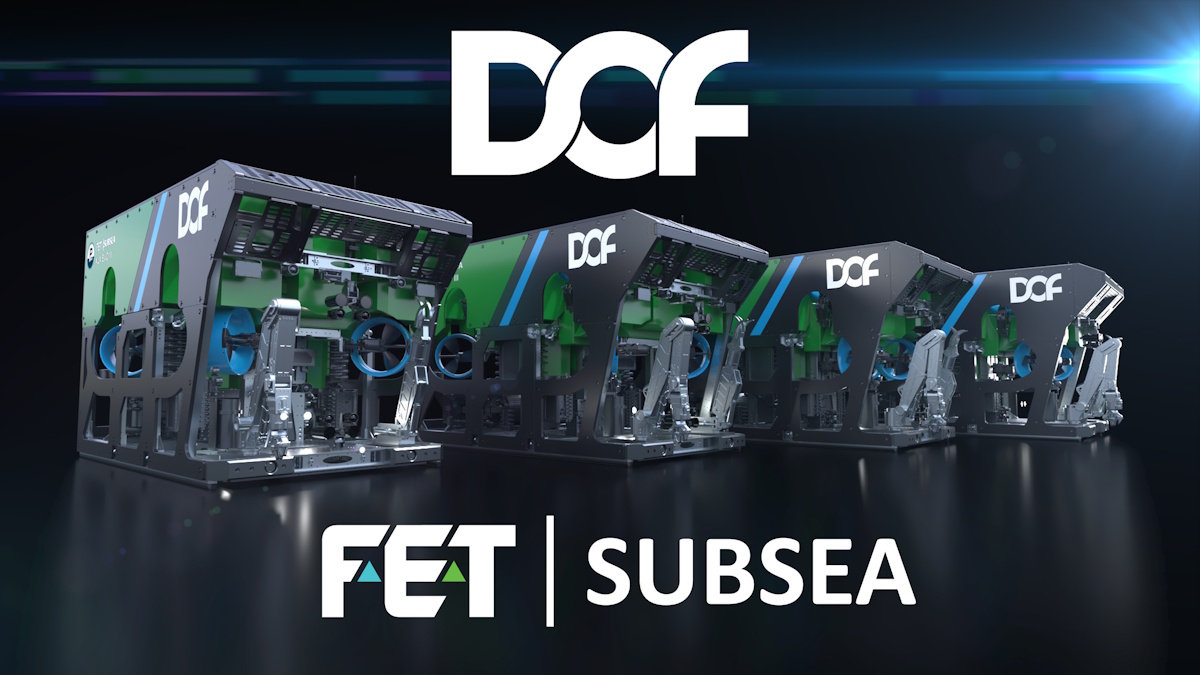
FET to Deliver Series of Cutting Edge ROVs to DOF
Forum Energy Technologies’ Subsea product line has been awarded a contract to supply four of its advanced XLX EVO III work class remotely operated vehicles (ROVs) to long-term client DOF. This agreement highlights the ongoing partnership between the two companies and underscores the growing demand for innovative subsea technology in the energy sector. The contract was finalized recently, marking a significant step in enhancing DOF's operational capabilities. The deployment of these state-of-the-art ROVs is expected to improve efficiency and safety in subsea operations, reflecting Forum Energy Technologies' commitment to delivering cutting-edge solutions to meet the evolving needs of the industry.
fet rovs dof
Is the house ready for sleeptime? Generating and evaluating situational queries for embodied question answering
Researchers are addressing the complexities of Embodied Question Answering (EQA) through the development of Situational Queries (S-EQA) within household environments. This initiative aims to enhance the capabilities of artificial intelligence in understanding and responding to more nuanced inquiries that go beyond simple object-based questions. Unlike traditional EQA, which focuses on straightforward queries like identifying the color of an object, situational queries demand a more sophisticated comprehension of context and multiple elements within a setting. For instance, a question such as "Is the house ready for sleeptime?" requires the AI to assess various conditions and objects in the environment to provide an accurate response. This research is significant as it seeks to improve AI interaction in everyday scenarios, making technology more intuitive and responsive to human needs. The study is ongoing and aims to refine the processes involved in situational understanding, ultimately enhancing the functionality of AI in domestic settings.
Robotics
PaleBlue Delivers ROV Simulator for the French Navy
PaleBlue, a prominent Norwegian firm specializing in advanced simulation technology, has successfully supplied a state-of-the-art Remotely Operated Vehicle (ROV) training simulator to the French Navy. This innovative simulator is designed to enhance the training experience for naval personnel, enabling them to engage in realistic scenarios that include critical rescue operations and the management of various ROV types, from work-class to smaller models. The delivery marks a significant advancement in the French Navy's training capabilities, allowing for improved preparedness in complex maritime environments.
paleblue rov simulator french navy
Film-Ocean Expands Fleet with Major ROV Investment
Film-Ocean Ltd, in collaboration with its parent company Stapem, has revealed plans to invest in three new Work-Class Remotely Operated Vehicles (ROVs) from SMD. This significant acquisition is part of the company's strategy to bolster its capabilities in response to the rising demand for subsea services. The investment underscores Film-Ocean's commitment to expanding its operational capacity and enhancing service offerings in the subsea sector.
film-ocean smd rov expansion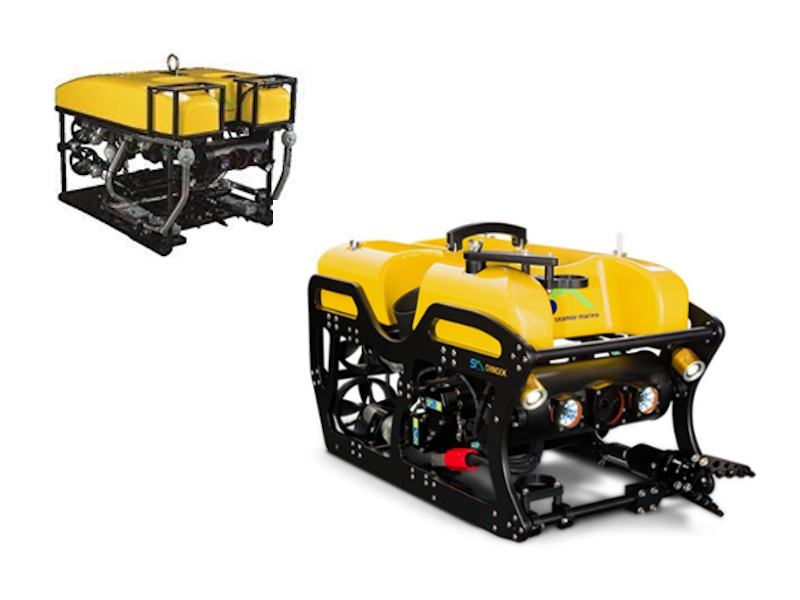
Phoenix International Expands Underwater Inspection Capabilities with Acquisition of Two New ROVs
Phoenix International Holdings, Inc., a leader in underwater solutions, has bolstered its fleet of Remotely Operated Vehicles (ROVs) with the acquisition of two new inspection-class units, a Chinook and a Mako, manufactured by SEAMOR Marine. This strategic enhancement, announced recently, aims to improve the company’s operational capabilities in inland and nearshore environments. The new ROVs will be instrumental in conducting bridge and dam inspections, as well as surveys for offshore wind farms, thereby expanding Phoenix's service offerings in critical infrastructure assessments.
phoenix international expansion acquisition rovs chinook rov mako rov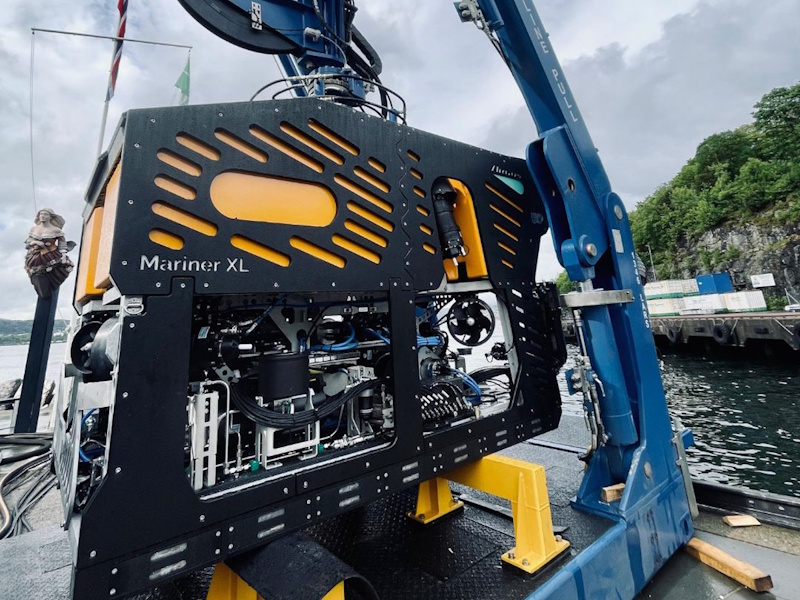
Deep Ocean Search Launches its New 6,000m Depth Rated ROV: Mariner XL
Deep Ocean Search, in partnership with Marine Operations London LTD, has introduced the Mariner XL, a highly capable work-class remotely operated vehicle (WROV) designed for ultra-deep operations. This advanced ROV can operate at depths of up to 6,000 meters and is available for hire, offering rapid deployment capabilities worldwide. The system includes a launch and recovery mechanism, an ultra-long range inertial and acoustic positioning system, a pilot station, and storage space, all efficiently packed into four 20-foot containers. The Mariner XL is engineered for a variety of tasks, including inspection, sampling, object recovery, imaging, and data acquisition, making it a versatile tool for marine operations. Notably, its deployment does not necessitate significant structural modifications to the support vessel, nor does it require calibration, streamlining the operational process. This innovative solution aims to enhance efficiency and effectiveness in deep-sea exploration and recovery missions.
deep ocean search 6 000m depth rated rov mariner xl deep sea rov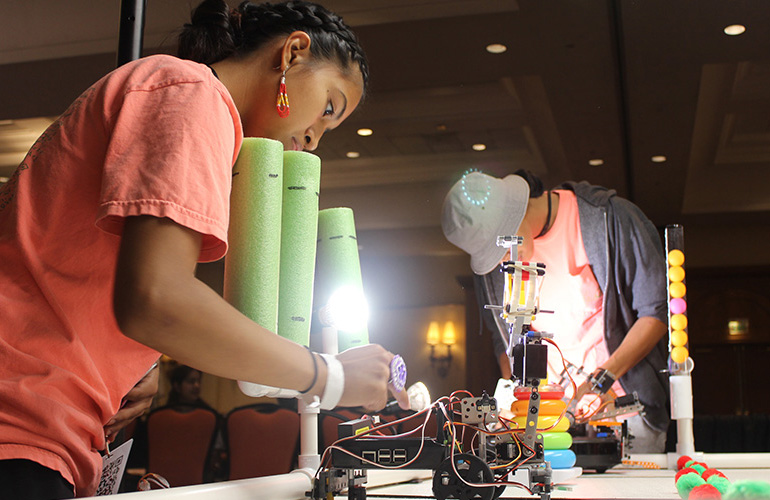
KISS Institute Launches BotBall to Enhance STEM Education with Student-Led Robotics
The KISS Institute for Practical Robotics (KIPR) has introduced BotBall, a robotics program designed to foster creativity and critical thinking among students. This initiative emphasizes student-led engineering, allowing participants from elementary to high school to engage in hands-on learning using a standardized kit. The program ensures a level playing field by providing all teams with the same materials, promoting accountability and project management skills without adult intervention during competitions. BotBall challenges traditional educational models by integrating real programming languages like C and Python into its curriculum, demonstrating that students can handle complex coding at an early age. The Junior Botball Challenge (JBC) further innovates by allowing up to five students to collaborate on a single robot, shifting the focus from competition to inquiry-driven problem solving. This approach encourages teamwork and a deeper understanding of both mechanics and software among participants. As the school year approaches, KIPR is expected to release more details about the upcoming competition schedule. The BotBall program represents a significant shift in STEM education, moving away from conventional roles and fostering a new generation of students who are well-versed in both engineering and programming disciplines. No further timeline was disclosed at the time of publication.
Autonomous Mobile Robots (AMRs) Educational News competition education workforce
OpenAI's updated GPT-5.5 Instant is better at shopping, complex constraints, and understanding user intent — and it's already in the API
OpenAI has announced an update to its popular language model, GPT-5.5 Instant, which is now the default for free ChatGPT users. The upgrade, revealed on June 24, enhances the model's ability to understand user intent and adapt responses, particularly in complex scenarios like shopping and local recommendations. This update follows the model's initial release in early May 2026, which aimed to address factual inaccuracies and improve conversational quality. The latest version is being rolled out first to paid subscribers, with free users gaining access shortly thereafter. While OpenAI has not provided specific performance benchmarks, the company claims significant improvements in handling multi-part instructions and contextual awareness. This is expected to make ChatGPT more effective for everyday tasks, such as planning trips or comparing products. For developers, the updated model can be accessed through OpenAI's chat-latest API alias, which points to the latest Instant model. However, OpenAI continues to recommend the separate gpt-5.5 model for production use. The update reflects a shift towards more intuitive AI systems capable of better inferring user goals and maintaining context across interactions, marking a significant step forward in generative AI technology.
Technology
NVIDIA Vera Rubin Delivers World-Class Supercomputers for Science
NVIDIA has unveiled its latest innovation, the NVIDIA Vera Rubin platform, at the ISC High Performance 2026 conference. This new platform is designed to provide cutting-edge supercomputing capabilities specifically for scientific applications. It features native double-precision (FP64) performance, which is crucial for complex calculations in various scientific fields. Additionally, the Vera Rubin platform integrates NVIDIA's CUDA-X™ libraries, enhancing its computational efficiency and versatility. This announcement underscores NVIDIA's commitment to advancing high-performance computing and supporting scientific research through superior technology. The launch event took place during the prominent ISC High Performance conference, highlighting the growing intersection of computing technology and scientific inquiry.
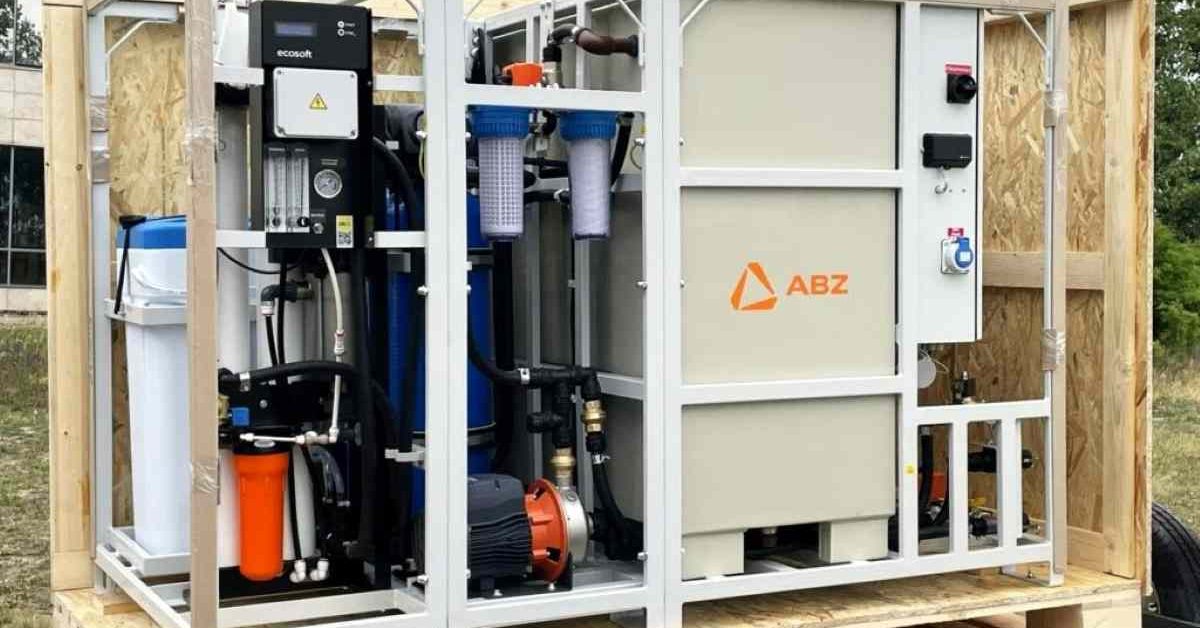
Drones were already clean buildings. This system makes them practical
ABZ Innovation, a Hungary-based drone manufacturer active in over 40 countries, has introduced the world’s first dedicated ground station tailored for industrial drone cleaning. This innovative development aims to enhance the practicality of drone-powered building cleaning for professional operators. By streamlining operations and improving efficiency, ABZ Innovation seeks to revolutionize the cleaning industry, making it more accessible and effective for various applications. The unveiling of this specialized ground station marks a significant advancement in the integration of drone technology into industrial cleaning processes.
News
ABB Robotics delivers new industry-ready physical AI at Automate 2026
At Automate 2026, ABB Robotics will showcase its latest advancements in physical AI, including the debut of its Physical AI Toolchain, designed to enhance the capabilities of industrial robots. The event, taking place at Booth #1241 on June 17, 2026, will feature demonstrations of the Autonomous Versatile Robotics (AVR™) system, which equips robots with advanced sensory and mobility functions to operate more efficiently across various applications. Marc Segura, President of ABB Robotics, emphasized that physical AI is transforming traditional robotic operations, allowing for faster, safer, and smarter performance. The new toolchain facilitates the training of robots using simulated and real-world data, bridging the gap between simulation and practical application with high precision. This initiative follows ABB's partnership with NVIDIA, which aims to enhance robot training through advanced simulation technologies. Among the highlights will be the introduction of ABB's high-speed PoWa™ cobot family and a collaboration with Aura Sensae, integrating intelligent sensing technology for improved human-robot interaction. Visitors can expect to see demonstrations of AI-powered palletizing systems, intuitive interfaces, and real-time interaction capabilities, showcasing ABB's commitment to human-centric robotics. Additionally, ABB Robotics will host special events focused on automotive and software innovations on June 23 and 24, respectively, further engaging with industry stakeholders.

Teradyne Robotics Unveils Wide Range of Production-Ready Physical AI Applications at Automate 2026
A technology company is set to demonstrate practical applications of artificial intelligence, moving beyond theoretical discussions to showcase tangible solutions. The event, scheduled for later this month, will take place at their headquarters and will highlight advancements in various sectors, including electronics manufacturing and logistics. The motivation behind this initiative is to illustrate the real-world benefits of AI technology and its potential to enhance operational efficiency across industries. Attendees will have the opportunity to see firsthand how these deployable AI solutions can be integrated into existing workflows, providing insights into their functionality and effectiveness.

Anthropic unveils Claude Fable 5, opening Mythos-class capabilities to all users
Anthropic has launched its most advanced artificial intelligence system to date, marking a significant milestone in the field of AI development. The unveiling took place recently, showcasing the company's commitment to pushing the boundaries of AI technology. This new system is designed to enhance various applications, reflecting the growing demand for sophisticated AI solutions across industries. The motivation behind this launch stems from the increasing need for more capable and reliable AI systems that can assist in complex tasks and decision-making processes. By leveraging extensive data and advanced algorithms, Anthropic aims to address these challenges and provide users with a powerful tool for innovation and efficiency. The rollout of this AI system is expected to impact sectors such as healthcare, finance, and education, where advanced analytics and automation can drive significant improvements. As the technology continues to evolve, Anthropic is positioning itself as a leader in the competitive AI landscape, striving to create systems that are not only advanced but also ethical and aligned with human values.
AI and Robotics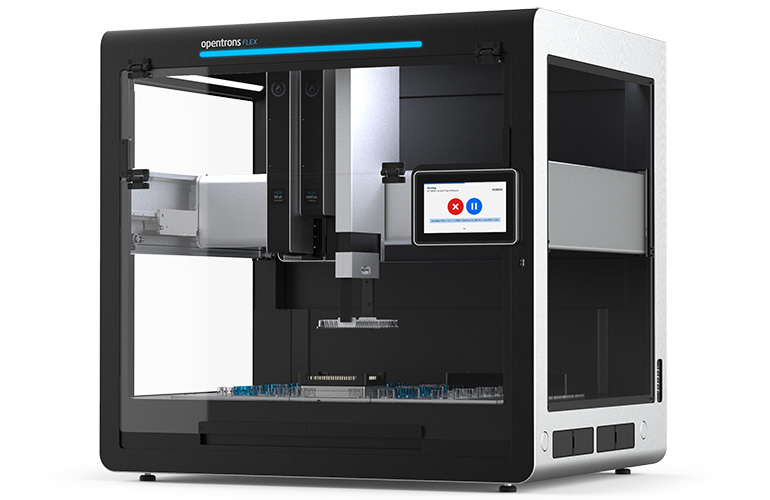
Opentrons launches Compliance Ready Software for Flex lab robots
Opentrons has announced the launch of its Compliance Ready Software, designed specifically for its Flex laboratory robots, which are now deployed in over 10,000 facilities globally. This new software enables these robots to adhere to stringent FDA regulations, enhancing their usability in regulated environments. The introduction of this software is a significant advancement for Opentrons, as it aims to streamline laboratory processes and ensure compliance with industry standards. By integrating this technology, the company seeks to expand the capabilities of its robotic systems, making them more accessible for laboratories that require adherence to strict regulatory frameworks.
Academia / Research Healthcare Robotics Laboratory / Cleanroom News Regulatory & Compliance Laboratory Automation
Pentagon clears 8 tech firms to deploy their AI on its classified networks
The Defense Department has announced new agreements with several major technology companies, including Amazon Web Services, Google, Microsoft, NVIDIA, OpenAI, SpaceX, and Reflection, with Oracle joining the list shortly thereafter. This initiative, revealed in a morning announcement, aims to enhance the Department's capabilities in various technological fields. By collaborating with these industry leaders, the Defense Department seeks to leverage advanced technologies to improve national security and operational efficiency. The partnerships are expected to facilitate the integration of cutting-edge innovations into defense strategies, reflecting a commitment to staying at the forefront of technological advancements.
Networks & Digital Warfare Pentagon AI & Autonomy Amazon anthropic artificial intelligence AI
SoftBank is creating a robotics company that builds data centers — and already eyeing a $100B IPO
Recent developments in the field of artificial intelligence and robotics highlight a reciprocal relationship between these technologies and infrastructure development. As industries increasingly rely on AI and robotics to enhance efficiency and productivity, the need for robust infrastructure becomes paramount. This interdependence was underscored at a recent conference held in San Francisco, where experts gathered to discuss the future of technology and its implications for urban planning and construction. The event, which took place in early November 2023, showcased innovative projects that utilize AI and robotics to streamline the construction process. Speakers emphasized that while advanced technologies can significantly improve infrastructure projects, the existing frameworks must also evolve to support these innovations. This dual requirement is driven by the growing demand for smart cities and sustainable development, prompting stakeholders to rethink traditional construction methods. Participants explored various strategies to integrate AI and robotics into infrastructure projects, demonstrating how these tools can optimize resource allocation, reduce waste, and enhance safety on construction sites. The discussions revealed a consensus that investment in both technology and infrastructure is essential for future growth and resilience in urban environments. As cities continue to expand and face challenges such as climate change and population growth, the collaboration between AI, robotics, and infrastructure development is expected to play a crucial role in shaping the cities of tomorrow. The insights gained from this conference are likely to influence policy decisions and investment strategies in the coming years.
AI robots Softbank
OpenAI’s New GPT-5.5 Powers Codex on NVIDIA Infrastructure — and NVIDIA Is Already Putting It to Work
OpenAI's Codex, an advanced AI coding application, is set to transform knowledge work by enhancing how developers process information, solve complex problems, and generate innovative ideas. This evolution in AI technology aims to streamline workflows and drive innovation across various sectors. With the capabilities of Codex, developers can expect significant improvements in efficiency and creativity, allowing them to tackle more intricate challenges and produce novel solutions. As the technology continues to evolve, it is anticipated that AI will play an increasingly vital role in shaping the future of work, particularly in fields that require high levels of cognitive engagement.
SiaRDFNet: Leveraging Siamese Architecture With ResNet‐DenseNet Fusion for Accurate Root Disease Classification
In May 2026, the Journal of Field Robotics published a significant study examining advancements in autonomous robotic systems. The research, conducted by a team of engineers and scientists, highlights innovative algorithms that enhance navigation and decision-making capabilities in complex environments. This study is particularly relevant as industries increasingly adopt robotics for tasks ranging from manufacturing to disaster response. The findings were presented during a conference held in a major city, where experts gathered to discuss the future of robotics technology. The motivation behind this research stems from the growing need for efficient and reliable robotic solutions to address challenges in various sectors, including logistics and emergency services. By employing advanced machine learning techniques, the researchers demonstrated how these algorithms allow robots to better interpret sensory data and adapt to dynamic surroundings. This breakthrough could lead to more effective deployment of robots in real-world scenarios, ultimately improving operational efficiency and safety. The implications of this research are expected to influence future developments in robotics, paving the way for more sophisticated and autonomous systems.
RESEARCH ARTICLE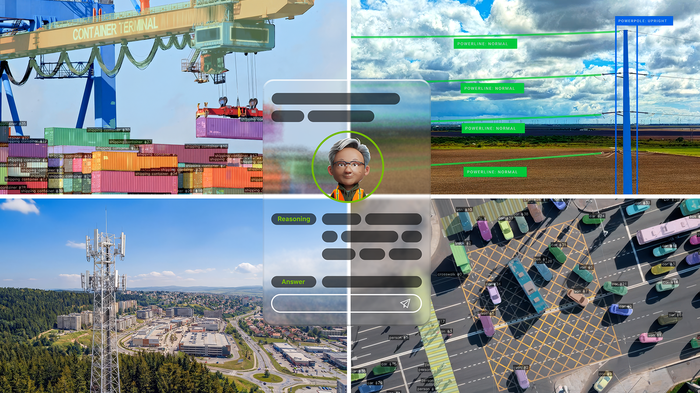
NVIDIA, T-Mobile and Partners Integrate Physical AI Applications on AI-RAN-Ready Infrastructure
NVIDIA and T-Mobile have joined forces with Nokia and a diverse group of developers to advance the deployment of physical AI applications through distributed edge AI networks. This collaboration aims to enhance the capabilities of AI technology by leveraging the strengths of each partner in the ecosystem. The initiative was announced today, signaling a significant step forward in integrating AI into various physical applications. By utilizing distributed edge networks, the partners intend to improve the efficiency and responsiveness of AI solutions, addressing the growing demand for real-time data processing and analysis. This strategic partnership reflects a commitment to innovation in the tech industry, as companies seek to harness the potential of AI in practical, real-world scenarios.

Evaluating Office Relocation Versus Refurbishment for Business Growth
As businesses grow, they often face the decision of whether to relocate to a new office or refurbish their current space. Both options can enhance productivity and employee satisfaction, but they come with distinct advantages and challenges. Factors such as available space, budget, and business objectives play a crucial role in determining the best course of action. Investing in office refurbishment can modernize workspaces without the disruption of moving, allowing for improvements like flexible workspaces, better lighting, and upgraded facilities. These changes can create a more comfortable and professional environment for employees and clients alike. However, it is essential to assess whether the current office is genuinely limiting business operations or if minor adjustments could suffice. Consulting with workplace experts can provide valuable insights into optimizing existing spaces and identifying efficiency opportunities. Staying in the same location allows employees to maintain familiar routines and access to local amenities. However, if refurbishment cannot resolve fundamental issues, relocation may be necessary. No further timeline was disclosed at the time of publication.
Business Infrastructure business operations commercial property employee experience facilities management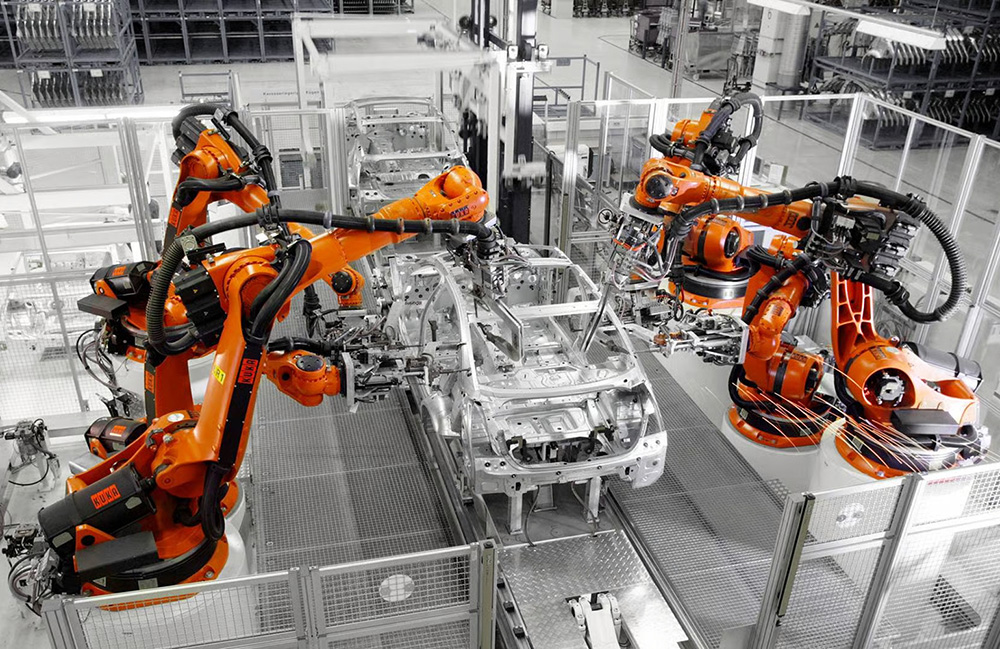
KUKA Addresses Upcoming ISO 10218:2025 Robot Safety Standards and Market Implications
KUKA, a leading robotics provider for the automotive sector, is responding to increasing inquiries regarding the updated ISO 10218 safety standard. This standard, which will become mandatory under the new European Machinery Regulation by 2027, is crucial for CE-marked industrial robots. The transition may be delayed due to weak manufacturing demand and cost pressures on SMEs, raising concerns about supplier readiness. The significance of the ISO 10218:2025 update lies in its potential to enhance the competitive position of established vendors while posing market access risks for less prepared suppliers. The current Machinery Directive will be replaced by the Machinery Regulation EU 2023/1230, effective January 20, 2027. However, the timeline for the formal listing of the new standard in the Official Journal of the European Union remains uncertain, which could impact compliance timelines for manufacturers. In the U.S., the updated R15.06-2025 safety standard, released in September 2025, aligns with international standards but remains voluntary. Despite this flexibility, major customers often require compliance, and non-adherence can lead to penalties. As the European market faces subdued demand, suppliers that effectively manage the transition to the new safety standards will be better positioned to meet the needs of a safety-conscious customer base as demand recovers.
Manufacturing News Opinion Regulatory & Compliance Safety & Security association for advancing automation
SpaceX Launches Starmind Project for 1 Million AI Satellites by 2028
SpaceX has officially named its orbital AI infrastructure project 'Starmind,' which aims to deploy a constellation of up to 1 million satellites. This initiative, confirmed by Elon Musk on June 22, 2026, will enable AI inference directly in space, utilizing solar energy rather than terrestrial power sources. The first satellite, designated AI1, was unveiled on June 8, 2026, and is designed to operate in sun-synchronous orbits. The significance of Starmind lies in its potential to overcome the limitations faced by ground-based data centers, such as land, power, and water constraints. By running AI computations in orbit, Starmind can provide a more efficient solution to the growing demand for AI computing power. The project leverages the existing Starlink infrastructure for data transmission, distinguishing its function from Starlink's internet relay capabilities. Looking ahead, SpaceX plans to begin hardware deployment with the AI1 satellite, while full-scale production and deployment of the satellite constellation are targeted for 2028. As of now, no Starmind satellites have been launched, and further engineering challenges remain to be addressed, particularly regarding the scalability of the satellite design.

Starmind's Satellite Technology Achieves 880 Billion Liters in Annual Water Savings
Starmind has announced that its satellite technology can save approximately 880 billion liters of cooling water annually at full scale. This figure is equivalent to the annual household water use of around 6.5 million Americans. The technology operates by utilizing a closed-loop liquid cooling system that eliminates the need for water during its operational life, contrasting sharply with traditional ground data centers that consume vast amounts of water for cooling. The significance of this achievement lies in the growing water consumption crisis faced by data centers, particularly as AI expansion drives demand. In 2025, U.S. data centers consumed nearly one trillion liters of water, highlighting the urgent need for sustainable solutions. Starmind's approach not only addresses direct water usage but also avoids indirect water consumption associated with electricity generation, marking a substantial shift in how computing can be conducted in a resource-efficient manner. Looking ahead, Starmind's deployment strategy includes a projected buildout of 100 GW of orbital compute per year, which could displace an additional 735 billion liters of ground water demand annually. The first tranche of 10,000 satellites is already operational, offsetting approximately 8.8 billion liters of water per year. No further timeline was disclosed at the time of publication.
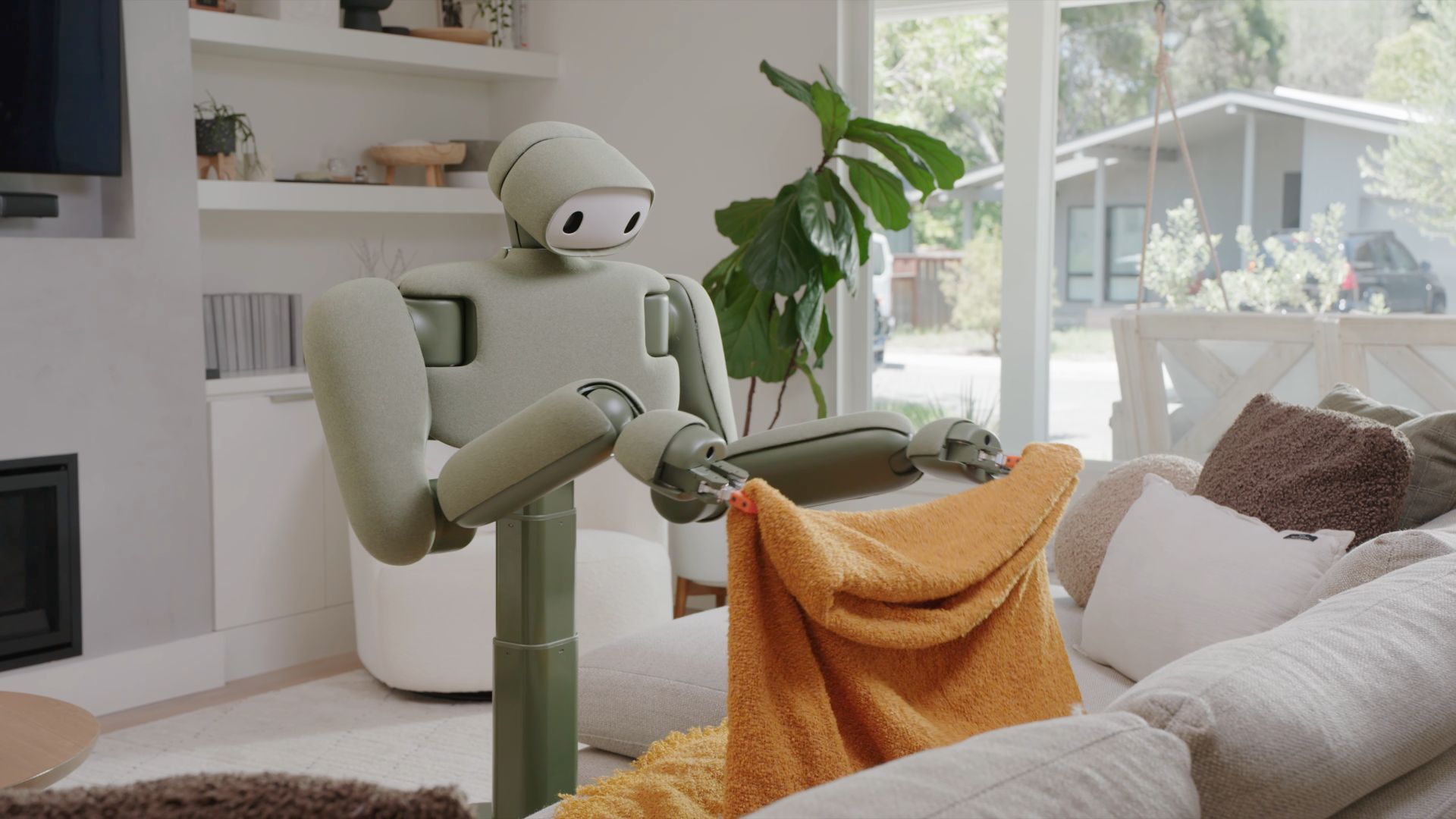
Watch: From laundry to making your bed, Isaac 1 humanoid robot is ready for house chores
Weave Robotics, a company based in the United States, has introduced Isaac 1, an innovative wheeled mobile home robot aimed at automating various household tasks. The unveiling took place recently, showcasing the robot's capabilities to enhance efficiency in daily chores. Designed with advanced technology, Isaac 1 is intended to assist homeowners by performing tasks that typically require manual effort, thereby allowing individuals to focus on more important activities. The launch reflects a growing trend in robotics aimed at improving quality of life through automation in domestic settings.
AI and Robotics
Danish robotics startup enters the industrial truck market already crowned a winner
The Mobile Robot Company has been awarded the prestigious IFOY Industrial Truck of the Year Award for 2026, recognizing its innovative self-driving pallet jack. This advanced technology is designed to enhance operational efficiency in warehouses by automating repetitive transport tasks while allowing operators to maintain control over the process. The award highlights the company's commitment to improving logistics and warehouse management through automation. The recognition comes as the industry increasingly seeks solutions that balance automation with human oversight, addressing the growing demand for efficiency in supply chain operations.

KUKA brings hands-on industrial automation to the classroom
KUKA is enhancing its educational initiatives by focusing on technical training in automation at vocational schools and universities. The company is introducing modular robot learning cells and AI-supported applications to facilitate hands-on training, enabling educational institutions to effectively incorporate industrial automation into their curricula. This initiative aims to provide students with a clear, application-oriented understanding of modern production environments, ensuring they are well-prepared for future workforce demands. By investing in these educational resources, KUKA seeks to bridge the gap between academic training and industry requirements, fostering a new generation of skilled professionals in automation.
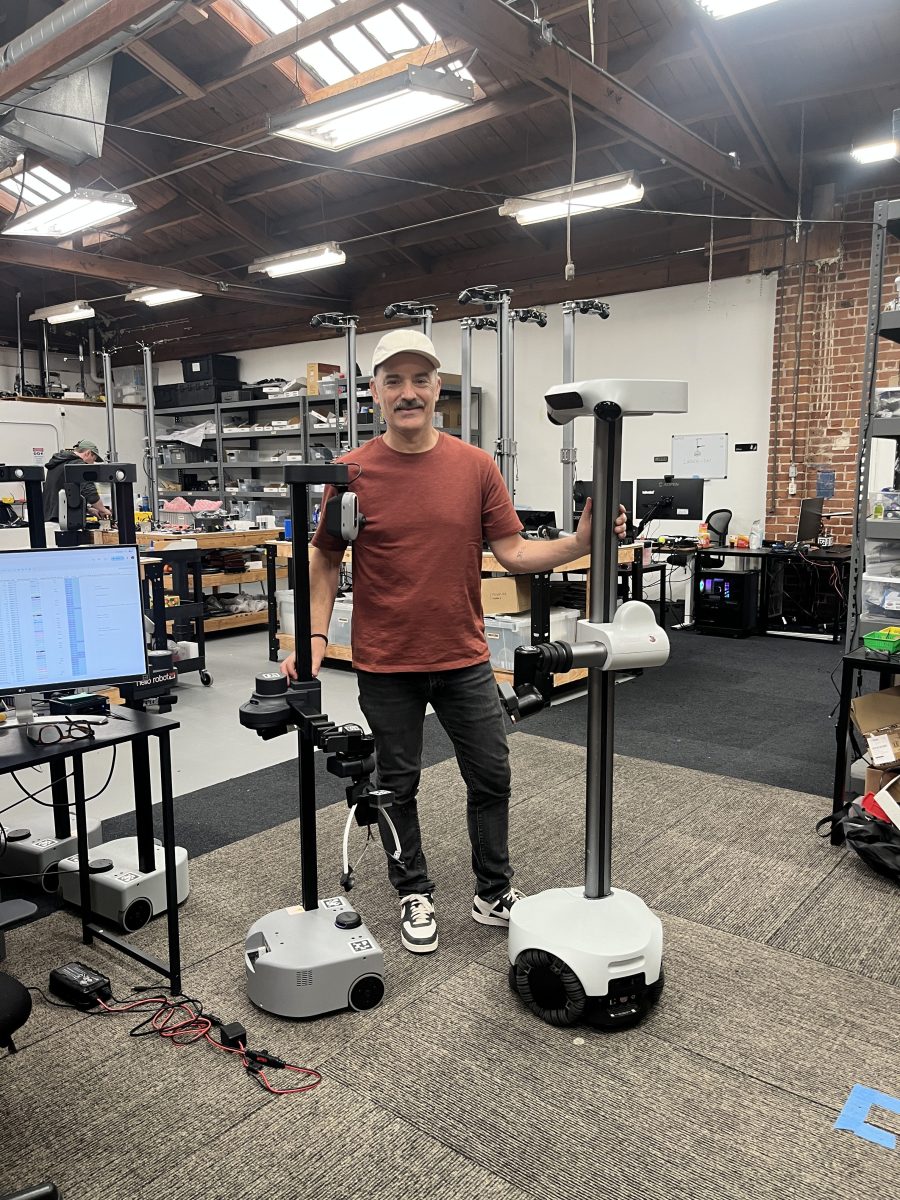
Is Silicon Valley ready to put robots in people’s homes? Hello Robot is.
A California-based startup has unveiled the fourth generation of its home assistance robot, Stretch. This latest model was introduced to the public in October 2023, showcasing advancements in technology aimed at enhancing household efficiency. The robot is designed to assist with various tasks around the home, reflecting the company's commitment to improving daily living through innovative automation solutions. The launch event highlighted the robot's upgraded features, which include improved mobility and enhanced user interaction capabilities, making it a more effective tool for homeowners. The development of Stretch is part of a broader trend in the tech industry, where companies are increasingly focusing on smart home devices to meet the growing demand for convenience and support in everyday life.
AI Robotics Startups Exclusive hello robot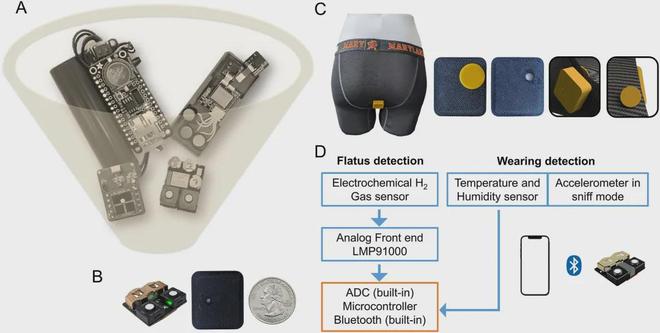
Is 32 Times Flatulence a Day Normal? Scientists Invent 'Smart Underwear' to Create a 'Human Flatulence Map' with 3,500 People Already in Line
Researchers at the University of Maryland have unveiled a new type of 'smart underwear' capable of measuring flatulence, a development that has garnered significant public attention. Their research indicates that healthy adults typically experience an average of 32 flatulence episodes per day, which is double the previously accepted estimates. This innovative project aims to create a detailed map of human gut activity, providing insights into digestive health. The high level of interest in the product has resulted in a long waiting list, reflecting the growing curiosity surrounding gut health and its implications for overall well-being.
Smart Wearables Health Monitoring Gut Microbiome Biotechnology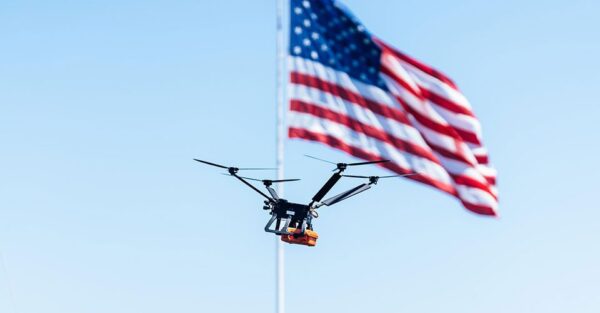
How DHS Is Helping World Cup Host Cities Get Counter-UAS Ready Before FIFA 2026
The Department of Homeland Security (DHS) is enhancing security measures in cities hosting the FIFA World Cup 2026 by providing guidance on counter-drone technology. As part of a broader initiative to establish effective counter-unmanned aerial systems (UAS) protocols, the DHS aims to protect high-profile sporting events and critical infrastructure from potential threats posed by drones. This effort is crucial as the tournament approaches, ensuring that host cities are adequately prepared to mitigate risks associated with careless or hostile drone activity. The collaboration underscores the importance of safeguarding public safety during major international events.
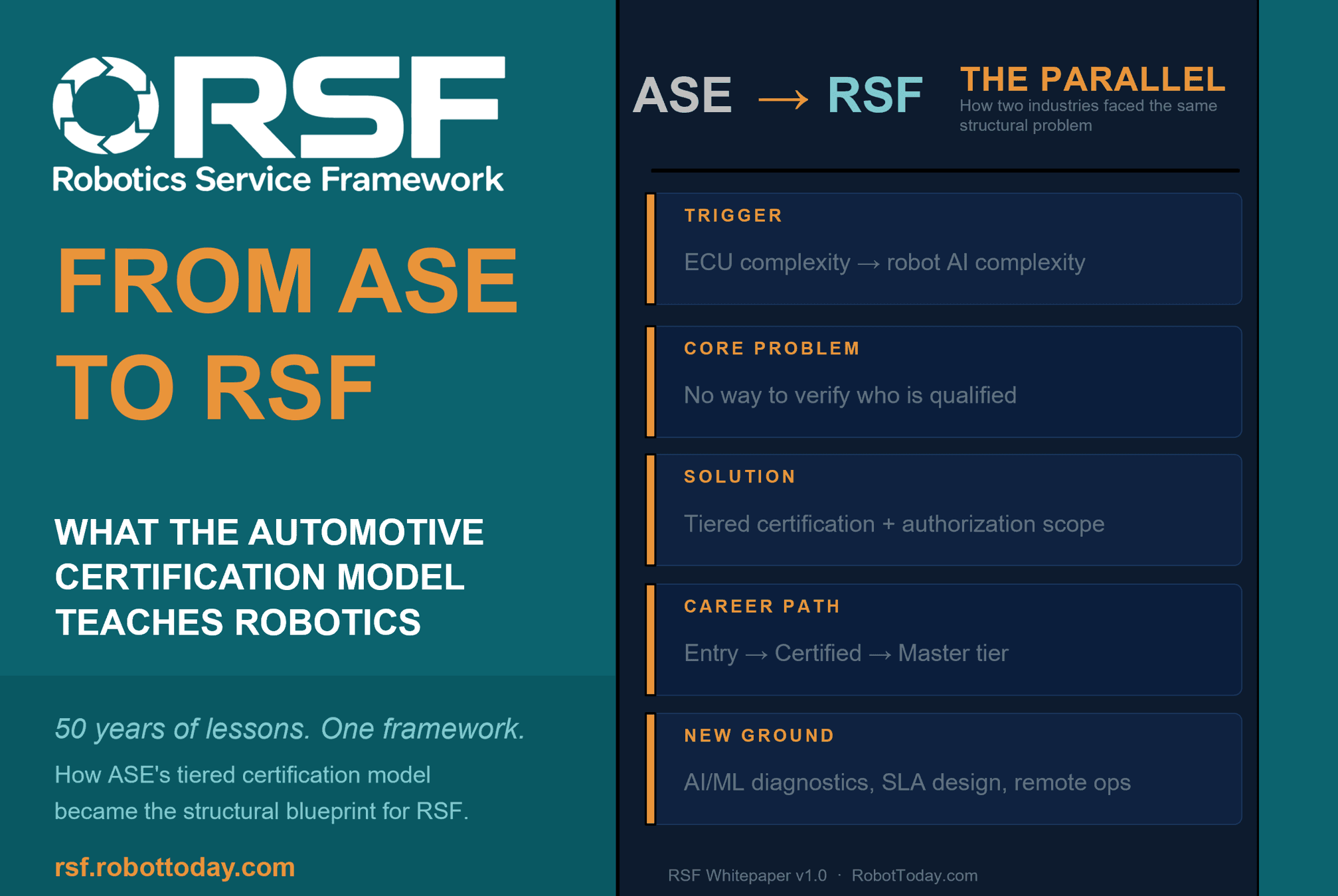
Defense DHS Drone News Drone News Feeds Drones in the News NewsRobotics needs a service framework.
RSF defines a common language for robot service capability, lifecycle operations, certification pathways, and service-provider networks.