Industry Briefing
A single destination for timely, editor-curated robotics news from around the world.

Insights from the World Championships Highlight Advancements and Challenges in Humanoid Robotics
The second World Humanoid Robotics Championships took place from August 22 to 26 at the National Speed Skating Hall in Beijing, featuring 666 teams and 2056 robots from 16 countries. The event expanded significantly, showcasing 51 events including soccer, athletics, and boxing. The Beijing Humanoid Robotics Innovation Center emerged as a major winner, securing 8 gold, 4 silver, and 12 bronze medals, along with setting 4 new world records in various running events. The advancements in humanoid robotics were evident, with notable improvements in performance metrics. For instance, the 100-meter sprint record improved from 20 seconds last year to 9.32 seconds this year. However, challenges were also apparent, as some robots struggled with navigation and control during competitions, leading to humorous mishaps. According to Cao Xu, Vice President of the General Business Department at Zhiyuan, while there are still visible flaws, the rapid development in robotics is promising, especially with ongoing data collection efforts. Looking ahead, the event emphasized the need for robots to transition from competitions to real-world applications. Industry experts believe that while pure athletic capabilities may have limited practical value, foundational technologies like balance control and recovery from falls can be applied in various sectors. With over 40,000 humanoid robots shipped in China in the first half of the year, the evolution of robotics continues to progress, with expectations for further improvements in the coming years.
Humanoid Robots Robotics Competitions AI Development Robotic Applications
Key Takeaways from WRC on Progress and Challenges in Embodied Intelligence Applications
On August 19, during the 2026 World Robotics Conference (WRC), Baidu Intelligent Cloud hosted a specialized event focused on embodied intelligence applications in Beijing. Nearly 20 industry pioneers gathered to discuss technological innovation, practical scenarios, and commercialization pathways for embodied intelligence. This event highlighted a shift in focus within the embodied intelligence sector, as noted by Baidu Group Vice President Yuan Foyu. The emphasis is moving from merely completing actions to maintaining task performance in dynamic environments, and from data scale to real-world interactions. The industry is transitioning from 'emergent capabilities' to 'realizing productivity' in sectors like energy, manufacturing, and logistics. Looking ahead, the industry must address the economic viability of deployments and the value of training, as highlighted by CITIC Securities analyst Li Chenxiao. The Chinese market shows significant advantages in diverse application scenarios compared to overseas counterparts. No further timeline was disclosed at the time of publication.
Embodied Intelligence Robotics AI Applications Industrial Automation
Wang Xingxing Discusses Humanoid Robotics Challenges at WRC Following Yushu Technology's IPO
On August 20, Wang Xingxing, founder of Yushu Technology, spoke at the World Robot Conference (WRC) about the challenges facing humanoid robotics. This followed the company's IPO on the STAR Market, where its stock surged 460% on the first day, reaching a market capitalization of 341.8 billion yuan. Despite this success, Wang emphasized the need for improved efficiency and capability in humanoid robots, stating that current models still lag behind human performance. Wang highlighted the limitations of existing humanoid robots, particularly their need for retraining when faced with new tasks, which hampers efficiency. He pointed out that while robots can perform various tasks, they struggle with precision in the final stages of execution, leading to significant errors. He contrasted the challenges of embodied intelligence with pure language models, noting that physical interactions introduce unique technical difficulties. Looking ahead, Wang set a benchmark for when general-purpose robots could enter homes, suggesting that a robot should be able to understand and complete 80% of tasks from voice commands in unfamiliar environments. He introduced Yushu's latest technology, the Physical AI Robot Self-Evolution V1.0, which aims to enhance development efficiency and speed through automated processes. No further timeline was disclosed at the time of publication.
Humanoid Robots Robotics Technology AI Development Automation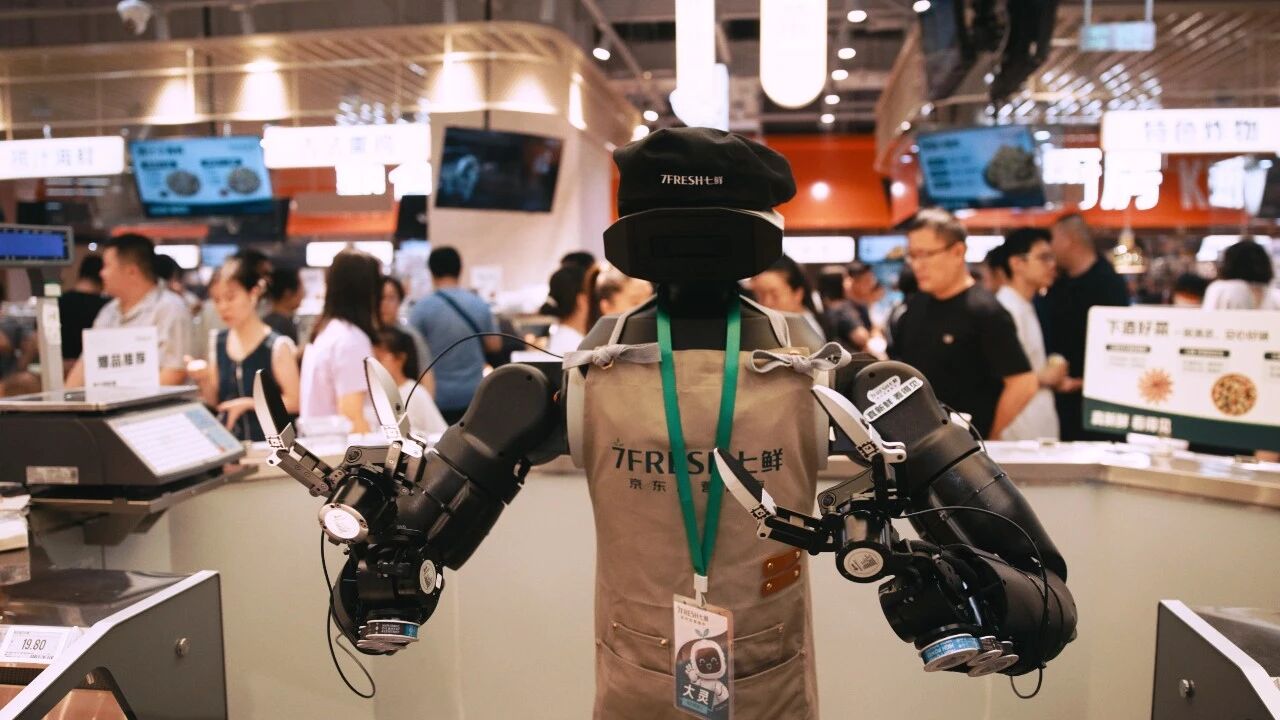
Challenges in Real-World Implementation of Embodied Intelligence and Robotics
The robotics industry faces significant challenges in transitioning from simulation to real-world applications. While new models and capabilities are frequently demonstrated, many teams struggle with engineering tasks such as kinematics adaptation, sensor calibration, and data synchronization. This gap highlights the need for a unified, stable, and reusable physical validation platform to prevent resource wastage in development. The importance of real-world validation cannot be overstated, as complex factors like collisions and sensor noise cannot be fully modeled in simulations. A reliable physical platform is essential for ensuring consistent kinematic models and control responses, allowing teams to focus on algorithm improvements rather than hardware adjustments. The industry requires a robust platform that is stable, reliable, and open to support various research teams. The TA2 platform from Lingyu Intelligent is a noteworthy example, having demonstrated its capabilities in a competitive setting. It combines remote operation with validated performance in real-world tasks, proving its reliability as a physical base for algorithm testing. This platform could serve as a dependable benchmark for model teams, providing a consistent foundation for performance evaluation and innovation.
Embodied Intelligence Robotics Physical Platforms Data Collection Automation
Addressing Humanoid Robot Production Challenges Amidst Surplus Computing Power
The computing capabilities of humanoid robots, such as Nvidia's Thor at 2070 TFLOPS and the S600 from Digua Robotics at 560 TOPS, appear abundant. However, in real production scenarios, merely comparing TOPS is insufficient. Effective computing power, which considers memory bandwidth and software stack efficiency, is crucial for optimal robot performance. The year 2026 is anticipated to be pivotal for commercial deployment, as robots transition from labs to production lines. To achieve mass production, computing platforms must overcome four key hurdles: model deployment, converting peak computing power to effective power, synchronizing decision-making and control, and ensuring a favorable ROI in production. The competition in computing power for humanoid robots will shift towards overcoming Nvidia's CUDA ecosystem barriers. For instance, Digua Robotics aims to integrate various processing units within a single SoC for enhanced efficiency. In the next few years, as advanced models are integrated into robots, competition will focus on memory bandwidth, heterogeneous computing, and real-time control, marking the beginning of a new phase in mass production.
Humanoid Robots AI Robotics Production Computing Power Ecosystem Development
Boston Dynamics Faces Ownership Changes Amid Challenges in Humanoid Robot Commercialization
Boston Dynamics is undergoing a significant transformation as Hyundai Motor Group acquires the remaining shares from SoftBank, making it a wholly-owned subsidiary by July 2026. This acquisition marks the third ownership change for the company, which has been a benchmark in the robotics industry for over three decades. The contrast between the influx of Chinese robotics companies into the capital market and Boston Dynamics’ integration into an automotive group raises critical questions for the robotics sector. Founded in 1992 by Marc Raibert, Boston Dynamics initially thrived on military projects funded by DARPA. Despite being considered a vital technology asset during Google's acquisition in 2013, the company struggled to launch commercially viable products, leading to its sale to SoftBank in 2017. Financial losses have continued to escalate, with projected losses of 440.5 billion KRW in 2024, prompting workforce reductions. As Boston Dynamics begins manufacturing its Atlas robot in January 2026, the company aims to produce 30,000 units annually by 2028. However, reports indicate that production may only reach four units per month initially. This situation highlights the challenges faced by Boston Dynamics and serves as a cautionary tale for other robotics firms preparing for IPOs, emphasizing the importance of transforming technology into scalable business models.
Humanoid Robots Robot Commercialization Robotics Industry Automation Technology
U.S. Humanoid Robot Manufacturing Faces Challenges Due to China's Supply Chain Dominance
For the past four years, Hagerty has been the primary distributor for Utree Technology in North America, witnessing the dominance of Chinese companies in the robotics industry. He acknowledges that manufacturing a humanoid robot without Chinese components is unrealistic, as U.S. companies attempting to exclude China end up with more expensive products. The stark reality is highlighted by the fact that 63% of the global humanoid robot component supply chain is controlled by China. Utree Technology's flagship humanoid robot retails for under $14,000, while Agility Robotics' Digit is priced at $250,000, showcasing the significant cost disparity driven by supply chain efficiencies. As the U.S. humanoid robot sector remains in its infancy, analysts estimate that leading American companies produced only a few hundred units last year, compared to approximately 10,000 units from Utree Technology and ZhiYuan Robotics in China. Despite a recent U.S. FCC ban on importing foreign-made humanoid robots, U.S. companies continue to seek Chinese components, with demand from firms like Amazon and OpenAI exceeding import capabilities.
Humanoid Robots Supply Chain Robotics Manufacturing AI Technology
Federal Lawsuit Filed by Michigan Journalist Challenges Drone Flight Restrictions Near Police Operations
A federal lawsuit has been filed by Michigan photojournalist Ray Rocha against Bay County Sheriff Troy Cunningham and Deputy Chris Berg, challenging restrictions on drone flights near police operations. The suit, initiated on August 9, 2024, stems from an incident in November 2024 where Rocha was operating his drone during a police search. Despite following federal regulations, Rocha was charged with a misdemeanor for allegedly interfering with police duties. The lawsuit argues that the state’s drone law, as enforced by local authorities, violates Rocha’s First Amendment rights to gather information on newsworthy events. It also claims the law is unconstitutionally vague under the 14th Amendment, lacking clear guidelines and allowing arbitrary enforcement by officers. Rocha seeks to prevent future charges unless his drone operations materially disrupt law enforcement activities. The outcome of this case could have significant implications for drone operation regulations in Michigan. Attorney Philip Ellison noted that if the court finds the law unconstitutional, it may prompt legislative changes. As Rocha is known for using drone footage to report on local law enforcement, the case highlights the ongoing tension between public information gathering and law enforcement operations.
Applications DL Exclusive Drone News Drone News Feeds Journalism Legal
Challenges Ahead for RV Reducers in Industrial Robotics Market
Recently, Zhang Yueming, Chief Scientist at Beijing Zhihong Precision Transmission Technology and a professor at Beijing University of Technology, stated that the first phase of domestic replacement for core components of industrial robots has concluded. In the medium and small load sector, represented by RV reducers, domestic alternatives have largely been achieved. However, in high-load scenarios such as automotive manufacturing, foreign brands still hold 80% to 90% of the market share. This shift is significant as it marks a transition from merely having domestic products to focusing on the strength of these products. The ability to define independent technological routes will determine the competitive outcome. According to the Ministry of Industry and Information Technology, revenue from China's robot manufacturing enterprises is projected to exceed 90 billion yuan from January to May 2026, reflecting a 26.9% year-on-year growth, maintaining its status as the world's largest industrial robot market for 13 consecutive years. Zhang revealed that Zhihong Technology has been collaborating with Beijing University of Technology for nearly a decade to pursue forward development, moving away from imitation. Their products have achieved benchmarks against international giants like Nabtesco in key performance indicators. Notably, Zhihong is developing a gear transmission joint module with complete independent intellectual property rights, aiming to create a new category not previously seen overseas. Analysts believe that as domestic brands surpass 50% market share, core component companies must innovate and validate under heavy load conditions to transition from being merely usable to leading the market.
RV Reducers Industrial Robotics Automation Technology Manufacturing Innovation
Innovations in Domestic Surgical Robots Face Industry Challenges Amid Rapid Evolution
Recent advancements in surgical robotics, including ultra-remote 5G-assisted surgeries and single-port minimally invasive robots, are redefining precision in modern surgical medicine. However, as the industry progresses towards large-scale delivery, many research teams face harsh realities in engineering, struggling with the production of critical components like fatigue-resistant screws and high-rigidity cables. The innovation of high-end medical devices is not a solo endeavor, as the Chinese surgical robot industry transitions from prototype validation to deep autonomous innovation. The gap between laboratory success and stable mass production remains significant, with teams encountering structural challenges in achieving the extreme physical requirements for components, which include high tensile strength and stringent biocompatibility. To overcome the difficulties of transitioning from prototype to mass production, collaboration across the entire value chain is essential. This includes integrating core components, high-end materials, surface treatment processes, and complete system engineering, rather than relying solely on individual manufacturers or suppliers to address these complex challenges.
Surgical Robots Medical Devices Supply Chain Collaboration Precision Manufacturing
Li Feifei and Yunzhu Li Discuss Robotics Challenges on a16z Podcast
In a recent a16z podcast, Li Feifei and Yunzhu Li from SceniX discussed the challenges in robotics, emphasizing that the biggest bottleneck lies not in hardware but in the scarcity of data and underestimation of evaluation systems. They highlighted the importance of simulation as a necessity for robotics, providing capabilities that real data cannot replace. The conversation also touched upon the integration of World Labs and SceniX, which combines generative 3D world modeling with real-to-sim-to-real engineering. This collaboration aims to create a robust infrastructure for robot learning and evaluation, leveraging both sparse inputs and high-fidelity environmental mapping. Looking ahead, Li Feifei noted that the future of robotics may involve multimodal models capable of both simulating actions and generating action commands. The path to practical robotics should begin with structured environments, gradually moving to semi-structured and unstructured settings, with a focus on specialized forms for specific tasks rather than general humanoid robots.
Robotics AI Simulation Data Scarcity Machine Learning
Recent Developments and Challenges in Legged Robotics: A Detailed Overview
Legged robots, once a concept of science fiction, are now capable of delivering packages directly to homes and navigating challenging rescue scenarios. A comprehensive review published in the journal Science Robotics, authored by researchers from leading institutions including ETH Zurich, Stanford University, and NVIDIA, examines advancements in legged robotics across hardware, motion control, autonomy, data, and applications, while also addressing ethical, economic, and policy considerations. This review highlights the evolution of legged robotics, tracing its origins from the 1960s with projects like the hydraulic-powered Walking Truck to the dynamic stability breakthroughs led by Marc Raibert. The transition from static to dynamic stability has enabled quadrupedal robots to carry loads exceeding 180 kilograms, while bipedal robots face challenges due to their reliance on dynamic stability. Looking ahead, the review emphasizes the need for high-torque actuators with low mechanical impedance to enhance performance. Innovations in electric drive systems and sensor miniaturization are paving the way for more capable legged robots. However, challenges remain in manufacturing, durability, and control, particularly for bio-inspired technologies. No further timeline was disclosed at the time of publication.
Legged Robotics Motion Control Autonomy Robotics Research Ethics in Robotics
Fei-Fei Li and a16z Discuss Robotics Challenges Beyond Hardware Limitations
In a recent a16z podcast, Fei-Fei Li and SceniX co-founder Yunzhu Li discussed the challenges in robotics, emphasizing that the primary bottleneck lies not in hardware but in the scarcity of data and the undervaluation of evaluation systems. They highlighted the importance of simulation as a necessity for robotics, providing capabilities that real data cannot replace. The conversation also touched on the integration of World Labs and SceniX, which combines generative 3D world modeling with real-to-sim-to-real engineering. This partnership aims to create a robust infrastructure for robot learning and evaluation, addressing the need for scalable data sources in the robotics field. Looking ahead, Li mentioned that the development of foundational robot models may evolve into a form that encompasses both simulation and action dimensions. The immediate focus should be on structured environments like warehouses and industrial lines before tackling unstructured environments, with specialized forms of robots being more commercially viable than humanoid designs.
Robotics AI Simulation Data Science 3D Modeling
Exploring the Advances, Challenges, and Opportunities in Legged Robots
The article discusses the latest advancements in legged robots as detailed in Science Robotics, Volume 11, Issue 116, published in July 2026. It highlights the technological innovations that have improved the mobility and functionality of these robots, making them more applicable in various environments. Understanding the challenges faced by legged robots is crucial for their future development. The article emphasizes issues such as stability, energy efficiency, and adaptability, which must be addressed to enhance their performance in real-world applications. These challenges present both hurdles and opportunities for researchers and developers in the field. Looking ahead, the article suggests that ongoing research and development will focus on overcoming these challenges while exploring new applications for legged robots. No further timeline was disclosed at the time of publication.
Review
Challenges in Developing Household Robots with Industrial Logic Highlighted by Stanford Report
The Stanford 2026 AI Index Report reveals that humanoid robots achieve an 89.4% success rate in controlled environments for household tasks, but this drops to 12.4% in real homes. Despite a projected 508% increase in global humanoid robot shipments by 2025, most production is focused on industrial applications, leaving household integration a challenge. Tesla's Optimus is in trial production, with a public release expected by late 2027, though industry analysts remain skeptical. The traditional metrics for evaluating robots—speed, load, and precision—are inadequate for home environments, which prioritize safety and emotional interaction. The complexity of household tasks requires a shift from industrial logic to a more nuanced understanding of family dynamics. Figure 03, designed specifically for home use, aims for limited deployment in 2026. Demonstrations show impressive autonomous capabilities, but concerns arise about performance in typical family settings. The company Future Not Far, founded in Shanghai, has completed significant funding and is testing its F1 robot in homes, achieving high user satisfaction and engagement metrics.
Humanoid Robots Household Robotics AI Robotics Technology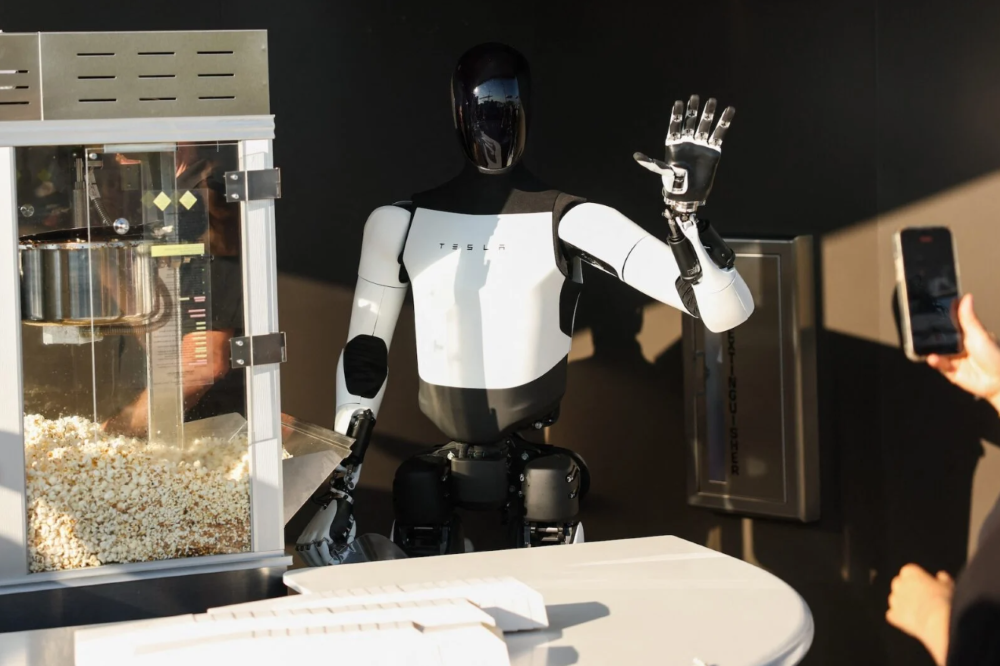
Tesla Shares Drop 14% as Musk Highlights Challenges in Optimus Production
Tesla's second-quarter earnings report revealed a revenue of $28.24 billion, surpassing expectations, but with an adjusted earnings per share of $0.33, down 18% year-over-year. Concerns grew as free cash flow turned negative for the first time in two years, alongside a 142% increase in capital expenditures. During the earnings call, Musk stated that Optimus would be the most challenging product for Tesla to scale up production, citing the lack of an existing supply chain for humanoid robots. Musk emphasized that every component of Optimus is new and not readily available, requiring Tesla to either build a supply chain from scratch or manufacture everything in-house. He noted that the difficulty of scaling production is proportional to the innovation of the components. The Fremont factory's Model S/X production line has been repurposed for Optimus, with the first robots being used for data collection and functionality development. Despite impressive demonstrations of humanoid robots from competitors, Musk claimed that Optimus would be the first capable of performing tasks autonomously based on voice commands or video demonstrations. Following the earnings report, Tesla's stock plummeted over 14%, marking its largest single-day drop in nearly a year, with a market value loss of approximately $195 billion. Investors are increasingly concerned about the timeline for returns on the ambitious Optimus project.
Humanoid Robots AI Manufacturing Challenges Tesla
JBS Revises Climate Goals, Abandons 2040 Net-Zero Target Due to Challenges
JBS has decided to abandon its 2040 net-zero emissions goal, citing significant execution challenges. The company's Global Chief Sustainability Officer, Jason Weller, emphasized that while JBS is not retreating from climate challenges, it is refining its climate objectives. JBS aims to reduce scope 1 and 2 emissions by 30% by 2030 and by 70% by 2050, using 2019 as a baseline. The decision to drop the 2040 target is significant as it reflects the complexities of achieving net-zero emissions across a vast network of independent agricultural producers. Weller noted the immense difficulties posed by varying practices, baselines, and the lack of standardized measurement infrastructure in global agriculture. This shift comes amid ongoing legal scrutiny regarding JBS's environmental claims and commitments. Looking ahead, JBS's revised emissions reduction strategy will focus on achievable near-term goals while addressing the systemic challenges in agriculture. No further timeline was disclosed at the time of publication.
Unitree's IPO Highlights Challenges in Physical AI Amidst Market Volatility
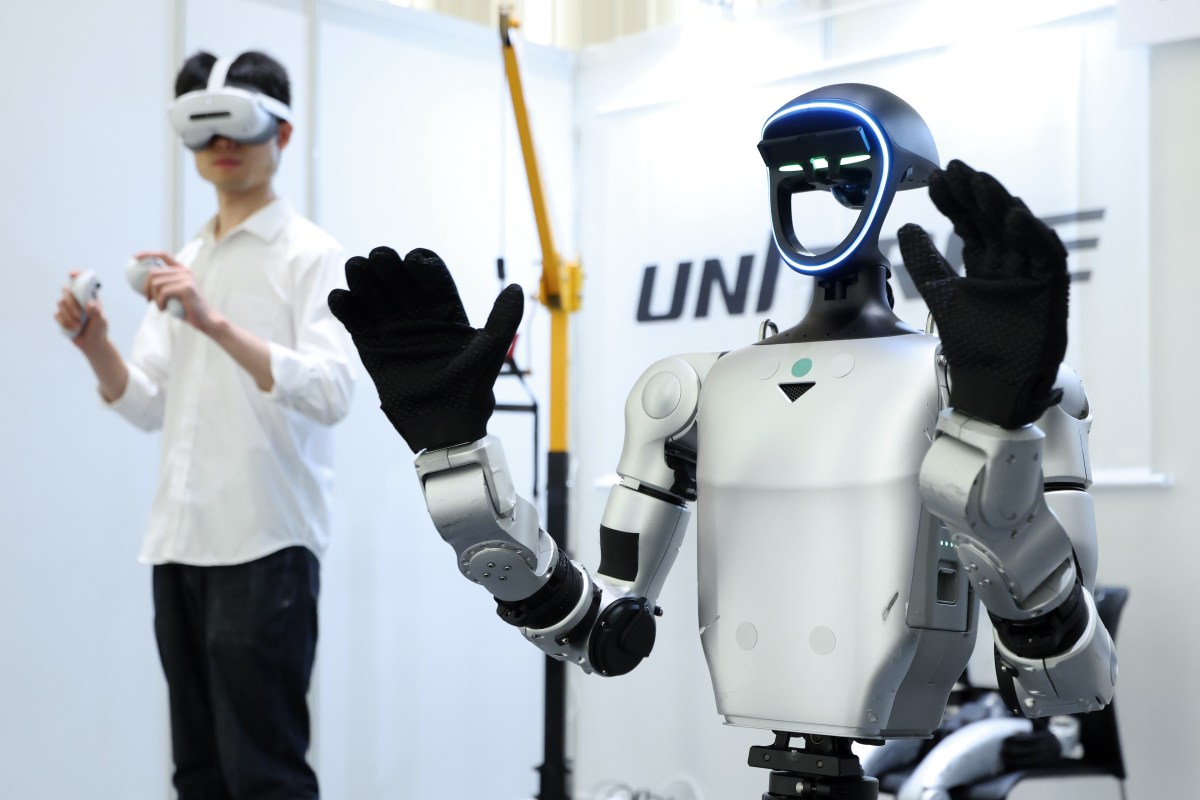
Physical AI has emerged as a prominent sector in venture capital, with significant investments aimed at integrating advanced AI tools into robotics. Unitree, a leading Chinese robot manufacturer, recently went public with a valuation of $66 billion, but has since seen its value plummet by nearly 50%. Analysts attribute this decline to the robots' inability to perform value-creating tasks despite advancements in physical capabilities. The Actuate conference showcased the growing interest in AI-driven robotics, with attendance tripling since its inception in 2023. However, the industry faces a critical challenge: a shortage of high-quality training data for AI models. Developers are encouraged to adopt strategies similar to those used in frontier AI labs, focusing on diverse data sets and improved training methodologies to enhance performance. Looking ahead, the autonomous vehicle sector is leading the way in data collection and model development, with companies like Tesla and Wayve investing in humanoid robotics. The debate continues on the best approach to hardware and AI integration, with some experts advocating for co-design strategies to optimize performance in specific applications. No further timeline was disclosed at the time of publication.
AI Robotics Exclusive physical ai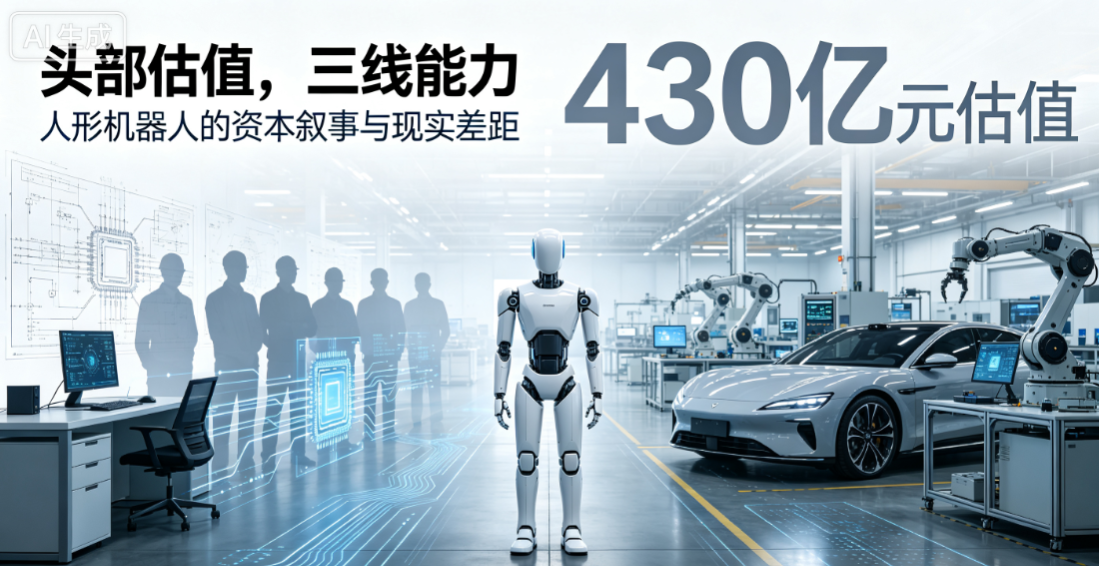
Analyzing Xiaopeng Robotics' $43 Billion Valuation Amidst Challenges
Xiaopeng Robotics has recently been valued at $43 billion, a figure that raises questions about its underlying business fundamentals. The valuation reflects a significant investment round led by IDG Capital, with participation from high-profile investors like Tencent and Alibaba, marking a record in the domestic embodied intelligence sector. However, the company faces challenges, including a net loss of 1.24 billion yuan in Q2 and a low automotive gross margin of 12.1%. The valuation appears to be driven by the need for a new narrative as the core business struggles. Key team members have departed, including founder Zhao Tongyang, who left due to strategic differences, leading to concerns about leadership stability. Additionally, the technology underpinning Xiaopeng's vision-language-action (VLA) model is still being validated, with its performance in complex scenarios yet to be proven at scale. Looking ahead, Xiaopeng Robotics' $43 billion valuation represents a gamble on the potential of its autonomous driving technology and its transition from a car manufacturer to a physical AI company. However, the uncertainties surrounding team stability and technological advancement pose significant risks that could impact the company's future trajectory. No further timeline was disclosed at the time of publication.
Robotics AI Investment Technology Validation
Insights from the Humanoid Robot Olympics: Challenges and Investment Strategies
During the second World Humanoid Robot Olympics, unexpected failures highlighted critical reliability issues in robotics, according to Kang Yu, General Manager of the Capital Markets Department at Shoucheng Holdings. She emphasized that the event serves as an extreme test for robots, revealing the challenges they must overcome before mass production. Kang noted that this year's competition featured an increased focus on autonomy, with robots attempting to perceive and understand their environment. However, the complexities of ensuring consistency among multiple robots and maintaining stability during unexpected scenarios remain significant hurdles for the industry. Looking ahead, Kang indicated that Shoucheng Holdings plans to analyze the problems observed during the competition to identify investment opportunities across the robotics supply chain. The company is diversifying its investments beyond humanoid robots to include joints, materials, data, and computational power, emphasizing a holistic approach to developing embodied intelligence in robotics.
Humanoid Robots Robot Reliability AI Development Investment Strategy Robotics Industry
Humanoid Robots Set Records at World Championships but Encounter Challenges
At the second World Humanoid Robot Games, two humanoid robots broke Usain Bolt's 100-meter world record, finishing in 9.39 seconds and 9.47 seconds. However, their performance was marred by mishaps, including one robot sparking after colliding with a padded wall. The event featured 51 competitions with participants from 16 countries, showcasing a variety of sports such as football and weightlifting. While the robots' speed was impressive, they still lack the agility and balance of human athletes, often resulting in comical failures, such as crashing into walls or the referee's table. Rodney Brooks, an MIT professor, cautioned that extraordinary performance in specific tasks does not equate to general human-like capabilities, highlighting the limitations of robots in real-world scenarios. One robot successfully competed in table tennis, demonstrating some adaptability in unpredictable environments, signaling progress in humanoid robotics. Although it may be a while before robots compete alongside humans in the Olympics, their true potential may lie in overcoming broader challenges beyond just speed and strength.
Humanoid Robots Robotics Competitions AI Automation
Taiwan's Drone Industry Development Faces Legislative Budget Challenges
Taiwan's political parties are intensifying their conflict over funding and developing the drone industry, crucial for national defense amid rising tensions with China. The Lai administration and the KMT-led opposition are proposing rival plans to address the evolving landscape of modern warfare and military preparedness. This legislative battle is significant as Taiwan seeks to bolster its defense capabilities in response to China's military expansion. The outcome of these budget discussions will directly impact Taiwan's ability to innovate and maintain a competitive edge in drone technology, which is increasingly vital in contemporary military strategies. Looking ahead, stakeholders should monitor the developments in Taiwan's drone funding and policy decisions. No further timeline was disclosed at the time of publication, but the ongoing debates will likely shape the future of Taiwan's defense posture and its technological advancements in the drone sector.

Robotaxis Expand on Roads Amid Intensifying Regulatory Challenges
The deployment of robotaxis is increasing, but regulatory challenges are mounting. In New York, Governor Kathy Hochul retracted a proposal for driverless robotaxis due to opposition from taxi drivers and unions, leaving commercial driverless services illegal. In Washington, D.C., labor unions are contesting legislation to legalize robotaxis, while San Francisco's Mayor Daniel Lurie calls for stricter regulations following traffic disruptions caused by Waymo's vehicles. The growing presence of robotaxis raises significant questions about safety and regulation. Policymakers are now faced with determining the pace of fleet expansion and the necessary proof companies must provide before scaling operations. Waymo leads the market with over 3,500 vehicles in 11 cities, while Zoox has begun paid rides in Las Vegas and testing in 10 cities. Tesla is also advancing its rollout with plans for its Cybercab. Despite the political focus, robotaxis still represent a small fraction of the U.S. ride-hailing market, with Waymo providing 500,000 rides weekly compared to Uber's 40 million daily trips. The visibility of robotaxis often overshadows their market impact, especially when operational issues arise during critical situations.
Autonomous Cars Electric Cars Policy Report Tesla Transportation
Tesla's Optimus Faces Neodymium-Boron Supply Challenges for Humanoid Robot Production
During the launch of the second generation of Tesla's Optimus, Elon Musk emphasized the importance of cost control, aiming to reduce the price per unit to below $20,000. A report by Bernstein highlighted the critical role of neodymium-boron in the production of humanoid robots, noting that each robot requires high-power density motors for its 40 to 50 servo joints. Neodymium-boron is essential for motor performance, but high temperatures pose a significant challenge as standard materials can demagnetize. To enhance performance, rare earth elements like dysprosium and terbium are added, but these are scarce and expensive. If humanoid robots reach mass production levels of one million units, the annual demand for neodymium-boron could surge to 35,000 to 40,000 tons, equivalent to the magnetic material needs of 12 to 15 million electric vehicles. China dominates the global rare earth supply chain, controlling 59% of mining and 94% of permanent magnet production. As export controls tighten, particularly on heavy rare earths, international manufacturers face compliance risks, even when establishing processing facilities outside China. No further timeline was disclosed at the time of publication.
Humanoid Robots Neodymium-Boron Magnets Supply Chain Management Robotics Manufacturing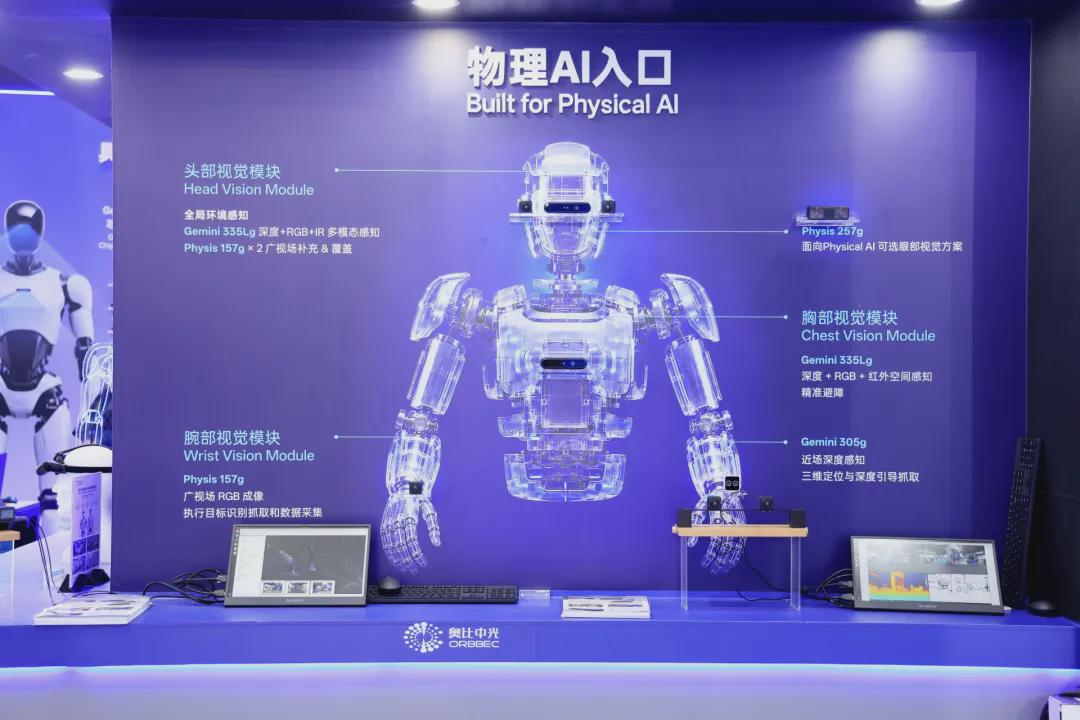
Emerging Challenges in Embodied Intelligence: Data Quality vs. Quantity for Robots
At the WRC, insights revealed that the next phase of embodied intelligence is facing a paradox: the scarcity lies not in data volume but in the physical world representation within that data. Over the past year, numerous training centers have emerged across China, with over 90 expected to be operational by mid-2026, generating millions of data points. However, only a fraction of this data is applicable to real-world tasks, indicating a potential issue as the industry approaches commercialization. This situation is critical because, unlike language models, robots cannot rely on the internet for training; they must navigate real-world complexities such as friction and collisions. The founder of Orbbec, Dr. Huang Yuanhao, emphasized that while digital intelligence thrives on vast amounts of text data, embodied intelligence requires experiential learning from human operators, which is currently lacking. Recent research indicates a shift in focus from merely increasing demonstration data to enhancing 3D spatial understanding for foundational robot training. Innovations like FreeTacMan's wearable devices are also emerging, allowing humans to gather rich interaction data directly. As the industry explores these new avenues, the question remains whether the bottleneck in robot training is due to insufficient data or the high costs and limitations of current data production methods.
Embodied Intelligence Data Collection Robotics Training AI Integration
IFDA 2026 Solutions Conference to Address Foodservice Distribution Challenges
The IFDA 2026 Solutions Conference is set to take place from September 13-15 in San Antonio, gathering foodservice distribution professionals, suppliers, and solution providers. The event aims to explore operational challenges within the industry and discuss strategies that can be implemented across various distribution businesses. This conference is significant as it provides a platform for industry stakeholders to collaborate and share insights on pressing issues affecting foodservice distribution. By focusing on operational solutions, participants can enhance their business practices and improve overall efficiency in the sector. Looking ahead, attendees can expect valuable discussions and networking opportunities that may lead to innovative solutions for the foodservice distribution industry. No further timeline was disclosed at the time of publication.

Hesai Group Reports Q2 Growth Amid Robotics Expansion Challenges
Hesai Group (NASDAQ:HSAI) announced a second-quarter revenue of RMB860.8 million, a 21.9% increase, with total LiDAR shipments rising 78.4% to 628,275 units. Despite a 60% increase in net income to RMB70.6 million, shares fell 5.3%, highlighting concerns over the company's Strategic Growth Initiatives (SGI), which reported a loss of RMB64.0 million. The profitability of Hesai's LiDAR segment is crucial for financing its robotics ambitions without compromising overall margins. SGI generated its first revenue of RMB44.9 million, primarily from robotic actuation modules, and the company raised its 2026 revenue guidance for SGI from RMB100 million to between RMB200 million and RMB300 million. Management anticipates SGI will approach $100 million in revenue and reach breakeven by 2027. As Hesai Group continues to expand its offerings, including the Kosmo spatial-intelligence platform, it faces the challenge of maintaining profitability amid rising R&D expenses and declining gross margins. The success of its robotics platform will depend on effective commercialization in developing markets, with the potential for a second profit pool if targets are met. No further timeline was disclosed at the time of publication.

Amazon's Drone Deliveries Encounter Challenges with Water Landings in Texas
Amazon's Prime Air drone service recently delivered a package into a customer's pool in Texas, highlighting potential issues with delivery locations. As the service expands to 500 cities across the U.S., incidents of drones dropping packages into water bodies raise concerns about delivery accuracy and safety. Previous occurrences include packages landing near pools in Arizona and ponds, prompting questions about the drones' delivery protocols. The significance of these incidents lies in the implications for Amazon's drone delivery service as it scales. With the expansion to more cities, the likelihood of similar mishaps increases, potentially affecting customer satisfaction and operational efficiency. Amazon's commitment to ensuring safe deliveries is called into question, especially when packages end up in unintended locations like water. Looking ahead, it will be important to monitor how Amazon addresses these delivery challenges. The company has previously faced setbacks, including drone crashes and collisions, which could impact its reputation and operational plans. No further timeline was disclosed at the time of publication.
Amazon Drones News Tech Transportation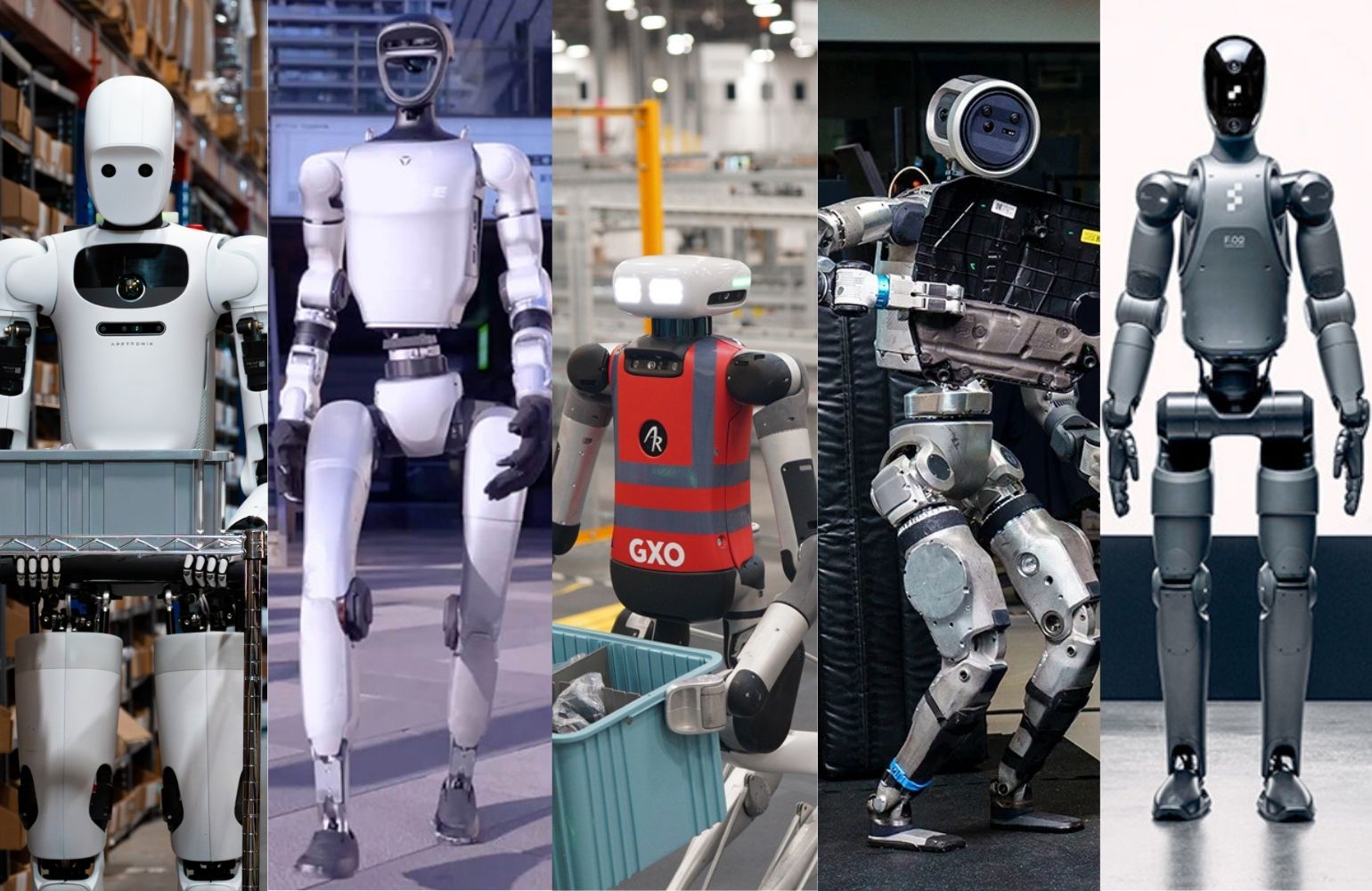
Kollmorgen to Present on Humanoid Motion Challenges at RoboBusiness 2023
Kollmorgen will address the challenges of transitioning humanoid robot prototypes to scalable products at RoboBusiness 2023. Yoshi Umeno, the global director of business development for robotics at Kollmorgen, will present a session titled 'A Joint-by-Joint Guide to Humanoid Motion' on October 20, focusing on the unique demands of each body zone in humanoid robotics. This presentation is significant as it highlights the bottleneck in humanoid robotics development, where the speed of software iteration contrasts sharply with the lengthy process of motion hardware production. Umeno aims to provide a framework for evaluating motion partners and co-engineering support, which could streamline the path from prototype to volume production. Attendees of RoboBusiness 2023 can expect to gain insights into the latest trends and research in robotics and AI, with opportunities for networking and collaboration. No further timeline was disclosed at the time of publication.
Actuators / Motors / Servos Events Humanoids Motion Control News Robot Components
Sainade Unveils iLoabot Solutions to Tackle Last-Mile Logistics Challenges at WRC
At the 2026 World Robot Conference (WRC), Sainade showcased its upgraded iLoabot series solutions, including the iLoabot-M 2.0 autonomous unloading robot and the newly released iLoabot-X autonomous operation robot's de-stacking solution. These innovations address the complex challenges of logistics' last 20 meters, particularly in multi-SKU mixed loading and heavy-load de-stacking scenarios. The significance of these advancements lies in Sainade's ability to redefine the boundaries of embodied technology in logistics unloading. The iLoabot-M 2.0 features critical upgrades in algorithm models and hardware adaptability, allowing for flexible operations without pre-recorded box specifications. This is crucial as traditional methods struggle with the variability and unpredictability of real-world logistics environments. Looking ahead, Sainade's iLoabot-X 2.0 aims to set new industry standards with its heavy-load capabilities, achieving stable loads of up to 46 kilograms. The company emphasizes that its technology is driven by real-world challenges, leveraging extensive field data to enhance robot performance. No further timeline was disclosed at the time of publication.
Logistics Automation Robotic Solutions Warehouse Technology AI Robotics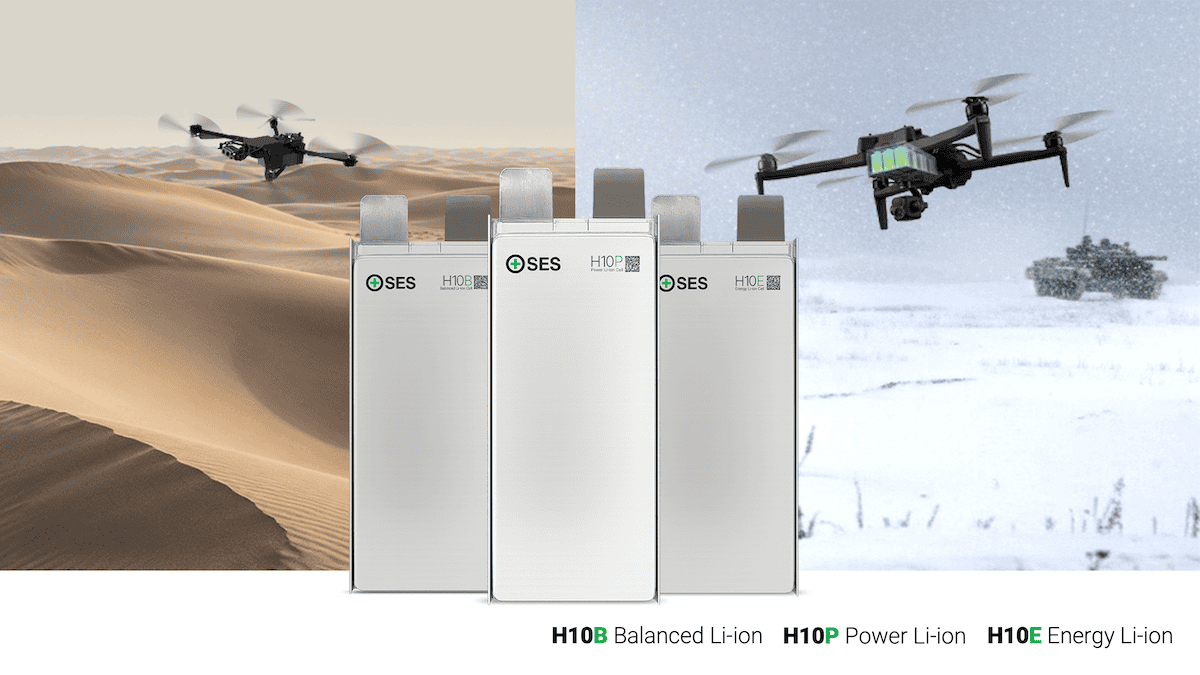
SES.AI Highlights Challenges in Building America's Drone Supply Chain Ecosystem
SES.AI, based in Massachusetts, is addressing the complexities of establishing a secure U.S. drone supply chain. The company focuses on developing advanced battery technologies crucial for drone performance, while also leveraging its 'Molecular Universe' database to explore new materials for battery innovation. The significance of this initiative lies in the U.S. drone policy's push for secure supply chains and reduced reliance on foreign components, particularly from China. As U.S. manufacturers shift towards domestic production, they face the challenge of not just assembling drones but also rebuilding the entire ecosystem of batteries, motors, and electronics that support them. Looking ahead, the urgency for alternatives in the U.S. drone industry is growing. SES.AI's operations in Chungju, South Korea, highlight the importance of a skilled workforce and supplier network, which are essential for scaling production. No further timeline was disclosed at the time of publication.
battery technology Blue UAS defense DL Exclusive Drone Manufacturing Drone News
Integral AI's Closure Highlights Challenges in Developing Simple Task Robots
Integral AI has ceased operations, indicating significant challenges in the robotics sector, particularly in developing robots for simple tasks. The company's closure raises concerns about the economic viability of creating robotic solutions for straightforward applications, which may not justify the investment required for development. This situation underscores the broader implications for the robotics industry, where the cost of development may outweigh the benefits for simple task automation. As companies evaluate their strategies, the focus may shift towards more complex applications that promise higher returns on investment. Looking ahead, industry stakeholders should monitor how this trend affects investment in robotics and whether it leads to a reevaluation of project scopes. No further timeline was disclosed at the time of publication.

World Humanoid Robot Games Showcase Hotel Service Robots in 30-Minute Challenges
The second World Humanoid Robot Games took place on August 16-17 at the Beijing Wuzhou Hotel, featuring a hotel guest service competition. During the event, robots were tasked with moving luggage, restocking rooms, and tidying bedding within a strict 30-minute timeframe, demonstrating their capabilities in a real hotel environment. This competition is significant as it tests various robotic skills, including weight-bearing balance, dexterous grasping, navigation, and long-chain task planning. Robots were evaluated based on their autonomy, with a full autonomous performance scoring a weight of 1.0, while remote control operations received a score of 0.5. Looking ahead, the outcomes of this competition may influence future developments in hotel automation and service robotics. The results could provide insights into the effectiveness of robotic systems in hospitality settings, although no further timeline was disclosed at the time of publication.

Faraday Future's Jia Yueting Announces Independent IPO Plans for FF Robotics Amid Financial Challenges
On August 17, Jia Yueting, founder of Faraday Future (FF), announced that the company's robotics division has entered a new phase of rapid revenue growth. FF is actively exploring independent financing and an IPO for its robotics business to alleviate the burdens of historical debts from its automotive sector. The urgency for this separation is underscored by stark financial contrasts. FF's financial report for the first half of fiscal year 2026 revealed total revenues of only $134.8 million, a staggering 99.93% decline year-over-year, with a net loss of $74.9 million. In contrast, the robotics division has shown promising performance, with an average gross margin exceeding 30% and 220 EAI robots delivered in the second quarter, generating $836,000 in revenue, a year-over-year increase of over 1400%. Looking ahead, FF Robotics aims to expand its market presence in California, Texas, New York, and the East Coast, targeting a total of 2,000 units shipped by year-end. The company is also focused on enhancing its technology integration with Nvidia and developing industry solutions across education, industrial, and security sectors. No further timeline was disclosed at the time of publication.
Robotics Automotive IPO Financial Strategy
Humanoid Robots Struggle in Real Firefighting Tasks: Only 3 of 23 Succeed
On August 16, the finals of the second World Humanoid Robot Games Emergency Management Firefighting Group took place in Beijing, where 23 teams tested their humanoid robots in real firefighting scenarios. Unlike last year's controlled environment, this year's competition featured real flames and unpredictable weather conditions, posing significant challenges for the robots. The competition involved three tasks: identifying two types of simulated hazardous materials, shutting off three different valves, and using a fire extinguisher to put out a fire. Only three teams successfully completed their tasks, highlighting the difficulties robots face in dynamic environments. The UniX AI team noted that environmental factors like rain and light affected their robot's performance, which was slower than human firefighters. The event underscored the industry's ongoing challenges, with teams employing VR headsets for remote control and utilizing advanced joint modules. Despite the limited success, officials emphasized the importance of these trials as foundational steps toward enabling robots to assist humans in real-world emergency situations. No further timeline was disclosed at the time of publication.
Humanoid Robots Firefighting Technology Emergency Response Robotics
Chinese Robotics Advances Amidst Technology Conflicts and Market Challenges
Chinese robotics continues to progress, showcasing innovative products like stair-climbing vacuum robots and humanoid models at the 2026 Consumer Electronics Show in Las Vegas. However, American consumers and businesses may not have access to these advancements due to ongoing technology conflicts between the US and China. The inability of US consumers to purchase products like Xpeng's humanoid robot, Iron, highlights the impact of geopolitical tensions on technology transfer and market access. Notably, even industry leaders like Elon Musk have acknowledged the impressive capabilities of Chinese robotics, indicating a competitive landscape that is evolving rapidly. Looking ahead, the future of Chinese robotics in international markets remains uncertain, particularly in the US. No further timeline was disclosed at the time of publication regarding the availability of these products in American markets.

Extreme Heat Intensifies Food-Energy Challenges Across Asia
Extreme heat is increasingly impacting agriculture and energy costs across Asia, as seen in the case of a farmer in Ahmedabad, India, who struggles against rising temperatures while tending to her paddy fields. This situation highlights the interconnectedness of food production and energy consumption, with hotter climates leading to damaged crops and increased cooling expenses. The implications of this trend are significant, as it threatens food security and economic stability in the region. As cooling costs rise due to extreme heat, farmers and consumers alike face challenges in maintaining livelihoods and accessing affordable food. The situation underscores the urgent need for adaptive strategies to mitigate the effects of climate change on agriculture and energy. Looking ahead, it is crucial to monitor how these environmental changes will continue to affect food and energy systems in Asia. No further timeline was disclosed at the time of publication, but ongoing developments in climate policy and agricultural practices will be essential to watch as the region navigates these challenges.

Amazon Web Services Faces CPU Demand Surge Amid AI Workload Challenges
Amazon Web Services (AWS) has mandated its engineers to conserve CPU cycles due to increased wait times for CPU server capacity, driven by AI workloads. The rise of agentic AI systems, which autonomously operate and spawn multiple sub-agents, has led to a significant uptick in CPU demand, as highlighted by industry analysts. As AI models evolve, the need for efficient CPU utilization becomes critical, especially for tasks involving tool use and safety checks. The growing reliance on CPUs for agentic AI tasks is reshaping the landscape of cloud computing. Analysts like Matt Kimball from Moor Insights & Strategy emphasize that as agentic workloads proliferate, the demand for CPUs is expected to escalate, necessitating optimization strategies to manage latency effectively. This shift underscores the importance of CPUs in supporting complex AI operations, which traditionally favored GPUs. Looking ahead, the challenge remains to balance CPU and GPU workloads effectively. Research indicates that optimizing scheduling can significantly reduce latency in agentic AI tasks. However, as models become more complex and generate work at machine speed, the pressure on CPU resources will likely increase. No further timeline was disclosed at the time of publication.
Cpu Gpu Agentic-ai Llms
Taiwan's Counter-Drone Network Faces Challenges Amid Testing Failures and Evolving Threats
Taiwan's counter-drone network is under scrutiny following an audit revealing technical deficiencies in a $111 million defense program. The system, designed to safeguard military facilities, struggles to detect and jam frequencies utilized by advanced Chinese drones, highlighting vulnerabilities in Taiwan's defense strategy. The findings coincide with the termination of a procurement for 26 fixed-site systems due to repeated testing failures, raising concerns about Taiwan's ability to adapt to rapidly evolving drone technology. The significance of these issues extends beyond Taiwan, as they reflect a global challenge for military forces adapting to the fast-paced advancements in drone capabilities. Analysts emphasize the need for a layered defense approach that integrates electronic warfare, radar, and lower-cost interceptors, rather than relying solely on expensive missile systems. Taiwan's defense ministry acknowledges the need for upgrades to address the identified gaps, but questions remain regarding the speed of these developments. Looking ahead, Taiwan's defense officials are working on enhancements to counter emerging threats, including fiber-optic and AI-guided drones. However, the effectiveness of these upgrades and the overall adaptability of Taiwan's defense systems will be critical in addressing the evolving landscape of drone warfare. No further timeline was disclosed at the time of publication.
Military
Nanovel Develops Autonomous Citrus Harvesting Technology to Address Labor Challenges
Israeli ag robotics startup Nanovel is tackling the complexities of robotic citrus harvesting. Their patented autonomous harvester features robotic arms that can reach deep into citrus trees, using a vacuum gripper to collect fruit while minimizing damage. The system employs computer vision and AI to navigate the canopy and manage a fleet of robots. This innovation is significant as manual labor constitutes about 50% of production costs in citrus farming, particularly in regions sensitive to labor availability. Nanovel's technology aims to reduce these costs, with harvesting expenses estimated at $25-30 per 900-lb field bin compared to $42-43 for manual labor. The ability to schedule harvests reliably without dependence on seasonal workers enhances operational efficiency. Looking ahead, Nanovel plans to conduct trials with leading growers in southern Europe in 2027, followed by pilot deployments in 2028 and commercial rollout in 2029. The company has secured a €2.5 million grant from the European Innovation Council to support its development efforts.
Agtech Artificial intelligence Deeptech EMEA Precision agriculture Startups & funding
Five Challenges Utilities Face in Deploying Fleet Robots for Power Infrastructure
The deployment of autonomous systems in substations and remote power infrastructure has highlighted a significant gap between laboratory testing and real-world performance. Utilities are currently facing five major hurdles that must be addressed to enable practical fleet automation at scale. These challenges are critical as they impact the efficiency and reliability of power distribution systems. Overcoming these obstacles is essential for utilities to harness the full potential of fleet robots, which can enhance operational capabilities and reduce human error in hazardous environments. Looking ahead, utilities will need to focus on bridging the gap between theoretical models and practical applications. No further timeline was disclosed at the time of publication.

Humanoid Robots Encounter Significant Hurdles Before Factory Integration
By 2026, humanoid robots are set to transition from laboratories to factories, targeting brownfield sites designed for human workers without accommodating robots. This pragmatic approach leverages existing factory dimensions, allowing robots that can walk, bend, and reach to potentially operate without extensive modifications. Siemens is already utilizing digital twin technology to simulate the integration of humanoid robots in virtual environments, identifying potential conflicts in advance. However, several challenges remain. Reliability is a primary concern, as a robot's ability to walk ten steps does not guarantee it can perform consistently in a real factory environment filled with variables like vibrations, dust, and human activity. Additionally, dexterity poses a significant obstacle; while walking capabilities are improving, fine motor tasks such as picking up small screws or handling fragile components remain problematic for most commercial robots. Data availability is another critical issue. Developing a versatile robot that can adapt to various factories and tasks requires vast amounts of real-world interaction data, which is currently insufficient. A review published in Science Robotics highlights that mobility does not equate to production readiness. As humanoid robots have surpassed the basic walking threshold, the focus now shifts to their actual operational capabilities in factories. Decision-makers should begin evaluating processes and preparing infrastructure to support these advancements.
Humanoid Robots Manufacturing Automation Robotics AI Digital Twin Technology
L3Harris Advances Affordable Munitions to Meet Modern Military Challenges
L3Harris is addressing the urgent need for capable and affordable precision munitions in modern military operations. As nations face increasingly complex threats, the ability to deliver advanced capabilities at scale and speed is critical. With over 1,200 unmanned aerial vehicles delivered, L3Harris is positioned to meet the demand for affordable mass production while maintaining combat effectiveness. The shift in defense acquisition emphasizes the importance of producing affordable capabilities without sacrificing quality. L3Harris is focusing on modular designs and leveraging commercial components to enhance producibility and reduce costs. This approach allows for the rapid integration of systems across various platforms, ensuring operational relevance in prolonged military engagements. Looking ahead, L3Harris aims to sustain production at volumes of 1,000 systems per year or more. The company is committed to bridging the gap between high-end performance and the need for greater combat mass, ensuring that military forces can maintain operational readiness without compromising fiscal sustainability. No further timeline was disclosed at the time of publication.
Air Warfare Sponsored Post Air Force cruise missile defense acquisition Drones
Tesla Reports $28B Revenue Amid Cash Flow Challenges, BYD Focuses on Vertical Integration
Tesla reported $28.24 billion in revenue for Q2 2026, a 25.5% increase year-over-year, but faced challenges with a $1.09 billion negative free cash flow and a decline in operating margin to 1.4%. The company's heavy investment in AI and robotaxi initiatives signals a long-term strategy, despite missing EPS estimates. In contrast, BYD is building resilience through vertical integration and a focus on mass-market pricing, although it does not disclose quarterly financials with the SEC. The company’s Blade Battery integration and DM-i hybrid volume contribute to its cash-flow durability, positioning it as a strong competitor in the automotive market. Looking ahead, Tesla's robotaxi rollout across seven U.S. metros and the production schedule for Cybercab at Gigafactory Texas will be critical indicators of its future success. Meanwhile, BYD's export share in Europe, Latin America, and Southeast Asia will be key metrics to monitor as both companies navigate market challenges.

Data Challenges Impeding Progress in Visual and Physical AI Development
Recent findings reveal that the shift in AI focus from text to physical world data is causing significant challenges. A 2026 survey of over 700 professionals indicates that data-related issues are the primary cause of model failures in physical AI systems. The report emphasizes the importance of data curation over merely expanding model architectures, highlighting that inefficient annotation processes lead to wasted resources as teams often discard labeled data before production. Understanding these data bottlenecks is crucial for organizations aiming to advance their physical AI capabilities. The report illustrates that effective data management is what distinguishes successful teams from those that struggle to deliver functional models. As the demand for systems that can perceive and act in physical environments grows, addressing these data challenges becomes increasingly important for innovation in the field. Looking ahead, organizations must prioritize refining their data curation processes to enhance the performance of physical AI systems. No further timeline was disclosed at the time of publication.
Type-whitepaper Artificial-intelligence Computer-models Data-bottleneck
Pharmaceutical Manufacturing's Unique Challenges in Embracing Automation
Pharmaceutical manufacturing is increasingly adopting automation to enhance productivity and address labor shortages, but the approach differs from other industries. Unlike typical manufacturing environments, any changes in pharmaceutical production processes require validation to ensure compliance with strict quality and regulatory standards, prioritizing patient safety. Despite these challenges, the demand for automation in the pharmaceutical sector is growing due to workforce shortages, supply chain disruptions, and rising medicine demands. Companies are investing in various technologies, including automated material handling and predictive analytics, to improve operational agility while adhering to compliance requirements. Organizations must carefully assess where automation can add value without complicating processes or introducing regulatory risks. The focus should be on integrating automation into a broader operational strategy that enhances resilience and flexibility, enabling manufacturers to adapt to evolving demands while maintaining high-quality standards.
Process
Maximo's Nick Hegeman Discusses 180,000 Solar Panel Installations and Automation Challenges
AES has successfully deployed its AI-powered robotic system, Maximo, on utility-scale solar construction sites, achieving over 180,000 solar module installations. This innovative technology automates the physically demanding task of lifting and installing photovoltaic modules, operating effectively in dynamic environments where conditions frequently change. The system has demonstrated impressive performance, with robots completing more than 500 installations daily and crews installing up to 24 modules per person per shift hour. The significance of Maximo lies in its ability to address labor shortages and the increasing weight of solar modules, which makes automation essential in the construction sector. Developed through AES Next, the platform provided unique access to live solar construction projects, enabling real-world testing and refinement of the technology. Nick Hegeman, the chief commercial officer for Maximo, emphasizes the importance of field validation and integration with existing processes to ensure the technology's success in the industry. Looking ahead, AES is exploring further automation opportunities in renewable energy construction and site logistics. As customer attitudes shift positively towards robotics, the potential for broader commercial adoption of Maximo appears promising. No further timeline was disclosed at the time of publication.
Construction Features aes aes next Autonomous robots construction automation
The Evolving Landscape of Robotics: Challenges for the Traditional Four Families
The dominance of the 'Four Families' in industrial automation is being challenged, particularly in the Chinese market. By Q1 2026, domestic brands have surpassed foreign competitors, with the Four Families' market shares significantly declining. Fanuc remains the most stable among them, yet its share in China has dropped from over 20% to 9%. This shift is crucial as it indicates a changing landscape in robotics, where local brands are gaining traction. Fanuc's revenue for FY2025 reached approximately $5.7 billion, marking a 7.6% increase, while ABB and Yaskawa face declining profits and market shares. KUKA, backed by Midea Group, is the only one of the Four Families to see growth in China, with a 30% increase in shipments. Looking ahead, the competition is intensifying, especially as the industry transitions from traditional metrics of precision and reliability to the need for robots that can autonomously understand tasks and adapt to changing environments. No further timeline was disclosed at the time of publication.
Industrial Robotics AI in Robotics Automation Technology Market Trends
US Robotics Industry Faces Challenges Amid Ban on Chinese Humanoid Robots
The US government has imposed a ban on Chinese humanoid robots, a move aimed at protecting the nascent American robotics industry. Brendan Carr, chairman of the FCC, emphasized that this action is one of the strongest technology-security measures in recent history, as Chinese manufacturers dominate approximately 85% of the global humanoid market. This ban raises questions about the effectiveness of isolating the US robotics sector from competition. While it is intended to foster growth in an industry that lacks established players, critics argue that such protectionist measures may hinder innovation and development. Evan Beard, CEO of Standard Bots, supports the ban, citing security concerns related to foreign-subsidized machines potentially being used for espionage. Looking ahead, the implications of this ban on the US robotics landscape remain to be seen. The exemption for federal government purchases indicates a complex approach to technology security, suggesting that the government may continue to leverage foreign technology while restricting it from the general public. No further timeline was disclosed at the time of publication.

BYD Enters Humanoid Robotics Market, Challenging Hyundai's Early Advantage
BYD, the world's largest electric vehicle manufacturer, has officially entered the humanoid robotics sector, aiming to leverage its integrated supply chain to reduce production costs. This move intensifies competition for early entrants like Hyundai Motor Group, which must lower manufacturing expenses to maintain its market position. BYD's strategy focuses on establishing a presence in retail and service humanoid robots before expanding into industrial robotics globally. In contrast, Hyundai plans to mass-produce its Atlas humanoid robot for factory use by 2028 but faces challenges from union opposition in South Korea, limiting its testing primarily to the U.S. market. BYD is set to unveil its first bipedal humanoid robot, codenamed “Xiao Di,” at its DiSpace center in Zhengzhou. The robot is designed for customer interaction in dealerships, with potential commercial viability in one to two years. Observers will be watching how BYD's retail-first approach contrasts with Hyundai's factory-focused strategy amid a competitive landscape in the robotics market.
All NewsRobotics needs a service framework.
RSF defines a common language for robot service capability, lifecycle operations, certification pathways, and service-provider networks.
Join the RobotToday community on LinkedIn
Daily robotics news, in-depth analysis, conference highlights, and discussions with professionals worldwide.