Industry Briefing
A single destination for timely, editor-curated robotics news from around the world.
Schaeffler and Hutchinson Forge Partnerships with Robotics Firm Lajuj to Enhance Manufacturing Capabilities
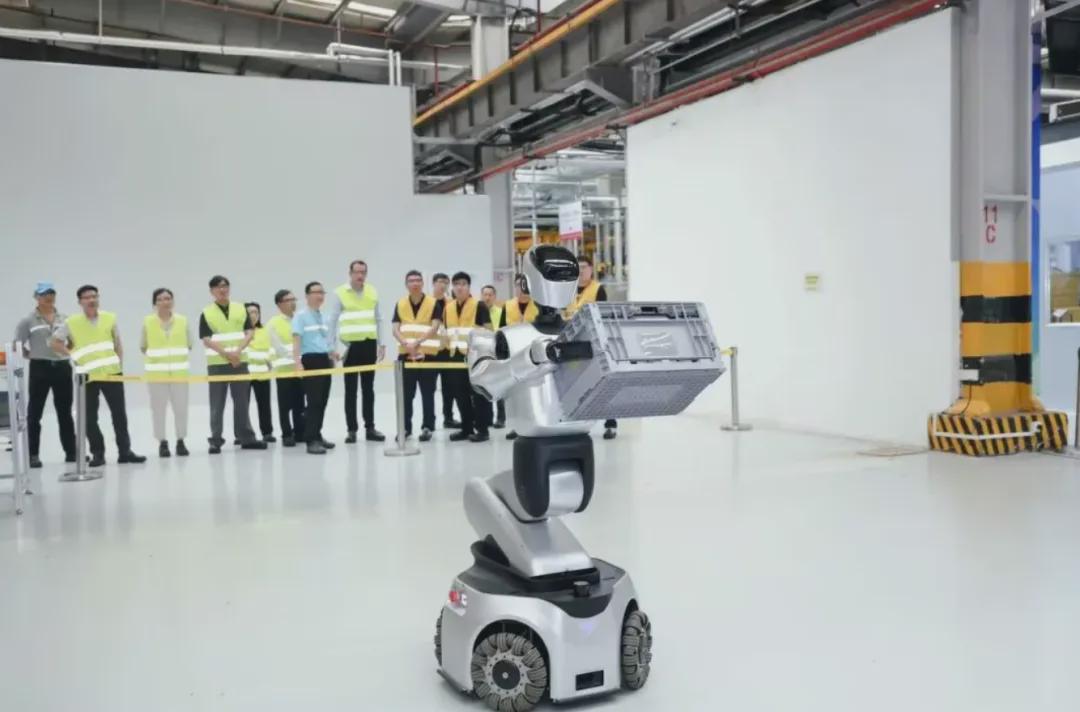
In recent months, French industrial giant Hutchinson has entered into a strategic partnership with Lajuj Robotics, following Schaeffler's similar collaboration. This trend among leading global manufacturers highlights a shift towards embodied intelligence in manufacturing. Despite the proliferation of humanoid prototypes, few have successfully integrated into standard factory operations, making Lajuj's partnerships significant milestones. The importance of these collaborations extends beyond mere agreements; they signify a recognition of humanoid robots as integral to future manufacturing systems. As companies like Schaeffler and Hutchinson align with Lajuj, they are not just validating its technology but also indicating a broader acceptance of humanoid robots in industrial applications. This shift reflects a re-evaluation of production capabilities, moving from traditional automation to more flexible solutions. Looking ahead, the manufacturing sector faces challenges that require adaptability rather than just automation. While traditional robots excel in stable environments, they struggle with the dynamic nature of modern production lines. The ability of humanoid robots to respond to changing conditions will be crucial as manufacturers seek to enhance flexibility and efficiency in their operations. No further timeline was disclosed at the time of publication.
Humanoid Robots Manufacturing Automation Embodied Intelligence Industrial Robotics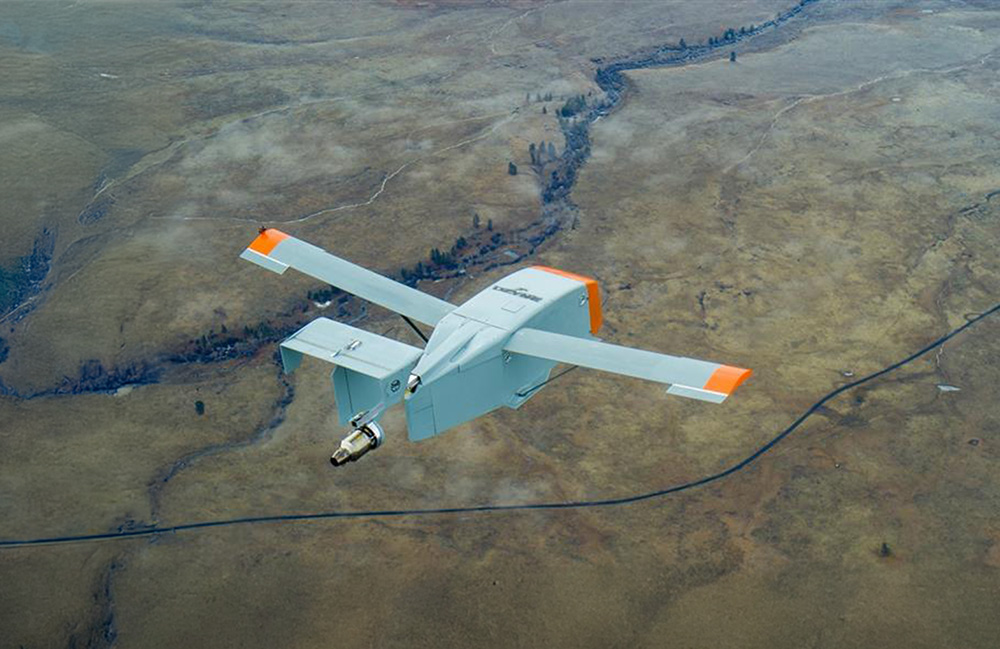
Ondas Acquires DZYNE Technologies for $875.8 Million to Enhance Defense Capabilities
Ondas Inc. has acquired DZYNE Technologies LLC, a defense technology firm based in Irvine, California, for $875.8 million. This acquisition, financed through a cash-and-stock structure, aims to enhance Ondas' capabilities in multi-domain intelligence, surveillance, and reconnaissance (ISR), counter-uncrewed aerial systems (UAS), and autonomous systems to meet the evolving needs of U.S. and allied defense customers. The acquisition is significant as it positions Ondas to leverage DZYNE's advanced technology and engineering talent, which includes long-endurance ISR capabilities and autonomous systems. Eric Brock, chairman and CEO of Ondas, emphasized that the integration of DZYNE's mission-proven technologies will accelerate the development of a next-generation autonomous defense platform, essential for maintaining military advantage in rapidly changing warfare. Looking ahead, Ondas anticipates that DZYNE will generate $191 million in revenue for the full year 2026 and over $300 million in 2027. Ondas is now targeting at least $525 million in revenue for 2026. The integration of DZYNE’s ULTRA and IonStrike systems will expand Ondas' ISR and counter-UAS capabilities, enhancing its portfolio in defense applications.
Aerospace Artificial Intelligence Artificial Intelligence / Cognition Defense / Security Design / Development Drones
MASS 2026 Conference Showcases Atlantic Canada's Defence and Technology Strengths
The 13th annual Maritime & Arctic Security & Safety Conference (MASS) is taking place in St. John's, Newfoundland and Labrador, hosted by the Atlantic Canada Aerospace & Defence Association (ACADA) and sponsored by Saab Canada, Inc. This year's conference, featuring 600 participants, is the largest to date and focuses on leveraging Atlantic Canada's capabilities in environmental management and workforce development. Newfoundland and Labrador Premier Tony Wakeham highlighted the province's strategic geopolitical position as a gateway to the Arctic and Atlantic, emphasizing its qualified workforce and unique military and civil capabilities. He stated that the region's diverse strengths create a robust defence and security ecosystem that Canada and its allies can depend on for Arctic and North Atlantic security. The conference has underscored the significance of partnerships, particularly with Indigenous communities, to foster economic participation and workforce development. Discussions included the need for advanced technology in Arctic-capable warship designs and the role of AI and machine learning in maritime surveillance, indicating a strong focus on innovation in harsh conditions.
maritime and arctic security and safety conference (mass) atlantic canada capabilities defence technology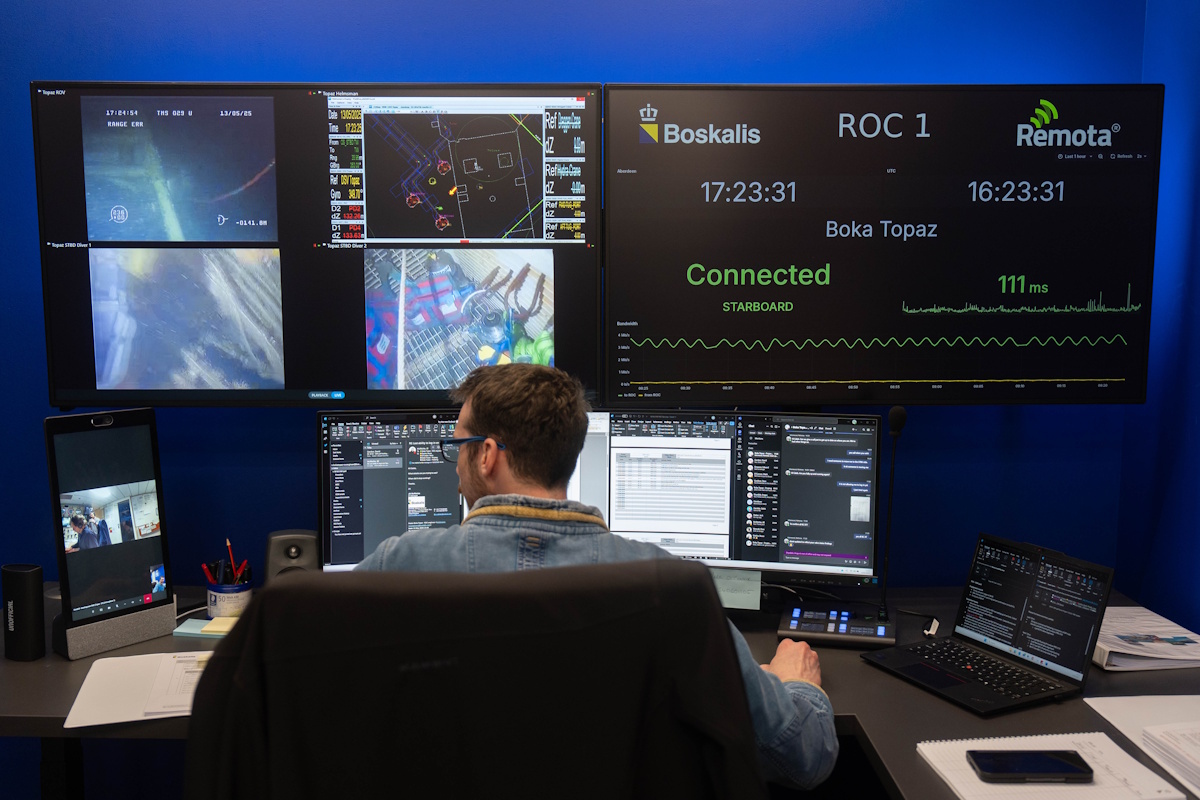
Boskalis Subsea Services Launches Recruitment Drive to Support Major Expansion of ROV Capabilities
Boskalis Subsea Services, a prominent player in subsea decommissioning, inspection, repair, and maintenance, has unveiled a significant enhancement to its Remote Operated Vehicle (ROV) capabilities. This expansion comes with the establishment of a specialized ROV department, supported by a cutting-edge Remote Operations Centre (ROC) located in Aberdeen, which commenced operations earlier this year. The move aims to bolster the company's service offerings and improve operational efficiency in subsea projects, reflecting Boskalis's commitment to advancing technology in the industry.
boskalis subsea services recruitment expansion rov capabilities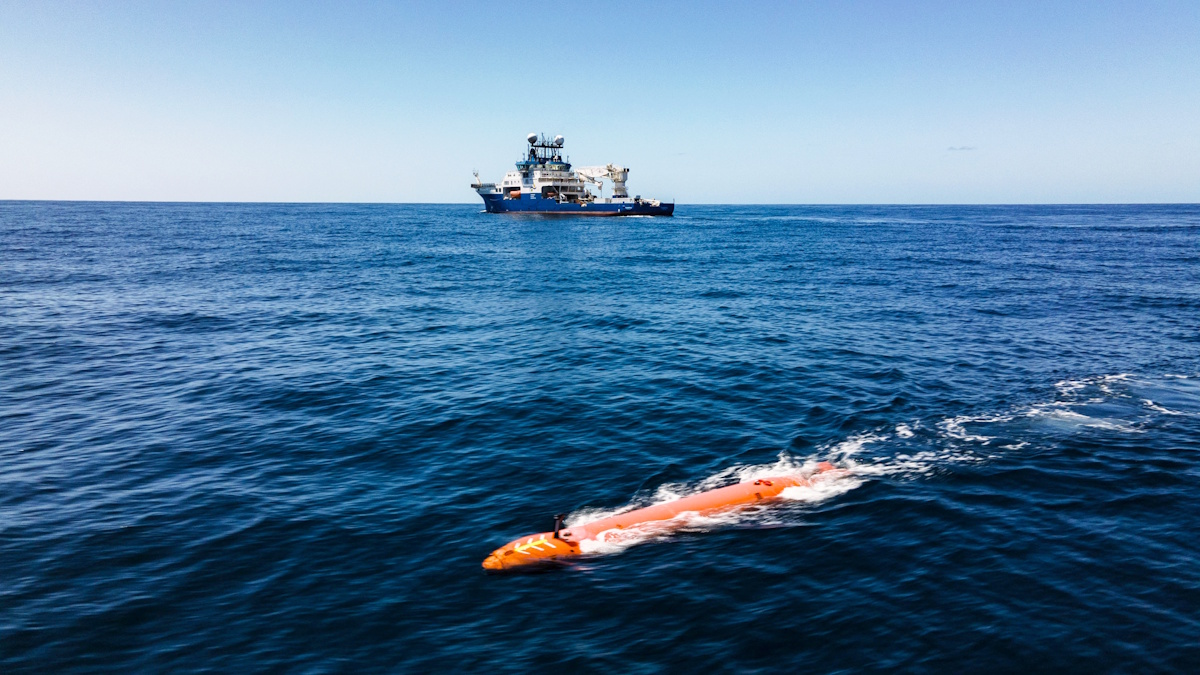
Schmidt Ocean Institute Advances R/V Falkor (too)’s Mapping Capabilities
The Schmidt Ocean Institute has successfully mapped an impressive 2 million square kilometers of seafloor, a vast area comparable to the size of Greenland. This achievement was announced recently as part of the institute's ongoing efforts to enhance underwater exploration. In a bid to improve the capabilities of its research vessel, R/V Falkor (too), the institute implemented two significant upgrades this year. These enhancements included a complete redesign of the ship's bow and the integration of advanced Autonomous Underwater Vehicles (AUVs), recognized as the gold standard in underwater mapping technology. These developments are expected to significantly bolster the institute's ability to conduct detailed and efficient seafloor mapping, furthering its mission to explore and understand the ocean's depths.
schmidt ocean institute (soi) r/v falkor (too) mapping capabilities kongsberg hugin superior auv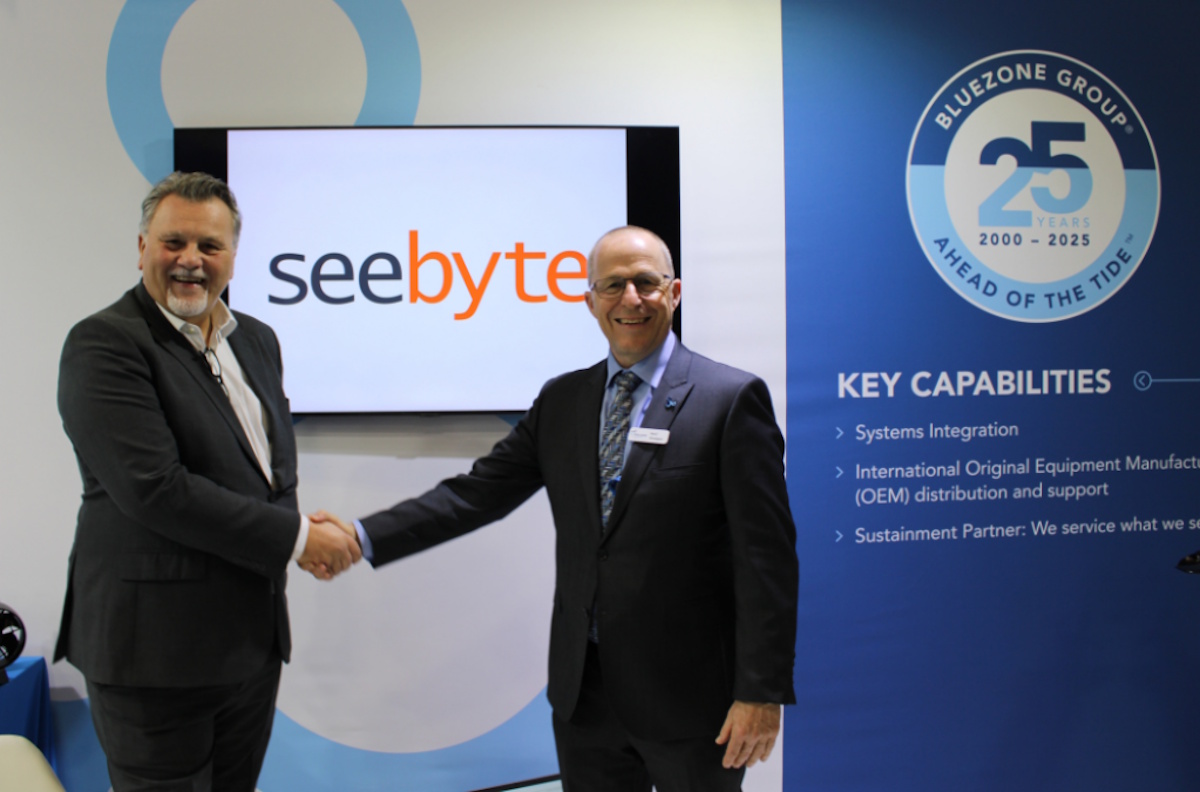
SeeByte and BlueZone Group Forge Strategic Alliance to Strengthen Australian Naval Capabilities
SeeByte, a prominent UK-based company specializing in advanced maritime defense and uncrewed systems technology, has entered into a representative agreement with BlueZone Group, a respected Australian defense solutions provider. This collaboration aims to bolster the operational capabilities of the Royal Australian Navy by integrating innovative autonomous maritime technologies. The agreement was finalized recently, marking a significant milestone in strengthening defense partnerships between the UK and Australia. By leveraging SeeByte's expertise in autonomous systems, the Royal Australian Navy is expected to enhance its operational effectiveness and maintain a competitive edge in maritime defense.
seebyte bluezone strategicaustralian naval capabilities
NATO mine countermeasures group strengthens Allied capabilities during Turkish-led Exercise NUSRET 2025
The Standing NATO Mine Countermeasures Group Two (SNMCMG2) concluded its involvement in the Turkish-led naval exercise NUSRET 2025, which was held from October 24 to 31. This annual exercise, organized by the Turkish Navy, focuses on improving interoperability and enhancing mine countermeasures (MCM) skills among NATO Allies and Partner nations. The event serves as a platform for participating forces to strengthen their operational capabilities and foster collaboration in maritime security efforts.
nato mine countermeasures allied capabilities nusret 2025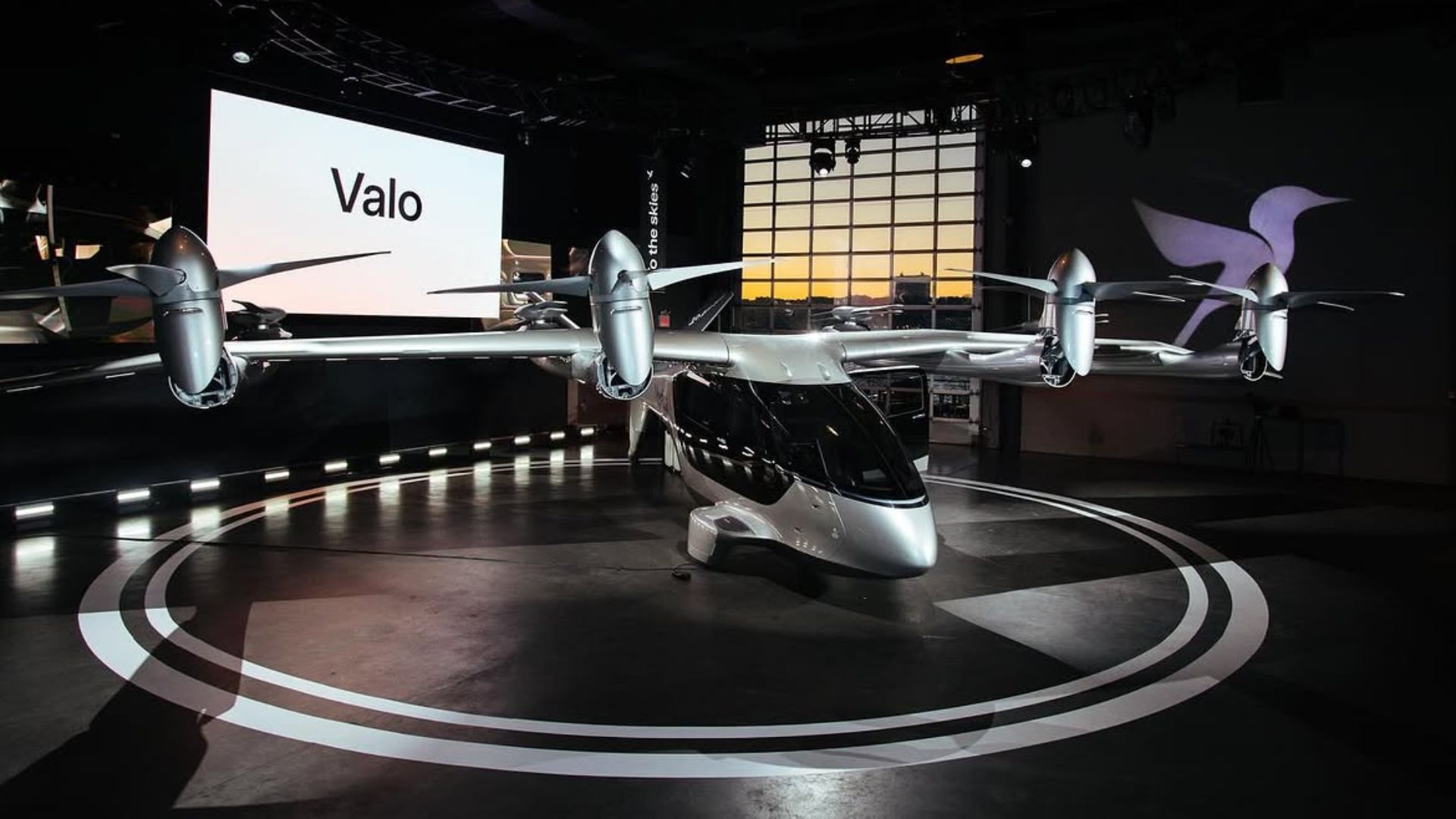
Vertical Aerospace Partners with Near Earth Autonomy for Valo Aircraft's Autonomous Flight Capabilities
Vertical Aerospace has partnered with Near Earth Autonomy to enhance its Valo aircraft with advanced autonomous flight capabilities. This collaboration aims to integrate Near Earth's autonomy software with Honeywell Aerospace's Anthem digital cockpit, facilitating the development of self-flying technology for defense and commercial aviation. The partnership is significant as it allows Vertical to leverage Near Earth's extensive experience in autonomous aviation, which includes systems developed for military applications. By utilizing a shared technology stack, the companies aim to reduce technical risks associated with expanding autonomous features in the Valo aircraft, which is designed for both defense and commercial markets. Looking ahead, Vertical plans to pursue defense programs while also preparing for automated commercial operations. The Valo aircraft, featuring hybrid-electric propulsion, is capable of flying up to 1,000 miles and carrying payloads of up to 2,400 pounds, making it a versatile option for various operational roles. No further timeline was disclosed at the time of publication.
Transportation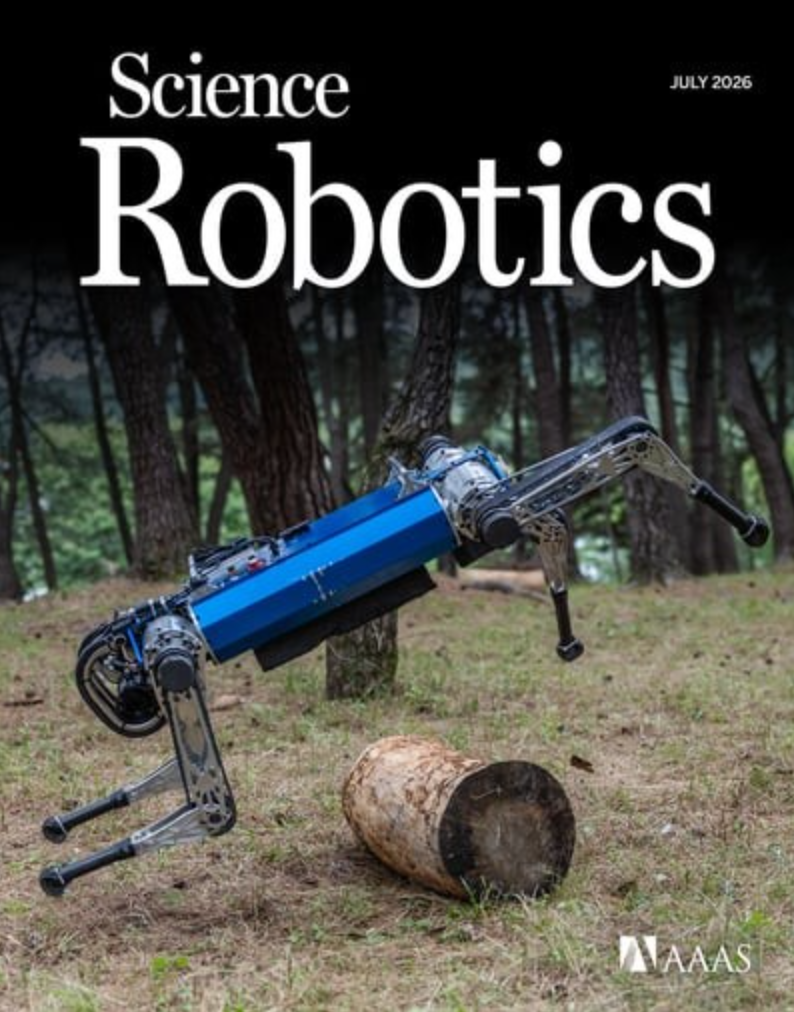
KAIST Unveils Advanced Four-Legged Robot with Autonomous Navigation Technology
KAIST's mechanical engineering team, led by Professor Park Hai-won, announced a breakthrough in robotic technology on July 16. They developed a four-legged robot capable of autonomously selecting and switching between various gaits in real-time, enabling it to navigate complex outdoor environments with speed and stability. This innovation is significant as it integrates a new control architecture called APT-RL (Action Pre-training Reinforcement Learning based on Transformers), which allows the robot to learn movement through computer simulations rather than traditional motion capture. The robot, named KAIST HOUND, demonstrated its capabilities by traversing diverse terrains, achieving peak speeds of 6 meters per second, faster than an average cyclist. Future developments to watch include the potential applications of this technology in disaster response, defense tasks, and industrial inspections. The research was published in the July issue of the journal Science Robotics, highlighting its importance in advancing the field of robotic control and physical AI.
Four-Legged Robots Robotics Technology AI Autonomous Navigation
Exploring ELIZA: The First Chatbot's Advanced Capabilities and Historical Impact
ELIZA, recognized as the first AI chatbot, was created by Joseph Weizenbaum in the mid-1960s. This program, which simulated a psychotherapist, surprised users with its engaging interactions, leading to discussions about automated therapy and the concept of machine sentience, known as the 'ELIZA effect.' Recently, the original source code was discovered, revealing ELIZA's ability to adopt multiple personas beyond its well-known therapist role. The significance of ELIZA extends beyond its historical context; it transformed perceptions of human-computer interaction and laid the groundwork for modern conversational AI. The newly analyzed source code demonstrates that ELIZA was a sophisticated platform capable of complex interactions, challenging previous assumptions about its capabilities. This discovery highlights the gap between theoretical models and practical implementations in AI development, emphasizing the importance of understanding early innovations in the field. Looking ahead, the insights gained from ELIZA's architecture and programming techniques can inform current AI advancements. As researchers continue to explore the implications of Weizenbaum's work, the historical context of ELIZA will remain relevant in discussions about language, therapy, and human-computer interaction. No further timeline was disclosed at the time of publication.
Chatbots Ai History Eliza Joseph-weizenbaum
Vbot Launches Daitou EDU: A Versatile Quadruped Robot Development Platform
Vbot has introduced the Daitou EDU, a quadruped robot development platform designed for real-world applications. Unlike traditional robots that focus on speed and agility, the Daitou EDU emphasizes the importance of practical use cases in various sectors, such as property management and healthcare. The significance of the Daitou EDU lies in its advanced capabilities, including 128 TOPS edge computing power, integrated perception hardware, and autonomous mobility features. This platform allows developers to create applications without starting from scratch, addressing the gap between robotic capabilities and practical applications in diverse environments. Looking ahead, the Daitou EDU represents a shift in the robotics industry towards creating adaptable robots that can be redefined for multiple scenarios. As developers begin to leverage its features, the potential for innovative applications in various fields will expand, raising questions about the future roles of robots in everyday life.
Quadruped Robots Robotics Development Embodied Intelligence AI Applications
Xspark AI Raises Nearly 100 Million Yuan to Enhance Physical AI Capabilities
Xspark AI, a company focused on reliable physical intelligence, has successfully completed its first angel funding round, securing nearly 100 million yuan. The funding was led by Dinghui VGC, Chuxin Capital, and SEE Fund, with participation from various financial and industrial investors. The capital will primarily support core technology development and the scaling of Physical AI applications. This investment highlights the growing interest in Physical AI, which aims to bridge the gap between advanced AI models and real-world applications. As robots increasingly demonstrate enhanced understanding and planning capabilities, the challenge remains to ensure they can operate reliably and safely in dynamic environments. Xspark AI's approach combines multispectral tactile perception and self-developed data generation models to create a comprehensive framework for deploying Physical AI in practical scenarios. Looking ahead, Xspark AI's founders emphasize the importance of accumulating real-world operational data to drive the commercial viability of Physical AI. No further timeline was disclosed at the time of publication, but the company aims to achieve significant milestones in the integration of embodied intelligence into everyday tasks, positioning itself for future advancements in the field.
Physical AI Robotics Technology Development Investment AI Applications
New Birdlike Robot Mimics Diving Birds with Swimming and Flying Capabilities
A new birdlike robot has been developed that can swim underwater and transition into flight without the need for paddling. This innovative design mimics the natural behaviors of various diving birds, such as loons and gulls, which are known for their dual capabilities. The robot's ability to seamlessly switch between swimming and flying represents a significant advancement in biomimetic robotics. This technology is significant as it opens up new possibilities for aerial and aquatic exploration, potentially enhancing search and rescue operations, environmental monitoring, and wildlife observation. By emulating the mechanics of birds that can both swim and fly, the robot could improve efficiency in navigating diverse terrains and conditions. The integration of these functionalities could lead to more versatile robotic applications in various industries. Future developments to watch include enhancements in the robot's propulsion systems and control mechanisms to improve its performance in both environments. No further timeline was disclosed at the time of publication, but ongoing research in biomimetic designs may yield additional breakthroughs in the near future.
Robotics
Palladyne AI Executes $4.2 Million U.S. Air Force Contract to Advance Swarming Capabilities for Integrated Cross-Domain Operations
Palladyne AI Executes $4.2 Million U.S. Air Force Contract to Advance Swarming Capabilities for Integrated Cross-Domain Operations Visit http://www.palladyneai.com for further information Palladyne AI’s SwarmOS™ platform to support satellite integration, marking a major expansion of its multi-domain autonomy and ISR capabilities across space, air, maritime, and land 07/07/26, 06:15 AM | Mobile Robots, Other Topics | Palladyne AI Corp. Palladyne AI Corp. (NASDAQ: PDYN and PDYNW) ("Palladyne AI"), a developer of artificial intelligence software for robotic platforms in the defense and commercial sectors, today announced that it has executed the previously announced contract awarded by the Air Force Research Laboratory (AFRL) to solve one of the most persistent challenges in modern defense operations—how to make different autonomous systems work together as one coordinated team. The "Hierarchical Adaptive Networked Game-Theoretic Integration of Multiple Echelons (HANGTIME)" contract will address this need. More Headlines A3's Automate 2026 Breaks Records as Demand for Robotics, AI and Automation Grows NVIDIA and Hugging Face Bring New Models and Frameworks to LeRobot for the Open Robotics Community ABB Robotics completes its AI-powered Visual SLAM AMR portfolio with new autonomous forklift UMA Unveils Its Vision for the Next Generation of Humanoid Robots Robbyant Unveils LingBot-Depth 2.0 and LingBot-Vision to Redefine Robotic Spatial Perception Articles Unleash AI Innovation: The Power of NVIDIA RTX PRO 6000 Blackwell Workstation Edition Fueled by PNY-Supplied GPUs Automate 2026 Q&A with DESTACO Automate 2026 Q&A with Roboteon Advances in Robots to See & Interpret within Warehouse Environments Building Resilient Fulfillment Networks with Robotics and Real-Time Logistics Data Today, drones, ships, and satellites often operate largely independently, limiting how quickly warfighters can see and respond to threats. HANGTIME will utilize Palladyne AI's patented SwarmOS™ software platform—the defense variant of the Palladyne™ Pilot embodied AI software—as the baseline technology to bridge that gap, connecting disparate systems so they can share intelligence, adapt to changing conditions, and act in sync across domains, including space, air, maritime, and land. By integrating satellites for the first time, this project also extends Palladyne AI's technology from the ground to orbit, enabling faster, more informed decision-making and coordinated mission execution, turning tactical commanders into strategic commanders by giving them more cross-domain intelligence, surveillance, and reconnaissance (ISR) capabilities than ever before. "Our collaboration with AFRL showcases what's next for autonomous operations," said Ben Wolff, President and CEO, Palladyne AI. "This isn't about replacing humans—it's about giving them sharper, faster insight. By connecting satellite, aerial, and ground systems using the patented SwarmOS embodied AI platform as a foundational technology, we're helping the warfighter make better decisions in real time and stay one step ahead on the battlefield." "The HANGTIME project is a breakthrough that unites high-altitude assets and situational unmanned systems into one coordinated sensor network—delivering a major advantage for the defense industry," said Dr. Denis Garagic, Chief Technology Officer, Palladyne AI. "For the first time, a single AI framework can coordinate assets across multiple domains, including satellites. That means these systems can now think and act together as a team, sharing what they see and learning as conditions change." "The HANGTIME effort represents a critical step in multi-domain autonomy for coordinated execution in challenging environments," said Caleb Williams, Program Manager, AFRL/RIEA. For more information on Palladyne AI and its patented collaborative autonomy software, including SwarmOS, please visit www.palladyneai.com. For more information about AFRL, please visit www.afrl.af.mil. About Palladyne AI Palladyne AI is a U.S.-based technology company developing patented embodied artificial intelligence, collaborative autonomy solutions, advanced avionics, autonomous systems, advanced UAV engineering services, and precision-manufactured components for defense and industrial markets. Palladyne AI delivers secure, American-developed and operated platforms designed to meet the stringent requirements of U.S. government and public-sector customers, including data sovereignty, security, and compliance. Palladyne AI's embodied AI is designed to operate in complex, contested, and high-risk environments, enabling distributed tasking, human-on-the-loop decision-making, degraded-communications resilience, and multi-domain coordination. Its platform-agnostic autonomy stack combines real-time sensor fusion, adaptive AI models, and edge-native orchestration—without vendor lock-in—to support autonomous and collaborative systems across air, ground, maritime, and industrial domains w
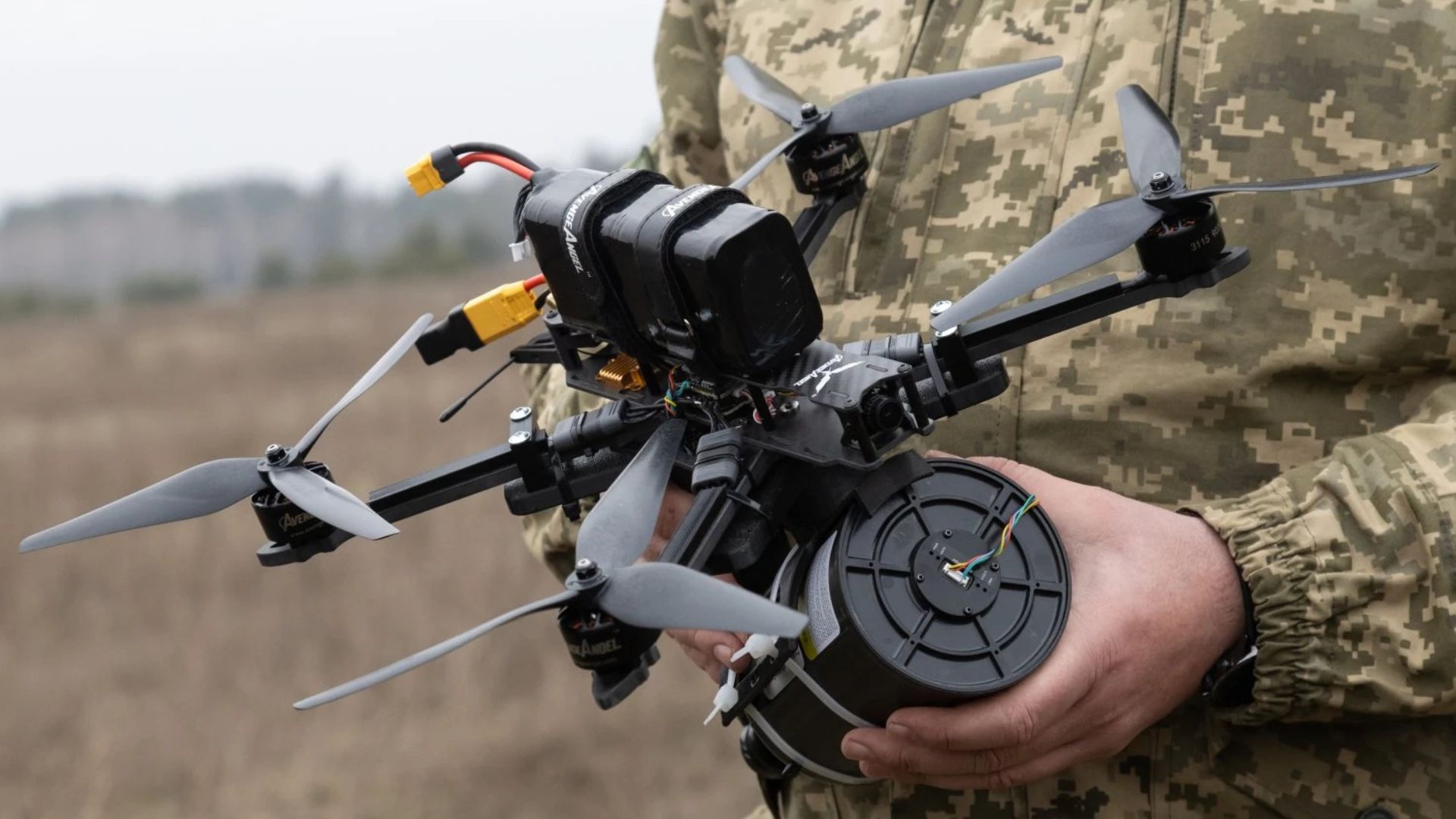
LiDAR expands counter-drone capabilities against fiber-optic-controlled aerial threats
Innoviz Technologies is enhancing its presence in the defense sector by partnering with Regulus, a specialist in counter-drone technology. This collaboration aims to leverage Innoviz's advanced LiDAR solutions to bolster Regulus's capabilities in detecting and neutralizing drone threats. The announcement was made on October 23, 2023, as both companies seek to address the growing concerns surrounding drone-related security challenges. By combining their expertise, Innoviz and Regulus intend to develop innovative solutions that enhance safety and security in various environments, including military and civilian applications. This strategic alliance reflects a broader trend in the defense industry, where companies are increasingly joining forces to tackle emerging threats in an evolving technological landscape.
Military
Bear Robotics acquires Kinisi Robotics to boost its physical AI capabilities
Bear Robotics has announced the acquisition of Kinisi Robotics, a move aimed at enhancing its physical AI capabilities. The integration will involve Kinisi's KR1 humanoid robot and the expertise of its engineering team based in Bristol. This strategic acquisition reflects Bear Robotics' commitment to advancing its technology in the robotics sector, particularly in the realm of physical AI. The deal is expected to bolster Bear Robotics' offerings and position the company for future growth in the competitive landscape of robotic solutions.
Artificial Intelligence Artificial Intelligence / Cognition Autonomous Mobile Robots (AMRs) Design / Development Financial Humanoids
French firm to advance long-range precision strike capabilities with new deal
French defense technology leader Thales has partnered with South Korea’s Hanwha Aerospace by signing a Memorandum of Understanding aimed at enhancing collaboration in defense and aerospace sectors. The agreement was formalized during a ceremony held in Seoul on October 10, 2023. This strategic partnership seeks to leverage Thales's advanced technology and Hanwha's manufacturing capabilities to develop innovative solutions for military and civilian applications. The collaboration is motivated by the increasing demand for advanced defense systems and the need for enhanced technological capabilities in the aerospace industry. Through this partnership, both companies aim to strengthen their positions in the global market and contribute to the development of cutting-edge defense technologies.
Military
DroneShield, Defenture team up on mobile counter-UAS capabilities
Australia’s DroneShield has partnered with Dutch tactical mobility firm Defenture to enhance their capabilities in mobile counter-uncrewed aerial system (UAS) solutions. The two companies have formalized their collaboration through a memorandum of understanding (MoU), aiming to explore and develop commercial opportunities in this growing sector. This strategic alliance reflects a shared commitment to advancing technology that addresses the increasing challenges posed by uncrewed aerial vehicles. The partnership is expected to leverage each company's expertise, combining DroneShield's innovative drone detection and mitigation technologies with Defenture's tactical mobility solutions. The collaboration marks a significant step forward in enhancing security measures against potential threats from UAS, as both firms look to capitalize on the rising demand for effective countermeasures in various operational environments.
News
RC-135 Rivet Joints Could Control Drones To Drastically Expand Collection Capabilities
The RC-135 Rivet Joint, a reconnaissance aircraft, is exploring the potential of integrating drone technology to enhance its operational capabilities. This innovative approach aims to significantly expand the aircraft's data collection abilities. As military technology continues to evolve, the collaboration between manned aircraft and unmanned drones presents new opportunities for intelligence gathering and surveillance. The initiative reflects a broader trend within the defense sector to leverage advanced technologies for improved mission effectiveness. Further developments in this area are anticipated, indicating a shift in how aerial reconnaissance may be conducted in the future.
Air Drones Loyal Wingman Manned ISR News & Features RC-135
Li Auto reveals evolution goals for the Mach VLA capabilities.
At the recent Livis Day event hosted by Li Auto, the head of the company’s base model division, Zhan Kun, announced ambitious goals for the evolution of the Li Auto Mach VLA capabilities. The company plans to roll out a new version of the AD MAX system in the third quarter, which will enhance the Mach VLA's functionalities. Additionally, by the fourth quarter, Li Auto aims to align its capabilities with Tesla's FSD V14, signaling a competitive push in the autonomous driving sector. This strategic move reflects Li Auto's commitment to advancing its technology and staying competitive in the rapidly evolving electric vehicle market.

FORT Robotics acquires Mapless AI to expand teleop capabilities
FORT Robotics has announced its acquisition of Mapless AI, a move aimed at enhancing its teleoperation capabilities. This strategic decision, made to diversify FORT's technological expertise beyond traditional industrial environments, leverages Mapless AI's experience in more unstructured settings. The acquisition is expected to bolster FORT's offerings in robotics and automation, allowing for improved operational flexibility and efficiency. The deal reflects a growing trend in the robotics industry to integrate advanced AI technologies to meet the evolving demands of various operational contexts.
Artificial Intelligence Artificial Intelligence / Cognition Automotive Design / Development Financial Markets / Industries
GE Vernova Acquires Robotech Automation to Accelerate Robotics and Automation Capabilities
GE Vernova Inc. has announced its acquisition of Canada-based Robotech Automation, a specialized robotics and automation systems integrator, in a move aimed at enhancing its robotics and automation capabilities. The deal, which was revealed on May 21, is expected to close in the third quarter of 2026, although financial details were not disclosed. This acquisition comes as GE Vernova seeks to bolster its operational efficiency and competitive edge in the energy sector, where it provides a range of products and services related to electricity generation and management across multiple regions, including the U.S., Europe, and Asia. Robotech Automation, which currently employs around 35 people, has been collaborating with GE Vernova on various projects, particularly within the company's supply chain at its factories in New York and Pennsylvania. Scott Strazik, CEO of GE Vernova, emphasized that the acquisition will bring in specialized talent and proprietary systems that are crucial for advancing the company's robotics initiatives. This strategic step aligns with GE Vernova's commitment to enhancing its operational capabilities and establishing a leading robotics deployment capability at its Advanced Research Center. The announcement follows a strong performance by GE Vernova, which recently reported record profits and revenue, contributing to an increased backlog of $13 billion. The company has also raised its revenue and free cash flow guidance for the full year 2026, reflecting its robust growth trajectory.
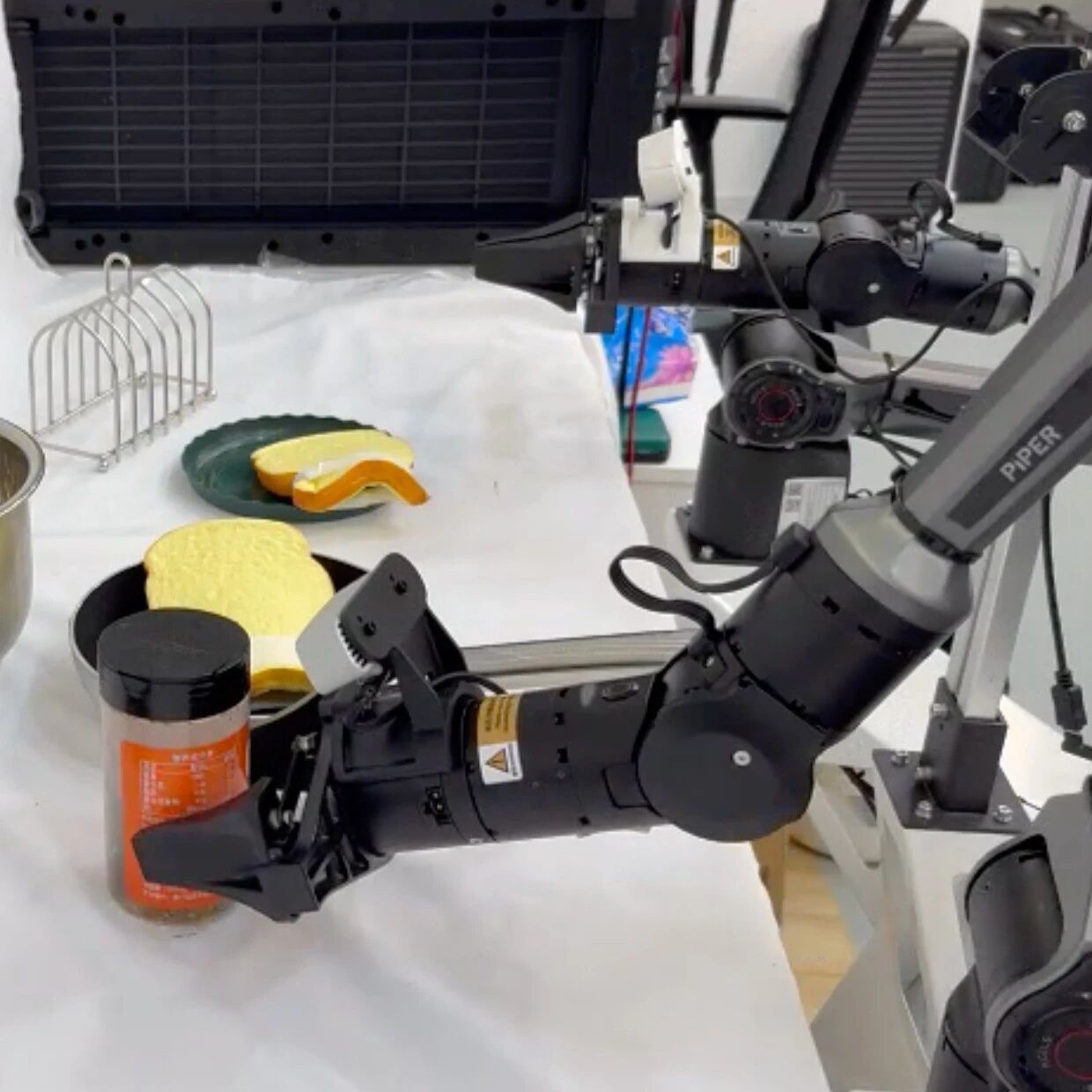
RoboMemArena: New Benchmark Systematically Evaluates Robot Memory Capabilities
A consortium of Chinese research institutions has unveiled RoboMemArena, marking the introduction of the first comprehensive benchmark designed to assess robotic memory in long-horizon manipulation tasks. This initiative aims to enhance the capabilities of robots in performing complex tasks that require sustained memory and learning over extended periods. The launch took place recently, with the goal of advancing research and development in robotics, particularly in areas that demand intricate memory functions. By providing a standardized framework for evaluation, RoboMemArena seeks to facilitate comparisons across different robotic systems and foster innovation in the field.
AI
FORT Robotics Acquires Mapless AI to Expand Its Trust Platform with Remote Supervision and Active Safety Capabilities
A recent acquisition has enhanced FORT's capabilities, transitioning its functionality from safe remote control to supervised autonomy. This advancement aims to meet the increasing demands for human-in-the-loop systems and proactive safety measures in the field of physical AI. The integration of these features is expected to significantly improve operational efficiency and safety in various applications, addressing the growing need for intelligent systems that can operate autonomously while still allowing for human oversight. This development marks a significant step forward in the evolution of AI technologies, reflecting ongoing trends in automation and safety in complex environments.
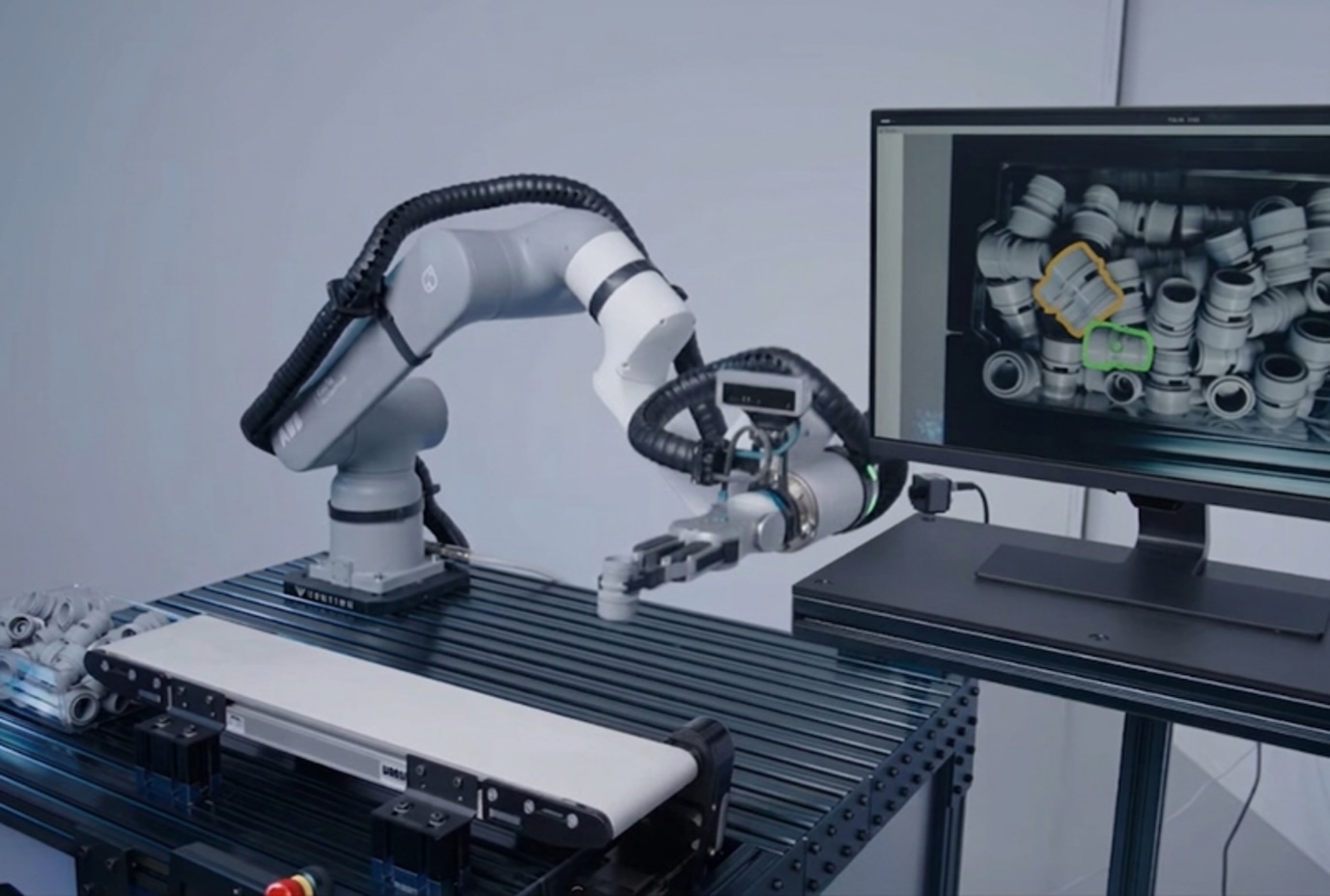
Simulation Platforms for Underwater Robotic Applications: Architectures, Capabilities, and Research Directions
A recent study published in the Journal of Field Robotics highlights advancements in autonomous robotic navigation. Researchers from a leading university conducted experiments to improve the efficiency and accuracy of robots in complex environments. The study, released in early October 2023, focused on various terrains, including urban settings and natural landscapes, to assess how robots can better adapt to their surroundings. The motivation behind this research stems from the increasing demand for autonomous systems in industries such as agriculture, logistics, and disaster response. By enhancing the navigation capabilities of robots, the researchers aim to facilitate their deployment in real-world applications, ultimately improving operational efficiency and safety. The team utilized a combination of machine learning algorithms and sensor technologies to develop a new navigation framework. This innovative approach allows robots to process environmental data in real-time, enabling them to make informed decisions and navigate obstacles more effectively. The findings suggest that these advancements could significantly reduce the time and resources required for robots to complete tasks in unpredictable environments. As the field of robotics continues to evolve, this research represents a crucial step towards more reliable and versatile autonomous systems, paving the way for broader applications in various sectors.
SURVEY ARTICLE
Kassow Robots to Exhibit Extensive Cobot Capabilities at Automate 2026
A new advancement in automation technology has emerged, showcasing the capabilities of 7-axis systems in various industrial applications, including welding, palletizing, and machine tending. This innovative technology was highlighted in a recent industry conference held in October 2023, where experts gathered to discuss the future of robotics in manufacturing. The event took place in a major industrial hub, attracting professionals from around the globe who are eager to enhance efficiency and precision in their operations. The motivation behind the development of 7-axis technology lies in the growing demand for more versatile and adaptable robotic solutions that can handle complex tasks with greater accuracy. By incorporating additional axes of movement, these systems can navigate intricate workspaces and perform a wider range of functions compared to traditional robotic arms. Demonstrations at the conference illustrated how 7-axis robots can significantly improve productivity and reduce operational costs for manufacturers. Attendees witnessed firsthand the seamless integration of these systems into existing workflows, showcasing their potential to revolutionize various sectors. As industries continue to seek innovative solutions to meet increasing production demands, the adoption of 7-axis technology is expected to gain momentum, positioning it as a key player in the evolution of automated manufacturing processes.

Genesis AI Unveils GENE-26.5, the First AI Brain to Enable Robots with Human-Level Physical Manipulation Capabilities
Genesis AI has unveiled a groundbreaking robotic foundation model that integrates an advanced data engine with a proprietary dexterous robotic hand, marking a significant advancement in robotics. The company showcased this innovation through a video released today, highlighting unprecedented complexity in robotic tasks. This development aims to enhance the capabilities of robots, positioning them as the most sophisticated machines ever created. By leveraging cutting-edge technology, Genesis AI seeks to revolutionize the field of robotics and expand the potential applications of these advanced systems.
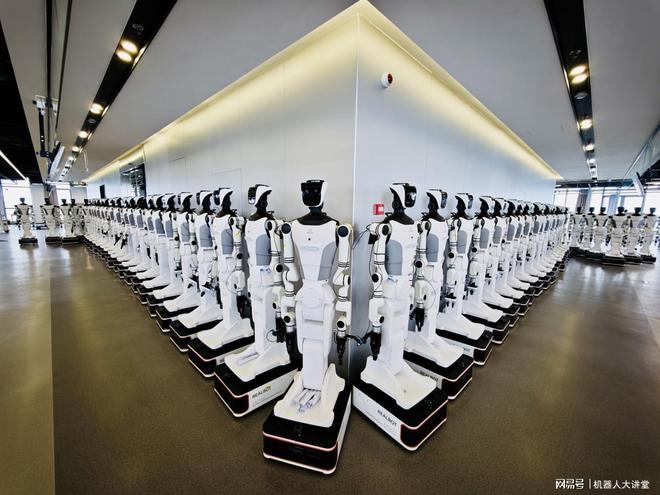
Ruiliman Showcases at FAIR plus 2026: Strengthening the 'True Working' Robotics Ecosystem with Reliable Hardware and Mass Delivery Capabilities
At the FAIR plus 2026 event, Ruiliman unveiled its cutting-edge robotics capabilities, announcing plans to achieve a production capacity exceeding 1 million integrated joint modules by the year 2026. The company underscored the significance of fostering a collaborative ecosystem to facilitate the widespread implementation of robotics across multiple industries. This initiative aims to enhance efficiency and innovation, positioning Ruiliman as a leader in the evolving robotics landscape.
Robotics Manufacturing Automation Ecosystem Development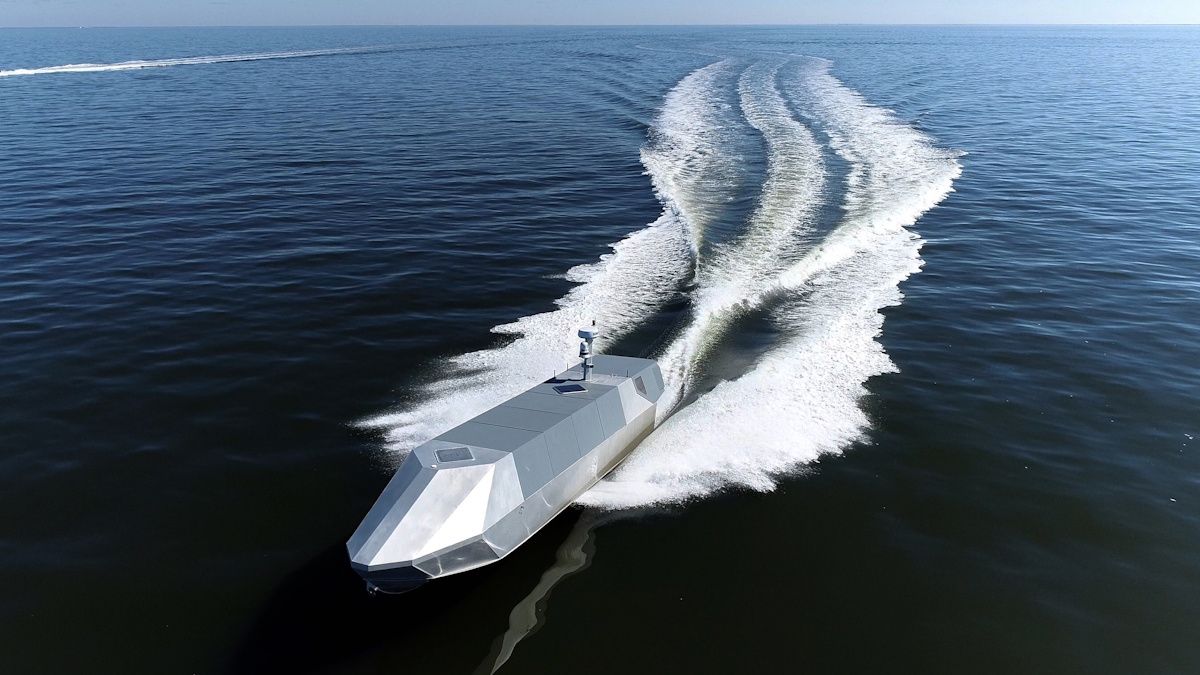
Leidos and Havoc Integrate Capabilities to Advance Maritime and Air Autonomy
Leidos and Havoc have announced a strategic partnership aimed at enhancing unmanned systems through the integration of collaborative autonomy technology. This innovative collaboration will empower a single operator to effectively command and coordinate fleets of unmanned platforms over extensive and contested areas. The initiative is set to revolutionize operational capabilities in various sectors, including defense and logistics, by streamlining control and improving efficiency in complex environments. The partnership reflects a growing trend towards advanced automation in military and civilian applications, responding to the increasing demand for sophisticated unmanned solutions in modern operations.
leidos havoc maritime and air autonomy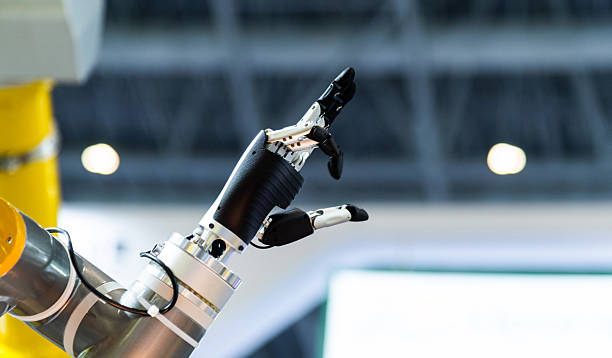
Tesla Optimus Capabilities: What Can It Do? (2026)
A recent demonstration showcased advancements in artificial intelligence and robotics, highlighting the capabilities of the latest VLA model and Gen 3 hands. The event, which took place in October 2023, focused on the distinctions between autonomous and teleoperated systems in factory settings. Attendees were provided with a comprehensive, data-driven guide to understand the honest limitations of current technologies. The demonstration featured a kung fu AI, illustrating the potential applications of AI in various industries, while also addressing the challenges that remain in achieving fully autonomous operations. This event aimed to inform industry professionals about the evolving landscape of AI and robotics, emphasizing the importance of understanding both the capabilities and constraints of these technologies.
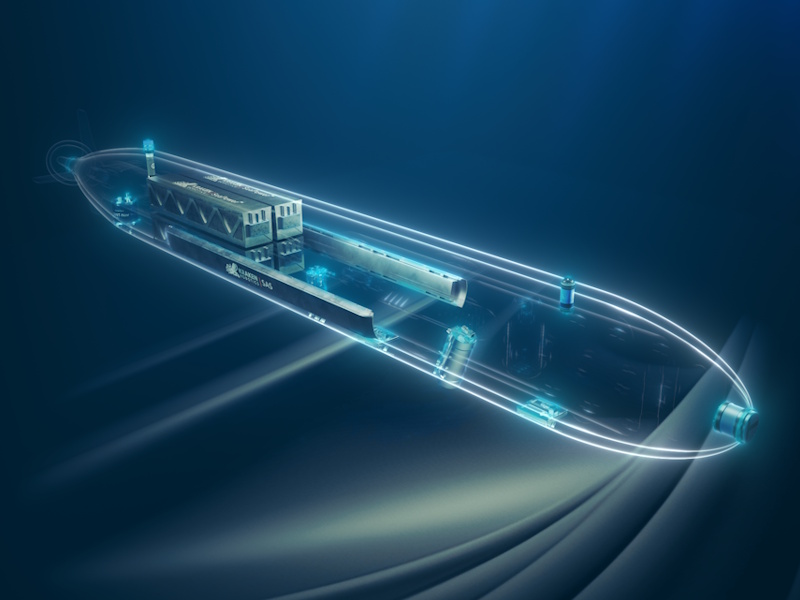
Kraken Robotics Announces Signing of Strategic Acquisition to Expand Global Maritime Capabilities
Kraken Robotics has announced its agreement to acquire Covelya Group, a prominent international provider of essential underwater technology solutions. This acquisition includes Covelya's subsidiary companies, which are recognized leaders in the field: Sonardyne International Ltd., EIVA A/S, Forcys Ltd., Wavefront Systems Ltd., Voyis Imaging Inc., and Chelsea Technologies Ltd. The deal aims to enhance Kraken's capabilities in delivering advanced underwater technology and solutions, further solidifying its position in the market. The acquisition is expected to be finalized in the coming months, aligning with Kraken's strategic growth objectives in the underwater technology sector.
kraken robotics strategic acquisition covelya group sonardyne international eiva forcys
ROKAE Showcases “Robot + AI” Capabilities at China’s 14th Five-Year Plan Manufacturing Achievement Exhibition
ROKAE Robotics showcased its high-precision industrial robots at the recent exhibition titled “Building the Foundation of a Strong Nation – China Manufacturing Achievements of the 14th Five-Year Plan.” This event, held at the National Museum of China and organized in collaboration with the MIIT News and Publicity Center, aimed to highlight significant advancements in intelligent manufacturing. By featuring ROKAE’s innovations in the Intelligent Manufacturing exhibition zone, the exhibition underscored China's technological capabilities and progress in the manufacturing sector on a national stage.
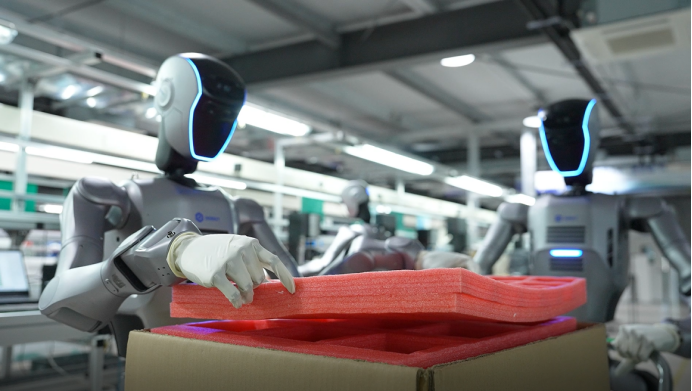
What Is a Humanoid Robot? Definition, Capabilities, and Industrial Reality
A recent exploration into humanoid robots has shed light on their defining characteristics, capabilities, and increasing significance in contemporary industrial automation. As industries evolve, these robots are being integrated into various sectors to enhance efficiency and productivity. The analysis, conducted by experts in robotics and automation, highlights how humanoid robots are designed to perform tasks traditionally executed by humans, thereby streamlining operations and reducing labor costs. This investigation comes at a time when businesses are seeking innovative solutions to meet growing demands and adapt to technological advancements. The findings emphasize the versatility of humanoid robots, which can be programmed for a range of functions, from assembly line work to customer service roles. The study underscores the importance of these robots in addressing labor shortages and improving workplace safety by taking on hazardous tasks. As companies increasingly adopt automation, the role of humanoid robots is expected to expand, leading to a transformation in the workforce landscape. This shift not only reflects the ongoing trend toward automation but also raises questions about the future of work and the potential for collaboration between humans and machines. In summary, the integration of humanoid robots into industrial settings is not just a technological advancement but a strategic response to the challenges faced by modern industries, paving the way for a new era of automation.
humanoid robot industrial automation DOBOT Atom robotics AI manufacturing
Bringing Firepower to the Fleet: Lockheed Martin Invests $50M in Saildrone to Advance Unmanned Surface Vehicle Capabilities for US Navy
Lockheed Martin has announced a significant investment of $50 million in Saildrone, Inc., aimed at enhancing the capabilities of unmanned surface vehicles (USVs). This partnership, revealed today, seeks to integrate advanced defense technology with Saildrone's proven USV systems, positioning them for military applications. The collaboration is expected to accelerate the development of these vehicles, equipping them with cutting-edge technology for all-domain defense operations. The investment underscores Lockheed Martin's commitment to advancing defense solutions and reflects the growing importance of innovative technologies in military strategy.
lockheed martin investment saildrone
Teradyne Unveils Industry-leading PHY Performance Testing Capabilities
Teradyne has announced the launch of its UltraPHY technology, designed to provide extensive high-speed performance testing for both current and next-generation interfaces. This innovative solution aims to meet the growing demands of the semiconductor industry, particularly as the need for faster and more efficient data transmission continues to rise. The UltraPHY technology is set to enhance testing capabilities, ensuring that manufacturers can effectively validate their products in an increasingly competitive market. This development was unveiled during a recent industry event in North Reading, Massachusetts, where Teradyne showcased its commitment to advancing testing solutions that align with technological advancements. By integrating UltraPHY into their testing processes, companies can achieve greater accuracy and efficiency, ultimately driving innovation in the field.
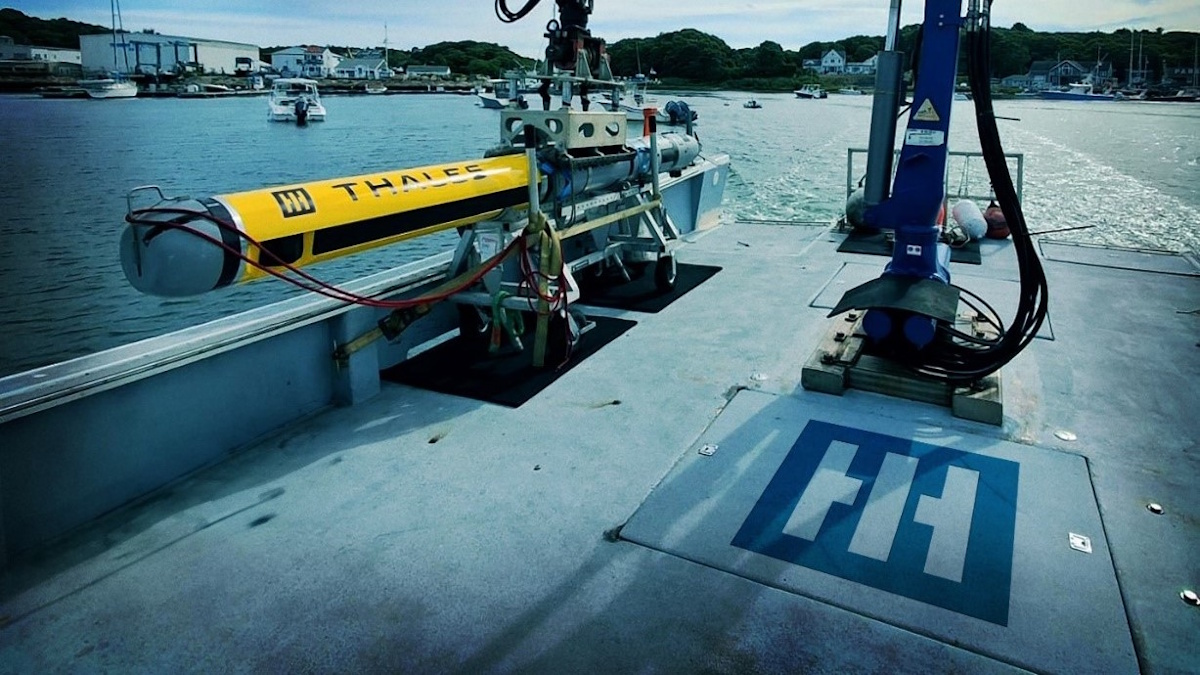
Thales and HII Partners to Develop Advanced Autonomous Undersea Mine Countermeasure Capabilities
HII and Thales have successfully integrated the Thales SAMDIS1 600 sonar with HII’s next-generation REMUS 620 medium unmanned underwater vehicle (UUV). This significant achievement was announced during a recent field exercise, showcasing the capabilities of the advanced sonar system in conjunction with the UUV. The collaboration aims to enhance underwater surveillance and operational efficiency, addressing the growing demand for advanced maritime technologies. The integration process involved rigorous testing and validation to ensure optimal performance in various underwater environments. This development marks a notable advancement in the field of unmanned maritime systems, reflecting both companies' commitment to innovation and excellence in defense technology.
thales hii partnership autonomous undersea mine countermeasure mcm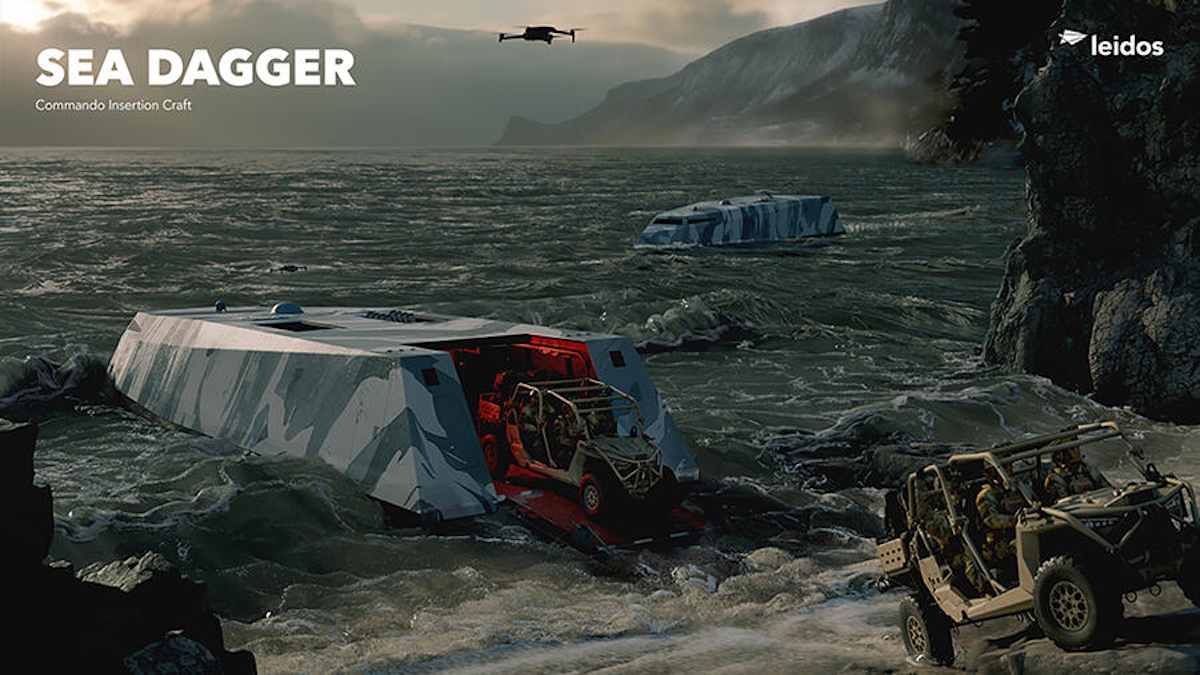
Leidos Unveils Sea Dagger Design to Advance UK Maritime Autonomy Capabilities
Leidos has introduced Sea Dagger, an innovative Commando Insertion Craft (CIC) concept designed for the Royal Navy. This groundbreaking vessel is notable for being the first of its kind to integrate speed, range, vehicle delivery, and modular mission systems into a single platform. The unveiling of Sea Dagger marks a significant advancement in maritime autonomy and operational flexibility, reflecting the company's commitment to enhancing naval capabilities. The craft aims to set a new benchmark in the industry, addressing the evolving needs of modern naval operations.
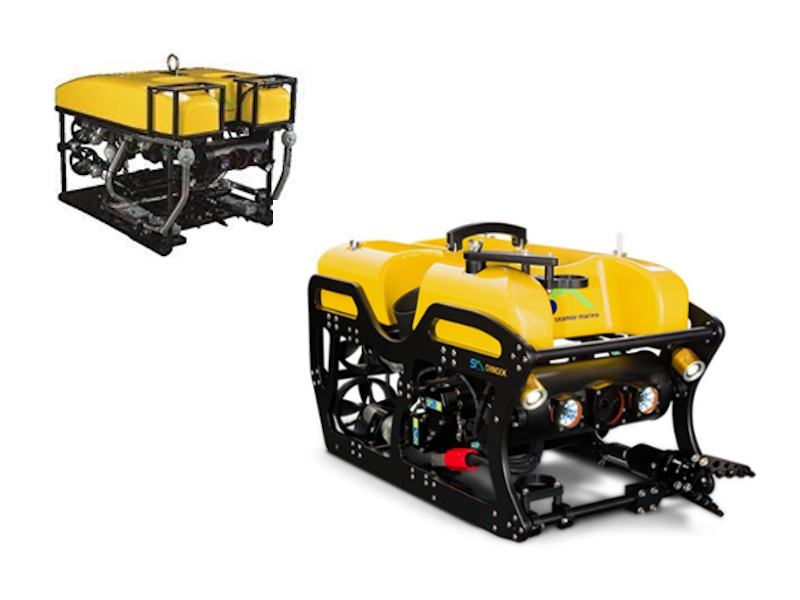
Phoenix International Expands Underwater Inspection Capabilities with Acquisition of Two New ROVs
Phoenix International Holdings, Inc., a leader in underwater solutions, has bolstered its fleet of Remotely Operated Vehicles (ROVs) with the acquisition of two new inspection-class units, a Chinook and a Mako, manufactured by SEAMOR Marine. This strategic enhancement, announced recently, aims to improve the company’s operational capabilities in inland and nearshore environments. The new ROVs will be instrumental in conducting bridge and dam inspections, as well as surveys for offshore wind farms, thereby expanding Phoenix's service offerings in critical infrastructure assessments.
phoenix international expansion acquisition rovs chinook rov mako rov
Rosenxt Announces Strategic Acquisition of Beam, Expanding Offshore and Subsea Capabilities
Rosenxt UK Ltd., a subsidiary of Switzerland-based Rosenxt Holding AG, has successfully acquired specific assets and talent from Rovco Limited, a subsea robotics and engineering company previously operating in Bristol and Aberdeen. This strategic acquisition aims to enhance Rosenxt's capabilities in the subsea sector, leveraging Rovco's expertise and resources to strengthen its market position. The deal underscores Rosenxt's commitment to expanding its operational footprint and technological prowess in the rapidly evolving subsea industry.
rosenxt strategic acquisition beam
ALSEAMAR Joins NATO Task Force X Baltic to Demonstrate SEAEXPLORER Glider Capabilities in the Baltic Sea
ALSEAMAR has announced its participation in Task Force X Baltic (TFXB), which is currently operating in the Baltic Sea. This initiative, coordinated by NATO's Allied Command Transformation (ACT), seeks to integrate various innovative uncrewed systems and evaluate their effectiveness in realistic operational scenarios. The deployment underscores NATO's commitment to enhancing maritime security and advancing technological capabilities within its member nations.
alseamar nato task force x seaexplorer glider baltic sea
Terradepth to Showcase Enhanced Absolute Ocean Capabilities at Sea-Air-Space 2025
Terradepth, a frontrunner in autonomous subsea technology and ocean data intelligence, is set to showcase its latest innovations to the Absolute Ocean platform at the Sea-Air-Space 2025 exposition, a leading event in maritime defense. Scheduled for this year, the unveiling will highlight significant enhancements, including advanced analytics, real-time collaboration tools, and improved change detection capabilities. These upgrades aim to provide defense professionals with a cutting-edge subsea intelligence solution, enhancing their operational effectiveness in maritime environments.
terradepth absolute ocean sea-air-space 2025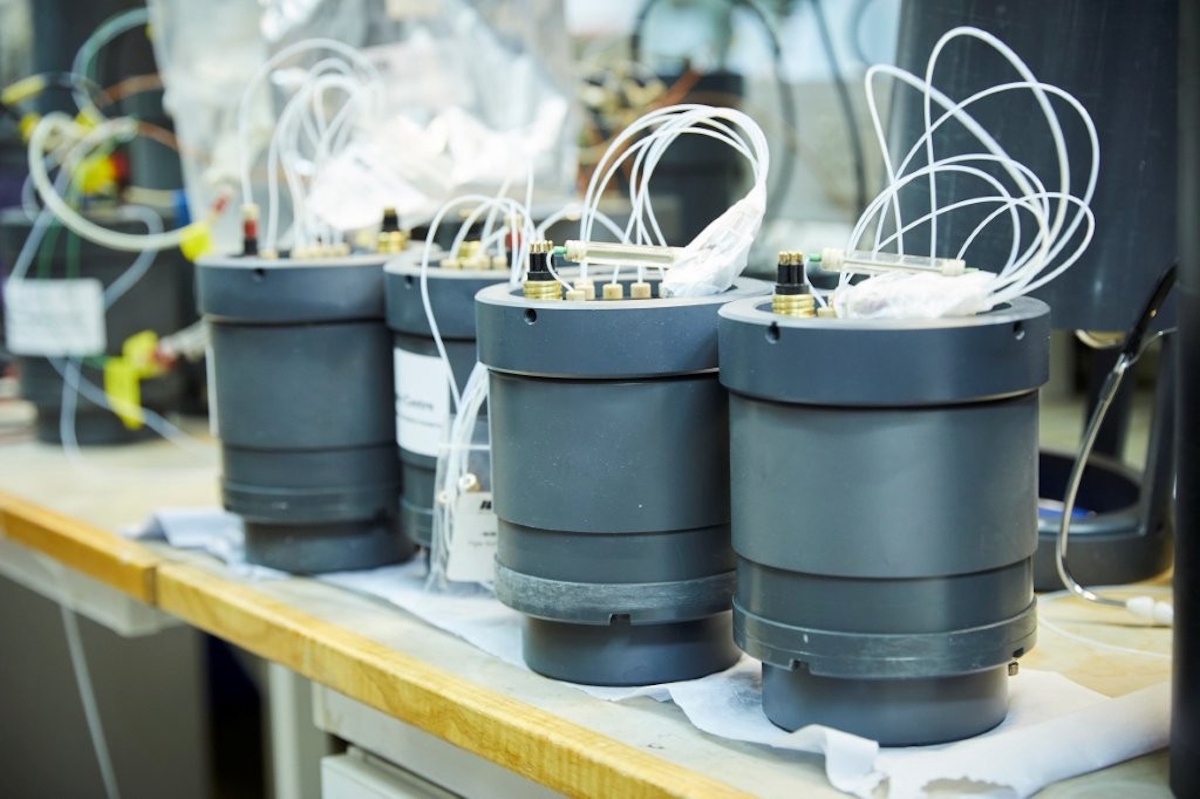
£4 m to Boost Marine Robotics Research Capabilities
The UK’s National Oceanography Centre (NOC) has secured a funding boost of £4 million aimed at enhancing its fleet of marine autonomous systems with next-generation sensing technologies. This investment, announced recently, is designed to support the advancement of sustainable ocean science, enabling researchers to gather more accurate and comprehensive data about marine environments. By integrating these advanced sensing capabilities, the NOC aims to improve its understanding of ocean dynamics and contribute to the global efforts in addressing climate change and preserving marine ecosystems. The initiative reflects a growing commitment to innovative research methods in the field of oceanography, positioning the NOC at the forefront of marine science advancements.
marine robotics research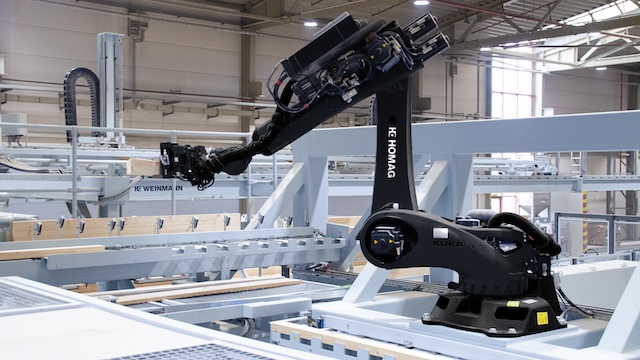
DJI Air 3S dual-camera drone offers one-inch sensor and advanced nighttime capabilities
Chinese technology company DJI has launched its latest drone, the DJI Air 3S, on Tuesday. Priced at RMB 6,988 (approximately $982), this new model features a dual-camera system, including a 50MP main camera with a one-inch sensor and a 48MP telephoto lens. The Air 3S is capable of recording high-resolution video at 4K/60fps HDR and 4K/120fps, and it offers a 10-bit D-Log M color mode for enhanced color grading. This release aims to cater to both amateur and professional drone enthusiasts seeking advanced imaging capabilities.
News Feed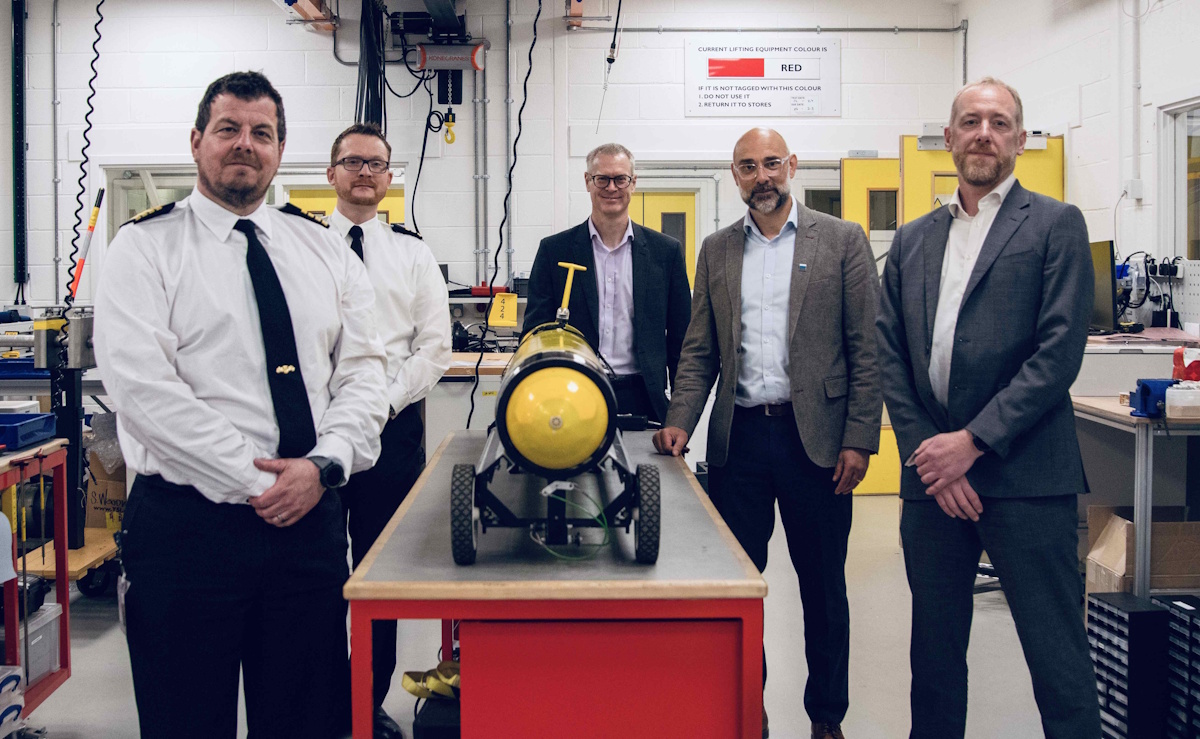
NOC and Royal Navy Renew MOU on Autonomous Maritime Capabilities
The National Oceanography Centre (NOC) in the UK has reaffirmed its commitment to marine science and technology by renewing a memorandum of understanding with the Royal Navy. This renewed agreement, which underscores a collaborative relationship that has spanned several years, aims to enhance research and innovation in oceanographic studies. The partnership is expected to facilitate the sharing of expertise and resources, ultimately contributing to advancements in understanding marine environments. The renewal of the MOU was announced recently, highlighting the ongoing dedication of both organizations to address challenges related to the oceans and maritime operations.
national oceanography centre (noc) royal navy mou autonomous maritime capabilities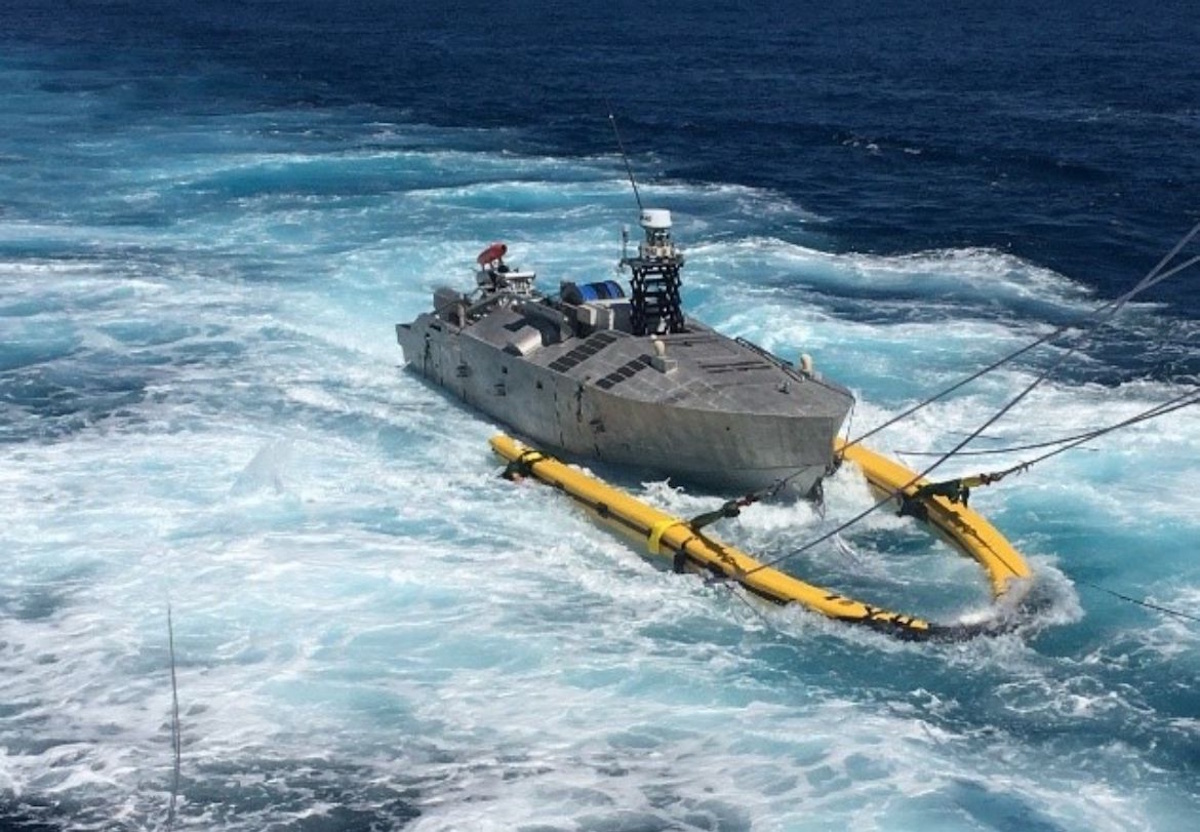
U.S. Navy Awards Contract for Deployment of Future Mine Countermeasures Capabilities
The U.S. Navy has awarded several contracts aimed at enhancing the deployment of Littoral Combat Ship (LCS) Mine Countermeasures (MCM) Mission Packages. This initiative, managed by the Program Executive Office for Unmanned and Small Combatants, focuses on the development of the MCM Unmanned Surface Vehicle (USV), a versatile, diesel-powered craft capable of being launched from an LCS, other vessels, or shore locations. The USV's modular design allows for the integration of various payload delivery systems that support critical MCM operations, such as minesweeping, mine hunting, and mine neutralization. These contracts are part of the Navy's strategy to ensure the availability of advanced unmanned systems, which are essential for effectively conducting mine countermeasure missions in coastal areas.
u.s. navy contract award mine countermeasures capabilities (mcm) littoral combat ship (lcs)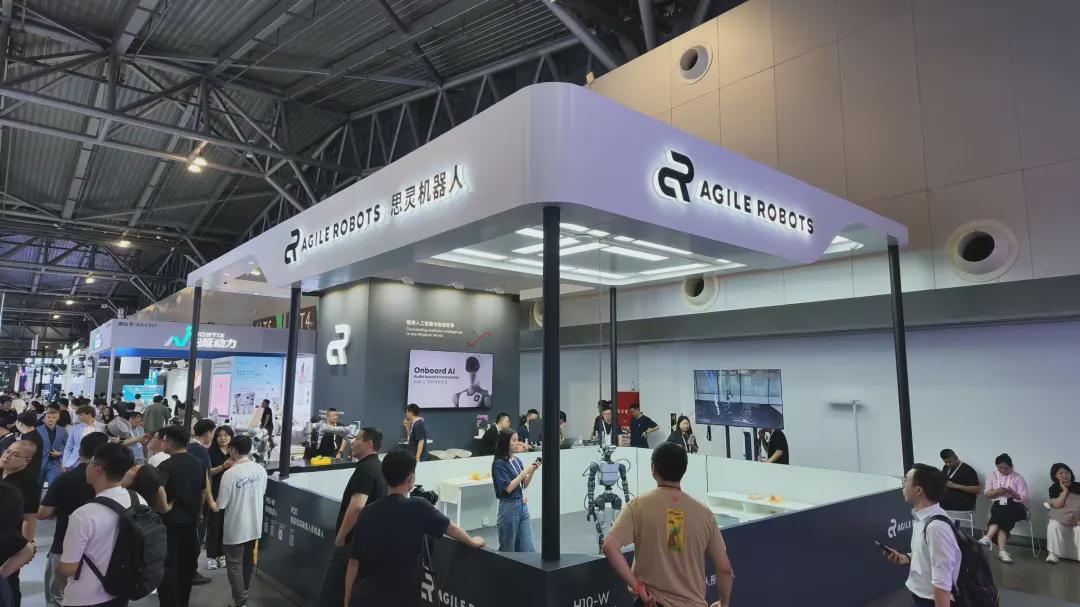
Agile Robots Unveils Advanced Physical AI Solutions at WAIC 2026 in Shanghai
On July 17, 2026, the World Artificial Intelligence Conference (WAIC 2026) commenced in Shanghai, featuring Agile Robots, a leading intelligent robotics company. Agile Robots showcased its H20 lightweight humanoid robot, H10-W assistant robot, AI therapy robot, and high-precision teleoperation data collection system, emphasizing its vision of linking AI with the physical world. The significance of this event lies in the anticipated growth of the humanoid robot market, with projections indicating that China's production could exceed 100,000 units by the end of 2026. This marks a pivotal moment for the global AI industry, transitioning humanoid robots from experimental stages to large-scale production and real-world applications. Looking ahead, Agile Robots is positioned to capitalize on this industry opportunity, having established a strong technological foundation and extensive commercialization experience. The company aims to enhance its AI algorithms and data ecosystems to support the deployment of humanoid robots across various sectors, including healthcare, logistics, and smart agriculture. No further timeline was disclosed at the time of publication.
Humanoid Robots AI Robotics Technology Healthcare Robotics
Anthropic unveils Claude Fable 5, opening Mythos-class capabilities to all users
Anthropic has launched its most advanced artificial intelligence system to date, marking a significant milestone in the field of AI development. The unveiling took place recently, showcasing the company's commitment to pushing the boundaries of AI technology. This new system is designed to enhance various applications, reflecting the growing demand for sophisticated AI solutions across industries. The motivation behind this launch stems from the increasing need for more capable and reliable AI systems that can assist in complex tasks and decision-making processes. By leveraging extensive data and advanced algorithms, Anthropic aims to address these challenges and provide users with a powerful tool for innovation and efficiency. The rollout of this AI system is expected to impact sectors such as healthcare, finance, and education, where advanced analytics and automation can drive significant improvements. As the technology continues to evolve, Anthropic is positioning itself as a leader in the competitive AI landscape, striving to create systems that are not only advanced but also ethical and aligned with human values.
AI and Robotics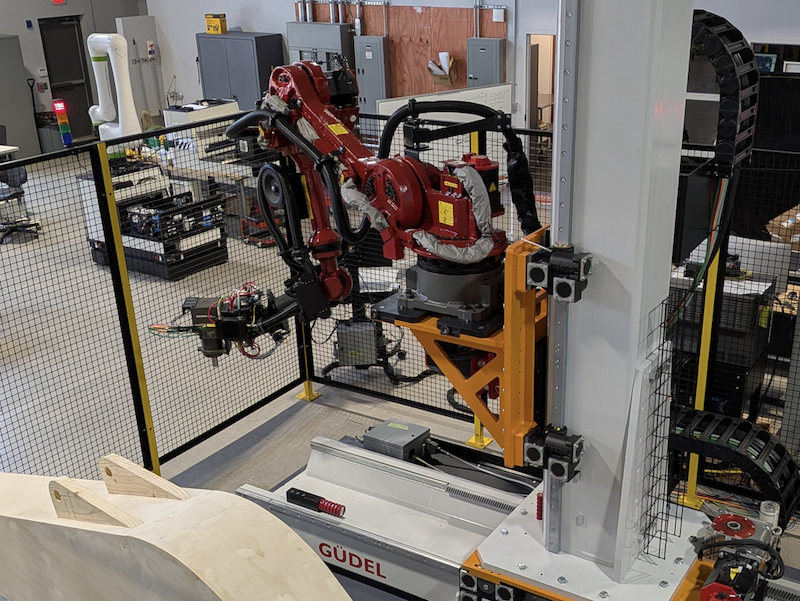
Güdel enhances robotic grinding capabilities with integrated vertical and horizontal movement.
The automation of grinding and surface finishing for large fabricated parts is gaining attention as a solution to the challenges posed by traditional methods, which are often characterized as dull, dirty, and dangerous. However, the implementation of robotic systems in this area presents significant hurdles, including the need for multiple robots and intricate part repositioning. These factors contribute to increased costs and longer cycle times, while also introducing new variations into the manufacturing process. As industries seek to enhance efficiency and safety, the push for automation in grinding applications continues to evolve, highlighting the need for innovative solutions to streamline operations and reduce overhead.
Engineering Events Automate 2026 automation news factory automation fanuc
XELA Robotics to Unveil New Major Tactile Sensor Capabilities at Automate 2026
Researchers have successfully developed advanced robotic fingertips equipped with sensitive nails, enabling precise grasping of extremely thin objects. This innovative technology, which was unveiled recently, features a universal manipulation interface that enhances the robot's ability to interact with various items. Additionally, the system includes improved magnetic interference compensation, allowing for more reliable handling of fragile objects. The advancements aim to address challenges in robotic dexterity and manipulation, making these robotic fingertips suitable for a range of applications, from delicate assembly tasks to intricate surgical procedures. This breakthrough represents a significant step forward in robotics, potentially transforming industries that require high precision and care in handling lightweight and fragile materials.

XELA Robotics Deepens U.S. Market Commitment with Plug and Play Investment and New Sensor Capabilities to be Introduced at the Robotics Summit and Expo in Boston
XELA Robotics is intensifying its commitment to the U.S. market with the introduction of two significant enhancements to its uSkin® sensor family, designed in response to feedback from its expanding American customer base. The announcement coincides with a strategic investment from Plug and Play, a leading innovation platform based in Silicon Valley, and the company's participation in the Robotics Summit & Expo in Boston on May 27-28, 2026. The first enhancement involves magnetic interference compensation, which effectively eliminates complex magnetic interference, crucial for handling metals in industrial settings. The second improvement introduces CAN FD (Controller Area Network Flexible Data-Rate), a high-speed communication protocol that allows for more sensor modules to operate simultaneously without compromising data transfer rates. These advancements aim to enhance the performance of robotic applications, providing faster and more reliable measurements. Alexander Schmitz, CEO of XELA Robotics, emphasized the importance of the U.S. market and stated that these enhancements directly address customer needs. The new sensors will be available for immediate ordering, with initial deliveries scheduled for May 2026, while the magnetic interference compensation feature is expected to launch in the third quarter of the year. XELA Robotics will showcase these innovations at the upcoming Robotics Summit & Expo and ICRA 2026 in Vienna, Austria, from June 1-5.
Robotics needs a service framework.
RSF defines a common language for robot service capability, lifecycle operations, certification pathways, and service-provider networks.