Industry Briefing
A single destination for timely, editor-curated robotics news from around the world.
Mistral AI Introduces Robostral Navigate for Autonomous Robotic Navigation
Mistral AI has launched Robostral Navigate, the first AI model specifically designed for robotic navigation. This marks a significant shift for the French company, which has previously focused on large language models, as it ventures into Physical AI. The goal is to enable robots to understand natural language instructions, interpret their surroundings using a standard RGB camera, and plan routes without relying on complex sensor infrastructures. The introduction of Robostral Navigate is important as it simplifies the navigation process, traditionally reliant on multiple technologies like LiDAR and depth cameras, which are costly and complex to integrate. By utilizing only RGB images and natural language commands, Mistral AI's approach could significantly reduce costs for robot manufacturers. An RGB camera is much cheaper than industrial LiDAR sensors, making this technology more accessible. Robostral Navigate operates on a model with 8 billion parameters, balancing computational power and operational efficiency. This size allows for faster execution on embedded platforms with limited resources, crucial for timely navigation decisions. Mistral AI trained the model on nearly 400,000 trajectories across over 6,000 simulated environments, showcasing its potential for real-world applications. No further timeline was disclosed at the time of publication.
À la une IA Industrie Robotique AMR benchmark R2R-CE
Starmind's Orbital Compute vs. Terrestrial Data Centers: Analyzing Resource Advantages
Starmind's orbital compute technology presents a significant advantage over traditional ground-based data centers by eliminating constraints related to land, water, and grid permitting. While terrestrial data centers are currently cheaper and faster to construct, with U.S. data center spending reaching $85.3 billion in 2026, Starmind's approach focuses on addressing the growing resource limitations faced by hyperscale facilities. The significance of Starmind's technology lies in its ability to sidestep the increasing challenges of land and water usage. For instance, a 100 MW data center can consume approximately 530,000 gallons of water daily for cooling, while Starmind's AI1 utilizes deployable liquid radiators that require no water. This structural advantage could resonate with investors as the demand for AI computing continues to escalate, potentially leading to annual water withdrawals of up to 1.7 trillion gallons by 2027. Looking ahead, Starmind's next milestones include the launch of AI1 prototypes scheduled for early 2027. However, the technology's claims regarding cooling efficiency and operational reliability remain unverified until real flight data is available. As the industry evolves, the competition between orbital and terrestrial solutions will become increasingly relevant, particularly in the context of resource management and sustainability.
Robbyant Unveils LingBot-Depth 2.0 with Enhanced Spatial Perception for Robotics
Chinese AI company Robbyant has launched LingBot-Depth 2.0, a next-generation spatial perception model designed to enhance robotic navigation in complex environments. This model builds on the previous LingBot-Depth, utilizing the Masked Depth Modeling technique and trained on 150 million samples, achieving top results in 12 out of 16 depth completion benchmarks. Notably, it reduces depth error by over 50%, improving accuracy in challenging indoor settings. The significance of LingBot-Depth 2.0 lies in its ability to accurately perceive transparent and reflective surfaces, areas where traditional depth cameras often struggle. The model's advancements are attributed to LingBot-Vision, a visual foundation model that employs a unique “boundary structure” pre-training objective, enabling sub-pixel-level boundary localization. Despite being trained on a smaller dataset of 160 million images, it demonstrates robust performance across various robotic vision applications, enhancing object boundary detection and tracking. Looking ahead, Robbyant's collaboration with Orbbec aims to integrate LingBot-Depth 2.0 into new hardware solutions for robotics data collection. The RGB-D EGO device, part of Orbbec’s Robot-Free Data Collection Hardware Platform, will feature a customized version of the model. Future updates are expected to further enhance depth completion and spatial structure understanding, providing a solid foundation for training embodied AI systems in real-world scenarios. No further timeline was disclosed at the time of publication.
AI and Robotics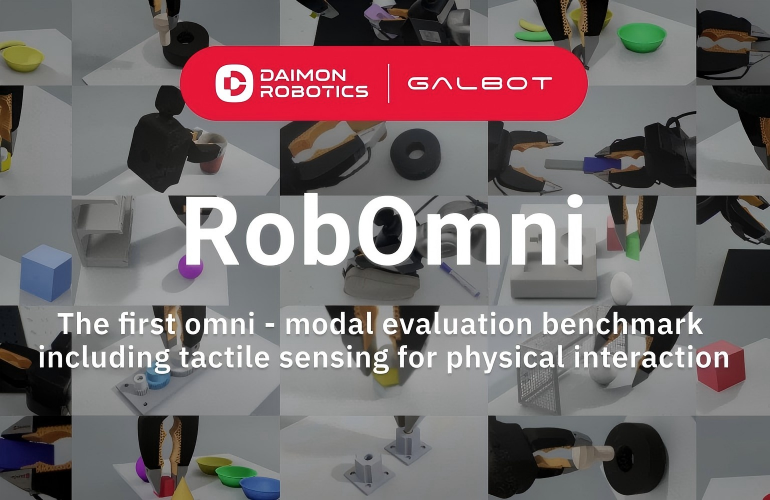
Daimon Robotics and Galbot jointly launches RobOmni for benchmarking tactile perception and dexterous manipulation
Daimon Robotics and Galbot have announced the launch of RobOmni, a new platform designed to benchmark tactile perception and dexterous manipulation in the field of embodied AI. This development marks a significant shift from traditional vision-centric approaches to a more comprehensive understanding of physical interactions. The collaboration aims to enhance the capabilities of robots in performing complex tasks that require fine motor skills and sensitivity to touch. The launch event took place recently, highlighting the growing importance of tactile feedback in robotics and its applications across various industries. By integrating advanced tactile sensing technologies, RobOmni is set to provide researchers and developers with the tools needed to push the boundaries of robotic dexterity and perception.
Sponsored Content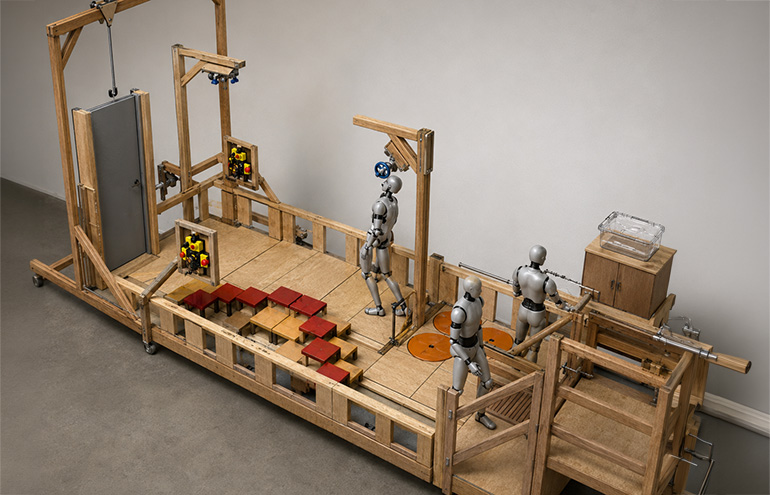
NIST proposes a baseline performance benchmark for humanoid robots
The National Institute of Standards and Technology (NIST) has introduced a standardized performance benchmark and testing procedures aimed at assisting developers and evaluators of humanoid robots. This initiative is designed to establish a consistent framework for assessing the capabilities of humanoid robots, ensuring that they meet specific performance criteria. By providing these benchmarks, NIST seeks to enhance the reliability and effectiveness of humanoid robots in various applications. The proposal reflects a growing recognition of the need for standardized evaluation methods in the rapidly evolving field of robotics.
Academia / Research Humanoids Mobility / Navigation News Regulatory & Compliance DARPA
AGIBOT Introduces Genie Sim 3.0, an Integrated Simulation, Data, and Benchmarking Platform for Embodied AI
AGIBOT has unveiled Genie Sim 3.0, an advanced platform aimed at improving embodied artificial intelligence in robotics. Launched recently, this open-source platform addresses significant challenges in robotics development by incorporating features such as environment generation, data scalability, and standardized evaluation methods. Genie Sim 3.0 enables the creation of 3D environments driven by large language models (LLMs) and includes a comprehensive framework for evaluating robot algorithms. The platform also integrates deeply with reinforcement learning, streamlining the experimentation and deployment processes for robotics. This upgrade is expected to facilitate faster advancements in the field, enhancing the capabilities and efficiency of robotic systems.
Embodied AI Robotics Simulation Reinforcement Learning Data Evaluation
Chinese Company Kuawei Intelligence Tops WorldArena Global Benchmark in Embodied World Models
Kuawei Intelligence, a leading Chinese company in embodied artificial intelligence, has secured the top position in the WorldArena Track 2 (Data Engine) global benchmark for May 2026. This accomplishment places Kuawei ahead of notable international competitors such as WoW and BLM. The ranking not only highlights Kuawei's advancements in embodied AI but also signifies a pivotal moment for China's presence in the realm of world model research, reflecting the nation's increasing competitiveness in this cutting-edge technology sector.
EmbodiedAI
LaST-R1: New Physical Reasoning Paradigm Achieves 99.9% Success Rate on LIBERO Benchmark
A collaborative research effort involving Simplexity Robotics, Peking University, and the Chinese University of Hong Kong (CUHK) has introduced LaST-R1, an innovative embodied AI paradigm. This new technology has demonstrated a remarkable 99.9% success rate on the LIBERO benchmark, surpassing the previous benchmark, π0.5, by 22.5% in real-world applications. The research highlights significant advancements in the field of artificial intelligence, showcasing the potential for enhanced performance in practical tasks. The findings were released in October 2023, marking a notable achievement in the ongoing development of AI systems.
AI
NVIDIA Nemotron Achieves Benchmark-Leading Performance With LangChain Deep Agents Harness
NVIDIA has unveiled its Nemotron 3 Ultra, a new AI orchestration platform that promises superior performance at a more affordable price compared to leading closed models. This innovative system has been optimized by LangChain, which has fine-tuned its Deep Agents to work seamlessly with the Nemotron 3 Ultra. The launch, which highlights NVIDIA's commitment to enhancing AI capabilities, aims to make advanced AI orchestration more accessible to a broader range of users. The collaboration between NVIDIA and LangChain showcases how cutting-edge technology can be leveraged to improve efficiency and effectiveness in AI applications.
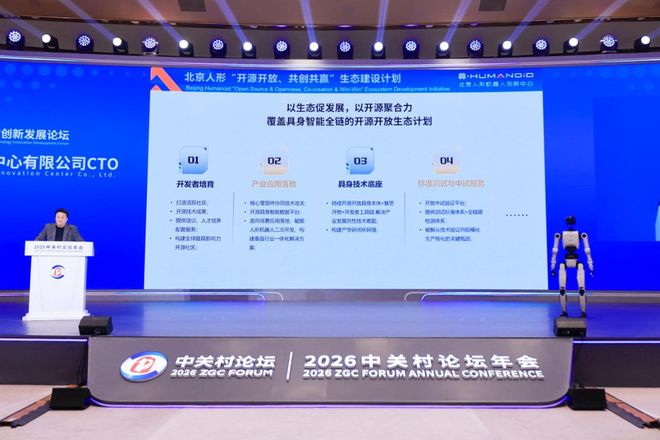
Open Source and Collaboration for Mutual Benefit: Beijing Humanoid Launches Open Ecosystem Plan to Build a Benchmark for Embodied Intelligence
The Beijing Humanoid Robotics Innovation Center has launched an open ecosystem initiative designed to enhance collaboration in embodied intelligence. Announced recently, this initiative aims to promote community development, facilitate collaboration on core components, and provide standardized testing services. By addressing key industry challenges, the center seeks to drive innovation within the robotics sector. This strategic move reflects the center's commitment to fostering a cooperative environment that encourages advancements in technology and supports the growth of the robotics community.
Embodied Intelligence Open Source Robotics Industry Standards Collaborative Innovation
Chinese Embodied AI Company Tops RoboArena Benchmark, Beating NVIDIA and Physical Intelligence
At the NVIDIA GTC Taipei 2026 event, a significant milestone was announced for China's embodied intelligence sector. This achievement highlights the advancements made in the field, showcasing the country's commitment to innovation and technology development. The announcement is expected to bolster China's position in the global tech landscape, reflecting ongoing efforts to enhance artificial intelligence capabilities. The event served as a platform for industry leaders to discuss future trends and the implications of these advancements on various sectors.
EmbodiedAI
Import AI 445: Timing superintelligence; AIs solve frontier math proofs; a new ML research benchmark
As discussions surrounding the future of artificial intelligence intensify, experts are speculating that 2026 could be a critical year for decision-making regarding the singularity. This pivotal moment is anticipated to occur as advancements in AI technology continue to accelerate, raising questions about its implications for society. The year is expected to see significant developments in AI research and policy, with stakeholders from various sectors—including technology companies, government agencies, and academic institutions—coming together to address the ethical and practical challenges posed by rapid AI evolution. The urgency of these discussions is driven by the potential for AI to fundamentally alter industries, economies, and daily life. As the global community prepares for this transformative period, the outcomes of these deliberations could shape the trajectory of AI and its integration into society for decades to come.

Is Tactile Feedback the Key to Embodied Intelligence?
NVIDIA's DreamZero model has achieved significant recognition by surpassing two prominent robot benchmarks, igniting discussions about the influence of world models on embodied intelligence. This development, reported recently, has drawn attention to the contrasting perspectives within the tech community. Proponents argue that virtual training offers substantial promise for advancing robotic capabilities, while critics caution about the inherent difficulties associated with real-world physical interactions. The discourse highlights the critical role of tactile perception in effectively linking virtual simulations to practical tasks. In this context, the XHAND 1 Pro has emerged as an innovative tool, facilitating high-precision data collection essential for enhancing robotic performance in real-world scenarios.
Embodied Intelligence Tactile Perception Robotics AI Models
DobotWAM Achieves Top Ranking in Embodied Intelligence with 99.25% Success Rate
Yuejiang Technology has announced that its DobotWAM model has achieved an impressive 99.25% success rate in the LIBERO benchmark for embodied intelligence, outpacing competing models. This achievement marks a significant transition in the field from traditional collaborative robotics to advanced embodied intelligence technology, emphasizing its applicability in real-world scenarios and precision tasks. The model's superior performance is attributed to significant advancements in spatial understanding and dynamic motion modeling, establishing DobotWAM as a leader in the robotics industry.
Embodied Intelligence Robotics AI Automation
Ant Group Launches LingBot-VA 2.0 with Advanced Spatial Awareness and Vision Models
On July 10, Ant Group introduced LingBot-VA 2.0, the first embodied native action model in the industry. This release marks the culmination of their full-stack 2.0 model series, featuring advancements in spatial perception and real-time interaction. The launch has generated significant buzz across international platforms like Reddit and Hugging Face, indicating a strong interest in their technology. The significance of LingBot-VA 2.0 lies in its comprehensive technology stack, which includes LingBot-Depth 2.0 and LingBot-Vision. LingBot-Depth 2.0 enhances depth perception with a training dataset expanded from 3 million to 150 million, achieving top scores in 12 out of 16 benchmarks. Meanwhile, LingBot-Vision introduces a novel pre-training target, improving depth estimation accuracy despite using a smaller dataset compared to competitors. Looking ahead, the next steps for Ant Group involve further collaboration with industry partners, as LingBot-Depth 2.0 has already received professional certification from Orbbec. The company is also focusing on integrating their models into the industry, with no further timeline disclosed at the time of publication for upcoming releases or partnerships.
Robotics AI Machine Learning Computer Vision
Cai Lei says he wants to change his body to fight, is embodied intelligence ready?
Cai Lei, a prominent figure in the fitness and combat sports community, has expressed his ambition to transform his physique to enhance his fighting capabilities. This declaration comes amid a growing interest in the intersection of physical fitness and technology, raising questions about the readiness of artificial intelligence to support such personal transformations. As Cai embarks on this journey, he aims to leverage advanced training techniques and data-driven insights to optimize his performance. The initiative highlights a broader trend where athletes increasingly seek to integrate technology into their training regimens, prompting discussions about the future of sports and the role of AI in personal development. With the potential for significant advancements in training methodologies, Cai's endeavor may serve as a benchmark for others in the field, illustrating the evolving landscape of athletic preparation and performance enhancement.
Robotics Automation AI
How to Implement Embodied Intelligence in Future Industries?
China is strategically prioritizing embodied intelligence as a crucial element in the development of emerging industries, according to industry experts. This focus comes amid the rapid growth of humanoid robots and related technologies, which are seen as pivotal for future advancements. Experts stress the necessity for stable delivery systems and replicable product pathways to ensure success in this sector. The ongoing discussions also address the challenges faced in the field and the importance of establishing benchmarks to guide development. As China positions itself at the forefront of this technological evolution, the insights shared by specialists highlight both the potential and the complexities of integrating embodied intelligence into various applications.
Embodied Intelligence Humanoid Robots Emerging Industries AI Technology Development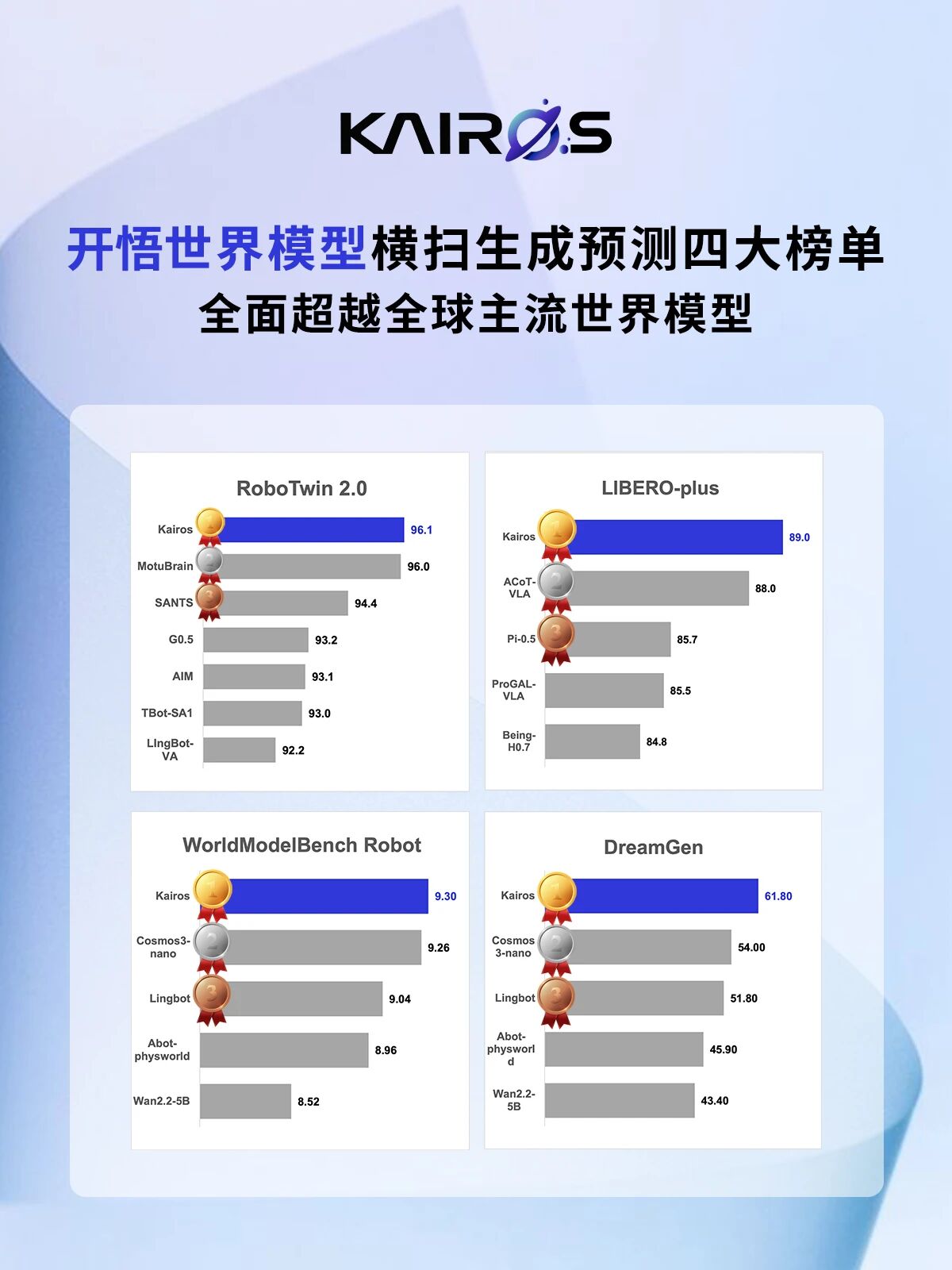
Kairos Model Achieves Top Rankings in Global Embodied Intelligence Evaluations
ACE Robotics' Kairos model has achieved first place in multiple esteemed global assessments for embodied intelligence, outpacing significant competitors in the field. This advanced model features a groundbreaking unified architecture that combines multimodal understanding, generation, and prediction, establishing a new benchmark for performance. The innovation not only improves real-time responsiveness but also enhances operational accuracy, facilitating the path toward the commercialization of embodied intelligence technologies.
Embodied Intelligence World Models Robotics AI Machine Learning
NVIDIA Blackwell Leads on First Agentic AI Infrastructure Benchmark
Artificial Analysis has launched AgentPerf, the industry's first benchmark for agentic AI, aimed at providing developers, enterprises, and infrastructure providers with a standardized method to evaluate and compare various systems designed for agentic AI capabilities. The initial results have highlighted NVIDIA's Blackwell as a leading performer in this emerging field. This development comes as the demand for advanced AI systems continues to grow, prompting the need for reliable metrics to assess their effectiveness and efficiency. By establishing a clear framework for comparison, AgentPerf seeks to facilitate informed decision-making among stakeholders in the AI sector.
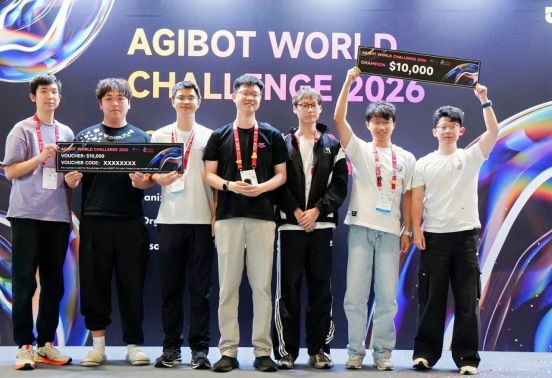
AGIBOT WORLD CHALLENGE 2026 Concludes Successfully at ICRA 2026
The AGIBOT WORLD CHALLENGE 2026, taking place in Vienna alongside the ICRA 2026 conference, has drawn participation from 526 teams across 27 countries. This prestigious competition highlights advancements in embodied intelligence, featuring innovative assessment methods that emphasize real-world applications. Top-performing teams have set new benchmarks in the Reasoning to Action and World Model tracks, demonstrating significant progress in the field. The event aims to establish industry standards and foster the development of embodied intelligence technologies, reflecting the growing importance of these innovations in various sectors.
Embodied Intelligence Robotics Competitions AI Assessment Automation Technology
Countdown to the 3rd LeadeRobot Awards for Embodied Intelligence and Humanoid Robots!
The 3rd LeadeRobot Awards have officially commenced, designed to honor industry leaders and stimulate advancements in embodied intelligence and humanoid robotics. This initiative seeks to spotlight significant technological innovations and assess their commercial potential, thereby encouraging collaboration among key stakeholders in the sector. By recognizing outstanding contributions, the awards aim to set benchmarks within the industry and promote a culture of innovation. The event promises to bring together various players in the robotics field, fostering an environment conducive to sharing ideas and driving progress.
Embodied Intelligence Humanoid Robots Industry Innovation Technology Awards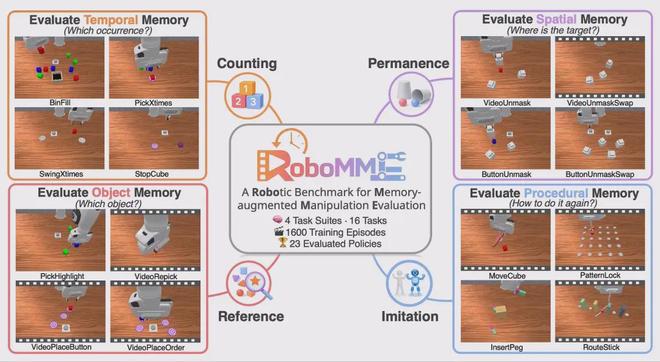
Michigan, Stanford, and Figure AI Collaborate to Launch the Groundbreaking RoboMME Robot Memory Benchmark!
A new standardized evaluation system for robot memory, known as the RoboMME benchmark, has been introduced by a collaborative effort involving Michigan University, Stanford University, and Figure AI. This innovative framework assesses robot memory across four key dimensions: temporal, spatial, object, and procedural. By addressing previous shortcomings in assessment methods, the RoboMME benchmark aims to improve robot performance in executing complex tasks. The initiative reflects ongoing advancements in robotics and artificial intelligence, highlighting the importance of effective memory evaluation in enhancing robotic capabilities.
Robot Memory Benchmarking Artificial Intelligence Robotics Machine Learning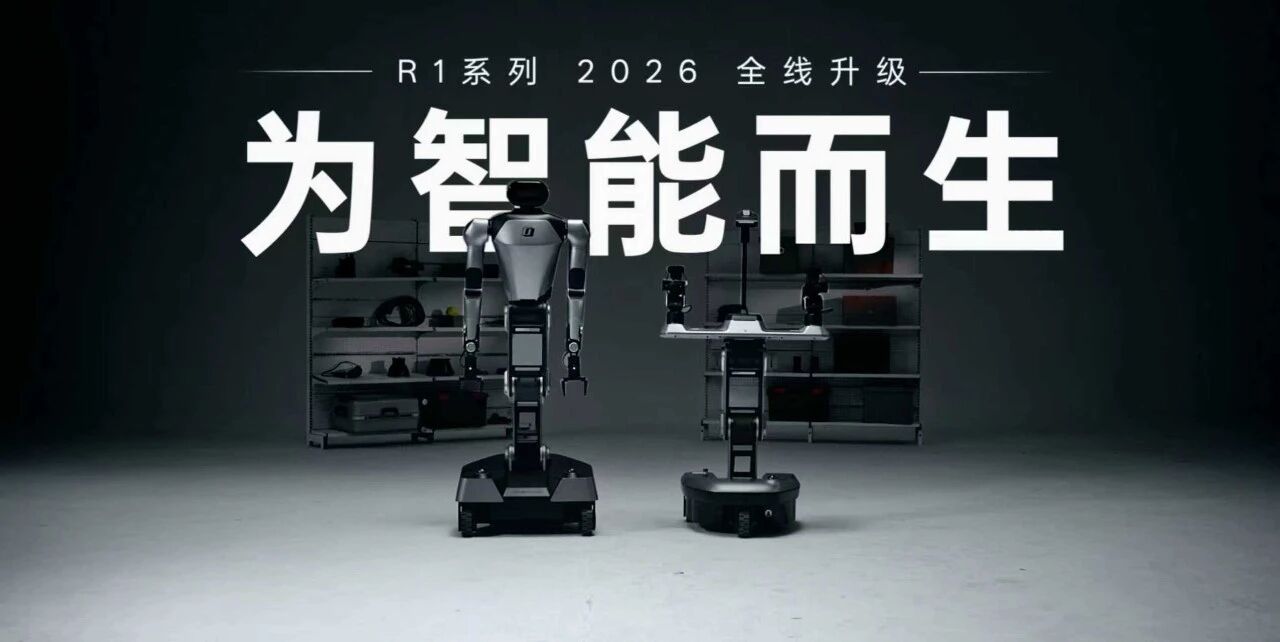
Leading Company in Wheeled Embodied Intelligence Robots Launches New Product
Xinghai Map, a frontrunner in the wheeled robotics industry, has announced the launch of its upgraded R1 series, set to debut in 2026. This new series focuses on enhancing hardware precision and reliability, with the goal of setting new benchmarks in the field of embodied intelligent robotics. As the technology transitions from laboratory settings to practical applications, the R1 series is expected to play a significant role in advancing the capabilities of robotic systems in various real-world scenarios.
Embodied Intelligence Robotics Hardware Development AI
Breakthrough! Launch of the Genie Operator-2 Model: Embodied Intelligence Overcomes the Key Barrier of 'Knowing and Doing'!
On April 6, Zhiyuan Robotics introduced the Genie Operator-2 (GO-2), an advanced embodied intelligence model aimed at improving the connection between semantic understanding and physical execution in robotics. The new model features a cutting-edge architecture and has been developed using extensive training data, which collectively contribute to its enhanced performance in various robotic benchmarks. This innovation is expected to significantly increase the reliability of task execution in robotic applications, marking a notable advancement in the field of robotics.
Embodied Intelligence Robotics AI Automation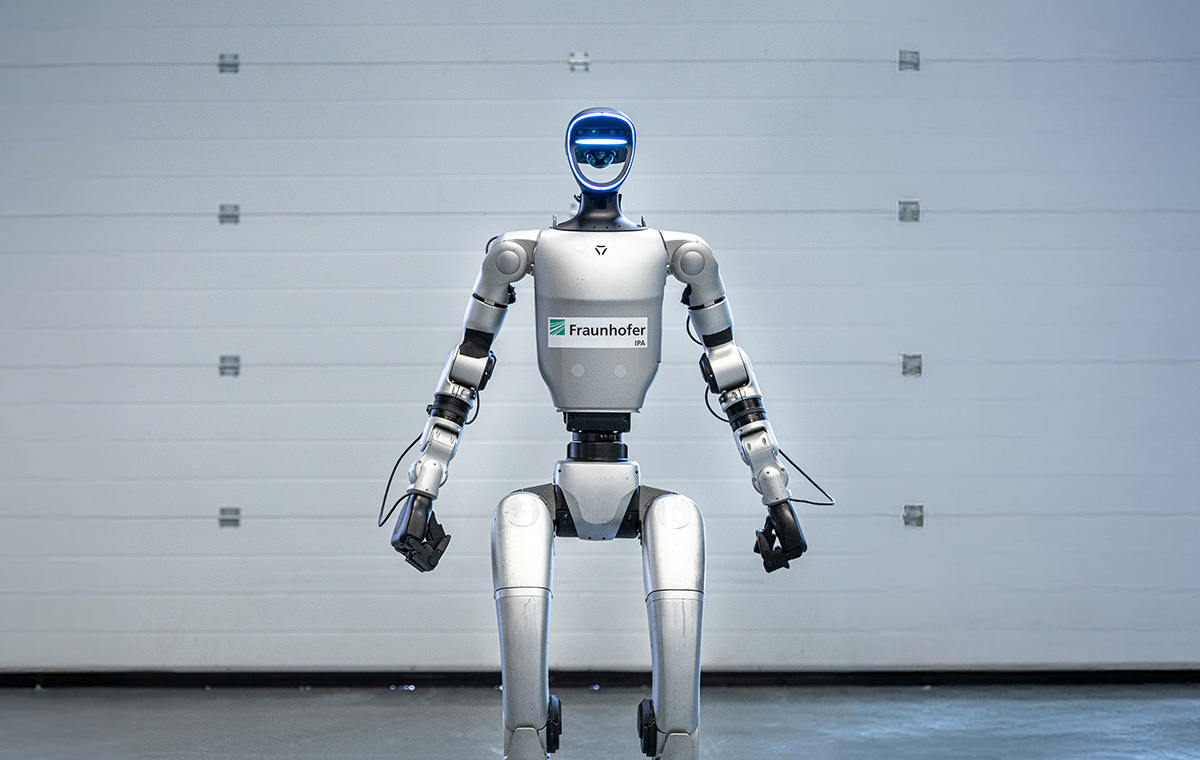
Fraunhofer IPA offers new test benchmark for humanoids
Fraunhofer IPA has introduced a new benchmark aimed at evaluating humanoid robots for industrial applications. This initiative addresses the need for standardized criteria that can be utilized by third-party analysts to assess the performance and suitability of these robots in various industrial settings. The development of this benchmark reflects the growing demand for reliable and efficient humanoid robots in the workforce, as industries seek to enhance productivity and automate processes. By providing a structured framework for evaluation, Fraunhofer IPA aims to facilitate the integration of humanoid robots into industrial environments, ensuring they meet specific operational requirements.
Actuators / Motors / Servos Arms / Manipulators Batteries / Power Supplies Cameras / Imaging / Vision Controllers End Effectors / Grippers
Perceptron Mk1 shocks with highly performant video analysis AI model 80-90% cheaper than Anthropic, OpenAI & Google
Perceptron Inc., a Bellevue-based startup founded by former Meta researchers Armen Aghajanyan and Akshat Shrivastava, has launched its flagship video analysis model, Mk1, aimed at revolutionizing how enterprises utilize AI in real-time video processing. Announced today, this innovative model is priced significantly lower than competitors, at $0.15 per million input tokens and $1.50 per million output tokens, making it accessible for large-scale industrial applications. The Mk1 model, developed over 16 months, excels in understanding complex physical interactions and temporal reasoning, outperforming established models like OpenAI's GPT-5 and Google's Gemini 3.1 Pro in various benchmarks. Its unique architecture allows it to process video streams continuously, maintaining object identity and providing precise analysis of dynamic scenes, which is particularly beneficial for sectors such as security, robotics, and marketing. Perceptron aims to position Mk1 as a leader in the "Efficiency Frontier," balancing high performance with cost-effectiveness. The model's capabilities extend to auto-clipping highlights from live sports and enhancing quality control in manufacturing. A public demo site is available for potential users to explore its functionalities. This launch signifies a significant step towards integrating advanced AI into real-world applications, as the company seeks to make "physical AI" as prevalent as its digital counterpart.
Technology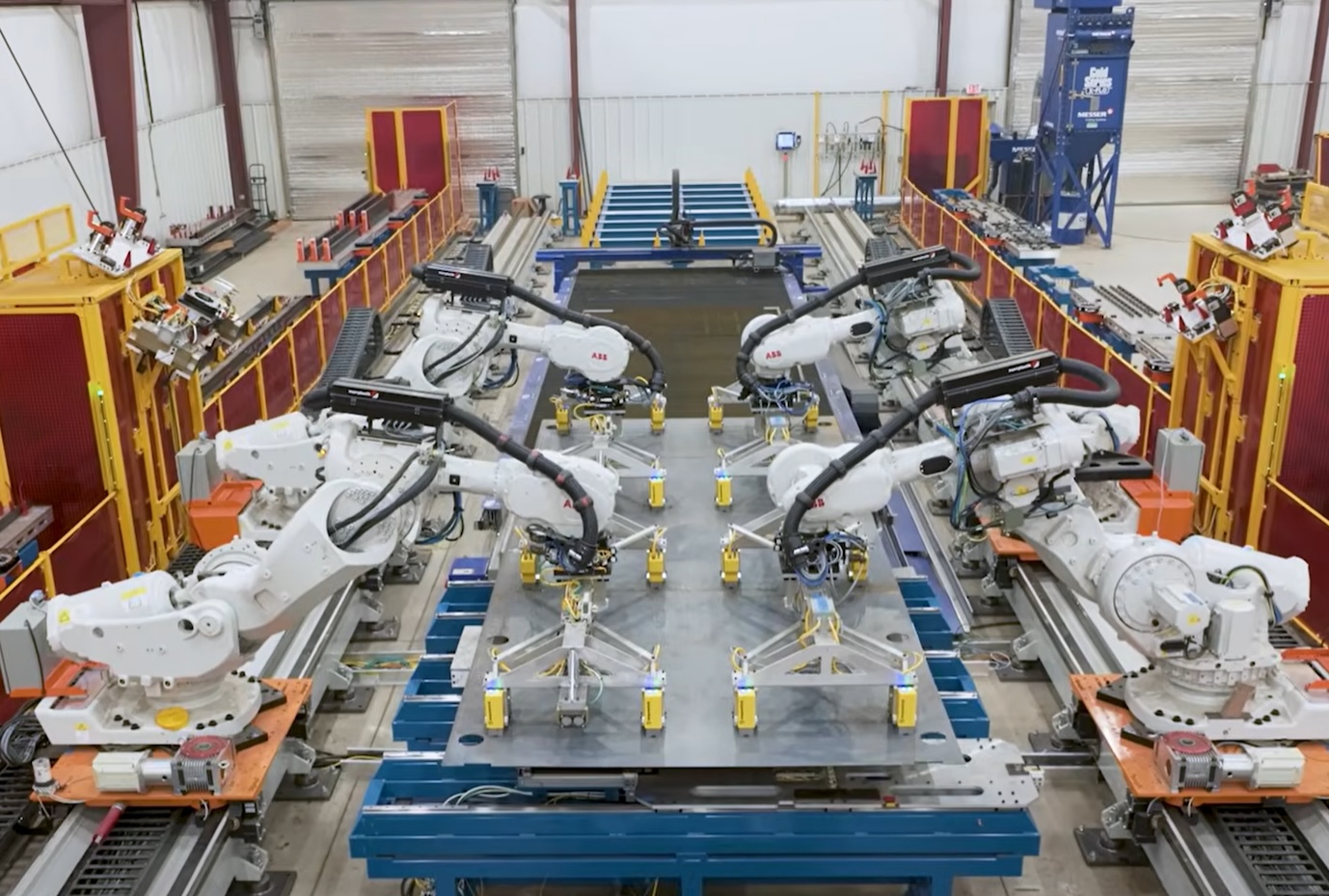
ByteDance Releases Doubao-Seed-2.0, Positions Pro Model Against GPT 5.2 and Gemini 3 Pro
ByteDance has unveiled Doubao-Seed-2.0, the newest iteration of its Doubao large language model series. This latest version, particularly the Pro variant, has been benchmarked against advanced models such as GPT 5.2 and Gemini 3 Pro. It is specifically engineered to excel in long-chain reasoning and agent-based tasks. According to ByteDance, Doubao 2.0 Pro has demonstrated superior performance across various multimodal, mathematical, and coding benchmarks, positioning it as a leading contender in the competitive landscape of artificial intelligence. The release reflects ByteDance's commitment to advancing AI technology and enhancing its capabilities for complex problem-solving tasks.
News Feed
Robot 'Lightning' Breaks Half Marathon Record at State Council Press Conference
At a recent press conference, the Honor 'Lightning' robot achieved a remarkable feat by completing a half marathon in just 50 minutes and 26 seconds, setting a new benchmark that surpasses human records. Developed by Honor's engineering team, this advanced humanoid robot incorporates cutting-edge technology, including self-developed joint modules and a sophisticated liquid cooling system. The team's accomplishment highlights significant advancements in humanoid robotics and reflects their commitment to exploring practical applications across various sectors. This milestone marks a crucial moment in the evolution of robot technology, showcasing the potential for future innovations.
Humanoid Robots AI Robotics Innovation Marathon Technology
China’s medical AI breaks ground as surgical robot wins EU approval, model tops benchmark
Chinese medical AI has achieved significant advancements, highlighted by the entry of a teleoperated surgical robot into the European Union market and a clinical-grade model surpassing a key healthcare benchmark established by OpenAI. On Monday, Shanghai MicroPort MedBot announced that its Toumai Remote robot, designed for remote laparoscopic surgeries, has received the CE mark, a certification required for market access in the EU, as reported in its filing to the Hong Kong stock exchange. This development underscores the growing influence of Chinese innovations in the global healthcare technology sector, driven by the increasing demand for advanced surgical solutions that enhance precision and accessibility. The successful certification of the Toumai Remote robot marks a pivotal step in expanding its operational capabilities and improving patient outcomes in surgical procedures across Europe.

AGIBOT WORLD CHALLENGE 2026 Advances Embodied AI Competition from Simulation to Real-Robot Testing at ICRA 2026
A recent competition has marked a significant advancement in the evaluation of embodied artificial intelligence, emphasizing the importance of closed-loop testing with real robots and practical tasks. This shift away from traditional simulation scores aims to establish standardized benchmarks that better reflect the capabilities of AI systems in real-world scenarios. By focusing on tangible outcomes and interactions, the competition seeks to enhance the reliability and applicability of embodied AI technologies. The event, which took place in October 2023, gathered experts and innovators in the field, showcasing the latest developments and fostering collaboration to push the boundaries of AI performance in practical applications.

Ardian to invest €5 billion in digital infrastructure in France; Kuaishou creates 189 new jobs, 15 from AI; China allocates
On June 2, 2023, in Beijing, Gaode Map and the Singapore Tourism Board signed a strategic cooperation memorandum, marking the launch of the first collaborative tourism ranking list between a Chinese company and an overseas national tourism board. This initiative will feature the Singapore Street Ranking, utilizing Gaode's advanced aerial street view technology to provide a 360-degree perspective of local attractions, hotels, neighborhoods, and restaurants. The goal is to enhance the travel experience by allowing visitors to assess their destinations before arrival. In a separate development, the Jiangxi National Rare Earth Technology Innovation Center was established with a registered capital of 1.25 billion yuan, focusing on mineral resource exploration and scientific research. Additionally, WeRide and Uber announced plans to introduce Spain's first commercial Robotaxi service in Madrid, expanding WeRide's presence to its twelfth global city. The initiative aims to deploy hundreds of Robotaxis in the city center as operational benchmarks are met. In France, Ardian, a private equity firm, revealed a partnership with Verne to invest up to 5 billion euros in developing a next-generation digital infrastructure park in the Île-de-France region, with a target capacity of 500 megawatts by 2030. Other notable news includes a collaboration between Google and Telstra to build a fiber and submarine cable network in Australia, updates on the recovery timeline for Blue Origin's launch facilities following a recent rocket explosion, and a reduction in fuel surcharges for domestic flights in China starting June 5.
RoboMemArena: New Benchmark Systematically Evaluates Robot Memory Capabilities
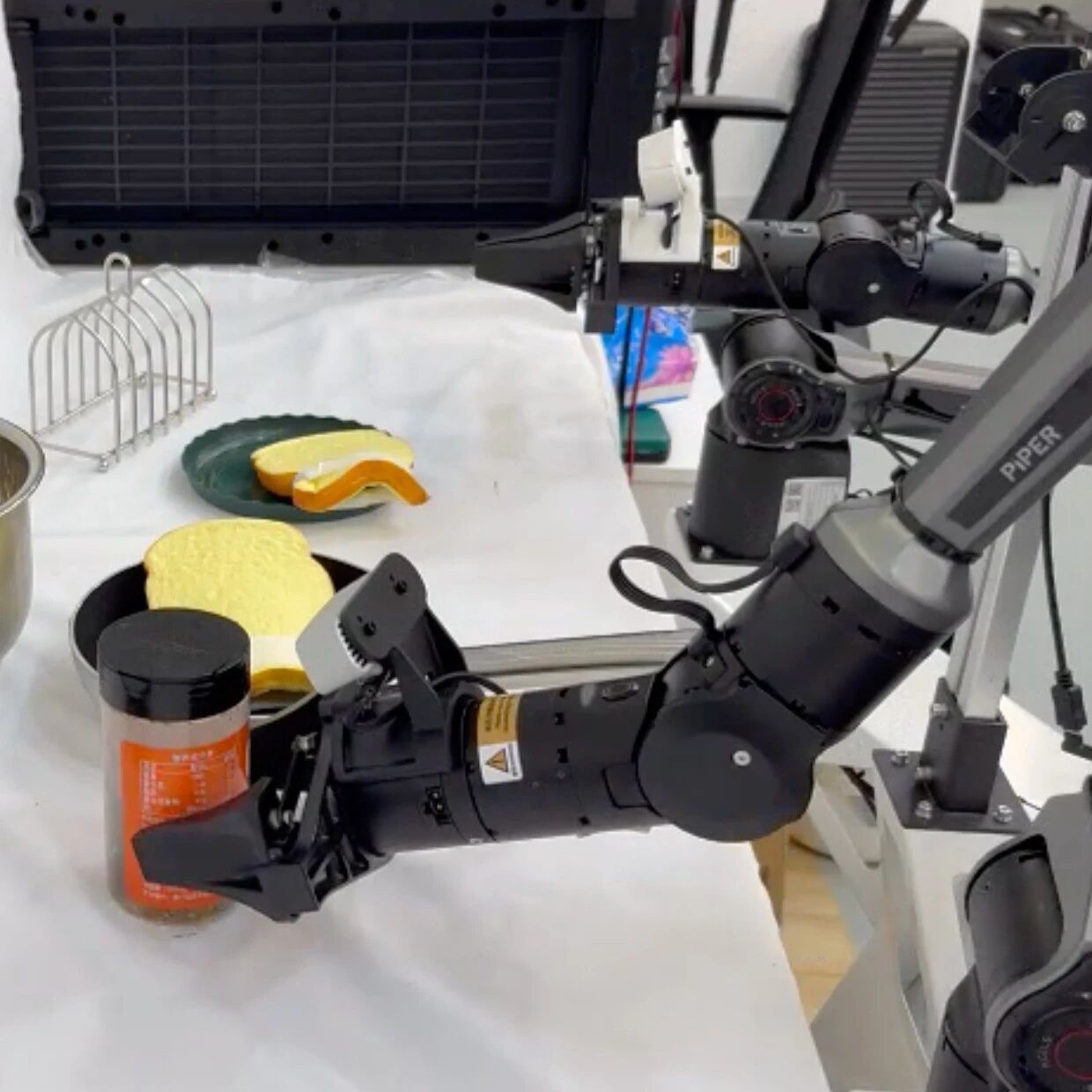
A consortium of Chinese research institutions has unveiled RoboMemArena, marking the introduction of the first comprehensive benchmark designed to assess robotic memory in long-horizon manipulation tasks. This initiative aims to enhance the capabilities of robots in performing complex tasks that require sustained memory and learning over extended periods. The launch took place recently, with the goal of advancing research and development in robotics, particularly in areas that demand intricate memory functions. By providing a standardized framework for evaluation, RoboMemArena seeks to facilitate comparisons across different robotic systems and foster innovation in the field.
AI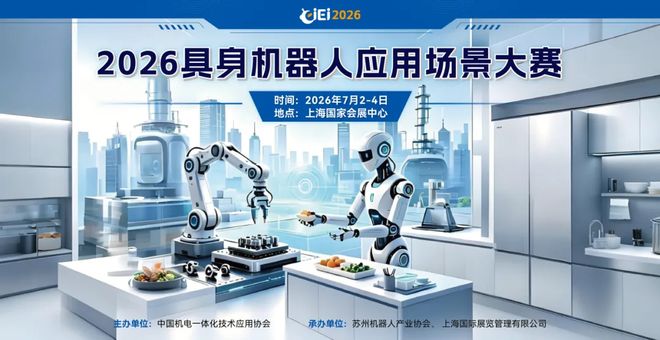
Welcome to the Competition | "Using Standards as a Measure and Scenarios as a Mirror" Embodied Service Scenario Competition Officially Launched
The Embodied Service Scenario Competition has officially launched, inviting participants to explore the theme "Using Standards as a Measure and Scenarios as a Mirror." This initiative aims to encourage innovative thinking and practical applications in service design by utilizing established standards as benchmarks and reflective scenarios to assess service effectiveness. The competition is open to individuals and teams from various backgrounds, providing a platform for creative solutions that address contemporary challenges in service delivery. The event will take place over the coming months, culminating in a final presentation where selected entries will be showcased. Organizers hope to foster collaboration and knowledge sharing among participants, ultimately enhancing the quality and impact of services in diverse sectors.
Robotics Automation AI
3 Key Certifications to Look for When Vetting a Robot
In the competitive landscape of automation, JAKA Robotics is setting a high standard for the production of collaborative robots through its state-of-the-art robotic arm factory. This facility, which adheres to rigorous international certifications, ensures that every robot produced meets stringent quality, safety, and environmental benchmarks. The factory's ISO 9001 certification underscores its commitment to quality management, guaranteeing that each robot is manufactured with consistent precision and reliability. This certification also establishes a framework for addressing technical issues through documented processes, fostering a culture of continuous improvement. Additionally, JAKA's compliance with ISO 10218-1 highlights its focus on safety, as this certification outlines essential requirements for industrial robots operating in shared workspaces. By rigorously testing safety features, JAKA ensures that its robots can work alongside human operators without posing risks. Furthermore, the factory's ISO 14001 certification reflects JAKA's dedication to sustainable manufacturing practices. This certification confirms that the company actively works to minimize its environmental impact, aligning its operations with global environmental, social, and governance (ESG) goals. As the automation industry evolves, JAKA Robotics emphasizes the importance of safety and compliance, integrating advanced design principles and precise engineering to deliver high-performance robots. With a focus on accuracy and user-friendly interaction, JAKA's collaborative robots, including the Zu series and MiniCobo, are engineered to meet the demands of sectors such as semiconductor, electronics, and automotive, ensuring safe and efficient human-robot collaboration.

ShengShu Technology Unveils World Action Model "Motubrain": One Brain, Infinite Possibilities for Robotic Intelligence
Motubrain has emerged as a leader in the field of embodied artificial intelligence, achieving top rankings in two global benchmarks that assess its capabilities in understanding and generating information about the world. This significant milestone was reached in October 2023, highlighting the company's innovative approach to AI technology. By redefining the standards of embodied AI, Motubrain aims to enhance the interaction between humans and machines, making AI systems more intuitive and responsive. The advancements made by Motubrain are expected to have a profound impact on various industries, paving the way for more sophisticated applications of AI in everyday life.
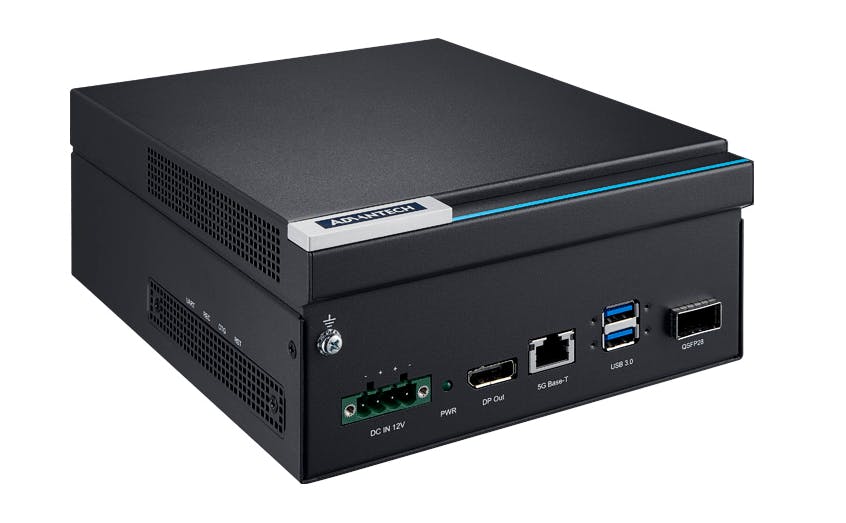
Advantech Releases Edge AI Inference System
Nvidia and Fort Robotics have announced a collaboration aimed at enhancing the performance of robotic and autonomous mobile robot applications. This partnership focuses on ensuring that these technologies operate with deterministic performance and meet Safety Integrity Level (SIL) certification standards. The initiative underscores the growing importance of safety and reliability in the rapidly evolving field of robotics, as industries increasingly integrate autonomous systems into their operations. By leveraging Nvidia's advanced computing capabilities alongside Fort Robotics' expertise in safety protocols, the two companies aim to set new benchmarks for performance and safety in robotic applications.
Factory / Control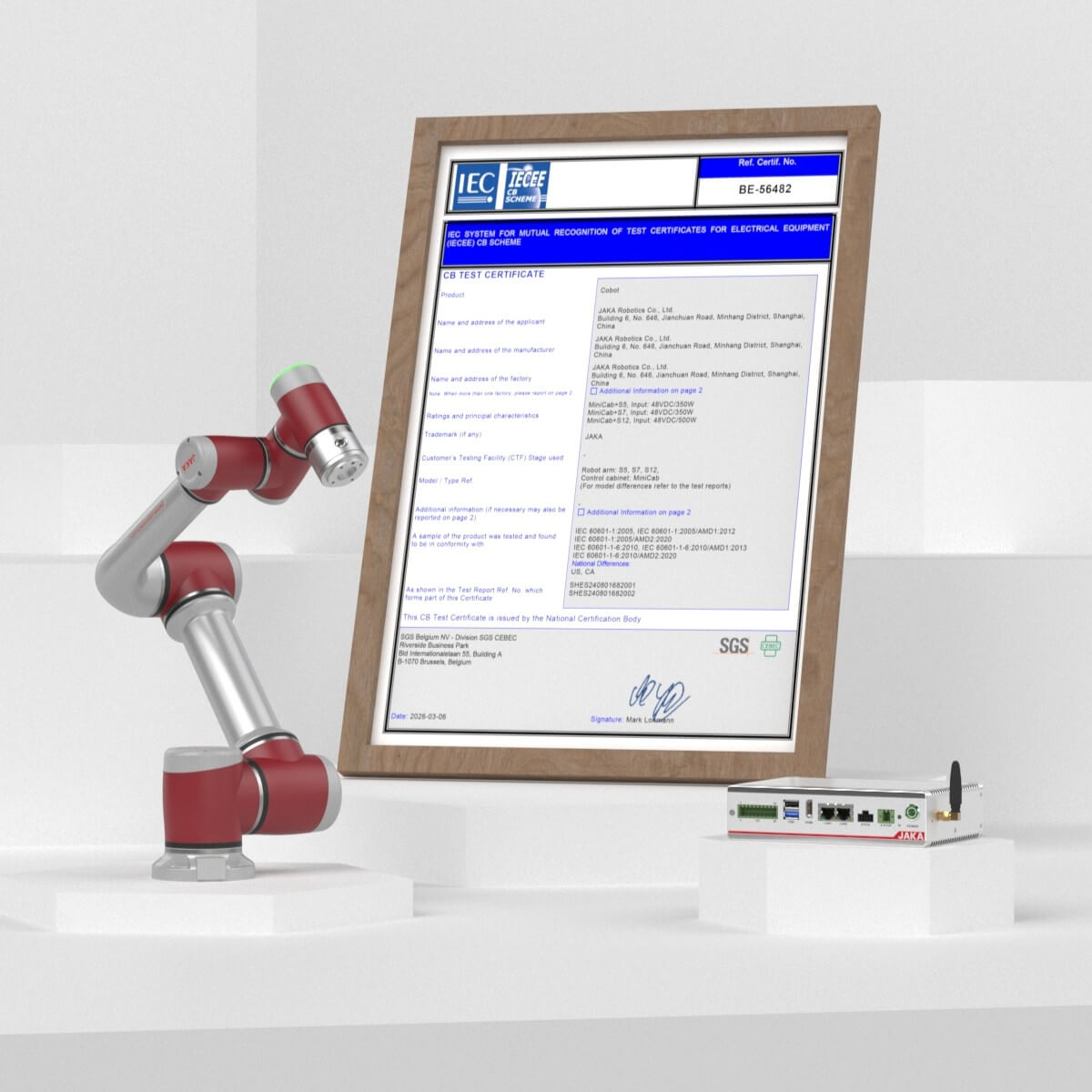
JAKA Achieves IEC 60601 Medical Safety Certification
JAKA Technology has achieved a significant milestone by obtaining IEC 60601 medical safety certification for its S series collaborative robots (cobots) — the S5, S7, and S12, along with the MiniCab control cabinet. This certification, recognized globally as the benchmark for medical electrical equipment safety, was awarded following rigorous testing that adheres to the stringent requirements of the IEC 60601-1 series, which surpasses typical industrial standards. The certification process involved comprehensive evaluations of electrical safety, ensuring that the cobots maintain patient and operator safety even in the event of a single component failure. This is crucial in medical environments where limits on leakage current and electromagnetic interference are strictly enforced. For instance, certified JAKA robots will not disrupt sensitive medical devices such as ECG monitors or electrosurgical units, even in complex electromagnetic settings. Additionally, the robots underwent thorough assessments of their mechanical safety features, including collision detection and safe speed monitoring. These enhancements allow for smoother and safer interactions between the robots and healthcare personnel or patients. With this certification, JAKA solidifies its position as a trusted entity in the global medical device market, ready to provide compliant and safe automation solutions for healthcare systems worldwide.

Leidos Unveils Sea Dagger Design to Advance UK Maritime Autonomy Capabilities
Leidos has introduced Sea Dagger, an innovative Commando Insertion Craft (CIC) concept designed for the Royal Navy. This groundbreaking vessel is notable for being the first of its kind to integrate speed, range, vehicle delivery, and modular mission systems into a single platform. The unveiling of Sea Dagger marks a significant advancement in maritime autonomy and operational flexibility, reflecting the company's commitment to enhancing naval capabilities. The craft aims to set a new benchmark in the industry, addressing the evolving needs of modern naval operations.

Saab Awarded ASIMOV Contract by DARPA to Develop Responsible AI Benchmarks for Autonomous Systems
The Defense Advanced Research Projects Agency (DARPA) has contracted a team led by Saab, Inc.’s newly established accelerator, Skapa by Saab, in collaboration with the Massachusetts Institute of Technology (MIT). This partnership is part of DARPA's Autonomy Standards and Ideals with Military Operational Values (ASIMOV) program, which seeks to create benchmarks for objectively and quantitatively assessing the ethical complexities of future autonomous systems and their readiness for military applications. The initiative underscores the growing importance of integrating ethical considerations into the development of autonomous technologies in defense.
saab contract award asimov darpa ai autonomous systems
Lumos Robotics tops global benchmark test for zero-shot embodied AI
Lumos Robotics says its Prime R0 industrial embodied AI model has achieved the highest overall score on the latest MolmoSpaces leaderboard, outperforming larger models from competitors including Nvidia and research teams from the United States. The Chinese robotics company said its 2.8-billion-parameter model ranked first across both single-arm fine manipulation and dual-arm collaboration tasks in […]
Artificial Intelligence Computing News Robotics AI models embodied ai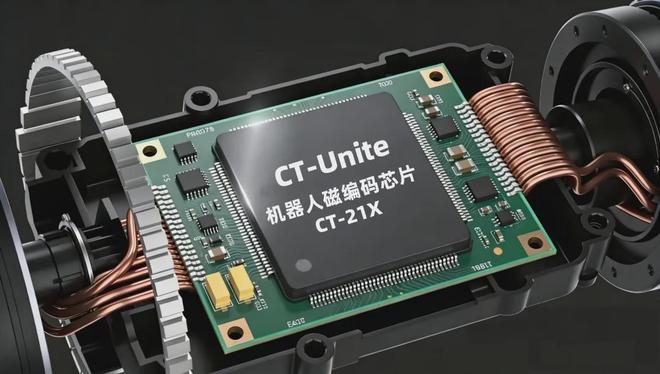
China's First GaN Magnetic Encoding Chip for Humanoid Robot Joints Released, Setting a New Benchmark for High-Precision Motion Control
China Semiconductor has unveiled its first domestically produced GaN magnetic encoding sensor designed specifically for humanoid robot joints. This groundbreaking chip, introduced recently, promises enhanced performance in extreme conditions, effectively tackling significant industry challenges such as overheating and precision issues. By providing a solution to these critical problems, the new sensor paves the way for the advancement of high-performance robotic joints, marking a significant step forward in robotics technology.
Humanoid Robots Motion Control GaN Technology Robotics Sensors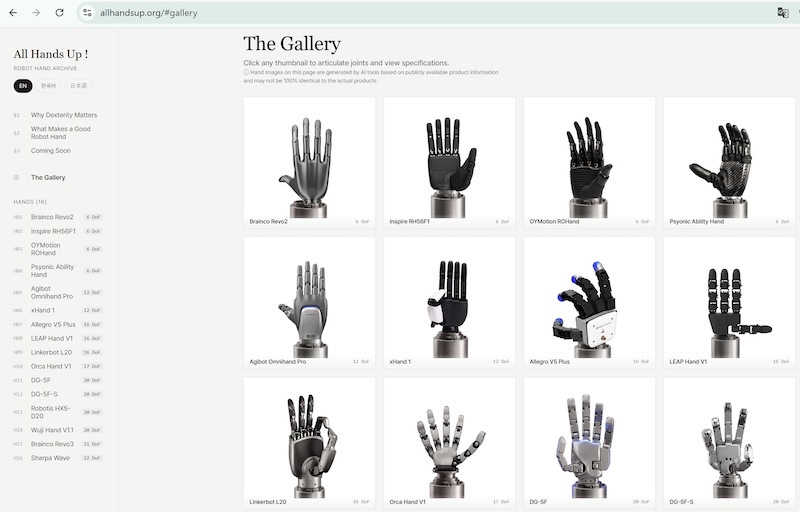
RLWRLD launches open platform to benchmark dexterous robotic hands
RLWRLD, a physical AI company with a proprietary robotics foundation model, RLDX-1, has announced the launch of “All Hands Up!”, an open web platform that provides technical reports and visualization tools based on the company’s firsthand experience operating a wide range of commercially available dexterous robot hands. All Hands Up! is designed to analyze and […]
Computing Robot simulation All Hands Up DexBench dexterous hands dexterous manipulation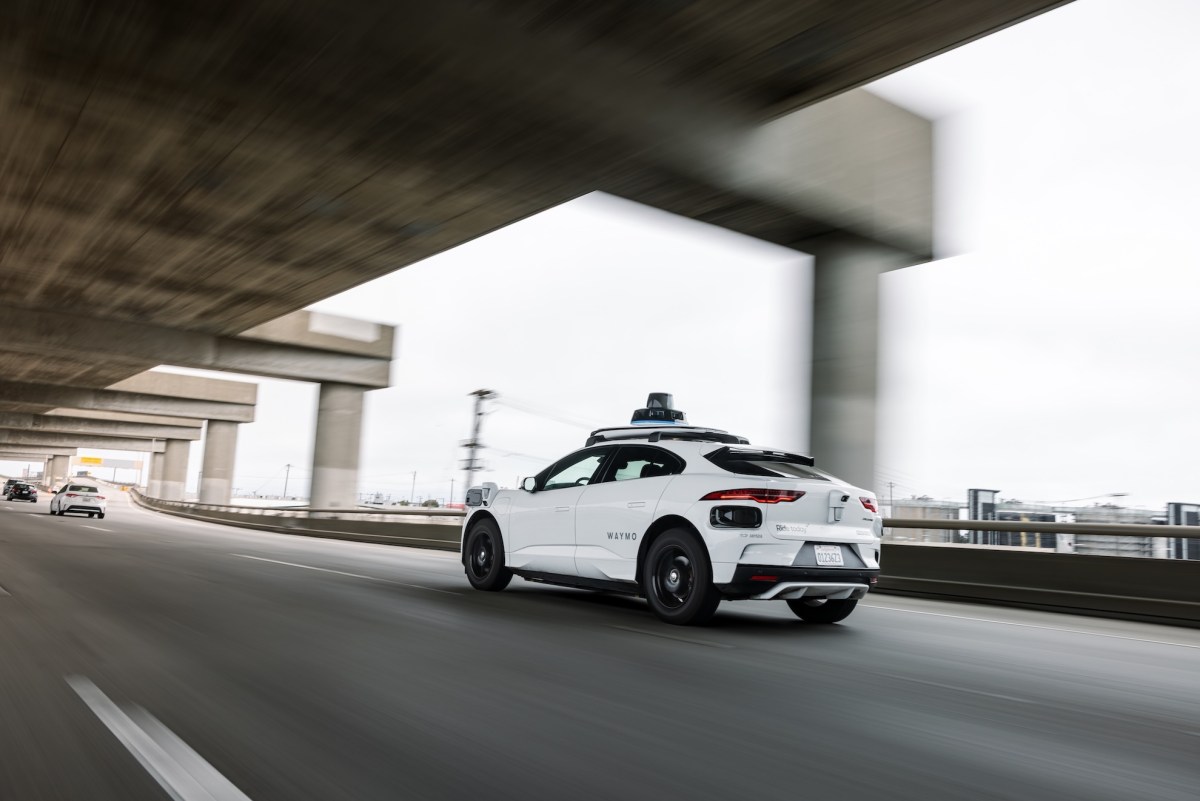
Waymo says it built a better benchmark for comparing robotaxis to humans
Waymo has developed an advanced computer model aimed at enhancing its understanding of human behavior during crash scenarios involving its robotaxis. This initiative, which comes as part of the company's ongoing efforts to improve safety and reliability, utilizes extensive data analysis to simulate various accident situations. By accurately predicting how individuals might react in these critical moments, Waymo seeks to refine its autonomous driving technology and ensure better decision-making capabilities for its vehicles. The model is expected to play a crucial role in the company's safety protocols and regulatory compliance as it continues to expand its robotaxi services.
TC Transportation
Import AI 446: Nuclear LLMs; China's big AI benchmark; measurement and AI policy
As artificial intelligence continues to evolve, questions arise about the potential for AIs to experience emotions such as jealousy. Researchers in the field of AI and cognitive science are exploring the implications of advanced machine learning systems, particularly those trained on vast datasets, to understand whether these systems could develop complex emotional responses similar to humans. This inquiry has gained traction in recent months, with discussions intensifying around the ethical and philosophical ramifications of AI emotions. The investigation into AI jealousy is particularly relevant as developers strive to create more sophisticated and autonomous systems. Experts argue that while current AI lacks the capacity for genuine emotions, the rapid advancements in technology could lead to scenarios where AIs exhibit behaviors that mimic jealousy, particularly in competitive environments or when they perceive threats to their operational efficiency. This exploration is taking place in various research institutions and tech companies worldwide, with findings expected to influence future AI design and implementation. The motivation behind this research stems from a desire to ensure that as AI systems become more integrated into daily life, they do not inadvertently develop harmful behaviors or biases. By understanding the potential for emotional responses in AIs, researchers aim to create guidelines that promote ethical AI development and usage. As the conversation around AI emotions evolves, it raises critical questions about the nature of intelligence and the ethical considerations of creating machines that could potentially experience feelings akin to jealousy.
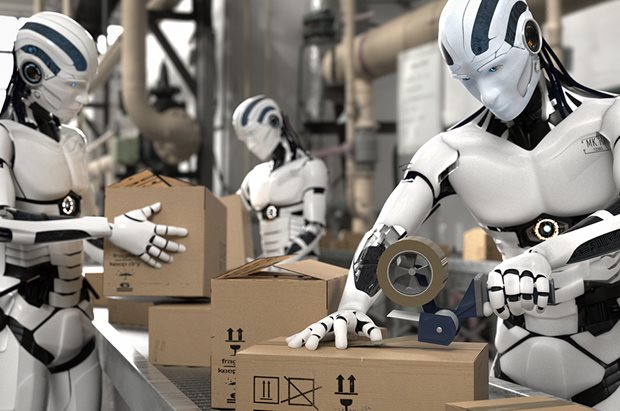
Estun Leads Domestic Industrial Robots, Four Breakthroughs Create New Industry Benchmarks
In 2024, domestic industrial robot manufacturers in China achieved a significant milestone, capturing over 52.3% of the market share, as reported by MIR DATABANK. Estun, a prominent player in the industry, maintained its position as the leading manufacturer, consistently ranking first in annual shipments. The company's impressive year-on-year growth reflects its strong performance and innovation in the robotics sector, contributing to the overall expansion of the domestic market. This surge in market share underscores the increasing competitiveness of Chinese robotics manufacturers on a global scale, driven by advancements in technology and rising demand for automation solutions across various industries.
ESTUN AUTOMATION ROBOTICS SERVO SYSTEMS
The Shift in Physical AI: Qunke Technology Develops a Simulation Data Production Line
Qunke Technology has introduced a pioneering solution to tackle the pressing shortage of high-quality 3D training data, which is vital for the advancement of the physical AI industry. As leading companies in embodied intelligence shift their focus from model architecture to data infrastructure, Qunke's innovative simulation data production line aims to fill this gap. The company’s efforts have been recognized at the European Conference on Computer Vision (ECCV), where three of its groundbreaking research papers were accepted. These contributions are expected to set new benchmarks in the fields of spatial intelligence and data synthesis, further propelling the development of AI technologies.
Embodied Intelligence Simulation Data 3D Training Data AI Benchmarking
AI Models Overthink Problems—and It’s a Security Risk
Large language models (LLMs) that can think through problems step-by-step have significantly increased the scope of tasks that AI can tackle. But new research suggests these reasoning capabilities also introduce a critical vulnerability that could allow attackers to slow these systems to a crawl.While earlier generations of LLMs would immediately produce a response to a user’s request, today’s most advanced models generate an internal monologue where they break down the problem into steps and reason about the best way to tackle it before providing an answer. This has allowed AI to tackle increasingly complex problems, particularly in areas like coding and math.However, previous research has shown that these models are susceptible to sometimes producing excessively long streams of reasoning that do little to boost performance, a phenomenon known as “overthinking.” In research presented this week at the International Conference on Machine Learning 2026 in Seoul, researchers from Zhejiang University and e-commerce giant Alibaba in China demonstrate that they can deliberately induce overthinking by subjecting models to logically inconsistent prompts. The result is a form of denial-of-service attack on commercial AI models.Evolutionary Prompt Attack on LLMsThe team has developed an evolutionary algorithm that corrupts the logical structure of prompts, causing models to spiral into overthinking as they attempt to reason through fundamentally unsolvable problems. Generating longer responses costs more and increases the load on a model provider’s servers, so if done at scale, the researchers say, this could significantly degrade the experience of legitimate users. The attack was effective against reasoning models from leading AI companies including DeepSeek-R1, Alibaba’s Qwen3-Thinking, OpenAI’s GPT-o3, and Google’s Gemini 2.5 Flash and resulted in outputs up to 26 times as long as standard responses on a standard math benchmark.“Across multiple datasets and reasoning models, our method substantially amplifies the output length,” Wei Cao, a masters student at Zhejiang University, wrote in an email to IEEE Spectrum. “Our results suggest that overthinking is not an isolated phenomenon specific to individual models, but rather a shared vulnerability among modern reasoning models.”The team’s approach builds on previous research from another group of researchers that showed reasoning models tend to overthink when faced with a question in which a key premise has been removed—such as asking how far someone who walks ten miles a day covers in total without specifying how many days they walked for. Rather than identifying that the problem is unsolvable, models often engage in extended but ultimately fruitless reasoning loops in an attempt to answer the question.Taking the idea a step further, the authors took 940 problems from three math benchmark datasets and used an LLM to break down their logical structure into a set of premises and a final question. The genetic algorithm then jumbled these up using a variety of “mutations,” including swapping premises between problems, adding extra premises to problems, deleting existing premises from problems, and swapping the final questions between two sets of premises.After each round of mutations, the problems are scored on how many words they cause a target model to output and also whether they increase the frequency of specific linguistic markers of overthinking—words like “but,” “wait,” “maybe,” or “alternatively.” The problems that scored highest on both measures are retained and the remaining ones are jumbled up again, and this process is repeated for five generations. Crucially, the approach doesn’t require access to the internals of a model and can generate malicious prompts by simply querying the target, which makes it possible to attack closed-source commercial services, says Cao.Overthinking Vulnerability in AI ModelsThe researchers found that the approach consistently led to outputs several times longer than those generated by the unmodified questions for the reasoning models they tested it on. The biggest jump came from DeepSeek-R1 on the MATH dataset, which is made up of problems from high school math competitions, where the maximum output was 26.1 times as long as the longest response the model provided to unaltered questions. While the main thrust of the research was focused on math problems, the authors also tested it on coding, scientific reasoning, and dialogue challenges, and observed significant jumps in output length in all three.One challenge for the approach is that developing the malicious prompts requires repeated queries to expensive reasoning models, which Cao admitted could limit its cost-effectiveness. However, the researchers also demonstrated that when they used a smaller, cheaper model to generate the malicious prompts they were still able to induce the target models to produce outputs several times longer than normal. This ability to transfer malicious prompts between models significantly increases the attack’s feasibility, Cao wrote.However, he pointed out that the goal of the research is not to develop a practical DoS attack on reasoning models. Factors like the providers’ pricing model, rate limiting policies, context window size, and existing defenses could all impact how effective the approach is. The intention is instead to highlight these models’ vulnerability to logically inconsistent prompts so that providers can attempt to mitigate the problem.“Our objective is not to demonstrate that large-scale attacks can be launched at negligible cost, but rather to establish that this attack surface exists,” he wrote. “Our results indicate that the vulnerability represents a realistic security concern.”
Llms Artificial-intelligence Denial-of-service Cybersecurity
OpenAI's updated GPT-5.5 Instant is better at shopping, complex constraints, and understanding user intent — and it's already in the API
OpenAI has announced an update to its popular language model, GPT-5.5 Instant, which is now the default for free ChatGPT users. The upgrade, revealed on June 24, enhances the model's ability to understand user intent and adapt responses, particularly in complex scenarios like shopping and local recommendations. This update follows the model's initial release in early May 2026, which aimed to address factual inaccuracies and improve conversational quality. The latest version is being rolled out first to paid subscribers, with free users gaining access shortly thereafter. While OpenAI has not provided specific performance benchmarks, the company claims significant improvements in handling multi-part instructions and contextual awareness. This is expected to make ChatGPT more effective for everyday tasks, such as planning trips or comparing products. For developers, the updated model can be accessed through OpenAI's chat-latest API alias, which points to the latest Instant model. However, OpenAI continues to recommend the separate gpt-5.5 model for production use. The update reflects a shift towards more intuitive AI systems capable of better inferring user goals and maintaining context across interactions, marking a significant step forward in generative AI technology.
Technology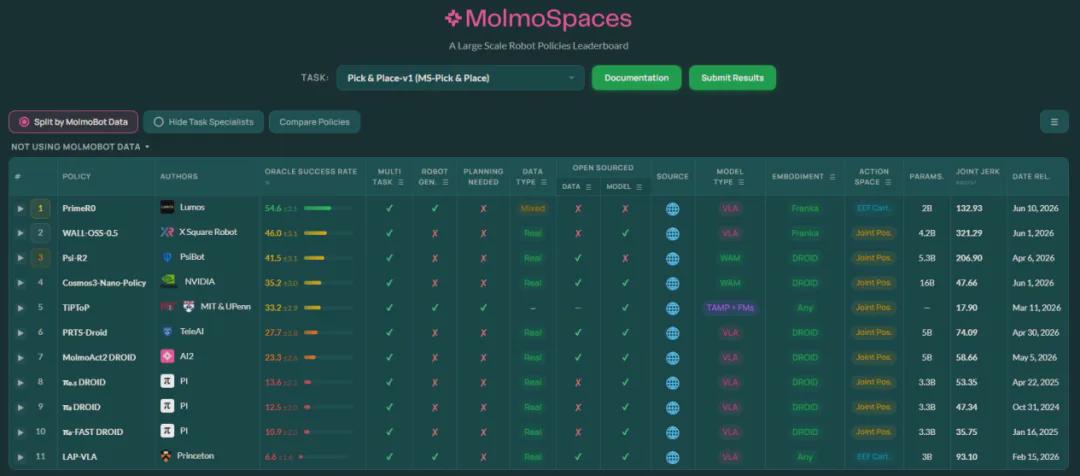
After Defeating NVIDIA, Luming Robot's Path to Industrial Embodiment Emerges
Luming Robot has reached a notable achievement by ranking first in the global zero-sample embodied intelligence benchmark, MolmoSpaces, surpassing major competitors such as NVIDIA. This accomplishment is particularly impressive given that Luming's Prime R0 operates with a parameter count of just 2.8 billion. The company highlights that its success stems not from having the largest model but from effectively identifying the right industrial applications and focusing on practical problem-solving capabilities rather than simply showcasing technology. This milestone underscores Luming's innovative approach in the rapidly evolving field of artificial intelligence.
Embodied Intelligence Industrial Robotics AI Technology Robotics Innovation
Inside modern supplement manufacturing: How automated filling lines are raising the quality bar
Recent advancements in automation are transforming the supplement manufacturing industry, particularly through the implementation of cutting-edge filling lines that enhance both quality and efficiency. These innovative systems not only incorporate advanced technologies but also necessitate the establishment of new protocols and expectations for quality assurance. As manufacturers adopt these automated solutions, they are experiencing significant breakthroughs and adopting best practices that elevate production standards. The article delves into how these automated filling lines are setting a new benchmark in the industry, emphasizing the critical controls that are essential for maintaining high-quality output.
Health Manufacturing automated filling lines automated inspection automation news checkweighersRobotics needs a service framework.
RSF defines a common language for robot service capability, lifecycle operations, certification pathways, and service-provider networks.