Industry Briefing
A single destination for timely, editor-curated robotics news from around the world.
Renesas Electronics Opens Physical AI and Robotics Lab in Beijing, China
Renesas Electronics has officially launched its Physical AI & Robotics Lab in Beijing, China. This new facility is designed to allow customers to demonstrate, validate, and collaboratively develop next-generation robotic systems. The establishment of this lab is significant as it serves as a central hub for executing Renesas' physical AI strategy, facilitating the transition from proof-of-concept to deployment of advanced robotic solutions. This initiative underscores Renesas' commitment to innovation in the semiconductor industry. Looking ahead, the lab is expected to play a crucial role in advancing the development of robotics and AI technologies. No further timeline was disclosed at the time of publication.
Electronics News Research Robotics artificial intelligence beijing
Turing Award Winner Richard Sutton Launches Interactive Robot Kindergarten in Beijing
In September, a unique robot kindergarten opened in Beijing's Shijingshan Shougang Park, featuring robots from various companies like Yushu Technology and Accelerated Evolution. This initiative, co-developed by He Mountain Technology and Richard Sutton's Openmind team, aims to teach robots through interaction rather than traditional training methods. The facility includes testing, learning, and interaction zones where robots learn by engaging with their environment, mimicking the learning process of children. The significance of this robot kindergarten lies in its innovative approach to robot learning. Unlike conventional methods that rely on human demonstration data, Sutton emphasizes the importance of allowing robots to learn through trial and error in real-world settings. This initiative seeks to develop a learning mechanism that enables robots to adapt and evolve their intelligence autonomously, ultimately fostering their ability to interact with complex environments. Looking ahead, the research team plans to introduce more advanced algorithms and experimental designs to enhance the robots' capabilities. The goal is to enable robots to distinguish between themselves and their surroundings, master motion control, and understand object interactions. No further timeline was disclosed at the time of publication.
Robotics Education Autonomous Learning Artificial Intelligence Human-Robot Interaction
Beijing Implements Drone Ban Following Citic Tower Incident to Enhance Security
Beijing has enacted a ban on the possession and use of recreational drones. This decision follows a light plane crash into the Citic Tower, the city's tallest skyscraper, which occurred in June. The move aims to enhance security measures in the capital. The ban is significant as it reflects the government's response to safety concerns raised by the incident. By restricting drone usage, authorities aim to prevent potential accidents and ensure the safety of the city's airspace. This action underscores the importance of maintaining security in urban environments, especially after high-profile incidents. Looking ahead, it will be important to monitor how this ban affects recreational drone enthusiasts and the broader implications for drone regulations in China. No further timeline was disclosed at the time of publication.
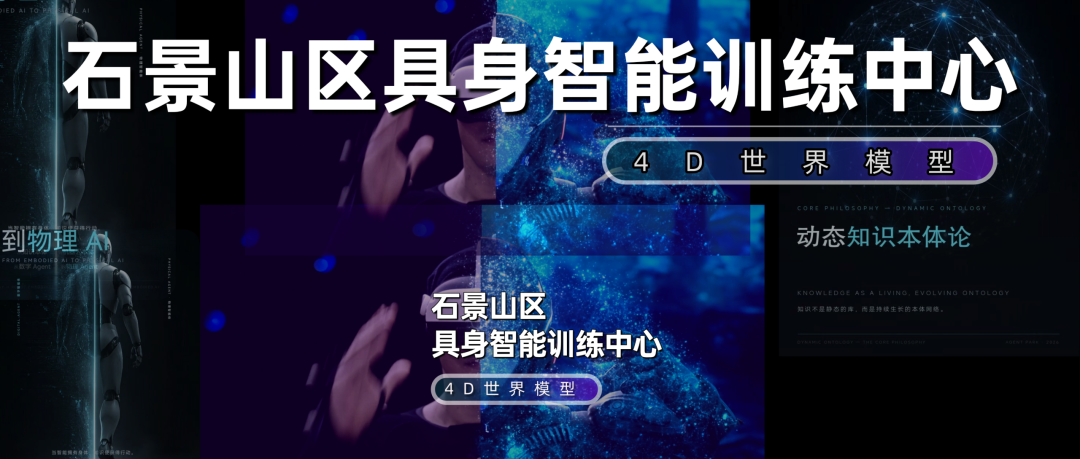
Beijing's Shijingshan Intelligent Training Center Undergoes Major Upgrade Amid AI Advances
The Shijingshan Intelligent Training Center in Beijing has completed a significant upgrade, enhancing its technical architecture and logic. This upgrade, led by Lingyun Guang·Yuan Keshijie, a prominent visual technology company, aligns with global AI developments, particularly in embodied intelligence. The center aims to transition from merely mimicking actions to enabling robots to understand their environment, addressing the challenges faced in real-world applications. This upgrade is crucial as the robotics industry grapples with the limitations of traditional training methods, which often rely on 2D video and fixed environments. These methods fail to equip robots with the necessary understanding of dynamic, real-world scenarios. The shift towards a comprehensive 'world model' that incorporates 3D and 4D data is essential for improving robots' decision-making capabilities in varied environments. Looking ahead, the Shijingshan center is set to officially launch its upgraded facilities during the upcoming service trade fair. It will feature over 100 robots and ten real-world scenarios, including home care and automotive assembly. The center's evolution represents a pivotal step in addressing the industry's data challenges and enhancing the training of robots for practical applications.
Robotics AI Training Data Collection Machine Learning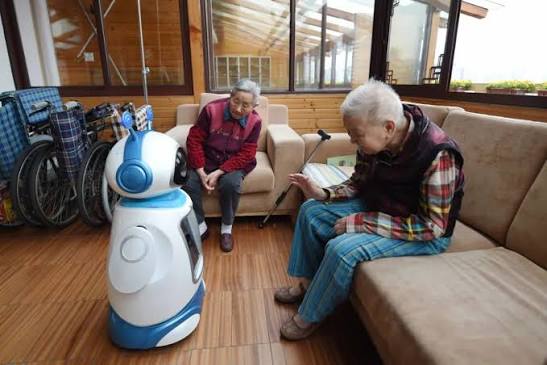
Beijing Advocates for Elderly Care Robots in Households Amidst Market Challenges
Beijing is actively promoting the integration of elderly care robots into households, aiming to tap into a lucrative market. However, there are three significant hurdles that must be overcome to ensure these robots do not end up unused. These challenges include technological limitations, consumer acceptance, and regulatory frameworks that need to be addressed. The push for elderly care robots is crucial as the aging population in Beijing increases, creating a demand for innovative solutions to support independent living. The potential market for these robots is substantial, estimated to be worth millions, but without overcoming the identified barriers, the adoption rate may remain low. Looking ahead, stakeholders in the robotics and healthcare sectors should focus on addressing these hurdles to facilitate the successful deployment of elderly care robots. No further timeline was disclosed at the time of publication.
Robotics Automation AI
Zhongke Chuangda and Beijing Humanoid Robot Innovation Center Forge Strategic Partnership
On August 28, 2026, Zhongke Chuangda (stock code 300496) signed a strategic cooperation agreement with the Beijing Humanoid Robot Innovation Center during the World Robot Conference 2026. This partnership aims to deepen collaboration in embodied intelligence, robotics technology, and industrial applications, leveraging existing technological foundations and industry practices. The significance of this partnership lies in its potential to transition embodied intelligence from demonstrations to real-world applications. Zhongke Chuangda and Beijing Humanoid will work together to promote technological innovation and scale deployment across various sectors, including manufacturing, logistics, and service robotics. The collaboration is expected to enhance the capabilities of mobile robots, particularly in logistics and industrial applications. Looking ahead, Zhongke Chuangda's ongoing development of customized solutions and its investment in service robotics will likely expand its influence in the robotics industry. No further timeline was disclosed at the time of publication.
Robotics Embodied Intelligence Industrial Automation Logistics Robots Service Robots
Renesas Launches Robotics Lab in Beijing for AI Development and Collaboration
Renesas has inaugurated a new robotics lab in Beijing aimed at enabling customers to demonstrate and validate next-generation robotic systems. This facility is part of Renesas' broader initiative to enhance its physical AI capabilities. The establishment of this lab is significant as it allows for collaborative development between Renesas and its clients, fostering innovation in robotic technologies. By providing a space for hands-on experimentation, Renesas aims to accelerate the deployment of advanced robotics solutions in various applications. Looking ahead, stakeholders should monitor how this lab influences the development of robotic systems and the potential partnerships that may arise. No further timeline was disclosed at the time of publication.
Artificial Intelligence News Robotics China Physical AI Renesas Electronics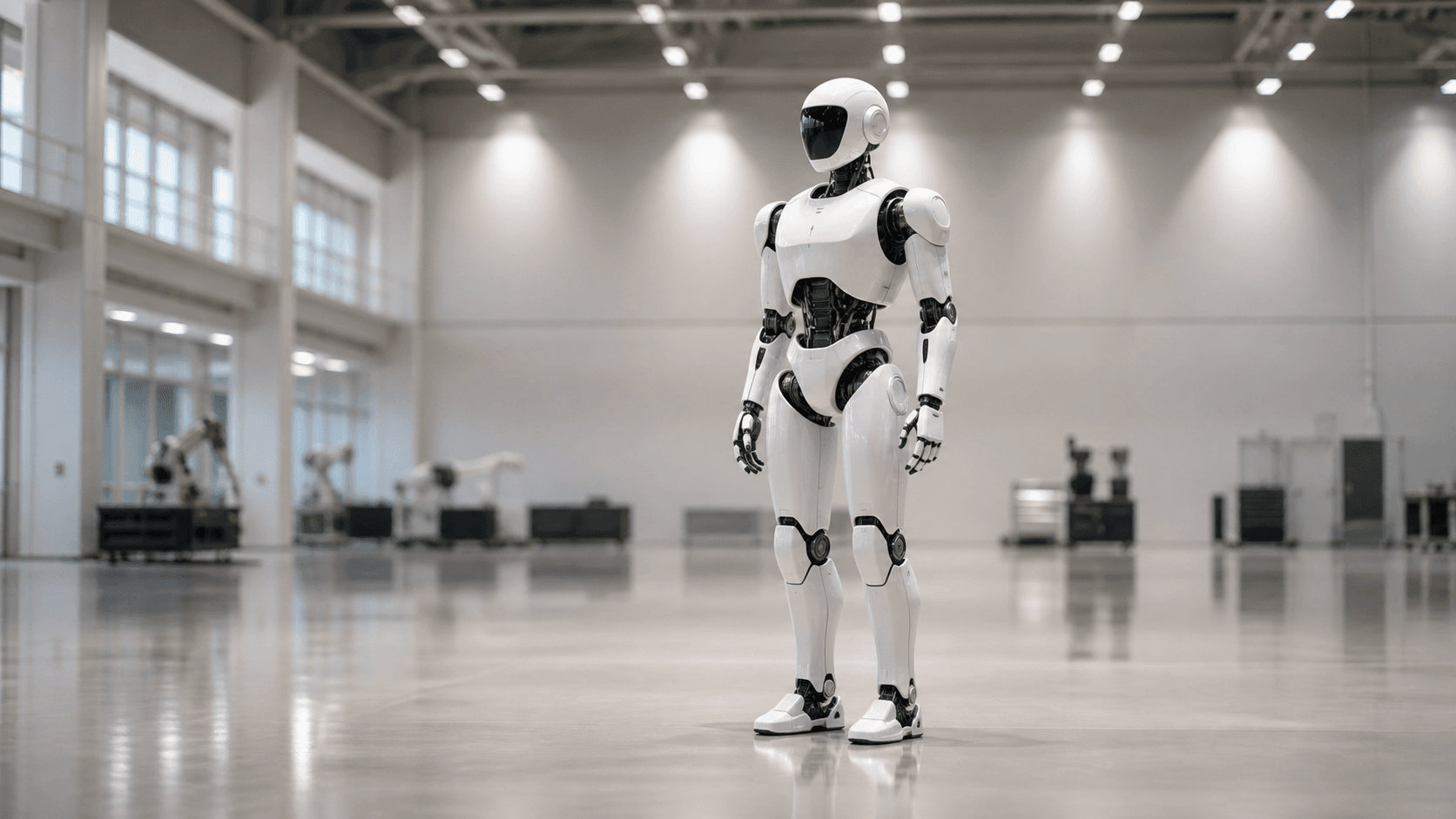
Beijing Humanoid Robotics Dominates World Humanoid Robot Games; CEO Highlights AI's Pre-ChatGPT Era
Beijing Humanoid Robotics Innovation Center has triumphed at the World Humanoid Robot Games, showcasing its advanced capabilities in humanoid robotics. CEO Xiong Youjun emphasized that the industry is on the brink of a significant transformation, likening the current state of embodied AI to a pre-ChatGPT moment. This achievement is crucial as it highlights the advancements in humanoid robotics and the potential for embodied AI to revolutionize various sectors. The success at the World Humanoid Robot Games positions Beijing Humanoid Robotics as a leader in the field, potentially influencing future developments and investments in AI technologies. Looking ahead, industry stakeholders should monitor the evolution of embodied AI technologies and their applications. Xiong Youjun's comments suggest that significant breakthroughs may be imminent, which could reshape the landscape of AI and robotics. No further timeline was disclosed at the time of publication.
HumanoidRobotics
Renesas Opens Physical AI & Robotics Lab in Beijing to Boost Robotics Development
Renesas Electronics Corporation has officially launched its Physical AI & Robotics Lab in Beijing, China. This new facility is designed to support customers in demonstrating, validating, and co-developing next-generation robotic systems. The establishment of this lab is significant as it will serve as a central hub for executing Renesas' physical AI strategy, facilitating the transition from proof-of-concept to large-scale deployment of advanced robotics solutions. Looking ahead, the lab is expected to play a crucial role in advancing robotics innovation and physical AI applications. No further timeline was disclosed at the time of publication.

Chinese Humanoid Robot Sets New 100-Meter Sprint Record at 8.86 Seconds in Beijing
A humanoid robot from China achieved a remarkable feat by completing a 100-meter sprint in just 8.86 seconds in Beijing on Tuesday. This new record surpasses both its robotic competitors and the fastest recorded human time. This achievement is significant as it showcases advancements in robotics and artificial intelligence, particularly in humanoid robot capabilities. The ability to outperform human sprinting records highlights the potential of robotics in various applications, including sports and competitive environments. Looking ahead, it will be interesting to see how this record influences future developments in humanoid robotics and whether other organizations will attempt to break this new benchmark. No further timeline was disclosed at the time of publication.
Robotics
Beijing University of Aeronautics and Astronautics Introduces Micro Major in Embodied Intelligence
Beijing University of Aeronautics and Astronautics (BUAA) has launched a micro major focused on embodied intelligence, addressing the urgent need for interdisciplinary talent in the robotics sector. This initiative comes as the industry experiences rapid growth, driven by advancements in robotics and intelligent manufacturing, yet faces a significant talent gap in areas such as algorithm development and hardware integration. The micro major aims to cultivate high-level, application-oriented professionals equipped with skills in robot control, intelligent perception, and system integration. It emphasizes project-based learning and collaboration with leading companies in the robotics field, ensuring that students gain practical experience and exposure to real-world engineering challenges. Looking ahead, BUAA's Embodied Intelligence Robotics Research Institute plans to further enhance its educational offerings and research capabilities. The institute, established in collaboration with various industry partners, aims to foster innovation and support the development of the robotics ecosystem in China. No further timeline was disclosed at the time of publication.
Embodied Intelligence Robotics Education Interdisciplinary Talent Smart Manufacturing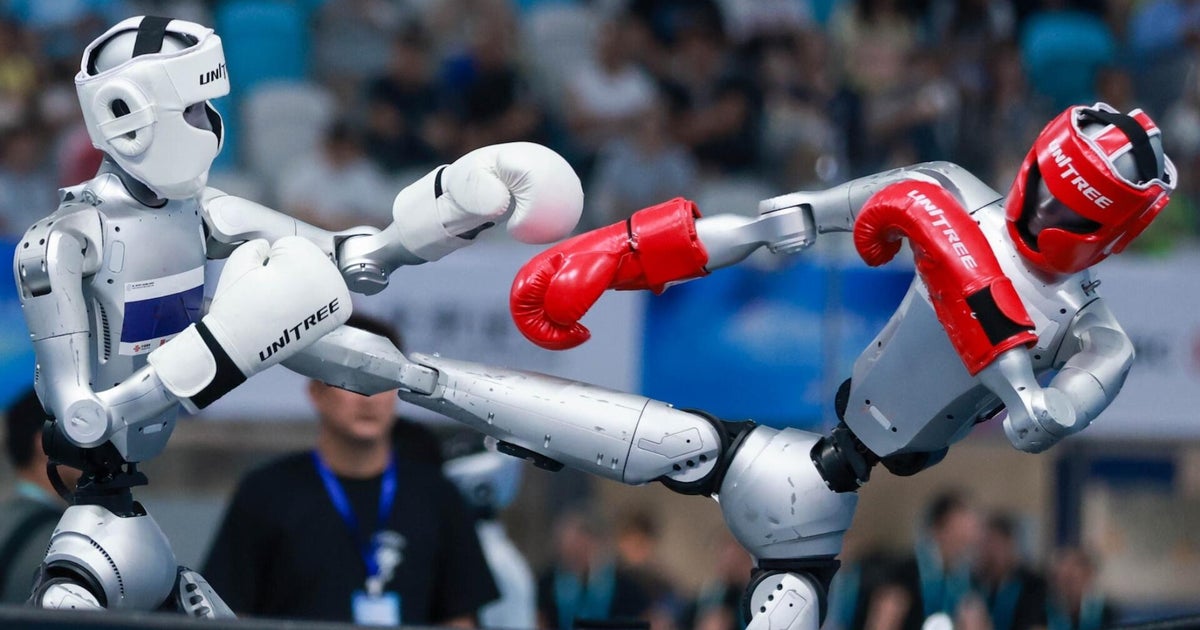
Current Status of the World Humanoid Robot Games in Beijing, China
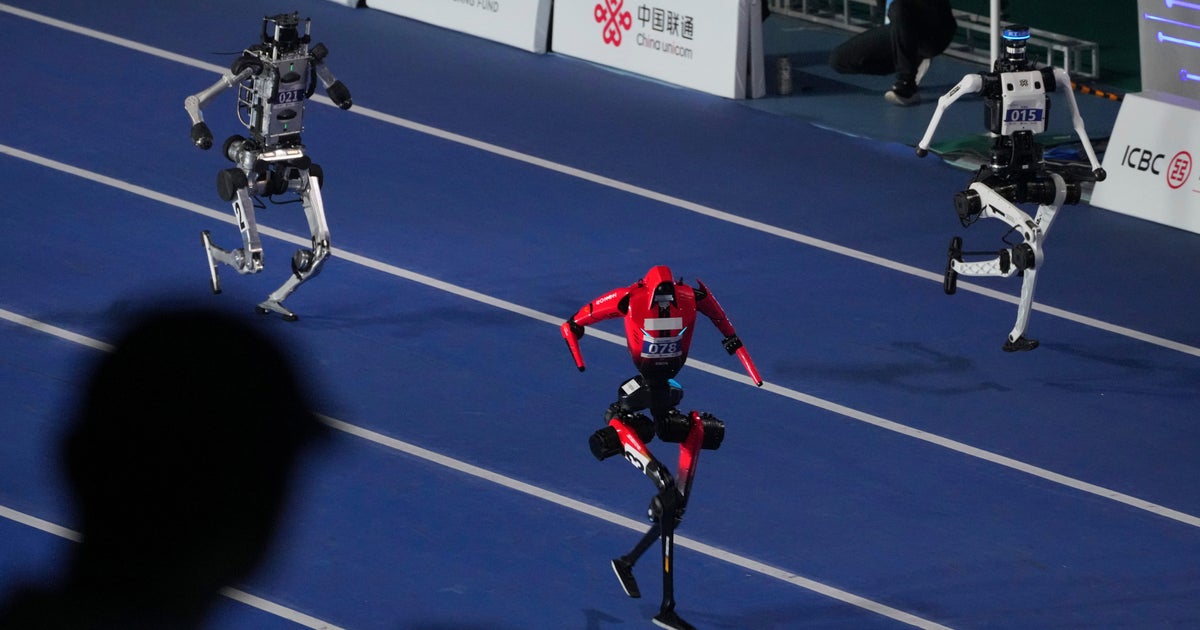
The World Humanoid Robot Games are currently taking place in Beijing, China, utilizing a stadium that was previously used for the 2022 Winter Olympics. This event showcases advanced humanoid robots that have demonstrated capabilities surpassing those of elite human athletes in speed and agility. The significance of these games lies in their ability to highlight the rapid advancements in robotics technology, particularly in humanoid design and performance. The robots' ability to outperform top Olympians in running and jumping illustrates the potential for robotics to revolutionize various sectors, including sports and entertainment. As the event progresses, observers should pay attention to the innovations presented by participating teams and the implications for future developments in robotics. No further timeline was disclosed at the time of publication.
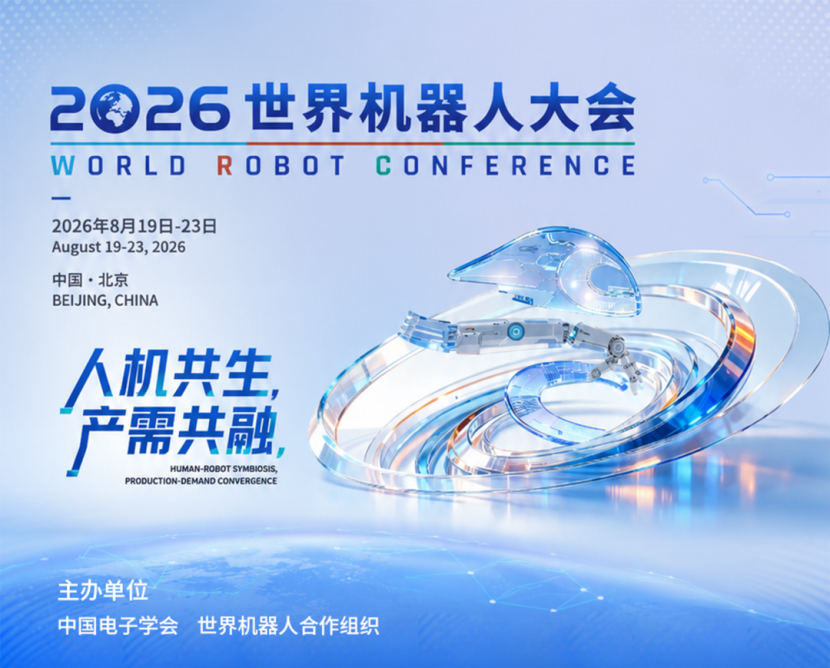
2026 World Robot Conference Concludes Successfully in Beijing with Major Innovations
The 2026 World Robot Conference concluded on August 23 in Beijing after five days of showcasing cutting-edge technologies and innovations in robotics. The event, themed 'Human-Machine Symbiosis and Collaborative Production,' featured extensive discussions, exhibitions, and the release of 44 new technologies, highlighting the global advancements in the robotics sector. This conference is significant as it aligns with the vision set forth by President Xi Jinping during the 2015 World Robot Conference and aims to promote high-quality development in the robotics industry. With over 1,000 experts participating and 373 companies displaying more than 3,000 products, the event underscored the growing influence and dynamism of the robotics field. Looking ahead, the 2027 World Robot Conference is scheduled for August 18, 2027, promising to further explore the collaboration between humans and robots. The conference will continue to focus on intelligent technology and the development of the robotics industry, fostering innovation and new opportunities.
Humanoid Robots Robotics Innovation AI Automation Industry Development
Humanoid Robot Sets New 100m Record, Surpassing Usain Bolt in Beijing
At the opening ceremony of the second World Humanoid Robot Games in Beijing, a humanoid robot completed a 100-meter dash in 9.39 seconds. This remarkable feat surpassed Usain Bolt's previous world record of 9.58 seconds, as reported by Xinhua News Agency. The achievement is significant as it showcases advancements in robotics and artificial intelligence, particularly in the realm of humanoid robotics. Beating a record held by one of the fastest humans highlights the potential of robotic technology in competitive environments. Looking ahead, the implications of this event may influence future developments in robotics, particularly in sports and performance applications. No further timeline was disclosed at the time of publication.

Chinese Humanoid Robots Break Human Records in 100m Sprint and High Jump at Beijing Games
On the opening day of the World Humanoid Robot Games in Beijing, Chinese humanoid robots achieved remarkable feats by breaking human records. Notably, they surpassed Usain Bolt's world record in the 100-meter sprint, showcasing their advanced capabilities. This achievement is significant as it highlights the rapid advancements in robotics technology, particularly in humanoid design and performance. The ability of these robots to outperform human athletes in such competitive events underscores the potential for robotics in various applications, including sports and entertainment. Looking ahead, it will be interesting to see how these developments influence future competitions and the evolution of humanoid robotics. No further timeline was disclosed at the time of publication.
Robotics
2026 World Humanoid Robot Games Kick Off in Beijing with 666 Competing Teams
The 2026 World Humanoid Robot Games have officially commenced in Beijing, featuring 666 teams from various countries. These teams are showcasing over 2,000 humanoid robots in a series of competitions designed to highlight advancements in robotics. This event is significant as it brings together a diverse range of participants, fostering innovation and collaboration in the field of humanoid robotics. The competition serves as a platform for engineers and developers to demonstrate their latest technologies and designs, potentially influencing future developments in the industry. As the games progress, observers should pay attention to the emerging trends in humanoid robot capabilities and the performance of different teams. No further timeline was disclosed at the time of publication.
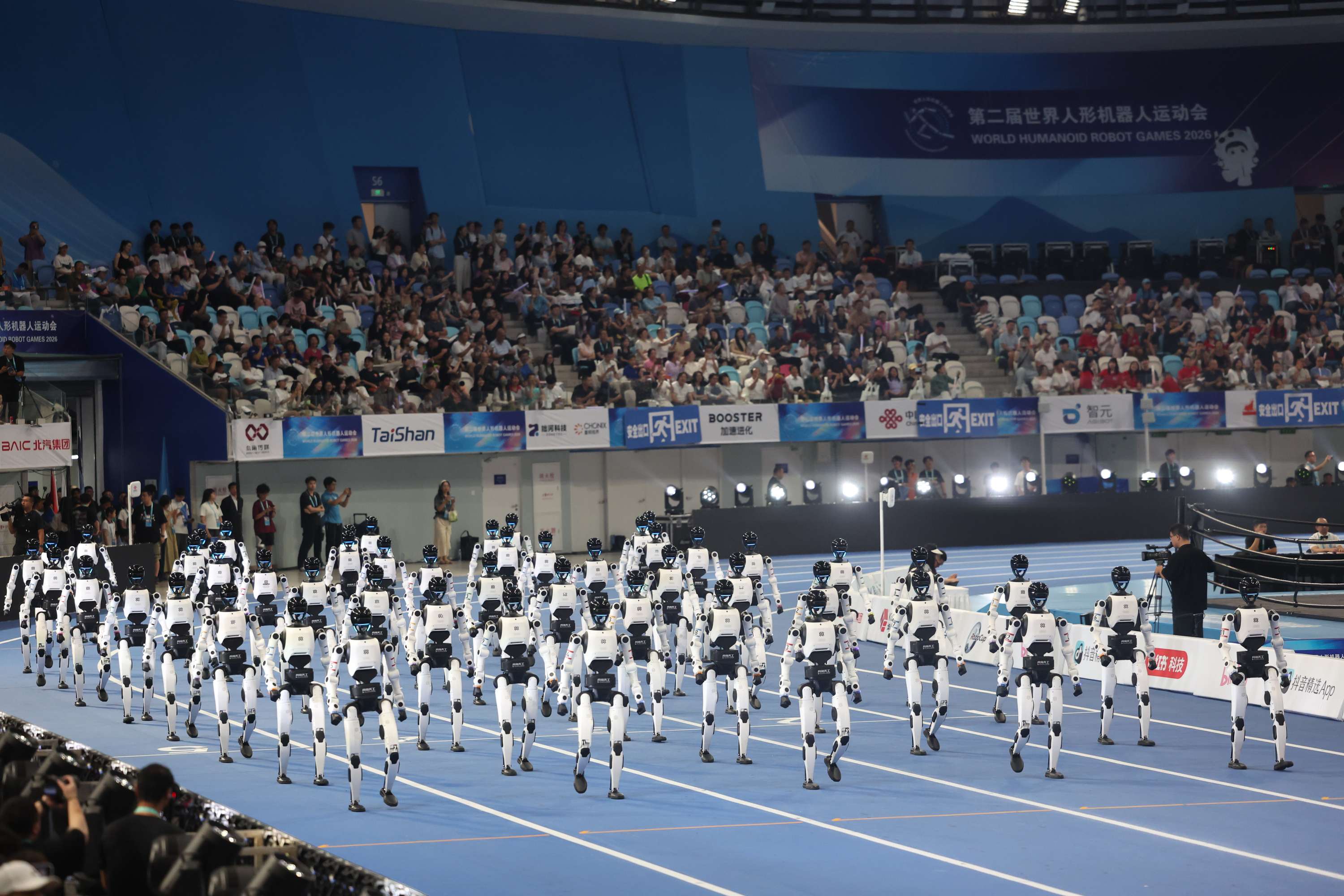
Second World Humanoid Robot Games Opens in Beijing with 2056 Robots Competing
The Second World Humanoid Robot Games commenced on August 22 at the National Speed Skating Hall in Beijing, featuring 666 teams from 16 countries and 2056 robots competing across 51 events over five days. This event is significant as it showcases cutting-edge technology and promotes the development of the embodied intelligence industry, serving as a platform for international technical exchange and innovation in robotics. Looking ahead, the competition has upgraded to fully autonomous operations, eliminating manual controls. The interactions between robots and human athletes highlight the advancements in robotics, setting high expectations for their performance in various scenarios.
Humanoid Robots Robotics Competitions AI Technology Autonomous Systems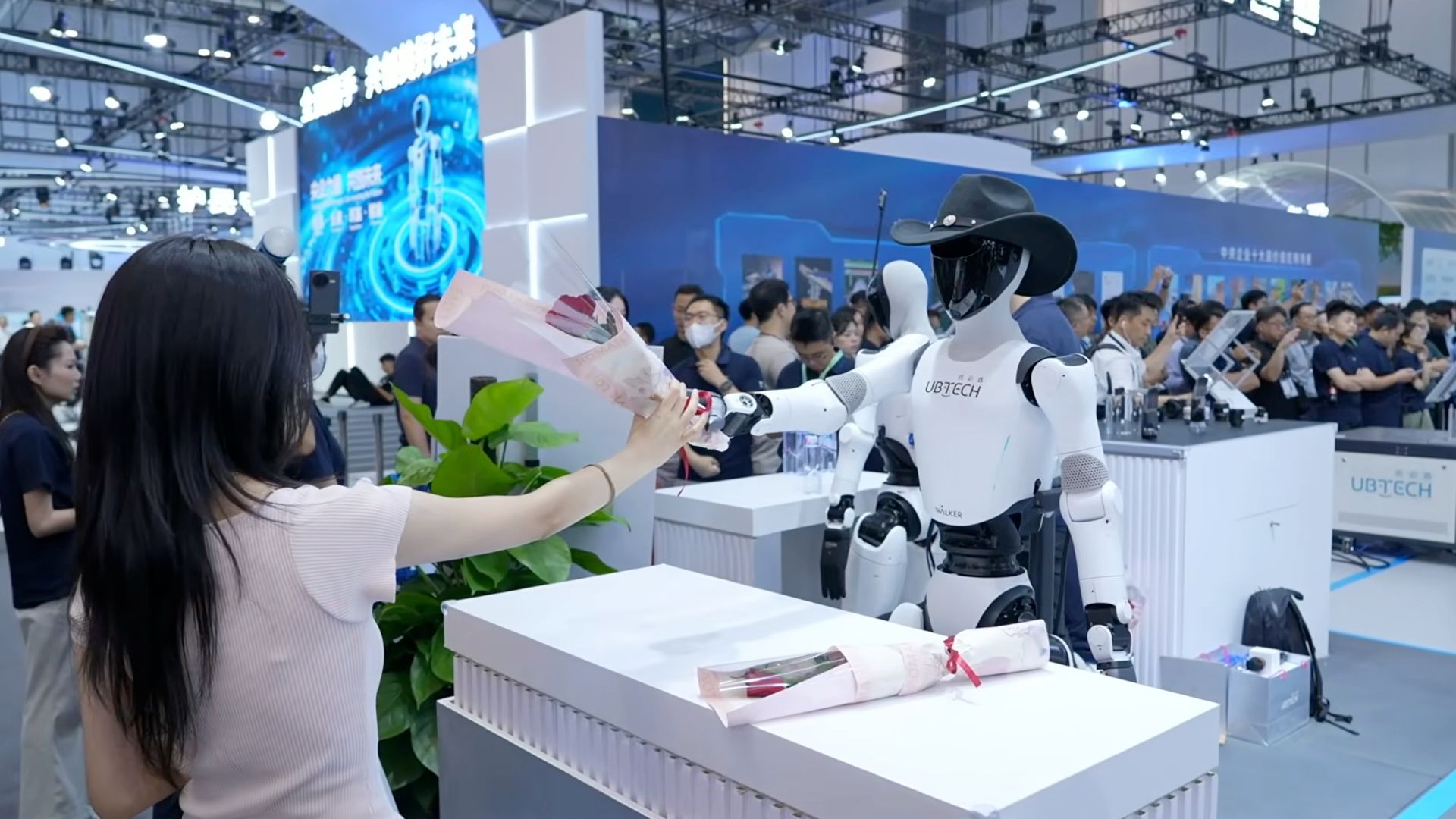
Chinese Robots Demonstrate High-Risk Capabilities at 2026 World Robot Conference in Beijing
At the 2026 World Robot Conference in Beijing, various Chinese companies are showcasing humanoid and quadruped robots for aviation, security, and military operations. The five-day event highlights robots designed for tasks such as industrial site patrols, suspect restraint, and missile loading onto aircraft, reflecting the growing interest in high-risk robotic applications. The significance of this conference lies in its demonstration of China's expanding robotics industry, with over 300 exhibitors presenting innovations that span factory automation, public services, and specialized military operations. Notably, the Fengxing-001 humanoid robot from the Aviation Industry Corporation of China (AVIC) is designed for intelligent manufacturing and aircraft operations, showcasing advanced capabilities that could streamline missile loading tasks. Looking ahead, the conference also features the second World Humanoid Robot Games, with 2,056 machines from 16 countries competing in various events. As the robotics sector continues to evolve, the integration of robots in security applications, such as those developed by NEXWISE, indicates a trend towards reducing human involvement in high-risk environments. No further timeline was disclosed at the time of publication.
AI and Robotics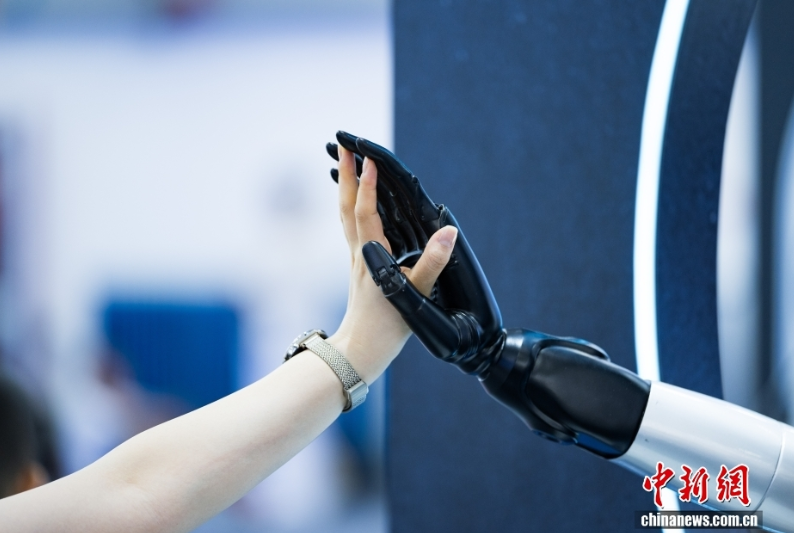
Beijing-Tianjin-Hebei Region Emphasizes Talent Development at World Robot Conference 2026
The 2026 World Robot Conference in Beijing showcased over 300 companies and 3,000 exhibits, including humanoid robots and industrial arms. Behind these technological displays, a unique exhibition area focused on talent development in the Beijing-Tianjin-Hebei region emerged, addressing the critical question of who will maintain and innovate these robots. This exhibition area, dedicated to the integration of industry and education, featured initiatives from various institutions aimed at cultivating on-site engineers and practical skills. Notable collaborations included Beijing University of Science and Technology's partnership with Soft Robotics to create a standardized workstation, and Tianjin Vocational University establishing an urban-level intelligent robot service center with leading companies. During the conference, the Yizhuang Talent Group plans to release a research report on robotics talent in the region and establish several collaborative centers. The focus remains on addressing real industry needs through education, ensuring a sustainable workforce capable of operating and maintaining advanced robotics technologies. No further timeline was disclosed at the time of publication.
Robotics Education Talent Development Industry-Academia Collaboration AI in Robotics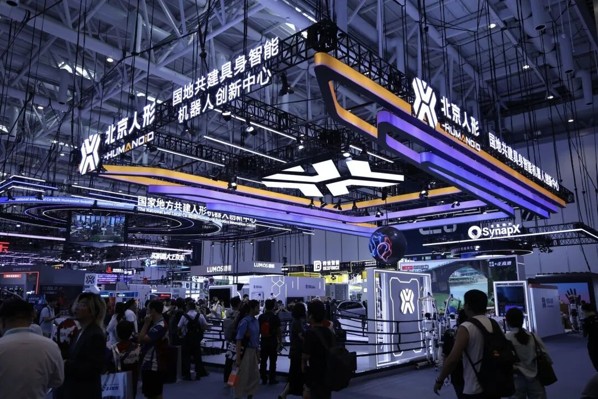
Beijing Humanoid Robots Unveil Full-Stack Technology at 2026 World Robot Conference
On August 19, the 2026 World Robot Conference commenced in Beijing, showcasing the Beijing Humanoid Robot Innovation Center's full-stack technology. The center presented its Tian Gong family of robots in a 336-square-meter exhibition area, emphasizing its commitment to autonomous and user-friendly industrial solutions. The significance of this event lies in the introduction of two benchmark products: the Pelican-Unify and the Tian Gong Omni. These innovations enhance embodied intelligence by integrating advanced capabilities such as visual understanding and action control, marking a significant step towards achieving general artificial intelligence (AGI). Looking ahead, the Pelican VL-2.0 will be commercially launched, representing a major milestone in the industry. The Tian Gong 3.0 robot demonstrated its ability to navigate complex environments autonomously, indicating its potential applications in various sectors, including luxury automotive and public service. No further timeline was disclosed at the time of publication.
Humanoid Robots Embodied Intelligence Robotics Innovation AI Automation Solutions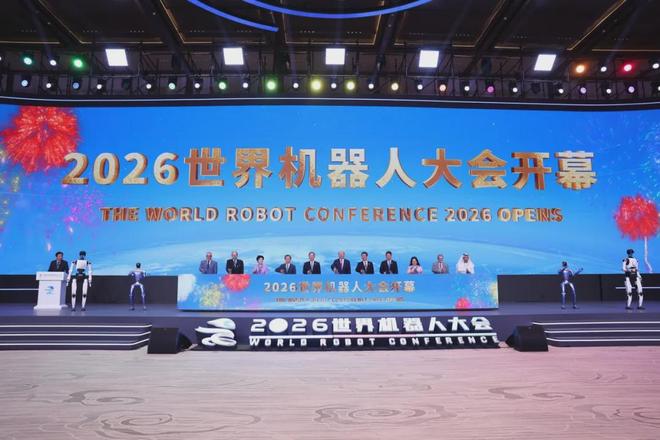
2026 World Robot Conference Kicks Off in Beijing with Global Participation
The 2026 World Robot Conference commenced on August 19 in Beijing, organized by the China Electronics Society and the World Robot Cooperation Organization. Key figures, including government officials and industry leaders, attended the opening ceremony, emphasizing the significance of robotics in transforming production and lifestyle. This conference is crucial as it highlights Beijing's commitment to developing robotics as a high-tech industry, focusing on innovation, manufacturing, and application. The event aims to create a global hub for robotics innovation, fostering collaboration and addressing technological challenges in the sector. Looking ahead, the conference will feature numerous forums and exhibitions, showcasing advancements in robotics and AI. No further timeline was disclosed at the time of publication.
Robotics Artificial Intelligence Industry Innovation International Collaboration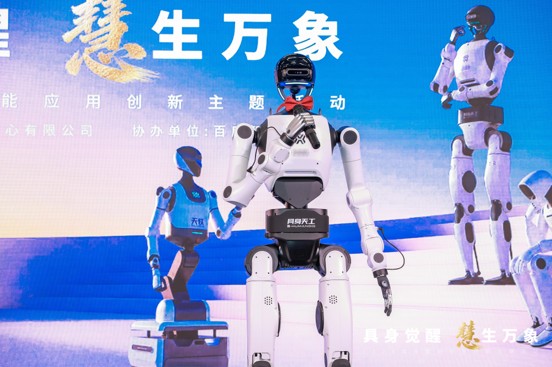
Pelican-VL 2.0 and TianGong Omni Unveiled at WRC Forum in Beijing
On August 20, the Beijing Humanoid Robot Innovation Center hosted a significant event focused on embodied intelligence at the WRC Forum in Beijing. The forum featured key industry leaders and scholars discussing the scaling of embodied intelligence applications, culminating in the launch of the Pelican-VL 2.0 model and the TianGong Omni platform. This launch is crucial as it marks a pivotal shift in embodied intelligence from modular approaches to an integrated end-to-end model, enhancing capabilities in real-world applications. The Pelican-VL 2.0 model has shown significant advancements in agentic abilities, particularly in long-range tasks and tool usage, outperforming competitors in authoritative evaluations. Looking ahead, the Pelican-VL 2.0 is now available for commercial use, showcasing its collaborative capabilities. The TianGong Omni platform, designed for humanoid native tasks, offers an open base for developers, facilitating rapid adaptation and scaling of embodied intelligence applications. No further timeline was disclosed at the time of publication.
Embodied Intelligence Robotics AI Models Humanoid Robots
Beijing Robotics Expo Features Robots Sorting Packages and Serving Fast Food
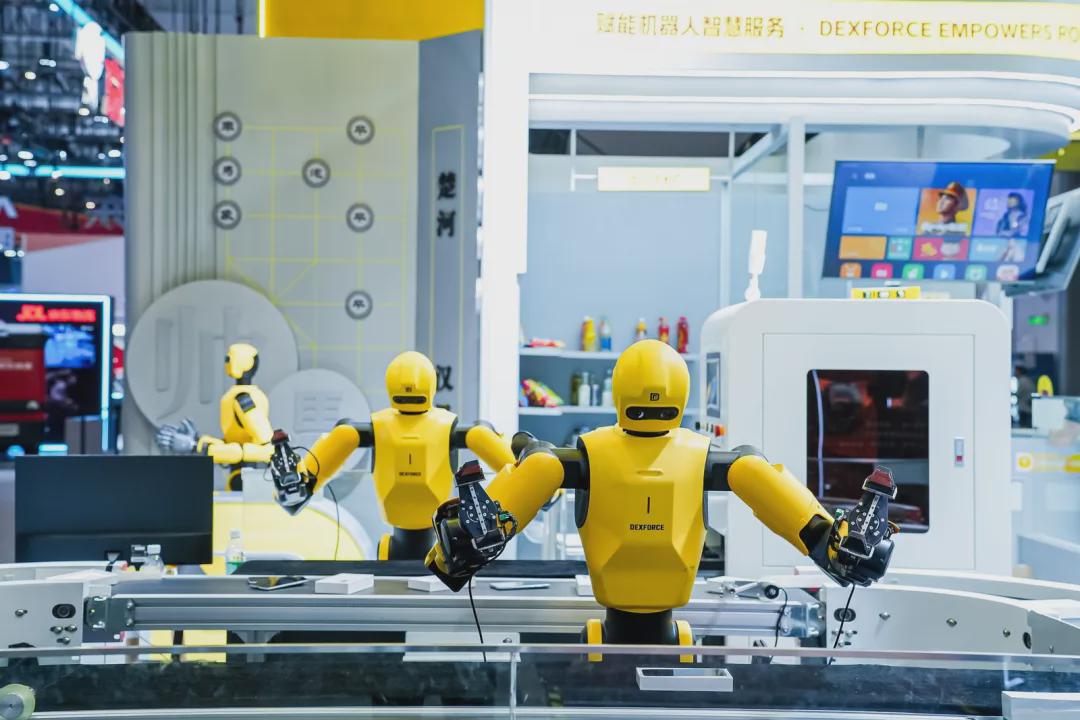
At a robotics expo in Beijing, robots demonstrated their capabilities by sorting parcels and serving fried chicken, captivating attendees. This event showcased the potential of robotics and artificial intelligence in reshaping the labor market, with hundreds of companies presenting their innovations. The significance of this expo lies in its focus on how automation can transform various sectors, particularly in logistics and food service. As artificial intelligence continues to advance, the integration of robots in everyday tasks could lead to increased efficiency and changes in workforce dynamics. Looking ahead, industry observers will monitor the ongoing developments in robotics and AI technologies. The expo serves as a platform for companies to highlight their contributions to a future where automation plays a crucial role in labor markets. No further timeline was disclosed at the time of publication.
Robotics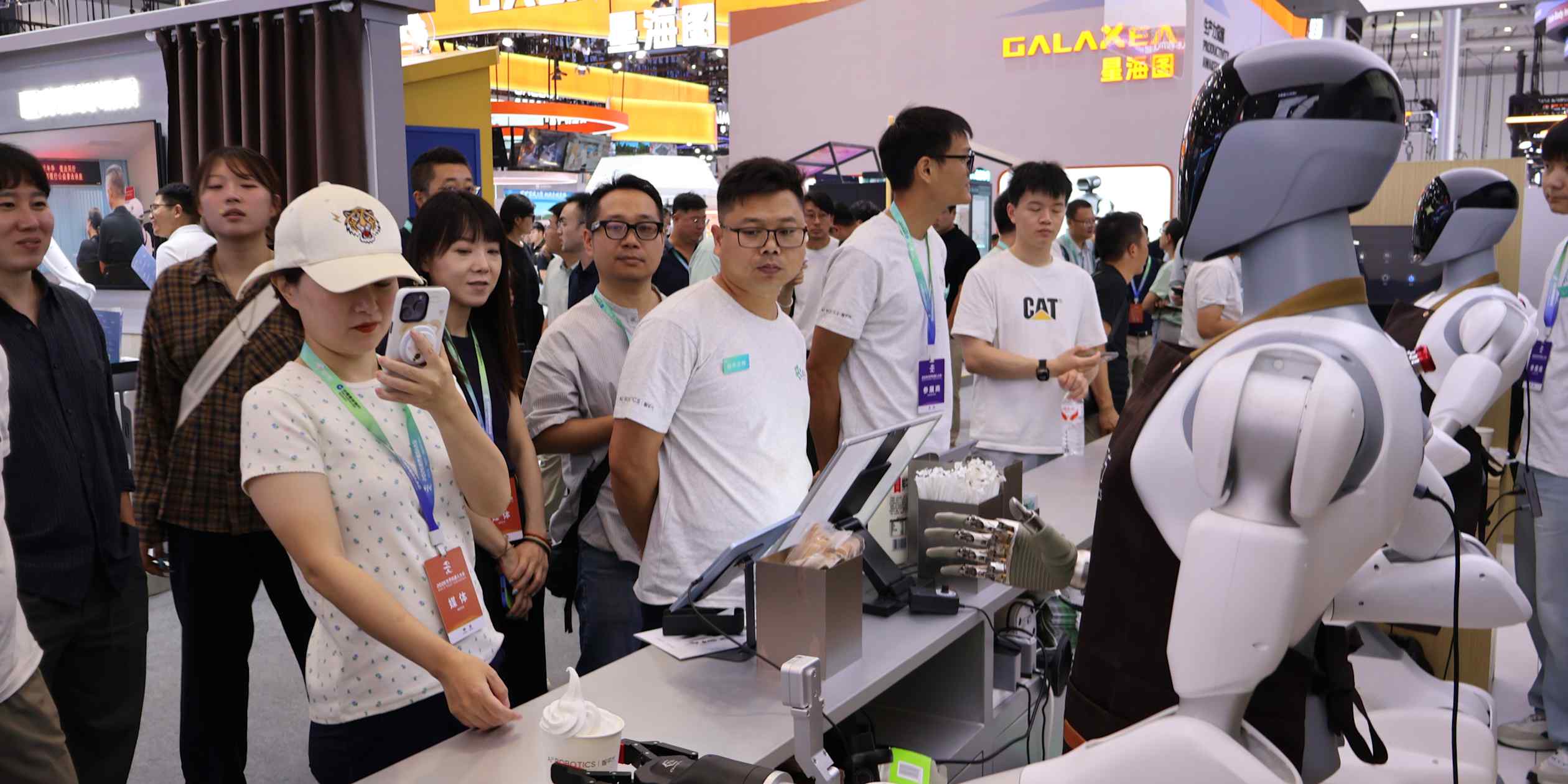
Beijing Expos Highlight China's Robotics and AI Innovations Amid IPO Race
The 2026 World Robot Conference commenced in Beijing, showcasing various robotic capabilities, including ice cream making and kickboxing. This event is pivotal for Chinese startups, such as Shenzhen-based AI2 Robotics, as they seek to enhance investor confidence in their journey towards going public. The significance of this conference lies in its role as a platform for startups to demonstrate their technological advancements and attract potential investors. With the increasing focus on robotics and AI, events like this are crucial for companies to showcase their innovations and secure funding in a competitive market. Looking ahead, the robotics industry in China is expected to continue evolving rapidly, with startups racing to establish themselves before going public. No further timeline was disclosed at the time of publication.
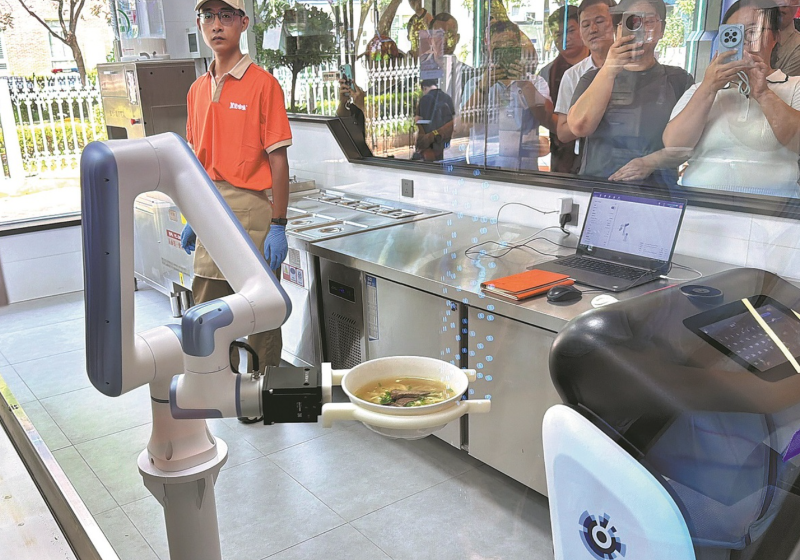
Beijing's First Fully Automated Noodle Shop Delivers Fresh Bowls in Three Minutes
A new noodle shop in Beijing's Fengtai District has begun trial operations, showcasing a fully automated system that prepares fresh noodles in just three minutes. Customers order via QR codes, and an automated noodle-making machine combines flour and water to produce noodles, which are then cooked and served by robots. This establishment, operated by Beijing Yuli Technology, represents a significant advancement in restaurant automation, integrating the entire noodle preparation and serving process into a cohesive end-to-end system. Unlike previous applications that only automated parts of the process, this noodle shop successfully combines all steps in a real-world dining environment. Yuli Technology has been developing the noodle-making equipment since around 2017, refining it through five iterations to meet commercial standards. The restaurant not only serves as a dining venue but also as a testing ground for future robotic applications, including humanoid robots for serving and cleaning tasks. The success of this noodle shop could pave the way for broader adoption of robotics in everyday dining experiences.
Robotic Automation Food Technology Restaurant Innovation AI in Food Service
Beijing Humanoid Robotics to Showcase Innovative Products at WRC2026 Event
Beijing Humanoid Robotics is preparing to unveil its latest innovative products at the WRC2026 event. This showcase will emphasize advancements in humanoid robotics technology, which are expected to enhance applications across various industries. The significance of this presentation lies in its potential to demonstrate how new technologies can improve efficiency and functionality in different sectors. By focusing on humanoid robotics, Beijing Humanoid Robotics aims to position itself as a leader in this rapidly evolving field. Industry stakeholders should keep an eye on the developments presented at WRC2026, as they may indicate future trends and applications of humanoid robotics technology. No further timeline was disclosed at the time of publication.
Humanoid Robots Robotics Innovation Technology Showcase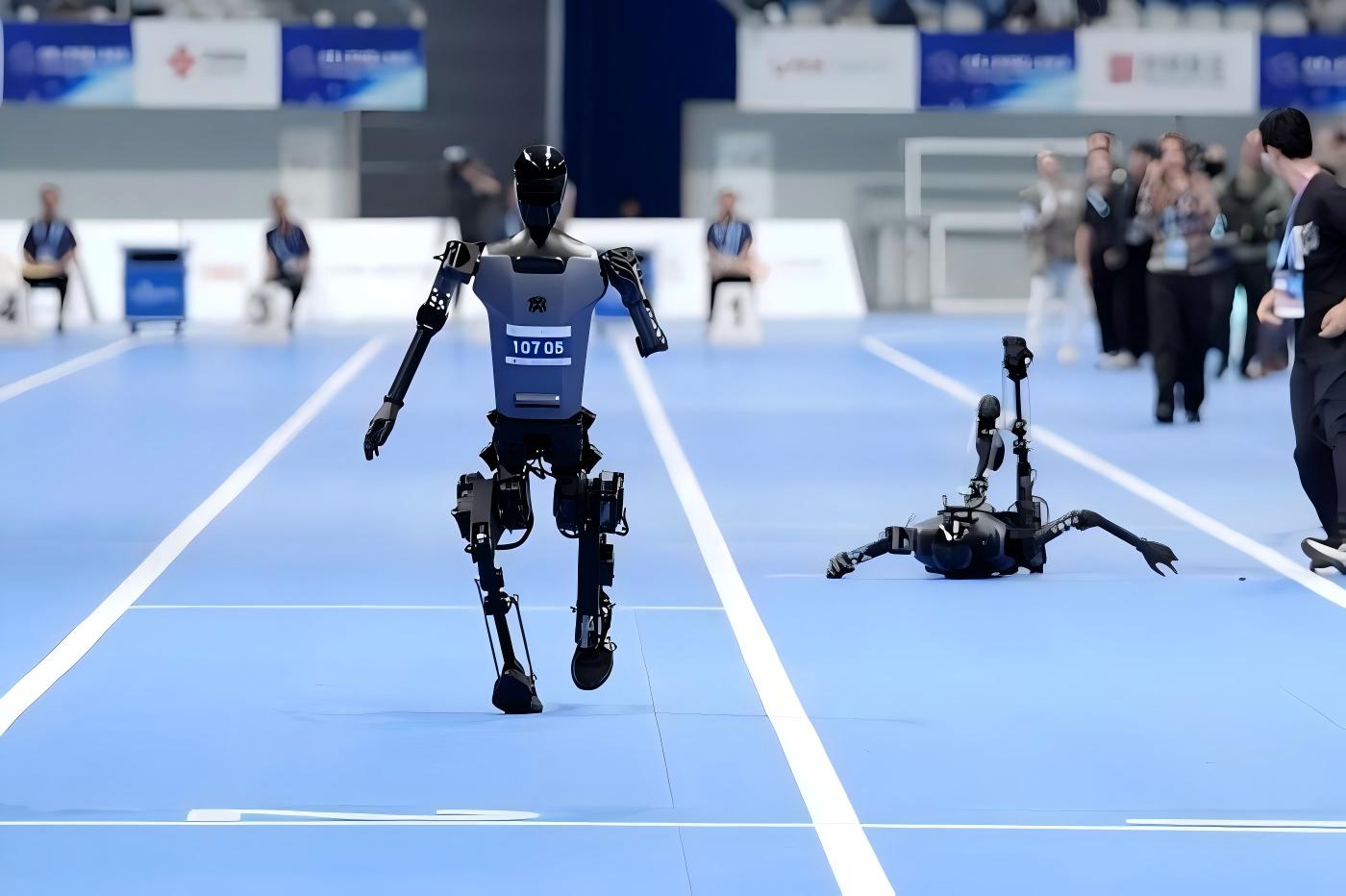
Affordable Tickets Available for World Humanoid Robot Sports Event in Beijing
The second World Humanoid Robot Sports Competition has begun ticket sales, taking place at the National Speed Skating Stadium in Beijing. Family-friendly pricing includes a 198 yuan package for two and a 298 yuan package for three, with single-day tickets starting at 98 yuan. In the first hour of sales, over a thousand tickets for popular weekend events, including athletics and soccer, were sold. This event is significant as it aims to bridge the gap between the public and cutting-edge technology, with affordable ticket prices encouraging attendance. The competition features a variety of events, including sprinting, weightlifting, and cultural performances like dance and martial arts, appealing to families with interactive activities such as table tennis. Looking ahead, the organizing committee advises buyers to use official channels to avoid counterfeit tickets and emphasizes the importance of real-name ticketing to prevent scalping. No further timeline was disclosed at the time of publication.
Humanoid Robots Robot Competitions Family Entertainment Technology Accessibility
Children Engage with Robotics Ahead of World Humanoid Robot Games in Beijing
As the countdown begins for the second World Humanoid Robot Games, the National Speed Skating Stadium in Beijing welcomed 100 children from the city. These young representatives were invited to witness the preparations of humanoid robots ahead of the event, which aims to blend sports, technology, and culture in the venue. This initiative, part of the 'Caring for Growth, Lighting Hope' project, allows children to experience cutting-edge technology through interactive demonstrations. They observed various real-life scenarios set up for the competitions, such as supermarkets and libraries, and were introduced to the concepts and principles of humanoid robots, culminating in performances that amazed the young audience. The event, supported by the Beijing State-owned Assets Management Company and organized by the Beijing Women and Children Development Foundation, aims to inspire a scientific attitude among youth. The second World Humanoid Robot Games is set to commence on August 22, featuring over 300 teams and more than 1,000 robots, marking a significant step in Beijing's development as a hub for the robotics industry.
Humanoid Robots Robotics Education AI Technology Public Welfare Sports Innovation
72 Robots Transform Park Services in Beijing: Cleaning, Patrolling, Guiding, and More
In Beijing, 72 robots are now operational across 14 municipal parks, enhancing services such as cleaning, patrolling, and guiding visitors. These robots address critical tasks in park management, including waste collection and ecological monitoring, significantly easing the workload of human staff, especially during challenging weather conditions. The introduction of these robots is significant as it marks a shift towards automation in public services, improving efficiency and visitor experience. Equipped with advanced technologies like laser radar and AI models, the robots can adapt their cleaning intensity based on detected waste and provide real-time guidance to park visitors, contributing to a cleaner and more organized environment. Looking ahead, the Beijing Municipal Bureau of Economy and Information Technology plans to evaluate the performance of these robots across different parks to enhance their operational effectiveness. This initiative reflects a broader trend of integrating technology into urban management, promising a more efficient and intelligent approach to public service delivery in the future.
Robotics Park Management AI Technology Urban Automation
Paxini Moves Headquarters to Haidian, Beijing for Strategic Development
Paxini Technology (Beijing) Co., Ltd. officially relocated its headquarters from Shenzhen to Haidian, Beijing, on July 17, 2026. This change reflects a strategic adjustment in headquarters functions as the company enters a new development phase, enhancing its national coordination while maintaining its industrial base in Shenzhen. The relocation is significant as it allows Paxini to better connect with research resources from Beijing's universities and comply with national data regulations, which is crucial for its IPO preparations. Despite the move, the company will continue its operations in Shenzhen, focusing on industrialization and maintaining a division of labor between its northern R&D and southern production bases. Looking ahead, Paxini's recent achievements, including over 1 billion yuan in Series B funding and the registration of its self-developed motion data set, position it as a leading player in the embodied intelligence sector. No further timeline was disclosed at the time of publication.
Humanoid Robots AI Robotics Sensor Technology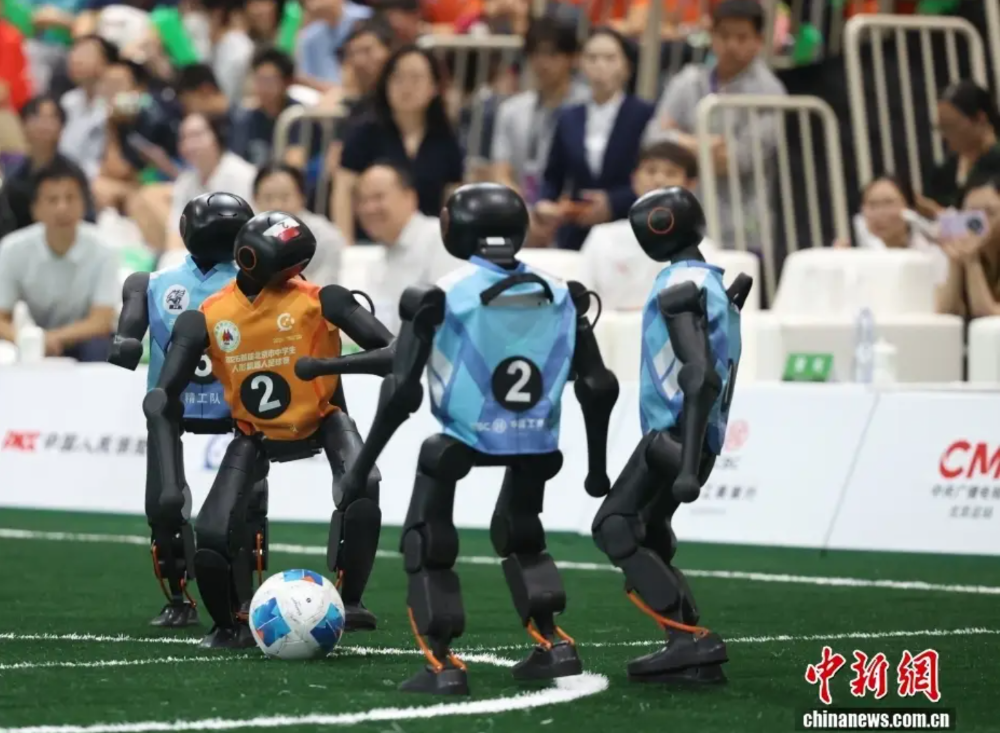
Beijing Hosts First Humanoid Robot Soccer Championship for High School Students
On July 22, the inaugural Beijing High School Humanoid Robot Soccer Championship concluded at Tsinghua University High School. Launched on April 11, the competition involved 55 teams from 16 districts in Beijing and Xiong'an New Area, divided into two groups: Group A with 24 teams and Group B with 31 teams. The championship aimed to integrate artificial intelligence education with practical technology application. Students not only programmed their robots but also developed algorithms, fine-tuned motion controls, and optimized visual recognition and teamwork strategies, enabling robots to make autonomous decisions during matches. The event served as a unique platform to enhance students' technological literacy and engineering skills through hands-on experience. As students watched their programmed robots navigate the field, AI transformed from a theoretical concept into a tangible reality, showcasing the potential of the next generation of engineers who have already coded their own robots at just 16 years old.
Humanoid Robots AI Education Robotics Competitions STEM Education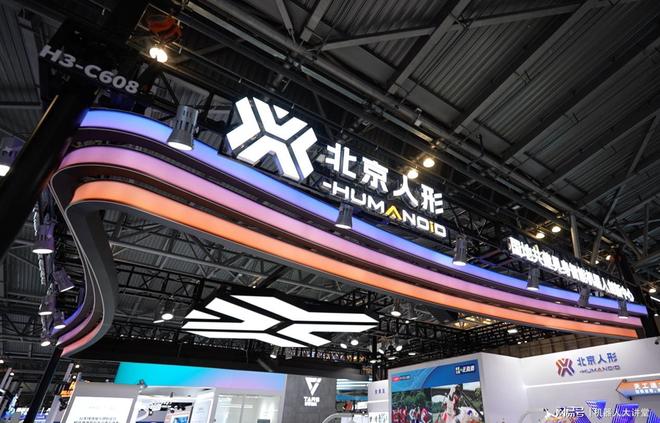
Beijing Humanoid Robotics Showcases 3D Solutions at WAIC to Enhance Future Productivity
On July 17, the 2026 World Artificial Intelligence Conference (WAIC) commenced in Shanghai, focusing on embodied intelligence and digital industrialization. Beijing Humanoid Robotics unveiled its 3D solutions, emphasizing a new industry standard of 'technology with warmth, rapid deployment, and broad industry application.' The company aims to transition humanoid robots from experimental settings to real-world applications, addressing industry challenges such as high customization costs and lengthy development cycles. The introduction of these 3D solutions is significant as it targets core operational needs in commercial, industrial, energy, inspection, and logistics sectors. By focusing on three specific areas—Dirty, Dangerous, and Dull tasks—Beijing Humanoid Robotics aims to replace manual labor in high-risk and repetitive jobs, thereby enhancing productivity across various fields. This marks a shift towards a more systematic and standardized approach in the embodied intelligence industry. Looking ahead, the company plans to continue developing its technology and solutions, inviting global partners to collaborate in building a new ecosystem for embodied intelligence. No further timeline was disclosed at the time of publication.
Humanoid Robots Industrial Automation AI Solutions Robotics Technology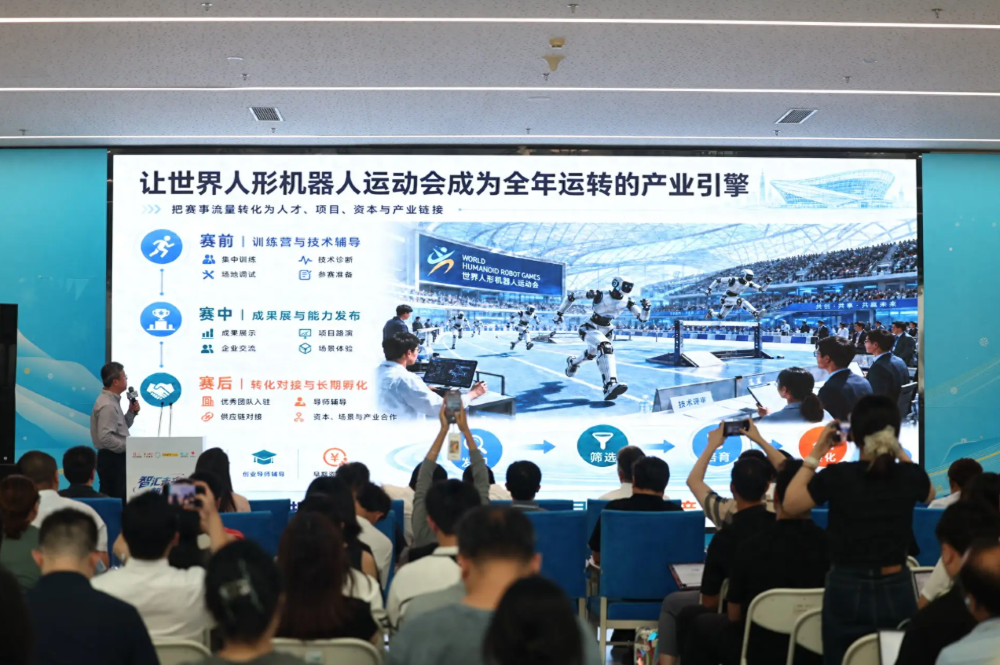
Beijing Launches 2,000 Square Meter Hub for Humanoid Robot Training at Ice Ribbon
On July 16, Beijing officially opened the Humanoid Robot Training Base at the Ice Ribbon, a 2,000 square meter innovation workshop. This facility will serve as a core venue for the upcoming second World Humanoid Robot Games in August. It was co-established by several organizations, including the Chaoyang Park Management Committee and Beijing Olympic Group, featuring research labs and testing areas. The establishment of this workshop is significant as it aligns with Chaoyang District's three-year action plan for the robotics industry, which has seen over 100 humanoid robot companies emerge in the area. The workshop aims to facilitate technology transfer and support the development of public service platforms for financing and research collaboration, enhancing the local robotics ecosystem. Looking ahead, the Olympic Village Street will actively participate in the workshop's development, providing real-world urban governance scenarios for companies. With the introduction of new application scenarios in various sectors, including environmental monitoring and elder care, the Ice Ribbon is evolving from an Olympic landmark into a major incubator for embodied intelligence in Beijing. No further timeline was disclosed at the time of publication.
Humanoid Robots Robot Training Innovation Workshop AI Technology
Beijing AI for Science Labs Launch Autonomous Robotic Scientists for Material Discovery
Beijing AI for Science labs have introduced autonomous robotic scientists that can design experiments, collect data, and discover new materials within a rapid timeframe of 20 seconds. This deployment represents a significant advancement in the capabilities of AI in scientific research, particularly in material science. The introduction of these robotic scientists is crucial as it signifies a paradigm shift in research methodologies, allowing for faster and more efficient experimentation. By automating the design and data collection processes, researchers can focus on higher-level analysis and innovation, potentially accelerating the pace of scientific discovery. Looking ahead, the impact of these robotic scientists on the research landscape will be closely monitored. The labs have not disclosed further timelines for additional capabilities or expansions, but the initial deployment marks a pivotal moment in the integration of AI and robotics in scientific exploration.
Technology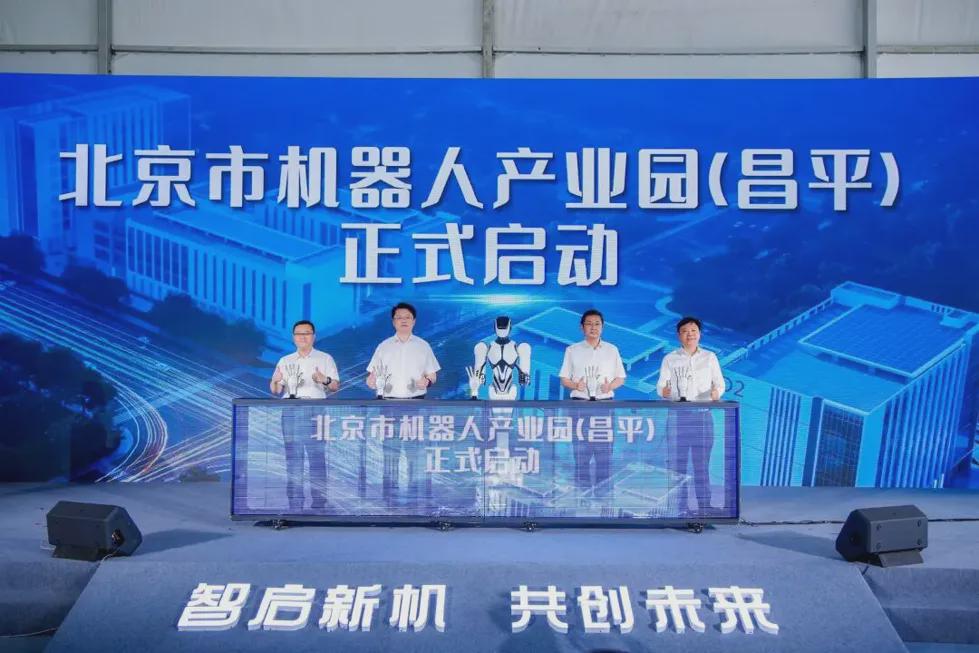
Beijing Launches Specialized Robot Industrial Park in Changping to Boost Innovation
On July 6, Beijing inaugurated its first specialized Robot Industrial Park in Changping, designed to encompass the entire robot industry chain. This initiative aims to enhance innovation and research in robotics, attracting high-quality enterprises and fostering collaboration among government, academia, and industry leaders to bolster the growth of the digital economy in Beijing. The establishment of this park is significant as it represents a strategic move to strengthen Beijing's position in the robotics sector. By focusing on the entire industry chain, the park is expected to facilitate advancements in technology and increase the competitiveness of local firms in the global market. This initiative aligns with China's broader goals of advancing its digital economy and technological capabilities. Looking ahead, stakeholders will be monitoring the park's development closely to assess its impact on the robotics industry in Beijing. No further timeline was disclosed at the time of publication regarding specific projects or partnerships that may emerge from this initiative.
Robot Industry Innovation Hub Industrial Park Research and Development Smart Manufacturing
Beijing's World Humanoid Robot Games Showcase Record-Breaking Performances
The World Humanoid Robot Games concluded in Beijing, featuring dramatic performances and record-breaking feats. Notably, a robot from Honor lost a leg during a sprint, while others faced mishaps, including one that caught fire after bouncing off a crash mat. The event, larger than its inaugural edition, highlighted China's ambition to lead in robotics. The significance of the games lies in their demonstration of rapid advancements in robotics, with a humanoid completing the 100-meter sprint in 9.39 seconds, surpassing Usain Bolt's previous record. Another robot achieved a standing high jump of 2.88 meters, exceeding the human record set in 1993. These achievements reflect a shift from laboratory settings to practical applications in real-world environments. Looking ahead, the games included unconventional competitions such as bed-making and parcel delivery, emphasizing the goal of integrating robots into everyday tasks. As China continues to push the boundaries of robotics, the next steps in this evolving field will be closely watched. No further timeline was disclosed at the time of publication.
Robot Tech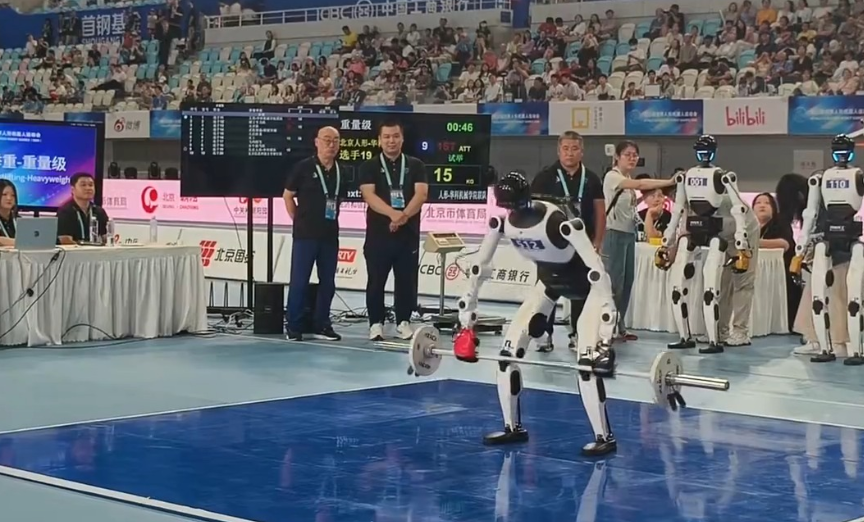
Beijing Humanoid–HUST Team Secures First Weightlifting Title with 16kg Lift
The Beijing Humanoid–HUST team achieved a significant milestone by winning the first humanoid robot weightlifting title, successfully lifting 16 kilograms. The robot initially lifted 15 kilograms before adding weight to complete the impressive 16-kilogram lift. This achievement took place during the second World Humanoid Robot Games, which featured 51 competitions and over 2,000 robots from 16 countries. This victory is notable as it highlights advancements in humanoid robotics and showcases the competitive spirit within the field. The event not only emphasizes the capabilities of humanoid robots but also fosters international collaboration and innovation among participants from various countries. The participation of 16 nations underscores the growing interest and investment in robotics technology. Looking ahead, the success of the Beijing Humanoid–HUST team may inspire further developments in humanoid robotics and weightlifting capabilities. As the World Humanoid Robot Games continue, it will be interesting to observe how other teams respond and innovate in this rapidly evolving field. No further timeline was disclosed at the time of publication.
News Feed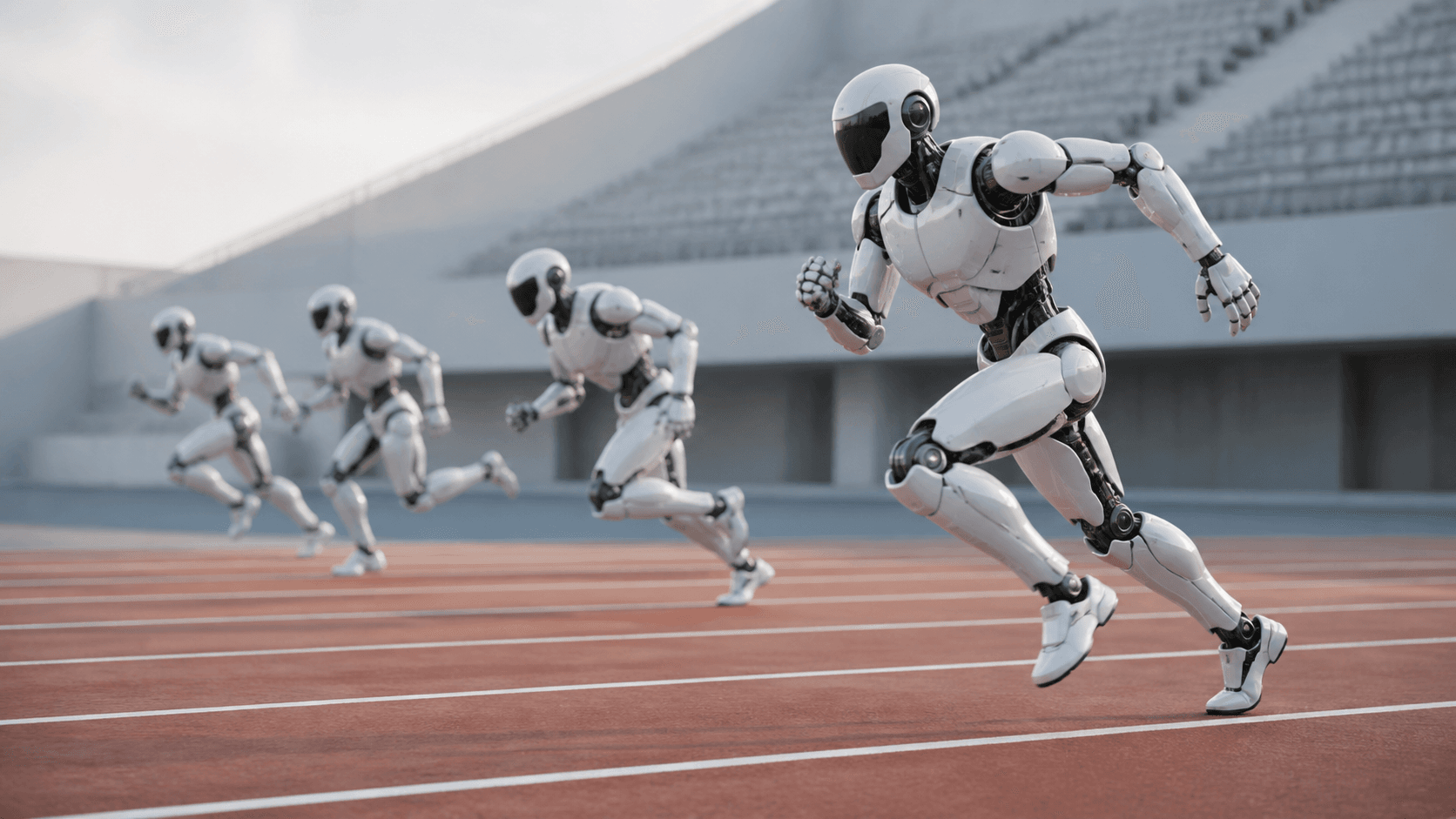
World Humanoid Robot Games 2.0 Concludes in Beijing with Focus on Real-World Applications
The second edition of the World Humanoid Robot Games concluded at Beijing's Ice Ribbon, featuring 666 teams and 2,056 robots competing in 51 events. This year's focus shifted from merely achieving speed to demonstrating dexterity and autonomy in real-world scenarios. This evolution in the competition highlights the growing importance of practical applications for humanoid robots, moving beyond traditional speed tests. The emphasis on real-scenario work reflects industry trends toward developing robots capable of performing complex tasks in everyday environments. Looking ahead, the outcomes of these games may influence future designs and functionalities of humanoid robots. No further timeline was disclosed at the time of publication.
X-Humanoid's Robot Breaks Usain Bolt's 100-Meter Sprint Record in Beijing
At the World Humanoid Robot Games in Beijing, China's X-Humanoid showcased a humanoid robot that completed a 100-meter sprint in 9.39 seconds, surpassing Usain Bolt's previous record of 9.58 seconds set in 2009. This achievement highlights the advancements in robotics and the competitive spirit of the event, which featured over 2,000 humanoid robots. The significance of this milestone lies in China's growing leadership in humanoid robot development, as the event aims to demonstrate the country's rapid technological progress. The successful sprint and high jump records, alongside the participation of numerous robots, underscore the potential of robotics in various applications, despite some failures during the competitions. Looking ahead, the event reflects China's ambition in robotics, but experts caution that while impressive, the technology is still primarily used for demonstrations. No further timeline was disclosed at the time of publication.
Physical AI: Addressing Economic Viability at the 2026 WRC in Beijing
At the 2026 World Robot Conference (WRC) in Beijing, the narrative in the robotics industry shifted from biomimetic forms to questions of economic viability. On August 19, Kuawei Intelligence hosted the 'Physical AI Leaders Forum,' where founder and CEO Jia Kui introduced the concept of 'Physical Token Economics' to explore how embodied intelligence can achieve true economies of scale. This shift in focus reflects a growing concern among industry leaders regarding the sustainability and calculability of intelligent production capabilities. While hardware metrics like mobility and stability have been popular, the emphasis is now on economic parameters such as scene adaptability and deployment costs. Many companies are prioritizing factory integration and commercial services, yet challenges remain, particularly with demonstrations that still rely heavily on remote control or specific scenarios, leading to significant drops in success rates with minor environmental changes. Looking ahead, the introduction of Physical Token Economics aims to provide a theoretical framework for measuring and quantifying physical intelligence. As the industry grapples with how to define and measure the costs associated with producing reliable physical intelligence, this concept could bridge the gap between technological advancements and economic feasibility. No further timeline was disclosed at the time of publication.
Physical AI Token Economics Robotics Industry 4.0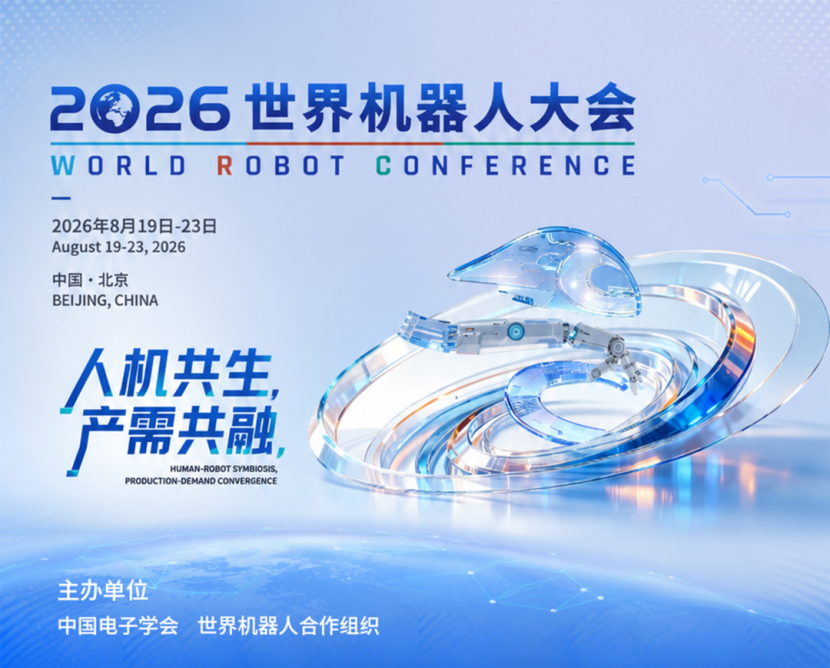
JD.com Reveals Comprehensive Robot Strategy at WRC 2026 in Beijing
From August 19 to 23, 2026, the World Robot Conference (WRC 2026) took place in Beijing, focusing on human-machine collaboration and industry integration. JD.com, as a global strategic partner, unveiled its robot strategy, emphasizing supply chain, service, and technology dimensions to accelerate commercialization and high-quality development in the robotics sector. JD.com plans to invest over 10 billion yuan in the robotics field by 2028, aiming to help 100 brands achieve independent sales exceeding 1 billion yuan. The company has partnered with over 200 robot brands and numerous core component manufacturers, covering various sectors including retail, health, and logistics, while also establishing collaborations with over 50 Chinese robot brands for international consumers. In the next five years, JD.com will create a global after-sales service network in over 100 countries and establish 80 RoboBase centers for comprehensive robot lifecycle services. The company aims to integrate AI technology into its ecosystem, with plans to connect over 10 million devices, enhancing the practical application of robotics in real-world scenarios. No further timeline was disclosed at the time of publication.
Robotics Supply Chain AI Automation Service Technology
Humanoid Robot Crashes During Training for World Humanoid Robot Games in Beijing
A humanoid robot experienced a severe crash during a training sprint in Beijing, colliding with a cushioned wall and nearly splitting in half. This incident occurred as part of the preparations for the World Humanoid Robot Games, also known as the 'Robot Olympics,' set to begin on August 22. The event will feature 2,056 machines from 666 teams across 16 countries. The crash, which was captured on video and has garnered over 13 million views online, raises questions about the robot's programming and perception capabilities. Experts note that such failures are crucial for testing robots under challenging conditions, allowing developers to gather data to enhance performance and safety before real-world deployment. As the World Humanoid Robot Games approaches, with 30 competitive events planned, the increase in participation—up 138 percent in teams and quadrupled robot entries—highlights the growing interest and advancements in humanoid robotics. No further timeline was disclosed at the time of publication.
AI and Robotics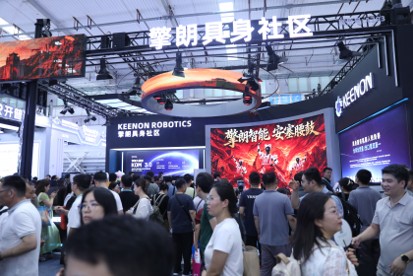
Keenon Robotics Unveils KOM 3.0 Model at 2026 World Robot Conference in Beijing
From August 19 to 23, 2026, the World Robot Conference (WRC) took place at the Yichuang International Exhibition Center in Beijing. The event, themed 'Human-Machine Symbiosis, Integration of Production and Demand,' featured over 300 exhibitors and more than 2,000 exhibits. Keenon Robotics showcased its XMAN series humanoid robots alongside specialized robots for delivery and cleaning, creating an 'embodied community' that demonstrated the capabilities of the KOM 3.0 model. The KOM 3.0 model represents a significant advancement in intelligent robotics, enabling robots to autonomously execute long-range tasks with a closed-loop system. This model integrates a latent space world model within its service industry VLA architecture, allowing robots to not only perceive and understand their environment but also to predict and make decisions before taking action. This leap towards a 'predict-decision-execute' framework enhances the robots' operational efficiency and reliability. Looking ahead, Keenon Robotics aims to further commercialize humanoid robots, emphasizing the importance of real-world application over mere demonstrations. The company has established itself as a leader in the service robotics sector, with over 100,000 units shipped globally. No further timeline was disclosed at the time of publication.
Service Robots AI Robotics Automation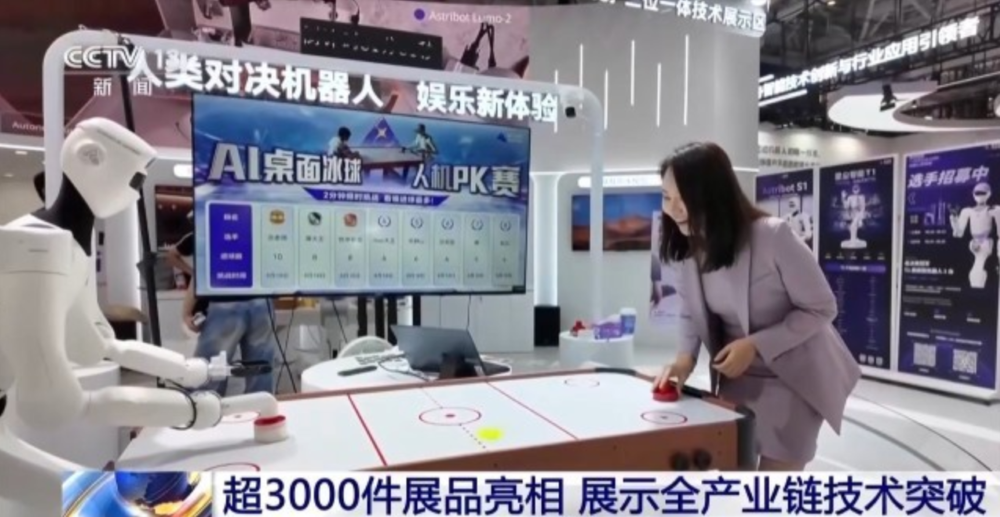
2026 World Robot Conference Launches in Beijing with Over 300 Companies and 3,000 Exhibits
The 2026 World Robot Conference commenced on August 19 in Beijing, themed 'Human-Machine Symbiosis, Integrated Production and Demand'. The five-day event features a main forum, an expo, and over 70 concurrent activities, supported by 30 international organizations. With over 300 participating companies, the expo has seen a 69% increase from last year, showcasing more than 3,000 exhibits, including over 150 new product launches. This year's conference spans approximately 50,000 square meters, divided into four exhibition halls focusing on different segments of the robotics industry. The 'Intelligent Creation' hall, a new addition, highlights humanoid robots and features leading companies such as Yushu Technology and UBTECH. The 'Intelligent Cooperation' hall emphasizes international collaboration, while the 'Intelligent Manufacturing' hall displays industrial and service robots. A new 'Robot Consumption Street' offers an immersive experience combining technology, food, and cultural creativity. The conference marks a shift from being a 'showcase platform' to a 'transaction platform', with a dedicated 'Procurement Day' for industry matchmaking. The event also launched a 'Global Robot Application Exploration Program' to connect mass-produced products with global innovation teams. The focus is shifting from mere capabilities to long-term, stable, and cost-effective solutions in various sectors, including manufacturing and healthcare.
Robotics Industrial Automation AI Exhibitions Technology
Beijing to Host Second World Humanoid Robot Games with 2,056 Competing Robots
The second World Humanoid Robot Games will take place in Beijing from August 22 to 26, featuring a record 2,056 robots from 666 teams across 16 countries. This year's event has expanded to five days and includes new competitions such as long jump, weightlifting, and tug-of-war, alongside traditional events. The significant increase in participation, with a 138 percent rise in teams and a quadrupling of robot entries compared to last year, highlights the growing interest in humanoid robotics. The event will showcase 51 competitions and 1,301 matches, reflecting the advancements in robotic capabilities and the diversity of challenges presented. Looking ahead, the games will emphasize autonomous performance, with stricter competition rules and new challenges designed to test practical robotic skills. Notably, the Dexterous Hand Challenge and Integrated Five Challenge will assess robots' dexterity and operational accuracy. The event promises to be a pivotal moment for the robotics community, with gold medals awarded across various sessions, including soccer and combat finals.
AI and Robotics
Robot 'Dongfang Yu' Transforms Health Assessments for the Elderly in Beijing
A robot named 'Dongfang Yu' is actively working in the internal medicine ward of Xuanwu Hospital in Beijing. Developed by a neurology team, it recently excelled at the Beijing Smart Health Robot Application Competition. The robot is set to pilot in community hospitals by the end of the year, addressing delays in elderly health assessments. The significance of 'Dongfang Yu' lies in its ability to autonomously conduct comprehensive evaluations across five dimensions: movement, cognition, nutrition, perception, and psychology, without the need for healthcare personnel. This innovation aims to standardize assessments and provide personalized intervention plans, enhancing elderly care in both hospitals and nursing facilities. Looking ahead, 'Dongfang Yu' is already operational in health institutions in Yunnan and Sichuan, receiving positive feedback. The development team envisions it as a remote assistant for doctors, helping to bridge gaps in primary healthcare and improve access to quality medical resources. No further timeline was disclosed at the time of publication.
Elderly Care Healthcare Robotics Health Assessment Technology AI in Medicine
Zhejiang's NAVIAI Humanoid Robot to Showcase at 2026 World Robot Conference in Beijing
The NAVIAI humanoid robot from Zhejiang will make its debut at the 2026 World Robot Conference, scheduled for August 19 to 23 in Beijing. It will be featured at booth C-105, where it will demonstrate its capabilities in various applications such as industrial manufacturing, smart retail, and home services. This event is significant as it highlights the advancements in humanoid robotics, particularly through NAVIAI's live demonstrations of tasks like sorting, delivery, and cooking. Professor Xiong Rong, chief scientist at Zhejiang's Humanoid Robot Innovation Center, will present insights into NAVIAI's technological innovations and future developments. Attendees should watch for the practical applications of NAVIAI in real-world scenarios, which could influence the adoption of humanoid robots across multiple sectors. No further timeline was disclosed at the time of publication.
Humanoid Robots Industrial Automation Smart Retail Home Services
Xuanji Power Joins ESCC Platform to Enhance Embodied Intelligence Industry in Beijing
Recently, Beijing's Yizhuang district has been advancing its 'Embodied Intelligence Social Experiment Plan' to establish a globally influential embodied intelligence industry. On July 30, the ESCC Embodied Intelligence Supply Chain Ecosystem Conference was held in Yizhuang, where a rapid response platform and a '12485' service system were launched, gathering over 300 industry chain enterprises to build an integrated industrial ecosystem. Xuanji Power, a leading domestic quadruped robot company, signed on as one of the core representative enterprises at the conference, marking the beginning of its collaboration with Yizhuang's embodied intelligence industry plan. The company plans to participate in top industry events like the World Robot Conference, leveraging its core technology and application advantages to contribute to the high-quality development of the regional industry ecosystem. Yizhuang aims to strengthen its industrial supply chain through the 'Embodied Intelligence Social Experiment Plan.' The newly launched rapid response platform is designed to facilitate resource coordination and support for enterprises across the supply chain. Xuanji Power's focus on high-risk industrial scenarios aligns with the region's development goals, and its participation is expected to enhance the local industry's capabilities and innovation.
Quadruped Robots Embodied Intelligence Industrial Automation Supply Chain Innovation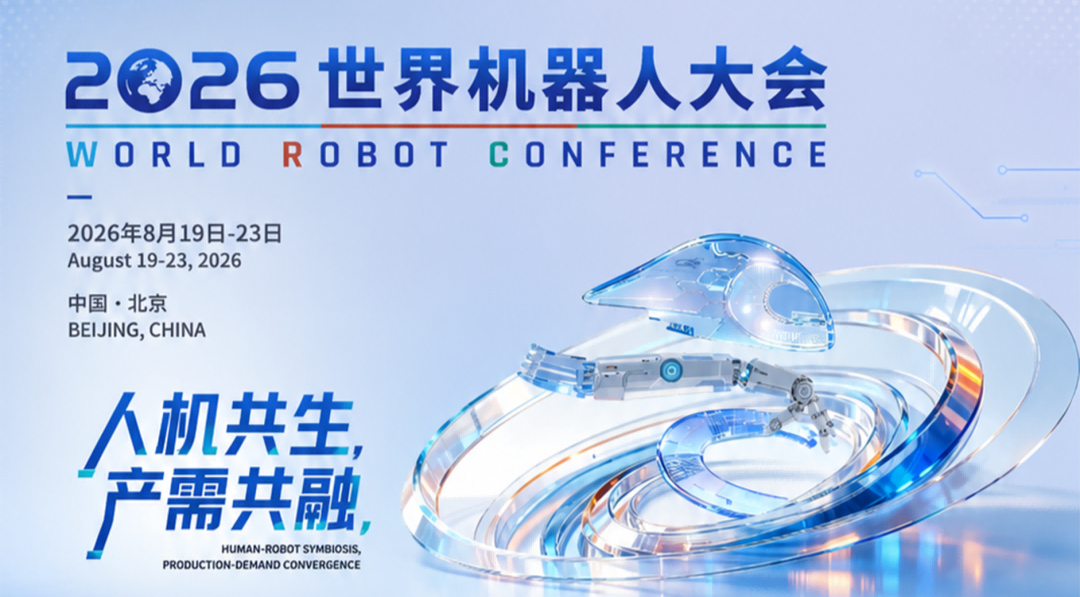
30 Global Organizations Unite to Support the 2026 World Robot Conference in Beijing
The 2026 World Robot Conference is set to take place in Beijing from August 19-23, 2026, with support from 30 international organizations. This collaboration aims to enhance global communication in the robotics sector and promote industrial synergy while showcasing innovative achievements. The involvement of these organizations underscores the importance of international cooperation in advancing robotics technology. By fostering connections among various sectors, the conference is expected to serve as a vital platform for discussions on the future of robotics and its applications. As the event approaches, stakeholders should watch for announcements regarding keynote speakers and featured innovations. The conference is anticipated to attract significant attention from industry leaders and researchers alike, highlighting the evolving landscape of robotics.
Robotics International Collaboration Innovation Technology Conference
How State-Backed Investment is Transforming China's Tech Ventures Landscape
China's technology sector is increasingly shaped by state-backed investments, which are altering the funding landscape and igniting discussions on risk versus innovation. Major players like DeepSeek, Zhipu AI, Unitree Robotics, and ChangXin Memory Technologies (CXMT) reflect a shift towards government involvement as Western venture capital recedes. The Chinese government's growing role in funding is evident, with state-affiliated investors providing over 90% of the committed capital in the private-equity market last year, up from 79% in 2021. This trend indicates a structural change in how frontier technologies are financed, as Beijing emphasizes long-term investments in hard technology. Looking ahead, the deployment of this capital will be crucial in determining China's success in becoming a self-reliant tech superpower. The balance between fostering innovation and managing potential overcapacity will be a key area to monitor as the state continues to influence the tech sector's trajectory.
Robotics needs a service framework.
RSF defines a common language for robot service capability, lifecycle operations, certification pathways, and service-provider networks.
Join the RobotToday community on LinkedIn
Daily robotics news, in-depth analysis, conference highlights, and discussions with professionals worldwide.