

Industry Briefing
A single destination for timely, editor-curated robotics news from around the world.

Comau Provides Advanced Battery Cell Formation and Testing System to Slovenia’s National Institute of Chemistry
Comau has successfully delivered a laboratory-scale cell formation and testing solution to Slovenia’s National Institute of Chemistry (NIC). This customized system is designed to facilitate material validation, product development, and cycle life testing, integrating industrial processes into a research environment while maintaining necessary flexibility. The significance of this delivery lies in its ability to accommodate various battery cell formats, including pouch, cylindrical, and prismatic cells, on a single platform. This versatility allows researchers and industrial partners to explore a wide range of battery technologies, bridging the gap between academic research and commercial development. Looking ahead, the NIC facility is poised to support both academic and industrial users in battery research and testing across Europe. No further timeline was disclosed at the time of publication.
Industrial robots News Science battery automation battery cell formation battery cell testing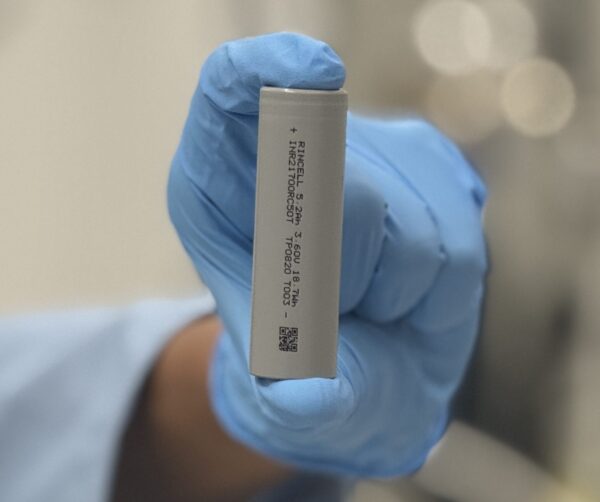
Rincell Launches RC50T Drone Battery Cell at DroneX in London
Rincell, a U.S. battery cell manufacturer based in Fremont, California, introduced its RC50T tabless 21700 lithium-ion cell at DroneX in London on September 29-30, 2026. This cell, compliant with the NDAA, is designed for high-load drone operations and is already being shipped to manufacturers. The RC50T features a continuous discharge rating of 100A and pulse discharge of 150A, with an energy density exceeding 265 Wh/kg. Its innovative tabless design reduces internal resistance to 3 to 4 milliohms, enhancing energy efficiency during drone missions. Rincell emphasizes that the RC50T is available for immediate order, showcasing their commitment to delivering proven products. Looking ahead, Rincell plans to expand its production capabilities, with a U.S. facility expected to be operational by late 2027. As demand for reliable drone battery solutions grows, Rincell aims to address supply chain challenges while providing high-performance options for various applications, including defense and agriculture.
battery technology Drone News Drone News Feeds drone parts NDAA Compliant News
Amprius Unveils New 500 Wh/kg Battery Cell for Extended Drone Flight Durations
Amprius Technologies has launched a silicon-anode battery cell aimed at enhancing the endurance of uncrewed aircraft. The new SiCore cell boasts an energy density of 500 watt-hours per kilogram (Wh/kg) at a continuous discharge rate of 1C, with commercial availability anticipated in the fourth quarter of 2026. The company plans to provide both customer-specific and standard pouch formats for small uncrewed aircraft systems. This development is significant as higher energy density in aviation can lead to longer flight times, increased range, or the ability to carry heavier payloads without adding battery weight. Amprius has previously achieved similar energy levels but faced challenges in scaling production. The SiCore platform aims to simplify the manufacturing process, allowing customers to transition from qualification to volume production without the need for specialized equipment. Looking ahead, Amprius will initiate production at its Fremont, California facility and expand through global manufacturing partners. The company has a history of supplying battery cells to AALTO HAPS, which develops solar-electric aircraft. As energy density is crucial for long-duration flights, advancements in this area could significantly enhance operational capabilities for various applications, including fixed-wing drones and High-Altitude Platform Stations (HAPS).
battery technology Drone News Drone News Feeds Dual Use News AALTO HAPS
EnPower and Echion Collaborate to Manufacture Ultra-High-Power Battery Cells for Robotics
EnPower, Inc. and Echion Technologies Ltd have announced a partnership to develop ultra-high-power battery cells in the U.S. for the North American industrial robotics market. This collaboration aims to combine Echion's XNO® niobium-based anode technology with EnPower's manufacturing expertise to create advanced battery solutions for automated guided vehicles and industrial robots. This partnership is significant as it aligns with Washington's efforts to secure the robotics supply chain and enhance domestic manufacturing capabilities. By producing these battery cells in the U.S., the companies aim to support critical infrastructure and autonomous systems, which are increasingly vital in various sectors, including AI datacenter power. Looking ahead, the agreement establishes EnPower as a key manufacturing partner for XNO® cells in North America. The companies plan to deepen their collaboration as their joint programs progress, indicating a strong commitment to advancing battery technology for industrial applications. No further timeline was disclosed at the time of publication.
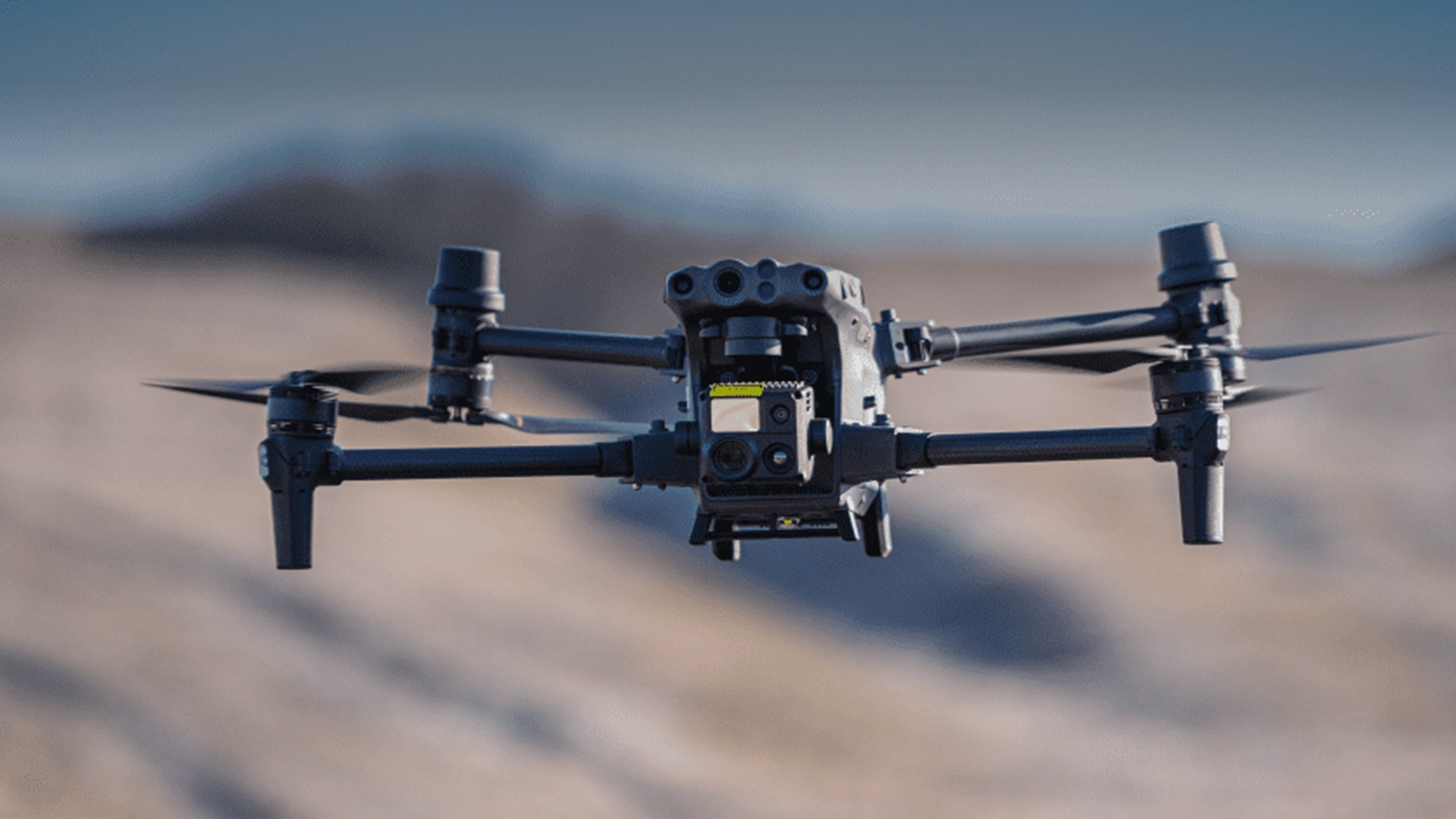
Amprius Technologies Secures $75M Grant to Transform EV Battery Line for Drone Production
The U.S. Department of War has granted Amprius Technologies up to $75 million to convert an electric vehicle battery production line into a facility for drone batteries. This retrofit, located in Fremont, California, aims to produce high-energy-density cells for unmanned aerial systems, with a projected capacity of 12 million cells annually by early 2028. This initiative is significant as it aligns with domestic sourcing requirements under the National Defense Authorization Act, ensuring that the U.S. can meet its defense needs with locally produced batteries. The total conversion project is estimated to cost around $100 million, which includes the federal grant and investments from Amprius and its South Korean manufacturing partner. Looking ahead, the converted facility will enhance Amprius’ manufacturing network and provide defense customers with access to NDAA-compliant batteries at higher volumes. No further timeline was disclosed at the time of publication.
Military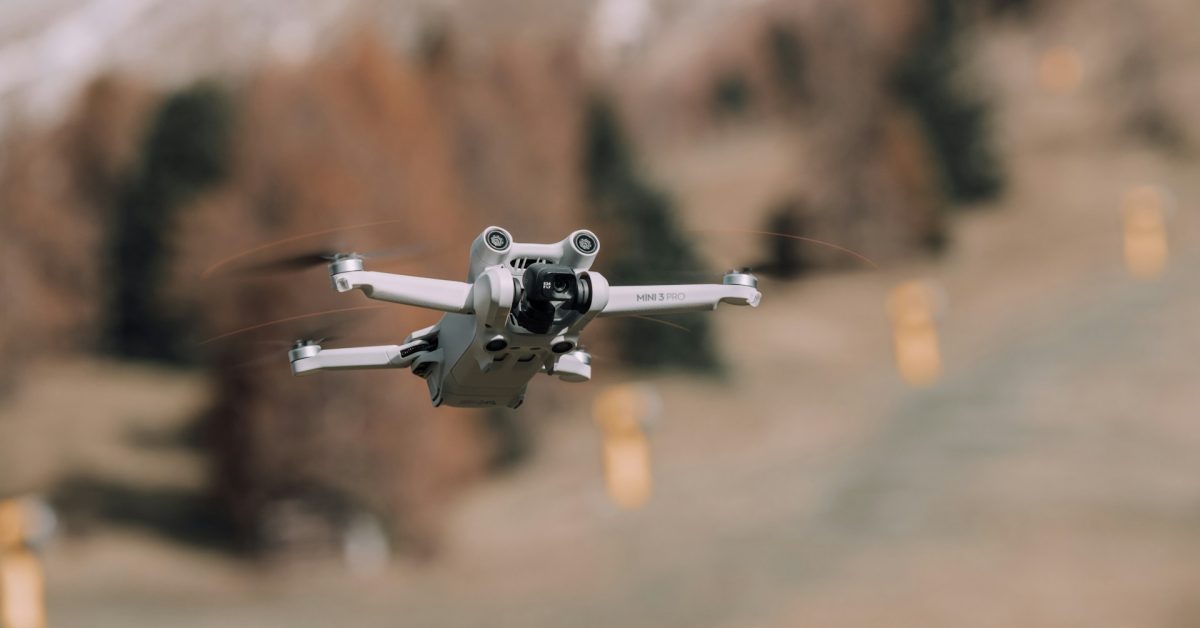
FCC Approves Nationwide Testing of Cellular Networks for Drone Connectivity
The Federal Communications Commission (FCC) has granted a temporary waiver to support the US Department of Transportation's Mobile Network Aviation Assessment Program (MNAAP). This initiative aims to test the viability of using commercial wireless networks to enhance aviation safety and security for drones operating in US airspace. This testing is significant as it addresses one of the major challenges in expanding commercial drone operations: reliable connectivity. Drones flying beyond visual line of sight (BVLOS) require dependable communication methods, which are crucial for future applications like drone delivery and automated inspections. The MNAAP will conduct tests across the contiguous United States, involving up to 2,000 authorized pilots and 200 non-federal drone operators. The FCC's waiver is set to last until October 1, 2029, allowing ample time to gather data that could inform the future integration of cellular networks into the drone ecosystem.
News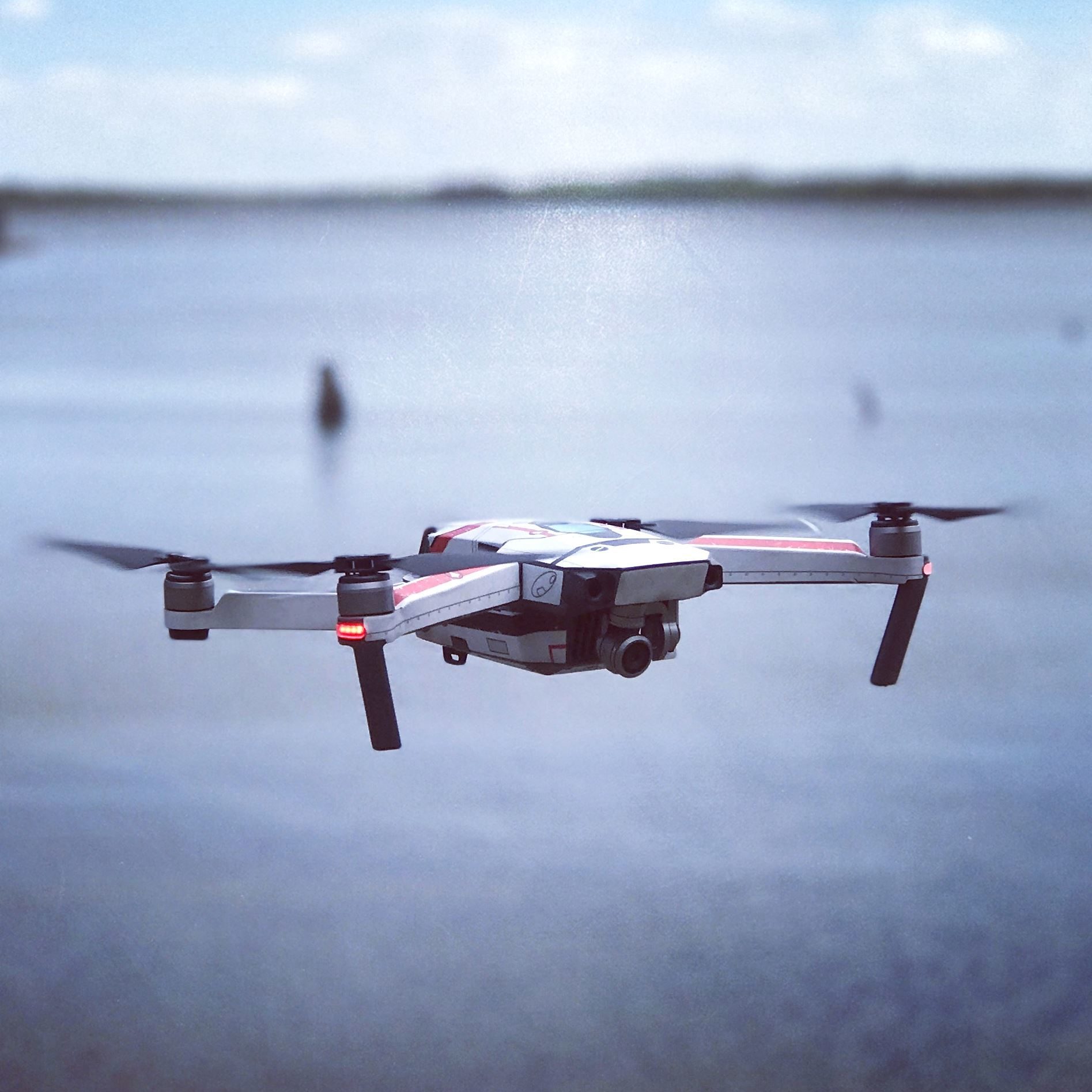
FCC Approves Nationwide Testing of Cellular Networks for Drone Safety Applications
The Federal Communications Commission (FCC) has eliminated a regulatory barrier to facilitate nationwide testing of commercial wireless networks on drones and general aviation aircraft. This order, effective September 11, supports the Department of Transportation's Mobile Network Aviation Assessment Program (MNAAP), which aims to evaluate wireless signal quality across various locations and altitudes in the contiguous United States. This initiative is significant as it seeks to determine the capability of commercial networks to support safety-related aviation services, including UAS command and control, autonomous detect and avoid systems, and counter-UAS detection. The waiver creates a controlled testing environment for participants approved by the Department of Transportation, allowing for the collection of crucial data on mobile broadband service performance. Looking ahead, the MNAAP may authorize up to 2,000 general aviation pilots to utilize a dedicated app on standard devices to report findings to a centralized database. Additionally, dedicated modules may be deployed on up to 200 UAS for targeted testing. This program could enhance understanding of airborne network performance, although the effectiveness of ground-based cellular infrastructure in aerial operations remains to be fully assessed.
Drone News Drone News Feeds News US Government BVLOS cellular connected drones
Li-S Energy's Lithium-Sulfur Batteries Enter US Army Testing for Drone Applications
Li-S Energy, an Australian battery developer, has delivered lithium-sulfur battery cells to the US Army for independent testing. This marks the first instance of the company's technology being evaluated by a US government agency, specifically by the US Army Combat Capabilities Development Command C5ISR Center at Aberdeen Proving Ground. The significance of this testing lies in the potential for lithium-sulfur batteries to enhance military operations that increasingly depend on drones and autonomous systems. With nearly double the energy density of conventional lithium-ion batteries, these cells could enable unmanned platforms to achieve longer flight times, greater ranges, and increased payload capacities, which are critical for modern military applications. Looking ahead, the evaluation by the DEVCOM C5ISR Center could pave the way for the integration of Li-S Energy's technology into various military programs, including unmanned aircraft and ground robots. No further timeline was disclosed at the time of publication.
Energy Military
Highstar Launches Innovative Battery System to Enhance Data Center Resilience Against Outages
Highstar, a China-based energy storage firm, introduced a comprehensive battery cell portfolio at the 2026 GGII Energy Storage Industry Summit to address the increasing power demands of AI Data Centers (AIDCs). This innovative system utilizes tailored chemistries for different layers of data center operations, ensuring reliable power backup and thermal management. The significance of Highstar's solution lies in its ability to meet the unique challenges posed by AI workloads, which require rapid response and dependable backup. The battery portfolio includes specialized products designed for server-rack battery backup units, facility-wide UPS, and grid-side storage, effectively insulating servers from power spikes and dropouts. Looking ahead, the integration of Highstar's battery systems could alleviate pressure on global power grids, which are currently facing transformer shortages and capacity limits. By providing on-site battery storage, data center operators can safely manage power demands and avoid disruptions to local substations. No further timeline was disclosed at the time of publication.
AI and Robotics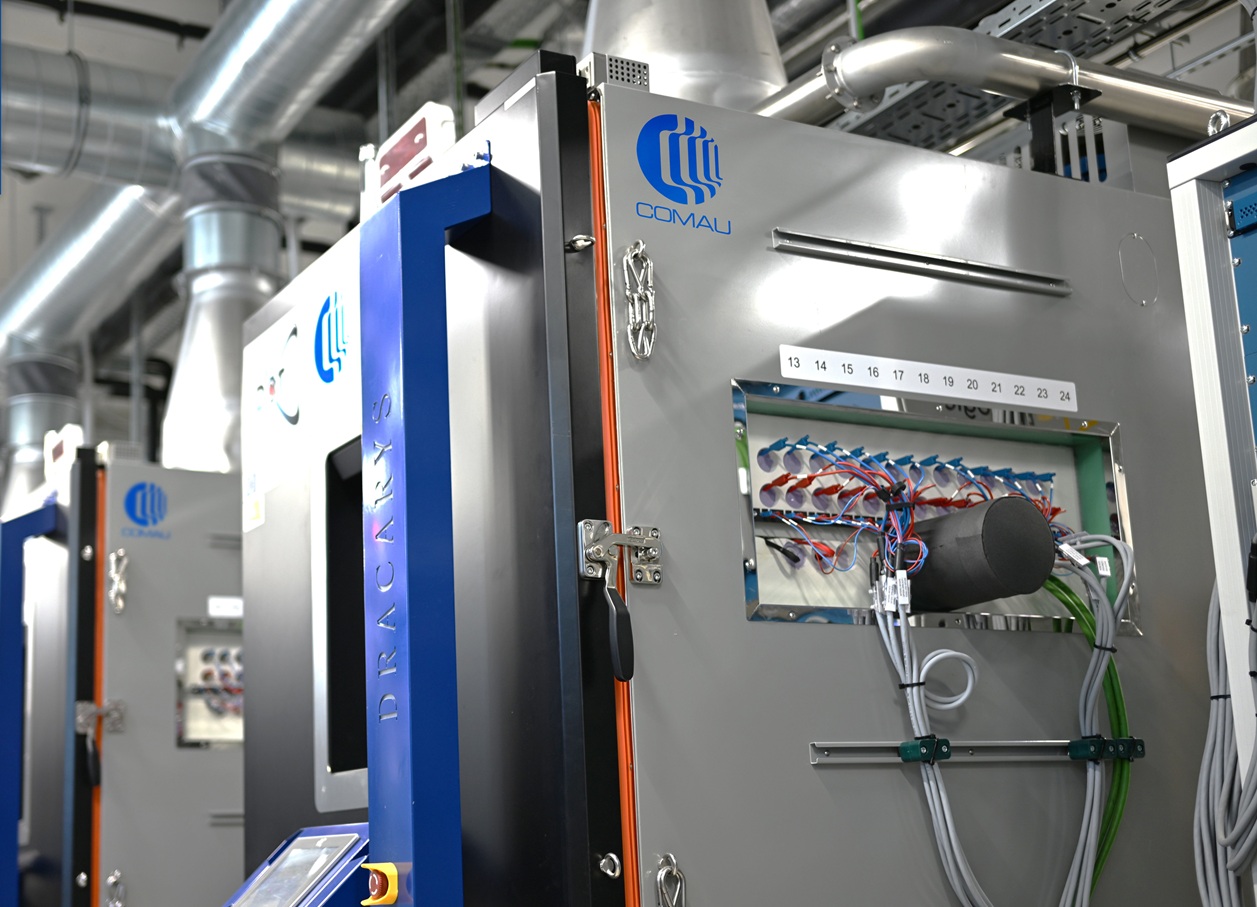
Comau Delivers Advanced Battery Testing Solution to National Institute of Chemistry
Comau has successfully developed and delivered a laboratory-scale cell formation and testing solution to the National Institute of Chemistry (NIC). This turnkey system is designed to support material validation, product development, and cycle life testing, integrating industrial processes into a research environment. The significance of this solution lies in its ability to manage various cell formats, including pouch, cylindrical, and prismatic cells, on a single platform. This flexibility allows NIC to bridge the gap between academic research and commercial battery development, enhancing the testing capabilities for both researchers and industrial users. Looking ahead, NIC is well-positioned to support battery research and testing needs across Europe. Comau's solution not only meets stringent safety requirements but also showcases the company's broader capabilities in battery manufacturing, with plans to present its offerings at The Battery Show North America in October 2026.
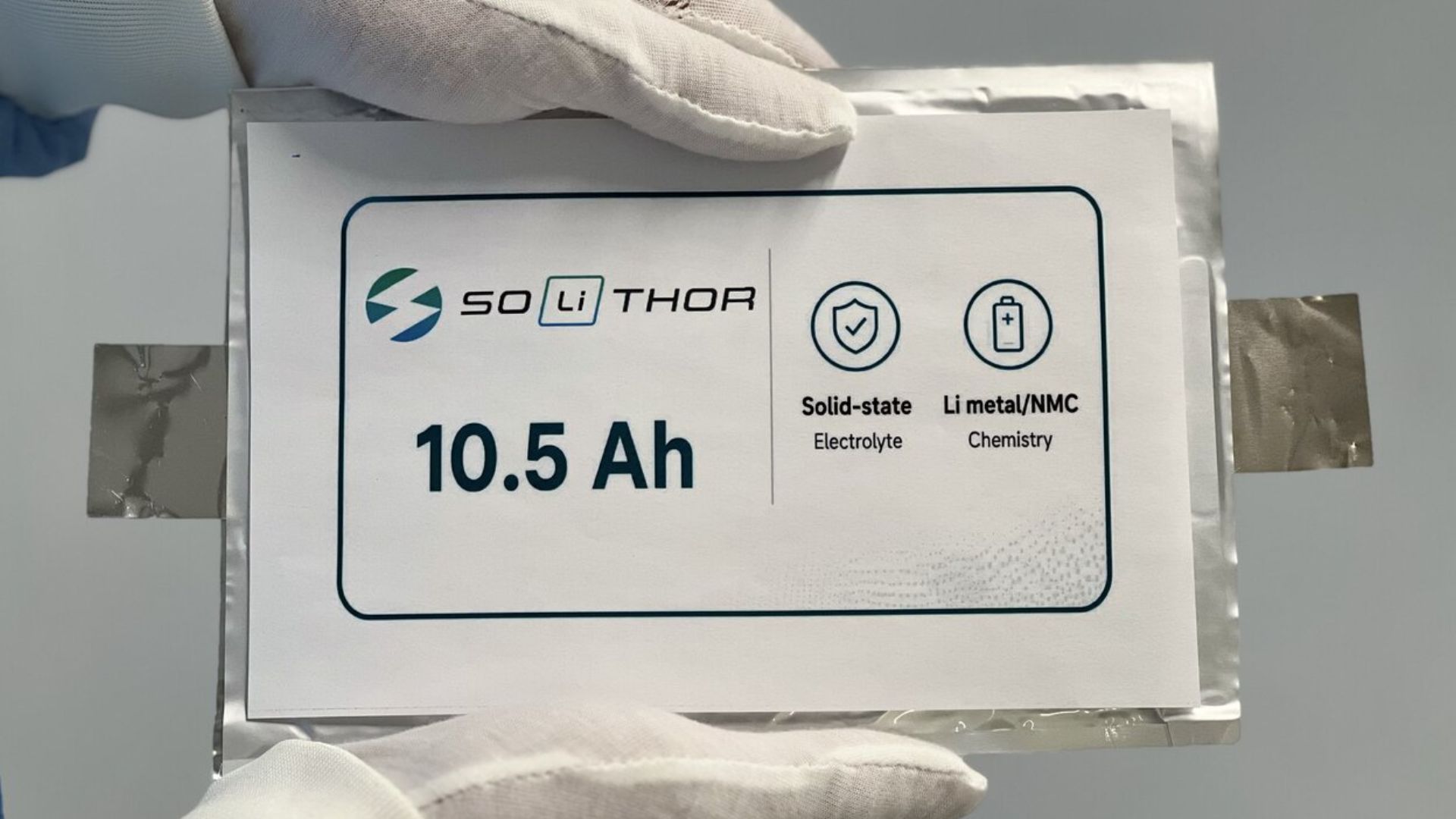
Solid-state battery cell hits 465 Wh/kg density, targets aerospace and defense applications
European battery startup SOLiTHOR has successfully produced its first 10 Ah demonstration cell, showcasing a significant advancement in battery technology. This milestone was achieved recently at their facility in Europe, where the company aims to enhance energy storage solutions. The development of this demonstration cell is part of SOLiTHOR's broader mission to address the growing demand for efficient and sustainable battery systems, particularly in the context of the electric vehicle market and renewable energy storage. By utilizing innovative manufacturing processes and cutting-edge materials, SOLiTHOR is positioning itself as a key player in the competitive battery industry, striving to contribute to a greener future.
Energy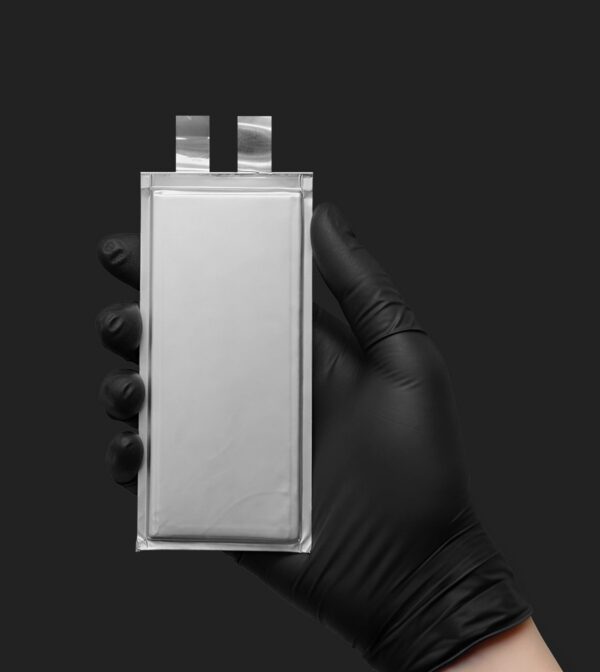
Buffalo’s Natrion Rolls Out NDAA-Compliant Drone Battery Cells
Natrion, a battery materials company based in Buffalo, New York, has introduced a new line of NDAA-compliant pouch cells that offer up to 80% more energy density than conventional lithium-ion batteries. Announced on May 14, 2026, these defense-optimized battery cells are designed for use in uncrewed systems, including drones, surface and underwater vessels, ground vehicles, and humanoid robots. The launch aims to enhance the performance and efficiency of military and defense applications, addressing the growing demand for advanced energy solutions in various unmanned technologies.
battery technology Defense Drone News Drone News Feeds Military NDAA Compliant
Germany develops new robotic system to recover and repurpose EV battery cells
German researchers are advancing the development of a robot-assisted system aimed at repurposing old electric vehicle (EV) batteries. This innovative project, which is currently underway, seeks to address the growing challenge of battery waste as the demand for electric vehicles continues to rise. By creating a more efficient method for recycling and reusing these batteries, the researchers hope to contribute to sustainability efforts and reduce environmental impact. The system utilizes robotic technology to streamline the disassembly and refurbishment processes, ensuring that valuable materials can be extracted and reused effectively. This initiative not only aims to extend the life cycle of EV batteries but also to promote a circular economy within the automotive industry. The project is part of a broader effort in Germany to lead in green technology and sustainable practices, reflecting the country’s commitment to environmental innovation.

Comau strengthens its cooperation with Intecells to accelerate development and commercialization of next generation battery electrode manufacturing
Comau has announced the renewal of its collaboration with Intecells to enhance the application of cold plasma technology in industrial cell manufacturing processes. This partnership aims to improve efficiency and innovation within the sector, reflecting a growing interest in advanced manufacturing techniques. The renewed agreement underscores both companies' commitment to leveraging cutting-edge technology to optimize production methods. The collaboration is expected to yield significant advancements in the way cells are produced, contributing to the overall evolution of the industry.

Comau teams with Intecells to develop a new paradigm in battery electrode manufacturing
Comau and Intecells have announced a collaboration aimed at enhancing the efficiency of battery electrode production through the innovative use of cold plasma technology. This partnership seeks to streamline the manufacturing process by eliminating the need for solvents and binders, which are traditionally used in battery production. The new approach not only promises to handle a diverse range of battery types and sizes but is also expected to significantly improve overall production efficiency. This initiative reflects a growing trend in the industry to adopt more sustainable and effective manufacturing techniques, aligning with the increasing demand for advanced battery solutions.
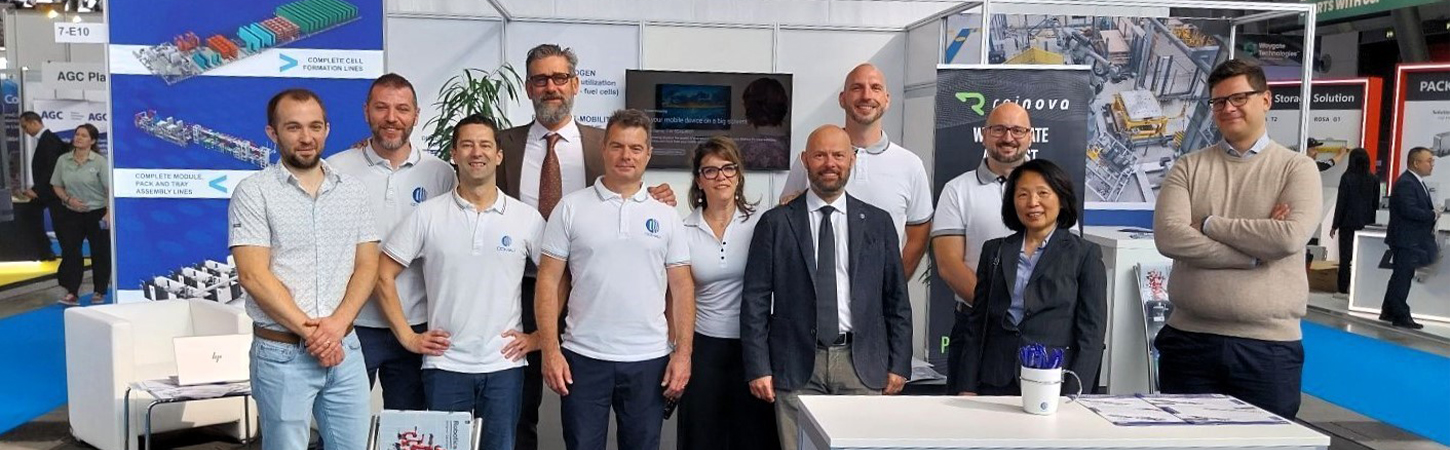
Comau to display its cell formation and new e-mobility solutions at the Battery Show Stuttgart
Comau showcased its innovative cell formation and e-mobility solutions at the Battery Show held in Stuttgart, Germany. The event took place recently, attracting industry leaders and stakeholders interested in advancements in battery technology and electric mobility. Comau's participation highlights the company's commitment to enhancing production processes and supporting the growing demand for sustainable energy solutions. By presenting its latest technologies, Comau aims to demonstrate how its automation and robotics expertise can streamline battery manufacturing, ultimately contributing to the transition towards greener transportation options. The exhibition provided a platform for networking and collaboration among key players in the battery and automotive sectors, emphasizing the importance of innovation in meeting future energy needs.
Robotics needs a service framework.
RSF defines a common language for robot service capability, lifecycle operations, certification pathways, and service-provider networks.
Join the RobotToday community on LinkedIn
Daily robotics news, in-depth analysis, conference highlights, and discussions with professionals worldwide.







