Industry Briefing
A single destination for timely, editor-curated robotics news from around the world.

Yamaha expands autonomous farming platform with new weed-control system for orchards and vineyards
Yamaha Agriculture is enhancing its Prospr autonomous farming platform by introducing a new herbicide attachment aimed at automating weed control in orchards and vineyards. This innovative system, developed in collaboration with Croplands Equipment, expands the platform's capabilities to include precision herbicide application. The addition is designed to assist specialty crop growers in minimizing labor demands while improving the consistency of spraying operations. This advancement reflects a growing trend in agricultural technology, focusing on efficiency and sustainability in crop management.
Agriculture News agricultural automation agricultural robots agricultural technology ai agriculture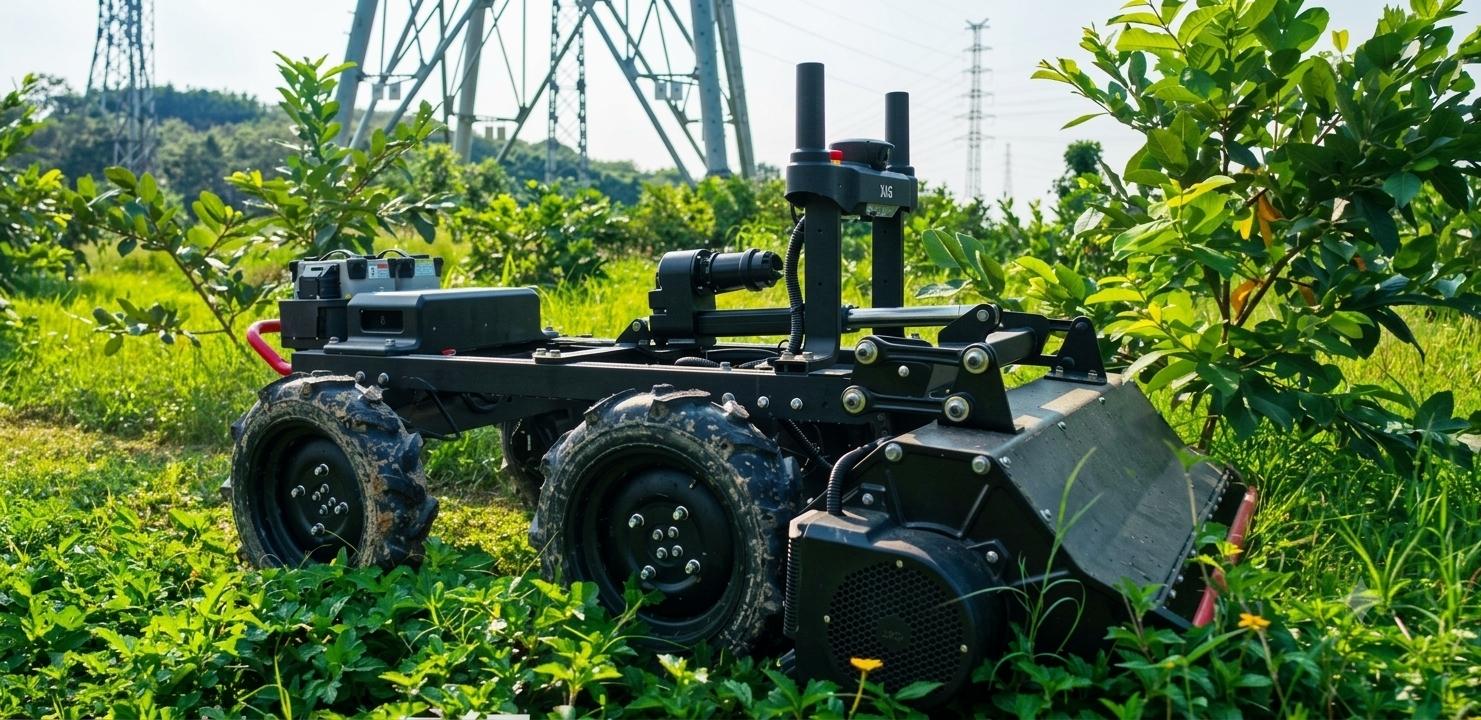
XAG Introduces RM80 Electric Mower and X Series Drone System for Autonomous Farming
XAG has launched the RM80, a 143 kg all-electric unmanned mower, at the Agricultural Robot Conference in Guangzhou, China. Designed for orchard management and land reclamation, the RM80 operates for up to 40 minutes per charge and can autonomously cover 0.33 to 0.53 hectares per hour. It features advanced navigation through the SuperX 5 Ultra control system and can also perform stubble removal for effective weed control. The introduction of the RM80 coincides with the unveiling of XAG's new X Series drone system, aimed at creating a fully autonomous farming workflow. This system includes the X Series drone, XA1 docking station, and LM1 chemical mixing unit, enhancing automation in tasks like charging and chemical refilling. The drone boasts improved computing power and perception capabilities, allowing it to survey up to 300 hectares in a single mission, while the docking station ensures precise automatic charging and refilling. XAG has not disclosed pricing details for the RM80 or the X Series system, with market packages expected to vary based on local dealer offerings. The company's strategy emphasizes integrating various robotic functions into a coordinated workflow, positioning its equipment as essential components of modern smart farming rather than standalone tools. No further timeline was disclosed at the time of publication.
Smart farming agricultural robots autonomous technology drone technology electric tractors robotic harvesting
Elbit Systems acquires Bluewhite: a new chapter for autonomous farming
Israeli defense and technology firm Elbit Systems has finalized its acquisition of Blue White Robotics, commonly referred to as Bluewhite, through its subsidiary FUSE. This strategic move, completed recently, positions Elbit to enhance its capabilities in the rapidly growing field of autonomous vehicle technology, particularly for agricultural applications. Founded in 2017 and based in Tel Aviv, Bluewhite has garnered recognition as a leading innovator in this sector, making the acquisition a significant step for Elbit in expanding its technological portfolio and market reach.
Autonomous/semi-autosteering systems autonomous technology autonomous tractors digitalization iot precision agriculture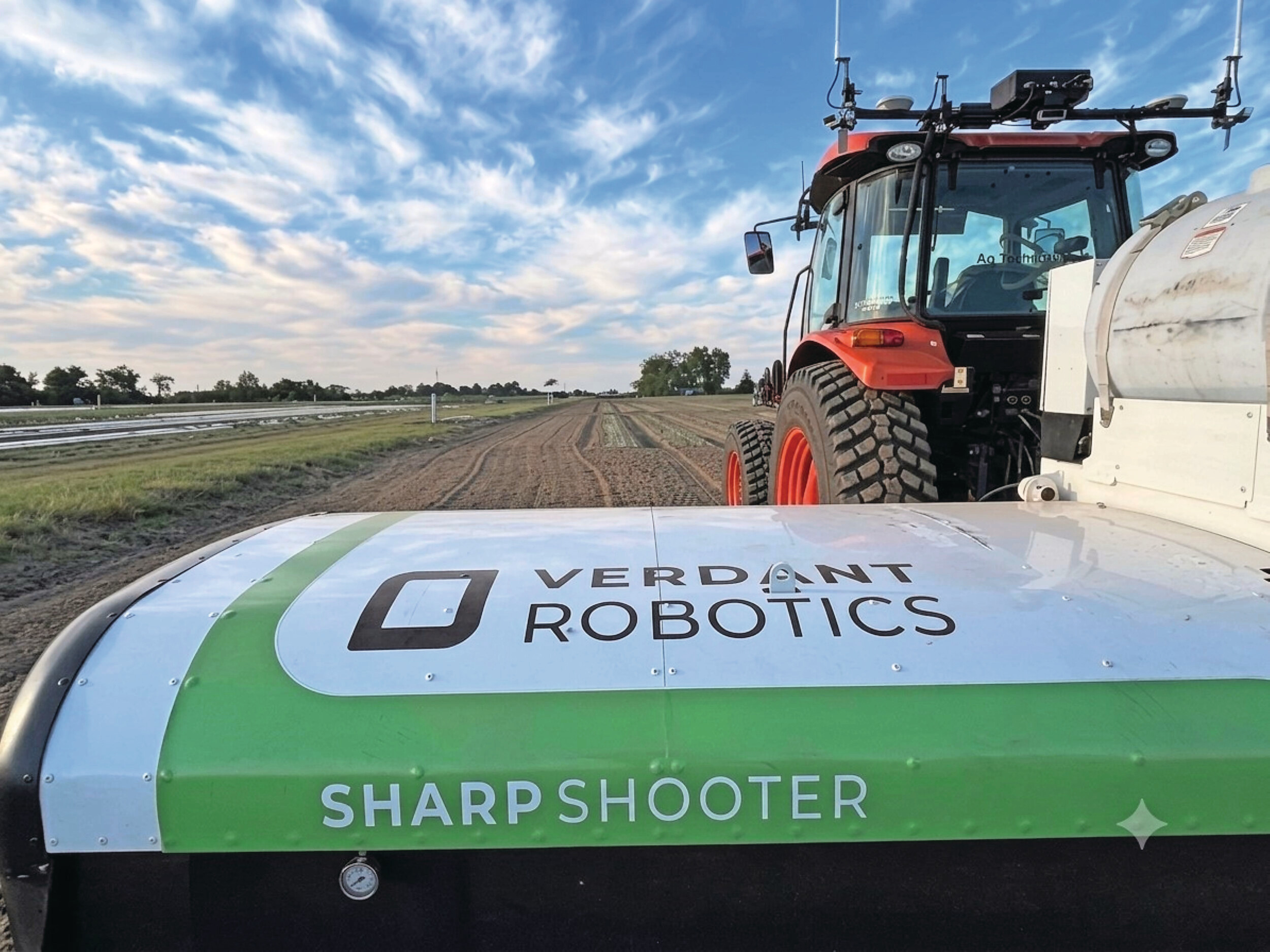
Sabanto and Verdant Robotics integrate autonomy and precision application systems
U.S. companies Sabanto Inc. and Verdant Robotics have announced a groundbreaking integration of their systems, marking a significant advancement in agricultural automation. This collaboration allows producers to automate various fieldwork tasks, including navigation and plant-level input application, without the need for an operator present in the cab. The integration aims to enhance efficiency and productivity in farming operations, responding to the growing demand for innovative agricultural solutions. By leveraging advanced technology, both companies are paving the way for a new era of autonomous farming, which could transform traditional practices and address labor shortages in the industry.
Autonomous/semi-autosteering systems autonomous farm equipment autonomous tractors crop management systems retrofit kits
Crop cameras broaden the view on real-time nitrogen application
Recent advancements in crop camera technology are transforming the way farmers apply fertilizers, shifting from a static approach to a dynamic, real-time decision-making process. These innovative camera systems continuously monitor crop growth and biomass across entire fields, enabling immediate adjustments to nitrogen application rates as conditions change. This development not only promotes more precise fertilizer use but also reduces waste and enhances the efficiency of autonomous farming systems. Future Farming is exploring these technological advancements, examining emerging suppliers, and assessing the future trajectory of this impactful agricultural innovation.
Smart farming multispectral sensors nitrogen management precision agriculture variable rate application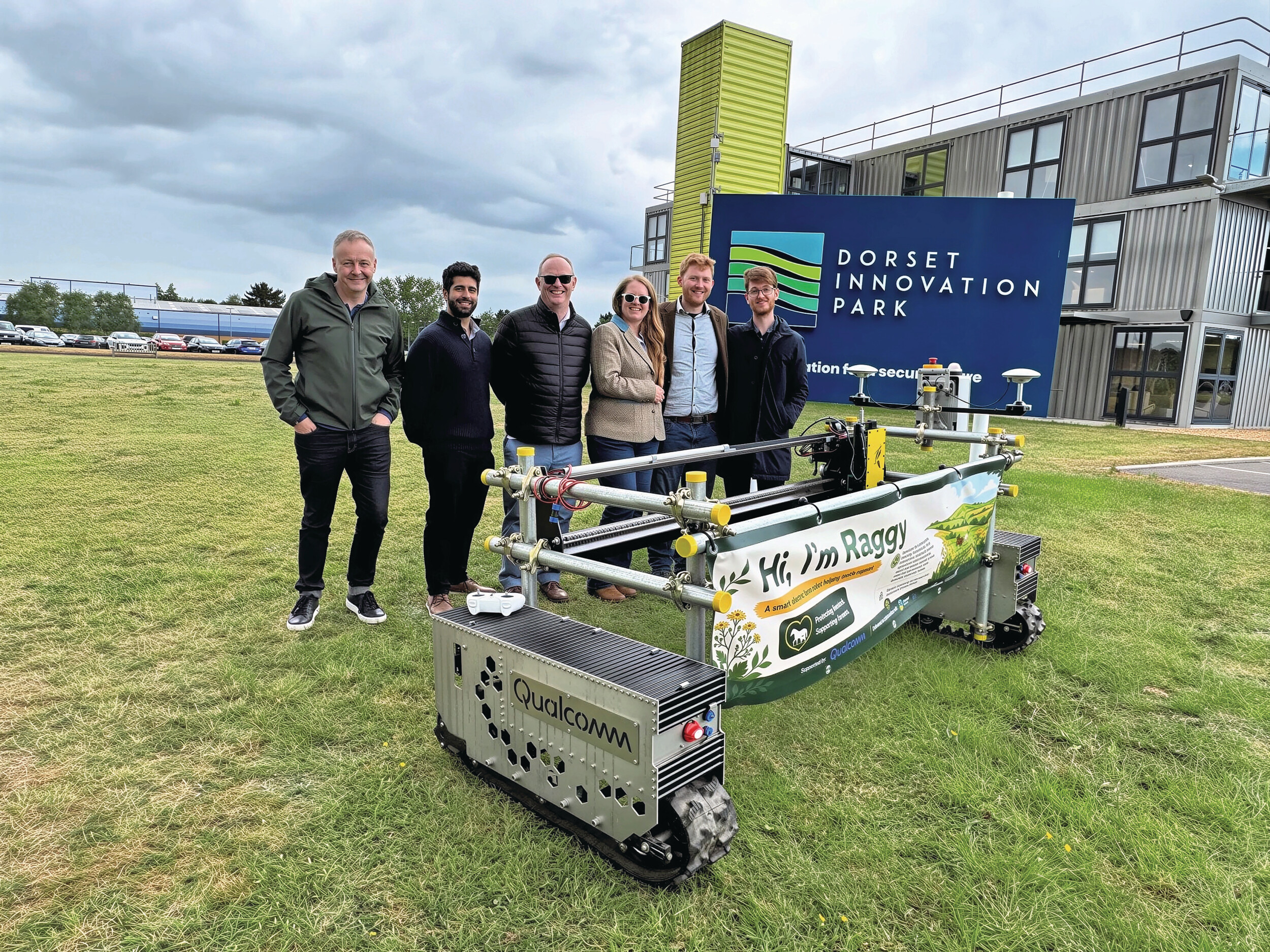
Robot Raggy taking on one of farming’s most persistent weed problems
This summer, farmers in Dorset are closely monitoring the progress of Raggy, a small autonomous robot designed to combat ragwort infestations. Developed by the UK robotics firm Robotriks, Raggy has arrived at Dorset Innovation Park near Wareham for its final testing phase before launching field trials across various farms and land in the region. The introduction of this electrically powered robot is highly anticipated by local farmers and landowners, who are eager for an effective solution to manage the invasive weed that poses a threat to livestock and crops. The ongoing trials aim to demonstrate Raggy's capabilities in tackling this persistent agricultural challenge.
Field robots autonomous farm equipment electric tractors Machine vision robotics weed control systems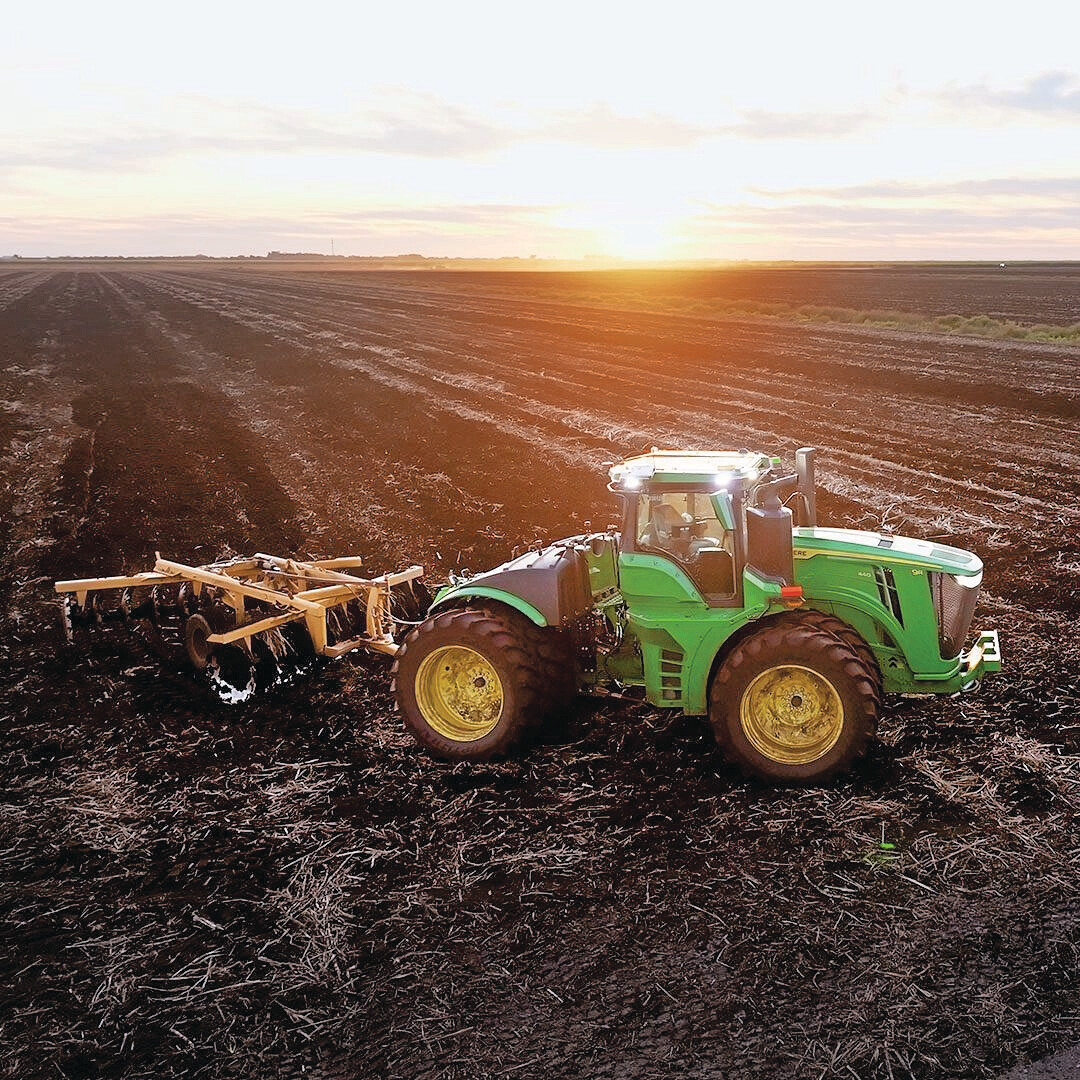
U.S. Sugar deploys autonomous John Deere tractor fleet across 255,000 acres
U.S. Sugar has initiated the largest commercial deployment of autonomous tractors in the American sugar industry, marking a significant advancement in agricultural technology. This initiative involves the use of unmanned John Deere tractors that operate continuously in the sugarcane fields of Florida. The deployment aims to enhance efficiency and productivity in sugarcane farming, reflecting the company's commitment to innovation in agriculture. By utilizing these autonomous machines, U.S. Sugar seeks to streamline operations and reduce labor costs, ultimately improving the overall sustainability of its farming practices. The move comes as the industry increasingly embraces automation to meet growing demands while addressing labor shortages.
Autonomous/semi-autosteering systems autonomous farm equipment autonomous tractors fleet management precision agriculture sugarcane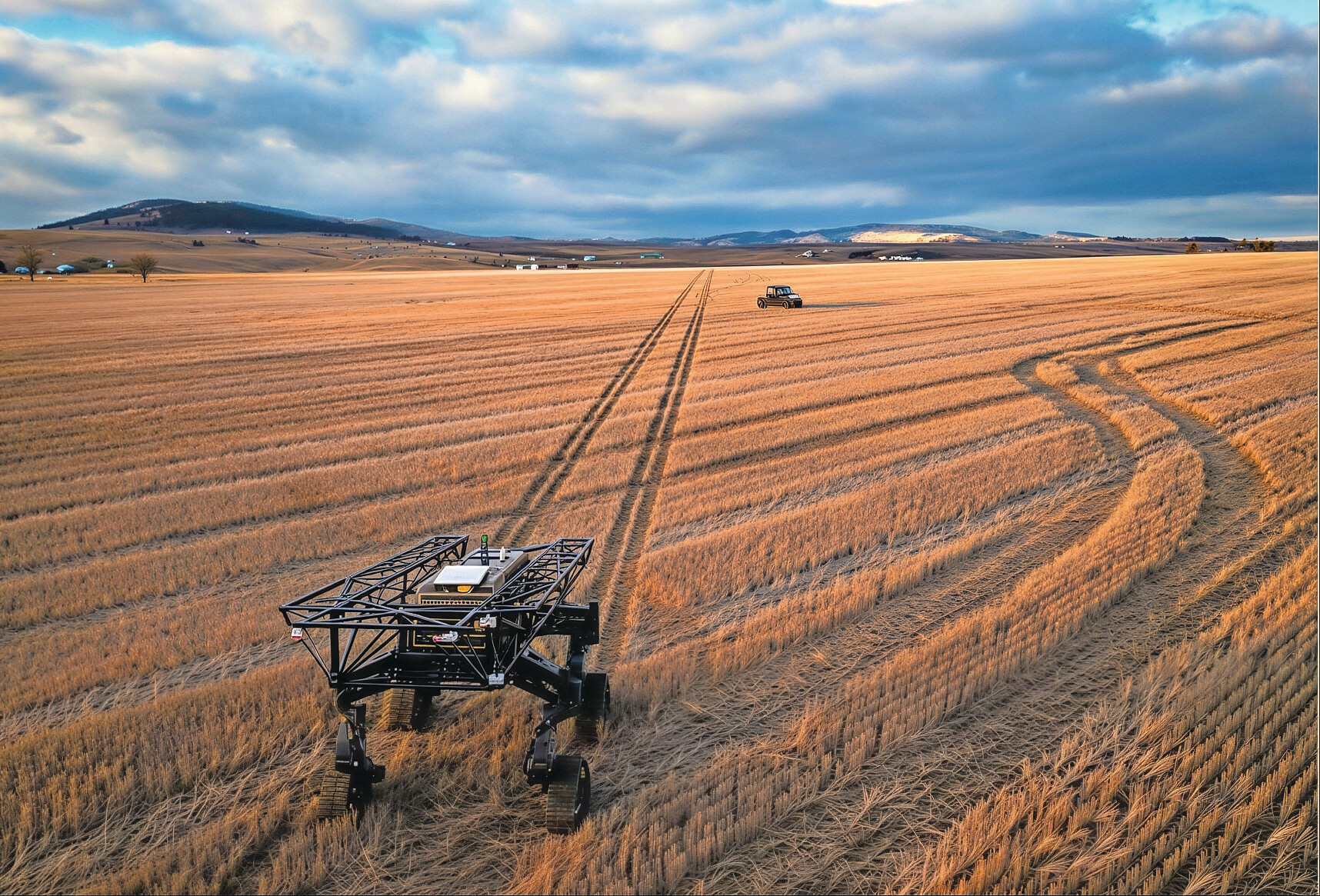
TerraClear launches autonomous TerraScout robot for field scouting
TerraClear has launched the TerraScout, an innovative autonomous robot aimed at enhancing precision farming through advanced technology. This robot is capable of capturing ultra-high-resolution imagery of agricultural fields and transforming that data into actionable insights for farmers. The introduction of the TerraScout comes as the agricultural industry increasingly seeks efficient solutions to optimize crop management and yield. By leveraging cutting-edge imaging technology, TerraClear aims to empower farmers with detailed information about their fields, ultimately improving decision-making processes and productivity. The rollout of the TerraScout marks a significant advancement in agricultural technology, reflecting a growing trend towards automation and data-driven farming practices.
Field robots autonomous farm equipment crop scouting precision agriculture weed control yield optimization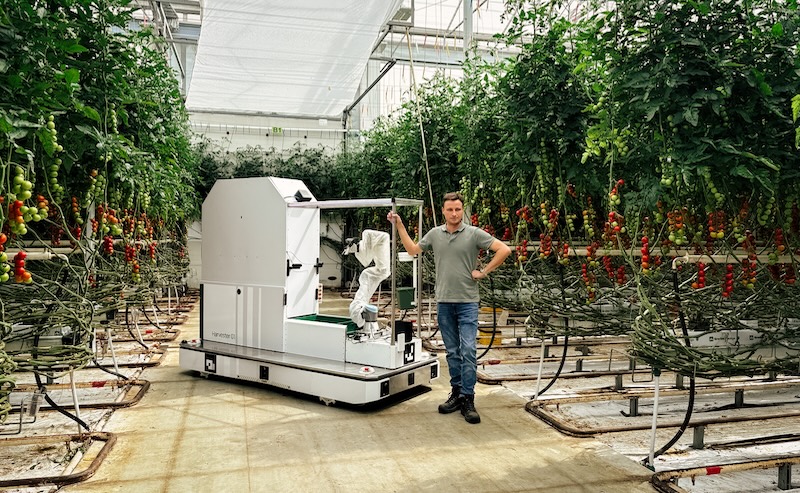
Eternal.ag scales fully-autonomous harvesting robots with first customer Van Noord Growers
Eternal.ag, a German agritech startup, has launched its fully-autonomous greenhouse harvesting robot, known as Harvester, at Van Noord Growers in Zeeland, Netherlands. This deployment is part of a long-term agreement aimed at enhancing the efficiency of Van Noord Growers, which cultivates tomatoes and cucumbers across an 8.5-hectare facility. The Harvester robot is specifically designed for truss harvesting, offering a solution to labor shortages and increasing productivity in greenhouse operations. The collaboration reflects a growing trend in the agricultural sector to integrate advanced technology to streamline processes and improve crop yields.
Agriculture News agribusiness technology agricultural AI agricultural automation agricultural innovation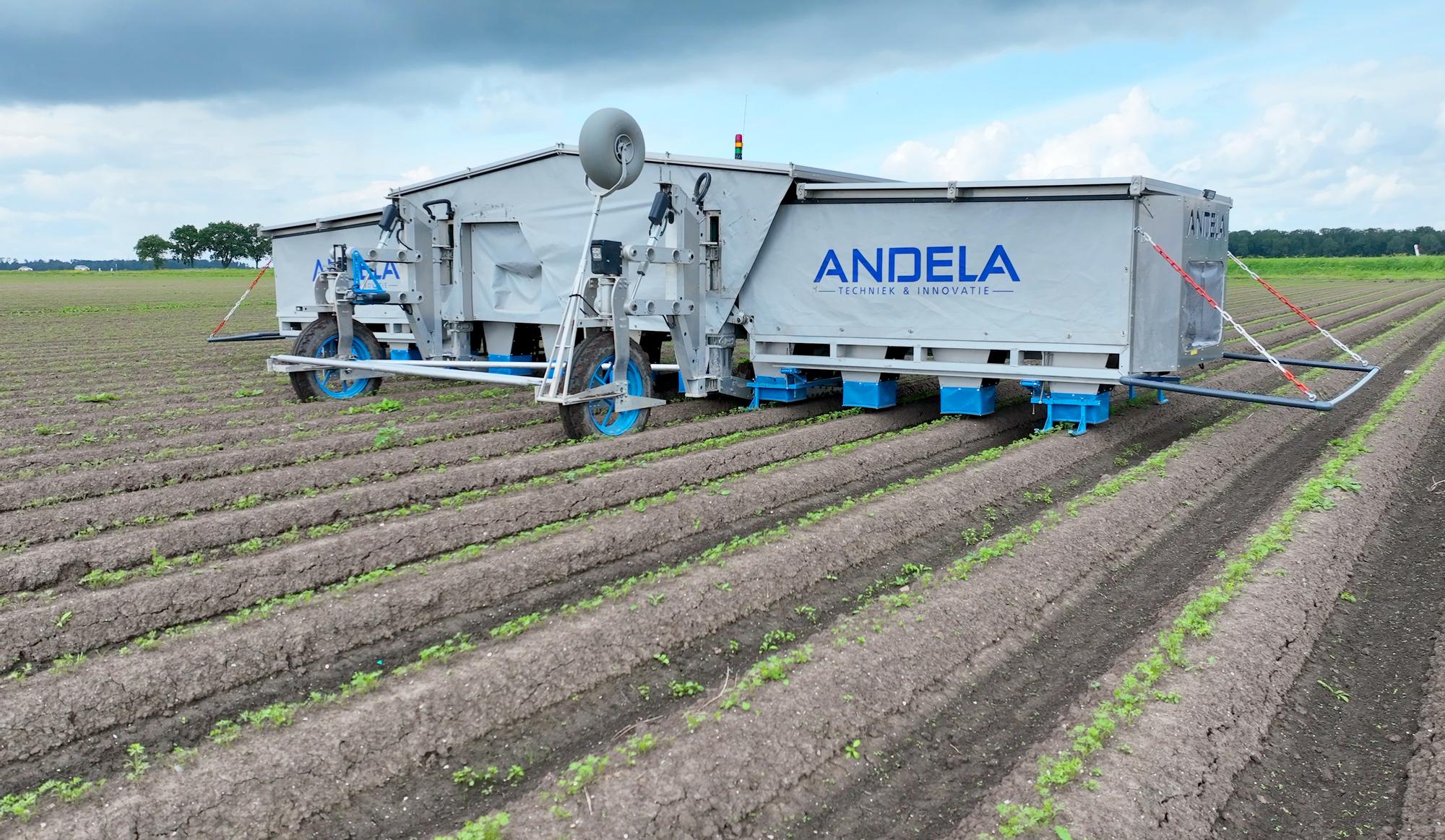
Challenges in Reducing Costs of Agricultural Robots Like the Andela Weeder
The Andela Robot Weeder is priced at approximately €800,000 (US$961,000), raising questions about the factors influencing its cost. Unlike traditional machinery, the price of agricultural robots is increasingly determined by the economic value they provide rather than manufacturing costs. This shift in perspective complicates the business case for growers, as the value derived from labor replacement and efficiency gains becomes paramount. As labor shortages and restrictions on herbicides grow, the competition landscape for agricultural robots may change significantly. Robots may not need to compete solely on price against traditional methods like chemical weed control. Instead, they could emerge as essential tools, altering the pricing dynamics in the market. While advancements in technology will likely enhance the performance of agricultural robots, this does not guarantee a decrease in their prices. The value proposition for farmers will focus more on the economic benefits rather than the cost of production, making the future of pricing in this sector uncertain. No further timeline was disclosed at the time of publication.
Crop solutions autonomous farm farm management mechanical weeder robotics weed control
LiTime Powers Smart Agriculture and Robotics in Agriculture with Extended Runtime and System Integration
Automation is transforming the landscape of modern agriculture, with technologies such as lawn mowers, irrigation control systems, automated transporters, and robotics becoming increasingly prevalent on farms, plantations, and in greenhouses. These advanced tools are designed to operate efficiently over extended periods, requiring intelligent management and minimal maintenance in challenging outdoor conditions. In response to these demands, LiTime, a prominent manufacturer of lithium batteries, is stepping up to provide innovative energy solutions tailored for agricultural automation. Their products aim to enhance the performance and reliability of these automated systems, ensuring that farmers can maximize productivity while minimizing operational challenges.
Agriculture Automation agricultural automation agricultural machinery agricultural robots amrs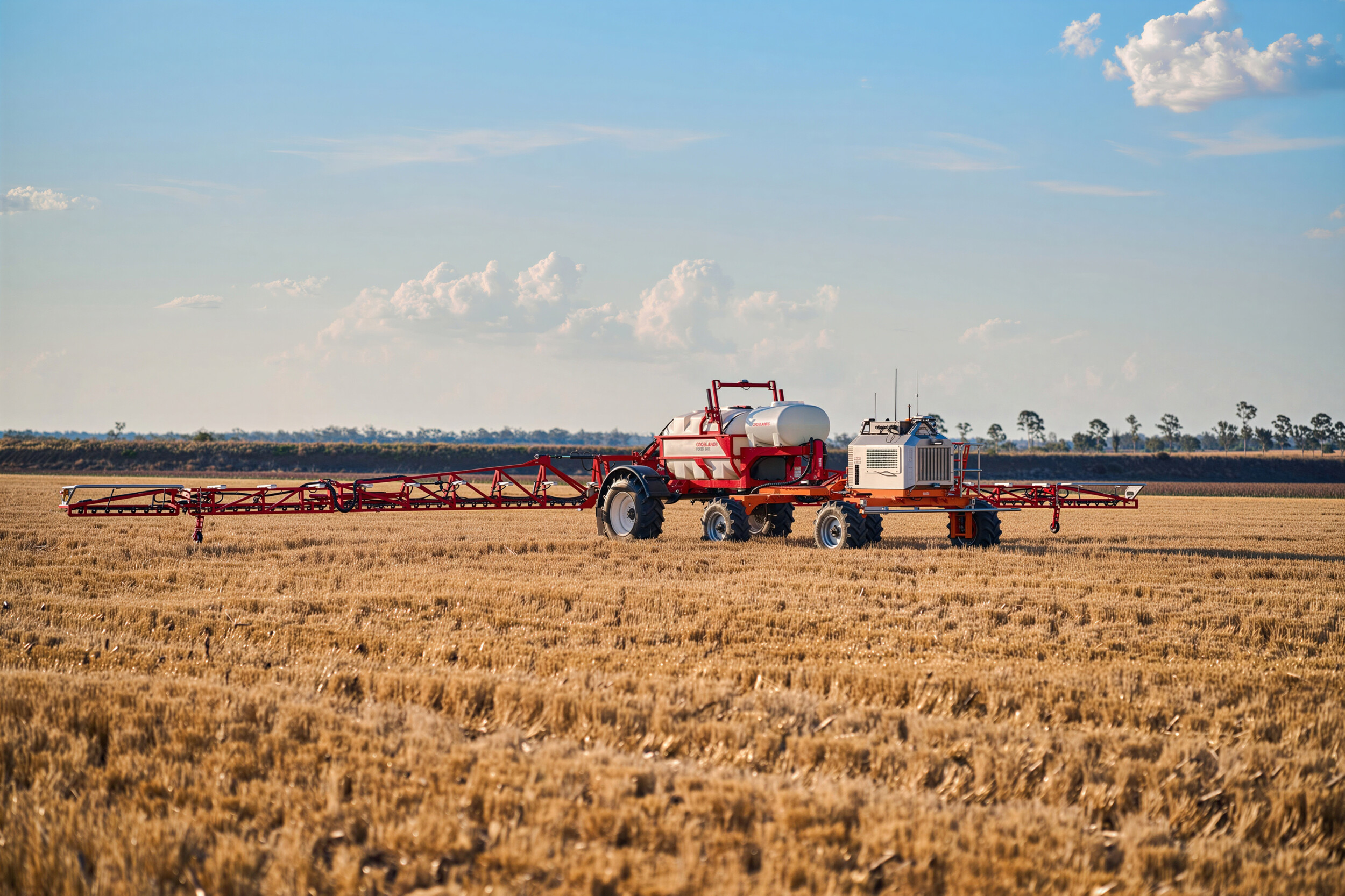
Croplands expands WEED-IT range with new releases, including orchard solution
Australian company Croplands Equipment has introduced a series of innovative technologies in its WEED-IT precision spraying range. The launch features the Series 2 Robot Ready Pinto, along with a large-scale broadacre platform and enhanced retrofit capabilities. Additionally, the company has developed its first optical spot spraying solution specifically designed for orchards. This advancement aims to improve efficiency and precision in agricultural spraying, addressing the growing demand for sustainable farming practices. The new technologies are set to revolutionize the way farmers manage weeds and optimize crop health, reflecting Croplands' commitment to innovation in the agricultural sector.
Smart farming autonomous farm equipment crop management systems precision spraying retrofit kits weed control systems
A Boustrophedon‐Optimized Neural Network for Autonomous Path Planning in Large‐Scale Photovoltaic Farms
In May 2026, researchers published a significant study in the Journal of Field Robotics, focusing on advancements in robotic technology. The study explores innovative algorithms designed to enhance the navigation capabilities of autonomous robots in complex environments. Conducted by a team of engineers and computer scientists, the research aims to address the challenges faced by robots in real-world applications, such as search and rescue operations and environmental monitoring. The team conducted extensive field tests to validate the effectiveness of their algorithms, demonstrating improved accuracy and efficiency in navigation tasks. This research is particularly relevant as industries increasingly rely on autonomous systems for various applications, highlighting the need for reliable and adaptable robotic solutions. The findings are expected to contribute to the development of more sophisticated robots capable of operating in unpredictable settings, ultimately advancing the field of robotics and its practical applications.
RESEARCH NOTE
Robotics firm Eternal and seed breeder Rijk Zwaan partner to optimize tomato varieties for greenhouse automation
Eternal.ag and Rijk Zwaan have announced a collaboration focused on identifying tomato varieties that can enhance robotic crop work in greenhouses. This initiative seeks to leverage the expertise of both companies to gain insights into plant characteristics that would facilitate the automation of greenhouse operations. The partnership aims to pave the way for a future where crop management is fully automated, thereby improving efficiency and productivity in agricultural practices. By combining Rijk Zwaan's extensive global experience in fruit cultivation with eternal.ag's innovative technologies, the two organizations are working together to explore the potential of various tomato strains in supporting advanced robotic systems.
Agriculture News agri robotics agricultural automation agricultural innovation agricultural robotics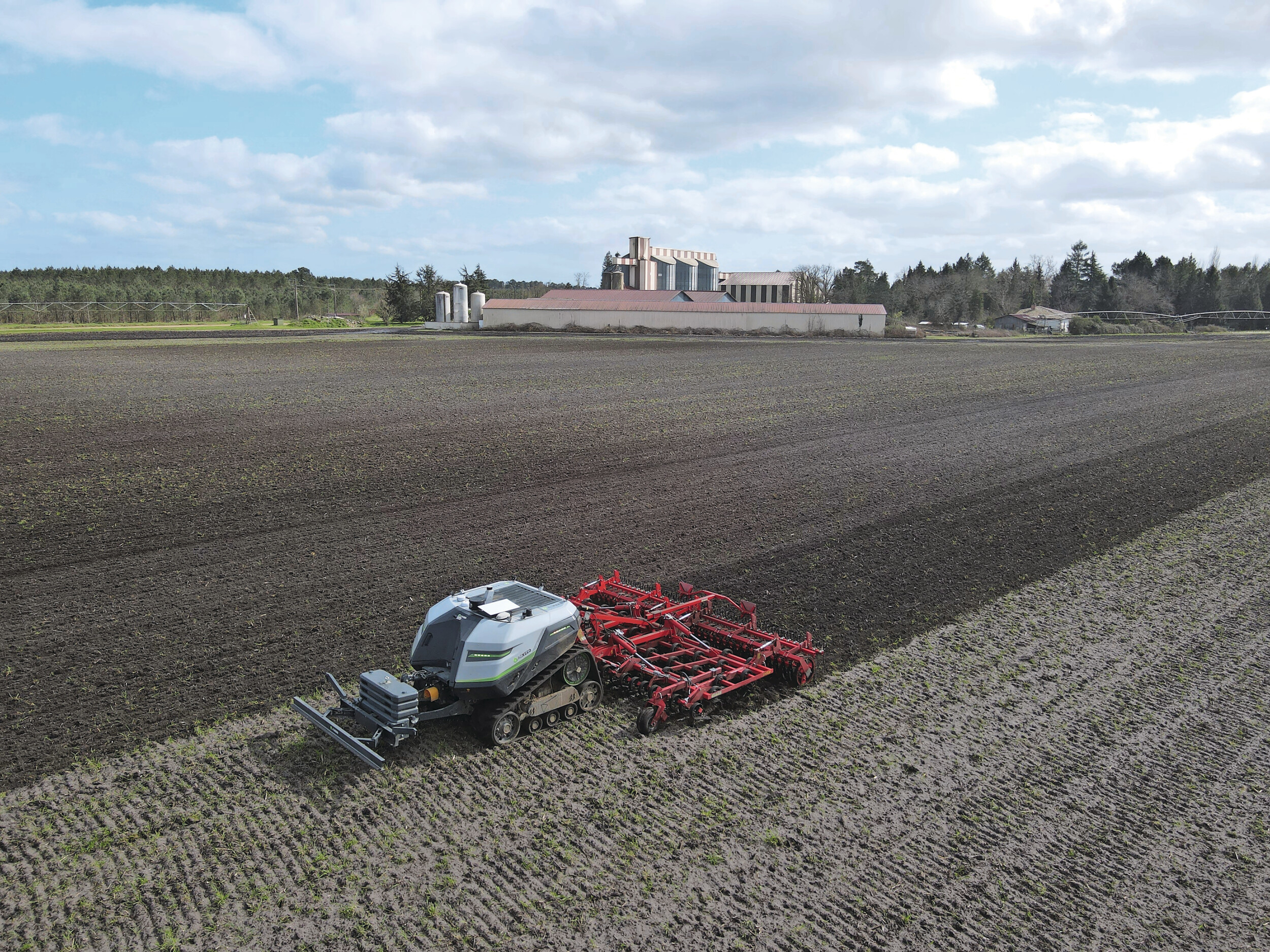
AgXeed Series 7: first field impression on 500 ha farm highlights power and capacity gains
AgXeed has launched its T2 Series 7 autonomous tractor, which boasts enhanced power, increased lift capacity, and extended working hours, all without a price increase. The new model was rigorously tested on a 500-hectare (1,235-acre) farm in southwest France, demonstrating its ability to perform effectively under real field conditions and manage heavier tillage operations. As the agricultural industry seeks innovative solutions, the focus now shifts from the tractor's capabilities to its operational efficiency and longevity in the field.
Field robots automation autonomous tractors farm management machinery precision farming
Agreenculture acquires Chouette to add agronomic intelligence to autonomous machines
French autonomous-machinery specialist Agreenculture has announced its acquisition of Chouette, a company known for its AI-driven agronomic analysis tailored for viticulture. This strategic move, revealed recently, aims to integrate Agreenculture’s advanced autonomy technology with Chouette’s sophisticated crop-monitoring algorithms. The collaboration is set to enhance the development of machines capable of operating independently while also interpreting field observations. This initiative reflects a growing trend in the agricultural sector to leverage artificial intelligence for improved efficiency and precision in farming practices.
Autonomous/semi-autosteering systems agricultural robots agronomists autonomous technology crop monitoring vineyard robots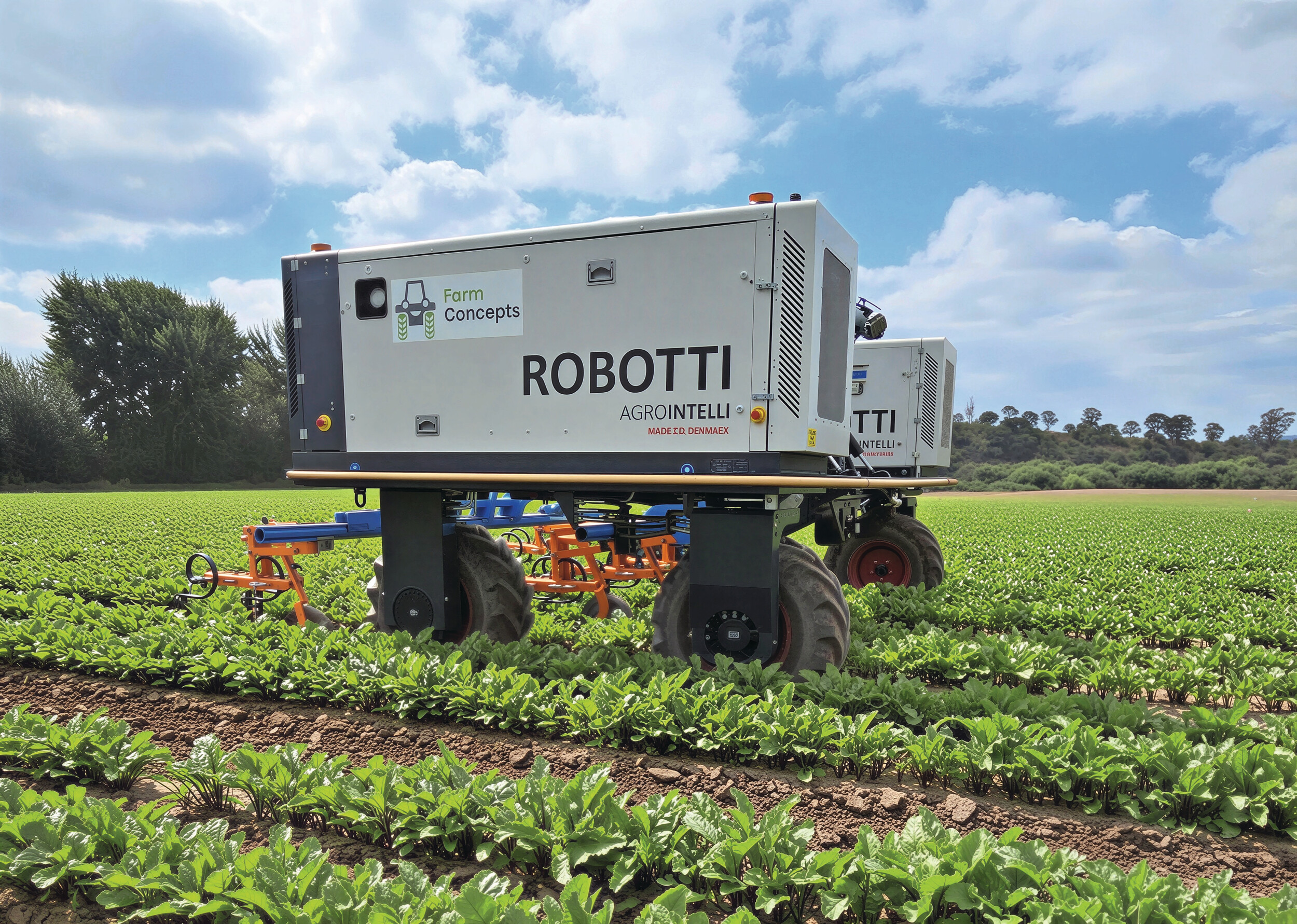
Australian vegetable farm puts 2 weeding technologies to the test
Australian organic grower Busch Organics is facing substantial time and financial burdens due to manual weeding practices. In response to these challenges, the company has conducted field trials utilizing autonomous hoeing and laser weeding technologies. These innovative approaches have shown promise in reducing the labor-intensive nature of weeding, potentially offering a more efficient and cost-effective solution for the organic farming sector. As the trials progress, Busch Organics aims to enhance its operational efficiency and sustainability in agricultural practices.
Crop solutions autonomous technology laser weeding mechanical weeder organic farming robotic harvesting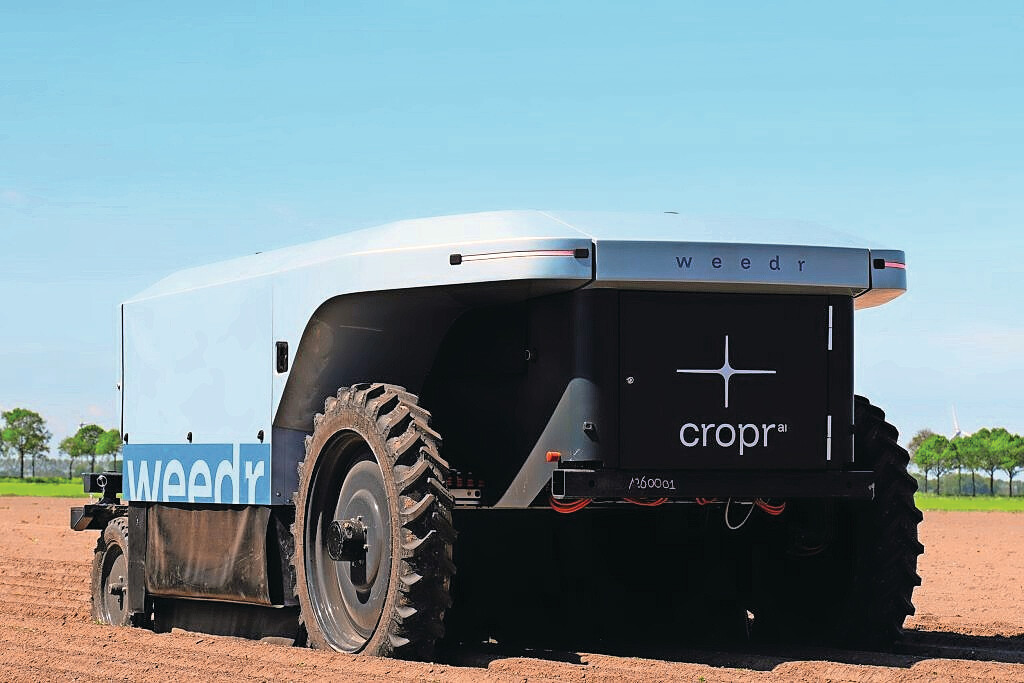
Cropr introduces autonomous laser weeder
Cropr, a robot manufacturer founded in 2025 by the owners of H2L Robotics, has unveiled its latest innovation, the Cropr Weedr, an autonomous laser weeder designed to enhance agricultural efficiency. This cutting-edge technology is set to begin operations at various chicory farms in Flevoland, Netherlands, starting at the end of May. The introduction of the Cropr Weedr aims to address the growing demand for sustainable farming practices by providing an environmentally friendly solution for weed management. By utilizing advanced laser technology, the weeder minimizes the need for chemical herbicides, aligning with the industry’s shift towards more eco-conscious methods.
Smart farming ai autonomous system laser weeding weed control
Sabanto Inc. and Verdant Robotics Announce Technical Integration of Autonomous Tractor Operation with SharpShooter Plant-Level Precision Application
A new integrated solution has been developed that combines two systems, allowing for fully autonomous field work in agriculture. This innovation enables tasks ranging from navigation to plant-level application to be performed without the need for an operator in the cab. The advancement represents a significant leap in agricultural technology, streamlining operations and enhancing efficiency in the field. The system is designed to operate seamlessly, reflecting the latest advancements in automation and data integration. This development is expected to transform farming practices, reducing labor costs and increasing productivity.

Cross‐Modal Synergistic Optimization Multi‐Task Segmentation Network for Autonomous Ground Intelligent Agents in Field Environments
A recent study published in the Journal of Field Robotics highlights the advancements in autonomous robotic systems designed for agricultural applications. Researchers from various institutions collaborated to explore innovative technologies that enhance efficiency and sustainability in farming practices. The findings, released in early October 2023, emphasize the growing importance of robotics in addressing labor shortages and increasing productivity in the agricultural sector. The study showcases several case studies where autonomous robots successfully performed tasks such as planting, harvesting, and monitoring crops, demonstrating their potential to revolutionize traditional farming methods. By integrating artificial intelligence and machine learning, these robots can adapt to varying environmental conditions and optimize resource use, ultimately contributing to more sustainable agricultural practices. The motivation behind this research stems from the pressing challenges faced by the agricultural industry, including the need for increased food production to meet global demand and the impact of climate change on farming. The researchers advocate for the adoption of robotic technologies as a viable solution to enhance food security and reduce the environmental footprint of agriculture. Through rigorous testing and evaluation, the study provides insights into the operational capabilities of these autonomous systems, paving the way for further innovations in the field. As the agricultural sector continues to evolve, the integration of robotics is expected to play a crucial role in shaping the future of food production.
RESEARCH ARTICLE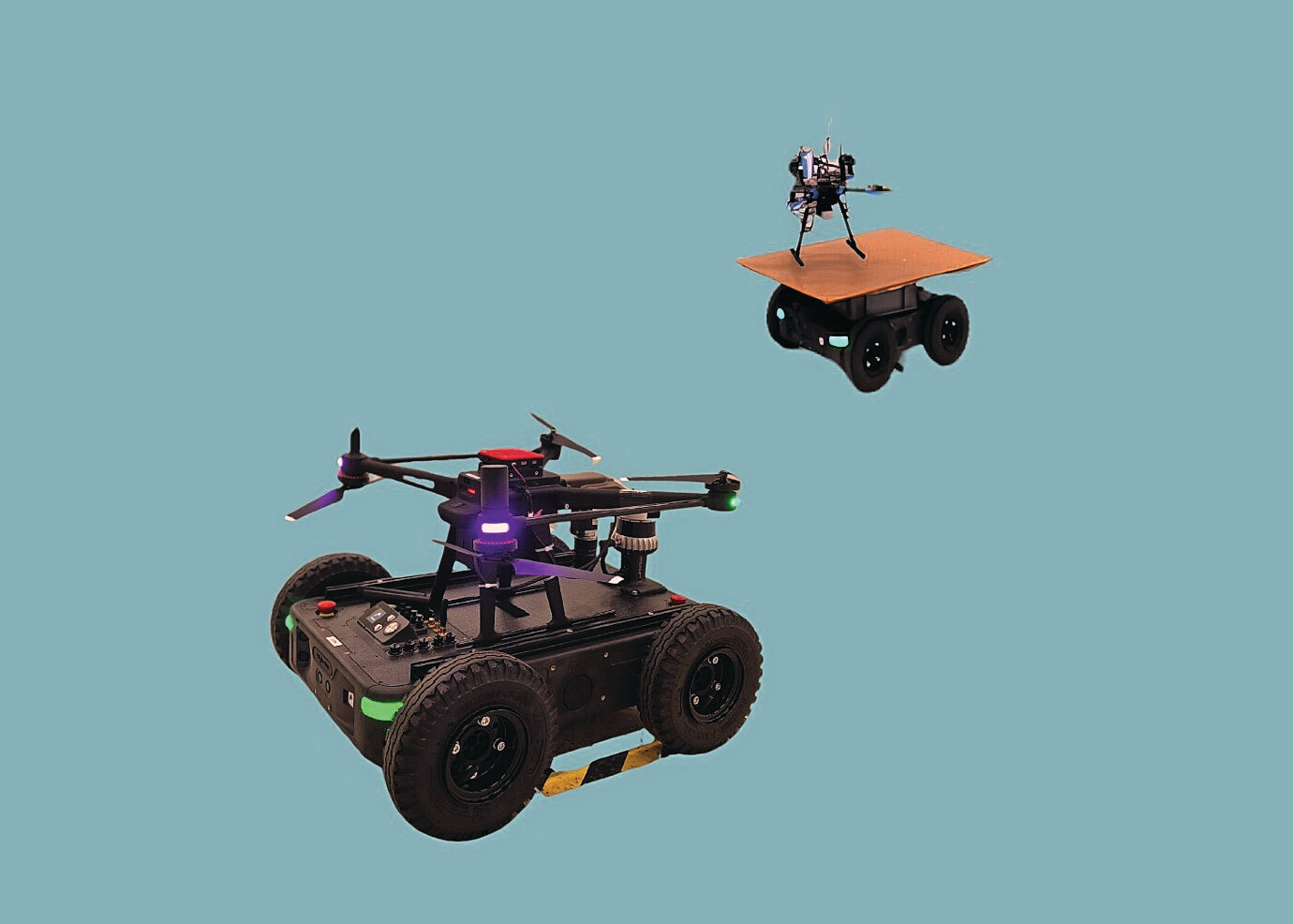
Mathematical models help farm robots work together in real time
Researchers at the University of Groningen in the Netherlands are pioneering the development of innovative mathematical control systems aimed at enabling drones and ground robots to work together autonomously in agricultural settings. This initiative, which is currently underway, seeks to enhance efficiency in farming operations without the need for extensive datasets or artificial intelligence training. The project highlights a significant advancement in agricultural technology, focusing on streamlined cooperation between aerial and terrestrial robotic systems to optimize farming practices. By leveraging mathematical algorithms, the researchers aim to create a more sustainable and effective approach to agriculture, potentially transforming how crops are monitored and managed in the future.
Smart farming agricultural robots crop monitoring drones robotics
Biomimetic Multifinger Tactile Sensing and Contact‐Regulated Palpation for Autonomous Breast Tumor Localization
A recent study published in the Journal of Field Robotics highlights advancements in autonomous robotic systems designed for agricultural applications. Researchers from a leading university conducted experiments to evaluate the effectiveness of these robots in optimizing crop management and enhancing productivity. The study took place over the summer of 2023 on various farms across the Midwest, where the robots were deployed to monitor crop health, assess soil conditions, and automate harvesting processes. The motivation behind this research stems from the increasing demand for sustainable farming practices and the need to address labor shortages in the agricultural sector. By integrating advanced robotics and artificial intelligence, the team aimed to demonstrate how these technologies can improve efficiency and reduce the environmental impact of farming. Through a series of field tests, the researchers collected data on the robots' performance, analyzing their ability to navigate complex terrains and make real-time decisions based on environmental inputs. The findings indicate that these autonomous systems not only enhance productivity but also contribute to more precise resource management, ultimately supporting the goal of sustainable agriculture. This study represents a significant step forward in the application of robotics in farming, showcasing the potential for technology to transform traditional agricultural practices and meet the challenges posed by a growing global population.
RESEARCH ARTICLE
Real‐Time Terrain Traversability Analysis and Mapping for Autonomous Robotics in Dynamic Environments: Fusing Appearance‐ and Geometry‐Based Approaches
In a recent study published in the Journal of Field Robotics, researchers explored advancements in robotic technologies aimed at enhancing agricultural efficiency. The study, which appears in the May 2026 issue, highlights innovative approaches to integrating robotics into farming practices to address labor shortages and improve crop yields. Conducted by a team of experts in robotics and agriculture, the research was carried out in various agricultural settings to assess the effectiveness of these technologies in real-world applications. The findings suggest that the implementation of autonomous robots can significantly streamline farming operations, reduce costs, and increase productivity. This research is particularly timely as the agricultural sector faces increasing challenges due to a declining workforce and the need for sustainable practices. The study emphasizes the potential of robotics to transform the industry, paving the way for smarter, more efficient farming solutions.
RESEARCH ARTICLE
KBQ‐RRT*: A Smoothness‐Enhanced Kinematic Bidirectional Quick‐RRT* Via Dual‐Tree Optimization for Autonomous Navigation in Complex Orchards
In May 2026, the Journal of Field Robotics published a significant study highlighting advancements in robotic technology. Researchers from various institutions collaborated to explore innovative applications of robotics in field environments, aiming to enhance efficiency and safety in agricultural practices. The study was conducted over several months, focusing on the integration of autonomous systems in crop management and monitoring. The research team utilized a combination of machine learning algorithms and sensor technologies to develop robots capable of performing tasks such as planting, weeding, and harvesting with minimal human intervention. This initiative was driven by the need to address labor shortages in agriculture and to improve productivity in the face of increasing global food demands. Field tests were conducted in diverse agricultural settings, demonstrating the robots' ability to adapt to varying conditions and perform complex tasks autonomously. The findings suggest that the implementation of these robotic systems could revolutionize farming practices, reduce costs, and promote sustainable agriculture. The study's implications extend beyond agriculture, as the methodologies developed could be applied to other sectors requiring automation and precision in fieldwork. As the demand for innovative solutions grows, this research marks a pivotal step towards the future of robotics in various industries.
RESEARCH ARTICLE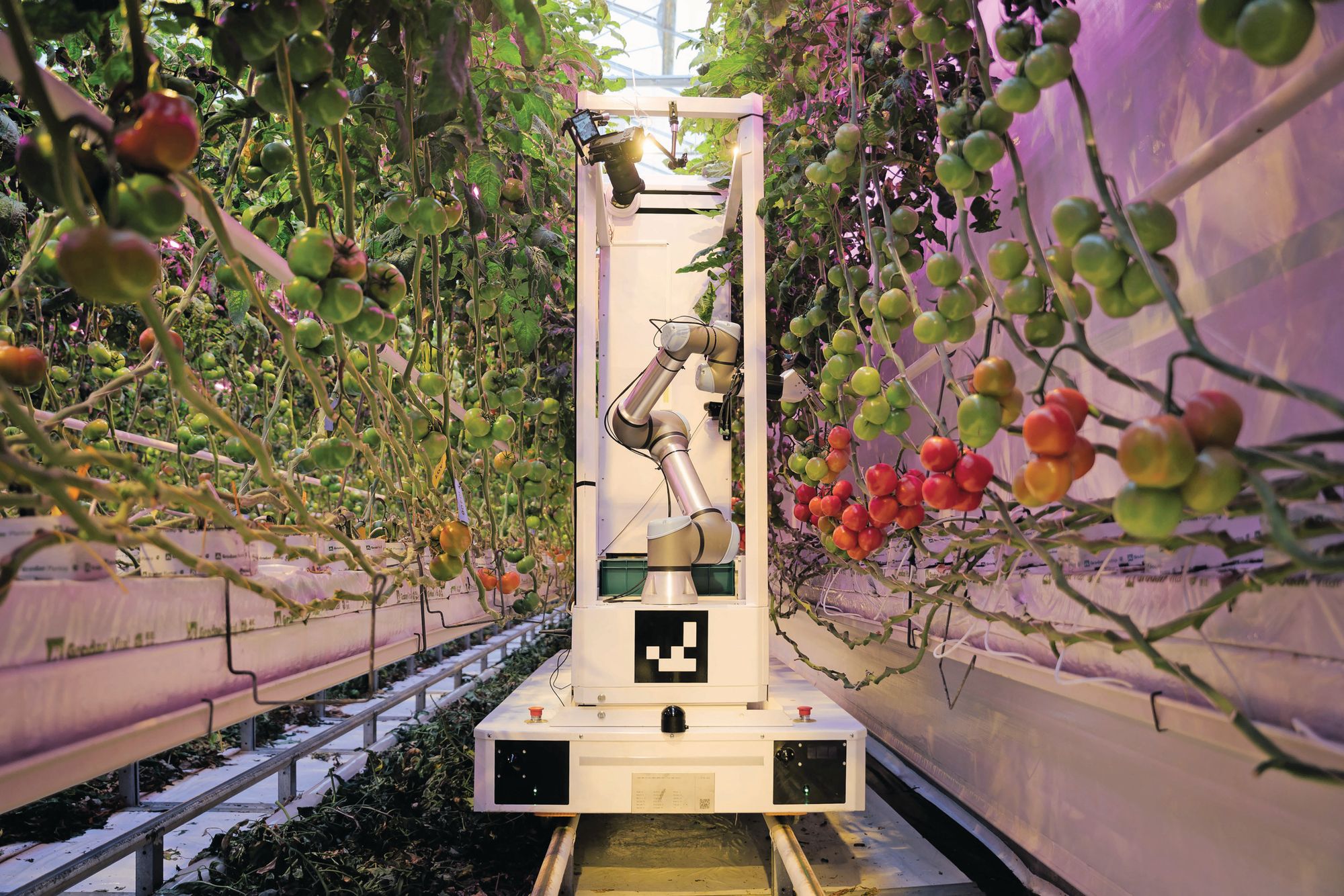
Eternal.ag launches Harvester: a fully autonomous tomato harvesting robot
Eternal.ag, a technology company specializing in agricultural automation, has unveiled its inaugural commercial product: a fully autonomous harvesting robot designed specifically for truss cocktail tomatoes. This innovative solution aims to revolutionize the harvesting process by eliminating the need for human operators, a significant advancement compared to existing robotic systems that typically require one operator for every five to six machines. Co-founder and CEO Renji John highlighted the efficiency of the new robot, stating that it can operate effectively with just one unit per hectare, making it suitable for larger farming operations. The launch of this robot marks a pivotal step in addressing labor shortages in agriculture and enhancing productivity in tomato harvesting.
Field robots field robots harvesting robots
Advances in Autonomous Vehicle Testing: The State of the Art and Future Outlook on Driving Datasets, Simulators, and Proving Grounds
A recent study published in the Journal of Field Robotics highlights advancements in autonomous robotic systems designed for agricultural applications. Researchers from a leading university conducted the study to explore how these robots can improve efficiency and sustainability in farming practices. The findings, released in early October 2023, indicate that the integration of advanced sensors and artificial intelligence allows these robots to perform tasks such as planting, monitoring crop health, and harvesting with greater precision. The research was conducted on various farms across the Midwest, where the team tested different robotic models under real-world conditions. The motivation behind this study stems from the increasing demand for food production and the need to reduce environmental impact. By employing autonomous technology, farmers can potentially decrease labor costs and enhance productivity while minimizing the use of pesticides and fertilizers. The study outlines the methodology used, including the development of algorithms that enable the robots to navigate complex terrains and adapt to changing environmental conditions. As agriculture faces challenges such as labor shortages and climate change, the implementation of these robotic systems could play a crucial role in the future of farming. The researchers emphasize the importance of continued innovation in this field to address global food security concerns effectively.
SURVEY ARTICLE
PaVSF: A Multimodal Fusion Power Consumption Prediction Model for Autonomous Wheeled Vehicles in Off‐Road Environments
A recent study published in the Journal of Field Robotics highlights advancements in robotic technology aimed at improving agricultural efficiency. Researchers from various universities collaborated to develop autonomous systems capable of performing tasks such as planting, monitoring crop health, and harvesting. The findings, released in early October 2023, emphasize the potential of these innovations to address labor shortages and enhance productivity in the agricultural sector. The research was conducted in diverse agricultural settings, allowing for a comprehensive evaluation of the robots' performance in real-world conditions. By integrating artificial intelligence and machine learning, the robots can adapt to varying environmental factors and optimize their operations accordingly. This adaptability is crucial as farmers face increasing pressures from climate change and the need for sustainable practices. The motivation behind this initiative stems from the growing demand for food production and the challenges posed by a declining workforce in agriculture. By deploying autonomous robots, the study suggests that farmers can not only increase efficiency but also reduce reliance on manual labor, ultimately leading to more sustainable farming practices. The researchers conducted extensive field tests to validate the robots' capabilities, demonstrating their effectiveness in various agricultural tasks. The promising results indicate a significant step forward in the integration of robotics into farming, potentially transforming the industry and paving the way for future innovations.
RESEARCH ARTICLE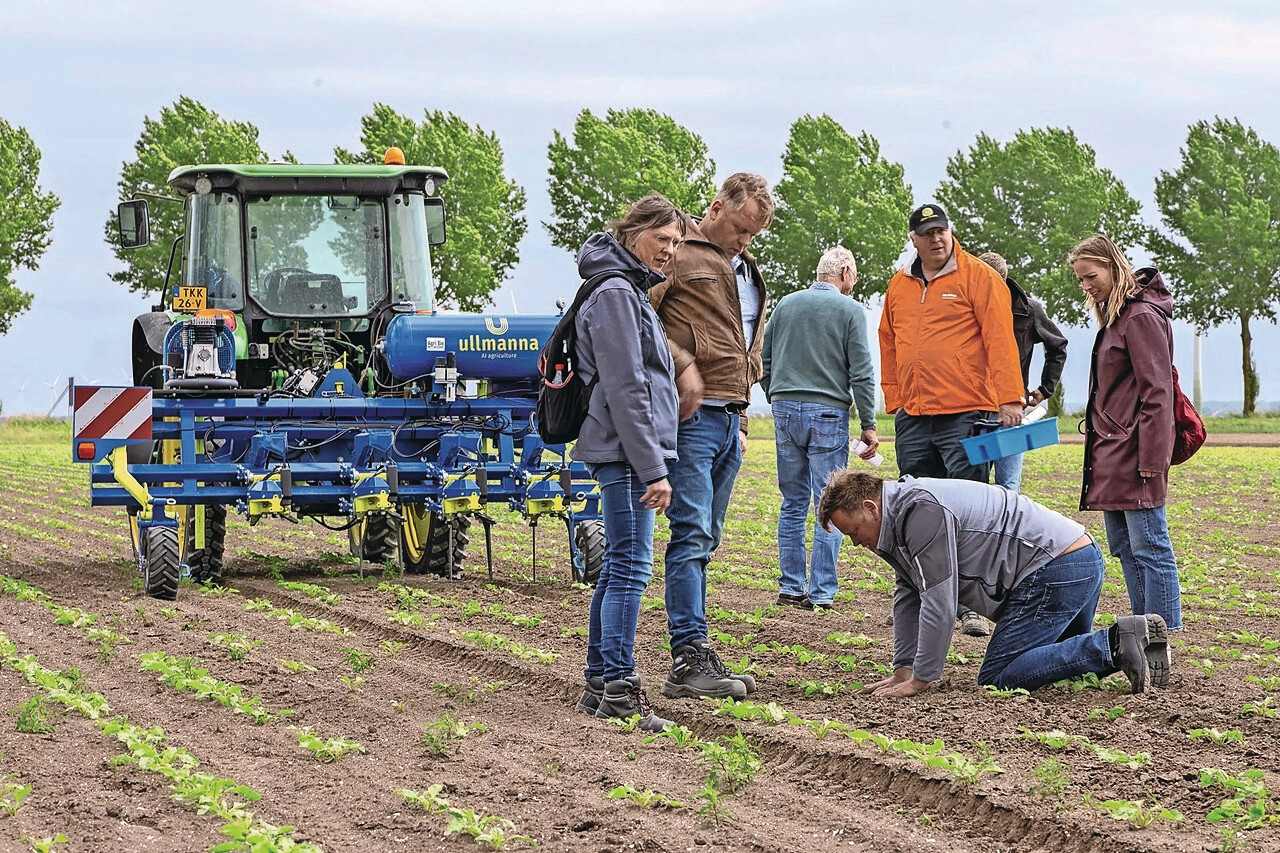
NPPL+R tests 10 innovations in precision farming and robotics
As spring approaches, participants and advisors in the NPPL+R projects are intensifying their efforts in precision farming and robotics. This practical program aims to enhance agricultural practices at the grower level by testing a variety of innovative techniques, including sowing, crop care, and harvesting. The initiative seeks to improve efficiency and productivity in farming, responding to the increasing demand for sustainable agricultural solutions. With the growing season on the horizon, stakeholders are preparing to implement these advancements, which are expected to play a crucial role in modernizing farming practices.
Smart farming autonomous tractors precision farming robotic harvesting
A Vision‐Guided Docking Method for Autonomous Underwater Vehicle From Ice Hole
A recent study published in the Journal of Field Robotics highlights advancements in autonomous robotic systems designed for agricultural applications. Researchers from a leading university conducted experiments to evaluate the efficiency of these robots in crop monitoring and management. The study, released in early October 2023, took place in various agricultural settings across the Midwest. The motivation behind this research stems from the increasing need for sustainable farming practices amid rising global food demands. By integrating advanced robotics and artificial intelligence, the team aimed to enhance productivity while minimizing environmental impact. The robots utilized cutting-edge sensors and machine learning algorithms to collect and analyze data on crop health, soil conditions, and pest activity. Through a series of field trials, the researchers demonstrated that these autonomous systems could significantly reduce labor costs and improve yield predictions. The findings suggest that the implementation of such technology could revolutionize traditional farming methods, making them more efficient and environmentally friendly. This study not only underscores the potential of robotics in agriculture but also paves the way for further innovations that could address the challenges faced by the agricultural sector in the coming years.
RESEARCH ARTICLE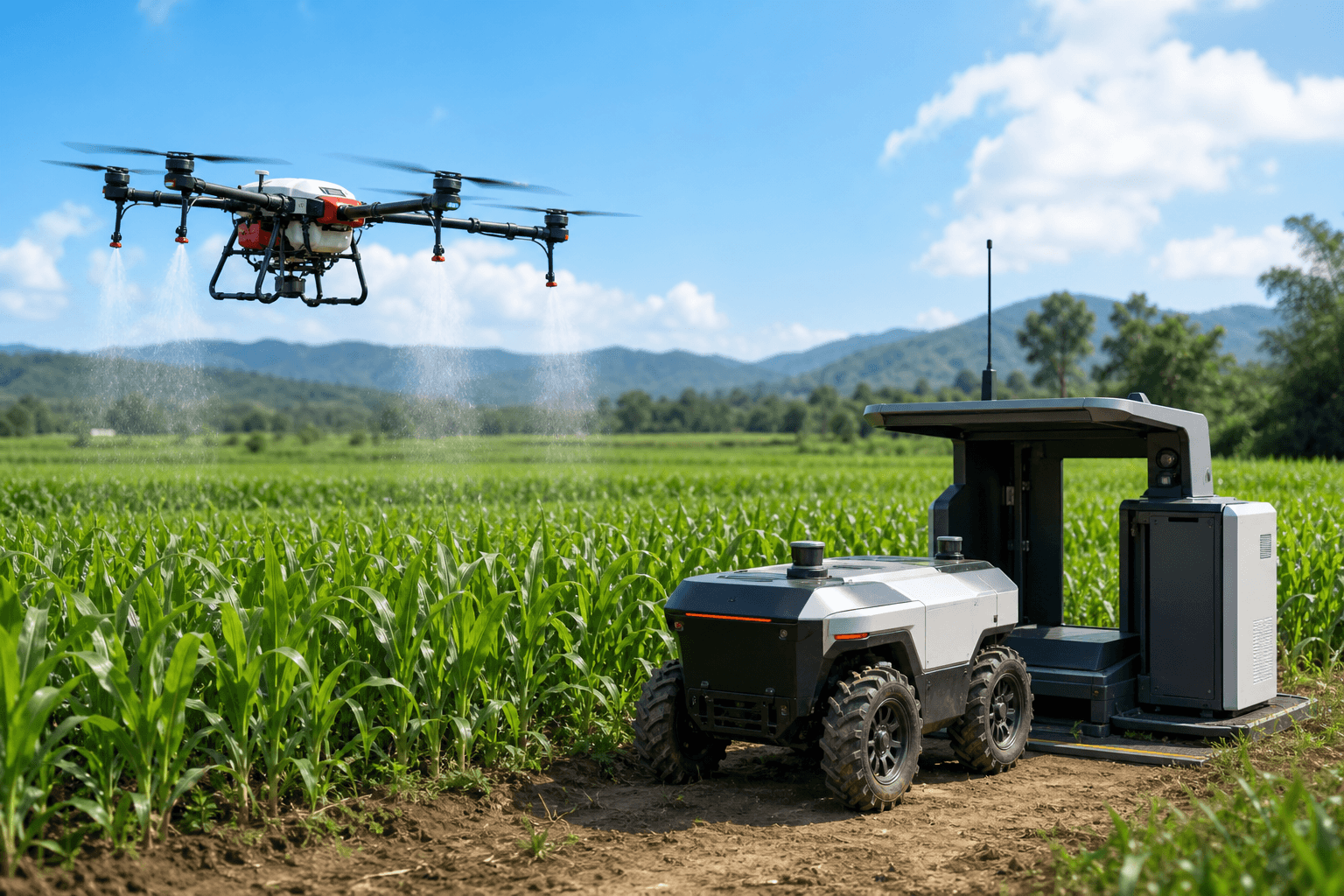
XAG Unveils Aerial and Ground Agricultural Robots for Fully Autonomous Crop Protection
XAG has unveiled its latest advancements in agricultural technology with the introduction of the new X Series agricultural robots and the RM80 mowing robot. These innovations aim to enhance farm automation by addressing the final stages of agricultural processes, which include autonomous spraying, self-charging capabilities, and the mixing of chemicals. This launch, which took place in October 2023, is part of XAG's ongoing commitment to revolutionize farming practices and improve efficiency in the agricultural sector. By integrating advanced robotics into farming operations, XAG seeks to provide farmers with tools that streamline their work and reduce labor costs, ultimately contributing to more sustainable agricultural practices.
Robotics
Mobile Manipulator Robot for Autonomous In‐Situ Soil Measurements in Chile Pepper Cultivation
A recent study published in the Journal of Field Robotics highlights the advancements in autonomous robotic systems designed for agricultural applications. Researchers from various institutions conducted the study to explore how these technologies can enhance efficiency and productivity in farming practices. The findings, released in early October 2023, indicate that the integration of robotics in agriculture can significantly reduce labor costs and improve crop yields. The research was conducted in multiple agricultural settings, demonstrating the versatility of robotic systems in different environments. By employing advanced sensors and machine learning algorithms, these robots can perform tasks such as planting, harvesting, and monitoring crop health with minimal human intervention. The motivation behind this innovation stems from the growing need for sustainable farming solutions amid increasing global food demand and labor shortages in the agricultural sector. Through extensive field trials, the researchers documented the robots' performance, revealing their ability to operate efficiently under various weather conditions and terrains. This study not only underscores the potential of robotics to transform agriculture but also emphasizes the importance of continued investment in technology to address future challenges in food production.
RESEARCH ARTICLE
Deep Reinforcement Learning Based Autonomous Decision‐Making for Cooperative Uncrewed Aerial Vehicles: A Search and Rescue Real World Application
A recent study published in the Journal of Field Robotics highlights advancements in autonomous robotic systems designed for agricultural applications. Researchers from various institutions collaborated to develop innovative algorithms that enhance the efficiency and precision of robotic farming equipment. The findings, released in early October 2023, emphasize the growing importance of automation in agriculture, particularly in response to labor shortages and the need for sustainable farming practices. The research was conducted in multiple agricultural settings, showcasing how these robotic systems can adapt to different crop types and environmental conditions. By integrating machine learning and sensor technology, the robots are capable of performing tasks such as planting, weeding, and harvesting with minimal human intervention. This development aims to address the challenges faced by farmers, including the rising costs of labor and the increasing demand for food production. The study underscores the potential for these autonomous systems to revolutionize the agricultural sector, making it more efficient and environmentally friendly. As the agricultural industry continues to evolve, the implementation of such technologies could lead to significant improvements in productivity and sustainability.
RESEARCH ARTICLE
The Evolution of Autonomous Systems for Planetary Cave Exploration: A Review
A recent study published in the Journal of Field Robotics highlights advancements in autonomous robotic systems designed for agricultural applications. Researchers from various institutions collaborated to develop innovative technologies aimed at improving efficiency in farming practices. The study, released in early October 2023, emphasizes the growing need for sustainable agricultural solutions in response to increasing global food demands and environmental challenges. The team conducted extensive field tests to evaluate the performance of these robotic systems in real-world farming environments. By integrating advanced sensors and artificial intelligence, the robots are capable of performing tasks such as planting, harvesting, and monitoring crop health with minimal human intervention. This approach not only aims to enhance productivity but also seeks to reduce the environmental impact of traditional farming methods. The motivation behind this research stems from the urgent need to address food security while minimizing resource usage. As climate change and population growth continue to strain agricultural resources, the development of autonomous robots presents a promising solution to meet future demands. Overall, the findings underscore the potential of robotics in transforming the agricultural sector, paving the way for more sustainable and efficient farming practices in the years to come.
SURVEY ARTICLE
Intelligent Autonomy: A Novel Hybrid Navigation System for Autonomous Load‐Haul‐Dump Vehicles
A recent study published in the Journal of Field Robotics highlights advancements in autonomous robotic systems designed for agricultural applications. Researchers from various institutions collaborated to develop innovative algorithms that enhance the efficiency and accuracy of these robots in tasks such as planting, monitoring, and harvesting crops. The findings, released in early October 2023, emphasize the growing importance of robotics in addressing labor shortages and increasing productivity in the agricultural sector. By employing machine learning techniques, the team demonstrated how these robots can adapt to changing environmental conditions and improve decision-making processes. This research aims to support farmers in optimizing their operations while minimizing resource use, ultimately contributing to sustainable agricultural practices. The study was conducted in diverse agricultural settings, showcasing the versatility of robotic applications in different crop types and farming methods.
RESEARCH ARTICLE
A Review on Path Planning for Autonomous Underwater Vehicles: From Models, Classical Methods, and Learning‐Based Intelligence Perspectives
In a recent study published in the Journal of Field Robotics, researchers explored advancements in robotic technologies aimed at enhancing agricultural efficiency. The findings, released in May 2026, highlight innovative methods for deploying autonomous robots in farming environments to improve crop management and yield. Conducted by a team of experts in robotics and agriculture, the research took place in various agricultural settings, focusing on the integration of artificial intelligence and machine learning to optimize planting, monitoring, and harvesting processes. The motivation behind this initiative stems from the growing need for sustainable farming practices and the increasing global demand for food production. By utilizing advanced robotics, the study aims to address labor shortages and reduce environmental impacts associated with traditional farming methods. The researchers conducted extensive field trials to assess the effectiveness of these robotic systems, demonstrating significant improvements in efficiency and productivity. This work not only contributes to the field of robotics but also offers practical solutions for the agricultural sector facing modern challenges.
SURVEY ARTICLE
Autonomous Transportation Robots for Finished Vehicle Docking in RORO Logistics Terminal: Design, Control, and Implementation
In a recent study published in the Journal of Field Robotics, researchers explored advancements in robotic technologies aimed at enhancing agricultural efficiency. The research, conducted by a team of scientists from various institutions, was released in May 2026 and highlights the integration of autonomous systems in farming practices. The study emphasizes the growing need for innovative solutions in agriculture due to increasing global food demands and labor shortages. By implementing advanced robotics, the team aims to address these challenges, demonstrating how autonomous machines can improve crop monitoring, pest control, and harvesting processes. The researchers employed a combination of field tests and simulations to assess the performance of these robotic systems in real-world agricultural settings. Their findings indicate significant improvements in productivity and resource management, suggesting that the adoption of such technologies could lead to more sustainable farming practices. This research not only contributes to the field of robotics but also offers practical solutions for the agricultural sector, potentially transforming how food is produced and managed in the future.
RESEARCH ARTICLE
Collaborative Sampling and Imaging of Phytoplankton Communities by Two Long‐Range Autonomous Underwater Vehicles Using Acoustic Tracking and Messaging
In May 2026, researchers published a study in the Journal of Field Robotics, detailing advancements in robotic technology aimed at enhancing agricultural efficiency. This research, conducted by a team of engineers and agricultural scientists, focuses on the development of autonomous robots capable of performing various farming tasks, such as planting, monitoring crop health, and harvesting. The study highlights the pressing need for innovative solutions in agriculture, driven by the increasing global population and the corresponding demand for food production. By integrating advanced sensors and artificial intelligence, these robots can operate independently, reducing the reliance on manual labor and improving productivity. The research was conducted in various agricultural settings, showcasing the robots' adaptability to different environments and crop types. The findings suggest that implementing such robotic systems could lead to significant cost savings and increased yield for farmers, ultimately contributing to food security. The team employed a combination of field trials and simulations to validate the robots' effectiveness, demonstrating their ability to navigate complex terrains and perform tasks with precision. This breakthrough could revolutionize the agricultural sector, offering a sustainable approach to meet future food demands while minimizing environmental impact.
RESEARCH ARTICLE
Autonomous Grading Maneuver Determination Algorithm for Electric Dozers
A recent study published in the Journal of Field Robotics explores advancements in autonomous robotic systems designed for agricultural applications. Conducted by a team of researchers from various universities, the study highlights the potential of these technologies to enhance efficiency and productivity in farming practices. The research, which was completed in late 2023, took place across multiple agricultural sites in the Midwest region of the United States. The motivation behind this investigation stems from the increasing demand for sustainable farming solutions that can address labor shortages and improve crop yields. By integrating advanced robotics with artificial intelligence, the researchers aimed to develop systems capable of performing tasks such as planting, monitoring, and harvesting crops with minimal human intervention. The study involved extensive field trials where the robotic systems were tested under real-world conditions. Results indicated significant improvements in operational efficiency, showcasing the robots' ability to navigate complex terrains and adapt to varying environmental factors. The findings suggest that the implementation of such technologies could revolutionize the agricultural sector, making it more resilient and sustainable in the face of global challenges. As the agricultural industry continues to evolve, the insights gained from this research could pave the way for broader adoption of robotics, ultimately contributing to a more efficient food production system.
RESEARCH ARTICLE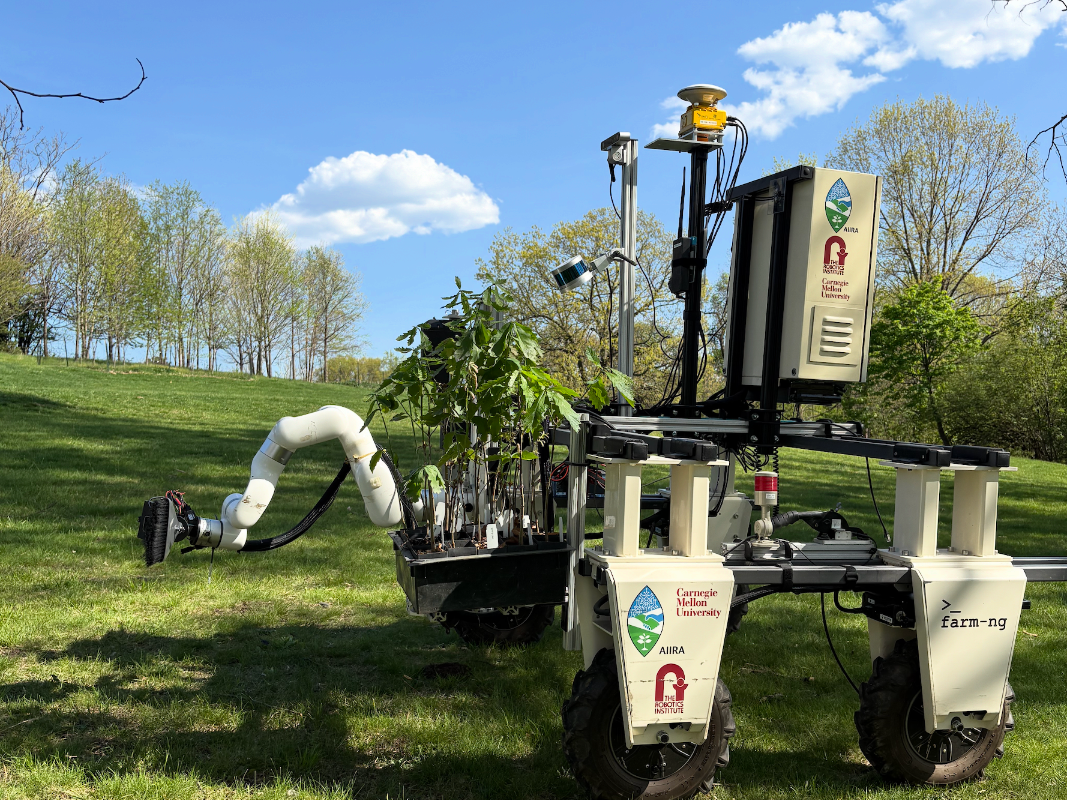
CMU’s Autonomous Reforestation Robot Earns National Award
Appleseed Labs, part of the Kantor Lab at Carnegie Mellon University, has been honored with the Excellence in Regenerative Agriculture award during the 2025 Farm Robotics Challenge. This recognition highlights the team's innovative contributions to sustainable farming practices through technology. Under the guidance of Senior Project Scientist Francisco Yandun, the team comprised students Will Heitman, Joyce Zhu, Ken Muangsiri, Alex Smith, Qimeng Yu, and Rohan Walia. Their work focuses on developing autonomous reforestation robots aimed at enhancing agricultural efficiency and environmental sustainability. The award underscores the importance of integrating robotics into regenerative agriculture, showcasing how technology can play a pivotal role in addressing ecological challenges.
Awards
Developing an Experimental In Situ Floating Buoy to Investigate the Impacts of Future Floating Wind Farms
A recent study published in the Journal of Field Robotics highlights advancements in autonomous robotic technology. Researchers from a leading robotics institute conducted experiments to improve the navigation capabilities of robots in complex environments. The study, released in early October 2023, took place at the institute's state-of-the-art testing facility, designed to simulate real-world scenarios. The motivation behind this research stems from the increasing demand for robots in various sectors, including agriculture, search and rescue, and industrial automation. By enhancing the robots' ability to navigate and adapt to unpredictable terrains, the researchers aim to expand their practical applications and efficiency. The team employed a combination of machine learning algorithms and sensor technologies to enable robots to process environmental data in real-time. This innovative approach allows for better decision-making and obstacle avoidance, significantly improving the robots' performance in challenging situations. The findings from this study are expected to pave the way for more sophisticated robotic systems, ultimately contributing to safer and more effective operations in diverse fields. As industries continue to integrate automation, the implications of this research could lead to transformative changes in how tasks are performed, enhancing productivity and safety across various applications.
RESEARCH ARTICLE
Efficient and Adaptive Autonomous Guidance and Control of Planetary Rover With Improved Traction Controller and Dynamic Cost Map
In June 2026, the Journal of Field Robotics published a significant study highlighting advancements in robotic technology aimed at enhancing agricultural efficiency. Researchers from various institutions collaborated to develop innovative robotic systems capable of performing tasks such as planting, monitoring crop health, and harvesting. This initiative responds to the growing demand for sustainable farming practices and the need to address labor shortages in the agricultural sector. The study, which spans pages 2848 to 2866 in the journal’s fourth issue, showcases how these robots utilize artificial intelligence and machine learning to adapt to diverse farming environments. By integrating advanced sensors and data analytics, the robotic systems can make real-time decisions, optimizing resource use and minimizing environmental impact. The research team conducted extensive field trials across multiple agricultural settings, demonstrating the robots' effectiveness in improving yield and reducing operational costs. The findings are expected to influence future agricultural policies and practices, promoting the adoption of technology in farming to ensure food security in an increasingly challenging climate. This groundbreaking work not only illustrates the potential of robotics in agriculture but also underscores the importance of interdisciplinary collaboration in addressing global challenges.
FIELD REPORT
Autonomous Underwater Vehicles Key Components Fault Diagnosis Method Based on Multisource Information Multilevel Fusion With Fault Feature Exchange
The Journal of Field Robotics has published new research highlighting advancements in robotic technology aimed at enhancing field operations. This study, released in early October 2023, focuses on the integration of artificial intelligence and machine learning to improve the efficiency and accuracy of robotic systems in agricultural settings. Conducted by a team of researchers from various institutions, the work demonstrates how these innovations can lead to better crop management and resource allocation. The research was carried out in various agricultural environments, showcasing the robots' ability to adapt to different terrains and conditions. By employing sophisticated algorithms, the robots can analyze data in real-time, allowing for timely interventions that can significantly boost yields and reduce waste. The motivation behind this study stems from the growing need for sustainable farming practices amid increasing global food demand. By leveraging advanced robotics, the researchers aim to address challenges such as labor shortages and environmental impacts associated with traditional farming methods. The findings suggest that the application of these technologies could revolutionize the agricultural industry, making it more efficient and environmentally friendly. As the field of robotics continues to evolve, this research underscores the potential for robotic systems to play a crucial role in modern agriculture, paving the way for future innovations that could further transform how food is produced and managed.
RESEARCH ARTICLE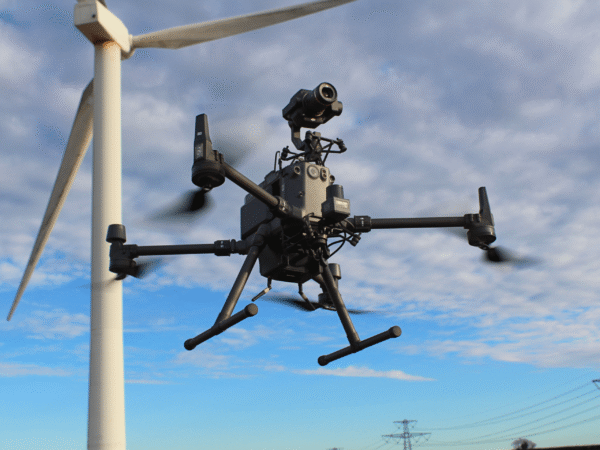
Perceptual Robotics Raises Funding to Automate Wind Turbine Inspection Drones
Perceptual Robotics, a Thessaloniki-based company, has successfully secured new funding to enhance its autonomous wind turbine inspection platform. The investment round, announced on May 5, 2026, was led by Loggerhead Ventures, with additional support from One Planet Capital. This financial backing aims to advance the development of AI-powered drones designed for wind farm maintenance, reflecting the growing demand for innovative solutions in renewable energy infrastructure. The funding will enable Perceptual Robotics to scale its operations and improve the efficiency of wind turbine inspections, ultimately contributing to the sustainability of wind energy production.
Drone News Drone News Feeds Europe Drone Industry European Union infrastructure Inspection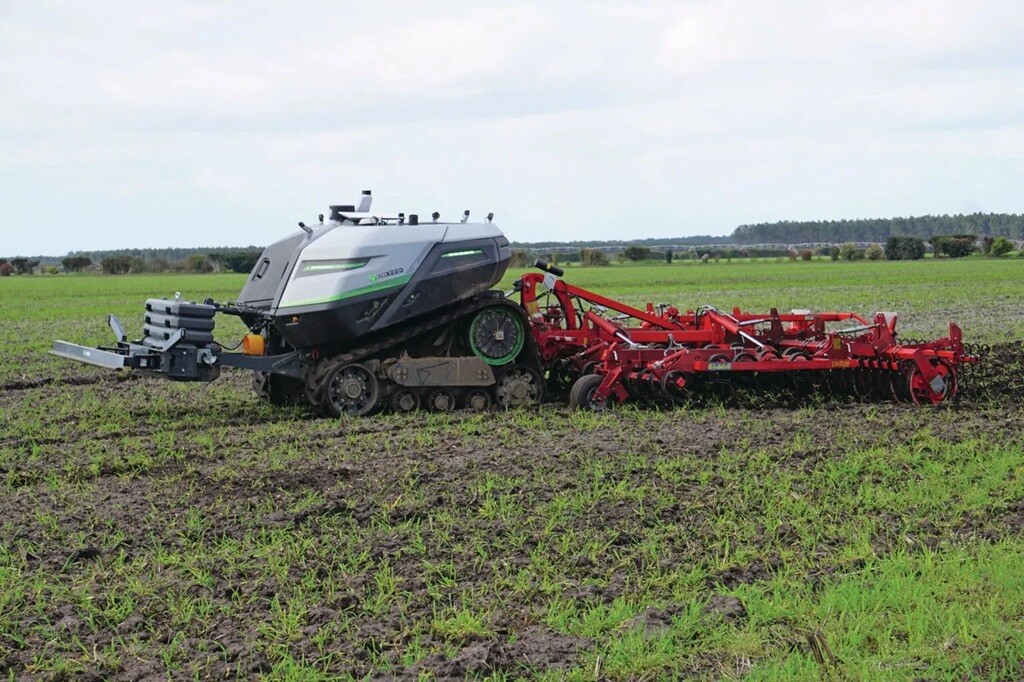
VIDEO | AgXeed Series 7 tested in the field: can it handle heavy tillage and tight headlands?
The AgXeed AgBot Series 7 has been put to the test on a French arable farm, showcasing its capabilities in real field conditions. In a recent video demonstration, the autonomous robot effectively operated a heavy cultivator while skillfully navigating headland turns, a crucial aspect of its practical autonomy. This performance highlights the potential of agricultural robotics in enhancing farming efficiency and precision. The testing took place in October 2023, emphasizing the ongoing advancements in agricultural technology aimed at improving productivity and sustainability in farming practices.
Field robots automation autonomous tractors autonomy precision farming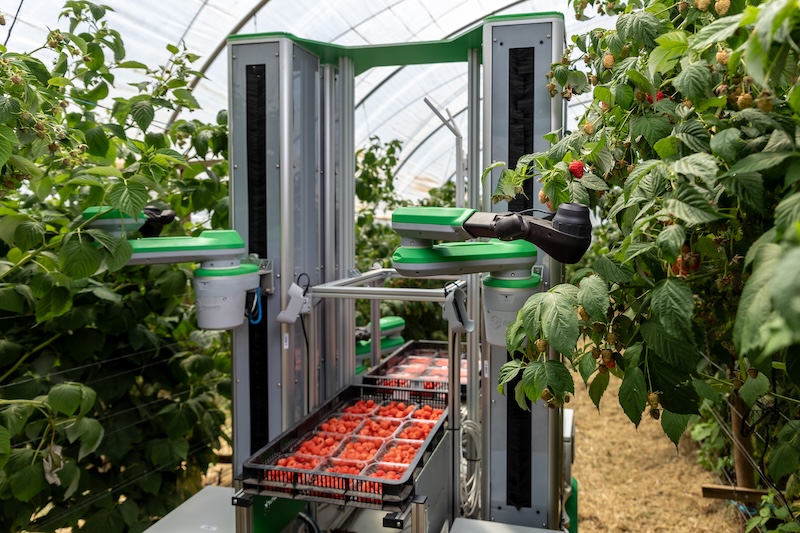
Fieldwork Robotics Receives £2.5 Million Investment for Berry Harvesting Automation
Fieldwork Robotics has secured a £2.5 million investment from SEED Innovations to enhance its selective and modular berry harvesting robots. This funding is part of a Seed+ fundraising initiative announced in April 2026, aimed at addressing labor shortages and rising costs in berry production. The investment will facilitate the transition from technology validation to commercial trials, with production robots already deployed in a two-year program in Norfolk and Stafford. The significance of this investment lies in its potential to alleviate pressing challenges faced by berry growers, including labor shortages and increased harvesting costs. By utilizing autonomous harvesting robots, Fieldwork aims to boost productivity and reduce reliance on seasonal labor, thereby minimizing food waste and stabilizing consumer prices. Jim Mellon, chairman of SEED Innovations, emphasizes the opportunity for robotics and AI to tackle real-world agricultural issues, aligning with Fieldwork's mission to enhance farm efficiency. Looking ahead, Fieldwork Robotics anticipates operating multi-robot fleets on farms by 2027, contingent on the success of ongoing trials. Additionally, the company plans to expand its operations internationally, with trials set to take place in Australia as part of its global growth strategy. No further timeline was disclosed at the time of publication.
Agriculture Financials & Investments agri robotics agricultural robotics agriculture automation
Fieldwork Robotics secures new funding to accelerate raspberry harvesting robot
Fieldwork Robotics, a UK-based company, has received a significant investment from SEED Innovations, led by entrepreneur Jim Mellon. This funding aims to expedite the commercial rollout of the company's innovative autonomous robot designed for raspberry harvesting. The investment comes at a crucial time as the agricultural sector increasingly seeks automation solutions to enhance efficiency and address labor shortages. By leveraging this financial support, Fieldwork Robotics plans to advance the development and deployment of its technology, positioning itself as a leader in agricultural robotics.
Smart farming autonomous technology harvesting technology investment robotics
Linear System Identification and Control of a Low‐Cost High‐Performance Omnidirectional Marine Surface Vehicle for Swarming Applications
The Journal of Field Robotics has published an early view article highlighting advancements in robotic technology aimed at enhancing agricultural efficiency. Researchers from various institutions collaborated on this study, which was released in October 2023. The article focuses on the development of autonomous robots designed to optimize crop management and reduce labor costs in farming practices. This initiative is driven by the increasing demand for sustainable agricultural solutions amid a growing global population. The team employed cutting-edge artificial intelligence and machine learning techniques to enable robots to perform tasks such as planting, monitoring crop health, and harvesting with minimal human intervention. Field tests conducted in diverse agricultural settings demonstrated the robots' effectiveness in improving yield while minimizing resource usage. The findings suggest that integrating robotics into farming could significantly address labor shortages and enhance food production efficiency. As the agricultural sector faces mounting pressures from climate change and economic constraints, this research underscores the potential of technology to transform traditional farming methods and promote sustainability.
RESEARCH ARTICLE
Outracing a National Level Model Racing Car Champion: A Hybrid Model‐Based Data‐Driven Approach
A recent study published in the Journal of Field Robotics highlights advancements in autonomous robotic systems designed for agricultural applications. Conducted by a team of researchers from various universities, the study was released in early October 2023. The research focuses on the development of robots capable of performing tasks such as planting, harvesting, and monitoring crops with minimal human intervention. The motivation behind this innovation stems from the increasing demand for efficient agricultural practices to address food security challenges and labor shortages in the farming sector. By utilizing advanced sensors and artificial intelligence, these robots can navigate complex terrains and adapt to varying environmental conditions, enhancing productivity and sustainability in agriculture. The researchers conducted extensive field trials to validate the robots' effectiveness, demonstrating their ability to operate autonomously while maintaining high levels of accuracy and efficiency. The findings suggest that integrating these robotic systems into farming operations could significantly reduce labor costs and improve crop yields, paving the way for a more sustainable future in agriculture.
RESEARCH ARTICLE
Two Fossa Flat Minima Optimization Algorithm‐Based Enhancement of Ecological Balance Using Carbon‐Neutral Eco‐Robots With Situational Intelligence for Air Quality Monitoring
A recent study published in the Journal of Field Robotics explores advancements in autonomous robotic systems designed for agricultural applications. Conducted by a team of researchers from various universities, the study highlights the growing importance of robotics in enhancing efficiency and sustainability in farming practices. The research, which was completed in October 2023, focuses on the development of robots capable of performing tasks such as planting, weeding, and harvesting crops with minimal human intervention. The motivation behind this research stems from the increasing demand for food production amid a global population surge and the need for sustainable farming methods that reduce environmental impact. By integrating advanced sensors and artificial intelligence, the robots are designed to optimize resource use, reduce labor costs, and improve crop yields. Field tests conducted in various agricultural settings demonstrated the robots' effectiveness in performing tasks traditionally done by human laborers. The study's findings suggest that these autonomous systems could significantly transform the agricultural landscape, making it more efficient and less reliant on chemical inputs. As the agricultural sector faces challenges related to labor shortages and climate change, the research underscores the potential of robotics to address these issues and pave the way for a more sustainable future in food production. The study calls for further investment and development in this technology to fully realize its benefits for farmers and the environment.
RESEARCH ARTICLE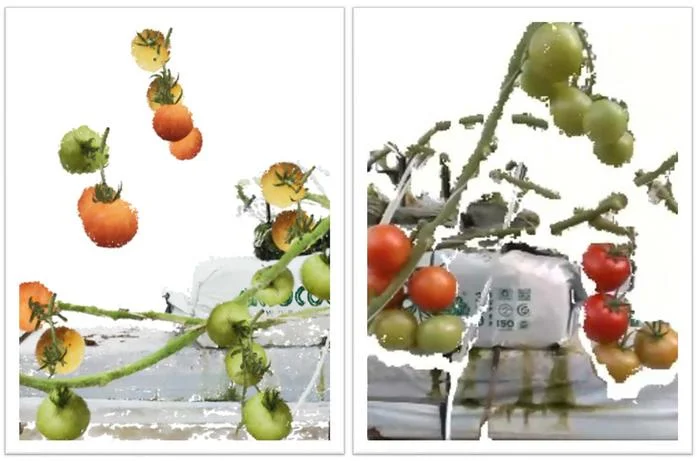
Researchers Develop Method To Train Ag AI Robots with Virtual Tomatos
Researchers at Osaka Metropolitan University have introduced a groundbreaking method for creating synthetic training data aimed at enhancing agricultural AI systems. This innovative approach utilizes realistic virtual tomato farms, addressing a significant challenge in the development of autonomous harvesting robots. The findings of this study, published in the journal Smart Agricultural Technology, highlight the potential of virtual environments to effectively train AI models. By simulating diverse farming scenarios, the researchers aim to improve the efficiency and accuracy of AI systems in agricultural applications, ultimately paving the way for more advanced robotic solutions in the field.
AI AI Research & Advances Robotics agriculture AI autonomous harvesting robots Osaka Metropolitan UniversityRobotics needs a service framework.
RSF defines a common language for robot service capability, lifecycle operations, certification pathways, and service-provider networks.