Industry Briefing
A single destination for timely, editor-curated robotics news from around the world.

SiMa.ai and ARK Electronics Collaborate to Enhance Autonomous Drone Development
SiMa.ai and ARK Electronics have formed a strategic partnership aimed at accelerating the deployment of next-generation autonomous drones. They are introducing the ARK-SiMa.ai Modalix MLSoC Bundles, which are production-ready solutions designed to facilitate the development of intelligent drones for various markets, including commercial and defense. This collaboration is significant as it combines SiMa.ai's expertise in Physical AI with ARK Electronics' capabilities in high-quality drone electronics. The resulting solutions are expected to be affordable and high-performance, addressing the growing demand for advanced drone technology in sectors such as UAS, industrial applications, and agriculture. Looking ahead, the partnership aims to simplify the development process for intelligent drones, potentially leading to faster deployment in the market. No further timeline was disclosed at the time of publication.

Infinit Drones Launches Dock M400 for DJI Matrice 400 Autonomous Operations
Infinit Drones has unveiled the Dock M400, an autonomous docking platform designed for the DJI Matrice 400 drone. This innovation allows for remote launching, recovery, and battery management without the need for on-site personnel, addressing a significant gap in the enterprise drone market. The Dock M400 is particularly important as it enhances the capabilities of the DJI Matrice 400, which is known for its heavy-lift capacity and advanced sensor support. With features like automatic battery replacement and dock-to-dock relay missions, the Dock M400 enables organizations to maintain drones in a mission-ready state, thereby improving operational efficiency in sectors such as utilities and emergency services. Looking ahead, the demand for autonomous drone solutions is expected to rise, especially with the growing interest in Drone as First Responder (DFR) programs and favorable regulatory changes in Canada. Infinit Drones aims to capitalize on these trends by offering a solution that combines the Matrice 400's capabilities with autonomous deployment, potentially transforming aerial operations across various industries.
News
Autonomous Drones Use Virtual Rewards to Outmaneuver Pursuers in Tag Game
Autonomous drones are being trained using virtual rewards to enhance their evasion skills in a high-speed game of tag. This innovative approach focuses on machine learning and decision-making, allowing drones to effectively outmaneuver pursuers and reach their base. The significance of this development lies in its potential applications in various fields, including surveillance, search and rescue, and military operations. By mastering cooperative strategies and rapid responses, these drones could revolutionize how autonomous systems interact in dynamic environments. Looking ahead, it will be important to monitor advancements in drone technology and machine learning algorithms that facilitate these capabilities. No further timeline was disclosed at the time of publication.
Robotics
New Autonomous Drone System Maps Volcanic Gases to Predict Eruptions
Researchers at the Technical University of Munich (TUM) have developed an autonomous measurement system that utilizes drones and lasers to map volcanic gas concentrations with a low measurement error of approximately 5%. This innovative system aims to enhance volcanic eruption forecasting by tracking the ratio of carbon dioxide to sulfur dioxide, providing insights into subterranean volcanic processes. The significance of this technology lies in its potential to prevent natural disasters by offering accurate measurements of volcanic gases. Traditional methods have faced challenges due to background emissions and equipment damage from corrosive plumes. TUM's solution involves a ground station that shoots a laser through gas clouds, allowing for precise data collection while keeping equipment safe from harsh conditions. Looking ahead, TUM plans to further automate the measurement and mapping processes, incorporating artificial intelligence to interpret the data. This advancement could lead to safer volcanic forecasting, particularly on the Aeolian island of Vulcano, which remains in an active degassing phase despite not having experienced a major eruption since the late 19th century.
Science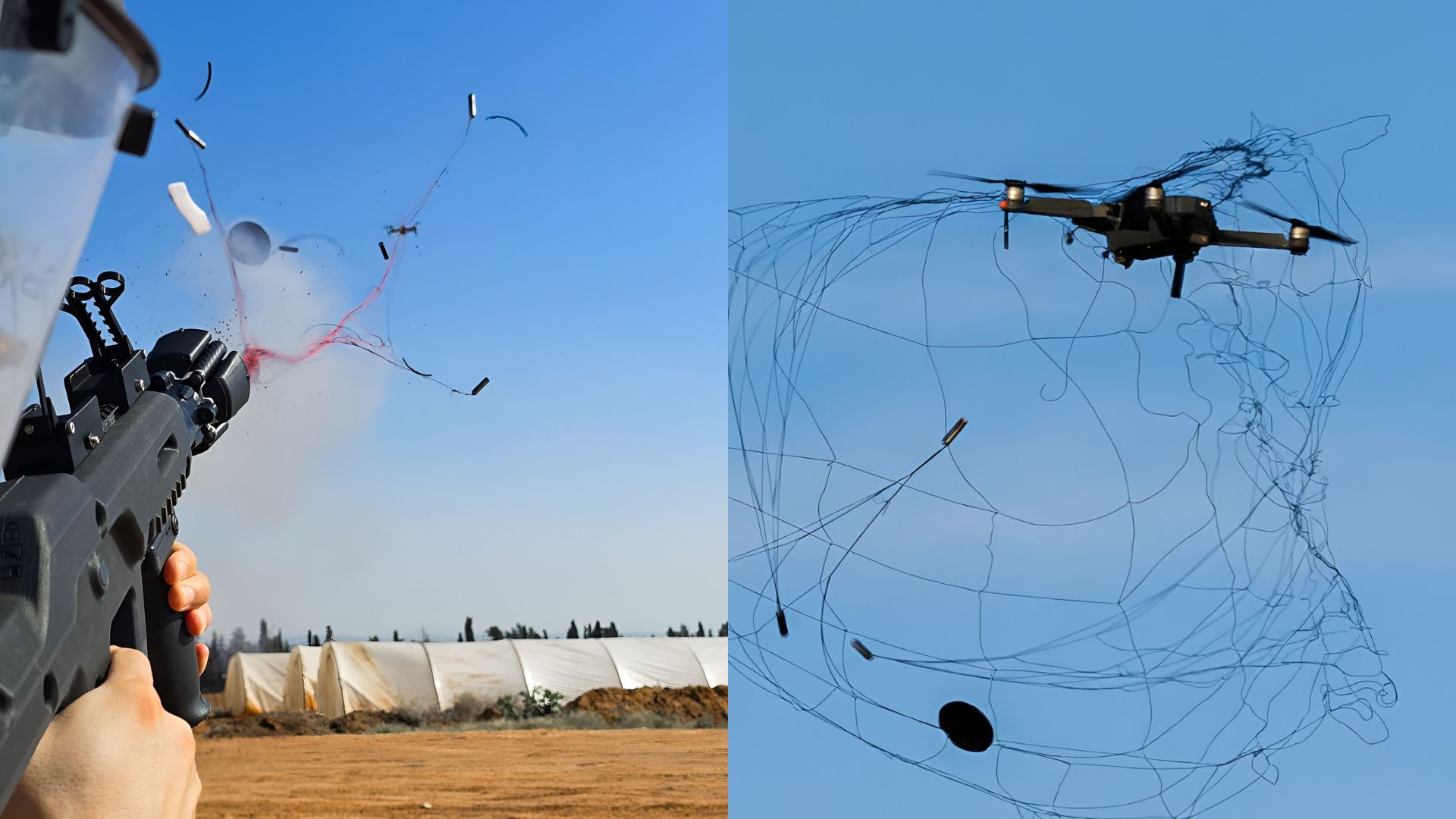
ParaZero Technologies Launches DefendAir for Autonomous Drone Interception in Military Applications
ParaZero Technologies has introduced its DefendAir platform, designed to intercept first-person view (FPV) drones autonomously before they can strike military vehicles. This system utilizes a non-explosive net-based interception method, creating a 360-degree defensive envelope around assets. The platform aims to enhance protection for both moving and stationary high-value military targets without the weight penalties of traditional armor. The rise of low-cost FPV drones has prompted militaries to seek effective countermeasures, as these drones have proven capable of damaging expensive military equipment. ParaZero's DefendAir addresses the limitations of conventional protective measures, such as steel cages, by offering a more agile and responsive solution. The system's ability to detect and neutralize threats rapidly is crucial for modern battlefield scenarios, where speed and precision are paramount. ParaZero is currently collaborating with Tier-1 defense companies to refine the DefendAir technology for operational requirements. While the company has not disclosed specific partners or a timeline for deployment, the focus on active counter-drone systems reflects a broader trend in military strategy, emphasizing the need for innovative solutions to counter evolving aerial threats. No further timeline was disclosed at the time of publication.
Military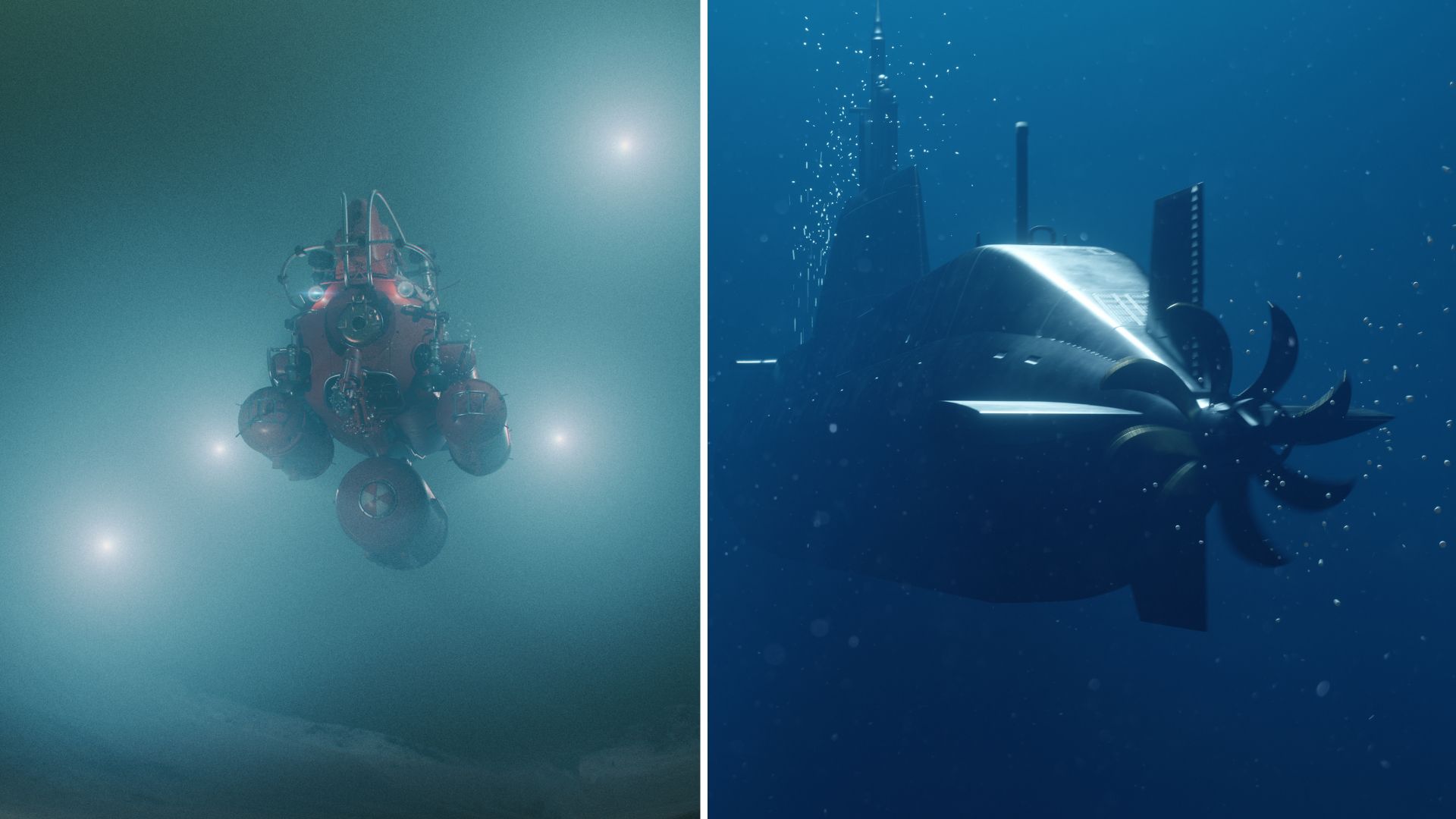
China Explores Autonomous Defense Systems for Contested Islands in South China Sea
A recent report indicates that China is investigating a maritime defense model utilizing autonomous drones to protect contested islands in the South China Sea. Researchers from the China Coast Guard Academy and Dalian Maritime University propose a network of aerial, surface, and underwater drones, which would create a multi-layered defense system, enhancing surveillance and response capabilities. This shift from traditional defense methods to a system reliant on uncrewed platforms reflects the evolving nature of naval warfare. The economic advantages of deploying inexpensive drones to monitor maritime environments are significant, as they can challenge larger military assets. The interconnected architecture aims to maintain operational capability even if some drones are compromised, emphasizing redundancy in defense strategies. As the South China Sea remains a focal point of territorial disputes among several nations, China's initiative to integrate autonomous systems into its defense strategy could further complicate regional security dynamics. However, it is crucial to note that this concept is still a research proposal and does not confirm the operational deployment of such systems at this time.
Military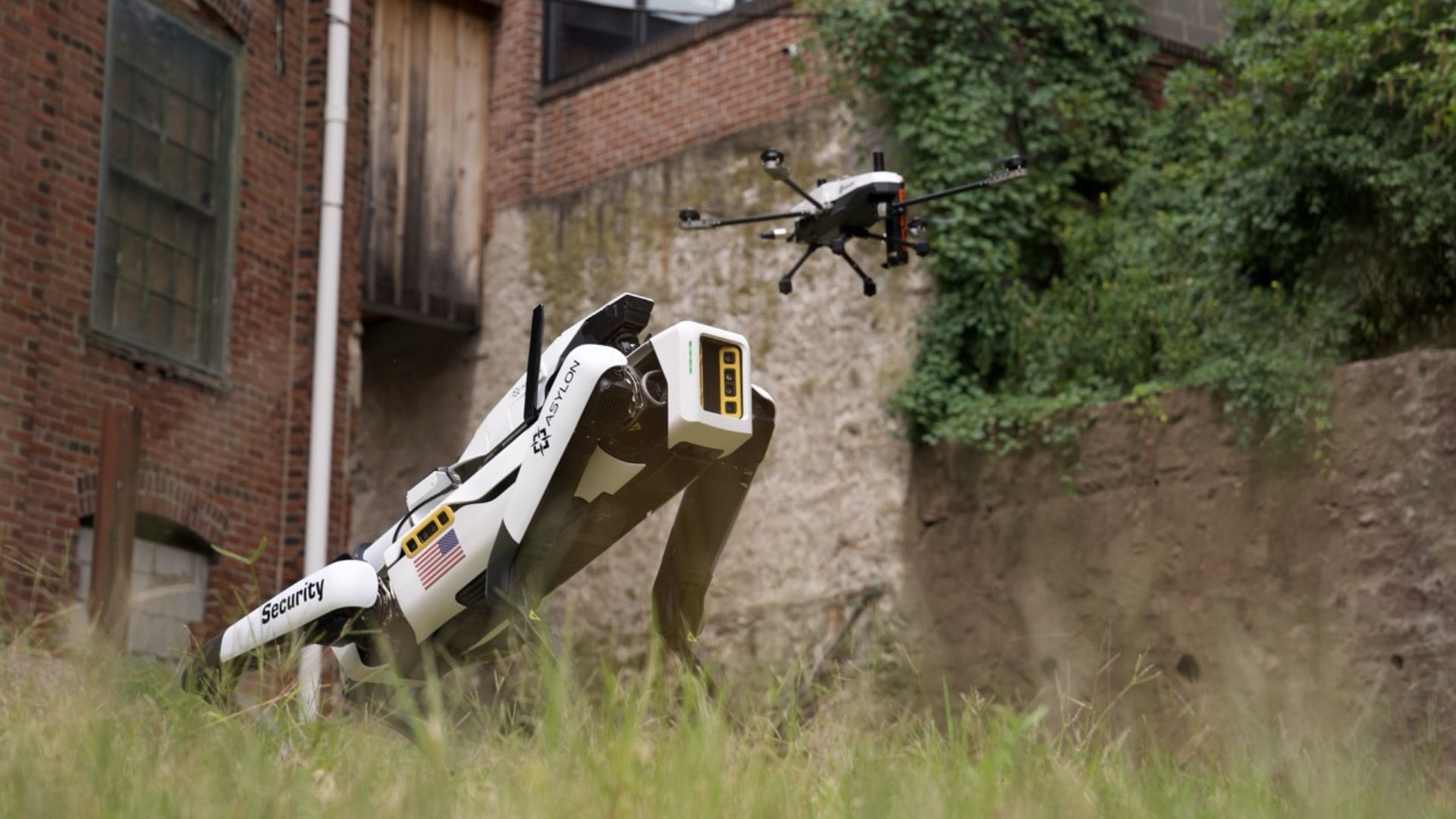
Asylon's MARIA System Enhances Aircraft Inspections for U.S. Air Force
Asylon has secured a Phase Three contract with the U.S. Air Force's Warner Robins Air Logistics Complex to deploy its Multi-modal Autonomous Robotics for Inspection of Aircraft (MARIA) system. This initiative aims to streamline aircraft inspections by integrating air and ground robotic platforms, significantly reducing the time for general visual inspections while enhancing consistency in maintenance tasks. The MARIA system combines Asylon's Guardian unmanned aircraft with the DroneDog Q-UGV, utilizing the Range autonomy software and DroneIQ command-and-control system for efficient inspection management. The significance of this deployment lies in its potential to transform aircraft maintenance operations. By automating inspections, the MARIA system not only improves inspection quality but also mitigates the risks associated with labor-intensive tasks. The integration of imagery, LiDAR data, and telemetry into a single platform allows maintenance personnel to make informed decisions quickly, thereby enhancing aircraft readiness without increasing manpower demands. This project marks a pivotal shift in how the Air Force approaches maintenance, leveraging autonomous technologies to optimize operational efficiency. Looking ahead, the success of the MARIA deployment at Warner Robins could lead to broader adoption of these technologies across military maintenance organizations. No further timeline was disclosed at the time of publication, but the ongoing collaboration between Asylon and the Air Force may pave the way for future advancements in defense sustainment operations, particularly in the realm of autonomous inspections and maintenance support.
Military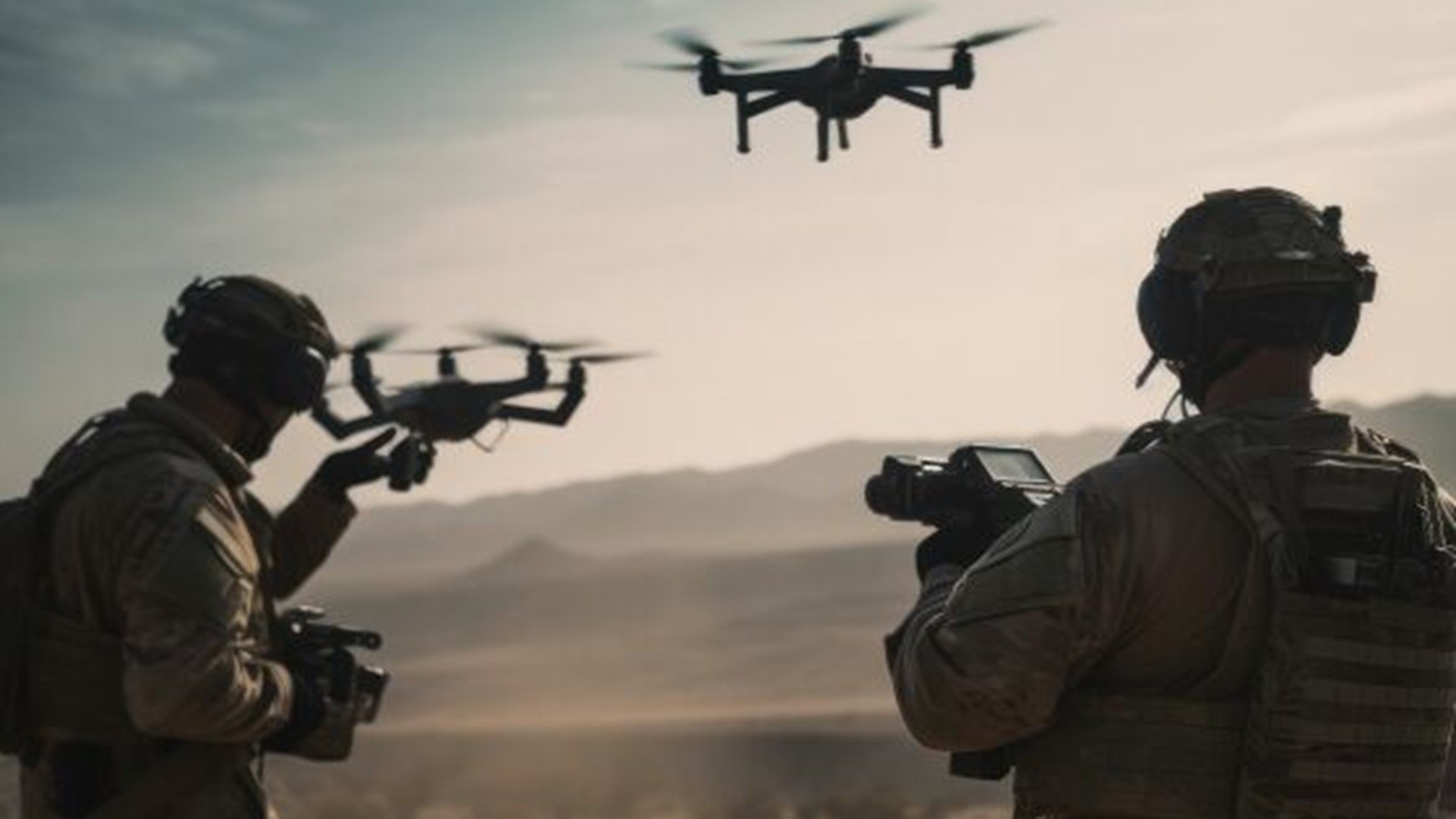
One soldier, many drones: US Army tests autonomous drone-control software
The U.S. Army has awarded two contracts to Palladyne AI, a defense and technology company, to conduct testing of its advanced artificial intelligence systems. This initiative, announced recently, aims to enhance military capabilities through innovative technology solutions. The contracts will facilitate the evaluation of Palladyne AI's systems in various operational scenarios, focusing on improving decision-making processes and operational efficiency. The collaboration underscores the Army's commitment to integrating cutting-edge technology into its operations to maintain strategic advantages. The testing is expected to take place at designated military facilities, with results potentially influencing future defense strategies and procurement decisions.
Military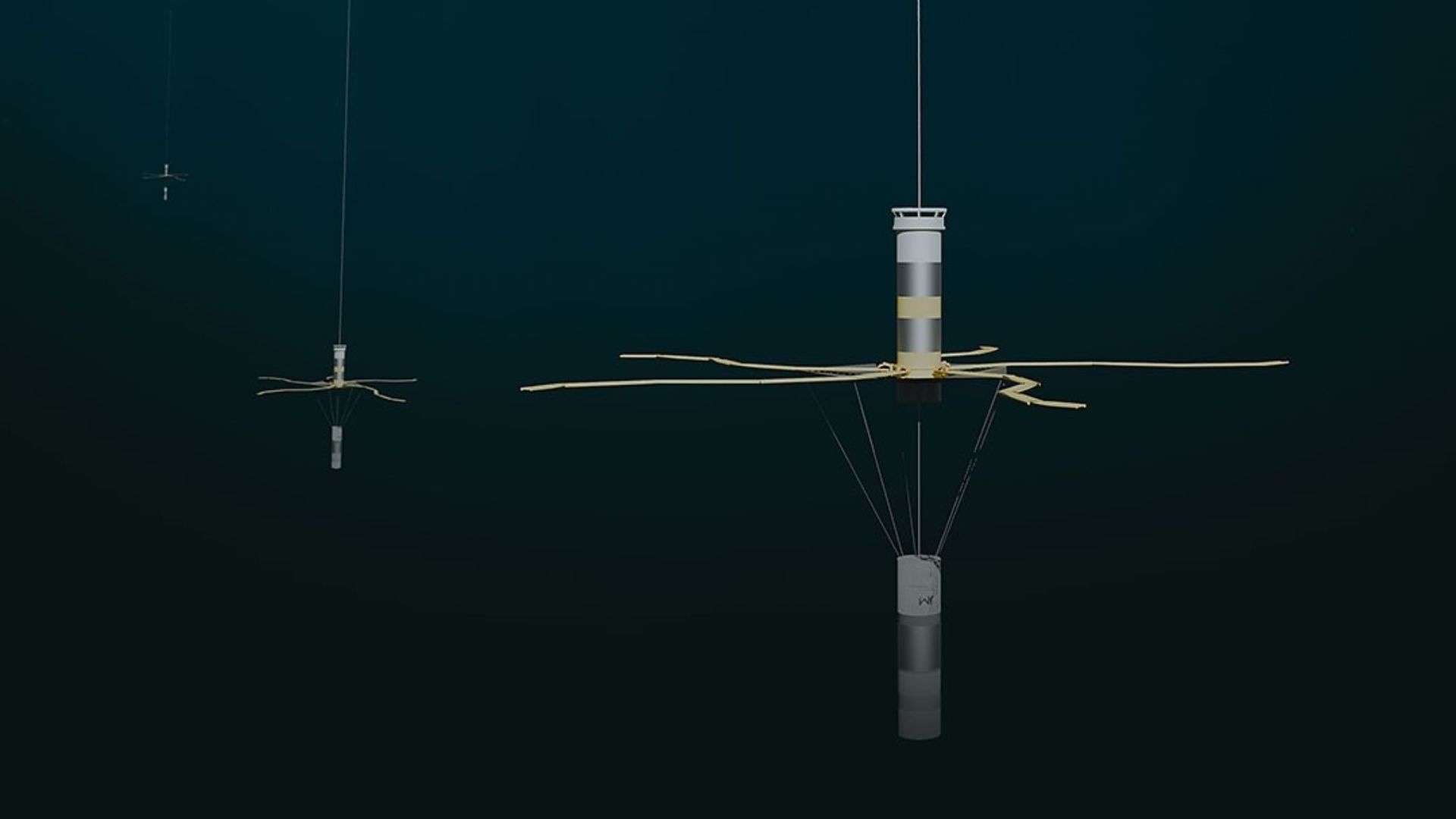
UK trials compact G-size sonobuoy built for autonomous drones hunting submarines
Ultra Maritime has successfully conducted the inaugural in-water deployment trial of its advanced Multistatic Active Receive system. This significant milestone took place recently, marking a key step in the development of the technology designed to enhance maritime surveillance and detection capabilities. The trial was held in a controlled marine environment, allowing the team to assess the system's performance and reliability in real-world conditions. The motivation behind this initiative is to improve the effectiveness of maritime operations, particularly in detecting underwater threats and monitoring marine activities. By utilizing innovative technology and methodologies, Ultra Maritime aims to set a new standard in maritime security solutions. The successful trial demonstrates the potential of the Multistatic Active Receive system to revolutionize the industry and address growing concerns over maritime safety and security.
Military
AI agents enhance autonomous inspections, revamping manual approval processes for drones and ground robots by DataRobot, Chevron, and NVIDIA.
DataRobot has announced a collaboration with Chevron U.S.A. Inc., a subsidiary of Chevron Corporation, to implement agent-based AI in edge environments. This partnership aims to enhance autonomous patrol and inspection operations at Chevron facilities. By leveraging advanced AI technology, the initiative seeks to improve operational efficiency and safety in the company's infrastructure.
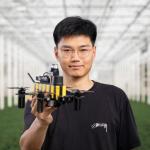
Bee-inspired AI reduces computing power needed for autonomous drones
An international team of researchers has unveiled a groundbreaking navigation strategy for drones, dubbed “Bee-Nav,” which draws inspiration from the foraging behavior of honeybees. This innovative approach was presented at a recent conference held in Zurich, Switzerland, where experts gathered to discuss advancements in drone technology. The motivation behind the development of Bee-Nav stems from the need for more efficient and reliable navigation systems in various applications, including agriculture, search and rescue operations, and environmental monitoring. By mimicking the way bees communicate and navigate through complex environments, the researchers have created a system that enhances drones' ability to traverse challenging terrains and locate targets with greater precision. The implementation of this strategy involves advanced algorithms that process environmental data, allowing drones to adapt their flight paths in real-time. This advancement could significantly improve the effectiveness of drone operations, paving the way for broader applications in both commercial and humanitarian efforts.
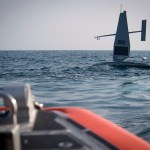
US Coast Guard deploys autonomous Saildrones to patrol 90,000-square-mile lakes
The U.S. Coast Guard is set to deploy autonomous surface drones across the Great Lakes starting in May. This initiative aims to enhance maritime safety and environmental monitoring in the region. The deployment comes in response to increasing concerns over navigation hazards and the need for improved surveillance of the lakes' ecosystems. By utilizing advanced drone technology, the Coast Guard intends to efficiently gather data and monitor conditions, thereby bolstering their operational capabilities. The drones will operate in various locations across the Great Lakes, providing real-time information that can aid in search and rescue missions, as well as environmental protection efforts. This strategic move reflects the Coast Guard's commitment to leveraging innovative solutions to address contemporary challenges in maritime operations.

JD Logistics unveils five-year plan to deploy millions of robots, autonomous vehicles, and drones
JD Logistics revealed on Friday its ambitious plan to acquire three million robots, one million autonomous vehicles, and 100,000 drones over the next five years. This initiative aims to significantly enhance automation within its logistics and supply chain network. The company has already successfully deployed its "Wolf Pack" series of robots across more than 20 provinces, showcasing its commitment to advancing operational efficiency and technological integration in its services. By investing in these advanced technologies, JD Logistics seeks to streamline its operations and improve service delivery, positioning itself as a leader in the rapidly evolving logistics sector.
News FeedRobotics needs a service framework.
RSF defines a common language for robot service capability, lifecycle operations, certification pathways, and service-provider networks.
Join the RobotToday community on LinkedIn
Daily robotics news, in-depth analysis, conference highlights, and discussions with professionals worldwide.