Industry Briefing
A single destination for timely, editor-curated robotics news from around the world.
Generalist AI raises $400 million to scale robot intelligence platform
Generalist AI, a startup focused on creating foundation models for robotics, has successfully secured $400 million in a recent funding round. This investment aims to expedite the development of what the company refers to as “physical AGI,” or artificial general intelligence that can function in the physical world through robotic systems. Following this funding, Generalist AI's valuation has reached approximately $2 billion. The influx of capital will enable the company to enhance its research and development efforts, positioning it at the forefront of advancements in robotics and AI technology.
Computing News Software 8VC ai funding AI models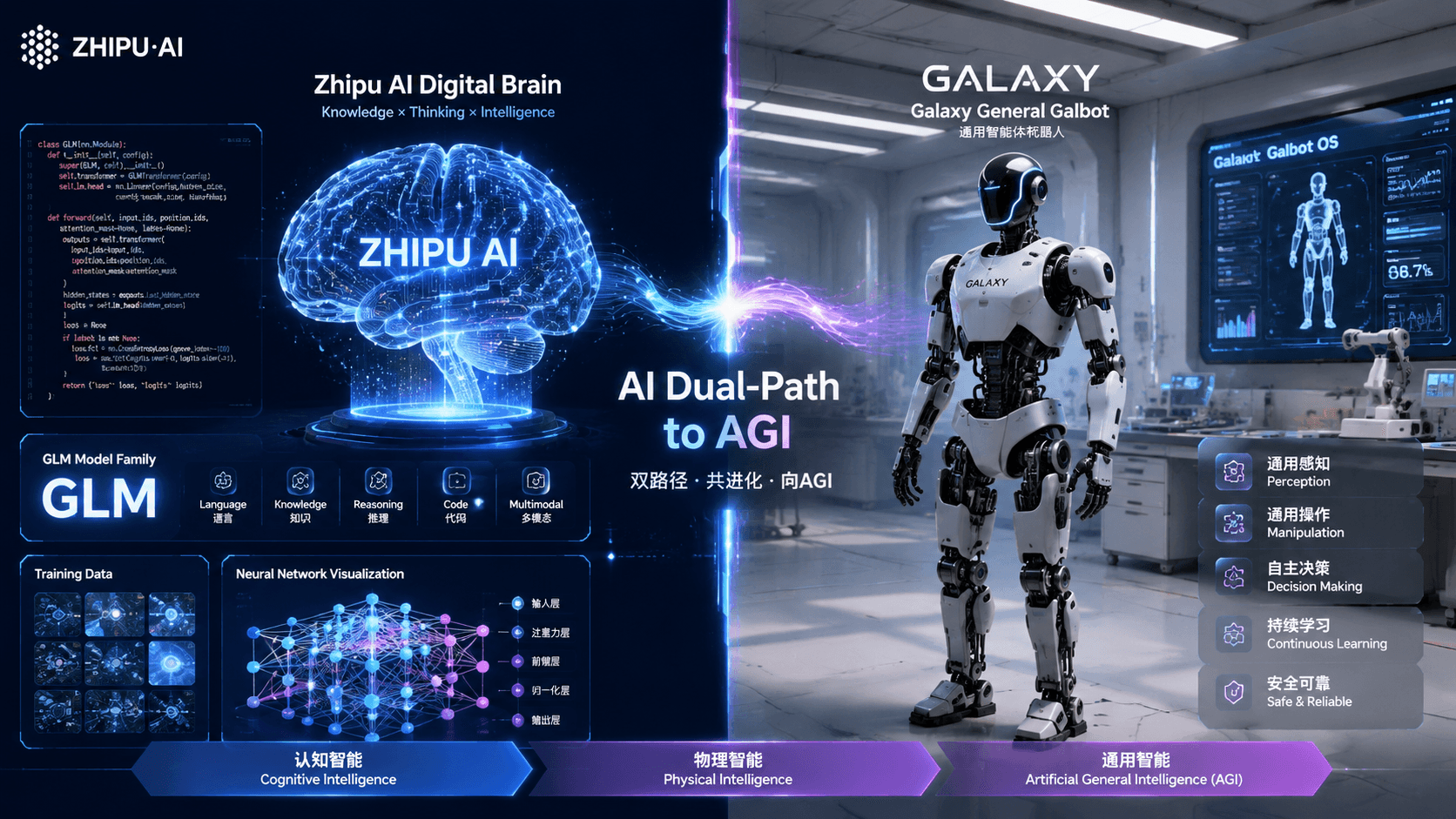
From Lab to Trillion-Dollar Market: The Parallel Rise of Zhipu AI and Galaxy General
In Beijing, two leading companies in artificial intelligence, Zhipu AI and Galaxy General, are making significant strides toward achieving Artificial General Intelligence (AGI). Zhipu AI focuses on advancements in digital intelligence, while Galaxy General is dedicated to innovations in embodied robotics. Both companies are pursuing parallel strategies to enhance their technologies, aiming to position themselves at the forefront of the AI revolution. As they develop their respective fields, the competition between these two firms highlights the rapid evolution of AI capabilities in China and the broader implications for the global tech landscape. The ongoing efforts of Zhipu AI and Galaxy General reflect a growing commitment to harnessing AI's potential to transform industries and improve everyday life.
Industry
Generalist AI Raises $400M in New Funding to Develop Physical AGI
Generalist AI, a robotics startup, has successfully secured $400 million in a new funding round, boosting its total funding to over $500 million. This significant investment aims to advance the company's development of physical artificial general intelligence (AGI). The funding round was spearheaded by Radical Ventures and attracted contributions from several prominent investors, including 8VC, Union Square Ventures, and Hanabi Capital. This financial backing underscores the growing interest and potential in the field of AGI as the startup seeks to innovate and expand its technological capabilities.
AI AI Funding & Investment Robotics California funding Generalist AI
DeepMind's Demis Hassabis Highlights AGI Progress Amid Asia's AI Developments
Demis Hassabis, CEO of DeepMind, has indicated that advancements in Artificial General Intelligence (AGI) are progressing rapidly. However, he also noted that recent developments in AI across Asia suggest that there is still significant work to be done before achieving true AGI. The remarks from Hassabis underscore the competitive landscape in AI, particularly as companies in Asia, such as SenseTime, are making strides in their own AGI initiatives. This highlights the global race to develop AGI technologies and the need for continuous innovation and research. Looking ahead, stakeholders in the AI sector should monitor the ongoing developments from Asian companies and their implications for the broader AGI landscape. No further timeline was disclosed at the time of publication.
Artificial Intelligence Newsletters Robotics artificial intelligence Hong Kong India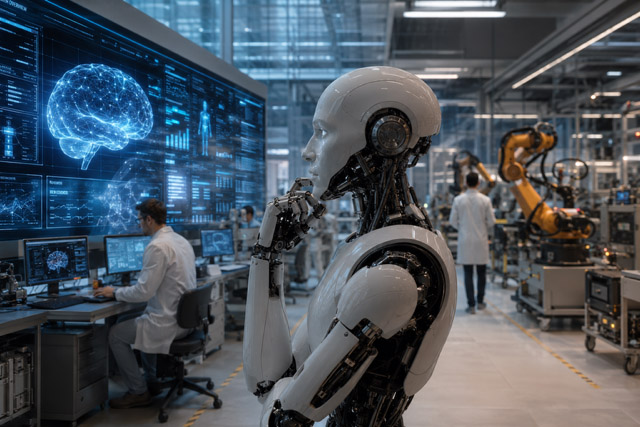
Understanding Technological Singularity and Its Impact on Robotics and AI
For decades, technological singularity was more a concept of science fiction than engineering reality. Today, it is a topic of discussion among AI laboratories, industrial giants, investment funds, and robotics companies worldwide. The rapid advancement of generative AI, autonomous robots, foundation models, and AI agents raises a fundamental question: what will happen when machines can enhance their own intelligence faster than humans? The origins of the technological singularity date back to 1965 when British mathematician I.J. Good proposed that an 'ultra-intelligent machine' could trigger an intelligence explosion. In the 1990s, mathematician Vernor Vinge expanded on this idea, suggesting that once a certain level of AI is reached, technological evolution would become unpredictable for humans. Ray Kurzweil later popularized the concept, predicting that artificial general intelligence (AGI) could emerge in the coming decades, leading to continuous self-improvement of systems. Currently, the landscape is shifting rapidly, with large language models, vision-language-action models, and autonomous agents enabling robots to understand natural language instructions, interpret their environment, and learn new tasks without specific programming. Companies like NVIDIA, Google DeepMind, and Tesla are investing billions in developing this new generation of intelligent robots.
À la une IA Industrie Robotique agents autonomes agents IA
Why this CEO thinks video games make better training data than the internet
Recent discussions in the field of artificial intelligence have highlighted the limitations of large language models, such as ChatGPT and Claude, in achieving artificial general intelligence (AGI). While these models excel in text generation, they struggle with understanding the dynamics of movement through space and time, a critical component for developing generalized intelligence. To address this gap, researchers are exploring the potential of gaming data as a solution. This innovative approach, known as General Intuition, aims to leverage the rich, interactive environments found in video games to enhance AI's understanding of real-world physics and dynamics. By integrating insights from gaming, experts believe they can create more sophisticated models capable of reasoning and adapting in complex scenarios. The exploration of this method is ongoing, with the hope of advancing the field of AGI significantly.
AI Startups AI Funding general intuition physical ai Pim DeWit
Do We Really Need Smarter AI to Cure Cancer?
Major tech companies like Meta and OpenAI are heavily investing in the development of artificial general intelligence (AGI) and artificial superintelligence (ASI), with estimates suggesting over a trillion dollars has already been allocated to artificial intelligence (AI) initiatives. Despite the excitement surrounding these advancements, Emilia Javorsky, director of the Futures program at the Future of Life Institute, cautions against over-reliance on future AI capabilities to solve complex health issues like cancer. In her March essay, "AI vs Cancer," Javorsky critiques the notion that AGI or ASI could cure cancer, emphasizing that cancer is not a singular disease but a collection of highly individualized conditions requiring tailored treatments. Javorsky argues that while current AI applications are making strides in areas such as drug discovery and clinical trials, the focus should shift towards collecting comprehensive health data and improving existing medical tools rather than solely investing in advanced AI technologies. She advocates for a balanced approach that prioritizes effective resource allocation in cancer research and treatment. Javorsky's insights highlight the importance of leveraging existing AI capabilities to enhance patient care and accelerate medical innovation, while also addressing systemic challenges within the healthcare system. Her perspective offers a hopeful outlook on the potential for AI to contribute meaningfully to cancer management and treatment.
Medical-ai Cancer Oncology Agi Superintelligence Cancer-treatments
Peter J. Denning Challenges Alan Turing's AI Assumptions in New Book
Prominent computer scientist Peter J. Denning argues that Alan Turing's foundational assumptions about artificial intelligence may have misled AI research for 75 years. In his book, 'Turing's Mistake: Escaping the Yoke of Unintelligent Machines,' Denning critiques Turing's belief that intelligence can exist independently of a physical body and that machines can demonstrate intelligence through human-like conversation. Denning emphasizes that these assumptions have shaped AI development, leading to a focus on artificial general intelligence (AGI) that he believes is unlikely to succeed. He warns that the technologies being developed could pose significant new risks, particularly due to the limitations of machine learning in capturing tacit knowledge, which includes common sense, emotions, and practical skills. The book highlights the challenges of encoding tacit knowledge into machines, citing the Cyc project as an example of the difficulties in organizing common sense. Denning's insights suggest that the pursuit of AGI may overlook the complexities of human intelligence, raising questions about the future direction of AI research. No further timeline was disclosed at the time of publication.

Roundtable Forum: The Real Landscape of AI Venture Capital Beyond Consensus
In a recent roundtable discussion on the evolving landscape of artificial intelligence (AI) investment, industry leaders emphasized the importance of acting ahead of consensus to seize opportunities. The forum featured prominent figures such as Zhu Tianyu, managing partner at BlueRun Ventures, and Qin Shentao, founder and CEO of OriginFlow, who shared insights on their early investment strategies. Zhu, who joined BlueRun in 2009, highlighted his early investments in successful companies like Li Auto and Genspark, noting that he made quick decisions based on a structured understanding of global challenges rather than just project details. He expressed confidence in OriginFlow’s potential, which focuses on non-invasive neural interfaces for embodied intelligent robots, aligning with key trends in artificial general intelligence (AGI), robotics, and 3D interaction. Qin, a Tsinghua University PhD, explained that OriginFlow aims to revolutionize how intelligent systems interact with the physical world, addressing a significant gap in data collection and processing. Within just five months of operation, the company secured over 500 million RMB in funding, demonstrating strong market interest. Both leaders acknowledged the challenges of navigating the current AI investment climate, characterized by rapid funding influxes and potential market bubbles. They stressed the need for investors to discern genuine innovation from fleeting trends, emphasizing that true value lies in solving fundamental problems rather than chasing hype. As the discussion concluded, they reiterated their commitment to fostering groundbreaking advancements in AI and embodied intelligence.

Three Weeks Until the Unveiling of Optimus Gen3: Musk Drops Another Bombshell
As Tesla prepares for the official launch of its Optimus Gen3 humanoid robot in less than a month, CEO Elon Musk has stated that this release will be among the company's most significant. Musk highlighted Tesla's goal of advancing artificial general intelligence (AGI) in a humanoid format, which has heightened anticipation surrounding the robot's capabilities and potential impact. The launch is set to showcase Tesla's innovative strides in robotics and AI technology, reflecting the company's ongoing commitment to pushing the boundaries of automation and intelligence.
Humanoid Robots Artificial Intelligence Robotics AGI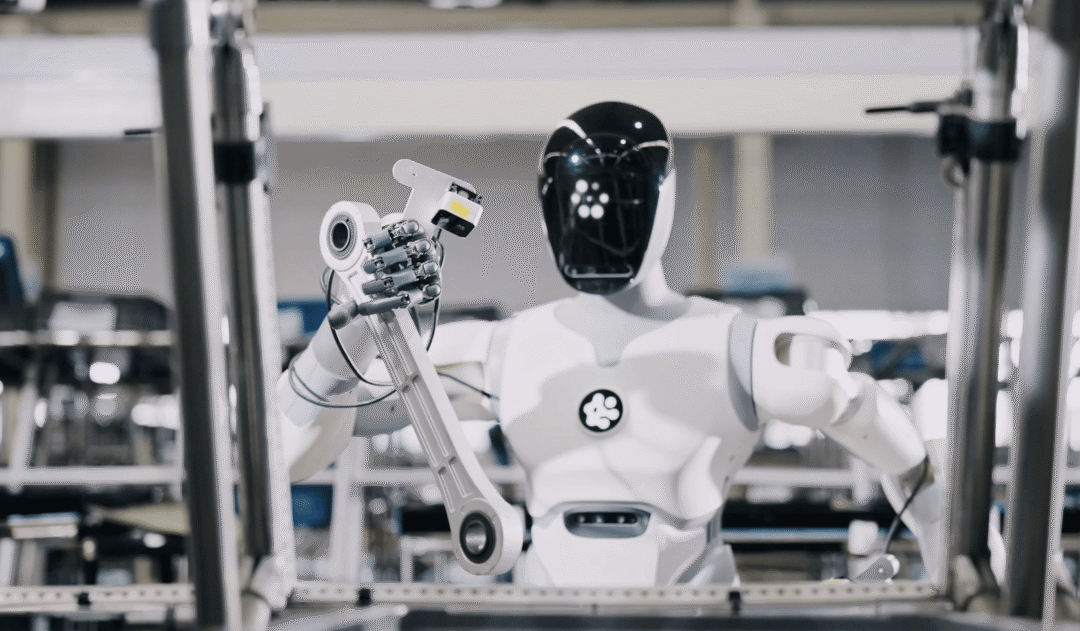
From Billion-Dollar Valuation to Completing Share Reform, Zhi Ping Fang's IPO Countdown Begins
Zhi Ping Fang (Shenzhen) Technology Co., Ltd. has successfully completed its share reform, a pivotal milestone in its journey toward an initial public offering (IPO). The company, known for its advancements in artificial general intelligence (AGI) robotics, is poised to capitalize on its innovative VLA technology and strategic partnerships. This development is expected to bolster its market position and accelerate the commercialization of its cutting-edge solutions. The completion of the share reform marks a significant advancement for the company as it prepares to enter the public market, reflecting its commitment to growth and innovation in the rapidly evolving tech landscape.
AGI Robotics IPO VLA Technology Commercialization Investment
Tesla Optimus AGI & End-to-End Neural Nets: The Brain Behind the Robot
Tesla is advancing its artificial intelligence capabilities with the introduction of its latest technologies, including VLA models, the AI5 chip, Grok integration, and Cortex 2.0. These innovations are part of the company's roadmap toward achieving artificial general intelligence (AGI) by 2026. The developments were detailed in a comprehensive technical breakdown that outlines how Tesla's robot AI architecture is designed to enhance performance and efficiency. By leveraging these cutting-edge technologies, Tesla aims to position itself at the forefront of the AI revolution, addressing the growing demand for intelligent automation in various sectors. The insights shared reflect the company's commitment to pushing the boundaries of AI and robotics, with a focus on creating systems that can learn and adapt in real-time. As Tesla continues to refine its approach, the implications of these advancements could significantly impact the future of robotics and AI integration across industries.

Elon Musk’s lawsuit is putting OpenAI’s safety record under the microscope
Elon Musk is pursuing legal action aimed at dismantling OpenAI, focusing on the impact of its for-profit subsidiary on the organization’s original mission. The case raises questions about whether the subsidiary's operations align with OpenAI's foundational goal of ensuring that advancements in artificial general intelligence benefit humanity as a whole. Musk's efforts come amid growing concerns about the ethical implications and societal effects of AI technologies. The outcome of this legal battle could significantly influence the future direction of OpenAI and its commitment to its stated objectives.
AI Elon Musk OpenAI openai lawsuit sam altman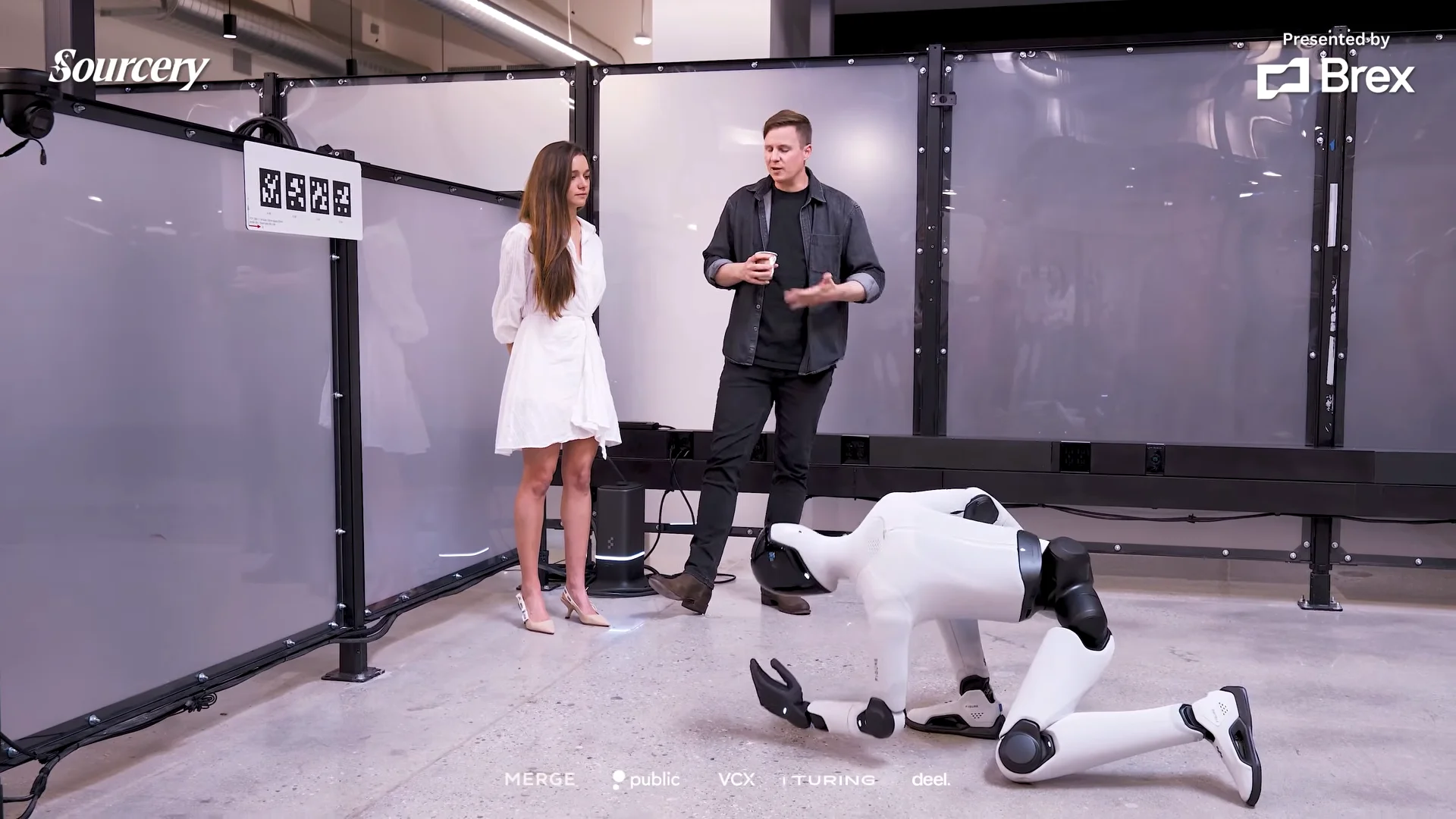
Inside the Campus: Figure’s Plan for 24/7 Autonomy and Leasable Home Robots
During a recent facility tour, CEO Brett Adcock provided insights into Figure's innovative technologies, including the "Never Fall" protocol and wireless inductive charging. The event, which took place in the second half of the tour, highlighted the company's commitment to advancing embodied artificial general intelligence (AGI). Adcock emphasized the significance of these developments in enhancing the safety and efficiency of robotic systems. By integrating cutting-edge charging solutions and safety protocols, Figure aims to pave the way for more reliable and autonomous robotic applications in various industries. This initiative reflects the company's broader vision of revolutionizing the interaction between humans and machines, positioning Figure at the forefront of the AGI landscape.
Brett Adcock US Figure Figure-03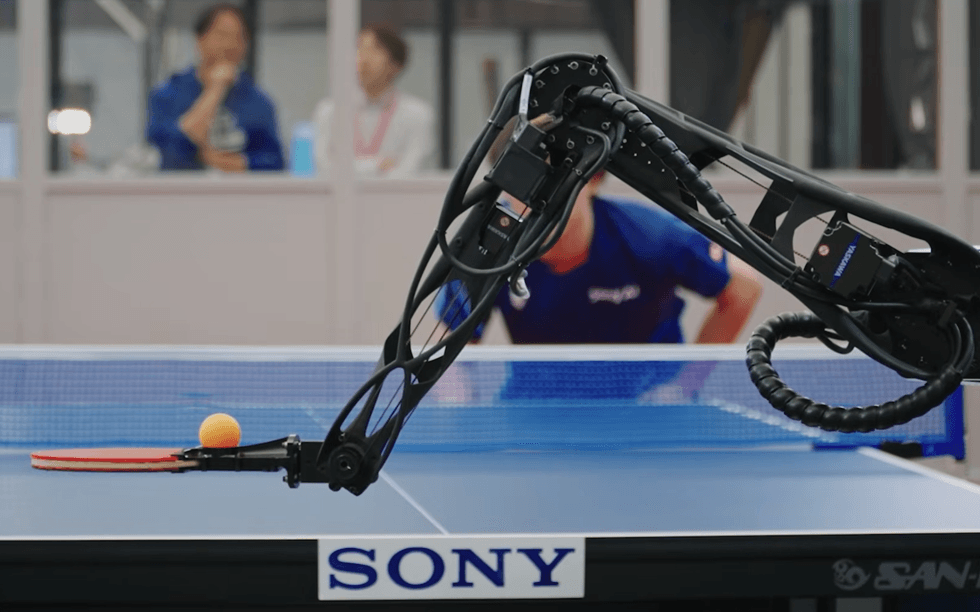
Video Friday: Who Wins in Robot Versus Pro Ping-Pong Player?
In a recent showcase of advancements in robotics, IEEE Spectrum highlighted several innovative developments and upcoming events in the field. Notably, Sony AI's latest research, featured on the cover of Nature, explores the potential of high-speed autonomous systems to master complex perception and dynamic control, aiming to compete with professional athletes. Among the exciting projects is the Ringbot Quad, a unique monocycle robot that integrates wheeled and legged locomotion, allowing it to navigate diverse terrains by switching between driving and walking modes. Meanwhile, in a significant milestone for China's robotics industry, humanoid robots outpaced human runners in a half-marathon in Beijing, with three robots finishing ahead of 12,000 participants. Other highlights include AthenaZero, a robot capable of juggling using only on-board sensory feedback, and advancements from the Max Planck Institute for Intelligent Systems, which reported a method to enhance the efficiency of soft electrostatic actuators, achieving conversion rates of up to 63.6%. As the field continues to evolve, discussions at Carnegie Mellon University emphasize the implications of Artificial General Intelligence (AGI) for society, proposing a future where humans collaborate with robots in supervisory roles, potentially transforming essential services and labor dynamics. Upcoming robotics events include ICRA 2026 in Vienna and the Summer School on Multi-Robot Systems in Prague, offering platforms for further exploration and innovation in robotics.
Robotics Humanoid-robots Video-friday Quadruped-robots Robot-videos Industrial-robots
Google DeepMind Opens the Portal: Project Genie and the Quest for the "Infinite Training Loop"
Google DeepMind has introduced Project Genie, an innovative experimental tool that utilizes the Genie 3 world model to generate interactive 3D environments from textual descriptions and images. Launched recently, this project aims to address the challenges of data limitations in robotics, which is a critical step towards achieving artificial general intelligence (AGI). By moving beyond traditional gaming applications, Project Genie represents a significant advancement in DeepMind's overarching strategy to enhance the capabilities of AI in real-world scenarios. The initiative underscores the company's commitment to pioneering technologies that can bridge the gap between virtual and physical environments, ultimately paving the way for more sophisticated robotic systems.
DeepMind Google Gemini embodied-ai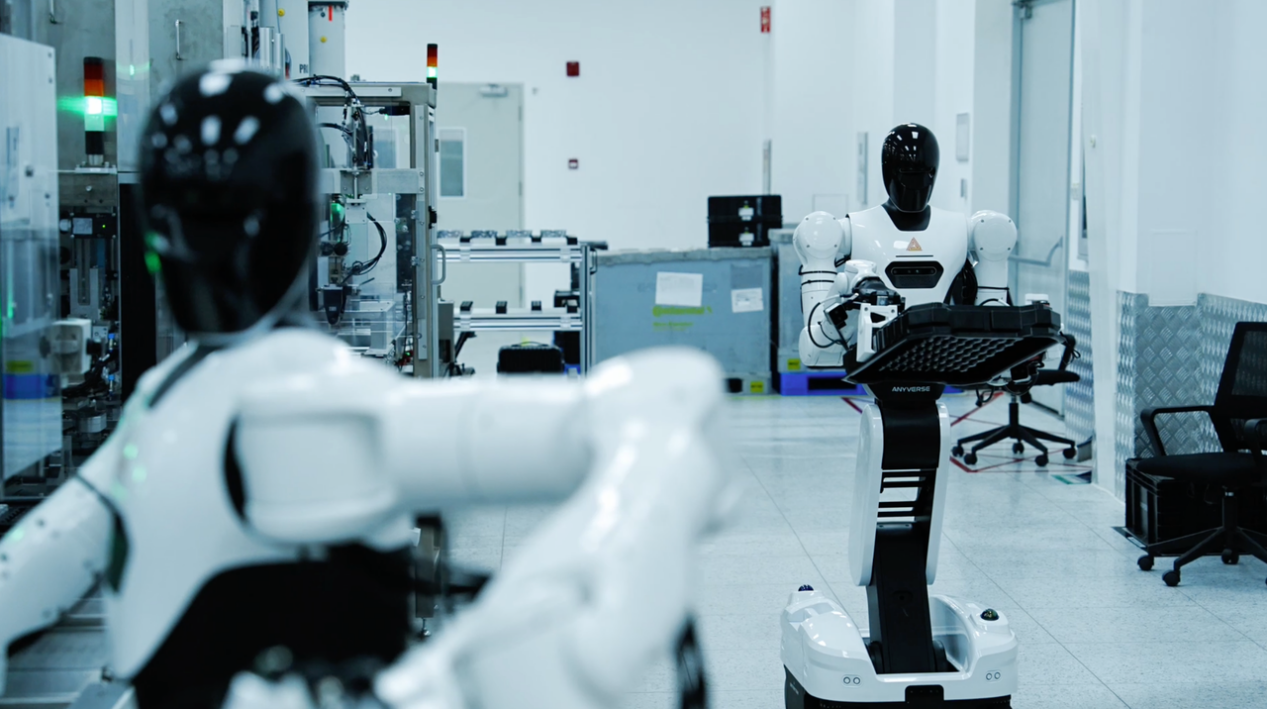
Wujie Power completes over $200 million in angel round financing, accelerating the development of embodied general intelligence and world models.
Wujie Power has successfully secured over $200 million in angel round financing, a significant boost aimed at advancing its research and development in embodied general intelligence and world models. This funding round, completed recently, underscores the growing interest and investment in artificial intelligence technologies. The financial support will enable Wujie Power to enhance its capabilities and accelerate its projects, positioning the company at the forefront of innovation in the AI sector. As the demand for sophisticated AI solutions continues to rise, this investment is expected to play a crucial role in the company's efforts to develop cutting-edge technologies that could reshape various industries.
Robotics Automation AI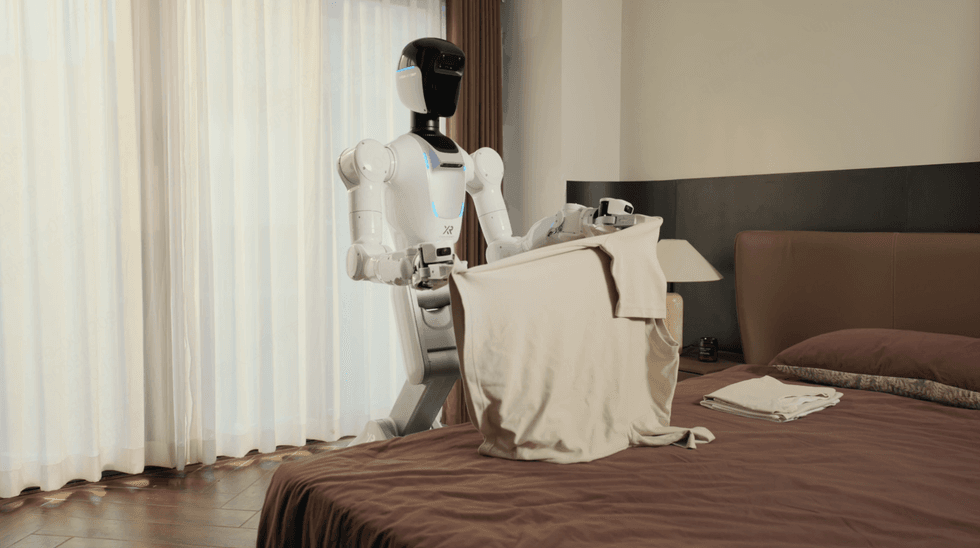
X Square Robot Develops Integrated Stack for General-Purpose Robotics
X Square Robot, a Chinese company focused on embodied AI, is pioneering an integrated stack for general-purpose robots. This stack combines data learning, a world model for predicting physical changes, and an action model that integrates perception, planning, reasoning, and decision-making. The company emphasizes the importance of quality interaction data over sheer quantity, utilizing its Universal Manipulation Interface (UMI) to enhance data collection. The significance of X Square Robot's approach lies in its potential to unify various aspects of robotic intelligence, addressing the fragmented nature of current systems. By prioritizing interaction quality and establishing a closed inspection loop for data validation, the company aims to create a more effective learning environment for robots. This method not only reduces costs but also enhances the reliability of the training data, which is crucial for developing general-purpose robots capable of performing diverse tasks. Looking ahead, X Square Robot's WALL-WM world model represents a shift towards event-based action prediction, allowing for more coherent and context-aware robotic behavior. As the company continues to refine its models and data collection methods, the broader robotics community will be watching for independent validation of its results and the potential implications for the future of general-purpose robotics.
Home-robots Type-sponsored Large-language-models Embodied-intelligence Ai-robots Robot-learning
Commemorating 70 Years of Artificial Intelligence
Artificial intelligence (AI), a transformative technology of the 21st century, is reshaping various aspects of life and has seen unprecedented adoption rates since its formal establishment in 1956 at the Dartmouth Summer Research Project. Pioneers like John McCarthy and Marvin Minsky introduced the concept, envisioning machines that could simulate human intelligence. Over the past 70 years, AI has evolved significantly, impacting fields such as business, education, healthcare, and military applications. The journey of AI has been marked by innovation and setbacks, including periods known as "AI winters," where interest and funding waned. However, a resurgence in the 2010s, driven by advances in deep learning and generative AI, has led to the development of sophisticated systems like ChatGPT, which was publicly released in 2022. This evolution has enabled AI to perform cognitive tasks at unprecedented speeds, automate processes, and enhance creativity. Despite its advantages, AI poses significant risks, including biased outputs, privacy concerns, and the potential for misinformation. The IEEE has played a crucial role in guiding AI's development, promoting ethical standards, and fostering research through publications and conferences. As AI continues to advance, the focus remains on ensuring it is human-centered and beneficial for society, emphasizing the need for responsible governance and informed decision-making. The future of AI will depend on the choices made today, as the technology's trajectory is shaped by collective actions and ethical considerations.
Type-ti Ieee-history Artificial-intelligence Ai History-of-technology
WAIC 2026 Concludes with Key Trends in Embodied Intelligence Development
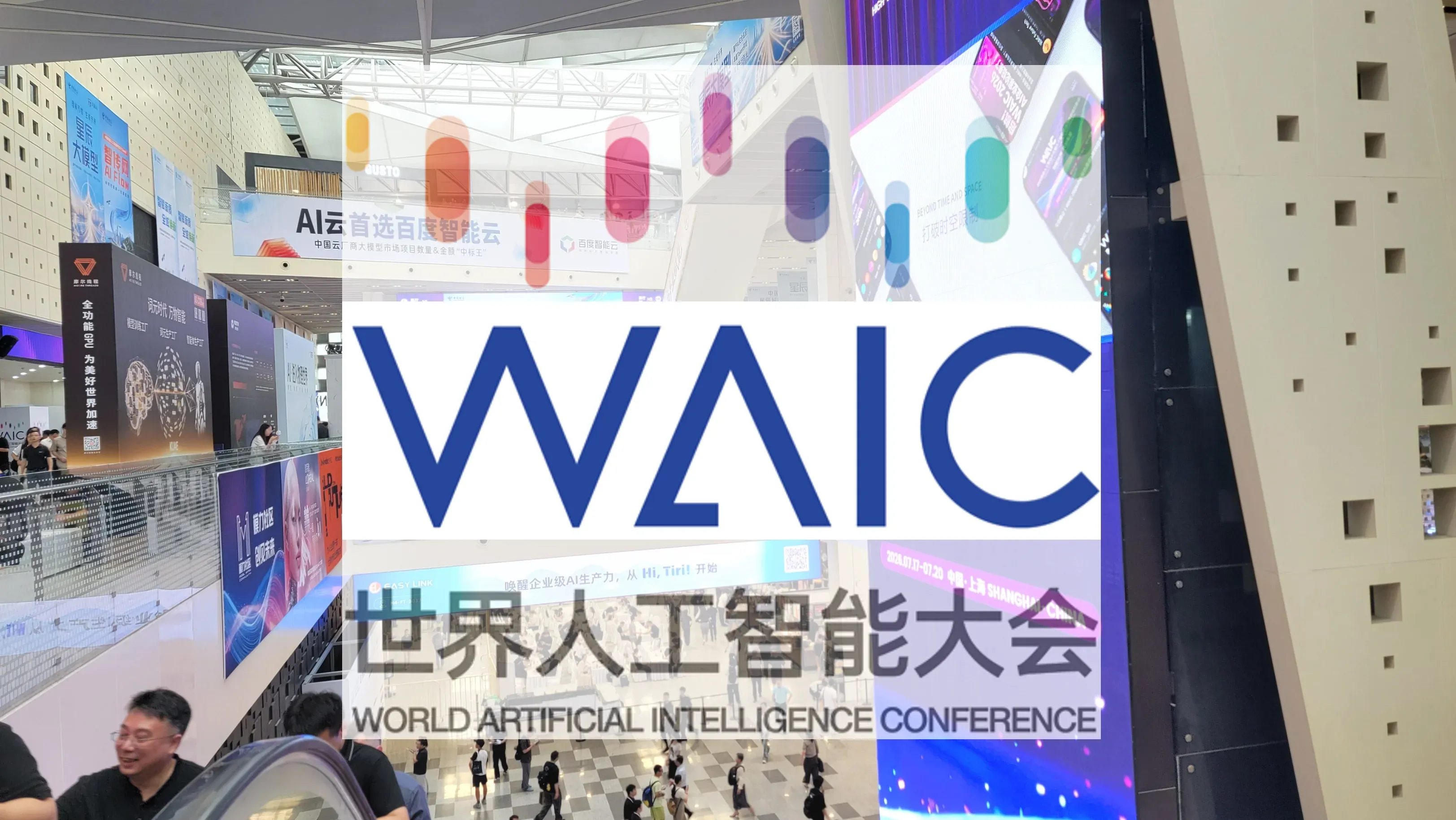
The 2026 World Artificial Intelligence Conference (WAIC) concluded on July 20, showcasing over 1,100 companies and more than 300 global product launches. Embodied intelligence emerged as a core focus alongside intelligent computing, with over 200 companies presenting 208 embodied intelligence terminals and over 300 real machines. This year's event marked a significant shift from previous years, where robots were primarily showcased for their dexterity to now addressing real industrial needs and continuous operation requirements. The transformation in the exhibition atmosphere reflects a broader industry acceleration, as robots are now expected to perform complex tasks and maintain stability in multi-machine collaborations. The metrics for evaluation have evolved from basic capabilities to more practical measures such as operational duration and recovery rates. This shift indicates a move from a technology narrative to an industry narrative, highlighting the importance of a complete industry chain from perception hardware to deployment. Looking ahead, the advancements in embodied intelligence, particularly in sensor technology and production capabilities, will be crucial for the industry's growth. The introduction of high-precision sensors and the establishment of automated production lines signal a readiness for mass production. No further timeline was disclosed at the time of publication.
Embodied Intelligence Tactile Sensing Robotics AI Technology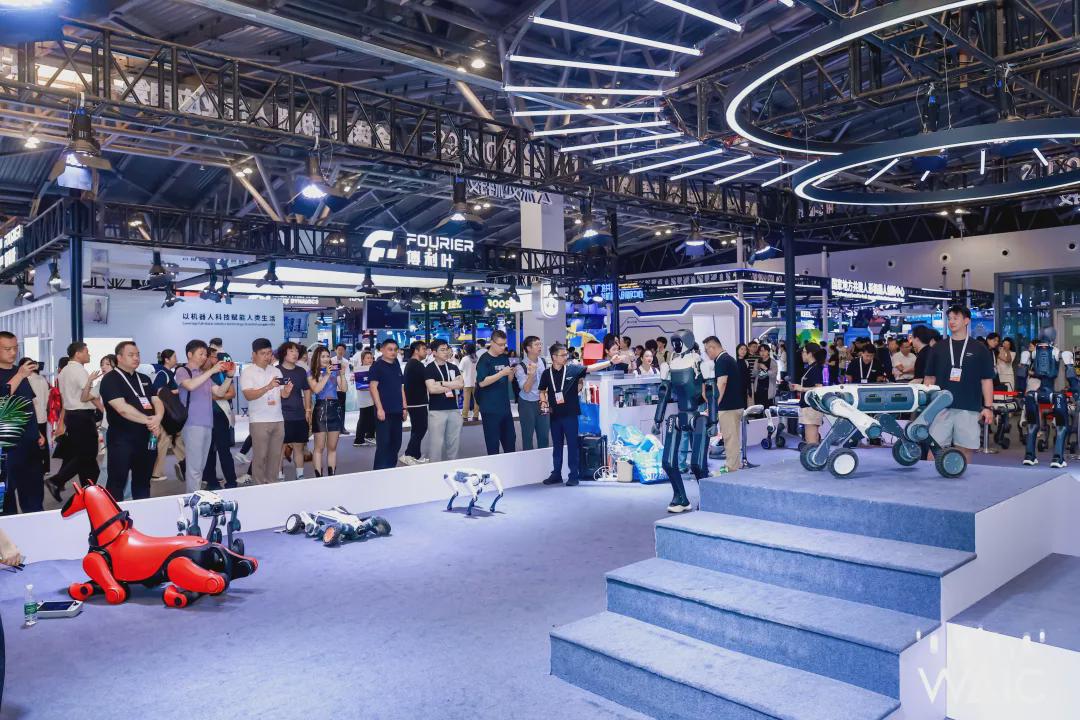
WAIC 2026 Showcases Advanced Embodied Intelligence Systems in Shanghai
In July 2026, the World Artificial Intelligence Conference (WAIC 2026) was held in Shanghai, featuring the theme 'Intelligent Partners, Co-Creating the Future.' The event highlighted embodied intelligence, attracting over 200 companies, with a focus on practical applications in high-risk environments. Among the exhibitors, Yunshen Technology stood out by presenting a diverse lineup of robots, including the humanoid DR02, quadrupedal robots from the Jueying series, and wheeled robots from the Shancat series. These robots, designed for challenging scenarios like power stations and emergency situations, emphasize real-world applications rather than just aesthetics. Yunshen Technology's approach contrasts with the industry norm of developing robots in controlled environments. By deploying robots in extreme conditions, the company aims to expose and improve their capabilities, creating a unique competitive advantage. The showcased products demonstrate a clear connection between their design and the demanding operational requirements they are built to meet.
Embodied Intelligence Robotics AI Technology Automation High-Risk Environments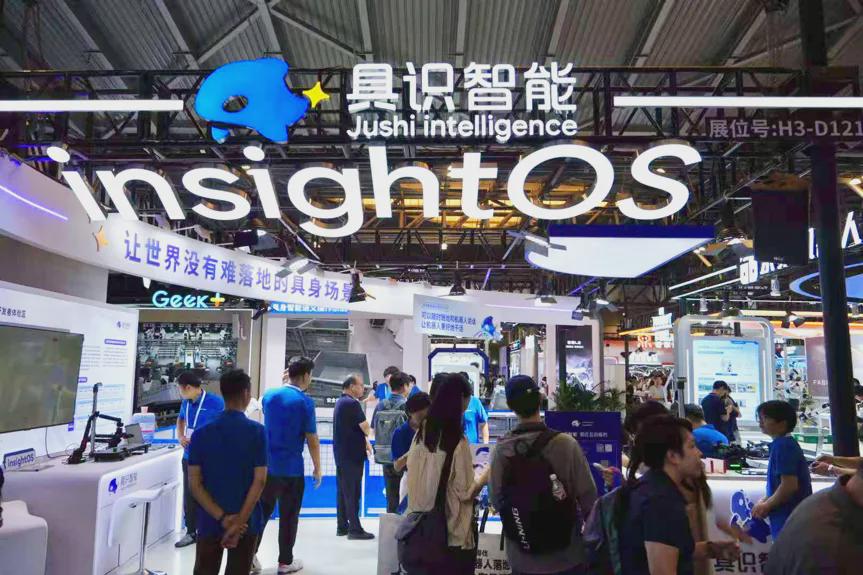
WAIC 2026: Insight AI Unveils First Embodied Semantic Intelligence System, insightOS Semantic
At the 2026 World Artificial Intelligence Conference in Shanghai, Insight AI launched the world's first embodied semantic intelligence system, insightOS Semantic. This system represents a pivotal shift in the embodied intelligence industry, moving from mere demonstration capabilities to practical applications in real-world scenarios. The significance of this development lies in its comprehensive approach to embodied intelligence, which now requires not only technical prowess but also a robust operating system, scenario validation, and a thriving developer ecosystem. Insight AI aims to address the critical challenges of understanding, adaptability, and evolution in robotics, which have hindered the large-scale deployment of embodied systems. Looking ahead, Insight AI's insightOS Semantic is designed to facilitate seamless communication between humans and robots, enabling task execution through natural language. The system's architecture integrates semantic understanding with physical operation capabilities, promising to enhance the efficiency and intelligence of robots in dynamic environments. No further timeline was disclosed at the time of publication.
Embodied Intelligence Robotic Systems AI Technology Natural Language Processing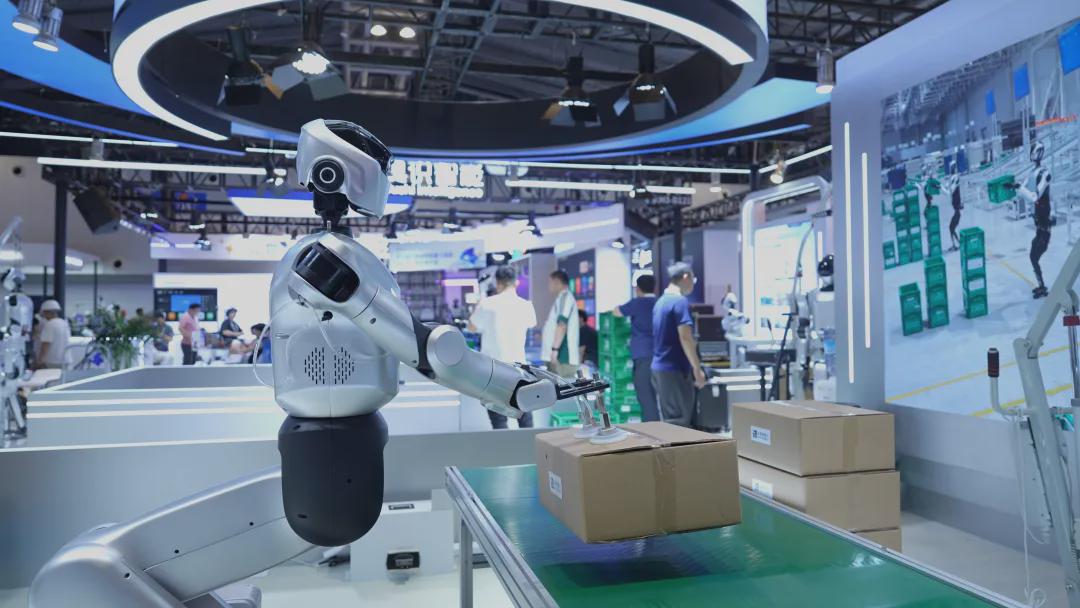
China's Collaborative Efforts in Advancing Embodied Intelligence for Robotics
The development of embodied intelligence is shifting from creating individual robots to establishing collaborative ecosystems. At this year's WAIC, the industry is exploring whether new models and skills can be rapidly integrated into robots for practical applications. A partnership between Leju and Ant Group's Lingbo has led to the release of logistics sorting results, emphasizing the importance of industry collaboration in scaling humanoid robotics. Leju believes that the growth of the humanoid robot industry relies on collective efforts rather than individual companies. The collaboration features Lingbo's general embodied base model, LingBot-VLA, while Leju focuses on post-training and motion control. This partnership has created a comprehensive technological chain that connects models, data, and computational power, marking a significant step in the industry. As embodied intelligence enters a critical phase, the ability to effectively translate models into real-world applications becomes paramount. Leju's advancements in post-training capabilities and the OpenLET community's support for developers are crucial for accelerating the deployment of new skills in various industries. No further timeline was disclosed at the time of publication.
Embodied Intelligence Robotics Logistics Automation AI Development
Exploring Automation Intelligence: Opportunities and Challenges in AI for Manufacturing
The manufacturing sector is experiencing a surge in artificial intelligence (AI) applications, driven by recent advancements in speech, language, and content generation technologies. Engineers and technology leaders are keenly observing these developments to enhance quality, minimize rework, and increase throughput. However, many organizations face challenges in translating AI demonstrations into tangible business value, revealing the complexities of deploying AI in production environments. Despite significant investments in AI and machine learning (ML), the manufacturing industry is encountering hurdles similar to those faced during the initial wave of data science and ML in the context of Industry 4.0. Many early projects failed to deliver operational value due to the misalignment of algorithms designed for consumer behavior with the deterministic needs of industrial settings. As manufacturers increasingly seek actionable insights from their data, the need for a deeper understanding of AI technology and its application in industrial contexts becomes critical. Looking ahead, the emergence of automation intelligence, which integrates lessons from past experiences with current AI tools, offers a promising framework for addressing complex industrial challenges. As AI technologies like generative AI and foundation models continue to evolve, their successful implementation will depend on ensuring real-time grounding, safety, and regulatory compliance in manufacturing processes. No further timeline was disclosed at the time of publication.
Factory / Workforce
Revolutionizing Robotics with Artificial Tendons: A New Era of Embodied Intelligence
Suzhou Zhixingjian Robot Technology Co., Ltd. has unveiled a groundbreaking development in robotics with its creation of artificial tendons designed to replace conventional motor systems. This innovative technology, which mimics biological tendons, significantly improves the weight, precision, and energy efficiency of robotic hands. By integrating these biomimetic tendons, the company aims to usher in a new era of lightweight and highly functional robotics, enhancing the capabilities of embodied intelligence. The advancements are expected to broaden the applications of robotic systems across various industries, marking a pivotal shift in the field of robotics.
Artificial Tendons Robotics Embodied Intelligence Biomimetic Technology Actuation Systems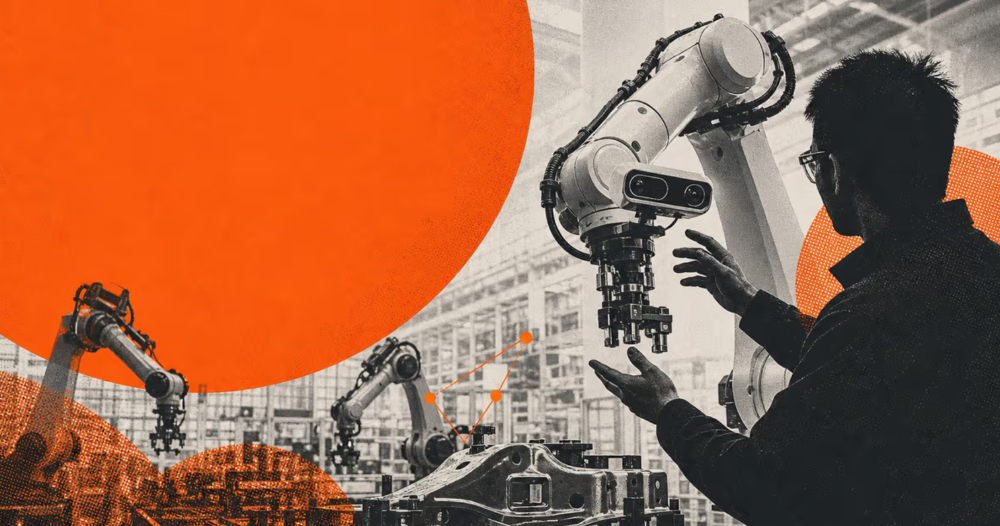
The integration of artificial intelligence and physical robot technology promotes the entry of factory automation into a new era.
The integration of artificial intelligence with physical robotics is ushering in a transformative era for factory automation. This advancement is set to revolutionize manufacturing processes, enhancing efficiency and productivity across various industries. As companies increasingly adopt these technologies, the shift is expected to occur rapidly, with significant developments anticipated in the coming months. The push towards automation is driven by the need for improved operational efficiency, cost reduction, and the ability to meet growing consumer demands. By leveraging AI capabilities, robots can now perform complex tasks with greater precision and adaptability, allowing factories to streamline operations and reduce human error. This evolution in technology not only promises to reshape the manufacturing landscape but also raises questions about the future of the workforce and the skills required in an increasingly automated environment.
Robotics Automation AI
Preparing for Artificial Intelligence: The Real Question Is Facility Readiness
A recent analysis highlights the critical factors for successful industrial AI implementation, emphasizing the importance of data quality, a comprehensive understanding of processes, and robust cybersecurity measures. Experts in the field assert that organizations aiming to leverage artificial intelligence in their operations must prioritize these foundational elements to ensure effective integration and performance. The insights were shared during a conference held in October 2023, where industry leaders gathered to discuss advancements and challenges in AI technology. By focusing on these key areas, businesses can enhance their operational efficiency and safeguard their systems against potential cyber threats, ultimately driving innovation and competitiveness in the industrial sector.
Factory / IIoT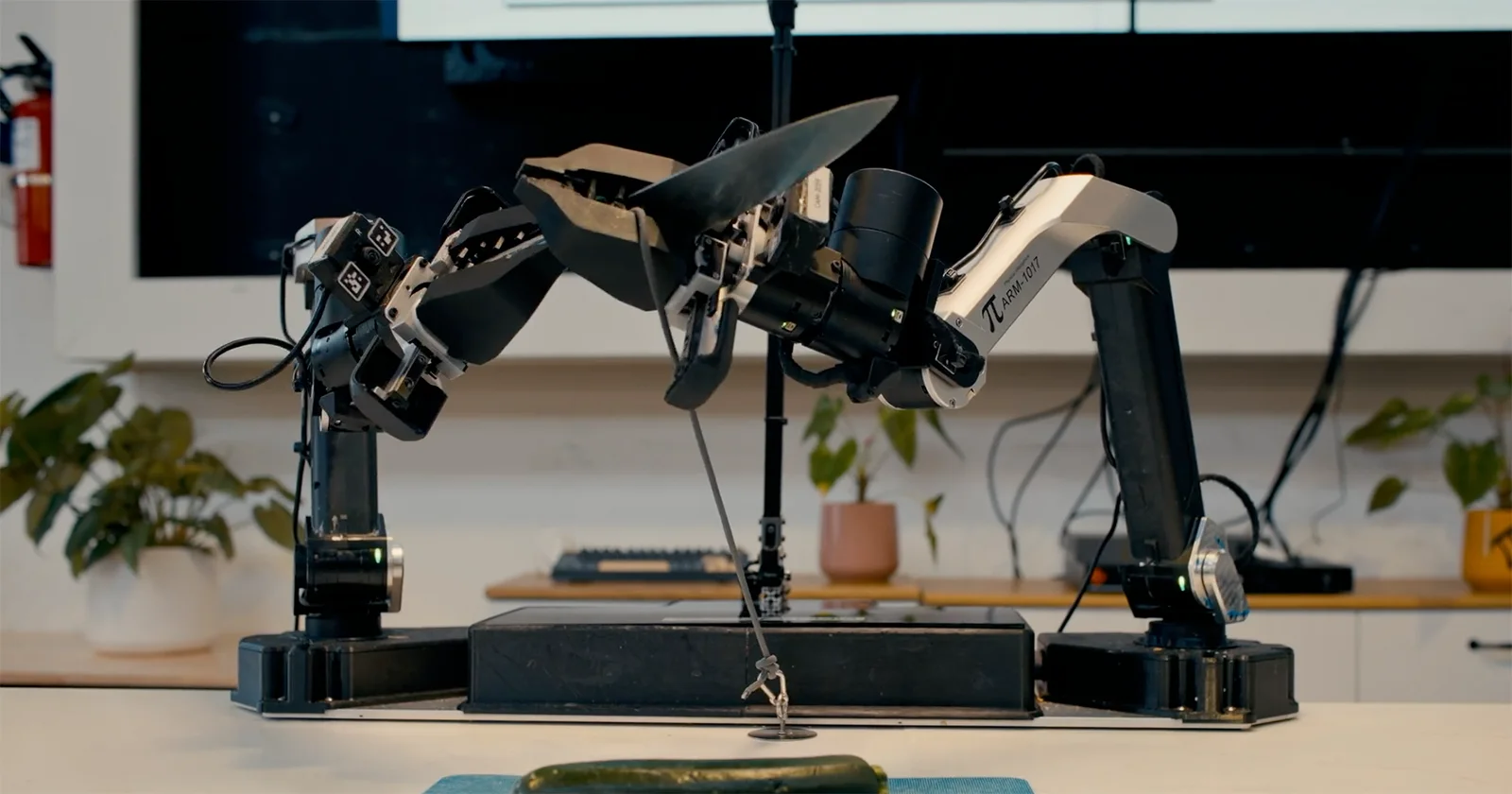
Physical Intelligence Unveils π0.7: The Rise of Compositional Generalization in Robotics
Physical Intelligence has unveiled its latest foundation model, π0.7, which showcases remarkable "emergent" capabilities. This innovative model can seamlessly integrate various skills and adapt to different robotic hardware without the need for task-specific training. The announcement was made recently, highlighting the advancements in artificial intelligence and robotics. By leveraging extensive data and sophisticated algorithms, π0.7 represents a significant step forward in the development of adaptable robotic systems. This breakthrough aims to enhance the efficiency and versatility of robots in diverse applications, potentially transforming industries that rely on automation.
US Physical Intelligence π07
Focusing on the Cutting Edge of Artificial Intelligence: Zheng Liwen's Enthusiasm for Technology
On April 11, 2026, Zheng Liwen, the chairperson of the Kuomintang, made a significant visit to the Zhongguancun Science Park in Beijing, where she explored the latest advancements in artificial intelligence and embodied intelligence. During her tour, she expressed particular admiration for the Linker Hand O6, a cutting-edge lightweight robotic hand designed to lift substantial weights. This innovative technology not only showcases the progress in robotics but also highlights the potential for skill transfer in the field. Zheng's visit underscores her commitment to understanding and promoting technological advancements that could benefit Taiwan's development in these critical areas.
Robotic Hands Embodied Intelligence Artificial Intelligence Technology Innovation
Real‐Time Detection of Undesired Human Interventions in Robotic Work Cells Using a Convolutional Neural Network‐Based Novel Architecture and Reliability Analysis With Explainable Artificial Intelligence
A recent study published in the Journal of Field Robotics highlights advancements in autonomous robotic systems designed for agricultural applications. Researchers from various institutions conducted the study to explore how these technologies can enhance efficiency and productivity in farming practices. The findings, released in early October 2023, indicate that the integration of robotics in agriculture not only streamlines operations but also addresses labor shortages faced by the industry. The research was carried out in diverse agricultural settings, showcasing the adaptability of robotic systems to different crops and farming techniques. By employing sensors and artificial intelligence, these robots can perform tasks such as planting, monitoring crop health, and harvesting with precision. The motivation behind this innovation stems from the need to increase food production while minimizing environmental impact and labor costs. As farmers face growing challenges from climate change and a declining workforce, the study emphasizes the potential of robotics to transform traditional farming methods. The researchers advocate for further investment in robotic technologies to ensure sustainable agricultural practices and improve overall food security. This study marks a significant step towards the future of farming, where automation plays a crucial role in meeting the demands of a growing global population.
RESEARCH ARTICLE
How everyday foam reveals the secret logic of artificial intelligence
Recent simulations have challenged the long-held belief that foam behaves like glass, where bubbles are thought to be static at the microscopic level. Researchers have discovered that foam bubbles are in constant motion, even as the overall structure of the foam remains intact. This unexpected finding suggests that the dynamic behavior of foam follows mathematical principles similar to those used in training artificial intelligence. The implications of this research, conducted by a team of scientists, point to the possibility that learning-like behavior may be a fundamental characteristic shared among various materials, machines, and living organisms. This breakthrough could pave the way for new insights into the nature of complex systems and their interactions.
Shenzhen establishes RMB 1.55 billion artificial intelligence and robotics industry fund
A new private equity fund focused on artificial intelligence and embodied robotics has been established, with a capital of RMB 1.55 billion (approximately $217 million). This initiative, launched by Shenzhen Deep Venture Capital, is supported by several key investors, including Shenzhen Guiding Fund Investment Co., Ltd. and Shenzhen Futian Red Earth Equity Investment Fund Management Co., Ltd., among others. The establishment of this fund aims to capitalize on the growing demand and innovation in the AI and robotics sectors, reflecting a strategic move to enhance investment in cutting-edge technologies.
News Feed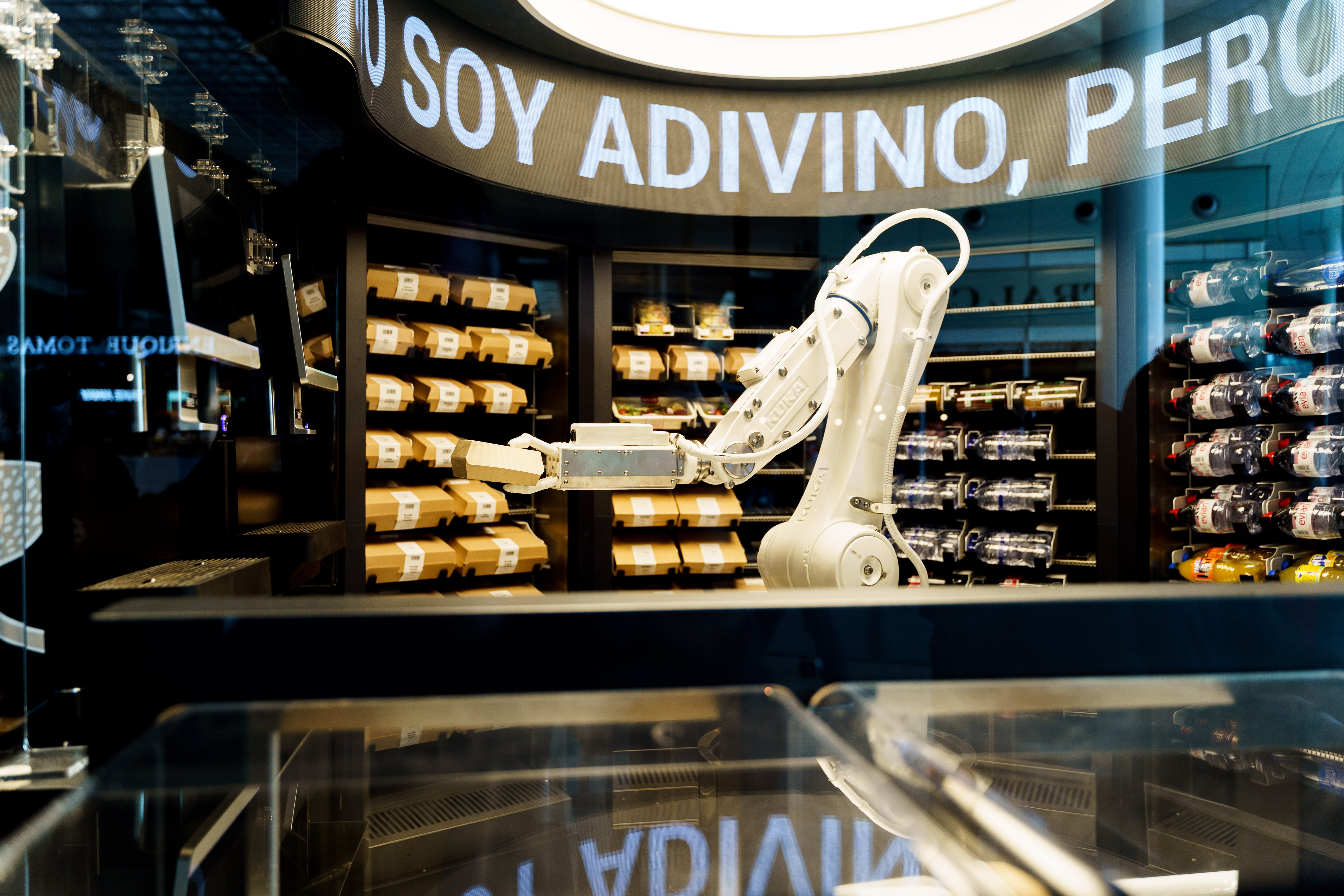
KUKA and Areas drive the catering revolution with Artificial Intelligence at Josep Tarradellas Barcelona-El Prat airport
KUKA has launched the world's first robot restaurant powered by artificial intelligence at Josep Tarradellas Barcelona-El Prat Airport. This groundbreaking establishment, part of the innovative SELF project, represents a significant advancement in the fusion of AI and robotics within the food industry. The opening of the restaurant not only showcases technological progress but also aims to enhance customer experience by streamlining food service operations. With this initiative, KUKA is setting a new standard for the future of dining, demonstrating how automation can transform traditional restaurant environments.
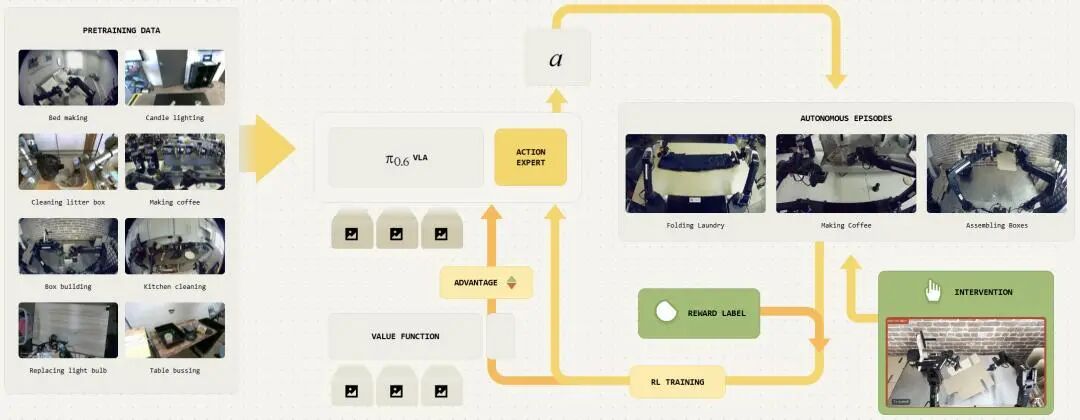
Sergey Levine, Co-founder of Physical Intelligence: Why We Need to Build a 'World-Understanding' General Robot
In a recent interview, robotics expert Sergey Levine addressed the pressing challenges and future prospects of general robotics. He highlighted the necessity for robots capable of adapting to diverse environments and performing a wide range of tasks, rather than being limited to specialized functions. Levine argued that developing a universal model for robotics could pave the way for more sustainable and efficient solutions in the industry. His insights reflect a growing recognition of the importance of versatility in robotic design, suggesting that such advancements could significantly enhance the effectiveness of robots in various applications.
General Robotics Artificial Intelligence Physical Intelligence Robotic Systems
Daoyuan Technology Partners with Galaxy General to Empower Embodied Intelligence with Automotive-Grade IMU
Daoyuan Technology has announced a strategic partnership with Galaxy General Robotics to develop automotive-grade Inertial Measurement Unit (IMU) modules. This collaboration is set to enhance the precision of speed and posture information in embodied intelligent robots. By integrating advanced IMU technology, the partnership aims to significantly improve balance control and navigation capabilities, particularly in complex dynamic environments. The initiative reflects both companies' commitment to advancing robotics technology and addressing the growing demand for more sophisticated robotic systems in various applications.
IMU Technology Embodied Intelligence Robotics Automotive Solutions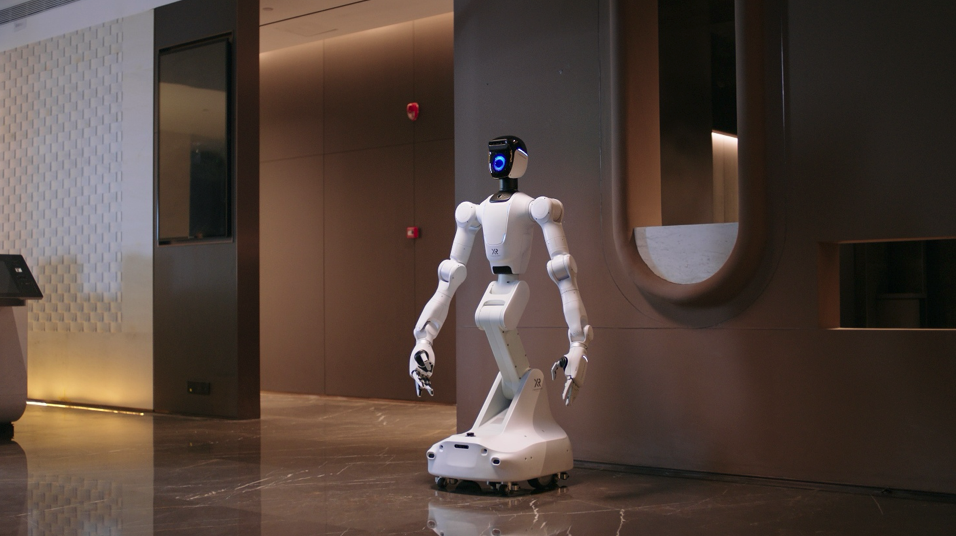
X Square Robot builds a full-stack approach to embodied AI and general-purpose robotics
The robotics industry is undergoing a transformation due to the swift advancement of embodied artificial intelligence, prompting companies to innovate machines that can tackle diverse real-world tasks instead of being limited to single functions. Notably, Shenzhen-based X Square Robot has emerged as a key player in this competitive landscape, successfully completing four consecutive financing rounds. This funding achievement underscores the growing interest and investment in versatile robotic technologies, as firms strive to enhance their capabilities and meet the increasing demand for intelligent automation solutions.
Business Features Robotics artificial intelligence Artixon china robotics
General Intuition’s $2.3B bet that video games can train AI agents for the real world
General Intuition has successfully secured $320 million in funding to enhance its artificial intelligence capabilities, leveraging extensive data derived from millions of hours of gameplay and betting action. This significant investment aims to advance the development of AI that mimics human intuition more closely. The funding round, which took place recently, underscores the growing interest in AI technologies that can interpret complex patterns and make decisions similar to human behavior. By utilizing this vast dataset, General Intuition seeks to refine its algorithms and improve the performance of its AI systems, positioning itself at the forefront of innovation in the gaming and betting industries.
AI Fundraising Robotics Startups AI training data general intuition
From Fortnite to robots: General Intuition raises $2.3B on bet that video games can train AI agents for the real world
General Intuition has successfully secured $320 million in funding to enhance its artificial intelligence capabilities, which are designed to mimic human intuition by leveraging extensive data from millions of hours of gameplay and betting actions. This significant investment aims to propel the development of AI systems that can better understand and predict human behavior in gaming contexts. The funding round, which reflects growing interest in AI applications within the gaming and betting industries, will enable General Intuition to expand its research and development efforts. The company plans to utilize this capital to refine its algorithms and improve the accuracy of its AI models, ultimately striving to create technology that resonates more closely with human decision-making processes.
Startups AI Robotics Fundraising Khosla Ventures AI training data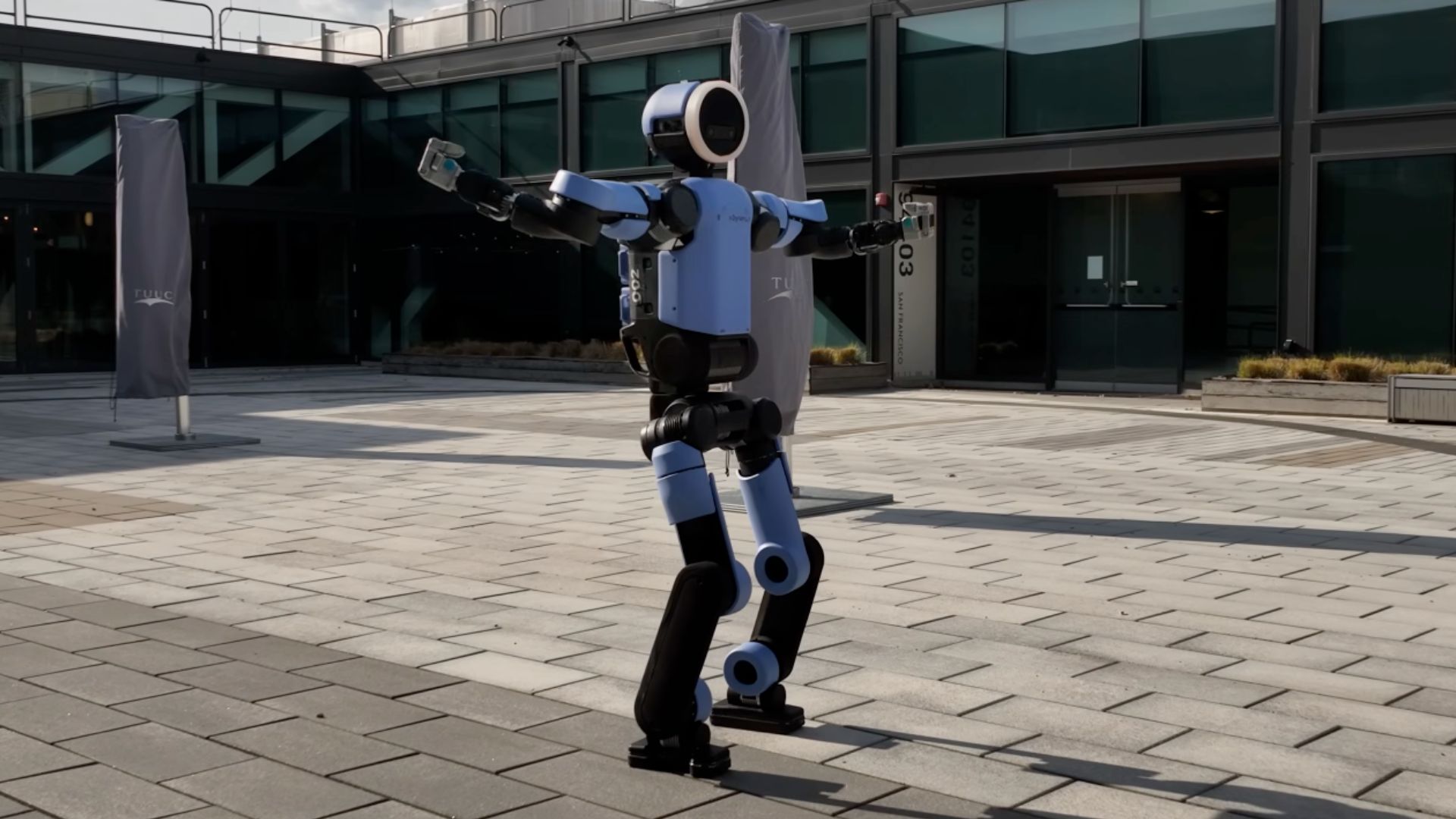
Boston Dynamics Atlas shows signs of general intelligence for factory work, reports say
Recent reports indicate that Boston Dynamics' humanoid robot, Atlas, is nearing the level of autonomy required for practical use in industrial settings. This advancement comes as the company continues to refine Atlas's capabilities, enhancing its ability to navigate complex environments and perform tasks with minimal human intervention. The development is seen as a significant step forward in robotics, potentially transforming various industries by increasing efficiency and safety. Boston Dynamics aims to address the growing demand for automation in sectors such as manufacturing and logistics, where robots can assist in repetitive or hazardous tasks. As the technology progresses, the company is exploring partnerships and pilot programs to facilitate the integration of Atlas into real-world applications.
AI and Robotics
A Cascaded Strategy With Embodied Artificial Intelligence: Forward Kinematics Solutions for CCRobot‐S
A recent study published in the Journal of Field Robotics highlights advancements in robotic technology aimed at enhancing agricultural efficiency. Conducted by a team of researchers from various universities, the study was released in May 2026 and focuses on the integration of autonomous robots in farming practices. The research aims to address the growing challenges faced by the agricultural sector, such as labor shortages and the need for sustainable farming methods. By employing sophisticated algorithms and machine learning techniques, the robots are designed to perform tasks such as planting, monitoring crop health, and harvesting with minimal human intervention. The study was conducted in various agricultural settings, showcasing the robots' adaptability to different crops and environmental conditions. The findings suggest that these robotic systems can significantly increase productivity while reducing the environmental impact of traditional farming practices. This innovative approach not only promises to alleviate labor pressures but also aims to contribute to food security by optimizing resource use. As the agricultural industry continues to evolve, the integration of robotics may play a crucial role in shaping the future of food production.
RESEARCH ARTICLE
UN Secretary-General Condemns 'Killer Robots': Human Decisions Must Remain Central
During the inaugural UN Global Dialogue on AI Governance held in Geneva, Secretary-General António Guterres urged for a unilateral ban on AI-driven autonomous weapons, describing their development as morally repugnant. He stressed the importance of ensuring that decisions regarding human life remain in human hands, a sentiment reminiscent of historical views expressed by Pope Leo XIII. Guterres' call for regulation stands in stark contrast to the U.S. government's current strategy, which aims to accelerate the integration of AI in military applications. This divergence highlights the escalating ethical debate surrounding the use of artificial intelligence in warfare, raising concerns about the implications of allowing machines to make life-and-death decisions.
AI Ethics Autonomous Weapons Military Technology International Relations
General Intuition raises $320M to use video game data to train robots
General Intuition has secured $320 million in funding to enhance its innovative approach to artificial intelligence training for robotics. The company is leveraging video game clips that feature embedded action labels to accelerate the training process for AI systems. This funding will enable General Intuition to further develop its technology, which aims to improve the efficiency and effectiveness of robotic learning. By utilizing the rich data from video games, the company seeks to provide robots with a more nuanced understanding of actions and environments, ultimately advancing the field of robotics. The investment comes at a time when the demand for sophisticated AI solutions in various industries is on the rise, highlighting the potential impact of General Intuition's work in shaping the future of robotics.
Artificial Intelligence Artificial Intelligence / Cognition Design / Development Financial Investments News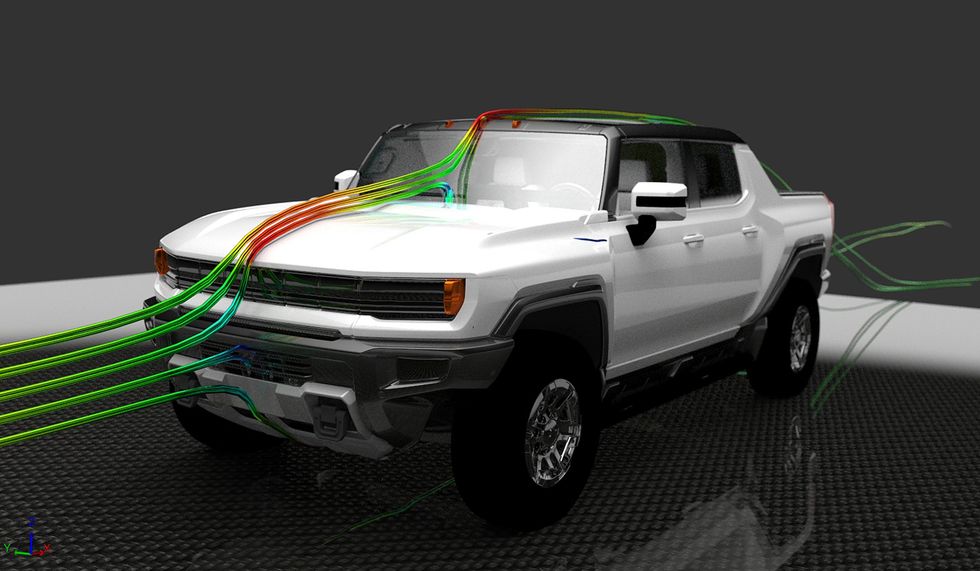
General Motors Is Cutting Its Development Cycles in Half
General Motors is accelerating its vehicle development process to compete with fast-paced Chinese automakers like BYD, which can bring electric vehicles (EVs) to market in under two years. This initiative, led by Sterling Anderson, GM’s chief product officer and former Tesla executive, aims to leverage artificial intelligence (AI) and simulation technology to significantly reduce design and production timelines. In a recent video call, Anderson and Jason Fischer, GM’s executive director of virtual integration engineering, outlined how AI is reshaping automotive design. Traditionally, the development process involved lengthy empirical testing and siloed engineering efforts. However, GM's new approach integrates multiple functions into a single virtual tool, allowing engineers to simulate design changes in minutes rather than hours. This method has already halved the development time for the electric GMC Hummer, which went from concept to showroom in just two years. GM is applying these advanced techniques across various projects, including self-driving cars and NASA's lunar rover, enhancing their ability to simulate real-world conditions and improve vehicle performance before physical prototypes are built. By running thousands of simulations, GM can identify and address potential issues early in the design process, ultimately leading to more refined vehicles. This innovative strategy positions GM to keep pace with the rapidly evolving automotive landscape and meet consumer demands for faster, more efficient vehicle production.
Gm Simulations Engineering-design General-motors Physics-simulations Automotive-engineering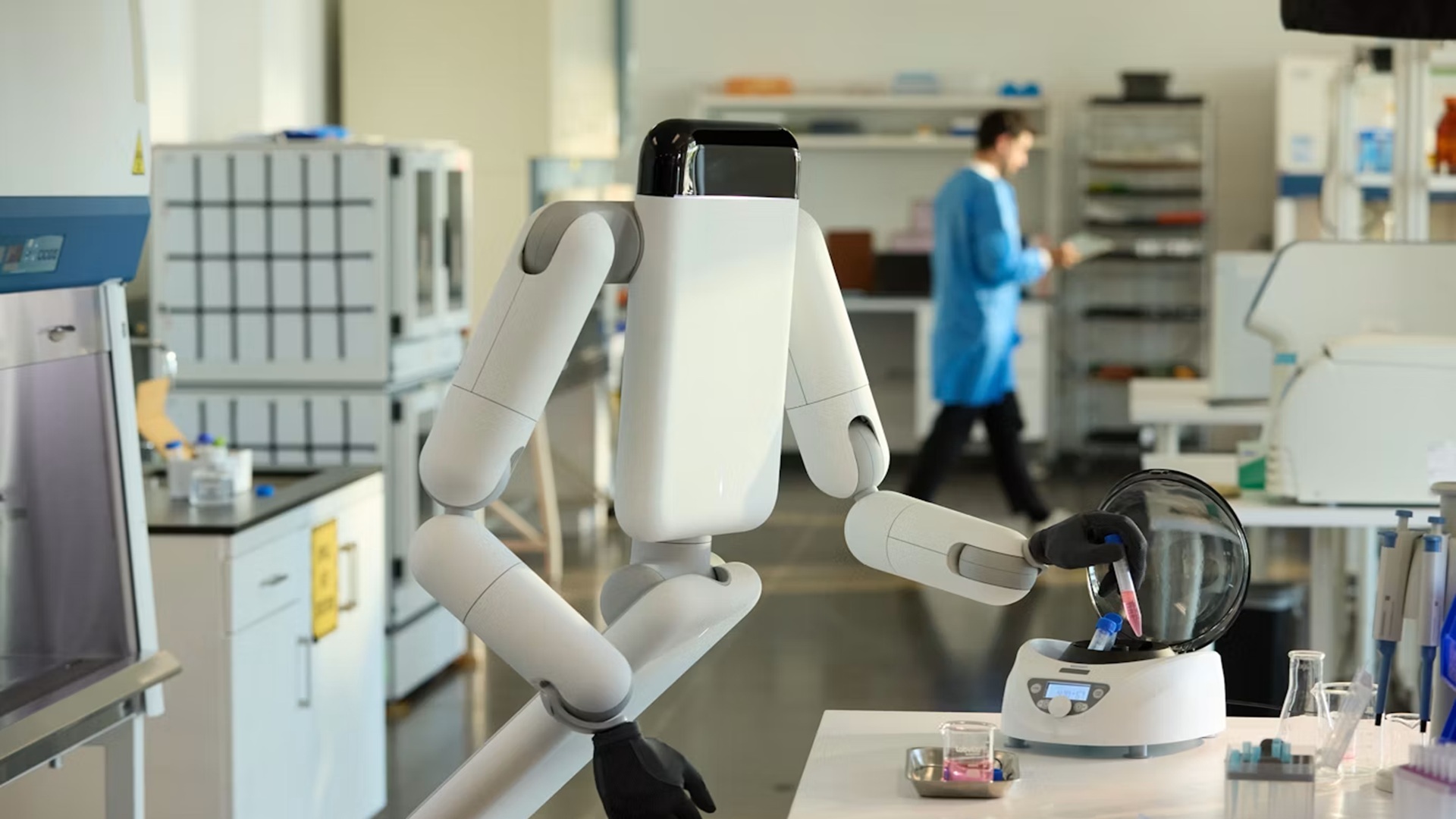
Eno humanoid robot aims to become the general-purpose machine for every workplace
Genesis AI has introduced Eno, its inaugural general-purpose robot, marking a significant step in the company's ambition to advance robotics technology. The unveiling took place recently, showcasing Eno's capabilities designed to perform a variety of tasks across different sectors. This launch is part of Genesis AI's broader strategy to innovate and integrate artificial intelligence into everyday applications, aiming to enhance efficiency and productivity in various industries. By leveraging cutting-edge technology, Eno is expected to address diverse needs, from automation in manufacturing to assistance in healthcare. The development of this robot reflects the growing trend in the tech industry towards creating versatile AI-driven solutions that can adapt to multiple environments and challenges.
AI and Robotics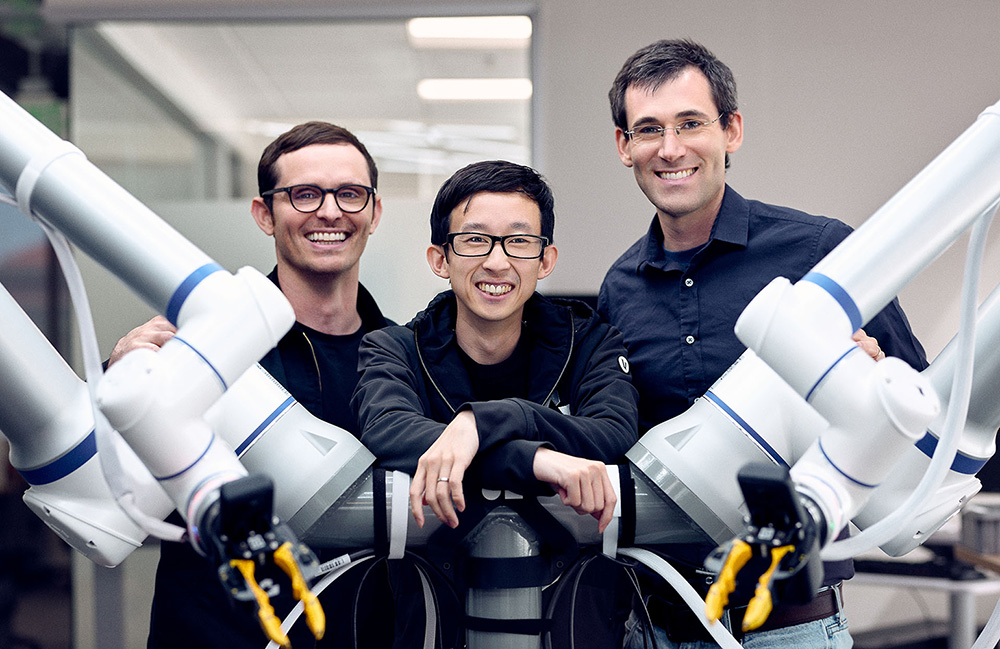
Generalist raises $400M to scale its general-purpose AI models
Generalist has announced a significant funding round, raising $400 million to enhance its general-purpose artificial intelligence models. The company claims that its innovative system has improved average success rates to 99% on tasks where previous models only achieved 64%. This substantial investment aims to scale their technology further, allowing for broader applications and advancements in AI capabilities. The funding is expected to accelerate development and deployment of their models, positioning Generalist as a key player in the rapidly evolving AI landscape.
Artificial Intelligence Artificial Intelligence / Cognition Assembly Design / Development Financial Investments
Accenture Invests in General Robotics to Accelerate AI-Powered Autonomous Operations
Accenture Ventures has announced its investment in General Robotics, a company known for its innovative GRID platform. This platform aims to integrate robots from various manufacturers, enhancing their capabilities through deployable artificial intelligence. The collaboration seeks to advance autonomous operations within industrial settings, streamlining processes and improving efficiency. The investment reflects Accenture's commitment to fostering technological advancements that can transform industries and drive productivity. By leveraging General Robotics' expertise, the partnership is poised to facilitate a new era of automation, enabling businesses to harness the full potential of multi-manufacturer robotics in their operations.
Factory / Robotics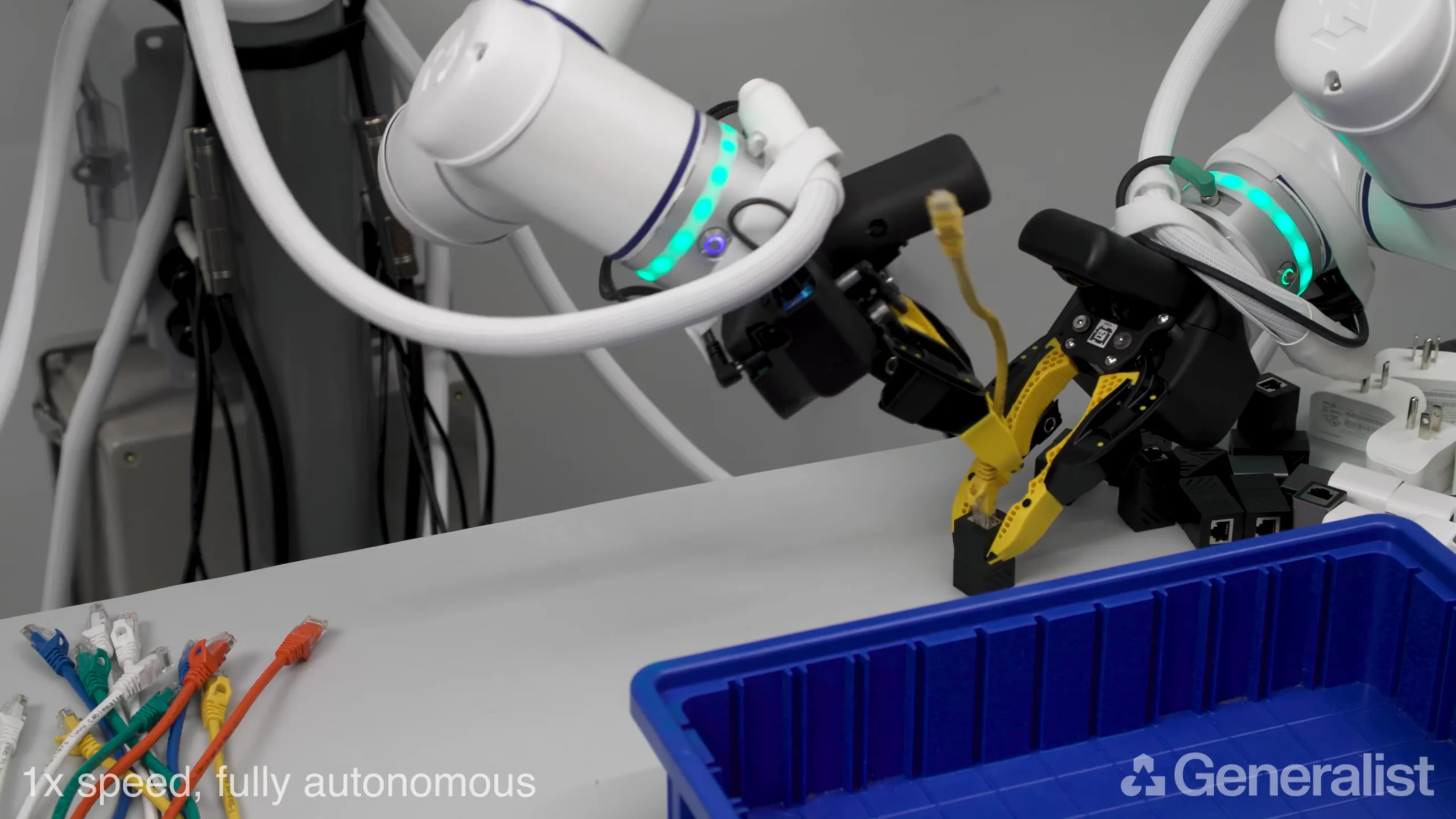
The Death of the Label: Generalist AI Rejects 'World Models' in Favor of First-Class Physical Foundation
Pete Florence, CEO of Generalist AI, has expressed his views on the evolving terminology within the artificial intelligence sector, specifically criticizing terms such as 'VLA' and 'World Model' as mere temporary solutions. During a recent discussion, he emphasized that the architecture of GEN-1, which boasts a 99% scratch-trained framework, represents a strategic investment in the future reliance on purely robotic data. Florence's insights reflect a broader industry trend towards embracing more advanced and foundational approaches to AI development, suggesting a shift away from conventional terminologies as the field matures. This commentary comes as the AI landscape continues to evolve rapidly, with companies seeking to establish more robust and effective models for the future.
US GEN-1 World-Models Generalist AI
Generalist AI Unveils GEN-1: The Quest for Robot Mastery and “Intelligent Improvisation”
Generalist AI has unveiled its latest innovation, GEN-1, an advanced embodied foundation model that has been trained on an extensive dataset comprising 500,000 hours of interaction. This new system, which has achieved a remarkable 99% success rate and completes tasks three times faster than its predecessors, is designed to handle simple physical tasks through a process of emergent improvisation. The launch marks a significant milestone for the startup, indicating that it has reached a commercial threshold in the field of artificial intelligence. The introduction of GEN-1 is expected to enhance efficiency in various applications, paving the way for broader adoption of AI in everyday tasks.
US GEN-1 Generalist AI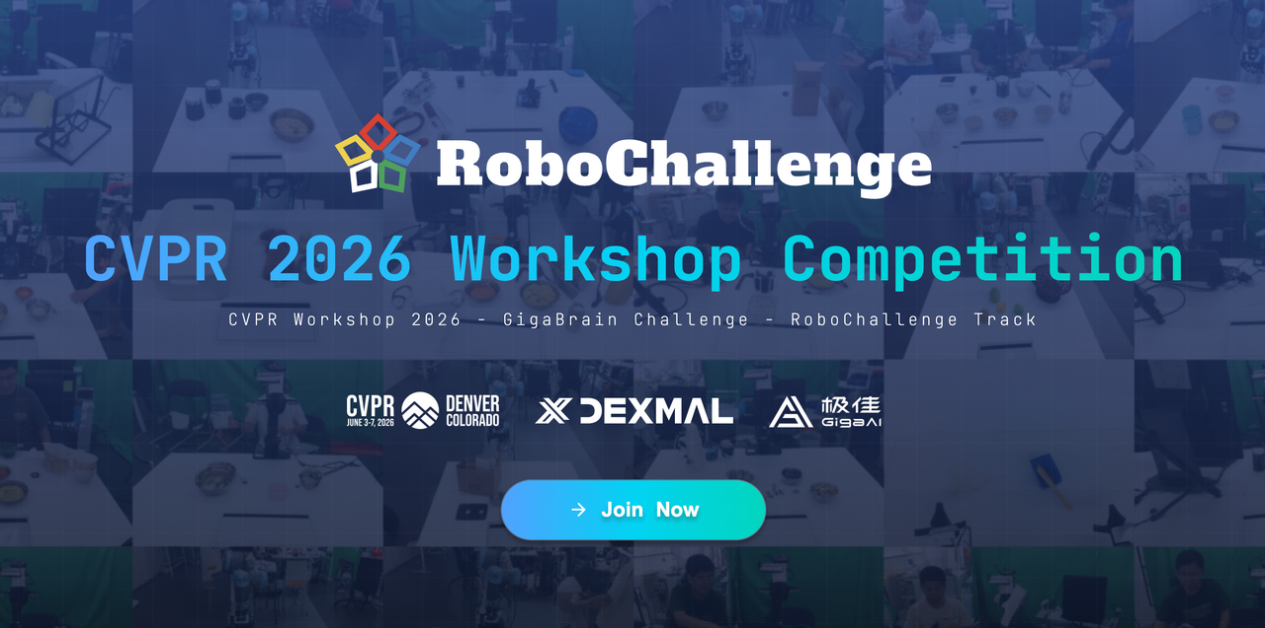
Does Your Model Really Generalize? RoboChallenge Table30 V2 Officially Launched, Opening the Era of Generalization
The RoboChallenge Table30 V2 has been introduced to overcome the shortcomings of current embodied intelligence models, which often struggle in practical applications. Launched recently, this innovative evaluation platform focuses on enhancing generalization capabilities by implementing upgraded tasks and testing protocols. By doing so, it aims to deliver a more precise assessment of model performance across a variety of real-world environments. The initiative reflects a growing need for more robust testing methods in the field of artificial intelligence, ensuring that models can effectively adapt to diverse scenarios.
Embodied Intelligence Model Generalization Robotics Evaluation AI Testing
XPeng Reportedly Merges Autonomous Driving and Smart Cockpit Units Into New General AI Center
XPeng has announced the merger of its autonomous driving center and smart cockpit center, forming a new entity known as the General AI Center. This strategic move aims to enhance the company's capabilities in artificial intelligence across various domains. The newly established center will be led by Liu Xianming, who previously headed the autonomous driving division, and will report directly to chairman and CEO He Xiaopeng. This reorganization reflects XPeng's commitment to advancing its AI technologies and integrating them more effectively within its operations. The announcement comes as the company seeks to strengthen its position in the competitive electric vehicle market, leveraging AI to improve user experience and vehicle performance.
News FeedRobotics needs a service framework.
RSF defines a common language for robot service capability, lifecycle operations, certification pathways, and service-provider networks.