

Industry Briefing
A single destination for timely, editor-curated robotics news from around the world.
BYD Advances Humanoid Robot Production, Targeting 40 Million Vehicle Market
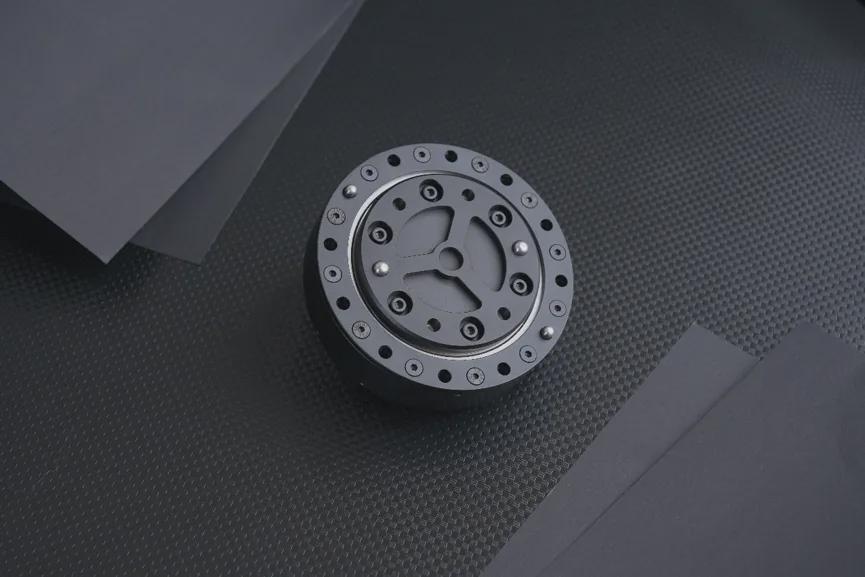
At the 2025 Shanghai Auto Show, BYD showcased its humanoid robot, marking a significant step in its production phase. This move signals BYD's ambition to enter a new trillion-yuan market, leveraging its extensive dealership network for customer service roles. The strategy is noteworthy as it reflects BYD's ability to integrate manufacturing capabilities across various sectors, including electric vehicles and robotics. With over 4,000 sales outlets, the company aims to replace rising labor costs with humanoid robots, enhancing customer engagement while controlling operational expenses. Looking ahead, BYD's humanoid robots will compete directly with Tesla's Optimus, highlighting two distinct approaches to robotics development. As competition intensifies, particularly with the entry of Hyundai's Kia brand, the landscape of global manufacturing and robotics is set for significant transformation in the coming years.
Humanoid Robots Automotive Technology Manufacturing Innovation AI Integration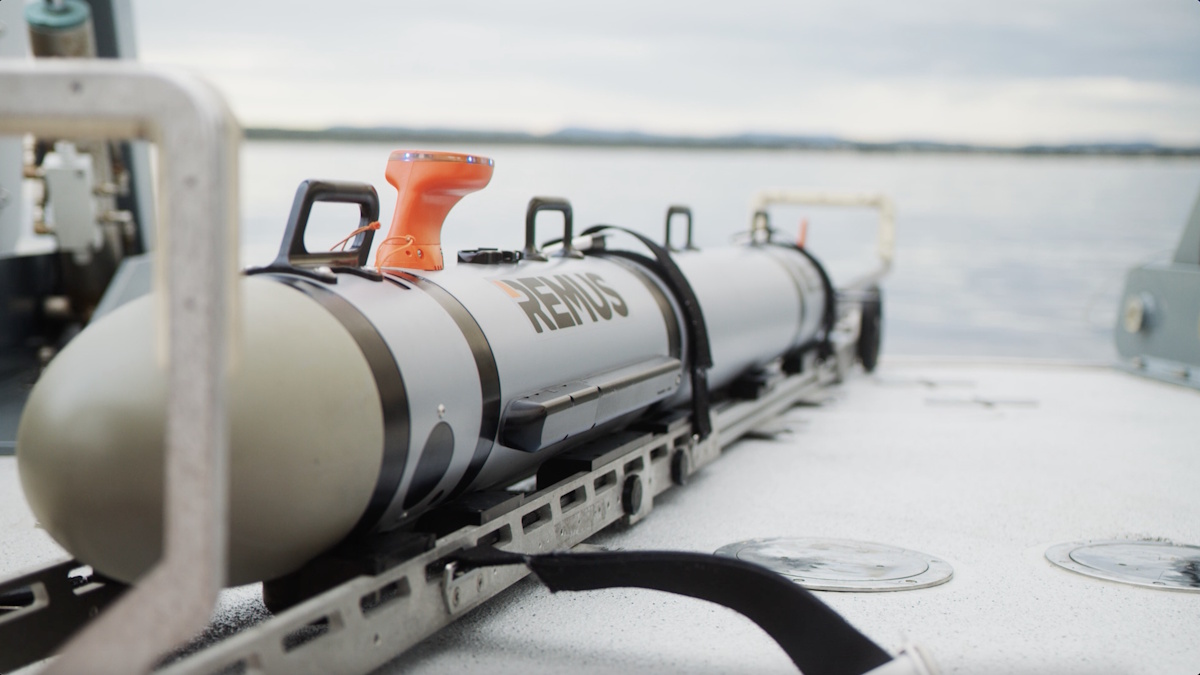
HII Secures Option Year Contract for 200 U.S. Navy Lionfish Undersea Vehicles
HII has been awarded an option year production contract for the U.S. Navy's Lionfish small unmanned undersea vehicle (SUUV), which is based on the REMUS 300 platform. This contract, announced on June 7, 2026, continues the momentum of the Lionfish program, which achieved a significant milestone with the completion of its 42nd vehicle at HII’s Pocasset facility by the end of 2025. The five-year program could scale to a total of 200 vehicles, with a contract value exceeding $347 million. The Lionfish SUUV is designed for various undersea warfare missions, including mine countermeasures, intelligence, surveillance and reconnaissance (ISR), anti-submarine warfare, and electronic warfare operations. The U.S. Navy's decision to exercise this option year contract reflects confidence in the platform's operational performance and adaptability, as stated by Duane Fotheringham, president of HII’s Unmanned Systems group. Looking ahead, HII aims to enhance the capabilities of the Lionfish program to meet evolving mission requirements for sailors and marines. No further timeline was disclosed at the time of publication, but the continued investment in this program indicates a strong commitment to advancing autonomous systems in naval operations.
hii contract award u.s. navy lionfish unmanned undersea vehicle uuv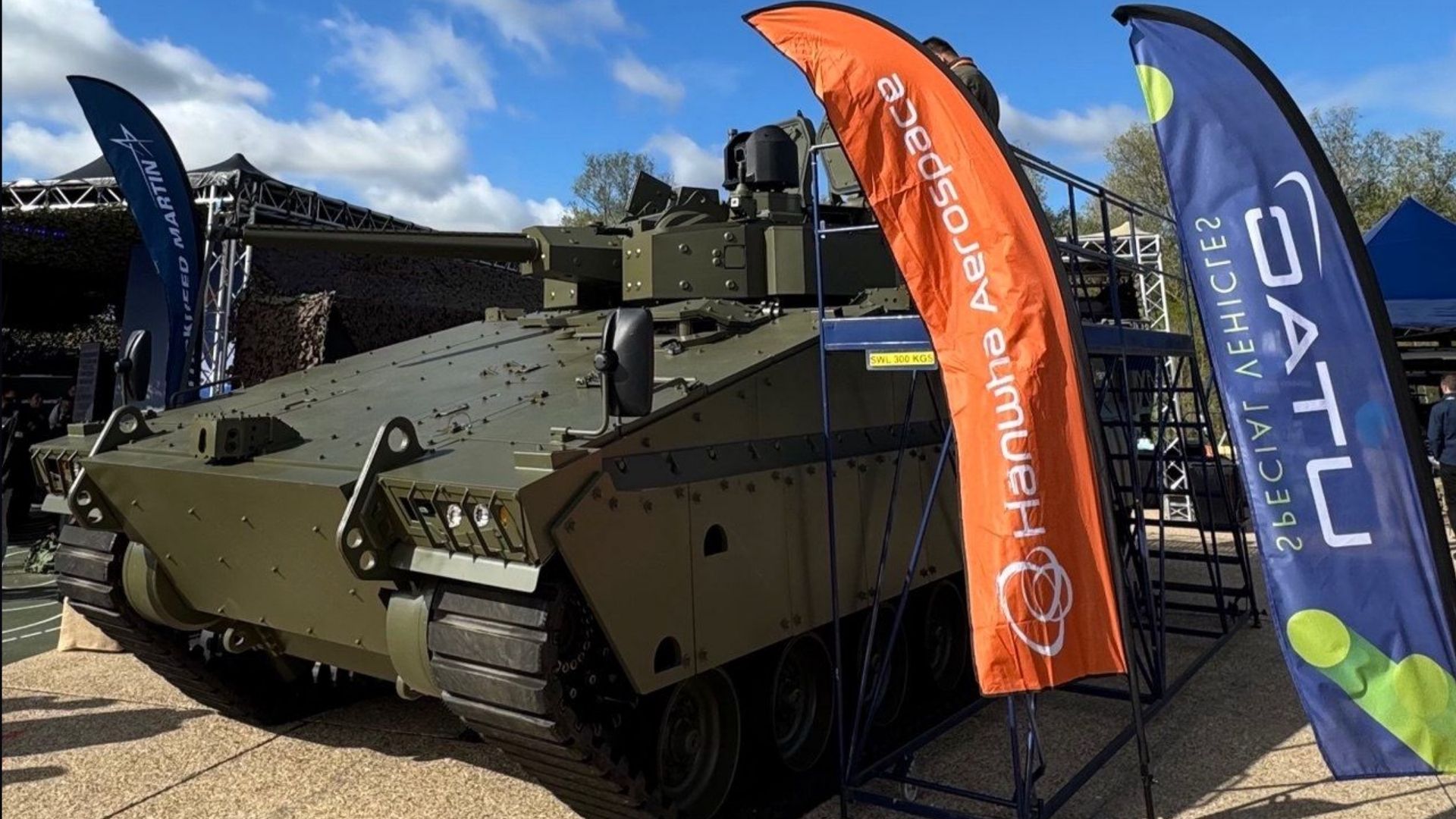
Hanwha Aerospace and Lockheed Martin UK Introduce Enhanced Redback IFV with 40mm Turret
Hanwha Aerospace and Lockheed Martin UK have launched a new version of the Redback infantry fighting vehicle (IFV), featuring a British-built 40mm turret and counter-drone technology. This configuration was showcased at Defense Vehicle Dynamics 2026 in Millbrook, England, aimed at NATO countries looking to modernize their armored forces. The upgraded Redback retains its tracked hull but replaces the Australian-selected configuration with Lockheed Martin UK's crewed turret, which is equipped with a CTA International 40mm cannon. This change allows access to a variety of NATO-qualified ammunition, enhancing the vehicle's operational flexibility. The integration of Lockheed Martin UK's SkyKeeper command-and-control system further enables the Redback to perform dual roles in both conventional infantry fighting and counter-uncrewed aircraft systems operations. Looking ahead, Hanwha plans to conduct live demonstrations of the new Redback configuration in 2027, including events in Canada and South Korea. This initiative reflects the evolving battlefield landscape, where armored units must address aerial threats alongside traditional ground targets. No further timeline was disclosed at the time of publication.
Military
Global Automakers Transition from Vehicle Production to Humanoid Robot Development
Major global automakers are shifting their focus from traditional vehicle manufacturing to humanoid robots, with over 20 companies, including Tesla, BMW, and BYD, entering this new market. This transition is driven by the need to address labor shortages and improve automation in production processes. The significance of this shift lies in the competitive pressure it places on established automotive giants, particularly as BYD is set to lead in electric vehicle sales globally by 2025. The rapid advancements in humanoid robot technology by Chinese companies further intensify this competition, as they aim to enhance production efficiency and tackle common industry challenges. Looking ahead, the race to integrate humanoid robots into manufacturing is heating up, with Tesla taking a bold approach by developing its own robot, Optimus. As automakers worldwide ramp up their investments and strategies in this sector, the market is projected to reach hundreds of billions by 2035, making it crucial to monitor the developments and strategies of both domestic and international players.
Humanoid Robots Automotive Industry Robotics Technology AI Manufacturing Automation
SpaceX's Starmind Project: Supplier Strategy and Chip Manufacturing Plans for 2026
SpaceX's Starmind project, aimed at deploying up to 1 million AI satellites, was filed with the FCC on January 30, 2026. The initiative is designed to minimize reliance on external suppliers, with CEO Elon Musk stating that current chip production capabilities only meet 2% of the projected needs. The first satellite, AI1, is set for prototype launches in early 2027, featuring a 70-meter wingspan and a modular payload system that allows for interchangeable chips from various suppliers. The significance of Starmind lies in its ambitious supply chain strategy, which seeks to transition from external hardware suppliers to a fully integrated Musk-owned facility by 2028. The Gigasat manufacturing site in Bastrop, Texas, is expected to be operational by the end of 2027, with plans for high-volume production of the D3 chip, specifically designed for space applications. This approach aims to consolidate chip manufacturing processes under the Terafab joint venture, which has an estimated initial investment of $55 billion. Looking ahead, the next milestone for Starmind is the launch of AI1 prototypes in early 2027, while the full-scale chip production at Terafab is projected to ramp up significantly thereafter. However, analysts express skepticism regarding the feasibility of achieving Musk's ambitious compute goals, which may require substantial investment and time to establish the necessary manufacturing capabilities.

Tesla's Optimus Robots to Support Starmind Satellite Production, Not Maintenance
Tesla's Optimus robots will not be used to repair Starmind satellites in orbit, as confirmed by recent statements from Elon Musk. Instead, these robots are intended to assist in the construction and operation of the Terafab chip manufacturing facility in Texas. The AI1 satellites, designed to disintegrate upon reentry, highlight the company's swap-and-replace strategy rather than traditional maintenance practices. This approach is significant as it reflects a broader trend in satellite management, where mass-produced satellites are replaced rather than repaired. The economics of servicing missions are prohibitive, with the cost of launching a replacement satellite being significantly lower than conducting a repair mission. This model aligns with SpaceX's operational history, where rapid replacement of satellites is more efficient than attempting to maintain them in orbit. Looking ahead, the focus will remain on the production capabilities of the Gigasat factory, which is expected to support the continuous replacement of satellites. No further timeline was disclosed at the time of publication, but the demand for rapid satellite turnover suggests a robust future for Optimus robots in terrestrial manufacturing rather than in-space servicing.
Drones, fighters, armored vehicles: Highlights from the UK’s Defence Investment Plan
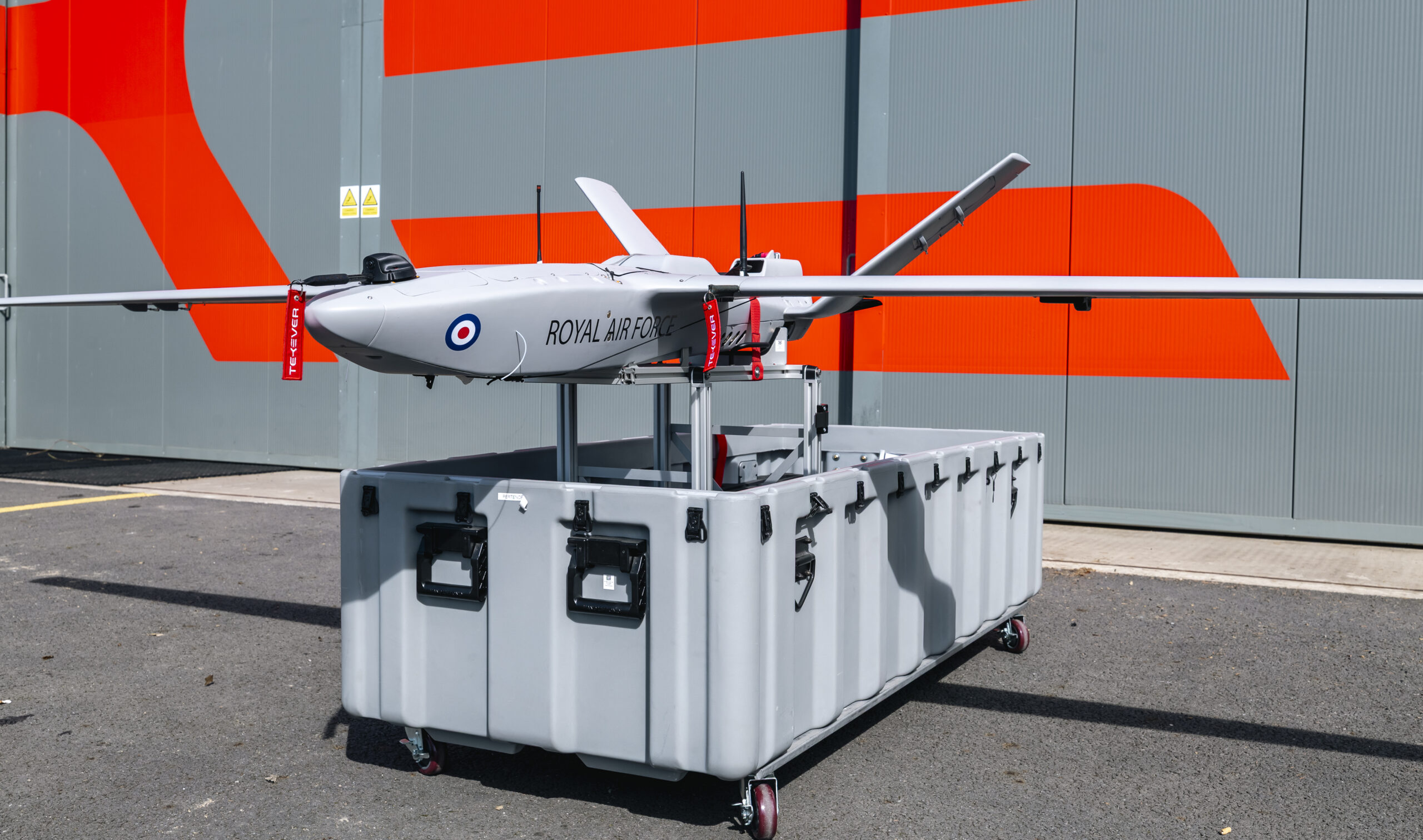
The UK government has announced a significant investment of £5 billion aimed at advancing autonomous systems as part of its defense strategy. This initiative, outlined in the latest Defense Investment Plan (DIP), emphasizes the development of a “hybrid navy” that integrates cutting-edge technology into naval operations. The funding is intended to enhance the capabilities of the armed forces, reflecting a broader trend towards modernization and innovation in military operations. The push for these autonomous systems is driven by the need to adapt to evolving security challenges and to maintain a competitive edge in defense capabilities. The plan is set to reshape the future of the UK’s naval forces, ensuring they are equipped to address contemporary threats effectively.
Global Land Warfare Naval Warfare AH-64E Apache Army Challenger 3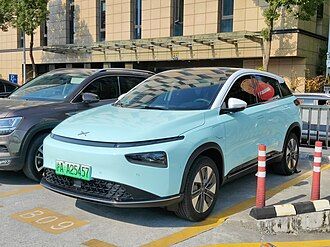
XPeng Robotaxi First Production Vehicle Rolls Off Line, Pilot Operations Expected in H2 2026
China has marked a significant milestone in autonomous vehicle technology with the mass production of its first fully self-developed robotaxi, produced by a complete vehicle manufacturer. This innovative vehicle boasts an impressive 3,000 TOPS (trillions of operations per second) on-board computing power and is equipped with Level 4 (L4) autonomous driving capabilities, allowing it to operate without human intervention in specific conditions. The launch of this robotaxi comes at a time when the demand for advanced transportation solutions is rapidly increasing, driven by the need for safer and more efficient mobility options. The vehicle is set to revolutionize urban transportation, providing a glimpse into the future of automated travel in China.
AutonomousDriving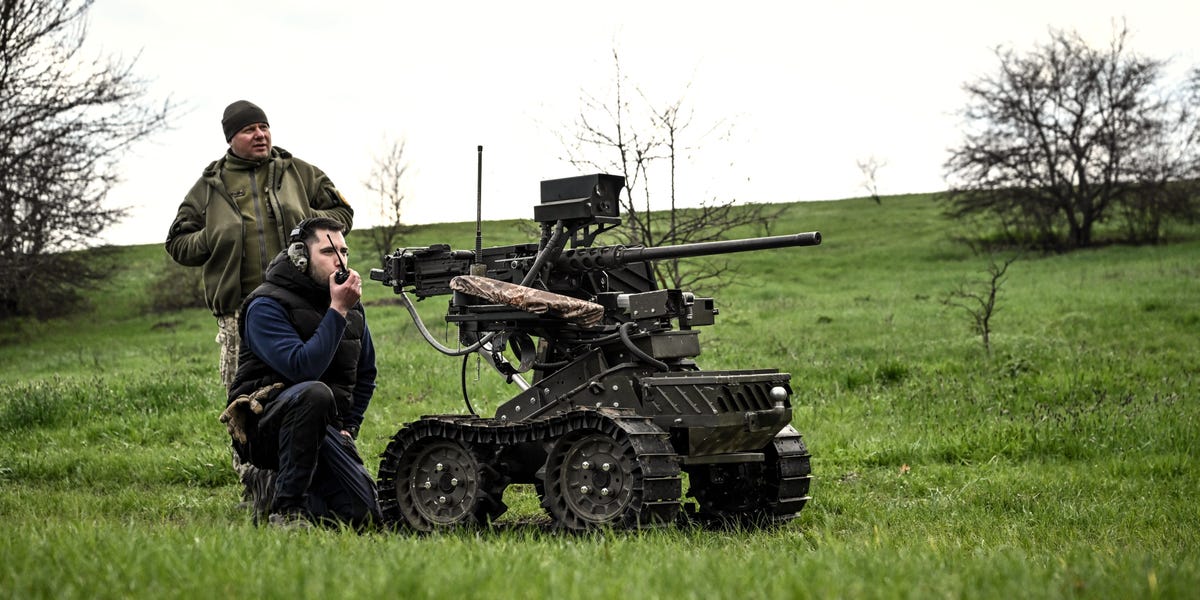
Ukraine's fight shows the West why cheap robots could matter more than armored vehicles in a long war, arms maker says
As modern warfare evolves, military experts are raising concerns about the sustainability of Western tanks and armored vehicles in high-loss scenarios. With the increasing intensity of conflicts, these traditional assets may face significant challenges in terms of replacement and operational effectiveness. In response, defense analysts suggest that deploying affordable ground robots could alleviate some of the operational strain on human soldiers and conventional vehicles. These robotic systems are being explored as a viable alternative for certain missions, potentially enhancing battlefield efficiency while minimizing human risk. The shift towards automation in military operations reflects a broader trend of integrating advanced technology to adapt to the changing landscape of warfare.
Military & Defense ground-robot ukraine armored-vehicles ugv ground-drone
Kongsberg Discovery Starts Production of Autonomous Underwater Vehicles in the U.S.
Kongsberg Discovery has announced the commencement of production for its HUGIN autonomous underwater vehicle in the United States. This strategic move, made in response to the increasing demand for advanced subsea technology in the U.S. market, underscores the company's commitment to enhancing its presence in the region. By establishing local production, Kongsberg aims to better serve its clients and capitalize on the growing opportunities within the subsea sector. The decision reflects a broader trend of companies investing in domestic manufacturing to meet specific market needs and improve operational efficiency.
kongsberg discovery hugin auvRobotics needs a service framework.
RSF defines a common language for robot service capability, lifecycle operations, certification pathways, and service-provider networks.
Join the RobotToday community on LinkedIn
Daily robotics news, in-depth analysis, conference highlights, and discussions with professionals worldwide.







