Industry Briefing
A single destination for timely, editor-curated robotics news from around the world.

Application engineering for assembly systems is quietly becoming manufacturing’s biggest competitive edge
In a significant shift within the manufacturing sector, companies are increasingly focusing on application engineering to enhance assembly systems. This evolution is driven by the need for higher productivity and reduced error rates on the factory floor. Leading the charge is Atlas Copco, a prominent player in the industry, which is fully embracing this transformation. The emphasis is now on not just the machines themselves, but also on the engineering that connects and adjusts these machines in real-time to align with operational demands. As factories strive to optimize their processes, the integration of advanced engineering techniques is becoming essential for success in a competitive landscape.
Engineering Manufacturing application engineering assembly line automation assembly systems atlas copco
Custom Application Development Services Enhance Customer Portal Solutions
The evolution of software development for customer portals has transitioned from basic ticket dashboards to sophisticated omnichannel hubs. These modern portals utilize API-first backends to deliver seamless content across various platforms, including web and mobile applications, addressing the specific needs of regulated industries. As off-the-shelf portal solutions often fall short for sectors like healthcare and finance, the demand for custom application development services is rising. Companies are increasingly seeking tailored solutions to overcome limitations such as rigid data models and licensing constraints, which hinder their ability to support complex workflows and customer journeys. Looking ahead, organizations must focus on defining their portal vision and selecting the right development partner to ensure a successful implementation. The article emphasizes the importance of planning for cross-platform development and long-term support to align with business goals, particularly in industries that require secure and user-friendly experiences.
Computing Software API integration business software cloud computing cloud engineering
A Novel Global Path Planning Algorithm for Underwater Vehicle Engineering Applications
A recent study published in the Journal of Field Robotics has unveiled significant advancements in robotic technology aimed at enhancing agricultural practices. Researchers from various institutions collaborated to develop a new robotic system designed to improve crop monitoring and management. Conducted over the summer of 2023, the project took place in various agricultural settings across the Midwest, where the team tested the system's capabilities in real-world conditions. The motivation behind this initiative stems from the increasing need for efficient farming solutions that can address labor shortages and optimize resource use. By integrating advanced sensors and artificial intelligence, the robotic system is capable of analyzing soil health, monitoring plant growth, and identifying pest infestations more effectively than traditional methods. The research team employed a series of field tests to evaluate the robot's performance, collecting data on its accuracy and efficiency in various agricultural tasks. The results indicate that the robotic system not only enhances productivity but also reduces the environmental impact of farming practices. This innovative approach represents a significant step forward in the field of agricultural robotics, promising to support farmers in meeting the challenges of modern agriculture while promoting sustainable practices. The findings are expected to influence future developments in the sector, paving the way for broader adoption of robotic technologies in farming.
RESEARCH ARTICLE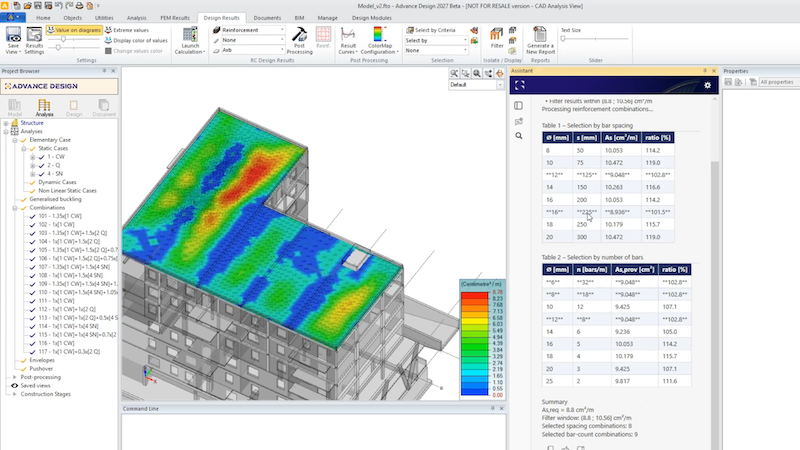
Graitec outlines AI roadmap focused on accountability in engineering and construction
Graitec, a software provider, has announced a comprehensive three-stage artificial intelligence strategy tailored for the architecture, engineering, construction, and operations (AECO) sector. The company emphasizes that the primary challenge facing the industry is not the creation of content through AI, but rather the reliability of these AI-generated results in practical applications. To address this concern, Graitec plans to integrate AI directly into various processes, including engineering, fabrication, and construction. This initiative aims to enhance trust and efficiency within the AECO industry, ultimately improving project outcomes.
Construction News Software AECO AI software architecture and engineering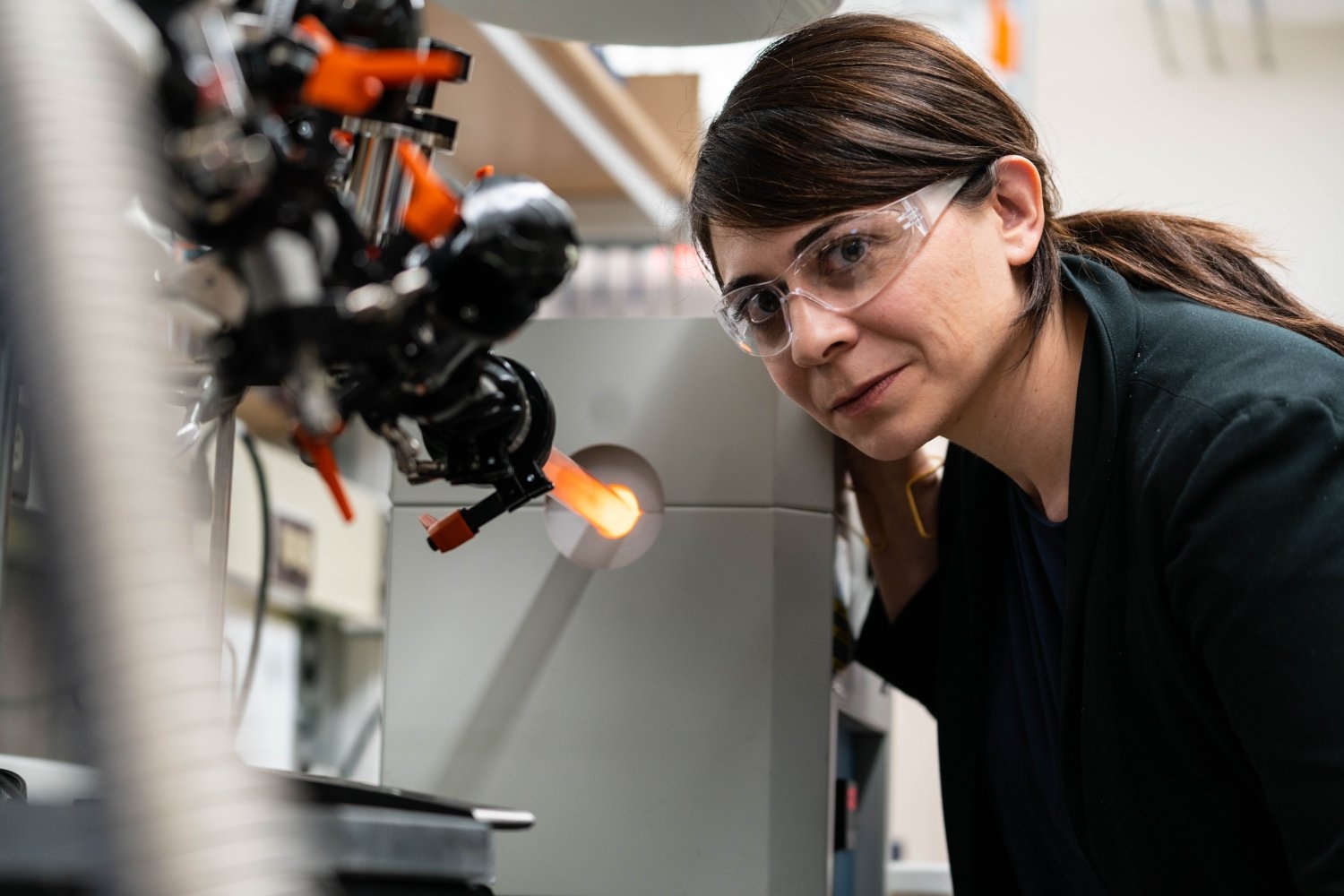
Desirée Plata appointed associate dean of engineering
A faculty member from the Department of Civil and Environmental Engineering has been appointed to spearhead research and entrepreneurial initiatives within the School of Engineering. This new role aims to enhance innovation and collaboration among faculty and students, fostering a dynamic environment for cutting-edge research. The initiative is part of the school's broader strategy to strengthen its position in engineering education and research. By leveraging their expertise, the faculty member will work to integrate academic research with practical applications, encouraging entrepreneurial ventures that can lead to real-world solutions. This appointment is expected to take effect immediately, with plans for various projects and collaborations already in the pipeline.
Leadership Administration Faculty Woods Hole Cleaner industry Environment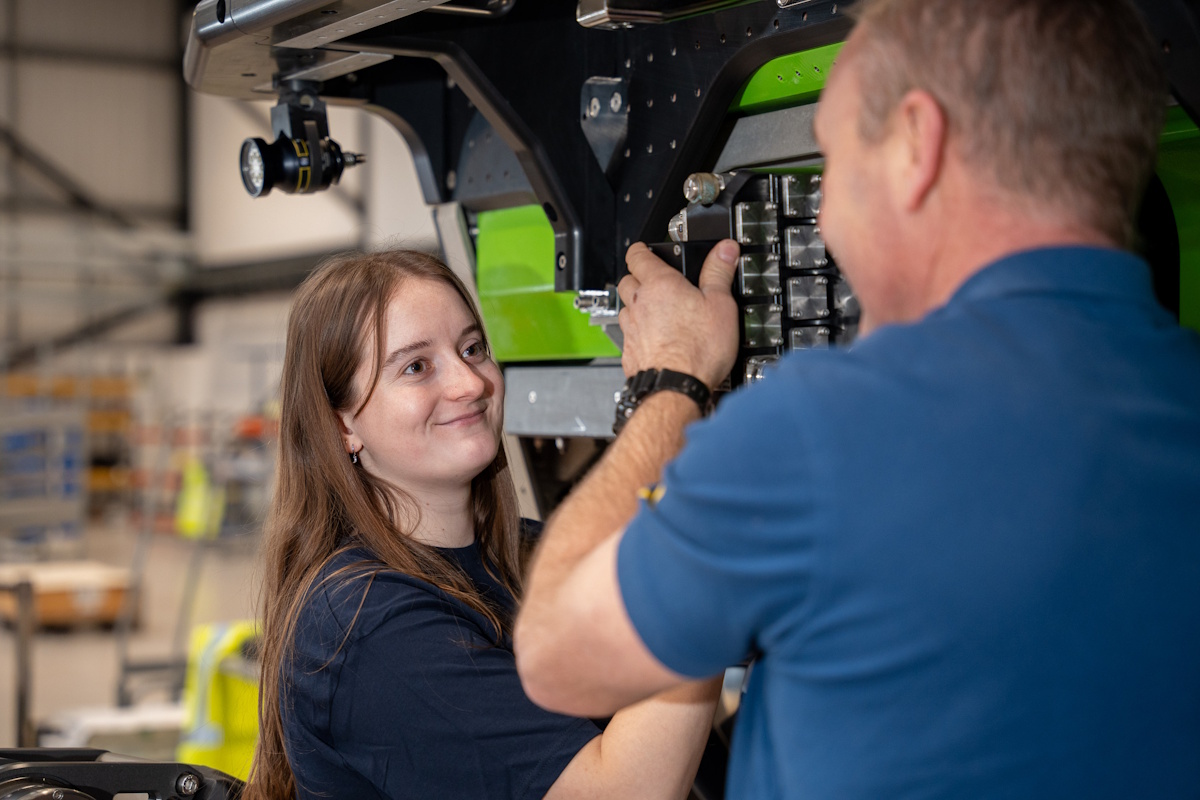
Saab UK launches Graduate Engineering Programme
Saab UK has announced the opening of applications for its inaugural Graduate Engineering Programme, set to commence in Autumn 2026. This two-year initiative aims to cultivate future talent and foster innovation within the company's UK operations. By investing in the development of young engineers, Saab seeks to enhance its workforce and maintain its competitive edge in the industry. The programme is designed to provide participants with hands-on experience and professional training, equipping them with the skills necessary to thrive in the engineering sector.
saab uk graduate engineering programme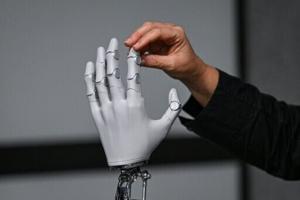
Survey on AI‐Enabled Computer Vision Technologies and Applications for Space Robotic Missions
In June 2026, the Journal of Field Robotics published a comprehensive study exploring advancements in robotic technologies and their applications in various fields. The research, conducted by a team of experts in robotics and engineering, highlights innovative methodologies that enhance the efficiency and effectiveness of robotic systems. The study focuses on the integration of artificial intelligence and machine learning algorithms, which significantly improve the decision-making capabilities of robots in real-world environments. This advancement is particularly relevant in sectors such as agriculture, manufacturing, and disaster response, where precision and adaptability are crucial. The findings were presented during a conference held in a prominent robotics research hub, attracting attention from industry leaders and academic scholars alike. The motivation behind this research stems from the growing demand for automation and smart technologies in response to global challenges, including labor shortages and the need for increased productivity. By employing rigorous testing and validation processes, the researchers demonstrated the practical applications of their robotic systems, showcasing successful case studies that underline the potential for widespread adoption. The publication aims to inform and inspire further innovations in the field, ultimately contributing to the evolution of robotics as a transformative force in society.
SURVEY ARTICLE
Allient Inc. to Present at Upcoming Webinar on Engineering Thermally-Optimized Joints for Humanoids
A webinar is set to address the significant challenges associated with humanoid joint design, emphasizing the importance of interpreting motor data within a system-level context rather than adhering strictly to standard specifications. Scheduled for an upcoming date, this event will take place online, allowing participants from various locations to engage in discussions. The session aims to provide insights into practical engineering strategies for selecting motors and optimizing performance specifically for humanoid and advanced robotics applications. The focus will be on achieving reliable and thermally efficient performance, which is crucial for the advancement of robotics technology.
Engineering Collisions: How NYU Is Remaking Health Research
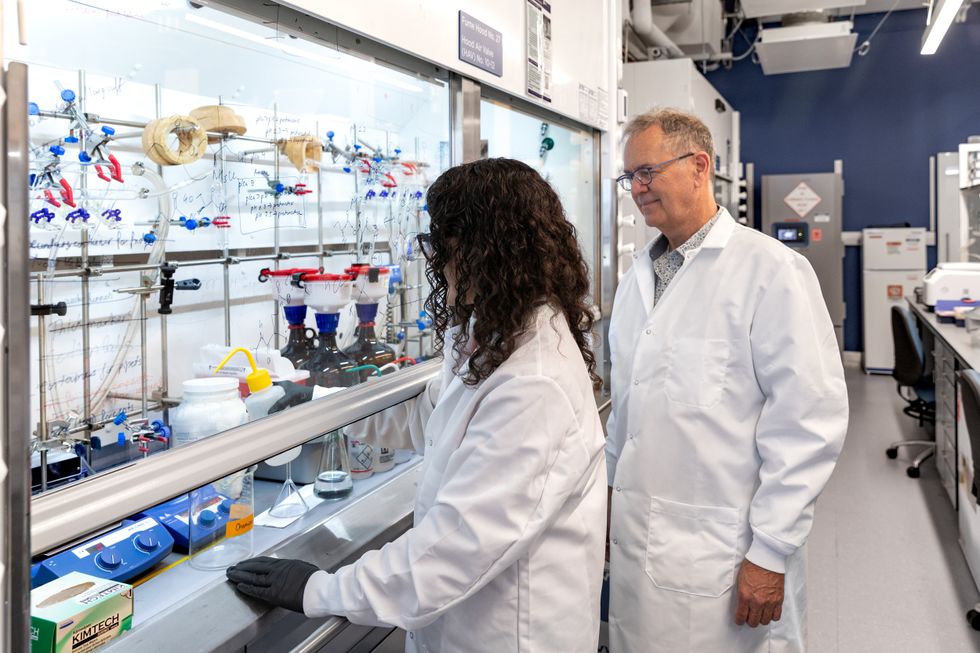
New York University (NYU) is revolutionizing academic research through its newly established Institute for Engineering Health, which focuses on addressing disease states rather than adhering to traditional academic disciplines. This innovative approach encourages collaboration among experts in various fields, including immunology, engineering, and artificial intelligence, to tackle specific health challenges, such as allergic asthma. Under the leadership of Jeffrey Hubbell, NYU's vice president for bioengineering strategy, the institute has already seen promising outcomes, such as the development of a startup that creates devices for detecting airborne pathogens and navigation technology for visually impaired subway riders. Hubbell advocates for a shift from a conventional drug-inhibition model to one that promotes beneficial biological pathways, necessitating a new breed of researchers who possess interdisciplinary skills. To foster this environment, NYU is constructing a science and technology hub in Manhattan, designed to facilitate collaboration among diverse disciplines. This initiative aligns with the university's strategy of organizing around "grand challenges" rather than traditional academic silos, as emphasized by Juan de Pablo, the executive dean of the Tandon School of Engineering. The institute also emphasizes a proactive approach to translating research into practical applications, conducting "translational exercises" to map potential pathways from discovery to deployment. This comprehensive strategy aims to accelerate innovation in science and technology, positioning NYU as a leader in addressing complex health issues through collaborative, cross-disciplinary research.
Type-sponsored Nyu-tandon Health Clinical-trials Data-science Nyu
San José State University and Teradyne Partner to Advance Engineering Education and Workforce Readiness
San José State University (SJSU) has announced a partnership with Teradyne aimed at enhancing educational experiences by integrating industry expertise into its curriculum. This collaboration, set to last for two years, will focus on the development of a new memory test engineering program. The initiative is designed to equip students with practical skills and knowledge that align with current industry standards, thereby better preparing them for careers in technology and engineering. By leveraging Teradyne's extensive experience in the field, SJSU aims to bridge the gap between academic learning and real-world applications, fostering a more robust educational environment. The program is expected to launch in the coming months, marking a significant step in SJSU's commitment to innovation in education.

The "One LG" Play: How the Korean Giant is Engineering a Humanoid Supply Chain
LG Group is taking significant steps to strengthen its position in the robotics component market by mobilizing five of its major affiliates. The company aims to offer bundled humanoid subsystems, capitalizing on its extensive manufacturing capabilities in appliances and automotive parts. This strategic move is designed to enhance LG's competitiveness in the rapidly evolving robotics industry, where demand for advanced technology is on the rise. By leveraging its existing resources and expertise, LG Group seeks to establish itself as a leader in providing innovative solutions for robotics applications.
CLOiD South Korea kapex lg-electronics LG
What It Takes to Make Humanoid Robots Move Like Humans: The Engineering Behind Joints, Hands, and Precision Control
Recent advancements in humanoid robotics have highlighted a significant shift in design and manufacturing practices. Engineers and researchers are increasingly moving away from traditional discrete component assembly methods, opting instead for integrated joint modules. These innovative units combine motors, gearboxes, sensors, and drive electronics into compact systems, streamlining the production process and enhancing the functionality of humanoid robots. This transition is driven by the need for more efficient and versatile robotic systems capable of performing complex tasks in various environments. As this trend continues to evolve, it is expected to accelerate the development of more sophisticated humanoid robots, paving the way for broader applications in industries such as healthcare, manufacturing, and service sectors. The integration of these components not only simplifies assembly but also improves the overall performance and reliability of robotic systems, making them more adaptable to real-world challenges.
3D-printed devices could streamline the production of drug-delivery microparticles
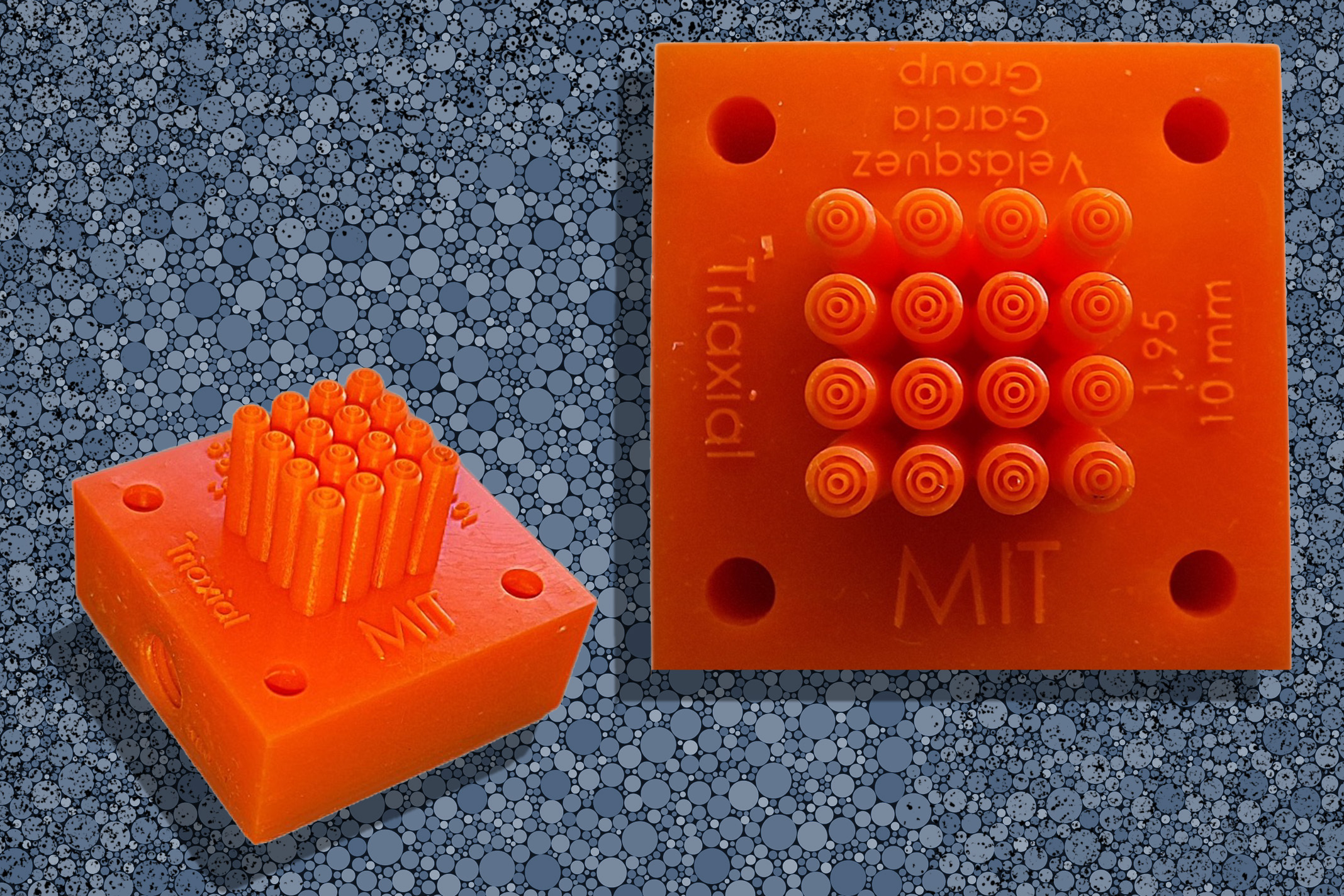
A new development in particle production technology has emerged, utilizing cost-effective devices that can be constructed in just a few hours. These innovative devices employ electrospray emitter technology to efficiently generate three-layered particles on a large scale. This advancement is poised to enhance manufacturing processes across various industries by providing a faster and more economical method of particle creation. The introduction of these devices marks a significant step forward in the field, potentially leading to improved applications in pharmaceuticals, materials science, and other sectors that rely on precise particle engineering.
Research 3-D printing Additive manufacturing Electronics Medical devices Drug delivery
With a swipe of a magnet, microscopic “magno-bots” perform complex maneuvers
Researchers at the Massachusetts Institute of Technology (MIT) have developed an innovative fabrication technique capable of creating soft, microscopic structures featuring magnetically activated moving components. This breakthrough, announced in October 2023, aims to enhance the functionality of soft robotics and other applications that require precise movement at a small scale. By leveraging magnetic fields, the researchers enable these tiny structures to perform complex tasks, which could revolutionize fields such as medical devices and environmental sensing. The technique involves a novel approach to material design and assembly, allowing for greater control over the movement and behavior of the structures. This advancement not only showcases the potential of soft materials in engineering but also opens new avenues for research in robotics and automation.
Research Robotics 3-D printing Magnets Materials science and engineering Mechanical engineering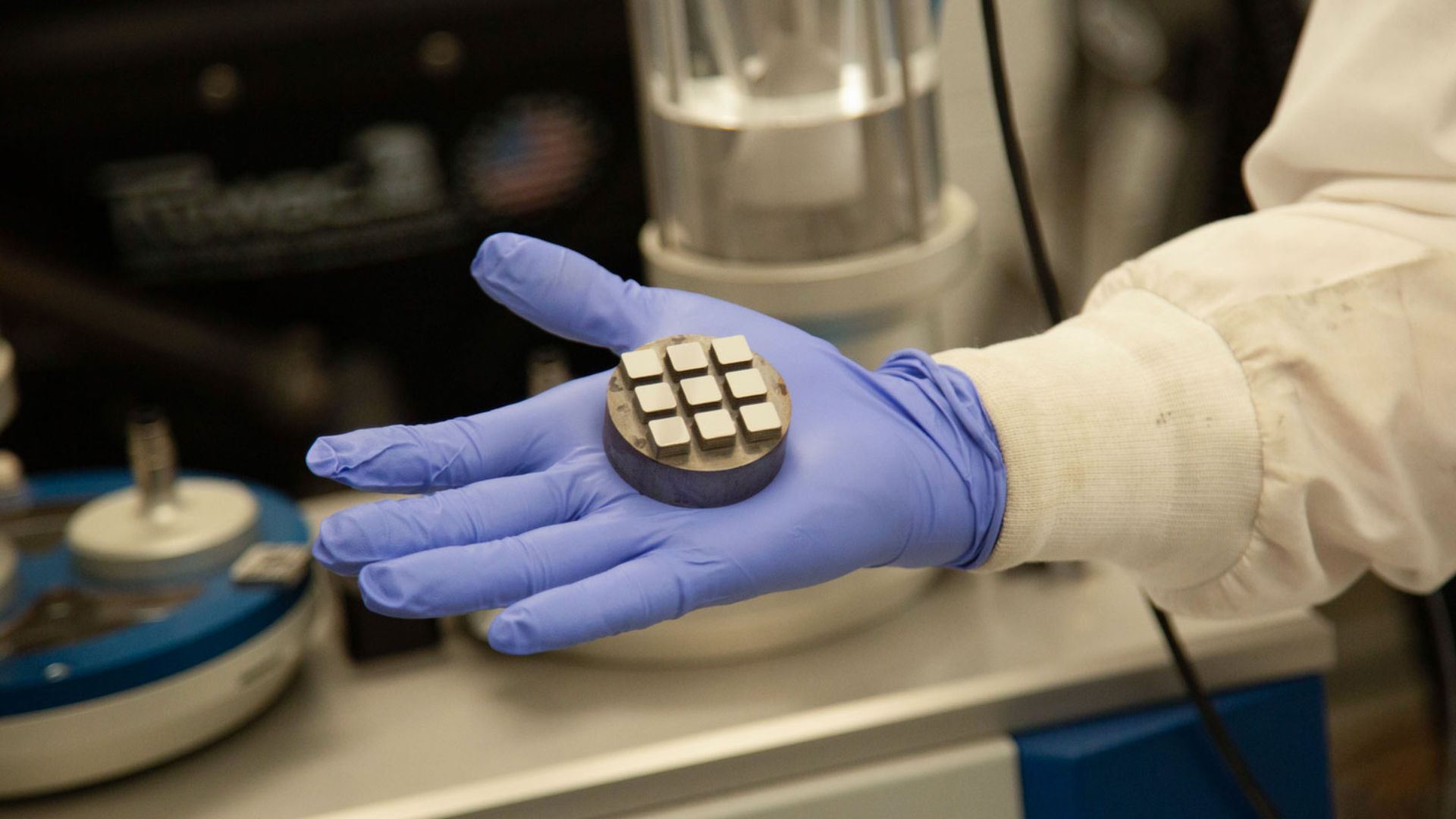
University of Toronto Engineers Develop Six New Metal Alloys for Extreme Environments
Researchers at the University of Toronto Engineering have created six innovative metal alloys using an AI-driven discovery platform. These alloys are designed to enhance the durability of components in jet engines and nuclear reactors, capable of withstanding temperatures exceeding 1,832°F. The AI-assisted approach significantly accelerates the identification of high-performance materials, demonstrating the potential for rapid advancements in material science. The significance of this development lies in the growing demand for materials that can endure extreme temperature and pressure fluctuations, which are common in applications like jet engines and nuclear power plants. Yu Zou, the project leader, emphasized the need for materials that can be produced through 3D metal printing, allowing for the creation of complex components that traditional manufacturing methods cannot achieve. Looking ahead, the researchers aim to further refine their AI-driven system to explore additional material compositions. No further timeline was disclosed at the time of publication, but the initial success in identifying six new alloy formulations suggests a promising future for advanced materials in extreme environments.
AI and Robotics Energy Innovation
RSS2026: Development of Consensus and China's Role in Embodied Intelligence
The Robotics: Science and Systems (RSS) conference is set to commence in St. Louis this June, marking a significant event in the robotics academic community. Since its inception in 2006, RSS has been known for its selective approach, accepting only about 60 papers annually, and is regarded as a leading indicator in the field of robotics. The 2026 conference will introduce a new focus on embodied intelligence alongside traditional motion planning and operational algorithms. Embodied intelligence has rapidly transitioned from a laboratory concept to an industrial hotspot over the past two years. The integration of large language models with visual models has led to the development of the Vision-Language-Action (VLA) framework, enabling robots to comprehend natural language commands and execute multi-step tasks. This technological pathway has sparked extensive academic debate regarding the reliability of end-to-end Transformer-based strategies in real-world applications versus potential overfitting in datasets. The positioning of embodied intelligence at RSS2026 will be symbolically significant for China. In recent years, international conferences have often viewed Chinese teams as representatives of engineering implementation rather than contributors of original theory. An increase in Chinese academic contributions at RSS this year could indicate a subtle shift in the international academic community's perception of the landscape of embodied intelligence research, highlighting the importance of high-quality theoretical innovation.
Embodied Intelligence Robotics Research Vision-Language-Action AI Robotics Algorithms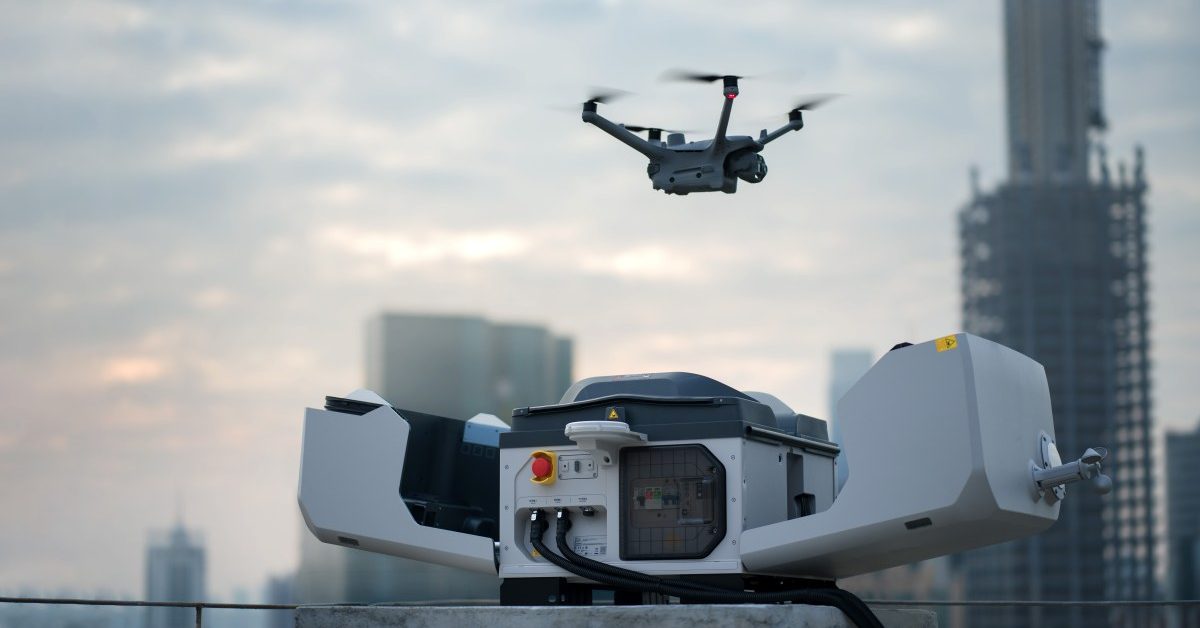
DJI Simplifies BVLOS Drone Approval Process for European Operators
DJI has completed a SAIL III declaration of compliance package for its DJI Dock 3 and Matrice 4D drone series, facilitating regulatory approvals for drone operators in Europe. This package provides manufacturer-backed technical evidence that can be included in Specific Operations Risk Assessment (SORA) applications, potentially easing the approval process for advanced drone operations. The significance of this development lies in its potential to streamline the regulatory landscape for commercial drone operators in Europe. SAIL III, categorized as medium-risk under EASA’s SORA framework, encompasses various commercial drone missions that extend beyond standard operations, such as automated BVLOS inspections and perimeter security. By offering a compliance package, DJI alleviates the burden on operators to generate extensive technical documentation for each safety objective. Looking ahead, operators can leverage DJI's completed engineering work to enhance their SORA applications, focusing on operational aspects rather than technical arguments about aircraft design. This initiative marks a pivotal step in making BVLOS operations more accessible, although it does not guarantee approval from aviation authorities. No further timeline was disclosed at the time of publication.
News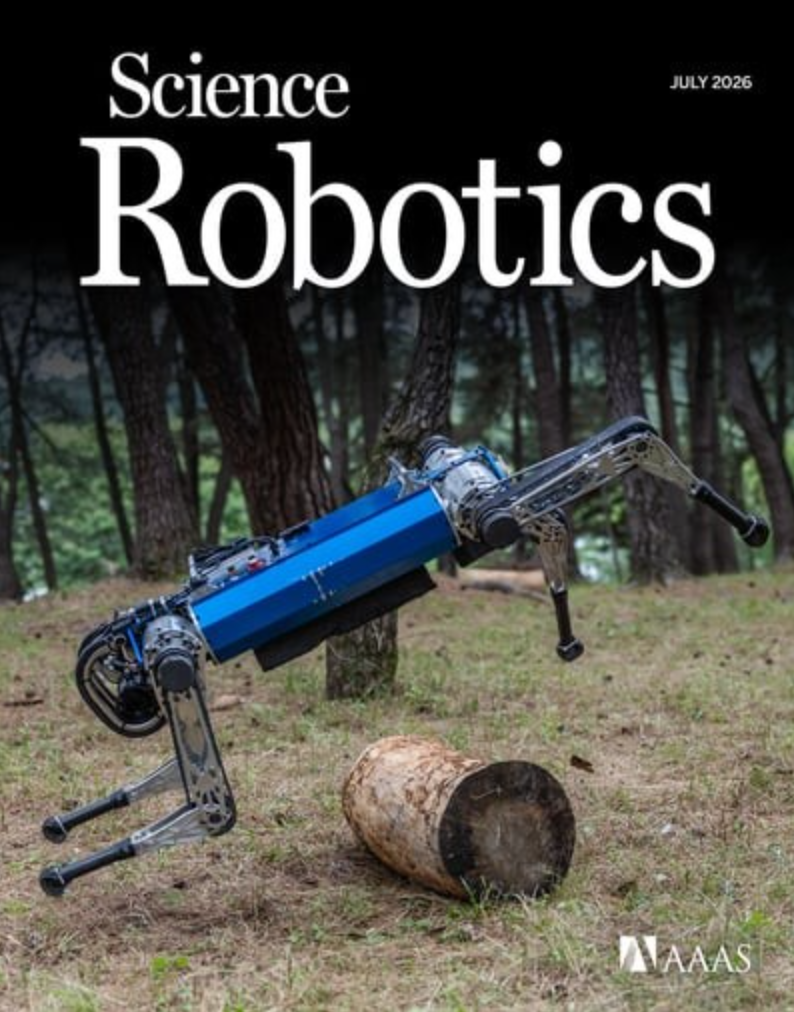
KAIST Unveils Advanced Four-Legged Robot with Autonomous Navigation Technology
KAIST's mechanical engineering team, led by Professor Park Hai-won, announced a breakthrough in robotic technology on July 16. They developed a four-legged robot capable of autonomously selecting and switching between various gaits in real-time, enabling it to navigate complex outdoor environments with speed and stability. This innovation is significant as it integrates a new control architecture called APT-RL (Action Pre-training Reinforcement Learning based on Transformers), which allows the robot to learn movement through computer simulations rather than traditional motion capture. The robot, named KAIST HOUND, demonstrated its capabilities by traversing diverse terrains, achieving peak speeds of 6 meters per second, faster than an average cyclist. Future developments to watch include the potential applications of this technology in disaster response, defense tasks, and industrial inspections. The research was published in the July issue of the journal Science Robotics, highlighting its importance in advancing the field of robotic control and physical AI.
Four-Legged Robots Robotics Technology AI Autonomous Navigation
Carnegie Foundry and CMU Collaborate with U.S. Drone Makers to Enhance Drone Manufacturing
Carnegie Foundry, in collaboration with Carnegie Mellon University (CMU) and several prominent U.S. drone manufacturers, has launched a new initiative aimed at bolstering America's drone manufacturing capabilities. This initiative leverages over $50 million in CMU investments focused on robotics, advanced manufacturing, and commercialization infrastructure to establish an Autonomous Systems Manufacturing Platform (ASMP). The significance of this initiative lies in its potential to strengthen the U.S. drone manufacturing sector, which is crucial for various applications including logistics, surveillance, and agriculture. By uniting CMU’s National Robotics Engineering Center (NREC) with leading drone manufacturers, the initiative aims to foster innovation and enhance the competitiveness of American-made drones in the global market. Looking ahead, stakeholders will be monitoring the development of the Autonomous Systems Manufacturing Platform and its impact on the drone industry. No further timeline was disclosed at the time of publication.
Announcements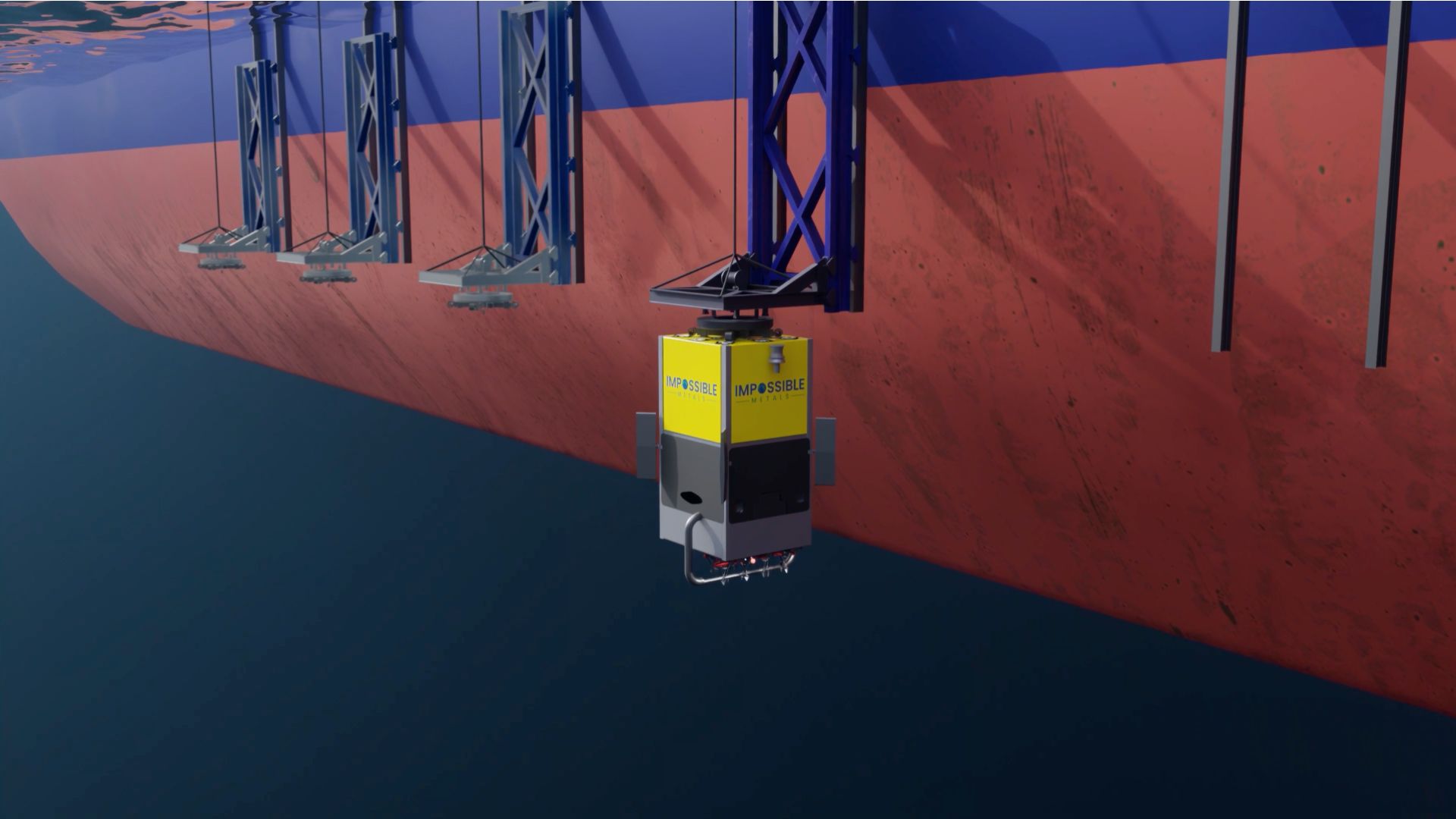
Impossible Metals to Launch Advanced Marine Robotics Hub for Deep-Sea Mineral Harvesting
Impossible Metals, a US mining technology company, has announced plans to establish an Advanced Marine Robotics Hub in Pittsburgh, Pennsylvania. This facility will focus on developing autonomous marine systems for the deep-sea collection of critical minerals, creating over a dozen high-paying engineering and science jobs. The hub aims to enhance US capabilities in marine robotics and critical mineral technologies through collaboration with local universities and researchers. The significance of this initiative lies in its potential to redefine deep-sea mining practices. According to Mike Regan, Chief Growth Officer at Impossible Metals, the hub will enable swarms of autonomous robots to harvest critical minerals like nickel, cobalt, copper, and manganese with minimal environmental impact. This approach not only promises to produce the lowest-cost critical metals on Earth but also aims to strengthen the US supply chain and reduce reliance on foreign sources of essential materials. Looking ahead, the Advanced Marine Robotics Hub will serve as the primary research center for advancing the Eureka autonomous underwater platform and Smart Launch and Recovery Systems. The company plans to continue developing dual-use technologies that cater to both commercial and naval applications. No further timeline was disclosed at the time of publication.
AI and Robotics
LA High School Students Engage with Real Robotics at Faraday Future Headquarters This Summer
A group of K-12 students in Los Angeles has been hands-on with real humanoid robots and industrial-grade robotic dogs at Faraday Future's headquarters this summer. On July 15, Faraday Future announced that its EAI Robotics Summer Camp, in collaboration with the Lynwood and El Segundo school districts, has entered its second week, alongside a partnership with Triple I, a full-cycle education organization in the U.S. The summer camp is notable for using actual robotics equipment rather than toy kits or computer simulators. Students have worked with Faraday Future's own robots, including the Navi, an educational four-legged robot priced under $2,000, the industrial-grade Aegis, and the humanoid robot Master. The camp employs a five-day progressive learning structure, culminating in students programming and debugging real hardware. Participants have transformed from beginners to capable of autonomous system demonstrations within just one week. Faraday Future's Co-CEO Chen Zhe emphasized the importance of immersive engineering experiences for students and how their feedback aids product iteration and course design. He believes education will be a key application area for scaling consumer robotics in its early stages, as Faraday Future aims to bridge classroom learning with practical experience and home education.
Robotics Education Hands-on Learning Consumer Robotics Programming STEM
Jining Transforms into a Robotics Hub, Redefining Its Industrial Identity
Jining, a historic city known as the hometown of Confucius and Mencius, is redefining its industrial identity through robotics. In July, the 2026 'Robot+' Innovation Development Conference took place in Jining, attracting 165 upstream and downstream robotics companies and showcasing ten practical application scenarios. The city, one of Shandong's four major robotics industry hubs, is drawing national capital with its unique approach. As a top 100 city for advanced manufacturing in China, Jining encompasses 38 of the 41 major industrial categories, including engineering machinery and biomedicine. Thousands of enterprises are advancing digital transformation and automation upgrades. The demand for robotics is particularly strong in heavy industries, coal mining, and logistics, with significant opportunities for mining robots and warehouse automation. Jining's development strategy involves differentiated growth across its districts, focusing on core components, drones, and service robots. The city has established a 500 million yuan investment fund for robotics and is prioritizing projects in key areas such as industrial robots and special-purpose mining robots. As Jining embraces robotics, it illustrates the synergy between its rich cultural heritage and intelligent manufacturing.
Robotics Industrial Automation Smart Manufacturing AI Technology
Xuri S600 Achieves Mass Production Validation with Over 20 Clients at WAIC
On July 15, during the World Artificial Intelligence Conference (WAIC) in Shanghai, Digua Robotics announced significant progress regarding the Xuri S600. The company has secured partnerships with over 20 leading clients, collaborating with more than 100 industry partners to complete adaptive integration across various sectors, including humanoid robots and industrial applications. Several collaborative models have entered real-world testing and mass production validation phases, accelerating the platform's industrial deployment. The importance of this development lies in the Xuri S600's recognition for its core capabilities in embodied intelligence mass production. The platform's single-chip full-stack design offers high reliability and a comprehensive engineering toolchain, which has garnered industry-wide acknowledgment since its launch in November 2025. Notably, multiple benchmark projects have made clear progress, with the A3 robot from Itstone Technology set to deploy the Xuri S600 for large-scale industrial applications. Looking ahead, the Xuri S600 is transitioning from technical validation to real hardware and mass production verification. Key clients have shared their experiences, emphasizing the platform's ability to facilitate stable and predictable robot deployment. No further timeline was disclosed at the time of publication.
Embodied Intelligence Humanoid Robotics Industrial Automation AI Technology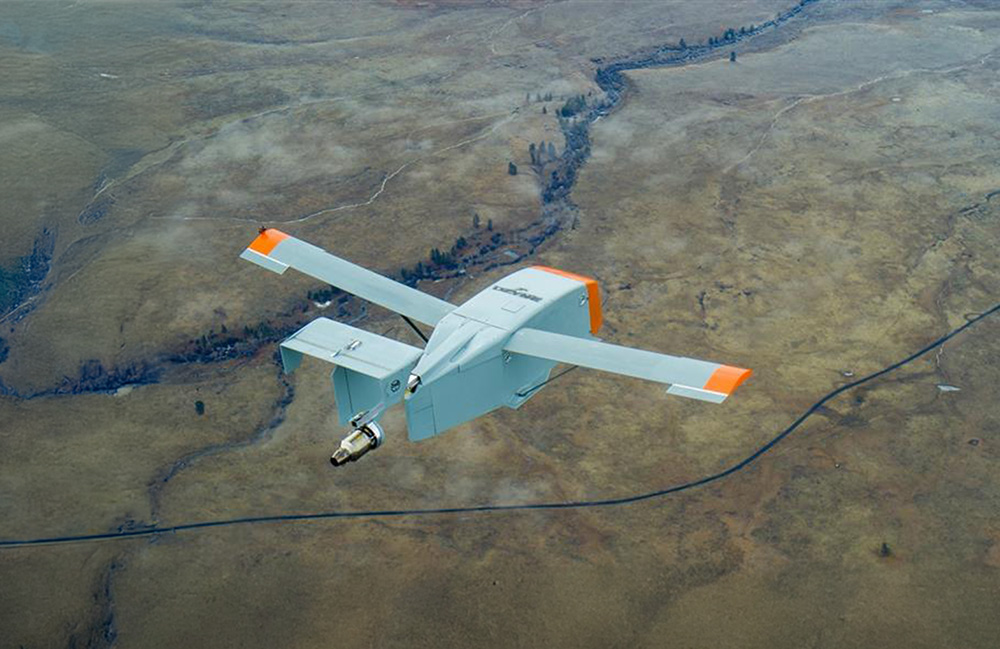
Ondas Acquires DZYNE Technologies for $875.8 Million to Enhance Defense Capabilities
Ondas Inc. has acquired DZYNE Technologies LLC, a defense technology firm based in Irvine, California, for $875.8 million. This acquisition, financed through a cash-and-stock structure, aims to enhance Ondas' capabilities in multi-domain intelligence, surveillance, and reconnaissance (ISR), counter-uncrewed aerial systems (UAS), and autonomous systems to meet the evolving needs of U.S. and allied defense customers. The acquisition is significant as it positions Ondas to leverage DZYNE's advanced technology and engineering talent, which includes long-endurance ISR capabilities and autonomous systems. Eric Brock, chairman and CEO of Ondas, emphasized that the integration of DZYNE's mission-proven technologies will accelerate the development of a next-generation autonomous defense platform, essential for maintaining military advantage in rapidly changing warfare. Looking ahead, Ondas anticipates that DZYNE will generate $191 million in revenue for the full year 2026 and over $300 million in 2027. Ondas is now targeting at least $525 million in revenue for 2026. The integration of DZYNE’s ULTRA and IonStrike systems will expand Ondas' ISR and counter-UAS capabilities, enhancing its portfolio in defense applications.
Aerospace Artificial Intelligence Artificial Intelligence / Cognition Defense / Security Design / Development Drones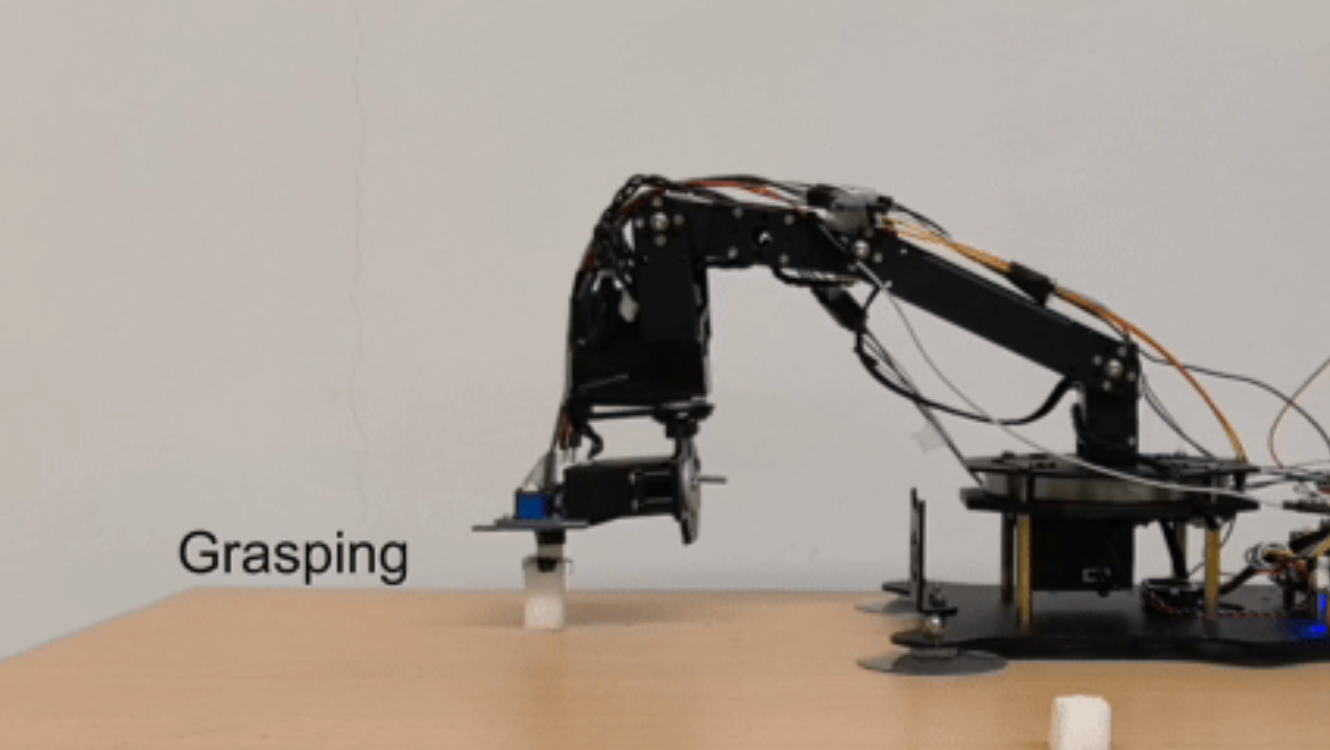
Soft Graphene Muscle Enables Robots to Maintain Stability for Over 13 Hours
Researchers from Sun Yat-sen University and Tsinghua University have developed a soft robot capable of maintaining stability against disturbances for over 13 hours. This innovation utilizes an ultrathin soft muscle, known as Soft Graphene Muscle (SGM), which integrates self-sensing, electrothermal actuation, and disturbance control without the need for external sensors. The significance of this development lies in its potential to enhance the operational capabilities of soft robots in real-world environments. Traditional soft robots often struggle with stability due to their flexible structures, which can amplify disturbances. The SGM's ability to adaptively balance objects heavier than itself marks a significant advancement in soft robotics, moving closer to practical applications. Future developments to watch include the potential for further integration of sensing and control within soft materials, as well as the implications for deploying soft robots in complex environments. The research was published in eScience, highlighting the collaborative efforts of experts in biomedical engineering and integrated circuits from both universities.
Soft Robotics Adaptive Control Robotics Engineering AI Material Science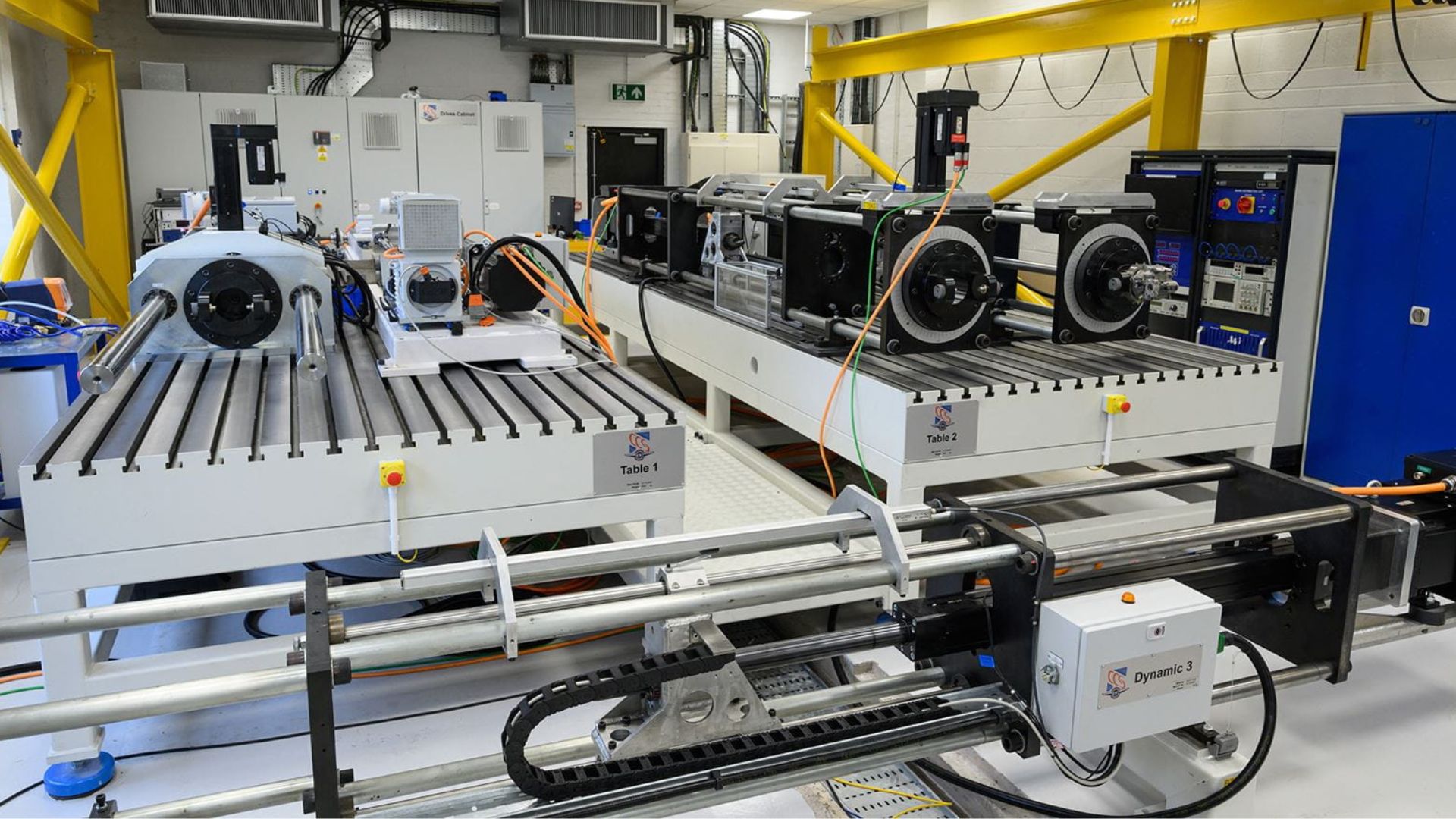
Collins Aerospace Launches U.K. Hub for Electric Thrust Reverser Development
Collins Aerospace has inaugurated a new engineering hub in Wolverhampton, U.K., aimed at accelerating the development of electric thrust reverser systems for next-gen aircraft. The Engineering Center of Excellence is now operational and features a modular test environment designed to simulate real-world conditions for evaluating aircraft components and systems, enhancing the design scalability for future applications. This initiative is significant as the aerospace industry shifts towards electric alternatives to hydraulic systems, which can reduce weight by 15% to 20% in nacelle actuation. The elecTRAS technology, which eliminates hydraulic interfaces, is expected to improve fuel efficiency and operational performance while simplifying maintenance. This aligns with the long-term electrification strategies of original equipment manufacturers (OEMs). Looking ahead, Collins Aerospace aims to streamline development by consolidating its elecTRAS systems engineering and nacelle actuation design teams at the new facility. The company’s technology is already in service on the Airbus A350 family, having logged over 15 million flight hours by 2025. No further timeline was disclosed at the time of publication.
Transportation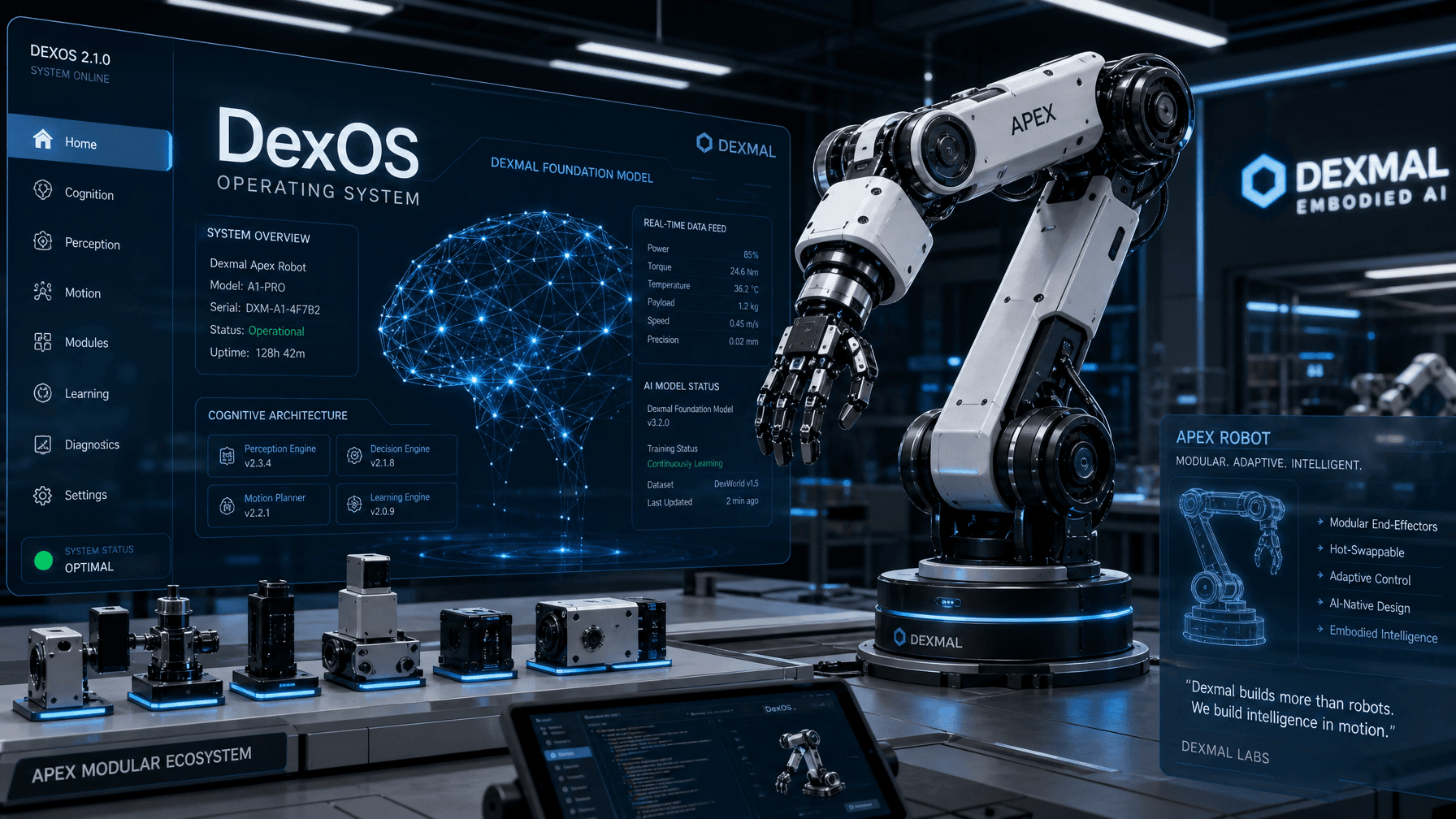
Dexmal Launches DM0.5 Model and DexOS to Enhance Embodied AI Productivity
Dexmal has introduced its DM0.5 foundation model, Apex universal robot, DexOS operating system, and MaaS platform, aiming to bridge the engineering gap between embodied AI models and practical productivity. This launch marks a significant step in the company's strategy to enhance the application of AI in real-world scenarios, with a focus on improving operational efficiency. The introduction of these products is crucial as they represent a comprehensive approach to integrating AI into various sectors. By addressing the final engineering challenges, Dexmal seeks to enable more seamless interactions between AI systems and physical environments, potentially transforming workflows across industries. The DM0.5 model is designed to optimize performance, while DexOS provides a robust operating framework for managing AI tasks. Looking ahead, Dexmal's three-stage strategy will be pivotal in determining the success of these innovations. The company has not disclosed specific timelines for the rollout of these products, but the focus on enhancing productivity through embodied AI suggests a proactive approach to market demands and technological advancements.
Technology
MIT Develops FloatForm Swarm of Modular Aquatic Robots for Dynamic Structures
MIT researchers have unveiled FloatForm, a swarm of small square robotic boats capable of self-assembly into larger structures on water. This innovative system allows the robots to break apart and reconfigure with minimal human intervention, showcasing a new approach to aquatic construction. The project emphasizes the potential for dynamic, adaptable structures in marine environments, with applications in environmental monitoring and infrastructure development. The significance of FloatForm lies in its ability to create modular and reconfigurable structures, which can respond to changing environmental conditions. This technology could revolutionize how we think about construction and deployment in aquatic settings, offering flexibility and efficiency in design. The robots' self-assembly capabilities could lead to advancements in marine architecture and environmental sustainability. Looking ahead, the next steps for the FloatForm project include further testing and potential applications in real-world scenarios. No further timeline was disclosed at the time of publication, but the implications of this technology could influence future developments in robotics and marine engineering.
Robotics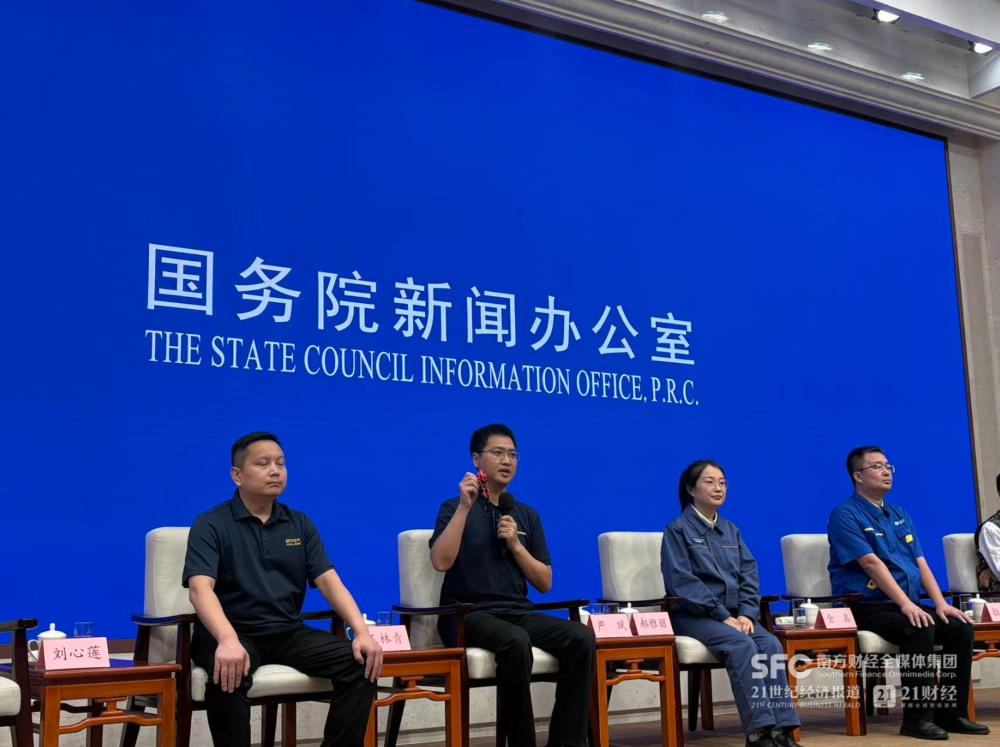
Robot 'Lightning' Breaks Half Marathon Record at State Council Press Conference
At a recent press conference, the Honor 'Lightning' robot achieved a remarkable feat by completing a half marathon in just 50 minutes and 26 seconds, setting a new benchmark that surpasses human records. Developed by Honor's engineering team, this advanced humanoid robot incorporates cutting-edge technology, including self-developed joint modules and a sophisticated liquid cooling system. The team's accomplishment highlights significant advancements in humanoid robotics and reflects their commitment to exploring practical applications across various sectors. This milestone marks a crucial moment in the evolution of robot technology, showcasing the potential for future innovations.
Humanoid Robots AI Robotics Innovation Marathon Technology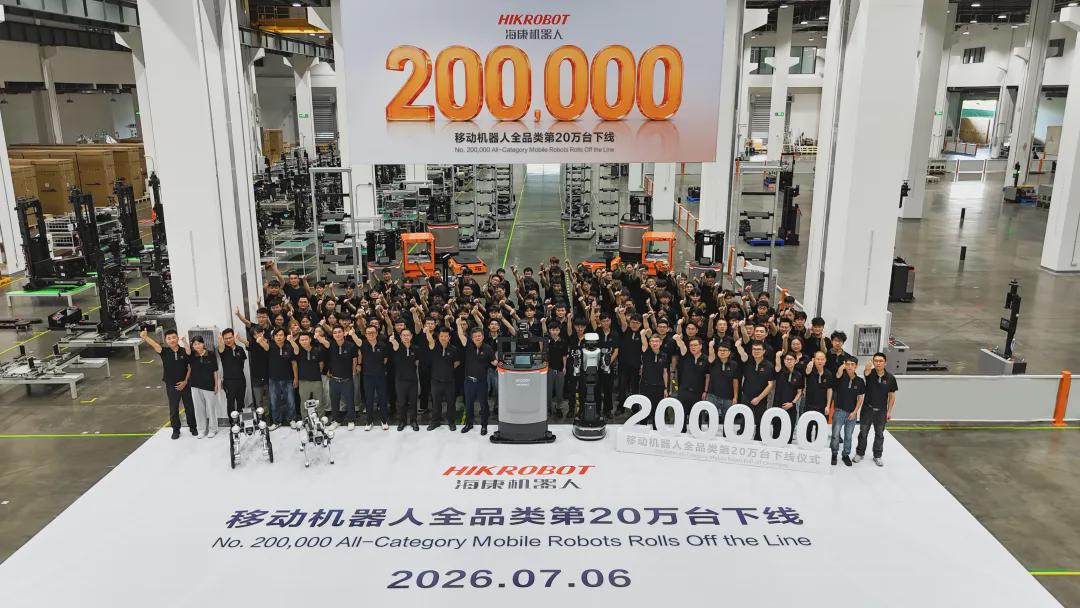
Hikvision Robotics Delivers More Than 200,000 Robots: A Shift Beyond Just Numbers
Hikvision Robotics has marked a significant achievement by delivering over 200,000 mobile robots since 2026, showcasing its rapid growth in manufacturing capabilities. This milestone underscores the company's proficiency in translating unique engineering solutions into standardized and scalable applications across various industries. The initiative aims to establish a comprehensive knowledge system that boosts operational efficiency in diverse industrial settings, reflecting Hikvision's commitment to innovation and adaptability in the evolving robotics market.
Mobile Robots Industrial Automation Engineering Solutions Manufacturing Technology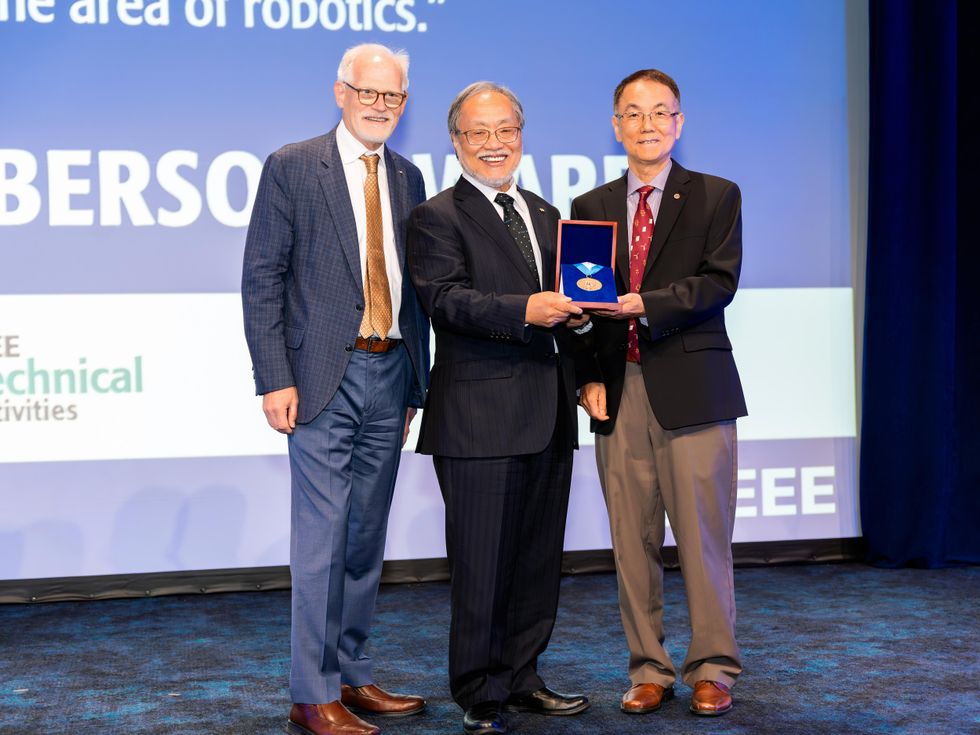
IEEE Honors Robotics Pioneer Toshio Fukuda
Toshio Fukuda has been blazing trails for most of his career. He is considered to be one of the most prolific scholars in robotics, writing more than 2,000 research papers and authoring several books on the field. He’s an influential figure thanks to his pioneering work developing biomedical robotic systems, industrial robots, micro-nano robotics, mechatronics, and AI-driven automation.Fukuda launched one of the first robotics conferences, the IEEE/RSJ International Conference on Intelligent Robots and Systems (IROS). It is still popular almost 40 years later.Toshio FukudaEmployerEgypt-Japan University of Science and Technology, in Alexandria TitleProfessor and vice president of research Member gradeLife Fellow Alma matersWaseda University, in Tokyo; University of Tokyo An IEEE Life Fellow, he is a professor emeritus in the department of micro-nano systems engineering and a visiting professor at Nagoya University, in Japan, where he taught for nearly 25 years. Currently, he is a vice president of research at the Egypt-Japan University of Science and Technology, in Alexandria, Egypt.Within IEEE, Fukuda has held top volunteer positions including the organization’s highest office: He served as IEEE president in 2020, becoming the first person of Asian descent to hold the role.He’s a former program director of Japan’s Moonshot program, which by 2050 intends to develop advanced AI robots.Born in Japan, Fukuda has been recognized by the country for his contributions to science with two of its highest awards: the Medal of Honor with a purple ribbon in 2015 and the Order of the Sacred Treasure in 2022.IEEE honored him with this year’s Richard M. Emberson Award for “distinguished service advancing the technical objectives of IEEE, especially in the area of robotics.” The IEEE Board-level award is sponsored by the IEEE Technical Activities Board. Fukuda received the award on 24 April at a ceremony in New York City.As a former IEEE president who has served as a master of ceremonies at several of the organization’s major award events, Fukuda noted that he is more accustomed to bestowing awards than receiving them.“It’s very interesting to be on the receiving end,” he says.The journey into robotics researchAs a teenager, Fukuda spent his summer breaks teaching himself how to build things including transistor radios and steam engines.“It was very nice to have a hands-on hobby and make these kinds of things myself,” he says. His experimentation led him to study engineering.He earned a bachelor’s degree in engineering in 1971 from Waseda University, in Tokyo. He says one of his professors there—Ichiro Kato, regarded as the father of Japanese robotics research—was a good mentor who made a positive impact.Fukuda’s research interests were robotics and mechatronics, a field that combines robotics, electronics, computer science, and control systems.He went on to earn a master’s degree and a doctorate in science from the University of Tokyo, in 1971 and 1977. During those years, he also attended Yale, where he conducted research on advanced control theory in 1973.He reflects fondly on his time at Yale: “It was a very nice environment and a kind of free-thinking atmosphere. It motivated me to study more.”“IEEE doesn’t care who you are, what you do, what country you are from, or whether you are male or female. IEEE accepts people who have energy and passion.”While at Yale, Fukuda served as an assistant to his advisor—which led him to consider a career in academia, he says, because he enjoyed the freedom that research work afforded him.But he realized that such freedom comes with a price. University researchers are expected to raise the money that funds their work. He compares researchers to small-business owners who have to bring in money to keep their enterprise afloat.That realization led him to select robotics as his field because he intended to develop technologies useful to industry, he says.After earning his doctorate, he returned to Japan in 1977 to work as a research scientist at the government’s Mechanical Engineering Laboratory, later renamed the National Institute of Advanced Industrial Science and Technology, in Tsukuba.“There was a lot of research going on at the lab, including practical robotics and theory,” he says.He left Japan in 1979 to become a visiting research fellow at the University of Stuttgart, in Germany. During his year there, he studied systems, software problems, and related topics.He returned to Japan and was hired as an associate professor of mechanical engineering at the Tokyo University of Science. He conducted research into practical uses for robots by visiting industrial plants. He decided to develop robots that inspect industrial equipment such as those used in assembly plants, oil refineries, and power stations—places that “can be hostile environments for humans,” he says.His work drew interest from chemical, oil, and utility companies.“I got a lot of money from them for this very practical application, which funded my research,” he says, laughing.Developing popular robotic systemsFukuda grew tired of making those robots, he says, so he switched to creating ones for scientific applications. He developed many techniques, but he probably is best known for his modular, cellular robotic systems (CEBOTs), which he introduced in 1985.He has described how CEBOTs work in numerous papers published in the IEEE Xplore Digital Library.The CEBOT system is composed of a number of autonomous robotic cells that stick together like interlocking Lego plastic bricks, he says.Each cell is a fundamental modular unit that has a function. When a simple task is given, the system can analyze it and generate the structure of the cellular manipulator. The cells connect to and detach from each other through connection mechanisms and cooperate mutually, creating complex structures and configurations.“You start developing from the component-wise to the cell-wise to a small functional unit—and then you come up with clusters that make bigger systems. We can make a society of robot beings like that,” he explained in his oral history published on the Engineering and Technology History Wiki. “It’s a distributed robotic system, a self-organized robotic system, and also an evolutionary robotic system.“It’s also a fault-tolerant robot system because if something is wrong, you just remove those things and make a new one. You keep the system working. That’s a great thing.”Today CEBOTs are used for a variety of tasks such as delivering medication in hospitals, assisting with planting crops, and transporting products in distribution centers. Check out IEEE Spectrum’s Robots Guide for news from the world of robotics.In 1989 Fukuda joined Nagoya University as a professor of mechanical engineering and micro-nano systems engineering. During his 24-year career there, he was director of the university’s Center for Micro-Nano Mechatronics. He developed a long list of technologies at the university, including many for medical applications. He also conducted groundbreaking research into intelligent robotic systems and micro- and nano-robotics.Another technology he is known for is brachiation robots, which he helped develop in 1988. He calls them monkey robots because they’re based on the pendulum-like movement of monkeys swinging from tree to tree. The gravity-based locomotion enables continuous movement.Brachiation robots now are inspecting high-voltage transmission towers and bridges, searching damaged buildings for survivors, and performing maintenance on pipelines and cables.Fukuda retired from the university in 2013 and was named professor emeritus.He didn’t stay retired for long, though. He next held a teaching appointment at Meijo University, in Nagoya, until he left in 2022 to join the Egypt-Japan University.A prominent volunteerHe joined IEEE in 1980 at the encouragement of one of his research advisors, Professor Fumio Harashima, now an IEEE Life Fellow. After attending conferences and reading the organization’s publications, Fukuda says, he looked forward to becoming more involved.“I wanted to know how to organize a conference and how to edit a paper for one of its Transactions,” he says. “I wanted to know what was going on from inside the organization, not just the outside.”In 1988 he was the founding chair and organizer of IROS, in Tokyo. The conference had 330 attendees that year, and was supported by Harashima. Today it is one of the largest and most prestigious conferences on the topic, attracting more than 9,000 people annually. Out of 120,000 conferences, it was the only conference in the Nature Index database for this year, Fukuda says.In 1996 he and other members launched IEEE Transactions on Mechatronics.He was the founding president of the IEEE Nanotechnology Council, which was established in 2002. He is considered a pioneer in nanotechnology research, particularly regarding how it relates to robotics.Over the years, he has held numerous volunteer positions on IEEE editorial boards and committees.He was the 1998–1999 president of the IEEE Robotics and Automation Society, becoming the first non-U.S. member to hold the title.He was director of IEEE Division X (2001–2002 and 2017–2018), which covers intelligent systems, biological engineering, robotics, control systems, and photonic technologies. He served as the 2013–2014 director of IEEE Region 10 (Asia-Pacific).As the 2020 IEEE president, Fukuda saw the organization through the early part of the COVID-19 pandemic. Because of travel restrictions, he realized IEEE should change how it offered its in-person services, specifically educational programs. He encouraged IEEE Educational Activities to develop an online learning platform. The IEEE Learning Network started with just three courses and now offers nearly 2,000 courses, webinars, and learning materials.An award-winning memberThe Emberson Award joins a slew of other recognitions Fukuda has received from IEEE. They include several from the IEEE Robotics and Automation Society: a 2004 Pioneer Award, a 2009 Saridis Leadership Award, and the 2011 Harashima Award for Innovative Technologies. He is also a recipient of the Board-level 2010 IEEE Robotics and Automation Technical Field Award.He says he feels strongly that IEEE should be a diverse organization that is welcoming to all. As IEEE president, he led efforts to devise a diversity, equity, and inclusion program. Several policies, procedures, and bylaws were revised to give members a safe, inclusive place for discourse.“It’s important for IEEE to make everyone feel comfortable,” he says. “DEI programs are important. All people should be equal. IEEE doesn’t care who you are, what you do, what country you are from, or whether you are male or female. IEEE accepts people who have energy and passion.“It accepted me, from the Far East. That’s why I like it.”You can learn more about Fukuda and his career from the oral history conducted by the IEEE History Center.
Robotics Robots Ieee-member-news Type-ti Ieee-awards Toshio-fukuda
Small-AI Models Gain Traction Around the World
One morning in 2019, Adebayo Alonge was in a Cape Town hotel room, preparing to demonstrate his startup’s AI answer to a serious problem in African health care: counterfeit medication, which kills thousands of people across the continent every year.The RxScanner is a handheld spectrometer that scans a pill with infrared light, then sends the item’s molecular profile to an AI model equipped with a pharmaceutical database. In seconds, the AI identifies the medication from its molecular profile—or reports that it’s phony.Pharmacies were using the system in more than a dozen countries, including Ghana, Kenya, Myanmar, and Alonge’s native Nigeria. But that morning in South Africa, it didn’t work. “I was shocked,” Alonge says.The spectrometer connected to the AI model—but the data center was 14,000 kilometers away and bandwidth was limited. “Our server was in the United States, and just to get the result of a single scan was taking me over 5 minutes.”So Alonge immediately asked his engineers to shrink the AI model down to a smaller, low-power, unconnected version that could run entirely on his Android phone. They produced it 2 hours later, and that saved the demo.More importantly, the work birthed a new version of his device, which can authenticate a pill in places without broadband, computers, or even reliable electricity. It also turned Alonge into an advocate for this kind of “small AI.”Small AI for Global Health Care AccessSmall AI is a far cry from wealthy nations’ colossal large language models (LLMs), hyperscale data centers, multibillion-dollar investments, and debates about AI consciousness. But for millions of people around the world, the only AI that matters, and often the only kind available, is small. (According to a World Bank Report issued in November, only 0.7 percent of internet users in the world’s poorest countries have used ChatGPT, compared to a quarter of all internet users in the most developed nations.)“Most people are discussing AI from the LLM/generative side. But that needs a lot of computing power, electricity, massive data, and skilled people to manage it,” Ajay Banga, president of the World Bank, said last January at the World Economic Forum, in Davos. “Outside the developed world, other than maybe India and China, very few countries have that combination.”By contrast, small AI can deliver useful, even life-saving services to people in areas that have none of those things, Banga said. In India, where the government’s AI plans call for more development of small AI, many such systems are working for farmers.For example, a drone-based system developed by Bala Murugan and colleagues at the Vellore Institute of Technology, in India, takes photos of cashew plants and quickly identifies those with splotches that indicate disease. All the processing takes place on the drone itself, so there’s no need for a computer on-site, nor for a connection to a central server.Using small language models trained for a specific problem, and sometimes running on cheap, low-power devices, other small-AI implementations have been developed to identify ant infestations in a Uruguayan vineyard, detect the presence of malaria-carrying mosquitoes in a number of nations, and run electrocardiograms from an Arduino device in parts of Brazil that lack access to more complex equipment.“This is the most important area in AI nowadays,” says Marcelo José Rovai, a professor at the Institute of Engineering and Information Systems at the Federal University of Itajubá, in Brazil, who was involved in all three projects. “It’s growing very fast.”Low-Power, Small-AI Models on Devices Small AI models can run on a variety of low-power devices, including [from left to right] an Arduino Nano 33 BLE Sense, a Seeed Wio Terminal, and an Arduino Portenta.Moez AltayebFor Alonge, Rovai, and other advocates, small AI is not just “a promising trend,” as that November World Bank report calls it. It may be, in the long term, the form of AI that will touch the most lives and remain sustainable after some of the giant models become too costly for most users.“I think the future of AI is not like one giant model, at a center. I think it’s millions of small, precise models deployed at the edge, each one solving like a specific problem, a specific context,” Alonge says. This is partly because much of humanity—including people in parts of rich countries as well as the developing world—lives without access to cutting-edge frontier models. But, he says, it’s also because those models are not sustainable.“If someone is not subsidizing it, most people will not be able to afford those models. So those of us who are said to be small-AI developers are the ones who will have to build for the majority of the world,” Alonge says.There is no strict definition of “small AI,” but people often use the term for language models with at most a few billion parameters. (Compare that to cutting-edge models, which can include more than a trillion.) That’s small enough to run directly on a phone or a Raspberry Pi. That’s what allows these applications to run on devices without a connection to a data center and use only a few watts of power, often supplied by a battery or a solar panel.Despite their small footprint, these models aren’t fundamentally different technology from that of gigantic AI models, Rovai says. Many instances of small language models were created the same way the phone-based version of Alonge’s pharmaceuticals scanner was—by “pruning” large models, or removing the parameters that weren’t involved in the task. The result is a system that’s less capable generally but still very good at the specific job it was pruned for, Rovai says. A lighter version of RxAll’s RxScanner spectrometer sends its results to an AI model run locally on a phone to check that a drug’s molecular signature is genuine.RxAllOther small models are created by “distillation.” They are trained to mimic a large model, until their performance approaches that of their “teacher,” Rovai says. In other cases, a larger model’s precision is reduced, for example, so that a model run on 32-bit architecture can run on 8-bit designs. In situations where the machine learning application is being used to classify data or predict patterns (like an ant infestation), it’s trained from the beginning on a small device, not derived from a larger model at all. Running all these small, specialized systems is becoming easier, Rovai says, for two reasons.The first reason is that hardware is getting better and more capable while using less power, he says. This means more and more phones can run small AI—especially those equipped with neural processing units, which are specialized chips that handle AI tasks like facial recognition and changing the brightness, shadows, or contrast in a photo.In 2025, slightly more than a third of all smartphones shipped worldwide were capable of running generative AI, and that figure will reach 45 percent by the end of this year, according to the technology research firm Counterpoint. By the end of next year, slightly more than half of all smartphones will be able to run a small AI model.The second reason Rovai cites is the shrinking footprint of language models. Both Google DeepMind’s Gemma 4 (released in April) and Alibaba’s Qwen 3.5 are “fantastic” for small AI, Rovai says. Both models are “open weight,” meaning users can adjust the connections between parameters to suit their needs. This makes it easy, for example, “to take a lot of data from, say, the milk industry and retrain the model specifically on that,” Rovai says.Rovai illustrated these reasons on a Zoom call, using one of his most recent experiments. Holding up a device, he says, “This is the new Arduino UNO Q—a US $50 device with a Qualcomm chipset. I’m running a language model here, which collects data from sensors and analyzes that data to detect tiny pools of water where mosquitoes might be breeding. It takes 3 watts to run it.”Support for Small-AI DevelopmentConvinced that millions of people are already benefiting from these kinds of applications, the World Bank now actively promotes small AI with grants, mentorship programs, financing, technical advice, and models of government policies that are friendly for small-AI development. For example, in Rwanda, the World Bank is backing a government program to help low-income households get devices that can run AI.All that said, no one claims that large language models are going away entirely. To create a generative AI that can run on a phone or other small device requires the architectural insights, data processing, and results of a larger model, Rovai says. “We need the big models to create these smaller models.” And for all that small AI can benefit people without access to big AI, the technology can’t solve the larger problems of development and digital inequality, Alonge says. Implementing small AI won’t allow nations to escape the challenge of creating an ecosystem to support AI: reliable power, a supply chain that works, and an educational system that develops the talents needed to create AI tools.Though his drug-scanning system can run for days on a phone with no connection, “you still want to be able to enable periodic syncing for updates with new signatures for the medications and analytics,” Alonge says. “And even when you are using batteries, reliable power is important. That phone battery is not going to last forever.”In many parts of the world, the future of small AI isn’t assured, he says. “It works, and many places will eventually need to use it. The question is whether or not the political actors are wise enough to invest in infrastructure to support it long term.”
Small-language-models Artificial-intelligence Llms
Japan Pioneered Humanoid Robots—Can It Now Catch China?
“In the future, the relationship between humans and robots will deepen, and the distinction between them will probably disappear.” This prediction, from one of the attendees at the recent Humanoids Summit in Tokyo, might have been unremarkable had it not come directly from an android that was first introduced to the world 20 years ago. Geminoid HI-6 is the sixth-generation of a robot originally designed in 2006. The mechanical twin of Osaka University professor Hiroshi Ishiguro, Geminoid HI-6 is now equipped with a large language model trained on Ishiguro’s own writings and interviews. It has advanced conversational skills and can even have a chat with its creator, an eerie spectacle. But at the Humanoids Summit, Geminoid was one of the few humanoid robots from Japan, the country that pioneered the form factor.While the event in Tokyo only had about 40 robots on display, Chinese systems outnumbered Japanese by roughly three to one. Some Japanese robotics firms were even using Chinese robots in their own technology demonstrations, something that would have been unthinkable in the recent past—one Japanese engineer described the situation as “sad.” The conference was a stark reminder of how Japan has ceded its early lead in humanoid robot development to overseas competitors, and the challenge it now faces to secure a place in an ecosystem increasingly dominated by general-purpose robots powered by AI. Twenty-five years ago, Japan was turning out groundbreaking humanoids that were showstopping in their abilities, but they were not commercialized as practical machines in any meaningful way. Heavily influenced by science fiction and lacking practical applications, they were mostly expensive technology demonstrations that were eventually mothballed. What Japan retains, however, is robotics design and know-how, which it must leverage to be a key player in the rapidly evolving humanoid ecosystem. Learning to Walk—Then Standing StillTo anyone who has seen recent videos of Chinese humanoids doing kung-fu and synchronized acrobatics, as well as half-marathon races, China’s remarkable progress in the field is nothing new. At the Humanoids Summit, Toyota showed a video of its latest basketball-playing robot, and Honda exhibited its latest robot hand, but the full-scale humanoids on the floor were mostly Chinese–the kid-size K1 machines from Booster Robotics of Beijing were dancing to Michael Jackson tunes. The full-scale G1 humanoid from Unitree Robotics of Hangzhou was also doing demos. “You cannot sell these bipedal systems in Japan for safety and compliance reasons,” says Shuichi Nagao, a frequent visitor to China as CTO of Omakase Robotics, a division of Zeals, a Japanese humanoid robot developer. Omakase was exhibiting a G1 modified with an external PC controller, a dextrous hand, a suction-cup manipulator and a sensor “hat” with an extra speaker, mic and camera. “In China, the government is pushing humanoid development. They didn’t have an industry 20 years ago. The people pushing it are young, in their 20s and 30s. It’s a really different mentality out there,” says Nagao. “Big players in Japan are still looking for use cases for humanoids. In China, they’re already doing mass production and reducing the cost, so other countries can’t compete with them anymore.”Another Japanese company showing off G1 bots was summit sponsor GMO AI & Robotics, a subsidiary of Japanese internet company GMO. It’s using the robots in partnership with Japan Airlines to load and unload cargo containers at Tokyo’s Haneda airport. The cargo project is a trial—like many other humanoid experiments—but the fact that Chinese machines have penetrated so far into Japan’s ecosystem upends a long history. In 1973, scientists at Waseda University in Tokyo built WABOT-1, considered the first full-scale humanoid robot and capable of slow bipedal locomotion, grasping objects and simple communication. It inspired Honda’s groundbreaking Asimo humanoid, but it was never commercialized. Asimo was eventually retired in 2022, the year ChatGPT was released. Two years later, Unitree’s G1 went on sale for US $16,000. China’s High Torque Technology Co. showed off its Mini Pi biped, customized with an anime-inspired head, at Humanoids Summit in Tokyo. The regular version is priced at $3,500. Tim HornyakSupply and DemandJapan’s development of humanoids happened before practical applications or widespread demand were in place, but bad timing is only part of the story—Japan also has a history of developing technologies that might appeal to domestic consumers but not necessarily those overseas. For example, decades after they first appeared, its highly engineered, multifunction toilets have only recently found a following abroad. Japan’s humanoid prowess was partly built on the back of its legendary industrial automation, yet even that stronghold has eroded. Ani Kelkar, a partner from McKinsey & Company in Boston who produces analytical reports about the robotics industry, told the summit audience that while Japan occupied the top spot in the world in manufacturing robot density (the number of multipurpose industrial robots in operation per 10,000 employees) from at least 1994 to 2009, it then slipped to second in 2014, third in 2019 and fifth in 2024. In that year, South Korea was at the top of the leaderboard with a robot density of 1,220 compared to Japan’s 446. The International Federation of Robotics estimates China now has the most operational industrial robots in the world, with around 2 million total units, approximately 4.5 times more than Japan. “The annual installation numbers are impressive too: 54 percent of all robots installed worldwide in 2024 were deployed in China,” the IFR said in a release in April 2026. “I think the loss of Japanese leadership is more to do with the rise of China as a manufacturing powerhouse including for sectors that Japan had high export levels,” Kelkar said in an email interview. “The recovery has not yet happened as Japan ‘missed’ the rapid acceleration in AI for robotics and is now playing catchup.”How Japan Can Adapt Kelkar believes Japan has a US $100 billion opportunity in general-purpose robotics, which are machines that can perform a wide variety of tasks, and it cannot rely on the slower-growing industrial robot market, which is centered on factory machines that do one simple and predictable task like welding car parts. He points to a McKinsey white paper suggesting that while Japan has much of the hardware and technology experience needed to support general purpose robot development, it must change its strategy to capture more share in AI, software, data collection and robotics platforms.Tetsuya Ogata is a professor of engineering and director of the Institute for AI and Robotics at Waseda University, the birthplace of humanoids in Japan. He briefed the summit on how a nonprofit he chairs, the AI Robot Association (AIRoA), is working with Toyota and other members to develop foundational technologies for collaborative use. For instance, AIRoA has collected some 80,000 hours of data on remote operation of mobile manipulators, and Ogata believes it’s the largest dataset of its kind. Using the data, it built and verified Vision-Language-Action (VLA) models, and it has also started data collection for dual-arm mobile manipulation. In an interview, Ogata acknowledged Japan’s struggle to find its place in the changing landscape. “The world of AI is inherently a game of scale,” says Ogata. “Therefore, Japan’s absolute prerequisite is to secure a competitive baseline of scale—in data, computing resources, and talent. Beyond that, what I consider most critical is a mindset shift: rather than trying to hoard scale within a single nation or company, we must grow stronger by collaborating with a diverse ecosystem of domestic and international players.” Specifically, this means creating a ‘collaborative domain’ to address data—the single biggest bottleneck—through industry-wide cooperation rather than data-siloing. By collectively nurturing a pre-competitive, shared data infrastructure and foundation model, individual companies can then compete on top of it with their own applications. “By offering this open ‘data ecosystem’ to the world, we can engage global players and establish a ‘third pole’ alongside the US and China,” says Ogata. “I believe this is how Japan can reclaim its global presence.”In 1999, Japan introduced the world’s first mobile internet services platform. But being first didn’t turn Japan into a smartphone manufacturing or design center—it’s now merely a supplier of parts to other countries who are leading the smartphone industry. If Japan can avoid a repeat of that experience and successfully deregulate, diversity, and commercialize its original humanoid dreams, it stands a better chance of influencing the direction of the industry and reaping billions in value. As automobiles and electronics were pillars of Japan’s industrial strategy in the last century, Japan could make humanoid robots one of its key value generators in the 21st century, an approach that would not only deliver economic benefits but give Japan greater clout in how the industry will evolve. Just like Japanese cars, electronics, and even toilets, Japanese humanoids could stand for craftsmanship and reliability. It’s a legacy that Japan can’t afford to give up.
Japan Robotics Humanoids Humanoid-robots
New color-changing tactile sensor gives robots a real-time sense of touch
Researchers have developed an innovative color-changing tactile sensor that enables machines to perceive and respond to their surroundings in real-time. This groundbreaking technology was unveiled in October 2023 and represents a significant advancement in the field of robotics and artificial intelligence. The sensor mimics the way humans and animals sense touch and texture, providing machines with the ability to "see" and interpret the materials they come into contact with. The motivation behind this development lies in enhancing the interaction between machines and their environment, allowing for more sophisticated and responsive robotic systems. By integrating this tactile sensor, robots can better understand the properties of objects, leading to improved performance in various applications, such as manufacturing, healthcare, and service industries. The process involves a combination of advanced materials and engineering techniques that allow the sensor to change color based on the pressure and texture of the surfaces it touches. This visual feedback not only aids in object recognition but also enhances the machine's ability to make informed decisions based on tactile information. As this technology continues to evolve, it holds the potential to revolutionize how machines interact with the world, paving the way for smarter, more adaptable robotic systems that can operate effectively in diverse environments.
AI and Robotics
Robots can now 'see' touch thanks to a new color-changing tactile sensor
Engineers at Queen Mary University of London have developed an innovative color-changing tactile sensor that enables robots to perceive their environment through both sight and touch in real-time. The groundbreaking invention, led by postdoctoral researcher Giacomo Sasso from the School of Engineering and Materials Science, utilizes a unique mechanism that converts invisible forces into vibrant color patterns. This technology allows for the immediate generation of high-resolution maps detailing contact, strain, and pressure, significantly enhancing robotic interaction with their surroundings. The advancement promises to improve the capabilities of robots in various applications, from manufacturing to healthcare, by providing them with a more nuanced understanding of their physical interactions.
Robotics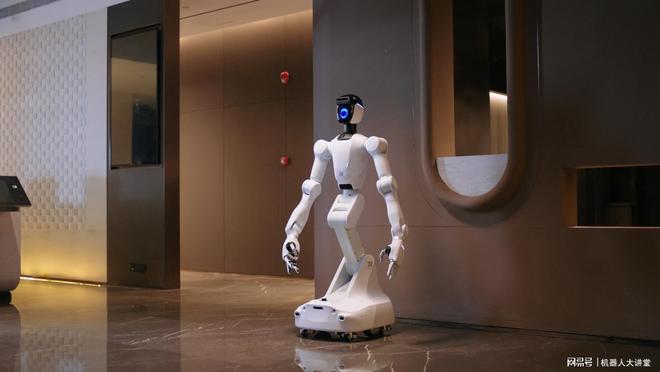
Transforming Smart Models into Productive Robots: The Journey of Self-Variables
Self-Variables has made significant strides in robotics by evolving from advanced models to practical applications, showcasing their self-developed technologies and engineering expertise. This transition, achieved through overcoming challenges in training, hardware development, and real-world implementation, has enabled the company to demonstrate its capabilities across various sectors, including home cleaning and logistics. The successful application of their robots has garnered substantial investment from industry leaders, highlighting the growing interest in their innovative solutions.
Robotics AI Automation Machine Learning
Why Every Robot Teleoperation Team Eventually Outgrows WebRTC
WebRTC is proving to be a vital tool for robotics teams, enabling them to quickly demonstrate their innovations. However, challenges arise once the robots transition from laboratory settings to real-world applications. As organizations utilize WebRTC, they face the inevitable question of when they will outgrow the platform and what engineering efforts will be necessary in the upcoming months to adapt and enhance their capabilities. This evolution is crucial for teams aiming to stay competitive in the rapidly advancing field of robotics.
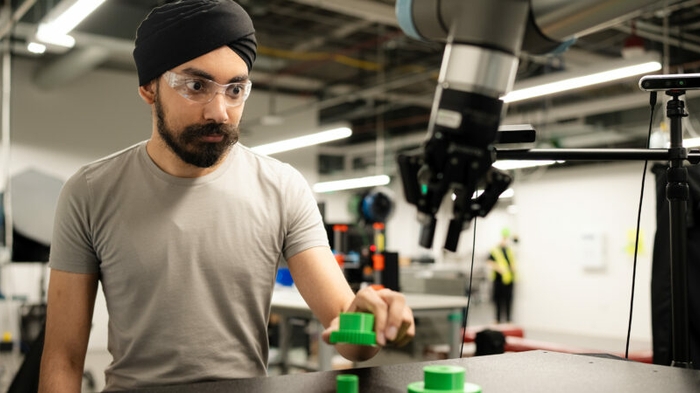
How Jaiveer Singh Is Helping Robots — and Developers — Move Faster
Jaiveer Singh, an expert in robotics, emphasizes the importance of foundational elements in robotics, such as the internal components of machines and the software that allows developers to access a robot's cameras. Rather than focusing on the flashy aspects of robots, he advocates for a deeper understanding of the engineering and infrastructure necessary for their development. This approach highlights the critical role that well-designed systems play in enabling robots to function effectively in various applications. Singh's perspective aims to shift the conversation towards the essential technical groundwork that supports the advancement of robotic technology.
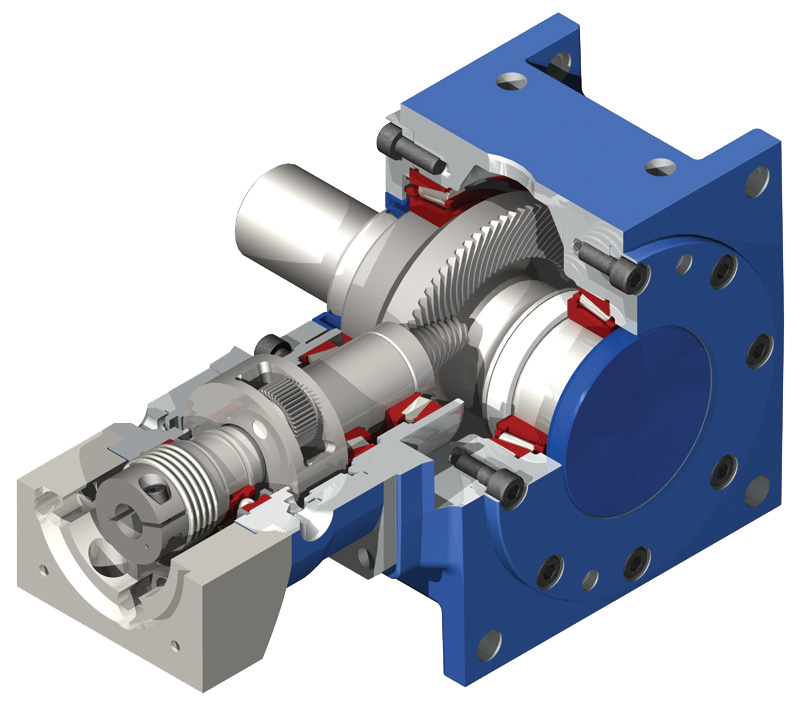
Advantages of hypoid gearing over worm, bevel and bevel-planetary
Engineers in the field of mechanical design often face challenges in achieving an optimal balance between torque capacity and mechanical efficiency when utilizing right-angle gearing. A recent analysis highlights hypoid gearing as a superior alternative, providing a more favorable combination of mechanical efficiency, load-carrying capability, and a versatile single-stage ratio range. This insight into hypoid gearing's advantages over traditional options such as worm, bevel, and bevel-planetary gears was published on The Robot Report, underscoring its potential to enhance performance in various engineering applications.
Sponsored Content GAM sponsored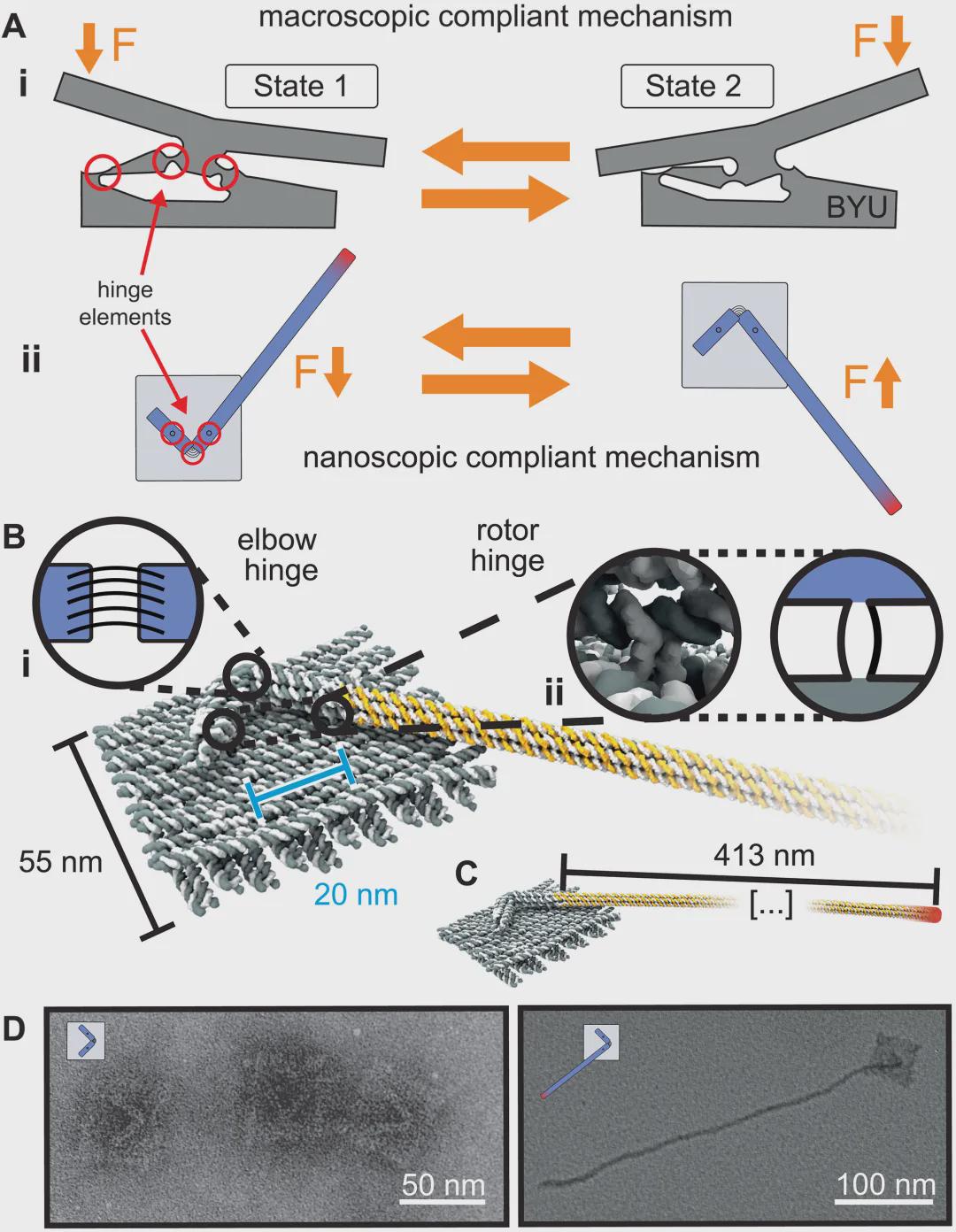
DNA Origami Creates Nanoscale Switch with High Endurance, Featured in Science Robotics
Researchers at the Technical University of Munich have unveiled a groundbreaking DNA origami switch that can undergo more than 190,000 state transitions while maintaining an impressive efficiency of 94%. This innovative nanoscale device operates effectively under electric fields and is capable of retaining its state even when power is turned off. The development of this switch represents a significant advancement in the use of DNA as a durable engineering material for nanoscale applications, positioning it as a potential key component in the future design of nanorobots. The study underscores the versatility and robustness of DNA in engineering, paving the way for new technological possibilities in nanotechnology.
DNA Nanotechnology Nanoscale Devices Robotics Biomolecular Engineering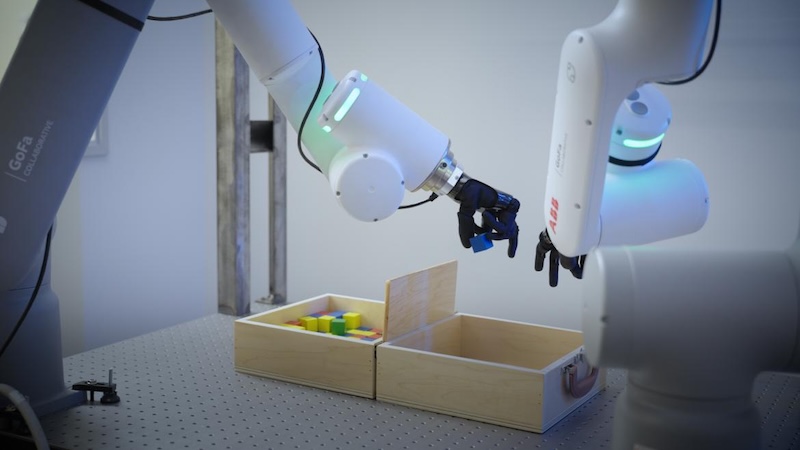
ABB Robotics and Psyonic use human-generated data to advance robotic dexterity
ABB Robotics is partnering with California-based bionics firm Psyonic to enhance robotic gripping and dexterity, addressing a significant challenge in the industry. This collaboration aims to leverage real-world manipulation data derived from human prosthetic use, which could lead to a reduction in engineering time by as much as 30%. The initiative involves integrating the Psyonic Ability Hand with ABB's GoFa robotic arm, creating a more efficient and adaptable solution for various applications. This innovative approach seeks to improve the functionality of robotic systems, making them more effective in handling tasks that require precision and flexibility.
Components Design Engineering abb robotics ai robotics automation news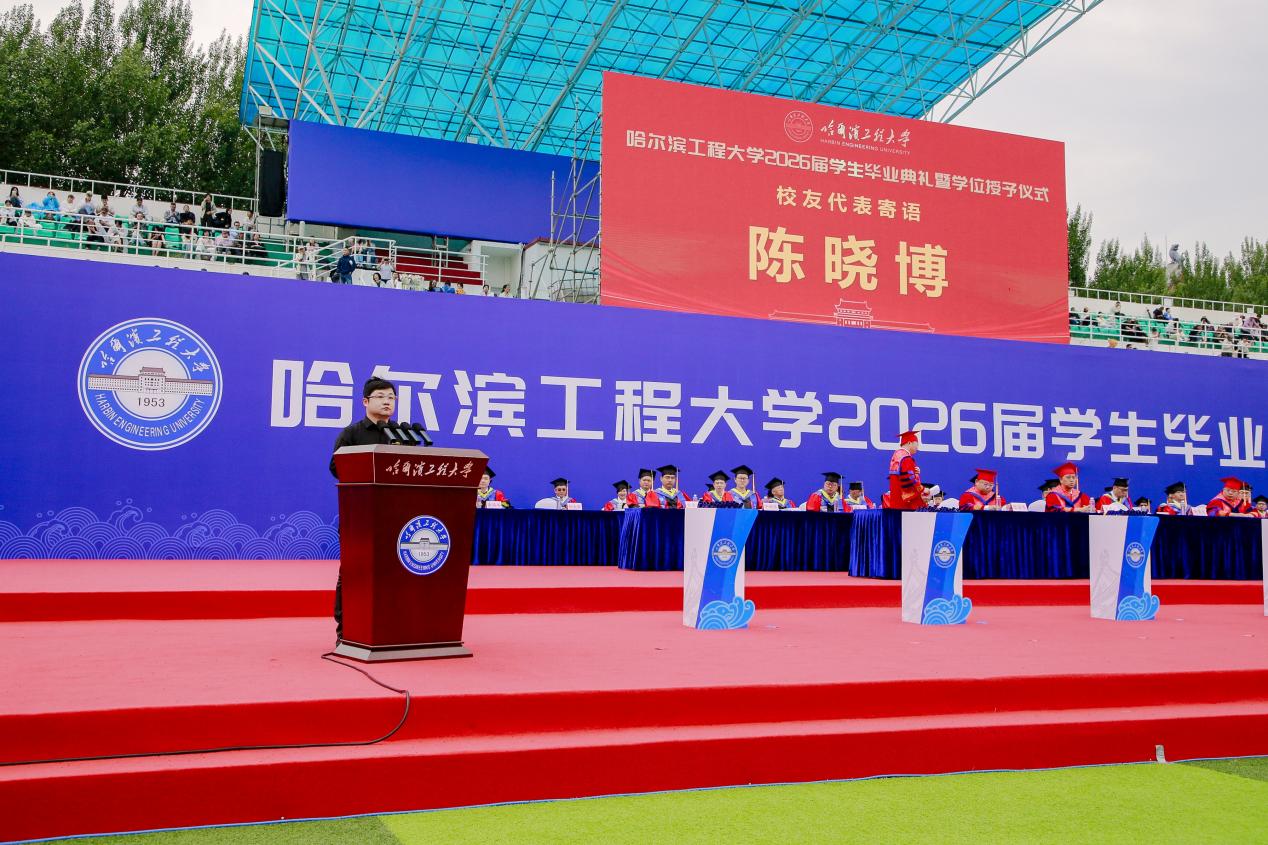
Striving for Excellence: Speech by Chen Xiaobo, Founder of Shihang Intelligence
During the graduation ceremony at Harbin Engineering University, Chen Xiaobo, the founder of Shihang Intelligence, recounted his journey from laboratory research to pioneering advancements in deep-sea robotics. He underscored the significance of converting innovative technology into viable marine applications, showcasing Shihang's accomplishments in the development of underwater robots. Chen highlighted the company's position as a global leader in the marine robotics sector, illustrating the potential impact of these technologies on the industry and the importance of practical applications in advancing marine exploration and research.
Marine Robotics Underwater Technology AI Innovation Startups
Kawasaki Robotics and Dexterity Expand Collaboration to Scale Physical AI for Warehouse Logistics
Kawasaki Robotics has unveiled the RL030N, an advanced 8 DoF (degrees of freedom) robot arm platform that integrates cutting-edge industrial robot engineering with Dexterity's Mech hardware and Foresight World Model technology. This innovative platform aims to enhance automation capabilities across various industries by providing greater flexibility and precision in robotic tasks. The announcement was made during a recent technology expo held in Tokyo, showcasing the latest advancements in robotics and automation. By combining expertise from multiple sectors, the RL030N is designed to meet the growing demand for sophisticated robotic solutions that can adapt to complex environments and tasks. The collaboration between these industry leaders highlights a commitment to pushing the boundaries of what robotic systems can achieve, ultimately aiming to improve efficiency and productivity in manufacturing and other applications.

Shape-shifting ‘Floaty’ drone uses updrafts for hovering with 90% less power use
A groundbreaking drone technology has emerged, designed to operate without the gravitational constraints faced by traditional multirotor drones. This innovative drone utilizes advanced engineering principles to achieve flight efficiency and stability, potentially revolutionizing aerial applications. Developed by a team of aerospace engineers, the drone aims to address limitations in current drone designs, such as battery life and maneuverability. Set to be unveiled at an upcoming aerospace technology conference in November 2023, the drone showcases a unique propulsion system that allows it to hover and navigate with unprecedented ease. The motivation behind this development stems from the increasing demand for more versatile and efficient drones in various sectors, including delivery services, surveillance, and environmental monitoring. By leveraging cutting-edge materials and design techniques, the engineers have created a prototype that promises to extend flight duration and enhance operational capabilities. As the industry anticipates its debut, experts are eager to explore the implications of this technology on future drone applications and its potential to reshape the landscape of aerial transport.
AI and Robotics
IEEE Rolls Out Large Language Models Virtual Training Course
Large language models (LLMs) have transitioned from research labs to everyday use in engineering, significantly altering how digital infrastructures are developed and maintained. As technical professionals increasingly rely on LLMs for complex tasks—such as identifying vulnerabilities in source code and converting fragmented discussions into detailed specifications—the demand for expertise in this technology is surging. According to MarketsandMarkets, the LLM technology market is projected to grow by approximately 33% annually through 2030. To effectively utilize LLMs, engineers must move beyond basic interactions and understand the underlying transformer architecture that enables these models to process vast datasets simultaneously. This knowledge is crucial to mitigate risks associated with inaccuracies, often referred to as "hallucinations," and to ensure reliable performance in coding and data handling. Key advancements include integrating LLMs with application programming interfaces (APIs) for direct database connections, addressing hallucination issues through retrieval-augmented generation (RAG), and prioritizing data security by establishing private model instances. Additionally, LLMs automate repetitive tasks, allowing engineers to focus on higher-level design and problem-solving. To bridge the growing knowledge gap, IEEE has launched an online program titled "Large Language Models Demystified," designed to equip technical professionals with a deeper understanding of LLMs. The curriculum covers the evolution of AI technology, transformer architectures, and practical model-building exercises. Participants will earn professional development credits and a digital badge upon completion, enhancing their credentials in this rapidly evolving field. Organizations interested in training their teams can consult with IEEE for tailored enrollment options.
Ai Type-ti Education Ieee-educational-activities Large-language-models Ieee-products-and-services
Robot Talk Episode 161 – Collaborative haptic systems, with Allison Okamura
Claire recently engaged in a conversation with Allison Okamura, a prominent figure in the field of engineering at Stanford University, where she holds the position of Richard W. Weiland Professor. The discussion centered on the development of advanced robotic systems designed for haptic interaction, which allows users to experience touch sensations through technology. Okamura's research encompasses a wide range of interests, including haptics, teleoperation, virtual reality, medical robotics, soft robotics, rehabilitation, and education. As the Director of Graduate Studies for Mechanical Engineering at Stanford, she is at the forefront of integrating these innovative technologies into various applications, aiming to enhance user experience and interaction in both medical and educational settings. The dialogue highlights the significance of haptic technology in creating more immersive and effective robotic systems, reflecting ongoing advancements in the field.
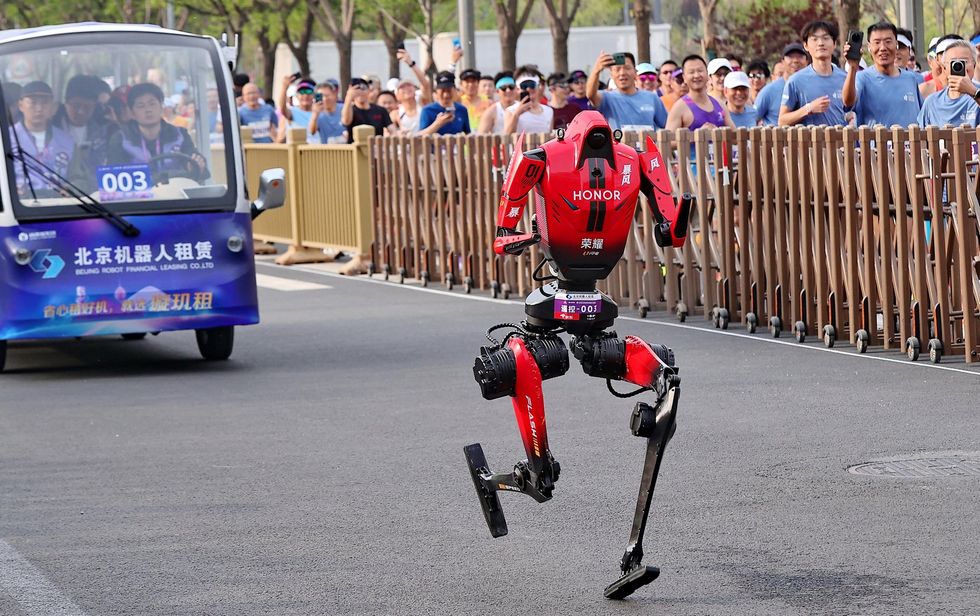
The Secret to Marathon-Winning Humanoid Robots
On April 19, 2026, the Honor Lightning humanoid robot set a remarkable record by completing a half-marathon in just 50 minutes and 26 seconds, surpassing the previous human world record by seven minutes and outperforming the best robot time from 2025 by nearly two hours. This achievement has sparked interest in the technology behind its performance, particularly in comparison to competitors like Unitree, which struggled with overheating issues during the race. The Lightning's success can be attributed to its innovative design, particularly its advanced liquid cooling system that prevents overheating during prolonged exertion. Unlike traditional air cooling methods, the robot utilizes capillary-like liquid cooling pipes that circulate over four liters of coolant per minute through its motors, allowing it to maintain optimal performance without succumbing to heat-related limitations. While the robot's motor specifications remain undisclosed, its engineering emphasizes an optimal gear ratio of 45:1, which balances torque and speed effectively for running. This design contrasts with other humanoid robots, which may be optimized for walking but struggle with the demands of running, resulting in higher power consumption and inefficiencies. Honor's achievement highlights not only the potential of humanoid robots in athletic endeavors but also the engineering trade-offs necessary for different tasks. While the Lightning excels in speed, it may not be as versatile for other applications, underscoring the importance of targeted engineering in robotics. The event has reignited discussions about the capabilities of machines versus humans, emphasizing that comparisons between the two should be approached with caution, as their strengths and limitations differ significantly.
Robotics Running-robots Robot-sports Humanoid-robots
ABB Robotics and PSYONIC Use Human-Generated Data to Advance Robotic Dexterity
ABB Robotics has partnered with California-based bionics company PSYONIC to enhance robotic dexterity and grasping capabilities by utilizing human-generated data from prosthetic use. Announced on June 16, 2026, this collaboration aims to address the significant challenge of replicating human-like dexterity in industrial robotics, which is essential for the development of Autonomous Versatile Robotics (AVR™). By integrating the PSYONIC Ability Hand with ABB's GoFa™ collaborative robot, the two companies will explore how real-world manipulation data can train robots to perform delicate tasks that are typically difficult to automate. This initiative is expected to reduce engineering time by up to 30% and improve productivity, flexibility, and workplace safety across various industries, including automotive, aerospace, packaging, logistics, and life sciences. Marc Segura, President of ABB Robotics, emphasized the importance of bridging the gap between human and robotic dexterity to enable robots to learn and interact with their environments more intuitively. Dr. Aadeel Akhtar, Founder and CEO of PSYONIC, highlighted that the collaboration will leverage high-fidelity data on movement and grip force to enhance robotic performance in complex tasks. The GoFa™ robot will provide the precision necessary for industrial applications, ensuring consistent execution of intricate movements, which is crucial for handling fragile or irregular objects. This partnership represents a significant step towards advancing physical AI in robotics, allowing for more effective collaboration between humans and machines.

Wing-shape tests could unlock smoother water-to-air drone launches
Researchers are making significant strides in developing unmanned aerial vehicles (UAVs), or drones, capable of executing the challenging maneuver of transitioning from water to air. This complex task, often performed effortlessly by birds and marine animals like mobula rays, has proven to be a formidable challenge for drone technology. As of October 2023, advancements in engineering and design are being explored to enhance the capabilities of these aerial vehicles, aiming to improve their performance in various applications, including search and rescue missions, environmental monitoring, and recreational use. The ongoing research highlights the potential for drones to operate in diverse environments, ultimately expanding their utility and effectiveness in real-world scenarios.
Robotics
US scientists’ new electron microscopy tech delivers 10,000x magnification compared to light microscopy
A team of researchers in the United States has developed a groundbreaking technology aimed at enhancing the performance of electron devices. This innovation, unveiled recently, promises to significantly improve the efficiency and capabilities of various electronic components. The research, conducted at a prominent university, addresses the growing demand for faster and more efficient electronic systems in an increasingly digital world. By leveraging advanced materials and innovative engineering techniques, the team has successfully created a method that optimizes electron flow, potentially revolutionizing the electronics industry. This development comes at a crucial time as industries seek to meet the challenges posed by modern technological demands, including the need for better energy efficiency and higher processing speeds. The researchers are now looking to collaborate with industry partners to further refine the technology and explore its applications in commercial products.
InnovationRobotics needs a service framework.
RSF defines a common language for robot service capability, lifecycle operations, certification pathways, and service-provider networks.