

Industry Briefing
A single destination for timely, editor-curated robotics news from around the world.
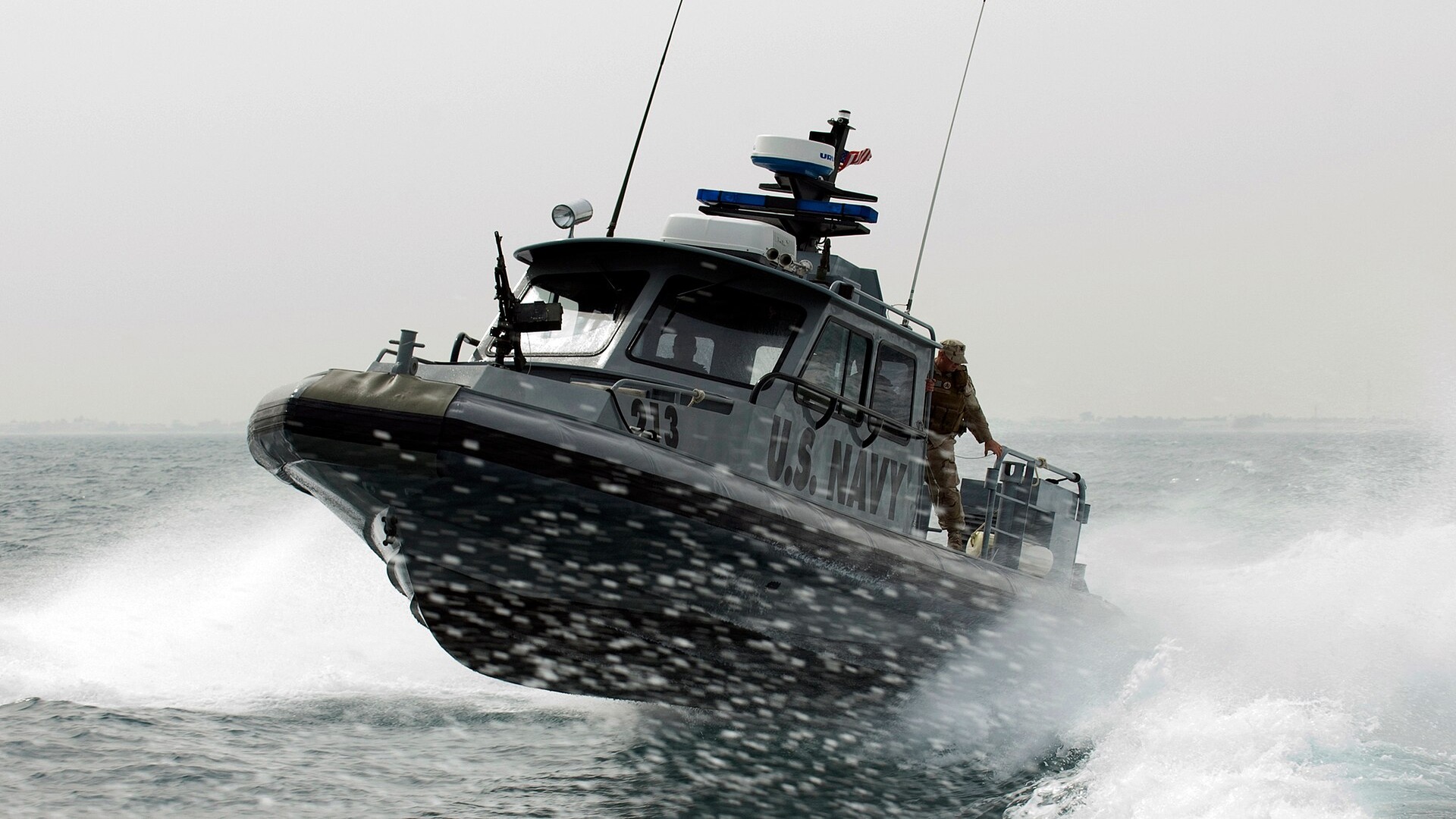
U.S. Navy Establishes RASWDC to Enhance Robotic Warfare Capabilities
The U.S. Navy has launched the Robotic and Autonomous Systems Warfighting Development Center (RASWDC) on September 24, aimed at integrating robotic and autonomous systems into naval operations. Led by Rear Admiral Melvin Smith, the center is headquartered at Joint Expeditionary Base Little Creek-Fort Story in Virginia and will serve as the Navy's primary hub for operational integration of these technologies. This initiative is crucial for maintaining the Navy's maritime advantage, as emphasized by Chief of Naval Operations Adm. Daryl Caudle. The RASWDC will provide sailors with advanced training and specialized doctrine necessary for high-end combat scenarios, reflecting the Navy's commitment to modernizing its operational capabilities through technology. Looking ahead, the RASWDC will focus on developing warfighting concepts, training personnel, and testing new technologies under realistic conditions. The Navy's approach includes evaluating unmanned aerial systems, uncrewed surface vessels, and unmanned underwater vehicles, with a clear intent to advance systems that prove effective while reassessing those that do not meet operational standards. No further timeline was disclosed at the time of publication.
Military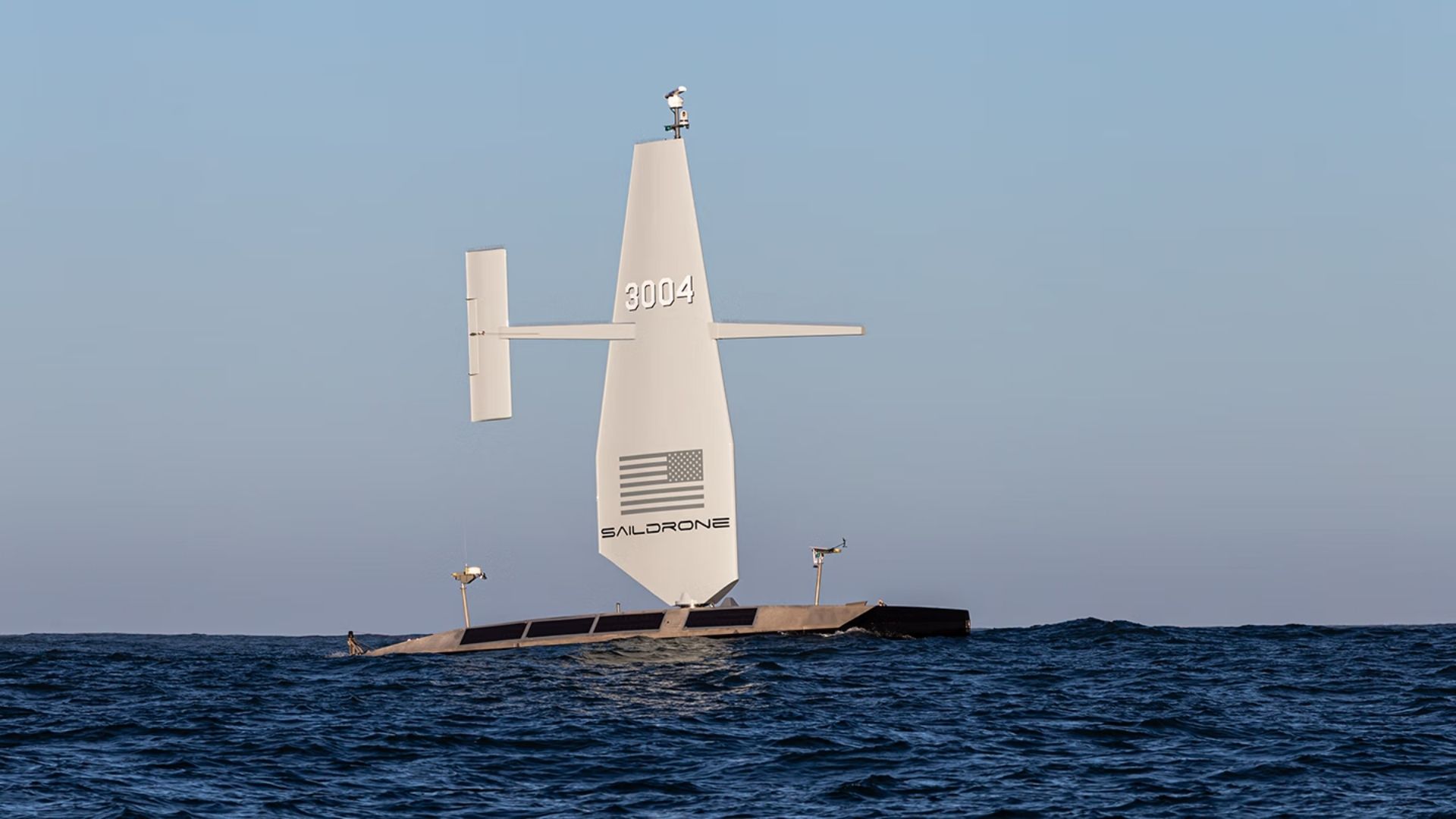
US Navy Awards $10 Million to Saildrone for Atlantic Seabed Mapping with USVs
The US Navy has awarded a $10 million contract to Saildrone to utilize autonomous vessels for mapping the Atlantic Ocean floor. This initiative, assigned by the Naval Oceanographic Office, is set to commence in 2026 and will continue through most of 2027, enhancing military knowledge of critical underwater terrain. This project is significant as it aims to improve safe navigation and support submarine missions, anti-submarine warfare, and critical infrastructure protection. Currently, only 28.7 percent of the world's oceans have been mapped to modern standards, leaving substantial knowledge gaps that can pose operational risks for naval operations. Looking ahead, the deployment of Saildrone's Surveyor unmanned surface vessels will not only provide high-resolution bathymetric data but also measure ocean currents, aiding search-and-recovery operations. No further timeline was disclosed at the time of publication.
Military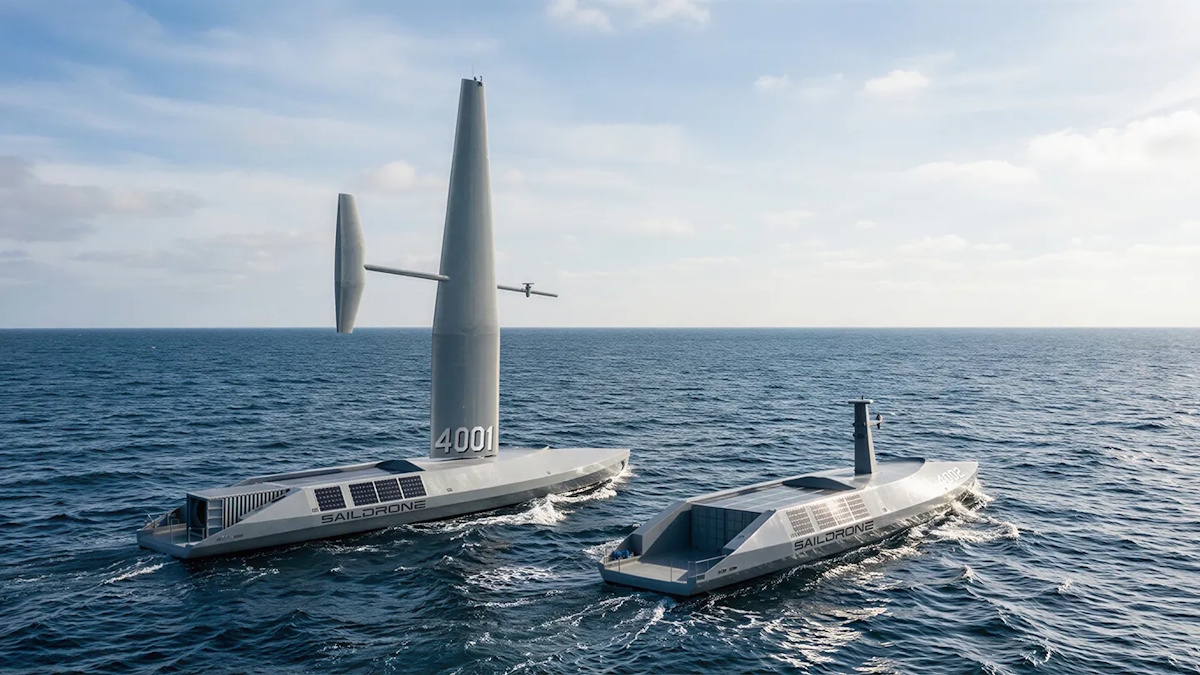
Introducing Saildrone Spectre: Next-generation USV for Anti-submarine Warfare and VLS Strike
The US Navy is grappling with significant challenges in upholding maritime dominance amid escalating global conflicts. As tensions rise in various regions, adversaries are increasingly focusing on strategically vital waterways and essential undersea infrastructure. The Navy's traditional reliance on episodic patrols by manned warships and capital assets proves inadequate for the continuous presence required to safeguard these expansive maritime areas. This situation underscores the urgent need for a more sustainable and effective operational strategy to address the evolving threats in the maritime domain.
saildrone spectre usv anti-submarine warfare (asw) vls strike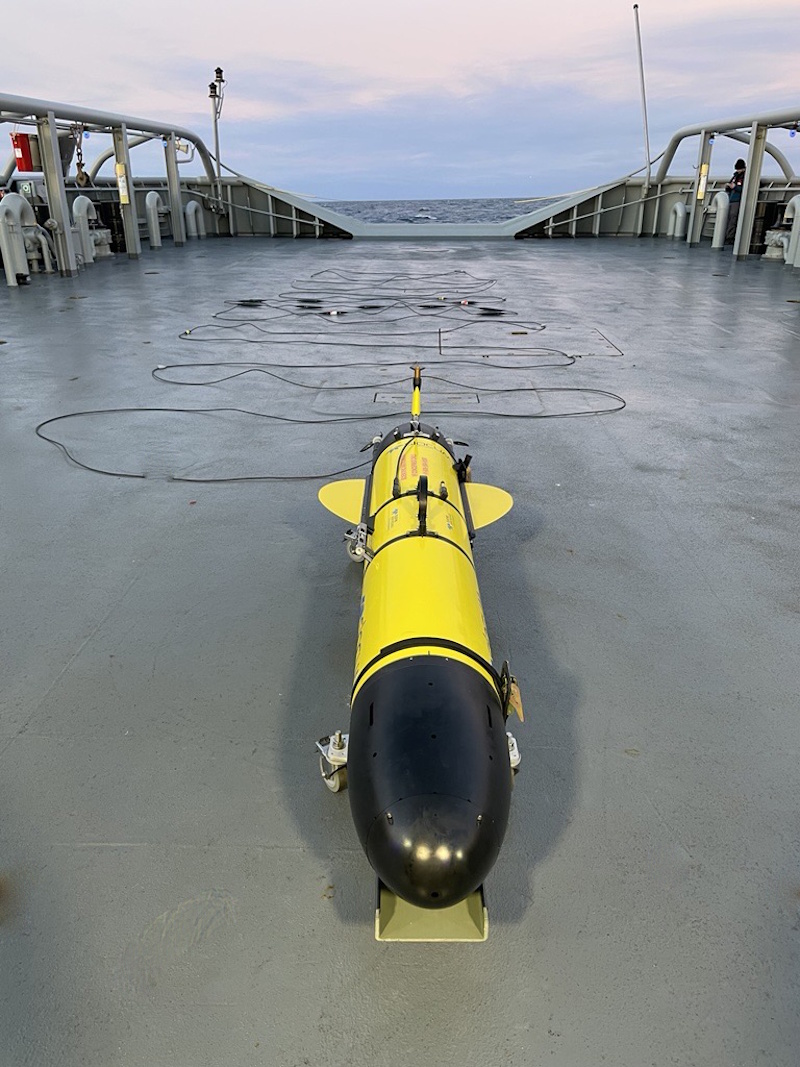
Teledyne Demonstrates Autonomous System for Anti-Submarine Warfare to NATO Members in the North Atlantic
Teledyne Technologies Incorporated recently showcased its advanced capabilities in Anti-Submarine Warfare (ASW) through a demonstration conducted in Icelandic waters from January 17 to January 22. The event featured the deployment of several state-of-the-art autonomous underwater vehicles, including the Slocum Sentinel Glider, equipped with a 60-meter-long passive acoustic towed array, and the Slocum G3 Glider, which integrates Teledyne Benthos acoustic communications technology. Additionally, two Advanced Profiling Explorer (APEX) floats were utilized, each fitted with ambient noise Passive Acoustic Monitoring systems. This demonstration highlights Teledyne's commitment to enhancing maritime security and underwater surveillance capabilities in response to evolving defense needs.
teledyne demo autonomous system anti-submarine warfare (asw) nato
Saildrone and Thales Australia Demonstrate Game-changing Capability for Autonomous Anti-Submarine Warfare
Saildrone, a leader in maritime autonomy, has partnered with Thales Australia to successfully integrate the BlueSentry thin-line towed array with the Saildrone Surveyor, resulting in a pioneering system designed for autonomous long-endurance undersea maritime domain awareness (MDA). This innovative project, backed by funding from the Office of Naval Research (ONR), represents a significant advancement in the field of persistent, real-time undersea surveillance. The collaboration aims to enhance the capabilities of maritime operations by providing continuous monitoring of underwater environments, thereby improving security and situational awareness in naval operations. The demonstration highlights the potential for autonomous systems to revolutionize maritime surveillance and response strategies.
saildrone thales australia autonomous anti-submarine warfare (asw)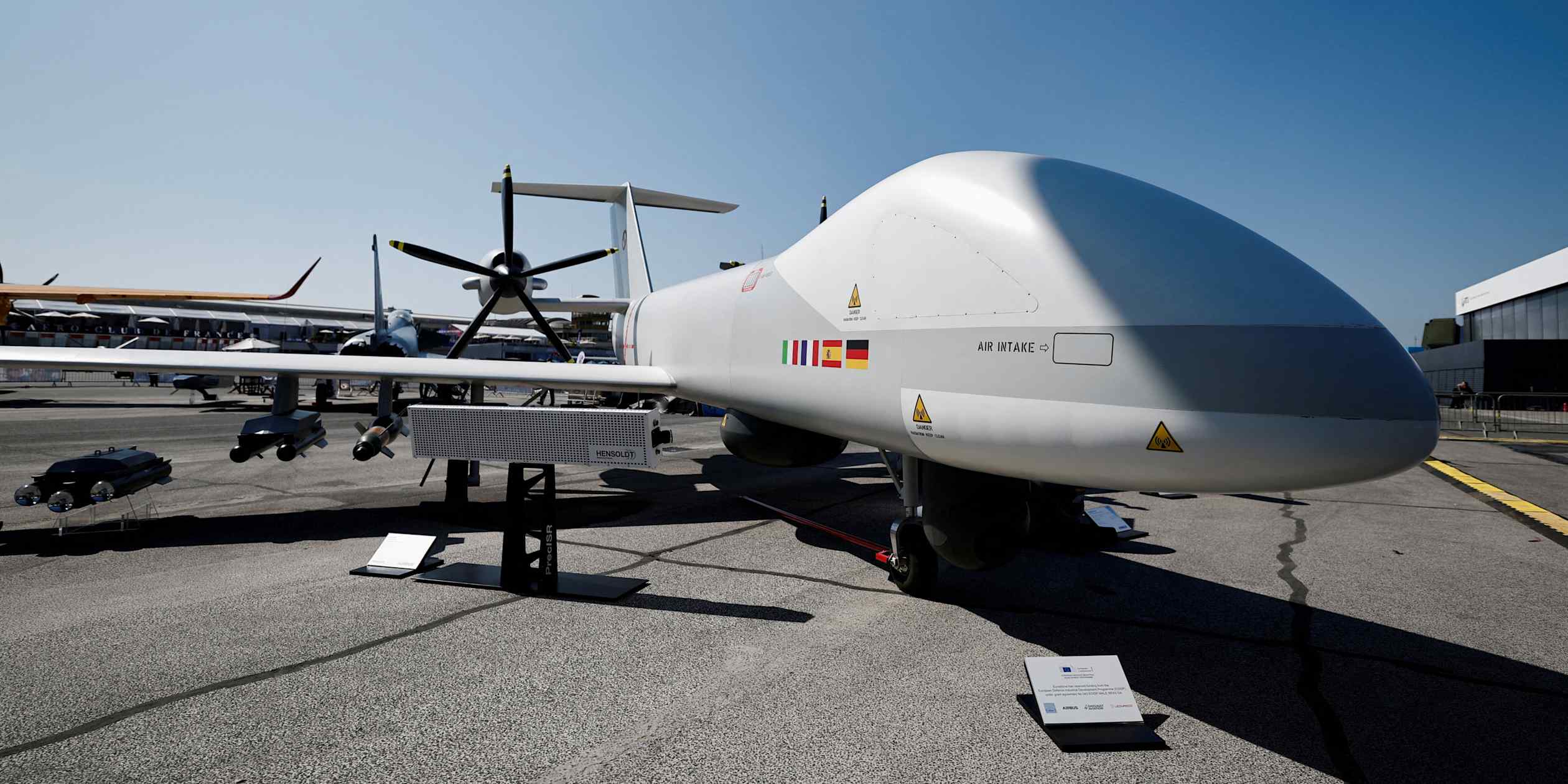
Kawasaki Heavy and Airbus to team up on anti-submarine drone for Japan
Kawasaki Heavy Industries is collaborating with Airbus to develop anti-submarine drones, aimed at enhancing Japan's maritime defense capabilities. This partnership, announced on June 26, 2026, will focus on equipping the existing Eurodrone with advanced maritime surveillance technology provided by Kawasaki. The initiative is intended to bolster Japan's defense strategy and will be proposed to the country's defense ministry for consideration. The collaboration reflects a growing emphasis on integrating advanced technology into national defense systems, particularly in response to regional security challenges.
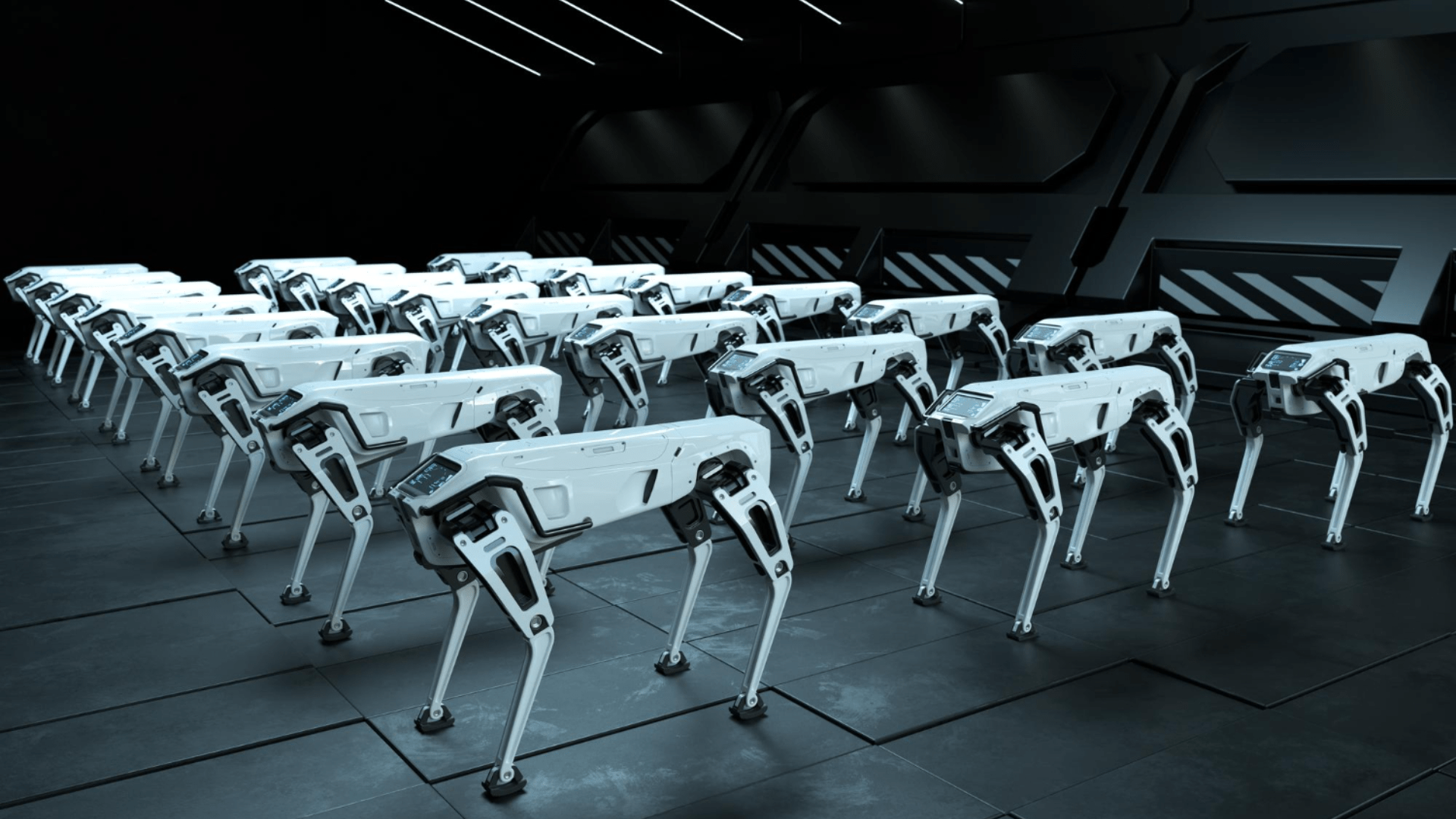
China showcases submarine-launched anti-mine vehicles, robotic combat dogs at defense expo
A new generation of autonomous underwater drones has been developed to detect and neutralize naval mines, marking a significant advancement in maritime security technology. This innovation was unveiled at a recent defense technology conference held in Washington, D.C., where experts gathered to discuss the future of naval warfare. The drones are designed to enhance safety for naval operations by providing a reliable solution to the persistent threat of underwater mines, which pose risks to both military and commercial vessels. The motivation behind this technological breakthrough stems from the increasing need for efficient and effective mine countermeasures in response to evolving maritime threats. By employing advanced sensors and artificial intelligence, these drones can autonomously navigate and identify mines, significantly reducing the risk to human divers and traditional mine-clearing vessels. The development process involved collaboration between defense contractors and military research organizations, leveraging cutting-edge technology to improve operational capabilities. As naval forces worldwide seek to modernize their fleets, this innovation is expected to play a crucial role in enhancing maritime security and ensuring safe passage in contested waters.

HII Builds on Manned-Unmanned Submarine Teaming Success with New Pentagon Deal Poised to Transform Undersea Warfare
HII, a prominent player in unmanned and autonomous maritime platforms, has secured a contract from the Defense Innovation Unit (DIU) to develop a submarine Torpedo Tube Launch and Recovery (TTLR) system. This innovative system aims to autonomously deploy and recover HII’s REMUS unmanned underwater vehicle (UUV) from U.S. Navy submarines. The contract underscores the growing emphasis on advanced maritime technologies and the need for efficient underwater operations within the Navy. The project is expected to enhance the capabilities of U.S. submarines, enabling them to conduct missions with greater effectiveness and safety.
hii manned-unmanned submarine teaming pentagon undersea warfareRobotics needs a service framework.
RSF defines a common language for robot service capability, lifecycle operations, certification pathways, and service-provider networks.
Join the RobotToday community on LinkedIn
Daily robotics news, in-depth analysis, conference highlights, and discussions with professionals worldwide.







