

Industry Briefing
A single destination for timely, editor-curated robotics news from around the world.

Kratos Valkyrie Drone Crashes During Test Flight at Dugway Proving Ground
A Kratos Valkyrie drone crashed at the U.S. Army's Dugway Proving Ground in Utah on August 4, 2026, following a test flight. The incident occurred shortly after takeoff, but no injuries or damage were reported. Kratos has paused flight operations for the Valkyrie to investigate the cause of the mishap, emphasizing safety as a priority. The crash is significant as it highlights ongoing developments in military drone technology, particularly for the Valkyrie series, which has been in operation since 2019. The U.S. Air Force is the first known operator, and the drone is being adapted for various configurations, including the Conventional Takeoff and Landing (CTOL) variant intended for the U.S. Marine Corps. Looking ahead, the investigation into the crash may impact future test flights and developments of the Valkyrie family. Kratos has expressed growing global interest in the Valkyrie drones, including partnerships for international military applications. No further timeline was disclosed at the time of publication.
News & Features Air Drones Loyal Wingman Unmanned XQ-58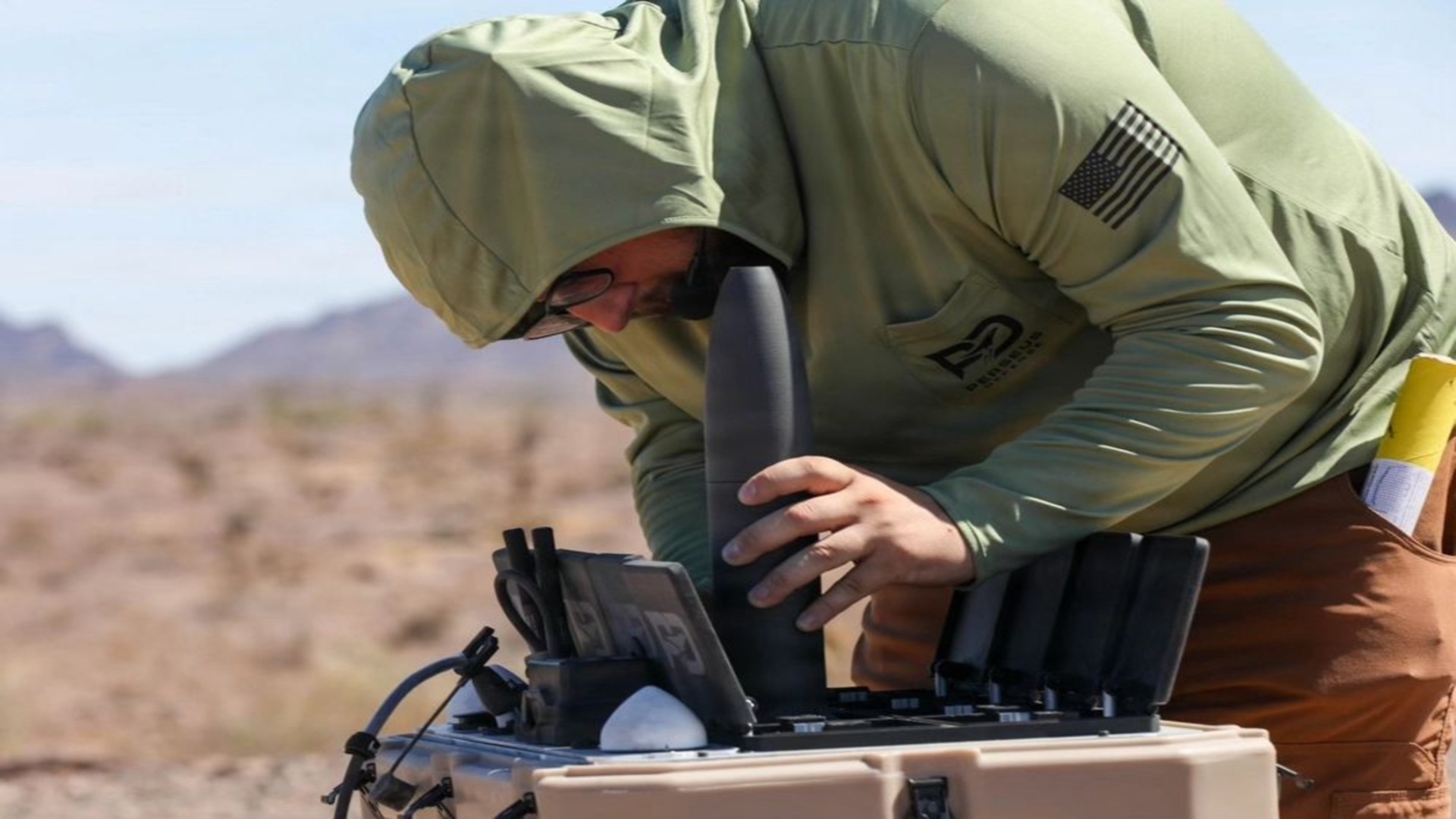
Perseus Defense Tests Low-Cost Mk-III Interceptor Against Drones at Yuma Proving Ground
Perseus Defense has successfully tested its Mk-III interceptor missile, designed to physically destroy small drones, at the Yuma Proving Ground in Arizona. This demonstration, part of Falcon Peak 26.2, showcases a cost-effective solution for military installations facing aerial threats, with each interceptor costing around $2,500. The Mk-III's kinetic hit-to-kill approach offers a significant advantage over traditional electronic warfare systems, which can struggle against drones using preprogrammed routes or fiber-optic communications. This capability is crucial as militaries seek affordable means to counter drones that typically cost only a few hundred dollars, compared to the high price of conventional missiles. Looking ahead, the demand for effective domestic counter-drone systems is expected to grow, especially following recent drone incursions over US military bases. No further timeline was disclosed at the time of publication.
Military
Hyundai Explores Deployment of Atlas Robots at Czech Manufacturing Plant
Hyundai Motor Group is considering the deployment of Atlas humanoid robots at its Czech manufacturing facility, marking Europe as a strategic testing ground following the US. This initiative aims to validate the robots' operational reliability and workplace integration, potentially leading to a broader rollout in the European market. The Czech plant, Hyundai's only auto manufacturing site in the EU, is already home to 566 operational robots, which have replaced approximately 200 workers over the past two decades. The introduction of Atlas robots could further enhance automation in a region facing labor shortages and an aging workforce, making it a prime location for advanced robotics. While no specific timeline for testing has been disclosed, discussions are ongoing between Hyundai's Czech plant and Boston Dynamics. Experts believe that successful deployment could not only benefit Hyundai's operations but also stimulate demand for humanoid robots across various industries in Europe, a market ripe for innovation.
All News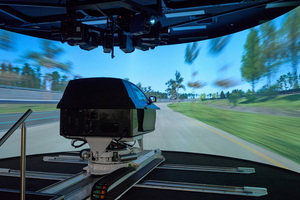
Virtual roads and wire cars: Hyundai’s digital proving ground
In Hwaseong, Gyeonggi Province, Hyundai Motor Group is at the forefront of transforming vehicle quality inspection to meet the demands of software-defined vehicles (SDVs). The company's Namyang research center has introduced innovative inspection technologies that leverage digital twin technology, robotics, and artificial intelligence. This initiative aims to enhance the efficiency and effectiveness of vehicle testing as automobiles increasingly rely on complex software systems. By pioneering these advancements, Hyundai is addressing the challenges posed by the evolving automotive landscape, ensuring that their vehicles meet the highest standards of quality and performance.
All News
Advances in Autonomous Vehicle Testing: The State of the Art and Future Outlook on Driving Datasets, Simulators, and Proving Grounds
A recent study published in the Journal of Field Robotics highlights advancements in autonomous robotic systems designed for agricultural applications. Researchers from a leading university conducted the study to explore how these robots can improve efficiency and sustainability in farming practices. The findings, released in early October 2023, indicate that the integration of advanced sensors and artificial intelligence allows these robots to perform tasks such as planting, monitoring crop health, and harvesting with greater precision. The research was conducted on various farms across the Midwest, where the team tested different robotic models under real-world conditions. The motivation behind this study stems from the increasing demand for food production and the need to reduce environmental impact. By employing autonomous technology, farmers can potentially decrease labor costs and enhance productivity while minimizing the use of pesticides and fertilizers. The study outlines the methodology used, including the development of algorithms that enable the robots to navigate complex terrains and adapt to changing environmental conditions. As agriculture faces challenges such as labor shortages and climate change, the implementation of these robotic systems could play a crucial role in the future of farming. The researchers emphasize the importance of continued innovation in this field to address global food security concerns effectively.
SURVEY ARTICLERobotics needs a service framework.
RSF defines a common language for robot service capability, lifecycle operations, certification pathways, and service-provider networks.
Join the RobotToday community on LinkedIn
Daily robotics news, in-depth analysis, conference highlights, and discussions with professionals worldwide.







