Industry Briefing
A single destination for timely, editor-curated robotics news from around the world.
Nowaste Logistics First to Install AutoCase from AutoStore with Swisslog's Support
Nowaste Logistics has made history as the first company globally to implement the AutoCase solution from AutoStore in one of its warehouses. This innovative system, which was launched in autumn 2025, has been supplied and installed by Swisslog, marking a significant milestone in logistics automation. The implementation of AutoCase is crucial as it represents a leap forward in warehouse efficiency and automation, allowing Nowaste Logistics to enhance its operational capabilities. According to Patrik Johnfors, head of solution design and implementation at Nowaste Logistics, the AutoCase solution is designed to optimize logistics processes and improve service delivery. Looking ahead, industry observers will be keen to see how the deployment of AutoCase impacts Nowaste Logistics' operational performance and whether it sets a precedent for other companies in the logistics sector. No further timeline was disclosed at the time of publication.
Logistics News Warehouse robots autocase automated case handling autostore
Iwa Robotics Launches Autonomous Drone Fleet for Wildfire Management Solutions
Iwa Robotics has unveiled three autonomous drone platforms aimed at assisting fire departments in detecting, assessing, and suppressing wildfires in both urban and wildland-interface areas. The drones, named Hawk, Canary, and Pelican, are part of Iwa's Discovery and Resolution Fleet, designed to operate collaboratively for enhanced firefighting capabilities. The introduction of these drones is significant as it enhances crew safety and operational efficiency in wildfire management. The Hawk drone specializes in long-endurance reconnaissance, while the Canary drone focuses on sensing and fire diagnostics. The Pelican drone is equipped for aerial suppression, addressing hot spots and establishing fire lines, thereby providing critical support to firefighting teams. Iwa Robotics plans to offer these drones through a fleet-as-a-service model, which includes aircraft, autonomy training, data services, maintenance, and insurance. This approach allows fire agencies to integrate advanced aerial detection and suppression capabilities without the need for upfront equipment purchases. No further timeline was disclosed at the time of publication.
AI AI Funding & Investment AI Use Cases Robotics autonomous drones Iwa Robotics
Logistik Schmitt Strengthens Partnership with Infios Through Yard Management Solution Deployment
Logistik Schmitt is enhancing its collaboration with Infios by deploying the Infios Yard solution at its Rastatt site, improving visibility and efficiency in yard operations. This Yard Management System (YMS) project extends their successful partnership, which has already seen Infios Warehouse Management support logistics processes at various Logistik Schmitt facilities. The deployment is significant as it addresses the complex logistics needs of the automotive sector, where Logistik Schmitt provides tailored solutions for production supply and distribution. The Infios Yard solution optimizes yard operations by offering real-time visibility over trailer movements and improving process stability, thus enabling more efficient material flow management across approximately 450 daily movements at 150 gates. Looking ahead, Logistik Schmitt and Infios plan to continue their collaboration to further enhance operational performance in automotive manufacturing. No further timeline was disclosed at the time of publication.
Logistics Insight
U.S. Army Integrates FireAnt UGVs with Bradley Vehicles During Pegasus Charge 3 Experiment
The U.S. Army is testing the integration of small unmanned ground vehicles (UGVs) into armored formations by carrying them on M2A4 Bradley infantry fighting vehicles. Footage from Swarmbotics AI, released on August 25, 2026, shows a Bradley transporting at least five FireAnt UGVs during the Pegasus Charge 3 experiment with the 1st Cavalry Division. This initiative is significant as it explores how existing armored vehicles can deploy multiple robotic systems alongside traditional crewed roles. The FireAnt, developed by Swarmbotics AI, is designed for various missions, including intelligence and reconnaissance. The Army's approach raises important questions about the integration of robotic systems into combat formations, emphasizing the need for innovation in military doctrine. Looking ahead, the use of Bradleys to carry UGVs could enhance operational flexibility, allowing commanders to deploy unmanned systems for reconnaissance and other missions in high-risk areas. No further timeline was disclosed at the time of publication.
Military
Worms Navigate Narrow Paths More Efficiently Than Wider Ones, Impacting Robot Design
Recent research reveals that worms can traverse narrow paths more quickly than wider ones, challenging conventional assumptions about navigation efficiency. This finding is significant as it suggests that the design of robotic systems could benefit from mimicking the movement patterns of worms in confined spaces. Observing how these organisms adapt to their environments may lead to advancements in robotics, particularly in applications requiring precise navigation in tight areas.
Robotics
Chinese Automakers Embrace Humanoid Robots Following Tesla's Lead for Profit Potential
Chinese automakers are increasingly investing in humanoid robots, inspired by Tesla's advancements in the field. Xpeng's robotics unit recently raised over $900 million, achieving a valuation exceeding $6.3 billion, marking the largest single-round private financing in China's embodied AI sector. This surge in investment reflects a growing belief in the profitability of humanoid robots, with several companies, including Chery Automobile and BYD, also entering the market. The interest from Chinese automakers is significant as they leverage their manufacturing capabilities to develop humanoid robots. Xpeng, in particular, is closely following Tesla's initiatives, with CEO Michael Dunne noting their commitment to autonomy and humanoid robotics. The investment from Xpeng's founders, totaling around $100 million, underscores their confidence in the potential of robots like Iron, designed for commercial use. As the competition intensifies, the focus will be on whether these companies can match Tesla's AI advancements. Other players in the humanoid robot space, such as Agility Robotics and Apptronik, are also striving for large-scale commercial deployment. No further timeline was disclosed at the time of publication.
Robotics Transportation Tesla Xpeng
Huawei and HP Ink Multi-Year Global Patent Cross-Licensing Agreement for Wi-Fi Technology
Huawei and HP Inc. have entered into a multi-year global patent cross-licensing agreement that encompasses Huawei's extensive Wi-Fi portfolio. This agreement includes provisions for the latest Wi-Fi 7 standard, reflecting both companies' commitment to advancing wireless technology. This partnership is significant as it allows both Huawei and HP to leverage each other's innovations in Wi-Fi technology, potentially enhancing their product offerings and competitive positioning in the market. The inclusion of the Wi-Fi 7 standard indicates a forward-looking approach to meet the growing demand for high-speed wireless connectivity. Looking ahead, industry stakeholders will be keen to observe how this agreement influences product development and market strategies for both companies. No further timeline was disclosed at the time of publication.

Unauthorized Drones Disrupt Wildfire Response Efforts in the Northwestern U.S.
Unauthorized drones continue to pose significant challenges to wildfire response efforts in the Northwestern U.S., particularly affecting operations at the Wrights Spring Fire in Oregon. The Northwest Incident Management Team 7 reported five drone incursions over several days, which grounded aerial firefighting operations, including UAVs and Type 1 helicopters. This disruption has serious implications for firefighting effectiveness and safety. The grounding of aerial resources due to unauthorized drone activity has raised concerns among firefighting officials. Cheyne Rossbach, a spokesman for the incident management team, highlighted that these incursions hindered reconnaissance and fire suppression efforts, impacting the safety and efficiency of operations. The Wrights Spring Fire, which has burned approximately 55,500 acres and is 65% contained, has seen about 700 personnel involved in firefighting efforts. Looking ahead, the potential for collisions between drones and manned aircraft remains a critical concern. Officials emphasize the importance of public awareness regarding temporary flight restrictions in disaster areas. As the wildfire season progresses, monitoring drone activity will be crucial to ensure the safety of firefighting operations and prevent further disruptions.
Drone News Drone News Feeds FAA Fire and Police Firefighter News
Microsoft's Office Branding Strategy During Early Windows PC Era Explained
Stephen Sinofsky, former head of Microsoft's Office division, discussed the company's branding strategy for Office products from 2000 onwards. He revealed that the rebranding occurred every 24 to 36 months to maintain consumer interest and drive sales, particularly in retail environments where software was primarily sold. This strategy was crucial as the market shifted from physical sales to volume licensing for businesses. The importance of this rebranding approach lies in its adaptation to changing market dynamics. Sinofsky noted that prior to 2000, retail sales dominated, but as the landscape evolved, the focus shifted towards ensuring that corporate clients felt the need to upgrade their software. This was essential for maintaining sales momentum and ensuring that existing products did not become perceived as outdated. Looking ahead, the implications of this branding strategy may influence how Microsoft continues to market its Office products in the future, especially as the demand for new features and updates evolves. No further timeline was disclosed at the time of publication.
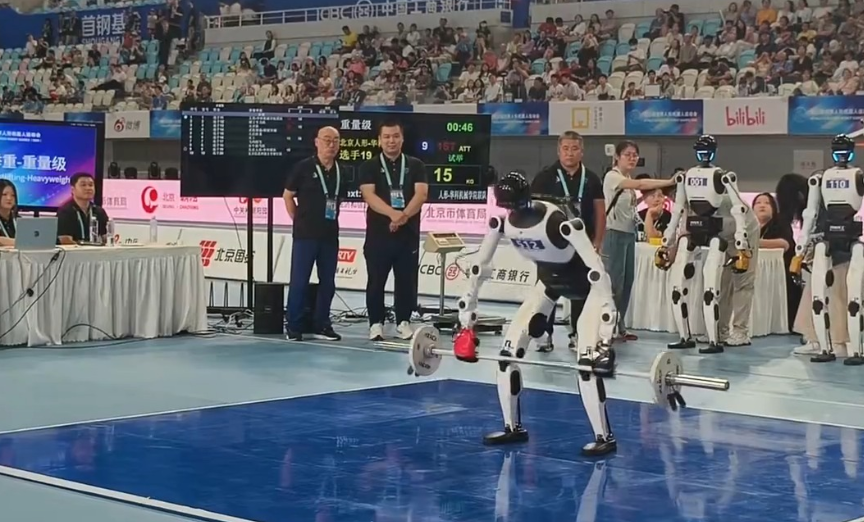
Beijing Humanoid–HUST Team Secures First Weightlifting Title with 16kg Lift
The Beijing Humanoid–HUST team achieved a significant milestone by winning the first humanoid robot weightlifting title, successfully lifting 16 kilograms. The robot initially lifted 15 kilograms before adding weight to complete the impressive 16-kilogram lift. This achievement took place during the second World Humanoid Robot Games, which featured 51 competitions and over 2,000 robots from 16 countries. This victory is notable as it highlights advancements in humanoid robotics and showcases the competitive spirit within the field. The event not only emphasizes the capabilities of humanoid robots but also fosters international collaboration and innovation among participants from various countries. The participation of 16 nations underscores the growing interest and investment in robotics technology. Looking ahead, the success of the Beijing Humanoid–HUST team may inspire further developments in humanoid robotics and weightlifting capabilities. As the World Humanoid Robot Games continue, it will be interesting to observe how other teams respond and innovate in this rapidly evolving field. No further timeline was disclosed at the time of publication.
News Feed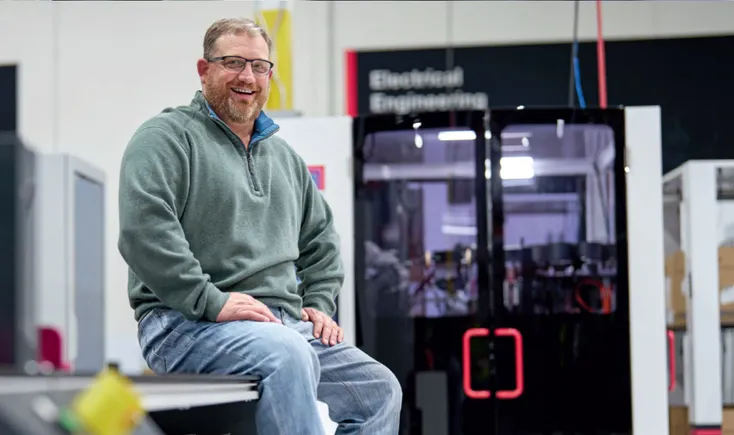
Eplan and Rittal Enhance Manufacturing Efficiency with Digital Twins for Business Growth
R&D Specialties, a UL-certified panel builder in Odessa, Texas, faces challenges in scaling due to a lack of skilled labor and inefficiencies in the design-to-manufacturing process. The disconnect between design, sourcing, and fabrication leads to significant costs that often go unnoticed, impacting margins and delivery timelines. Eplan and Rittal address these issues by implementing a digital twin system, which streamlines the workflow and ensures that all teams work from a single source of truth, reducing errors and improving efficiency. The collaboration between Eplan and Rittal is crucial for manufacturers like R&D Specialties, as it tackles the hidden costs associated with traditional handoffs in the production process. By integrating Eplan's engineering software with Rittal's manufacturing capabilities, the companies create a seamless flow of information that enhances productivity and reduces the risk of delays. This approach not only optimizes operations but also positions businesses for growth in a competitive market. Looking ahead, manufacturers should monitor the adoption of digital twin technologies as a means to bridge gaps in their processes. The success of Eplan and Rittal's solution could inspire other companies to explore similar integrations, ultimately leading to improved operational efficiency and better financial outcomes. No further timeline was disclosed at the time of publication.
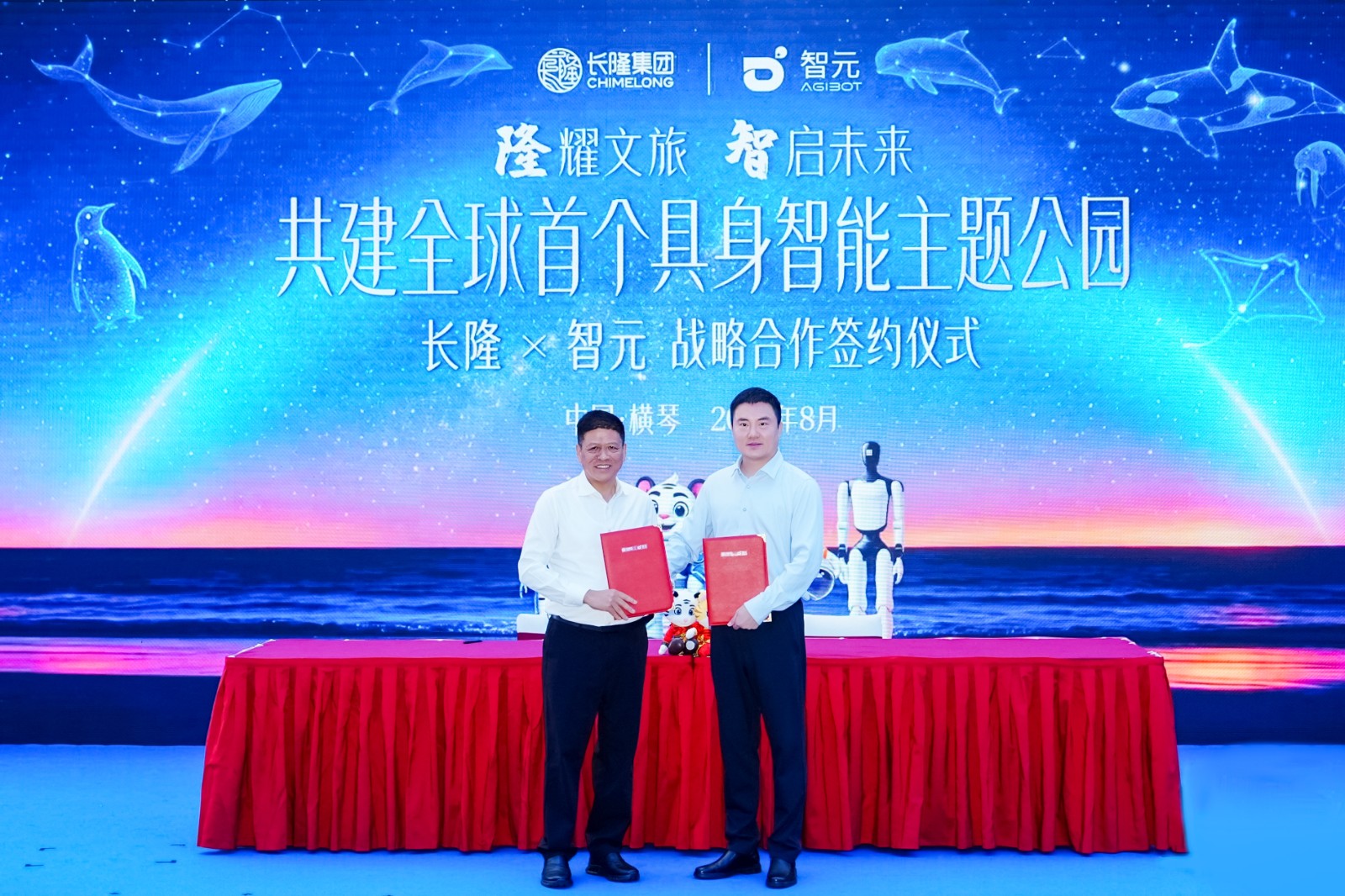
AGIBOT Collaborates with Chimelong to Launch First Embodied Intelligence Theme Park
AGIBOT has formed a partnership with Chimelong Group to establish the world's inaugural embodied intelligence theme park. This groundbreaking initiative will showcase unique attractions, including a robot circus and various immersive experiences, all designed to revolutionize the culture and tourism sectors through cutting-edge robotic technologies. This collaboration is significant as it represents a pioneering effort to integrate advanced robotics into the entertainment industry, potentially setting new standards for theme parks globally. By leveraging embodied intelligence, AGIBOT and Chimelong aim to enhance visitor engagement and create memorable experiences that blend technology with cultural elements. Looking ahead, industry observers will be keen to see how this theme park evolves and what additional attractions may be introduced. No further timeline was disclosed at the time of publication.
Embodied Intelligence Theme Park Robotics Culture and Tourism Innovation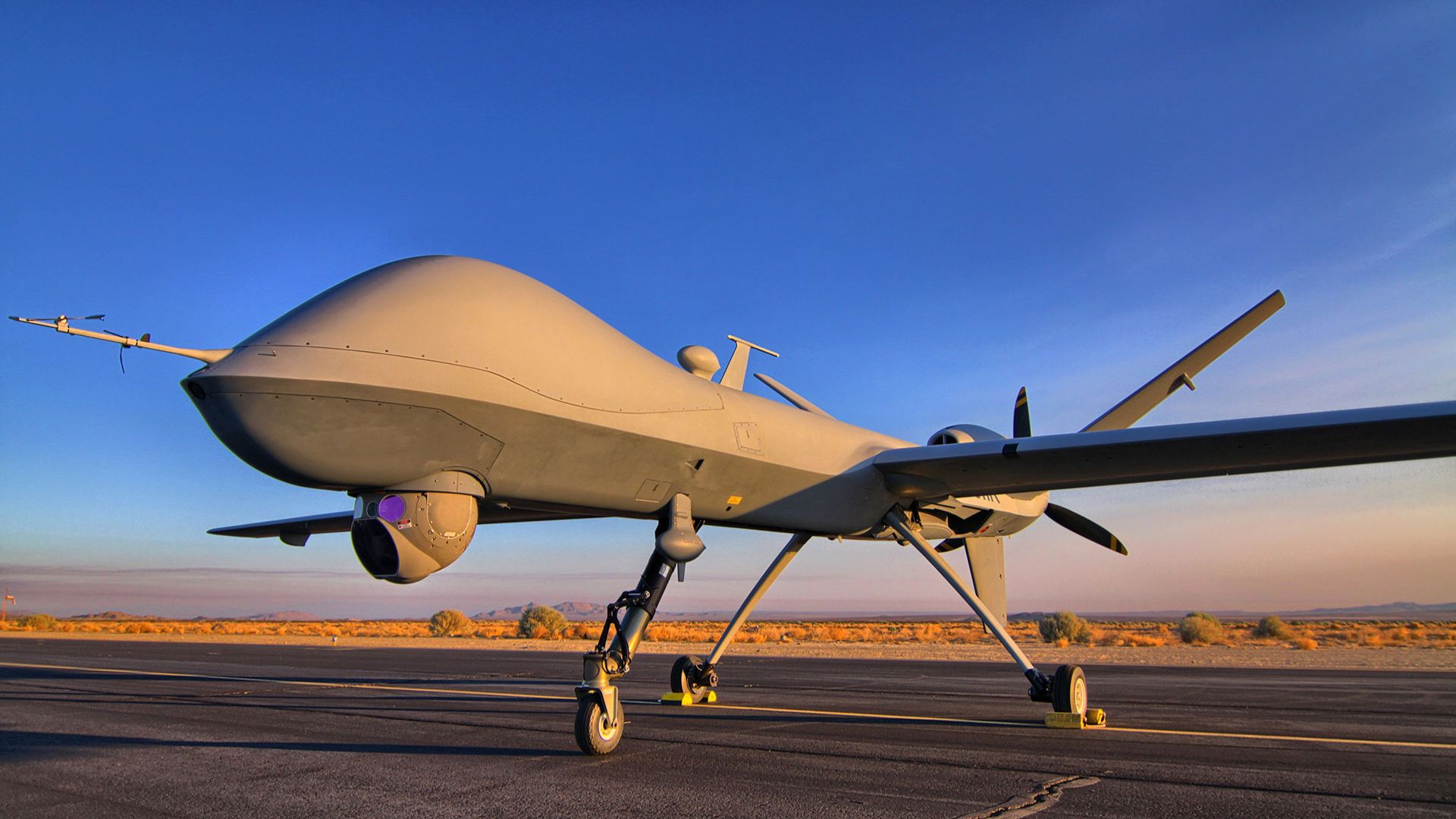
General Atomics Introduces Wildfire Drone with 11,500-Mile Range and Anti-Ship Missile Capability
General Atomics has announced the Wildfire, a new long-range unmanned aircraft concept designed to meet modern drone warfare demands and potentially succeed the MQ-9 Reaper. This Unmanned Aerial System (UAS) aims to fulfill the Pentagon's requirements for medium-altitude, long-endurance aircraft capable of intelligence, surveillance, reconnaissance, and strike missions. The Wildfire is being developed with a 10,000-nautical-mile ferry range and the capacity to carry up to four AGM-158C Long Range Anti-Ship Missiles (LRASM). It is also designed to coordinate swarms of up to 100 aircraft under semi-autonomous control, addressing the Pentagon's evolving airpower strategy that anticipates losses in high-end conflicts. The Pentagon's Massed Modular Aircraft (MMA) program seeks cost-effective, modular unmanned aircraft capable of operating in significant numbers. General Atomics aims to meet these requirements, with prototype flight testing expected to begin within 21 months of contract award, targeting initial operational capability by fiscal year 2031.
Military
Response to Drone Overflights During Spokane Wildfires Disrupts Firefighting Efforts
Federal and local officials have condemned drone overflights during recent wildfires in eastern Washington, which led to the temporary grounding of firefighting aircraft. The wildfires, which affected Spokane, resulted in the destruction of approximately 800 buildings and the evacuation of tens of thousands of residents. In response, the FAA issued a temporary flight restriction from August 2 to August 15, limiting airspace up to 7,000 feet MSL. The presence of unauthorized drones in the restricted airspace raised significant concerns for firefighting operations. Phil Randolph, a supervisory special agent with the FBI’s Seattle office, highlighted the potential impact on firefighting efforts, questioning whether the grounding of aircraft delayed critical operations that could have saved neighborhoods. The FBI Counter-UAS Task Force, which includes local law enforcement agencies, was deployed to monitor the situation and mitigate risks associated with drone activity. On August 2, the Task Force detected 26 unauthorized drones, followed by an additional 13 the next day, prompting the grounding of firefighting aircraft due to safety concerns. Although no arrests were made, the Task Force collected pilot information for potential FAA investigation. The ongoing situation underscores the need for stricter enforcement of airspace regulations during emergencies.
Anti-drone technology Drone News Drone News Feeds Drones in the News emergency response Fire and Police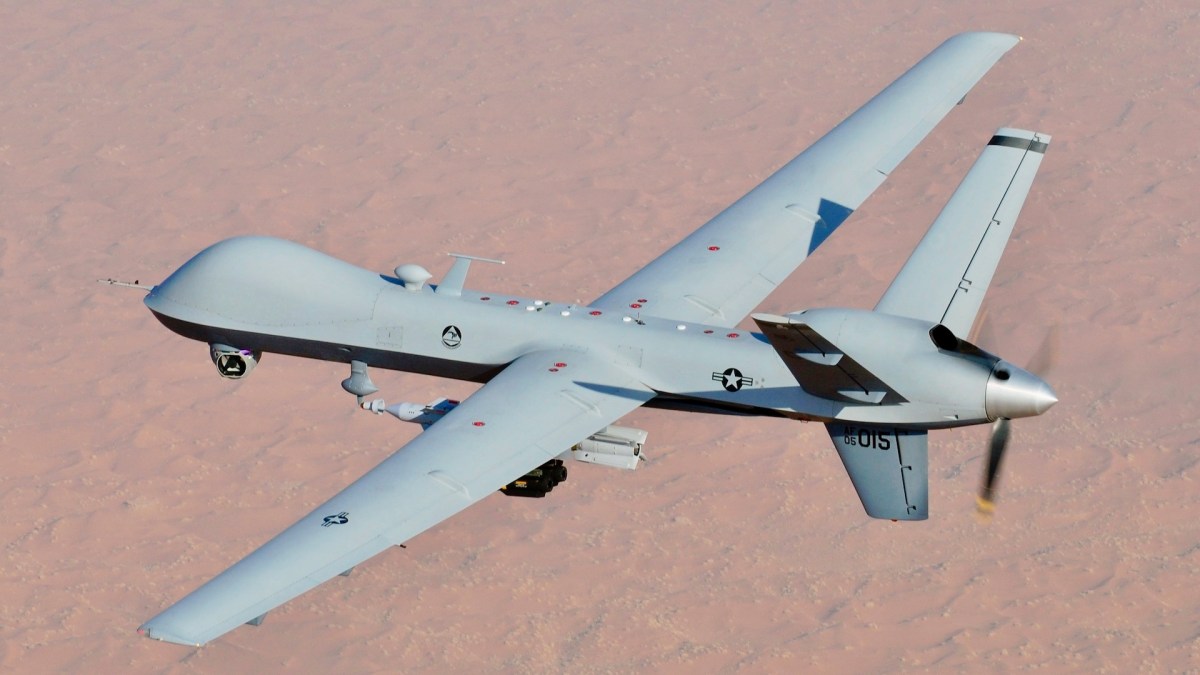
General Atomics Introduces Wildfire Drone as Successor to MQ-9 Reaper
General Atomics has announced the Wildfire Unmanned Aerial System, a next-generation medium-altitude, long-endurance drone. This development aligns with the Pentagon's need for a modular and cost-effective successor to the MQ-9 Reaper, which has faced significant operational losses in recent conflicts. The Wildfire aims to enhance capabilities in high-risk environments, addressing concerns about the dwindling MQ-9 fleet and its performance against peer threats like China. The introduction of the Wildfire is significant as it represents a shift in military strategy towards more adaptable and affordable unmanned systems. The Pentagon's Defense Innovation Unit has initiated the Massed Modular Aircraft program to explore options for replacing the Reaper, emphasizing the need for a flexible, risk-tolerant aerial solution. This change reflects the evolving dynamics of modern warfare, where traditional high-value aircraft may no longer be sustainable in high-end conflicts. Looking ahead, the focus will be on the development and deployment of the Wildfire UAS and its integration into military operations. General Atomics is committed to advancing this technology, with ambitions for extensive production to meet the demands of modern warfare. No further timeline was disclosed at the time of publication.
Air Air Forces Drones News & Features U.S. Air Force Unmanned
Astronauts Capture Wildfire Smoke Over Mount Rainier and Mount Hood from ISS
Astronauts aboard the International Space Station recently photographed Mount Rainier enveloped in smoke from wildfires affecting the Pacific Northwest. As of August 12, over 84,000 acres have burned in Washington and Oregon, marking the worst fire season in over 30 years. The smoke has created unhealthy air quality levels and forced evacuations, with over 2.7 million acres burned across North America by mid-August. The significance of these wildfires extends beyond immediate dangers, as they highlight the increasing impact of climate change on fire frequency and intensity. The images captured from space provide a unique perspective that can aid in understanding and combating wildfires on Earth. The National Interagency Fire Center has warned of a higher-than-normal risk for continued wildfires throughout August. Looking ahead, the ongoing situation requires close monitoring as the region grapples with numerous uncontained wildfires. The use of satellite imagery will be crucial in supporting firefighting efforts and understanding the broader implications of these environmental challenges. No further timeline was disclosed at the time of publication.
Earth Astronomy Solar System
Intermittent Swimming Enhances Energy Efficiency in Fish-Inspired Robotic Movements
A collaborative research team from EPFL, Duke University, and Instituto Superior Tecnico has developed a robotic platform named ZBot, inspired by larval zebrafish, to explore the energy efficiency of intermittent swimming. This study highlights the advantages of bout-and-glide swimming, which alternates active propulsion with passive gliding, potentially optimizing energy use in robotic systems. The significance of this research lies in its potential to extend operational time for robots while reducing battery load, leading to lighter and more durable designs. By mimicking natural locomotion strategies evolved over billions of years, the ZBot aims to replicate the energy-saving mechanisms observed in aquatic organisms, making it a valuable tool for future robotic applications. Future developments will focus on further refining the ZBot's capabilities and understanding the neural control mechanisms behind intermittent swimming. No further timeline was disclosed at the time of publication.

XGBoost and SHAP Framework Analyzes Wildfire Susceptibility in Antalya Region
A recent study utilized an XGBoost and SHAP framework to map wildfire susceptibility in Antalya, revealing significant insights into the factors influencing fire risks. The analysis highlighted that human-related factors play an increasingly critical role in areas where urban and wildland interfaces intersect. Understanding wildfire susceptibility is essential for effective risk management and resource allocation, especially in regions like Antalya that face unique environmental challenges. The findings underscore the importance of considering human impacts when developing strategies to mitigate wildfire risks in vulnerable areas. Looking ahead, stakeholders should monitor how urban development and human activities continue to influence wildfire susceptibility in Antalya and similar regions. No further timeline was disclosed at the time of publication.

Microsoft Warns of Microsoft 365 Account Threats on Hotel Wi-Fi Networks
Recent reports indicate that Microsoft 365 accounts are being targeted through hotel Wi-Fi networks, raising concerns about public Wi-Fi security. Attackers are employing DNS poisoning tactics to redirect users to fake login pages, compromising their credentials. This shift in threat landscape necessitates a reevaluation of public Wi-Fi usage and security measures. The evolution of public Wi-Fi security perceptions has changed over the past decade, with HTTPS making connections seem safer. However, the emergence of sophisticated attacks like those reported by ReliaQuest highlights vulnerabilities that could undermine this sense of security. Users must now consider the risks associated with public Wi-Fi, particularly in hospitality settings. Looking ahead, organizations and individuals should adopt stricter security protocols, such as using full-tunnel VPNs and verifying sites before entering credentials. As the threat landscape evolves, continuous updates and awareness of security practices are essential for safeguarding sensitive information against emerging threats.

BRINC Enhances LiveOps with Real-Time Wildfire and Smoke Tracking Features
BRINC has introduced two new map layers to its LiveOps platform, providing real-time wildfire and smoke tracking for public safety agencies. Launched on August 7, this feature allows users to access critical information without switching applications, streamlining operations during wildfire responses. The integration of fire detection and smoke condition data from the National Oceanic and Atmospheric Administration (NOAA) aims to enhance situational awareness for fire departments and emergency managers. By displaying this information directly on the existing drone operations map, BRINC facilitates quicker decision-making in challenging conditions, particularly when visibility is compromised. As wildfire response becomes increasingly complex, BRINC's initiative reflects a broader trend towards consolidating operational data. The company aims to transform LiveOps into a comprehensive operational tool, integrating various data sources to support over 1,000 public safety agencies and 20% of US SWAT teams. No further timeline was disclosed at the time of publication.
News
BRINC Enhances LiveOps with Wildfire and Smoke Tracking Features for Drones
BRINC has introduced wildfire and smoke tracking capabilities to its LiveOps platform, enhancing support for public safety agencies during fire responses. Announced on August 10, the new features include two map layers that display active fire detections and current smoke conditions, available to all customers at no extra cost since August 7. This integration utilizes data from the National Oceanic and Atmospheric Administration (NOAA). The addition of these features is significant as it provides responders with a comprehensive operational overview without the need to switch between different systems. Fire departments and emergency managers can utilize this information to coordinate wildfire responses effectively, while law enforcement can monitor smoke conditions that may hinder visibility in affected areas. BRINC's CEO, Blake Resnick, emphasized the importance of streamlining information access for agencies stretched thin during wildfire incidents. Looking ahead, BRINC continues to focus on integrating various public safety data sources into its LiveOps platform. The company has previously responded to customer feedback by incorporating features like live traffic information from Google Maps. No further timeline was disclosed at the time of publication.
Applications Drone News Drone News Feeds emergency response Featured – Safety and Security Fire and Police
USS Theodore Roosevelt Becomes First Carrier with Fully Operational Drone Control Center for MQ-25 Stingray
The USS Theodore Roosevelt has achieved a significant milestone by becoming the first U.S. Navy supercarrier equipped with a fully operational Unmanned Air Warfare Center (UAWC) capable of supporting the MQ-25 Stingray drone. This development is a crucial step towards the Navy's goal of achieving initial operational capability (IOC) for the MQ-25, now projected for 2029 after several delays. This advancement is vital as it enhances the Navy's aerial capabilities, allowing for the integration of the MQ-25 Stingray into routine carrier operations. The UAWC on the Theodore Roosevelt is expected to facilitate the deployment of the Stingray, which aims to extend the operational range of carrier air wings while reducing the reliance on crewed aircraft for refueling missions. Looking ahead, the Navy plans to deploy the MQ-25 Stingray first on the USS Theodore Roosevelt, with the USS Ronald Reagan's UAWC expected to be operational by August 2026. The integration of the UAWC and the MQ-25 program remains a focal point for the Navy as it seeks to modernize its carrier operations and enhance mission effectiveness.
Air Carriers MQ-25 Navies Nimitz Class Sea
Fuhang Micro Achieves Record Q2 Earnings with 10x Profit Increase, Innovating AI Chips for Robotics
On July 31, Fuhang Micro (300613) reported its semi-annual performance for 2026, revealing a revenue of 1.4 to 1.5 billion yuan, marking a year-on-year increase of 103.48% to 118.01%. The net profit attributable to shareholders surged to 270 to 350 million yuan, a staggering rise of 1072.72% to 1420.19%. This growth is attributed to rising storage prices and increased demand across its three main sectors: smart video, smart IoT, and smart mobility. The significance of this performance lies not only in the cyclical rebound but also in the positive market feedback for its new AI-ISP chips aimed at robotics and other emerging fields. These chips enhance image processing capabilities, crucial for robots to operate effectively in various environments. By integrating lightweight neural networks into the imaging pipeline, Fuhang Micro's technology reduces latency and power consumption, positioning the company favorably within the robotics supply chain. Looking ahead, Fuhang Micro's growth trajectory will depend on the adoption of AI-ISP chips by leading robotics clients and the expansion into industrial vision and automotive sectors. The company's ability to meet its ambitious revenue targets of 4 billion yuan in the next 3 to 5 years will be a key indicator of its long-term success in the robotics market.
AI Chips Robotics Imaging Technology Industrial Automation Machine Vision
Space-Eyes Finalizes $638 Million Merger with McKinley Acquisition
Space-Eyes, known for its AI-driven geospatial intelligence and counter-drone systems, has confirmed a definitive business combination agreement with McKinley Acquisition valued at $638 million. This merger marks a significant step for Space-Eyes as it seeks to enhance its market presence and technological capabilities. The merger is crucial as it positions Space-Eyes to leverage McKinley's resources and expertise, potentially accelerating its growth in the geospatial intelligence sector. The integration of advanced AI technologies with counter-drone systems is expected to provide enhanced solutions for various applications, making this merger a noteworthy development in the industry. Looking ahead, stakeholders will be keen to observe how the merger unfolds and the strategic initiatives that Space-Eyes will implement post-combination. No further timeline was disclosed at the time of publication.
News
Effective Strategies for Upgrading Control Systems in Brownfield Plants Without Downtime
Modernizing a facility often faces a significant hurdle: downtime. Leadership demands a strategy that minimizes disruption while implementing improvements. A comprehensive understanding of existing systems is crucial before any upgrades can begin. In brownfield facilities, systems have evolved over time, leading to a complex mix of PLCs, HMIs, and outdated documentation. Conducting a thorough IT/OT assessment is essential to identify hardware, lifecycle status, and dependencies. This visibility is vital for developing a low-risk modernization plan that accommodates legacy systems and modern data requirements. The challenge lies in the communication gap between legacy serial protocols and modern Ethernet environments. Upgrading without a clear strategy can lead to significant risks, making the traditional “rip-and-replace” approach impractical. Facilities often have limited time for upgrades, sometimes only a brief window for implementation, emphasizing the need for a well-planned approach.
Factory / Control
GeoComm and SkyfireAI Enhance Drone Response with New DFR Routing Integration
GeoComm and SkyfireAI have unveiled a new integration aimed at enhancing Drone as First Responder (DFR) programs' efficiency in emergency situations. By merging GeoComm’s DFR Routing technology with SkyfireAI’s autonomous drone platform, public safety agencies can access comprehensive location intelligence immediately upon receiving a 9-1-1 call. This integration addresses a significant challenge faced by DFR programs, as timely drone deployment is only part of the equation. Accurate incident location and access information are crucial for effective response. The new system incorporates operational details like buildings and access routes, enabling drone operators and first responders to gain a clearer understanding of the situation before ground units arrive. Looking ahead, the partnership between GeoComm and SkyfireAI aims to streamline the workflow from emergency call to drone deployment and ground response. As DFR programs grow across the U.S., the focus is shifting towards integrating various data sources to enhance situational awareness and improve emergency response outcomes. No further timeline was disclosed at the time of publication.
AI Applications Drone News Drone News Feeds Fire and Police Law Enforcement
Northeastern University Develops Cryogenic Robot to Combat Wildfires Using Liquid Nitrogen
Yiannis Levendis, a professor at Northeastern University, has created a robotic firefighting prototype that utilizes liquid nitrogen to extinguish wildfires effectively and environmentally safely. This innovation aims to protect human firefighters from extreme danger, as deploying autonomous or remote-controlled robots is preferable to risking lives in hazardous conditions. The significance of this development is underscored by the alarming statistics of wildfires, with over 5.13 million acres burned in the United States in 2025 alone. Traditional firefighting methods often involve large quantities of water or chemical retardants, which can harm aquatic ecosystems. In contrast, liquid nitrogen offers a solution that not only extinguishes fires but does so without leaving harmful residues. Looking ahead, the focus will be on refining the delivery mechanism for this cryogenic fire suppression technology to ensure it can be deployed effectively in the field. No further timeline was disclosed at the time of publication.
AI and Robotics
Leidos Tackles Pacific Logistics Challenges with AI and Autonomous Vessels
Leidos is addressing the complex logistics challenges in the Pacific, characterized by vast distances and disrupted communications. The company aims to mitigate the 'four tyrannies' of distance, water, time, and scale through the Indo-Pacific Logistics and Sustainment Services (ILS2) program, which enhances supply chain resilience and operational flexibility. The significance of this initiative lies in its potential to transform logistics operations for U.S. Pacific Command and Special Operations Command Pacific. By integrating artificial intelligence for predictive analytics and employing autonomous vessels, Leidos seeks to provide commanders with timely options when conventional logistics are compromised, thereby improving mission success rates. Looking ahead, the emphasis on adaptability and non-standard logistics will be crucial, especially in crisis situations like natural disasters. Leidos' focus on AI-driven decision-making and resilient communication strategies will be vital in ensuring that logistics operations can respond effectively to dynamic threats and challenges in the Pacific theater. No further timeline was disclosed at the time of publication.
Naval Warfare Sponsored Post AI artificial intelligence AI Asia asia-pacific
Contec Australia Completes First 3D Concrete Printed Swimming Pool Structure
Contec Australia has announced the completion of what it claims to be Australia’s first swimming pool structure built using large-scale 3D concrete printing. This innovative project includes a swimming pool, spa, and structural elements for a three-storey residence, showcasing the capability to create complex geometries directly from digital designs without the need for traditional formwork. This development is significant as it highlights the potential of 3D concrete printing to expedite construction timelines, especially amid ongoing labor shortages in the Australian construction industry. Contec Australia completed the ground floor walls in seven days, the upper level in six days, and the pool and spa in just two days, demonstrating a remarkable reduction in construction time compared to conventional methods. Looking ahead, Contec Australia is poised to expand its 3D concrete printing applications across various structural and infrastructure projects. The company has a growing pipeline of works and aims to leverage this technology to enhance efficiency and maintain design integrity in future developments. No further timeline was disclosed at the time of publication.
Construction Design News 3D concrete printed swimming pool 3d concrete printing additive construction
Northeastern University Professor Develops Robot to Combat Wildfires Using Cryogenic Spray
Yiannis Levendis, a professor at Northeastern University, has developed a robot capable of extinguishing wildfires using a cryogenic spray. This innovative approach aims to provide an effective solution to the increasing threat of wildfires, which have become more frequent and severe due to climate change. The robot's unique technology could revolutionize firefighting methods, offering a safer and more efficient way to manage wildfires. The significance of this development lies in its potential to address the growing challenges posed by wildfires. As climate change continues to exacerbate fire conditions, traditional firefighting methods may not suffice. The cryogenic spray technology could enhance firefighting capabilities, potentially saving lives and property while minimizing environmental impact. Looking ahead, the effectiveness of this robot in real-world wildfire scenarios will be crucial to its adoption. Further testing and validation of its capabilities are expected, but no further timeline was disclosed at the time of publication.
Robotics
Innovative Coffee-Filled Robot Gripper Handles Fragile Objects Without Complex Sensors
A novel robotic gripper, made from a latex balloon filled with coffee grounds, showcases a cost-effective method for handling various object shapes without the need for cameras or complex sensors. This device operates by pressing the soft bag onto an object and utilizing a vacuum to create a firm grip, demonstrating its ability to securely grasp fragile and irregular items. The significance of this development lies in its potential to address one of the most challenging issues in robotics: reliably grasping diverse objects without sophisticated hardware. Researchers from Cornell University, the University of Chicago, and iRobot first introduced this concept in 2010, and it continues to gain attention for its versatility and low-cost solution for robotic manipulation. Looking ahead, the coffee-filled gripper's ability to lift significantly heavier objects than itself while ensuring minimal damage to fragile items presents exciting possibilities for future applications. Although challenges remain with very smooth or flat objects, the gripper's performance across a wide range of shapes positions it as a promising alternative to traditional robotic designs.
AI and Robotics
China's TP200 Drone Achieves First Flight with 1,860-Mile Range and 24-Hour Endurance
The TP200 drone from China has successfully completed its first flight, showcasing impressive specifications including a range of 1,860 miles and the ability to operate for 24 hours continuously. This multi-mission drone is designed to meet various operational needs, enhancing capabilities in aerial surveillance and logistics. The significance of the TP200's capabilities lies in its potential applications across multiple sectors, including defense, disaster response, and commercial logistics. With its extended range and endurance, the TP200 can perform long-duration missions, which is crucial for tasks that require sustained aerial presence. Looking ahead, the development of the TP200 could lead to further advancements in drone technology and its integration into various industries. The focus will be on how this drone can be utilized in real-world scenarios and whether it will pave the way for more sophisticated unmanned aerial vehicles in the future. No further timeline was disclosed at the time of publication.
AI and Robotics Science
Chinese Robots Enter UK Home Service Market with Dual Certification Initiative
From July 20 to 22, a roundtable dialogue on Sino-British home service policies was held in Beijing, organized by the National Development and Reform Commission's International Cooperation Center. Key stakeholders from both countries discussed the industry's development, highlighting the entry of a unique robot named Liyang Xiaodangjia, which is set to meet UK service standards. This initiative is significant as it marks a step towards establishing internationally recognized service standards, crucial for the expansion of Chinese service robots into the UK home market. With China's robot exports reaching 10.37 million units valued at 19.99 billion yuan in the first five months of 2026, the focus is on overcoming cultural differences in service expectations between China and the UK. Looking ahead, the collaboration between Yangguang Dajie Group and TQUK aims to create a dual certification pathway for service workers, enhancing the credibility of service robots in domestic settings. The training of Liyang Xiaodangjia in real-life scenarios is a critical aspect of this initiative, as it seeks to align with both Chinese and UK service standards to facilitate smoother market entry.
Service Robots Home Automation AI International Standards
Yizhi Cup Developer Challenge Concludes with 30 Teams Competing in Final Phase
From July 18 to 21, the final phase of the 2026 Yizhi Cup Developer Challenge concluded with 30 teams competing in various real-world applications. These teams engaged in practical tasks across 12 scenarios, including industrial sorting and personalized restaurant services, to validate their solutions and enhance their prototypes. This competition is significant as it bridges the gap between theoretical simulations and real-world applications, focusing on the feasibility and practical value of technology solutions. The teams tackled operational challenges and optimized their hardware and software to meet industry needs, ensuring their solutions are applicable in real environments. Looking ahead, the final presentation and award ceremony will take place from July 27 to 29 in Beijing, where teams will showcase their innovations. The evaluation will involve industry experts assessing the practicality and innovation of each team's solutions, determining the ultimate winner of the challenge.
Embodied Intelligence Developer Challenge Industrial Applications Robotics AI Solutions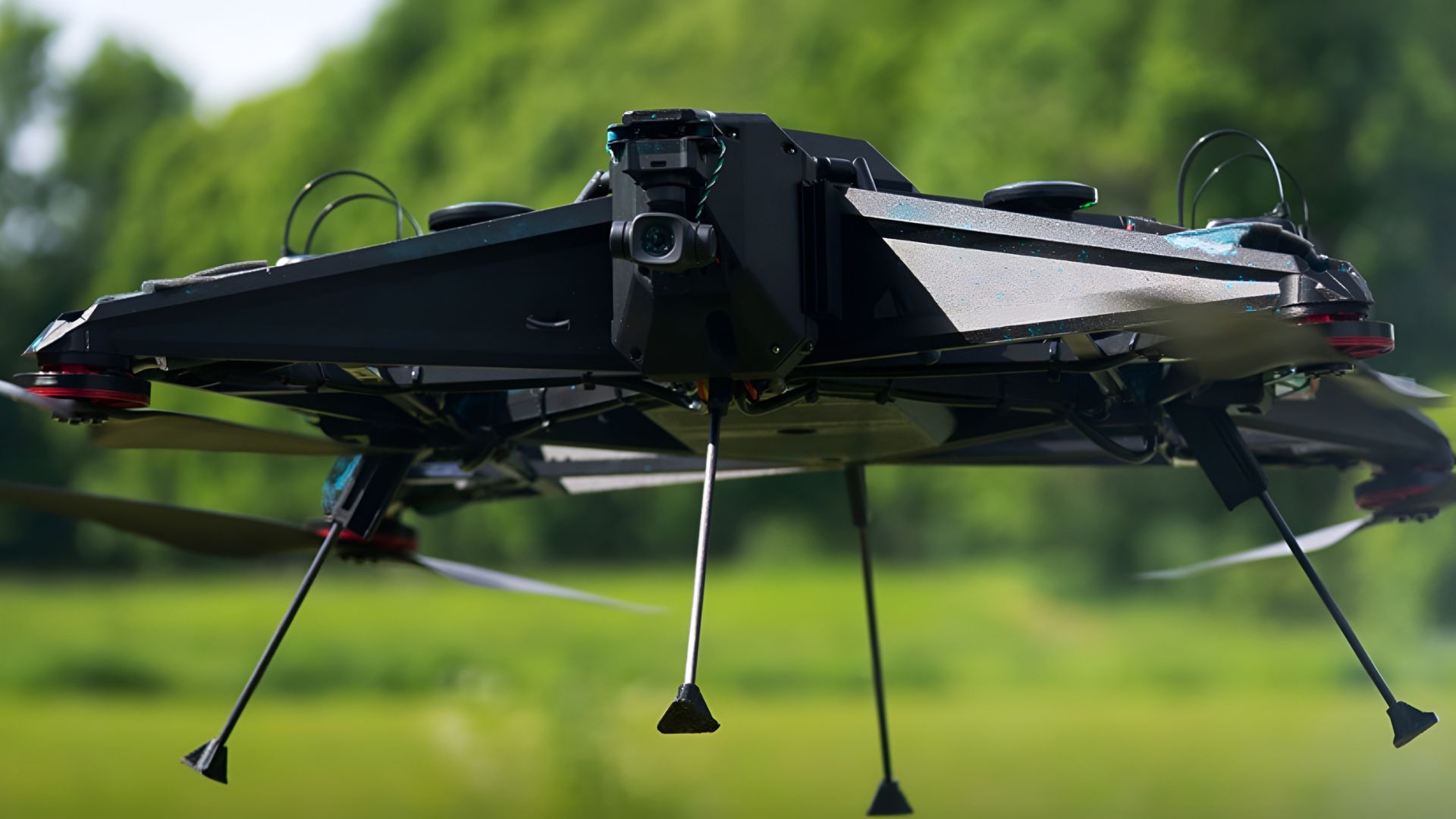
Modovolo Enhances Aerospace 3D Printer with Lyten's Graphene Filament for Stronger Parts
Modovolo, a US 3D printer manufacturer, is upgrading its BFP platform by integrating Lyten's graphene-enhanced PA1205 filament. This partnership aims to produce aerospace-grade components that are lighter and stronger, supporting domestic manufacturing and reducing reliance on overseas supply chains. The integration of Lyten's PA1205 filament, which boasts 50% greater impact resistance and double the X-Y tensile strength compared to carbon fiber filaments, is significant for industries requiring large and complex parts. Modovolo's CEO, Justin Call, emphasized the material's role in enhancing print quality and speed, making it a vital part of their product roadmap. Looking ahead, Modovolo and Lyten plan to demonstrate their integrated platform at various aerospace and motorsports events later this year. This collaboration not only showcases advanced manufacturing capabilities but also highlights the potential for local sourcing of high-performance materials in the aerospace sector. No further timeline was disclosed at the time of publication.
Innovation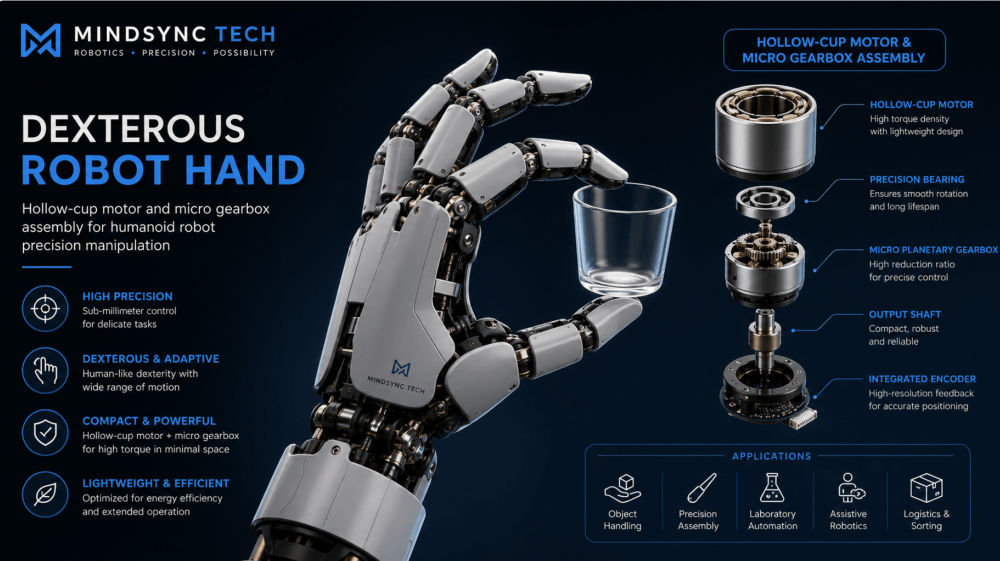
Jiangsu Leili Addresses Robot 'Fingertip Stiffness' with Innovative Micro Motor Solutions
Jiangsu Leili Electric Motor is tackling the critical issue of mechanical stiffness in humanoid robots, which affects their ability to balance flexibility and stability. Their subsidiary, MINDSYNC TECH, showcased a dexterous robotic hand capable of performing tasks such as calligraphy and operating precision instruments, demonstrating significant advancements in addressing stiffness. The dexterous hand requires multiple micro motors for human-like joint movements. Traditional iron-core motors are bulky and inefficient, while hollow cup motors offer higher power density and lighter weight, making them essential for high-end dexterous hands. Jiangsu Leili's subsidiary has developed a full range of hollow cup motors and achieved automated production, enhancing their capabilities in gearboxes and precision gear transmission. Currently, the price of a single dexterous hand ranges from 10,000 to 60,000 yuan. MINDSYNC TECH's General Manager, Wang Wenwei, noted that most humanoid robots in factories still use basic two-finger grippers, limiting their functionality. The industry anticipates that large-scale industrial applications of dexterous hands will take 1-2 years, aligning with the maturation of humanoid robot cost curves.
Robotics Micro Motors Dexterous Manipulation Industrial Automation
JetZero Develops World's First Blended Wing Jet with 5,000 nm Range and 50% Fuel Savings
A US aerospace startup, JetZero, has initiated the development of a groundbreaking blended-wing passenger aircraft, the Z4, which promises up to 50% lower fuel consumption. This innovative aircraft is being showcased at the Farnborough International Airshow in the UK from July 20 to 24 and is set to become the first commercial blended wing body airliner, expected to enter service in the early 2030s. The Z4 is designed to accommodate approximately 250 passengers and boasts a range of 5,000 nautical miles. Its unique design merges the wings and fuselage into a single lifting surface, enhancing aerodynamic efficiency without necessitating changes to existing airport infrastructure. Japan Airlines (JAL) has partnered with JetZero to refine the aircraft's design and operations, emphasizing the importance of early airline involvement in the development process. As JetZero continues its development efforts, the Z4 aims to significantly reduce fuel consumption and emissions, addressing one of the largest operating expenses for airlines. The collaboration with JAL aligns with their commitment to sustainable innovation and net-zero emissions by 2050, marking a pivotal step towards a new era of efficient air travel. No further timeline was disclosed at the time of publication.
Transportation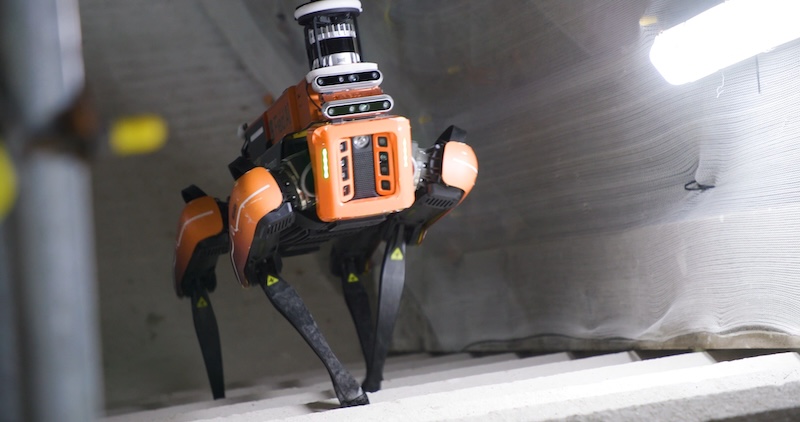
McLaren Construction Partners with FieldAI to Deploy Autonomous Robots Across UK Sites
McLaren Construction has formed a partnership with FieldAI to implement autonomous quadruped robots at its construction sites in the UK. These robots will initially be used for capturing 360° site imagery, generating point cloud data, and assisting with progress verification, safety compliance, and quality assurance. The capabilities of these robots will expand over time, enhancing their utility on-site. This partnership is significant as it marks FieldAI's entry into the UK market and builds upon its existing deployments across Europe, Asia, and North America. The use of AI-enabled deviation analysis will facilitate quicker identification of quality issues, ensuring better installation practices and reducing rework. McLaren aims to enhance project monitoring and compliance through this innovative technology. Looking ahead, McLaren Construction anticipates that the collaboration will yield valuable insights for broader robotic applications within the company. The deployment of FieldAI's Field Foundation Models will enable robots to adapt to complex environments without relying on pre-existing maps, thus enhancing operational efficiency. No further timeline was disclosed at the time of publication.
Construction News artificial intelligence Autonomous robots autonomous systems construction automation
UK MoD Introduces Storm Fighter Drone Wingman Concept for RAF at Global Conference
The UK Ministry of Defence (MoD) has introduced its latest drone wingman concept, named Storm Fighter, during the Global Air and Space Chiefs' Conference. This unveiling marks a significant step in the UK's efforts to enhance its aerial capabilities through advanced drone technology. The introduction of Storm Fighter is crucial as it represents the UK's commitment to modernizing its Royal Air Force (RAF) and integrating innovative solutions into its defense strategy. The concept aims to provide enhanced support to manned aircraft, potentially transforming the dynamics of aerial combat and surveillance. Looking ahead, it will be important to monitor the development and deployment of Storm Fighter, particularly in comparison to previous concepts like Mosquito. No further timeline was disclosed at the time of publication.
News
São Paulo Becomes First City to Implement Citywide Drone Detection as a Service Network
R2 Wireless and Ôguen Tecnologias have partnered to launch a managed drone detection service in São Paulo, Brazil, making it the first city to implement a municipal-scale Drone Detection as a Service (DDaaS) network. This initiative aims to address rising concerns over the use of drones by criminal organizations, offering a cost-effective alternative to traditional counter-drone systems. The DDaaS network will provide continuous monitoring of urban airspace through a subscription model, allowing public agencies and private organizations to access drone detection, geolocation, and real-time airspace awareness without the need for hardware purchases. R2 Wireless's technology operates at the physical RF layer, enabling it to detect and geolocate various types of drones, including modified and spoofed systems. As commercial drones evolve, the demand for adaptable counter-drone solutions grows. The partnership aims to support a wide range of users, including critical infrastructure operators and government sites, and reflects a broader trend towards service-based approaches in airspace security. No further timeline was disclosed at the time of publication.
Anti-drone technology C-UAS Drones in the News News ADaaS airspace monitoring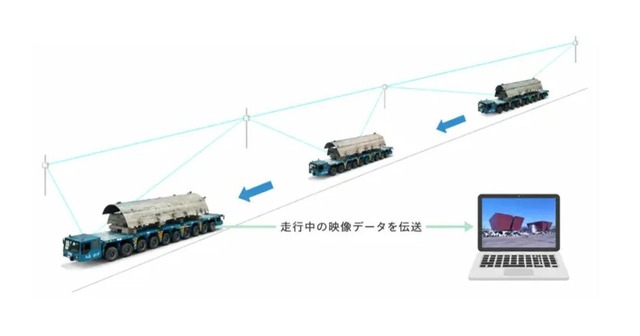
AiTrax tests mesh Wi-Fi for stable communication in AGVs and drone fleets at shipyard.
AiTrax Inc. has successfully achieved real-time video transmission via Wi-Fi access points mounted on large component transport vehicles. This milestone was reached during operations at the Imari facility of Namura Shipbuilding in Saga Prefecture. The demonstration took place from March 16 to March 18, 2026, showcasing the company's innovative technology aimed at enhancing logistics and operational efficiency in industrial settings. The successful implementation of this technology is expected to streamline processes and improve communication within manufacturing environments.
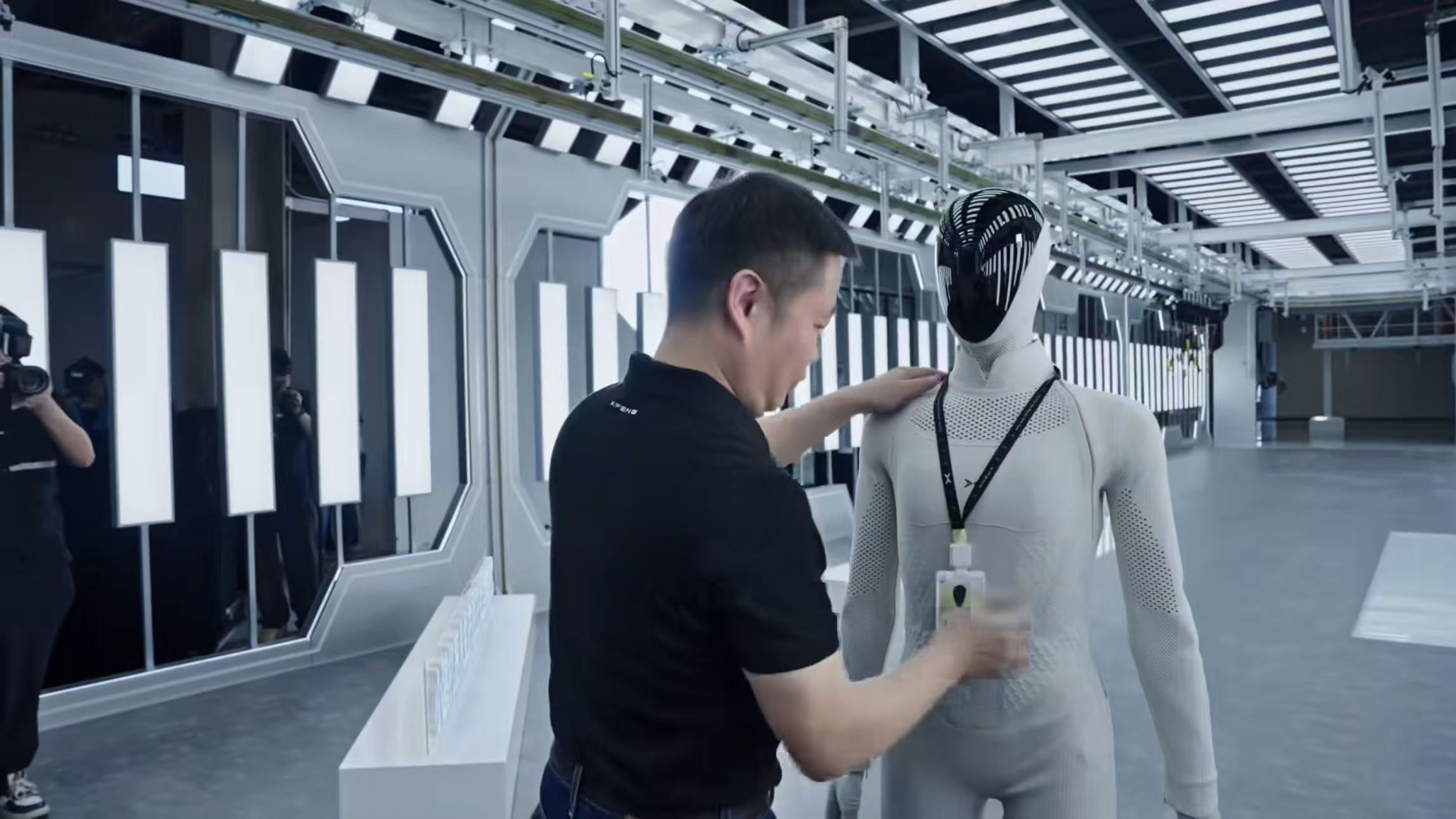
XPeng Launches Automated Production Line for Humanoid Robots with First IRON Model
XPeng has officially commenced operations of its automated production line for humanoid robots, with the first IRON robot successfully completing its final assembly and autonomously walking off the line. This milestone signifies XPeng's transition from research and development to mass production of humanoid robots, which are still in the early stages of commercialization. The significance of this development lies in XPeng's claim that IRON is the world's first high-level general-purpose humanoid robot produced on an automated line. The production line, designed by XPeng's team, integrates automotive manufacturing and quality-control systems tailored for humanoid robot assembly, with over 80% of its core processes automated. Looking ahead, XPeng plans to scale production of IRON by the end of 2026, with commercial deliveries expected in 2027. The company aims to position IRON for tasks that are dangerous or repetitive, while also expanding its applications. XPeng's recent funding round raised over $900 million to support its robotics business, indicating strong investor interest in the future of humanoid robots.
Heavy Hitters AI Highlight News Robotics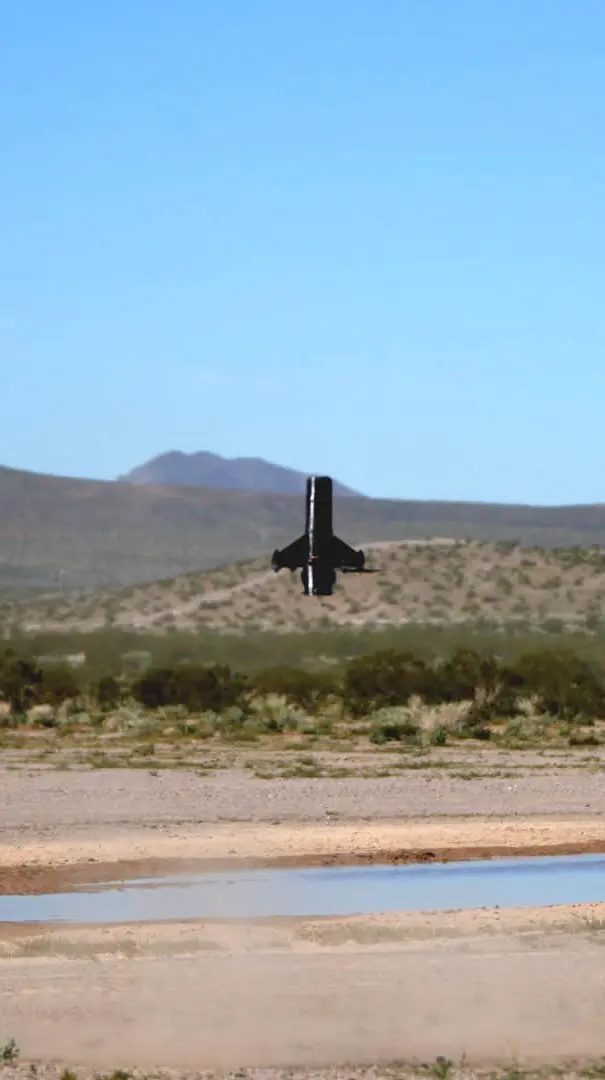
Powerus Secures $22.3 Million Counter-UAS Contract with Private Middle East Oil Company
Powerus, a U.S.-based autonomous systems firm, has signed a $22.3 million contract to provide counter-UAS technology to a private oil company in the Middle East. This deal marks a significant shift in the defense sector, as it is one of the first instances where a private entity has opted to procure military-grade counter-drone systems for its own infrastructure protection. The contract involves the delivery of networked systems designed for detection, tracking, classification, and early-warning capabilities to safeguard critical oil and gas infrastructure. Powerus CEO Brett Velicovich emphasized that this transaction could redefine how UAS defense contractors approach the market, as private companies increasingly seek to protect themselves from aerial threats without relying solely on government intervention. Looking ahead, the initial deployment will focus on threat detection and identification, with plans for future integration of Powerus' Guardian interceptor technology. Velicovich noted that the rise in drone usage in conflicts worldwide has prompted private infrastructure owners to consider developing their own counter-drone capabilities, as traditional security measures may no longer suffice against aerial threats.
Anti-drone technology C-UAS defense DL Exclusive Drone News Drone News Feeds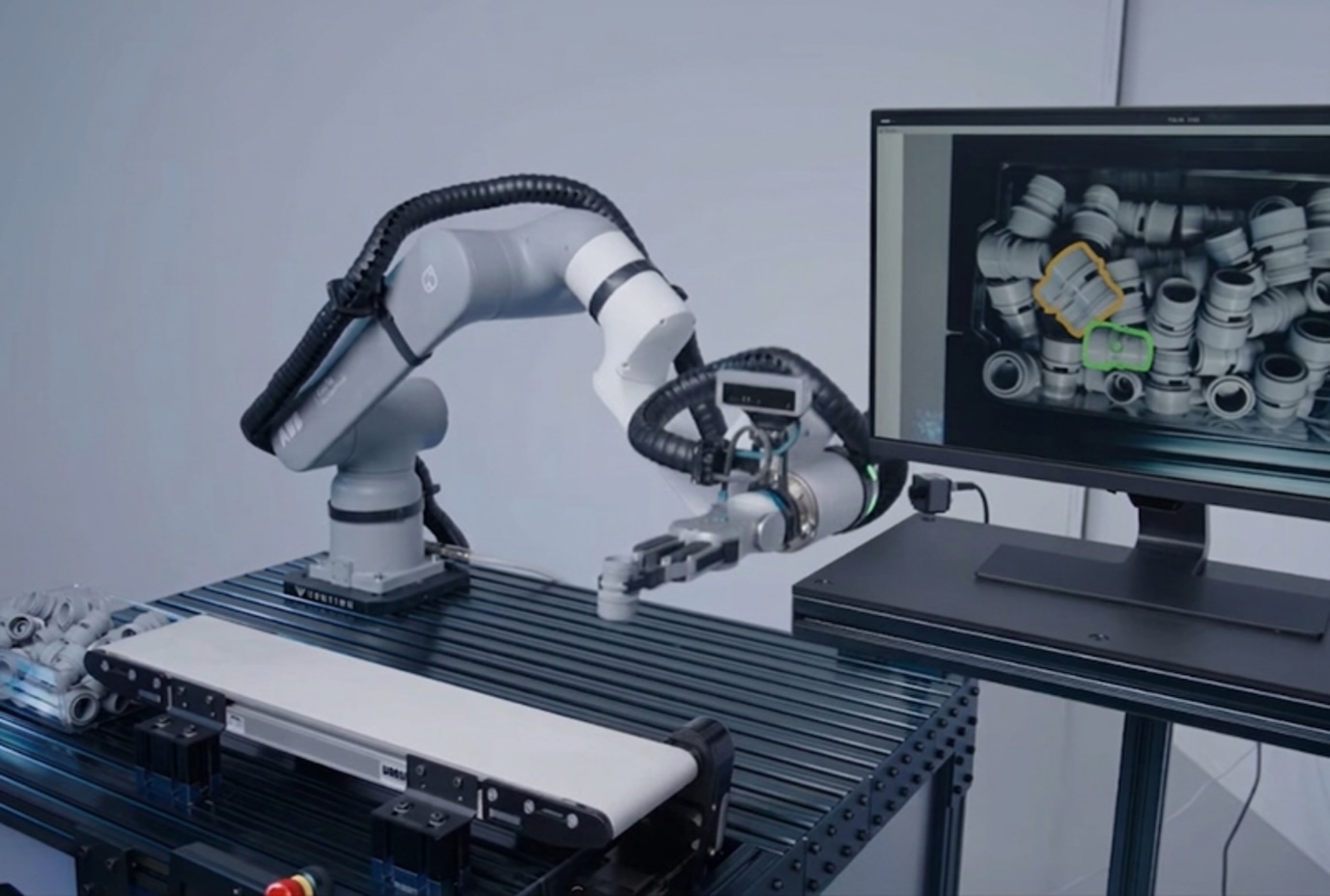
Concerns Rise Over Violence in Fighting Robots at Trade Shows Like IFA 2026
At the IFA 2026 in Berlin, fighting robots captured significant attention, particularly the EngineAI T800 humanoid robot, which mimicked boxing moves. CNET's Katie Collins expressed deep concerns about the implications of showcasing such robots, especially as they are increasingly associated with violence in entertainment. The presence of aggressive robots raises questions about public perception of risk, especially as autonomous robots are already used in military applications. Collins highlighted the troubling normalization of violence through entertainment, noting that while robots like the T800 can engage in combat scenarios, their safety measures and decision-making capabilities remain uncertain. This contrasts sharply with strict safety protocols observed in industrial settings, where robots pause operations when humans enter their work zones. The disparity raises alarms about the potential dangers of allowing aggressive robots to interact freely with the public. The article argues that while technology may enable the creation of violent autonomous machines, it does not justify their production or display as harmless entertainment. Collins calls for a reevaluation of the safety culture within the robotics industry, emphasizing the need for responsible public engagement with these technologies. No further timeline was disclosed at the time of publication.
Fighting Robots Robot Safety Entertainment Technology AI Ethics
XPENG Launches Production of World's First Advanced Humanoid Robot with Official Facility Commissioning
XPENG has officially launched its humanoid robot production lines, successfully completing the manufacturing of the world's first advanced humanoid robot. This milestone signifies a significant transition from research and development prototyping to actual production-line manufacturing. The achievement is crucial as it demonstrates XPENG's capabilities in humanoid robotics, potentially influencing the future of automation and robotics in various sectors. The autonomous walking of the humanoid robot off the production lines showcases advancements in technology and manufacturing processes. Looking ahead, industry observers will be keen to see how XPENG's humanoid robot performs in real-world applications and how it impacts the competitive landscape of robotics. No further timeline was disclosed at the time of publication.
Xiamen Tong'an District Launches Investment Model with 'Scenario Lists' for Robotics Firms
At the 26th China International Investment and Trade Fair, Xiamen's Tong'an district unveiled an innovative investment strategy using 'scenario lists' to highlight specific market demands in robotics and smart technology. This initiative is designed to draw in global companies by tackling key challenges within the hard tech industry. The introduction of 'scenario lists' is significant as it aims to stimulate collaboration and innovation across various sectors, including artificial intelligence and smart construction. By clearly defining market needs, Tong'an district seeks to create a conducive environment for robotics firms to thrive and contribute to technological advancements. Looking ahead, it will be important to monitor how effectively this investment model attracts international enterprises and whether it leads to tangible developments in the robotics sector. No further timeline was disclosed at the time of publication.
Robotics Smart Technology Investment AI Construction
China Achieves World-First with AI-Driven Ultrasound Robot for Heart Surgery
A groundbreaking achievement in cardiology occurred when a Chinese medical team successfully utilized an AI-driven, ultrasound-guided robot to perform a transcatheter closure for congenital heart disease in a 48-year-old patient. This milestone was reached at the Sixth Medical Center of the Chinese PLA General Hospital, also known as 301 Hospital, marking a significant advancement in surgical techniques. The importance of this development lies in its potential to enhance surgical precision and transform cardiovascular care. Unlike existing surgical robots that require direct human control, this innovative system employs deep learning algorithms to autonomously navigate and perform the procedure, significantly reducing radiation exposure for both patients and medical staff. Looking ahead, the implications of this technology are profound, as it could facilitate the expansion of specialized healthcare access globally. The intelligent automation of complex ultrasound-guided procedures may streamline workflows, reduce human error, and ultimately improve patient outcomes in cardiovascular interventions. No further timeline was disclosed at the time of publication.
Science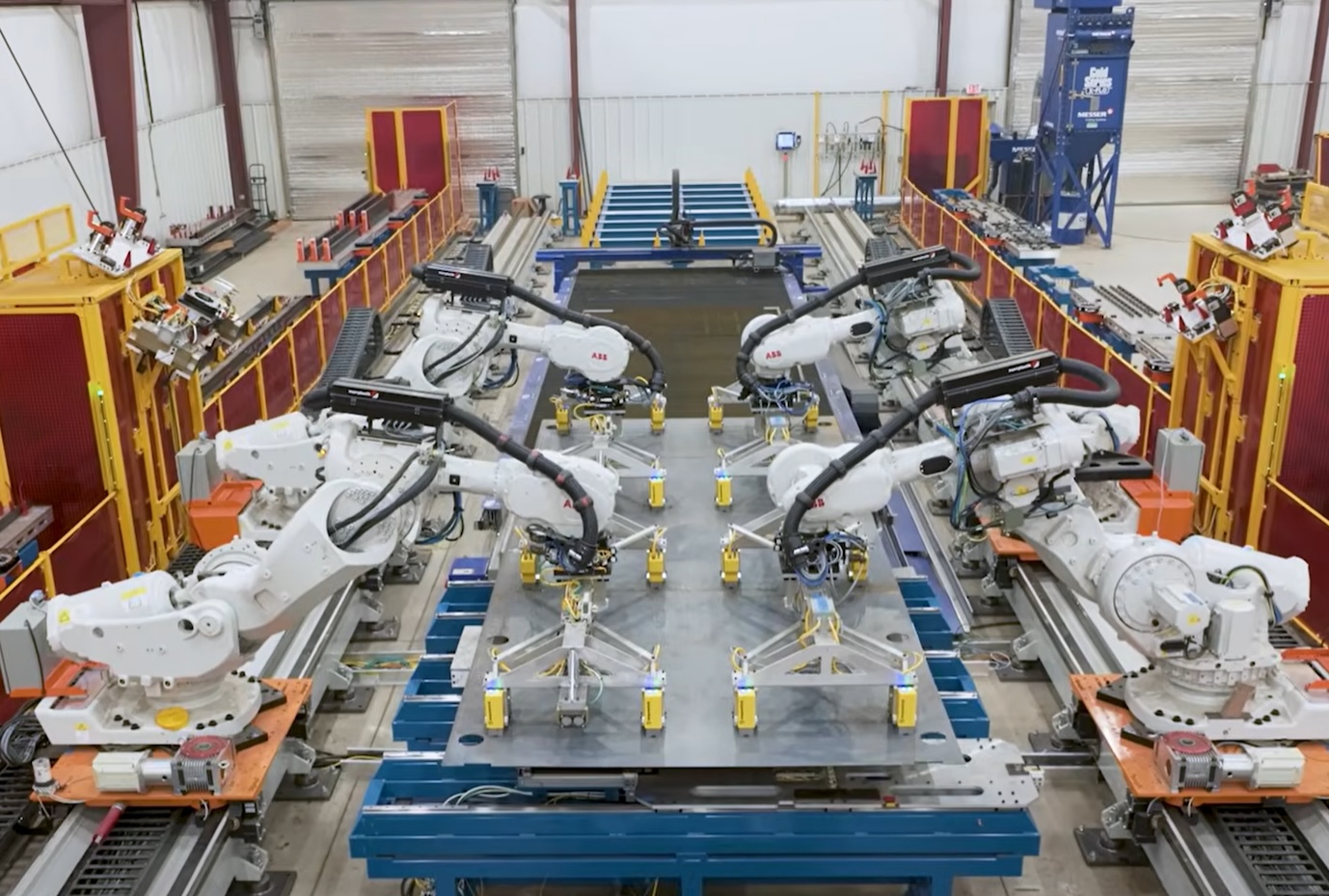
Harbin Engineering University Professor Seeks to Establish 'Huawei of the Deep Sea' with Record Financing
A professor from Harbin Engineering University has set a record by securing 5 billion in financing aimed at developing deep-sea technologies. This ambitious initiative seeks to position the university as a leader in the sector, drawing parallels to Huawei's success in telecommunications. The substantial funding reflects growing interest and investment in deep-sea innovation, marking a pivotal moment for the industry. The significance of this financing lies in its potential to advance deep-sea exploration and technology, which is increasingly critical for various applications, including resource extraction and environmental monitoring. The professor's vision to create a 'Huawei of the Deep Sea' underscores the importance of innovation in this field, as it could lead to breakthroughs that enhance our understanding of oceanic environments. Looking ahead, stakeholders will be keen to observe how this funding translates into tangible advancements in deep-sea technologies. The professor's initiative could attract further investment and partnerships, shaping the future landscape of deep-sea exploration. No further timeline was disclosed at the time of publication.
Robotics Automation AI
New Insights on China's WZ-X Stealth Drone's Unique Wing Design Revealed
Recent imagery from China has provided a clearer view of the WZ-X, a large, low-observable flying-wing drone. Initially identified in satellite images from May 2025 at the People’s Liberation Army Air Force’s test facility in Xinjiang, the new photographs reveal the aircraft's unusual wing configuration, characterized by a broader-chord inner section that transitions into a narrower outer section. This unique wing design, which features two outer wing sections and a diamond-like central fuselage, sets the WZ-X apart from other stealth drones like the B-2. The aircraft's structure may enhance its high-altitude performance and endurance, although it raises questions about its radar signature due to the complex geometry. As analysts continue to study the WZ-X, its potential as a twin-engine design similar to the U.S. RQ-180 is being considered. No further timeline was disclosed at the time of publication.
Air Air Forces Drones News & Features People's Liberation Army Air Force (China)
Emerging 2D Flex Feeding Revolutionizes Industrial Part Picking with Simplified Vision Systems
The article discusses the advancements in 2D Flex feeding technology, which simplifies robotic vision for industrial part picking. Unlike traditional 3D bin picking, this new approach allows for quicker and more reliable implementations, making it accessible for a broader range of applications. This innovation is significant as it enhances the capabilities of industrial robots in manufacturing, reducing the complexity associated with advanced vision systems. Experts Nicholas Kern from SICK and Nick Barron from Feedall highlight the advantages of flex feeding over bowl feeding, showcasing early adopters who are already experiencing substantial benefits. Looking ahead, the future of feeding robots appears promising with the integration of smarter vision systems. As this technology continues to evolve, it will be essential to monitor its adoption and impact on manufacturing efficiency and productivity. No further timeline was disclosed at the time of publication.
Factory / RoboticsRobotics needs a service framework.
RSF defines a common language for robot service capability, lifecycle operations, certification pathways, and service-provider networks.
Join the RobotToday community on LinkedIn
Daily robotics news, in-depth analysis, conference highlights, and discussions with professionals worldwide.