

Industry Briefing
A single destination for timely, editor-curated robotics news from around the world.

Fanuc and Google Collaborate on AI-Driven Welding Robots for Enhanced Automation
Japanese industrial automation firm Fanuc has partnered with Google to create an AI-automated welding system. This innovative solution utilizes robots equipped with artificial intelligence that can interpret blueprints directly, thus removing the need for manual programming. Deliveries of this advanced system are expected to commence in December 2026. This collaboration is significant as it represents a leap forward in automation technology, potentially streamlining manufacturing processes and improving efficiency in welding tasks. By enabling robots to read blueprints autonomously, Fanuc and Google aim to reduce labor costs and enhance productivity in industrial settings, which is crucial for maintaining competitiveness in the global market. Looking ahead, industry stakeholders should monitor the rollout of this AI-driven welding system, particularly its impact on manufacturing workflows and labor dynamics. The anticipated deliveries in December will be a key milestone, and the performance of these robots in real-world applications will be critical to assessing their effectiveness and adoption in various sectors.

Productive Robotics Launches Tregaskiss Tough Gun I.C.E. Torch for Blaze Welding Systems
Productive Robotics has unveiled the Tregaskiss Tough Gun I.C.E. (Integrated Cooling Enhancer) torch, designed specifically for its 7-axis Blaze robotic welding systems. This new option aims to mitigate heat-related consumable failures that can occur during automated welding processes with high duty cycles. The introduction of the I.C.E. torch is significant as it addresses a common challenge in robotic welding—overheating of consumables. By enhancing cooling capabilities, Productive Robotics aims to improve the reliability and efficiency of its Blaze systems, which are increasingly utilized in demanding industrial applications. Looking ahead, the adoption of the Tregaskiss Tough Gun I.C.E. torch could lead to broader implementation of Productive Robotics' solutions in sectors requiring robust welding capabilities. No further timeline was disclosed at the time of publication.
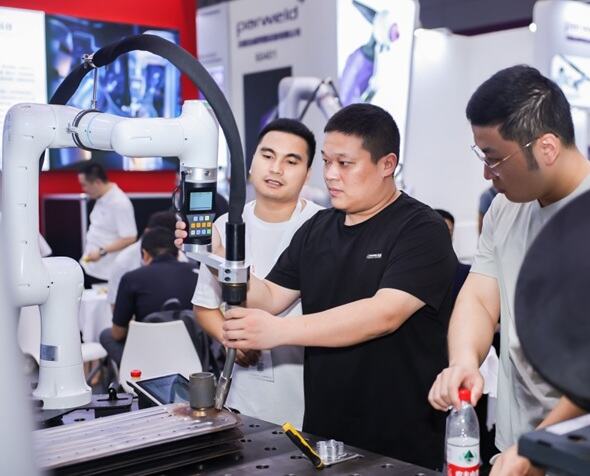
ROKAE Robotics Showcases AI-Driven Welding Innovations at Key Industry Exhibitions
In the summer of 2026, ROKAE Robotics made significant strides in the welding and intelligent manufacturing sectors by showcasing advanced AI-enabled solutions at two major events. At the Transformer Green Welding Conference in Changzhou, ROKAE's Marketing Director, Zi Lilong, presented insights on enhancing transformer manufacturing through intelligent welding technologies, emphasizing the need for greener and more efficient processes. The company's participation continued at the Beijing Essen Welding & Cutting Fair in Shenzhen, where ROKAE displayed its full-joint force-controlled collaborative welding robots. These robots, designed for various welding applications, demonstrated ROKAE's commitment to innovation and excellence in welding technology, attracting considerable attention from industry professionals. Looking ahead, ROKAE Robotics is poised to further influence the welding landscape with its cutting-edge solutions. The company's focus on integrating AI with collaborative robotics positions it as a leader in intelligent manufacturing. No further timeline was disclosed at the time of publication.
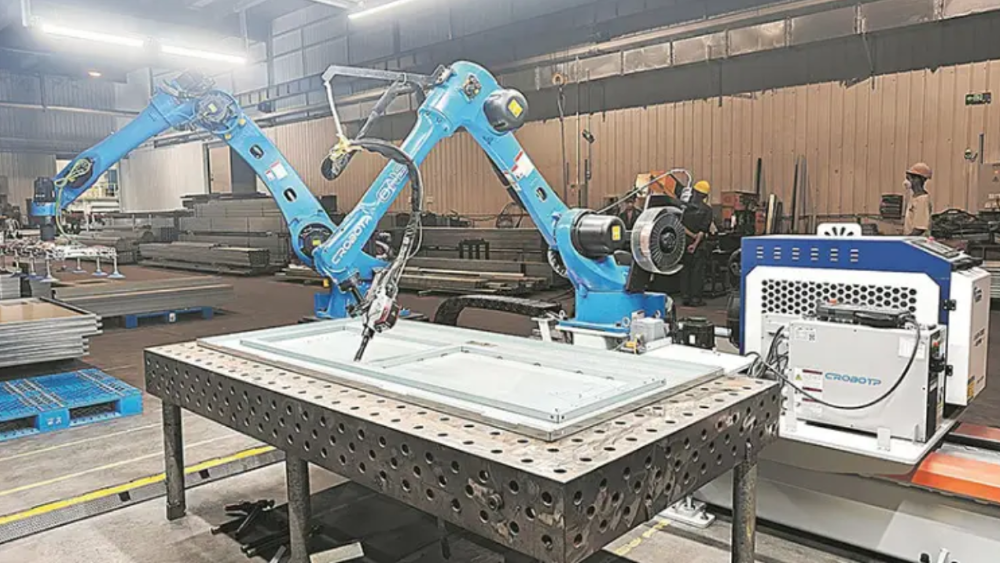
Western China's First 'No Programming' Welding Robot Enters Production
On August 18, the first fully automatic, no programming welding robot was delivered in Chengdu, Sichuan Province. Developed by the Chengdu Craftsman studio led by Feng Zhengle, this innovative robot is designed for the power industry, specifically for non-standard customized door panels. Traditional industrial robots require extensive reprogramming for each model change, which hampers efficiency. The new robot utilizes advanced technologies, including AI deep learning visual recognition and laser seam sensing, to overcome technical challenges in welding thin sheet metal. Its dual positioning system—AI visual initial positioning combined with laser precision positioning—enables high-precision laser welding. The operational efficiency has significantly improved, with complex door panel welding taking only six minutes and simple ones three minutes, reducing overall operation time by 20% and eliminating the need for post-welding polishing. This development marks a shift in manufacturing logic, moving from customized automation solutions to adaptable automation for various products. As the robot begins its journey in a workshop in Chengdu, it represents a significant advancement in the integration of AI into manufacturing processes, transforming the skills of frontline workers into executable algorithms.
Welding Robots Automation Technology AI in Manufacturing Flexible Production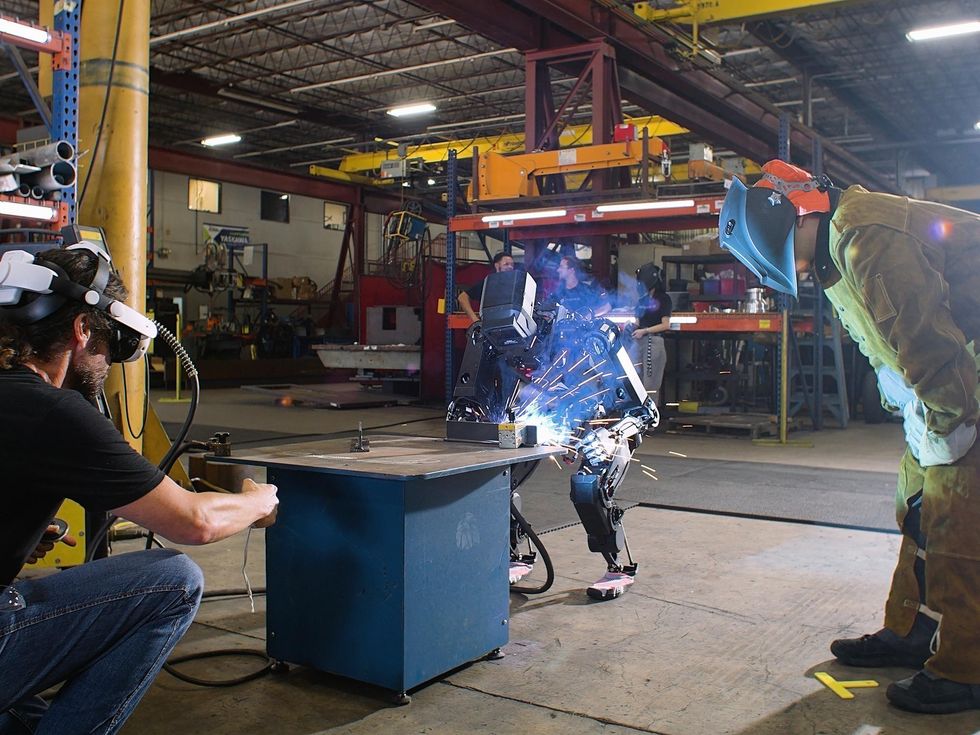
Persona AI Targets Shipyard Welding as First Job for Humanoid Robots
Persona AI is focusing on shipyard welding as the initial application for its humanoid robots, leveraging the need for skilled labor in this sector. The company aims to fill a gap in the workforce, particularly as shipbuilding requires extensive linear welds, which humanoids can perform efficiently. With partnerships established with HD Hyundai and POSCO, Persona is positioned to support the demand for skilled labor in shipyards, where their robots can enhance productivity without replacing human workers. The significance of this approach lies in Persona's strategy to target skilled trades rather than unskilled labor, which has proven economically viable for humanoid robots. By focusing on welding, a task that requires precision and can be performed at a manageable speed, Persona believes its robots can match or exceed human performance in the near future. This focus on skilled labor is a departure from the typical applications pursued by other humanoid robotics companies, which have struggled to achieve economic viability. Looking ahead, Persona AI's deployment of humanoid robots in shipyards could reshape the industry by addressing labor shortages and increasing production capacity. The company emphasizes that its robots are not designed to replace human workers but to augment their capabilities, allowing shipbuilders to meet growing demands. No further timeline was disclosed at the time of publication.
Humanoid-robots Robotics Industrial-robots
Tate Achieves 12-Fold Welding Productivity Increase with 58 Hirebotics Cobots
Hirebotics has announced that Tate, a data center infrastructure company, has successfully deployed 58 Cobot Welder systems across its manufacturing facilities in Arkansas, Virginia, and Kentucky. This deployment has resulted in a remarkable 12-fold increase in per-welder throughput for critical structural assemblies while allowing Tate to expand its team of certified welders. The significance of this achievement lies in Tate's ability to meet the intense demand and tight project timelines associated with its 120-year legacy in providing structural ceilings and airflow management products for large data centers. By transitioning to a cloud-connected automation network powered by Hirebotics' Beacon Pro control platform, Tate has scaled production without compromising precision, ensuring zero tolerance for manufacturing errors. Looking ahead, the integration of Hirebotics' technology allows Tate to manage its multi-plant network of Cobot Welders from a single smart device, enhancing operational efficiency. No further timeline was disclosed at the time of publication.
Computing Infrastructure News automation beacon pro cloud robotics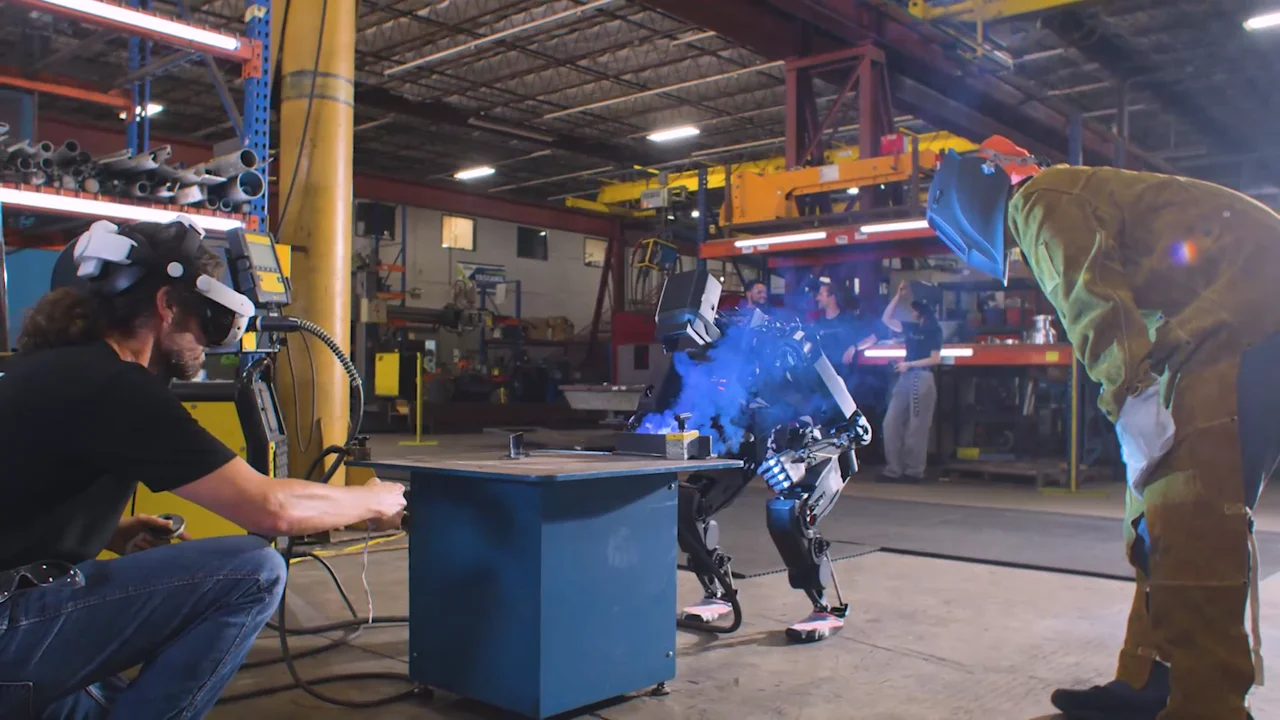
Persona AI's Humanoids Arrive in Korea After Successful Welding Demonstration
Persona AI, a Houston-based robotics firm, has announced the arrival of its humanoid robots in South Korea for early integration work. CEO Nicolaus Radford confirmed that the deployment aligns with the company’s partnership with HD Hyundai, focusing on bipedal welding robots for the shipbuilding sector. The Gen 3 deliveries are expected by the end of the year. This deployment follows a successful proof-of-concept demonstration conducted earlier this summer at ARC Specialties in Houston, where a Gen 1 humanoid robot executed a functional weld in a live industrial environment. The robot showcased advanced capabilities by performing the task without safety tethers, validating its actuation and kinematics in unstructured settings. Looking ahead, Persona AI aims to leverage the data collected during teleoperated movements to enhance its neural networks, paving the way for fully autonomous welding operations. The company’s rapid progress in functional manipulation and international hardware deployment highlights its significant development velocity in the robotics sector. No further timeline was disclosed at the time of publication.
US South Korea Persona AI
DOBOT Enhances Cobot Welding Flexibility with 6D Touch Positioning and TAST Technology
DOBOT has introduced advanced technologies to improve flexibility in cobot welding, addressing common challenges such as workpiece position variations. In industries like metal fabrication and machinery manufacturing, precise positioning is crucial, as even minor shifts can lead to rework and downtime. The integration of 6D Touch Positioning and TAST allows robots to adapt to real-world production conditions, enhancing efficiency and reducing setup time. The significance of these advancements lies in their ability to maintain productivity in high-mix, low-volume production environments. Traditional robotic welding systems often struggle with positional deviations, requiring time-consuming adjustments. DOBOT's solution minimizes operator intervention by automatically identifying workpiece positions and compensating for variations, thus streamlining the welding process. Looking ahead, the effectiveness of DOBOT's technologies will be crucial for manufacturers seeking to optimize their welding operations. The recent demonstration with Kemppi showcased the practical application of these innovations, highlighting the potential for improved welding quality and reduced programming time. No further timeline was disclosed at the time of publication.
cobot welding robotic welding welding robot welding automation 6D Touch Positioning Through Arc Seam Tracking
Path Robotics Enhances Welding Efficiency with AI and Boston Dynamics Robots
In a recent episode of The Robot Report Podcast, Andy Lonsberry, co-founder and CEO of Path Robotics, detailed the company's innovative approach to robotic welding. Based in Columbus, Ohio, Path Robotics utilizes AI to optimize the welding process by identifying torch paths and employing real-time vision guidance. This technology aims to streamline operations in manufacturing environments, addressing longstanding challenges in the industry. The significance of Path Robotics' advancements lies in their application of physical AI to enhance robotic systems. By integrating AI-driven solutions, the company is not only improving the efficiency of welding operations but also expanding the capabilities of robots in complex production settings. The deployment of Boston Dynamics' Spot robots for mobile welding applications in shipbuilding further exemplifies the potential of combining AI with robotics to tackle industry-specific challenges. Looking ahead, the focus will be on the continued integration of AI in robotic systems and the potential for further advancements in welding technology. No further timeline was disclosed at the time of publication, but the ongoing development in this area suggests a promising future for AI-enhanced manufacturing solutions.
Artificial Intelligence Assembly Cameras / Imaging / Vision Controllers Humanoids Manufacturing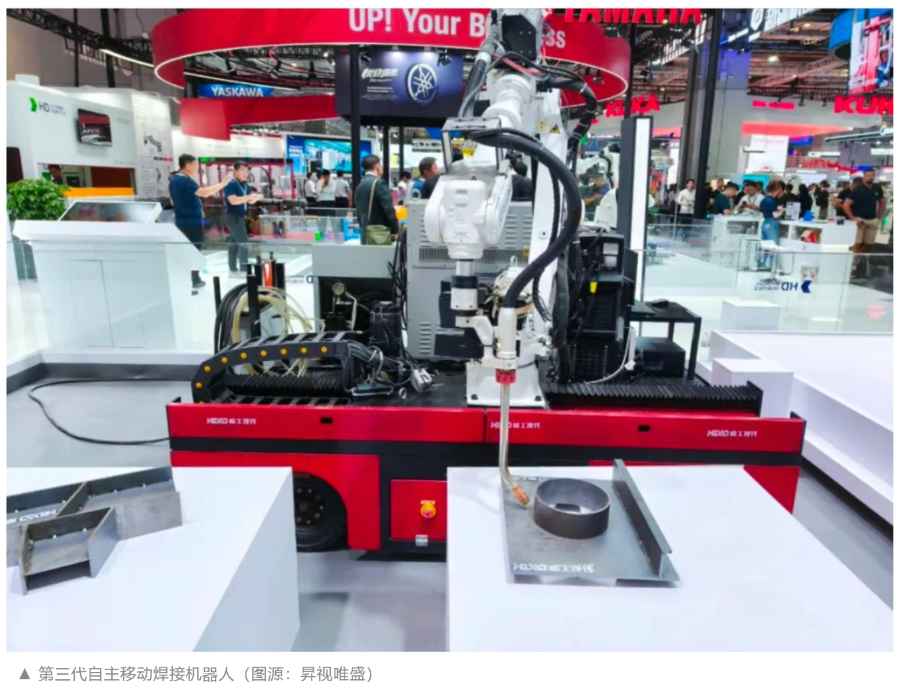
3Srobotics Secures Hundreds of Millions in Series B Funding for Smart Welding Solutions
3Srobotics, a company specializing in embodied intelligent robotics for industrial manufacturing, announced the completion of a Series B funding round on July 9, raising hundreds of millions. The round was led by Shanghai Semiconductor Investment and Jinqiao Fund, with participation from several venture capital firms. The funding aims to enhance their smart welding robotics capabilities and expand production capacity. The significance of this investment lies in addressing the critical shortage of skilled welders in China, where the average age of registered welders exceeds 45. With an estimated shortfall of millions of welding engineers by 2025, 3Srobotics' technology aims to improve welding quality, efficiency, and stability. The smart welding robot market is projected to reach hundreds of billions in the next decade, highlighting the urgent need for automation in this sector. Looking ahead, 3Srobotics plans to leverage its smart welding robots to introduce a range of industrial automation products, including grinding, cutting, assembly, and handling robots. The company aims to penetrate the entire manufacturing process, with a revenue target of several hundred million by 2026. No further timeline was disclosed at the time of publication.
Smart Welding Robots Industrial Automation AI Robotics Manufacturing Technology
Generational change at Valk Welding
Valk Welding is initiating a deliberate leadership transition from its second to third generation. This strategic move aims to ensure the company's continued growth and innovation in the welding industry. The transition reflects the company's commitment to adapting to changing market demands and fostering new ideas while maintaining its established values. The leadership change is expected to take place in the coming months, with the new generation poised to bring fresh perspectives and approaches to the business. This generational shift is part of Valk Welding's long-term vision to enhance its competitive edge and sustain its legacy in the industry.
Allgemein
Milestone for Valk Welding
Valk Welding has achieved a significant milestone in the field of automatic robot programming, reaching a total of 100 active licenses worldwide. This accomplishment highlights the company's growing influence and expertise in robotics, marking a pivotal moment in its development. The announcement underscores Valk Welding's commitment to advancing automation technology and enhancing operational efficiency across various industries.
Allgemein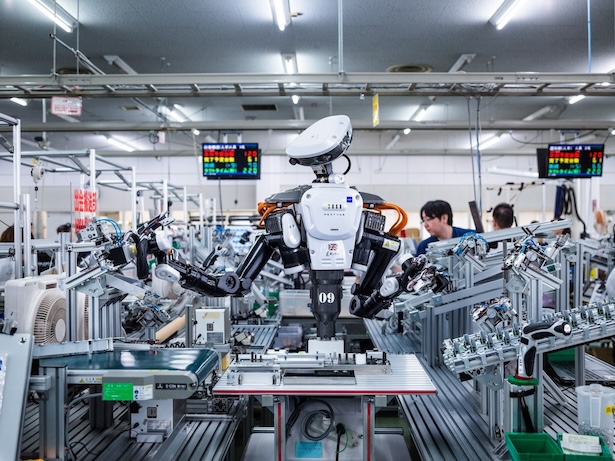
Kuka Systems and Magdeburg-Stendal University Launch Friction Stir Welding Research Cell
Kuka Systems, in collaboration with Magdeburg-Stendal University, has introduced a new research cell focused on Friction Stir Welding (FSW). This initiative aims to enhance the development and testing of innovative manufacturing processes. The establishment of this research cell is significant as it expands the capabilities of both Kuka Systems and the university in exploring advanced welding techniques. Friction Stir Welding is known for its efficiency and effectiveness in joining materials, making it a valuable area of research in manufacturing. Looking ahead, stakeholders in the manufacturing and robotics sectors should monitor the outcomes of this collaboration. The advancements in FSW technology could lead to improved production methods and applications across various industries. No further timeline was disclosed at the time of publication.
Allgemein Lösungen Metallbearbeitung & Schweißen Robotersteuerung & Digital Twin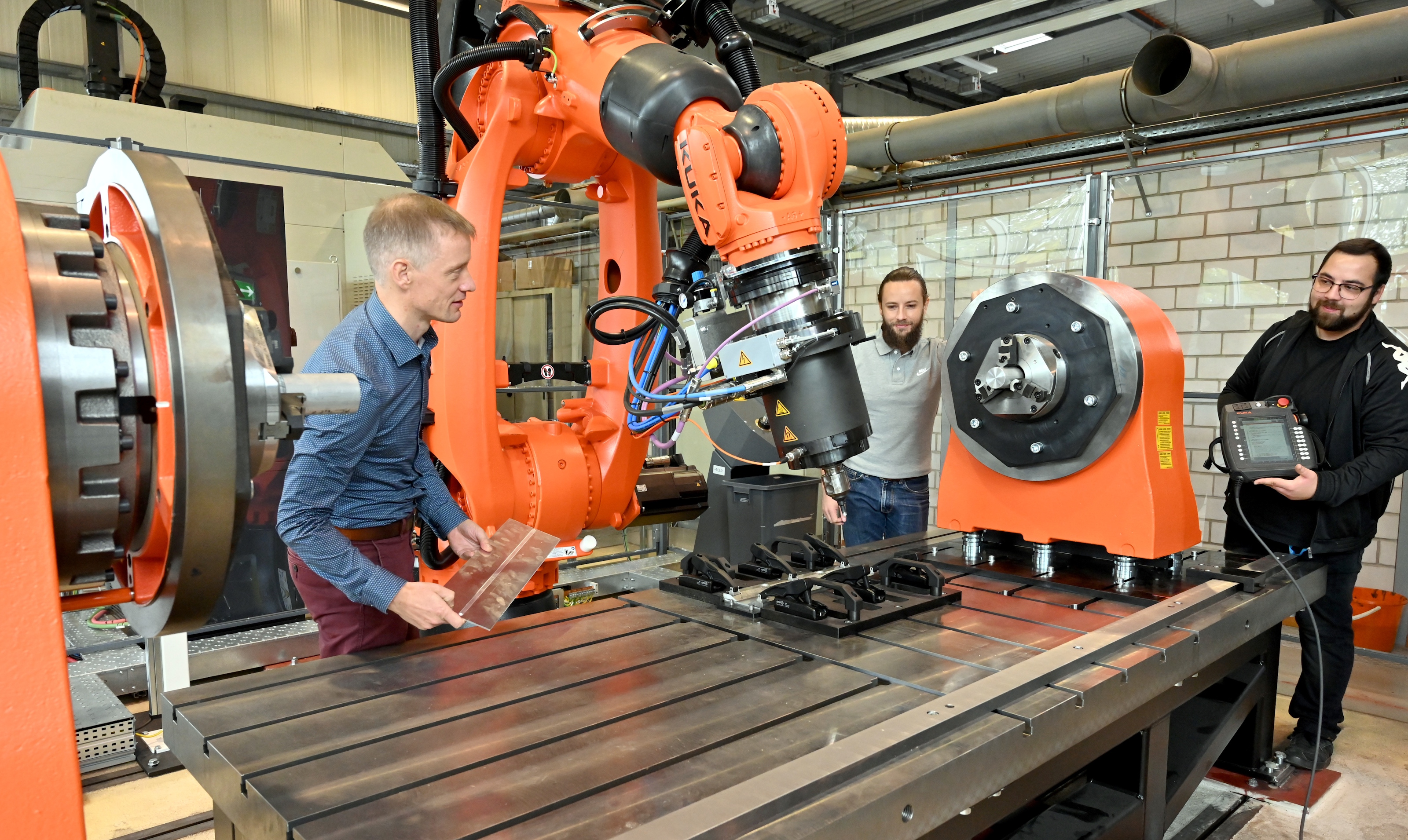
University of Applied Sciences Magdeburg-Stendal and KUKA Systems AWS Launch FSW Research Platform
The University of Applied Sciences in Magdeburg-Stendal, in collaboration with KUKA Systems AWS, has introduced a new research cell dedicated to friction stir welding (FSW). This initiative aims to enhance the development and testing of innovative manufacturing processes, leveraging advanced robotics and digital technologies. The centerpiece of this research platform is the KR FORTEC ultra MT, engineered specifically for high-load FSW and machining tasks. This integration of industrial robotics with scientific research is expected to streamline the transition of new applications from the development phase to full-scale production. Looking ahead, the collaboration between the University of Applied Sciences and KUKA Systems AWS signifies a significant step in advancing manufacturing technologies. No further timeline was disclosed at the time of publication.
Fronius Introduces Additive Cell CMT Welding System for Efficient Metal Component Production
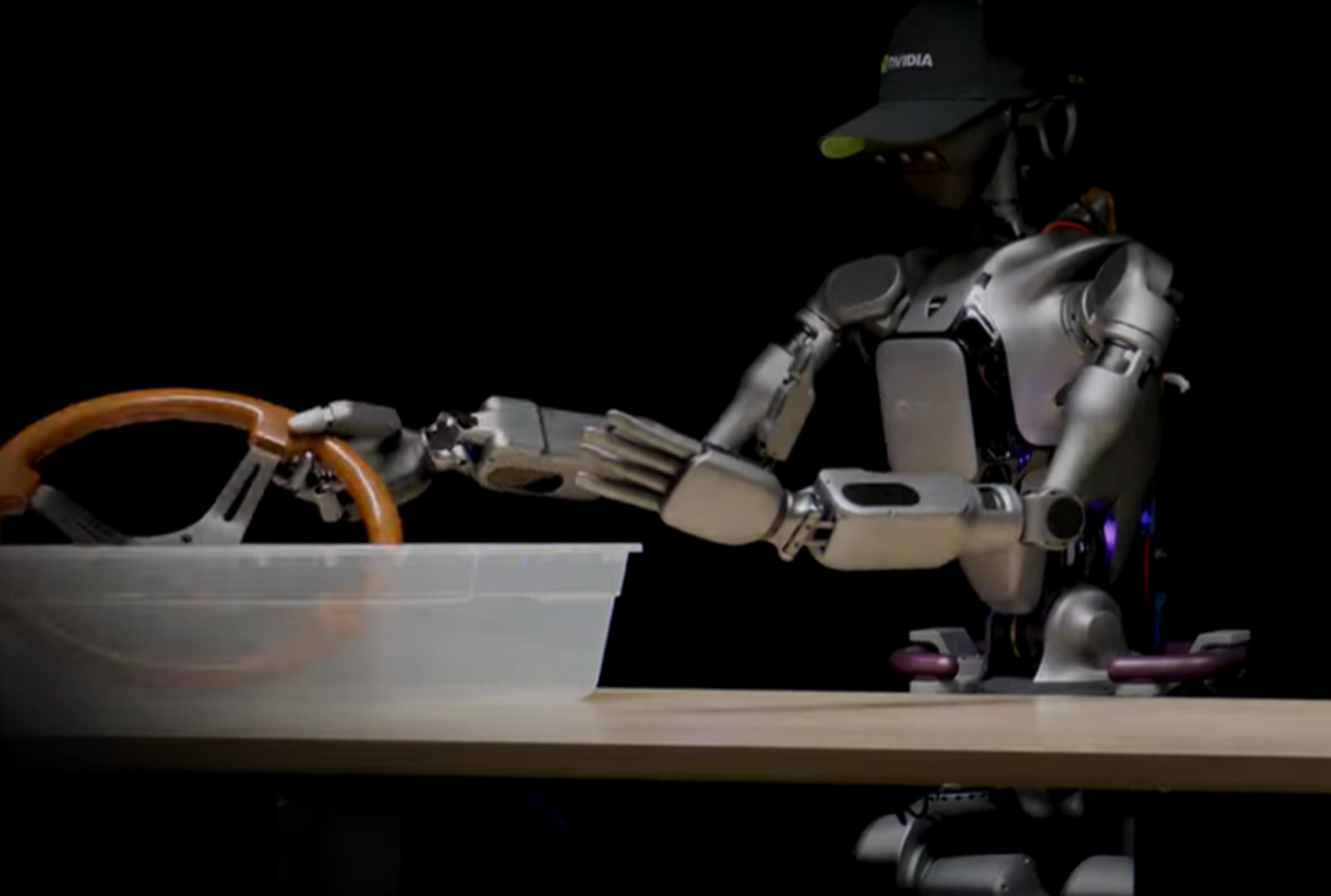
Fronius has integrated its Additive Cell with CMT welding technology, intelligent process control, and user-friendly software to create a comprehensive system. This system aims to simplify, accelerate, and make the production of high-quality metal components more resource-efficient. The introduction of this system is significant as it addresses the growing demand for efficient manufacturing processes in the metalworking industry. By combining advanced welding techniques with intelligent controls, Fronius is positioning itself to meet the needs of manufacturers seeking to enhance productivity while minimizing resource consumption. Looking ahead, industry professionals should monitor the adoption of Fronius's Additive Cell and its impact on production efficiency and quality in metal component manufacturing. No further timeline was disclosed at the time of publication.
Allgemein Lösungen Metallbearbeitung & Schweißen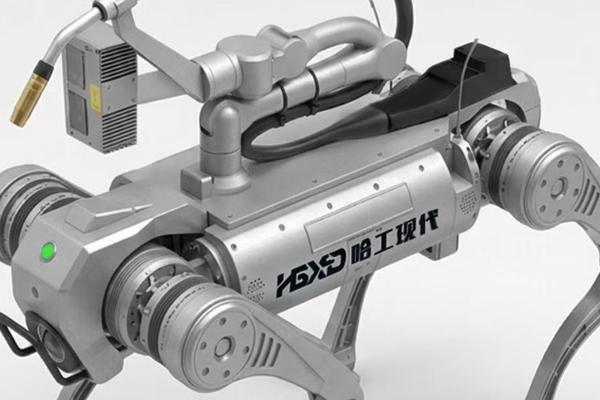
"Shengshi Weisheng secures hundreds of millions in Series B funding for its smart welding brain model."
3Srobotics, a company specializing in embodied intelligent robots for industrial manufacturing, has successfully raised several hundred million yuan in its Series B funding round. The investment was led by Shanghai Semiconductor Investment and Jinqiao Fund, with participation from Zero One Venture Capital, New Ding Capital, Zhongguan Dinghua, and existing shareholder Weiguang Venture Capital. The funds will be utilized to upgrade their intelligent welding systems, expand manufacturing capacity, and enhance their research and development and market service teams, aiming to accelerate the nationwide deployment of their products across various industries. Founded in 2020, 3Srobotics received national high-tech enterprise certification in 2023 and was recognized as a specialized and innovative small enterprise in Shanghai in 2024. This funding round marks a significant step in the company’s growth, leveraging its proprietary "intelligent brain and motor control system" to advance the development of scalable industrial-grade intelligent robots, particularly in the welding sector. The company focuses on addressing the growing labor shortage in welding, a critical process in industrial production that faces high risks and technical demands. With an aging workforce and a projected shortfall of millions of welding engineers by 2025, 3Srobotics aims to fill this gap with its AI-driven robots that can autonomously adapt to complex welding tasks, significantly improving efficiency and quality. 3Srobotics plans to expand its product offerings beyond welding to include grinding, cutting, assembly, and logistics, striving to create a comprehensive ecosystem of intelligent industrial robots that can transform manufacturing processes.
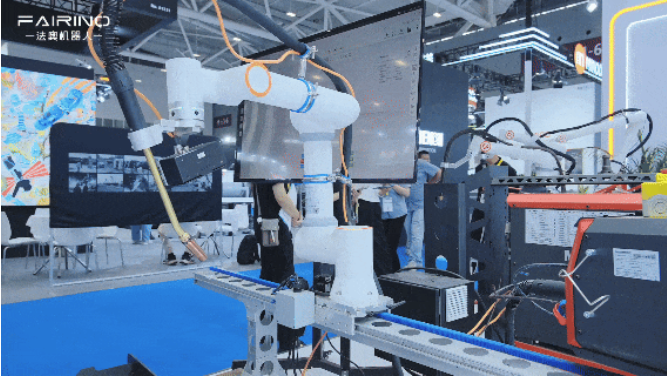
Welding Robots: Evolving Beyond Just Mechanical Arms
At the Shenzhen Essen Welding Exhibition, industry leaders addressed the ongoing challenges of integrating robotics into flexible production systems. Despite advancements in welding automation, the reliance on skilled workers remains crucial, as conventional robots often falter with complex tasks. The introduction of 'welding intelligent agents,' which utilize artificial intelligence for enhanced decision-making and adaptability, signifies a transformative development in the sector. This innovation aims to bridge the workforce gap created by the retirement of experienced welders and the increasing demand for customized production solutions.
Welding Robots AI in Manufacturing Industrial Automation Smart Manufacturing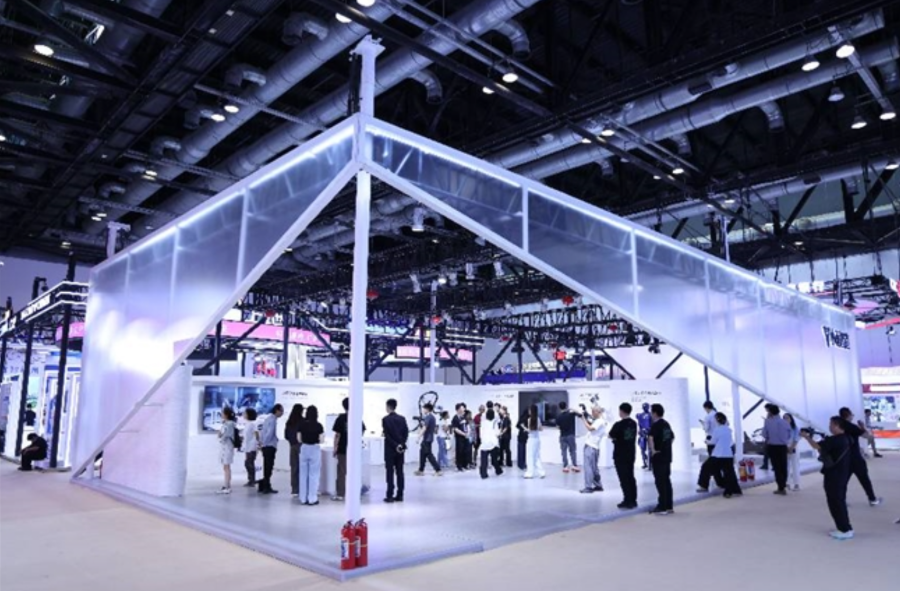
The Global Digital Economy Conference opens in Beijing, and Xiaoyu Intelligent Manufacturing launches the industry's first industrial embodied intelligent welding robot, with a standard version starting at a price of 1 ...
The Global Digital Economy Conference commenced in Beijing, showcasing significant advancements in technology and innovation. During the event, Xiaoyu Intelligent Manufacturing unveiled the industry's first industrial embodied intelligent welding robot, marking a notable milestone in automation and manufacturing capabilities. The standard version of this cutting-edge robot is priced starting at 1 million yuan. This launch reflects the growing trend towards integrating intelligent systems in industrial processes, aimed at enhancing efficiency and productivity in the sector. The conference serves as a platform for industry leaders and innovators to discuss the future of the digital economy and the role of advanced technologies in shaping it.
Robotics Automation AI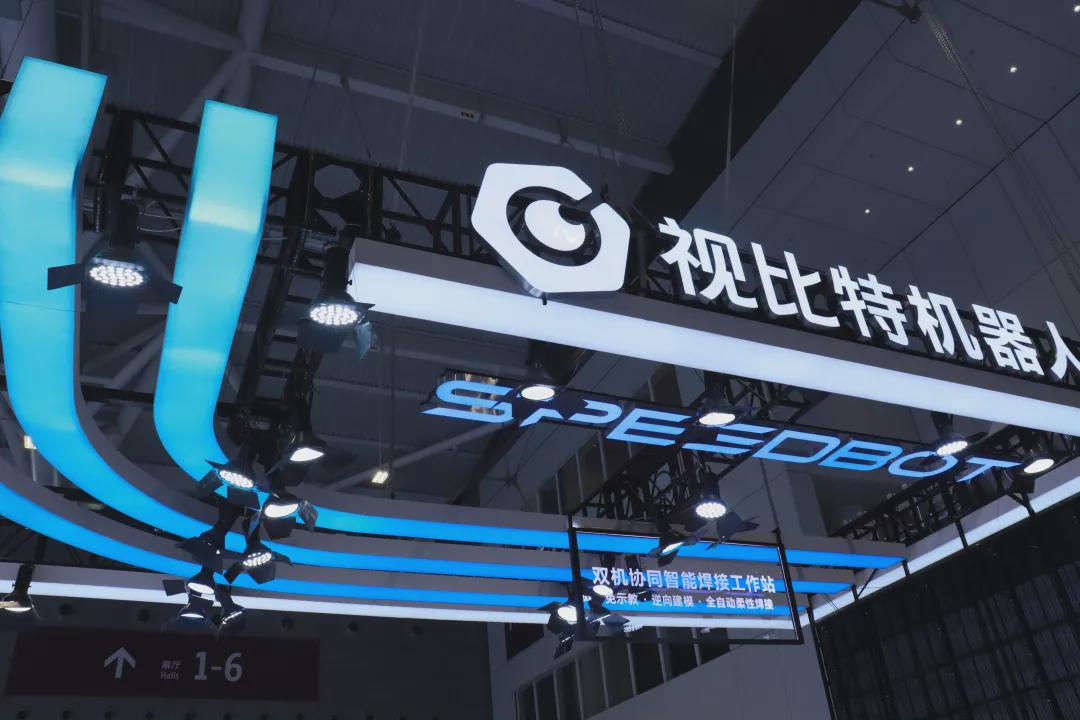
Innovative Welding Solutions Unveiled by VisionBit at BEW Exhibition
At the 29th Beijing Essen Welding and Cutting Exhibition, VisionBit unveiled two innovative products designed to transform the industrial welding landscape. The showcased technologies include a dual-robot collaborative welding workstation and a full-size humanoid welding robot. This initiative comes in response to the industry's urgent need to automate welding processes and mitigate the growing reliance on skilled labor, particularly in light of a global shortage of qualified welders. By introducing these advanced solutions, VisionBit aims to enhance efficiency and productivity in welding operations, addressing critical challenges faced by the sector.
Welding Technology Industrial Automation Robotics AI Solutions
6 Key Considerations When Integrating Robotics With HF Welding Machines
In a recent industry development, experts emphasize that the effective integration of robotics with high-frequency (HF) welding machines goes beyond mere installation. This advancement is crucial for enhancing manufacturing efficiency and ensuring worker safety. By properly implementing robotic systems, manufacturers can significantly accelerate production cycles, reduce the risk of workplace hazards, and minimize errors such as burn-through, which can compromise product quality. The insights reflect a growing recognition of the importance of strategic planning and training in the adoption of robotic technology within the welding sector. As companies seek to modernize their operations, understanding the nuances of this integration will be essential for maximizing the benefits of automation in manufacturing processes.
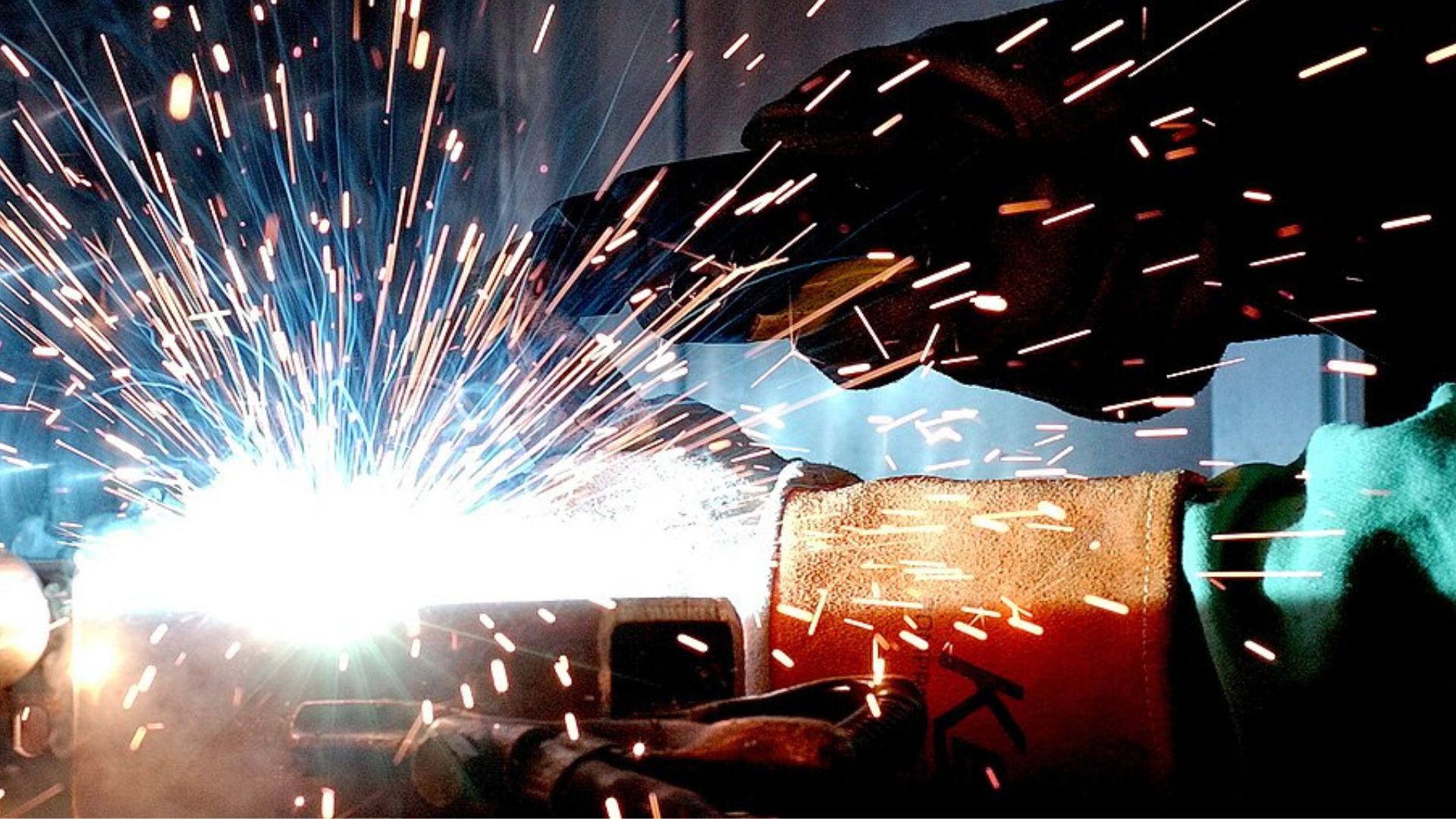
China’s new welding robot cuts 70mm steel, boasts 30-ton capacity, 20-year life
China has successfully launched its first domestically developed AI-driven marine welding system at a smart manufacturing facility. This significant advancement in technology was unveiled recently, marking a milestone in the country's efforts to enhance its manufacturing capabilities. The introduction of this innovative system is aimed at improving efficiency and precision in marine construction, addressing the growing demand for advanced manufacturing solutions in the maritime industry. By integrating artificial intelligence into the welding process, the system is expected to streamline operations, reduce labor costs, and minimize human error. This development reflects China's commitment to leading in smart manufacturing technologies and showcases its ability to produce cutting-edge solutions that can compete on a global scale.
AI and Robotics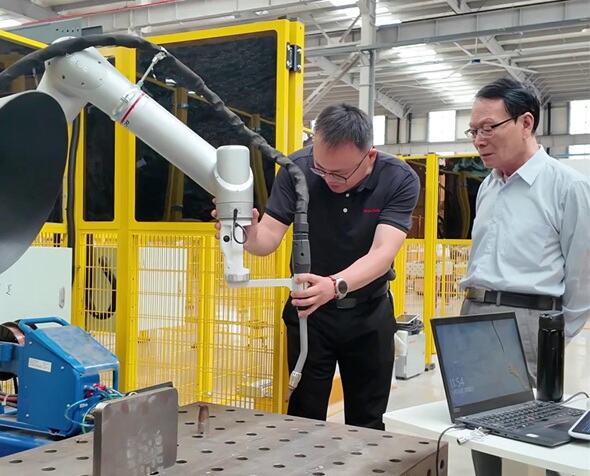
ROKAE Robotics Partners with China Welding Association on Smart Welding Training
ROKAE Robotics has announced a partnership with the China Welding Association (CWA) to collaboratively develop and implement professional training programs focused on intelligent welding technology. The agreement was formalized during a visit from Wu Jiupeng, Deputy Secretary-General of the CWA, to ROKAE's facilities. This initiative aims to bridge the existing skills gap between theoretical knowledge of welding and practical operation of robotic systems, which both organizations have identified as a critical challenge in the industry. The collaboration is expected to enhance the skill set of welding professionals, ensuring they are better equipped to meet the demands of modern welding technology.
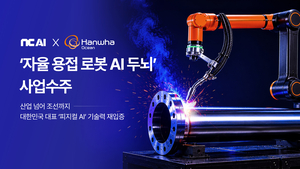
NC AI develops welding AI for Hanwha Ocean
NC AI, the artificial intelligence division of gaming company NCSoft, announced on Thursday that it has secured a project with Hanwha Ocean to create AI-driven autonomous welding technology for shipbuilding. This initiative will utilize a vision-based welding model alongside a collaborative robot system, enabling the identification of welding targets and execution of tasks with reduced human involvement. The innovative technology is set to be implemented at Hanwha Ocean's production facilities for both commercial and specialized vessels, aiming to enhance efficiency and precision in the welding process.
All News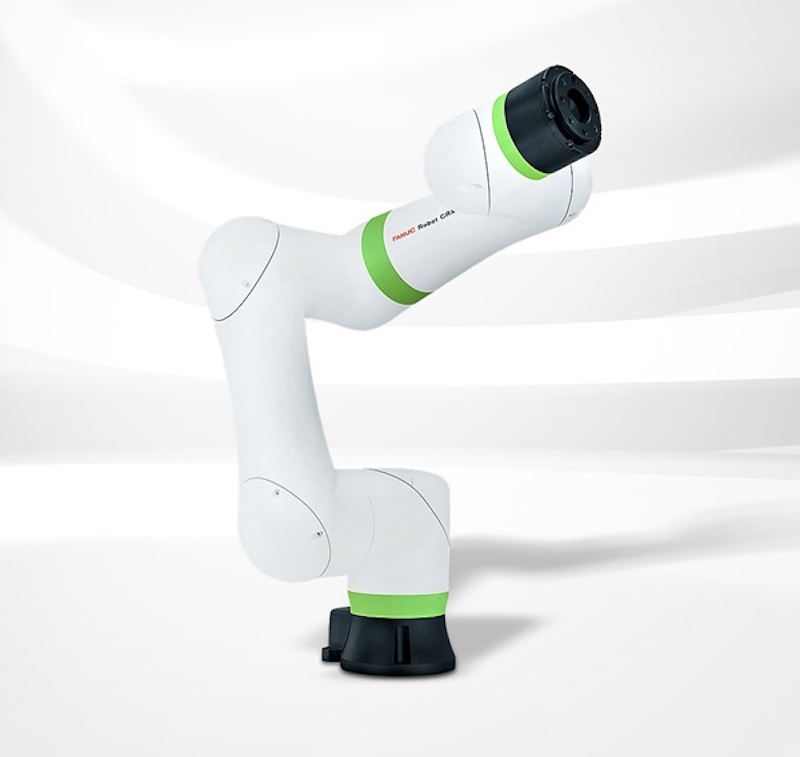
Fanuc launches 11 kg ‘lightest’ collaborative welding robot
Fanuc has introduced its CRX-3iA collaborative robot in Europe, marking the launch of the lightest and smallest model in its CRX lineup. Weighing only 11 kg, this new robot is designed to be compact, portable, and user-friendly, making it particularly suitable for welding applications. The launch responds to an increasing demand in industries such as shipbuilding and steel manufacturing, where precision and efficiency are critical. The CRX-3iA aims to enhance productivity and streamline operations in these sectors, showcasing Fanuc's commitment to innovation in automation technology.
Industrial robots News agv integration automation news cobot collaborative automation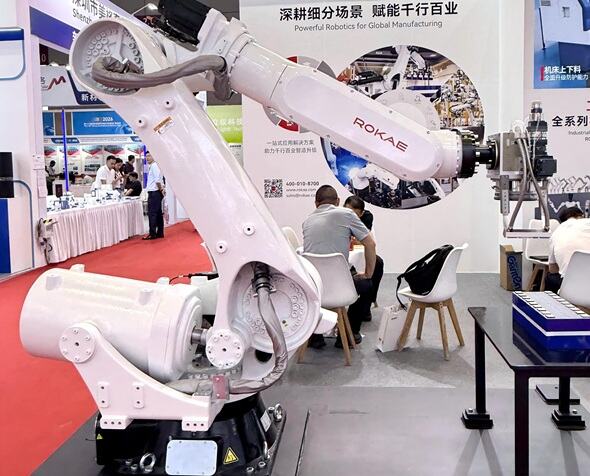
ROKAE Robotics at CIBF 2026: Force-Controlled Welding Solutions for Battery Manufacturing
ROKAE Robotics showcased its advanced automation solutions for lithium battery manufacturing at the 2026 China International Battery Fair (CIBF), held at the Shenzhen World Exhibition & Convention Center. The company highlighted its innovative technologies focused on force-controlled assembly and robot-integrated laser welding, aimed at enhancing efficiency and precision in battery production. This exhibition provided ROKAE Robotics with a platform to demonstrate its commitment to advancing the battery manufacturing industry, responding to the growing demand for high-quality and reliable lithium batteries in various applications.
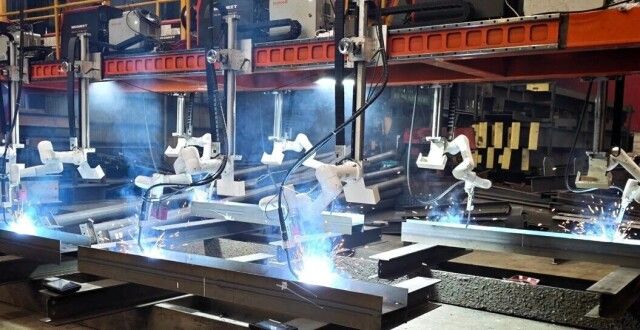
Collaborative Welding Robots: The Dark Horse Reshaping China's Welding Automation
In a significant development for China's manufacturing automation sector, collaborative welding robots are gaining traction as a promising solution for enhancing productivity and efficiency. These advanced robots, designed to work alongside human operators, are being increasingly adopted by various industries to streamline welding processes. The rise of collaborative welding robots comes at a time when manufacturers are seeking innovative ways to address labor shortages and improve operational efficiency. As companies strive to remain competitive in a rapidly evolving market, the integration of these robots allows for greater precision and consistency in welding tasks, reducing the risk of human error. Manufacturers across China are investing in this technology, recognizing its potential to transform traditional welding practices. By combining human skills with robotic capabilities, businesses can optimize workflows and increase output while maintaining high-quality standards. The growing interest in collaborative welding robots reflects a broader trend towards automation in the manufacturing sector, driven by the need for enhanced productivity and cost-effectiveness. As this technology continues to develop, it is expected to play a crucial role in shaping the future of manufacturing in China.
Robotics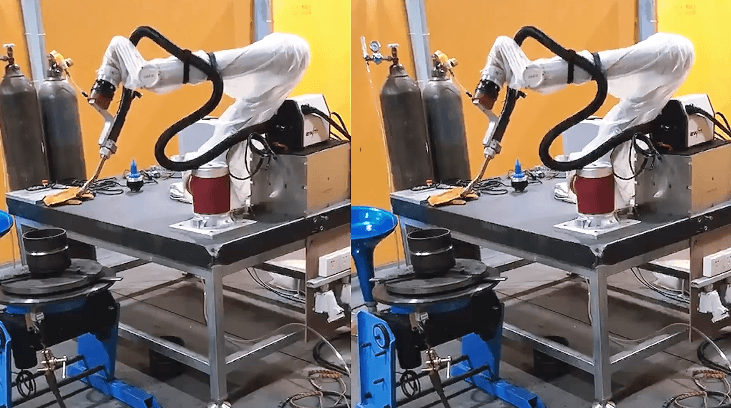
The Future of Welding Cobot Technology: AI Path Planning and Simulation
The welding industry is experiencing a significant digital transformation in response to a global shortage of skilled welders and an increasing demand for high-precision manufacturing. This shift is marked by the introduction of collaborative robots, or welding cobots, which are evolving from traditional automated tools into intelligent partners capable of executing complex welding tasks. These advancements allow small-to-medium enterprises to achieve high-quality welding standards with reduced setup times. Key innovations include AI-driven path planning and vision integration, which address the challenges posed by variability in workpieces. By employing technologies such as "Through-the-Arc" sensing and laser vision systems, these cobots can analyze seams in real-time and adjust their movements to compensate for any misalignments. Additionally, "Lead-through" programming enables human welders to guide the robotic arm, which the AI then refines into a precise trajectory. The use of simulation and digital twin technology further enhances the welding process. Engineers can create virtual models of welding cells to optimize operations without interrupting production. This capability allows for the prediction of thermal effects and minimizes heat distortion, significantly reducing the time required to deploy welding cobots from days to hours. At the forefront of this innovation is JAKA, which is integrating these intelligent features into its collaborative platforms. Their welding cobots, equipped with advanced sensors and motion control, are designed for various welding applications. JAKA also offers a user-friendly software package that simplifies complex path planning, enabling operators to monitor and adjust weld parameters remotely, thereby enhancing craftsmanship while ensuring precision.
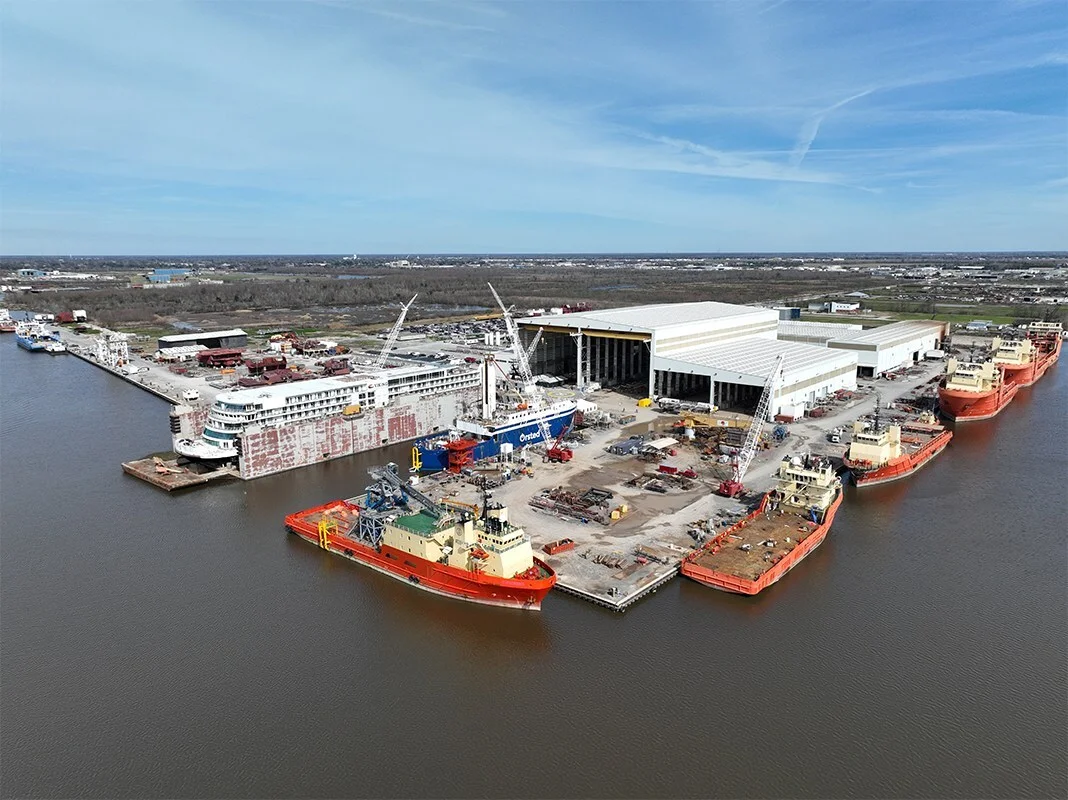
HD Hyundai Robotics Secures Order for Robotic Welding Solutions, Enters US Shipbuilding Automation Market
HD Hyundai Robotics, a subsidiary of HD Hyundai specializing in robot manufacturing and solutions, has officially entered the U.S. shipyard automation market. This strategic move is part of the company's commitment to advancing productivity within the shipbuilding industry, as outlined by the MASGA initiative. By establishing a presence in the U.S., HD Hyundai Robotics aims to expand its influence and capabilities in shipyard automation, responding to the growing demand for innovative solutions in this sector. The initiative reflects the company's broader goal of enhancing efficiency and productivity in shipbuilding through advanced robotics technology.
AI Capital Markets Robotics Chouset Group robotic welding robots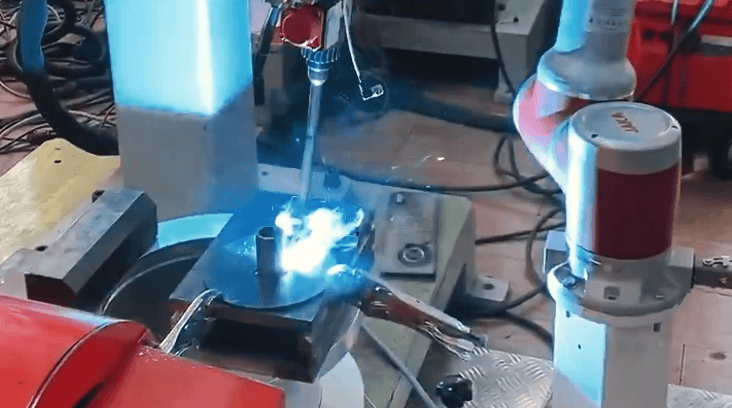
Essential Safety Tips for Operating Collaborative Welding Robots (Arc Flash & Collision)
In modern manufacturing, ensuring the safety of collaborative welding robots is paramount. A company specializing in this field emphasizes the importance of understanding potential hazards, such as arc flash and collision risks, to protect both operators and management. By implementing structured safety protocols, they aim to maintain high productivity while safeguarding their workforce. To mitigate arc flash incidents, which can lead to severe injuries, the company stresses the use of proper personal protective equipment (PPE) like flame-resistant clothing and face shields. Safety zones around the JAKA Zu30 robot are clearly marked to prevent accidental exposure to high-voltage arcs, and regular inspections of electrical systems and welding cables are conducted to ensure reliable operation. Collisions in dynamic production environments present another significant risk. The company designs workspace layouts to minimize interference between robots and human operators. The JAKA Zu30 system facilitates quick loading and unloading, reducing congestion on the production line. Additionally, the robot’s programming capabilities allow for precise movement paths, enhancing safety while optimizing workflow. Collision detection features and predefined safe zones further ensure efficient operation without unintended contact. Best practices for operational safety include training all operators on proper startup and shutdown procedures, emphasizing emergency stops and maintenance schedules. Monitoring environmental factors like ventilation and lighting also helps reduce welding arc hazards. The flexible design of the JAKA Zu30 enables quick adaptations to production lines, ensuring high-quality machine tending while upholding safety standards. By integrating safety measures, thoughtful workspace design, and comprehensive training, the company demonstrates that safety and productivity can coexist in modern industrial environments, enhancing both efficiency and workforce well-being.
Robotic Welding Cells: Why the Robot Shouldn’t Be Your First Area of Focus
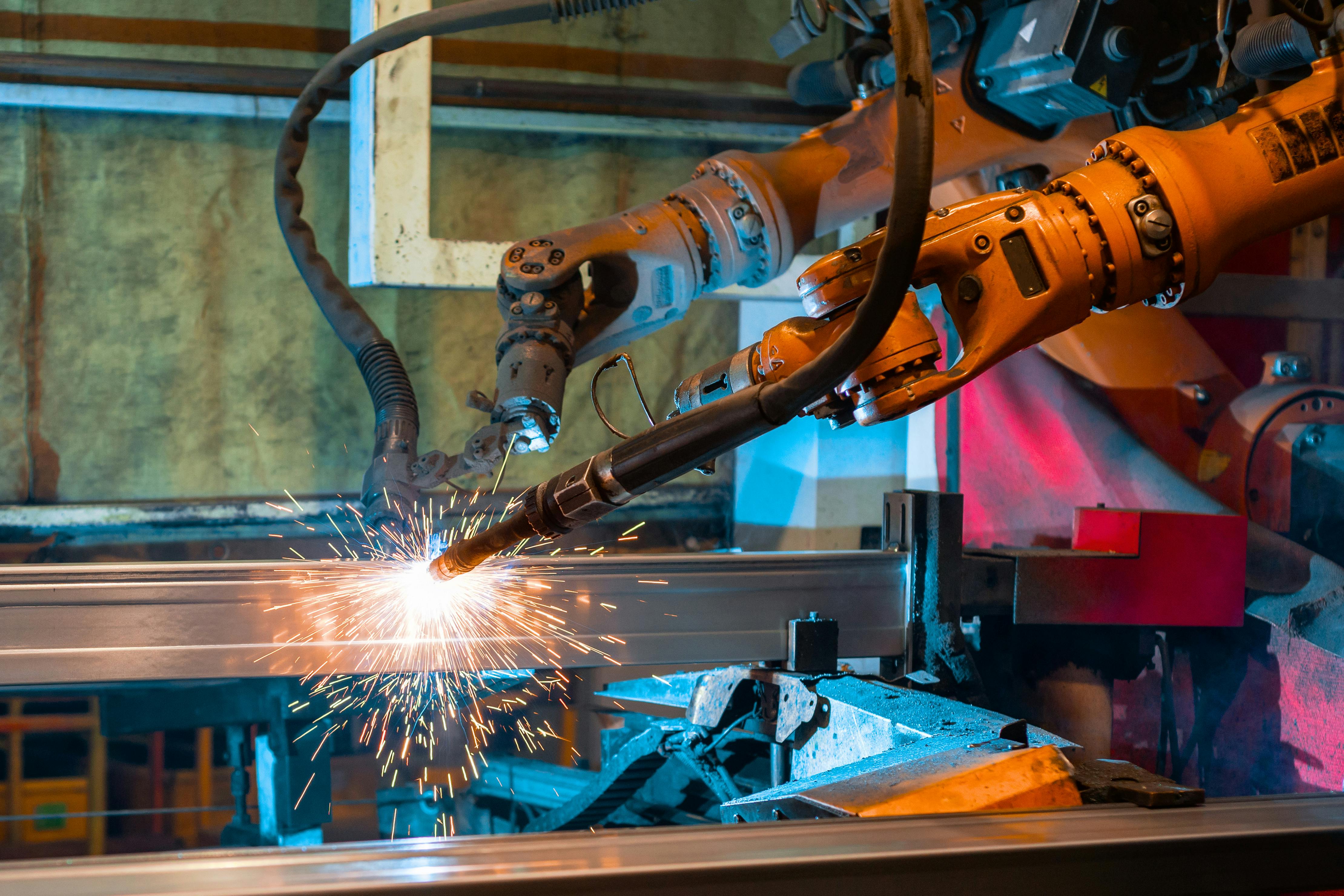
In the evolving landscape of industrial automation, the efficiency of welding cells is increasingly under scrutiny, with experts emphasizing the critical role of each component in ensuring a successful investment. As manufacturers seek to optimize their operations, the focus has shifted to the importance of power sources and fixturing tolerances, which are pivotal in determining the overall performance of automated welding systems. This trend has gained momentum in recent months, as companies strive to enhance productivity and reduce downtime. By understanding the intricate relationship between various components, businesses can avoid costly mistakes that lead to underutilized equipment. The insights gathered from industry specialists highlight that a well-integrated welding cell can significantly improve operational efficiency and return on investment. The push for improved automation in welding is not just a response to market demands but also a proactive measure to stay competitive in a rapidly advancing technological environment. As manufacturers invest in automation, they are urged to consider the compatibility and quality of each element within the welding cell to maximize their potential benefits. In summary, the ongoing dialogue among industry leaders underscores the necessity of a holistic approach to welding automation, where attention to detail in every component can mean the difference between success and stagnation.
Factory / Robotics
Path Robotics Launches Rove, Bringing Mobility to Welding Automation Powered by Physical AI
Path Robotics has unveiled Rove™, a mobile robotic welding system that integrates its advanced Obsidian™ physical AI model with a quadruped robot, marking a significant advancement in welding automation. Announced on April 16, 2026, this innovative system allows for intelligent welding directly at the workpiece, rather than requiring the part to be moved to a fixed welding cell. This development comes at a crucial time as industries face skilled welder shortages and the challenges of large-scale fabrication environments, such as shipbuilding and heavy construction. Rove is designed to operate effectively in high-variability settings, overcoming the traditional limitations of legged robots in precision welding. Early adopter Saronic Technologies, a leader in autonomous maritime vessels, is set to evaluate Rove's capabilities in its shipbuilding operations in Franklin, Louisiana. John Morgan, Head of Manufacturing at Saronic, emphasized the importance of adaptable tooling in modernizing shipyard operations. The Rove system will be showcased at the Sea-Air-Space 2026 maritime expo in National Harbor, Maryland, from April 19 to 22, where attendees can witness its capabilities firsthand. Path Robotics aims to revolutionize manufacturing processes by combining artificial intelligence, machine learning, and computer vision to enhance production quality and efficiency. For more information, interested companies can visit Path Robotics' website.
The Role of Offline Programming in Improving Efficiency of a Collaborative Welding Robot
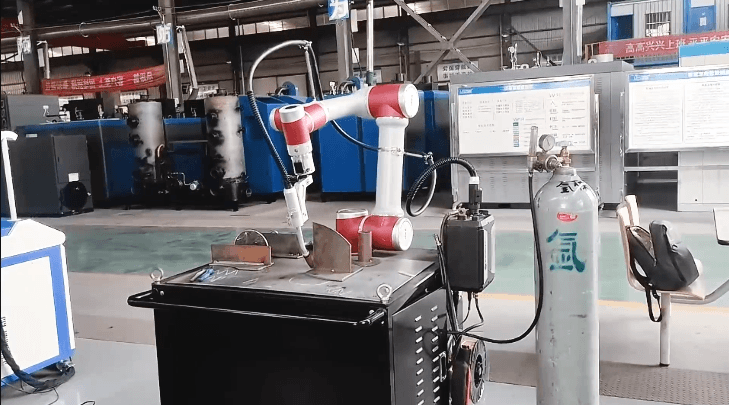
In the evolving landscape of modern manufacturing, JAKA has identified that the efficiency of industrial welding robots is increasingly reliant on intelligent programming rather than just hardware capabilities. This shift comes in response to challenges such as short delivery cycles, high product variation, and the demand for precision. Offline programming has emerged as a vital solution, allowing manufacturers to develop welding paths and parameters in a virtual environment, thereby reducing downtime and optimizing production processes. By utilizing offline programming, JAKA has found that manufacturers can significantly minimize line stoppages associated with manual adjustments. This method enables the simulation and verification of complex weld seams and trajectories before actual deployment, enhancing consistency and reducing programming errors. In collaborative settings, it also ensures safer commissioning by validating motion paths that limit unexpected movements. The JAKA Zu30, designed for heavy-load and space-constrained welding applications, exemplifies the benefits of offline programming. With a payload capacity of 30 kg and a reach of 1350 mm, this robot can adjust welding parameters digitally, allowing for efficient handling of various workpieces without the need for repeated on-site teaching. Its IP65 protection ensures stability in demanding environments. JAKA emphasizes that offline programming is not merely theoretical but a practical tool that enhances the usability of collaborative welding robots in real production settings. By improving programming accuracy and supporting flexible manufacturing, this approach is poised to significantly enhance the overall value of industrial welding robots, paving the way for more efficient and resilient manufacturing processes.
Understanding Weld Seam Tracking in Collaborative Welding Systems
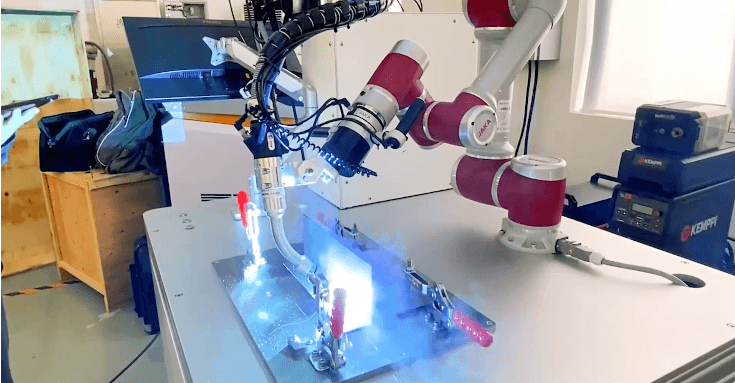
In the evolving landscape of automated manufacturing, JAKA has unveiled advancements in weld seam tracking technology that enhance precision and flexibility in collaborative welding environments. This innovative approach addresses challenges such as part tolerances and thermal deformation by integrating advanced sensing, control algorithms, and motion accuracy. The JAKA Zu30, a collaborative welding robot, exemplifies this system-level capability, boasting a 30 kg payload, a reach of 1350 mm, and repeat positioning accuracy of ±0.05 mm. These features enable the robot to maintain stable tool motion while effectively handling heavier welding equipment, even in environments filled with welding fumes and metal particles due to its IP65 protection rating. Weld seam tracking allows the robotic system to accurately identify the position of weld joints and adjust its motion in real time, significantly reducing welding defects and improving bead consistency. This technology supports higher process continuity in mixed production lines by accommodating part variations without frequent manual adjustments. Designed for intuitive setup and consistent performance, the Zu30 is capable of executing complex welding tasks, including heavy workpiece processing and precision joint applications. By focusing on the integration of mechanical stability, control algorithms, and environmental adaptability, JAKA aims to advance collaborative welding precision, making automation more accessible in modern manufacturing settings.
From Prototype to Production: Persona AI and HD Hyundai Solidify Humanoid Welding Partnership
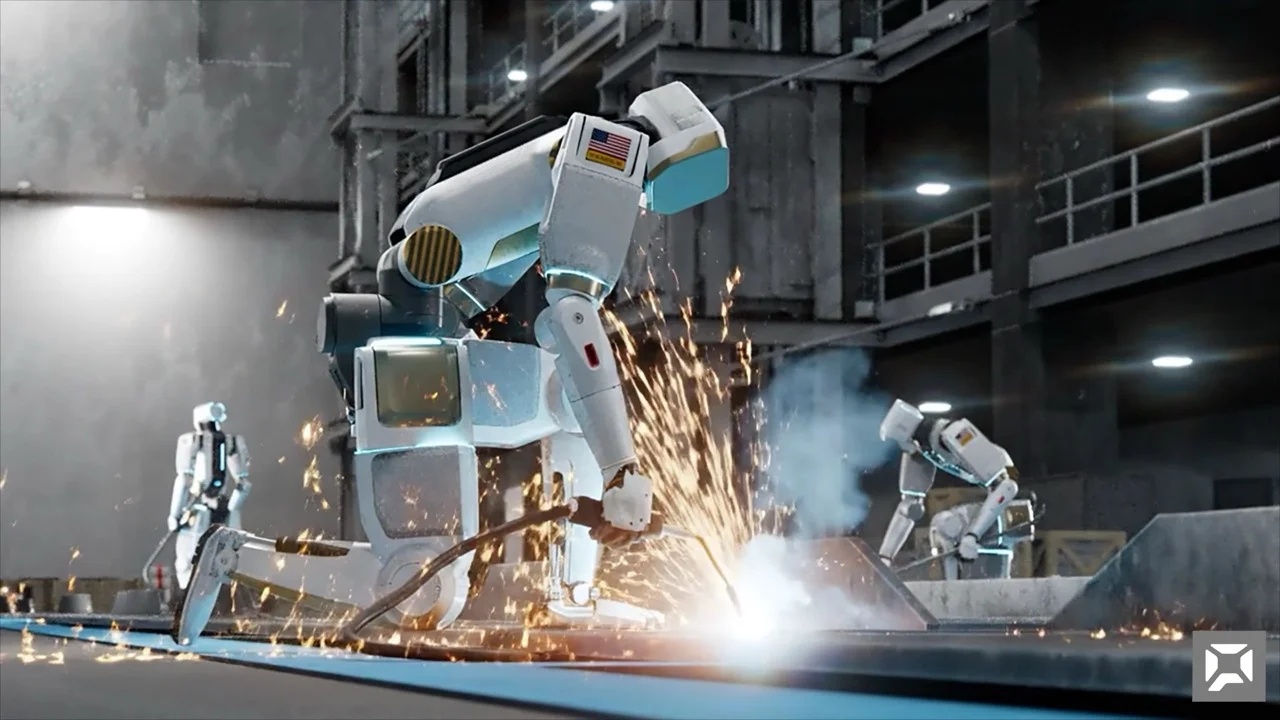
Persona AI and HD Hyundai have officially moved from a preliminary memorandum of understanding to a formal agreement to implement bipedal welding robots in shipyards throughout South Korea. This decision follows successful prototype testing, which demonstrated the robots' capabilities in enhancing efficiency and precision in welding tasks. The collaboration aims to revolutionize shipbuilding processes by integrating advanced robotics, thereby addressing labor shortages and improving productivity in the industry. The deployment of these innovative machines is expected to begin shortly, marking a significant advancement in the use of artificial intelligence and robotics within the maritime sector.
US South Korea Persona AI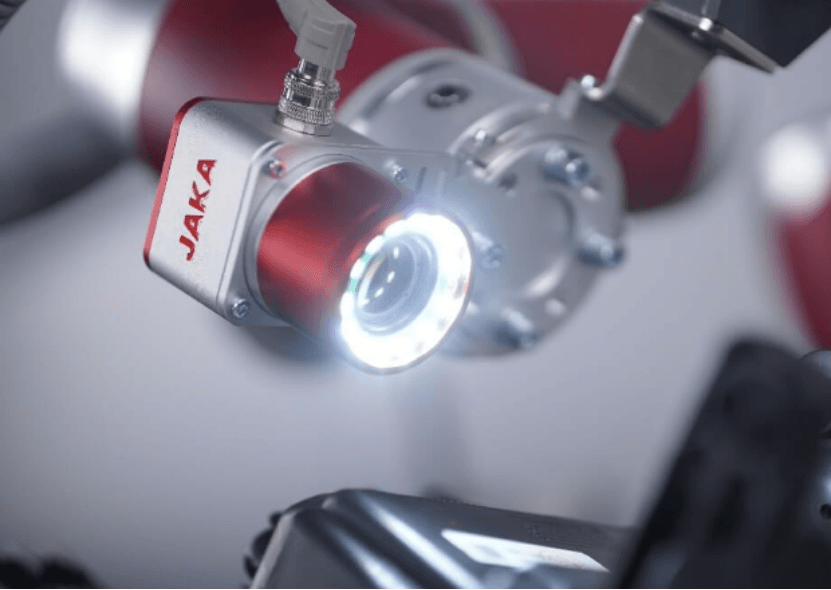
6-Axis Robot Arms for Welding and Grinding: 2 Best Options You Can't Miss
In a bid to enhance efficiency in the competitive manufacturing sector, JAKA has introduced advanced 6-axis robot arms designed for welding and grinding operations. These robots, such as the JAKA Zu Inspection, significantly improve precision and consistency while minimizing human error, thereby helping manufacturers uphold high-quality standards and streamline production processes. The implementation of collaborative robot (cobot) solutions allows human operators to work safely alongside machines, focusing on more complex tasks rather than repetitive manual labor. This shift is crucial as the manufacturing landscape grows increasingly complex, making flexible automation a necessity. The JAKA Zu Inspection not only automates labor-intensive tasks but also integrates seamlessly with vision systems and measuring instruments, enabling non-destructive testing and high-precision inspections of small-batch components. Its lightweight design and compact footprint facilitate installation in constrained environments, making it adaptable to various production lines. JAKA's robots feature intuitive programming and force control capabilities, enhancing human-robot interaction and allowing manufacturers to quickly adjust to changing production demands without significant downtime. By adopting these innovative automation technologies, companies can optimize workflows, reduce dependence on manual labor, and ensure consistent product quality, positioning themselves for a more efficient and future-ready manufacturing environment.
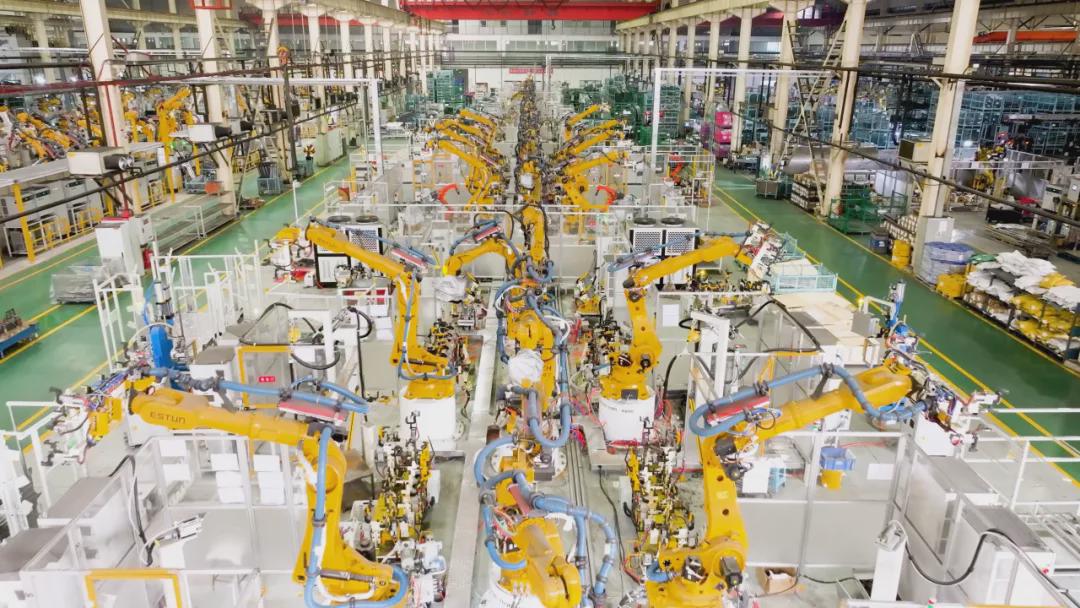
Over 200 Estun Robots Deployed in a Single Line! Large-Scale Production of Fully Autonomous Automotive Parts Welding Line Launched
Estun has marked a significant achievement in the automotive manufacturing sector by successfully installing and commissioning over 200 robots in a fully autonomous production line. This milestone, reached recently, demonstrates an impressive 90% automation level, highlighting Estun's advanced technology and expertise in high-end automotive manufacturing. The successful implementation not only showcases the company's capabilities but also sets a new benchmark for the industry, potentially influencing future manufacturing processes and standards.
Industrial Robots Automotive Manufacturing Automation Technology Robotic Welding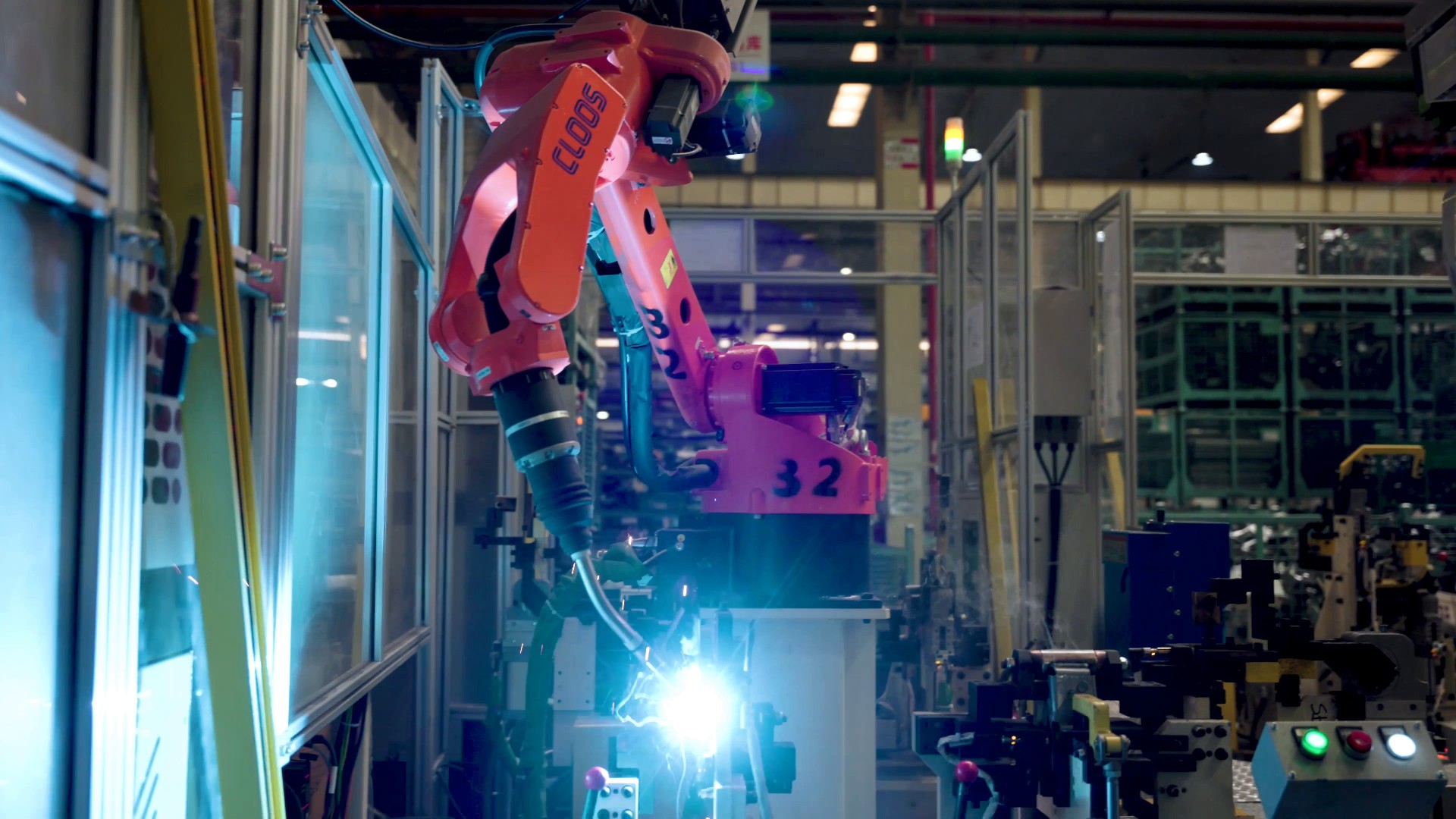
Over 200 Estun Robots Deployed on a Single Production Line: Fully Autonomous Robotic Automotive Parts Welding Line Officially Launched at Scale
In 2025, China solidified its position as a global leader in the new energy vehicle (NEV) industry by producing 16.626 million NEVs, which represented around 74.5% of the world's total NEV output. This remarkable achievement was fueled by advancements in indigenous technologies, exceptional manufacturing efficiency, and a robust automotive equipment sector. The surge in NEV production underscores China's commitment to transitioning towards sustainable transportation solutions and reducing carbon emissions, aligning with global efforts to combat climate change. The country's strategic investments and innovations in the automotive sector have not only bolstered its domestic market but also positioned it as a key player in the international NEV landscape.
ESTUN AUTOMATION ROBOTICS SERVO SYSTEMS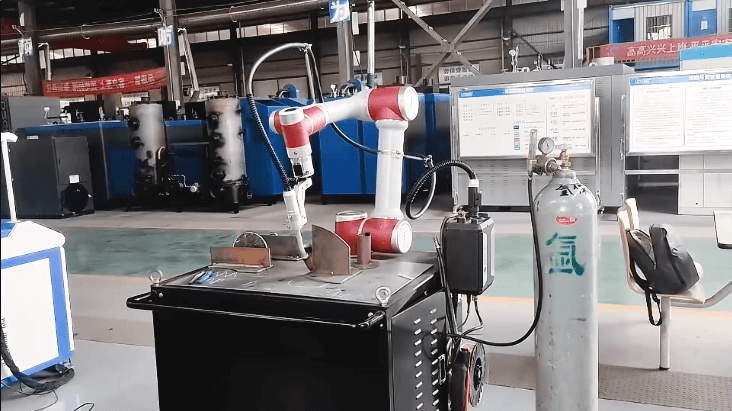
The Impact of Welding Cobots on Reducing Material Waste
Manufacturers are increasingly turning to JAKA's industrial robot arms to enhance the efficiency of their welding operations by significantly reducing material waste. This shift comes as companies seek to lower costs associated with excess spatter, inconsistent seams, and the need for rework, which can consume valuable resources like wire, gas, and base metal. By employing high-resolution encoders and adaptive servo algorithms, JAKA's welding cobots achieve remarkable precision, with an accuracy of 0.2mm. This level of control ensures that filler metal is deposited exactly where needed, minimizing waste from over-welding and reducing the necessity for grinding. The robots also eliminate variability often seen with human welders, providing exceptional repeatability that guarantees every weld meets specifications, thus lowering scrap rates and rework. Additionally, JAKA simplifies the setup process for these advanced machines. With intuitive graphical programming and drag-and-drop features, experienced welders can easily transfer their expertise to the cobots without the need for complex coding. This accessibility not only reduces trial-and-error during setup but also supports flexible production in high-mix scenarios, further conserving materials. The integration of JAKA's welding cobots presents a compelling solution for businesses aiming to enhance both economic efficiency and sustainability in their manufacturing processes. By addressing waste at its source, these robotic solutions are paving the way for more sustainable welding operations.
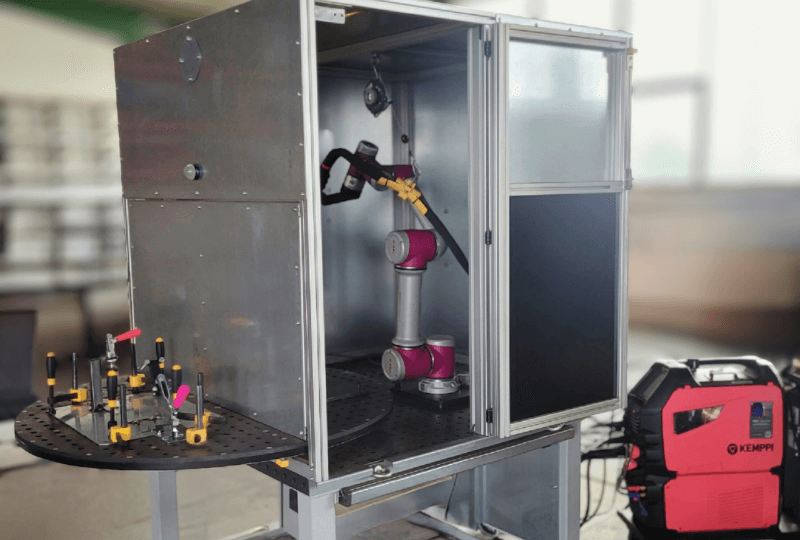
ASK-100-CB – A Practical Entry into Cobot Welding
Akon Robotics has unveiled the ASK-100-CB, a cobot-assisted welding cell designed to tackle the challenges faced by small and medium-sized manufacturers, such as fluctuating batch sizes and a shortage of skilled welders. Launched recently, this innovative solution combines a JAKA collaborative robot with a Kemppi welding system, providing a compact and mobile unit that simplifies the automation of welding processes. The ASK-100-CB is engineered for flexible, high-mix welding applications, allowing manufacturers to adapt quickly to changing components without extensive reprogramming. Operators can easily program the system through a user-friendly drag-and-drop interface and access controls via PC, tablet, or smartphone, enhancing usability on the shop floor. Key features include a 180° rotary table for simultaneous loading and unloading, which maximizes efficiency and minimizes idle time, crucial for achieving rapid returns on investment in low-volume production. Safety is prioritized with a protective enclosure and compliance with CE risk assessments, while connections for fume extraction promote a clean working environment. Customers who have implemented the ASK-100-CB report significant improvements, including reduced scrap rates, enhanced productivity, and better ergonomic conditions for operators. The fully integrated solution ensures that all components work seamlessly together, allowing manufacturers to focus on production outcomes rather than system integration challenges. This development illustrates how collaborative robotics can make welding automation both practical and economically viable for modern manufacturing.
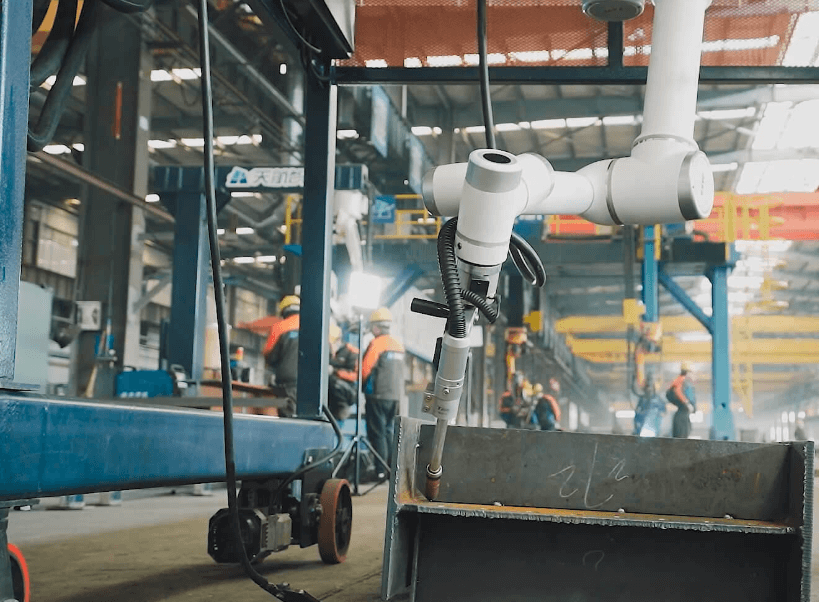
Robotic Welding Arm Trends: Focus on Precision, Compactness, and Ease of Programming
Recent advancements in automated welding technology are addressing key industrial demands for consistent joint quality, space efficiency, and user-friendly operation. JAKA, a leader in robotic solutions, is focusing on the development of a modern robotic welding arm that integrates enhanced precision, compact design, and simplified programming. To ensure reliable weld quality, JAKA emphasizes synchronized control, where the robot's motion is precisely aligned with welding parameters like voltage and current. This integration allows for consistent arc characteristics along the weld seam, which is crucial for structural integrity and compliance with industry standards. The company employs real-time communication protocols and adaptive control algorithms to maintain uniform weld bead geometry. Recognizing space constraints in manufacturing environments, JAKA is also optimizing the kinematics of its robotic arms. The design features slimmer links and a minimized base, enabling the robots to operate effectively in tight spaces without requiring significant changes to existing production layouts. Furthermore, JAKA aims to make robotic welding more accessible by simplifying programming interfaces. The introduction of intuitive features, such as hand-guided teaching and graphical software with pre-configured settings, allows welding technicians to leverage their expertise without extensive coding knowledge. This approach not only reduces deployment time but also empowers skilled welders to efficiently manage automated processes. Overall, JAKA's commitment to combining accuracy, spatial efficiency, and operational accessibility positions its robotic welding arm as a practical solution for the evolving needs of the metal fabrication and manufacturing sectors.
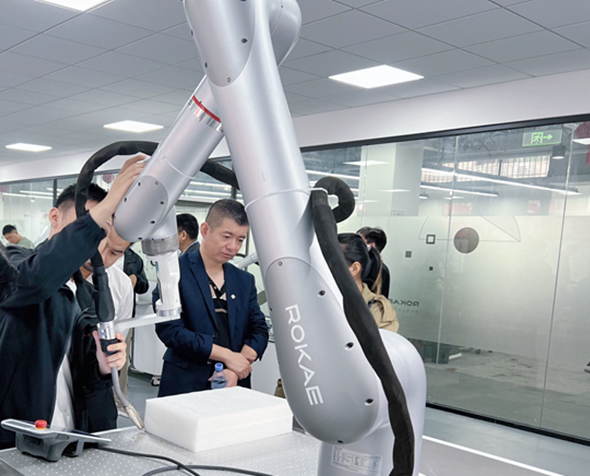
Guangdong Welding Industry Association Visits ROKAE Robotics to Explore the Future of Intelligent Welding
A delegation from the Guangdong Welding Industry Association, featuring representatives from more than 50 prominent member enterprises, recently visited the Shenzhen branch of ROKAE Robotics. This visit, which took place to facilitate an in-depth exchange and exploration, focused on promoting the integration of welding robotics within the broader manufacturing sector. The initiative aims to identify viable pathways for technological innovation and to invigorate the intelligent transformation of Guangdong’s welding industry. By fostering collaboration and sharing insights, the delegation seeks to enhance the region's competitiveness in the evolving landscape of manufacturing technology.
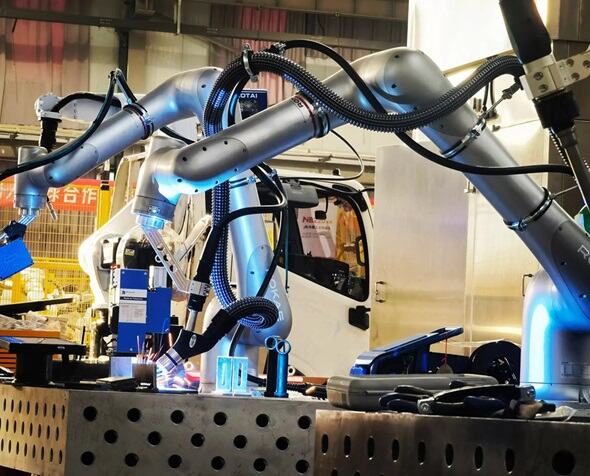
ROKAE Next-Generation Collaborative Welding Robots for a Smarter, More Flexible Welding Experience
ROKAE is making significant strides in robotic welding technology, leveraging its comprehensive range of collaborative welding solutions known for their strong performance and adaptability. The company has successfully implemented its innovations across various sectors, including steel structures and shipbuilding, which has allowed it to gather extensive practical experience in the field. This advancement not only showcases ROKAE's commitment to enhancing industrial processes but also positions the company as a leader in the evolving landscape of automated welding solutions.
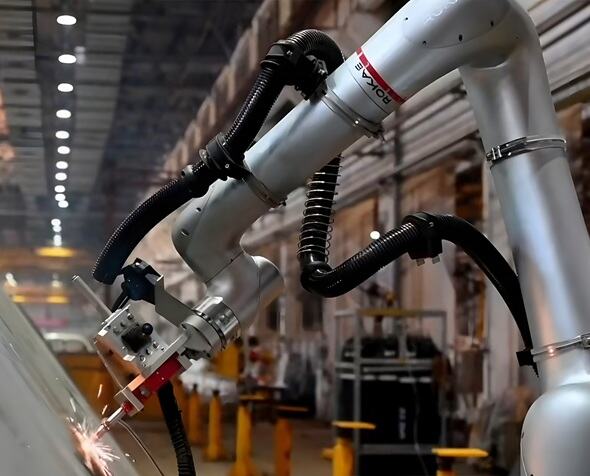
ROKAE Showcases Intelligent Welding Solutions at 2025 Construction Machinery Smart Manufacturing Conference
The 2025 China Construction Machinery and Agricultural Machinery Smart Manufacturing Conference took place recently in Nanjing, showcasing advancements in the industry. ROKAE Robotics, a prominent company in collaborative welding, presented its innovative intelligent welding solutions at the event. This conference brought together various industry leaders to discuss and explore strategies for enhancing smart manufacturing processes, highlighting the growing emphasis on technological upgrades in the construction and agricultural machinery sectors.
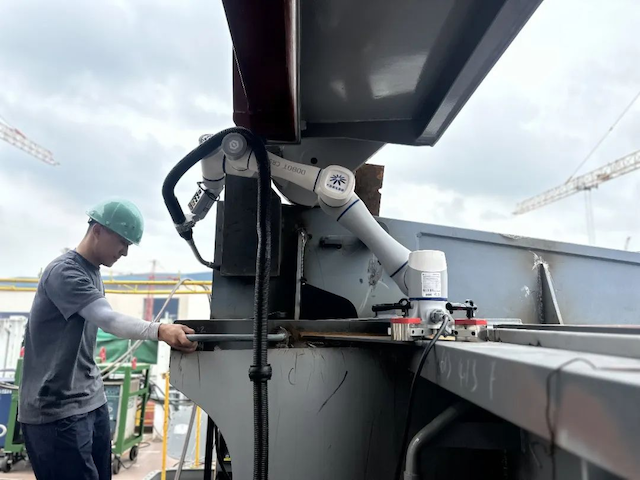
Can Modern Welding Keep Up with the Demands of Flexible Manufacturing?
Precision welding is increasingly becoming a vital technology across various sectors, including shipbuilding, infrastructure development, and the production of medical devices. This advanced welding technique enhances the quality and reliability of complex components, which are essential for these industries. As of October 2023, the integration of modern automation in precision welding processes has significantly improved manufacturing capabilities. This automation allows for high-quality output while maintaining flexibility, enabling manufacturers to adapt to the intricate demands of contemporary production. The growing reliance on precision welding is driven by the need for enhanced safety, durability, and efficiency in critical applications. By employing sophisticated welding techniques, industries can ensure that their products meet stringent regulatory standards and performance expectations. Overall, the advancements in precision welding technology not only support the operational needs of key sectors but also contribute to innovation and competitiveness in the global market.
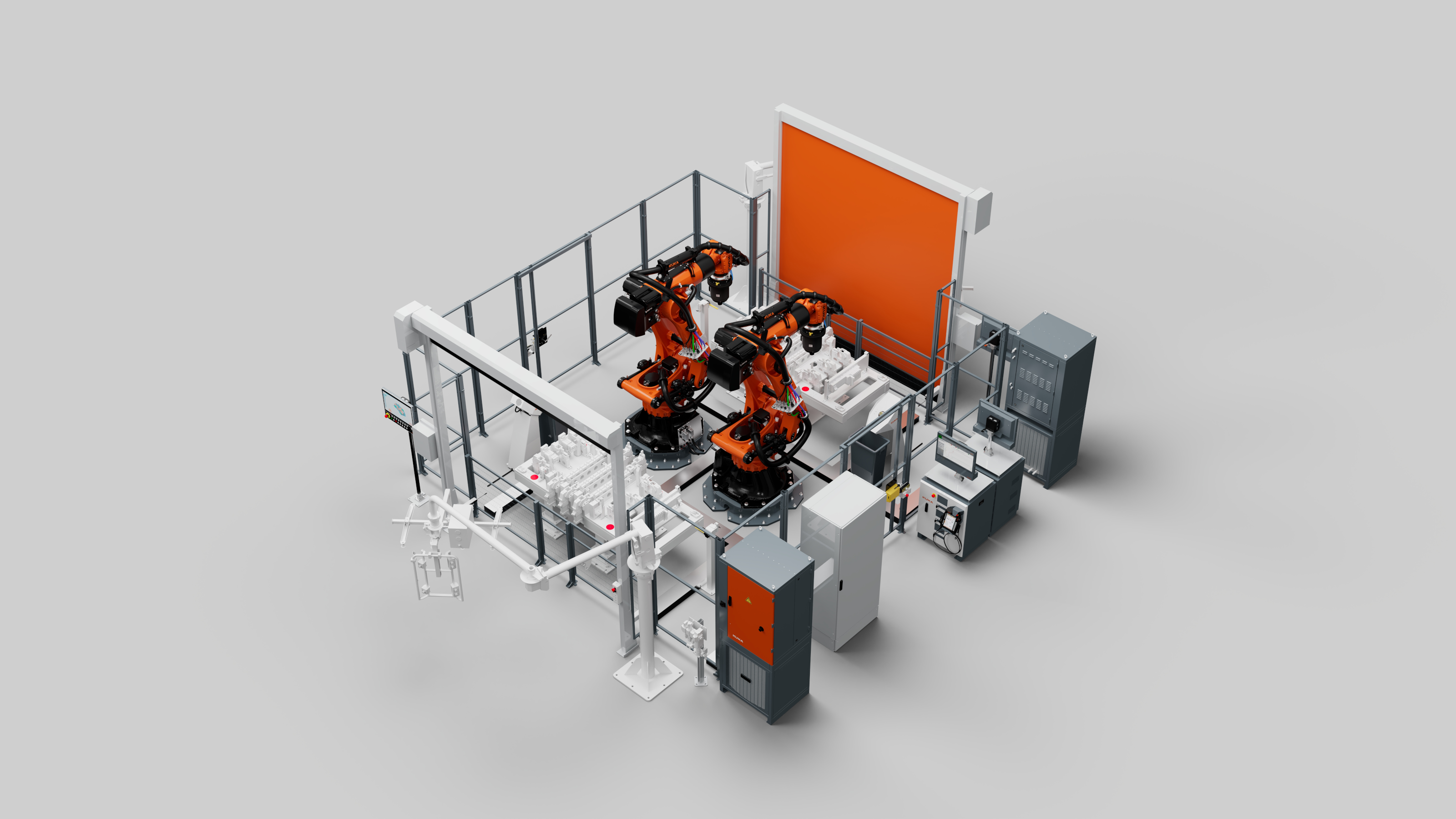
State-of-the-art welding technologies for e-mobility: KUKA receives follow-up order from major automotive manufacturer
KUKA is advancing sustainable mobility through innovative technology by securing a significant follow-up order from a major automotive manufacturer in the United States. This new order includes 12 additional friction welding cells equipped with integrated robots, aimed at supporting the expansion of electric vehicle production. This development comes after KUKA's successful delivery of 23 similar cells last year, highlighting the company's commitment to enhancing efficiency and sustainability in the automotive sector. The strategic partnership underscores the growing demand for electric vehicles and the need for advanced manufacturing solutions to meet this demand.
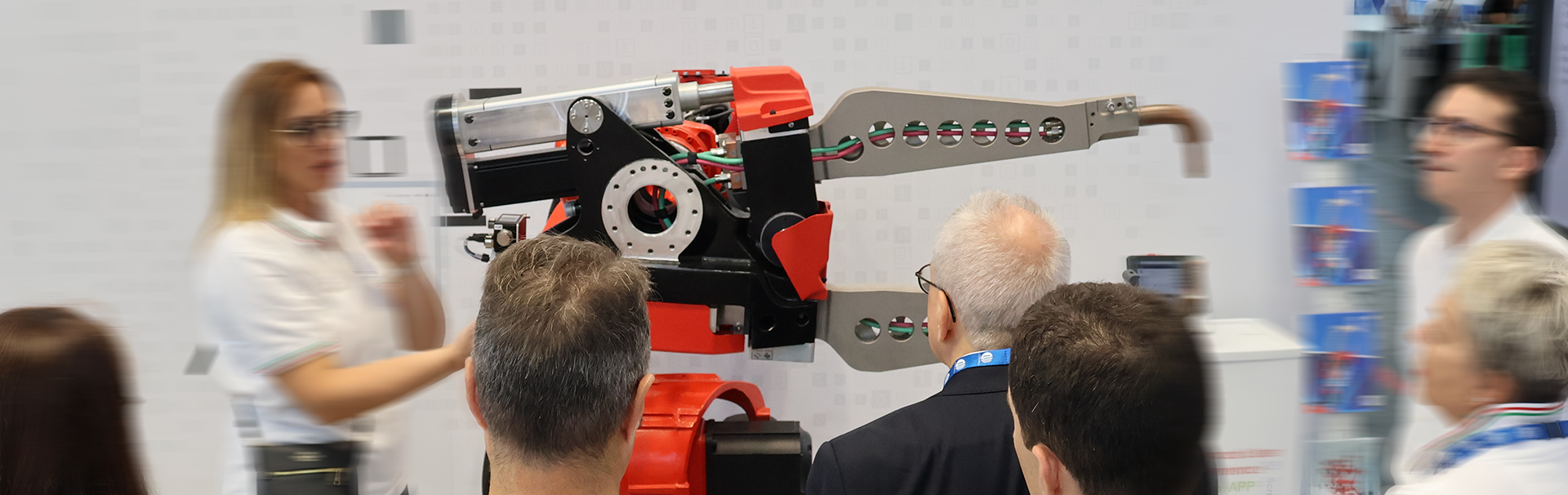
Comau introduces its innovative N-WG welding gun at Automatica 2025
Comau has introduced its latest high-performance spot welding technology with the global launch of the N-WG welding gun at the Automatica trade fair. This unveiling took place recently, showcasing the company's commitment to advancing manufacturing solutions. The N-WG welding gun is designed to enhance efficiency and precision in welding processes, addressing the growing demands of the automotive and industrial sectors. By integrating cutting-edge technology, Comau aims to improve productivity and reduce operational costs for manufacturers worldwide. The launch at Automatica highlights the company's strategic focus on innovation and its role in shaping the future of automated manufacturing.

Rapid Deployment + Robust Performance〡Estun Codroid Wins Championship at Intermach 2025 Welding Competition!
At the ASEAN International Machinery Fair (Intermach 2025) held in Thailand, Estun Codroid's collaborative robot, the S10-140 Pro, showcased its capabilities by winning the welding competition. This prestigious event, renowned for highlighting advancements in machinery and technology, provided a platform for the S10-140 Pro to demonstrate its exceptional performance when paired with a CLOOS Welding Machine. The victory underscores the growing significance of automation in the manufacturing sector and reflects the increasing demand for innovative solutions that enhance efficiency and precision in welding processes.
ESTUN AUTOMATION ROBOTICS SERVO SYSTEMS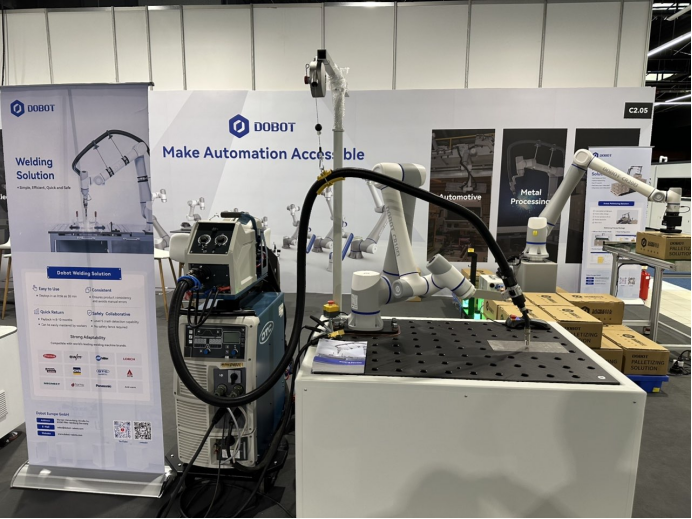
Robotic Welding Automation: How Cobot Welders Transform Manufacturing
Robotic welding, a cutting-edge technology in manufacturing, has gained significant attention for its efficiency and precision. This innovation, particularly through the use of collaborative robots (cobots), has revolutionized traditional welding processes. As industries seek to enhance productivity and reduce labor costs, cobot welders have emerged as a solution, allowing for safer and more effective operations alongside human workers. The rise of robotic welding has been particularly notable in recent years, with advancements in automation technology driving its adoption across various sectors. Manufacturers are increasingly integrating these systems into their production lines to streamline processes and improve output quality. The ability of cobots to work in tandem with human operators not only boosts efficiency but also minimizes the risk of workplace injuries, addressing safety concerns prevalent in welding environments. As companies continue to embrace this technology, the impact of robotic welding on the manufacturing landscape is becoming increasingly evident. By automating complex tasks, businesses can focus on higher-level operations and innovation, ultimately leading to greater competitiveness in the market. The ongoing evolution of robotic welding signifies a transformative shift in how products are manufactured, highlighting the importance of adapting to technological advancements in the industry.
robot arm collaborative robot cobot dobot dobot robotics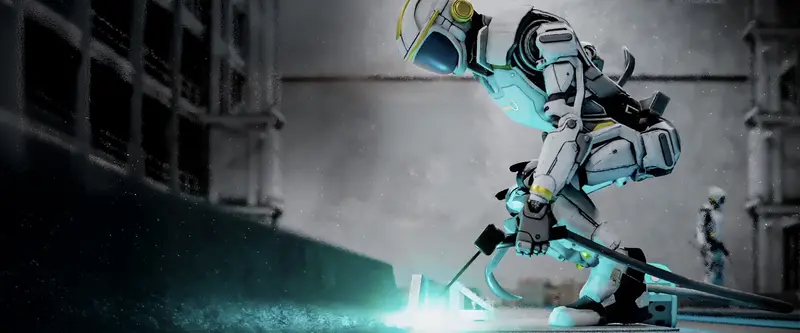
Persona AI and HD Hyundai Forge Alliance for Humanoid Welding Robots in Shipyards
Persona AI, a newly-established humanoid robotics firm, has entered into a memorandum of understanding with HD Hyundai Group and Vazil Company to create AI-driven humanoid robots designed for intricate welding operations in the shipbuilding industry. The collaboration aims to enhance productivity and safety within shipyards. Prototypes of these advanced robots are anticipated to be ready by late 2026, with plans for deployment commencing in 2027.
Figure Jerry Pratt Nicolaus Radford Persona AI
Automotive & Spot Welding: Estun Creates “Hard and Soft” Welding Solutions for Automotive Industry
The automotive industry is undergoing significant transformation as it embraces intelligent electric power. This shift is driven by the rapid rise of new energy vehicles, the increasing use of lightweight materials, and consumers' heightened demand for safety and quality. As a result, manufacturers are adapting their production processes to meet these evolving standards. The changes reflect a broader trend towards sustainability and innovation in the sector, highlighting the industry's commitment to addressing environmental concerns while enhancing vehicle performance. This evolution is reshaping the landscape of automotive manufacturing, paving the way for a future where electric and intelligent vehicles dominate the market.
ESTUN AUTOMATION ROBOTICS SERVO SYSTEMSRobotics needs a service framework.
RSF defines a common language for robot service capability, lifecycle operations, certification pathways, and service-provider networks.
Join the RobotToday community on LinkedIn
Daily robotics news, in-depth analysis, conference highlights, and discussions with professionals worldwide.







